Monthly archives: February, 2020

Abandoned Ontario $4.5 Million GTA Mansion

This mansion is located in the Greater Toronto Area. It was built around 1985. I named it the “Wasted Space Mansion” because I find that it has too much room and not enough character. You could fill it with furniture and still have too much empty space left over.

The mansion was purchased in 1985 for $835,000 by a wealthy developer. Today’s value is approximately $4.5 million dollars. 
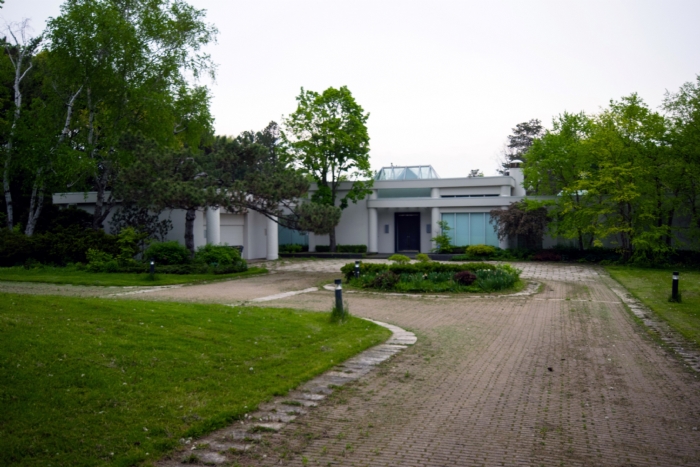
Wasted Space Mansion - Toronto
The front of this beautiful mansion
Wasted Space Mansion

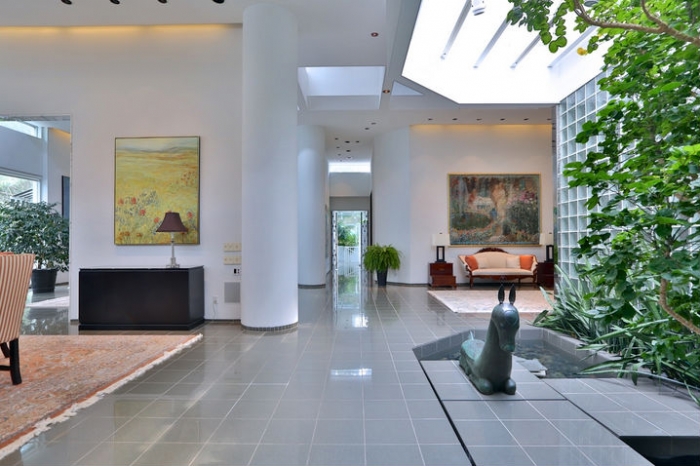
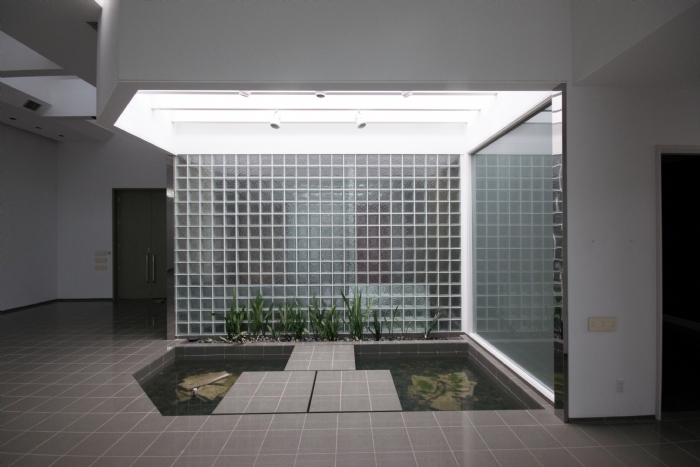
Once you enter inside the main doors, you’re greeted by a security camera on the right wall. It does move, though it didn’t seem to be tracking anything. Just off to your left will be a glass tiled wall and water fountain. If you walk behind that fountain you’ll find a bathroom.
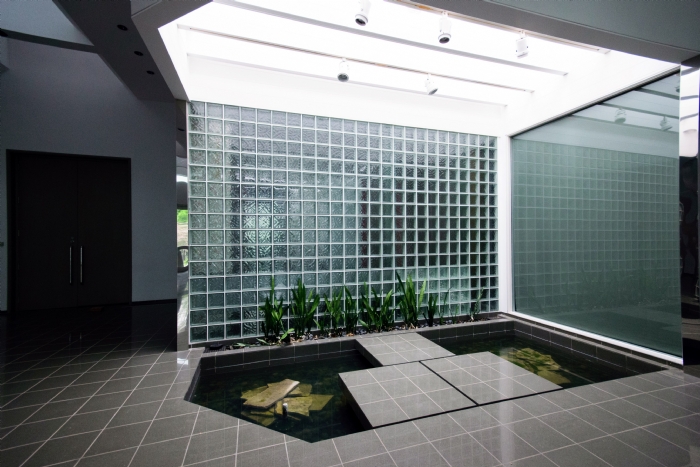
Wasted Space Mansion
water pond


Wasted Space Mansion


Wasted Space Mansion
Real estate photo of the same pond


Wasted Space Mansion
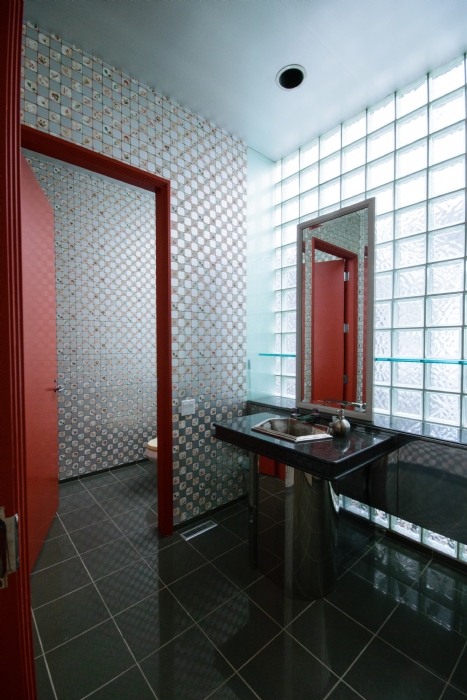
Bathroom behind the water pond

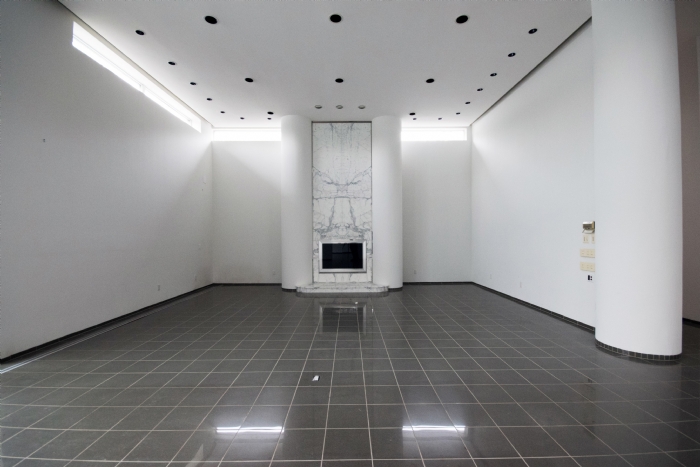
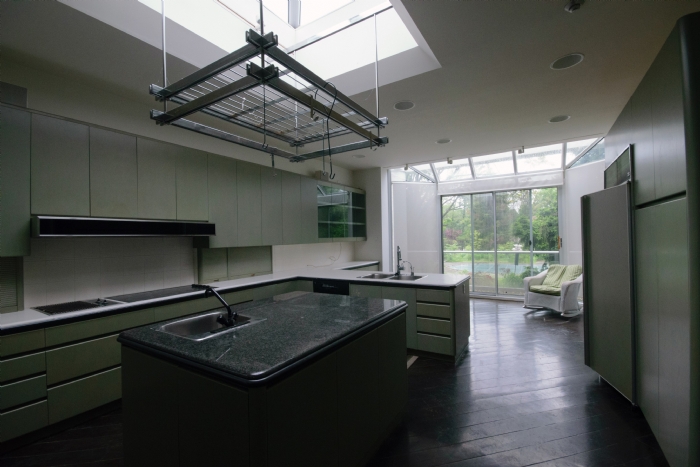
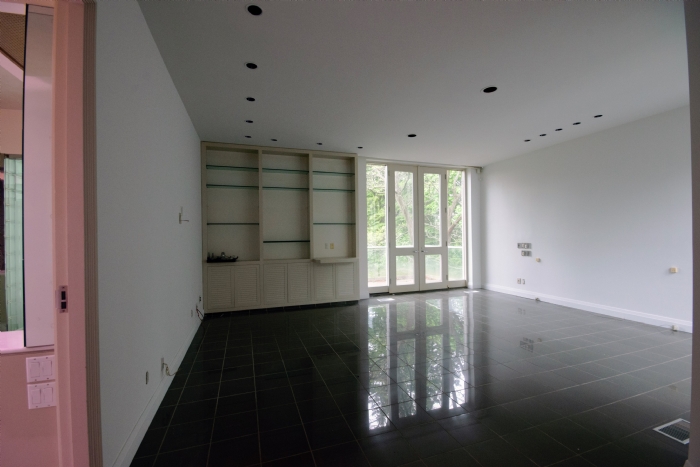
Further inside the house on the left is a large kitchen with patio doors leading to the outside yard and pool. Just off to the right is what would be the living room, with a fireplace. The lighting in this room is extensive, with spotlights and then trim lights that light up just the walls.
Wasted Space Mansion
large kitchen and skylight

Moving down to the left of the main lobby you’ll come to a laundry room and the door to the garage.
Wasted Space Mansion


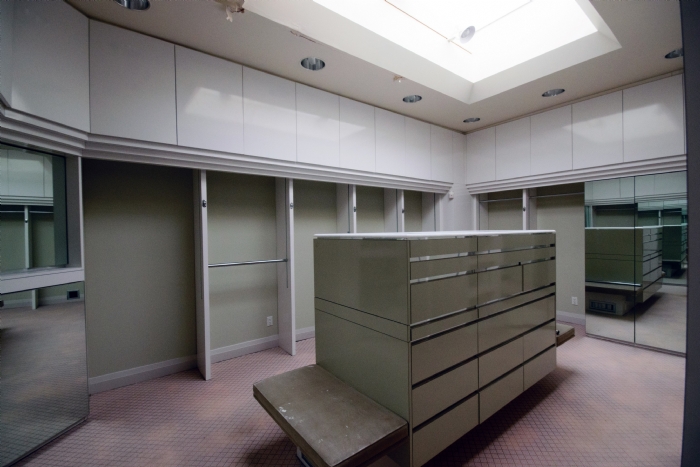
large walk in closet

Take a right from the main lobby and you’ll come to the bedrooms and walk in closet. There’s a metal gate here which purpose I’m not clear on, unless you want to keep your pets out or something.

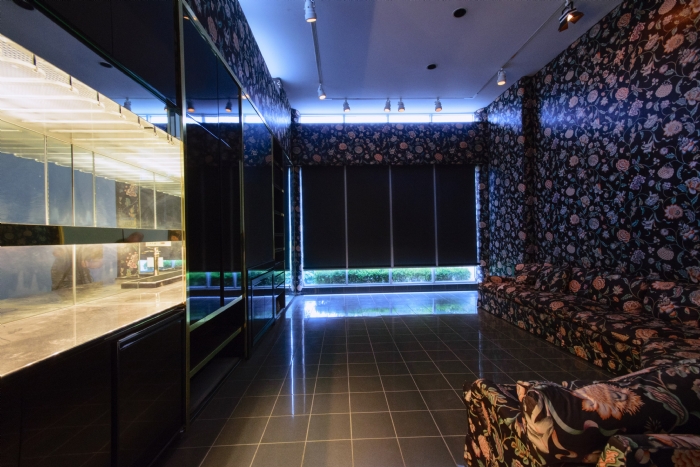
Your first stop as you turn right should be the entertainment room. This room has a fabric (not wallpaper) flower pattern on the wall which matches the couch. The couch appears to be part of the wall. The switches to raise and lower the curtains and screen (or light blocking screen?) are just behind the couch. There’s a bar and a fridge in this room. Perfect for movie nights and sports playoffs. 
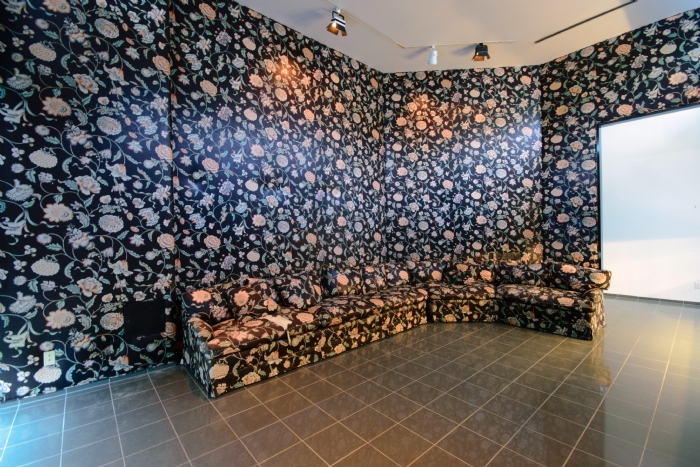
 

Wasted Space Mansion unique wallpaper
unusual wallpapering
Wasted Space Mansion
bar area

Around the corner is another bathroom with two stalls: one toilet and bidet, one toilet. I guess if you want to listen to one another take a crap this is for you. The bathroom is huge.
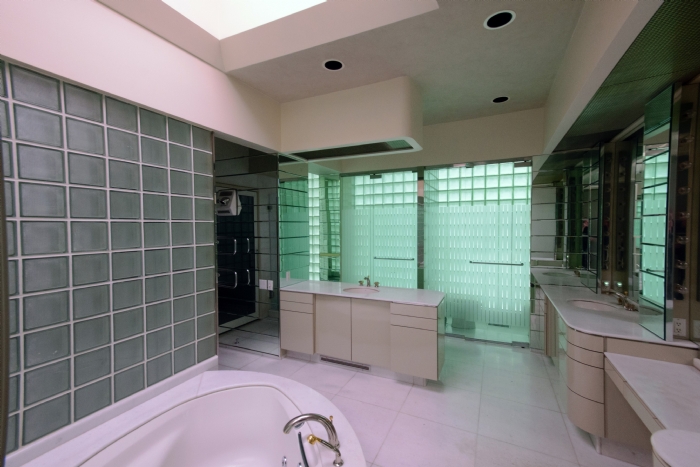
Wasted Space Mansion
bathroom with two toilets

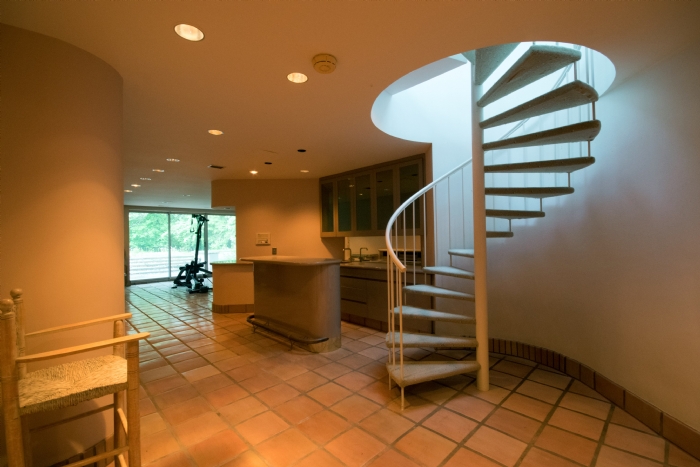
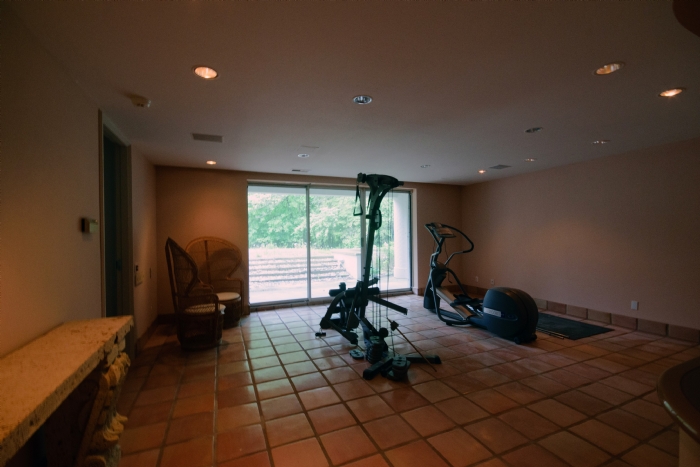
There’s a stairway leading to the basement where you’ll find a mini kitchen, a bar area and gym equipment. There’s more wasted space with a large room with a purpose that would seem pointless. 
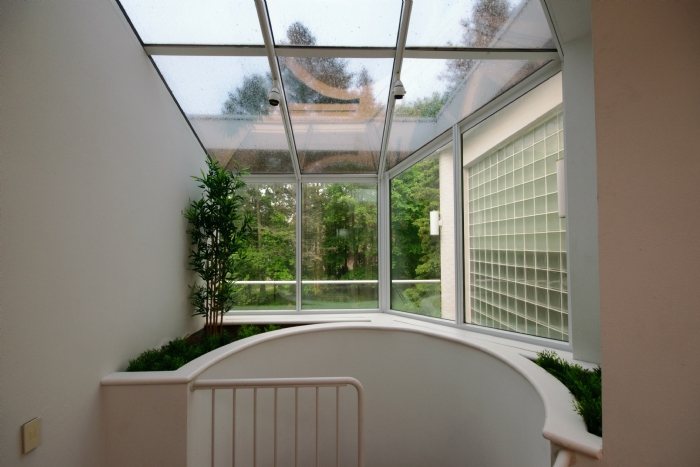
 

Wasted Space Mansion
Staircase to basement at far eastern side of the house 


Wasted Space Mansion

The property is vacant because of alleged fraudulent activity that took place regarding investments for purchasing several homes in the area, including this one. 

 November 2022 update : The house is now being renovated with plumbing upgrades and new windows.
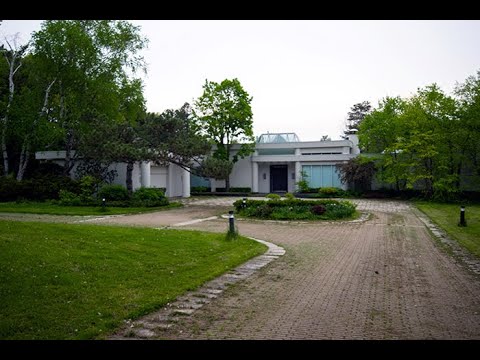
The Beautiful Wasted Space Mansion (aka Marble Mansion) in Toronto

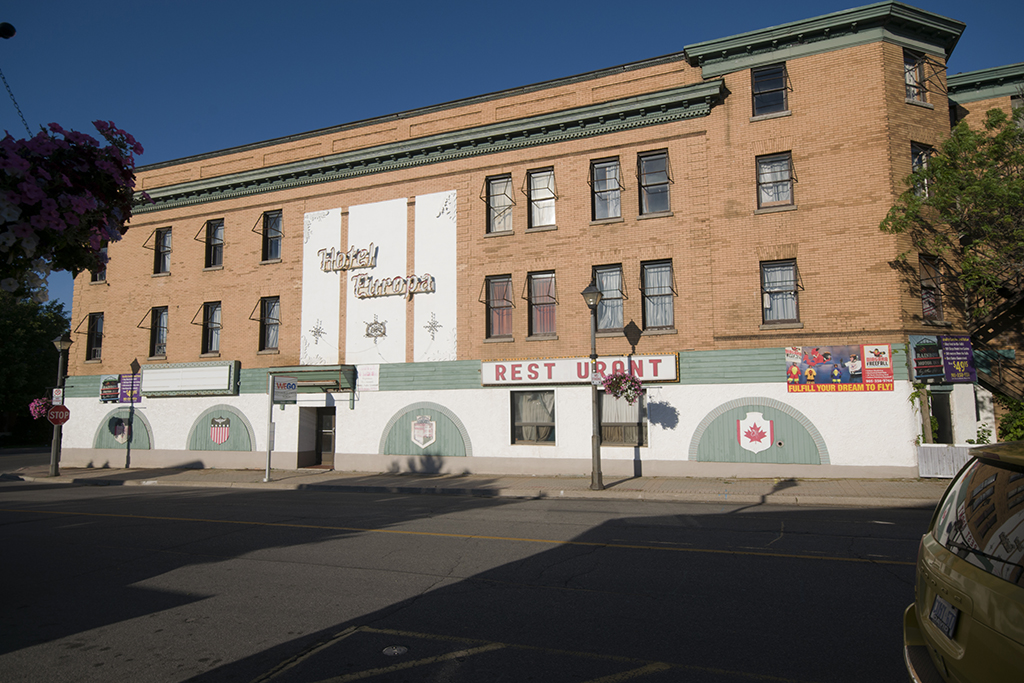
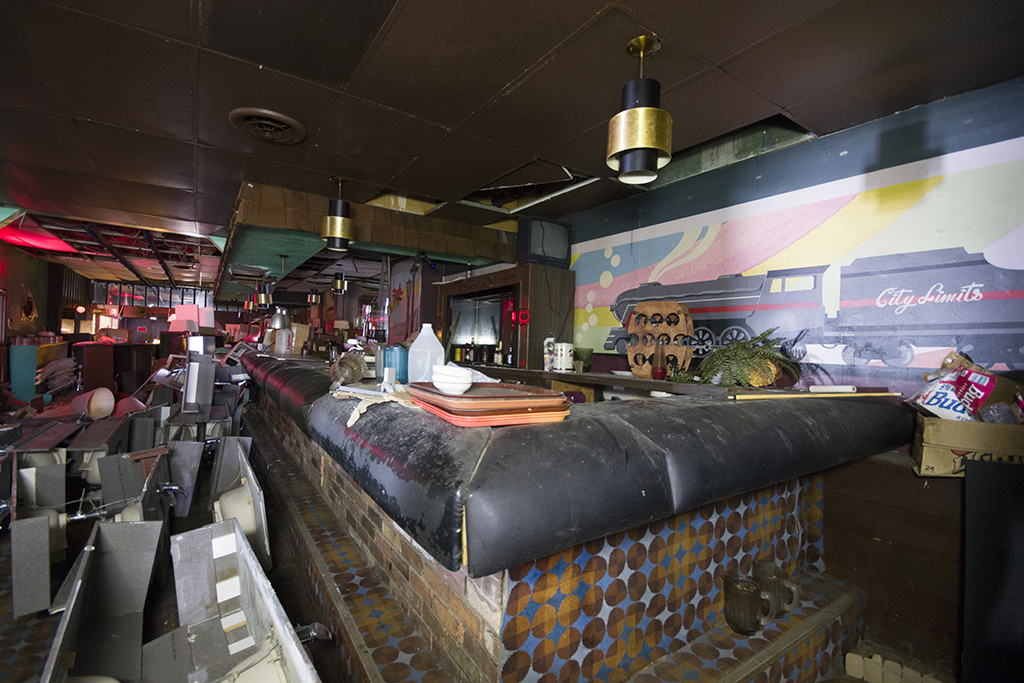
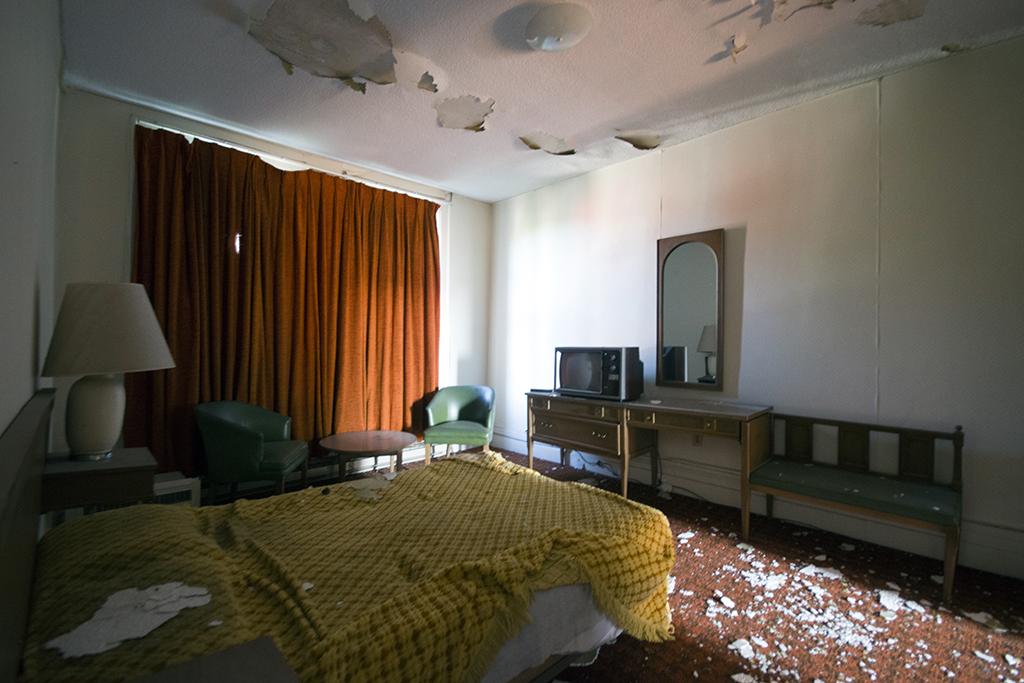
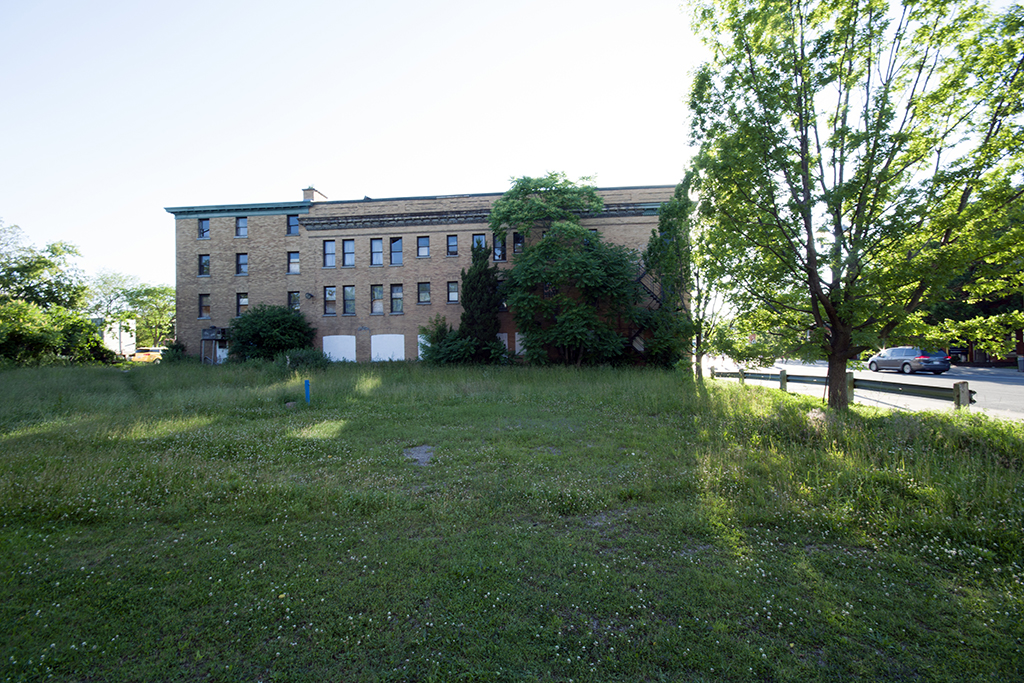
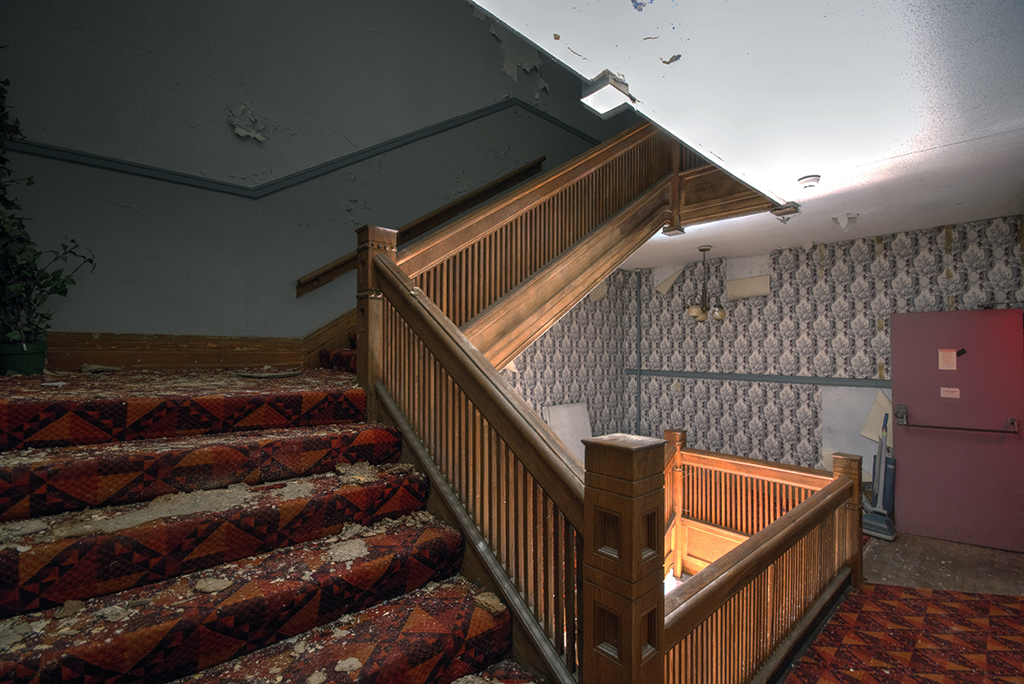
Niagara Falls Hotel Europa and City Limits Night Club

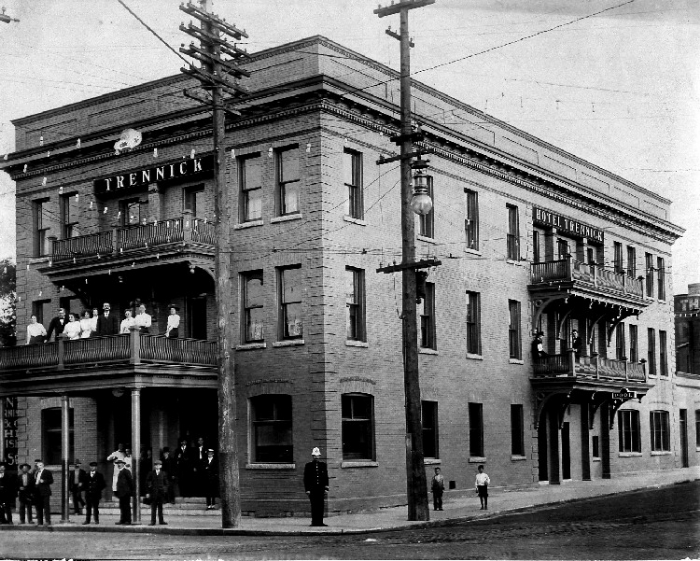
The history of Hotel Europa dates back several decades to a time when it was named the “Columbia Hotel”. The Columbia was later town down and the Trennick was built on the grounds. It opened on June 13, 1910 with Mr. Charles R. Newman as the proprietor. Rates for one of the 40 rooms ranged from $2.50 to $3.00 and an American meal plan was 50 cents.
Mr. Newman lived in the hotel until 1916 when he moved into his own home. In 1920, Newman purchased the hotel. He became mayor of Niagara Falls in 1922, a position which he held until 1924. Newman passed away in 1928.
Hotel Europa

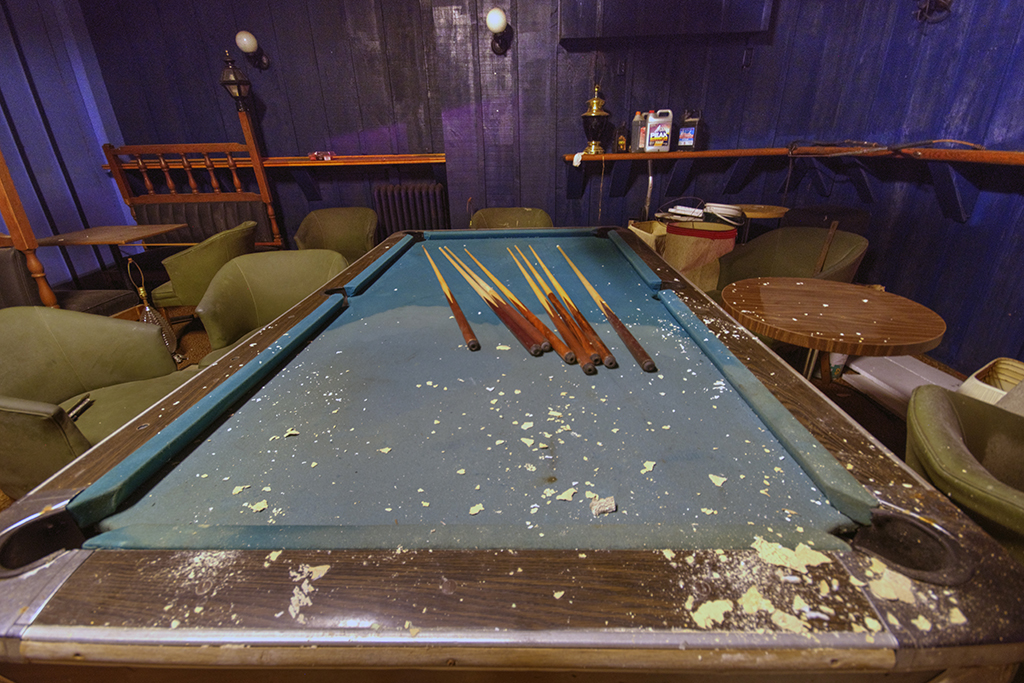
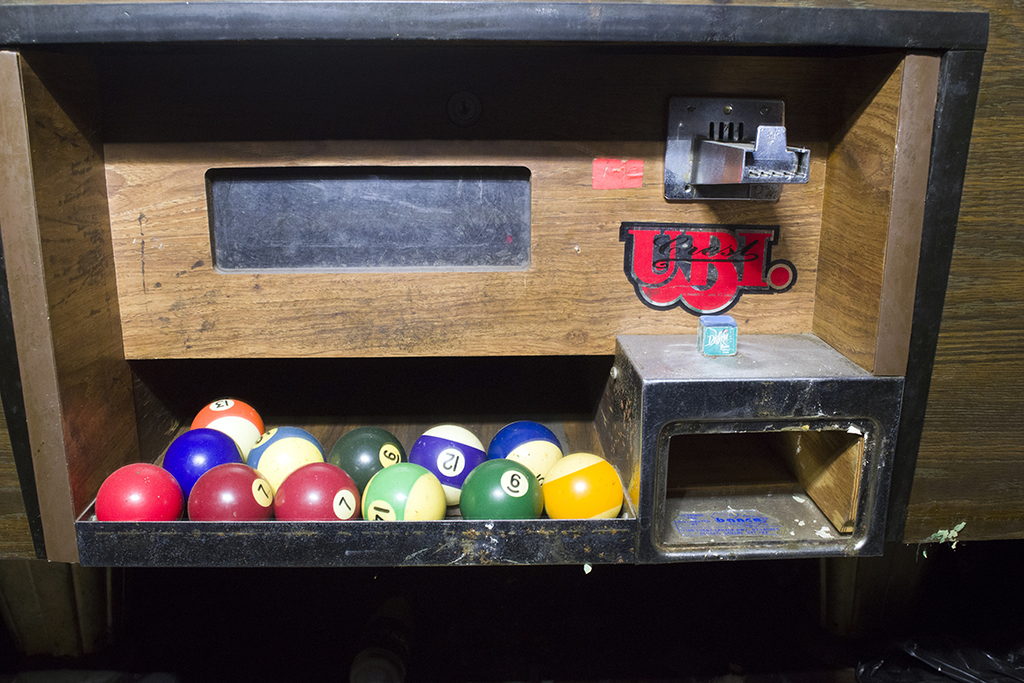
A billiard room was built in the basement as well as sample rooms. Sample rooms were rooms where travelling salesmen could display their products to the public. A 150 person dining hall was on the main floor.

During this era, hotel owners were discouraged from offering music and dancing as it was seen as having a negative effect on the morals of young people.

The LCBO also didn’t approve of using dancing to promote drink sales. The LCBO felt that hotels shouldn’t be focusing on selling drinks. As Niagara Falls was a tourist destination, hotel owners were facing pressure from guests to provide some enjoyment. Music in beverage rooms was not permitted yet many hotel proprietors ignored the rule.

Dining rooms however could have a record player, piano or small band.

When a liquor inspector found a piano in the ladies and escorts room of the Trennick, the manager explained that the piano was, “placed in this room to provide necessary music to a tap dancing class or school.”

The hotel underwent further name changes, becoming the Metropole in 1942 and underwent renovations. Ivan Popvich was the manager according to my research. It then became the Mohawk Hotel and in 1967, the Lord Nelson Hotel.

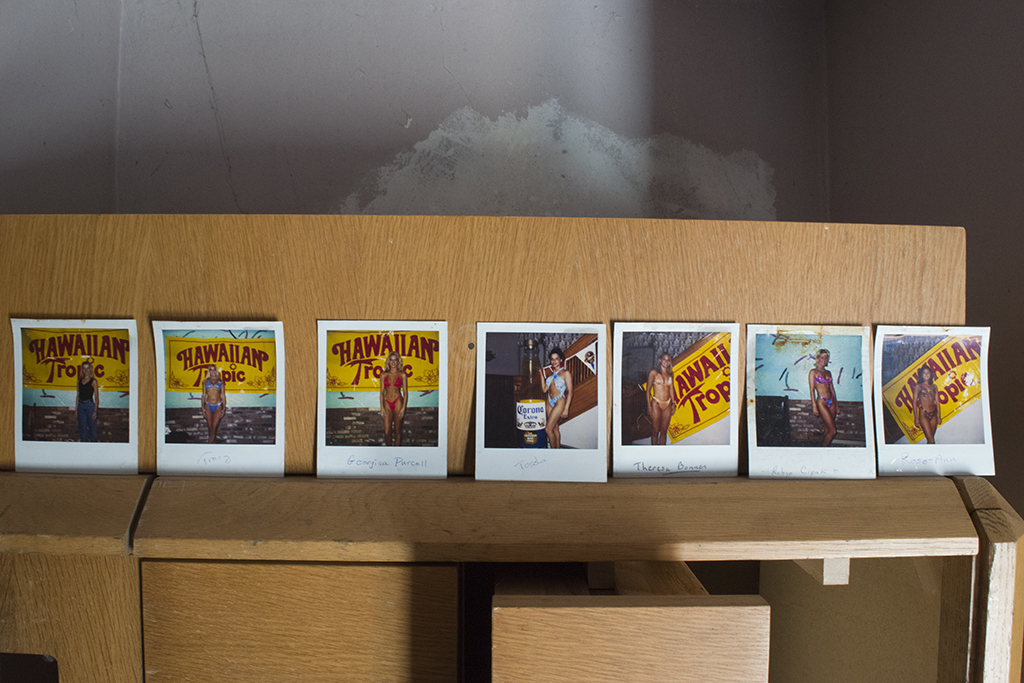
The City Lights Night Club operated out of the main floor.

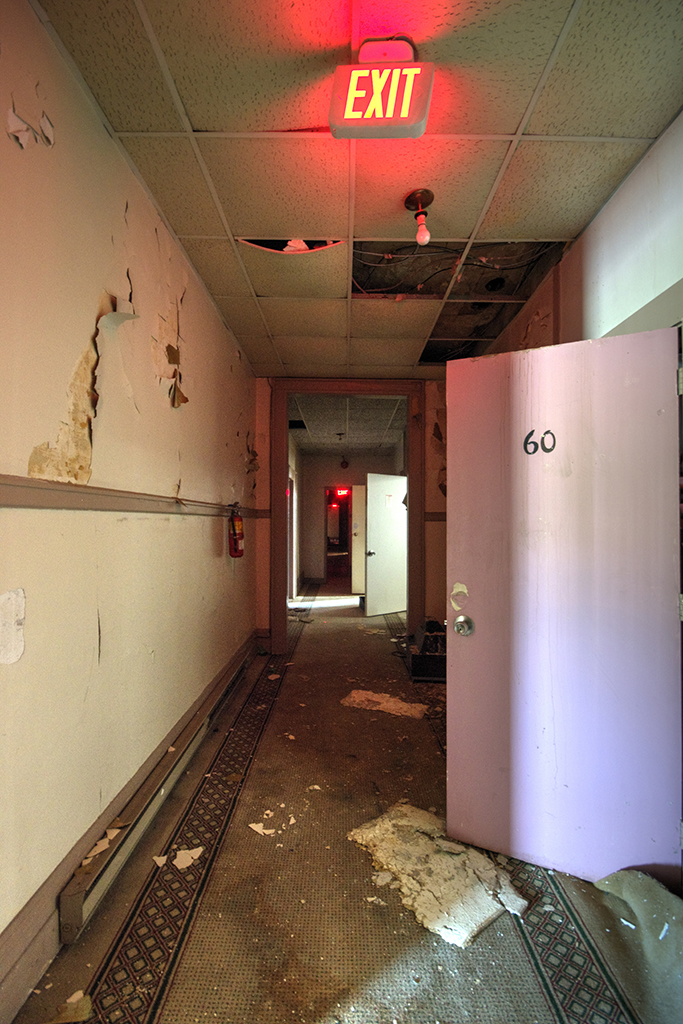
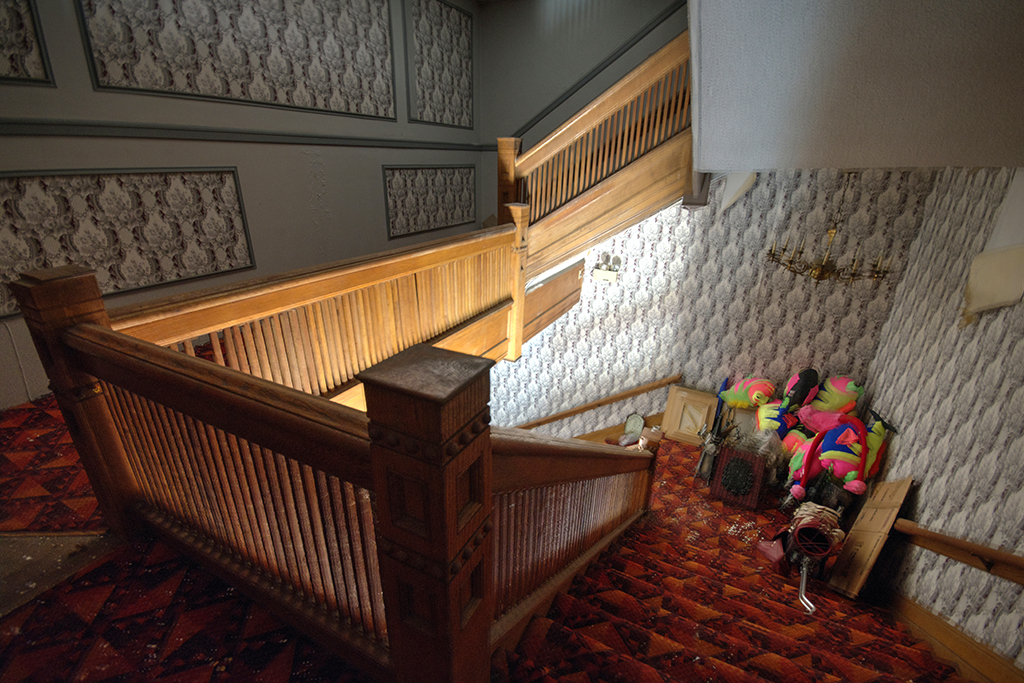
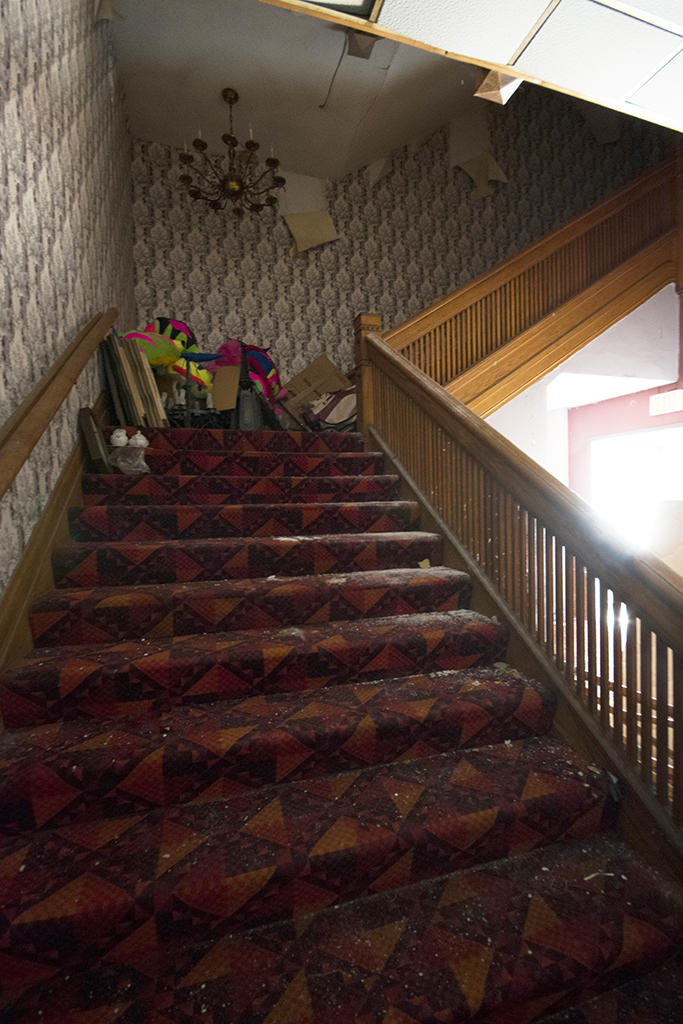
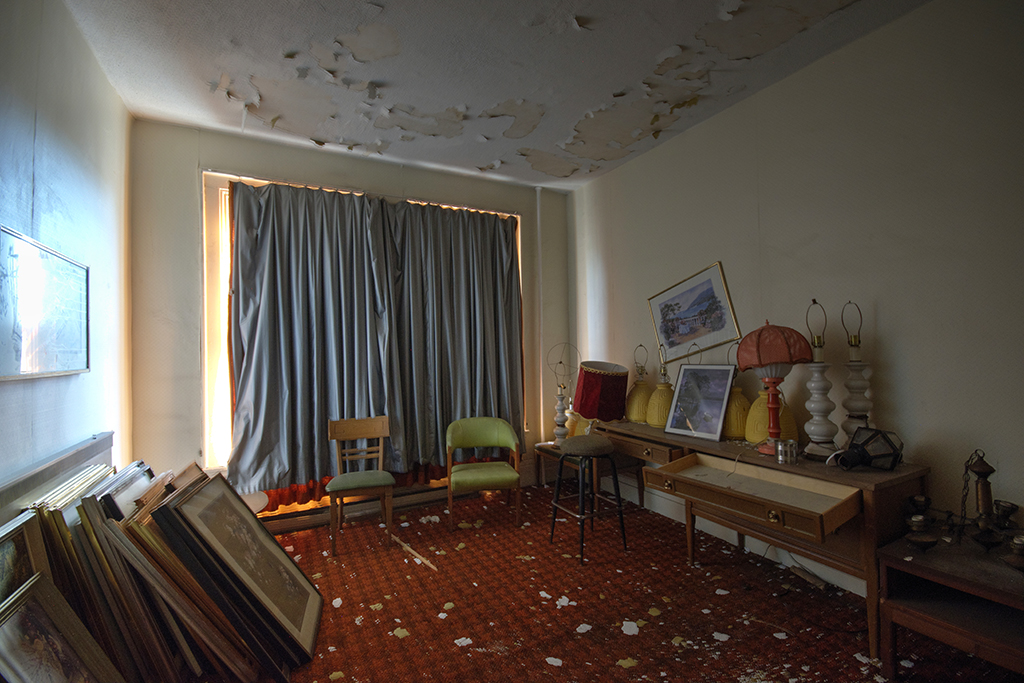
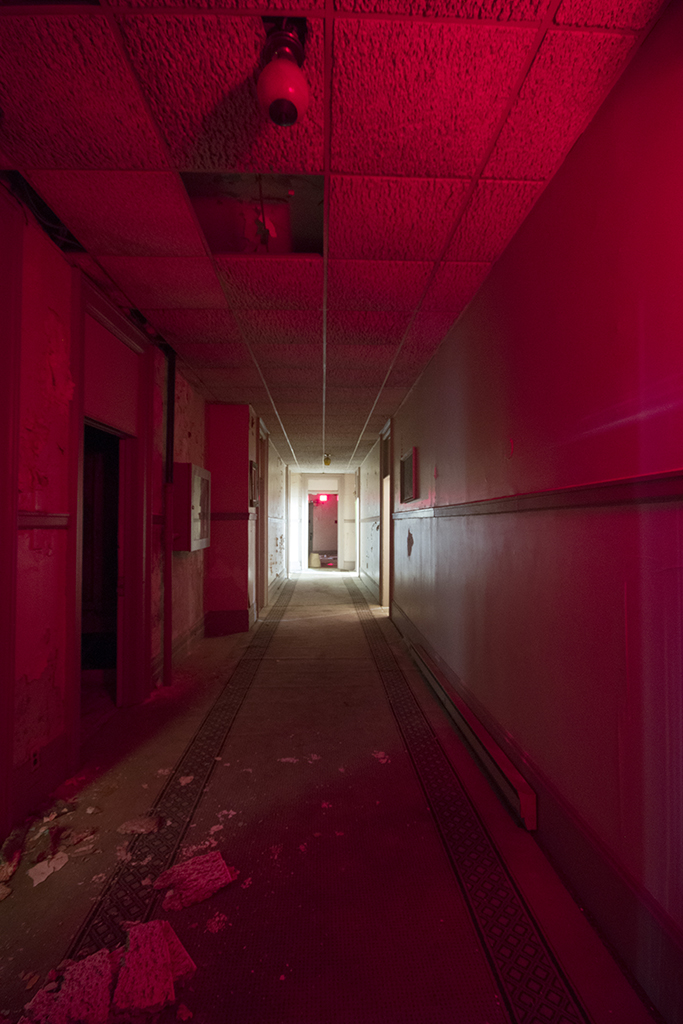
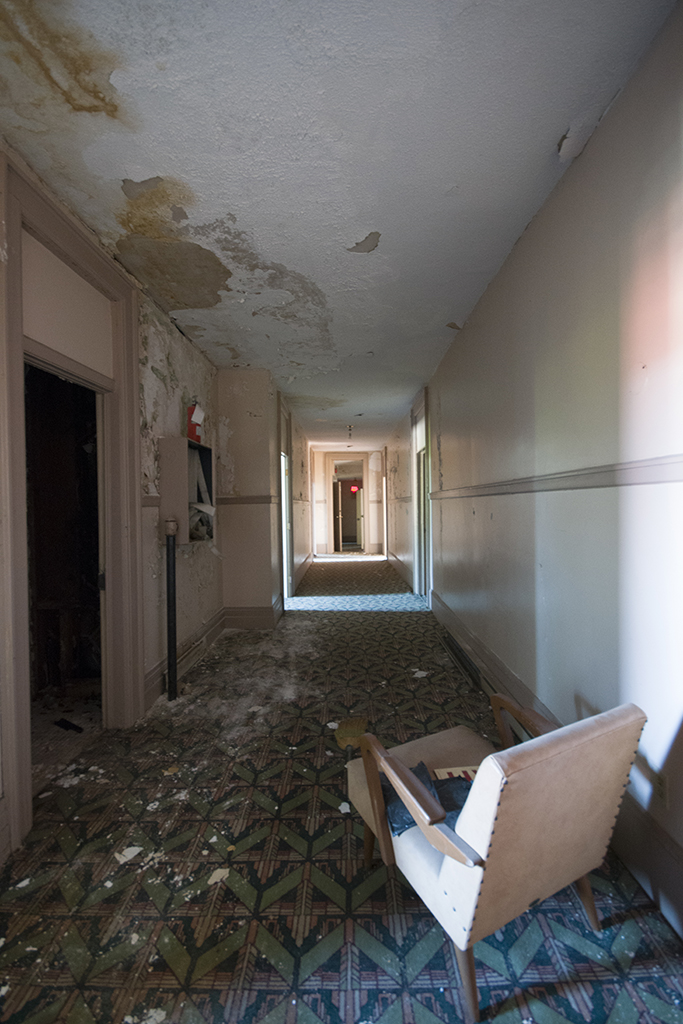
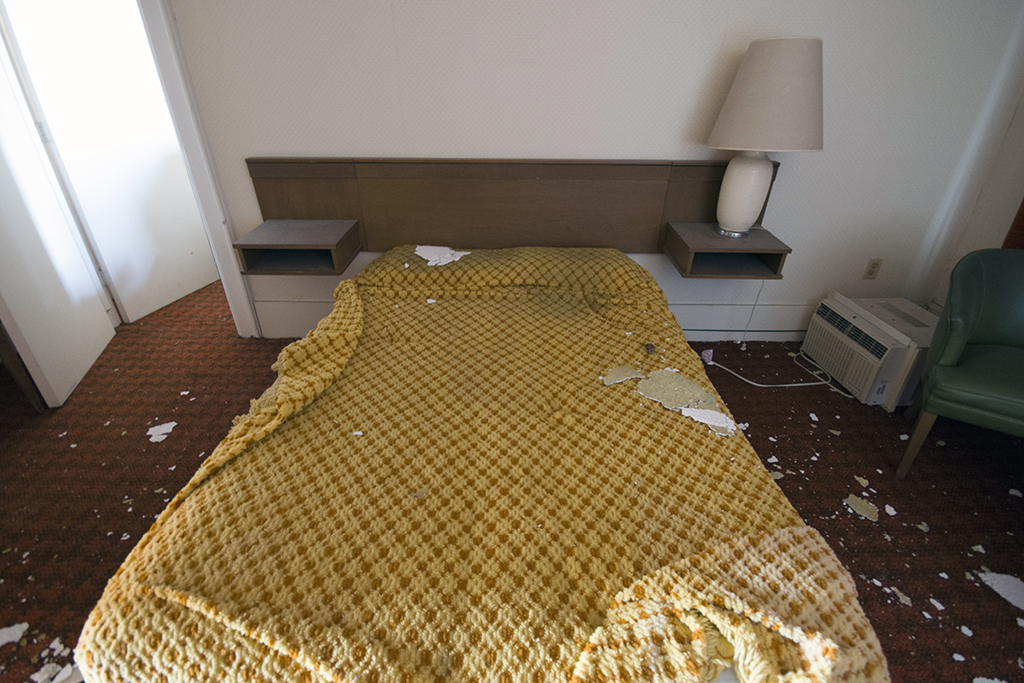
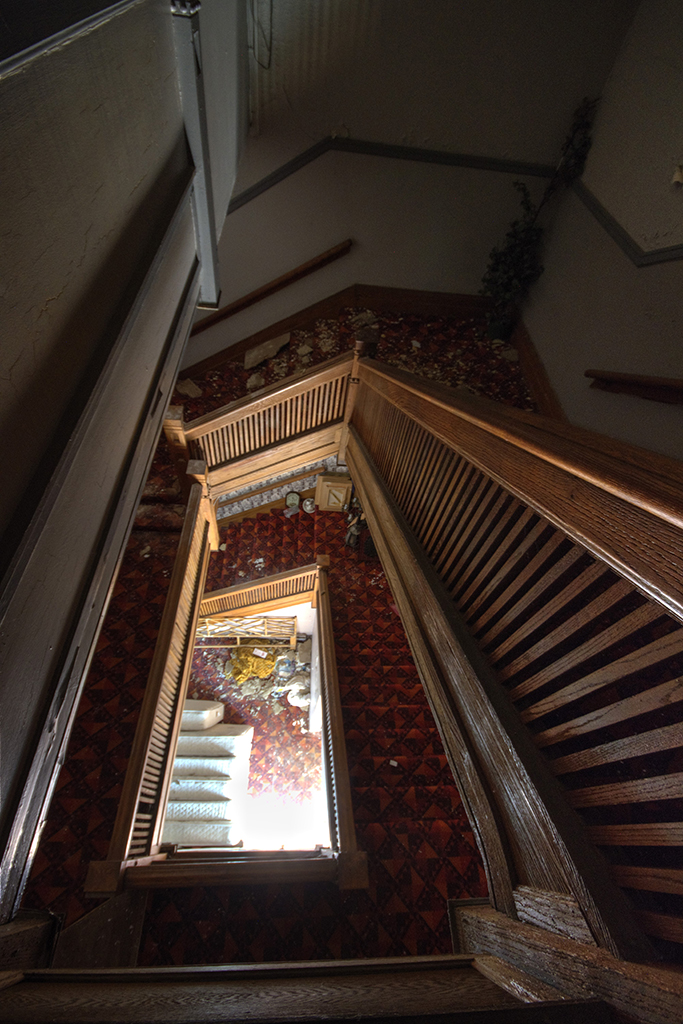
The hotel has been abandoned since the early 2000’s.

See also Abandoned Mansions Ontario Wiki


Video

Abandoned Hotel Europa & City Limits Night Club in Niagara Falls, Ontario

Abandoned Ontario Buddhist Retreat

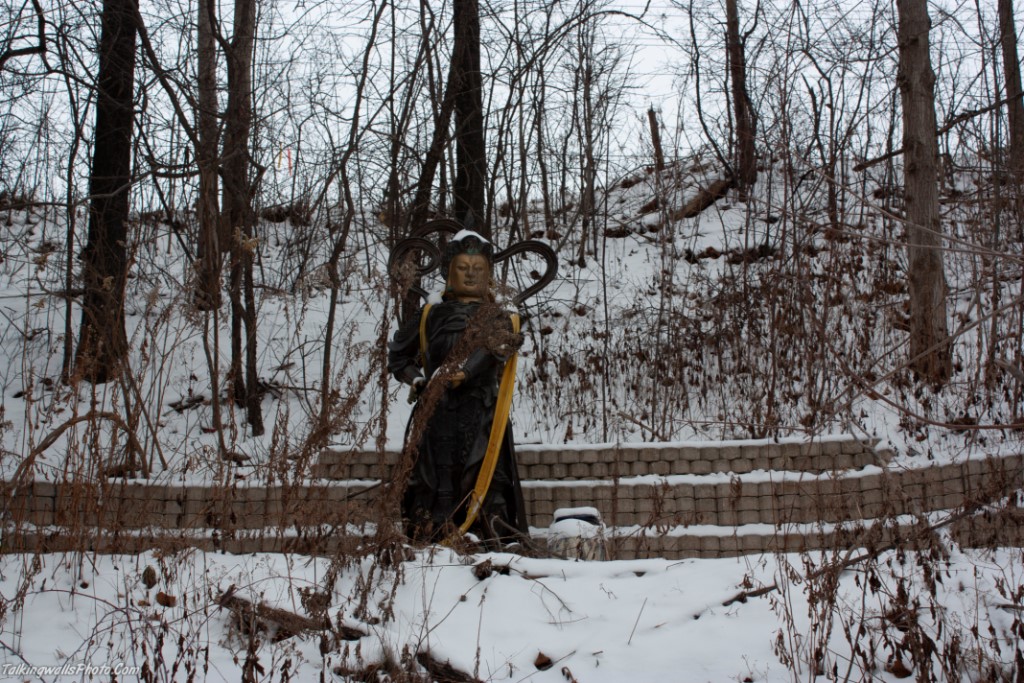
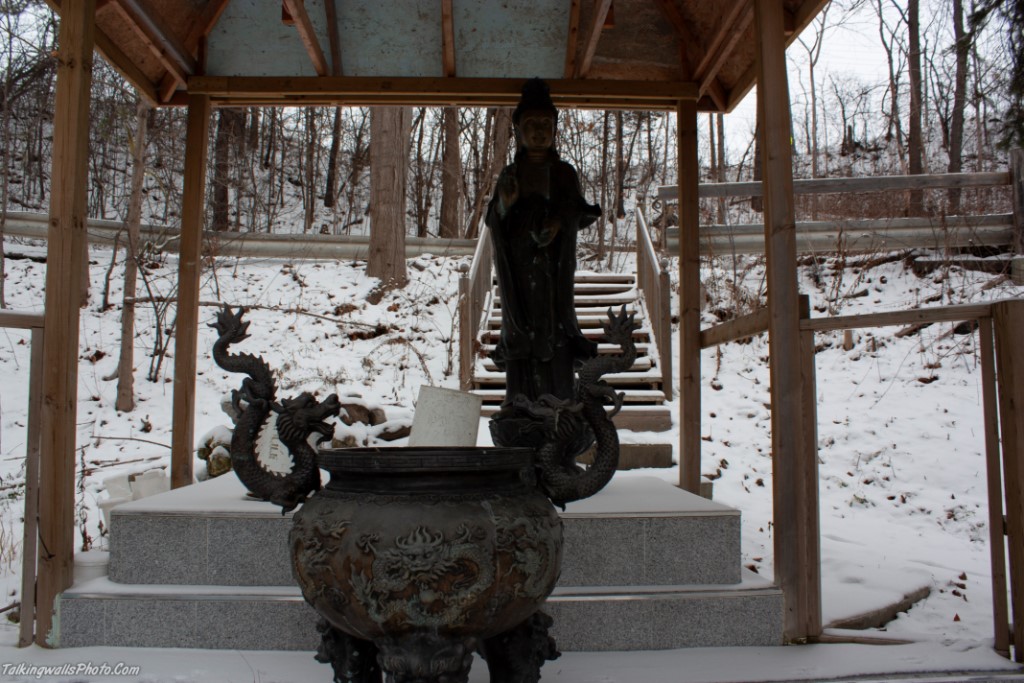
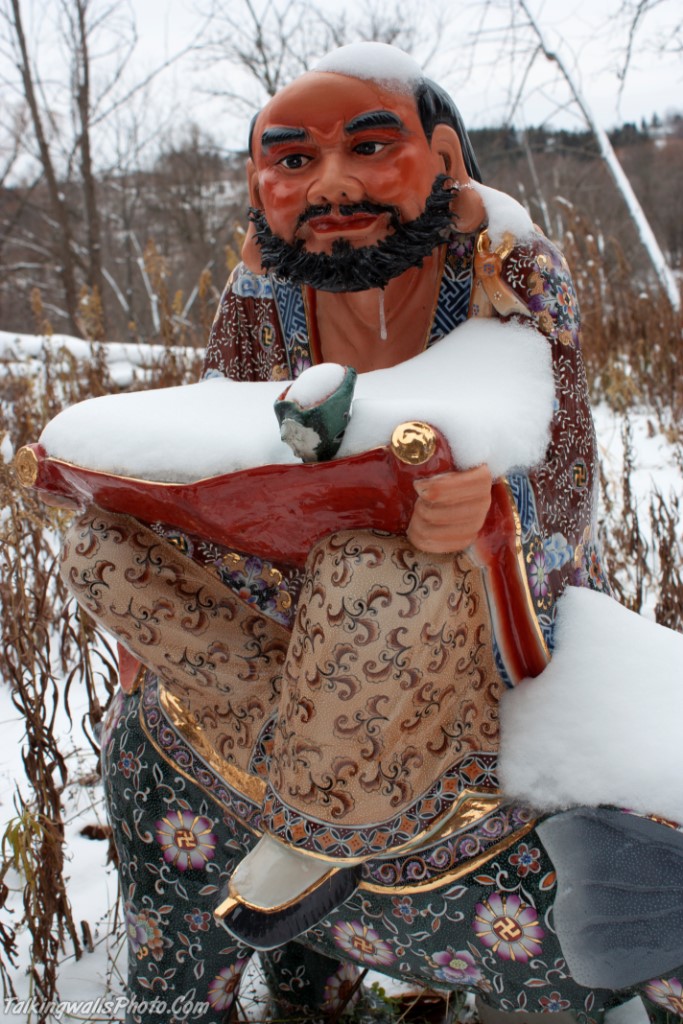
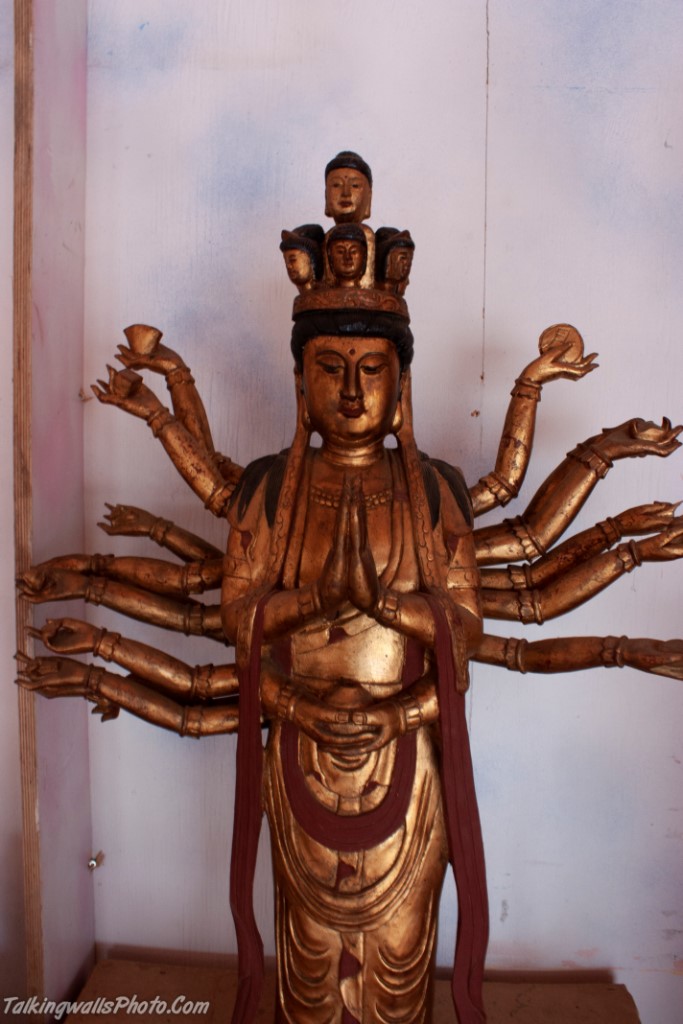
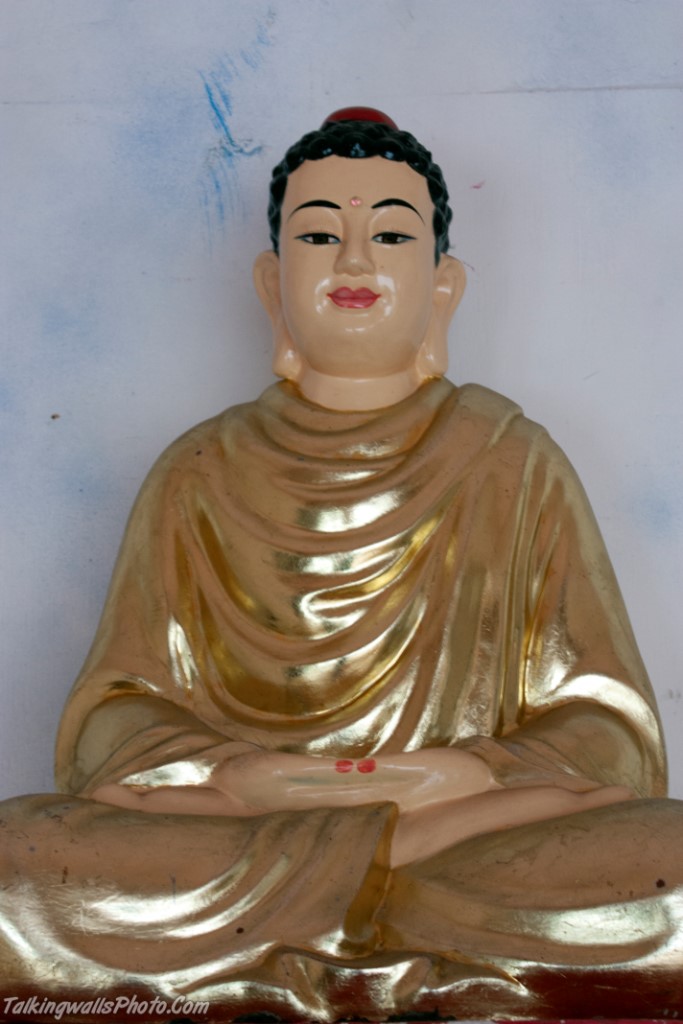
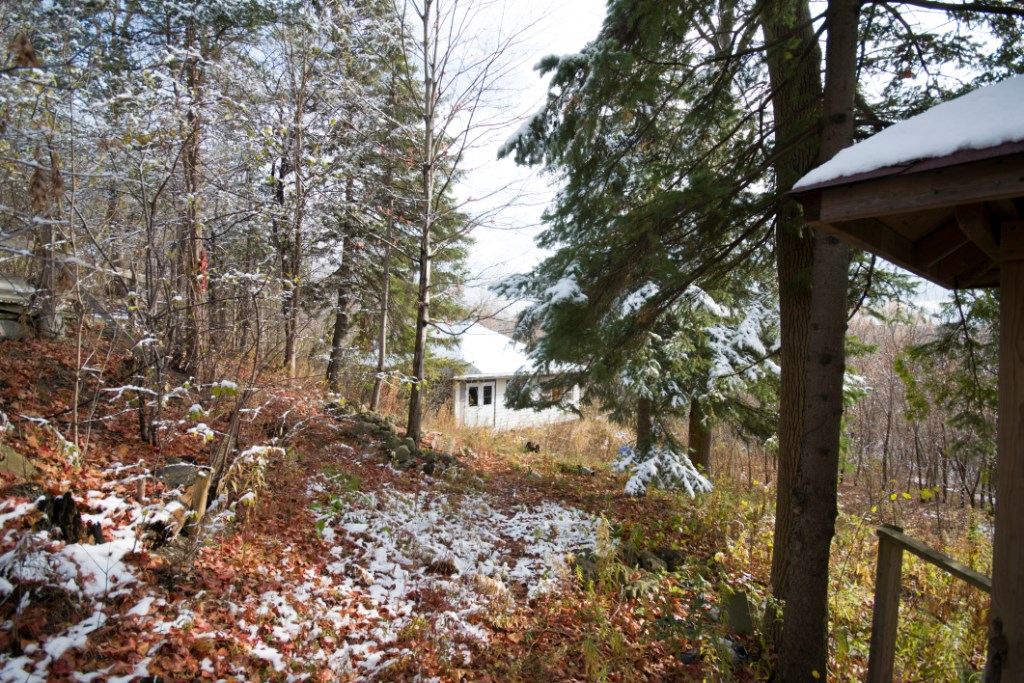
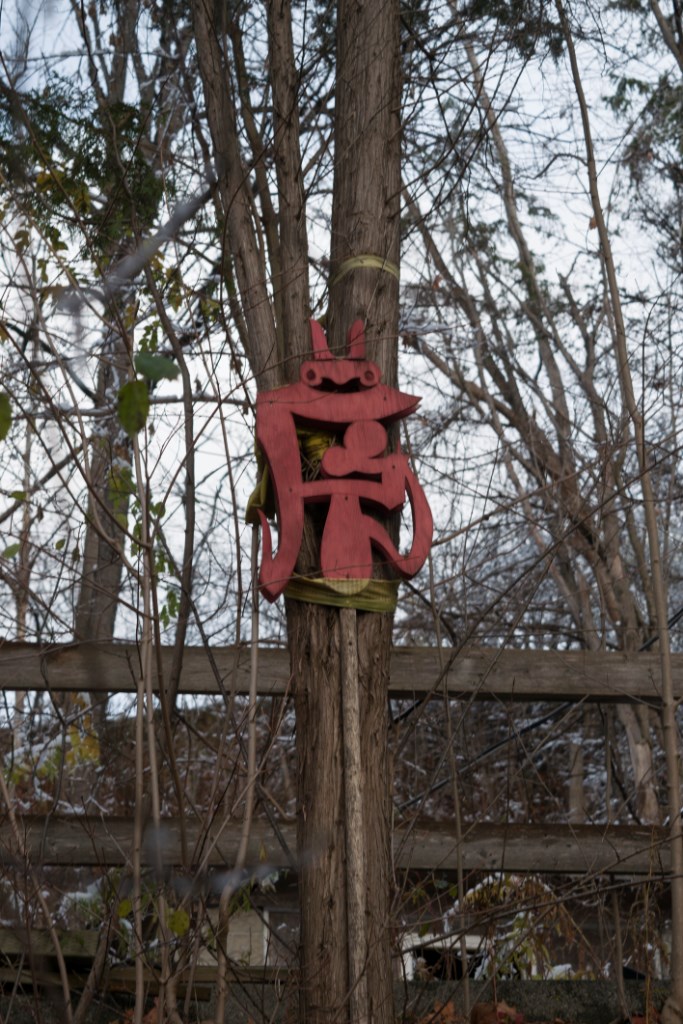
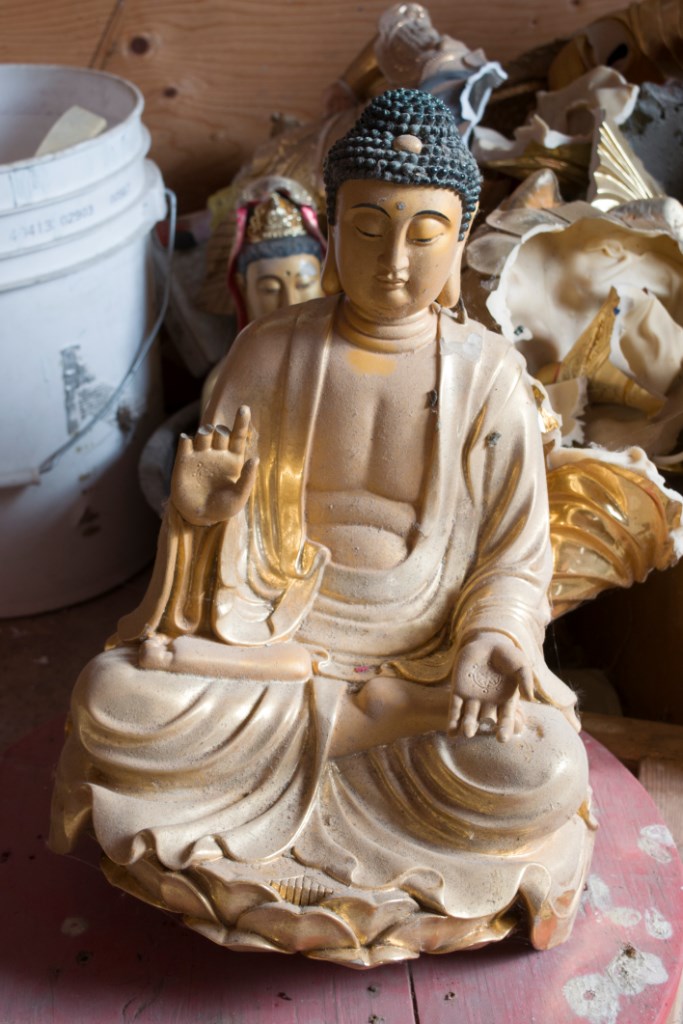
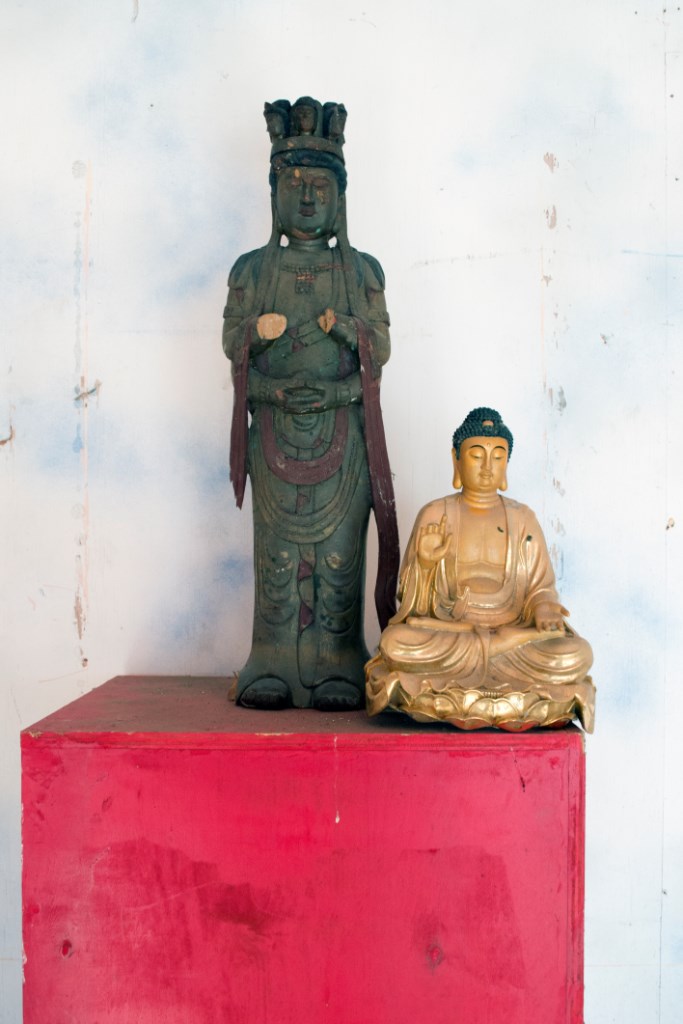
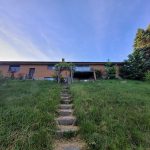
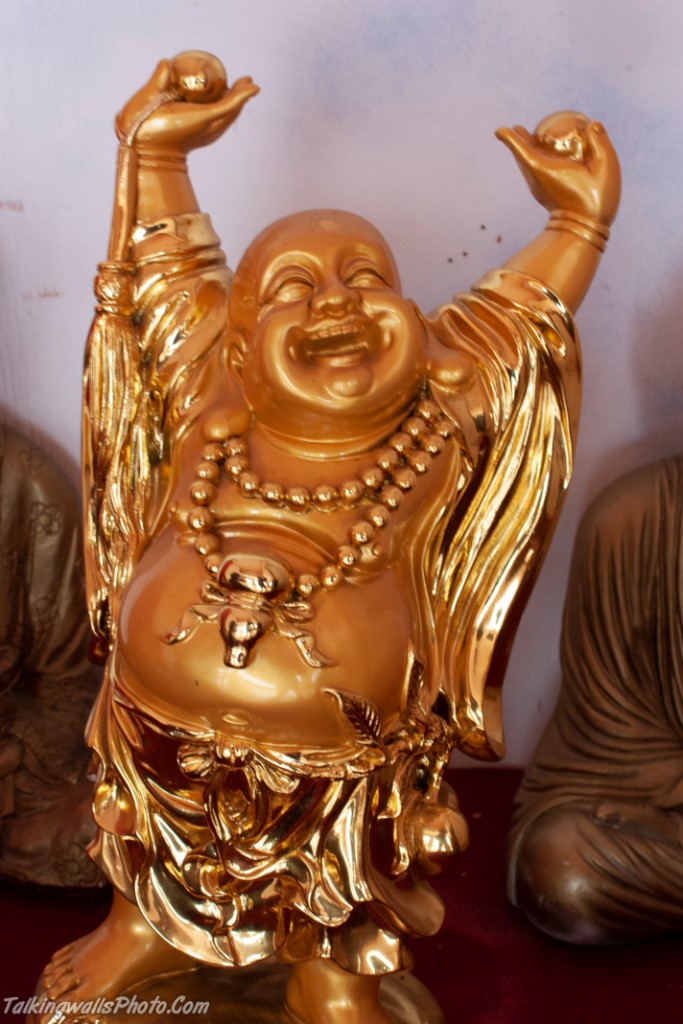
The Buddhist Retreat was discovered in 2012 and it located down a nondescript driveway in Vaughan, Ontario. As you walk down the overgrown driveway, life size Buddha statues began appearing in the forest indicating what’s soon to be found.

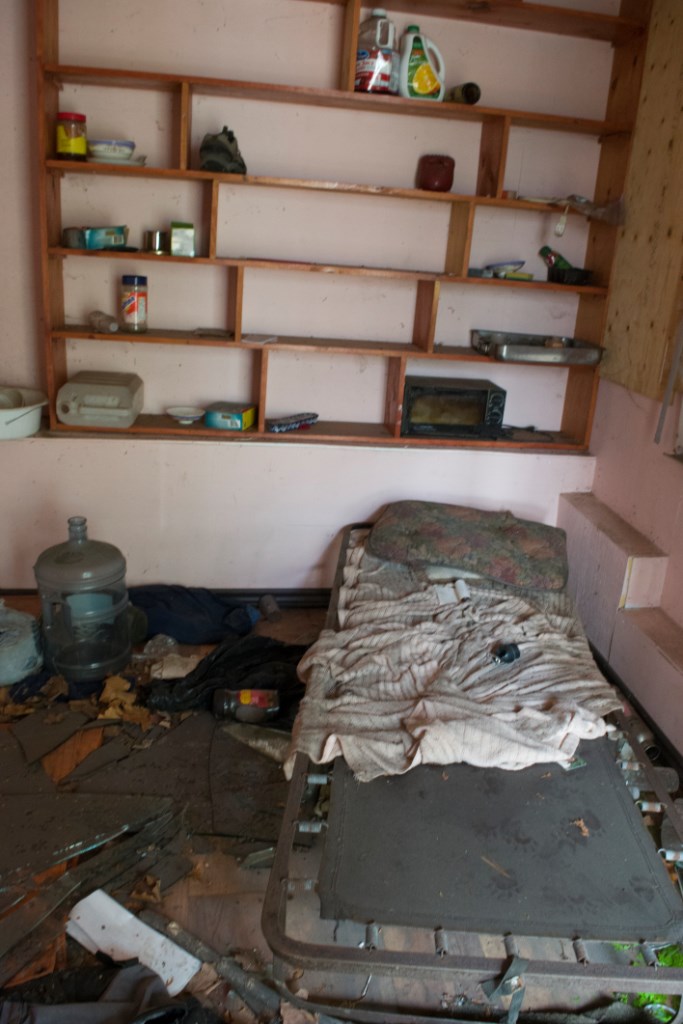
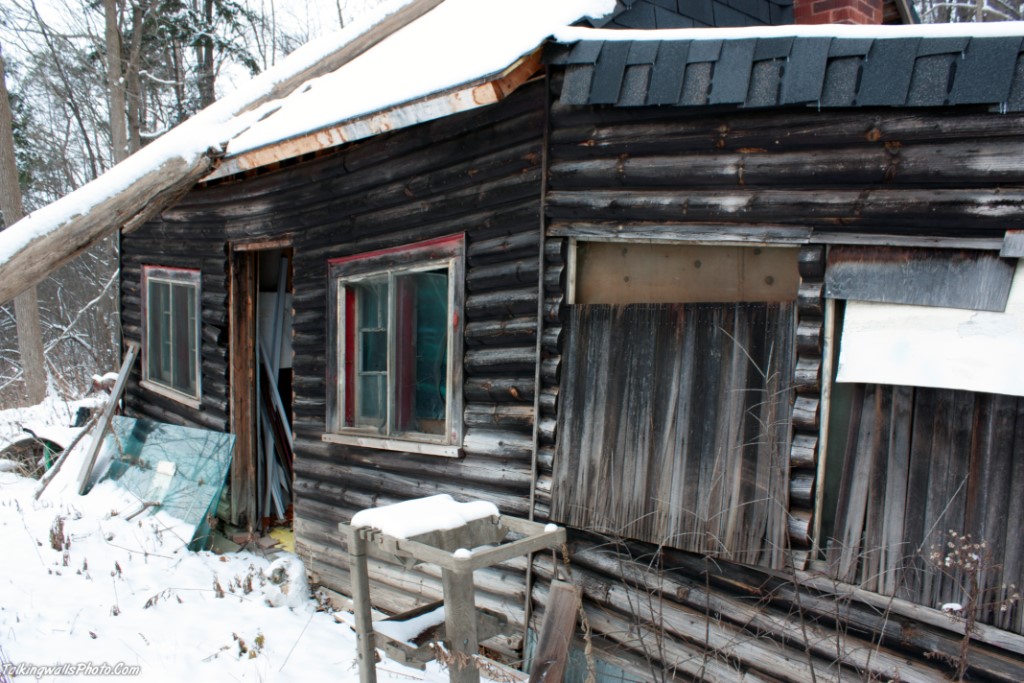
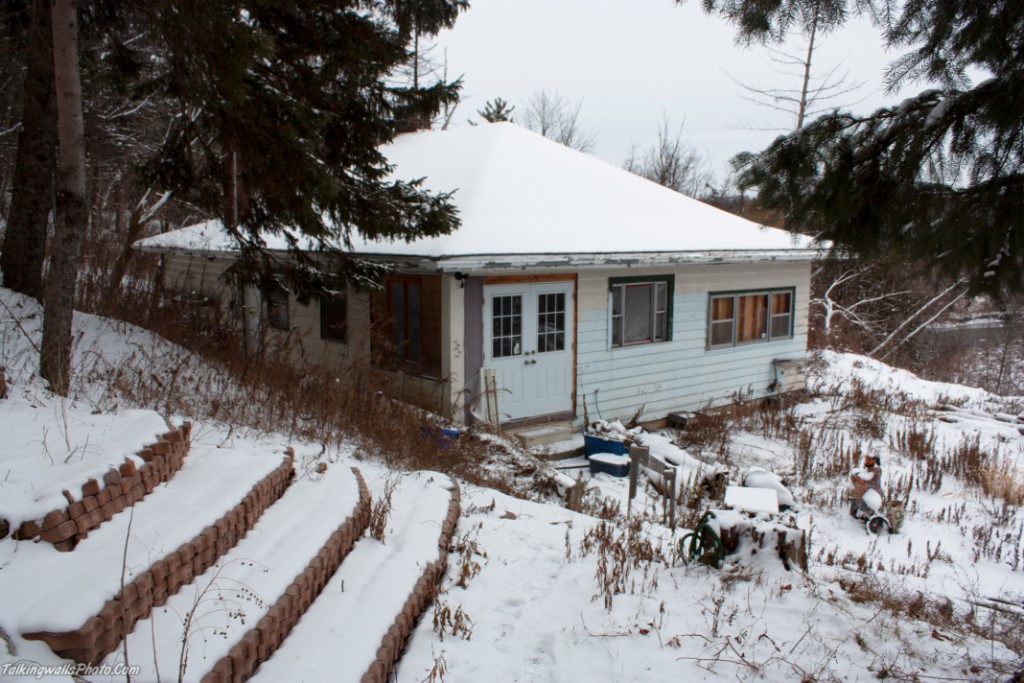
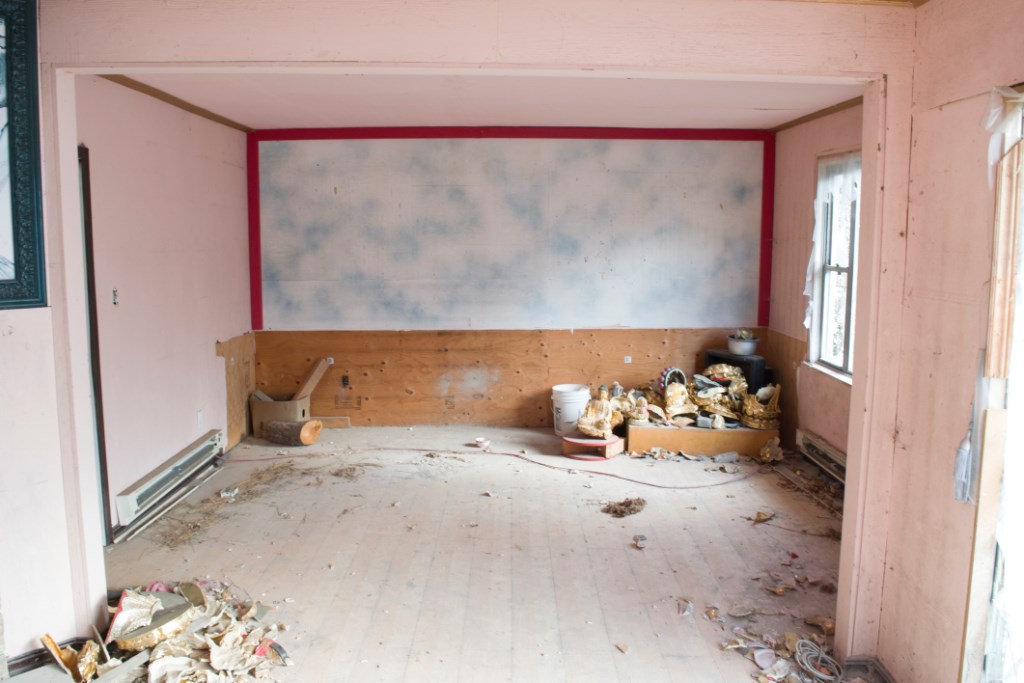
The first building that we encountered appeared to have been used by a squatter. An extension cord had been run outside from another building allowing for an electric heater to be plugged in. Candles were laid out to provide for lighting. There was a mattress on the floor to sleep upon.

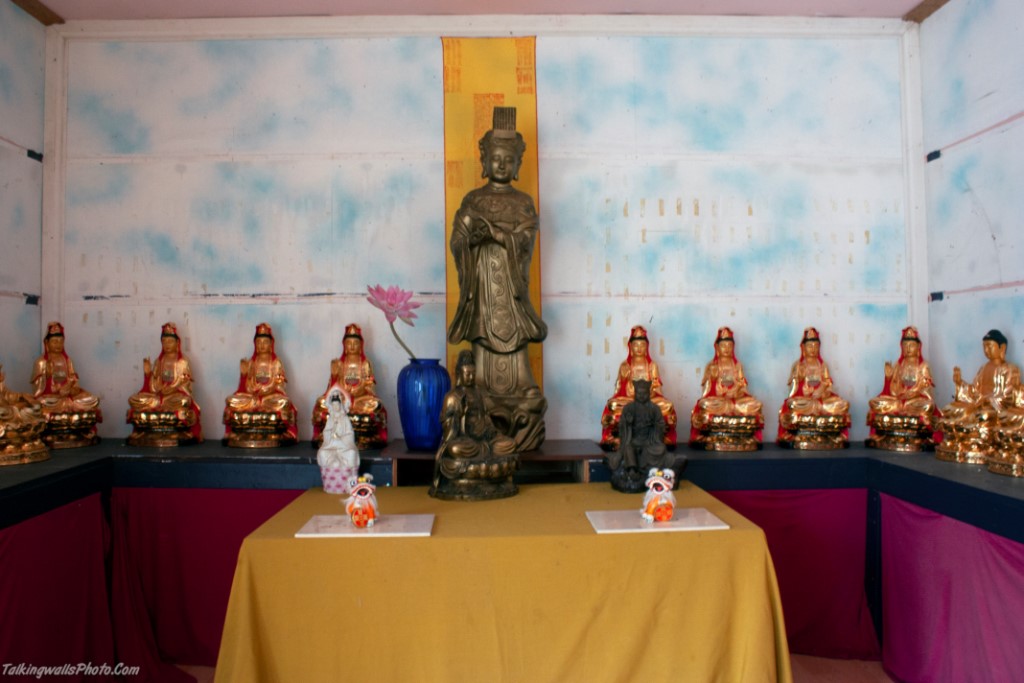
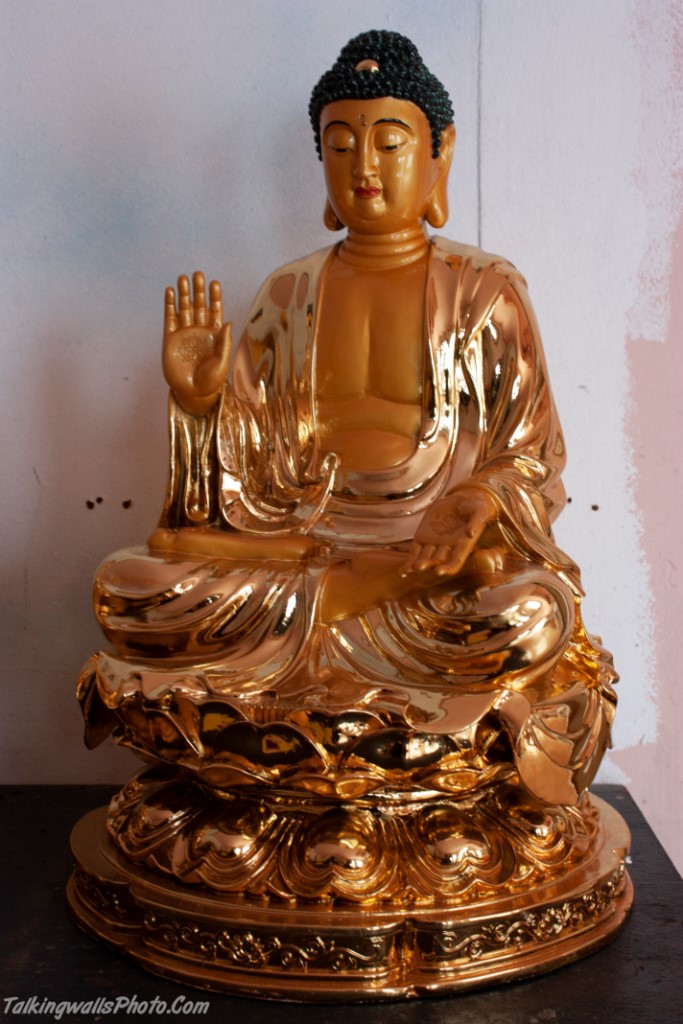
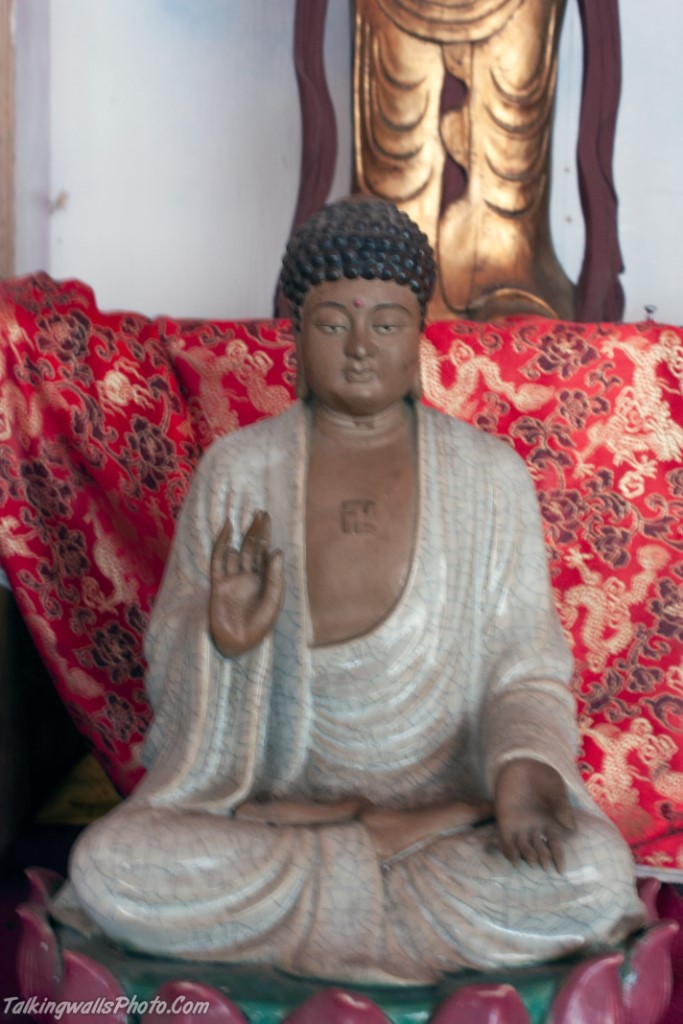
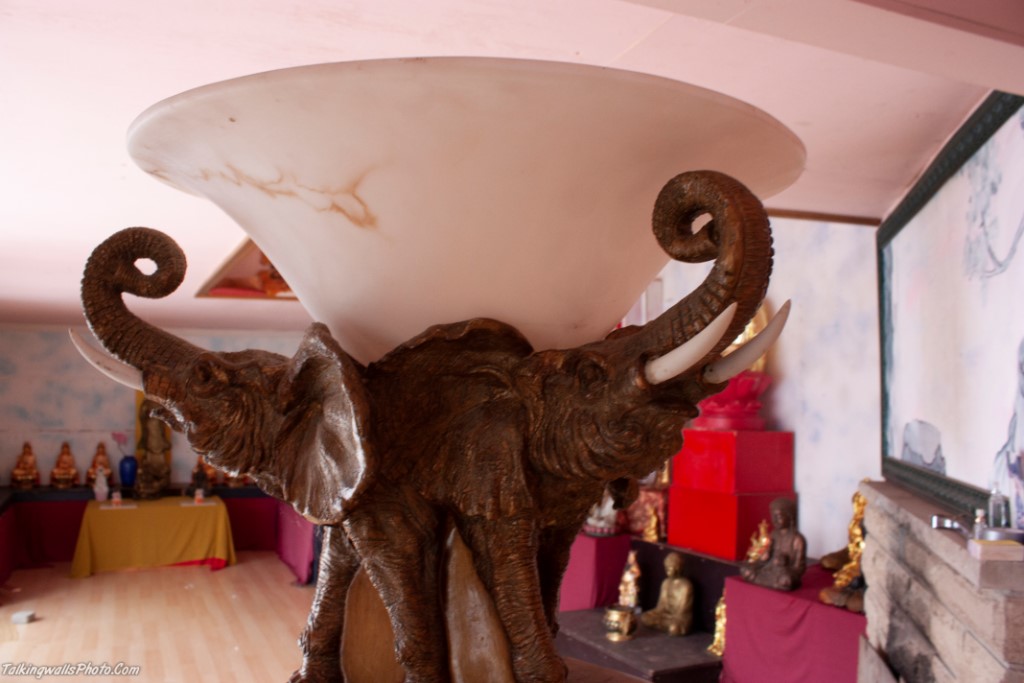
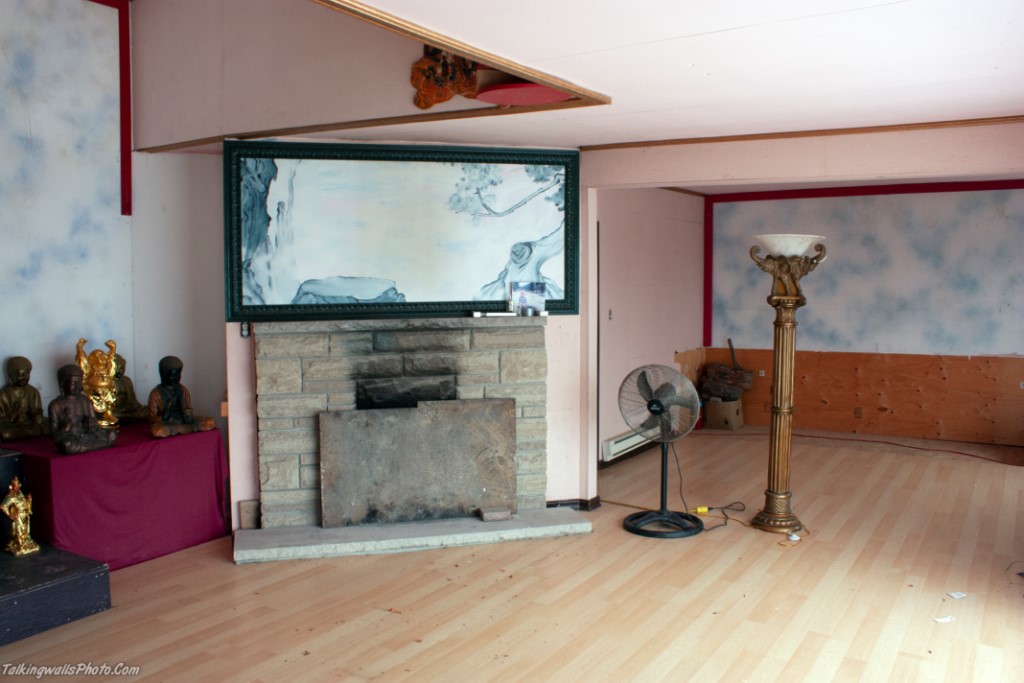
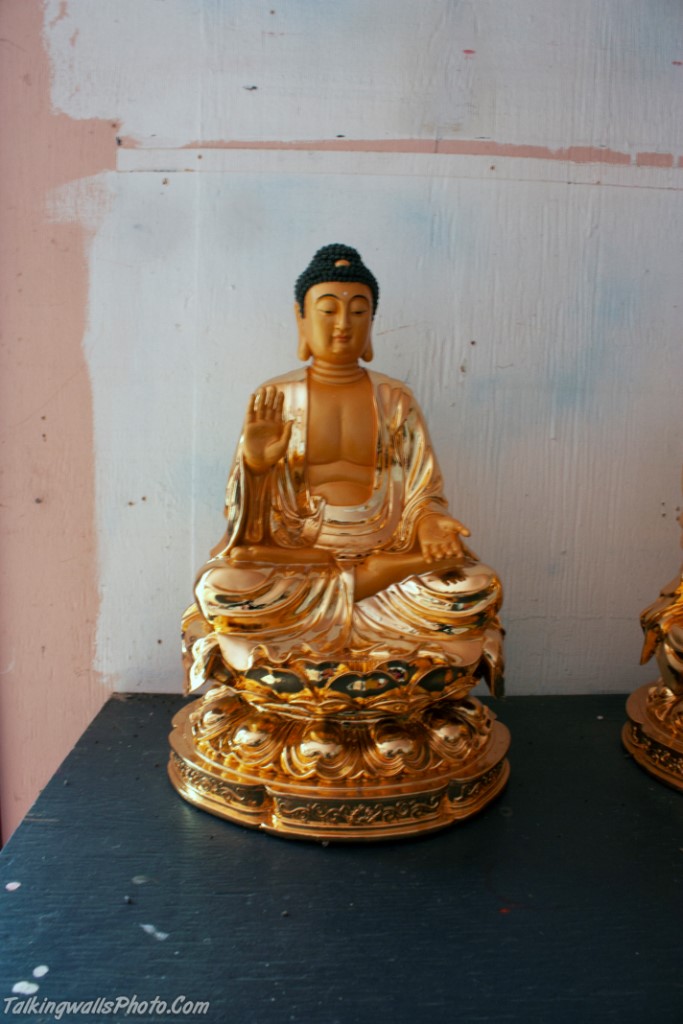
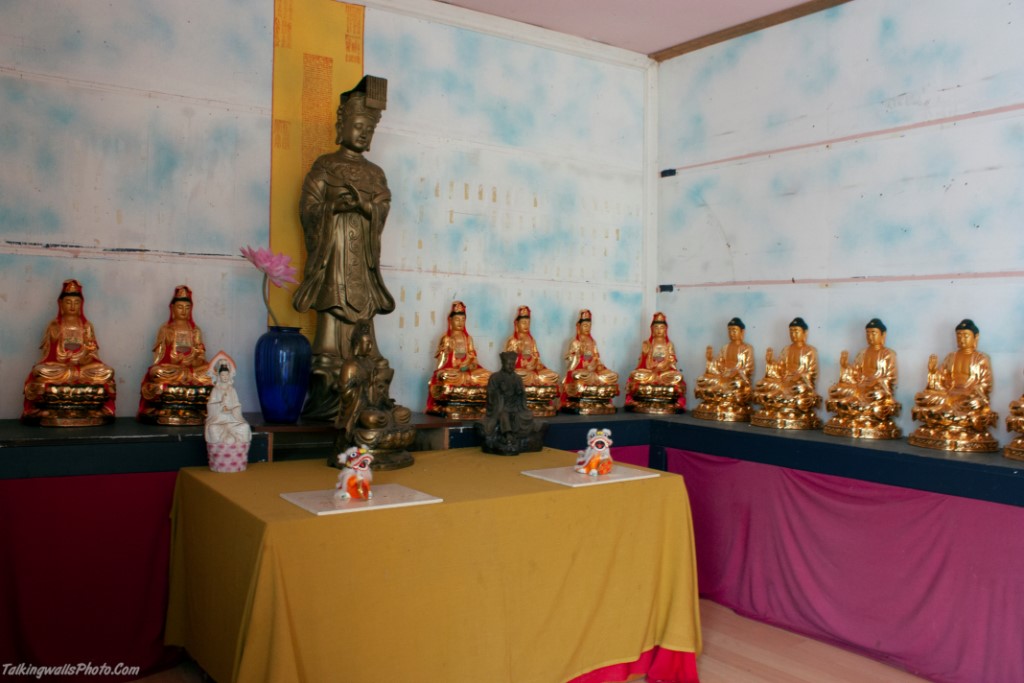
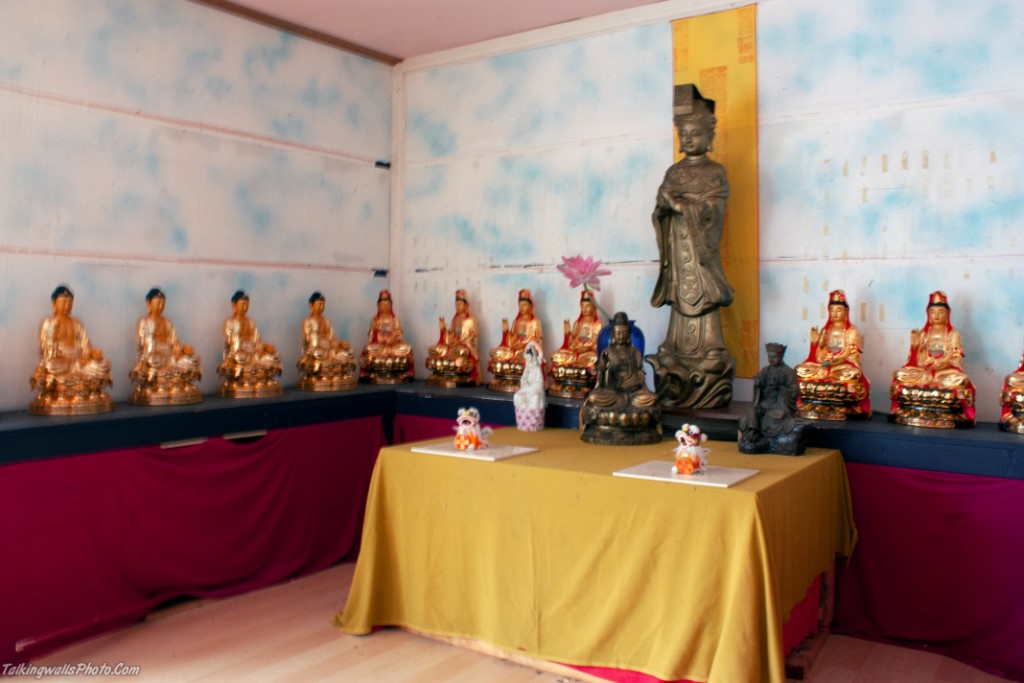
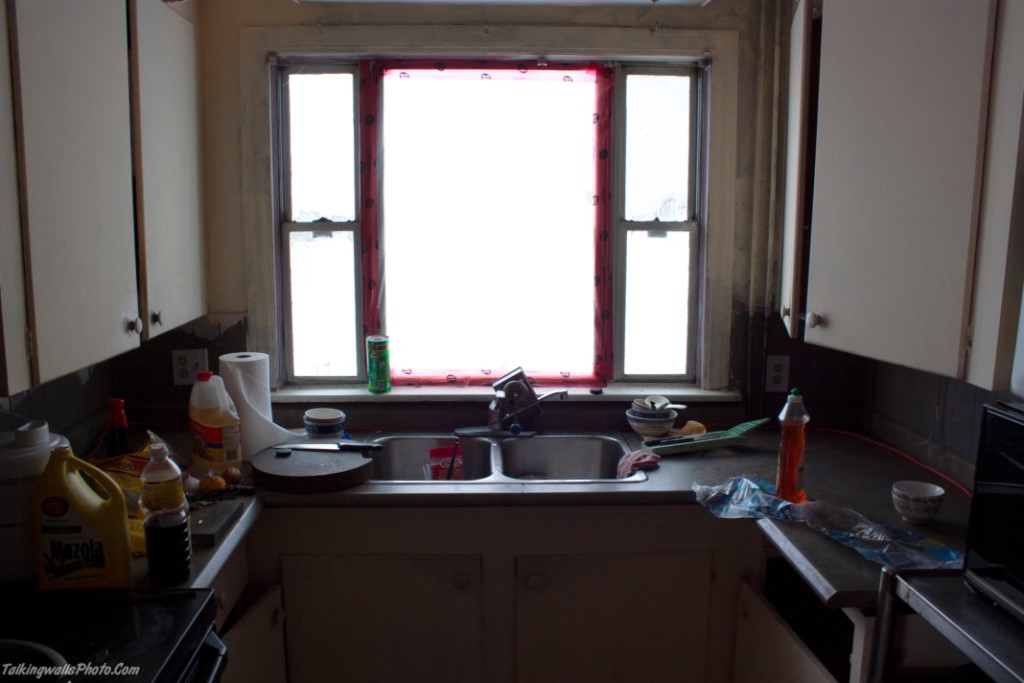
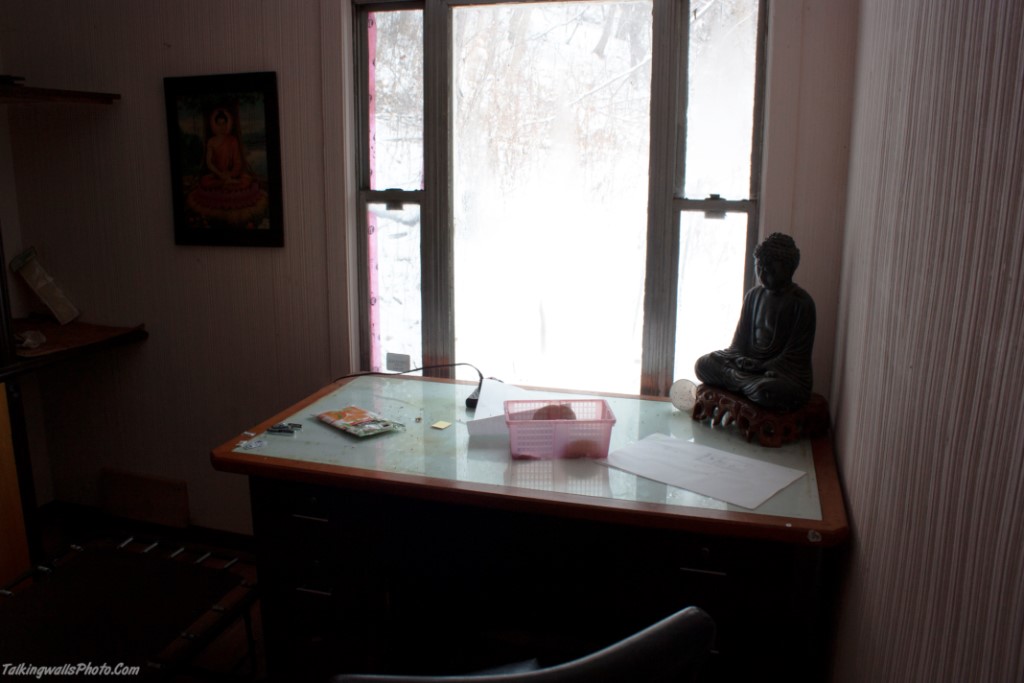
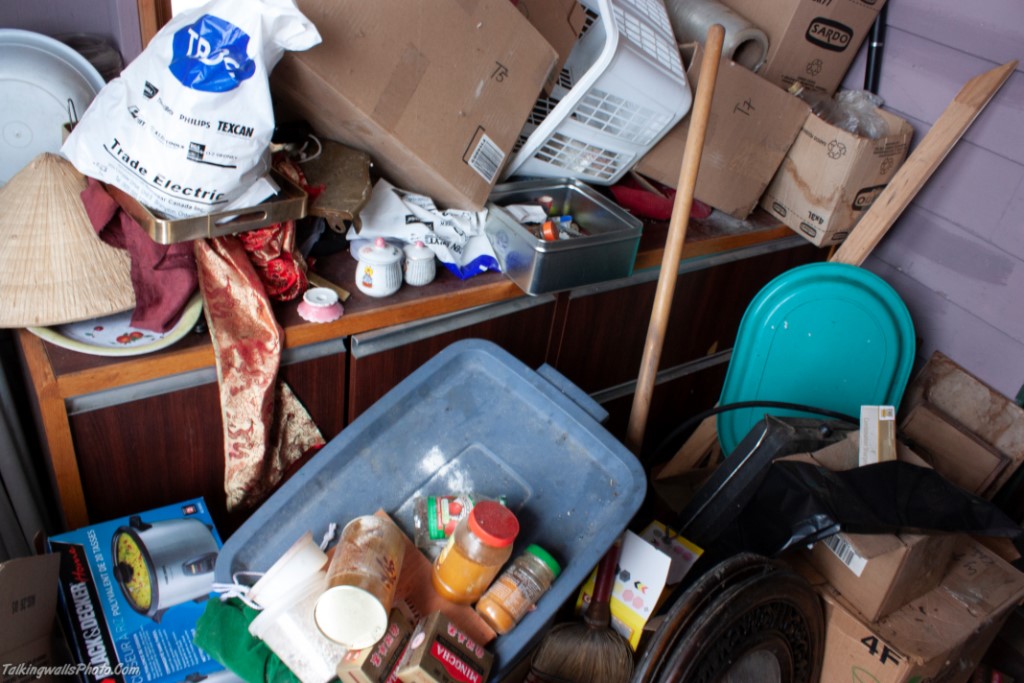
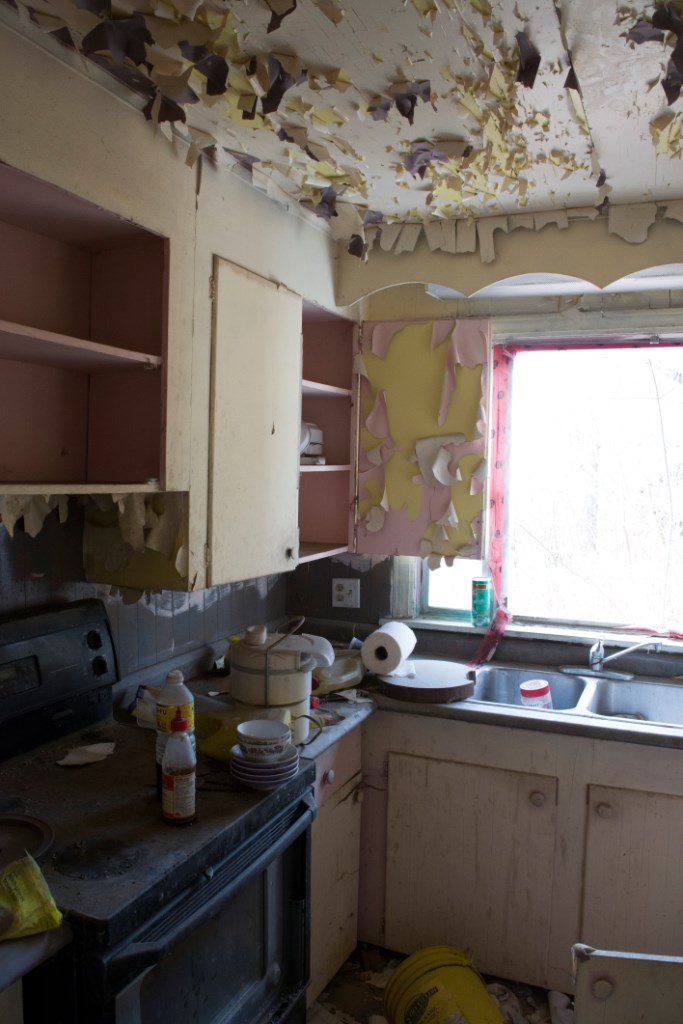
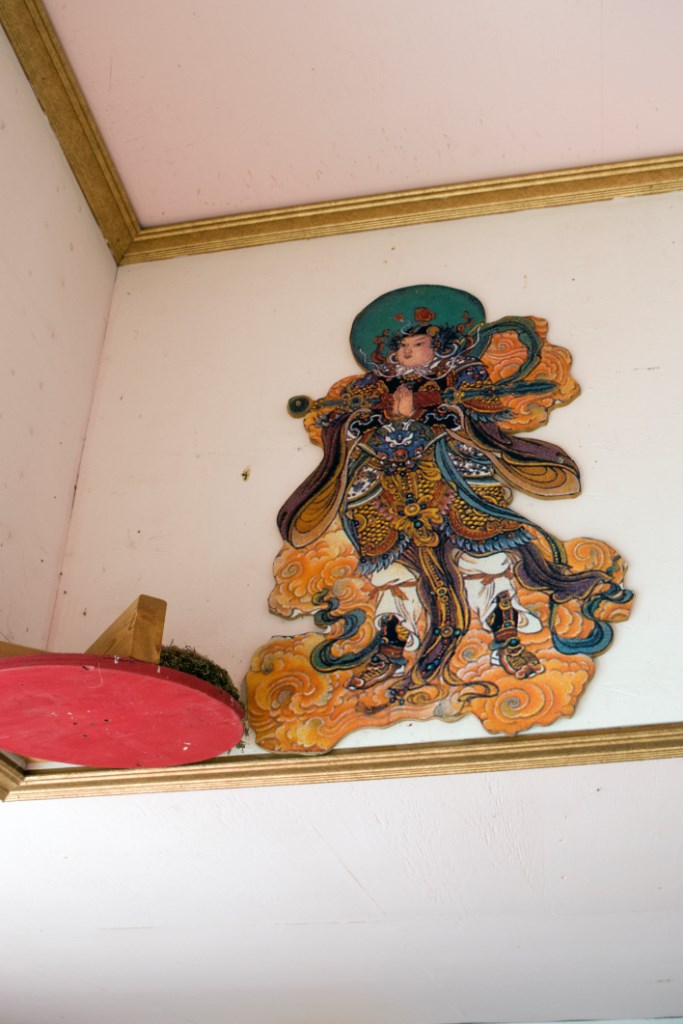
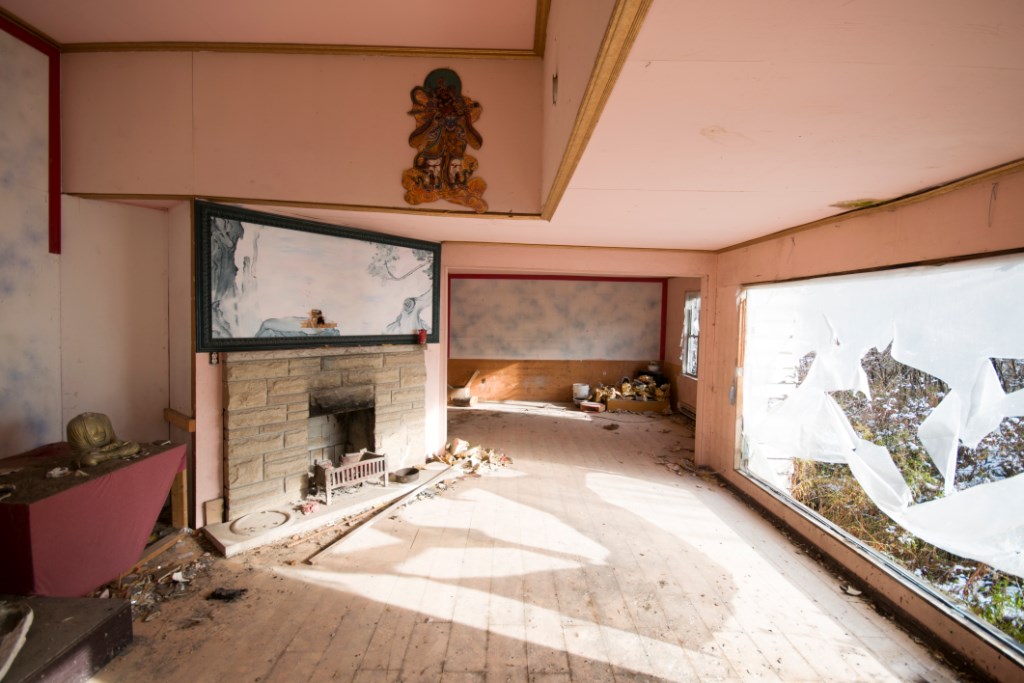
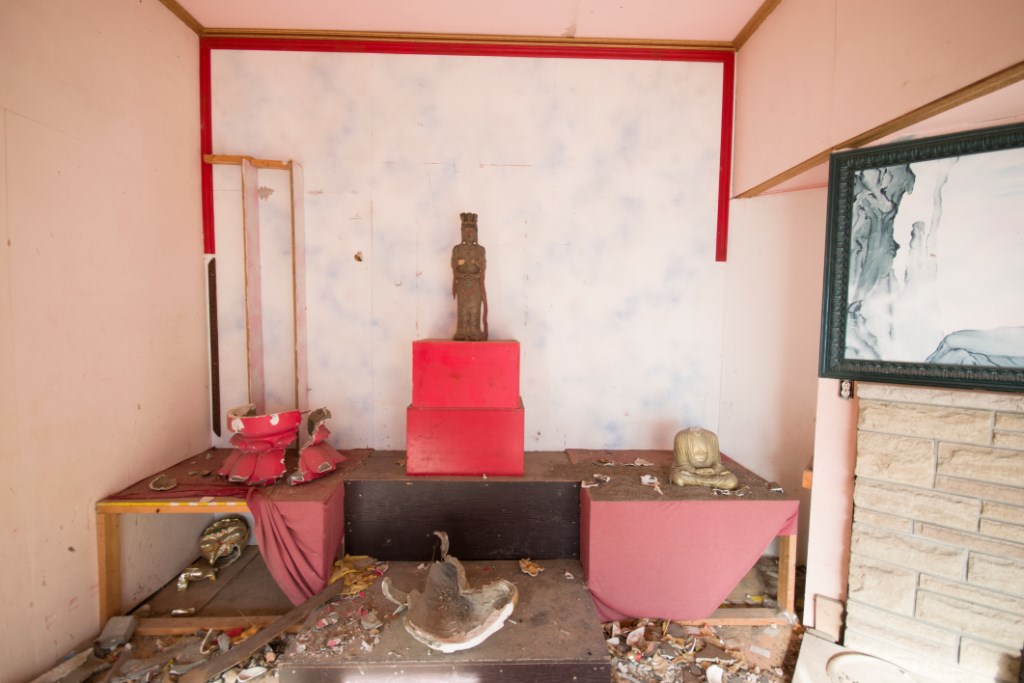
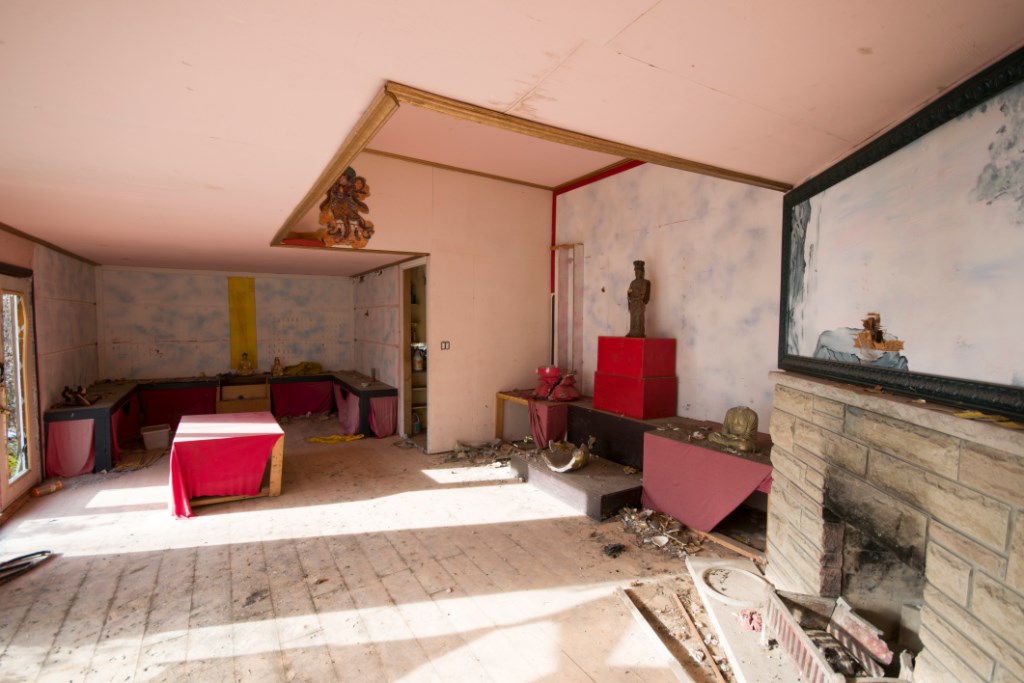
The main building was a shrine of Buddha statues, laid out on a table and several new-in-bags statues stored underneath. There was a kitchen, bathroom and a back office. The stove and microwave oven displayed the time, revealing that there was still electricity. A sole business card found inside indicated that this was going to be a Buddhist retreat getaway.

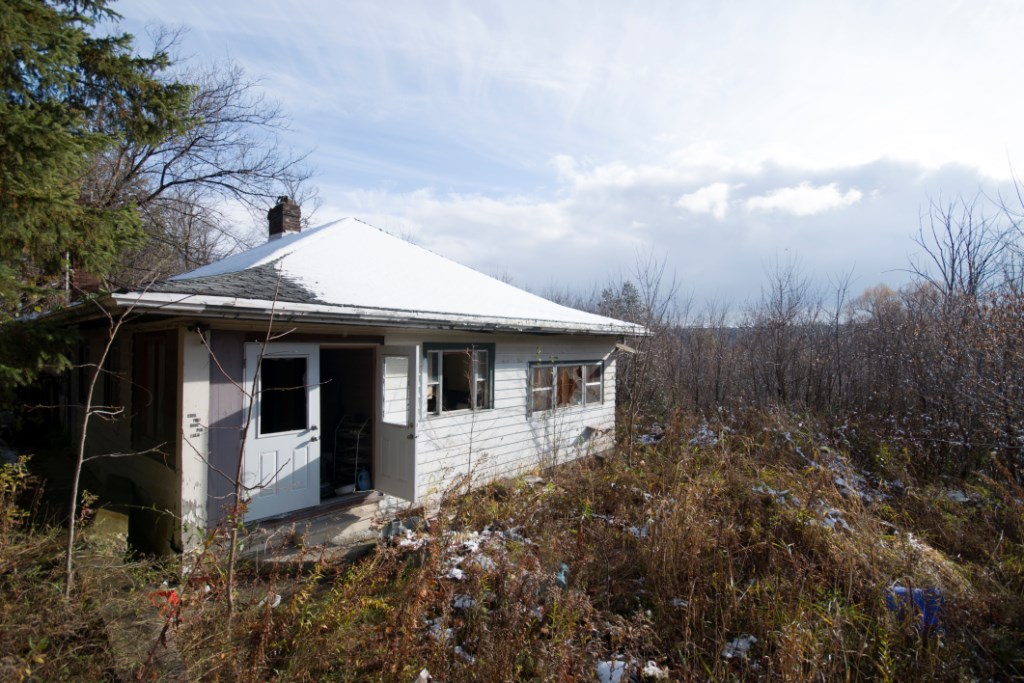
In July of 2012, new windows and siding were added to the building and a large tree removed. The renovations were short lived however as by the summer of the following year the outdoor statues were removed and no further renovations took place. 

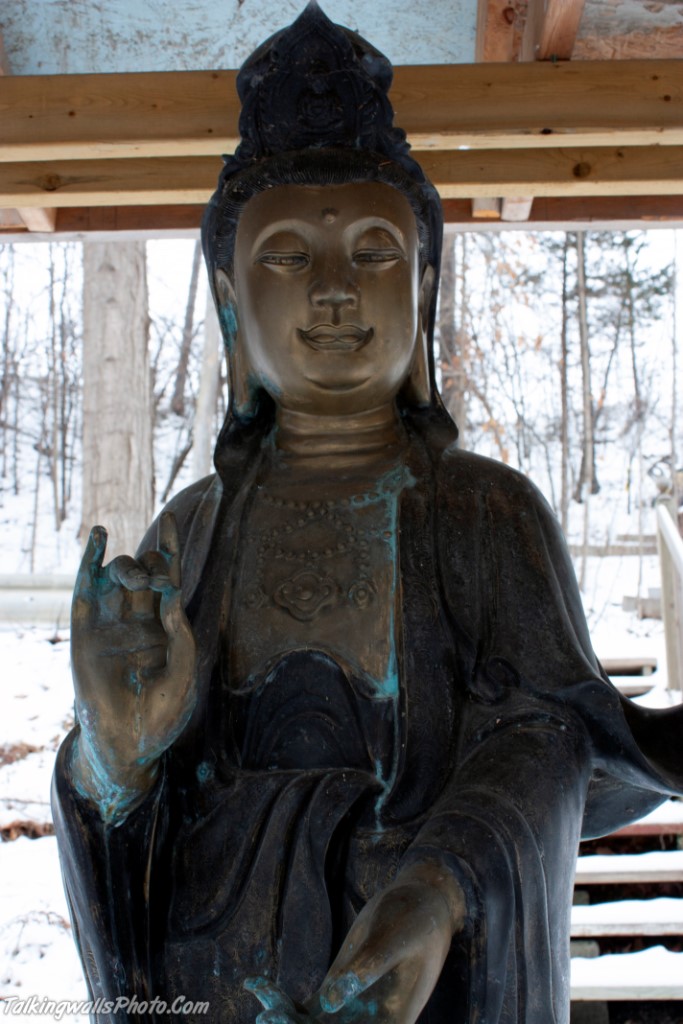
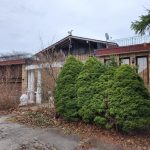
By 2019 the driveway had been blocked off with cement barriers, the driveway filled with downed trees. All of the Buddha statues except for two have been destroyed. The windows have been smashed and there’s now graffiti on the walls.

2012 Explore Photos


November 2019 Update Photos

The extent of the vandalism is extensive.


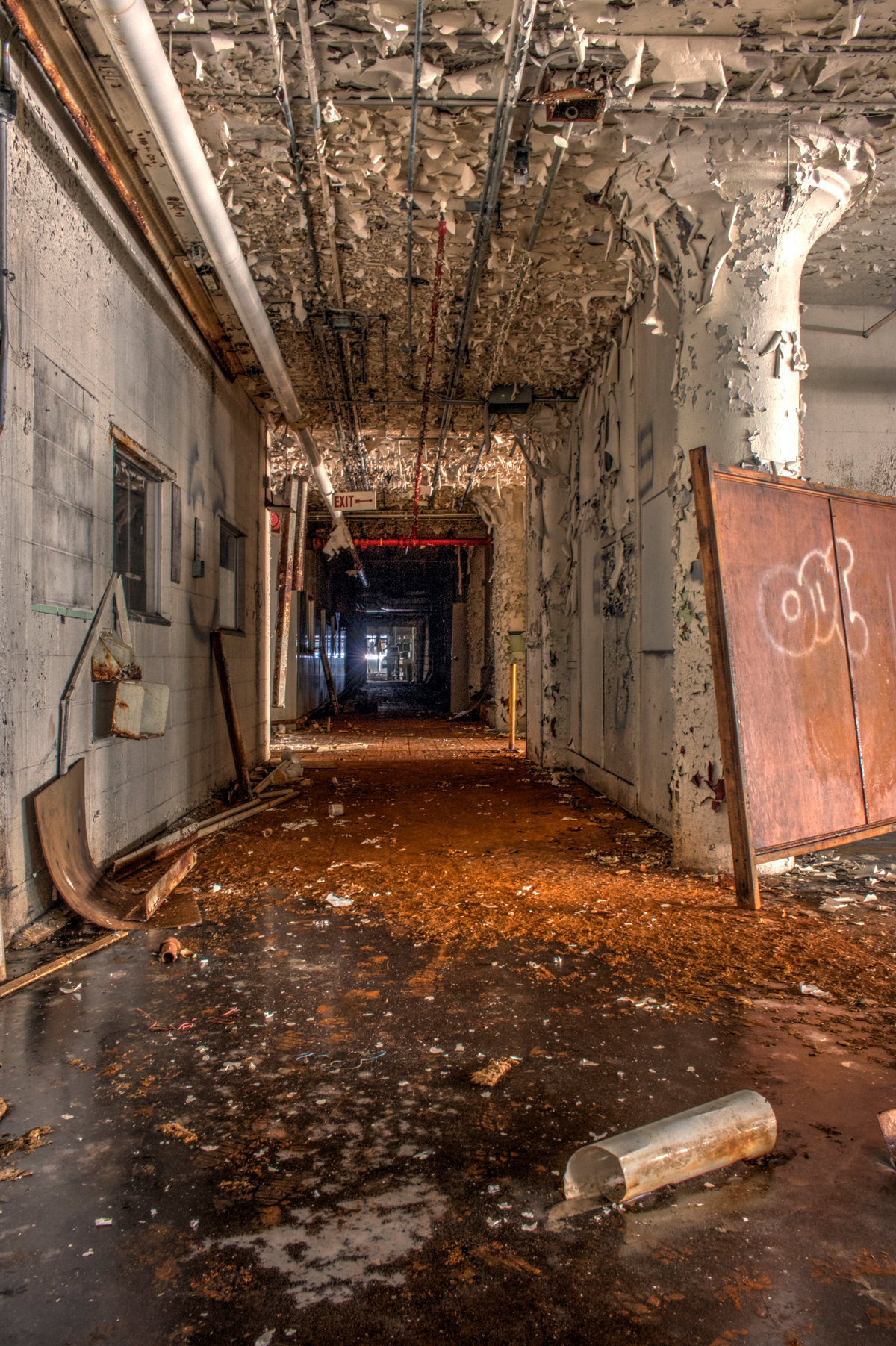
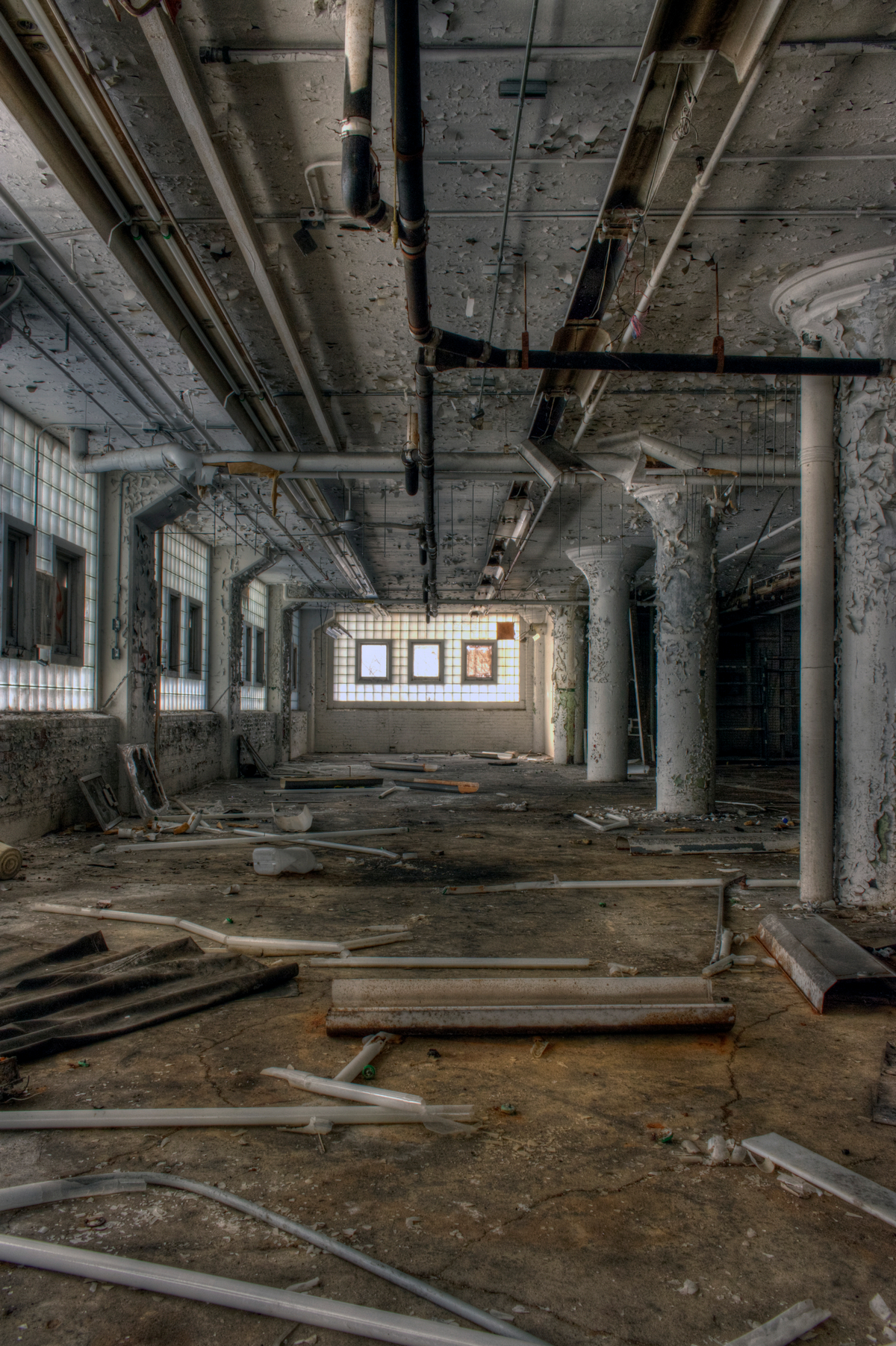
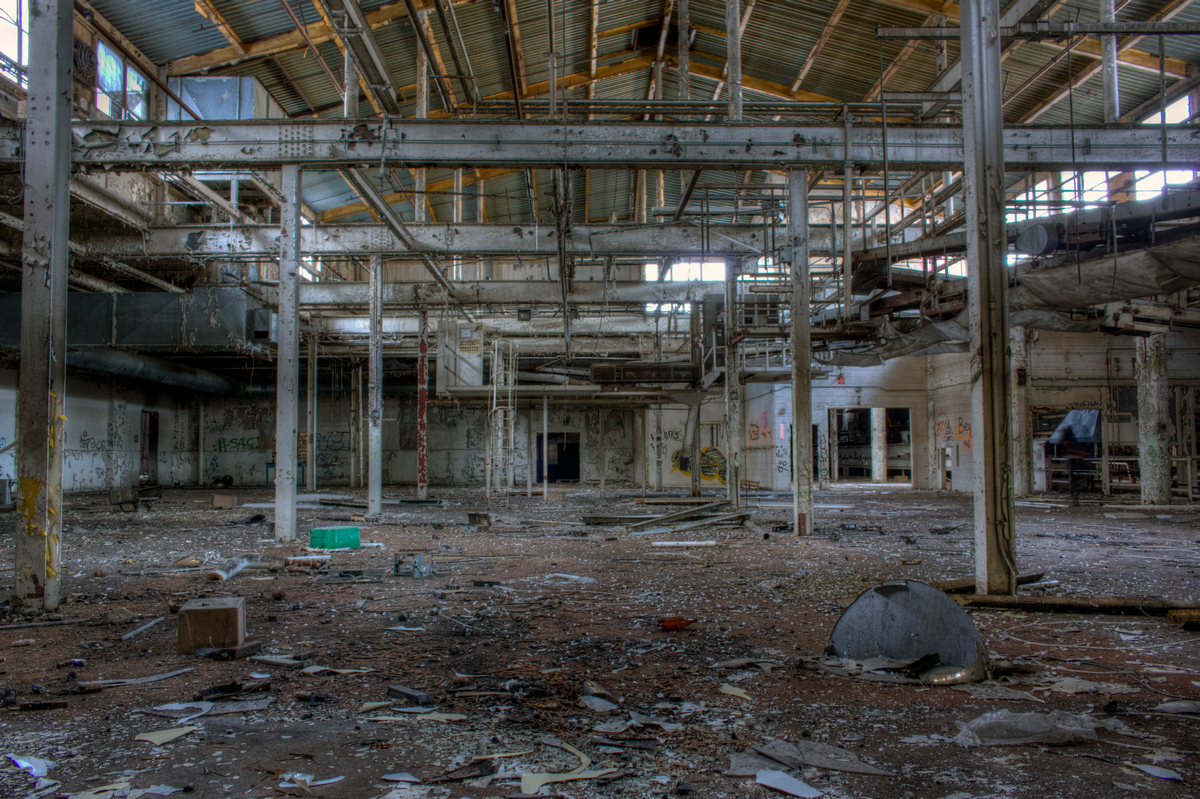
McCormicks Candy Factory in London Ontario

The history of McCormicks begins in 1849.

In 1849 Thomas McCormick emigrated to Canada from Ireland. In 1858 McCormick begun the manufacturing of candy in a factory located on Clarence Street in London, Ontario. The company was incorporated under the name of McCormick Manufacturing Company in July of 1879.

When McCormick passed away in 1906 his sons took over the business. By 1912 a larger and more efficient plant was needed. Thomas McCormick Jr. visited over one hundred biscuit and candy factories to observe their architecture. With the assistance of the London architectural firm Watt & Blackwell, they created what was considered one of the most sanitary and fireproof factories in North America. 

The plant opened in East London on more than 100 acres of farm land known as Priest’s Swamp. 

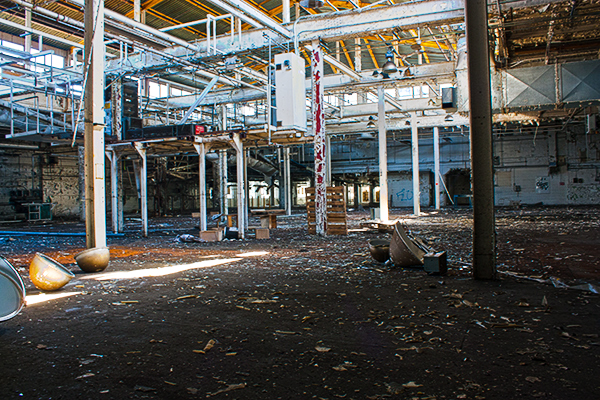
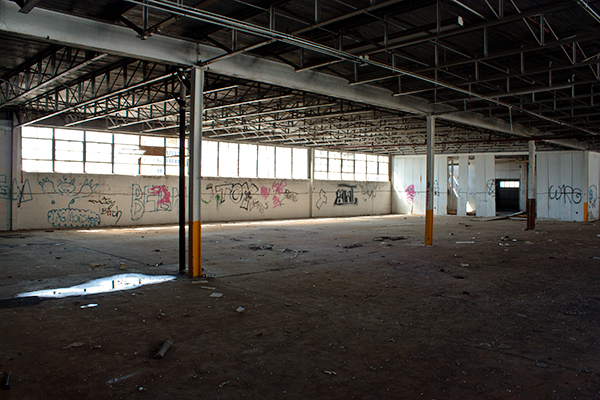
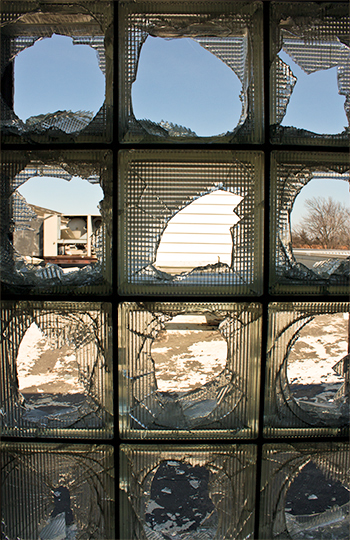
McCormicks contained 1.5 million bricks, 800 tons of steel, 100,000 bags of cement and 45,000 square feet of glass. 68% of the exterior walls were glass to allow sunlight inside. A company brochure described the factory as a “sunshine palace”. 

The McCormick’s factory could produce 135,000 pounds of candy and 100,000 pounds of biscuits on a daily basis. As many as 1,000 workers were employed inside the factory. 

Prior to the First World War public concern about the purity of processed food prompted the government to increase its scrutiny of food manufacturing. McCormick’s was focused on maintaining a hygienic manufacturing process.

Employee amenities included large dining rooms, gymnasium, library, locker rooms, medical facilities and rest rooms. Outdoor tennis courts and a baseball diamond were part of the employee experience.

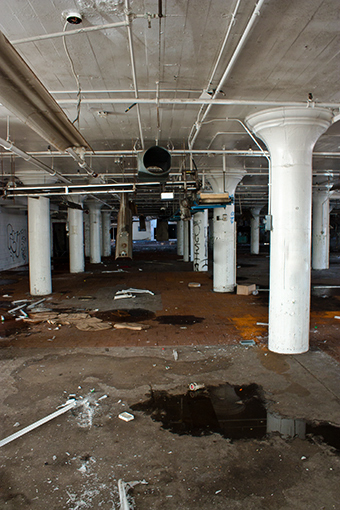
March 2013 Photos

January 25, 2015 Photos

When the London factory shut down in the summer of 2008 it was still being operated by Beta Brands. At that time approximately 100 employees lost their jobs. 

Present Day

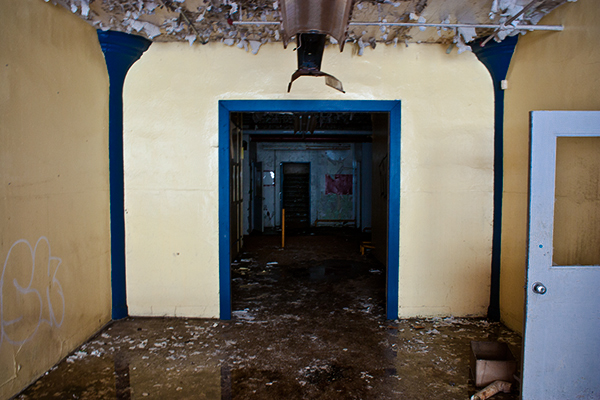
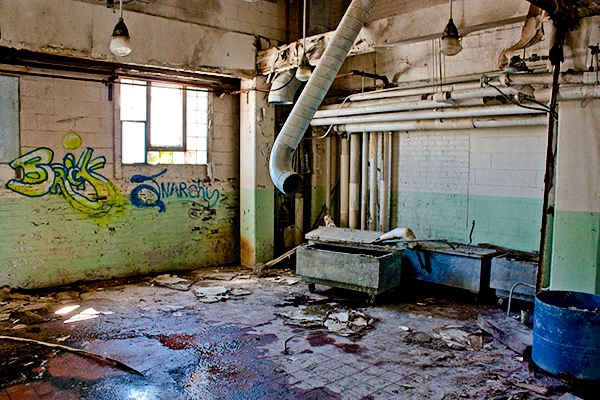
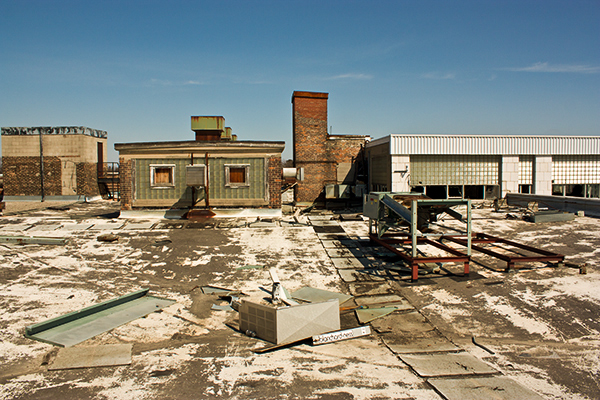
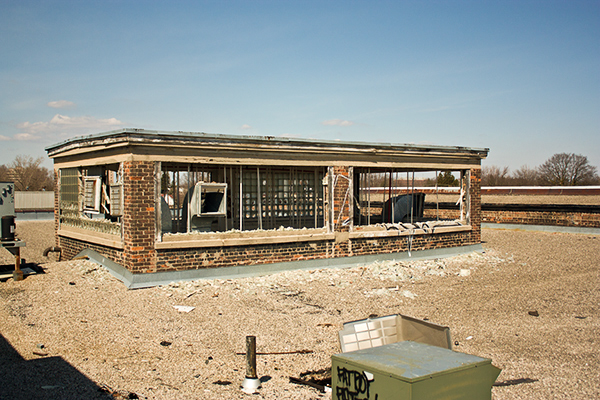
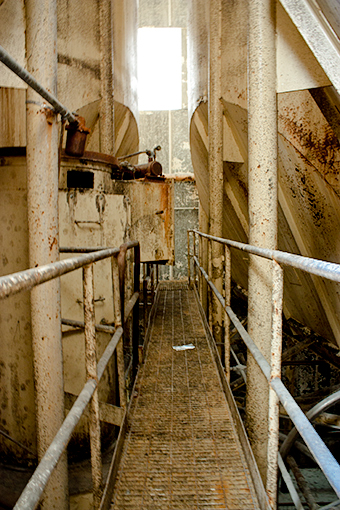
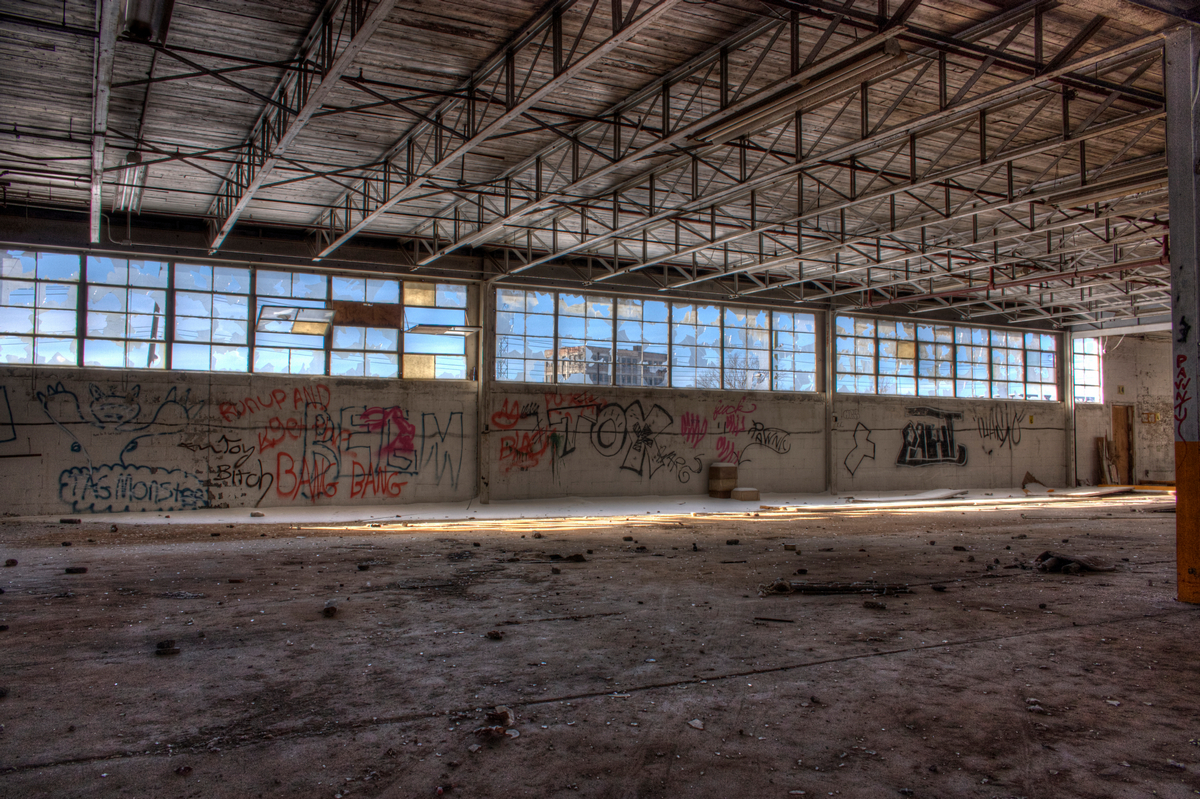
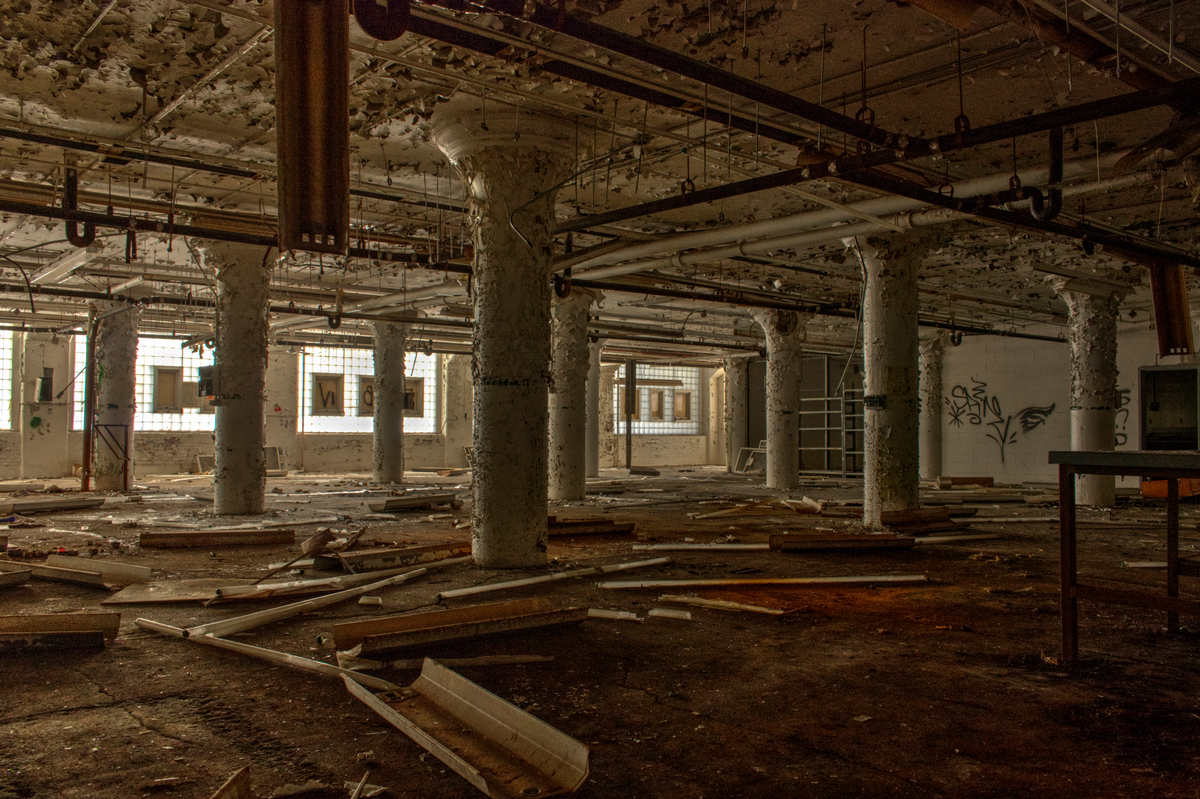
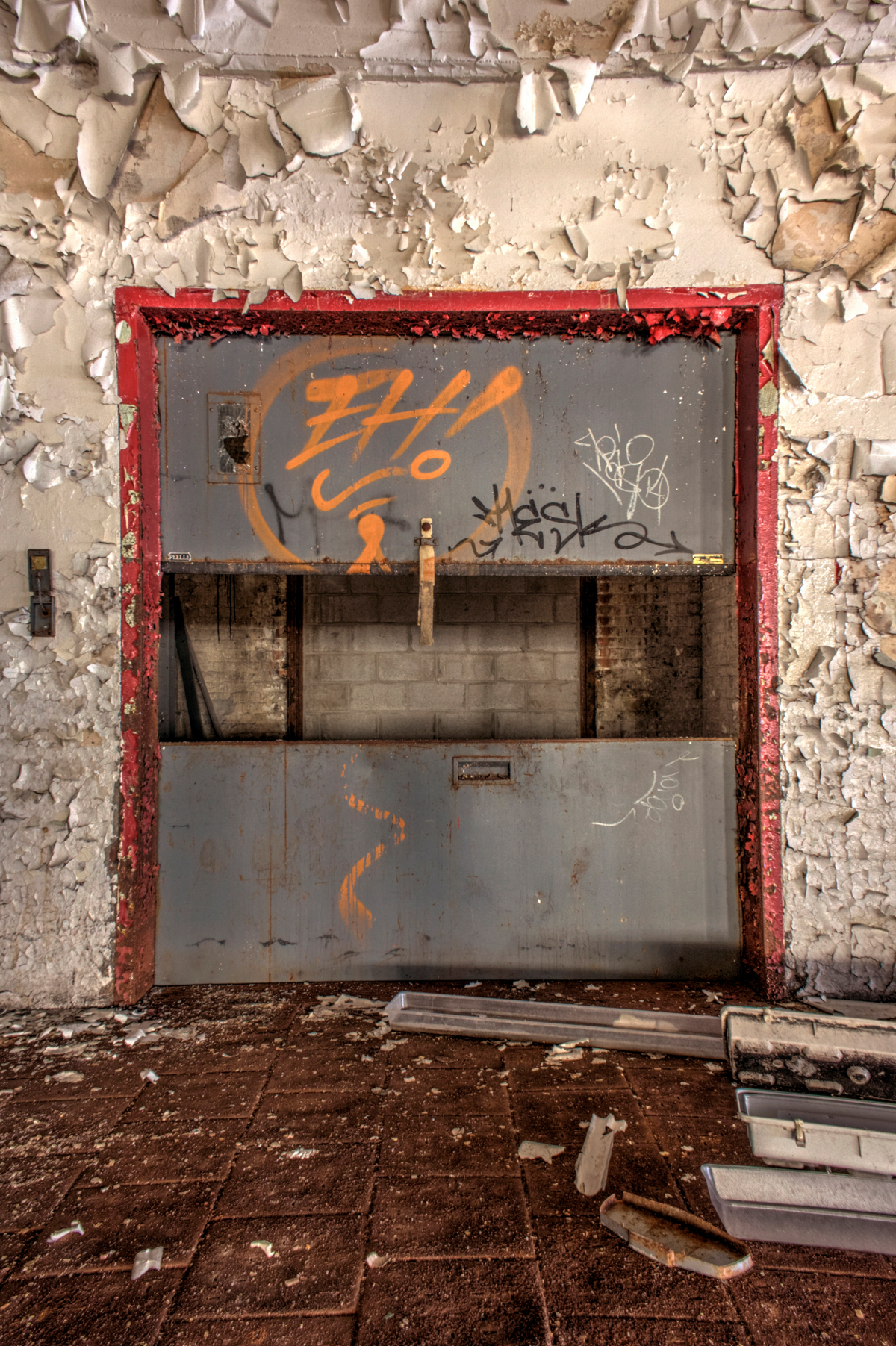
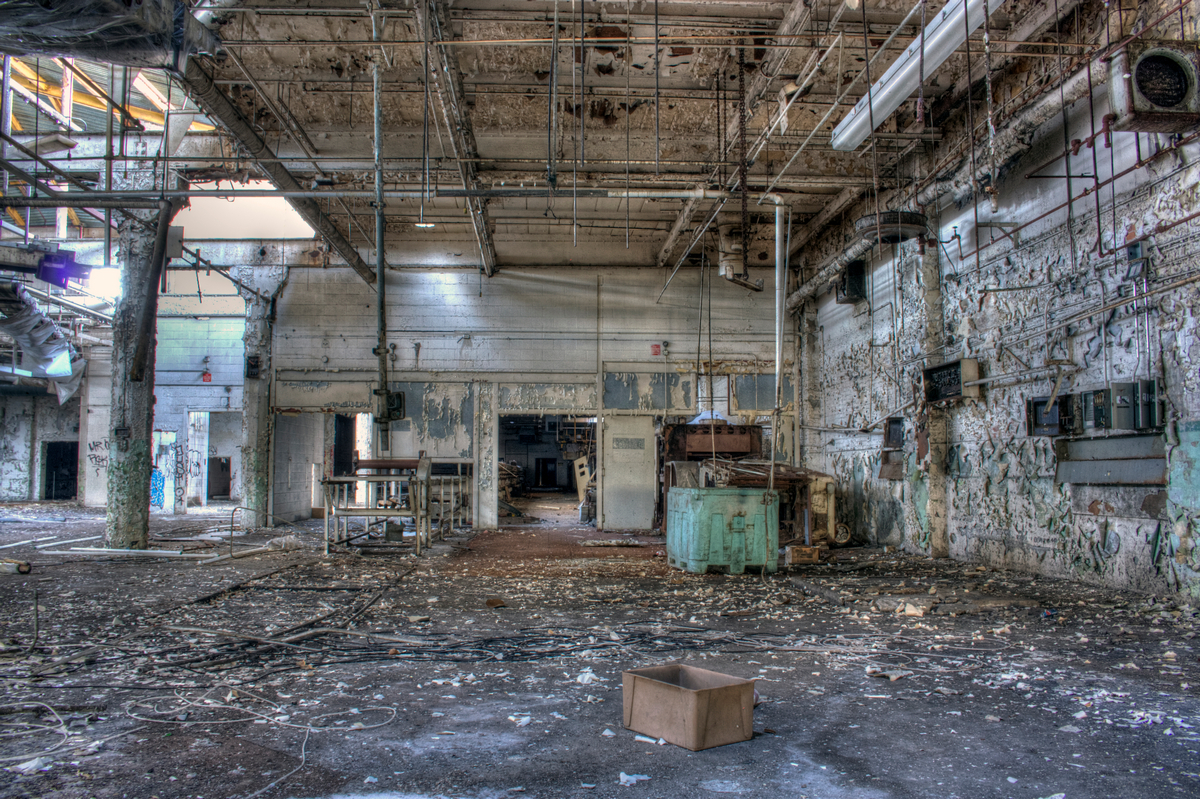
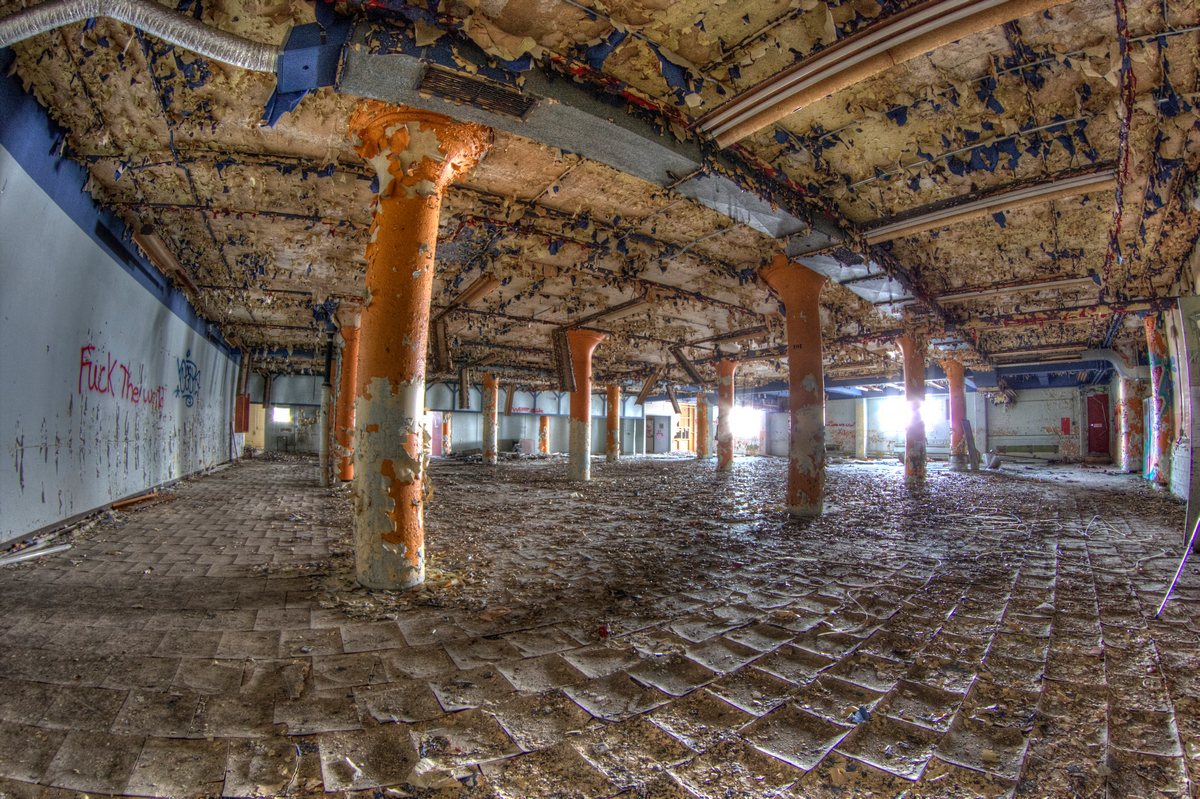
Today the four-storey McCormick’s factory located at 1156 Dundas Street lies vacant, dark, with a lot to see and explore. There are several stories of homeless people living here and syringes to be found on the ground. I’ve yet to encounter anyone on my visits. Also the roof is quite soft, so be warned.

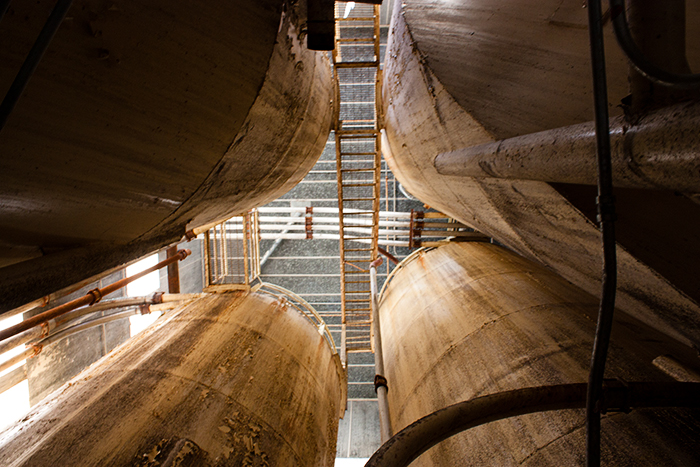
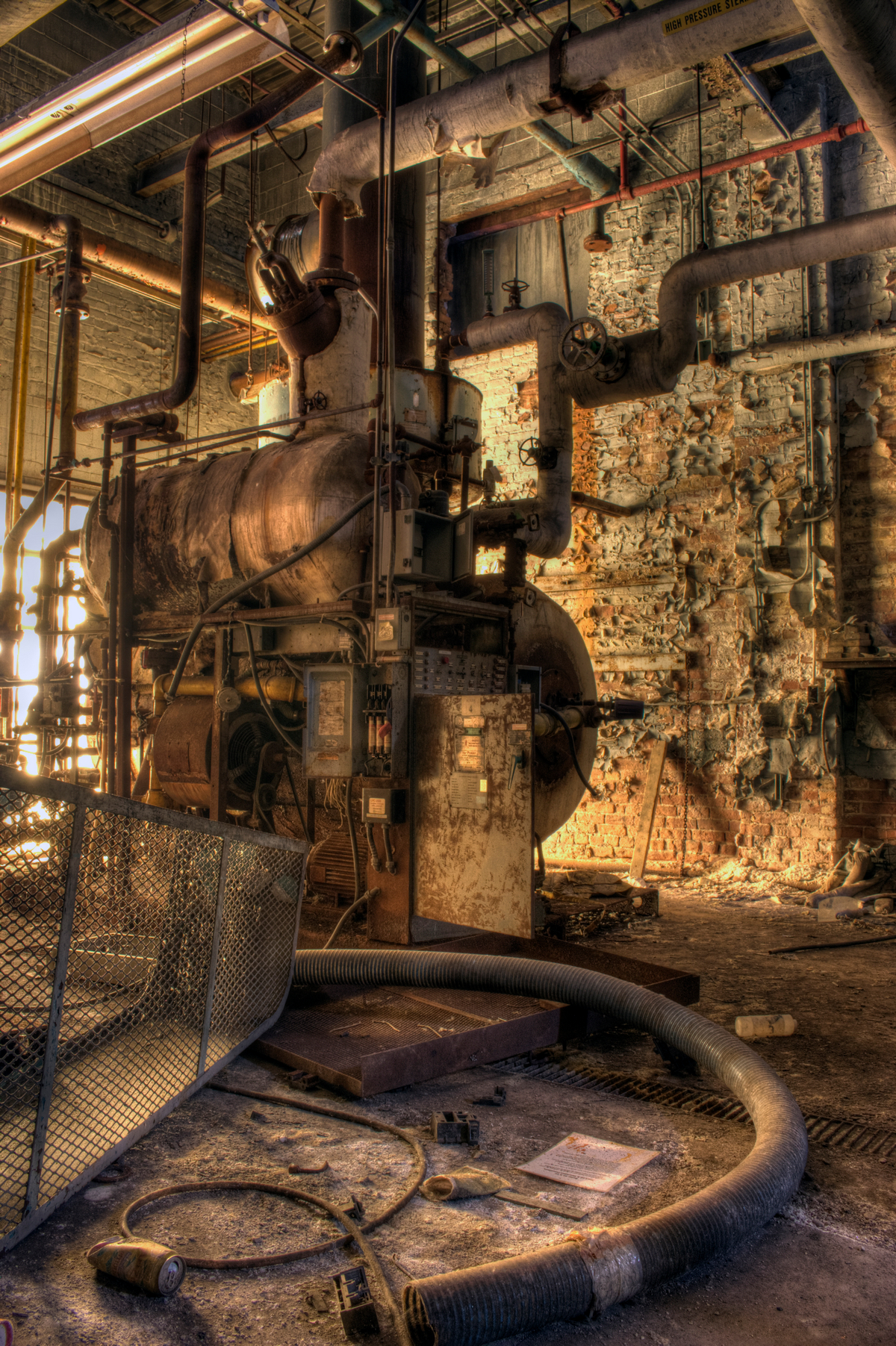
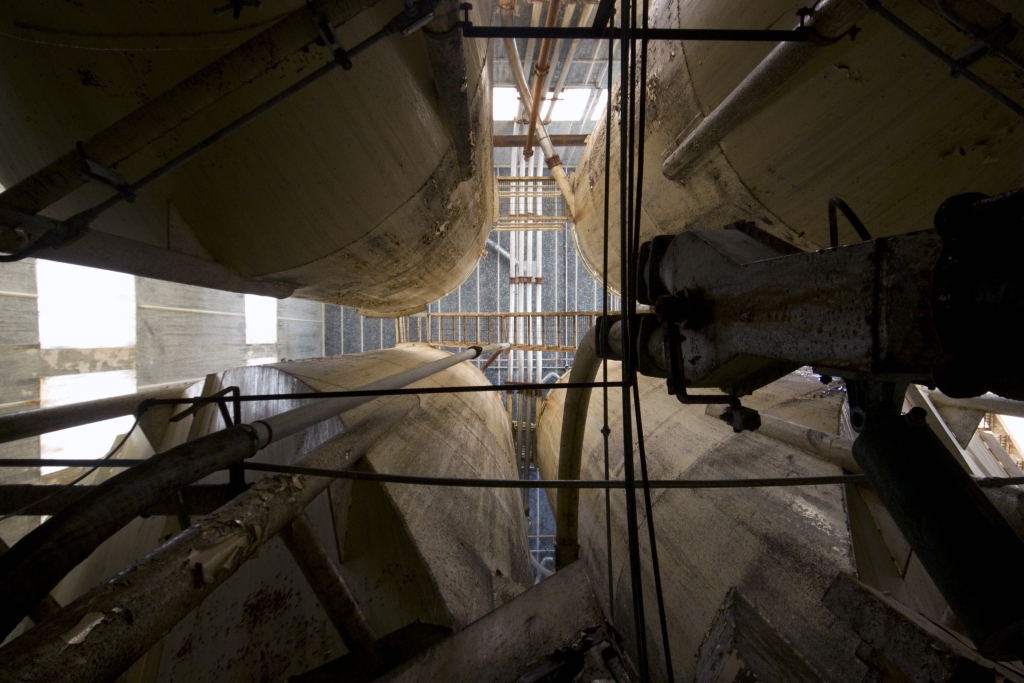
The first floor was usually accessible from one of the garage door entrances. The floor contained sugar silos, administrative offices and conveyor belt ovens. 

The second floor was used for the production of crackers. There was a laboratory on this floor as well. 

The third floor was for the production of chocolate and also contained the employee cafeteria. 

The fourth floor was for the production of candy. The fifth floor was used for producing jelly beans and also contained the executive offices and boardroom. 

The property was purchased by Sierra Construction of Woodstock for $1. The property will require approximately $8 million to clean it up. A portion of the rear of the property has already been torn down.

As of 2019 most of the rear of the factory has been demolished. Work is under way to convert the front of the building into housing.

Depending on the time of year, you might encounter homeless or drug users inside.

Further information regarding the McCormick Villages project, click here.


Piano Teacher Time Capsule House in Ontario

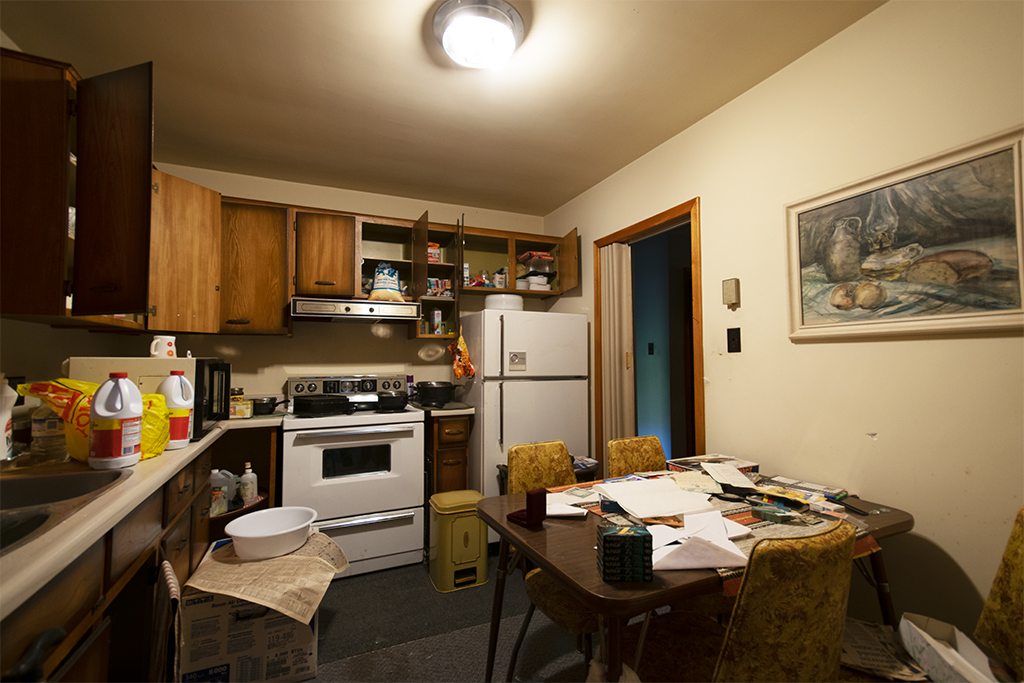
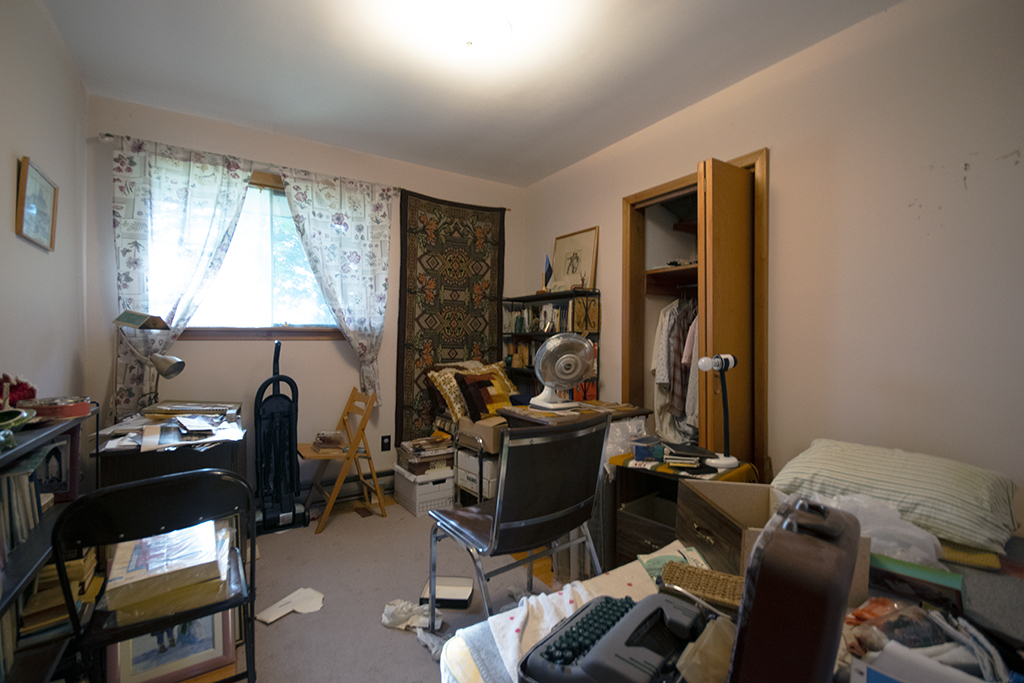
The Piano Teacher Time Capsule is an abandoned house in Ontario once lived in by two musicians from Estonia. The house has remained undisturbed for many years and only recently could it be explored.

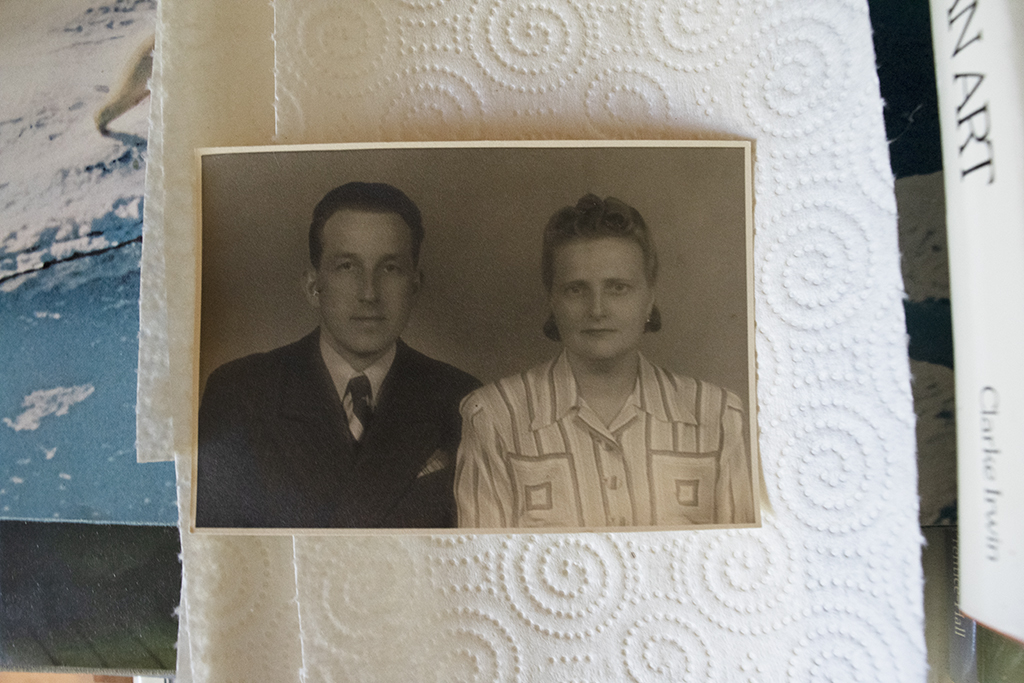
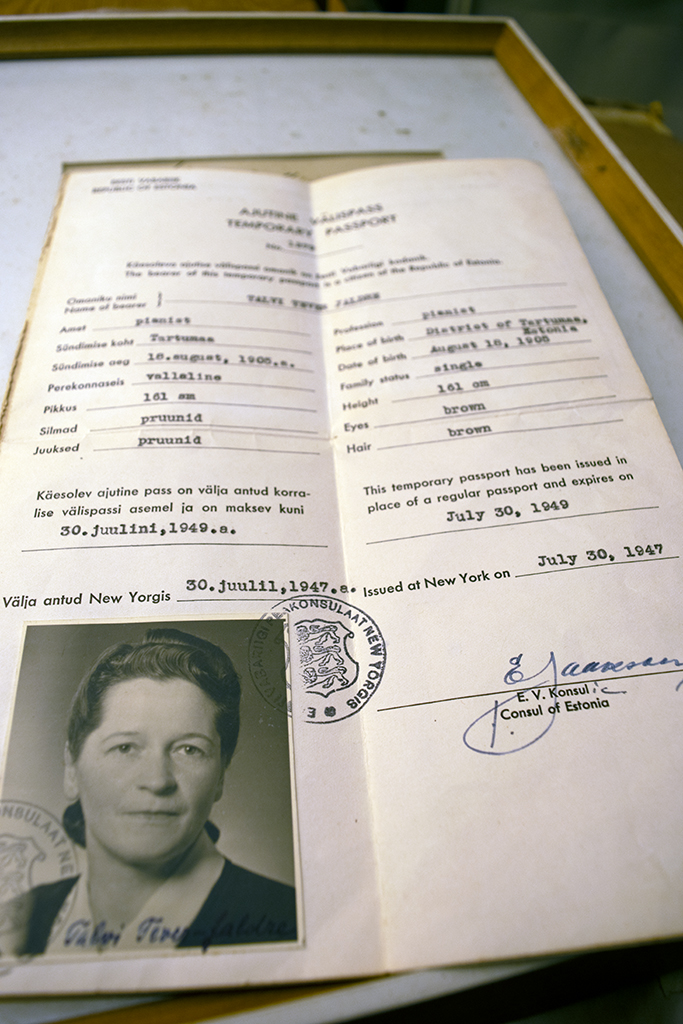
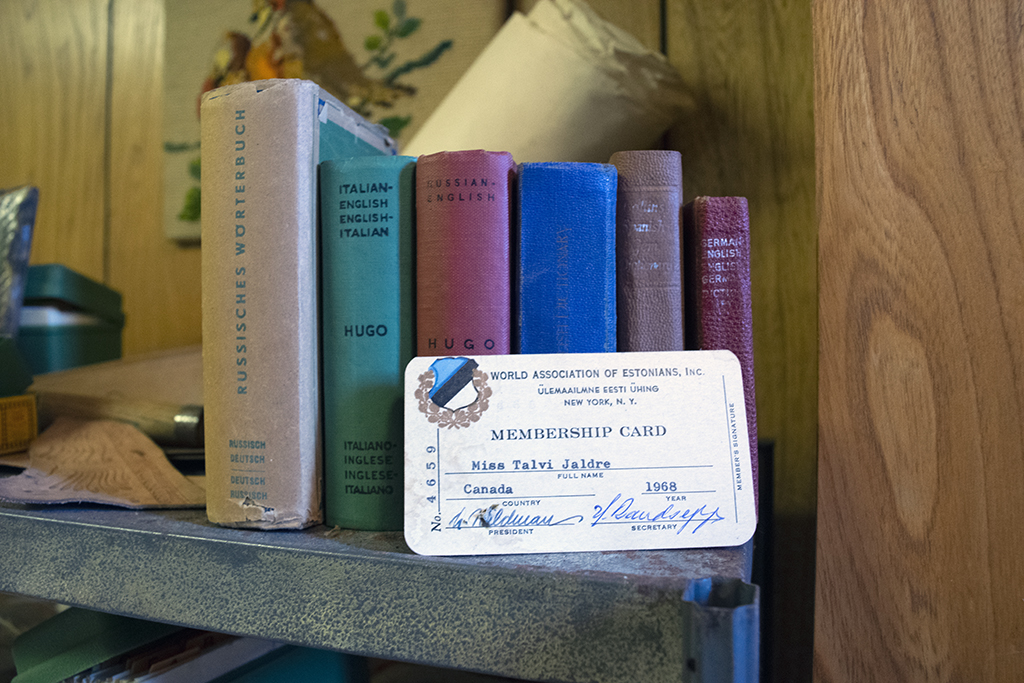
This was the home of Klaudia Voiko and Tatjana Jakobson (Talvi Jaldre) . Voika was born May 31, 1909 in Valga, Estonia. Jaldre was born August 18, 1905 in Tartu, Estonia.

Talvi Jaldre 

Talvi graduated from Tallinn Conservatoire in 1932 as a sound artist. The following year she found work as a vocal and music teacher at a school in Tallinn.  Talvi was an accomplished piano player who performed concerts often with another teacher who taught at the same school. Her name was Leida Aalundi. 

The duo played two pianos simultaneously while performing music by Mozart, Arenski, and Debussy in the Estonia Theatre. These concerts took place between 1939 and 1941. During World War II, Talvi lost her home, pianos and valuable books and notes. She moved in 1944 to Germany where she found work at the Estonian Gymnasium and Estonian National School of Music. 

Germany turned out not to be a suitable place for Talvi to make a living, and in the fall of 1948 she moved to Canada where she found work as a maid.

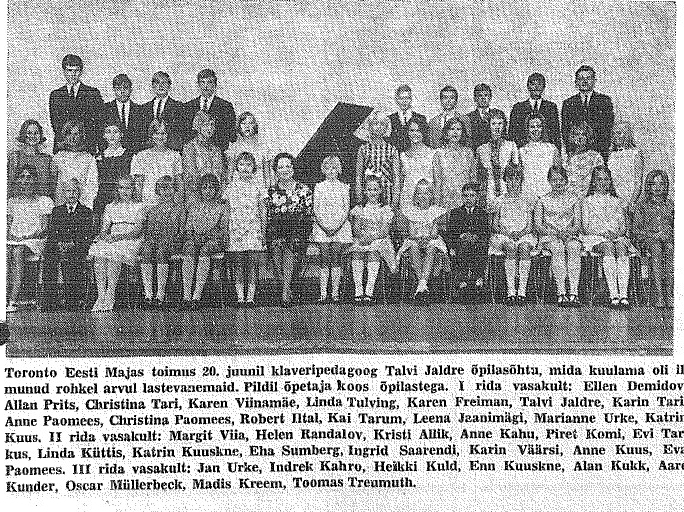
In 1951 Talvi opened her own piano studio in Toronto and became a member of the Ontario Registered Music Teachers Association (ORMTA). She was regarded as one of the best music educators in Toronto among Estonians. 

The age range of her students was between 7 to 15 years of age. In 1952 her first student’s concert evening was held in June at the Old Andres Church. 

She would encourage her students to compete in competitions where they could receive prizes and scholarships.

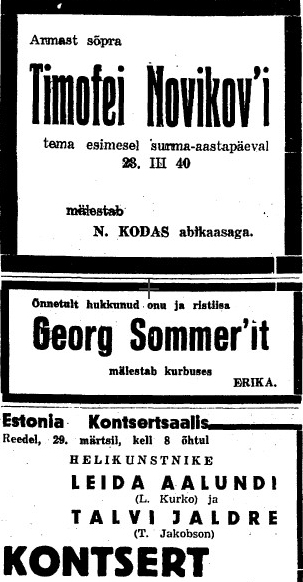
March 23, 1940 newspaper ad for a music concert featuring Talvi Jaldre.
piano concert advertisement
Estonian Christmas concert newspaper ad circa 1960
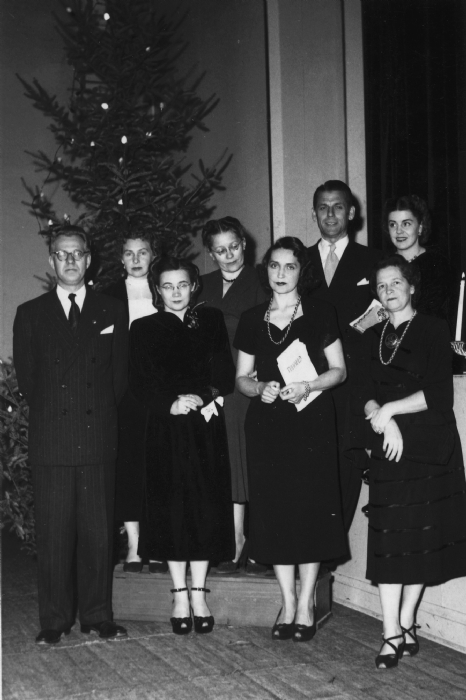
Toronto Society of Estonia Christmas in the Old Andres Church hall in 1960?
Talvi Jaldre
1st row, left: Otmar Pello, Magda Pihla, Lydia Vohu, Talvi Jaldre.
2nd row, left: Helmi Betlem, ?, Arvo Vabame, Valve Andre. 

Not long after Talvi arrived in Canada, she was involved in a car accident in which she was trapped under a speeding car. This left her hospitalized for some time.

By 1990, she was 85 years old and began to slow down in her teaching. She missed some of her student’s concerts due to her declining health. 

Klaudia Voiko

Klaudia was a graduate of the University of Tartu in Estonia. Even though Klaudia lived in Canada he retained ownership of over 50% of the Estonian Music Academy in Tartu, Estonia located on Rootli Street.

After the war many Estonians began arriving in Canada. In January of 1949, a priest named Pastor Puhm at St. Peter’s Church in Toronto decided to start a Sunday School for Estonian children. There Voiko taught fourteen youths history lessons. 

At some point in time Talvi and Voiko’s lives led them to live together although I’m not certain if they were in a relationship. 

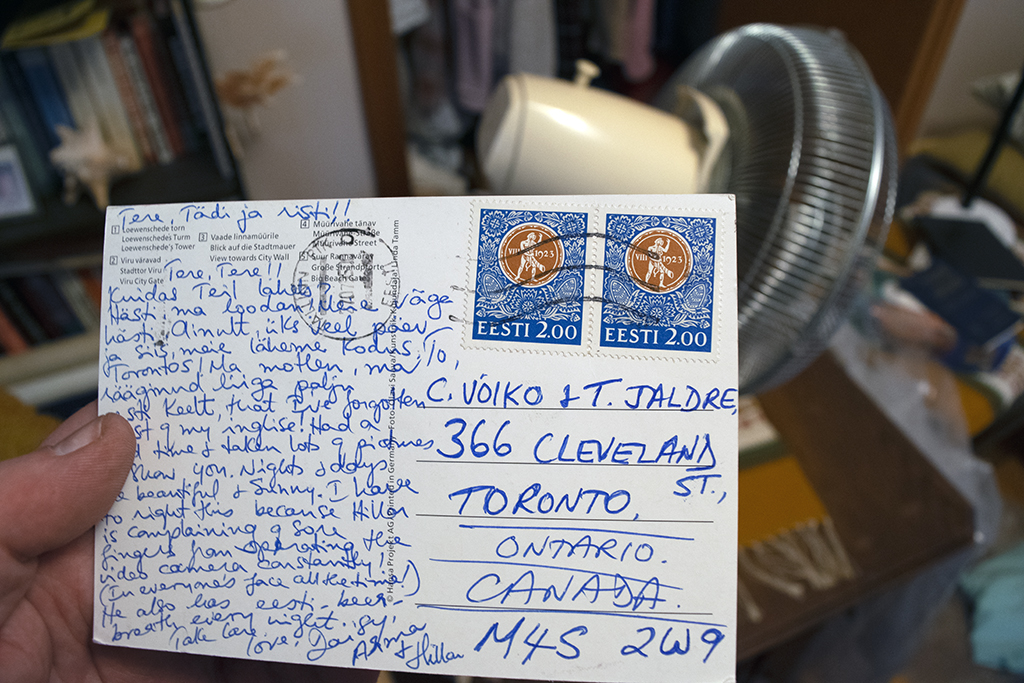
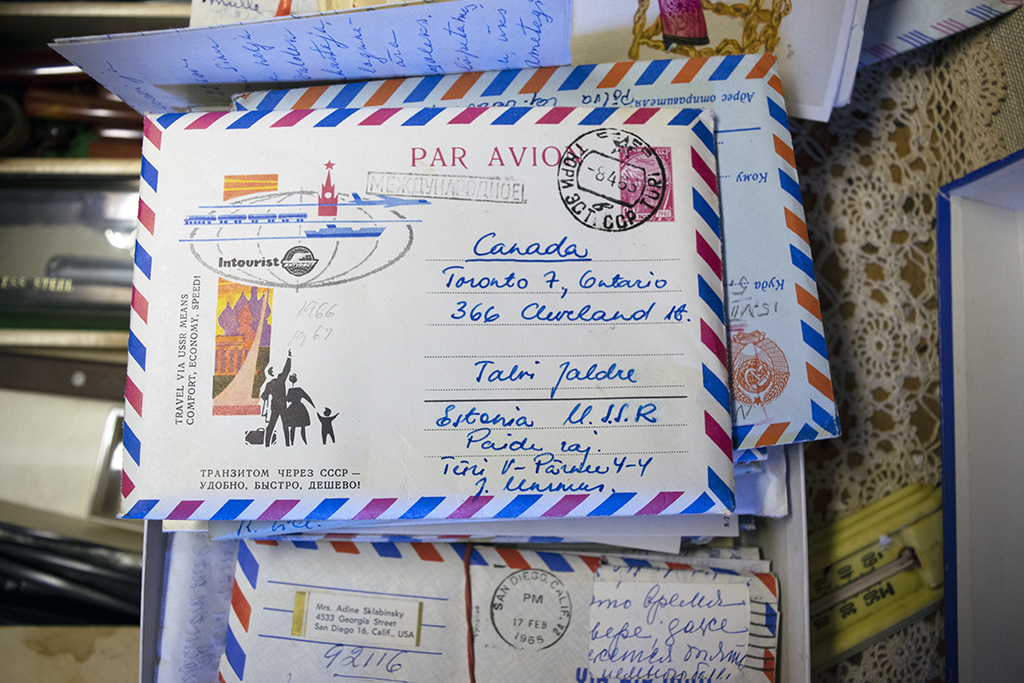
They lived at 366 Cleveland Street in Toronto until sometime in the 2000’s when they moved a little further north. There are several mentions of the couple in Estonian newspapers published in Canada.

Talvi passed away on May 24, 2002 at the age of 96. Klaudia passed away on August 17, 2005 also at the age of 96. Having lived long lives and without any apparent children, the house has sat forgotten about for almost 14 years.


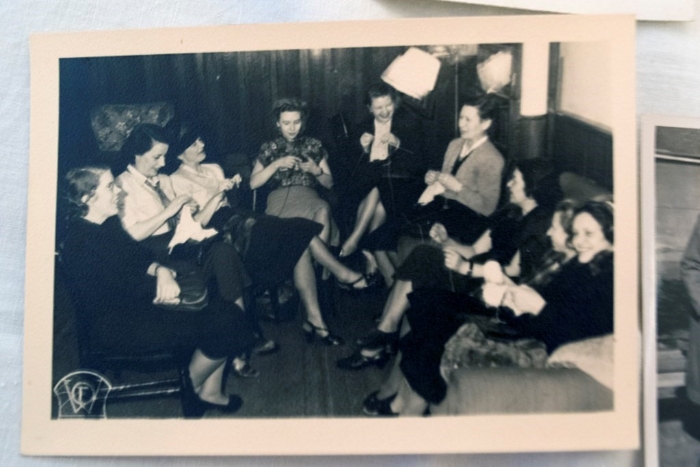
Ladies knitting
The original social network 


As word spread that there was a way inside, the house began to make its way to social media. Time capsule houses such as this are a rare gem and there’s normally care taken to ensure that they remain this way by keeping identifying information offline.  

I was dismayed to find that those who’d been here were posting exterior photos of the house making it readily identifiable and some were mentioning the city it was located in. 

It seemed that this particular time capsule wasn’t going to be given the same respect that others had been. 

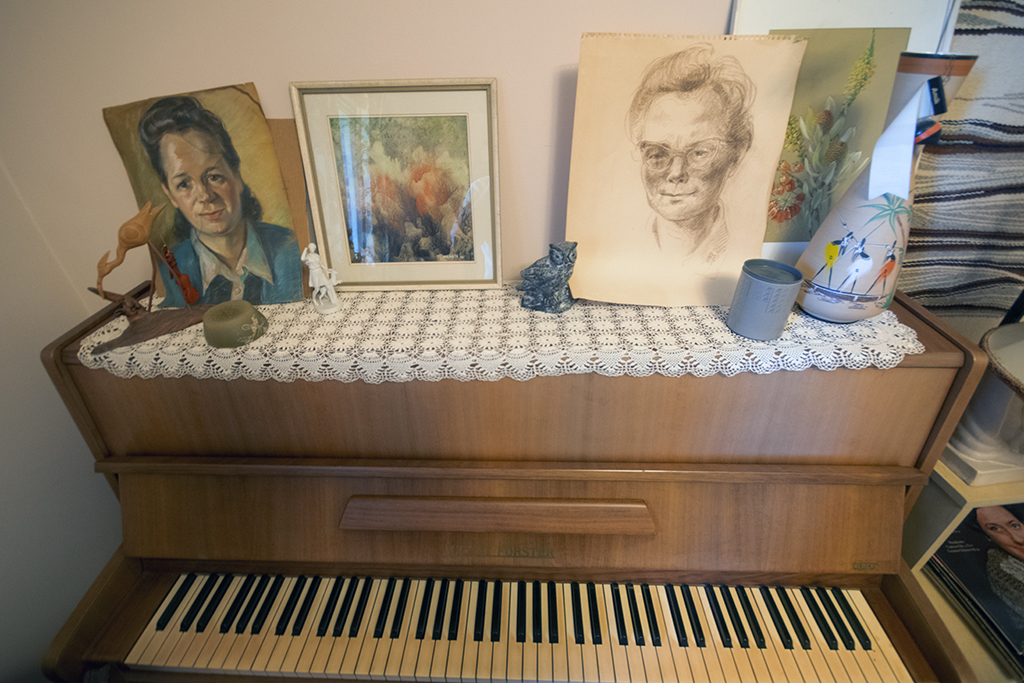
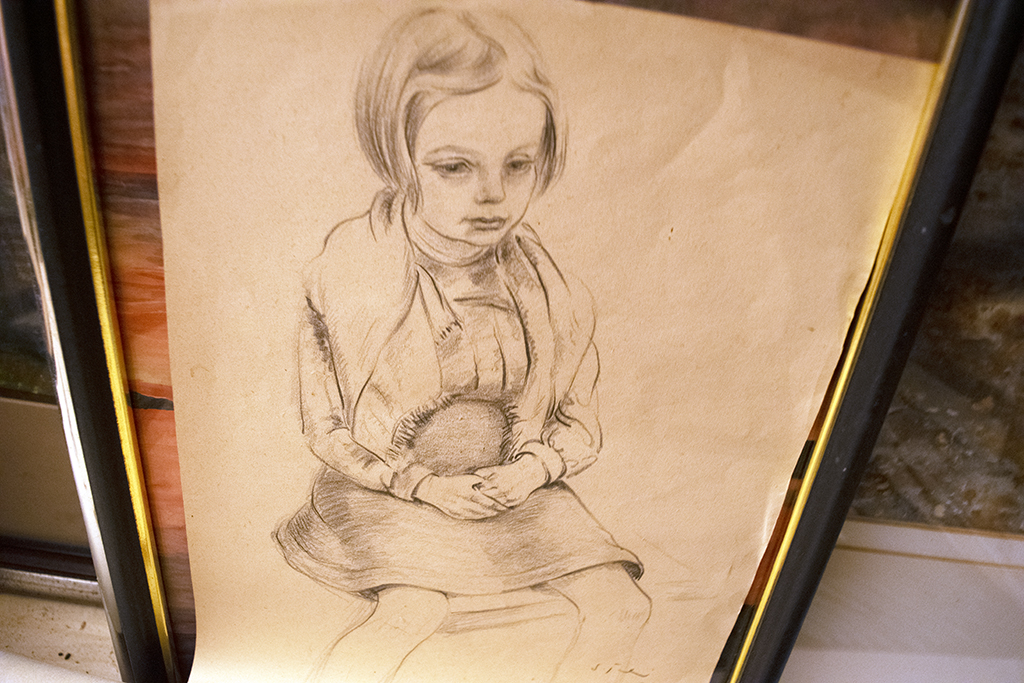
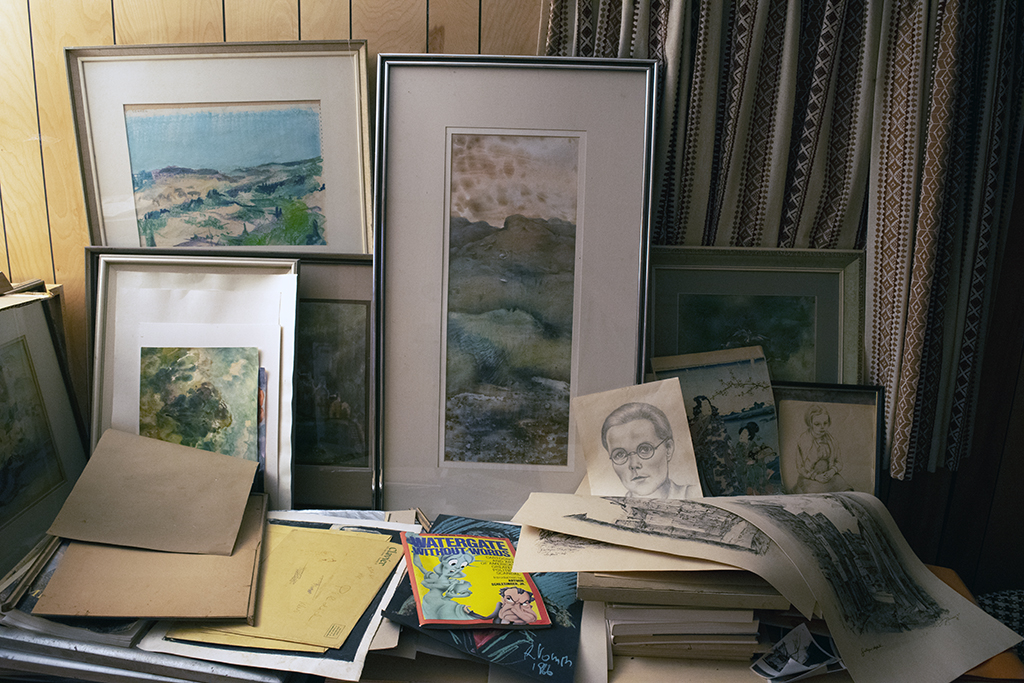
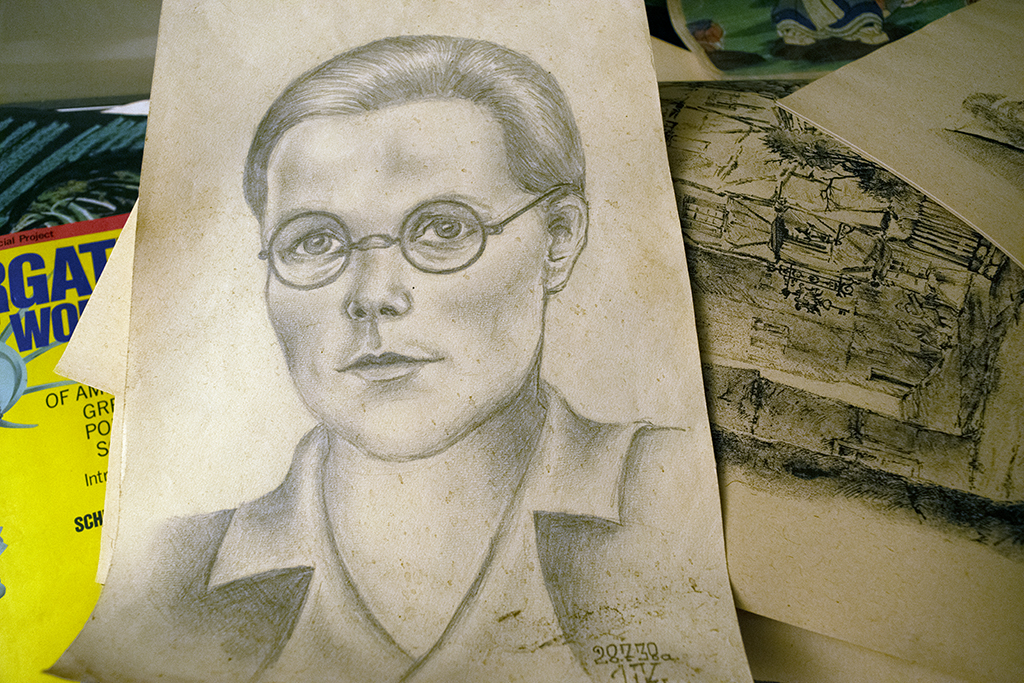
In a rear bedroom is a piano with a portrait sketch on top of it, I don’t know who the woman is in the sketch. Another bedroom is filled with boxes and furniture placed in storage. Perhaps there’s more to be found by spending time in this room. 

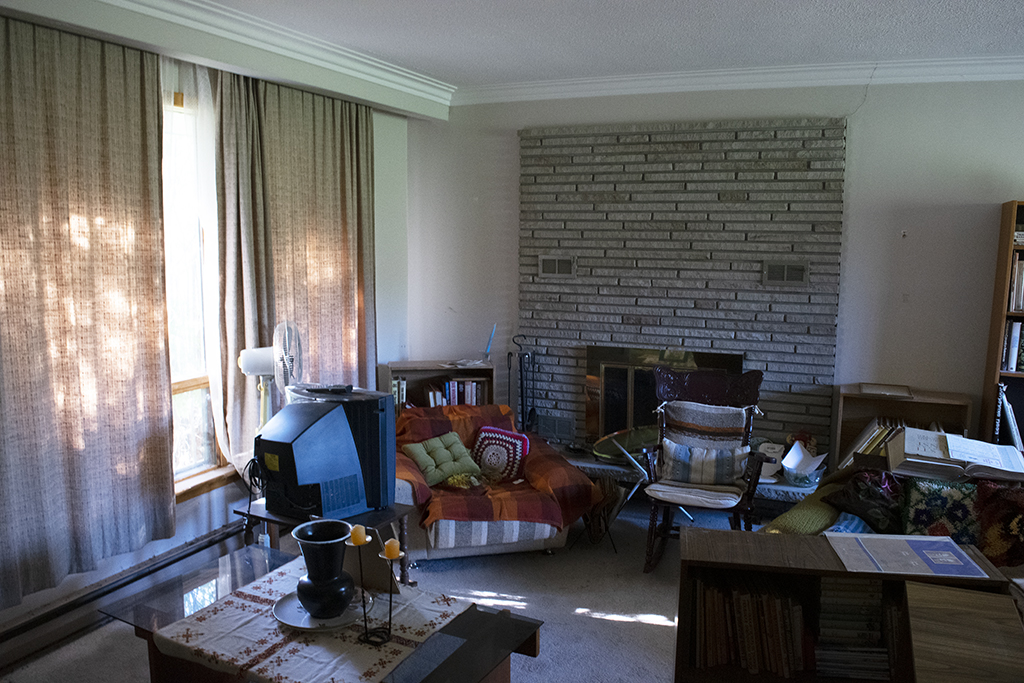
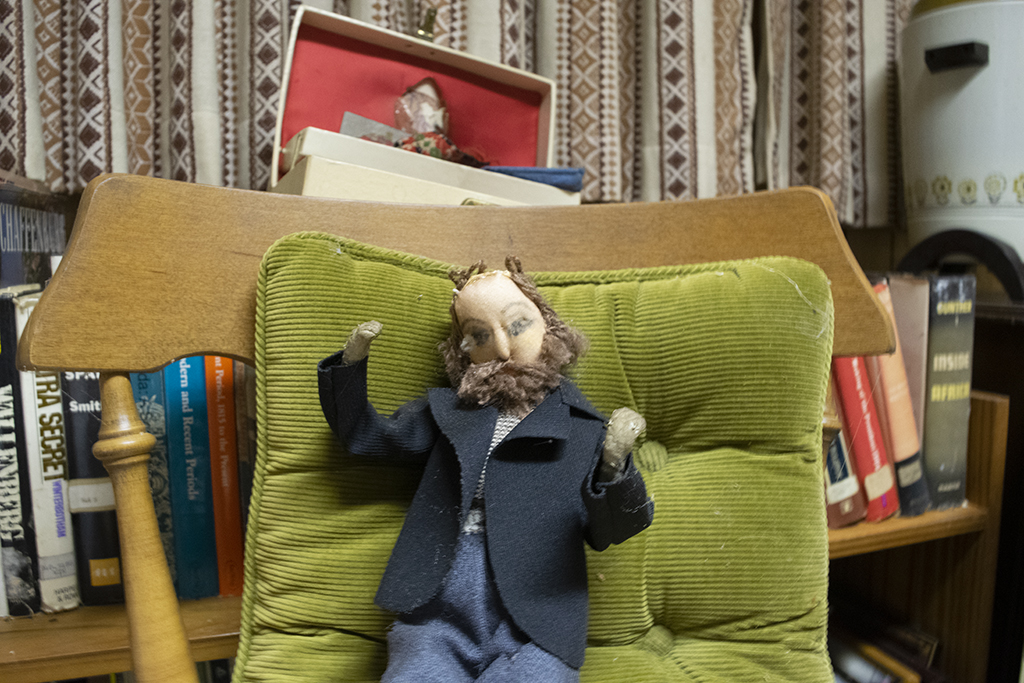
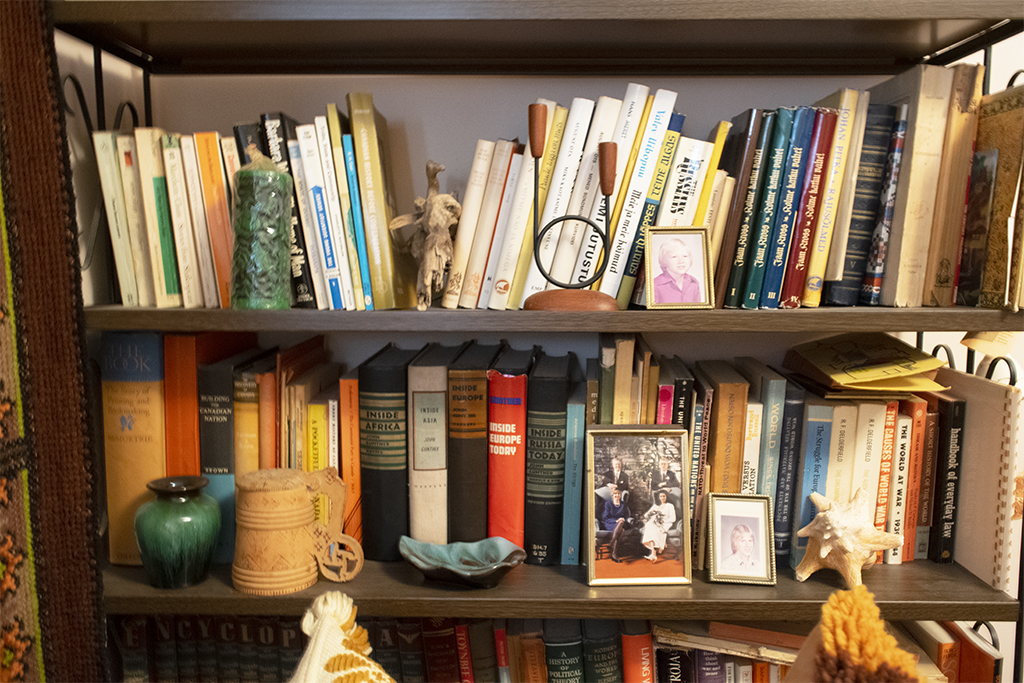
The living room contains many books, a television placed very near the sitting chair (I’m assuming that by this time the occupant’s vision was poor). 

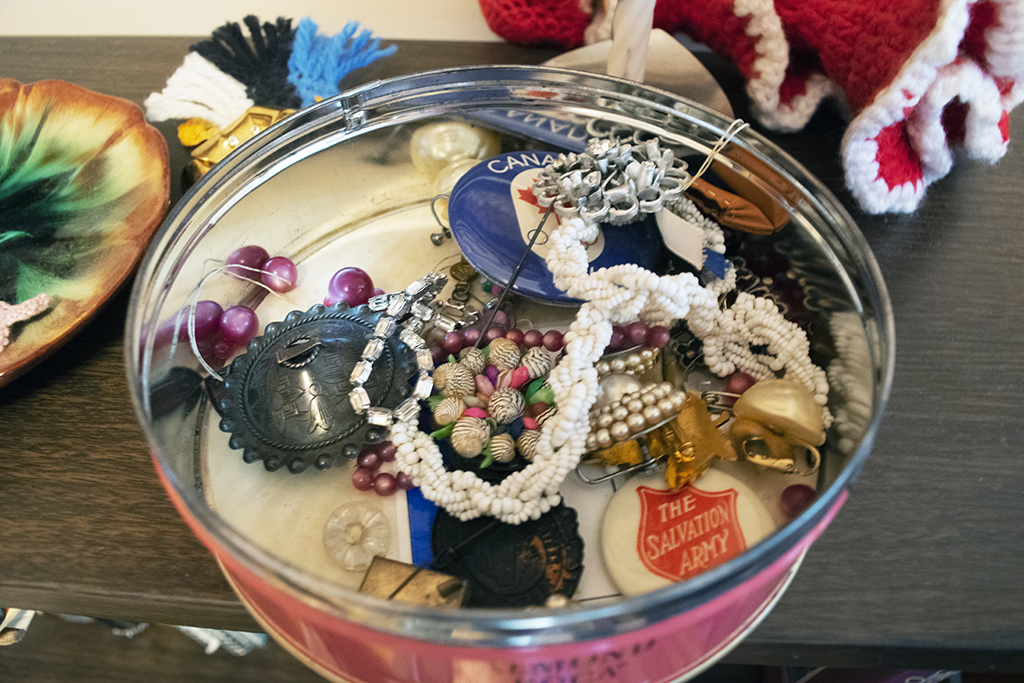
As you make your way from room to room you can begin to get  sense of who these people were. A Salvation Army button indicates perhaps one of them volunteered for the agency. 


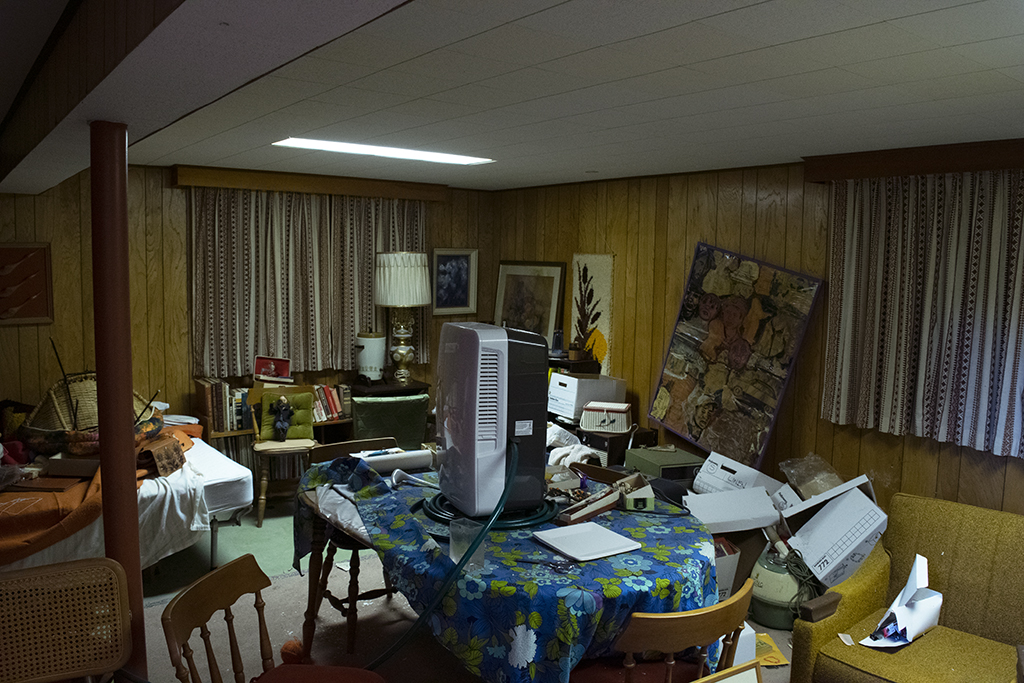
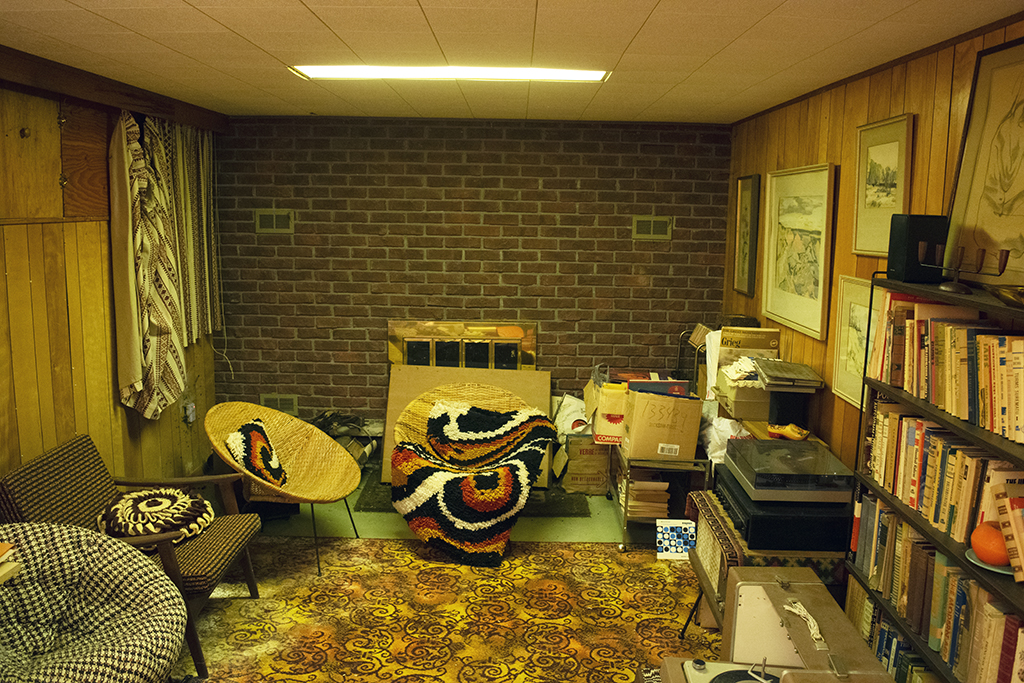
It’s only when you enter the basement that you fully appreciate how much this couple loved their music, and art.  

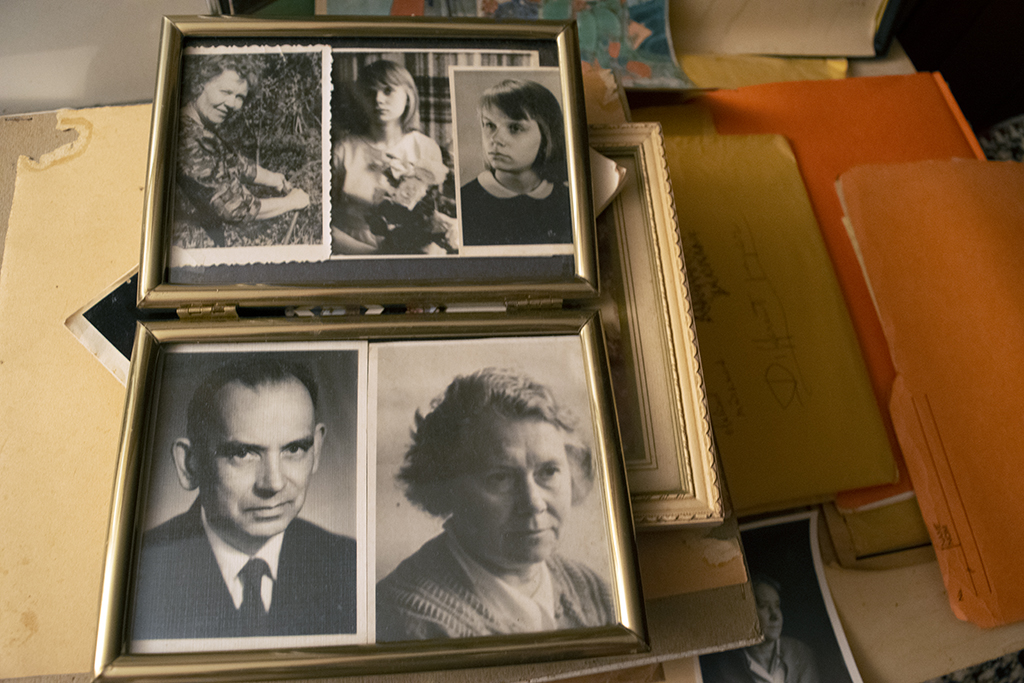
I noticed several photos of youths in  photographs throughout the house. Who were these youths and where are they now?

So many questions. 


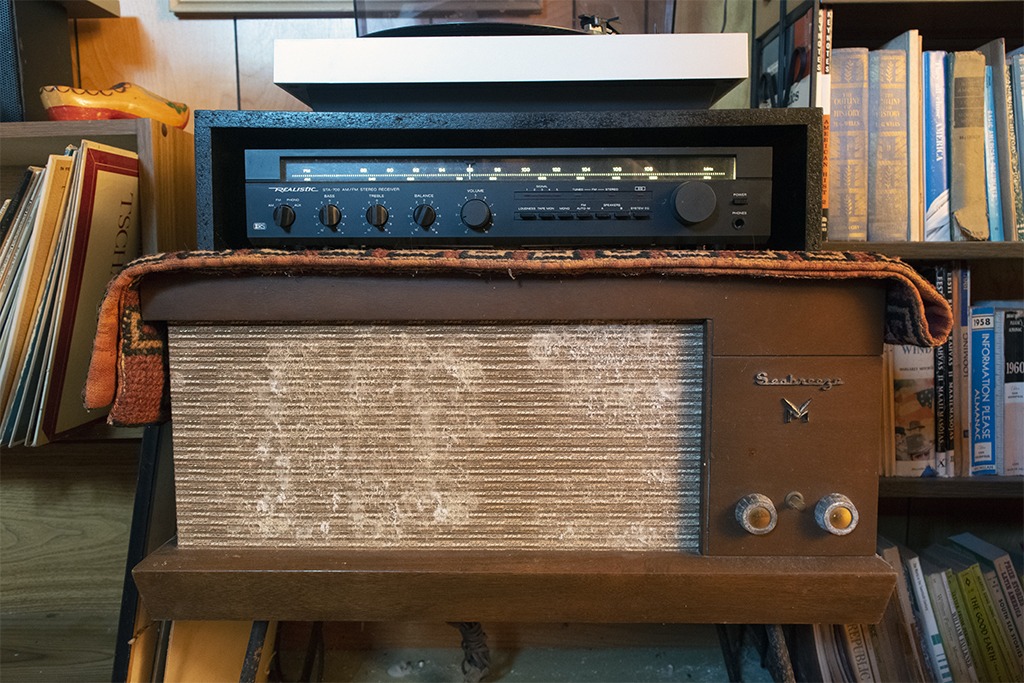
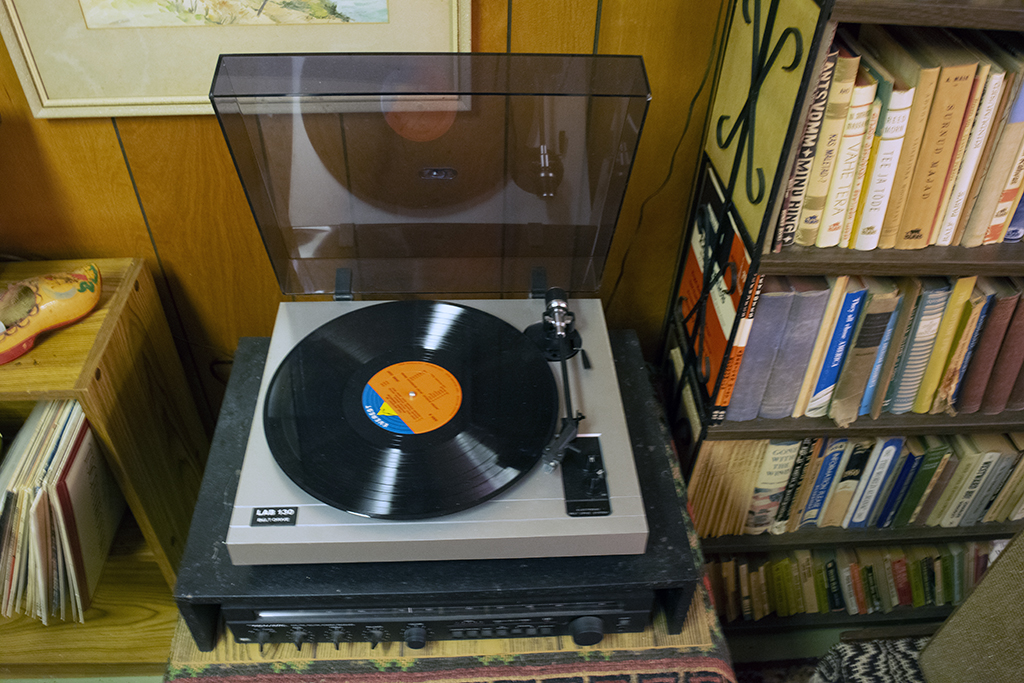
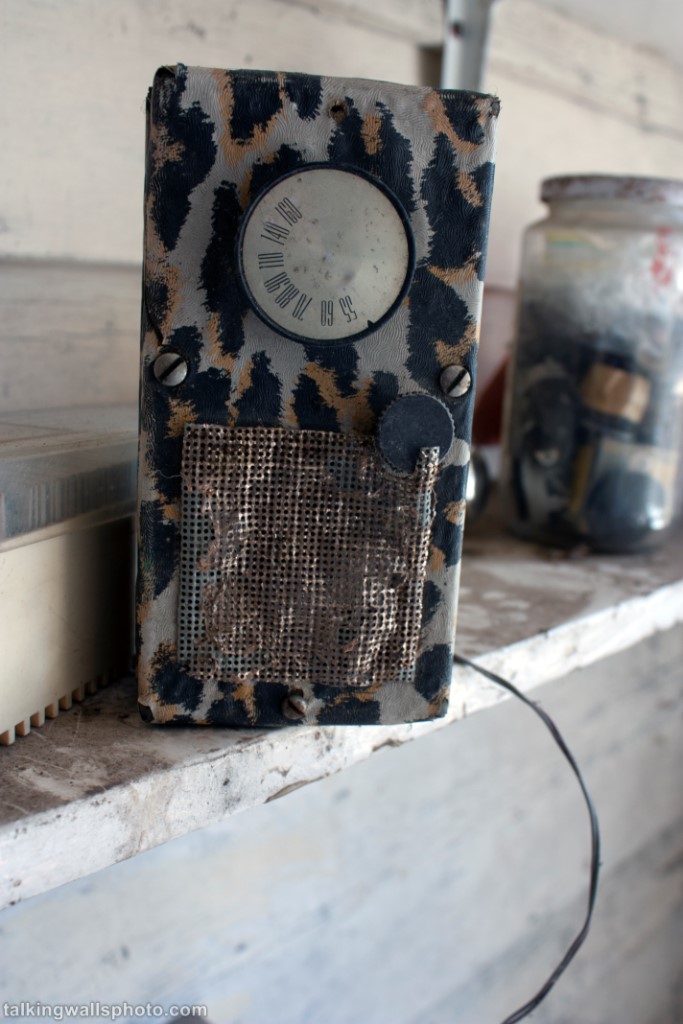
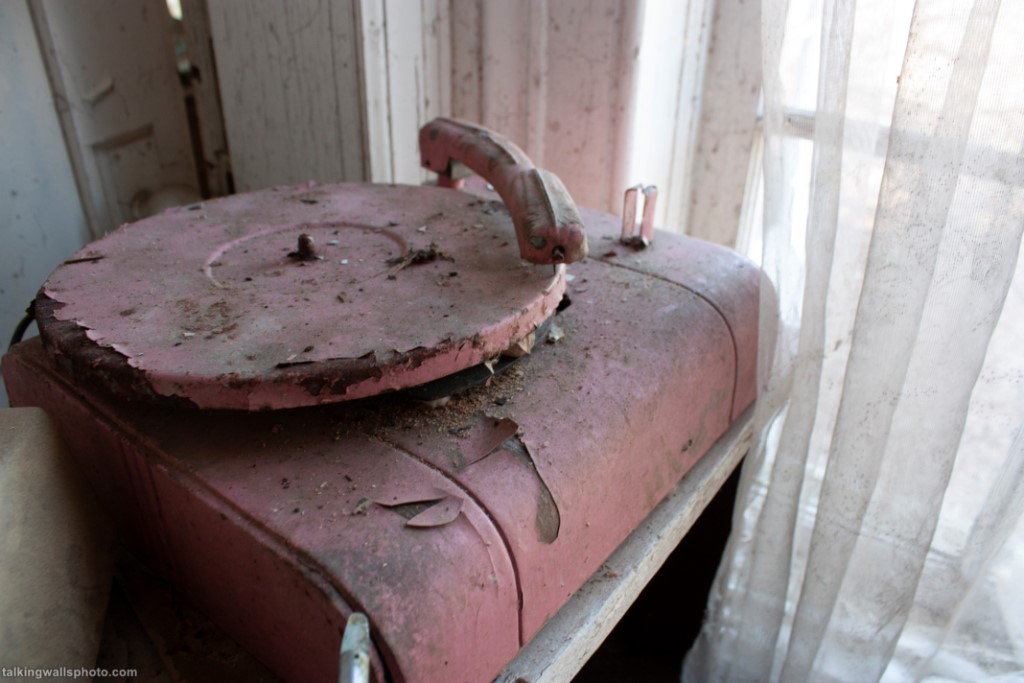
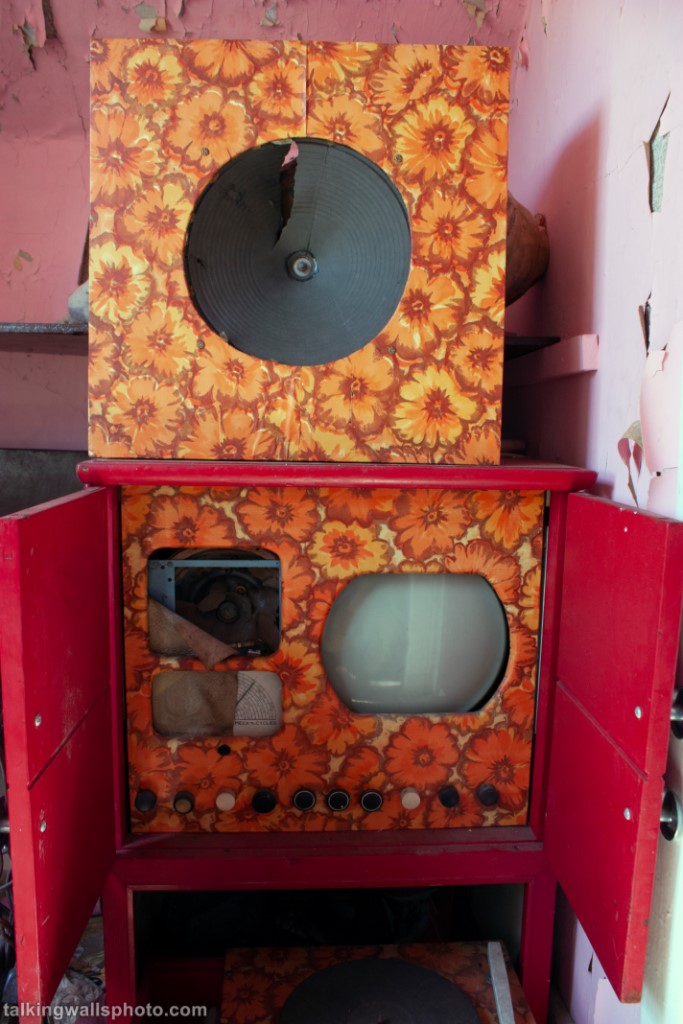
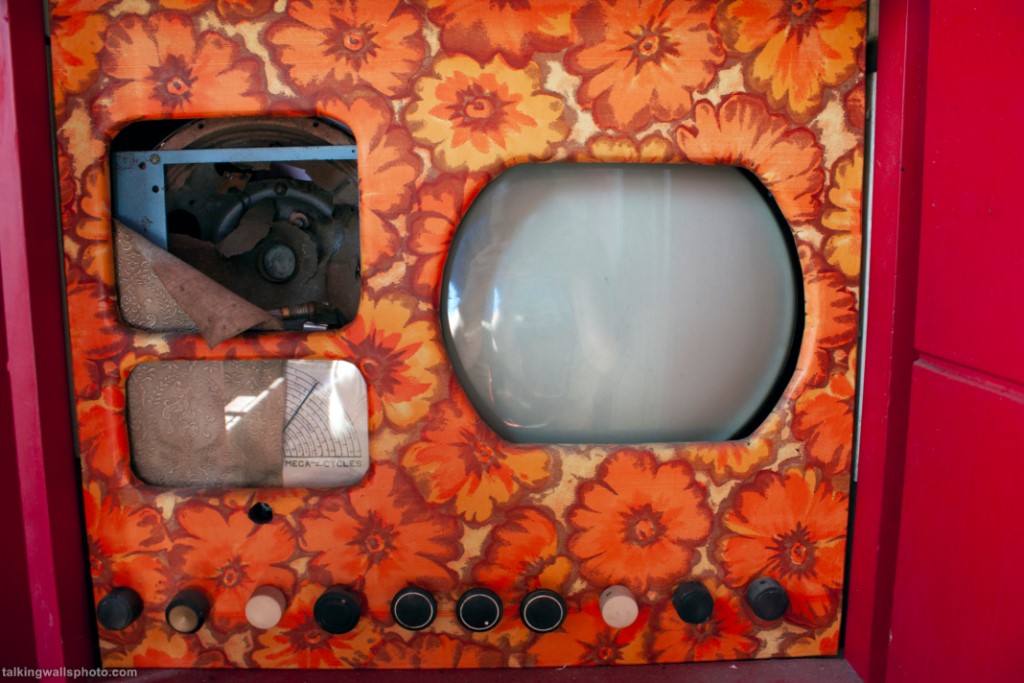
As you venture further into the recreation room you’ll notice shelves filled with vinyl records. There’s an antique record player with a Radio Shack tuner & record player on top. Many of the record albums are old classical records from Bach, Beethoven, etc. You can almost picture the couple sitting on the couch as they played these memories on a summer’s night. There are sheets with piano music on them. 


The Abandoned Talvi Jadre Piano Teacher House in Ontario, Canada


An article published by Eesti Express (Estonian news) about this house can be found here. English translation is here..


The Abandoned Pastor Lee House – Ontario

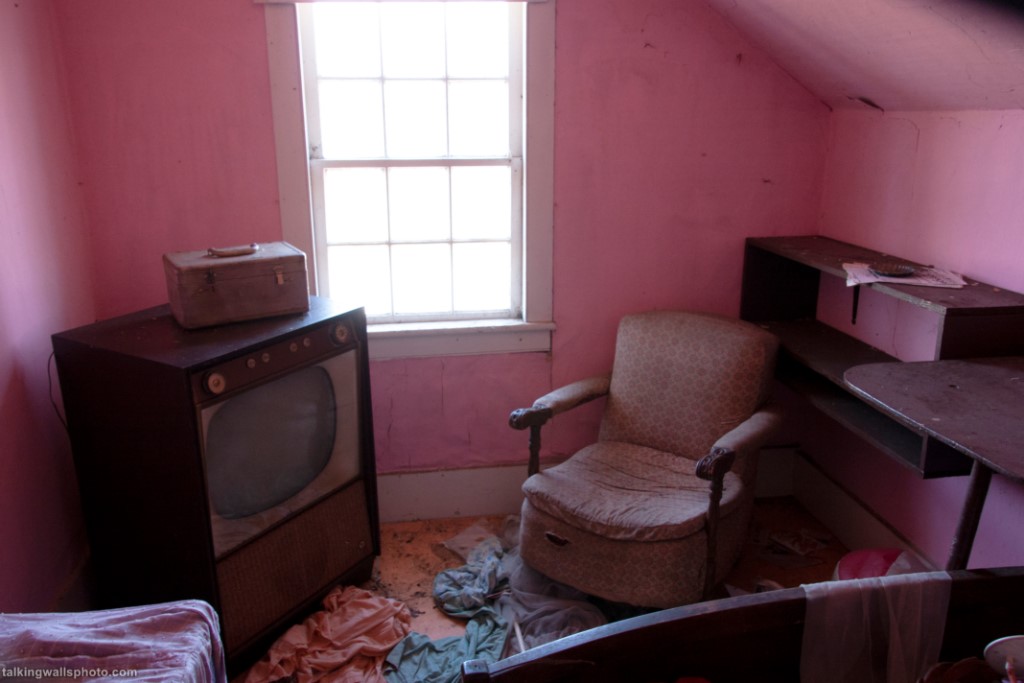
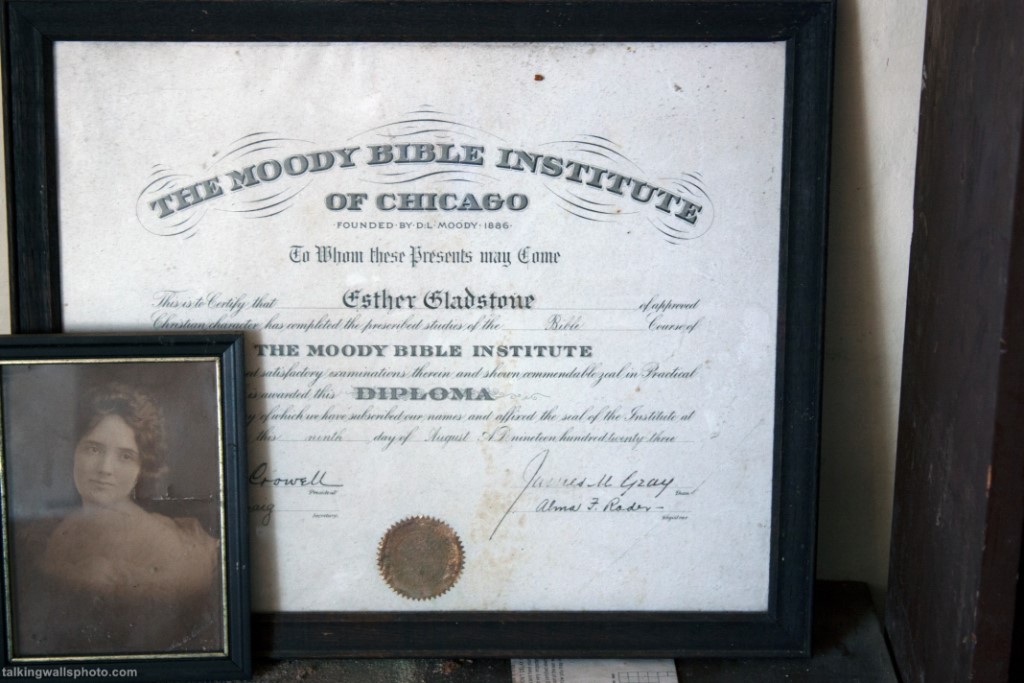
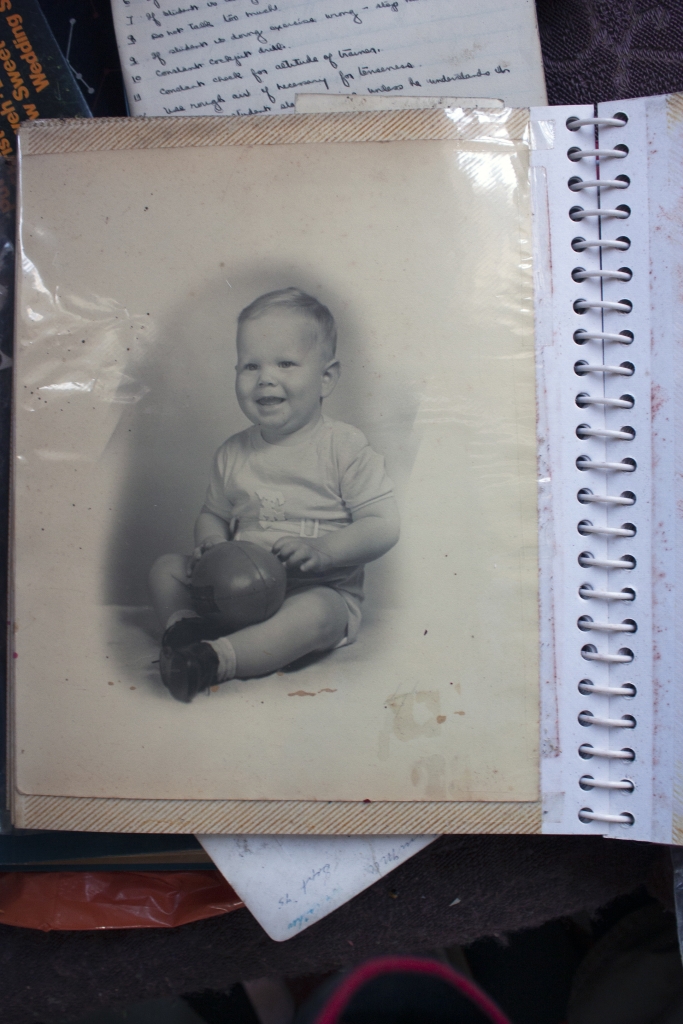
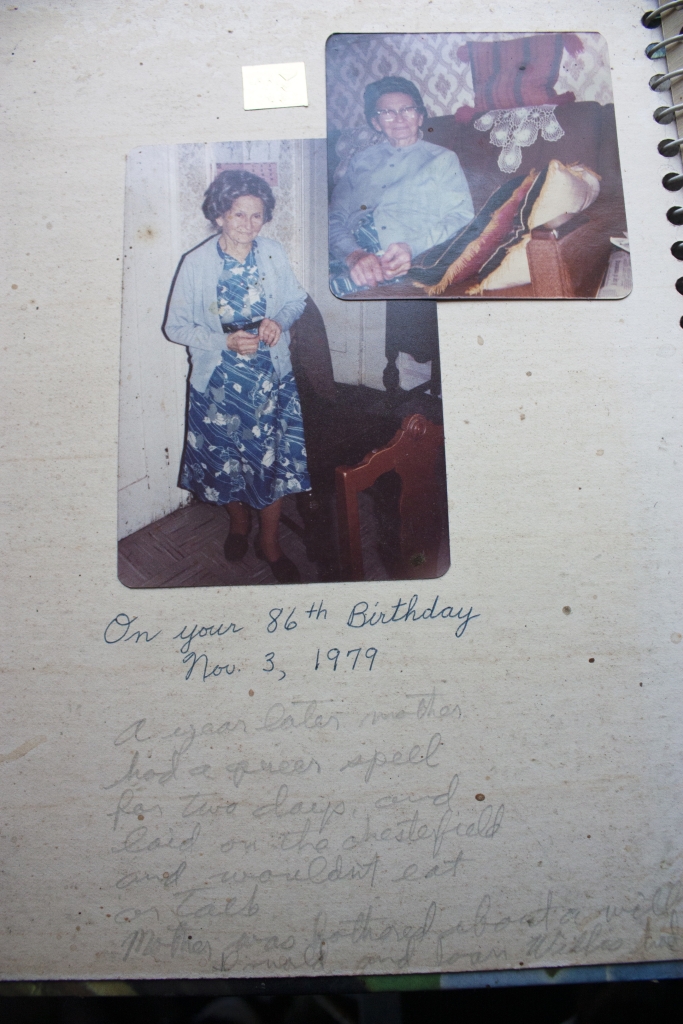
This is the story of the Lee House in Ontario. It’s a mixture of time capsule and bizarre oddities to be seen. The house belonged to the Lee family. Esther Lee Gladstone was born on November 3rd, 1893.  Arthur Lee was born in 1897.

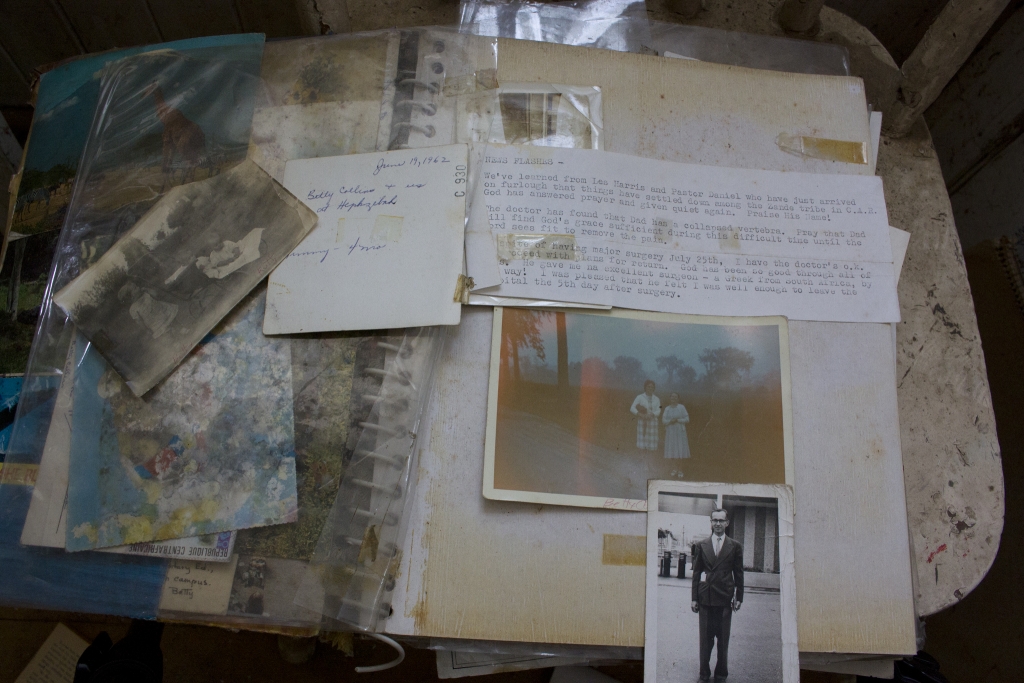
Esther obtained her diploma from the Moody Blue Institute in Chicago. Arthur was a Reverend. On November 7, 1925 Esther departed New York City for Africa as part of a missionary group from Sim International. Arthur Lee graduated from McMaster in 1924 and also traveled to Africa for missionary work.

In August 1927 the couple married in Africa. The couple had a son named Walter who passed away in Africa at the age of five from spinal meningitis around 1938. The couple had three other children: Gordon, Dorothy and Donald.

The Lee family returned to Canada. In the 1960’s Arthur worked as a teacher in Slave Lake. He retired in 1965. Reverend Lee was pastor of Baptist churches in both Manitoba and Ontario. Their son Gordon remained at home while Donald lived in Mount Hope. Dorothy moved to London, Kentucky and was married to Edward Lauber.

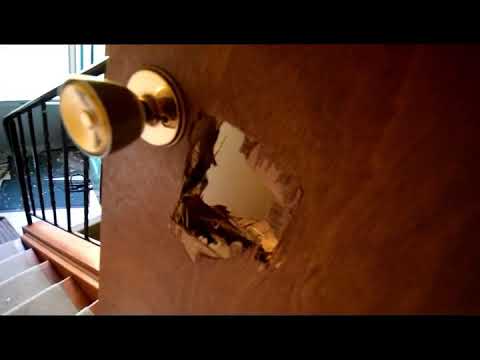
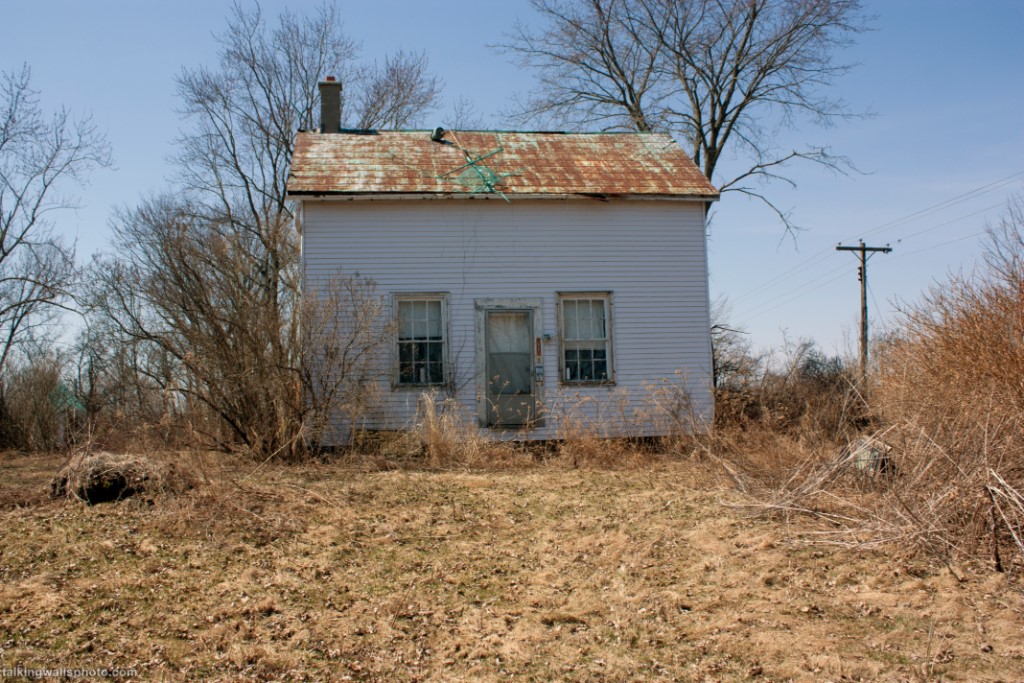
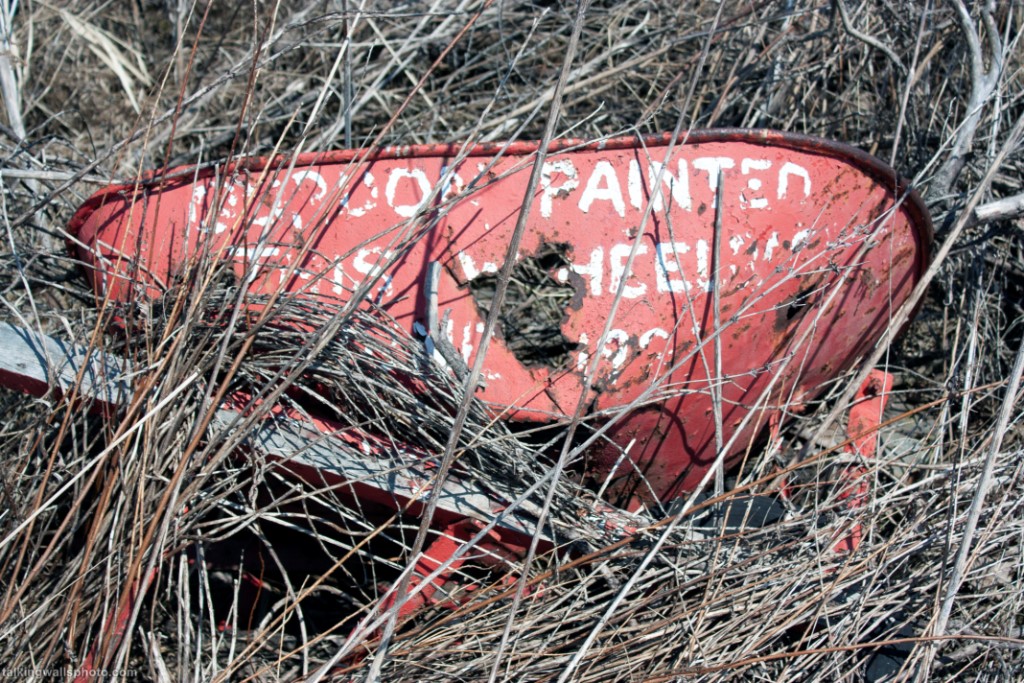
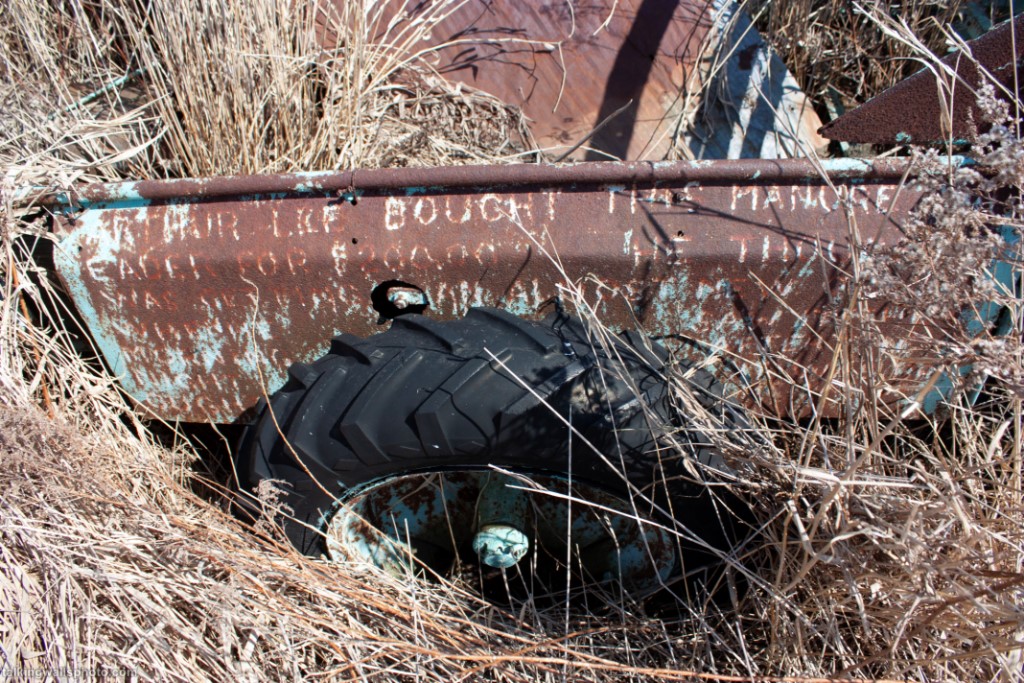
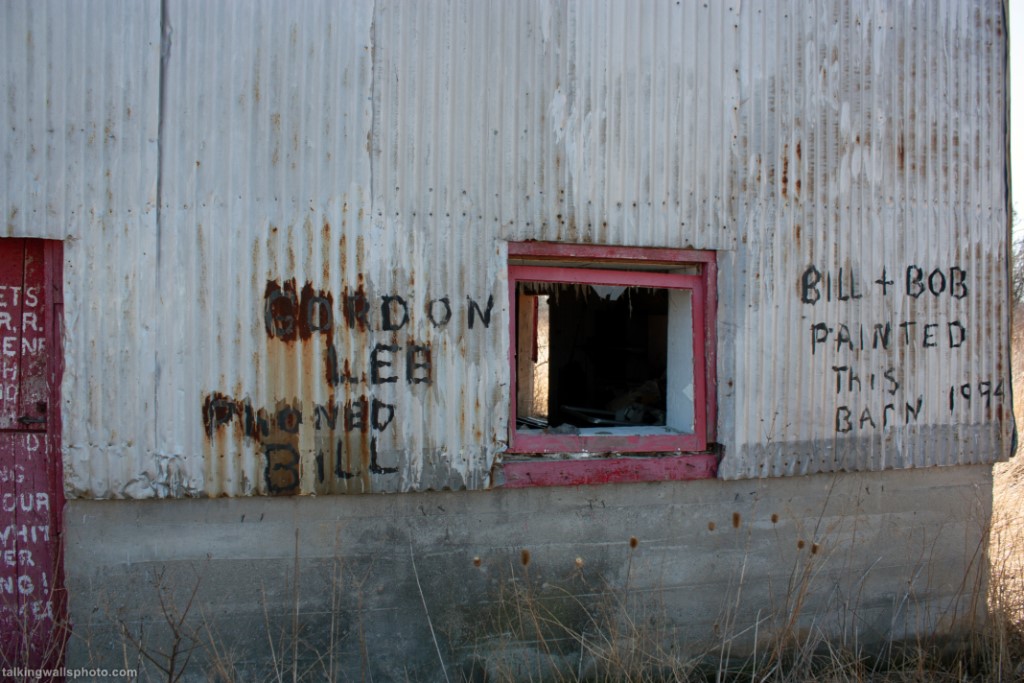
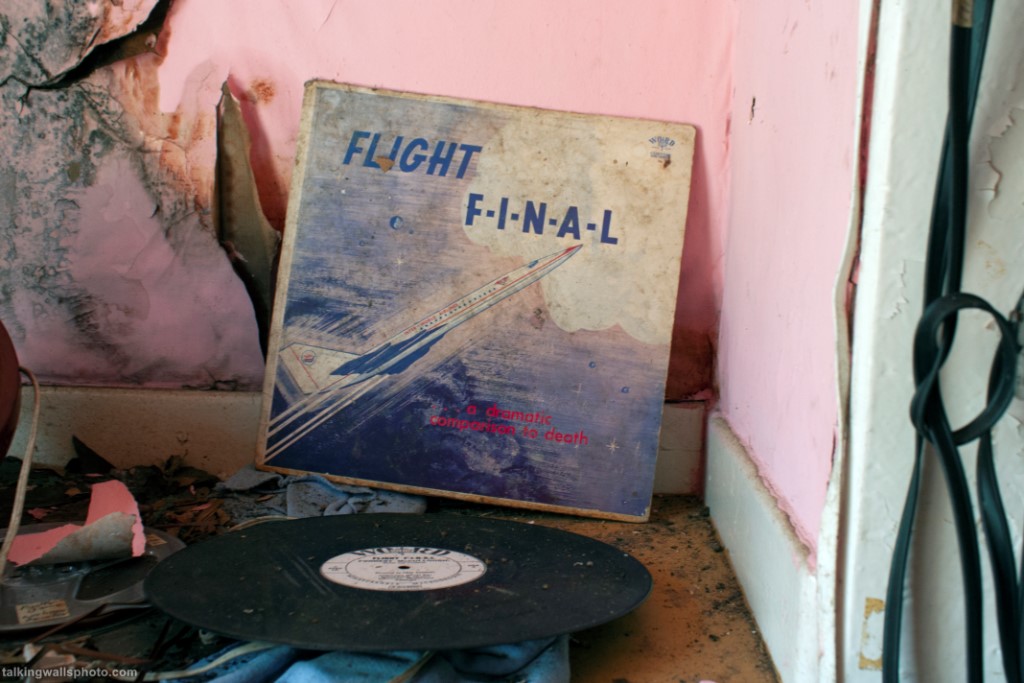
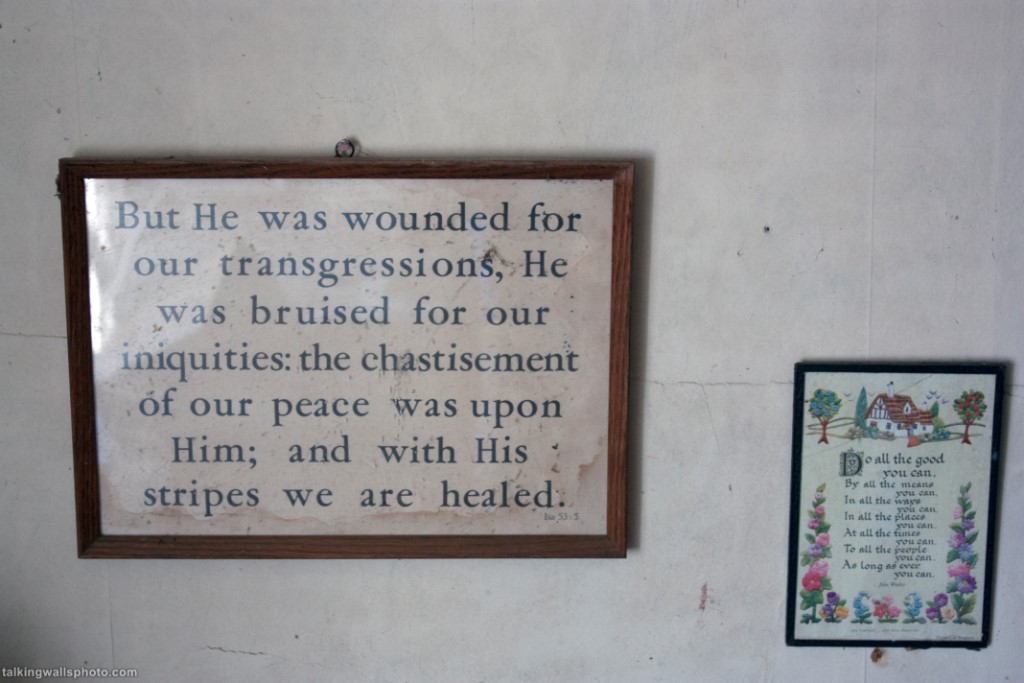
Which brings us to the story of their house. At first glance it resembles many other rural homes. However you begin to realize that there’s something different about this house. First there are the bizarre messages painted on the barn and the house.

“Mr. Barry Sheets and his wife R.R.1 Caledonia opened this door without knocking! and sent their small child to ???. I was intending to give away fout prize winning white roosters. However ?? for breeding. ??? was tricked,” reads a painted message on the barn door.

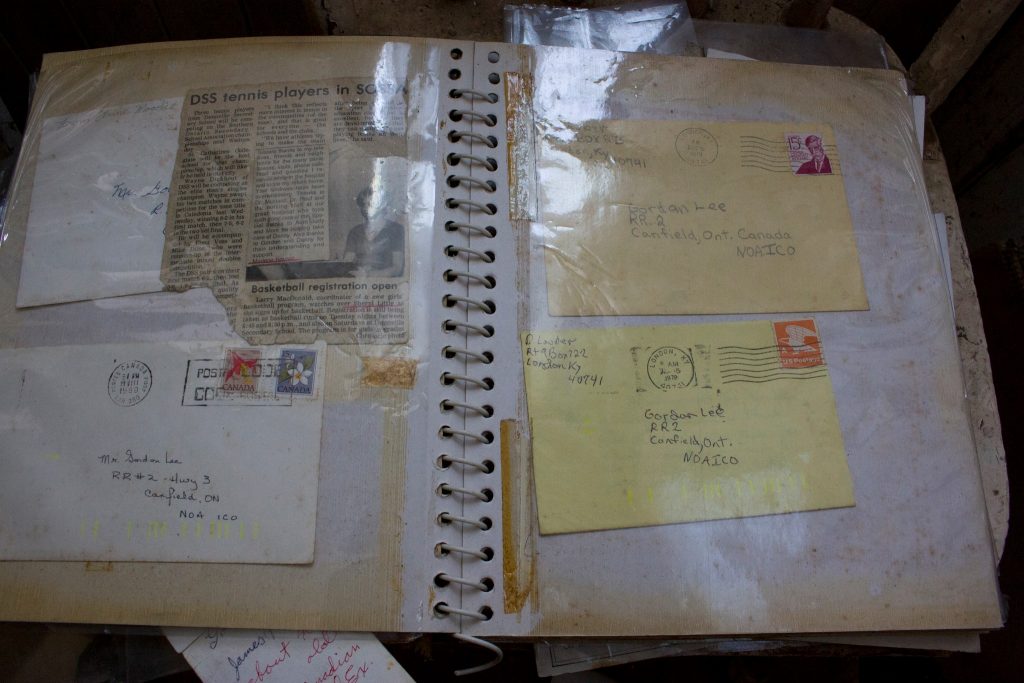
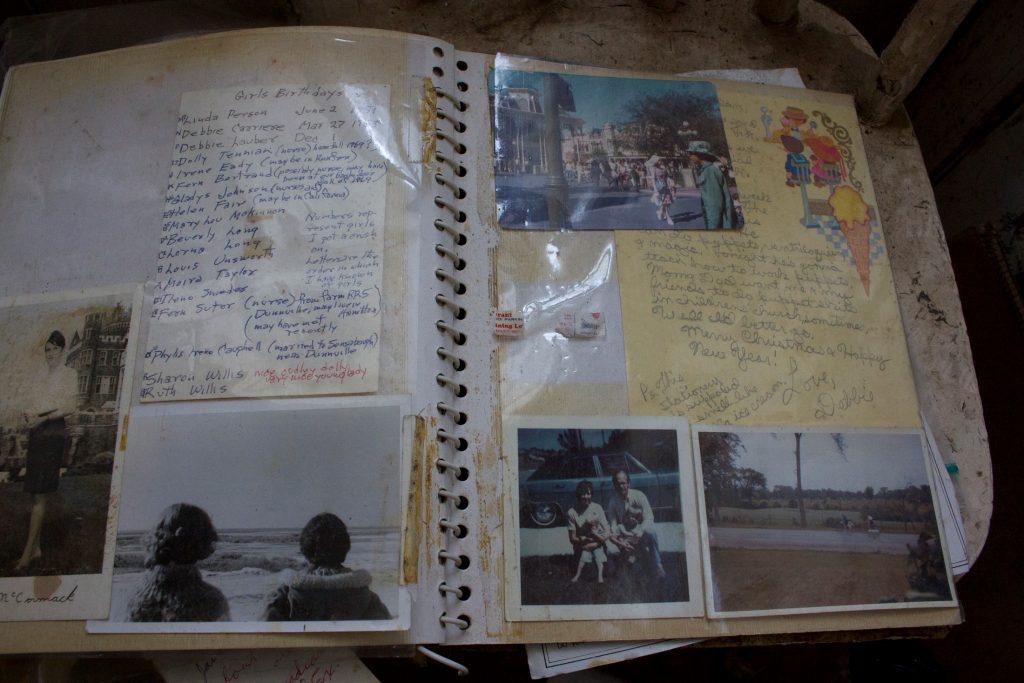
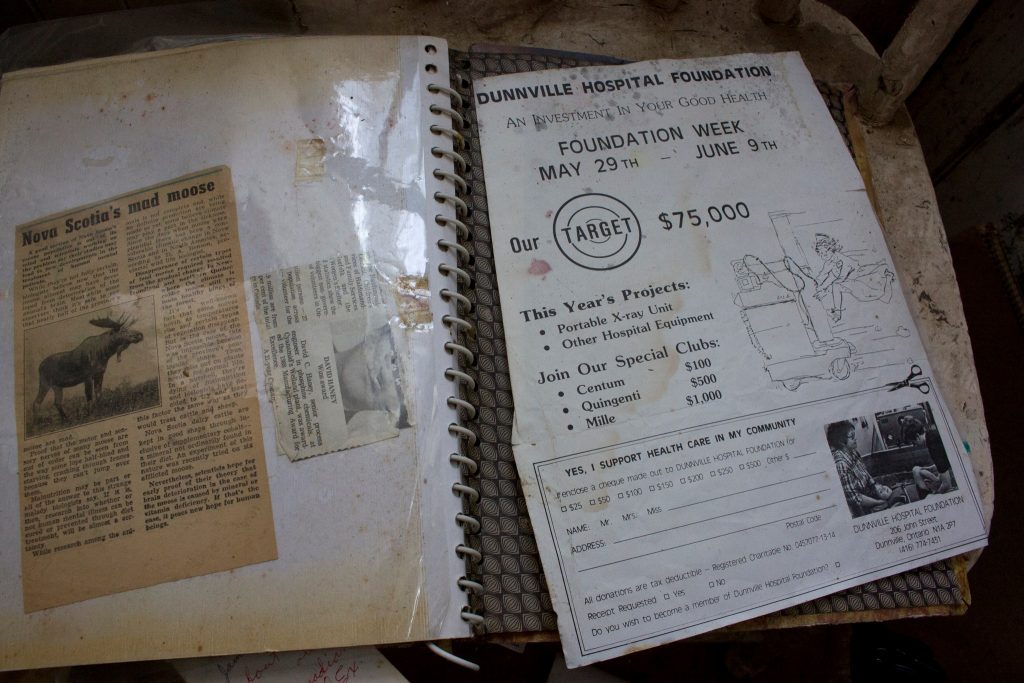
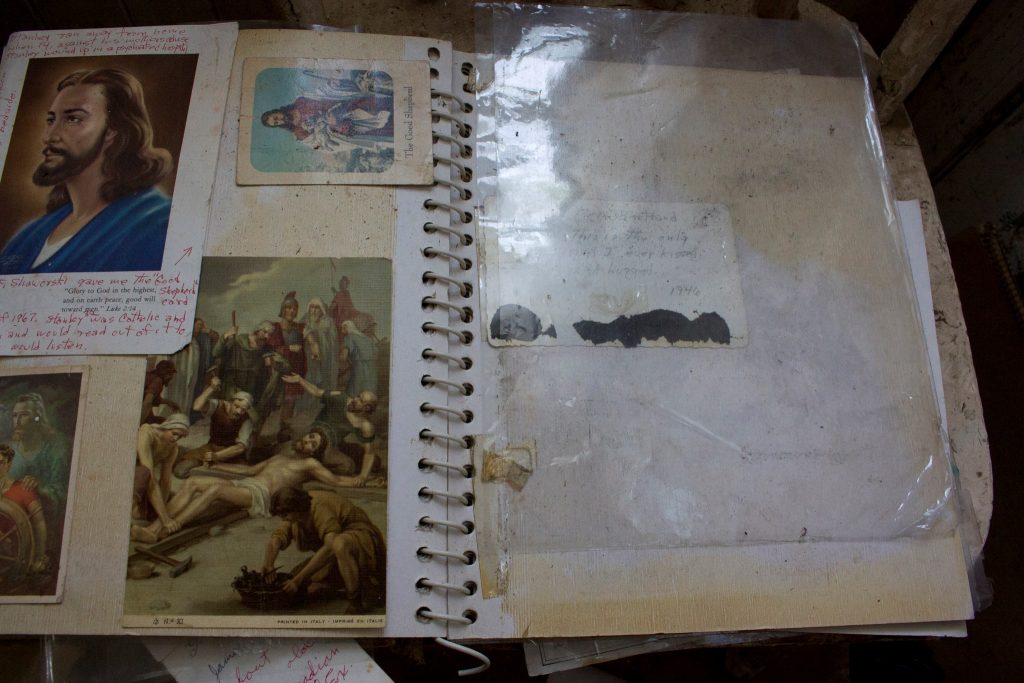
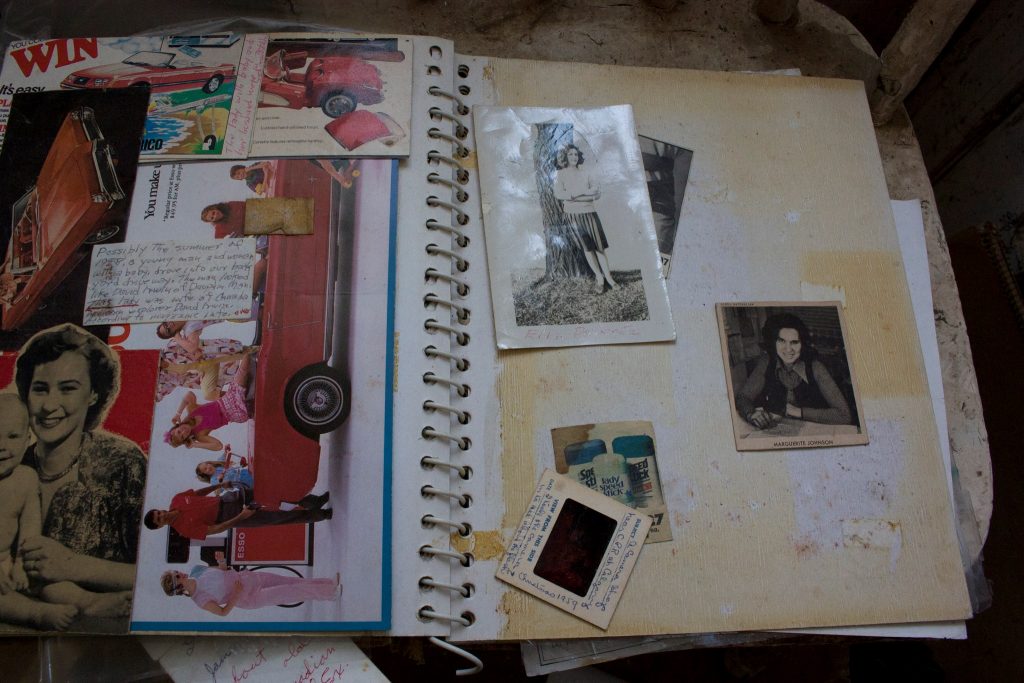
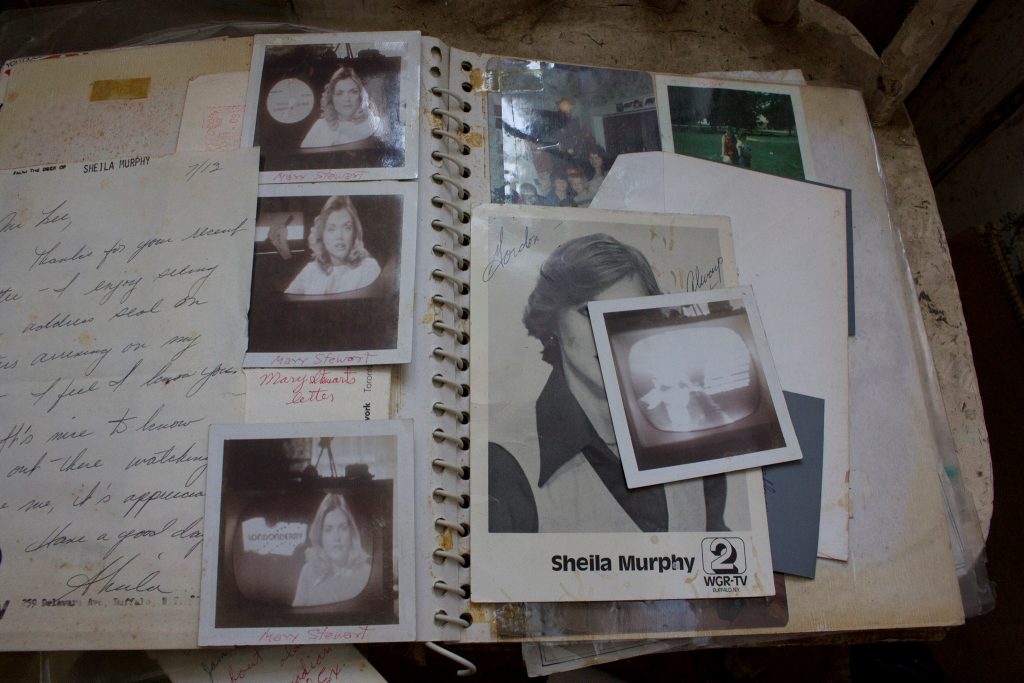
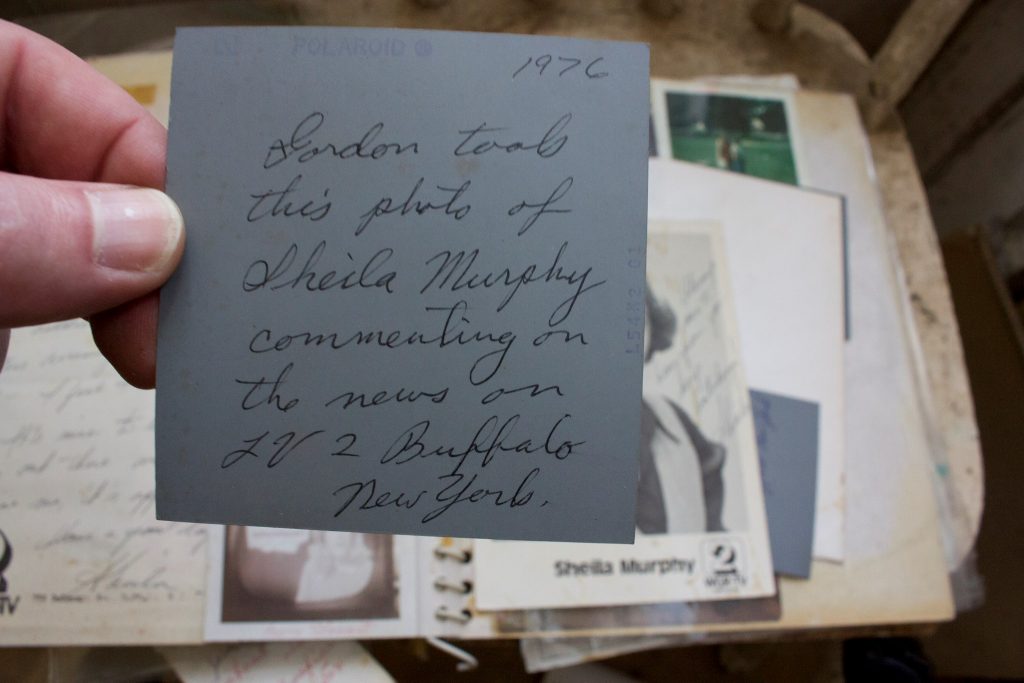
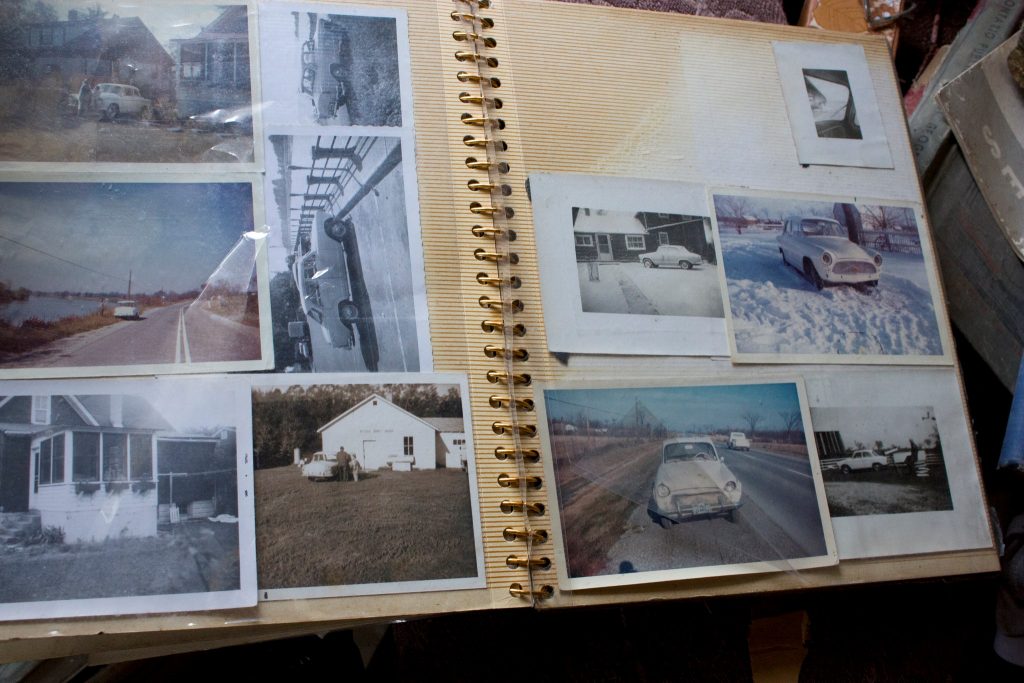
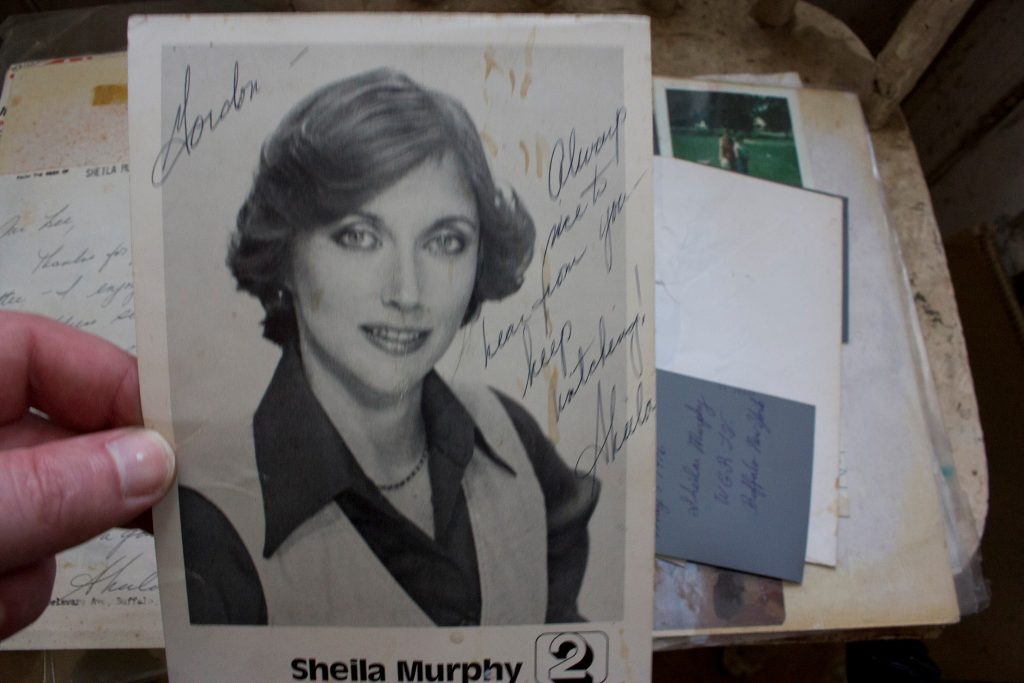
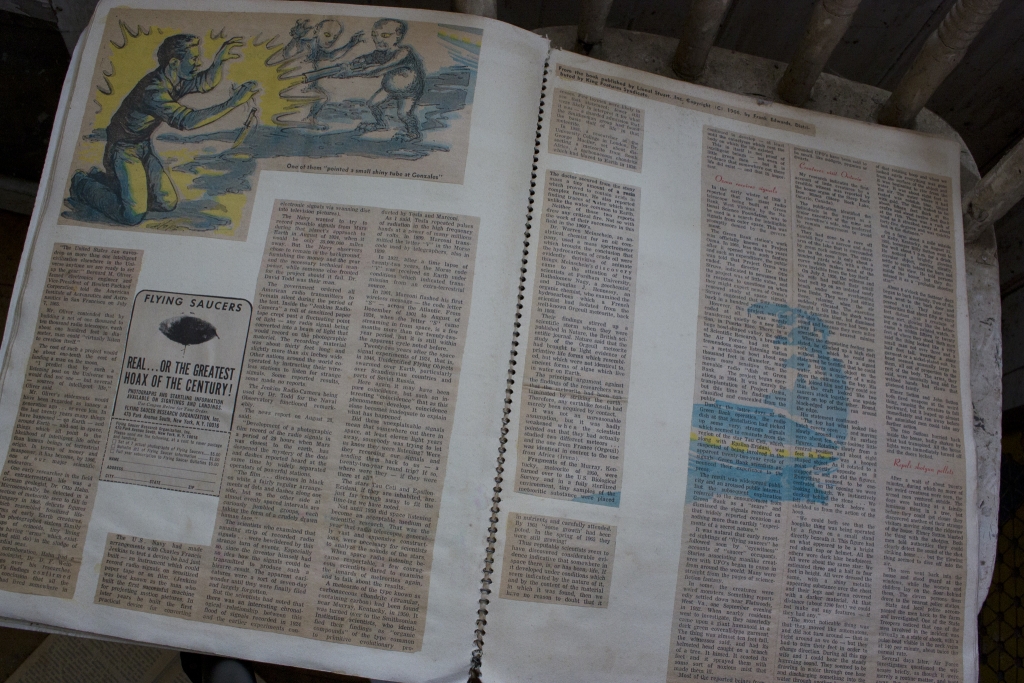
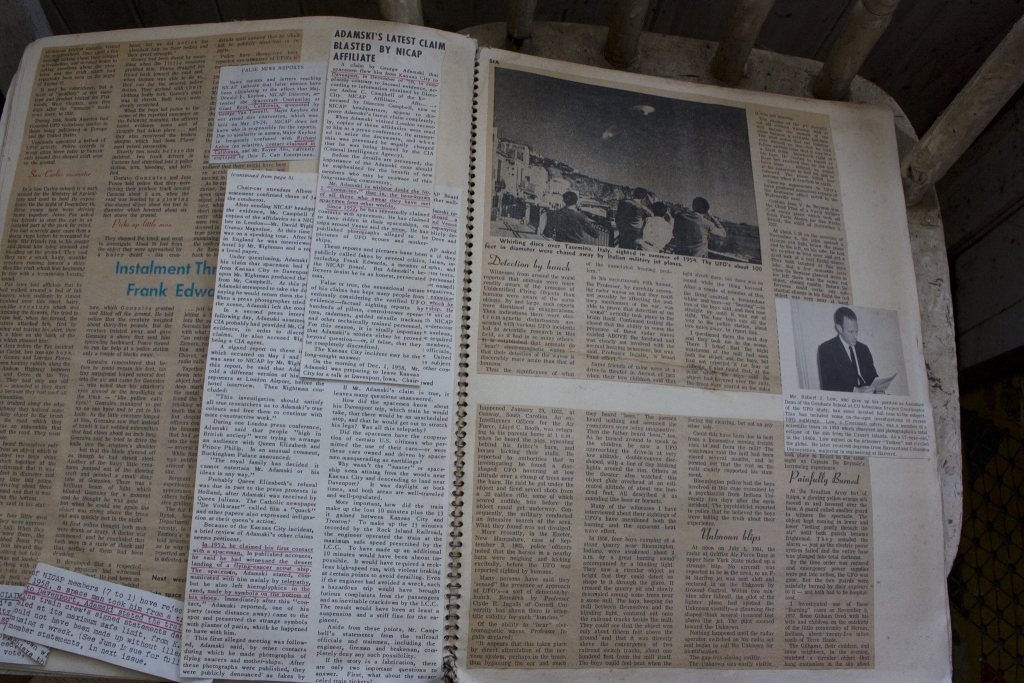
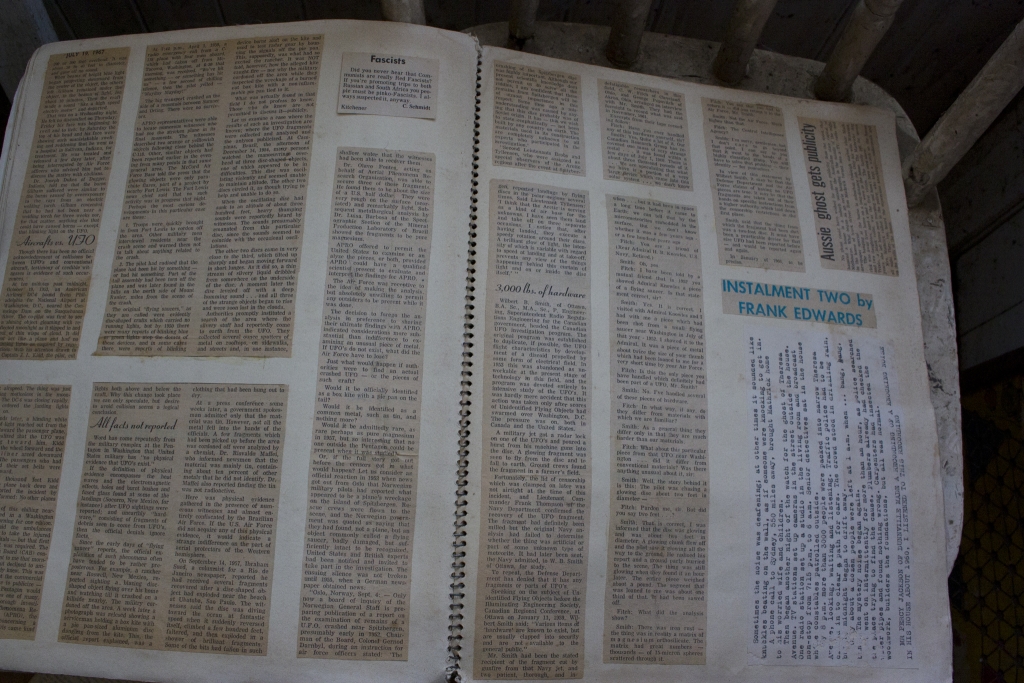
Inside the house are scrap books with articles glued inside pertaining to space travel, UFO’s and aliens. There are photos of two female newscasters that Gordon seemed to be infatuated with. He wrote to them at least twice and received correspondence back.

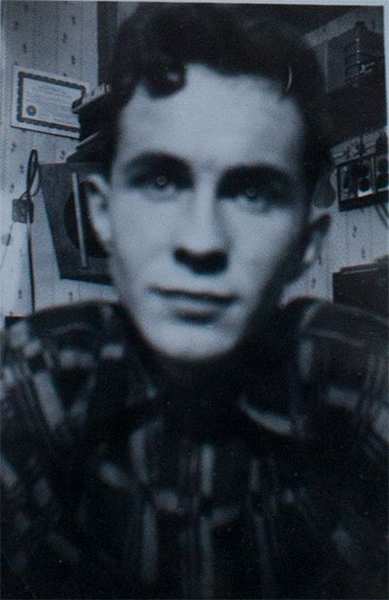
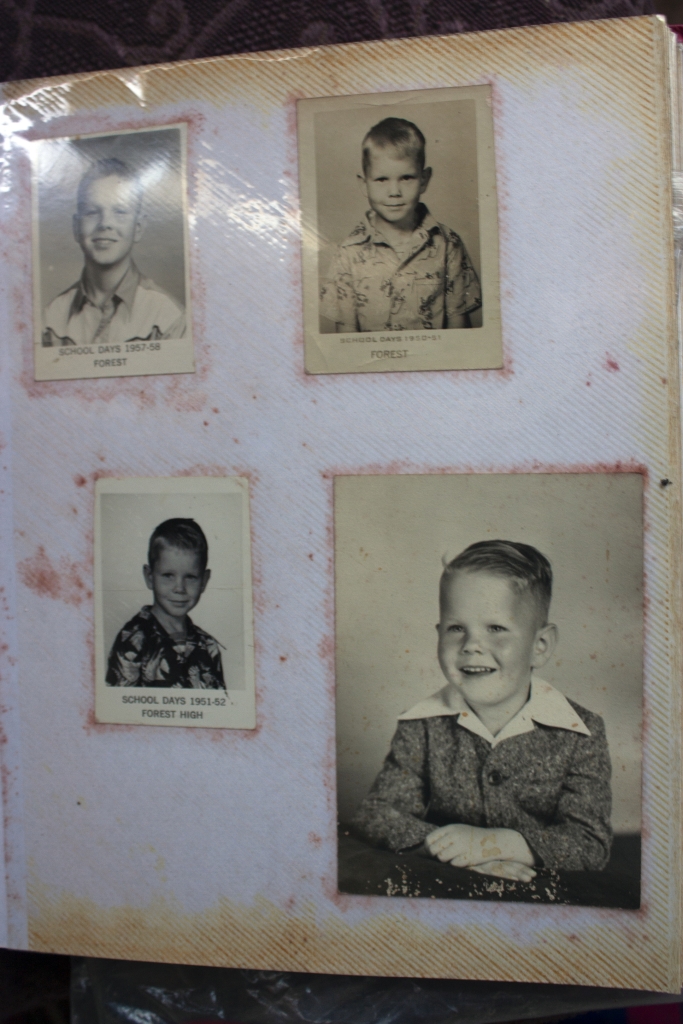
Gordon Lee in 1951
Gordon Lee in February 1951

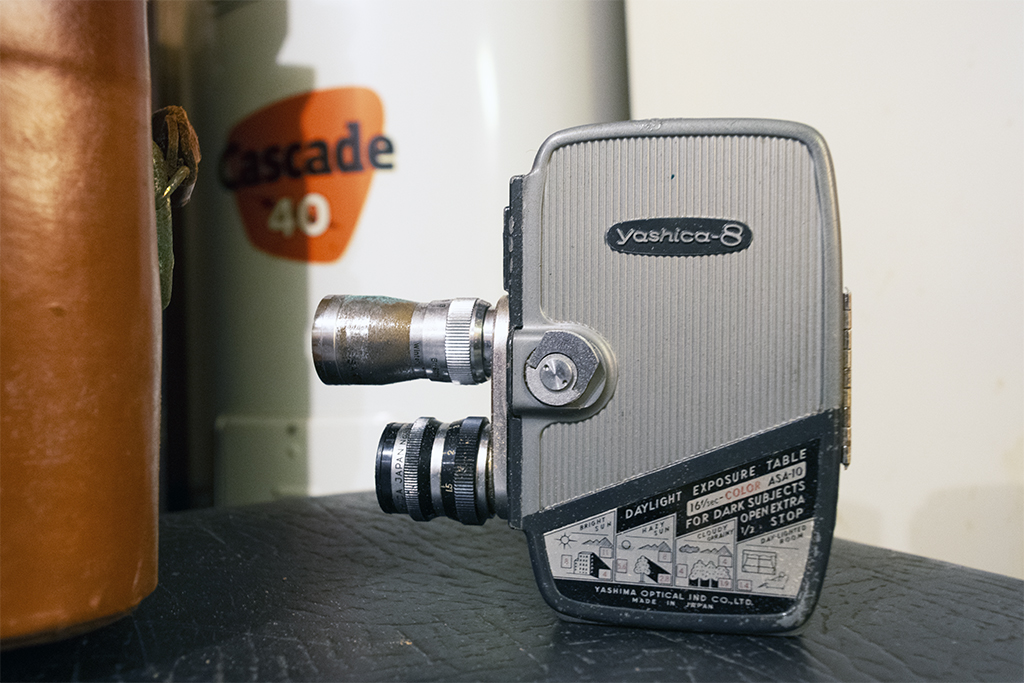
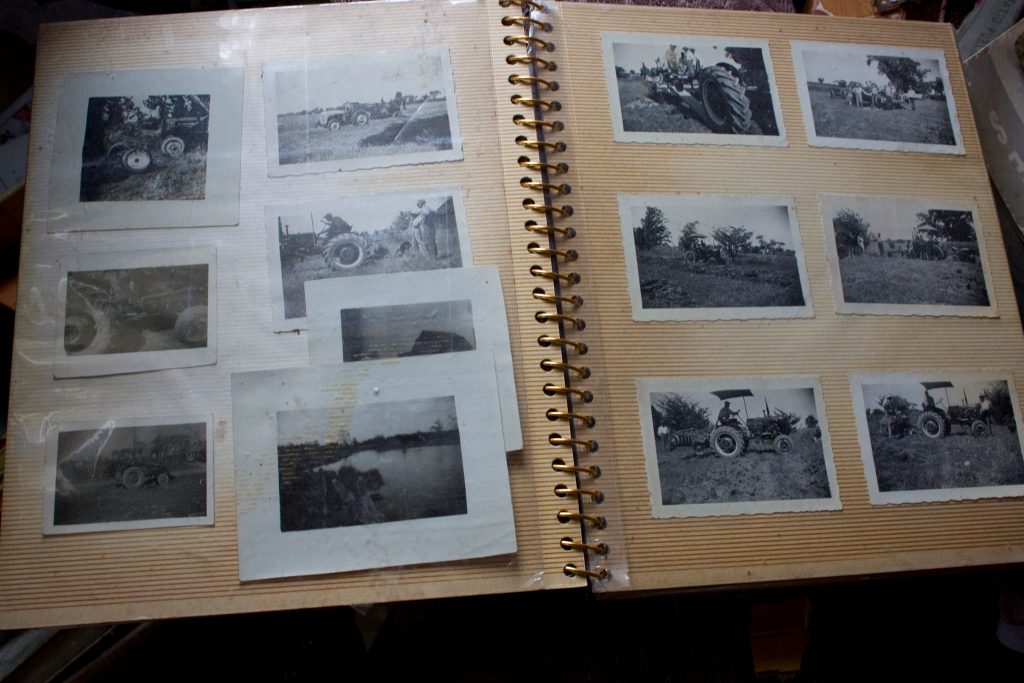
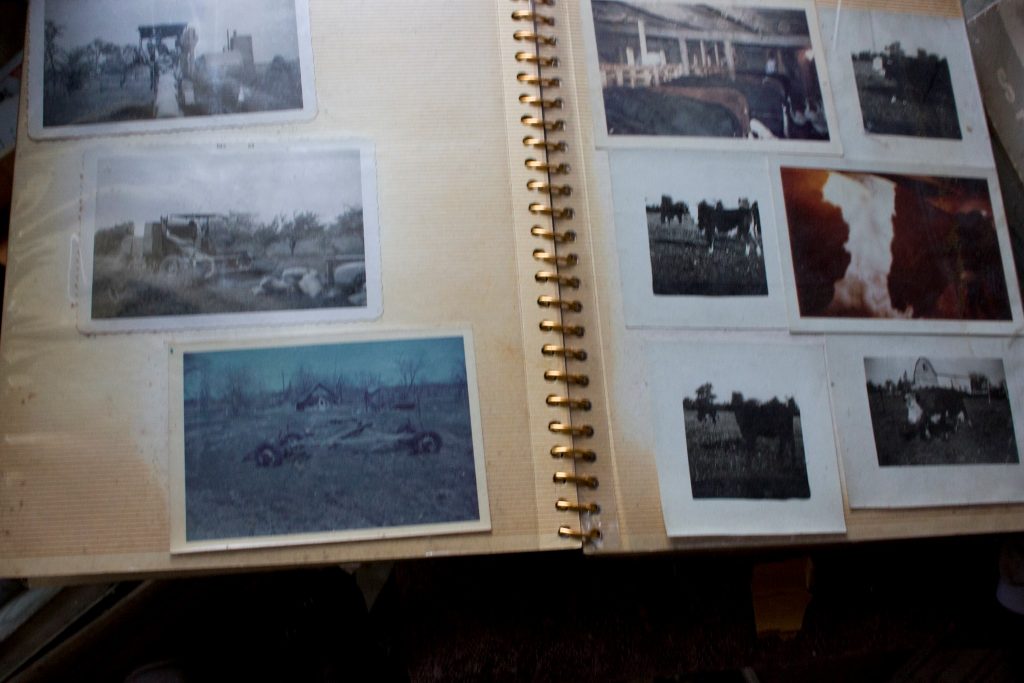
Then there are the photos of skinned animals and some even decapitated. They included geese, possums and coons. It could be that these were animals injured from passing traffic and Gordon had an interest in photographing them. It seemed that Gordon wasn’t much different than our selves – fond of capturing life as he knew it on film and paper.


Gordon kept a variety of scrapbooks. Some were dedicated to UFO’s while others were dedicated to a television reporter.


The House

March 2023 Revisit

Many of the trees have been cleared and piled. Perhaps there is some truth to the rumour that this house will be demolished in the near future.

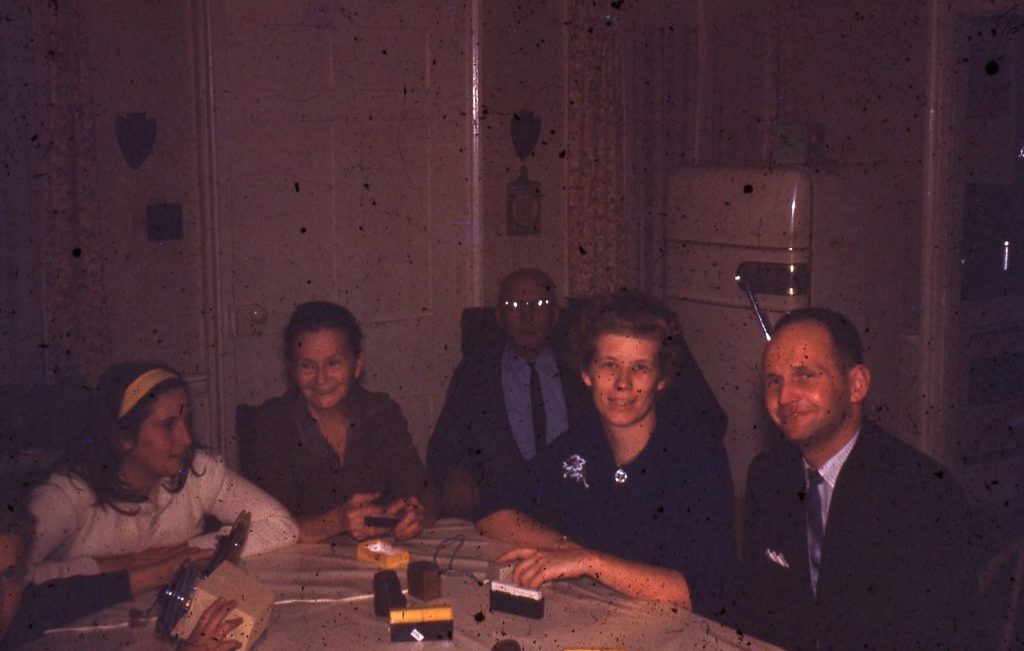
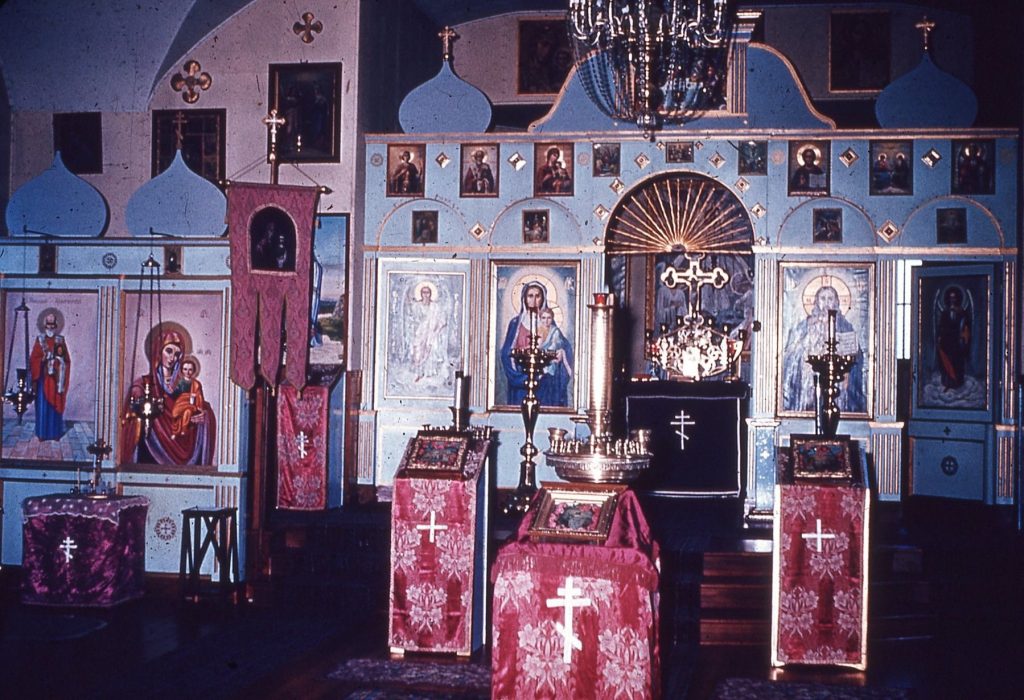
35mm slides