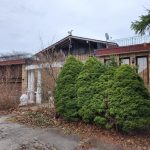
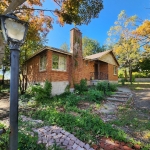
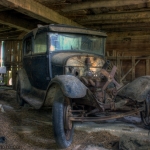
The extensive property located at 31 Firestone Boulevard in London, Ontario started as the London and Petrolia Barrel Company where they produced various barrels and kegs. It was later purchased by Firestone Steel for a tire rim production plant.

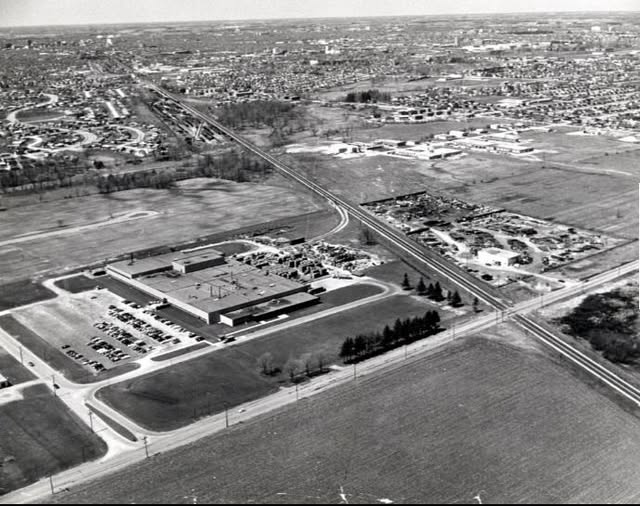
Firestone (1970) Photo by London Free Press
Accuride purchased the 26-hectare property from Firestone in 1986 for the purposes of manufacturing steel and aluminum wheels for trucks and commercial vehicles. At its manufacturing peak, as many as 800 people worked the floor here, according to Unifor Local 27 President Brian Chapman. The plant operated 24/7 shifts on weekends. GM was always the anchor customer — at various points buying 75 per cent of the plant’s steel wheel output, with the relationship dating back decades.
The 2013 Near-Death
This wasn’t the plant’s first brush with closure. By November 2013, Accuride Canada had been through a round of layoffs that left it down to about 100 hourly employees, a fraction of its earlier headcount. The plant kept running through 2018 specifically because of a deal locking in GM as the sole customer sourcing light-duty truck wheels from the Canadian plant — a contractual lifeline, not organic demand. That 2018 deadline became something of a running joke internally: Chapman later recalled that 2018 was “really supposed to be” the closure date, and the fact the plant got another six years past that was treated as a small miracle by the people working there.
That near-miss connects to a bigger 2013 story: Accuride’s U.S. parent has a long history of financial distress. The company first filed for Chapter 11 bankruptcy in the wake of the 2008–09 financial crisis, and the 2024 filing came almost exactly 15 years to the day after that first one. In between, Accuride was acquired by Crestview Partners, a New York private equity firm, in late 2016 — the ownership structure that was still in place when the London plant finally went down.
Cracks in the foundation
The decline wasn’t sudden, and by 2024 the pressures were stacking on top of each other. Rising costs in both Canada and the U.S. squeezed margins, the auto parts market grew more competitive, and the industry’s shift toward EVs demanded investment the plant wasn’t getting. Toronto-based analyst Tom Venetis put it in a wider context: “With the continuing inflation that we see both in Canada and the U.S., companies are beginning to try to find ways to reduce their costs so they may be looking at trying to wind down some operations, consolidate some other operations in order to save money going forward.” He also flagged the political backdrop — uncertainty around the incoming Trump administration’s approach to the auto pact and potential tariffs on vehicles manufactured in Canada was adding to the volatility across the whole sector, not just London.
A statement provided by Accuride stated, “The London plant has failed to operate at a profit for over a decade.”
There was a corporate-level story behind this too. Accuride’s leadership pointed to supply chain distortions and a steep rise in input costs that had stretched the company’s finances even as it grew, plus a costly 2018 acquisition of German firm Mefro that took longer than expected to integrate, and an Ontario wheel-end plant the company said it couldn’t nurse to profitability. A freight recession cut further into demand from truck manufacturers. By spring 2024, Accuride was stretching supplier payment terms to stay afloat — which backfired: a Baltimore aluminum supplier, Hydro Aluminum Metals USA, sued for over $4 million in unpaid orders and won summary judgment just before Labor Day 2024.
Bankruptcy
In October 2024, it came to a head. Court filings showed Accuride’s U.S. operations had total debts between $500 million and $1 billion, with more than $73 million maturing that same month, against only about $6 million in available cash. The U.S. parent filed Chapter 11 on October 10; Accuride Canada followed with CCAA protection a day later. The company received about $30 million in debtor-in-possession financing to keep operating through the reorganization, with leadership initially targeting a quick emergence by late January 2025.
Before the bankruptcy filing, Accuride’s investment bankers had shopped the business for months — 31 companies signed non-disclosure agreements to look at the books, and seven signaled real interest, but none of it turned into an actual offer Crestview was willing to accept. The Canadian operation, which wasn’t part of the U.S. Chapter 11 process but depended on capital from the broader company, needed its own buyer search. Spokesperson Grant Hatton said a timeline for the London closing hadn’t been set “and will depend, in part, on discussions with customers around final product requirements.” No buyer ever materialized for London.
The closure
When the wind-down was first announced, more than 200 workers faced losing their jobs, with Unifor representing 187 staff at the time. Local director Luis Domingues was blunt about what that meant: “This is their livelihood. It’s a very difficult situation for them and their families,” he said, adding the union would “fight like hell for them” while negotiating a closing agreement. Workers earned between $24 and more than $40 an hour, depending on seniority.
By the time the doors actually shut on January 31, 2025, the final headcount on shift was 150, with the last 20 workers leaving by mid-February. The gap between that and the roughly 200 cited at announcement reflects gradual layoffs as production wound down through the fall and winter. Chapman, reflecting on what the building meant to the city, described it as bittersweet: “That’s the end of it, which is unfortunate. That’s a pretty historic, I don’t know. It’s a landmark to London in a way, I think, right.” Unifor also pushed the province to fund an employment action centre for displaced workers, since a lot of them hadn’t job-hunted in years and wouldn’t have a current resume.
The pension fight
Former Accuride workers represented by Unifor Local 27 won a major court victory that returned pension surplus funds to members after the bankruptcy. The legal fight began after Accuride’s bankruptcy and closure left workers without access to surplus pension funds initially estimated between $2.7 million and $2.9 million; the final surplus amount reached approximately $4.7 million, with an expected payout of around $4 million after administrative and disbursement costs. The court decision awarded all surplus funds in the company’s defined-benefit pension plan to members, rejecting Accuride’s claim that the money belonged to the corporation.
National President Lana Payne framed it as a statement of principle: “These workers earned these pensions through years of hard work. When Accuride walked away, Unifor and Local 27 stood up and fought to make sure members got what they were owed. This is about dignity, fairness, and making sure corporations can’t raid pension funds that belong to workers.”
The money’s has since been allocated: $600,000 went to legal fees, leaving $4.1 million for workers after the lawsuit settled in April 2026. Individual payouts aren’t set yet — a court-appointed actuary is calculating amounts, with more seniority meaning a larger settlement, and an estimated 300 to 400 people are eligible, including retirees and the surviving spouses of workers who have since died. Domingues isn’t calling the fight over, either – there are still unpaid wages and entitlements owed, possibly exceeding $500,000. “There’s more coming. We’re fighting for more. I have a very good feeling more money is out there for members.”
A pensions lawyer not involved in the case noted it turned almost entirely on unusually clear plan wording, so it isn’t really a broad legal precedent — more a case where the contract language did the work for the union.
What’s there now
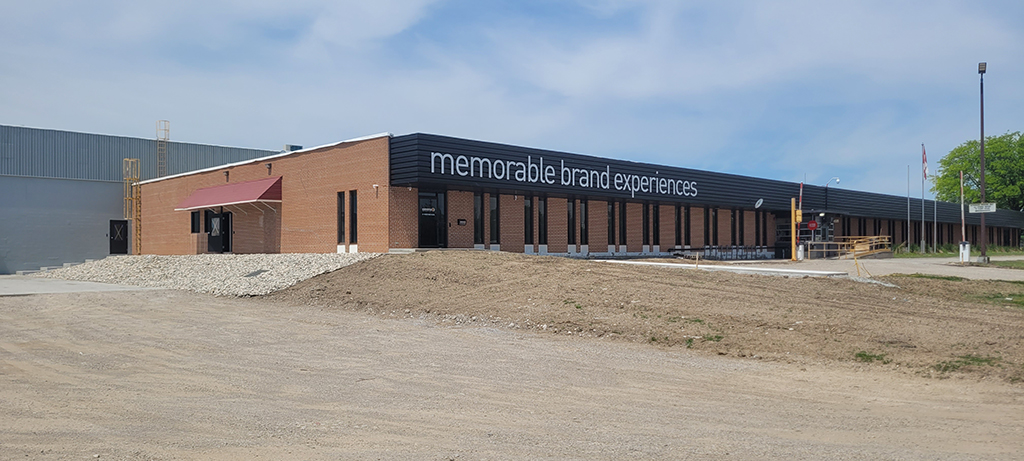
The property is now owned by E&E McLaughlin Ltd., and as of June 2026, part of the old steel-wheel plant has a new tenant: stevensE3, a fourth-generation London exhibit and trade-show fabrication company, has leased 55,000 square feet inside the old Accuride footprint. The company lost about 85 per cent of its revenue during the pandemic, then rebounded hard — sales up roughly tenfold since, driven by custom exhibit builds for medical, military, and education trade shows. They moved in to consolidate two smaller London locations (a building on Oxford Street East that’s now conditionally sold, plus a separate warehouse) into one space. Vice-President Andrew Stevens described it simply: “We’re still moving in. We’re just getting things up and running. With how much we have grown, we needed to make this transition.” CBRE realtor Larin Shouldice, who brokered the deal, called it “a positive example of the reuse of industrial space… a space that can be adapted for different uses.”
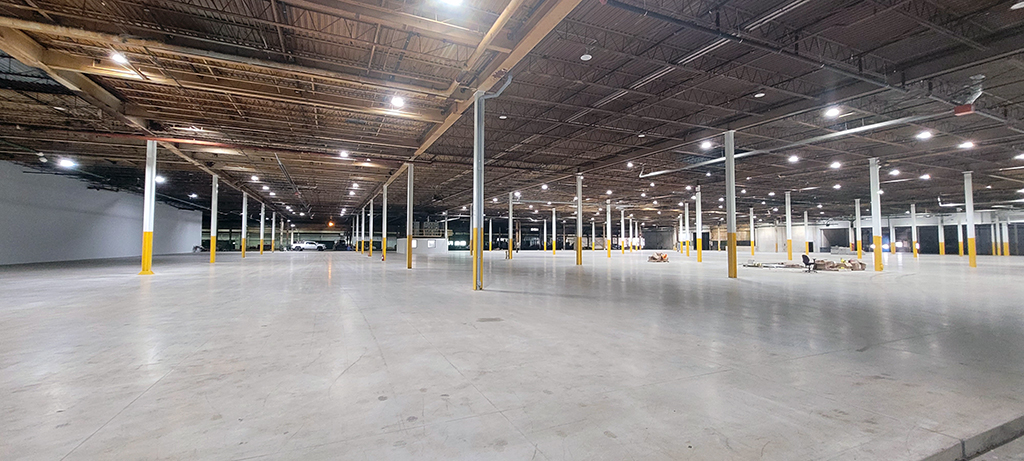
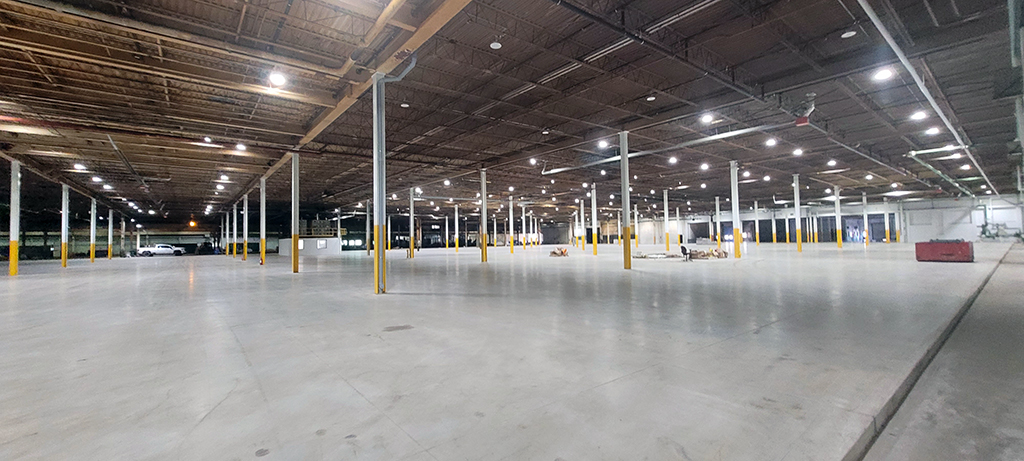
That leaves roughly 445,000 to 450,000 square feet of the old plant still sitting empty — McLaughlin is actively looking for tenants for the rest of the building. So as of mid-2026, this isn’t a fully abandoned site anymore; it’s a partially reactivated one, with stevensE3’s signage now hanging where the Accuride logo used to be, and a large chunk of the original steel-wheel floor still cold and waiting for the next occupant.
My visit
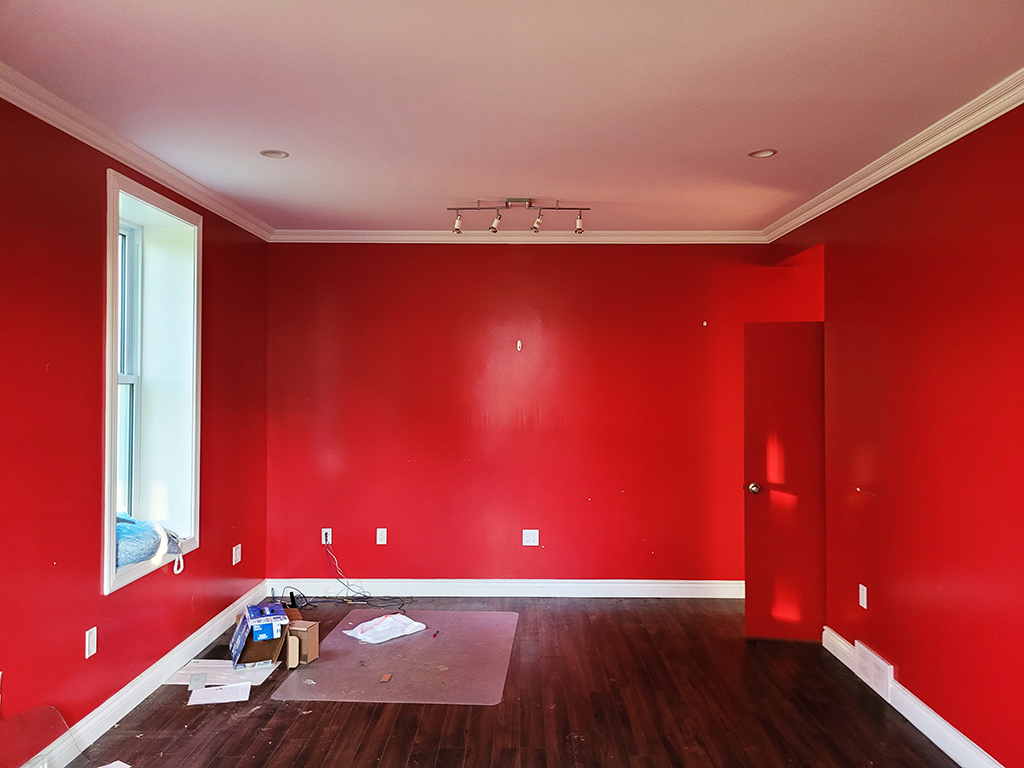
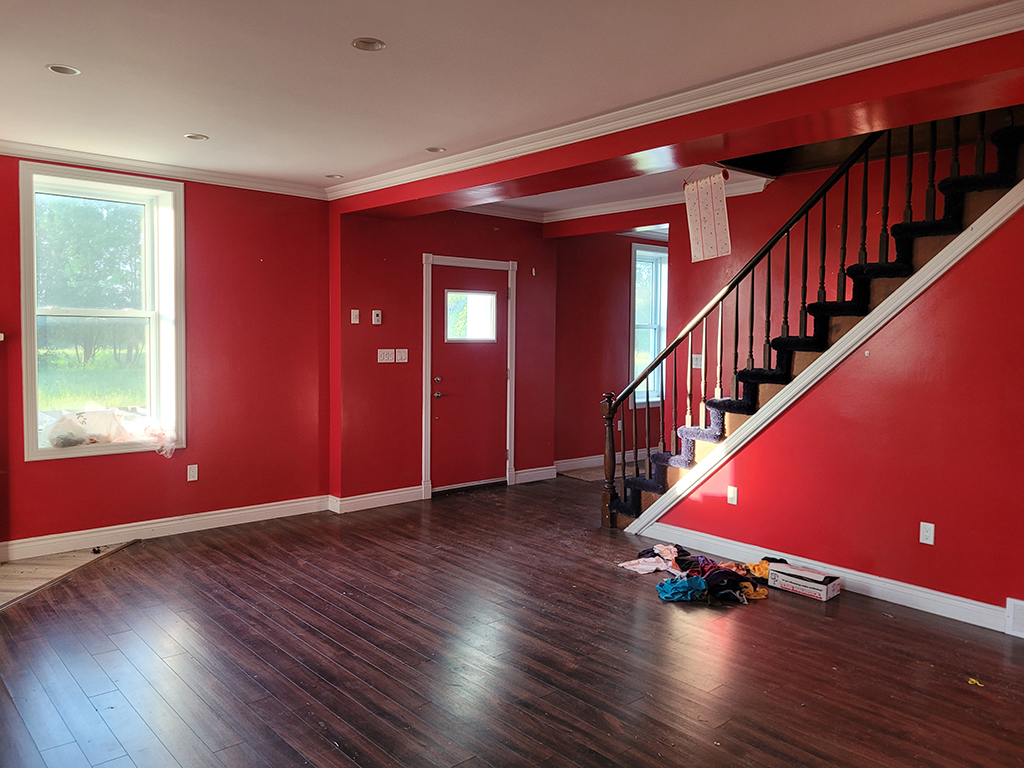
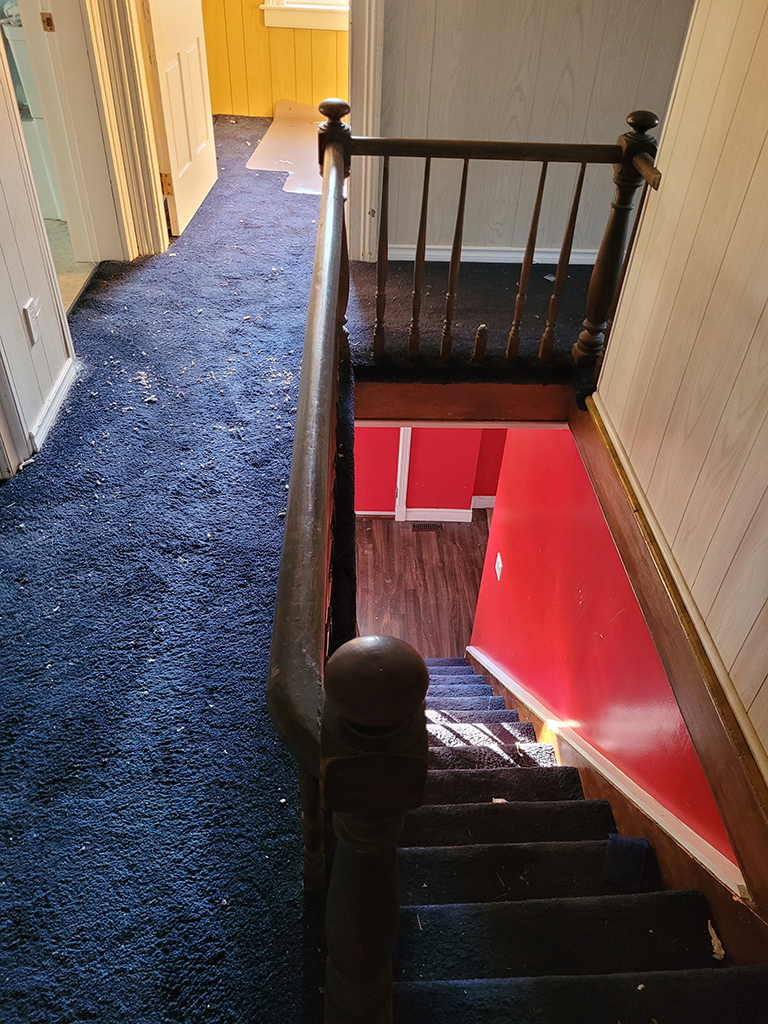
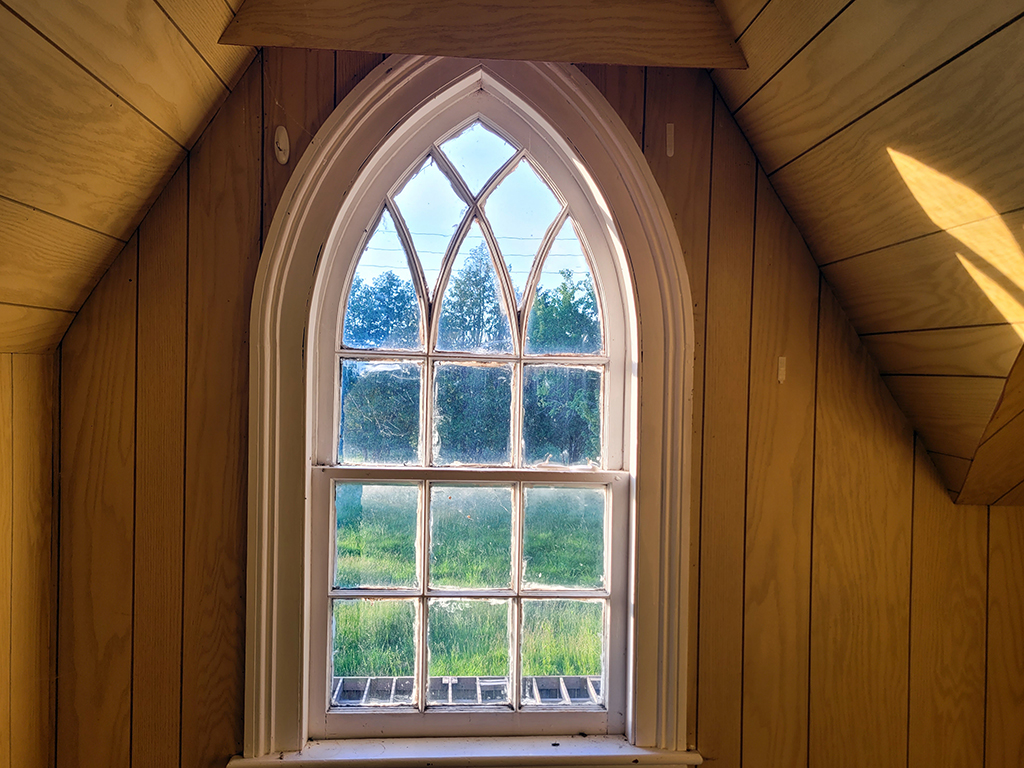
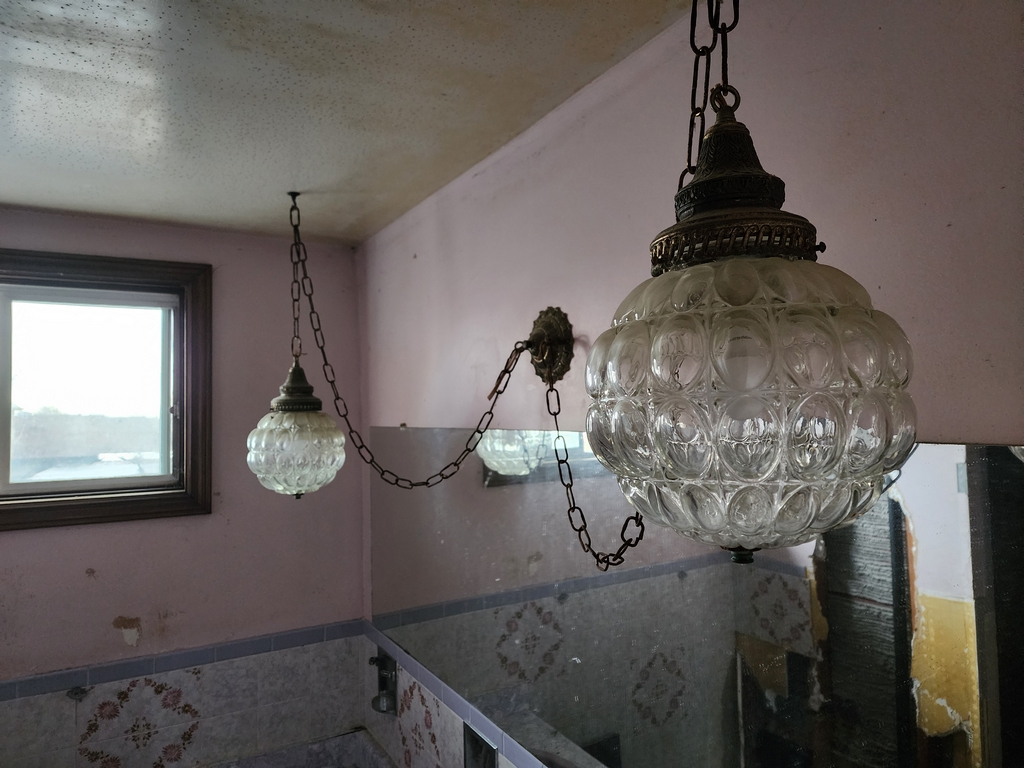
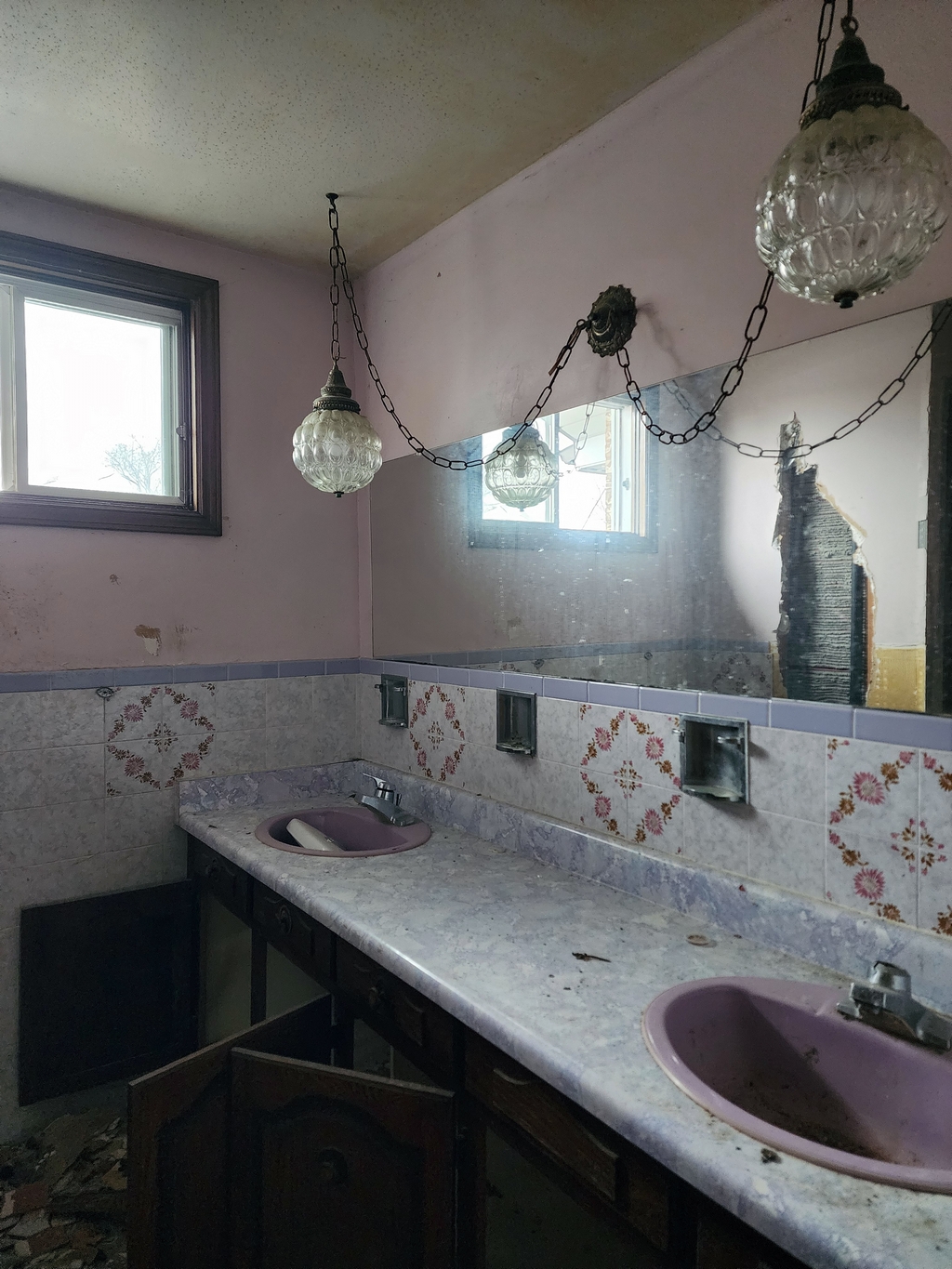
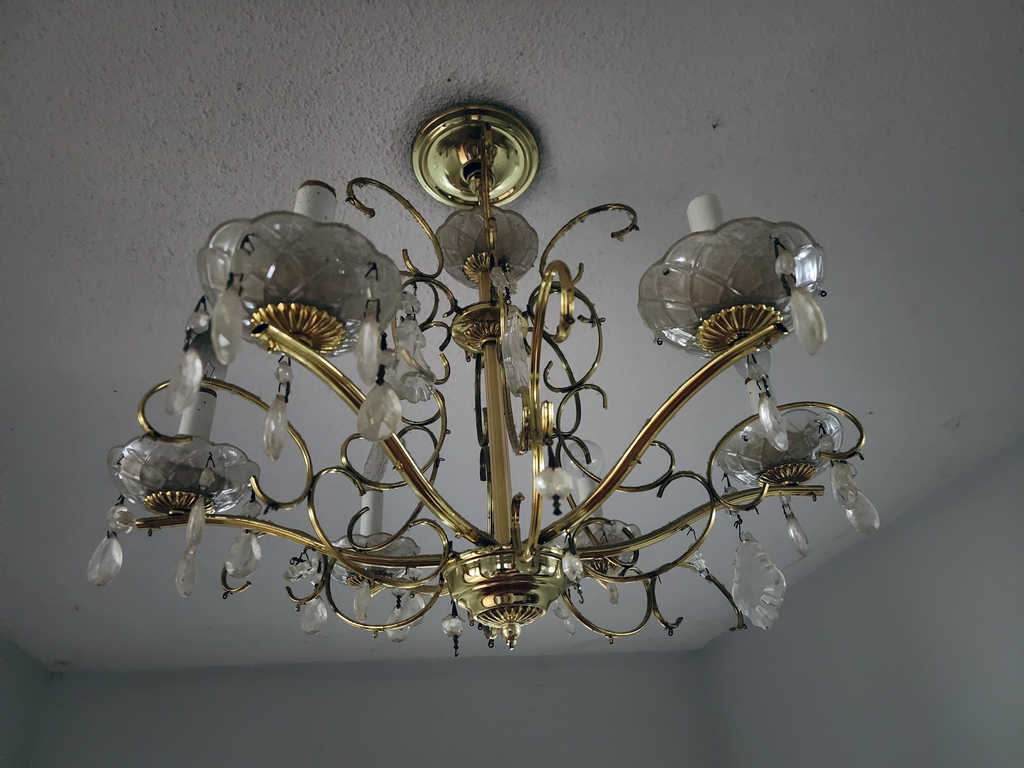
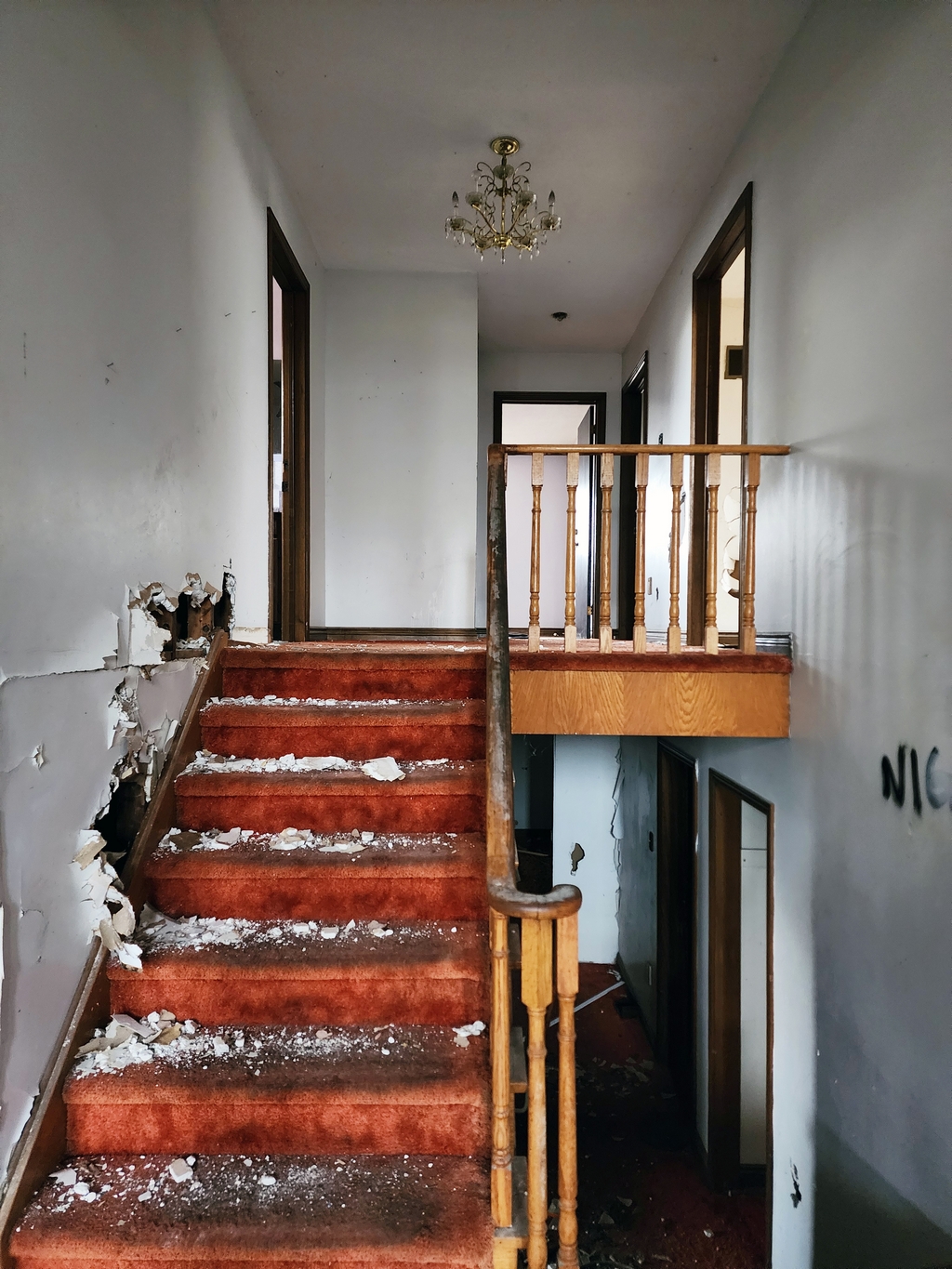
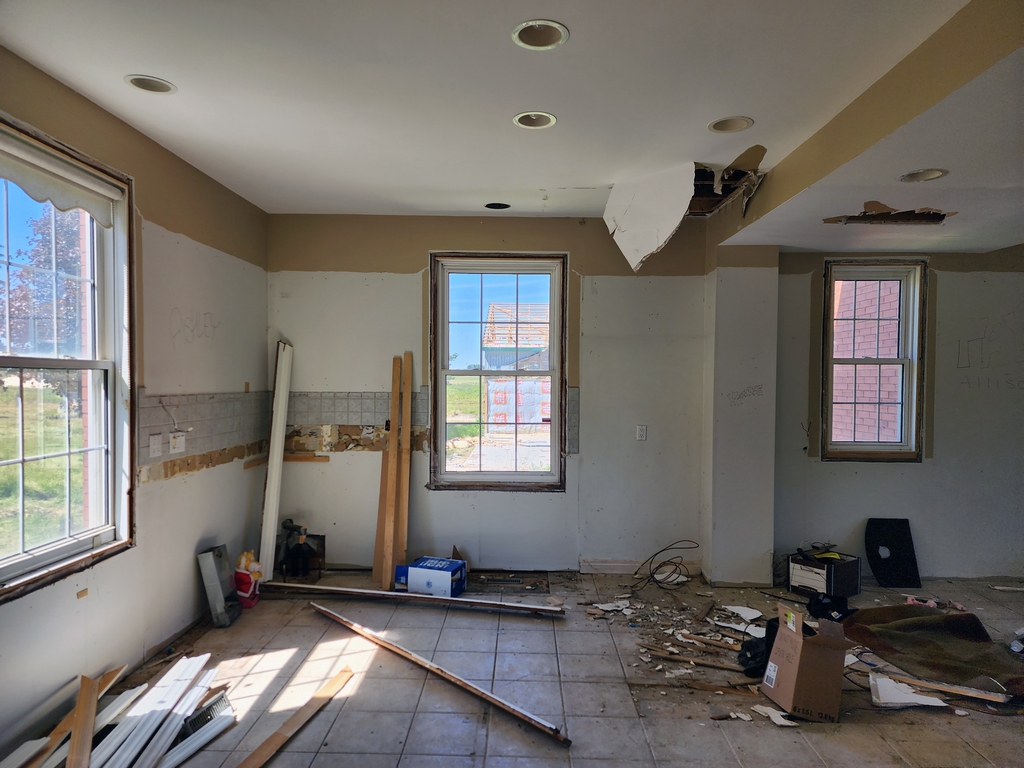
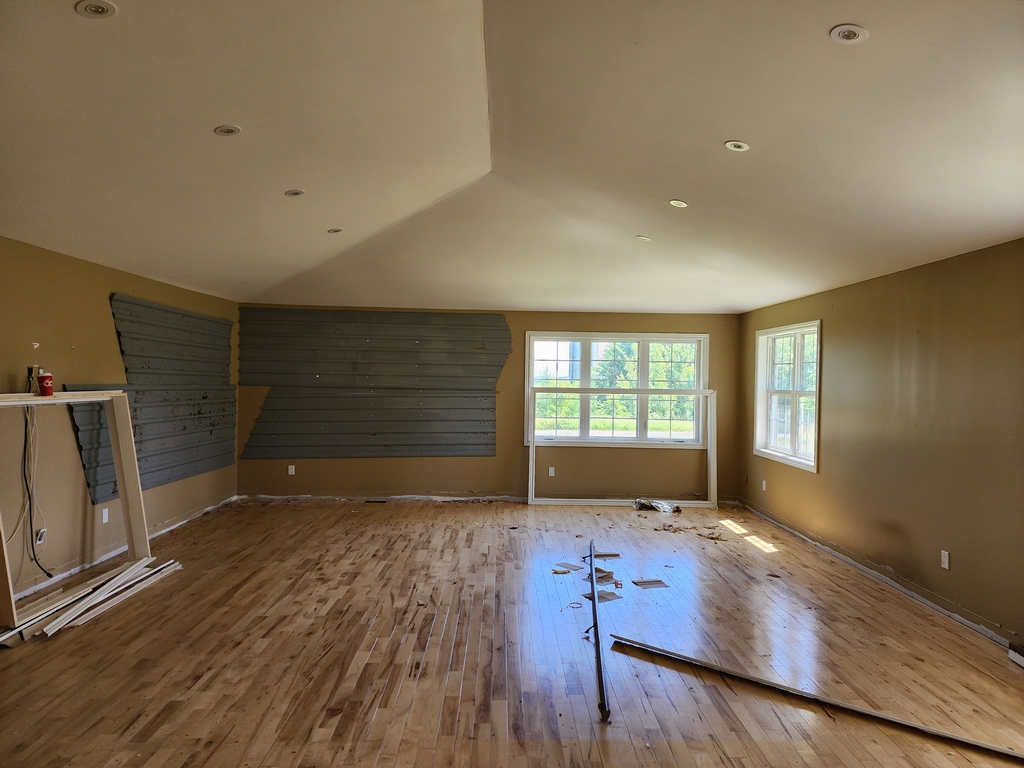
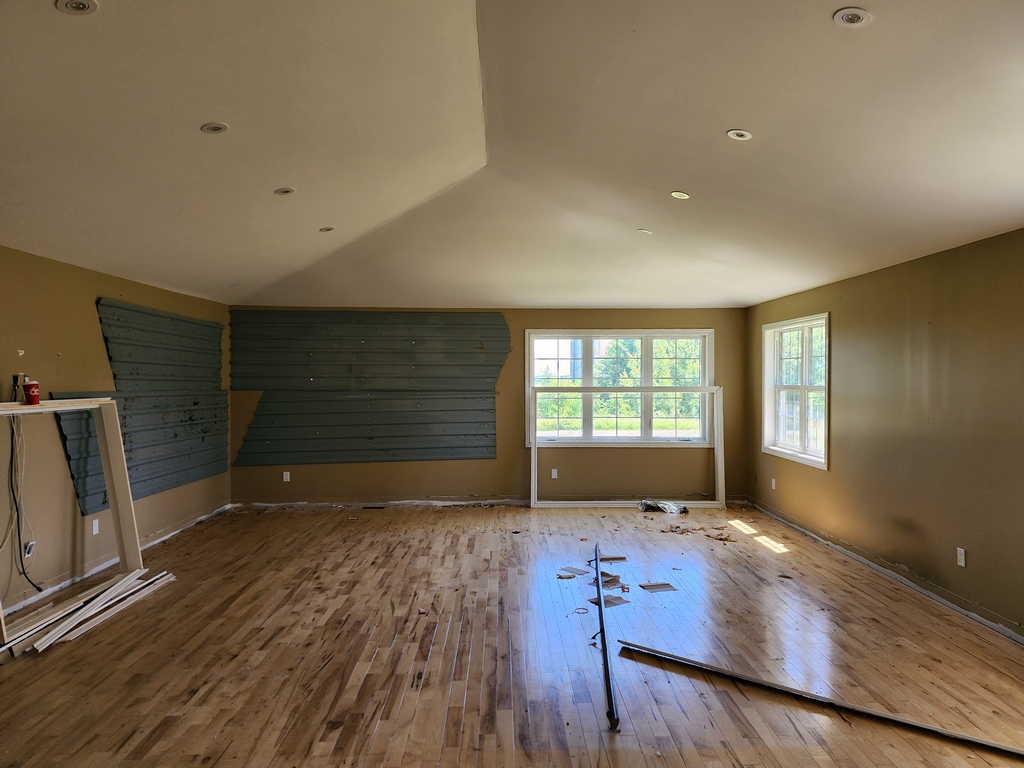
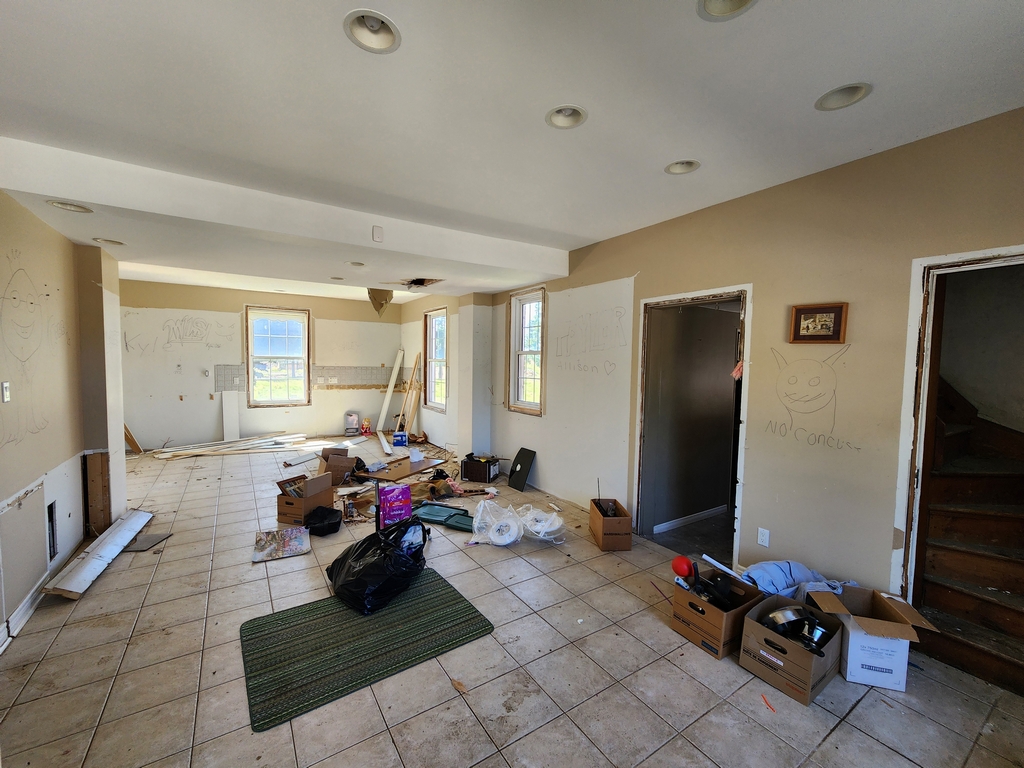
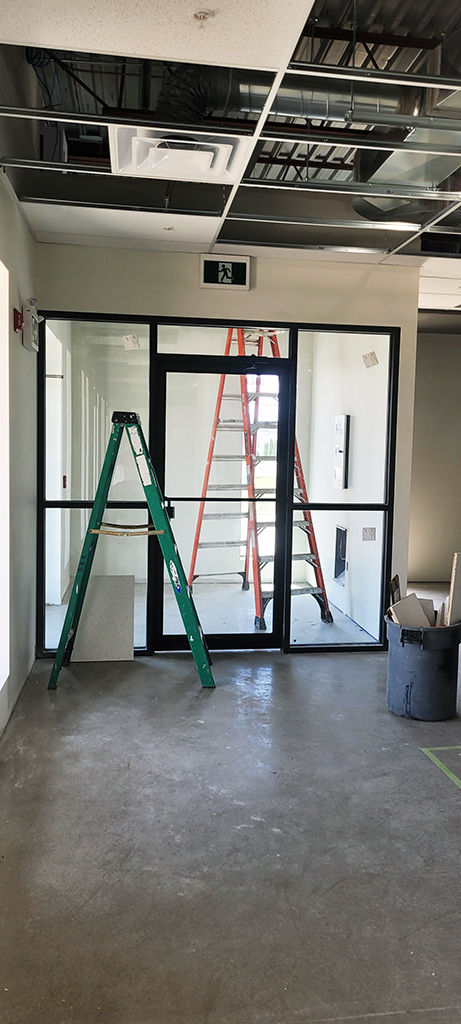
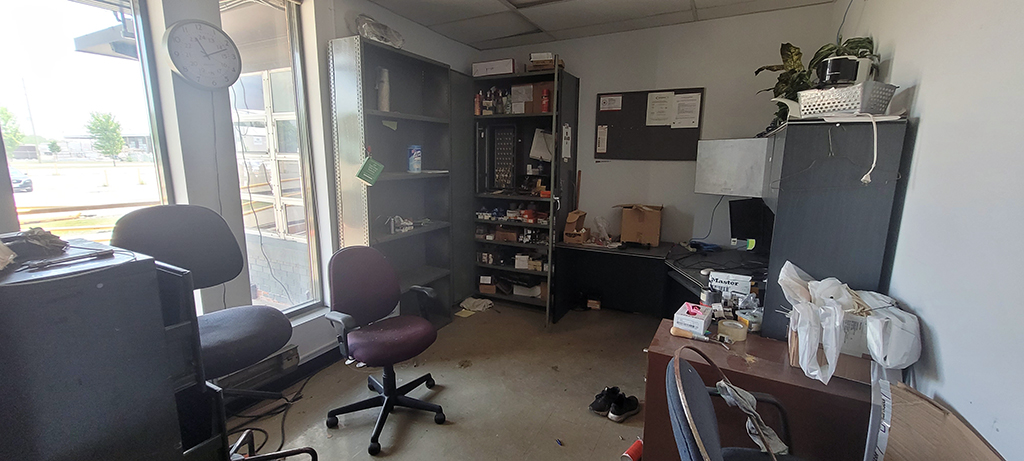
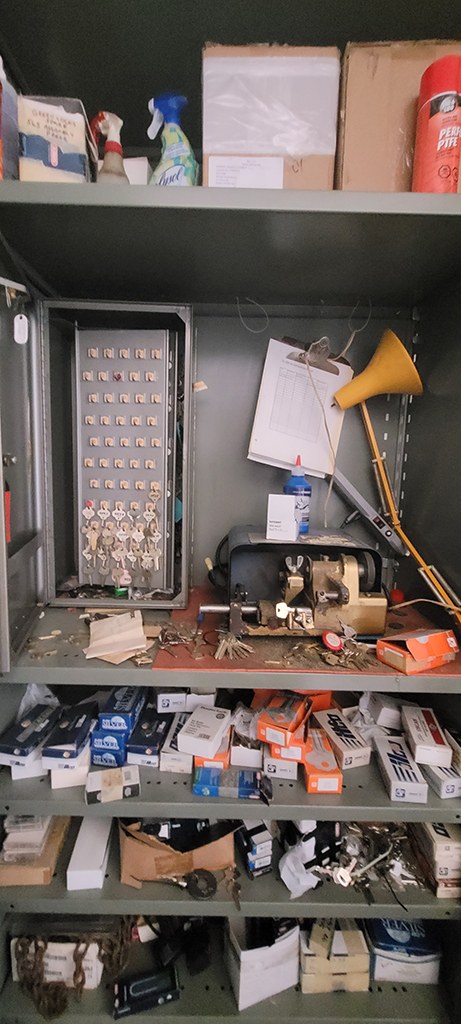
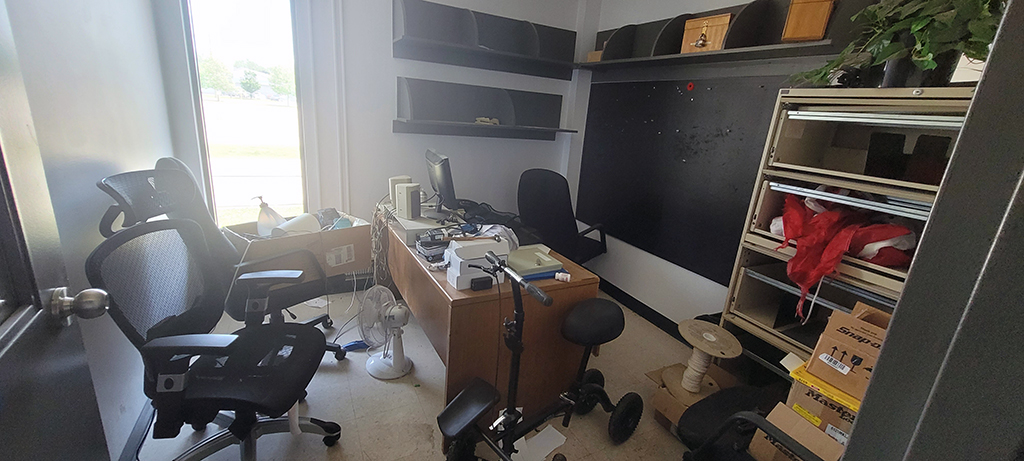
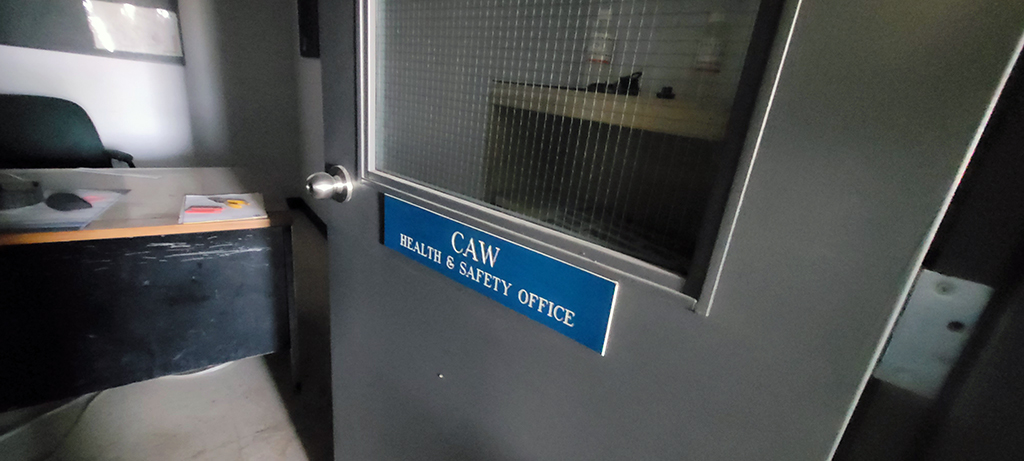
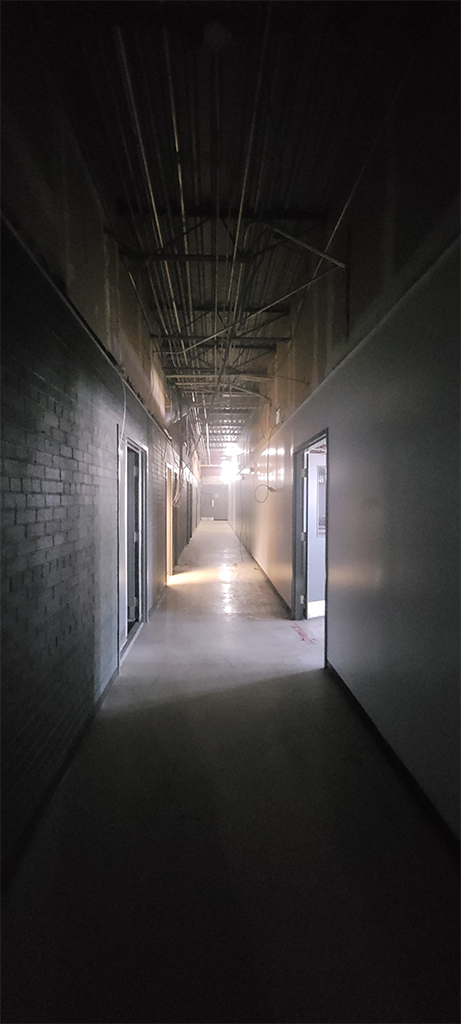
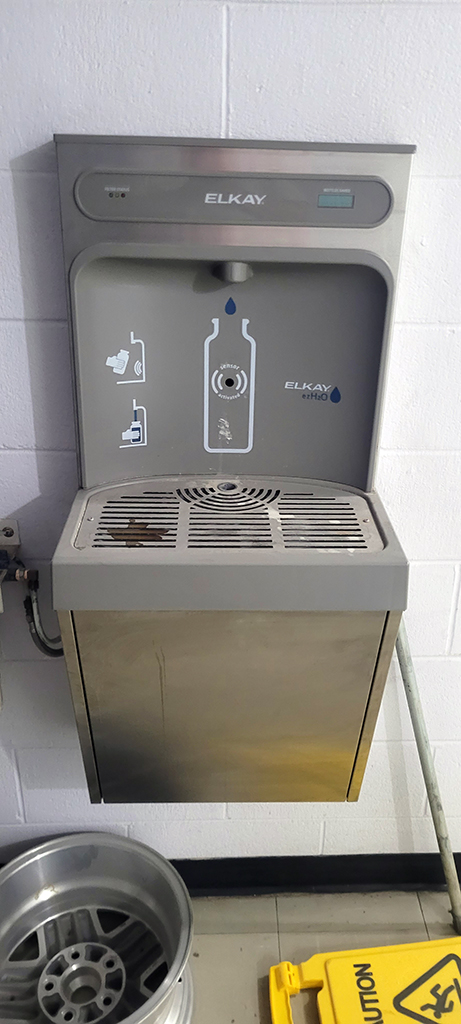
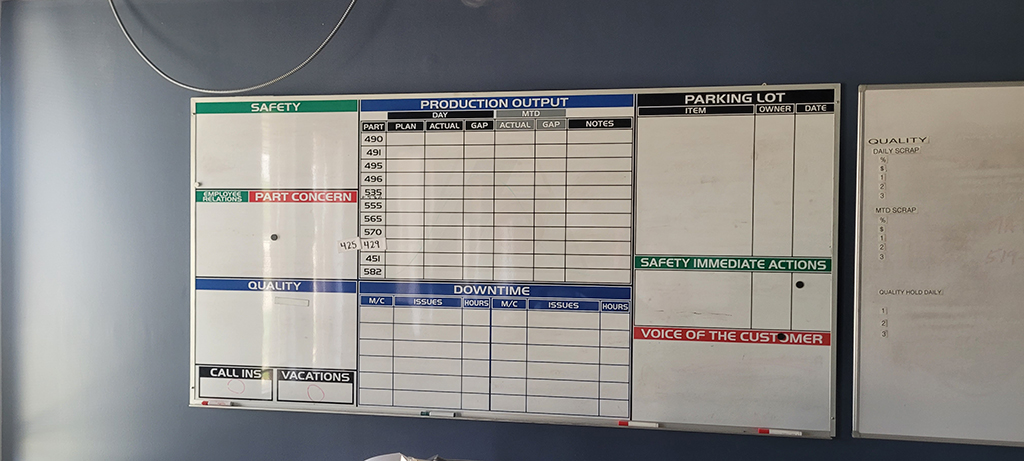
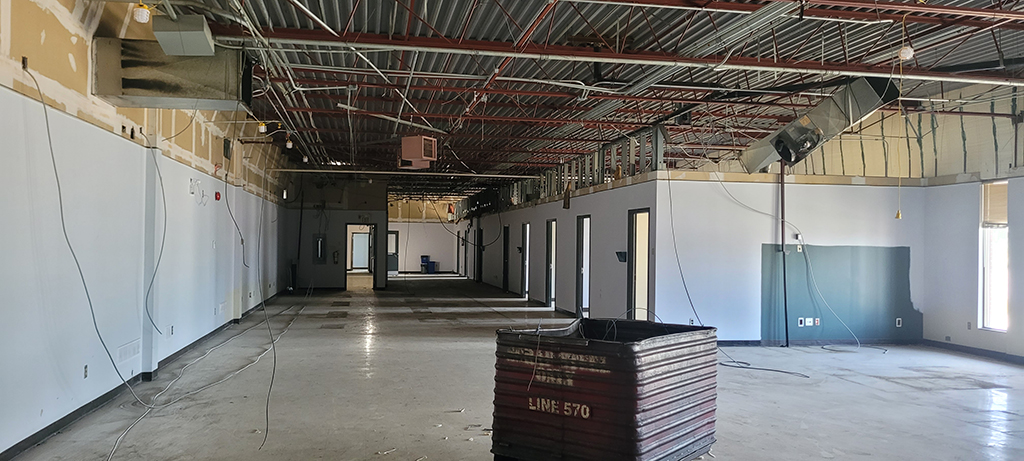
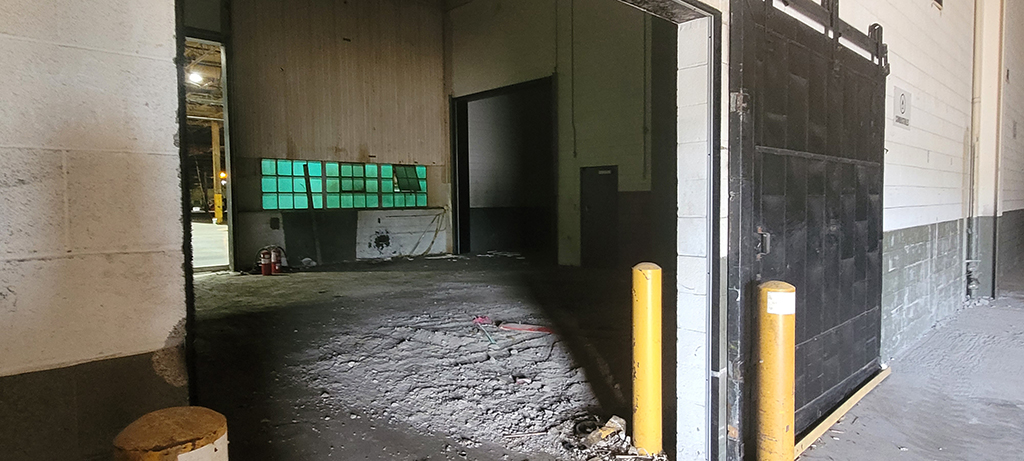
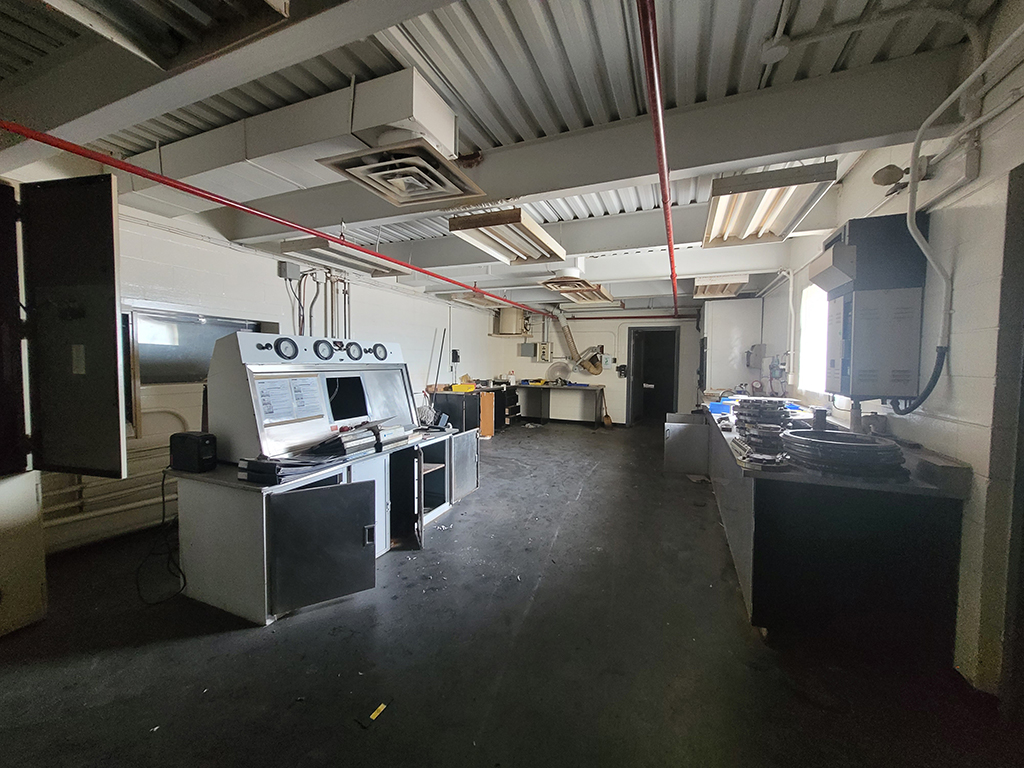
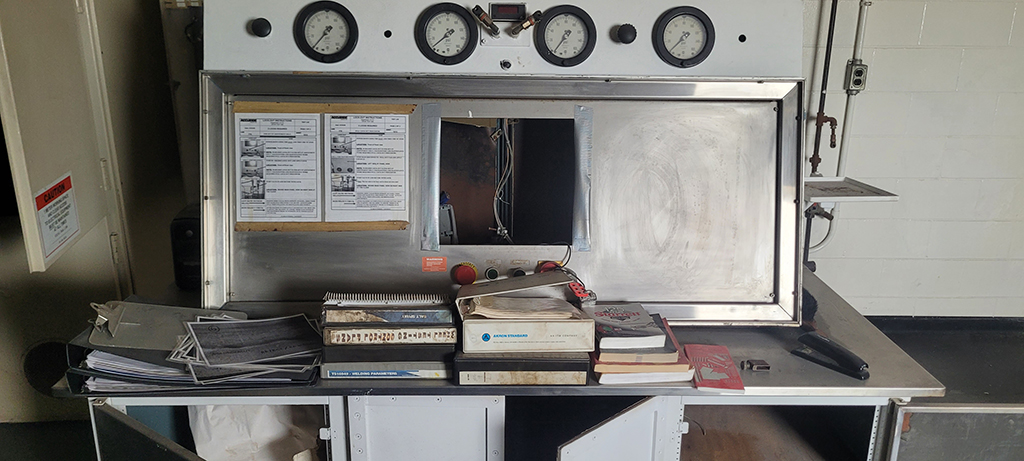
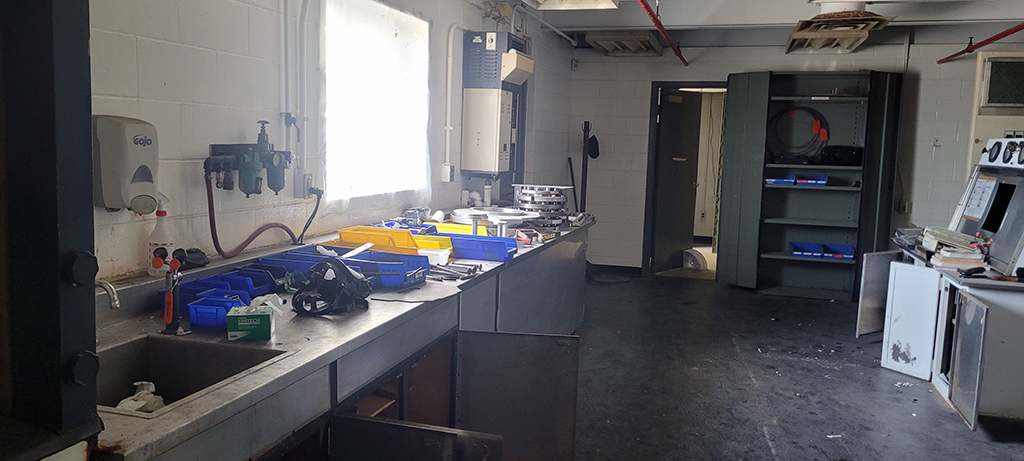
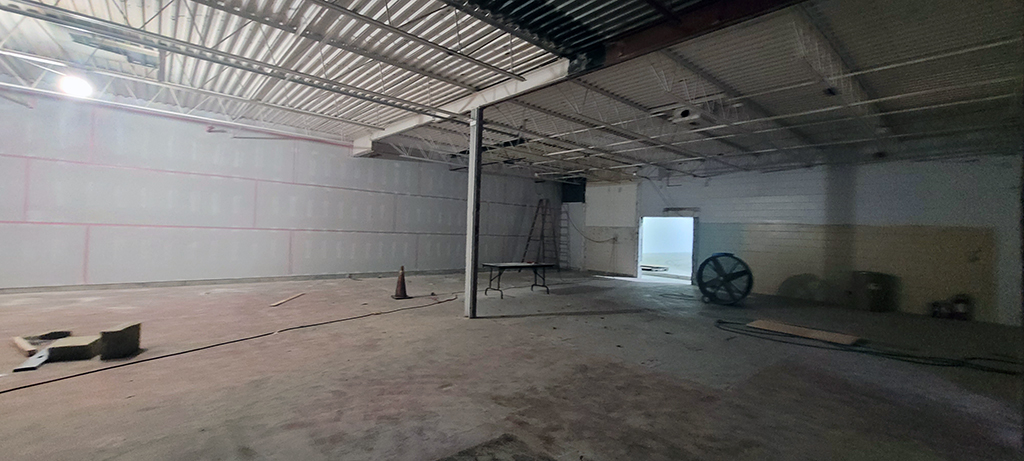
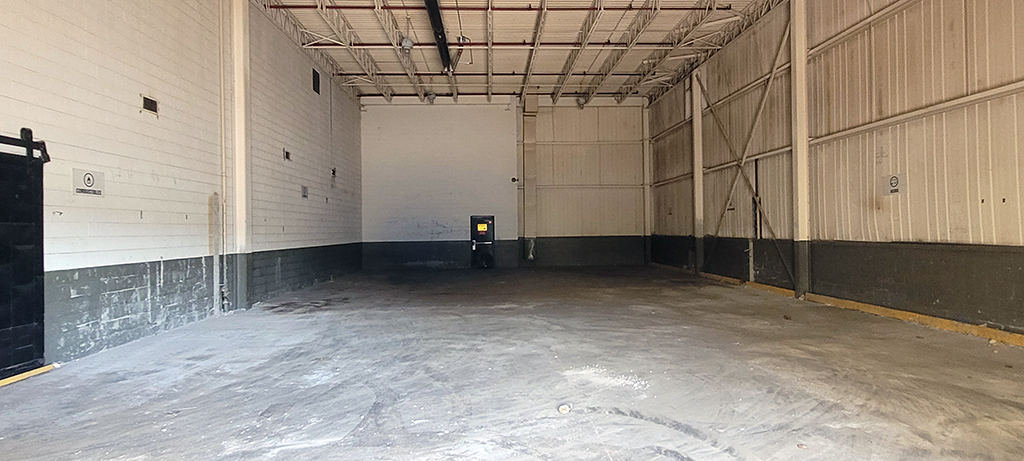
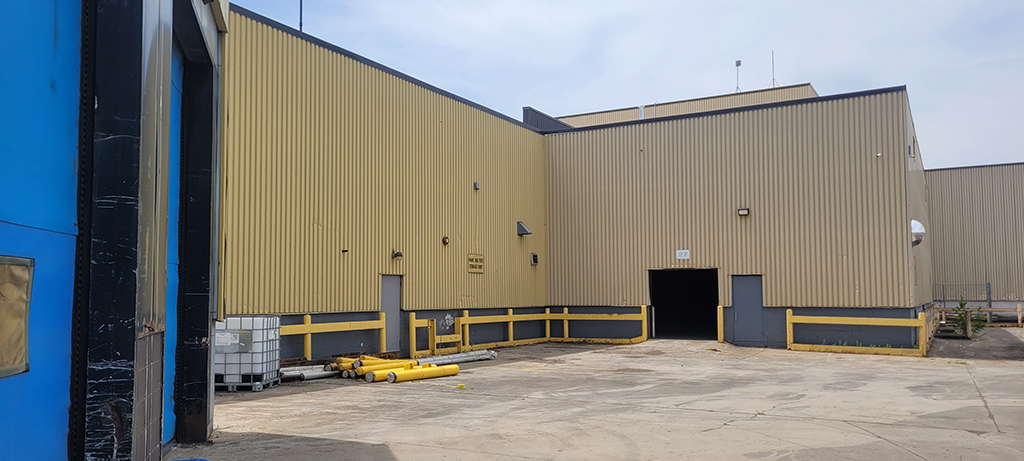
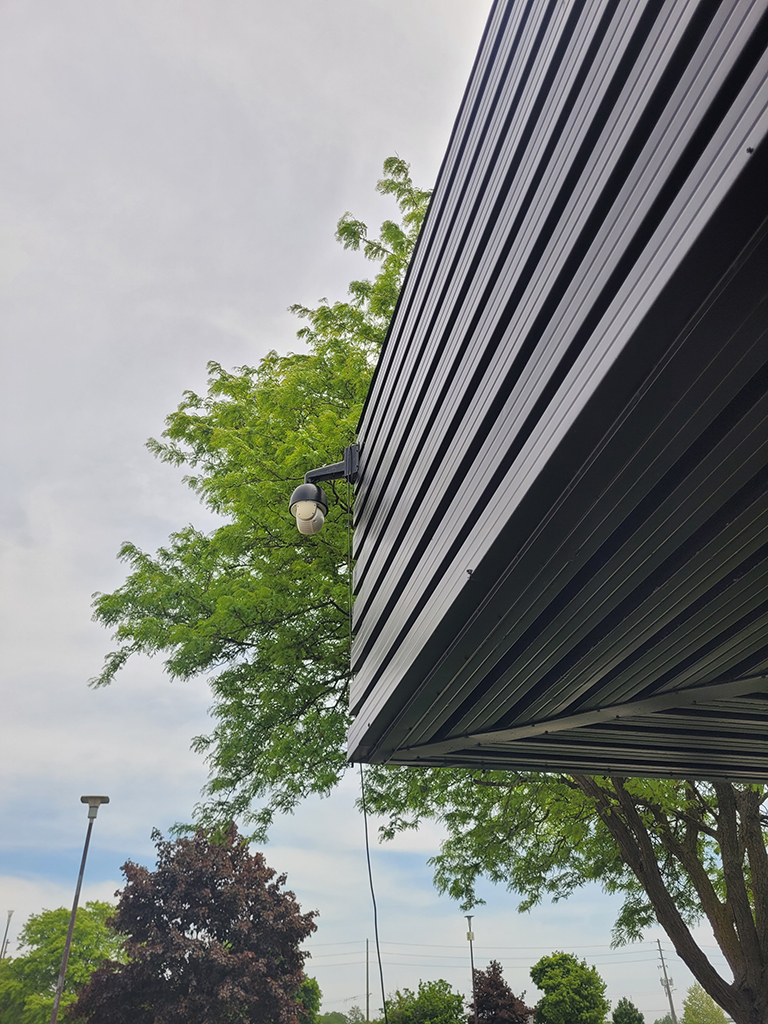
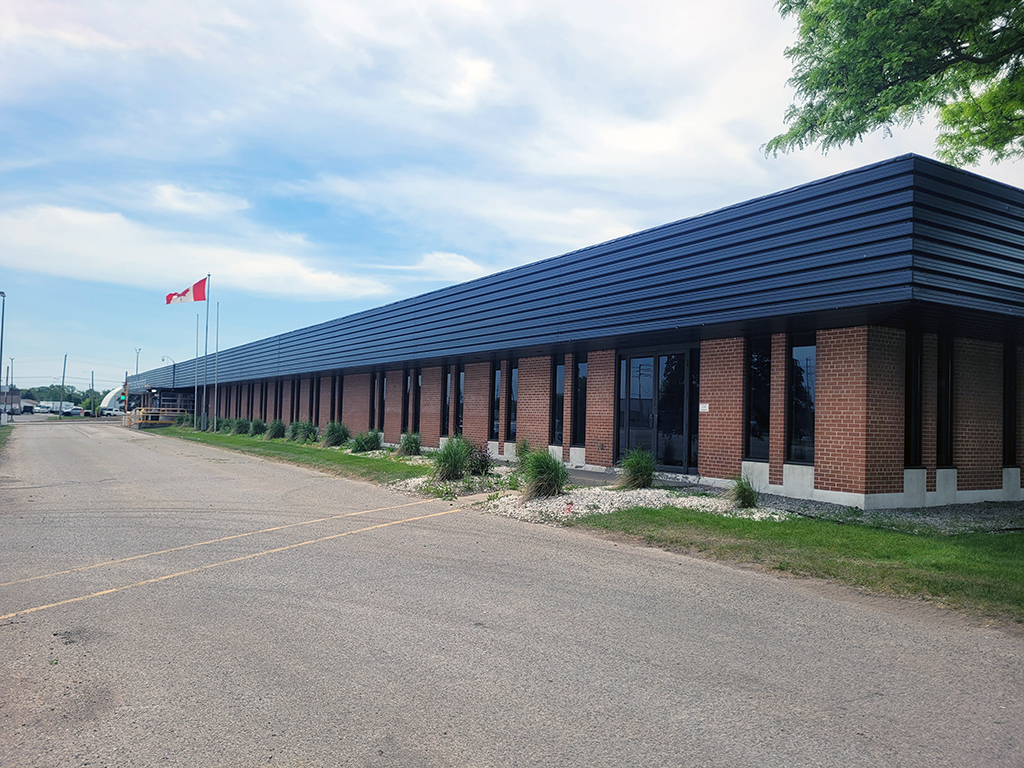
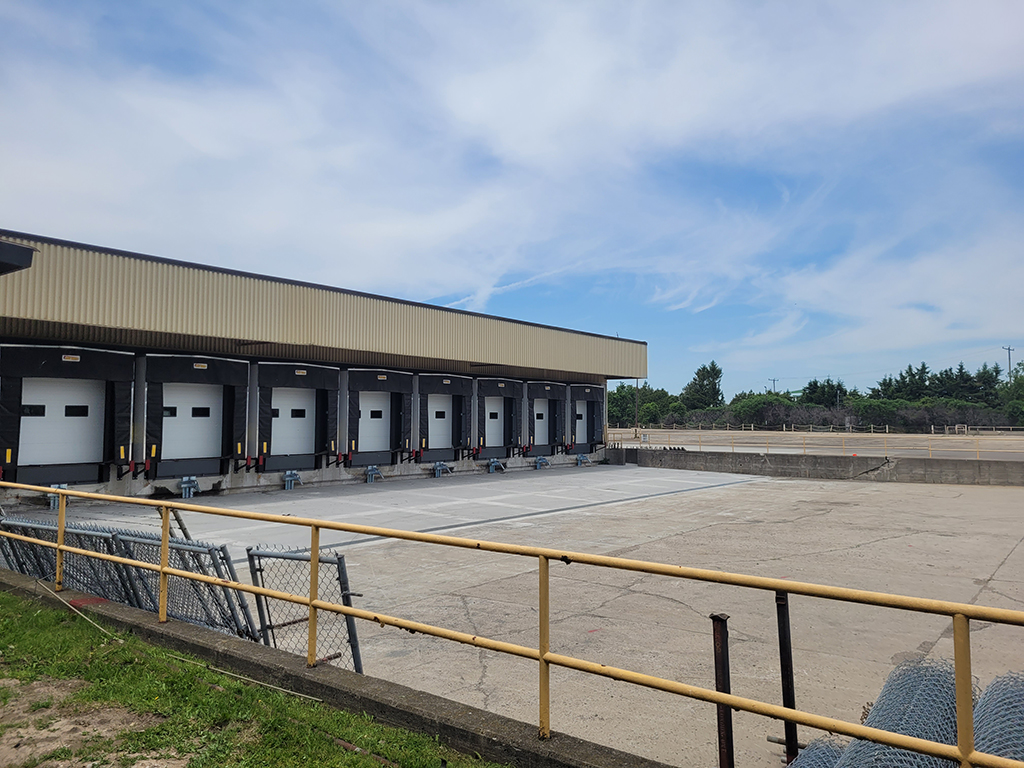
As of summer 2026, workers are on site daily renovating the property for new tenants. A security guard monitors the grounds by surveillance cameras. I hadn’t planned this visit; while heading to another location on a road trip, we spotted an opportunity.
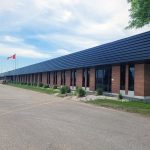
Front End
Back end
Sources:
https://www.fleetowner.com/equipment/article/55234732/wheel-maker-accuride-files-for-bankruptcy-for-us-operations
https://www.cbc.ca/news/canada/london/london-s-accuride-plant-closure-signals-a-volatile-time-for-automakers-analyst-warns-1.7381520
https://www.ctvnews.ca/london/article/thats-the-end-of-it-majority-of-employees-at-industrial-landmark-accuride-finished-at-end-of-month/
https://www.ctvnews.ca/london/article/accuride-closes-its-doors-after-57-years-150-people-out-of-work/
https://www.ctvnews.ca/london/video/2025/01/23/accuride-closing-its-doors/
https://www.unifor.org/news/all-news/former-accuride-workers-win-4-million-pension-fight
https://www.benefitscanada.com/pensions/defined-benefit-pensions/court-decision-in-surplus-pension-case-has-no-precedent-for-plan-sponsors/
https://windsorstar.com/news/local-news/union-wins-4-7m-pension-payout-for-ex-workers-at-closed-london-plant-eyes-more
https://www.ctvnews.ca/london/video/2026/05/05/4-million-suit-settled-in-terminated-accuride-employees-favour/
https://lfpress.com/business/local-business/former-accuride-auto-plant-lands-new-tenant-as-london-firm-expands
https://lfpress.com/business/local-business/london-accuride-plant-for-sale-may-close-if-buyer-not-found-company
https://lfpress.com/news/local-news/london-accuride-plant-closing-in-january-200-to-lose-jobs-union
https://www.cbre.ca/insights/figures/london-ontario-industrial-figures-q4-2025