Category: Abandoned Schools

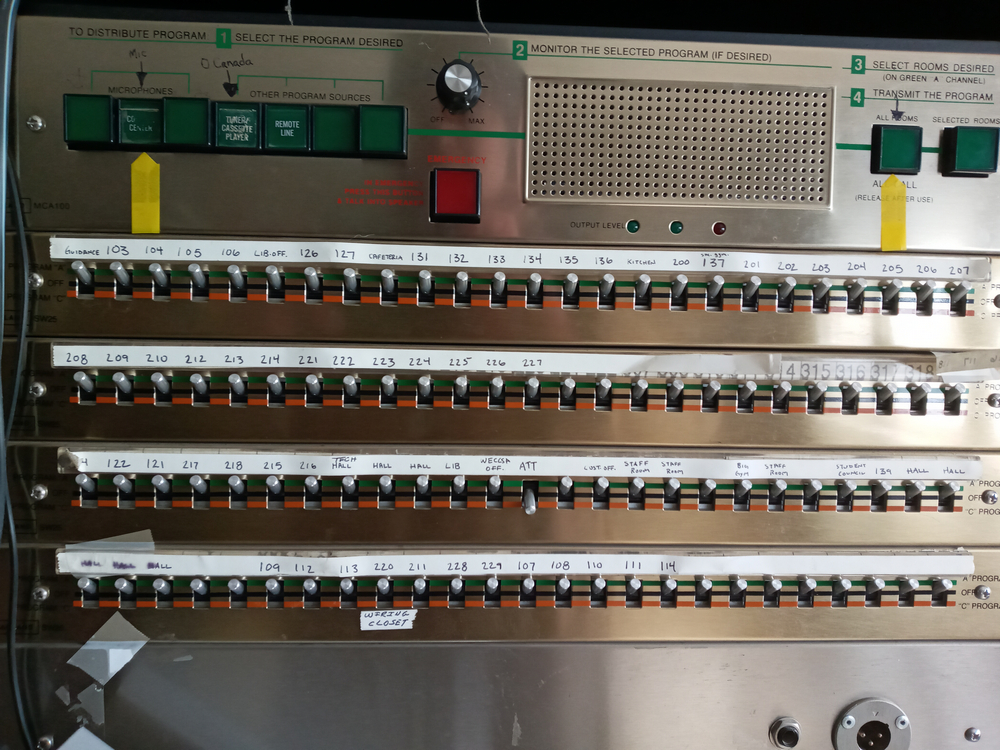
Sound the Alarm – Vacant Public School

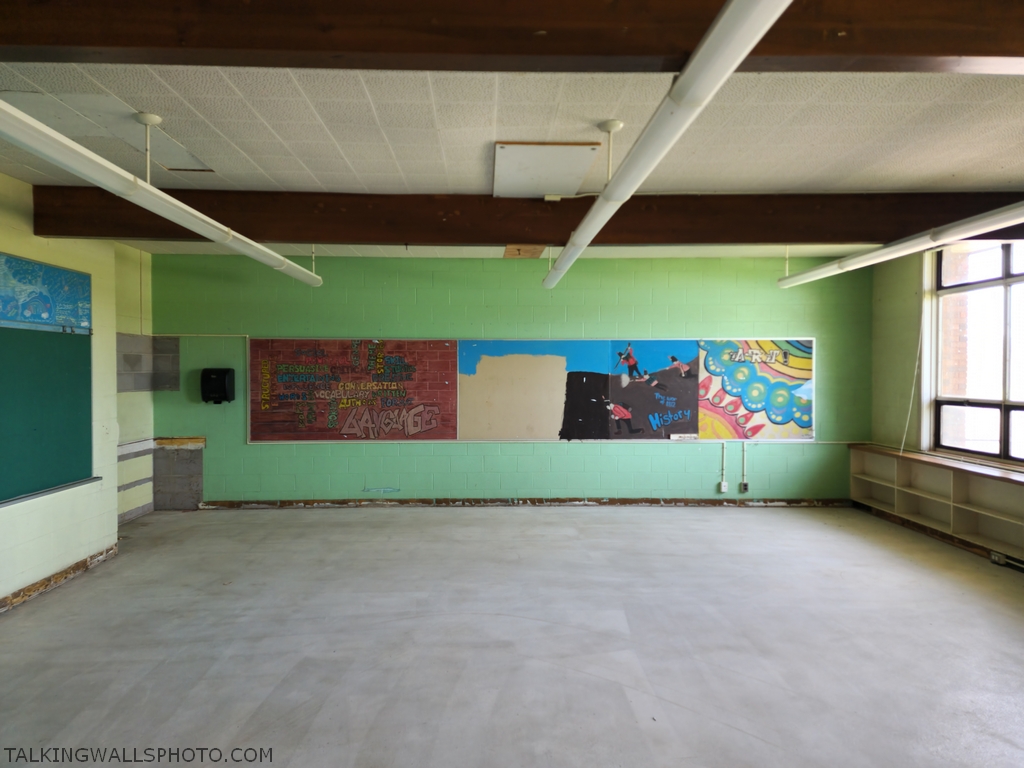
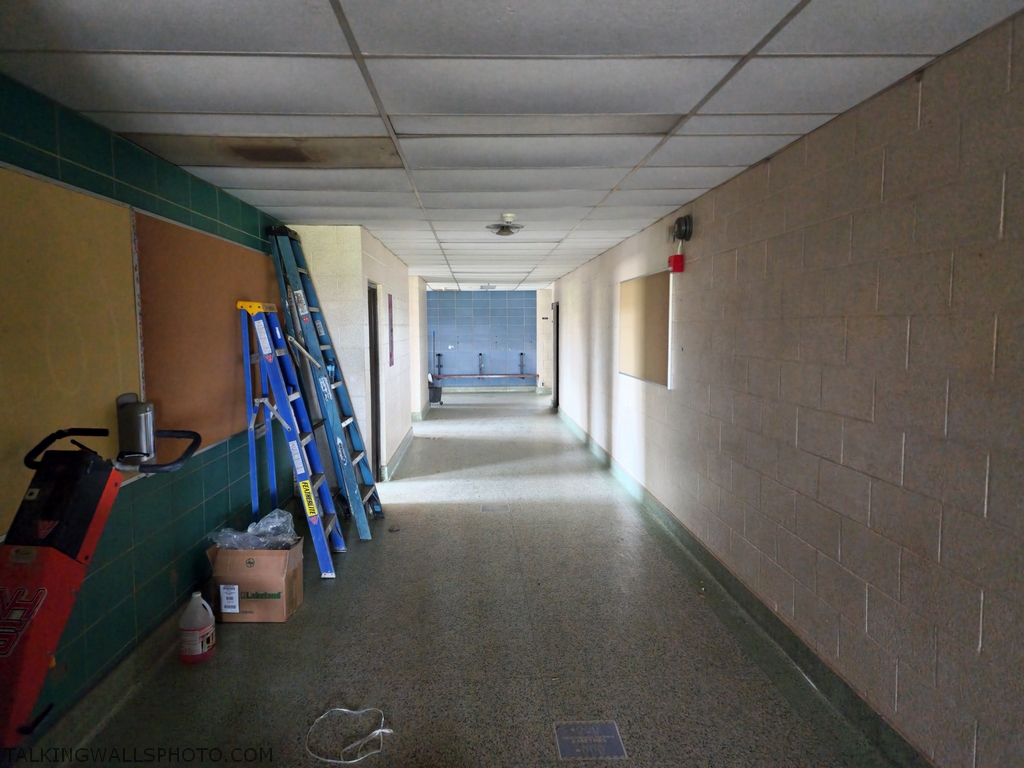
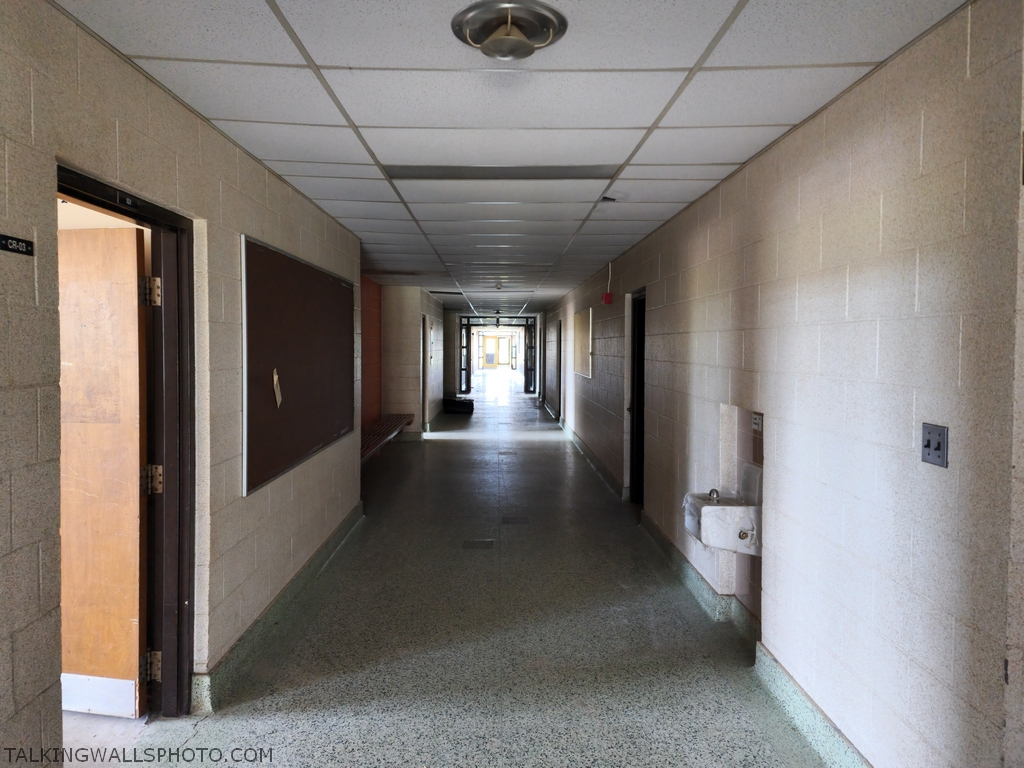
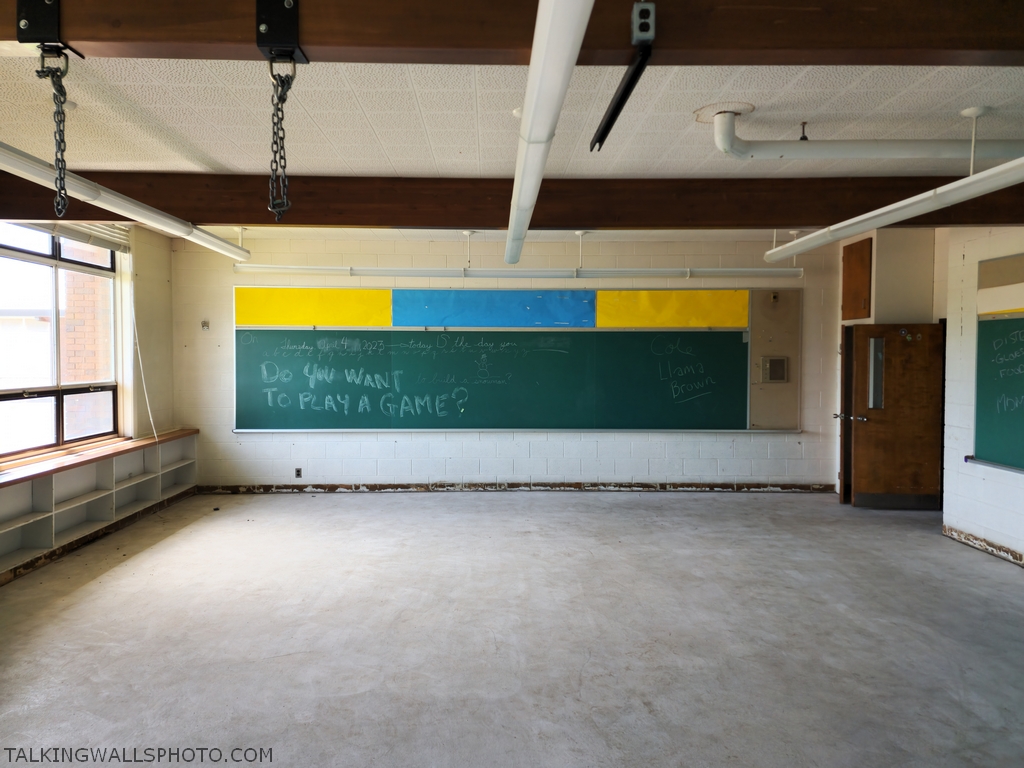
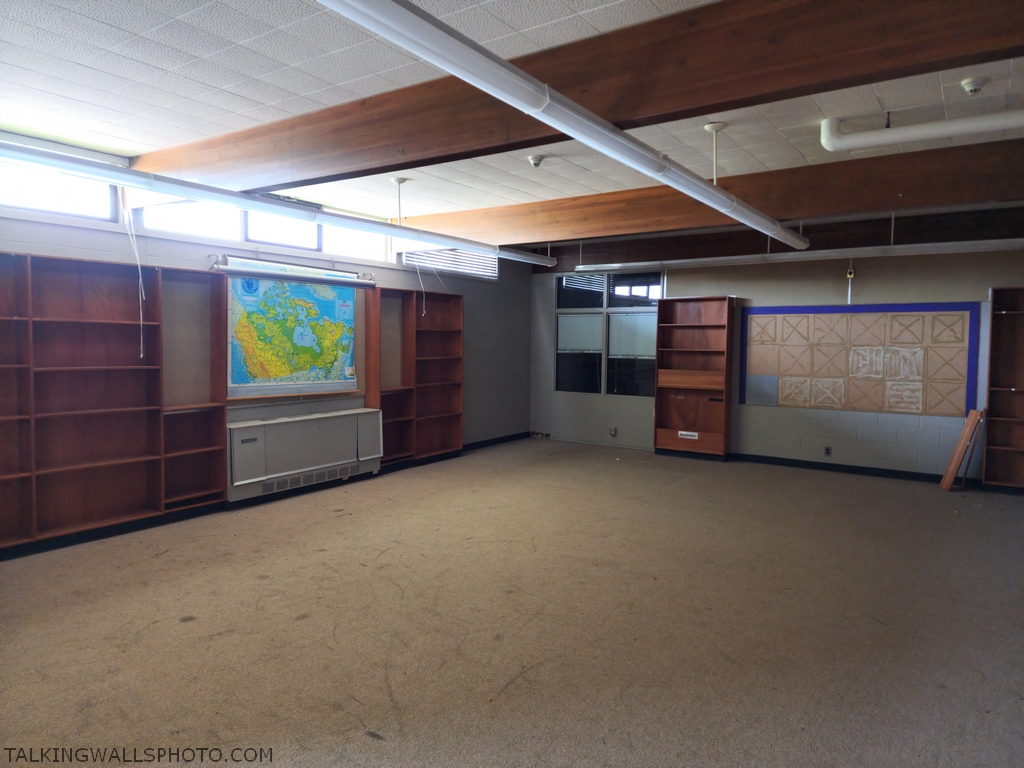
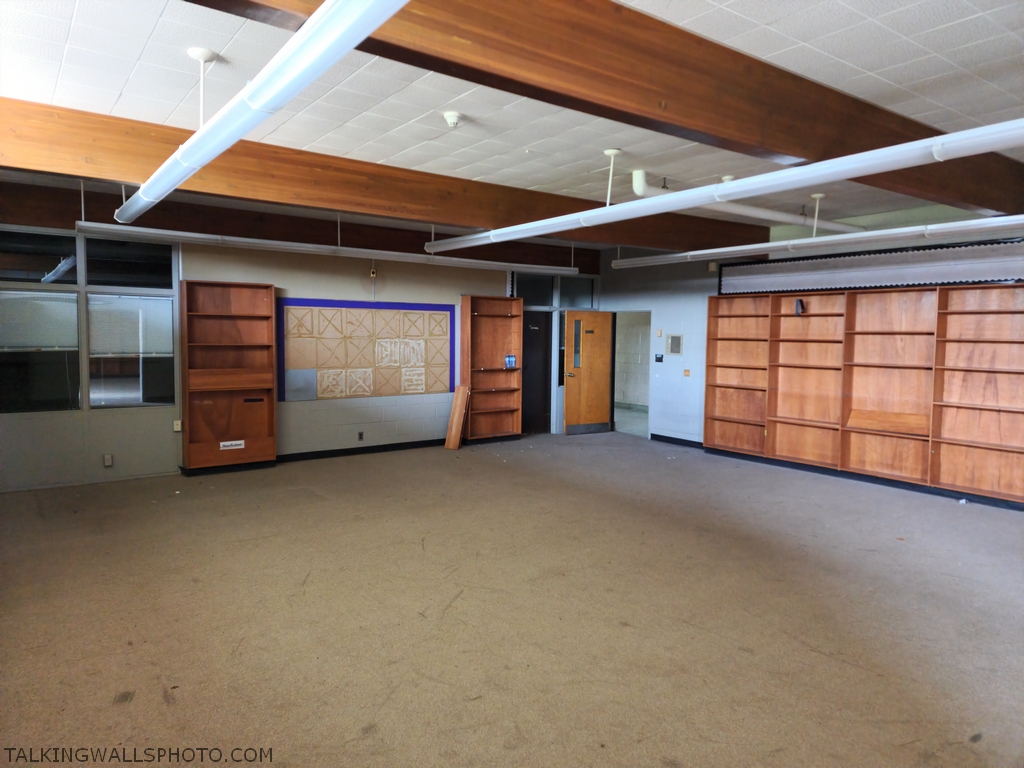
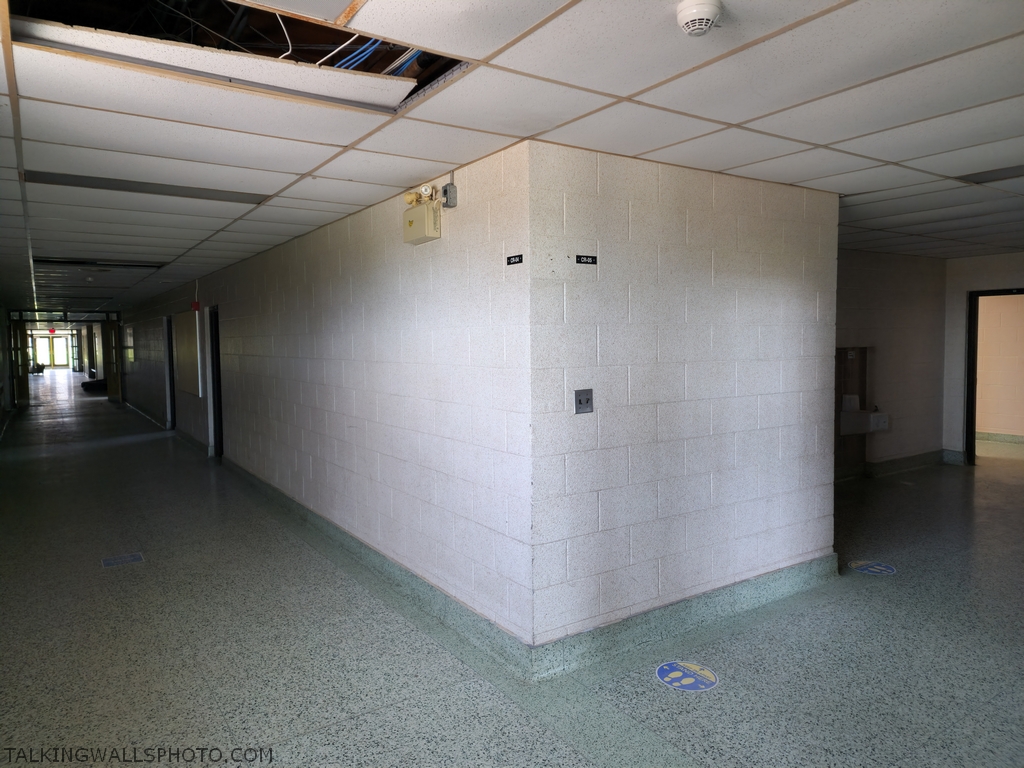
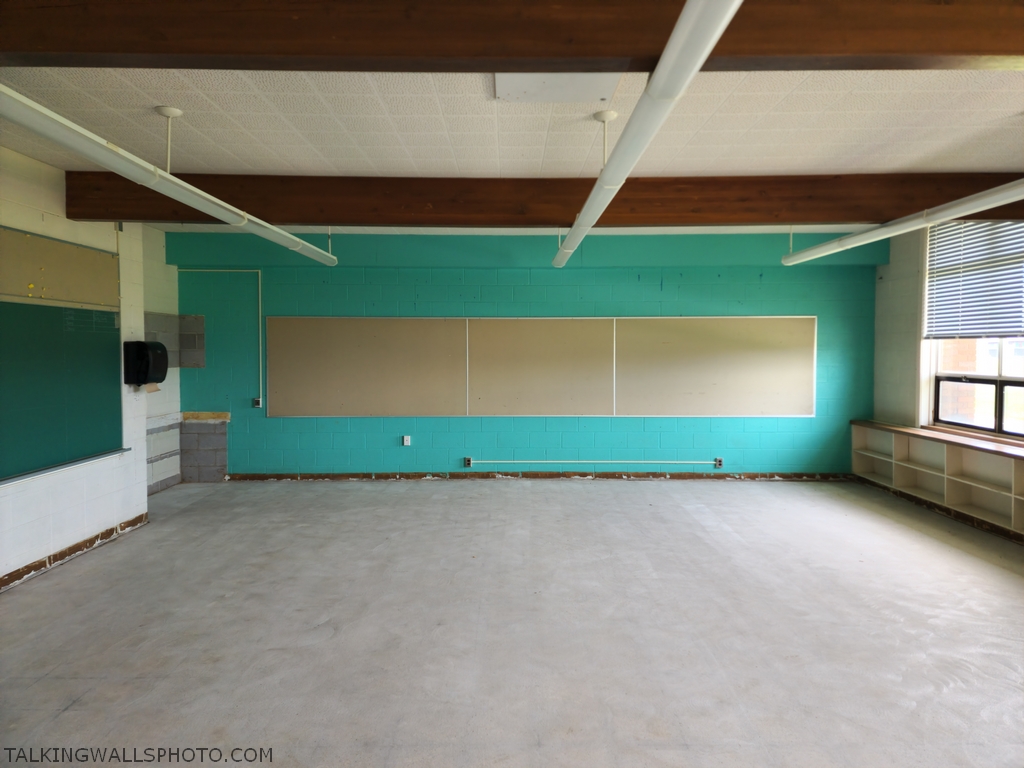
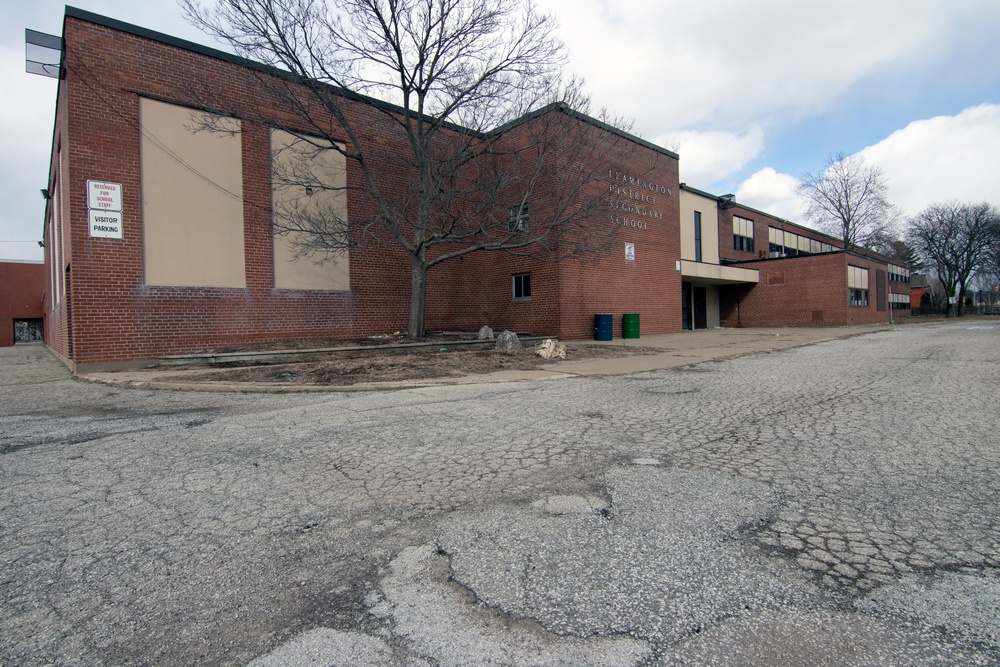
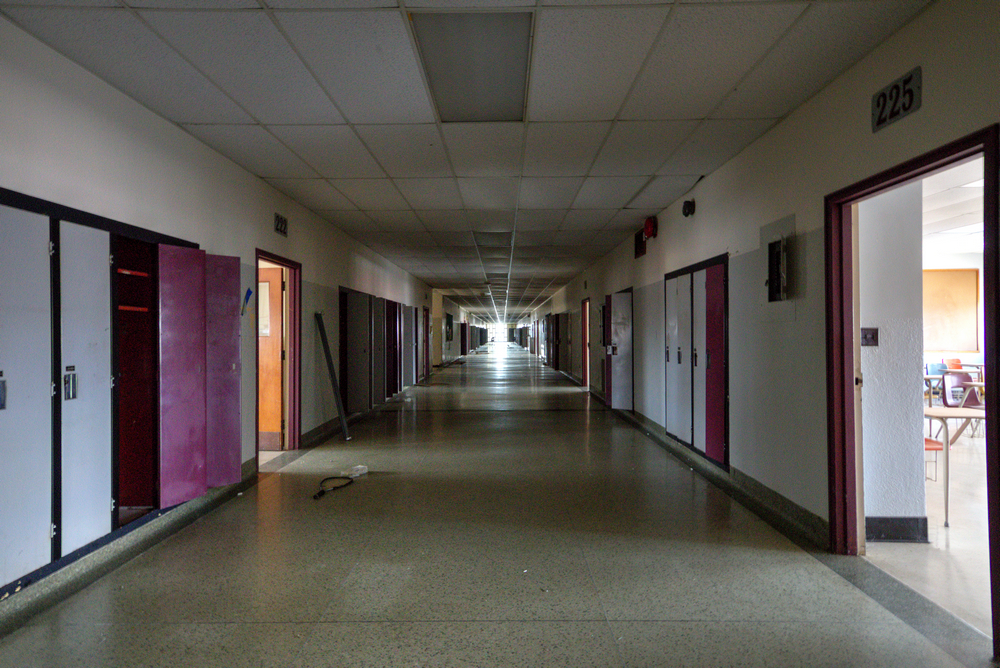
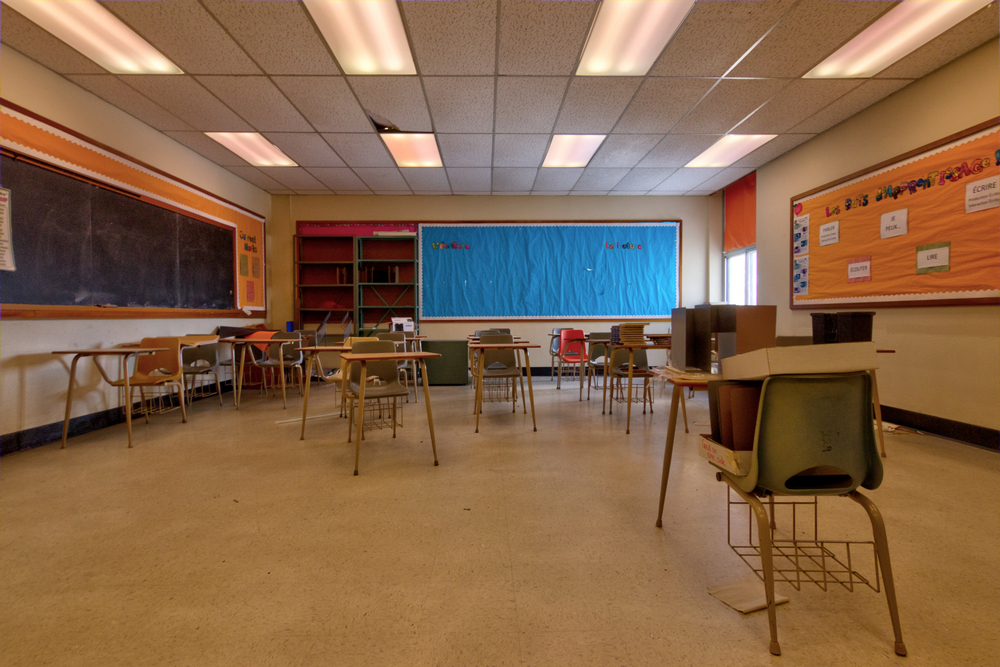
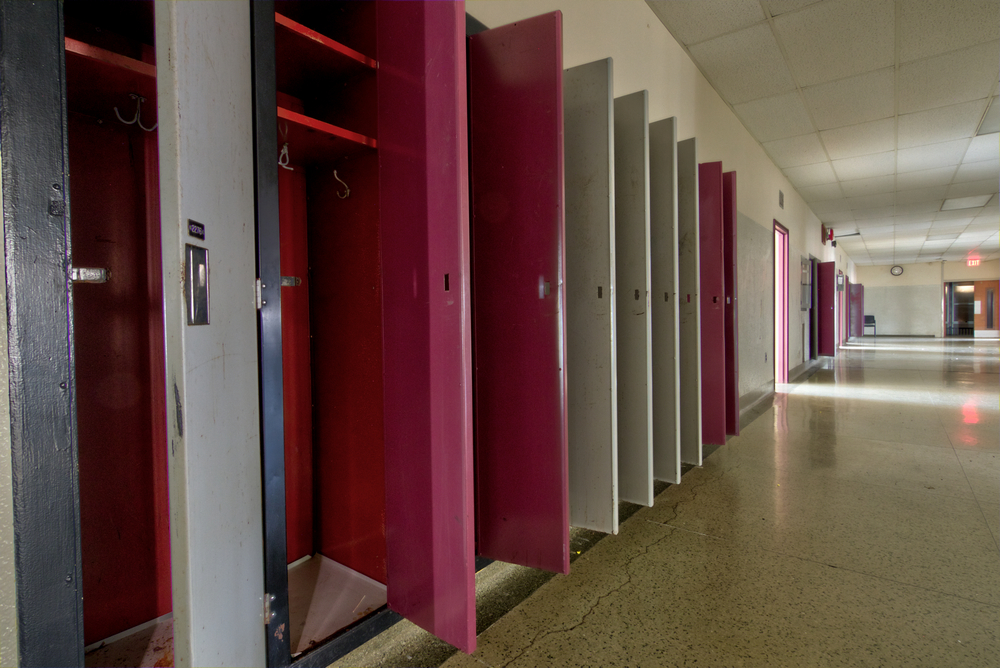
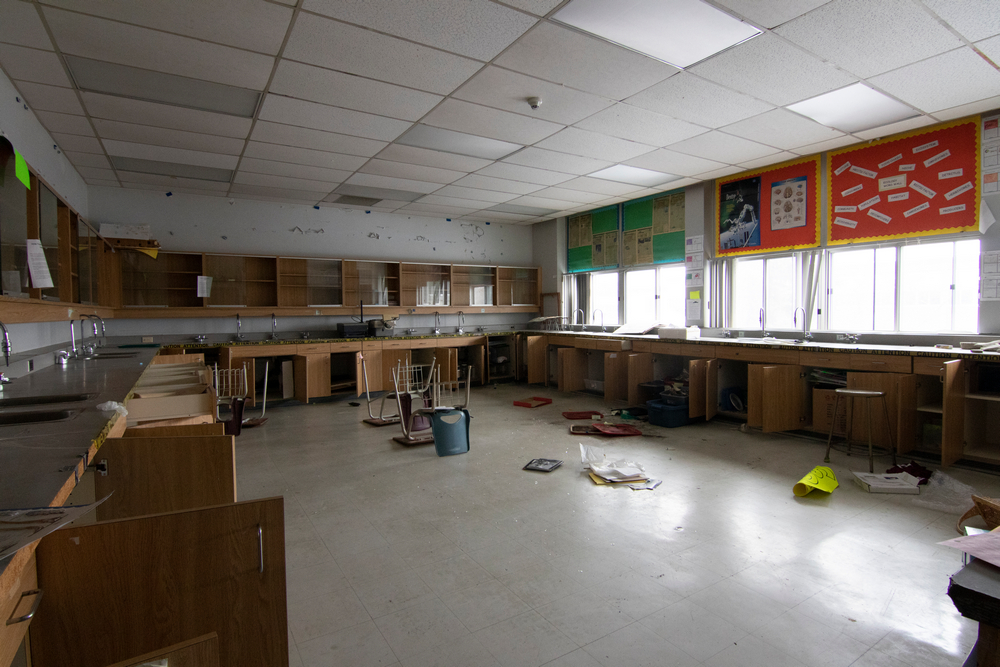
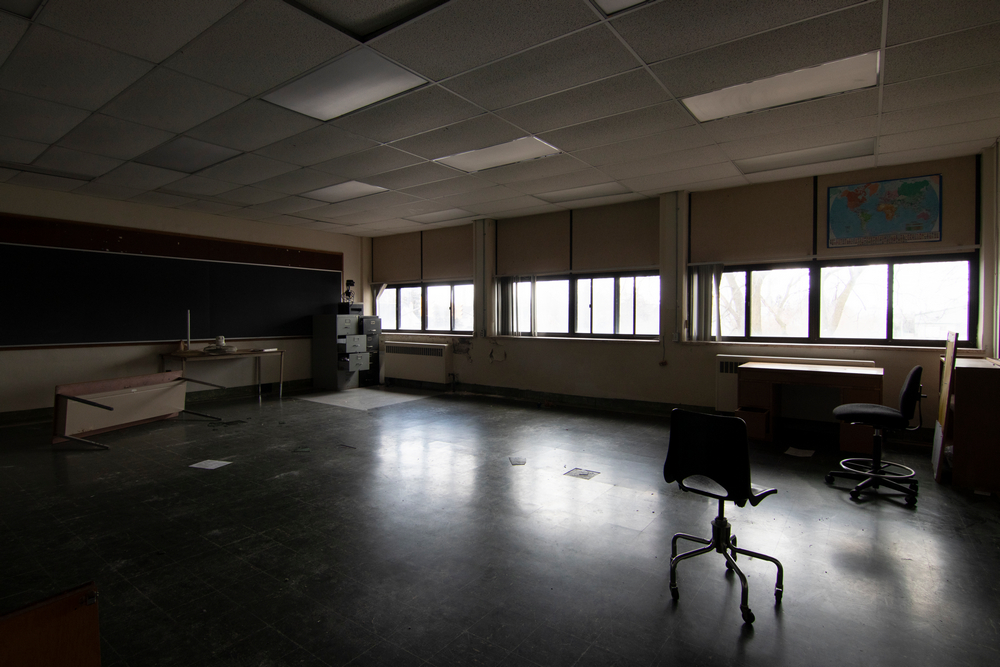
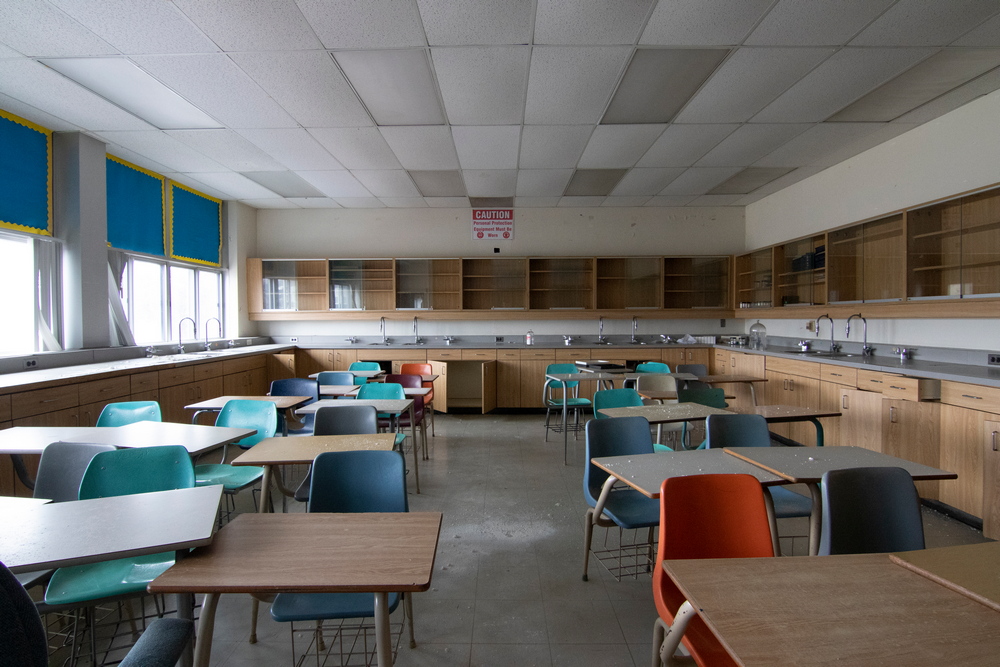
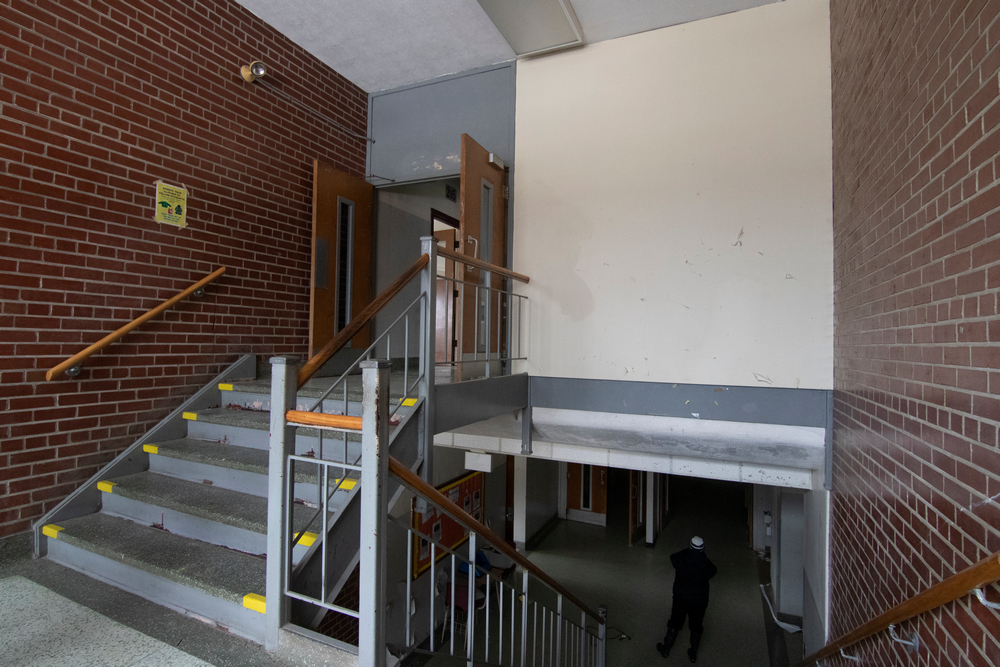
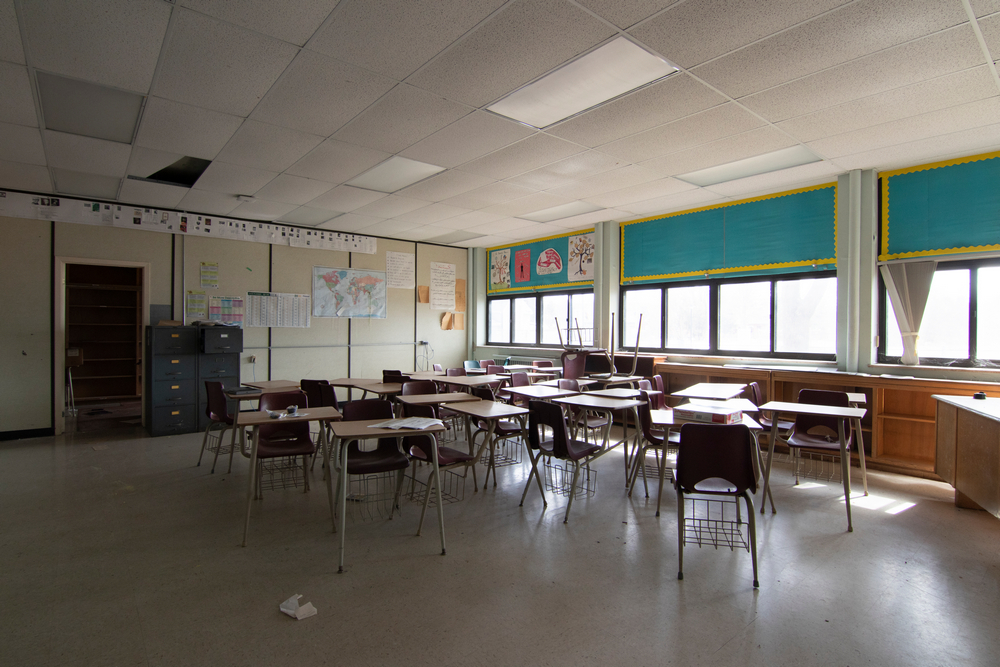
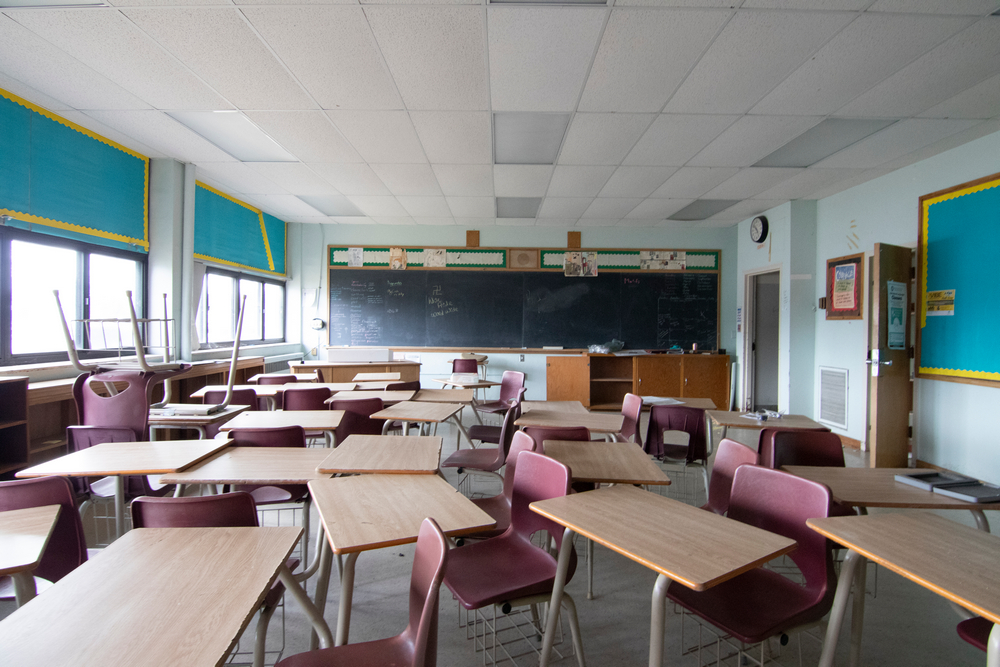
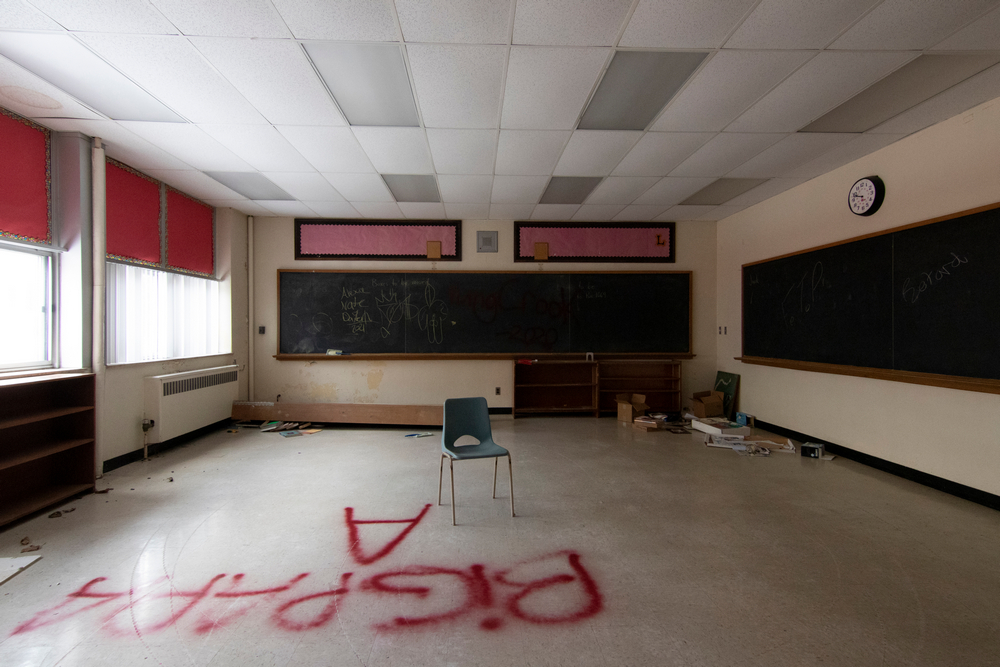
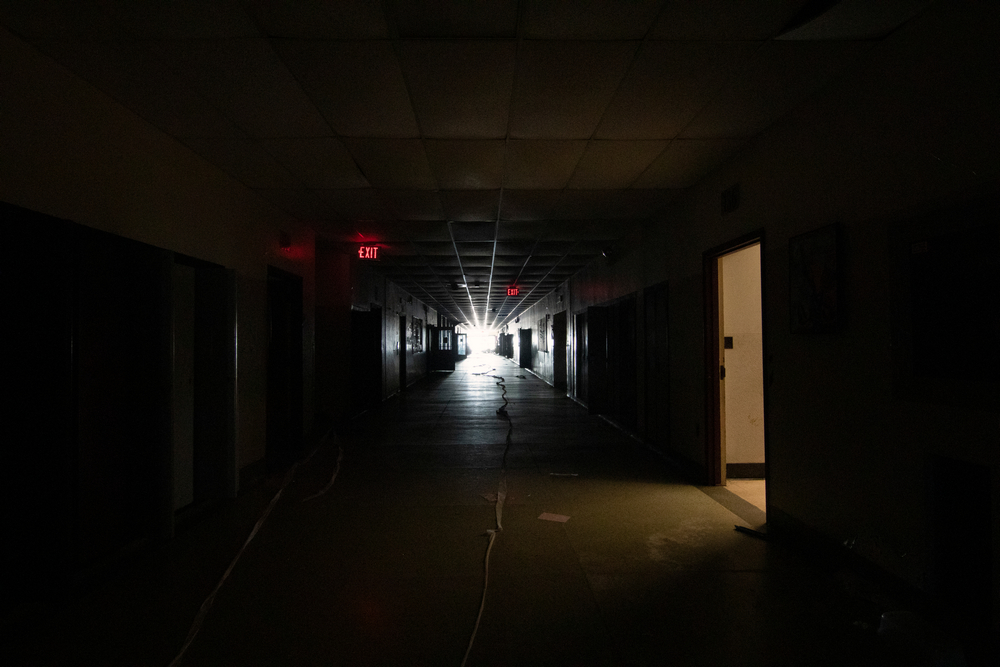
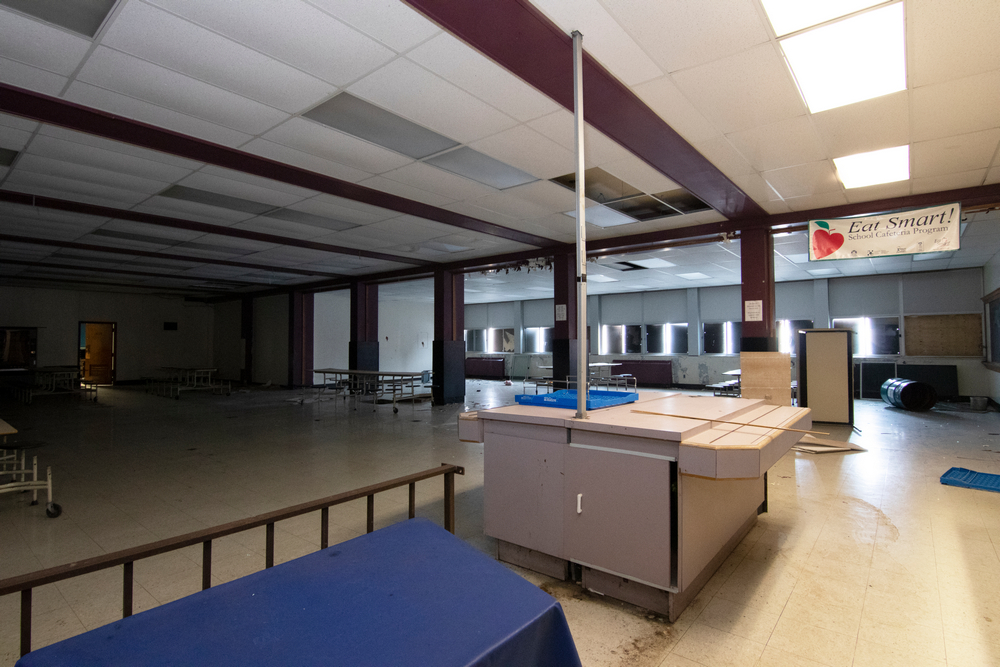
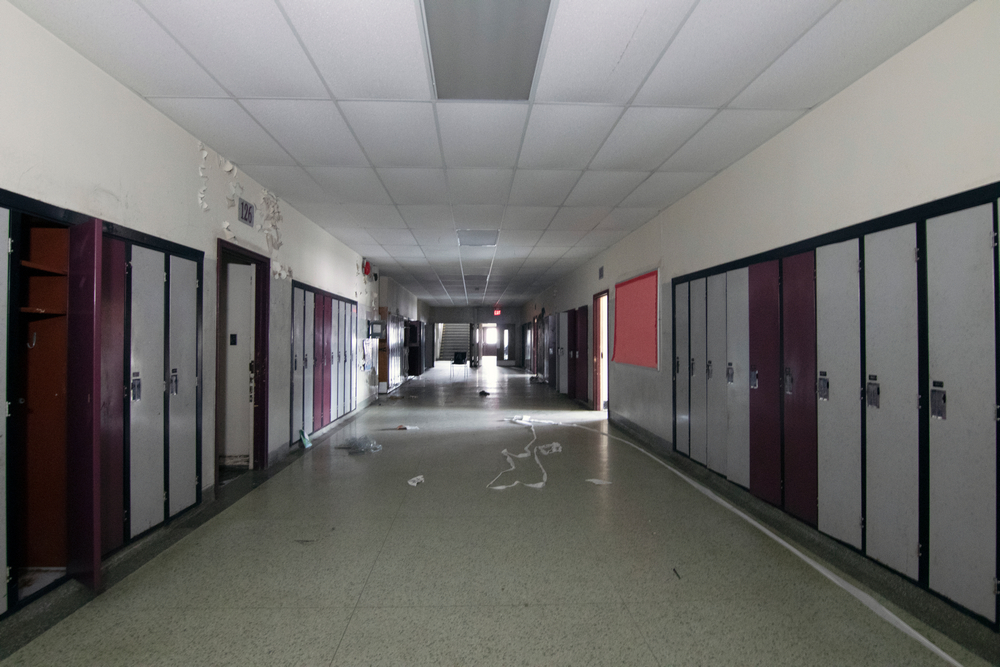
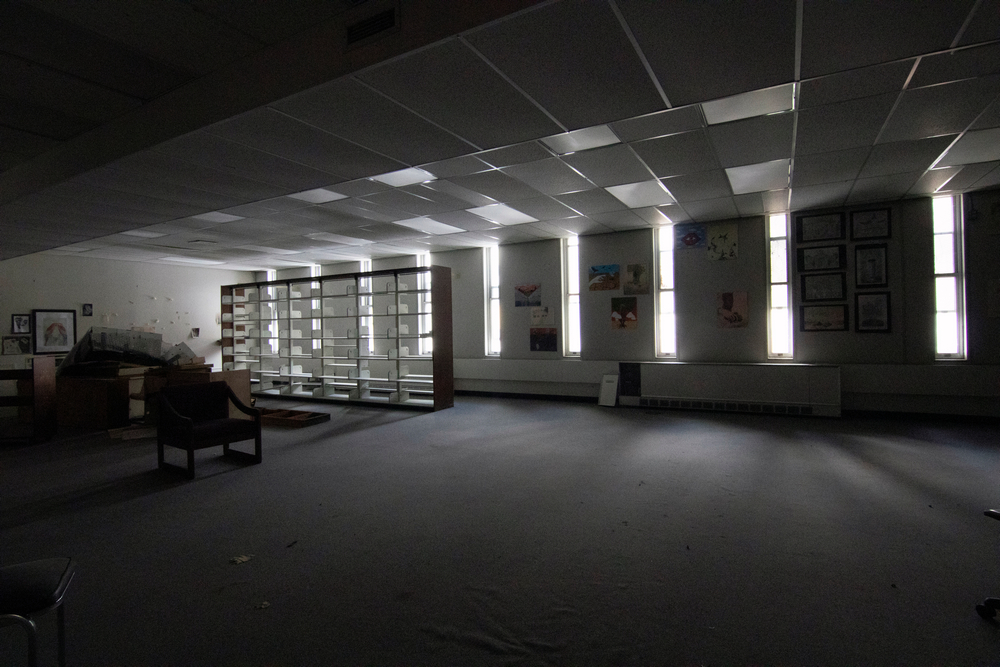
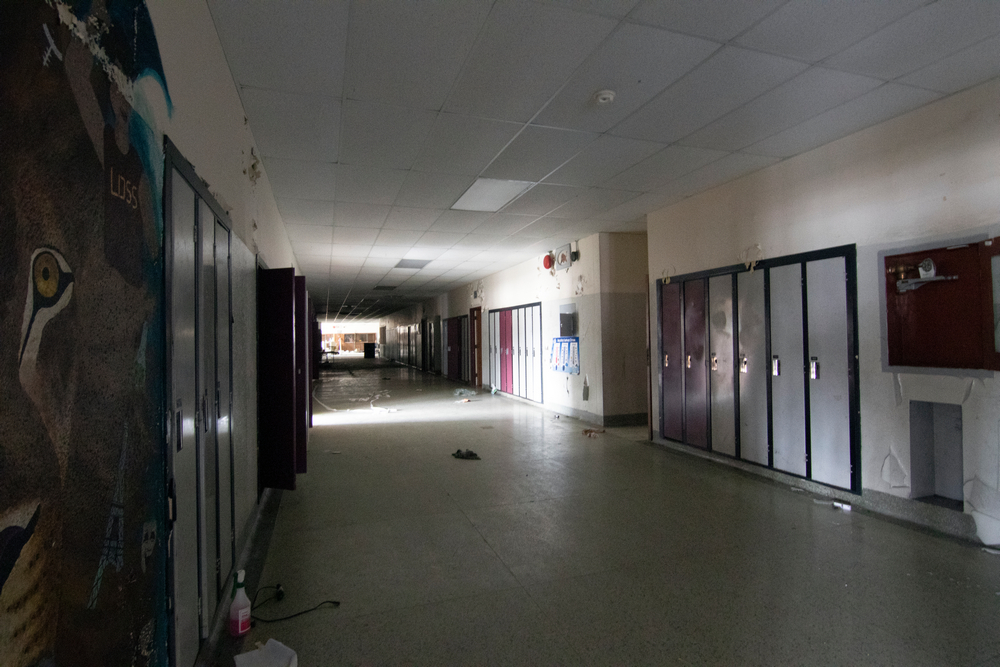
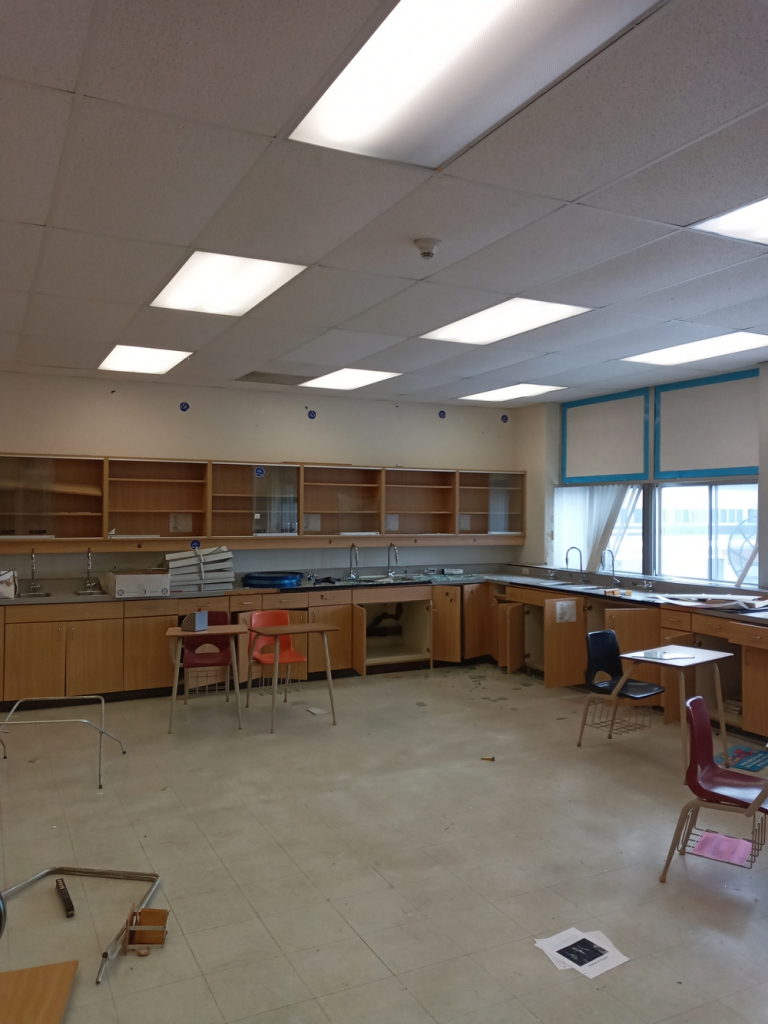
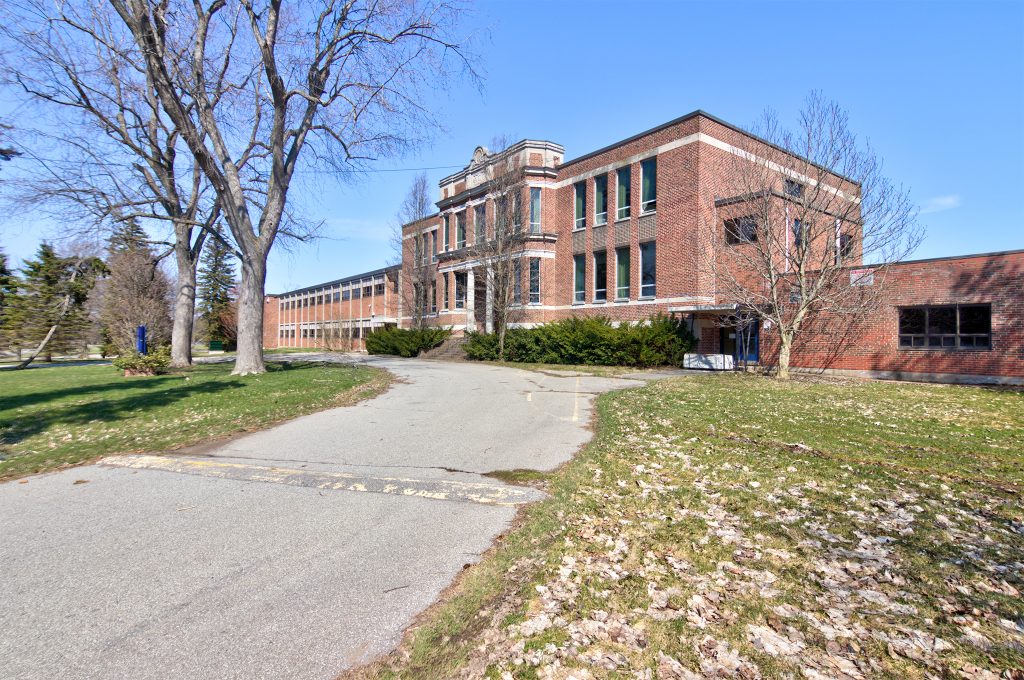
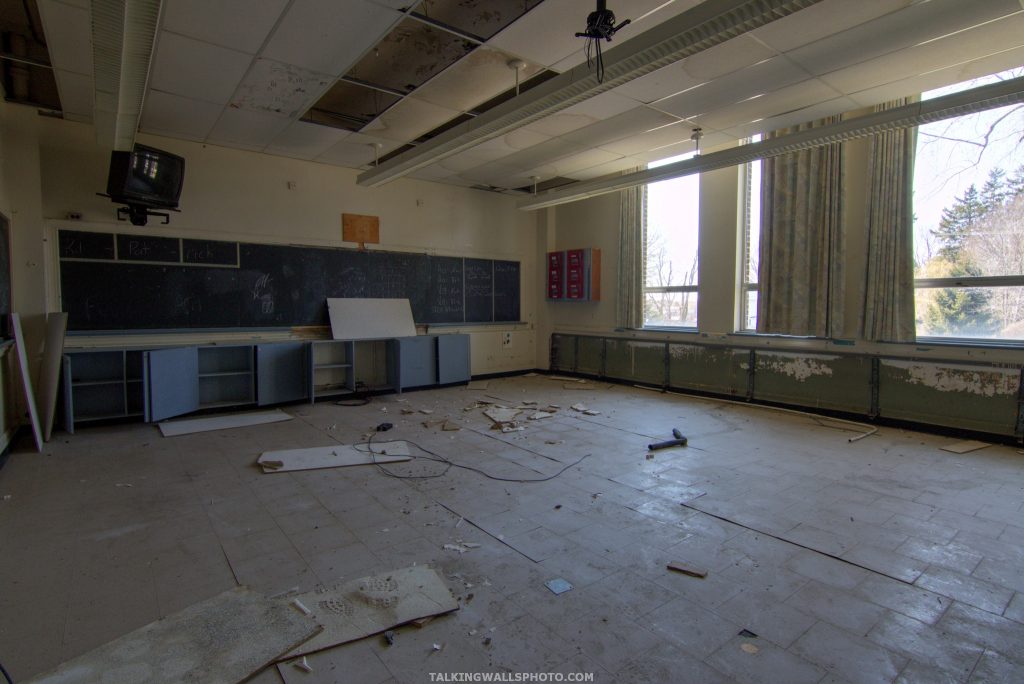
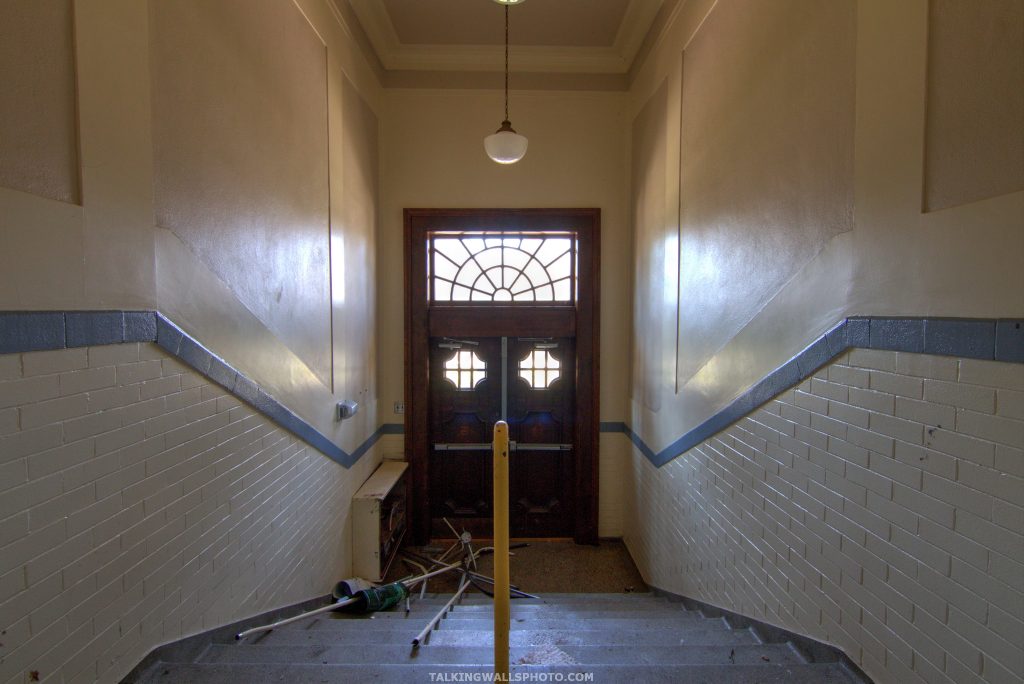
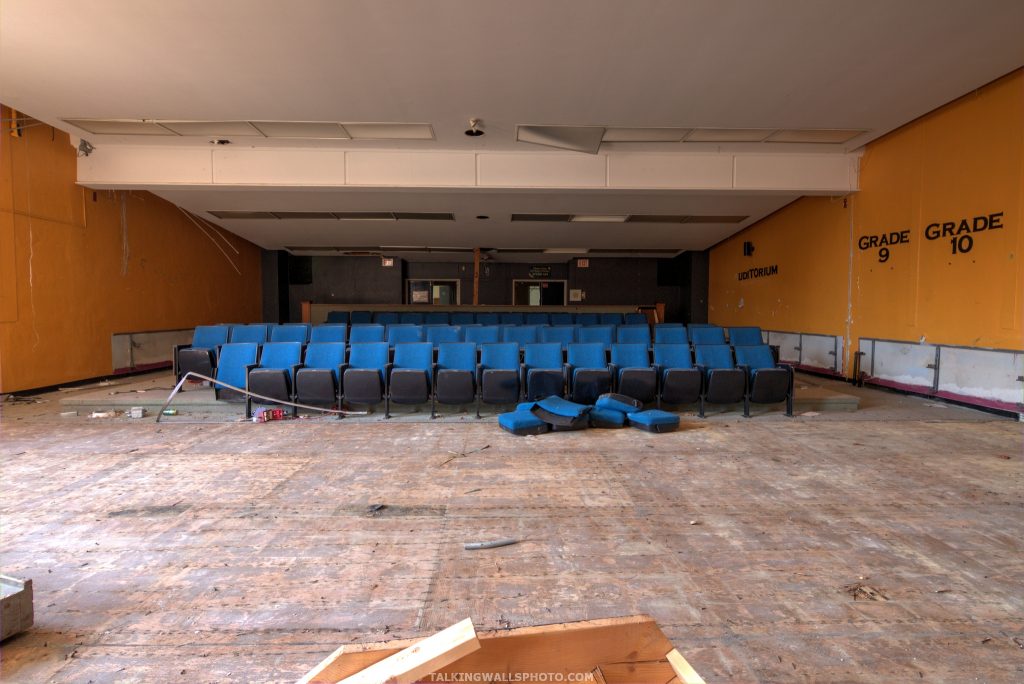
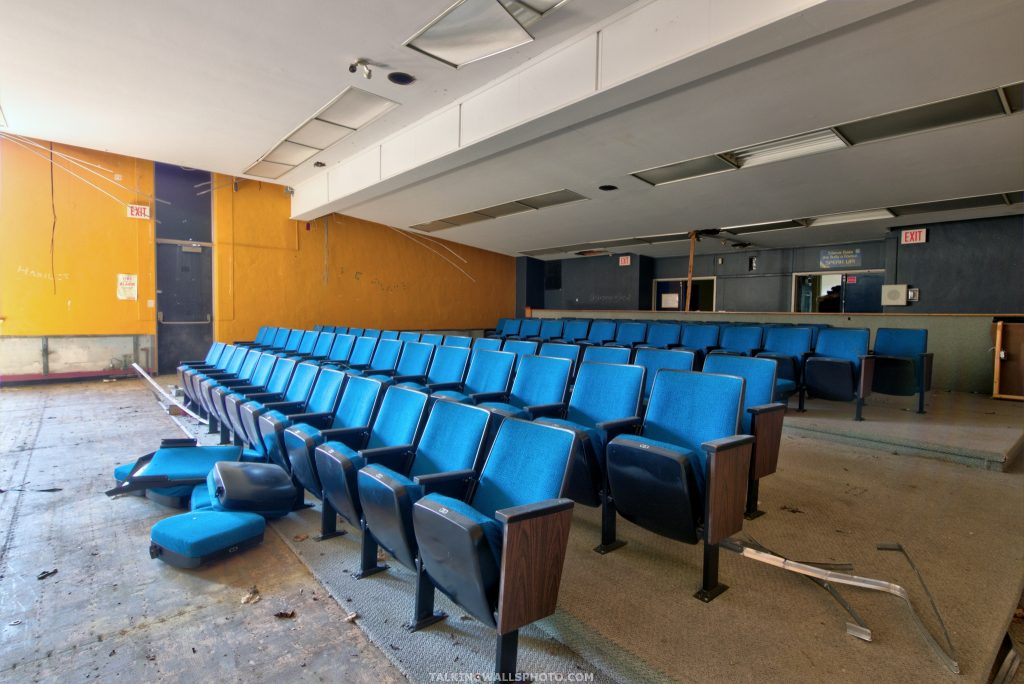
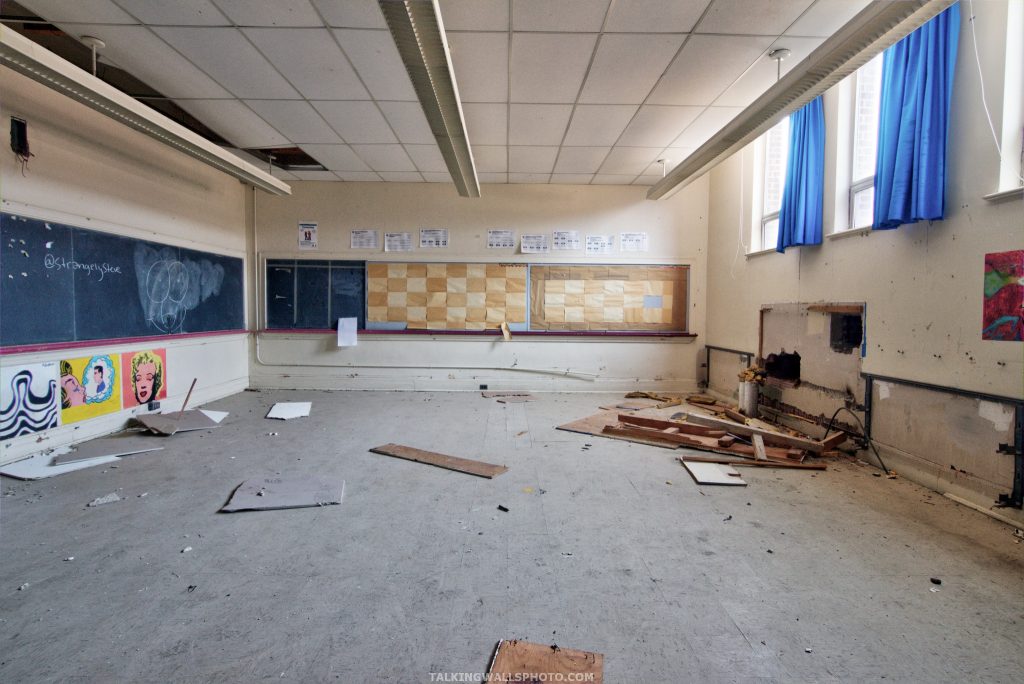
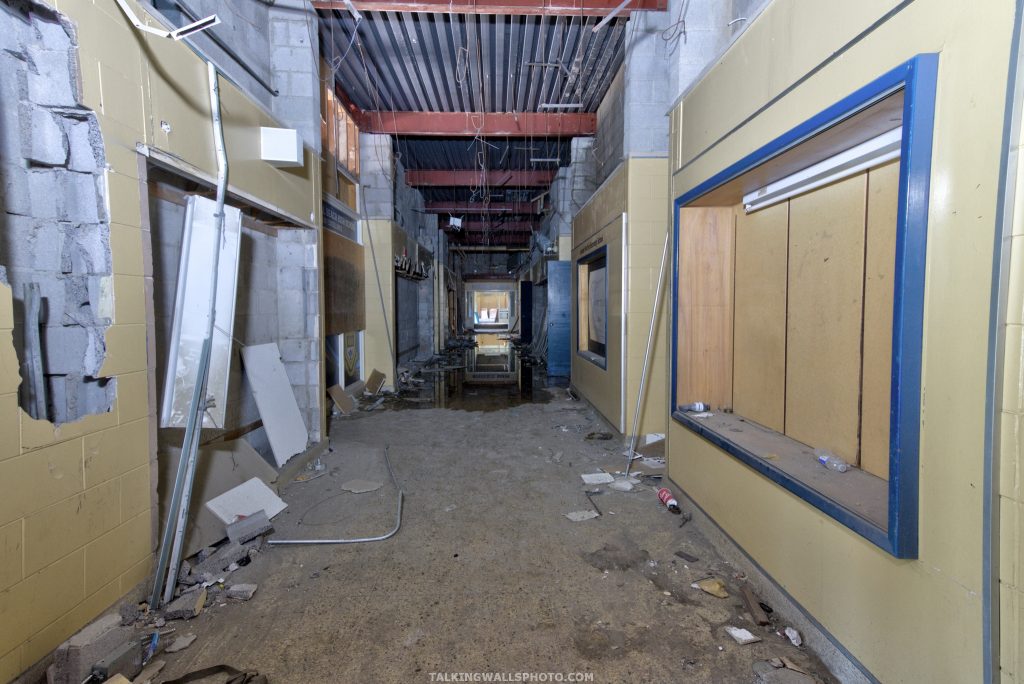
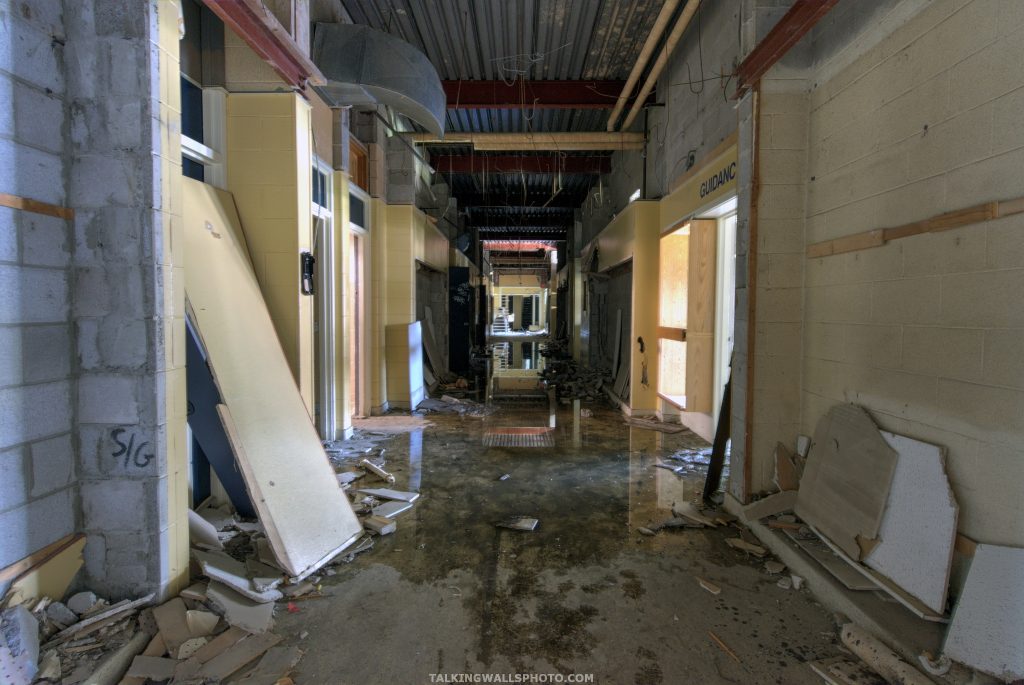
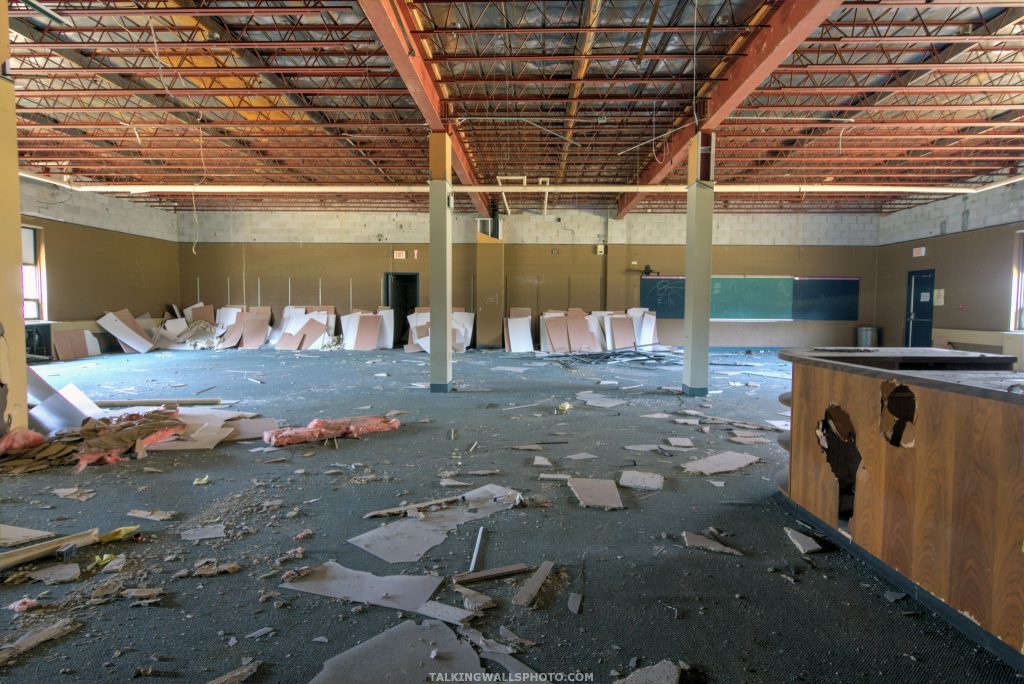
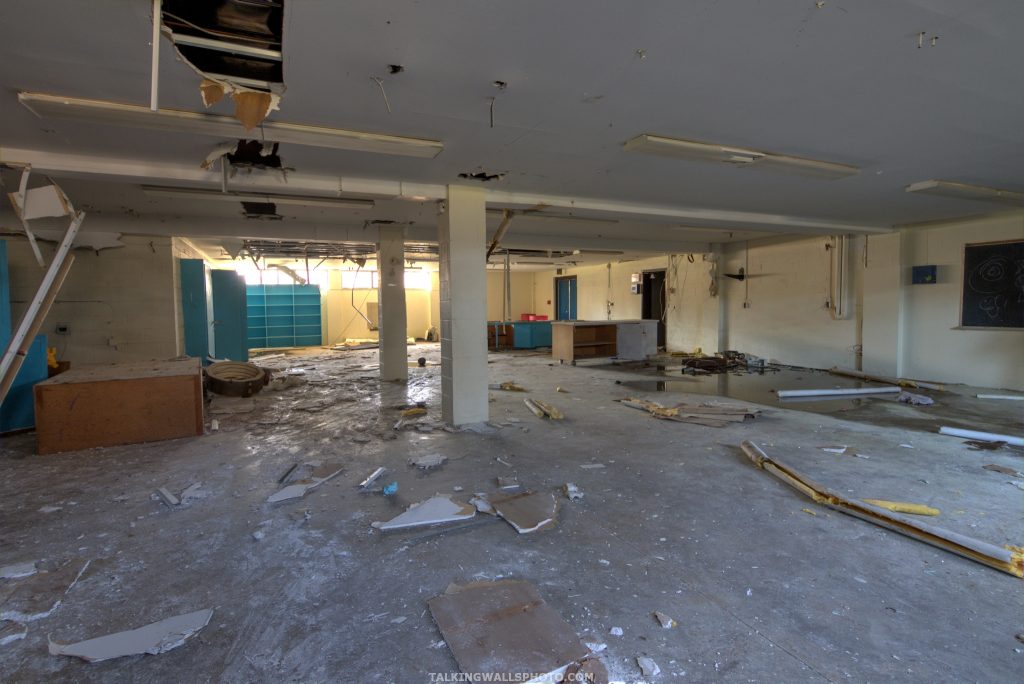
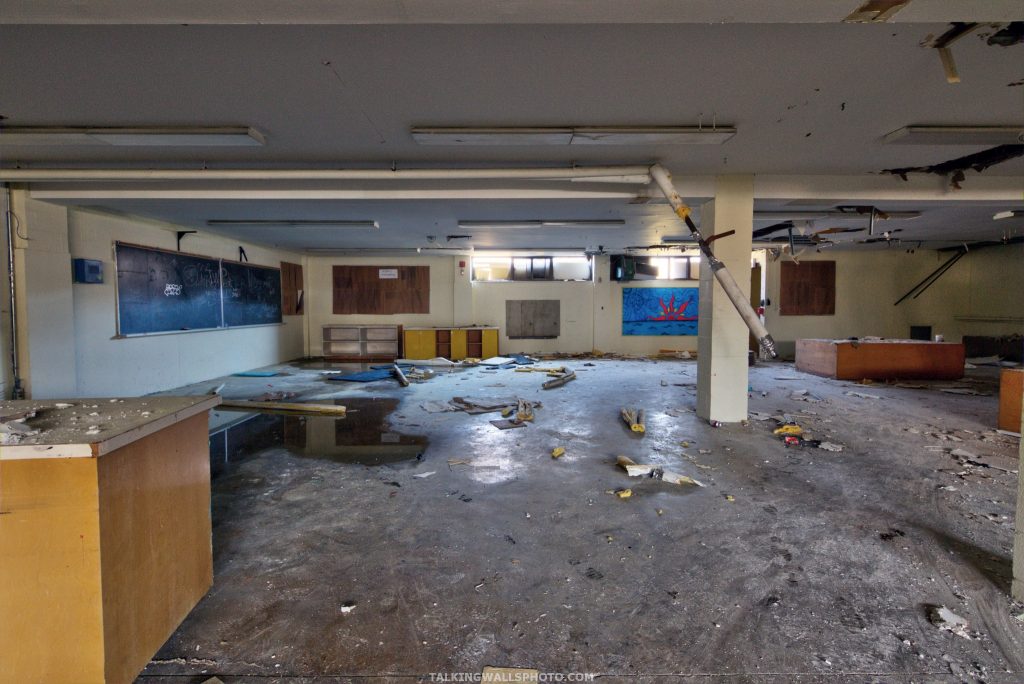
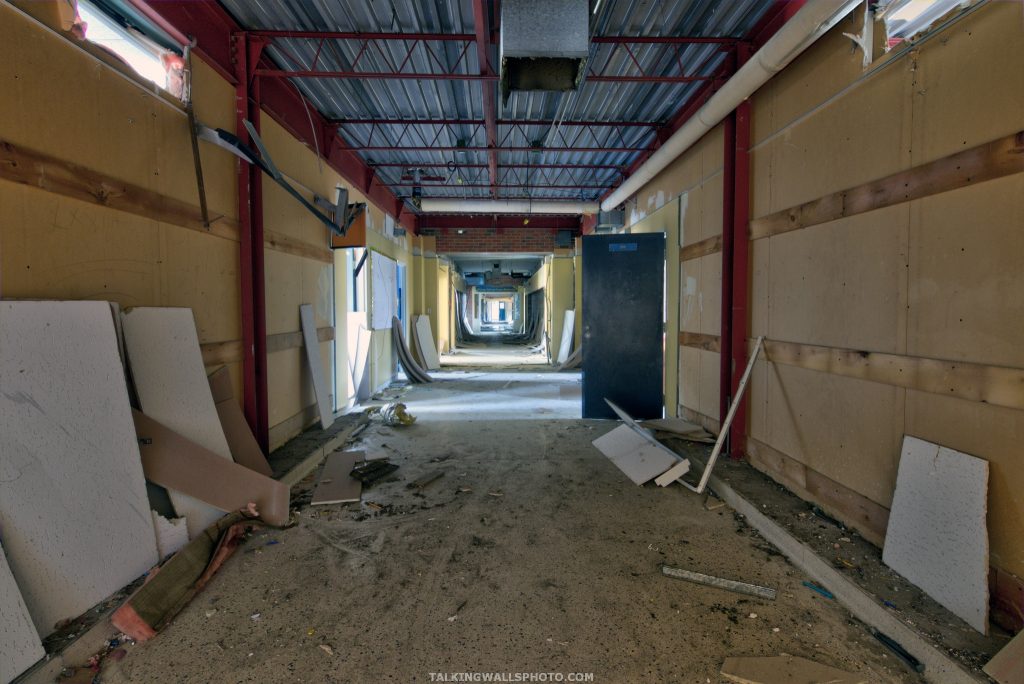
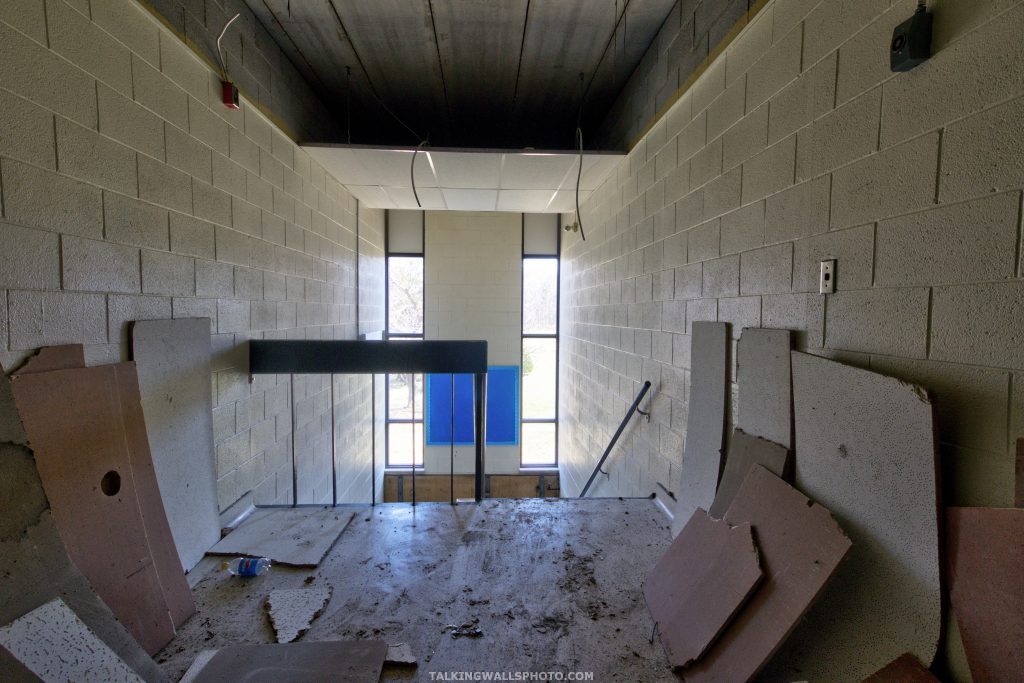
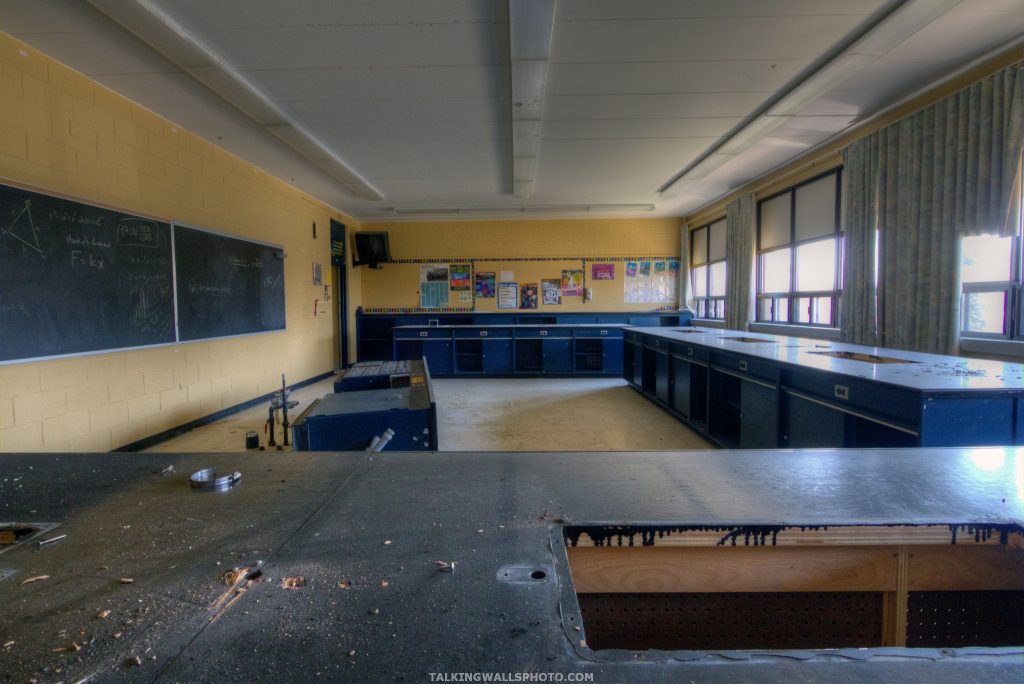
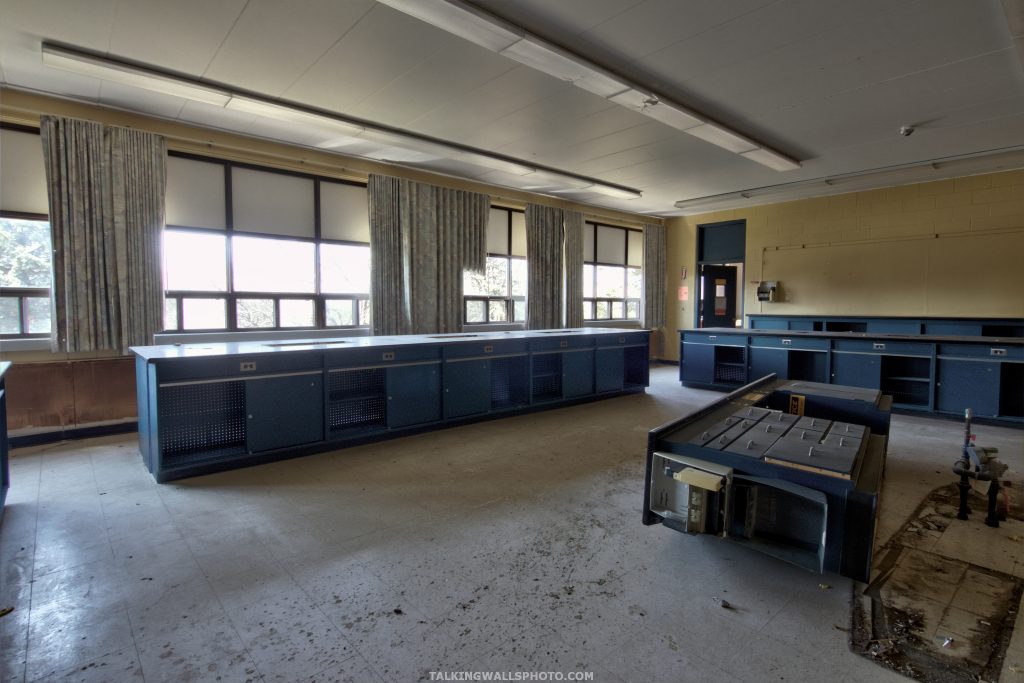
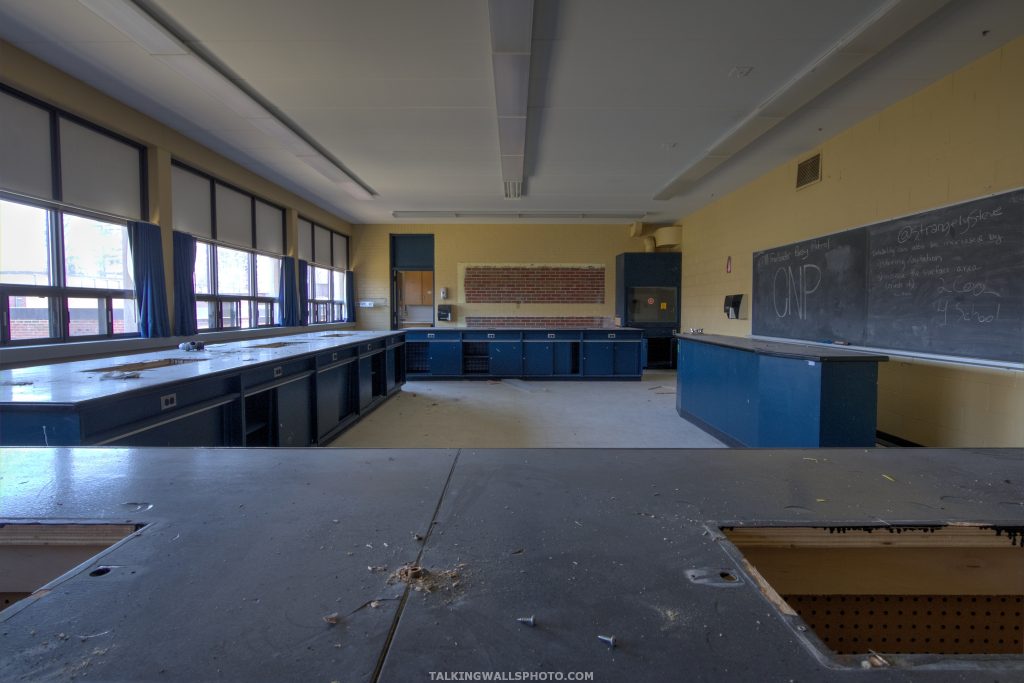
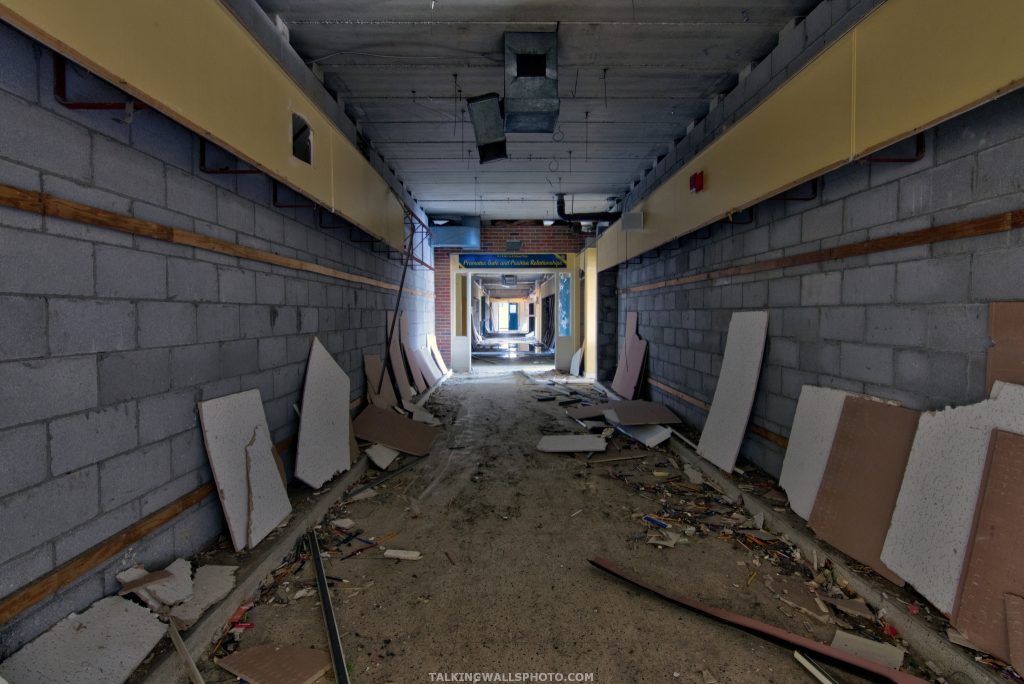
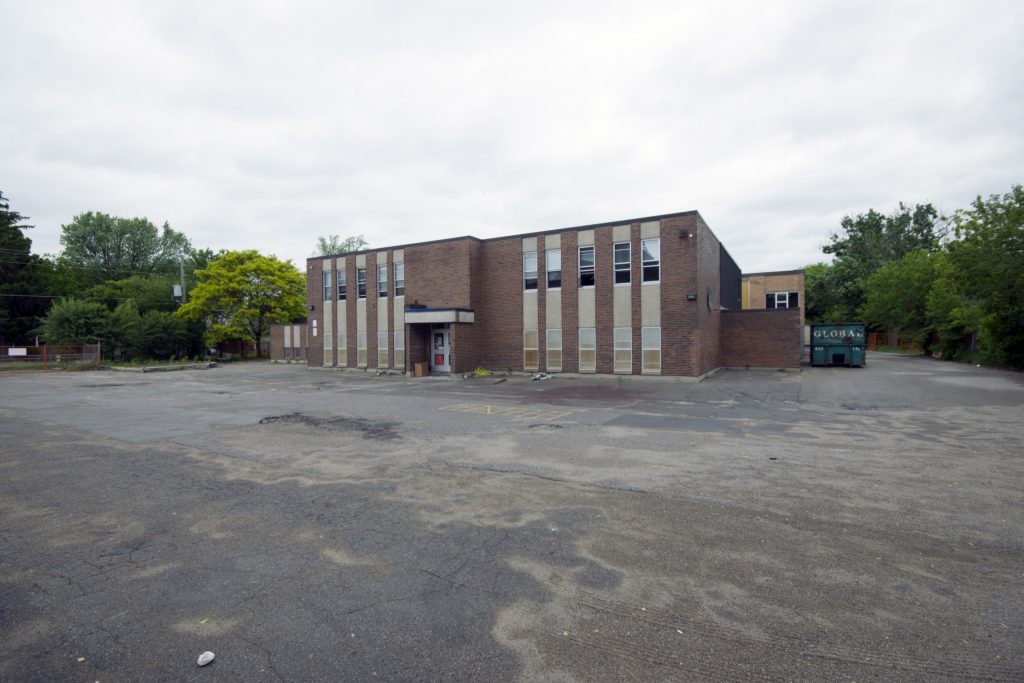
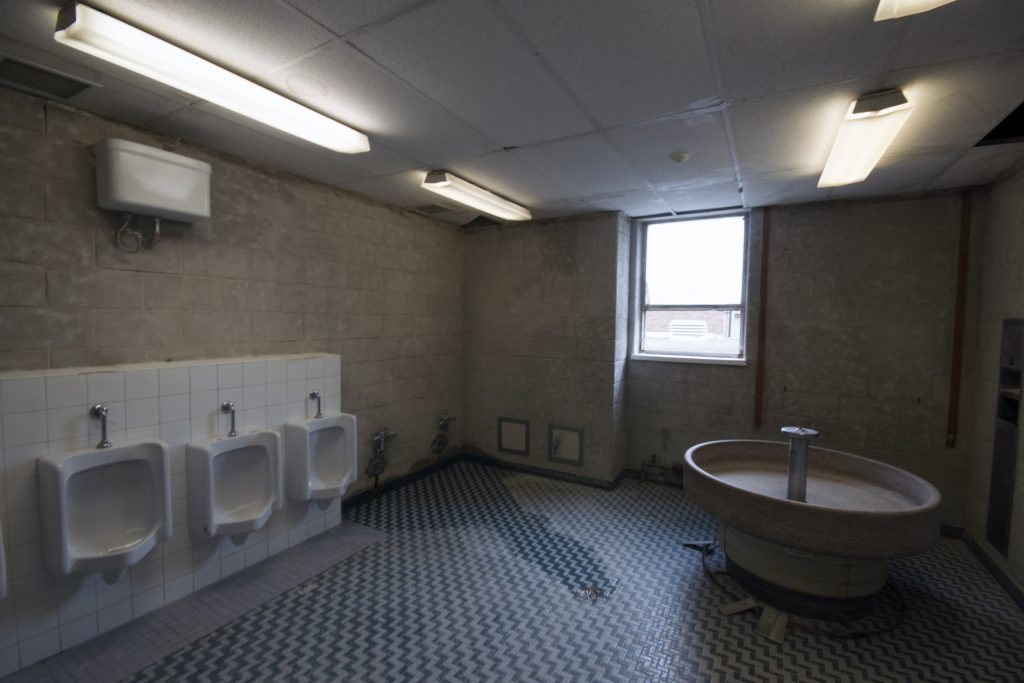
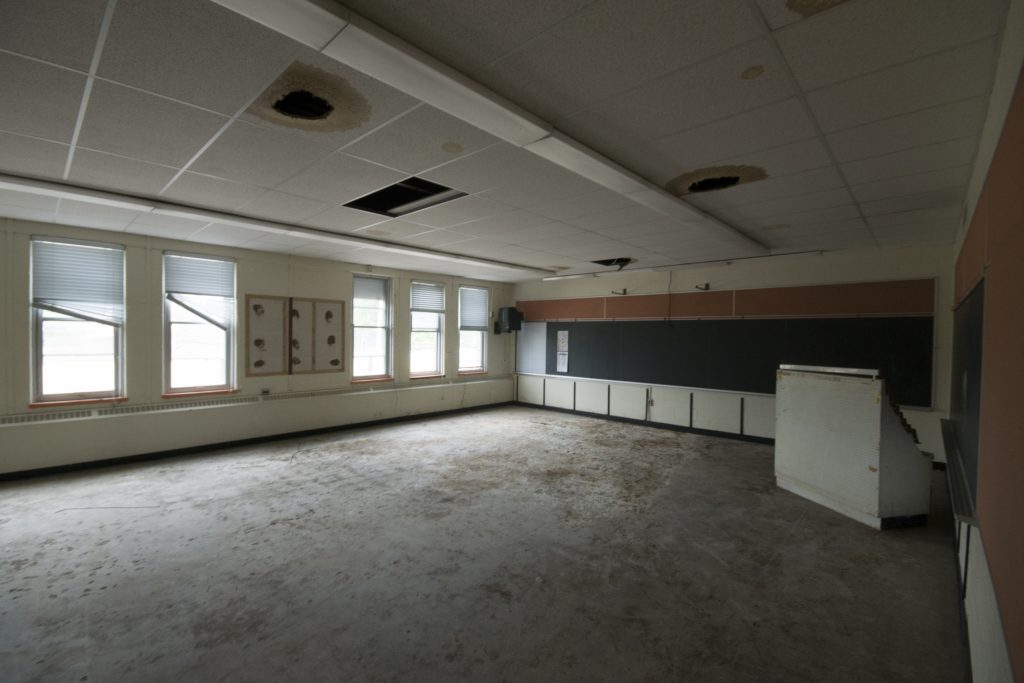
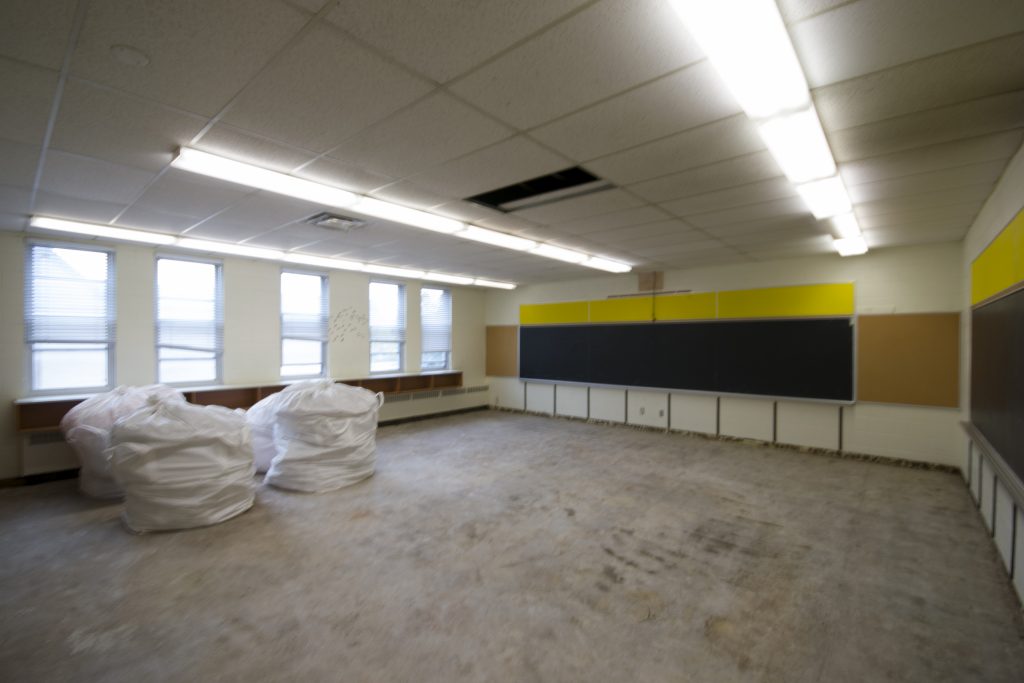
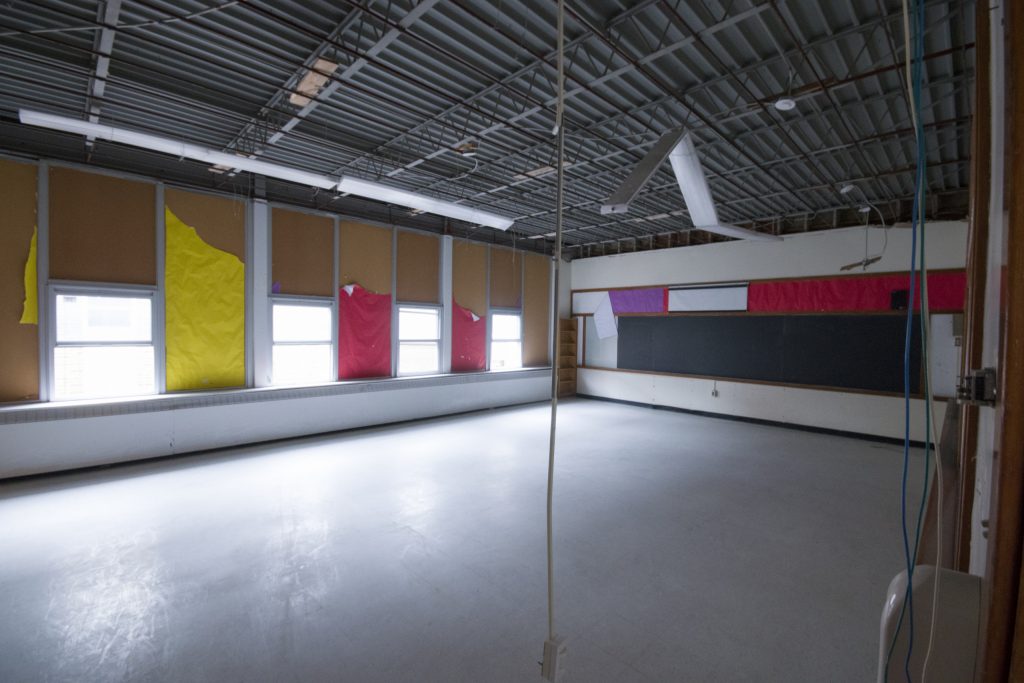
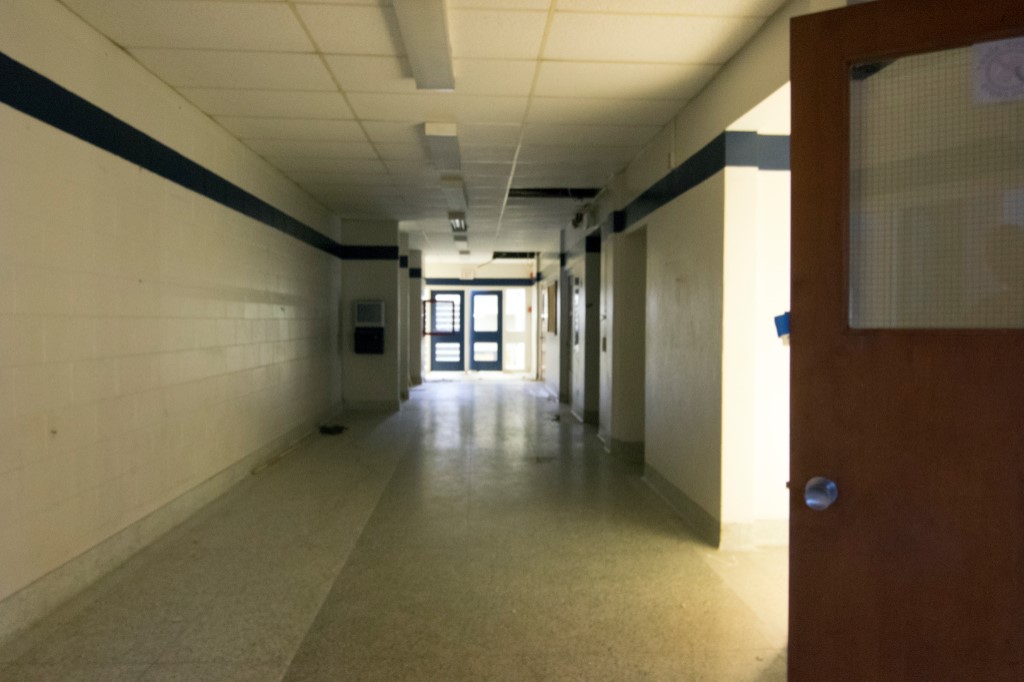
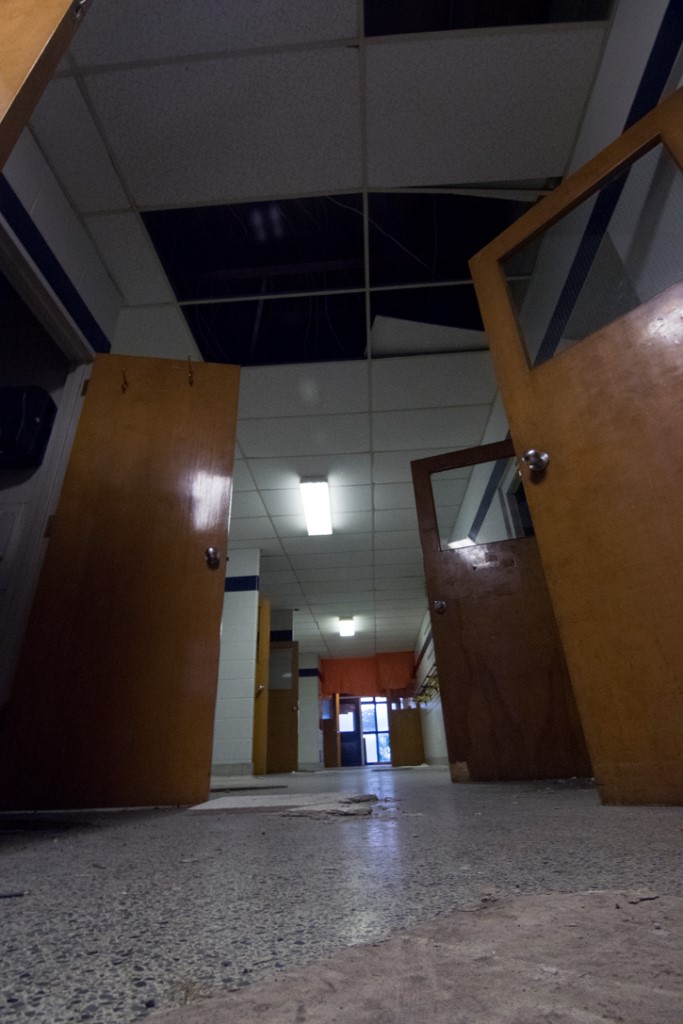
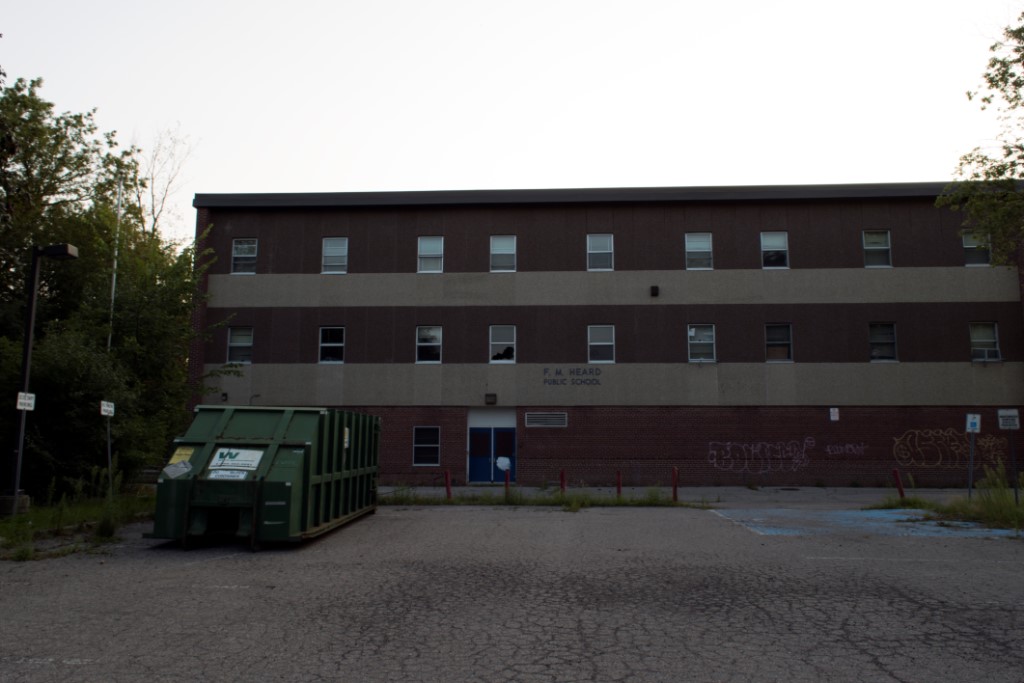
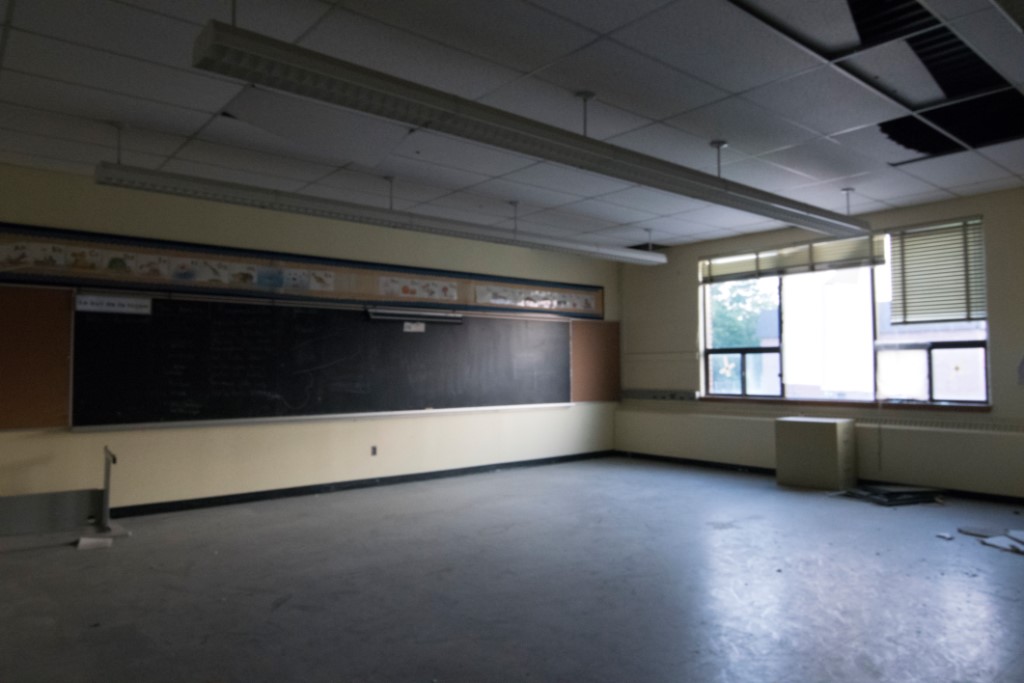
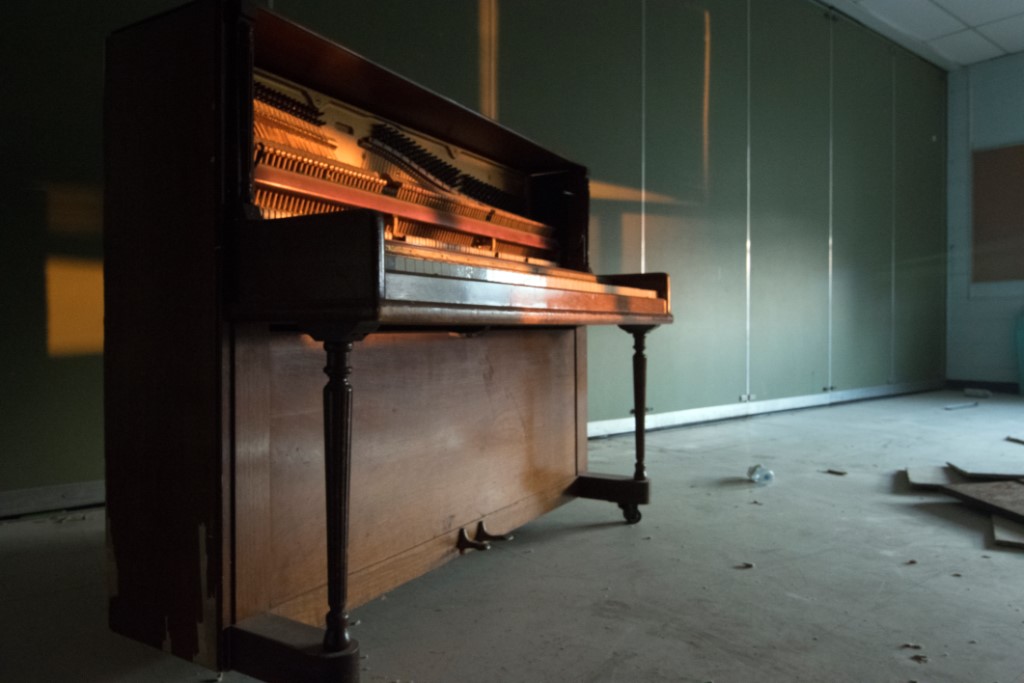
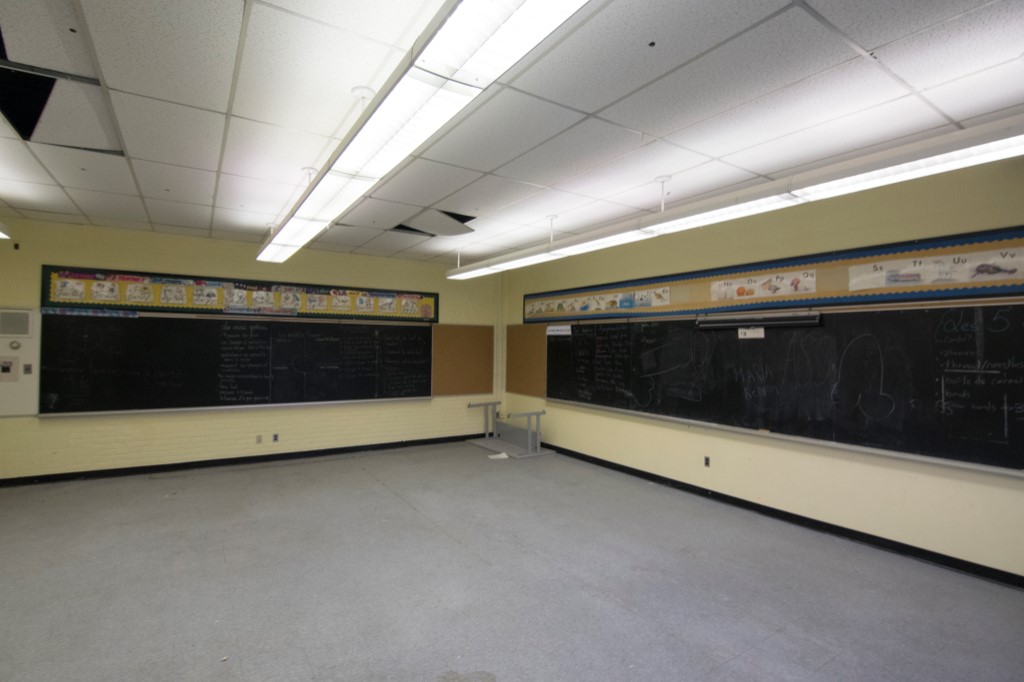
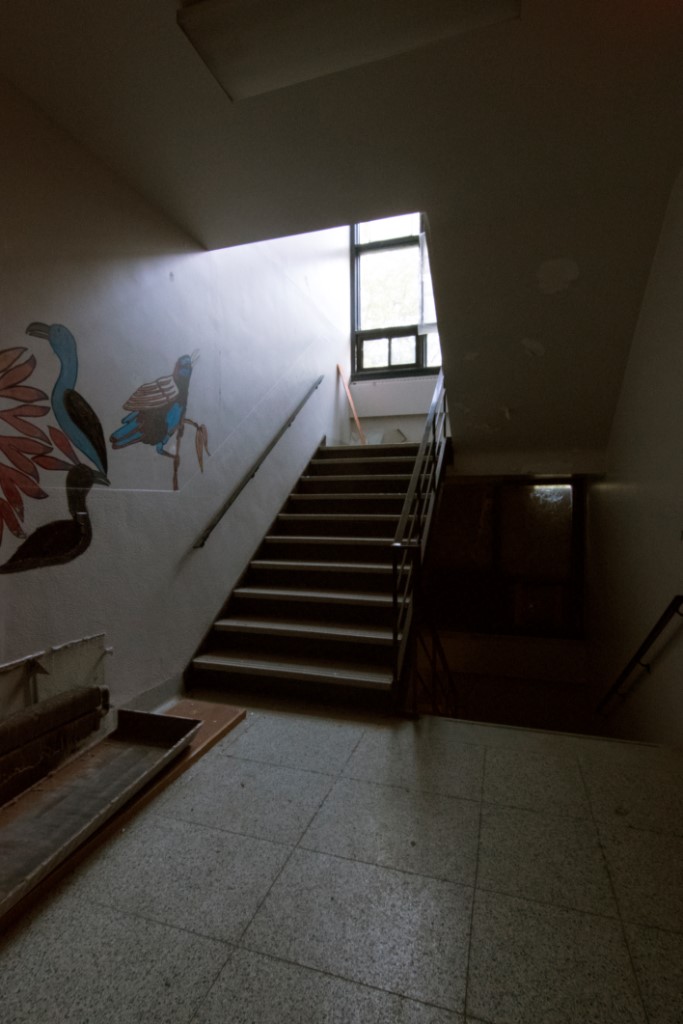
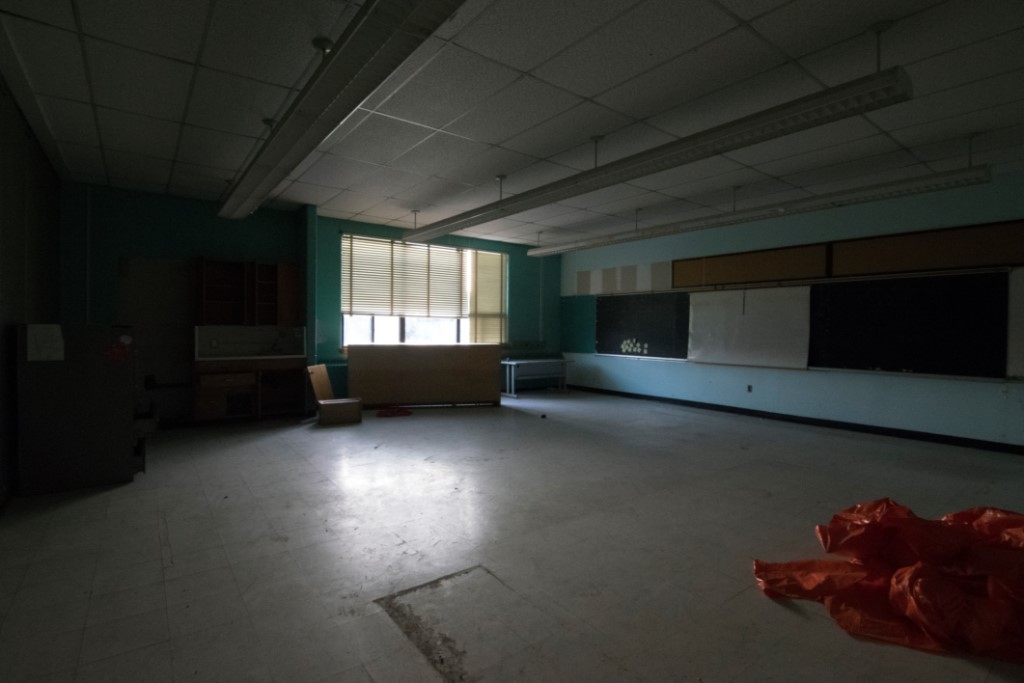
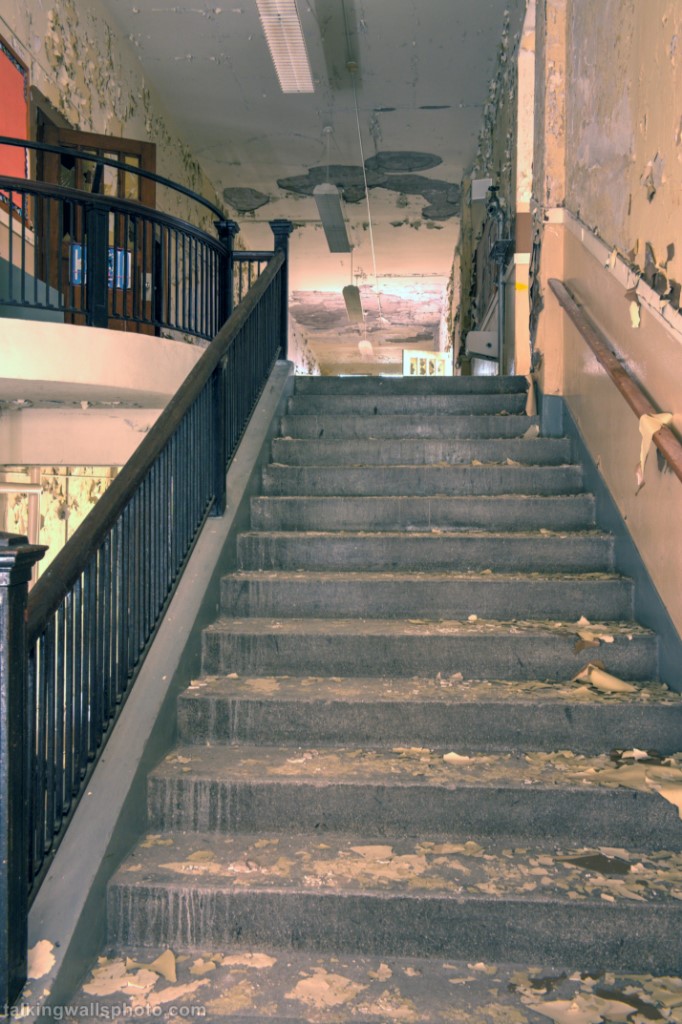
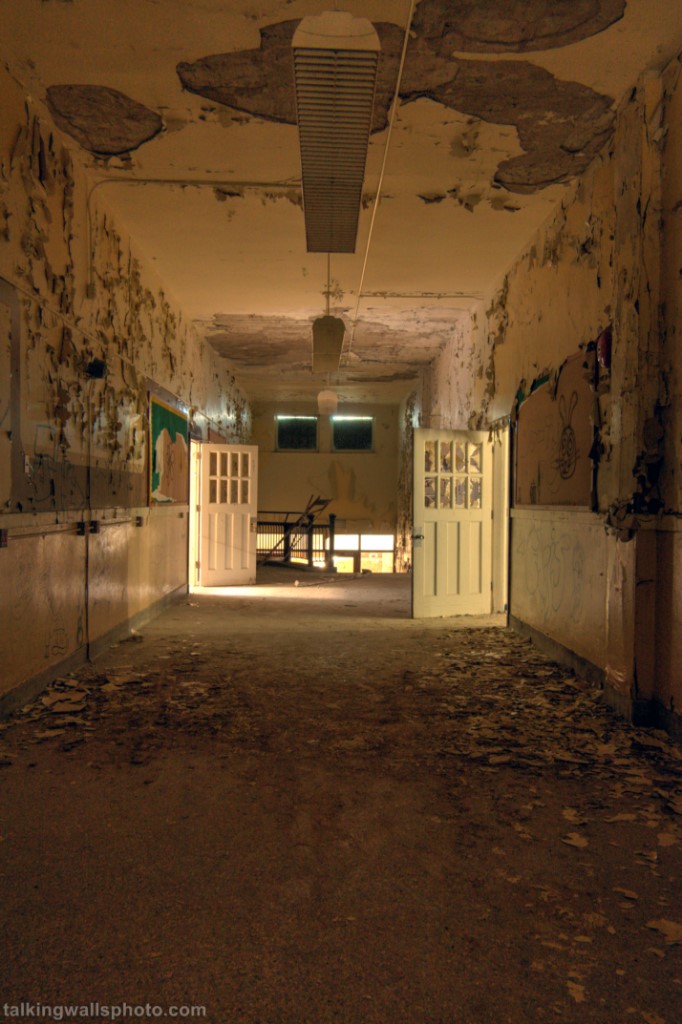
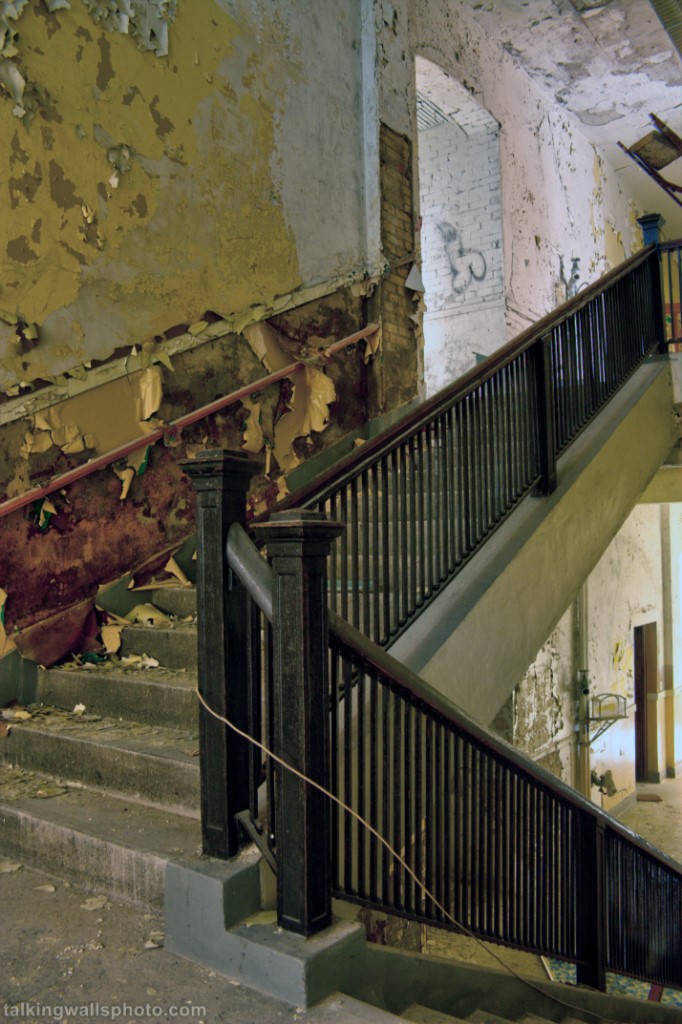
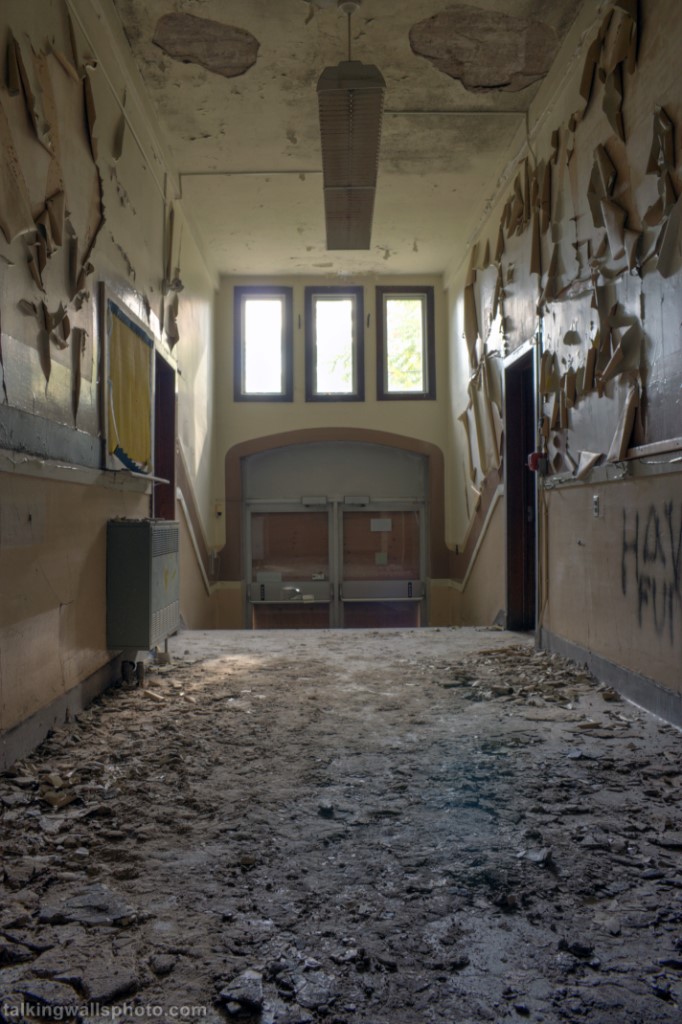
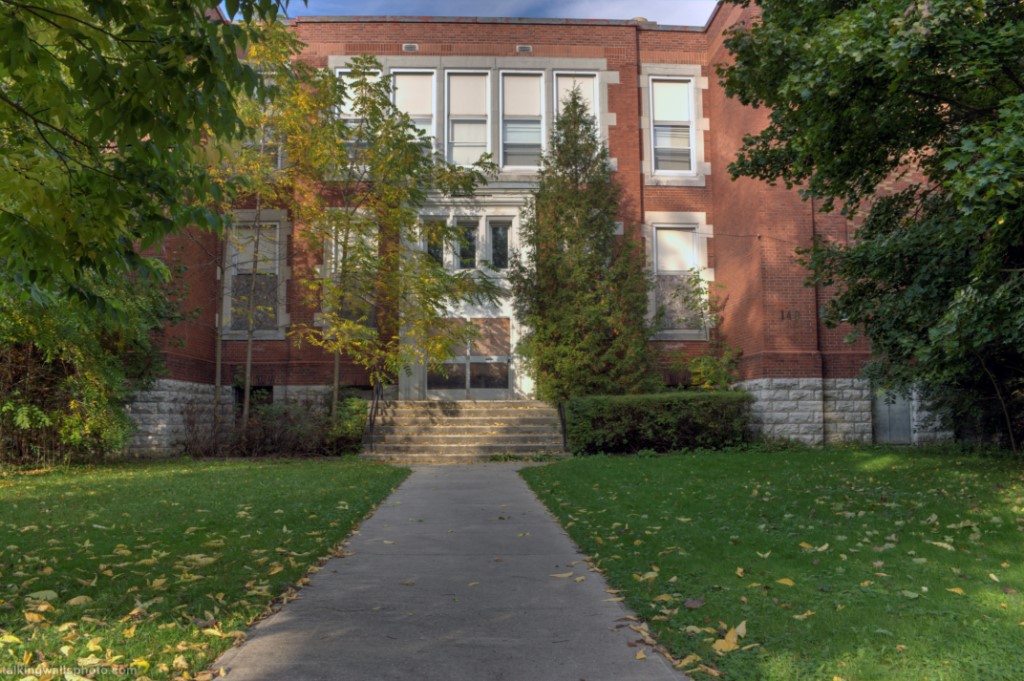
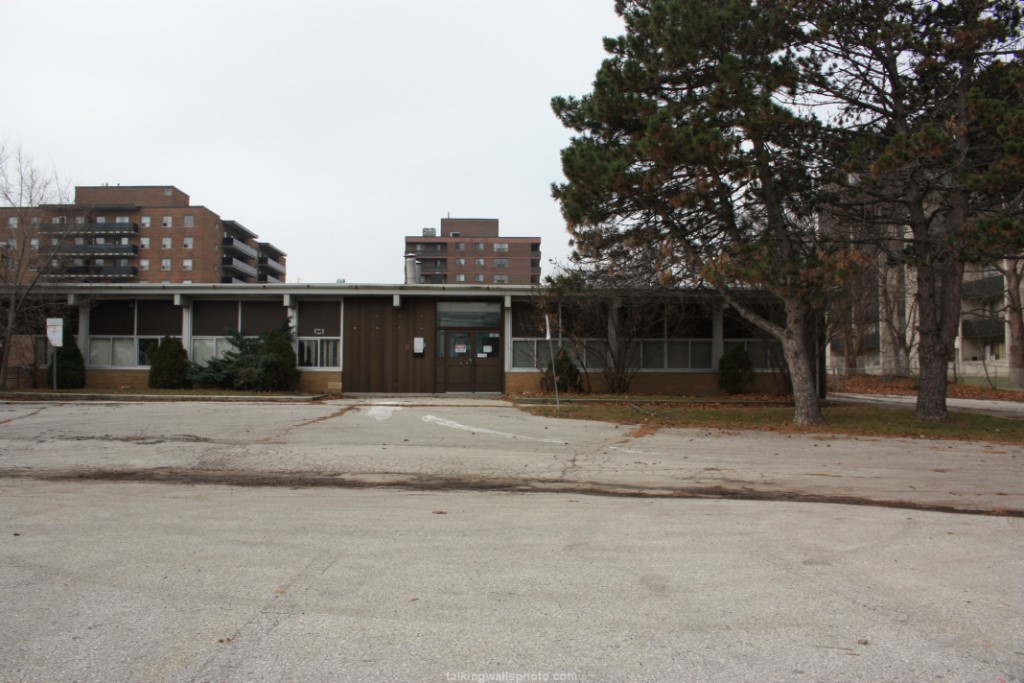
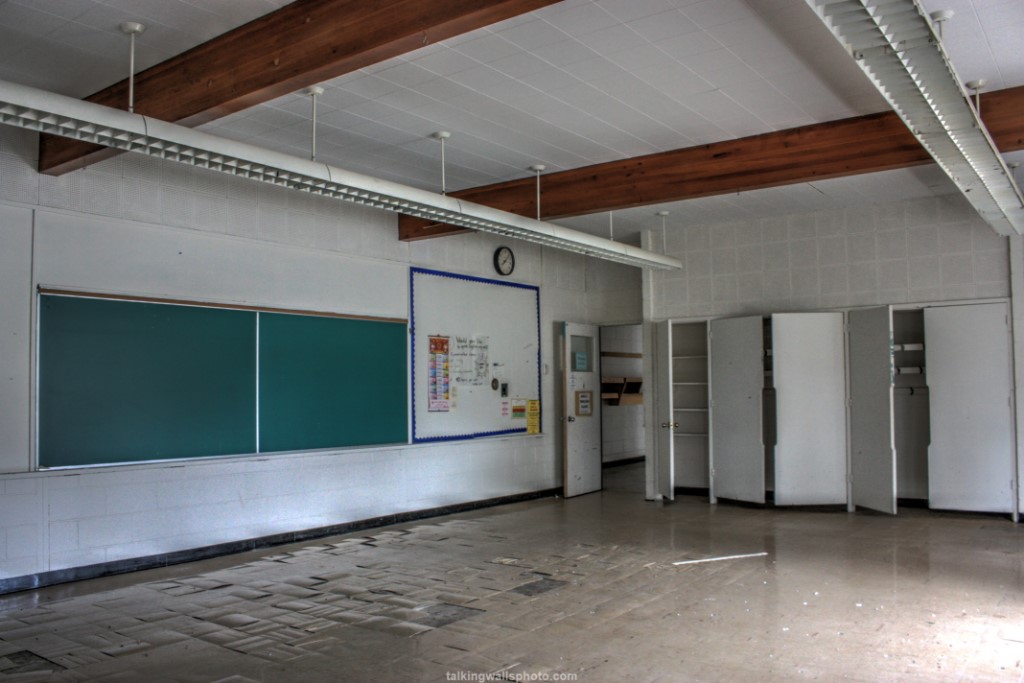
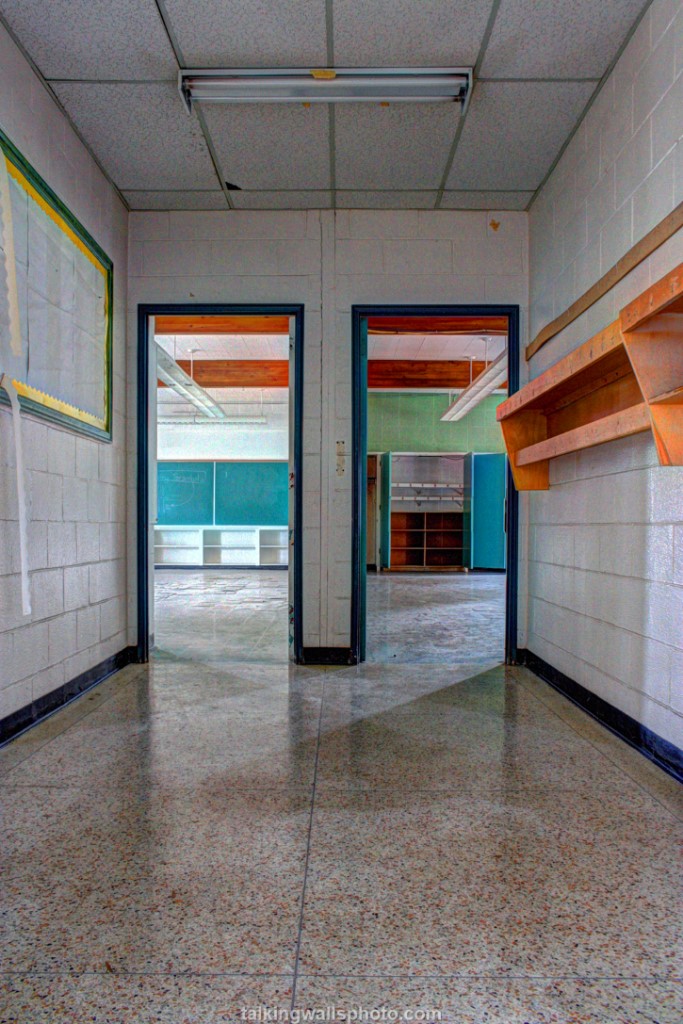
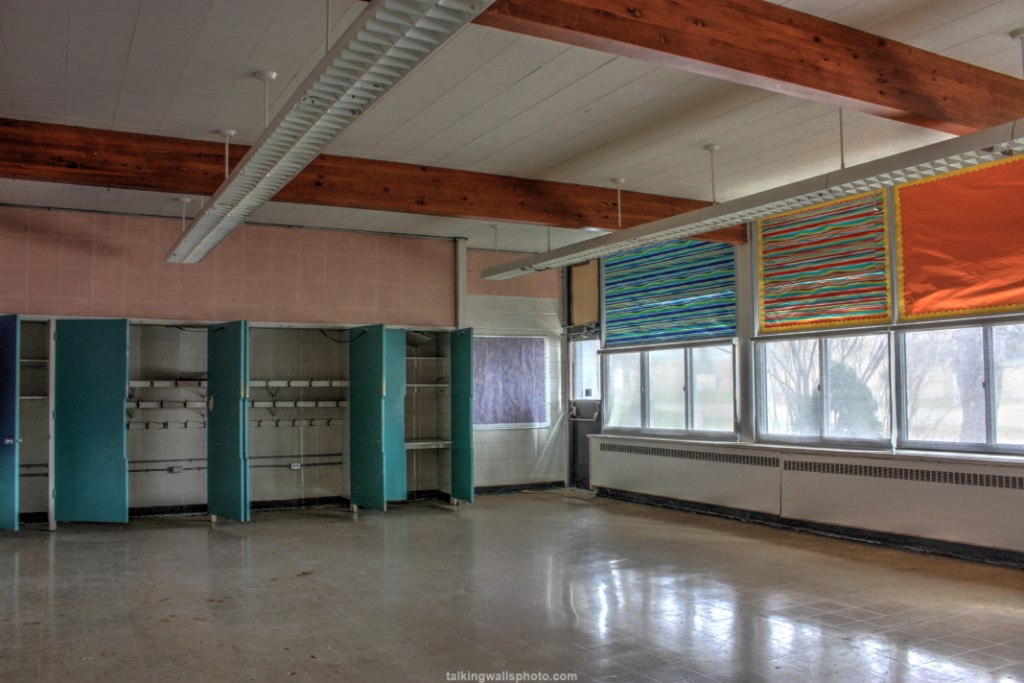
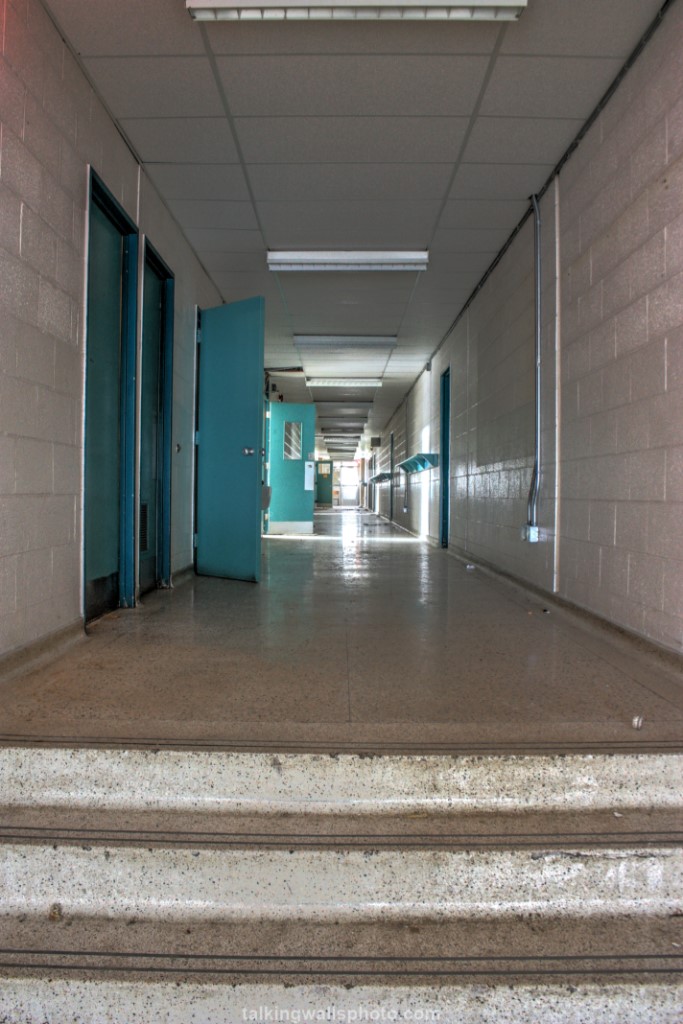
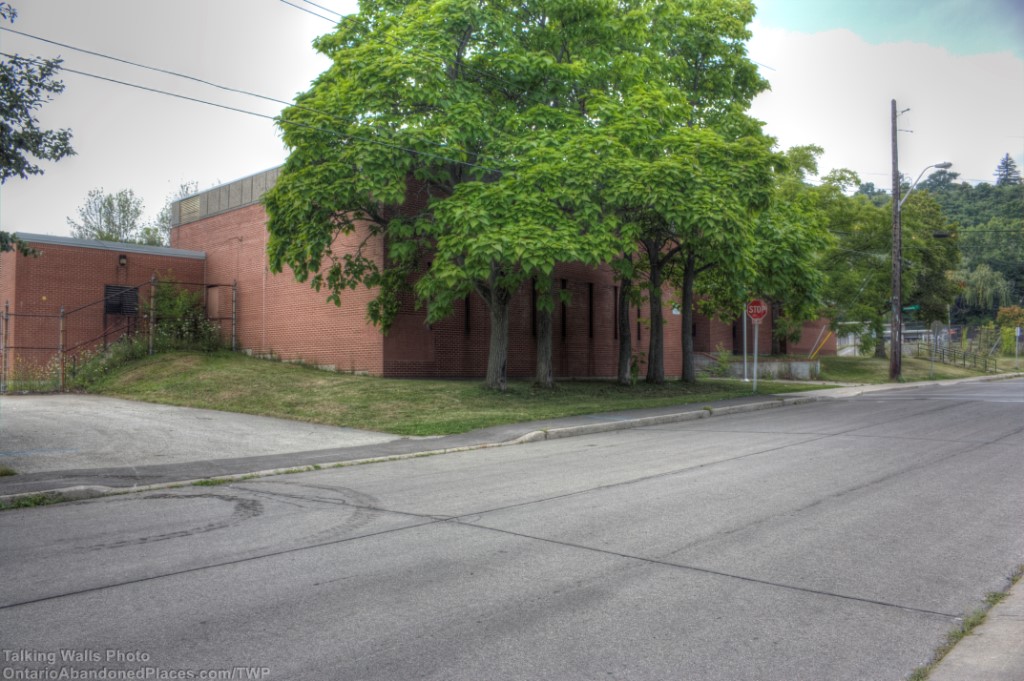
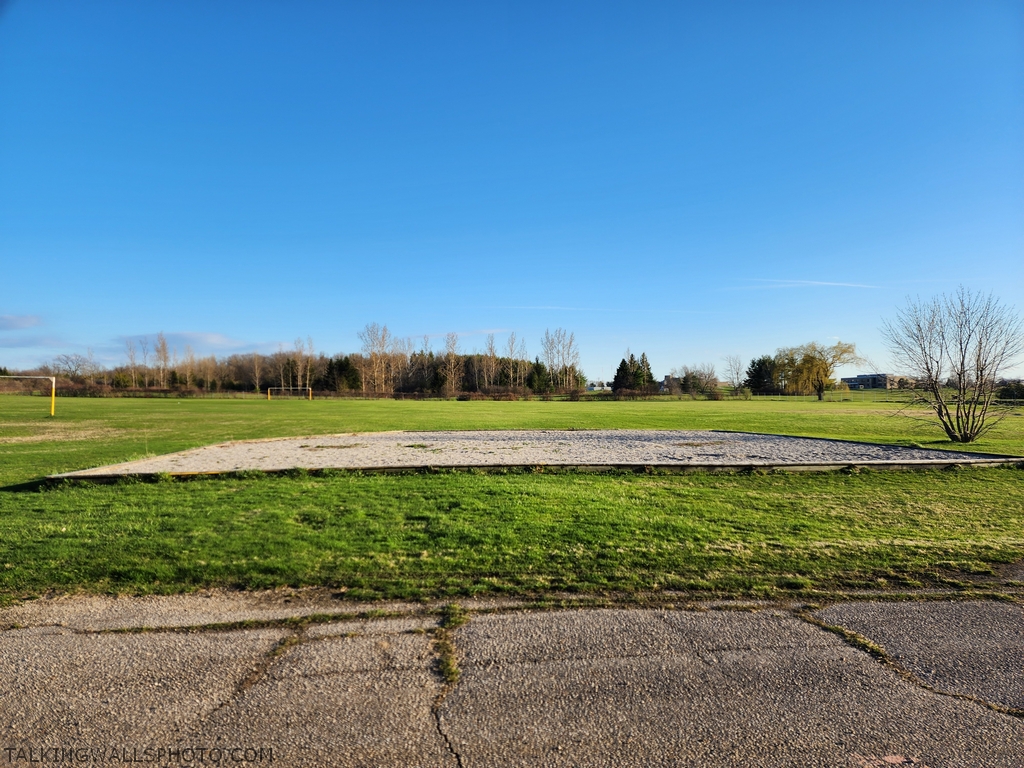
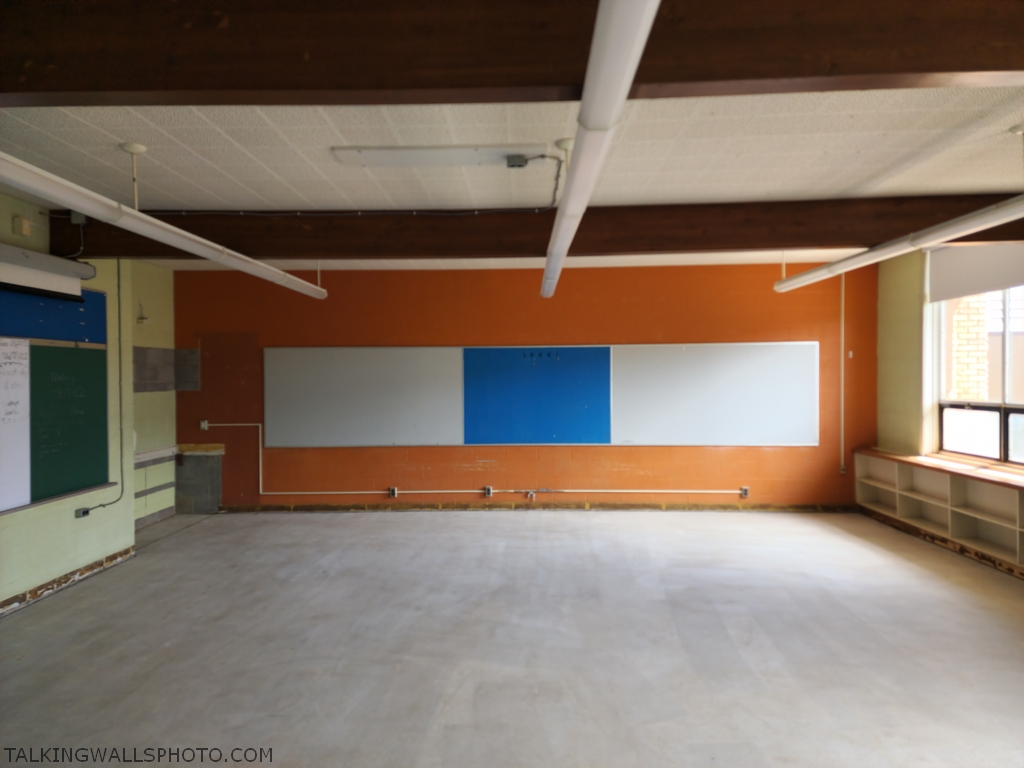
In 2017 the school board that this school falls under, announced that the school would close after the 2022 year. The students would be sent to a newly built school (built at a cost of $9 million). The school board had been having difficulty finding land for the new school and had been considing reopening this one.

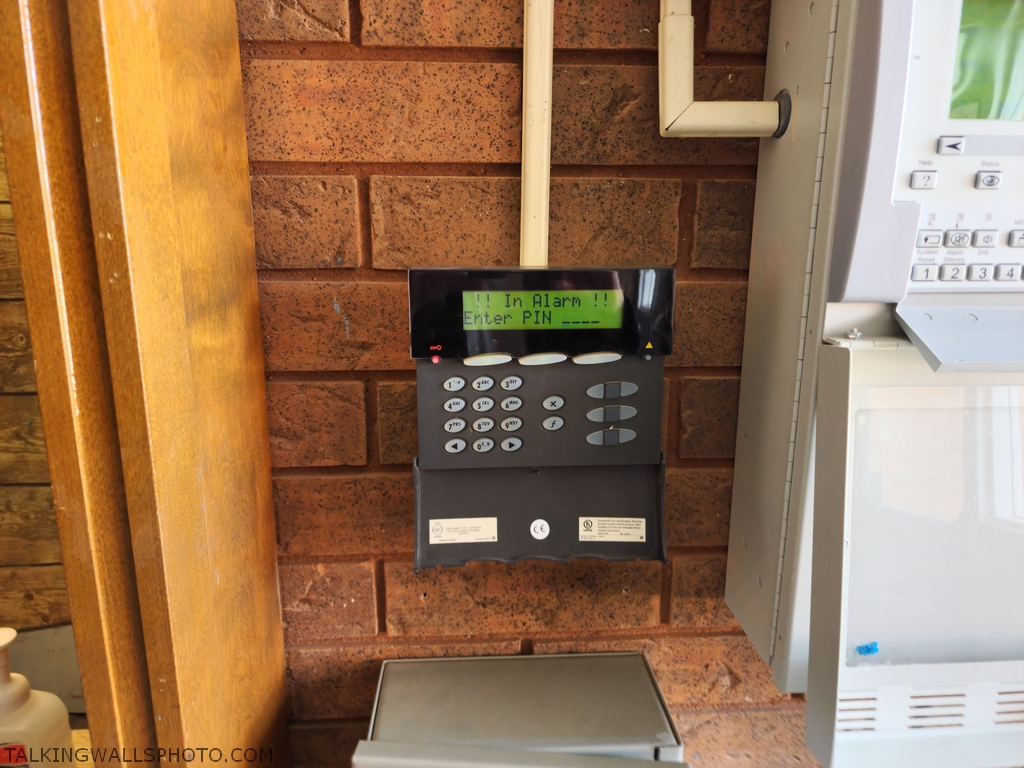
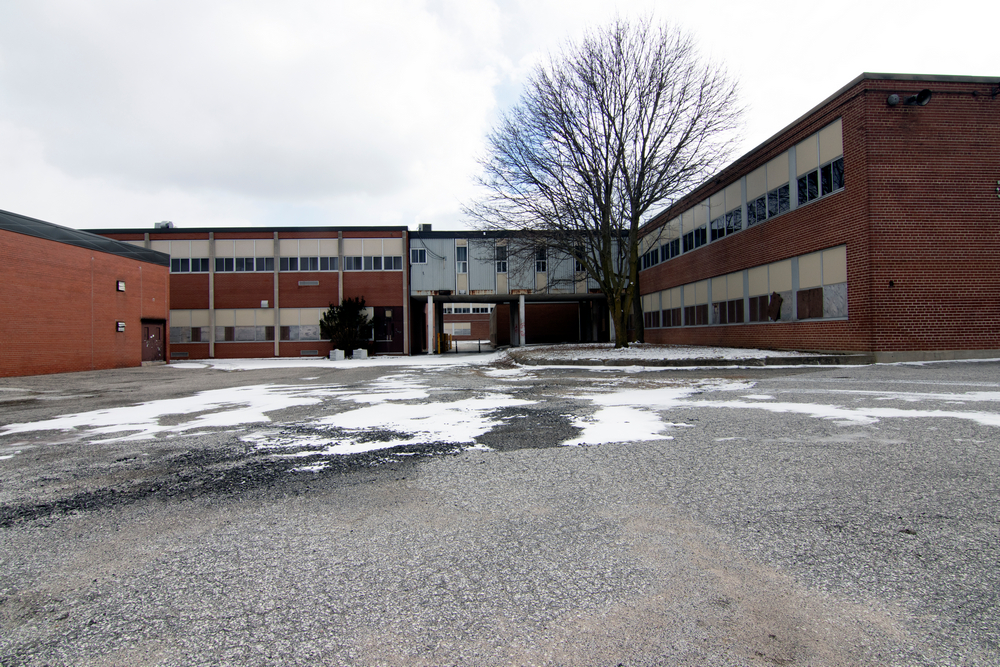
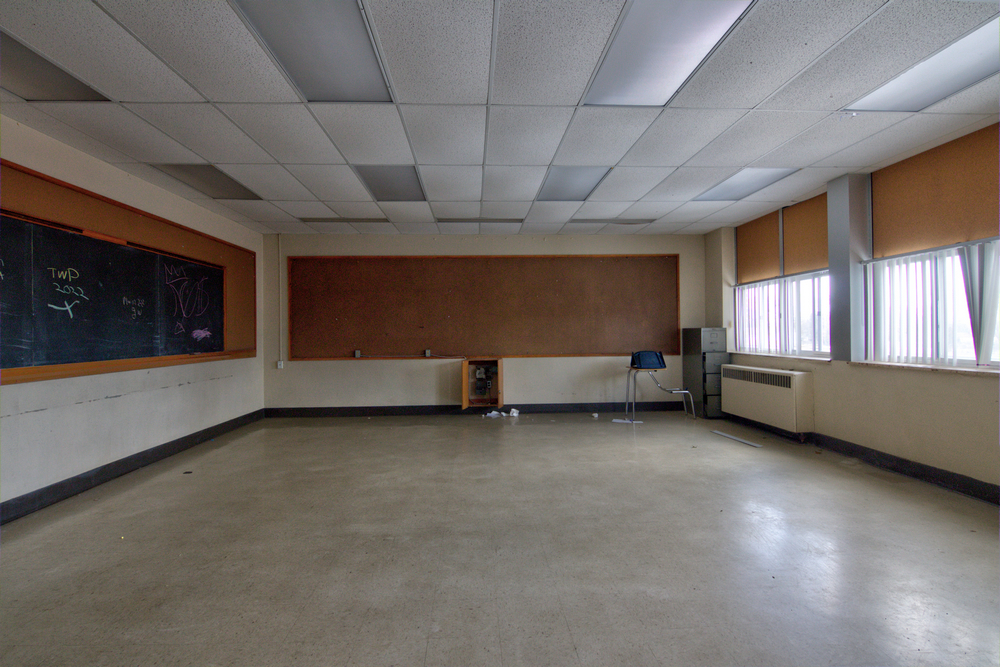
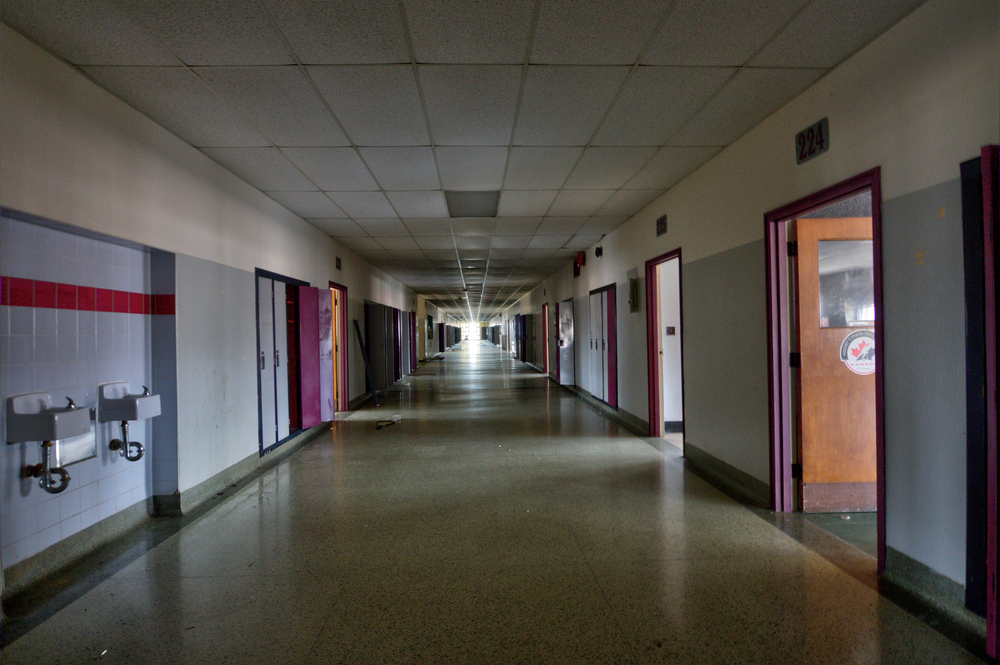
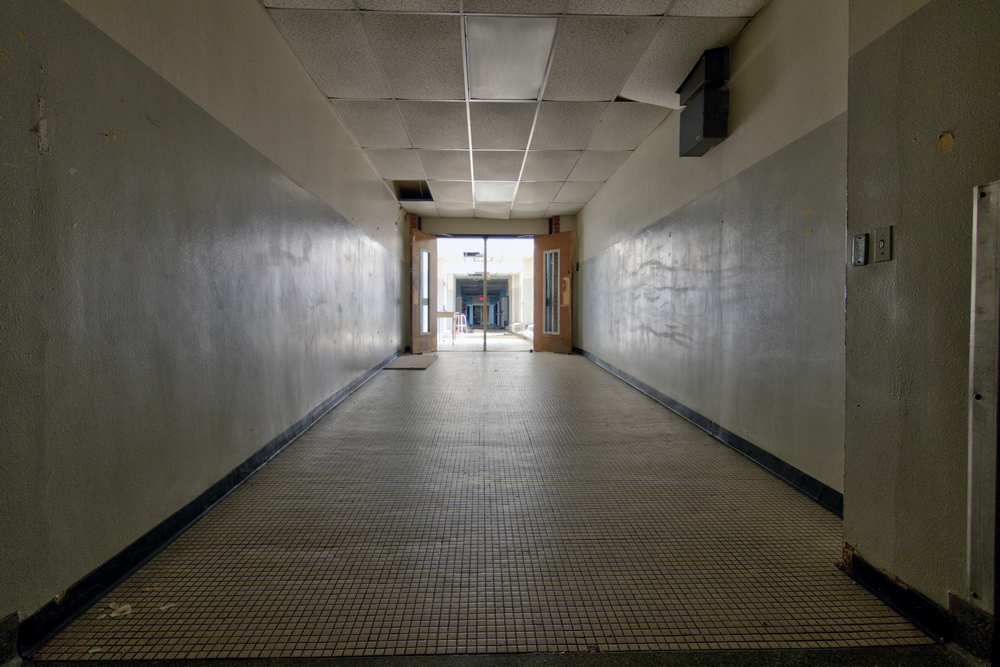
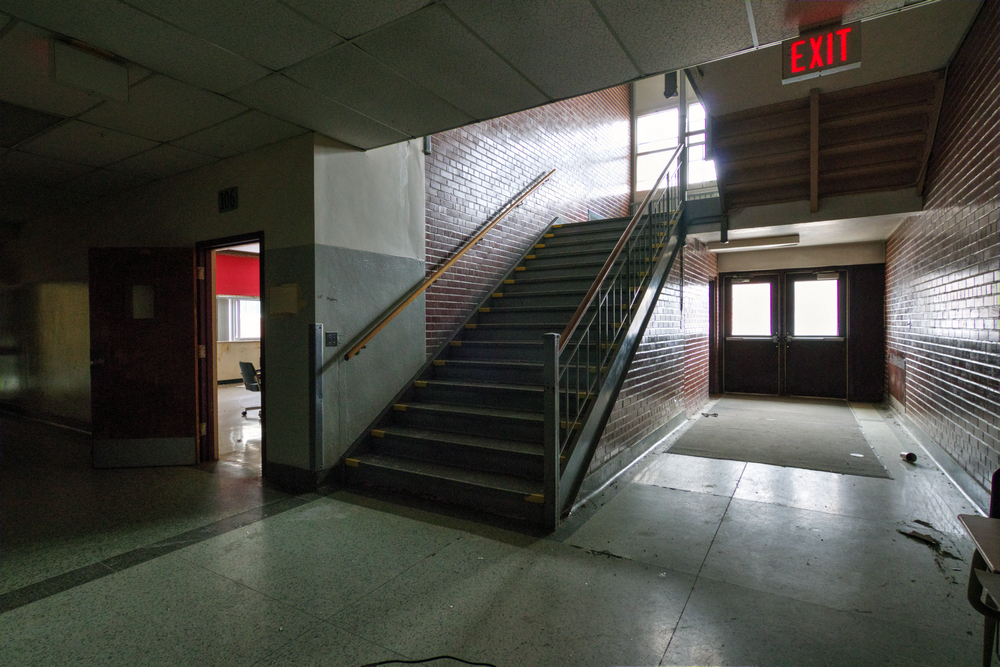
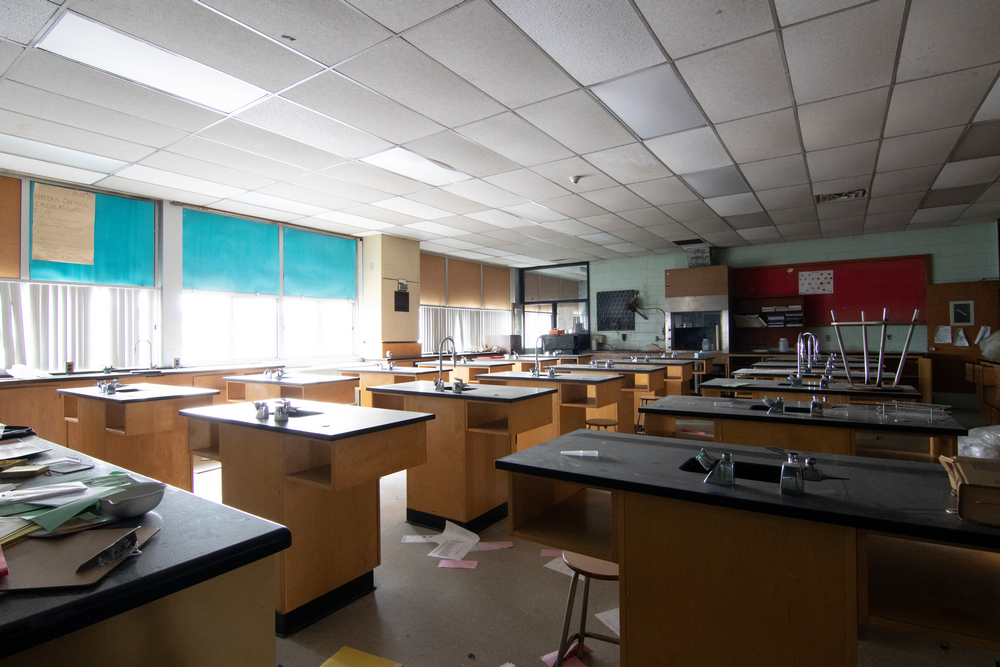
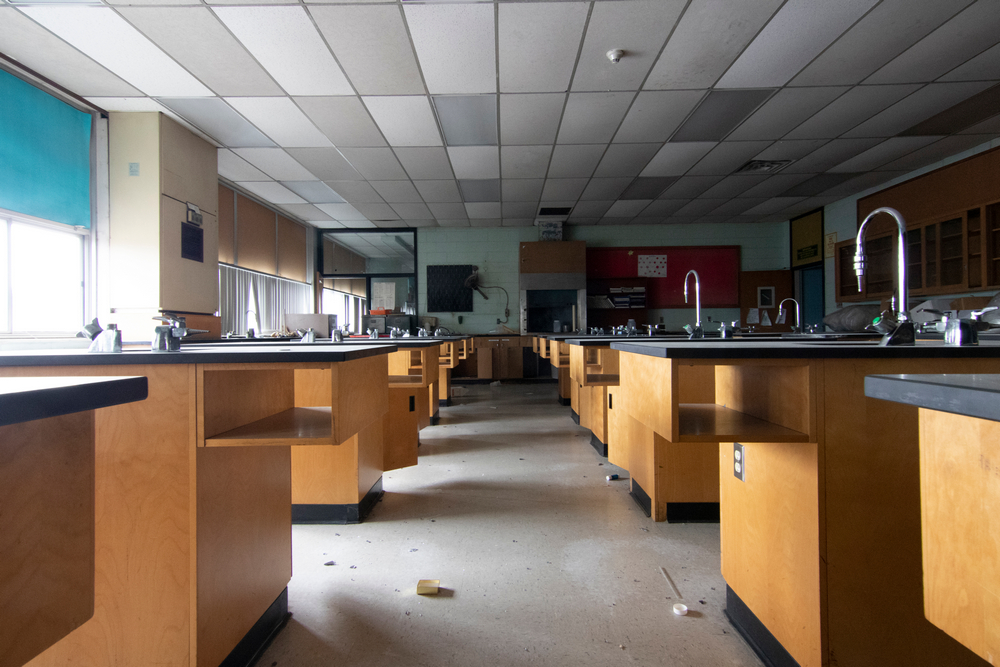
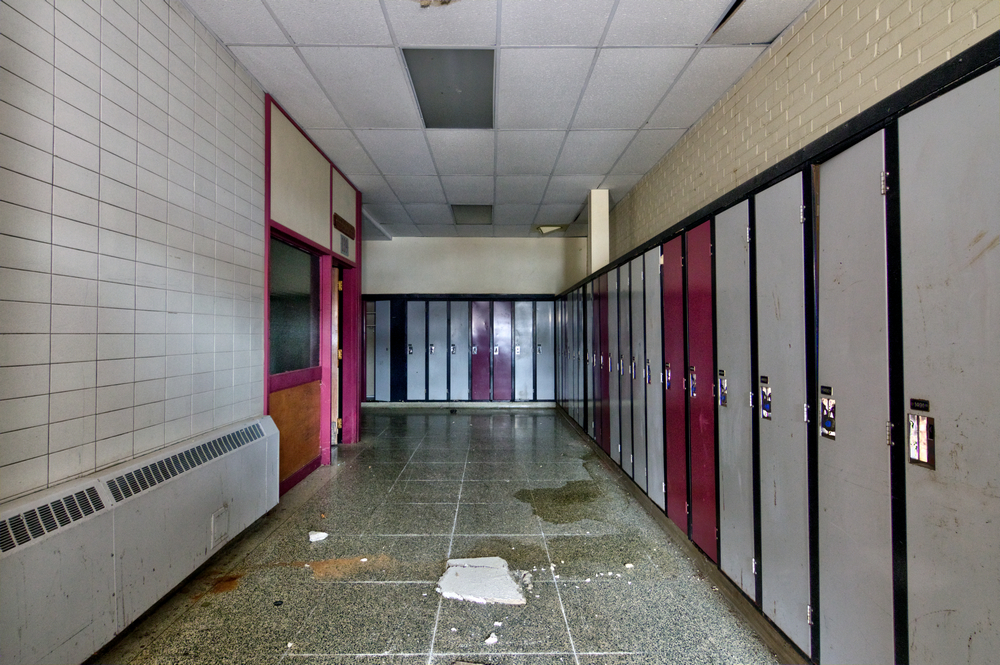
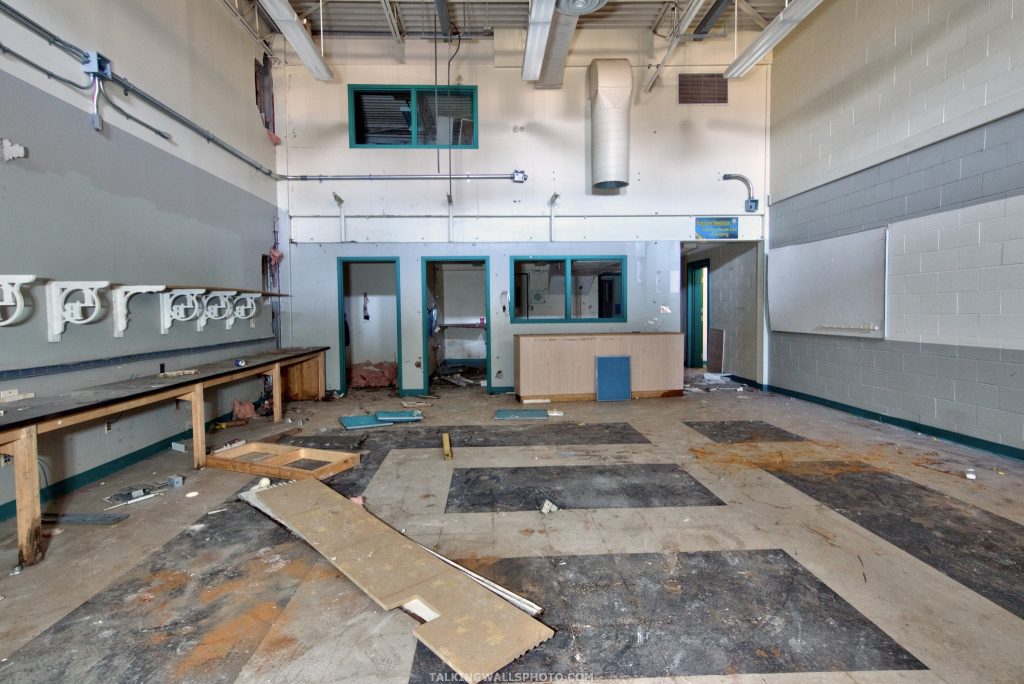
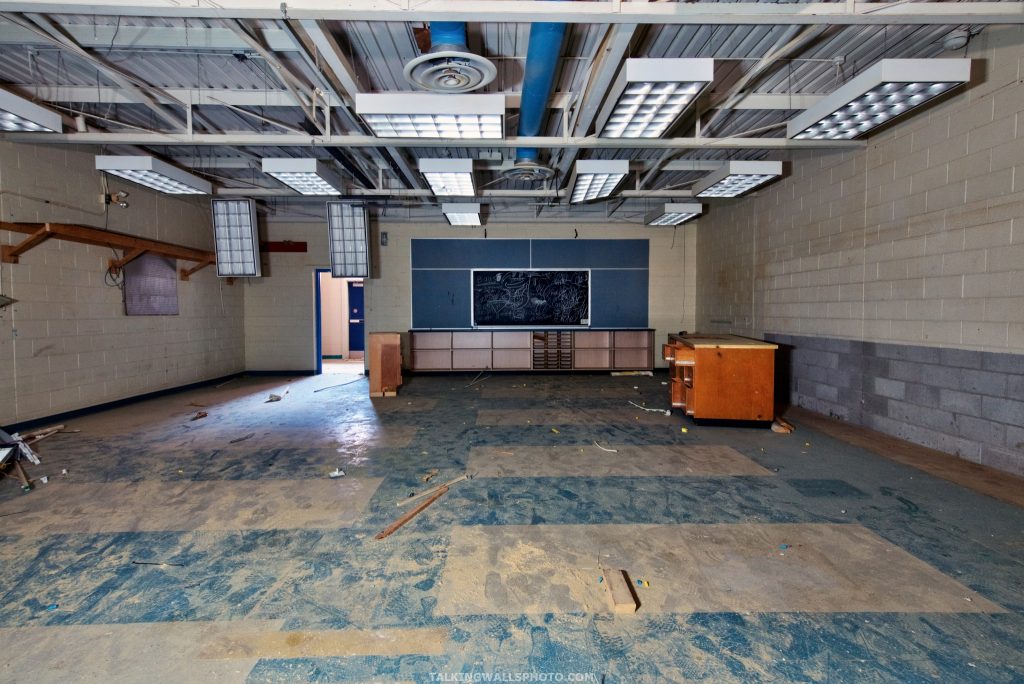
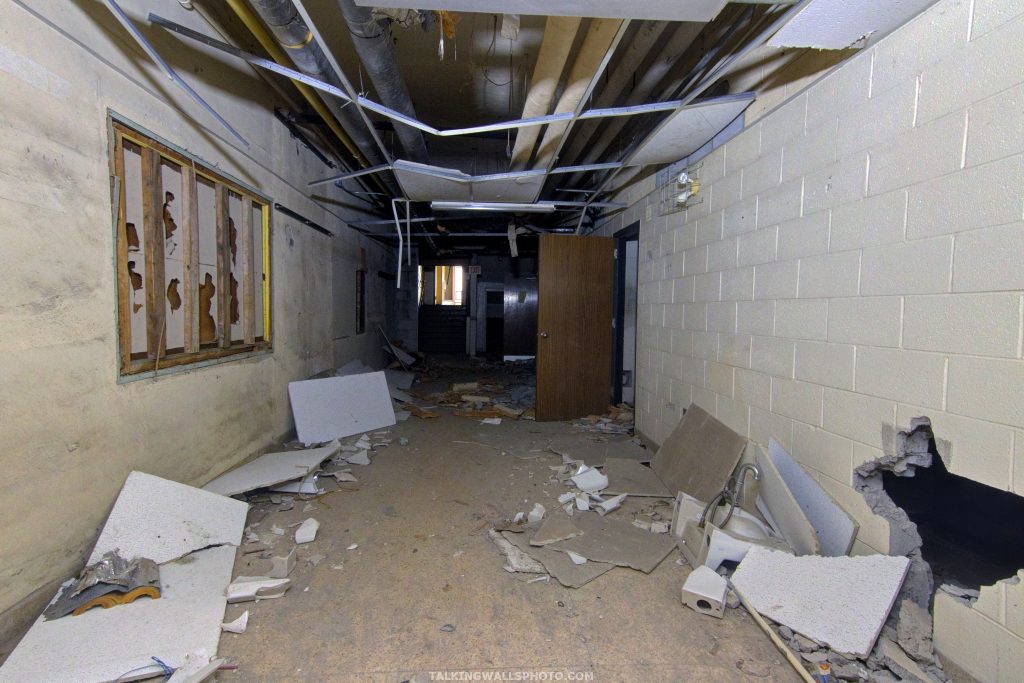
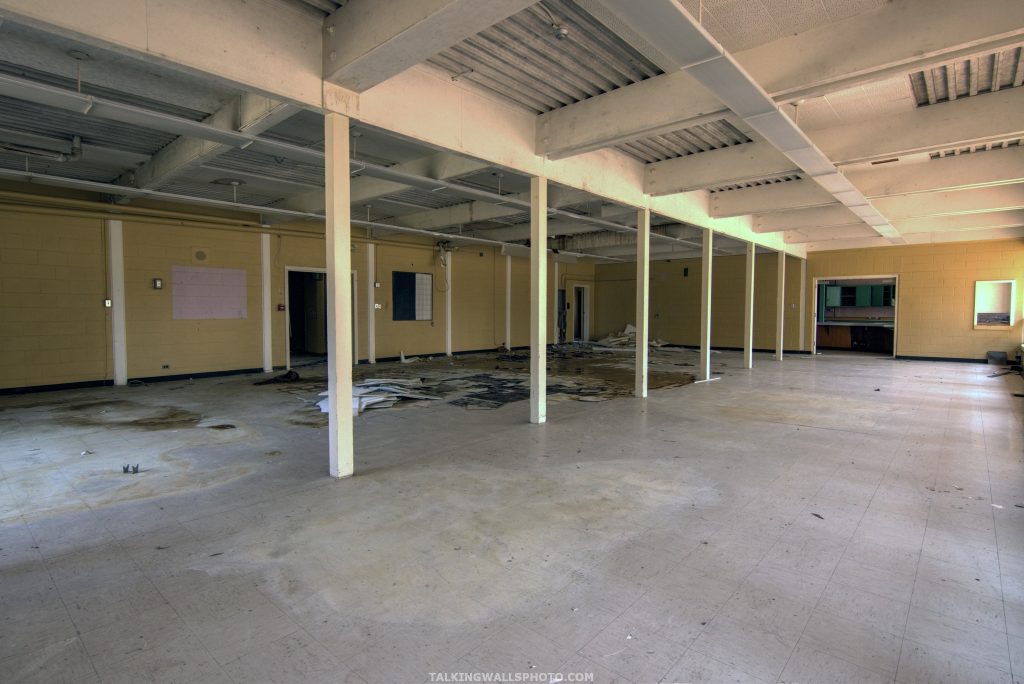
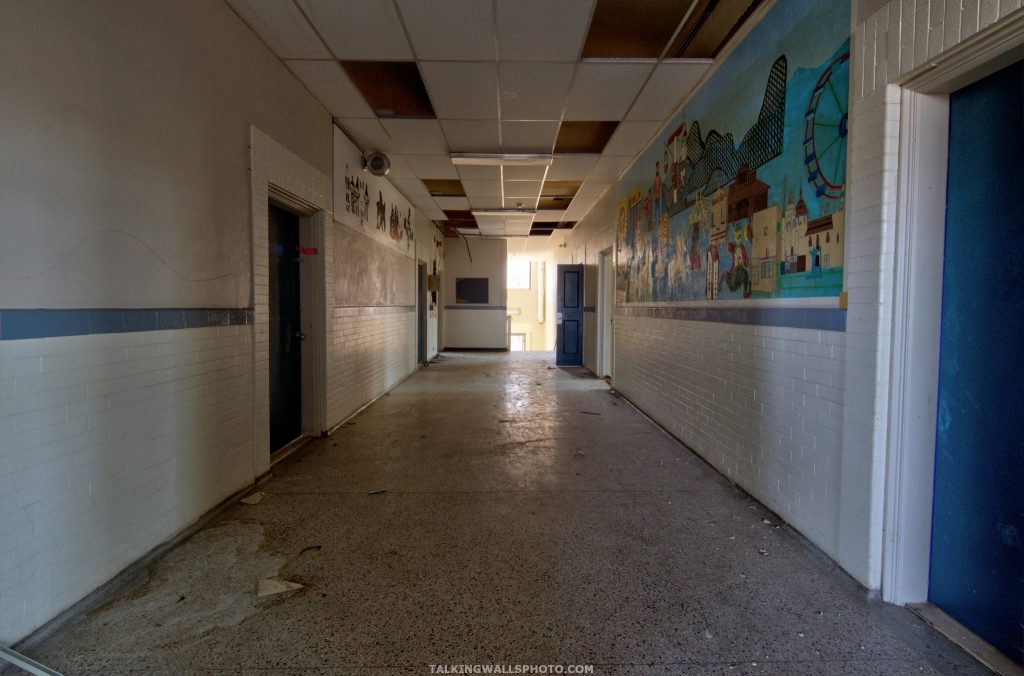
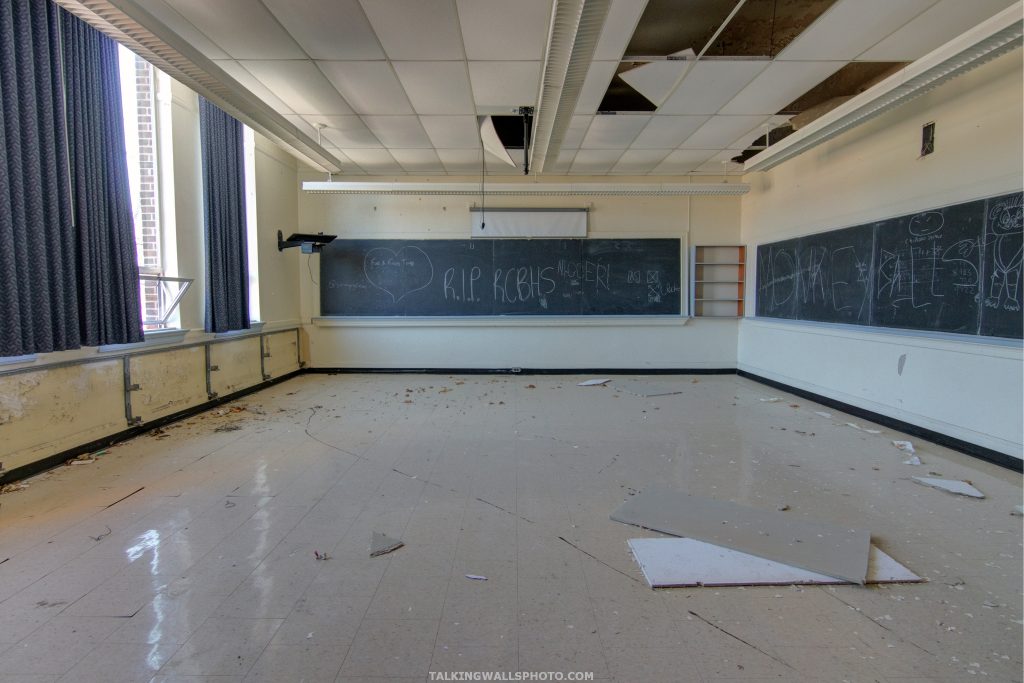
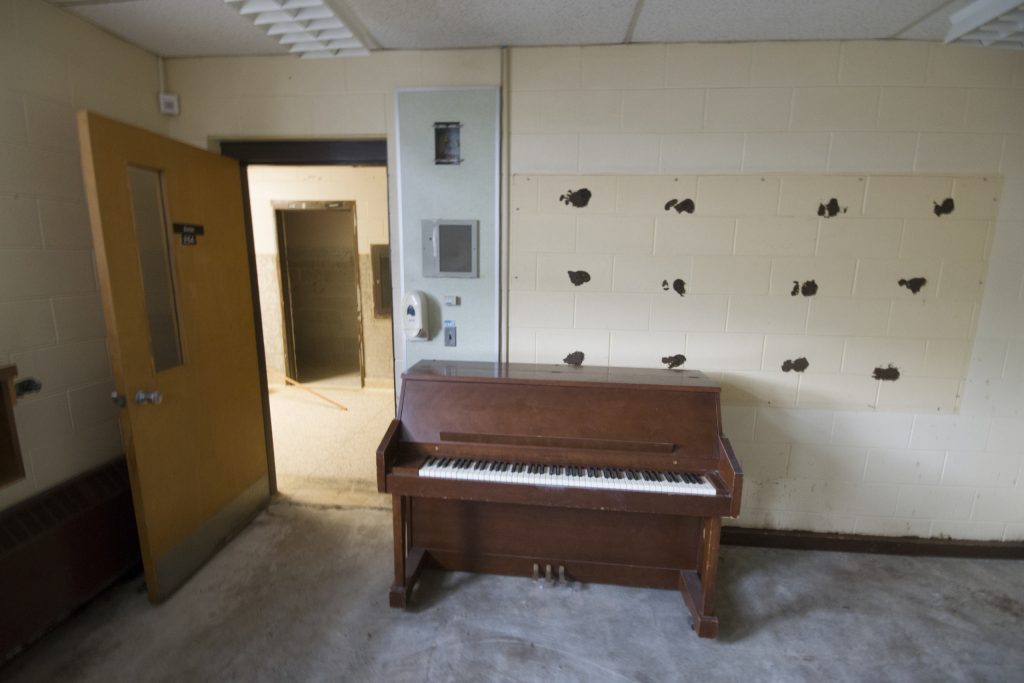
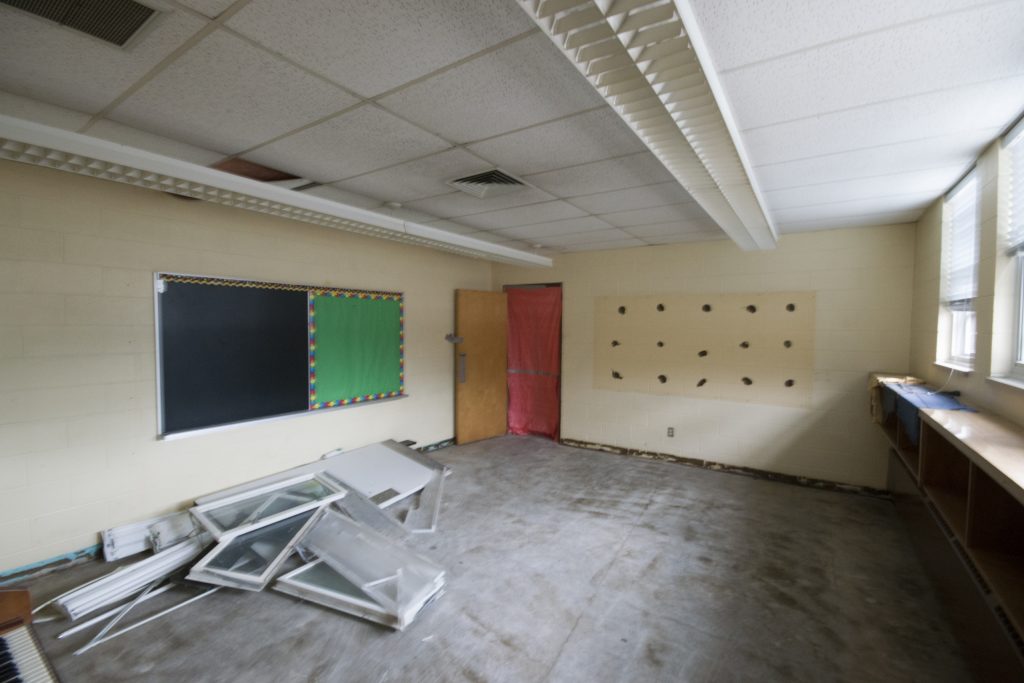
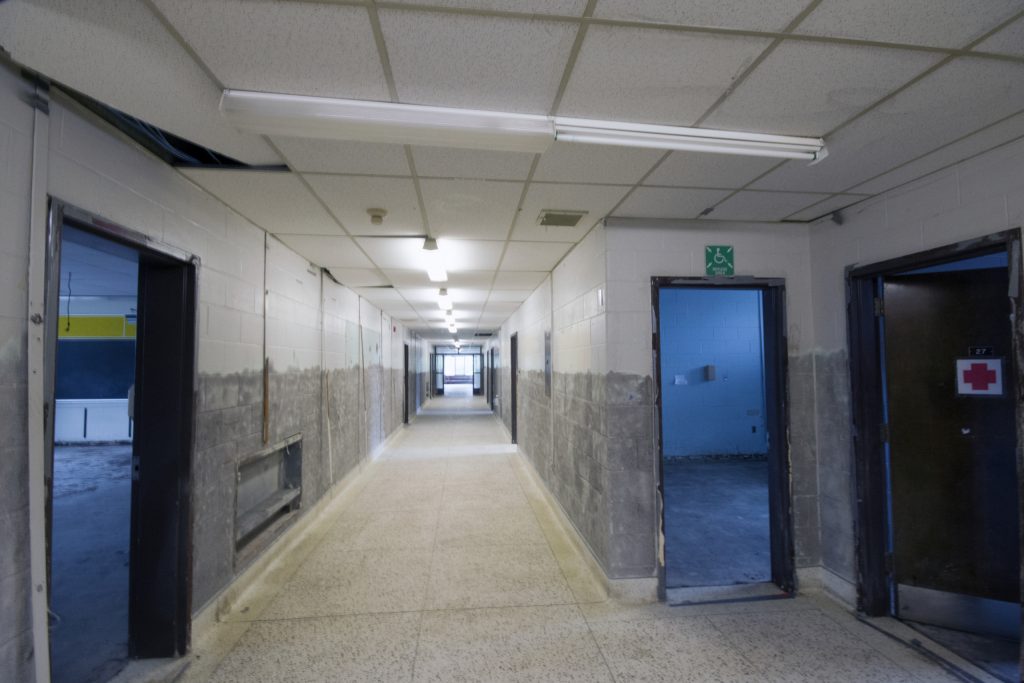
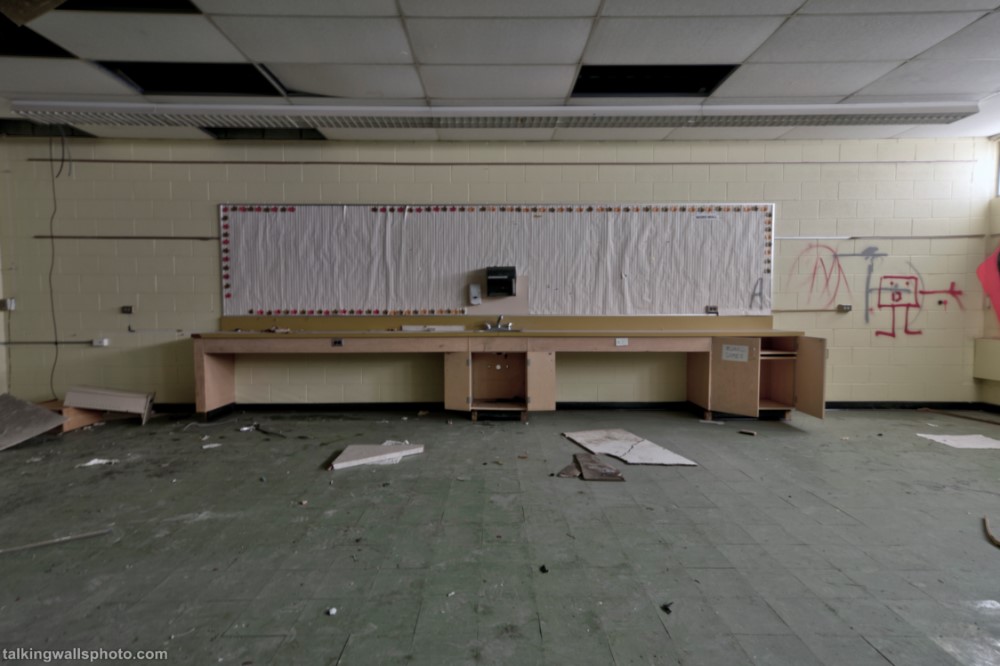
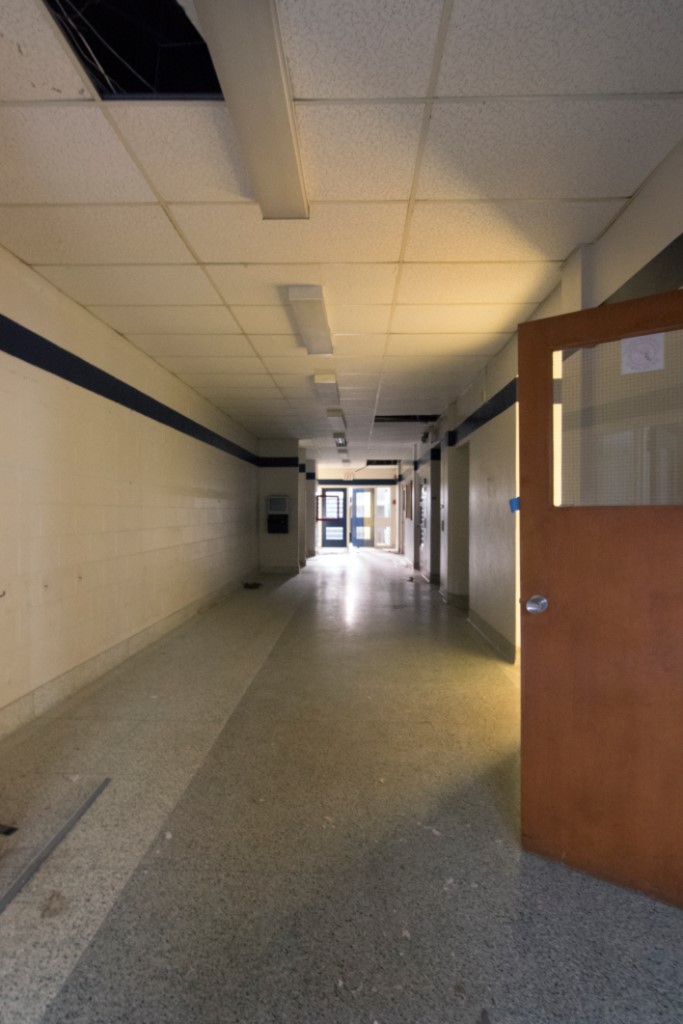
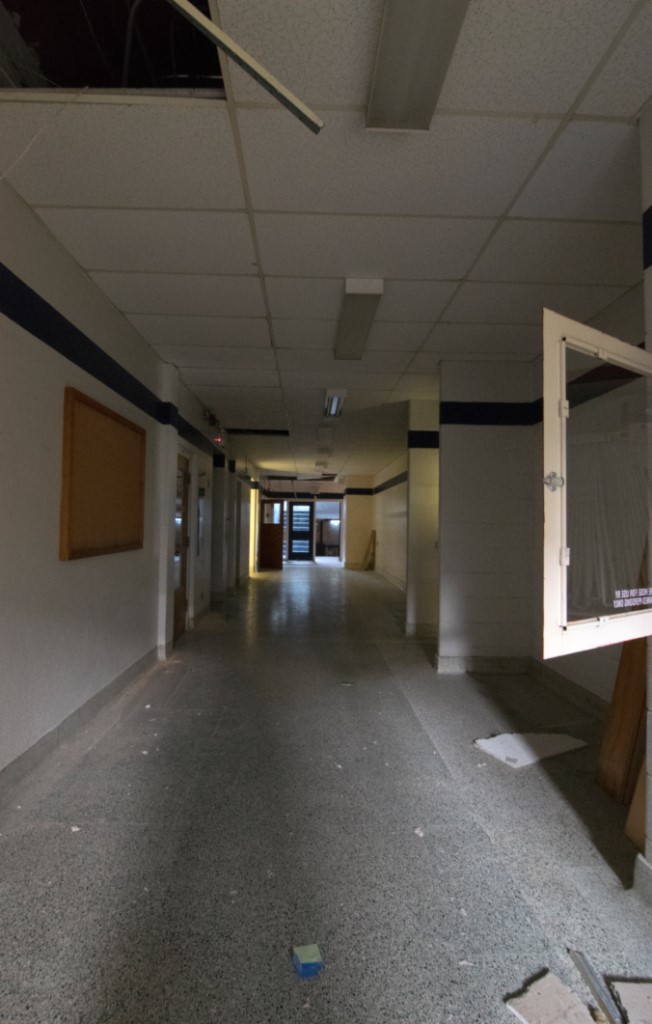
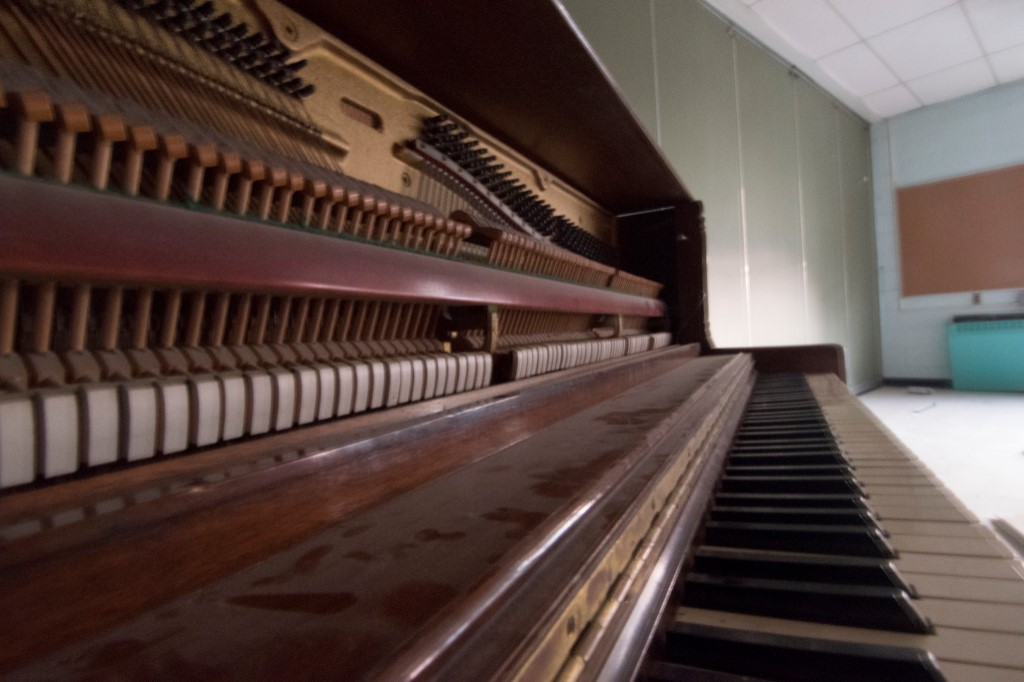
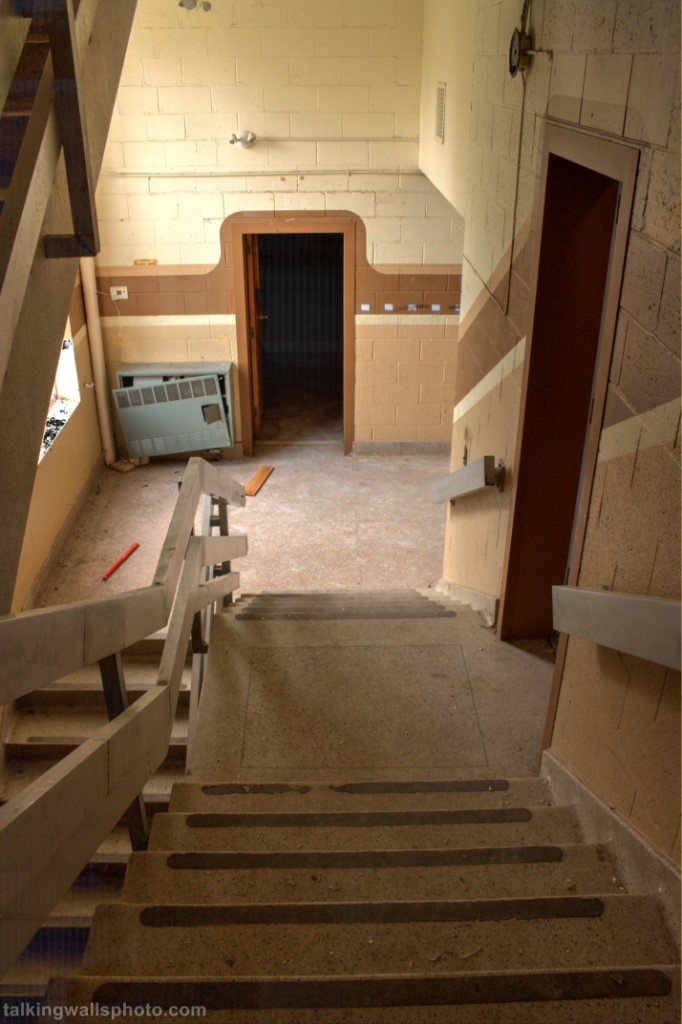
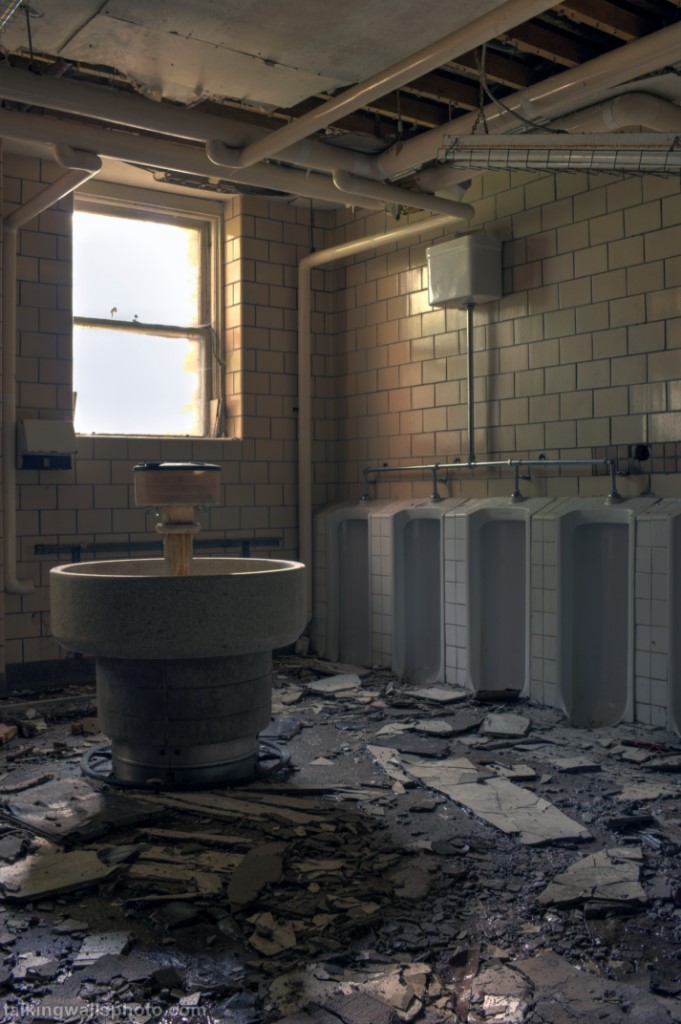
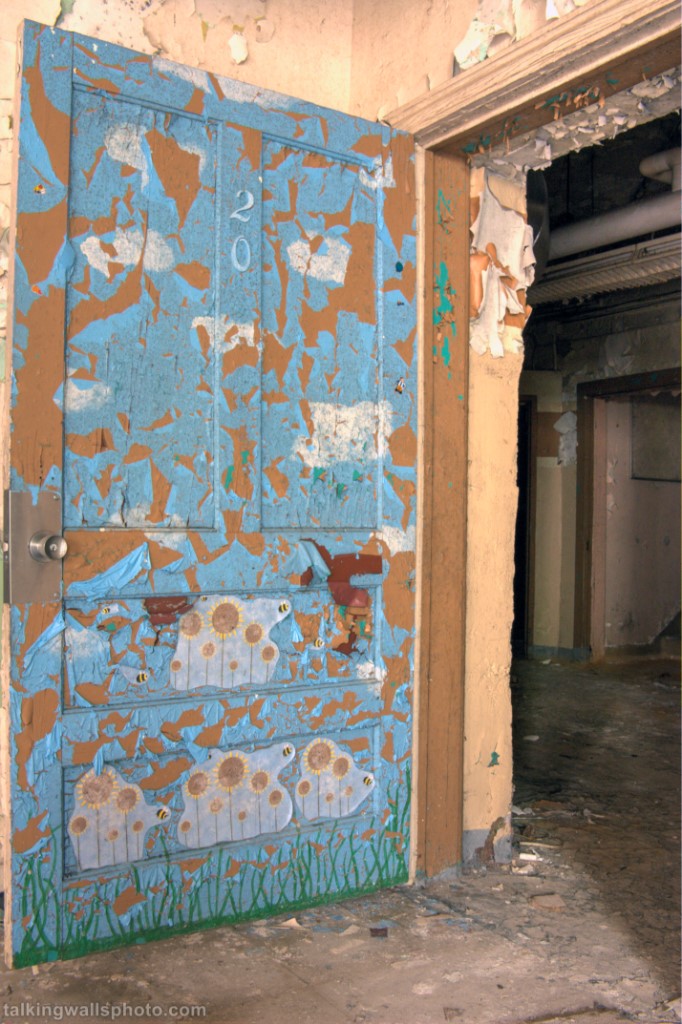
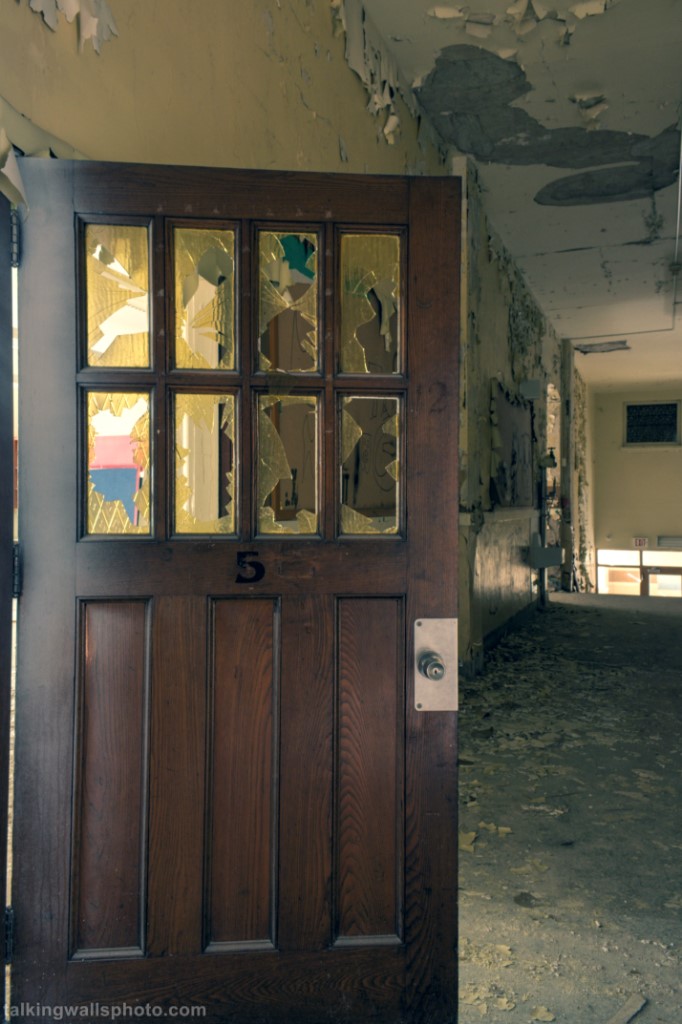
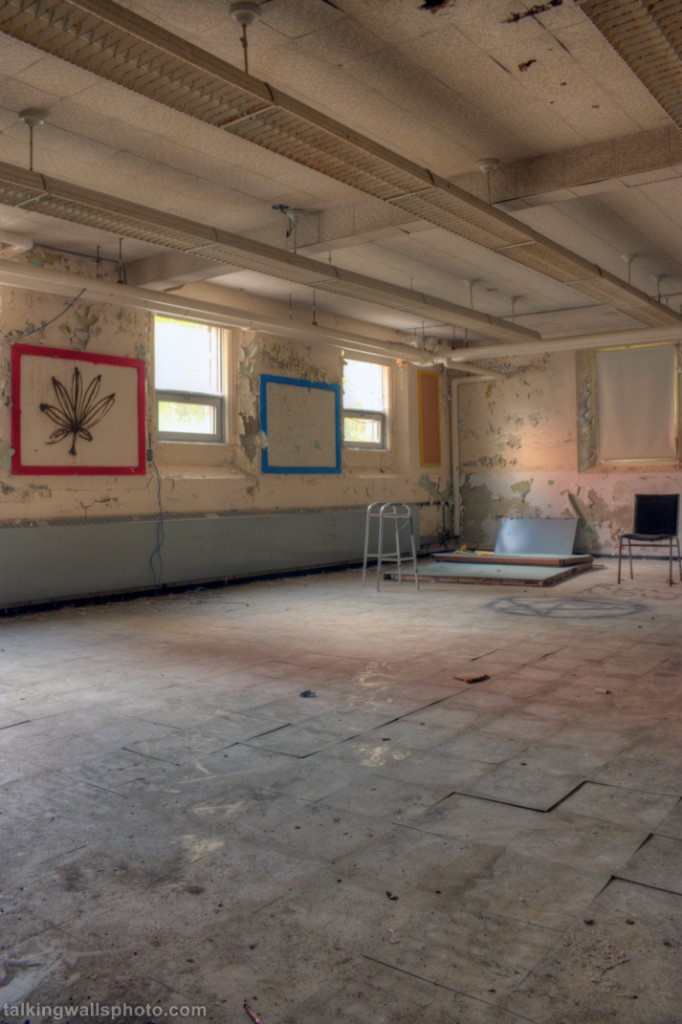
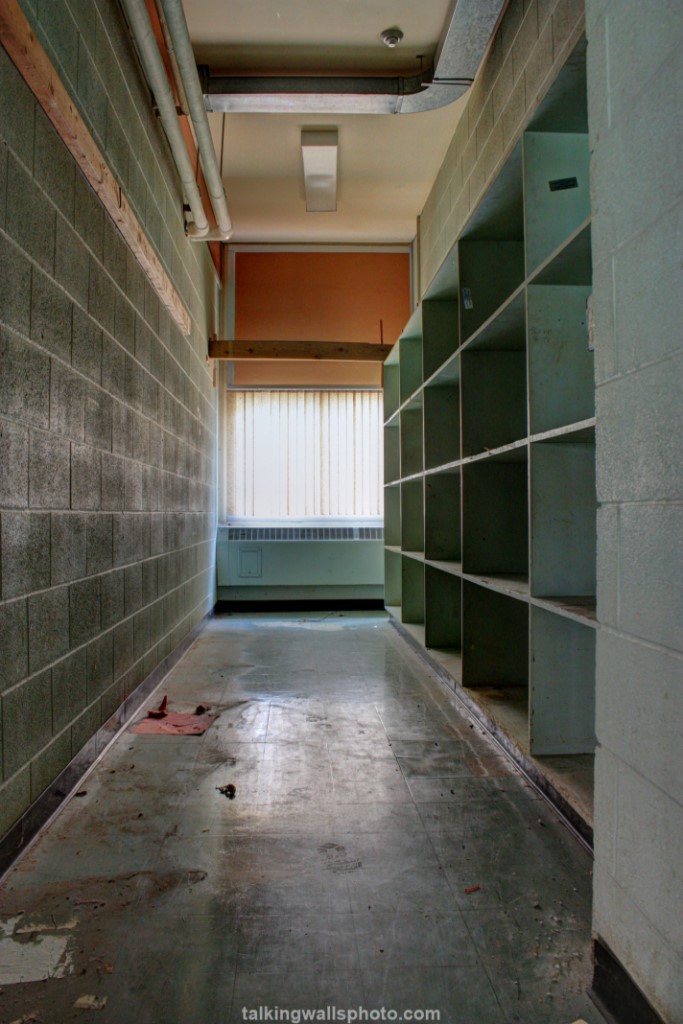
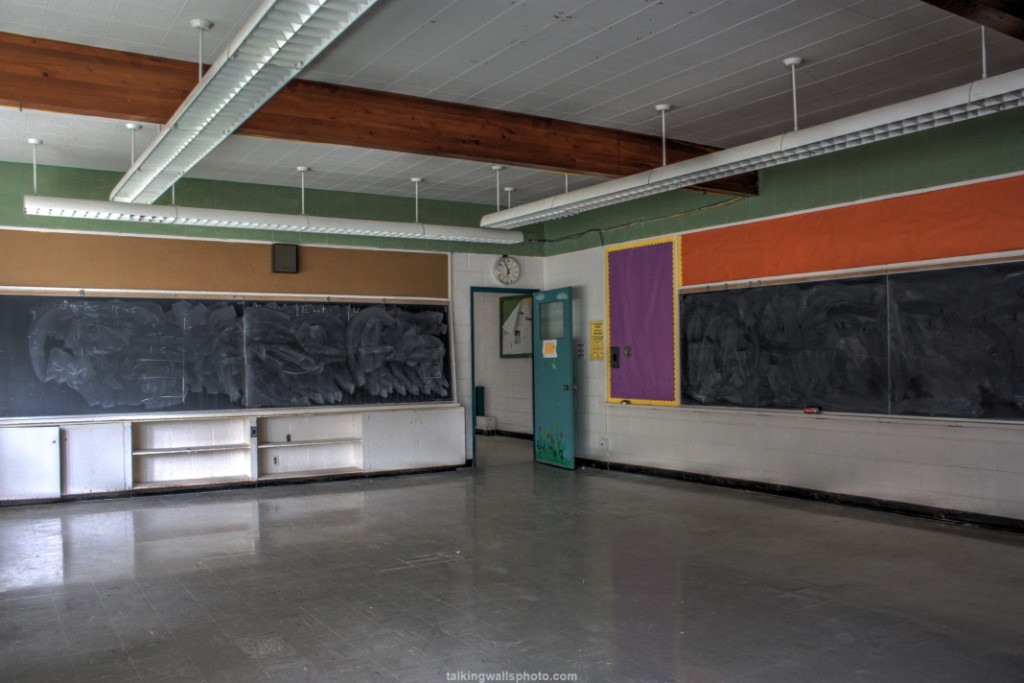
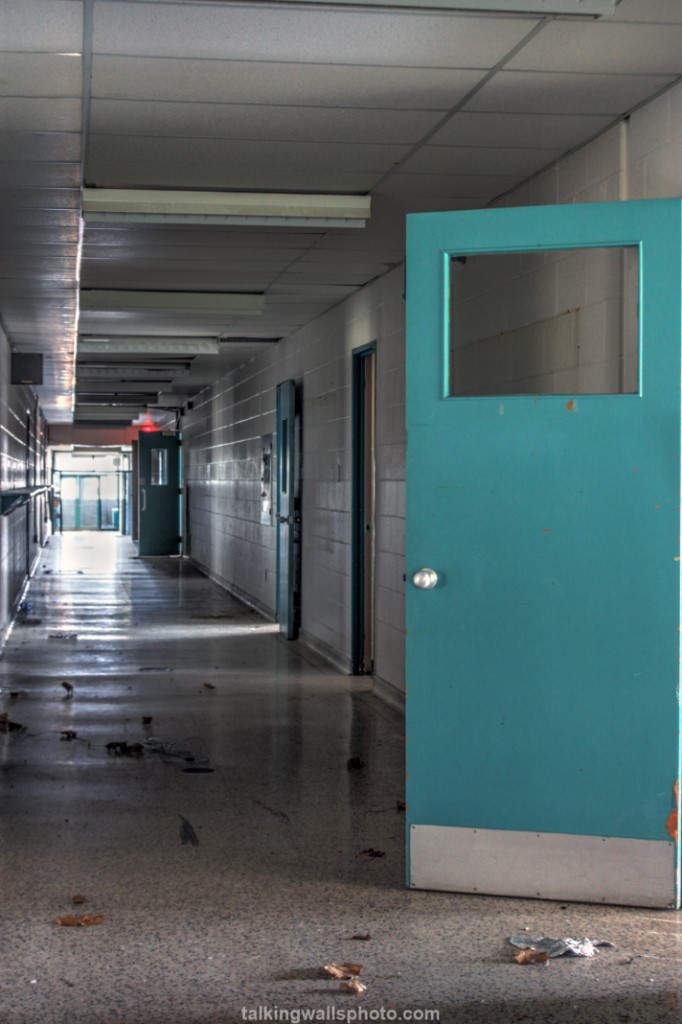
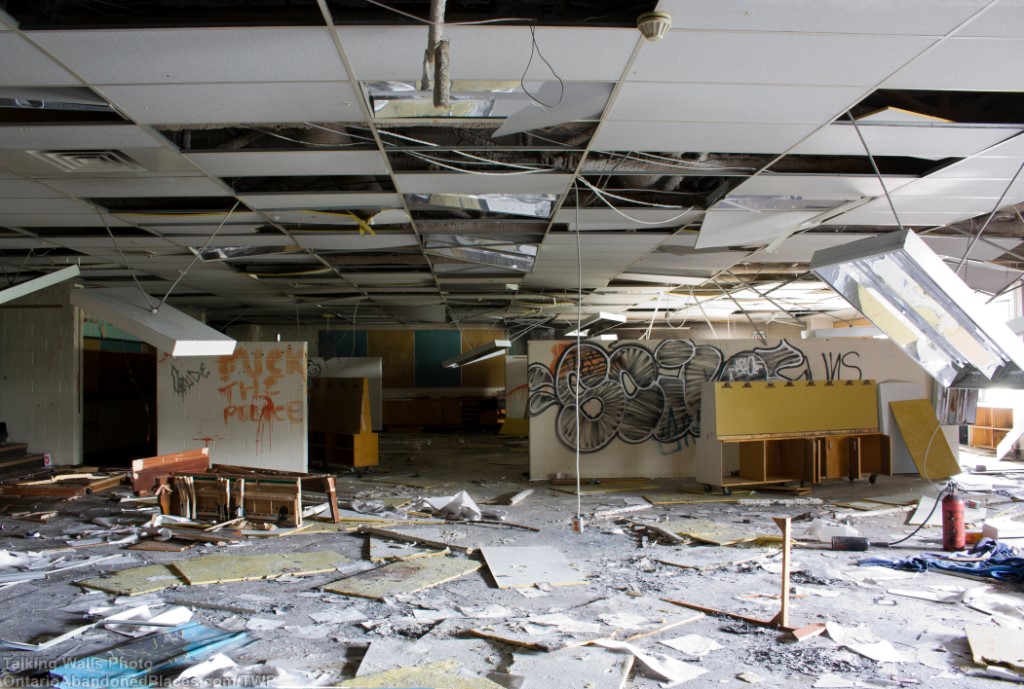
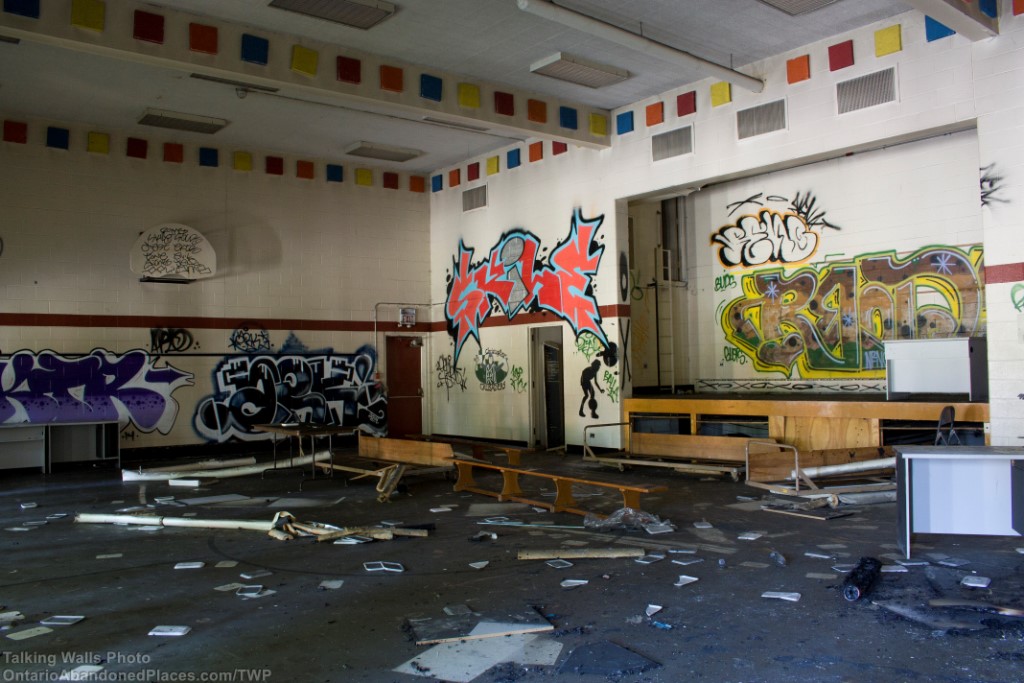
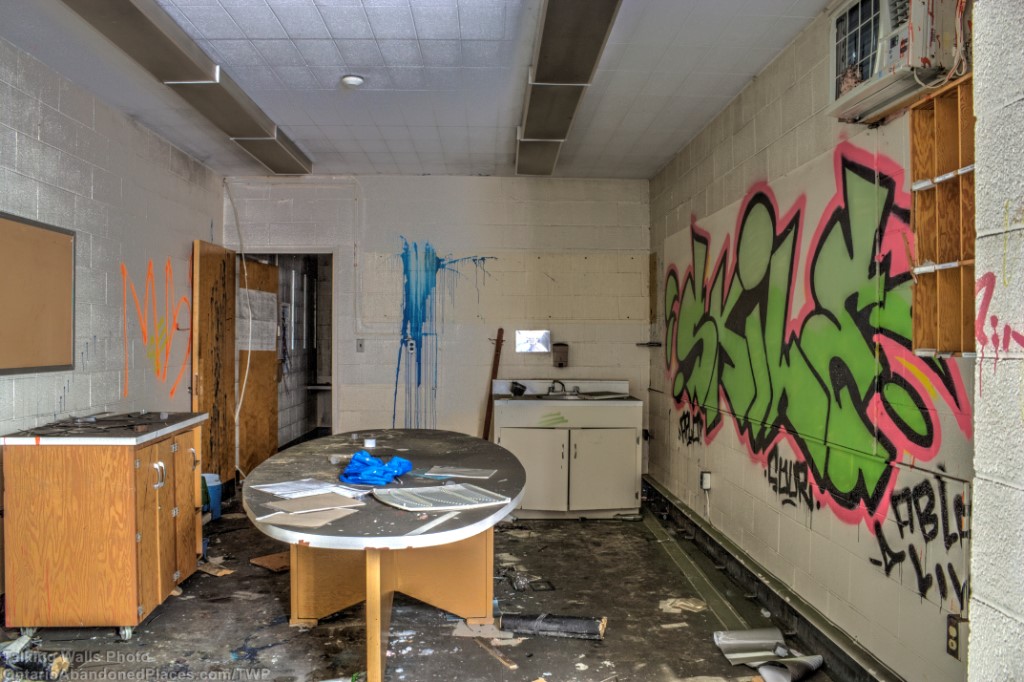
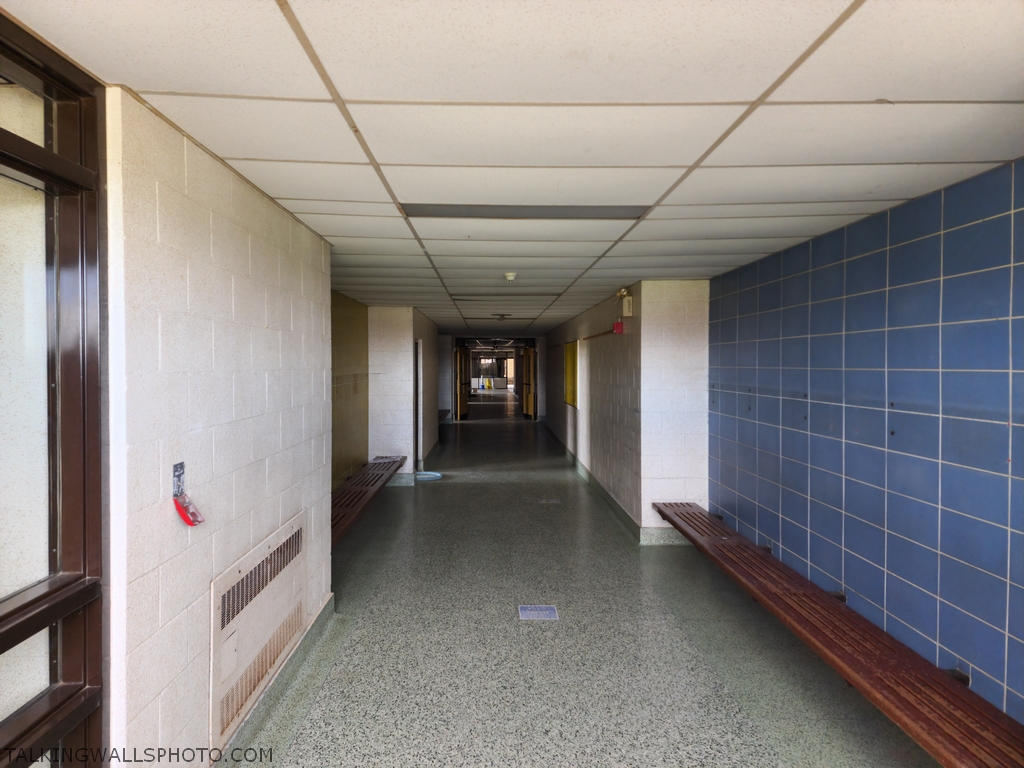
The cost to reopen would be approximately $900,000 for furniture, $670,000 for expenses and approximately $500,000 for a new sewer system. It currently remains locked up and the alarm is on. It’s a popular location for people to walk their dogs. On my visit here, I observed a couple sunbathing under a tree.

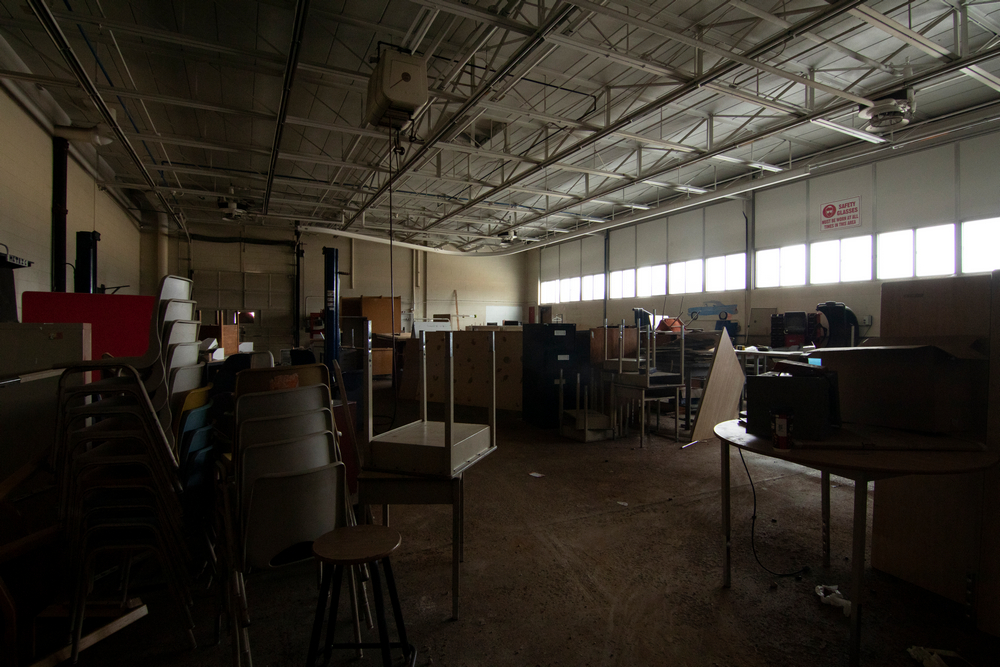
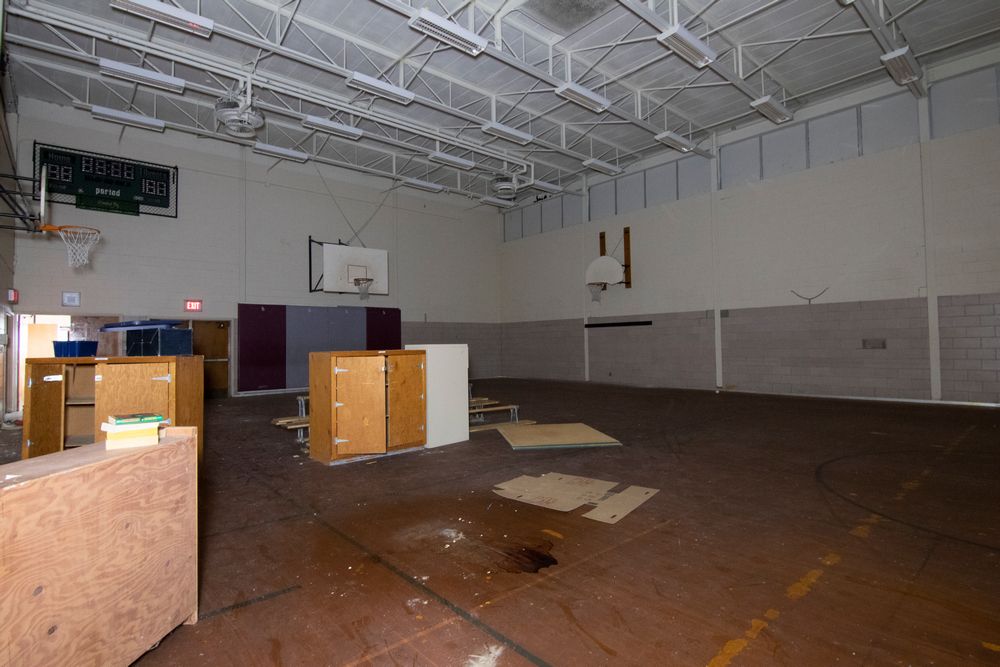
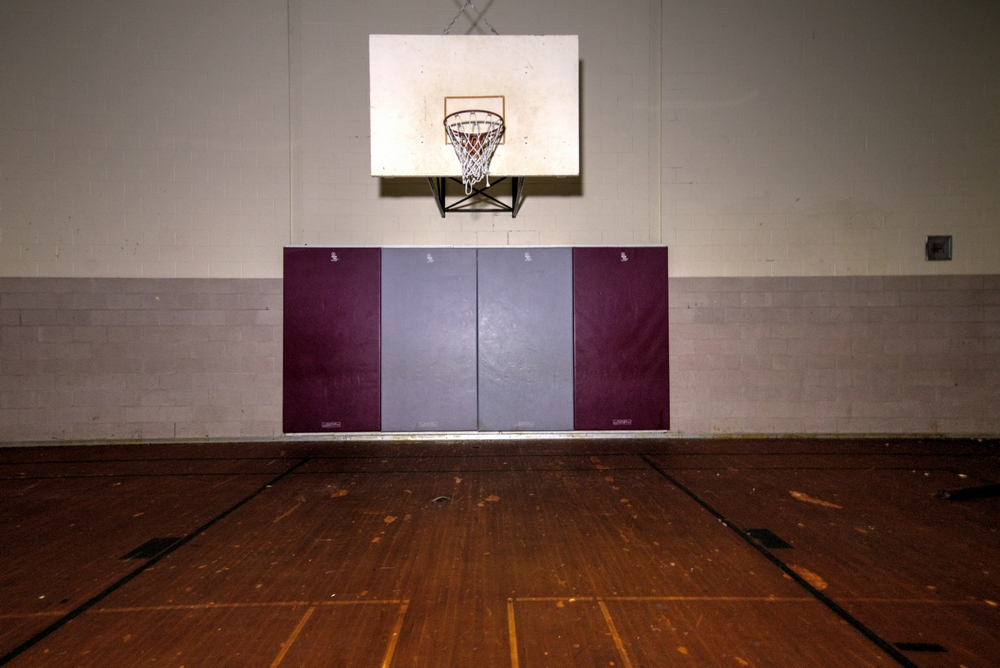
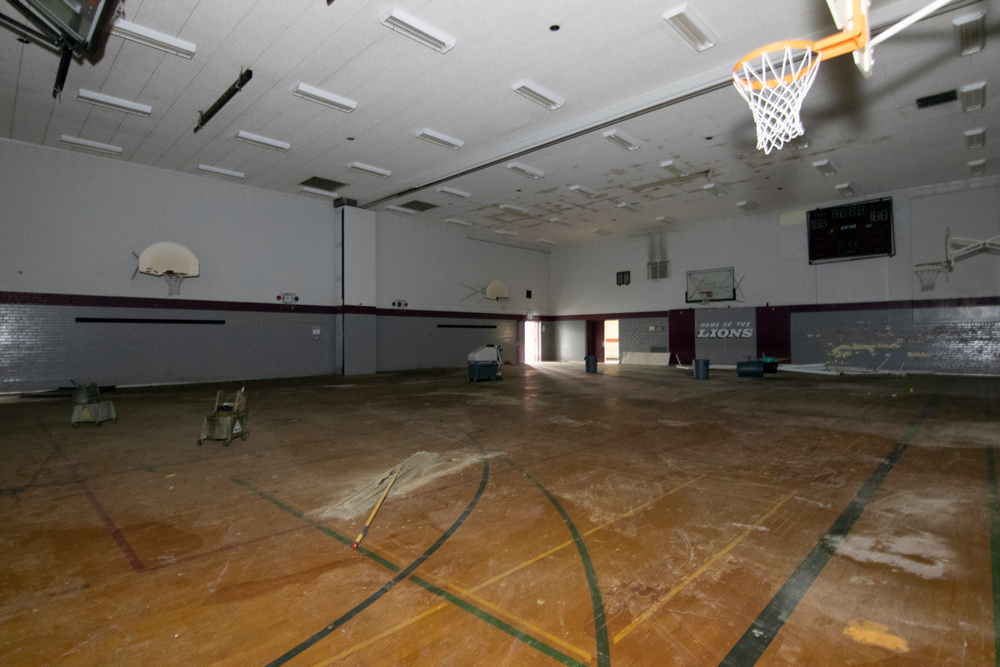
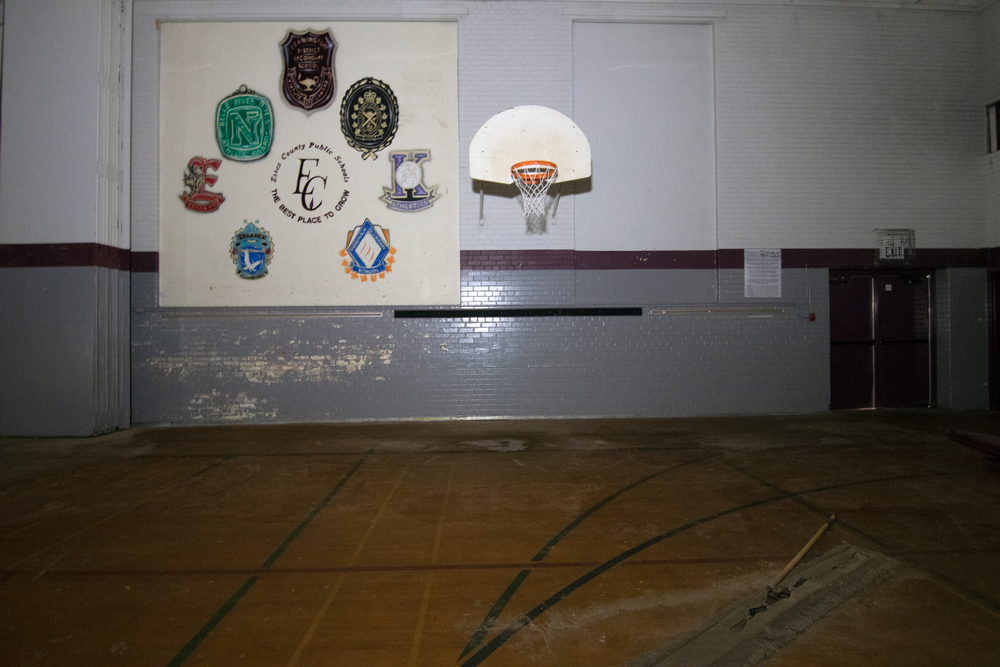
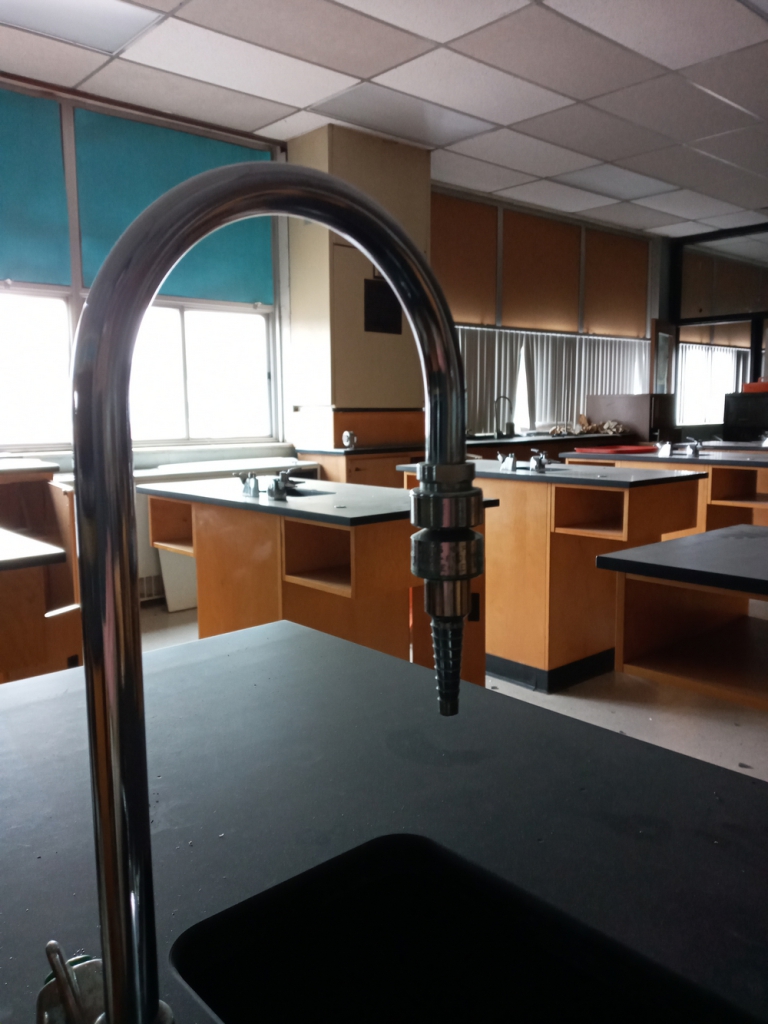
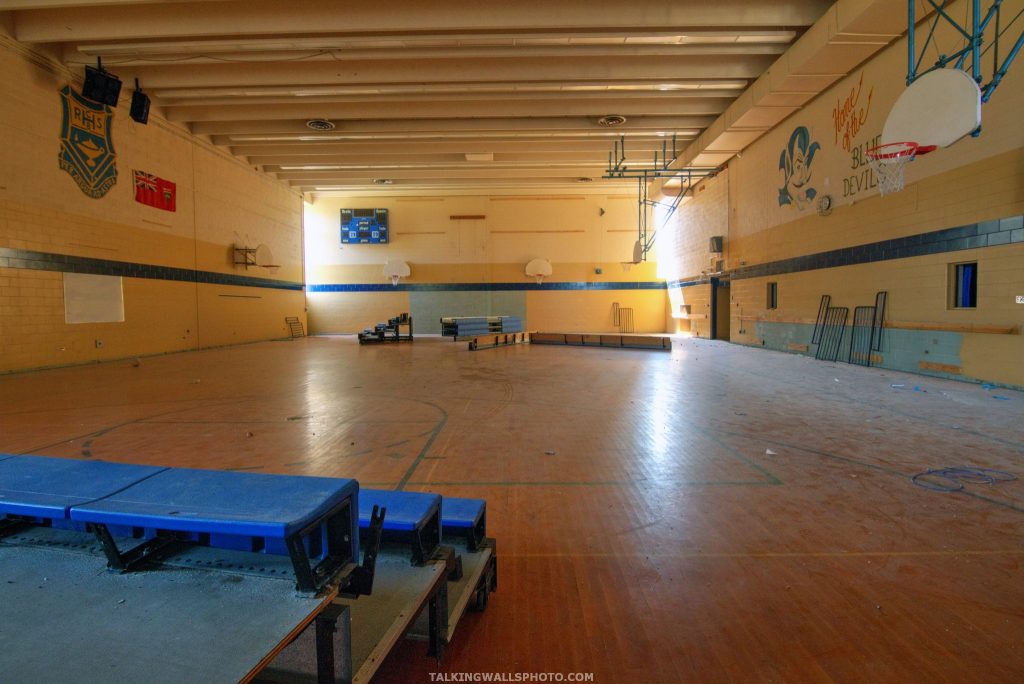
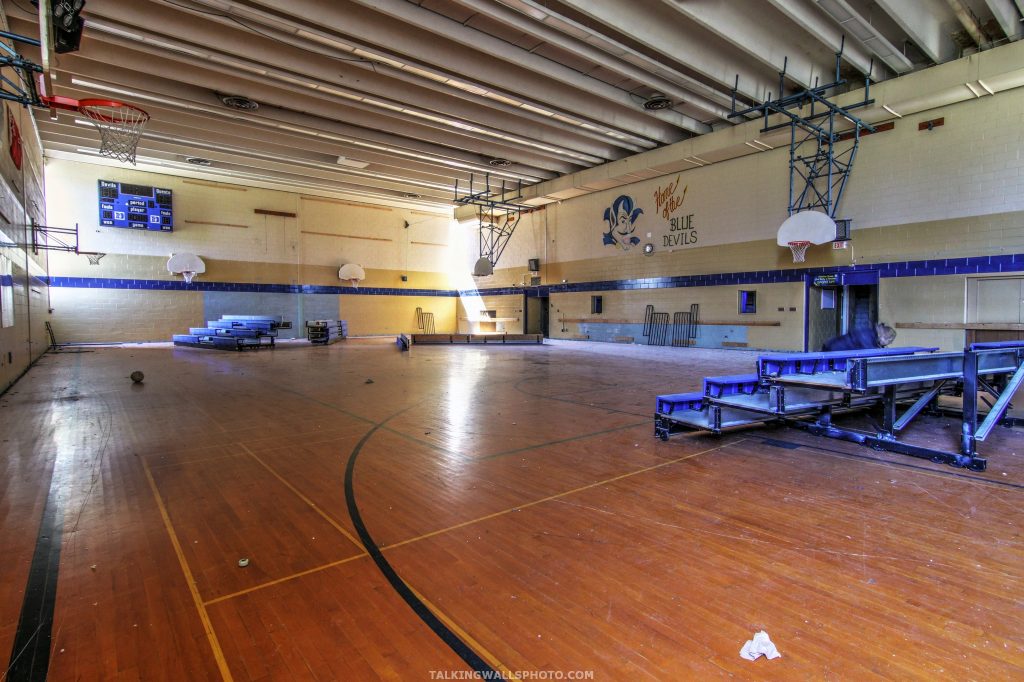
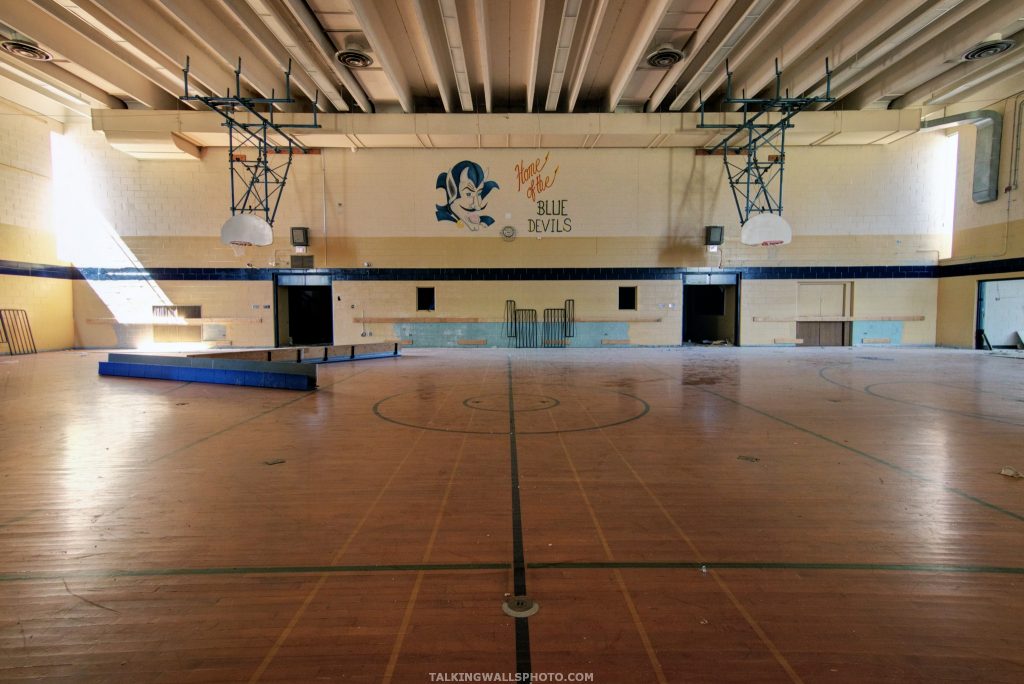
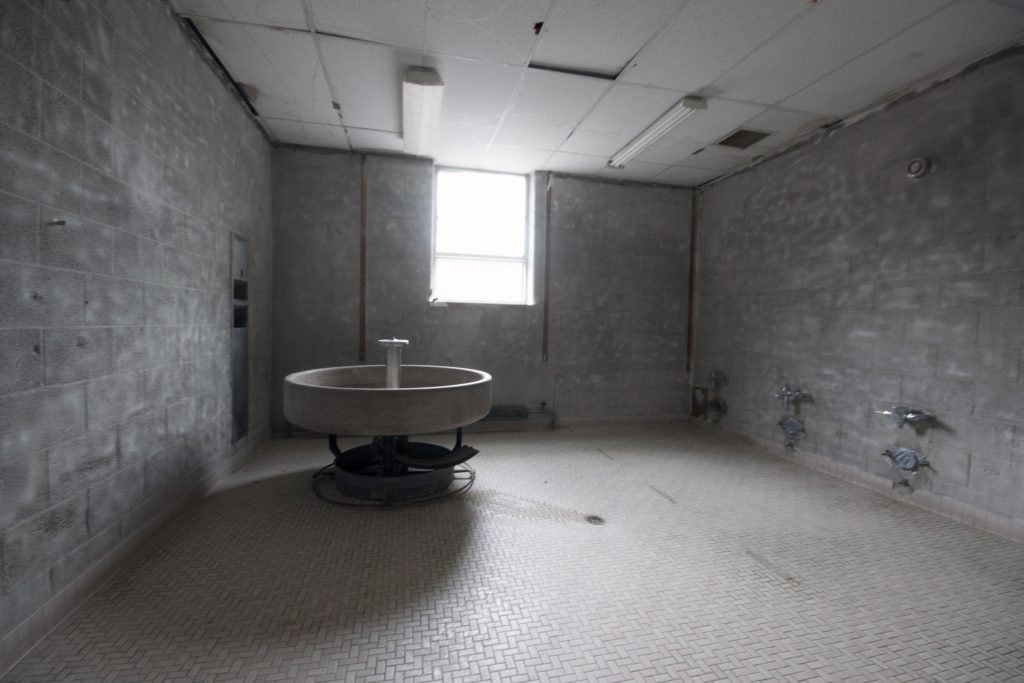
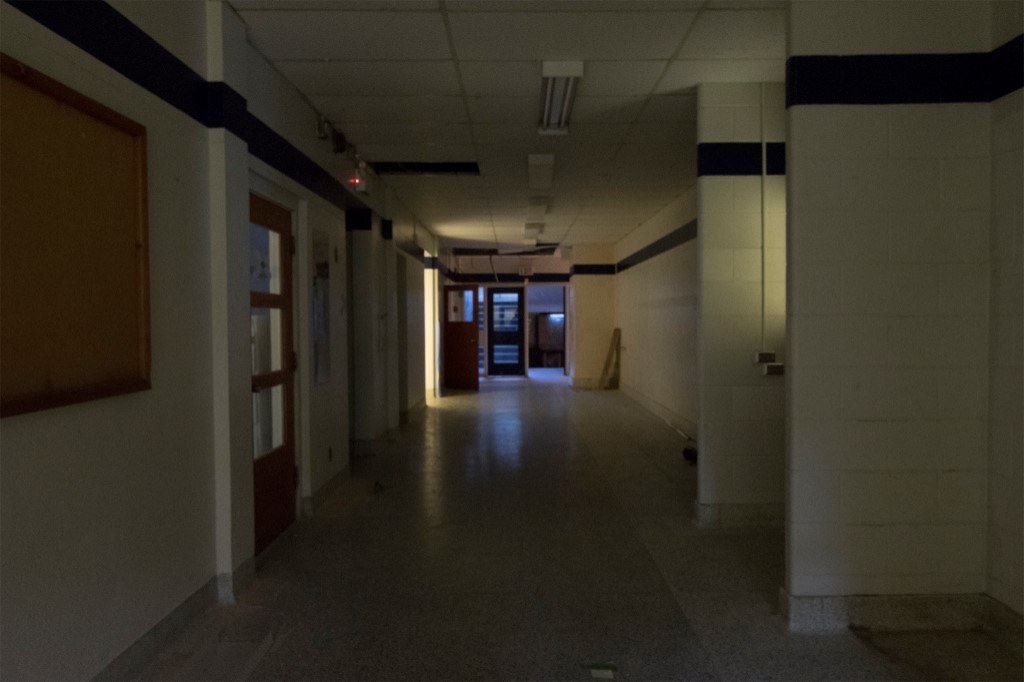
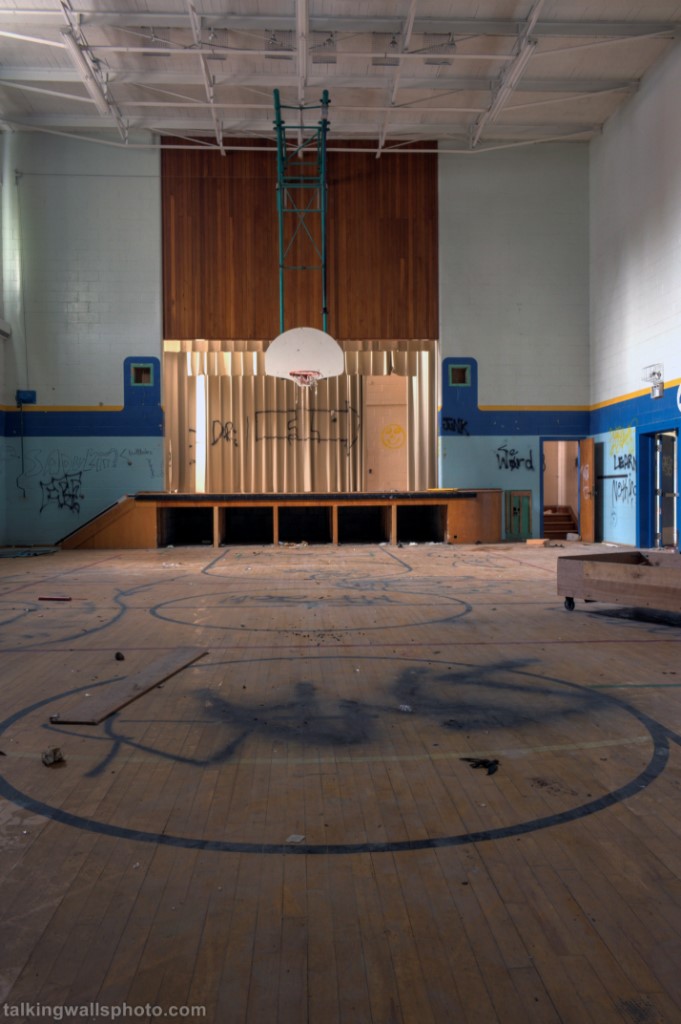
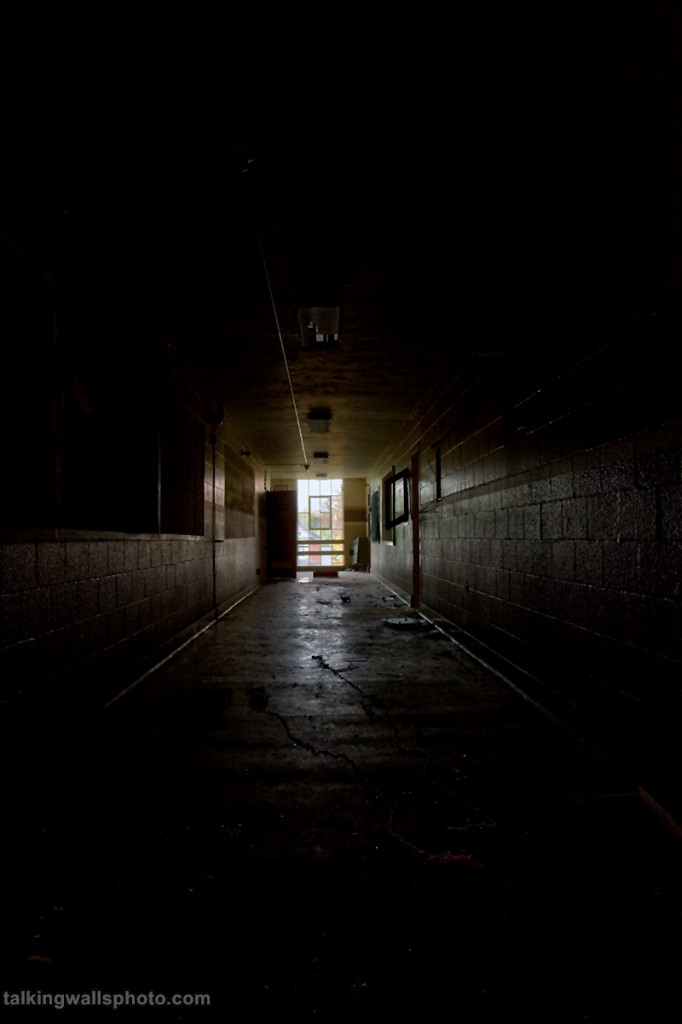
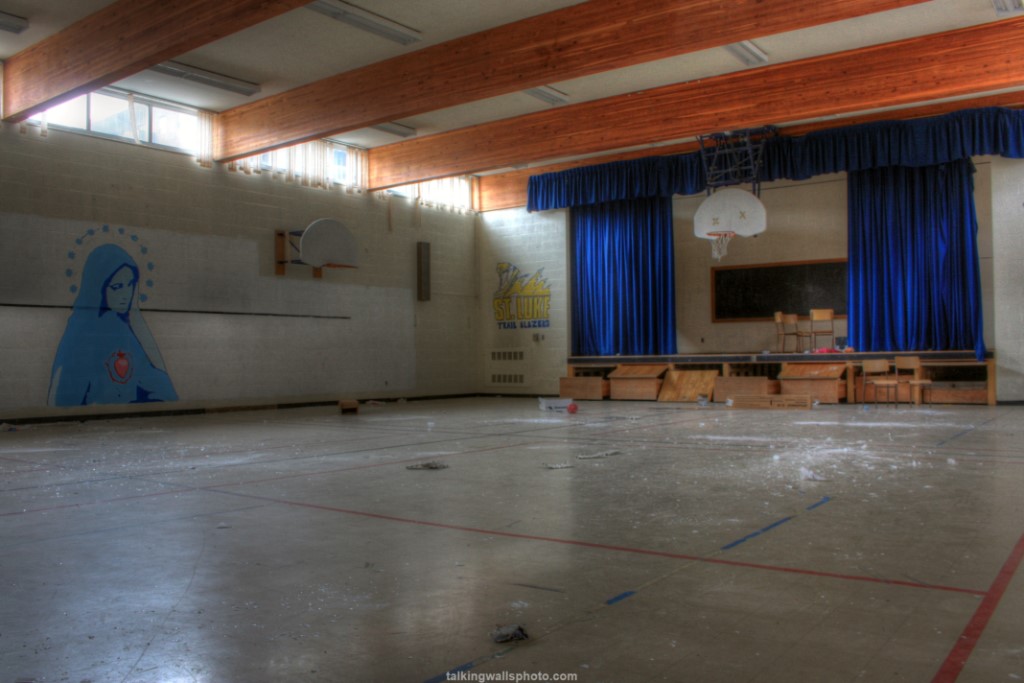
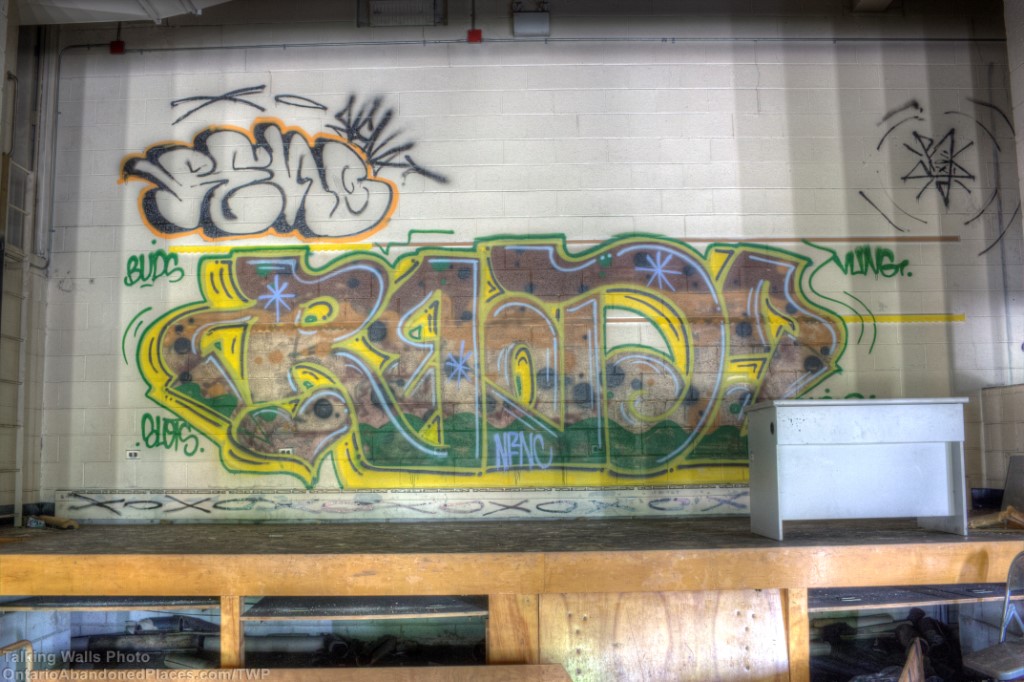
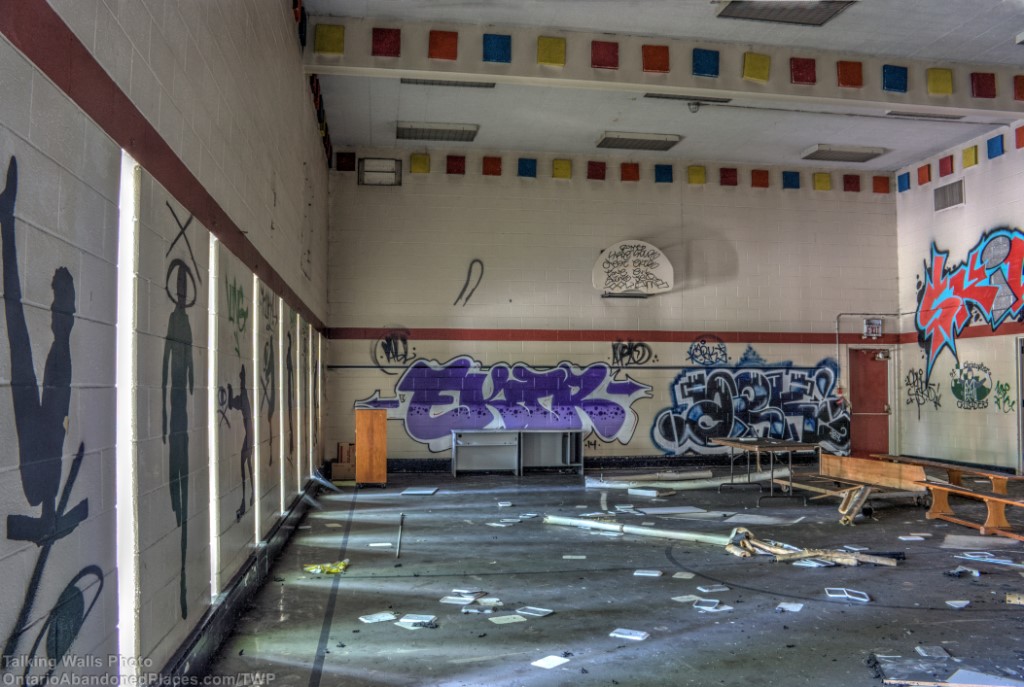
The gym is in complete darkness and without a tripod, or seeing an immediate light switch, there was no way to photograph it.
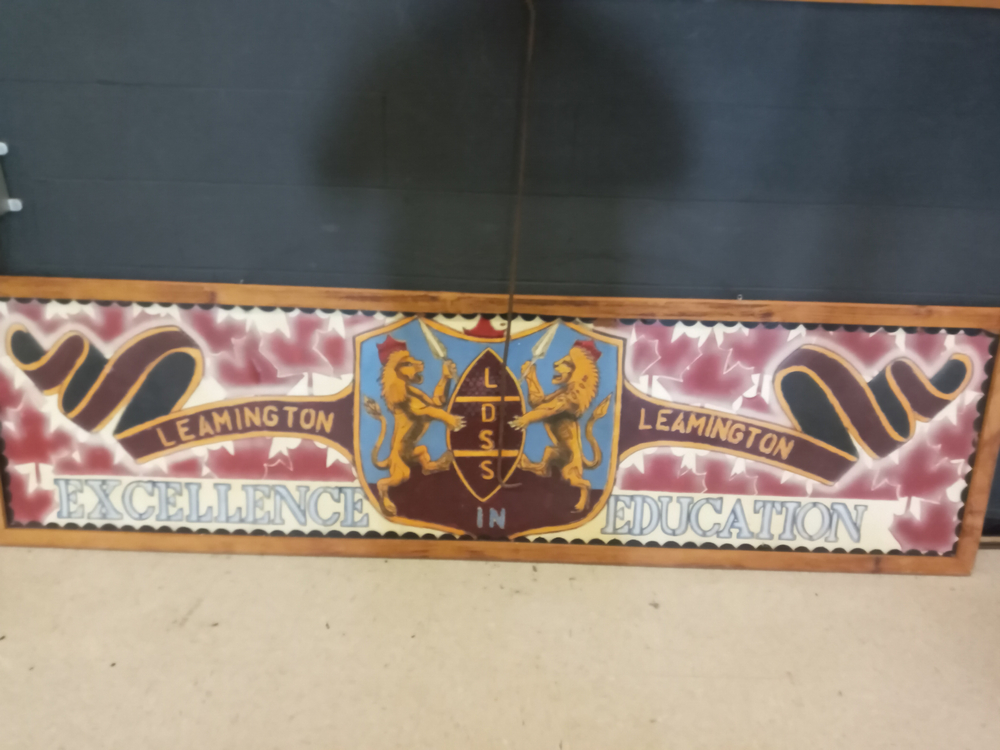
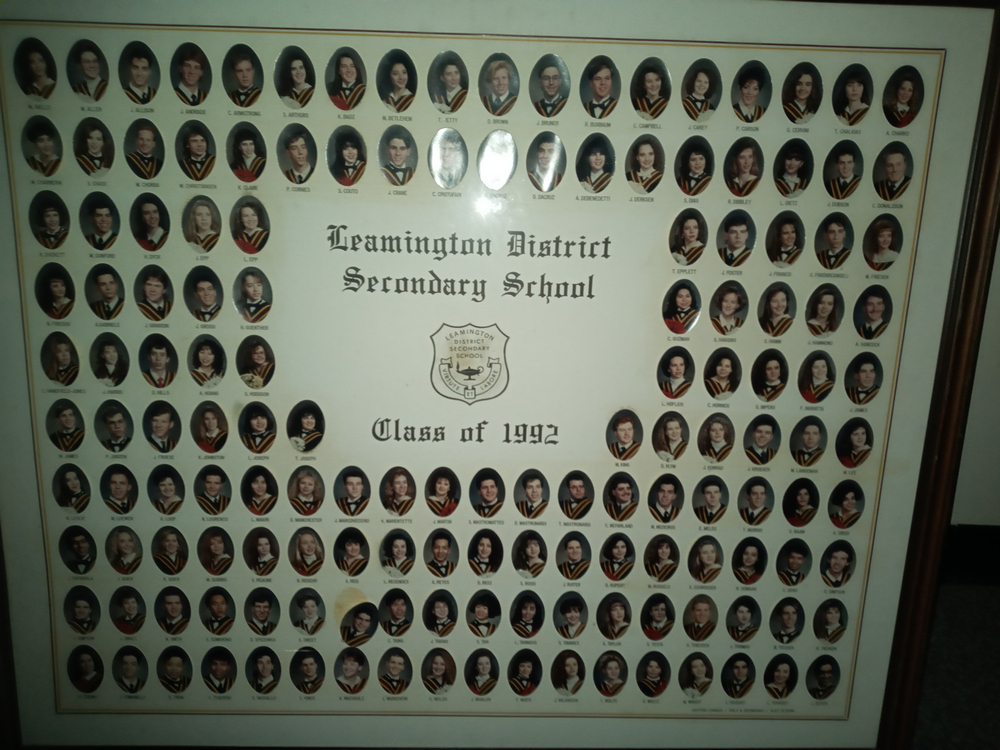
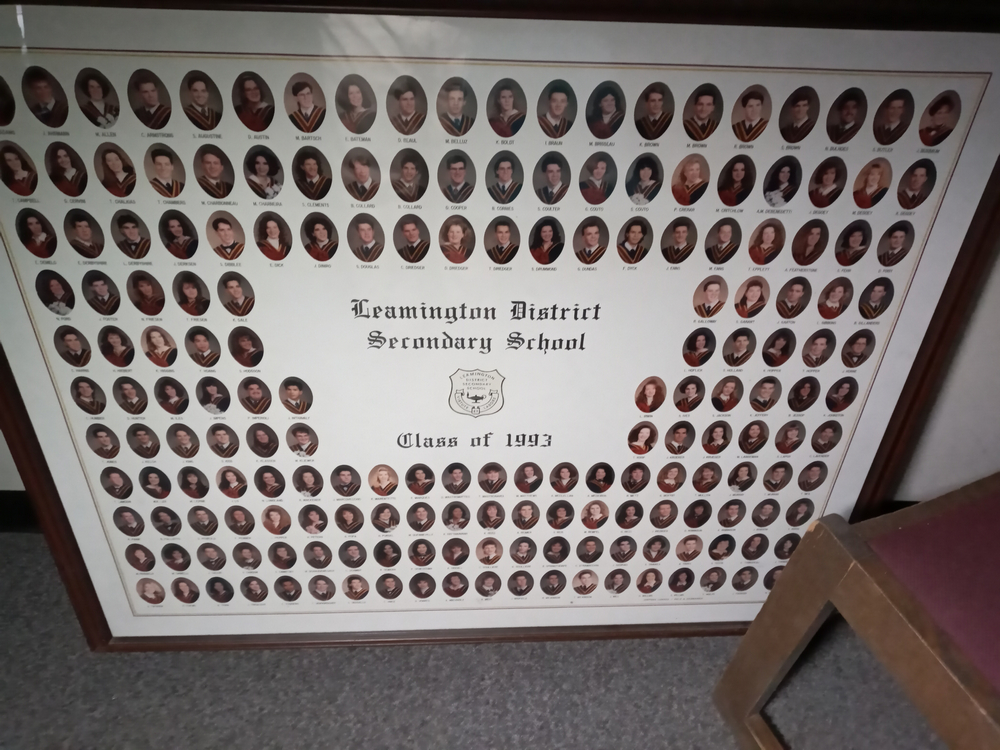
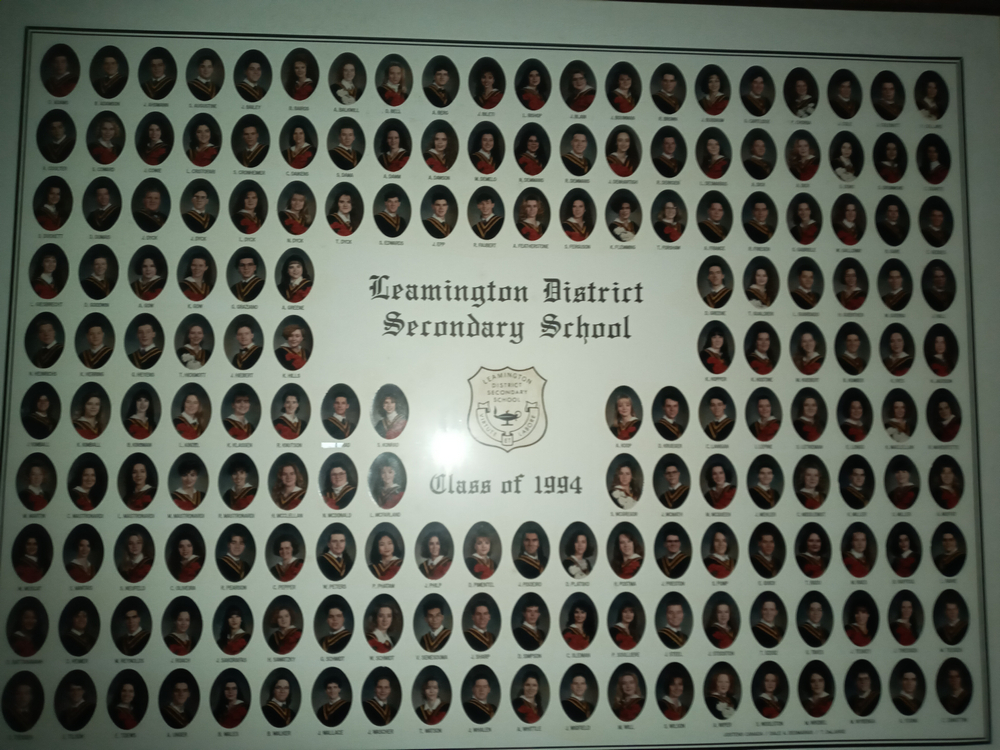
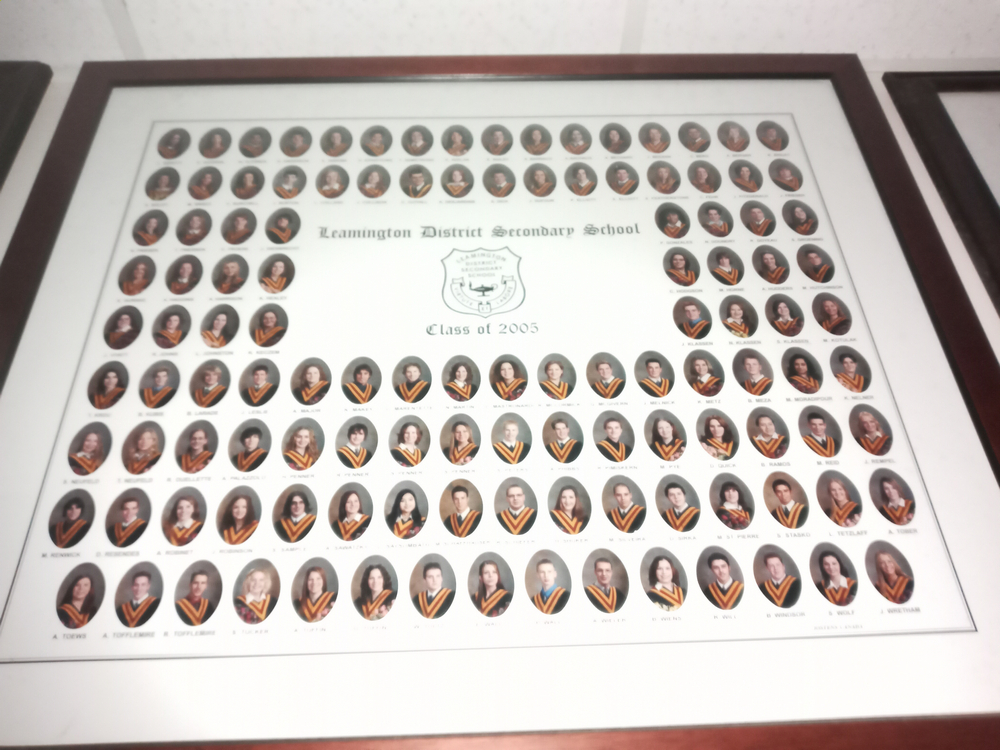
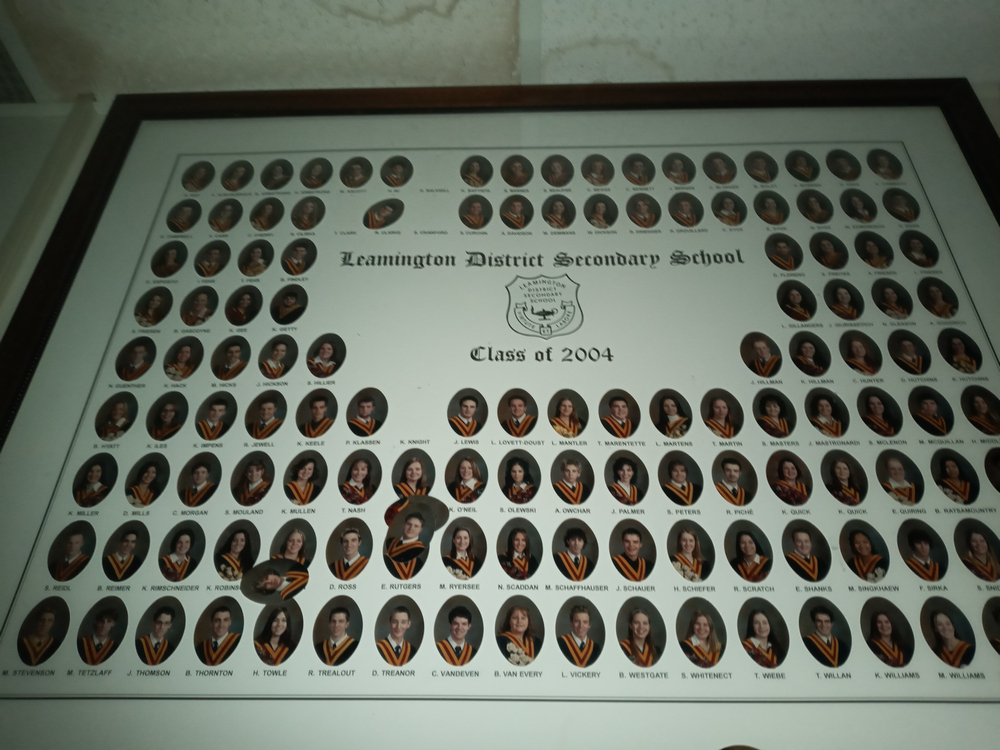
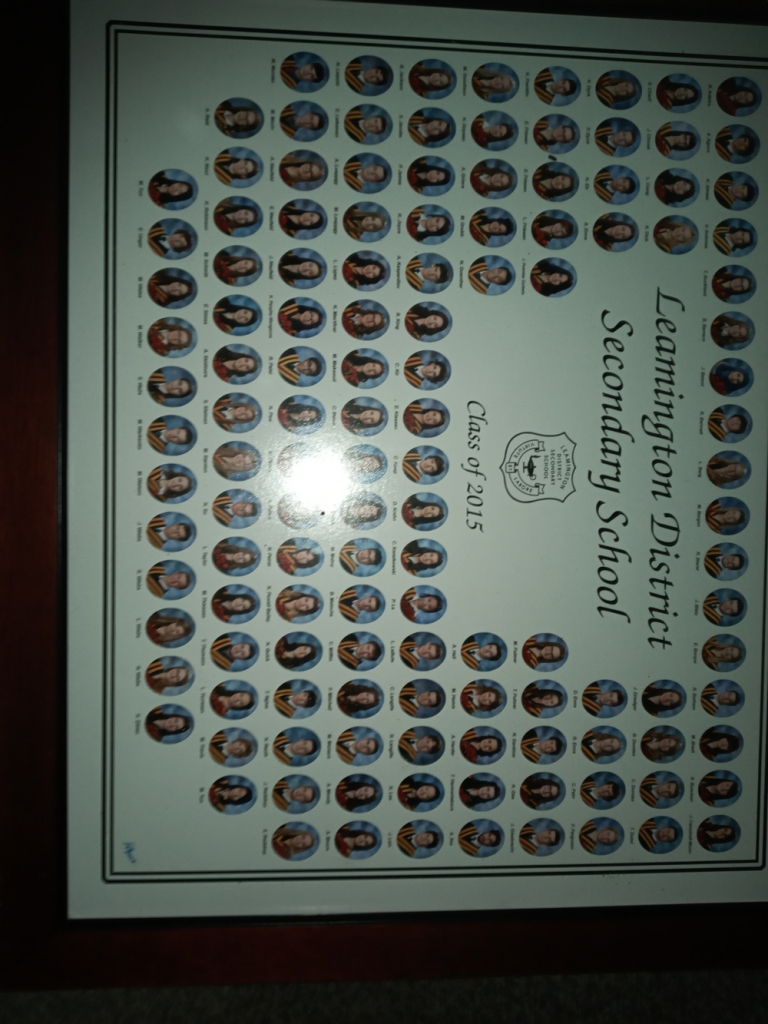
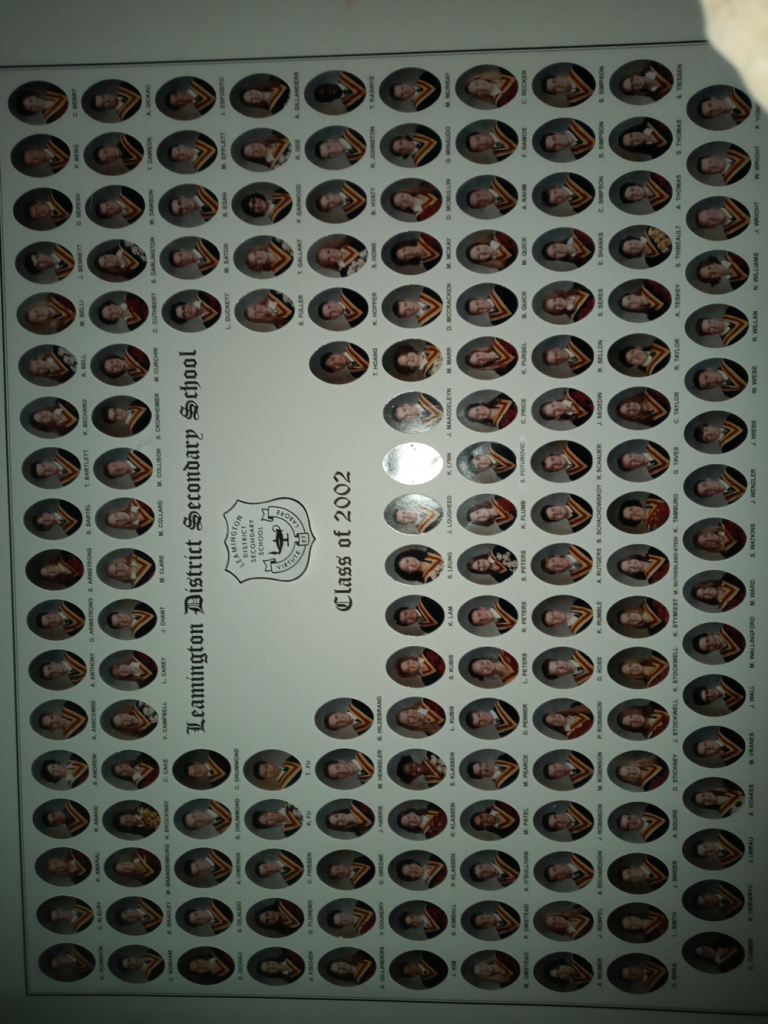
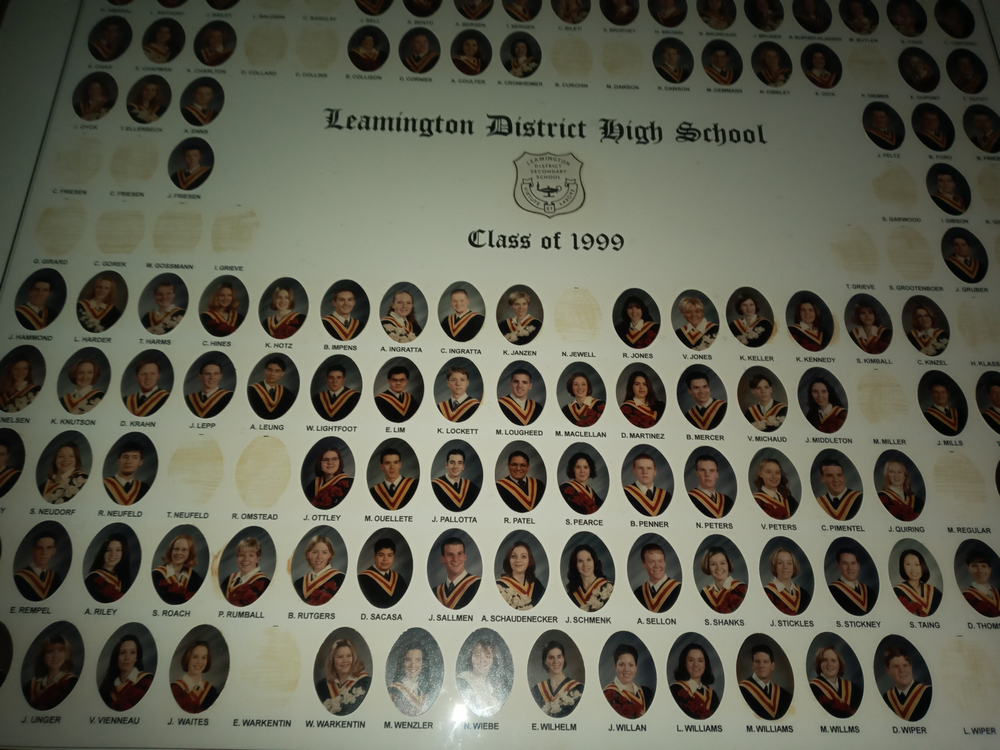
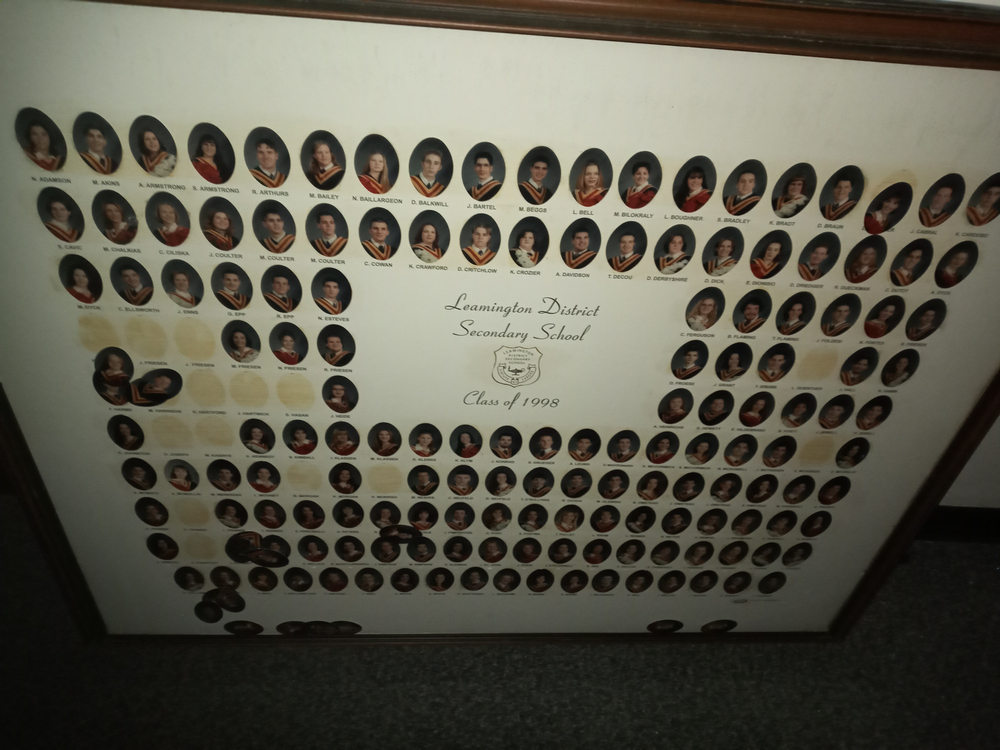
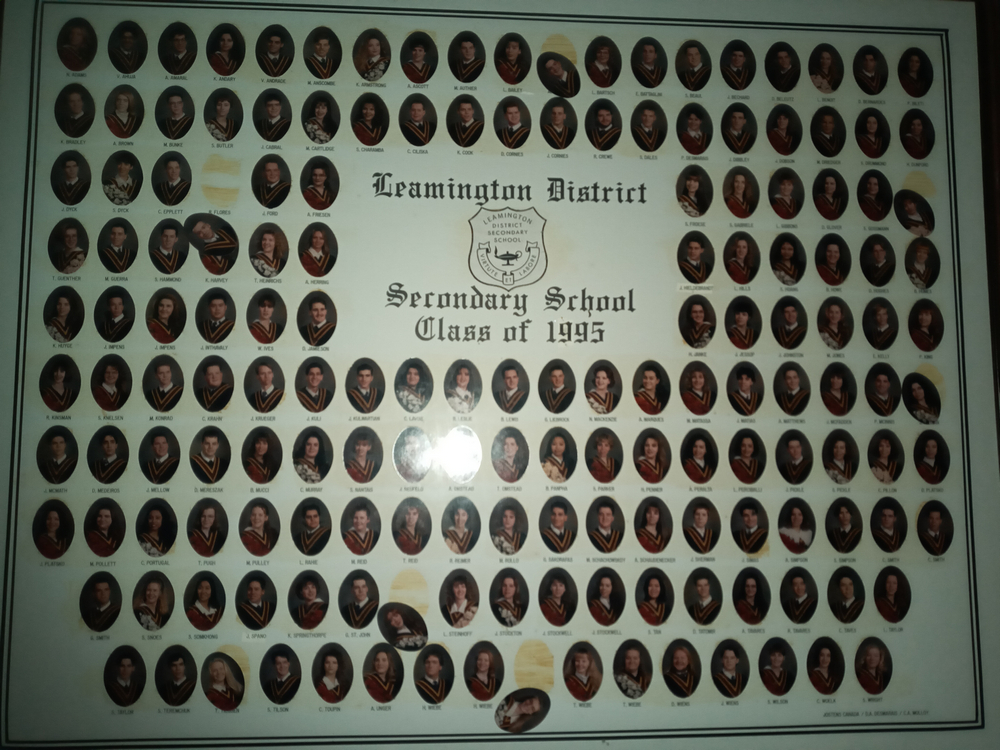
Leamington District Secondary School (LDSS)

1896-1922

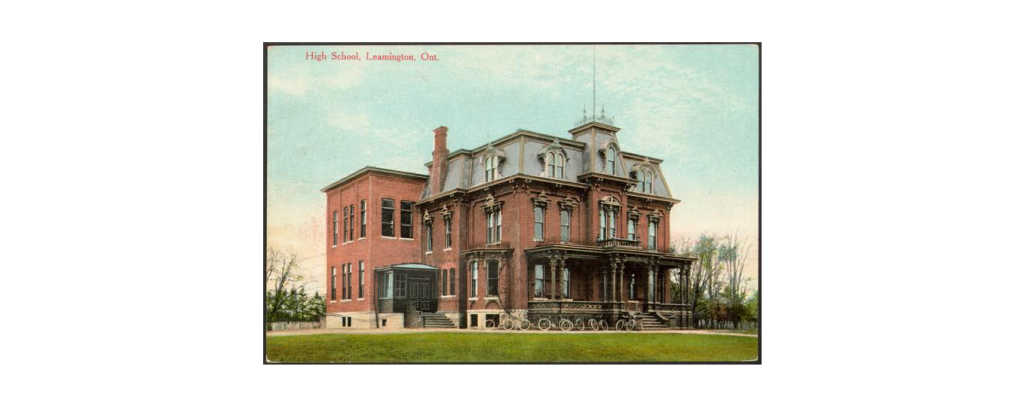
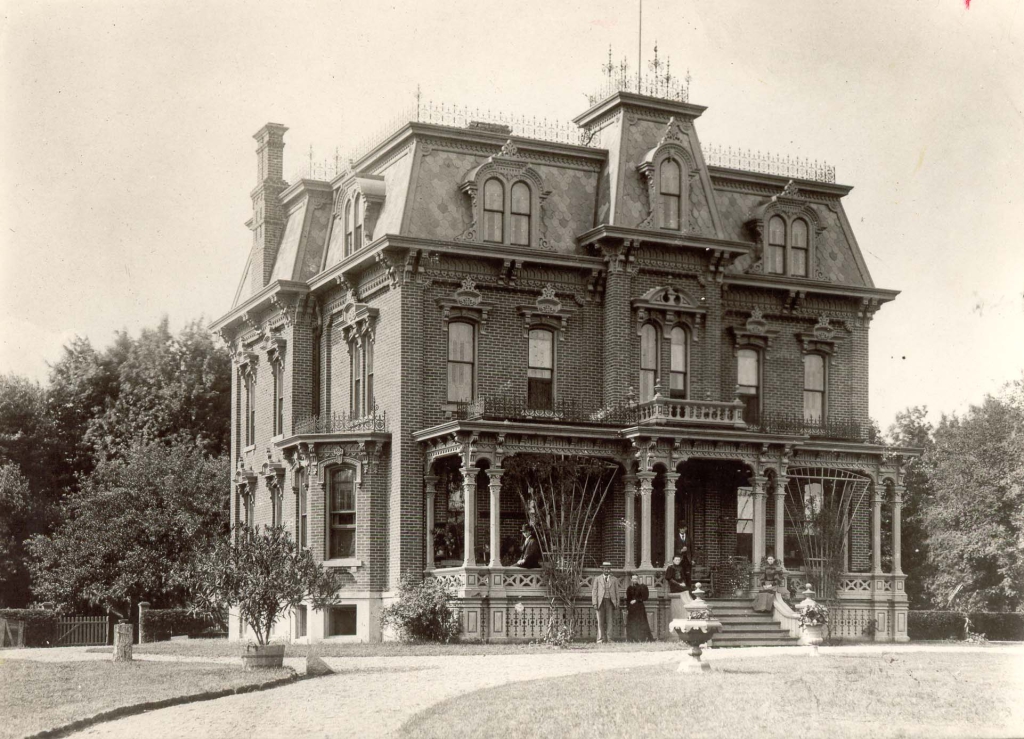
On January 7th of 1896, the first high school in Leamington began classes out of a three-story residence once owned by politician Lewis Wigle. Wigle’s home was purchased by the High School Board for $5,000. Before Leamington District High School (LDSS) existed, students were taught some secondary school subjects while still in public school.

The first day at the new high school saw 56 students enrolled and by the end of the school year enrollment had grown to 105. John Elliot served as principal until 1906.

By 1908, the school had outgrown the house, prompting the addition of four new rooms, an office, and a modern hot water heating system. By 1920, the building could again no longer accommodate the growing student population which was by then 170 students.

1922-1952

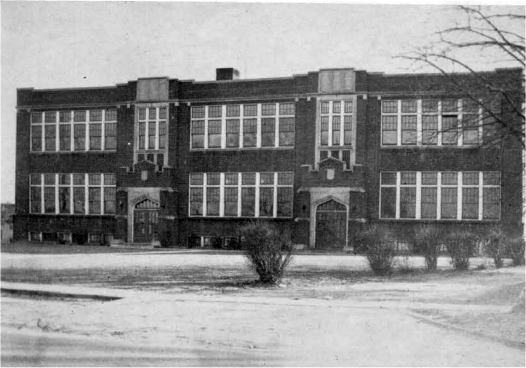
In September of 1922, the former Wigle house was dismantled and a new Leamington District Secondary School was constructed across the street from the old one. The cost for construction of the new school was $65,000. The newly built Leamington High School opened its doors in April 1923.

Commercial classes began in September of 1923 with an enrollment of 37 students. Music classes were introduced in 1931. Home economics and a wood shop were added in 1938 in a two-story wing that cost $14,000.

Public Speaking was offered beginning in 1939 and became popular with over 100 students competing in later years.

House System

In 1940 the house system was introduced. Upon entering grade nine, a student was placed in a house. For the duration of the student’s time at school, he would remain an Alpha, a Beta, a Gamma, or a Delta. The purpose of this was to provide a sense of belonging rather than feelings of isolation in a new school.

Regardless of the student’s physical or mental capabilities, he ‘belonged’ to his house. The houses provided healthy competition in areas of athletics and public speaking. Each house had a captain who was elected by the student body at the start of the school year.

 The House system would last until the 1960s when Class Presidents were elected.

Expansion

With World War II having ended, Canada’s population was beginning to increase.

By 1945, LDSS enrollment had reached 495 students. As a result, in 1946 the school board decided to purchase ten acres of land for improvements. That same year they signed a contract to transport 200 rural students to and from school daily.

With the continual growth of student enrollment, plans were drawn up for a new school. Those plans had to be re-drafted in 1950 to accommodate further increased enrollment.

Construction on the larger high school began in March of 1952 with the Foundation Company of Canada being the construction firm. The cost of the school construction was $775,000.

Premier Leslie Frost laid the cornerstone. Beneath the cornerstone was a copper time capsule which was placed there by students. The time capsule would be opened in a ceremony held in 2017 that was attended by hundreds of local community members.

https://youtube.com/shorts/XlZA-LSGHvs

The new high school opened on November 3, 1953. It contained 53 rooms (including 27 classrooms, six science rooms, a library, a theatre arts room, a cafeteria, and two culinary art rooms). Classes began at 9:05 a.m. and ended at 4 p.m. Each class was 34 minutes.

Initial enrollment was 710 students under the guidance of Principal James Hume.

Courses offered at the new school included:

Industrial Arts

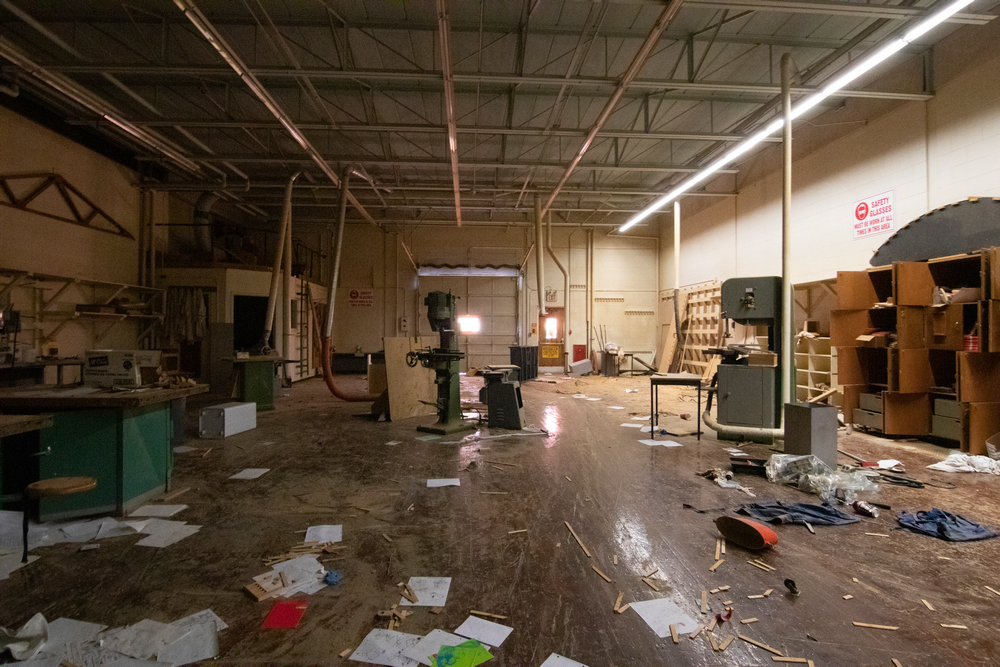
Students worked in the metal shop and woodworking. The metal shop contained four large steel-cutting lathes, a shaper, arc welder, a band saw, a bending machine, and a grinder. The wood shop had a new machine called a Shopsmith tool. This was five machines in one: a lathe, circular saw, vertical and horizontal drill press, and a sanding machine.

Home Economics

Students spent one term in the sewing class and one term in the cooking class. They also learned knitting and embroidery. In the Foods and Homemaking Room, students learned how to iron and do laundry.

Commercial

In the Typing Room, students learned how to type on one of thirty-six Remington typewriters. They also learned how to file and how to operate a Dictaphone.

Arts and Crafts

Students worked with leather, clay, wood, shells, plastic, and yarn. A kiln allowed students to fire their clay projects. Oil paint and watercolor painting were offered.

Science

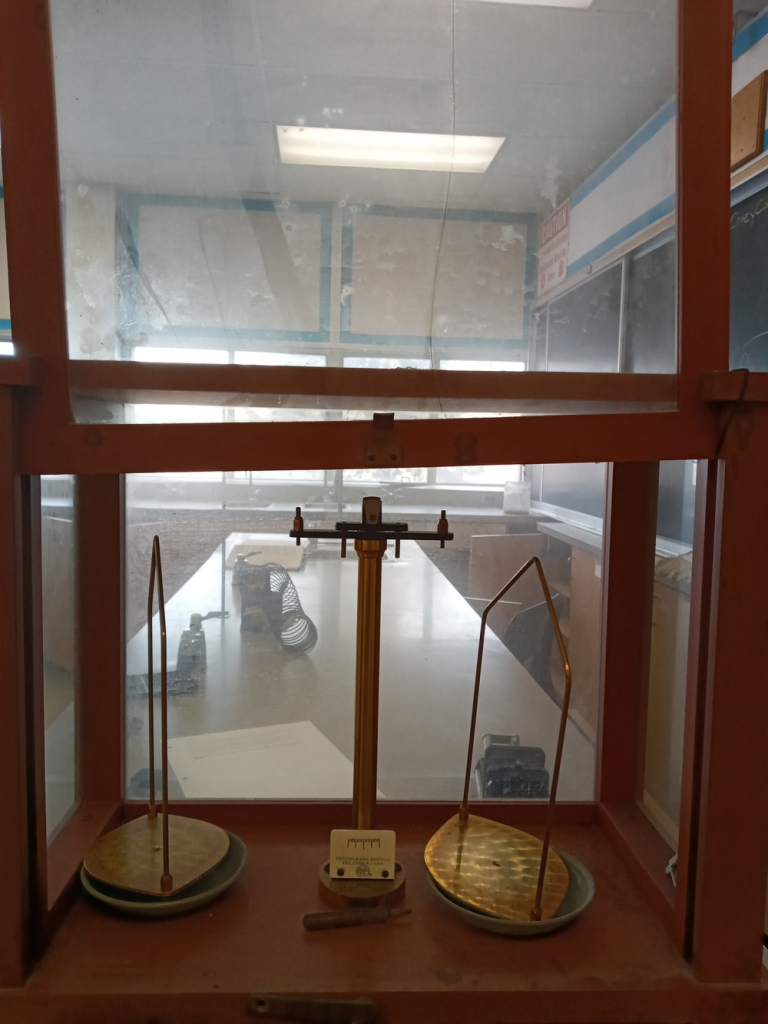
Students were taught mixing concrete, bricklaying, chemistry, cutting glass, etc. There was a Physics Lab in Room 206.

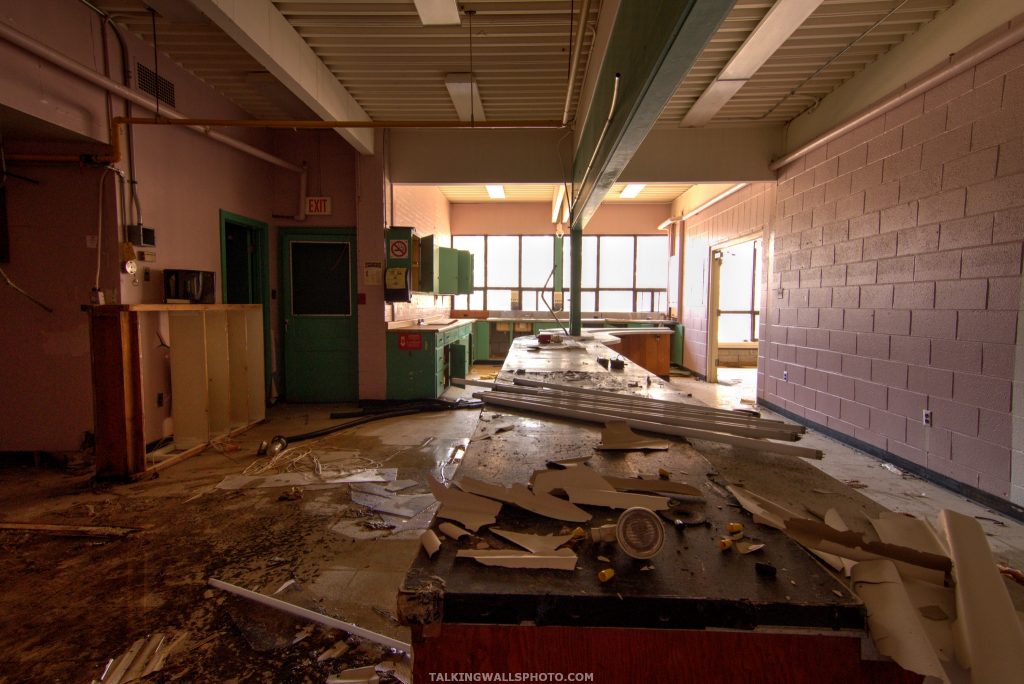
A new agriculture laboratory featured ten student tables with acid-resistant tops, natural gas and electrical outlets, and sinks. This was an improvement over the old school which offered only desks.

Library

The school’s librarian was Miss Ellwood. The library offered over 2,839 volumes of Encyclopedias and Books of Knowledge. There were subscriptions to three newspapers and seventeen magazines. Students had one period in the library per week except for grade 13 and Special Commercial.

Physical Education

Phys-ed classes included badminton, dancing, and a tumbling club. Each week students participated in two compulsory periods of competitive athletics. Each grade had major and minor teams.

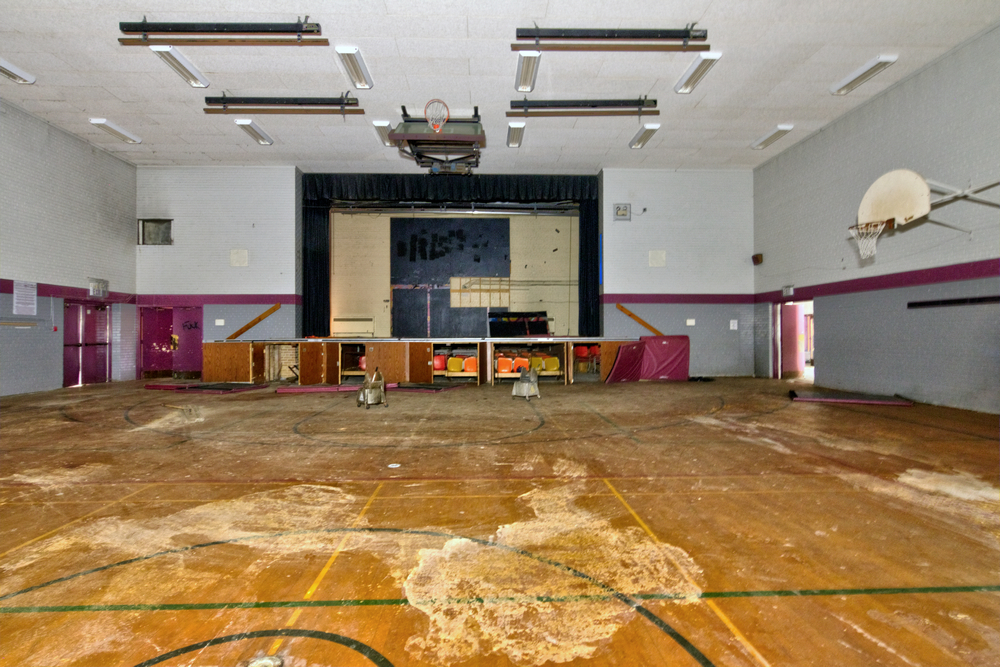
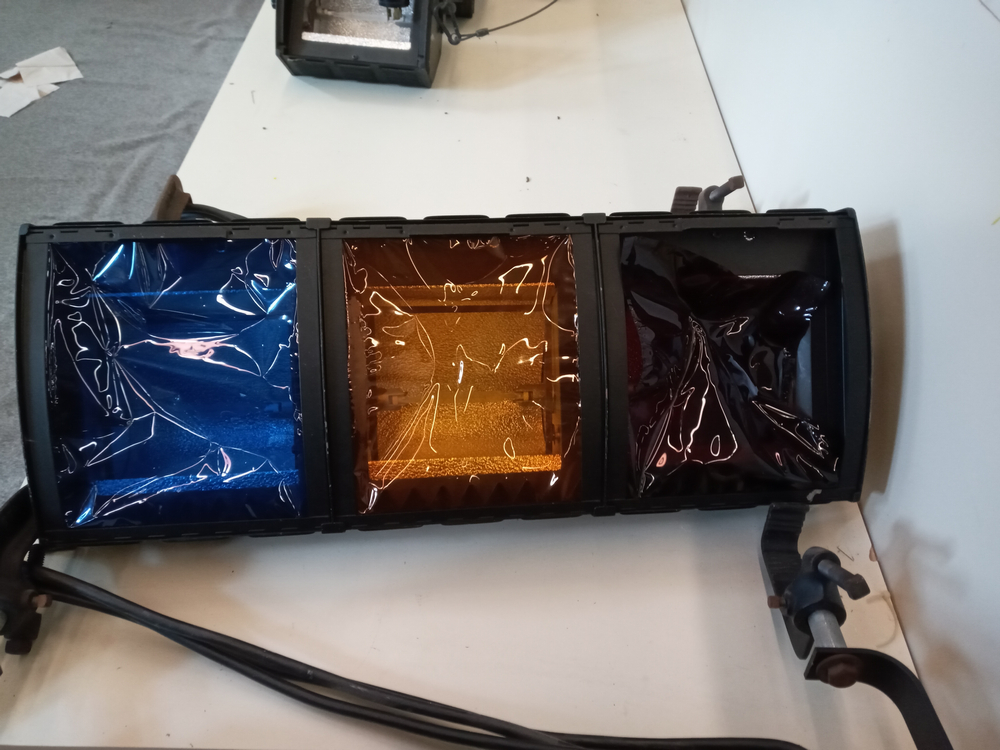
The gym had folding doors which allowed the gym to be turned into two areas, one for the boys and one for the girls. An electric scoreboard was purchased with money earned by the students. The stage area was 23 feet deep, 30 feet wide, and 60 feet at the back. Overhead stage lighting allowed for lighting during stage productions.

Girls were able to participate in basketball, track and field, volleyball, ping-pong, badminton, and golf. Boys were able to participate in basketball, football, soccer, golf, ping-pong, track and field and volleyball.

Additional teams formed over the years included tennis, golf, cross country and curling.

Clubs

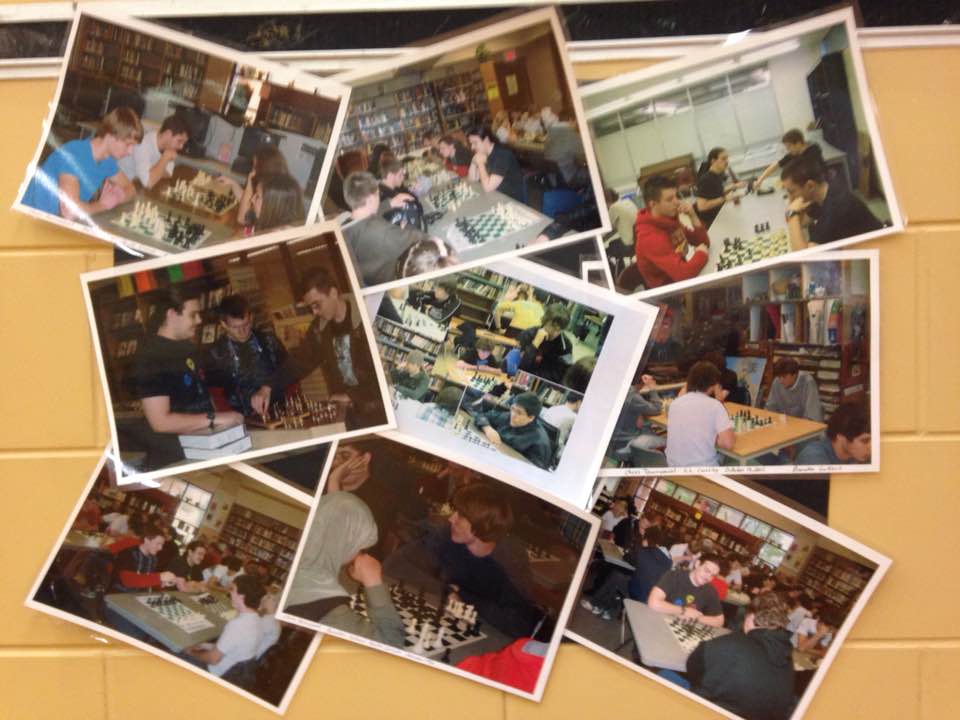
The school ran clubs including an Audio Visual Club, Public Speaking, Library Club, Community Service, 4-H Corn Club, and the Chess Club. A Driver Education course was offered to teach students how to drive a vehicle. Upon successful completion of a written exam and skill tests, the student would receive a certificate from the Ontario Safety League and the Ontario Department of Transport.

Every Tuesday and Thursday, students in the String Ensemble would meet under the direction of Mr. Neufeld. This group consisted of violinists, two cellos, one viola, and one piano.

Cafeteria

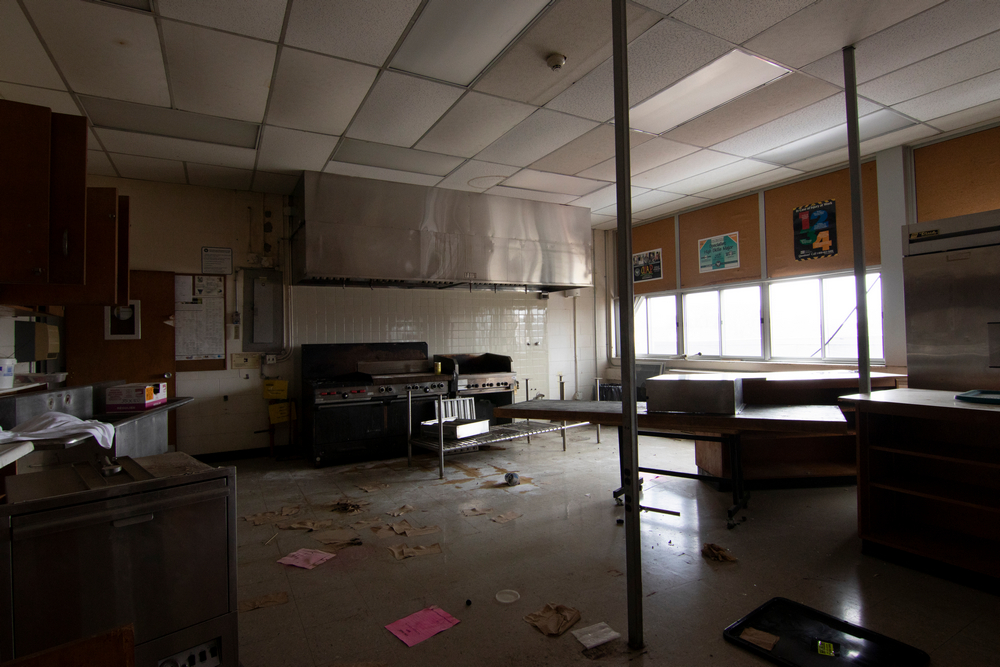
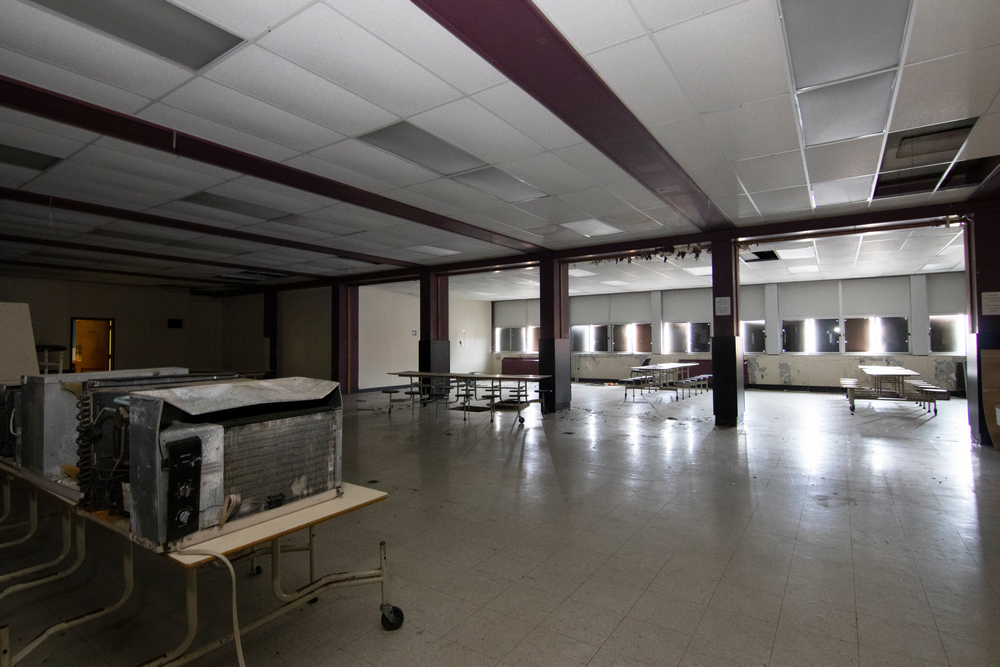
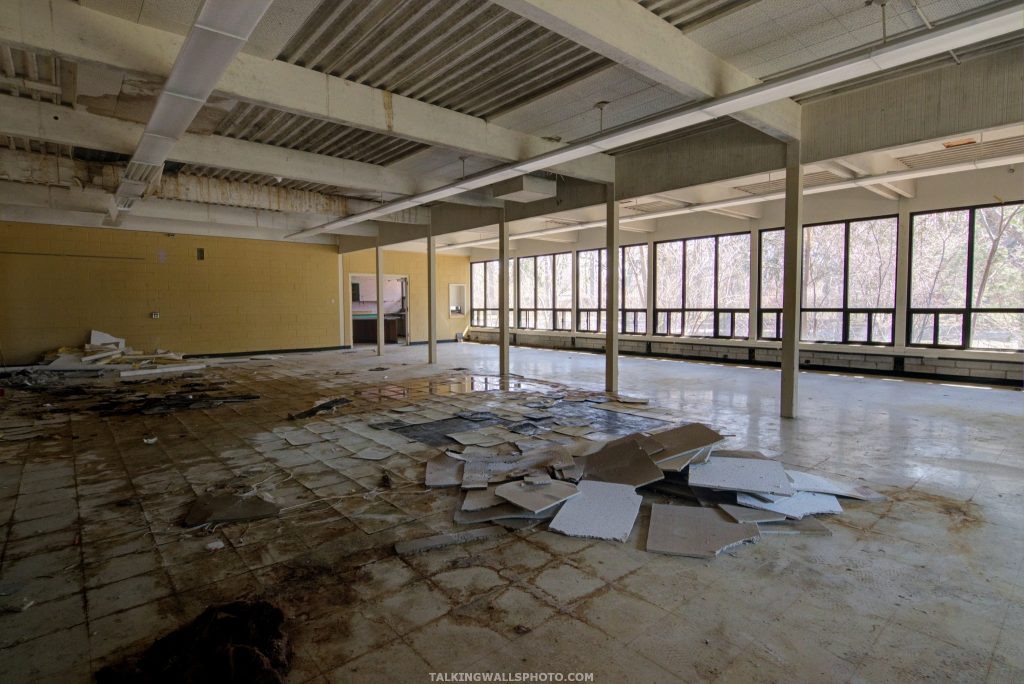
The new cafeteria was built to feed 300 students. Meals were served in three shifts: grade 9 at 11:21 am, grades 10,12 and Special were served at 11:55 am, and grades 11 and 13 were served at 12:29 pm. Students could go home for lunch and had 68 minutes before they had to be back to class.

A plate lunch consisting of meat, potatoes, vegetables, bread, and butter could be purchased for 25 cents.

4-H Corn Club  (circa 1961)

As corn is an important crop in southern Ontario, the school felt that boys should be able to learn how to plant corn. Under the direction of Mr. Clifford, students were given a chance to grow their corn. Students planted corn seeds on their own land. While their corn was growing, they received lectures from prominent men in the farming field. When the corn was ready, the students would take their best ears to have them judged. The winners received cash prizes.

After expansions in 1958 and 1961 enrollment reached a peak of 1,500

During the 1968-69 academic year, a 100 Mile Club was formed. Students who joined were expected to run at least 100 miles over the course of the school year.

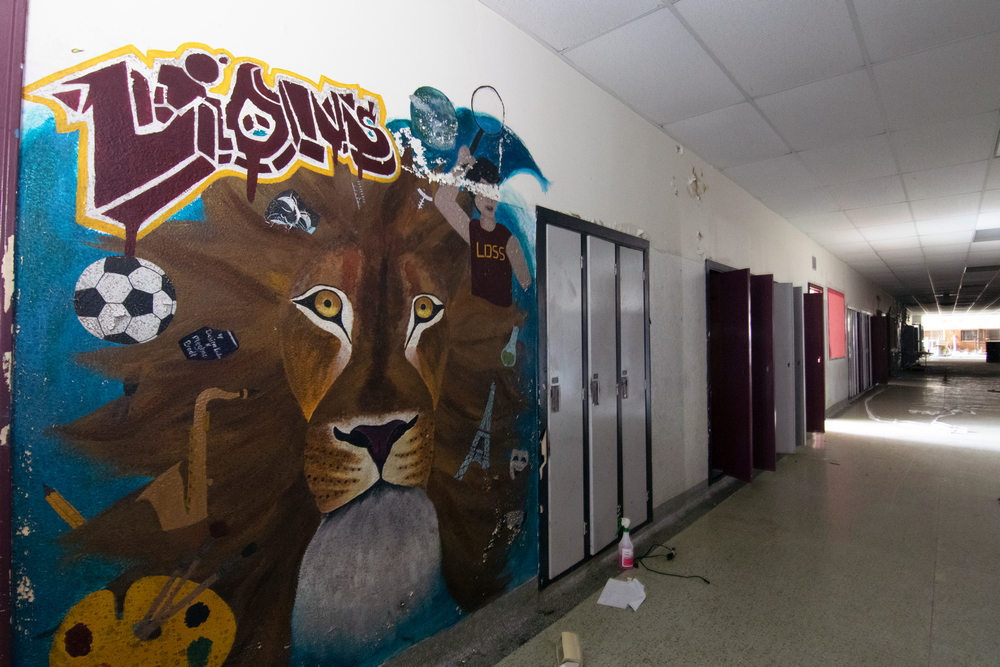
 The school’s mascot is a lion named Snoil.

Closure

Around 2007, Leamington District High School was supposed to undergo renovations. The Ministry of Education provided a grant for $10.7 million to renovate 80% of the school. In 2009 the Board approached the Ministry with a new business plan and two years later an announcement was made that $26 million would be made available to completely rebuild the school.

Land for the new school was purchased in 2013 that would offer 19.5 acres and enough room for 1000 students.

In 2016, the board of Trustees approved a new construction plan and design with a project budget of $32 million. The last day of classes at the Mill Street school was June 30, 2017.

The new building included 27 classrooms, six science rooms, four computer rooms, and a triple gym.

The old school

The Municipality of Leamington purchased the former high school lands on July 14, 2020 with the intention to build new affordable housing. A Concept Plan divides the land into three segments with 293 residential units. 216 of those units would be in three six-storey midrise buildings. 53 units would be townhouses. A Request for Proposals was issued with the accepted proposal being Amico Acquisitions Inc.

Amico’s preliminary concept plan includes two six-storey apartment buildings, with 95 and 105 units respectively, for a total of 200 apartment units and 105 townhome units for a project total of 305 dwelling units.

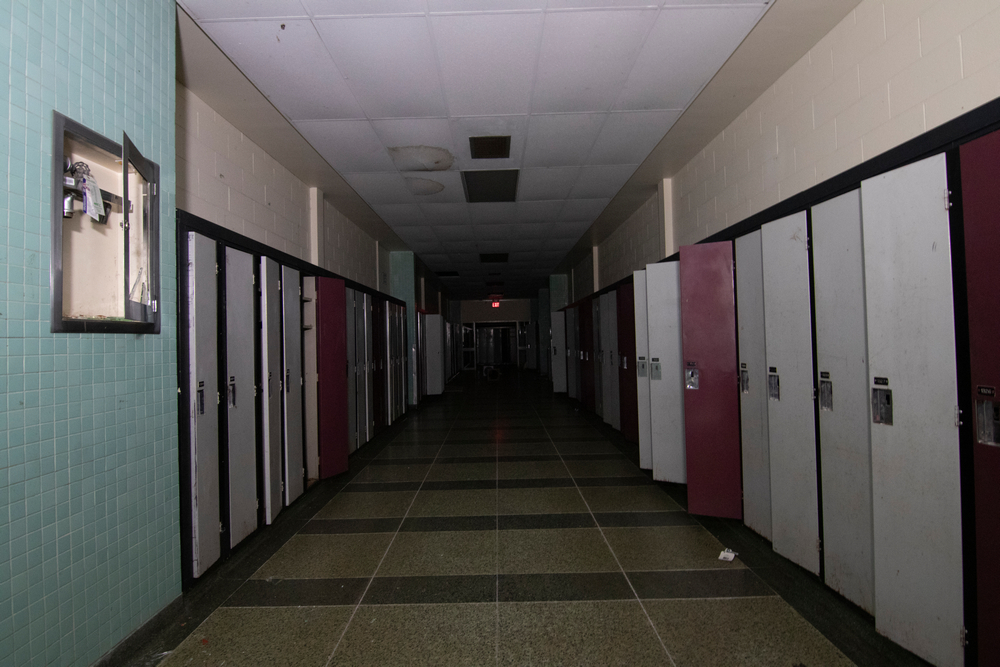
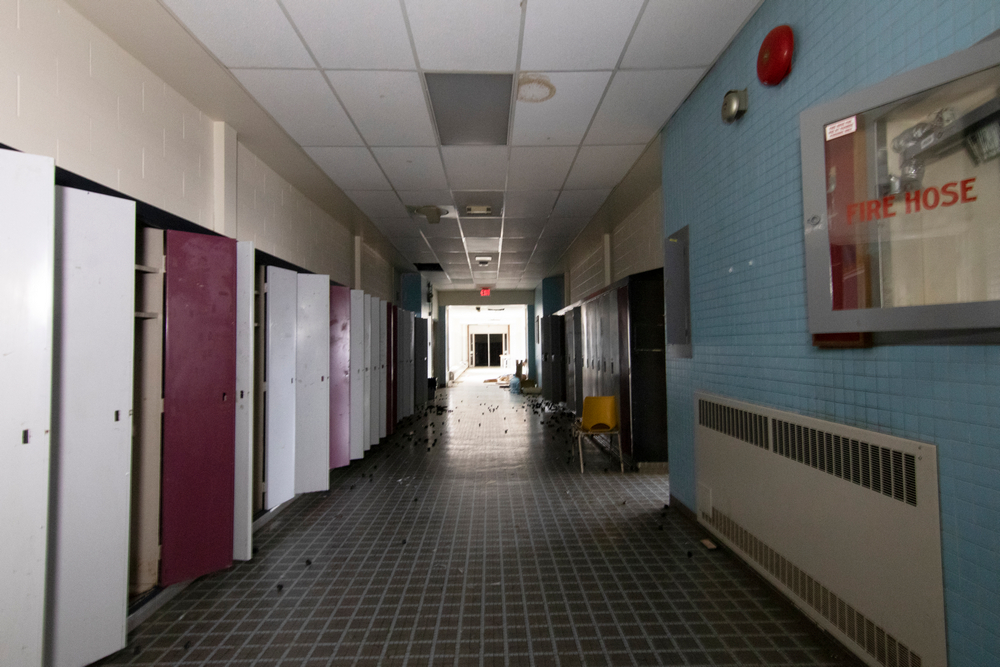
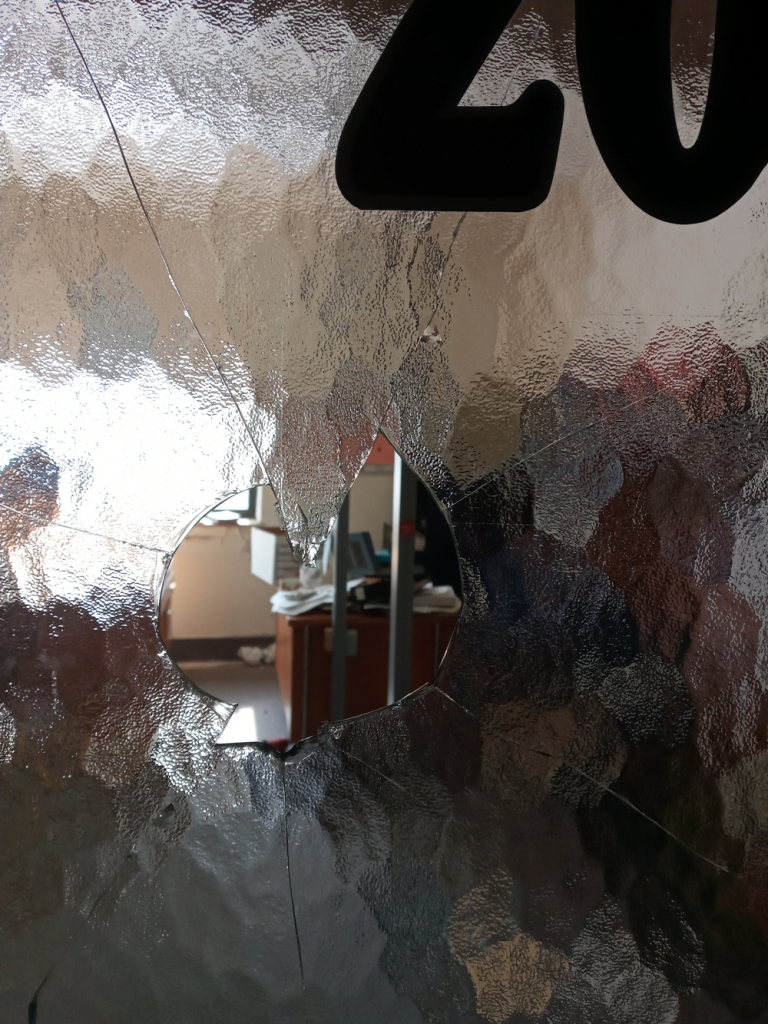
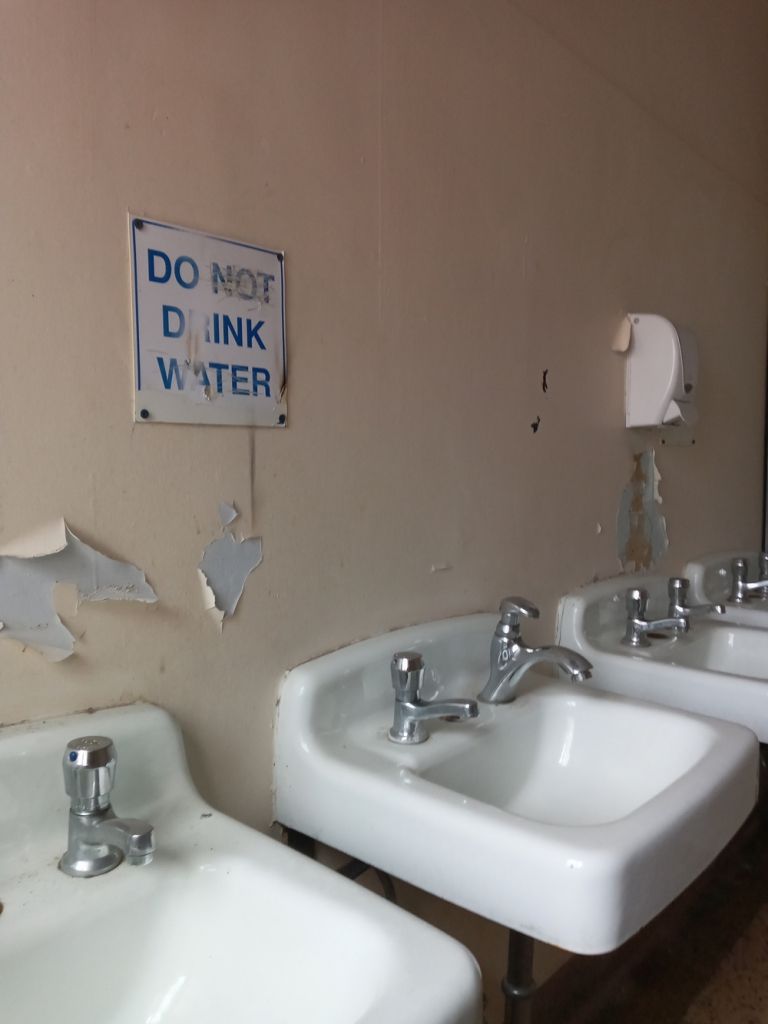
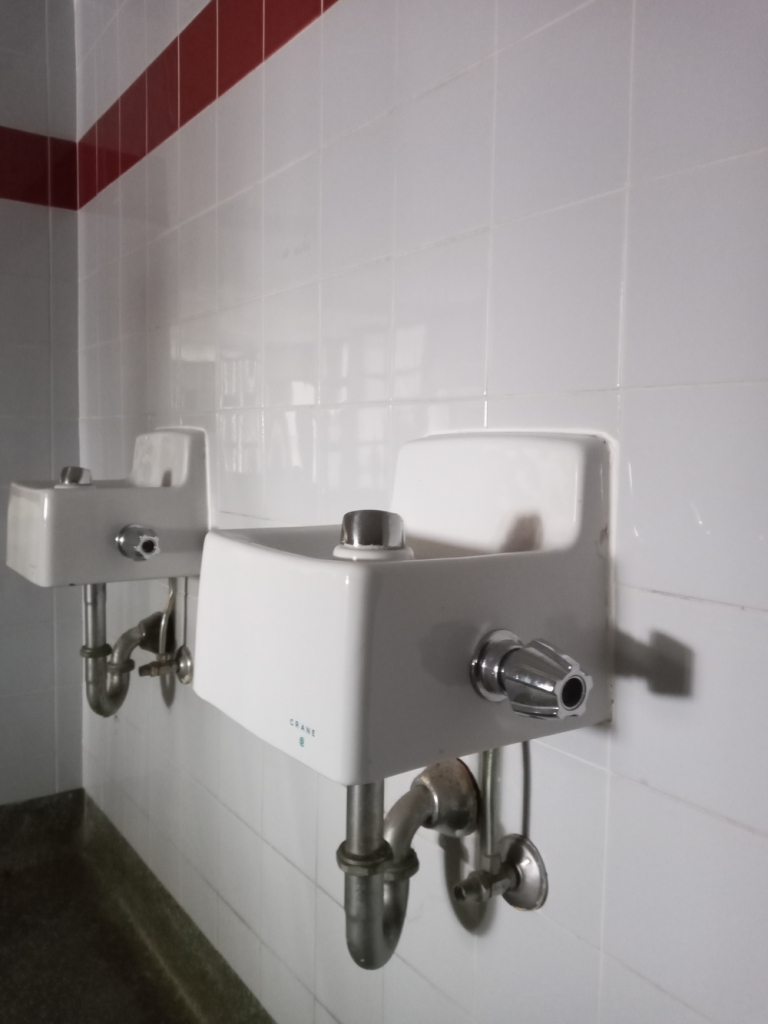
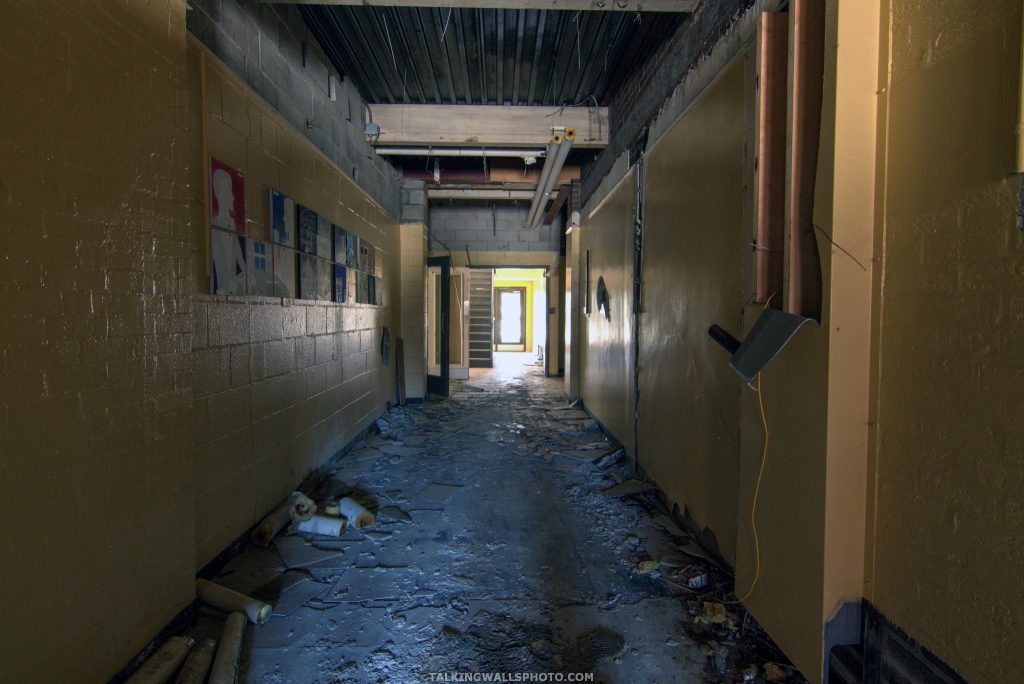
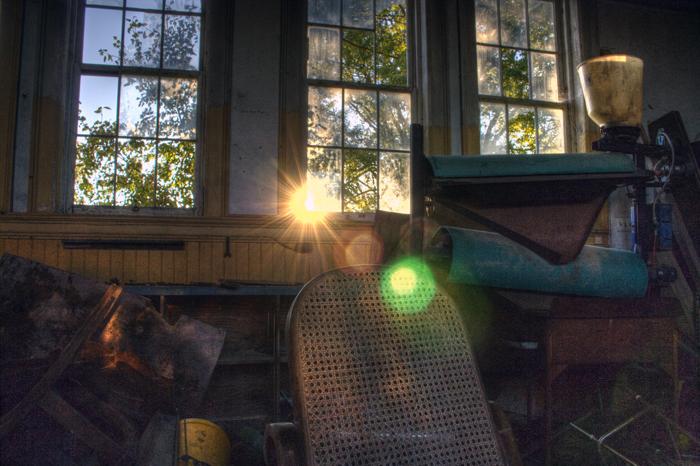
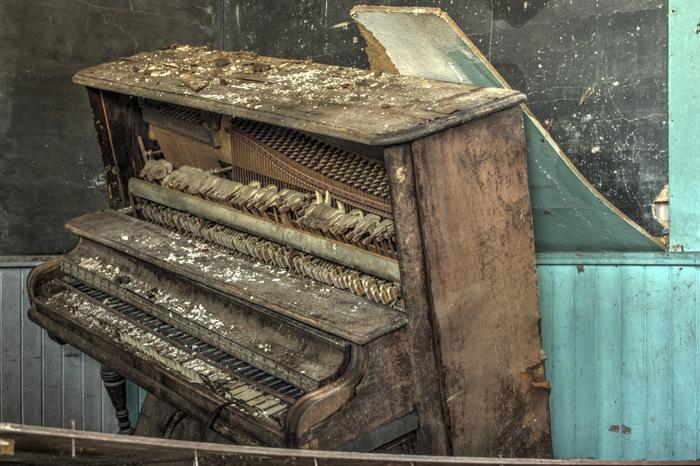
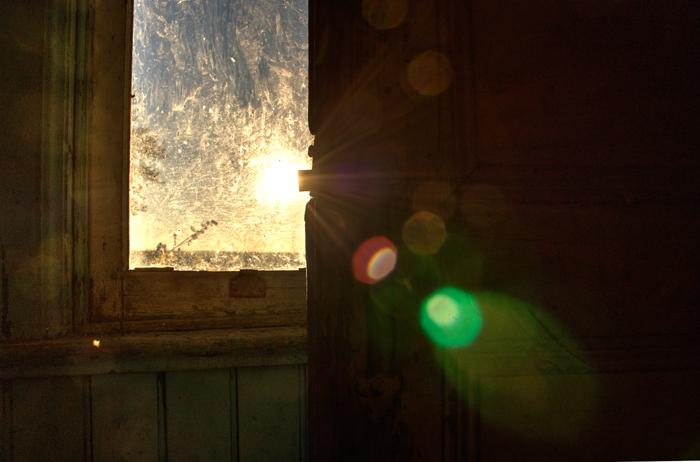
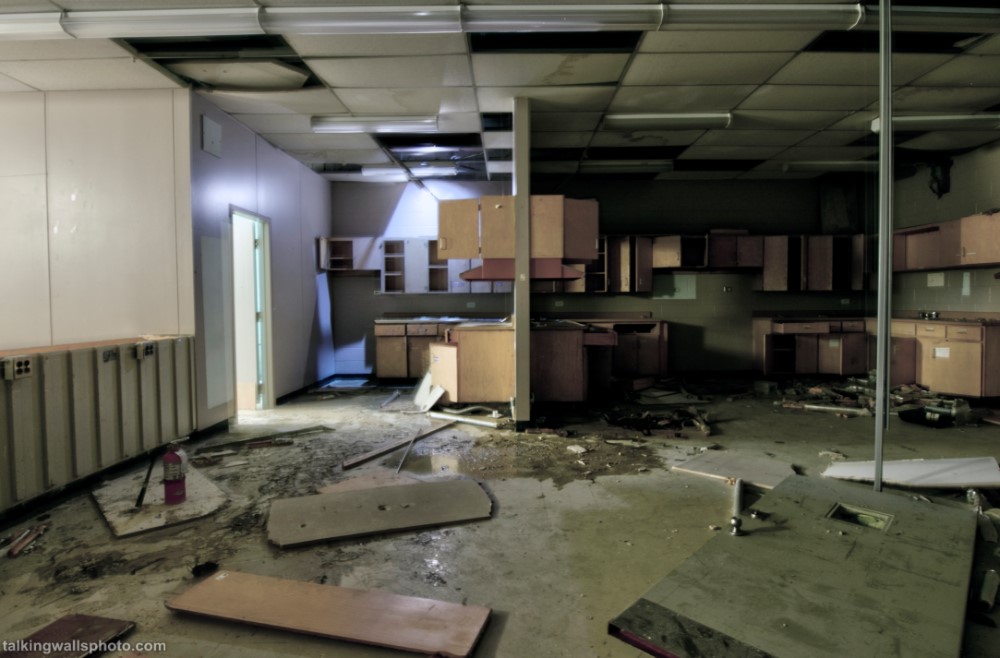
Unfortunately the photographs I took this day were consistent…. consistently garbage. They are crooked, out of focus and noisy.


Video


All research by TalkingWallsPhoto. Thanks to Alex for the POE and location!
Sources: 1, 2, 3, 4, 5, 6


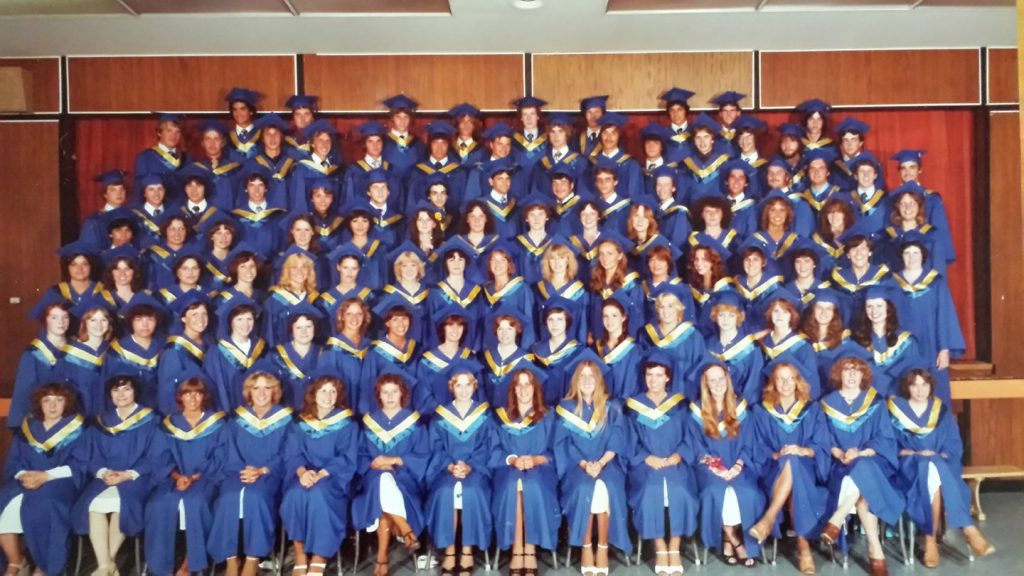
Ridgeway High School

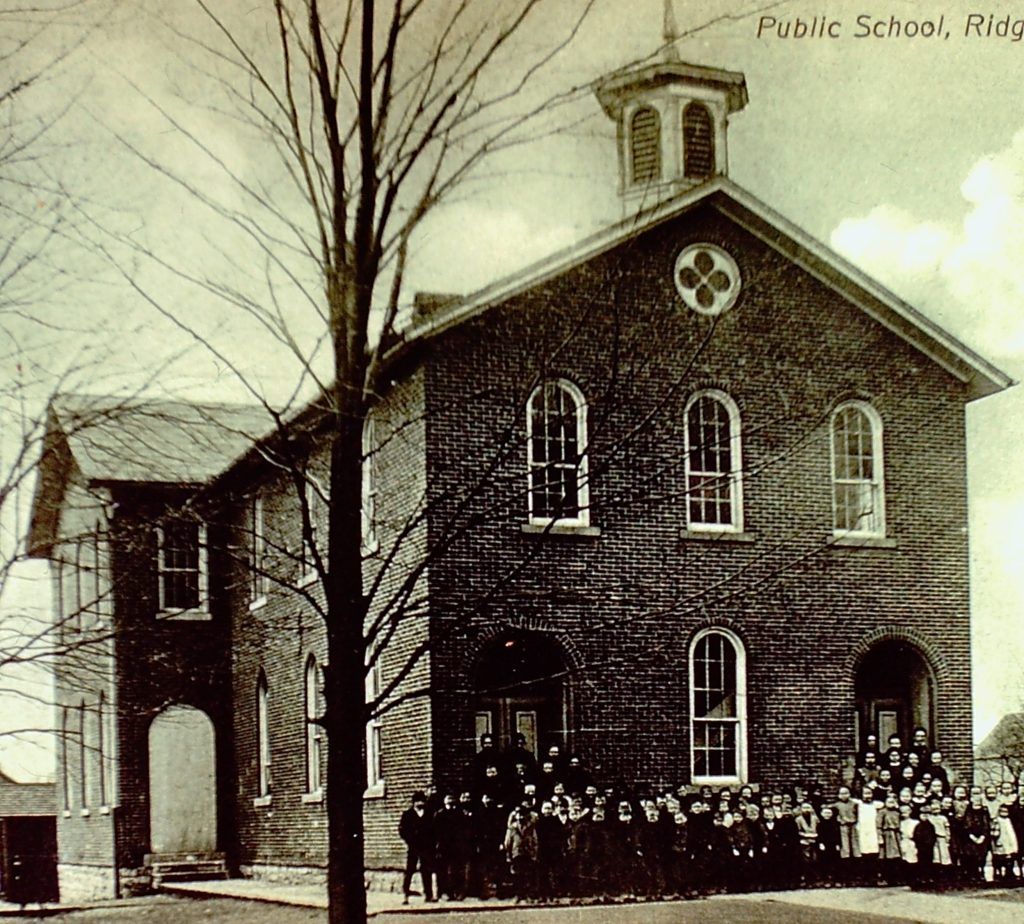
In 1909, high school education in Ridgeway, Ontario was held in the Continuation School located in the Masonic Temple Building on Ridge Road (known today as the Niagara Funeral Alternatives). Classes were taught by two teachers.

After World War I ended, the School Board felt that plans for a new school could be implemented. During their December 31, 1919 annual meeting, details of the new school were revealed. Teacher’s salaries would be between $600 to $900 per year, with the principal earning $1900 annually.

The school was built on the site of where Ridgeway Public School is located today. The school’s cornerstone was laid in 1920 and the school opened in 1921. Students from both elementary and the Continuation School attended this new school.

In 1925, two additional rooms were added and in 1926 there were four teachers employed at the school.

The Province of Ontario had issued guidelines for new high schools which included new courses, washrooms, a laboratory, Domestic Household Science room and Manual Training areas. As this school didn’t meet those requirements, it was decided to split the two levels of education

School Trustees applied to the Township of Bertie for $132,000 in funding to construct a new school. A 10-acre parcel of land on Ridge Road was purchased at a cost of $7,500.

In 1927 the Ridgeway Continuation High School (RCHS) was built. The school was designed by the architectural firm of SB Coon & Son of Toronto. SB Coon & Son were the leading school architect firm, having constructed over 30 schools in Ontario. It was built by Avery-Shipp Construction from Toronto at a cost of $95,500 (other sources show $96,000 or $99,000).

The school building boasts the classic gothic collegiate/institutional style. It is a symmetrical structure that stands at 2 ½ storeys, and features a centered and recessed main entrance. The entrance is accentuated by a larger cement/stone frame with a double lintel, and twin wood doors that are adorned with a sunrise design transom window.

The initial school design featured 8 classrooms, a teacher’s room, laboratory, 40’ by 70’ auditorium and a gymnasium. The gymnasium was used for many events including entertainment night, fashion shows, dances, musicals, oratorical contests (public speaking) and graduations.

On January 1st, 1930 the school’s name was changed to Ridgeway and Crystal Beach High School (RCBHS). The student population at this time was 103 students. Students were bussed in by Erie Coach Lines.

During a School Board meeting in 1938, a motion was made to request Mrs. McCaulley to instruct music the next year. In 1939, Mrs. McCaulley taught music to Grade 9 students, and before the High School students presented “Here Comes Charlie,” twenty of her students sang a song.

Beginning of Changes

In the 1950’s the school went through several improvements and renovations.  The gymnasium’s original wooden floor was by now rotten and required replacing. A cement pad was poured and tiles installed. The school crest was cut from tiles and placed in the center of the floor.

In 1954 letters of complaint were filed with the company that had laid the tile, Flint Kote Company of Toronto. The company passed the blame onto the installers of the cement pad.

The school’s Auditorium was rented out to community groups including the Volunteer Fire Department for their St. John’s Ambulance Course.

Also in 1954, the Crystal Beach Council protested the Ridgeway High School Requisition. The Requisition was a motion to dissolve the Fort Erie High School District and dissolve the Ridgeway Crystal Beach High School District. A new high school district compromising Fort Erie, Ridgeway and Crystal Beach districts would be created. In 1955 the Bertie District High School Board was formed. This allowed for a fair distribution of the student population and educational resources. Ridgeway Crystal Beach remained the academic-focused school while Fort Erie expanded their vocational and technical courses.

In 1956 a cafeteria was built on the south side of the school over the ‘BOYS’ entrance.

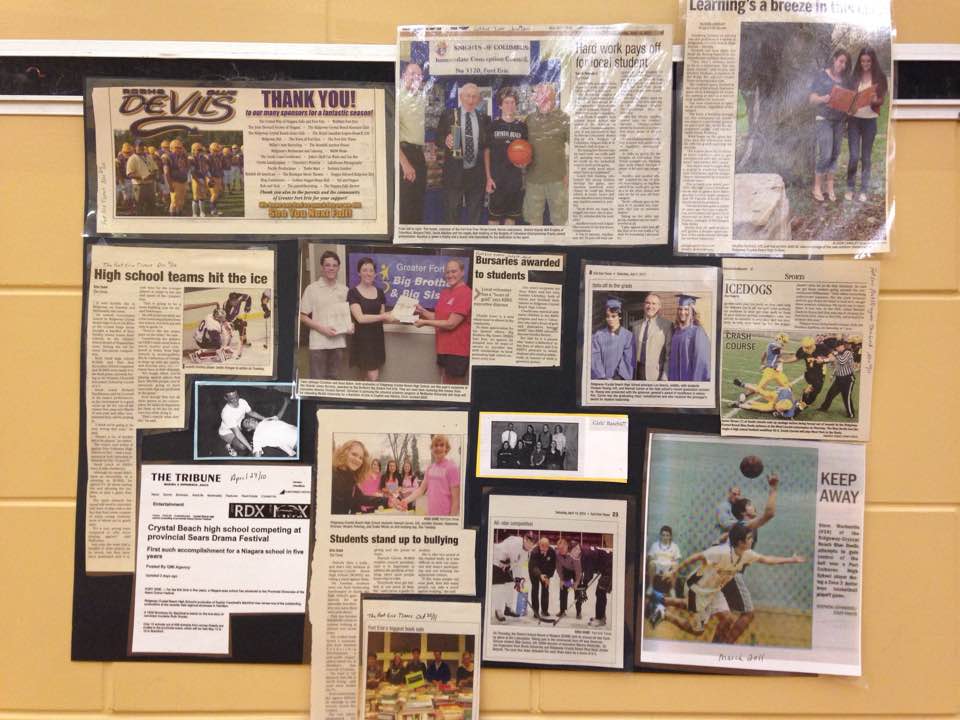
The school’s Football Team was part of the “Blue Devil’s” Varsity Program. Records indicate that between 1957 and 2016 the Blue Devil’s won 91 games, lost 70, tied 4 and made it to 7 championship games. The football team ended in 1974 and wouldn’t be reformed until 2010.

On October 26, 1959 it was announced that a new addition would be built. The addition, completed in 1960, was built on the north side (over the ‘GIRLS’ entrance) and contained administrative offices, Shop and Drafting, Home Economics, library, and additional classrooms to the north end.

In 1966, two science labs, physical education wing and more classrooms (rooms 110 & 111) were added.

Around 1966 Grade 13 was discontinued and students went to Fort Erie for their 5th year.

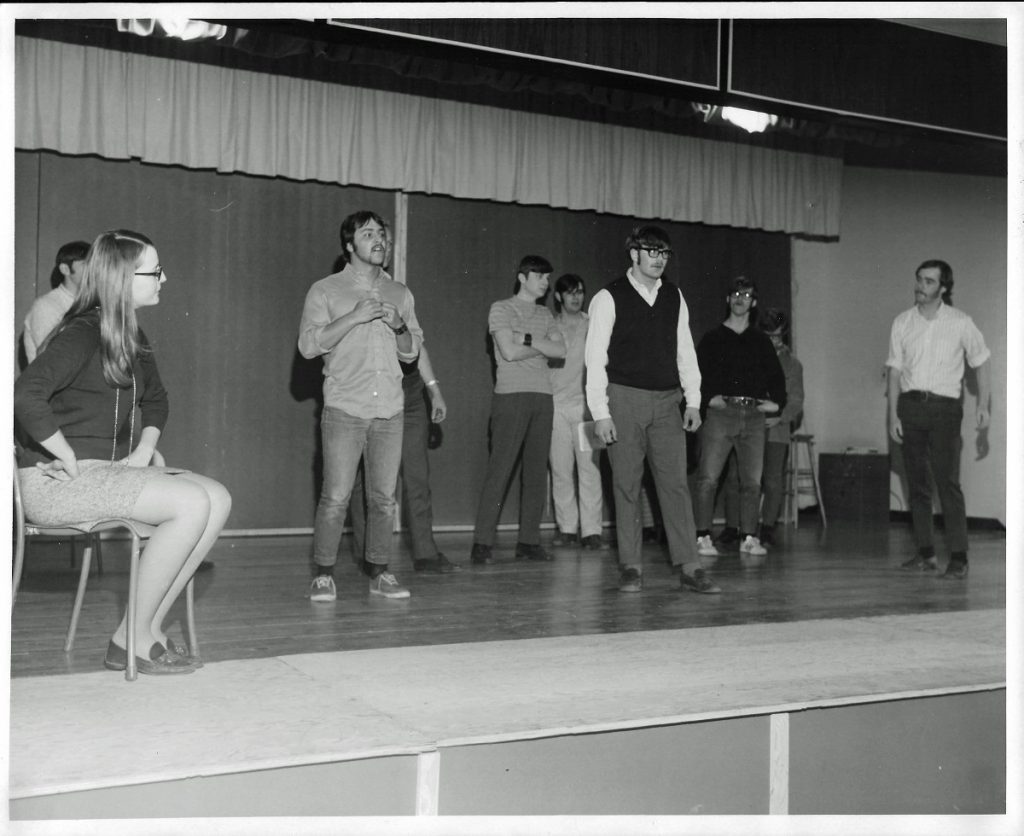
The school held a musical titled “Oklahoma”, to sell-out crowds in May of 1970.

In 1973 the south end was added to the school. This addition included classrooms for typing, accounting and a new library. The old library became a Science Laboratory and the old typing room was used to enlarge the guidance offices. The project cost $187,000

By 1976 the school population was 537 students with a staff of 31.

1984 Reunion

The RCBHS Reunion was held in 1984 which featured an open house at the school and a parade down Ridge Road, an Oldtimers Basketball game and other events at the West End Arena.

In 1984 the Pride Field was constructed out of a new surface technology. The Crystal Beach Kinsmen Club led the project with many donors and profits from the 1984 reunion.

 In 1987, the Auditorium was refurnished with permanent comfortable seats on raised platforms. In 1989 construction began on an all-weather track, followed by a field house in 1991.

In 1993 a weight training and exercise room were added. In 1995, the Communication Technology complex was added.

The End

In 2013 the decision was made to close Fort Erie Secondary School and Ridgeway High School. The Ridgeway High School and Fort Erie Secondary Schools would be amalgamated into a new school named the Greater Fort Erie Secondary School (‘Gee-FESS’). The school was built at a cost of $30 million.

In 2017, Fort Erie Town Council approved a recommendation to declare the front exterior of the school as being historically significant. This designation was signed on January 22, 2018. According to the Ontario Heritage Act, the official classification will mandate that any purchaser or developer of the property maintain the entirety of the building’s front facade facing the road. In the event that a developer wishes to demolish the front of the school, they must first obtain written consent from the majority of councillors through Town Hall.

The property was listed at $10.9 million. A Farewell Open House was held on May 19th and 20th 2017. A buyer has since purchased the property. School Trustees approved the sale of the school during their April 27, 2021 board meeting.

Today, the school stands as the largest, tallest, and most significant building in Ridgeway, and it is the only structure of its kind in the Fort Erie community. It is often referred to as ‘the biggest little school in Ontario.’

Other notable events:
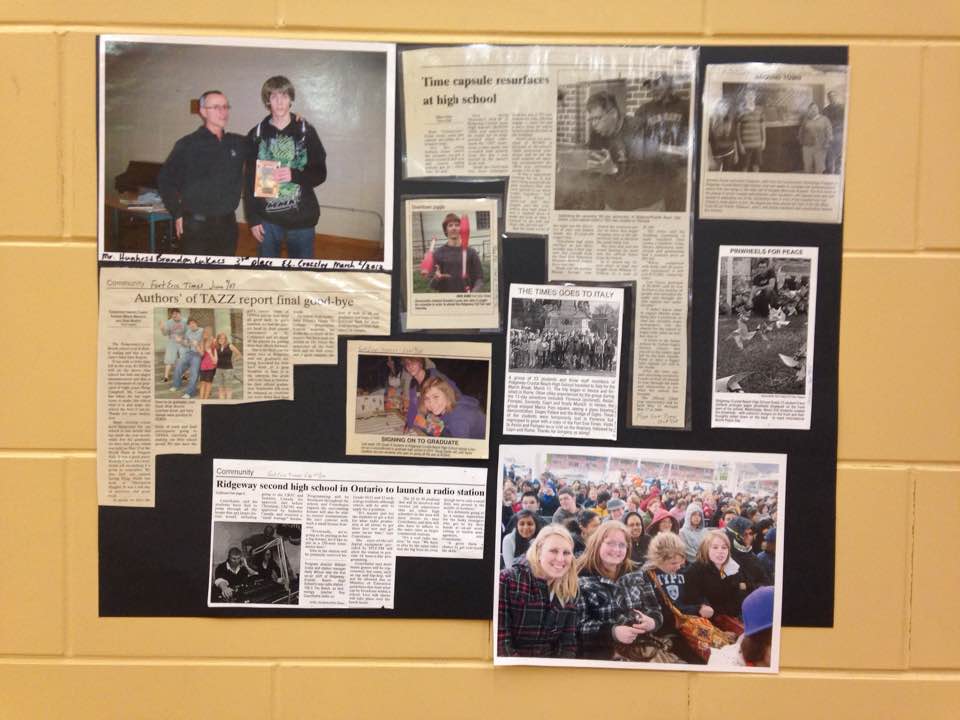
Ridgeway High School was the second school in Ontario to have their own radio station
A Ridgeway-Crystal Beach High School student, Frank Kelly, was Mad Magazine’s cover artist from 1956 to 1962 and illustrated the famous Alfred E. Neuman?

Several popular bands played at RCBHS including April Wine, Max Webster, Rush (1971) and Helix (late 1970’s)

Ridgeway High School


Cell Phone Photos


Historic


Video


Links & Sources
1) Yearbooks
2) http://www.shopniagara.ca/home/subcategory_display/10568/Ridgeway+Crystal+Beach+High+School
3) https://www.readkong.com/page/a-history-of-ridgeway-crystal-beach-high-school-7980533
4) The Red Rag
5) https://www.niagarafallsreview.ca/local-fort-erie/news/2021/05/13/former-ridgeway-high-school-has-been-sold.html


St. John Catholic French Immersion School (London, Ontario)

The St. John’s Catholic French Immerson School was located on Hill Street in London, Ontario. It was demolished in 2020 to make room for a new Child and Family Centre and Licensed Child Care for the Southwest Ontario Aboriginal Health Access Centre (SOAHAC).

The province of Ontario spent $12,000,000 to help relocate the school to 1212 Coronation Drive. There were approximately 500 students at the old school.


Maple Lodge Ghost Town (S.S. #3)

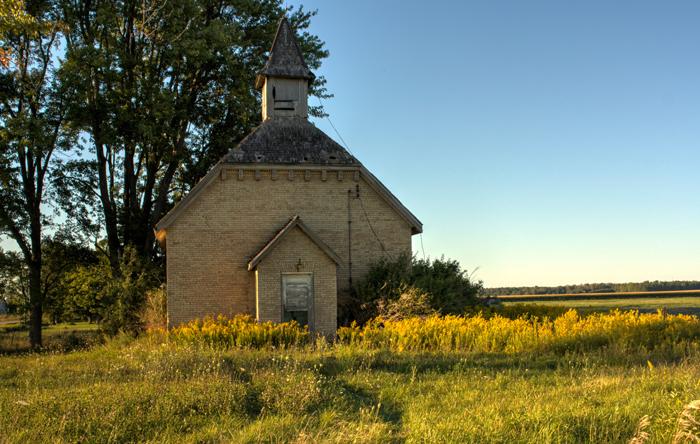
The one room school house known as S.S. #3 Maple Lodge is one of the last buildings of the old town of Maple Lodge. The post office was located north on Niel Road.

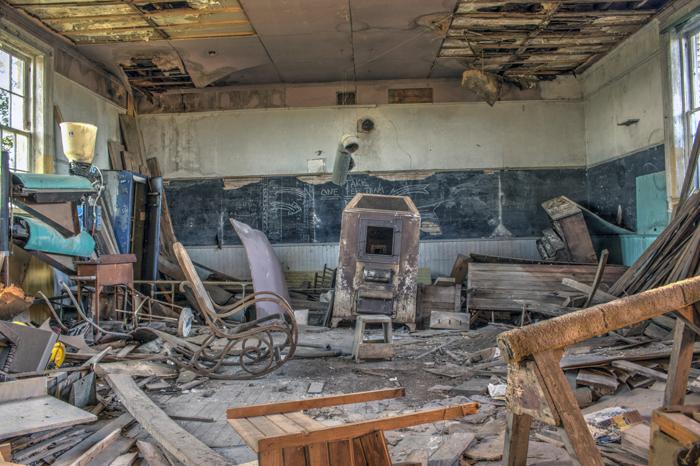
The school was built in 1900 and closed in 1956. This school was built in 1900 and closed in 1956. The building was also used as a woodwork shop but due to break-ins at the remote location, that business ceased.

A church was located at the other end of the adjacent corn field which was relocated from the south during the 1800’s.

The outline of the old Grand Trunk Rail Line can be seen by satellite view just north at a northeast angle from the town of Ailsa Craig.

Today the school house is demolished, leaving only memories in it’s remains.

GPS: 43.16224,-81.46908


Mountain Secondary School Hamilton

Mountain Secondary School was located at 60 Caledon Avenue in the City of Hamilton, Ontario. The building first opened in September of 1967 as the Caledon Girls Junior Vocational School. It amalgamated with the all-boys Crestwood Secondary School in 1995.

Mountain Secondary School’s education curriculum included multi-credit courses in academics as well as industry standard certifications, and co-operative education. The industries included sectors such as transportation, cosmetology, hospitality, building maintenance, cabinetmaking, retail and personal/senior/child care sectors. The school also offered special education and English as a Second Language (ESL) classes

The 2009-2010 student enrollment was 328 students.

On May 24, 2012 the Hamilton Wentworth District School Board made the announcement that the school would close and students would be moved to a new $25-million dollar school. Students from Parkview School, which also served students with special needs, moved to Mountain when Parkview closed in June of 2014.

During the 2014-2015 year, 169 students attended Mountain Secondary. They were students in Grades 10 through 12. Enrollment for the 2015-16 year was estimated to be 115 students.

In 2015, School Board Trustee Larry Pattison brought forth a motion to keep the school open. Pattison argued that pushing special needs students into larger school wouldn’t work. The trustees turned down the proposal without any discussion.

The last day of classes at Mountain Secondary School was June 26, 2017.


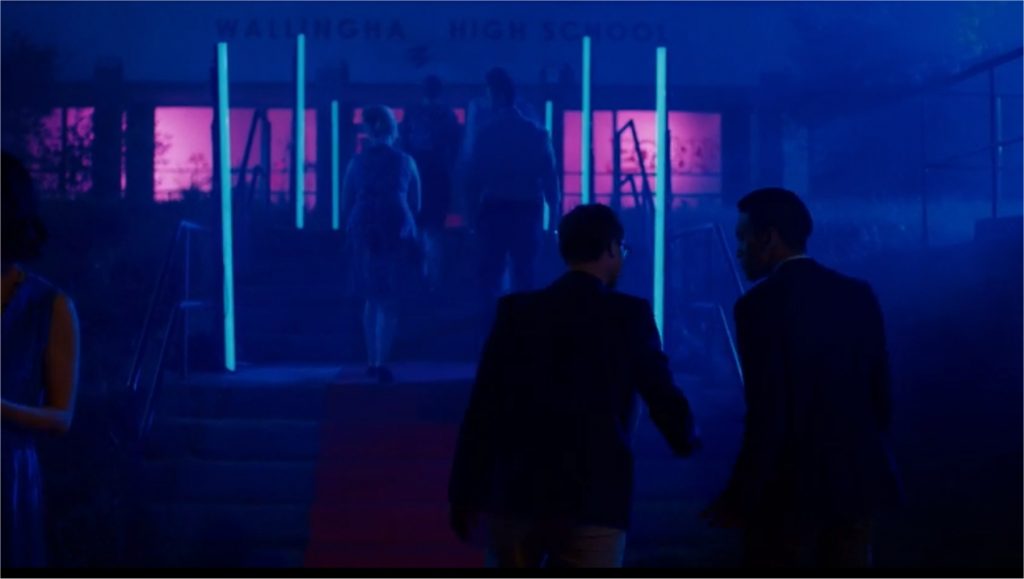
In 2018, a horror movie titled Killer High was filmed in the high school in the fictitious town of Wallingham. The school still bears the name to this day.
killer high movie

The Hamilton school board began the process of disposing of the asset property and it was ultimately purchased by the City of Hamilton. The city’s intention was to create a new mixed housing community. The purchase of the land was made with a $3.13 million investment from Hamilton’s $50 million Poverty Reduction Investment Fund.

In December of 2020, the City of Hamilton closed a deal with Hamilton East Kiwanis Non-Profit Homes and Victoria Park Homes. The partnership is called the Caledon Community Collaborative and their purpose is to create mixed income family-friendly housing. Demolition of the school is expected to begin in April of 2021. The new construction is expected to begin in Fall of 2022.

Exploration March 2021

I had been to this school twice in the past, trying to gain access. Both times it was secured. The presence of fresh plywood wasn’t very encouraging for my third try. We walked the perimeter, noting one way inside if you were an acrobat. As we rounded the final corner, I said to my friend Chris, “Wouldn’t it be great if this door was unlocked?” and went to pull on it. With a mix of delight and surprise, the door opened. 
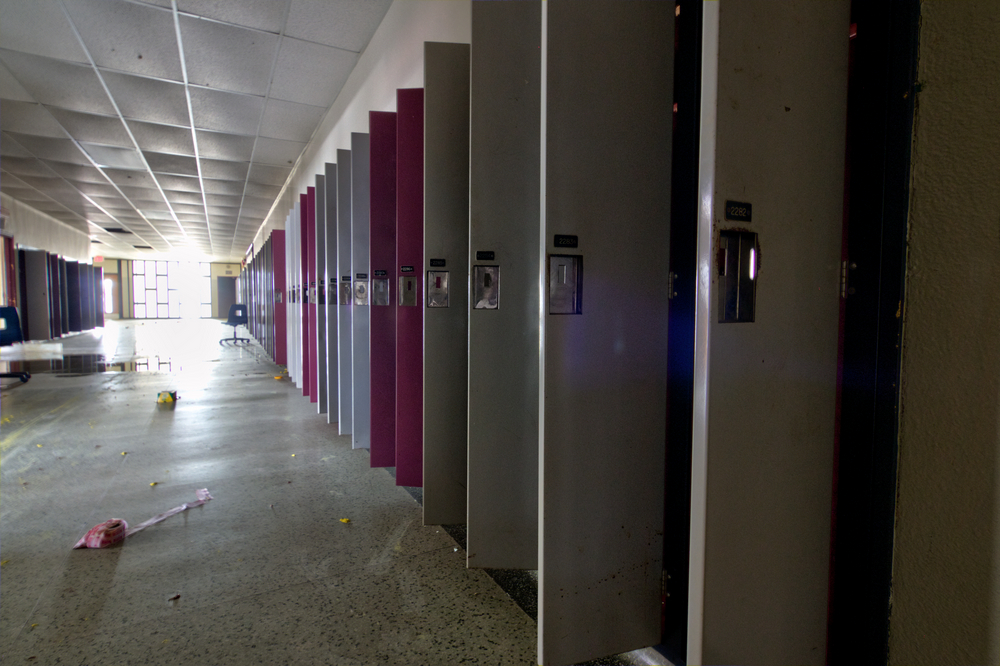
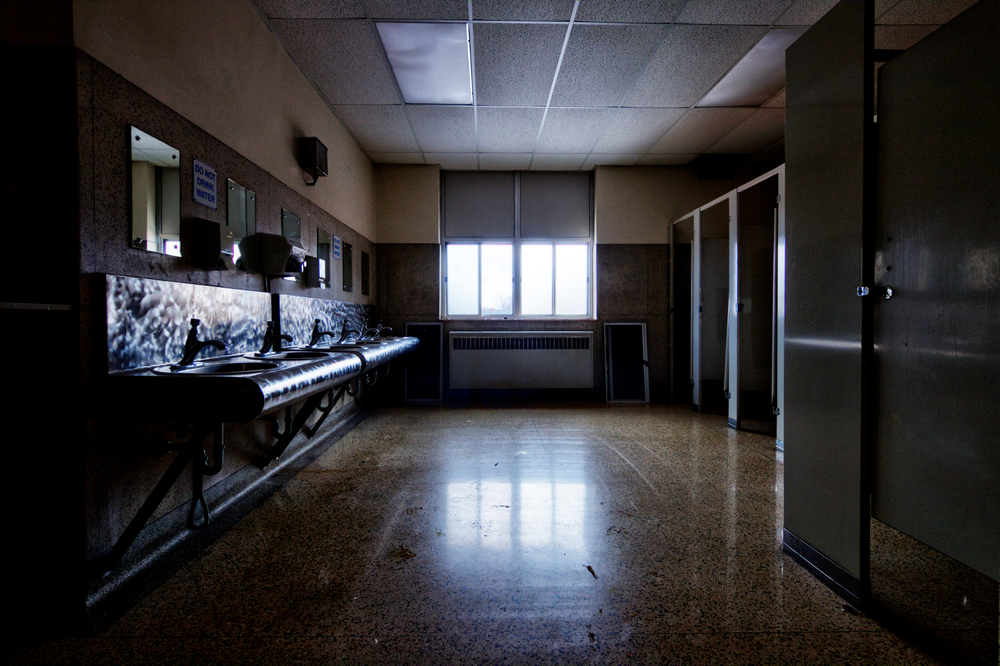
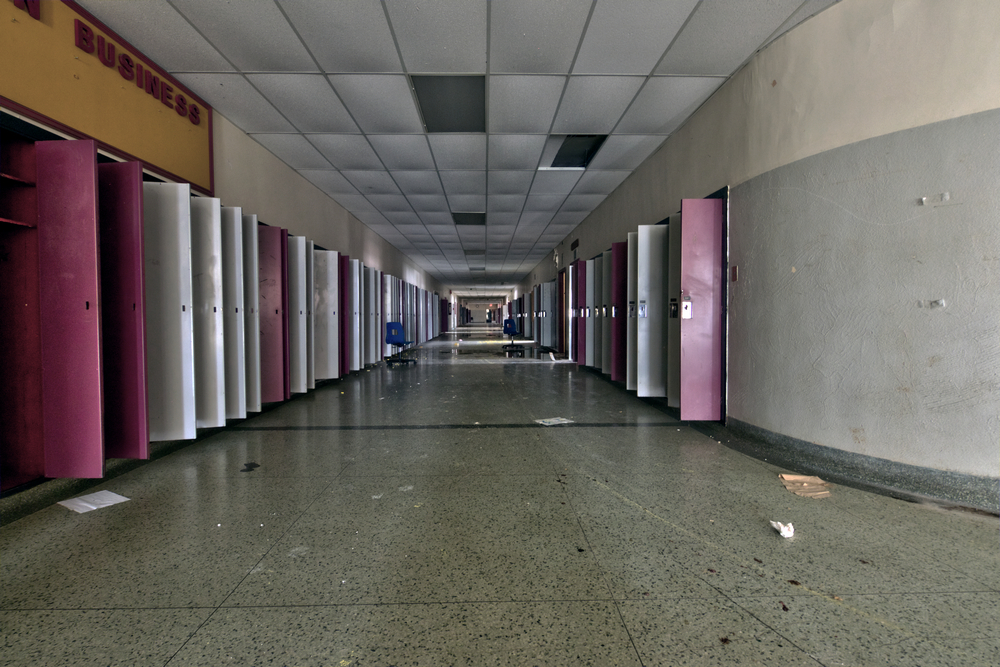
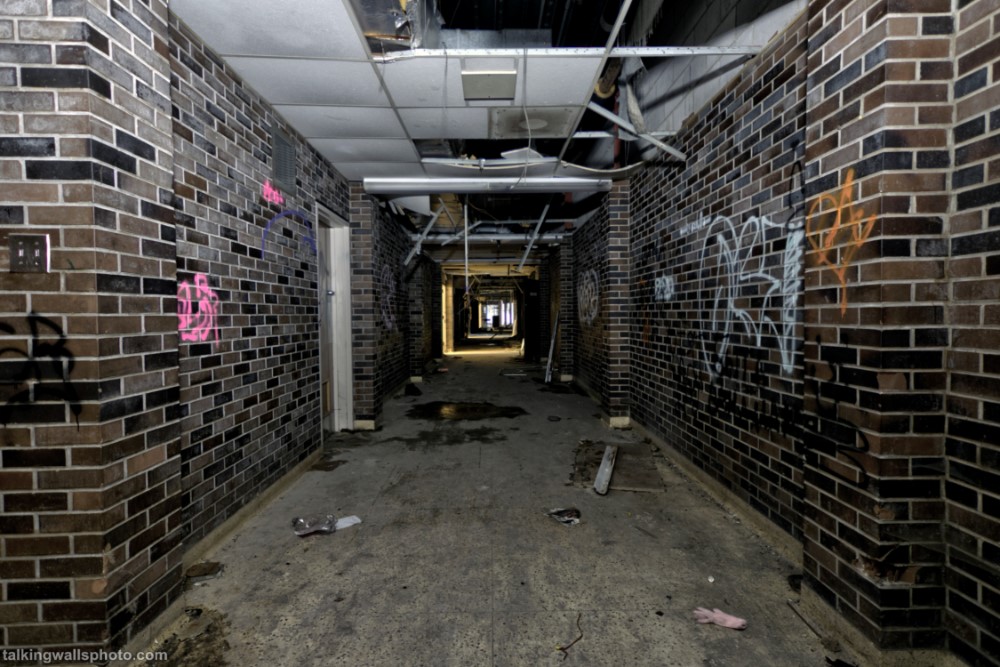
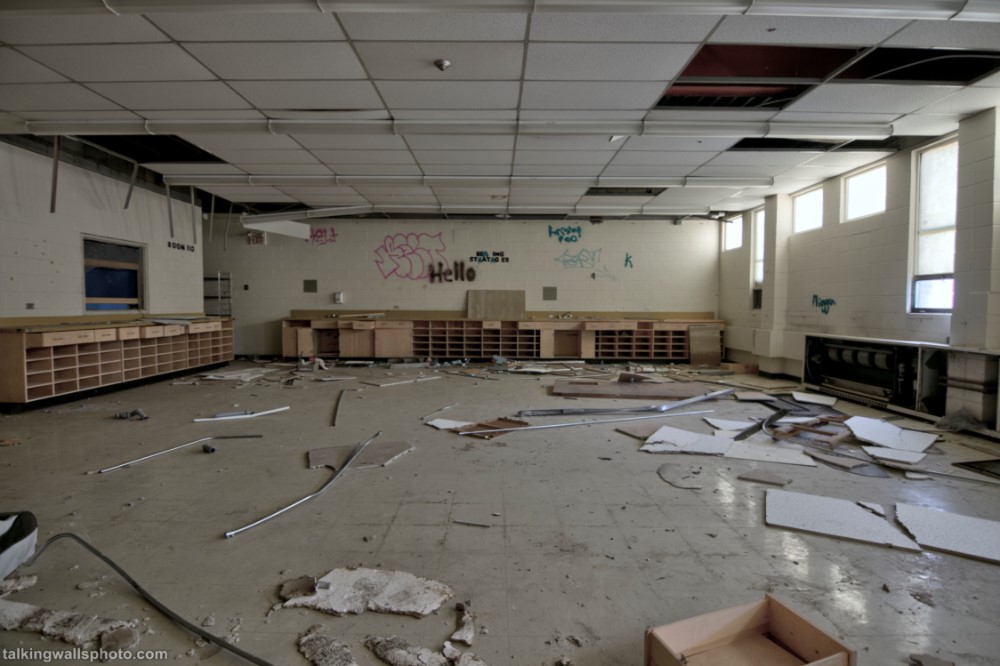
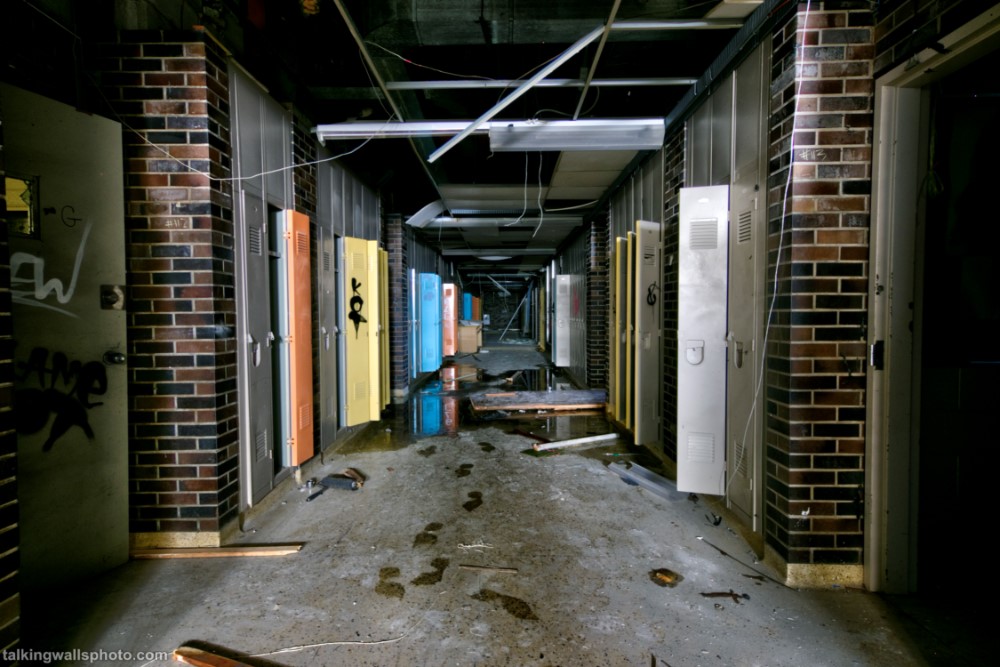
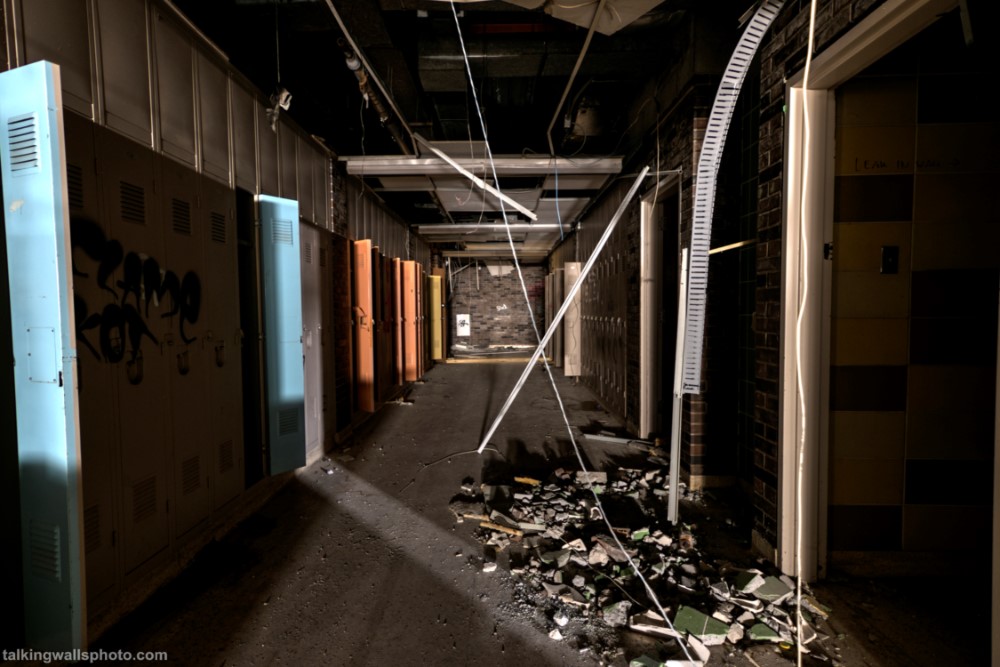
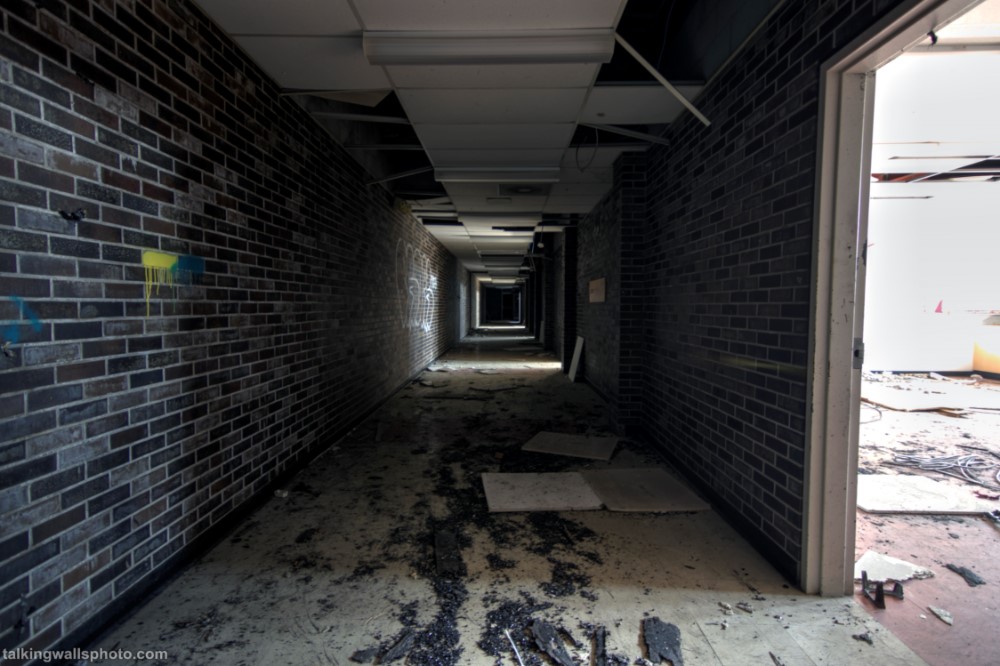
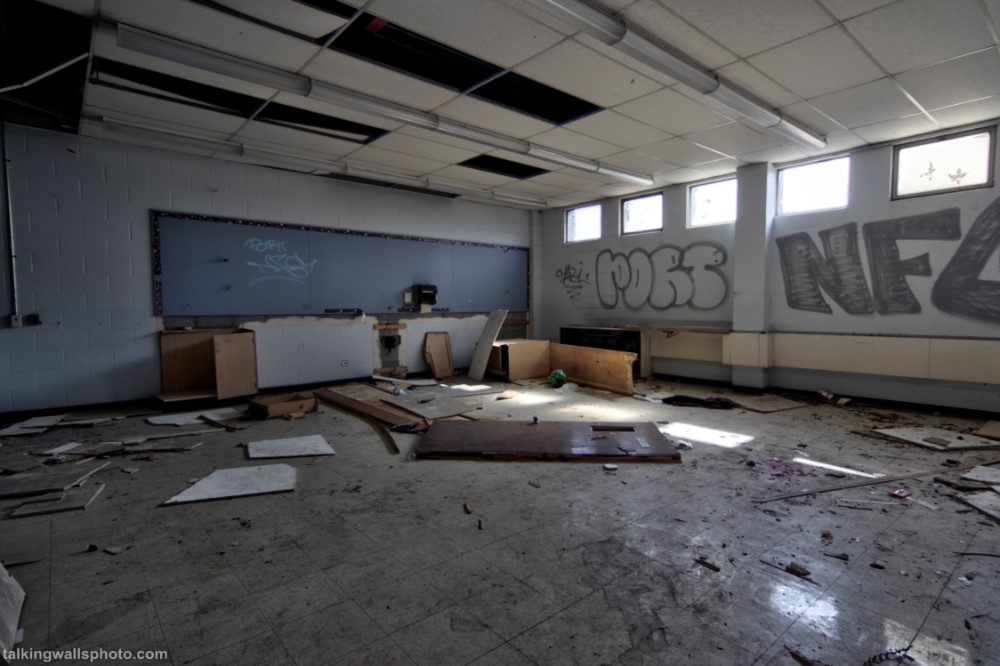
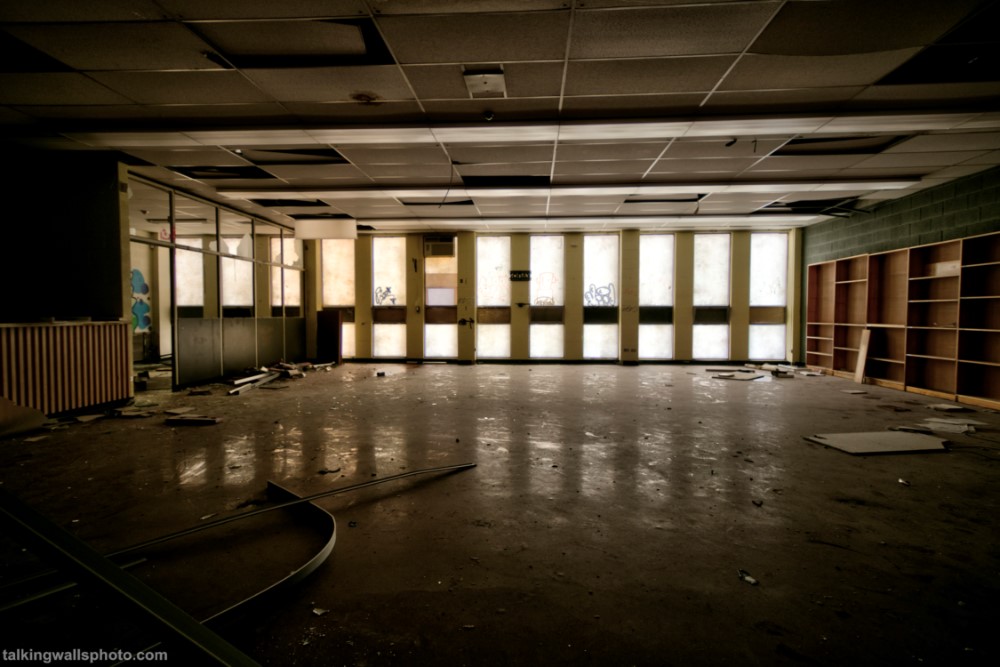
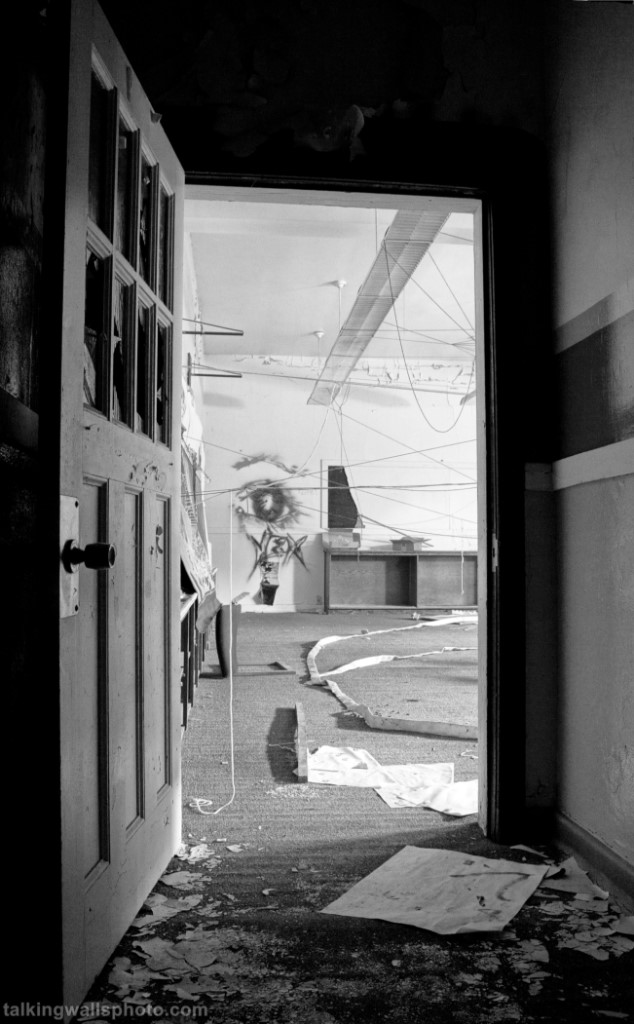
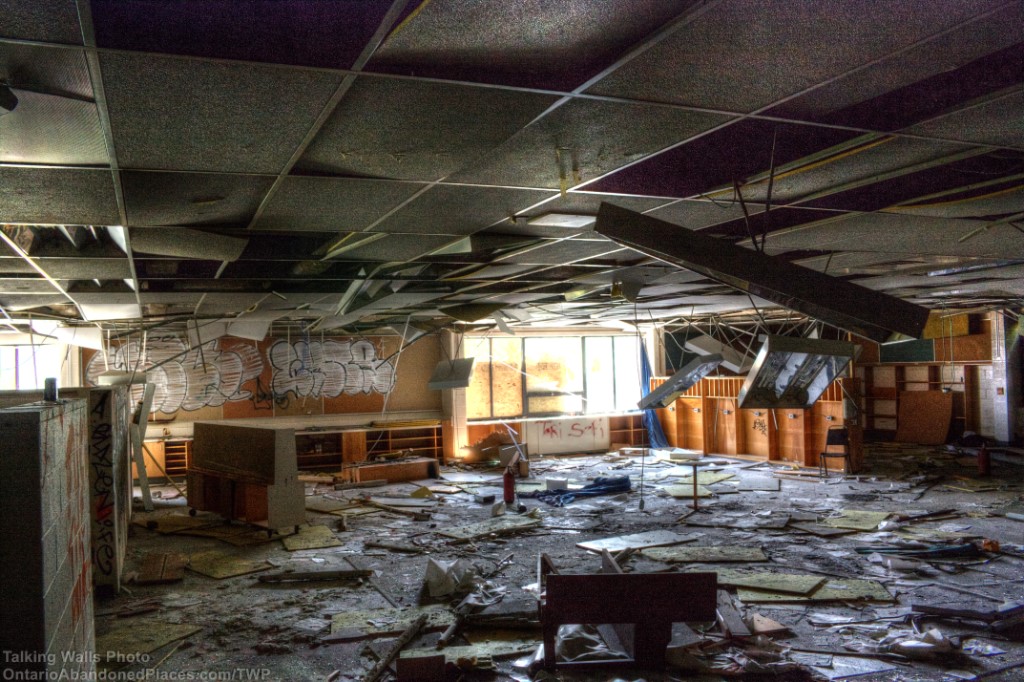
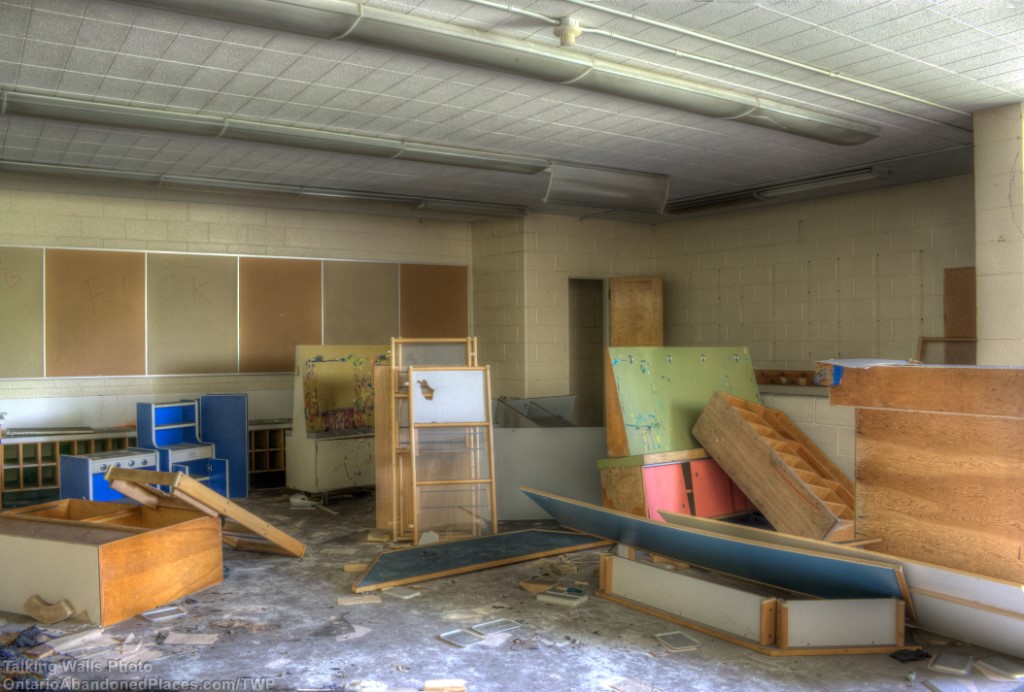
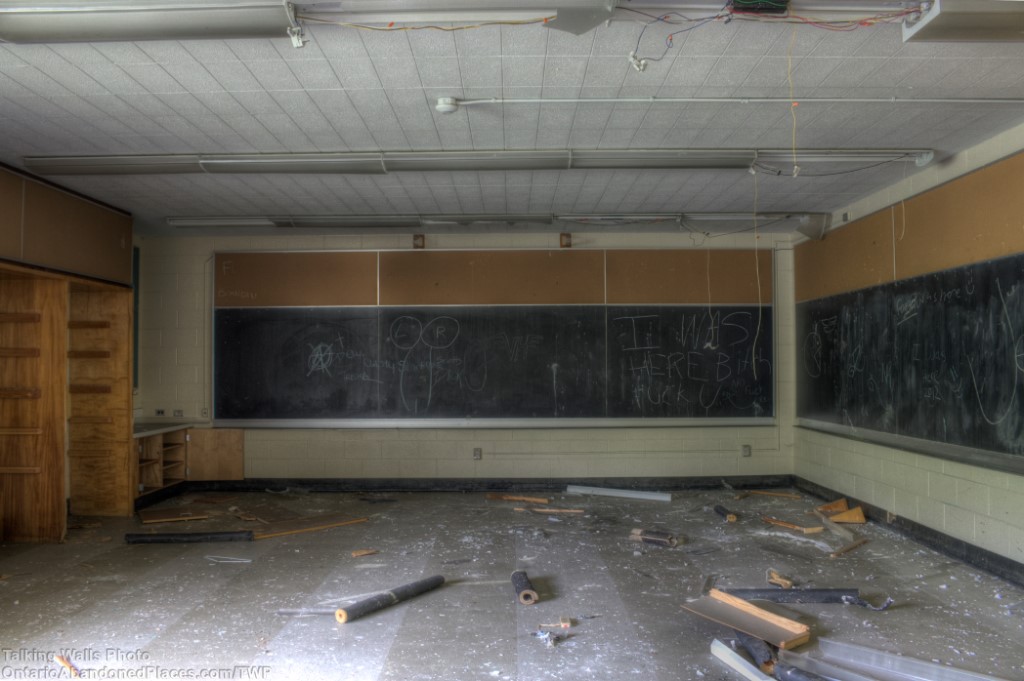
Vandals have been busy where the long hallways and empty rooms serve as an aerosol canvas. There’s a smell of burned wood because people have attempted to start fires. The entire building is a mess of broken glass, hanging light fixtures and poor air quality.

The rumour is that there used to be cameras here, but if there ever were, they are long gone. I wasn’t able to explore the gymnasium due to not having enough light. 
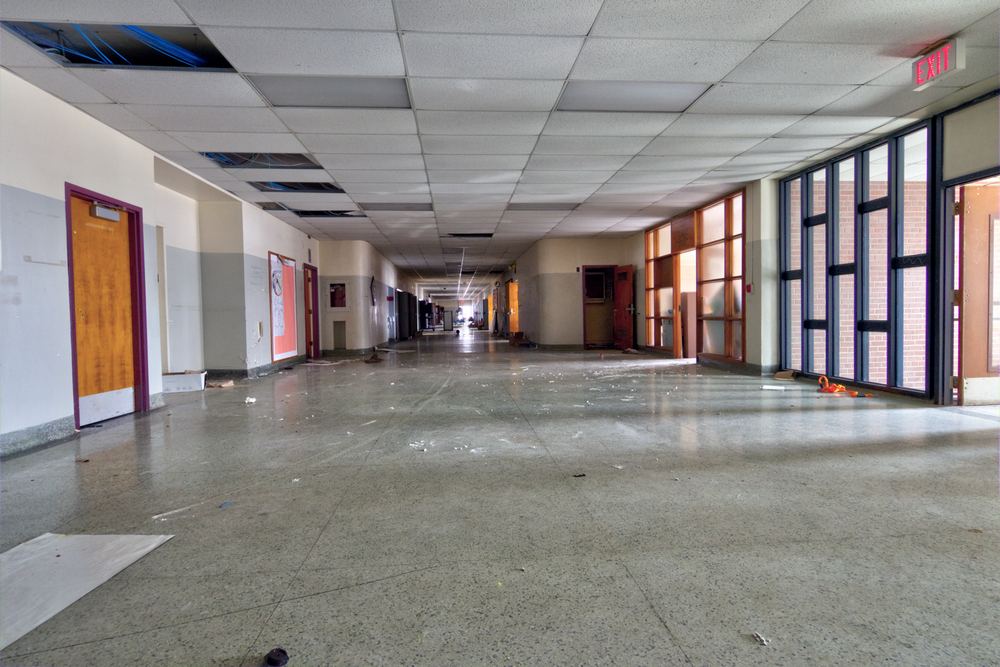

Florence M Heard Public School (Whitby)

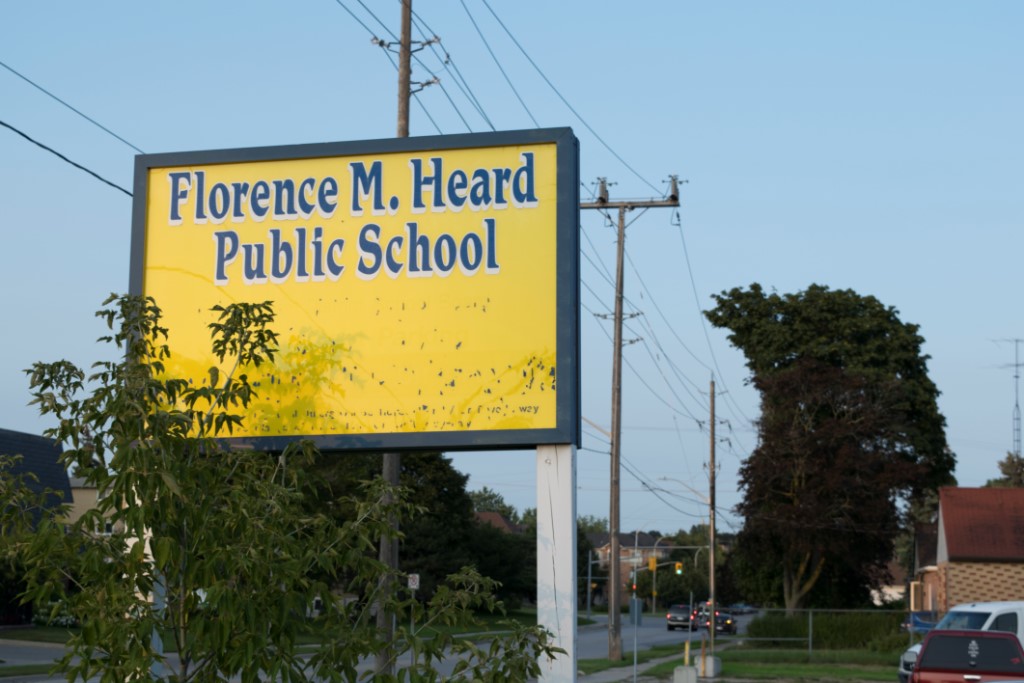
F.M. Heard Public School was located at 100 Garden Street in the city of Whitby. The school’s history began in 1875 under the name of The Model School, a training school for teachers. The school eventually became Dundas Street Public School. In 1967 a fire led to the demolition of part of Dundas Public School and a complete rebuild of the west-wing.
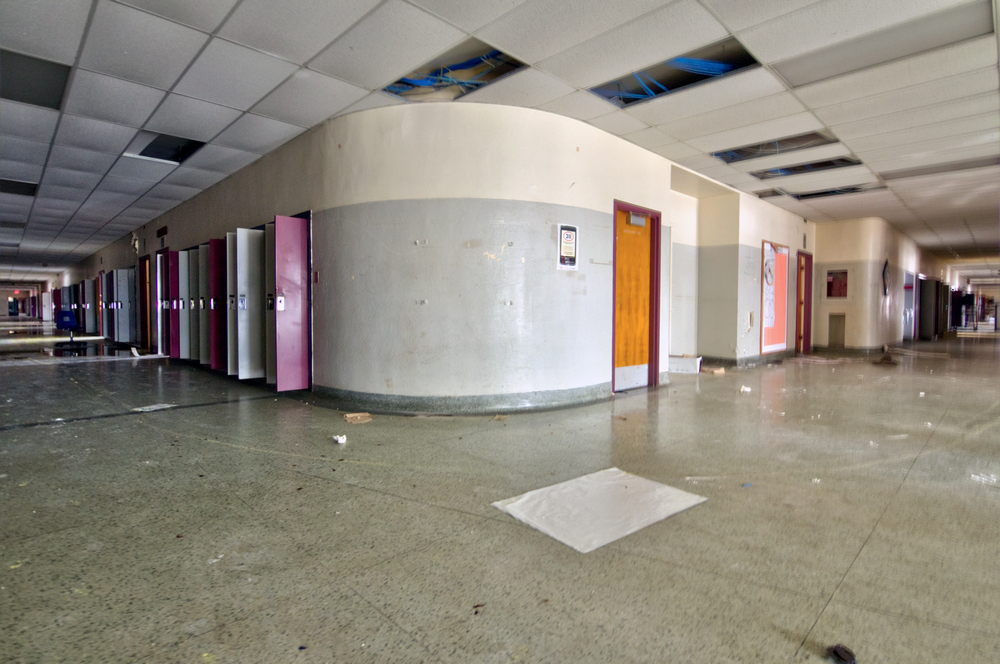
The west wing was rebuilt while older additions remained intact. In 1974 the school reopened under the name of Florence M. Heard, a former teacher who began her career at the school back in 1924. In 1942 she was promoted to the role of principal. F.M. Heard was a French immersion school that provided programming for students from kindergarten to Grade 6.
The school closed in June of 2011 after the Durham District School Board decided that the cost of repairs to the aging school would be too expensive. A new school named Julie Payette Public School was built to replace F.M. Heard.

On April 7, 2017 the Durham District School Board put out a tender for demolition of the former school. The demolition tender was awarded to Schouten Excavating Inc.


Avon Public School in Stratford

This was the Avon Public School in the City of Stratford. It was located at 140 Caledonia Street.

In 2007 the school was deemed to be too expensive to repair and was granted “prohibitive to repair” (PTR) status and was considered to be “21st Century learning in a 19th Century environment”.

In October of 2014 the school was still standing and no demolition preparation work had commenced. In fact, there was a For Sale sign on the front lawn. The school is now demolished. Condos now stand on the grounds of the former school.


St. Luke’s Catholic School (Markham)

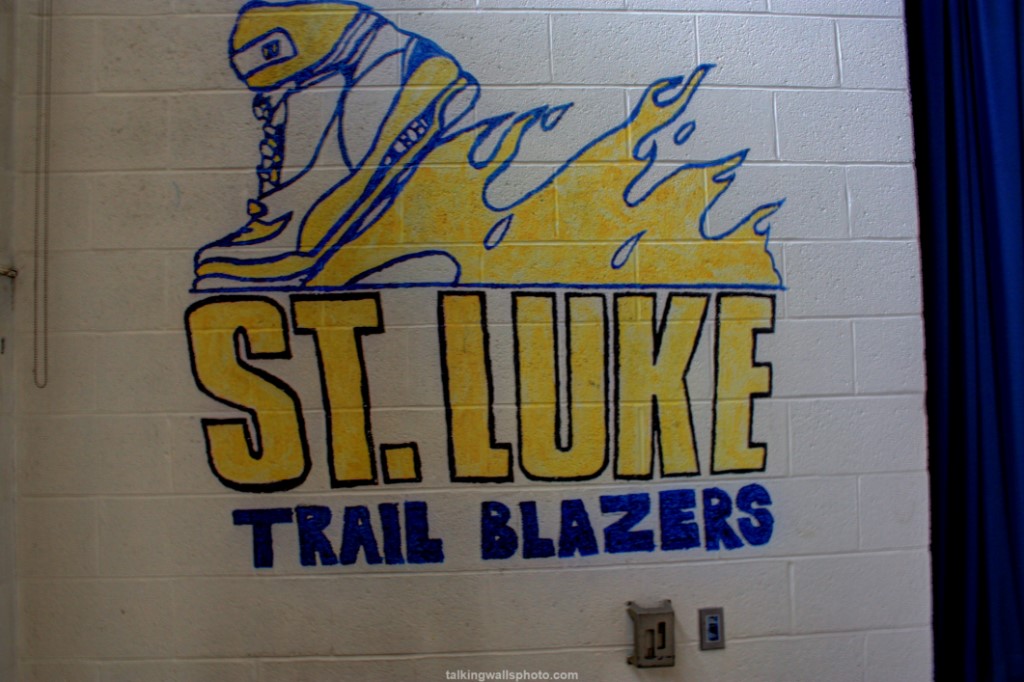
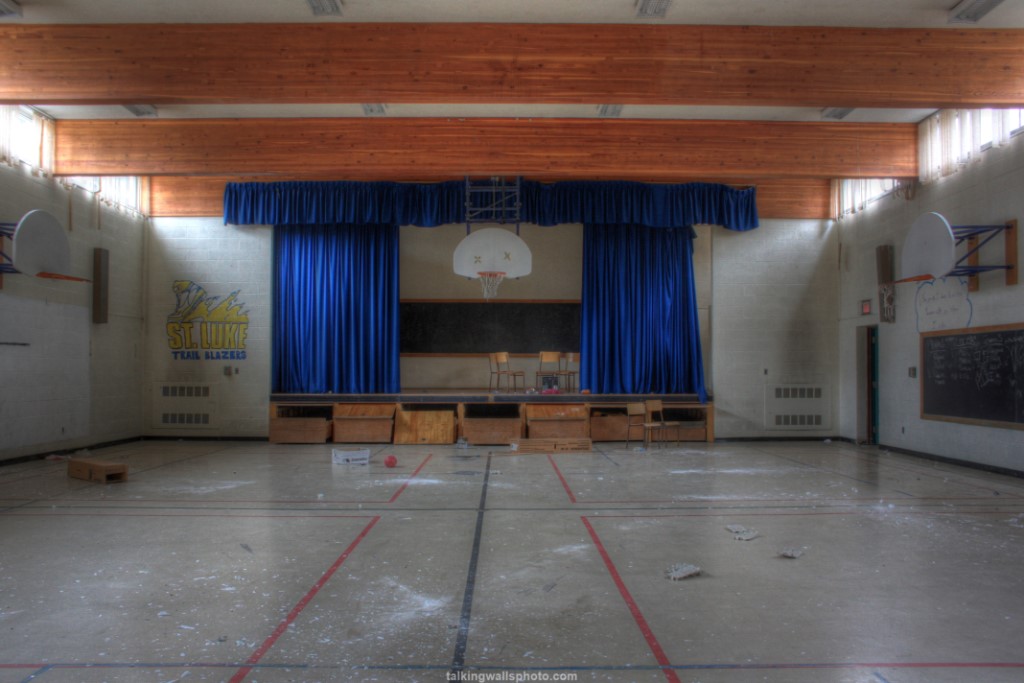
St. Luke’s Catholic School in the City of Markham served grades 9 through 12. The school also offered ESL (English as a Second Language) classes for the community. The school was located at 160 Dudley Avenue.
 
The school was built in 1955.
 
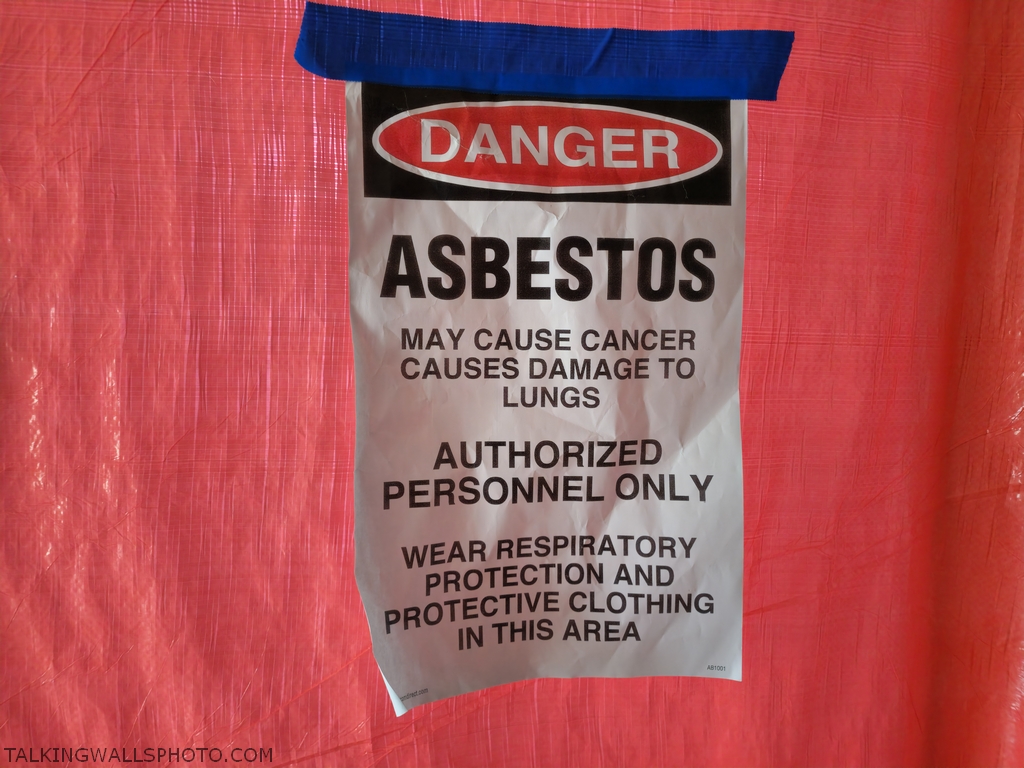
Due to aging infrastructure as well as asbestos, the school was abandoned around 2012. The city purchased the property in February of 2013 for $5.355 million. In May of 2016, the city entered into a 10 year lease with Cyrus Cultural Society.
 
Today the property is used for private education as the “I Am Smart Scool”.
 
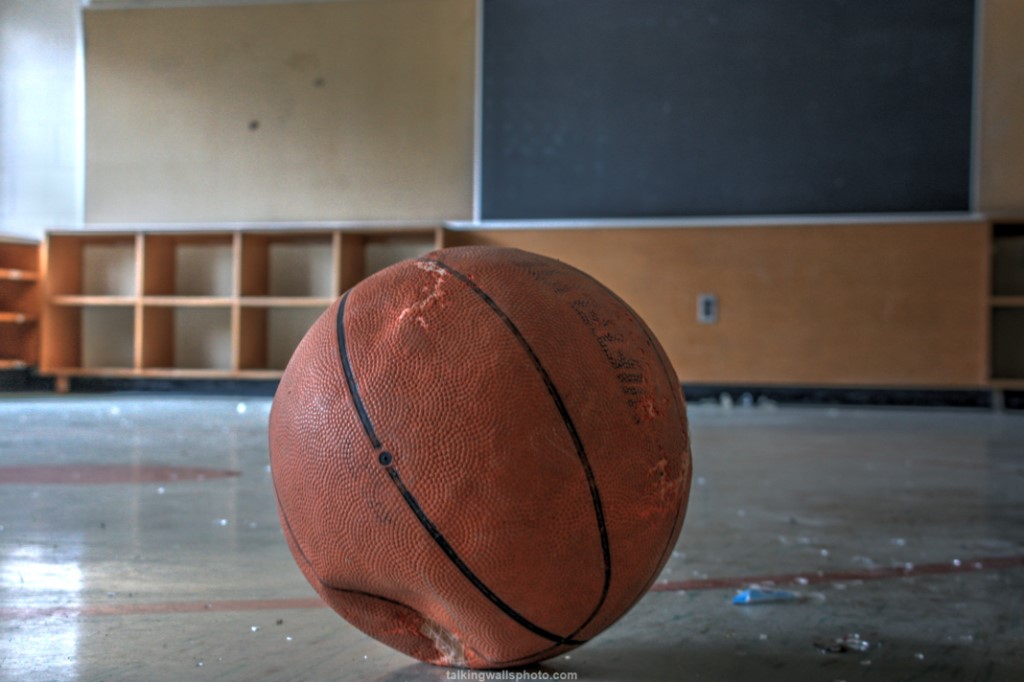
When I explored this school, there was still power. In fact, I turned on a power breaker and set off the school bell. I have this interest in seeing what random switches do as my companions will attest to.
 
A calendar on the wall was dated 2009-2010. Several of the windows had been smashed and boarded up. There was mold in a few of the rooms.


St. Christopher’s Separate School Hamilton

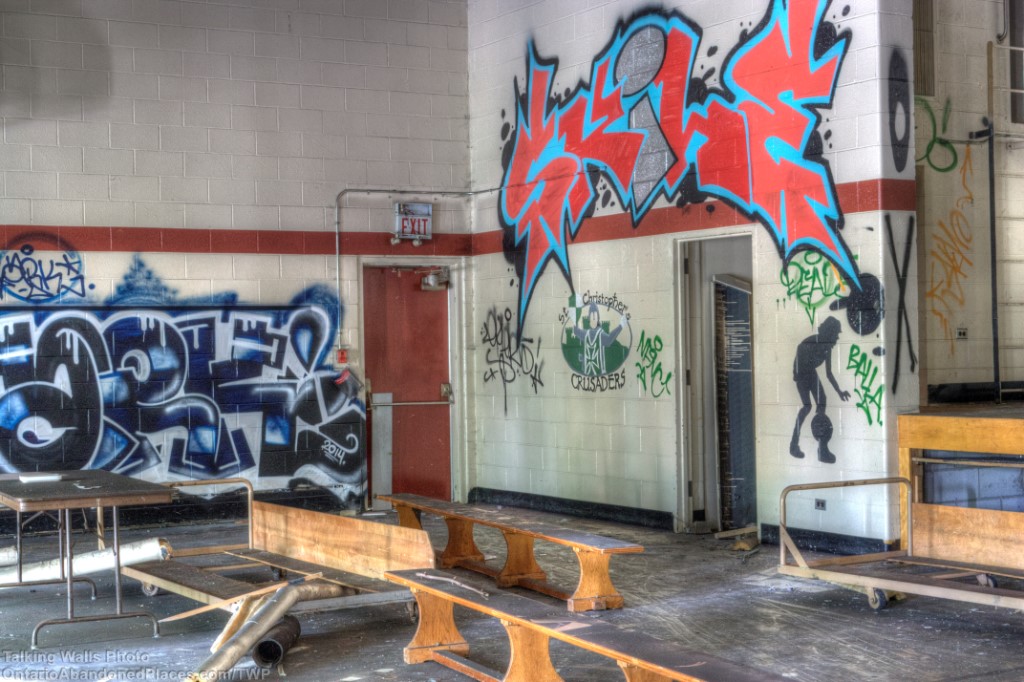
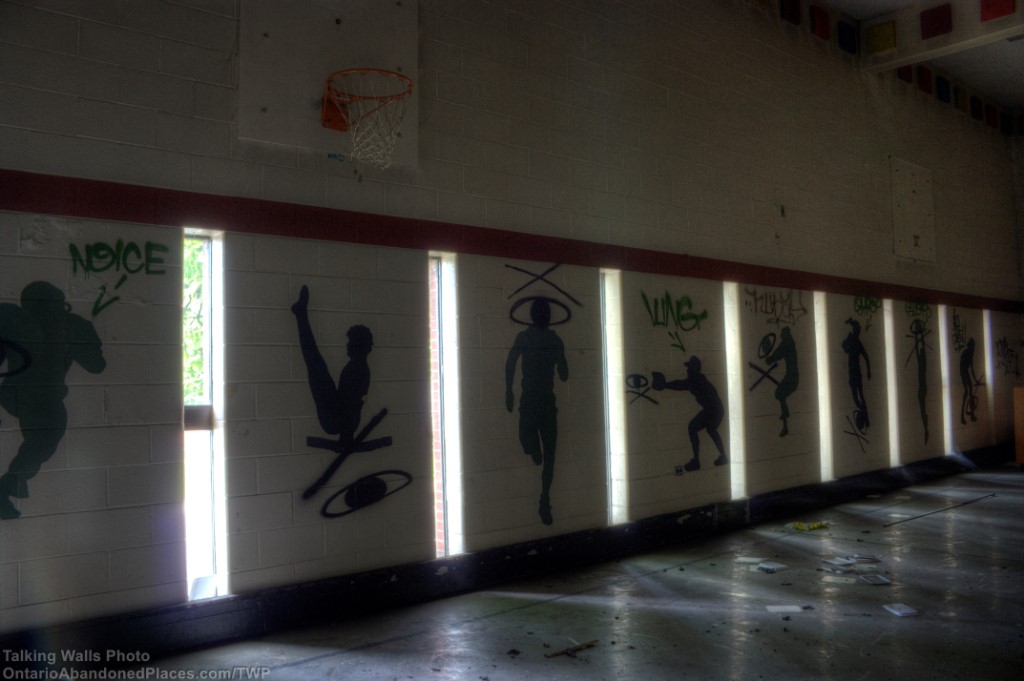
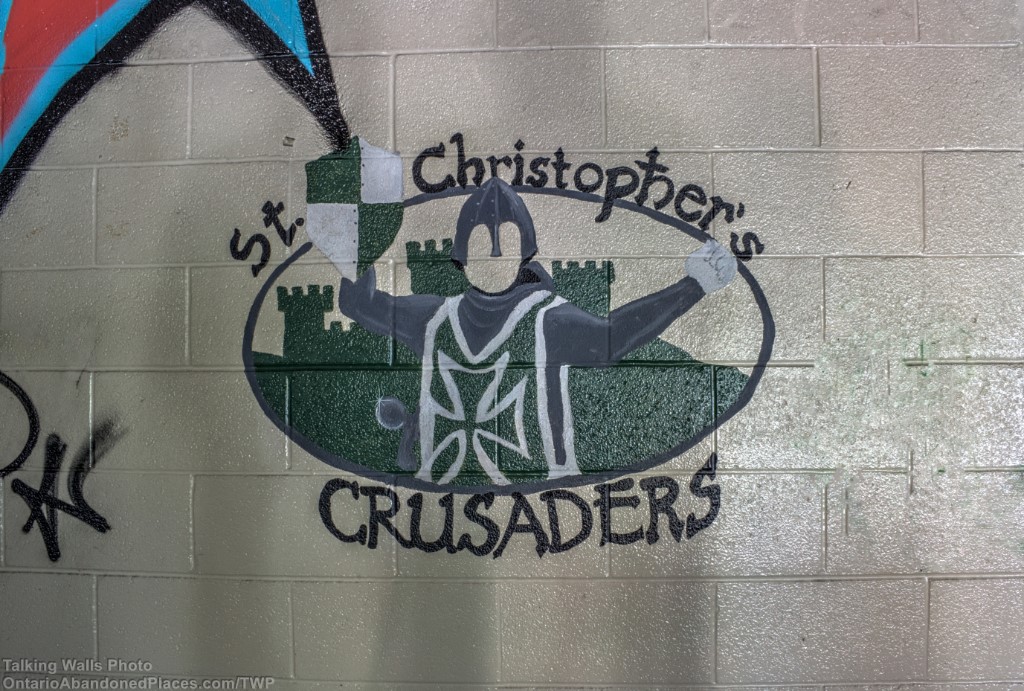
St. Christopher’s Separate School was built in 1966 to serve the residents of Hamilton as an elementary school. Due to shrinking enrollment numbers (105 pupils) the Hamilton-Wentworth Catholic District School Board opted in 2008 to shutter the school after the school year.

Students were consolidated with students from nearby St. John the Baptist school in the fall.

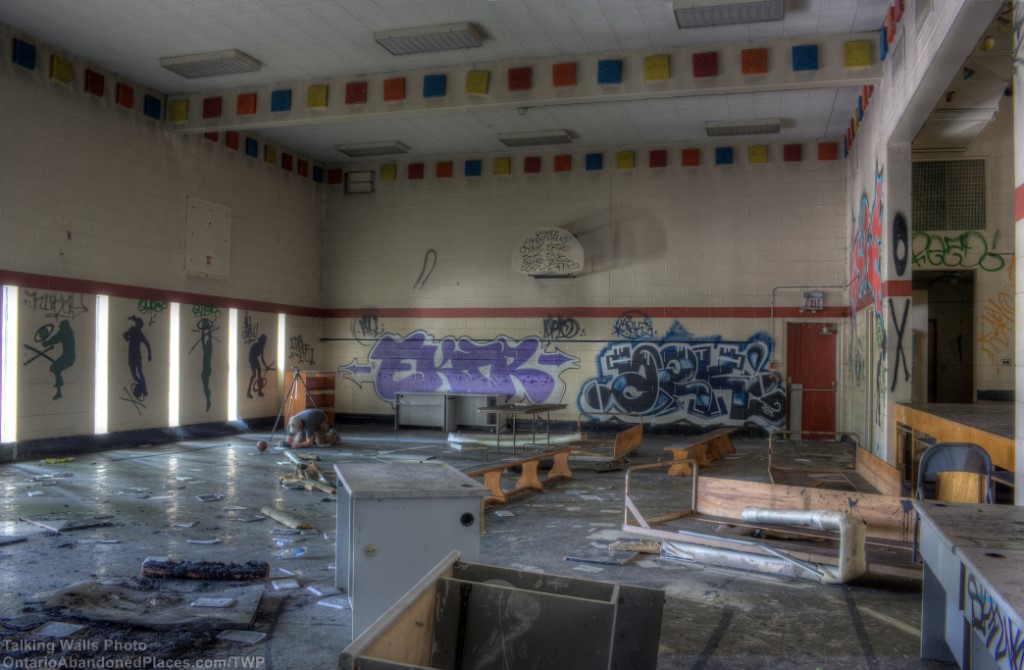
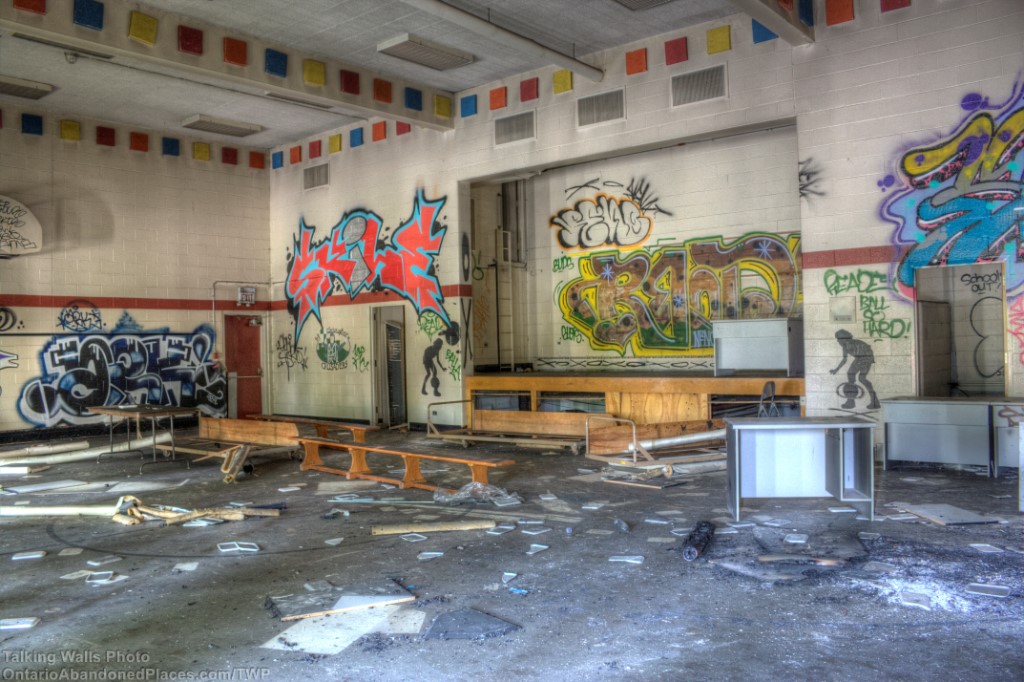
Over the years the school has seen numerous fires and heavy vandalism. The school will eventually be demolished, For now, firefighters are routinely called out to extinguish arson.