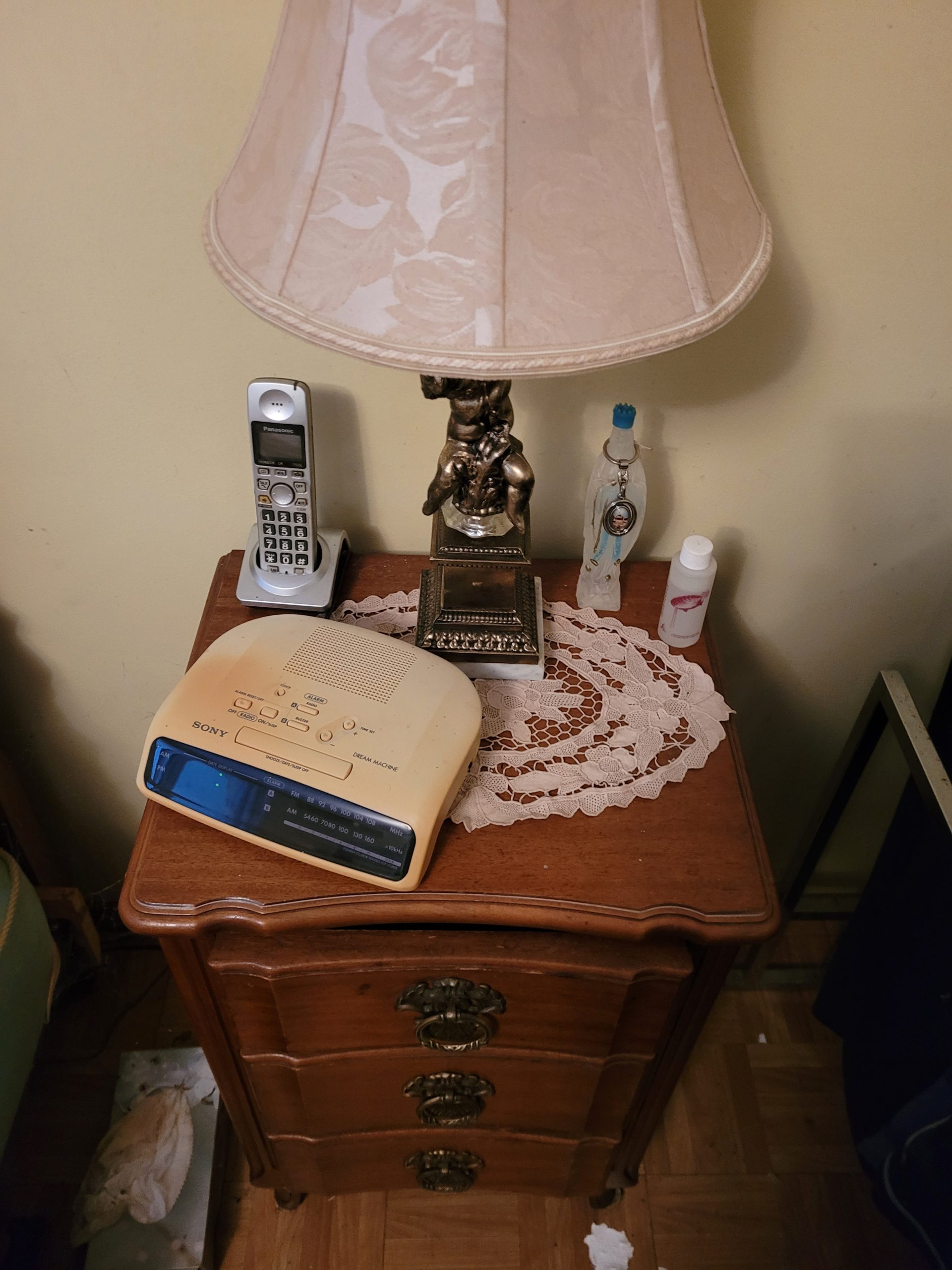
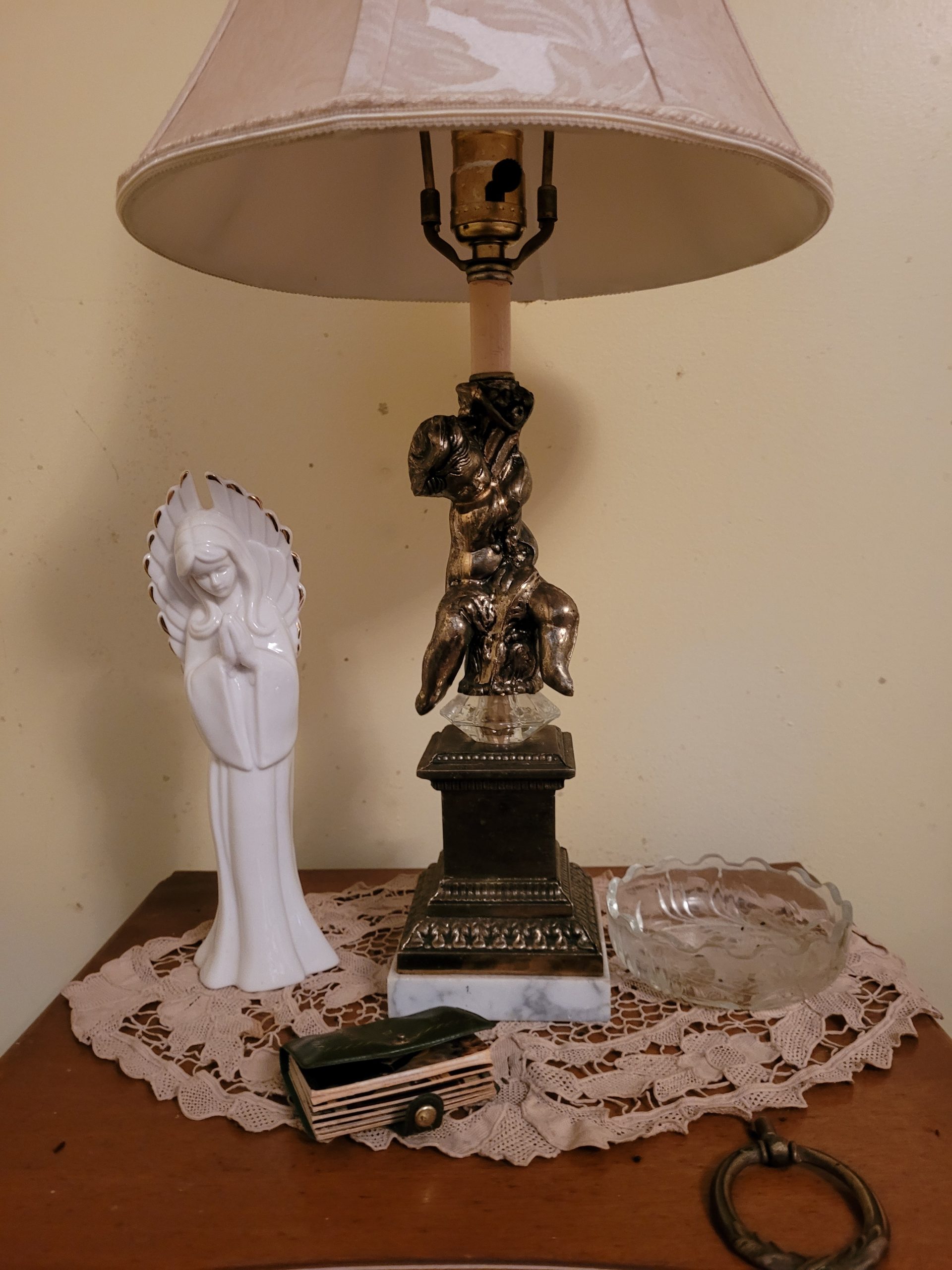
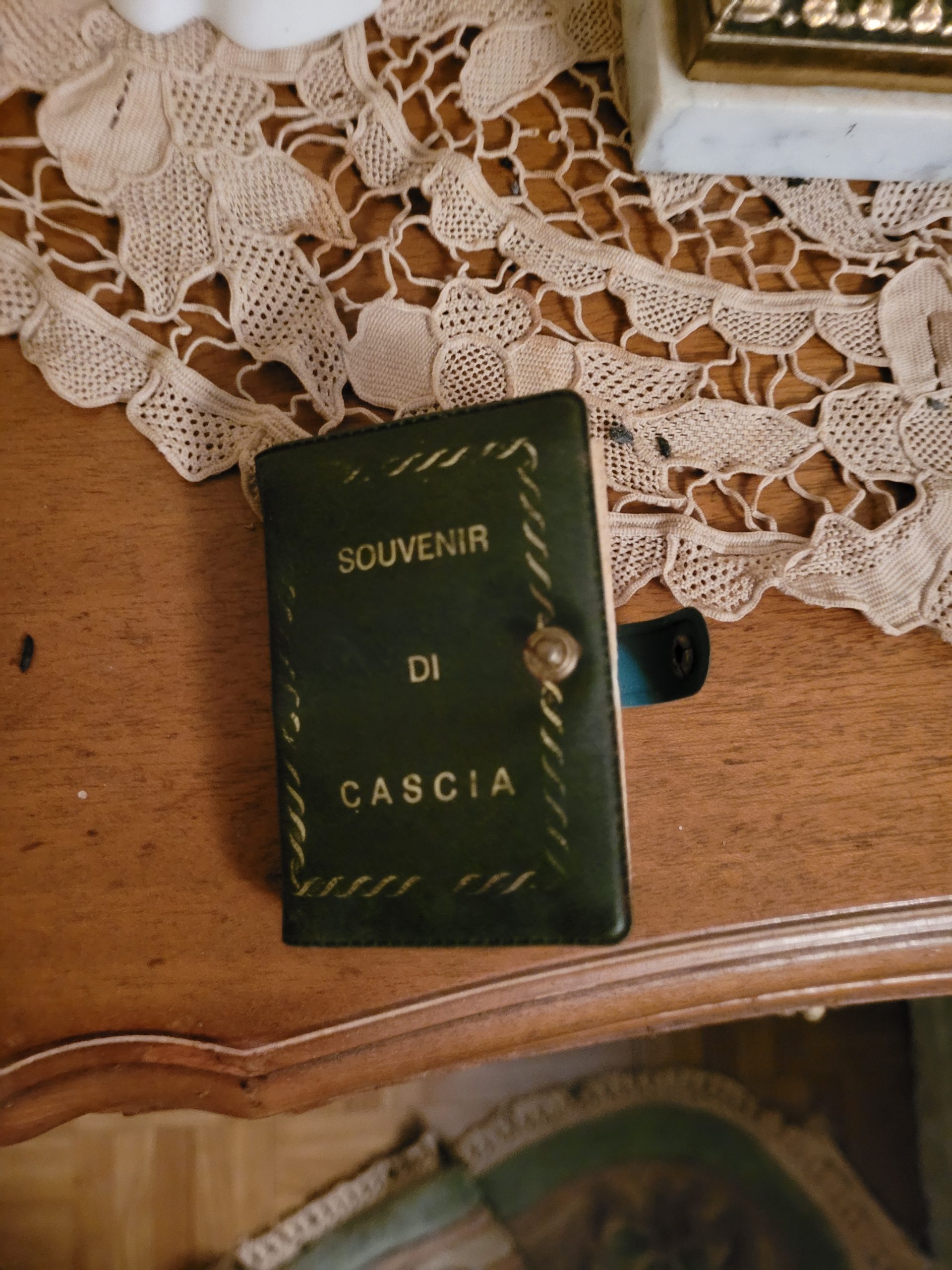
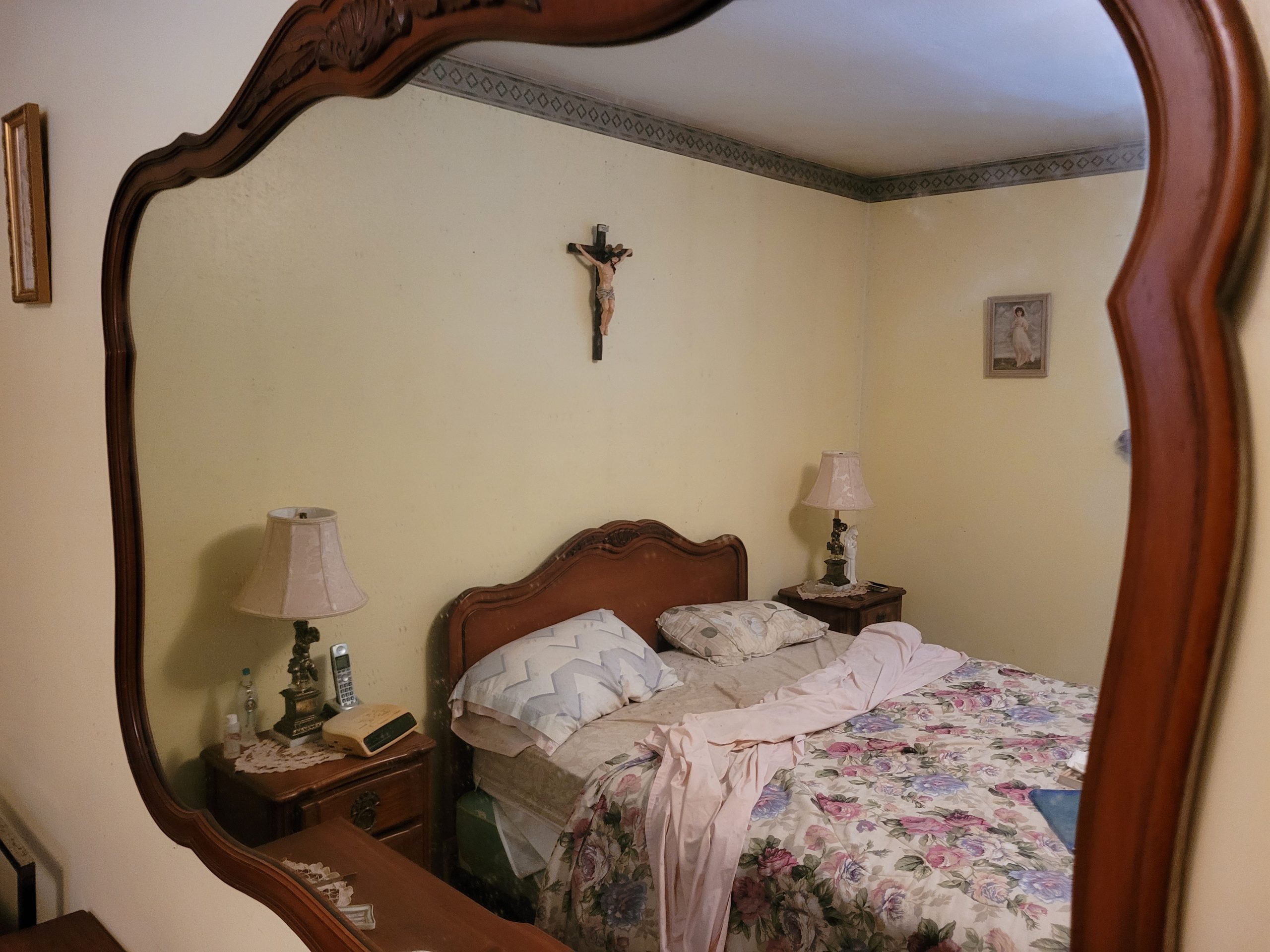
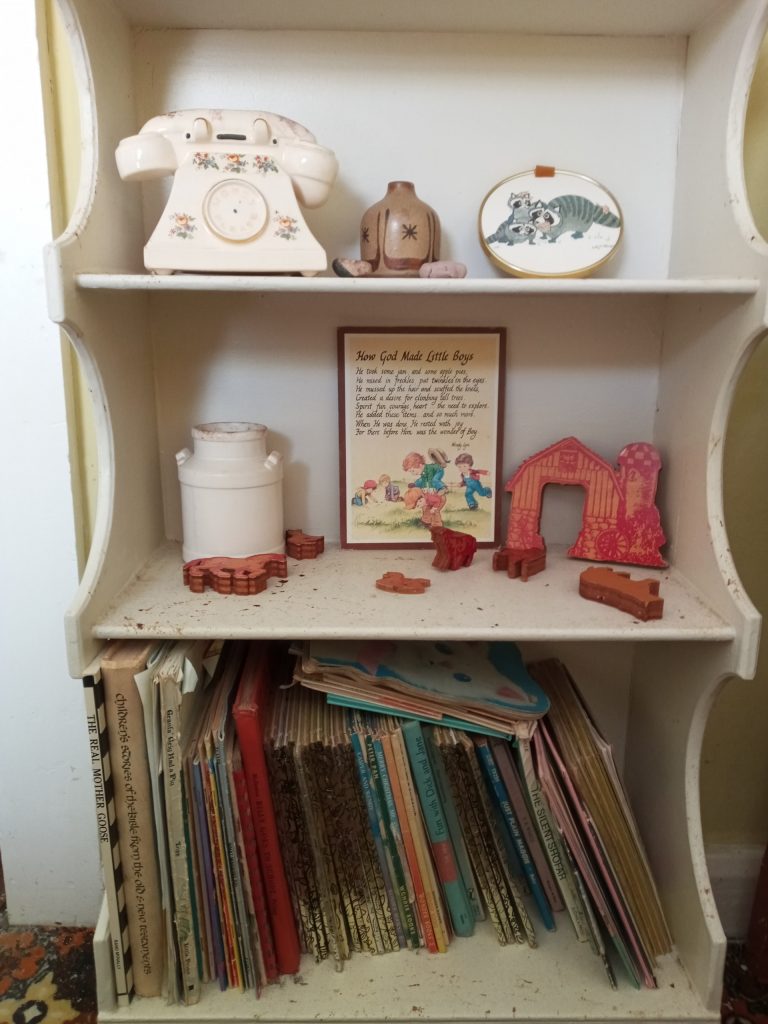
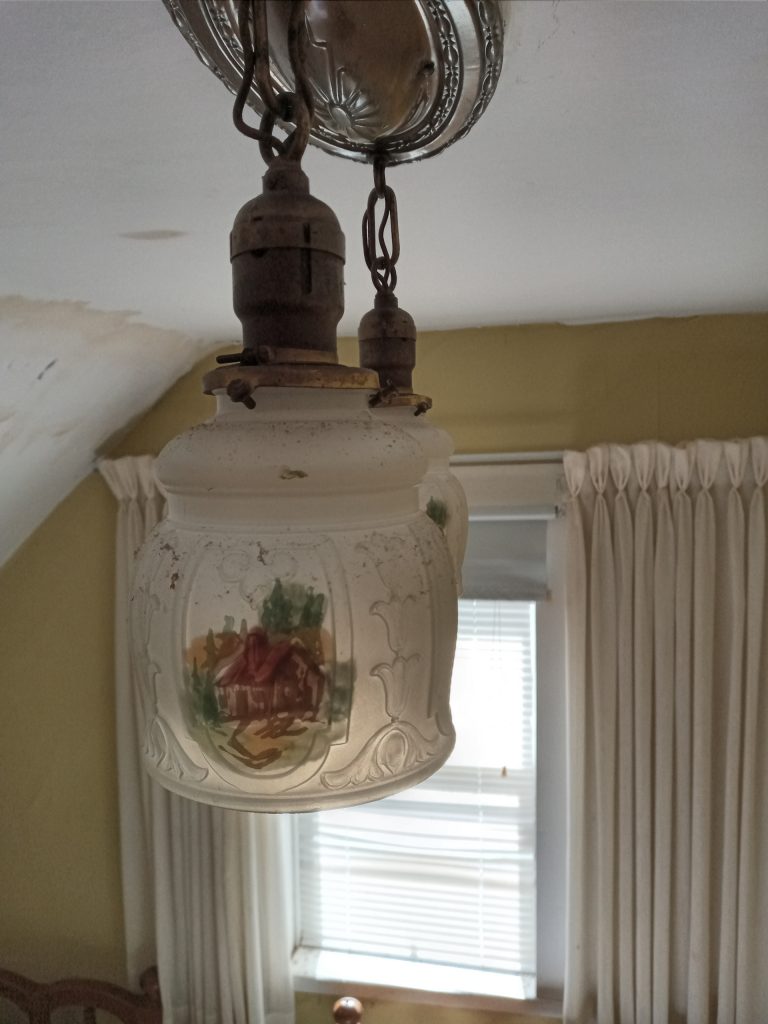
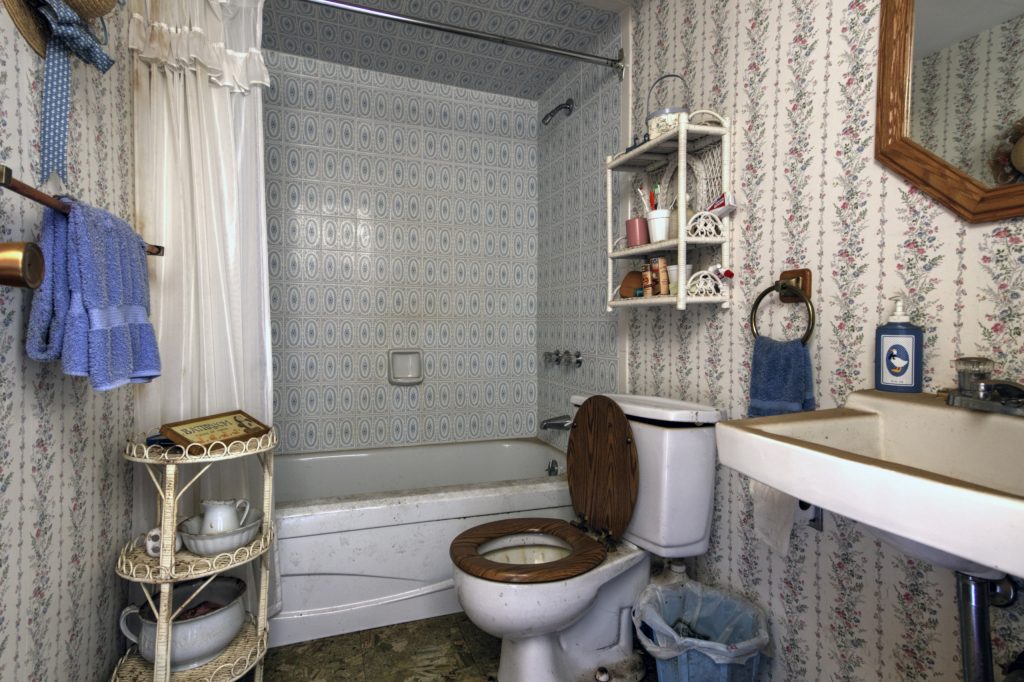
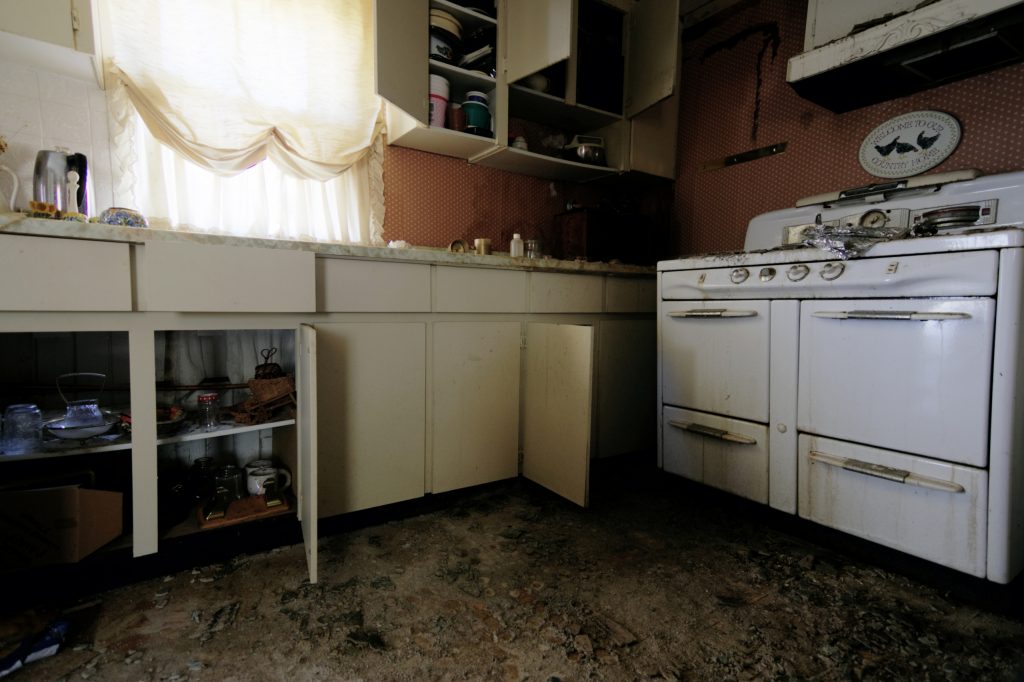
Category: Time Capsule

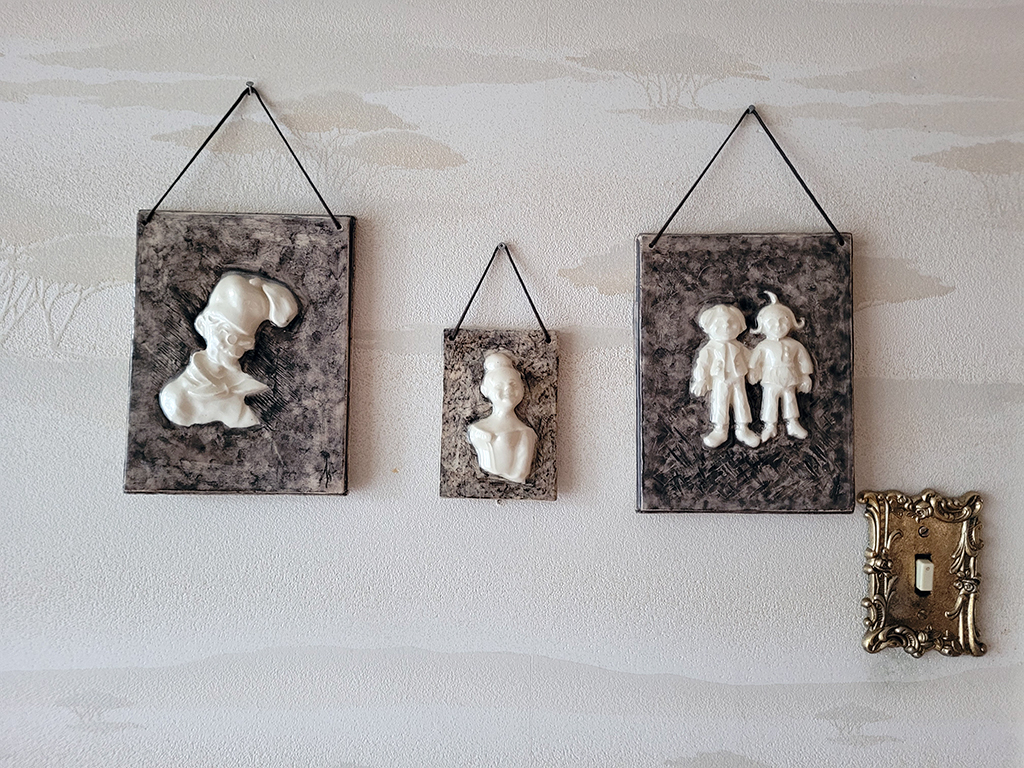
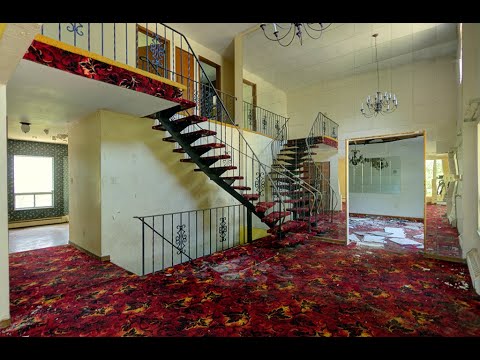
Music Man’s House

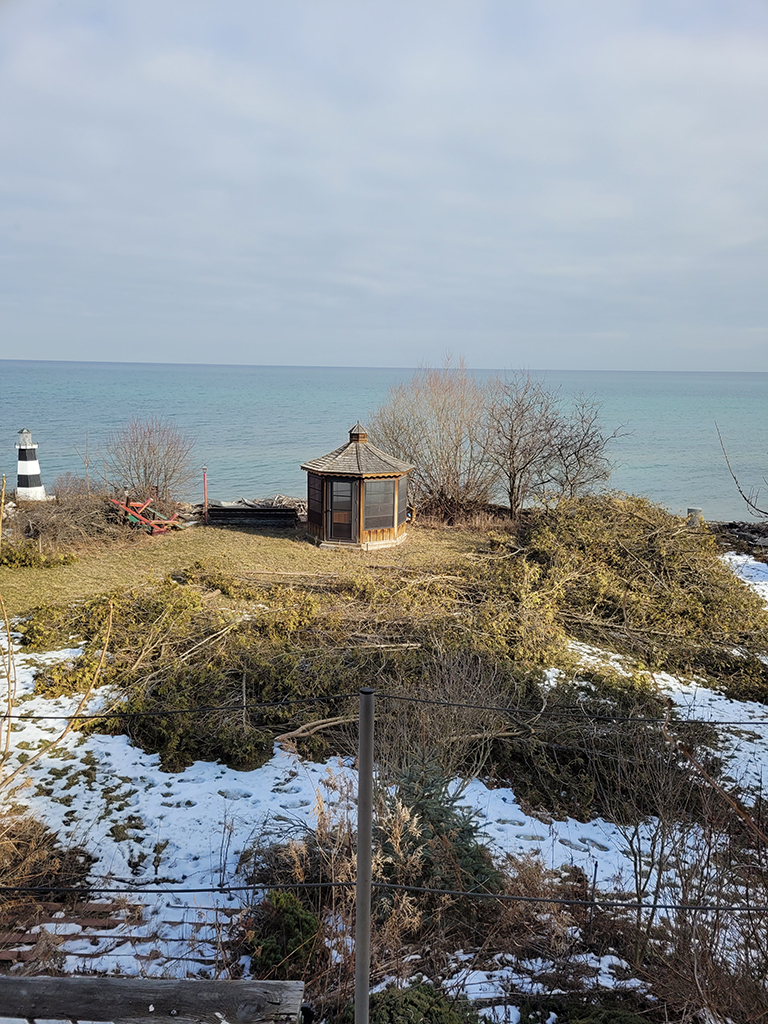
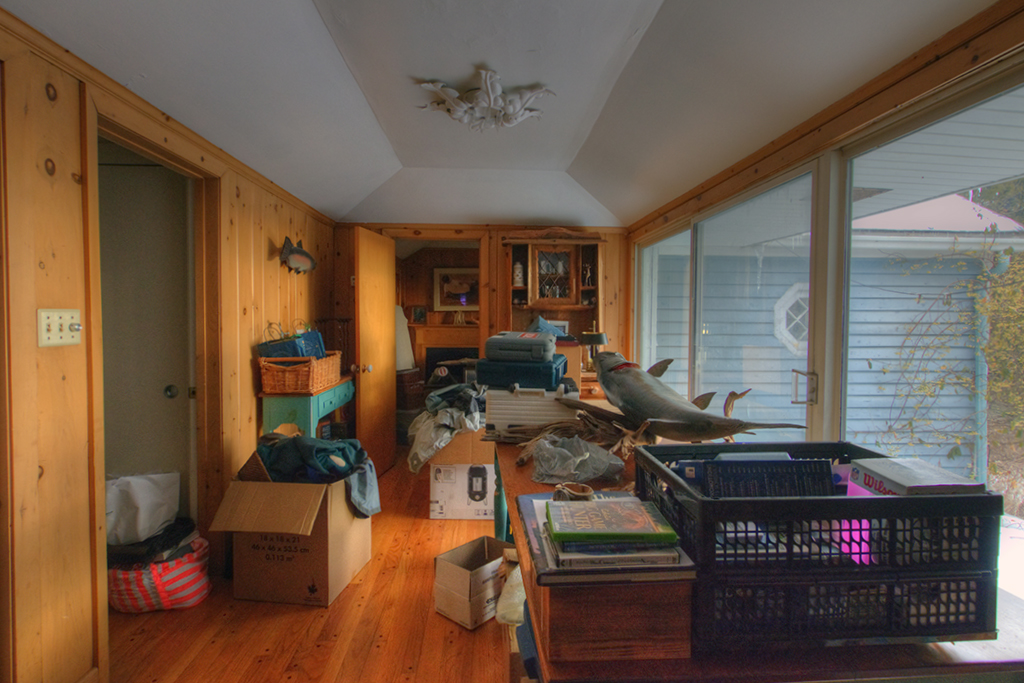
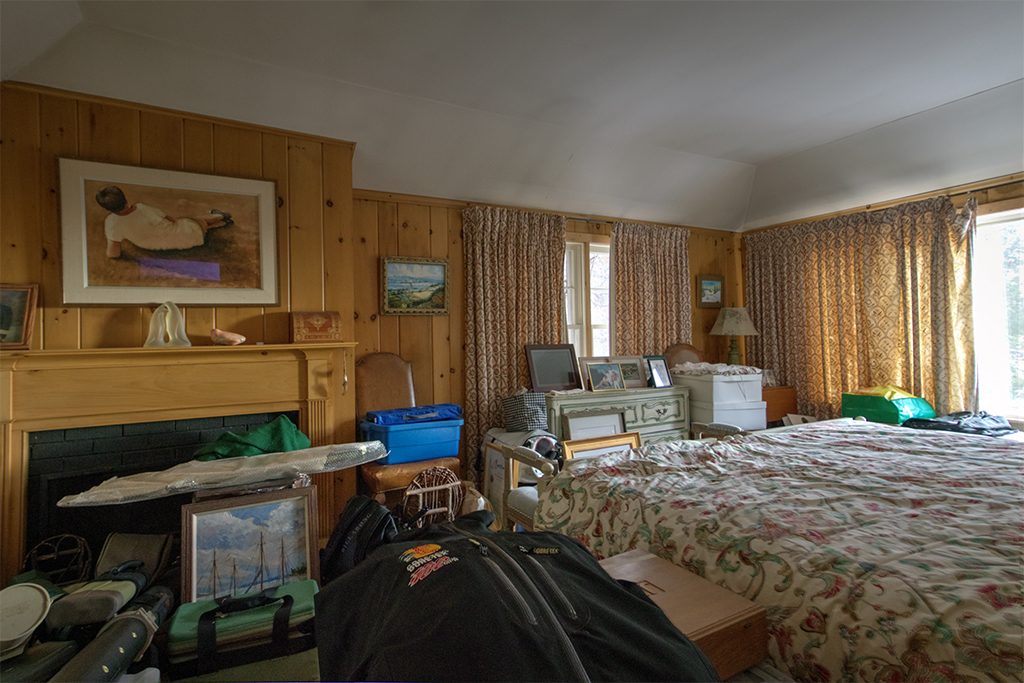
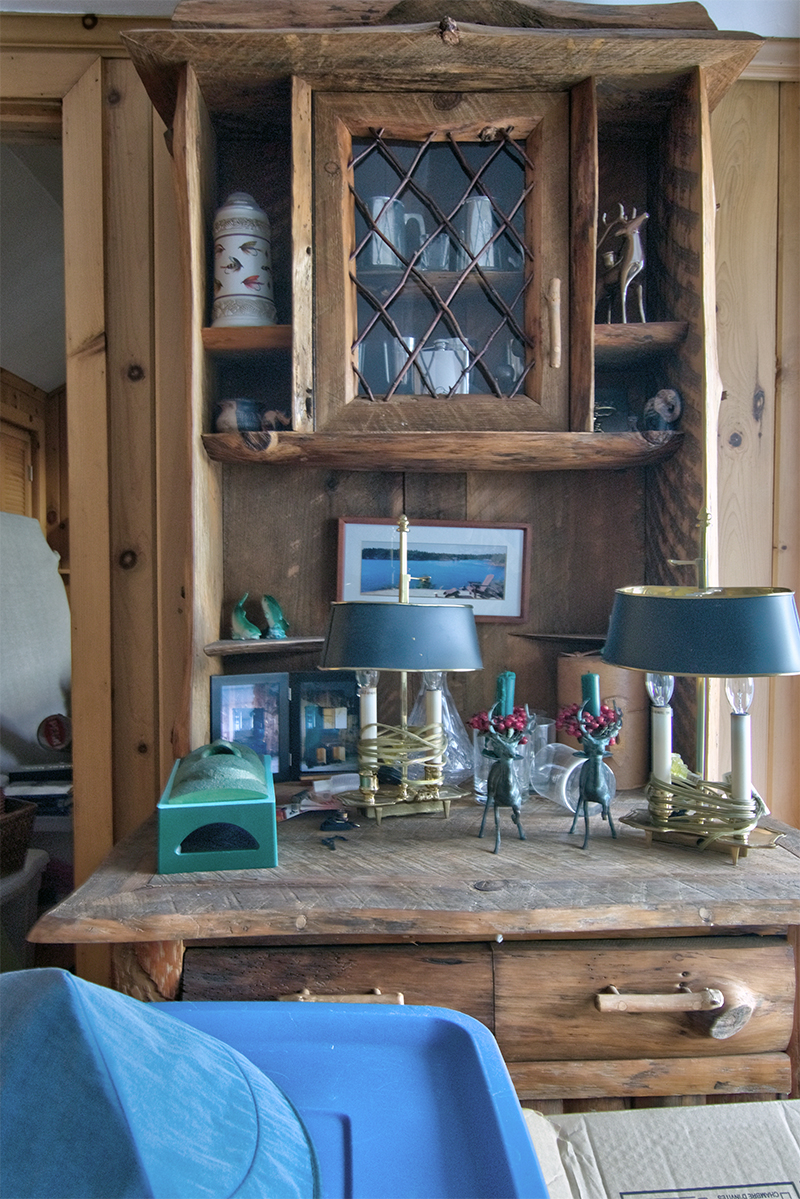
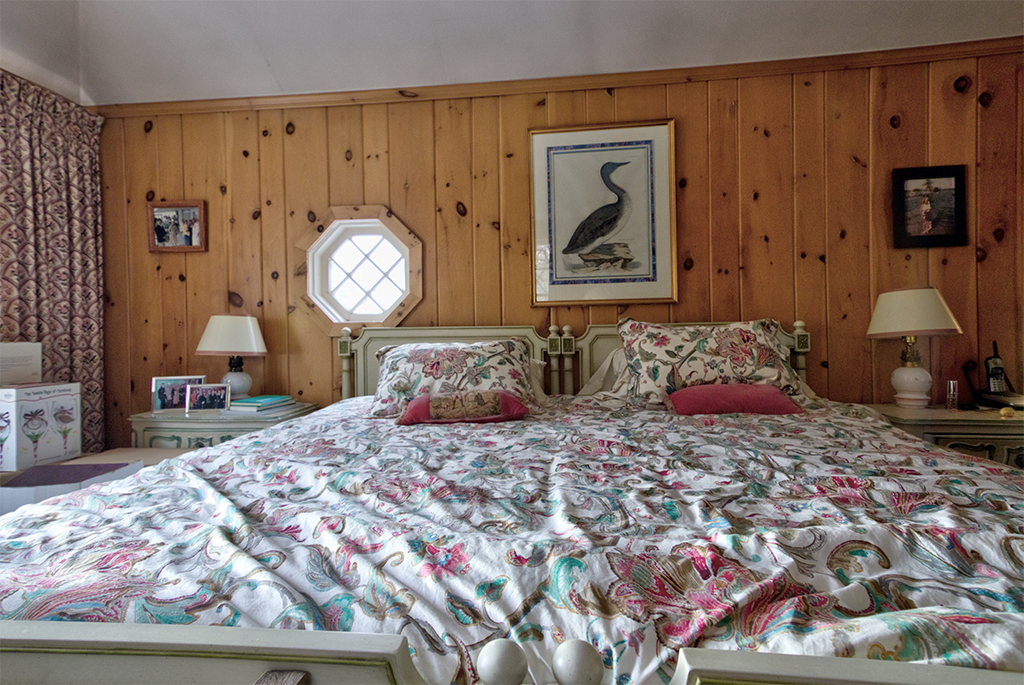
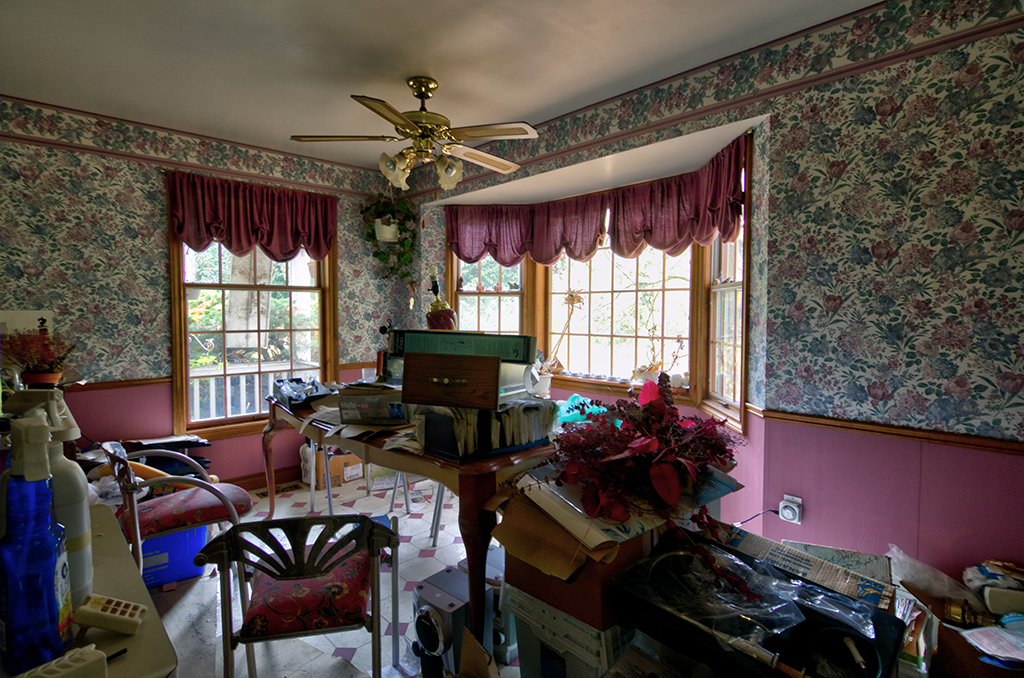
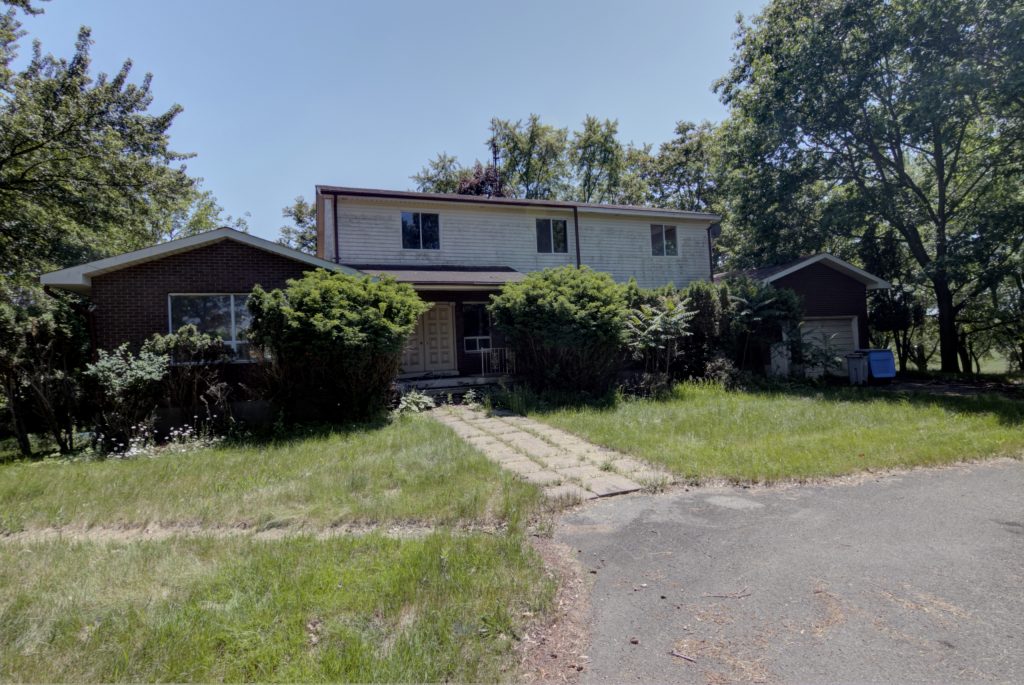
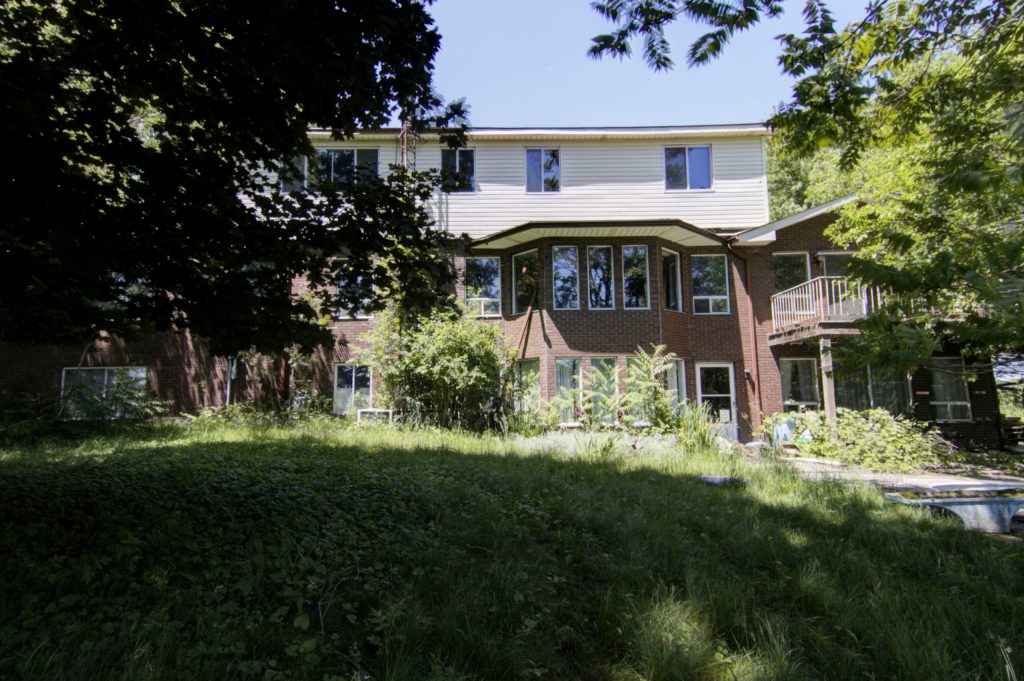
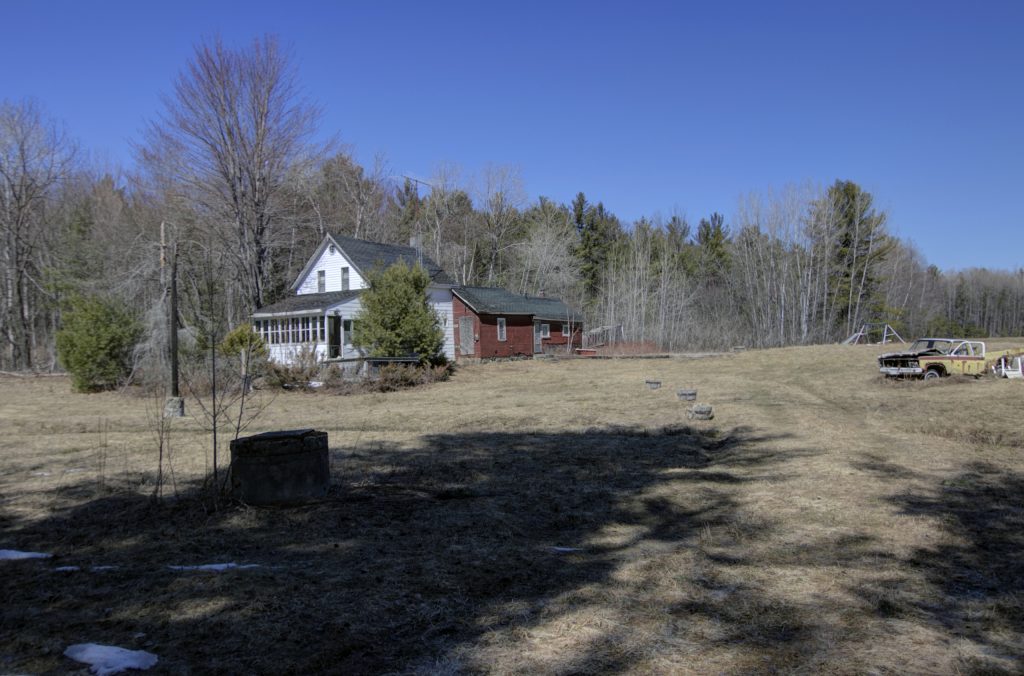
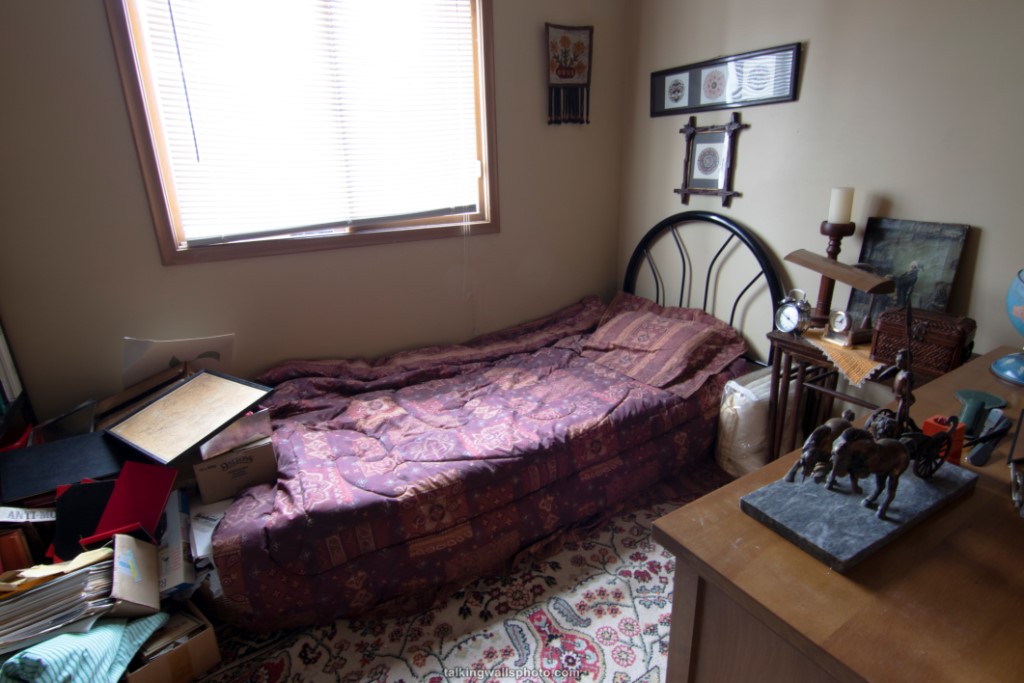
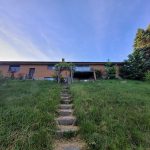
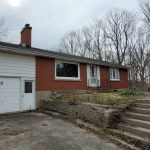
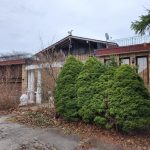
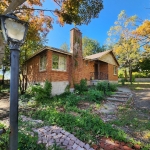
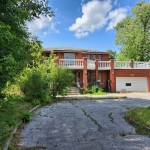
This rural property was built in 1900 and sits upon 102 acres of land. The land was purchased in 2004 for $300,000 by a man of Croatian descent who’s now in his 50’s. He’s a graduate of McMaster University.

While at university, he participated on the fencing team. He was named MVP for his team in 2001. He went on to compete in International Tournaments from 2001 to 2003 in Montreal.

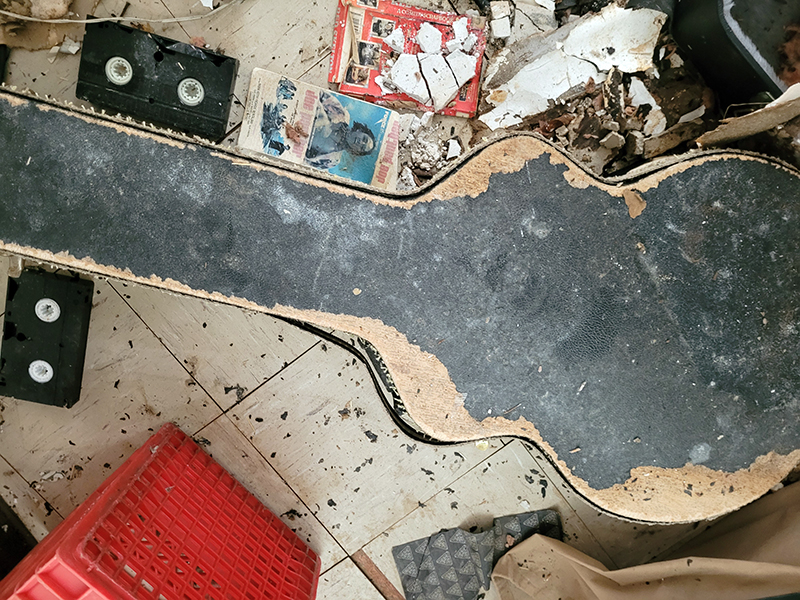
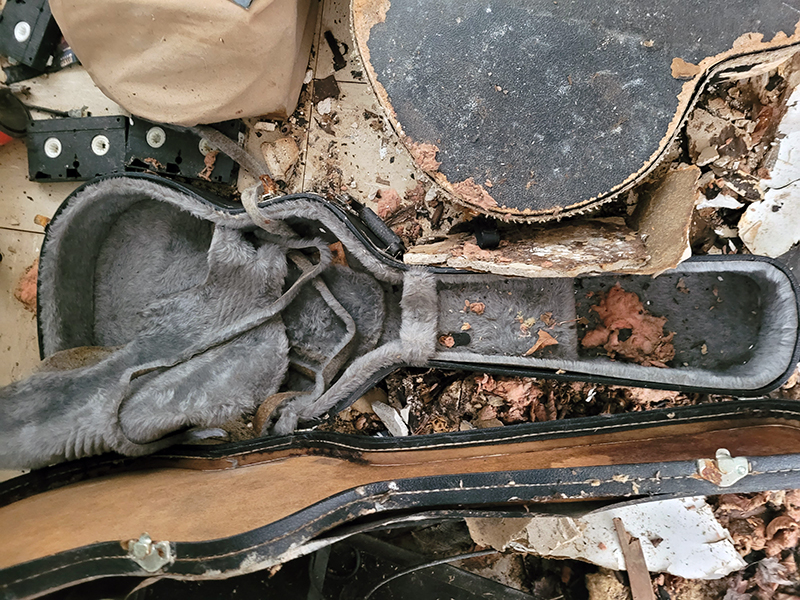
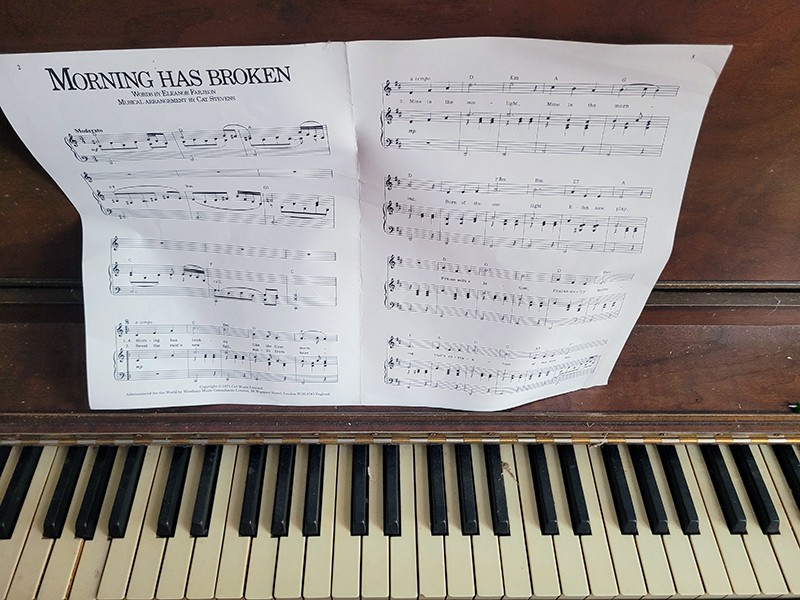
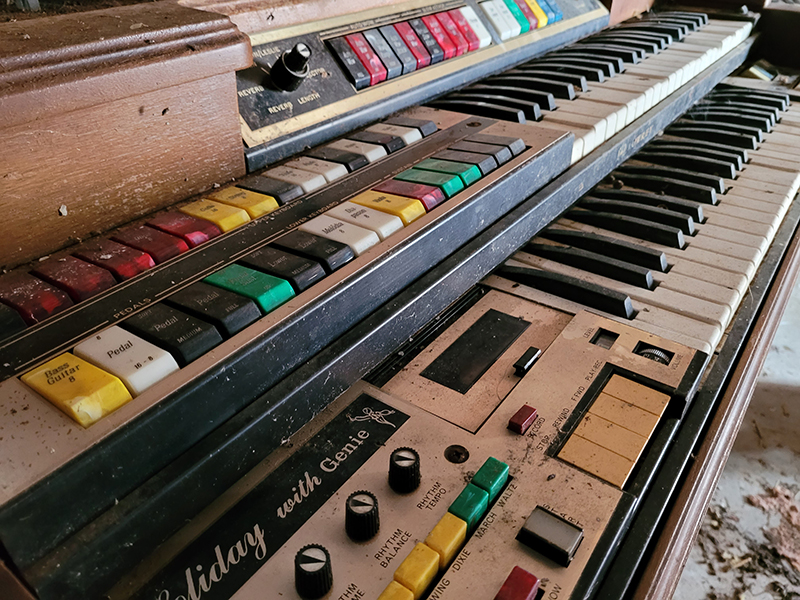
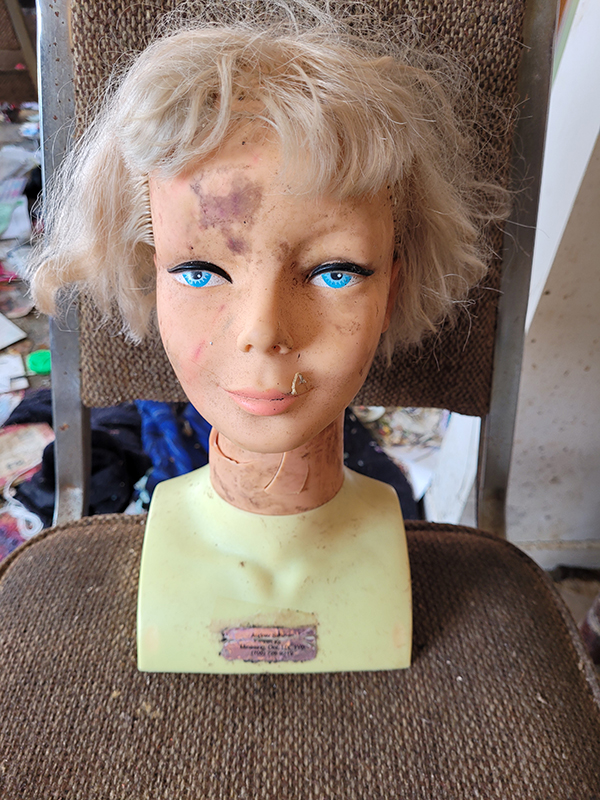
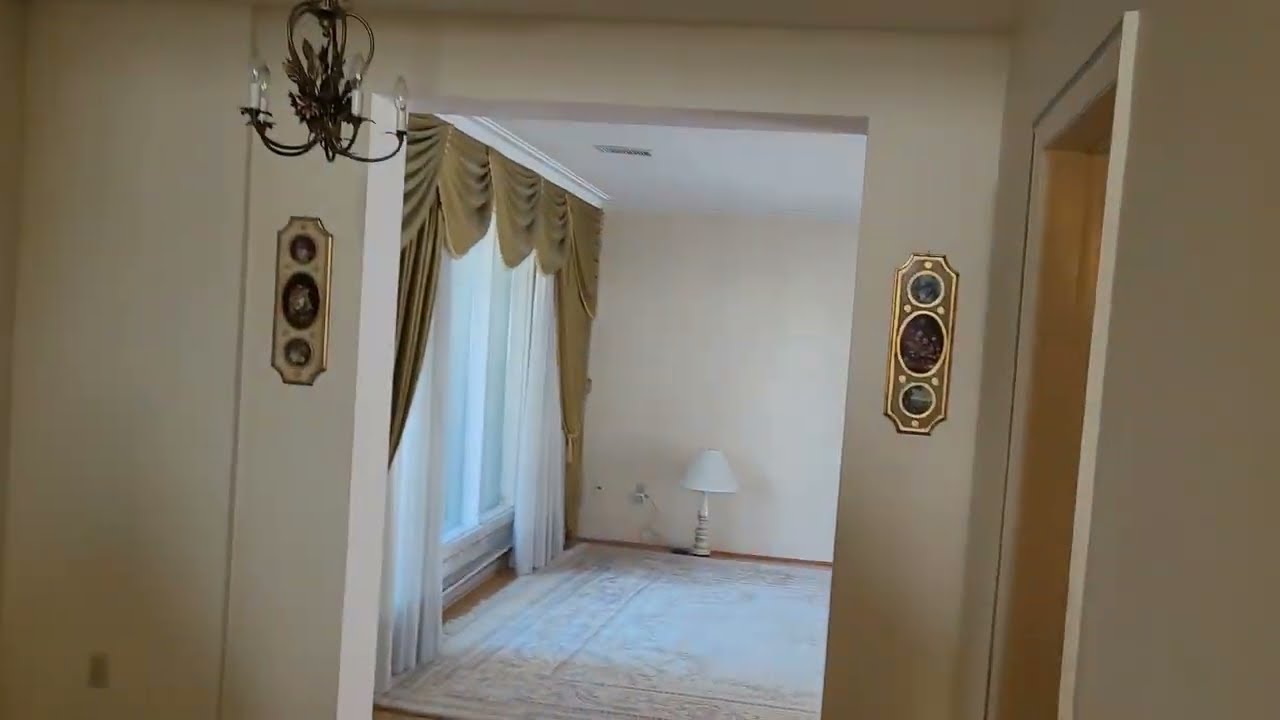
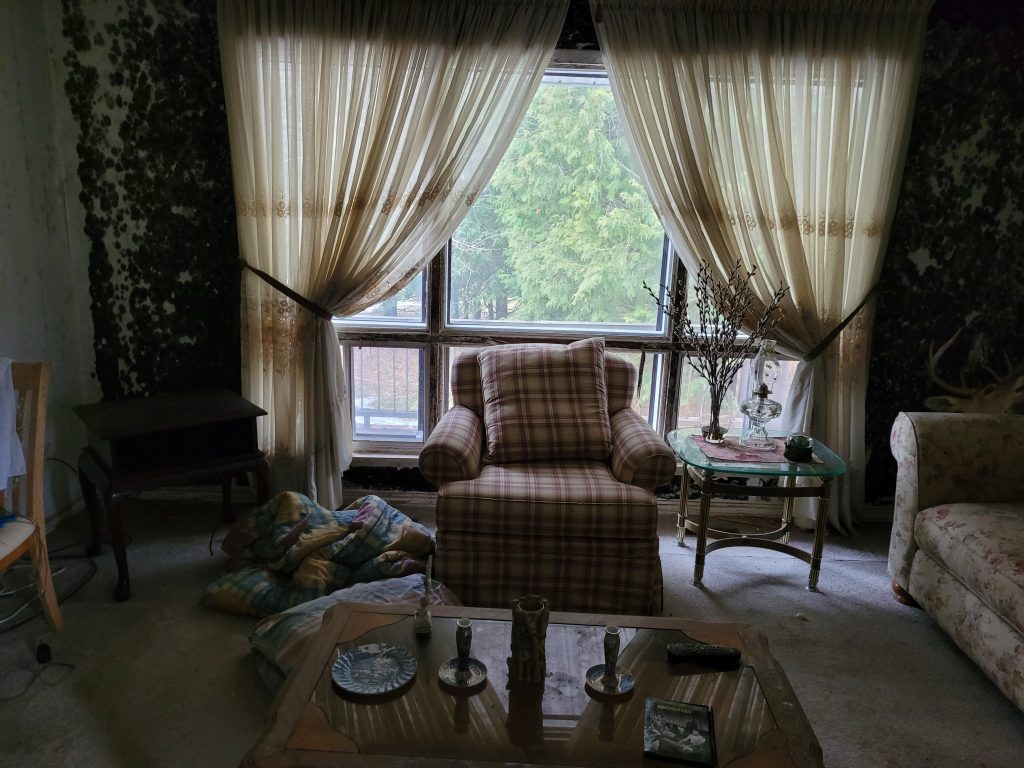
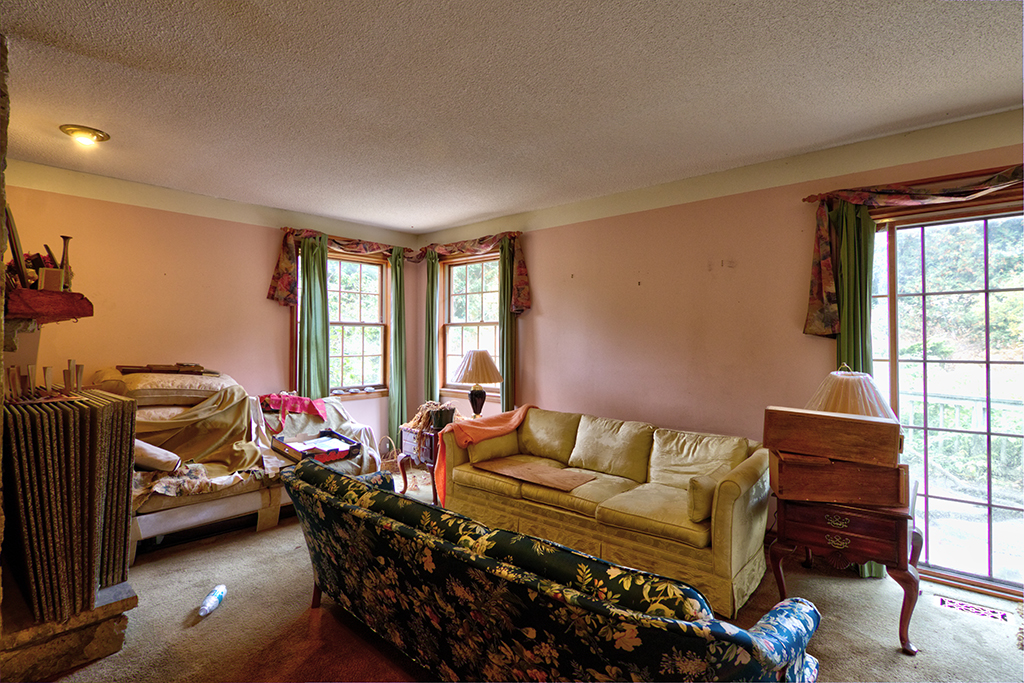
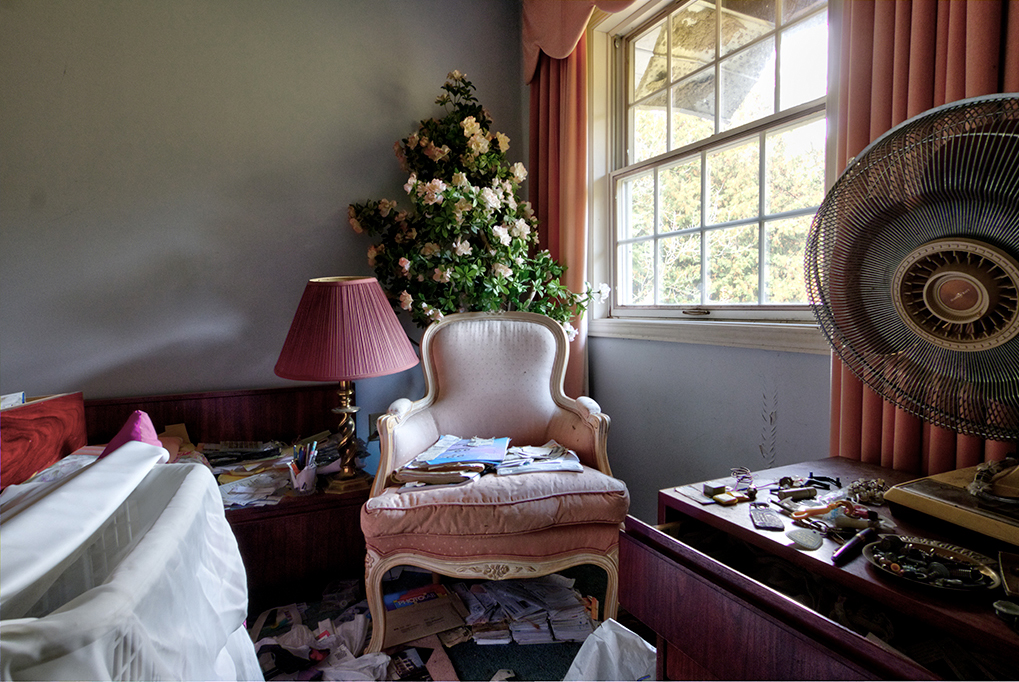
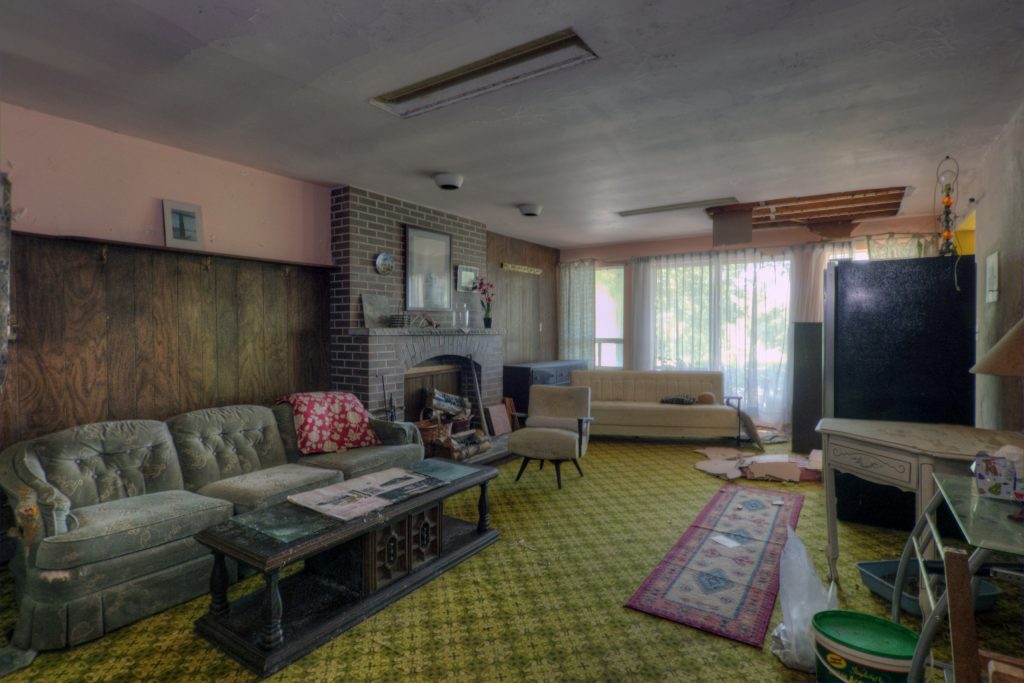
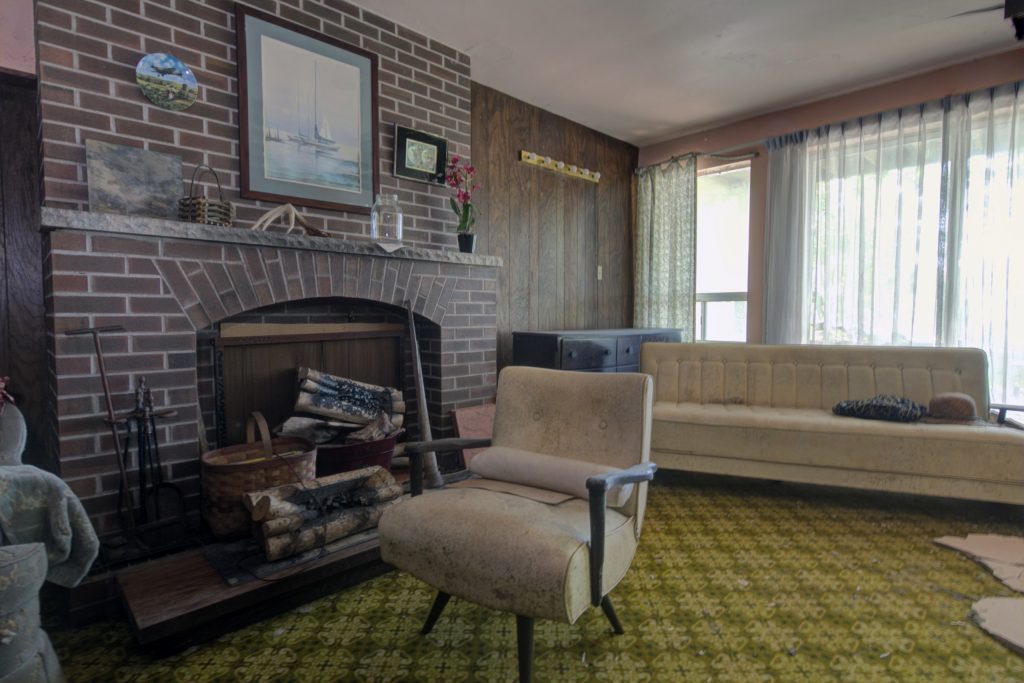
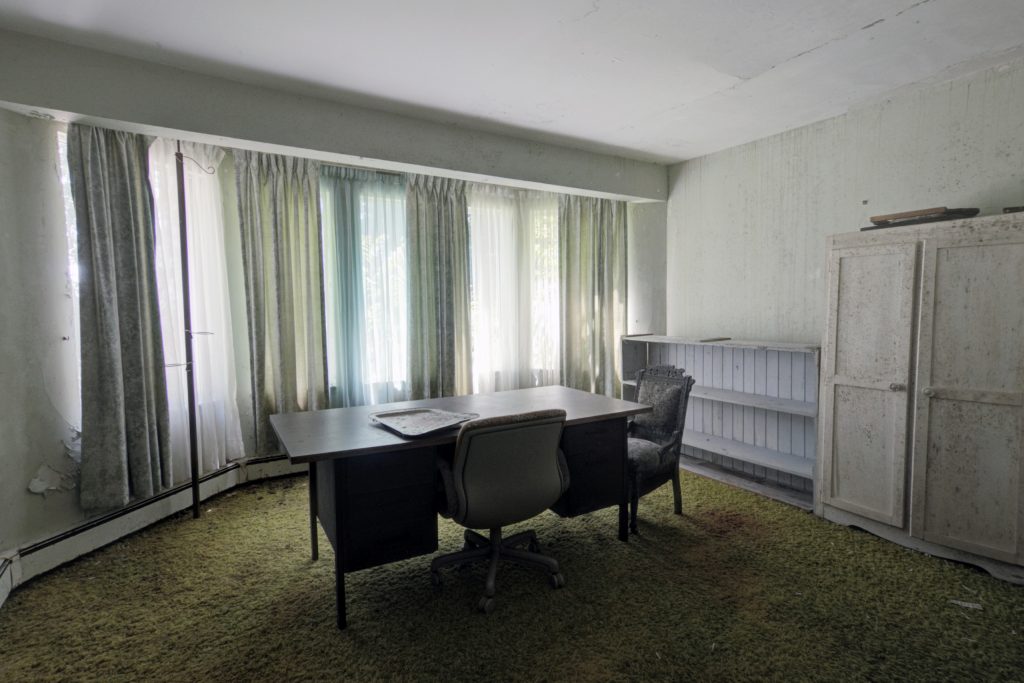
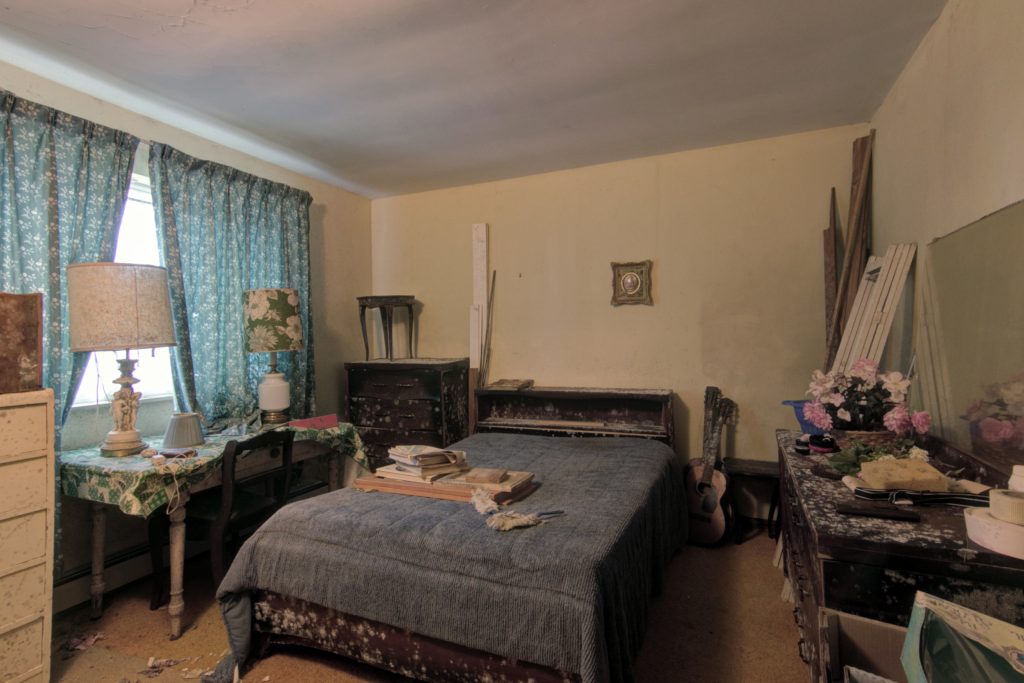
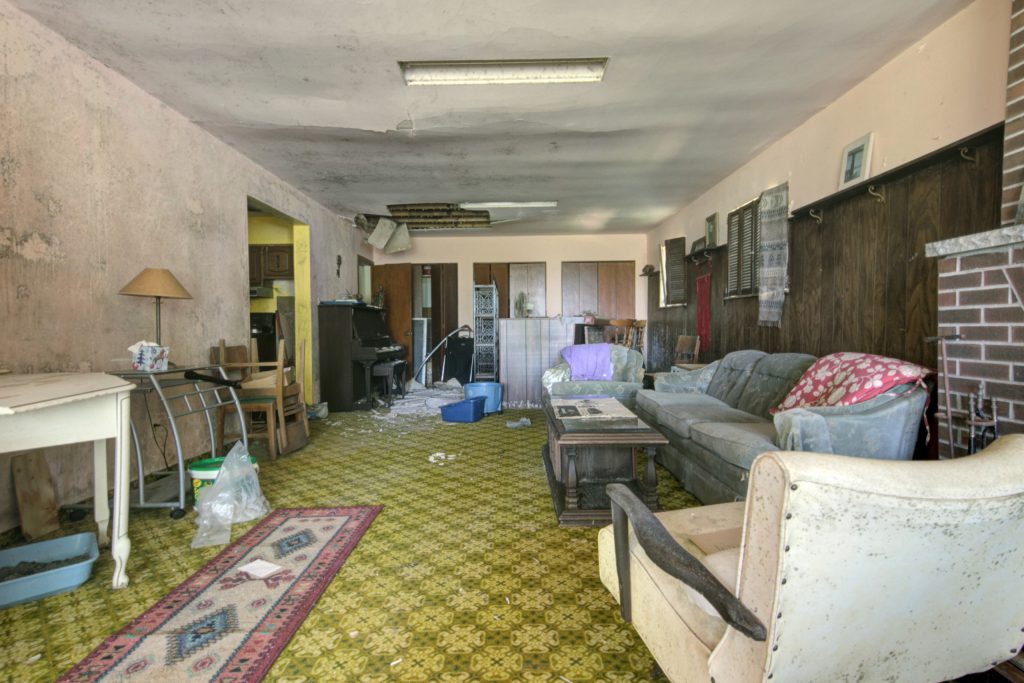
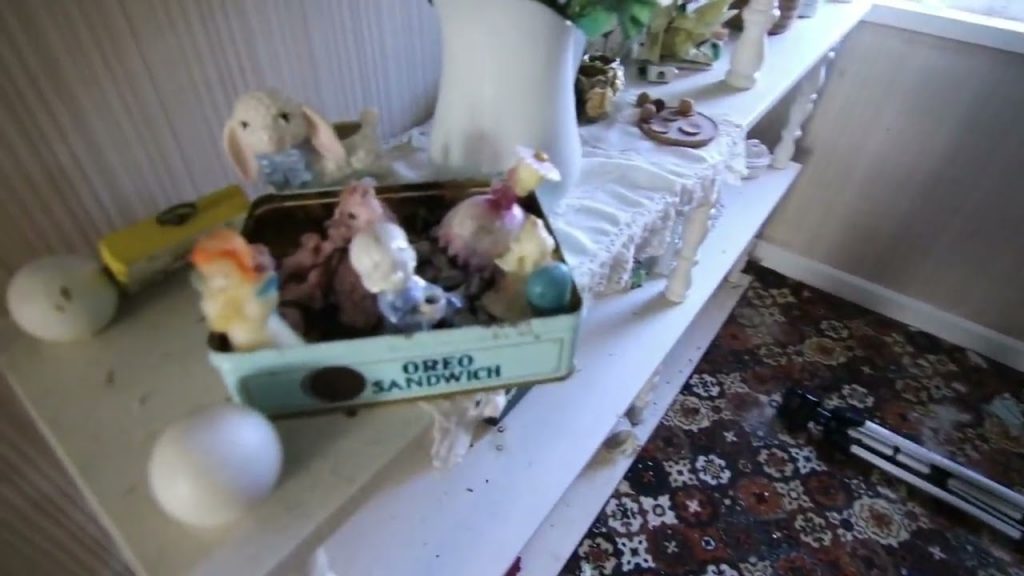
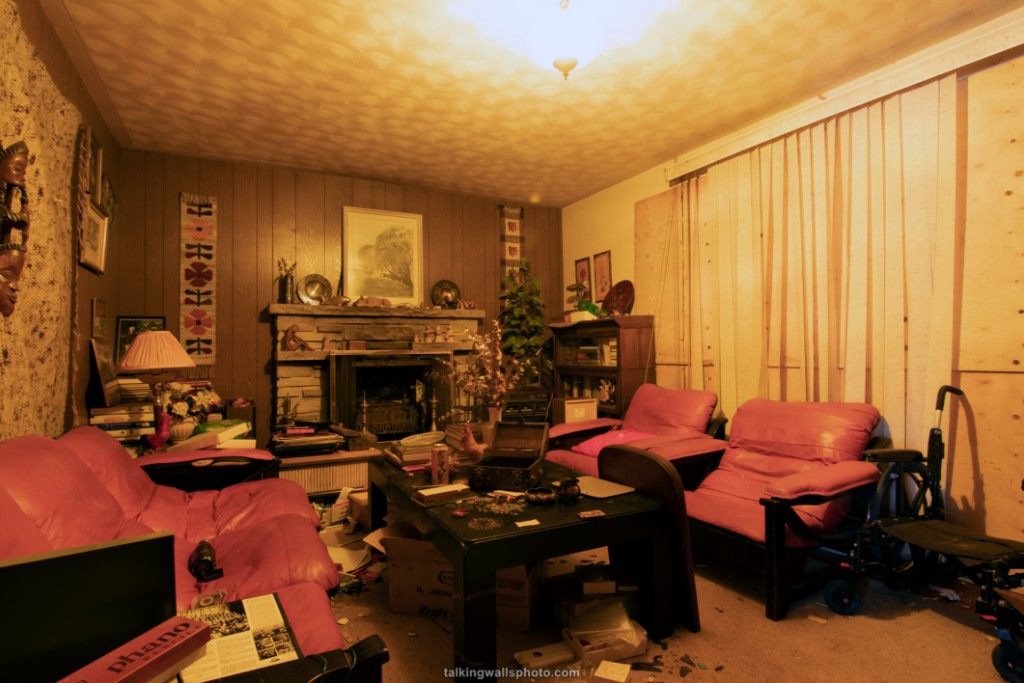
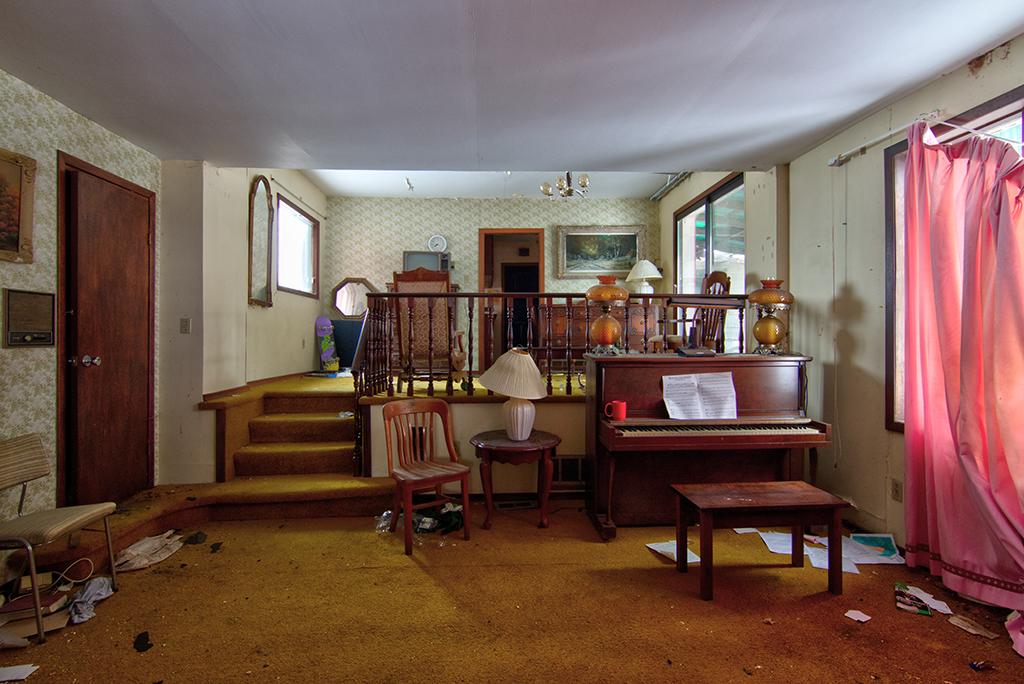
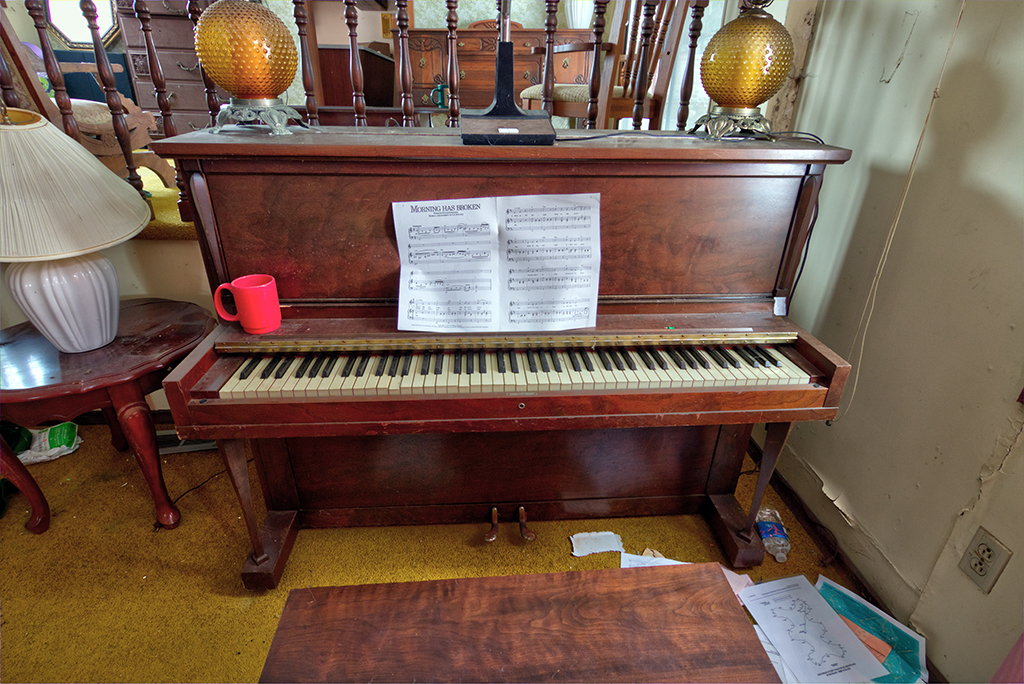
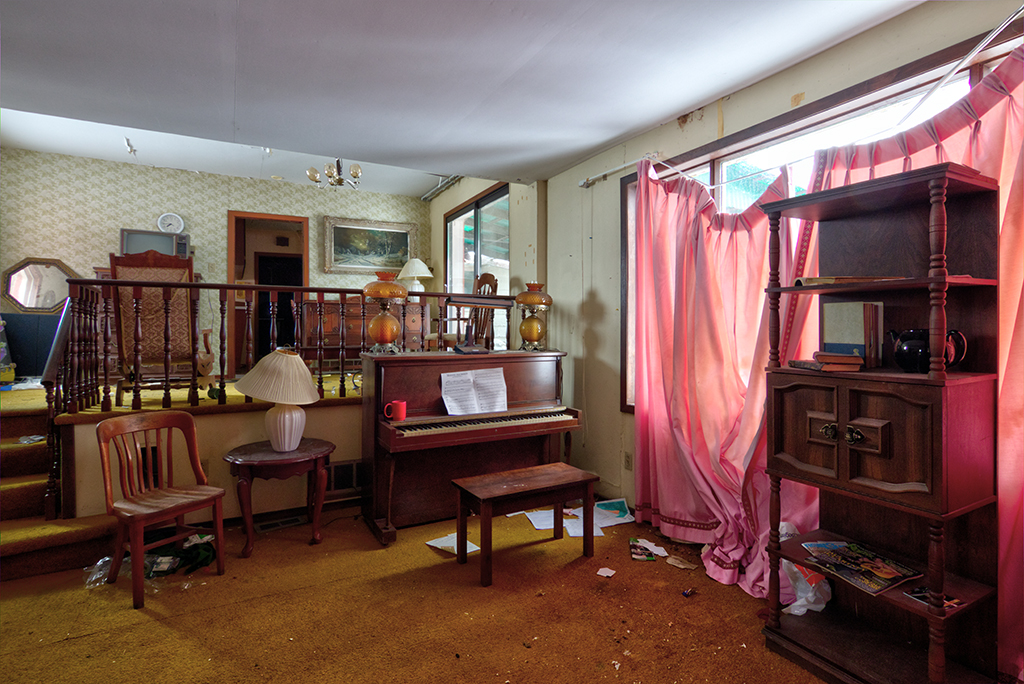
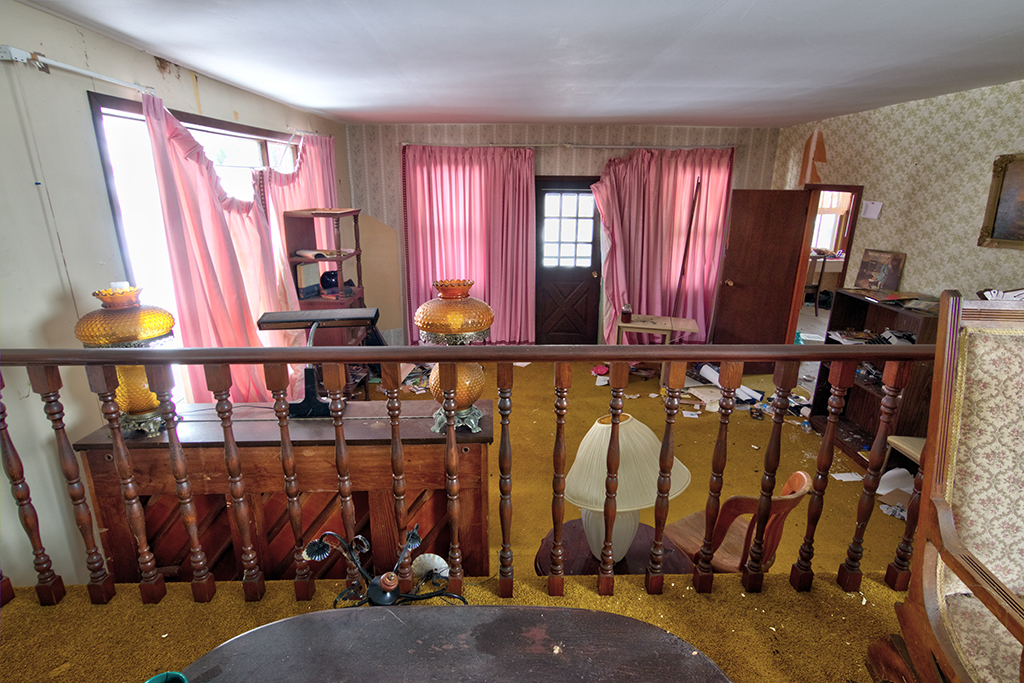
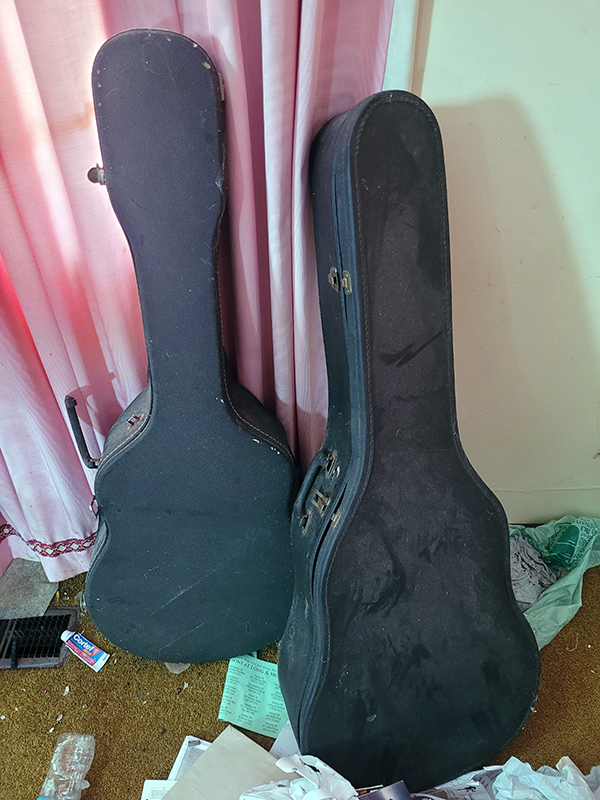
His house has a lot of musical history inside. In the living room sit two empty guitar cases and a piano.
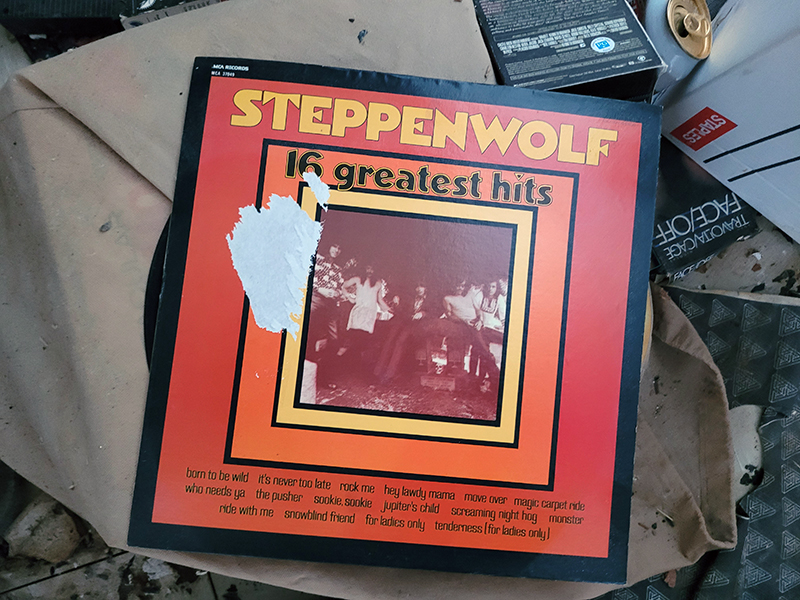
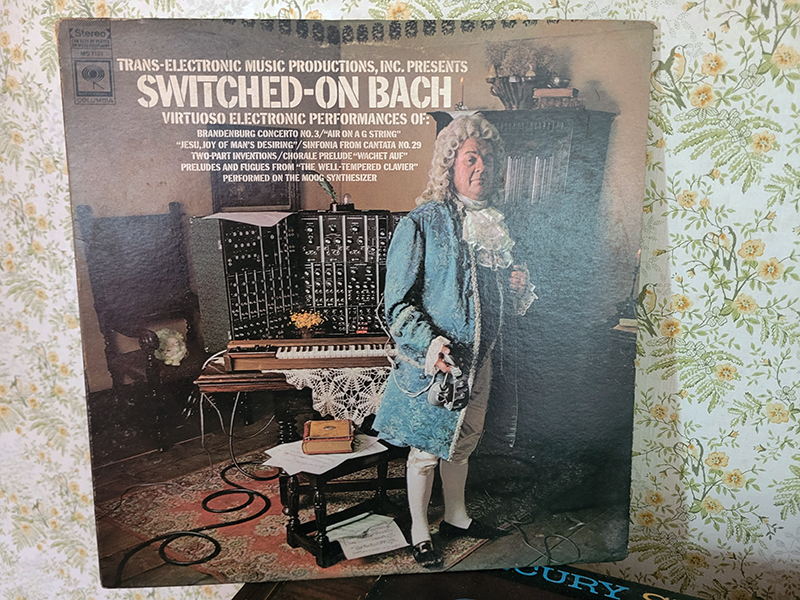
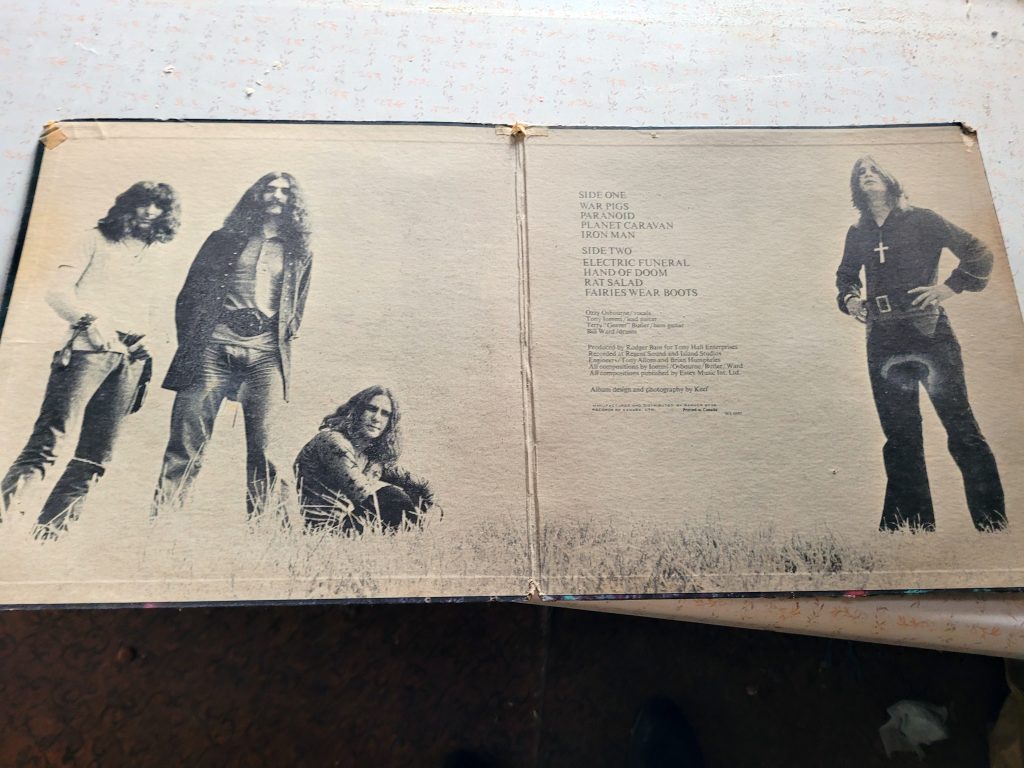
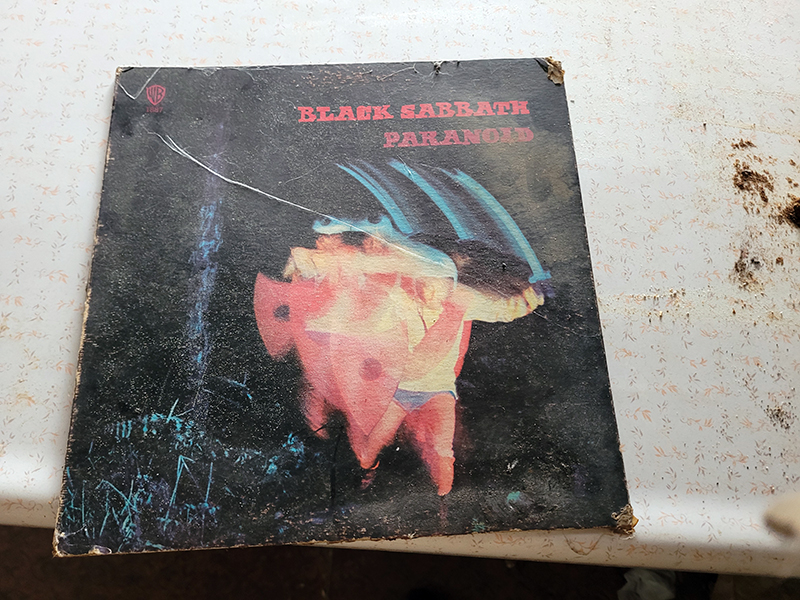
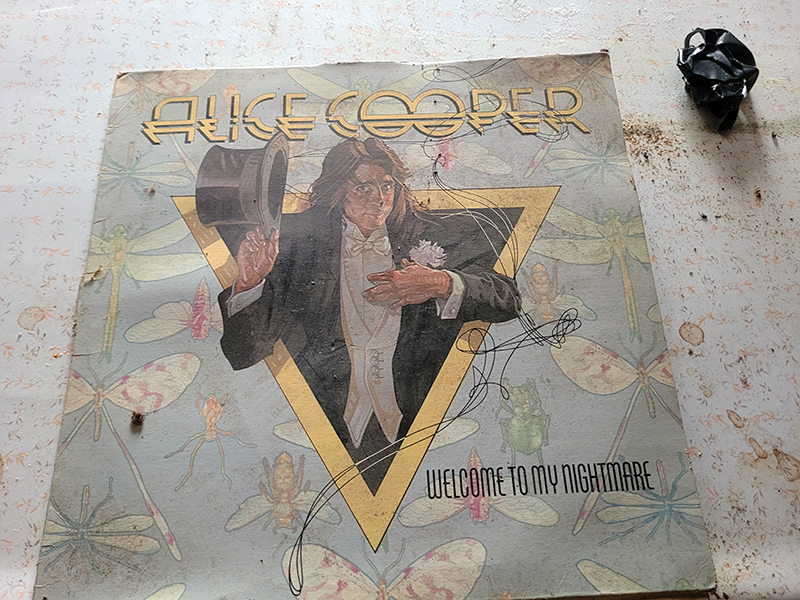
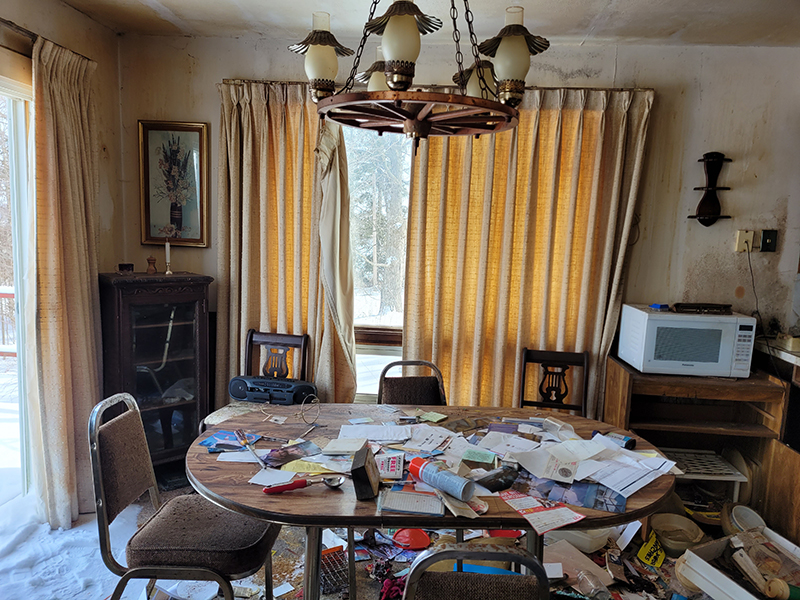
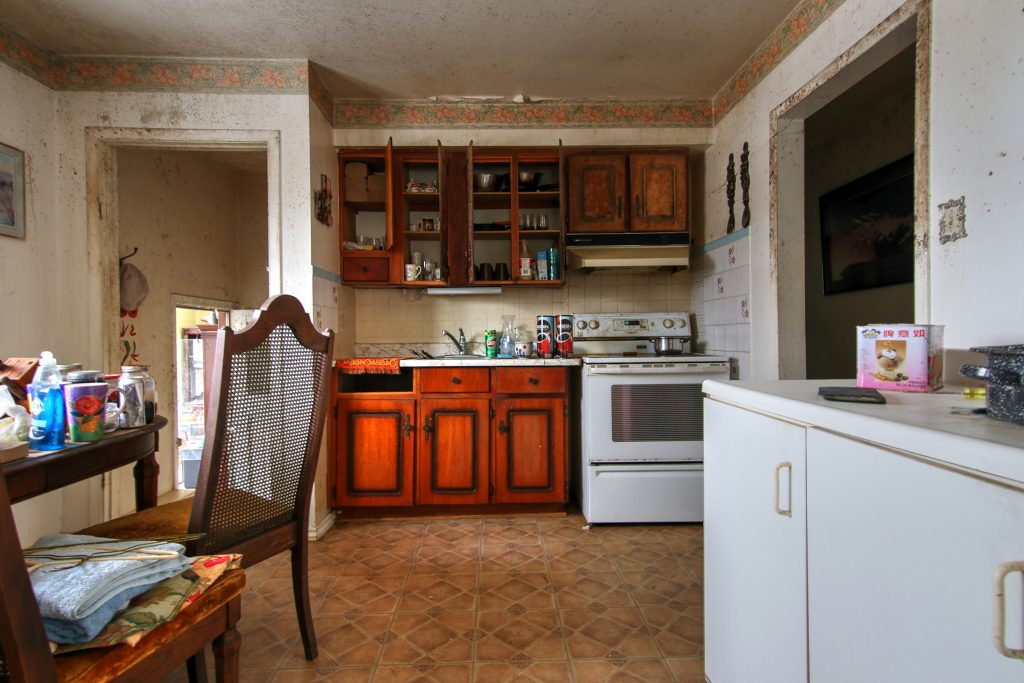
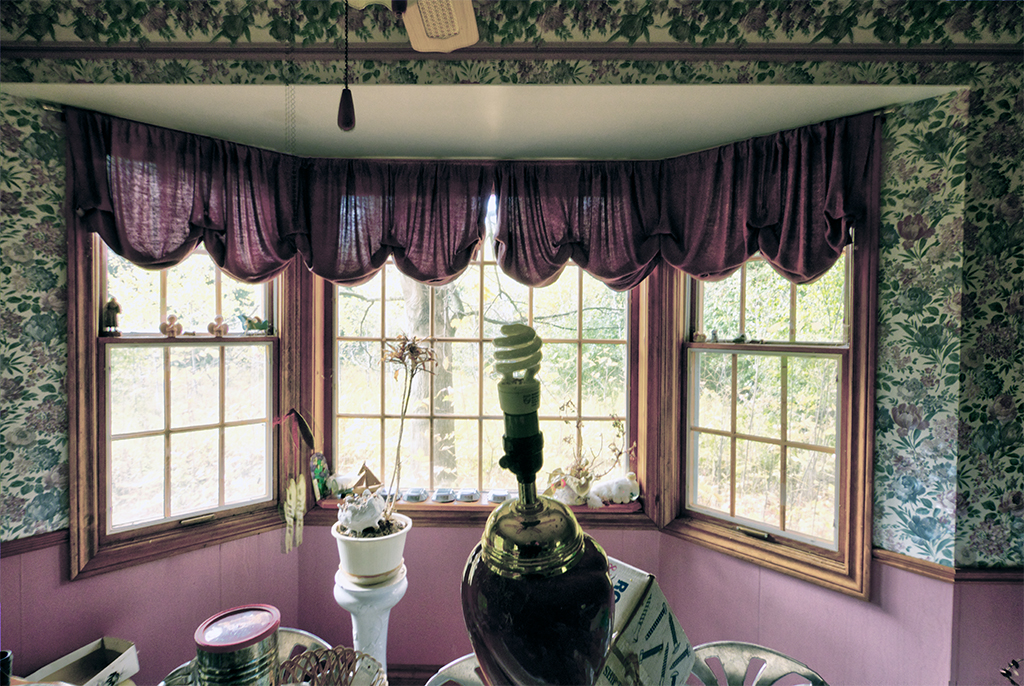
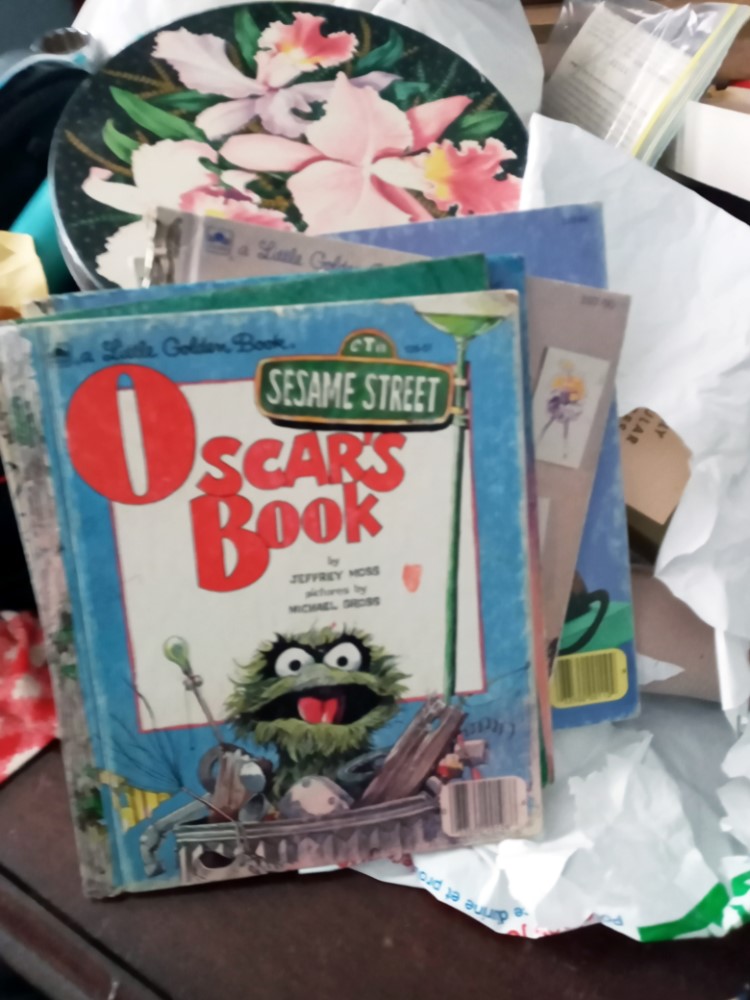
As you make your way past the living room to the kitchen, there are several vinyl record albums underneath the kitchen table. I found a Black Sabbath Paranoid album cover, no sign of the record. There are sheets of music and lyrics to be found throughout the house. Some lyrics have been penned on paper or tacked to the wall.

There are DVD’s and VHS tapes on both levels of the house as well as books and record albums featuring classical music composers.

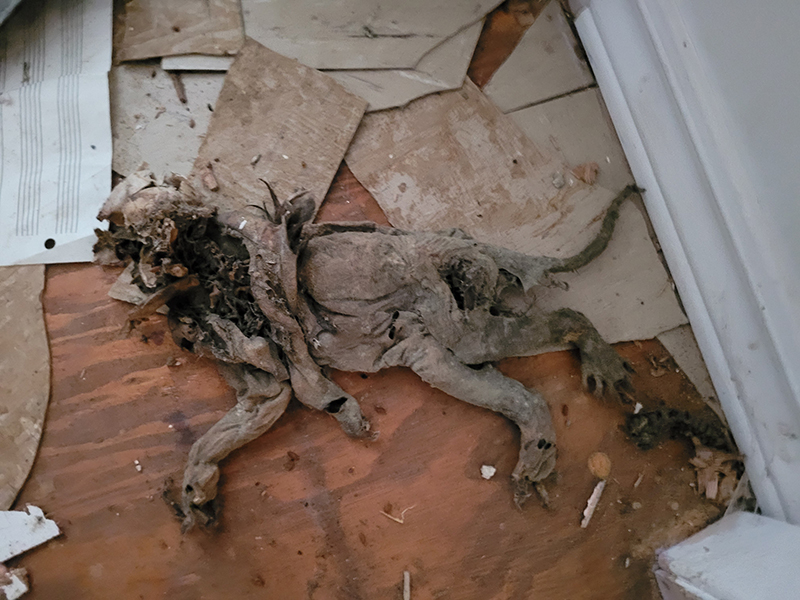
Also, in the upstairs we discovered the skeletal remains of what appears to be a cat.

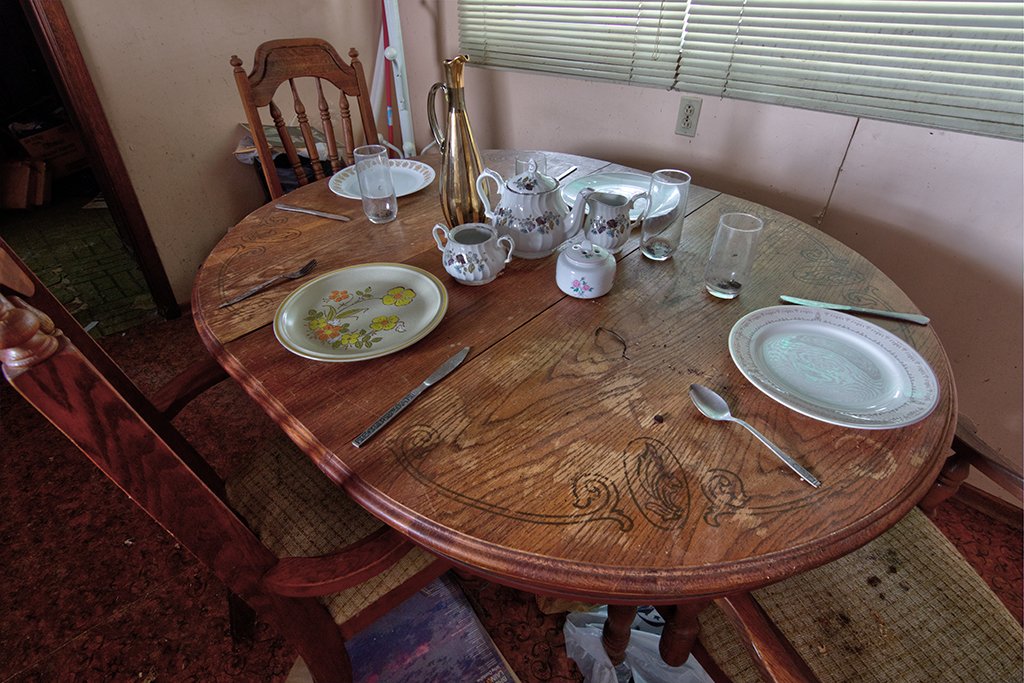
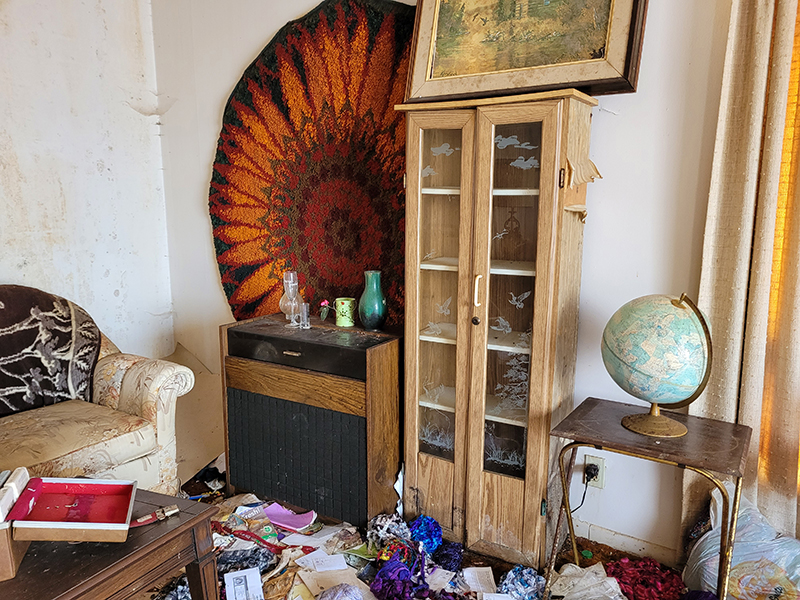
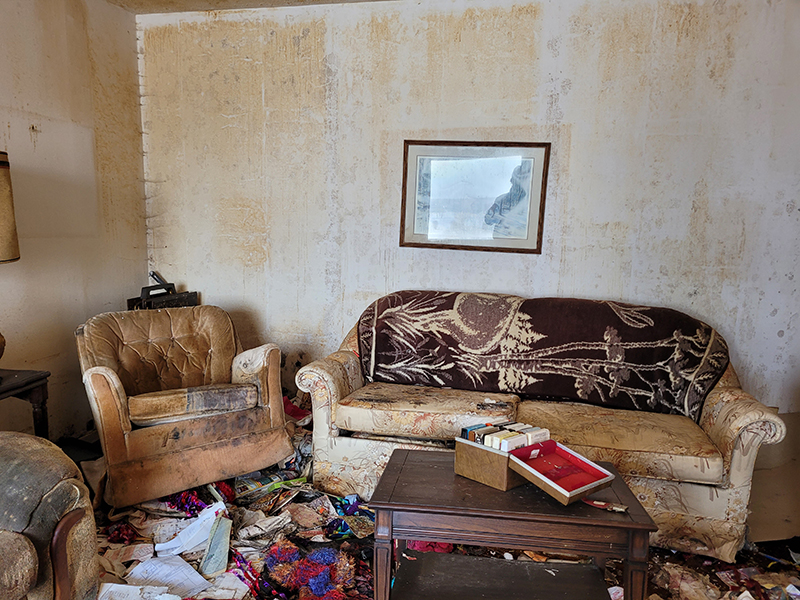
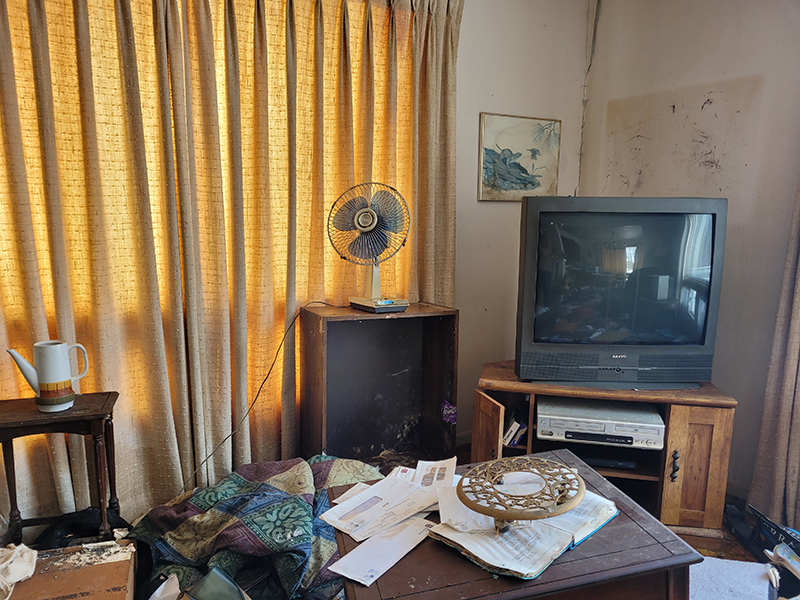
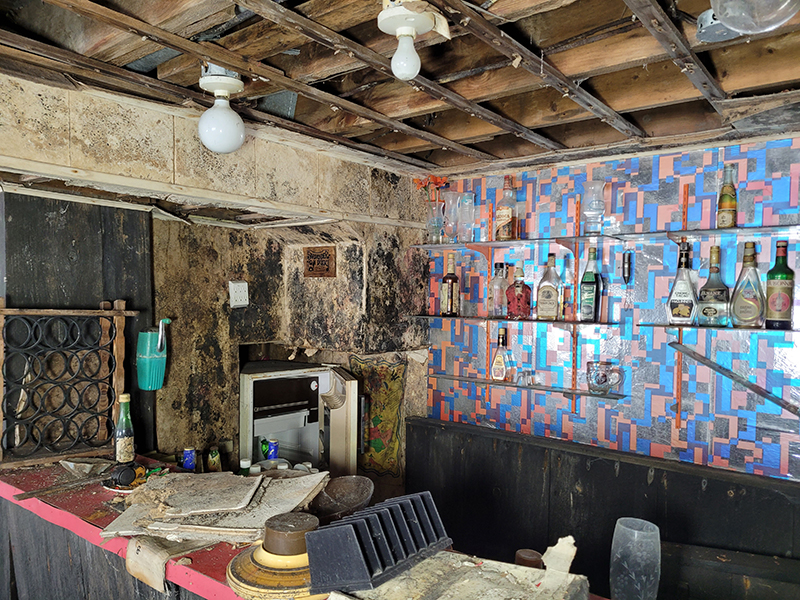
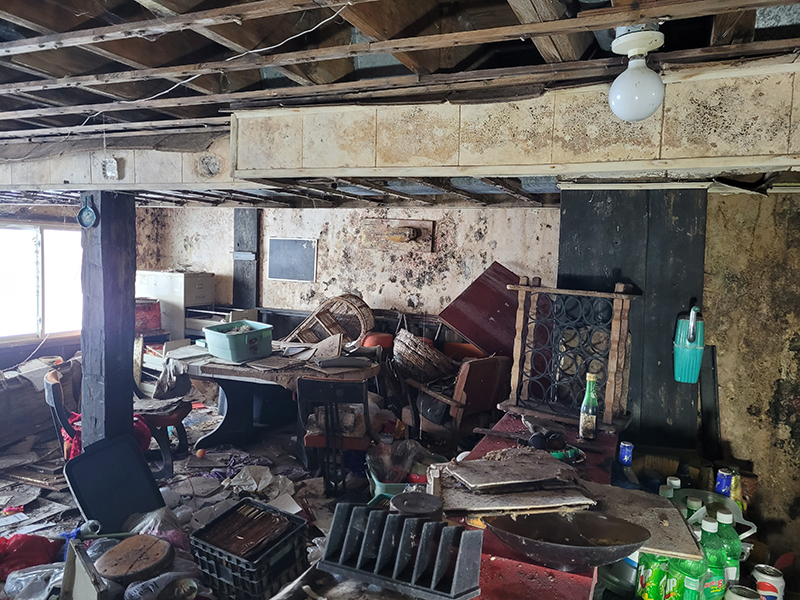
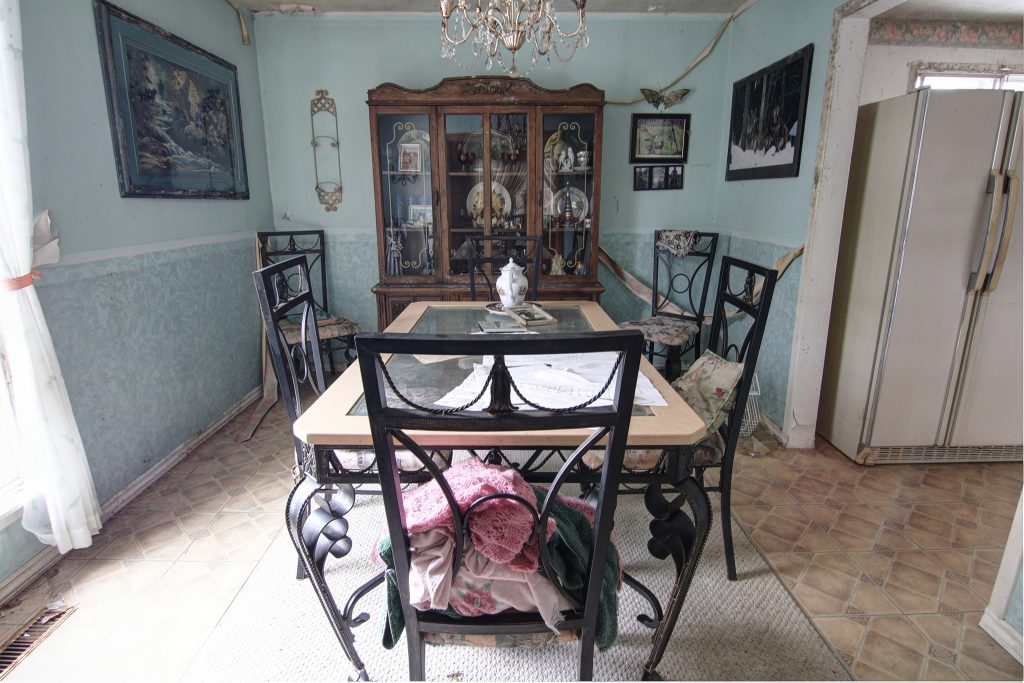
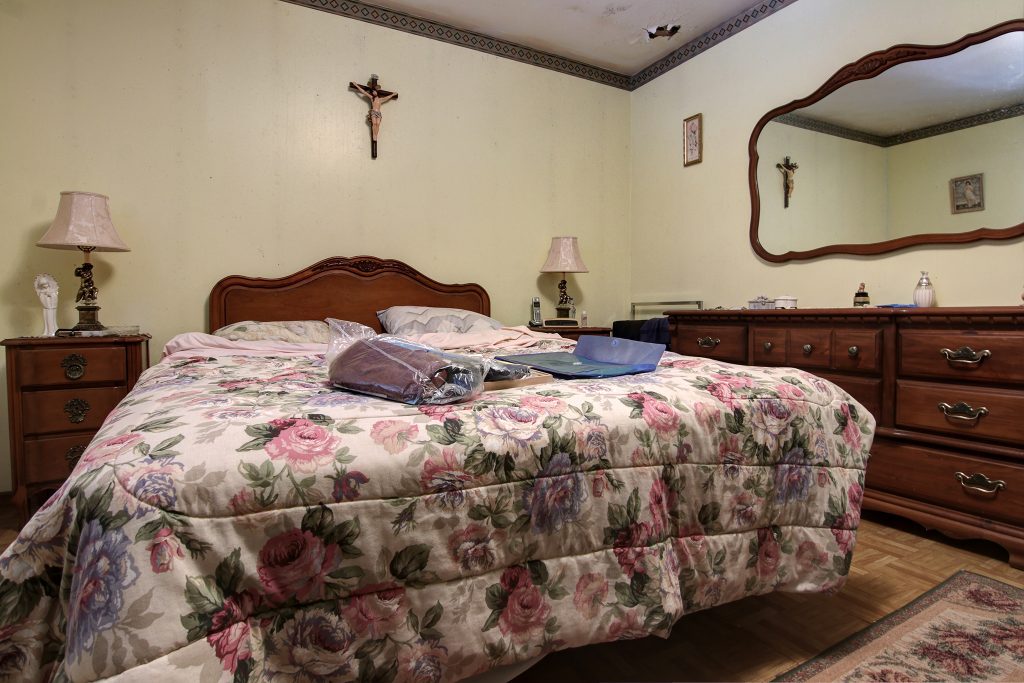
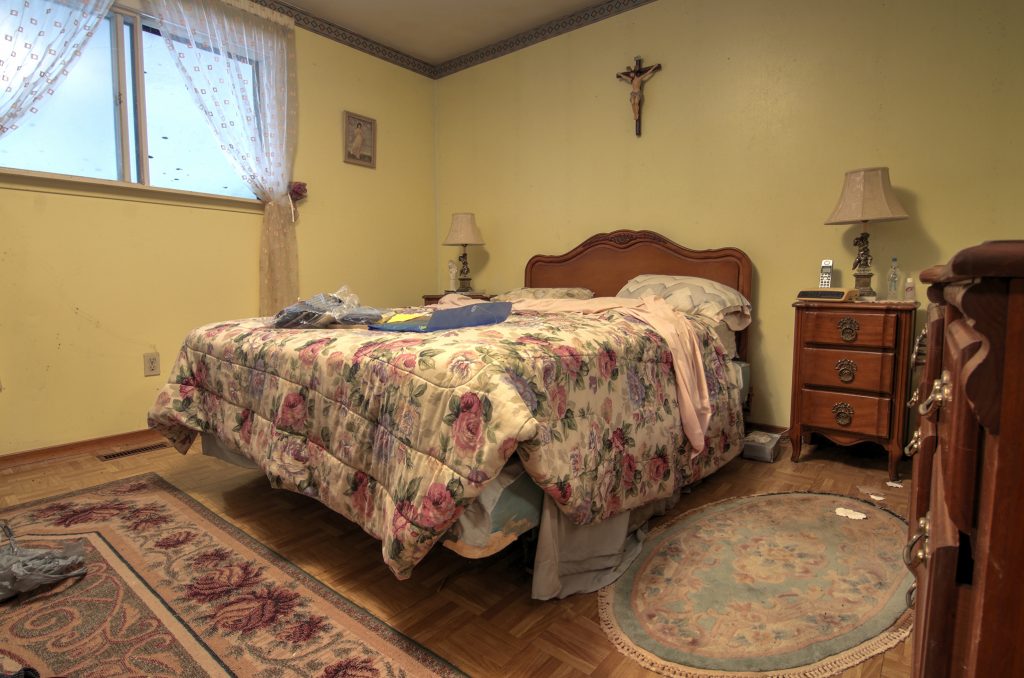
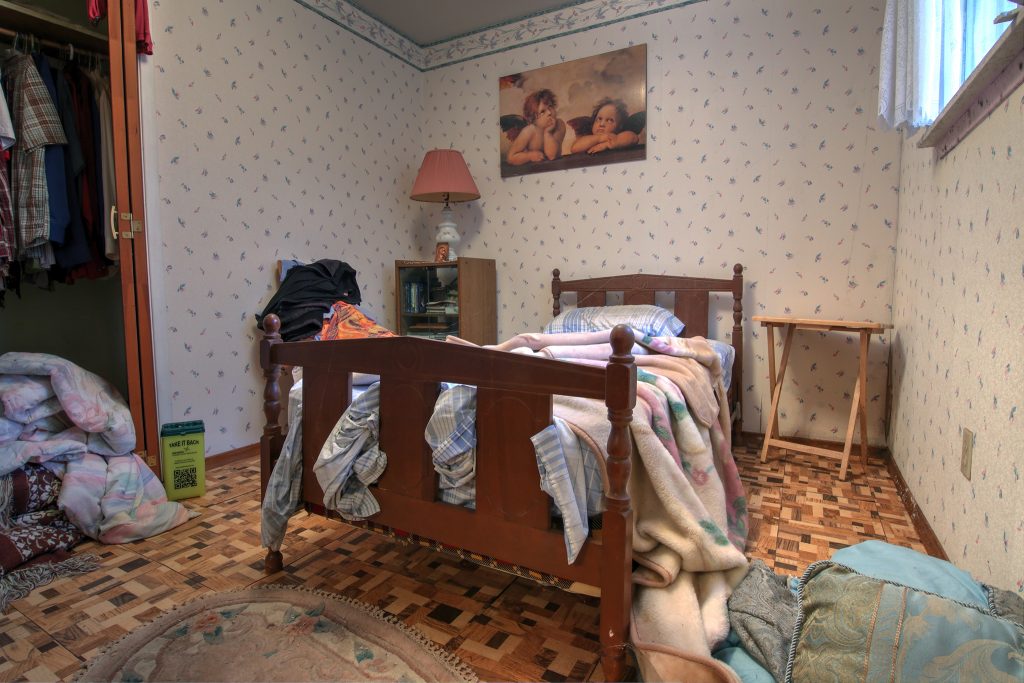
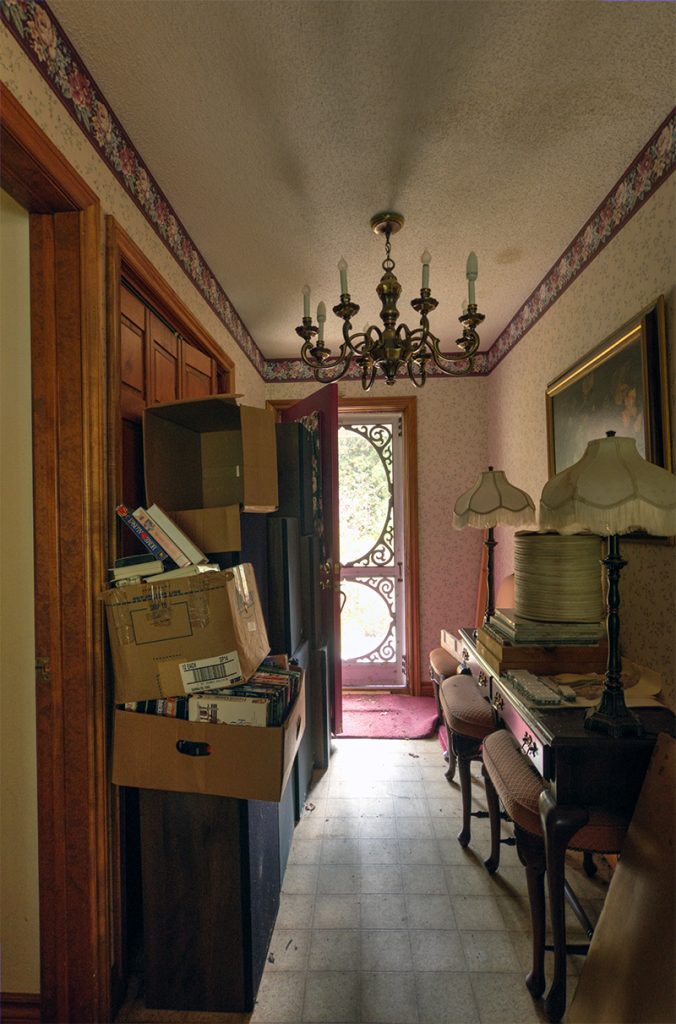
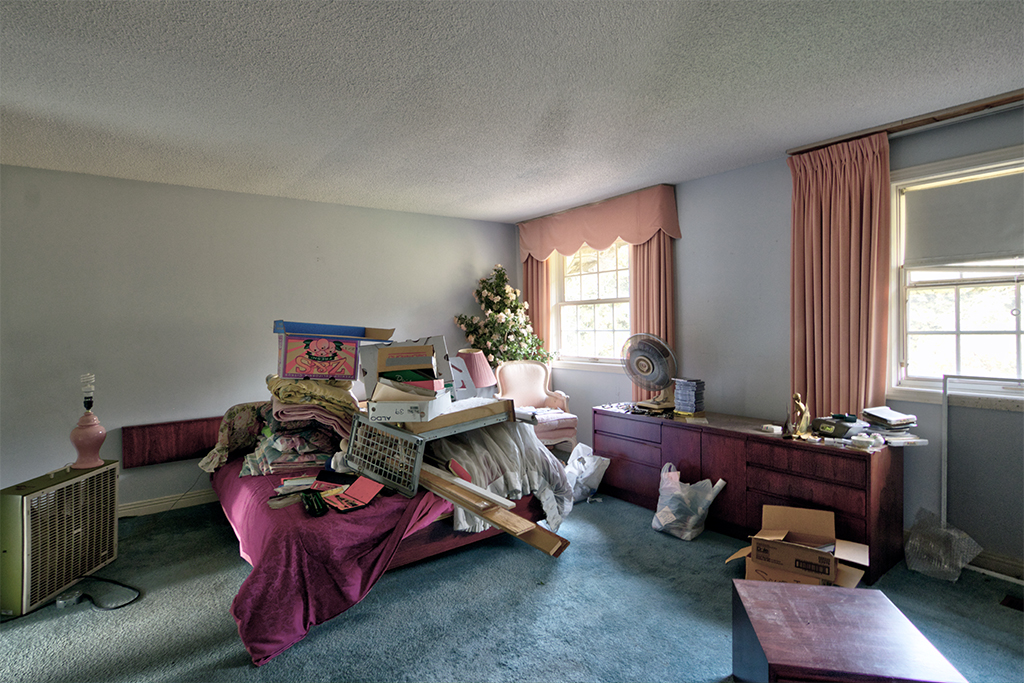
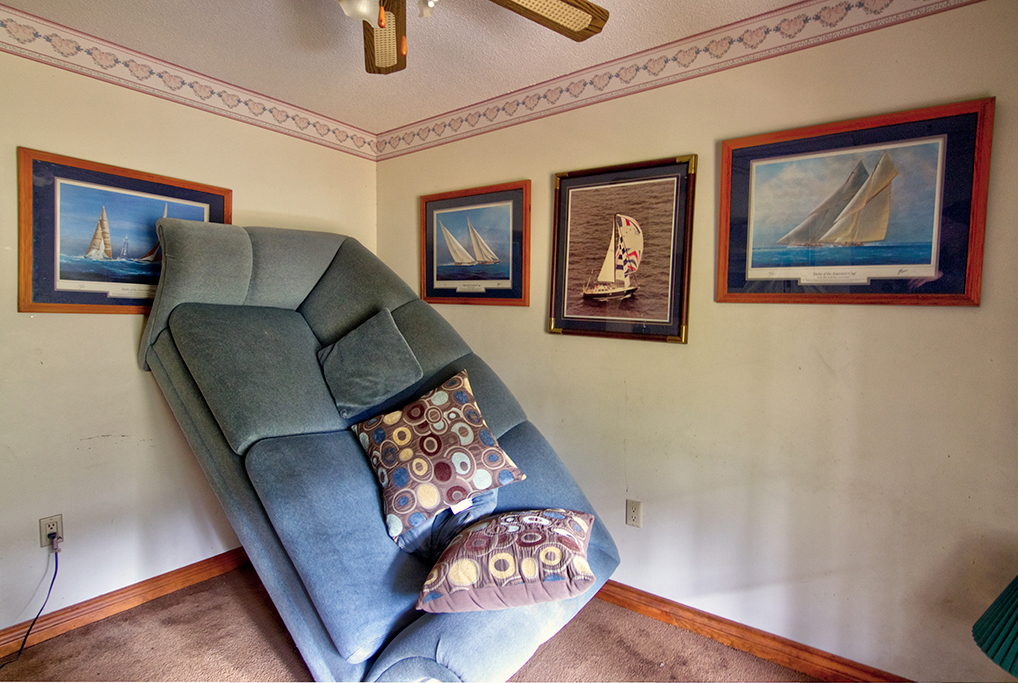
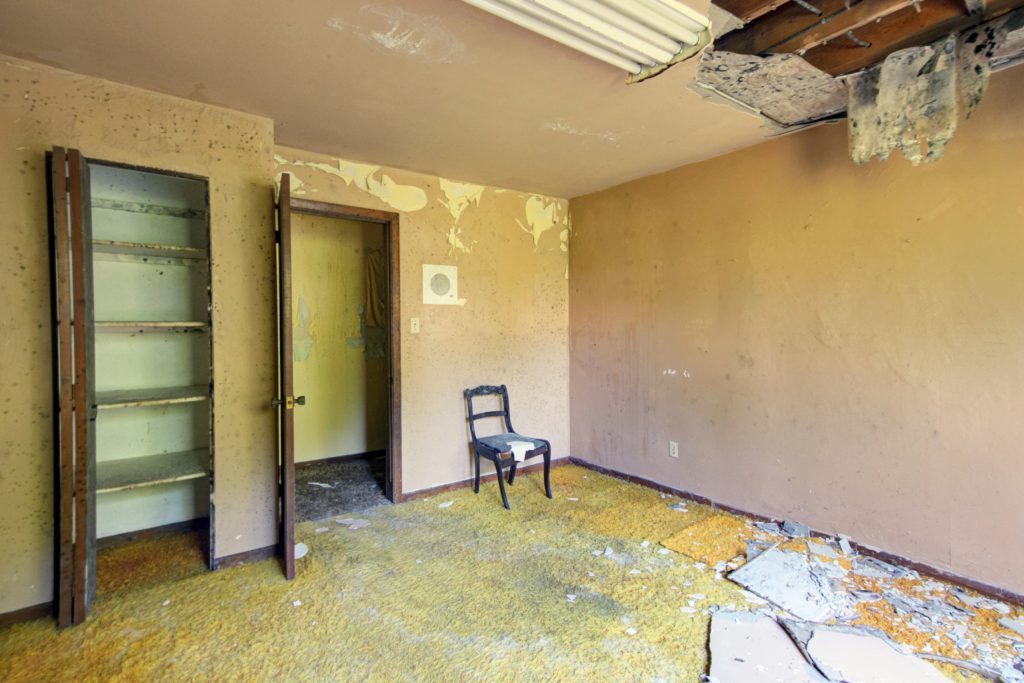
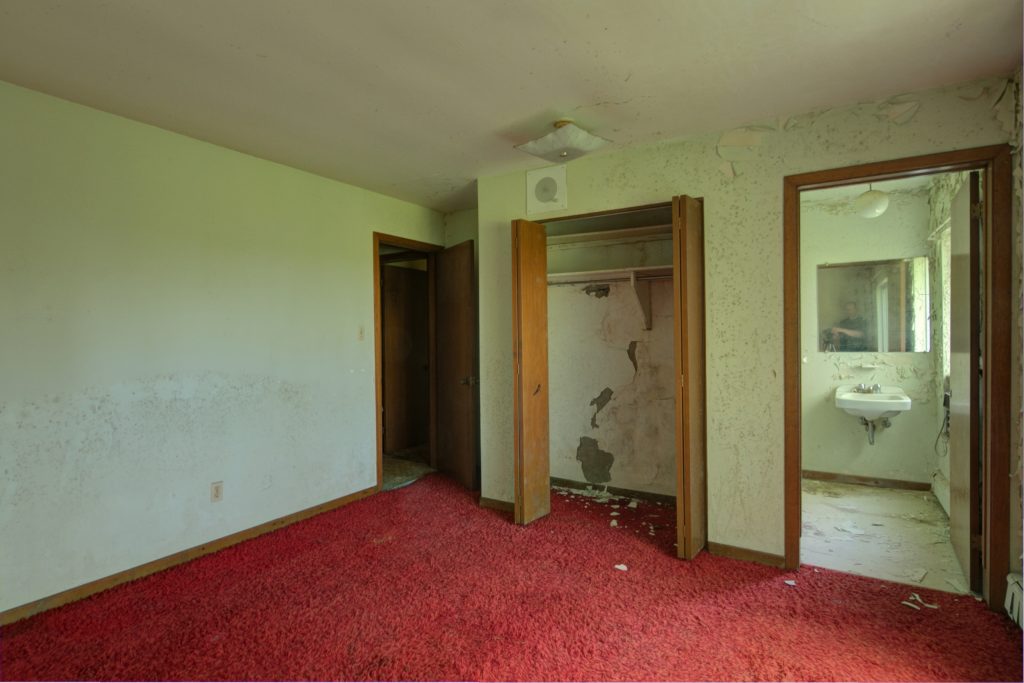
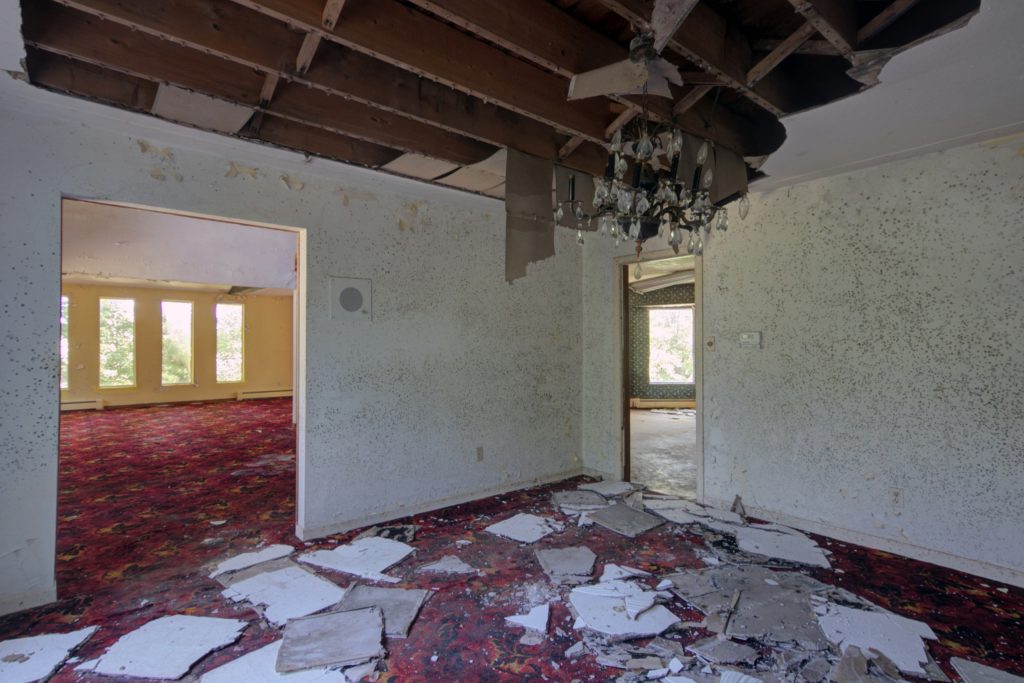
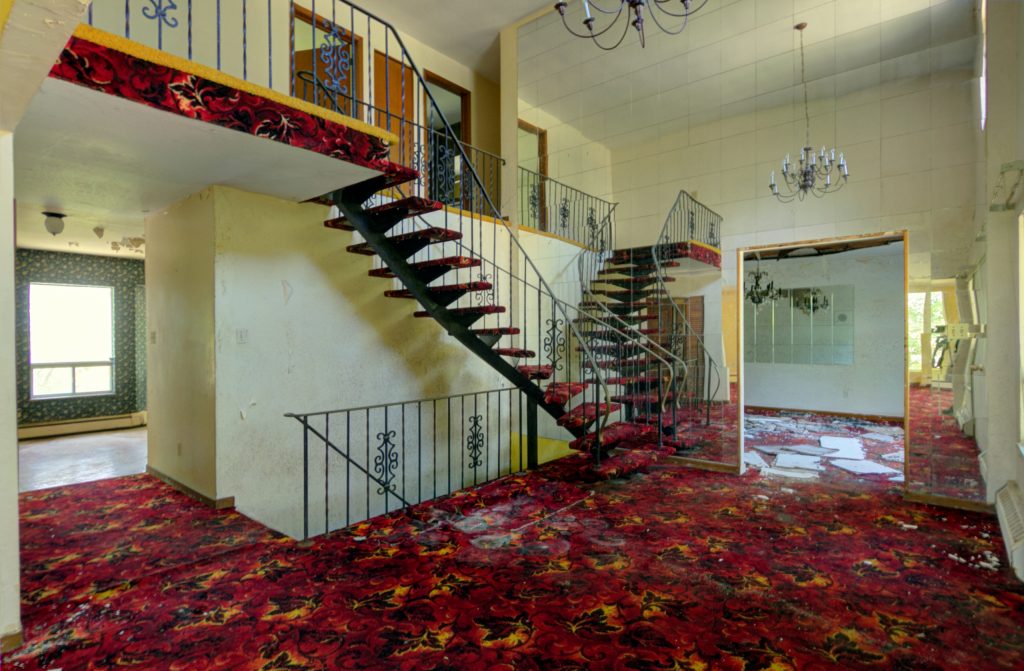
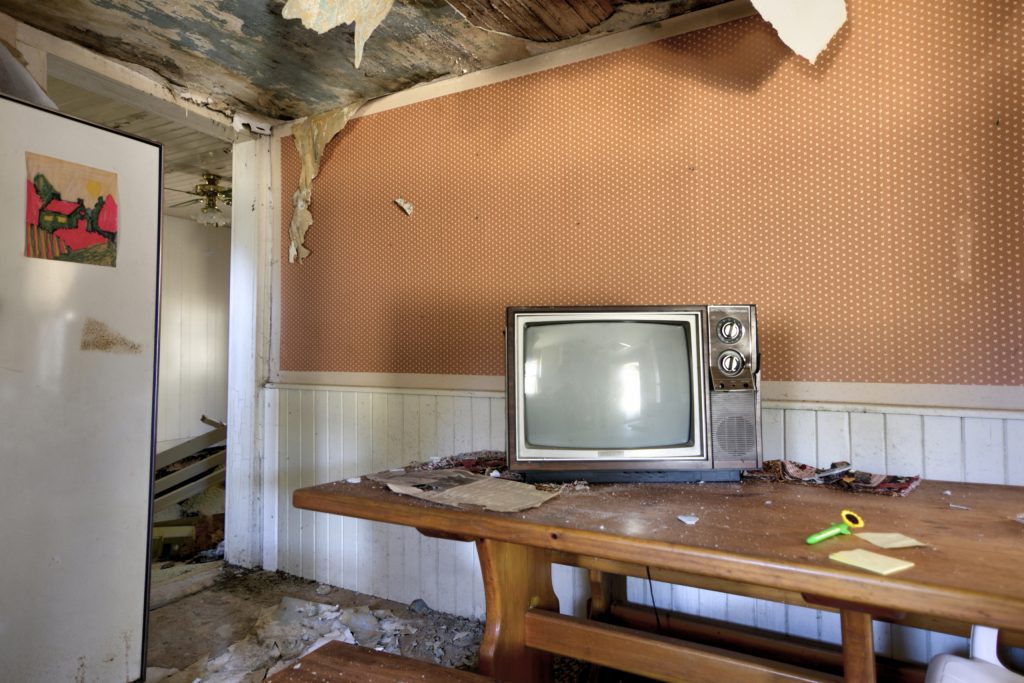
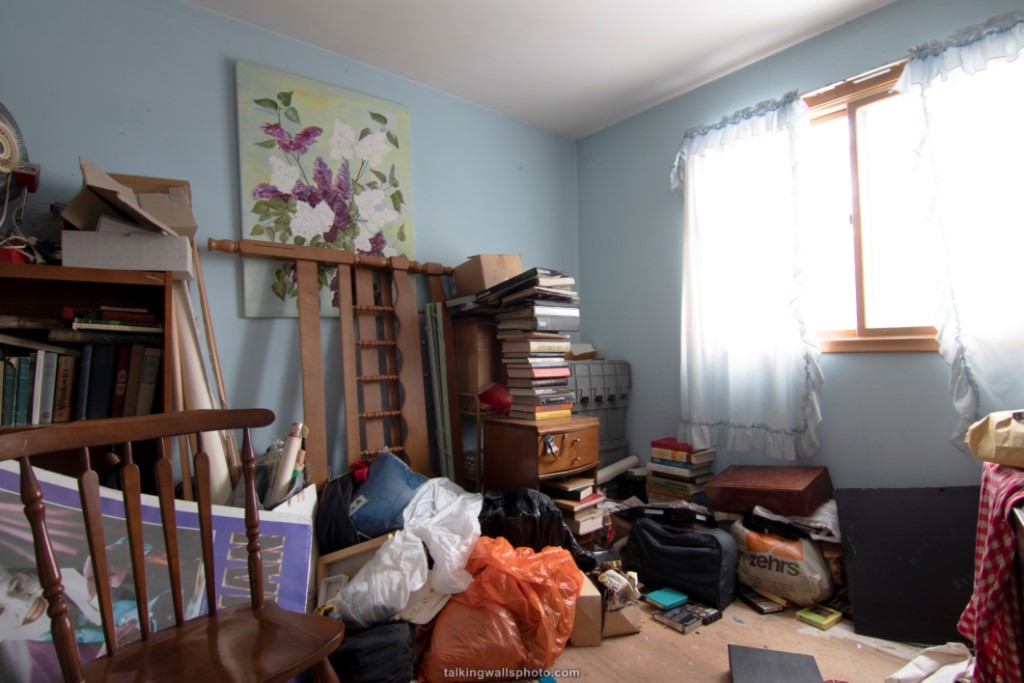
I wouldn’t go so far as to call this a time capsule, as it’s not been locked up or left alone for many years. Rather, it’s midway between a time capsule and crapsule. There are several items scattered over the floor and it’s evident that when the man left, he took his most cherished items with him. The kitchen table is set for dinner but I’ve no doubt that this was staged for photography.

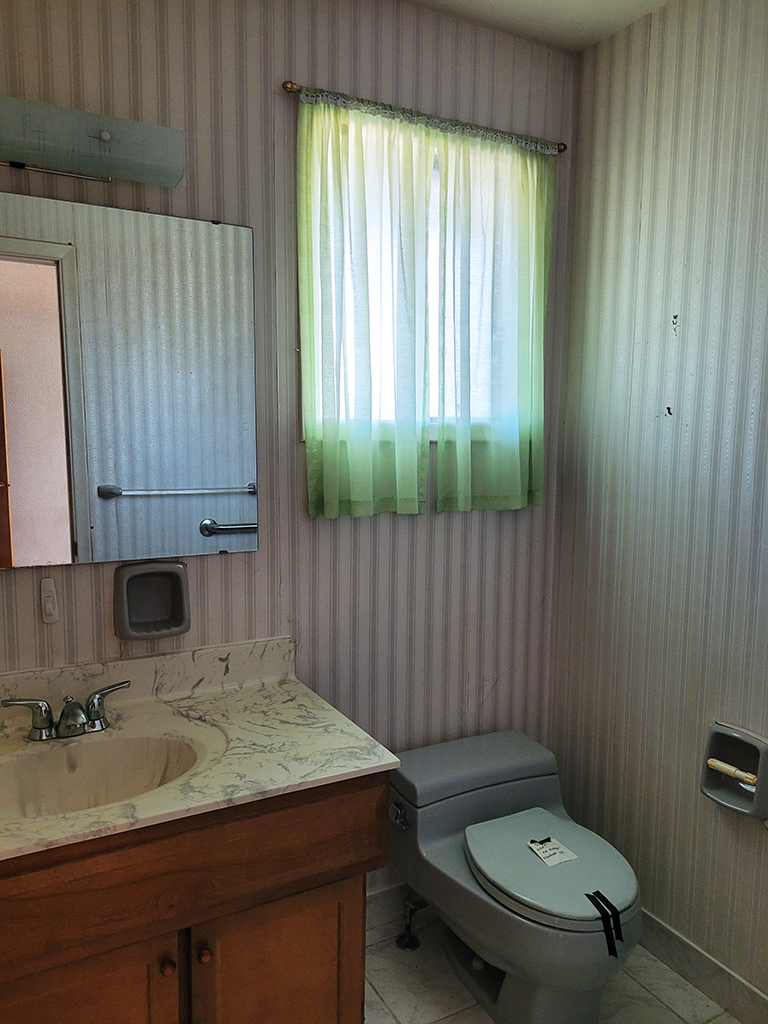
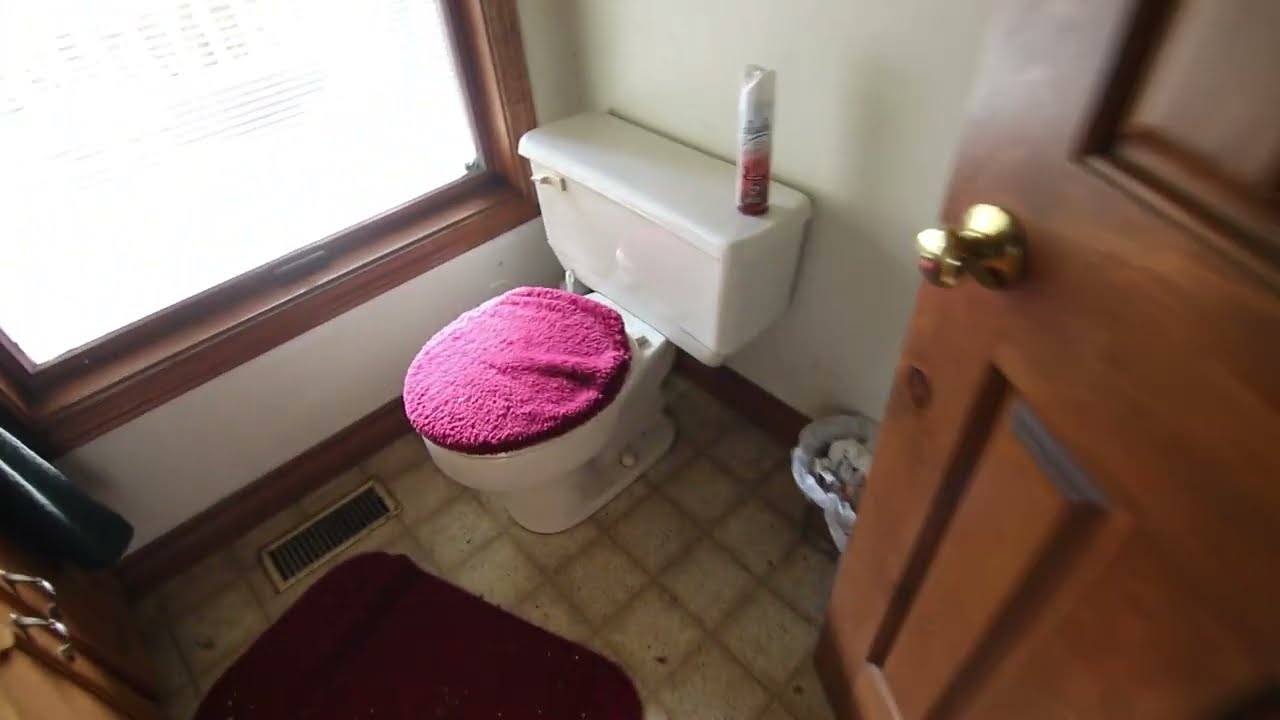
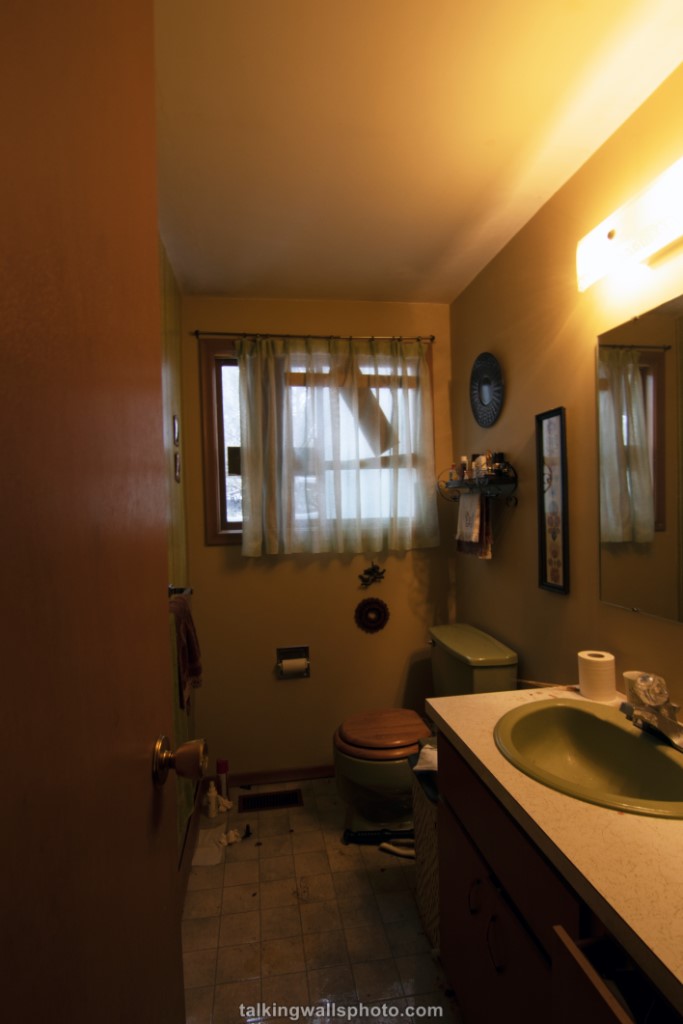
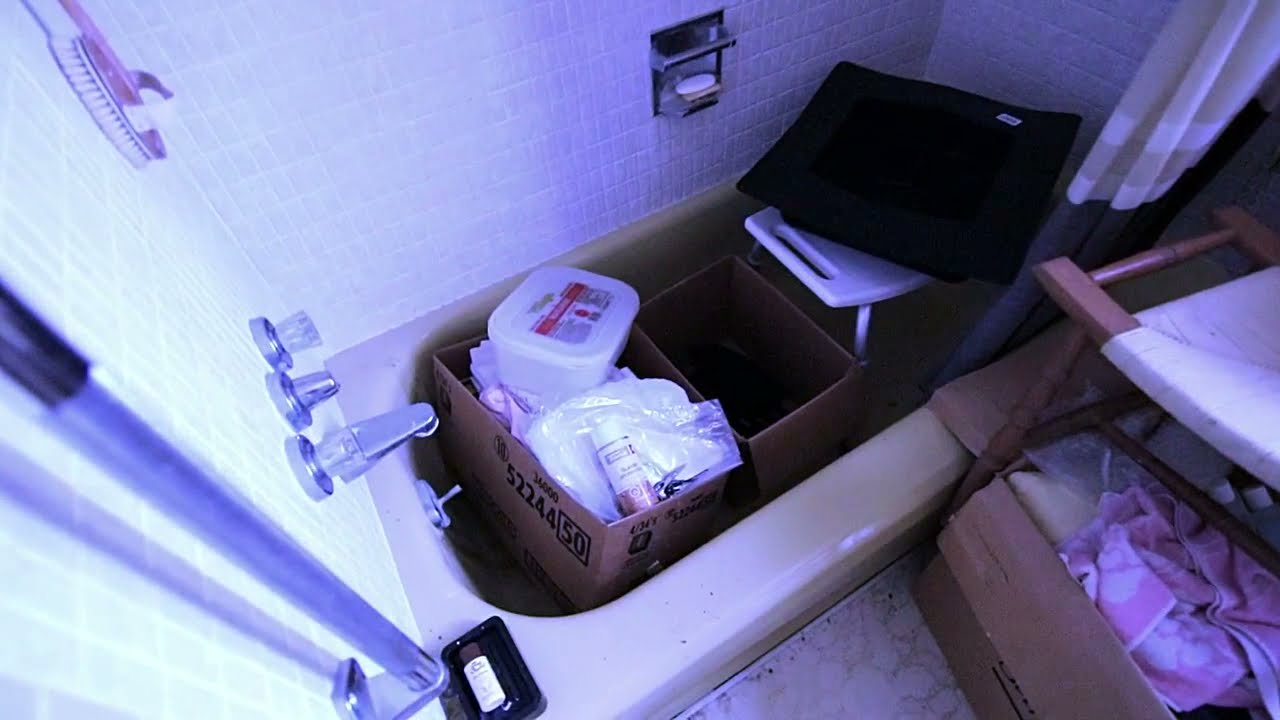
One thing I will point out for those who watch the video, do you remember the “Worst Toilet in Scotland” scene from Trainspotting? Well the toilet upstairs is right out of the movie. There was paper and poop filed a foot high from the top of the bowl.

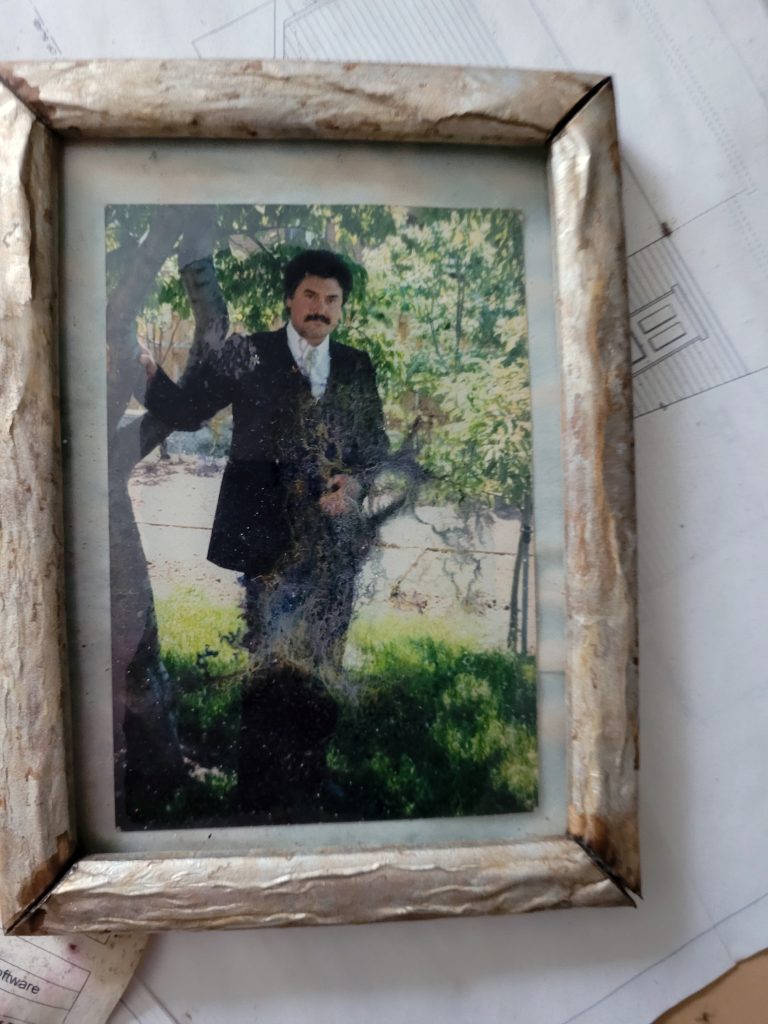
While researching the owner, I found photographs of him playing a saxophone and holding his guitar. He seems to be a man of many talents. I could find no online presence for the man other than an outdated Facebook. Beyond that, he has disappeared without a trace.
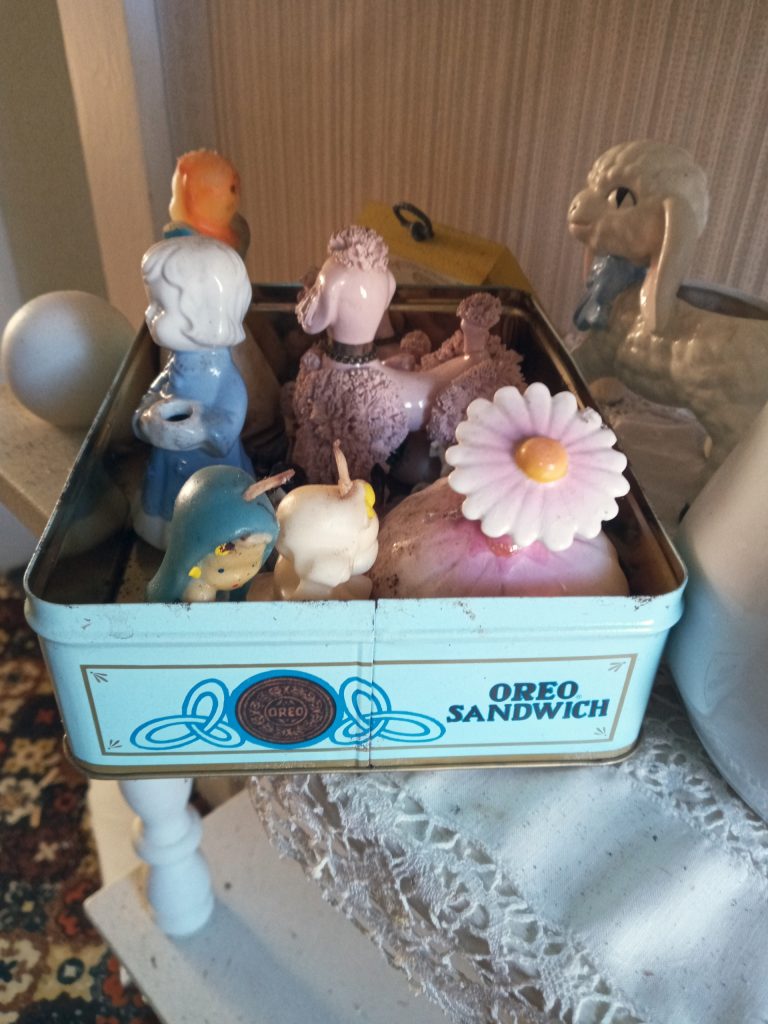
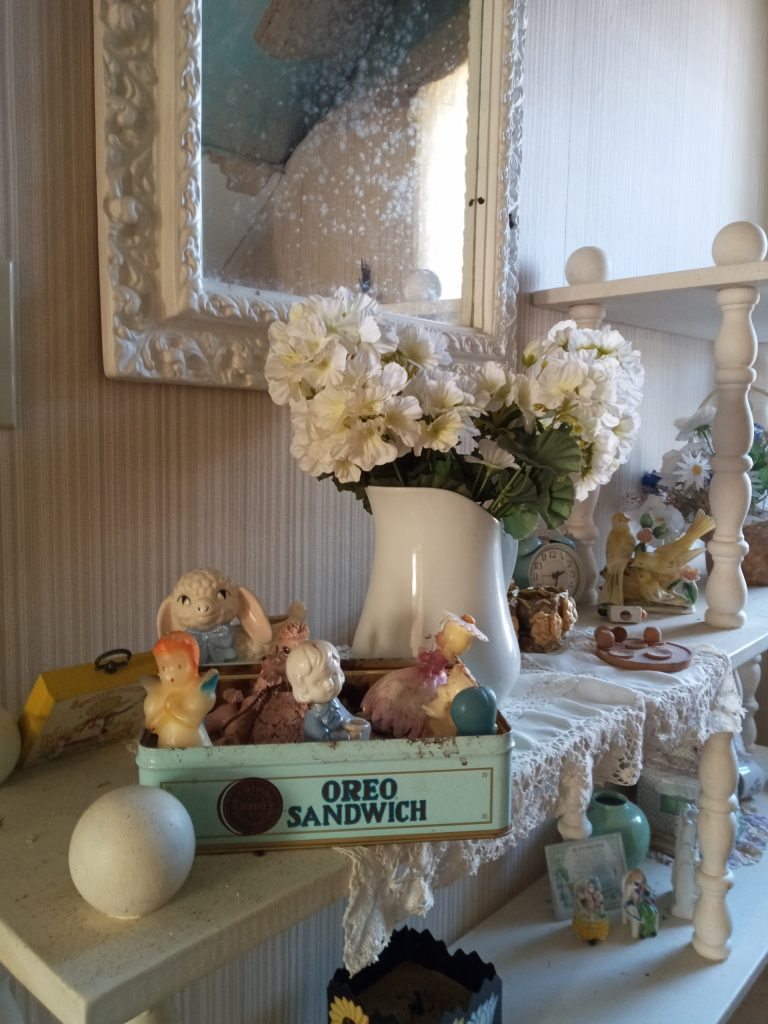
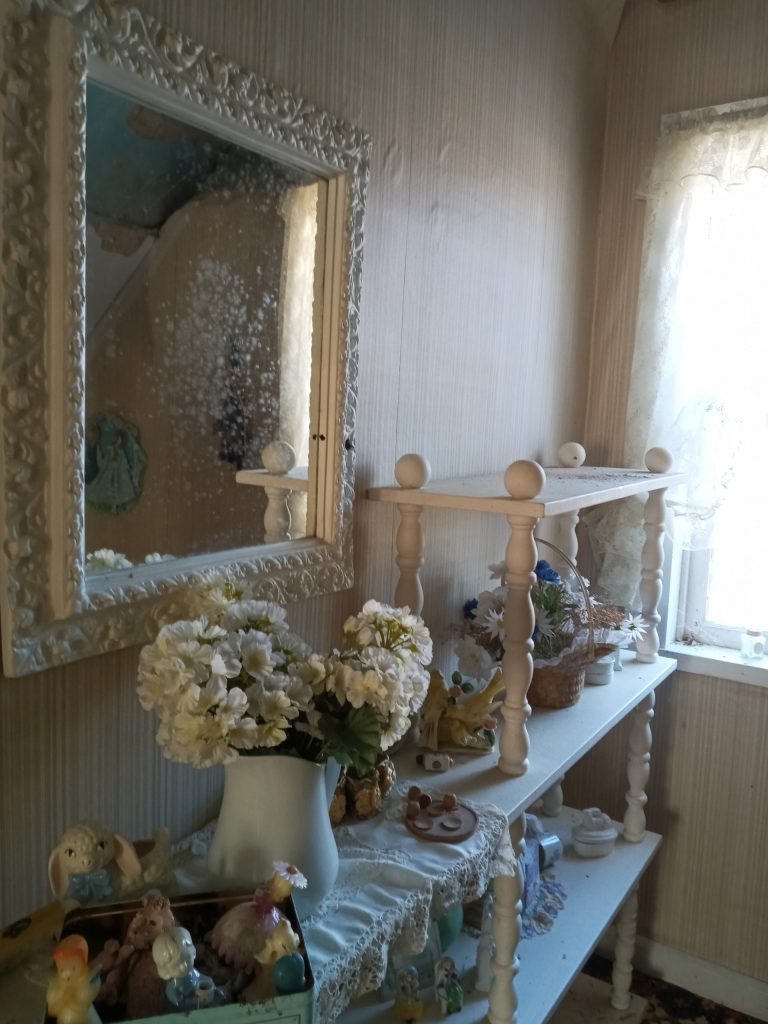
Cell Phone Photos

Video
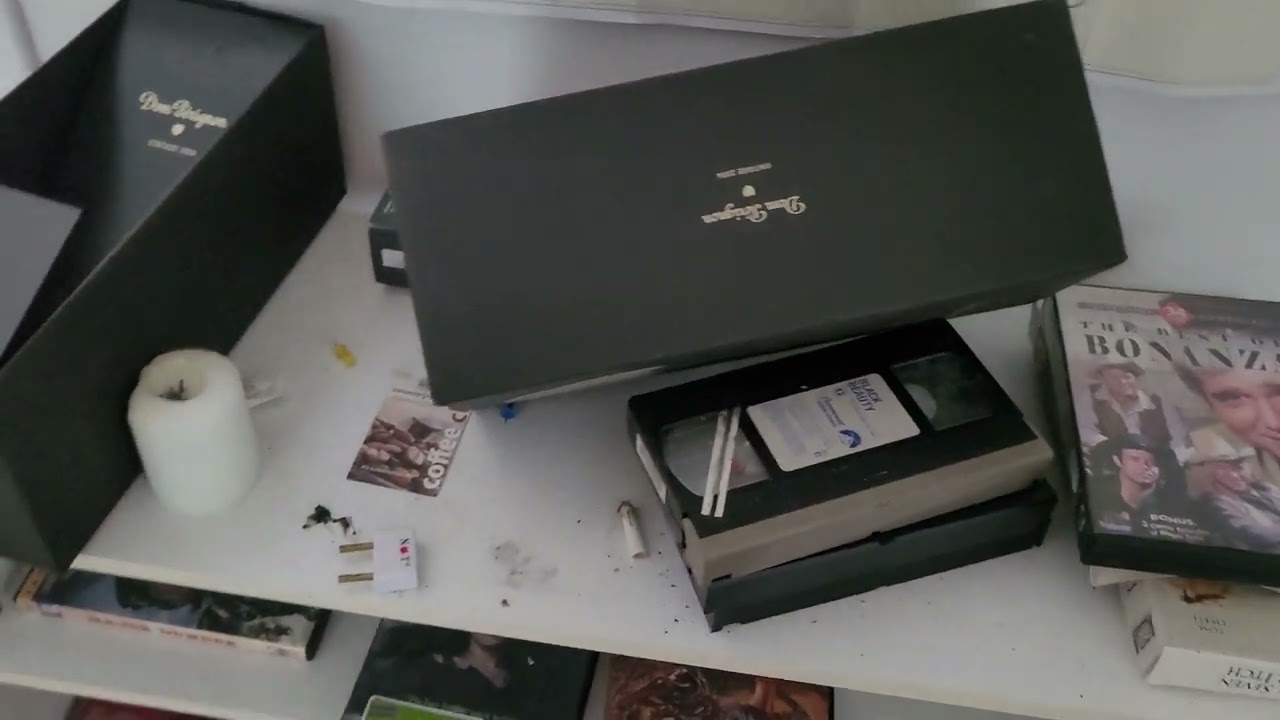
Exploring an Abandoned Musician's House - Where Did He Go? (Ontario, Canada)

The Body Stain House

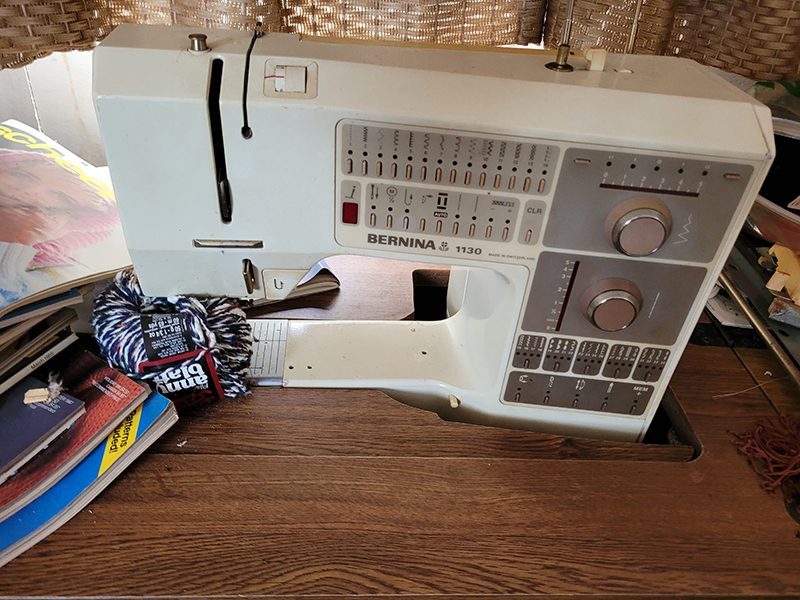
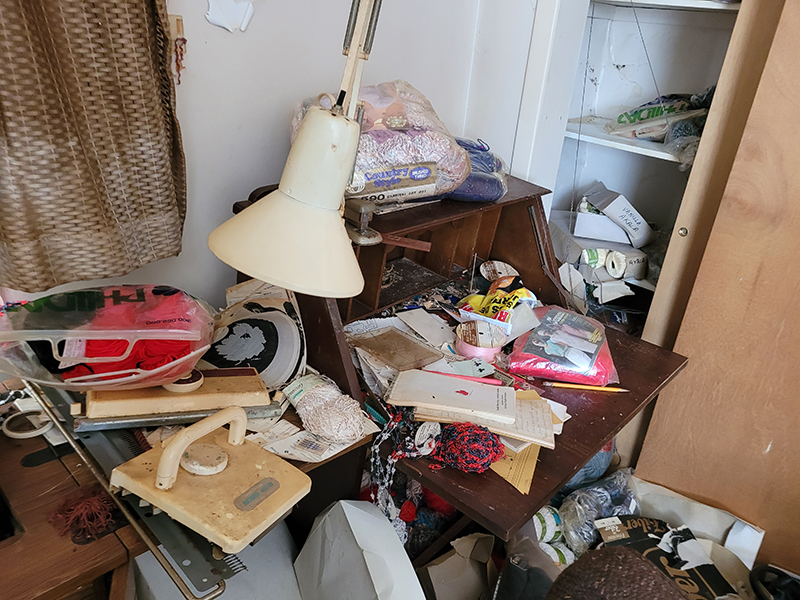
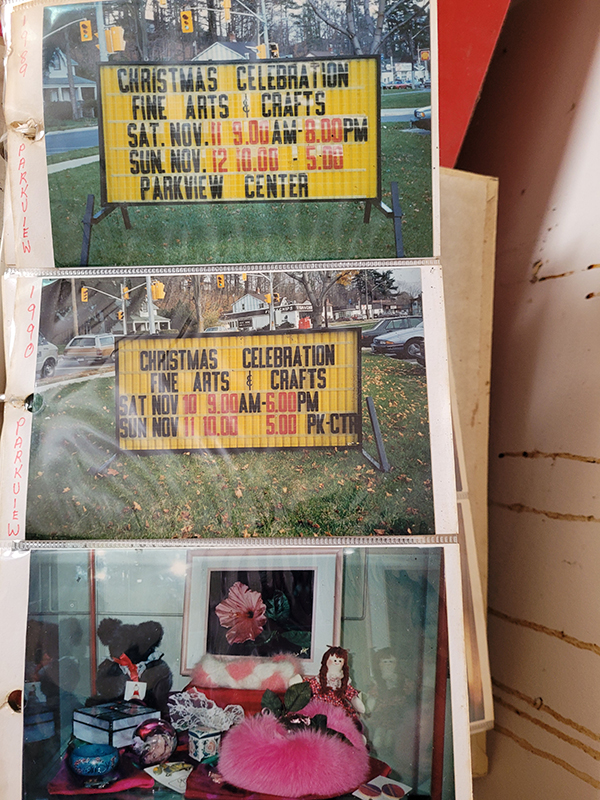
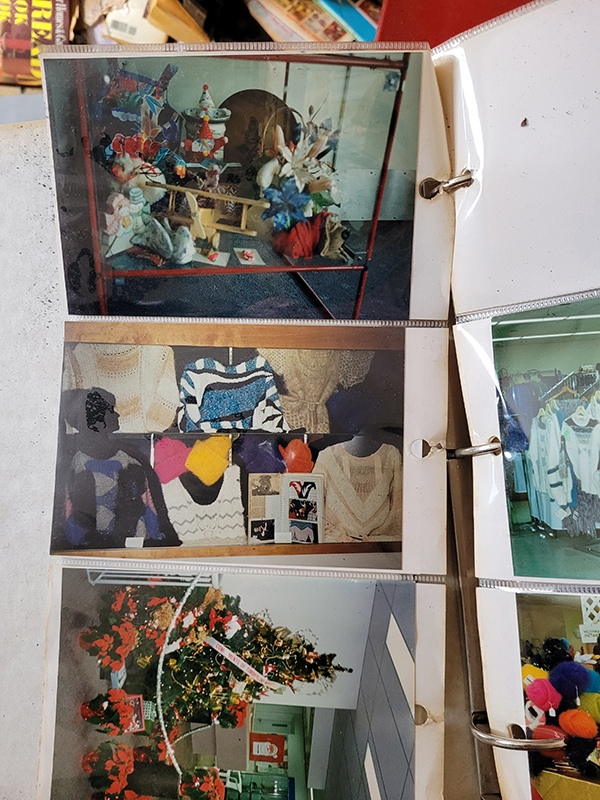
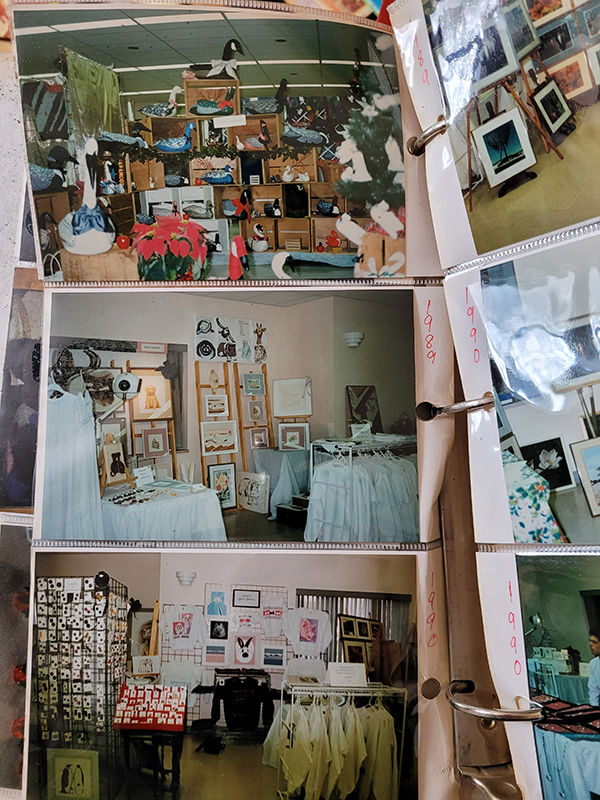
This was the home of Audrey and Ronald Stillman. Audrey was an avid knitter who would regularly attend knitting workshops. She sold her custom-knit creations at craft shows across Ontario. Research shows that she was active from 2001 to 2004, but most likely beyond that scope.

Ronald lived in the house for certain from 2002 to 2006 and was known to be alive in 2012. Ronald apparently passed away first, leaving Audrey living on her own. According to a source who will remain anonymous, she looked after Audrey. One day Audrey had been stuck in her couch for three days before she was found. She checked in on Audrey until around 2019. This would seem to align with the calendar on the wall dated from 2018. The source claims that Audrey had someone who she referred to as her ‘son’ who lived ‘next door’. I cannot find any verification of this though.

Ronald’s father, Stewart, passed away in 1976. Ethel, his mother, passed away in October 2000 at the age of 88. I discovered a card addressed to Ethel in the house, congratulating her on her 87th birthday. I initially thought that she might have lived in the house with the family, but it could be that the card was a keepsake.

There’s no record of Ronald to be found in telephone records or recent online searches. He was part of a trail plan for hikers and skidoo enthusiasts.

I know very little about this couple. Internet searching revealed a single mention of the wife, and the husband hasn’t been mentioned in over twenty years. Most of the people that I found to be associated with the couple, were themselves deceased. I know that Audrey was living in a senior’s living facility in Barrie at one point in time.

In 1977, the house title was transferred for $2.00. I believe that the house was transferred to Ronald after the death of his father.

The Body Stain

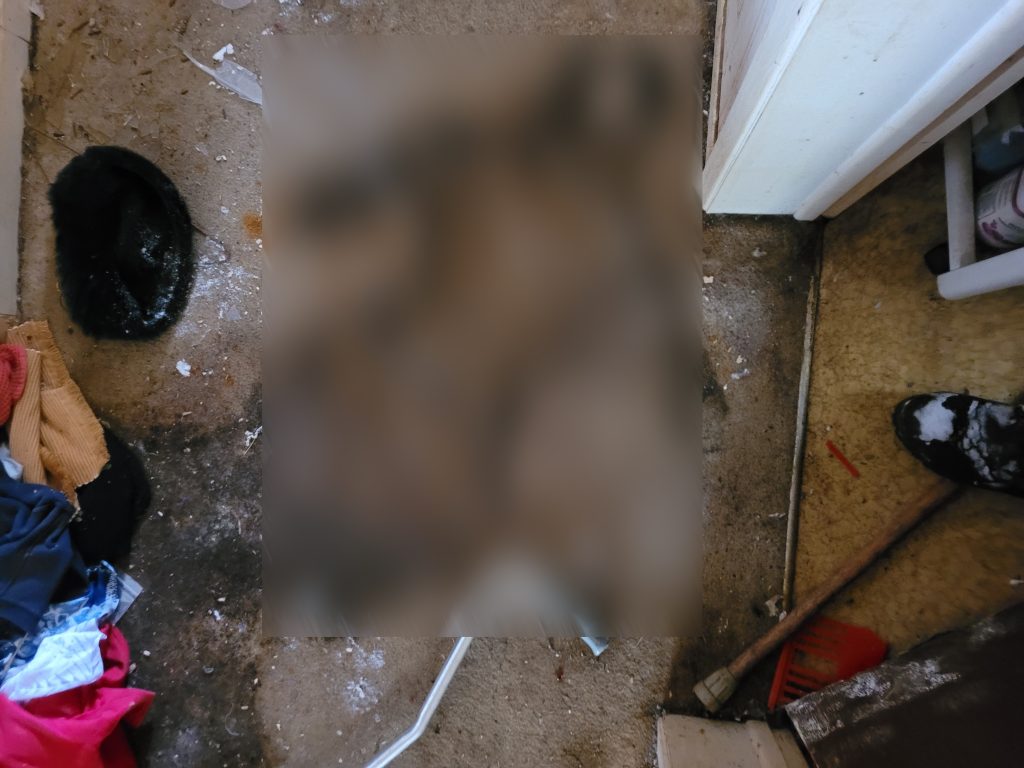
This house is known as the Body Stain House because of the distinct outline of what appears to be body decomposition on a hallway carpet. Given the years since the parents deaths, they can be ruled out.

With Audrey known to have been at a senior’s residence, the question is was she living there before or after living in the home. This also asks the question, whose body was it, if anyone’s?

There’s a fascination with the macabre and lifestyles that surpass our own. For example, we’re intrigued by explorations of large mansions and exquisite ways of life. We’re drawn to photos of embalming rooms and morgues. It’s not so much the end of life that draws our attention, but that we rarely ever get to see inside of these rooms. We’re drawn to things that we don’t see every day.

This brought me to a moral dilemma: whether to show images of the alleged stain. In the urban exploration hobby, you’ll discover that explorers fit into certain niches. Some are content to explore. Some want to explore and document the past. Some want to make money (i.e., the “you won’t believe what I found” hype). I’ve ultimately decided not to post images of the stain on social media websites except for my own blog. This is after initially stating I wouldn’t show it at all.

This exploration has left me troubled, uncertain, and uncomfortable.

Therefore, it was a good exploration. According to a source, Audrey ‘left’ the senior’s facility many years ago. This is somewhat confusing. If she left her home to live in a senior’s residence, it wouldn’t make sense that she’d move back into her home in her 80s.

I found literature pertaining to care for someone who’s had a stroke as well as bereavement. There are several scenarios:
– After one of them suffered a stroke, Audrey and Ronald relocated to a senior living facility.
– Ronald is still alive, and Audrey went to live in a senior’s residence.
– Ronald passed away at home, and Audrey moved out. This conflicts with the information that Audrey left the senior’s residence, unless by left, the source meant she had passed.

In any event, it’s really not our business to know but it still makes you wonder. I’m inclined to think that Audrey and her husband moved to the home after the senior’s residence, where Audrey would spend the final years of her life alone.

Commentary

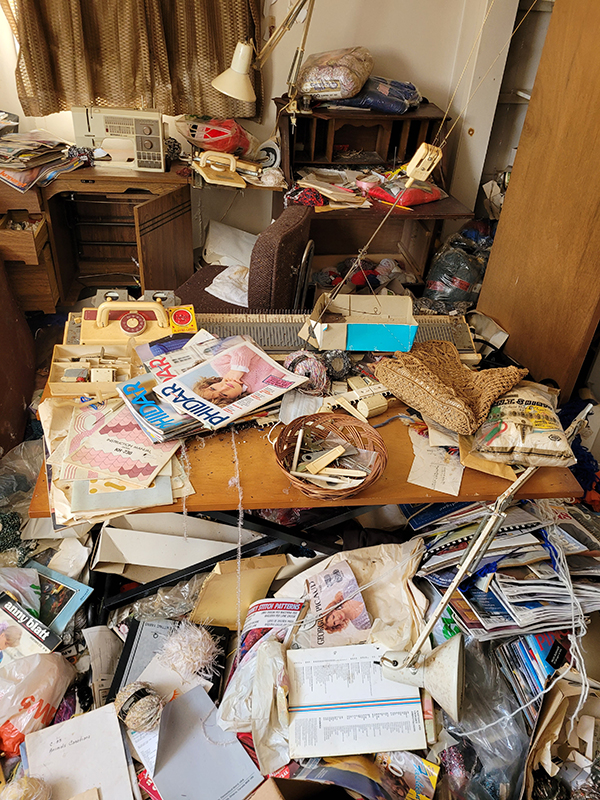
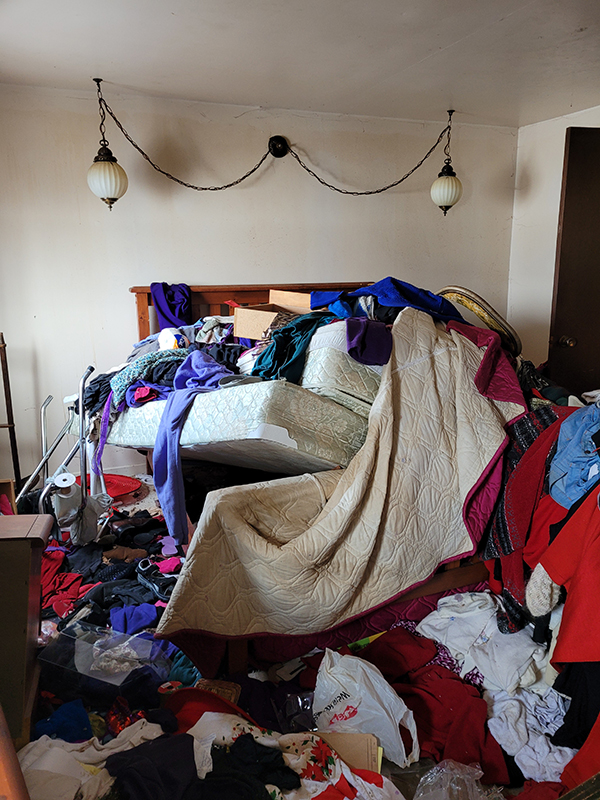
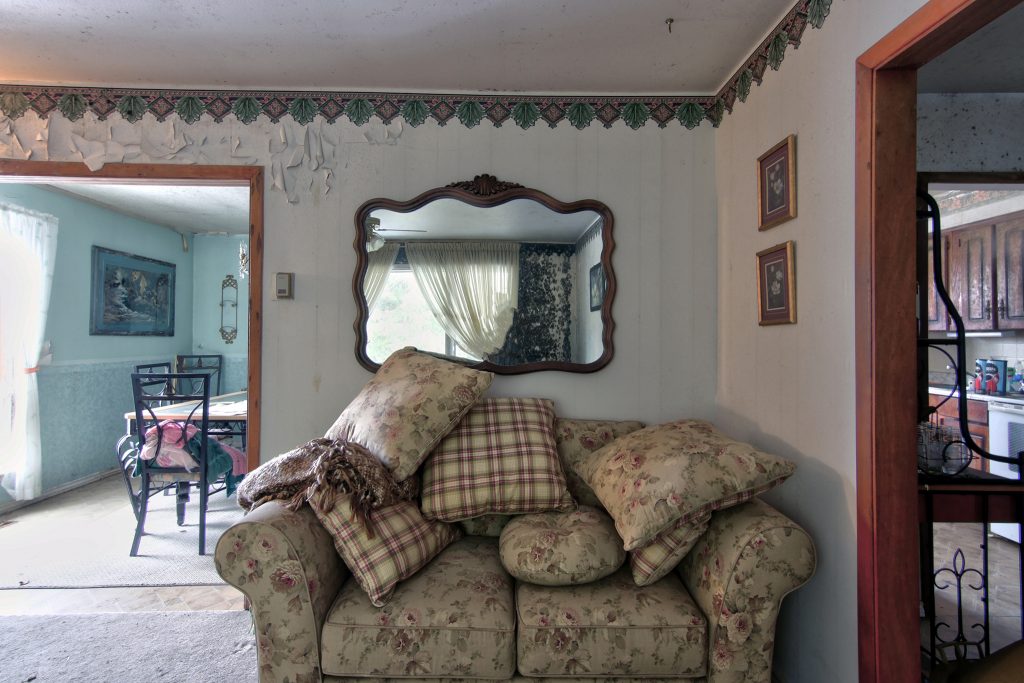
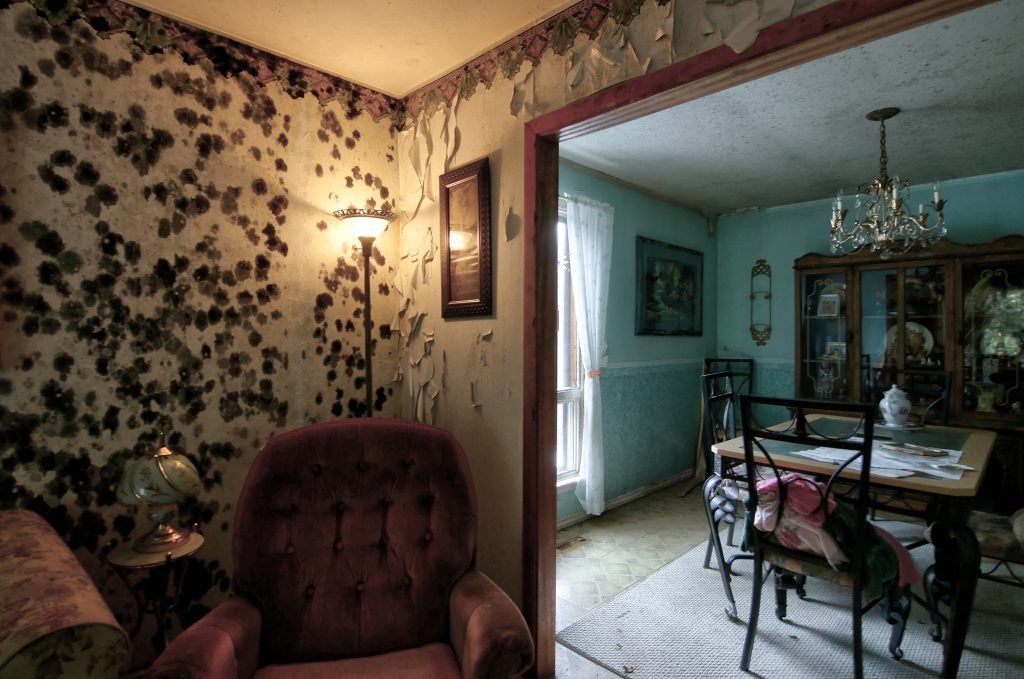
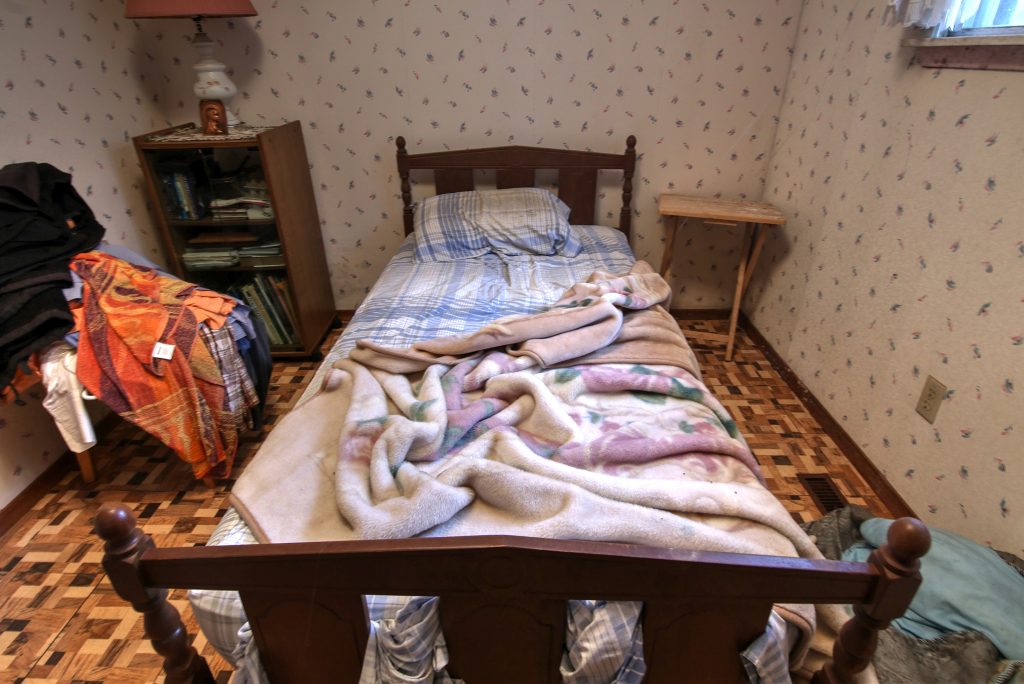
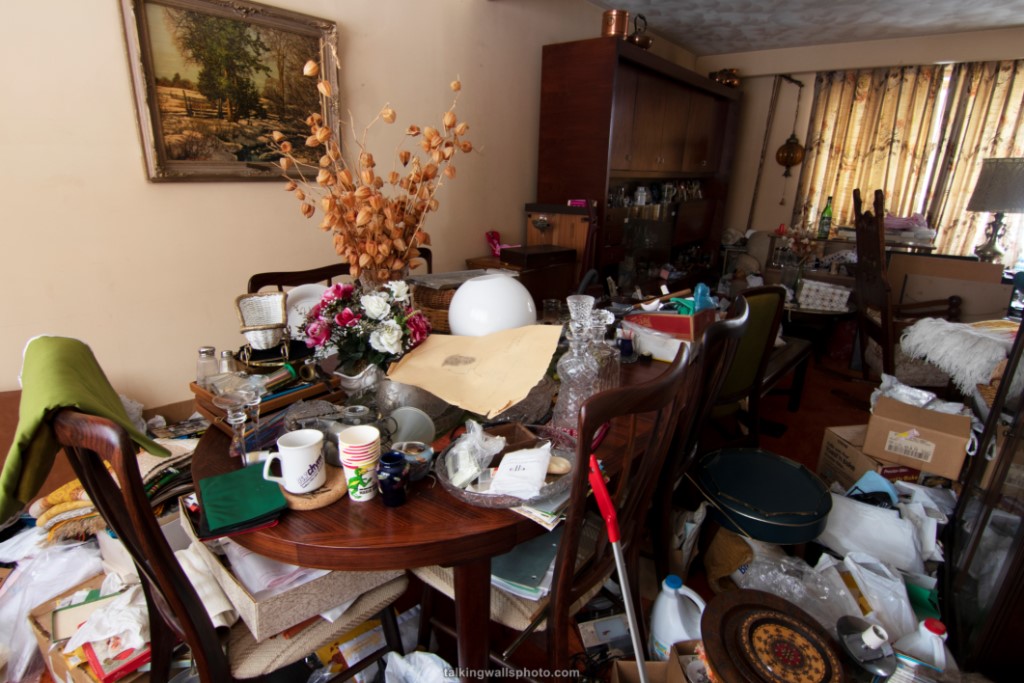
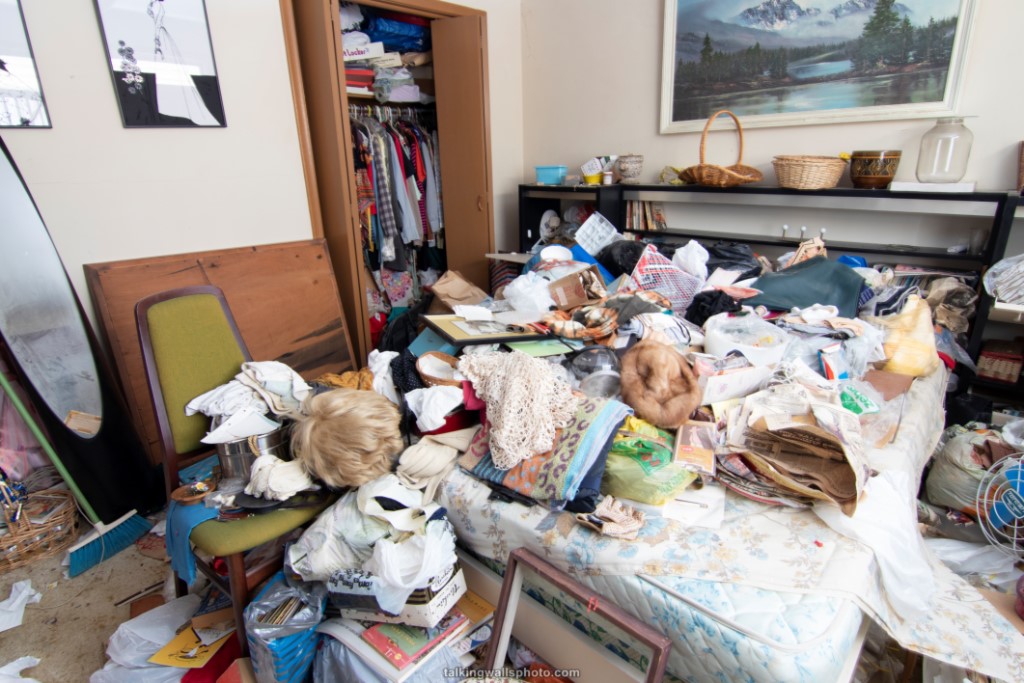
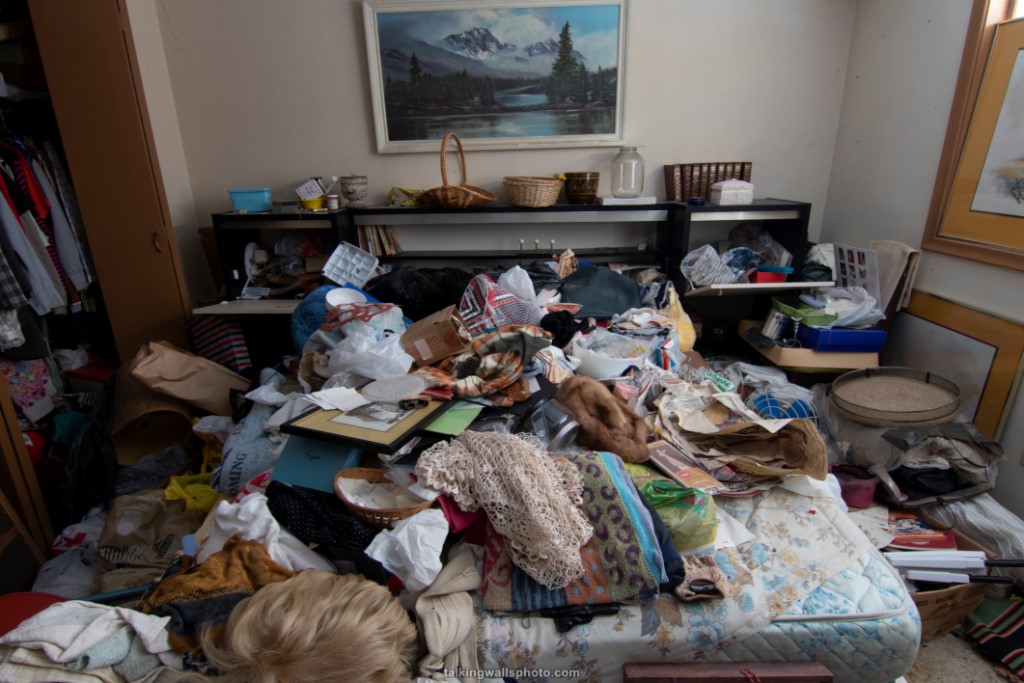
Given its close proximity to a main road, the house has been ransacked. Clothing has been thrown onto the beds. Dresser drawers have been taken out and the contents dumped on the floor. Audrey’s sewing room, where she’d create her crafts, has been ransacked. Her sewing magazines have been taken out of the cabinet and hutch and tossed about.

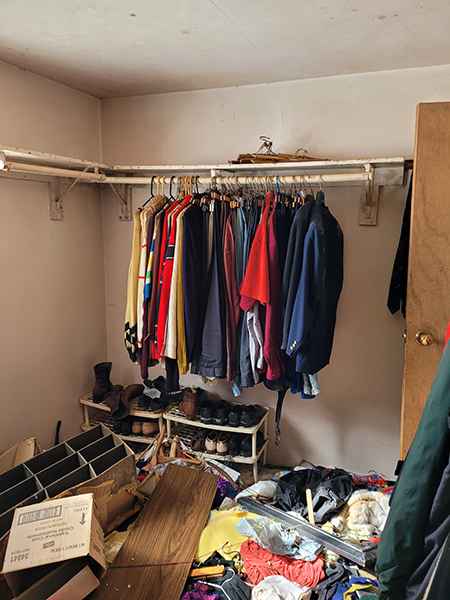
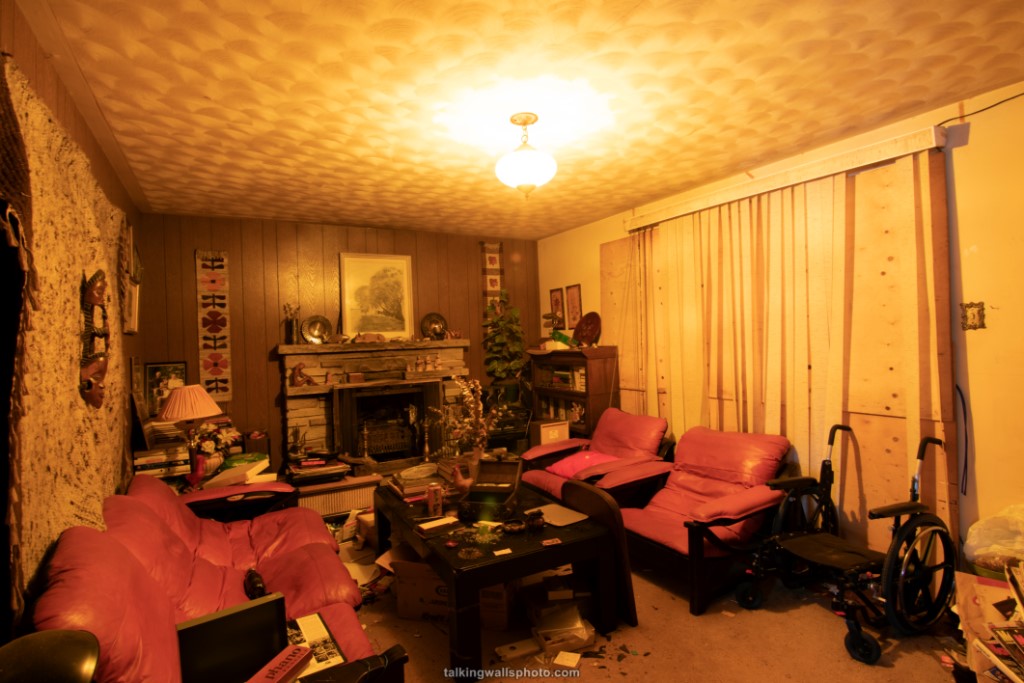
In a back room, there’s a shoe rack and hanging clothes that have been spared from being tossed. They are about the only things left intact. The condition of the house is what I’d call a ‘time crapsule”—a well-preserved house with many original contents left inside, but in such dismal condition that it’s difficult to take photographs and to find research content.

I found utility bills in Ronald’s name and hotel reservations made by Audrey, which I believe were for her craft shows.

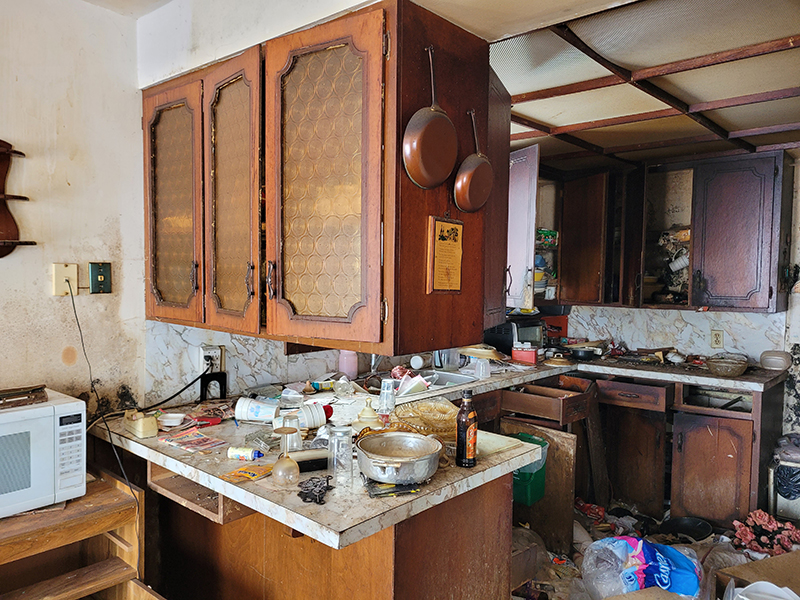
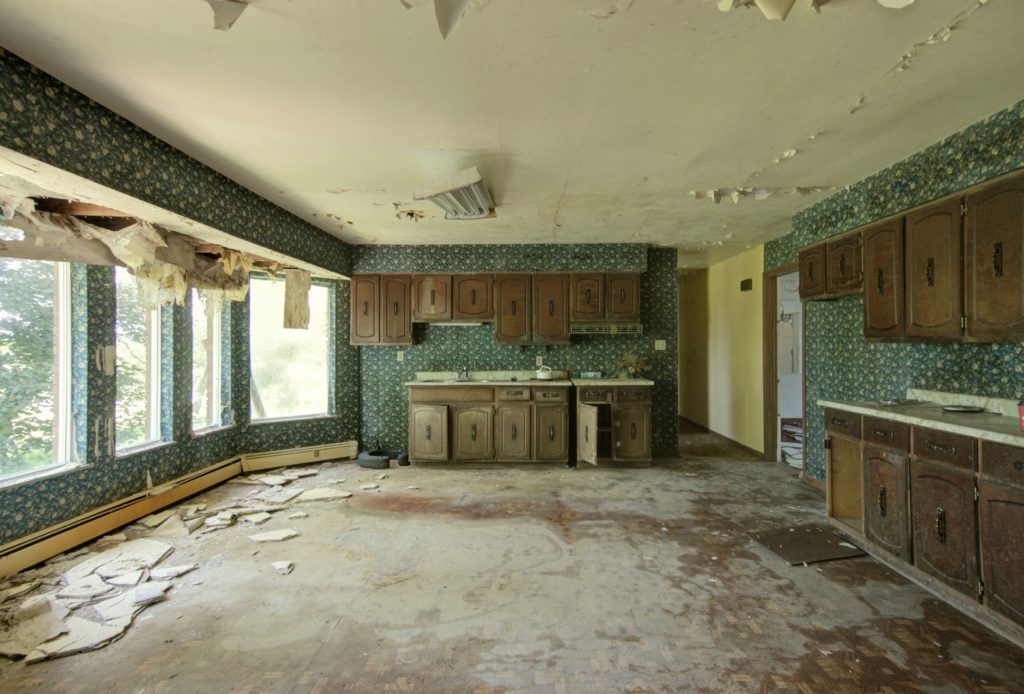
In the kitchen, it’s almost ironic that the garbage can still holds a garbage bag. The kitchen drawers have been tossed out, and the floor is filled with junk. The cupboards contain dishes, cups, and spices. A layer of black mold coats the walls. On the kitchen counter sits a bottle of Kahlua.

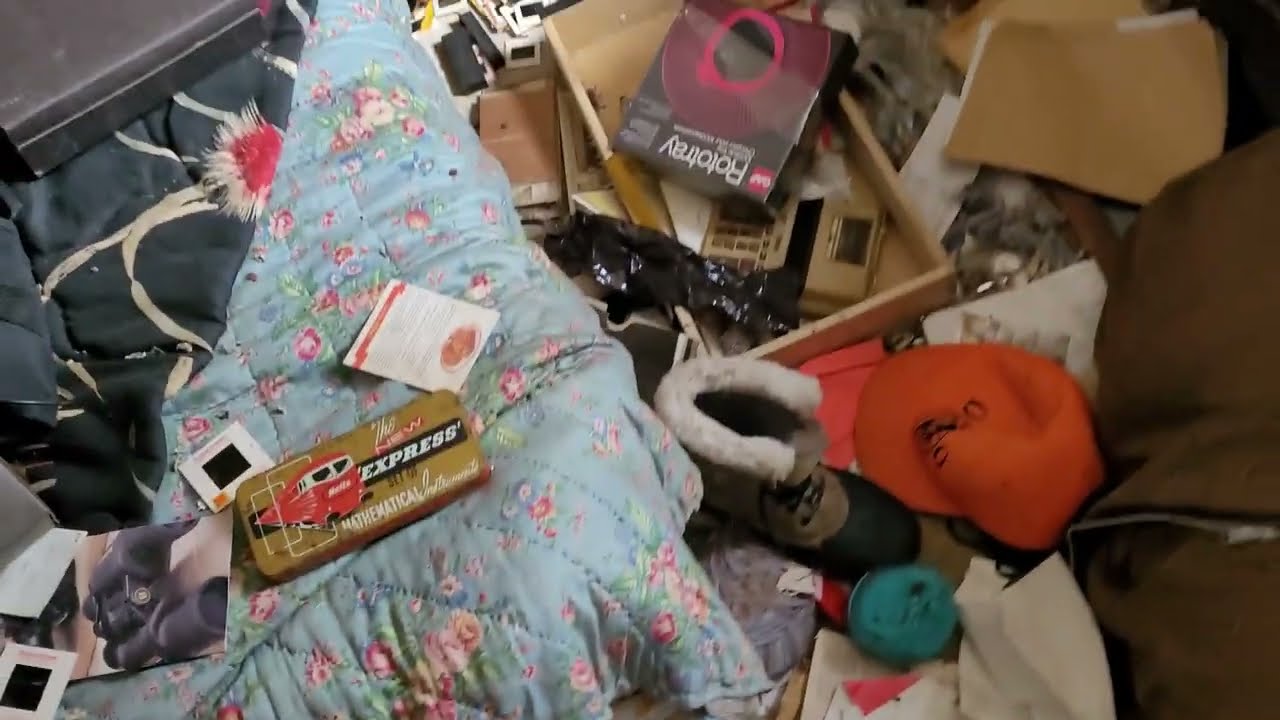
In one of the bedrooms, the mattress has been uprooted as if someone was expecting to find jewels under the bed. Clothing has been tossed throughout the room. Many of the rooms are so messy that you can’t see the floor.

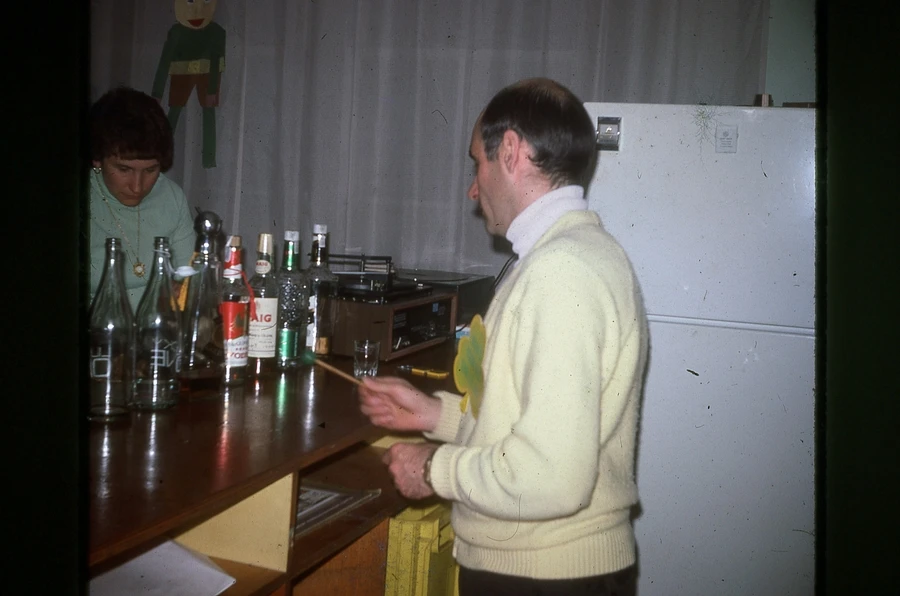
In the basement, there’s a retro bar, which likely dates back to the 1970s. Several bottles of alcohol sit on shelves behind the bar. This area has considerable black mold as well. Behind the bar, I found dozens of vinyl records still in their plastic wraps. I didn’t inspect them because of the concern for mold.

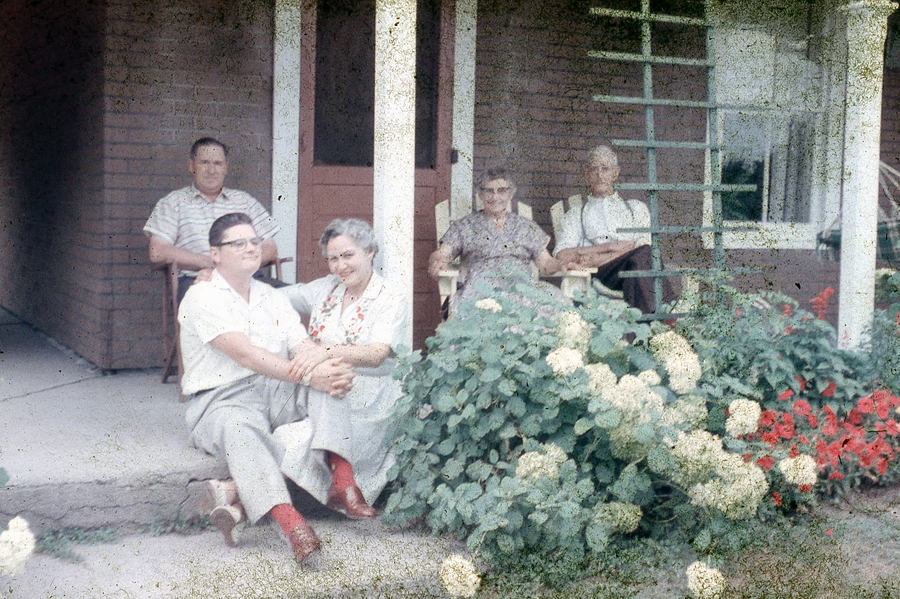
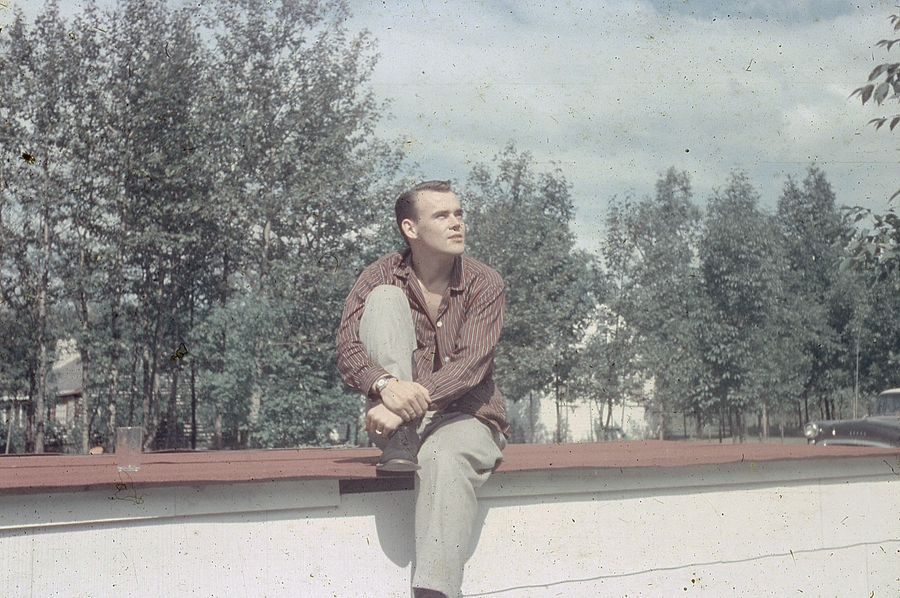
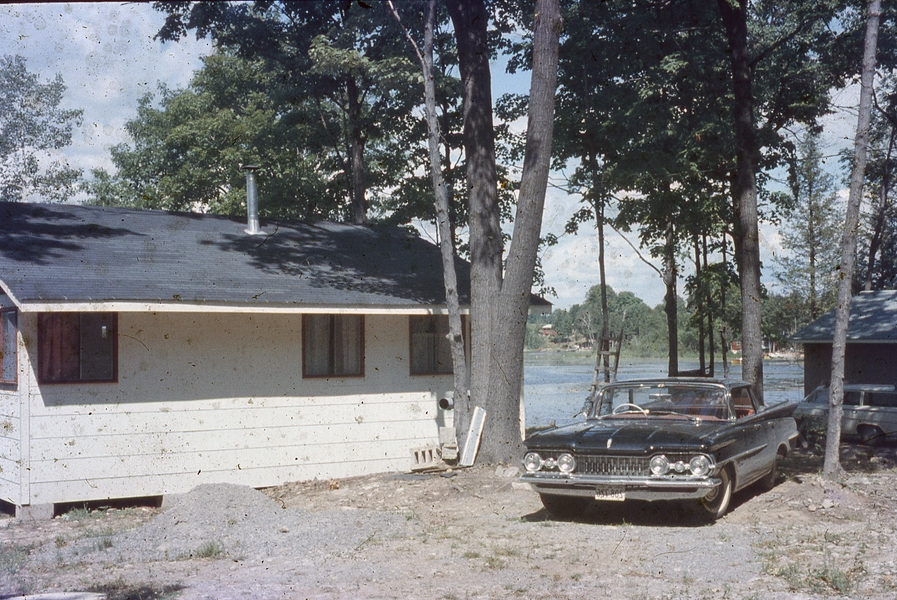
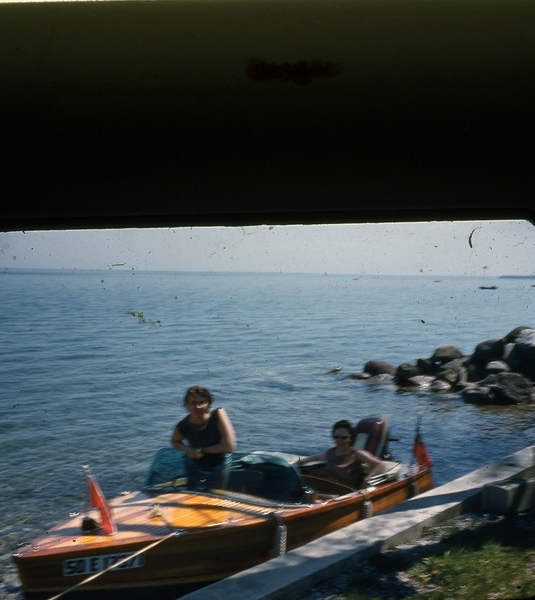
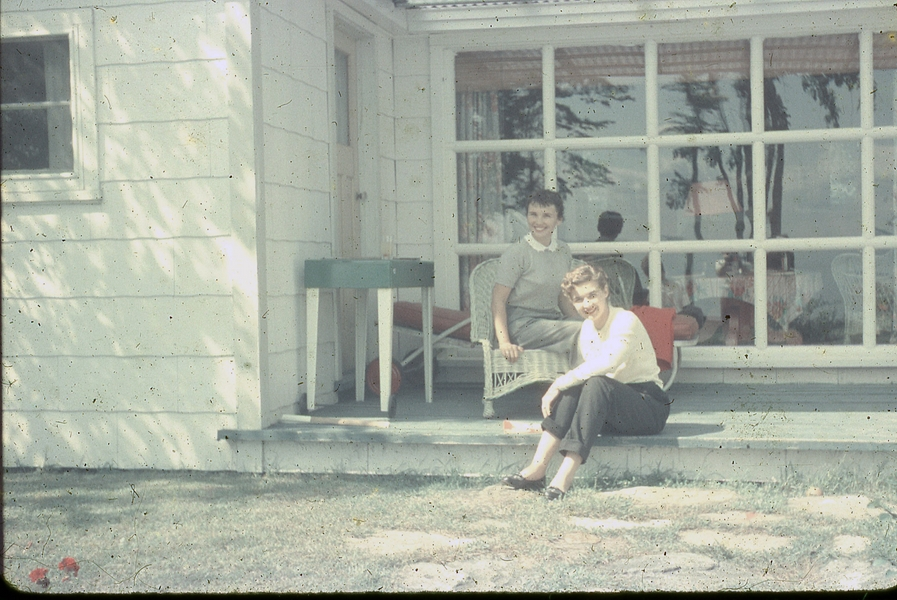
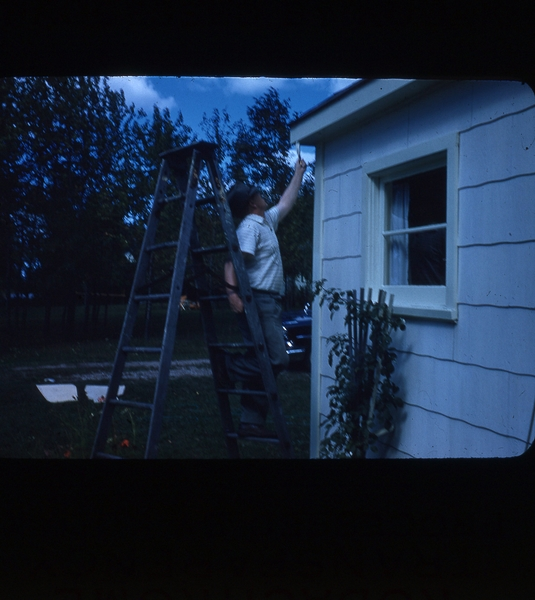
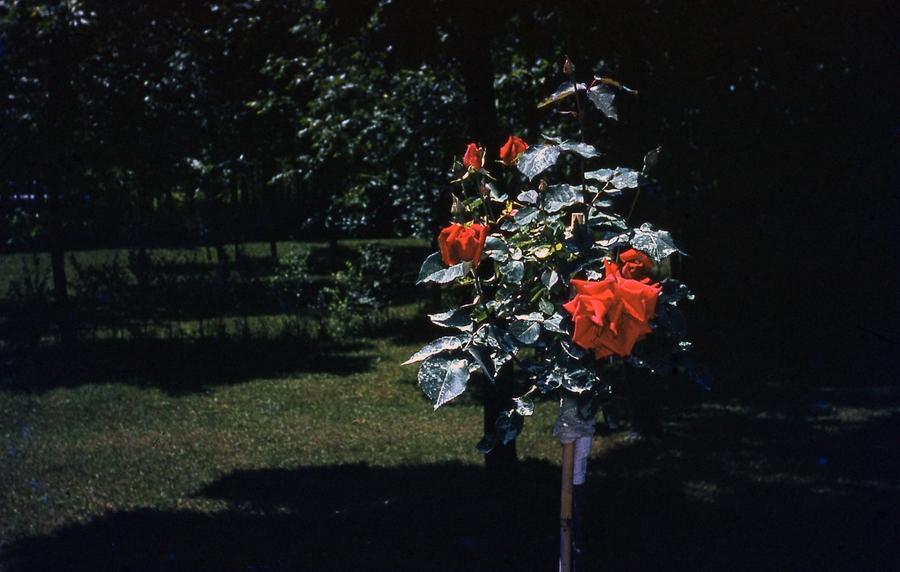
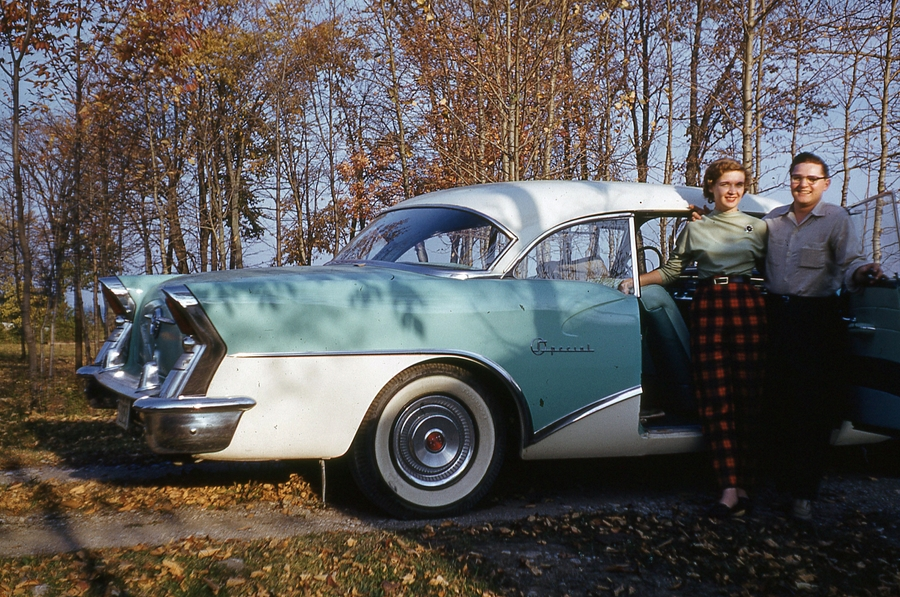
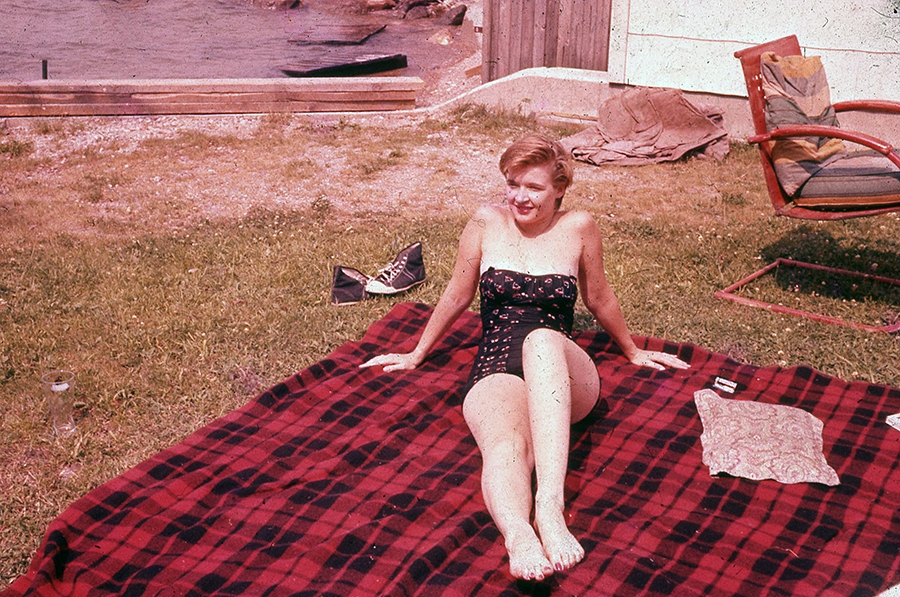
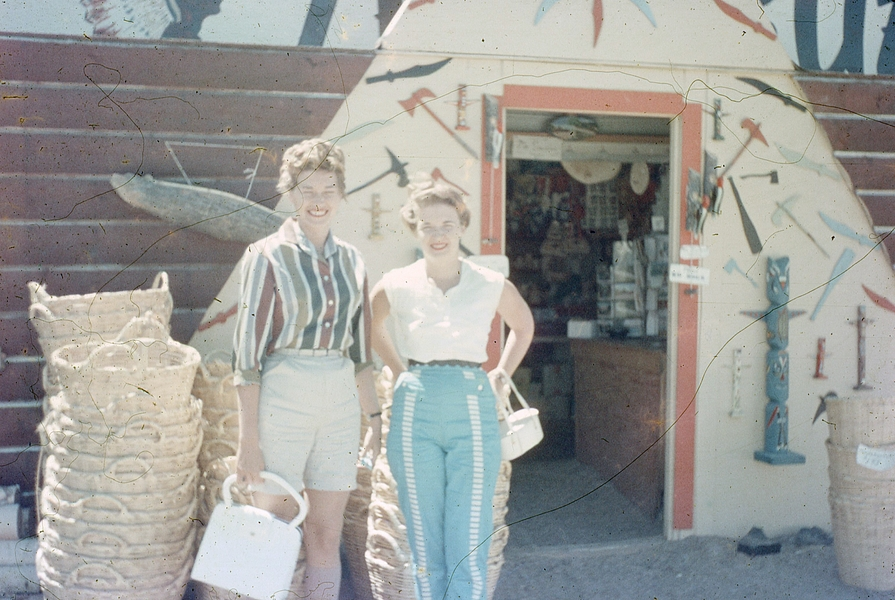
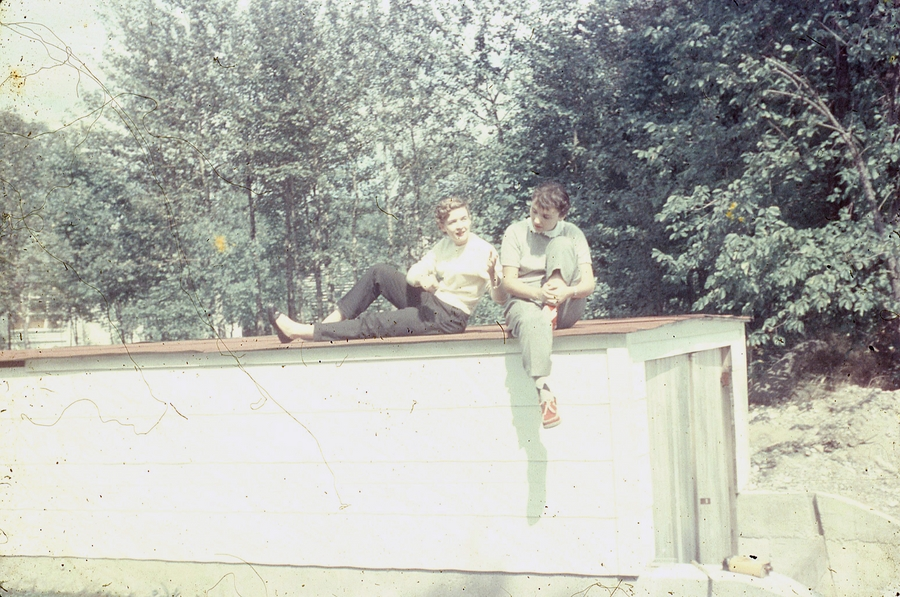
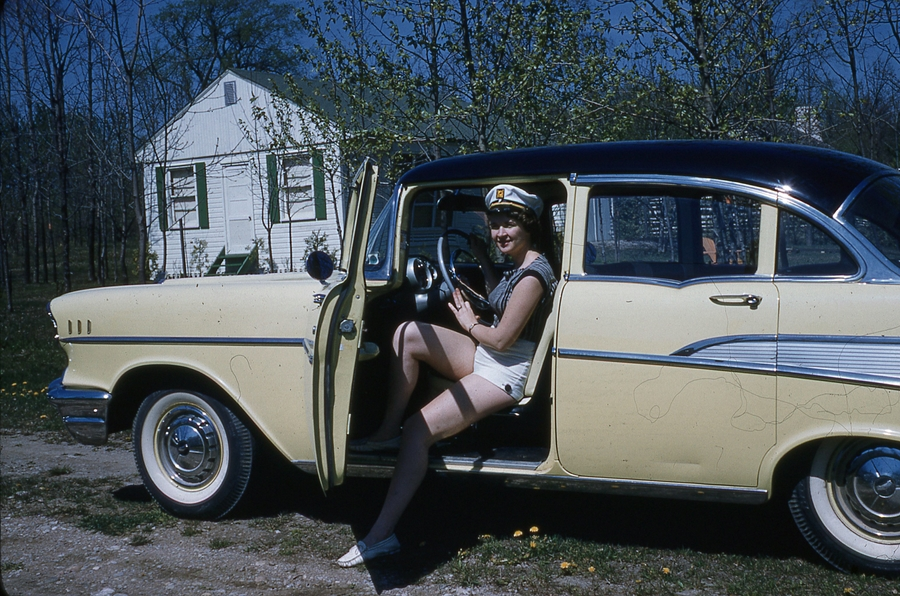
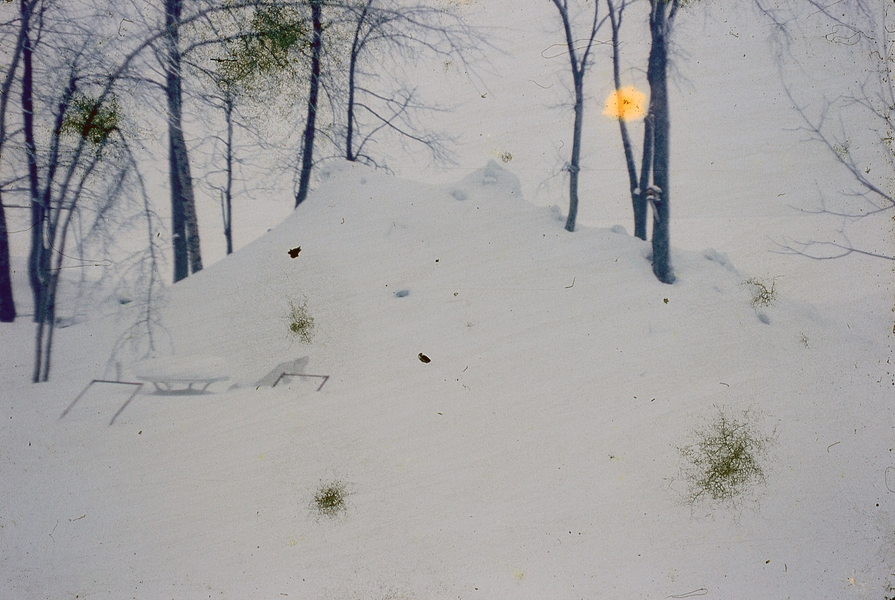
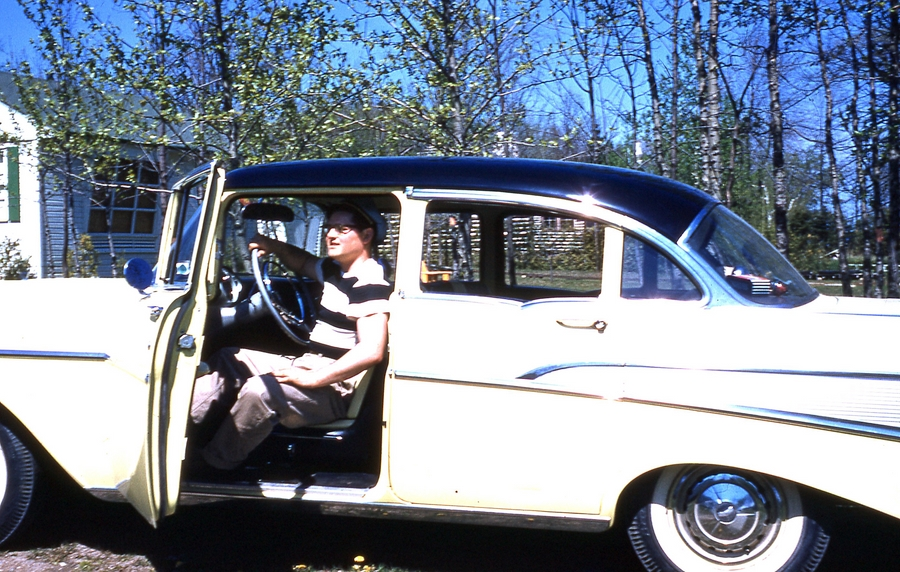
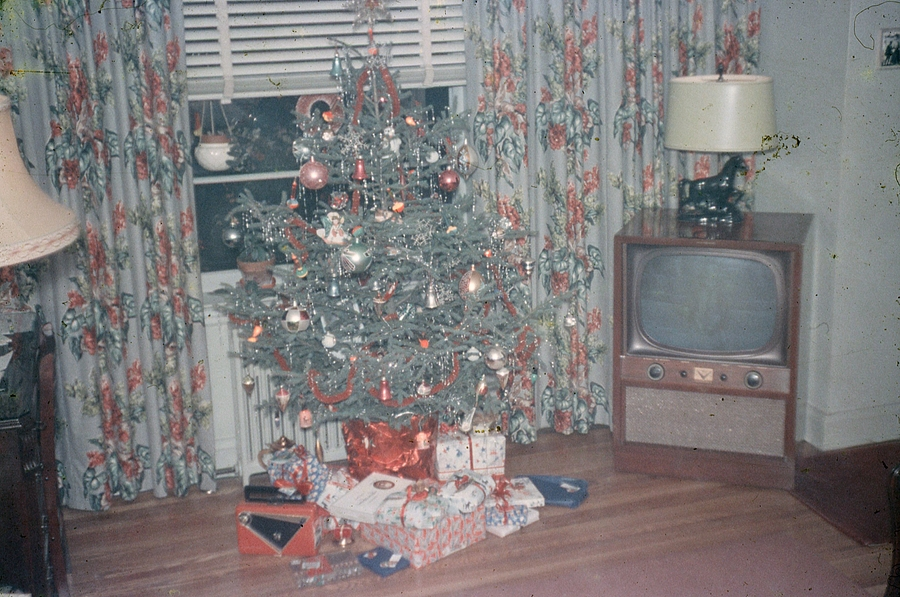
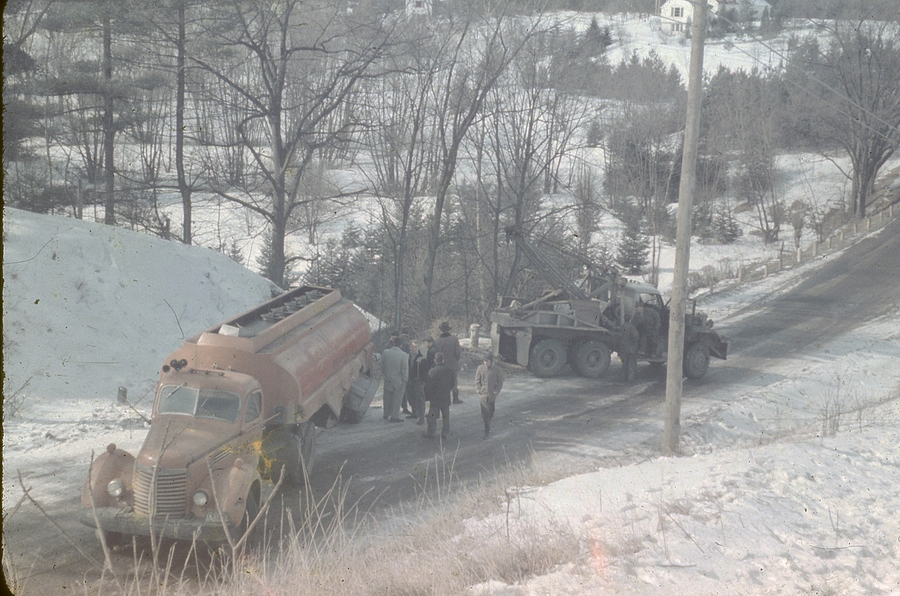
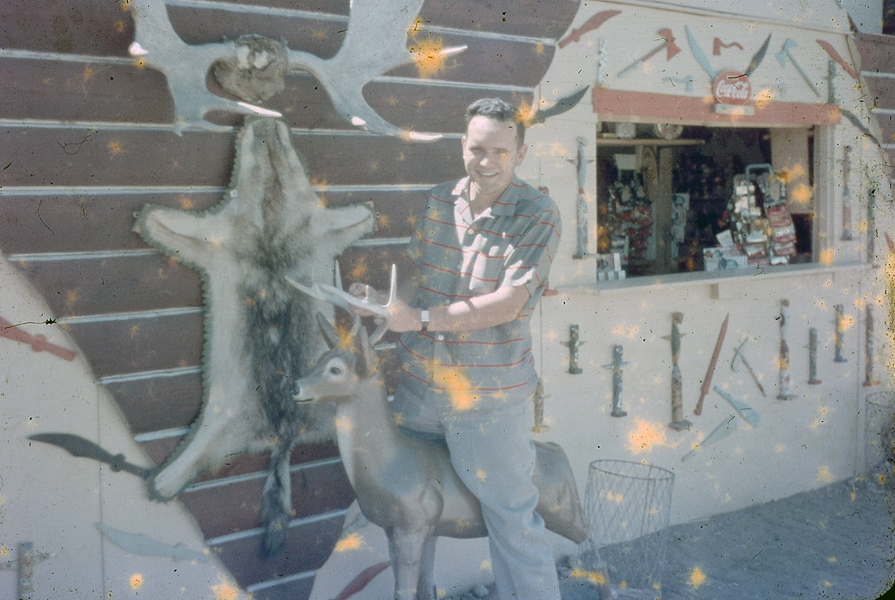
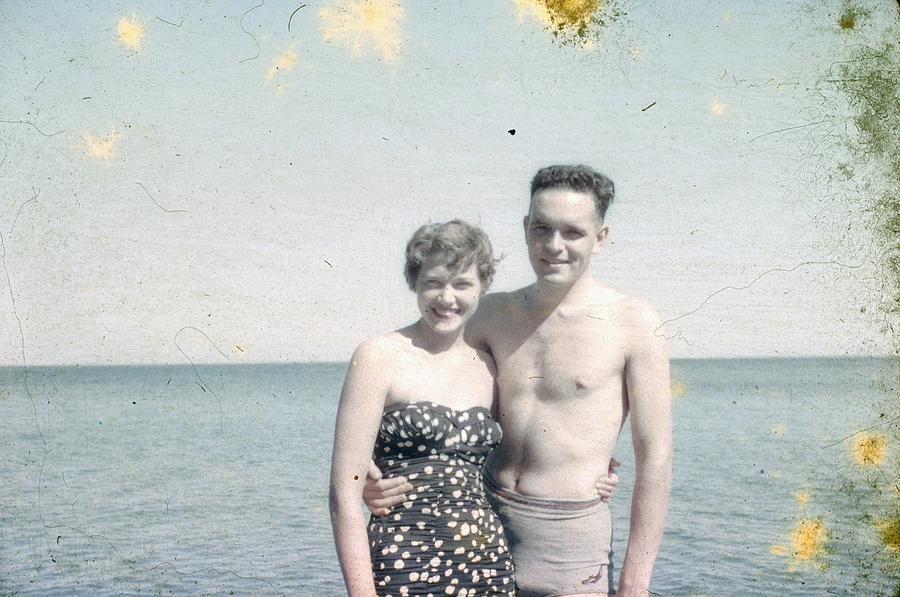
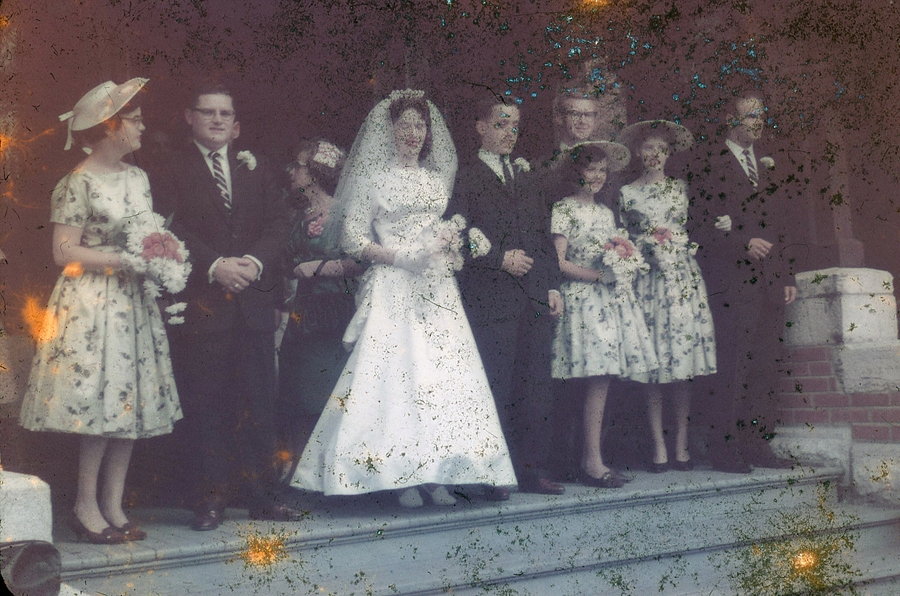
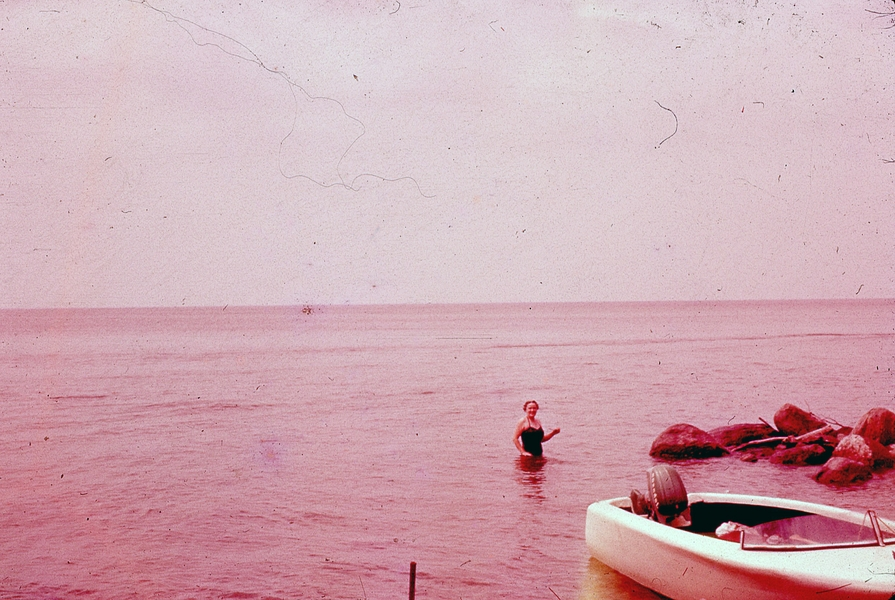
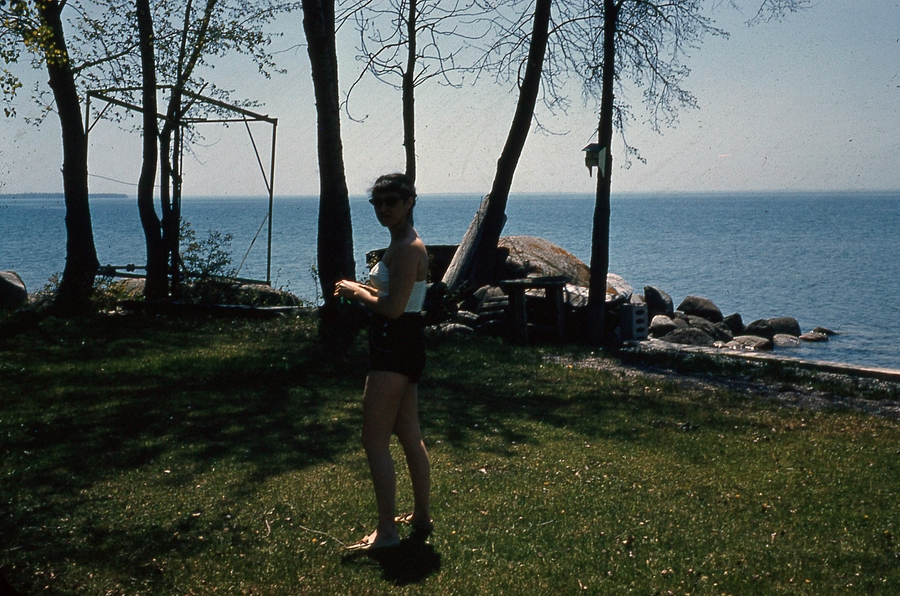
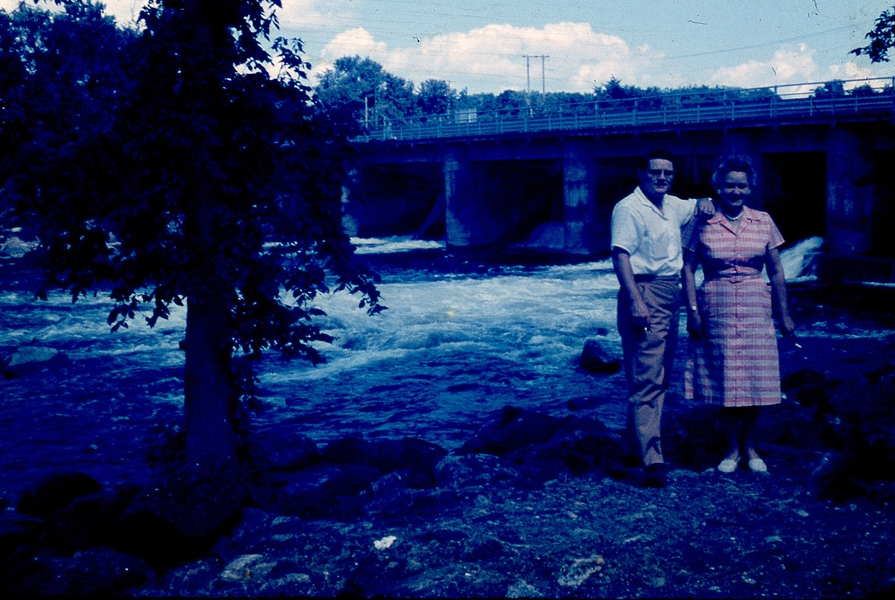
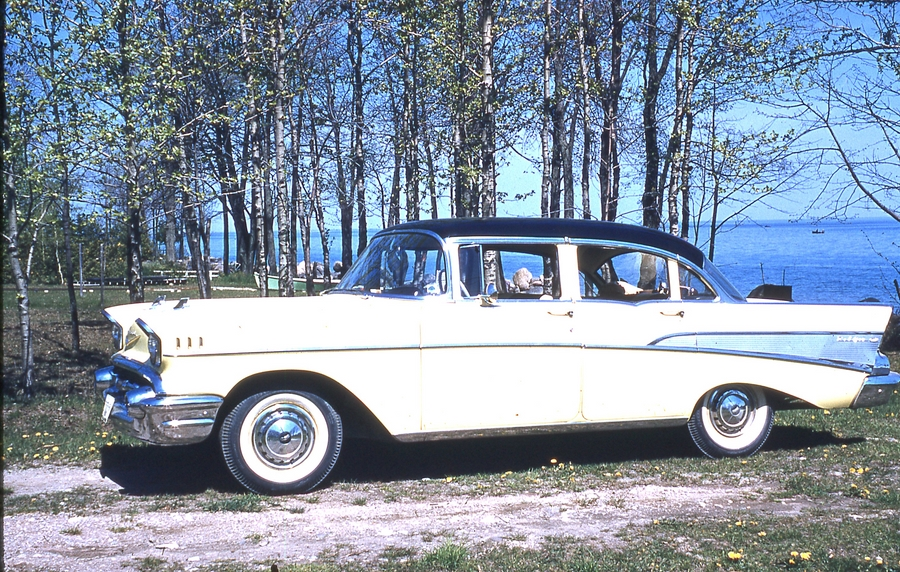
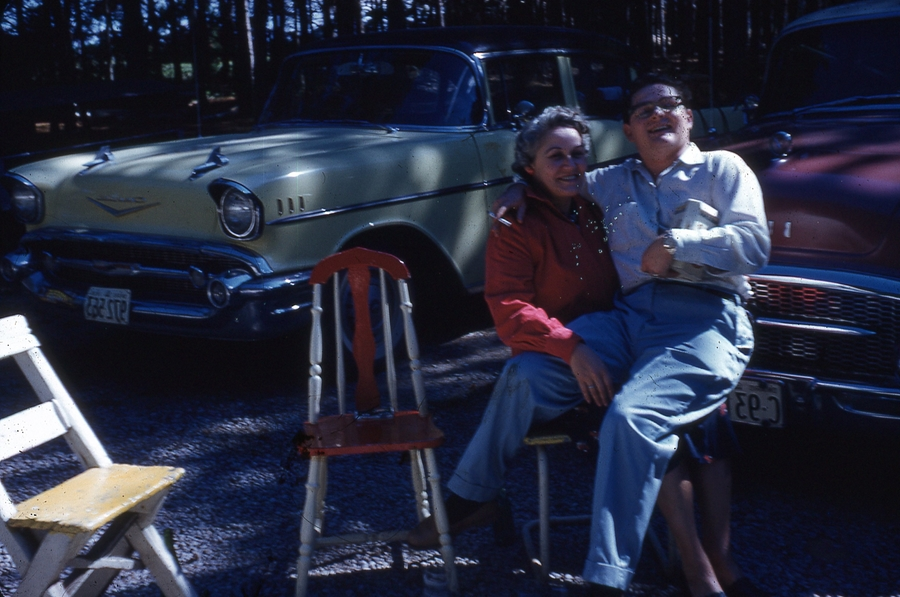
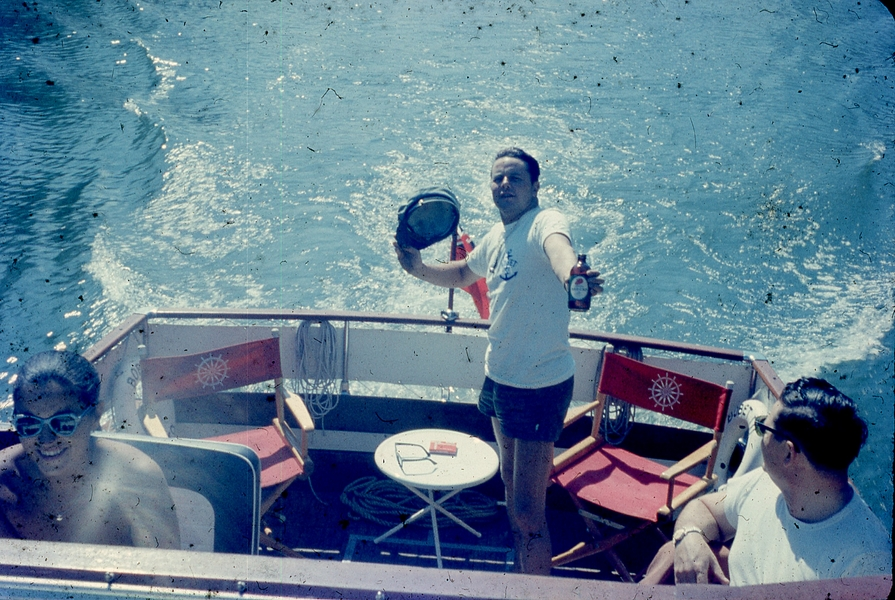
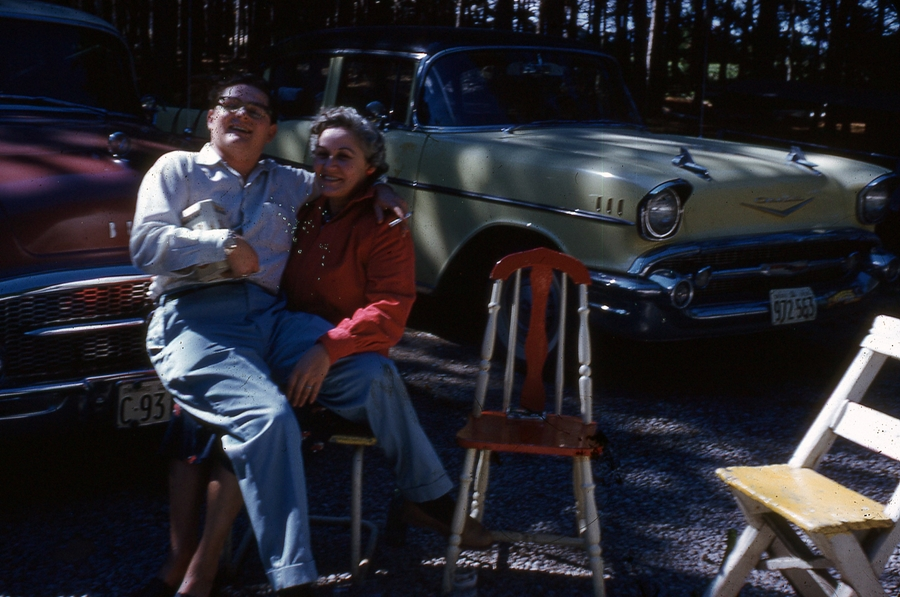
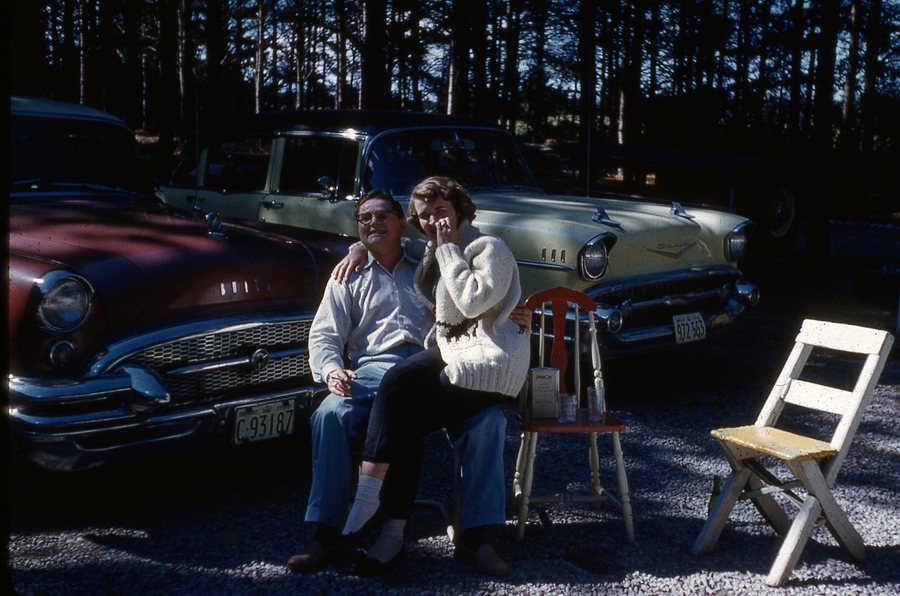
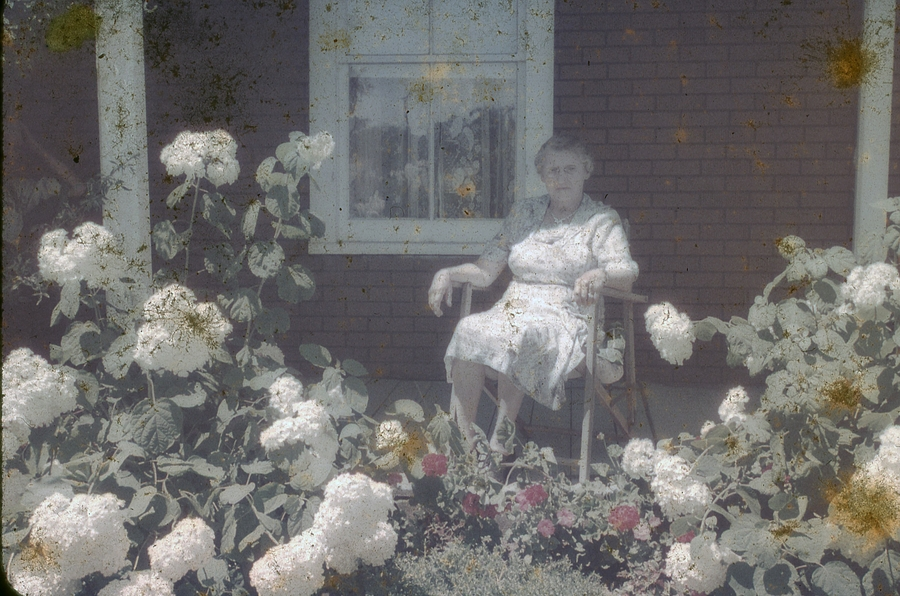
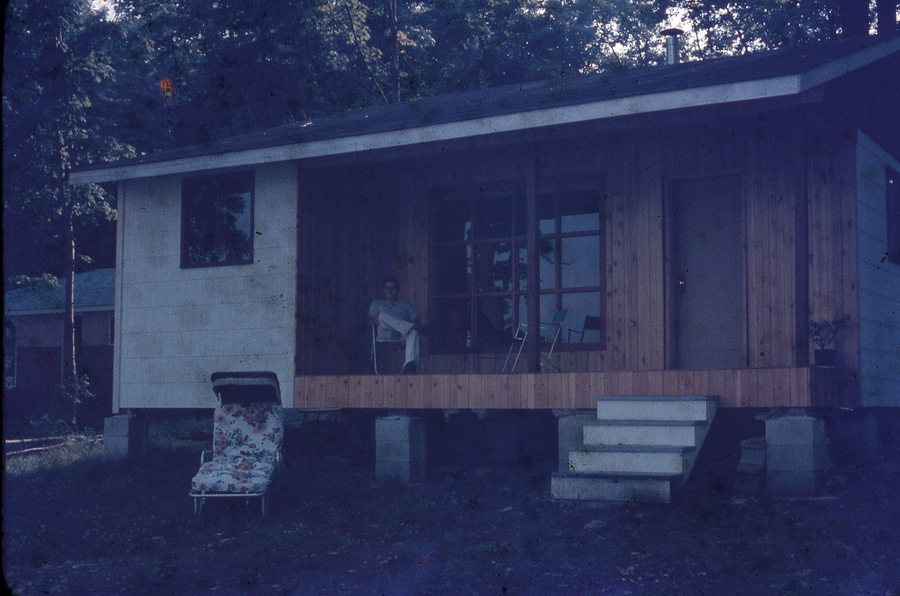
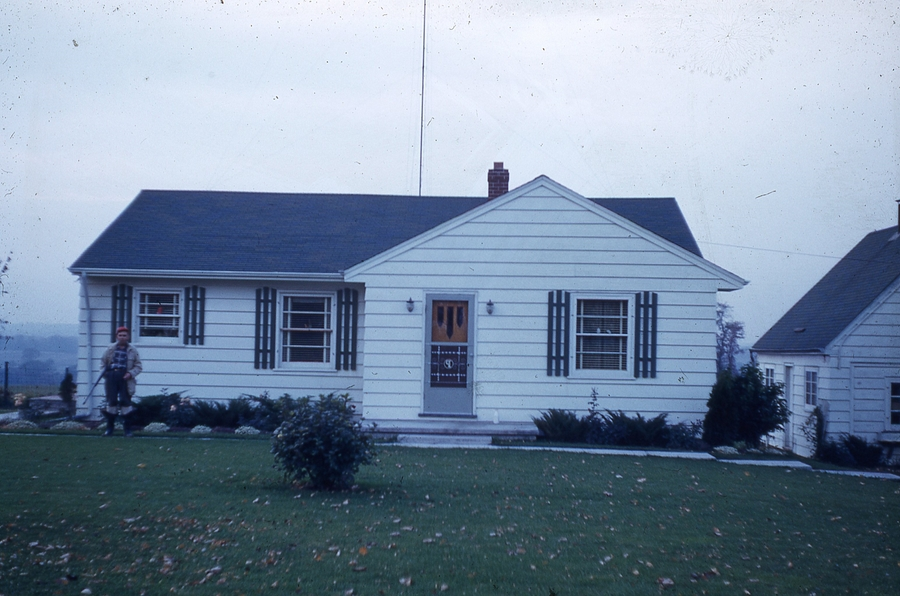
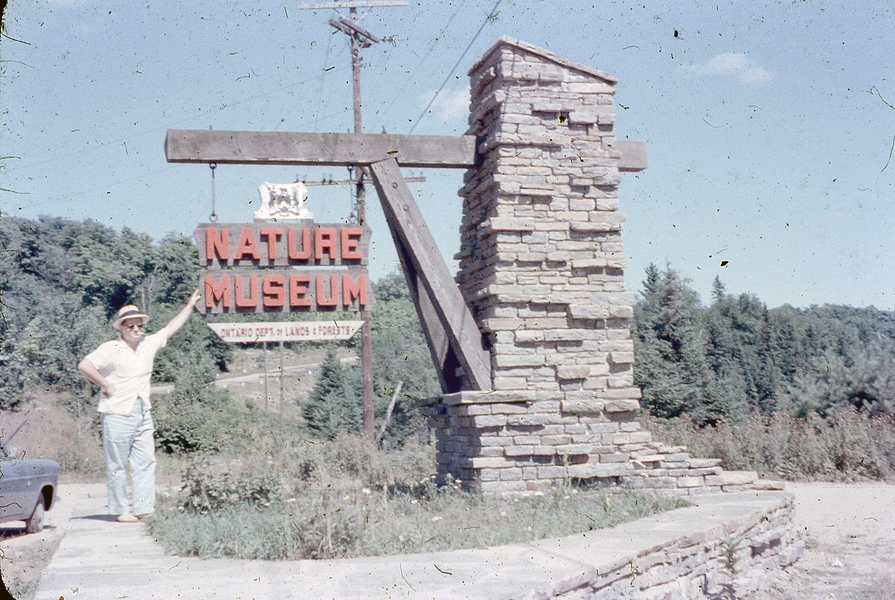
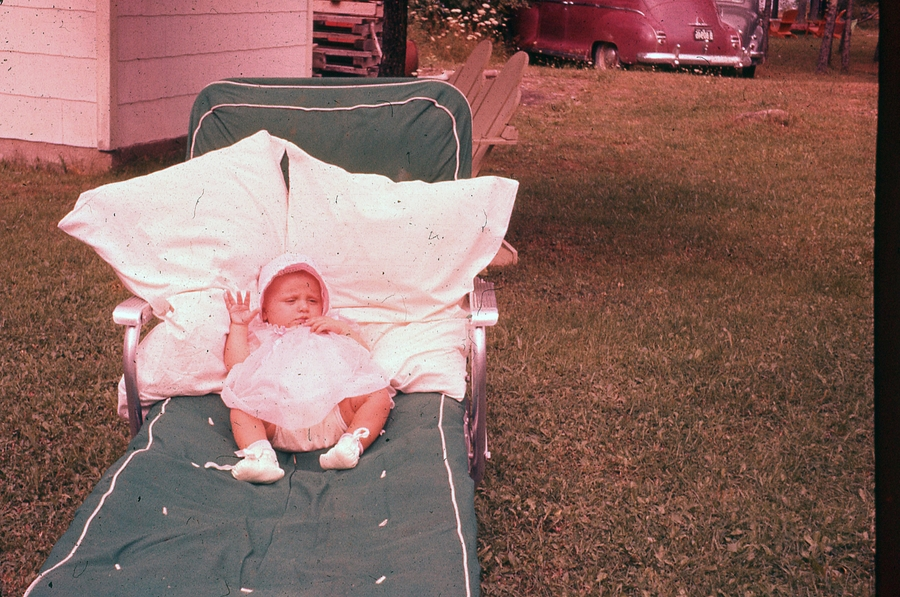
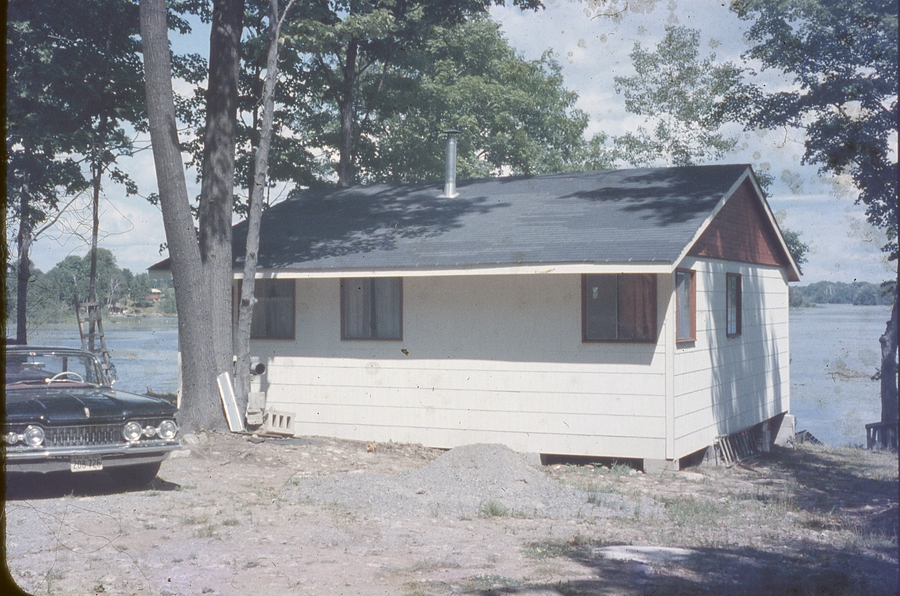
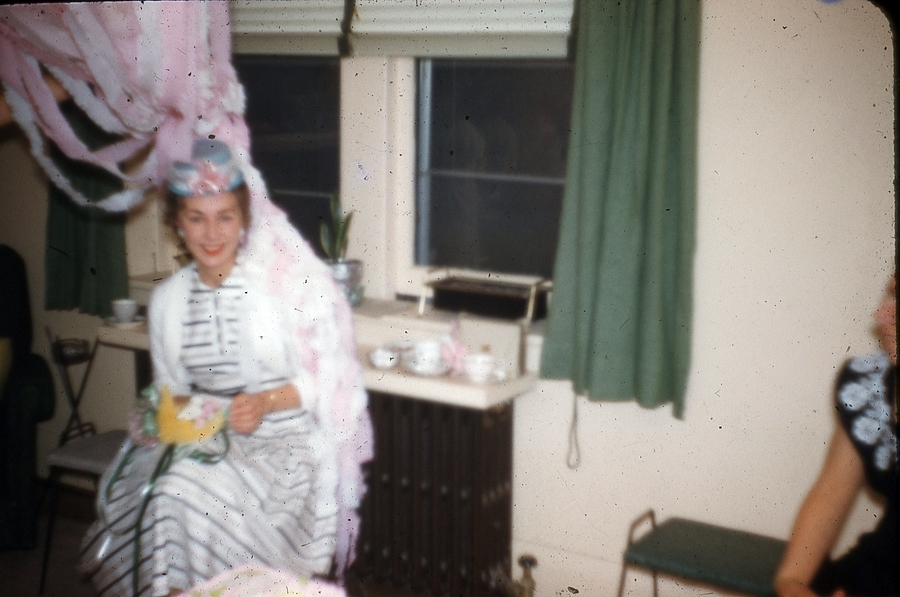
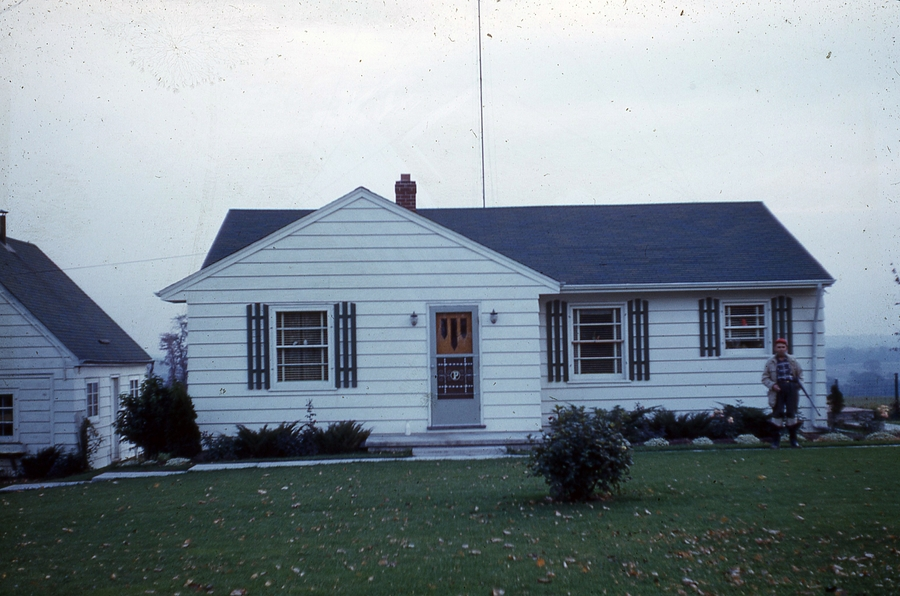
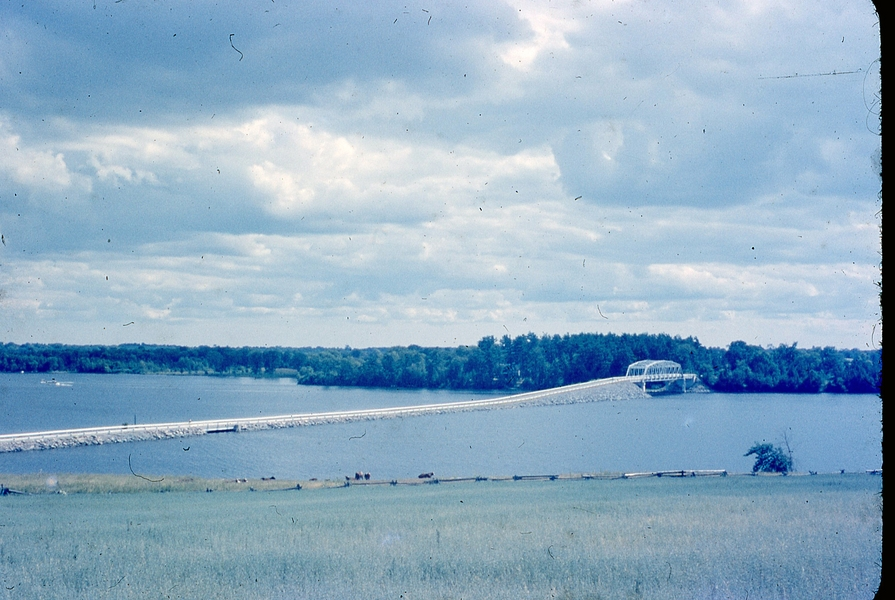
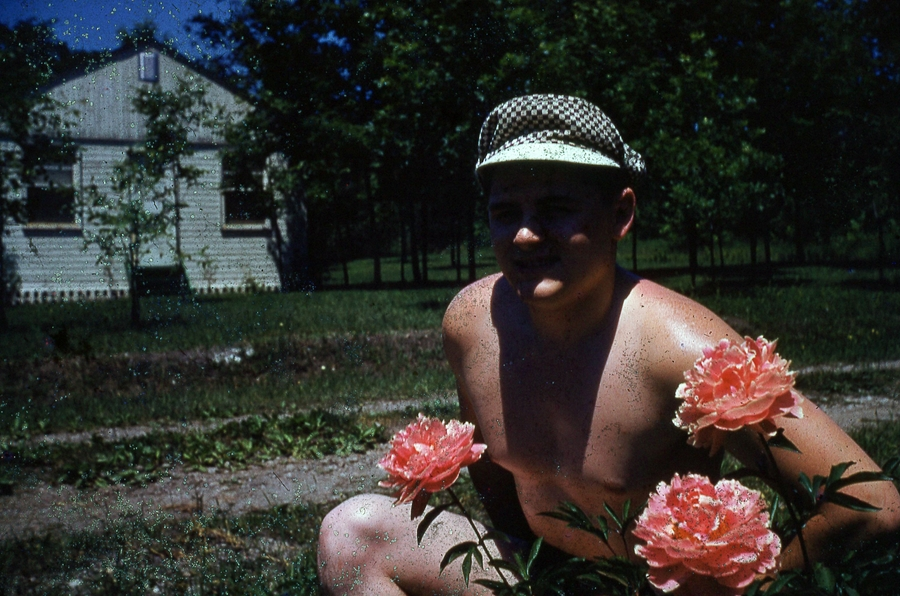
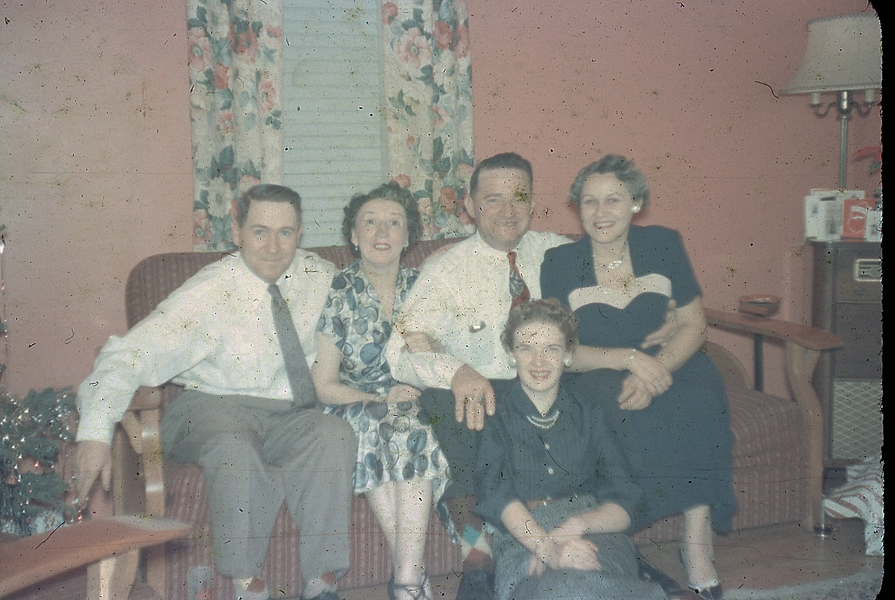
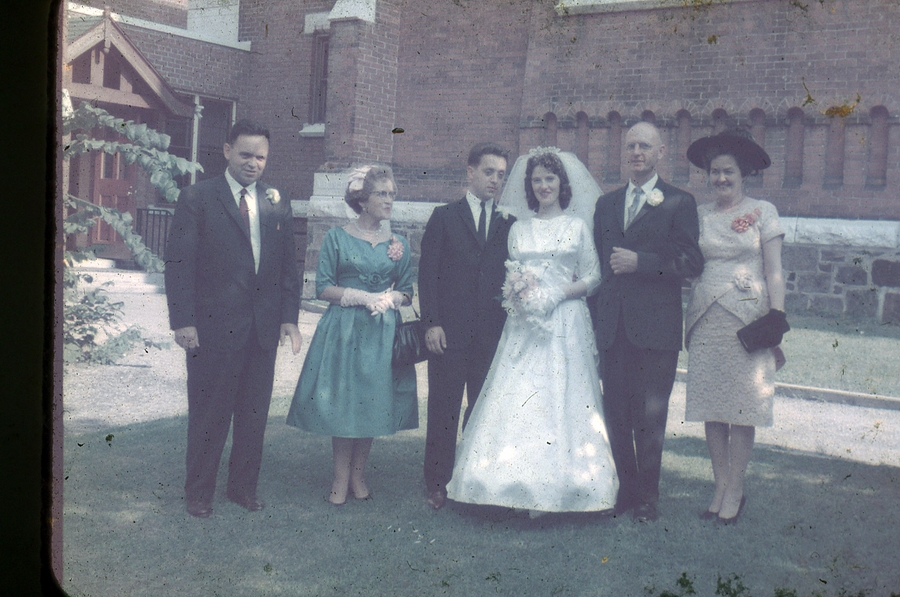
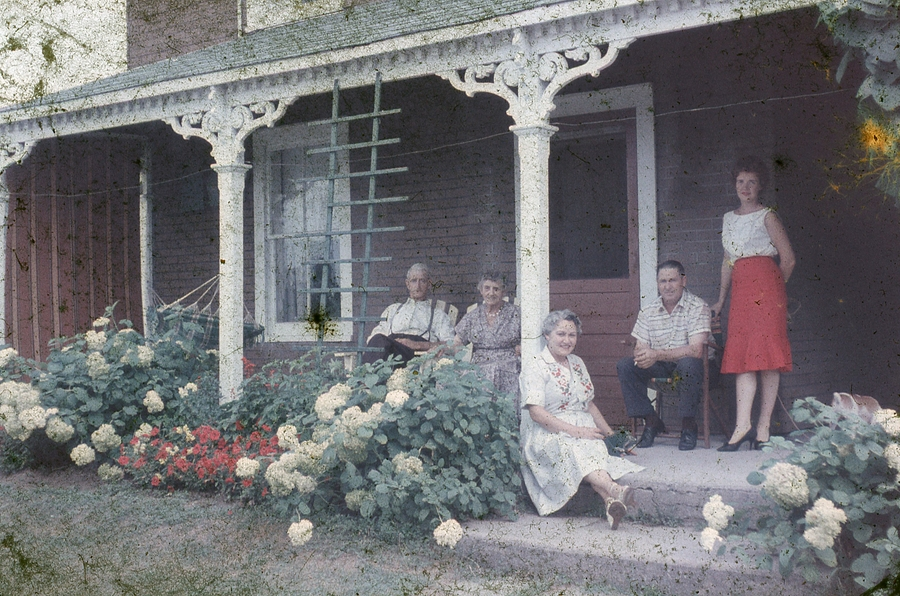
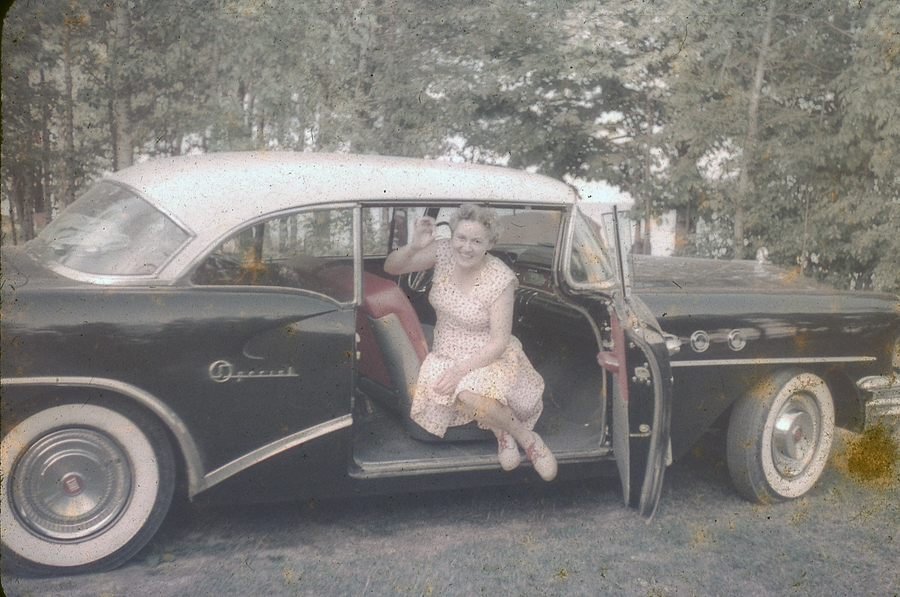
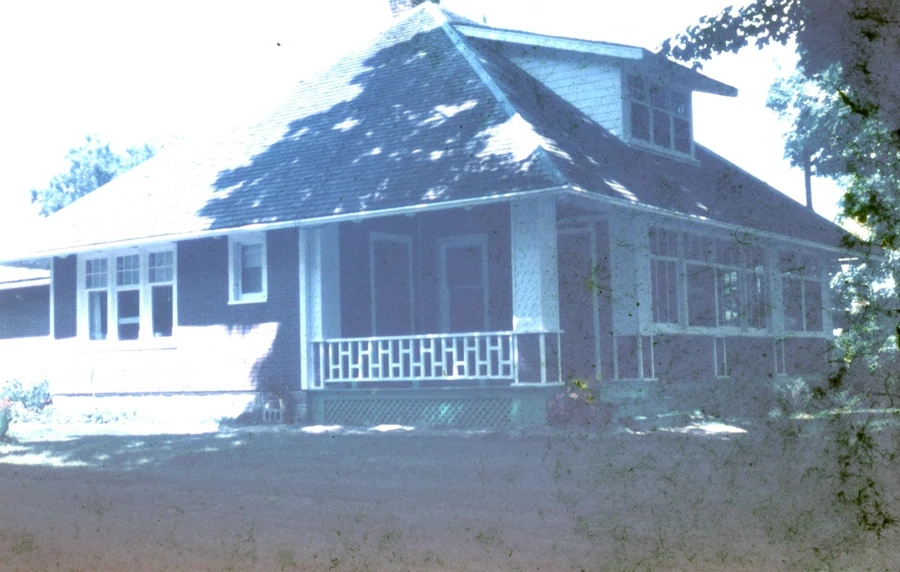
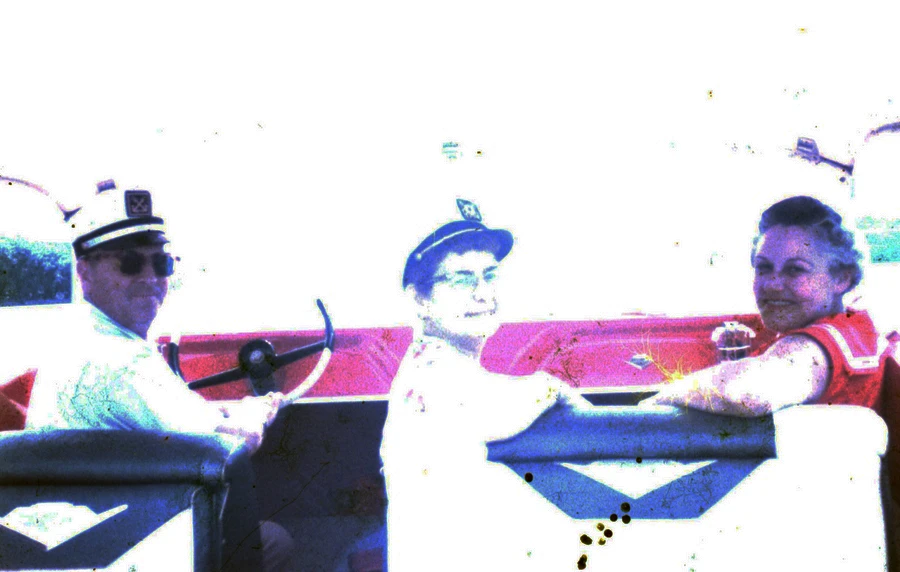
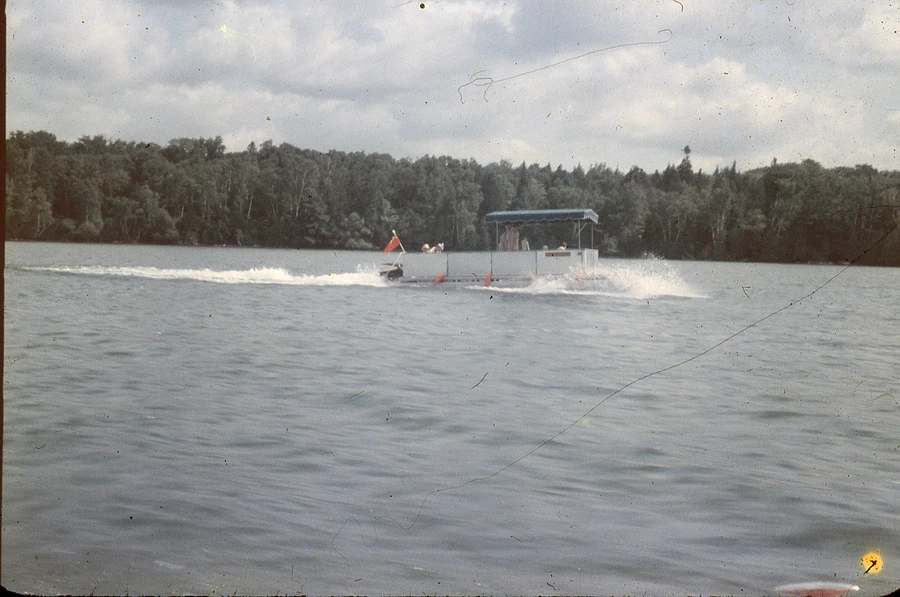
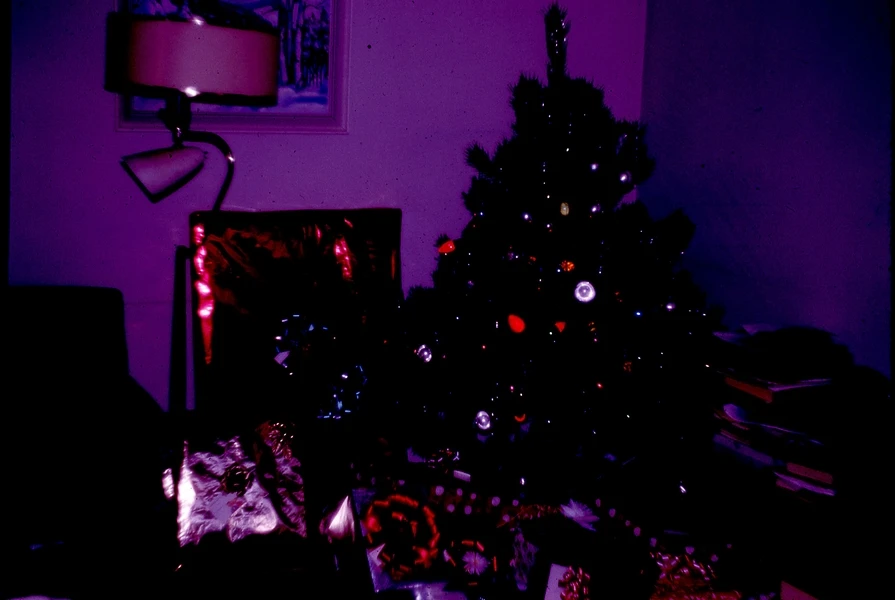
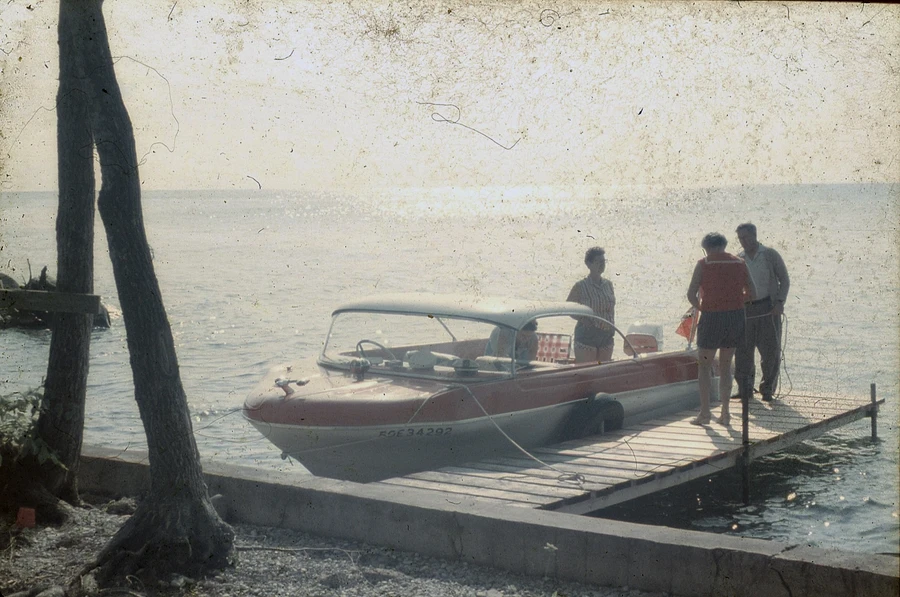
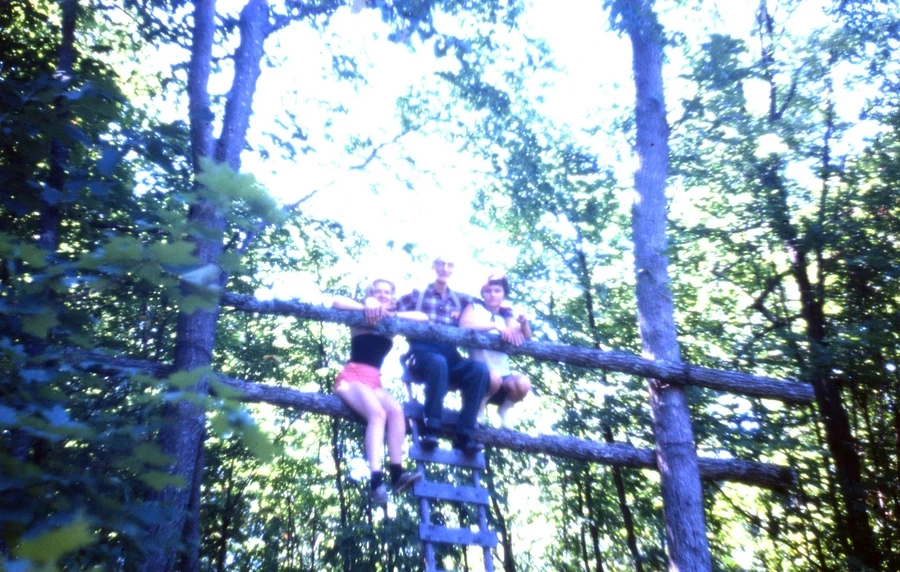
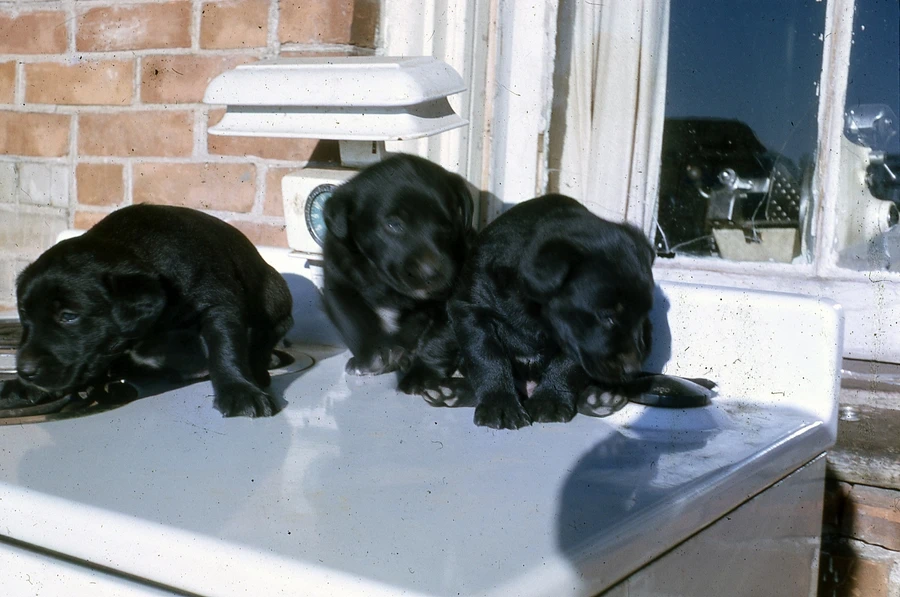
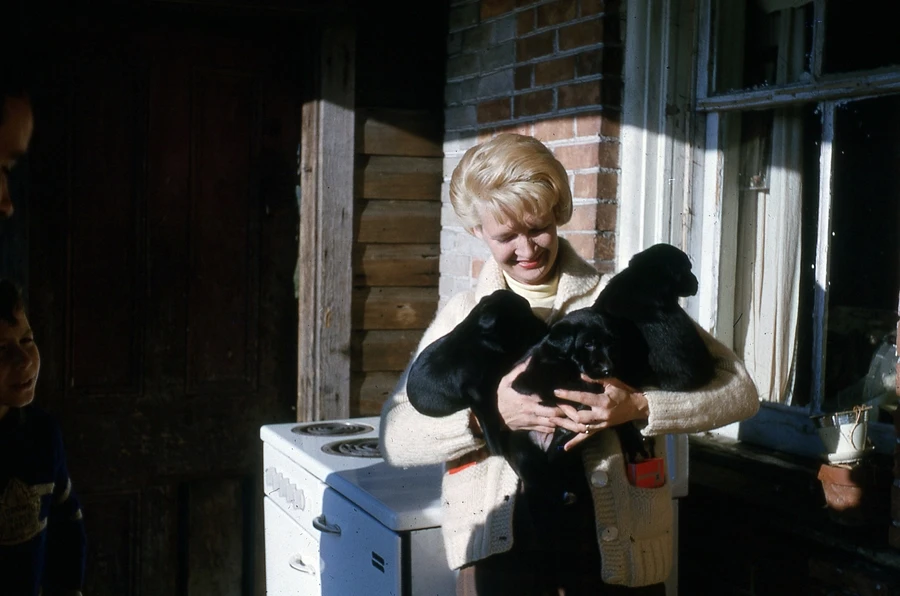
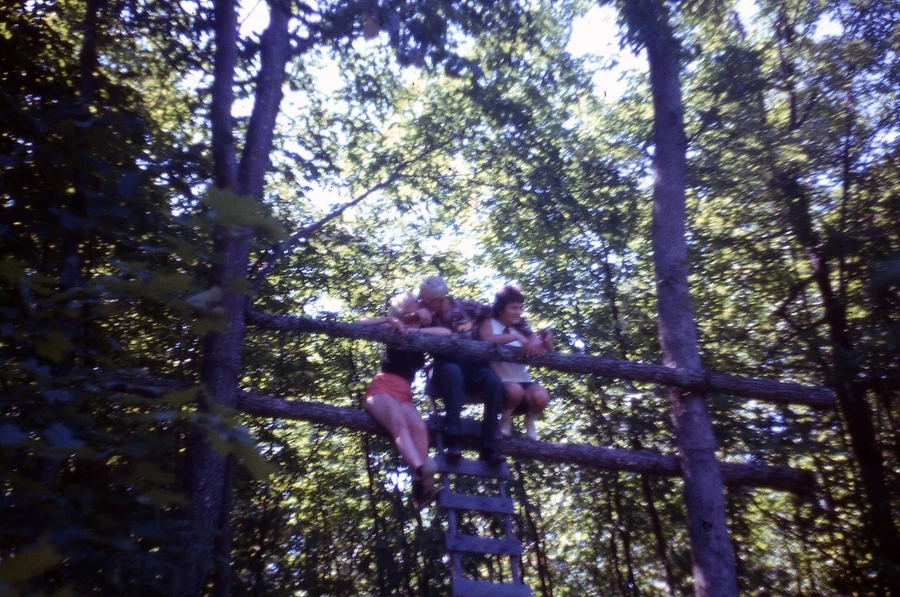
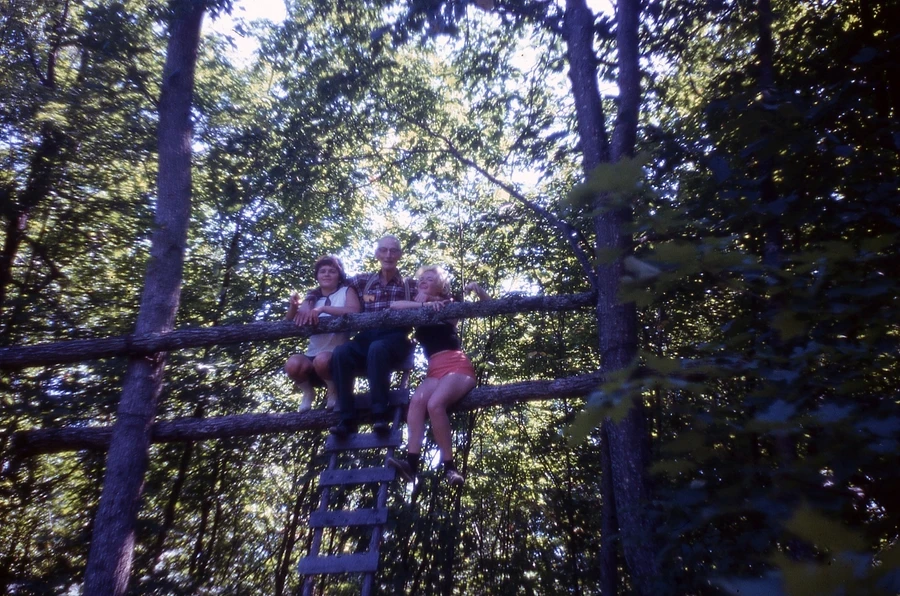
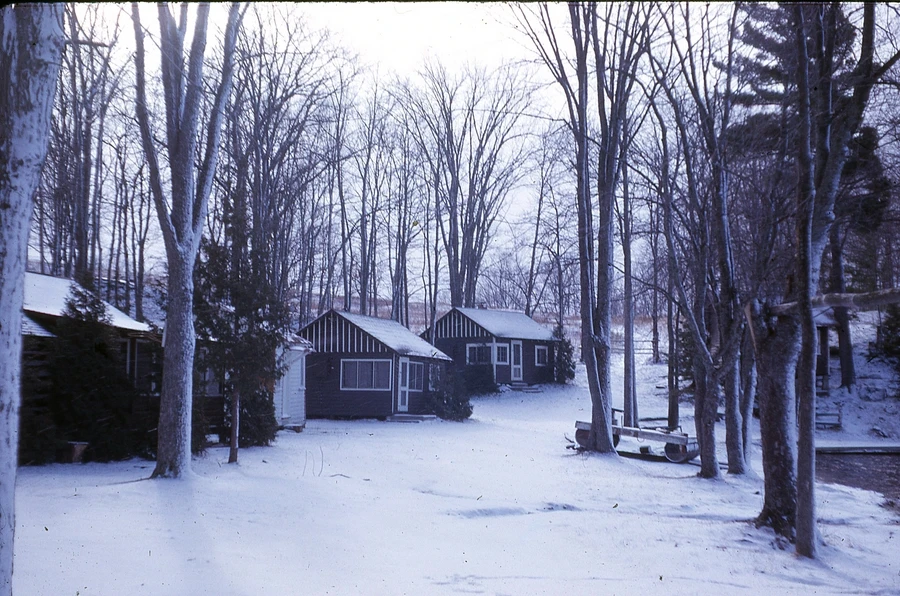
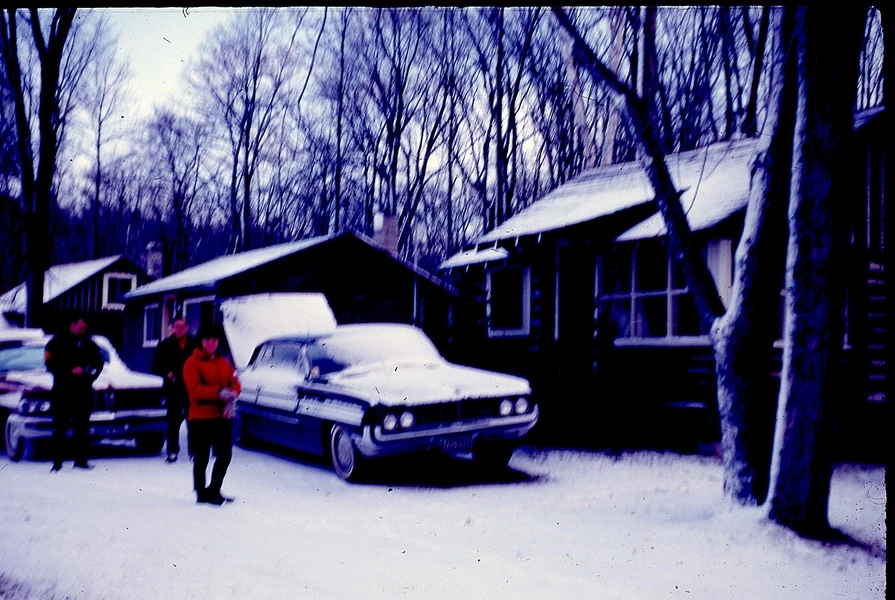
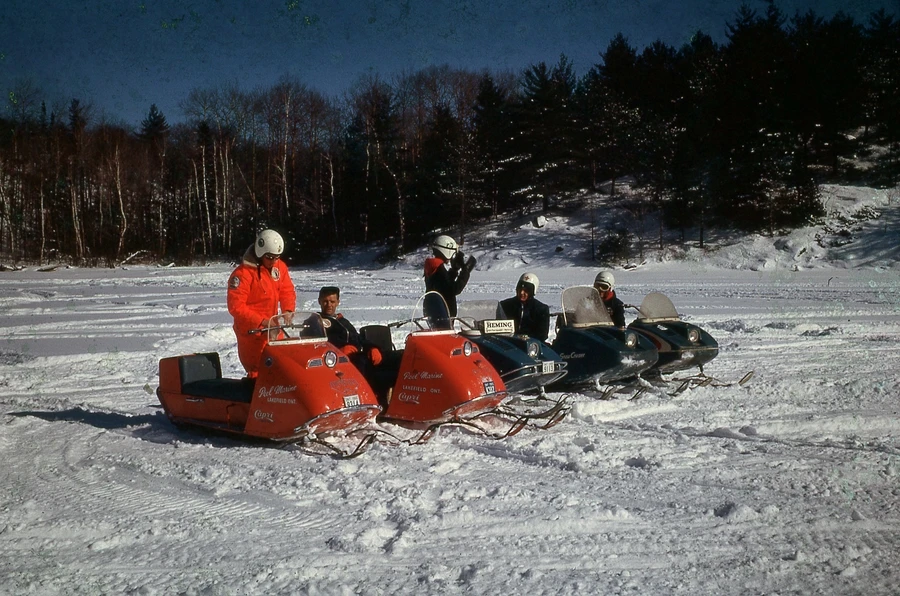
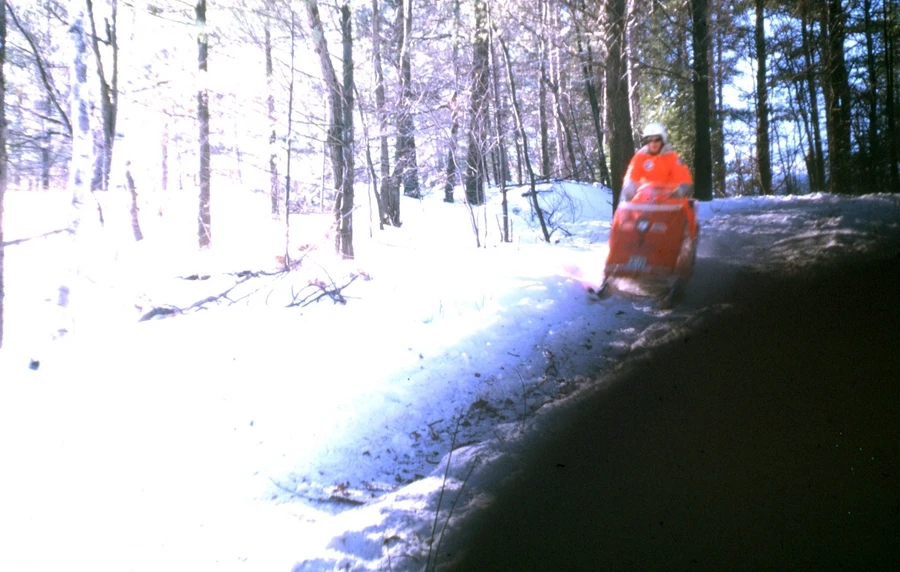
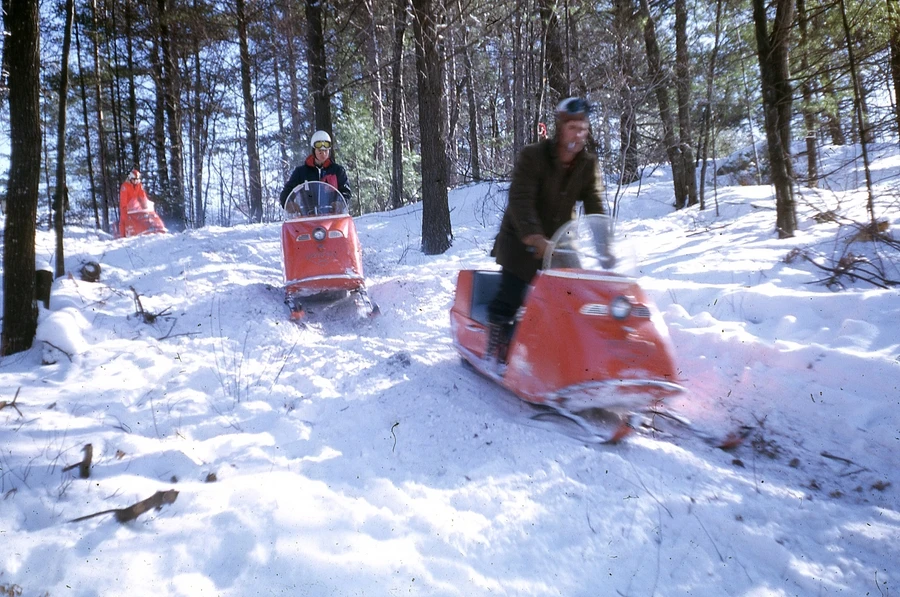
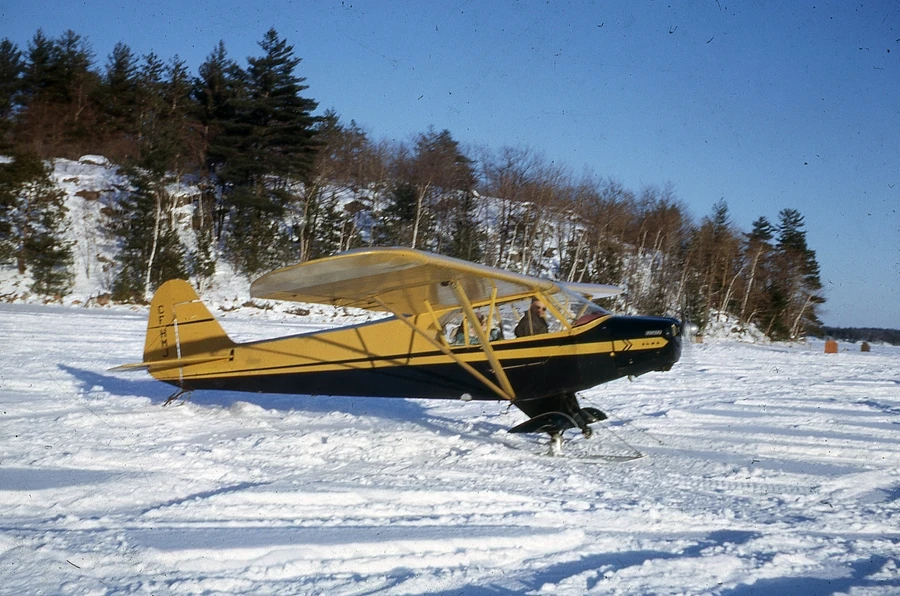
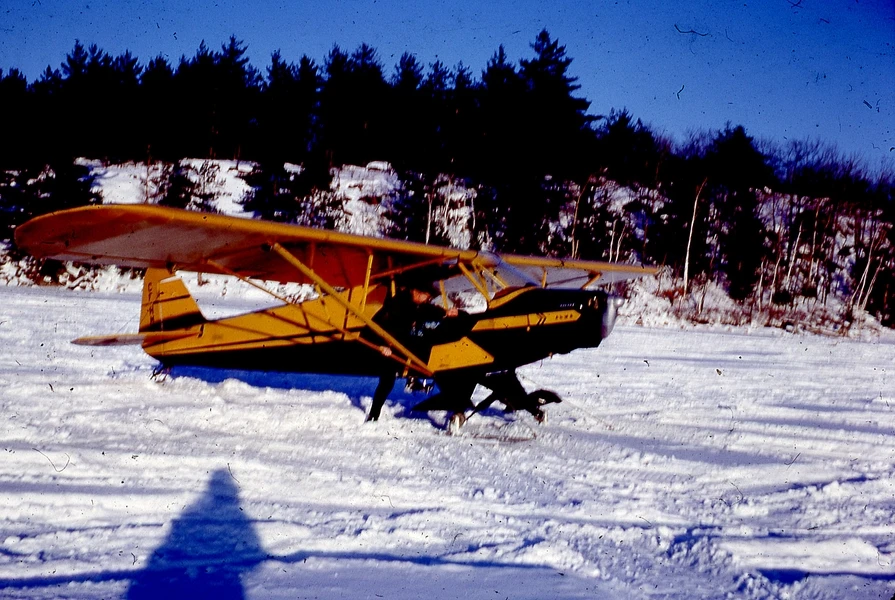
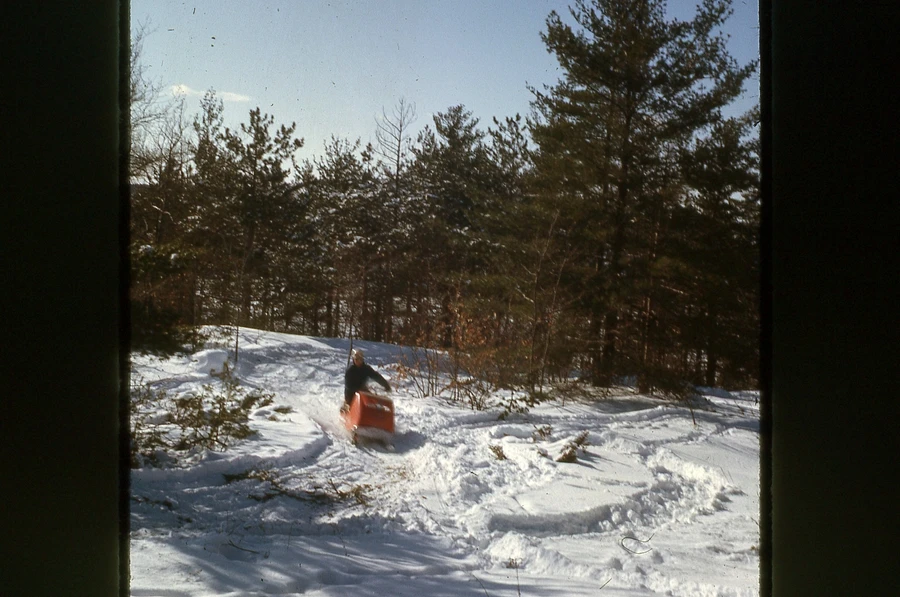
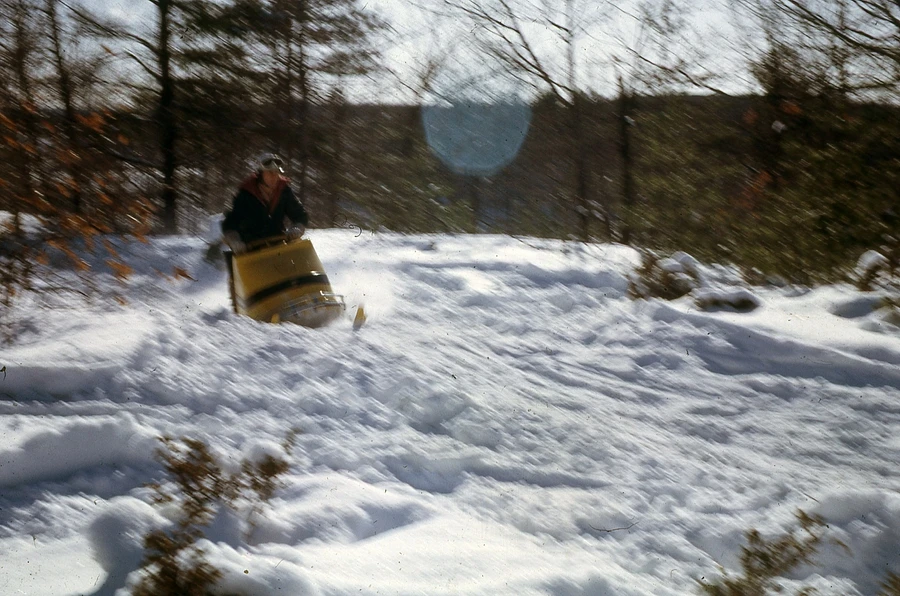
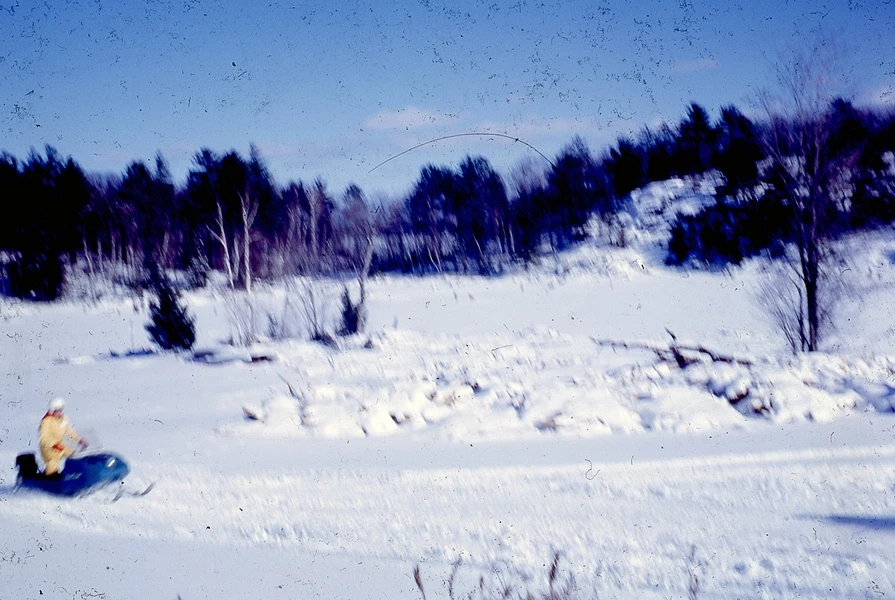
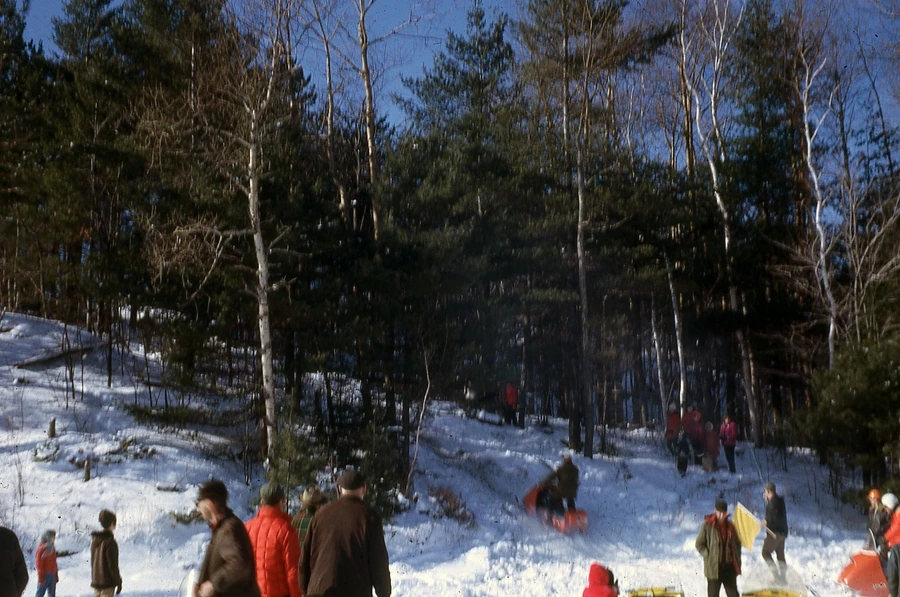
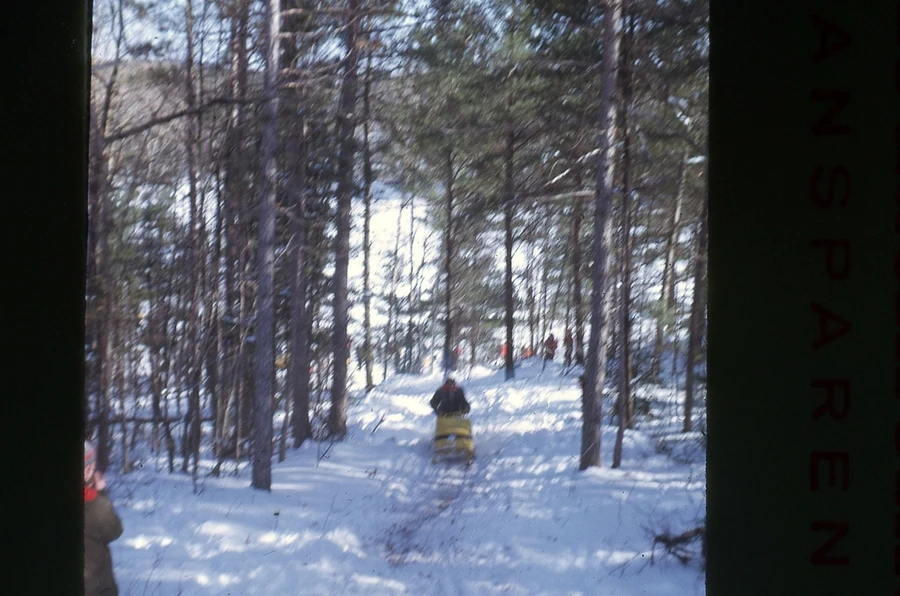
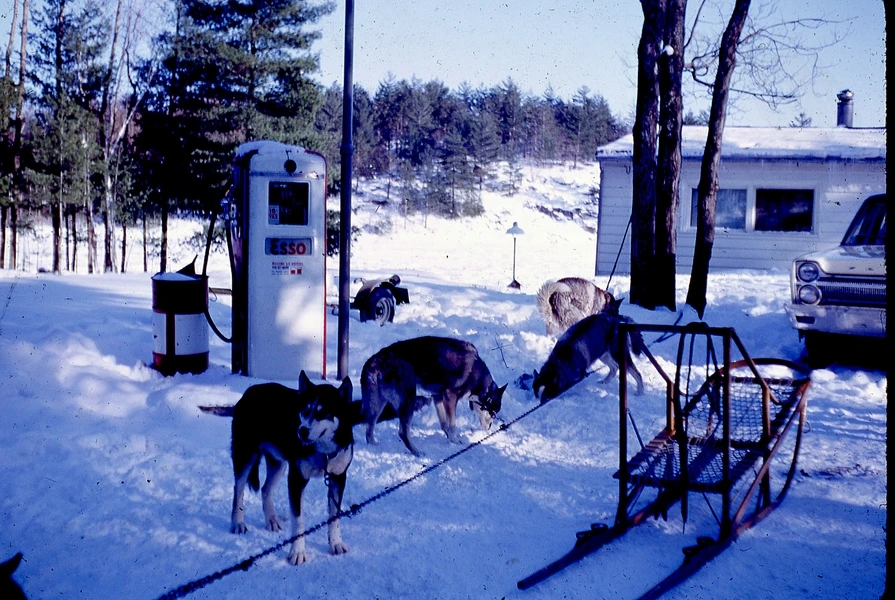
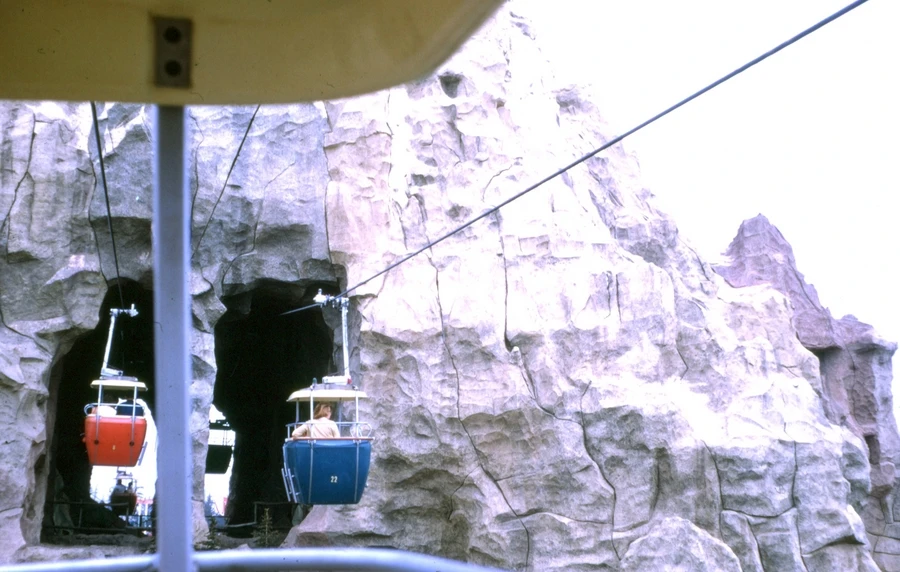
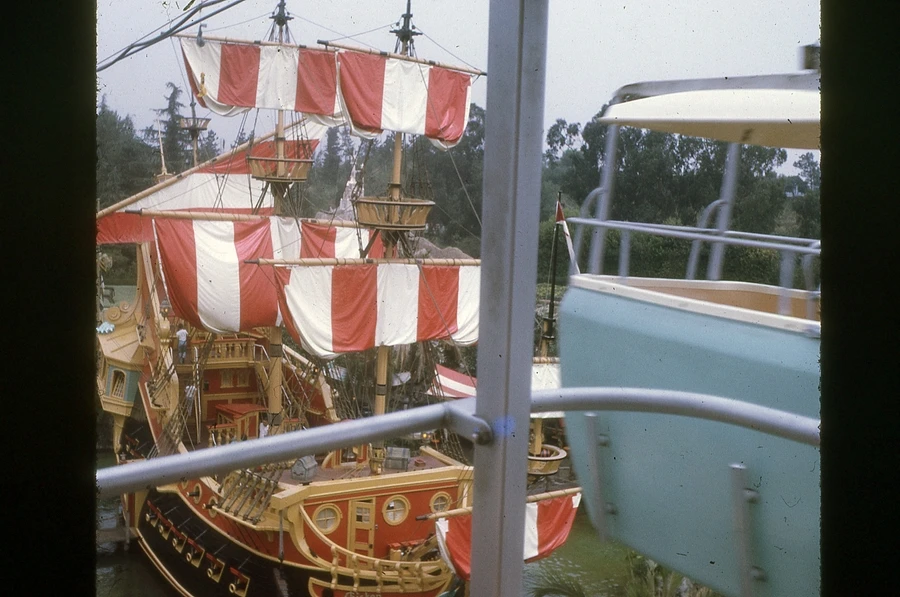
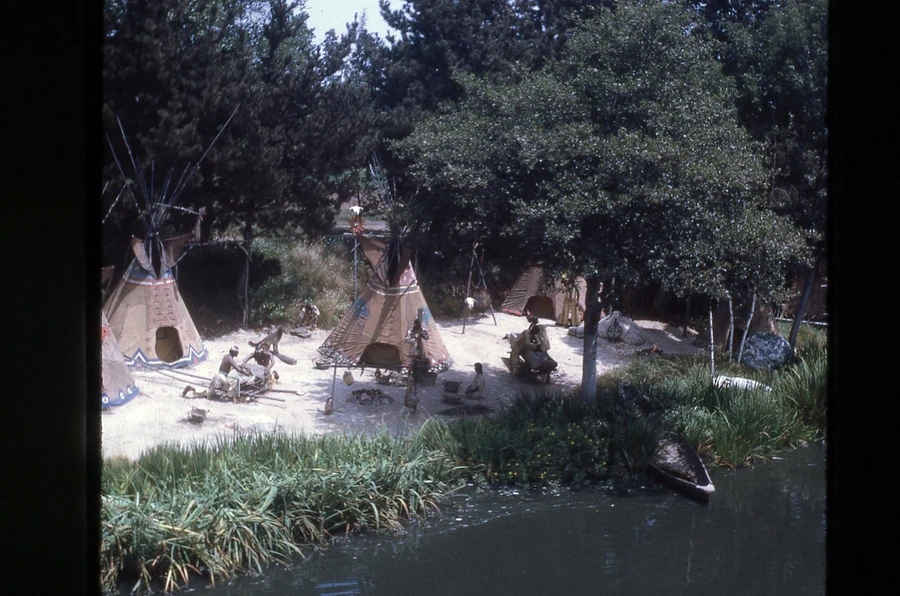
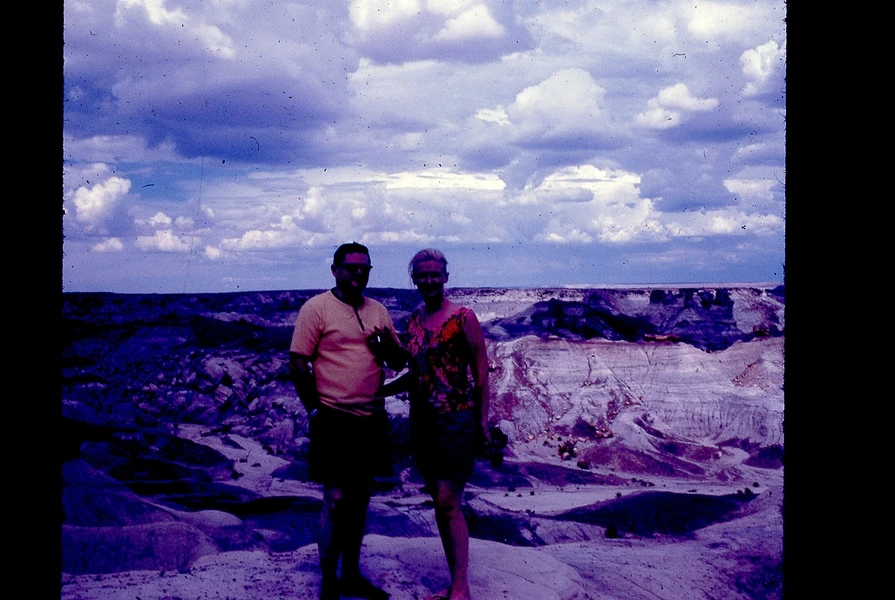
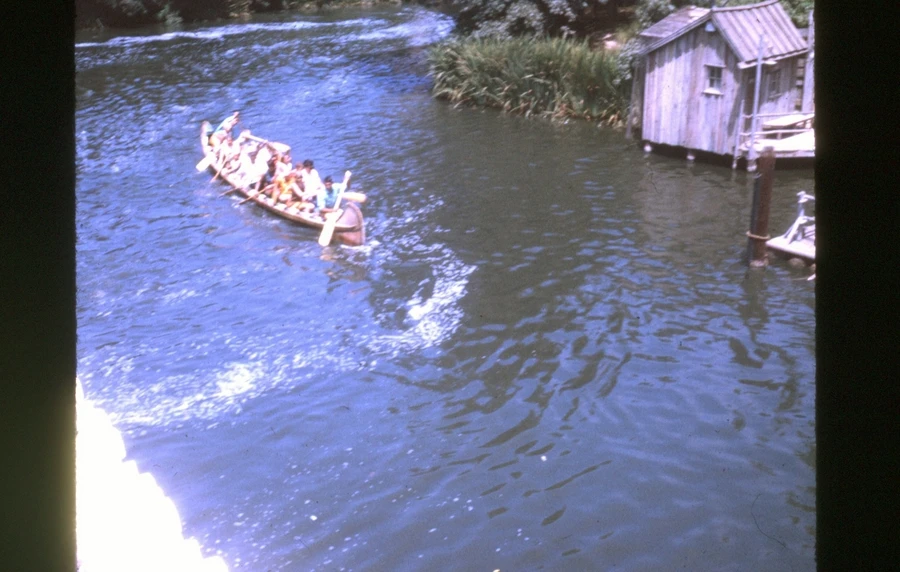
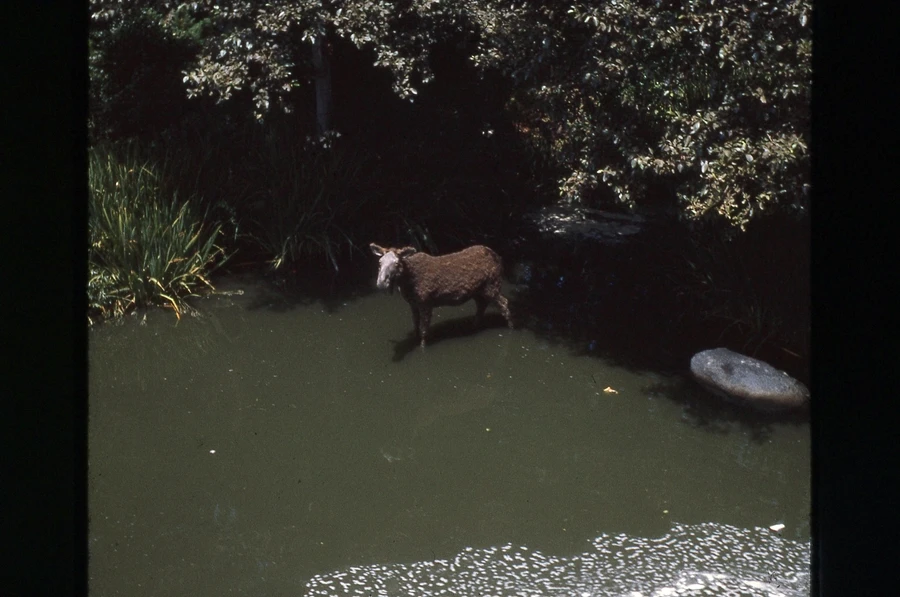
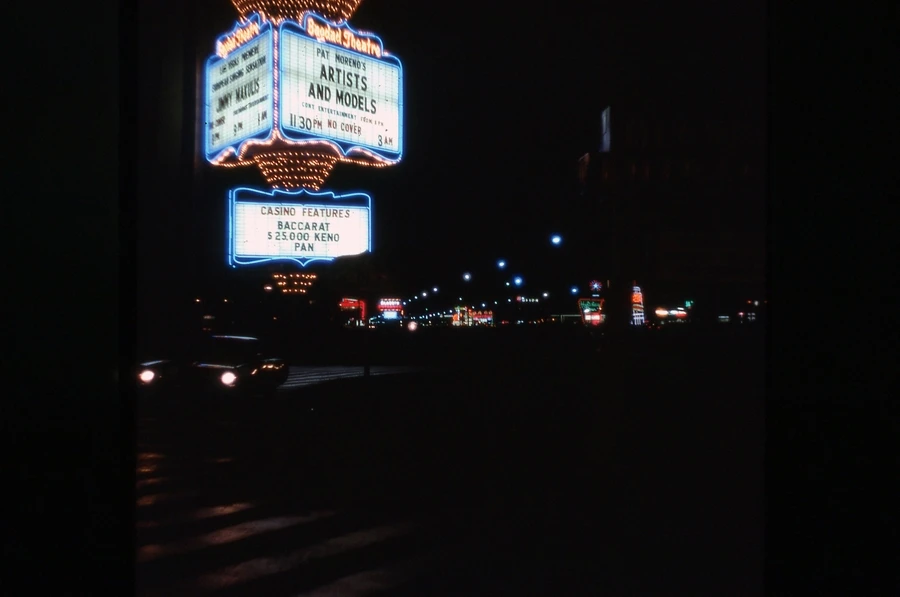
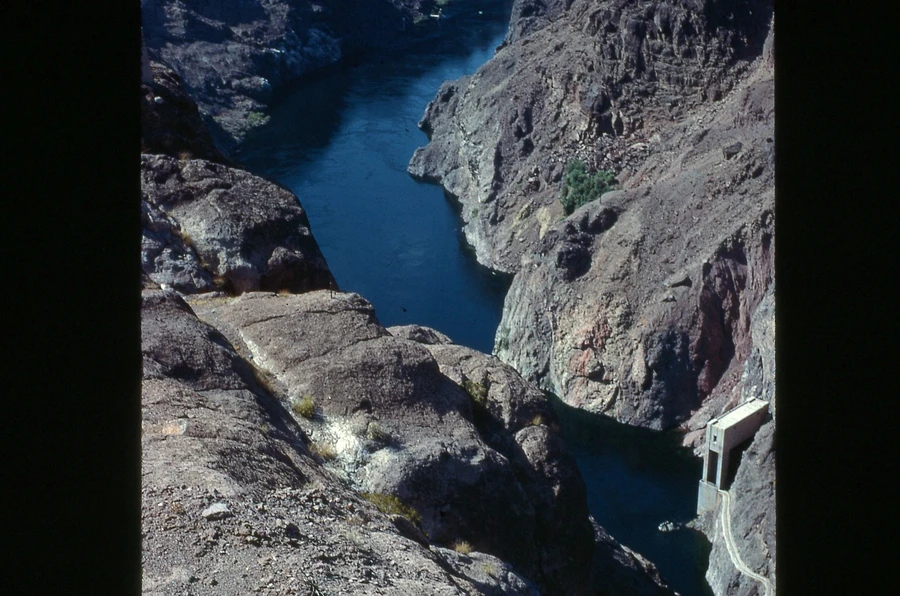
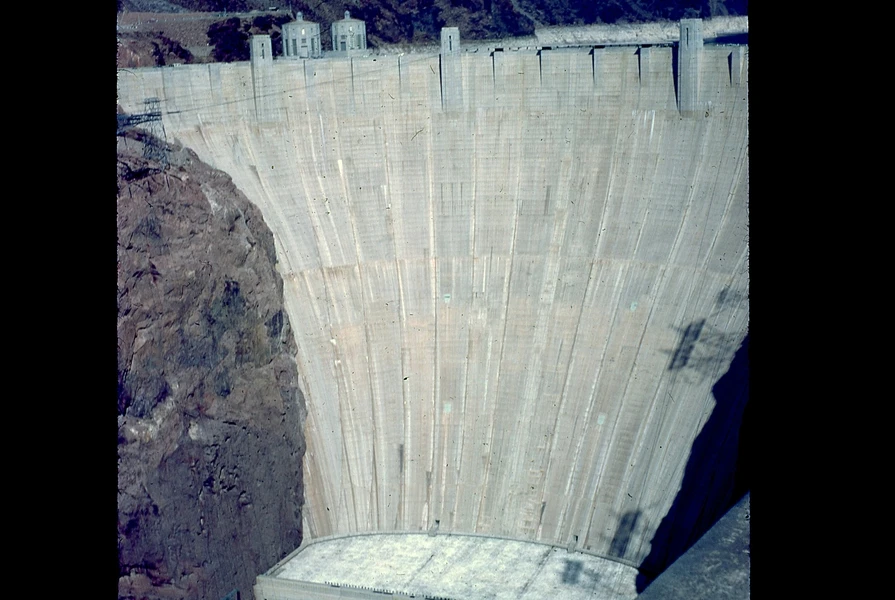
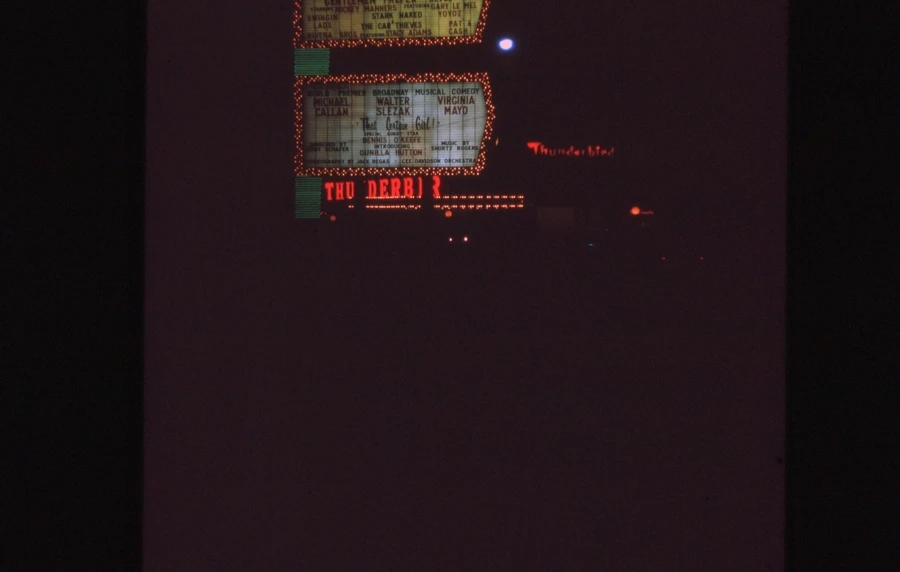
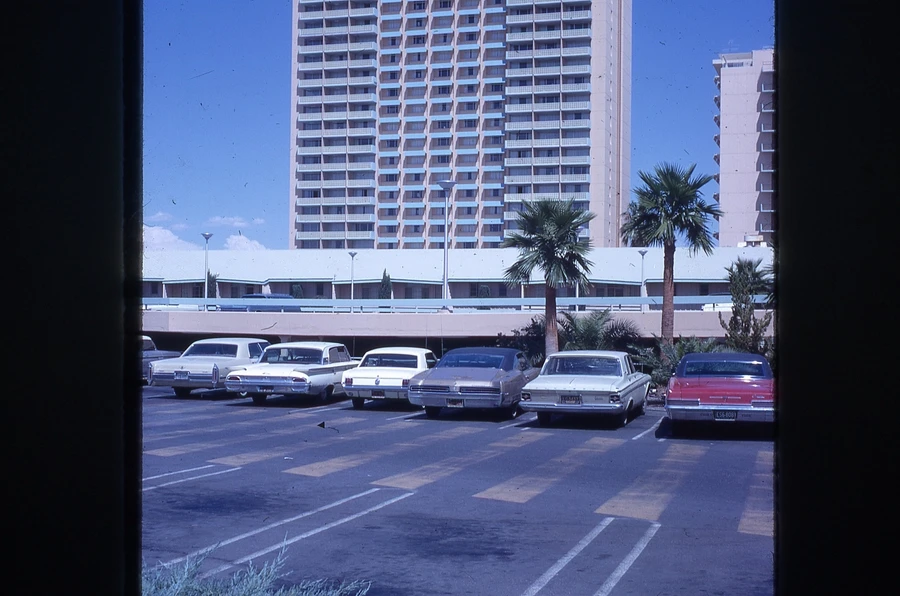
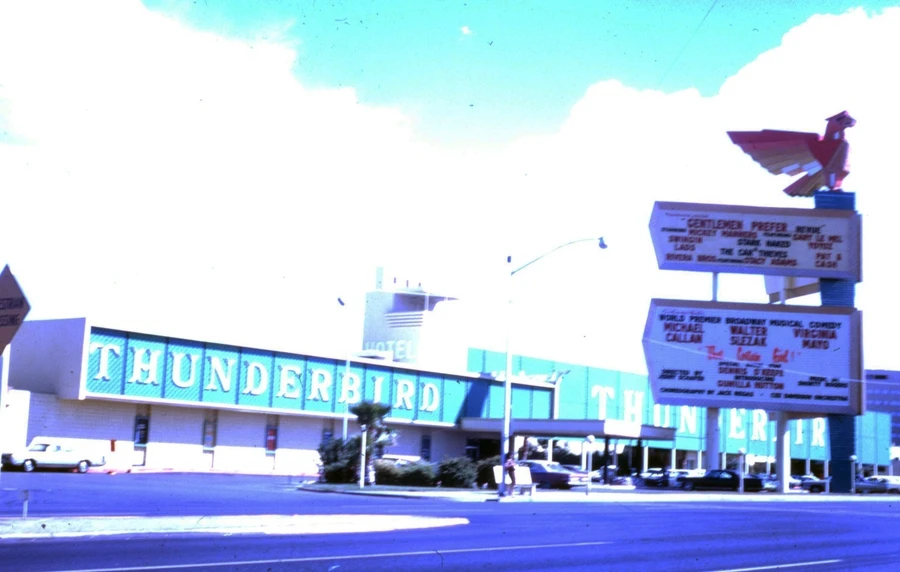
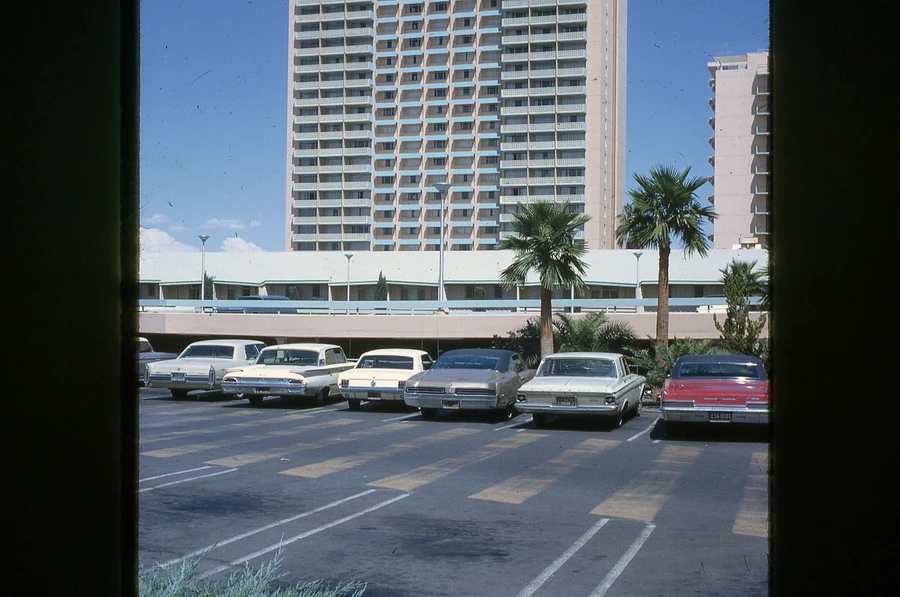
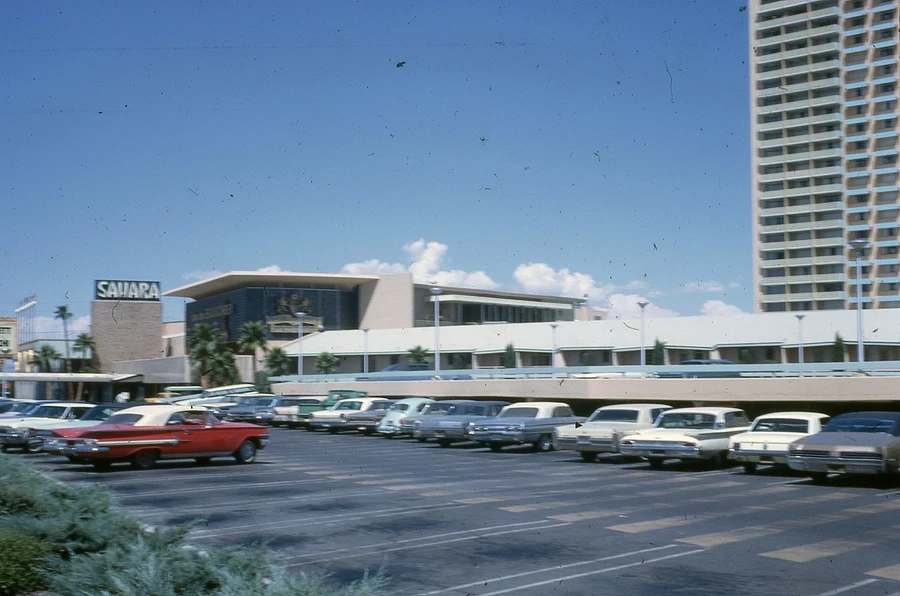
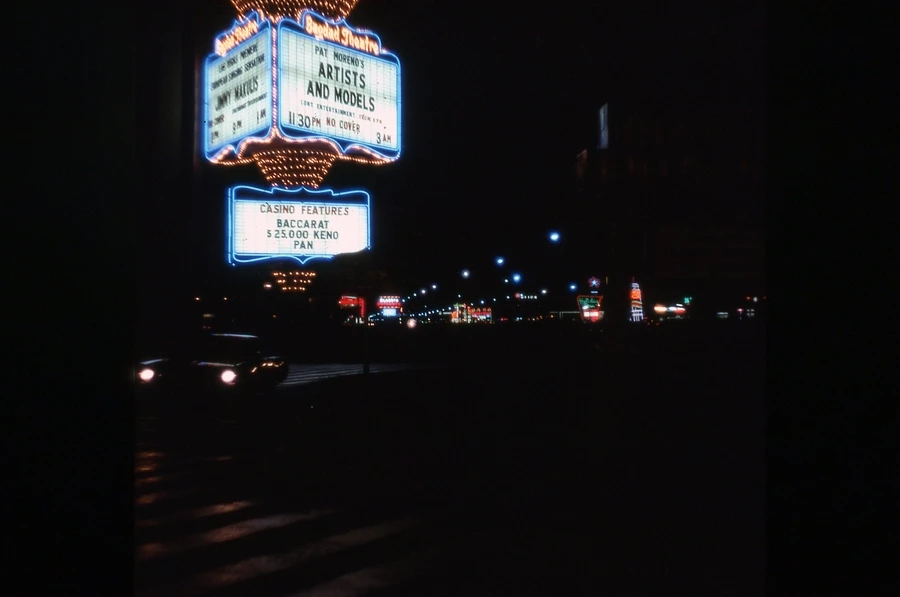
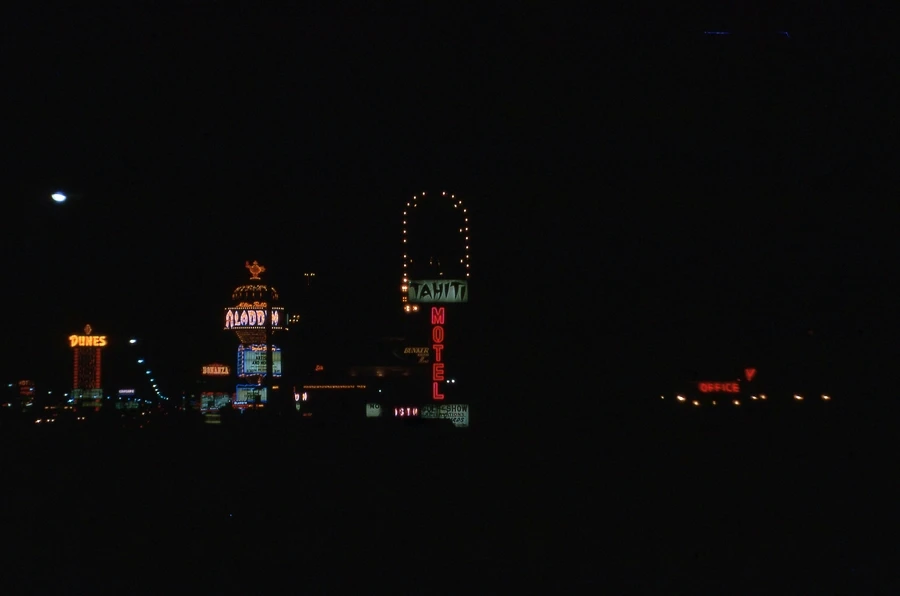
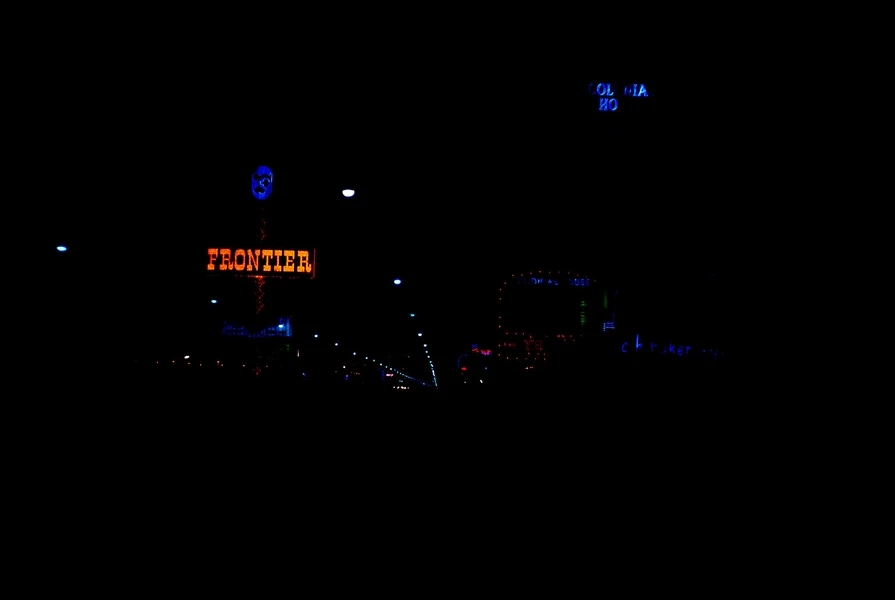
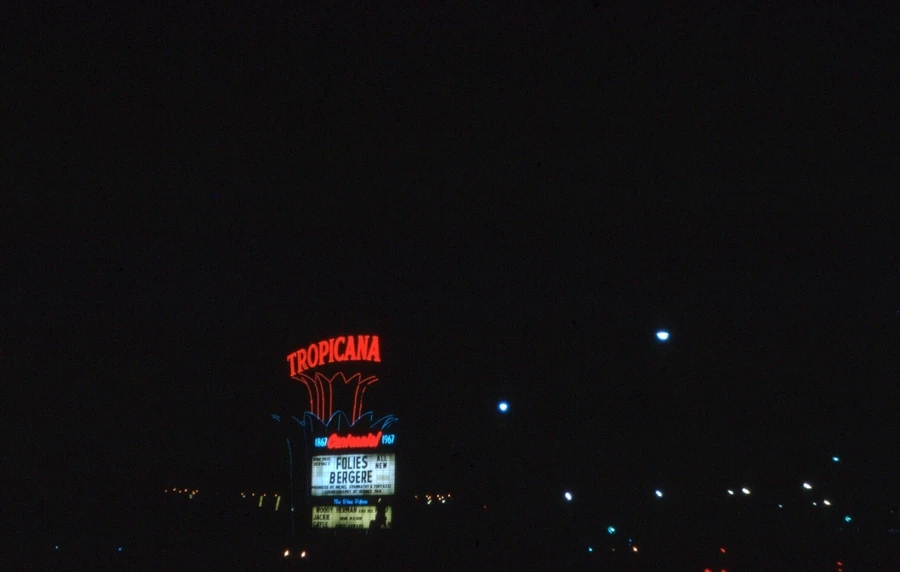
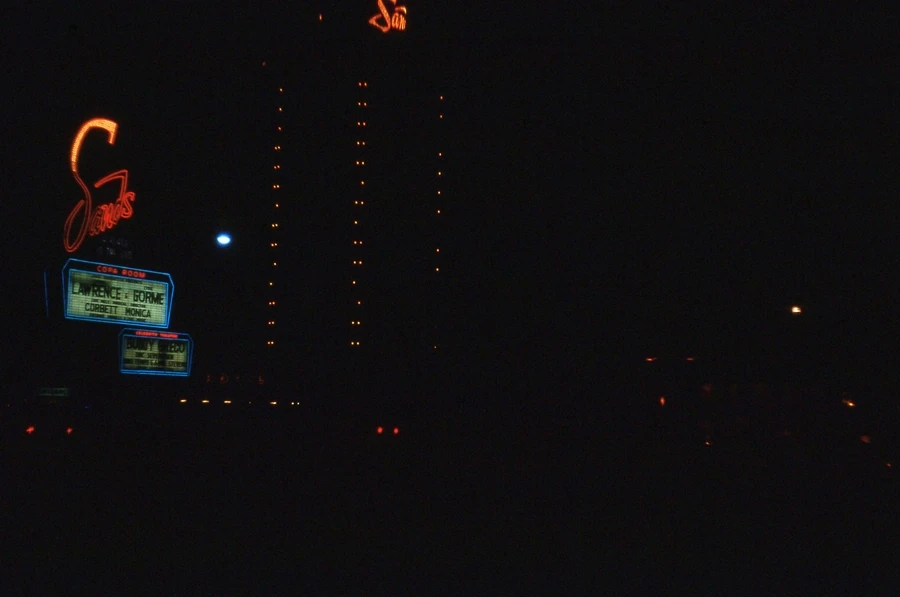
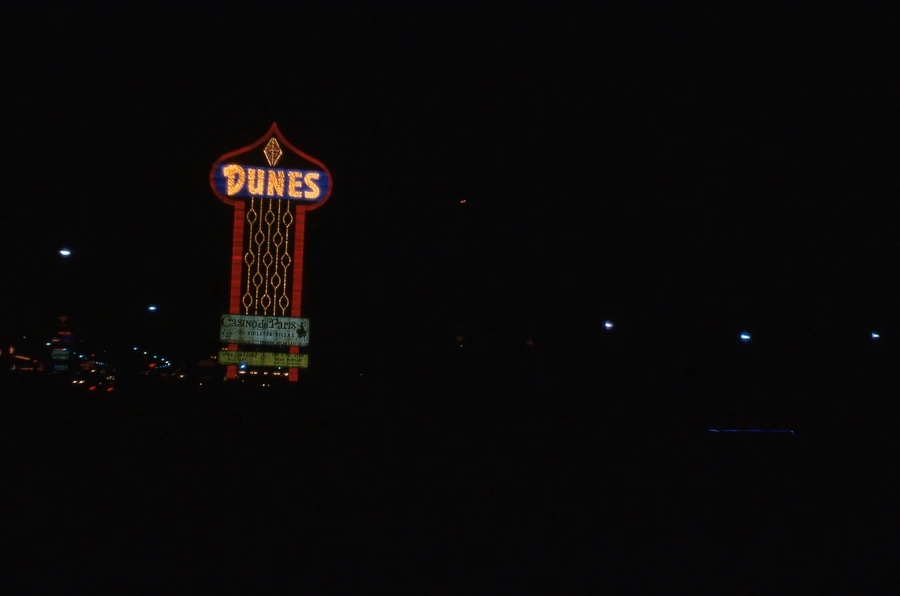
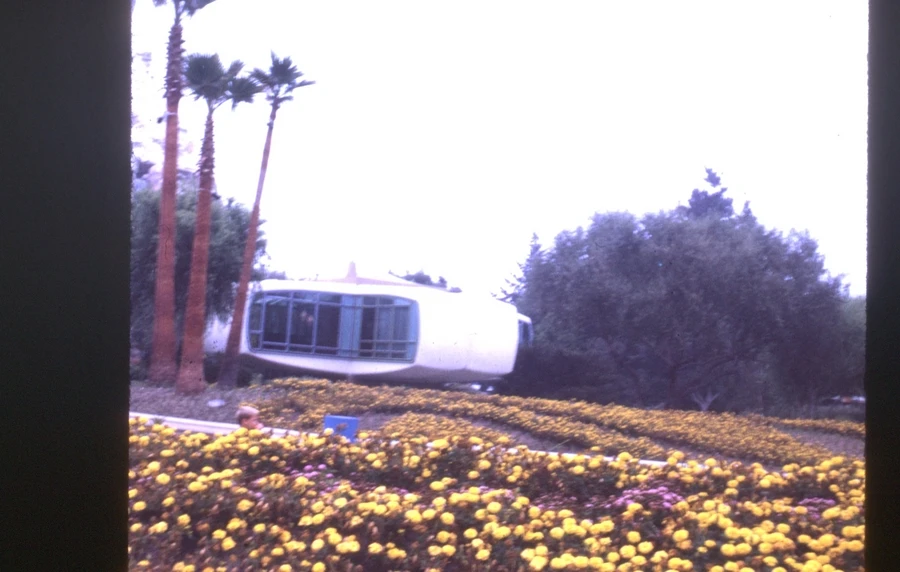
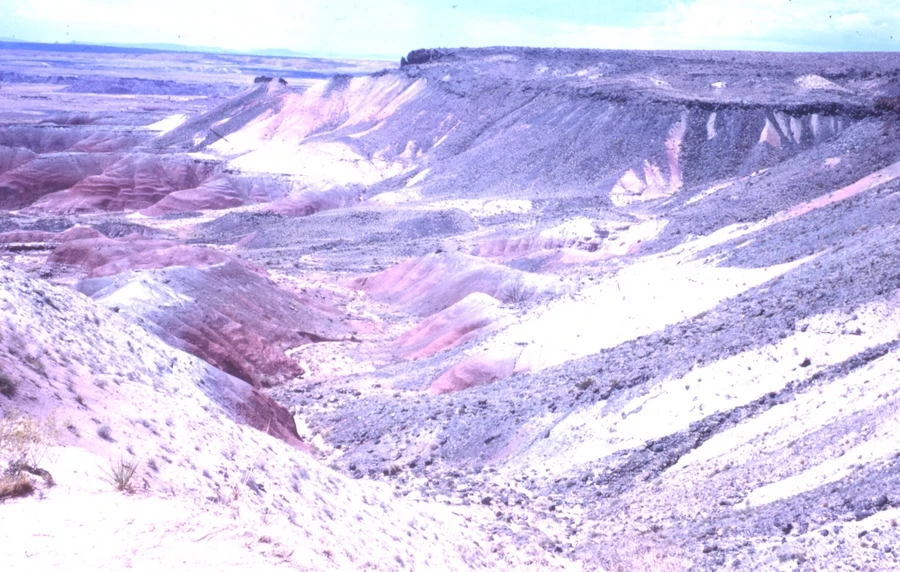
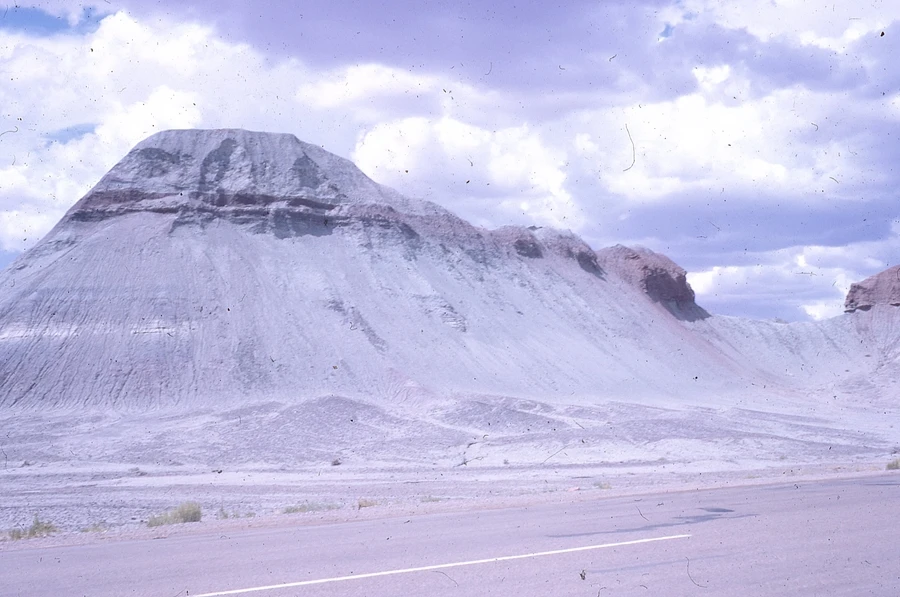
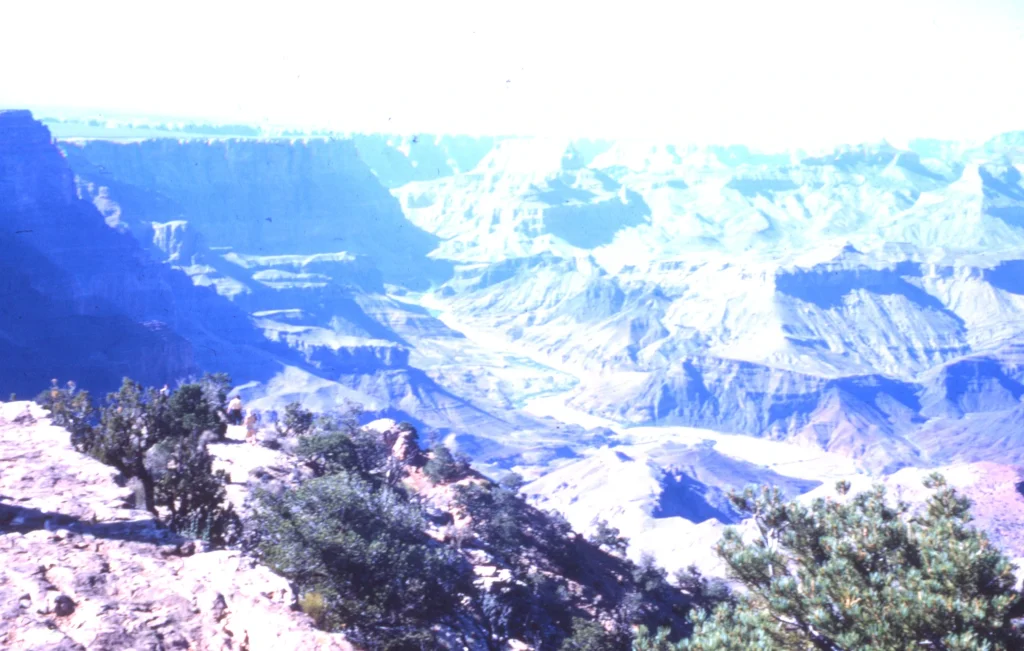
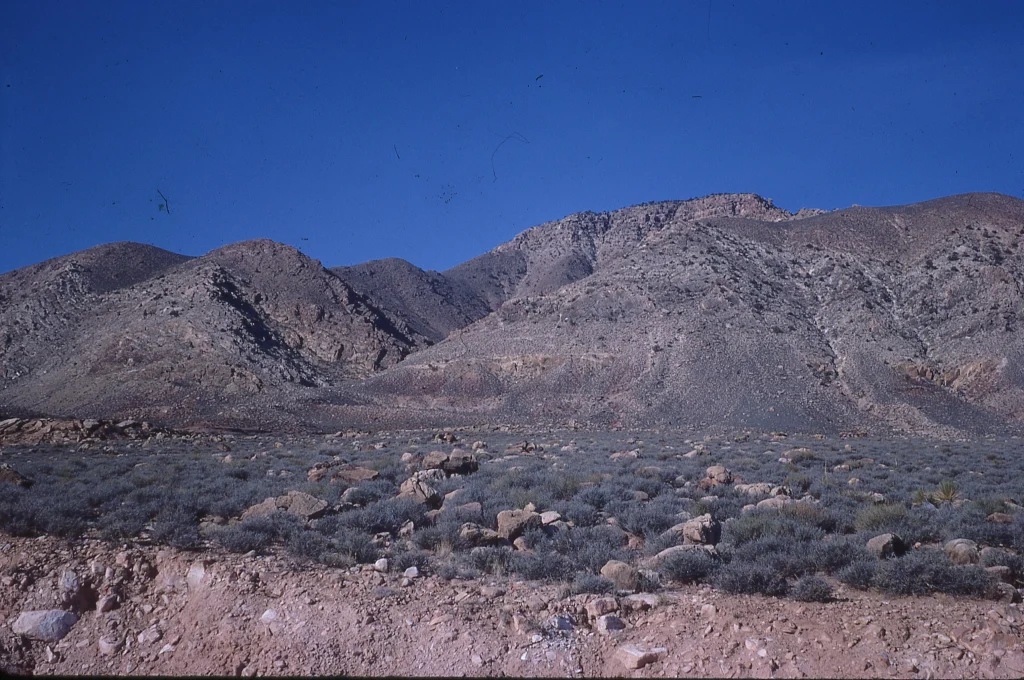
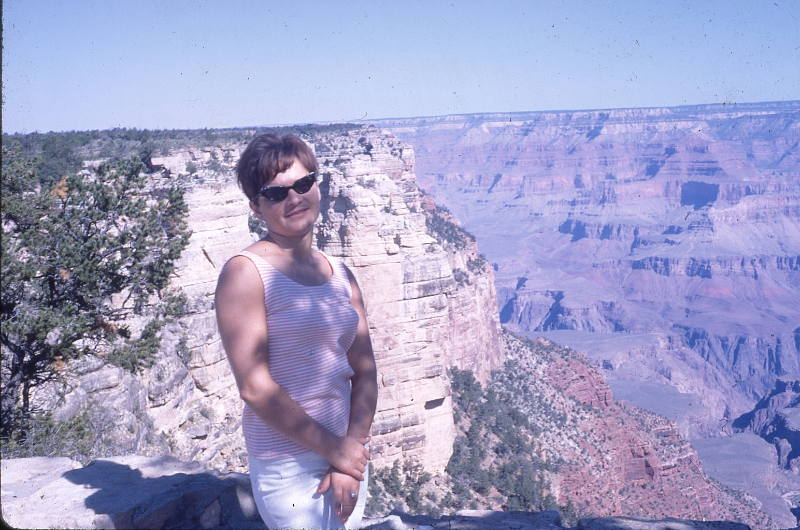
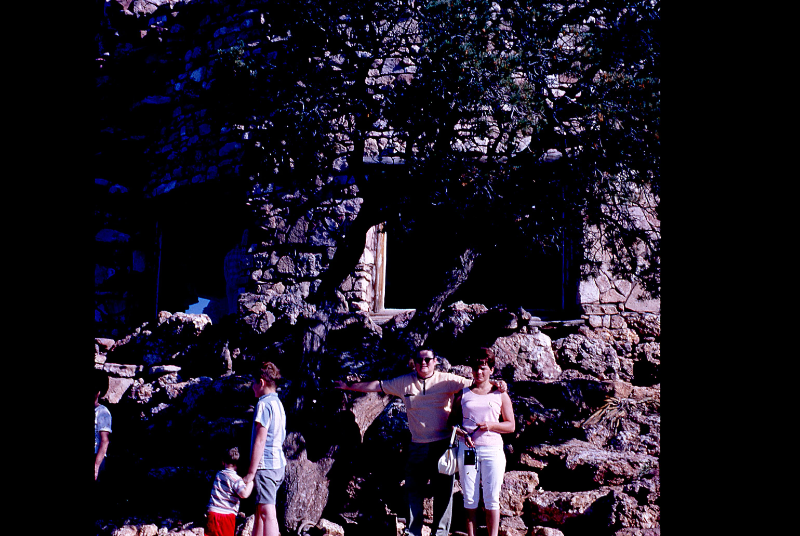
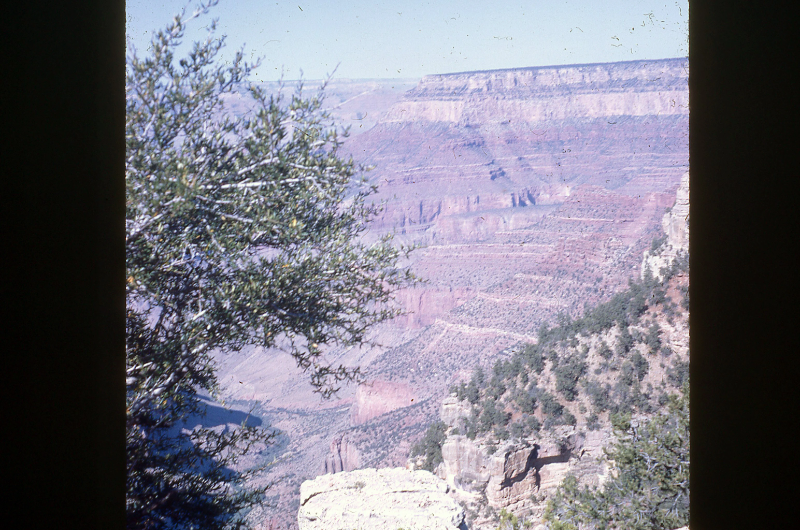
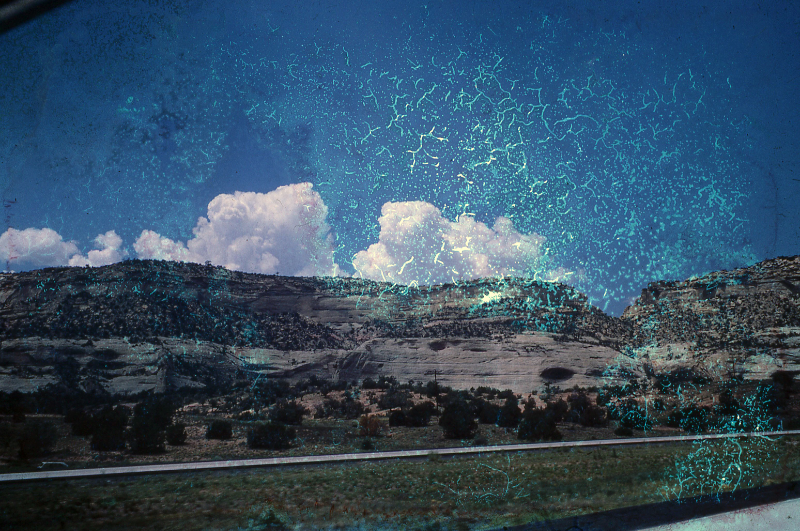
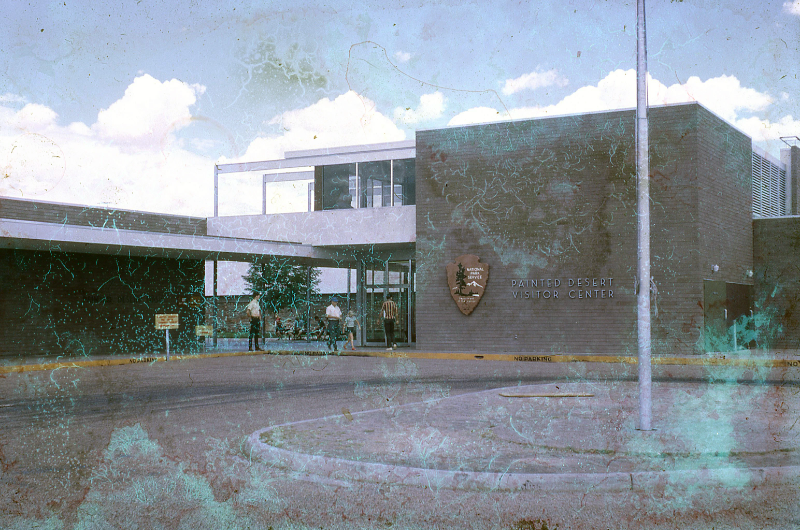
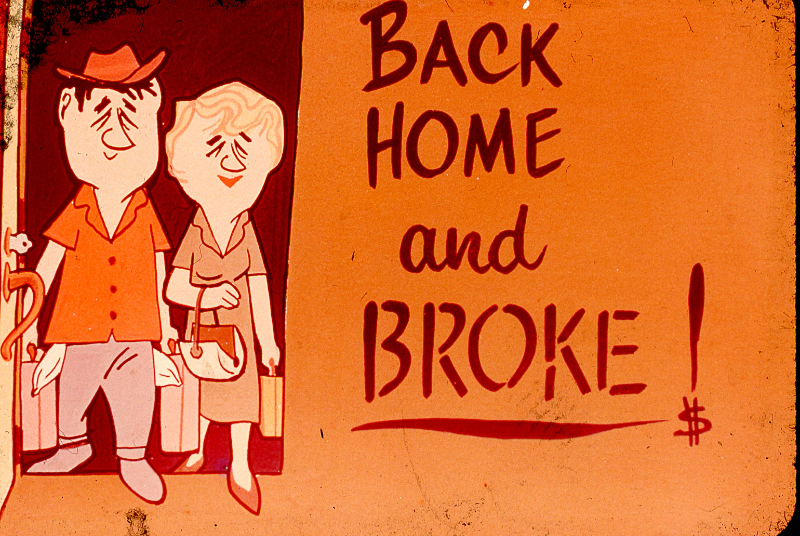
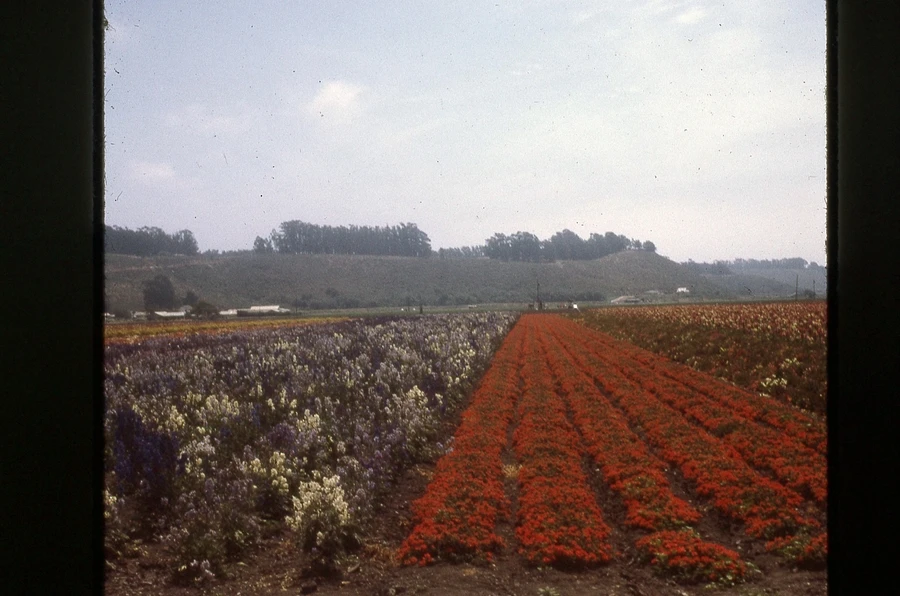
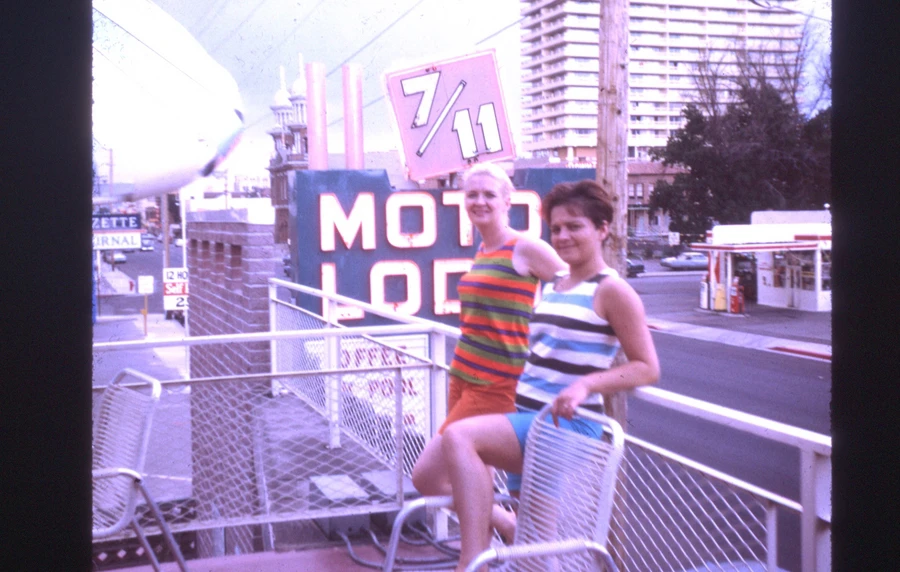
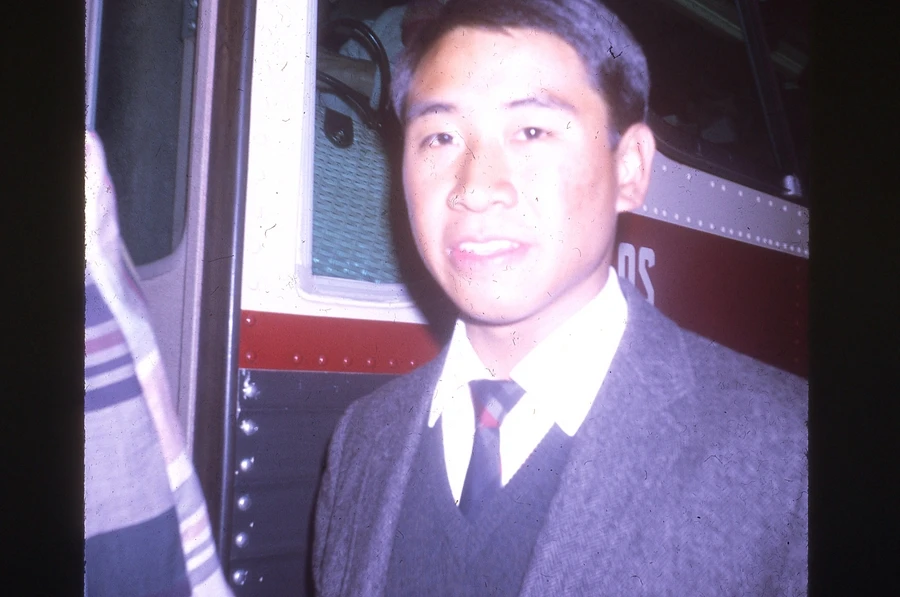
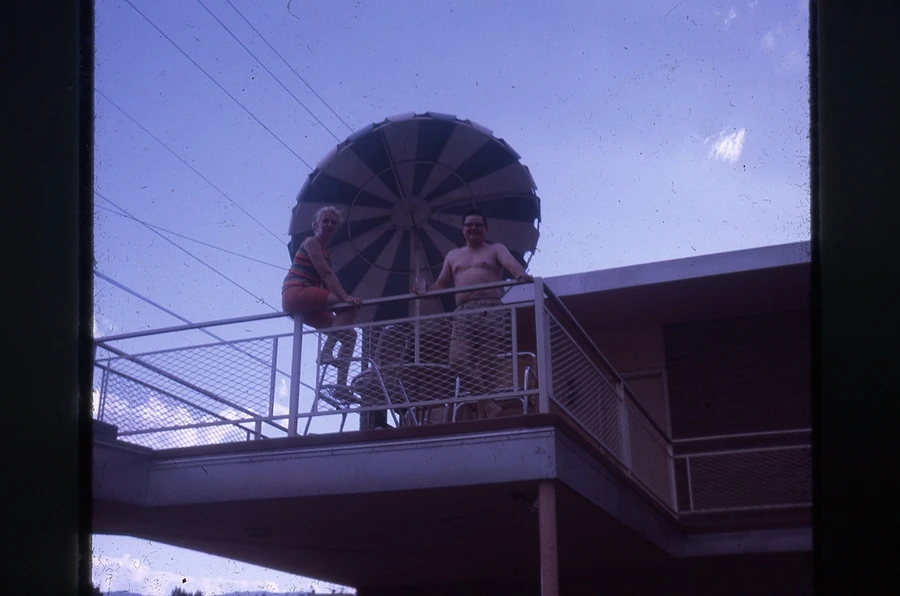
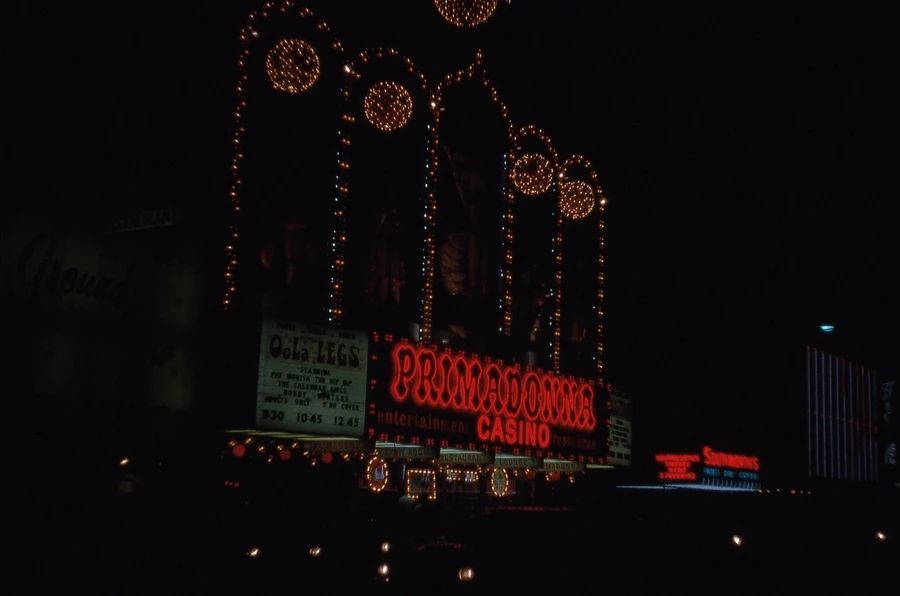
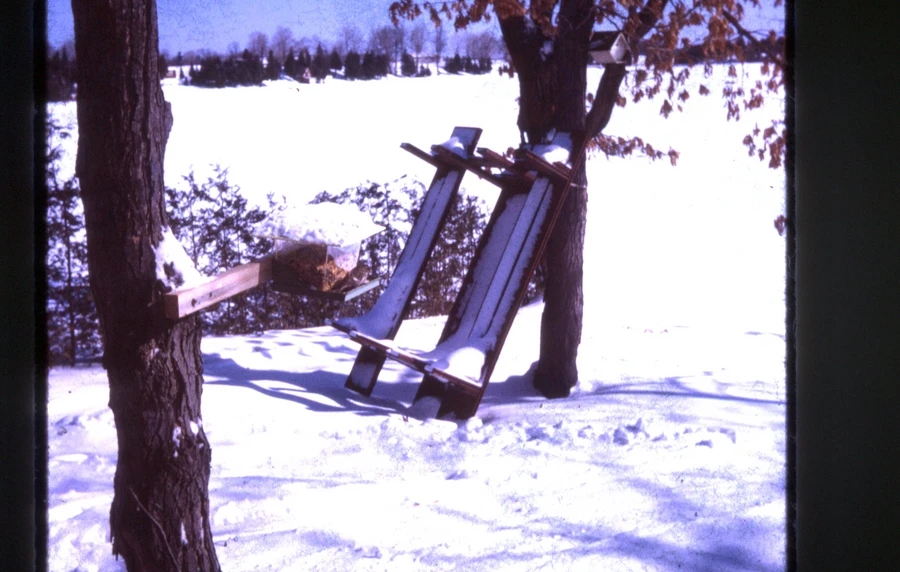
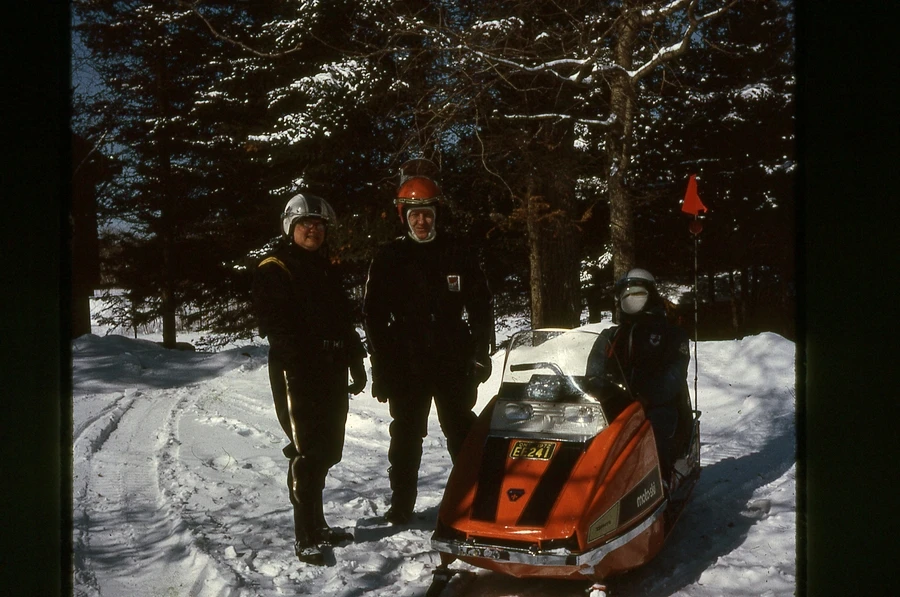
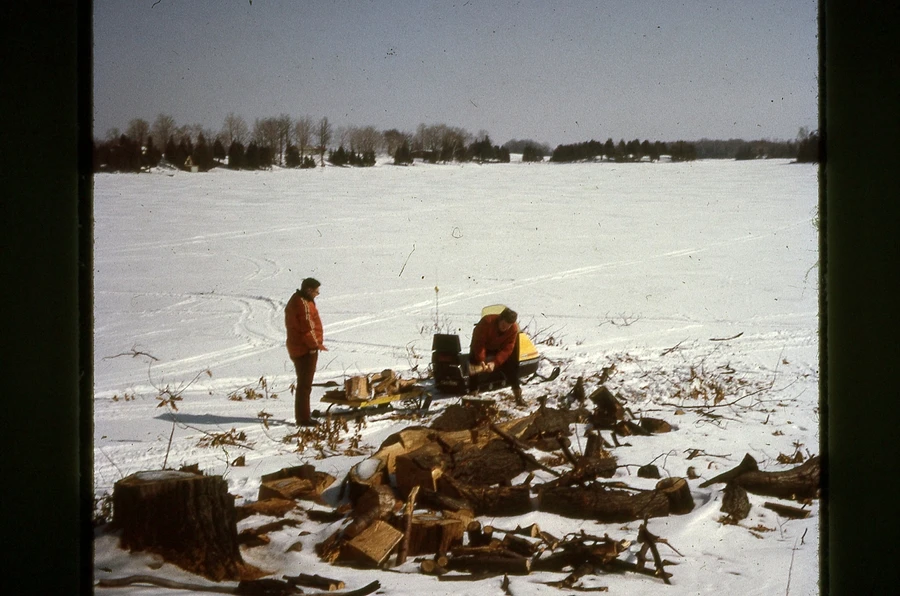
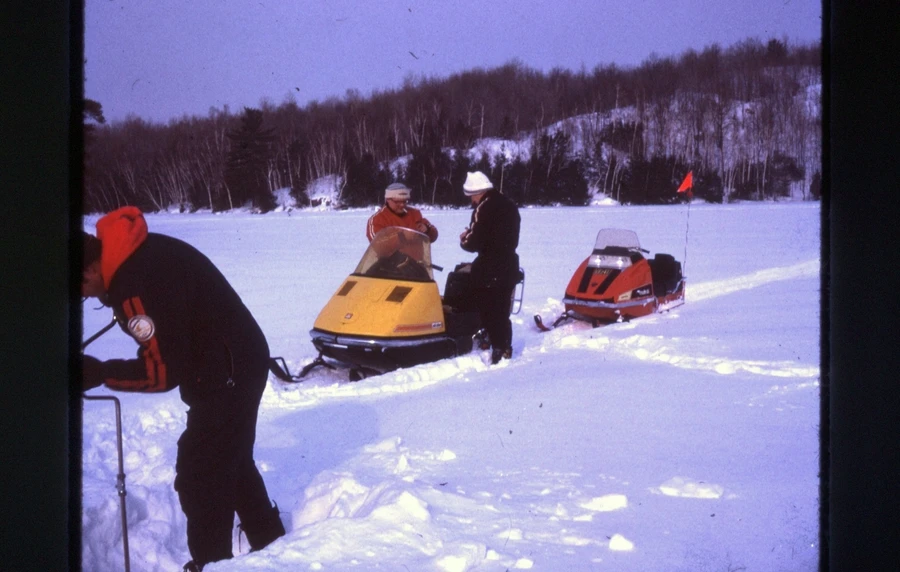
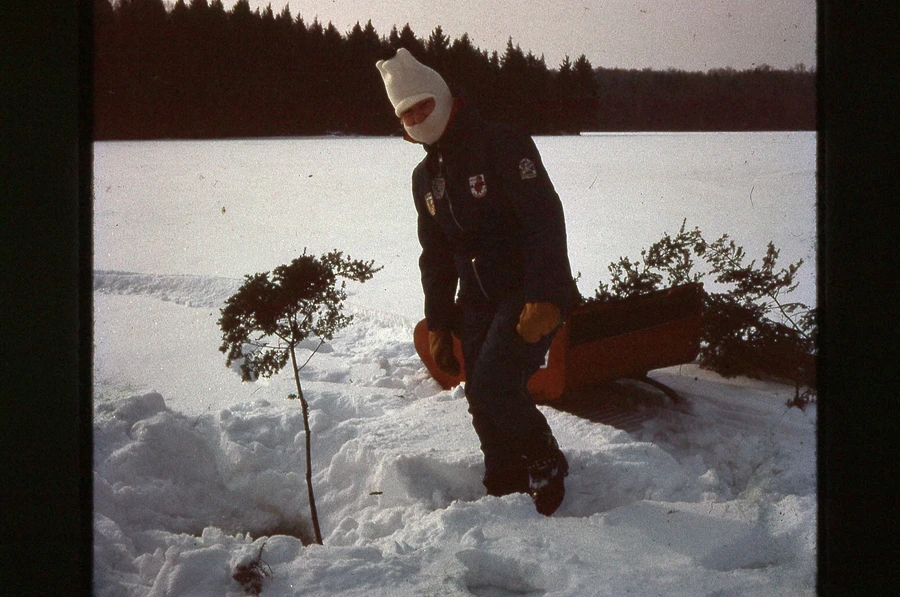
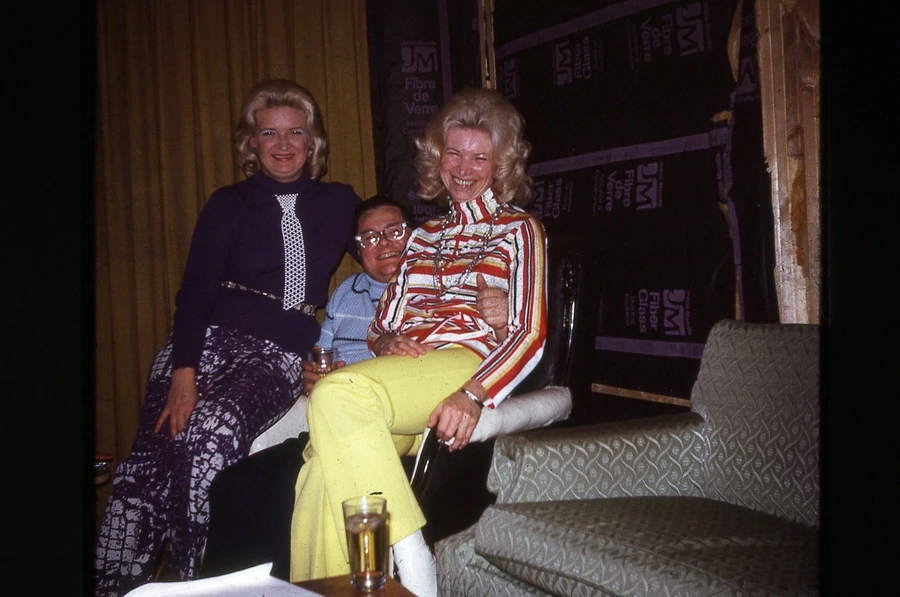
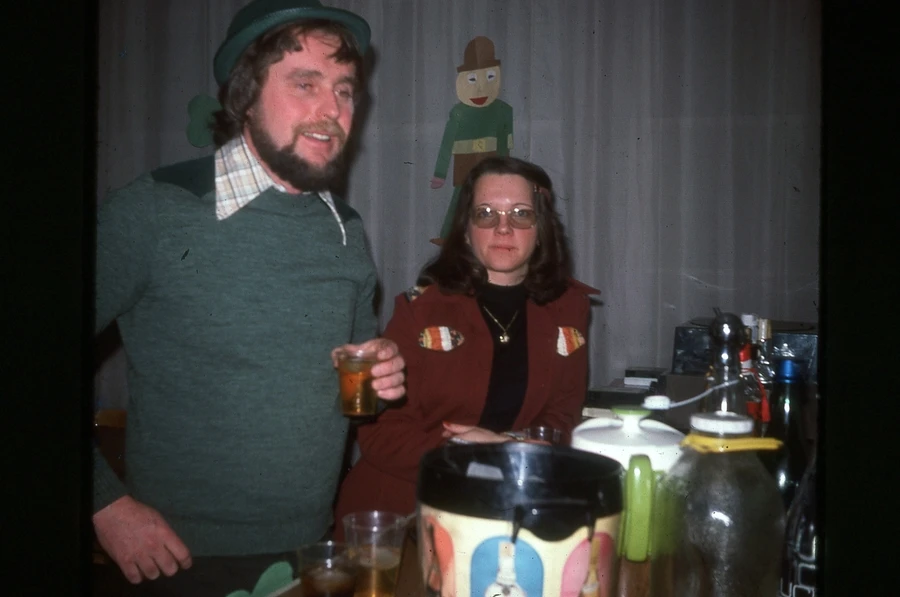
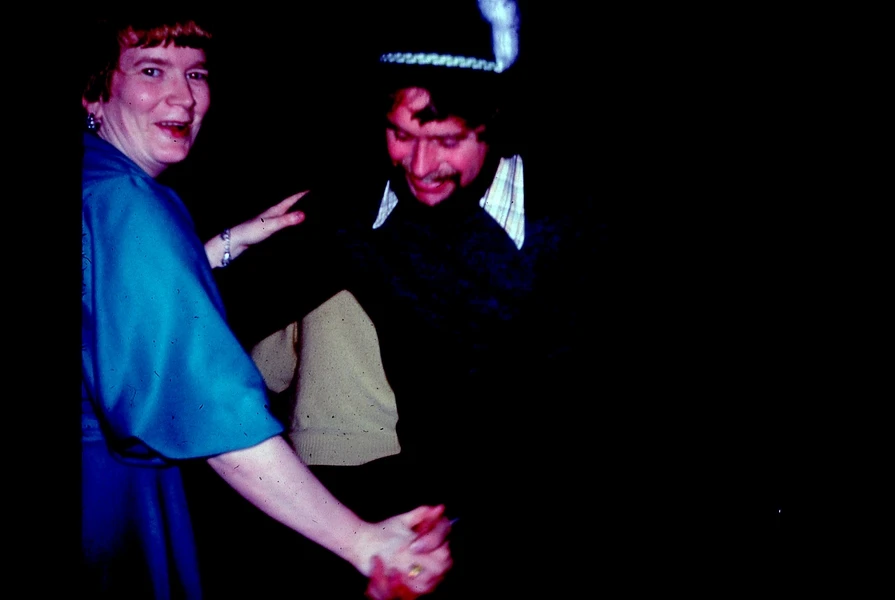
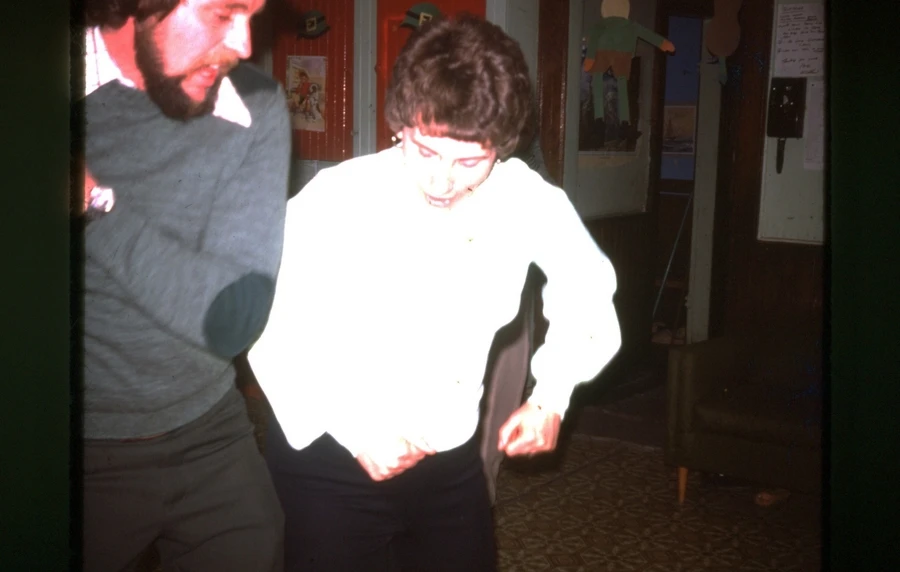
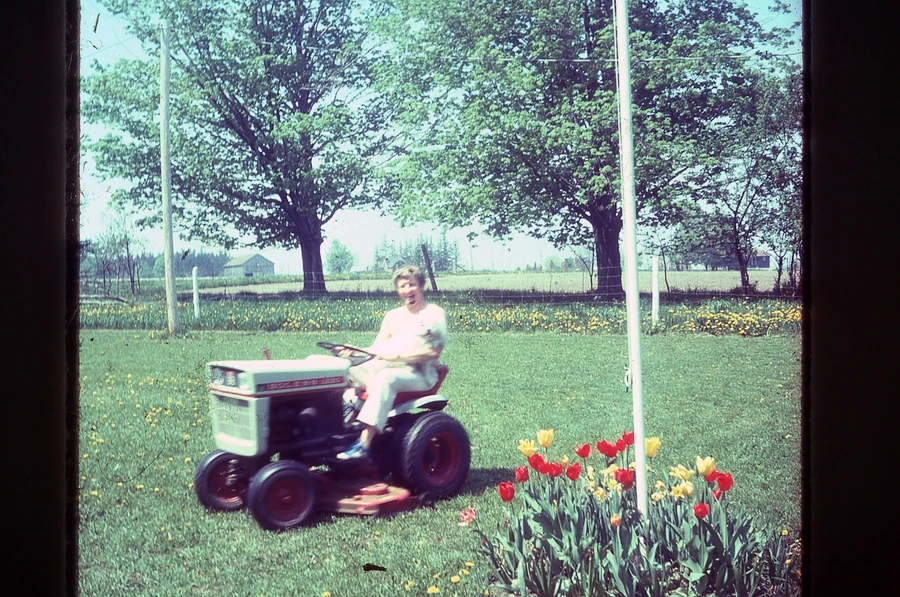
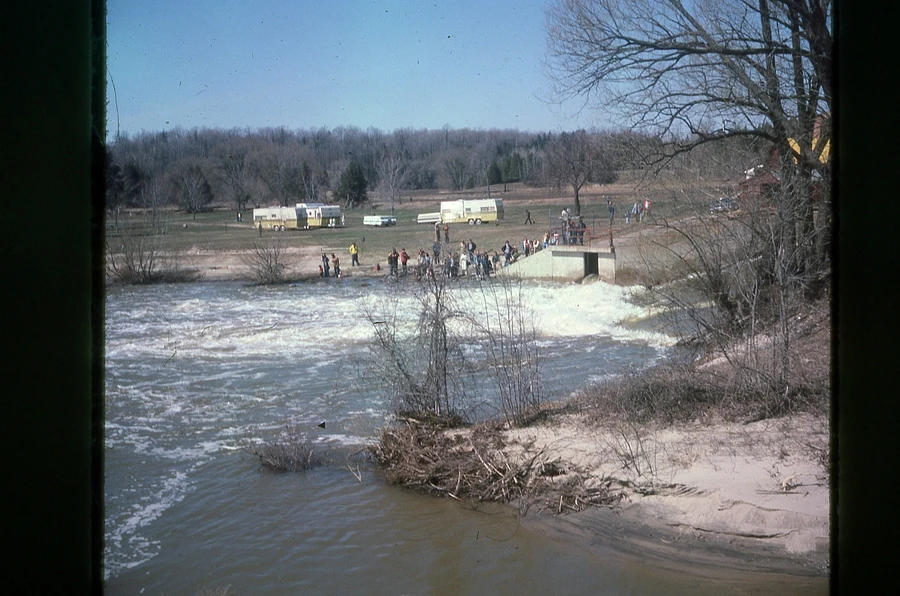
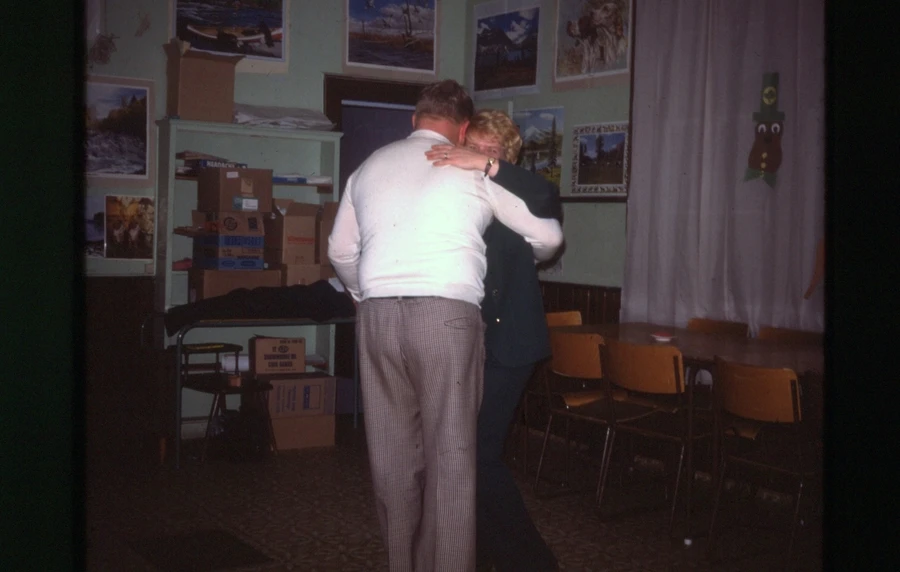
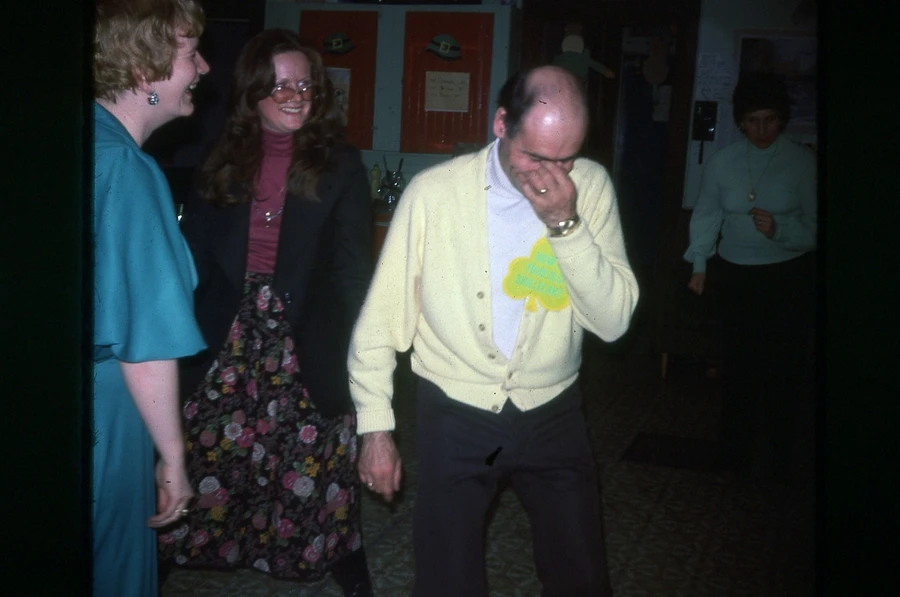
In another room, I found plastic containers filled with 35mm slides. The slides were from assorted years, including 1965, 1967, and 1972. It was at this point that I had an idea. These slides had probably not been seen since the 1980s. For at least 40 years, these slides may have sat forgotten on a shelf in the house. Their most likely destination would be a landfill at the time the house was demolished.

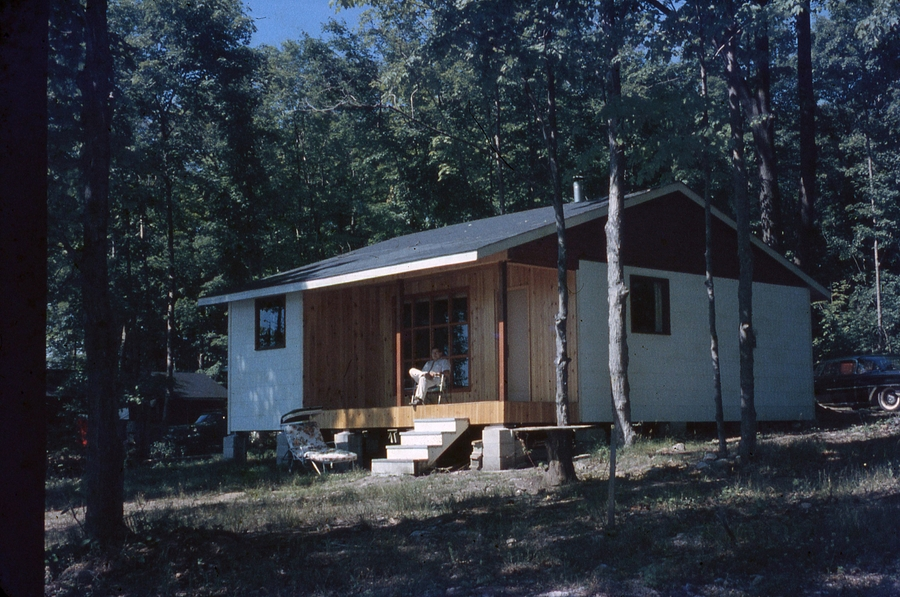
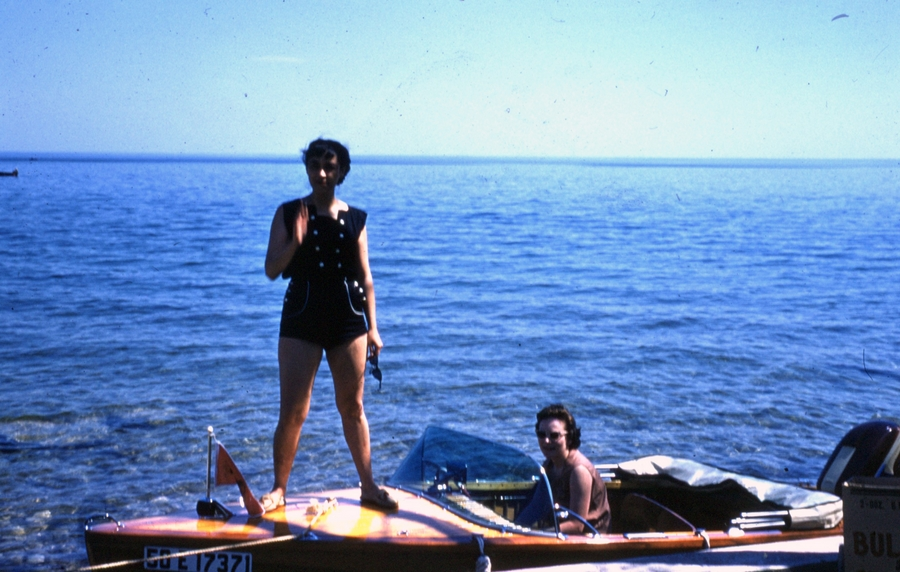
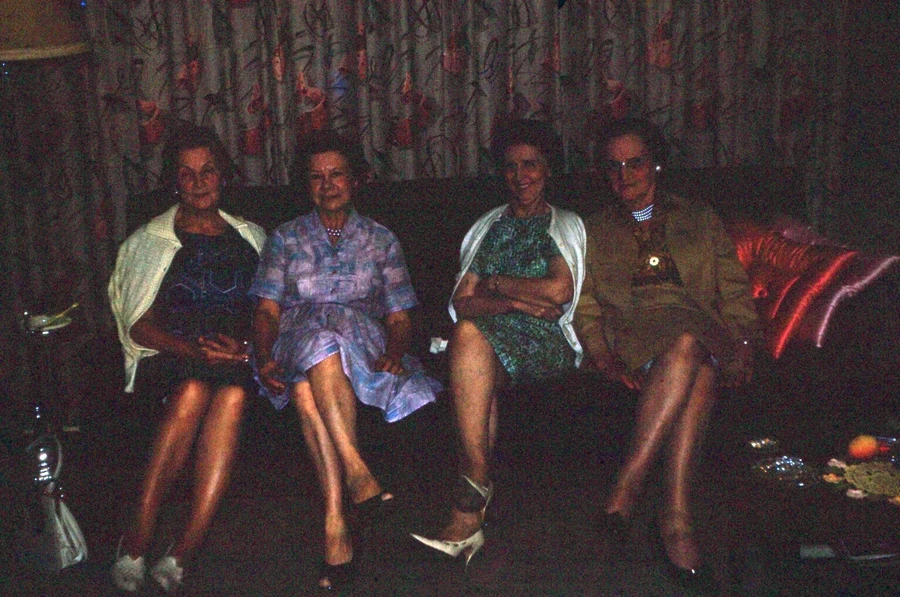
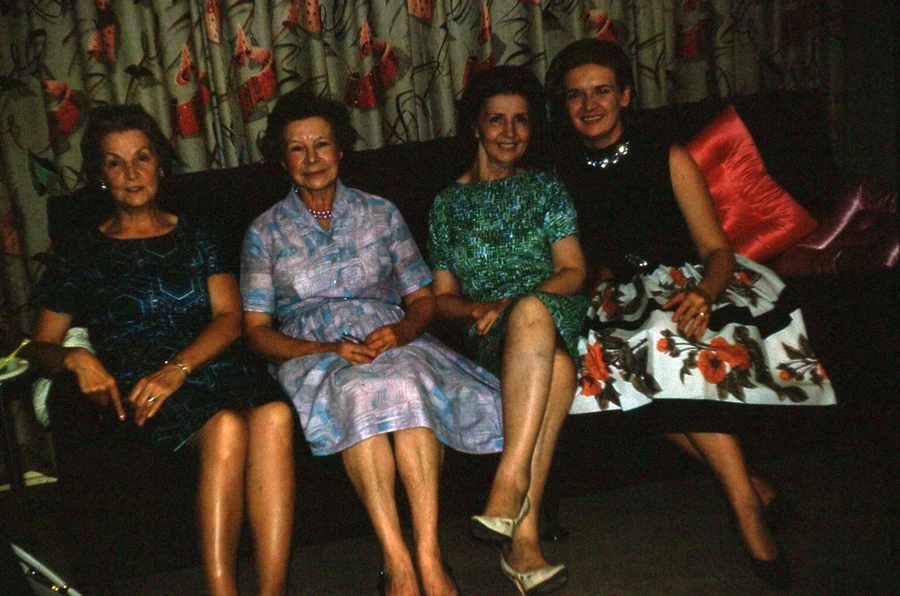
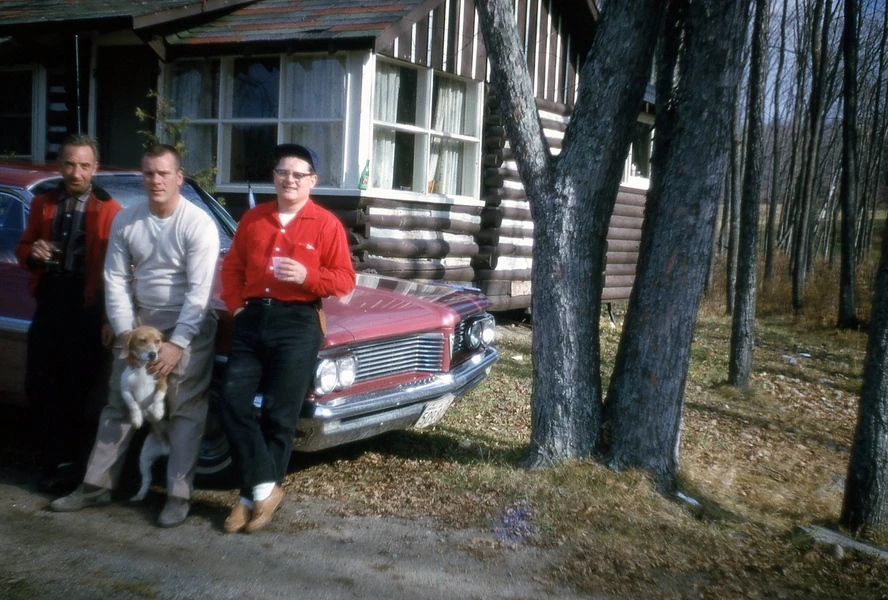
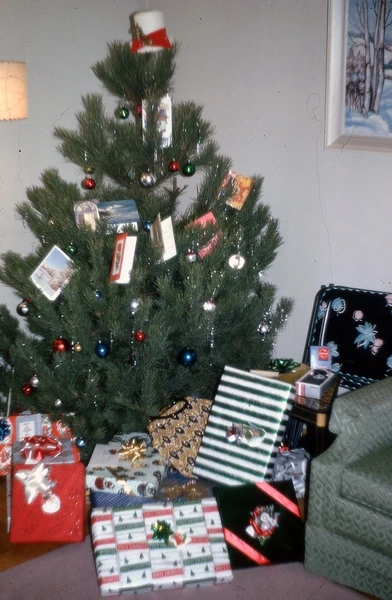
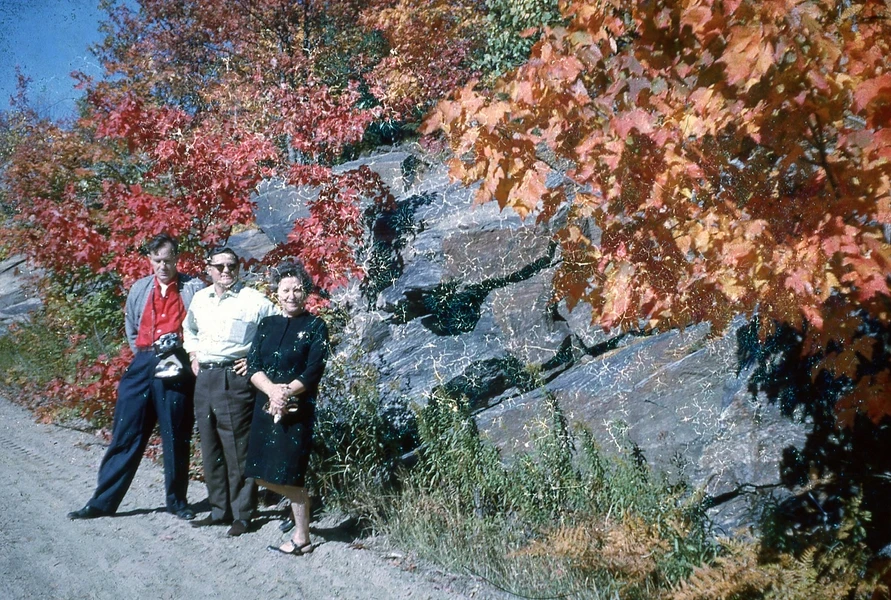
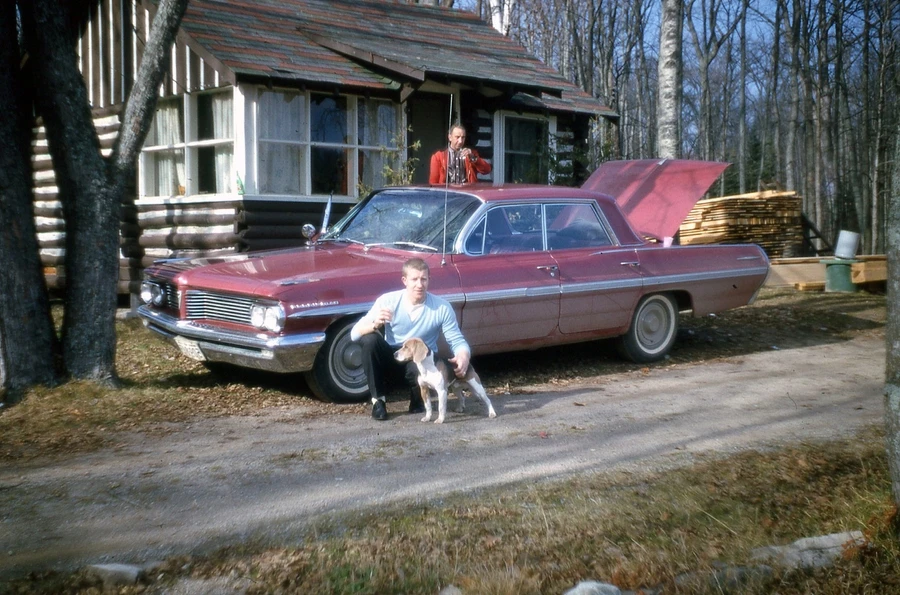
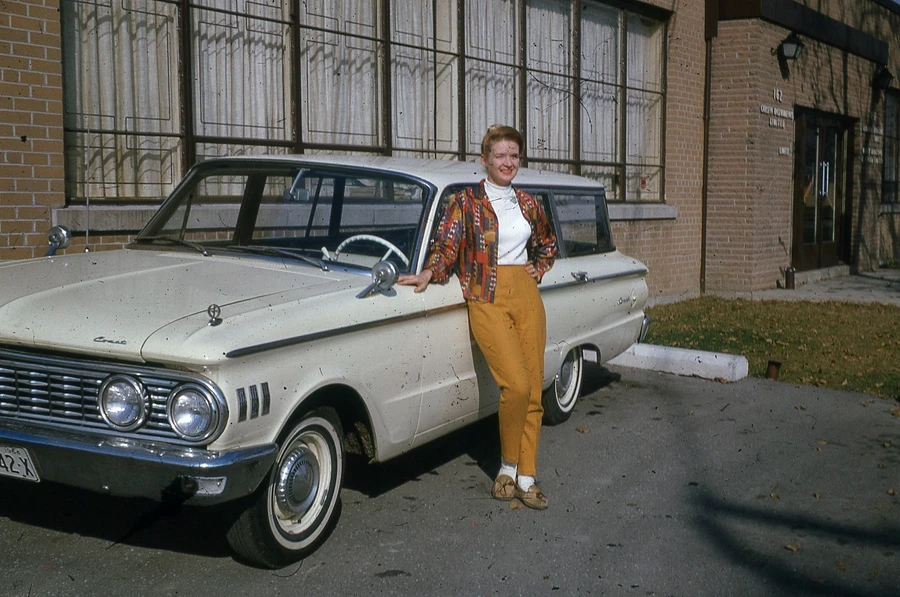
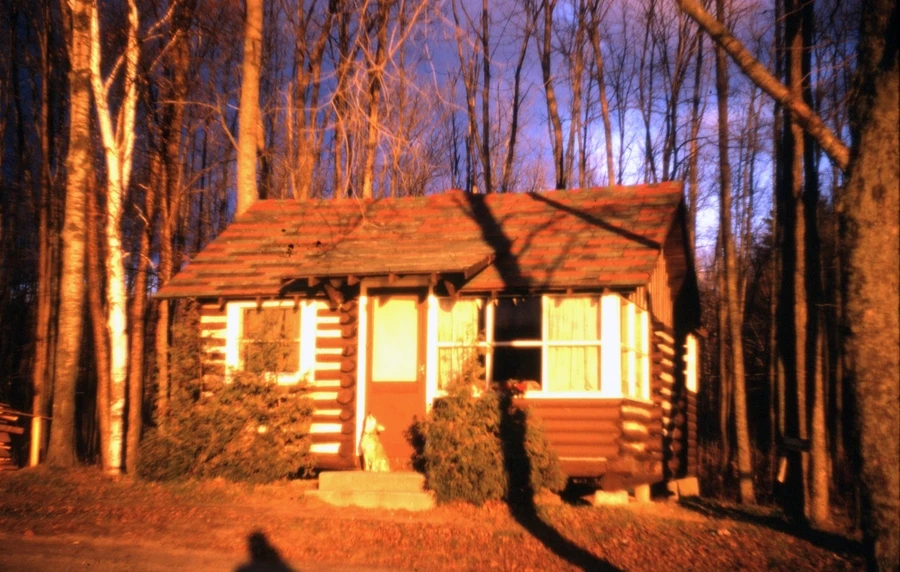
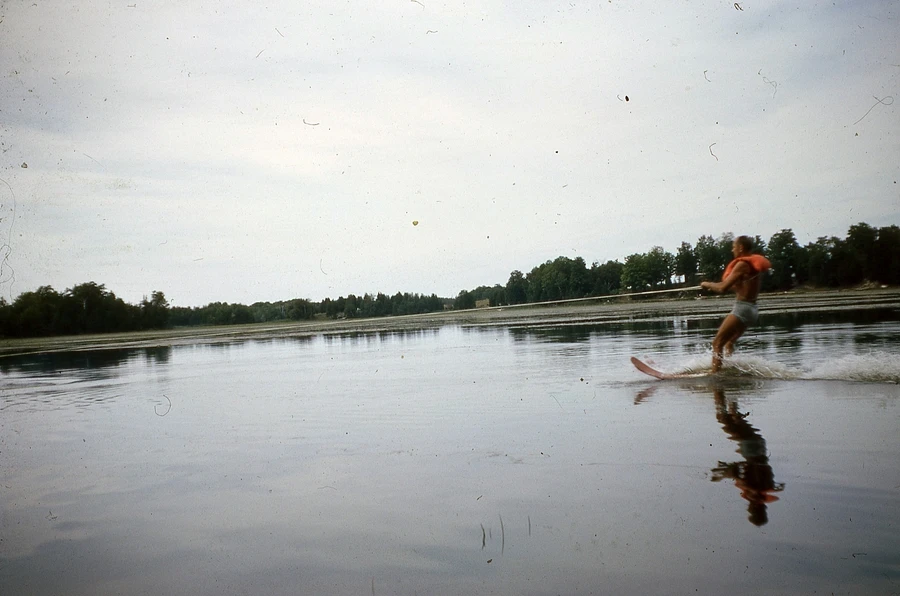
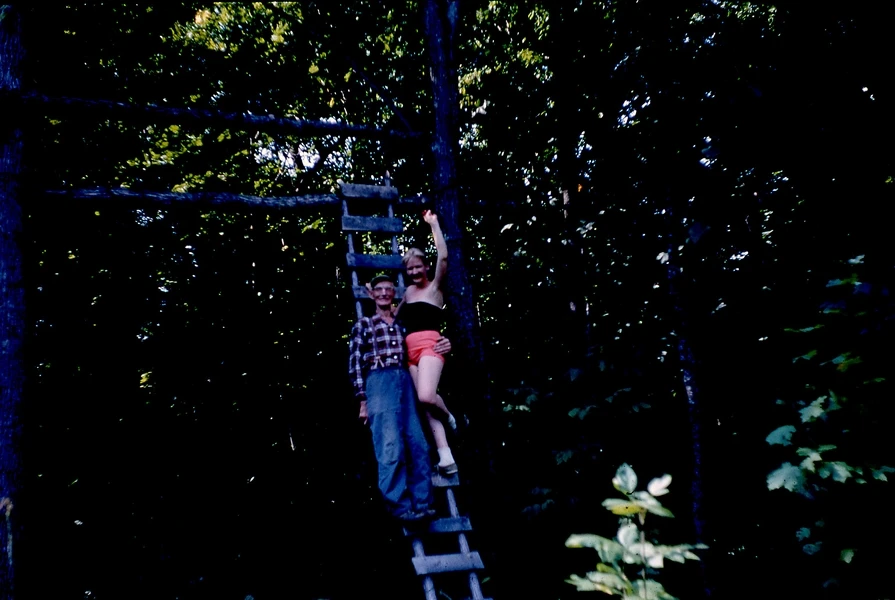
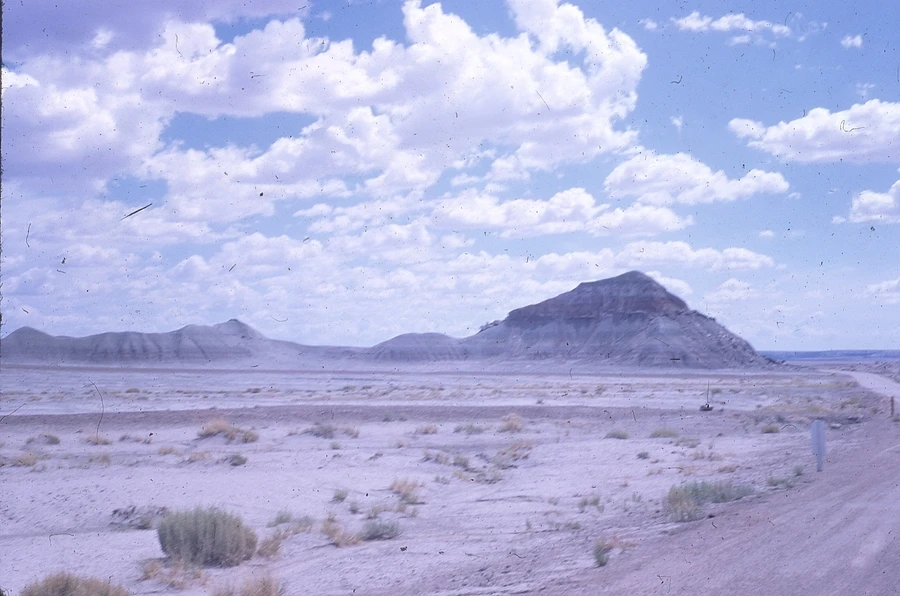
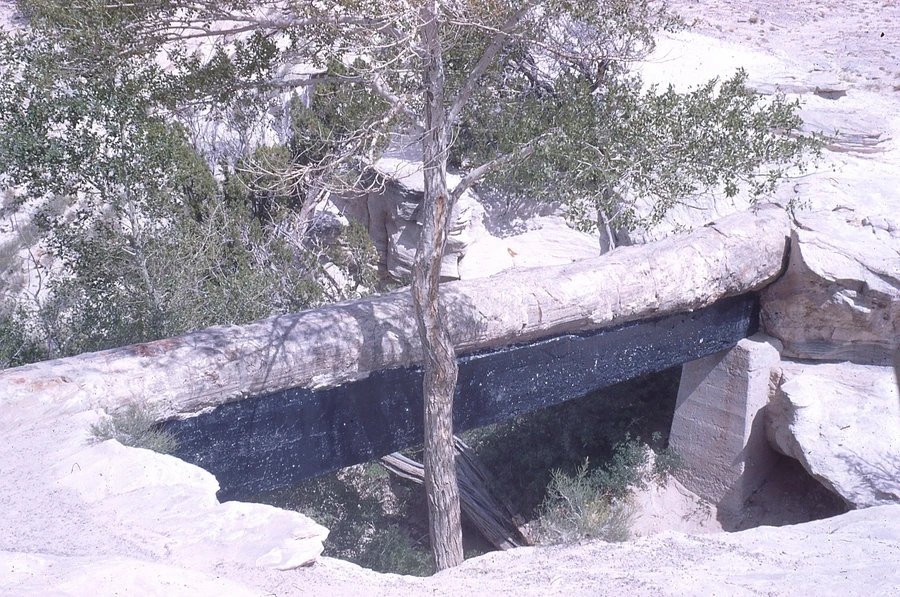
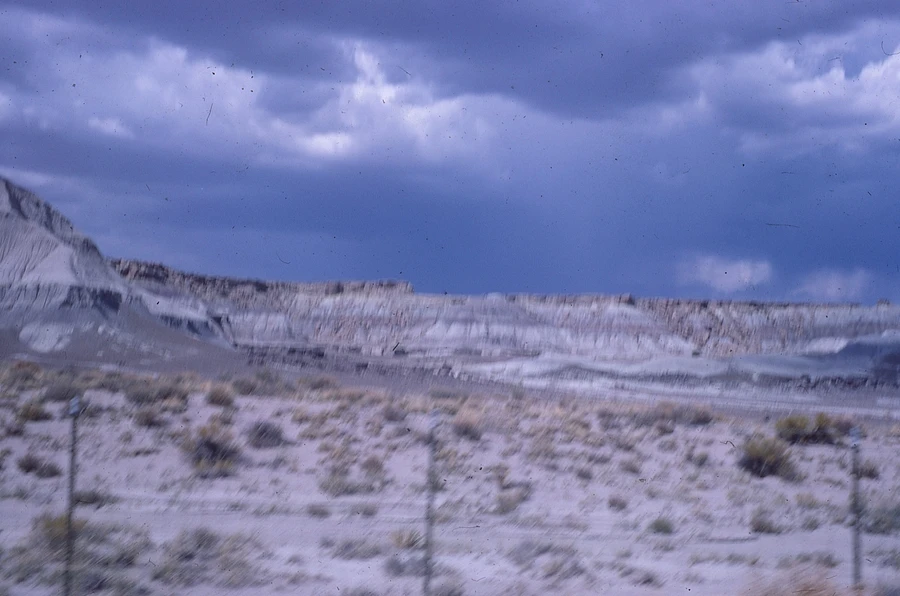
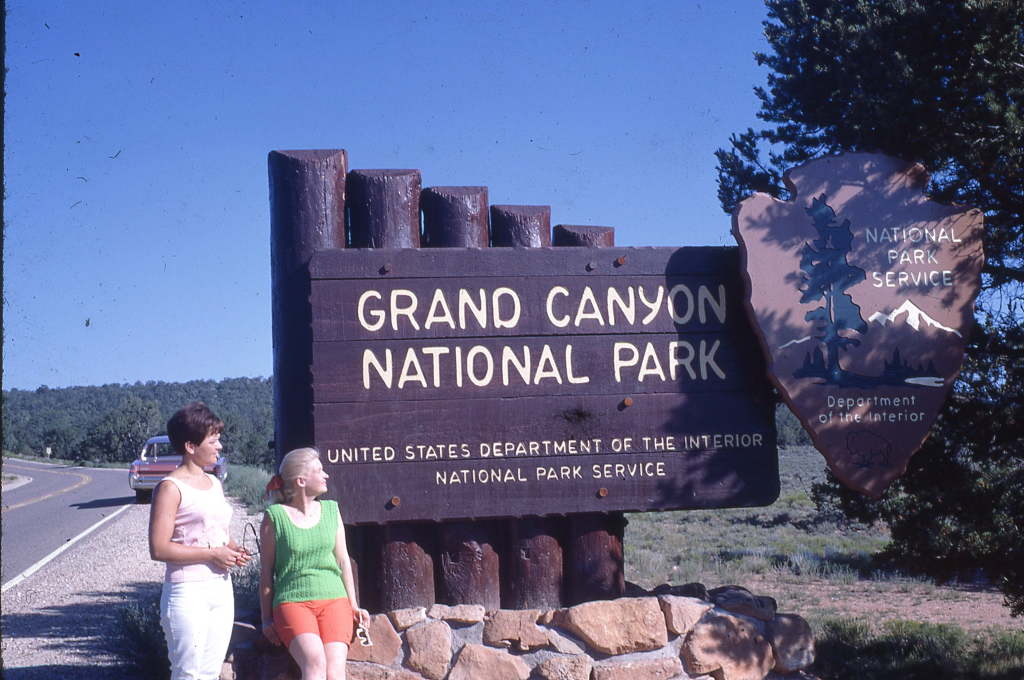
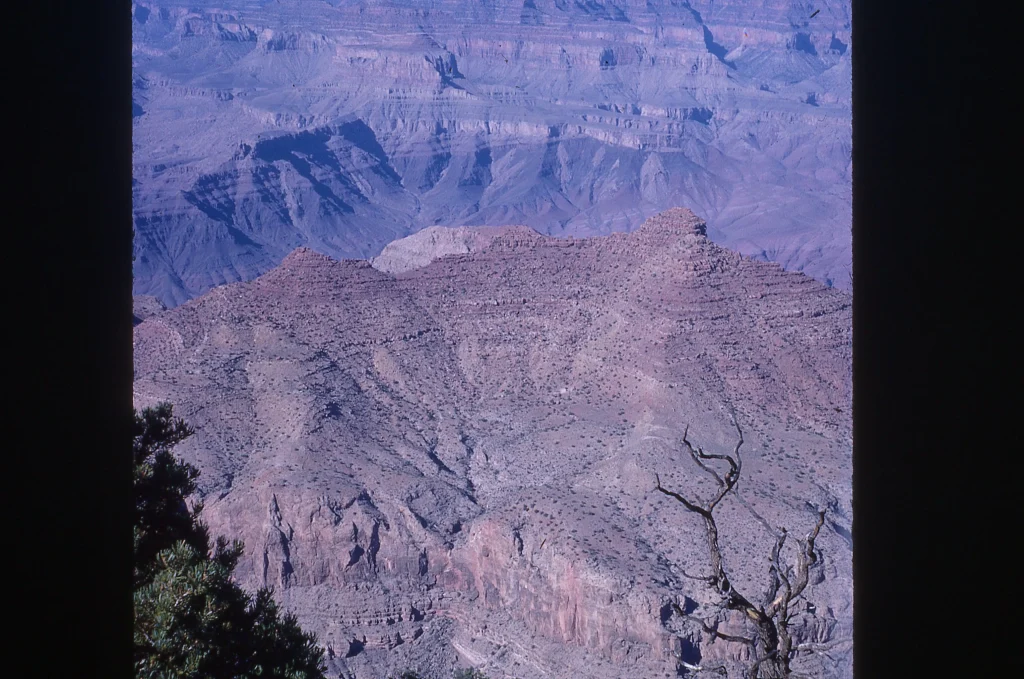
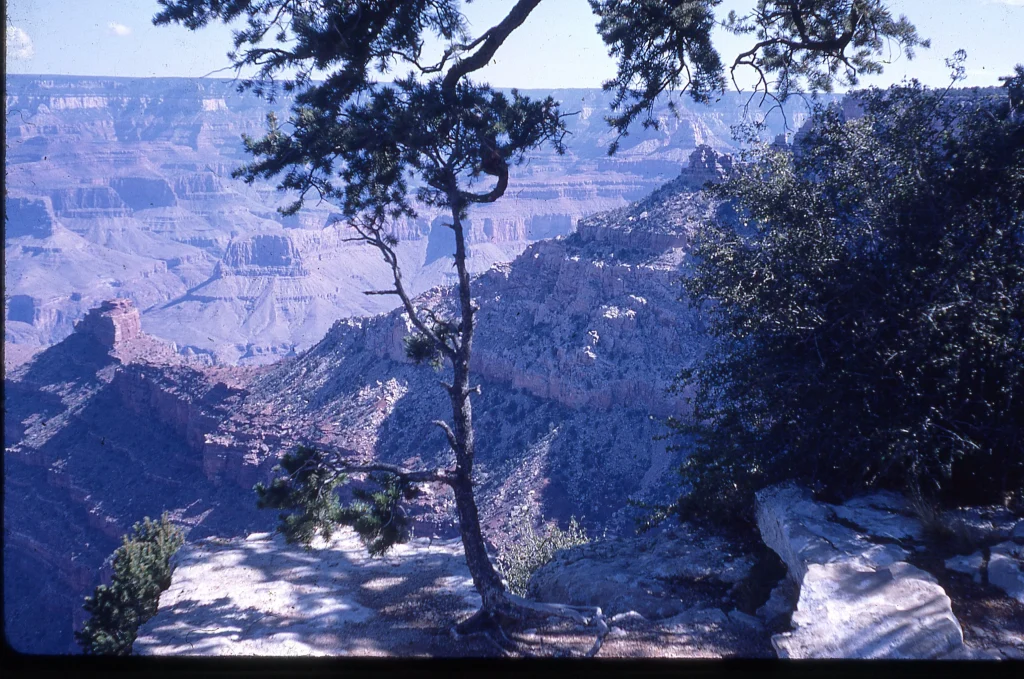
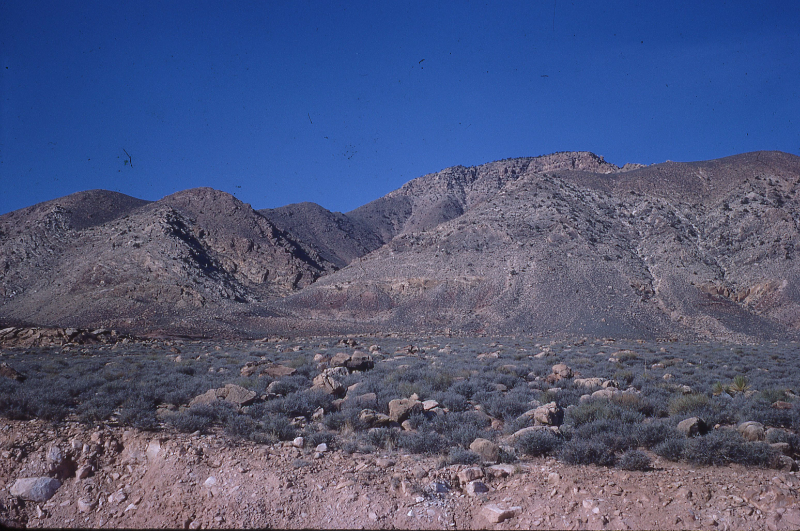
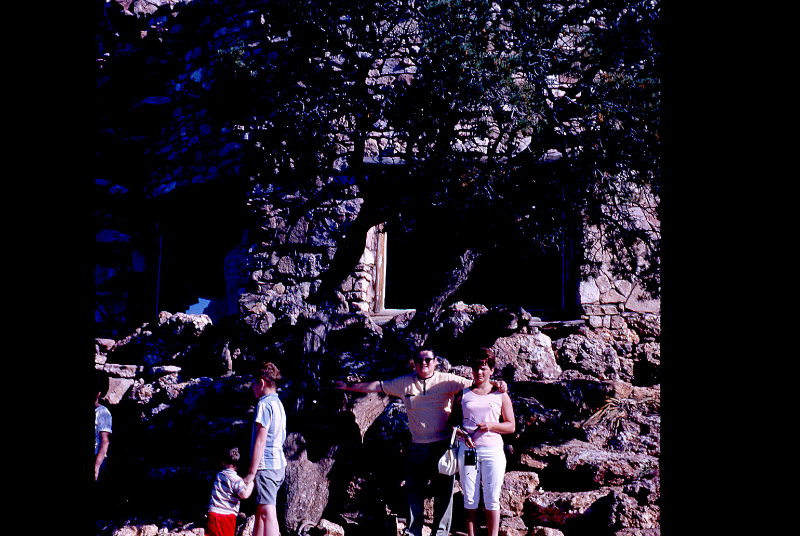
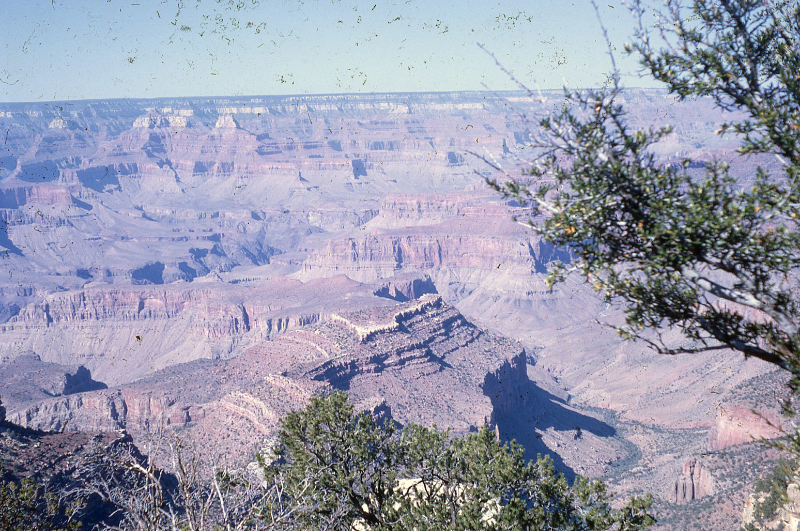
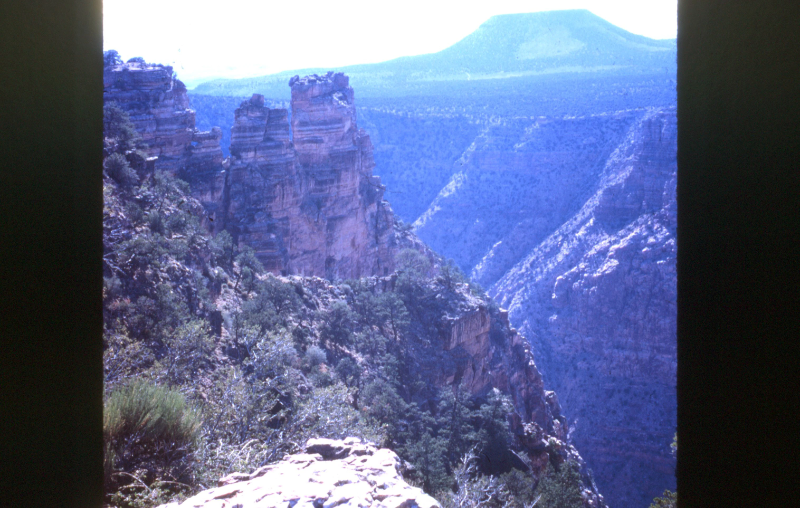
I decided to show the content of the slides. My reasoning was that they depicted life in the 1960s and 1970s, which I find fascinating. Another reason was that I felt it would be a great accompaniment to this story. There are photos of northern Ontario snowmobiling, a trip to Las Vegas, photos taken at their cottage, Christmas, and a trip to the Grand Canyon. Perhaps someone will recognise the cottage?

Now there will be at least one person who’ll say, “You’re against posting photos of a body stain, but you’re fine with posting their memories”.

If I could summarise this exploration in one word, it would be “disgust”, I found myself disgusted with people and the way they toss places around looking for valuables. That comes across in my video. It’s at this point that you can retort that I’m also in a house where I don’t belong and that I’m being hypocritical.

This house is yet another example of why I started this hobby. I wanted to document the lives that were lived and the things that were left behind after they passed.

June 2023 – The house has sold for tax arrears.


35mm Projector Slides


August 1961


August 1964


January 1965


August & October 1965


January 1966


February 1966


August 1967


October 1967


December 1967


April 1972


July 1978


Video Walk Through


More Questions Than Answers - Exploring the Dead Body Stain House in Ontario, Canada

Take Me to the Kaptin

This was the home of Arnold and Edith Wollschlaeger.

Edith Schulz was born in Hamburg, Germany. After the war, she married Arnold Wollschlaeger. Together they established an auto repair shop. They soon had a son named Thomas.

In 1955 the family emigrated to Canada. Arnold formed Ontario Truck and Bus Industries as a subsidiary of his vehicle repair company. He received an assembly contract from the Ontario government’s Urban Transportation Development Corporation to assemble and retrofit a Rek-Vee fibreglass-bodied diesel-powered vehicle for use in the government’s experimental Dial-a-Bus service. The Dial-a-Bus service was a service where passengers could call a number to be picked up and the bus driver would change their route to pick the passengers up at their front door.

The Rek-Vee vehicles were designed to be camper vans and proved unreliable in Ontario’s tough transit conditions. In 1975, Arnold gathered a team of seasoned tradespeople to design and construct a 30-foot-long bus.

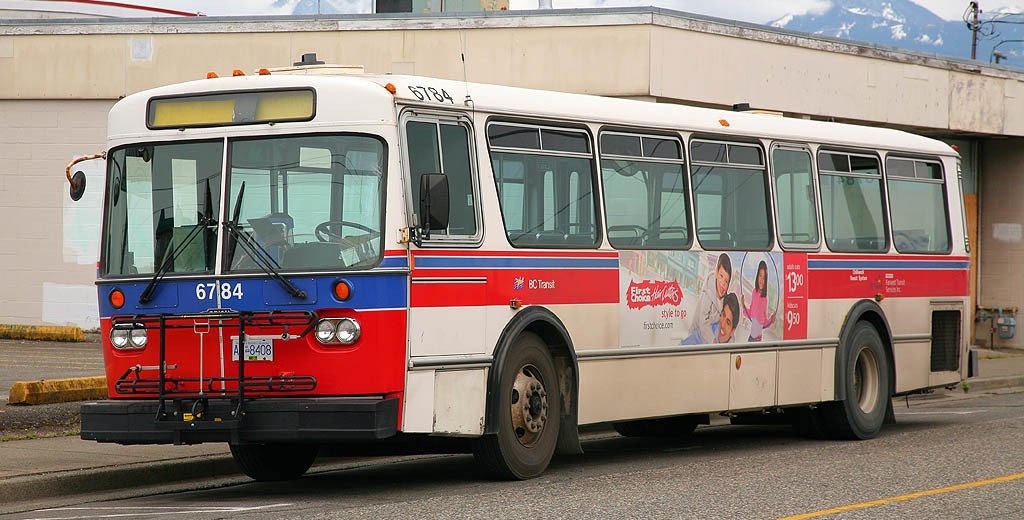
The bus was first introduced in 1976 and was given the name of the Orion I. The bus was easier to service and was built with parts that were interchangeable with 35 and 40 foot long buses. The Orion I featured a swing door in the front, thermo windows, tubular construction and features for easier maintenance including an outside electrical access panel. It was powered by a Detroit Diesel v6 engine.

With a working prototype, Arnold renamed his company to Ontario Bus Industries. His business sold over 100 Orion I’s within the first two years. The company lacked the financial backing necessary and sold manufacturing rights to Greyhound Bus Lines (TMC Manufacturing) in 1978. TMC renamed the Orion to ‘T-30 City Cruiser’ for their American market.

Orion I bus

Despite the completion of the protype in 1976, it wasn’t until 1978 that serial production began.

Their son Thomas worked at Ontario Bus Industries from 1977 to 1980.

Arnold passed away in 1979. The business was sold to a man named Don Sheardown. Sheardown expanded operations into the United States, forming Bus Industries of America in 1981. A plant was built in Oriskany, New York the following year which would allow for government funding to produce buses.

The sale of Arnold’s company provided Edith with a comfortable life. In 1981 she met a man named Rudy Payerl. Together they traveled the world, 55 countries in total.

Given that Arnold passed away early in his life, there’s limited information about him to be found. Edith passed away in June of 2020.

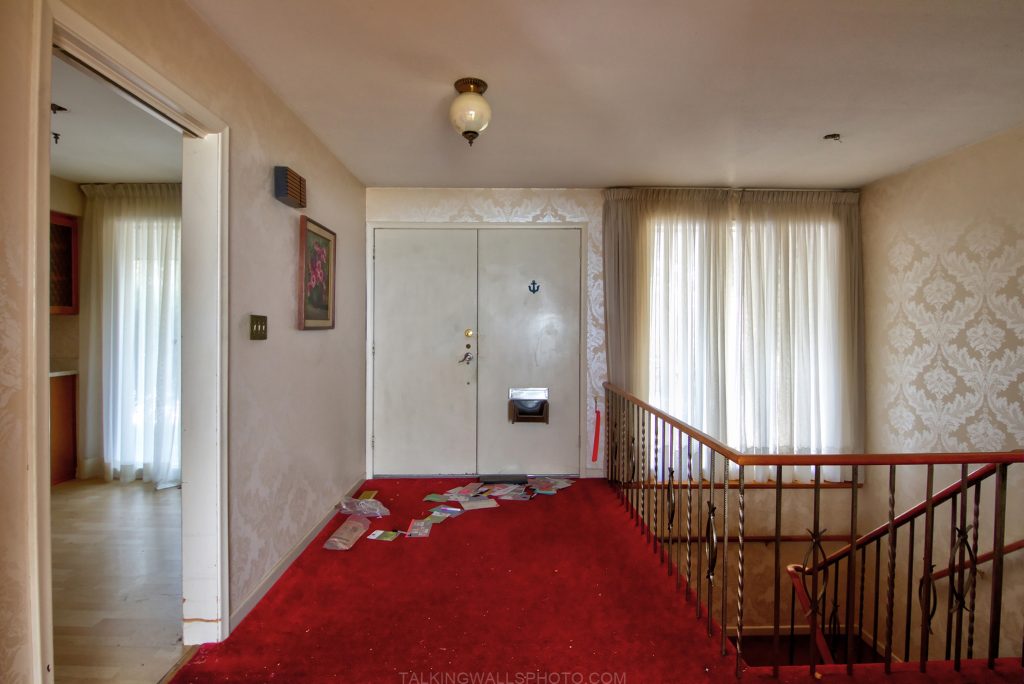
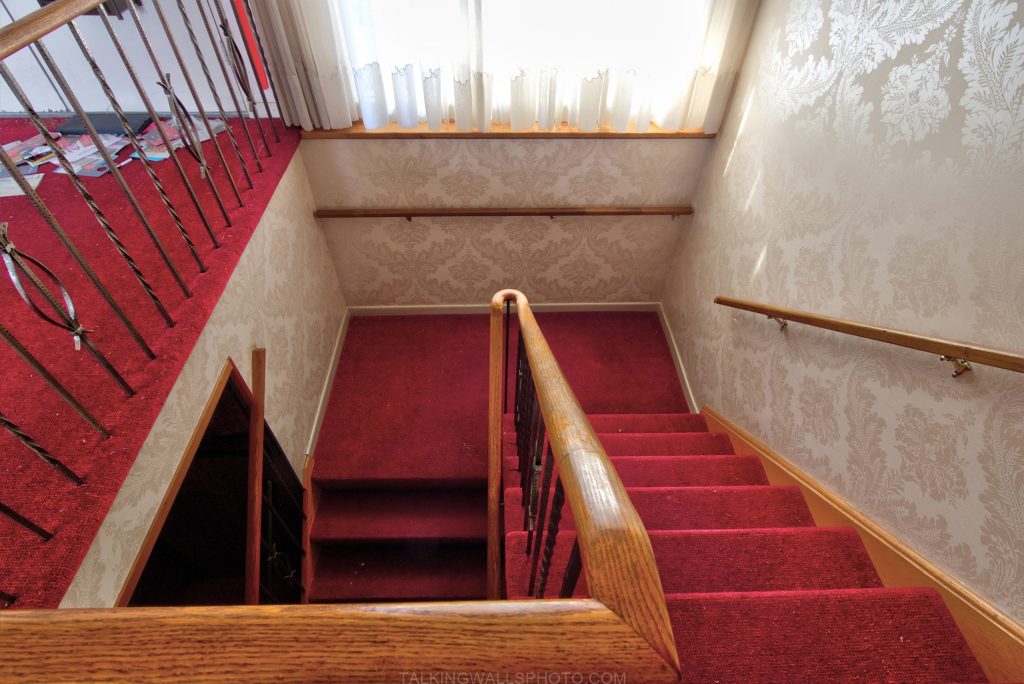
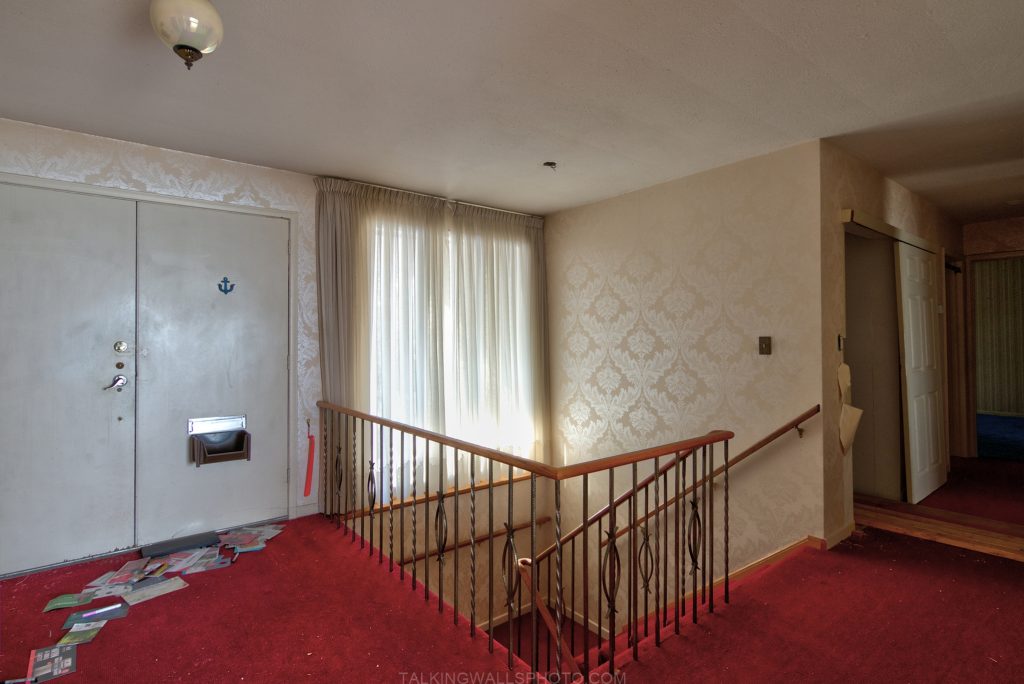
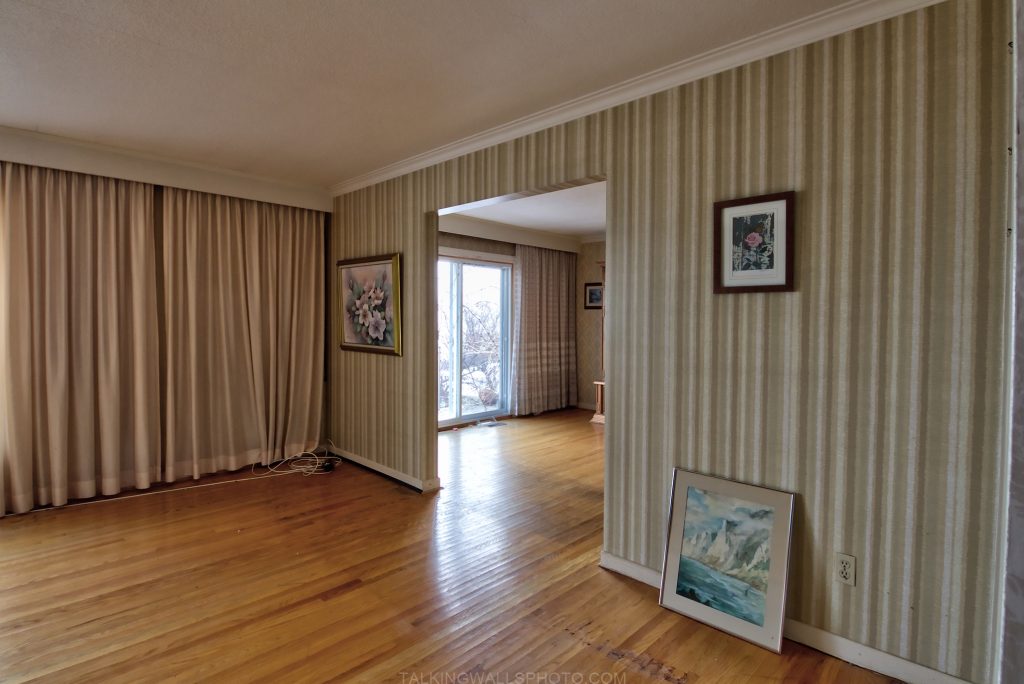
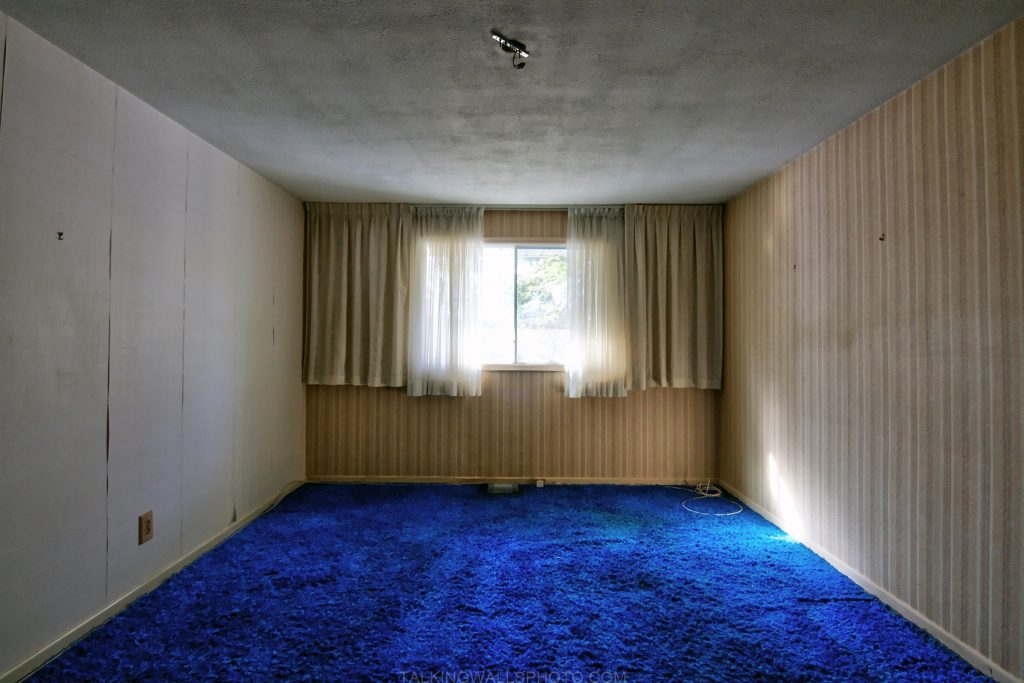
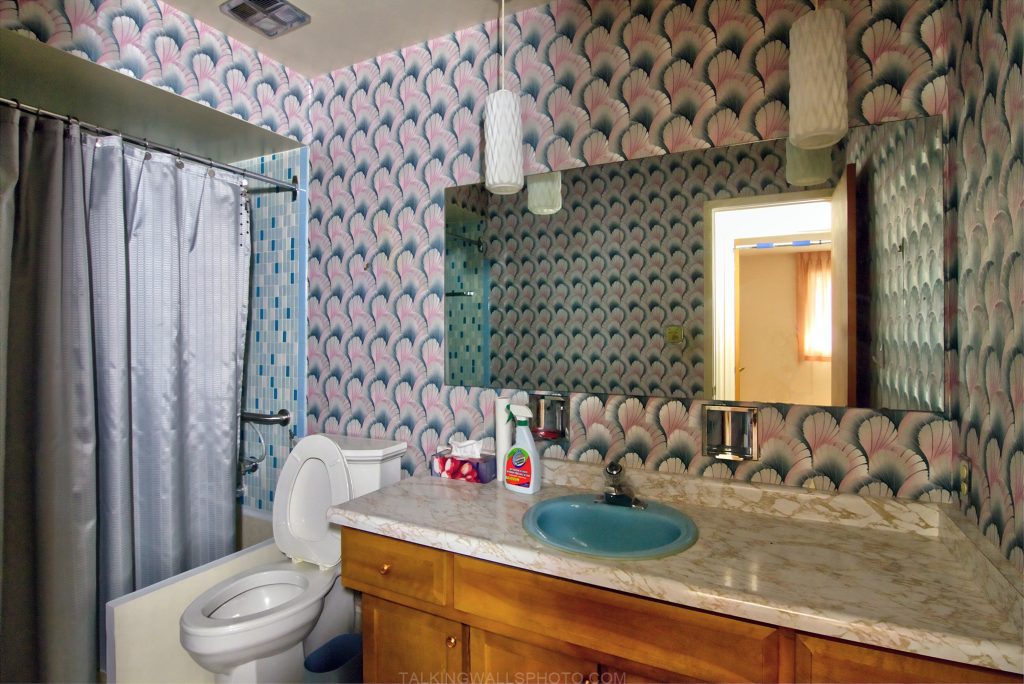
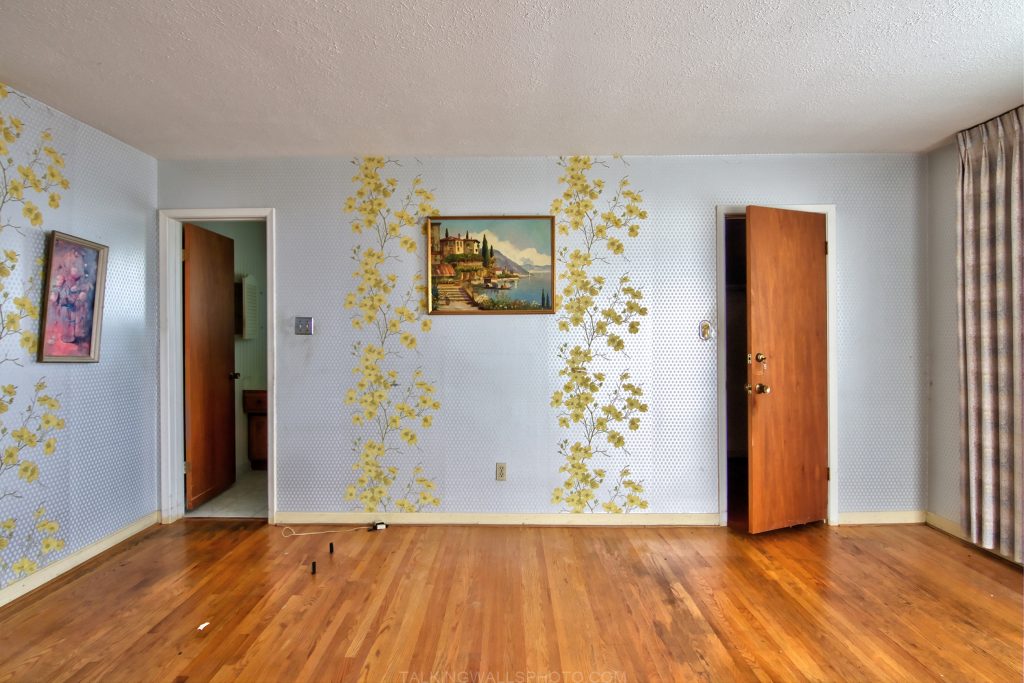
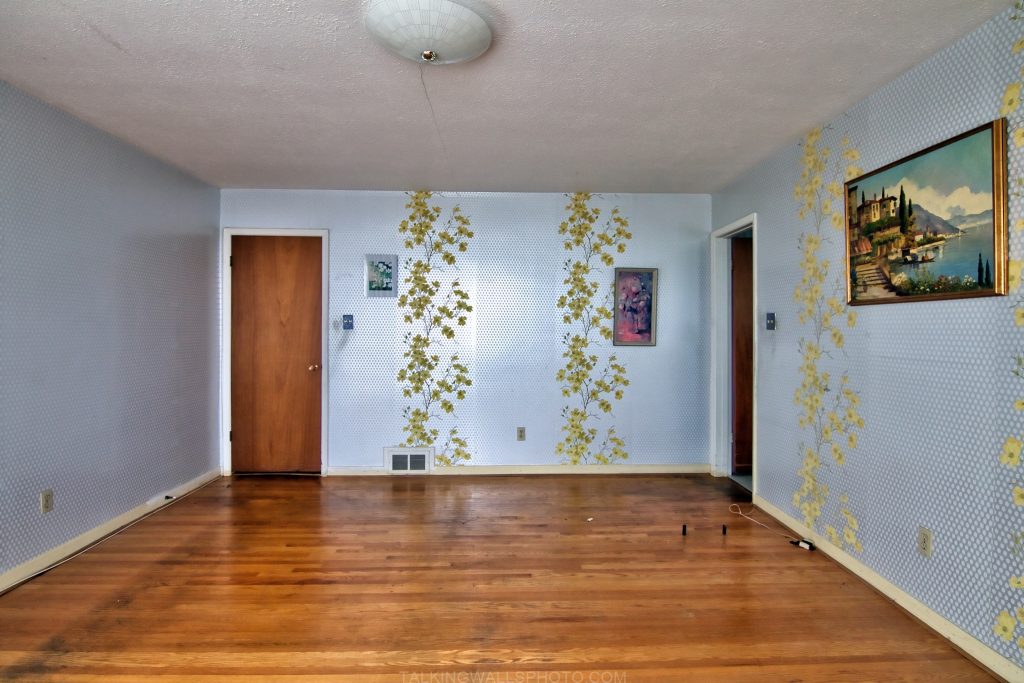
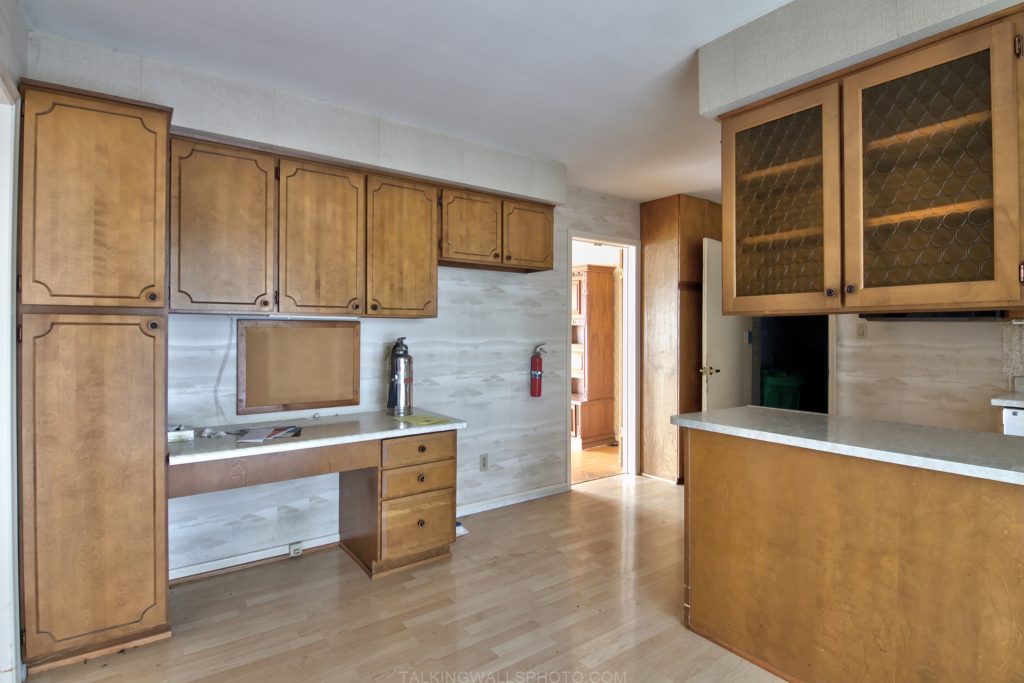
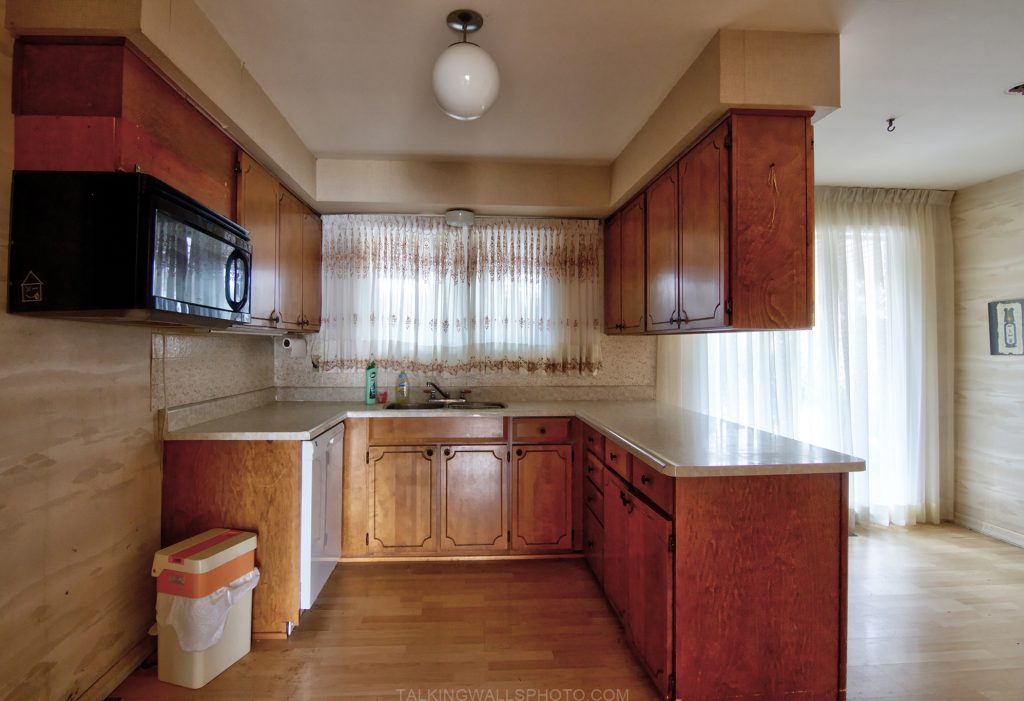
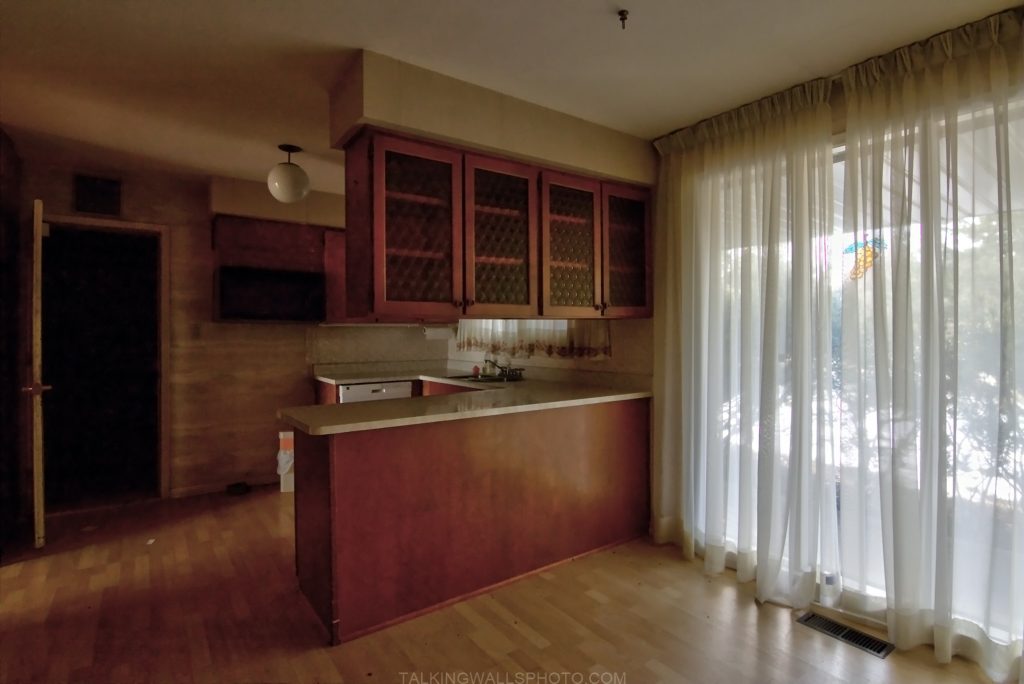
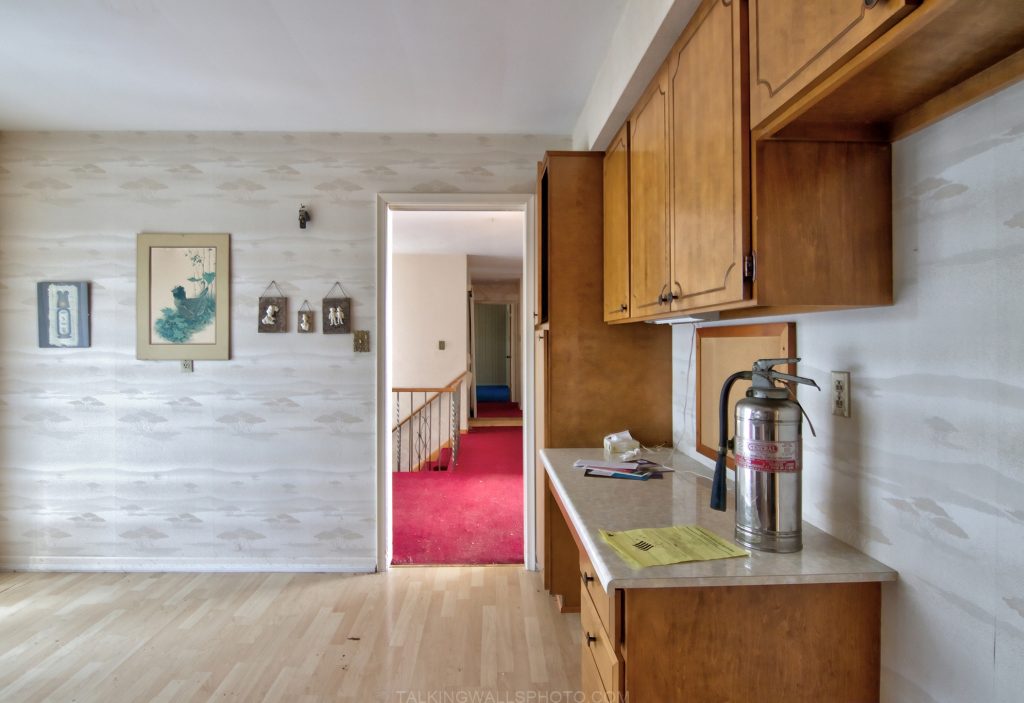
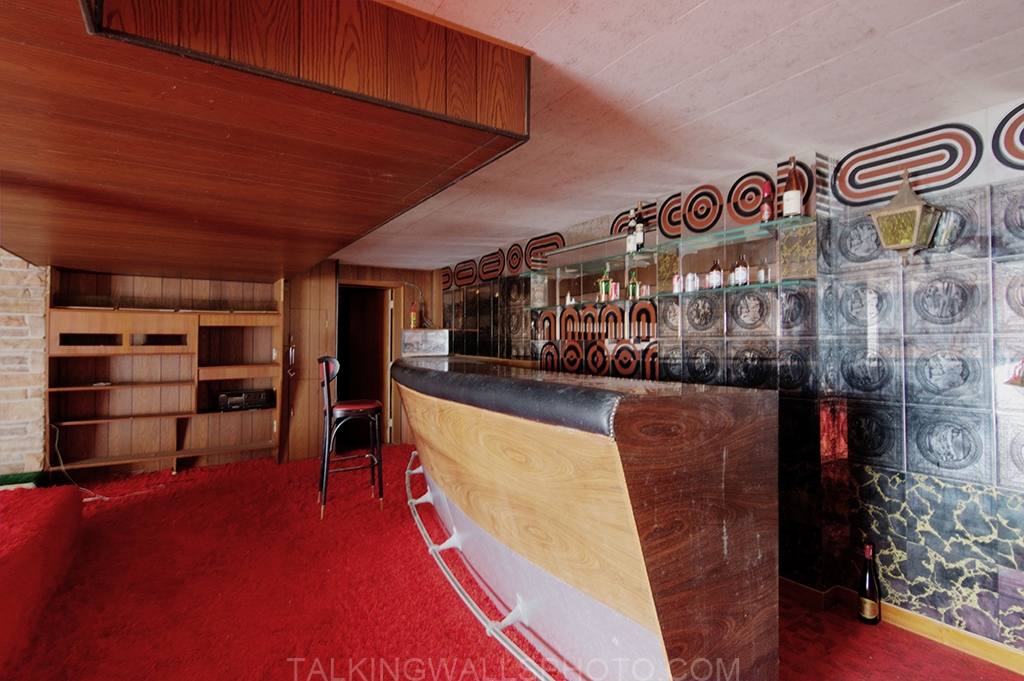
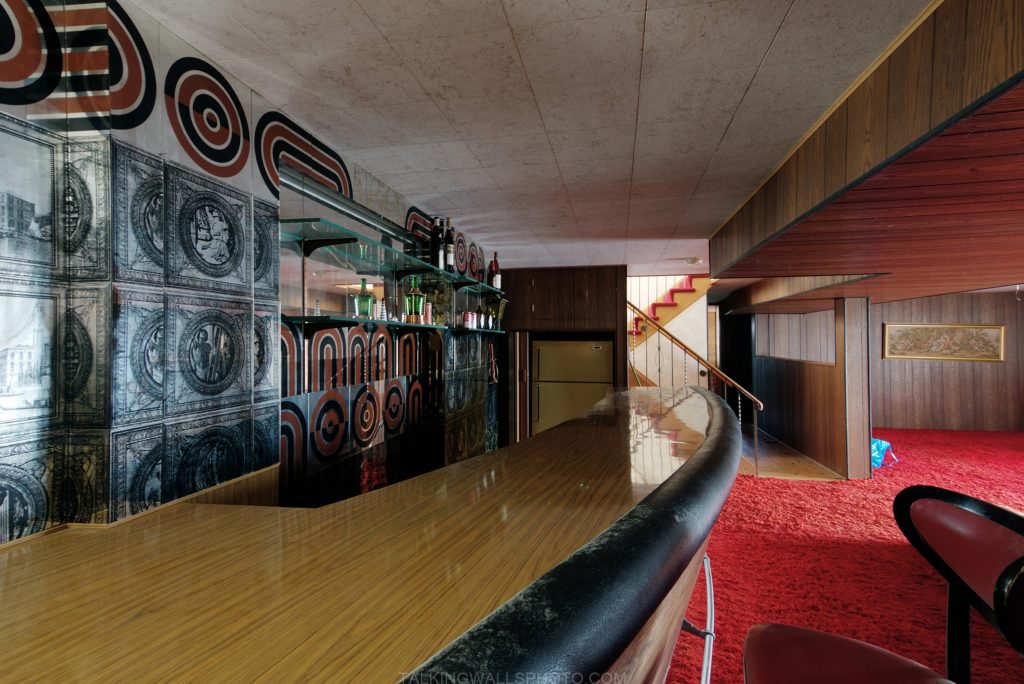
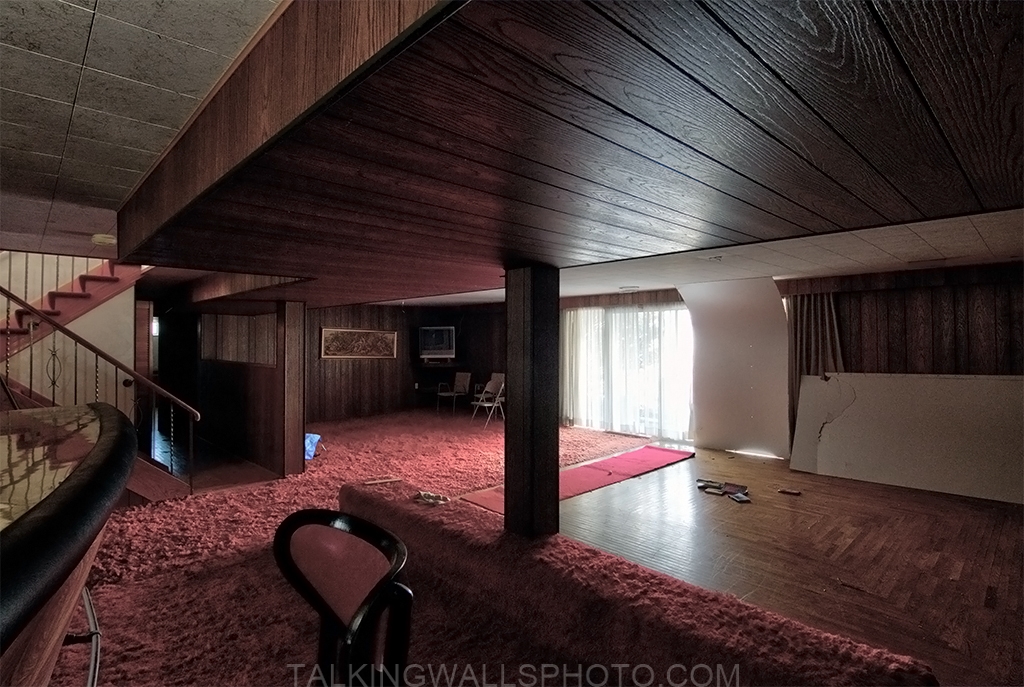
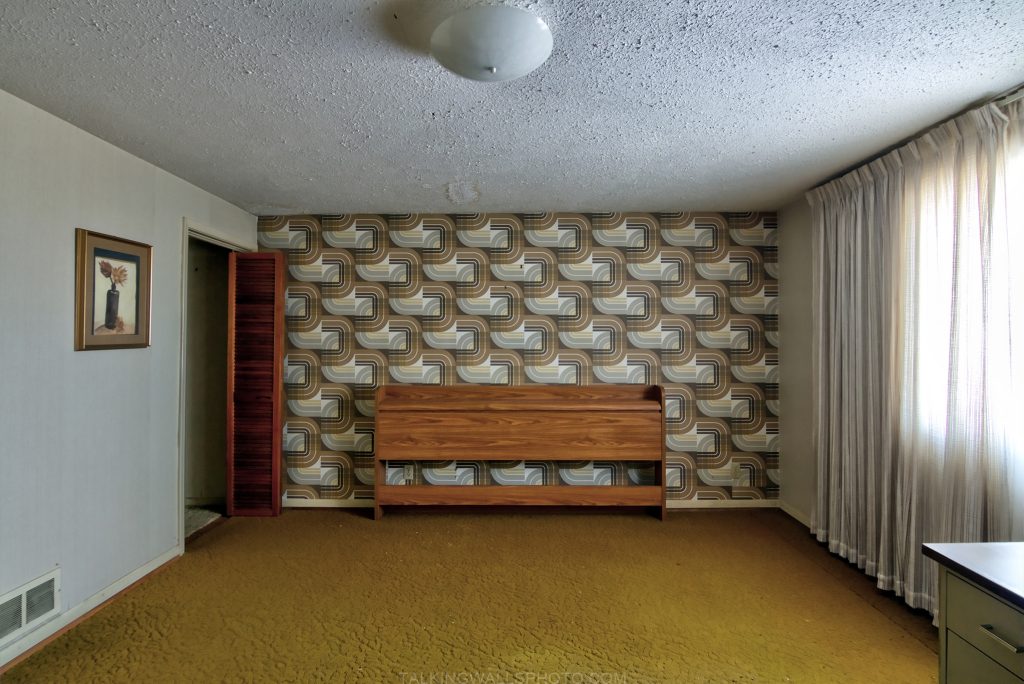
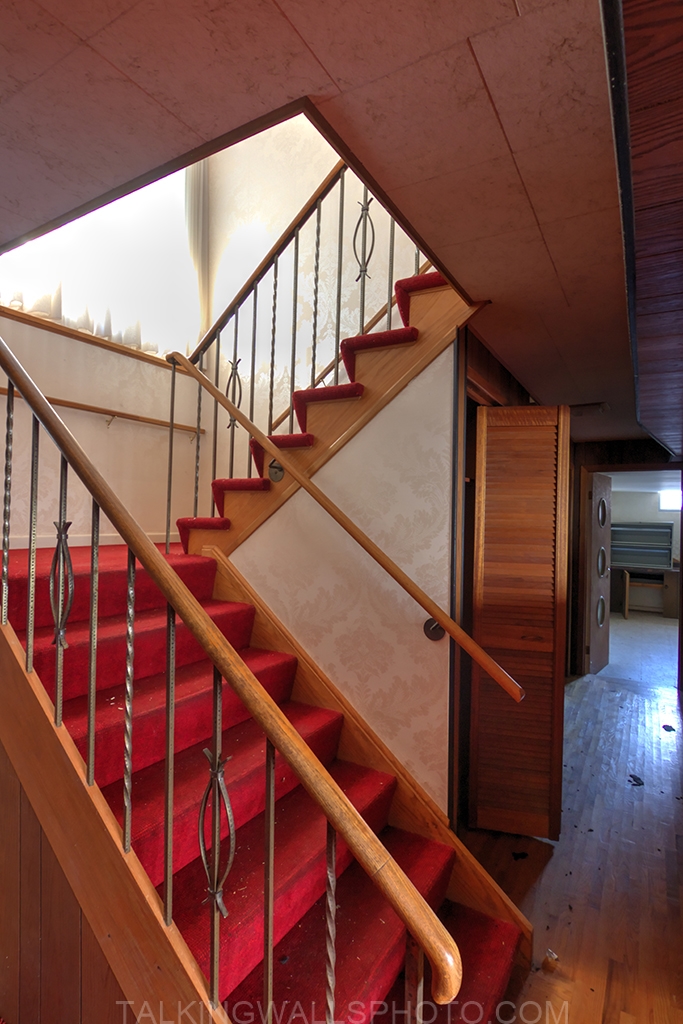
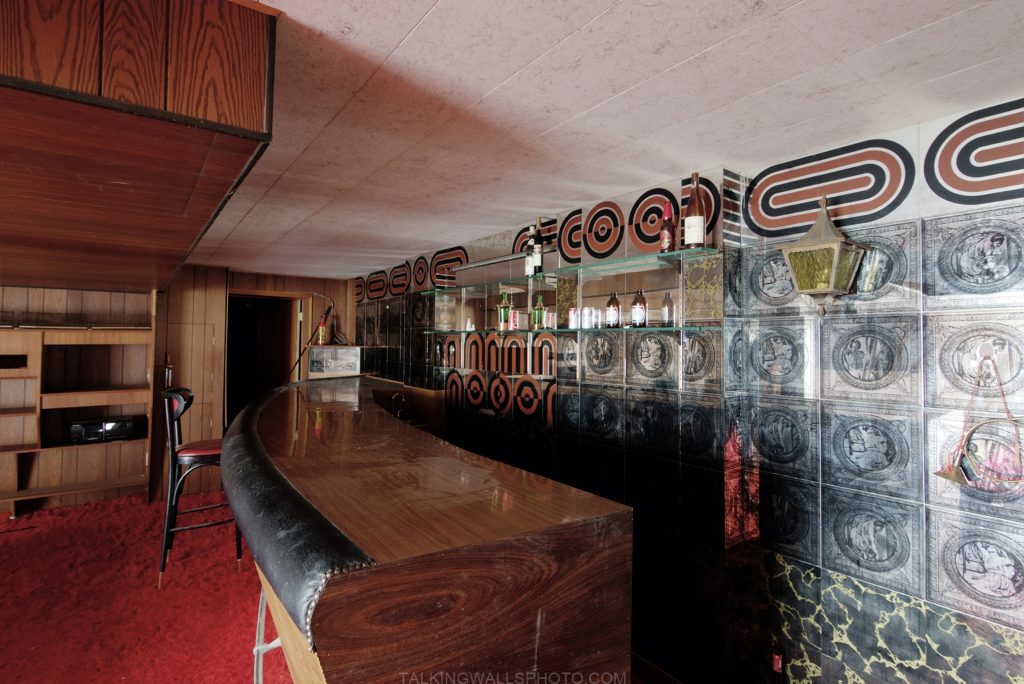
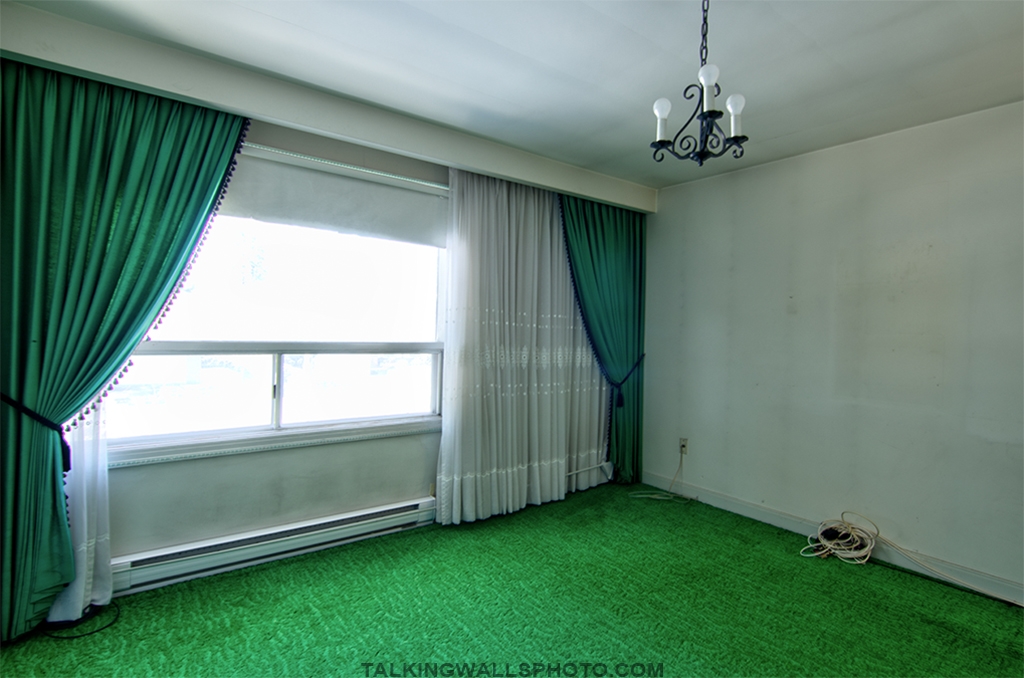
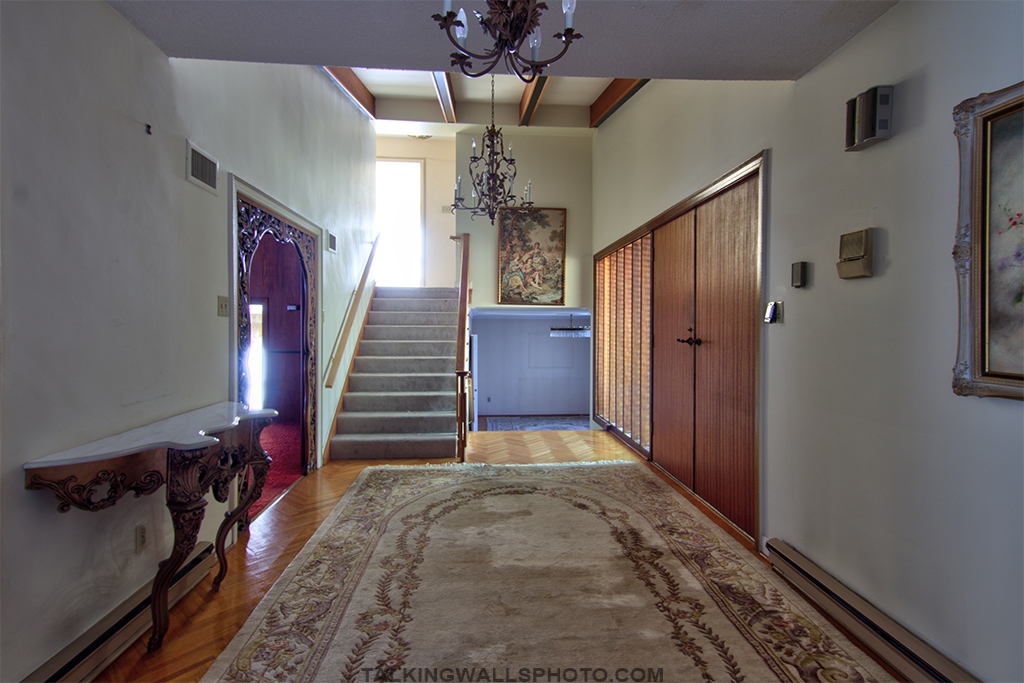
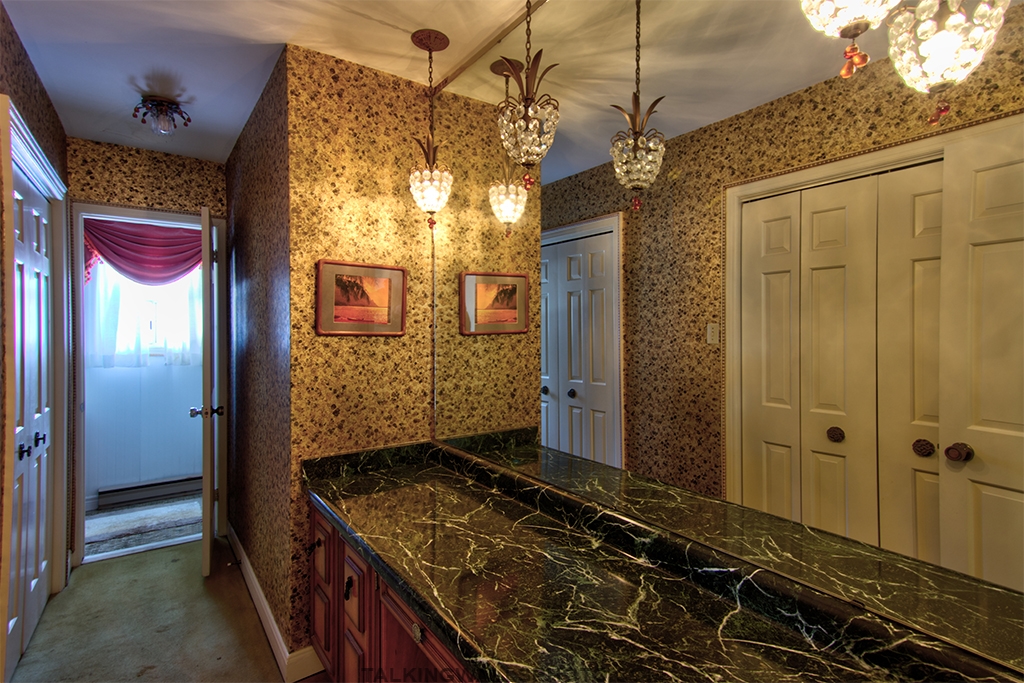
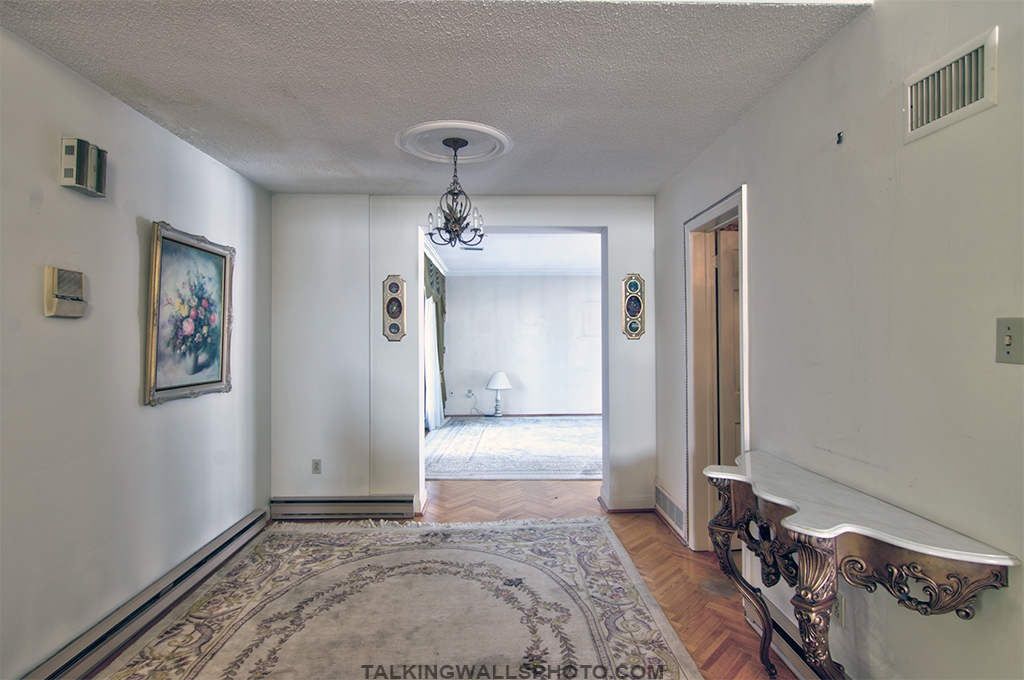
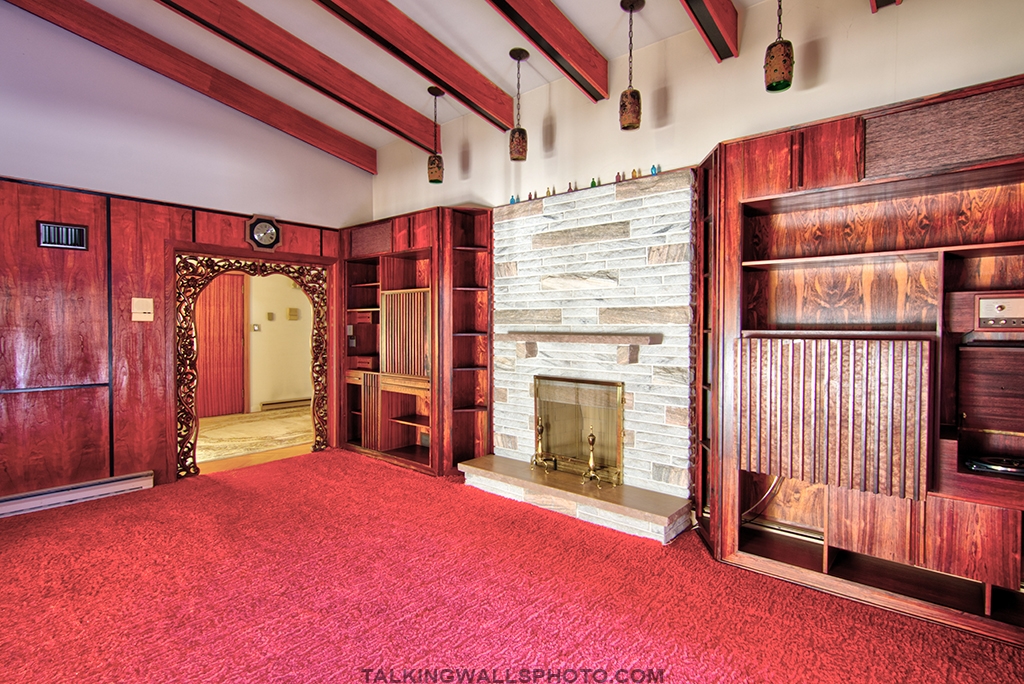
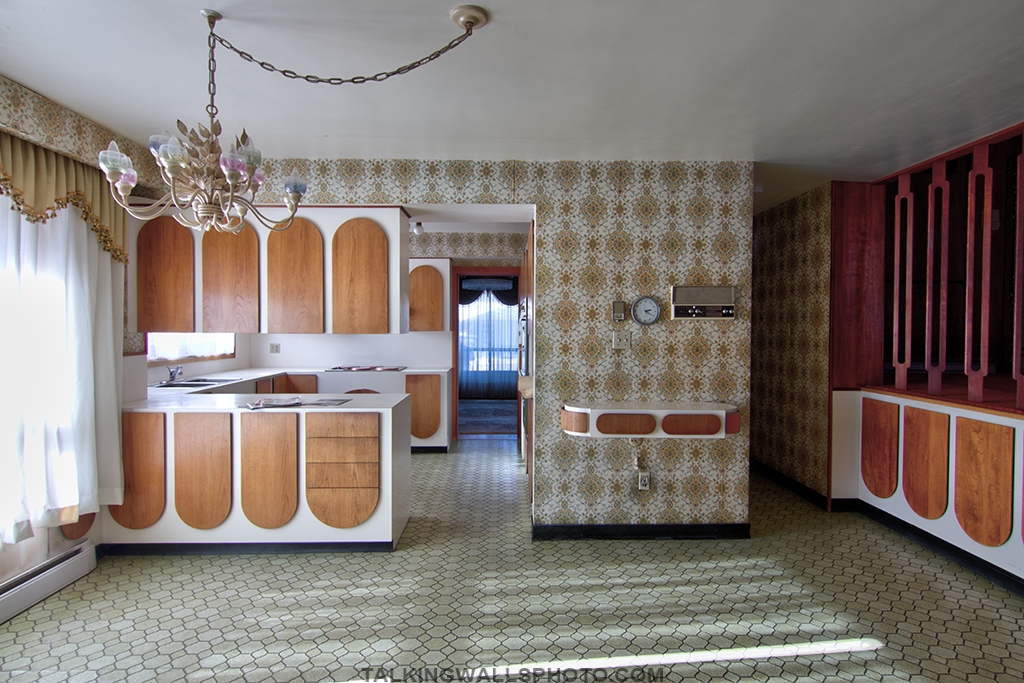
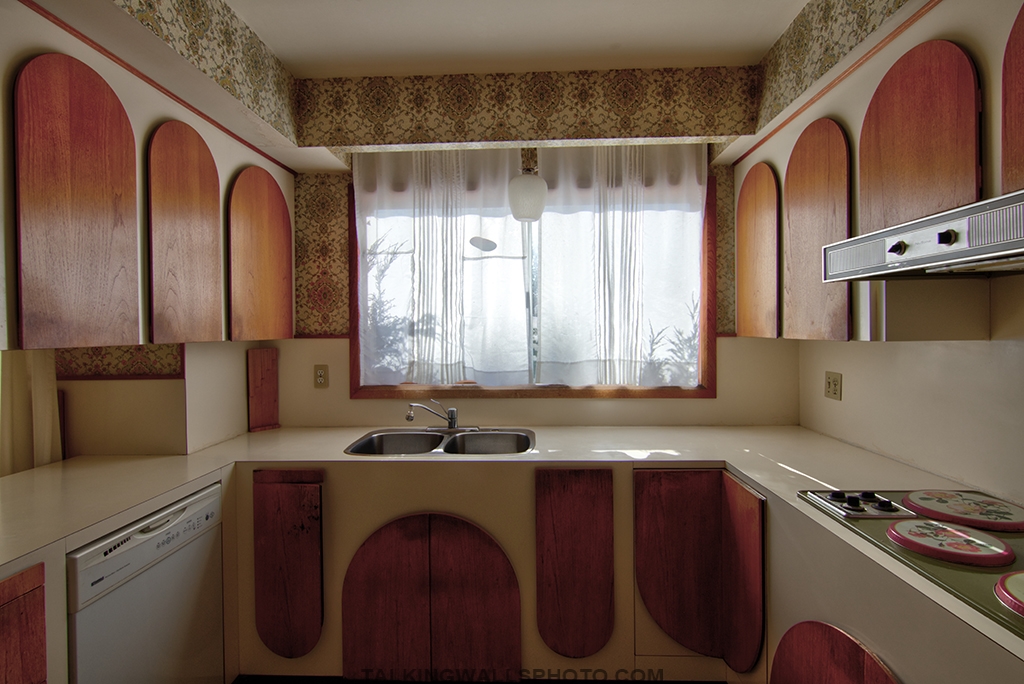
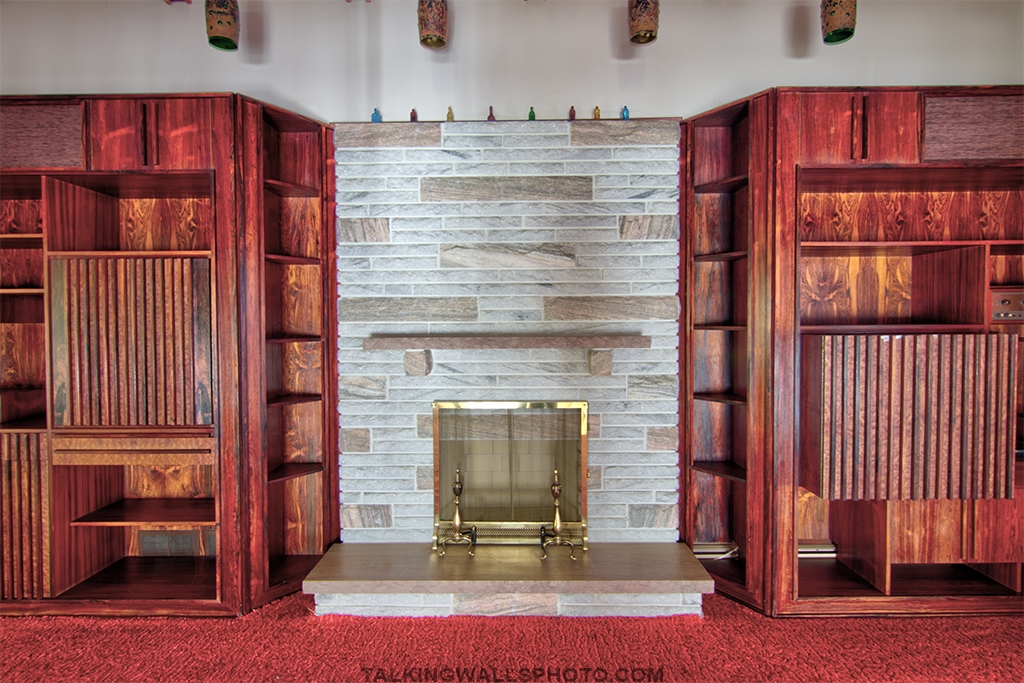
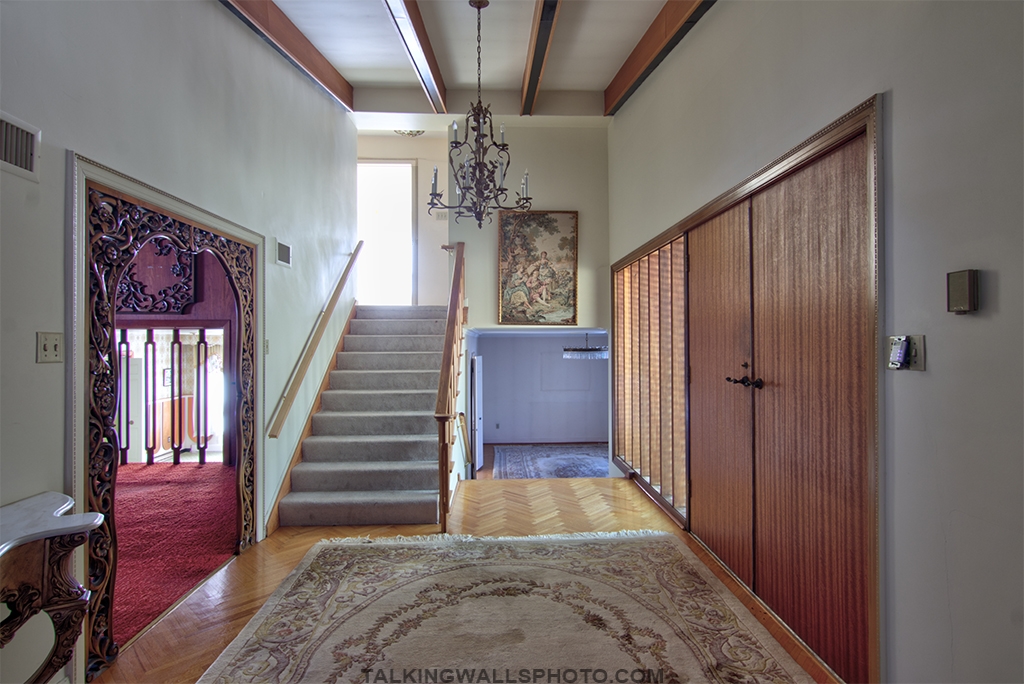
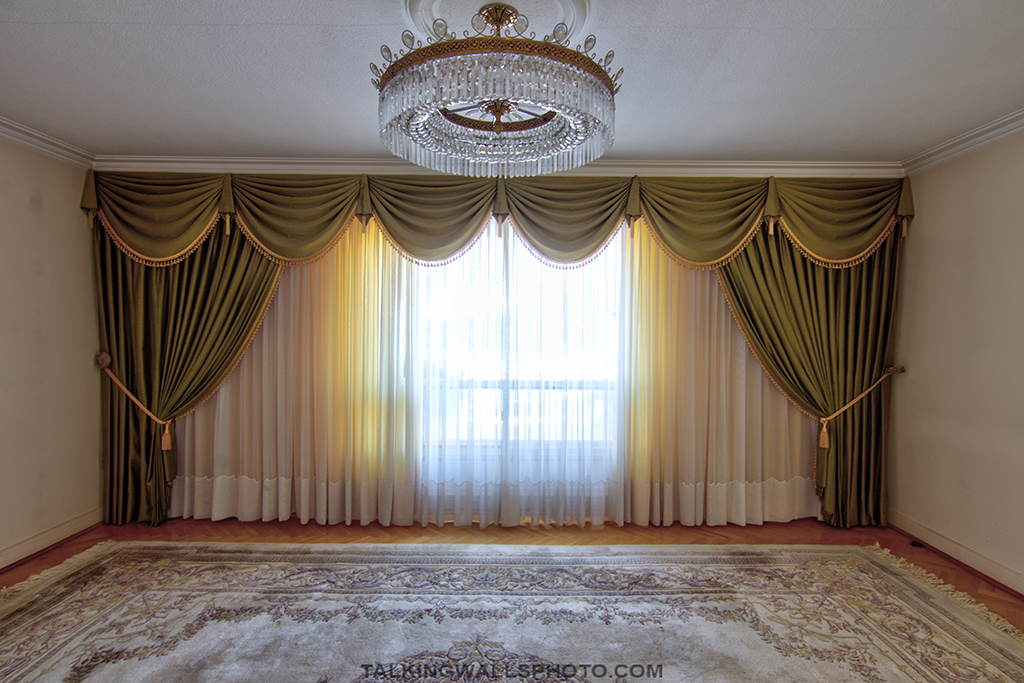
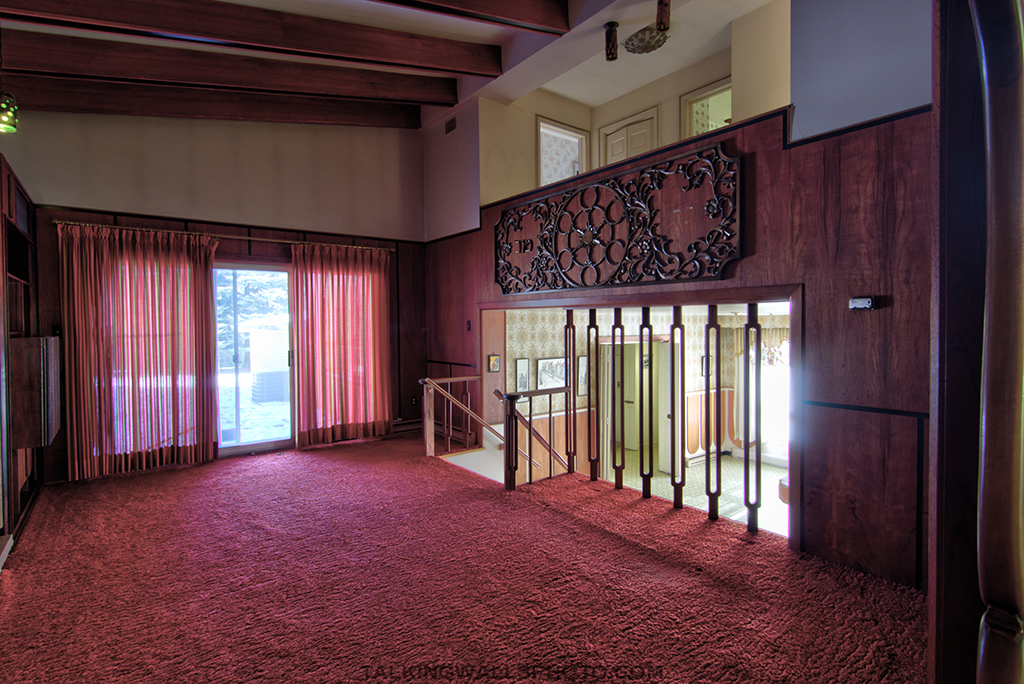
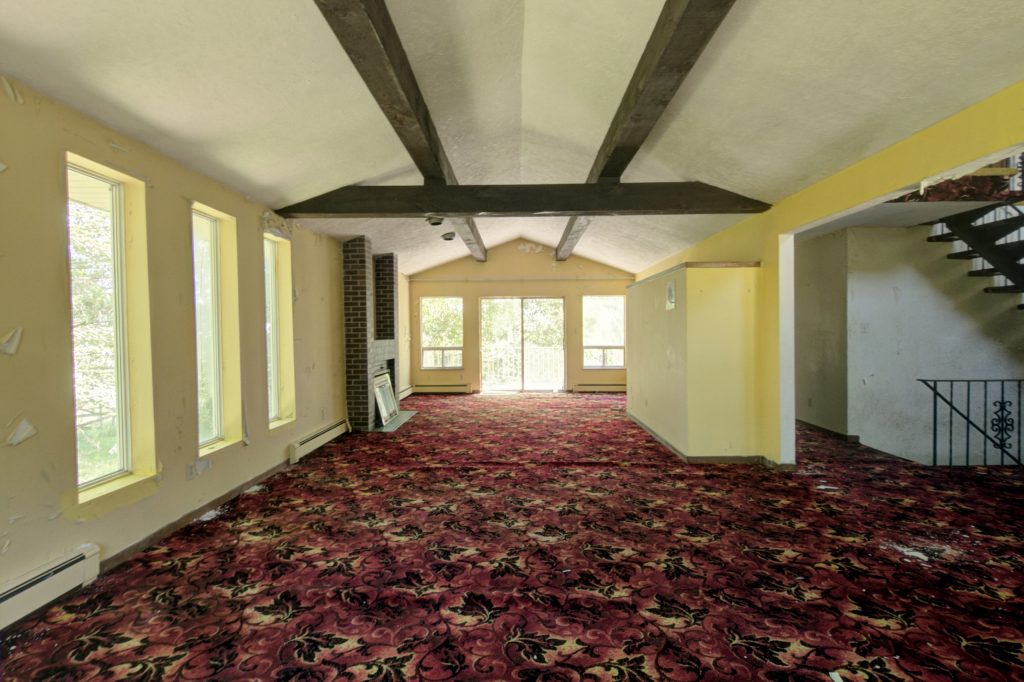
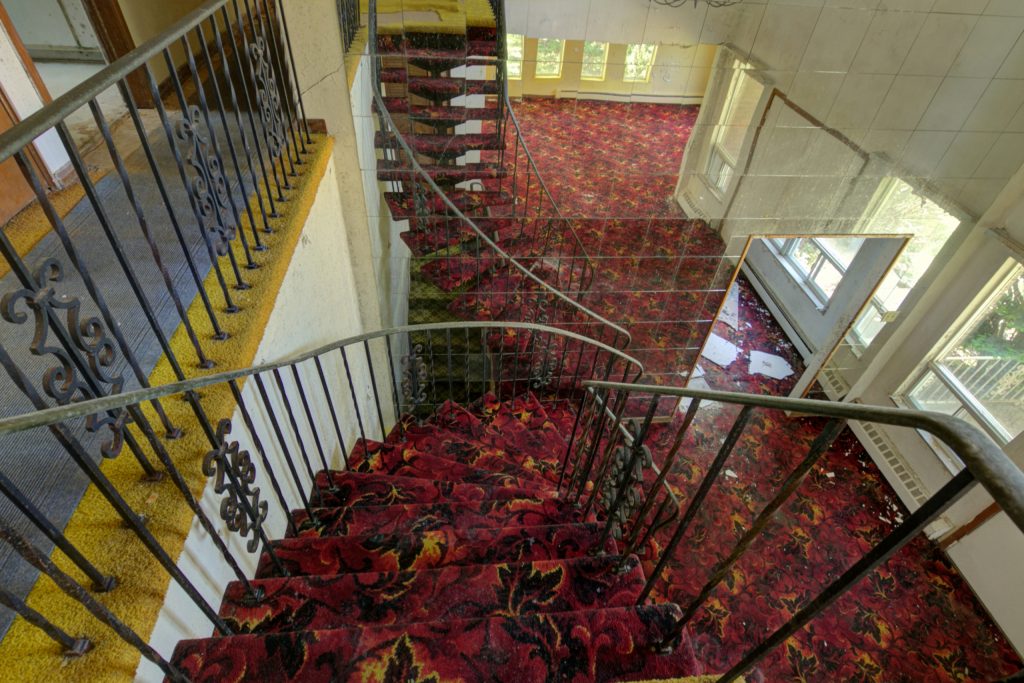
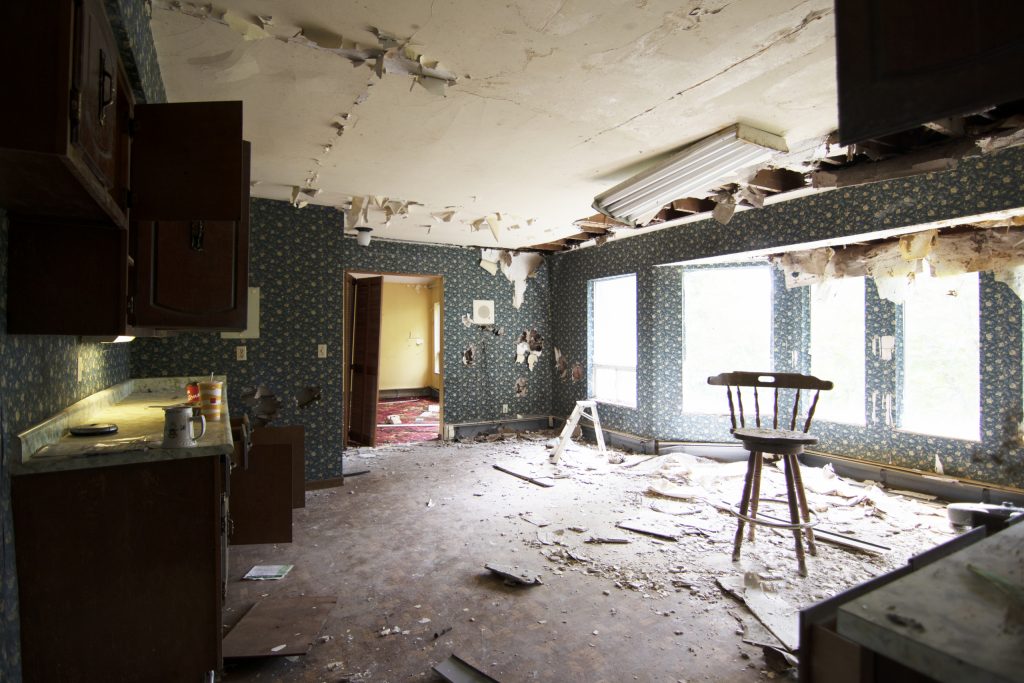
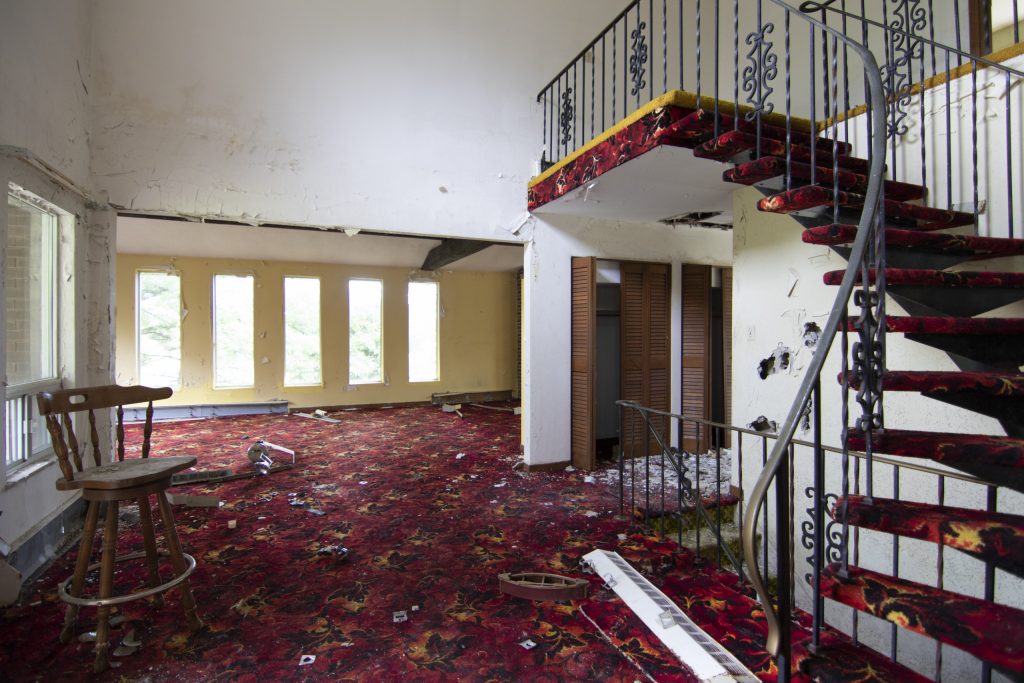
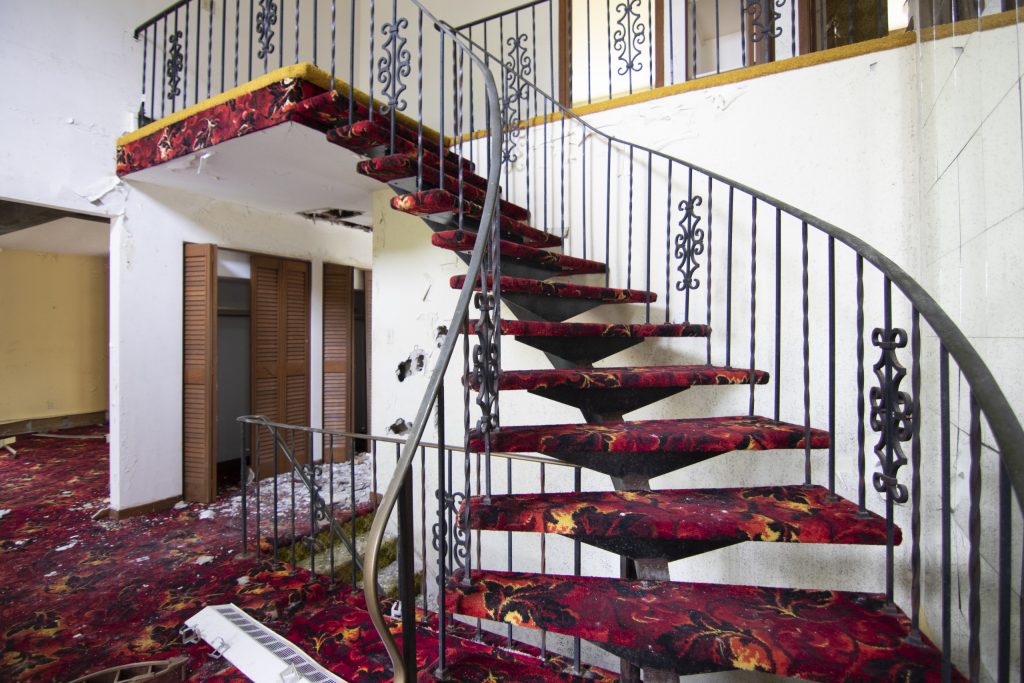
Their house was built in 1968, which makes it quite likely that it was occupied by the Wollschlaeger family until Edith’s death in 2020. While the house is lacking most of it’s contents, it retains most of the original decorum since it’s build.

The house was sold in 2020 for $6,500,000. It is scheduled to be demolished.

Sources:
https://www.skinnerandmiddlebrook.com/memorials/edith-wollschlaeger/4241842/obituary.php
https://transittoronto.ca/bus/8509.shtml
https://cptdb.ca/wiki/index.php?title=Orion_International
https://www.flickr.com/photos/36423017@N07/


Cell Photos


Video

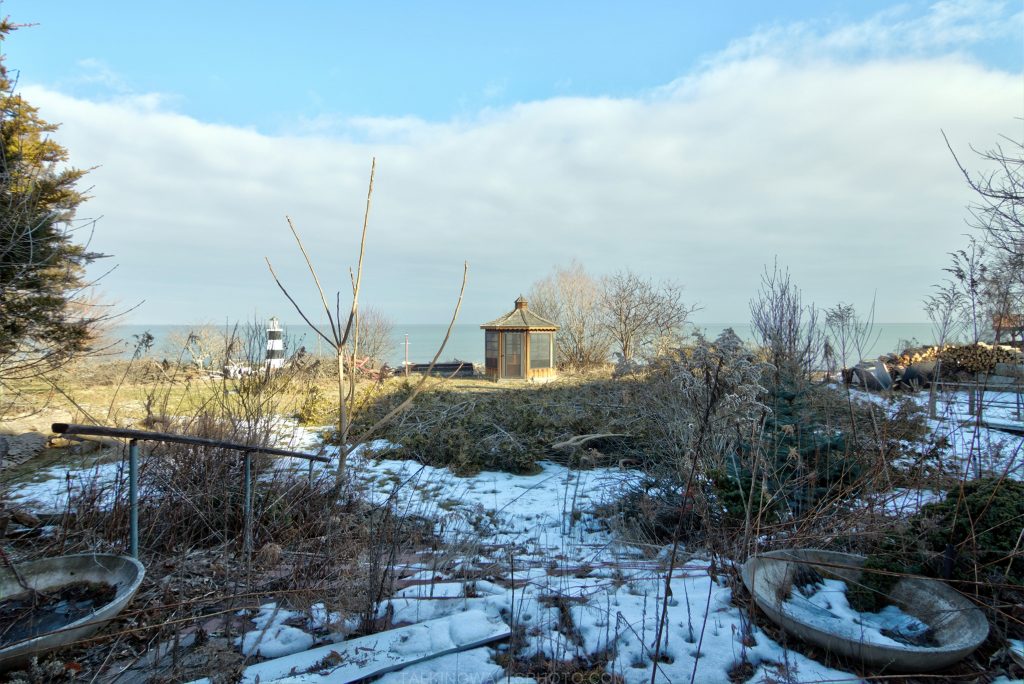
Exploring an abandoned house along Lake Ontario in Ontario, Canada

Never Again Holocaust Story

Note: This story contains disturbing details. I’m reminded of a meme that goes something like this… “History isn’t yours to be offended over. It is precisely that, history. If you find yourself offended, that’s a good thing. It means that you’re very unlikely to repeat that history.”

Names have been changed and the memoir details have been paraphrased to keep the house’s address from all the wrong people.

Eliana and Asher

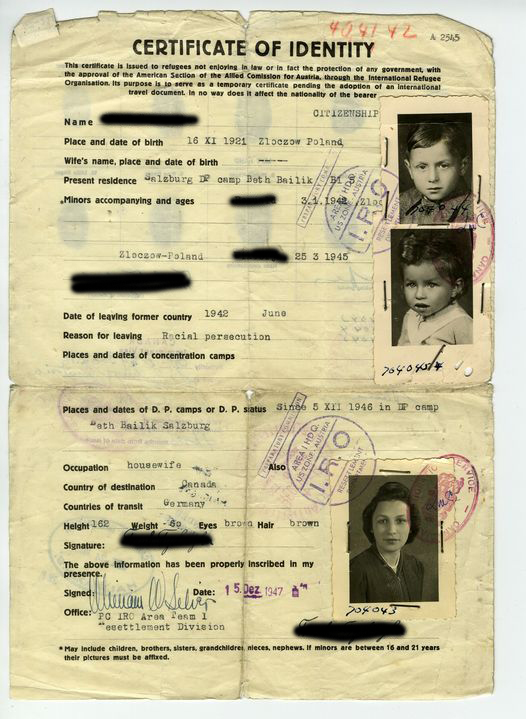
This was the home of Eliana and her husband Asher. Asher was born in Krakow, Poland in 1909. Eliana was born in Złoczów in 1921. Eliana lost her mother at the age of 16 and from that point on she became the primary household cook and cleaner. One year later a man showed up at her father’s house seeking a place to stay for the night. That man turned out to be Asher. She made him a bowl of chicken soup and that was the beginning of their future.

Poland was invaded on September 1, 1939 marking the start of the Second World War. During the war, Eliana’s older brother was taken away to a camp in Russia and was never seen again.

By 1941, the couple were married and expecting their first child. Eliana felt that despite the tumultuous times they were living in, that it was the will of God that she was going to have this child. Their house had suffered damage from bombing but to repair the house meant being seen. To make matters worse, some of their friends and neighbours had already tried robbing items from the house.
 
One day the family was sitting in their house, cold and hungry when they heard a knock on the door. They opened it expecting to find Nazi soldiers but instead found two young boys with sticks. The boys demanded that the men of the house follow them. Eliana’s younger brother was allowed to remain at home to care for her.

Asher was led by the two boys to a location where he was to be executed. While on the way, a German soldier unaware that he was a Jew, stopped him to ask if he knew where he could get his radio repaired. The town had two people who were radio technicians. Asher got into the car with the German soldier and took him to where he could have his radio repaired. It happened that both technicians had already been taken from their homes and were going to be killed.

Asher persuaded the soldier to take him to the execution spot so that the two technicians could be found. The German soldier urgently wanted his radio repaired and so he did just that. As a result of this intervention, two young men were saved, the radio repaired and Asher was brought home afterwards. While this took place over the course of two hours, to Eliana it felt like a lifetime.

Eliana’s husband had been saved from execution but her father had also been taken away by the Germans. Her father had been pushed into a grave and was waiting for his turn to be shot. He prayed to God for a miracle and a miracle did happen. A big rainstorm suddenly appeared and the German soldiers left. A neighbour touched his arm and told him that the killers had fled. Asher made his way back home.

Eliana’s husband and father survived but the family lost their uncles and cousins,

There was a mass grave at the top of a nearby hill. The town’s people were unsure if or when they’d be murdered. Some of them formed a special organization to help the Germans in hopes that their lives would be spared. They turned on their fellow neighbours. The Germans would try to get what they needed from the group, and if goods weren’t delivered on time or in full, the next morning trucks would arrive to take away as many Jewish people as could be found.

Asher worked as a dentist and fortunately still had many friends in the community. In return for his dentistry services, food would be smuggled into the house.

Eliana’s son was born in 1942 but it wasn’t a joyful occasion. Instead, people asked her what was the point in being born if you were only going to die. One week later a man arrived early in the morning under the cover of darkness to perform the circumcision. The family hoped that perhaps their lives might be spared because of having a baby.

Six months went by. One evening there was a mass killing in the town. The entire town was surrounded. Eliana dressed up like a country girl and fled with her husband. They walked through the eerily quiet night hoping that nobody would stop to question them. They walked to where a Ukrainian woman lived, hoping that they might be able to stay in the barn for the night. Suddenly they found themselves under searchlights. At the same time the searchlights found the family, the family fell into a ditch that was in front of them. The Germans lost sight of the family.

They returned to their home the next day and found that many more innocent people had been killed.

For months the family sat by their radio listening for news hoping that freedom had arrived. Sadly, freedom was nowhere to found. The Germans were running low on bullets so they began using gas chambers. Another method used was electrocution.

One morning the family heard strange voices outside. Eliana’s father and brother went to hide in a secret spot they’d built and insisted that she also come in with the baby. What if the baby began crying though, the lives of the entire family were at risk?

She decided to take a chance and escape to a nearby Christian neighbour. The Germans didn’t search a Christian house as frequently as a Jewish house. Asher was sent to the next-door house to ask for permission for them to stay there. The neighbours were willing to risk certain death than to turn the family in. As soon as the family was inside the neighbour’s house, they looked out the window to see Germans were in the backyard where the couple had been just moments ago.

The neighbour hid Eliana and the baby behind a dresser and put Asher in a closet. There was a knock on the door. Their lives were now in the hands of God. While the Germans searched the house, Eliana hid shaking and trembling. She made faces at her baby who responded by smiling. Their lives depended on the child remaining quiet. Those that were found inside Eliana’s house were taken away, while Eliana, Asher, her father and brother were safely hidden next door.

By the time Eliana’s baby was one year old, the Germans gathered up all of the Jews and put confined them to a section of the town enclosed with barbed wire. This allowed the Germans to finish off the Jews whenever they wanted as well as force them to work in slave camps.

Asher began looking for someone who would take the family into their house and hide them there until the end of the war. He found one woman offered to take the family in, where she was living with her elderly father. The woman was reluctant to take the entire family (father, brother), only Eliana, Asher and the child.

(Note: I’m not certain if this was in the barbed wire confined part of town. This part confused me.)

The elderly man liked the family, but seemed to be fearful of his own daughter. He allowed Eliana’s father and brother to stay in the house provided that they remain hidden from his daughter. Things seemed quite peaceful in the new house.

A few weeks later they noticed people cutting down trees from the nearby forest. There was a knock at the door and two German soldiers informed the man that there was going to be some shooting and that it wasn’t safe for him to remain in the house.

The man fled taking only his jacket and dog. In the barn was a hiding spot in the ground, large enough for five people to hide in. The family hid out in the grave-like shelter and tried to hear what was going on.

Finally, Asher couldn’t take it anymore. He crawled out to peer through the cracks in the barn. A half mile away the Germans had dug out a mass grave site. The remaining townspeople were brought in on trucks, undressed and then lined up beside the grave. One by one they were shot in the back of the head, falling on top of one another.

This went on for several days, day and night. The family prayed that they’d be spared from the terror outside. Unbeknownst to them, the daughter of the old man had already hatched a plan. She informed the German soldiers of the hidden Jewish family.

German soldiers were on their way through the village. They stopped to ask a farm boy how to get to the home. The boy offered to take the solders to the home. There happened to be another farmer in the village with the same last name so when the soldiers arrived, they searched the wrong house.

Asher and Eliana decided to go return to their house back in the town. They walked through the night and arrived at their former home. They knocked lightly at the window and woke up the man who was now living there. Early next morning his wife came down to ask where they’d come from and why. The woman was afraid for her life but seemed to take pity on the family with young child.

(Edit: I’m not certain who was living in their former home or why. Perhaps non-Jewish occupants from the now barbed wire enclosed housing)

The man went to the market to try to sell his coat in exchange for some bread. When he returned, unsuccessful, Eliana and Asher offered him their possessions in exchange for allowing them to stay.

Twenty-two months passed. The Russians were bombing the area and the people were fleeing to the country rather than stay in the dangerous town. Asher and Eliana remained in the dark cellar of their former house. They heard the Germans upstairs, who were now using the house to treat wounded soldiers. They were so close to being free, if the baby would just remain quiet.

They were five people in total living on one piece of bread and water in the dark cellar. They didn’t know whether it was day or night.

After three years they were able to walk out to freedom. The family was quite fortunate as there were no other families in town. Men were without wives, vice-versa and children were without parents. The town of 15,000 people was reduced to approximately 100.

Their child whispered for a long period of time because he’d never learned how to speak out loud.

In 1945 the family welcomed their second child, a girl. In 1947 the family arrived at a refugee camp in Austria. They chose to start a new life in Canada where they had some relatives. They arrived in Canada on July 28, 1948.


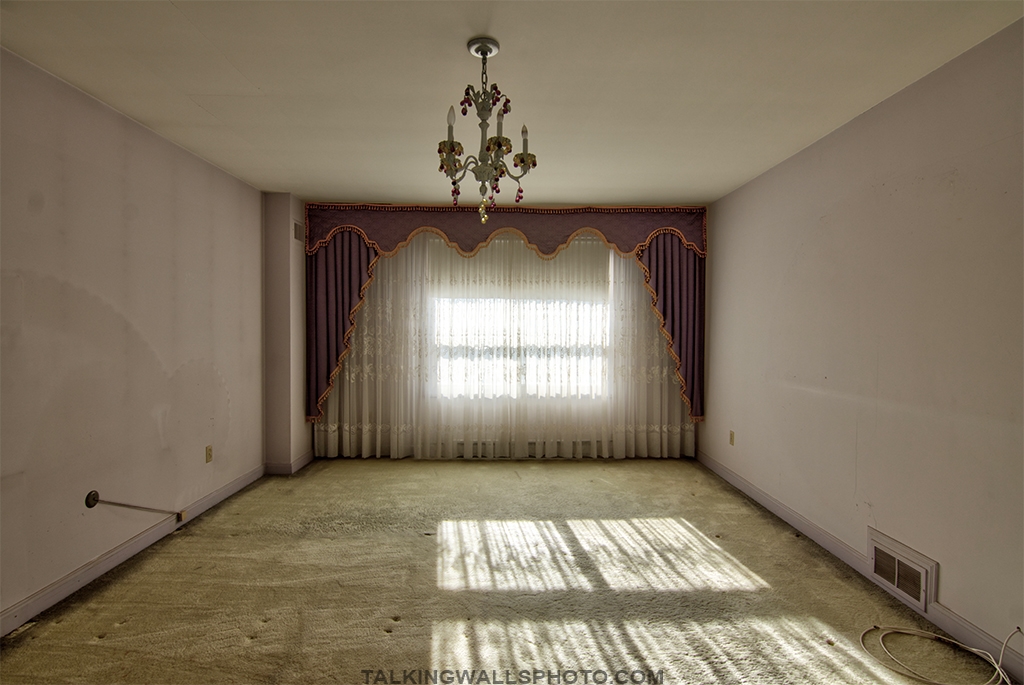
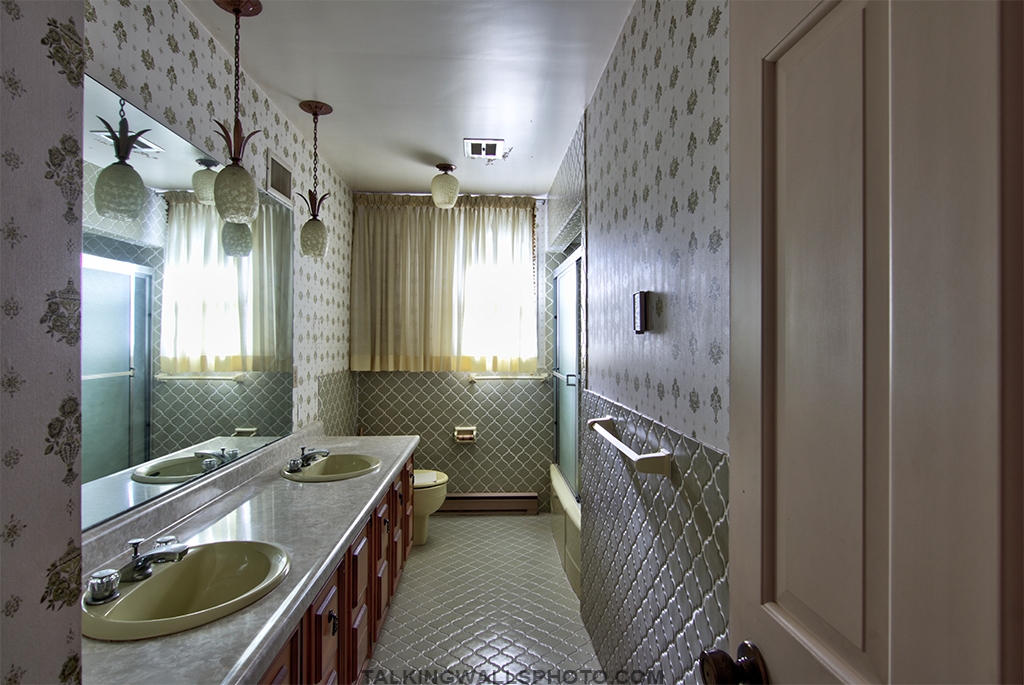
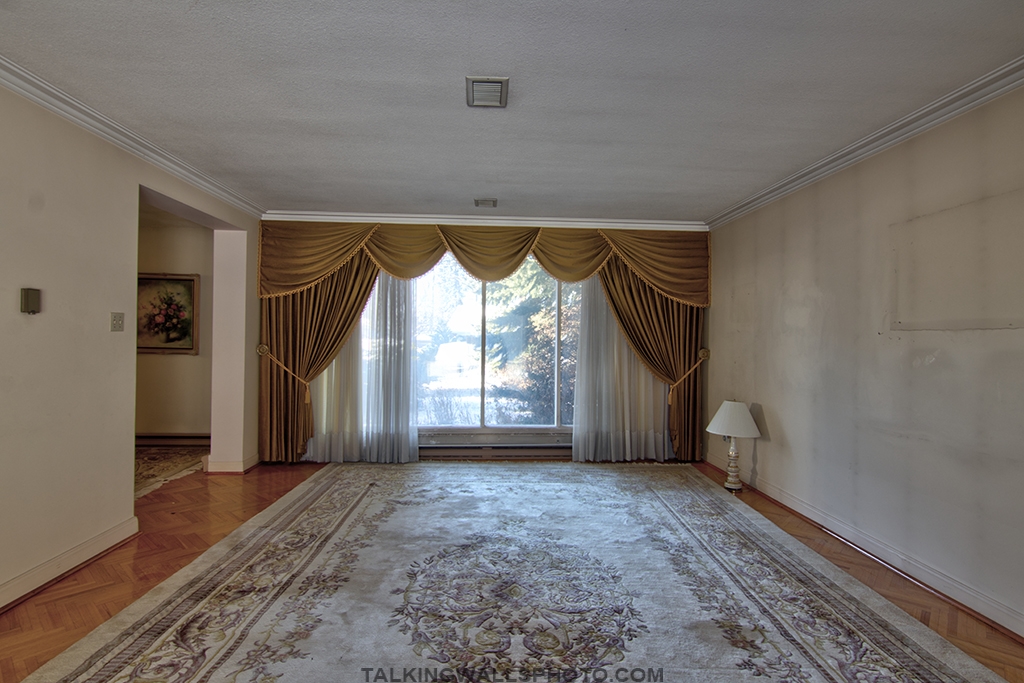
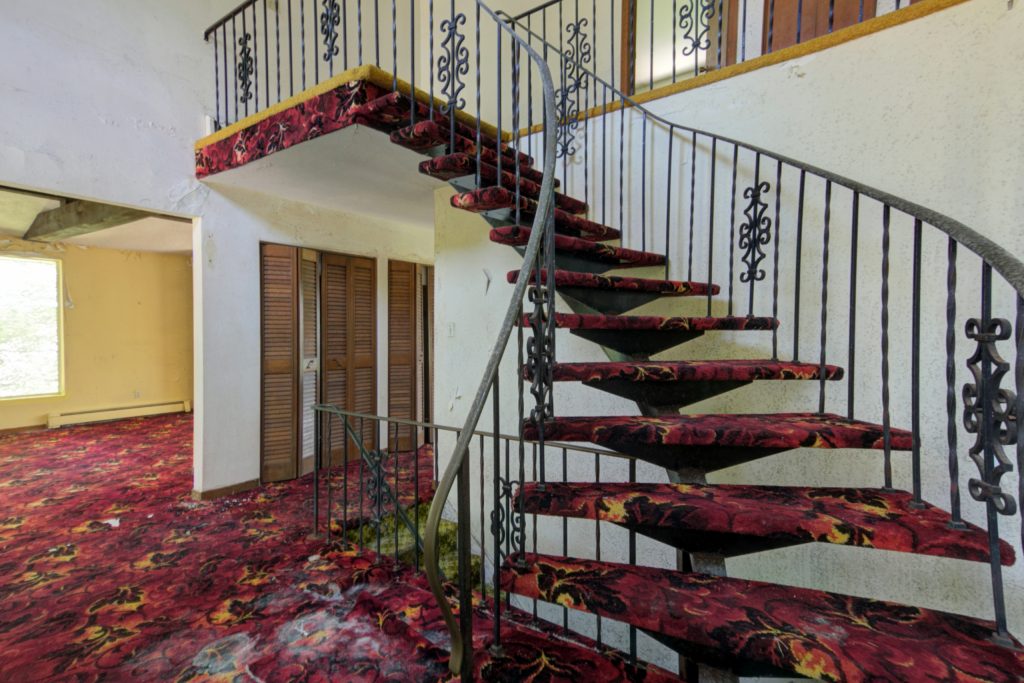
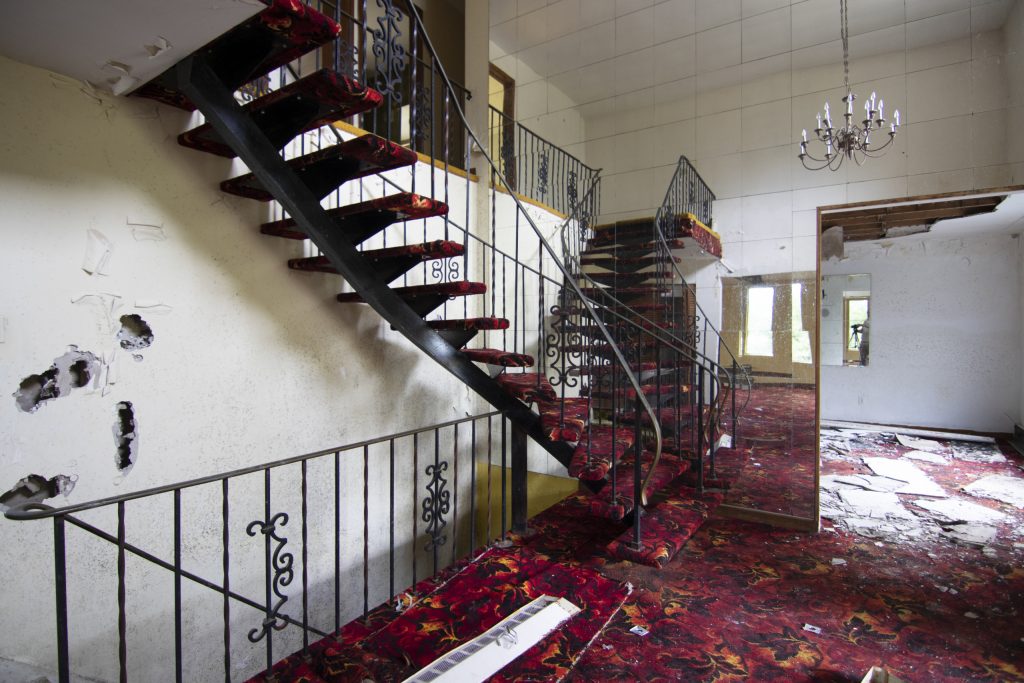
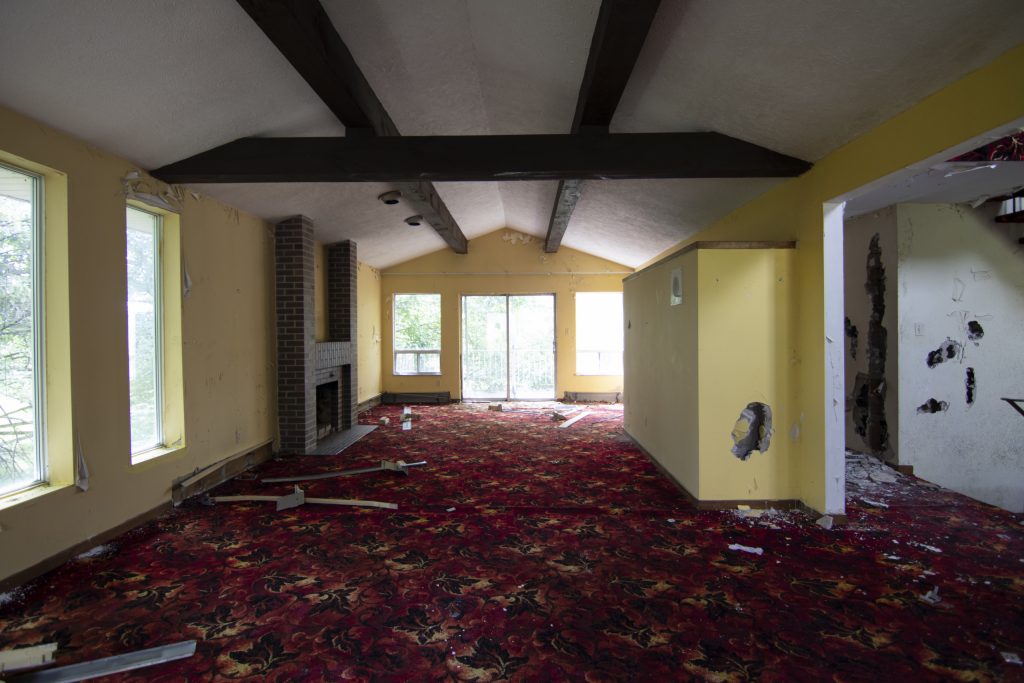
In 1968 Asher built the family home, a home which remained in the family to this day. It has three bedrooms and five bathrooms. The most striking feature of the house of course is it’s unaltered interior retro look.

Asher passed away in 2006. Since that time, Eliana lived with the assistance of personal support workers. I have no information on what their occupations were once they were living in Canada. I believe Eliana was a stay-at-home mother. She passed away in 2022.

Between 6 million and 11 million people were killed during World War II.

Personal note: We attempted to explore this house once, it was locked and so we walked away. Another explorer wanted in so badly, he pried the door. Information for this story was taken from Eliana’s memoirs and a video memorial. All research by TWP.

This page is not monetized.


Cell Phone Photos


Video
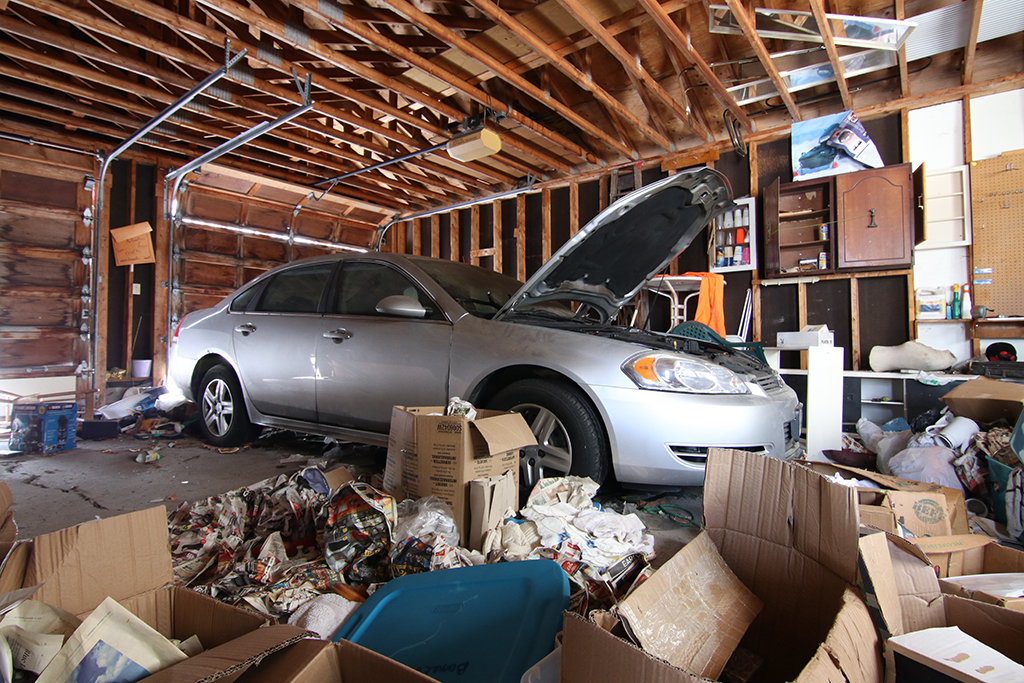
Never Again Holocaust Story

Albert’s Time Capsule House

If you take a drive in rural Northern Ontario, you just might happen across this house. A vehicle in the driveway with Farming plates has collected a layer of dead leaves. Perhaps the vehicle has fooled people into thinking someone lives here, which in turn has held off the vandals.

Stepping inside this house, I was amazed. This was one of those places that makes the entire day trip worth it regardless of how you make out exploring the remainder of the day.

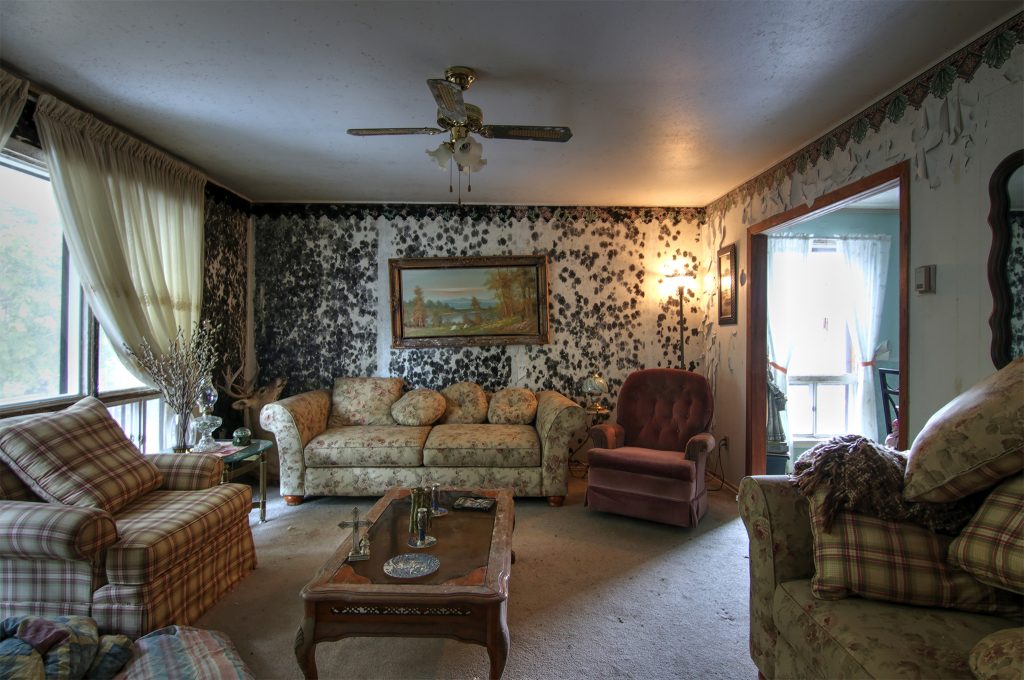
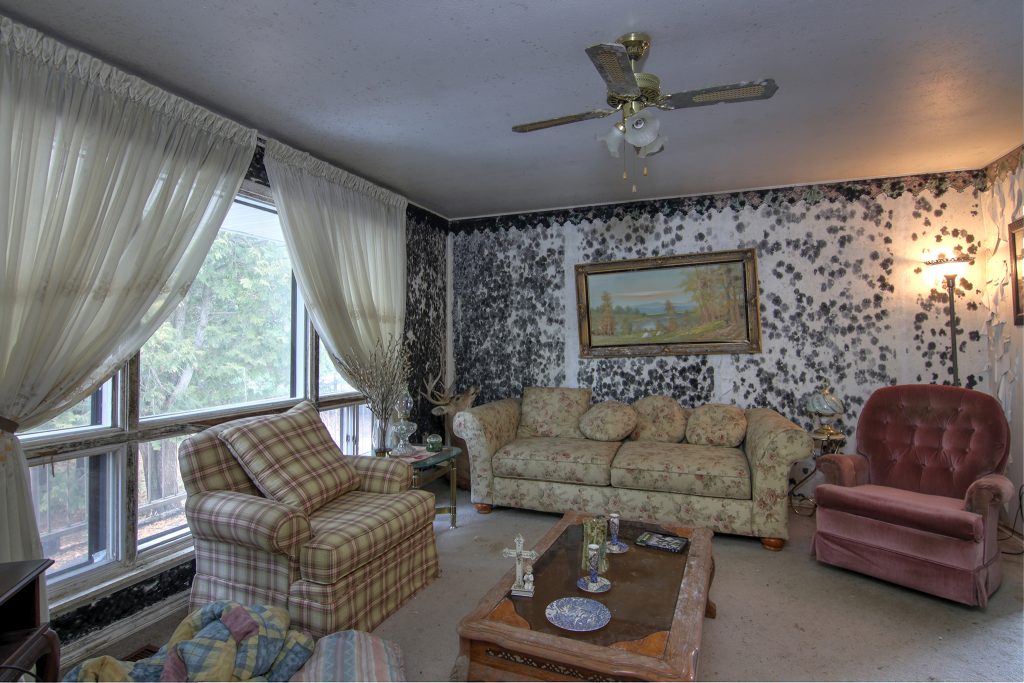
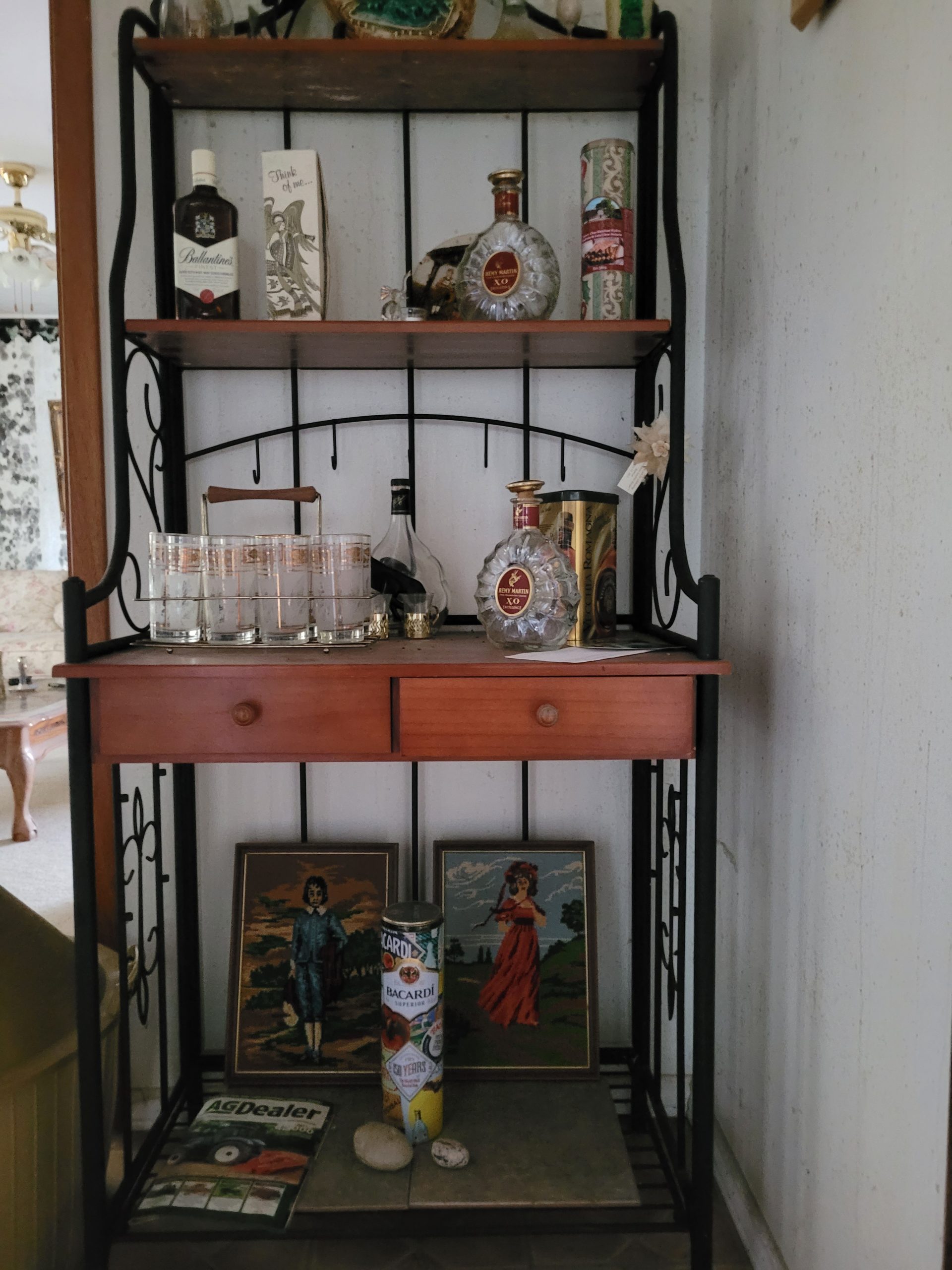
Everything has been left behind. The living room is immaculate, couch and chairs are in place and a coffee table with plate where someone may have eaten their last meal. Around the corner is a shelf with bottles of alcohol and drinking glasses. In the kitchen you’ll find the cupboard stocked with dishes and cups. There are coffee containers on the counter top.

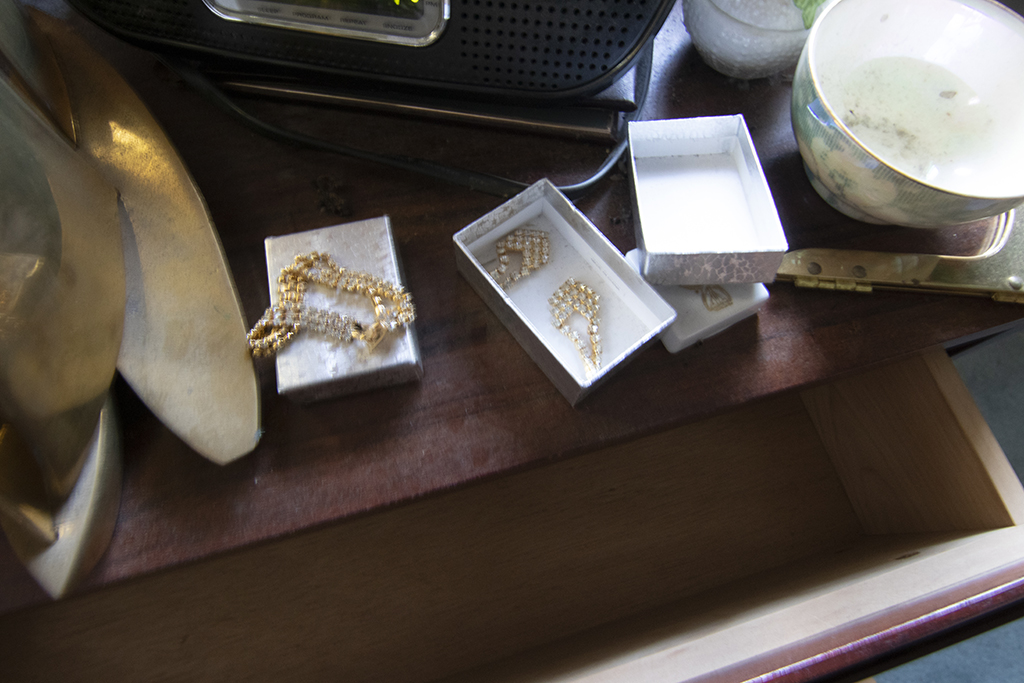
The bedrooms are also untouched. The closets are filled with clothes and jackets, the beds covered in comforters. The dresser drawers are filled with personal items. A clock radio sits on a nightstand, beside a bottle of water. In one room is a disposal container for syringes, suggesting perhaps someone was ill.

I was able to learn very little about the person who lived here. I know his name, and that he farmed on his land. He’d go over to his neighbours for eggs and to chat.

The owner of this house passed away in 2015 at the age of 65. For eight years his house has sat untouched, the hydro never having been disconnected. Nothing has been disturbed, and fortunately people haven’t found the house to rummage through it. There’s no graffiti, no holes in the wall, it’s perfect… almost.

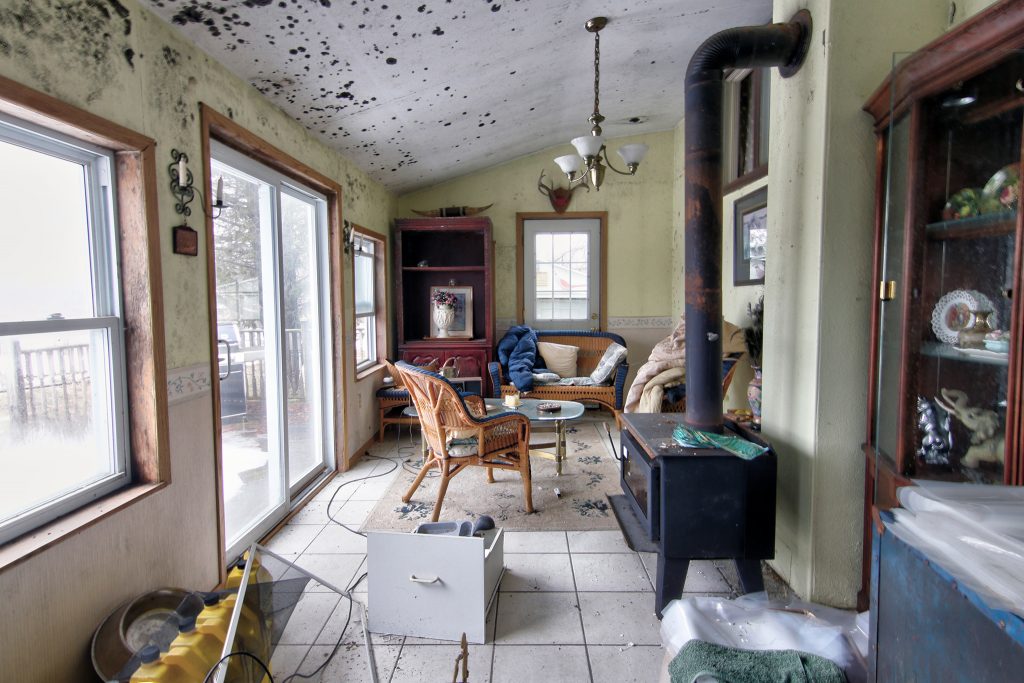
Without HVAC, there’s now a thick layer of black mold on the living room walls. Despite wearing a mask, I could taste the filth in my throat as we drove to the next location. The mold hasn’t always been there, previous explorers have been here before.

I believe the man was in the Knights of Columbus and worked for the City of Toronto.

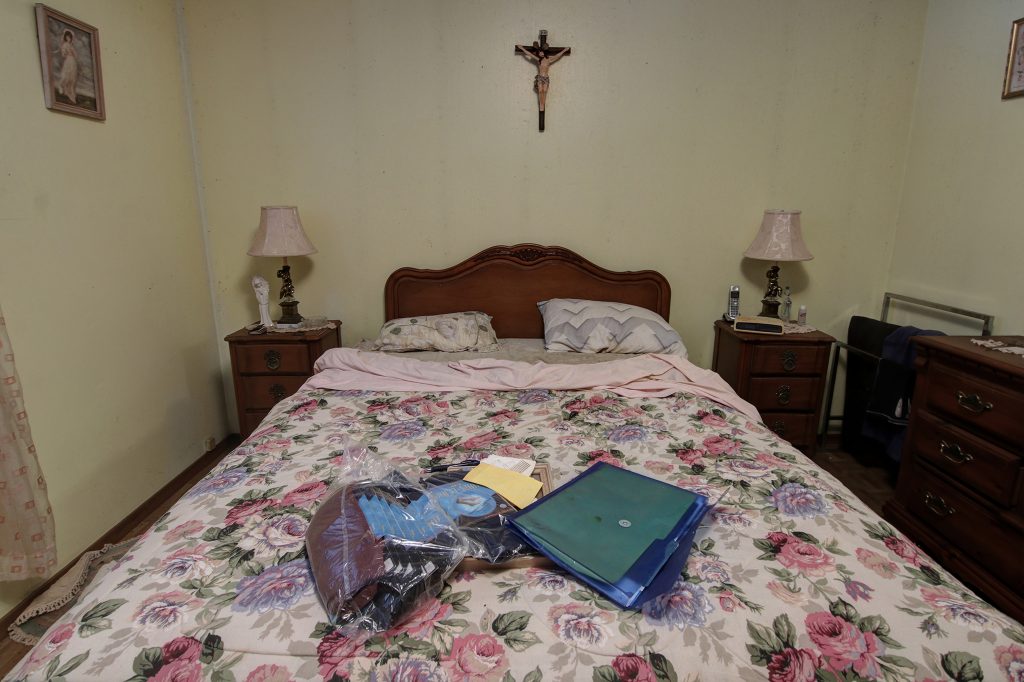
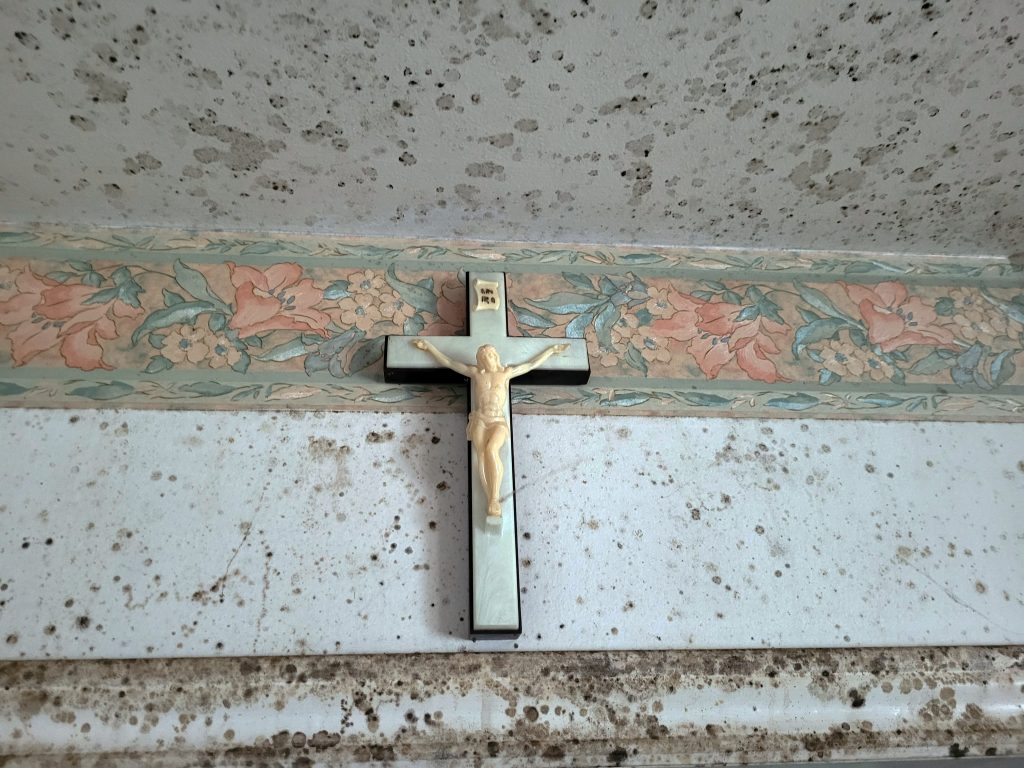
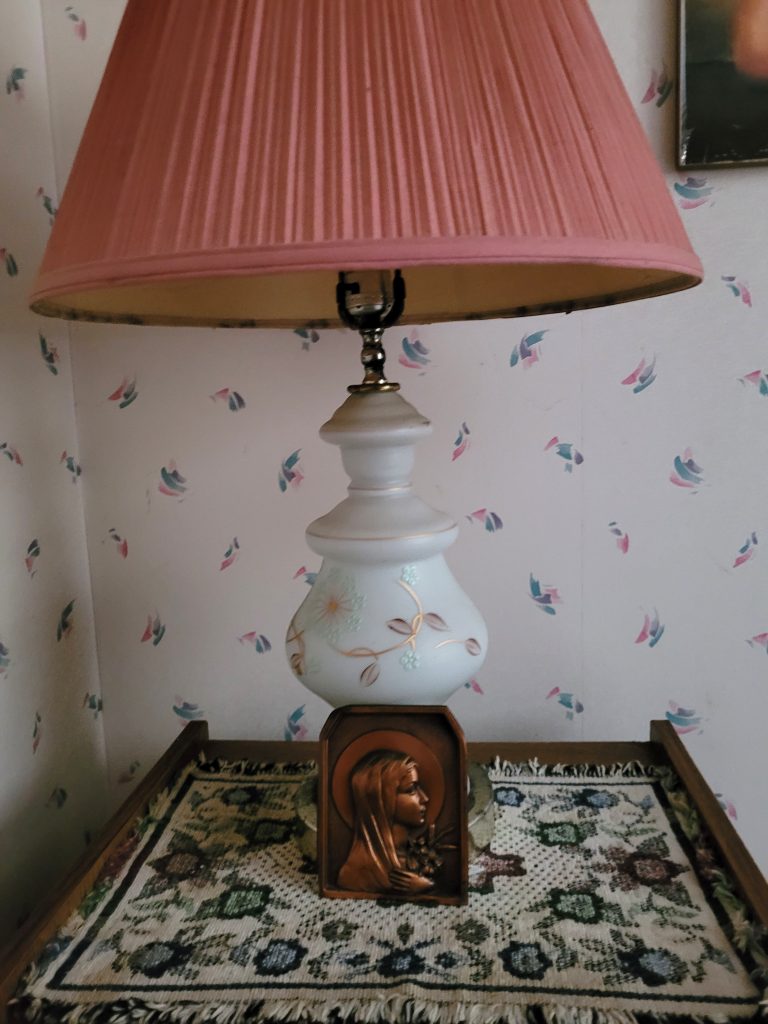
I did see some photos of the man taken in earlier years. There were no photos of a spouse or family members. In one of the bedrooms however is a purse and ladies clothing. The man was clearly Catholic as there were crosses with Jesus hung above the beds and other religious items throughout the house.

Perhaps the saddest part, is that the obituary contained no history on the man. It didn’t have his life story and the only condolences were from his neighbours. There’s no mention of a wife – there’s nothing at all.

This is why I started in this hobby. Not to sell merch, not to go paranormal hunting, not to make money posting daily… but to tell the stories of people who’ve passed on.

For now, this is all I have to the story. I’ve reached out to the man’s former neighbours and perhaps they’ll respond.


Cell Phone Photography


Video

This abandoned Ontario time capsule house 🏠 is untouched for 7 years. Black mold covers the walls.

Fisherman’s Time Capsule

On an early morning jaunt, Abandoned Minds and I headed out to a cozy little time capsule in the forest. The snow had just fallen that week, although I had wanted to get photos before snowfall.

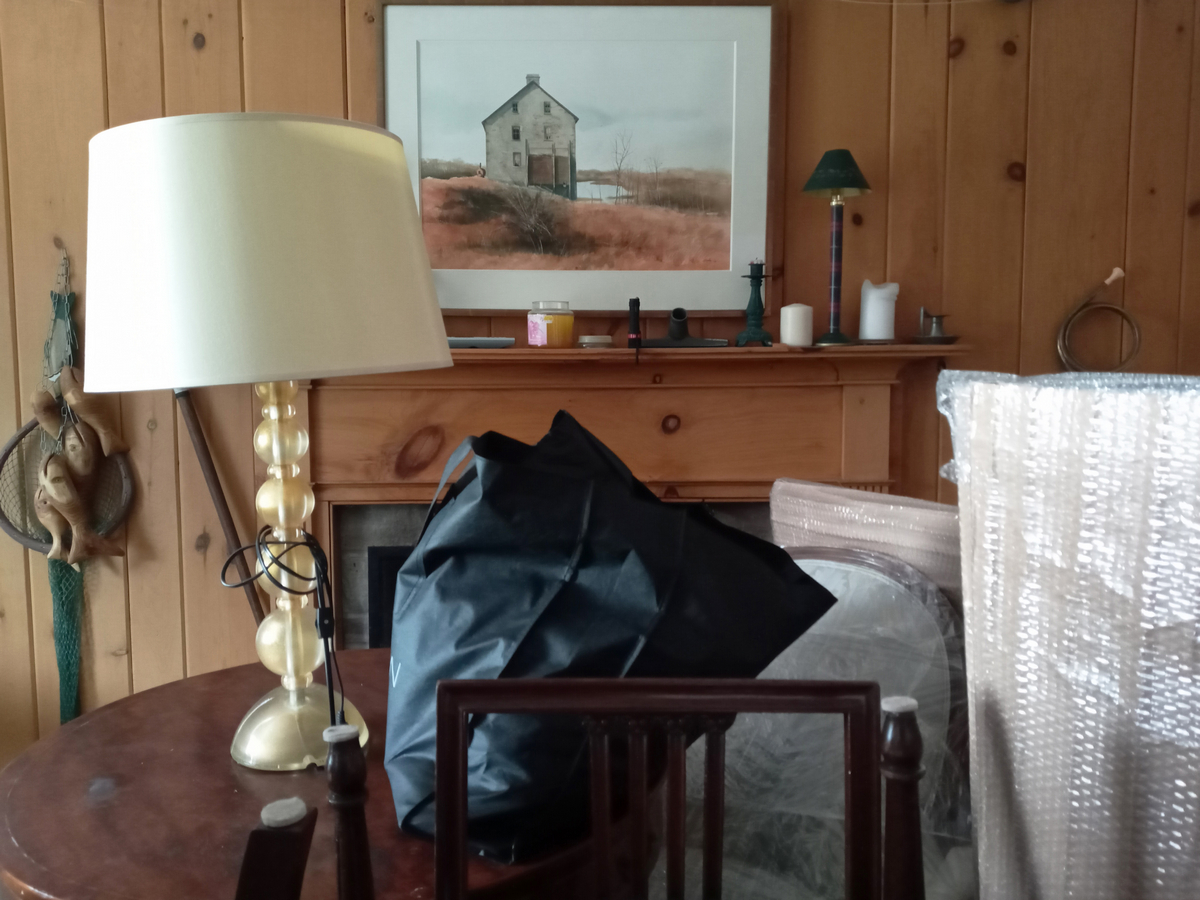
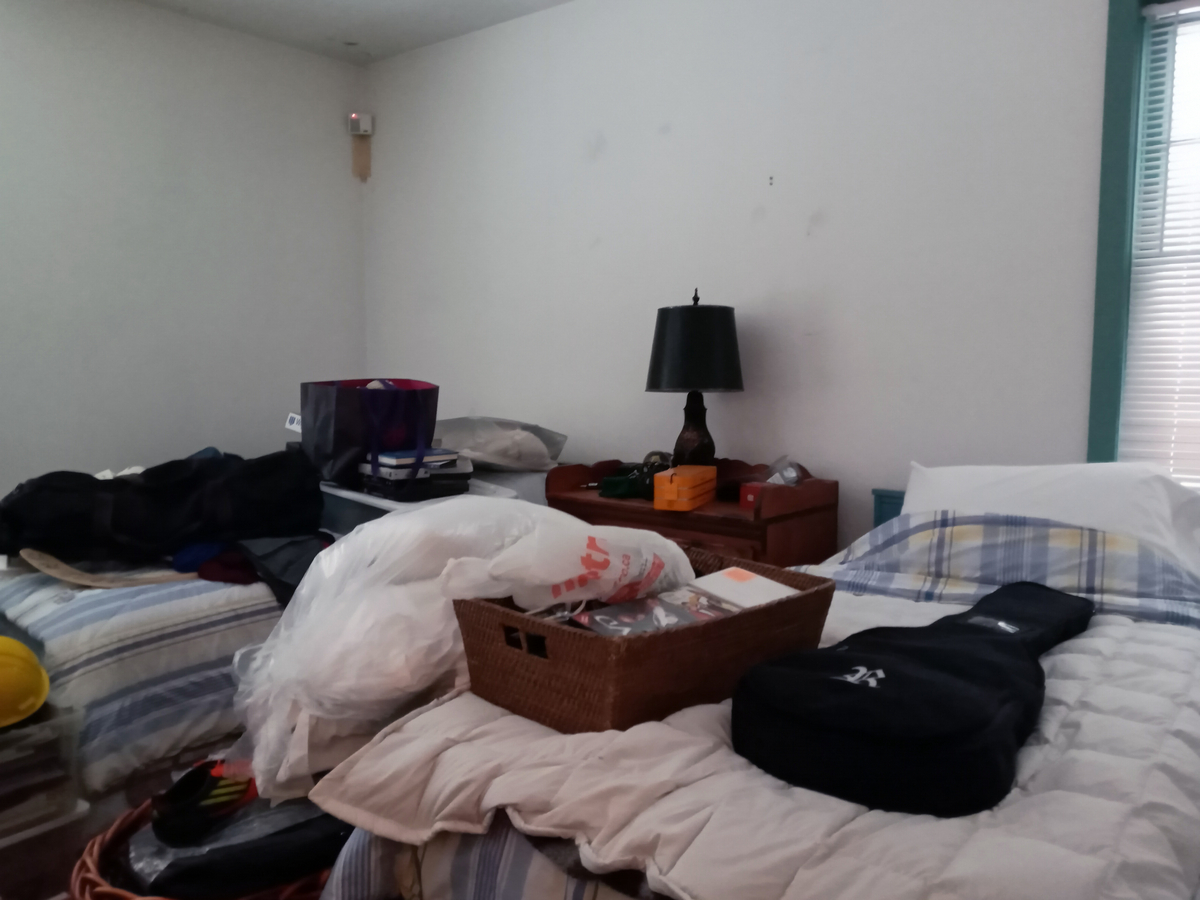
Inside, many items are boxed or wrapped as if they were packed to be removed from the property. Looking at an expiration date on a box of medication, I saw it was 2010. Magazines are also approximately 10 years old.

The bedroom looks pretty much untouched. The phone is charging although there’s no dial tone, only a nasty crackling sound.

The fridge works (and moans). The freezer has a significant accumulation of ice build up inside but no food.

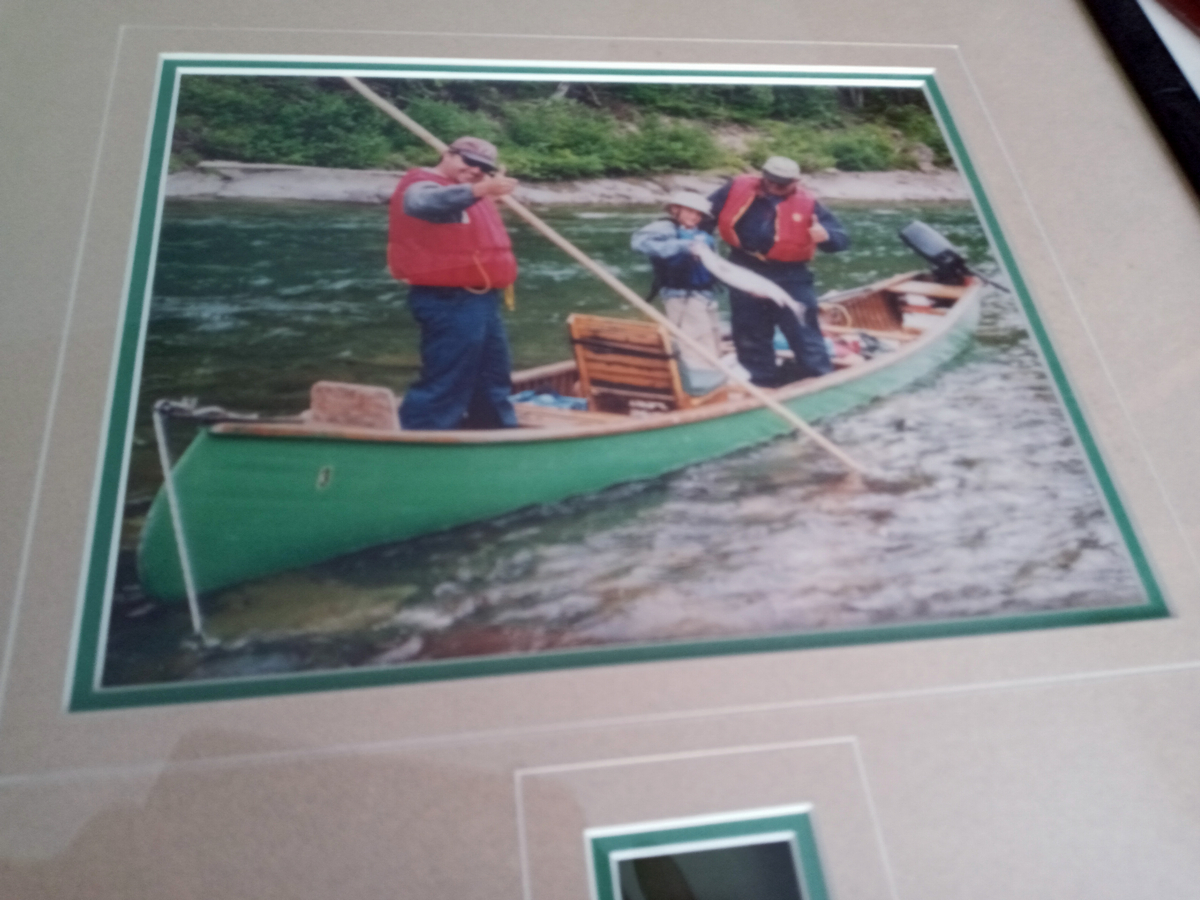
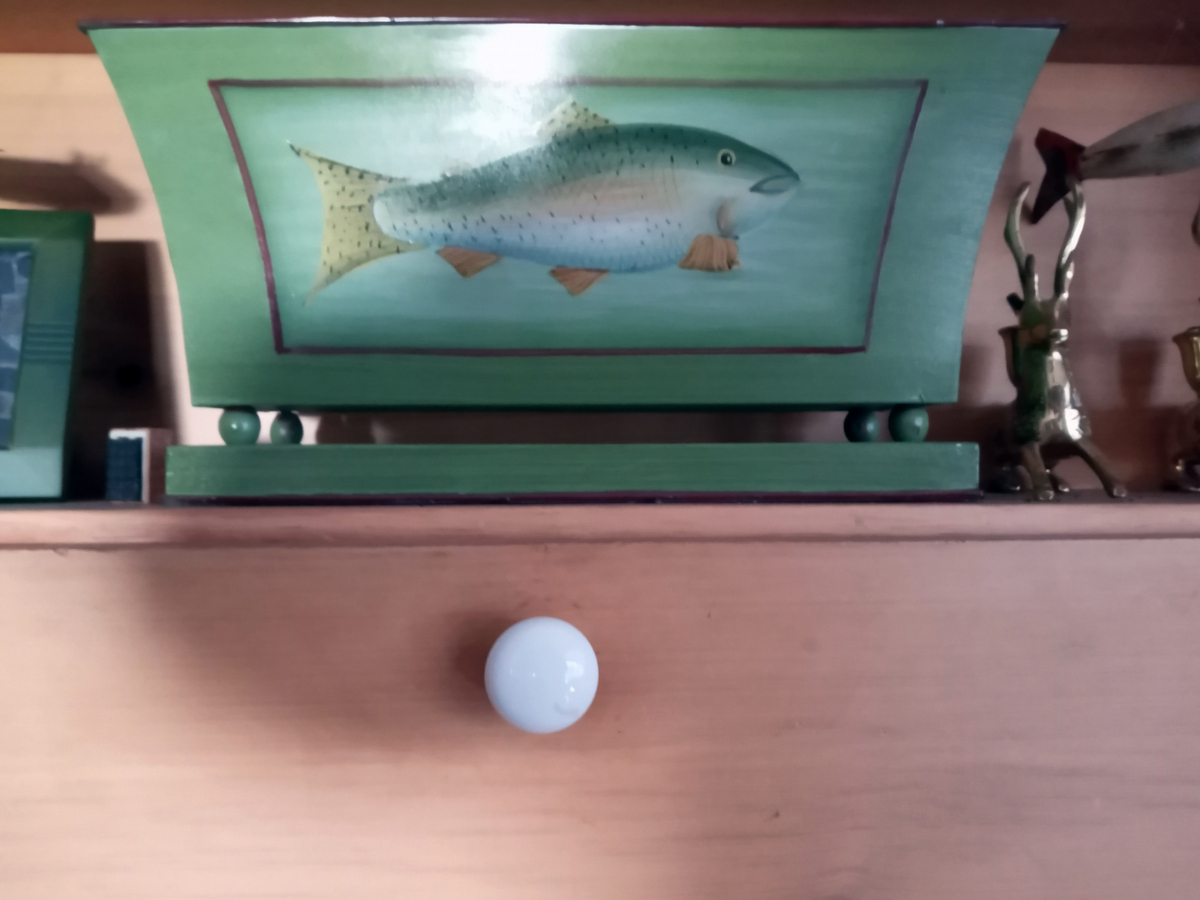
It’s evident that whomever lived here enjoyed the outdoors. There are fishing rods, mounted fish and photos of hunting expeditions.

As for the former occupants of this property, I know the family’s name, but I don’t know of any reason why it was abandoned.

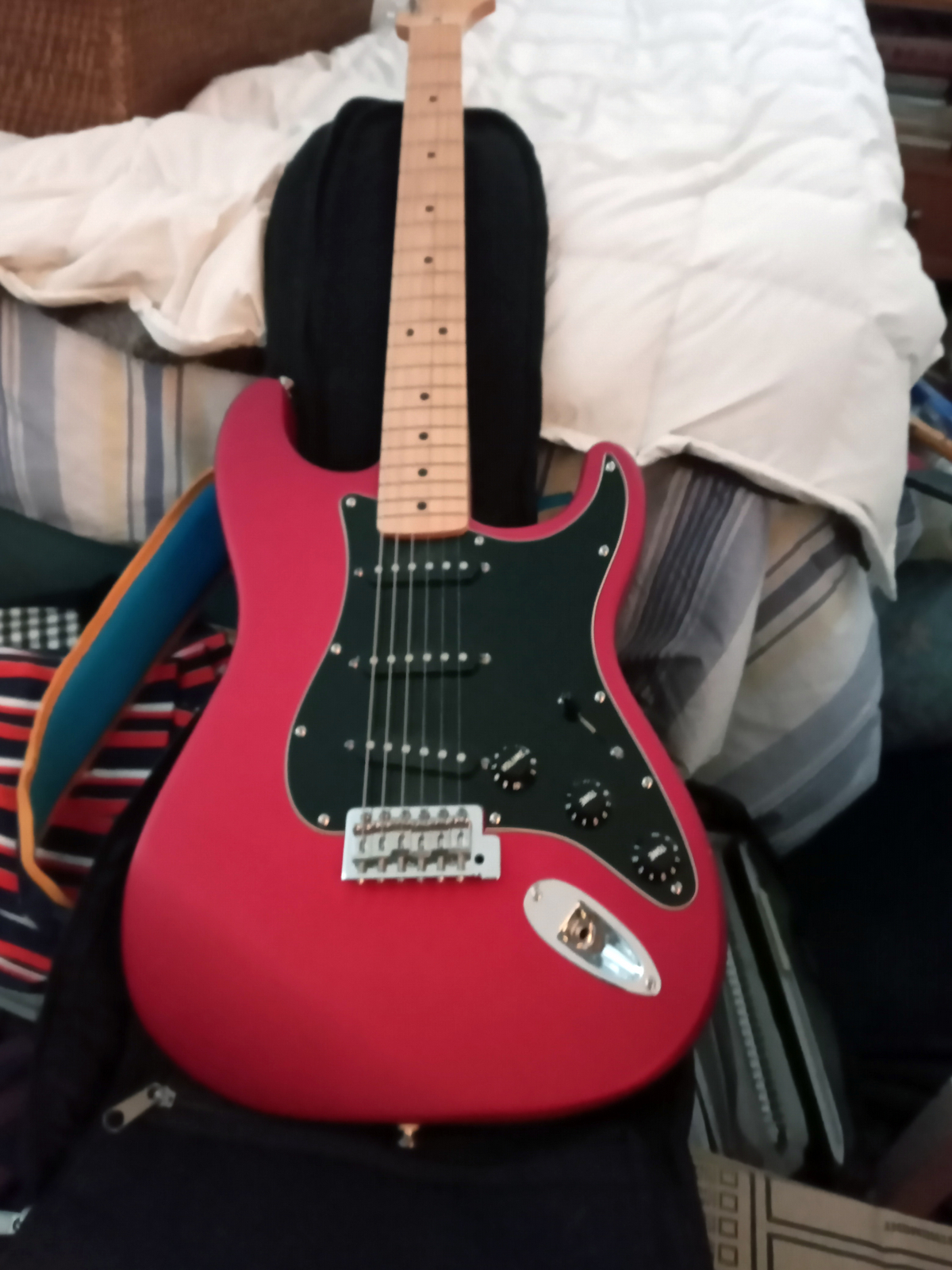
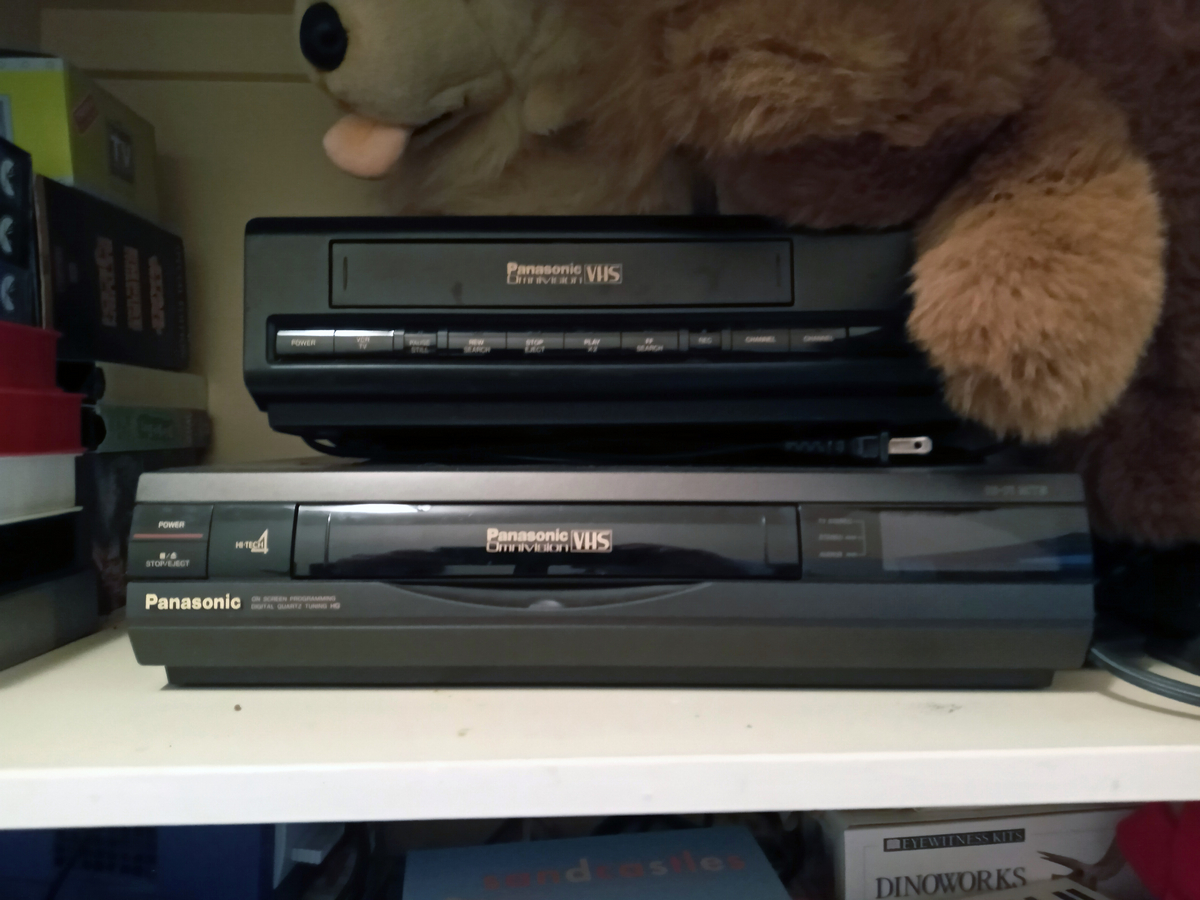
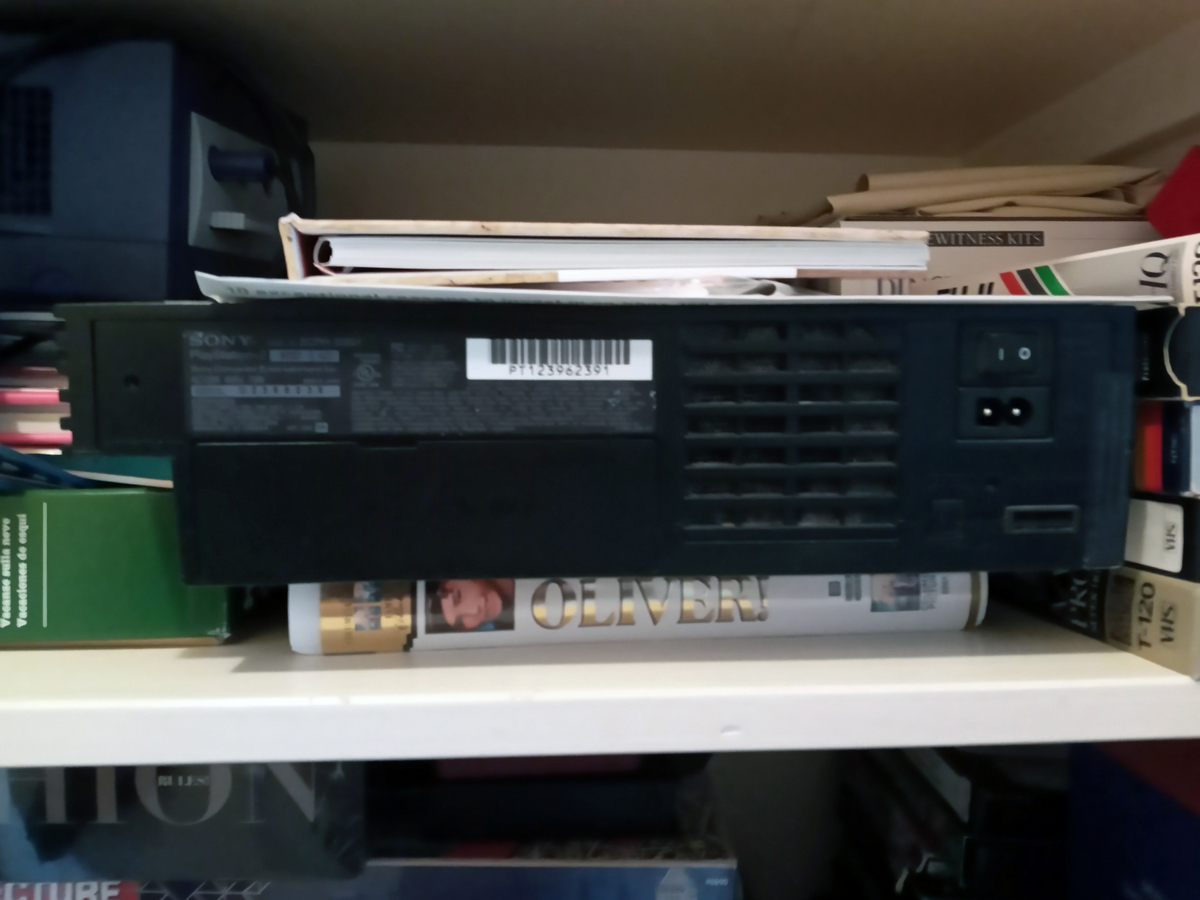
In the closet I found a Playstation 2, a Game Cube, some board games and VHS tape players. The most interesting find however was a Stratocaster guitar. We left everything as we found it of course.

Due to the amount of boxed items, I found it difficult to get unobstructed photos. Please don’t ask for the location, I’m not sharing it.

A huge thanks to Abandoned Minds for sharing this gem with me! This may not be abandoned in the sense that no humans ever set foot inside it, but it’s abandoned in the sense that it’s not used any more and as such a great little time capsule.

Camera Photos


Cell Phone Photos


Video
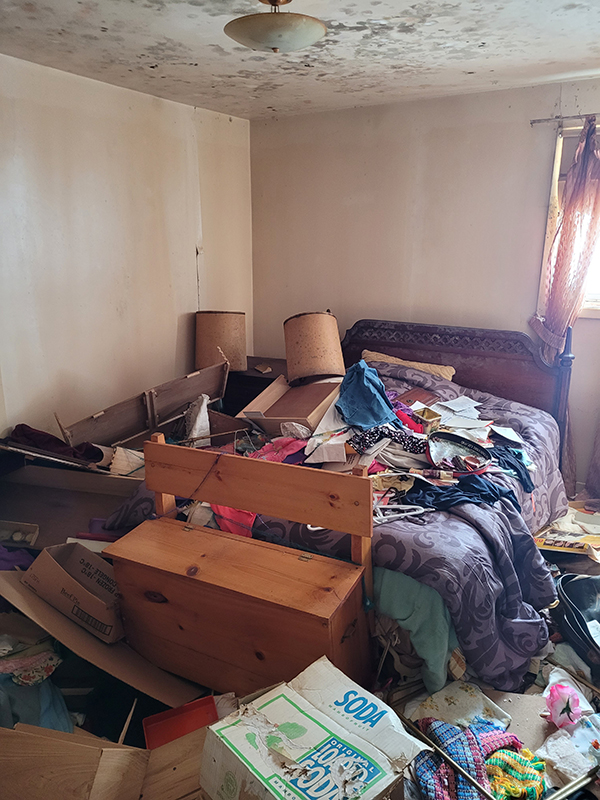
The Fisherman's Time Capsule (Markham, Ontario)

Painful Memories Time Capsule

This house sits along a quiet road in Ontario. The electricity still works. Outside a few vehicles have tarps placed over them, as if the owner intended to one day return. This was the home of a couple. In 2002 the wife passed away at the young age of 49.

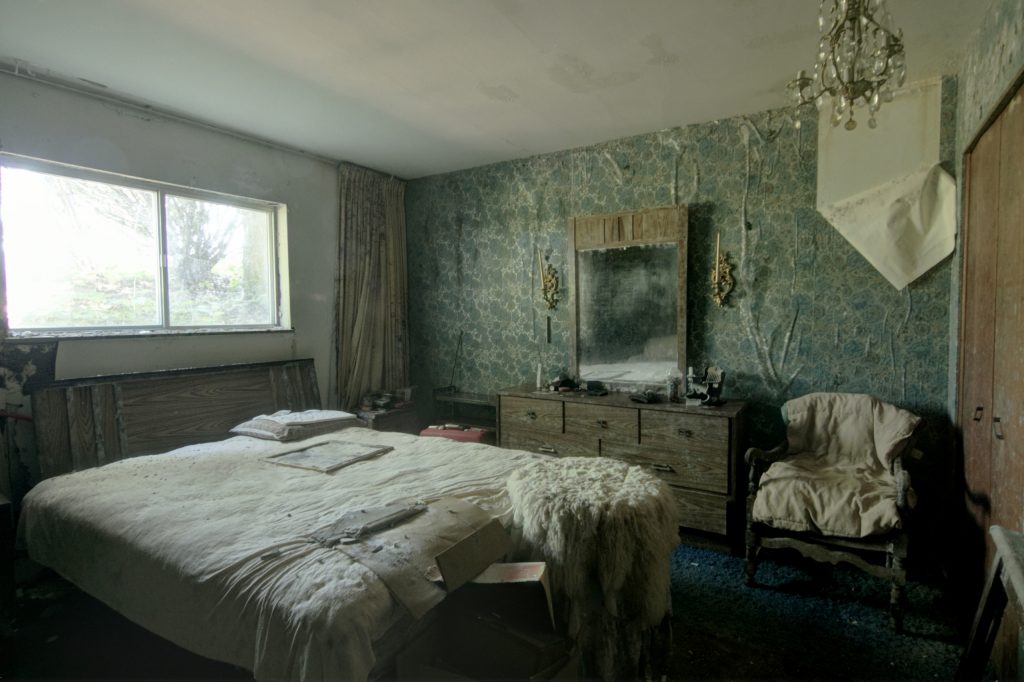
It apears that everything was left behind as it stood such as a closet filled with jackets, full dresser drawers and furniture. There are certain things inside the house that indicate perhaps renovations are to take place, or renovation items are just being stored here.

There are several photos from this house, but in order to keep it from being found by scavengers, I’m limiting the number of photos shown.


Video
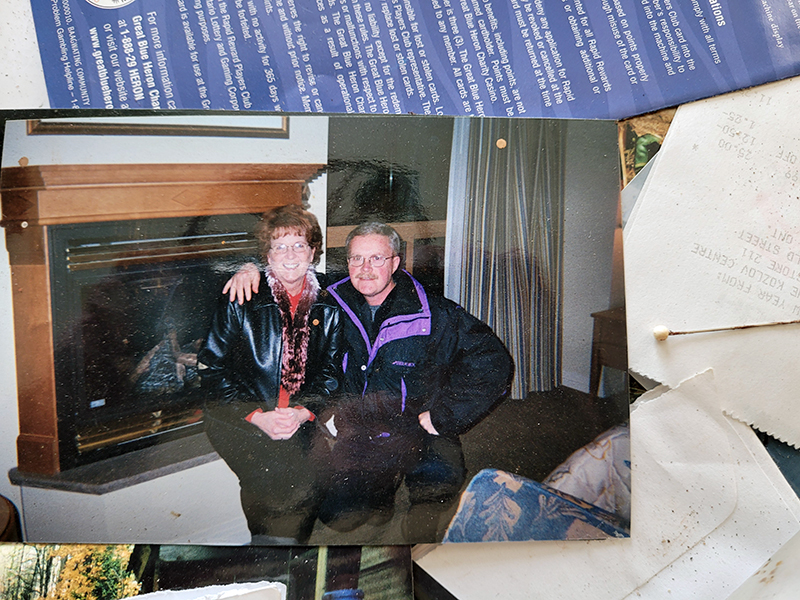
Exploring a Time Capsule House with a sad history (Ontario, Canada)

Sweating to the Moldies House (London, Ontario)

This house is located in rural Ontario just outside of London. It’s one of those properties that creates more questions than answers for the curious explorer. In particular, I could find very little information on the last residents and no information on a woman’s passport found in a purse.

Eight of the 20 acres is leased to a farmer.

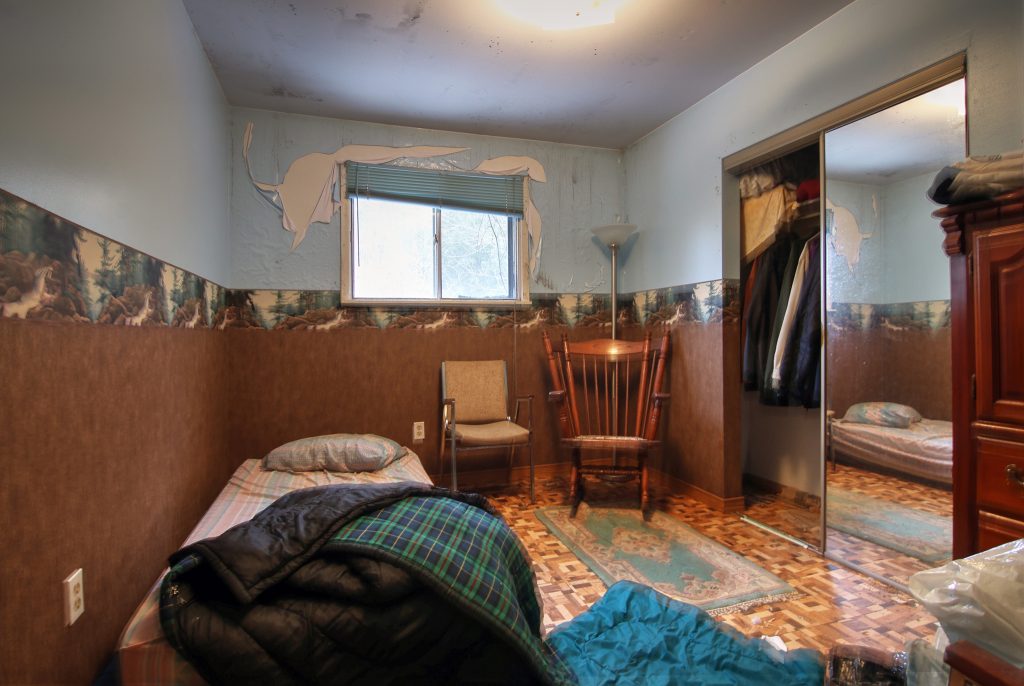
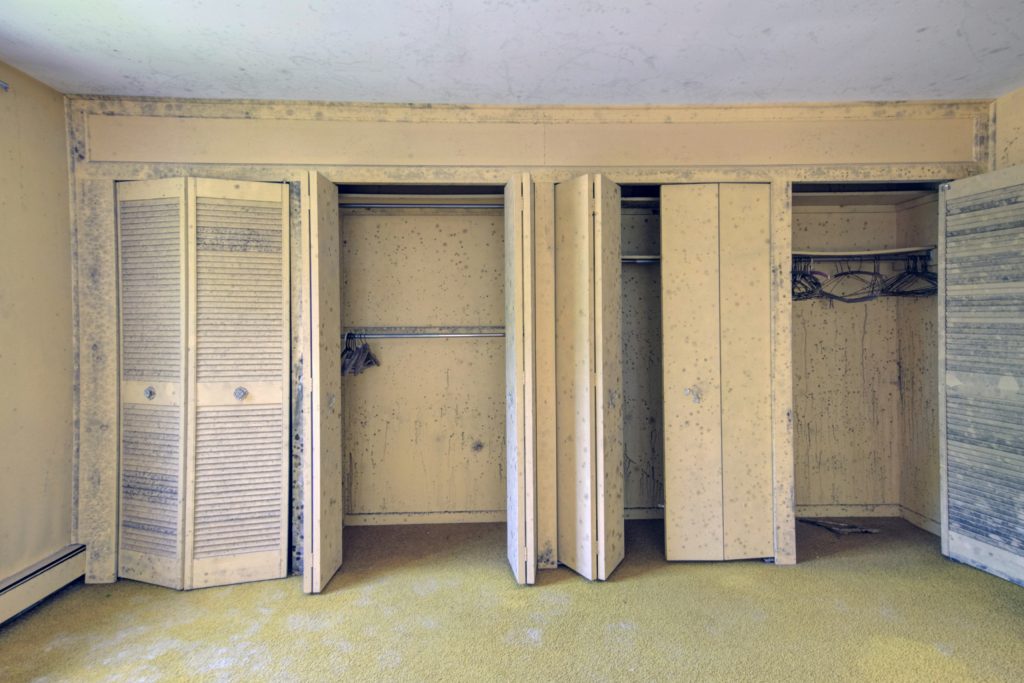
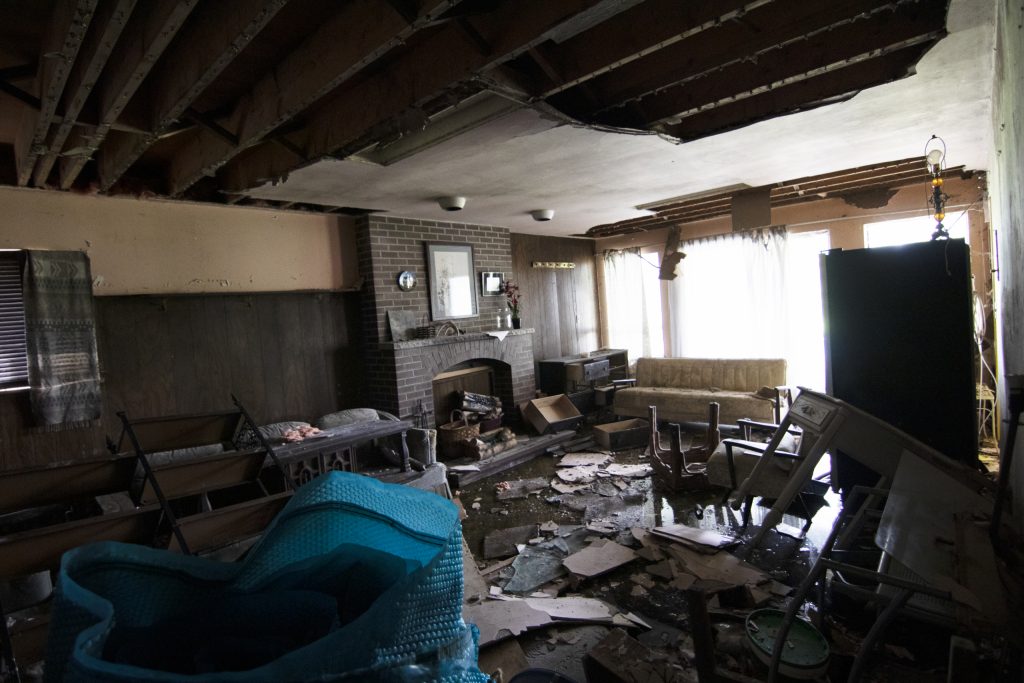
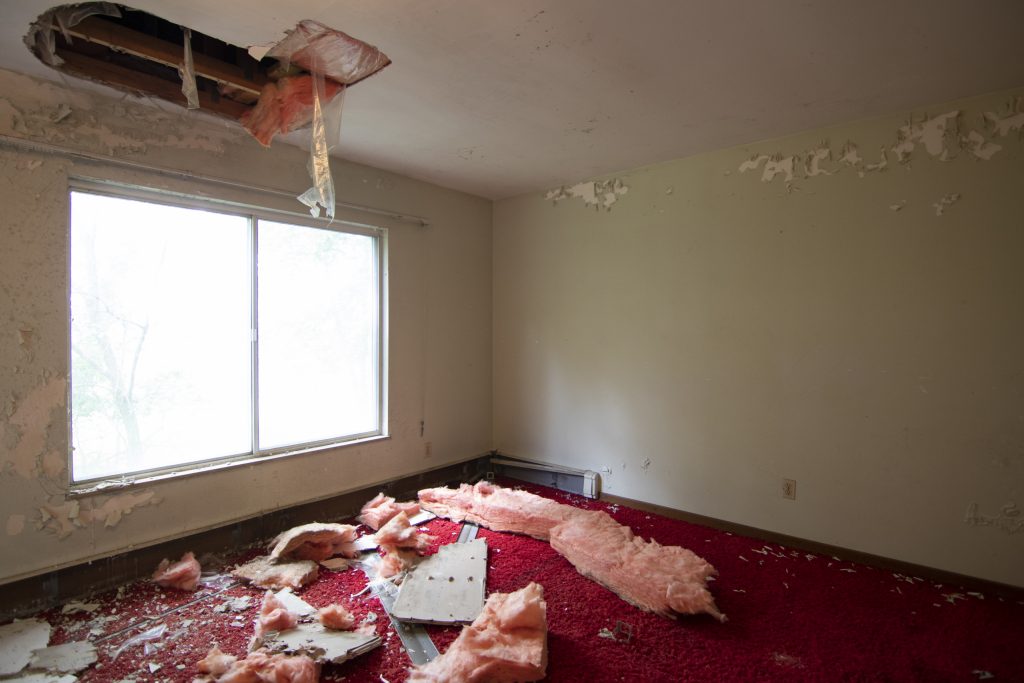
The house has severe water damage which would seem to indicate that it’s been vacant for quite some time. Several rooms such as the basement and upper bedroom have fallen drywall where water has accumulated. In addition to the water damage, this house has an EXTREME amount of mold growth. It has the most growth I’ve ever experienced in 22 years of exploring.

I started my exploration in the basement. There is mold on the walls, on the piano, on the books in the closet, on the dresser, on the bedframe, everywhere!!!

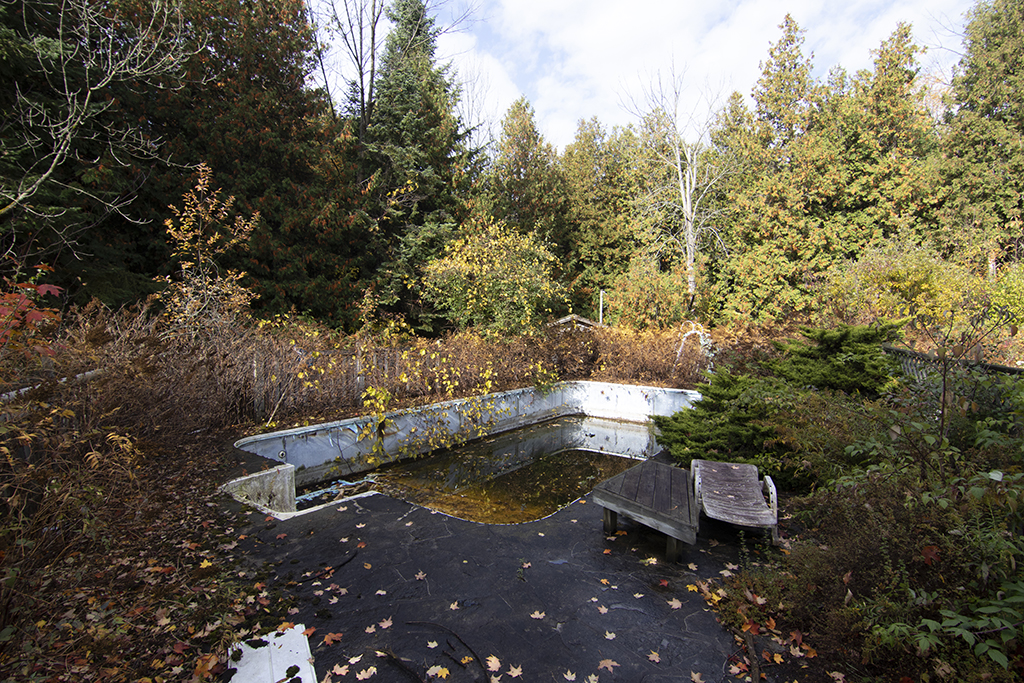
The basement contains a sliding glass door that opens out into the backyard with a spacious in-ground swimming pool. In the far corner is a bar. Next to the bar is a piano covered with drywall. It was quite dark and smelly down in the basement and I didn’t spend much time looking beyond the main features.

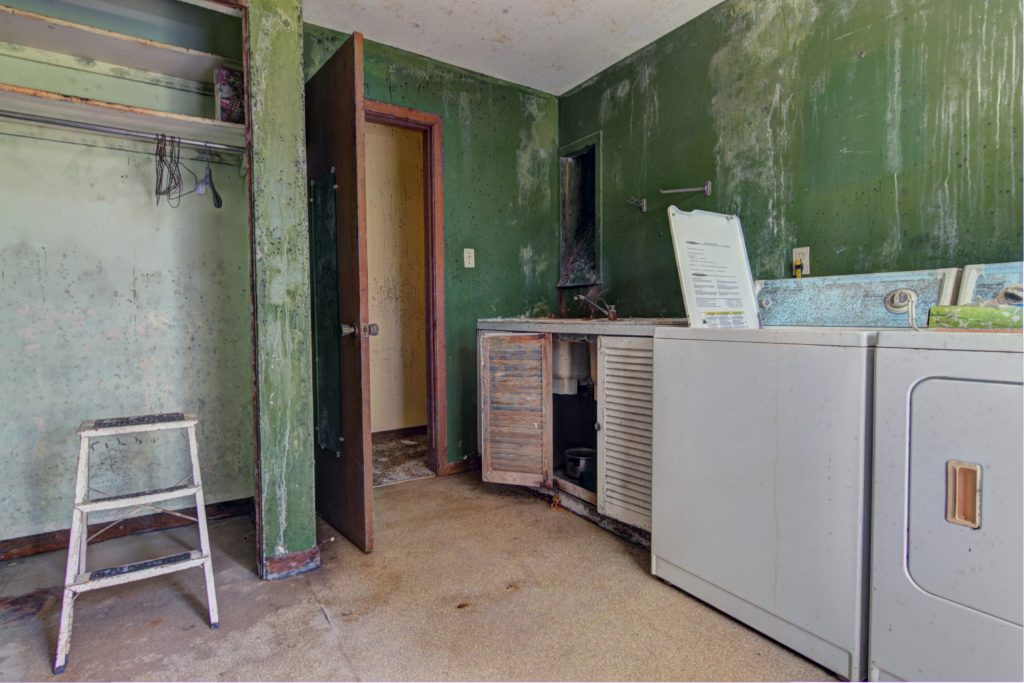
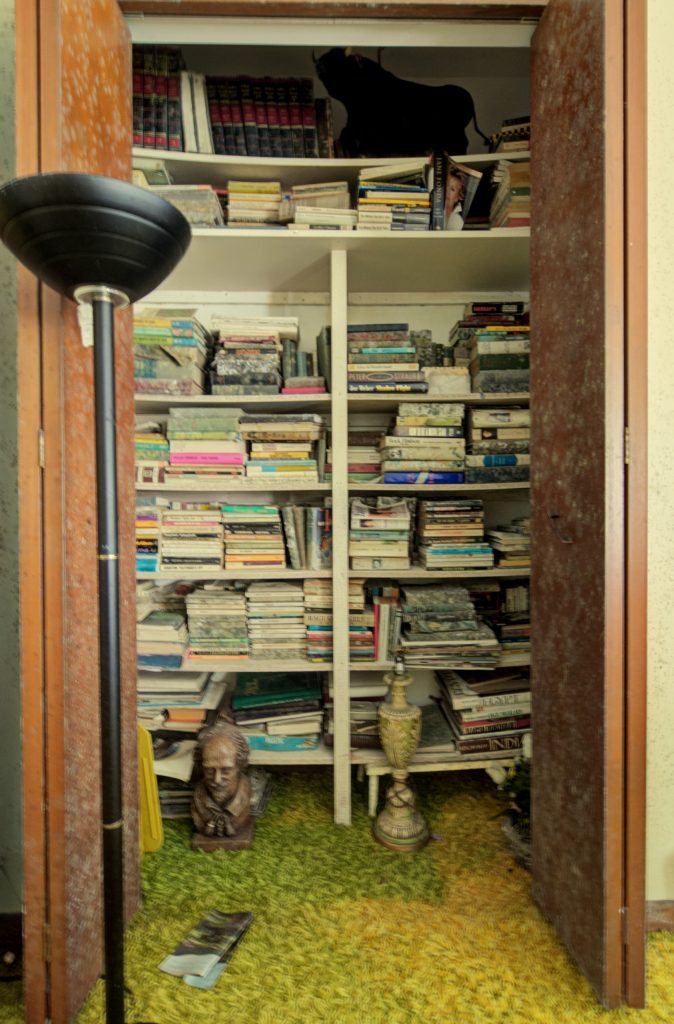
There was a hallway (mold infested) that leads to an office with a shag green carpet and a closet with old books. The books are covered in mold. There’s a laundry room with rusty old washer and dryer, a bedroom with collapsed ceiling and a second bedroom. The second bedroom looks pretty much intact although I didn’t venture into the drawers. 


Moldy Time Capsule House - EVERYTHING covered in mold


Muskoka Time Capsule Cottage

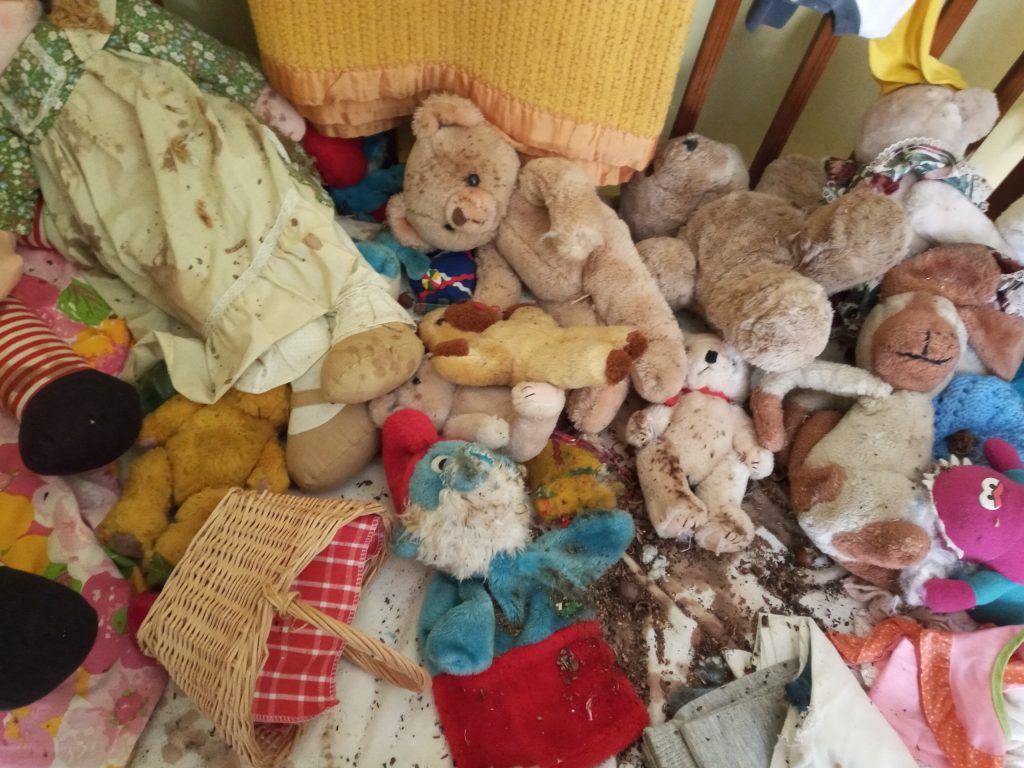
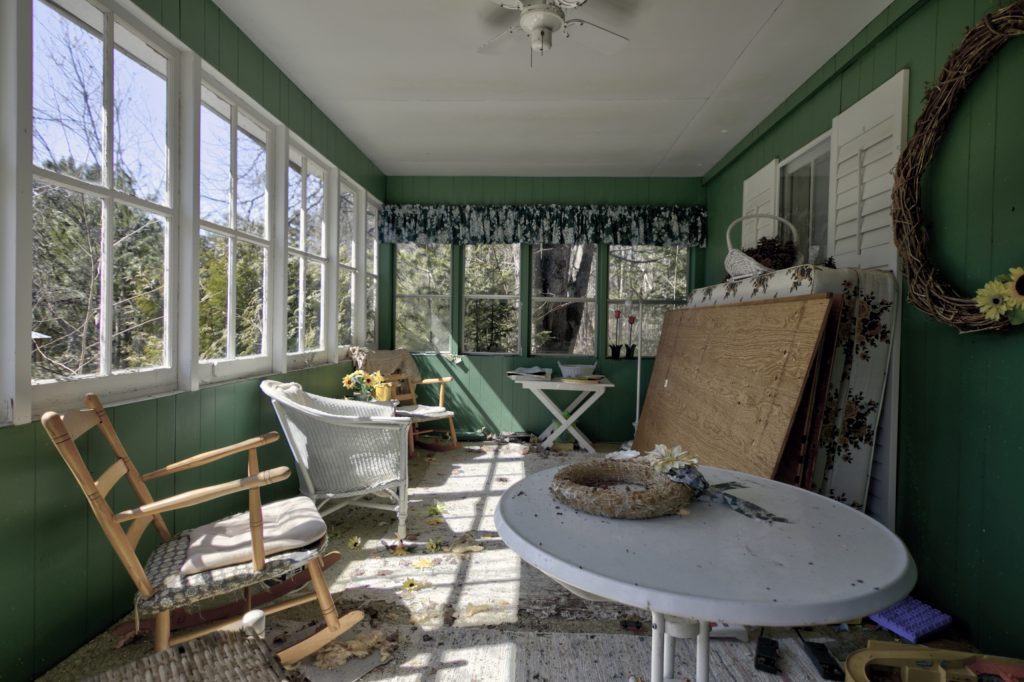
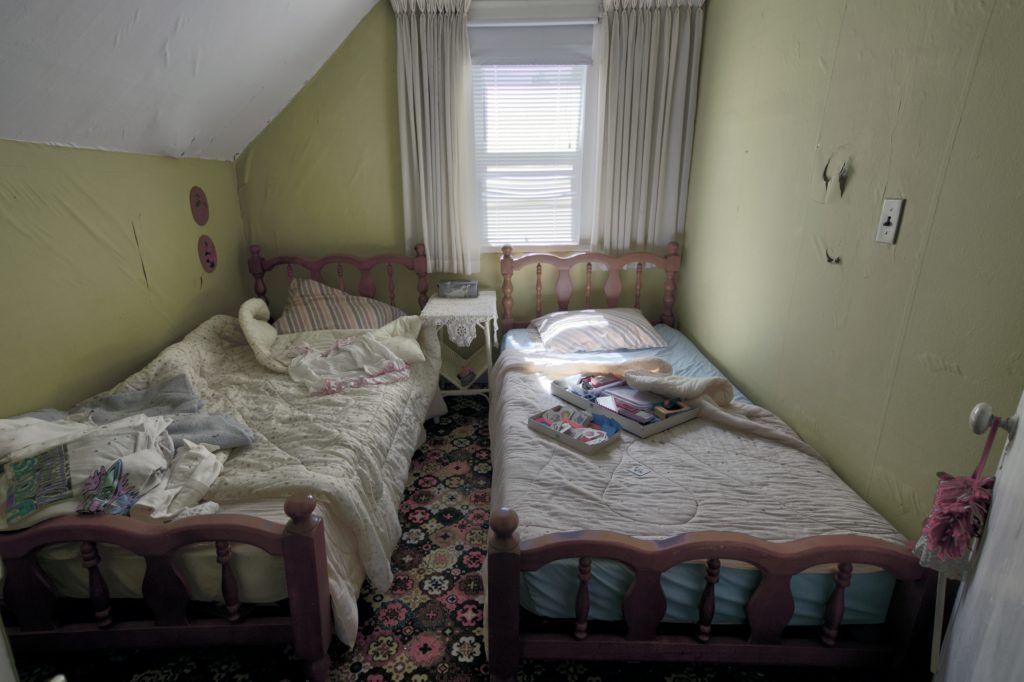
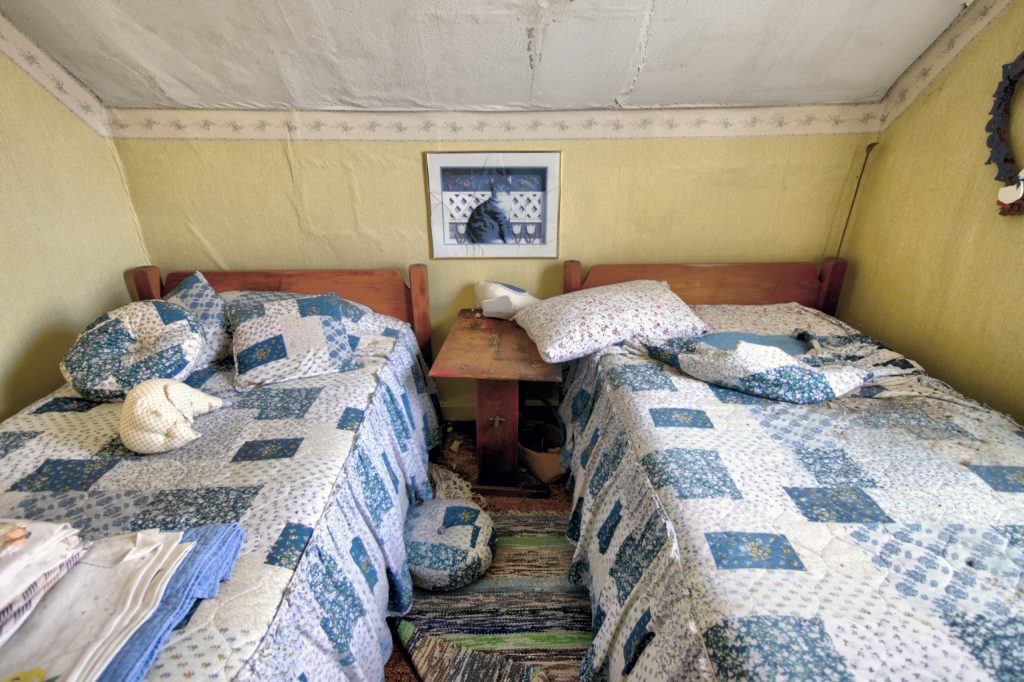
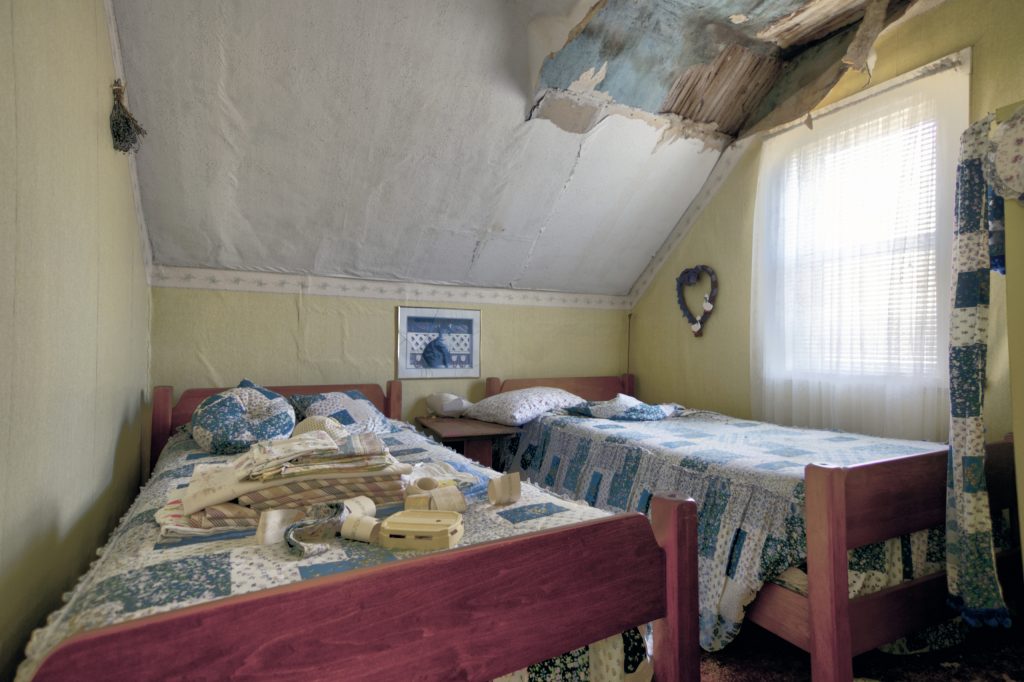
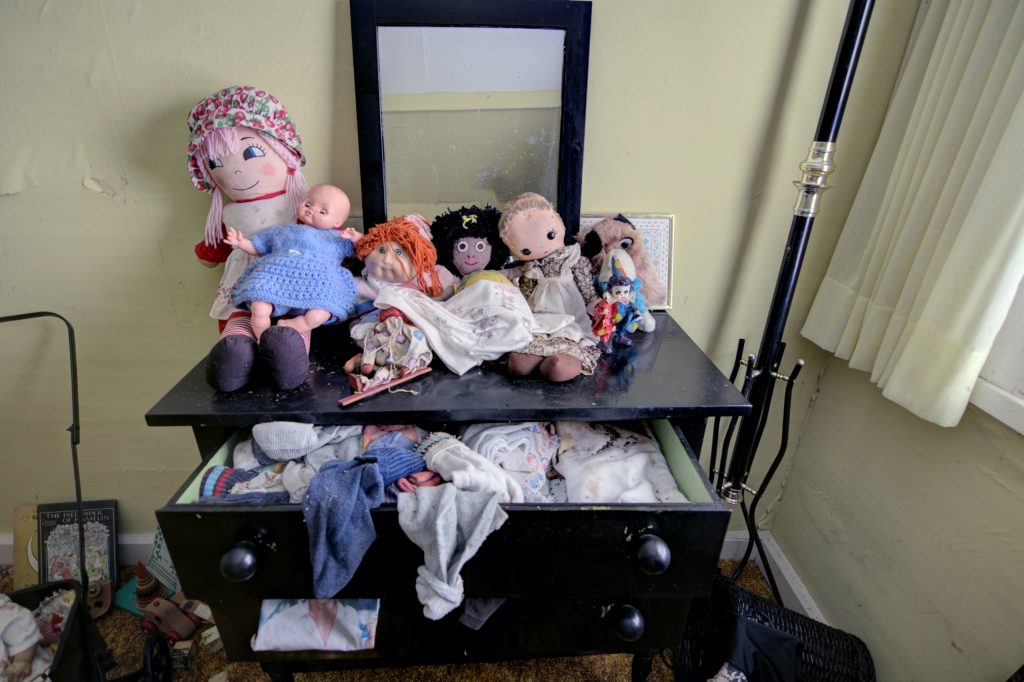
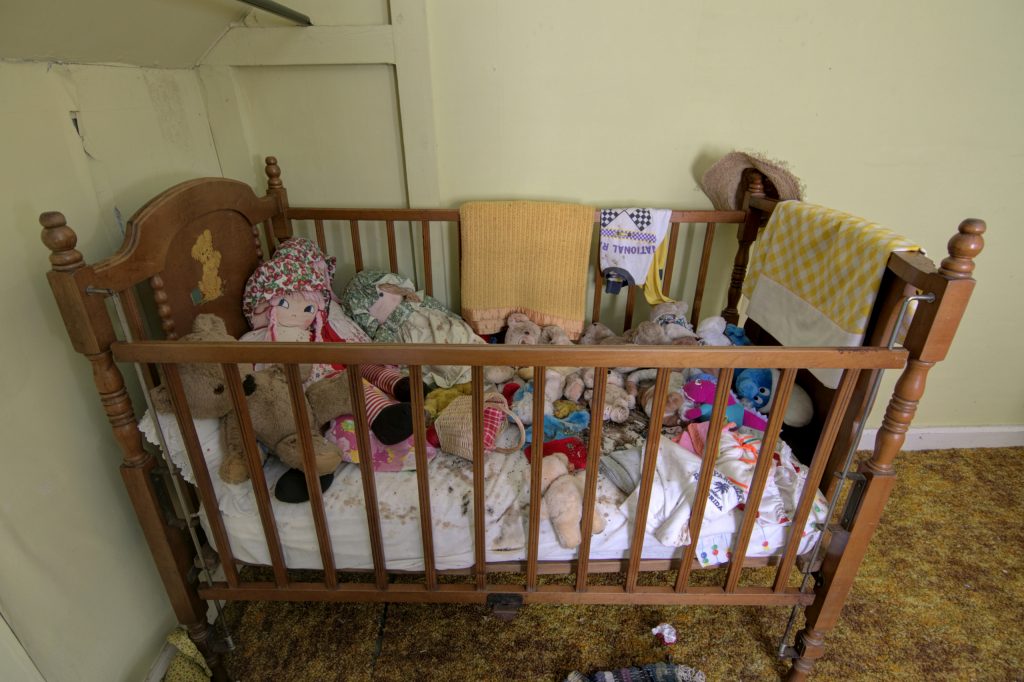
This appears to have been a seasonally used property many years ago. The front floor has caved in indicating that the place has likely been vacant for quite some time. Upstairs you’ll find a collection of children’s stuffed animals and books, as well as a crib. The twin beds are made up with quilted bedspreads.

This is located in Muskoka area of Ontario.

Gravenhurst Ontario Time Capsule Cottage

The Polish Soldier’s Time Capsule House

This house is the kind of house that I’ll drive hours to explore. You could easily spend hours here, pouring over the contents left behind. I’m naming this location, the “Polish Soldier’s House” and this is the back story.

To keep undesirable people from finding the house, names aren’t being disclosed nor are the full dates. As enjoyable as it is to present these houses, there is still a family we need to be cognizant of.

A.K. was born August of 1914. I.T. was born February of 1924. During World War II, I.T. arrived home one day to find that her house was being taken over by Nazi soldiers.

A.K. enlisted as a soldier in the Polish army as a translator as he was able to speak several languages. A.K. & I.T. ended up as prisoners in a Nazi camp.

The couple moved to Belgium after the Second World War and were married in 1946. They celebrated their first anniversary in Belgium. The couple eventually emigrated to Canada and had a daughter and son. I believe that A.K. worked as a teacher in Canada.

They purchased this house in 1969 for the amount of $2 which is typical of homes transferred down from family.

The couple passed away in 2010 which means that the house has been unused for 12 years now. What makes the house so appealing to me as a historian, is that the couple were elderly and so many of the contents of the house are antiques.

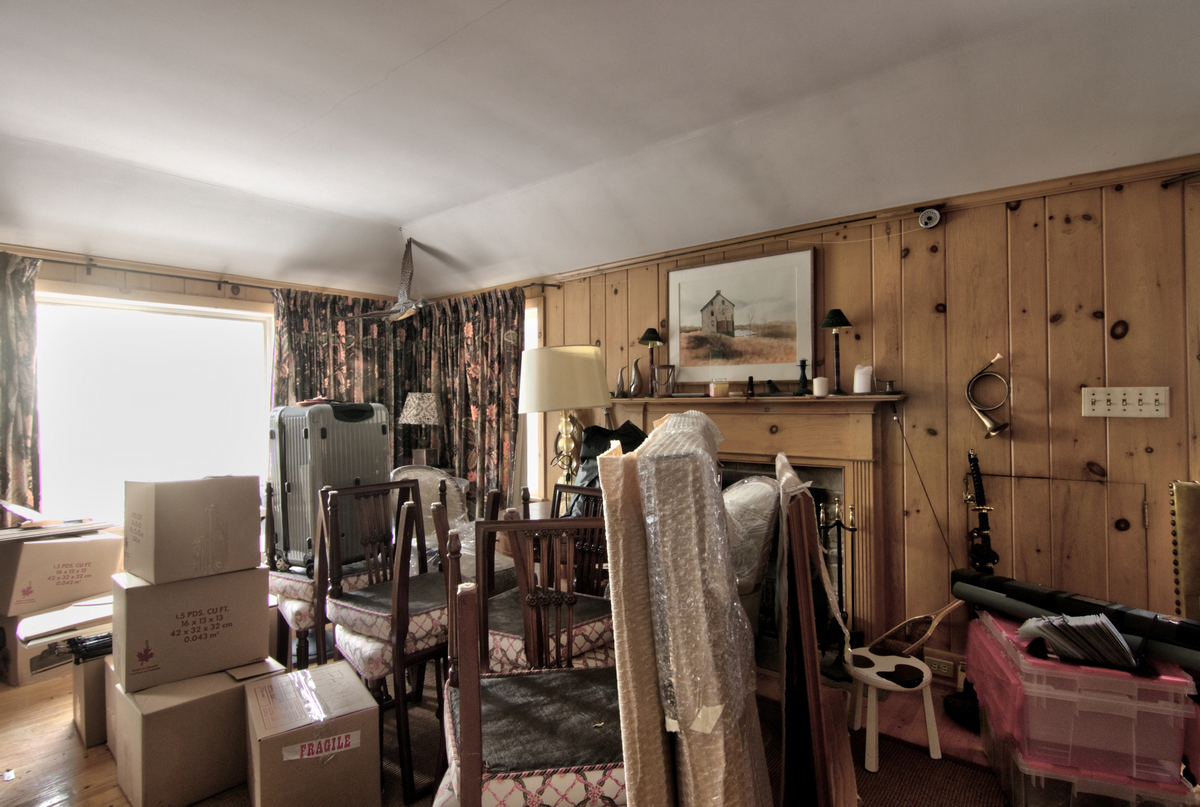
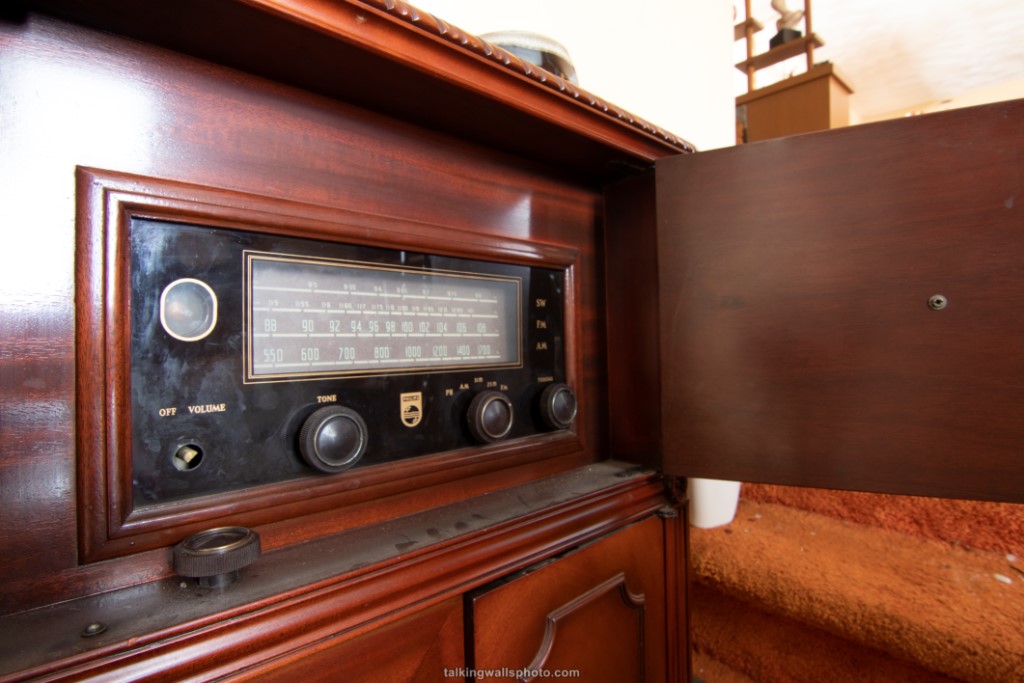
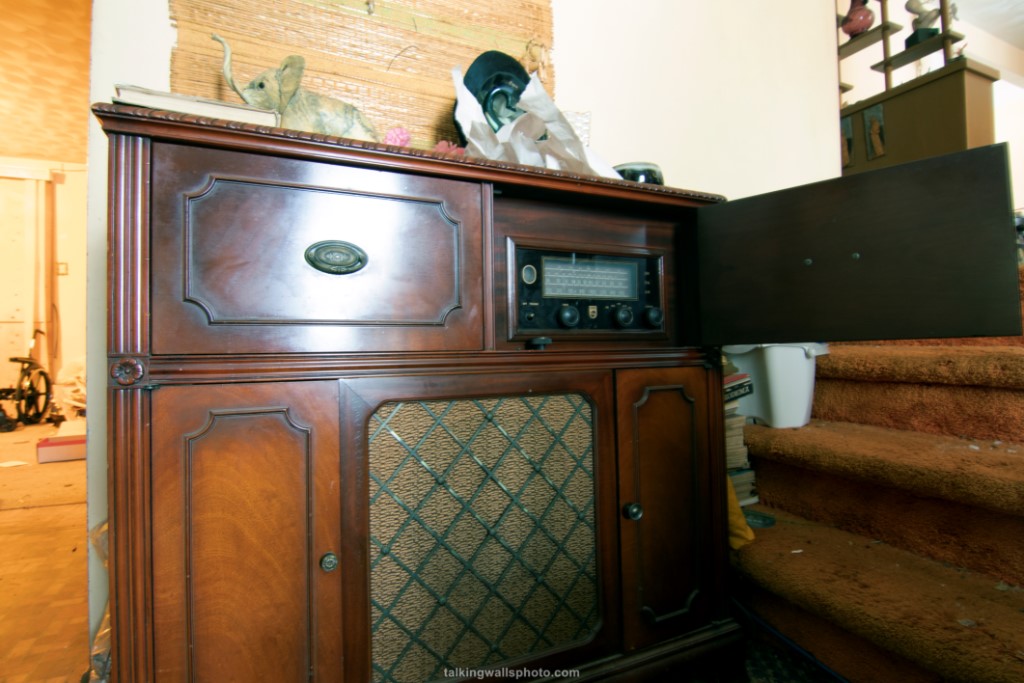
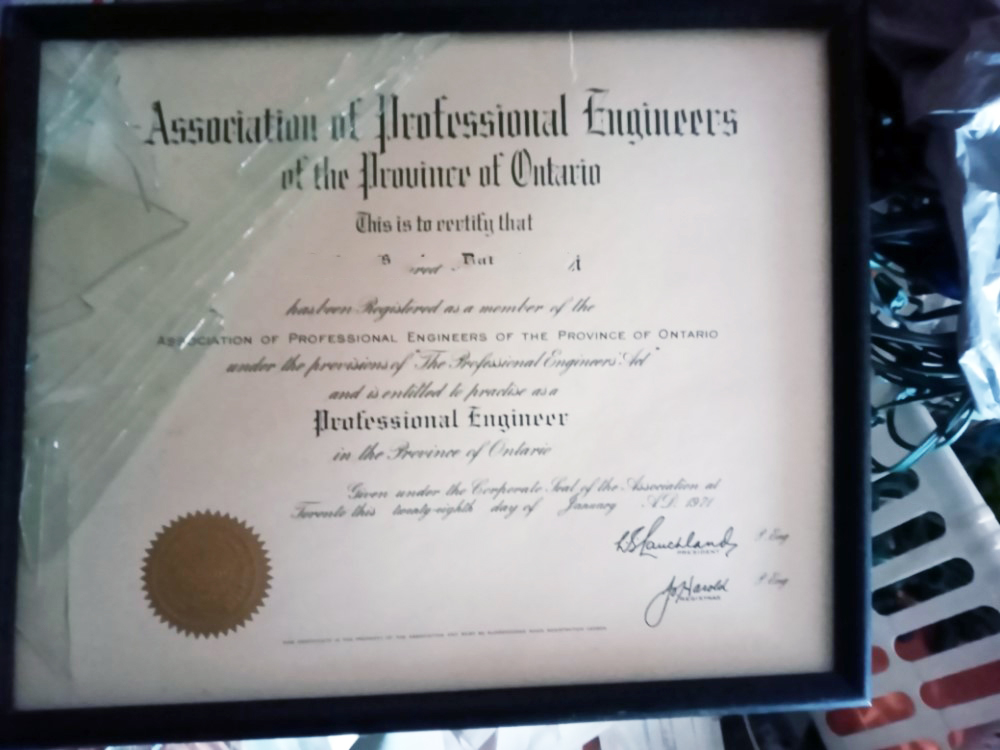
The front entrance has a few items piled into boxes. It looks like someone started the process of packing up the house, but stopped. An antique radio cabinet sits at the stairs leading up to the living room. In the living room, there’s a framed certificate from the Association of Professional Engineers. The certificate is dated 1971 and is issued to someone with a last name that isn’t found anywhere in this story. The frame is broken and shards of glass are embedded into the carpet.

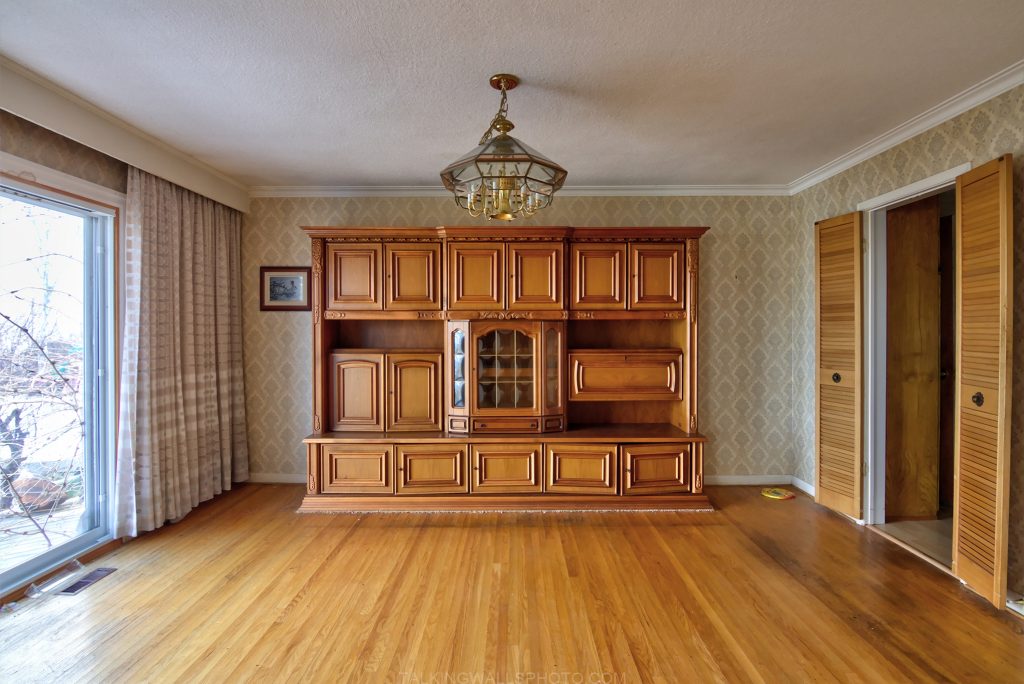
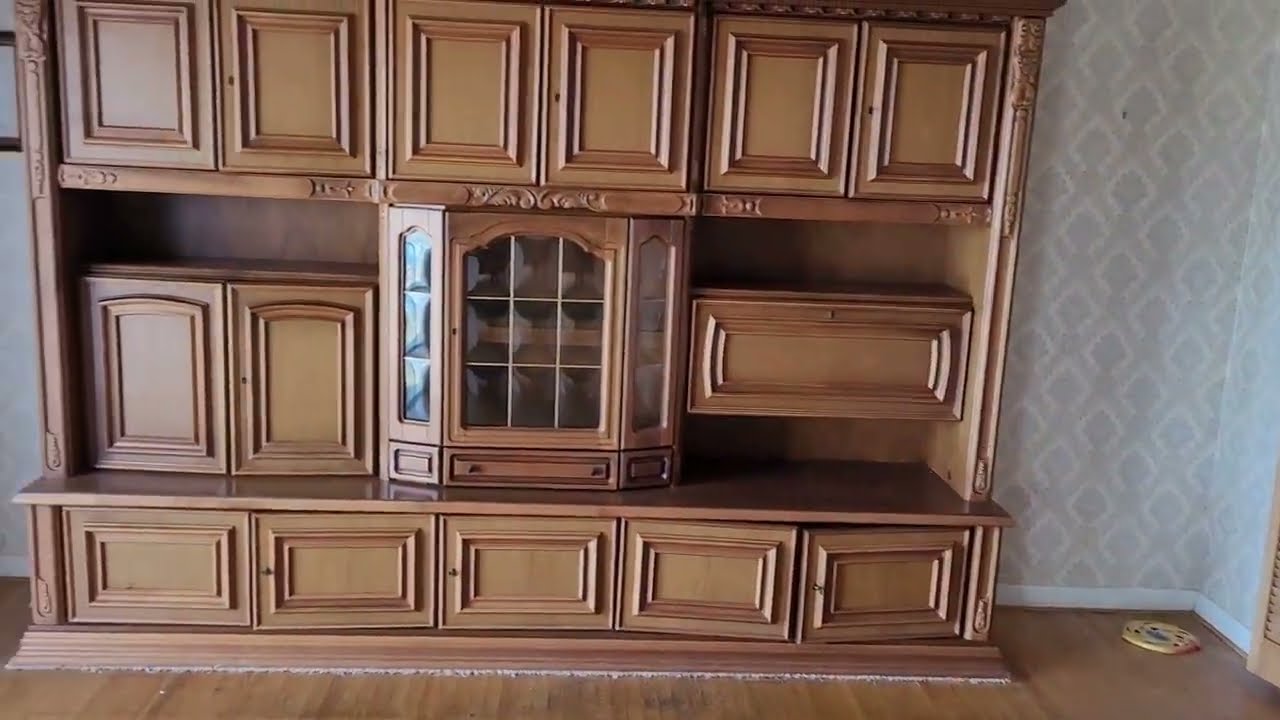
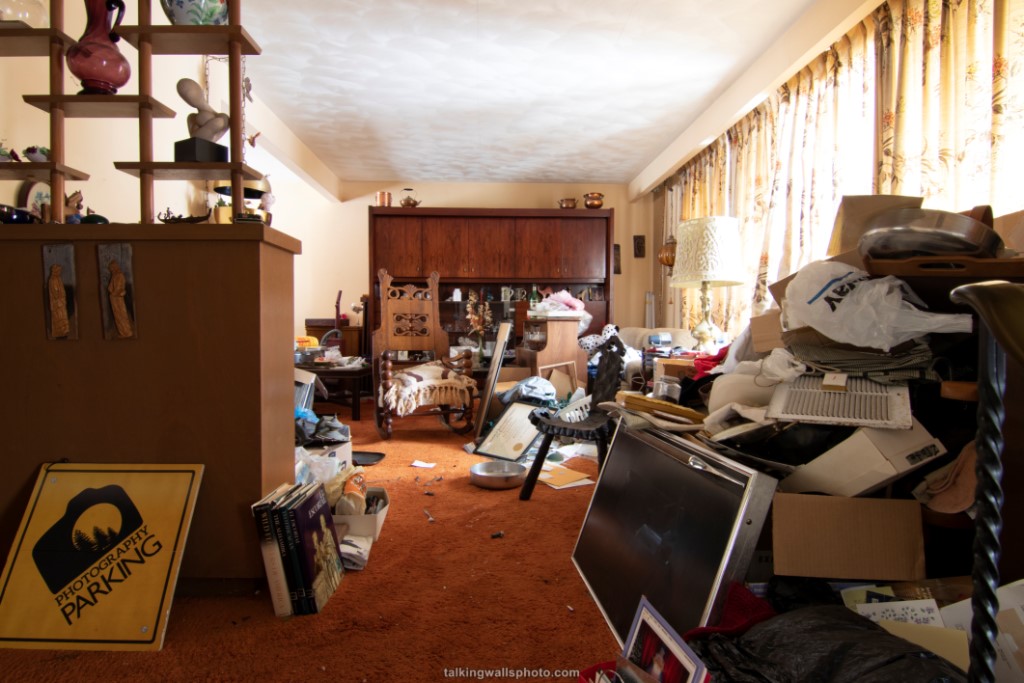
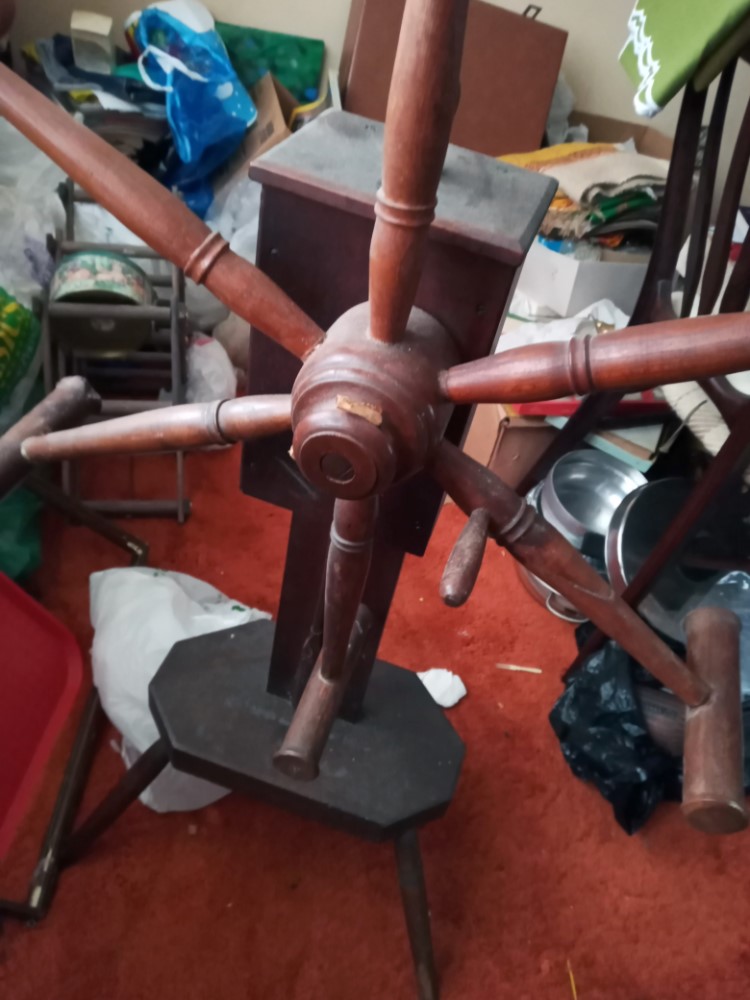
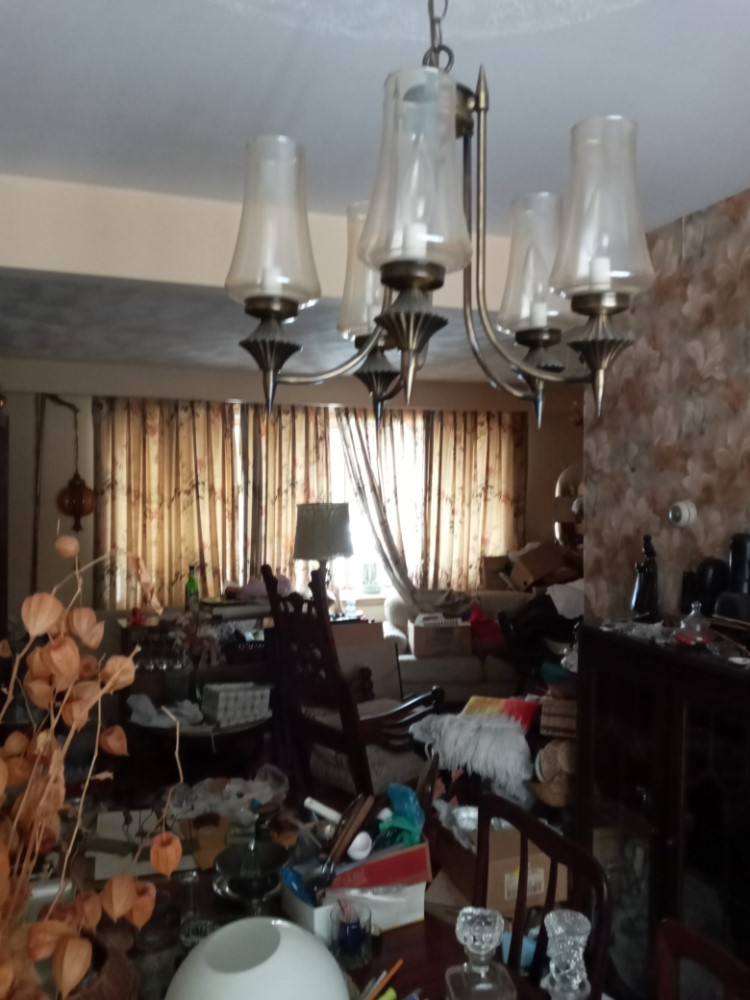
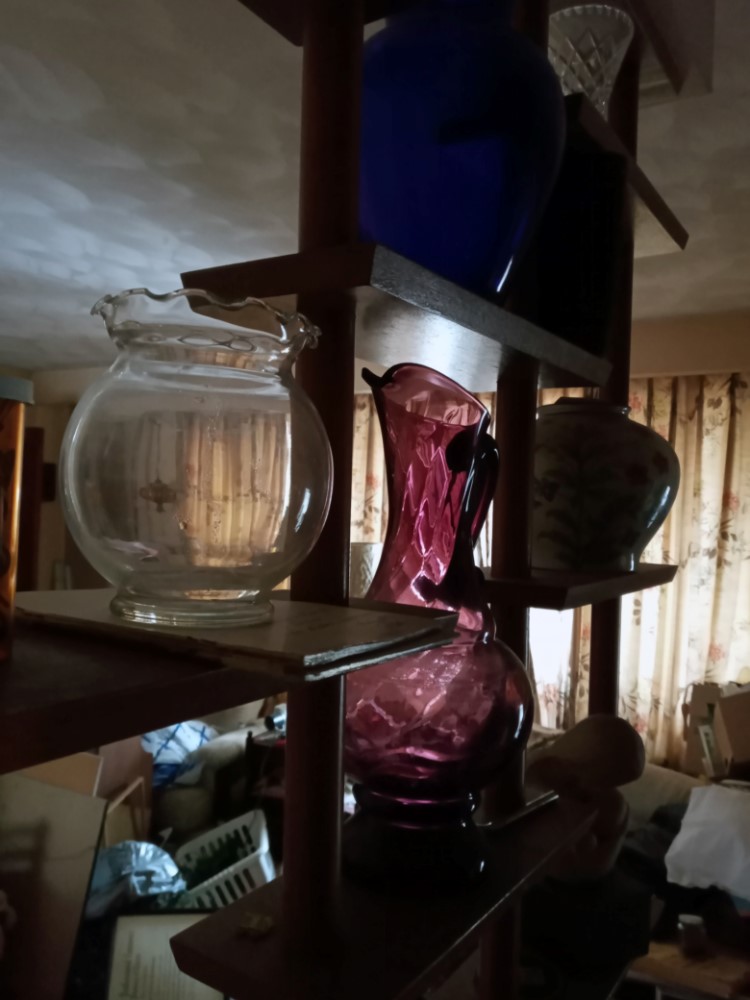
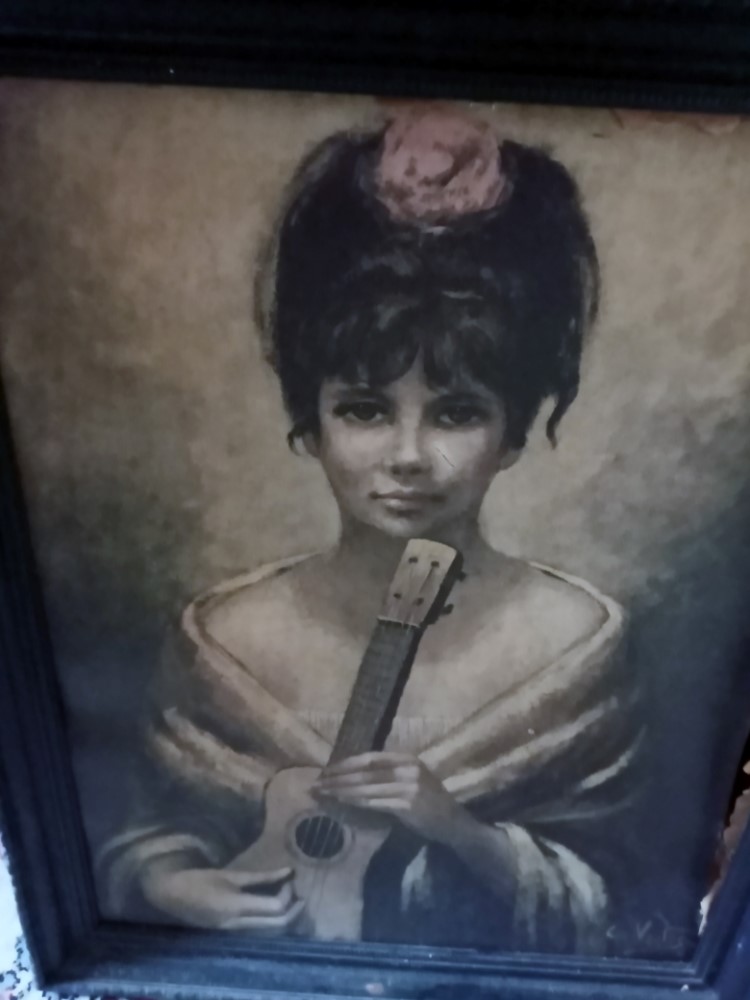
This is one of those houses where your mind struggles to absorb a whole lot of stimuli at once. There are boxes of items everywhere you look. In the dining room is an antique boat steering wheel. On the dinner table are assorted kitchen pots and pans. The wall unit has several old wine glasses and beer steins.

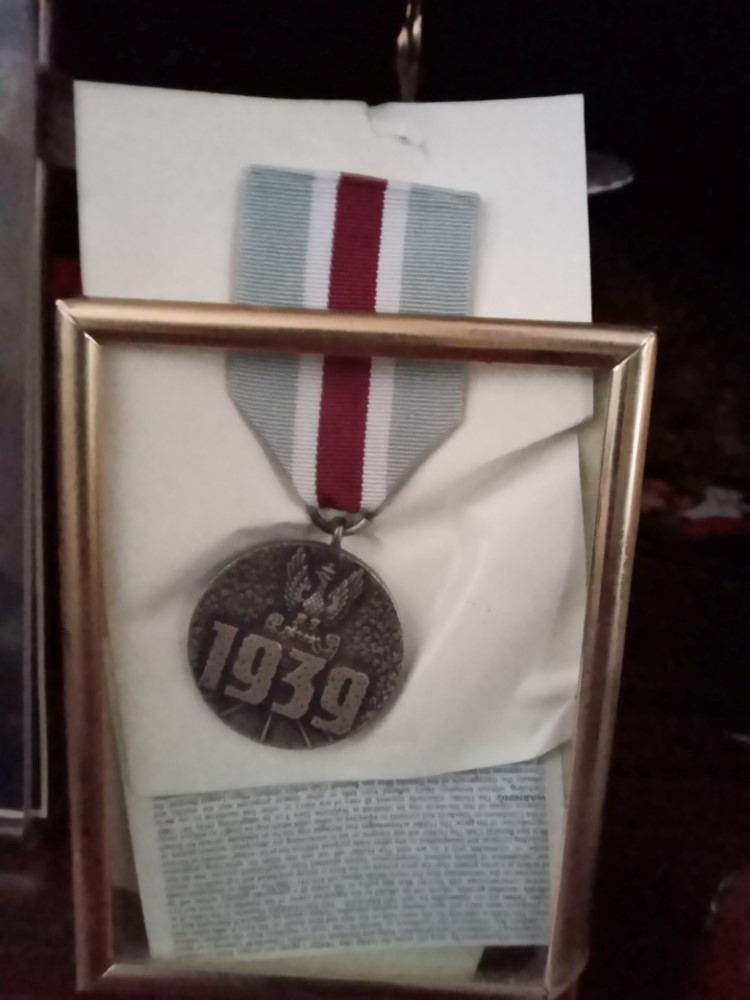
On the bottom shelf of the wall unit is a Second World War Medal dated 1939.

Explorers often find these houses in a variety of conditions. Ideally the rooms are intact, clean, and look untouched from an earlier era. Worse case, they’ve been vandalized, items strewn about and there is water and mold damage. The living room is still very much intact and looks like a throwback to the 1970’s. There are pillows, a laundry basket and several framed paintings out of place making the room appear cluttered. While not a perfectly untouched time capsule, this house has zero vandalism. 

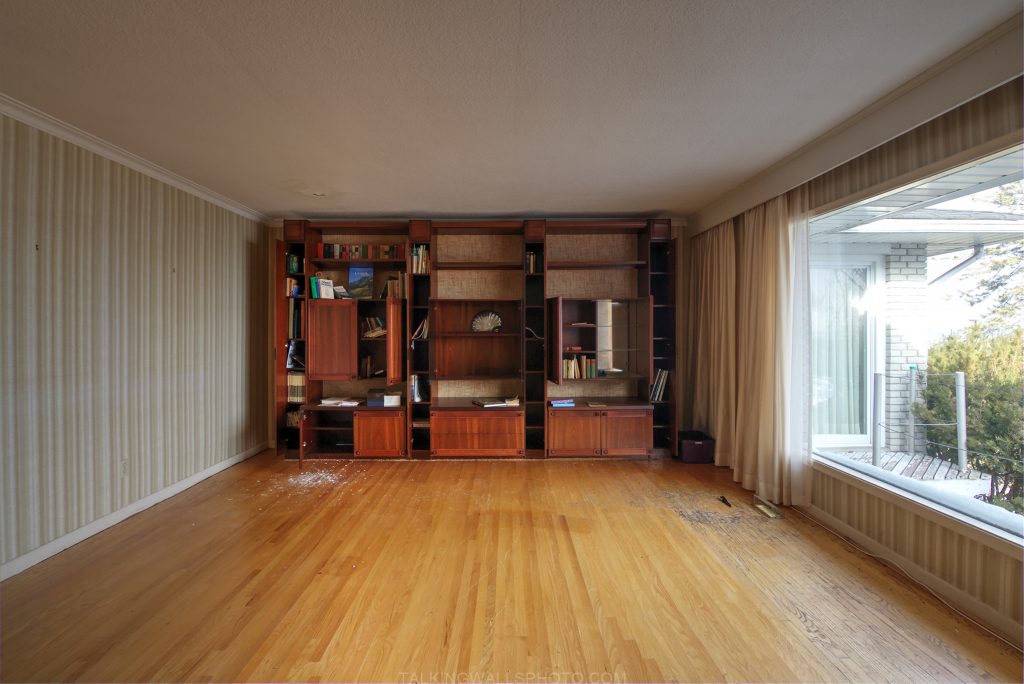
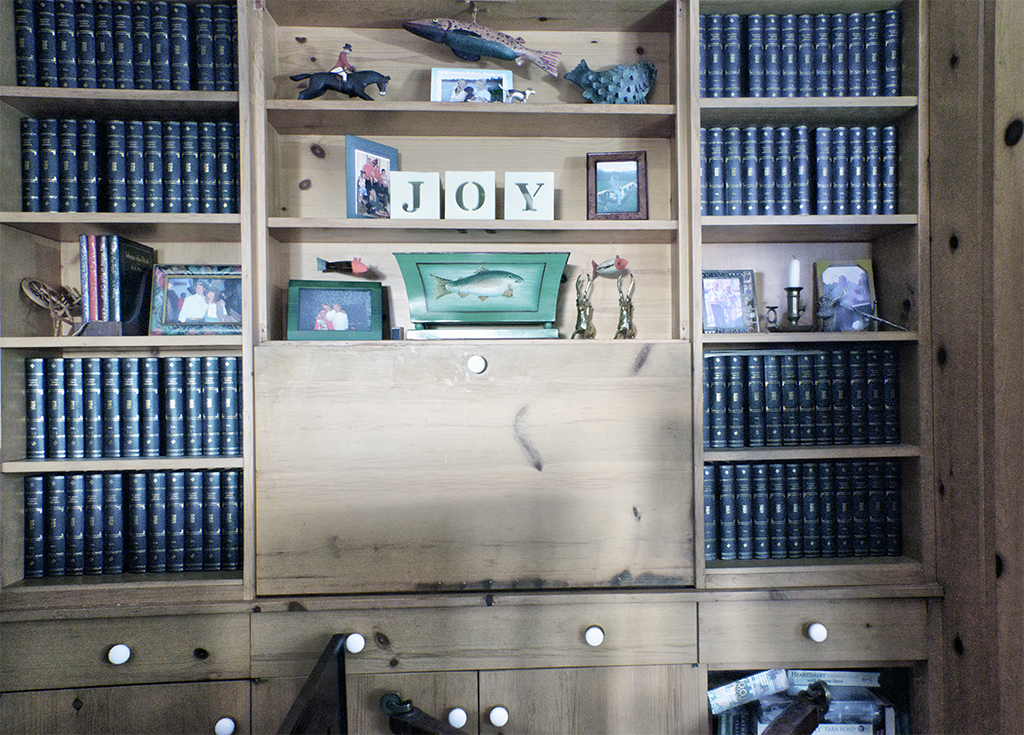
There’s an old bookcase shelf unit that goes from floor to ceiling, as many 70’s houses had in the entranceway.

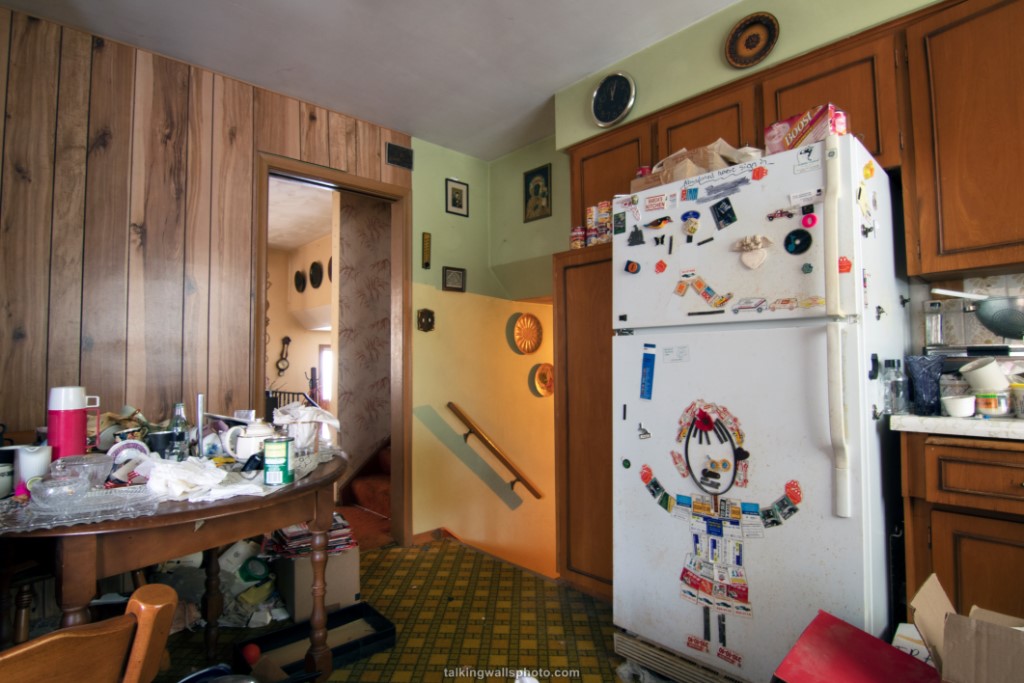
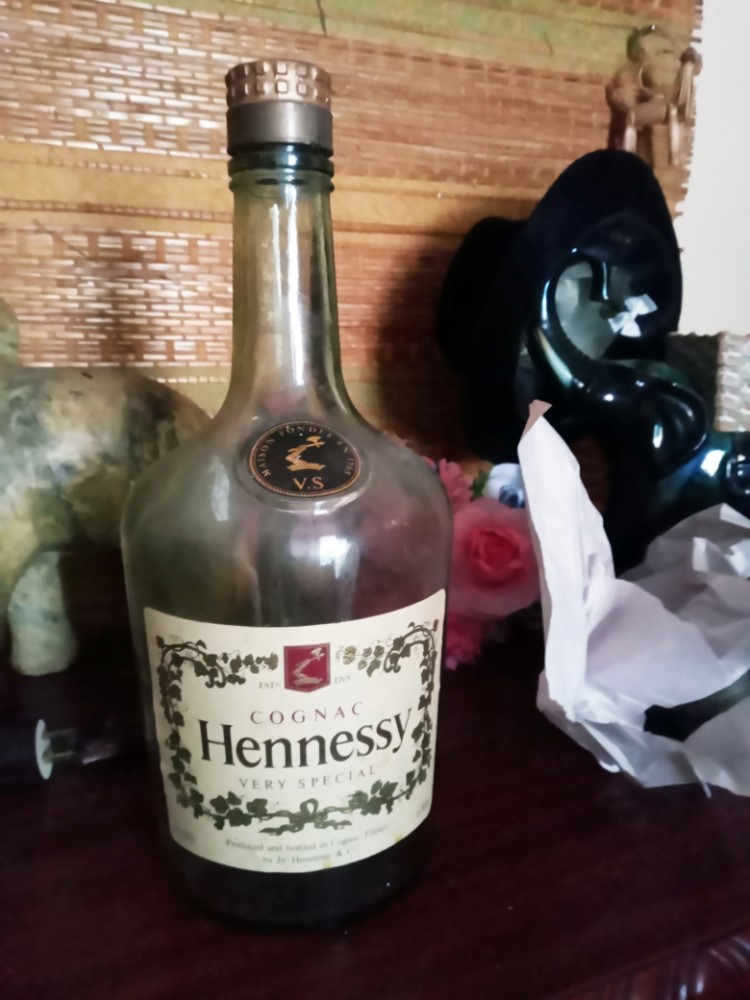
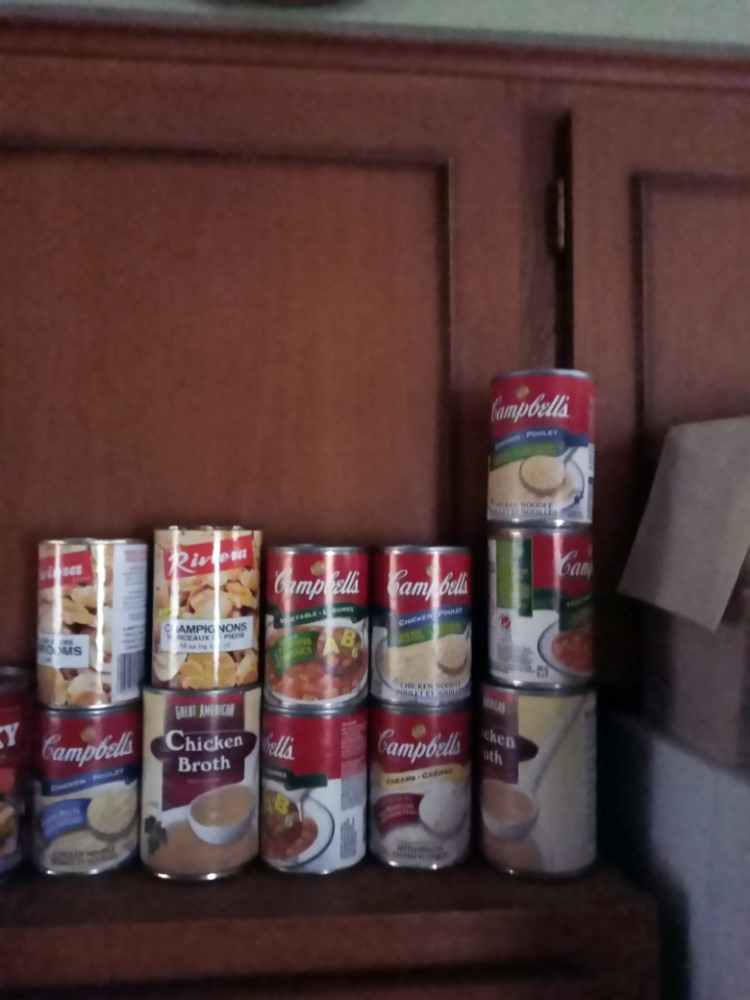
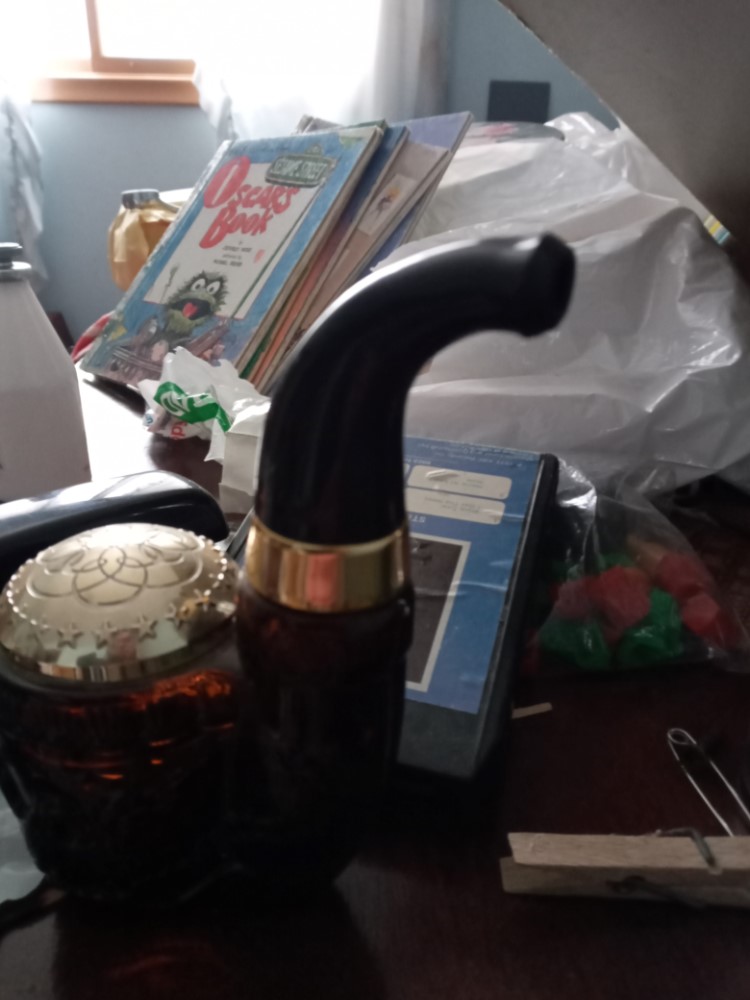
In the kitchen I found a frozen carton of chocolate milk. I tried to examine it for an expiry date but it was stuck to the sink. I totally forgot to check inside the fridge. To the left of the fridge on top of a pantry, are several newer looking cans of soup. A cartoon figure has been made out of fridge magnets and I suspect the couple had frequent visits from their nieces and nephews.

Someone has written “abandoned house sign in “ on the fridge but then wiped out their names. It looks to have been done in marker, which is generally frowned upon by explorers. A fridge magnet shows a calendar date of 2006, four years prior to the occupants passing.

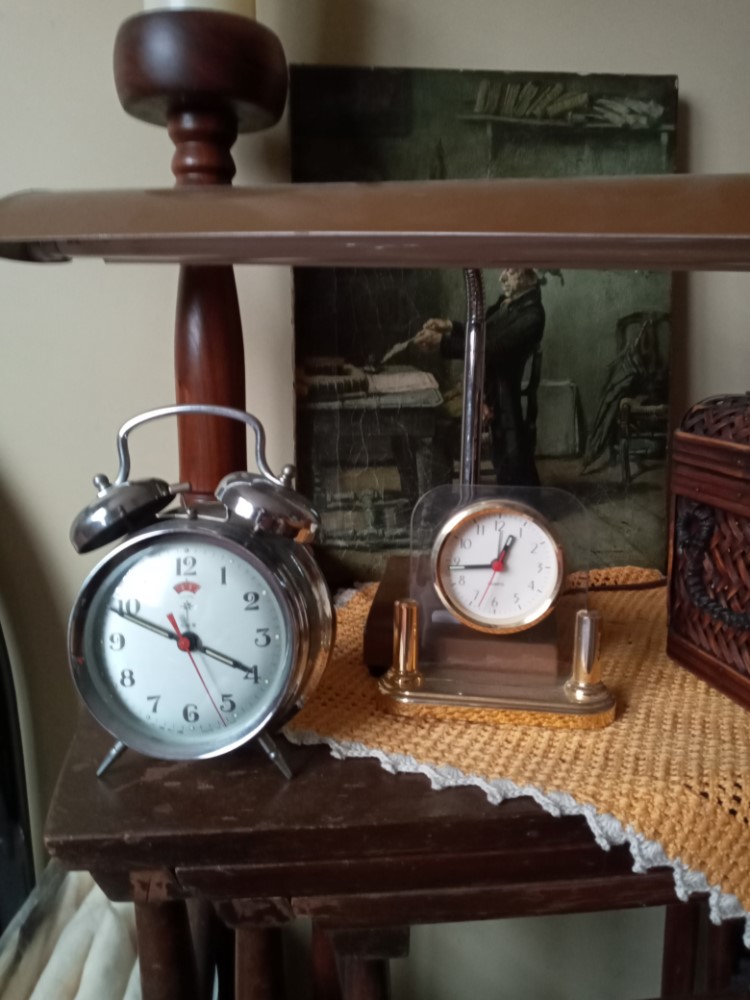
The stove and kitchen counter top are covered in stacks of pots, cups and utensils – most of which are clean. On the kitchen table is a Time Magazine dated December of 1992.

The electricity is working, which brings the question who has been paying the utility bills for 12 years?

In a back room area, the light is on. It appears someone has been using the house to smoke. There’s a can of energy drink, cigarette butts, and what looks like dried marijuana on the table. The patio door is covered with plywood which I suspect that at some point someone had broken into the house, and the door was covered to prevent further entry. I found several stacks of old 33 RPM vinyl records including a 1983 Smurf’s Party Time LP.

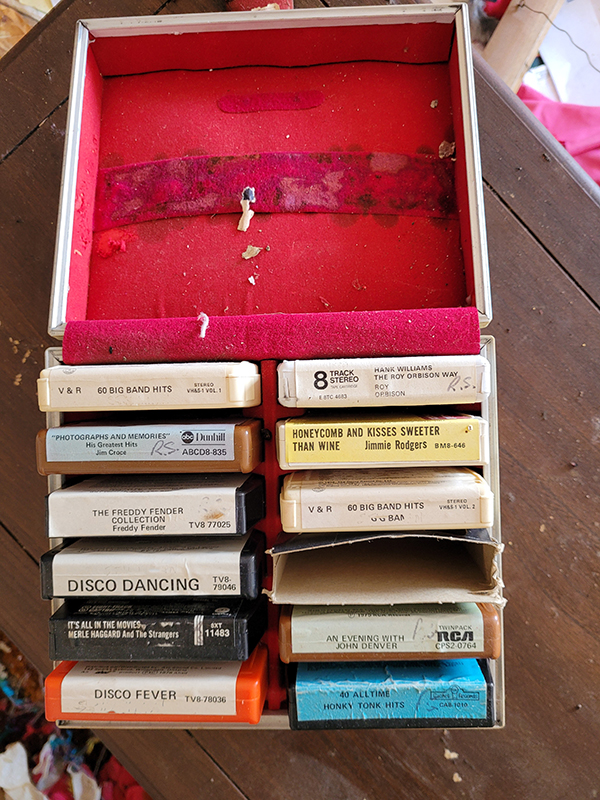
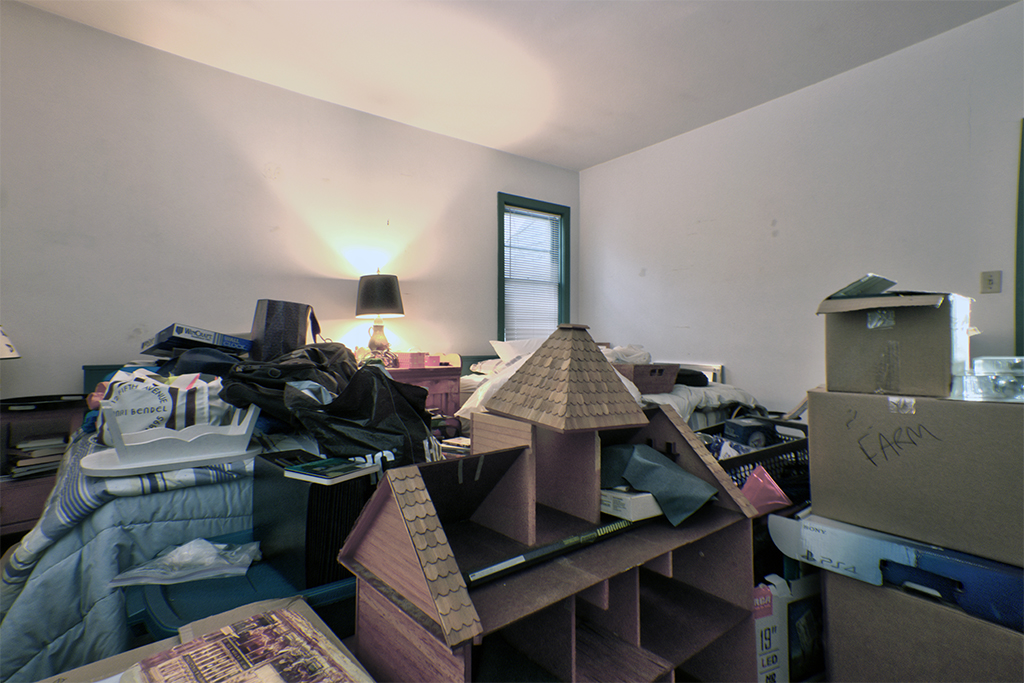
Upstairs, one of the bedrooms contains old board games, books (primarily electrical engineering) and some vintage 8-track tapes. There’s no bed and the carpet has been torn up. The second bedroom looks untouched. The bed is made, one wall has a large book case filled with assorted books and albums. Inside the closet you’ll find several dress jackets. The third bedroom is pure clutter. The bed is covered with bags and clothing. The closet in this room is also untouched.

 In my haste, I forgot to check inside the fridge, the basement and in the garage. For some reason I had this nagging concern that someone would show up at the house while I was inside.

What will become of this house, who can say. I hope it remains intact for more trusted people to visit.


Video
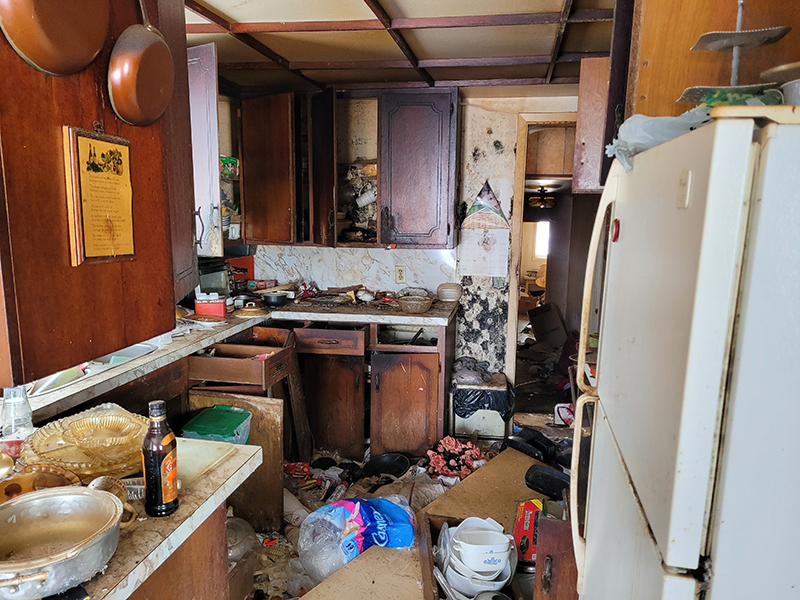
Exploring the Polish WW 2 Soildier's Time Capsule House in Ontario, Canada