Category: Commercial Property

Abandoned London Free Press Building

In 1849, the town of London, Ontario was a small community of just 5,000 people. Roads were unpaved, sidewalks were made of wood as were the majority of buildings. A local entrepreneur named William Sutherland founded a newspaper named The Canadian Free Press.

The Canadian Free Press was printed weekly with publication beginning on January 2nd, 1849. The paper’s competitors were Joseph Cowley’s London Times, George Brown’s Western Globe and Reverend James Inglis’s Evangelical Pioneer.

A centennial book published in 1949 described the printing process as, “By a diamond-paned window at the back of the building stands a big, burly man. Methodically, unhurriedly,he turns the crank of a temperamental hand-press. He is stripped to the waist in spite of the penetrating cold and every turn of the crank brings into play smooth, powerful muscles, rippling under his ebony hide.”

By December 1851, Sutherland extended the paper to a semi-weekly. He canvassed local merchants and obtained 250 new subscribers to the paper. This led Sutherland to issue the paper in a daily format which was the first of its kind for London. The new paper was quite small, a single 26×40 inch page consisting of daily reports of the markets. Reporting of local news was a secondary consideration.

By February the daily format was discontinued due to poor sales.

Blackburn Family

The Free Press operated under Sutherland’s ownership until 1852 when he sold it to Josiah Blackburn for the amount of $500. Blackburn changed the paper’s name to The London Free Press and Daily Western Advertiser.
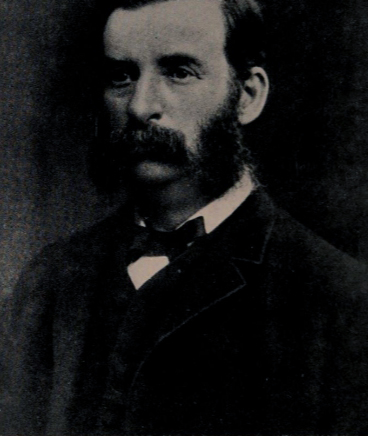
Josiah Blackburn
Josiah Blackburn
Source: The Story of London, “The Free Press” and Western Ontario (Orlo Miller)

The London Free Press was printed in a small office at the back of a dry goods store on Talbot Street. Josiah Blackburn was a one-man operation. He worked as the editor, reporter, bookkeeper, canvasser and proof-reader. Printing of the newspaper progressed from a hand crank press to a Northrup power press capable of producing 600 newspapers per hour.

Josiah wanted to produce the newspaper on a daily basis. To do so, he entered into a partnership with his brother. Beginning on May 5th of 1855, the Blackburns ran a daily publication. They had 500 subscribers to their paper at the time. By 1860 circulation had reached 3,500 copies.

In 1866 the London Free Press moved from 122 Carling Street into 430 Richmond Street.
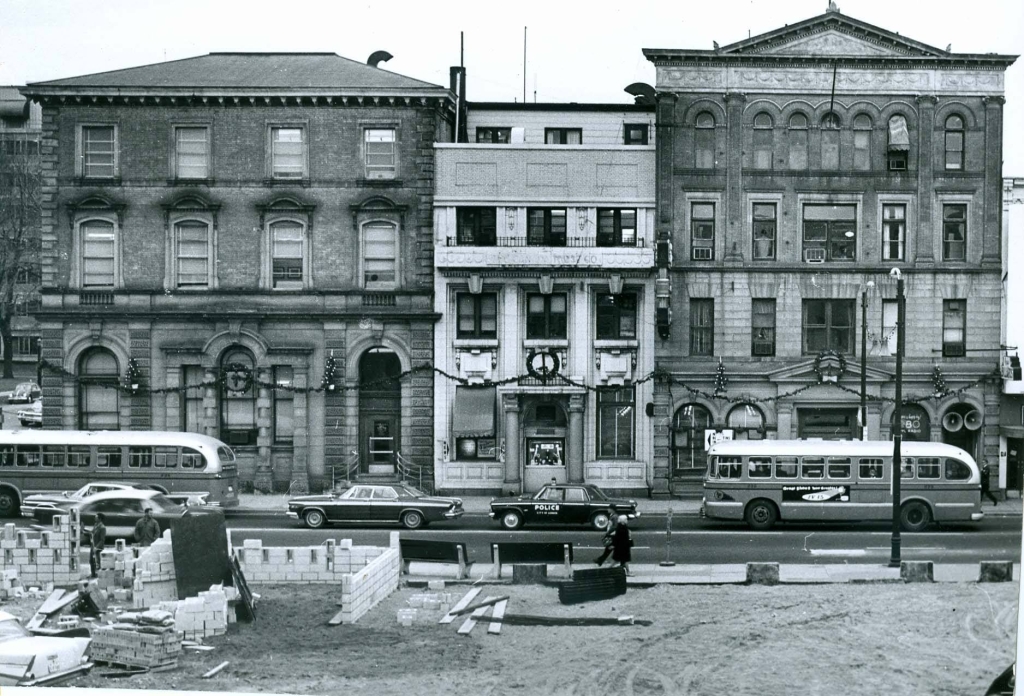
Former London Free Press buildings on Richmond Street
Former London Free Press buildings on Richmond Street – (c) 1966 source – London Free Press files

From 1863 to 1936 the London Free Press competed with another local paper named London Advertiser which ran a daily evening print. The LFP was a morning paper but from the 1950s until 1981, ran both morning and evening editions.

Josiah -> Arthur

Josiah Blackburn passed away in 1900, leaving his son Arthur Blackburn to take over the business. Arthur expanded the media company by applying for one of the first Canadian radio licenses and establishing an AM radio station, CJGC-AM which opened on September 30th, 1922. The station had a power of 200 watts.

Arthur was a kind man. He set a policy of a five-day workweek and brought in pension and health plans.

In 1932, CJGC-AM merged with Windsor’s CKOK-AM to form CKLW-AM. The merger saw such outrage from resdents and businessmen that the family had to withdraw from the partnership the following year and instead, opened a new station : CFPL-AM.

Arthur -> Walter

Arthur Blackburn loved the newspaper most of all and hoped to leave it in the care of his only son Walter. Arthur passed away in January of 1936, at which time his son Walter, then 21, and a recent graduate with an Honours BA from the University of Western Ontario, became both the publisher of the London Free Press and the owner of CFPL-AM.

Walter Blackburn frequently faced off with regulators concerned about the family’s monopoly.

Walter had a daughter, Martha. He had considered his son-in-law, Peter White, to be almost a surrogate son and allowed him to assume most of the responsibilities of the business: White, who’d earned his MBA at Western, was named president of the Free Press in 1976 and president of the Blackburn Group in 1983.
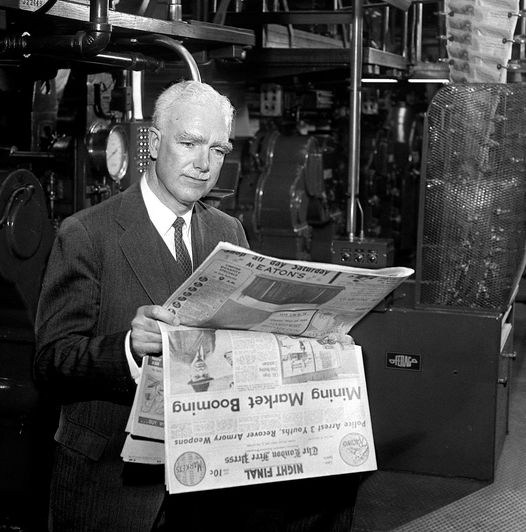
Walter J. Blackburn in the press room at 430 Richmond Street in 1964, before the newspaper's 1965 move to 369 York Street.
(Walter J. Blackburn in the press room at 430 Richmond Street -1964. Credit: LFP)
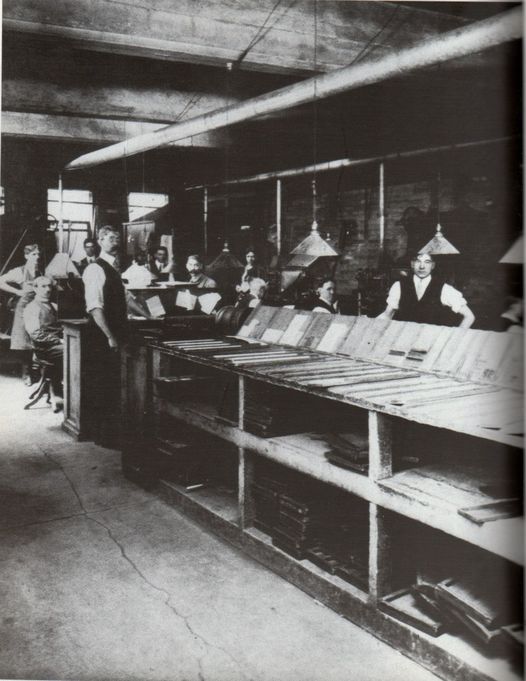
London Free Press Composing Room (1915) Downtown London - Layers of Time - Michael Baker
(London Free Press Composing Room (1915) “Downtown London – Layers of Time” – Michael Baker)

In 1946, a twin-engine Cessna was purchased to allow reporters to get to news scenes quickly. It was named the News Hawk. The following year the Blackburn Group was approved to open an FM station – CFPL-FM.

New Building

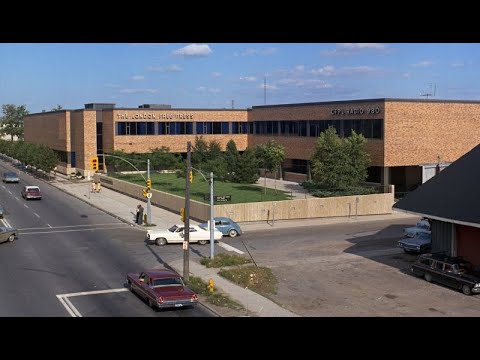
With the growth of LFP, the Blackburns looked to move into a more expansive building. In 1963 tenders were put out for the construction of a new building. Ellis-Don of London was awarded the contract at $3,274,000. The Thompson-Leonard boiler plant was demolished to make way for the LFP building.

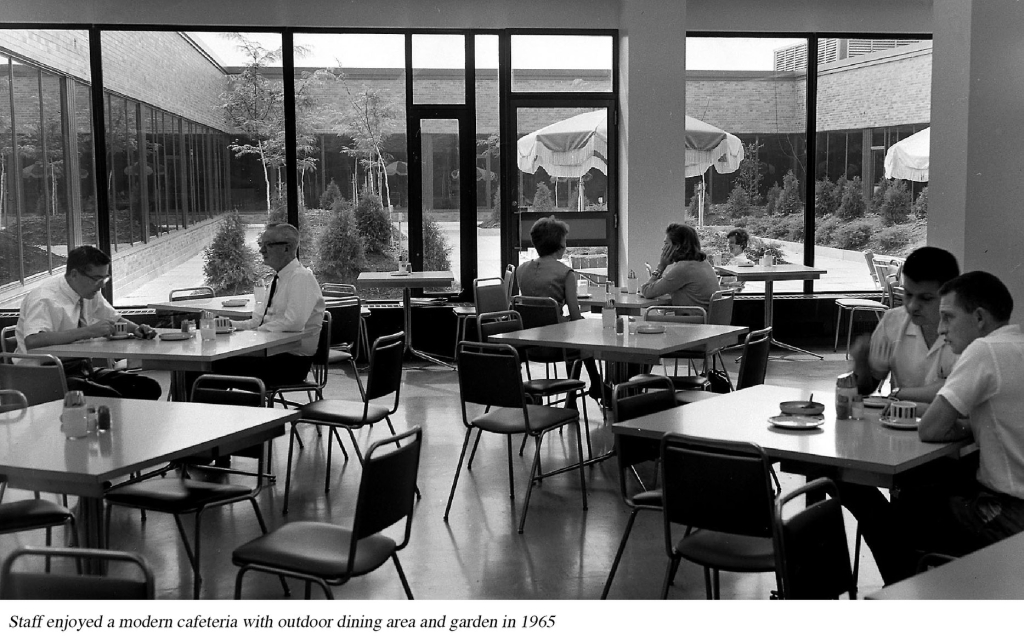
On the first Saturday of July 1965, nineteen hours of continous moving took place to move the office to 369 York Street. The first edition printed out of the new building was run on July 4, 1965. These images bring to mind the sound of phones ringing, typewriters clacking while people had a cigarette in their mouth just like in old movies. Take note of the number of employees required to produce the London Free Press.
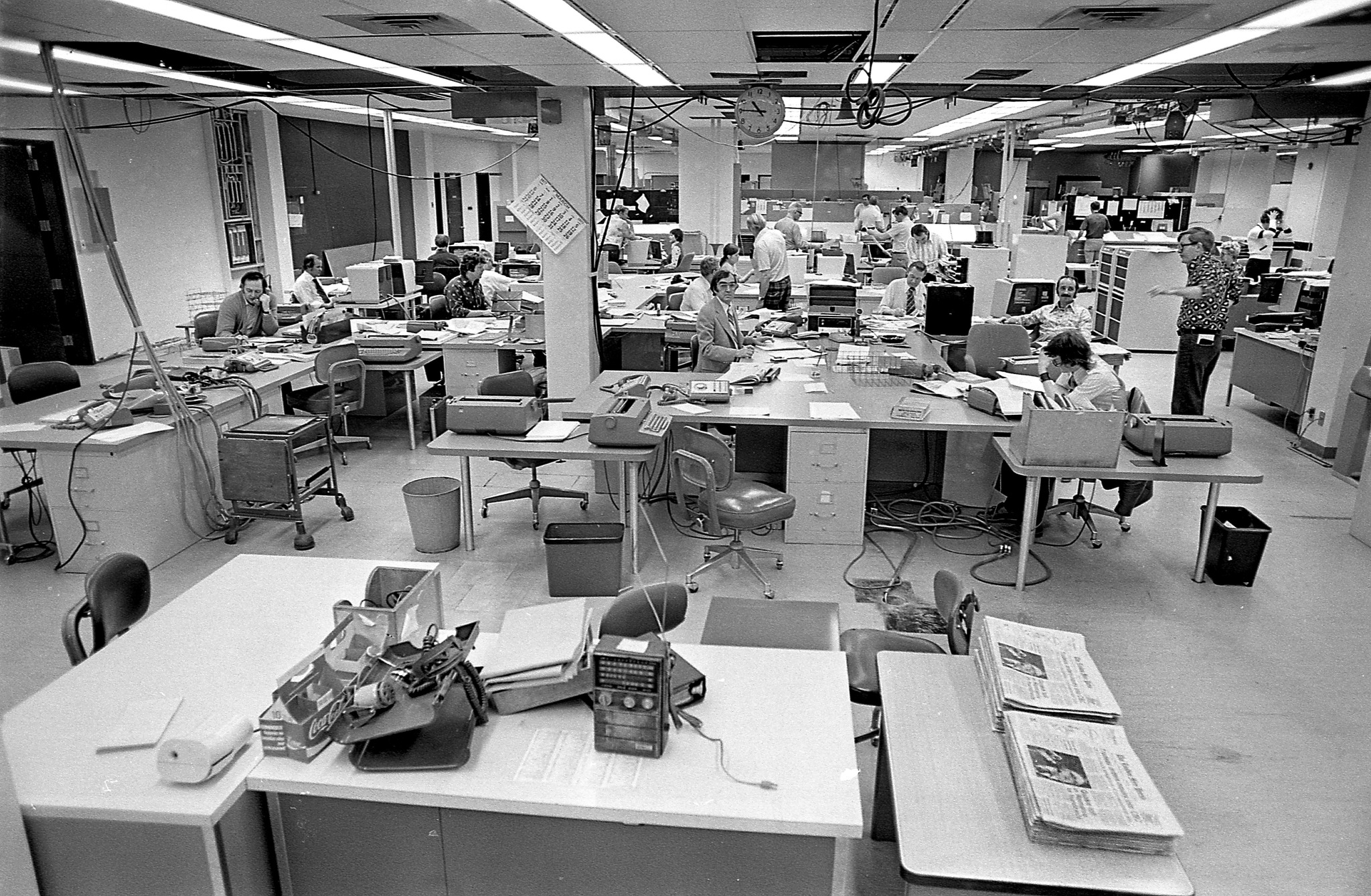
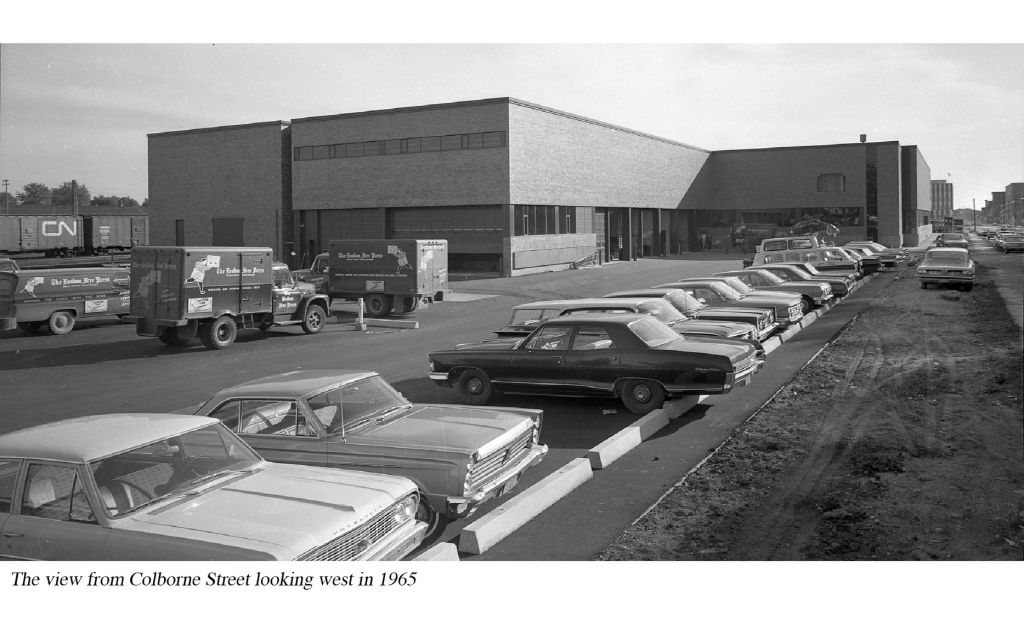
A view of the London Free Press office in 1965.
A view of the London Free Press office in 1965. (Sourced from Morris Lamont)


Walter -> Martha

In 1975, the fourth generation of Blackburns was running the business. Martha Blackburn became the controlling shareholder of the Blackburn Group Incorporated of London.

In 1981 the evening edition of the London Free Press ceased publication leaving the morning only edition.

When Walter Blackburn passed away in 1983, his daughter Martha became Chair and President. She was now in charge of two television and four radio stations and a company worth between $150 to $200 million. In 1987, Blackburn Media had 1,800 employees.

In 1989, the newspaper planned a new look for the upcoming decade. While London’s population had been growing considerably, the newpaper’s circulation remained about the same – 128,000 people, which was less than similar markets such as Kitchener or Windsor. The plan was to try to win back some of the people who’d turned to television for their news consumption.

Over 400 employees worked at the LFP by this time.

Martha Blackburn suffered a heart attack on August 15th, 1992 at the age of 47. This led the family to sell the family newspaper.


Sun Media / Quebecor

By 1997, The London Free Press had a circulation of 105,000 papers Monday to Friday and 135,000 papers on Saturdays. In 1997 it was sold to the Sun Media Corporation for $168 million. In December of 1998, Torstar, a book and newspaper publisher, made an unsolicited bid of $748-million to take over Sun Media. They lost to Quebecor Media.

New publisher John Paton introduced a Sunday edition of the paper. By 1999, profits were up 135 percent. This however came after 100 employees were let go from the LFP in March.


Stop the Press

In August of 2005, Quebecor announced that the LFP would no longer be printed at the 369 York Street Location. The paper would now be printed in Toronto, resulting in a loss of 180 jobs. The plan was put on hold to allow the London Free Press to present a plan to keep the printing staff. The LFP printing room printing not only local news media but papers for the chatham Daily News, Sarnia Observer, Simcoe Reformer, St. Thomas times-HJoutrnal and Woodstock Sentinel.

On May 31, 2016 Sun Media announced that printing of the newspaper would be outsourced to Metroland Media in Hamilton. Sixty-one full time and seventy four part timepeople were let go.

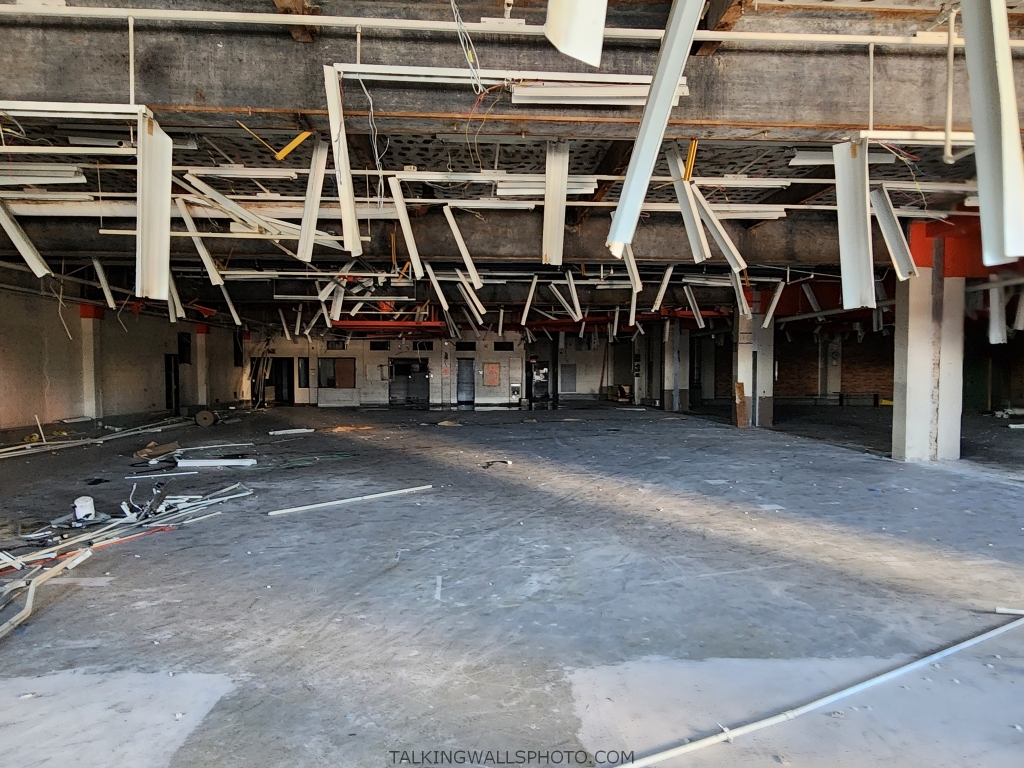
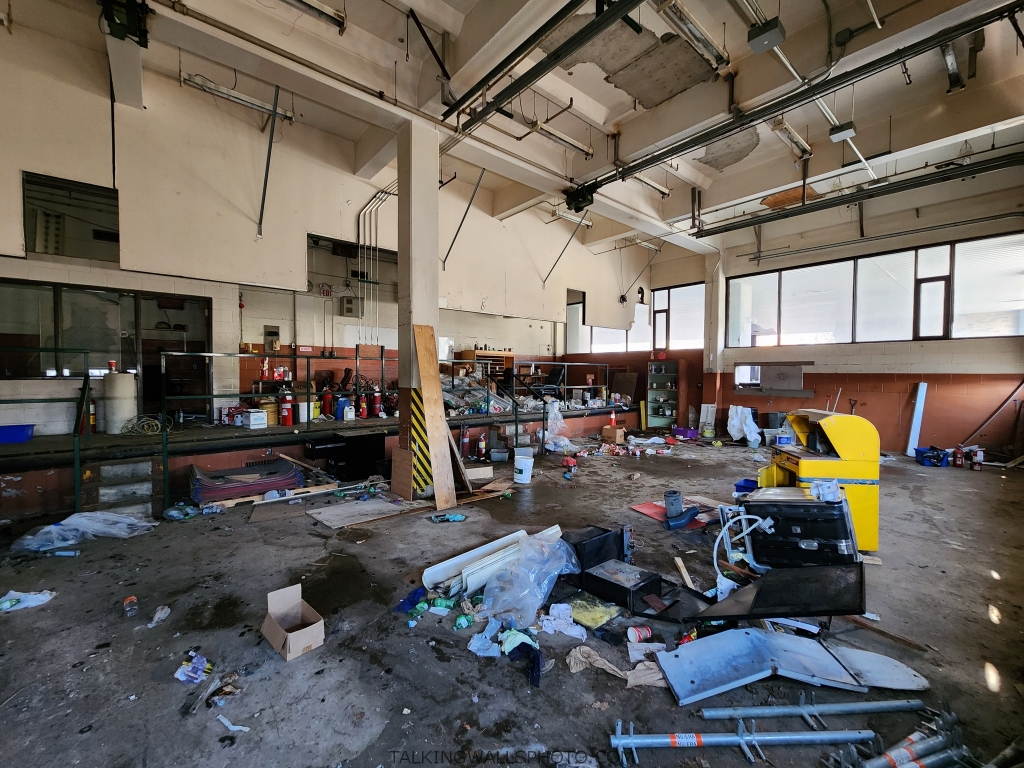
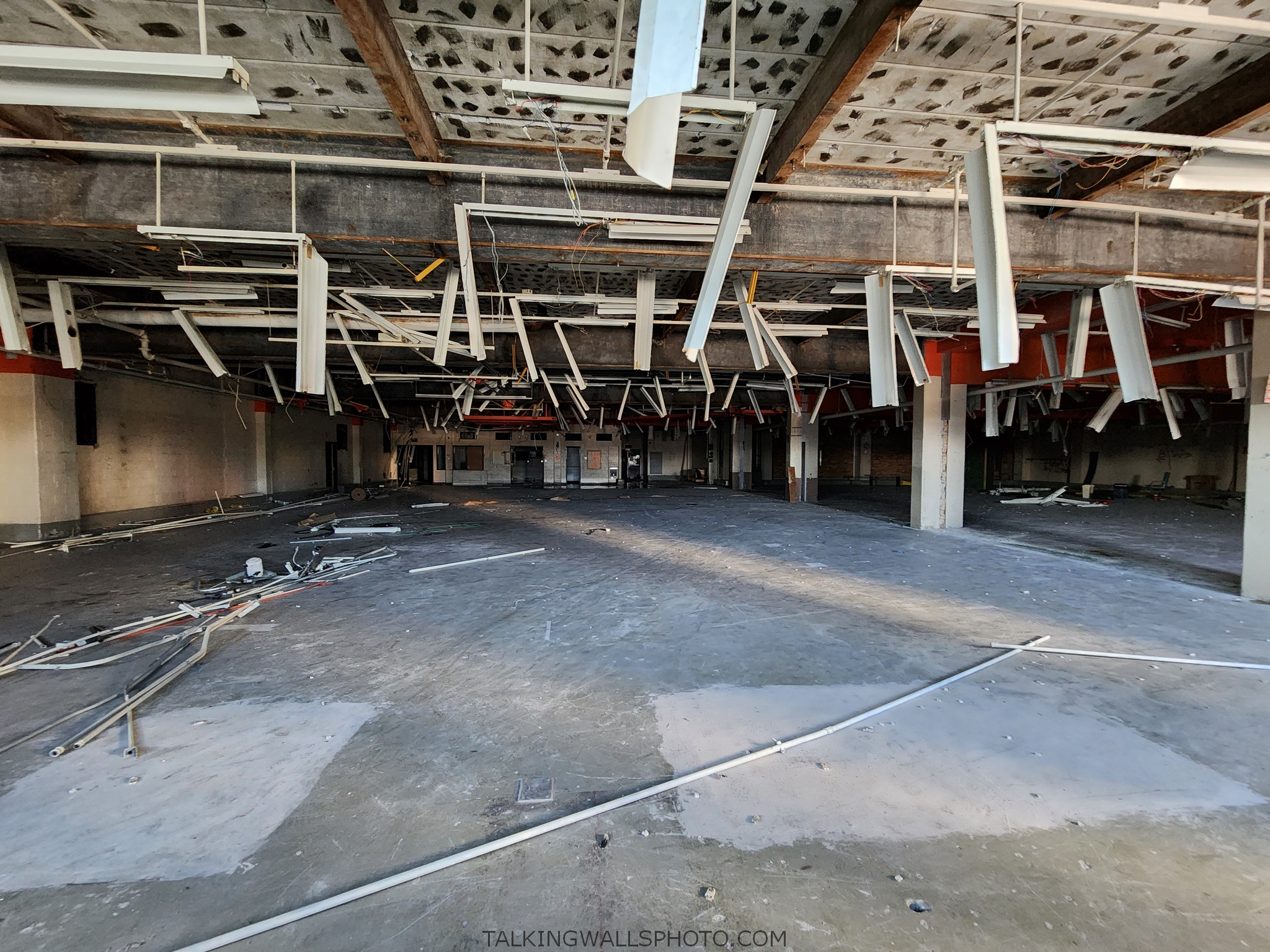
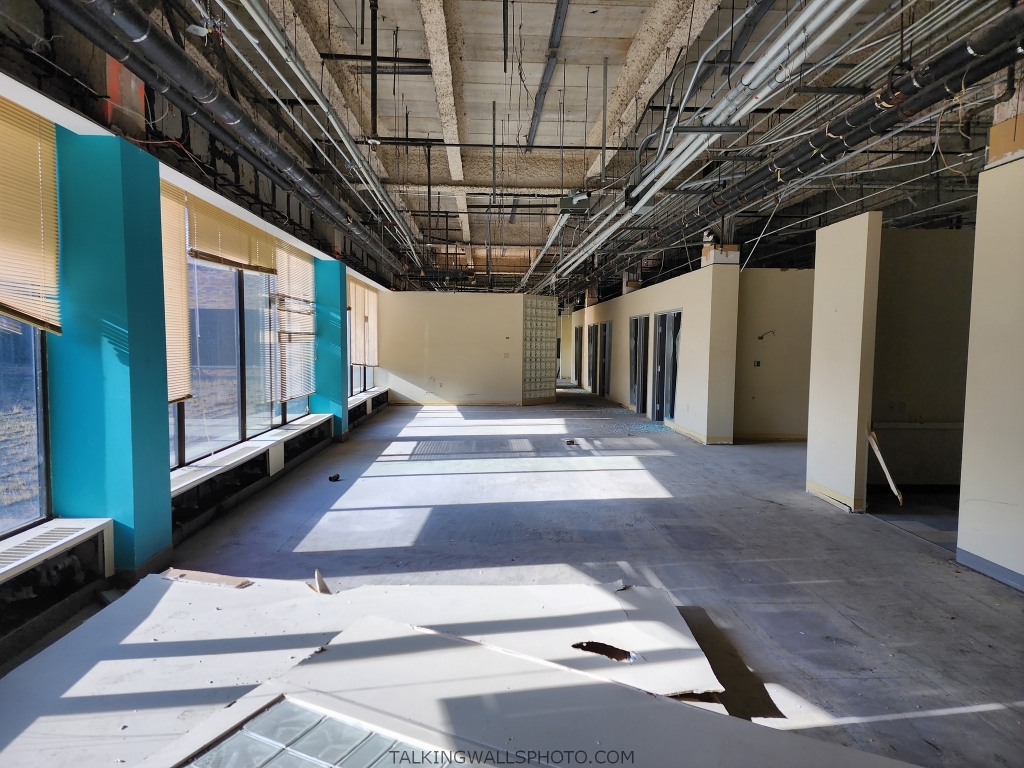
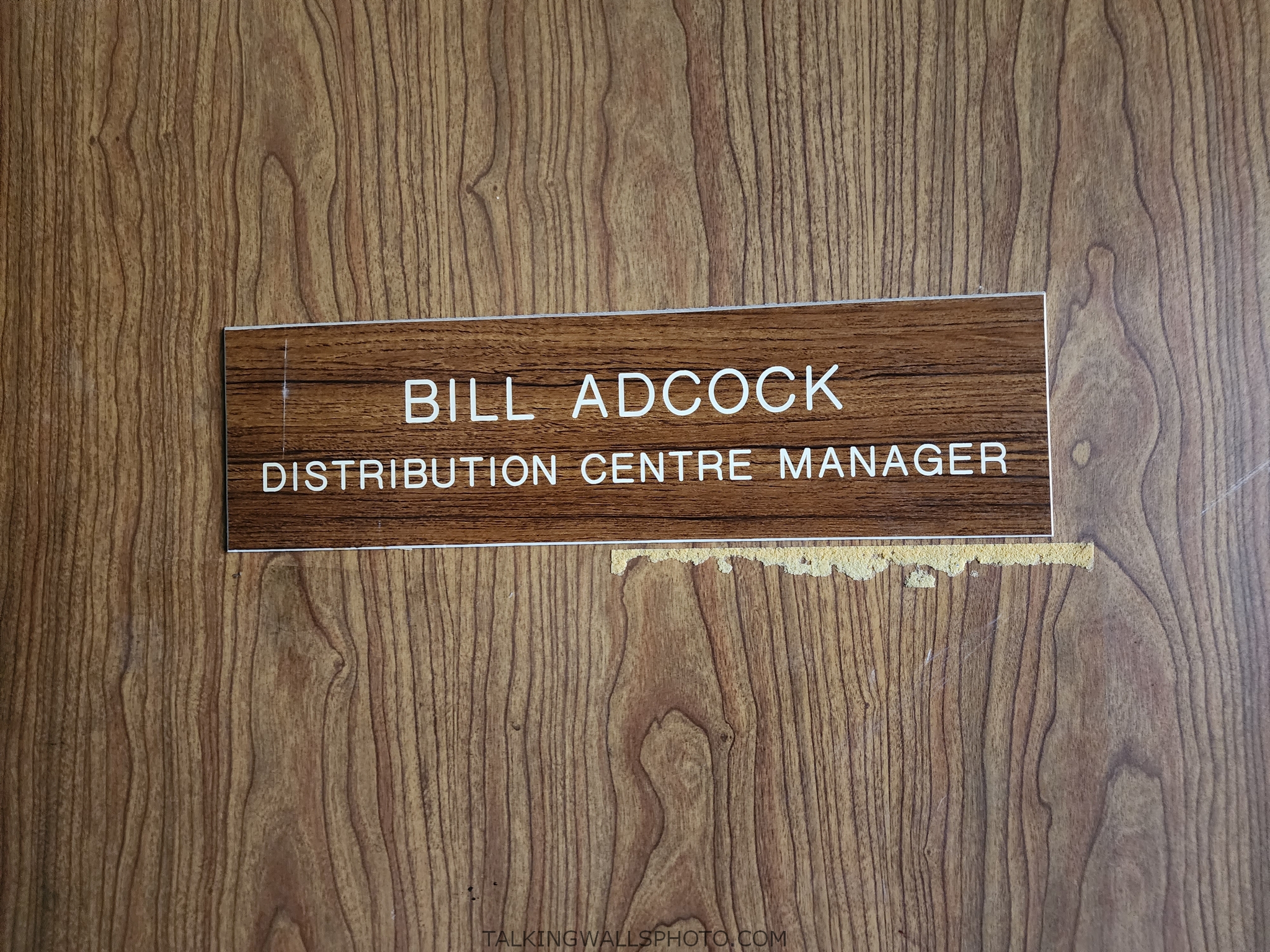
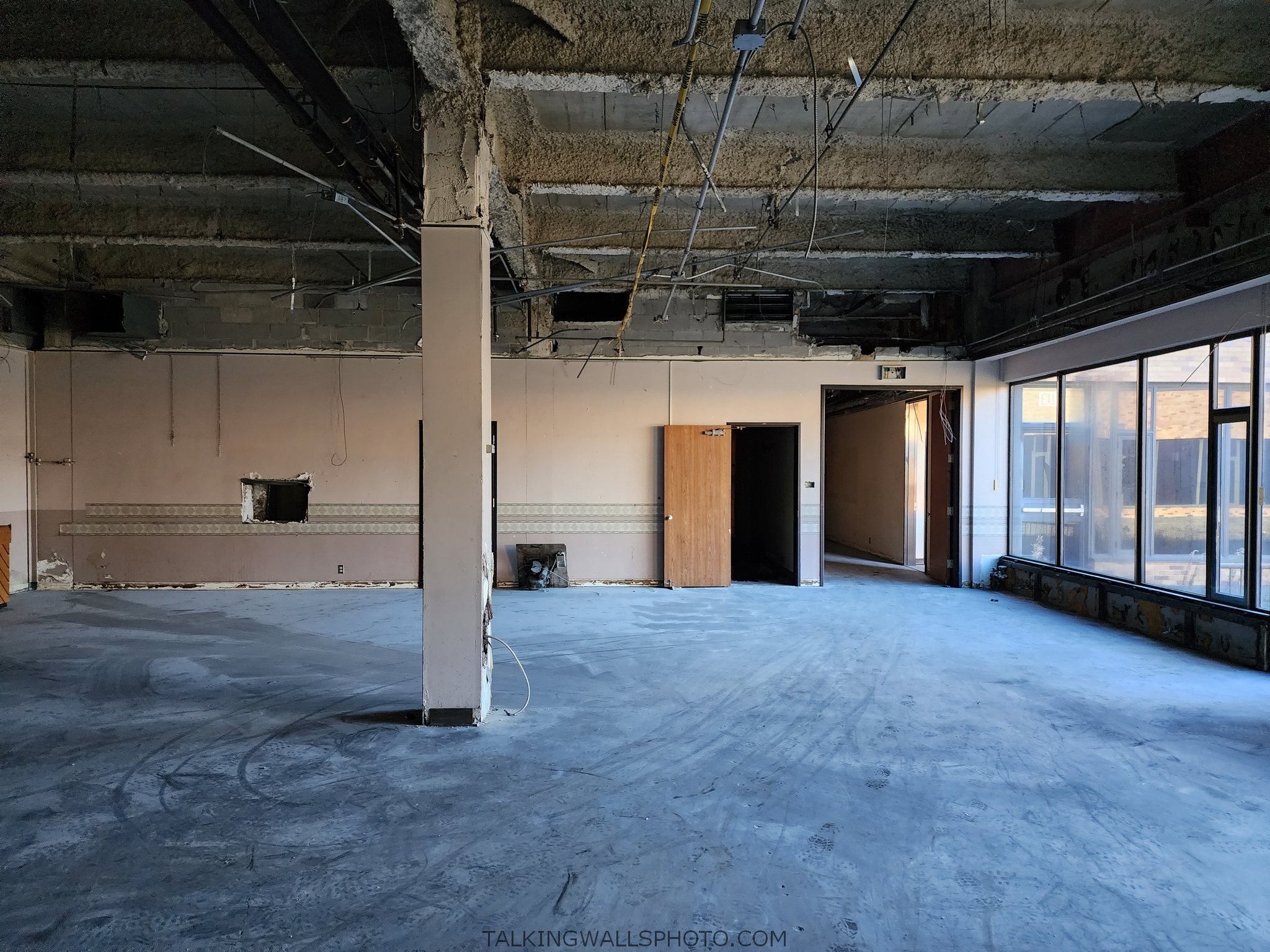
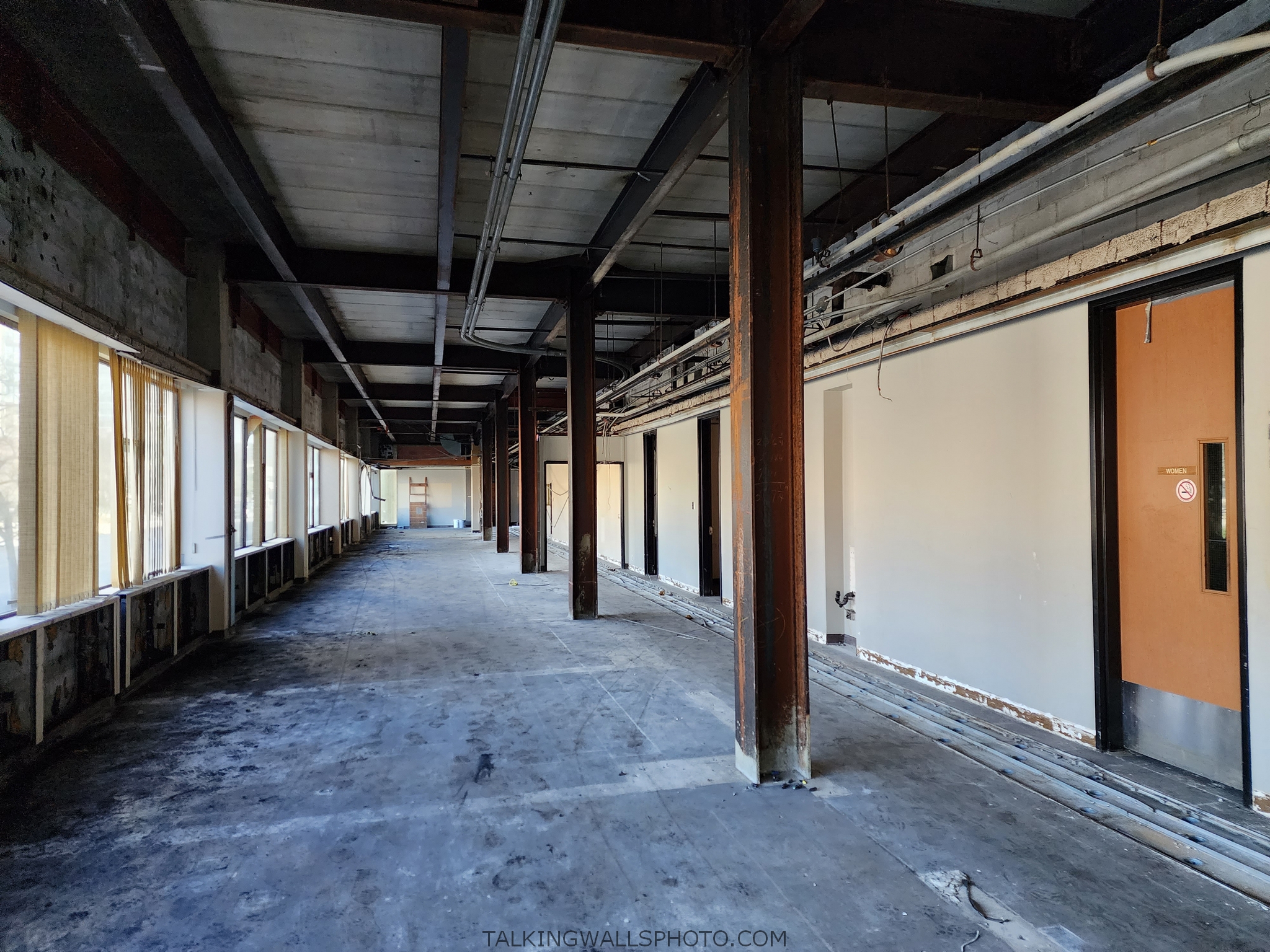
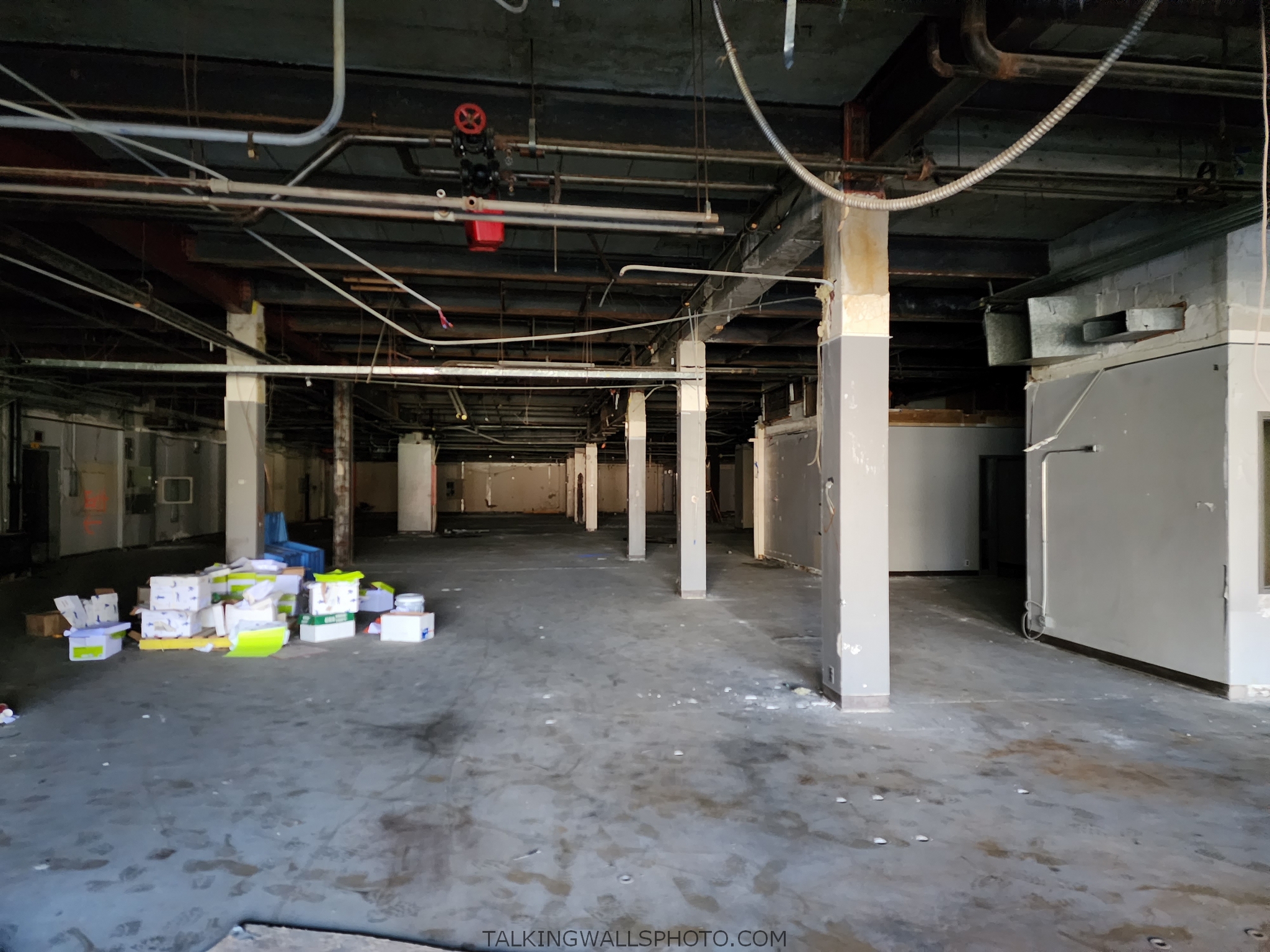
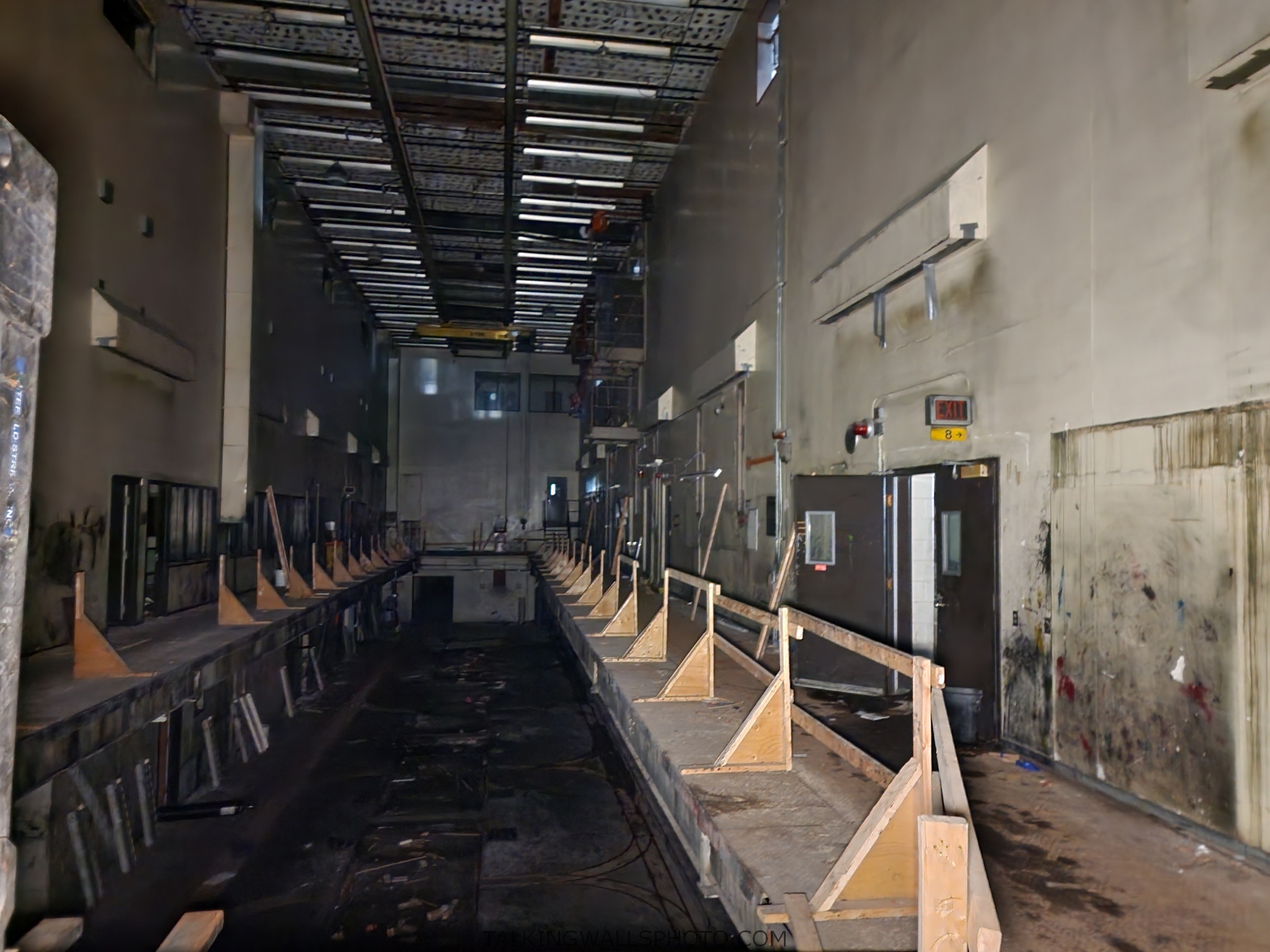
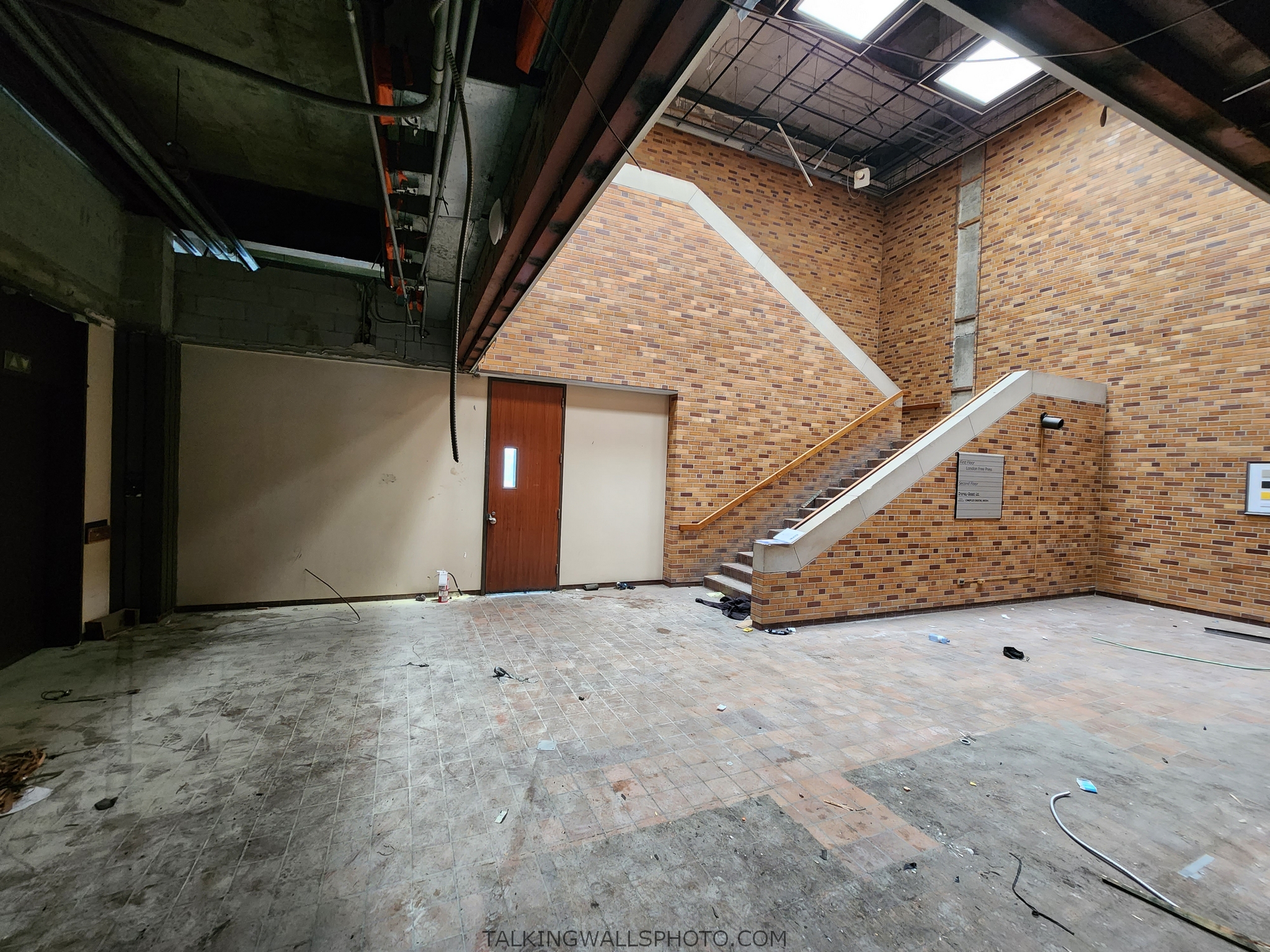
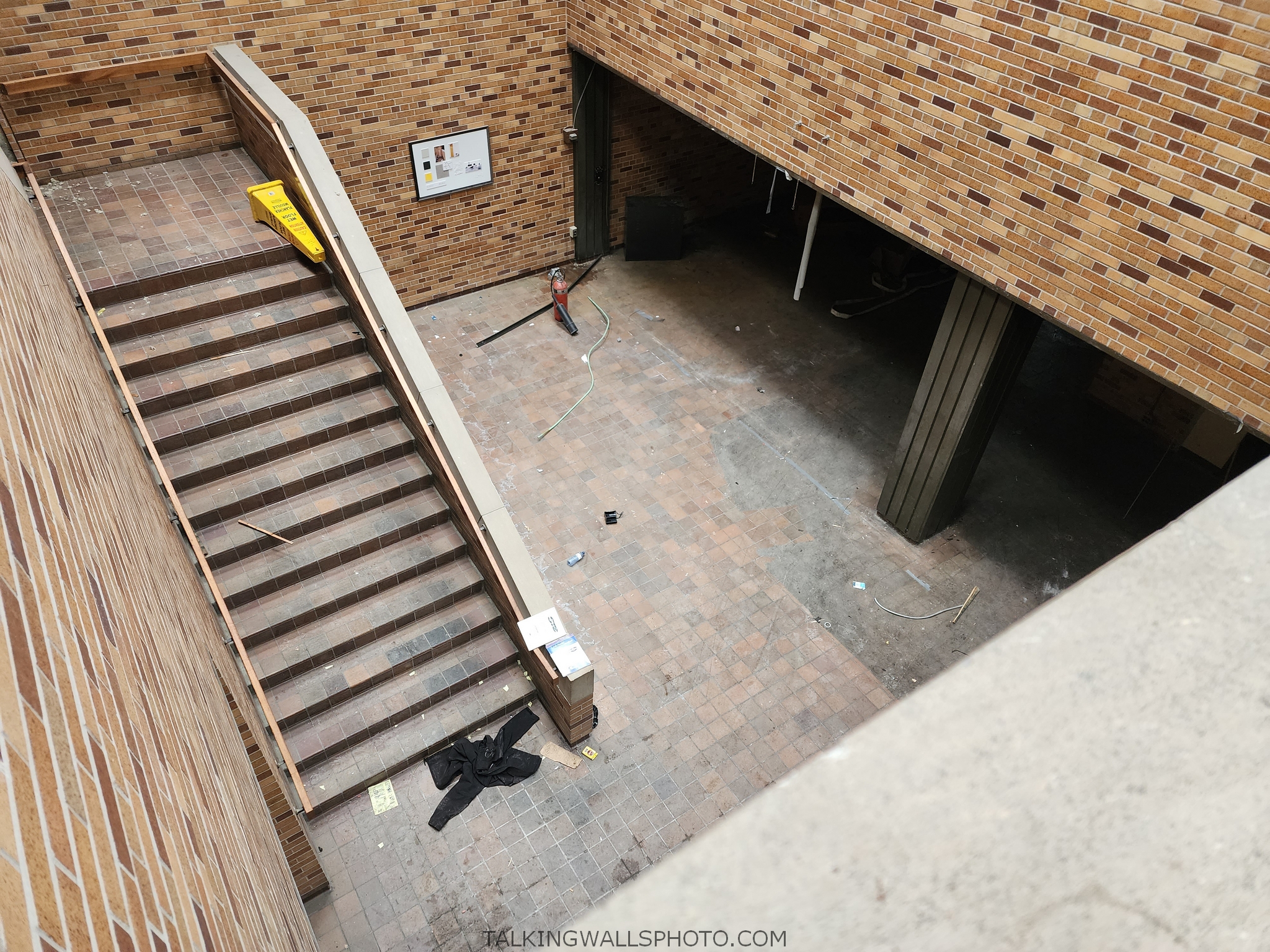
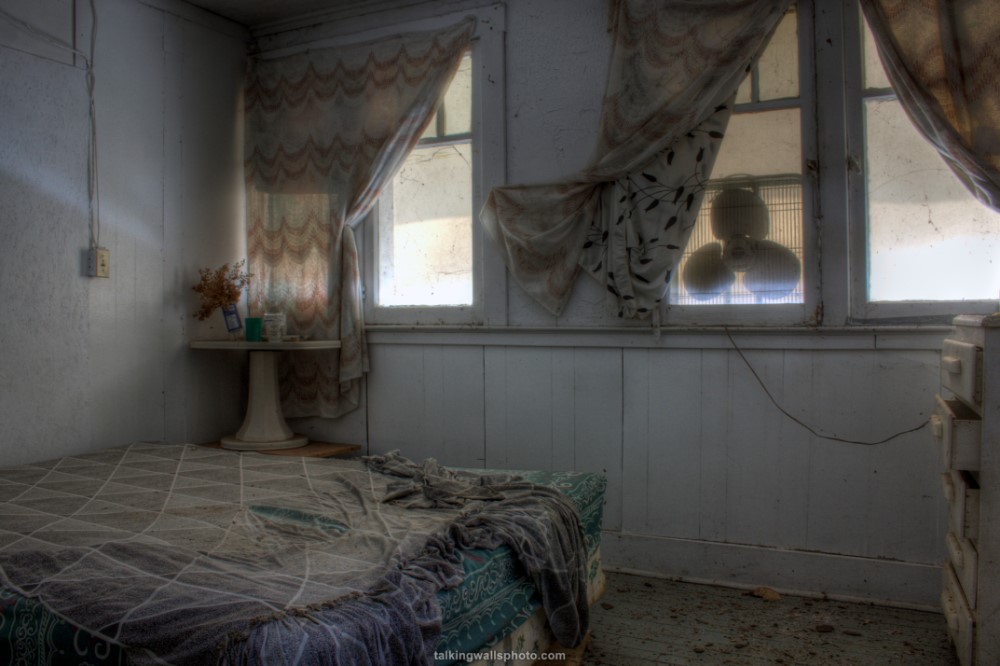
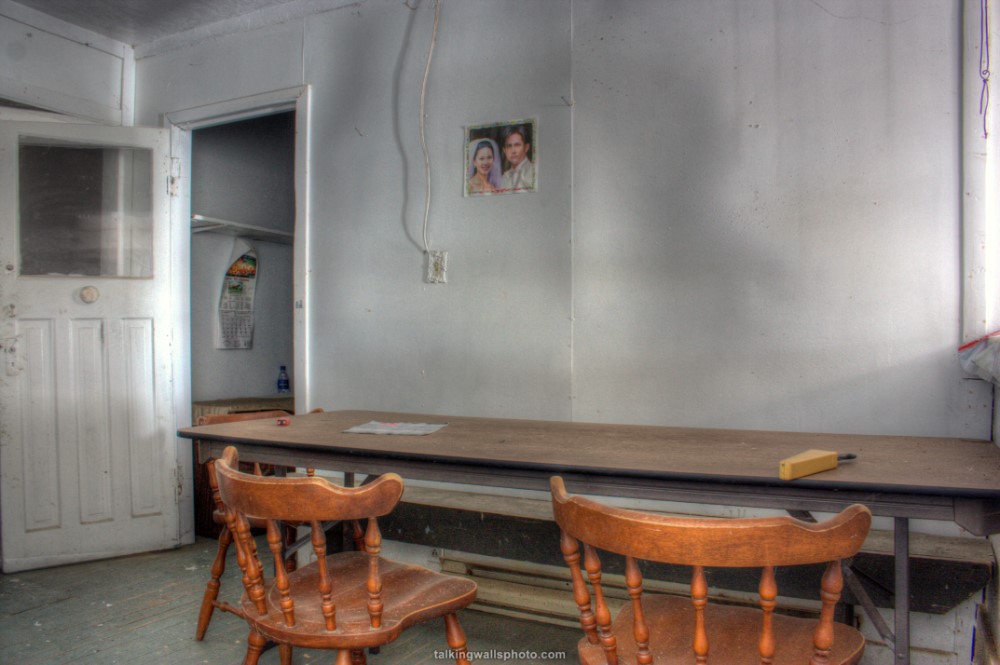
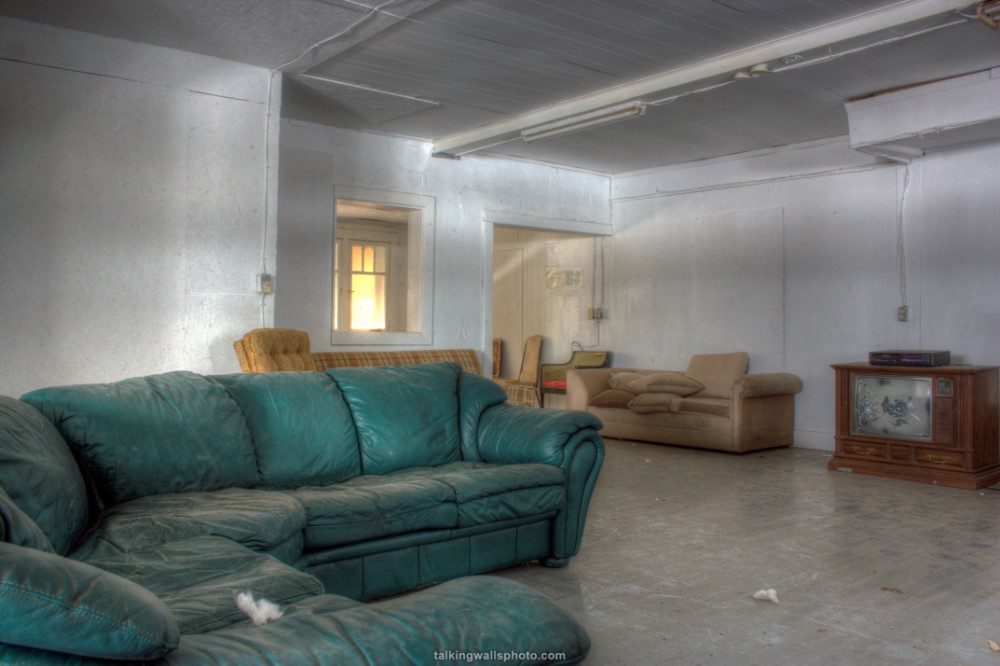
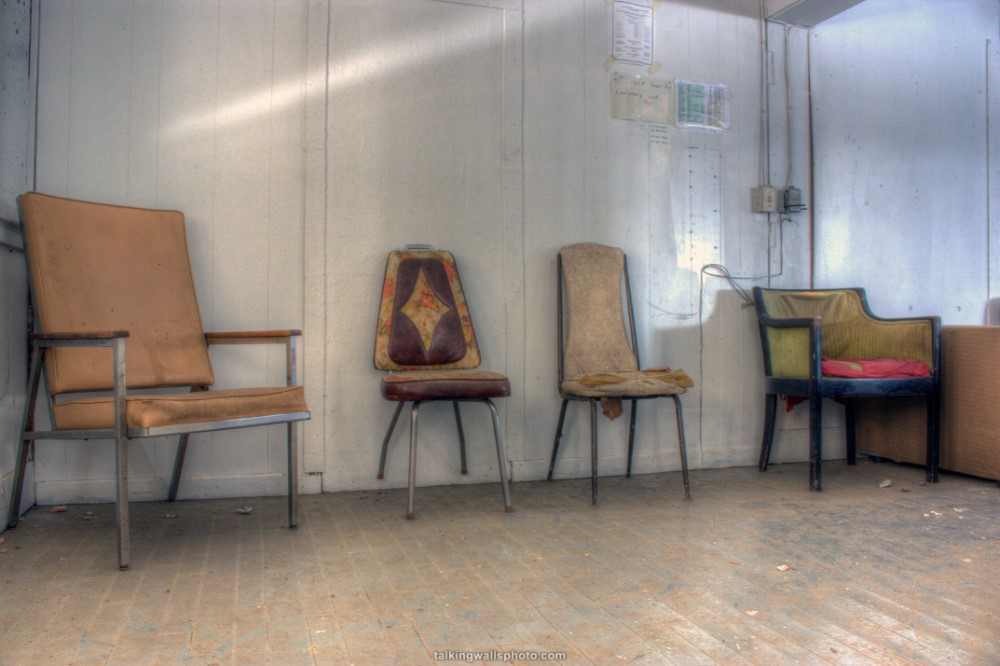
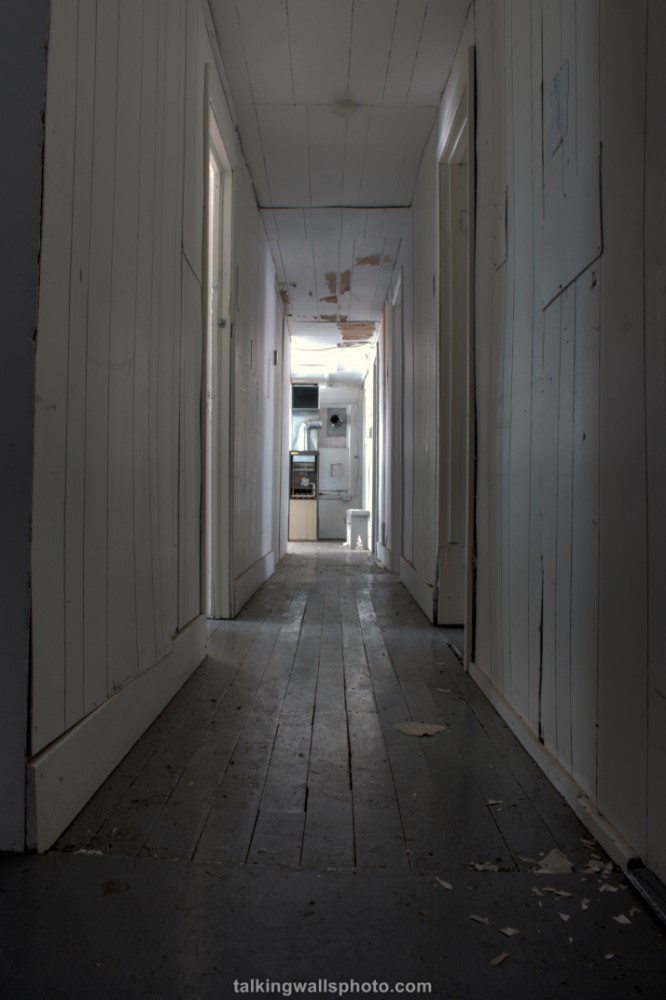
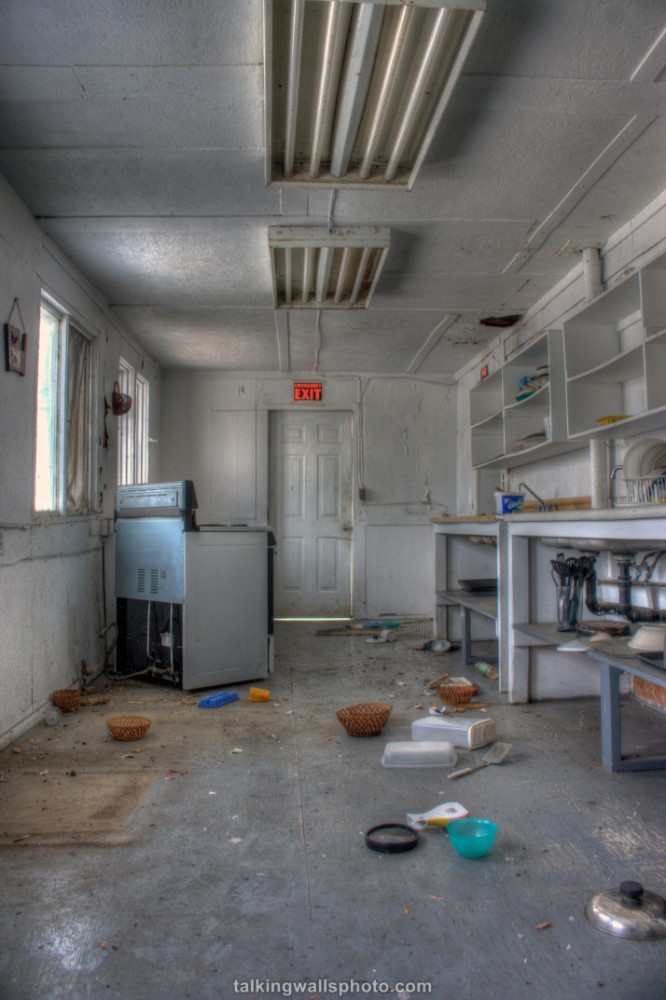
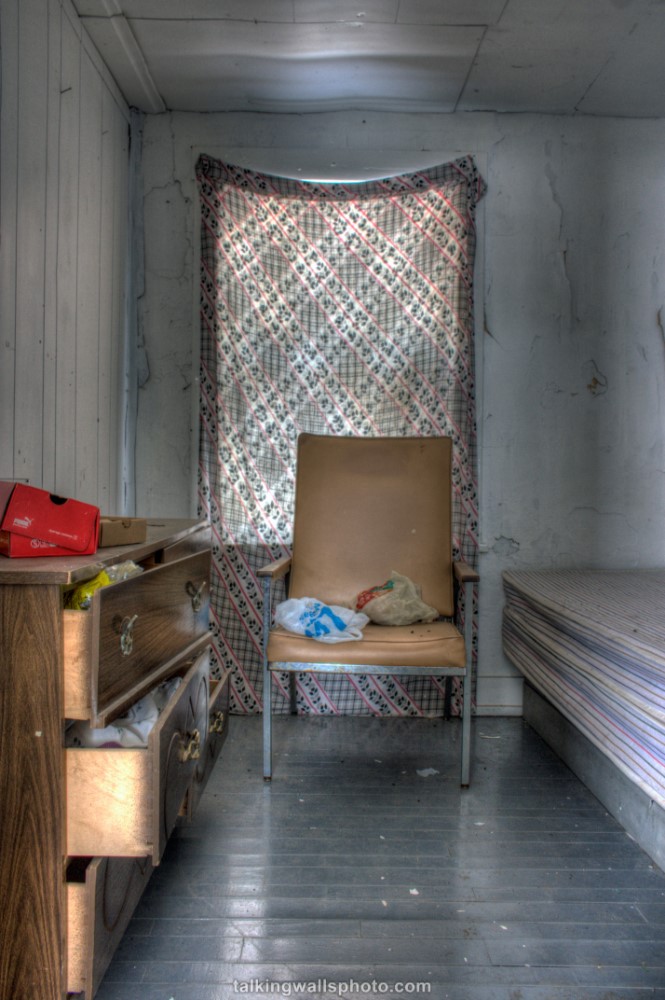
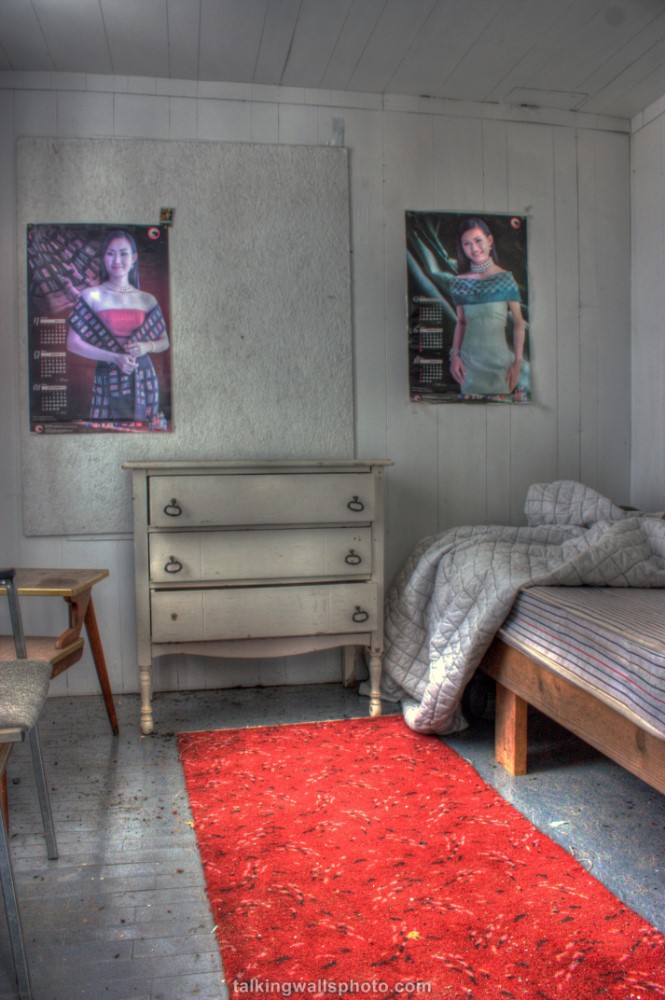
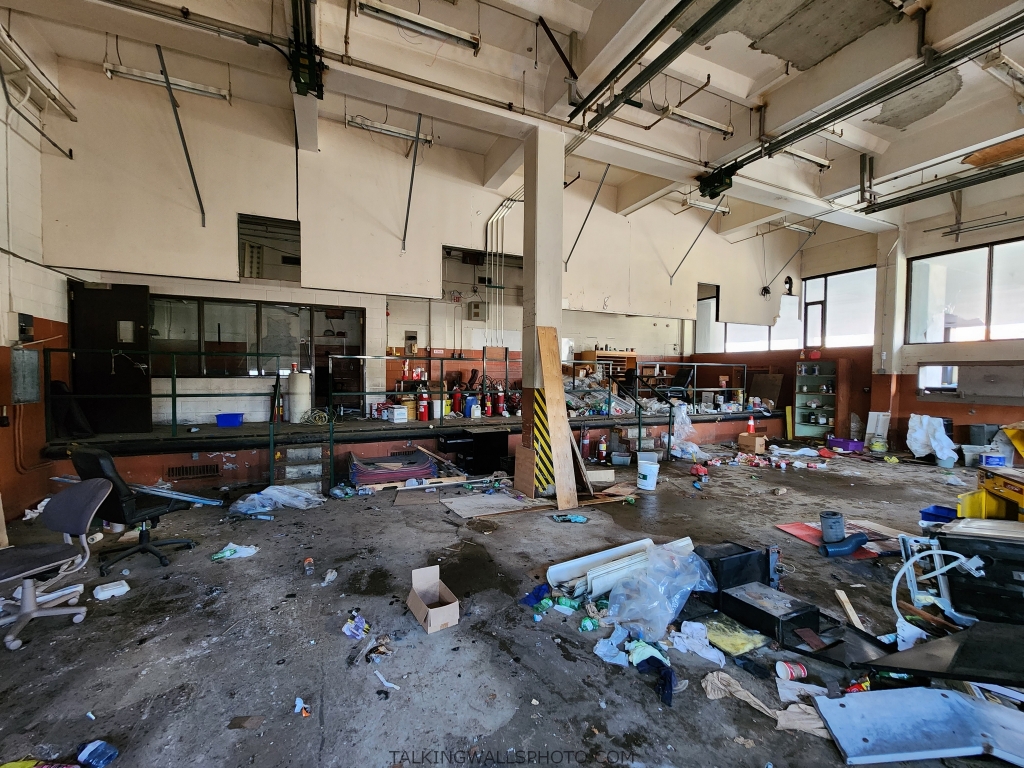
By now most of the York Street location newsroom had fallen silent. The office consisted of empty workstations, an empty printing press room, empty sports and city desks and even the editors’ offices.

By 2019, newspaper media was losing ground to online media. Newspapers by this time were much thinner and less in demand. In 2019 operations were moved to 210 Dundas Street. The former York Street building was sold to Smhuel Farhi, a property developer.

Farhi had planned a project he called Venture London. Venture London would be a $20 million retrofit of the location into a place for small businesses to receive startup support, services and workshops. By 2021 the building was still empty, with all previous tenants now gone.

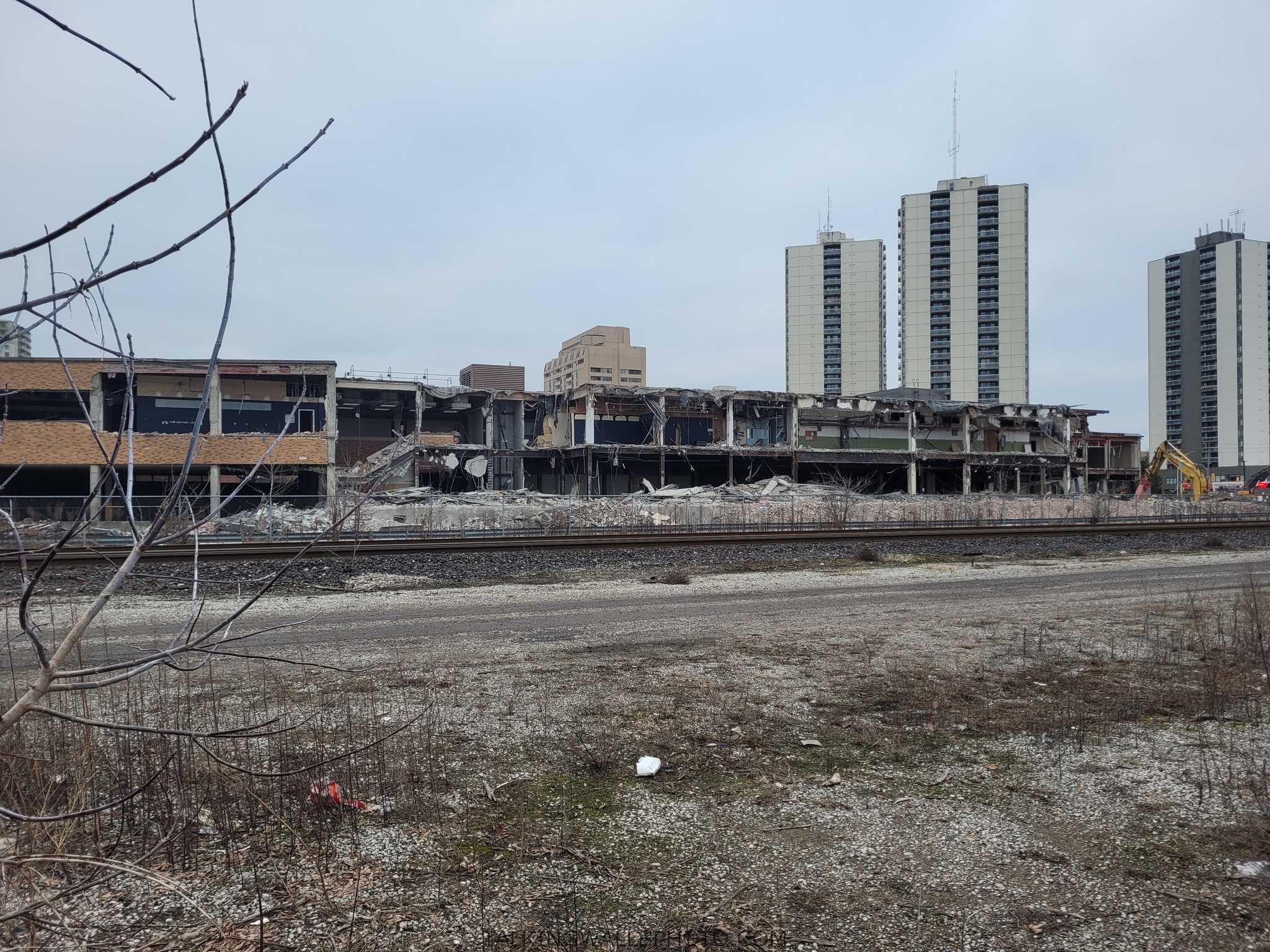
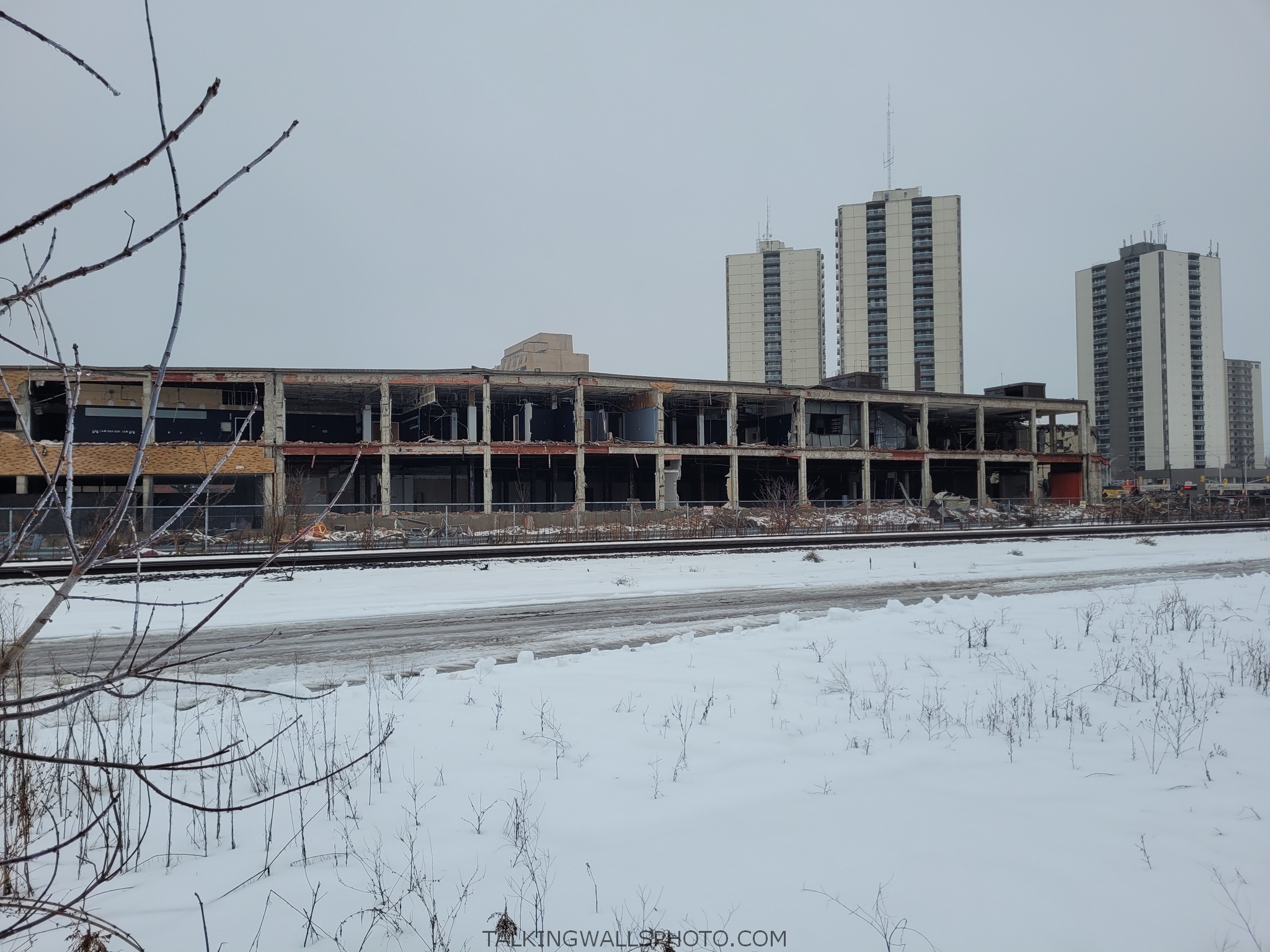
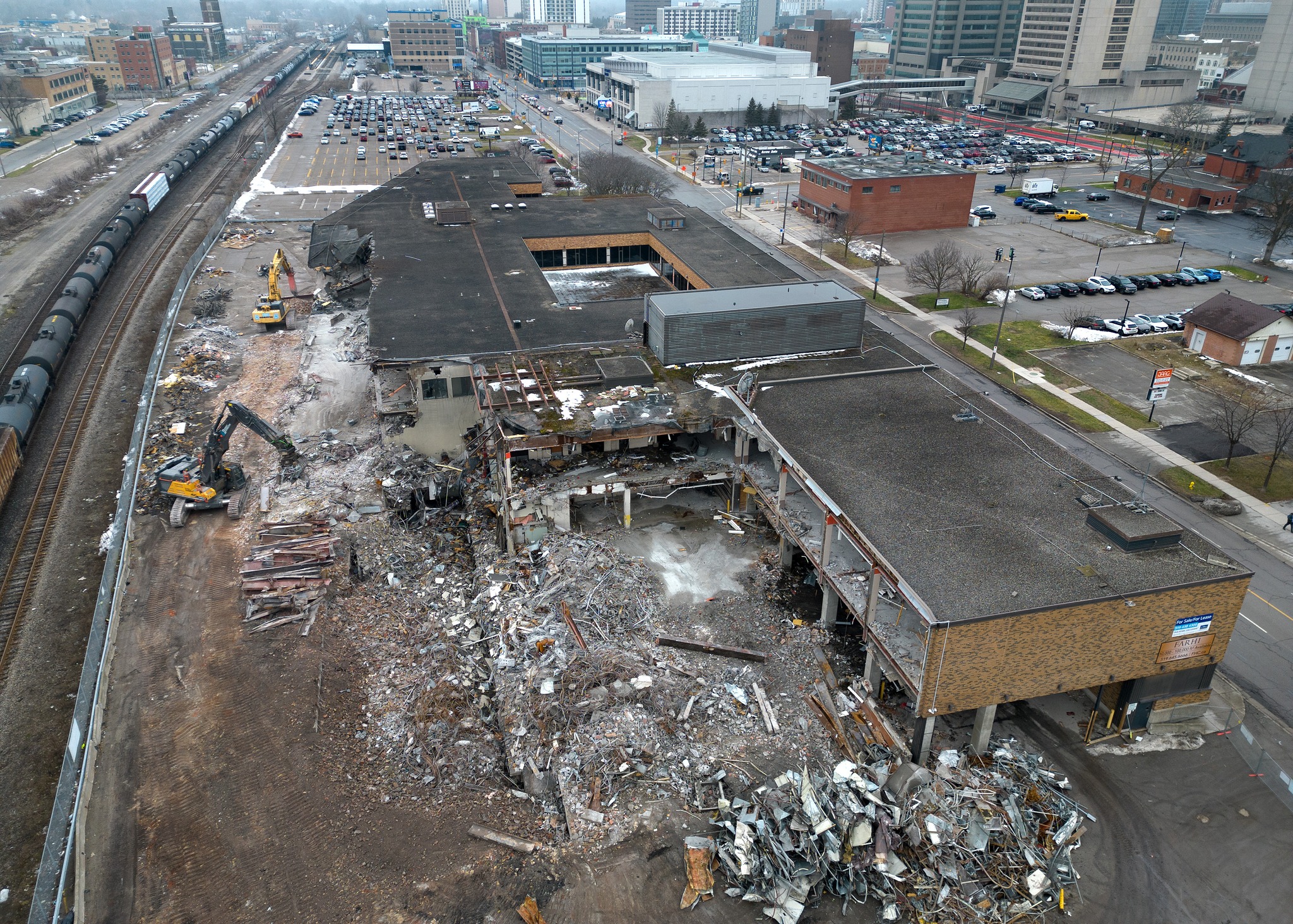
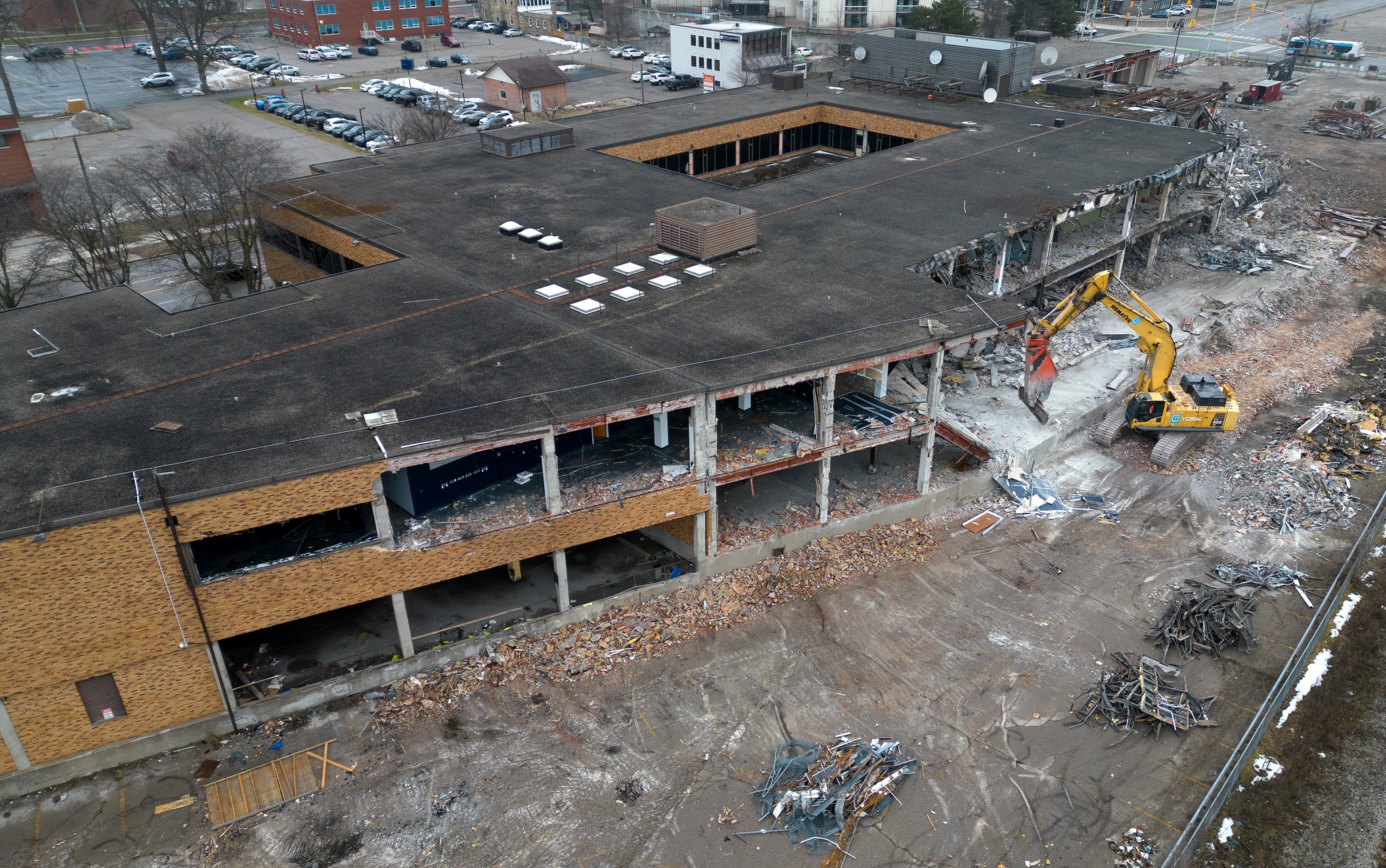
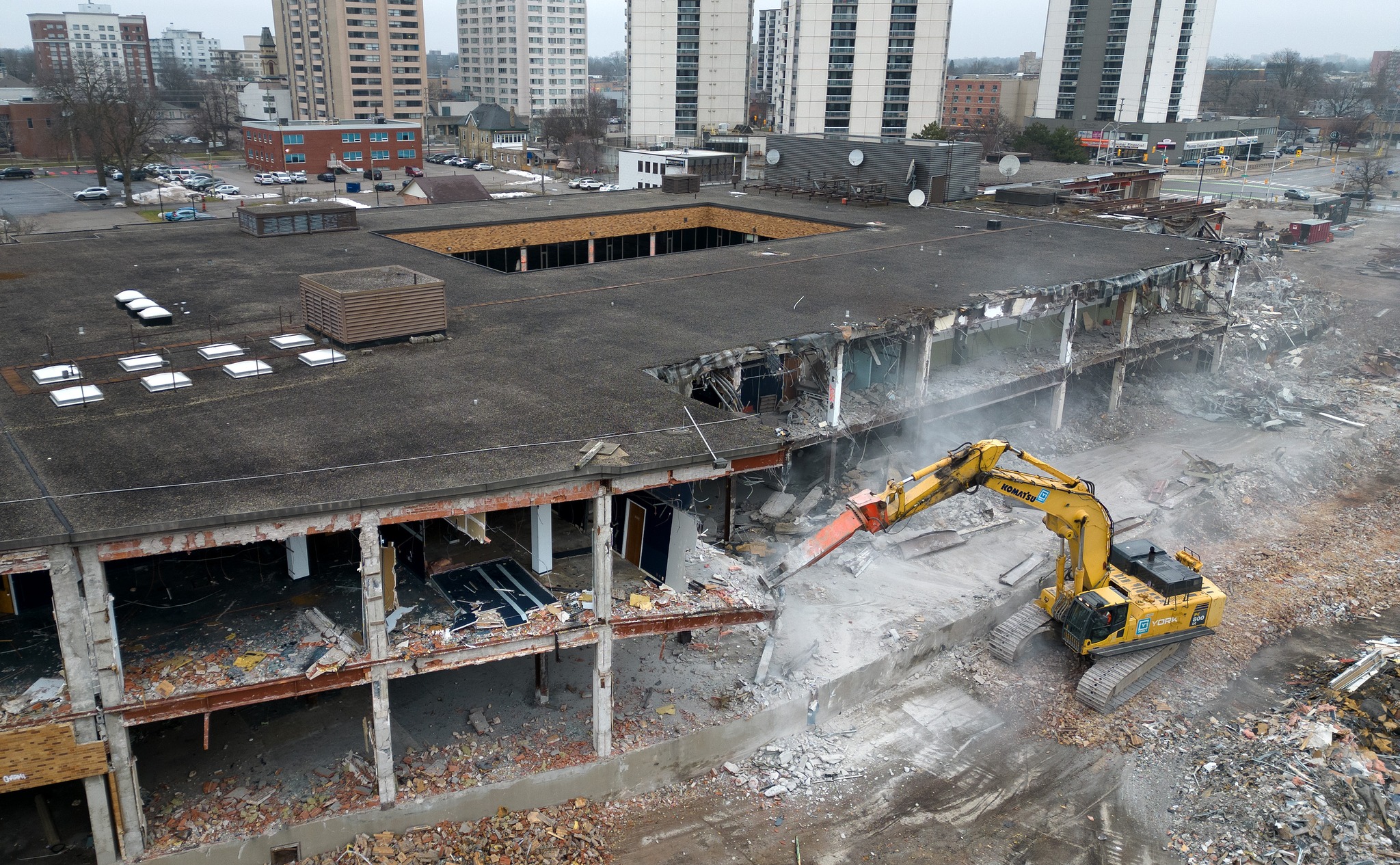
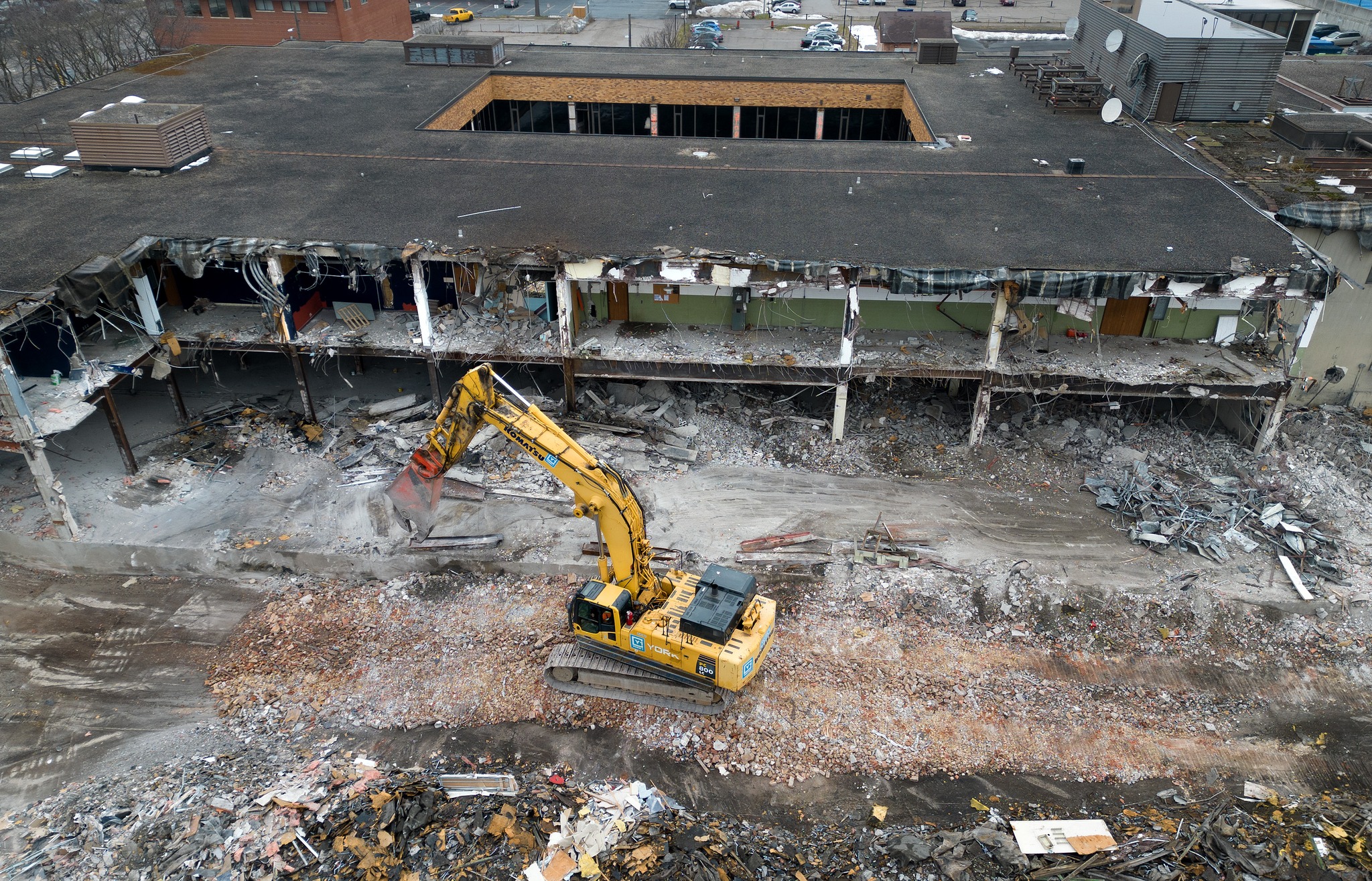
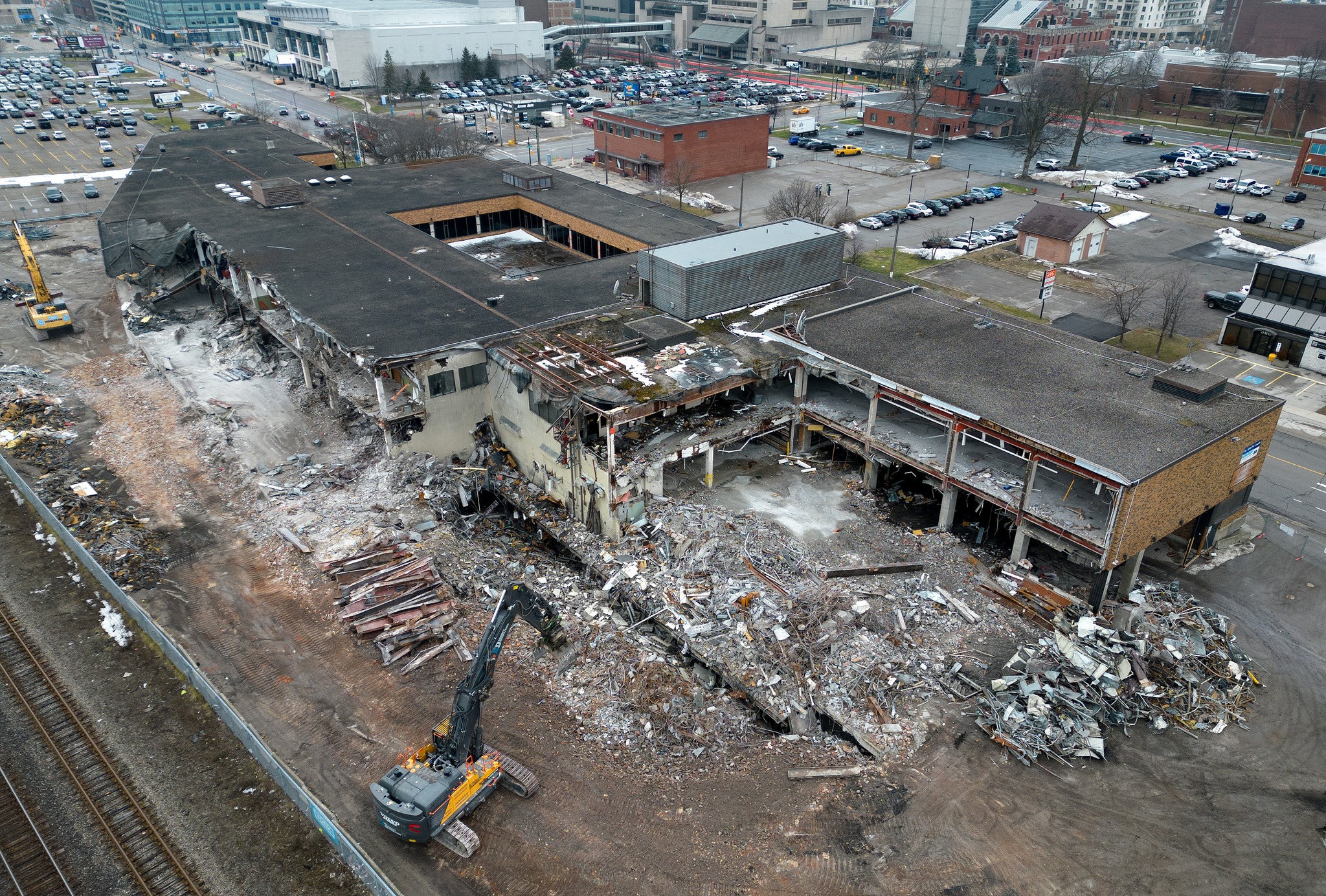
Farhi was asked about this in 2021 to which he responded that he was building a mixed-use 1000 unit community. The building remained vacant until January of 2024 at which time demolition equipment appeared.

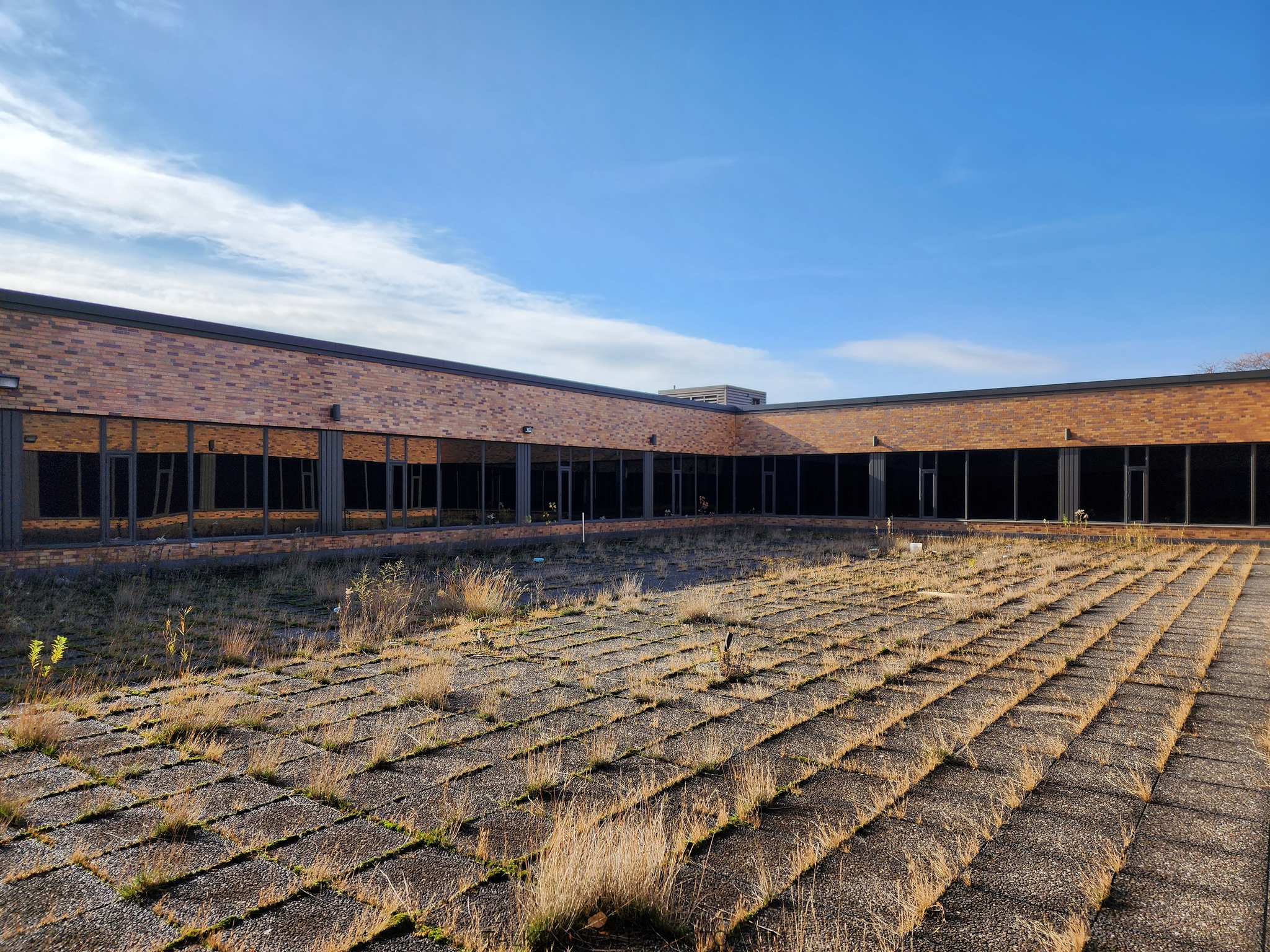
Overnight security was then put into place to watch over the equipment. By the second week of January 2024, demolition had begun on the property. As of summer 2024 it’s completely gone.


The Exploration

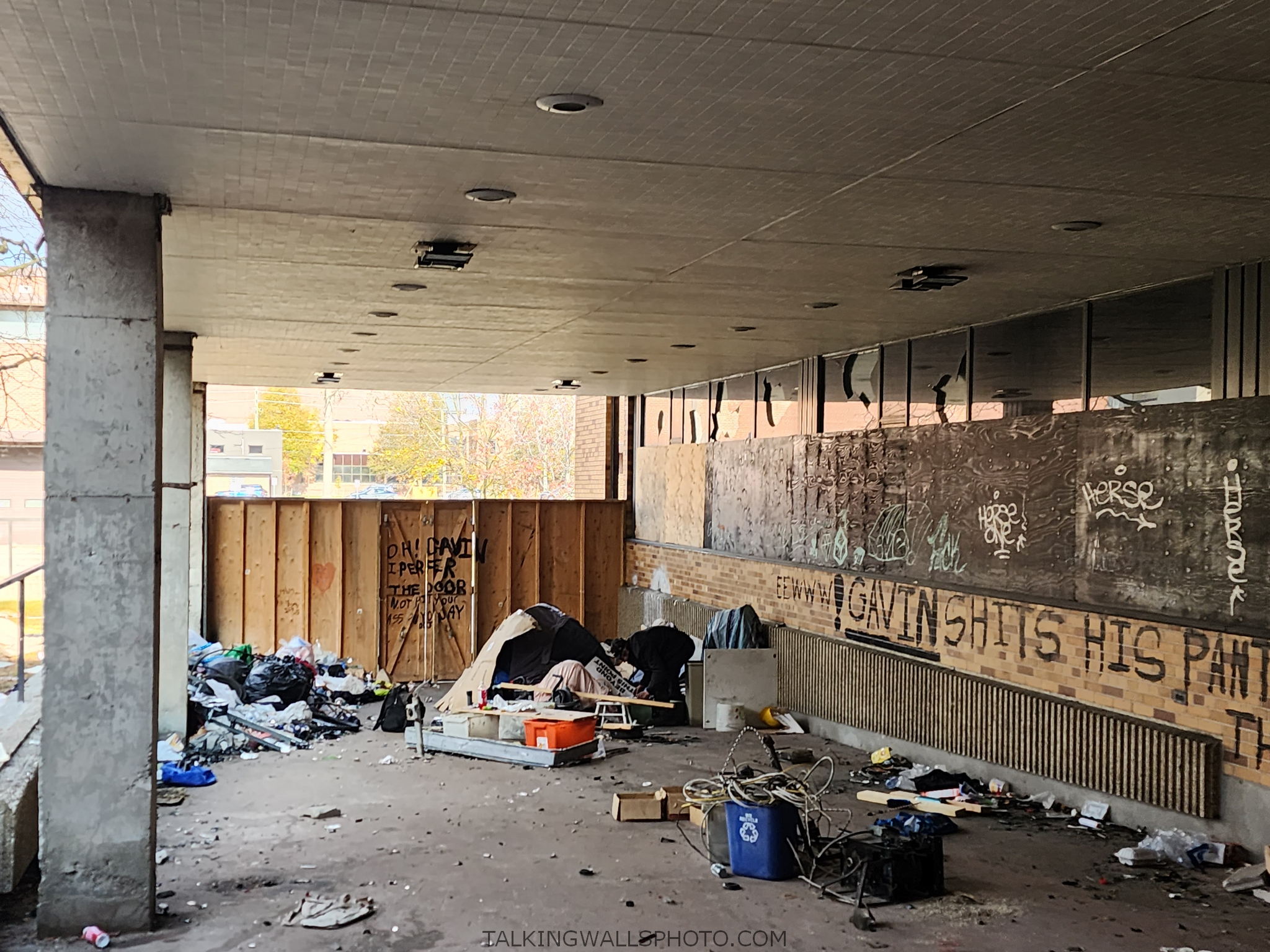
I stopped by this property in December of 2023. I tried both side doors one evening and was delighted when one of them opened. I immediately saw a person at the end of the hallway with a flashlight digging through his belongings. Seeing the property was inhabited by persons who were homeless. I quietly retreated.

As it was scheduled to rain over the next few days, I waited to go back until there was clearer weather. Unfortunately when I did return, I saw workers on site. What luck! Not wanting to return home without any photos, I boldly got out of my car and walked to the same door I’d used before which now had a “Danger Asbestos” sign on it. I wasn’t stopped so I proceeded inside.

I spent about 20 minutes nervously taking photos and video, expecting to be caught. In the end I was, and this is shown in the video. I returned the next time I was in London and was able to fully cover the building.
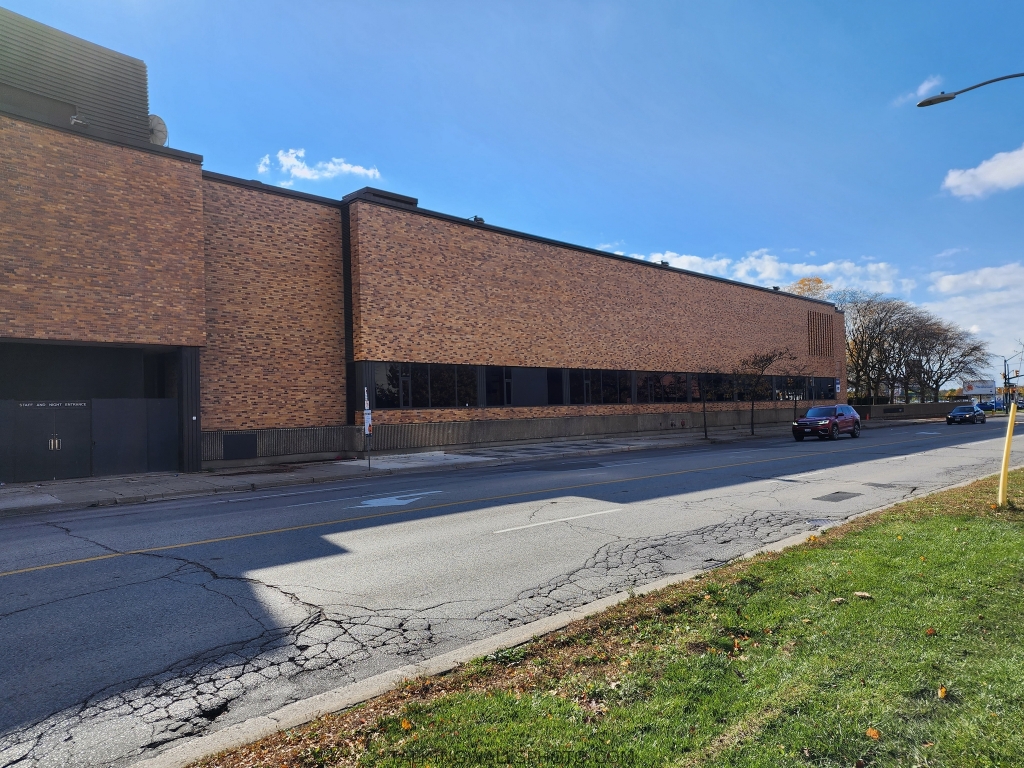
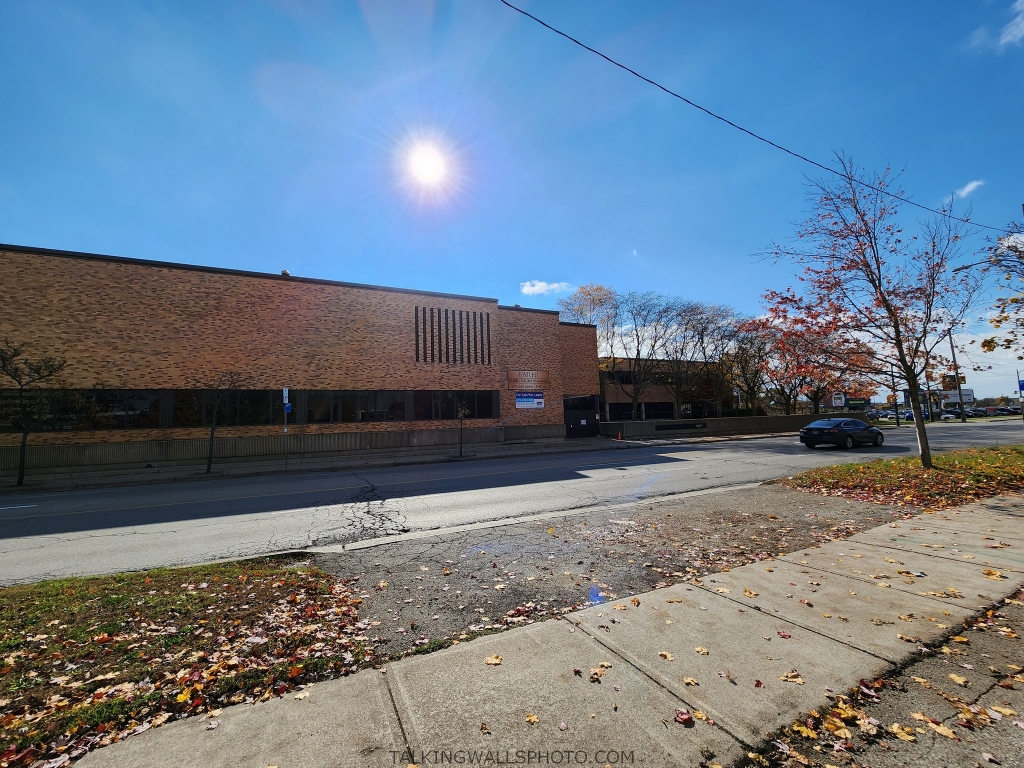
Demolition Photos (courtesy of Morris Lamont)
Caught while exploring the vacant London Free Press newspaper building in London, Ontario (Part 1)

Exploring the abandoned London Free Press Building in London, Ontario (Part two)

Sources:
1) https://www.cbc.ca/news/canada/ottawa/sun-media-cuts-500-jobs-shuts-ottawa-kingston-presses-1.1213781
2) The Story of London, “The Free Press,” and Western Ontario, 1849-1949 (Miller, Orlo)
3) https://blackburnmedia.ca/about-us-history
4) 369 York (Morris Lamont)

Written by TWP / Note: Due to the amount of research that went into this article, there may be some inaccurate details. Feel free to correct me.
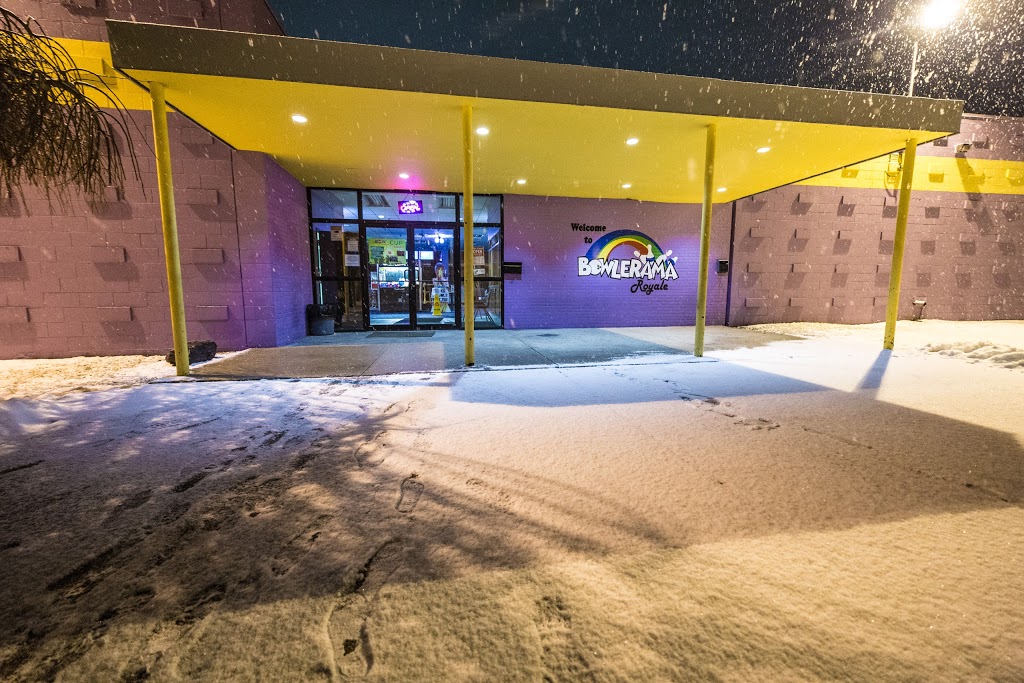
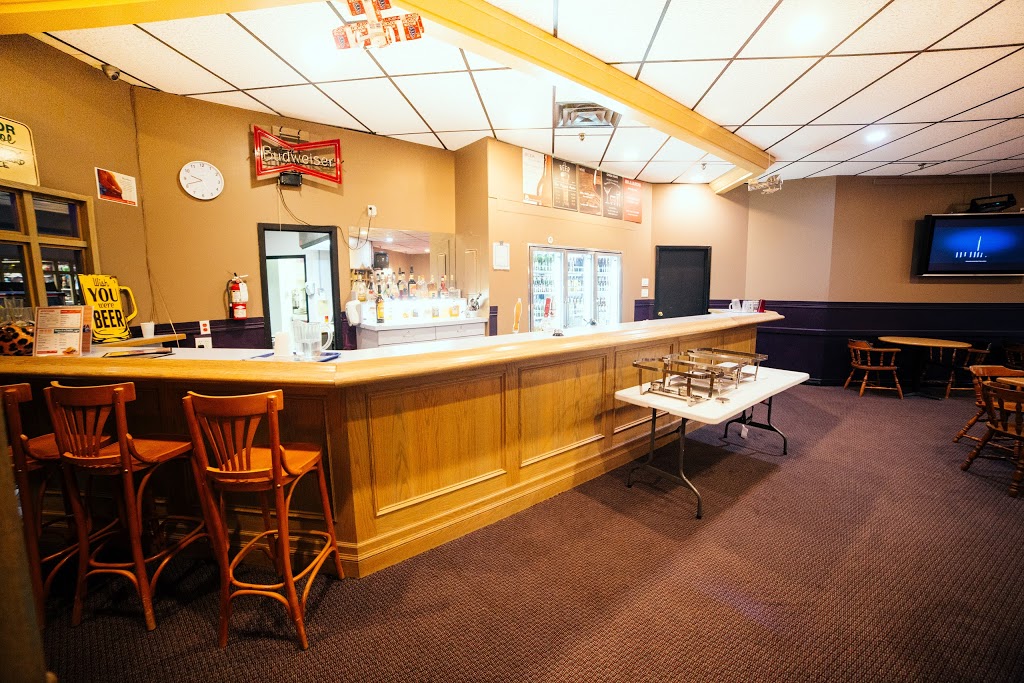
Bowlerama Royale in London Ontario

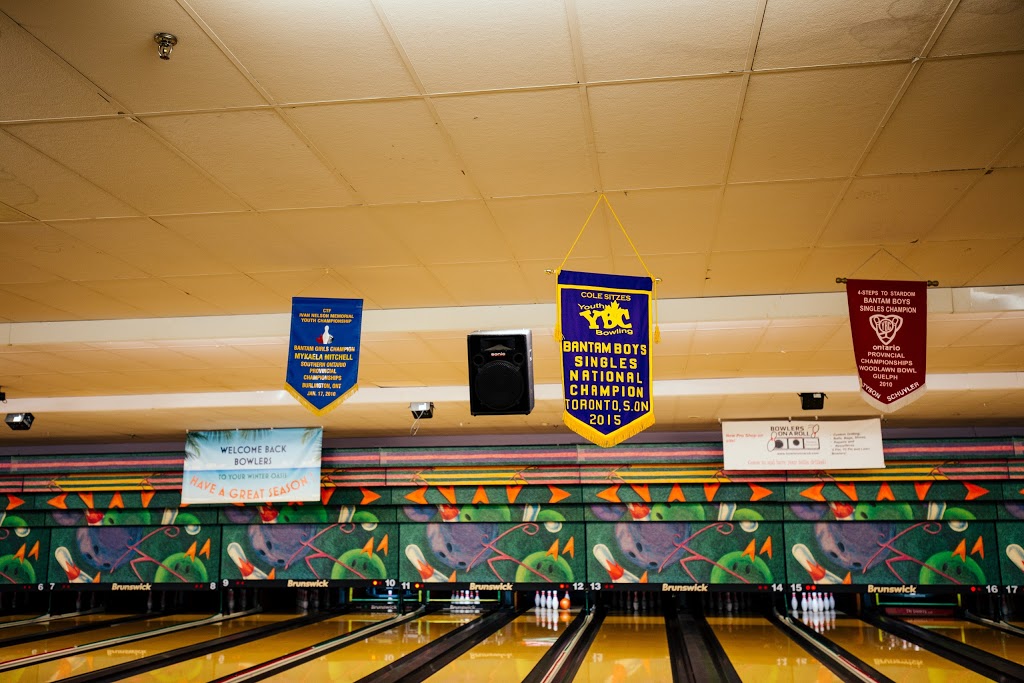
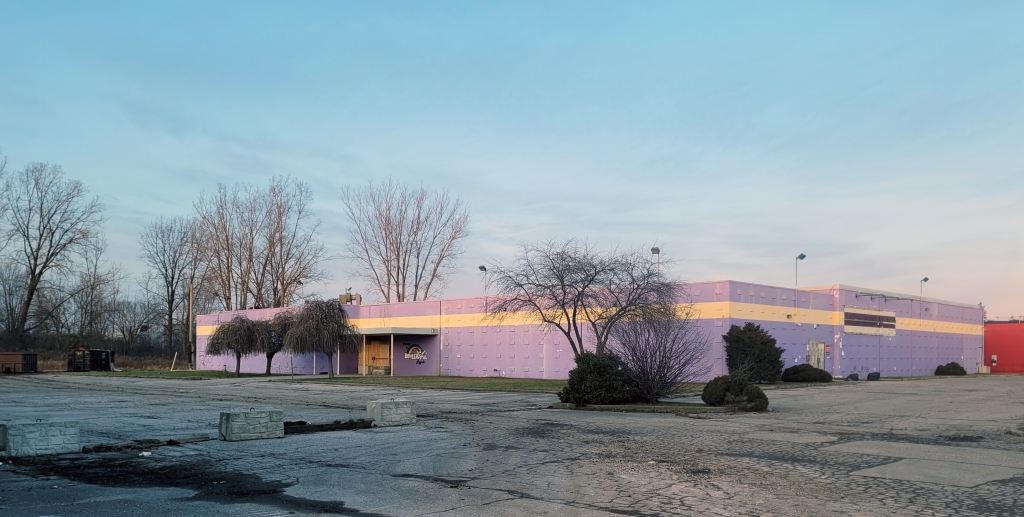
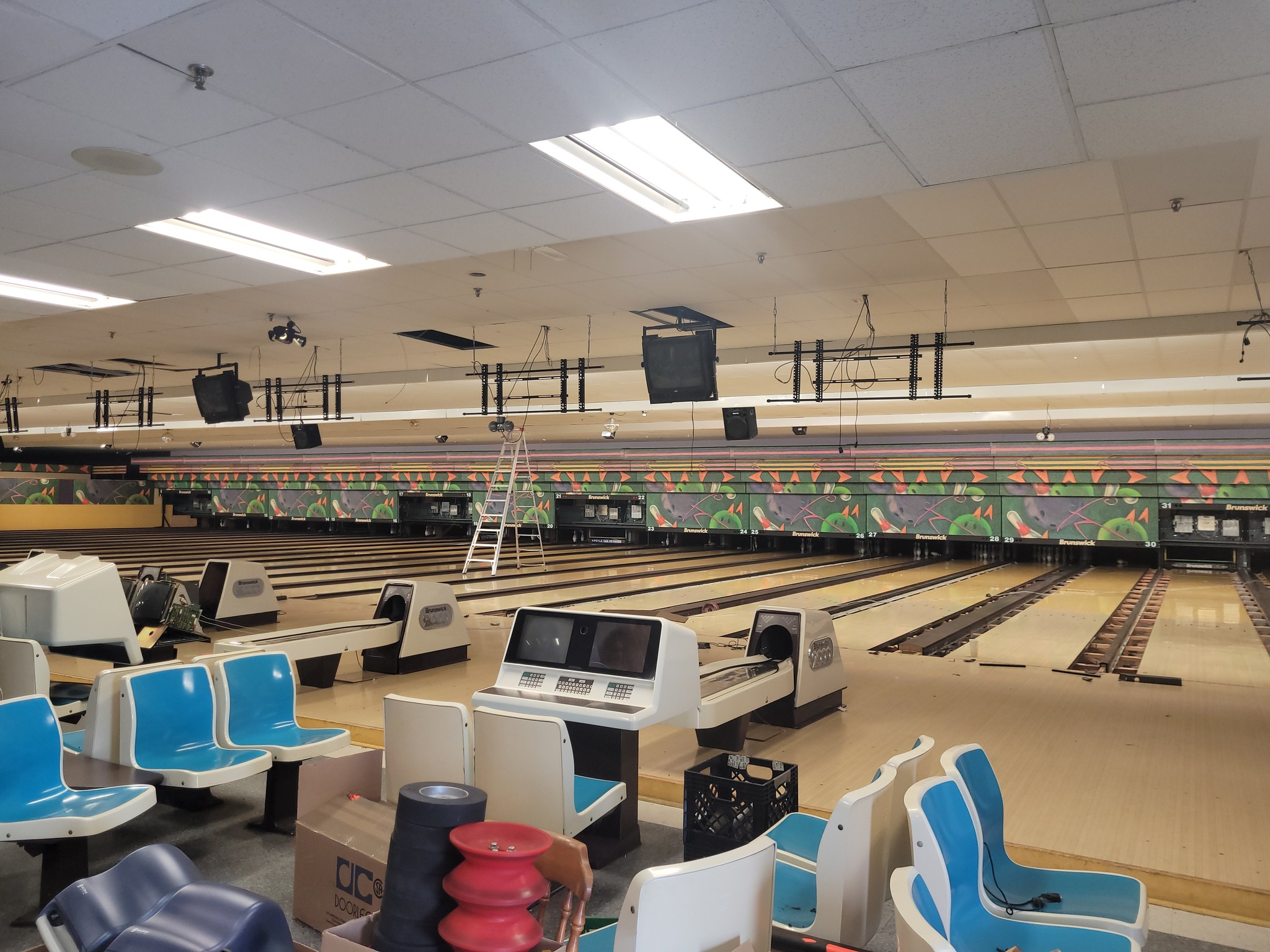
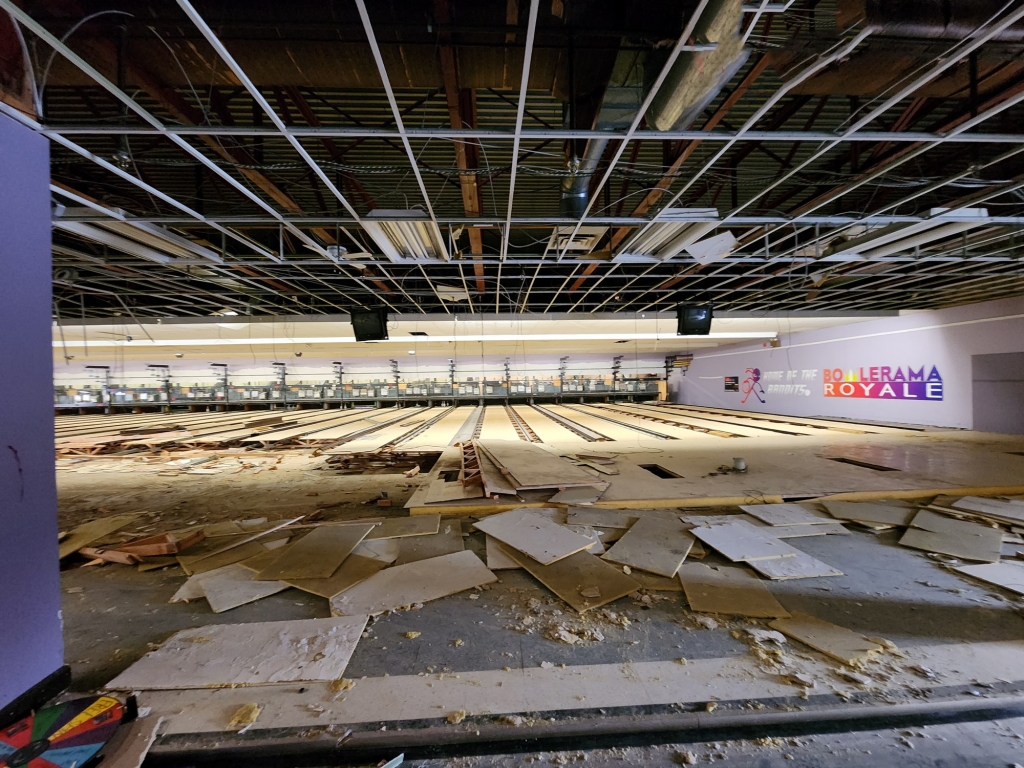
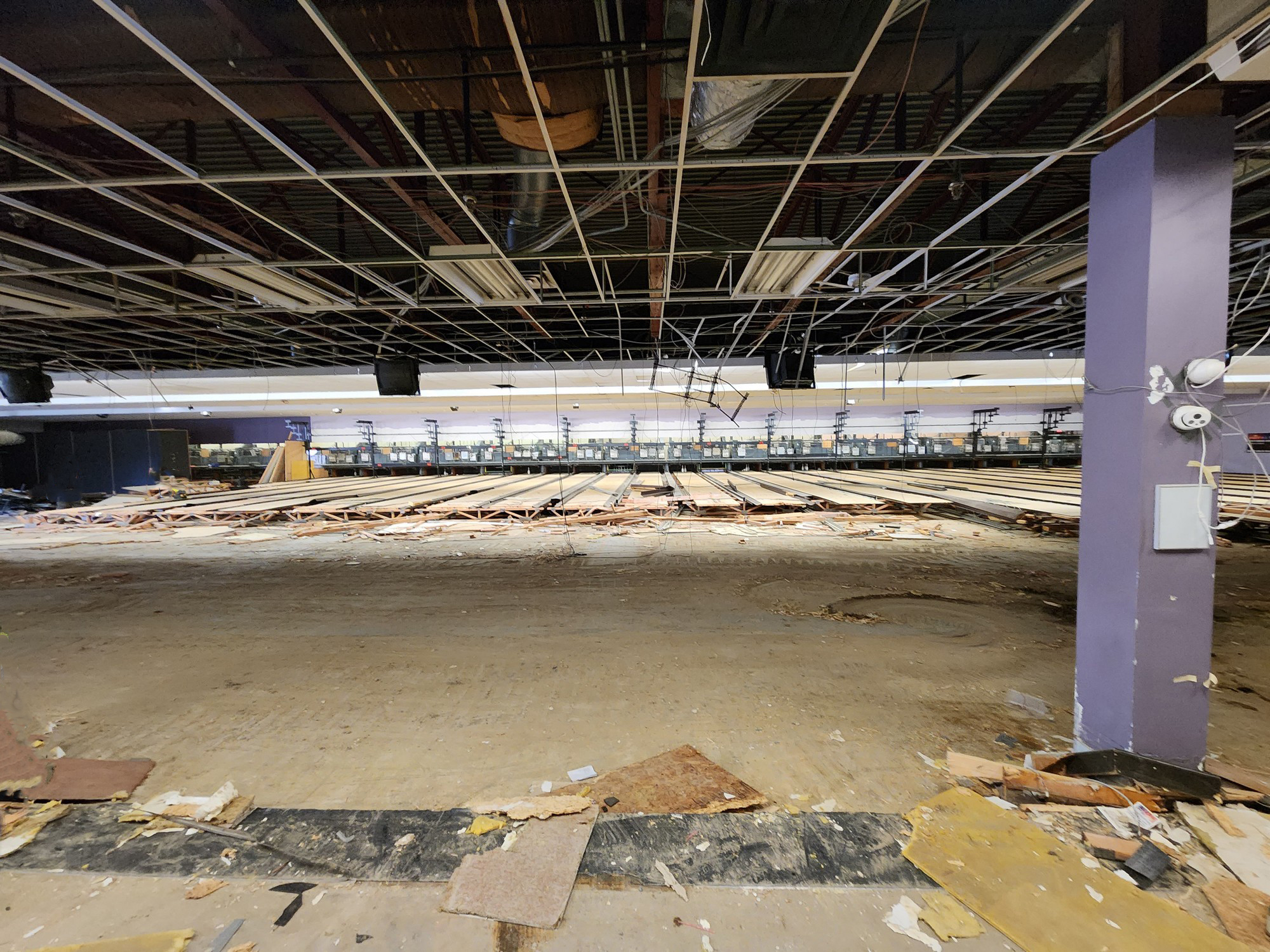
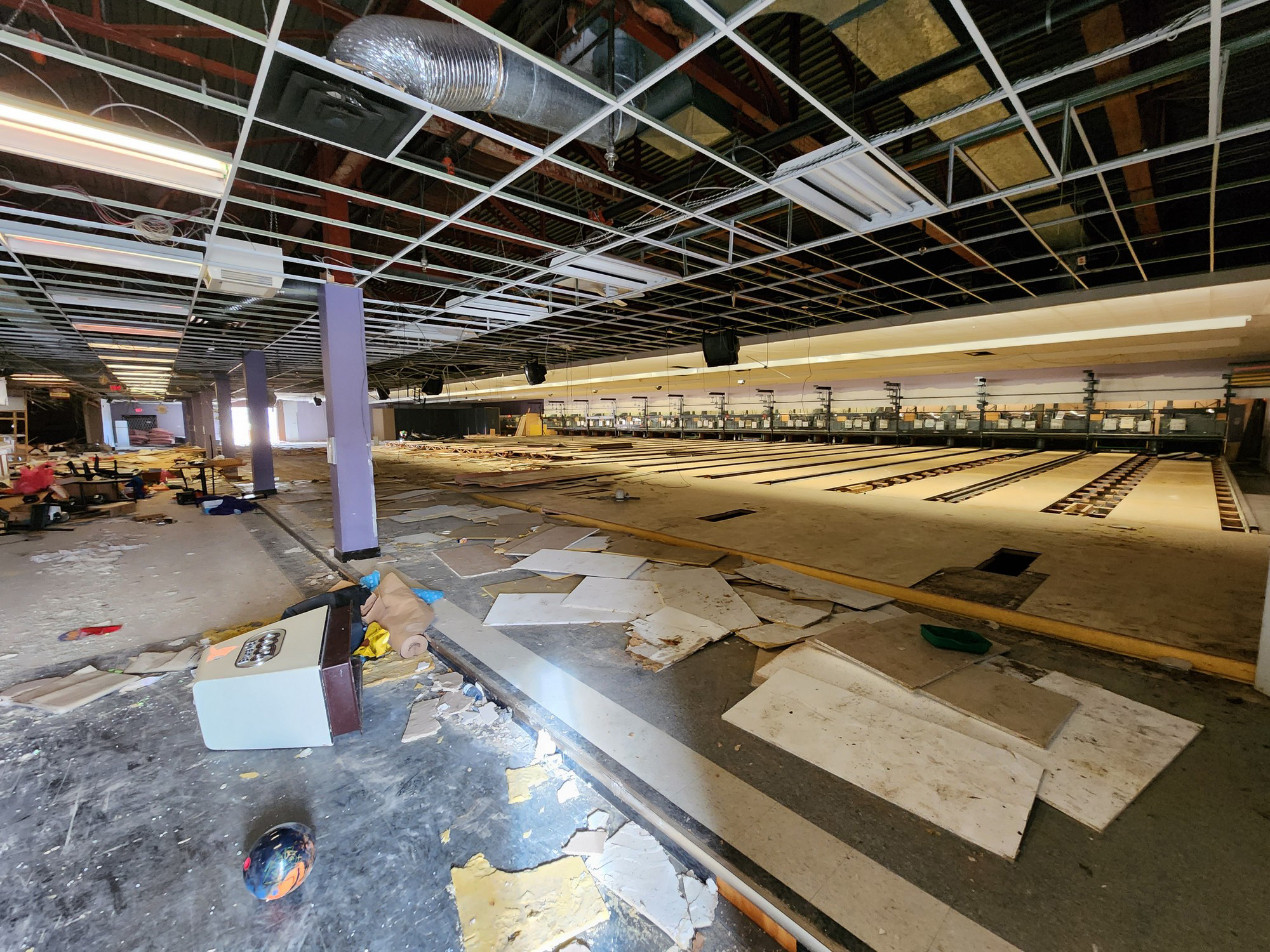
The Bowlerama Royale, nestled along Dundas Street in London, Ontario, was a vibrant 32-lane bowling alley. In 2015, the building, previously known as the London Furniture building, was purchased by Mark Decman and Brenda Dotterman.

According to a former employee, Brenda and Mark purchased Bowlerama from Jack Fine’s son-in-law. Jack passed away in 2013/2014 and his son-in-law inherited the business but didn’t want it.

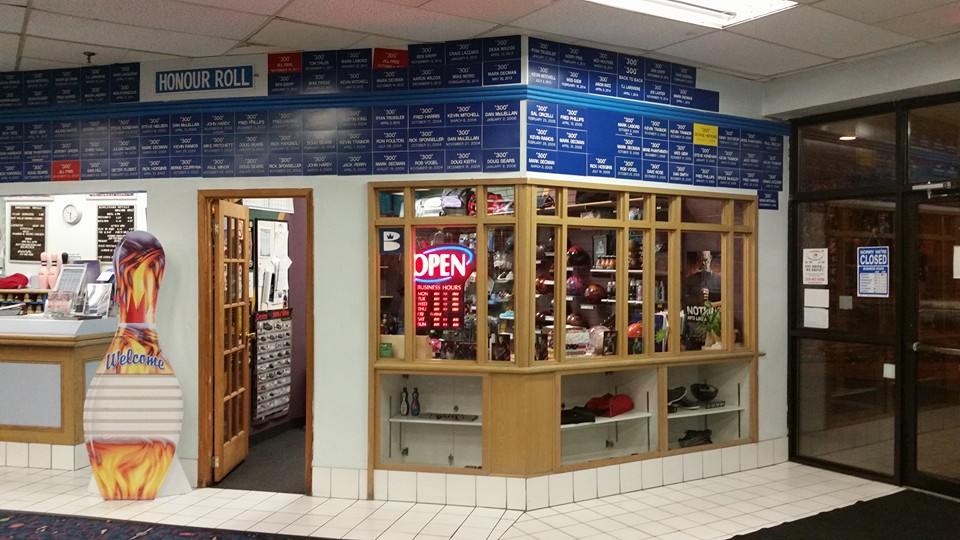
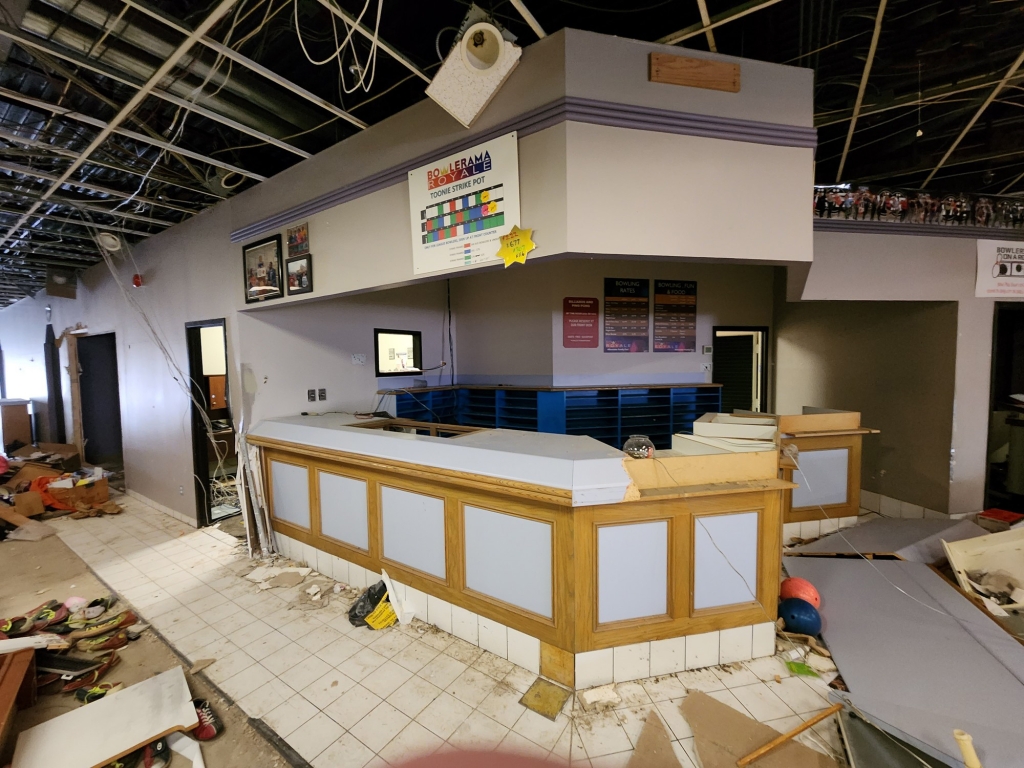
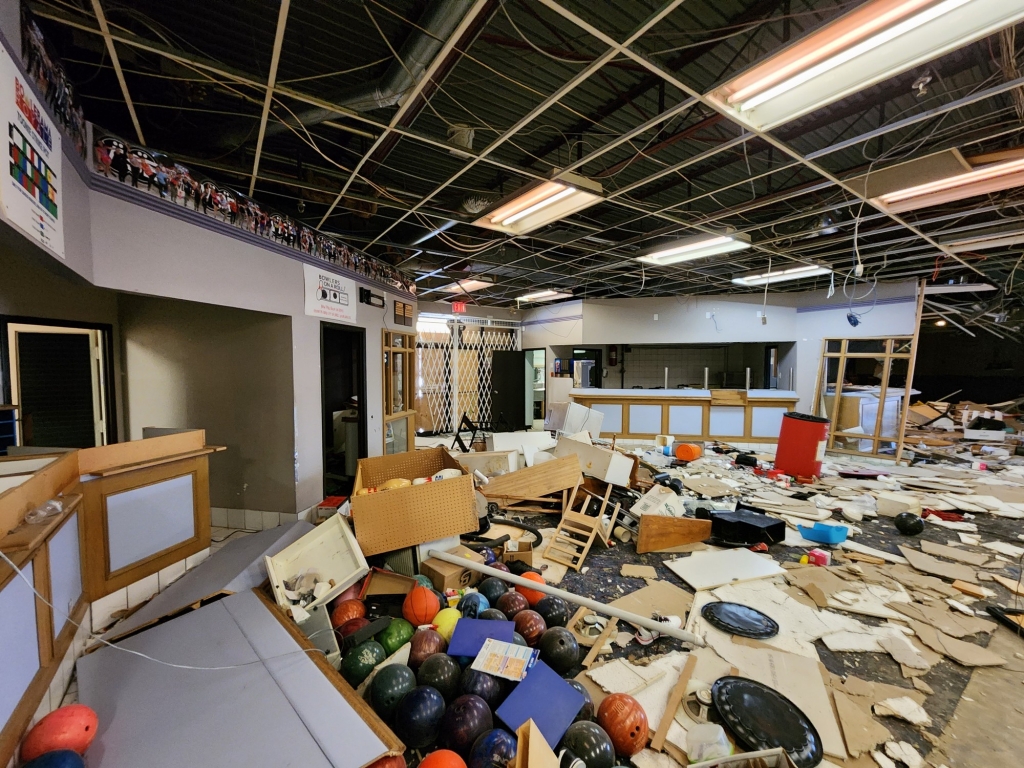
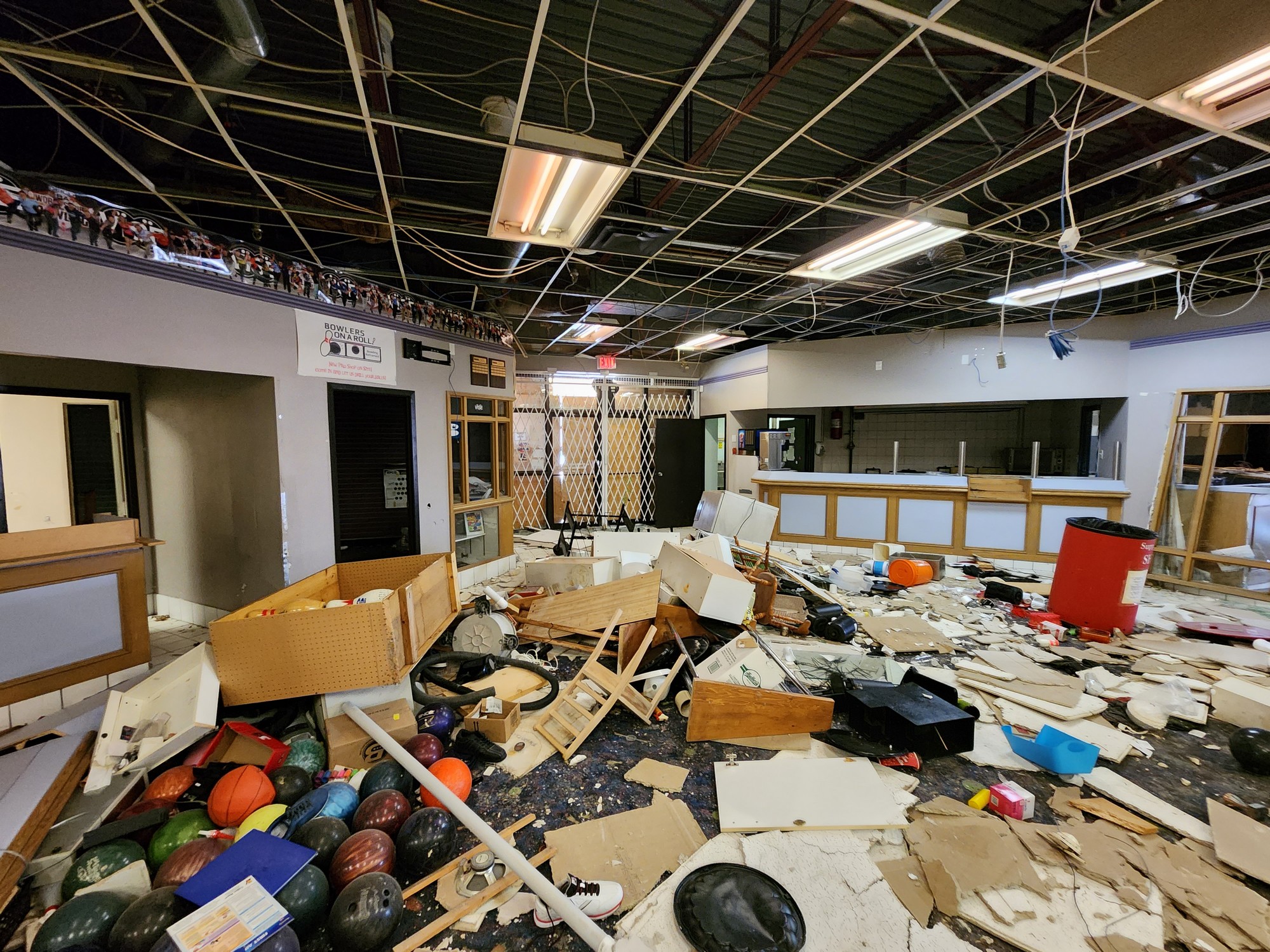
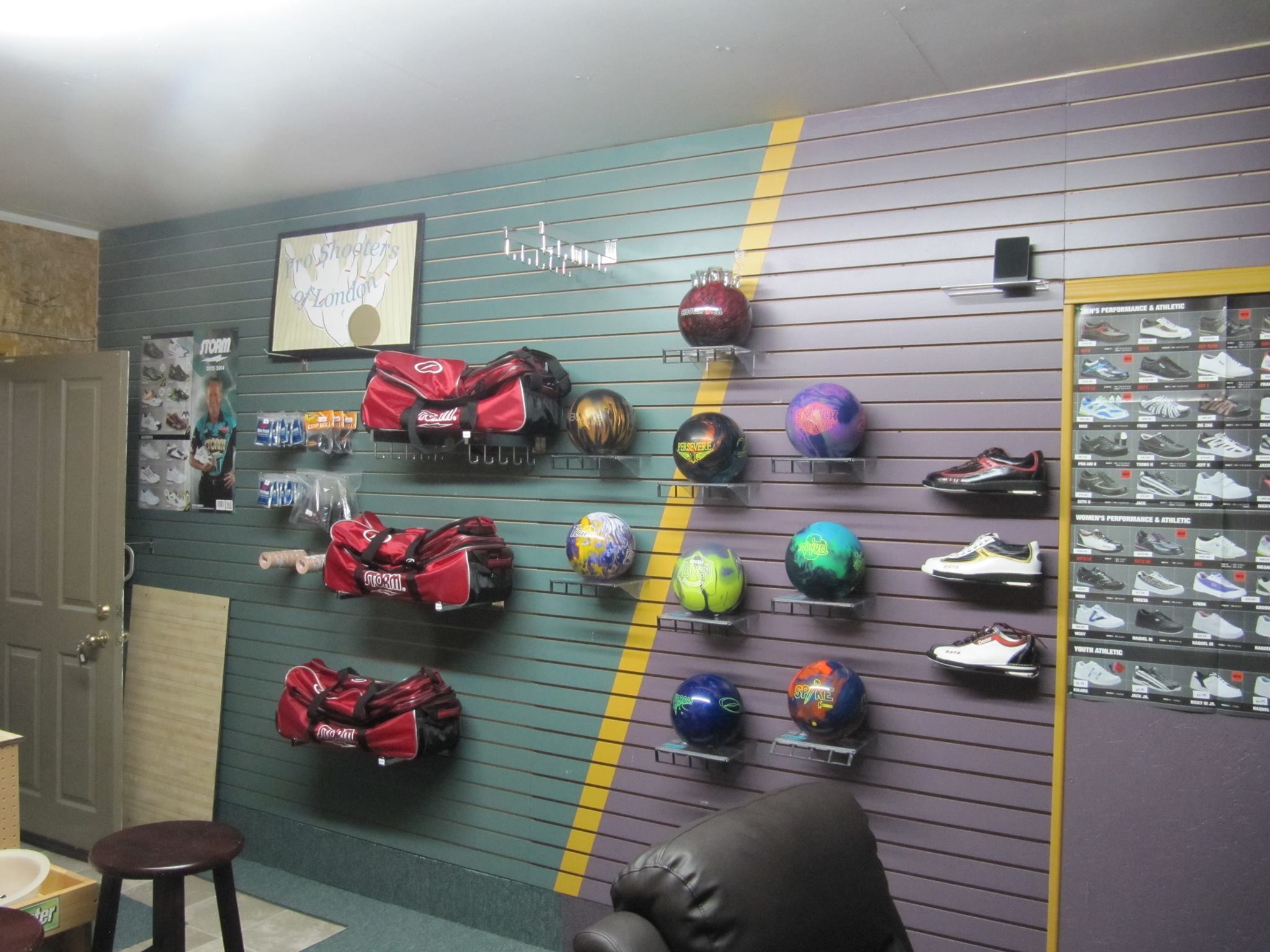
The revamped establishment boasted 32 ten-pin lanes, a bar area, indoor golf facilities, escape room, and a sporting goods store named “Bowlers on a Roll.” Here, bowling enthusiasts could purchase bowling gear and accessories.

Embracing both recreation and competition, Bowlerama Royale hosted various leagues, including the youth-centric Bowlerama Royale Youth League. Notably, they awarded scholarships to commendable players, supporting their educational pursuits.

Before becoming Bowlerama, the building housed several other recreational past times.

It began as Brunswick Town Bowl in the early 1960’s. In 1967, due to financial issues the owners added a small roller skating rink named Imperial Skateland (owned by the Chaplin family). When the owners fell behind on tax payments, they moved out before the bailiff seized the property in January of 1968.

The building was then rented out in March of 1970 to the former owners of Brunswick Town Bowl. The building was eventually sold to Thunderbird Roller Rinks who then sold to the Roller Palace Chain. The roller skating lasted from 1977 to 1987.

Bowlerama was one of the many businesses that suffered from the Covid pandemic as they had to remain closed. When partial restrictions were lifted in 2020, the business’ occupancy was limited to 50 occupants and many bowlers wouldn’t have returned. In August of 2020, the owners announced that the bowling alley would not reopen.

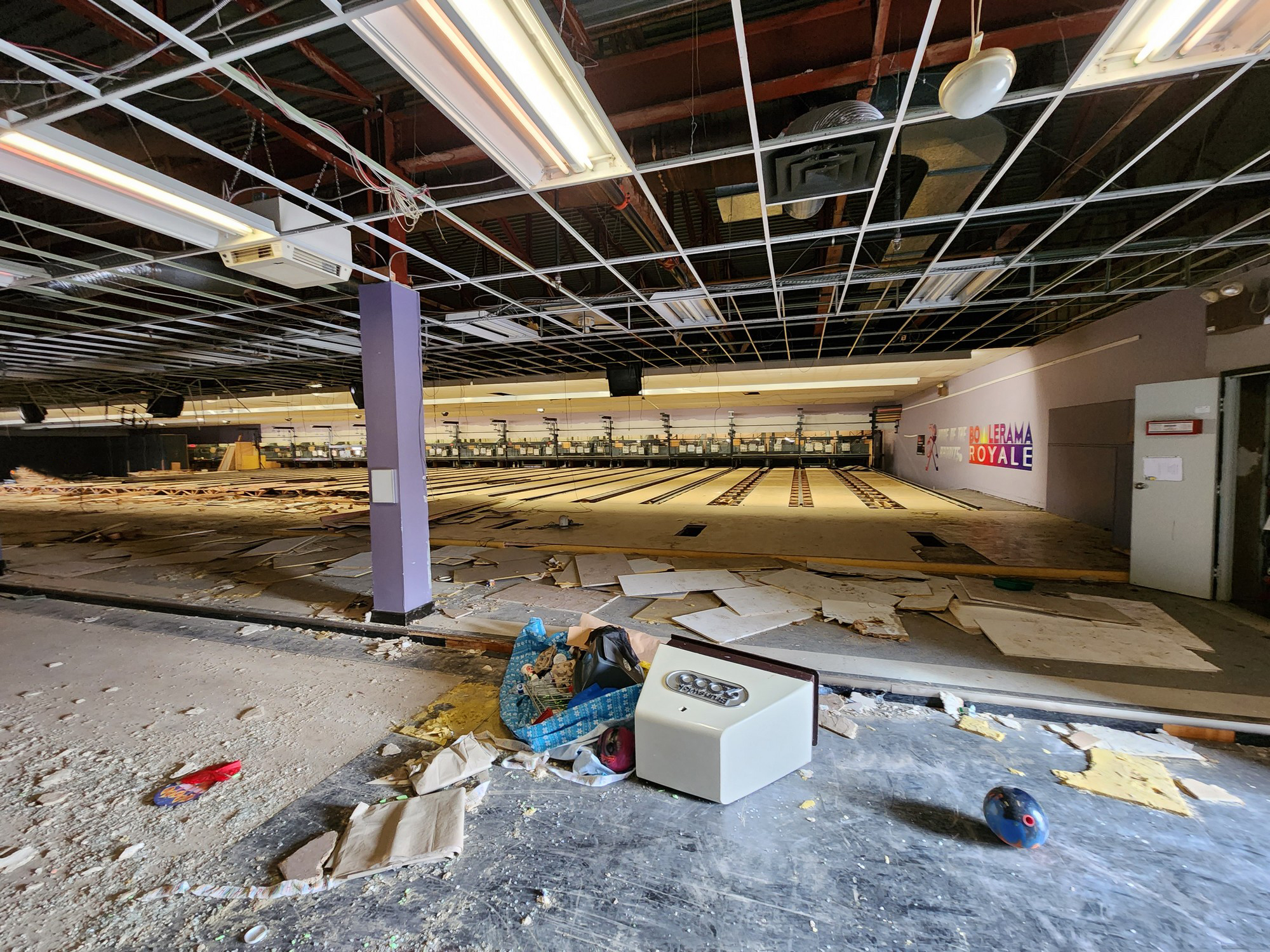
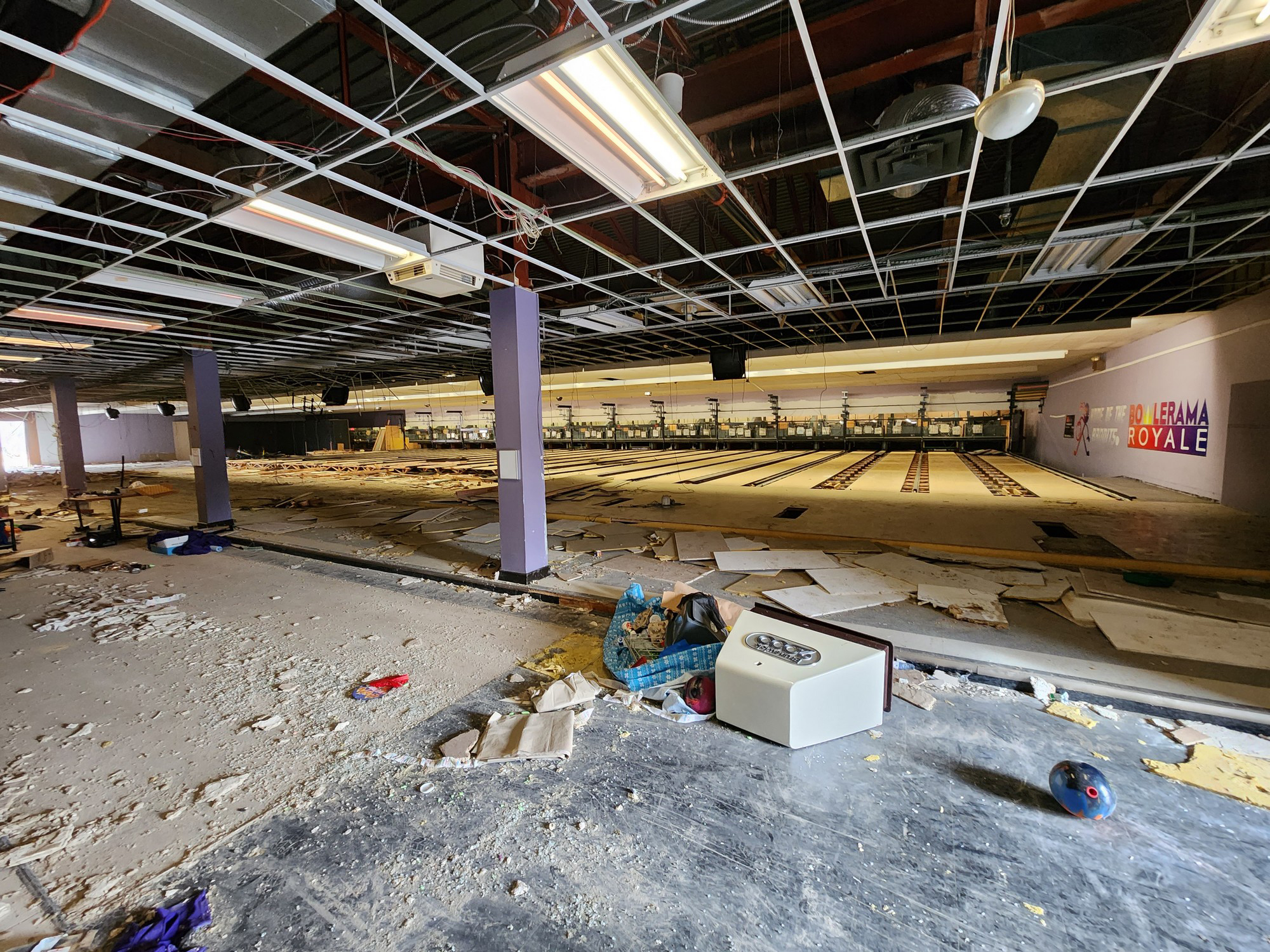
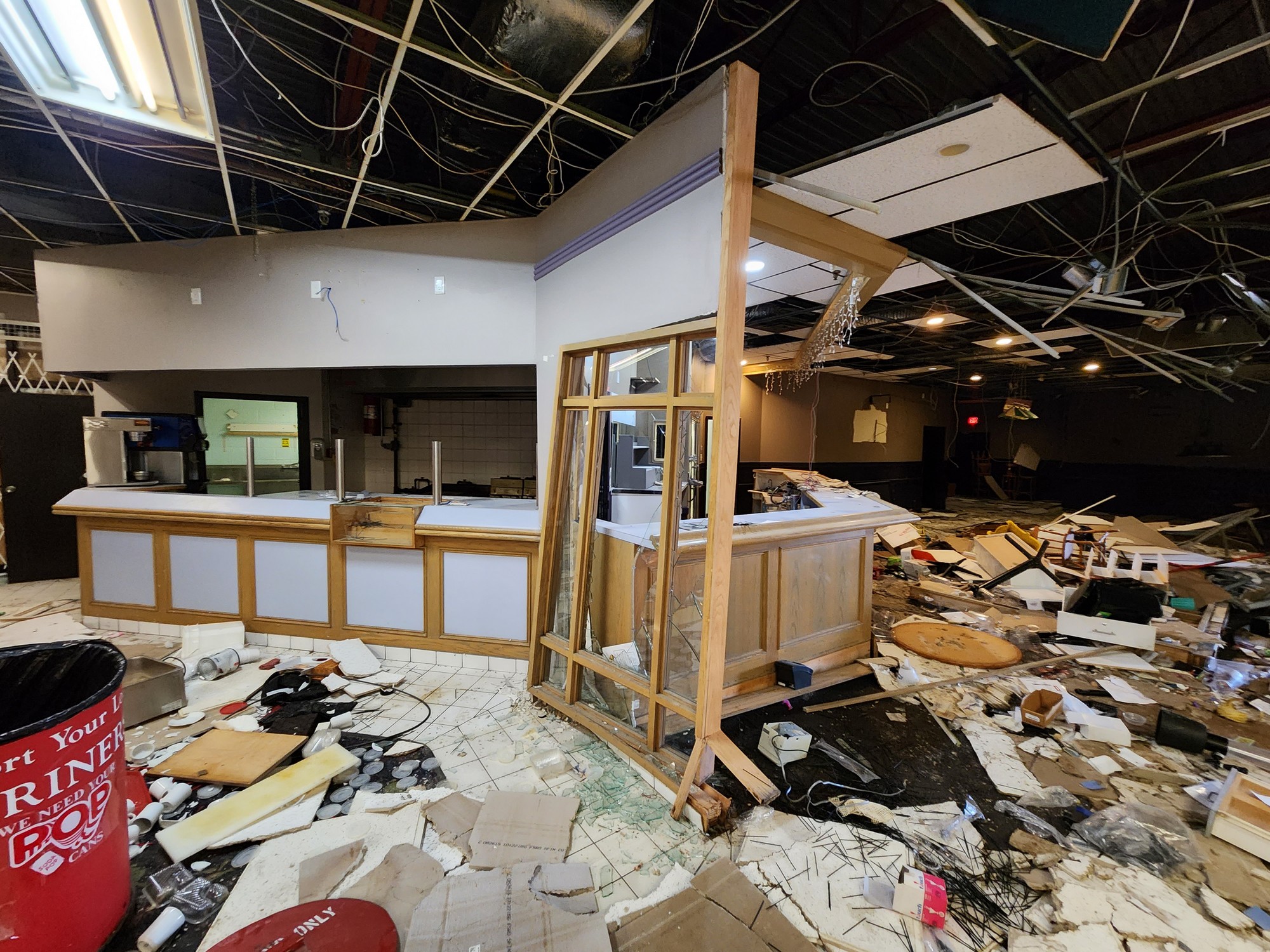
As for the building today, it’s now gutted. The owners, Drewlo Holdings, allegedly plan to put new housing on the site of the former bowling alley

Photo attempts

Whenever I was in London, I’d make it a point to drive past here hoping to see a way inside. During one visit, security showed up. They explained that they have cameras and you’re immediately revealed in their ‘war room’. The guard suggested I should try contacting Drewlo for permission to explore.

I contacted Drewlo who said that due to “liability purposes”, I wouldn’t be able to take photographs inside. You can imagine my frustration when one day I drove by and saw vehicles outside and the doors open!

It wouldn’t be until one night in late 2023 that I returned to see if there were any changes to the property. I parked off site and walked in to the back. The doors have cement pillars in front of them and everything is locked. I was there no more than sixty seconds and walked back to my car. As I drove past the building, I chuckled as I saw the headlights of a security car that had just pulled up to the back of the building where I’d just been.

Since Drewlo didn’t care about my attempt to archive history and denied me permission, here are hand sketches that I made of what the interior might have looked like had I gotten inside. <sarcasm> 🙂


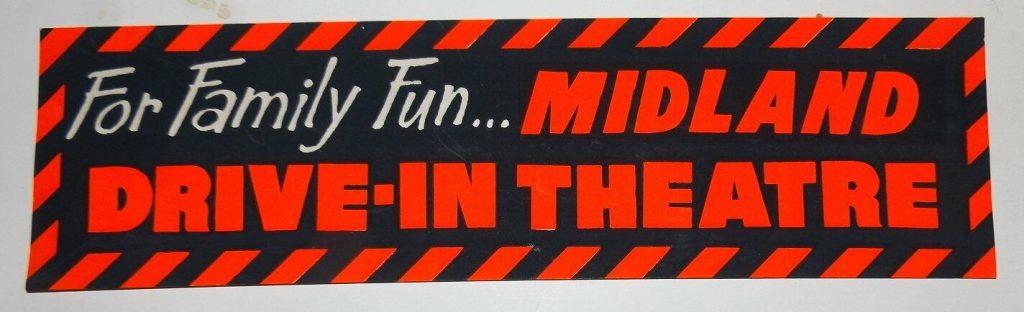
Midland Drive In Theatre

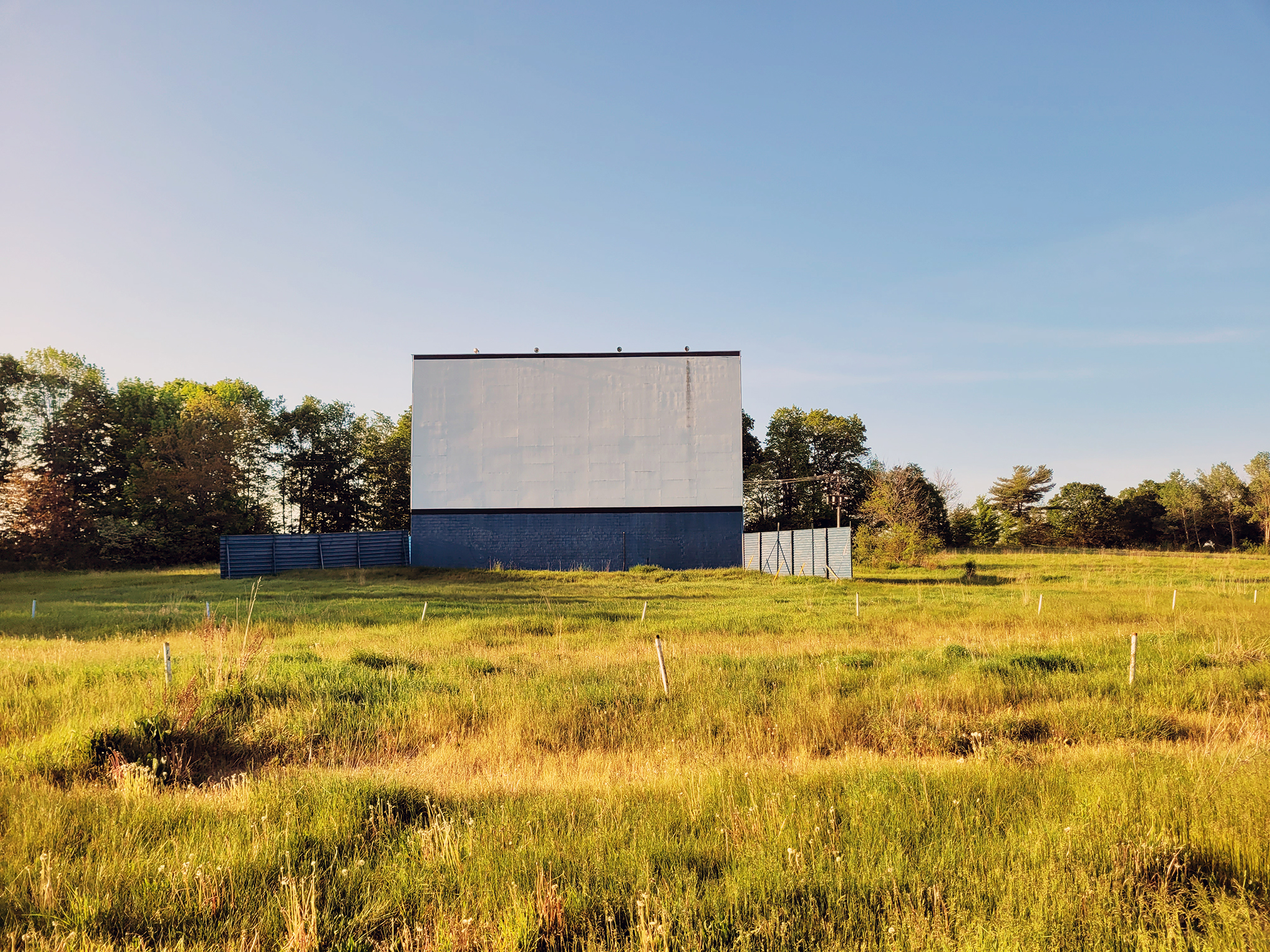
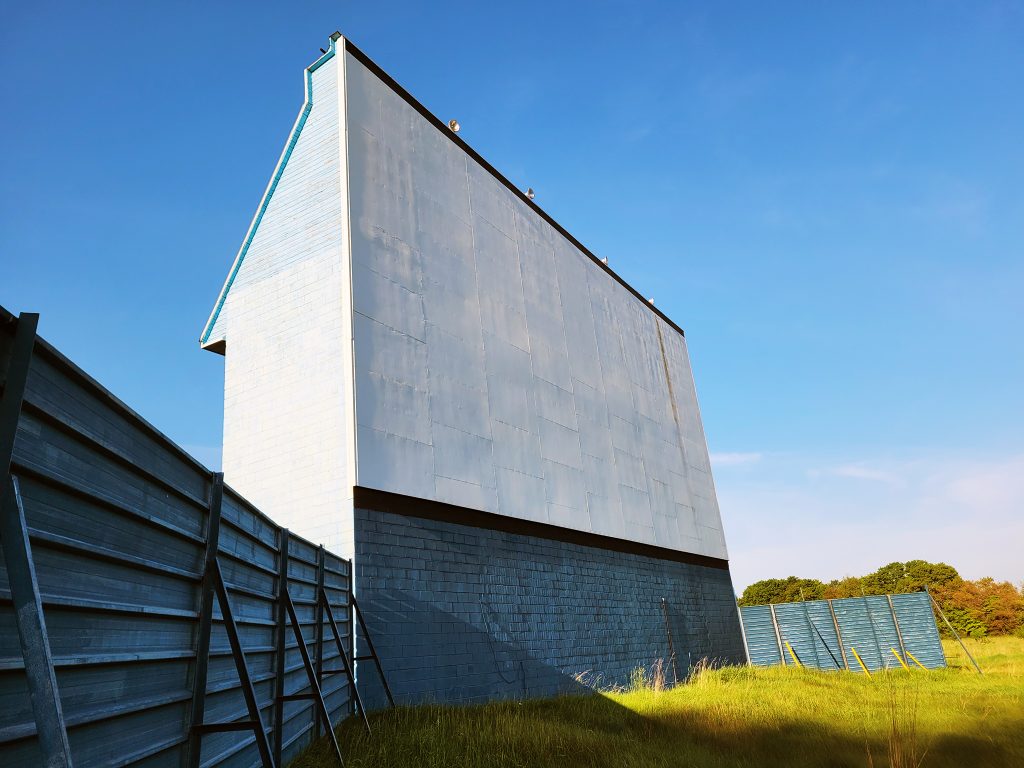
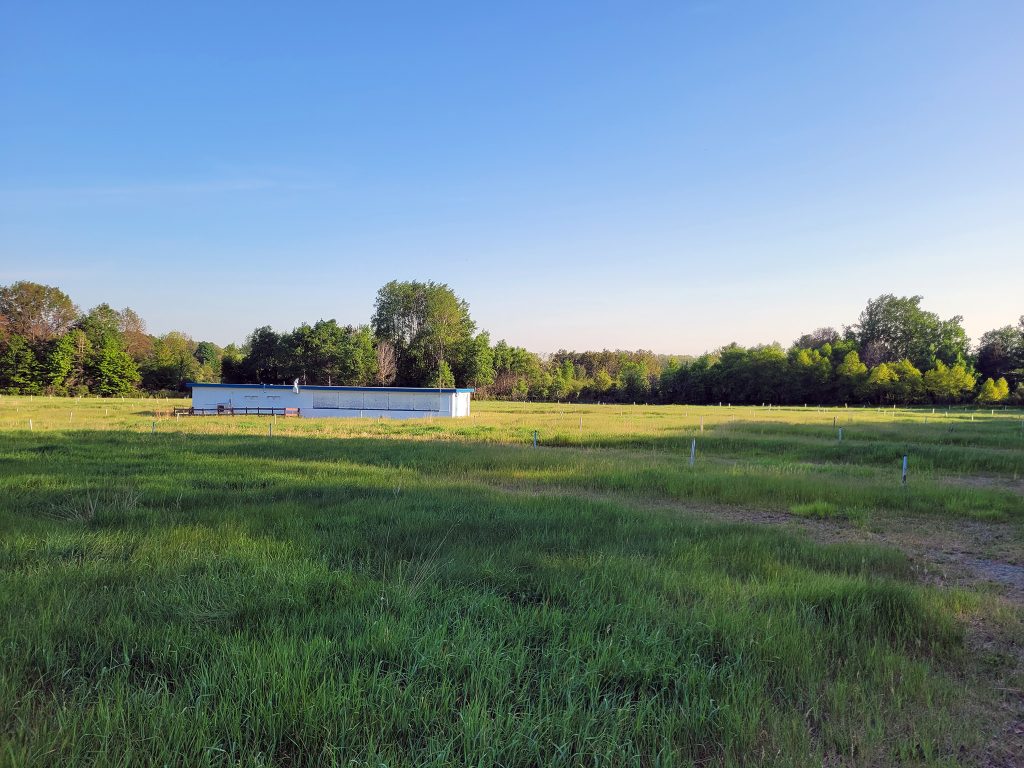
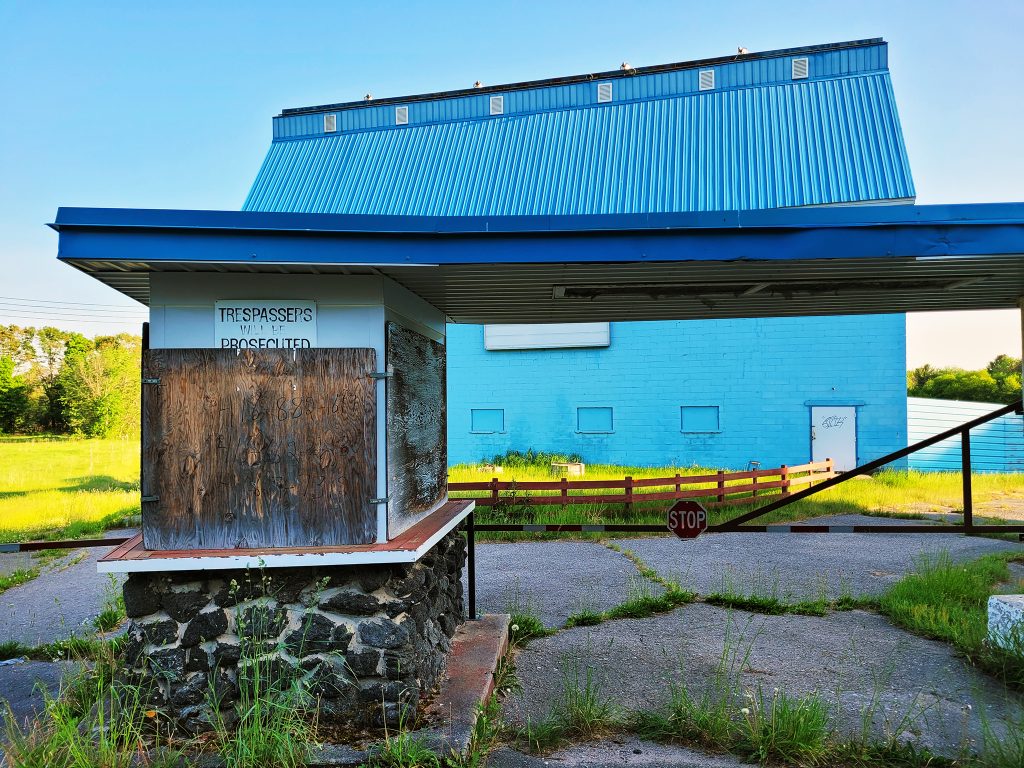
The Midland Drive In opened in 1953. There was a single screen to show movies on.

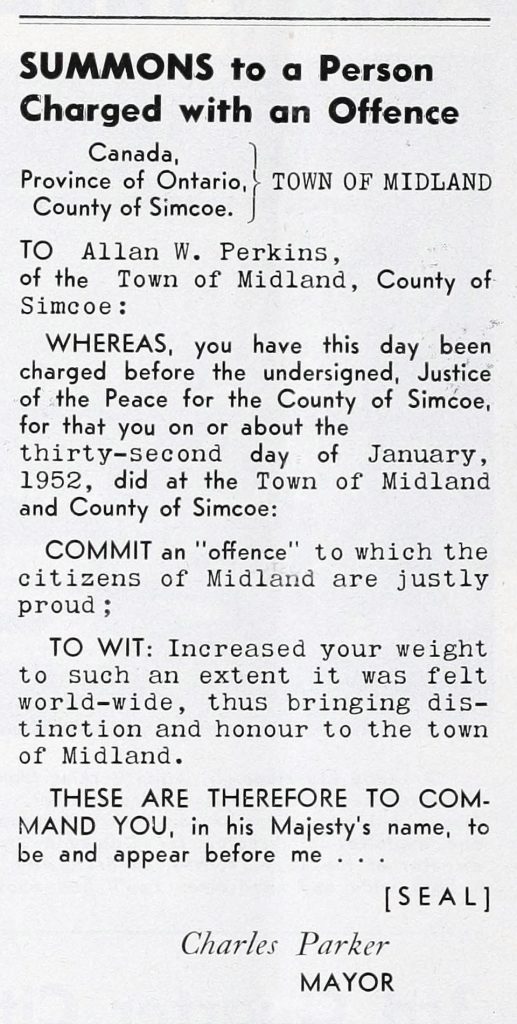
The early management was James Wilson in 1953 and Allan W. Perkins (1955-1956). In 1956 the theatre was acquired by Odeon. Sometimes women were offered free admission on Mondays & Tuesdays if they were the driver.

In 1982, brothers Dave and Paul Babcock purchased the Midland Drive In. They were already owners of Penetanguishene’s Pen Theatre. After the brothers passed away, ownership went to their wives Teresa and Heather. Dave’s children Mark and Stacey also assisted with operations.

At some point the wired speakers that patrons would attach to their car windows, were replaced with an FM transmitter (90.1 FM) to allow people to listen via their car radios.

Stacey met her future husband, Gordon Cox while he was working at the theatre.

Paul Babcock passed away in 2005 and Dave passed away the following year. It was at this time that Stacey and her brother Mark took over operations of the drive in.

It wasn’t easy to compete with digitally available movies. In 2008, Gordon Cox said in a media interview, “We struggle with satellite competition where people can push a button and get a movie. There still are people who enjoy it but they’re a dying breed. How long it’s going to hang on I don’t know. It will dwindle out; drive-ins are so small and they’re all independents.”

In 2008, the average attendance at this time was 75 cars. Admission was $8 per person, children 12 and under were free. Tuesday and Thursday were carload nights which allowed as many people as there are seatbelts in the vehicle for just $8. 

In March of 2020 owners Stacey Babcock-Cox and Gord Cox announced that they would not be reopening the theatre due to the aging building and that they were unable to obtain new movies until weeks after their initial release.

In the summer of 2020 the drive in hosted the Drive In Drag Show Canada, a performance by drag queens and a drive in rock show was held along with a classic car show.

Sadly, Stacey passed away in 2022.

Before the movies began, children would often play ball in front of the large screen while dog owners walked the grounds. There were weekly regulars and people even came wearing their pajamas. The drive in was also popular with seasonal cottagers. The reviews for this location are mostly 5 stars with a few mentions that mosquitos were an issue and to bring netting. The concession stand was cash only.

While there was no playground equipment on site, people brought Frisbees, footballs, baseballs and mitts, bubbles and sparklers for between shows.

There is a potential buyer for this property so perhaps the nights will once more be filled with the flicker of the big screen. Please treat this property with respect!

Research: TWP


Castle Village – June 2023 Revisit

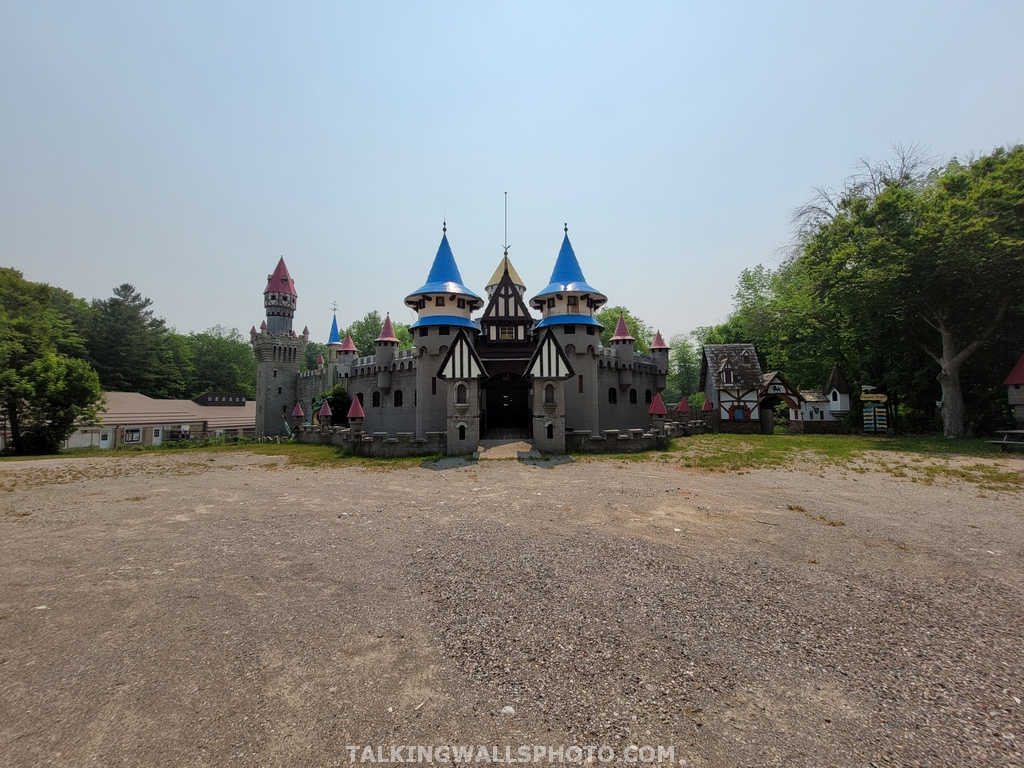
Castle Village was located in Midland, Ontario. It closed prior to the Covid pandemic and never reopened. The owner,  Paul des Roches, passed away in December of 2022. The property was put up for sale and in April of 2023 it was announced that it had been sold.

There’s no word on what the location will be used for. The full write up on this location is found here.


Video

A Return to the abandoned Castle Village Theme Park in Midland, Ontario (June 2023)

MarineLand Antler Warehouse

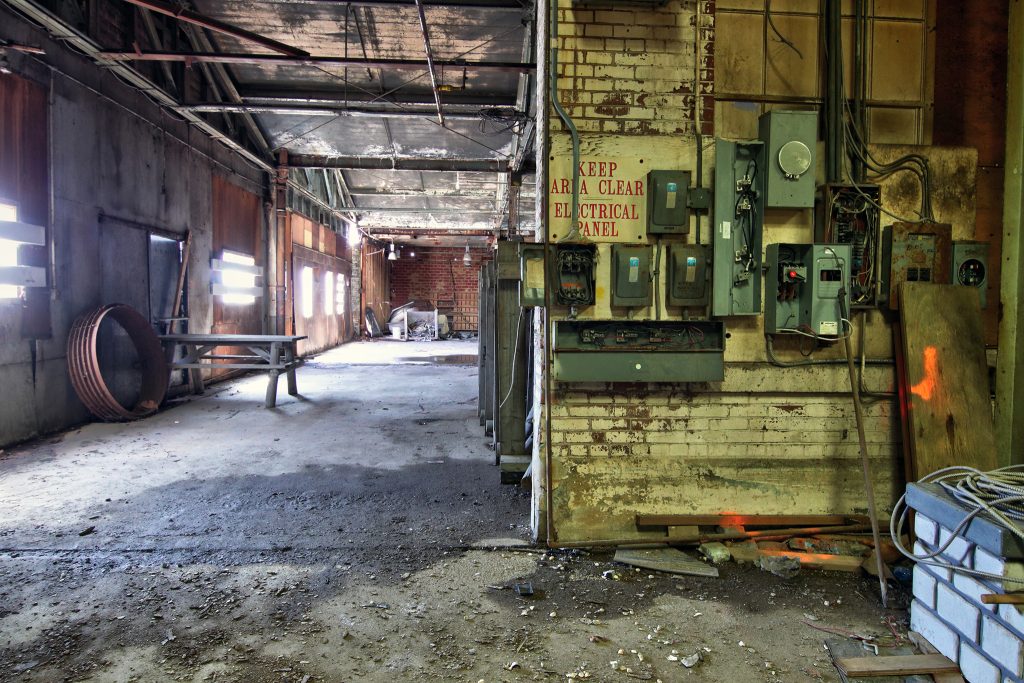
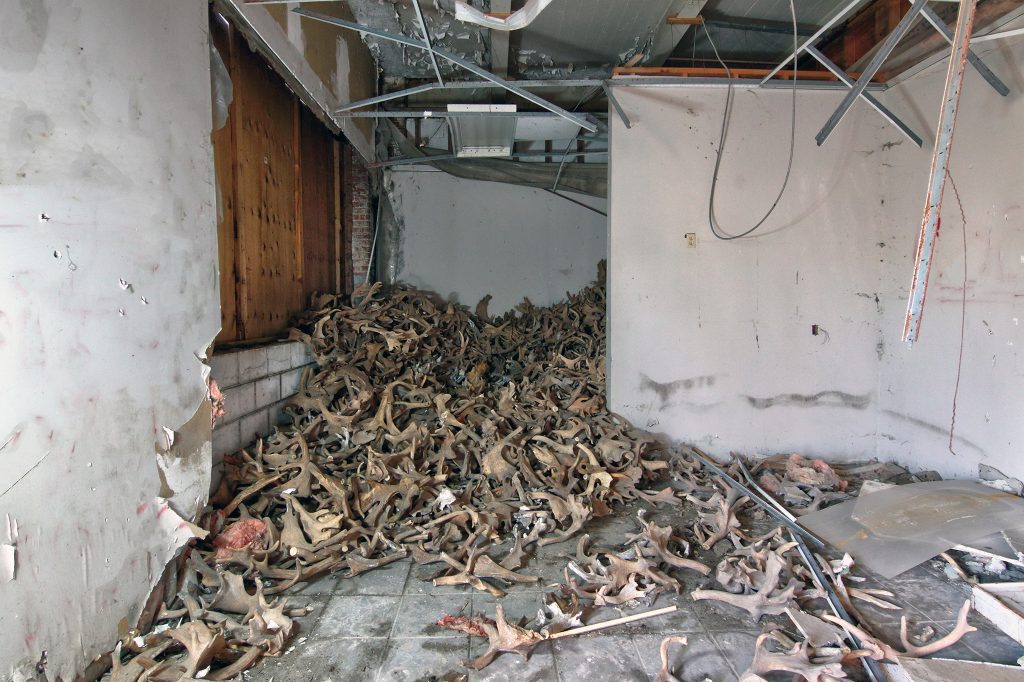
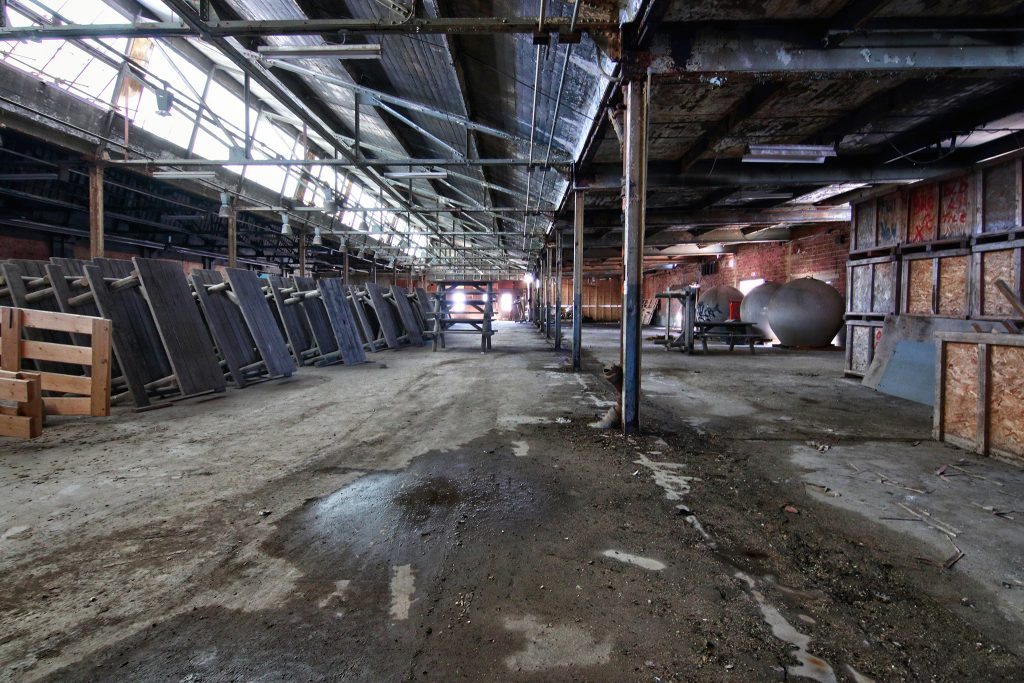
I have very little information on this location except that it’s being used for storage by MarineLand in Niagara Falls, Ontario. The warehouse is located on the grounds of a chemical production company which produces products for refineries and industrial factories.

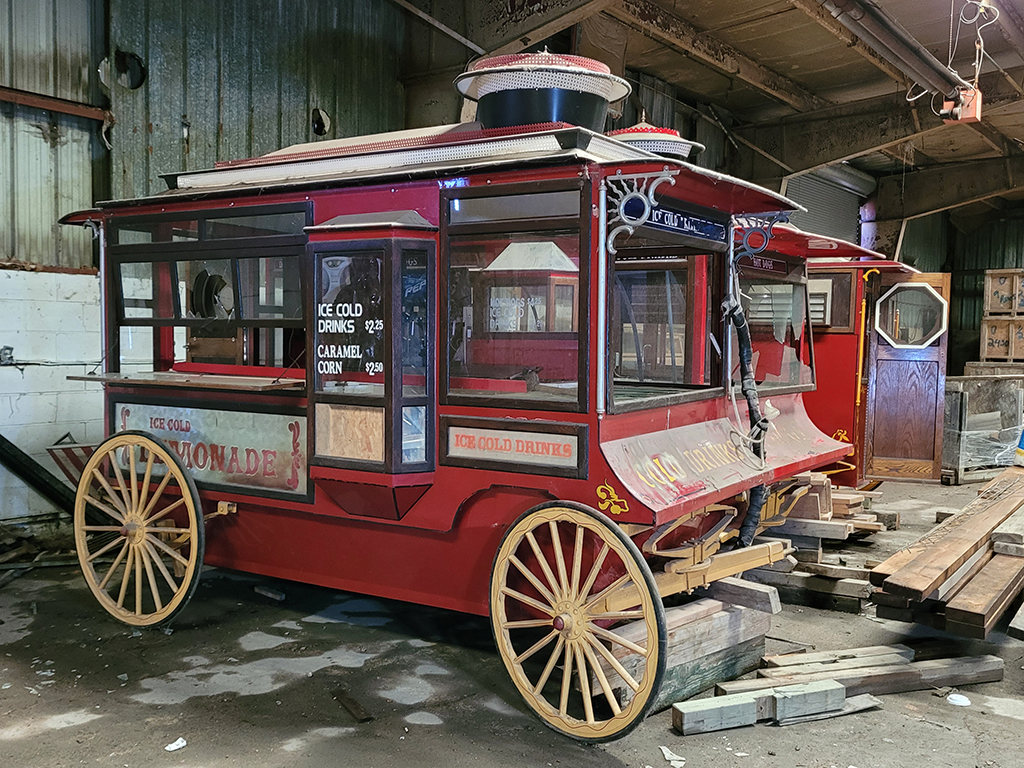
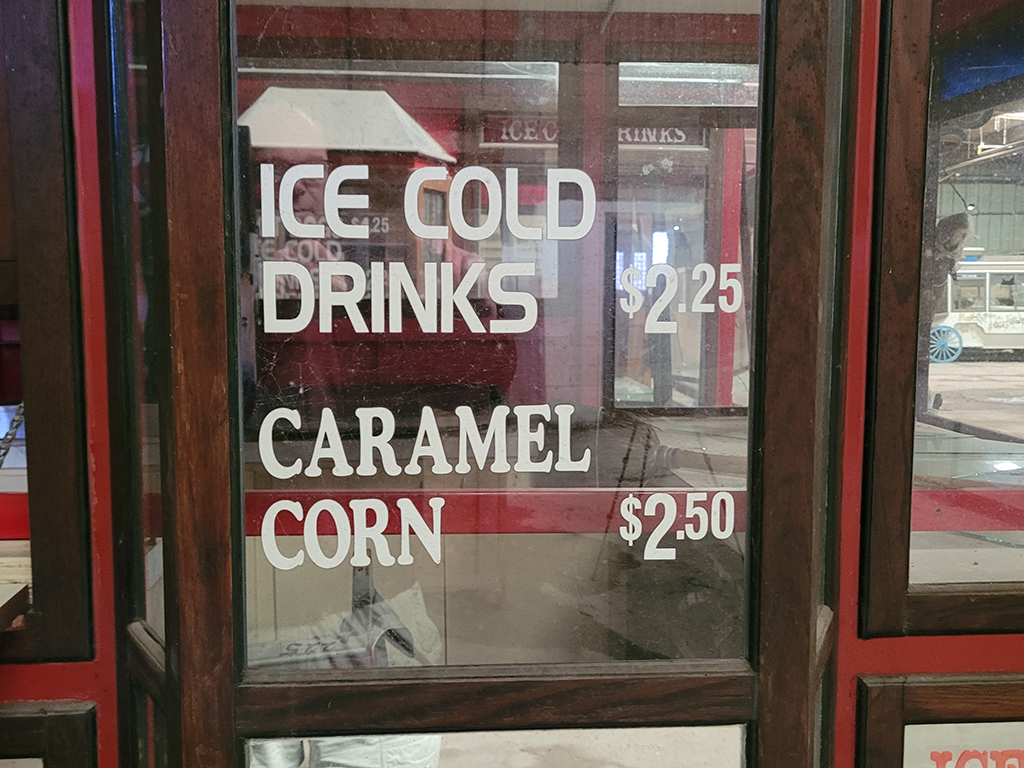
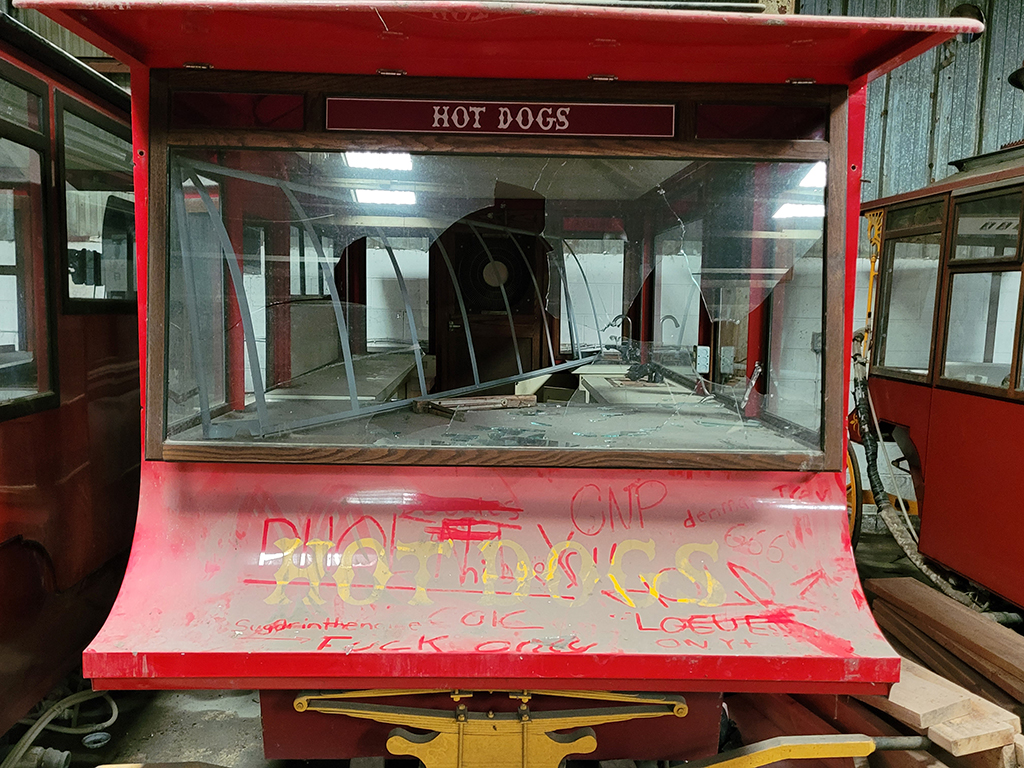
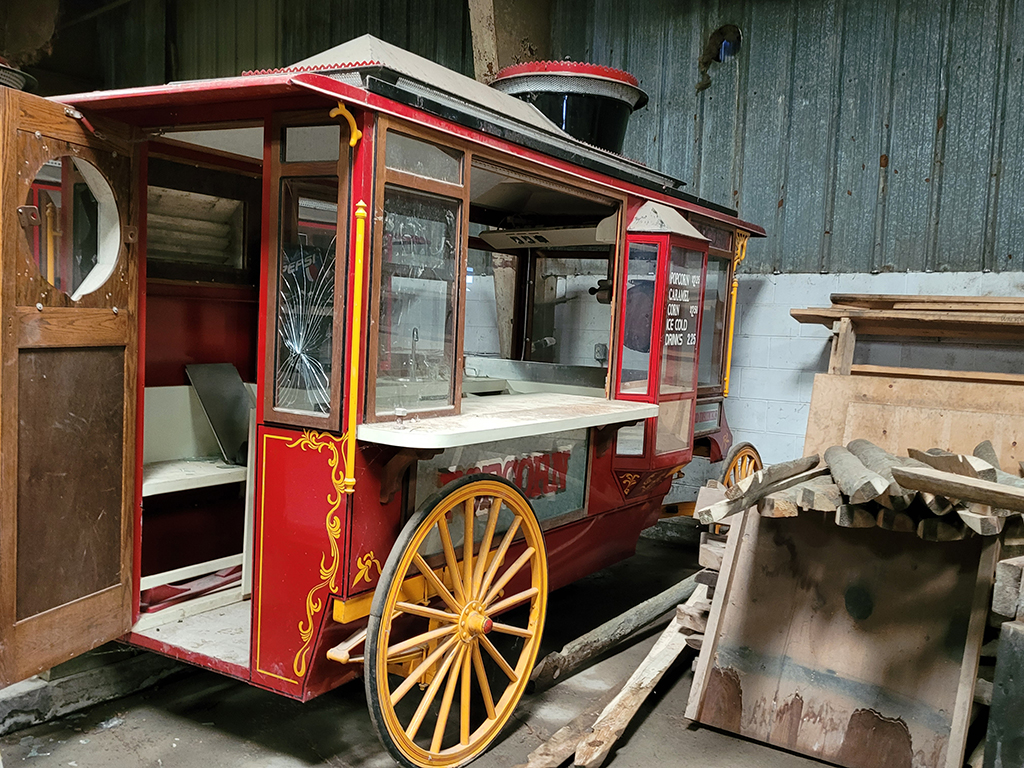
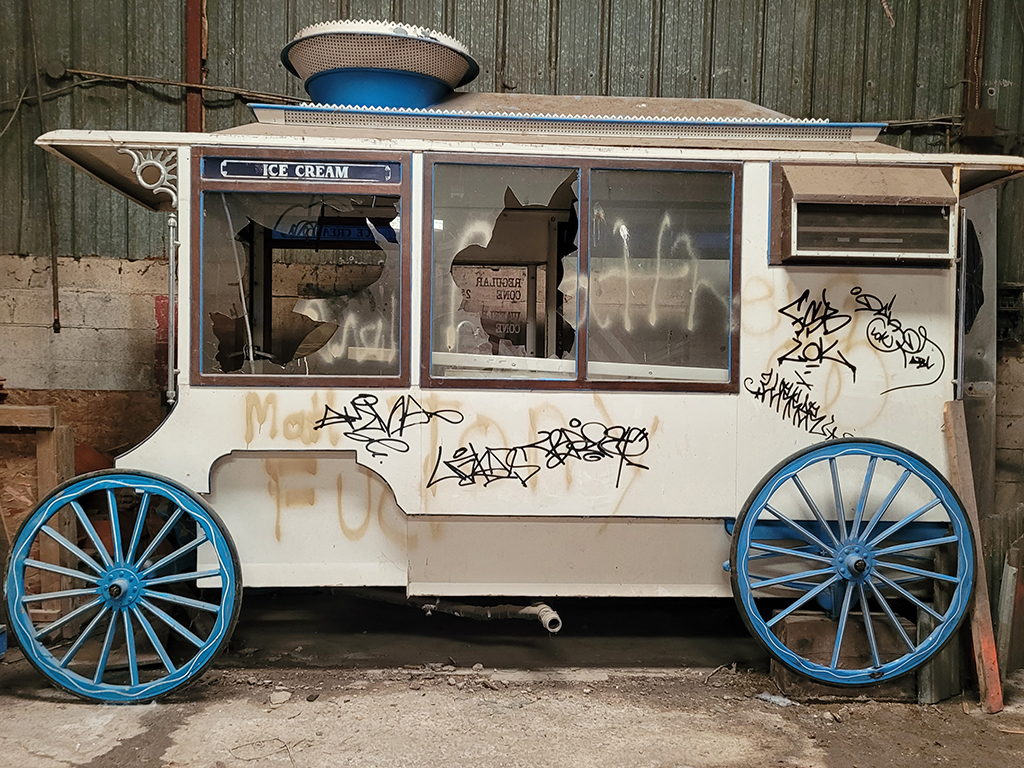
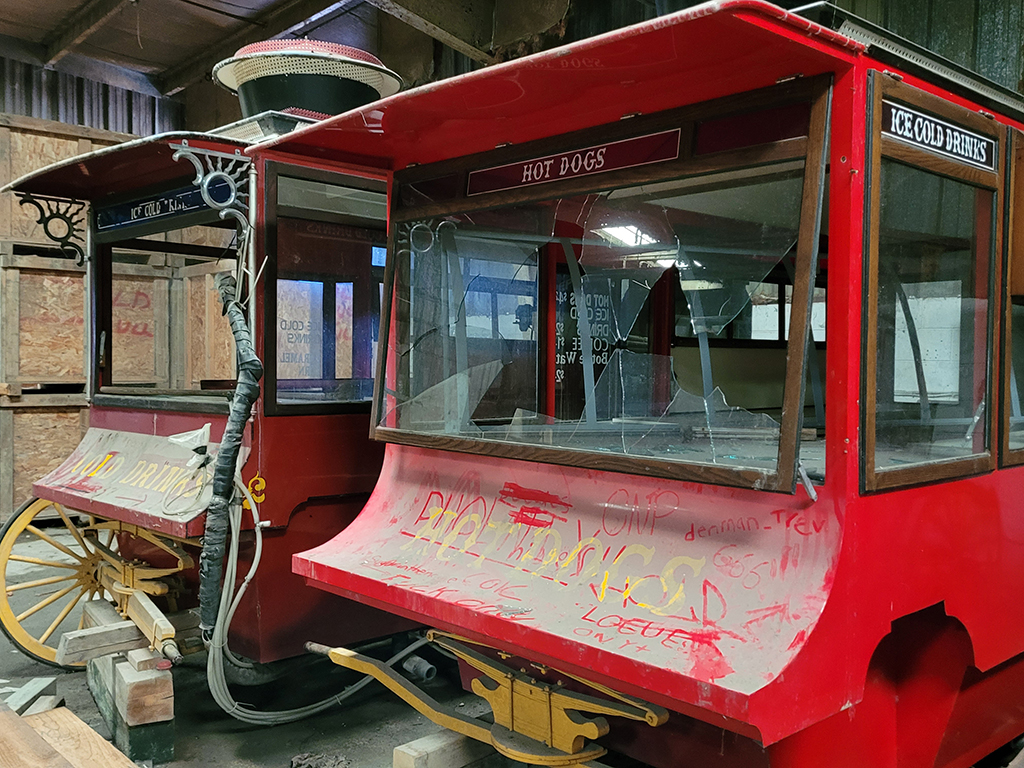
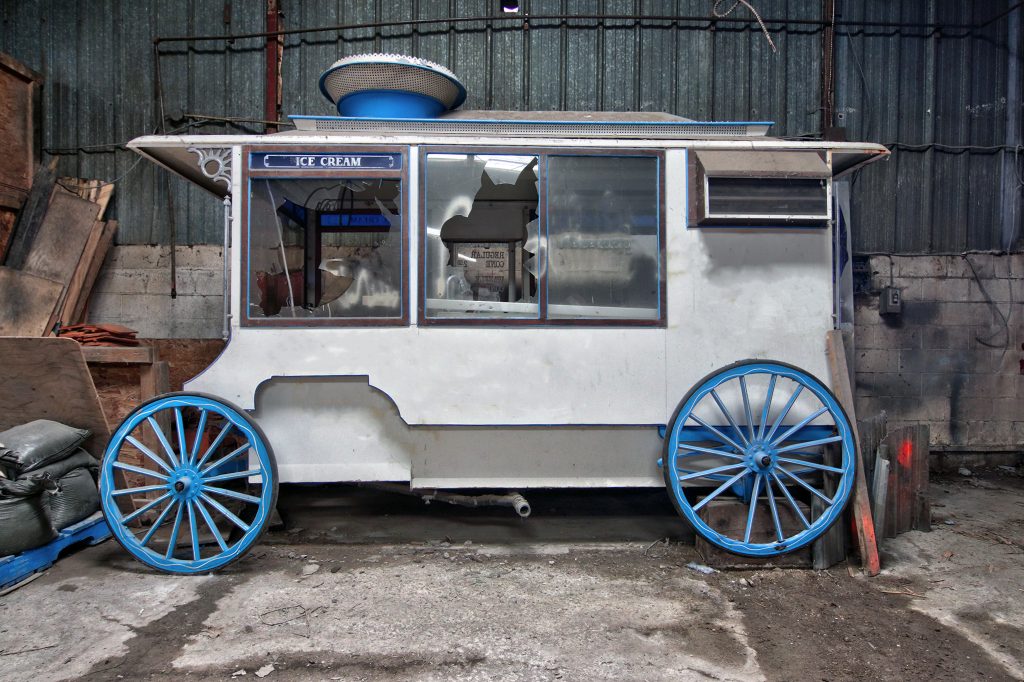
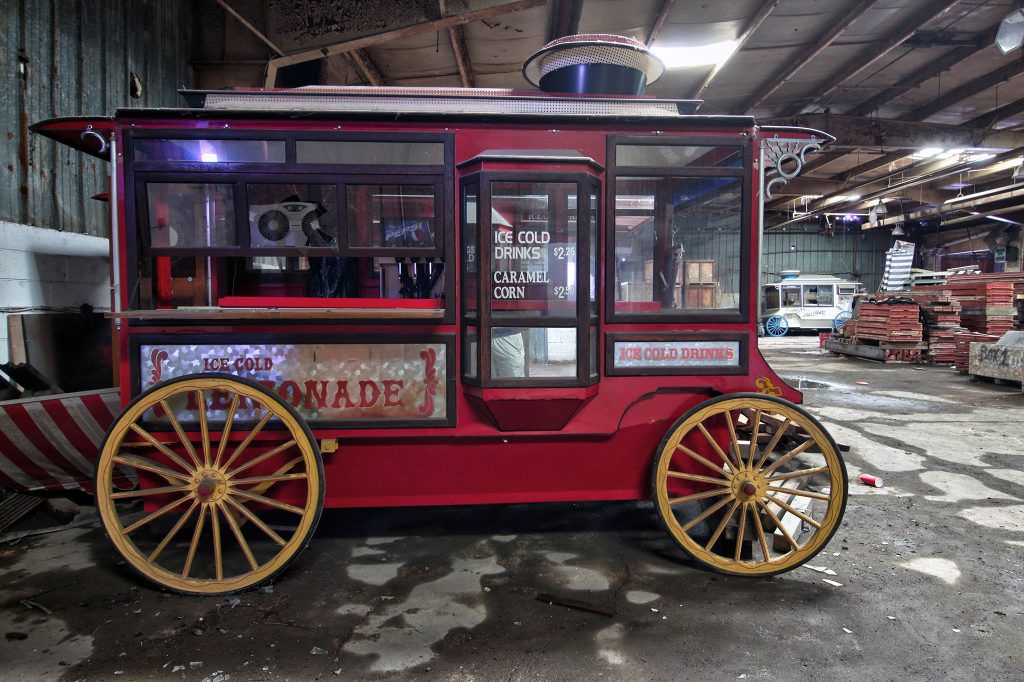
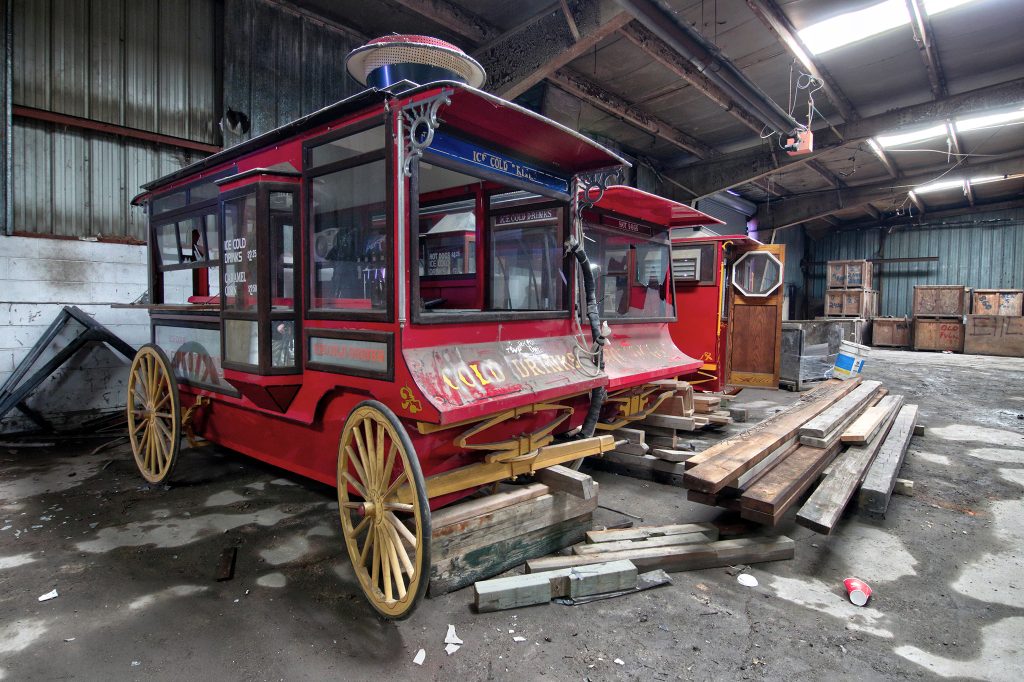
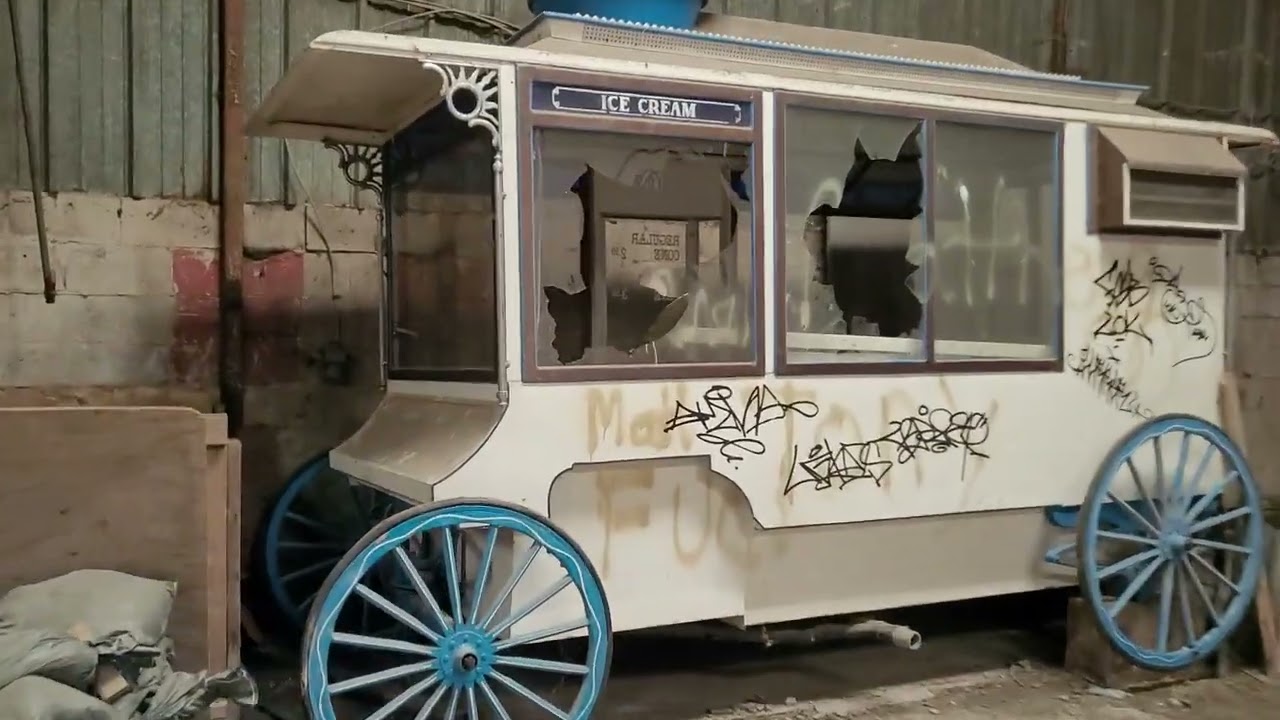
In one section of the warehouse are enclosed hot dog carts which are on wheels. These were most likely in use at various spots in MarineLand. There’s also an ice cream cart. Going back to 2022, there were coin operated arcade games which would have been part of King Waldorf’s Palace. After the location became well known to explorers, the coin ops ‘disappeared’. Some speculate that they were saved by MarineLand. I’m of the opinion they were taken in the dead of night to someone’s basement.

In one corner of the warehouse are hundreds of deer antlers. There’s speculation that MarineLand cut these off of live animals to protect their guests. I think they were more likely shed by the deer. They do seem to have a smooth cut though, perhaps someone who worked for MarineLand can offer some insight.

There is some graffiti on the walls and the ice cream cart, however the other two carts have been spared. If you find your way here, please treat the location with respect.

Cell Phone Photos


Camera Photos


Video

Abandoned MarineLand Warehouse With Deer Antlers & Hot Dog Carts

Private Eyes Gentleman’s Club (Club 55) in Niagara on the Lake

Private Eyes Gentleman’s Club

Note: I attempted to visit this location shortly after Private Eyes closed but was unsuccessful. I returned after it transitioned to Club 55. While this article covers the history of both businesses, my visit and photos are solely of Club 55.

This location began as the Rainbow Inn, located at 3 Niagara Stone Road. The inn was situated at the southernmost point of Highway 55, which meant that tourists on their way to Niagara on the Lake would pass by it. The location was ideal for people on their way north.

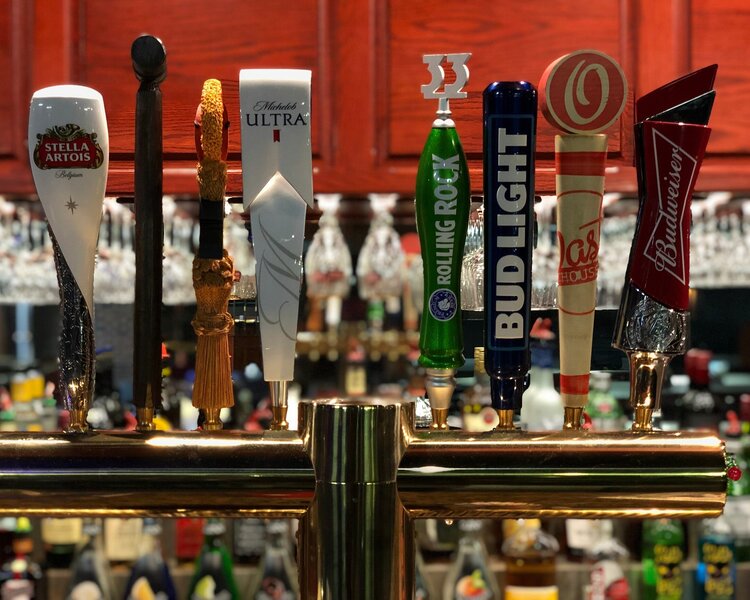
Later, the inn closed and a new business opened under the name of Private Eyes, an adult entertainment establishment. Entry to the club, according to one website, was $20 (other people say there was no cover fee), and beer was $5. Is it any wonder why strip clubs are a dying breed? Dancers made $20 per song for customers.

The club was allegedly referred to by the unflattering name of “The Wrinkle Ranch” in reference to the age of the dancers. The strip club had a bare minimum online presence in the form of a Myspace page and Google Sites page.

The club was not without it’s legal difficulties. A drive by shooting occurred at the club in 2004 shortly after last call.

In October of 2007, six young women were charged with prostitution after an undercover sting on October 19th. As a result of the investigation, the owners of the club, a 75-year-old man from St. Catharines and a 61-year-old man from Niagara Falls, turned themselves into police. The owners had been previously warned in letters sent to the owners since August 2006 that if prostitution was occurring and allowed to continue at Private Eyes, the men would be charged with keeping a common bawdy house. 

On February 23, 2016, an altercation took place between two dancers. One of the dancers, a 24 year-old woman was stabbed with a knife. Two dancers were charged with aggravated assault. The aggressor in the incident was ordered by the court to pay for the cosmetic surgery that the dancer had to undergo.

With alternative routes to get to Niagara on the Lake, and changing demographics, Private Eyes closed it’s doors on Sunday October 14th, 2018. The owner initially stated that the business was closed “for renovations” despite there being a ‘For Sale’ sign at the front of the business. Private Eyes was put up for sale on MLS for $1.7 million, which included all of the equipment.

Citizens and town officials made it clear they didn’t want another strip club on the property, and one was not likely to be approved.

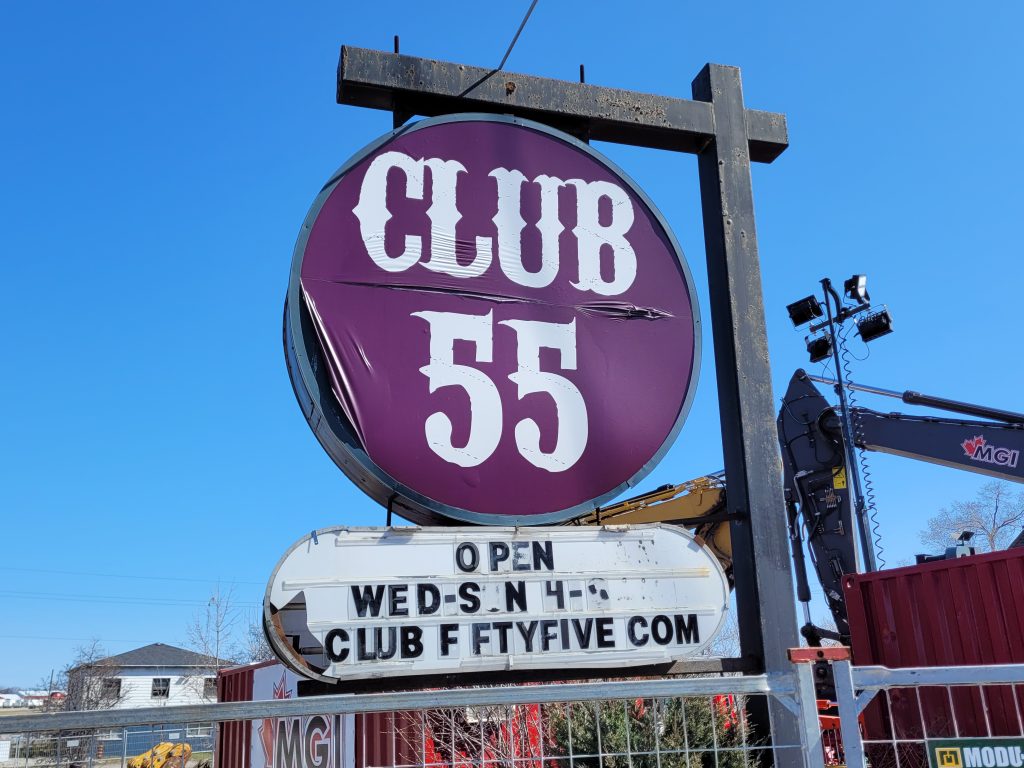
Club 55

In April of 2019, Sarah, Will, and Wilmer Neufeld took ownership of the property. They were anticipating opening their new restaurant business by June of the same year. Friends of the Neufelds even dropped by to help clean the property. The business, licenced for 426 people, became fully operational by the fall of 2019.

The Neufeld’s had to upgrade the electrical system and obtain fire code approval.

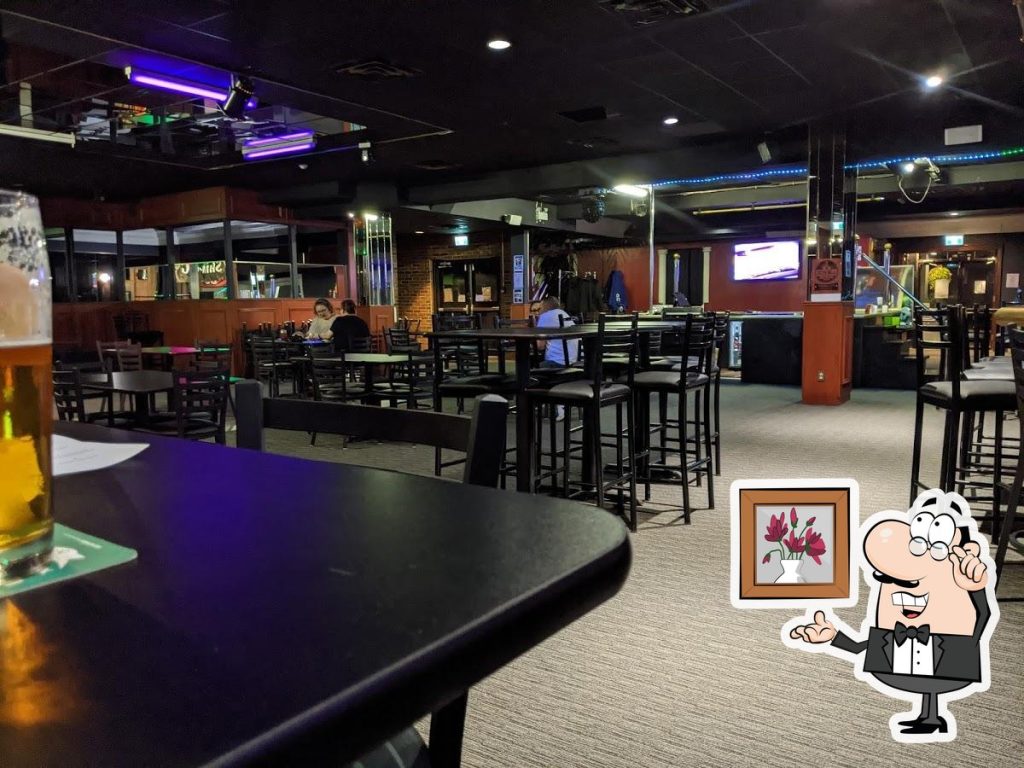
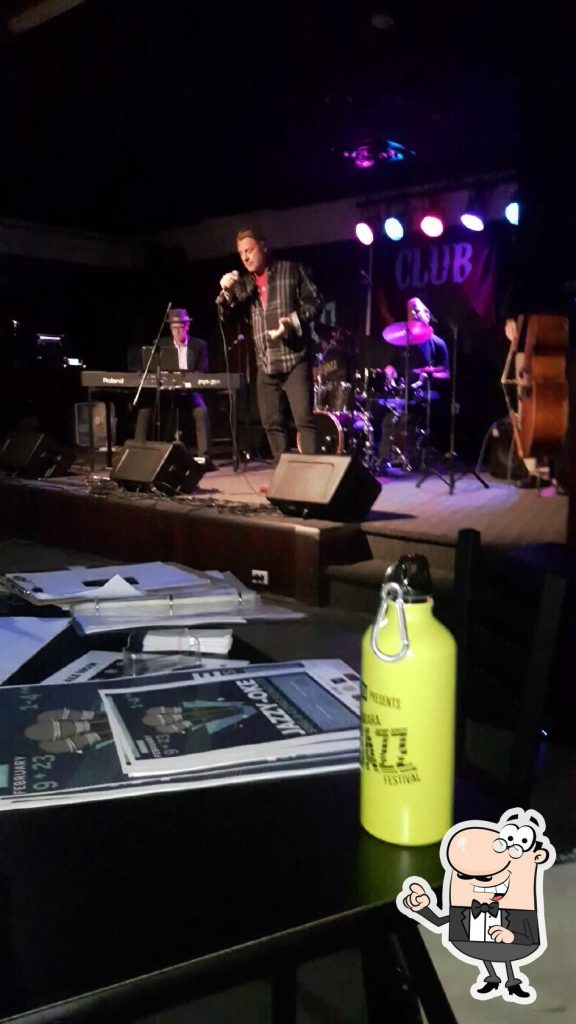
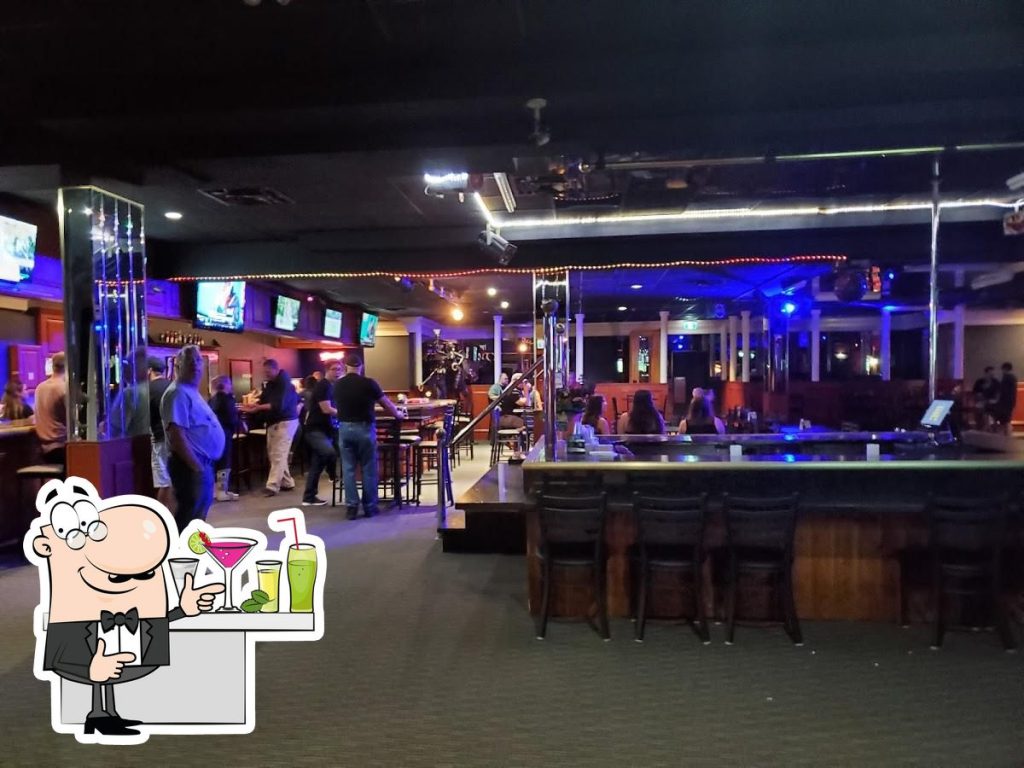
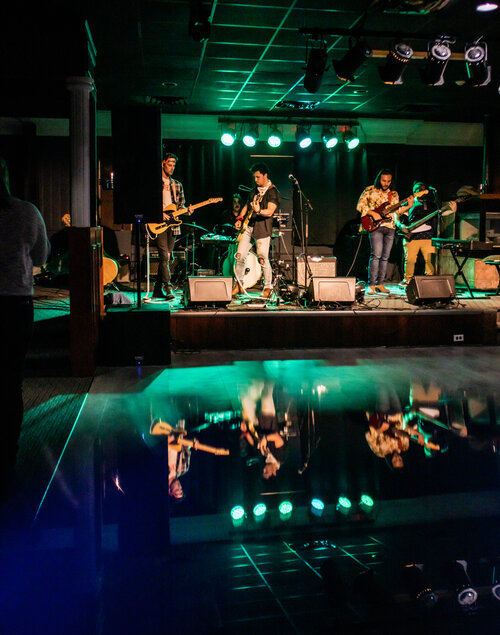
The new club featured a pool room, a large stage for bands to play and VIP lounges used for birthday or bachelorette parties.

Sundays were karaoke nights with the TD Niagara Jazz Festival band (Peter Shea, Steve Lucas, Dave Norris, and the host, Juliet Dunn).

The upstairs of the business offered three rooms for rental. With the room came a free continental breakfast, a free daily manager’s reception, and a coffee shop or cafe.

The family-owned business received largely favourable reviews on Google. Club 55 also hosted the “Ride to 55” motorcycle rally, with proceeds going to No One Goes Hungry, a charity that provides lunches to students.

While a website link can be found on the outside signage, the business’ website remained offline until 2020 and went offline in 2021.

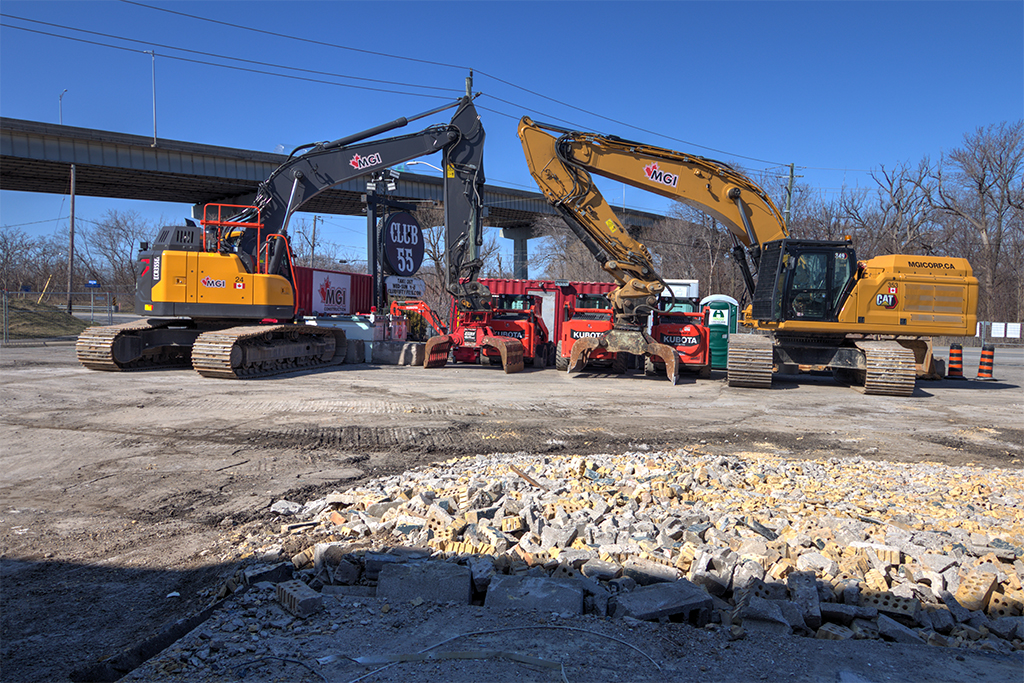
I don’t know the circumstances that led to the business closing in under four years, but I’d surmise it was due to COVID. Today there are excavators outside, and the property is in the midst of being demolished.


Online images


Exploration Photos from April 2023


Video

Exploring the abandoned Club 55 / Private Eyes in Niagara on the Lake, Ontario

Castle Village And Enchanted Kingdom in Midland Ontario

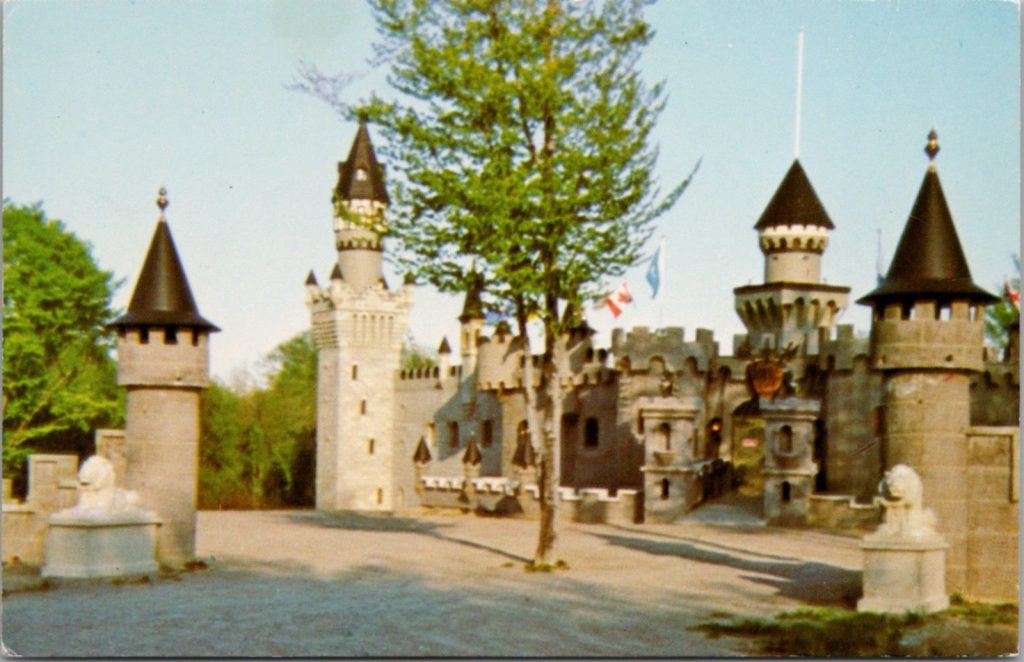
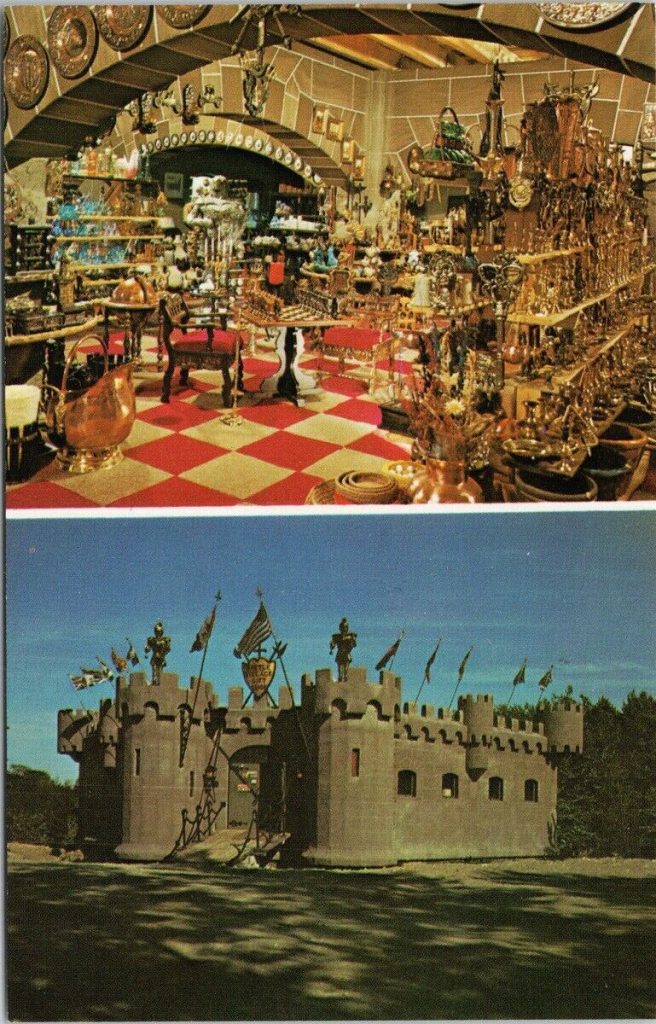
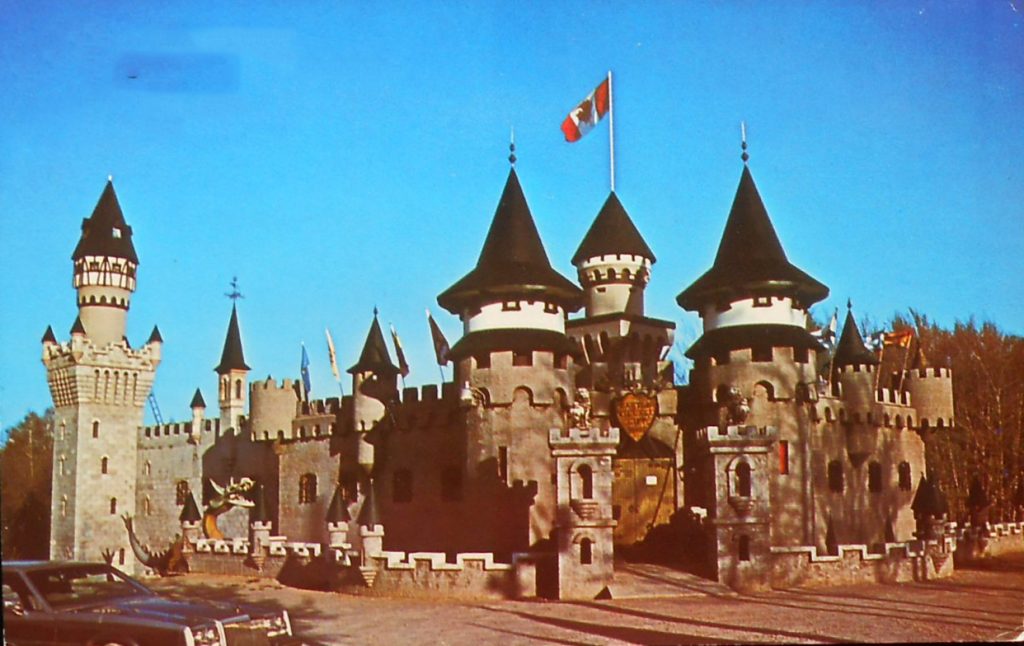
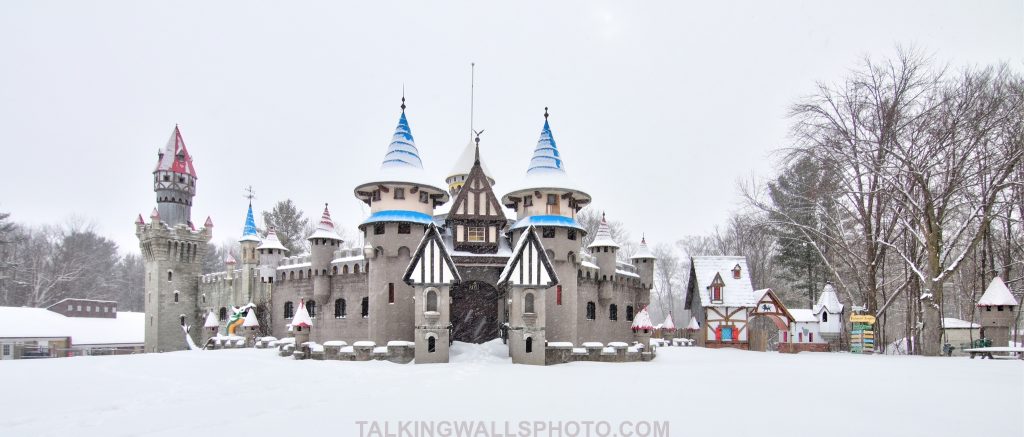
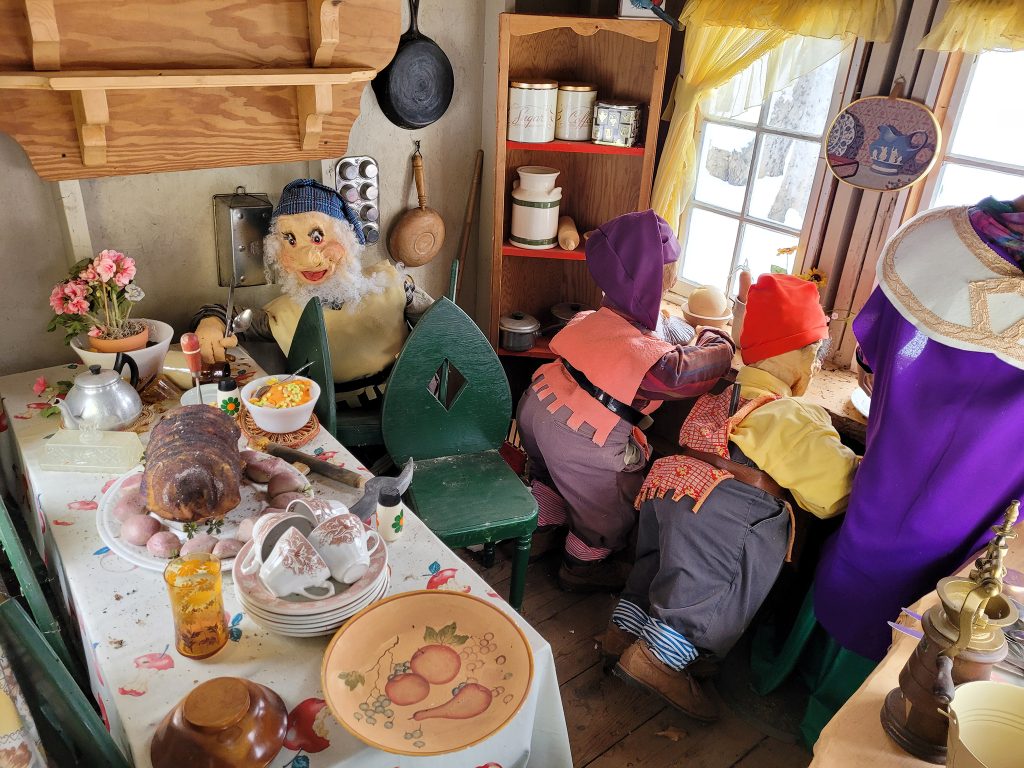
This amusement park was built in 1972. It began as a single castle built by Mr. Paul Des Roches. Mr. Des Roches built the castle intending to sell his handmade crafts and woodworking. He produced birdhouses, candlesticks, and other wooden products on his lathe. The business was so successful that he was selling his products as fast as he was producing them.

His gift shop offered nearly 10,000 items such as souvenir spoons.

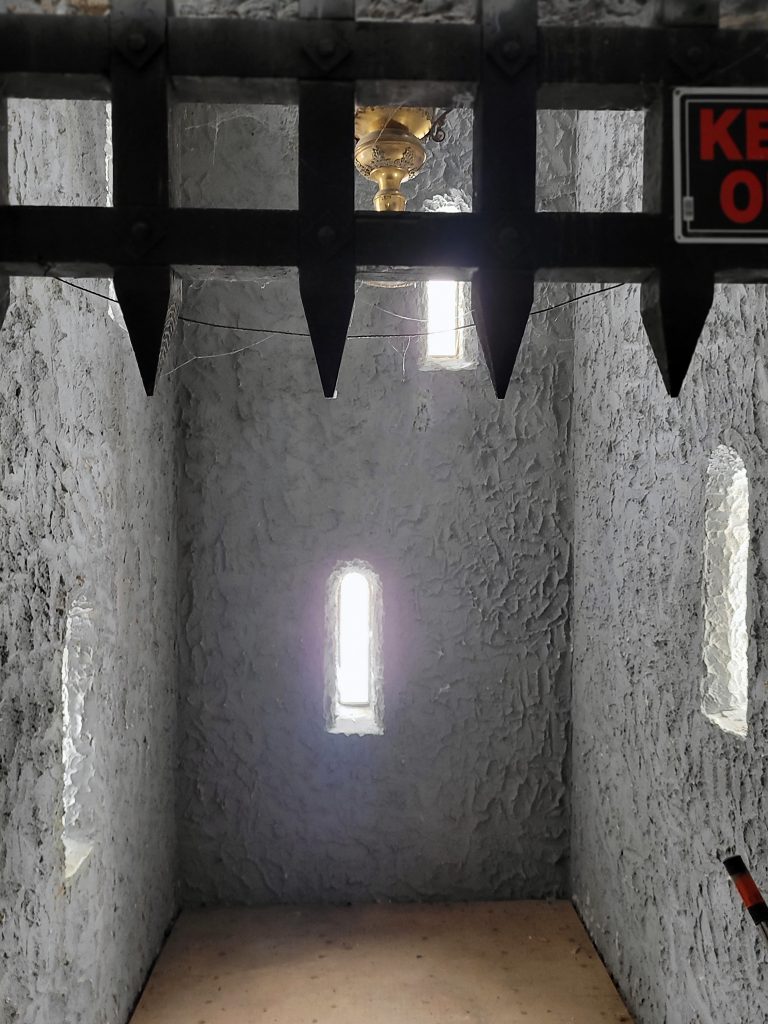
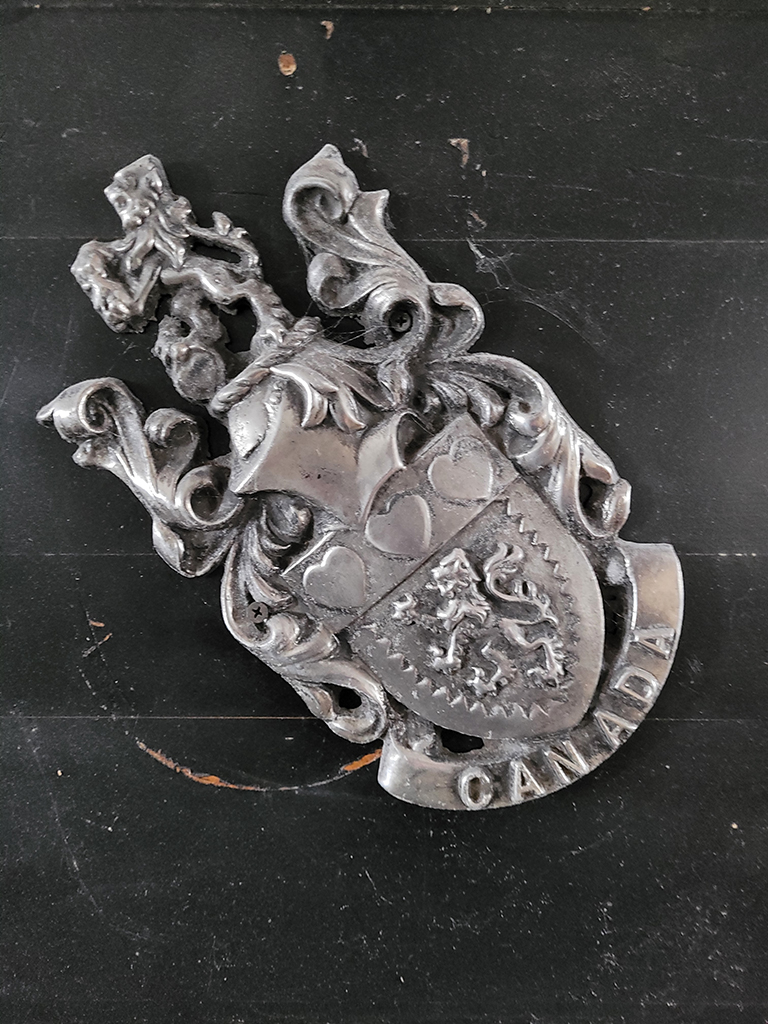
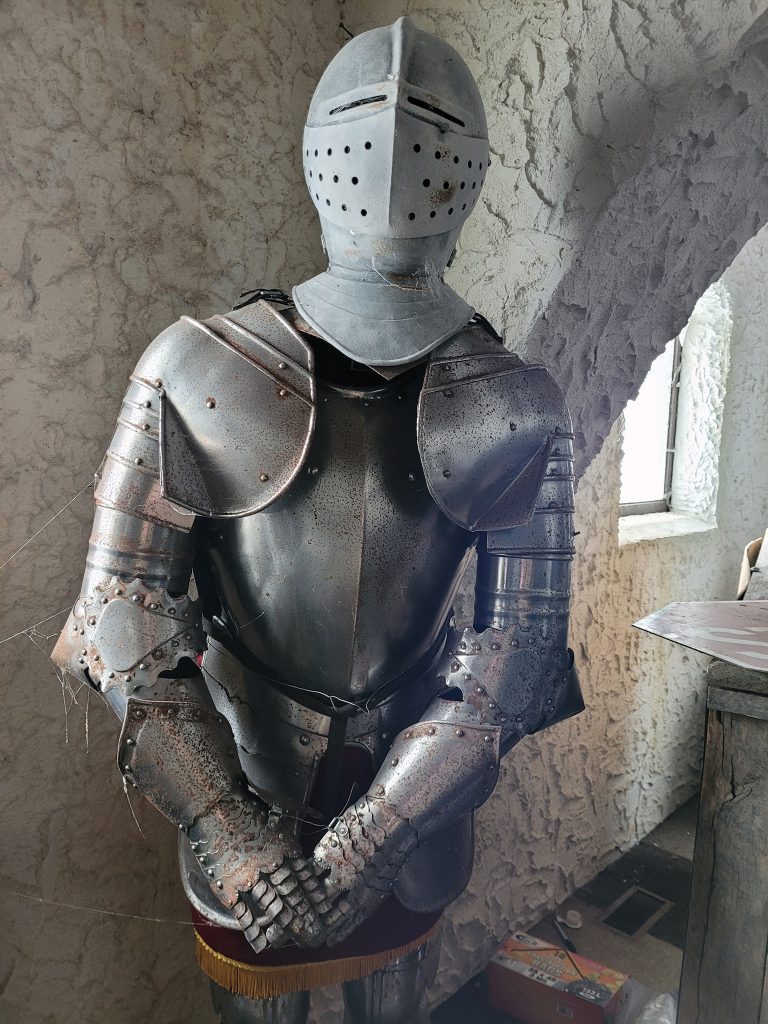
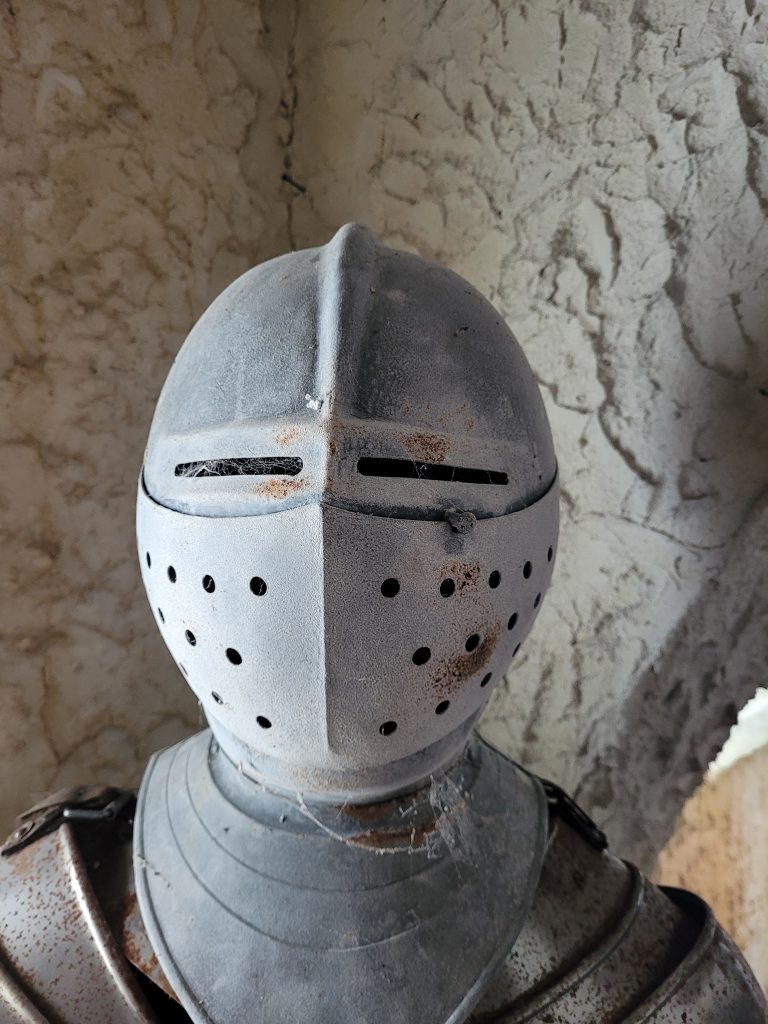
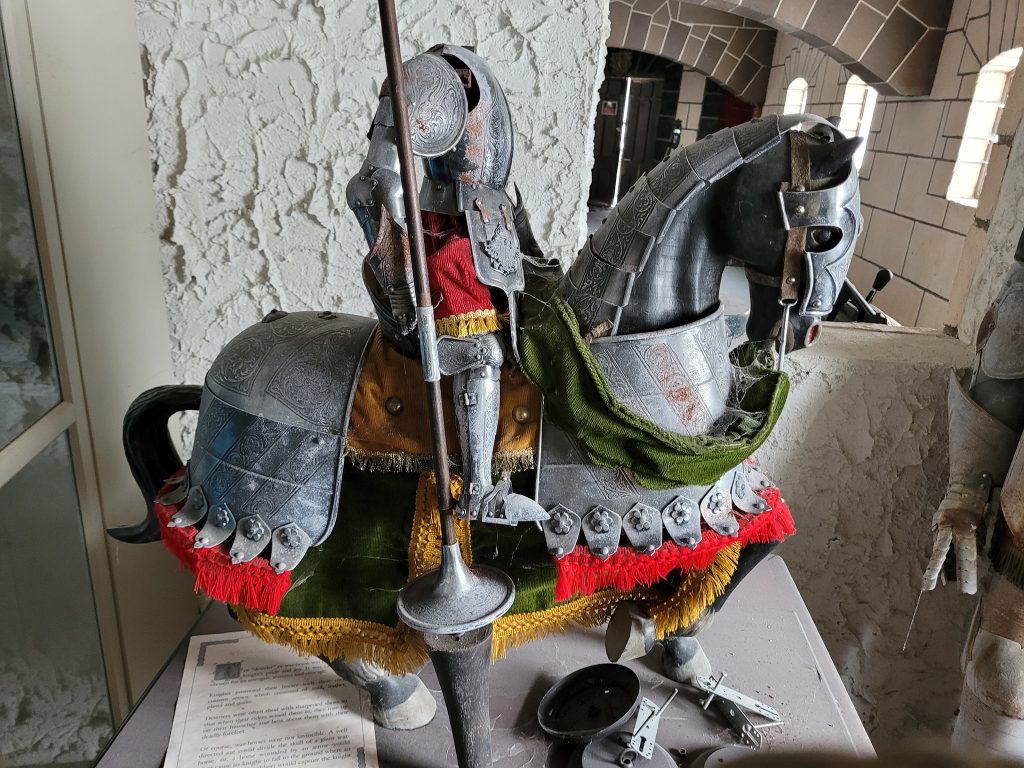
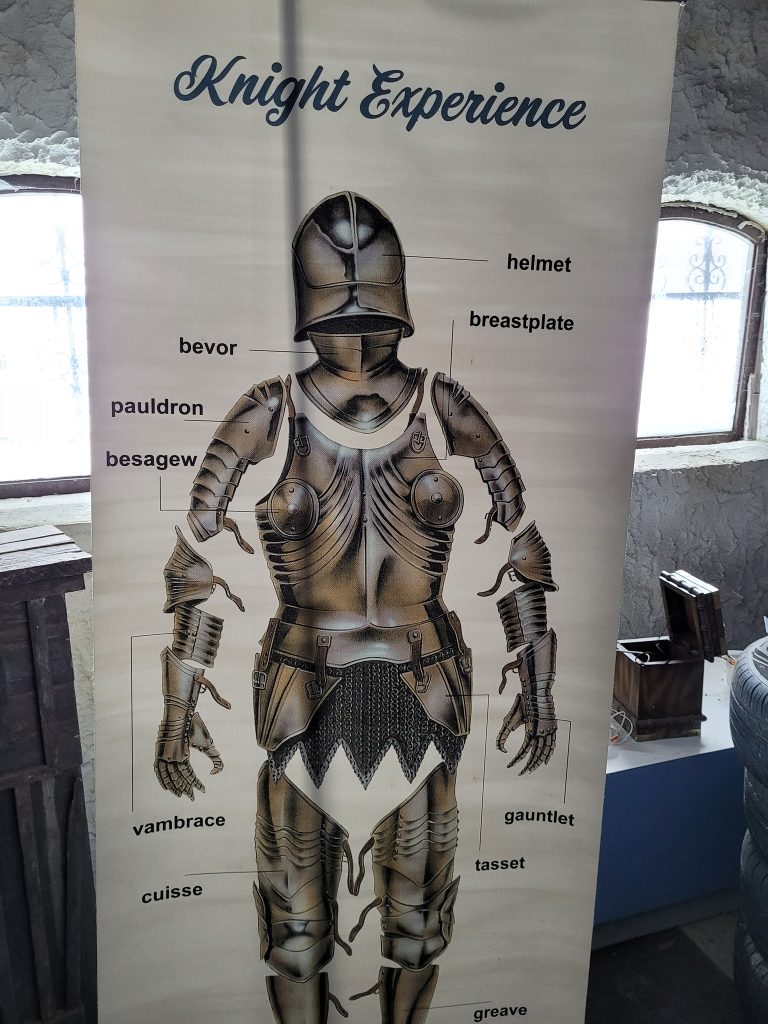
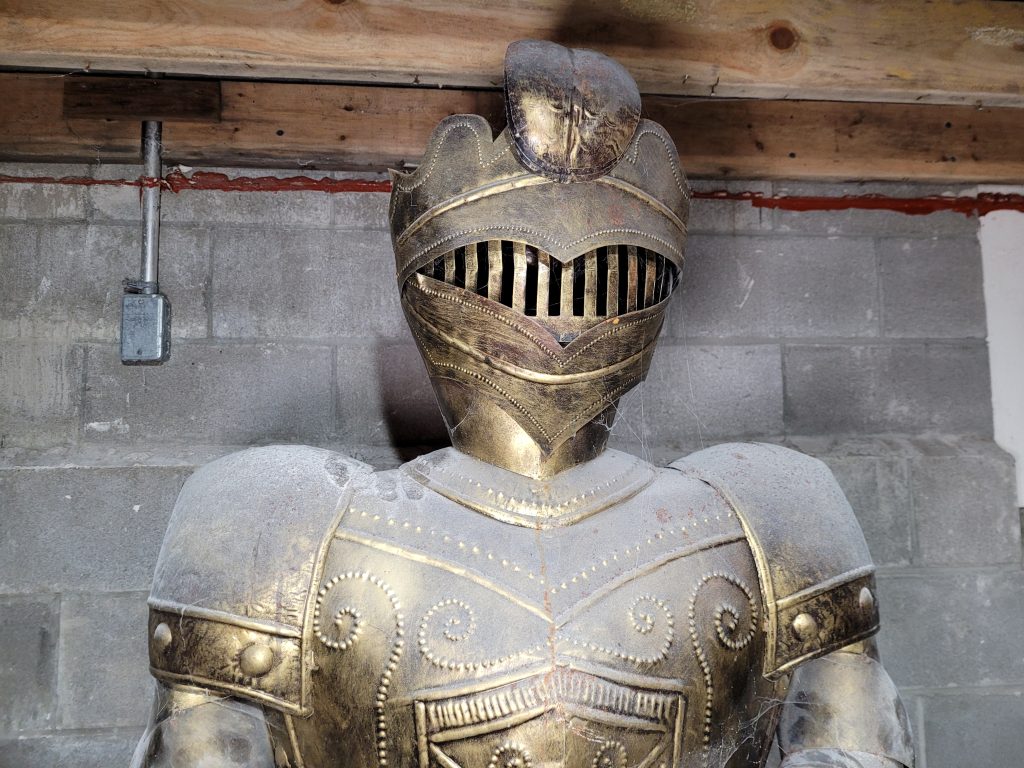
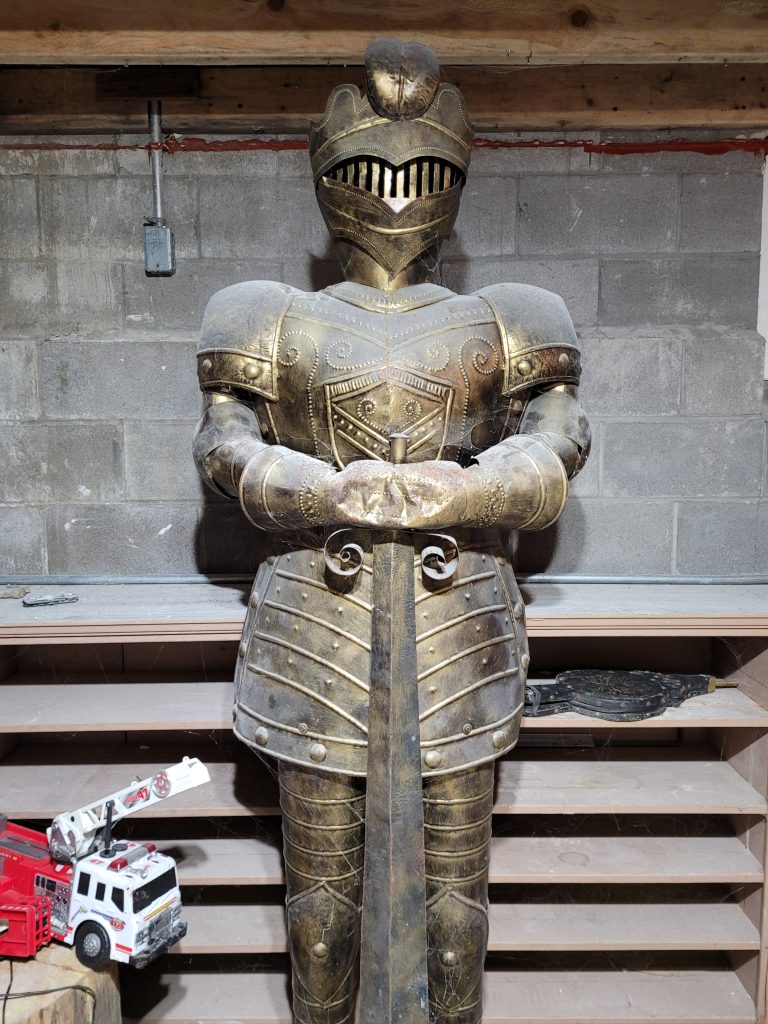
The castle was designed with thirty towers, a water spewing dragon, and a moat guarded by creatures of the underworld. In the castle’s basement, a showroom was added to house early Canadian and American furniture. It was later turned into the Museum of Medieval Arms, Armour and Heraldry. Here, visitors could learn about medieval weaponry and see life-sized suits of armor. For $2.00 you could visit the Medieval Armament where you’d learn about heraldry and armour throughout the Middle Ages. Visitors could try on chain-mail suits. Over the years, Des Roches accumulated a large collection of medieval arms and heraldry.


In 1982, another museum was added as the Museum of Horror, Dracula’s Dungeons. Entry was down a spiral staircase complete with cobwebs. It cost $1.00 at the time. In the museum, you’d find early era prisons with well-known horror characters inside the cells.
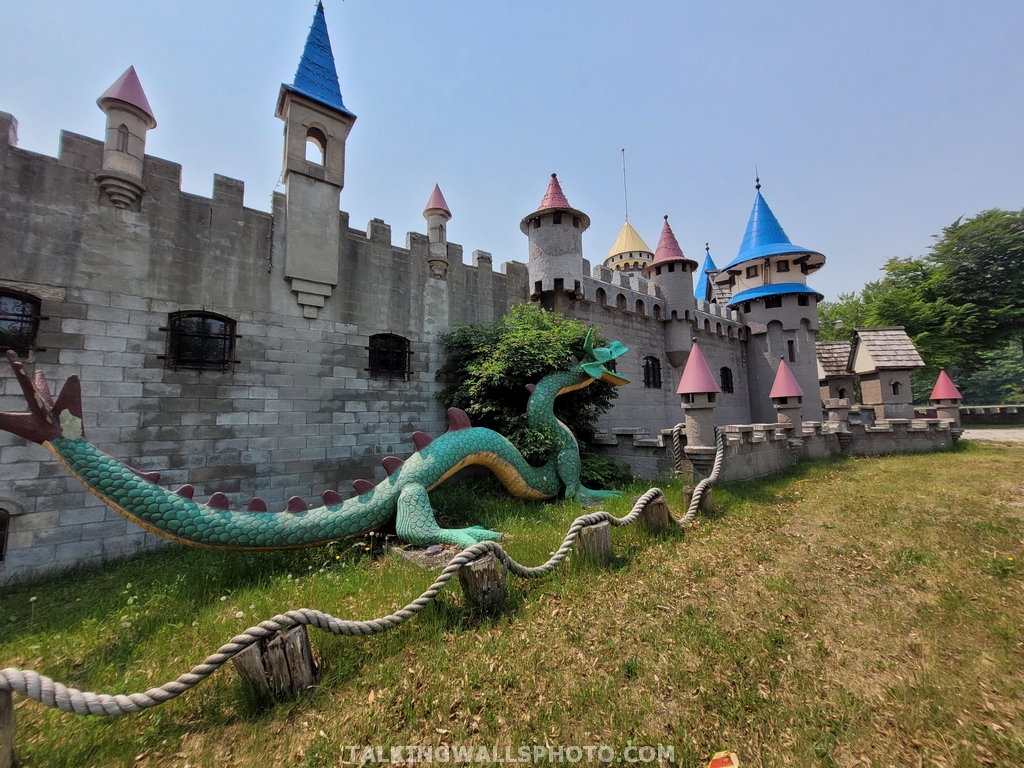
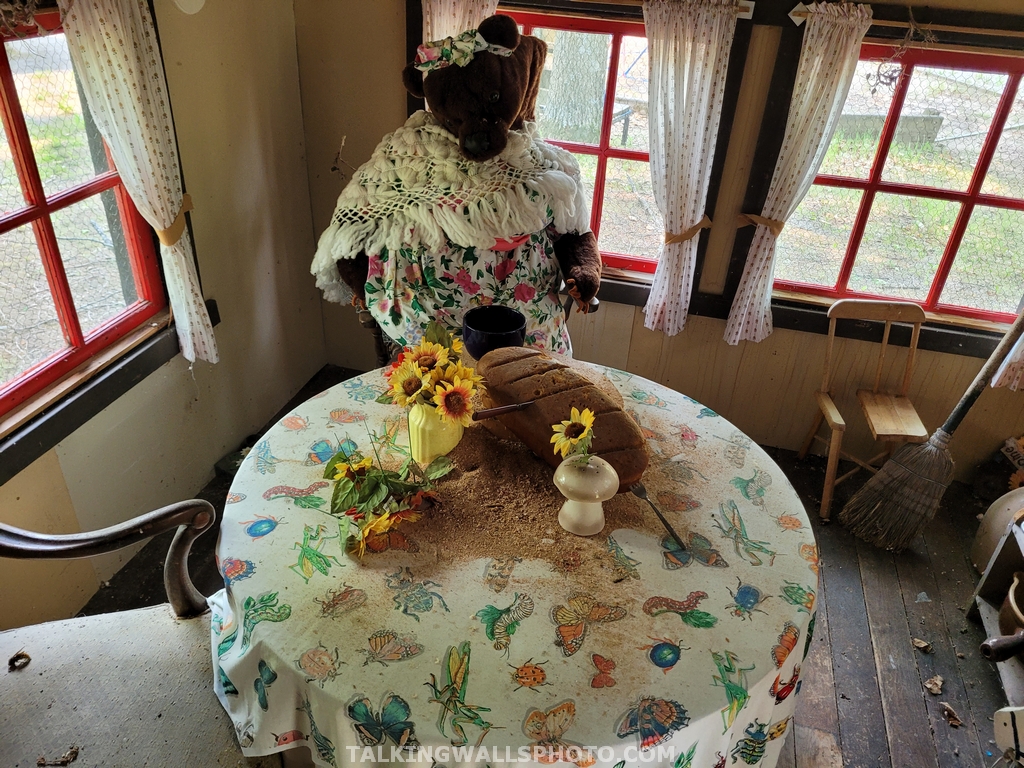
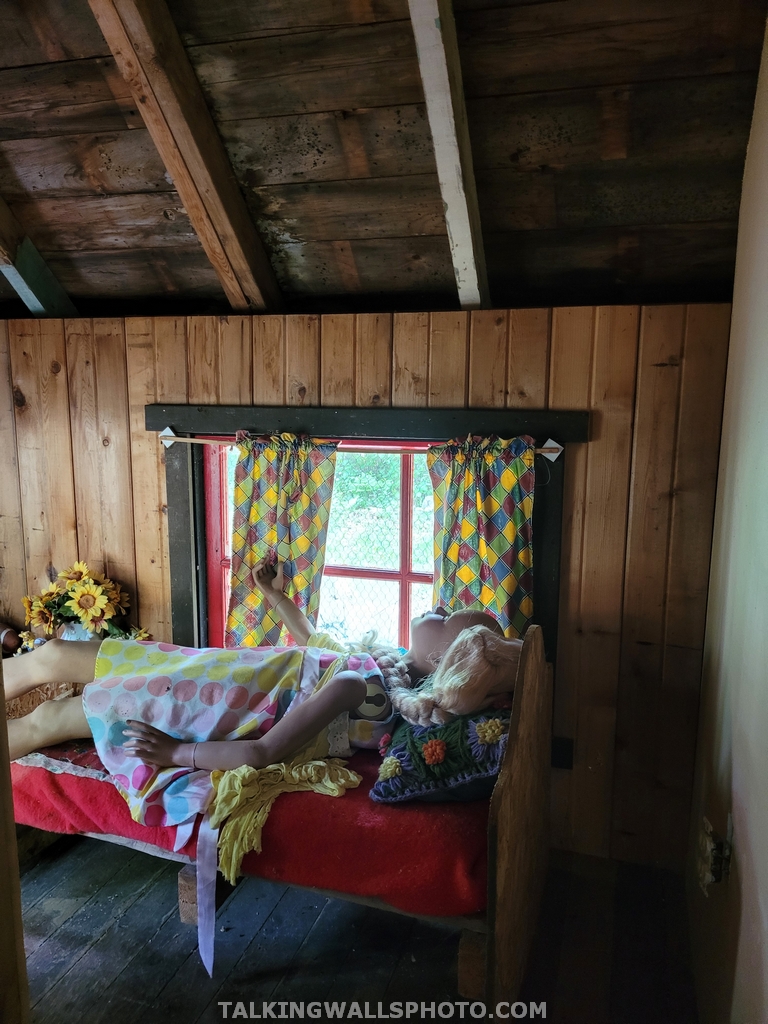
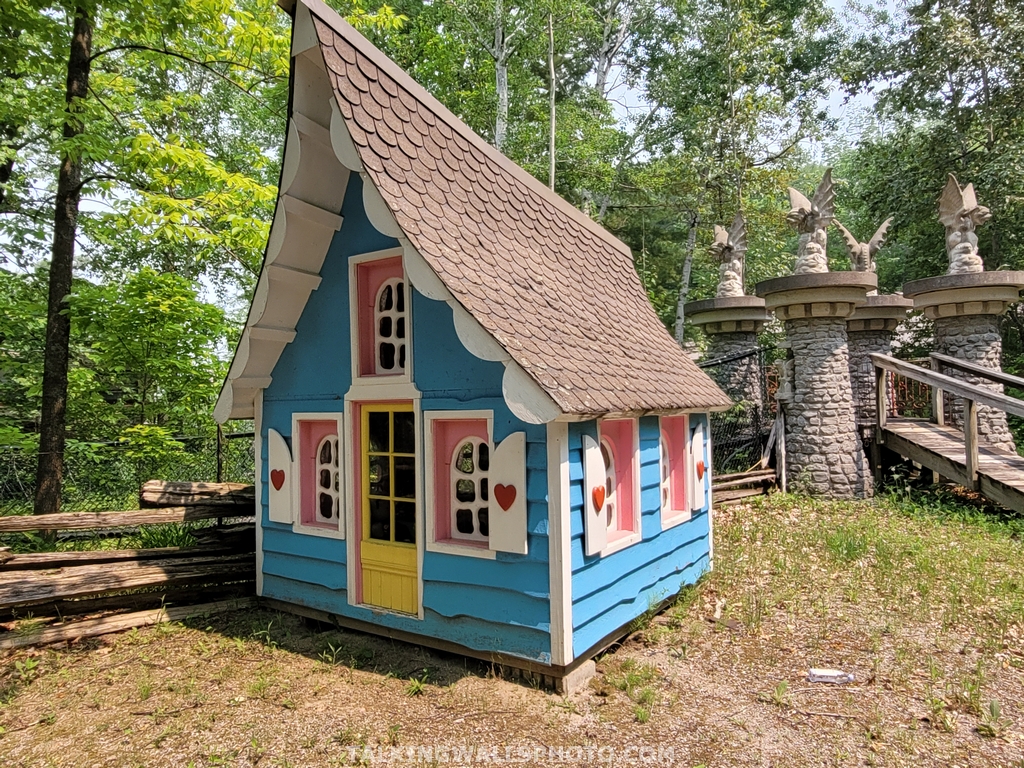
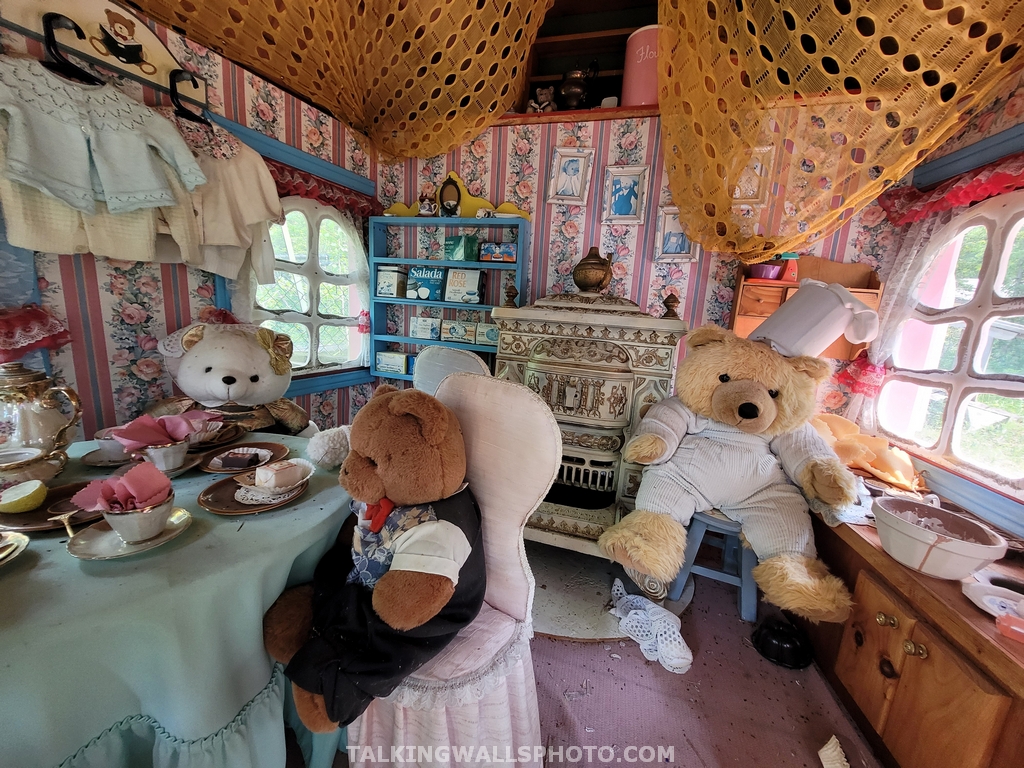
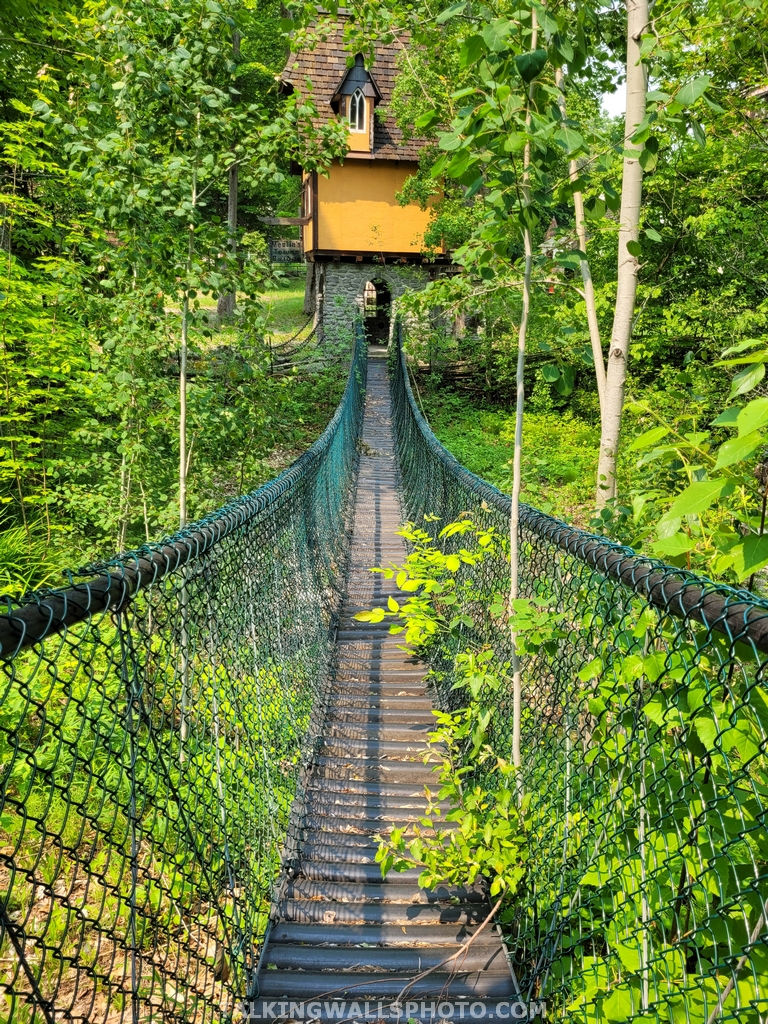
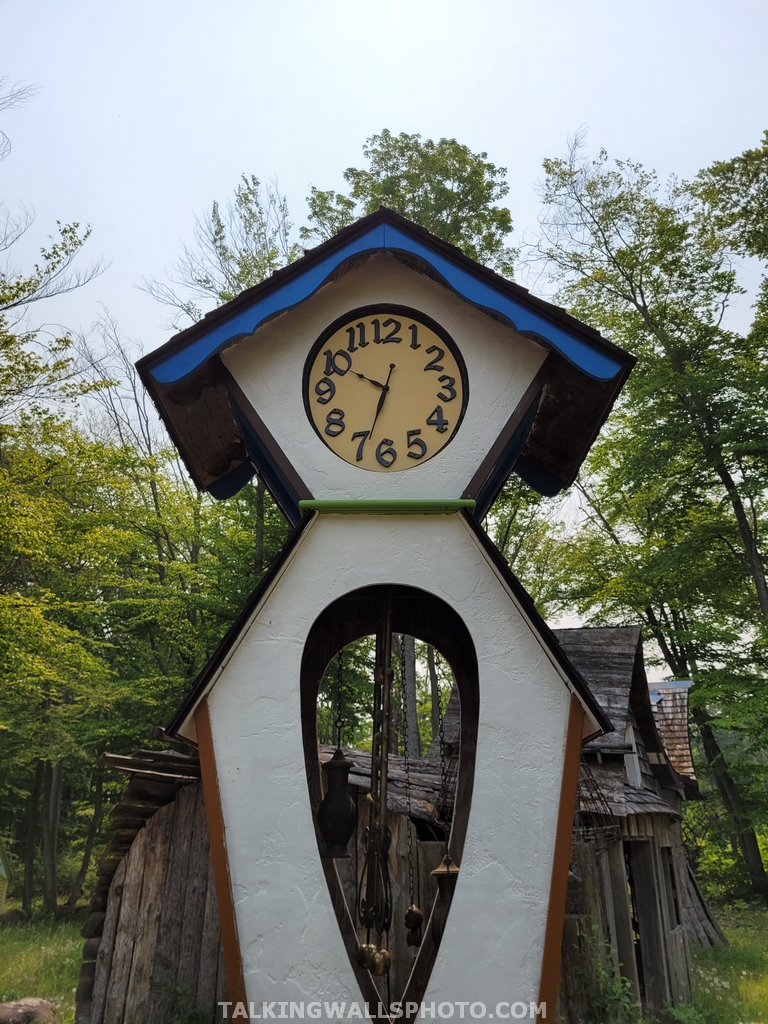
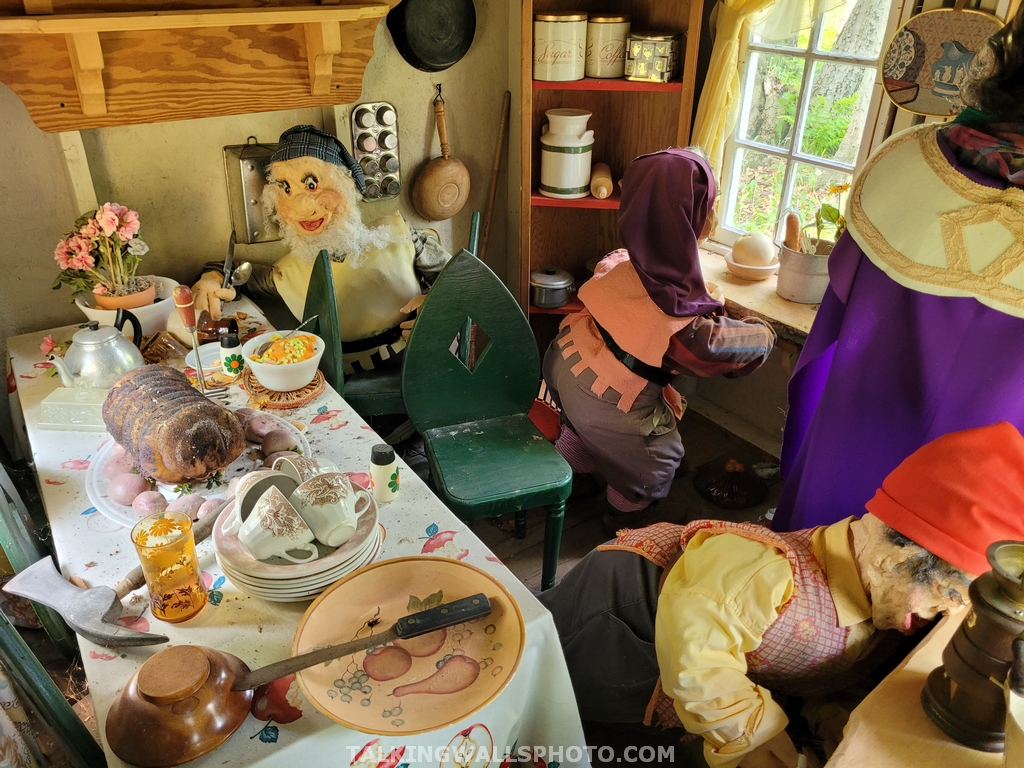
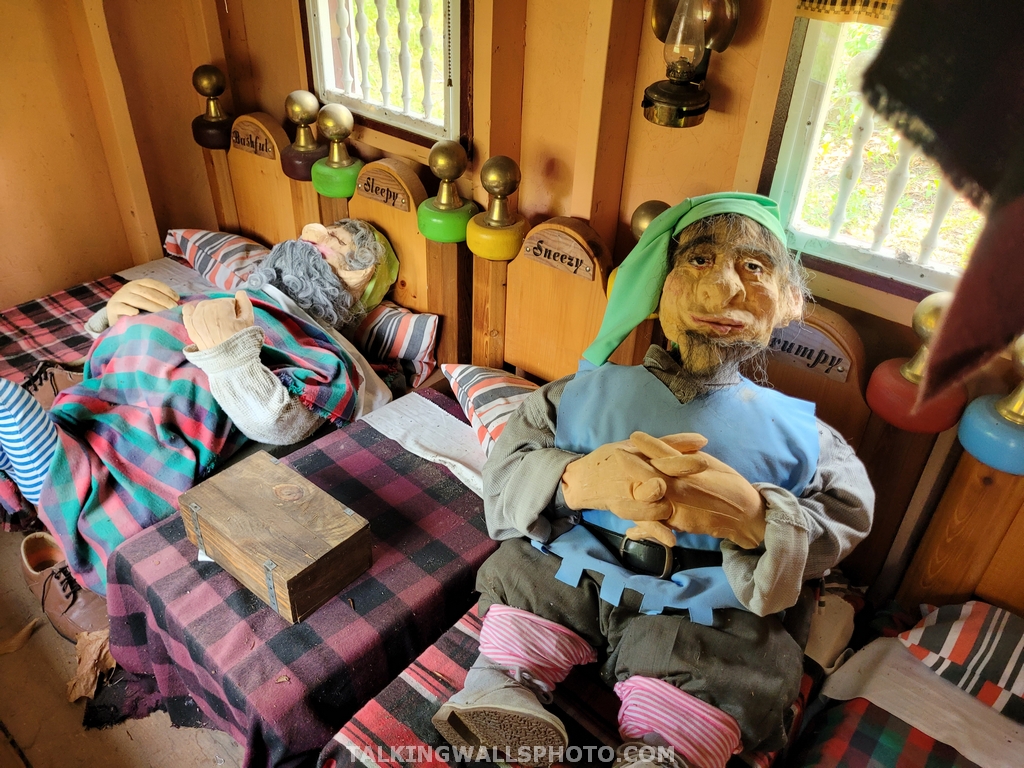
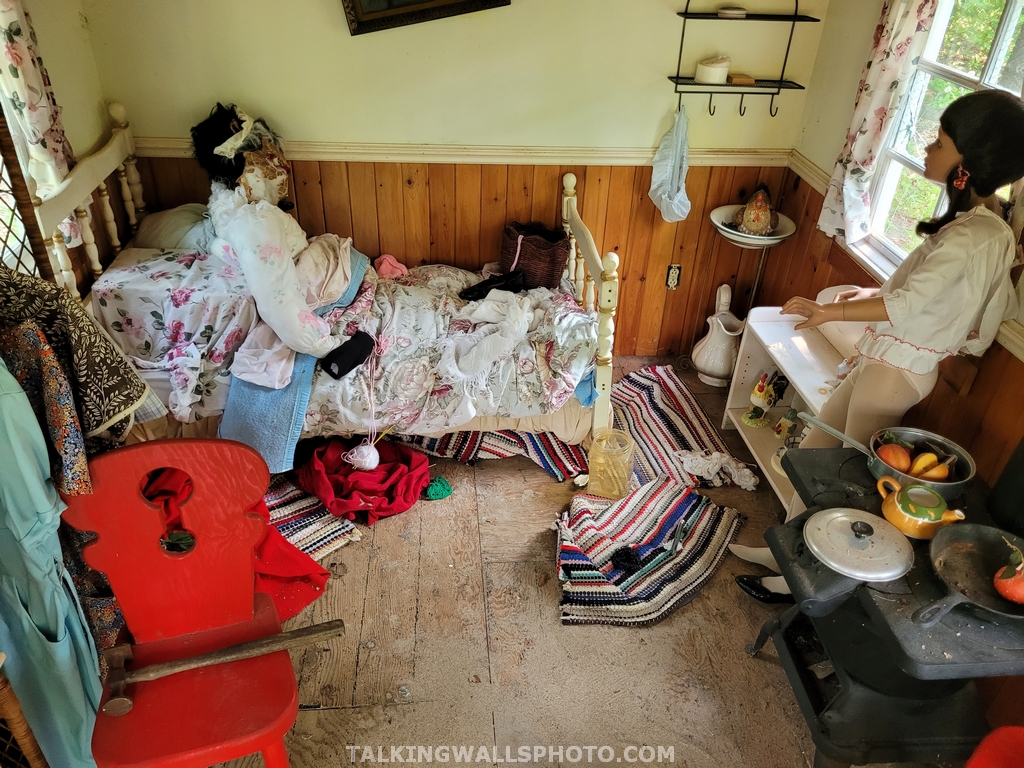
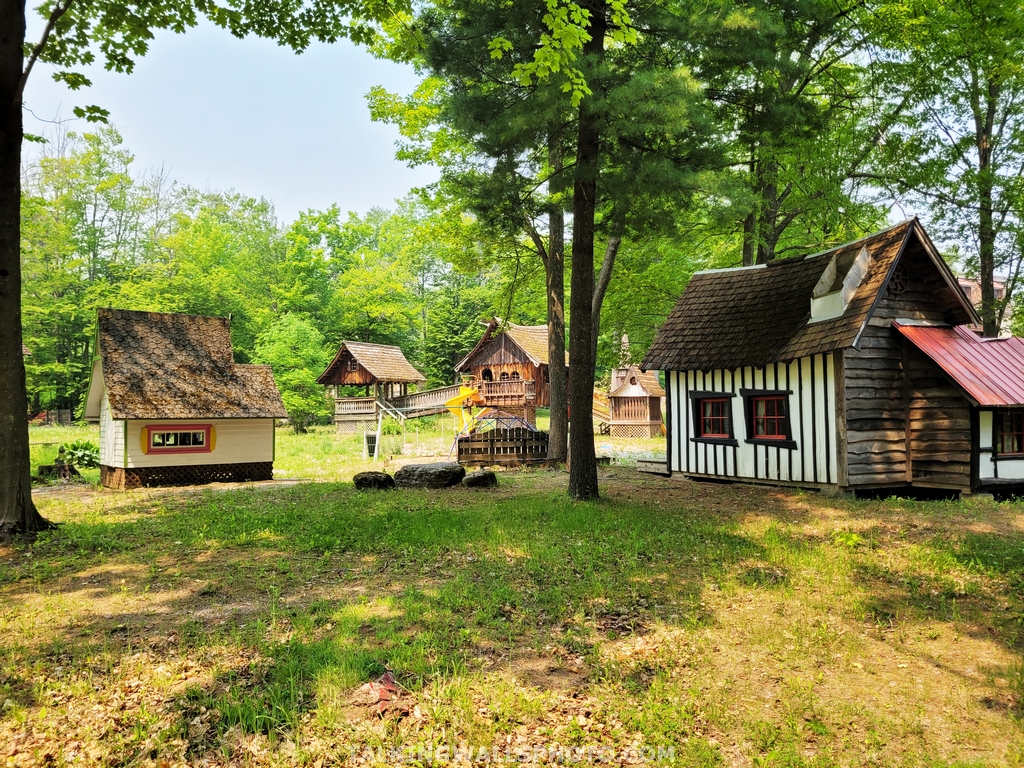
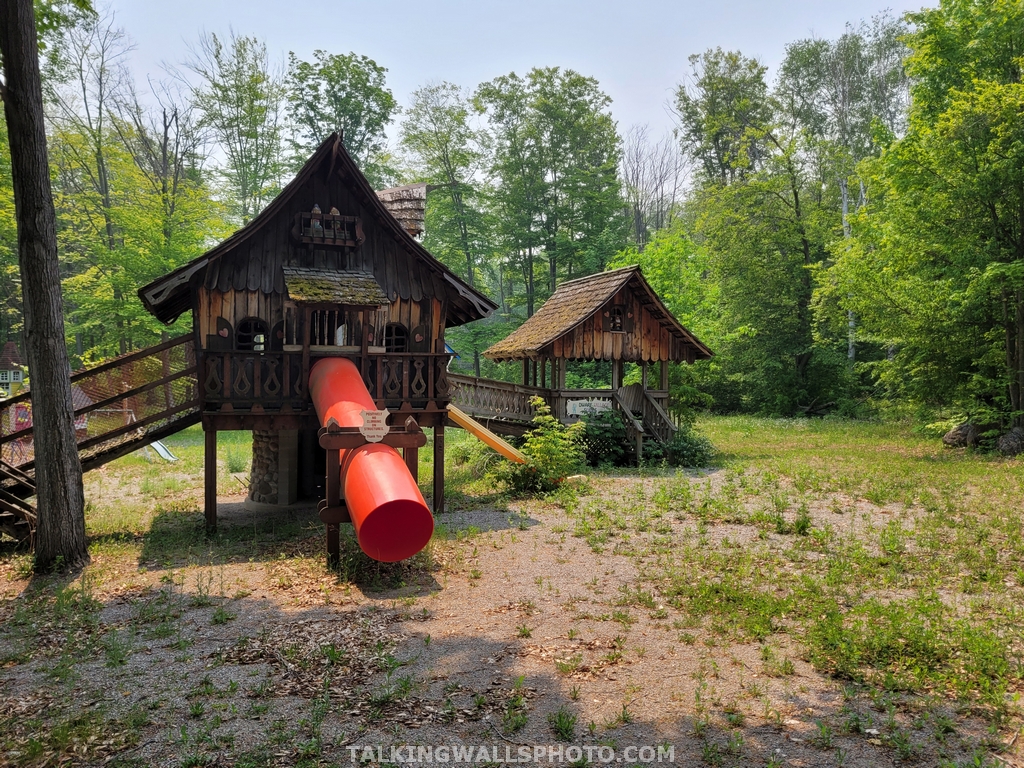
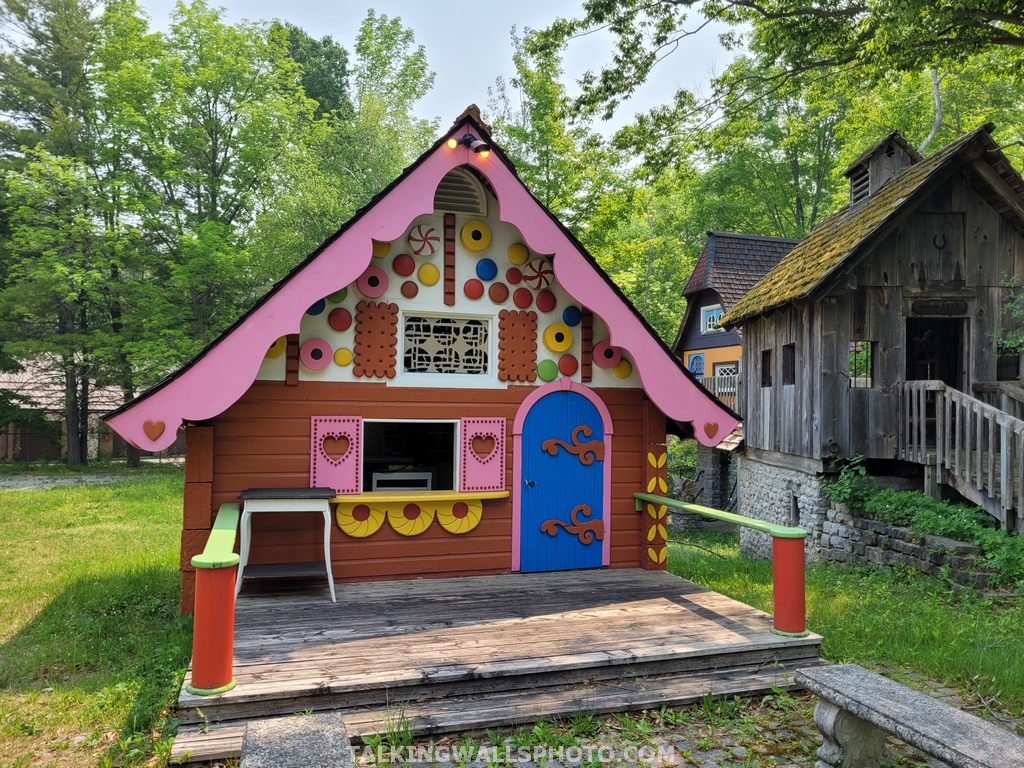
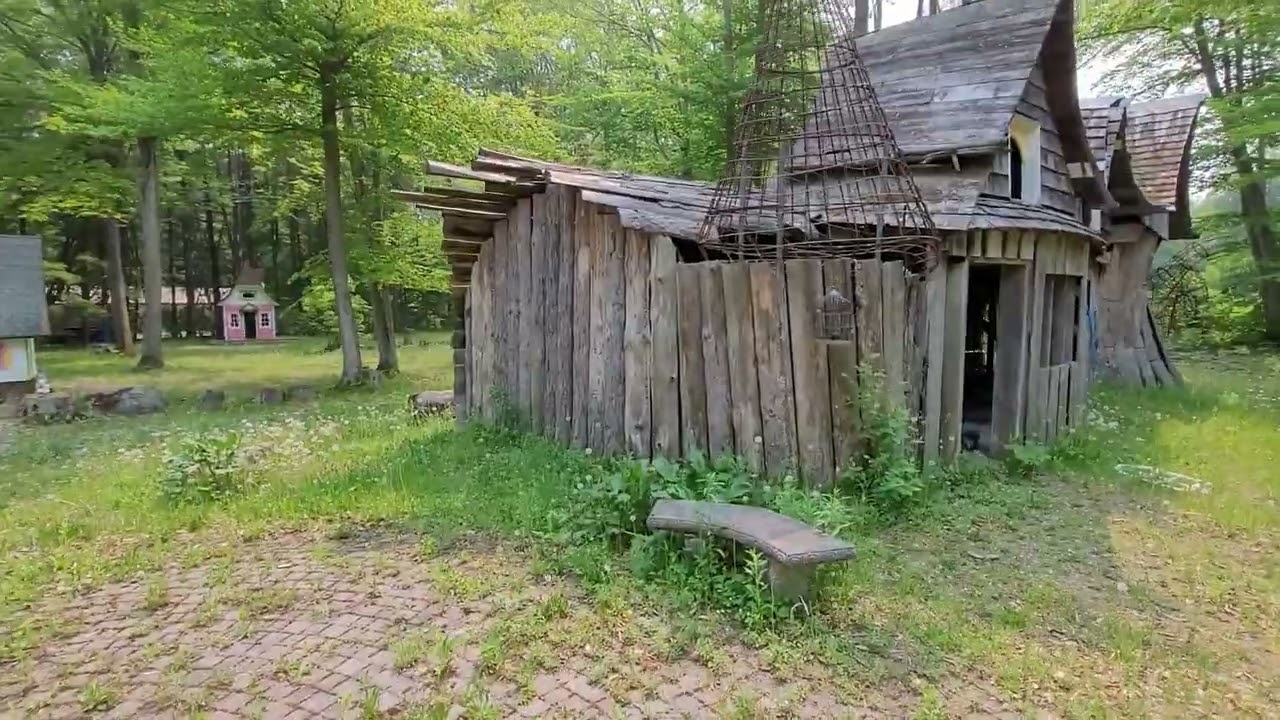
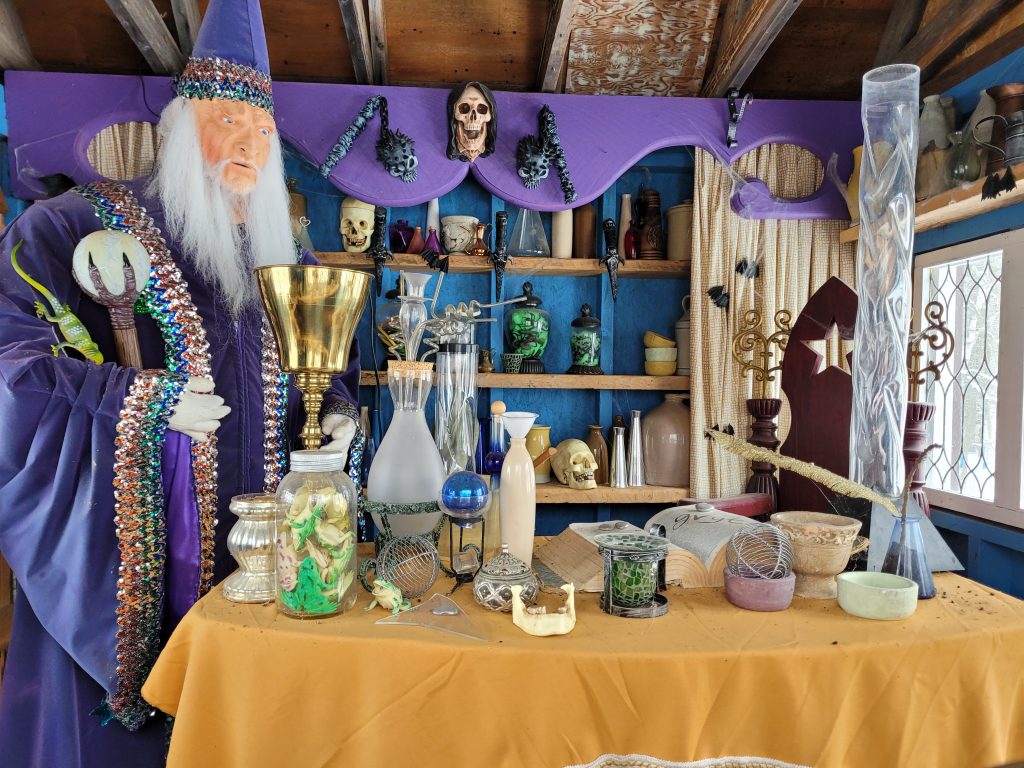
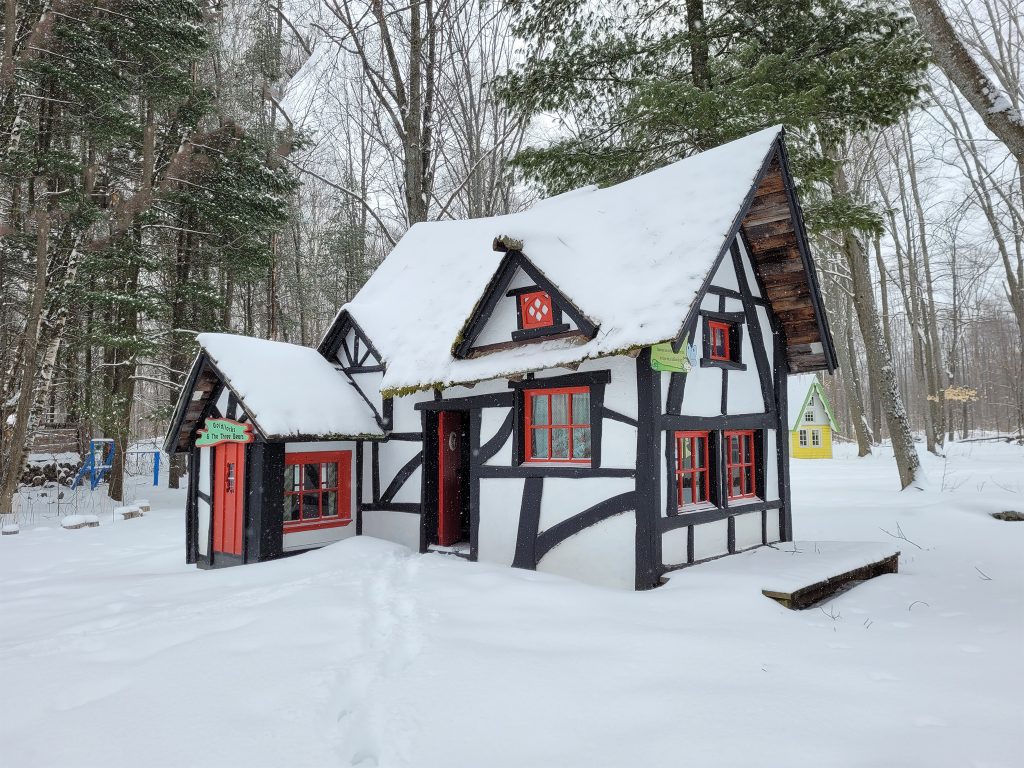
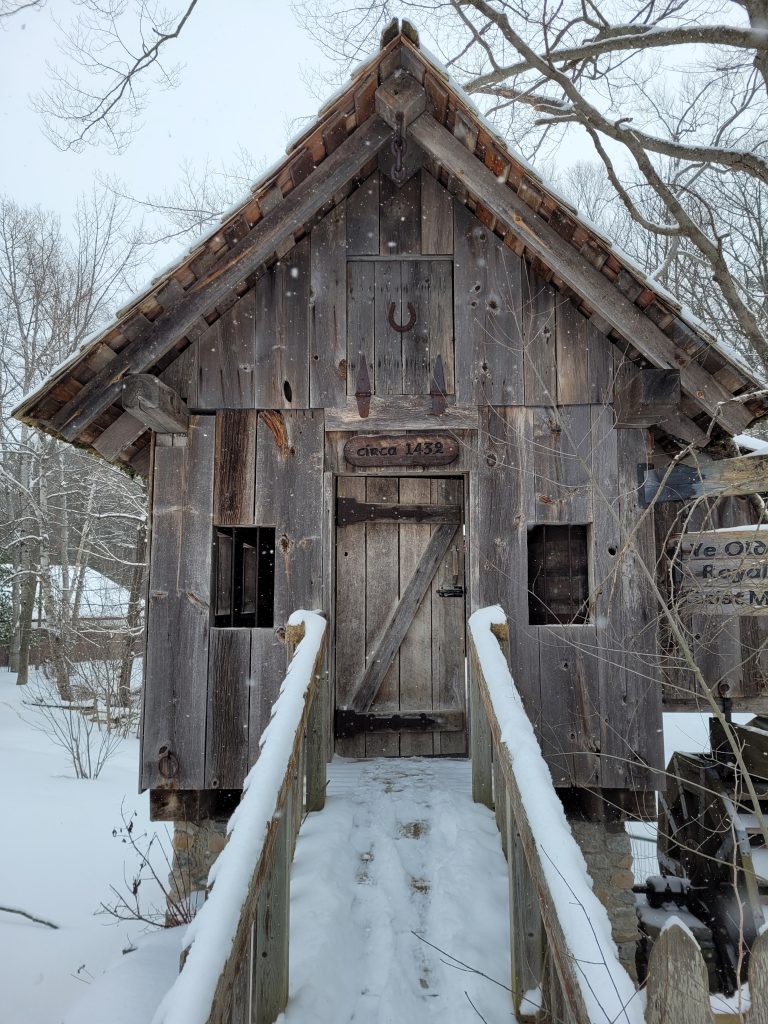
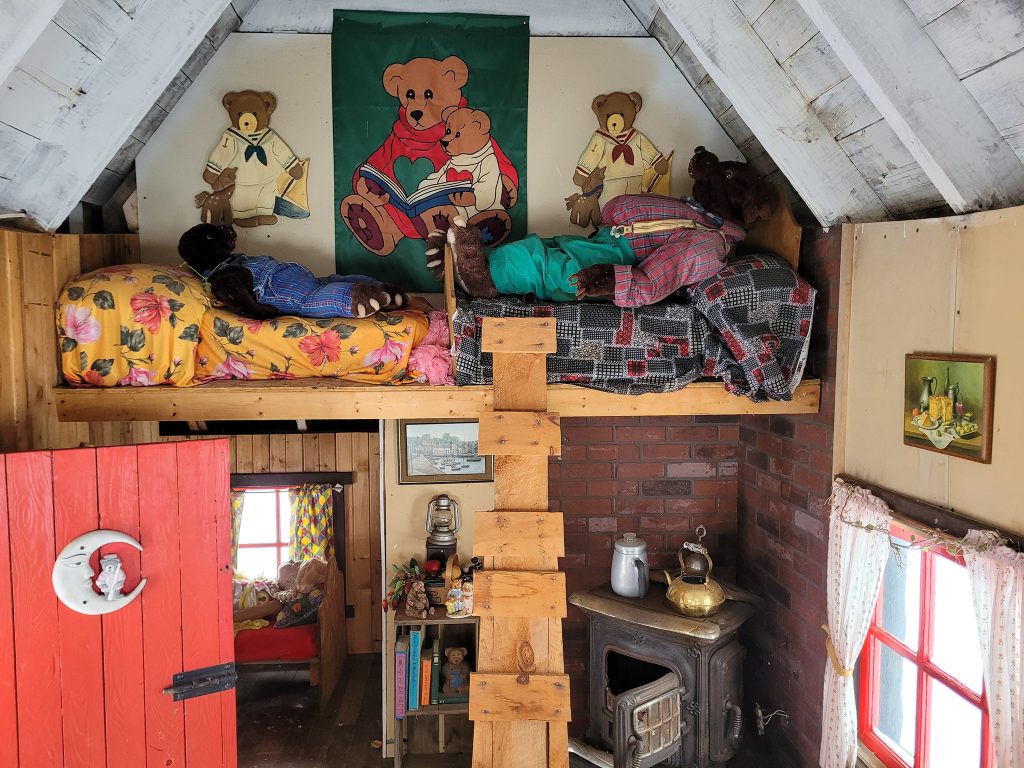
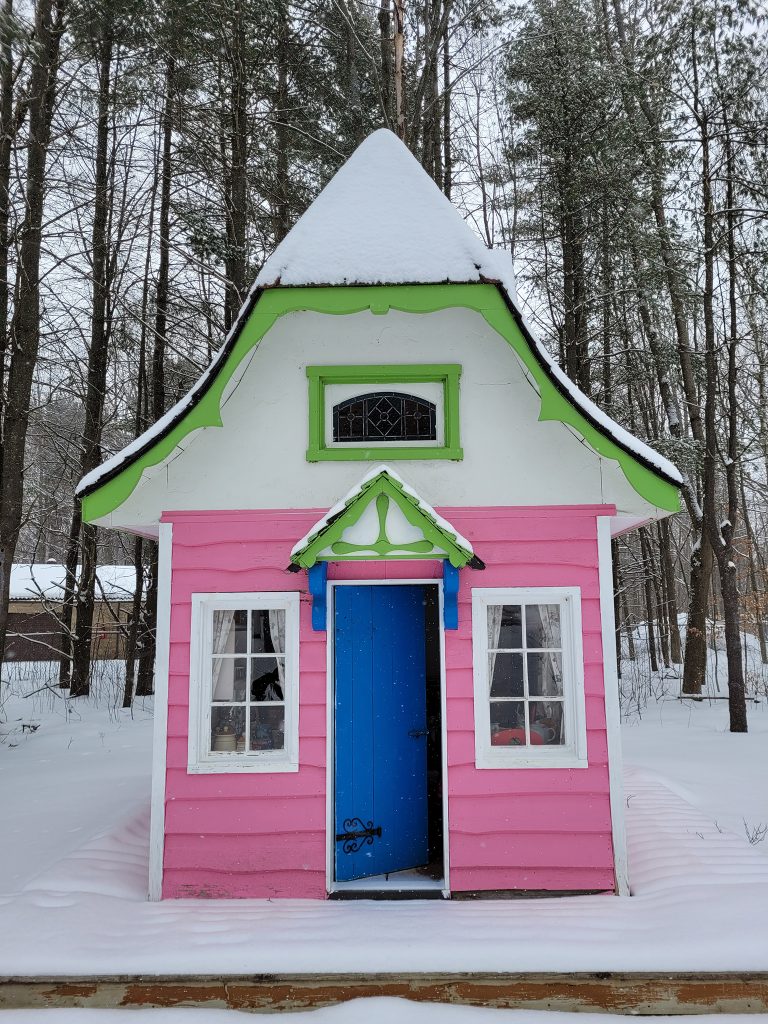
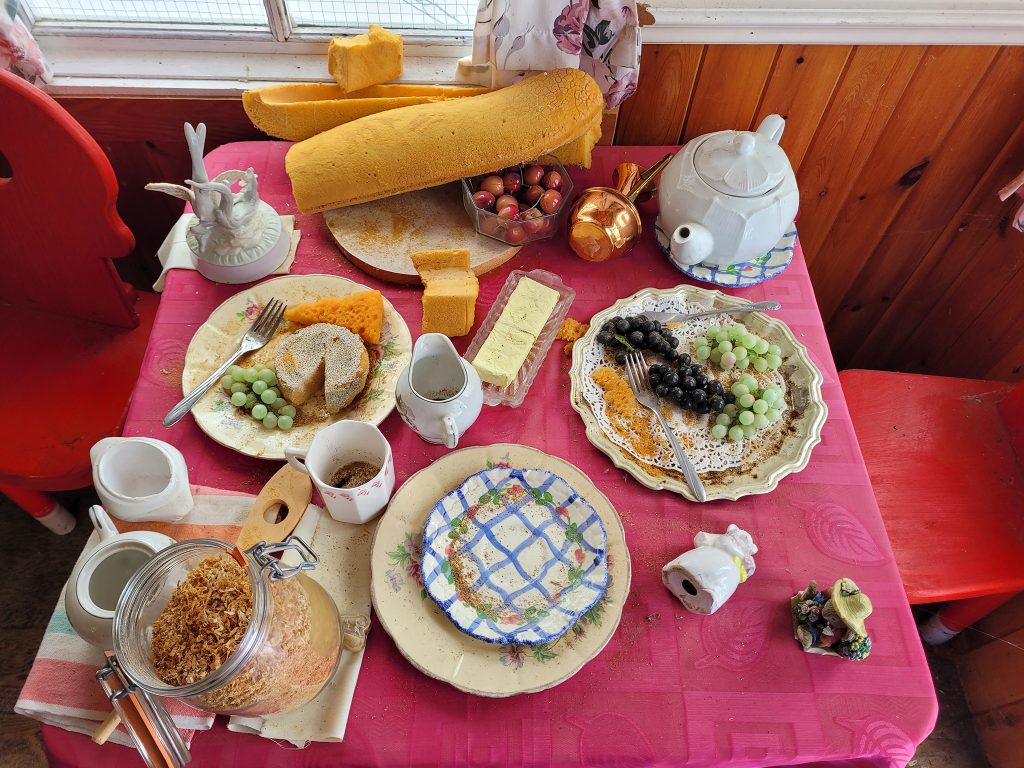
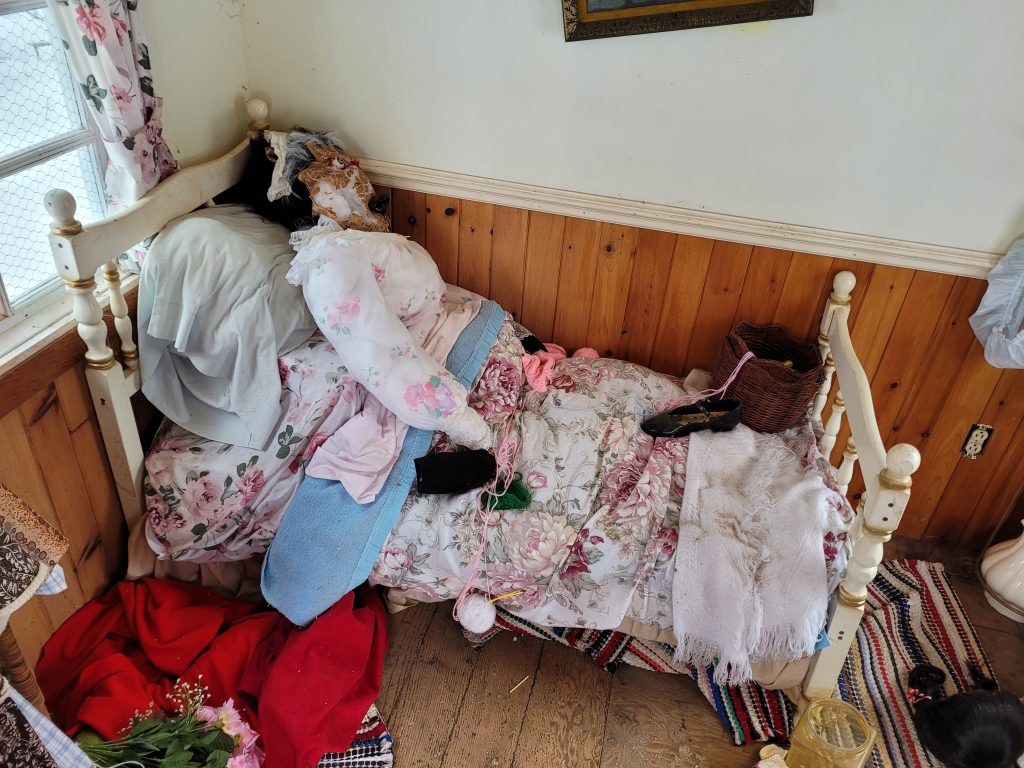
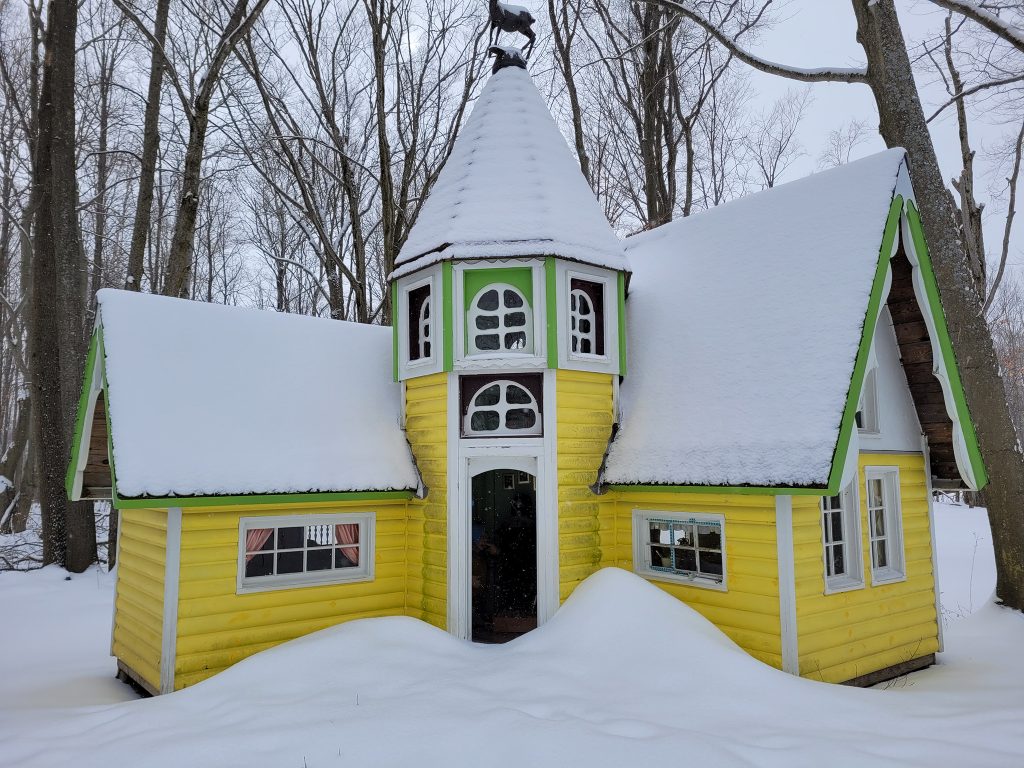
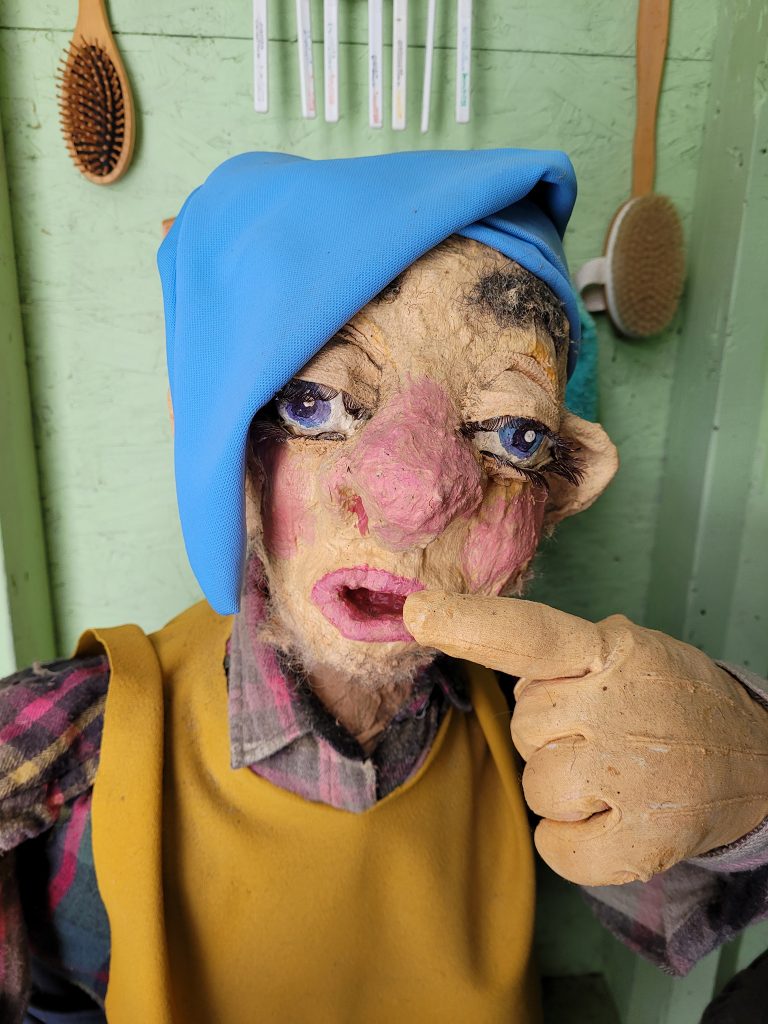
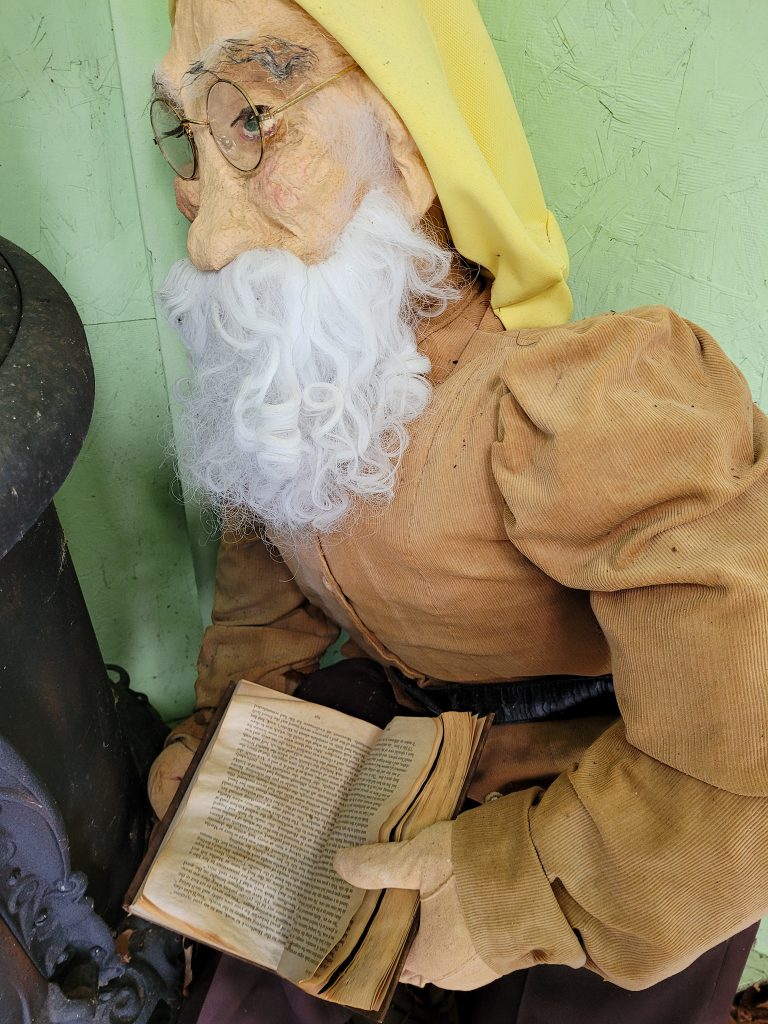
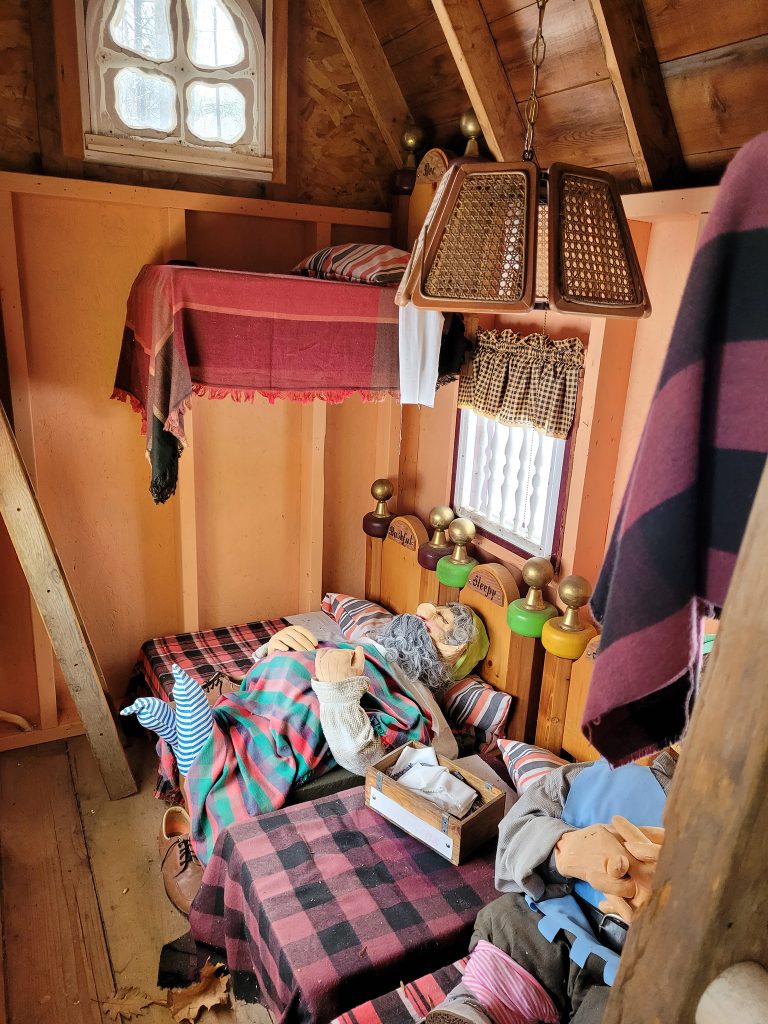
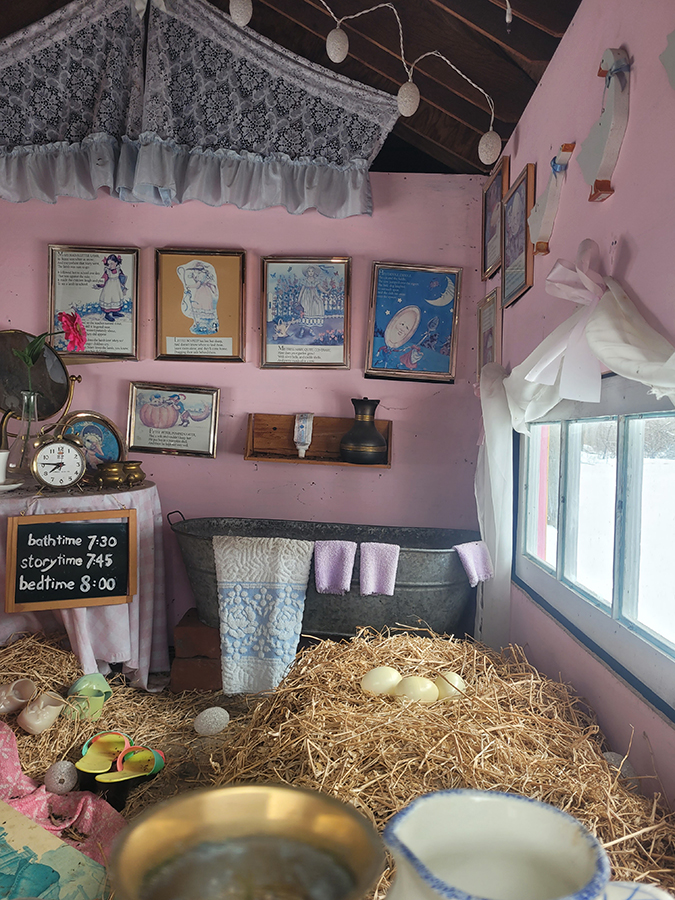
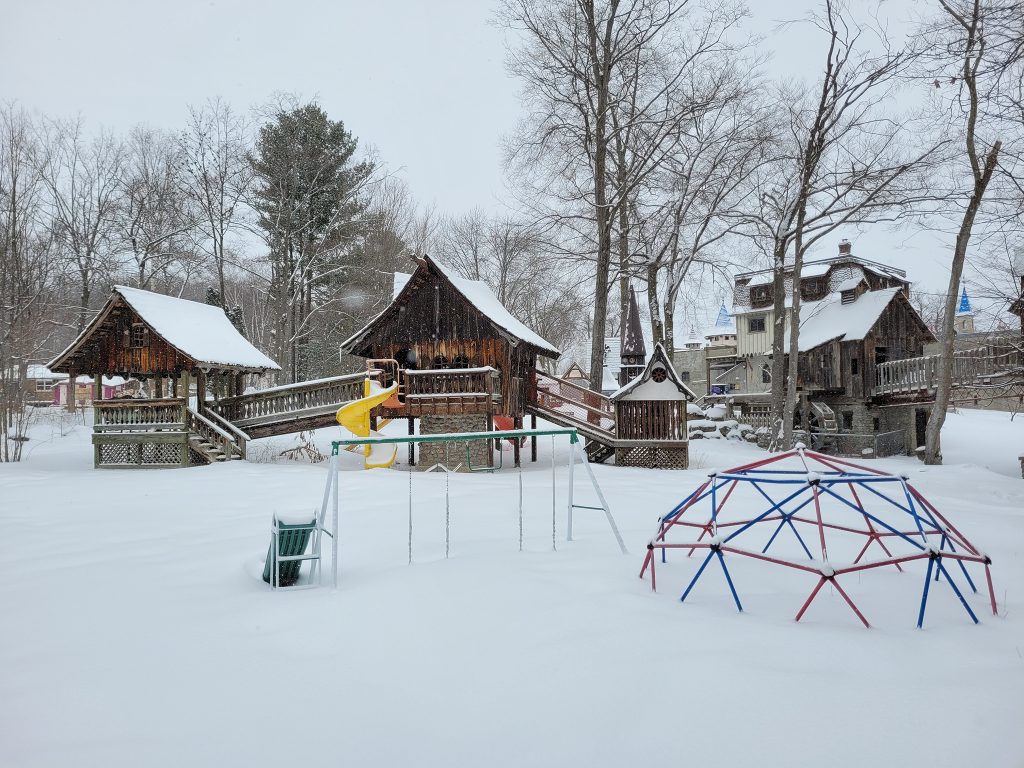
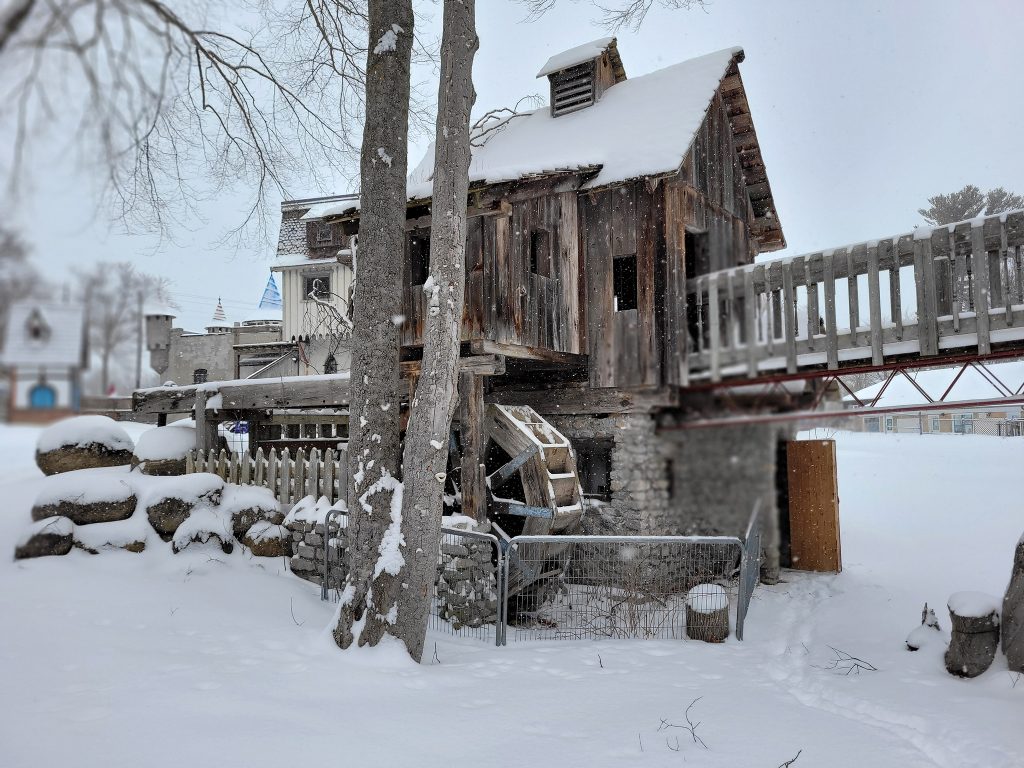
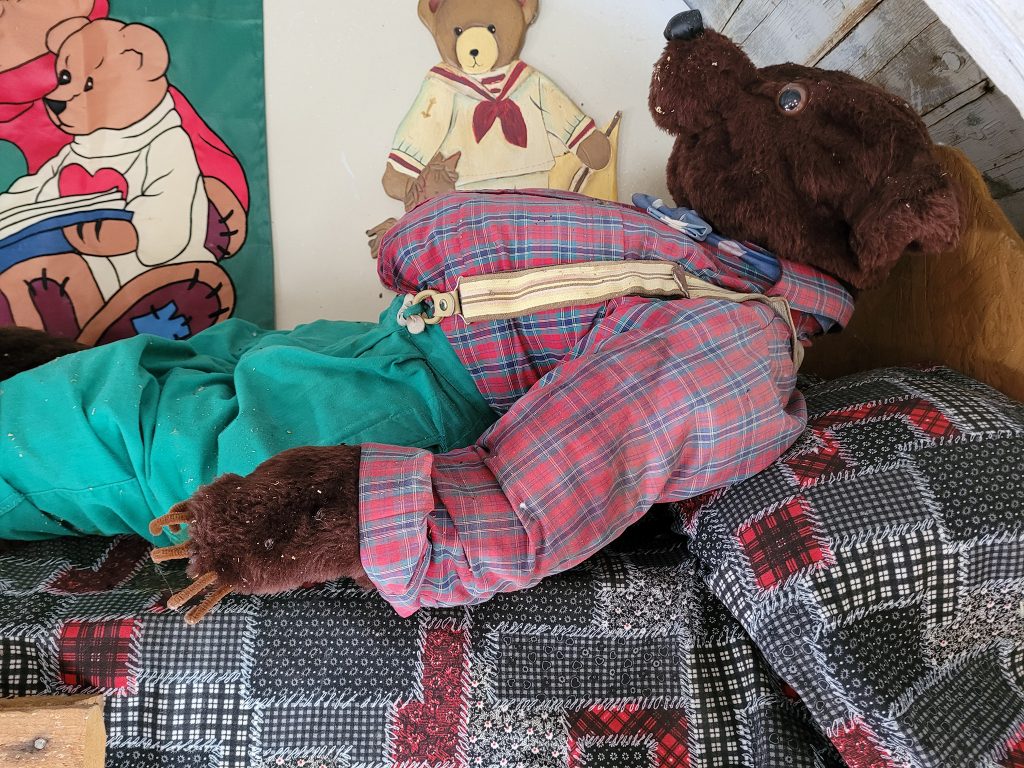
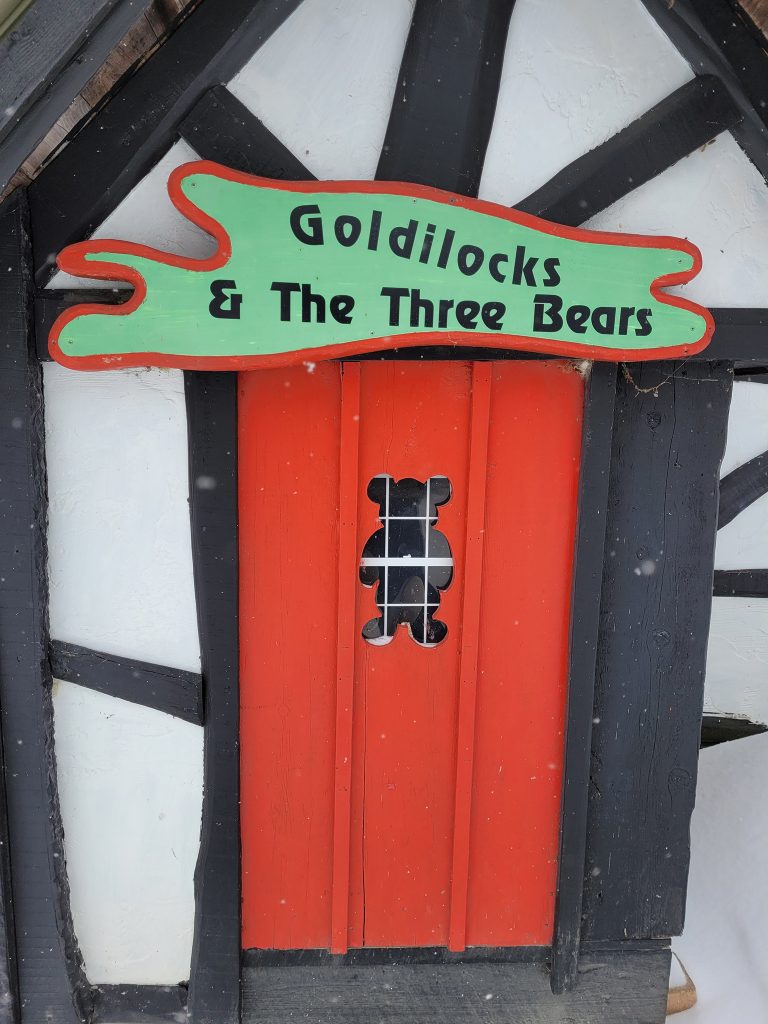
The original seven-acre property was later expanded to 45 acres. Paul worked with his daughter to design new additions. This included the addition of an Enchanted Kingdom Park. Entry was $3.00 and would allow guests to walk along an educational nature trail lined with fantasy cottages based on fairytales. Some of the houses included Snow White’s wishing well, Hansel and Gretel’s candy house, Mother Goose and Family, Teddy Bear’s Tea Party, Giant Fountain, Little Red Riding Hood & Grandma’s house, and Three Little Pig’s House. A Grist Mill and Merlin the Magician’s Tower was added, and an 80-foot suspension bridge across a pond with a giant fountain.
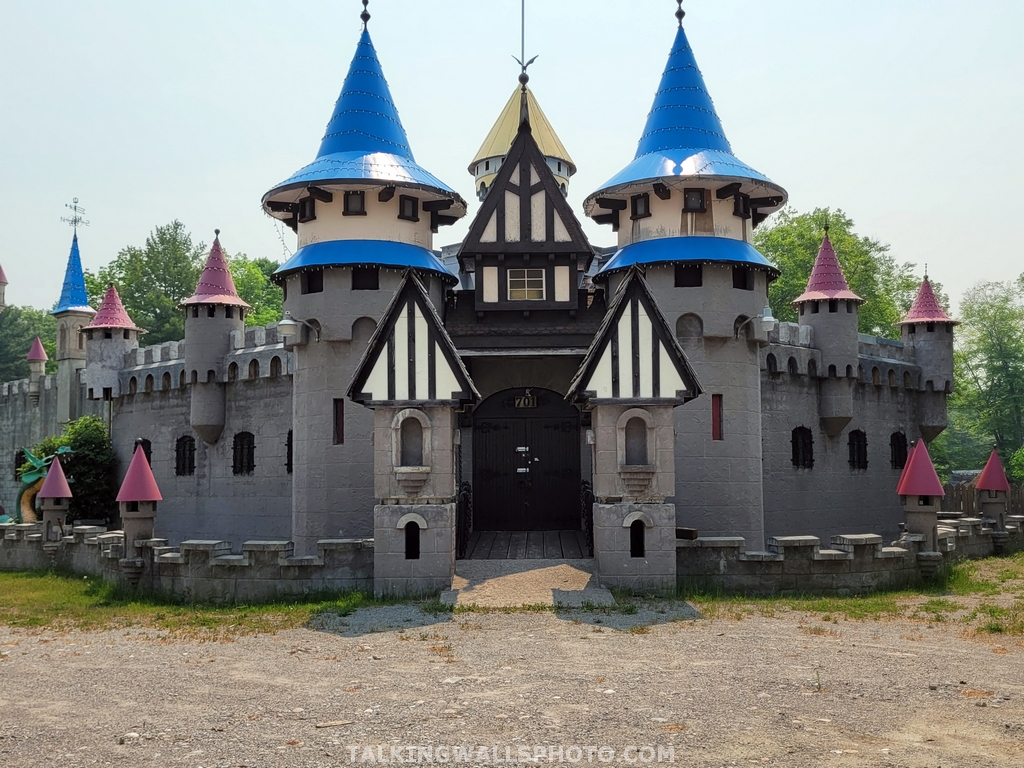
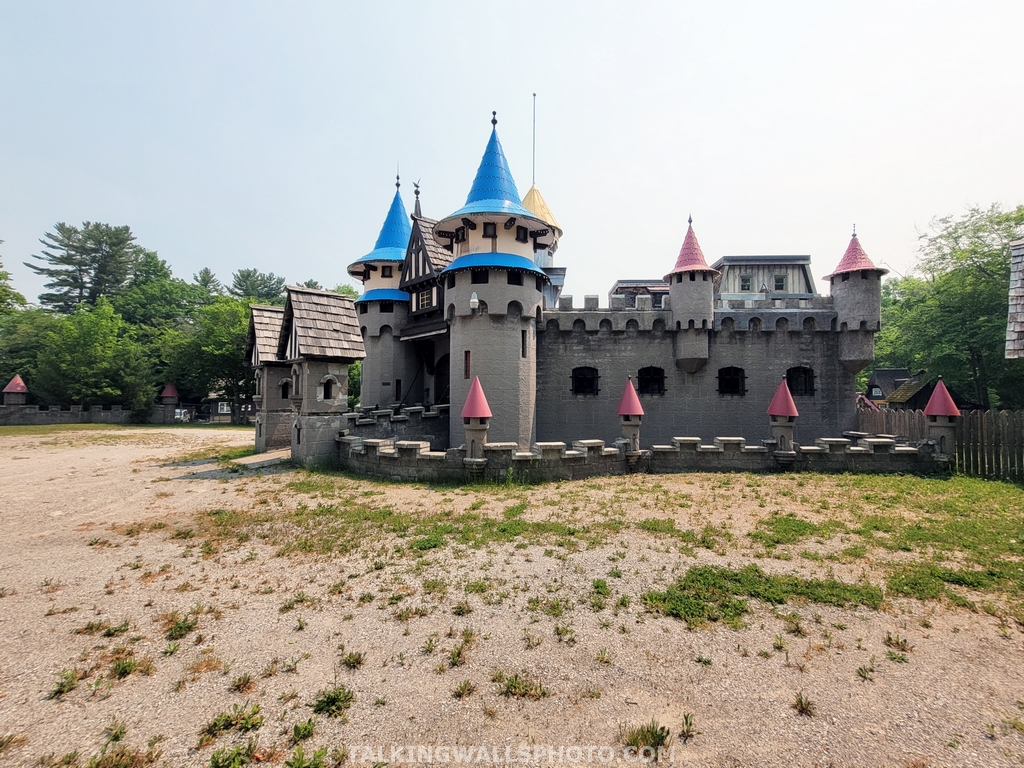
In 2005, the site was awarded the Provincial Tourism Award from RDEE, a francophone economic development organization (the castle operated as a bilingual attraction). The Castle was operating seven days a week and seeing thousands of visitors each year.

The family eventually decided to pursue their own interests in 2008, and put the property up for sale. By now Des Roches was 74 years old and has health issues. The property remained for sale until 2010, and I believe it remained on the market until 2016.
In 2016, the business was sold to businessman Deo Moreno who added new attractions. Moreno immediately applied for a permit to allow for a campground with 10 camping spots in the rear of the park.

The grand re-opening was held on August 6, 2016. The new attractions included an escape-room adventure called “Escape the Dungeon” in which participants must work together to solve puzzles. There were three escape rooms to choose from: Dracula’s Dungeon, Secret of Delicious, and Sleuths.

There were also life-size role-playing games and a wedding room to host thematic weddings from medieval times.

Archery target shooting and human foosball were also introduced. Reviews for this attraction indicate that since the new ownership took over, care of the grounds were beginning to suffer. Problems included inaccessible attractions and garbage that was not being picked up.

In 2019, the owners applied for a change in use permit. When the COVID pandemic occurred, the business closed and has never reopened. Today it’s listed as ‘Permanently Closed’ on Google.

The visionary behind the castle, Paul des Roches, passed away in December of 2022.

If you visit this location, I hope that you treat it with the respect and courtesy that it deserves.
Research by TWP

Assorted Postcards (fair use):


Camera Photos of The Castle


Mobile Phone Photos


Enchanted Kingdom Park


Video

I Explore an Abandoned Castle & Enchanted Kingdom Amusement Park in Ontario, Canada

Nighswander Equestrian in Aurora

Nighswander Equestrian was the business venture of Gloria and Jim Nighswander who lived in Aurora, Ontario. For over five decades Gloria and her staff taught students saddle seat riding techniques, provided riding lessons, and offered education on the variety of horse breeds. Nighswander Equestrian also offered indoor and outdoor boarding at their year-round operation. They also bred horses and sold horses.

The facility was located in Aurora Ontario upon 100 acres of land. The property featured large paddocks, an indoor and outdoor arena, heated tack rooms and wash stall.

Gloria herself has been riding horses since the 1970’s. She would often judge horses in Ontario festivals.
In 2012, Gloria was named Top Coach of the Year by the Ontario Equestrian Federation People Make a Difference. Gloria taught Saddle Seat to riders, including some who went on to represent Canada in the World Cup team. She has taught more junior and senior medal winners at the CNE in Saddleseat Equitation than any other trainer.

Her daugher, Sandra Nighswander-Rizzo has ridden hundreds of horses and in 2016, opened her own riding stable under the name of Royal Crest Equestrian Center.

Gloria’s husband Jim passed away in 2016. As for the reasons of the closure of Nighswander, perhaps Gloria has decided to enjoy a well earned retirement.

Humphries Planning Group has an interest in the property for the development of an industrial building and gas station with drive thru car wash.


Video

The Abandoned Nighswander Equestrian Property in Ontario

Eatonville Roadhouse

The Eatonville Roadhouse began as a business venture of J.A. Eaton to operate a hotel and roundhouse in Ontario. Eaton already owned a hotel in Chicago and wanted to expand his business to offer accommodations to people needing a place to stay while travelling from Detroit to Buffalo or Niagara Falls.

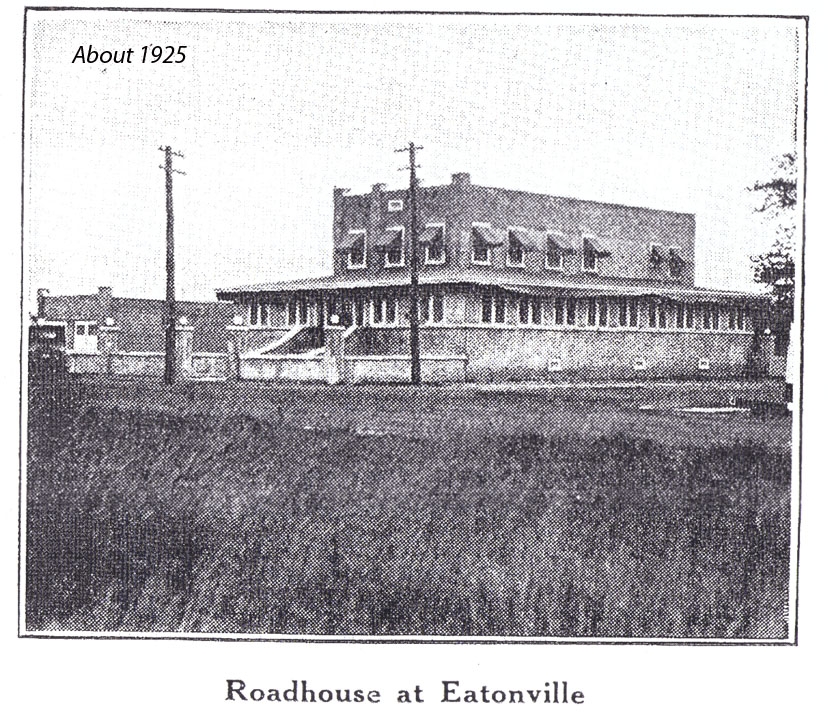
Mr. Eaton chose a location where he could also attract locals heading to Rondeau Park for dances and concerts.  By 1926 Eaton had constructed a two-storey garage, two-storey hotel and in between the buildings, a drive-thru hot dog stand.

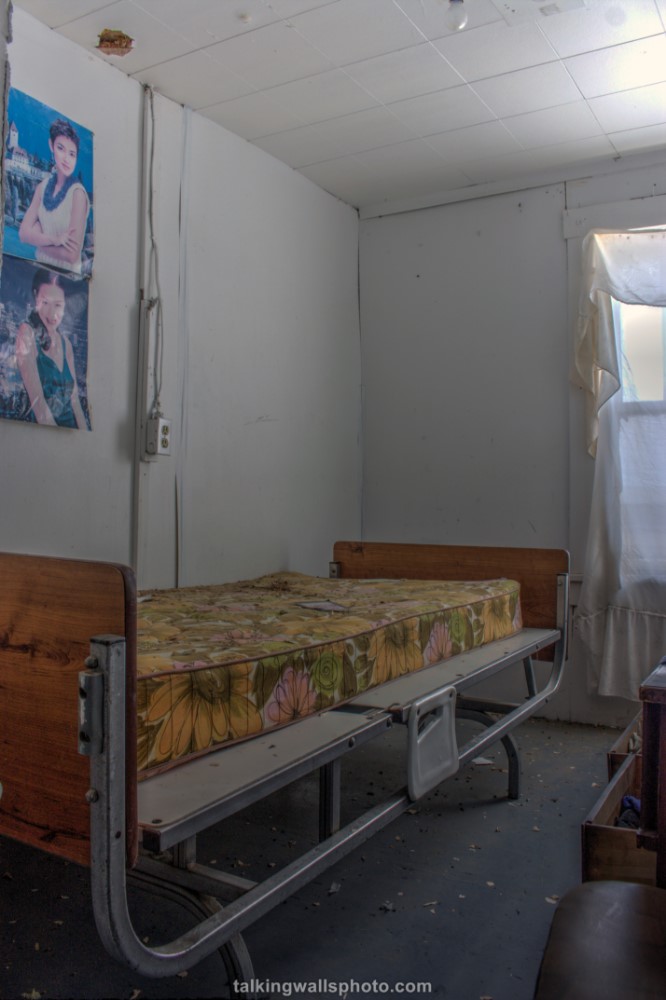
The hotel was built with a lobby, fireplace, dance floor, and kitchen. A polished oak bar would serve up drinks to thirsty customers. The upstairs consisted of 12 bedrooms while an additional eight bedrooms were constructed on the second floor of the garage building. 

Eaton’s dream was not without its obstacles. He encountered problems with the building contractor. The Department of Highways wanted the fence moved because they felt it was too close to the road.

The largest obstacle was that the township was “dry”, meaning that no alcohol sales were permitted. Ironically the lot across the road was located in a township that was considered “wet”. 

By 1936 Mr. Eaton gave up on his dream and sold the buildings to Howard Pyne. Pyne made alterations to the property and reopened the business as the Sunset Hotel (later changed to Park Hotel).

In 1939 residents petitioned to remove the alcohol ban in the township. Over 900 residents signed the petition while the local churches opposed the sale of alcohol. The petition wasn’t able to reach the necessary 60 percent of votes to remove the ban.

To get around the alcohol ban, Pyne began working with a partner to create bootleg alcohol. When word of the bootleg alcohol spread to hotels in nearby towns where alcohol was legal, the police put a stop to the sale of alcohol at the Sunset Hotel.

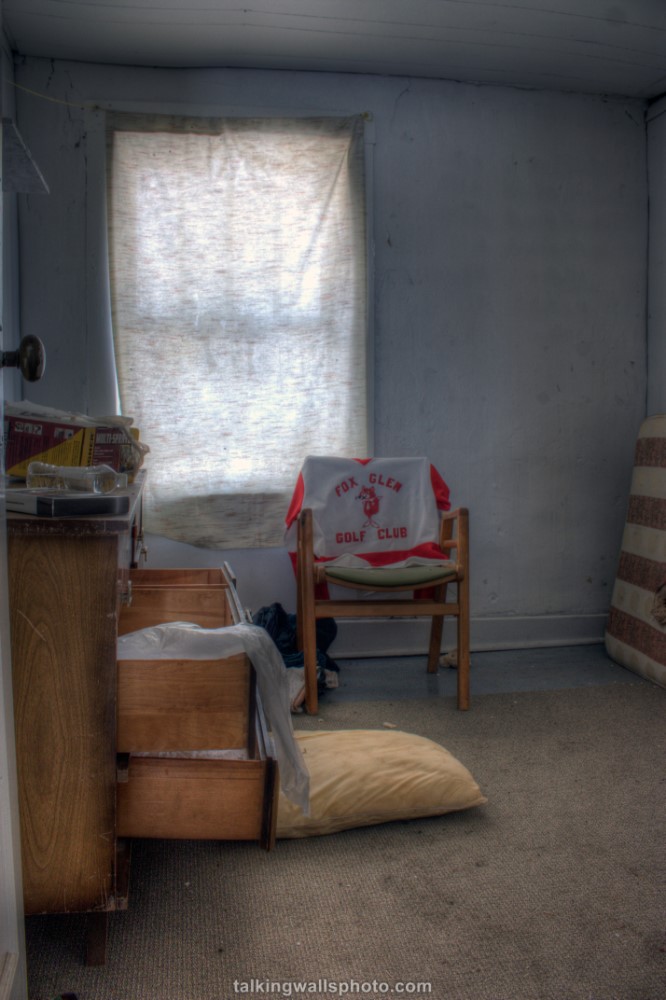
In 1941 Mr. Pyne was awarded a contract for a Farm Service Camp which allowed local young men to eat and sleep at the hotel while working on local farms as part of the war effort. The young men were paid daily and allowed to miss final exams if their marks warranted it. An eight hole outhouse was constructed at the back of the property.

After a disagreement with the government, in 1942 Mr. Pyne rented the hotel to the Federal Government to use as a Federal Internment Camp. The camp housed 55 Japanese men from British Columbia. The men worked under the supervision of an RCMP officer to clear timber and bush from Rondeau Park. Mr. Pyne permitted a Japanese bath to be built in the garage which the Japanese used after returning from work.   

After the war Mr. Pyne built a large hen house for 2,000 chickens. The eggs were sold at nearby markets and chickens sold to dealers and tourists.  The garage and hotdog stand were demolished sometime after 1960 and Mr. Pyne’s daughter sold the property.   

Current Status

Local farming family, the DeBrouwers approached the city in late 2015 for permission to tear down the structure. The municipal heritage committee tried to persuade the council to preserve the site. The result was a 17-1 vote to repeal the heritage designation. Please be respectful to this (and all) locations.

All research by TWP. The historic photos I believe are Howard Pyne’s.


Dougherty’s Meat Packing Plant

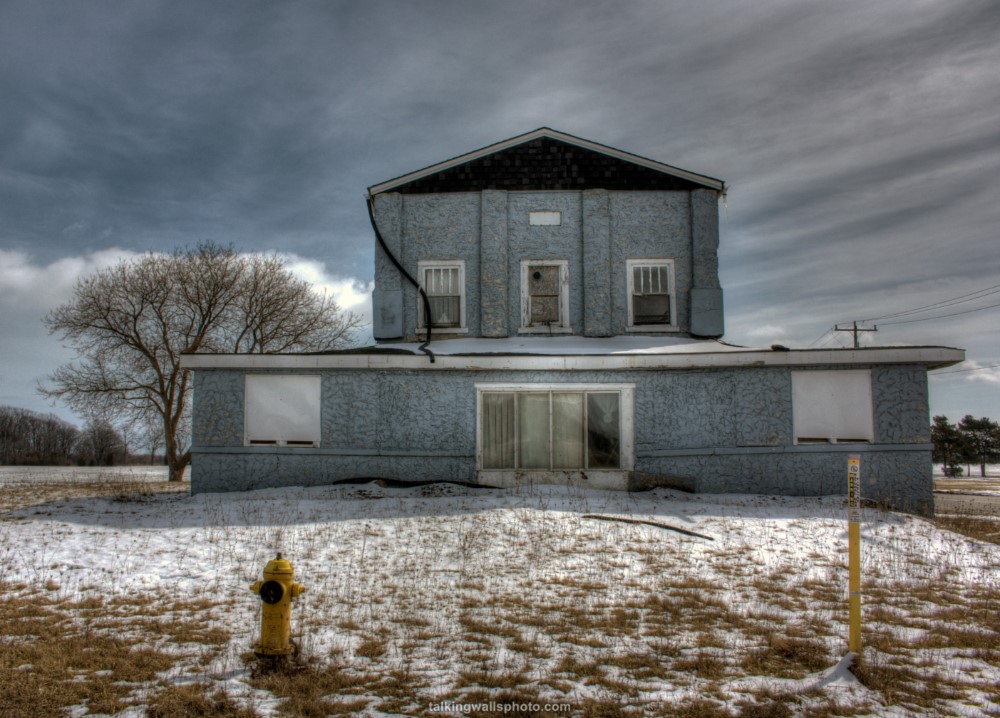
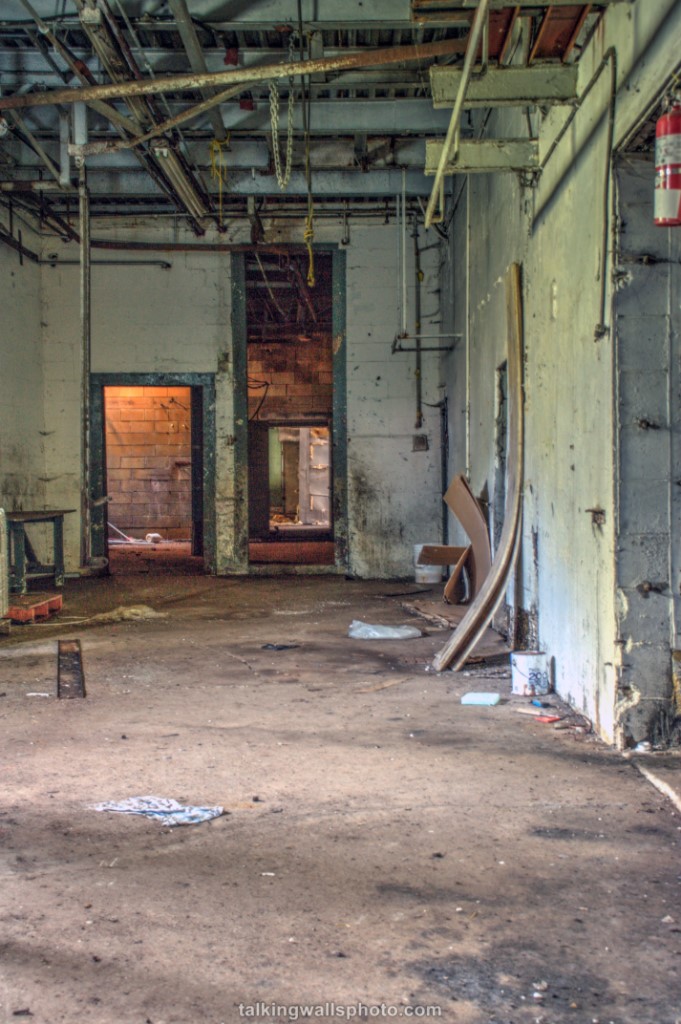
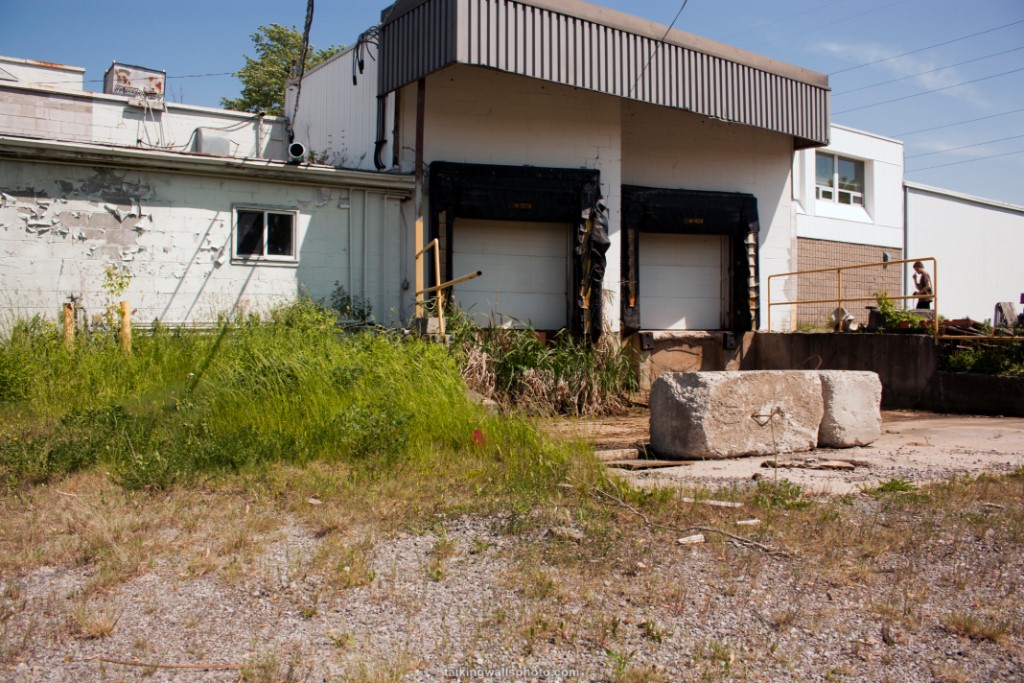
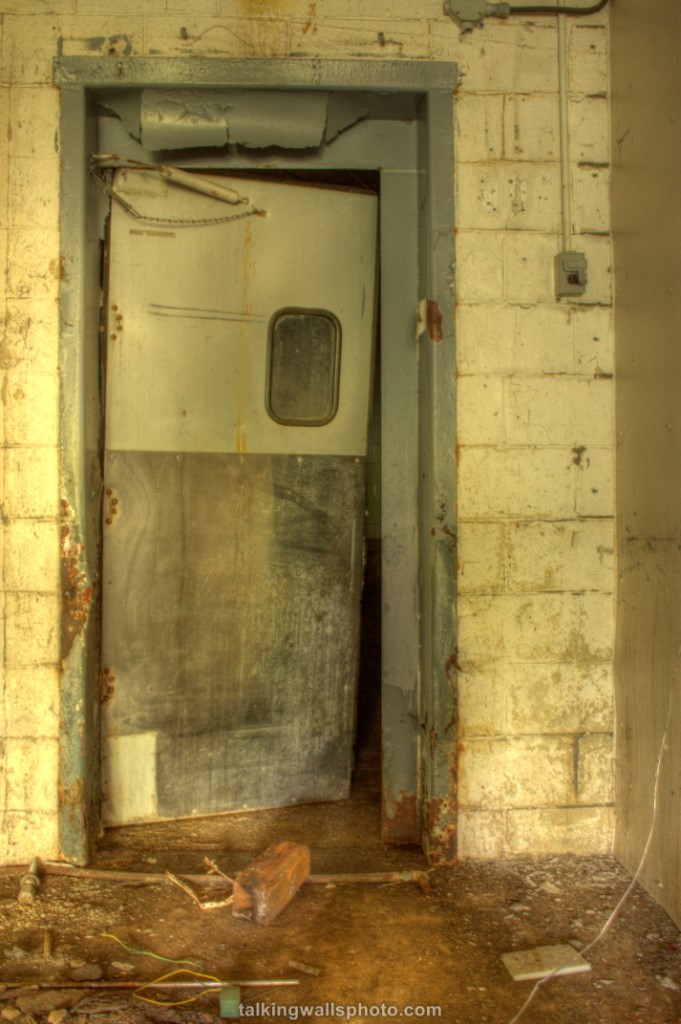
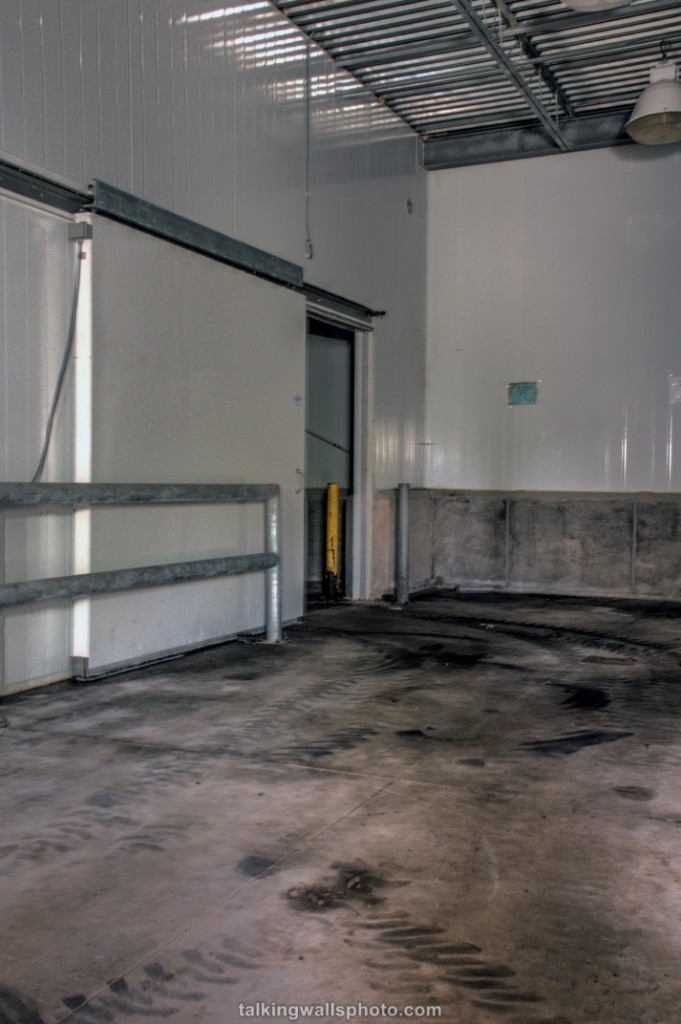
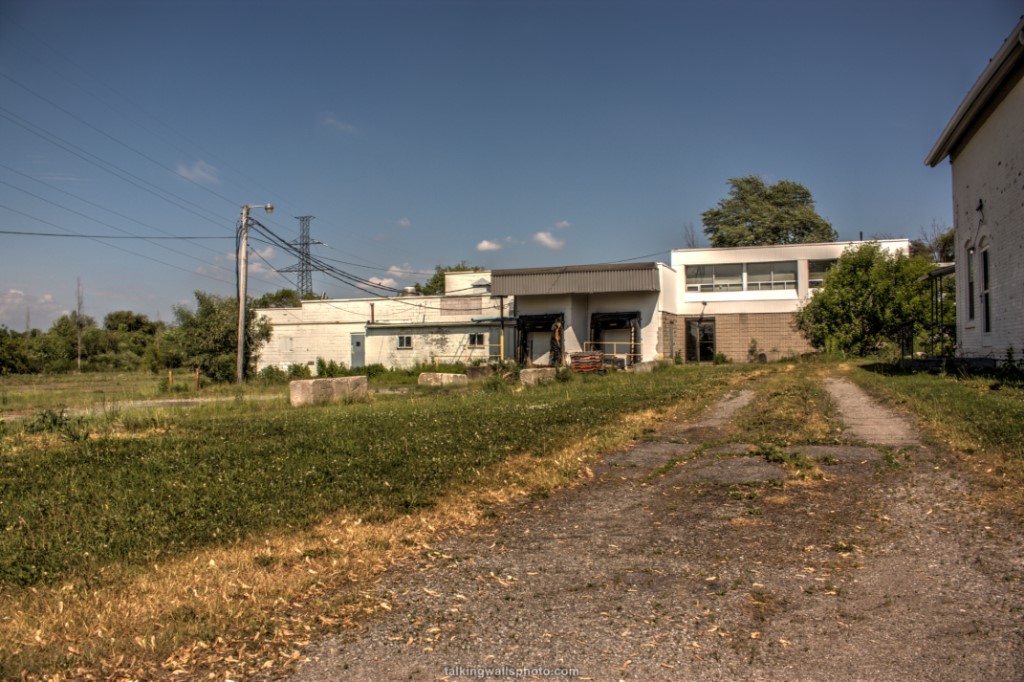
Closed in 2010. The plant was located on Centre Street in Thorold.