Category: Churches

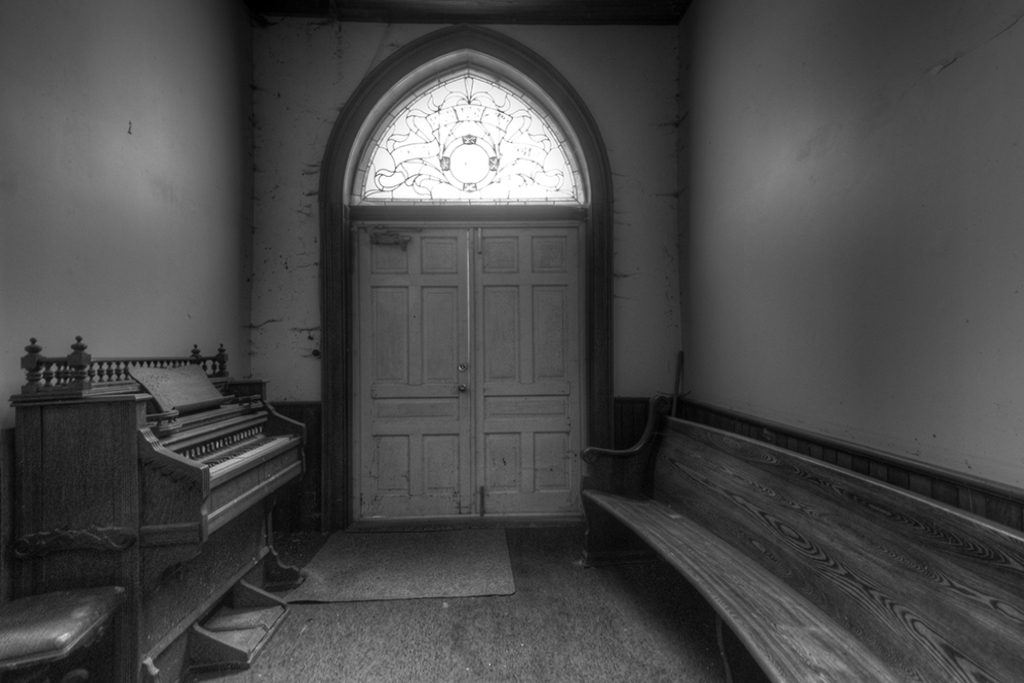
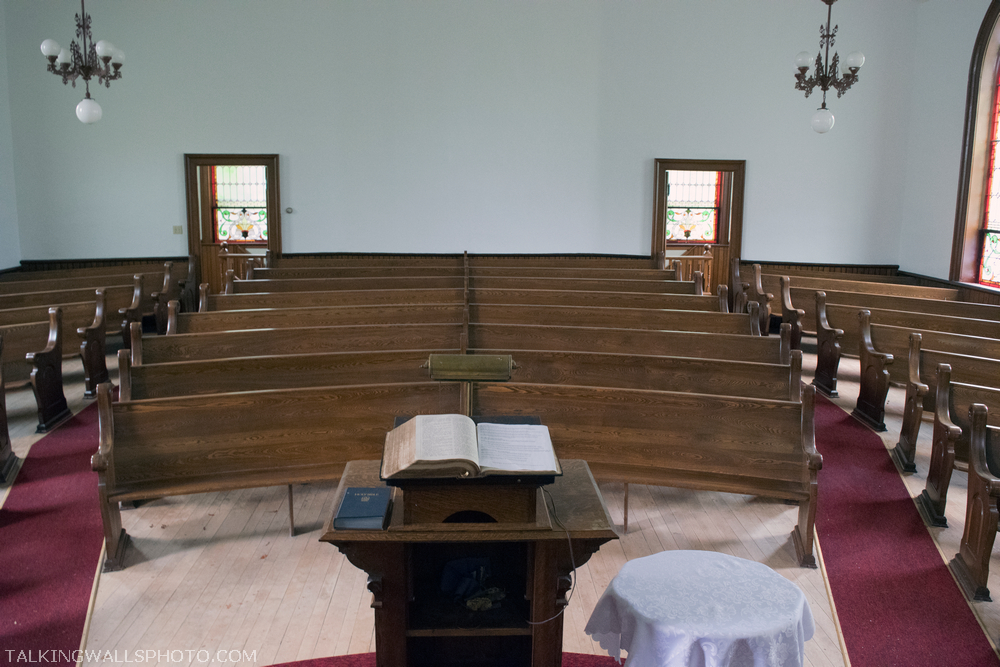
Presbyterian Church

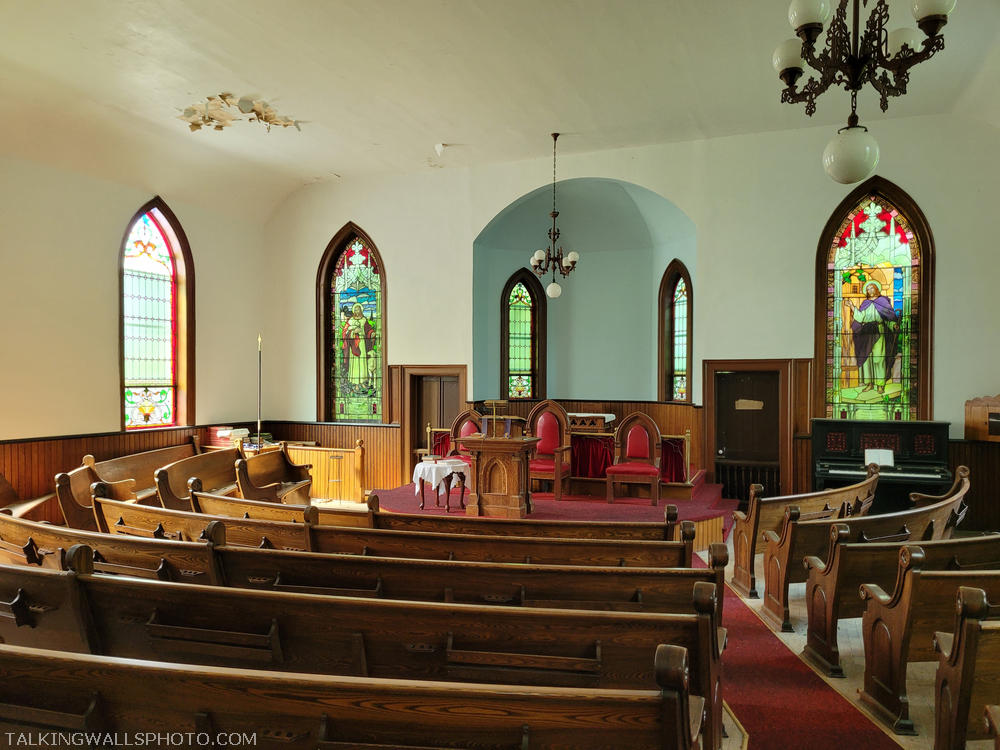
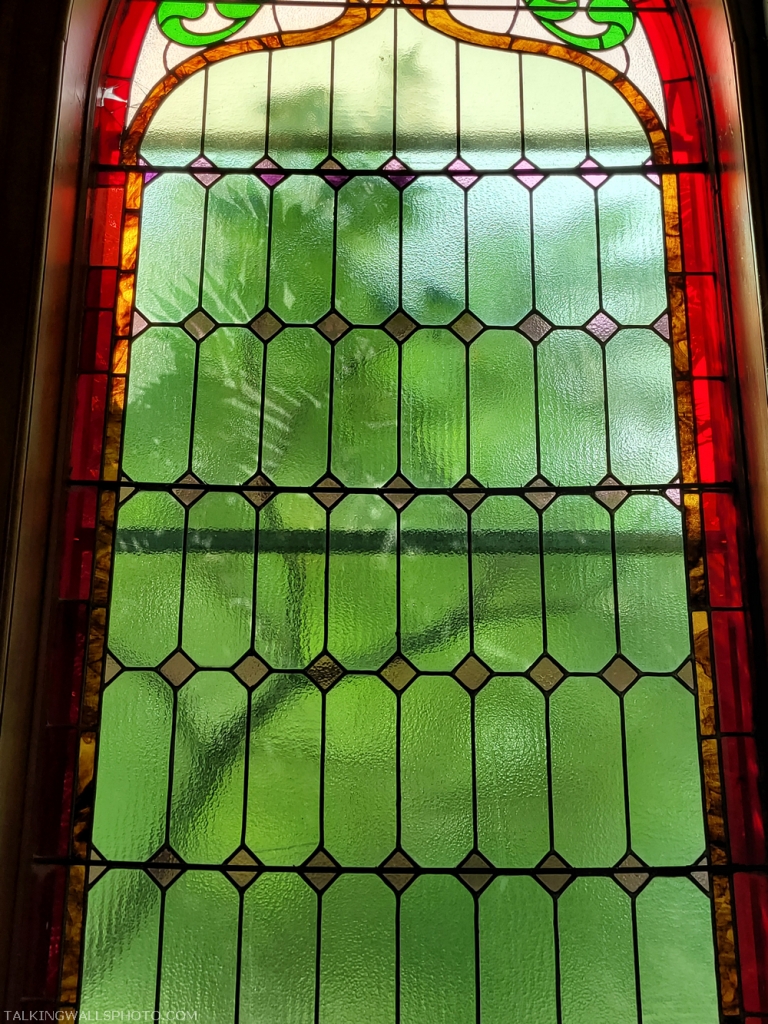
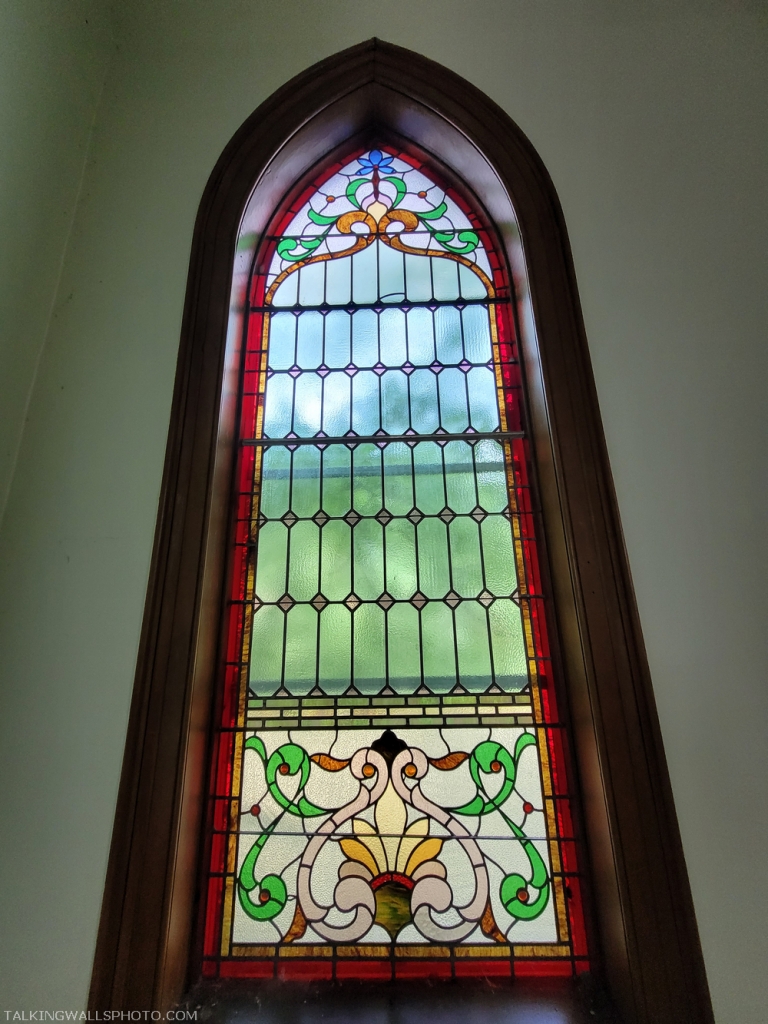
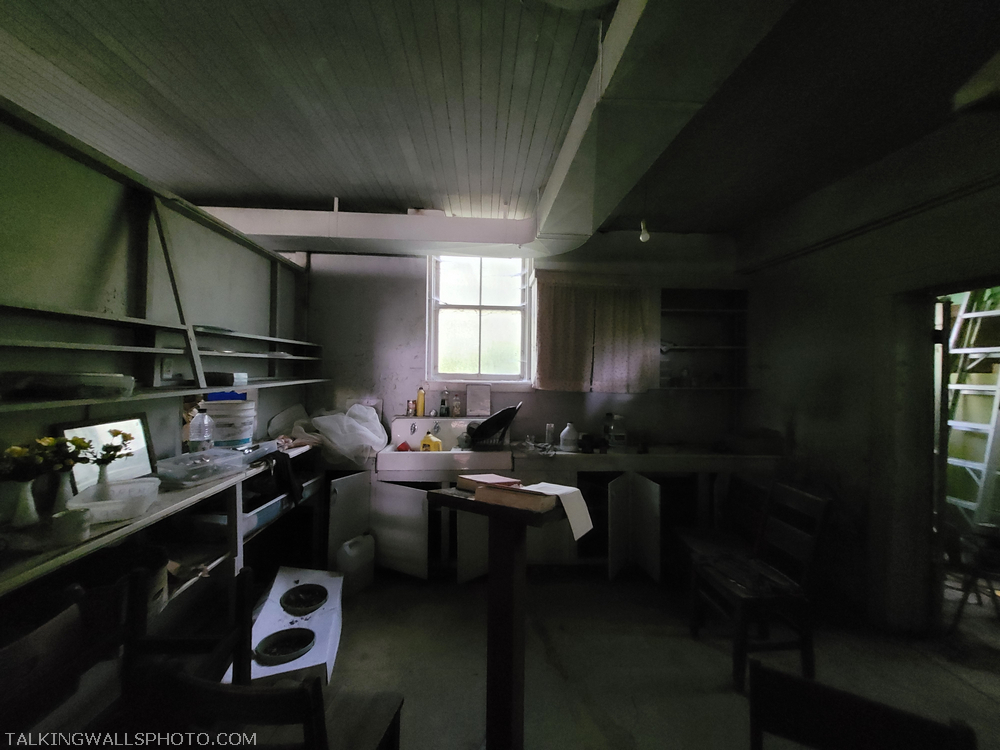
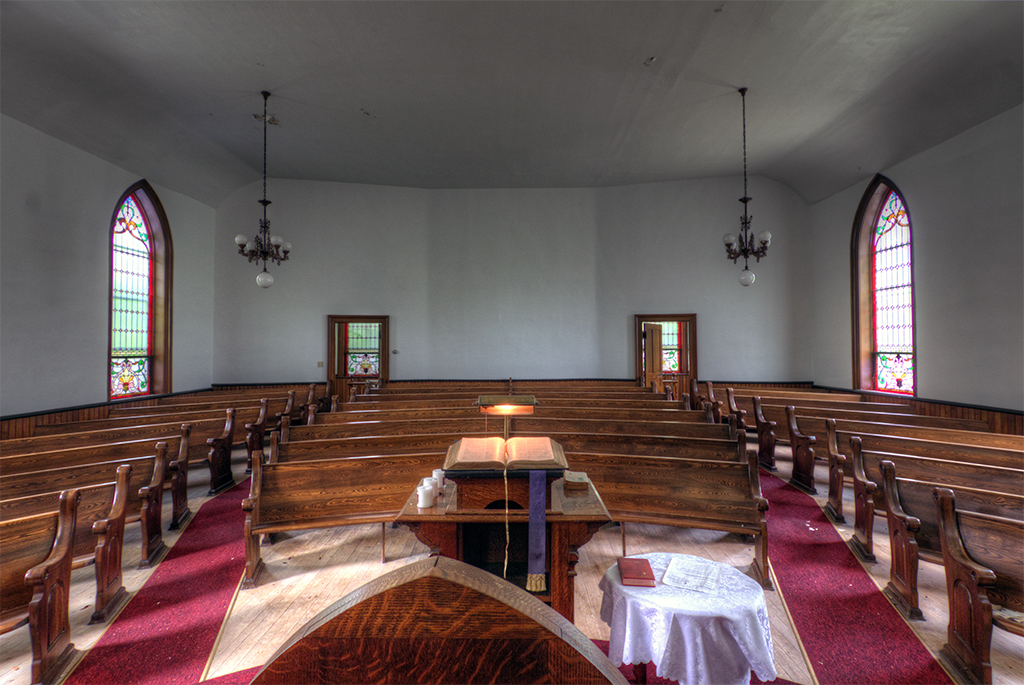
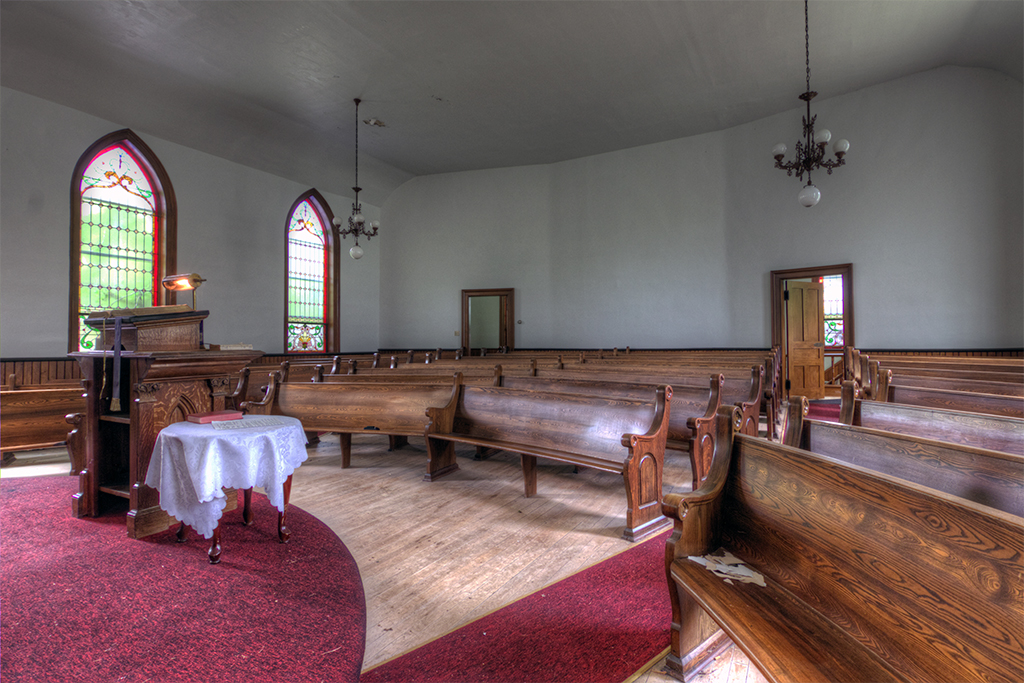
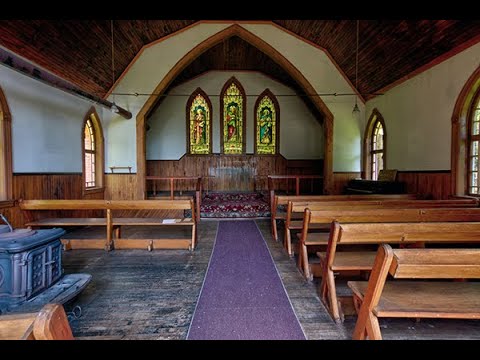
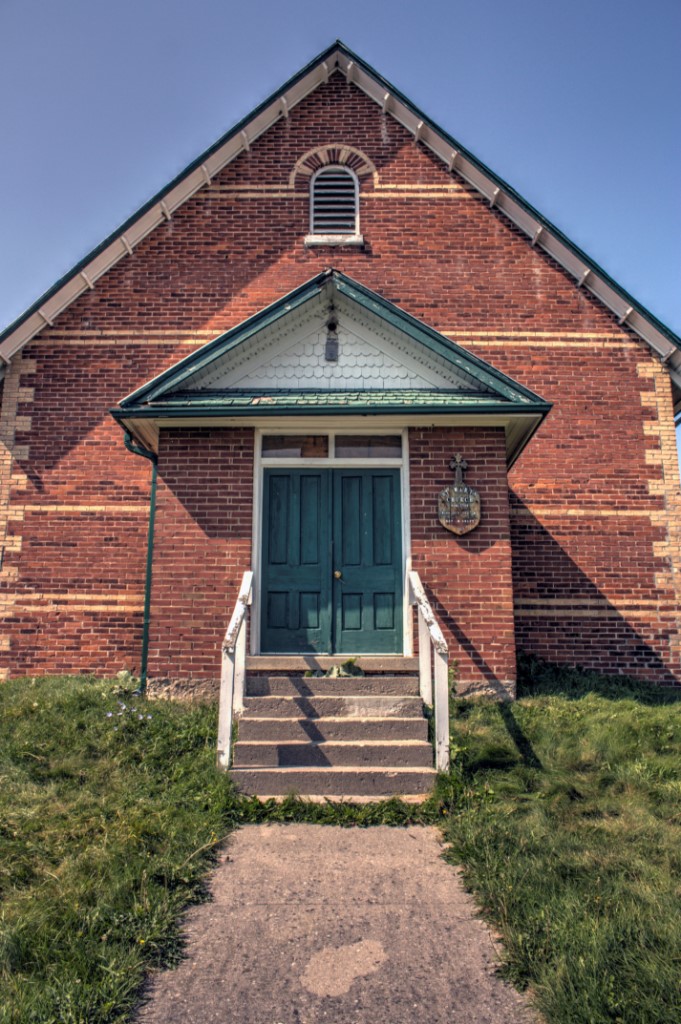
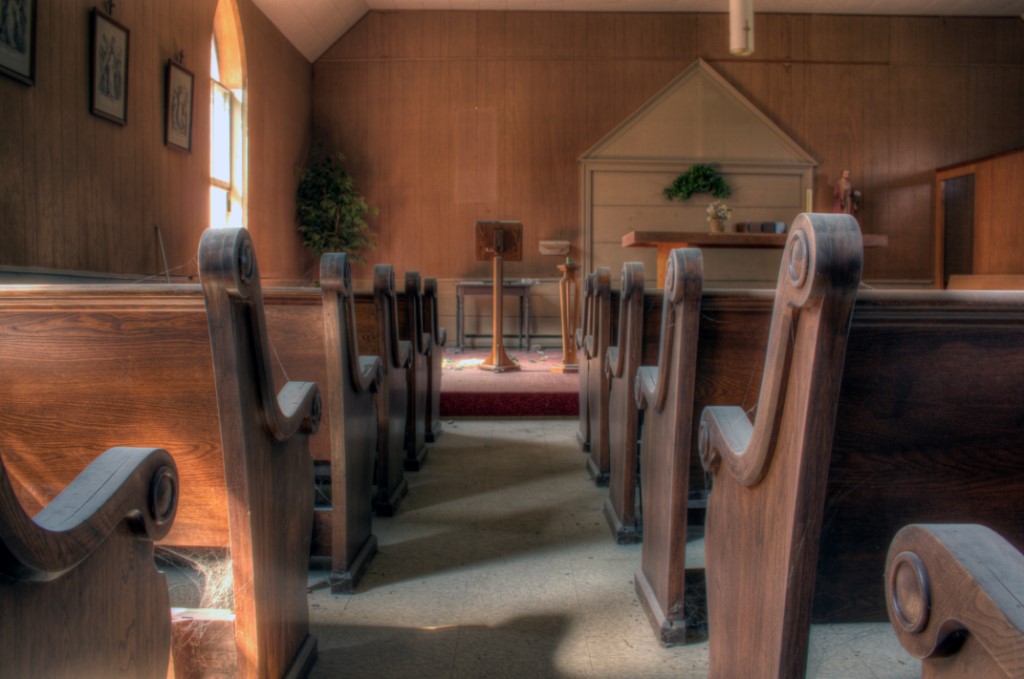
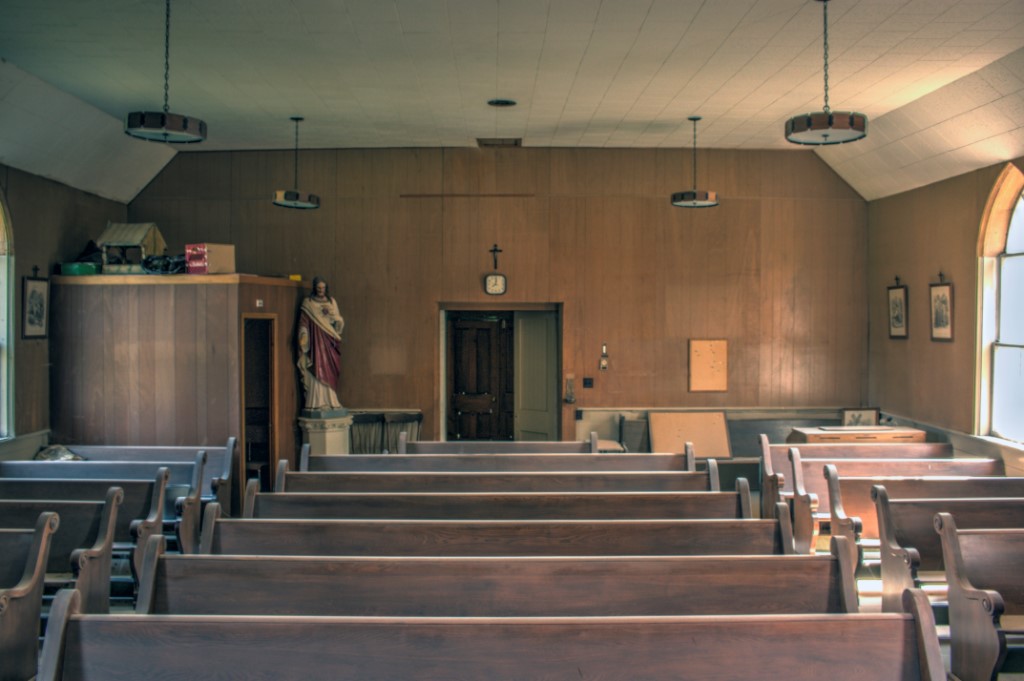
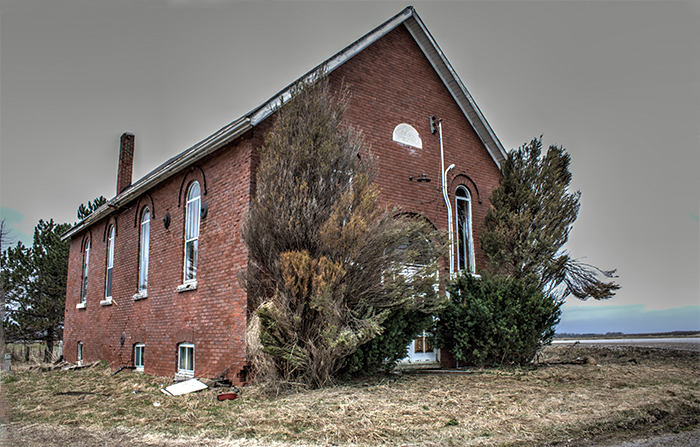
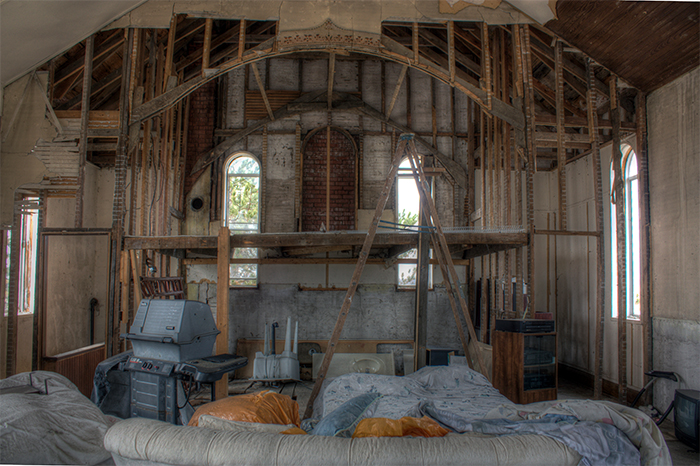
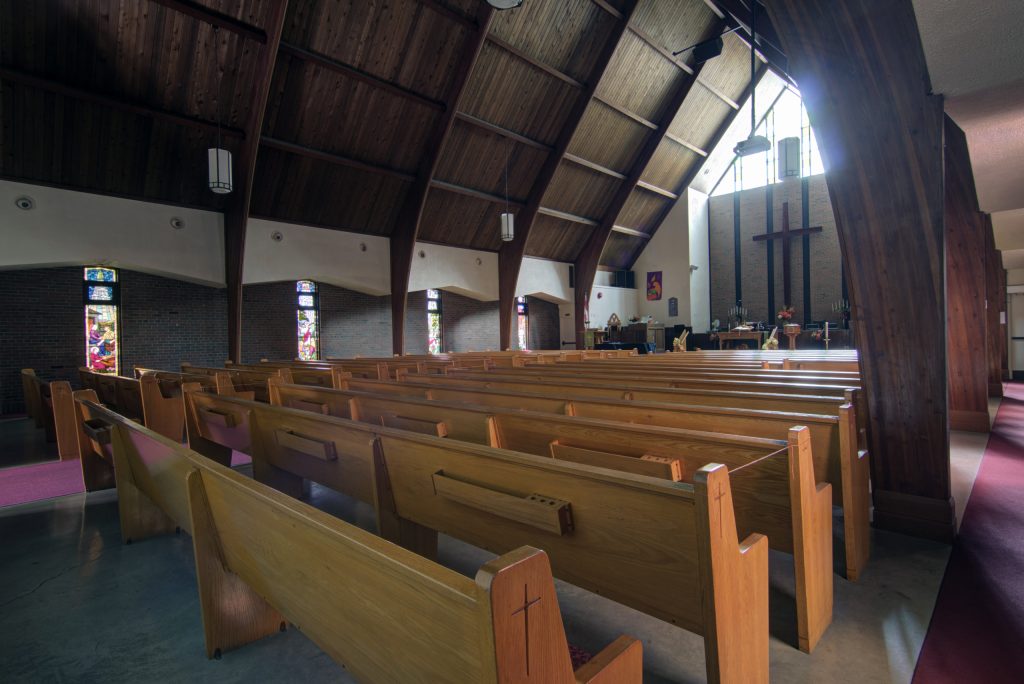
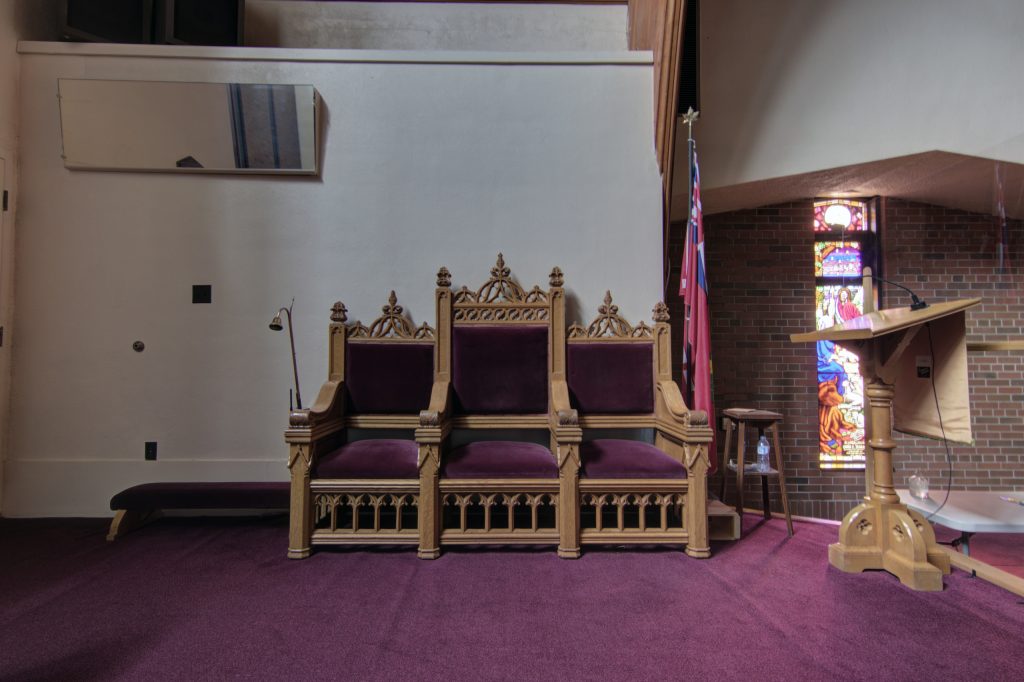
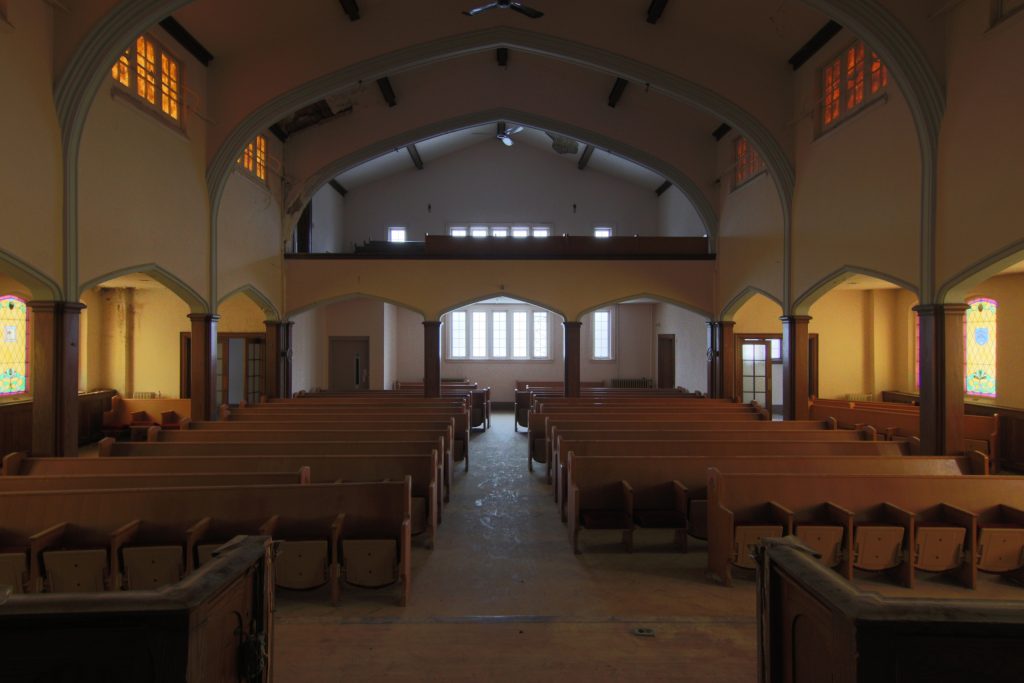
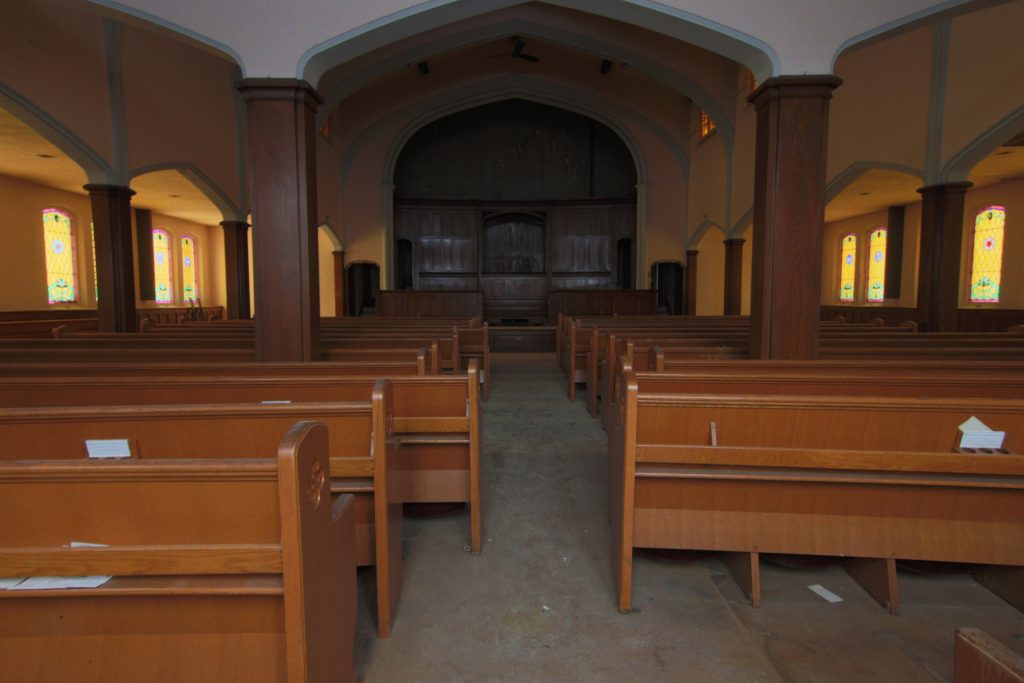
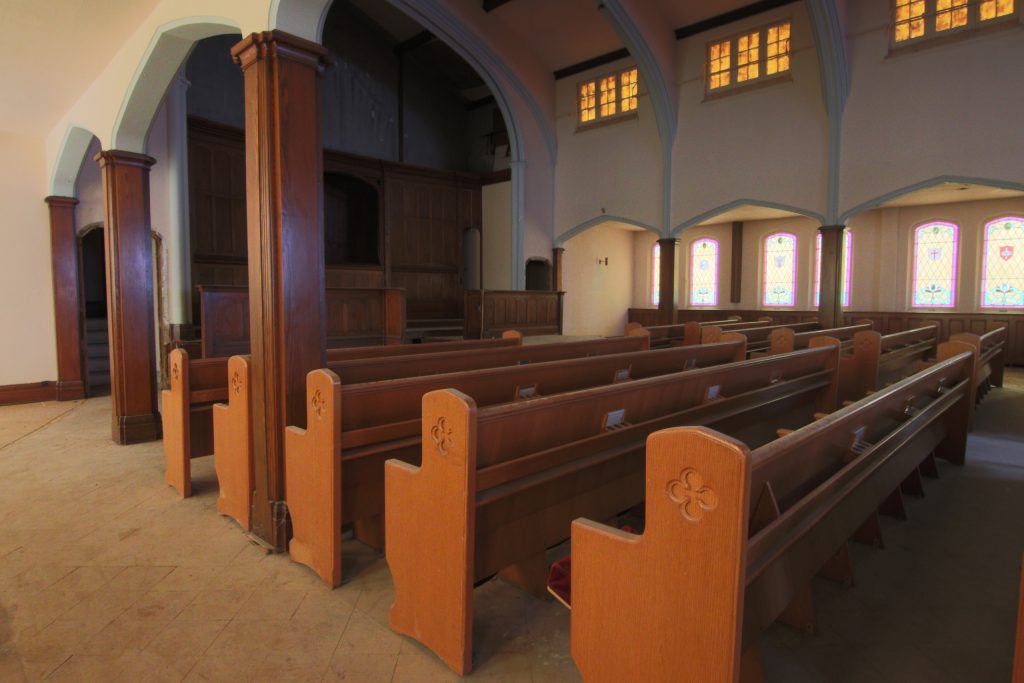
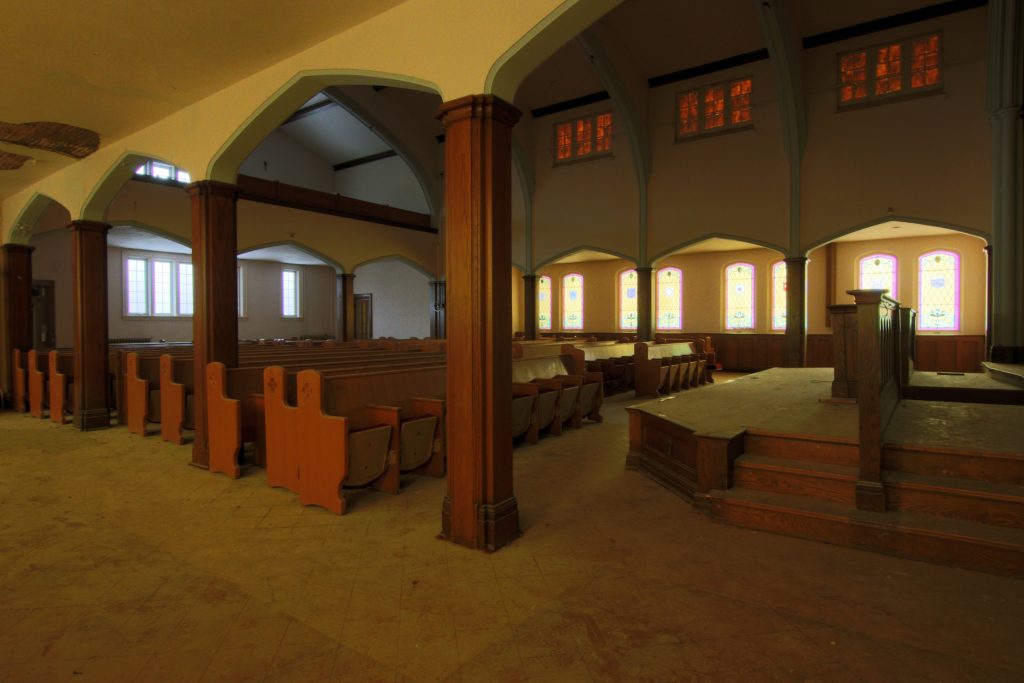
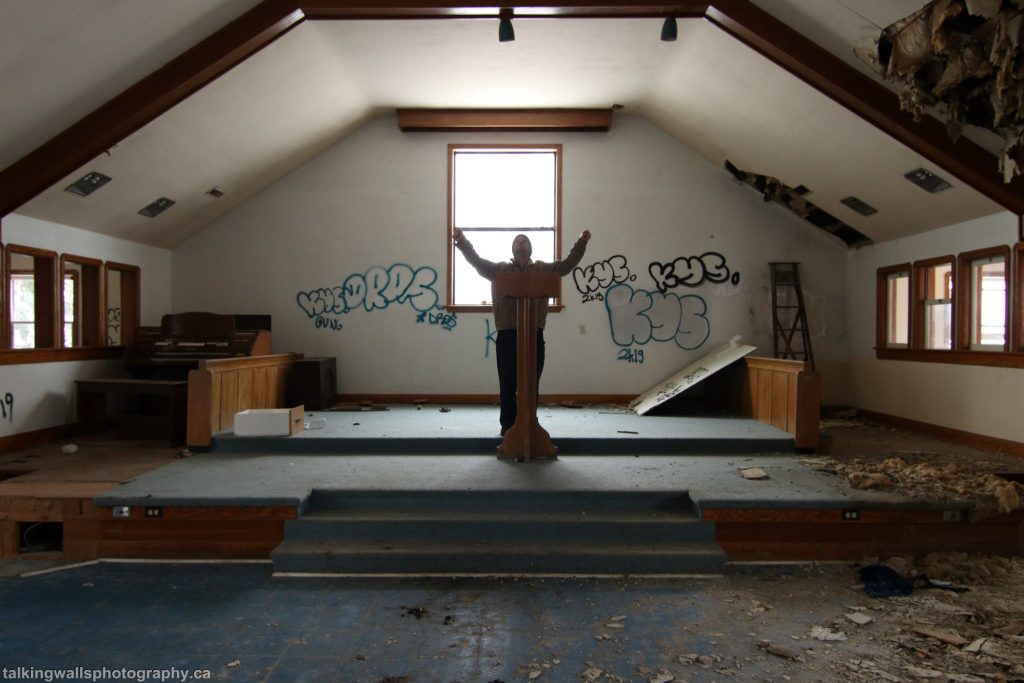
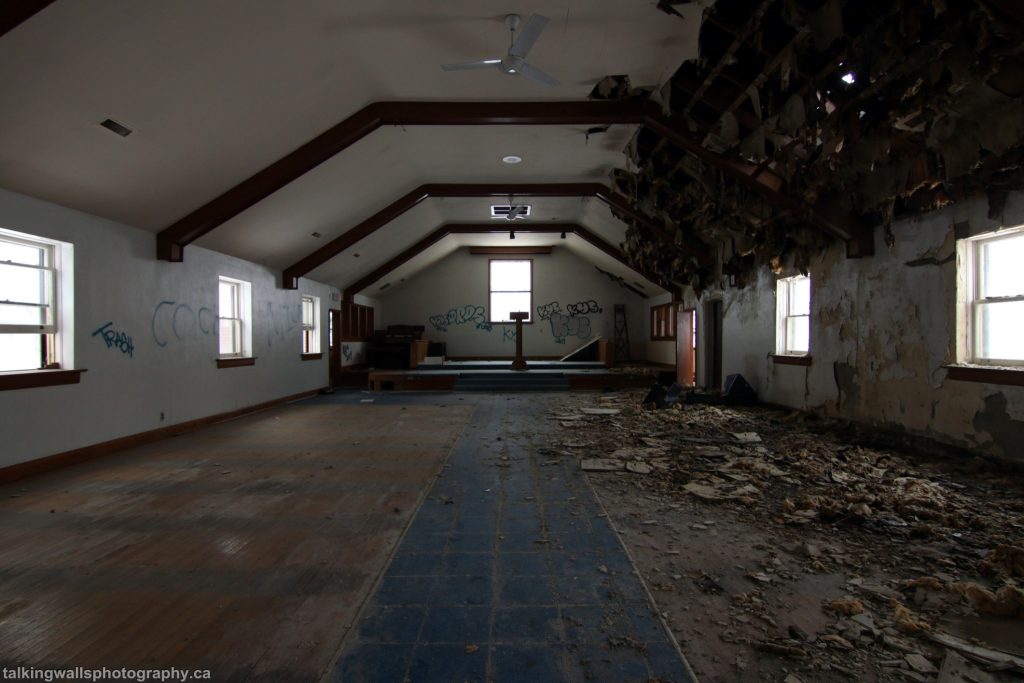
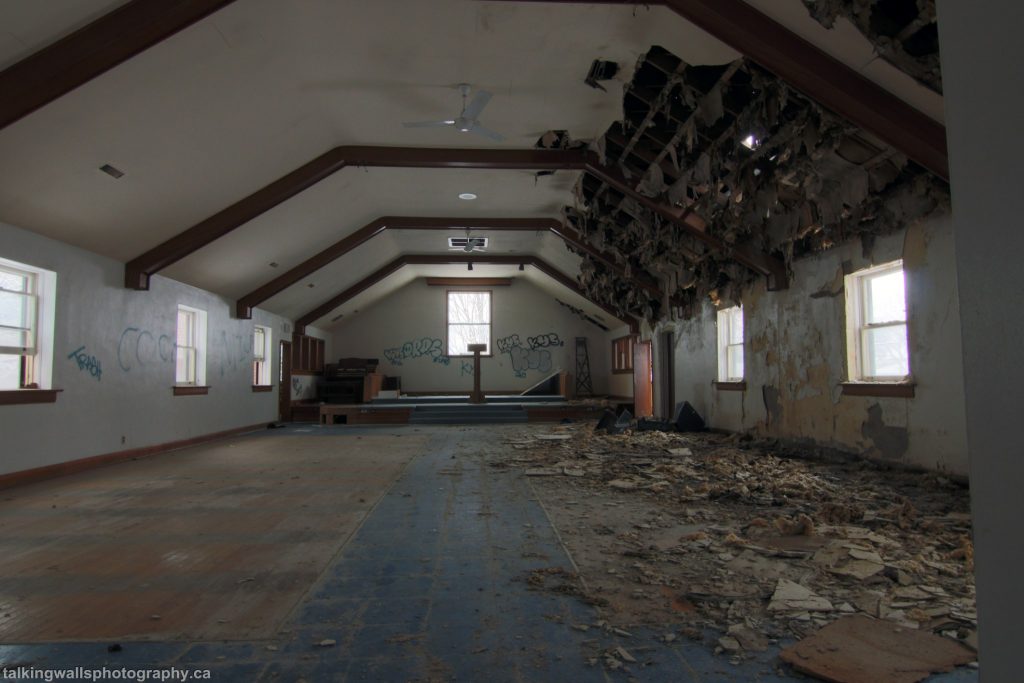
This Presbyterian church’s roots began when Scottish settlers arrived in this area, located in southern Ontario. In 1828 a Presbyterian congregation was founded. They held church in area homes until 1834 when land was donated for construction of a proper church. The church fell into ruin when it was no longer used due to conflicting religious reasons.

In 1854, the congregation decided to build another church which opened in October of 1854. Initially the same minister preached in this church and a nearby church in another town. When the other town’s congregation grew large enough to support having their own minister, this church united with another one.

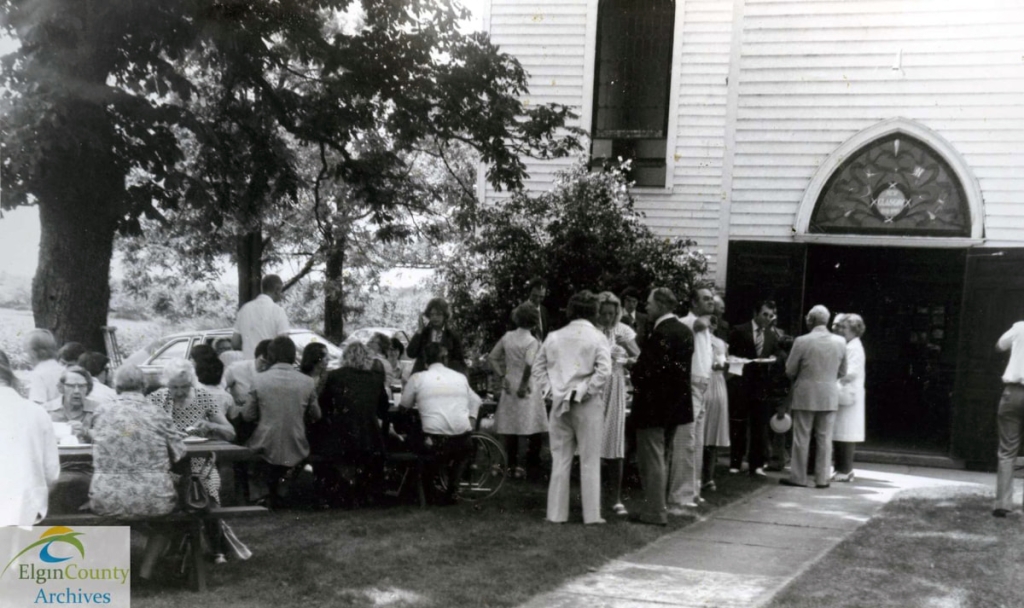
The church was raised in 1914 and a basement addition built under it. The church celebrated it’s 100th anniversary on July 1, 1928.

The church steeple was blown off during a wind storm on January 26th, 1978. It was replaced in 1979 at a cost of $11,800. I couldn’t find a record of when the church closed. In 2010 it was said to have been re-established.

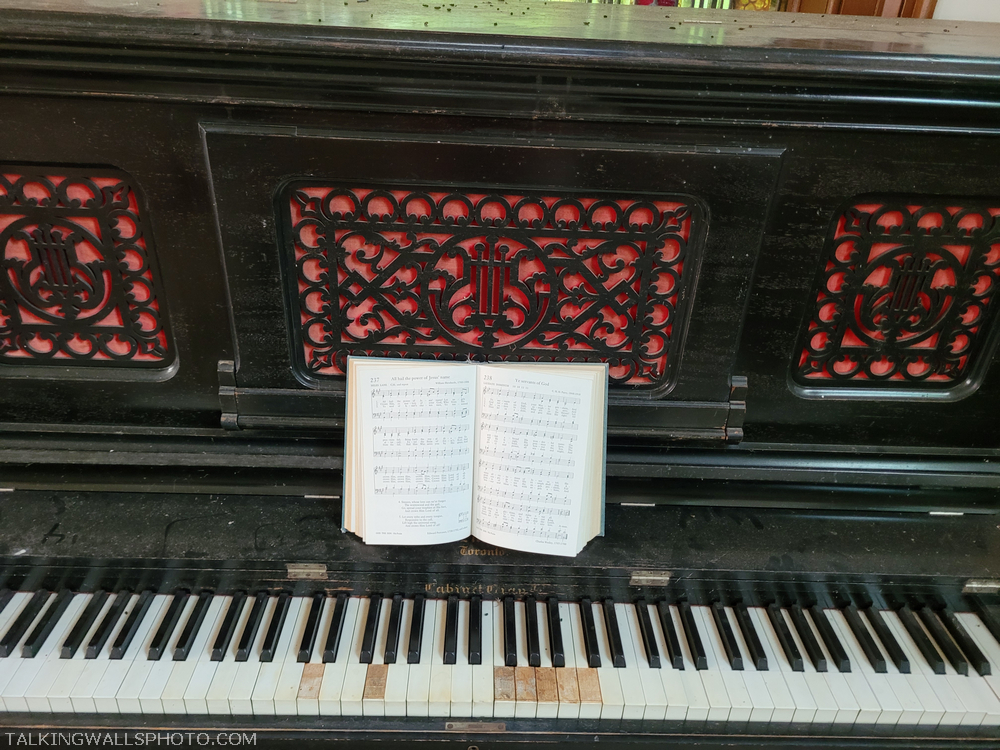
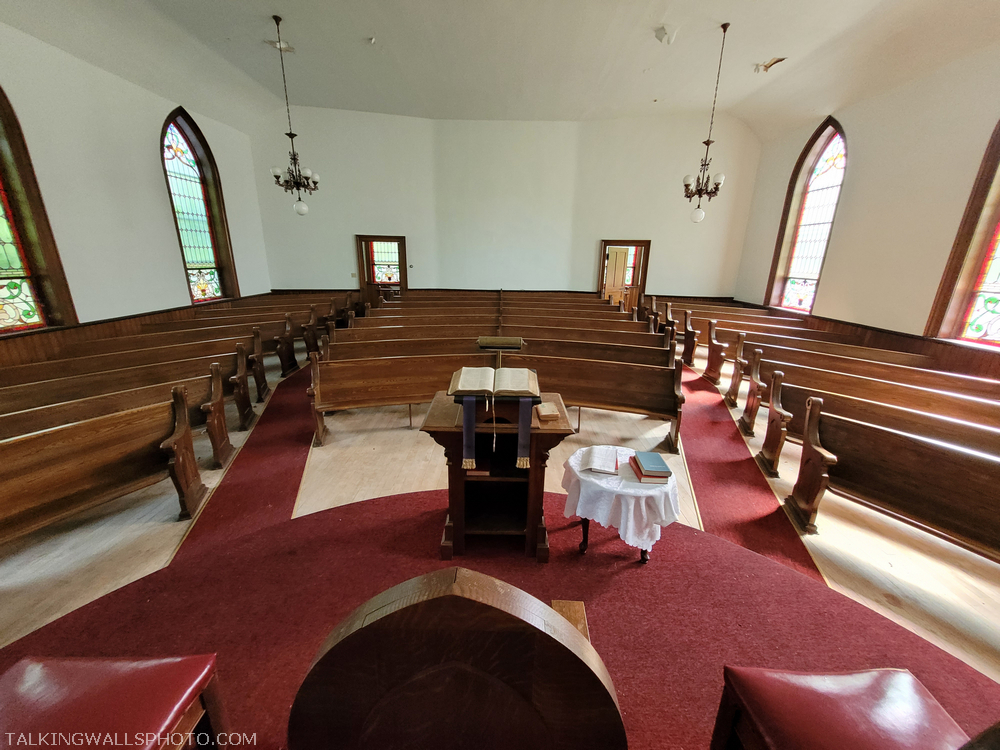
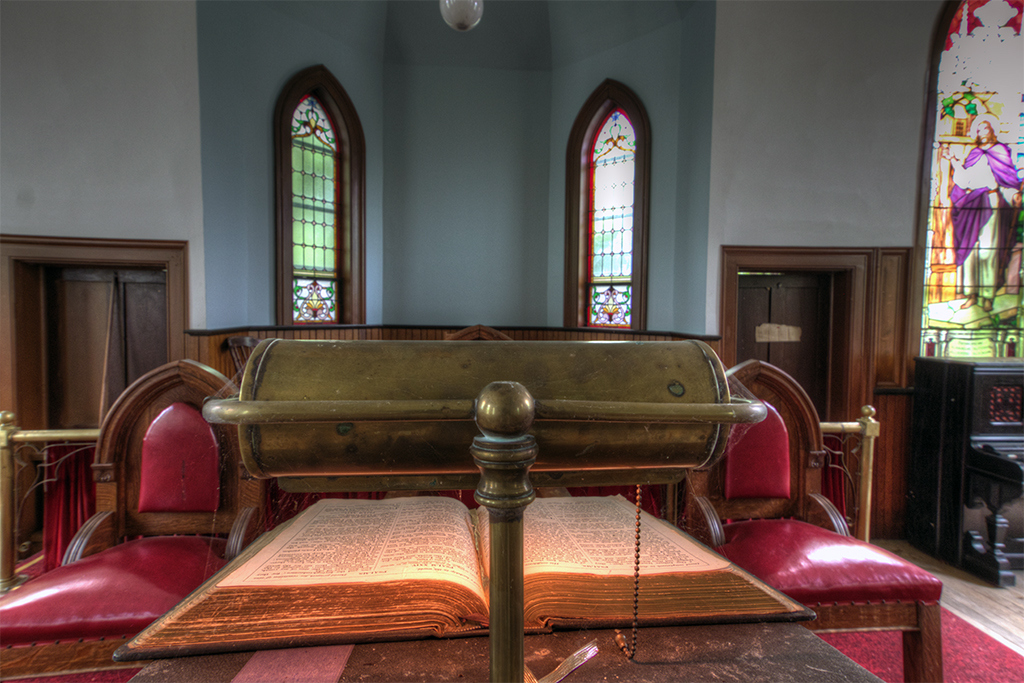
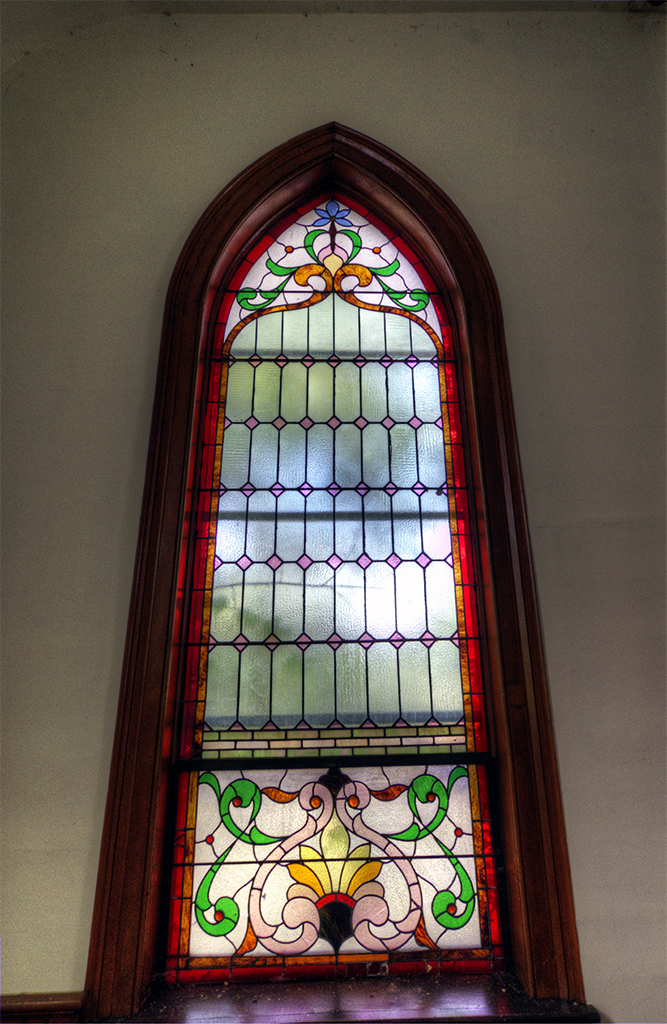
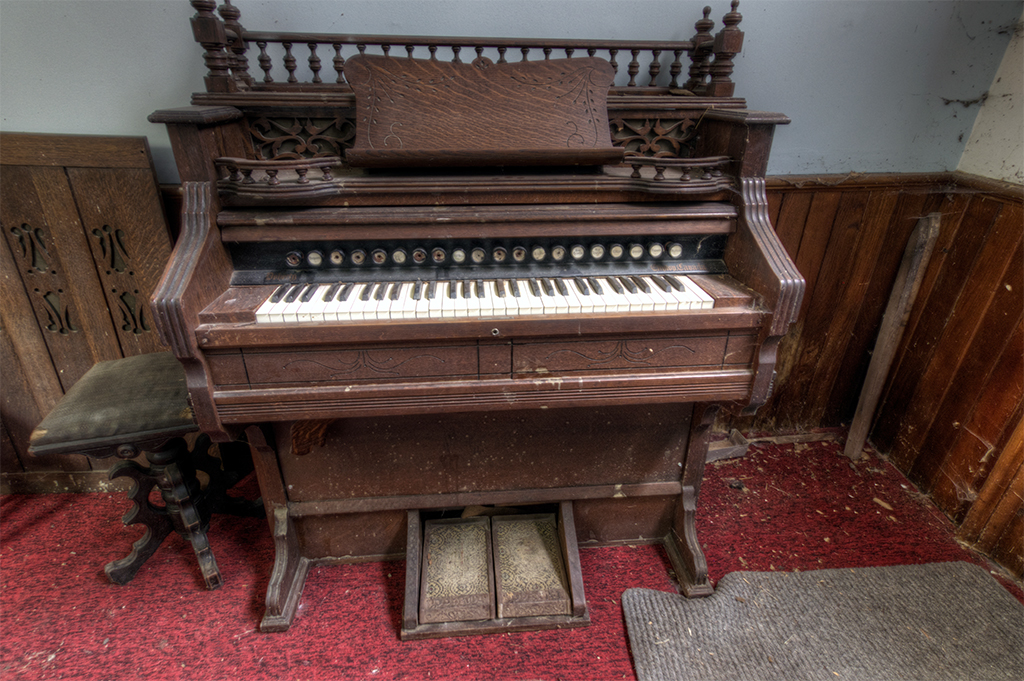
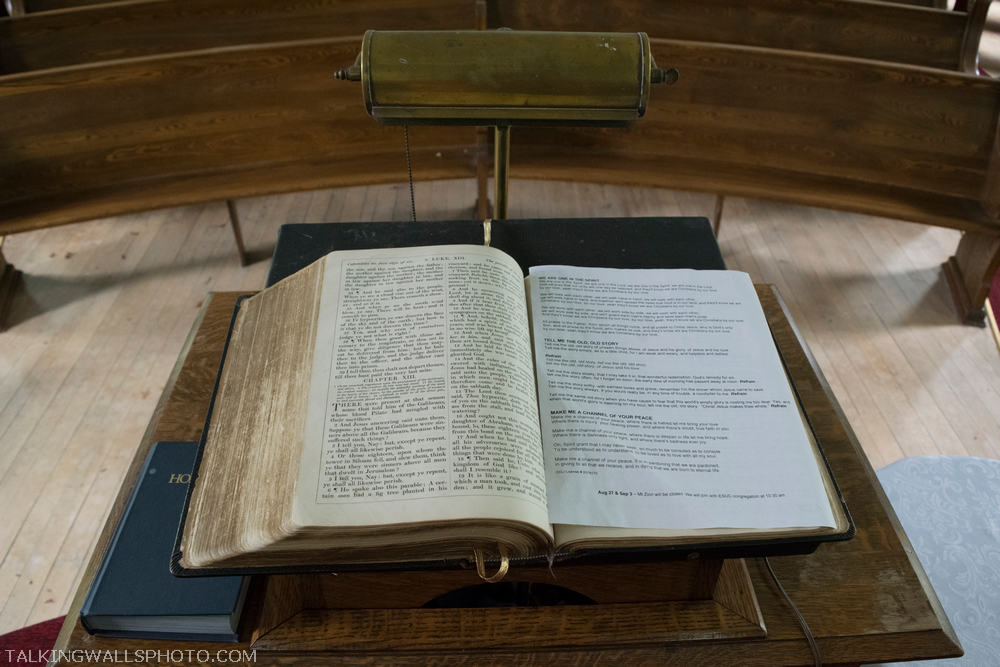
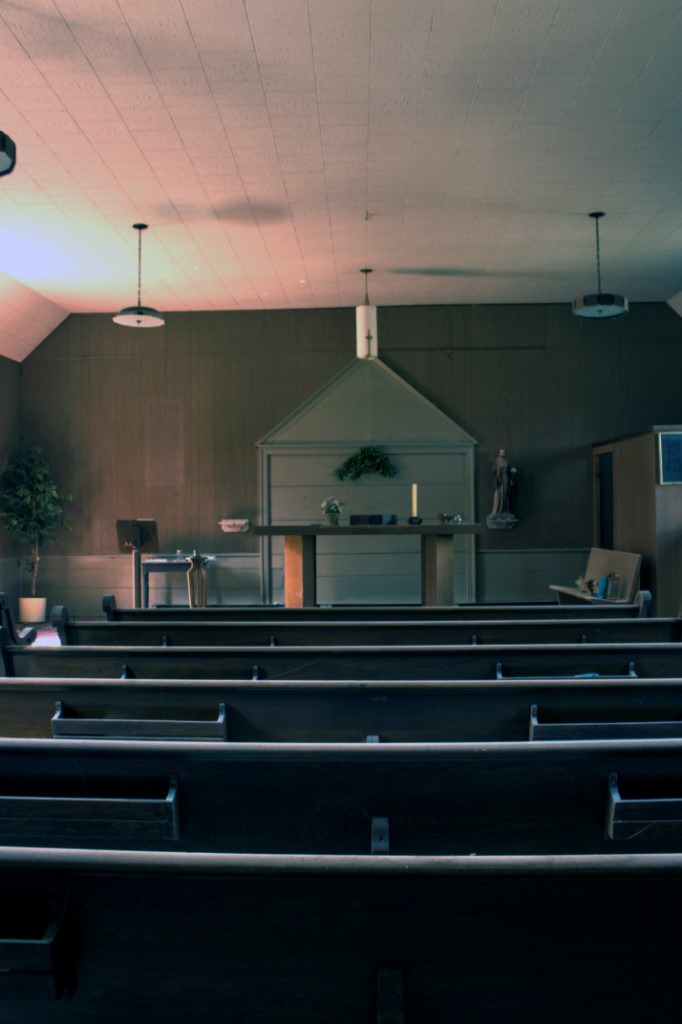
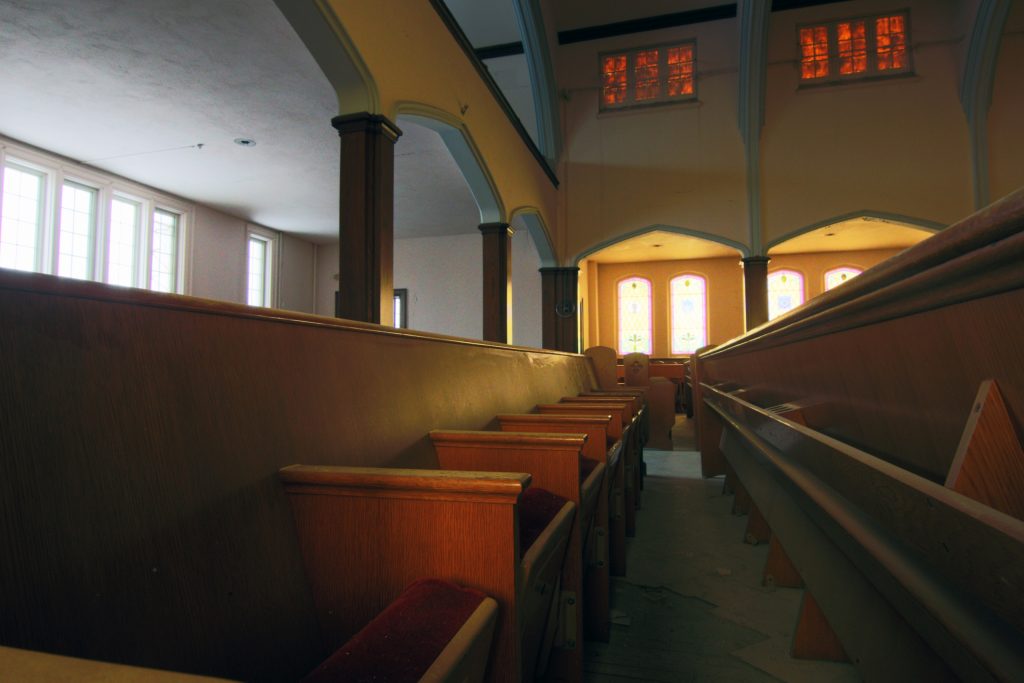
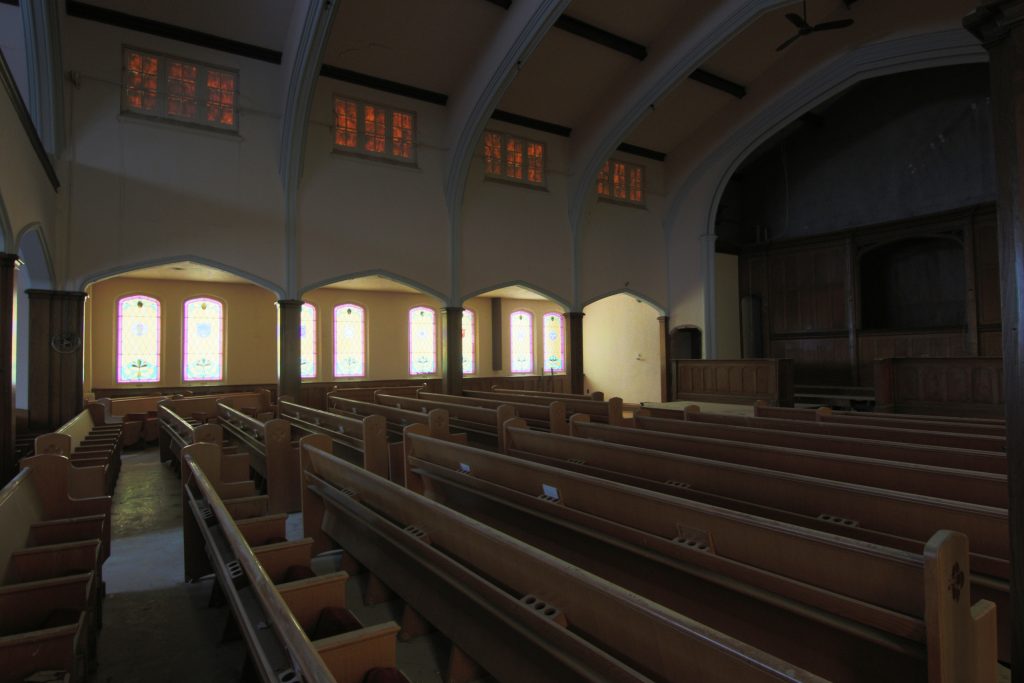
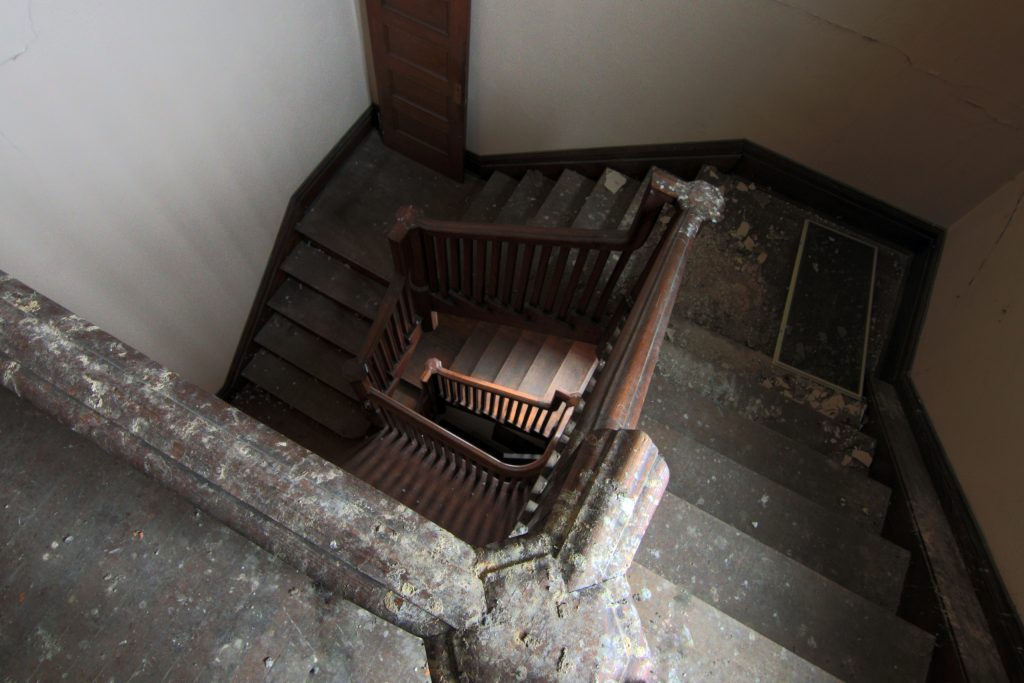
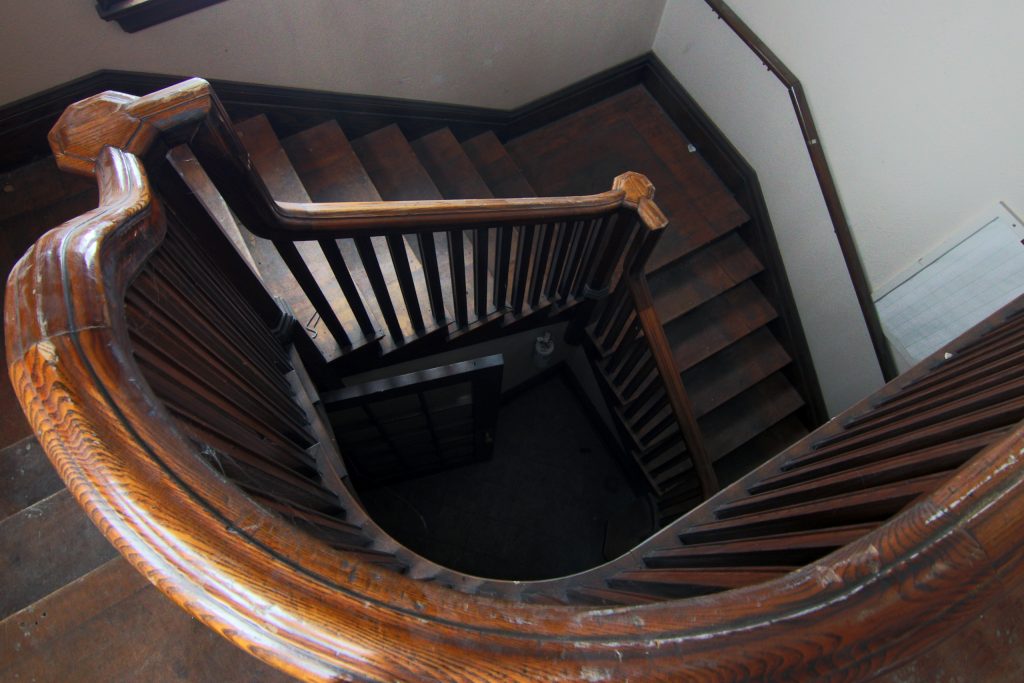
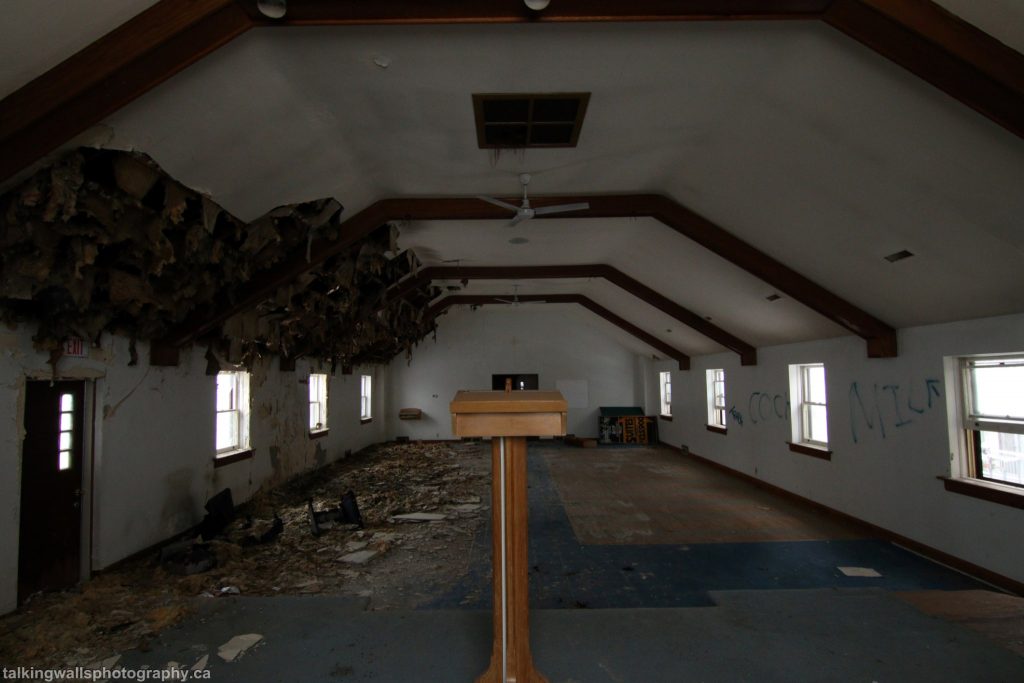
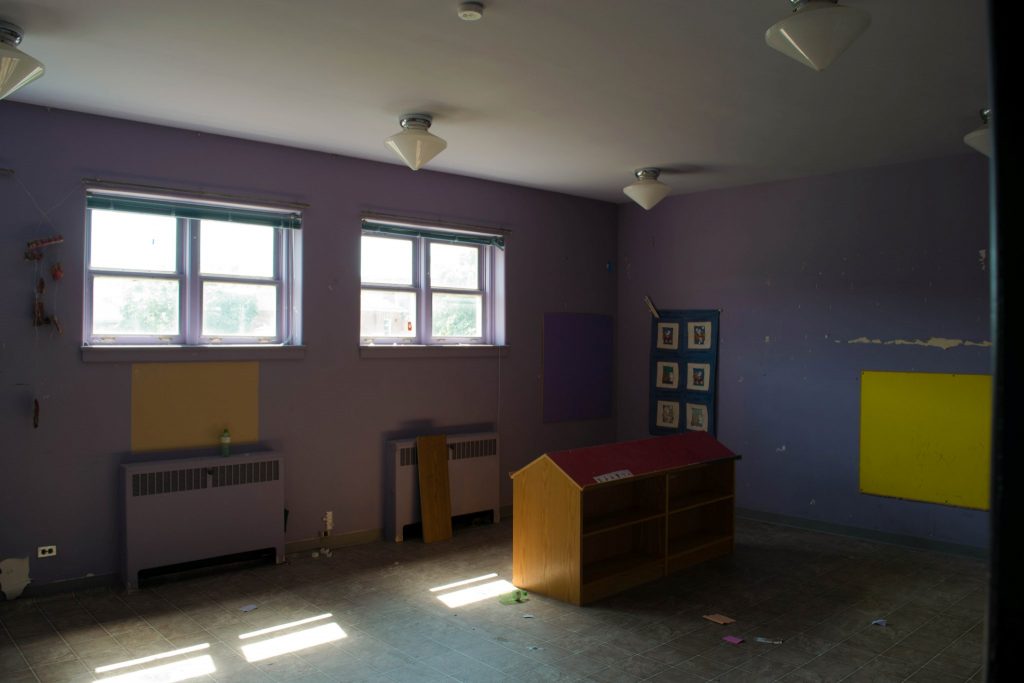
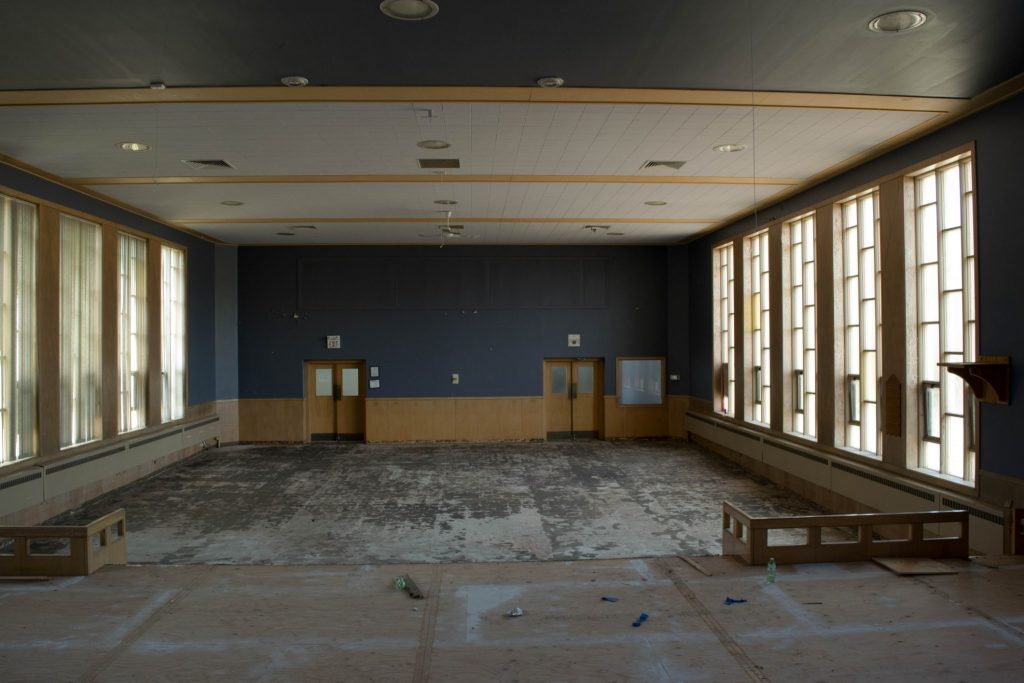
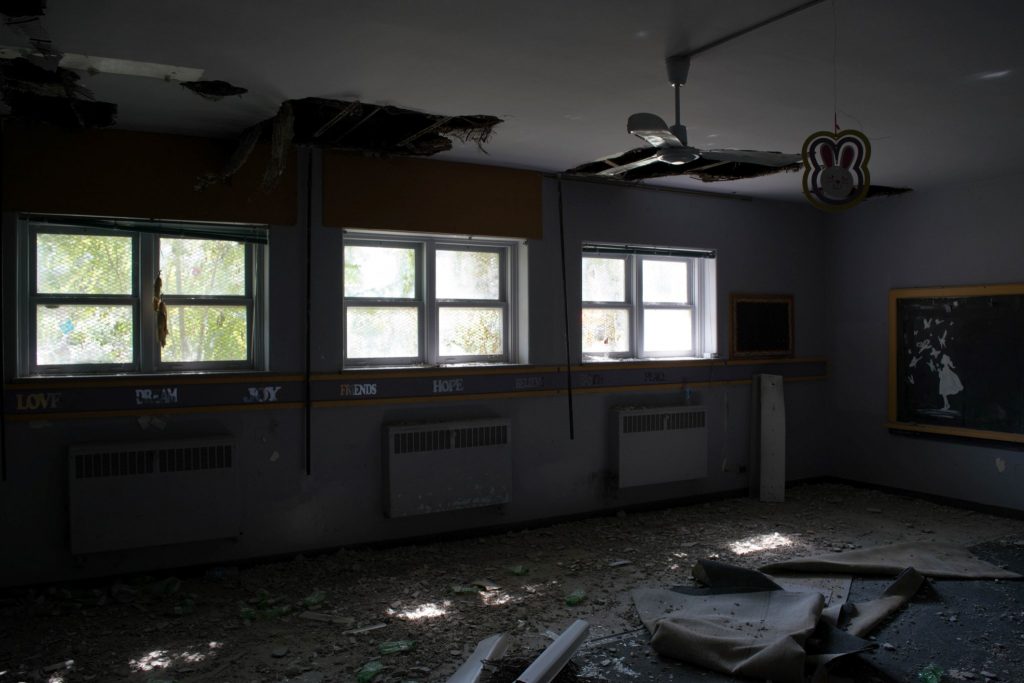
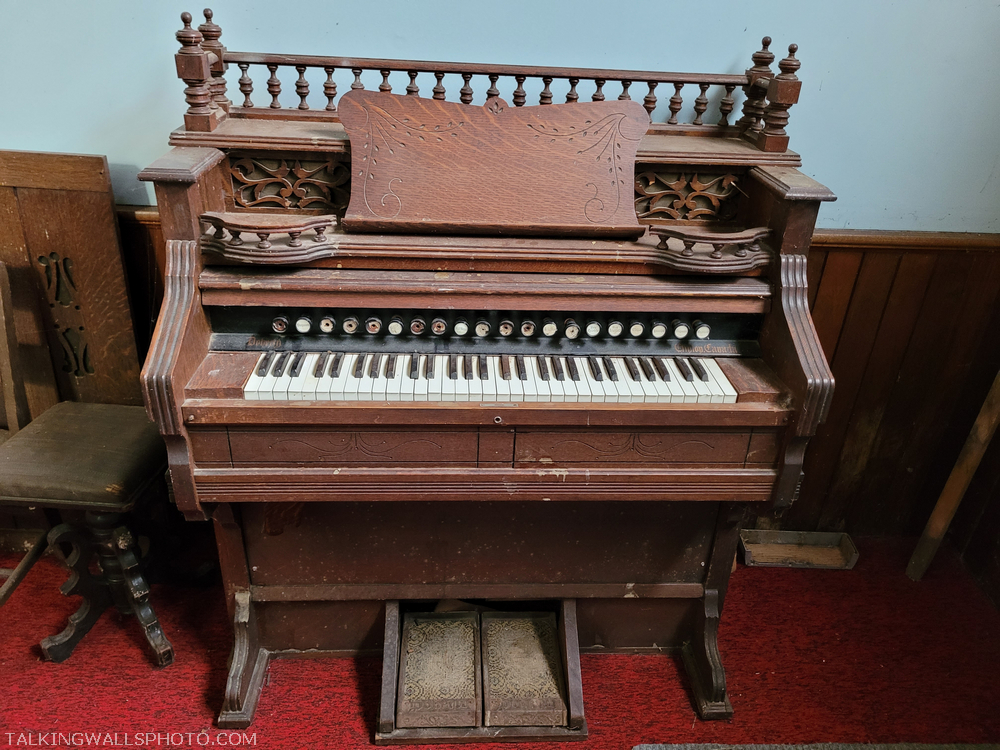
Today the church is no longer active however the doors are always open for people to visit. There’s even an entry book to leave your name. The air quality of the church is quite poor.

Due to people’s desire to destroy buildings, the address and name are not being disclosed.

July 2023

August 2022

July 2018
150th anniversary (1978)

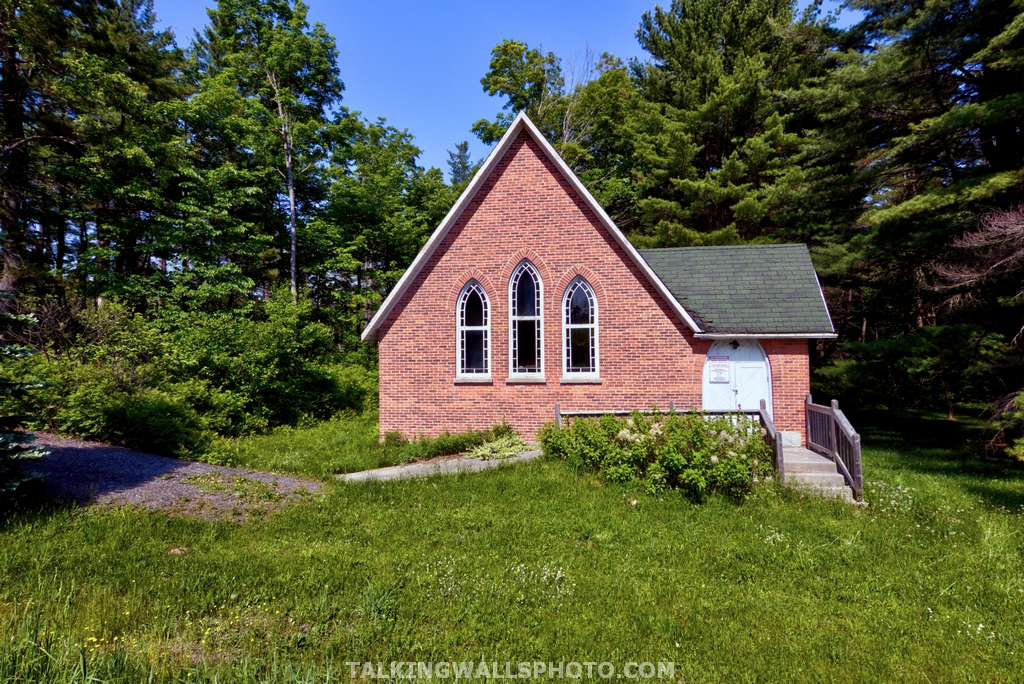
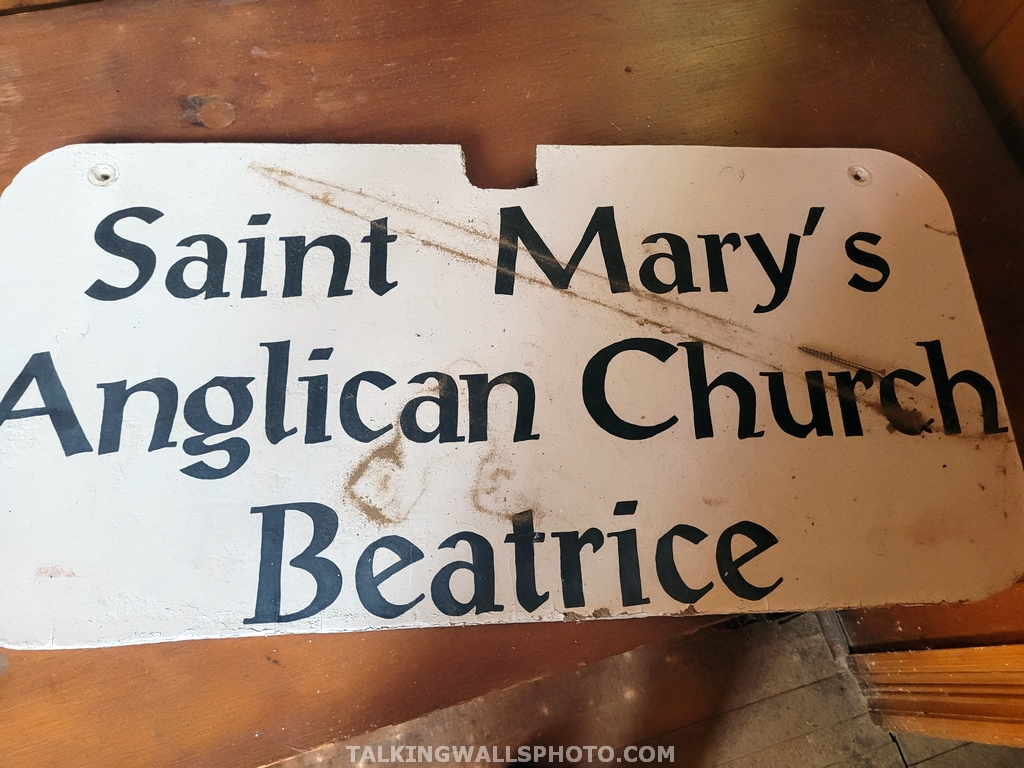
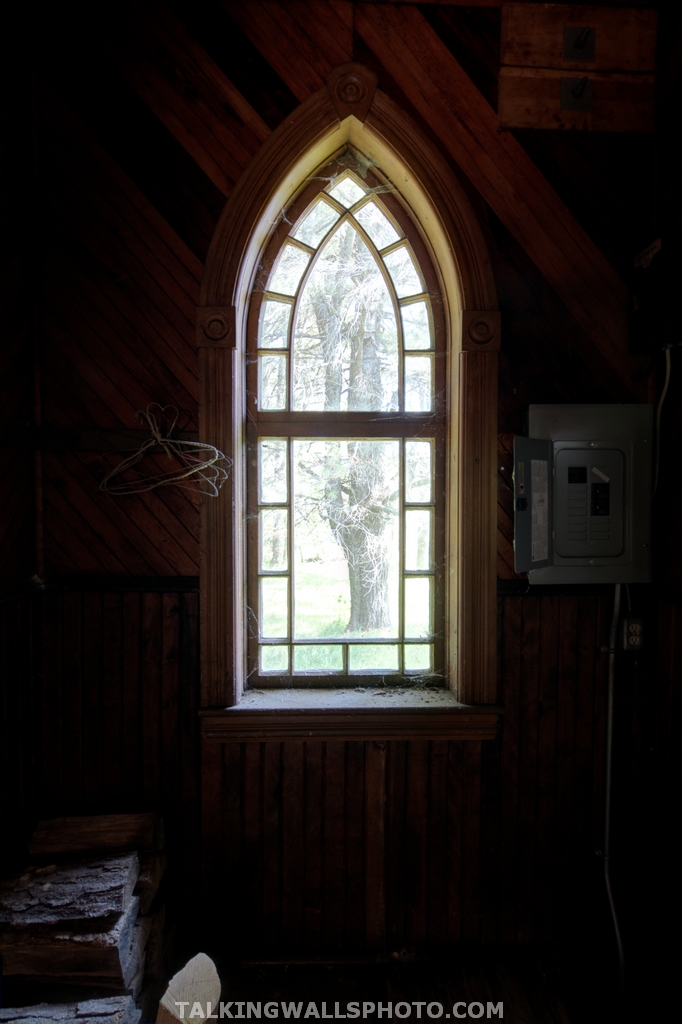
St. Mary’s Anglican Church in Muskoka, Ontario

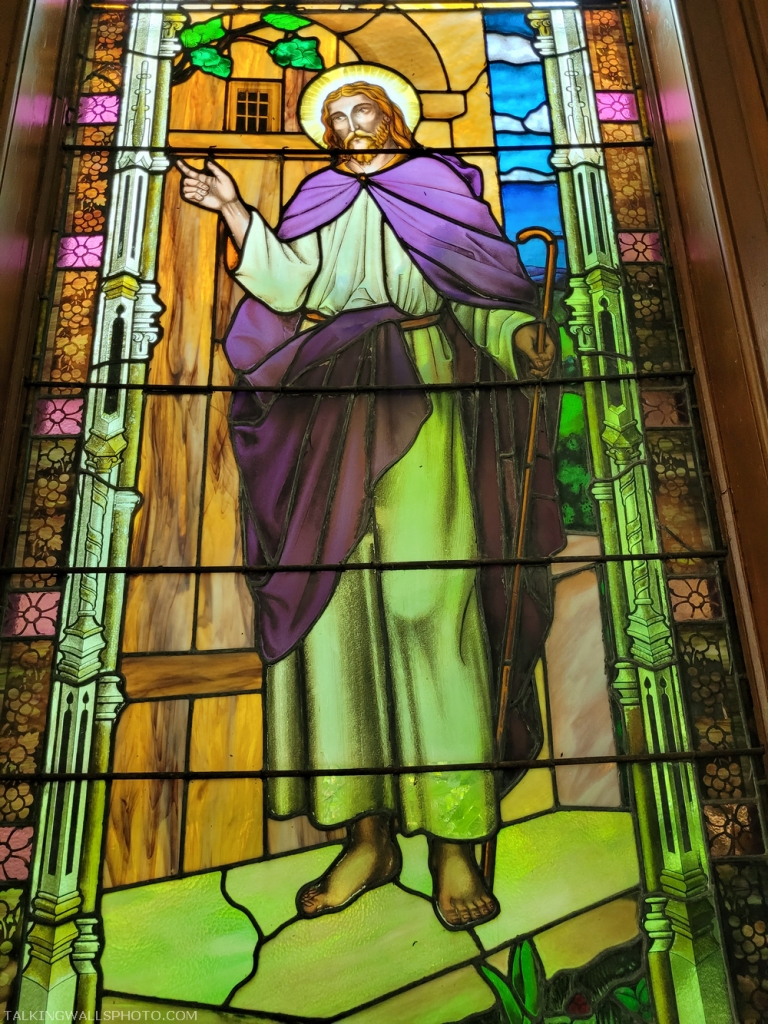
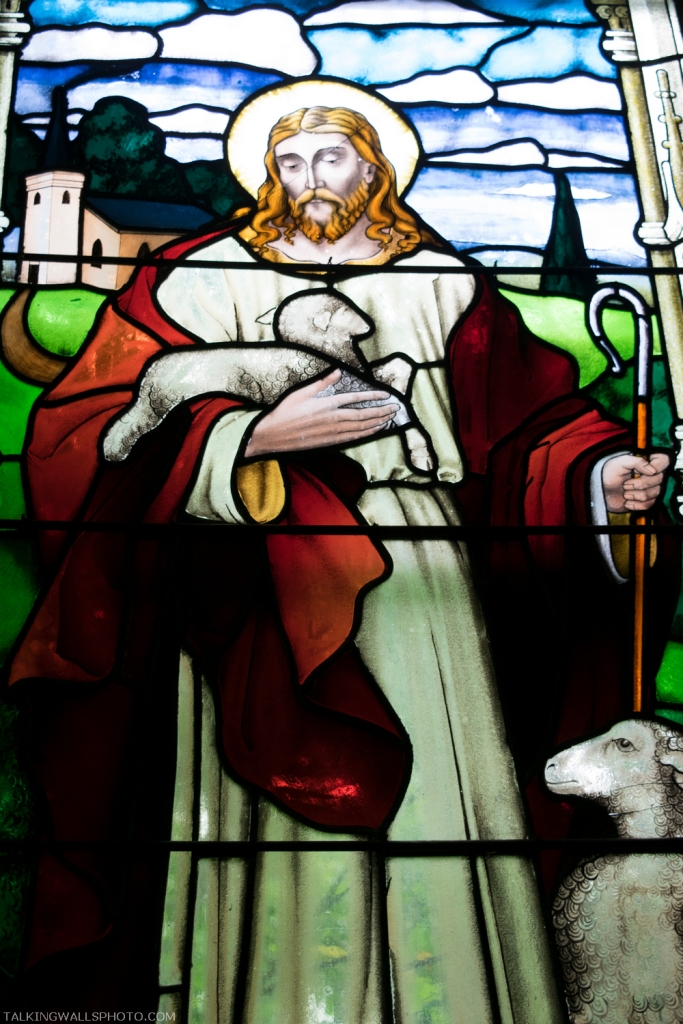
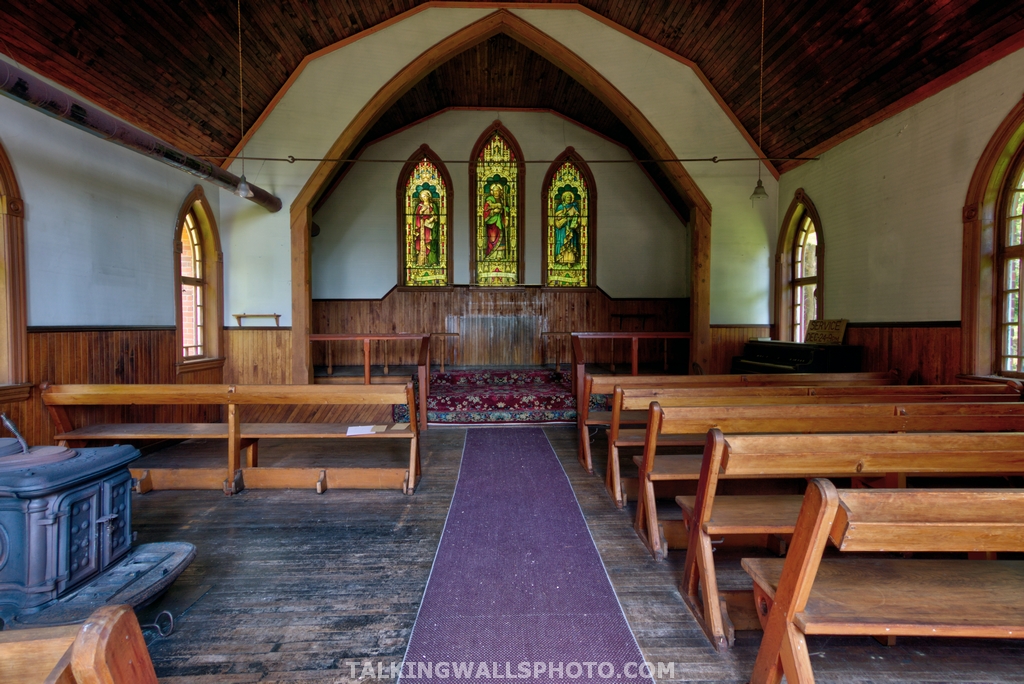
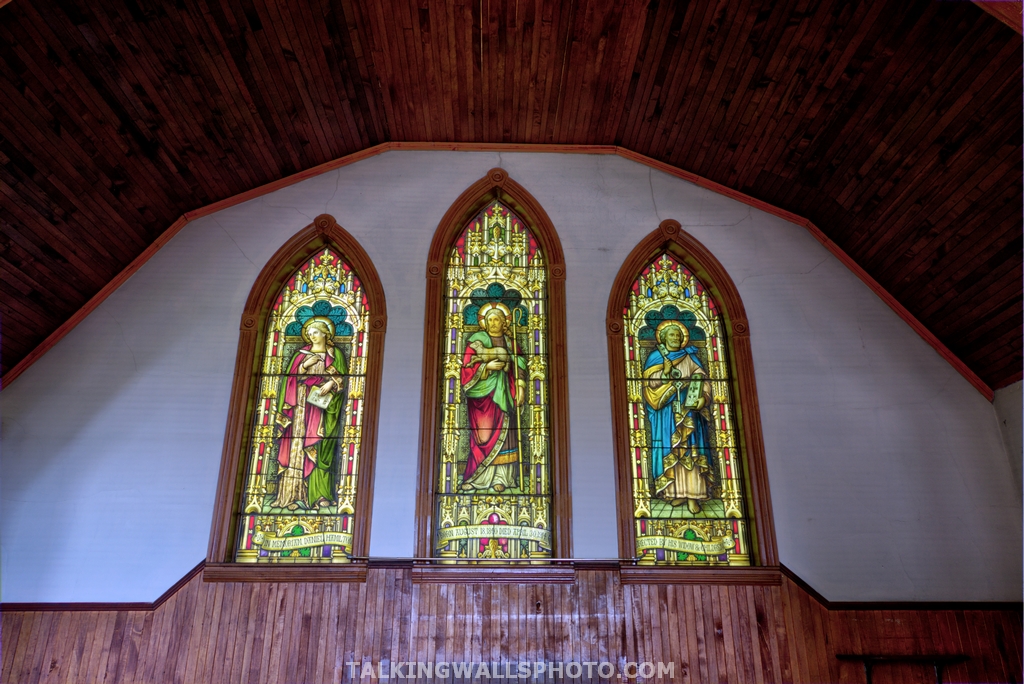
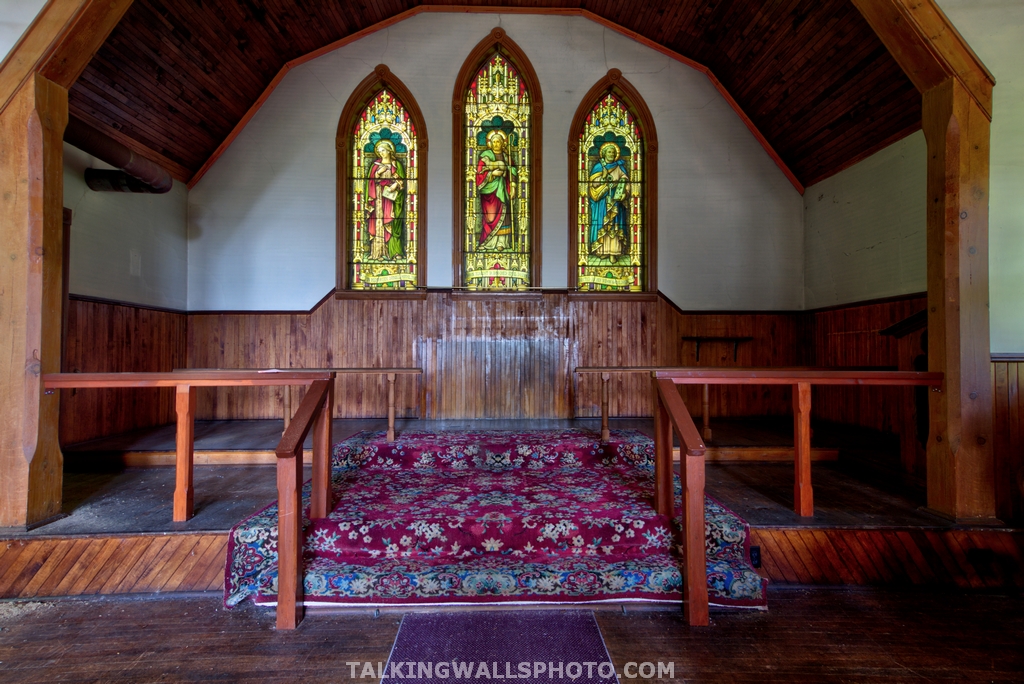
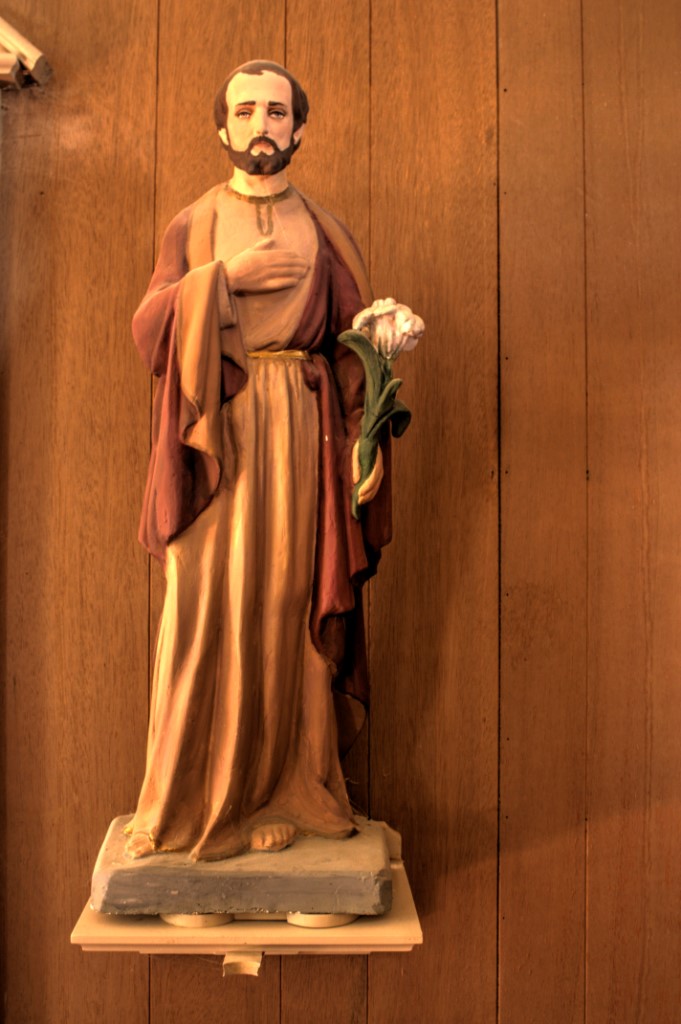
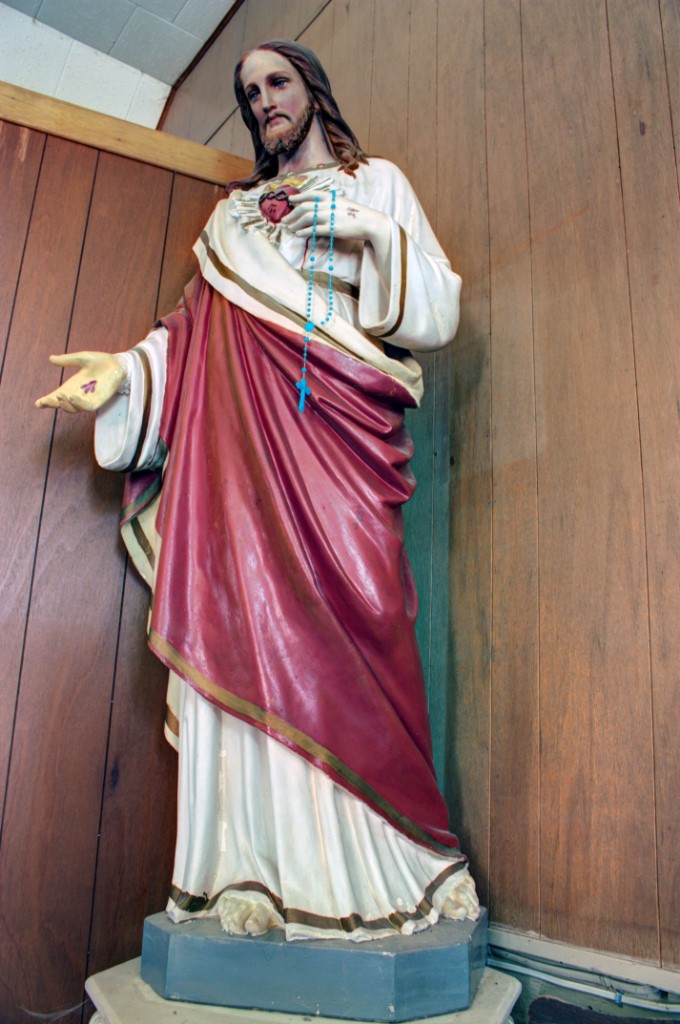
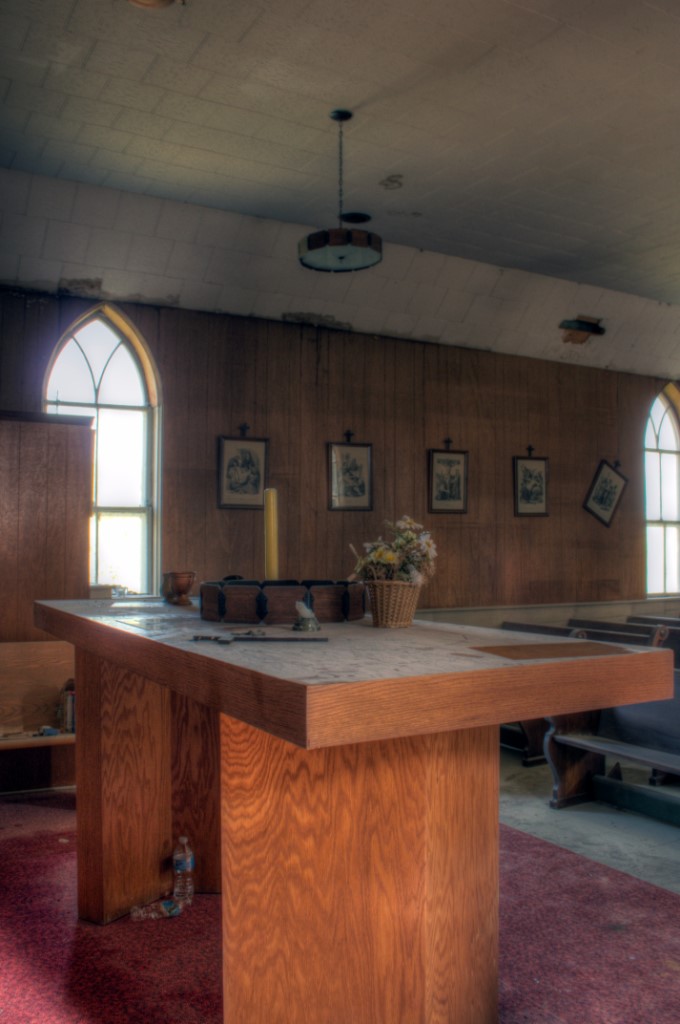
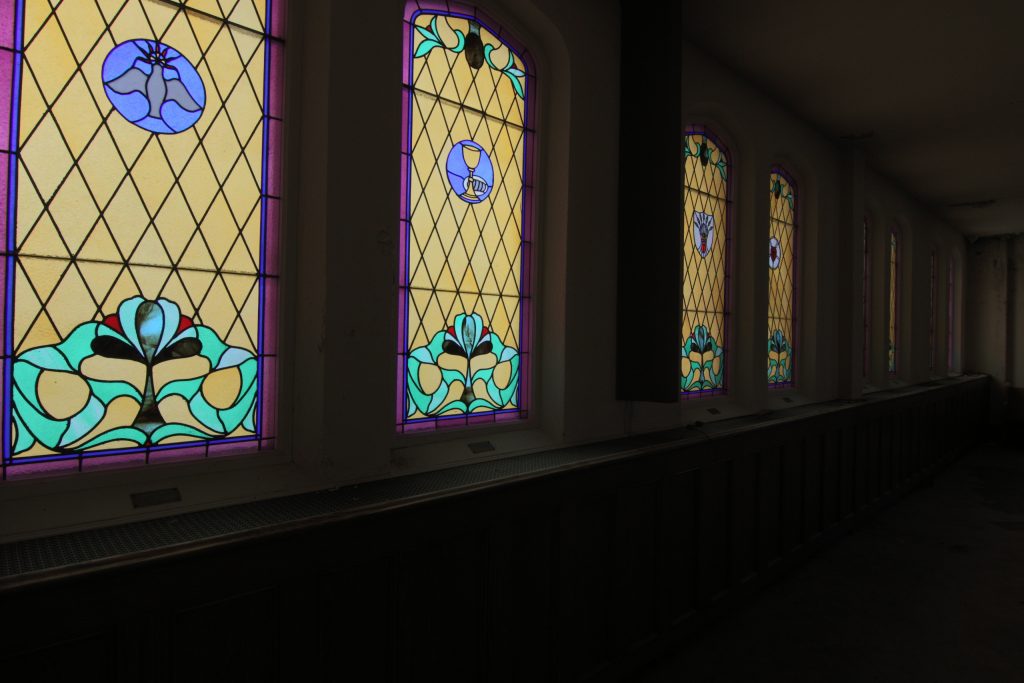
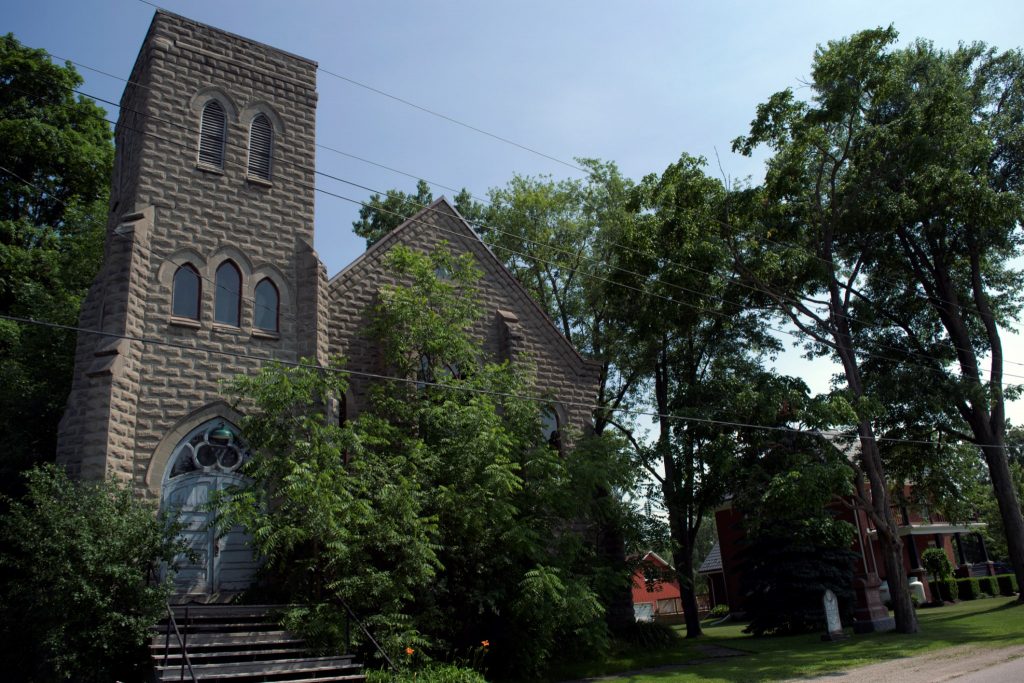
This was St. Mary’s Anglican Church located in cottage country, Ontario. There’s some discrepancy in the year the church was built. One set of records indicates August 1914 and another indicates 1878. The church was apparently consecrated on October 14, 1917 by Archbishop Thorneloe. The front stain glass window depicts Jesus as the shepherd, and St. Peter and St. John.

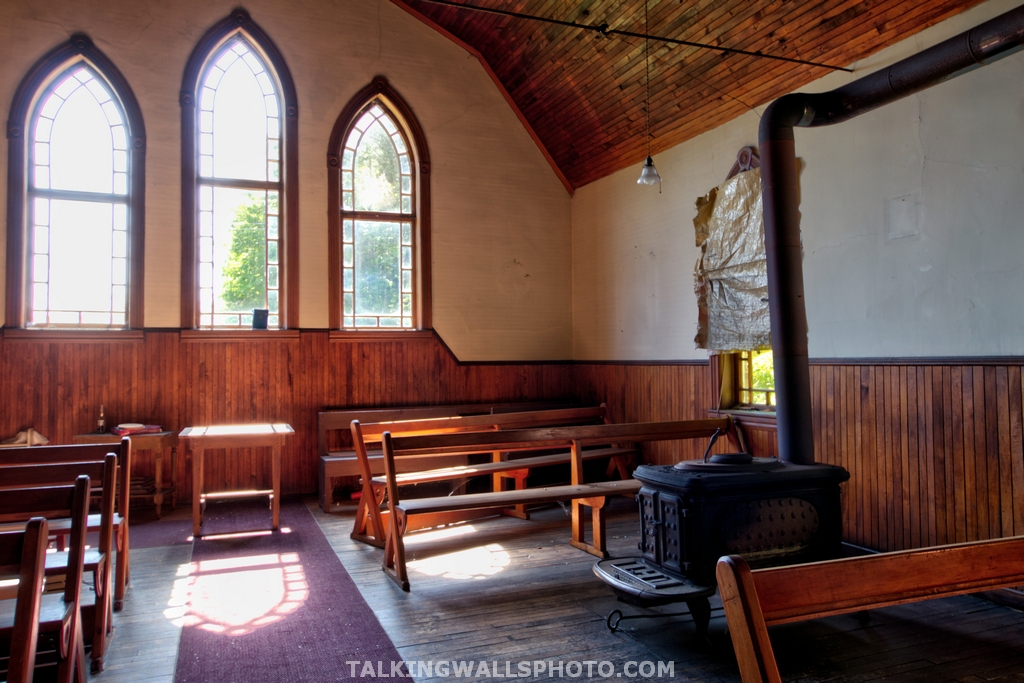
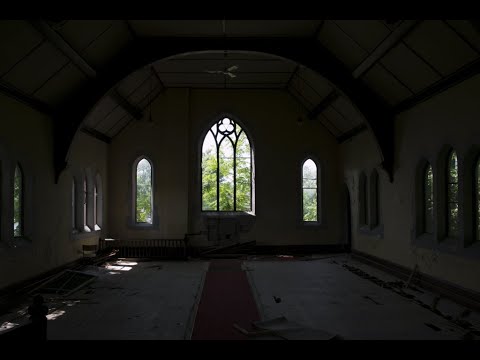
The church was since been deconsecrated and is locked up. A sign warns people that they are under video surveillance. Apparently entry can be made by asking for permission.

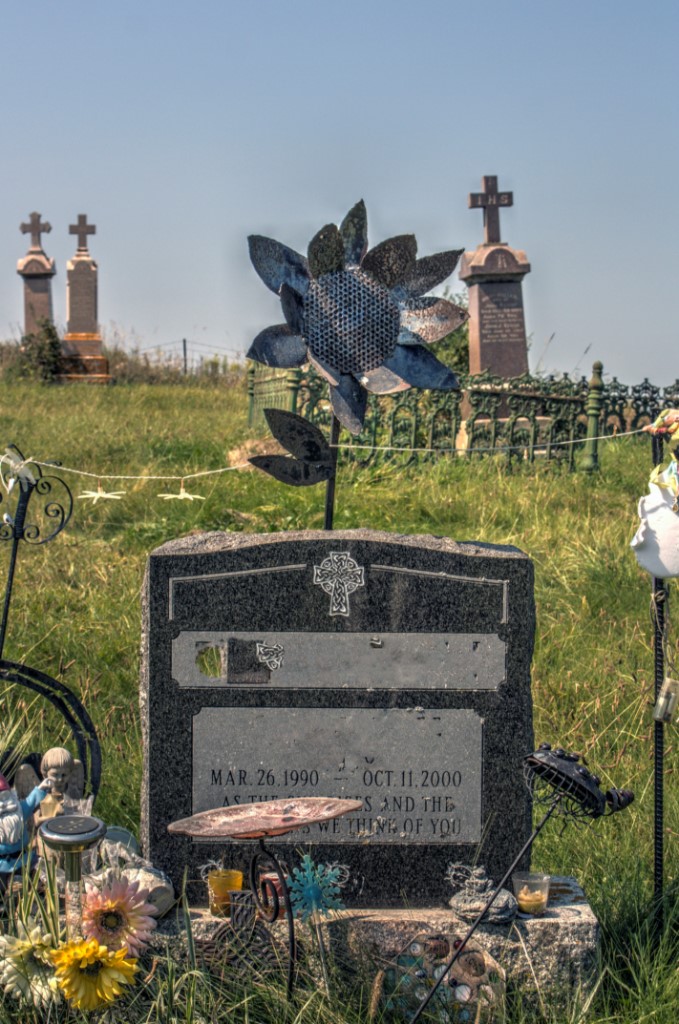
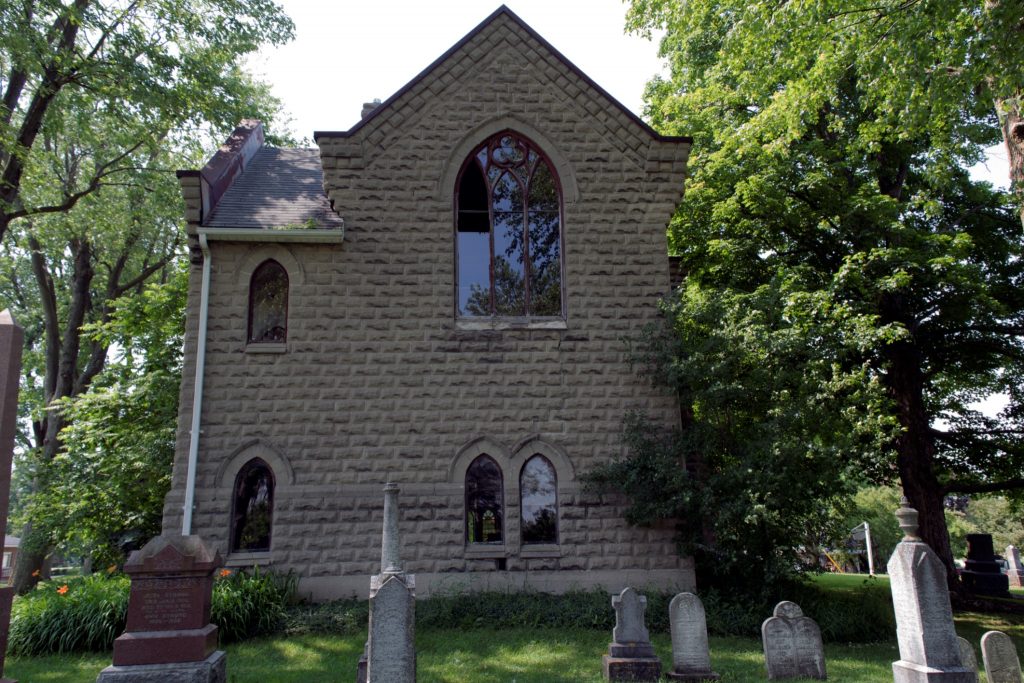
A small cemetery in the rear of the church contains a few graves primarily from the late 1800’s and early 1900’s

A meeting was held with town council in January of 2018 to discuss the potential closure of the church and cemetery property. This was likely a seasonal church used during the tourist season.

Please treat this location with respect.

 
Short Video

Exploring the deconsecrated St. Mary's Anglican Church in Ontario, Canada #ontarioabandonedplaces

Annunciation Church (1905) in Lakeshore, Ontario
In 1893, Father St-Cyr arrived in Ontario from Nicolet, Quebec. Father St-Cyr sought out Louis Caron Junior, an architect he knew from Nicolet, to design a new church. Mr. Caron Junior was a well-known designer of churches, rectories, convents and other buildings in Quebec.

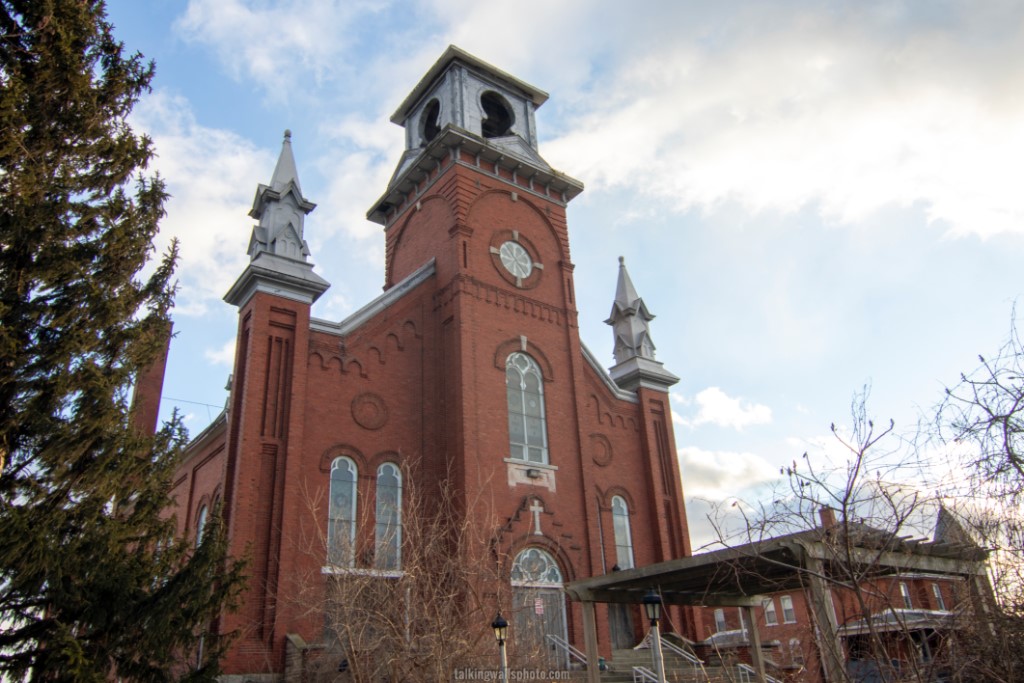
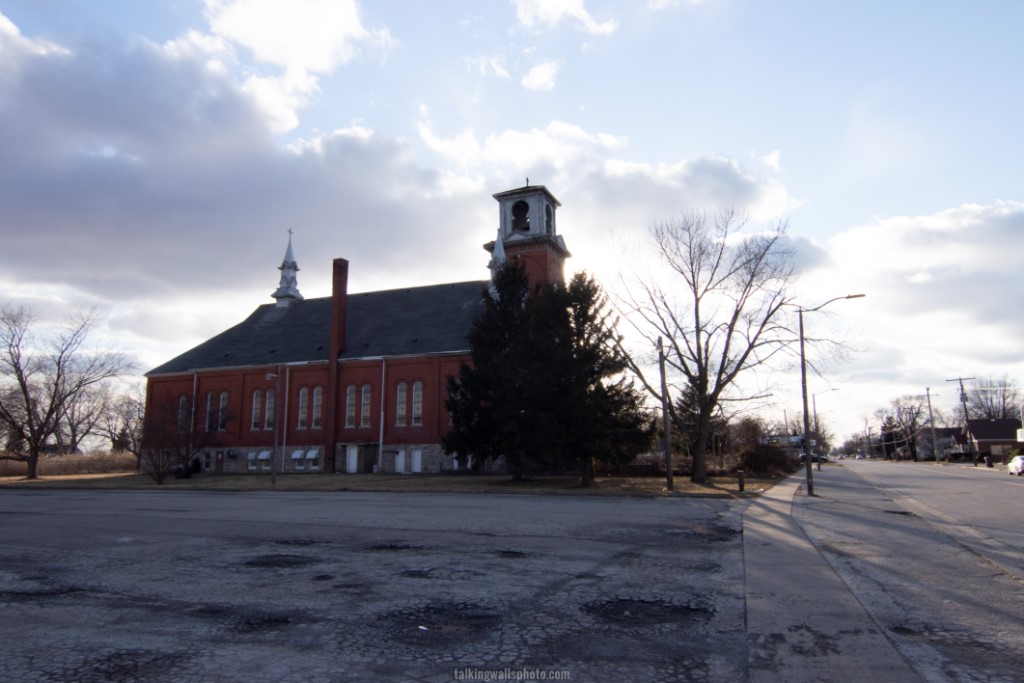
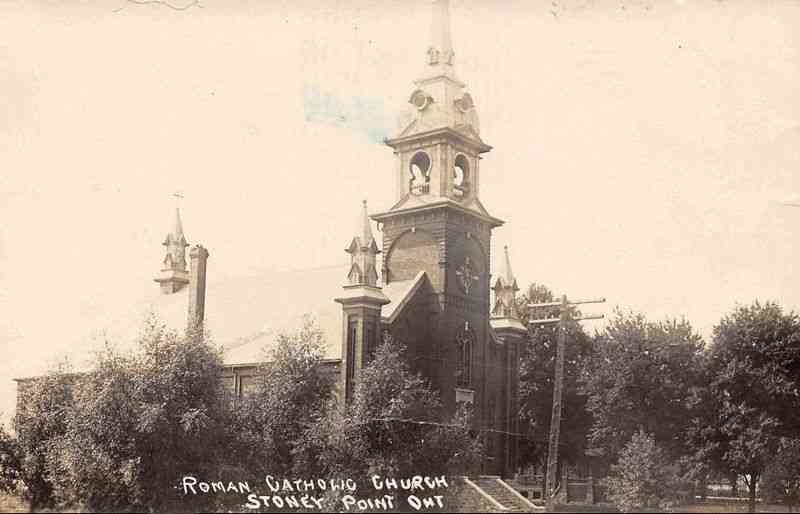
Plans were drawn up in 1903 and church construction began in 1905. It was constructed in Romanesque Revival style. The exterior had a round Roman arch which typically distinguished Roman Catholic churches in Ontario from Protestant churches that had a pointed Gothic arch.

One of Father St-Cyr’s last projects for his church was in 1911 when he ordered a large Opus 471 pipe organ from Casavant Frères in St. Hyacinthe, Quebec.

In 1929 a painting was commissioned for behind the altar. Additional renovations took place in 1961.

In March of 2000, a nearby church was closed due to unsafe conditions including falling plaster. A study was conducted to determine costs to repair that church, this church and another one. The result of the study suggested that the parishioners could renovate all three churches, renovate only thus church (because it was the largest building) or to construct a new church.
In September of 2000, 65% of parishioners voted in favour of building a new church.

In April of 2001, it was suggested this property be designated as a heritage site. In March of 2002, the town council refused. Today the property is listed as a designated historic building.

In 2005 three churches were amalgamated into the a new church. It was built at a cost of $5.2 million and capable of seating 700 people. Paintings, statues and the pipe organ from the old church were used.

Personal Commentary

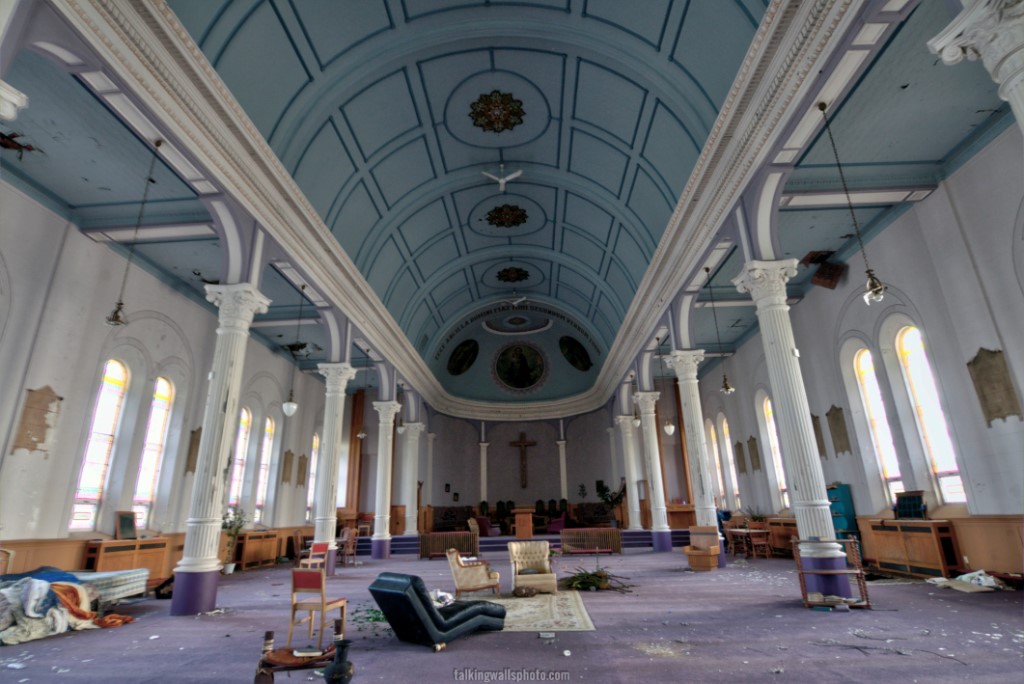
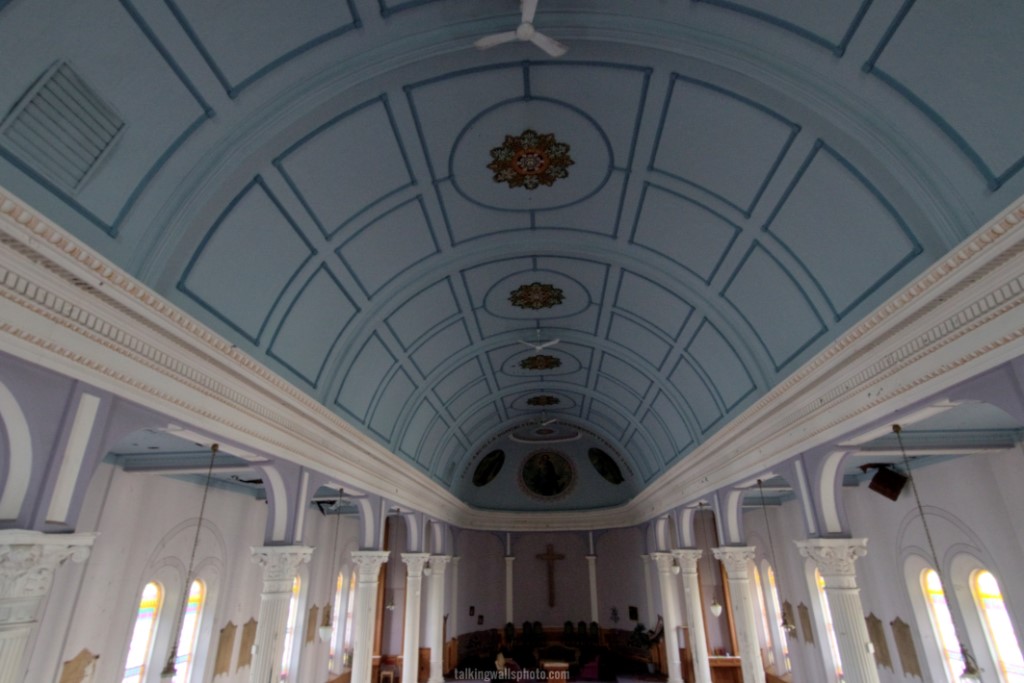
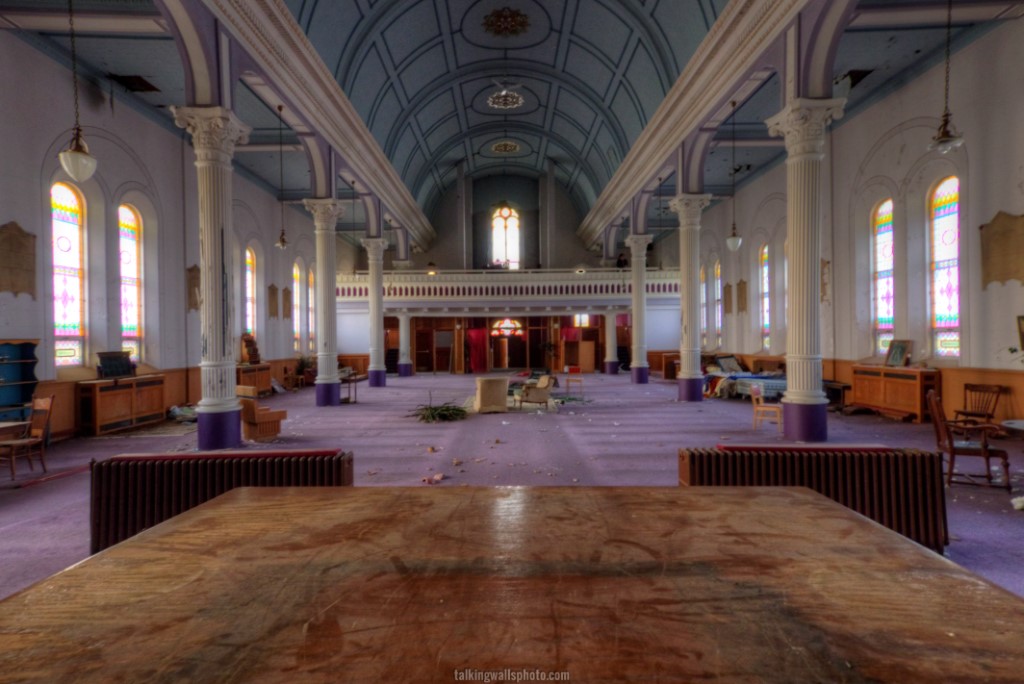
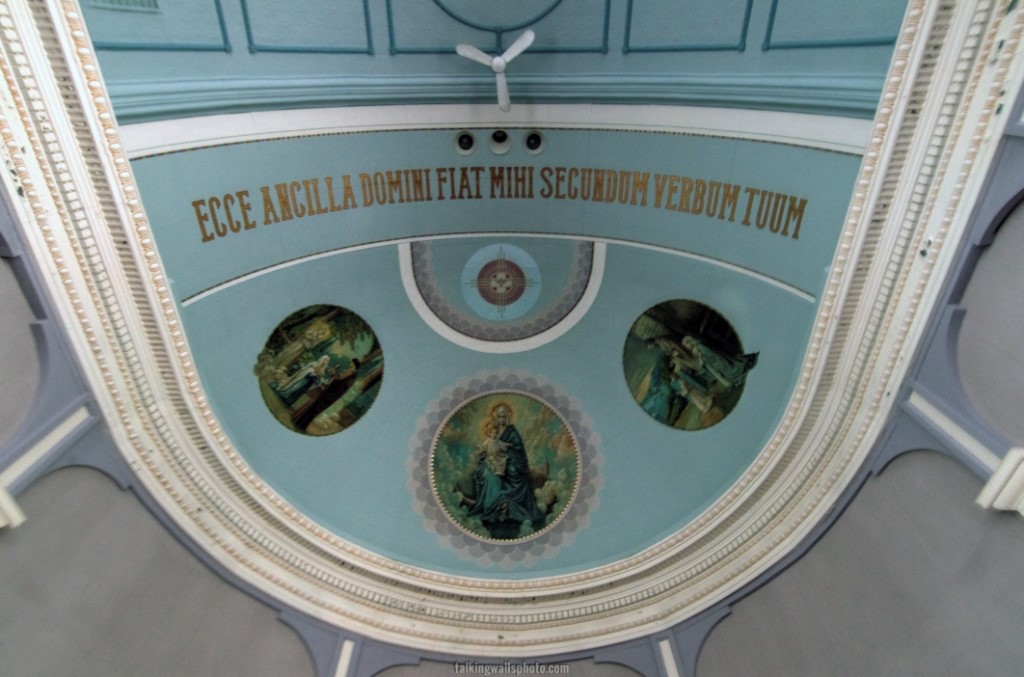
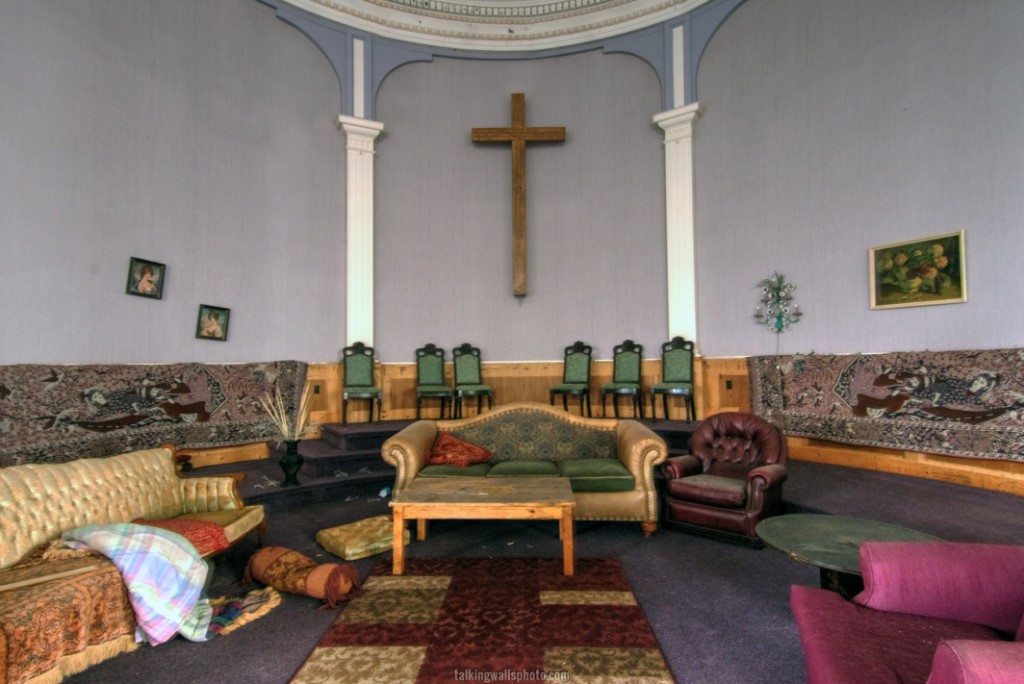
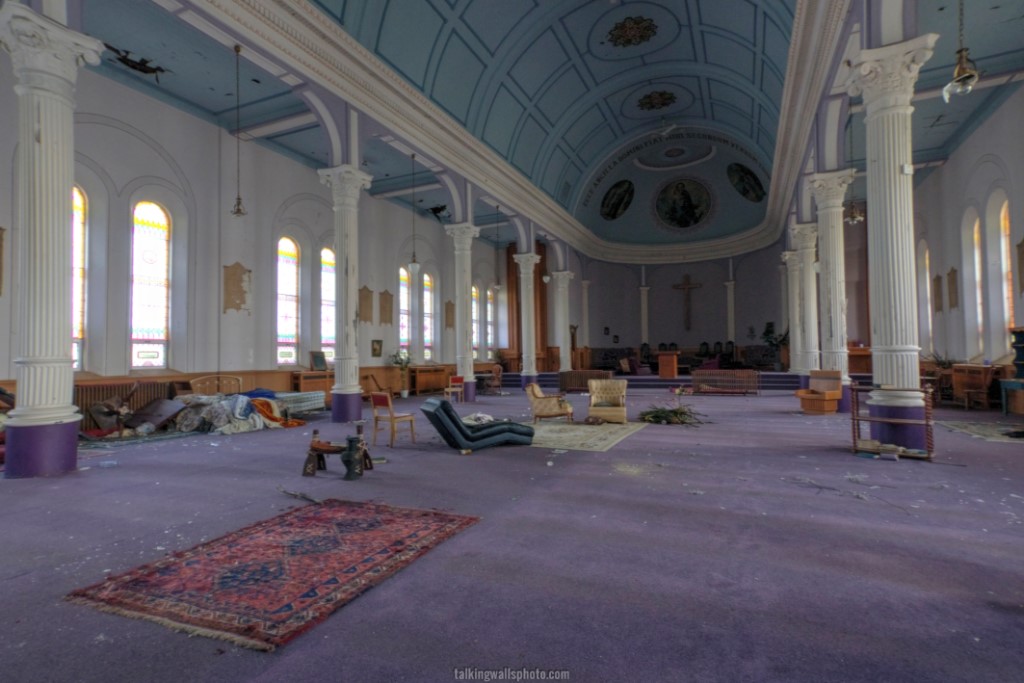
The moment I walked upstairs into this church, I was blown away with emotion and excitement. This church is beautiful!

There are a few things you never get a second chance to do. One is to make a first impression and the second is to take a first impression (with a camera). Unfortunately the later skills would be a miss today.

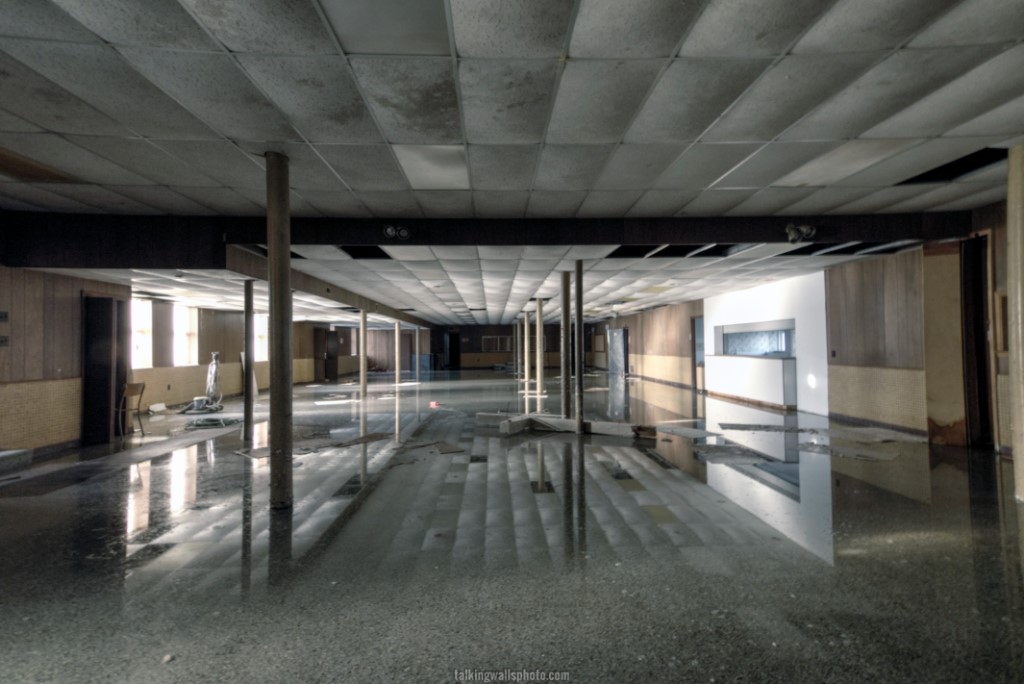
We parked down the street and walked in one at a time so as not to draw undue attention towards ourselves. The way inside was through a side door with about 1.5 inches of water covering the entire floor. I took a few photos of the basement and made my way upstairs.

I proceeded to take photographs of the church, thinking that these photos would turn out fantastic. What I didn’t realize was twofold:

one: I had my ISO maximum cranked up to ISO 6400
two: I’d inadvertently turned off my bracketing

As a result, every photo that I took inside the church was at the same exposure and with the high ISO, there was a lot of noise in the photos not to mention blur. F***

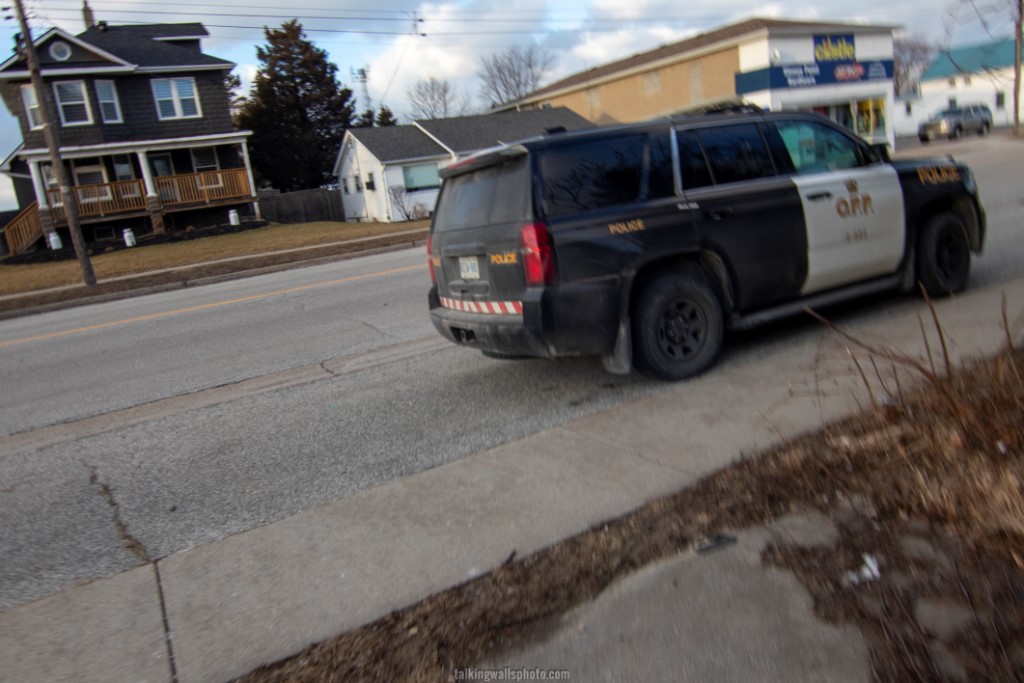
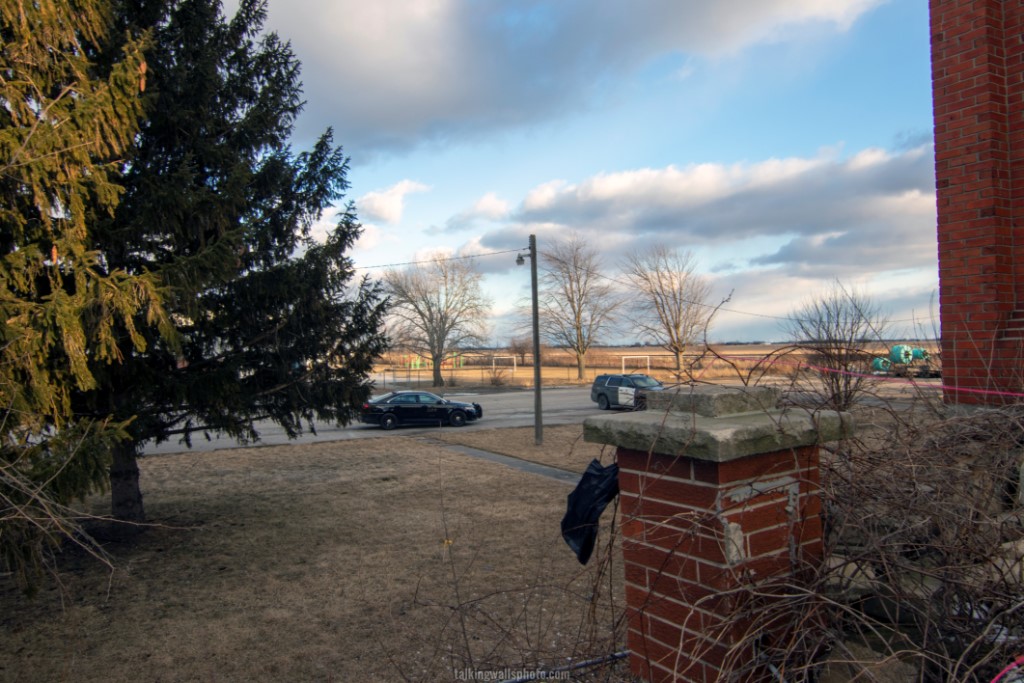
My companions were upstairs on the balcony when I heard someone speaking. I didn’t pay any attention, thinking it was someone upstairs. I then turned around and saw someone walking towards me from the front doors. Knowing that my friends were all upstairs, I looked closer and saw the word “POLICE” across the person’s chest.

Me: Oh, hi there.
OPP: What are you doing in here?
Me: We’re just taking some photographs.
OPP: Where are the others?
Me: (points upstairs) up there.

I asked if they were here because of a call, and the officer confirmed that. As it turned out, the owner (so I was told) saw us going inside the church. The church is closely watched he told us. Two more officers then entered the church from the rear. I chuckled as I asked them if they’d come from the basement because it meant they too had walked through inches of water.

I asked the first officer, “where did you come from?” and he told me that the front doors were open. Doh! He was pretty cool about the whole thing, even going so far as to take one of our phone numbers to give to the owner so we might have permission next time. The owner had already saw us go inside, so no further harm right? The officer then said, “But you’re going to have to leave.”

And so we did… he didn’t even run us through CPIC, so it was a really good outcome.

So this is why there are no photos of other parts of the church. I’ll have to go back and retake these photos some day.

Stoney Point Annunciation Church

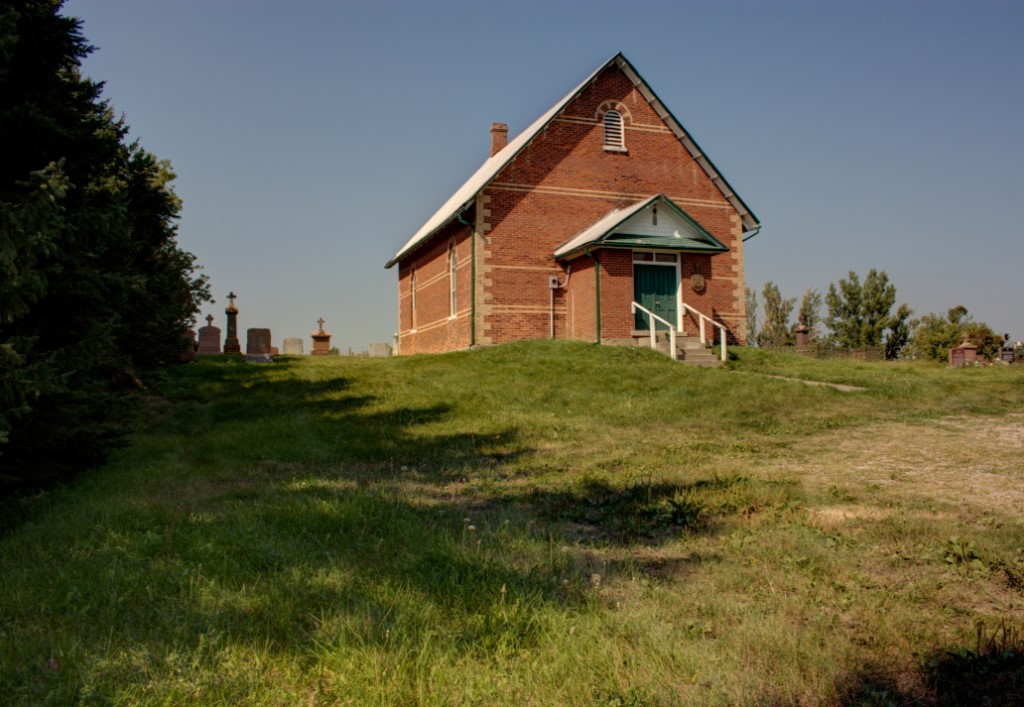
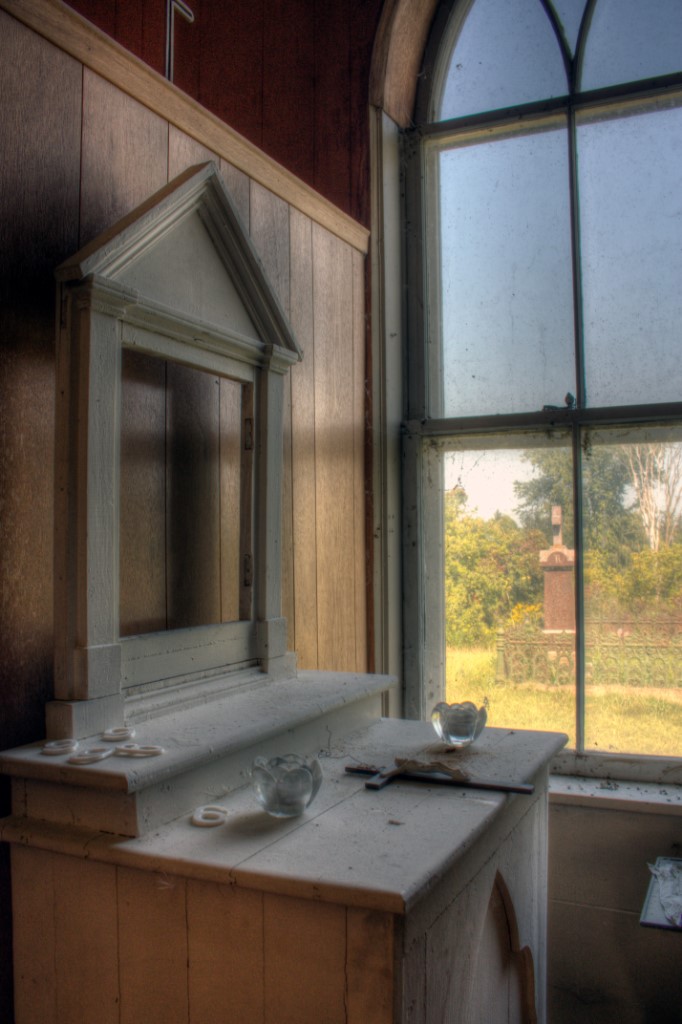
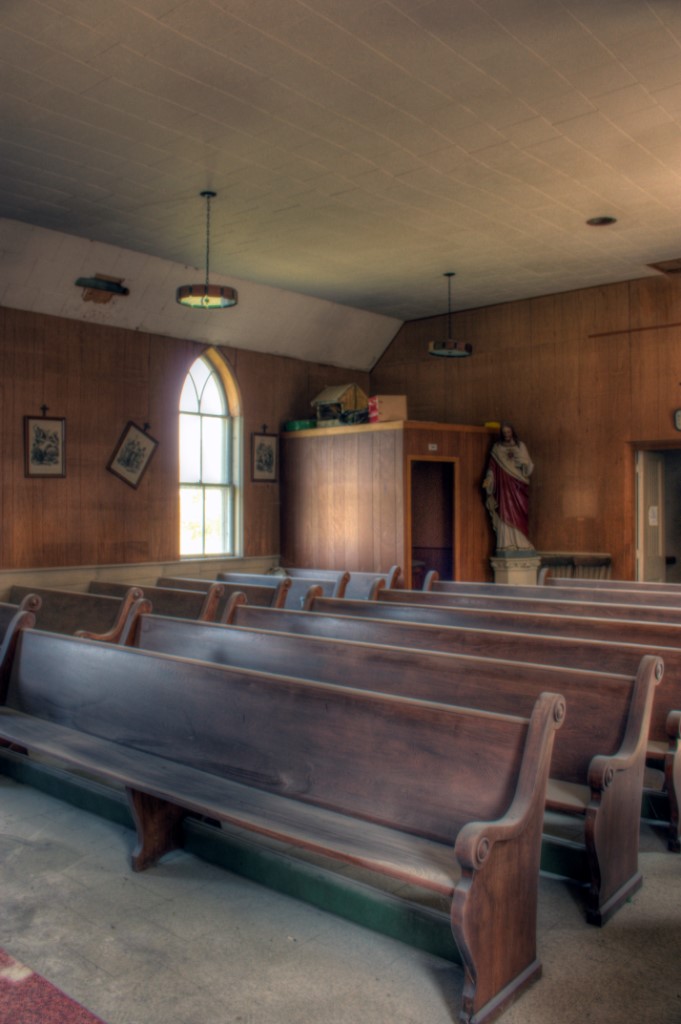
Nobleton Catholic Church

The information on this church is that following the famine of 1847, numerous Irish settlers left their homeland in hopes of a better life in Canada. Upon settling in the area of Nobleton, they built a Catholic church on a parcel of land donated to them. The church was formally opened on September 23, 1855. On the grounds was also a horse and carriage shed which was destroyed by a fire on July 13, 1913. The following year it was replaced by a cement and steel structure which still stands today.

The church is now boarded up to deter vandalism. There was a guestbook wrapped in plastic out on the front steps that visitors could sign, during my follow up visit.


Gandier United Church

Construction on the Gandier United Church started in 1916.

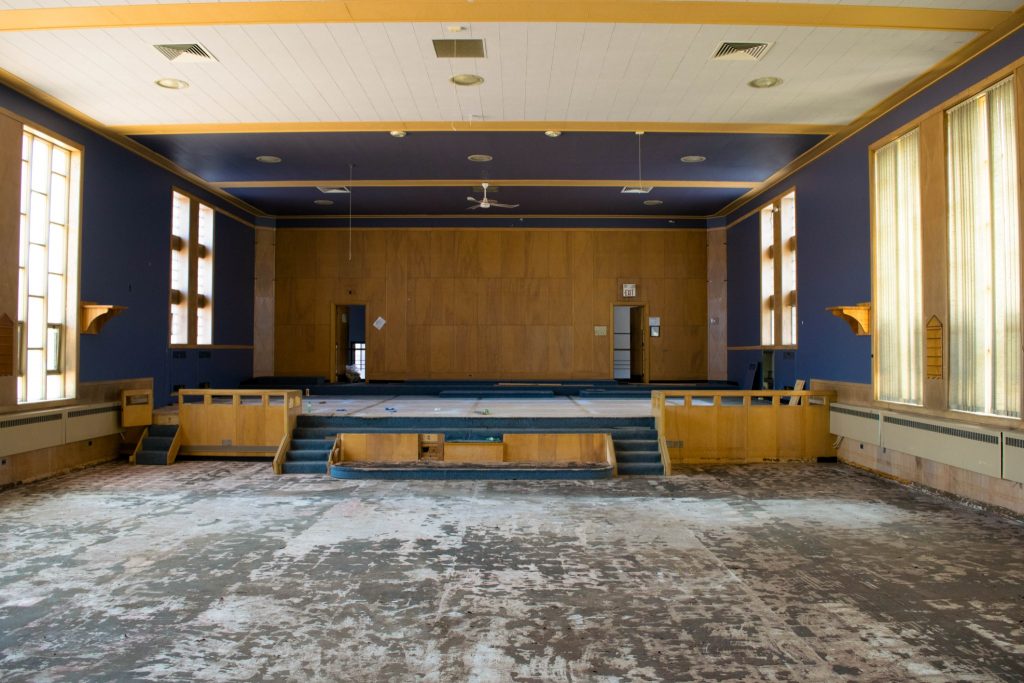
Services were stopped in 2008. Today the church is largely gutted and there’s little left behind to suggest it’s original purpose.

The church is located north of Grand Valley, Ontario.


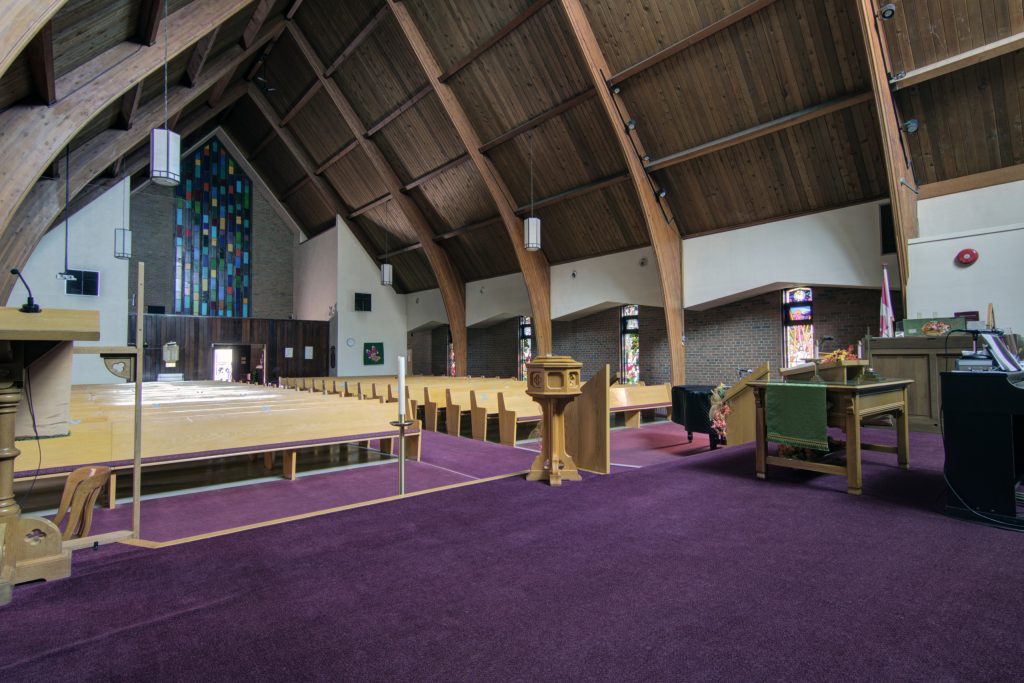
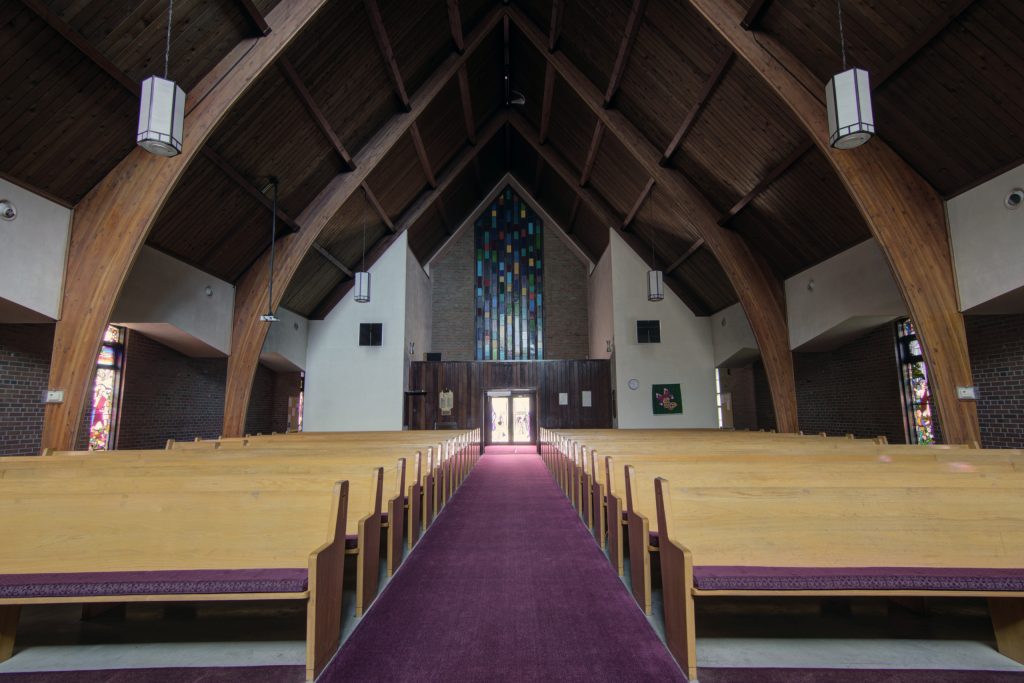
1950’s Church

This church was built during the 1950’s.


Abandoned Baptist Church in Hamilton, Ontario

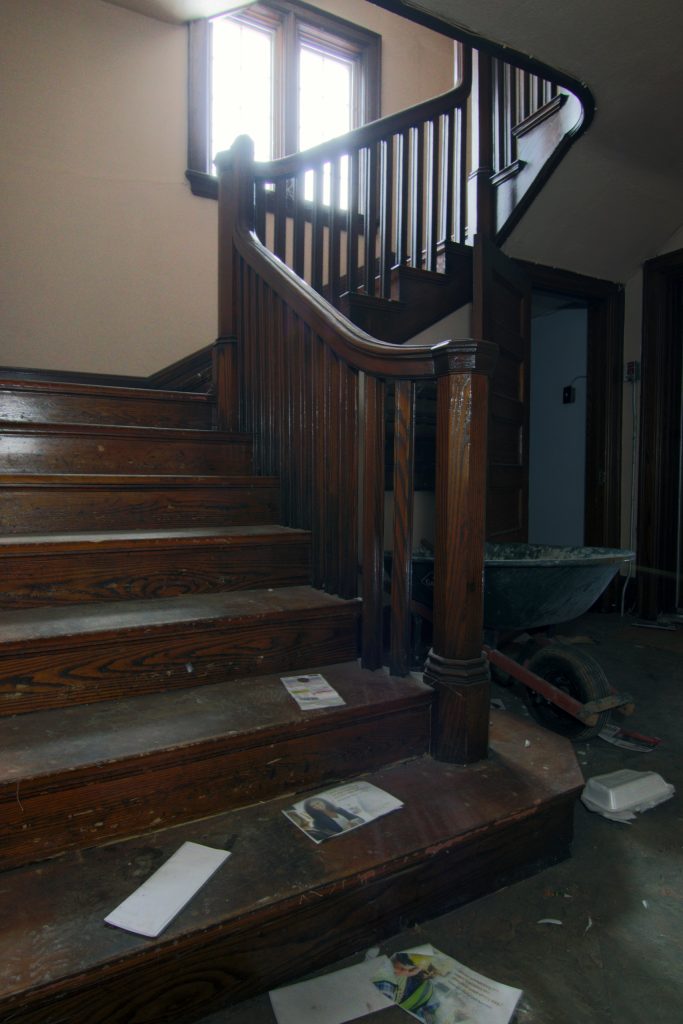
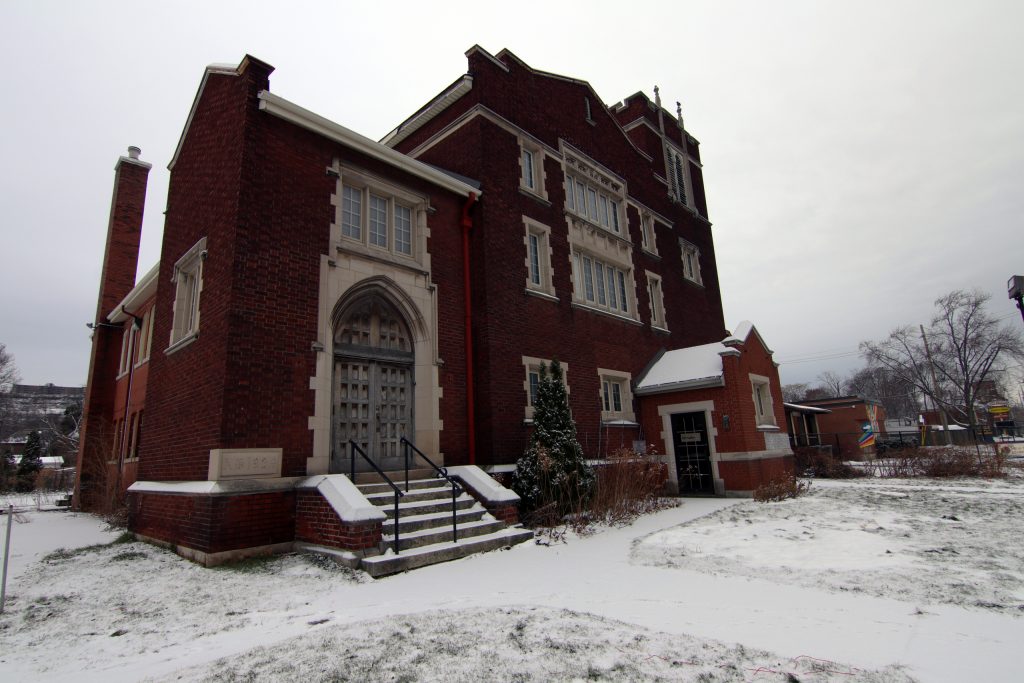
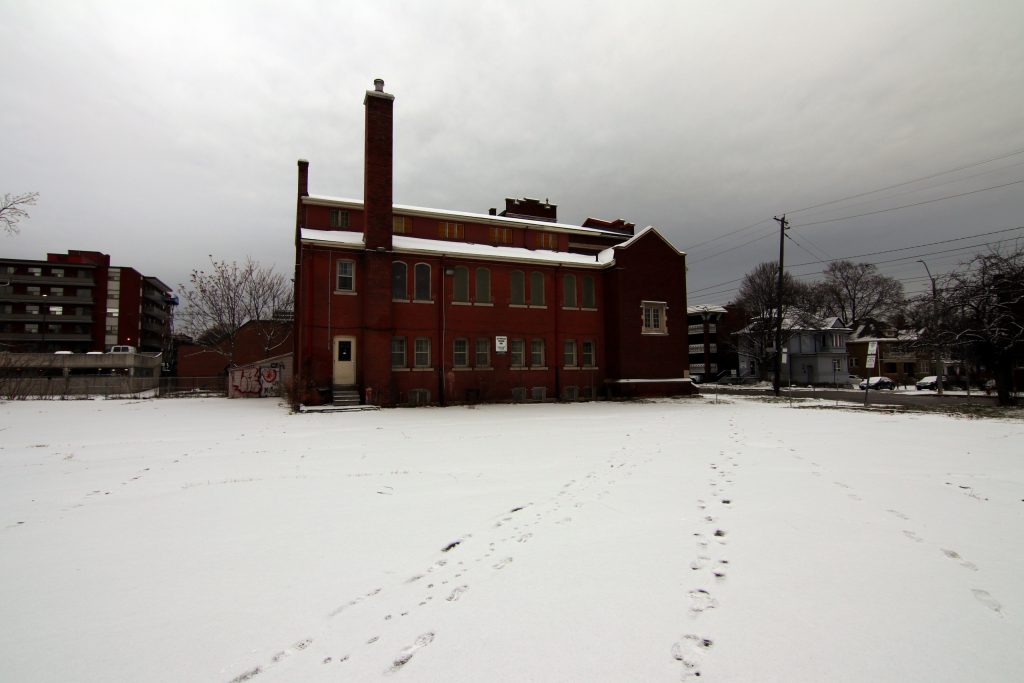
I could find very little information on this church except that it was built in 1924 in Gothic revival style. The church closed around 2008 and has sat idle ever since. This church replaced an earlier church built in the 1900’s in the same city.

The church was used for community events including Alcoholic’s Anonymous meetings.

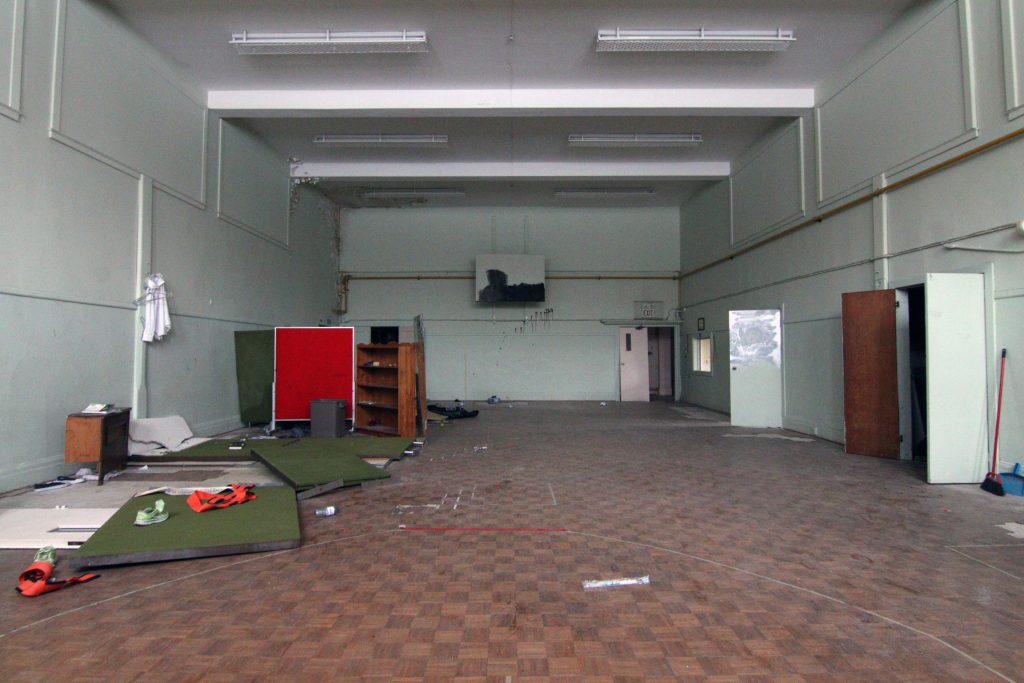
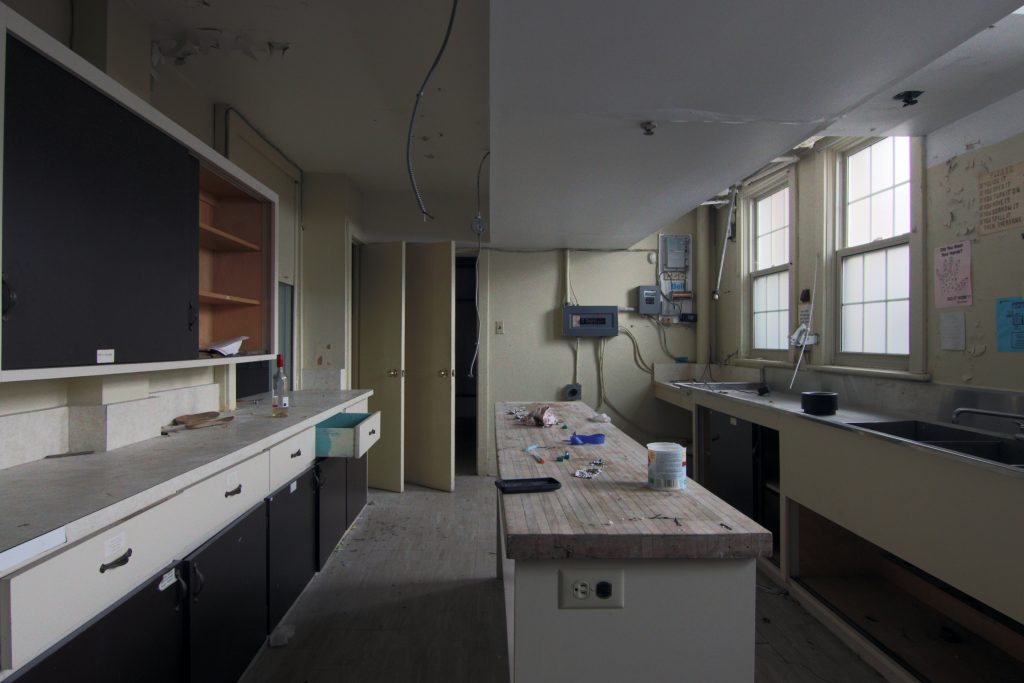
I began my exploration in the basement where I found the gymnasium. I could picture community youth playing basketball in this gym. There was a makeshift bed set up with an electric heater plugged in next to it. At first glance, I thought that someone might have been laying underneath the covers. Next to the gym was the kitchen where the women of the parish might serve up their tea and snacks for fundraising. On the table I observed a syringe, tinfoil which had been used for injecting heroin, and what appeared to be blood on the floor.

There were some back rooms which had little of interest, and a male and female bathroom. I should add that the bathrooms absolutely stunk, and I wouldn’t be surprised if they’d been used for defecating in by whomever was staying here. Fortunately I was alone on this visit.

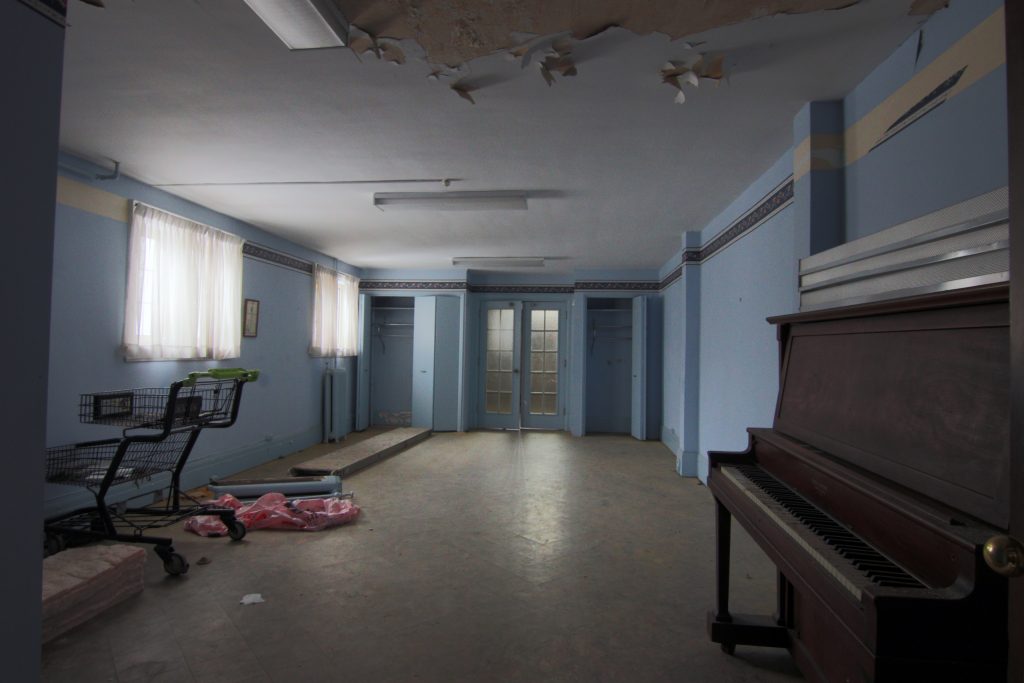
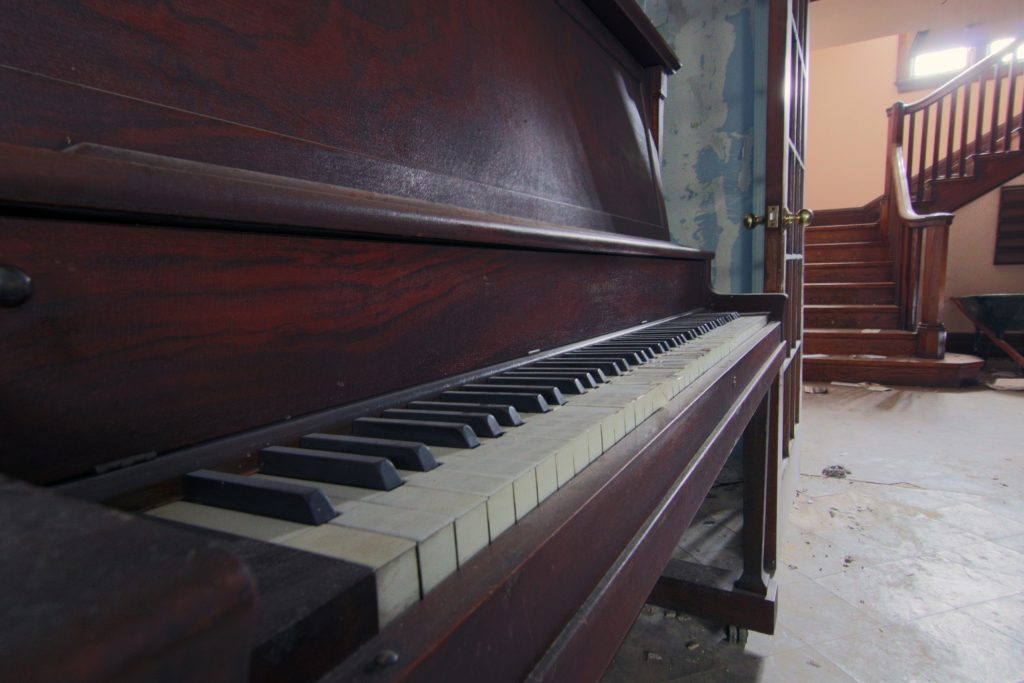
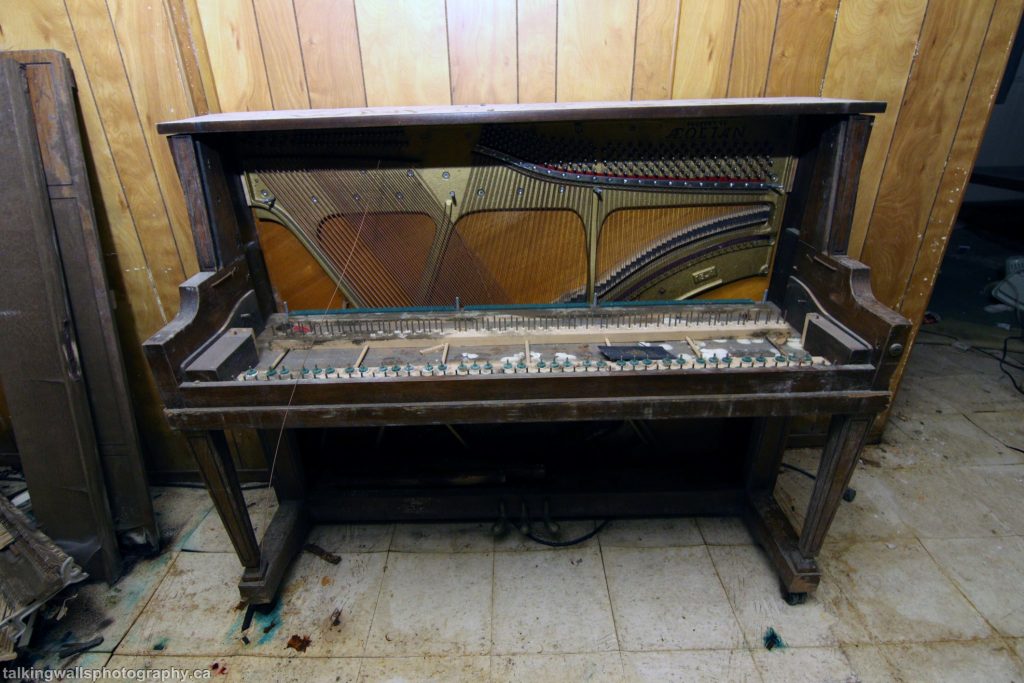
I found another room with a piano and a certificate presented to the church by the City of Hamilton, congratulating them on their 50th anniversary.


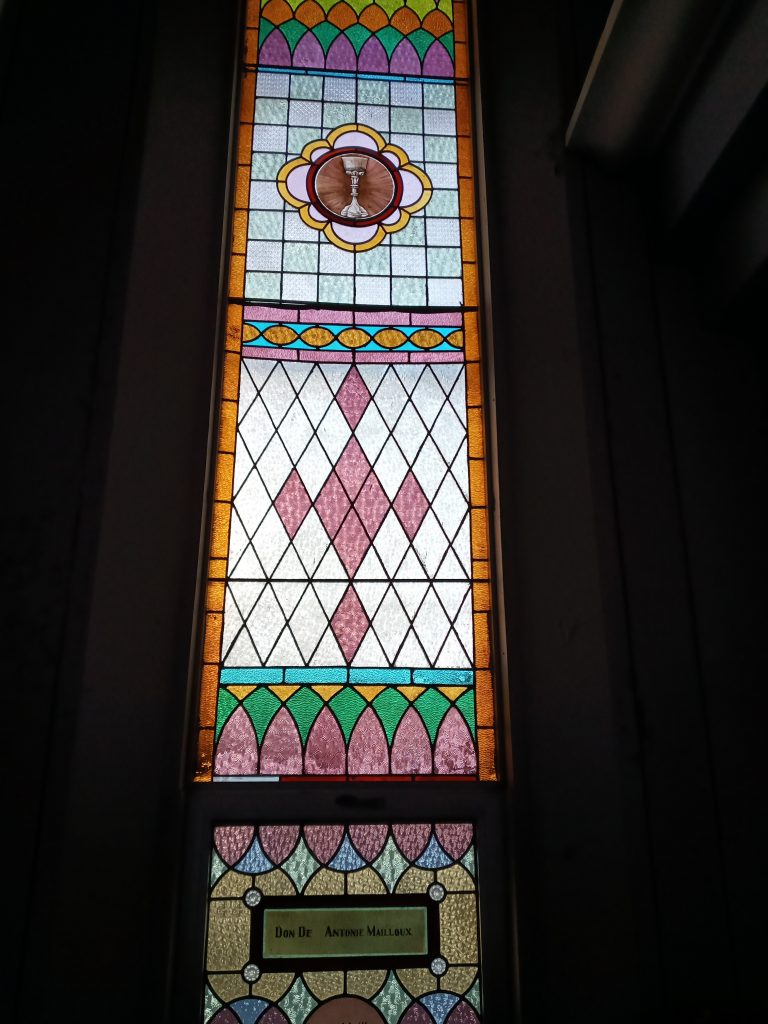
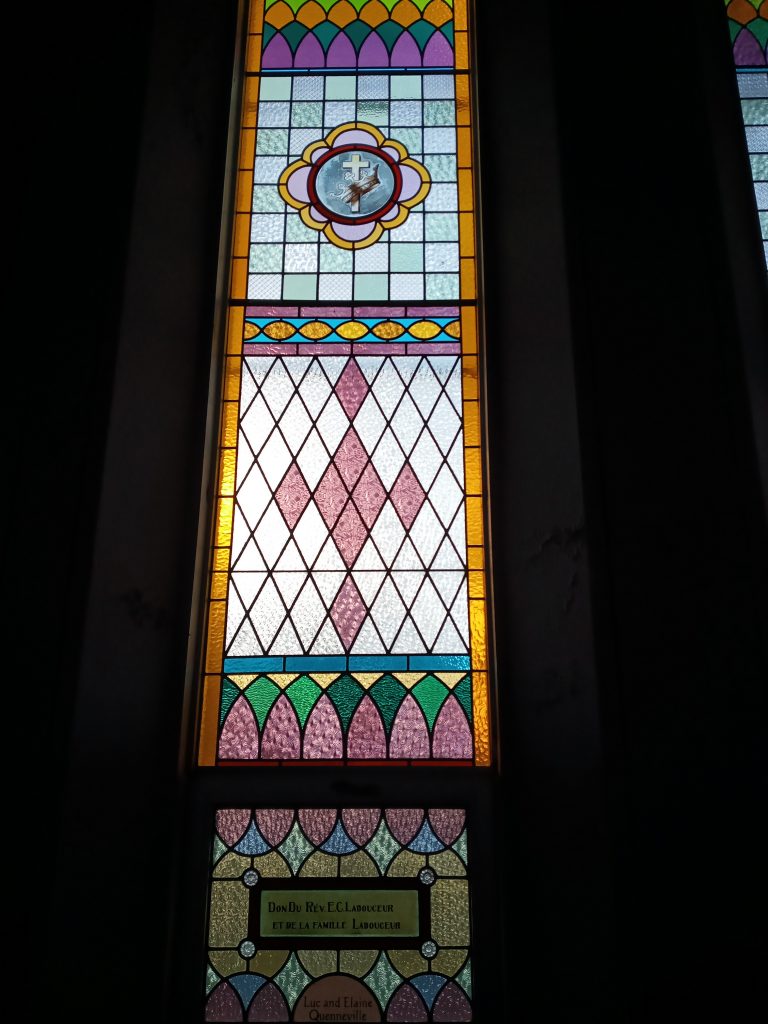
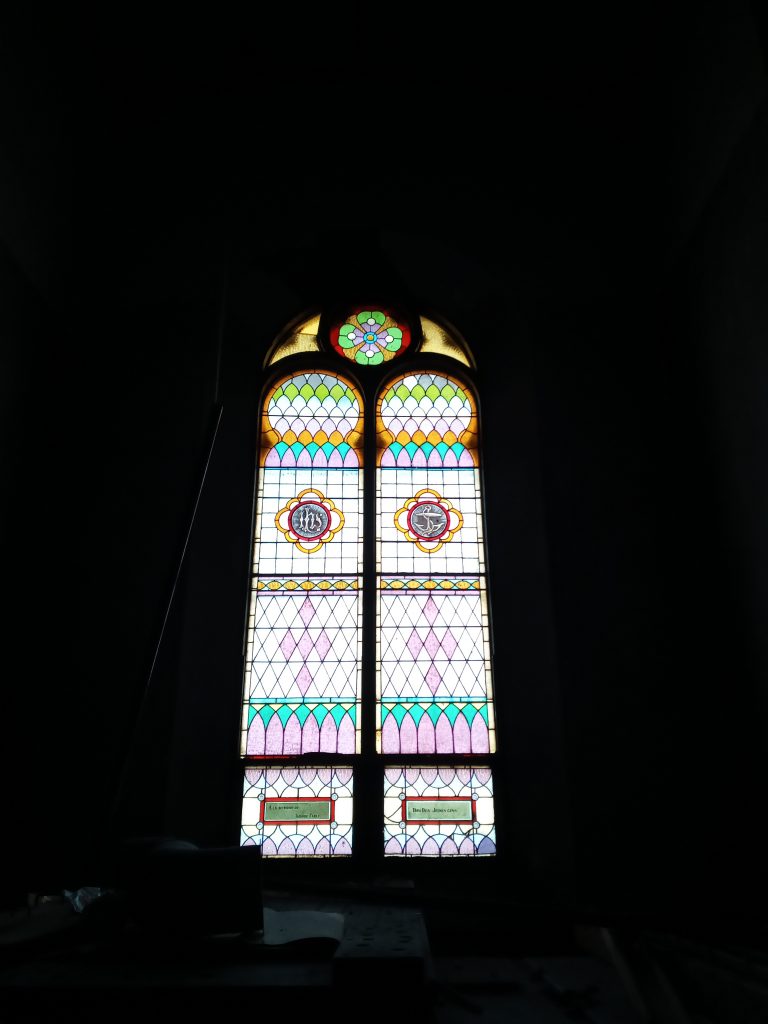
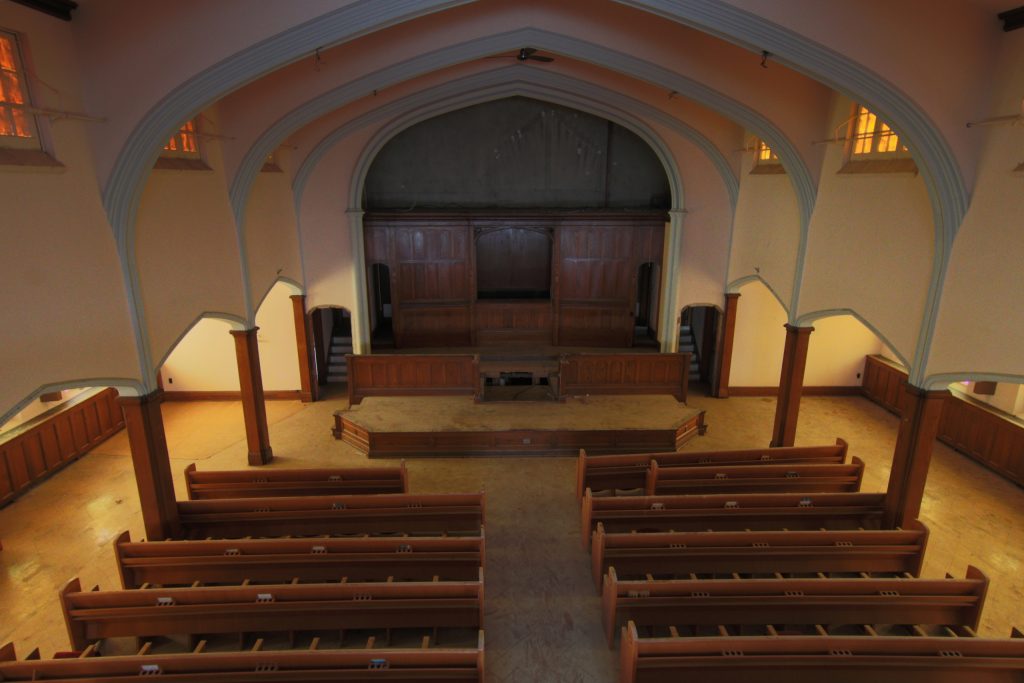
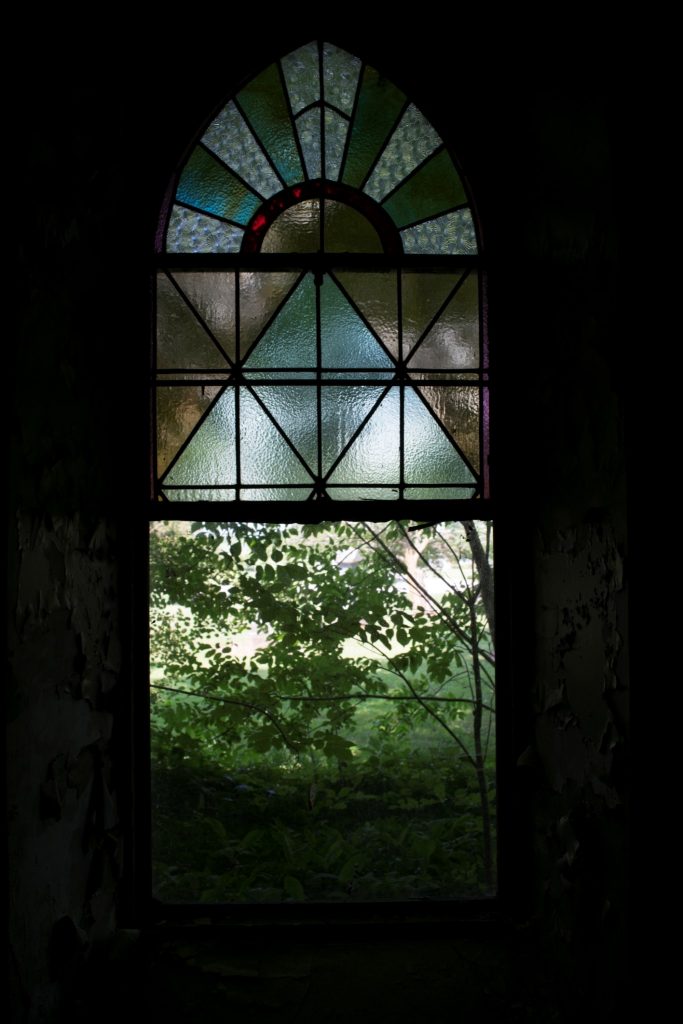
After exploring the basement, I made my way upstairs to where the church was. The pews and stain glass windows have been well preserved for the last 14 years. The altar has been removed.

Exploring A Vacant Baptist Church in Hamilton, Ontario

Church of the Apostles – Toronto

In the 1930s, the area of Sheppherd Avenue West in Toronto was a quiet country area rather than urban sprawl. In 1936, a small building was built by community men to be used as a place of gathering as a church. The church was built mainly with second hand material. The churche’s name is believed to have been derived from the twelve people who were present when choosing on the churches future name.

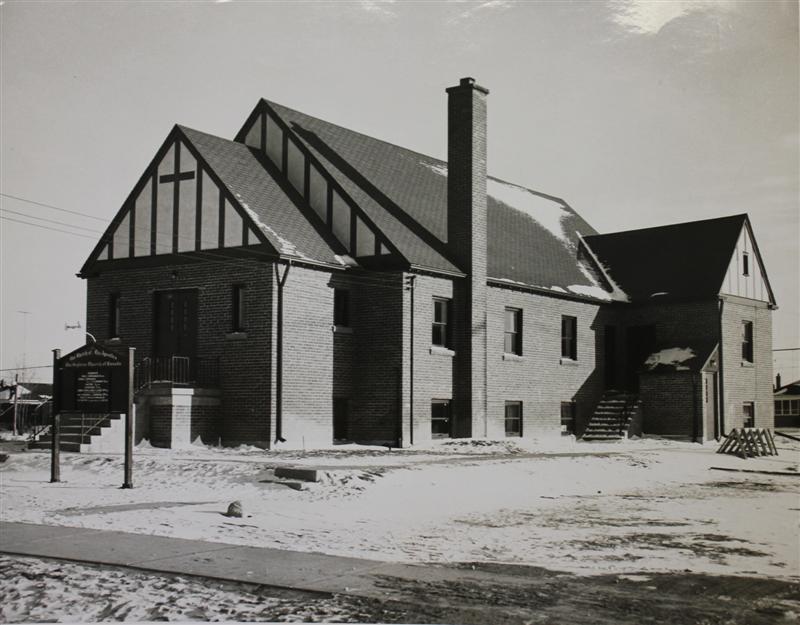
By 1950 the church congregation had outgrown the church and so land was purchased one block east of the current church. The new church was opened on November 16, 1953 by Bishop Beverley.

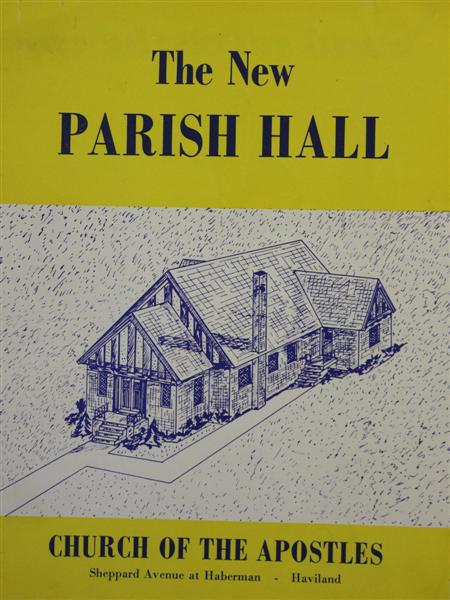
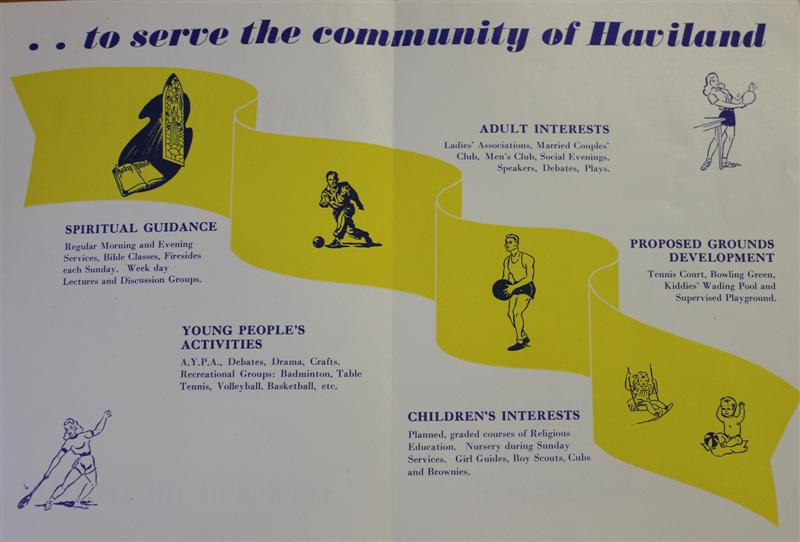
As with many community churches, the building served other community interests as well. A promotional pamphlet shown below illustrates that the church was also a place for sports, social events, drama and education.(*)


In 1965 the Church of the Apostles joined with the congregations of St. Laurence and St. James the Just to create one central Parish Committee. With the unified committee, each congregation would provide payments relative to their size. The project was not successful and the plan was cancelled.

The church of the Apostles was scheduled to be closed in 1969 but the congregation fought against this and the church remained open. They celebrated their 40th anniversary in 1993.

St. James the Just was disestablished in 1968 and by the next year disestablishment was also on the table for the Church of the Apostles. The parish persisted, however, and celebrated the building’s fortieth anniversary in 1993. The Church of the Apostles closed and was disestablished at Pentecost 2012.

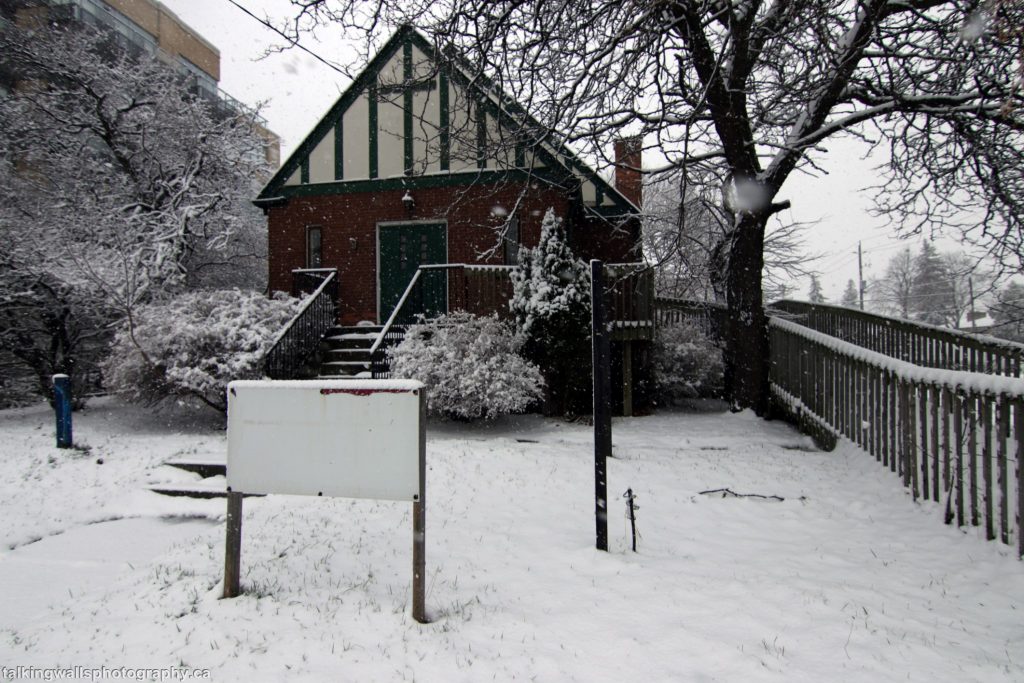
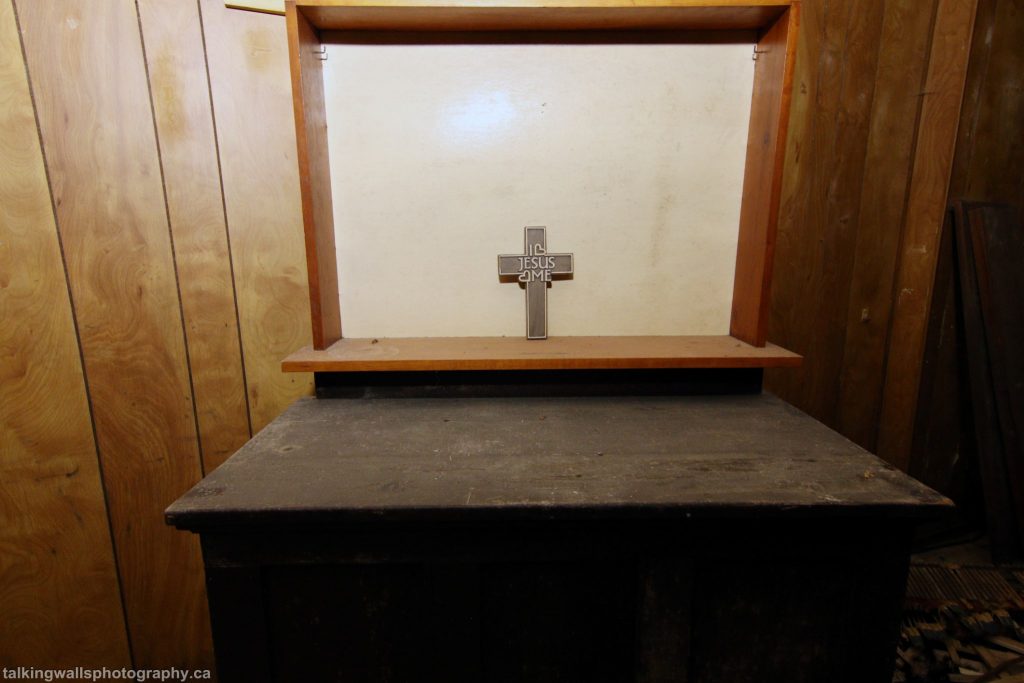
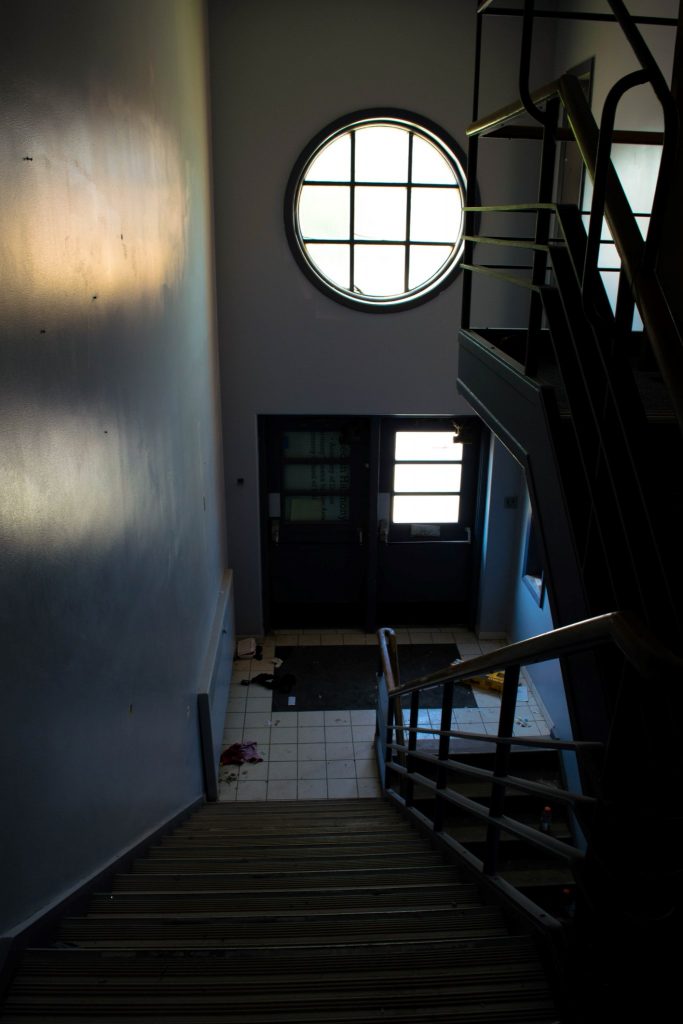
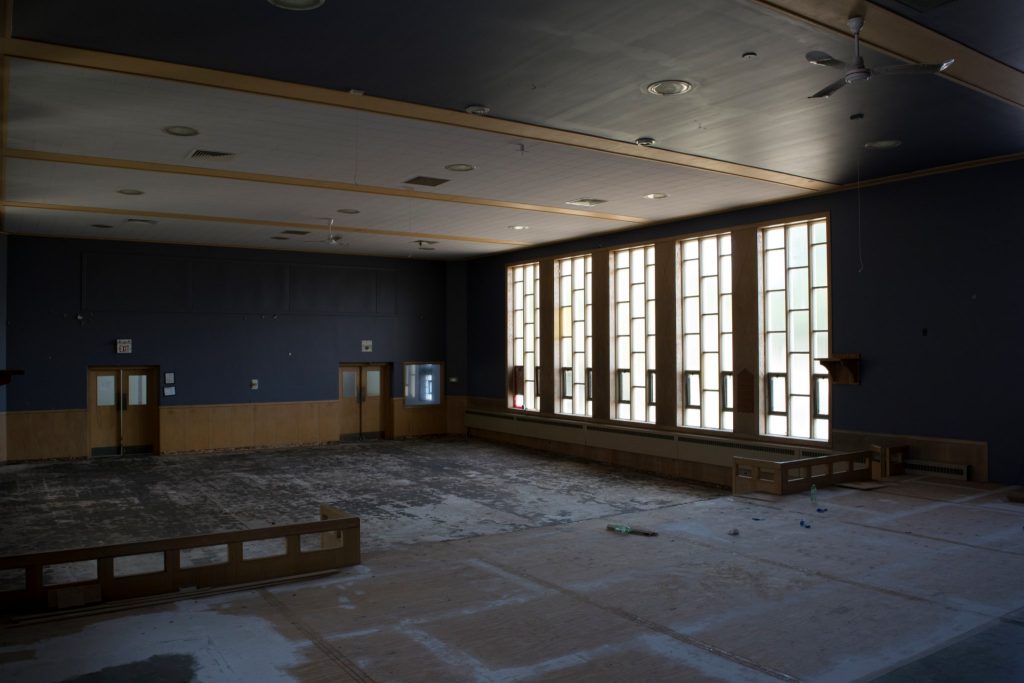
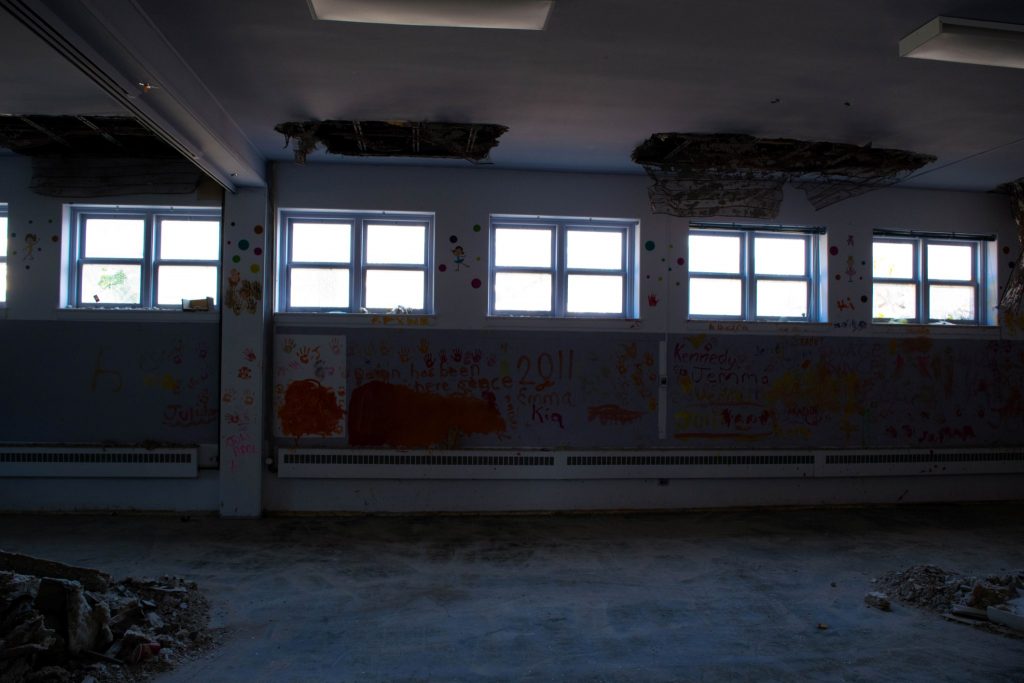
The building was then used by The Truth Centre. Today the church sits empty, all doors are unlocked and there’s extensive water damage to the ceiling. The basement is dark, damp and water covers the floor.

The church is located at 719 Sheppard West in Toronto.


Source: * (Lost Anglican Churches)


Salvation Army Citadel in Brantford

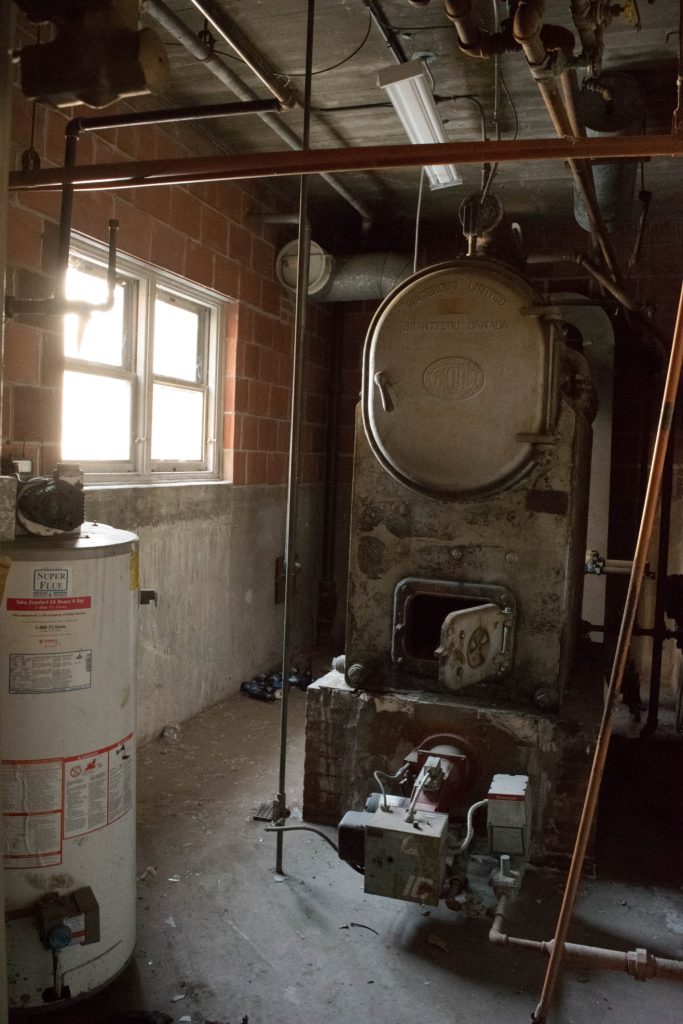
The site of the Salvation Army Citadel in Brantford was used for ice skating until 1954. At that time the Salvation Army built their church with a corner stone dated March 27, 1954.

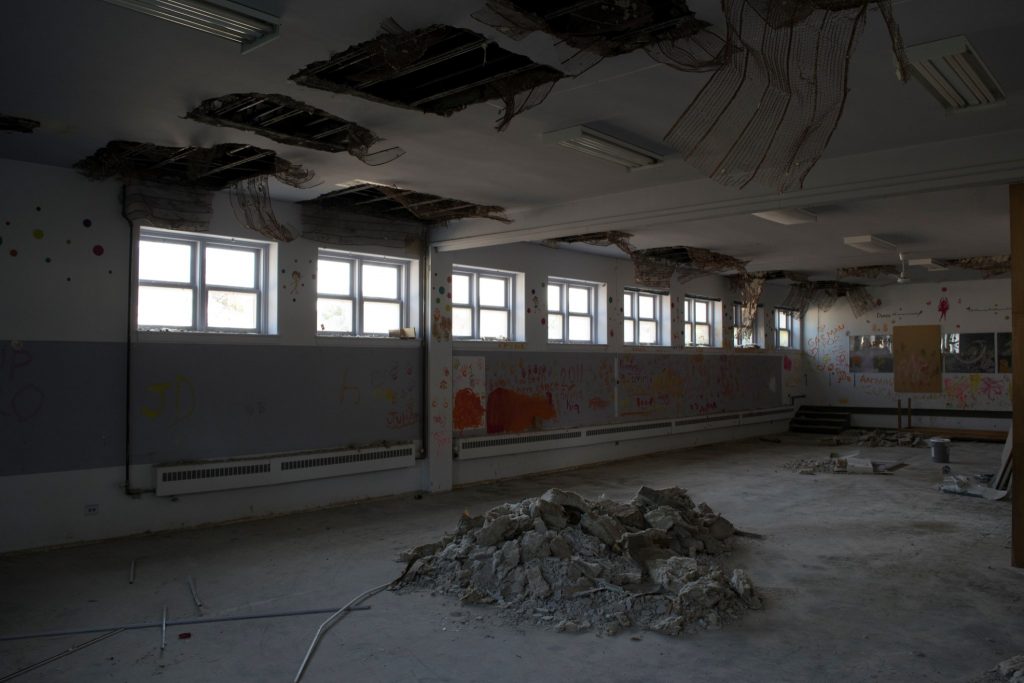
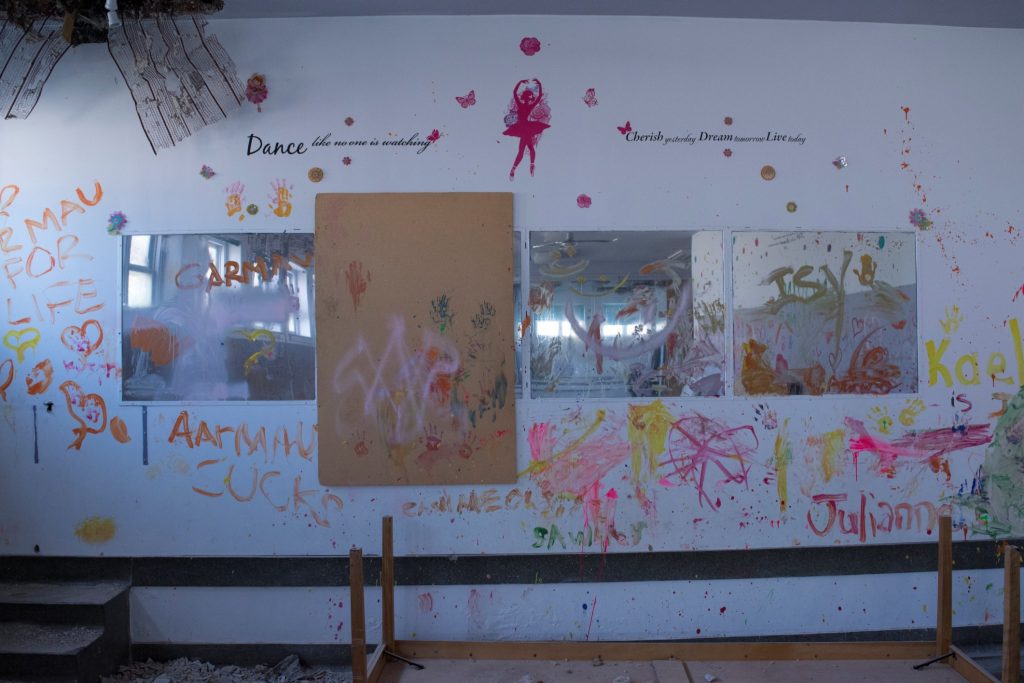
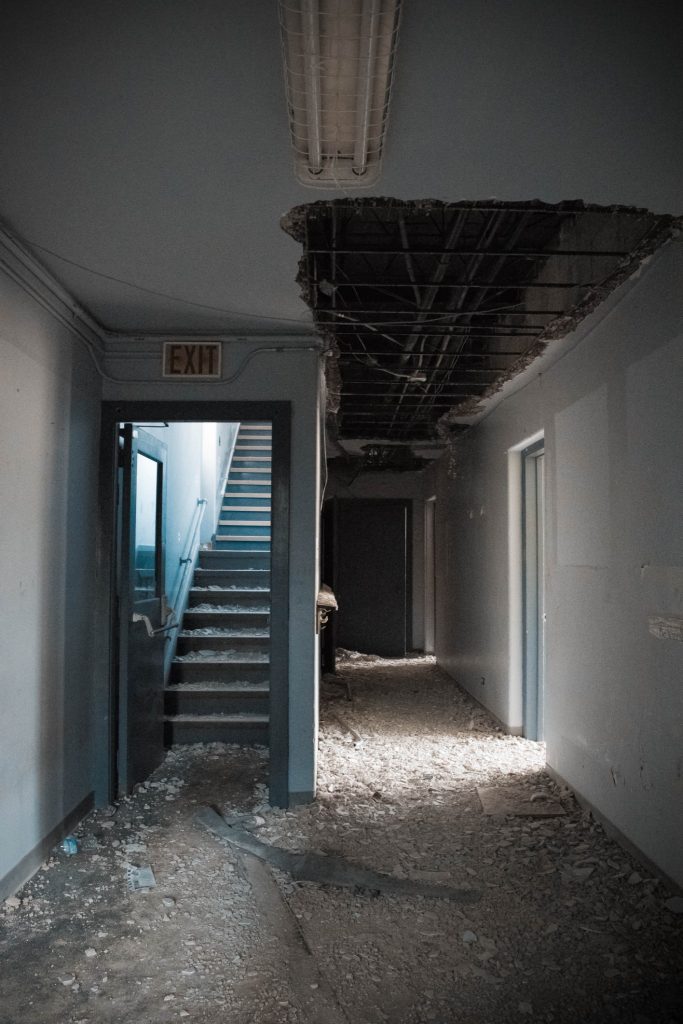
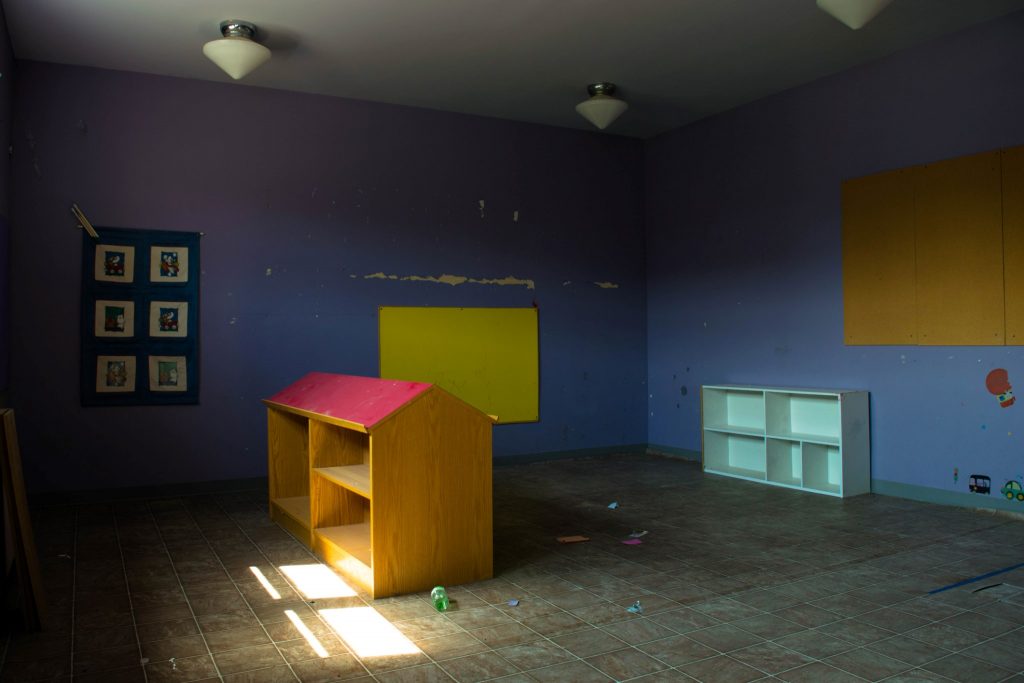
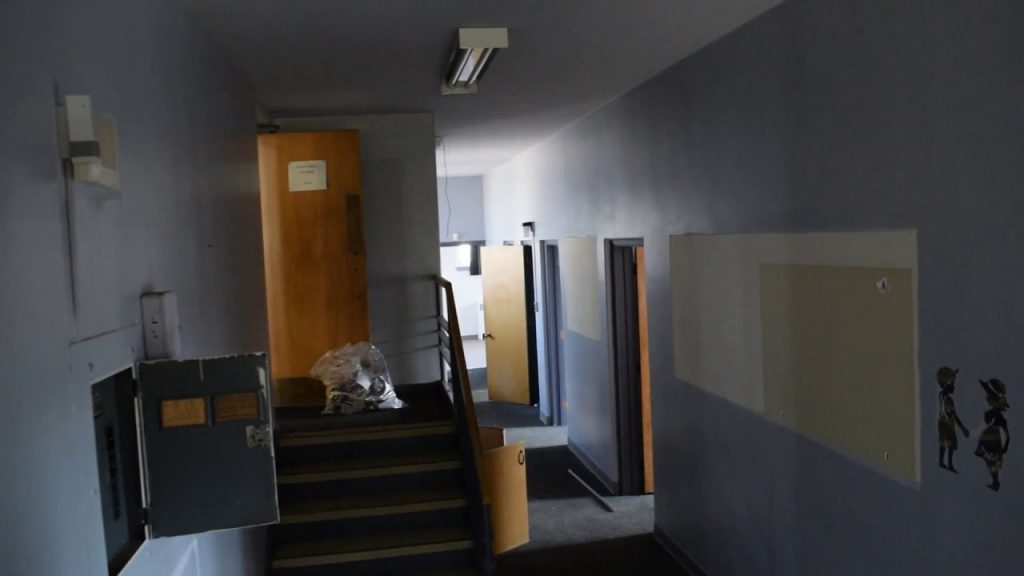
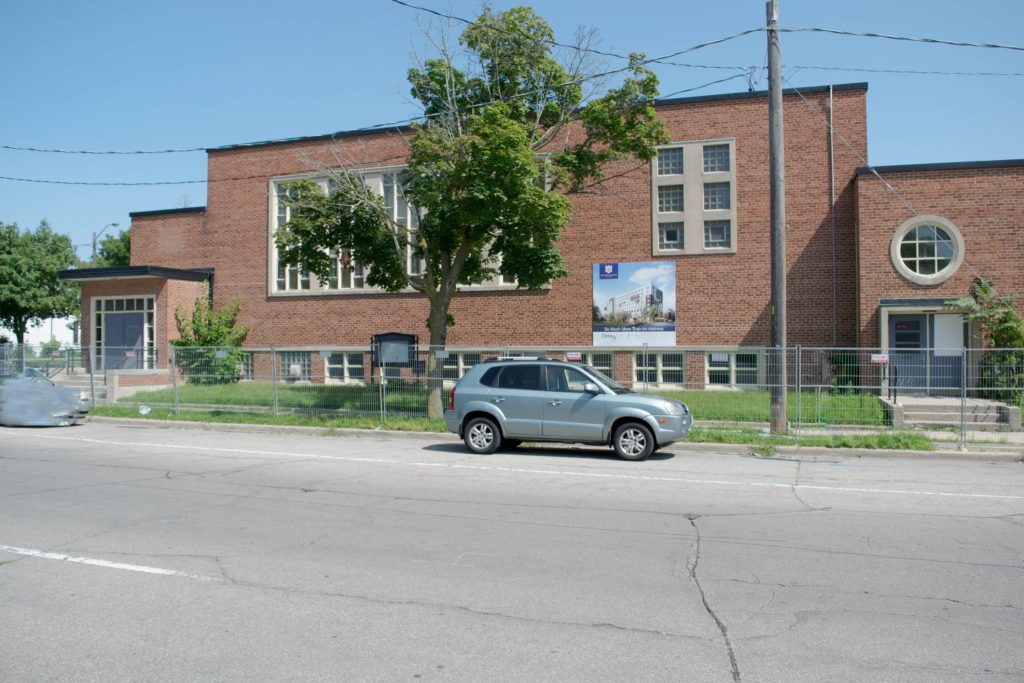
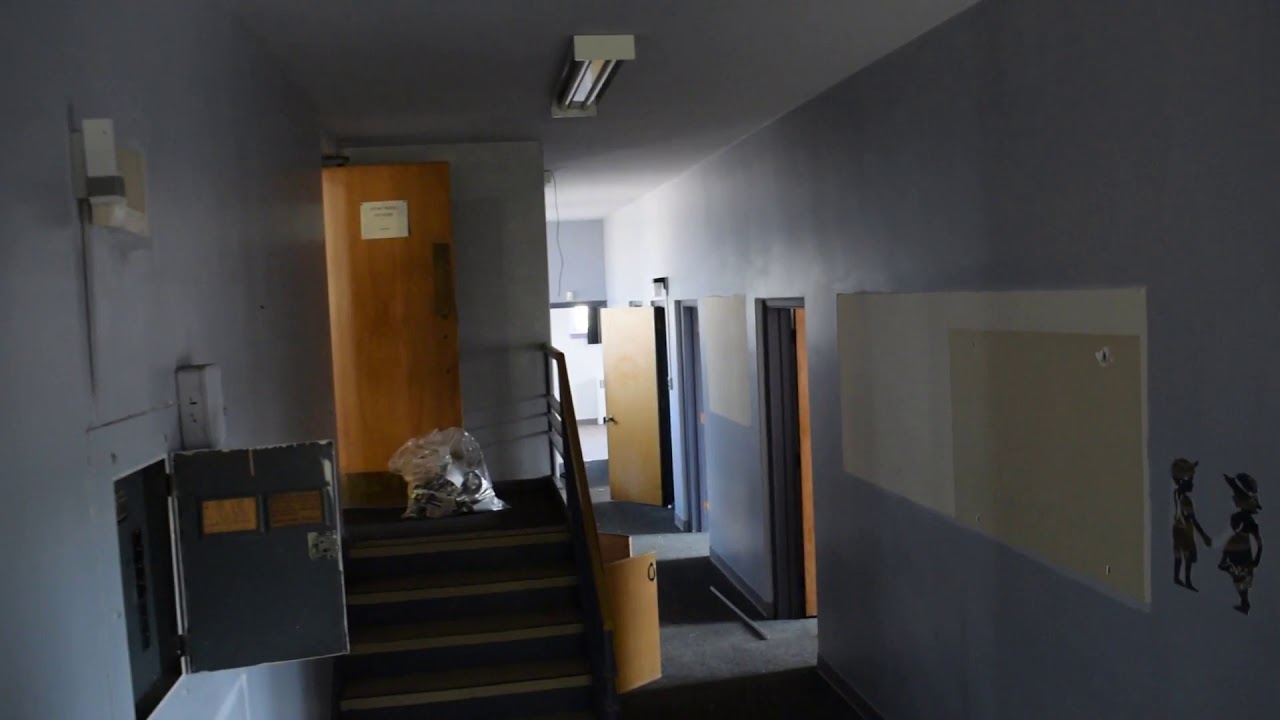
The building was used by the Brantford Academy of Arts as a dance recital hall for children during the building’s final days. The building was demolished to make way for condominiums beginning at $280,000. A few houses behind the building are also being demolished.


Video

Abandoned Salvation Army Citadel and Dance Studio in Brantford

Grace Anglican Church in Perth

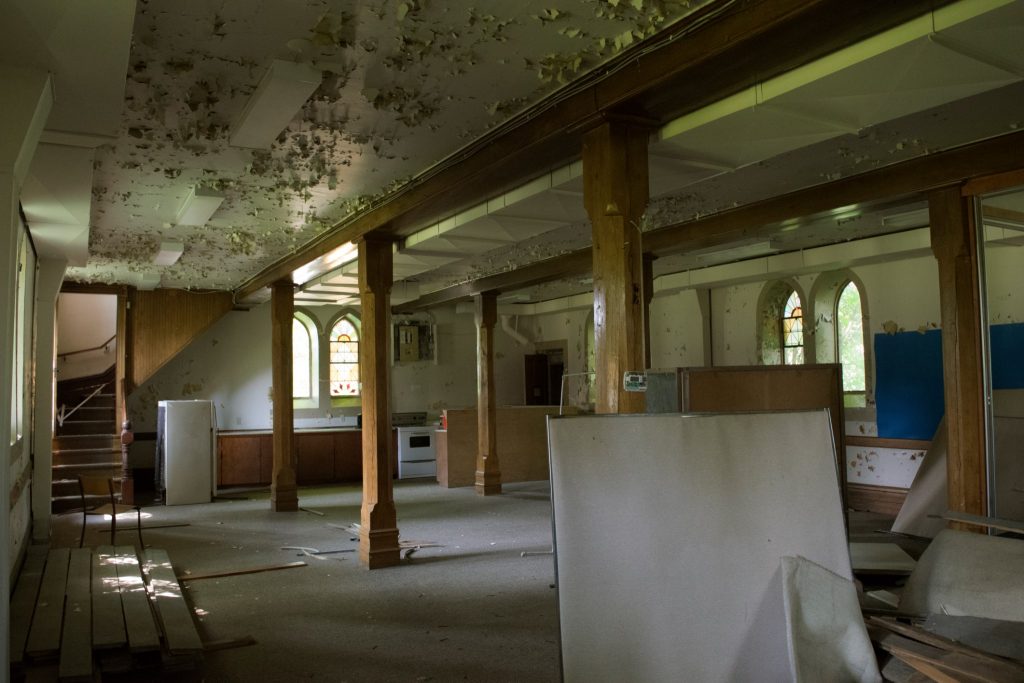
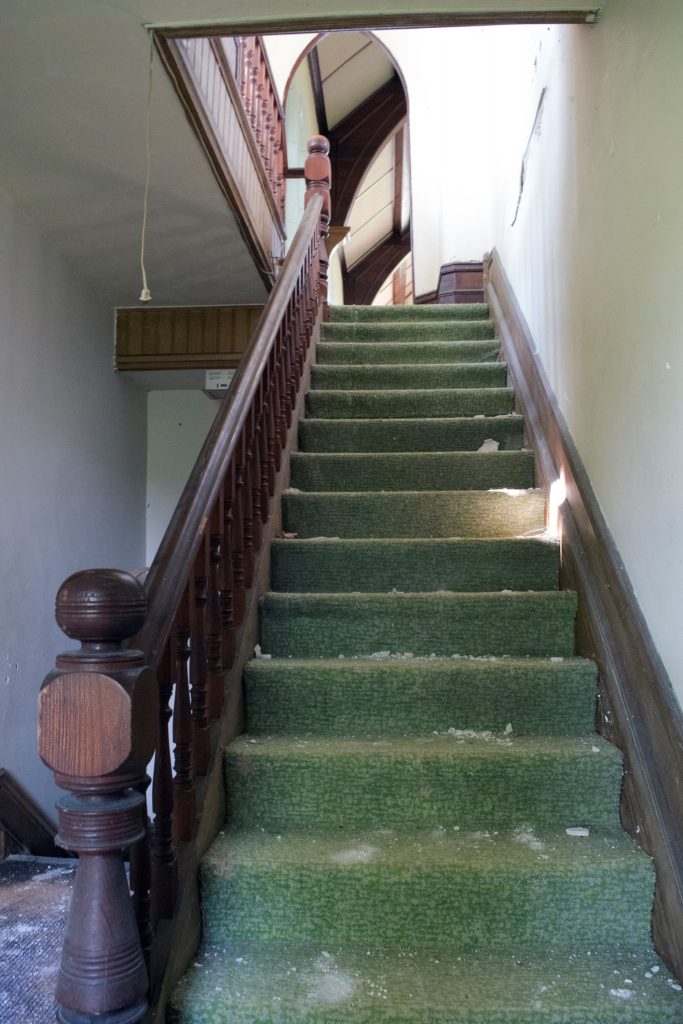
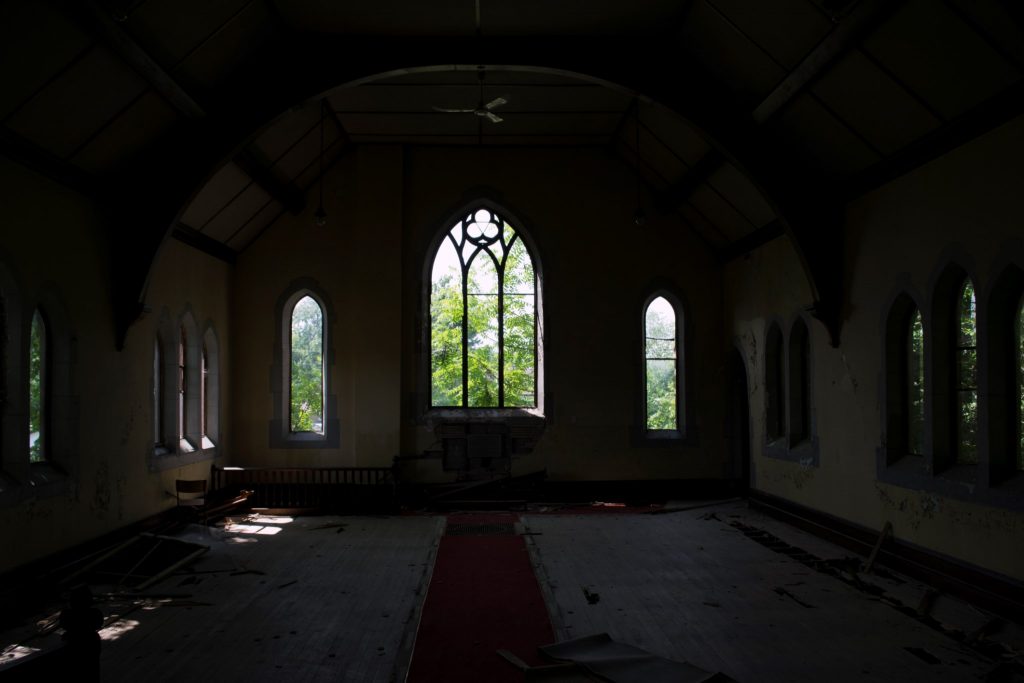
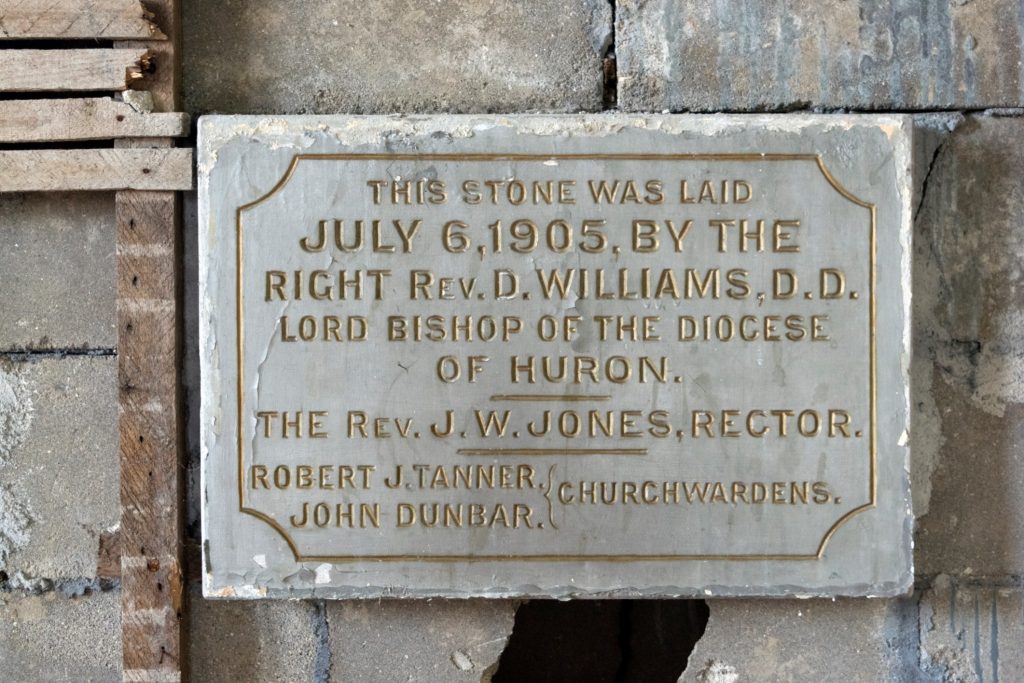
The Grace Anglican Church was built in July of 1905. The church replaced the original building which was constructed in 1862, at a cost of $1,500.

The church was last used approximately by the Mennonites. The cemetery, located at 6995 Freeborn Street is still owned by the Anglican Church.

The church is slowly being dismantled as Sittler Demolition prepares it for demolition.

Abandoned Grace Anglican Church in Perth, Ontario