Category: Asylums and Institutions

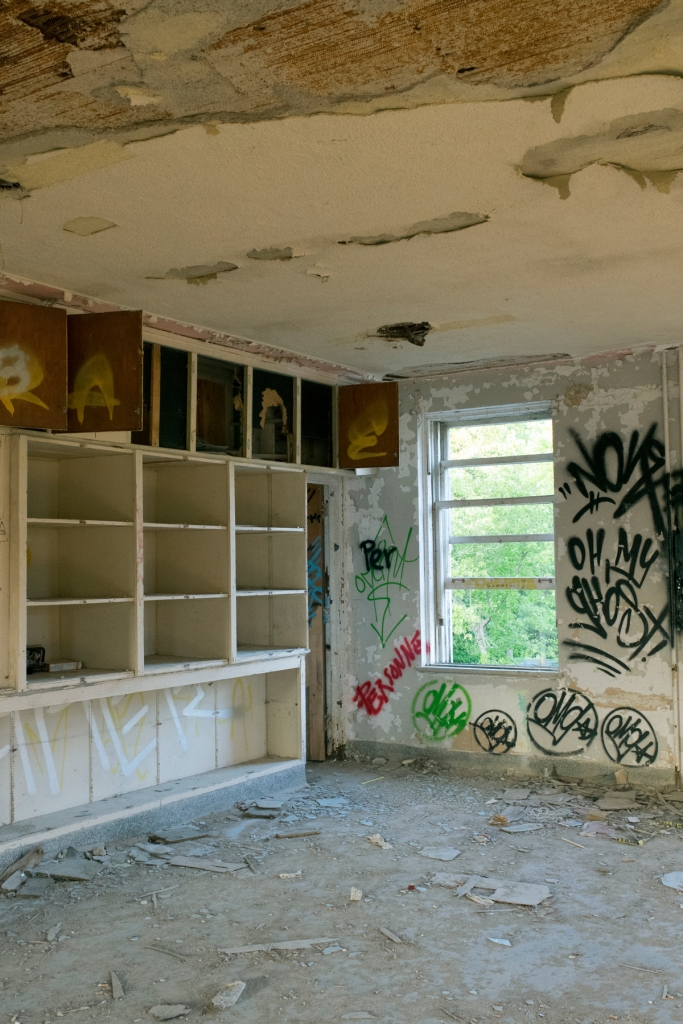
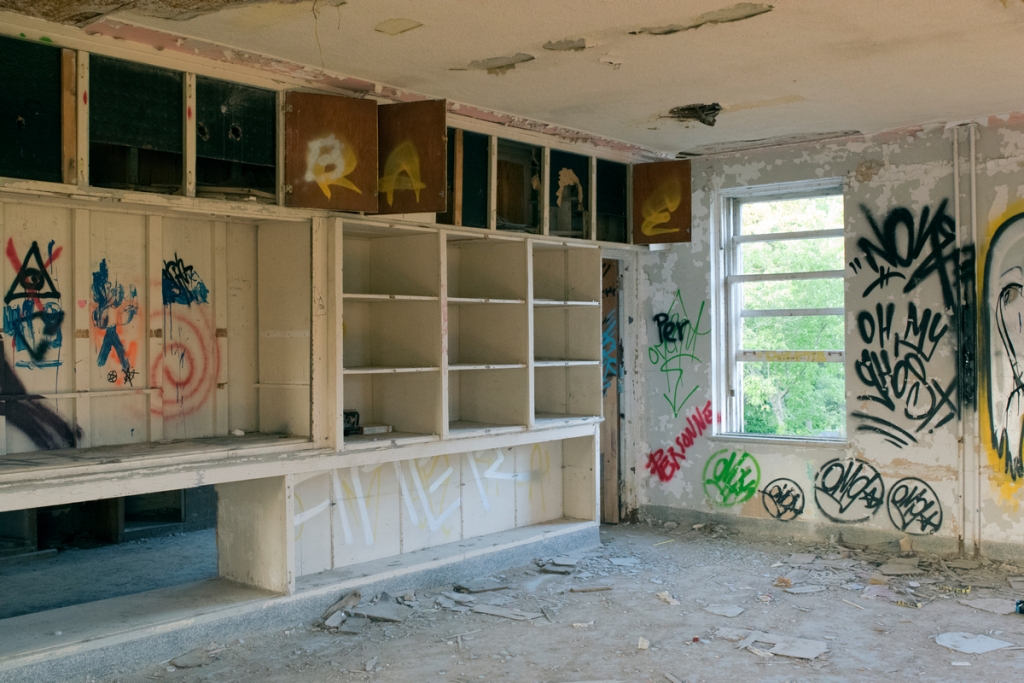
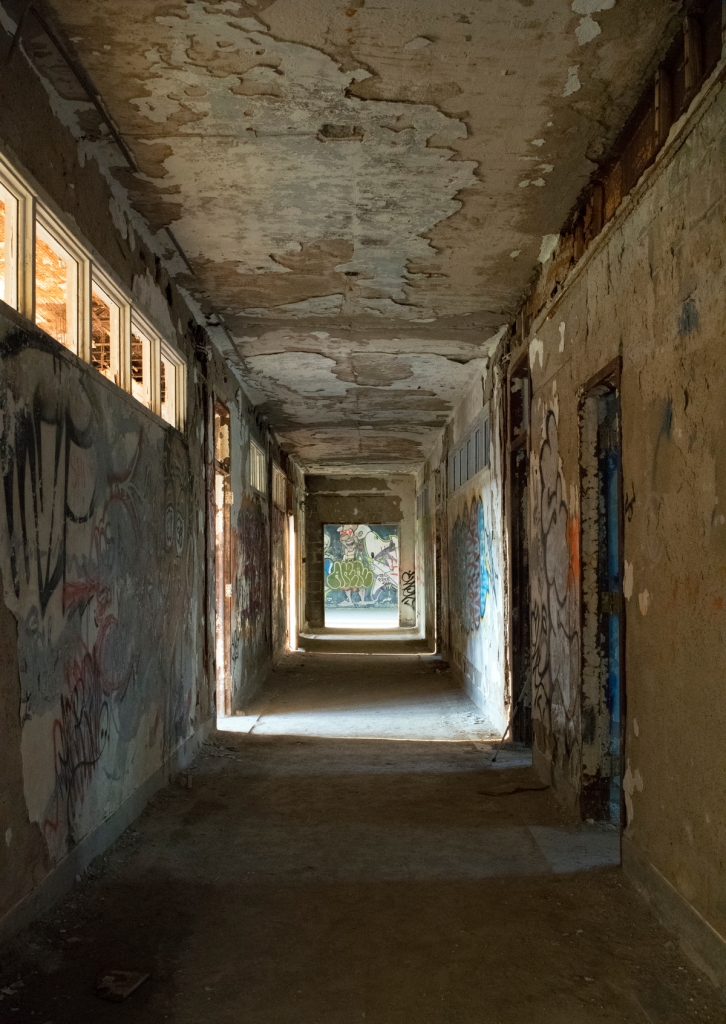
Youth Correctional Facility in Southern Ontario

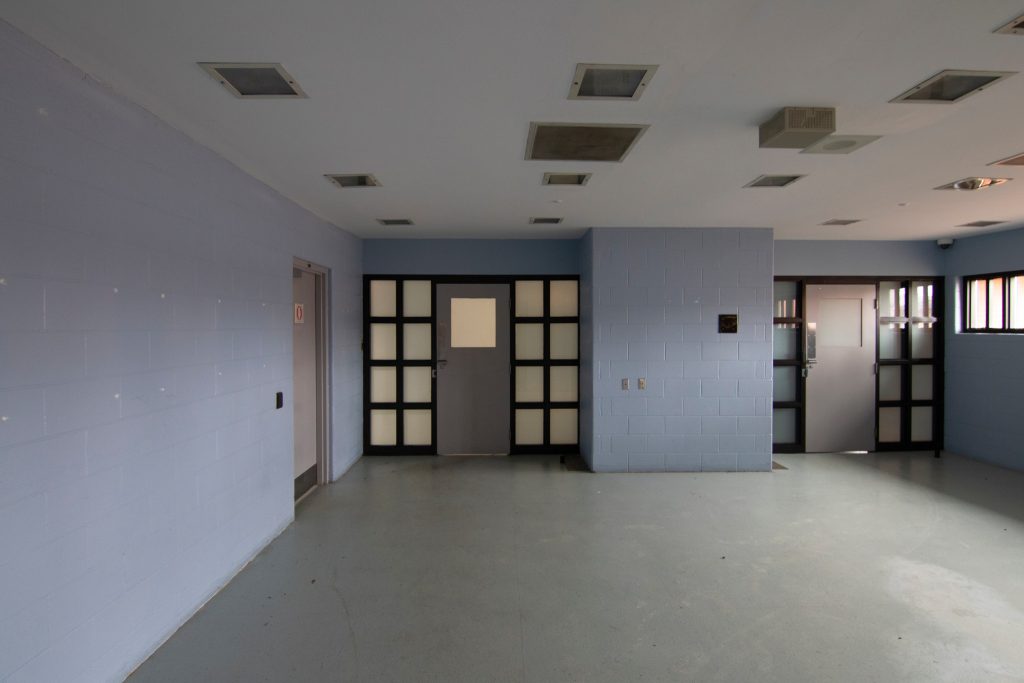
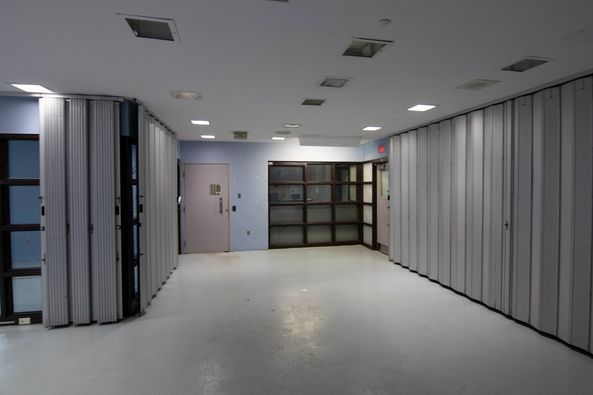
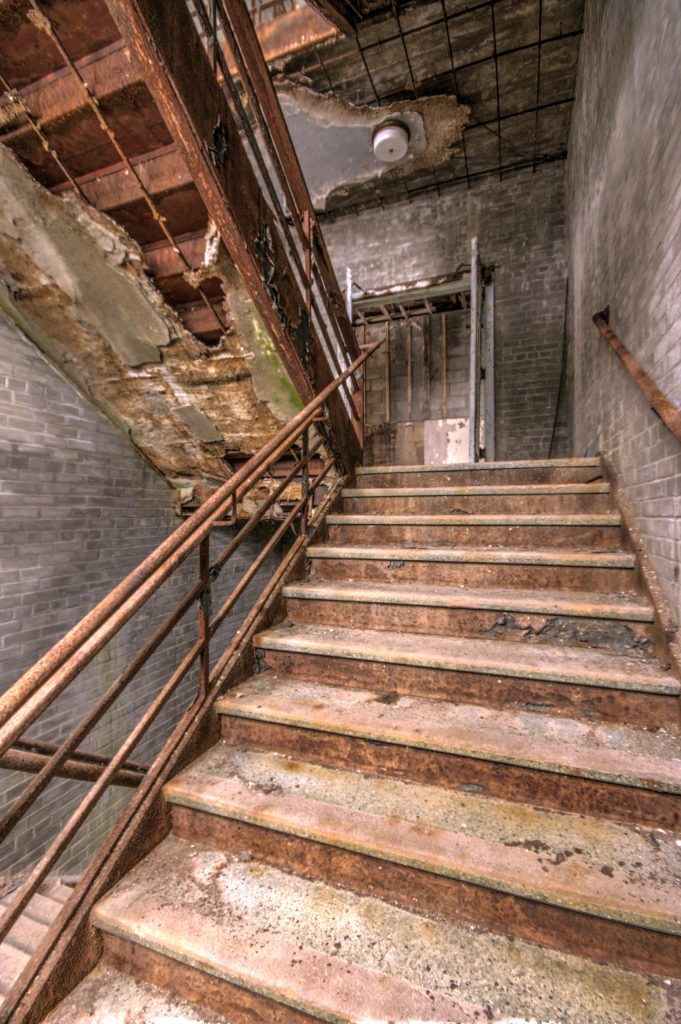
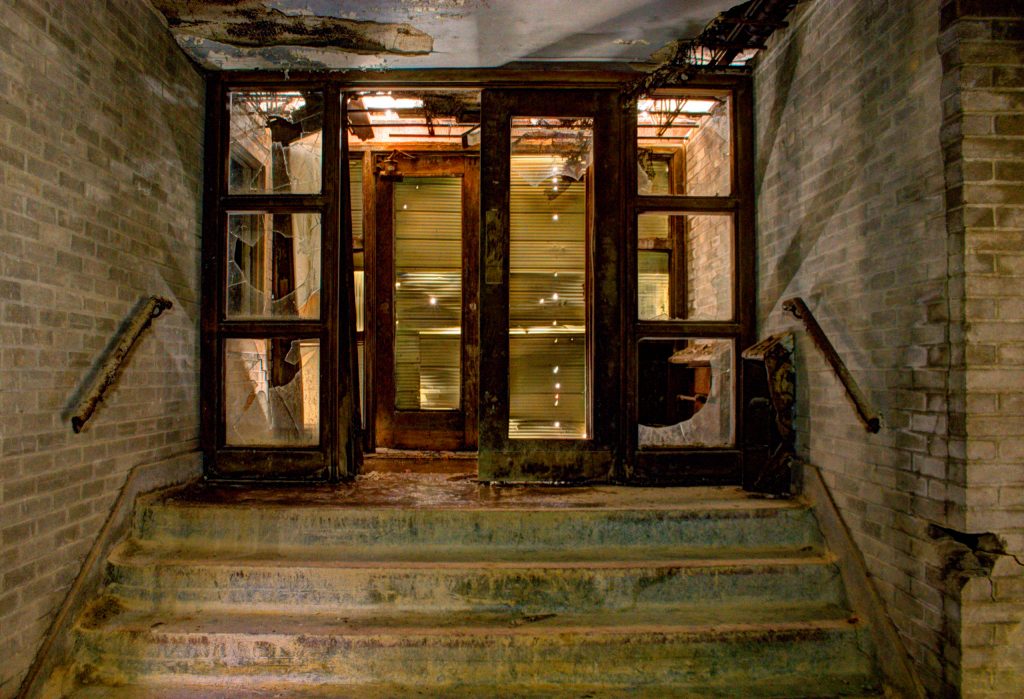
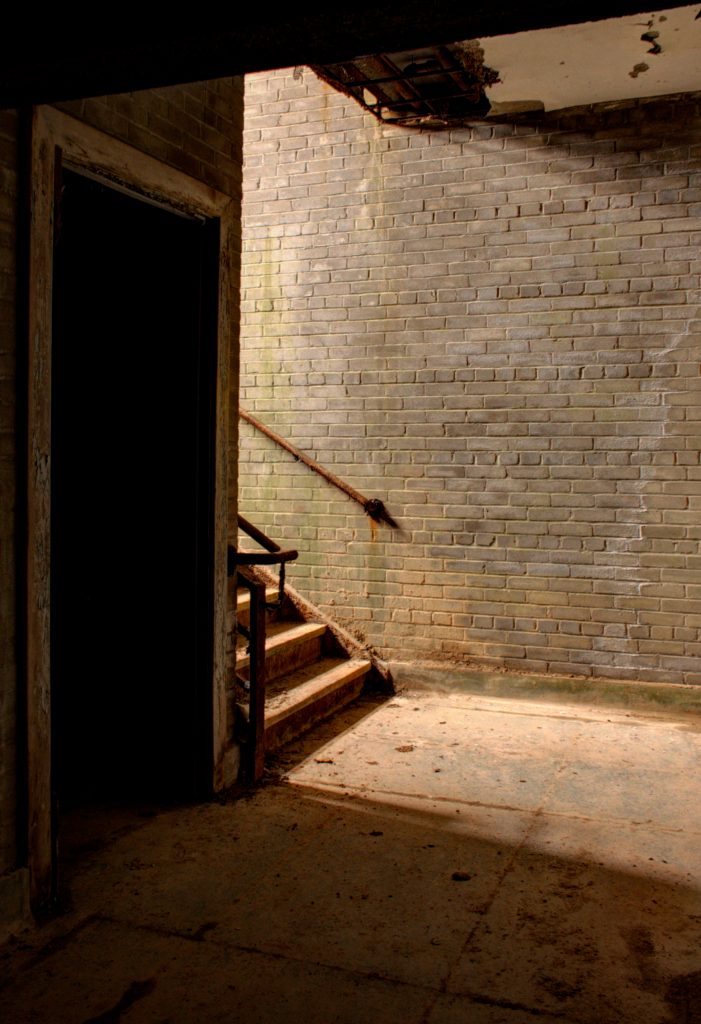
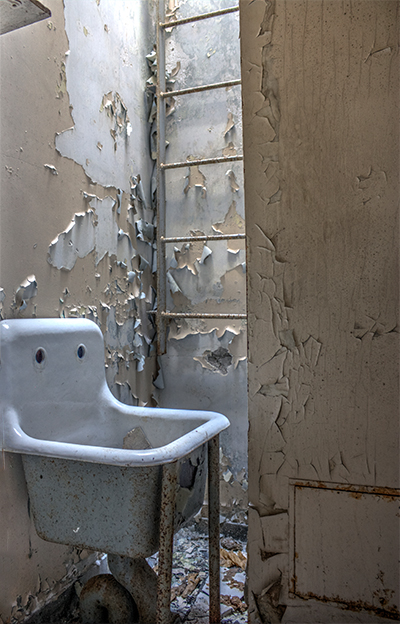
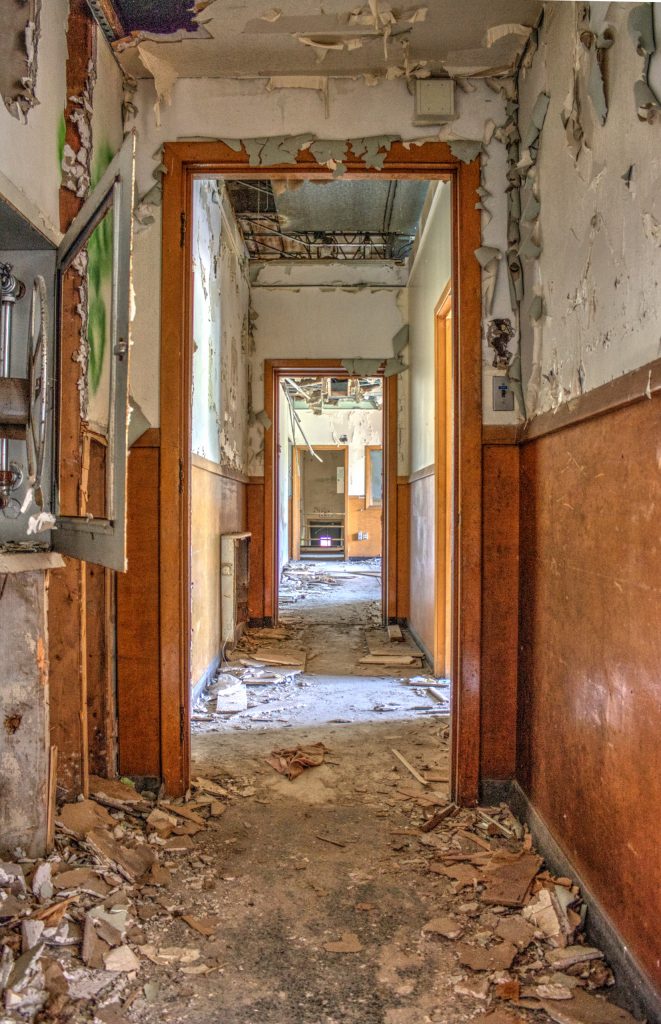
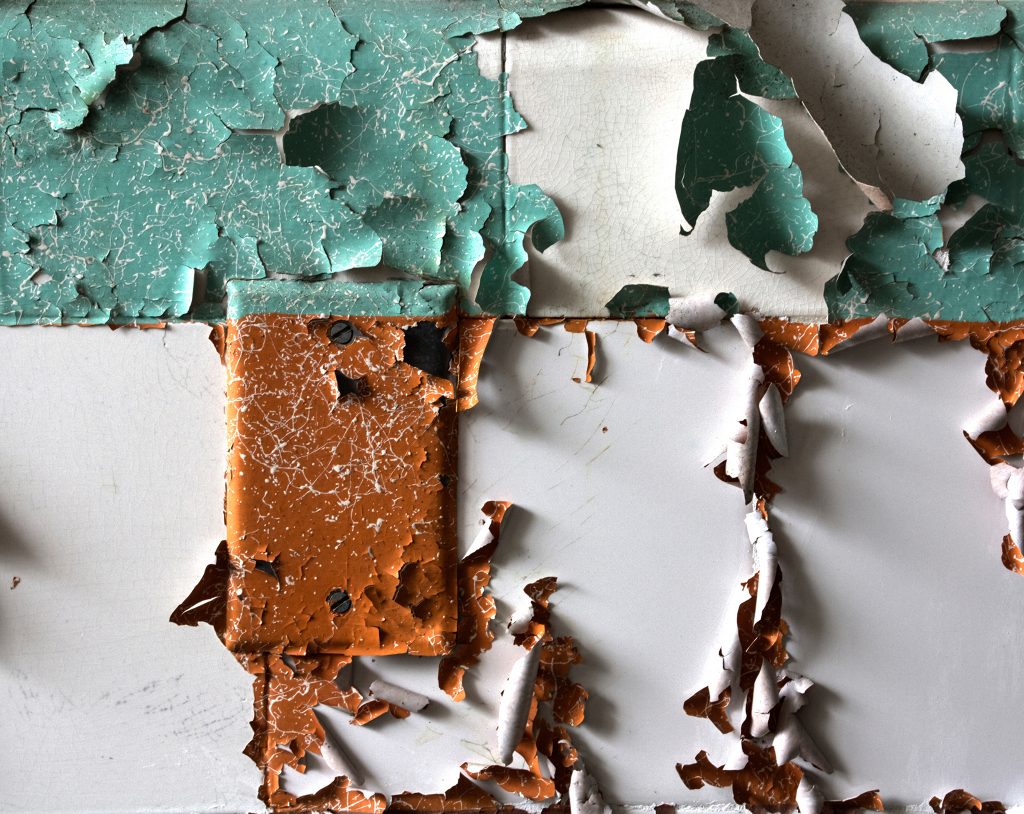
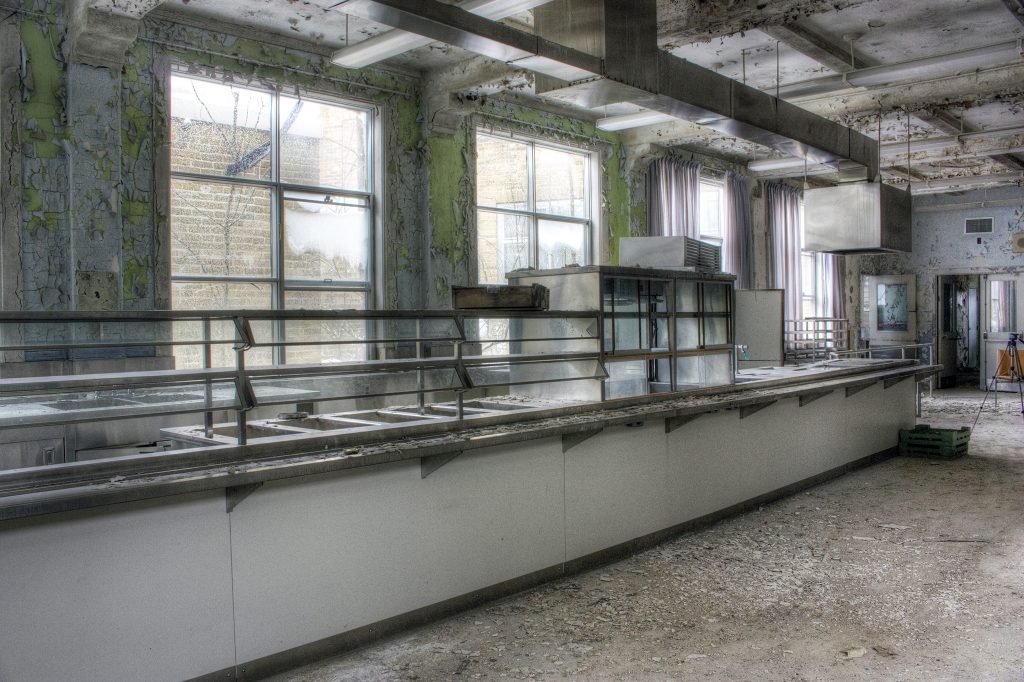
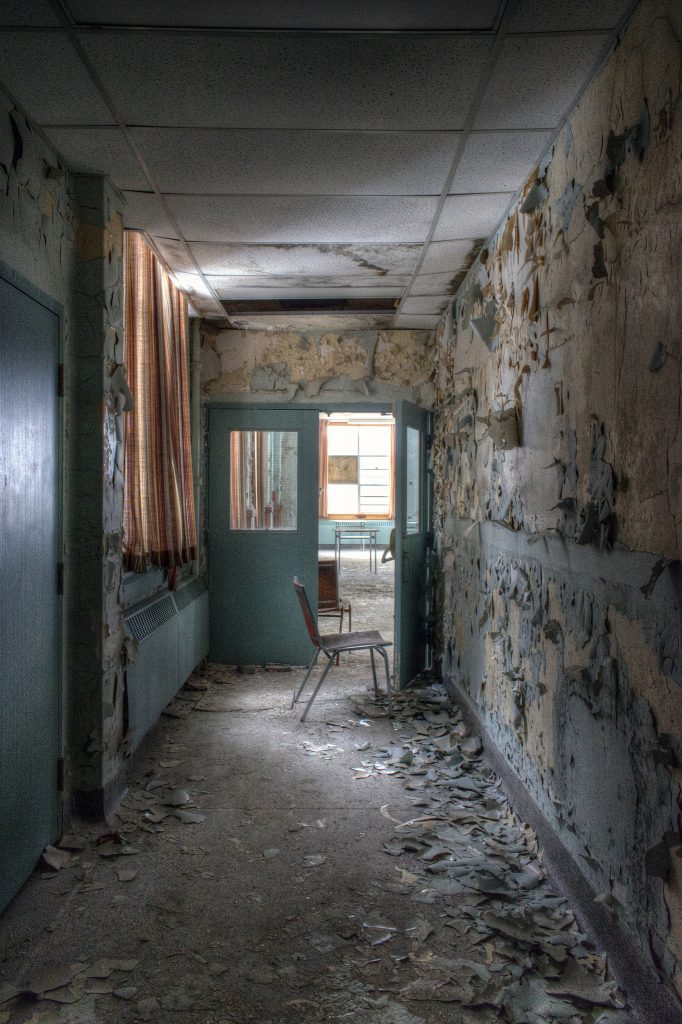
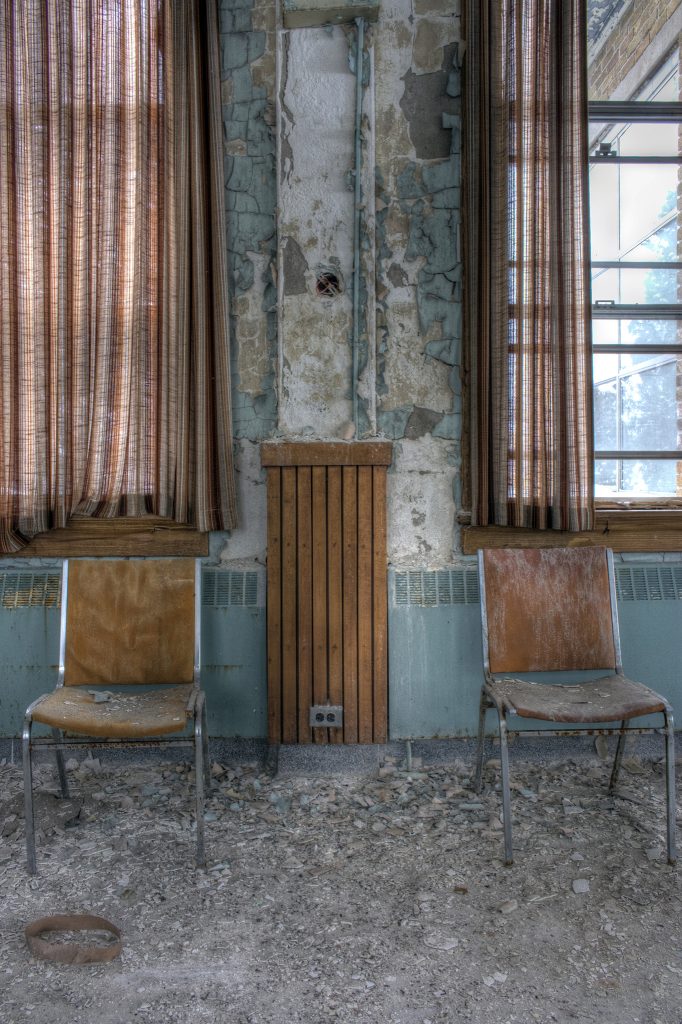
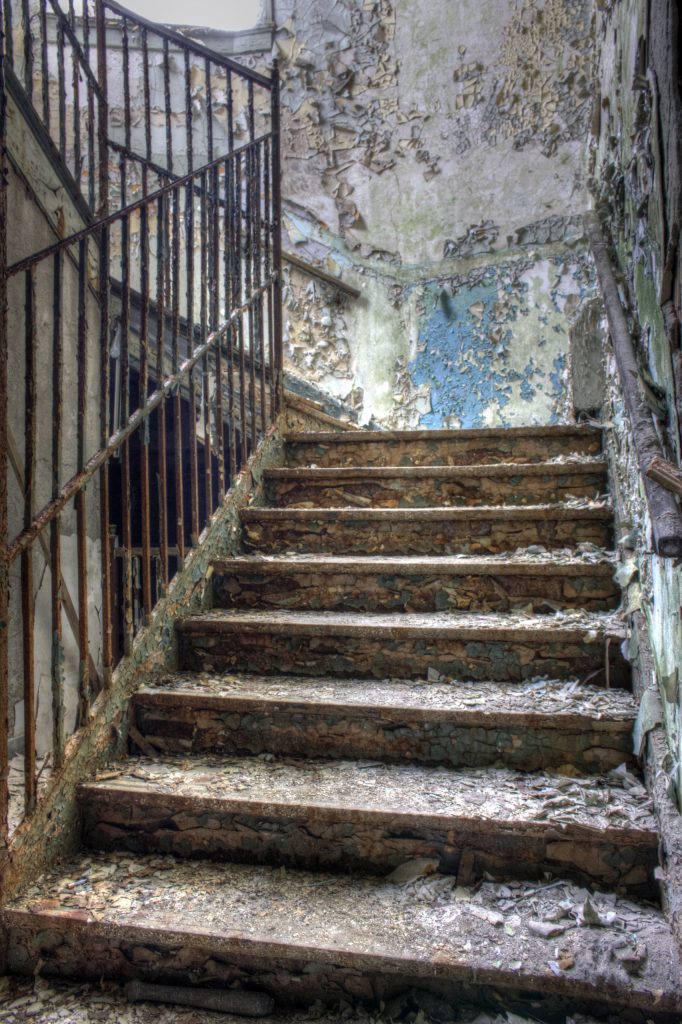
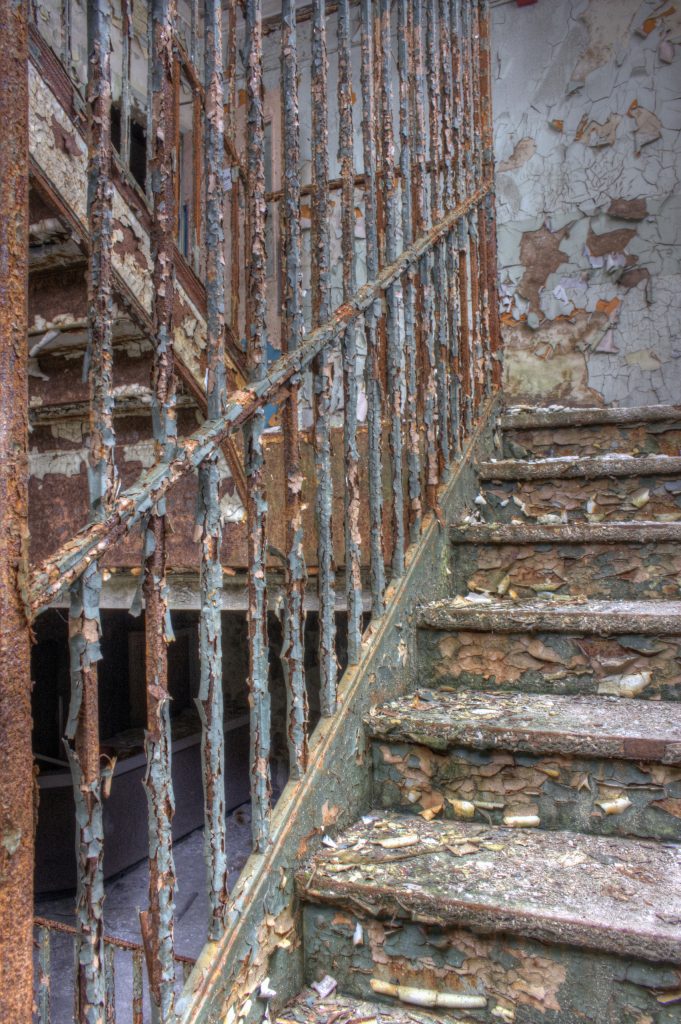
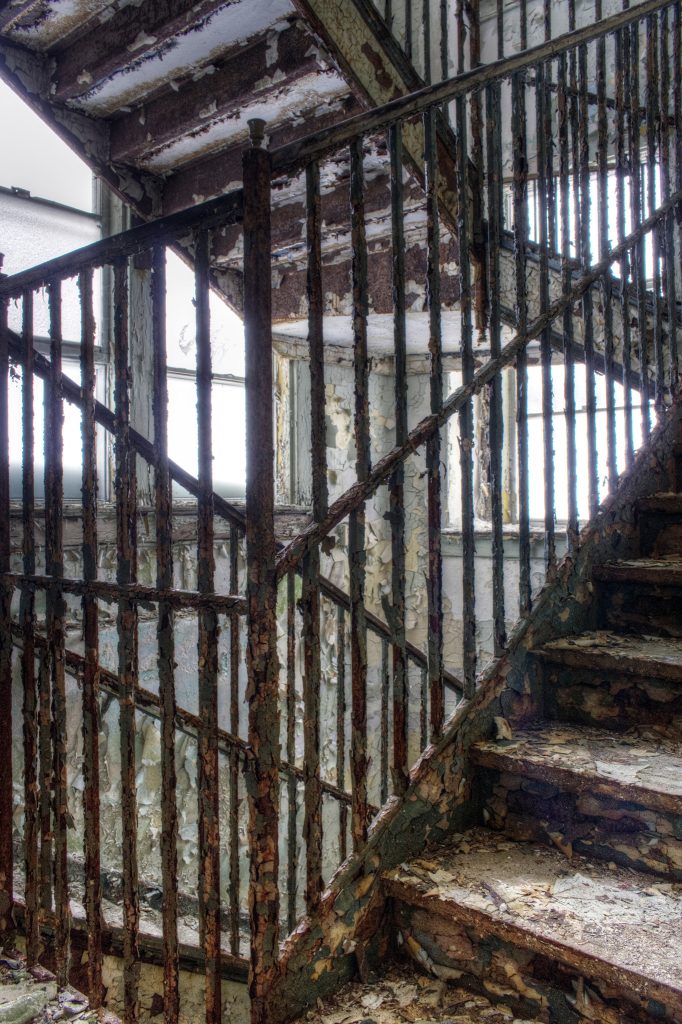
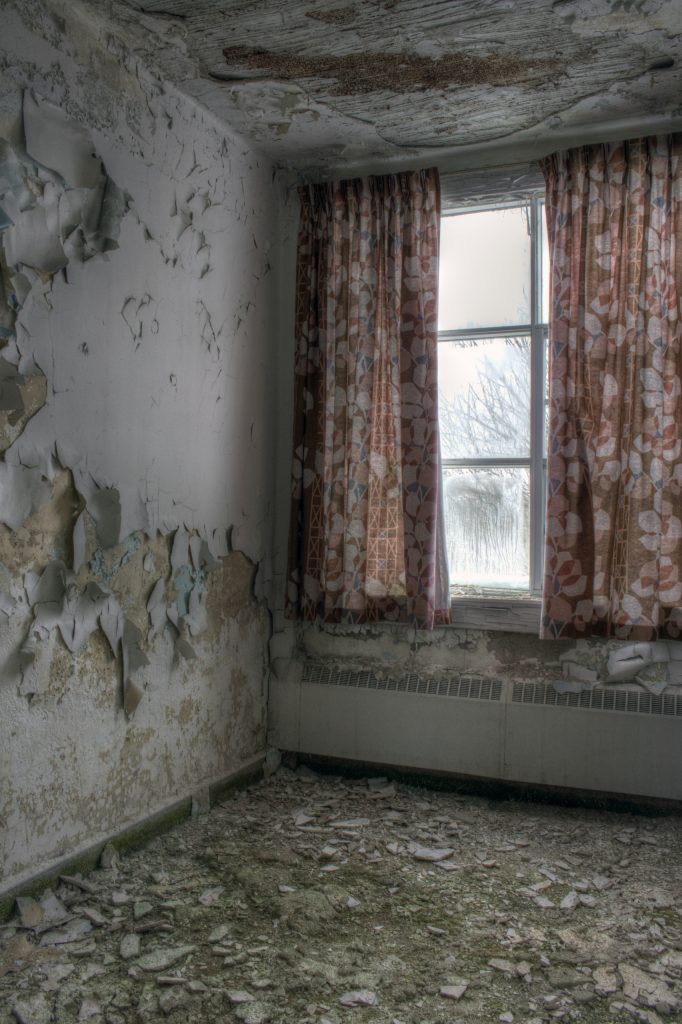
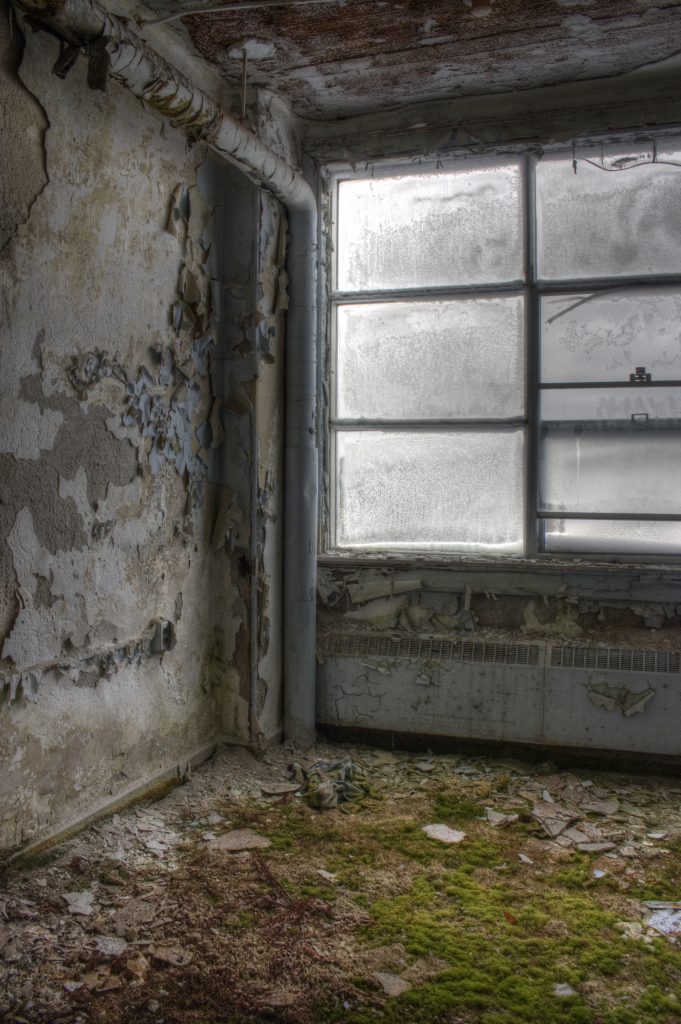
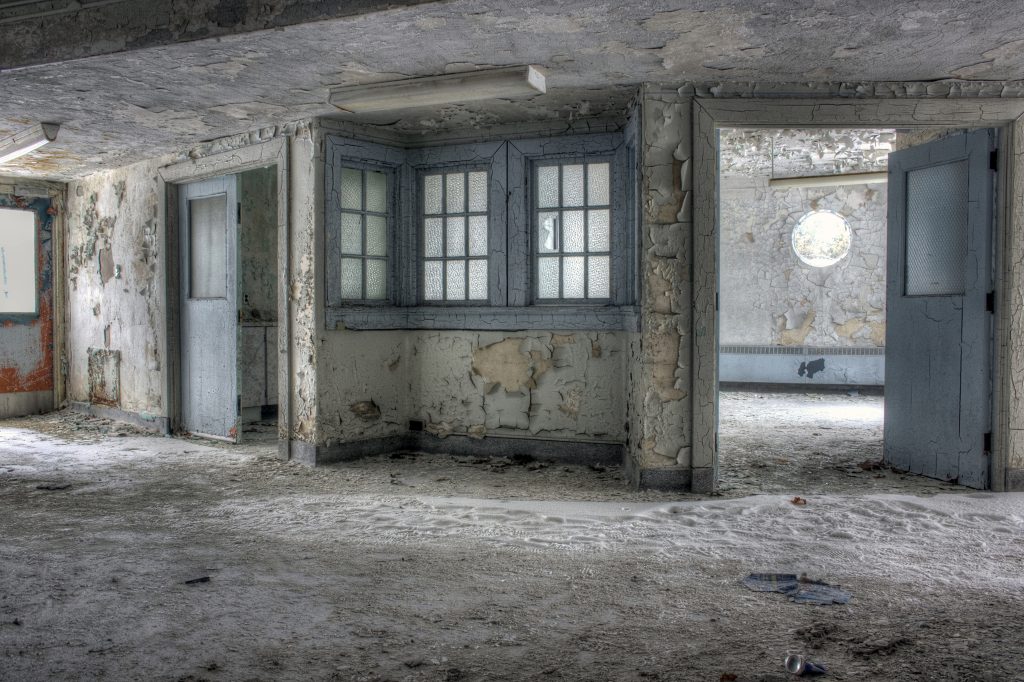
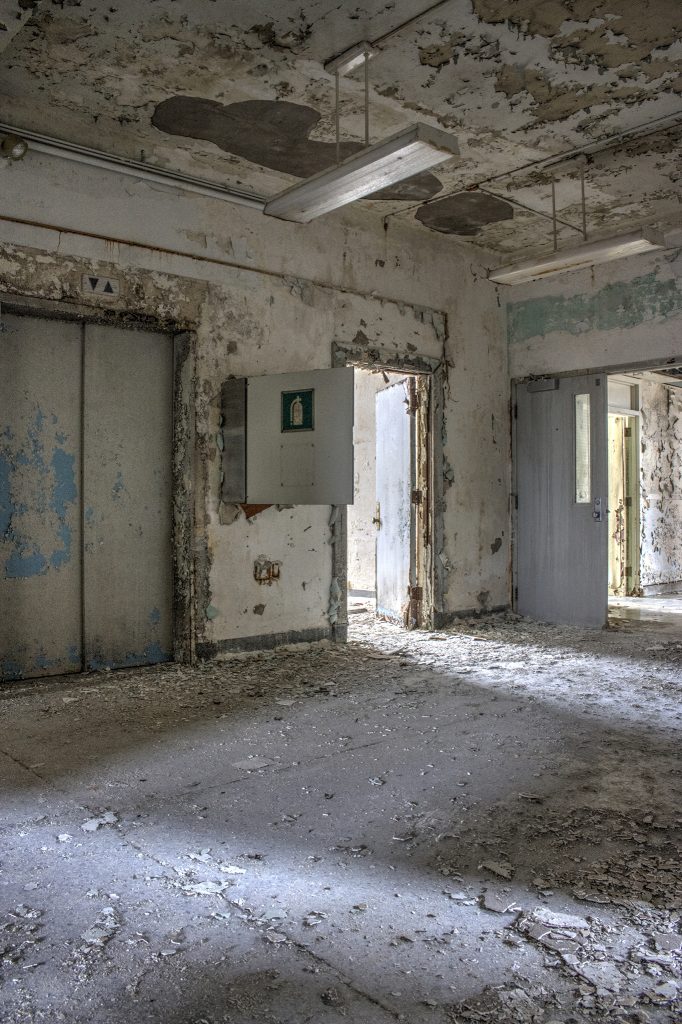
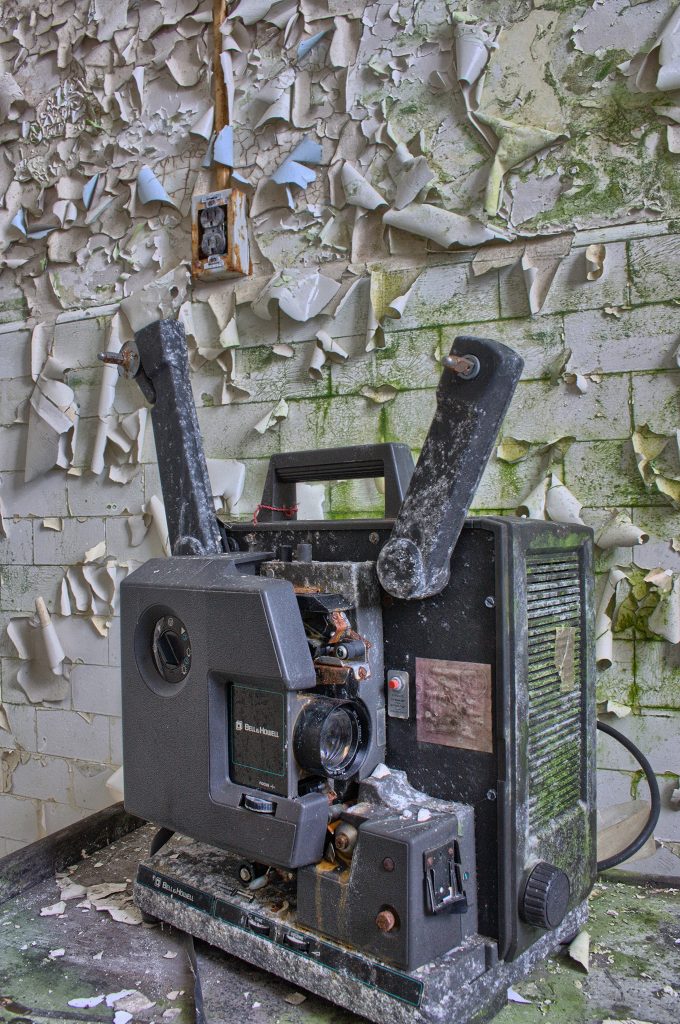
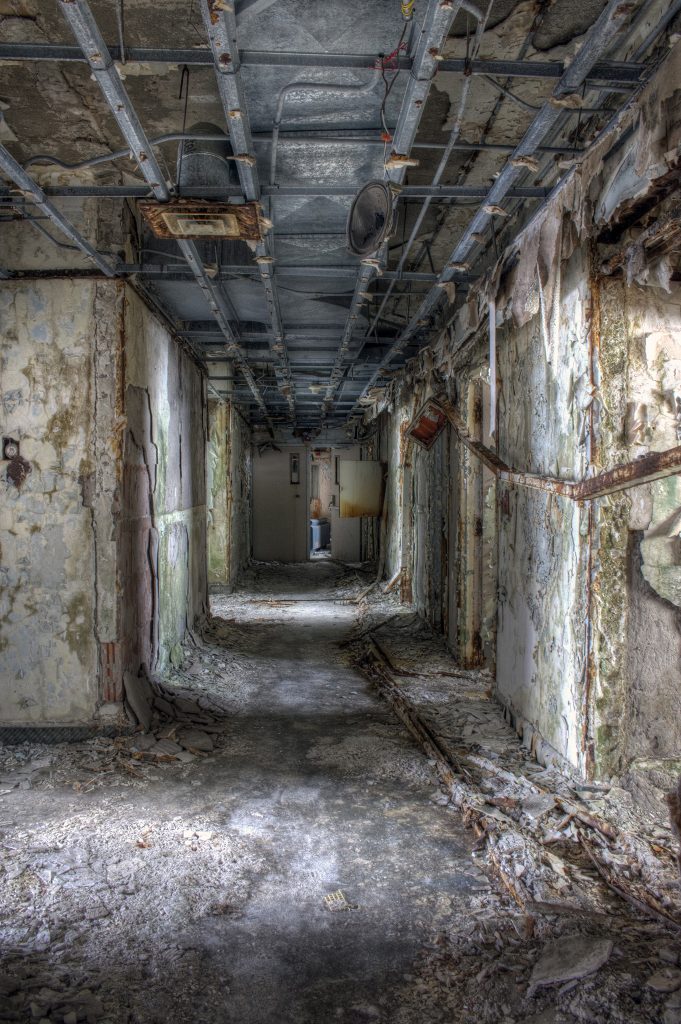
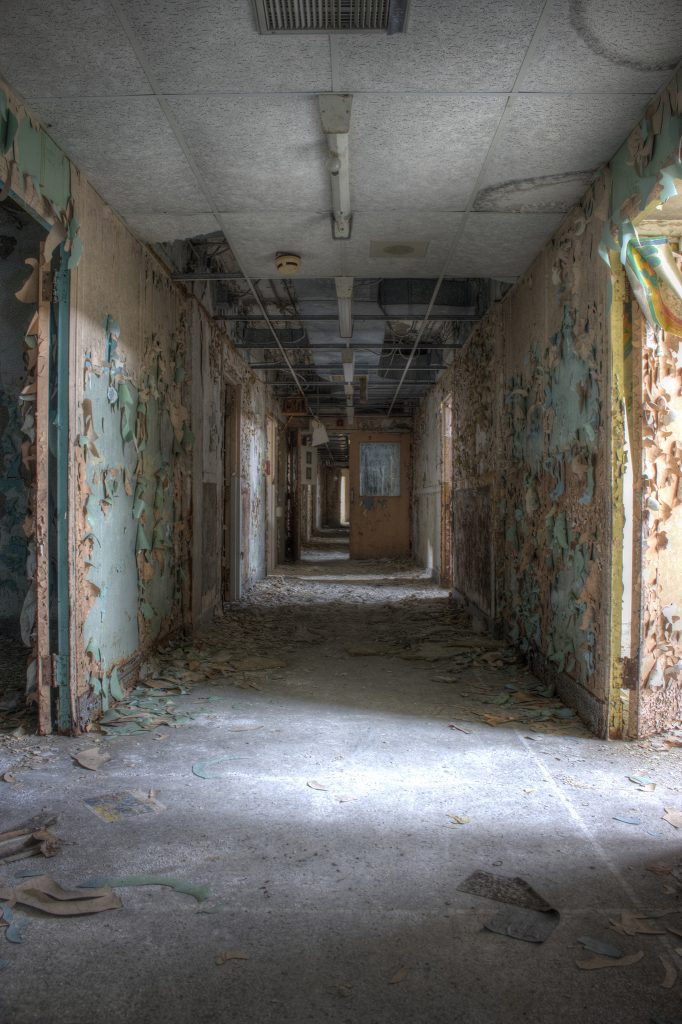
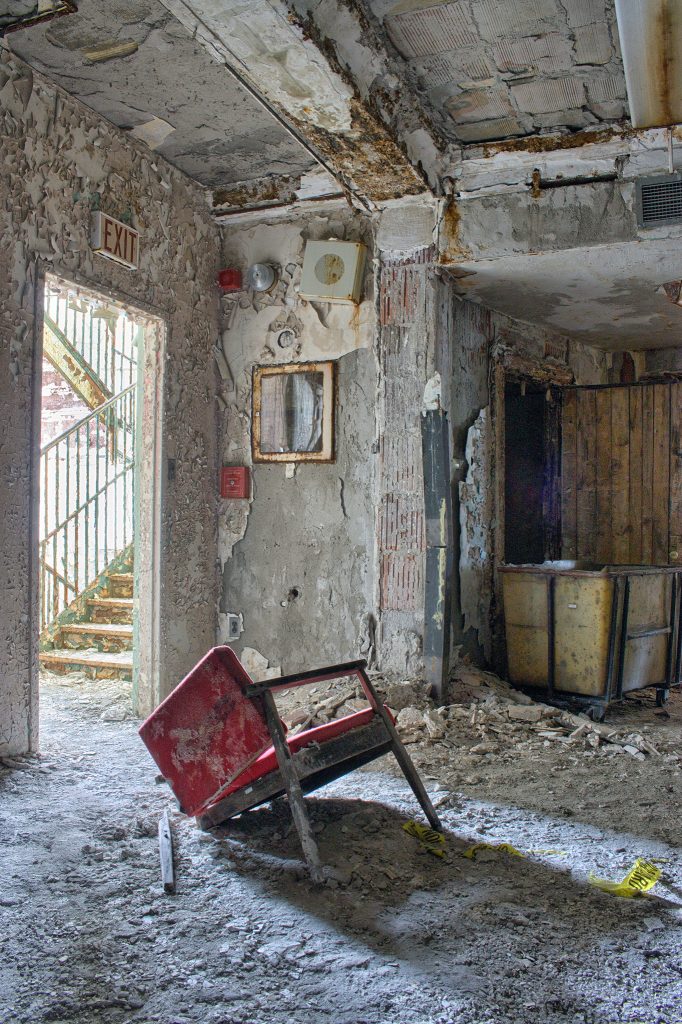
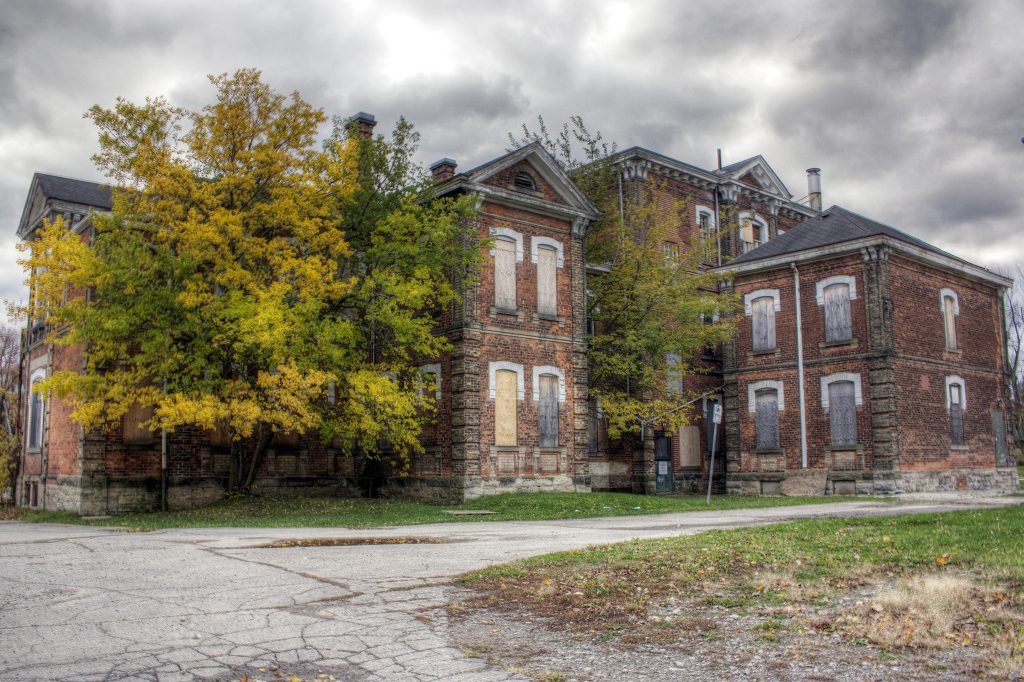
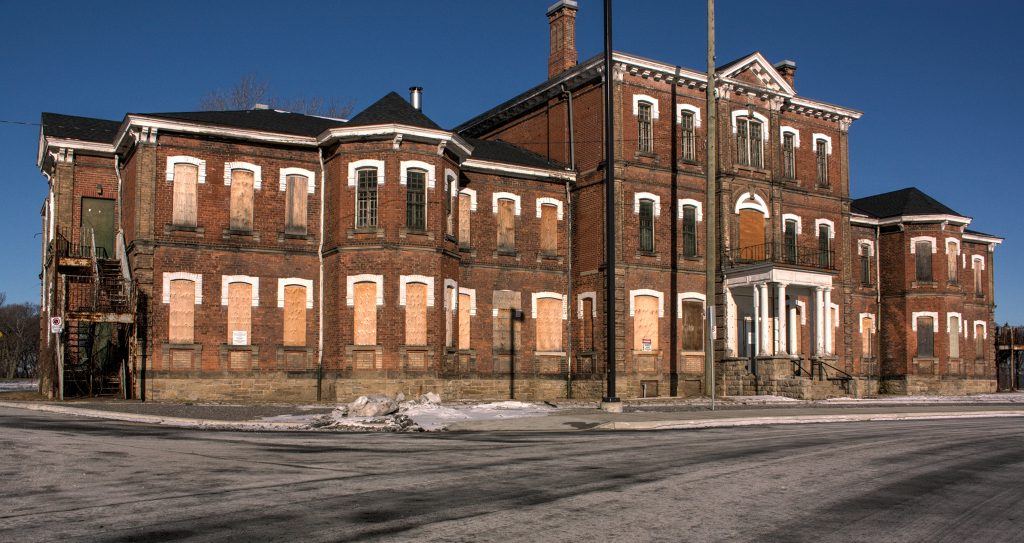
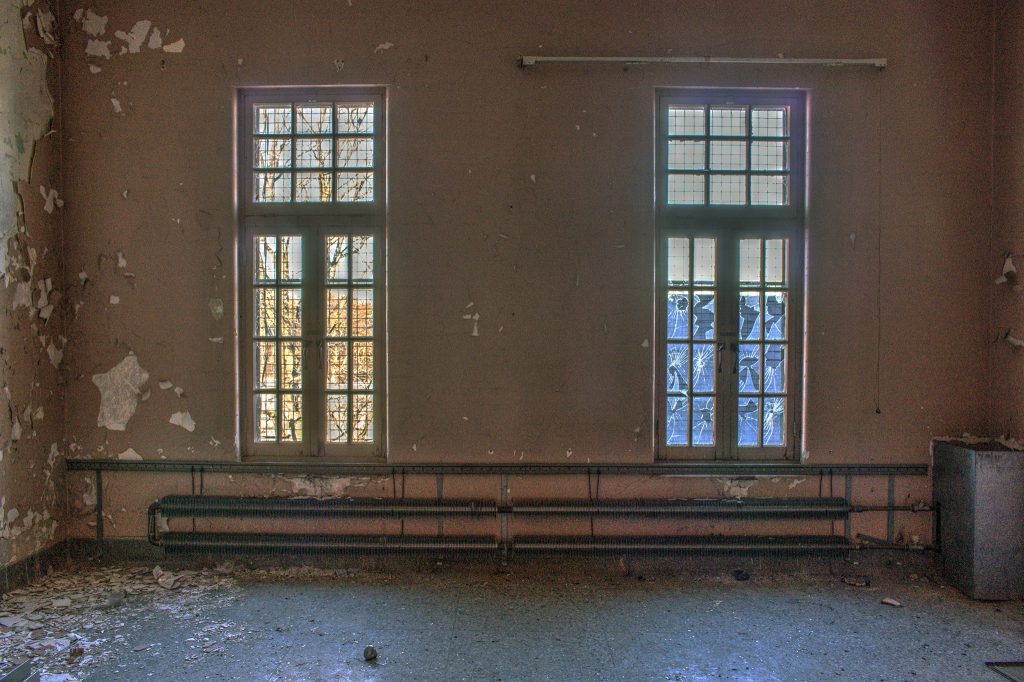
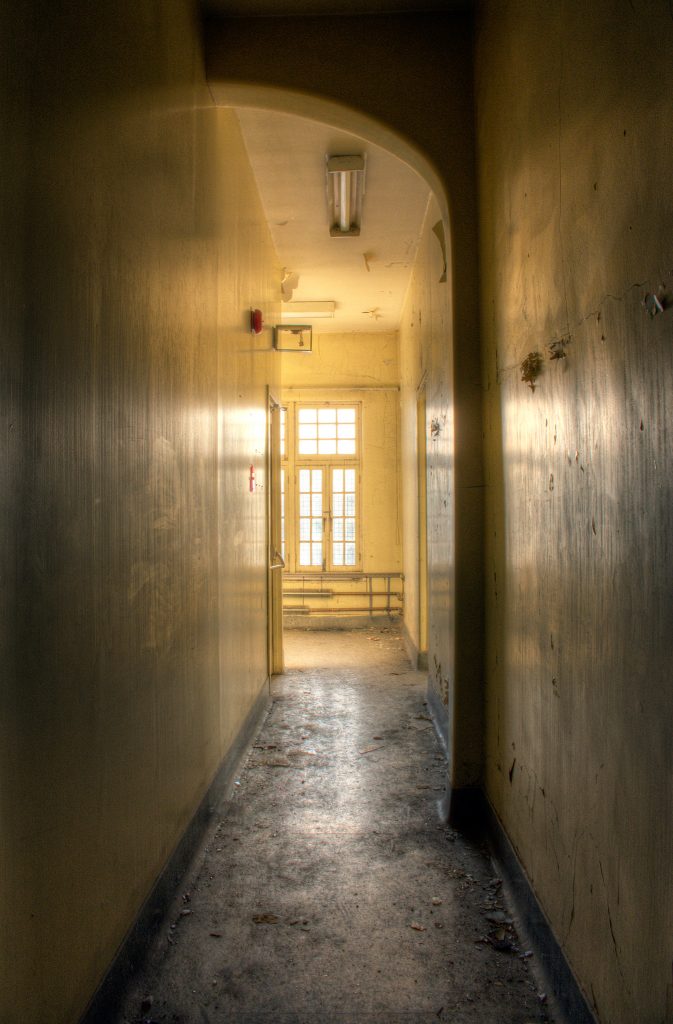
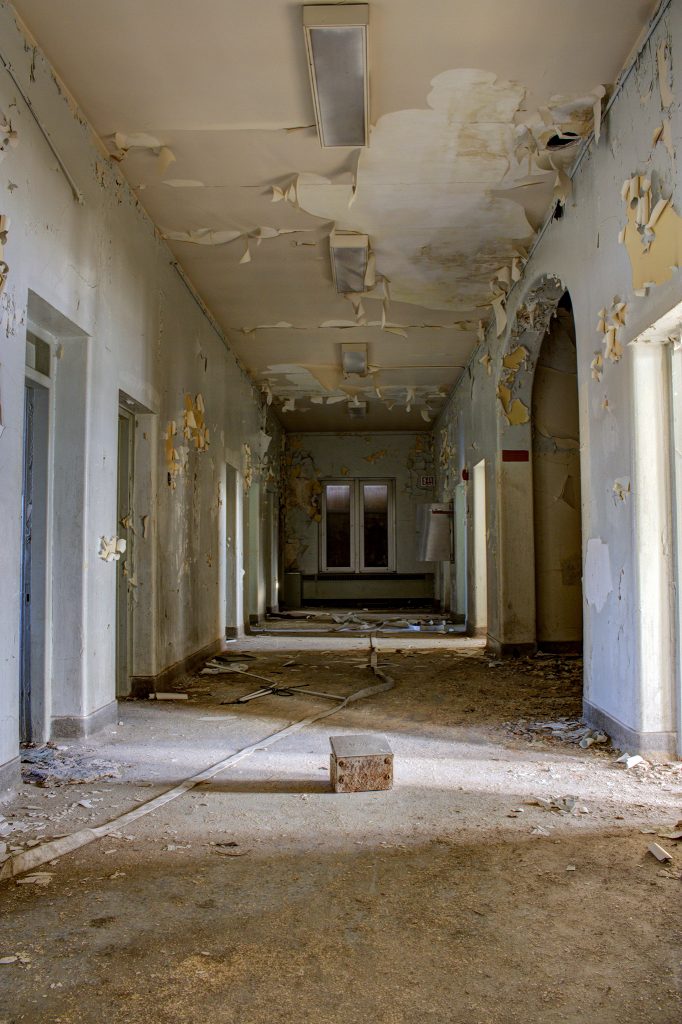
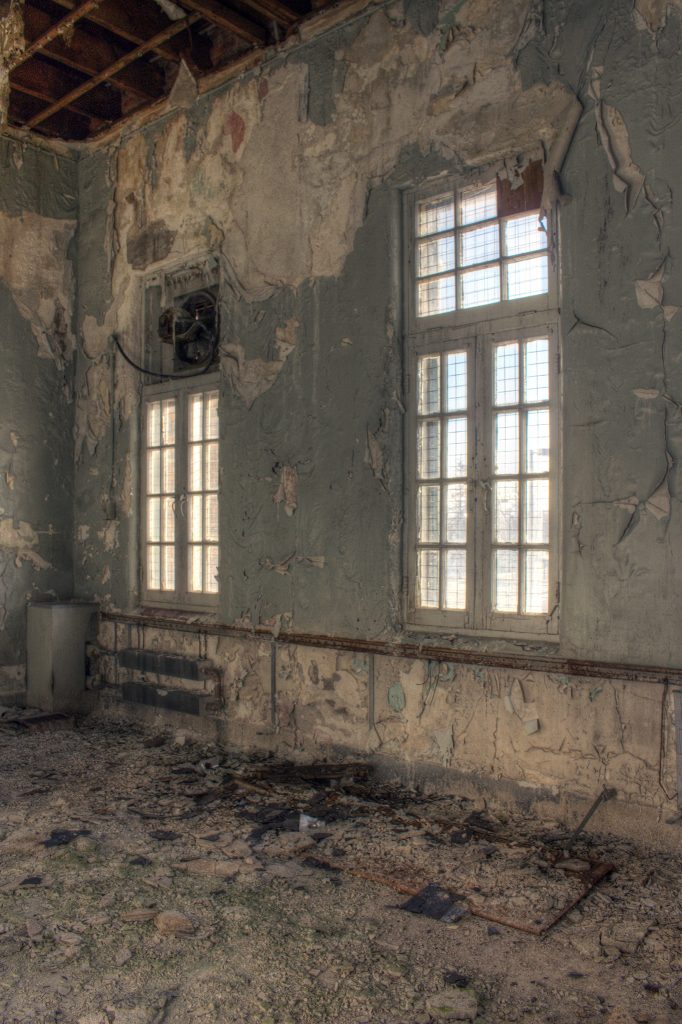
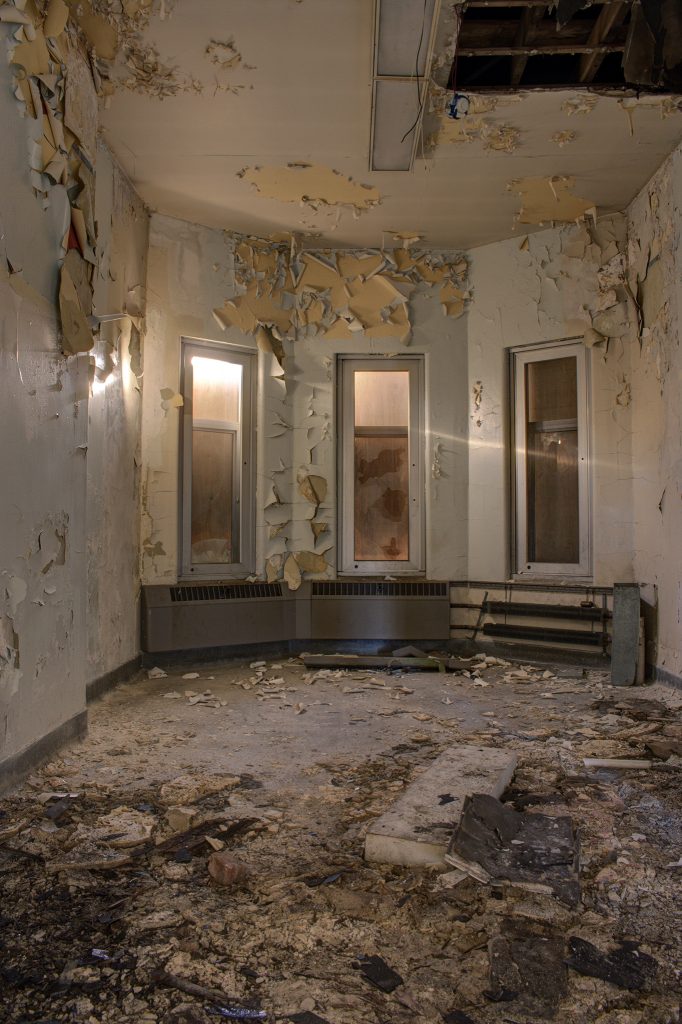
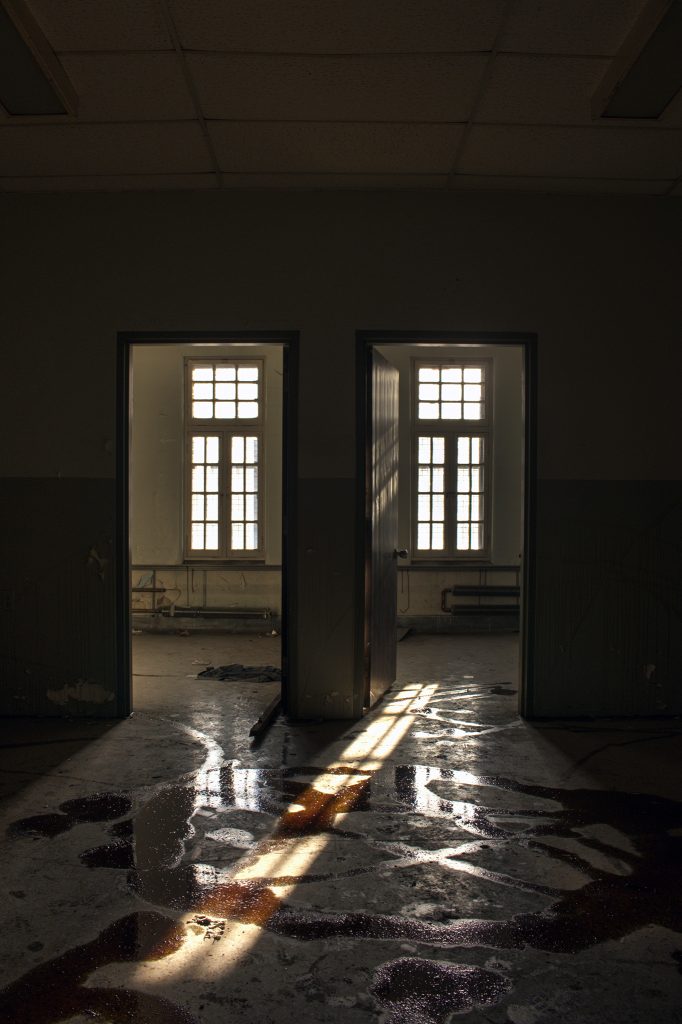
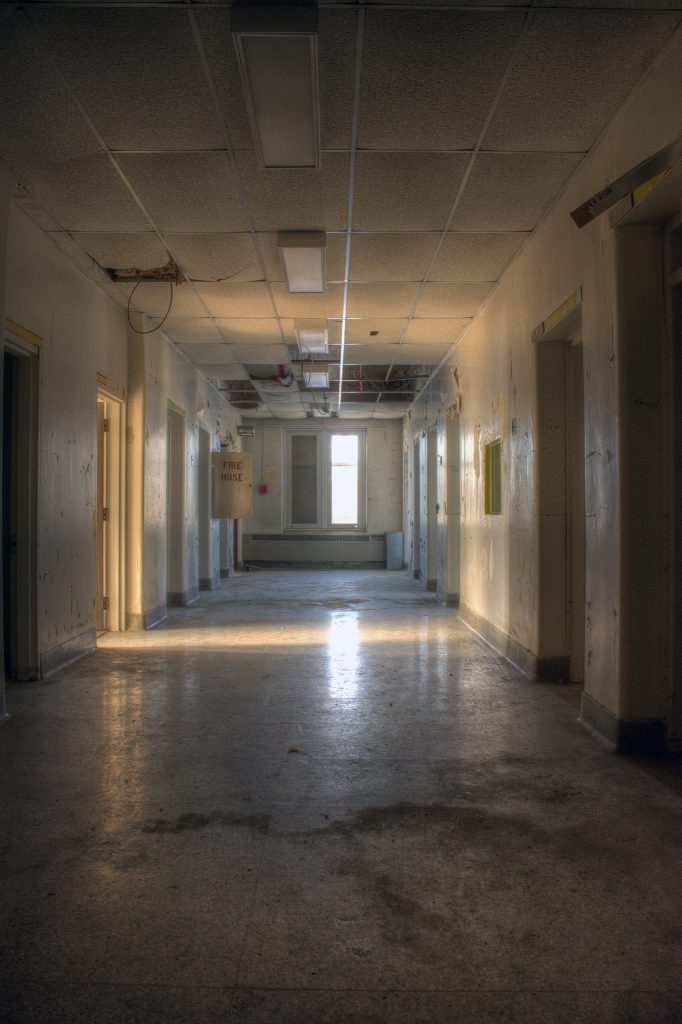
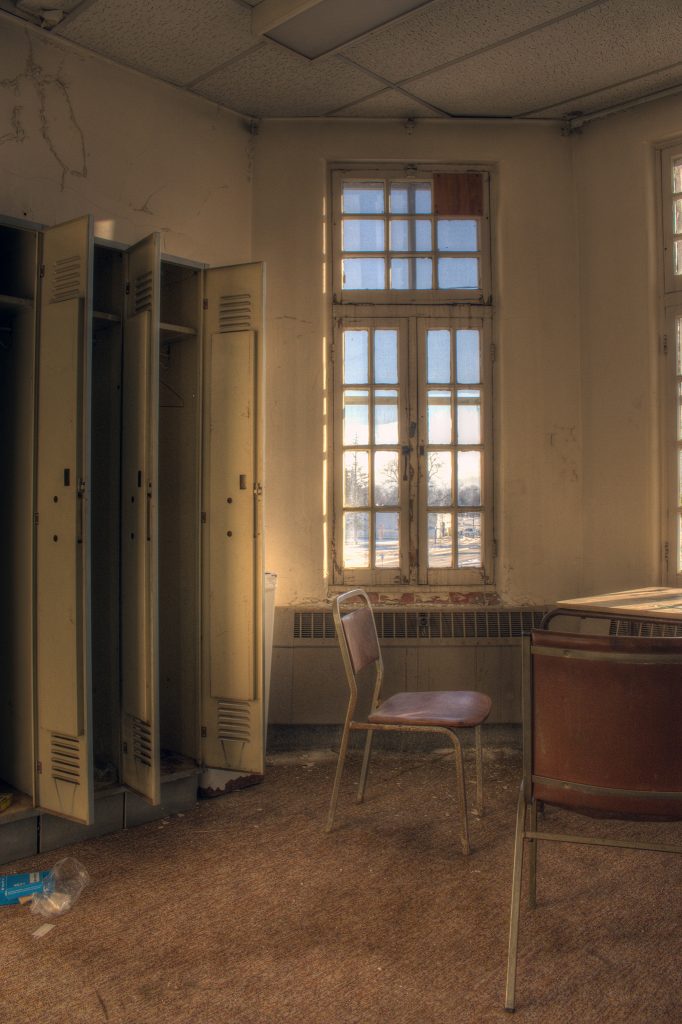
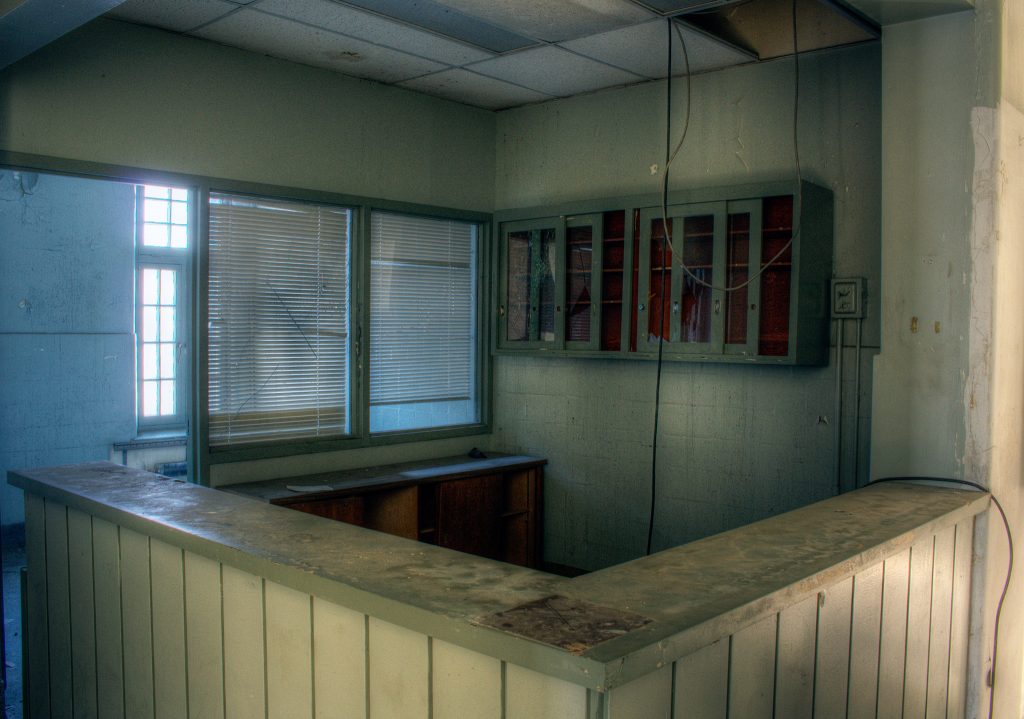
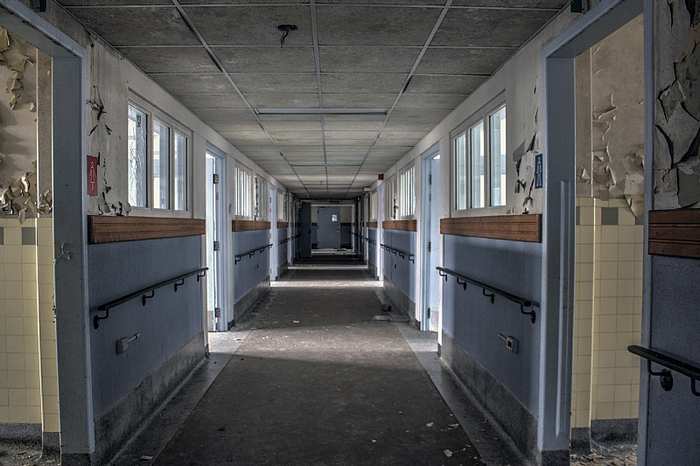
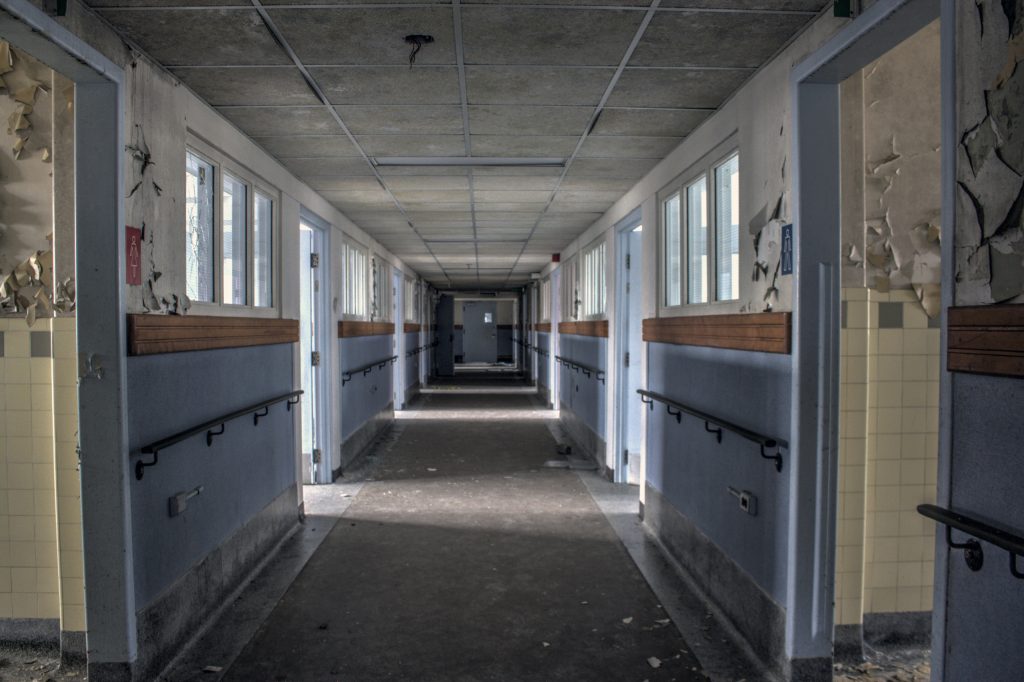
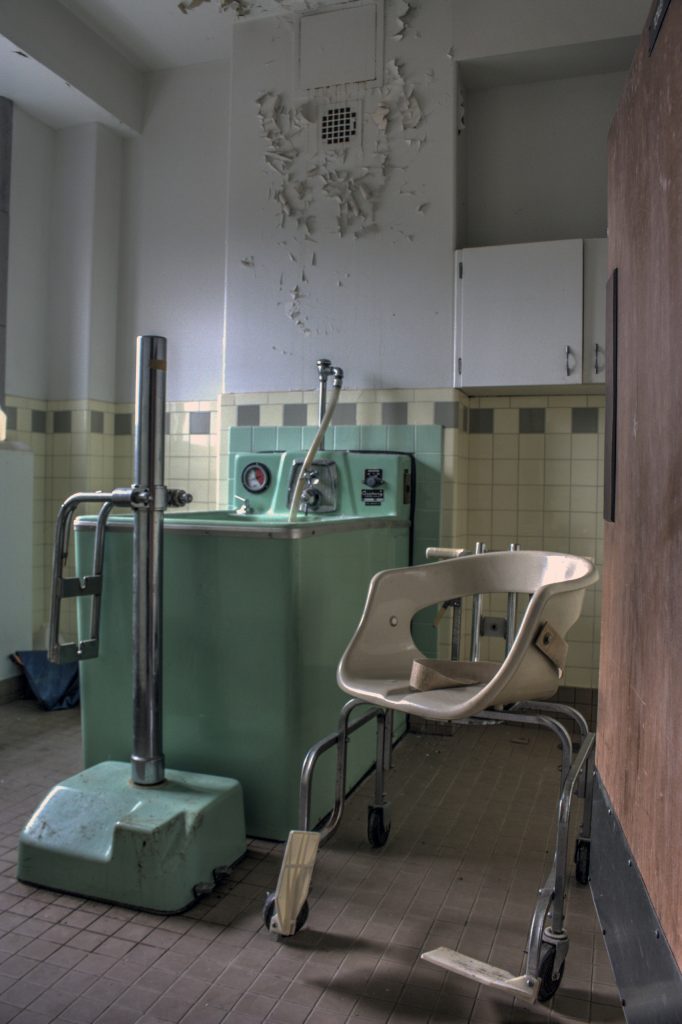
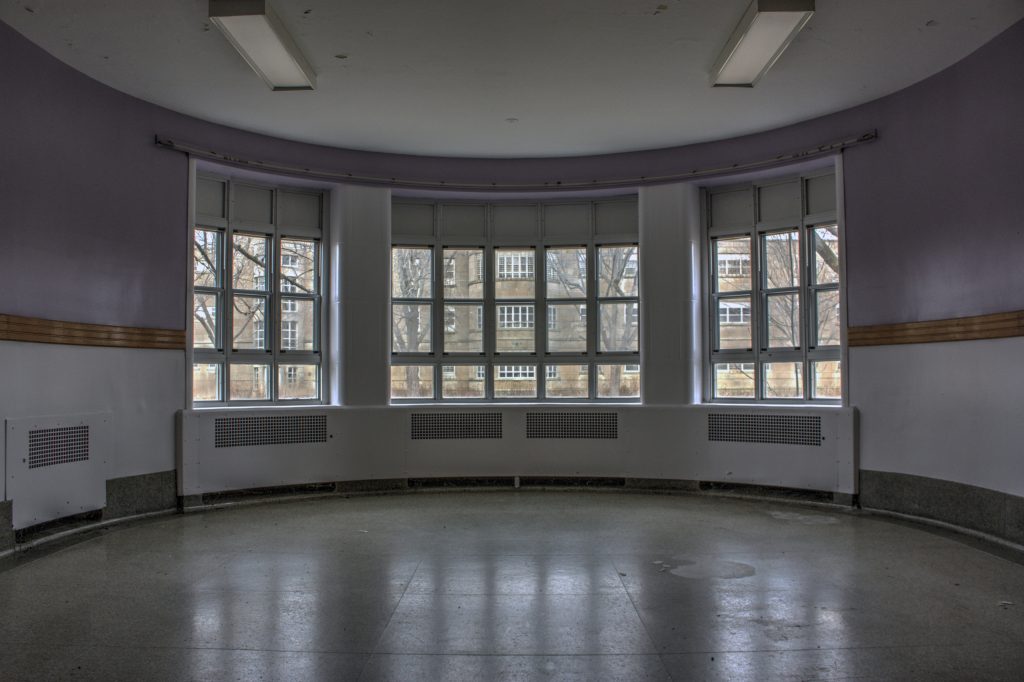
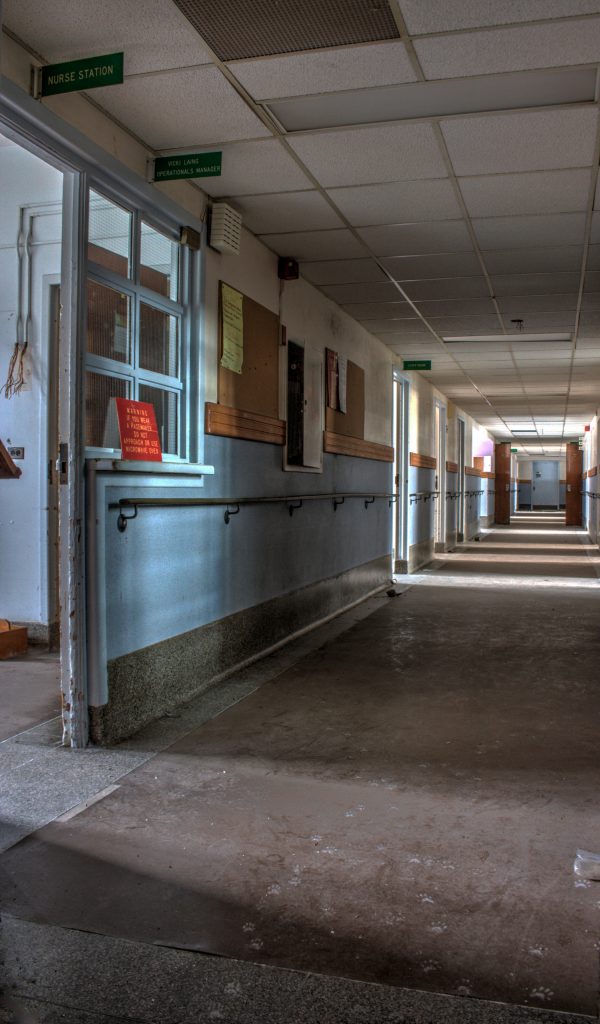
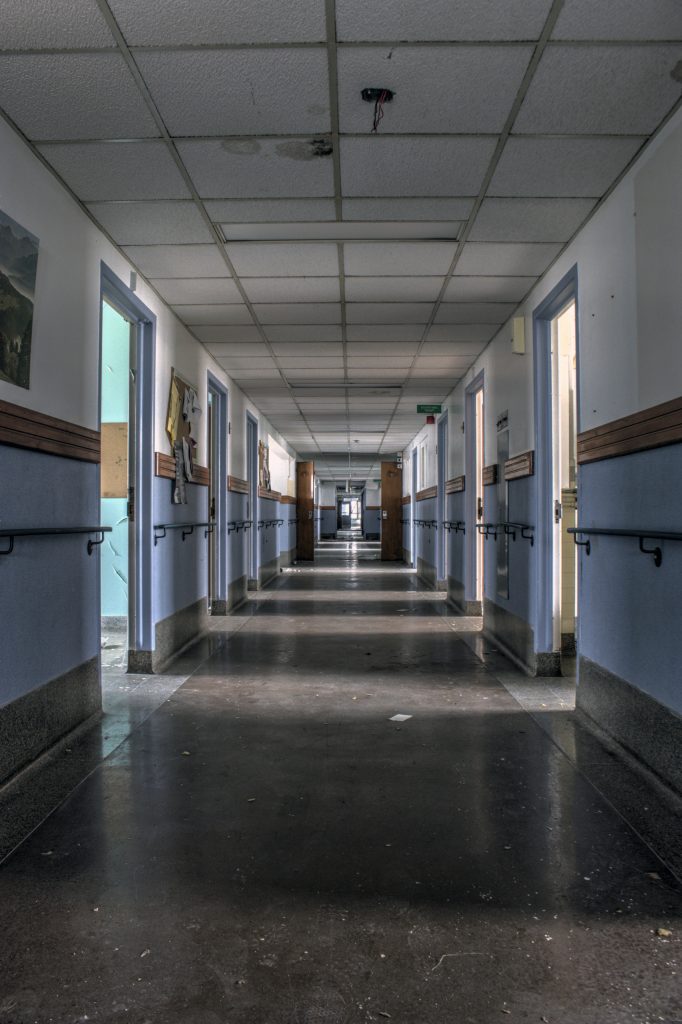
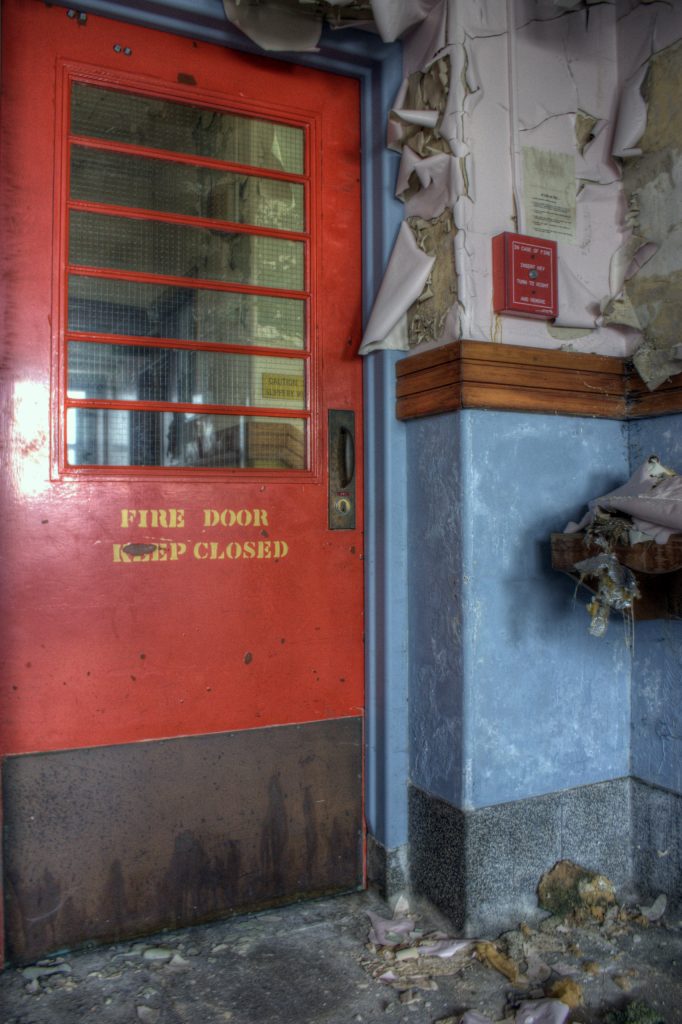
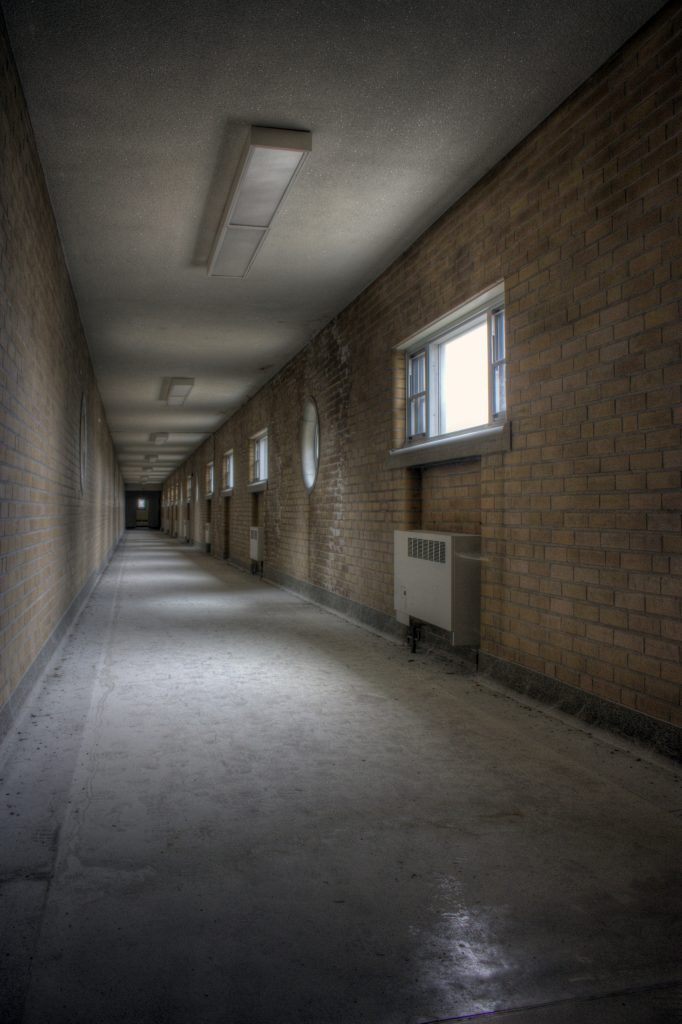
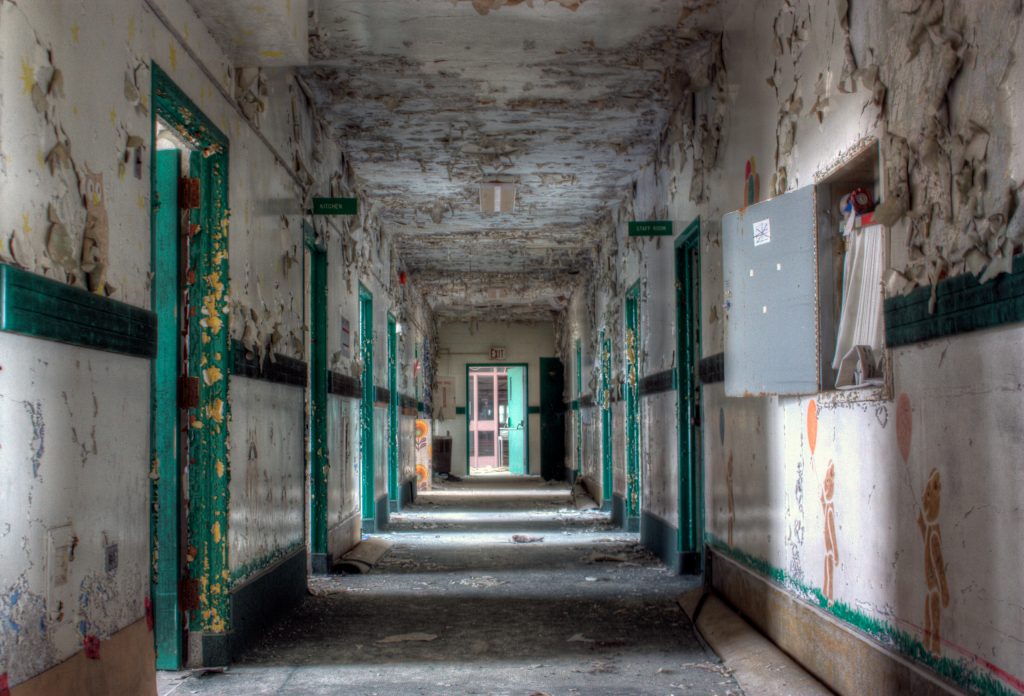
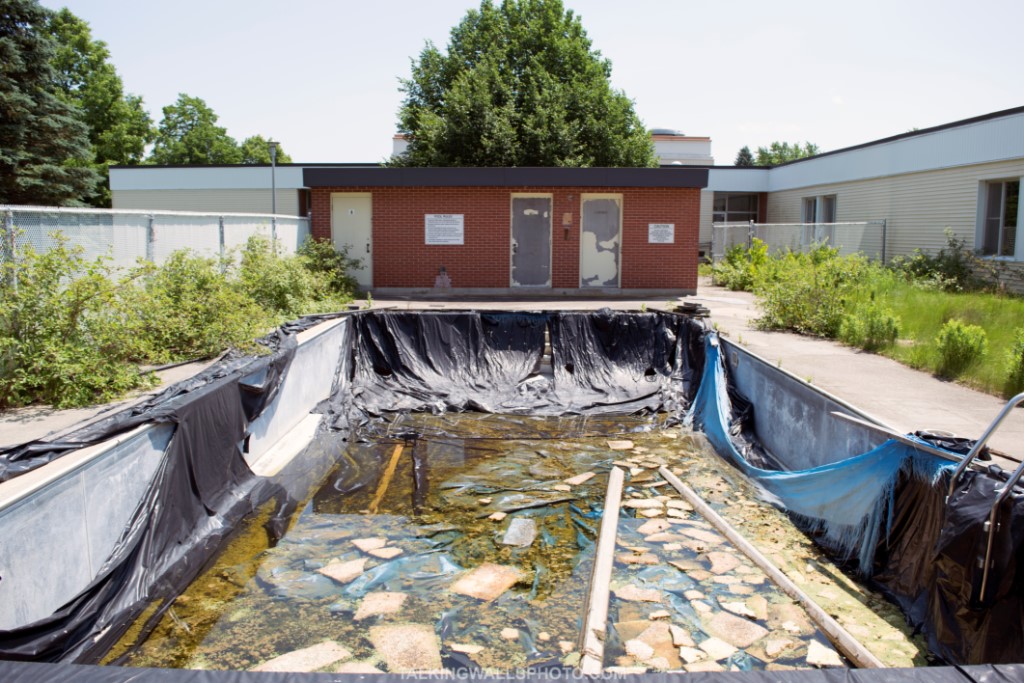
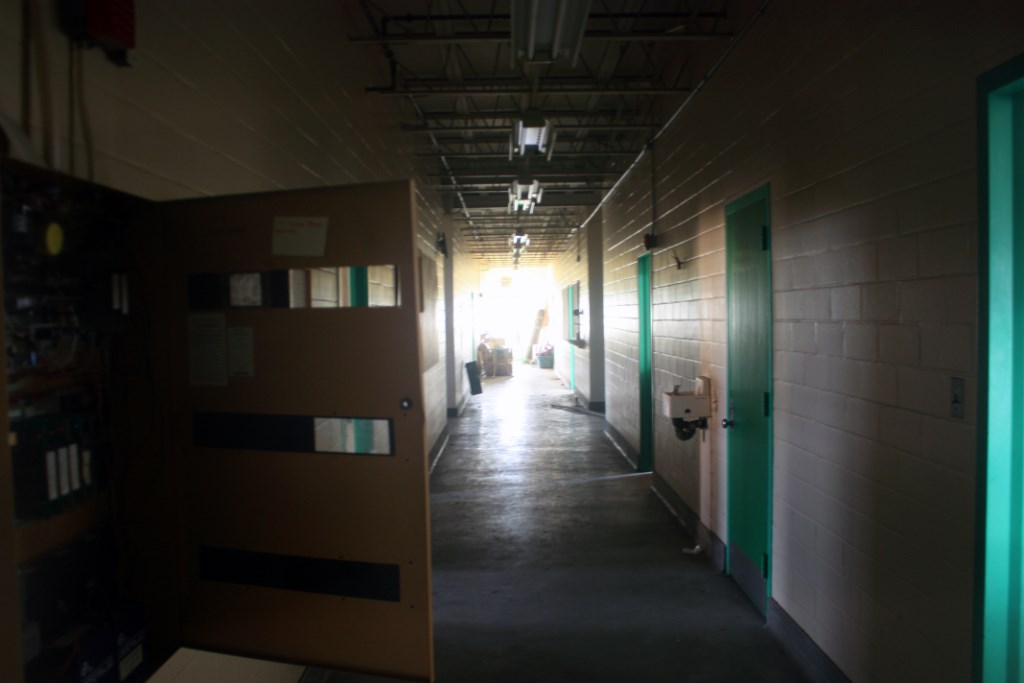
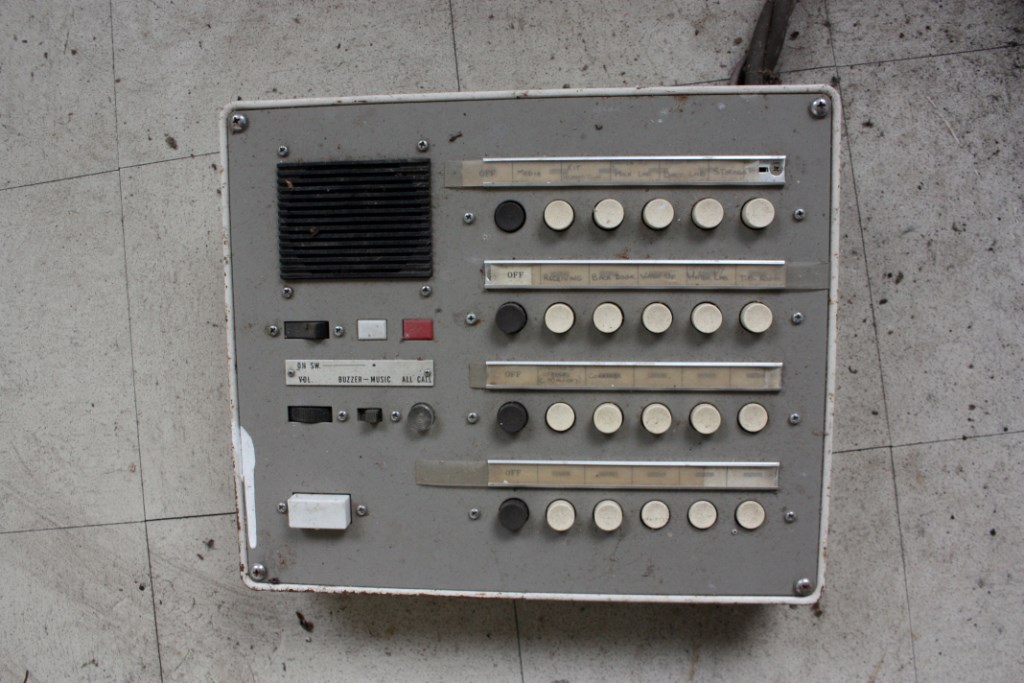
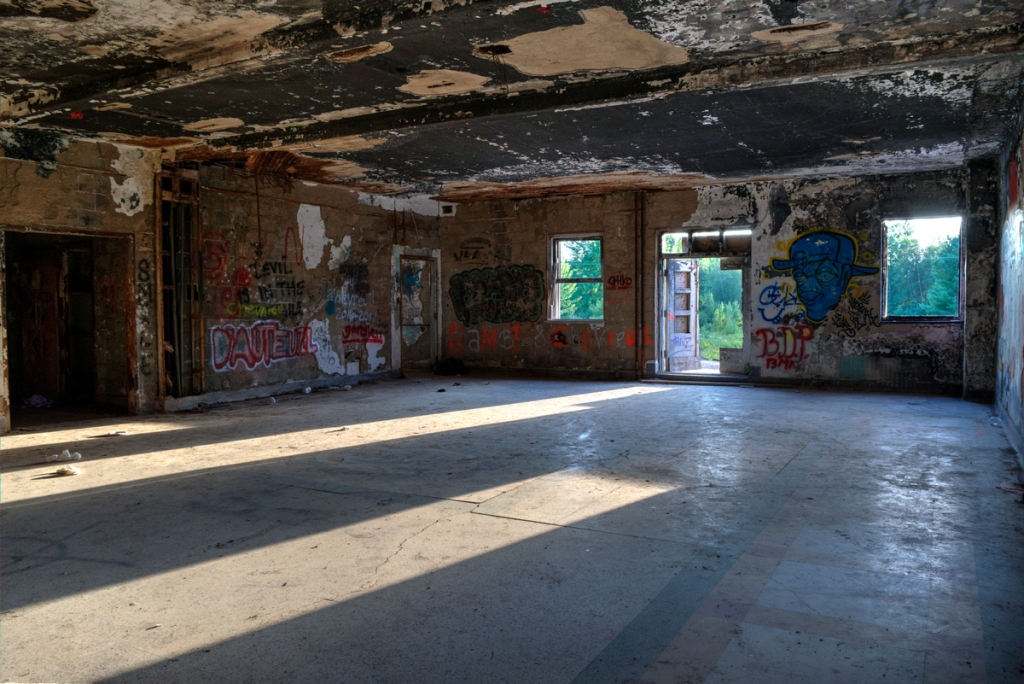
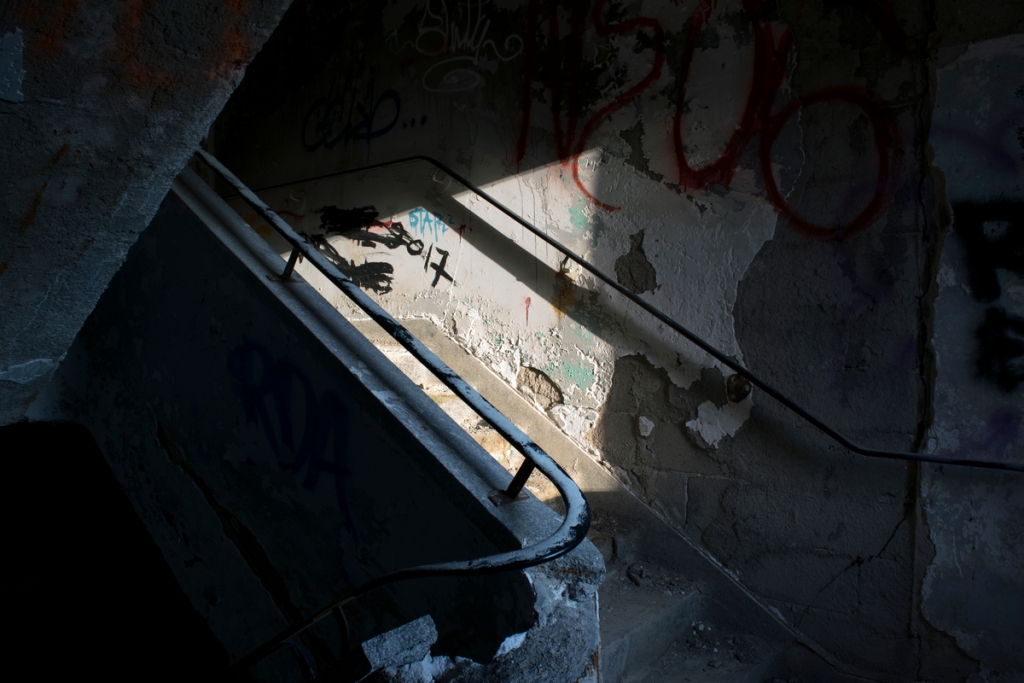
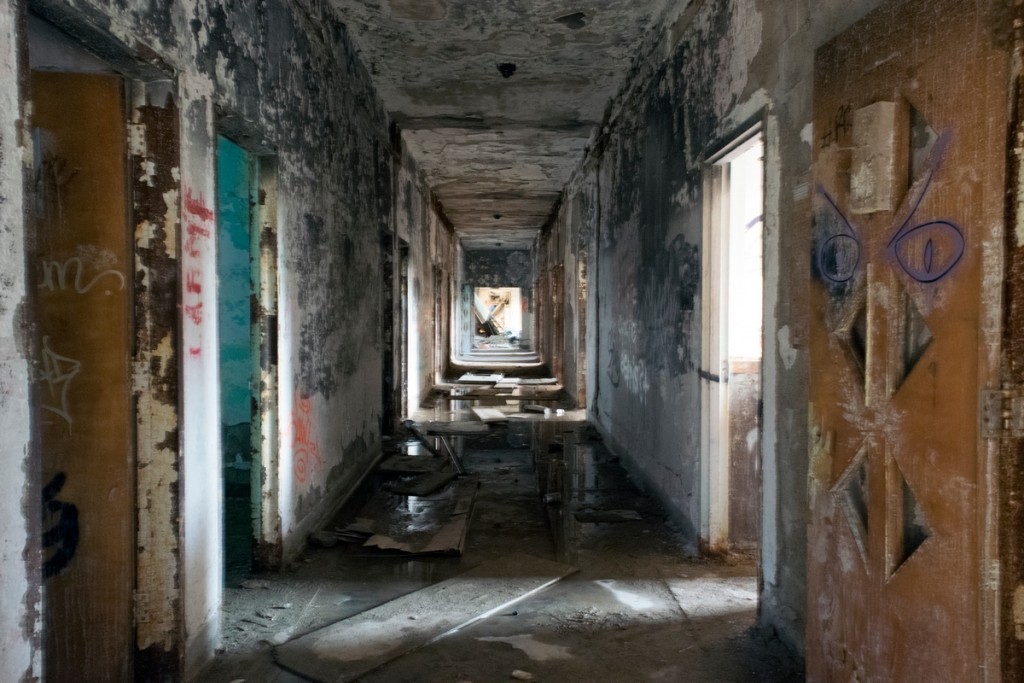
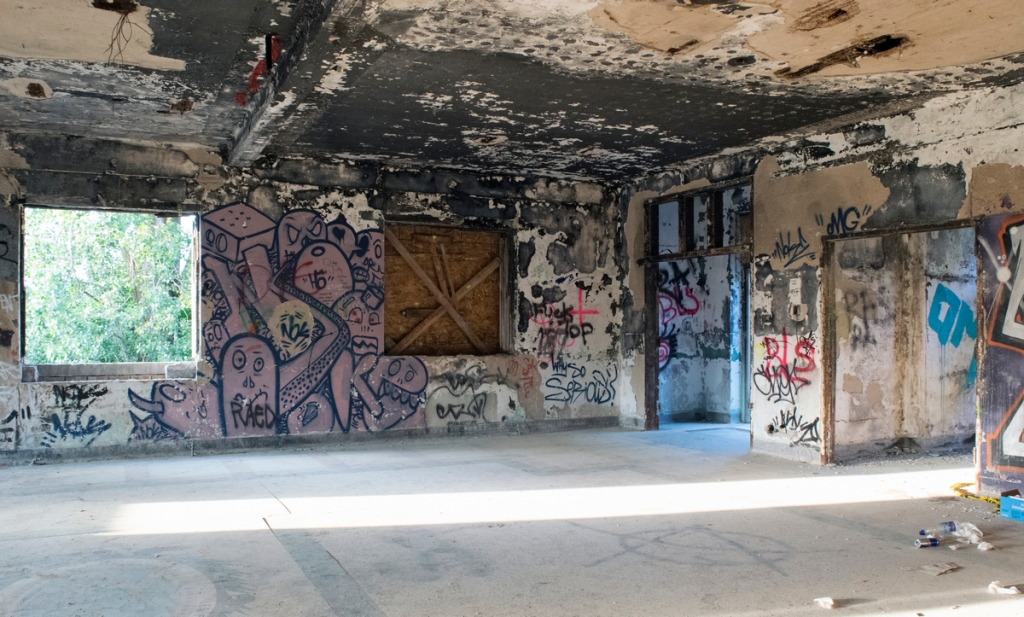
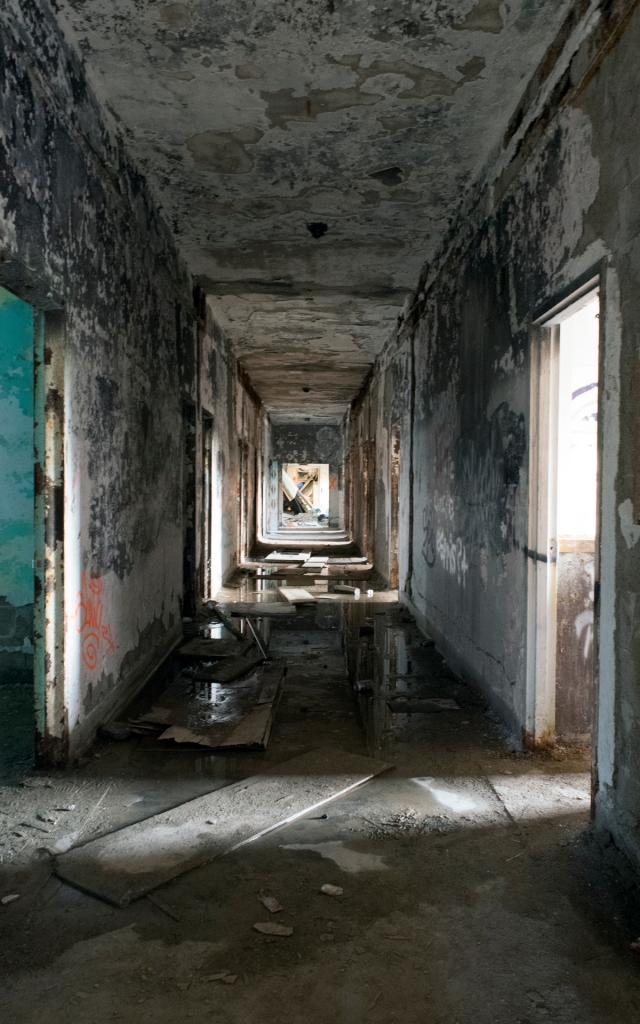
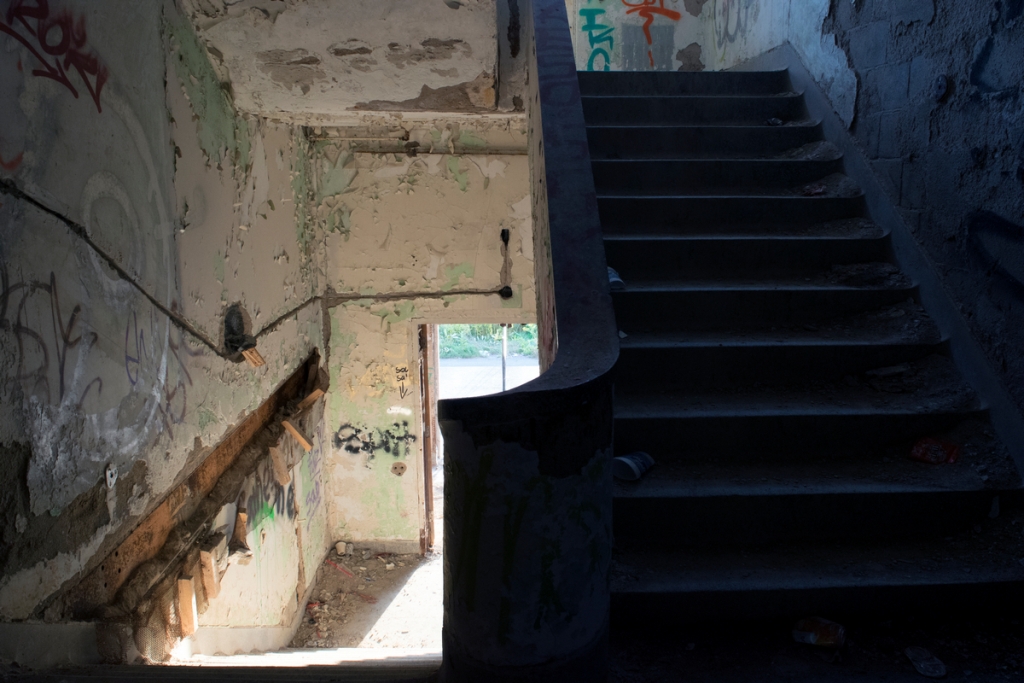
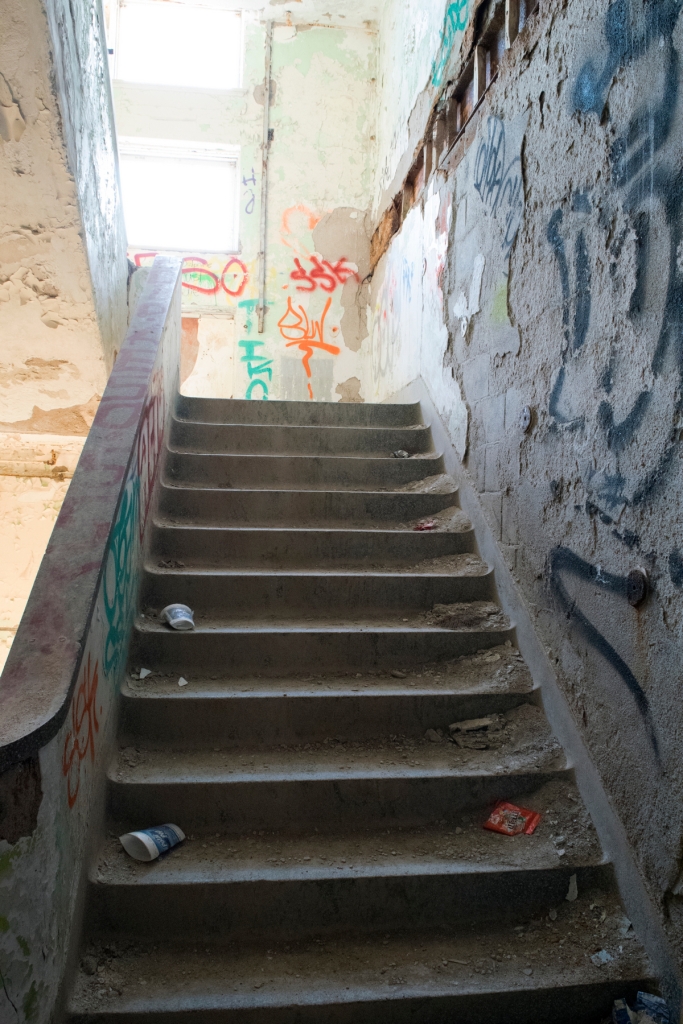
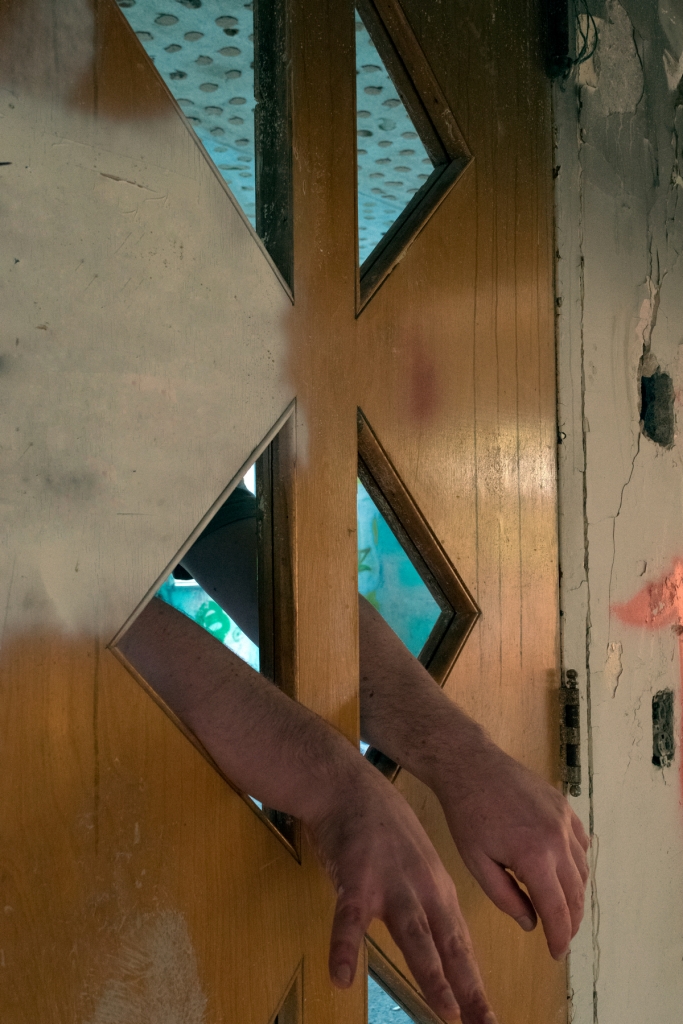
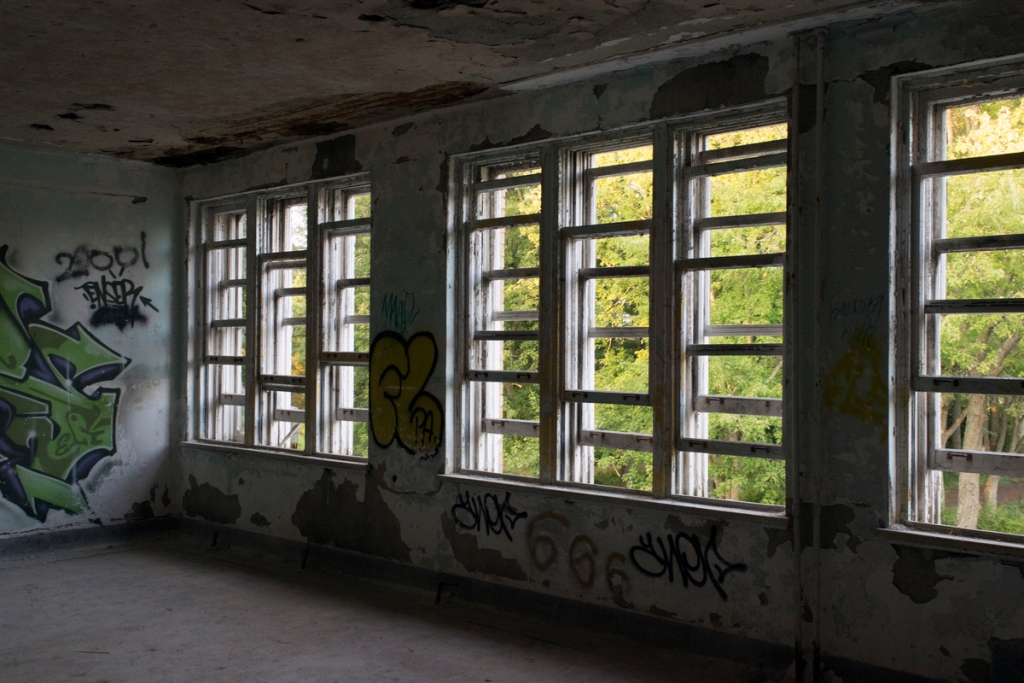
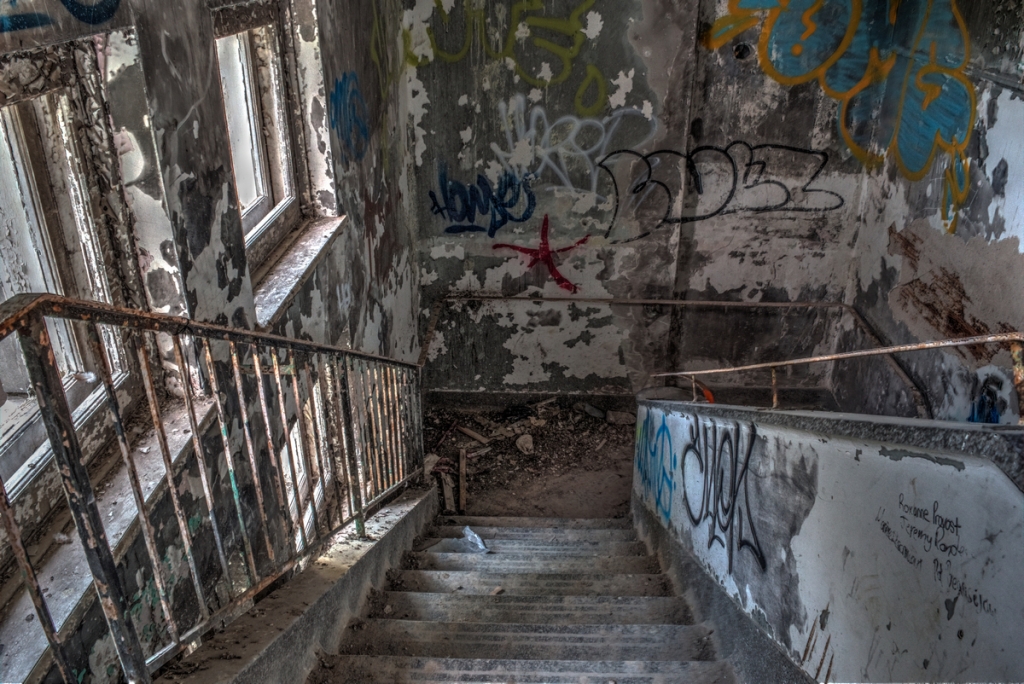
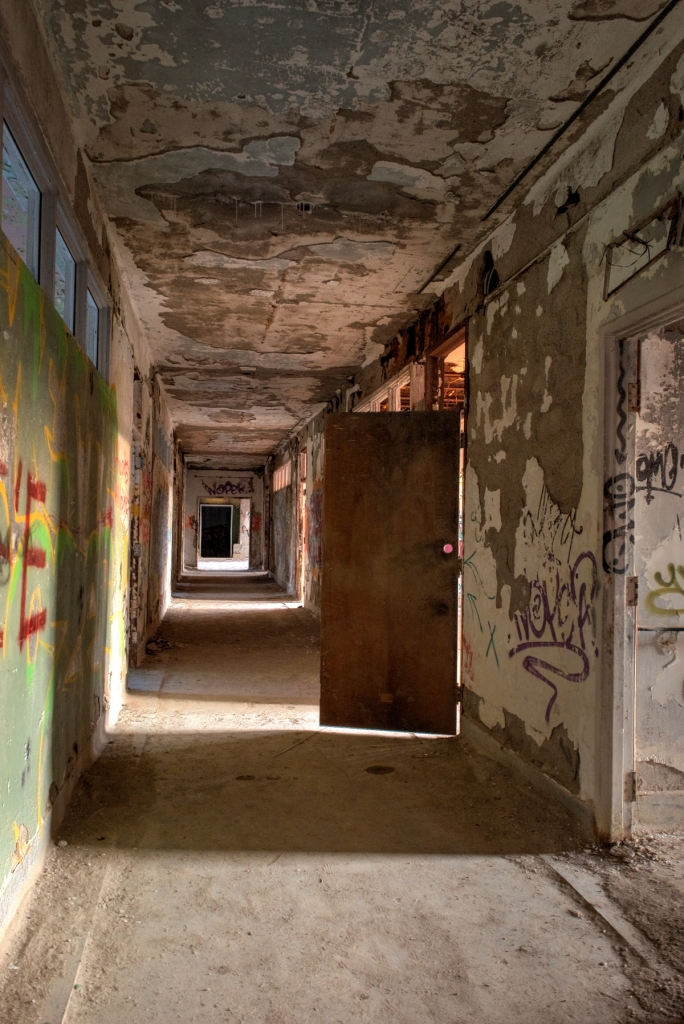
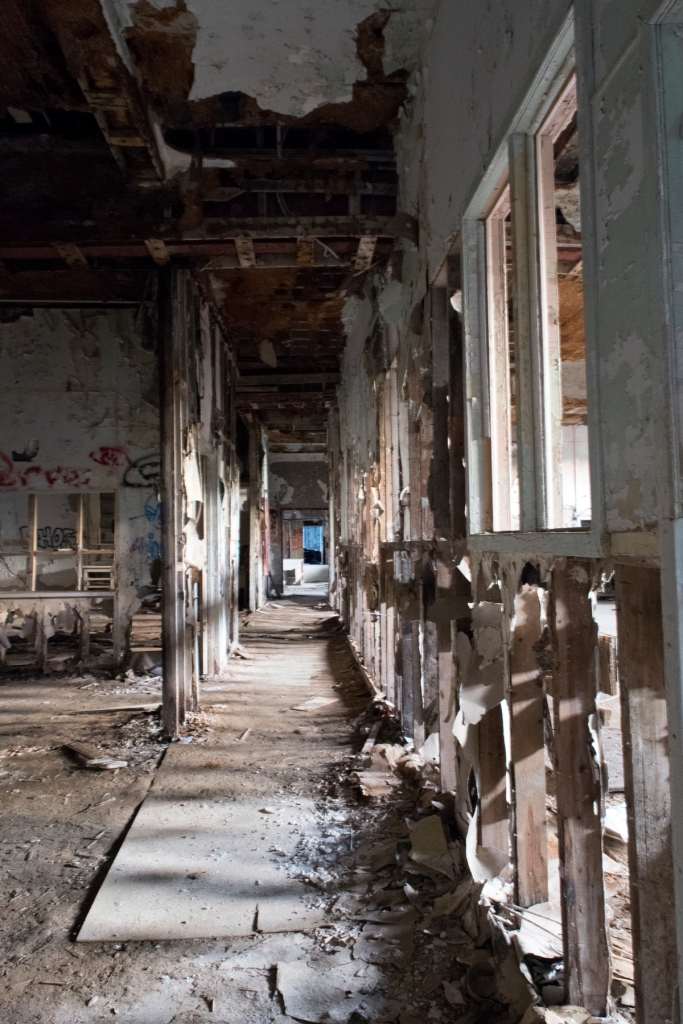
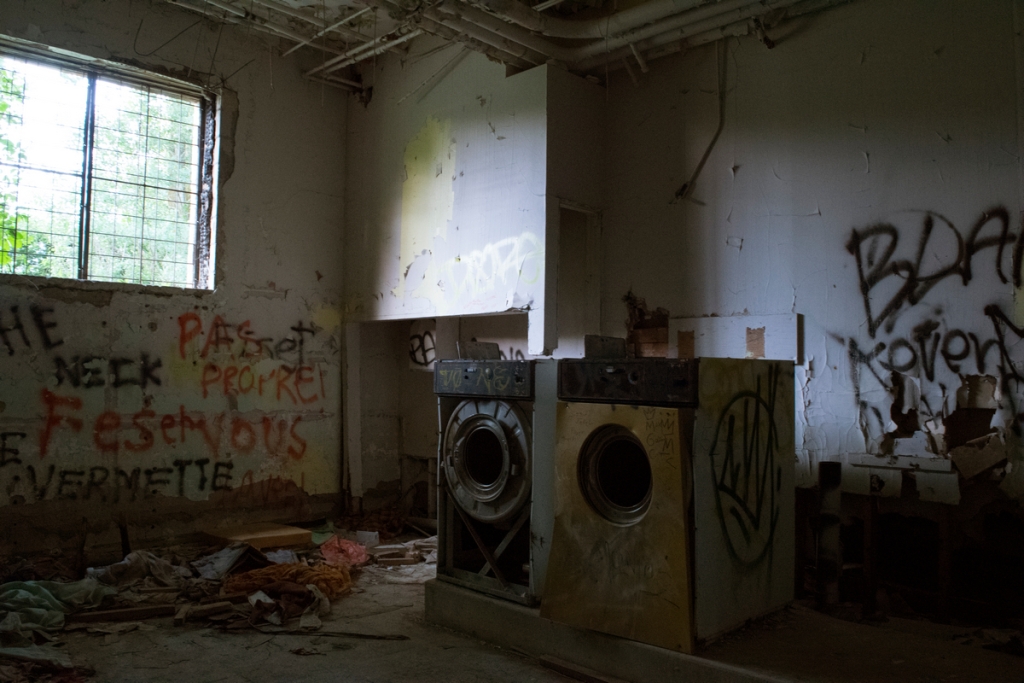
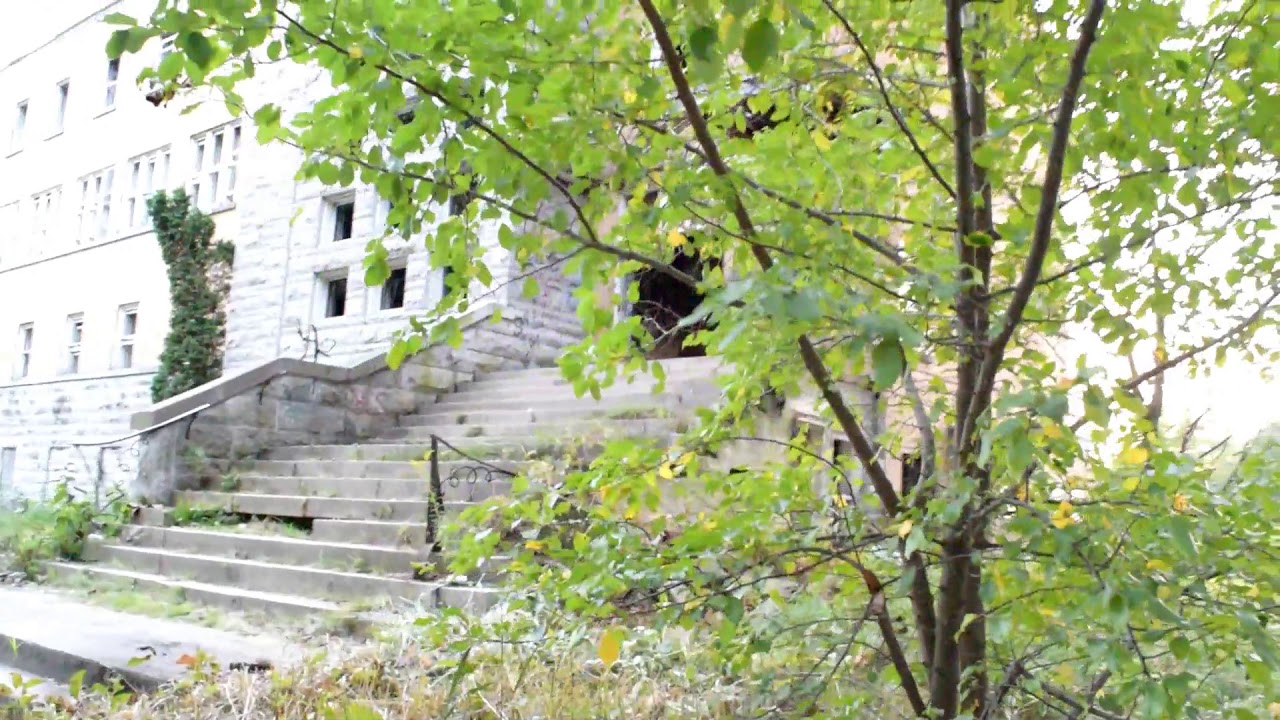
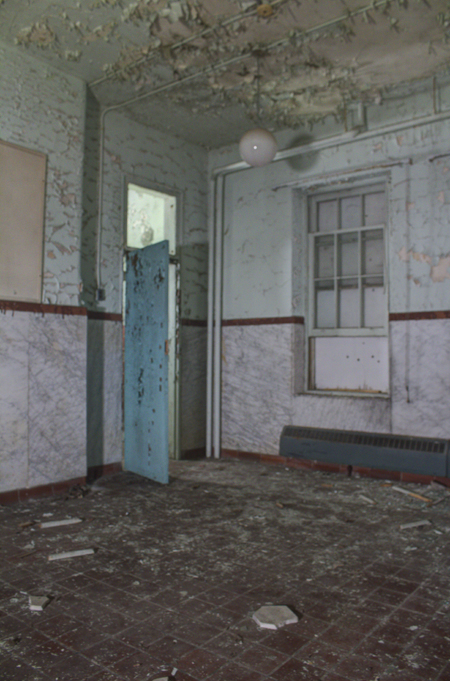
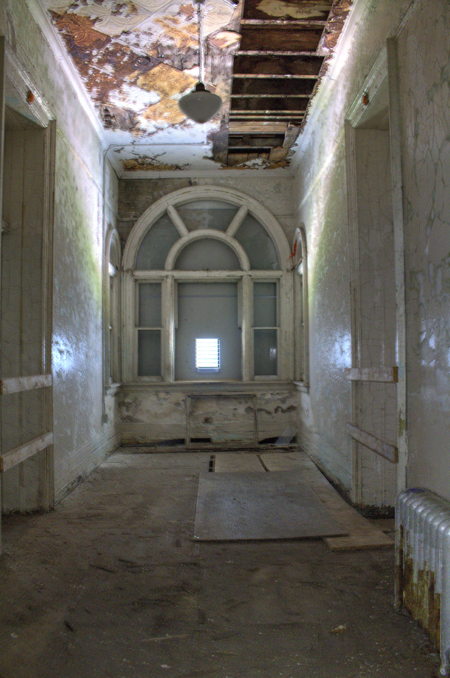
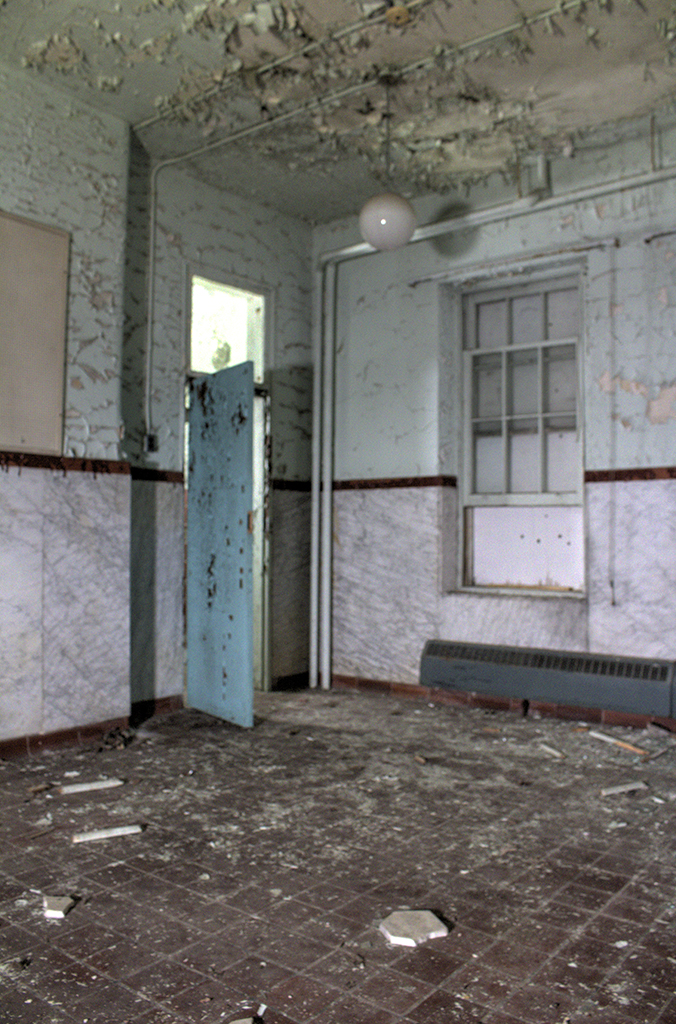
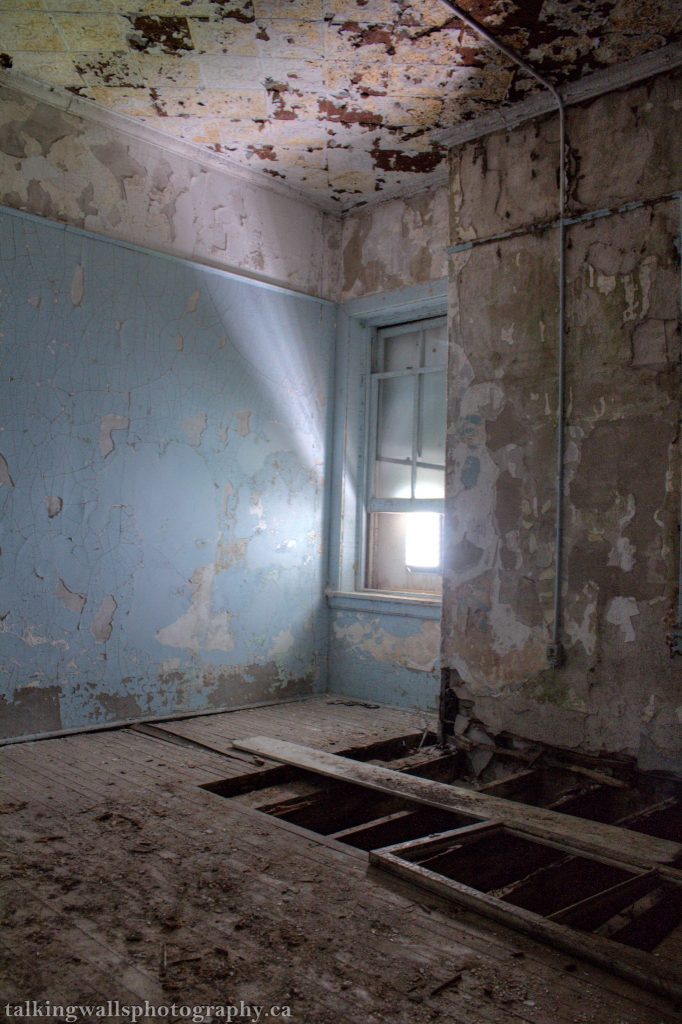
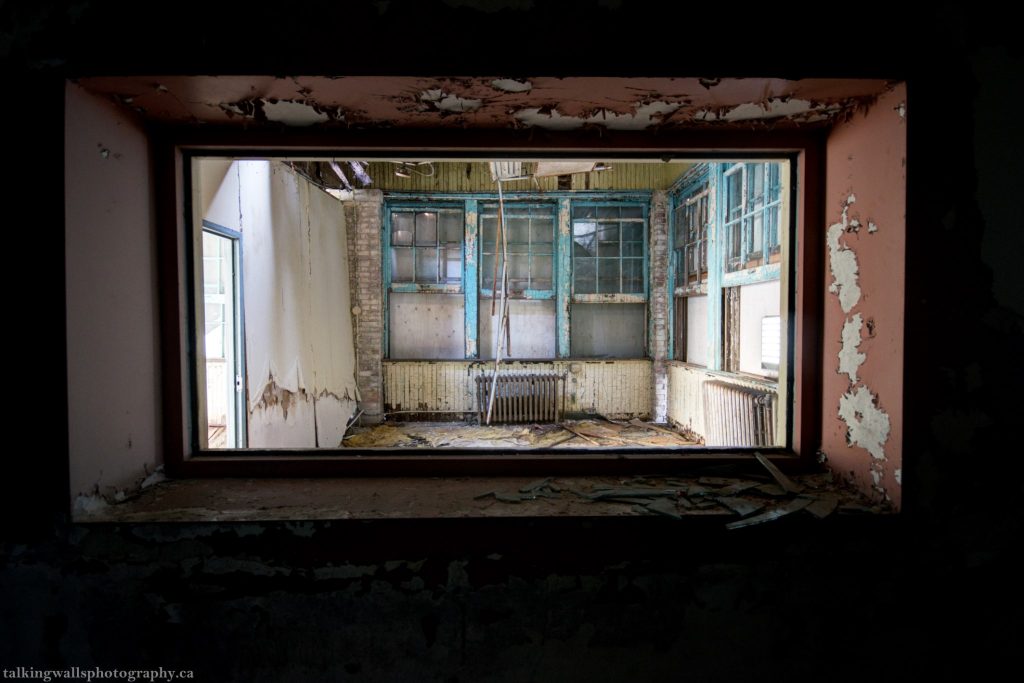
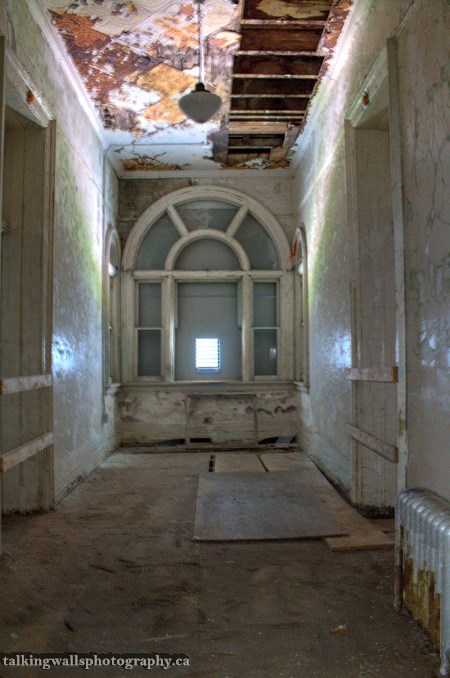
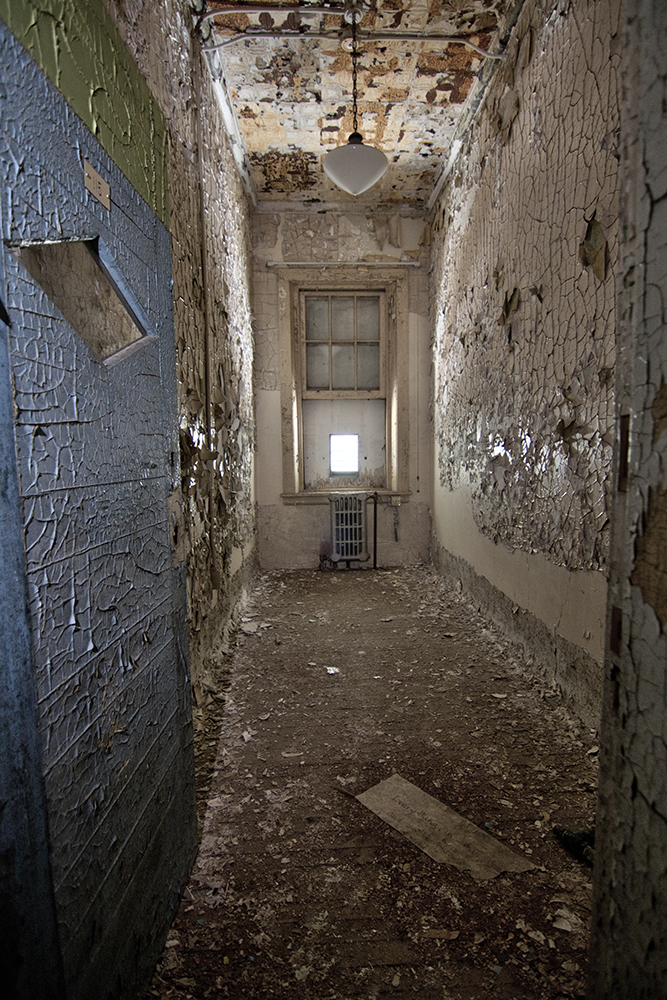
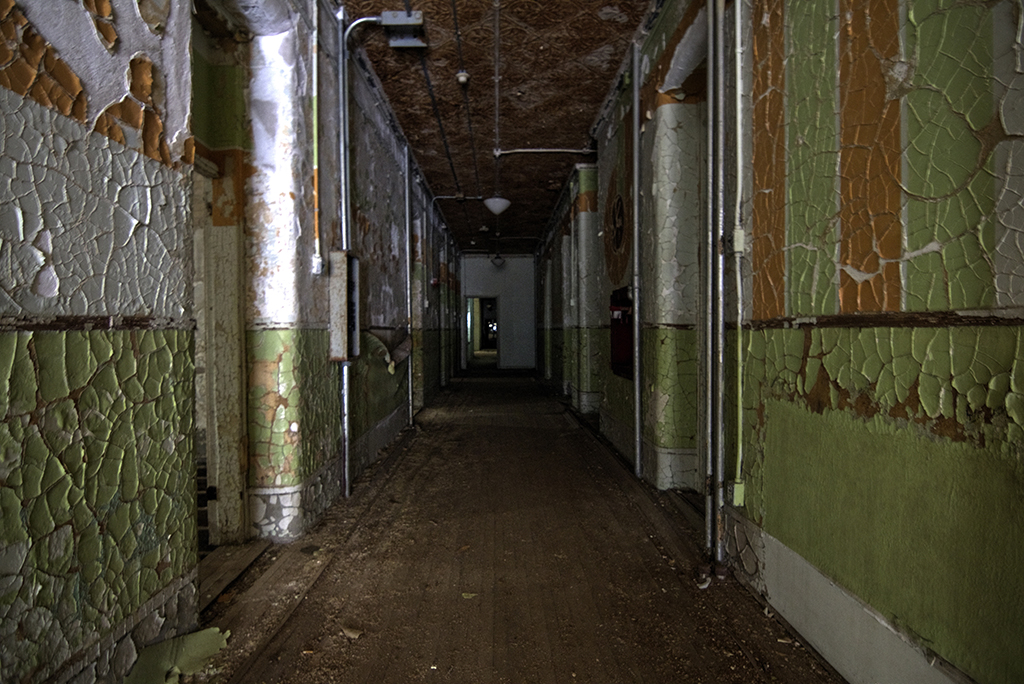
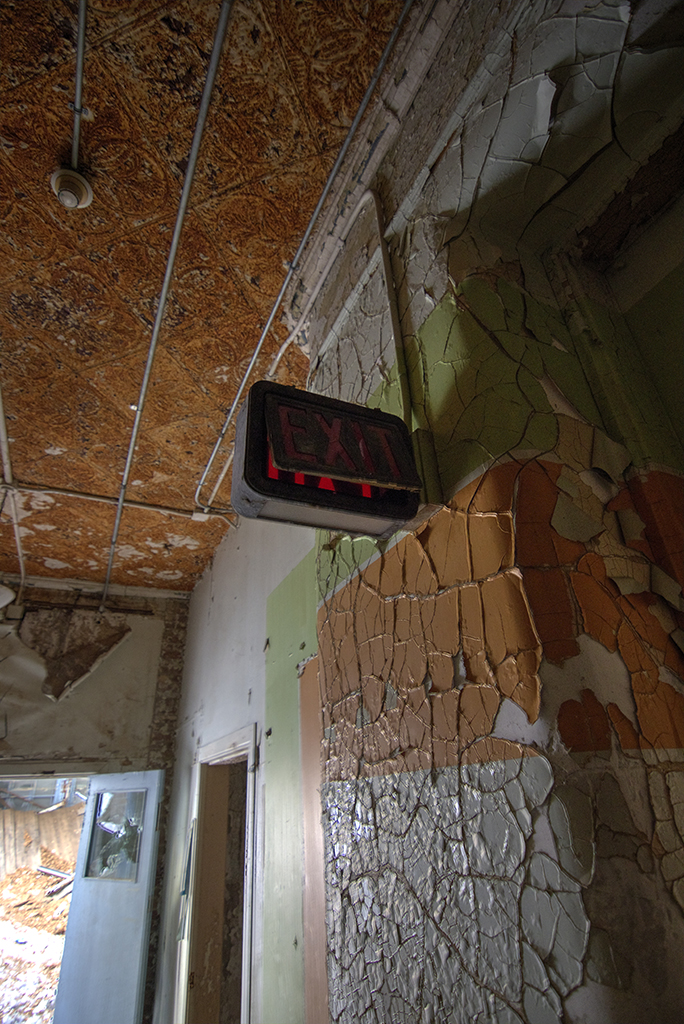
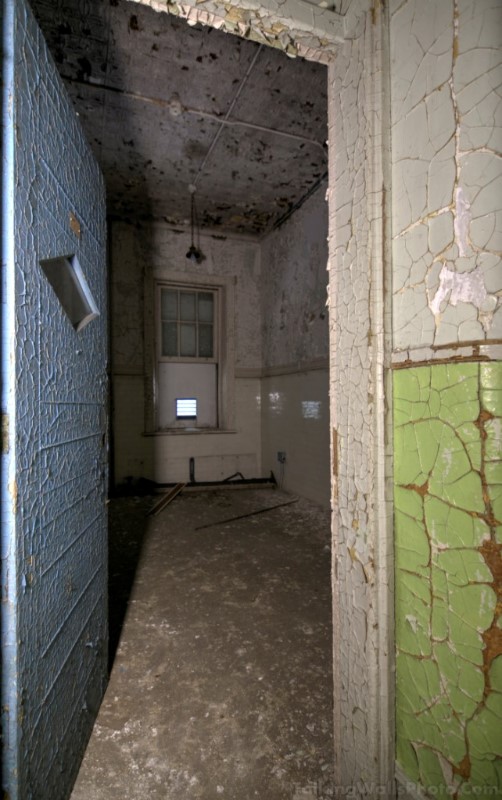
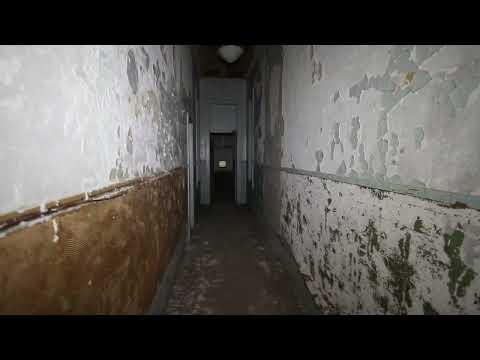
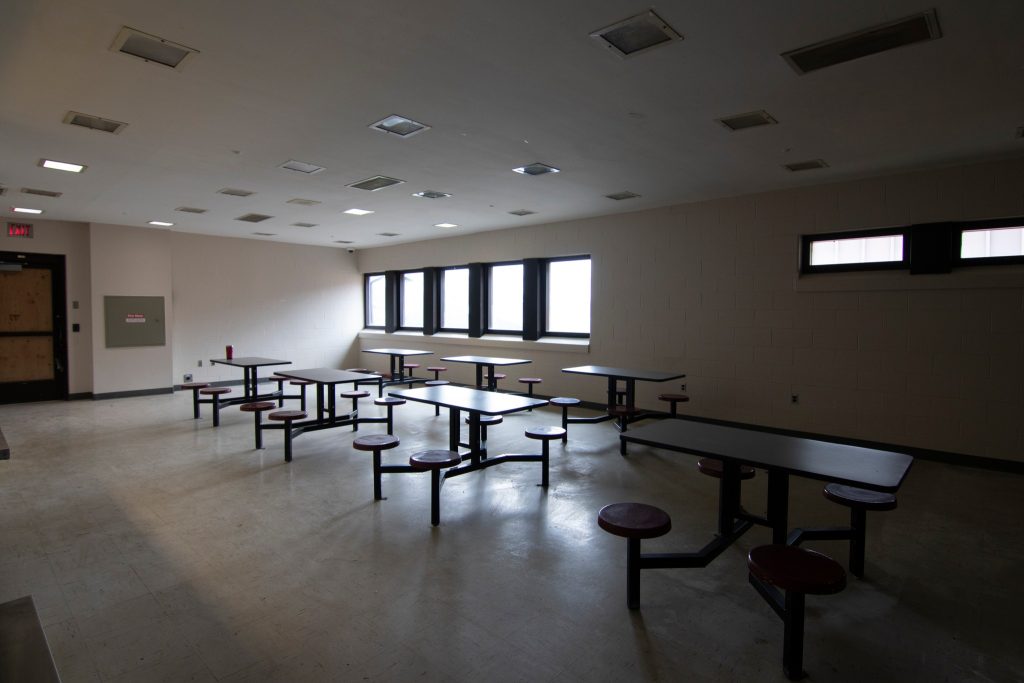
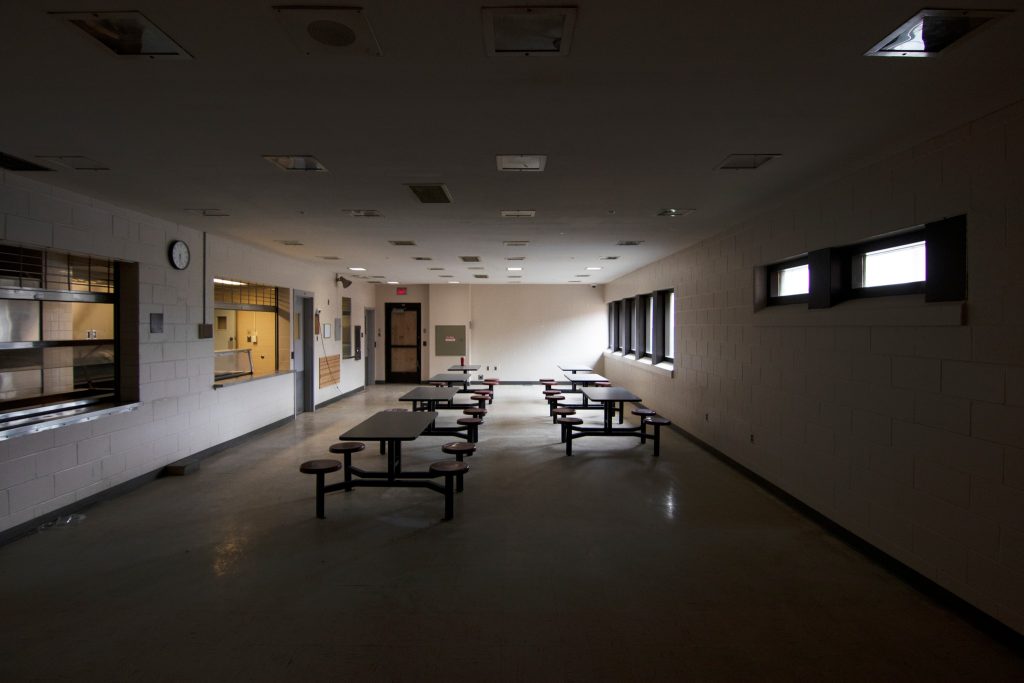
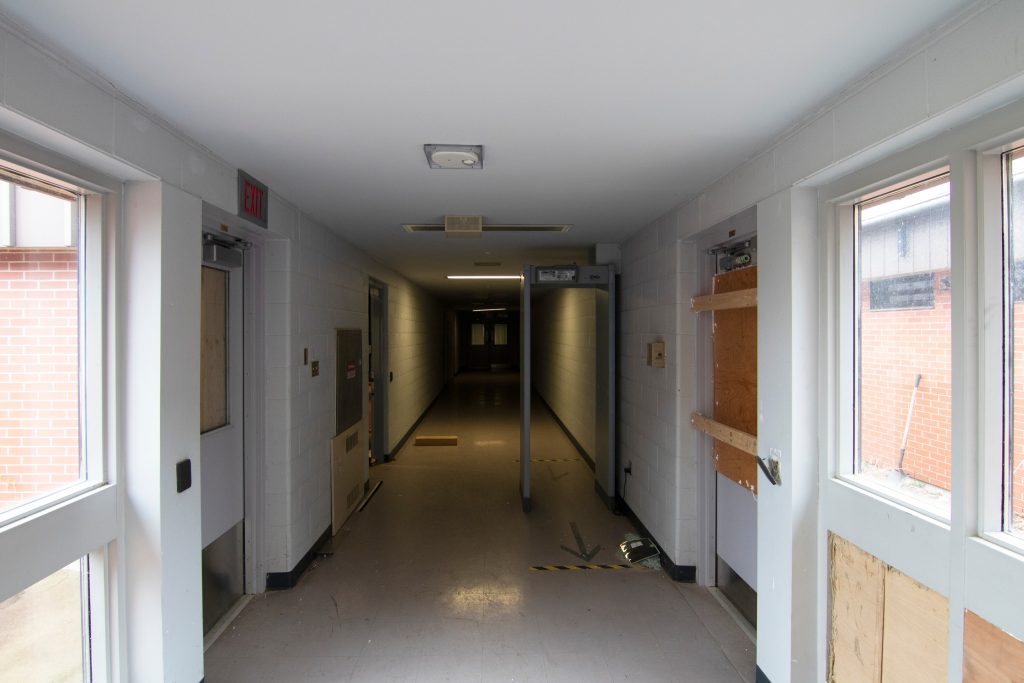
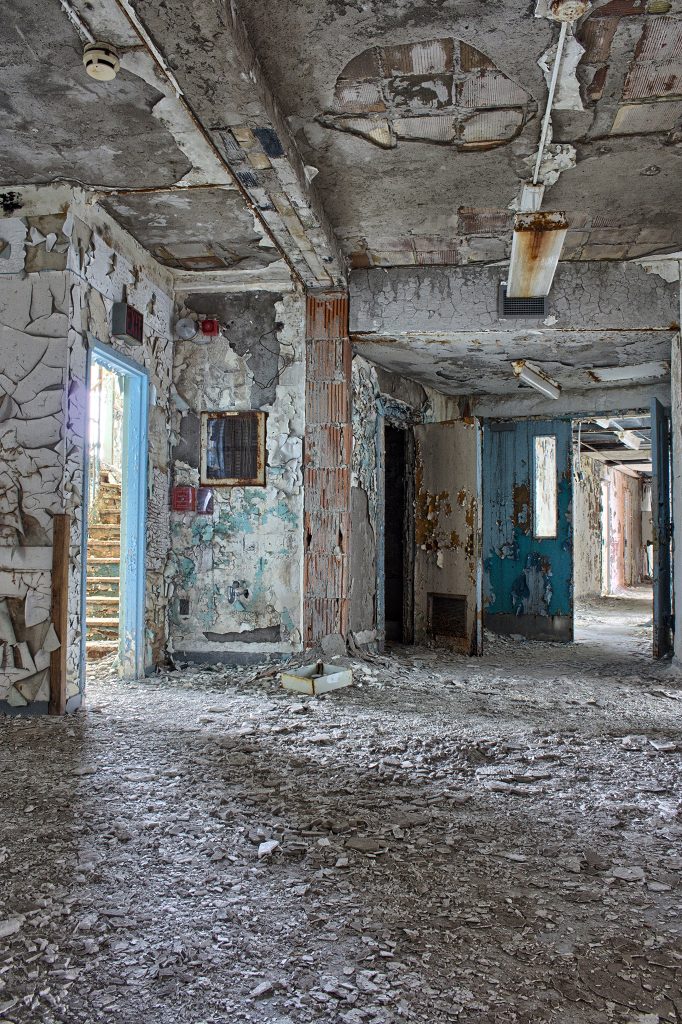
To get inside this youth correctional facility, you had to be buzzed in the main door and wait for it to close before a second door would open.

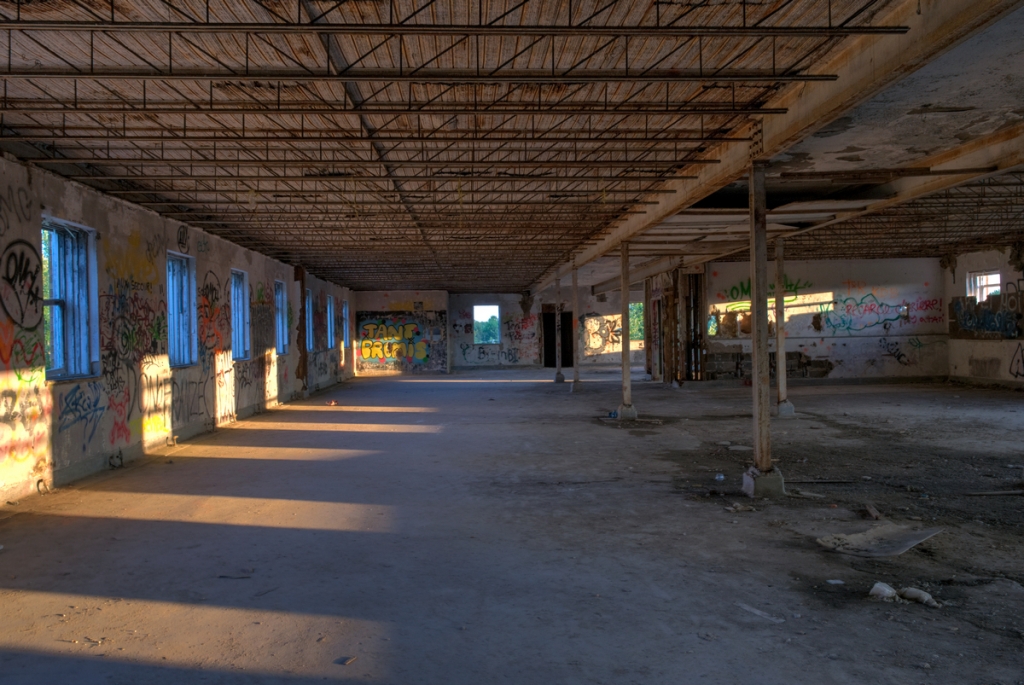
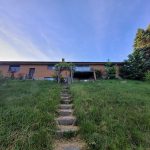
The facility stopped taking in youths in 2018 due to a decrease in the number of youths being sentenced to secure custody. The facility remained open for over a year with zero youths, paid for by the province until the facility announced they were closing for good.

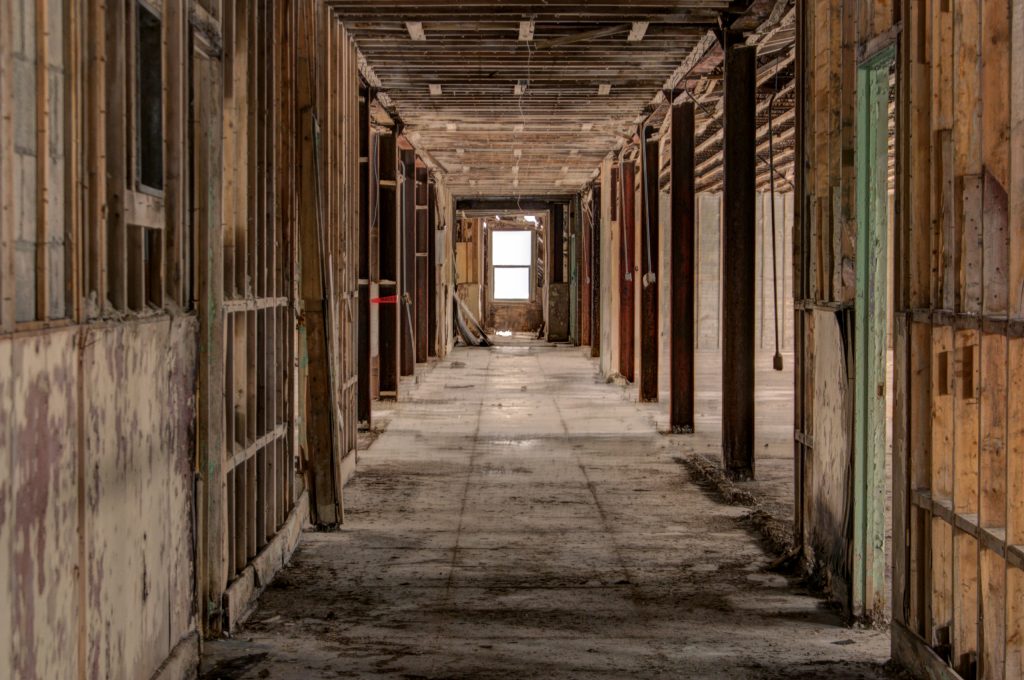
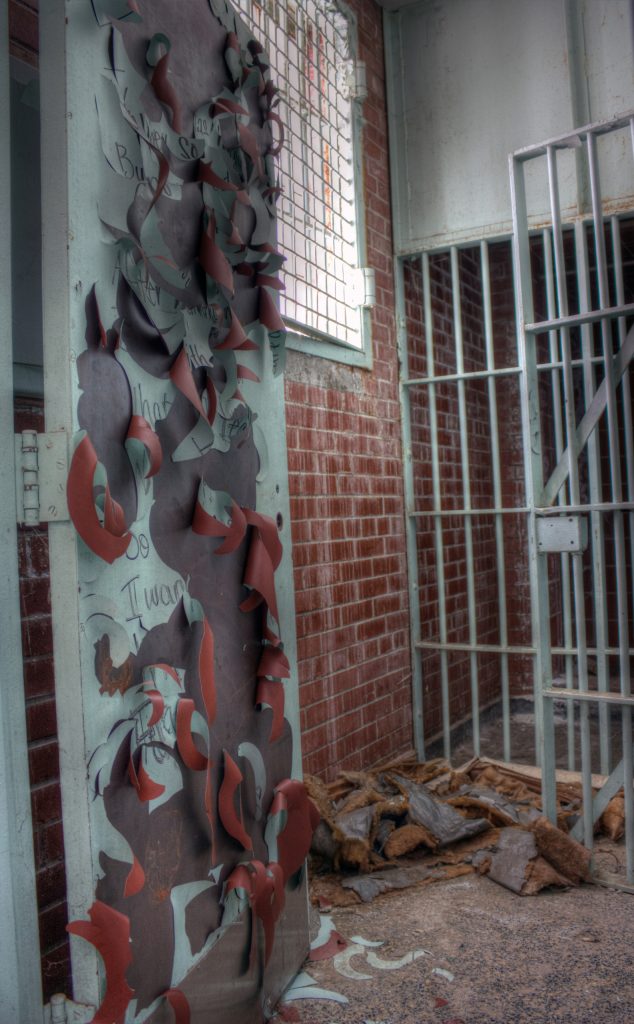
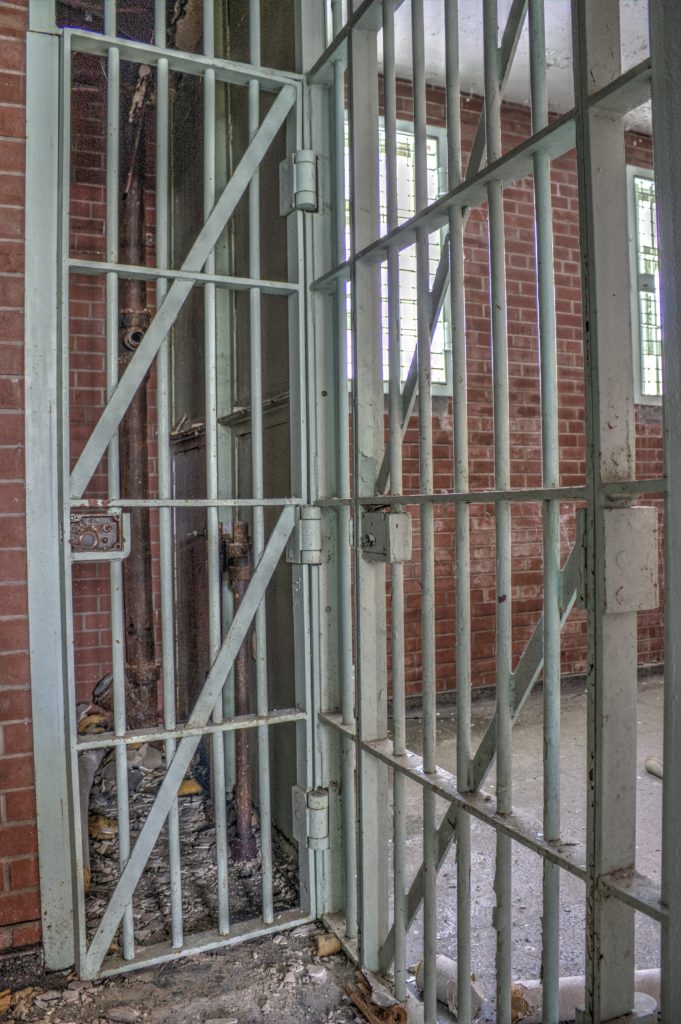
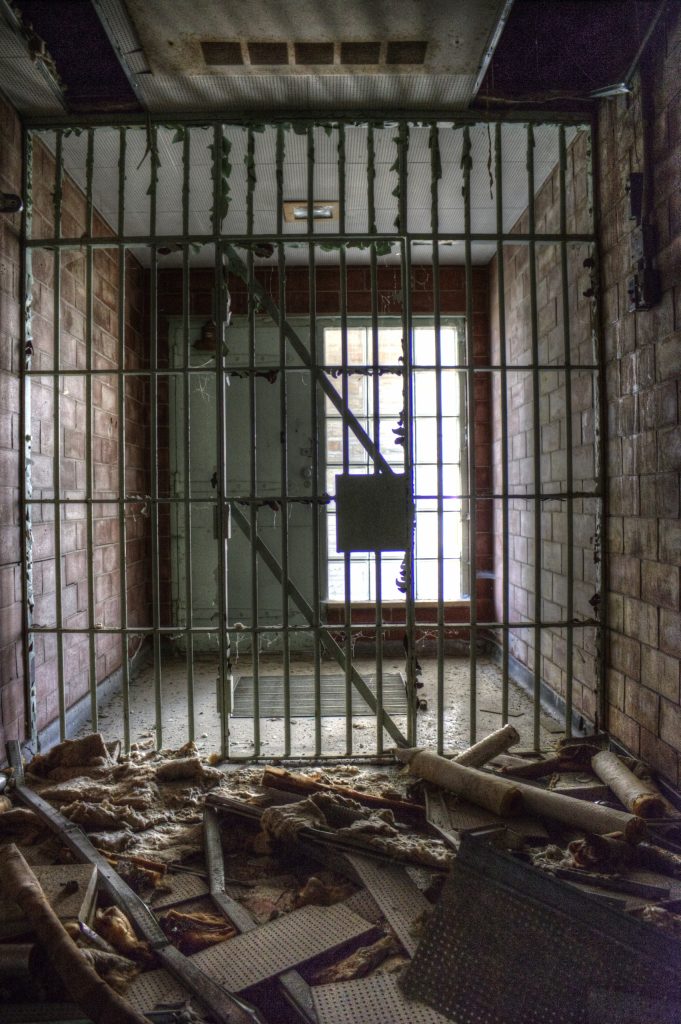
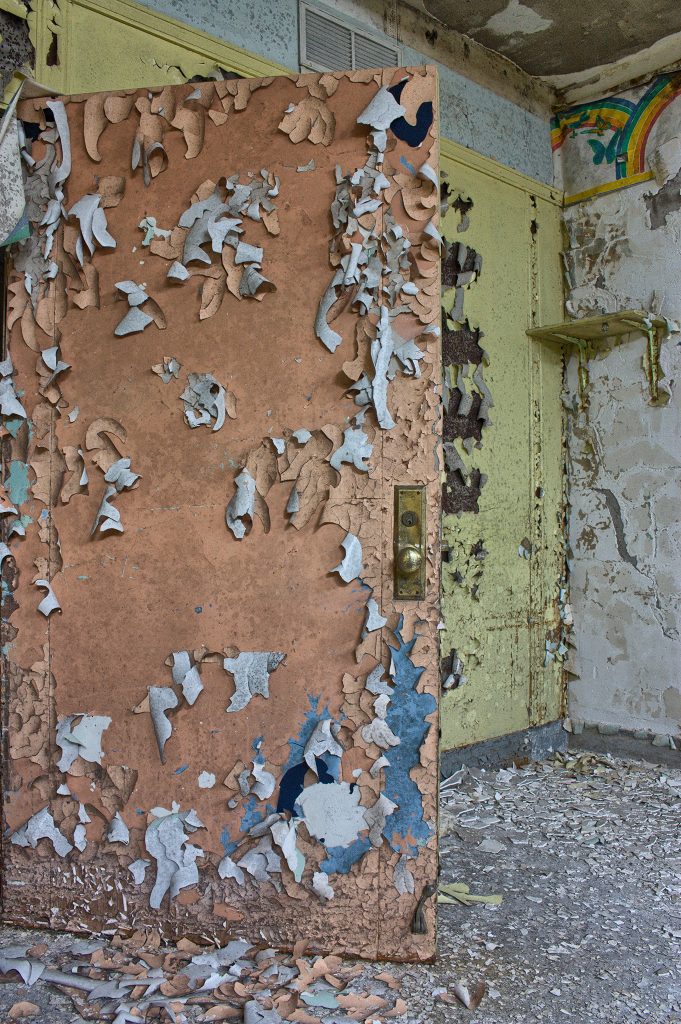
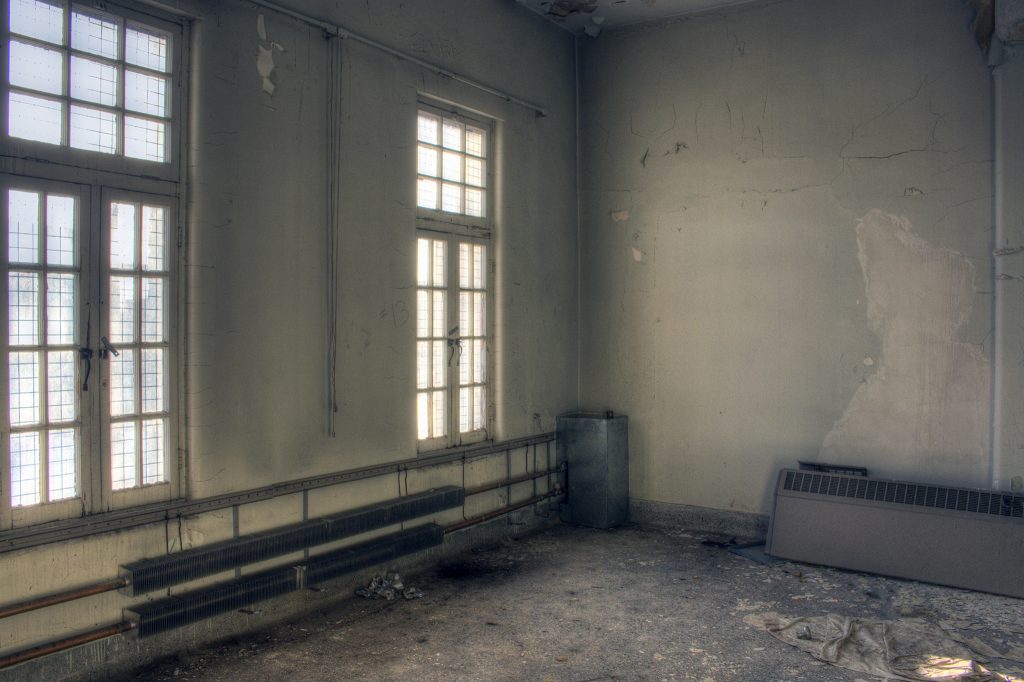
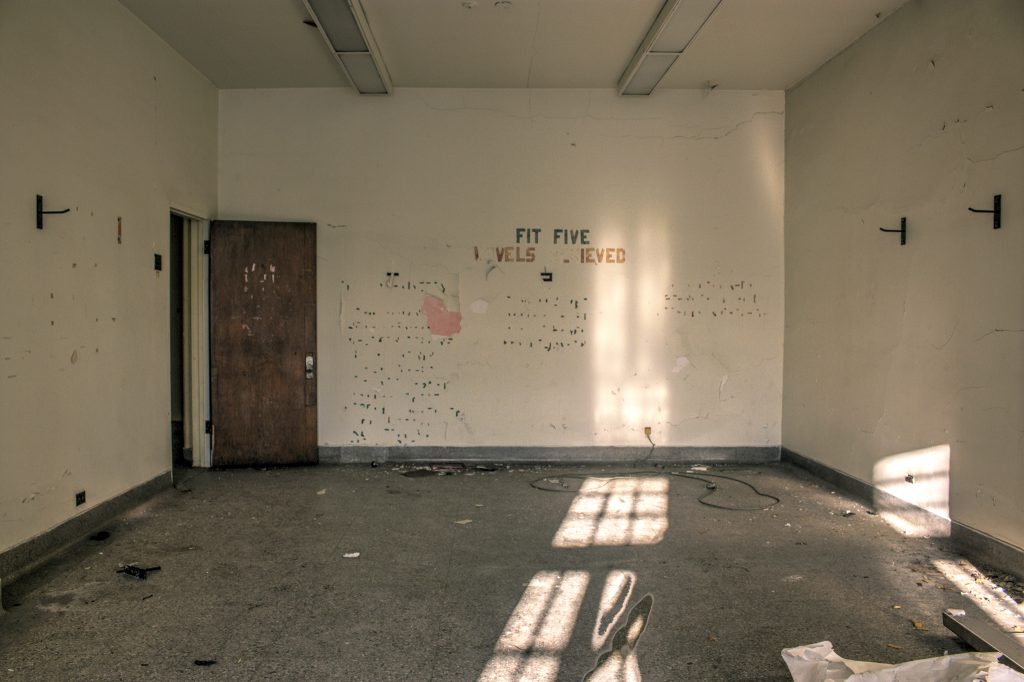
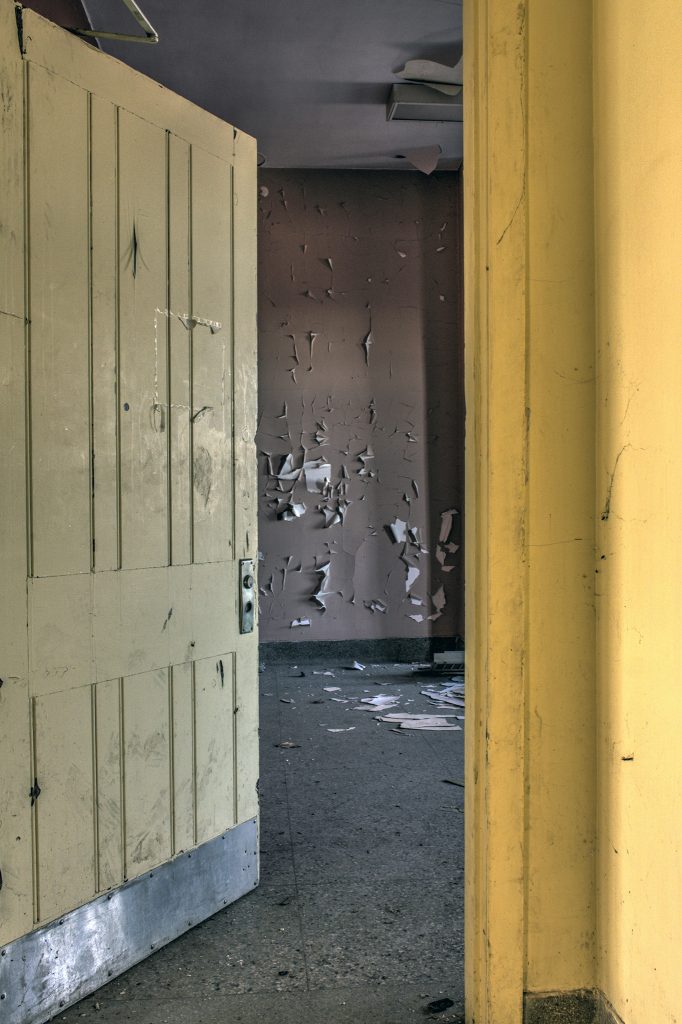
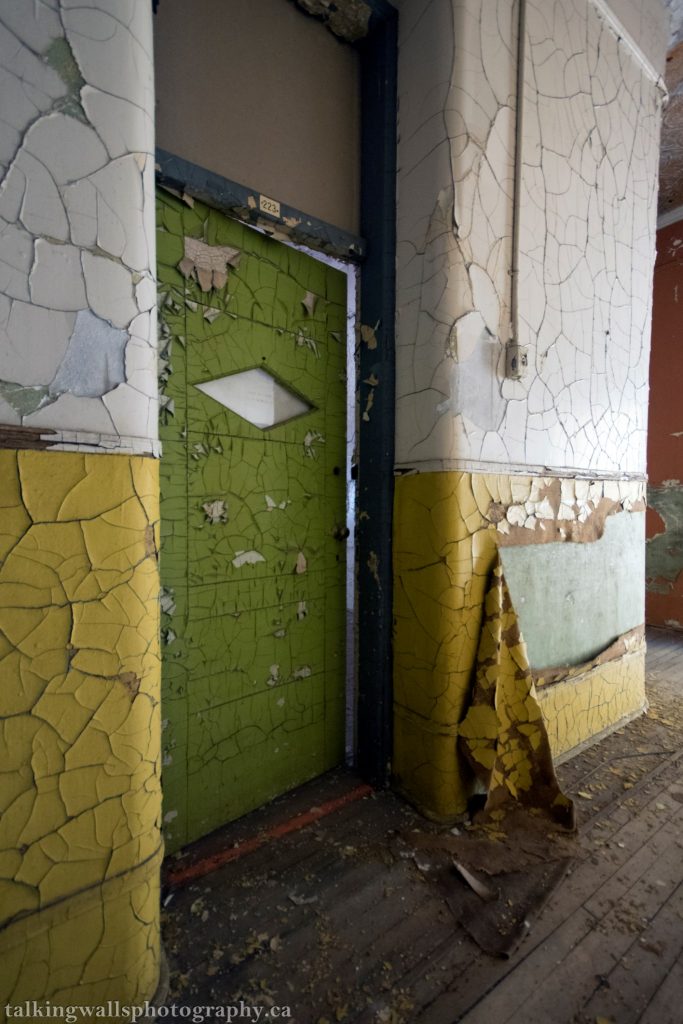
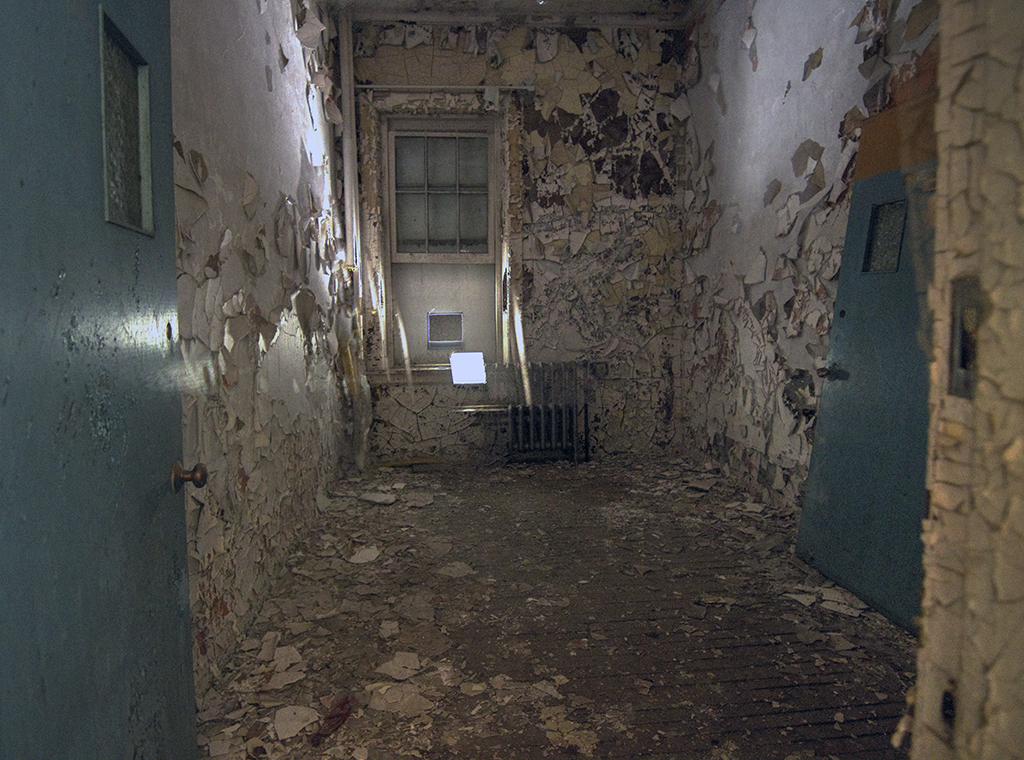
The youths weren’t actually locked inside the cells, they were able to come and go as they wanted. The doors were locked on the outside so that no other youths could enter someone’s cell.

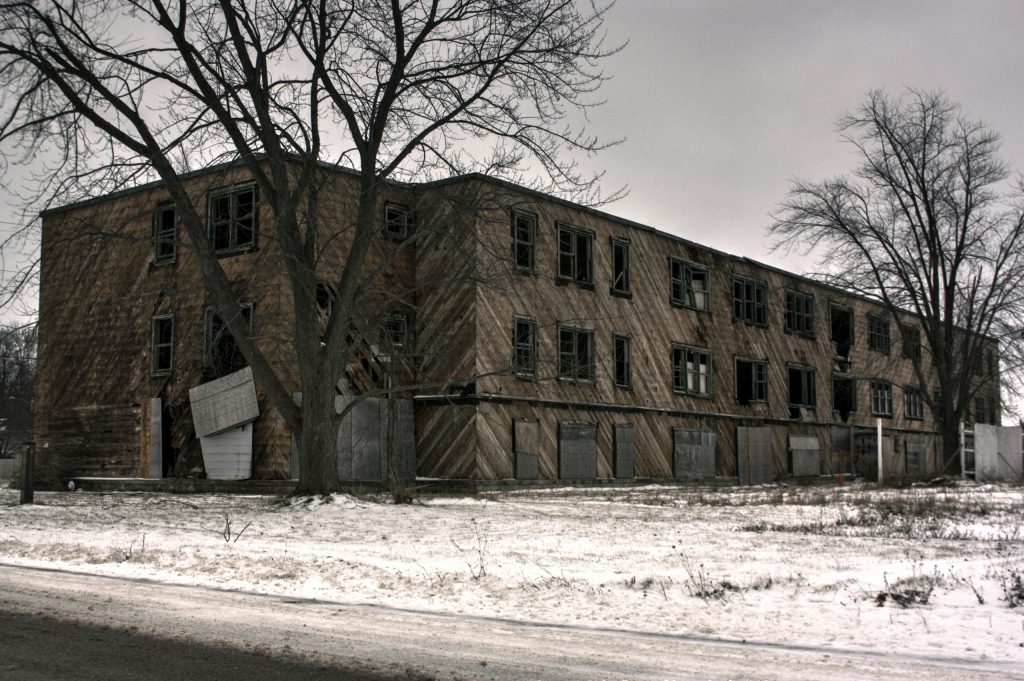
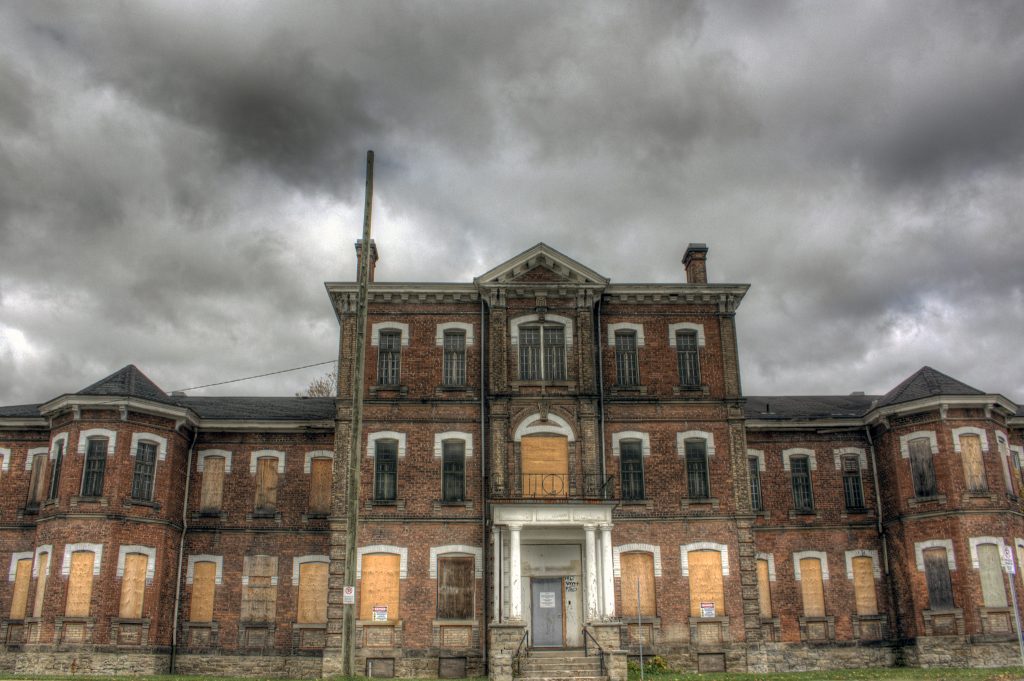
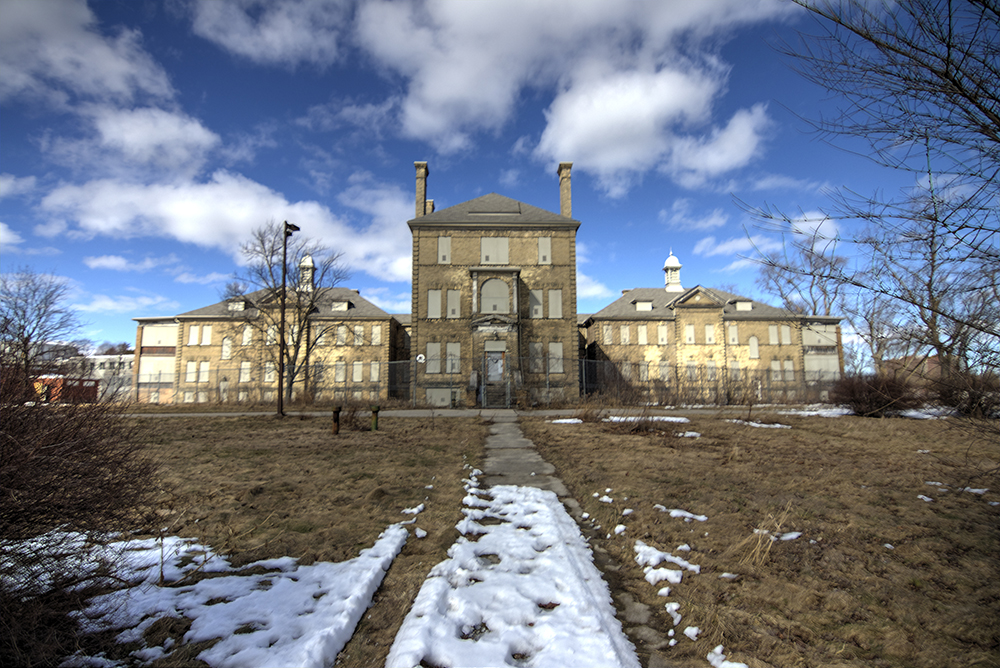
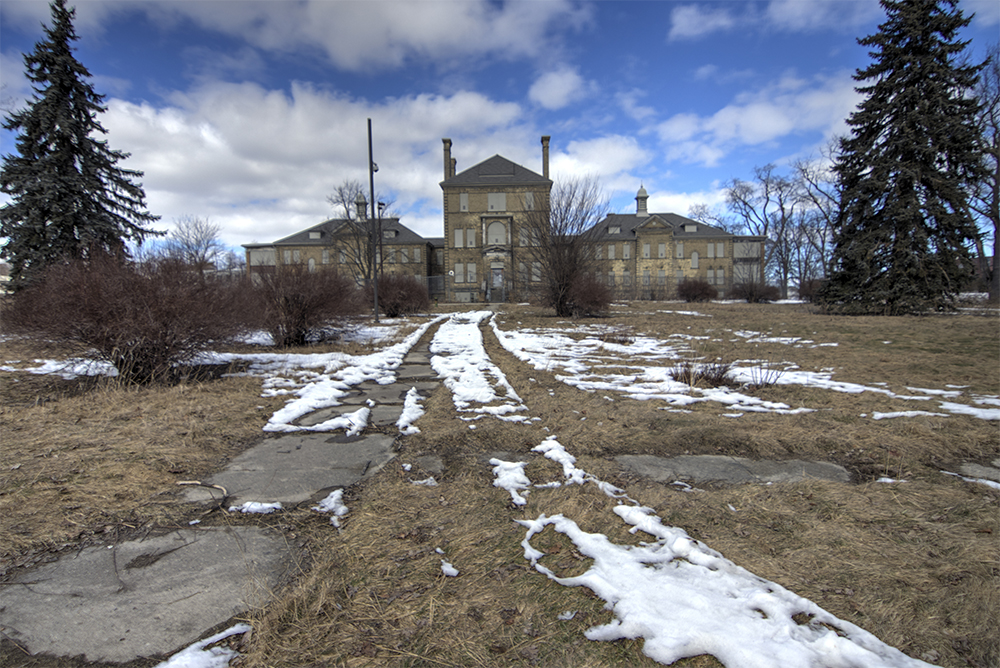
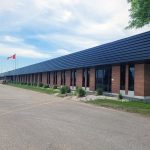
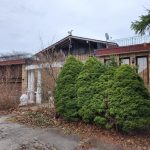
As you’ll notice in the first photo, there was a van on site when I returned for exterior photos. I decided to speak to the employees who were doing HVAC repairs. Over the weekend someone broke in and stole some copper and the company was there to ensure that there was no damage.

The one employee mentioned that he also works at the St. Thomas Psych doing maintenance. He added that after this B&E, they would be securing all the ground floor windows. The building has been sold.
CFB Clinton

This Canadian Forces Base opened in July of 1941 where radar operators were trained. Personnel came from the UK, United States and of course Canada.

The site closed in 1971. As of 2016, a few buildings remain including the barracks.


Woodstock O.P.P. Station

Scattered across Ontario are similar looking Ontario Provincial Police detachments many of which are aging amd prone to issues such as flooding and mold. These detachments are slowly being replaced with modernized buildings.

Woodstock (Norwich Township to be exact) is home to one such outdated detachment that closed in 2007. Up until mid-2007 the electricity was still active although the building had been vacated. Uncomfirmed reports indicate that flooding in the basement forced the OPP to close the detachment.

Vandals began to take notice of this abandoned location and at some point a window was broken allowing access inside and from there the building has been allowed to be destroyed by vandals. For at least three years this OPP station has continued to be vandalized as evident by the photographs below.

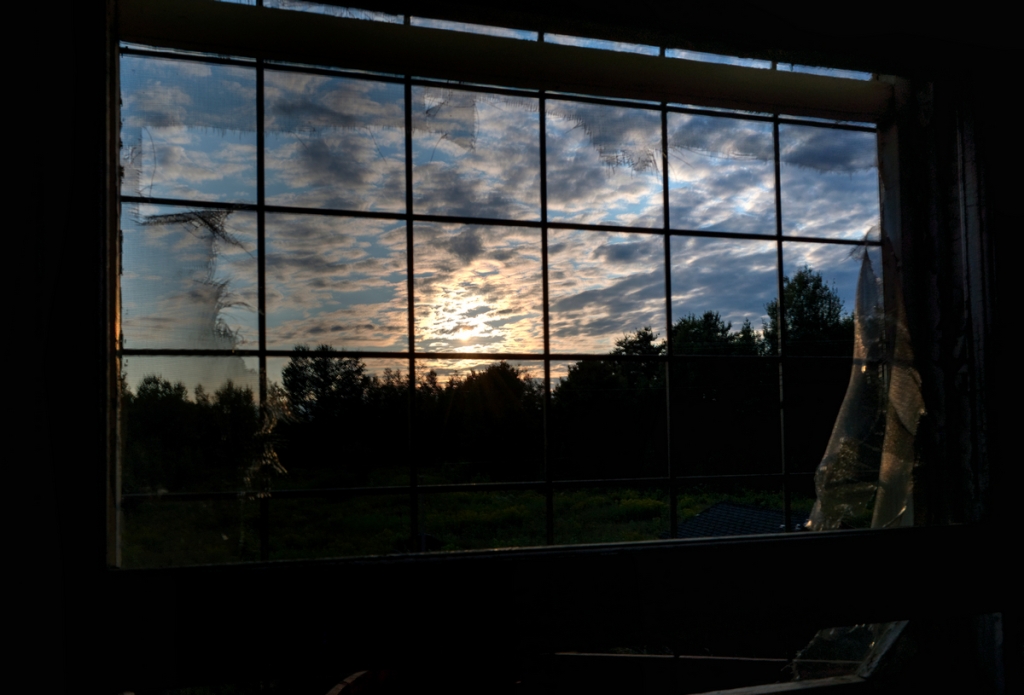
At one point a homeless person had been living in of the office rooms. There was evidence of bedding, a cell phone package, Tim Horton cups, human waste and food wrappers. A cloth has been hung over the window to serve as a makeshift curtain.

The jail cells are intact and fortunately the last officer to leave the building before it closed had the decency to chain the main cell door open lest someone become trapped inside.

The basement is flooded with approximately four feet of water and entry is not possible unless one walks on the frozen water during the winter.

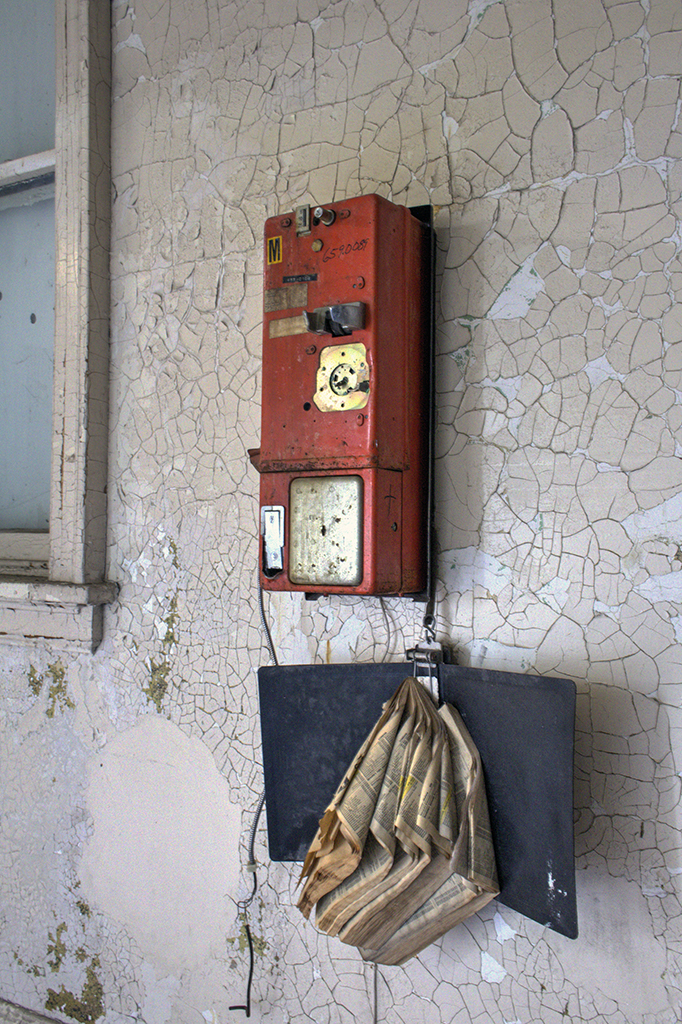
When I first explored this location in 2008, most of the glass was intact. Four internal phones hung on the wall. The ceiling was pretty much intact and the building was clean. Today the ceiling has been ripped apart (most likely scrappers). The phones have disappeared. The interior door glass has been smashed and all interior windows have been smashed. Sharp glass litters the floor.

If you look at the exterior of the building you will find that youths have broken these windows out as well.

In Novermber of 2010 the building was purchased by 1610490 Ontario Inc.

While it is on the outskirts of Woodstock, the property is located in  Norwich Township.   


Muskoka Sanitarium | Muskoka Regional Centre

Sir WIlliam Gage

In 1895, Sir William Gage and his associates wanted to establish the first tuberculosis sanitarium of it’s kind in Canada. After visiting TB sanitariums in Europe and America, the philanthropist Gage had an idea that Canada should have its own TB sanitarium.

Gage, who grew up in Brampton, Ontario was the wealthy president of W.J. Gage Publishing. He approached the city of Toronto with a $25,000 contribution to help build a TB sanitarium. The city turned down his offer partly due to fears associated with such a TB facility. At the time it was believed that TB was a poor man’s disease and hereditary.

After the City of Toronto turned down Gage’s offer, the Town of Gravenhurst made an offer of a $10,000 towards the National Sanitarium Association to support the construction of a TB hospital. Gage contributed an amount of $25,000. Mr. Hartland Massey contributed $25,000 and Mr. William Christie contributed $10,000.

A businessman from Kamloops, British Columbia made an equally tempting offer – free train rides to the BC facility if the sanitarium were to be built in British Columbia instead.

It was decided to construct the sanitarium in Gravenhurst on the shore of Lake Muskoka. The weather, the lake, the open air would be ideal for patients. It was also ideally located away from rural living.

The National Sanitarium Association was formed in 1896 to collect and administer funds for the creation of a Canadian sanitarium. The president of the NSA was Sir Donald Smith (Lord Strathcona) and the secretary was William Gage. The association had two purposes: to build sanitariums and to fund research.

With funding secured, construction commented. On July 13, 1897 the Muskoka Cottage Sanitarium, Canada’s first TB sanitarium opened. The MCS accepted paying patients and conditions were similar to that of staying in a resort. The fee was $6 per week with the average stay being 98 days.

Patients had plenty of rest, recreation and good food.

Muskoka Free Hospital for Consumptives

The NSA Board of Directors felt that poor people deserved treatment as well. In 1902 the Muskoka Free Hospital for Consumptives opened on the same grounds, the first free hospital in the world. Consumption was the term for tuberculosis at the time.

When the MFHC burnt down in 1920, it was replaced with a new building named after Sir William Gage who had recently passed away.

Muskoka Sanitarium Admin Building

In 1920 expansions were made to the Muskoka sanitarium to increase patient capacity to 444 beds. Buildings were constructed to allow surgeries, a laboratory, service buildings and homes for the professionals that worked at the Muskoka Cottage Sanitarium.

By 1934 there were twelve sanitariums across Canada.

A Medical Breakthrough

With the discovery of streptomycin in 1944, the need for traditional isolation lessened. This led to a decline in the number of patients during the 1940’s to 1950’s. In 1960 the site became a housing and care facility for development challenged individuals.

The site became known as the Muskoka Centre.

Conditions at Muskoka Centre were poor. There were too few staff and too many patients. Several patients suffered abuse at the hands of employees. A 1985 inquiry into conditions at the Muskoka Centre found that residents were not receiving adequate care.

A $36 million class-action lawsuit was filed on behalf of patients who had been at twelve residential care facilities in Ontario. For patients of the Muskoka Centre the class-action covered those who’d been residents between August 28, 1973 and June 30, 1993.

The Muskoka Centre was finally closed in 1994.

Present Day

The Muskoka Sanitarium property has sat dormant since that time. Every winter the inside stairs coat with slippery ice as more mold accumulates inside. The water pipes have burst due to the cold Northern Ontario winters. People tear boards off the windows, Infrastructure Ontario replaces them.

The location has seen increased foot traffic from urban explorers. In July of 2017 a media campaign was released to discourage people from trespassing on the ground. Fifty people had been charged with trespass in that year alone.

Don’t be surprised if you’re caught here. The OPP use the grounds for police dog training.

Gravenhurst Town Council would like to see the property sold. Potential buyers Maple Leaf Education Systems and Knightstone Capital Management, would like to redevelop the property.
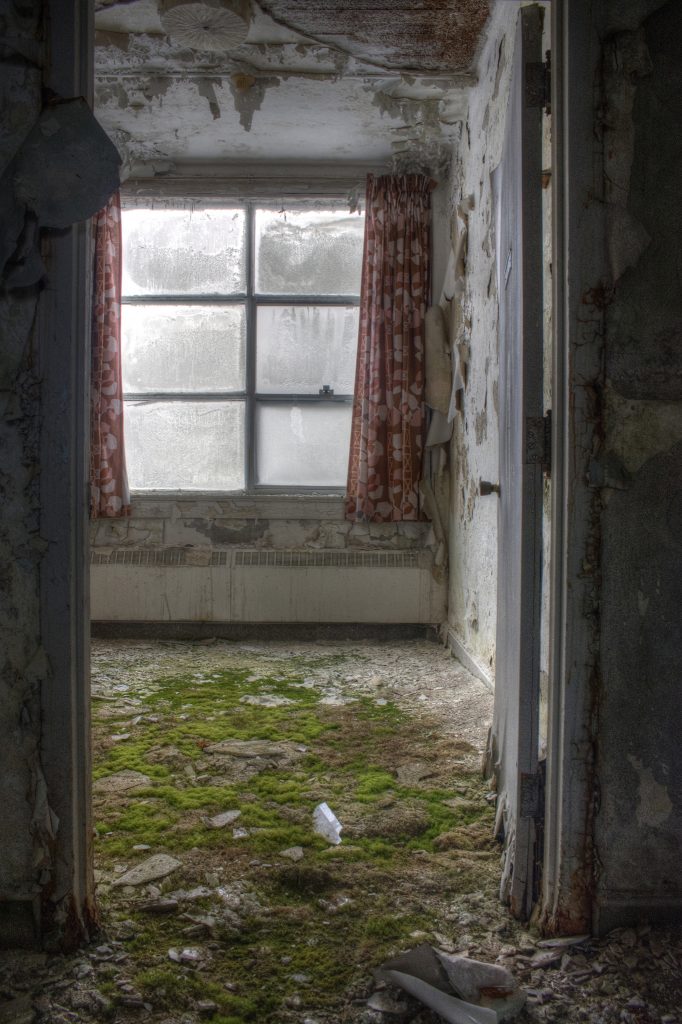

Century Manor Asylum Hamilton | Hamilton Insane Asylum

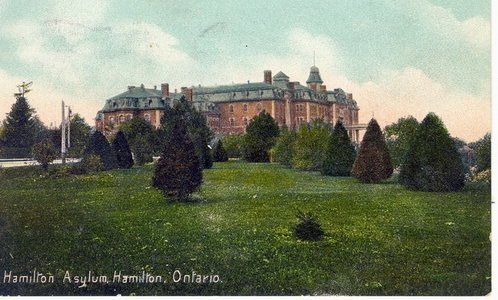
The Hamilton Asylum for the Insane was originally intended to be an asylum for inebriates (people with alcohol issues). The community was becoming concerned by people who appeared to be disoriented and wandering the streets. Society often thought people who had mental health issues were drunk, not understanding that the problems were not alcohol related.

By 1887 the number of drunken people was so few that the decision was made to house “lunatics”.

The Hamilton Asylum for the Insane opened in March of 1876. It was situated on 529 acres of land in Hamilton. The asylum was the sixth of it’s kind in Ontario. The others being in Toronto, Kingston, Amherstburg, Orillia and London.

The asylum, a High Victorian structure, was accessible from a dirt road away from the city. The building contained a three-storey square centre block and two-storey wings on each side. A rear kitchen wing was added in 1895.

The site was self-sufficient like many similar institutions. An on-site farm raised cattle, chickens and pigs. A garden provided fruits and vegetables, a bakery provided bread, and the butcher’s shop provided meat.

Initial capacity was 202 patients who arrived from surrounding areas including Halton, Peel, Simcoe, Wellington, Waterloo, Norfolk, Lincoln and Hamilton. The building was known as the Barton Building. Dr. R. Bucke was the Medical Superintendent. Dr. Bucke also worked at the London Insane Asylum.

The East House was built to serve as a “reception hospital” where people could walk in from the street without a doctor’s referral. East House’s purpose changed later on to house criminally insane.

BuildingBuiltCapacity
East Building (Century Manor)Nov. 1, 188460 patients
Barton Building1876-1976300 patients
Orchard HouseJan. 24, 1888-1971300 patients

Other facilities included the tailor’s shop, sewing room, upholstery shop, power house and fire hall. Recreational facilities consisted of a skating rink, curling rink, bowling green and tennis courts.

By September 30th, 1887 there were 625 beds available. When “Orchard House” was complete that number rose to 890 beds. By 1890 the Hamilton Asylum for the Insane had 915 patients and 119 employees. And by 1909 it asylum had beds for 1,200 patients.

Around 1902 a training school for psychiatric nursing was established and it was accredited in 1924. The school saw over 240 nurses graduate before it closed in 1956.

The Hamilton Asylum for the Insane began taking patients in March of 1876. Initial capacity was 202 patients. It closed in 1995.

Patients of the asylum were often seen as entertainment. Families would pack a picnic basket and drive up to the asylum to watch the patients. Sometimes families would even taunt the patients.

Deaths

Century Manor certainly has had a dark history. Take for example the story of Bridget English. Ms. English was suicidal and was found to continually be creating ropes for the purpose of hanging herself. She had once been cut down just in time to save her life. On November 10th, 1887 while the two hallway attendants weren’t watching, she used knitting cotton tied to steam pipes. Despite being cut down she couldn’t be resuscitated.

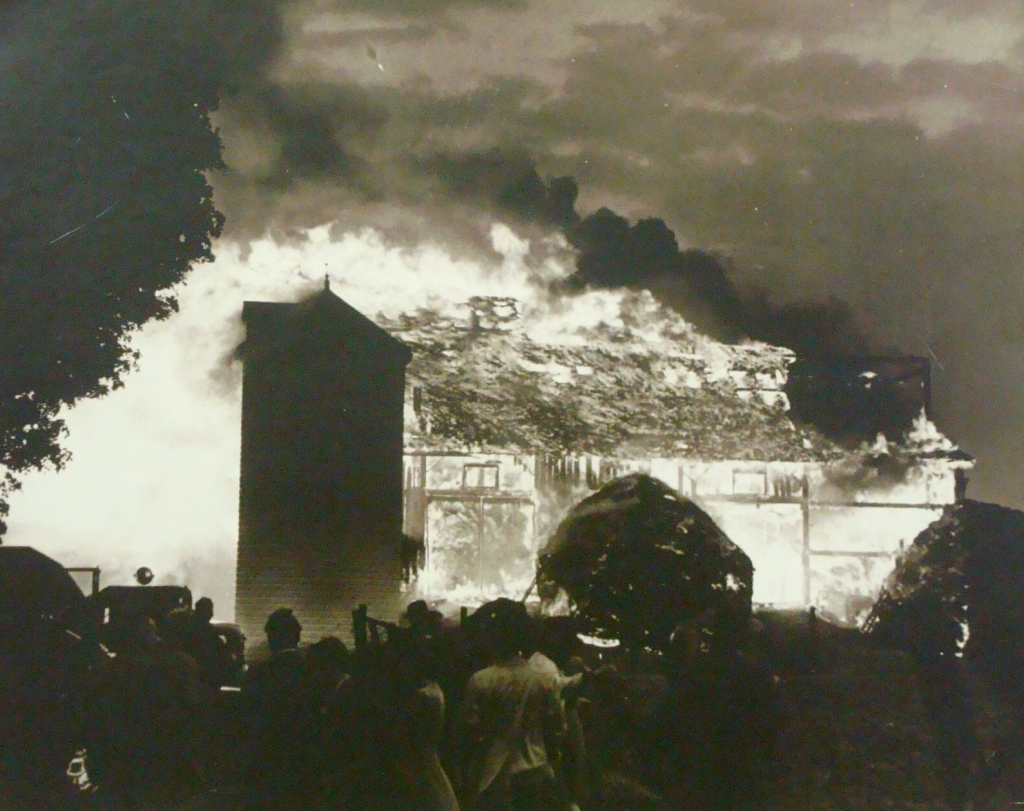
In another incident on August 1, 1911 a fire broke out at approximately 1 AM on the fourth floor of the Barton Building. The newspaper article described the patients as “maniacs” including one patient who fled back into the fire.

“HAMILTON, Ont., Aug. 1 – Eight lives were lost in a fire which partly destroyed one of the main buildings of the insane asylum on the side of the mountain southwest of this city early today. There were 800 sleeping patients in the building when the fire was discovered, and it was only a well-trained fire-fighting corps and coolness and bravery among the nurses and attendants under Dr. English that averted a more serious loss of life.”

“There are four buildings in the group within the asylum grounds. The main building, where the fire occurred, is a four-story brick structure with a basement, 200 feet in length and about 70 feet wide, with wings at either end. The women patients, numbering some 350, occupied quarters in the west wing. The rest of the building was taken up with men’s wards, and contained some of the most desperate cases in the asylum.”

“The women were moved without serious difficulty and housed in the adjoining buildings. The situation among the men was more serious. The fire started on the fourth floor, in what is known as Section D, where the most violently insane are kept. The bulk of the men, guarded by attendants, moved down three flights of stairs out of the fire zone in orderly procession, but about a score, driven into a frenzy by the stifling smoke and the excitement of a midnight fire, fought off their rescuers with desperate fury. Three of them, after being carried down to the second floor, broke away, and fled back into the blazing corridors.”

“The fire in the meantime had spread down the hallway and was eating its way through the floor to the third story. The asylum brigade, although fighting bravely, was handicapped by the maniacs and was losing control.”

“The city brigade, which had been summoned, was then toiling up the almost precipitous roadway leading to the asylum grounds. It was nearly 2 o’clock before the first of their apparatus was brought into play. The firemen ran scaling ladders up to the third and fourth floor windows, where it was believed some of the unfortunates had fled. They found it difficult work to break down the iron grating on the windows, and the fire in the meantime was growing fiercer every minute. Crawling into the stifling smoke, the firemen groped their way about until they found a maniac. If he was unconscious from smoke the task was easy, but if he was still able to offer resistance, he was knocked senseless and dropped into the life nets below. Eights of the insane and one attendant who had lost consciousness in the work of rescue were saved in this way.”

“The combined fire forces had the situation well in hand by 3:30 A.M. The two upper floors and the roof of the east wing were burned and the lower floors were flooded with water. As the firemen worked their way into the burned section some bodies were found. Three were taken out of the hallway on the top floor. It was found that one helpless paralytic was burned to death in his cell. Four more were found huddled together in a small room, burned to a crisp.”

“The blazing roof of the asylum perched up on the mountainside attracted the attention of the entire city. The cry, “The asylum is on fire!” rang through the streets, and hundreds flocked up the hill. It was a weird sight that presented itself. The hysterical screams of the 200 inmates of the four building drowned every other sound. The firemen, fighting both the flames and the maniacs, were in constant peril, and frequently were seen perched on the window sills through which the smoke was pouring in dense columns trying to drag forth a struggling man. One maniac broke from the grasp of a fireman at a window and fled back into the flames, where he perished.”

“A searching investigation has been ordered. The fire is believed to have been caused by a short circuit on an electric wire in the storeroom on the top floor.”

October 2015 Photos

Present Day

The asylum was owned by the Government of Ontario until November of 2000 when ownership was transferred to St. Joseph’s Healthcare in Hamilton. Today they are known as the Centre for Mountain Health Sciences.

Most of the buildings have been demolished with the exception of the Century Manor which stands to this day. Century Manor has been vacant since 1995. It opened briefly in 2009 for Doors Open Hamilton.

Access to the property is difficult to gain. Infrastructure Ontario owns the property but rarely permits people inside, including Hamilton’s Heritage Committee.

Infrastructure Ontario has no problem renting you their facilities for thousands of dollars per day however. As of 2015, the property has been up for sale.

In 2018 there were plans to sell the property to Mohawk College to be used as a college residence. The plans fell through.

Media
What’s happening with Century Manor? (CBC)


St. Thomas Psychiatric Hospital

Exploring an abandoned psychiatric hospital with morgue in St. Thomas, Ontario

Introduction

In August of 1937 construction began on a hospital in St. Thomas, Ontario which became known as the Ontario Government Hospital, St. Thomas. It was built on land belonging to six farm families. The 460 acres of land was able to provide crops for the facility’s food and produce.

The hospital opened on April 1, 1939 and took in its first 32 patients. By August the number of patients was close to 1,100 people. The maximum capacity is said to have been reached in 1958 with 2,238 patients. At the time the St. Thomas Psych had a reputation for being the finest mental health hospital in Canada due to its modern design. It also provided jobs during the recession.

World War II

When World War II was declared, the hospital was leased to the Department of National Defence. The agreement took effect October 23, 1939. The last patients were transferred out on October 31, 1939. Supplies for the R.C.A.F. began arriving three days later.

Sixty thousand men and women from every country in the British Commonwealth, as well as American volunteers with the R.C.A.F. were trained here. The school was known as, “No. 1 Training and Technical School”.

The nurses residence was converted to house R.C.A.F officers and their family.

The school was equipped to handle more than 2,000 students at a time. They offered six-month courses for aircraft electricians and aero-engineers, air-frame and instrument mechanics and training for fabric and sheet metal workers.

With the local economy now being increased, St. Thomas responded with drop-in centres offering free coffee and sandwiches for R.C.A.F. personnel, dances, and other activities.

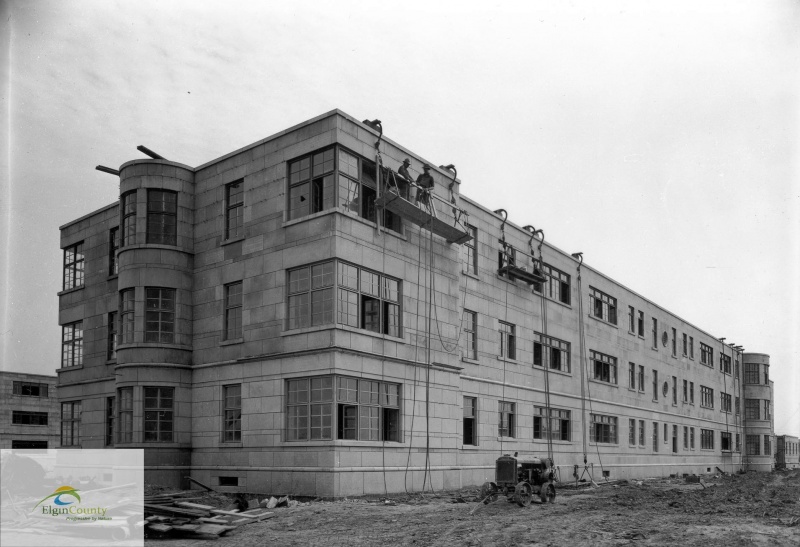
St. Thomas Psych construction 1938, abandoned, Ontario, psych, hospital, exploring
Under construction in 1938
Elgin County Archives, Scott Studio
The Aircraftman publication for students of the air force at St. Thomas
The school had a monthly publication titled The Aircraftman St. Thomas fonds, R6 S6 Sh4 B5 F3

By October 1942, 20,000 ground crew personnel had graduated from the school. In 1944, capacity for treating returning wounded soldiers was increased from 200 to 700 beds.

Patients were relocated to other parts of the province. The hospital was returned to the Ontario Department of Health and reopened to patients in 1945.

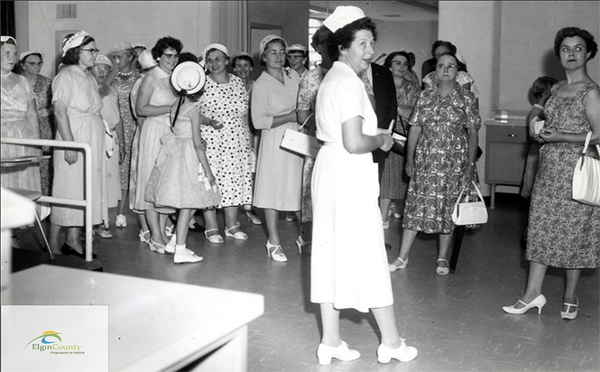
1959 Open House

Patients were able to take part in the farming and food production process which contributed to feelings of self-worth and contributing.

Beginning in the 1970’s it was decided that rather than confine people to institutions, that through mental health transformation patient care should shift from that of an institutional model to helping patients learn to live productive lives in the community. It offered patients hope and recovery.

There was a nurses residence on the other side of the highway (Sunset Drive) and underground tunnels provided transportation. A bicycle at each end of the tunnel allowed nurses to quickly make their way from one end to the other.

1988 Incident

In 1988 two patients at the hospital were given day passes to allow them to work. One patient earned enough money to purchase a car. On March 31, 1988 one of the two men told his boss that he wanted to “leave early and get laid”. The two men drove to London where they found a fourteen year old girl waiting for a bus. She was abducted and beaten in the car on route to the factory where one of the men worked. The girl was thrown into a river where she later walked to a nearby house for help.

Transition

The St. Thomas Psych Hospital was taken over by St. Joseph’s Health Care in London as part of a reorganization initiative ordered by the Health Care Restructuring Commission (HSRC) in 1997. HSRC directives called for the divestment of a certain number of long term specialized inpatient beds from St. Joseph’s to hospitals across southwestern Ontario and the construction of two new specialized mental health care facilities, one in London and one in St. Thomas. The report recommended significant transitional funding to build community resources that would offset the eventual closure of beds.

A modern state of the art hospital was built on the grounds of the existing hospital in St. Thomas. It opened in June of 2013.

The hospital has taken on several names: Ontario Hospital, St. Thomas Psych and St. Thomas Regional Mental Health Care.

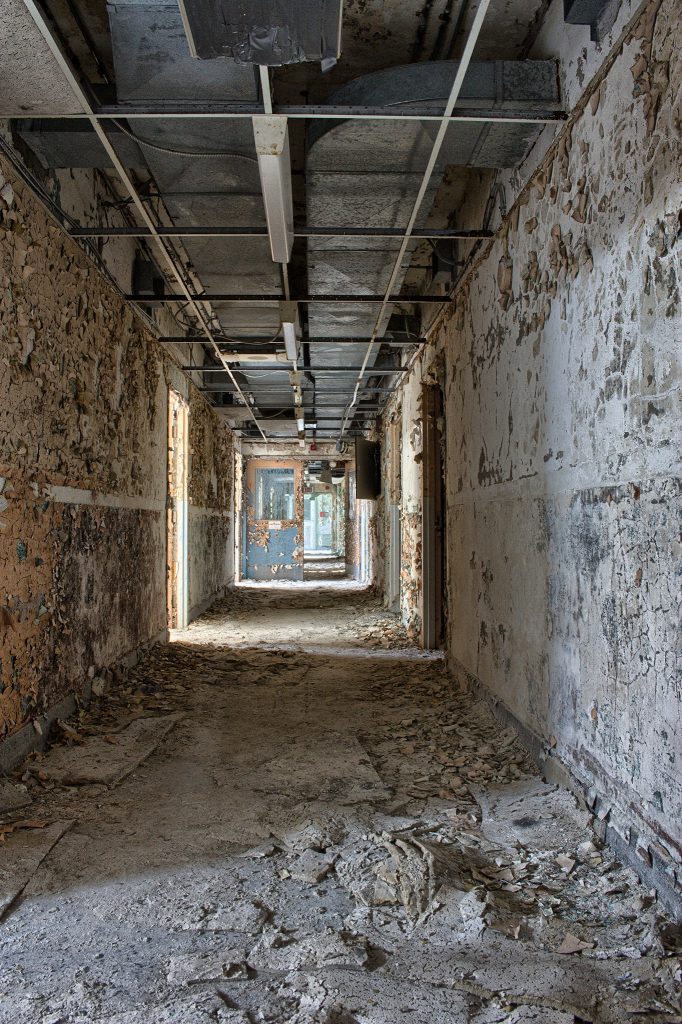
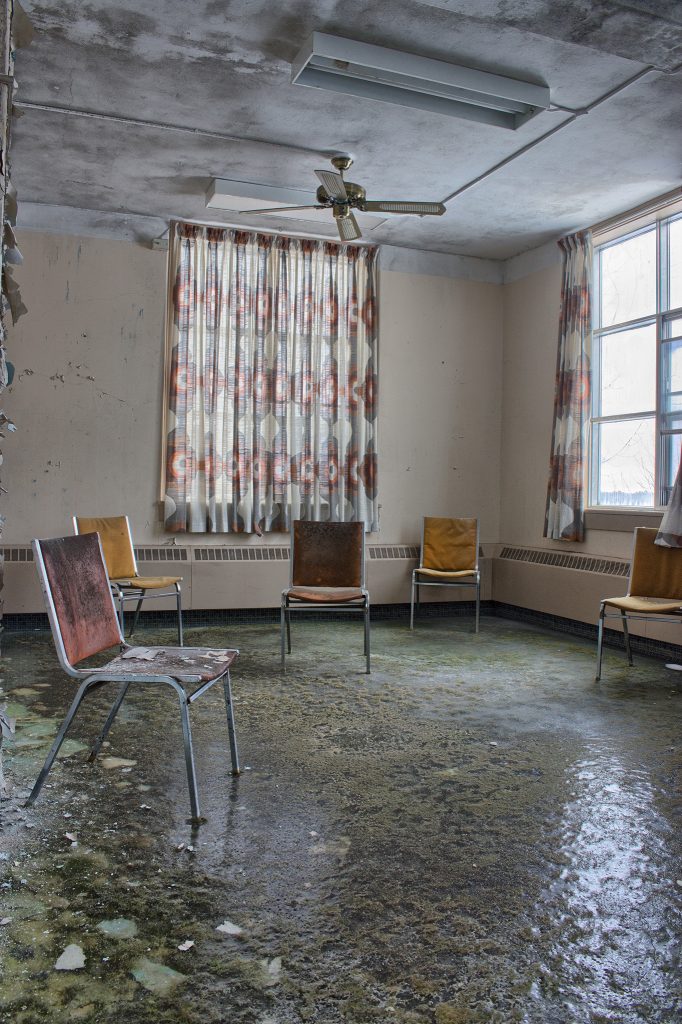
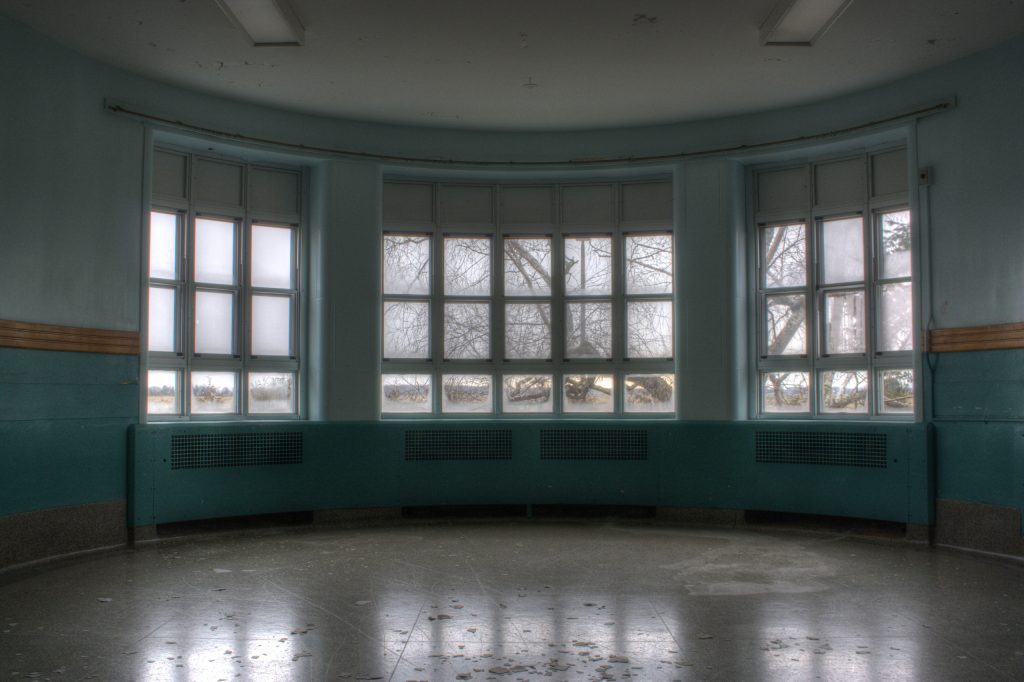
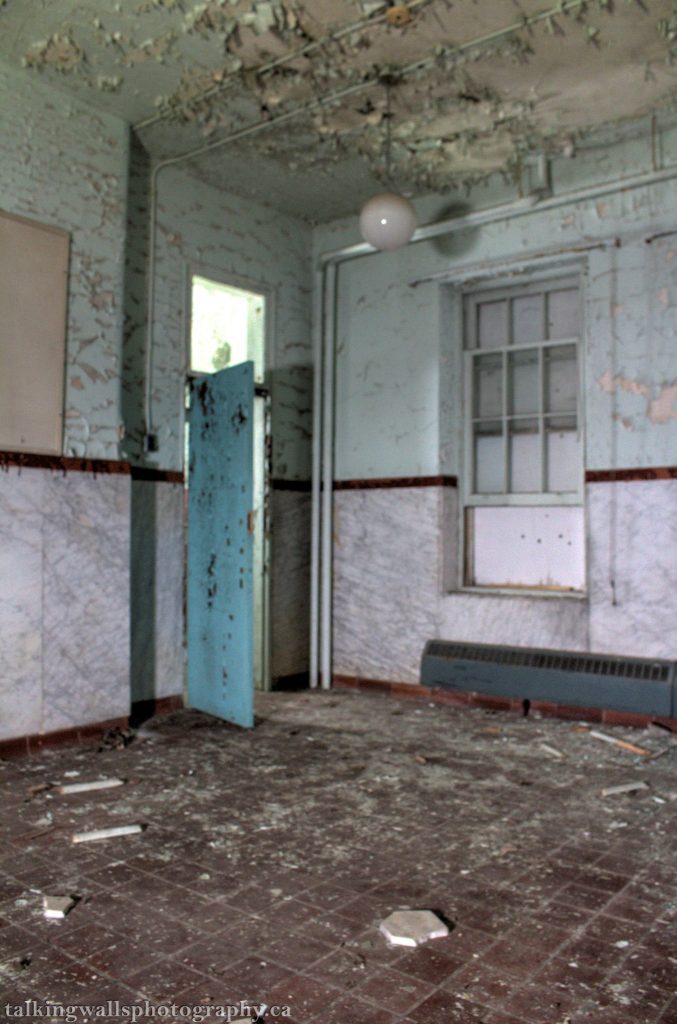
The colours blue and green were often used on walls as they created a calming atmosphere.

While exploring this facility in 2015 we found a pigeon trapped inside. It was flying into the walls in a panicked attempt to escape. Using a pair of gloves, one of our crew plucked it and let it escape out a window. We then closed the windows to prevent a recurrence.

Other events:

February 2016 – OPP warn explorers to stay out of the facility.

January 2020 – Actor Jason Momoa intends to film a post-apocalyptic television show inside the former hospital. It will be titled ‘See’ and will be released on Apple TV.

All research done by TWP.


Midwestern Regional Centre (Abandoned Buddhist Temple)

The Midwestern Regional Centre was one of nineteen Regional Centres located across Ontario built to care for developmentally challenged patients. The first centre built in Ontario was the Huronia Regional Centre in Orillia; other institutions included the Muskoka Regional Centre, Thistletown Regional Centre and Southwestern Regional Centre.

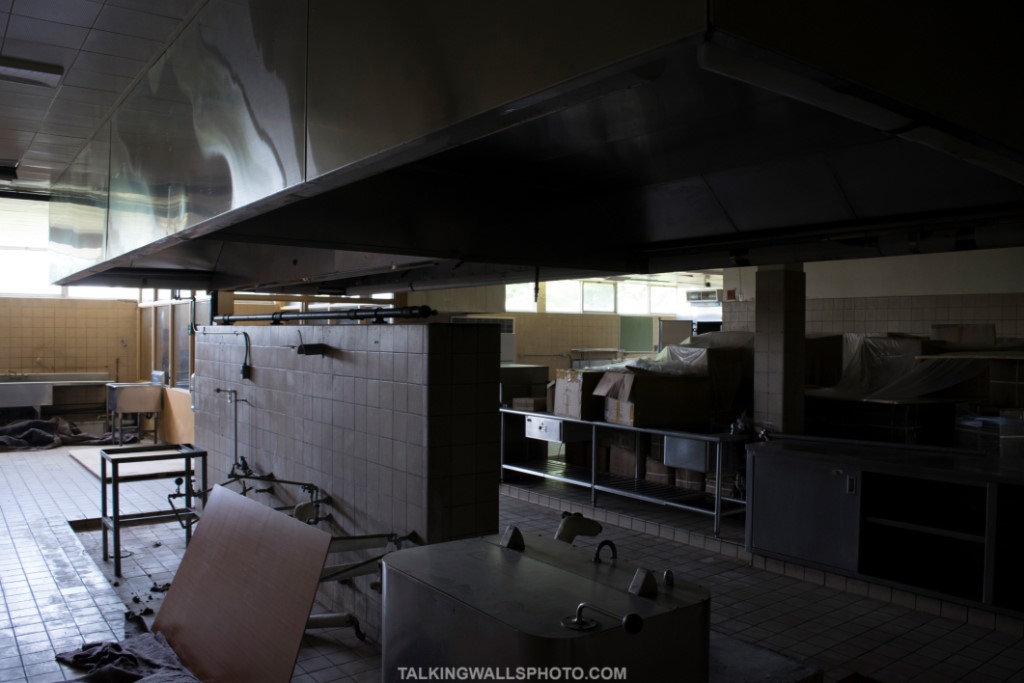
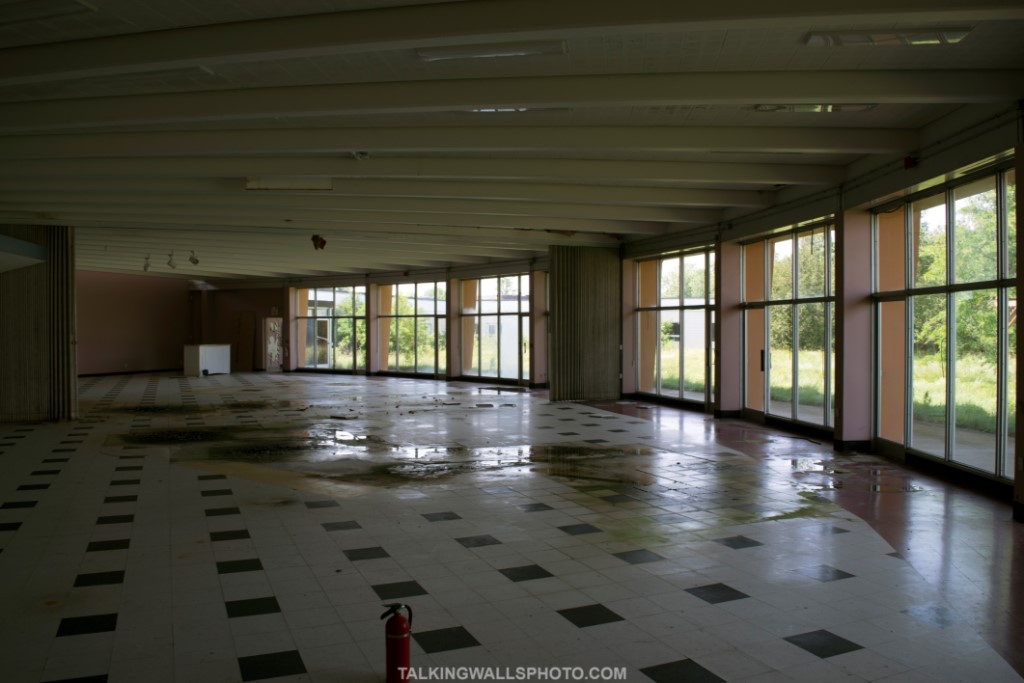
The Midwestern Regional Centre opened on September 1, 1963. It was situated on 164 acres of land just outside Palmerston, Ontario. The main building was 167,000 square feet with several outbuildings on the property.The facility was self sufficient – it had it’s own water wells and pumping station and waste was pumped out to the nine acre pond. There was a small swimming pool and on-site cafeteria.

The facility’s purpose was to care for children over the age of six.  The modality of Regional Centres at the time was one of institutionalizing people. Parents were discouraged from visiting children in care, leaving many patients to feel they’d been abandoned. Children were told that they’d be taken away from their parents if they didn’t go to these institutions, one former patient said in an interview.

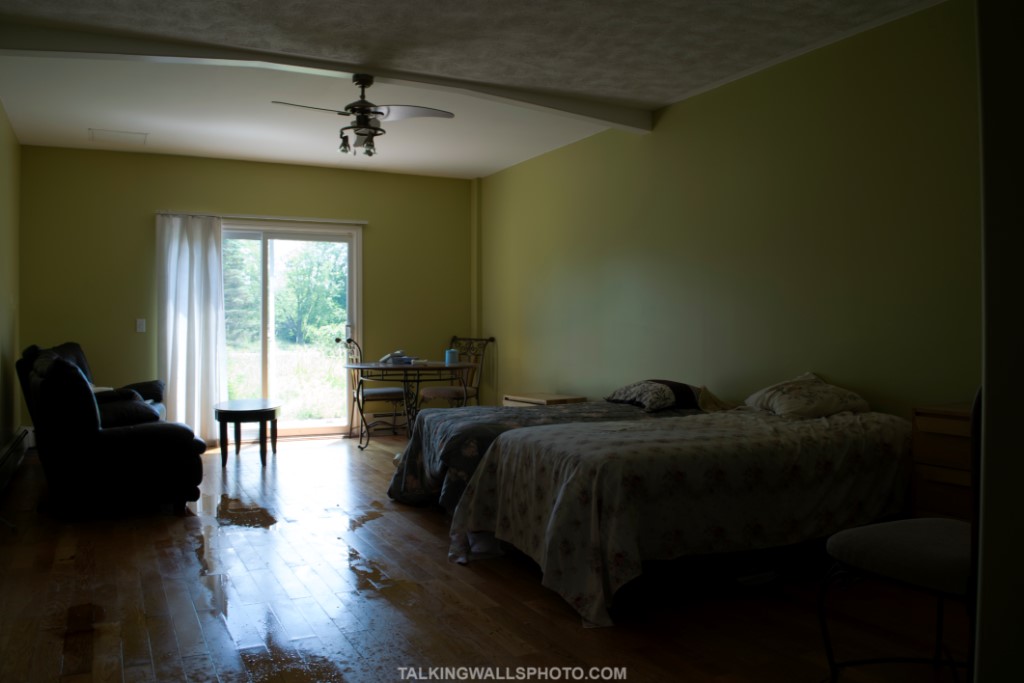
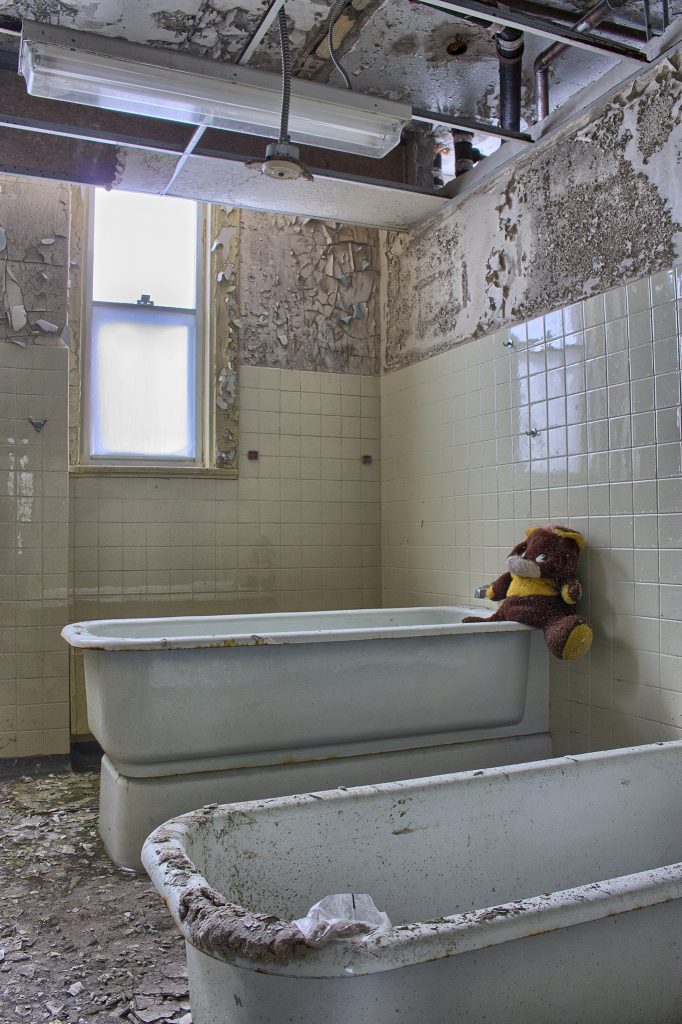
Patients slept in shared areas and used open toilets lined in rows. There was little privacy. Conditions at Regional Centres were often violent. In some cases cattle prods were used on patients. Straight jackets were used on patients who didn’t comply with the rules.

At it’s peak, there were approximately 225 patients at Midwestern.

In 1996 Community Living Ontario released the “No Better Time than Now” report. The report called upon the Ontario government to close these regional centres in favour of placing the developmentally disabled in their own communities where they could receive community support. In response to the report, the Ontario government announced a three-year plan to move patients out of these institutions and to downsize the facilities. And so it became that Midwestern closed on March 31, 1998.

The property sat idle until 2003 when it was purchased by the Village Green Lifestyle Community to be used a home for senior citizens. Village Green Lifestyle Community applied to have the property re-zoned to allow a nursing home with 100 units, as well as a hotel and conference centre and private 9-hole golf course. Renovation work was initiated but within months the plans for the home fell through due to legal reasons involving how the funding was obtained.

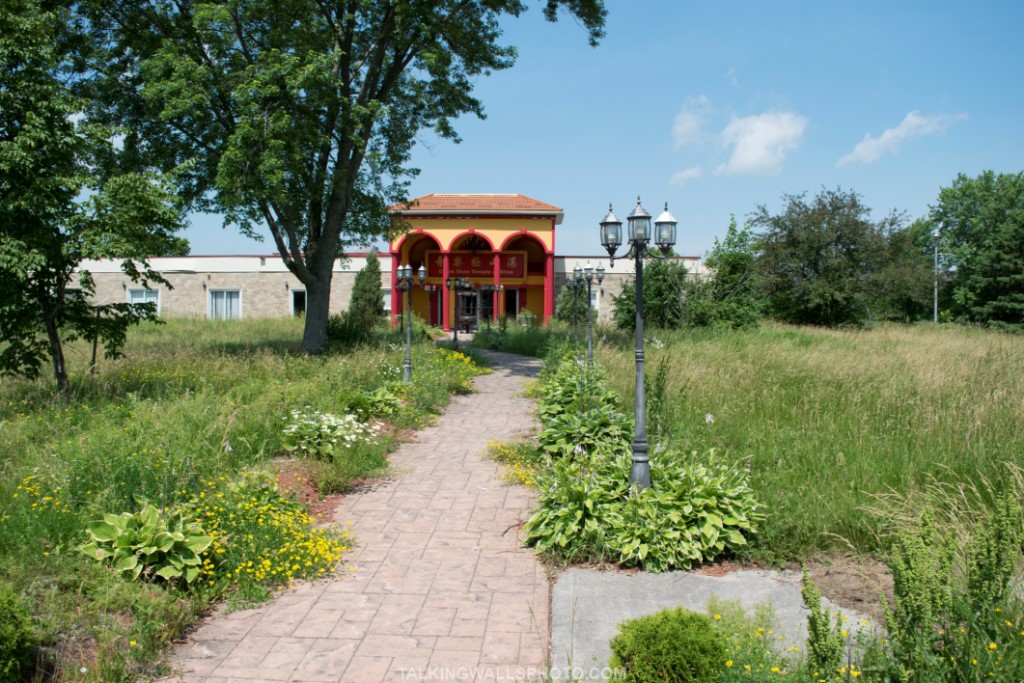
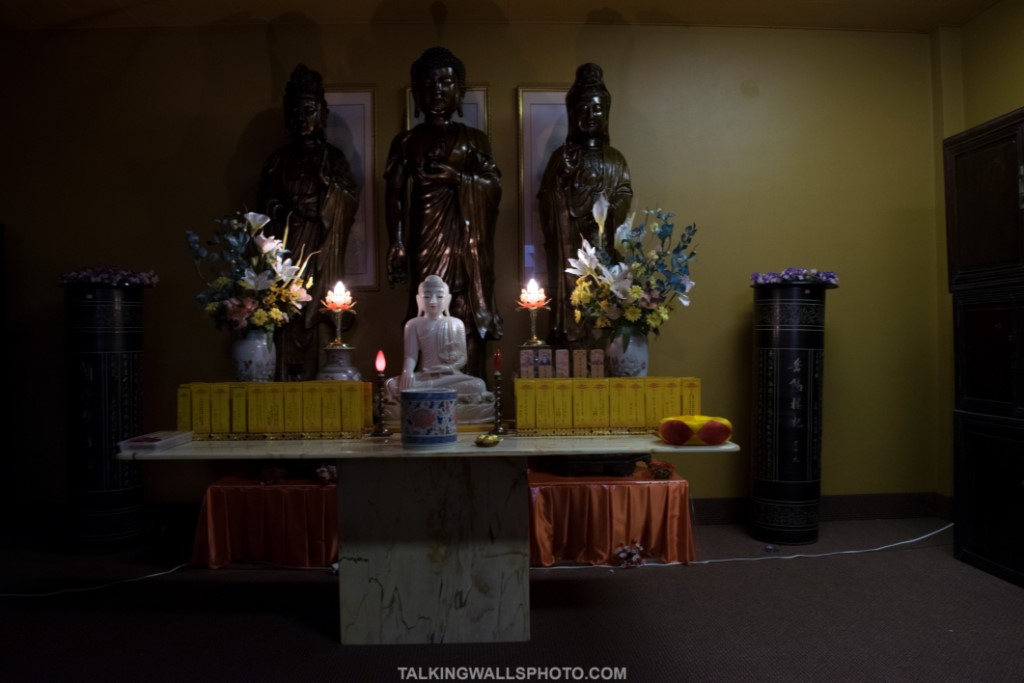
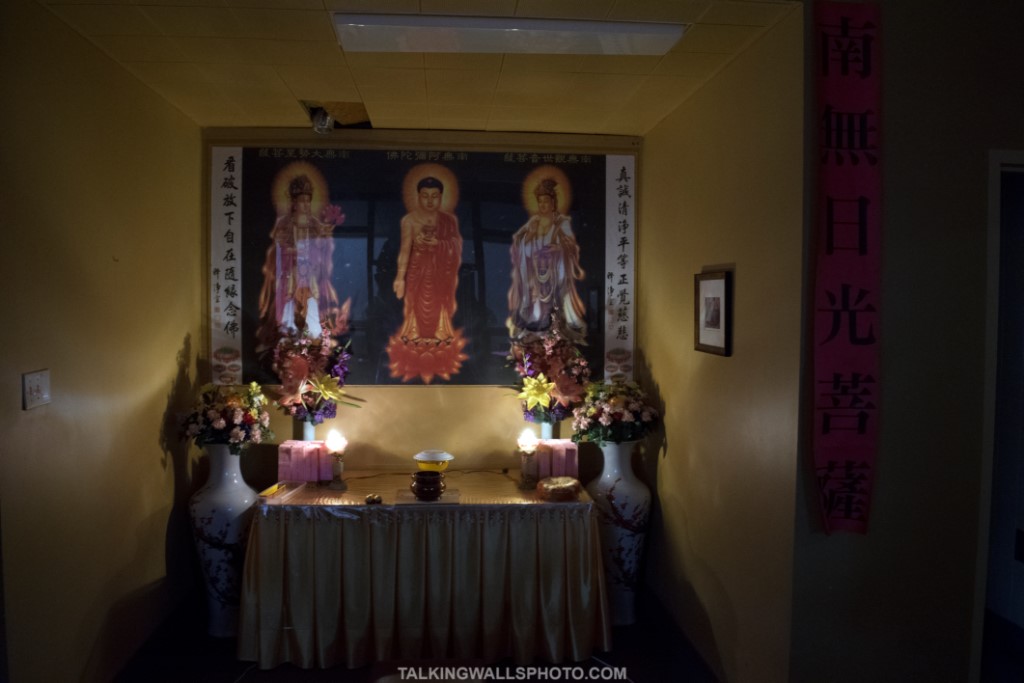
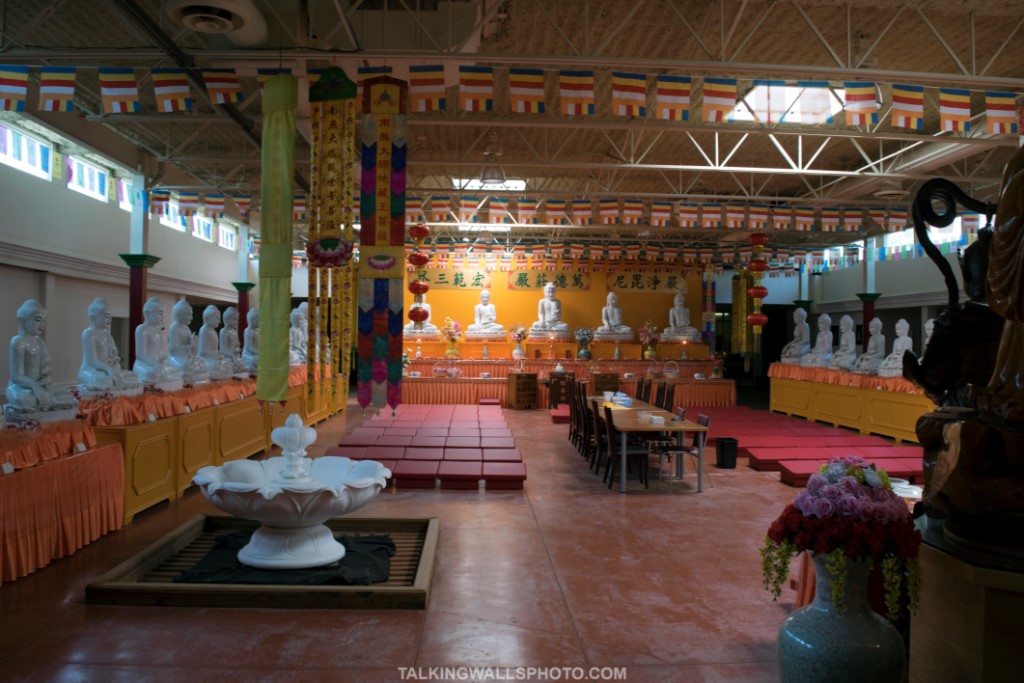
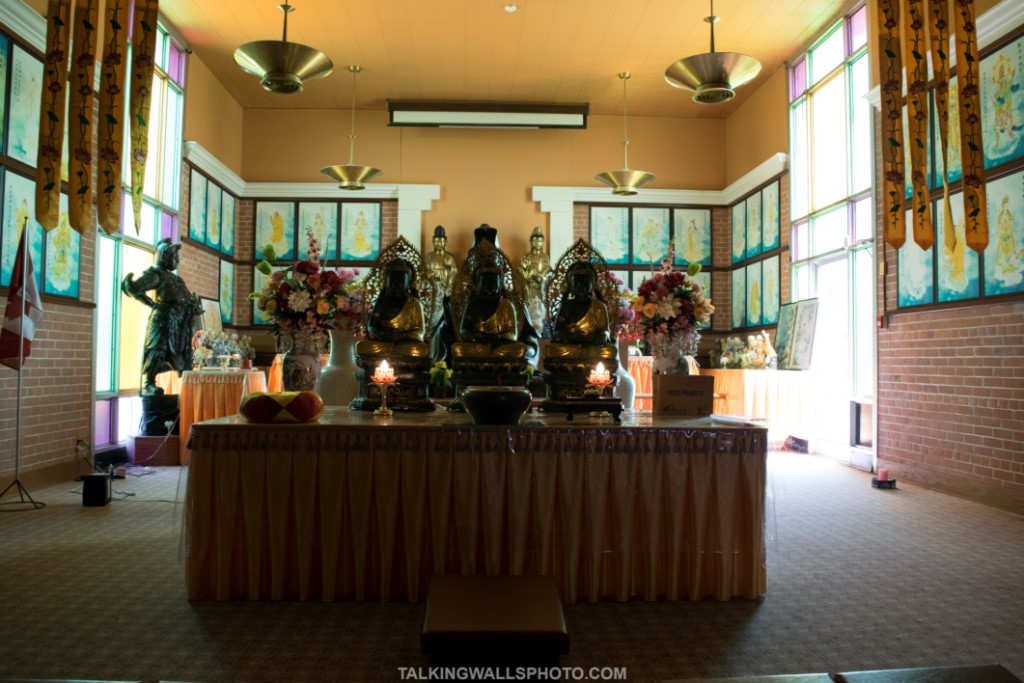
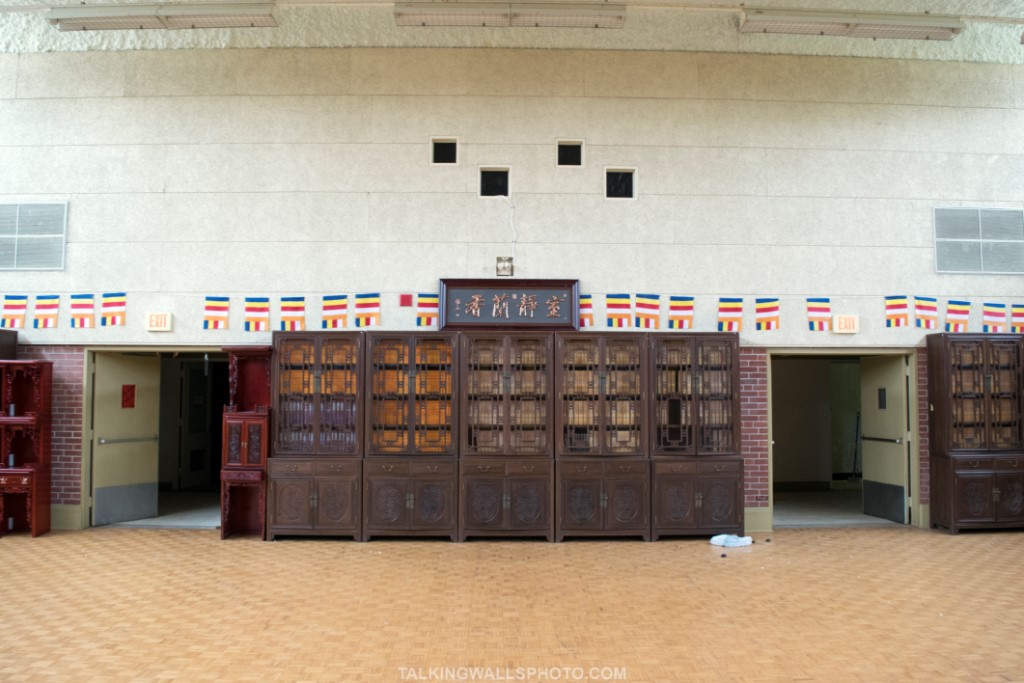
In 2010 the property was sold to the Cham Shan Temple, a Buddhist organization based in Thornhill. The selling price was estimated at $3.1 million. Cham Shan’s intention was to convert the former centre into a Buddhist retreat. They felt the location’s remote area would be idea for meditation.

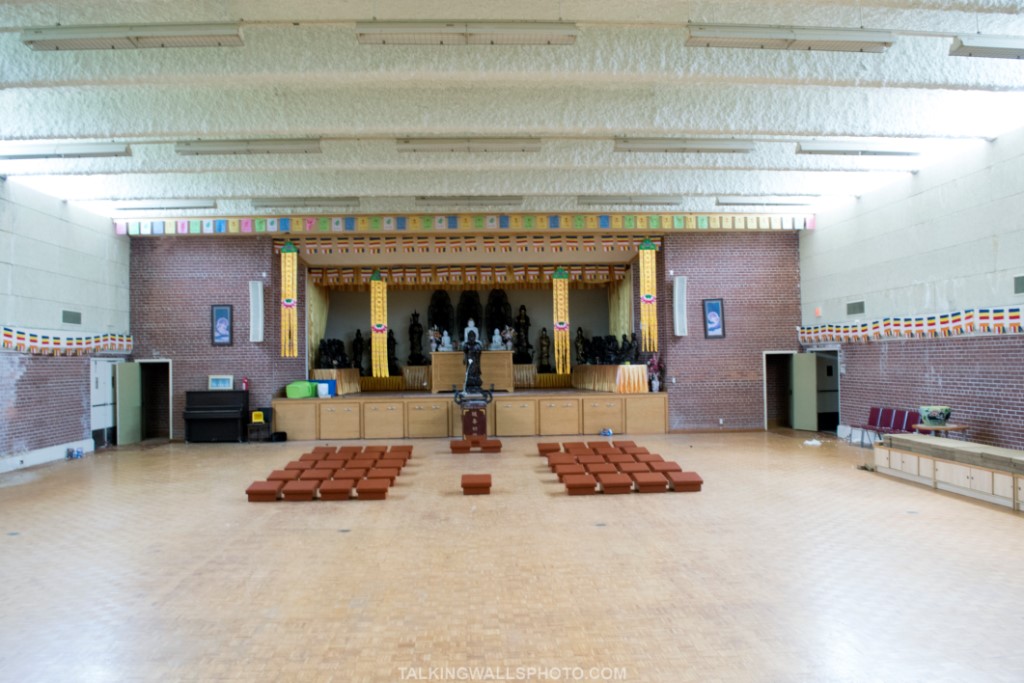
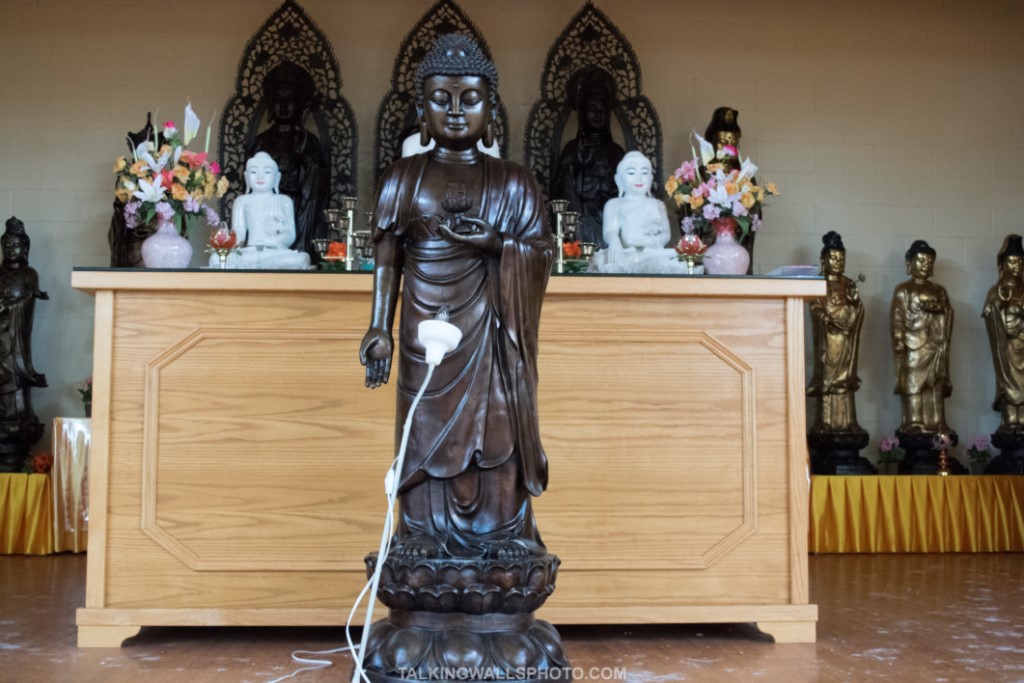
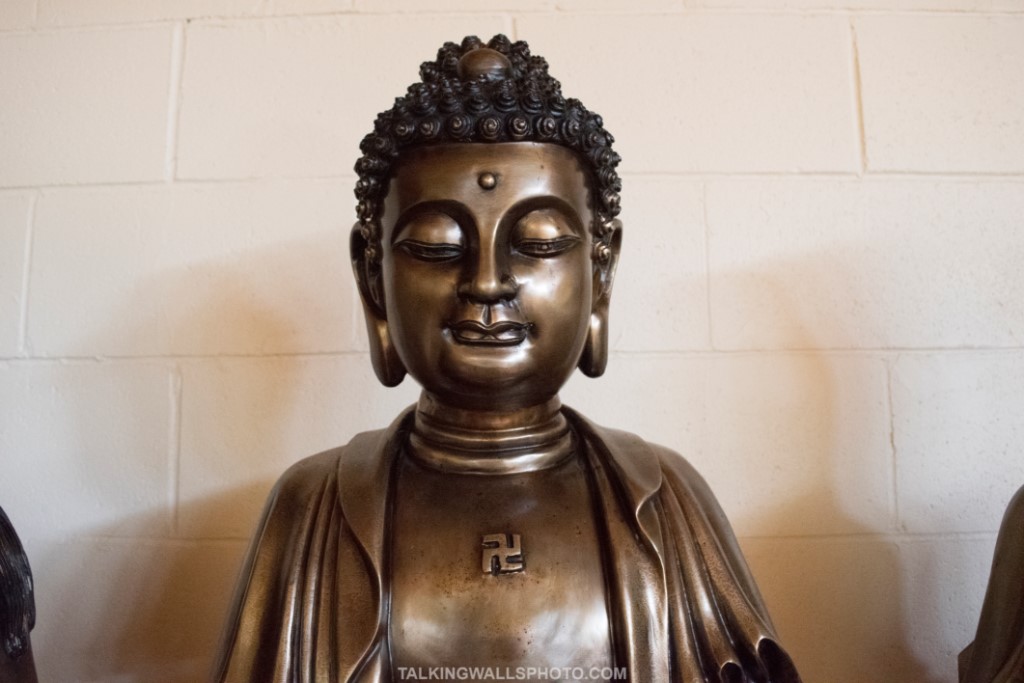
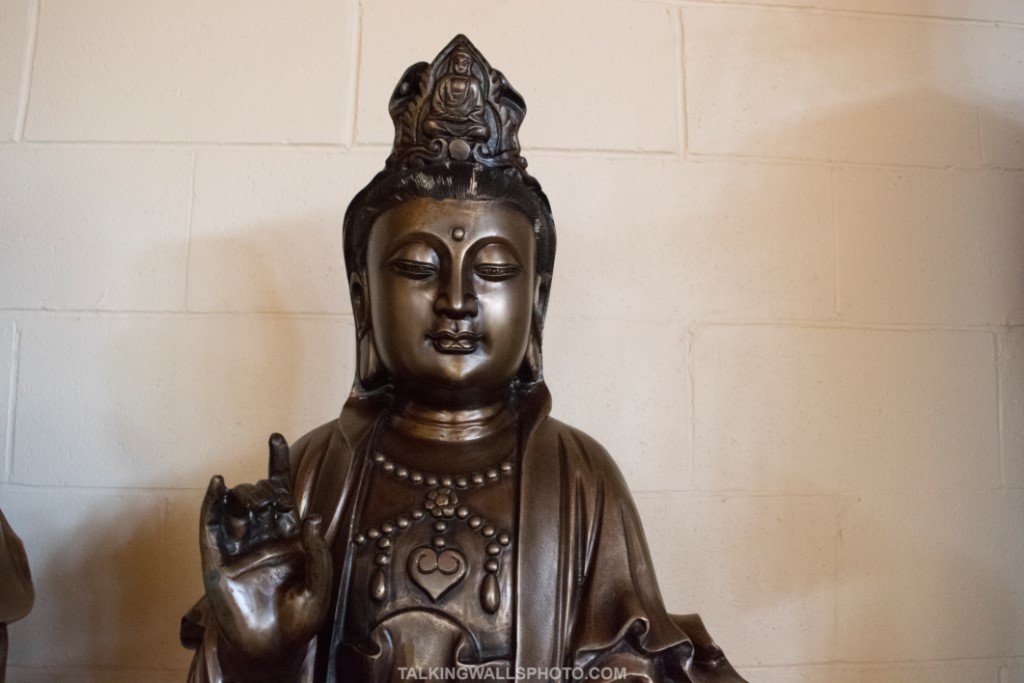
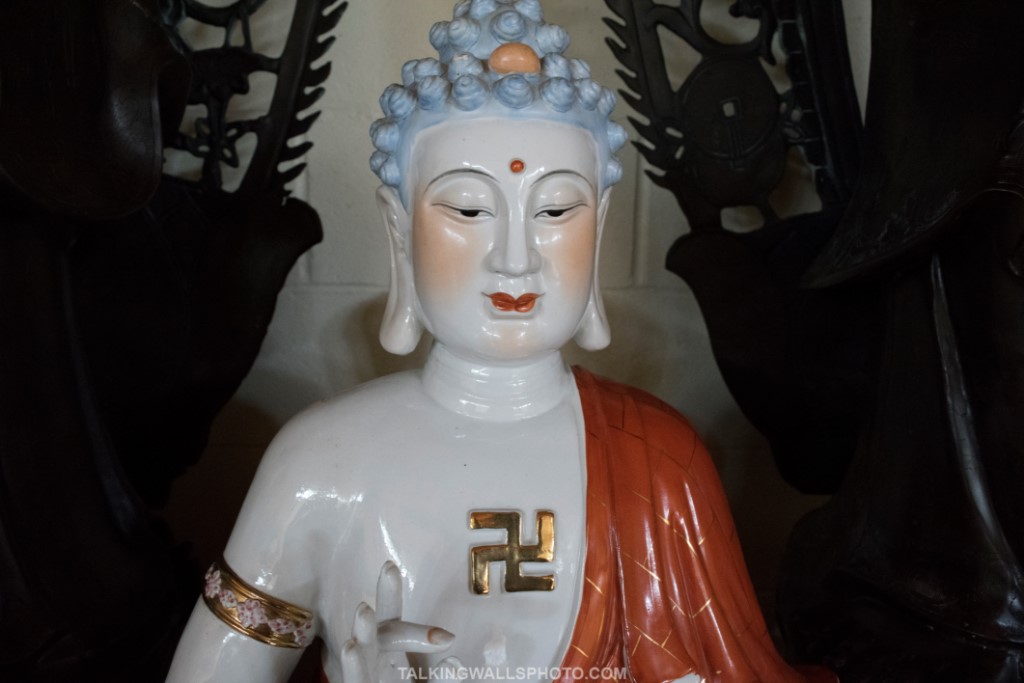
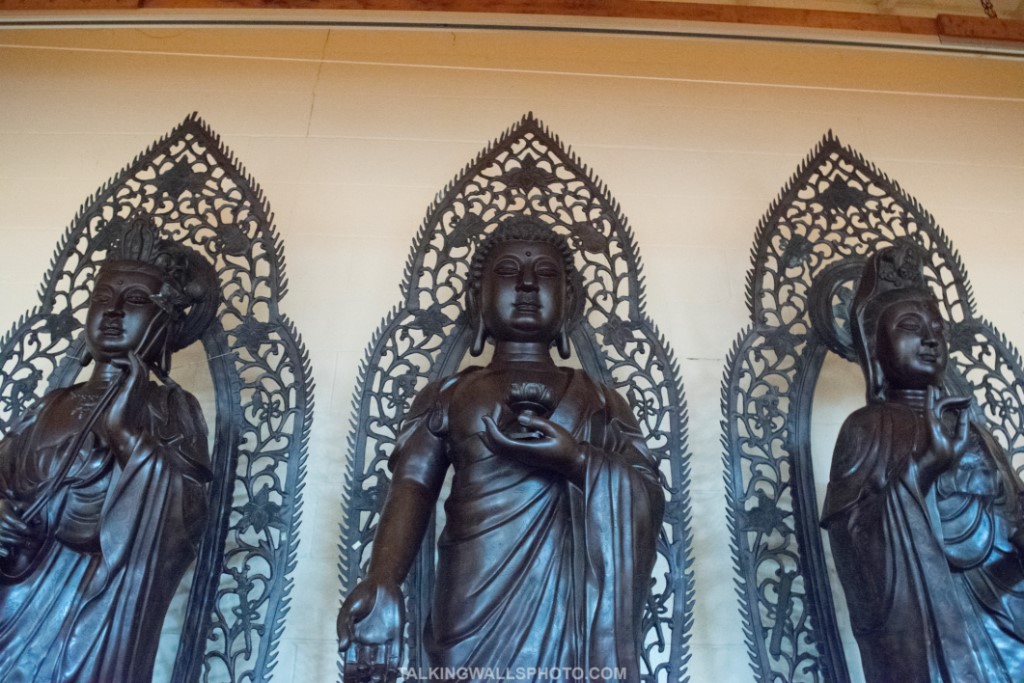
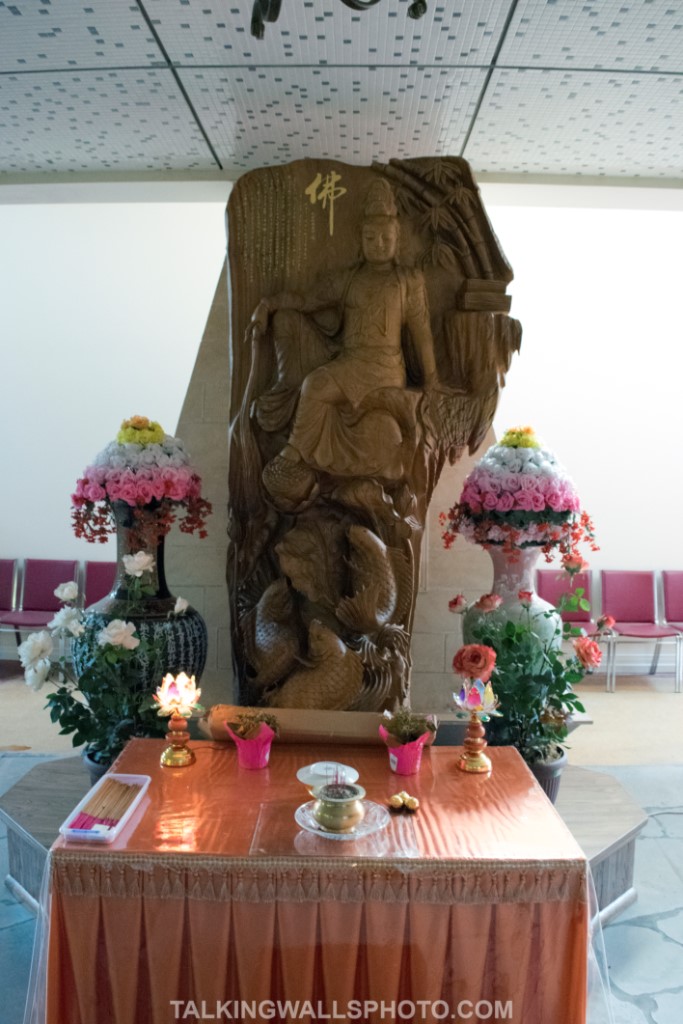
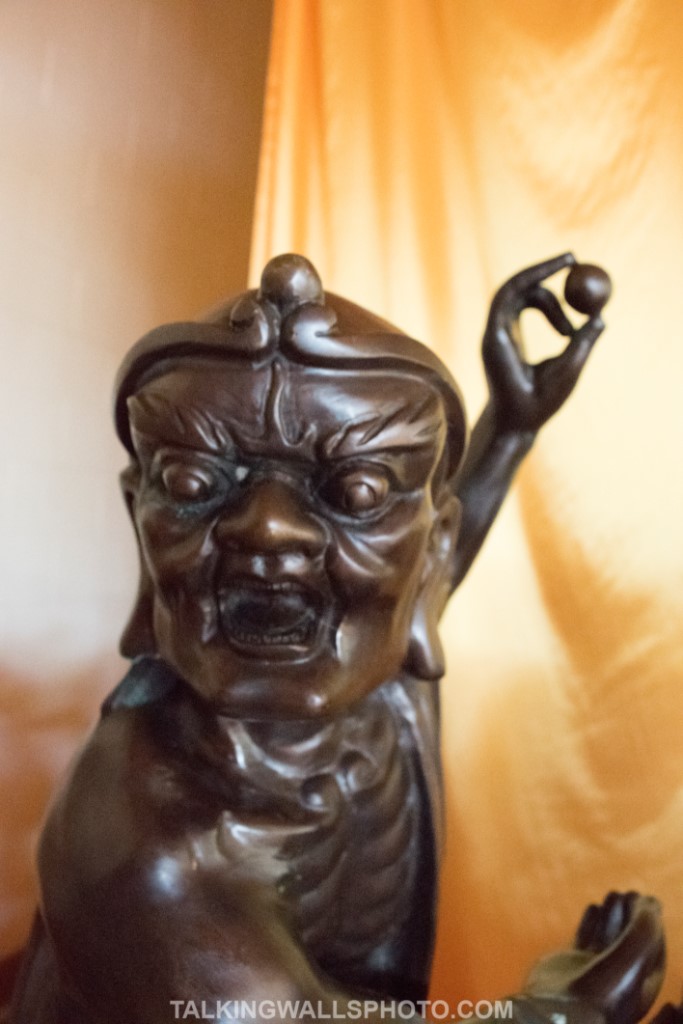
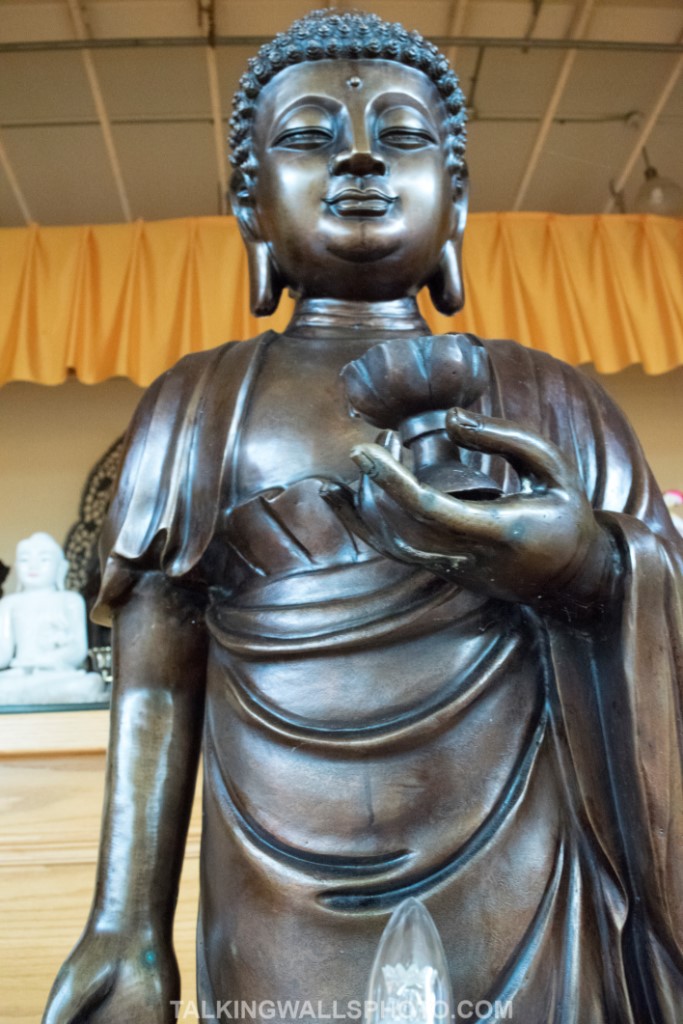
For several years it appeared as if the project was advancing, only to stop. Building materials were left laying in converted sleeping units while the main hall was filled with Buddhist statues of every kind.

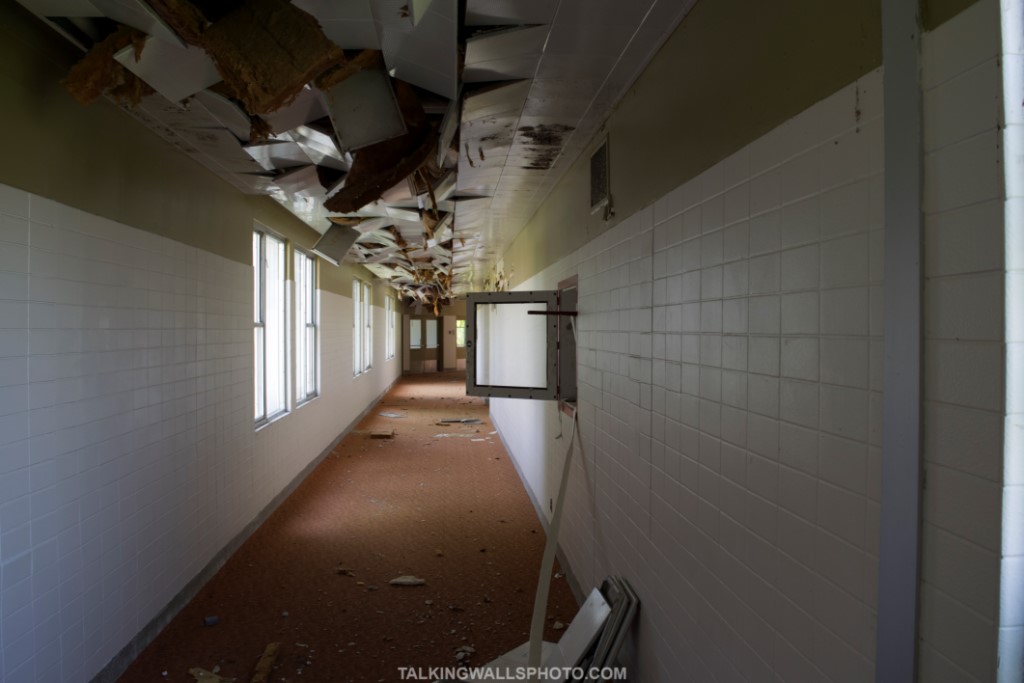
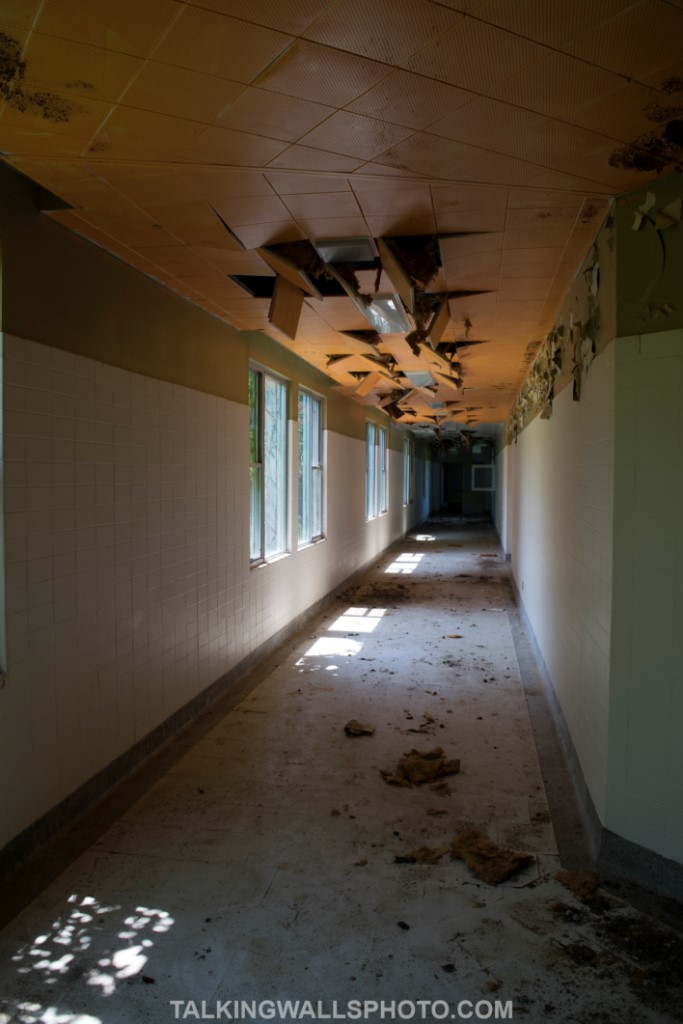
Plans for the Buddhist temple were met with difficulty when twice in a five-year time frame, the newly renovated building suffered leaking roof issues causing damage to the interior. As the temple was funding by donations, the renovations work was set back each time.

In 2019 the facility was again placed up for sale. Since my last visit, all of the Buddha statues have been cleared out. There’s nothing left inside but it still makes for an interesting exploration.

In 2016 a judge approved a $36 million settlement for former residents of twelve regional centres for the physical, sexual and emotional abuse they endured.

Photos from 2015 of an outbuilding…


Video

Exploring the Midwestern Regional Centre in Ontario

Abandoned Sainte Clothilde de Horton Asylum Quebec

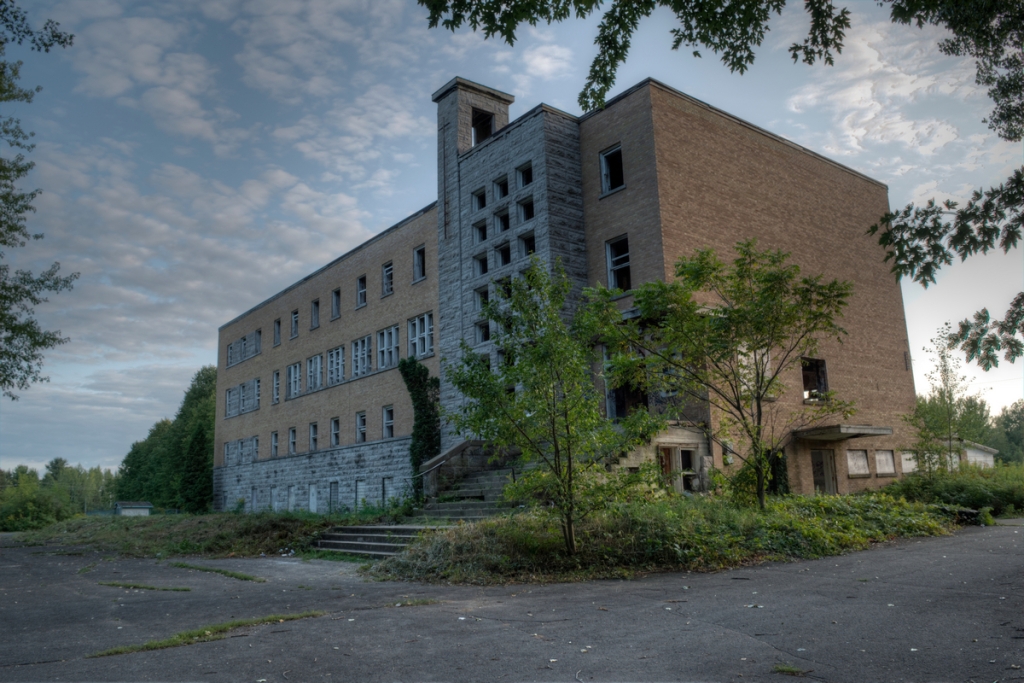
The building was first constructed in 1939 by the Missionaries of the Sacred Heart to be used as a monastery. Food was provided by a local farm belonging to Alexandre Martel.

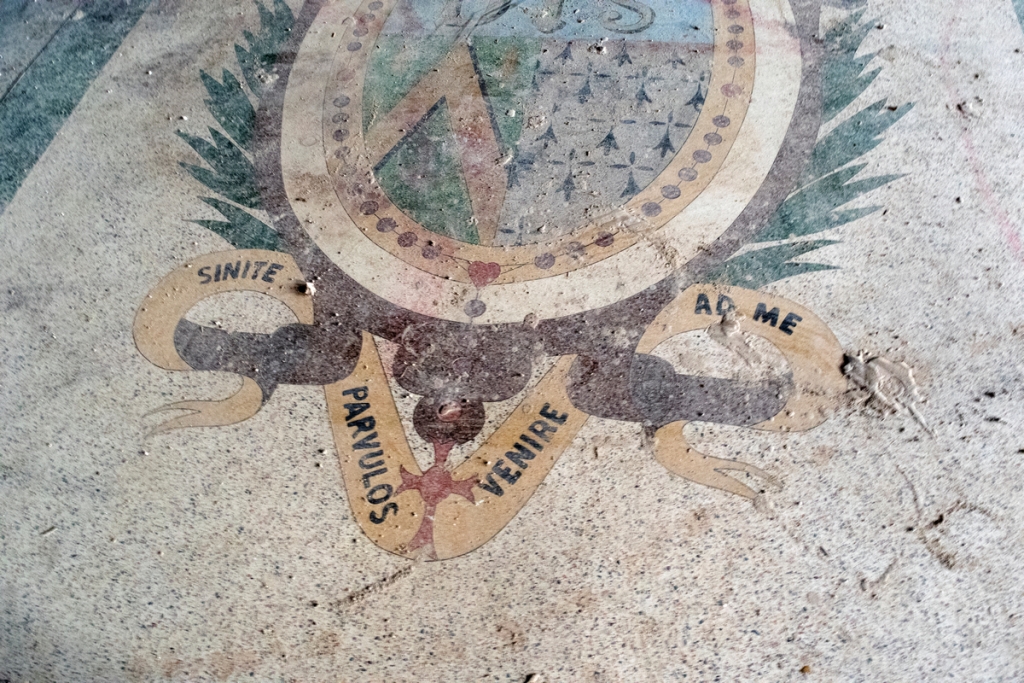
In 1953 the monastery was sold to the Brothers of Christian Instruction and renamed to the Maison Notre Dame de La Chesnaie. An inscription in the main entrance floor displays their motto: “Ad Sinite parvulos venire Me” which means “Let come the children to me.”

On December 25, 1959 three young men between the ages of 8 to 10 were killed by a fire at the institute which was caused by the men trying to smoke a cigarette in a closet. They’d been locked inside the closet after being caught with the cigarettes. 

The institution is believed to have been closed until around 1969 when the Province of Quebec purchased the institute. The property was used as a rehabilitation center for up to 90 people with intellectual disabilities. It’s alleged that medical procedures including lobotomies and electro-shock therapy took place here.

There’s little documentation as to what became of the property between 1959 and 1969 but it’s believed that the fire led to the closure of the educational institution. In 1969 the Quebec provincial government purchased the property for use as a rehabilitation center for people with intellectual disabilities. Various research states that medical procedures such as lobotomies and electroshock therapy took place during this time. The rehabilitation center operated until 1988.

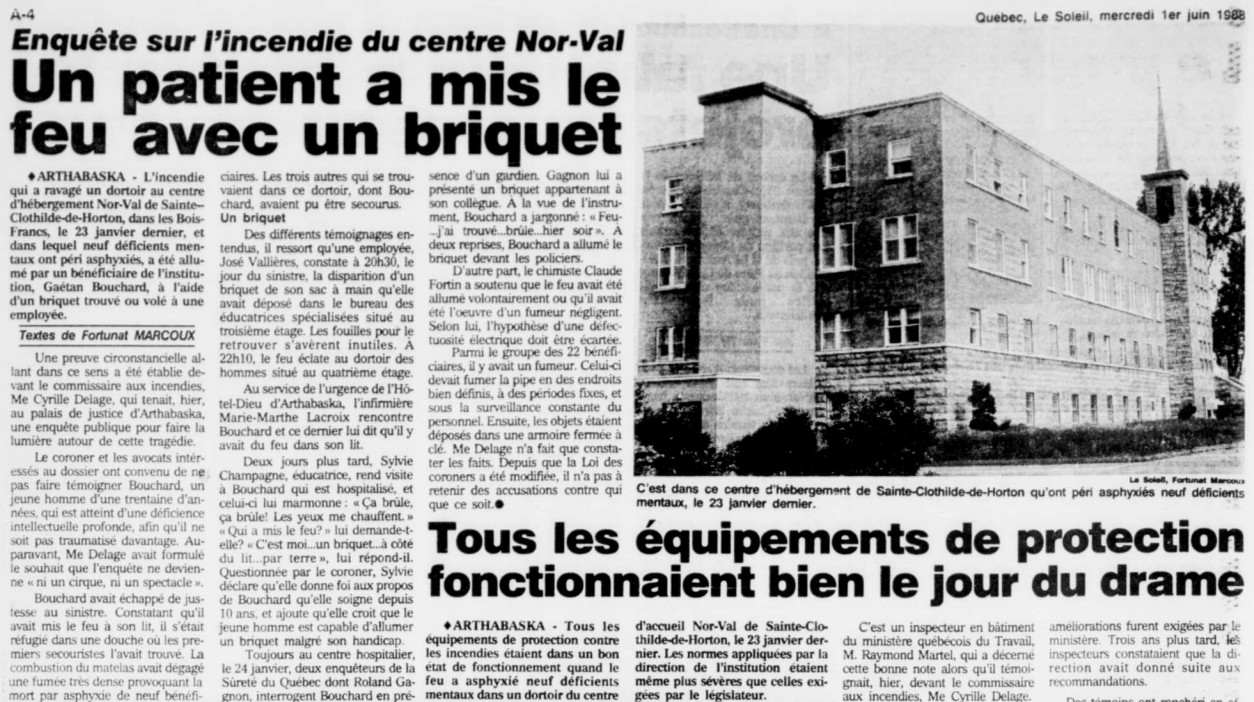
On January 23, 1988 shortly after 10 PM, a fire again broke out in the asylum. An employee’s lighter had disappeared from her purse earlier in the day. It was used to light a mattress on fire.

Newspaper article about the fire


Folklore is that some patients jumped from the windows on the fourth floor. Nine patients died in the fire.

  • Bruno Abbondanza, 33 years old;
  • Louis-Georges Asselin, 31 years old;
  • Gérard Bergeron, 41 years old;
  • André Brouillette, 36 years old;
  • Denis Cochrane, 40 years old;
  • Marcel Houle, 28 years old;
  • Gilles Lefebvre, 40 years old;
  • Bernard Parent, 32;
  • Marcel Pépin, 50 years old.
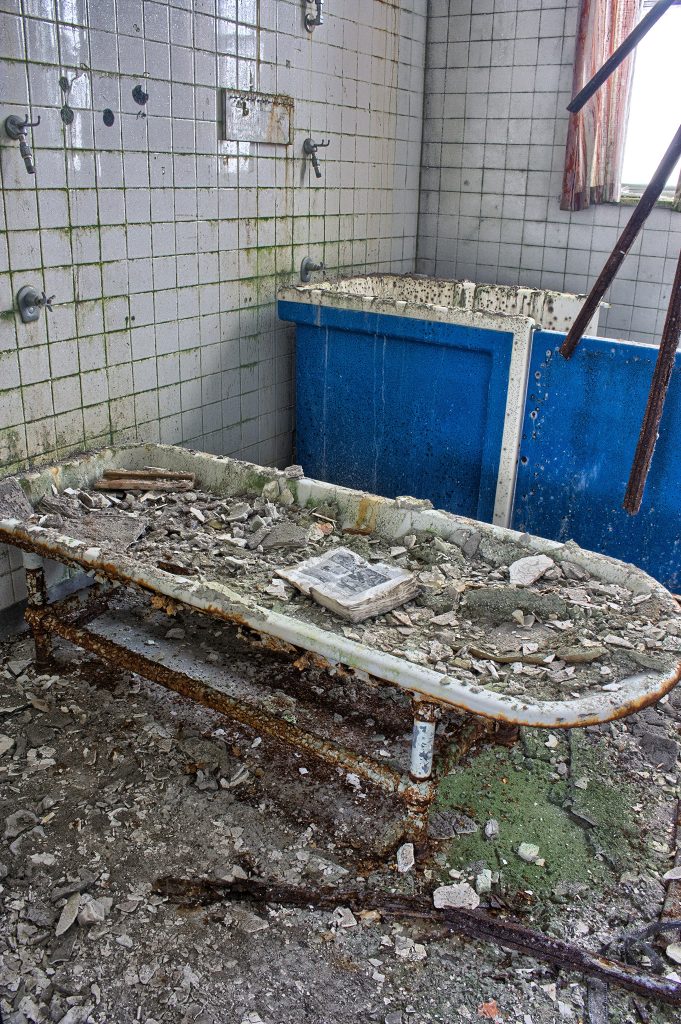
The property was eventually sold to the Seventh Day Adventist Church to be converted into a camp named Val-Espoir. The project was never completed possibly due to a lack of funding.

The property has been abandoned since 2002.

In 2009 Roger Thivierge and Marie-Claude Martineau purchased the property with a business plan to turn it into a senior’s facility. Within weeks they noticed people trying to sneak into the abandoned building. People came day and night and had to be told to leave the property.

With a lack of investors for the senior’s facility, it was a police officer who suggested to the owners that they try to make a business from the building’s creepy past. The couple allowed people inside for $10 each. People came from as far as Europe and South america to visit the asylum.

Patrick Sabourin, the co-founder of a Quebec-based group called APPA Paranormal, is one of those who visited the asylum. Sabourin says that he and his team have recorded the sounds of a little girl named Amélie. He also says he’s heard the a voice of a boy named James.

In 2017 a promoter approached the owners for permission to hold a Halloween party in the asylum. He was given permission provided he apply for a permit. The municipality not only denied the permit but they sought a court order to force the owners to build a fence around the property to keep people out.

If you’re interested in purchasing the property, they’re asking $2.8 million for it.

Video

Abandoned Sainte Clothilde de Horton Asylum Quebec

London Asylum for the Insane – London, Ontario

The London Psychiatric Hospital grounds now consists of 23 buildings including the Chapel of Hope church, horse stable and infirmary building.

The London Asylum for the Insane opened in 1870. In 1869, the provincial legislature provided $100,000 in funding to build the asylum. The asylum was built upon 300 acres of land in what is now known as Highbury Avenue. The asylum was ready to accept patients in November of 1870.

The main building featured a number of wards for different patients. There were wards for paying patients and free wards. The paid wards offered more comfortable surroundings and private rooms at a rate of between $1.50 and $2.75 per week. The number of patients who used the paid rooms was quite low.

Male and female patients lived apart but were able to socialize. Patients staying in the North Ward were confined and not able to move around the asylum,

The Medical Examination building opened in 1903, and offered dormotories and individual rooms. There were sunrooms where patients could relax. You can see where the sunrooms used to be at the leftmost part of the existing building today.

The original facility was named The London Asylum for the Insane. In 1932 the name was changed to the Ontario Hospital for the Mentally Ill. In 1968 it was renamed the London Psychiatric Hospital (LPH).

And in 2001 the last name change was St. Joseph’s Regional Mental Health Care London.

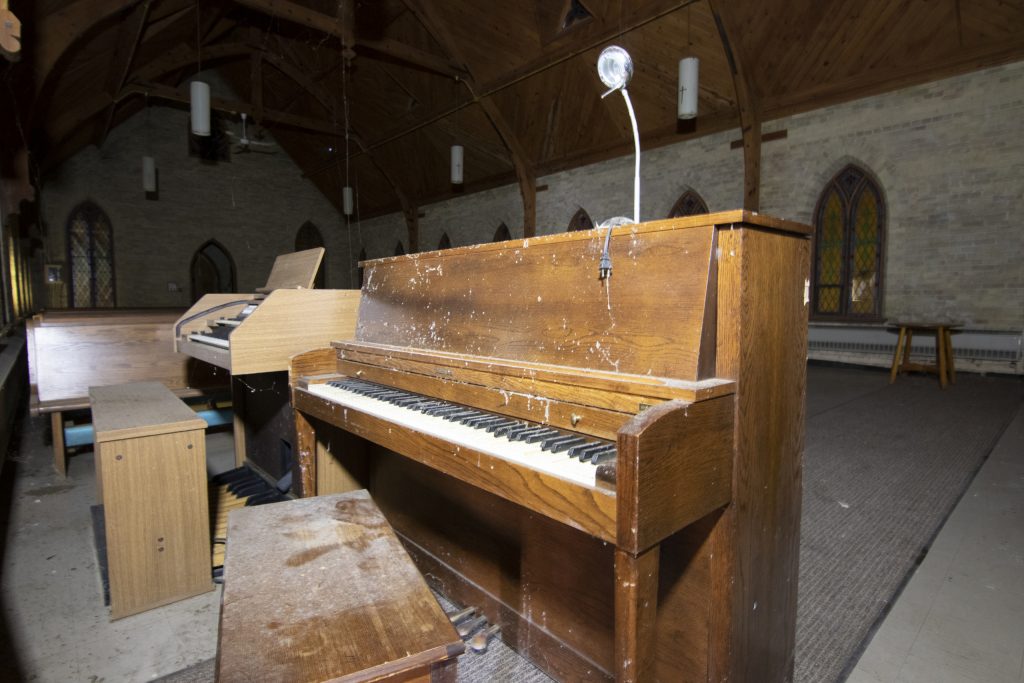
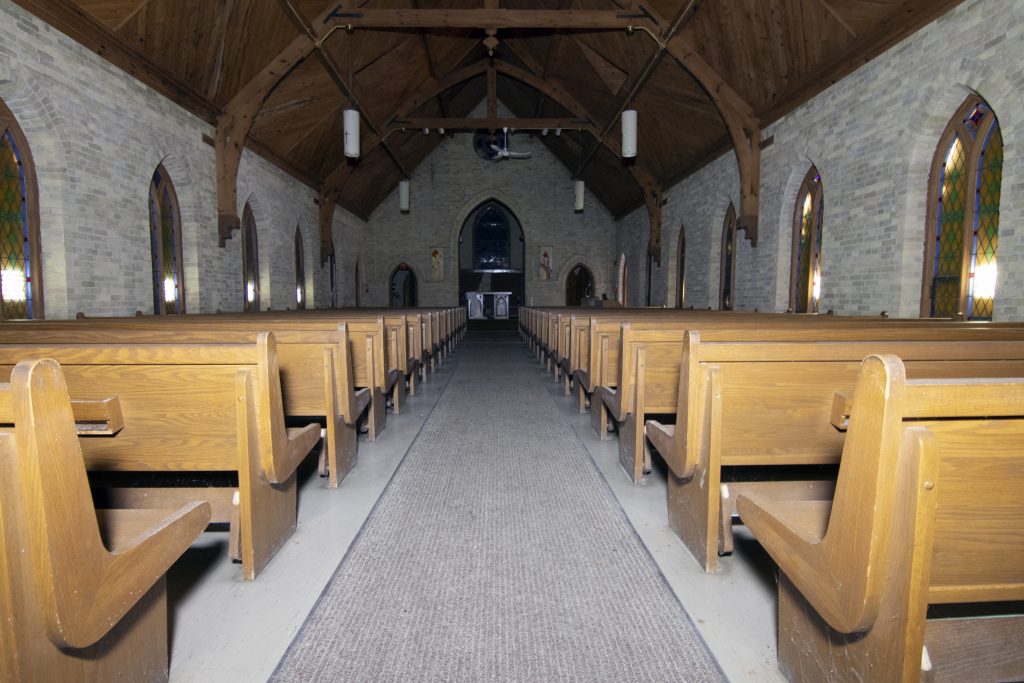
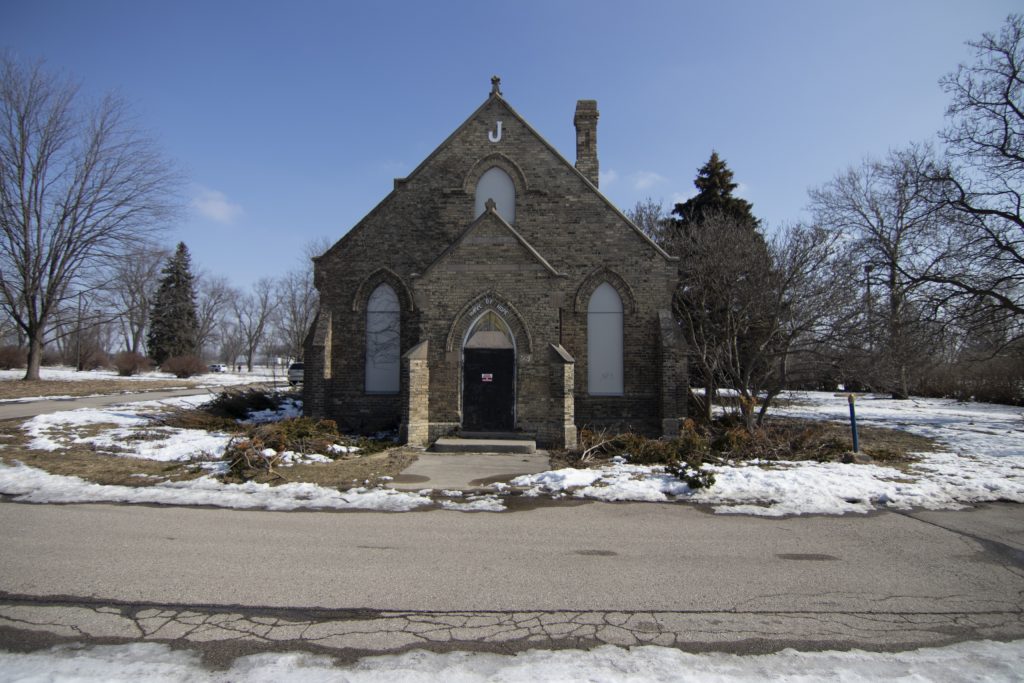
Chapel of Hope Building

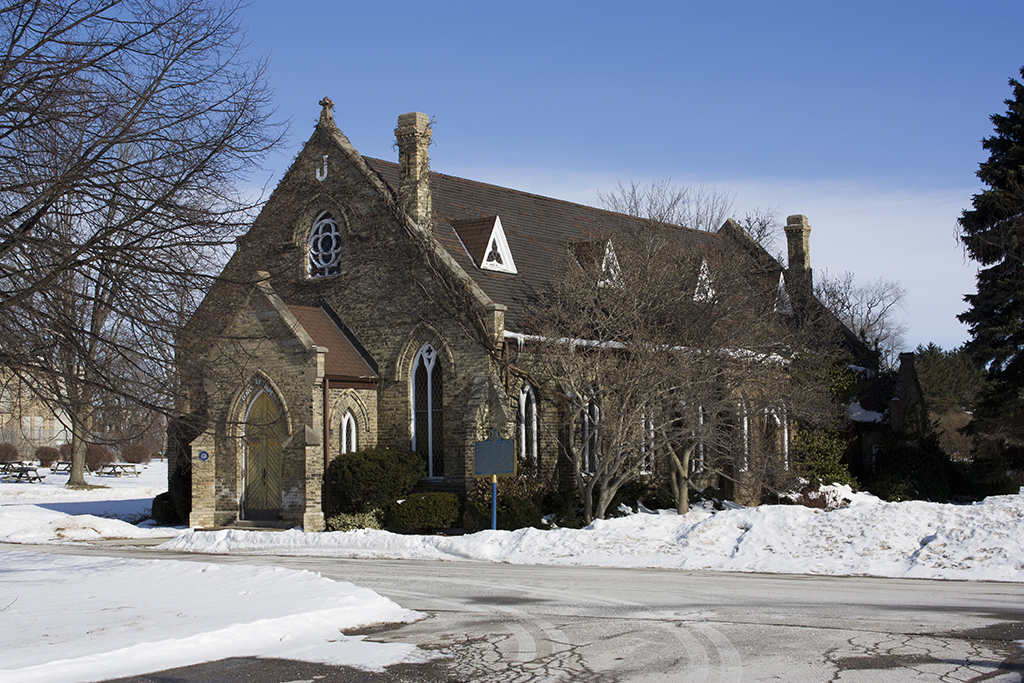
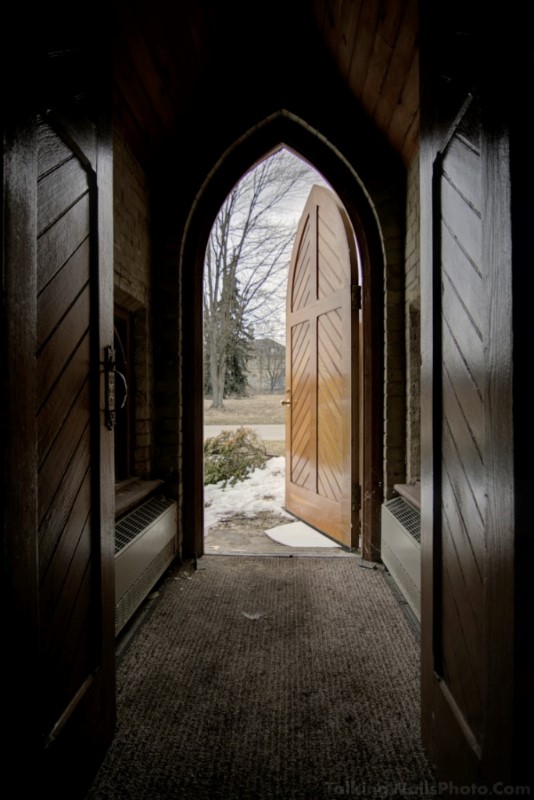
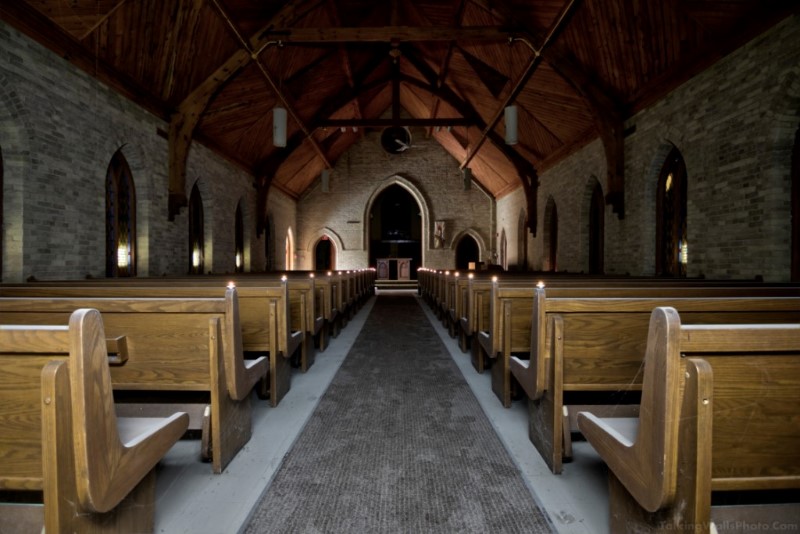
The Chapel of Hope is located behind the main hospital building. Thousands of people have been married inside this scenic chapel, which became the property of Infrastructure Ontario after the hospital ceased operations.

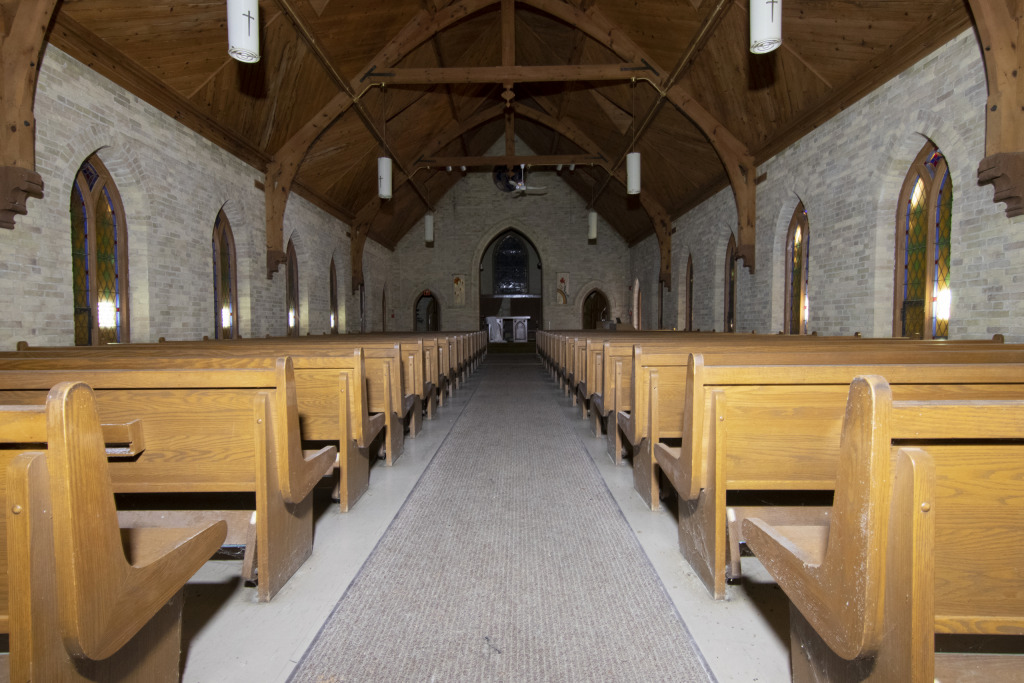
Before the chapel was built, religious services were held in the general recreation facilities which was up three flights of stairs. This raised concerns about the elderly not being able to attend. In 1884 the church was constructed in a Gothic Revival style. The labour was provided by patients. The church was part of a plan by Superintendent Dr. Richard Maurice Bucke to create a beautiful grounds to help improve patients mental health. He petitioned Public Works Ontario to build the chapel. Both Protestant and Catholic services were held at the church.
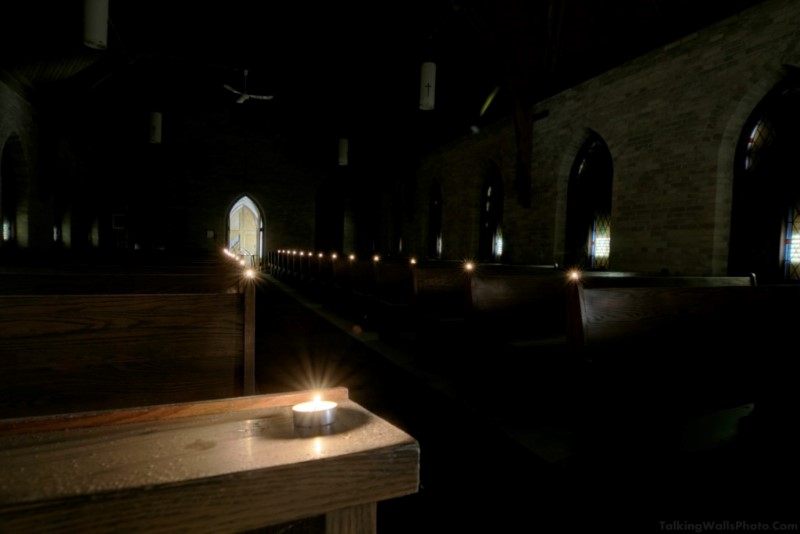
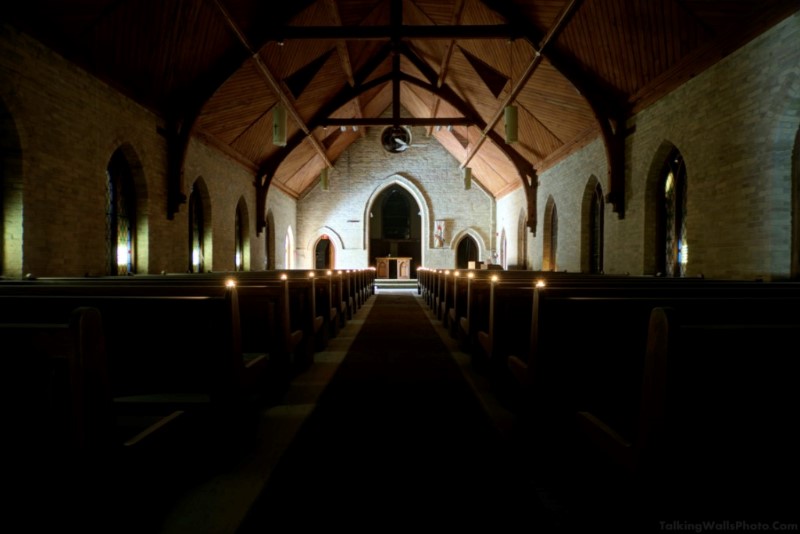
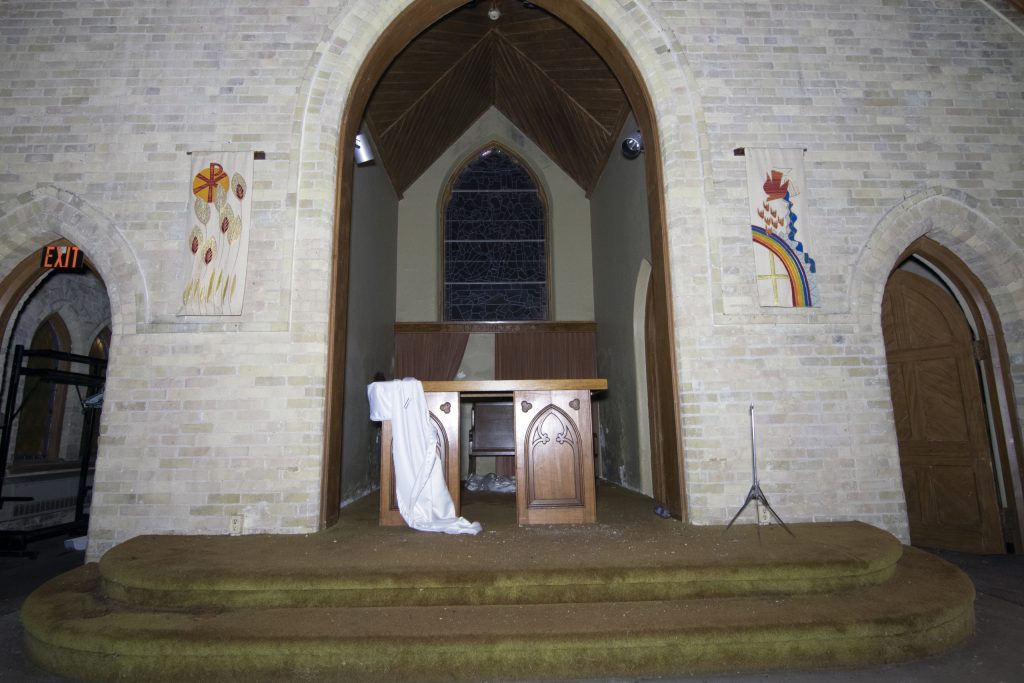
Interestingly, the chapel was built with both a Roman Catholic and Protestant alter at opposite ends of the church. The pews were designed so that they could face either direction. When the Protestant congregation needed more space to worship, the church became Catholic.

The stained glass windows combine images of religion with images of the Asylum which at the time reflected religions role in moral therapy.

In 1970, the Chapel was renamed the Chapel of Hope and various rejuvenation projects were undertaken to restore the inside of the Chapel to its former glory.

Chapel Of Hope London Ontario

In it’s last years of use, weddings at the chapel were booked by volunteers. The church had room for approximately 200 guests.

Horse Stable

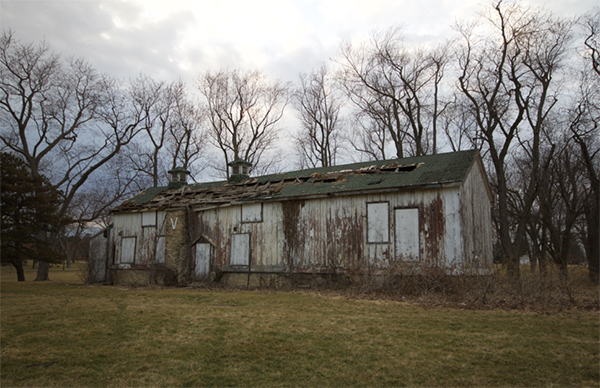
horse stable on the hospital grounds

The horse stable was built in 1894, ten years after the construction of the church. It features distinct ventilation cupolas on the roof. The structure is in poor condition with the roof and top floor rotting.

Recreation Hall

The two-storey recreation hall was built around 1920. It features gable ends and on each side of the building are two small wings that jut outward, with pedimented gables. The windows are set in semi-curcular brick panels.

The recreation hall was used for recreational activities for patients as well as for staging performances. The public was invited to attend these performances. There was a swimming pool but it was filled in long ago.

The recreation hall has since burned down.

London Insane Asylum Observation Building

The London Insane Asylum opened on November 18, 1870 and was the first of its kind in Ontario. At the time of the 1871 census, only five areas of Ontario had enough of a population to be considered a city. They were London, Kingston, Ottawa, Toronto and Hamilton.

The London Insane Asylum was built at a cost of $100,000 to house patients from other facilities that had undergone restructuring and amalgamated their facilities. Some of the patients arrived from areas including Orillia and Malden (near Windsor).

The London Insane Asylum opened with a capacity of 500 beds, which were instantly filled.
There were two Superintendents of the facility – Henry Landor (1870 to 1877) and Richard Maurice Bucke (1877-1902).
Mental health practices up until this time were questionable, often horrific by today’s standards. It was believed that a patients mental state could be re-balanced through physical shock, whipping, burning and physical restraint.

Dr. Bucke, the second Superintendent of the hospital discontinued the use of alcohol and spirits for patients by 1879 and by 1883 discontinued the use of restraints. Instead he created an open door policy allowing patients to roam the hospital freely.

May 17, 2015 Photo Album


The 19th century saw more humane approaches to treatment of people with mental health issues. One such approach was that of Moral Therapy. Moral Therapy focused on improving care but also looked at teaching social norms and work habits. To help patients integrate back into society they also worked in some capacity at the facility. Men would work the gardens while women would learn to sew.

The long-term outlook was just that – long term. Once incarcerated, almost 50 per cent remained in the institution for more than ten years.

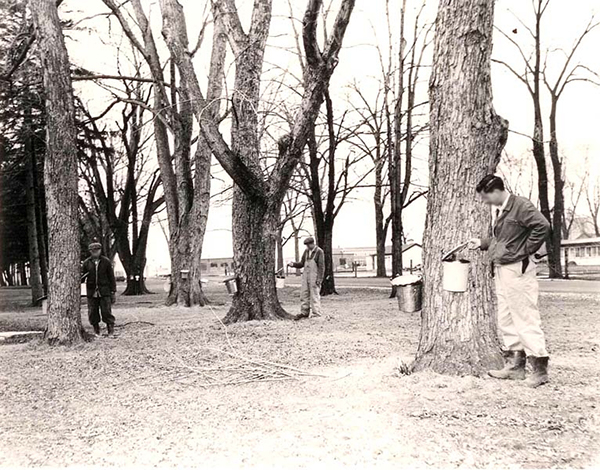
patients collecting syrup

Patients collecting maple syrup


Hysteria and Masturbation


Dr. Bucke believed that in some cases of insanity, surgery could provide a cure. He began with a procedure to inhibit masturbation. This involved inserting a silver wire ring into the foreskin making it impossible to masturbate without injury or pain. In 1877 he performed this procedure 21 times but in the end conceded that the behaviour was more likely a symptom than a cause.

He didn’t perform any further surgeries until 18 years later.

Female hysteria was a diagnosis for women who exhibited anxiety, fainted, nervousness, sexual desire, irritability or sexually forward behaviour. Some families would commit their daughter to an asylum in order to save their family’s reputation.

Bucke adopted the popular Victorian idea that the female reproductive organs were connected to emotional and physical well-being, and were thus the most likely cause of mental illness. By removing the affected organ, by curing the body you could cure the mind.

Between 1895 and 1901, Dr. Richard Maurice Bucke performed over 200 surgeries on female patients in an effort to cure their hysteria. This included 12 removals of “diseased” ovaries and tubes, 21 for minor uterine diseased and 8 for vaginal lesions. Critics called his actions the “mutilation of helpless lunatics.” (J.Hillhouse)


These were times where insanity was a simple diagnosis that could be applied to any socially unacceptable behaviour including masturbation, depression or senility. Dr. Bucke trusted that insanity could be treated and even cured by surgery. He treated masturbation by “wiring” male patients to stop the habit. Wiring was the process by which a silver wire ring was surgically inserted through the foreskin, making it impossible to masturbate without pain or injury.


Dr. Bucke along with other superintendents rallied to have the title of their institution changed from asylum to hospital. This was to reflect the role of the physician rather than one of being custodial – which asylum suggested.

These operations were largely discontinued after Bucke’s death in 1902. In February 1902 it’s alleged that he paused to gaze at the stars one winter’s night and lost his balance, and died from the resulting head injury. 

In 1924 additions to the property allowed for up to 1,200 patients.


Photo of London Insane Asylum, London Ontario, insane asylum, highbury hilton, london psych hospital, psychiatric, historic location, london psych, abandoned, Ontario, urban exploring, urban exploration, abandoned Ontario, abandoned places, abandoned near me, abanodned houses near me, abandoned in London Ontario


Infirmary Building (March 2020)


March 2021 Photos


Videos

Exploring the London Insane Asylum in London, Ontario (March 2020)


Exploring the abandoned London Asylum for the Insane in London, Ontario