Monthly archives: October, 2020

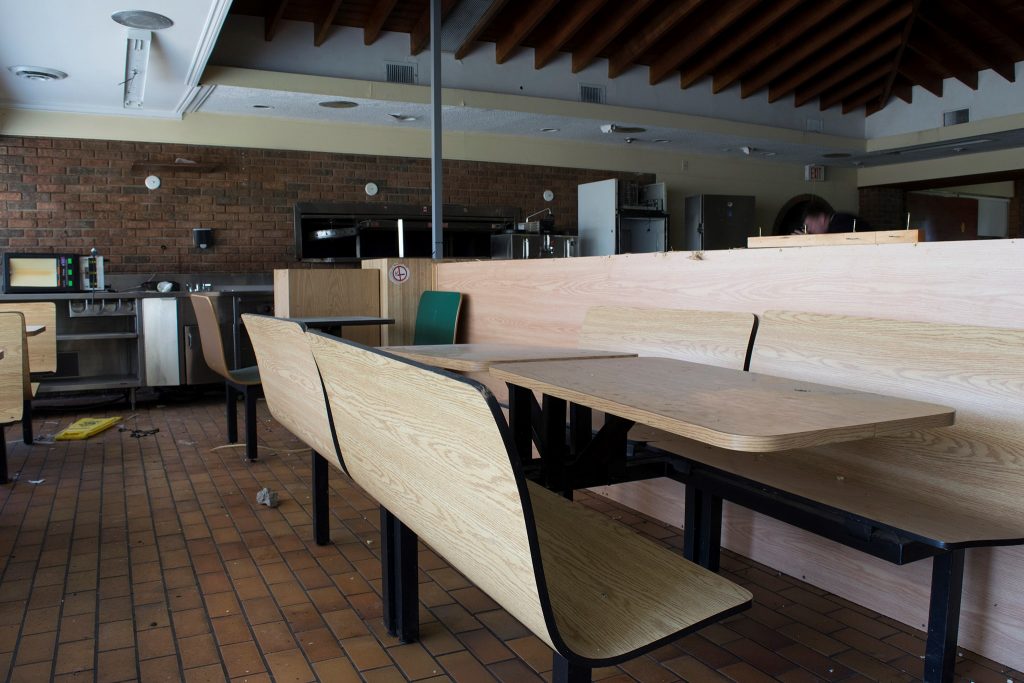
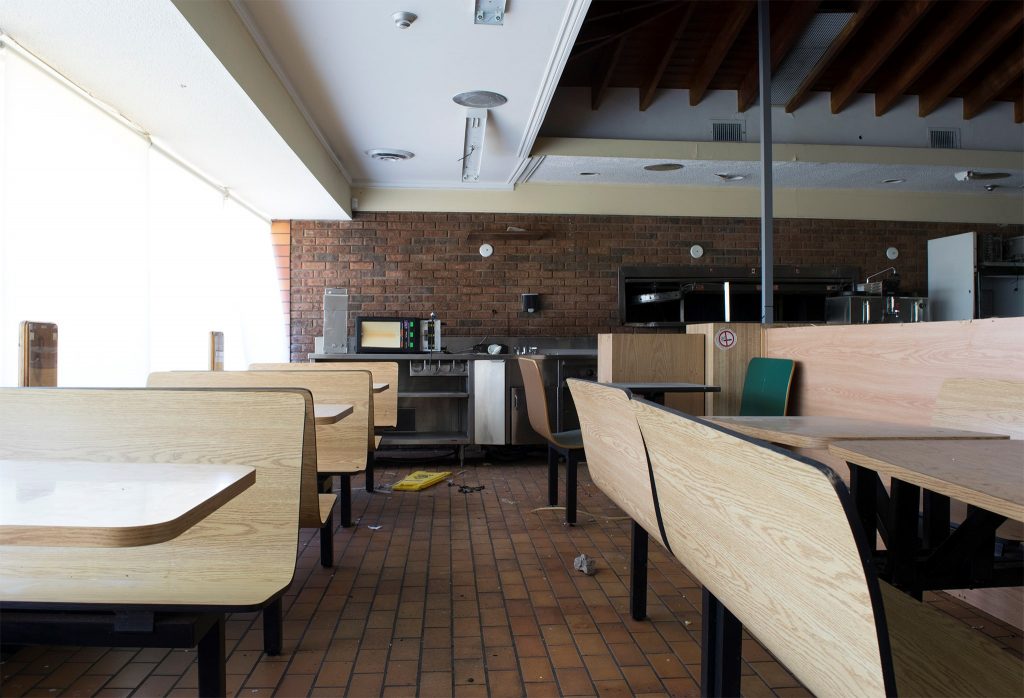
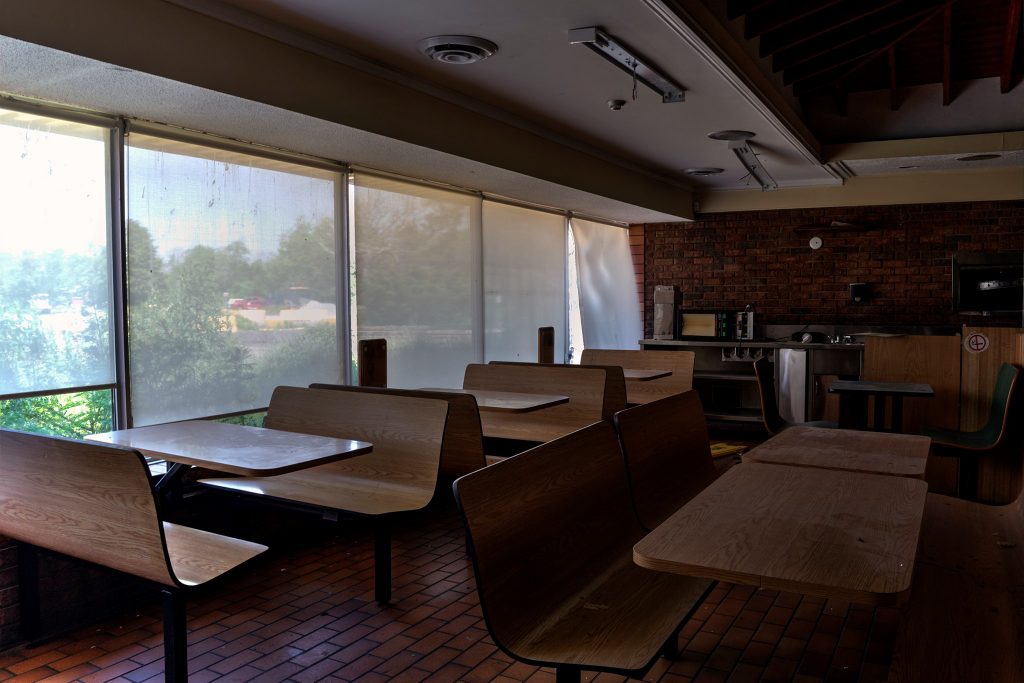
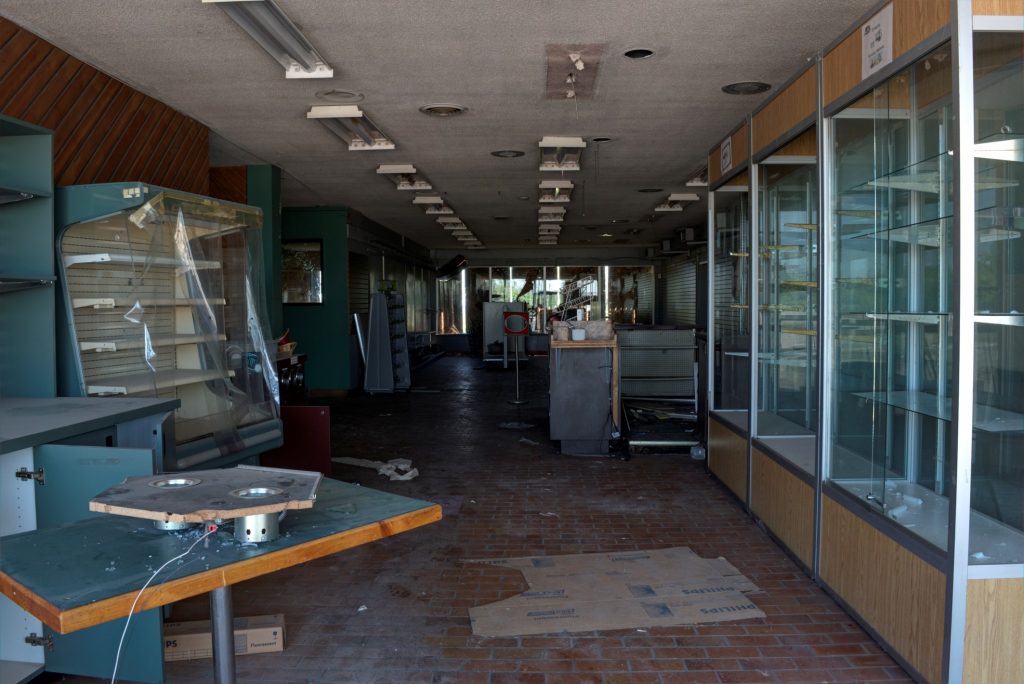
Fifth Wheel Truck Stop Grimsby

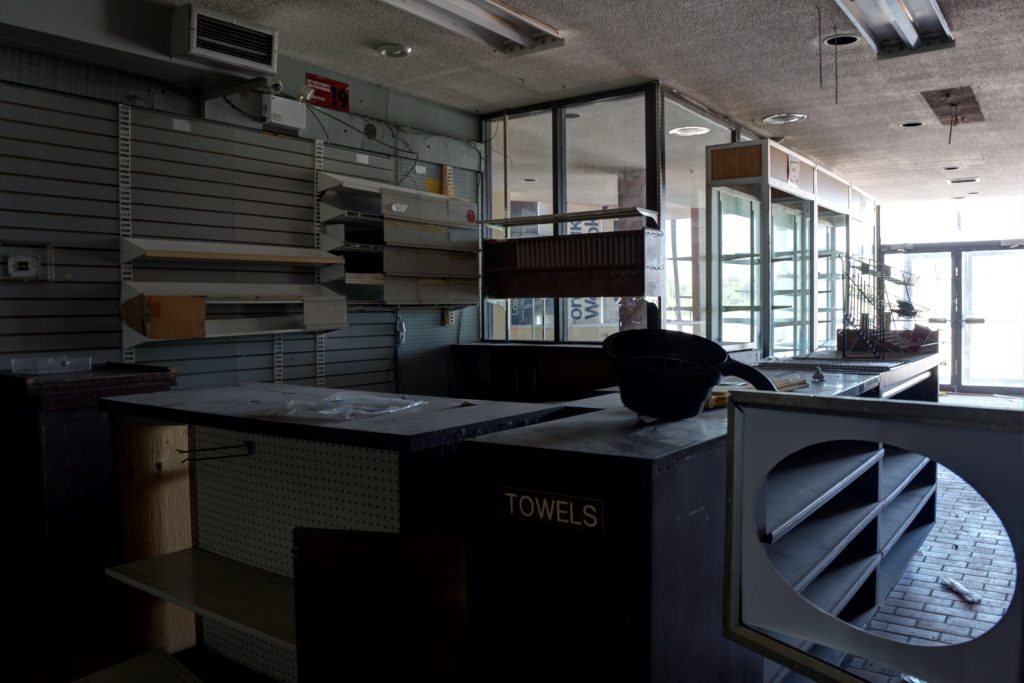
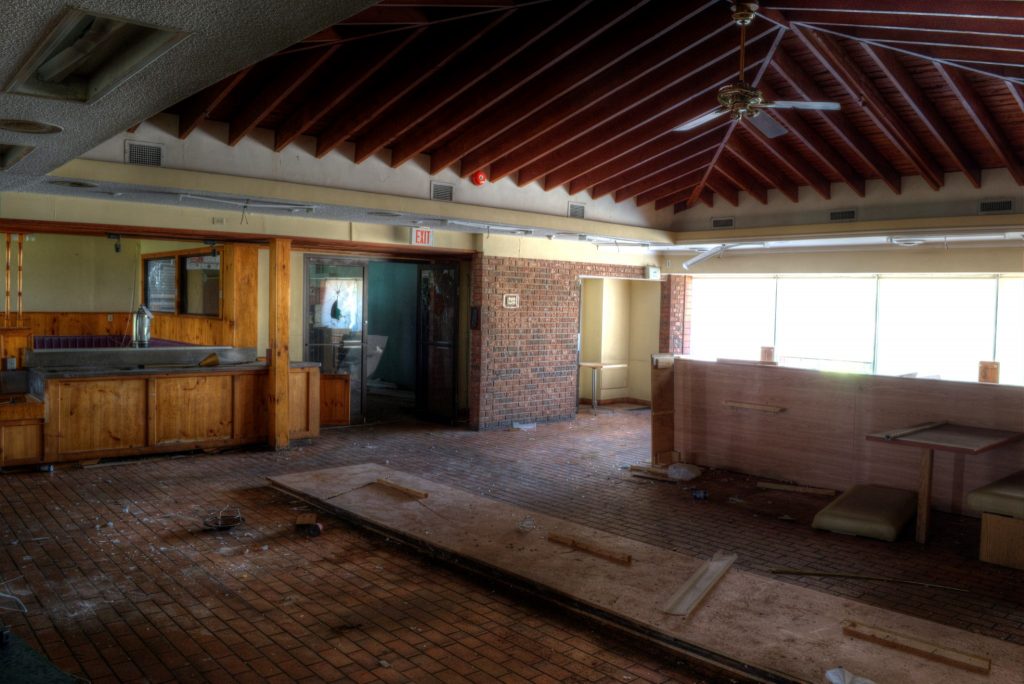
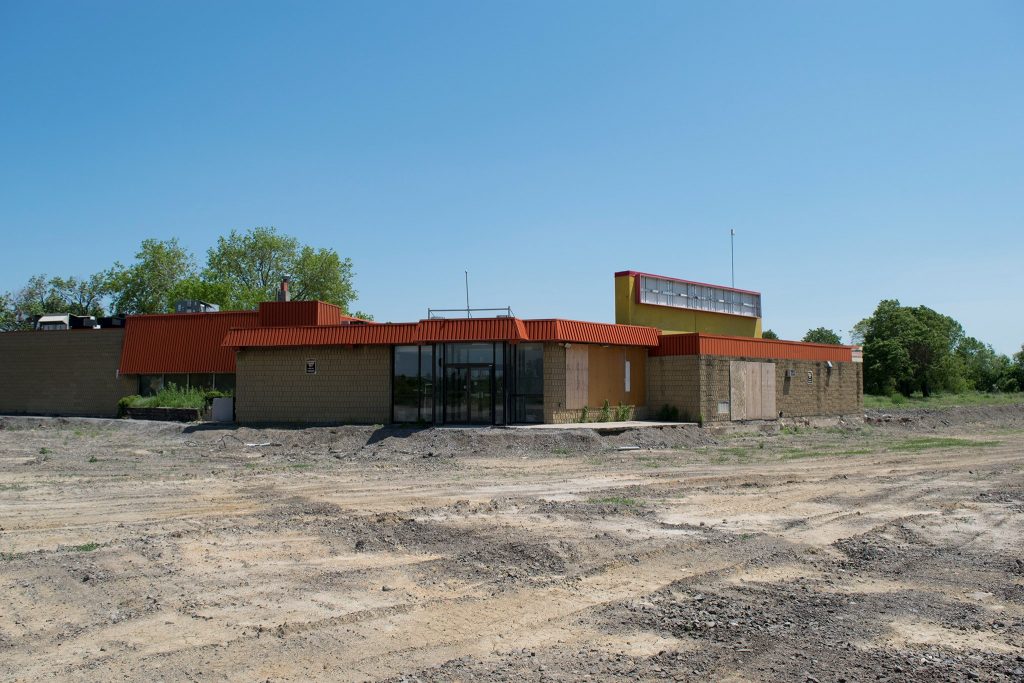
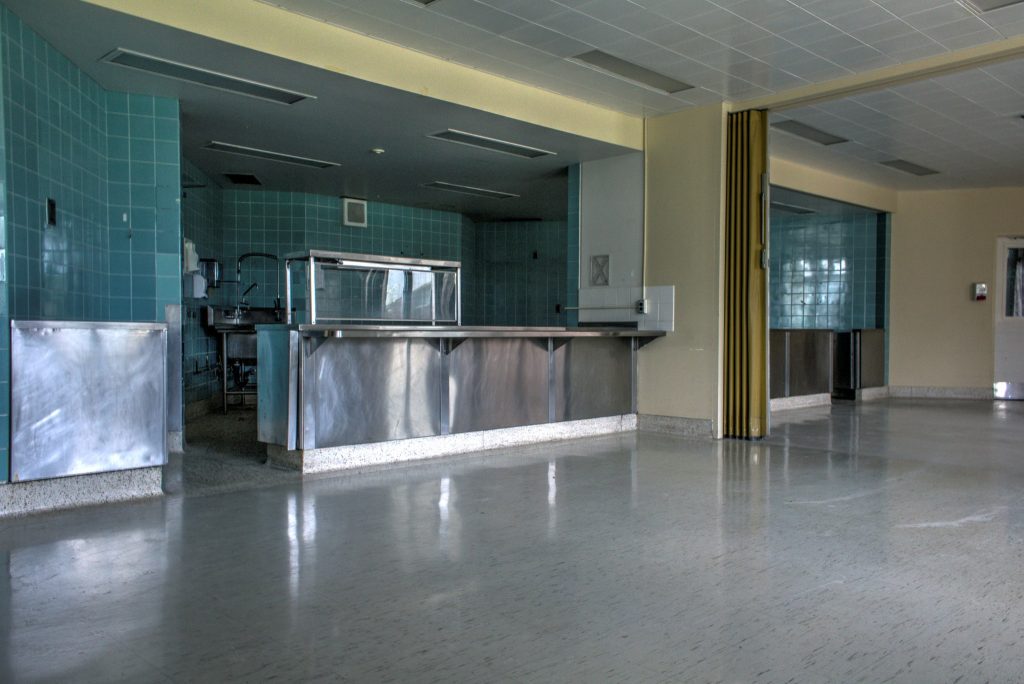
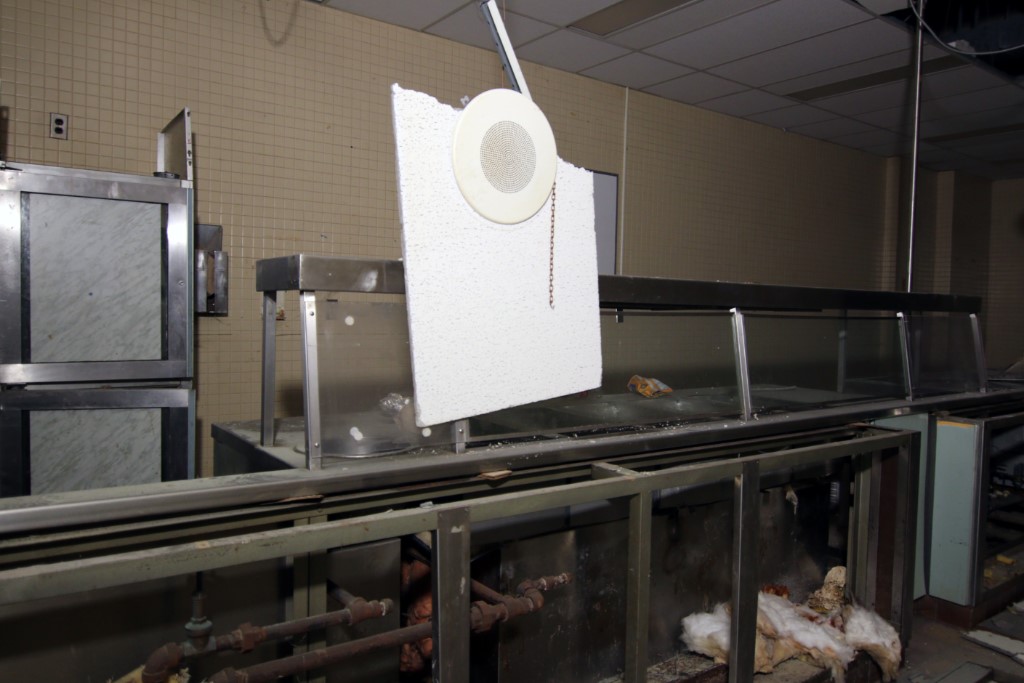
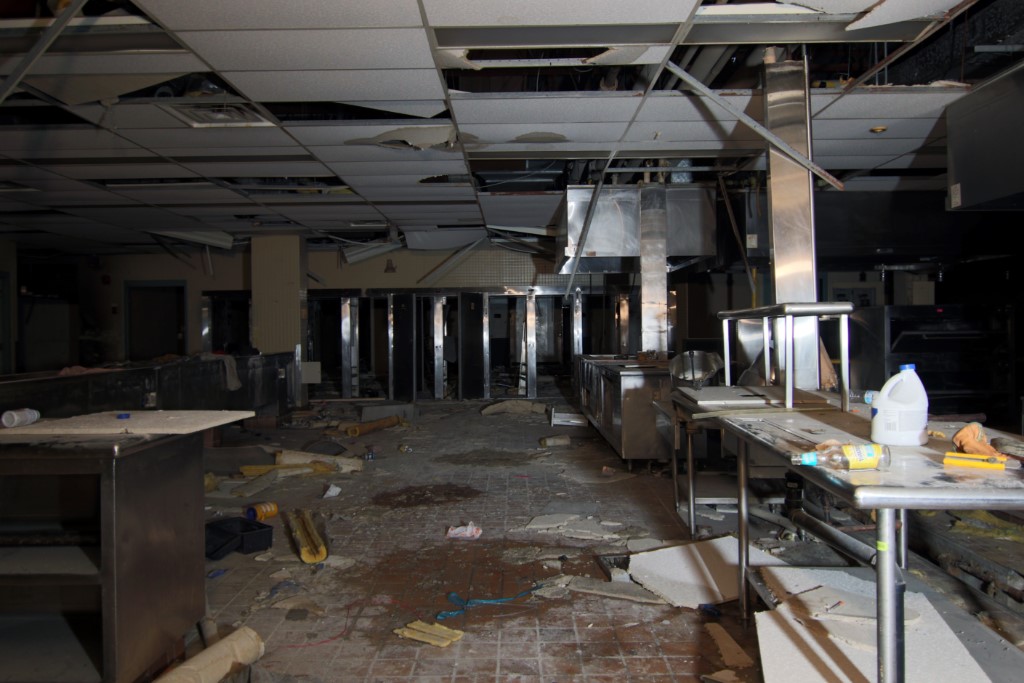
The Fifth Wheel Truck Stop, located in Grimsby, was part of a chain of restaurants throughout Canada and had been in business for 27 years. The Fifth Wheel truck stop also provided gasoline and offered motel service in the basement.

Approximately 25 staff worked at the Fifth wheel in earlier years, and towards the 1980’s approximately 100 staff were employed. September 20, 2015 was the last day of operations at the truck stop. At 3 PM the doors closed never to reopen.

Losani Homes purchased the land and plans to build residential and commercial properties. Today there is nothing left of the original truck stop.
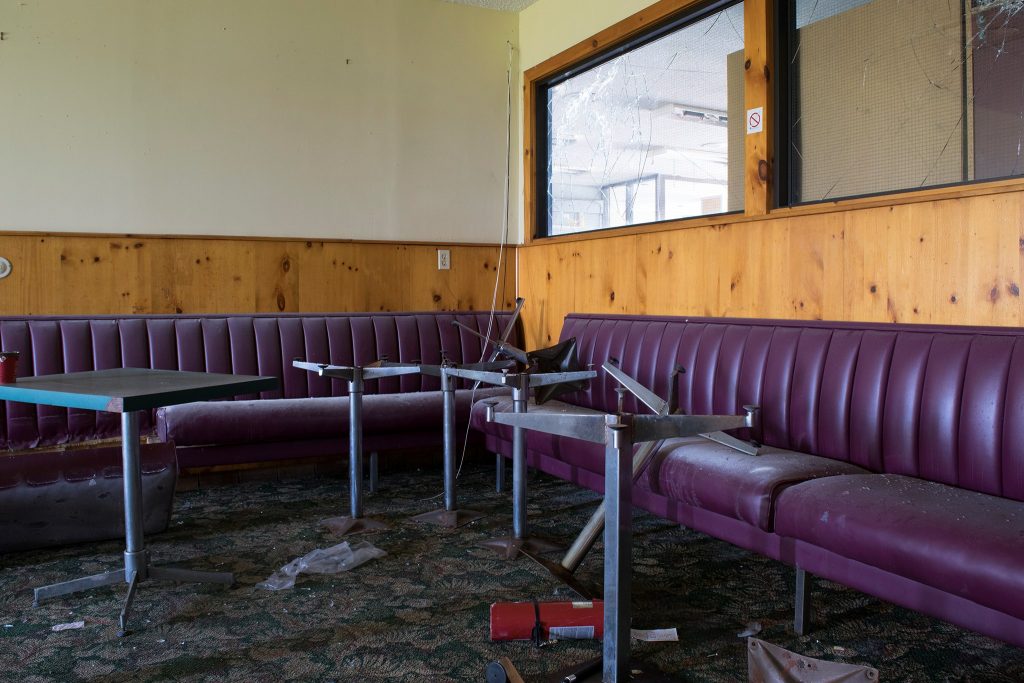
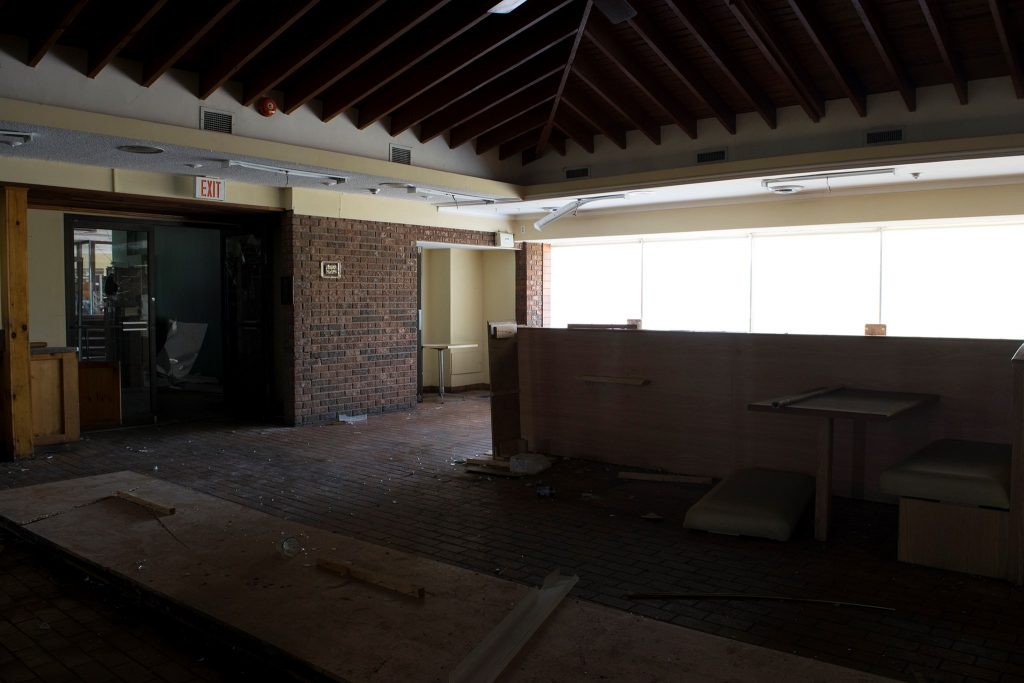
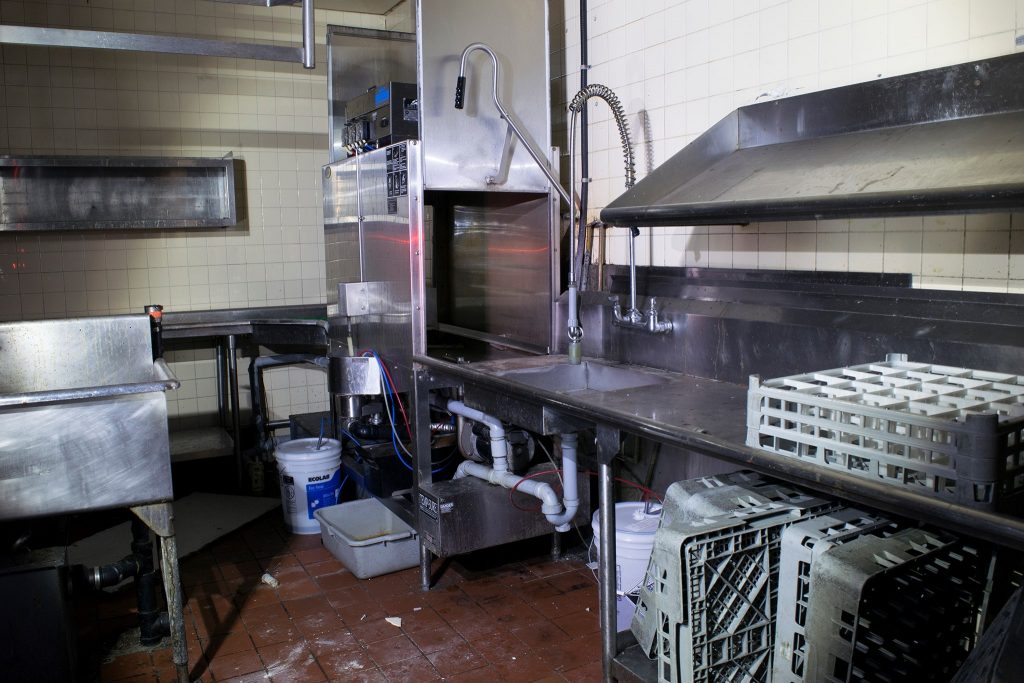
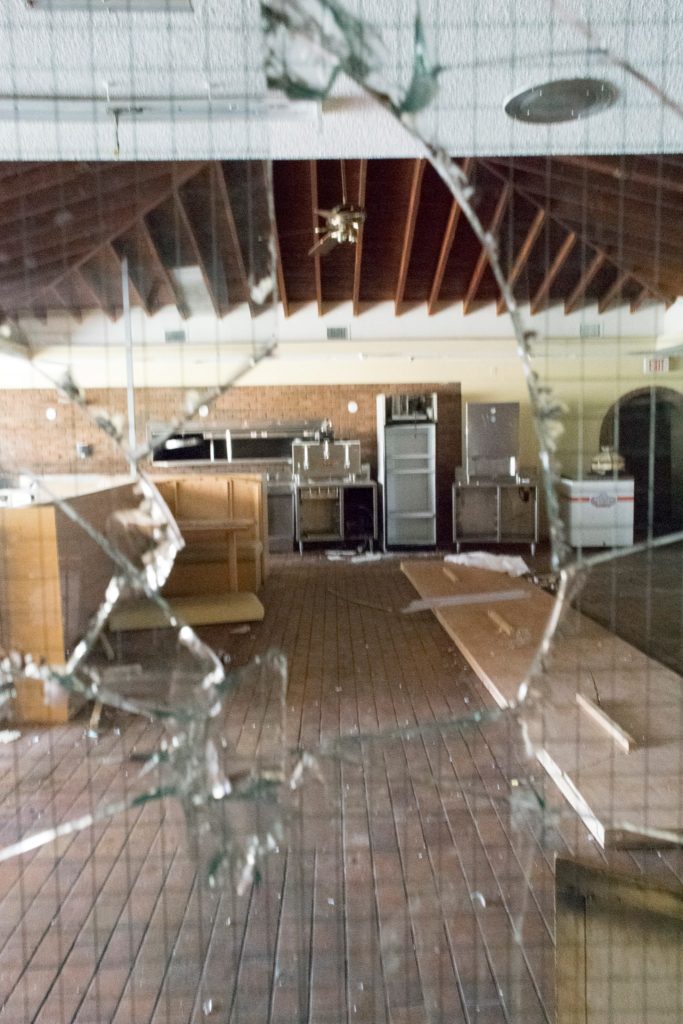
Abandoned Fifth Wheel Truck Stop in Grimsby, Ontario

Muskoka Sanitarium | Muskoka Regional Centre

Sir WIlliam Gage

In 1895, Sir William Gage and his associates wanted to establish the first tuberculosis sanitarium of it’s kind in Canada. After visiting TB sanitariums in Europe and America, the philanthropist Gage had an idea that Canada should have its own TB sanitarium.

Gage, who grew up in Brampton, Ontario was the wealthy president of W.J. Gage Publishing. He approached the city of Toronto with a $25,000 contribution to help build a TB sanitarium. The city turned down his offer partly due to fears associated with such a TB facility. At the time it was believed that TB was a poor man’s disease and hereditary.

After the City of Toronto turned down Gage’s offer, the Town of Gravenhurst made an offer of a $10,000 towards the National Sanitarium Association to support the construction of a TB hospital. Gage contributed an amount of $25,000. Mr. Hartland Massey contributed $25,000 and Mr. William Christie contributed $10,000.

A businessman from Kamloops, British Columbia made an equally tempting offer – free train rides to the BC facility if the sanitarium were to be built in British Columbia instead.

It was decided to construct the sanitarium in Gravenhurst on the shore of Lake Muskoka. The weather, the lake, the open air would be ideal for patients. It was also ideally located away from rural living.

The National Sanitarium Association was formed in 1896 to collect and administer funds for the creation of a Canadian sanitarium. The president of the NSA was Sir Donald Smith (Lord Strathcona) and the secretary was William Gage. The association had two purposes: to build sanitariums and to fund research.

With funding secured, construction commented. On July 13, 1897 the Muskoka Cottage Sanitarium, Canada’s first TB sanitarium opened. The MCS accepted paying patients and conditions were similar to that of staying in a resort. The fee was $6 per week with the average stay being 98 days.

Patients had plenty of rest, recreation and good food.

Muskoka Free Hospital for Consumptives

The NSA Board of Directors felt that poor people deserved treatment as well. In 1902 the Muskoka Free Hospital for Consumptives opened on the same grounds, the first free hospital in the world. Consumption was the term for tuberculosis at the time.

When the MFHC burnt down in 1920, it was replaced with a new building named after Sir William Gage who had recently passed away.

Muskoka Sanitarium Admin Building

In 1920 expansions were made to the Muskoka sanitarium to increase patient capacity to 444 beds. Buildings were constructed to allow surgeries, a laboratory, service buildings and homes for the professionals that worked at the Muskoka Cottage Sanitarium.

By 1934 there were twelve sanitariums across Canada.

A Medical Breakthrough

With the discovery of streptomycin in 1944, the need for traditional isolation lessened. This led to a decline in the number of patients during the 1940’s to 1950’s. In 1960 the site became a housing and care facility for development challenged individuals.

The site became known as the Muskoka Centre.

Conditions at Muskoka Centre were poor. There were too few staff and too many patients. Several patients suffered abuse at the hands of employees. A 1985 inquiry into conditions at the Muskoka Centre found that residents were not receiving adequate care.

A $36 million class-action lawsuit was filed on behalf of patients who had been at twelve residential care facilities in Ontario. For patients of the Muskoka Centre the class-action covered those who’d been residents between August 28, 1973 and June 30, 1993.

The Muskoka Centre was finally closed in 1994.

Present Day

The Muskoka Sanitarium property has sat dormant since that time. Every winter the inside stairs coat with slippery ice as more mold accumulates inside. The water pipes have burst due to the cold Northern Ontario winters. People tear boards off the windows, Infrastructure Ontario replaces them.

The location has seen increased foot traffic from urban explorers. In July of 2017 a media campaign was released to discourage people from trespassing on the ground. Fifty people had been charged with trespass in that year alone.

Don’t be surprised if you’re caught here. The OPP use the grounds for police dog training.

Gravenhurst Town Council would like to see the property sold. Potential buyers Maple Leaf Education Systems and Knightstone Capital Management, would like to redevelop the property.


Century Manor Asylum Hamilton | Hamilton Insane Asylum

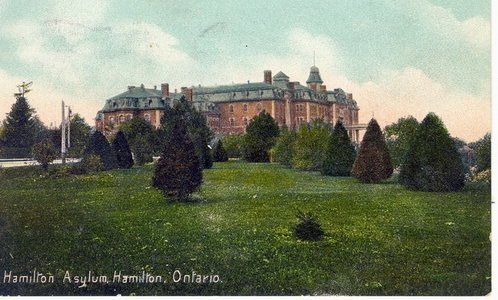
The Hamilton Asylum for the Insane was originally intended to be an asylum for inebriates (people with alcohol issues). The community was becoming concerned by people who appeared to be disoriented and wandering the streets. Society often thought people who had mental health issues were drunk, not understanding that the problems were not alcohol related.

By 1887 the number of drunken people was so few that the decision was made to house “lunatics”.

The Hamilton Asylum for the Insane opened in March of 1876. It was situated on 529 acres of land in Hamilton. The asylum was the sixth of it’s kind in Ontario. The others being in Toronto, Kingston, Amherstburg, Orillia and London.

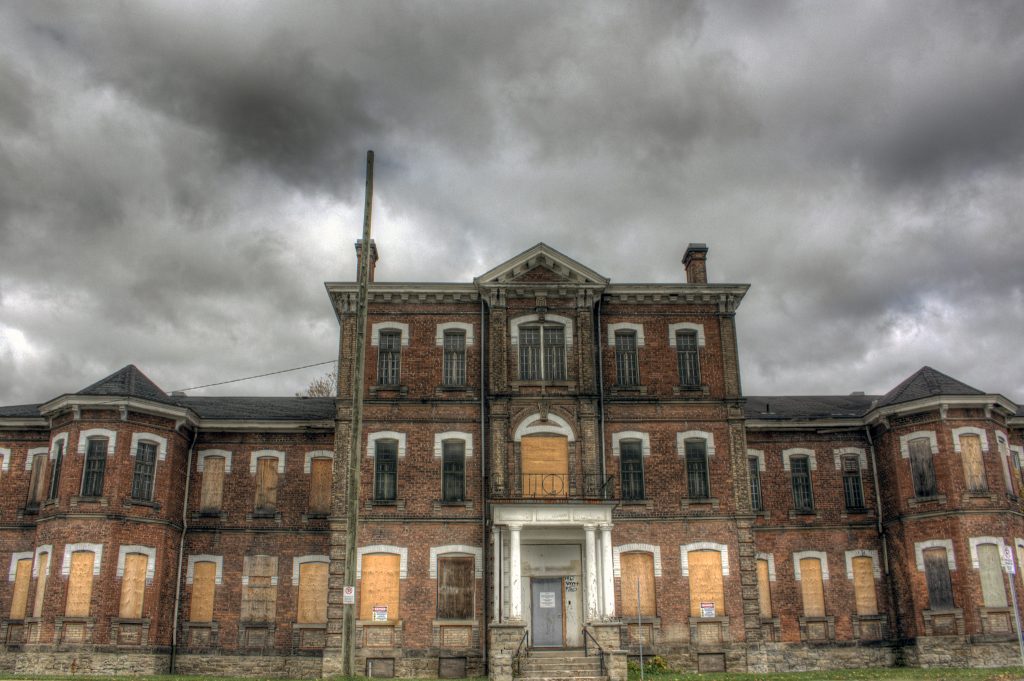
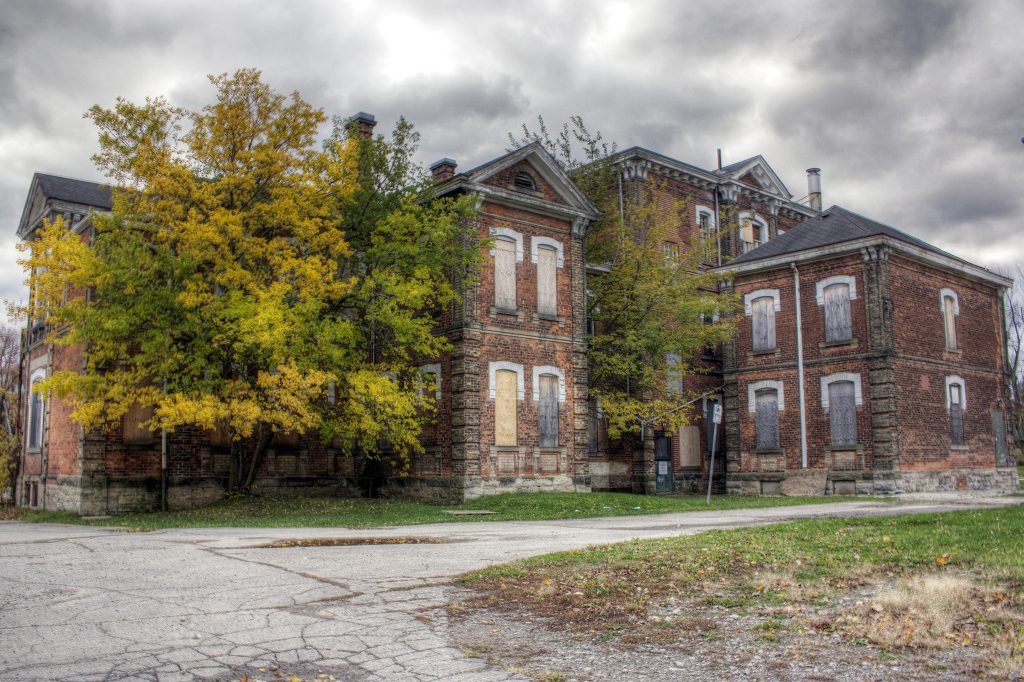
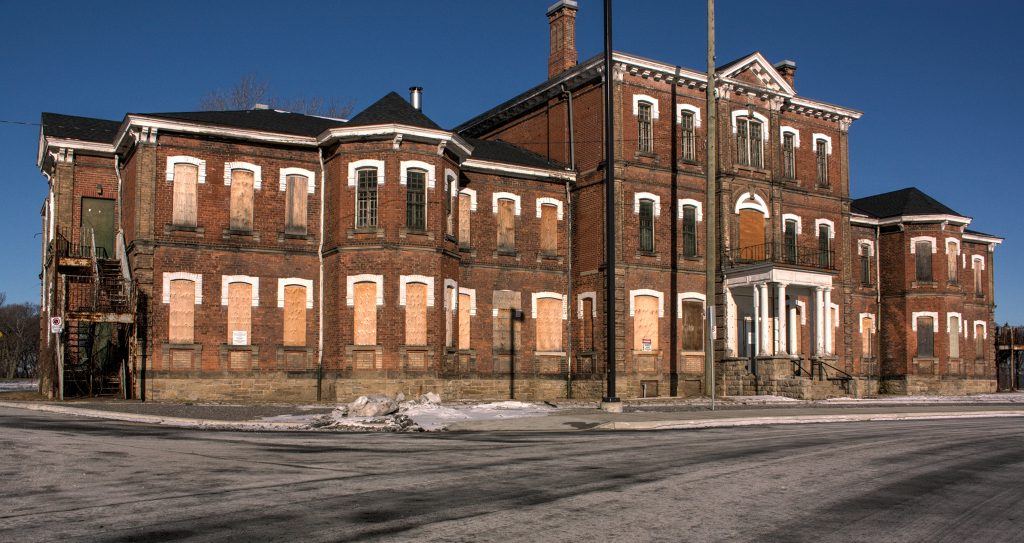
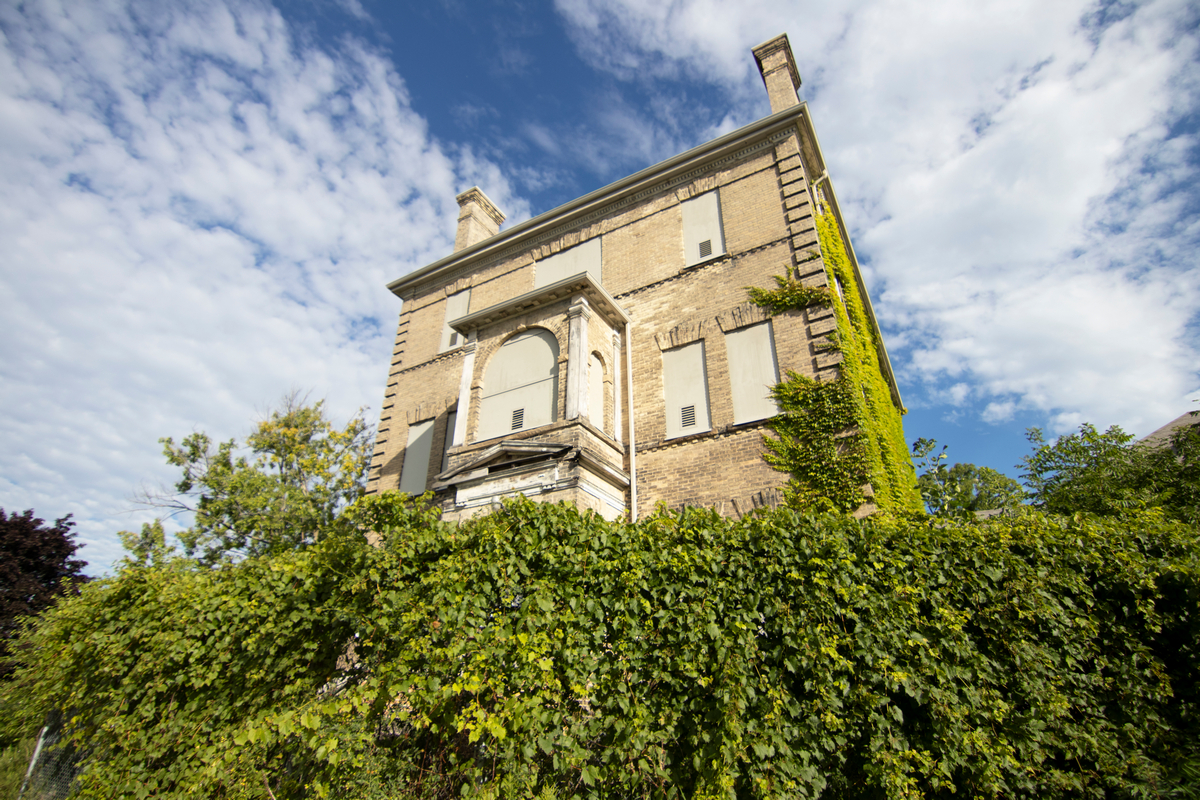
The asylum, a High Victorian structure, was accessible from a dirt road away from the city. The building contained a three-storey square centre block and two-storey wings on each side. A rear kitchen wing was added in 1895.

The site was self-sufficient like many similar institutions. An on-site farm raised cattle, chickens and pigs. A garden provided fruits and vegetables, a bakery provided bread, and the butcher’s shop provided meat.

Initial capacity was 202 patients who arrived from surrounding areas including Halton, Peel, Simcoe, Wellington, Waterloo, Norfolk, Lincoln and Hamilton. The building was known as the Barton Building. Dr. R. Bucke was the Medical Superintendent. Dr. Bucke also worked at the London Insane Asylum.

The East House was built to serve as a “reception hospital” where people could walk in from the street without a doctor’s referral. East House’s purpose changed later on to house criminally insane.

BuildingBuiltCapacity
East Building (Century Manor)Nov. 1, 188460 patients
Barton Building1876-1976300 patients
Orchard HouseJan. 24, 1888-1971300 patients

Other facilities included the tailor’s shop, sewing room, upholstery shop, power house and fire hall. Recreational facilities consisted of a skating rink, curling rink, bowling green and tennis courts.

By September 30th, 1887 there were 625 beds available. When “Orchard House” was complete that number rose to 890 beds. By 1890 the Hamilton Asylum for the Insane had 915 patients and 119 employees. And by 1909 it asylum had beds for 1,200 patients.

Around 1902 a training school for psychiatric nursing was established and it was accredited in 1924. The school saw over 240 nurses graduate before it closed in 1956.

The Hamilton Asylum for the Insane began taking patients in March of 1876. Initial capacity was 202 patients. It closed in 1995.

Patients of the asylum were often seen as entertainment. Families would pack a picnic basket and drive up to the asylum to watch the patients. Sometimes families would even taunt the patients.

Deaths

Century Manor certainly has had a dark history. Take for example the story of Bridget English. Ms. English was suicidal and was found to continually be creating ropes for the purpose of hanging herself. She had once been cut down just in time to save her life. On November 10th, 1887 while the two hallway attendants weren’t watching, she used knitting cotton tied to steam pipes. Despite being cut down she couldn’t be resuscitated.

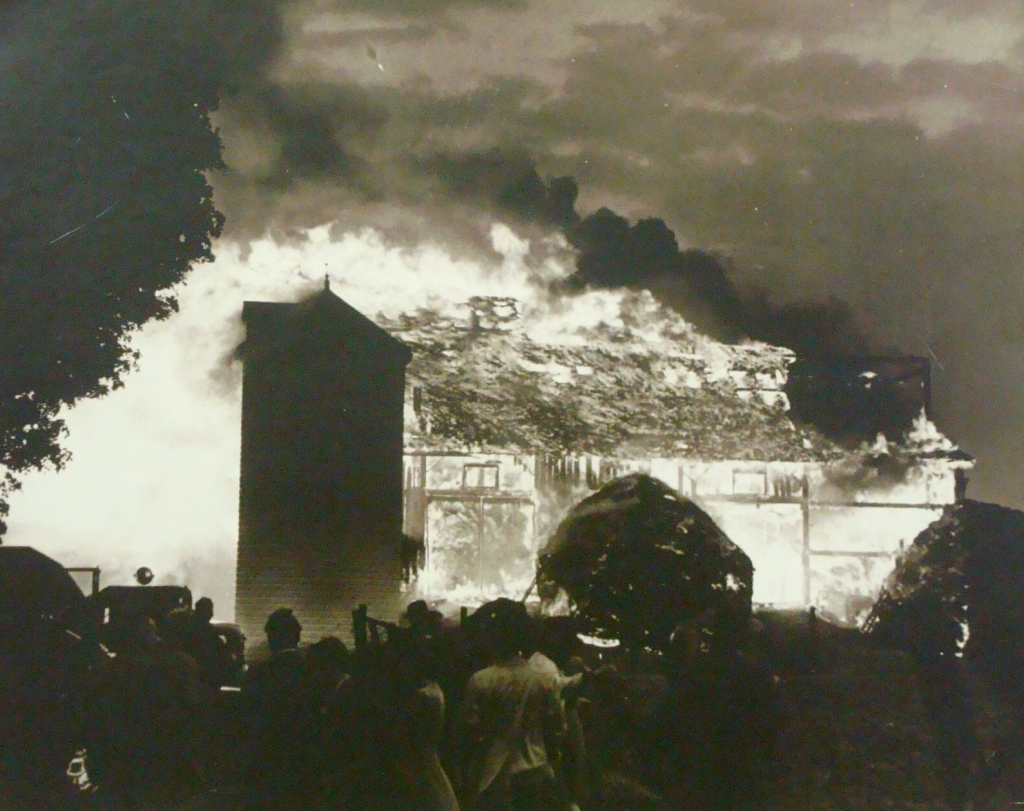
In another incident on August 1, 1911 a fire broke out at approximately 1 AM on the fourth floor of the Barton Building. The newspaper article described the patients as “maniacs” including one patient who fled back into the fire.

“HAMILTON, Ont., Aug. 1 – Eight lives were lost in a fire which partly destroyed one of the main buildings of the insane asylum on the side of the mountain southwest of this city early today. There were 800 sleeping patients in the building when the fire was discovered, and it was only a well-trained fire-fighting corps and coolness and bravery among the nurses and attendants under Dr. English that averted a more serious loss of life.”

“There are four buildings in the group within the asylum grounds. The main building, where the fire occurred, is a four-story brick structure with a basement, 200 feet in length and about 70 feet wide, with wings at either end. The women patients, numbering some 350, occupied quarters in the west wing. The rest of the building was taken up with men’s wards, and contained some of the most desperate cases in the asylum.”

“The women were moved without serious difficulty and housed in the adjoining buildings. The situation among the men was more serious. The fire started on the fourth floor, in what is known as Section D, where the most violently insane are kept. The bulk of the men, guarded by attendants, moved down three flights of stairs out of the fire zone in orderly procession, but about a score, driven into a frenzy by the stifling smoke and the excitement of a midnight fire, fought off their rescuers with desperate fury. Three of them, after being carried down to the second floor, broke away, and fled back into the blazing corridors.”

“The fire in the meantime had spread down the hallway and was eating its way through the floor to the third story. The asylum brigade, although fighting bravely, was handicapped by the maniacs and was losing control.”

“The city brigade, which had been summoned, was then toiling up the almost precipitous roadway leading to the asylum grounds. It was nearly 2 o’clock before the first of their apparatus was brought into play. The firemen ran scaling ladders up to the third and fourth floor windows, where it was believed some of the unfortunates had fled. They found it difficult work to break down the iron grating on the windows, and the fire in the meantime was growing fiercer every minute. Crawling into the stifling smoke, the firemen groped their way about until they found a maniac. If he was unconscious from smoke the task was easy, but if he was still able to offer resistance, he was knocked senseless and dropped into the life nets below. Eights of the insane and one attendant who had lost consciousness in the work of rescue were saved in this way.”

“The combined fire forces had the situation well in hand by 3:30 A.M. The two upper floors and the roof of the east wing were burned and the lower floors were flooded with water. As the firemen worked their way into the burned section some bodies were found. Three were taken out of the hallway on the top floor. It was found that one helpless paralytic was burned to death in his cell. Four more were found huddled together in a small room, burned to a crisp.”

“The blazing roof of the asylum perched up on the mountainside attracted the attention of the entire city. The cry, “The asylum is on fire!” rang through the streets, and hundreds flocked up the hill. It was a weird sight that presented itself. The hysterical screams of the 200 inmates of the four building drowned every other sound. The firemen, fighting both the flames and the maniacs, were in constant peril, and frequently were seen perched on the window sills through which the smoke was pouring in dense columns trying to drag forth a struggling man. One maniac broke from the grasp of a fireman at a window and fled back into the flames, where he perished.”

“A searching investigation has been ordered. The fire is believed to have been caused by a short circuit on an electric wire in the storeroom on the top floor.”

October 2015 Photos

Present Day

The asylum was owned by the Government of Ontario until November of 2000 when ownership was transferred to St. Joseph’s Healthcare in Hamilton. Today they are known as the Centre for Mountain Health Sciences.

Most of the buildings have been demolished with the exception of the Century Manor which stands to this day. Century Manor has been vacant since 1995. It opened briefly in 2009 for Doors Open Hamilton.

Access to the property is difficult to gain. Infrastructure Ontario owns the property but rarely permits people inside, including Hamilton’s Heritage Committee.

Infrastructure Ontario has no problem renting you their facilities for thousands of dollars per day however. As of 2015, the property has been up for sale.

In 2018 there were plans to sell the property to Mohawk College to be used as a college residence. The plans fell through.

Media
What’s happening with Century Manor? (CBC)


The Spence Farm (Chatham-Kent)

This property belonged to Mr. Spence. Mr. Spence didn’t have a formal education but his working experience in raising swine and cattle made him a leader in the farming community.

Mr. Spence took part in Junior Farming judging competitions at the Canadian National Exhibition and the Royal Agricultural Winter Fair. In 1928 he won the Top Novice Award at the C.N.E.

He then began to show his pigs at the Chatham Agricultural Fair (now defunct), transporting them by a team of horses and a wagon. Mr. Spence bred Berkshire swine, of which some ended up being exported to the USA and Mexico. In the 1930s he registered his farm with the Canadian National Livestock Records.

In the late 1940s, he began a local marketing agency for hog producers. Farmers would bring their hogs to the Spence farm on Tuesdays where the animals would be weighed and tattooed. The pigs were then shipped by truck to the Coleman Packing Company in London.

Mr. Spence was a supporter of the Ontario Co-operative movement and worked hard in the development of the Thamesville District Co-operative Association. This contribution was recognized in 1964 with the presentation of the Co-operative Pioneer Award.

Mr. Spence was a founding member of the Quality Swine Co-operative in Shedden, sharing its goal of developing better swine. He was interested, too, in Shorthorn cattle, and was one of the first breeders to import polled Shorthorns from the United States, with the well-known Lynwood Farm bloodlines from Purdue University.

A 25-acre woodlot, still standing, is a living legacy from a man dedicated to conservation and sound land stewardship.
Mr. Spence received many honours and awards. The Kent County Hog Producers’ gave him special recognition in 1973 for more than three decades of service as a Director. A Life Membership from the Canadian Lacombe Breeders’ Association the following year was “In appreciation of his contribution to and long association with” that organization.
The Ontario Swine Breeders’ Award of Merit for outstanding service to the purebred swine industry came in 1975. This was “In recognition and appreciation of the many years of loyalty toward our industry, and in special recognition of outstanding human quality and integrity.”

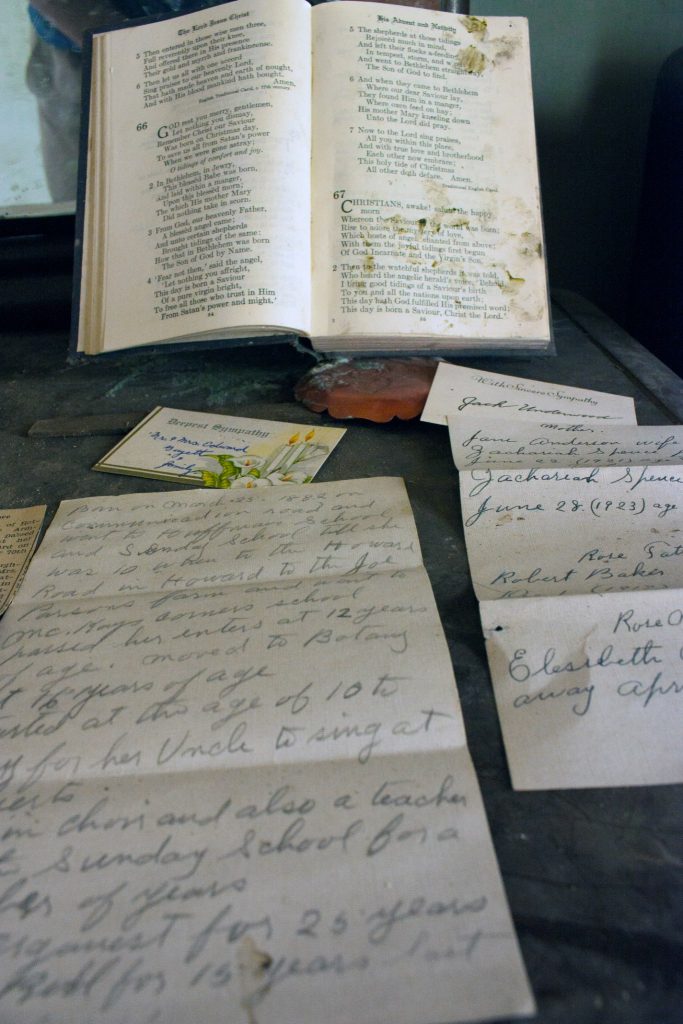
Mr. Spence passed away in 1983. His wife passed away in 1993 at the age of 89.

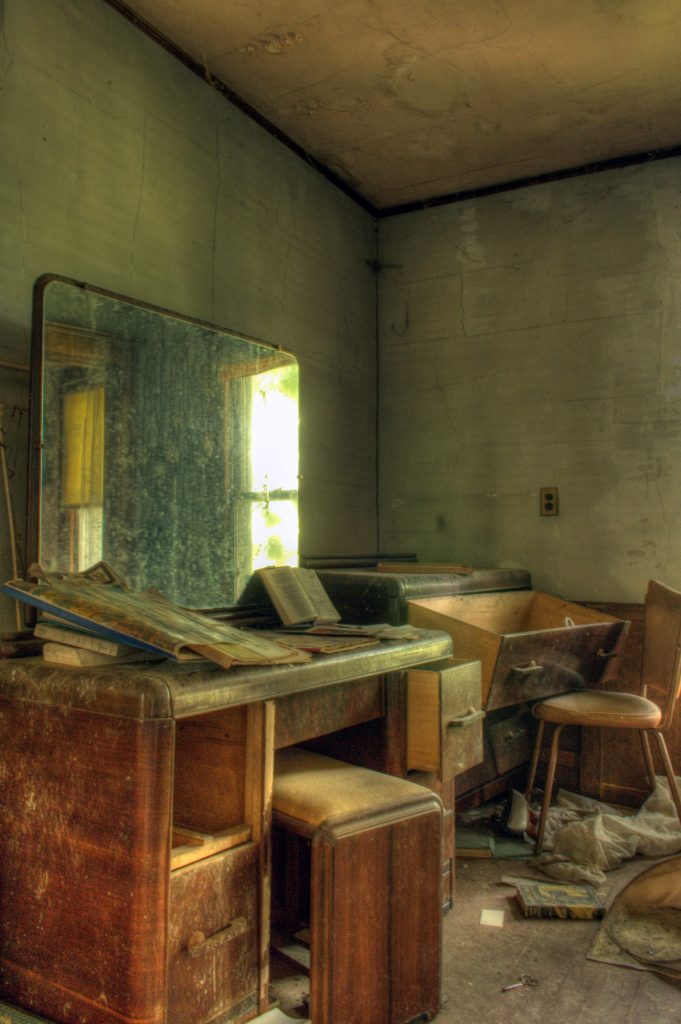
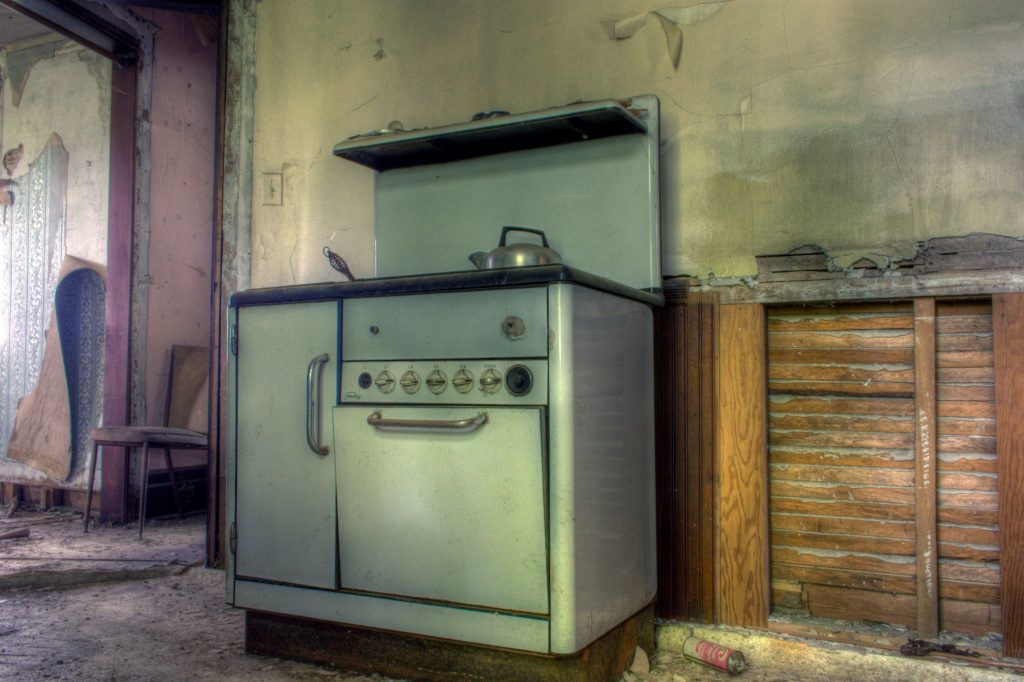
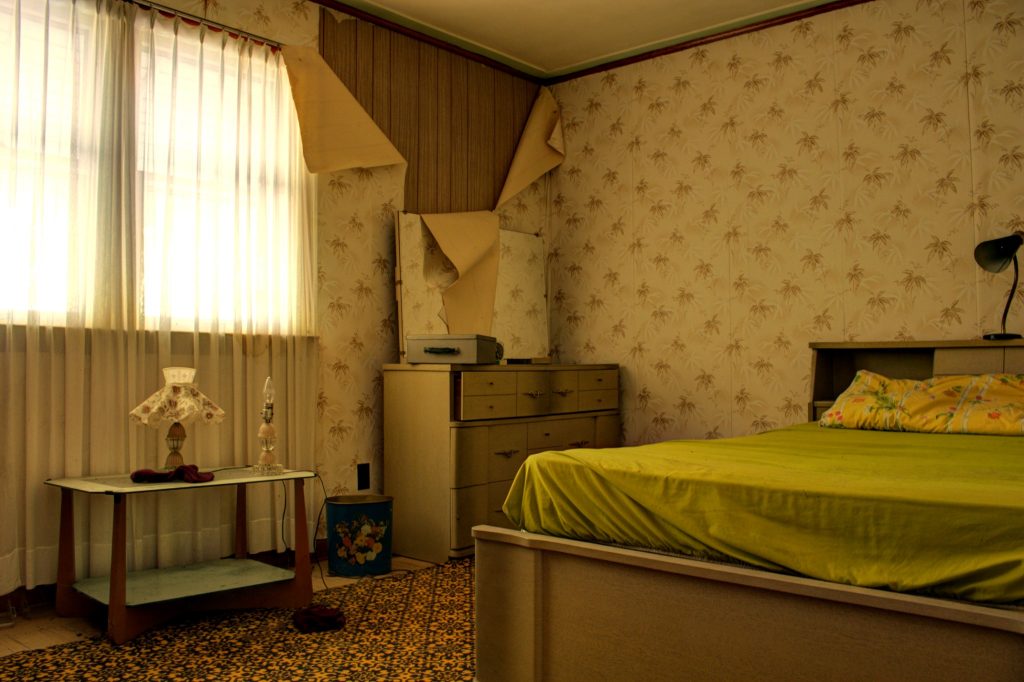
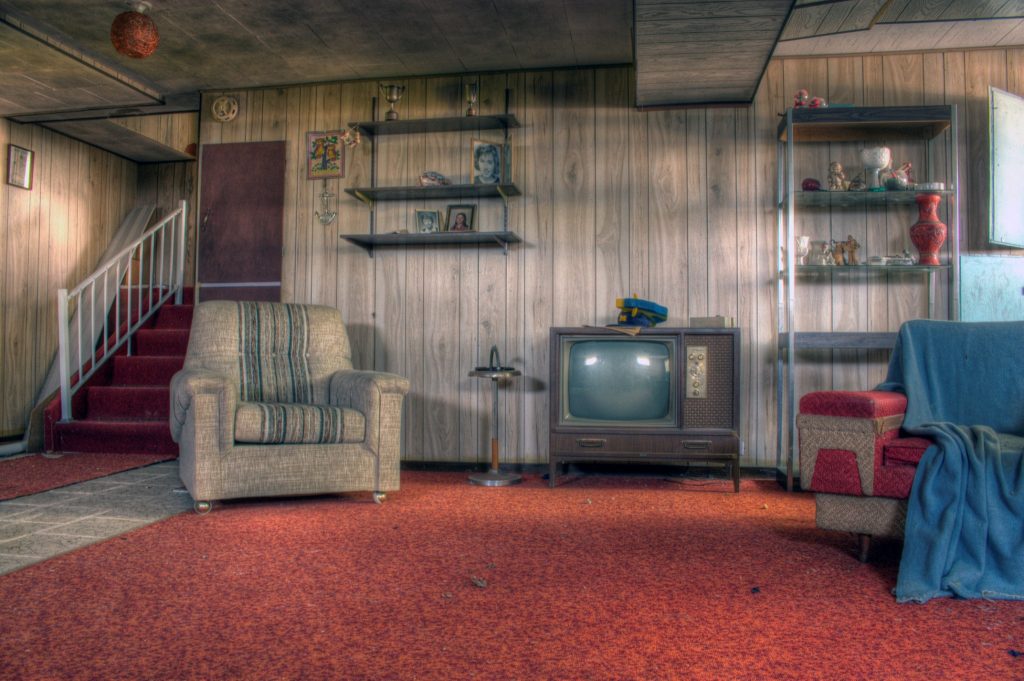
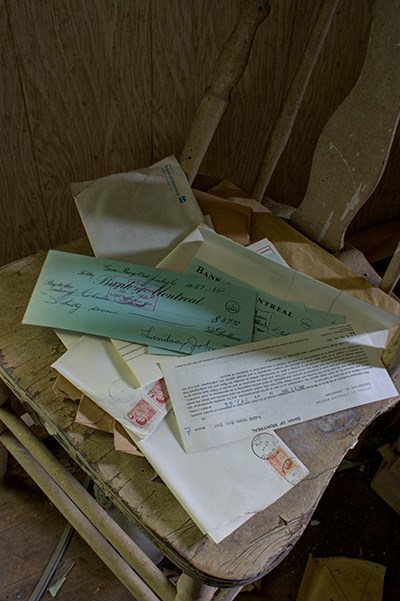
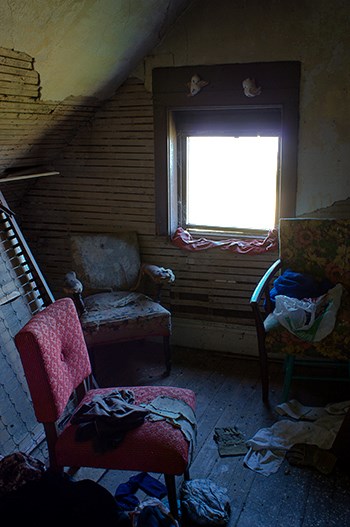
The house may have been vacated after his death, or perhaps his wife moved into a long-term care facility. The house’s contents are certainly indicative of the late 1980’s era.


1968 Country Time Capsule House

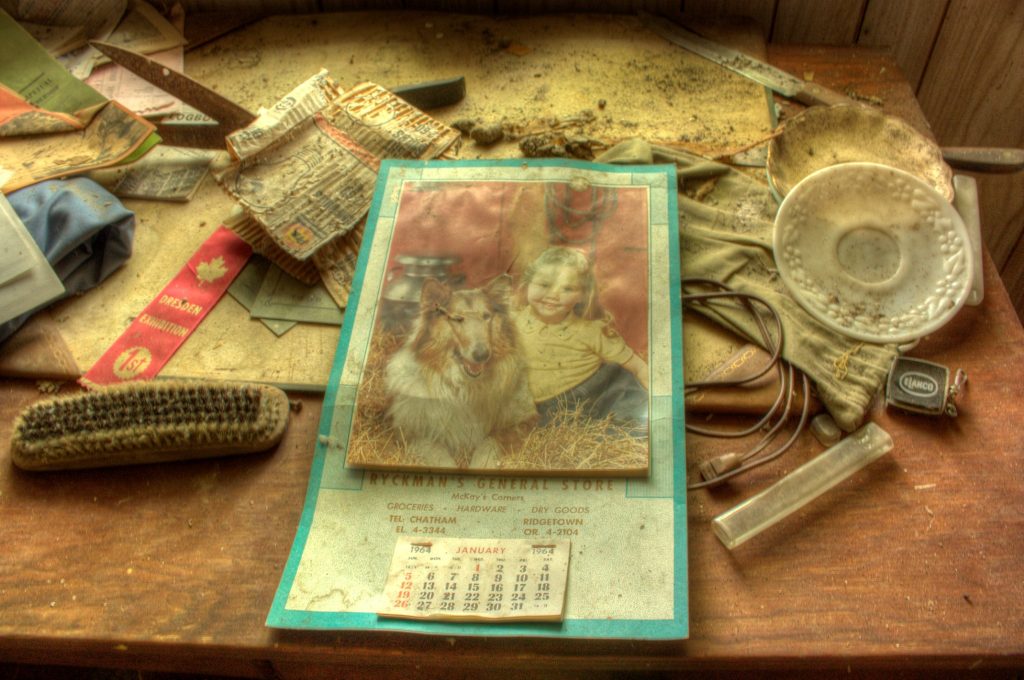
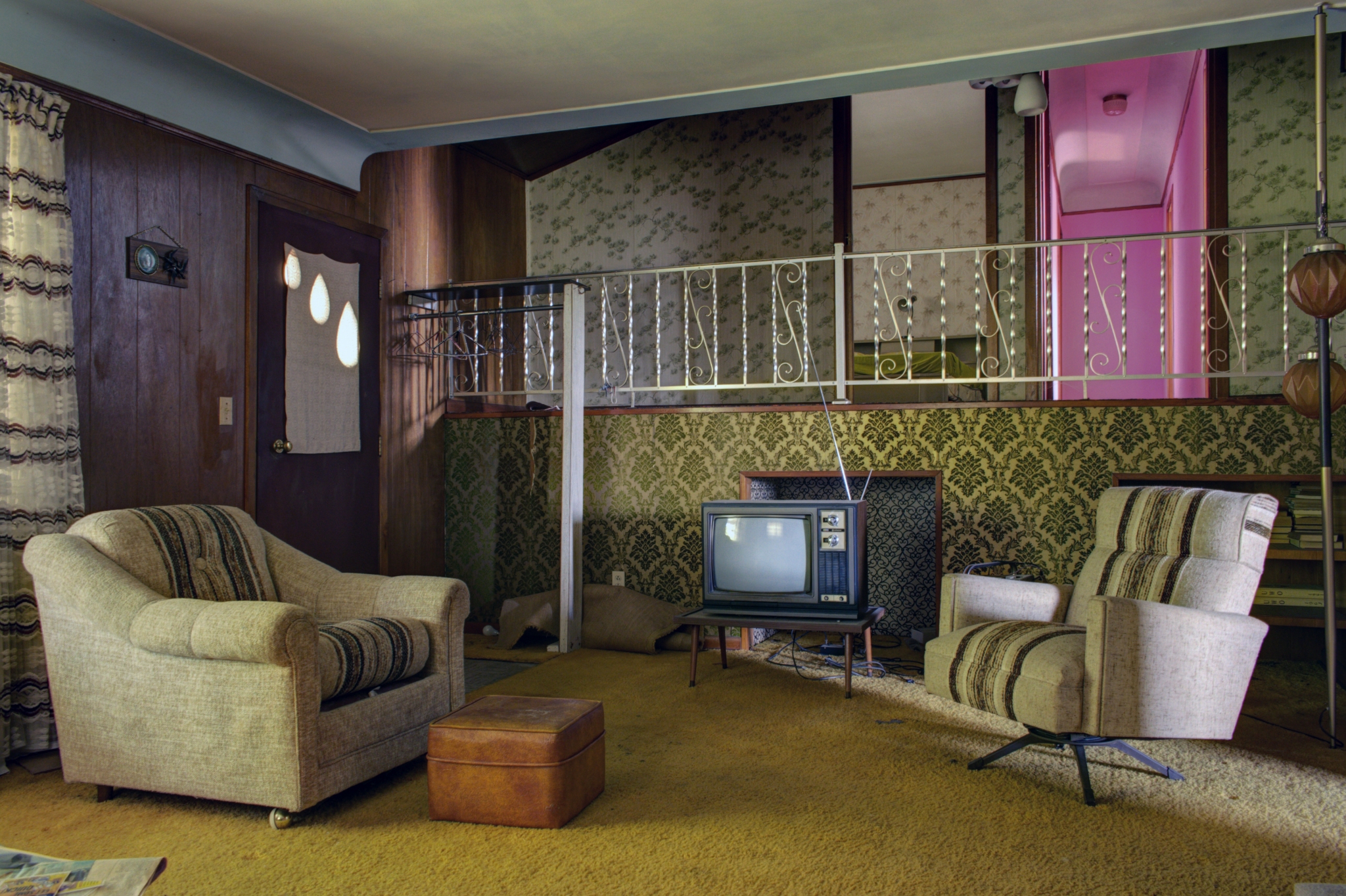
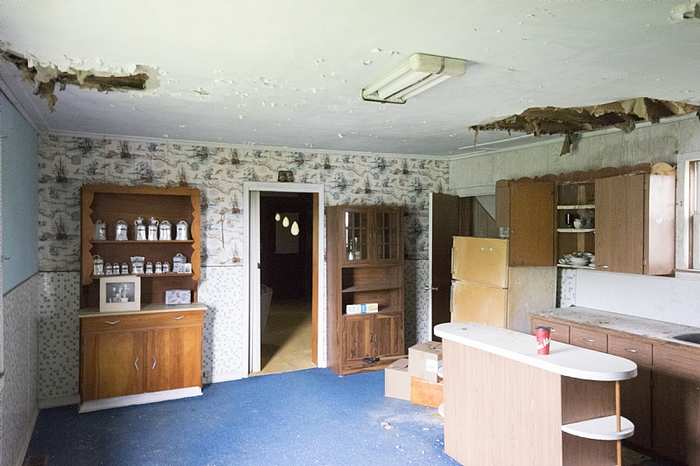
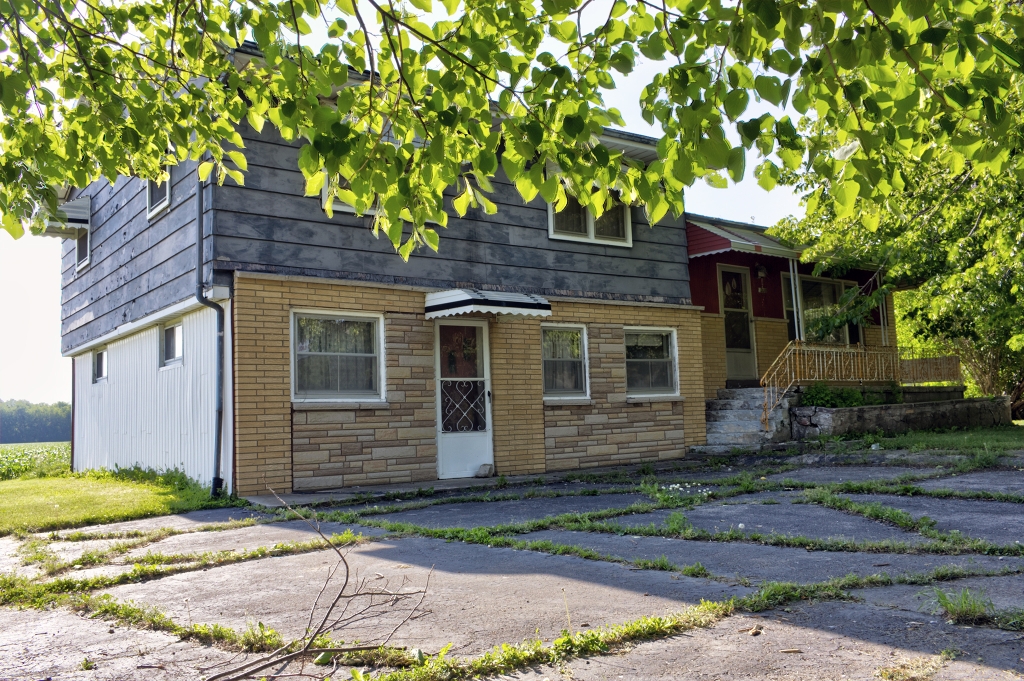
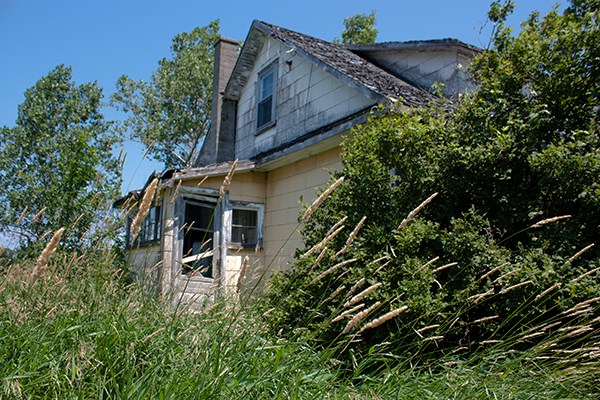
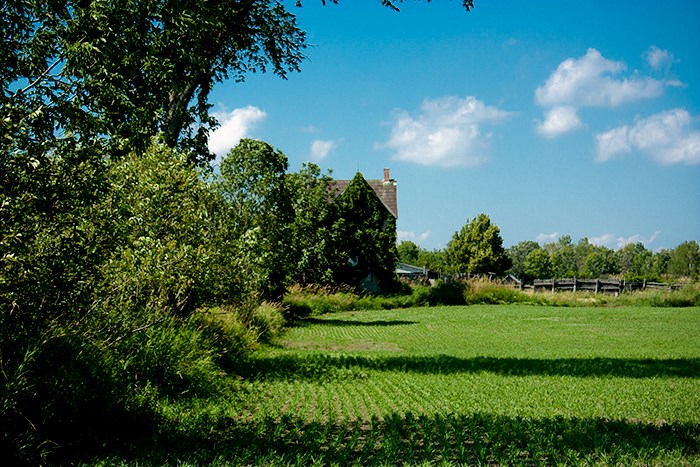
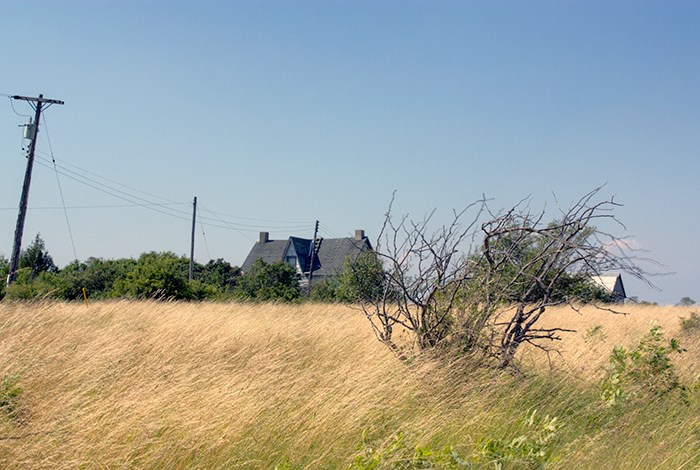
This house is one of the top abandoned locations I ever had the privilege of exploring in Ontario. The house was located in Dresden, Ontario along a main road. The land is used for farming and the house could be easily mistaken for being lived in. It was purchased by John and Katerina Drlicka in 1951.

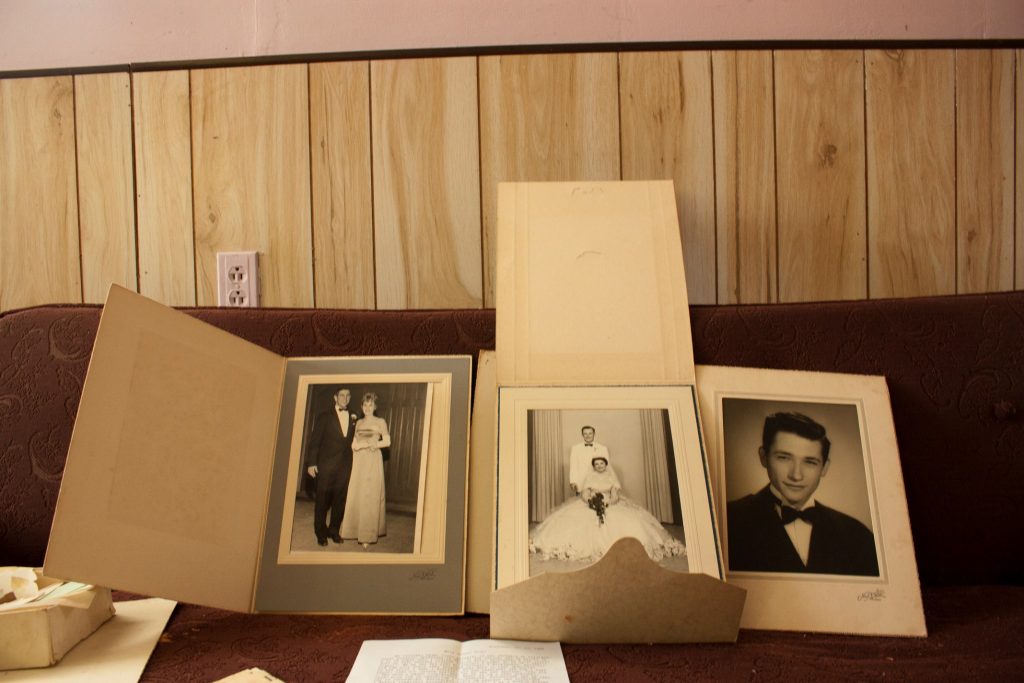
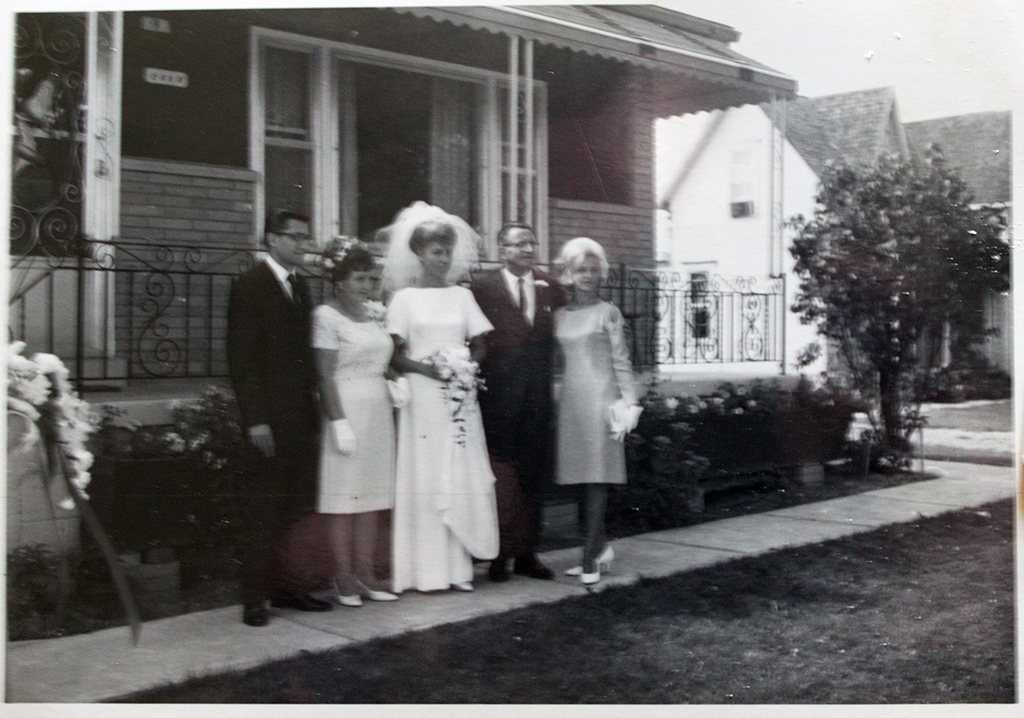
Katerina was born on April 29, 1910 in Narodena, Slovakia. Katerina passed away in 1968 and John passed away in 1993. I don’t have any information as to what happened to the family except to say that it still remains in the family name.

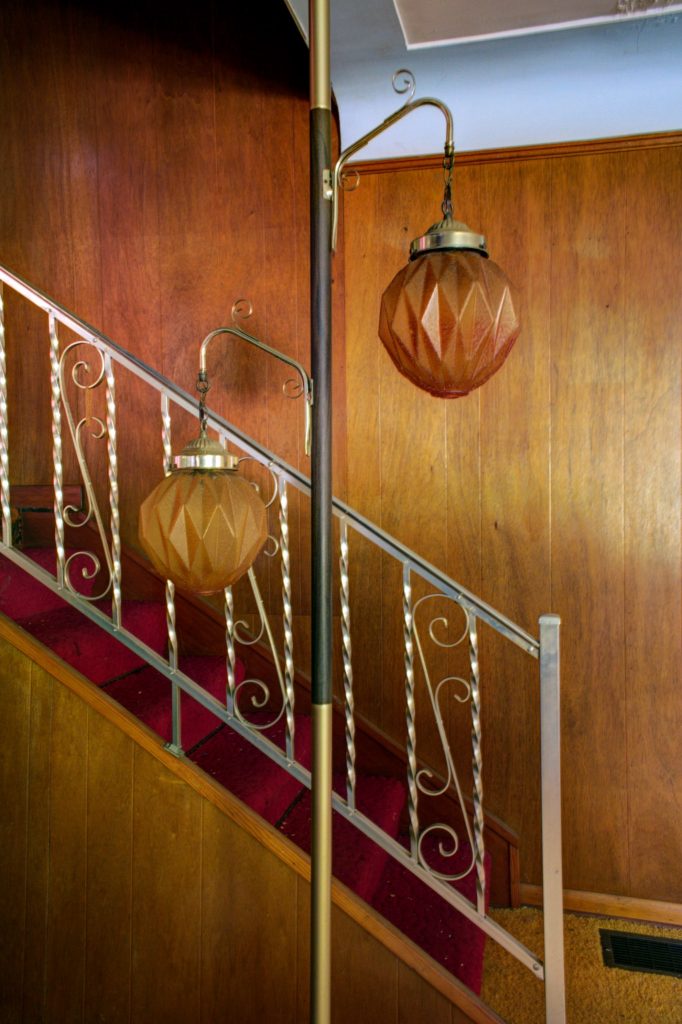
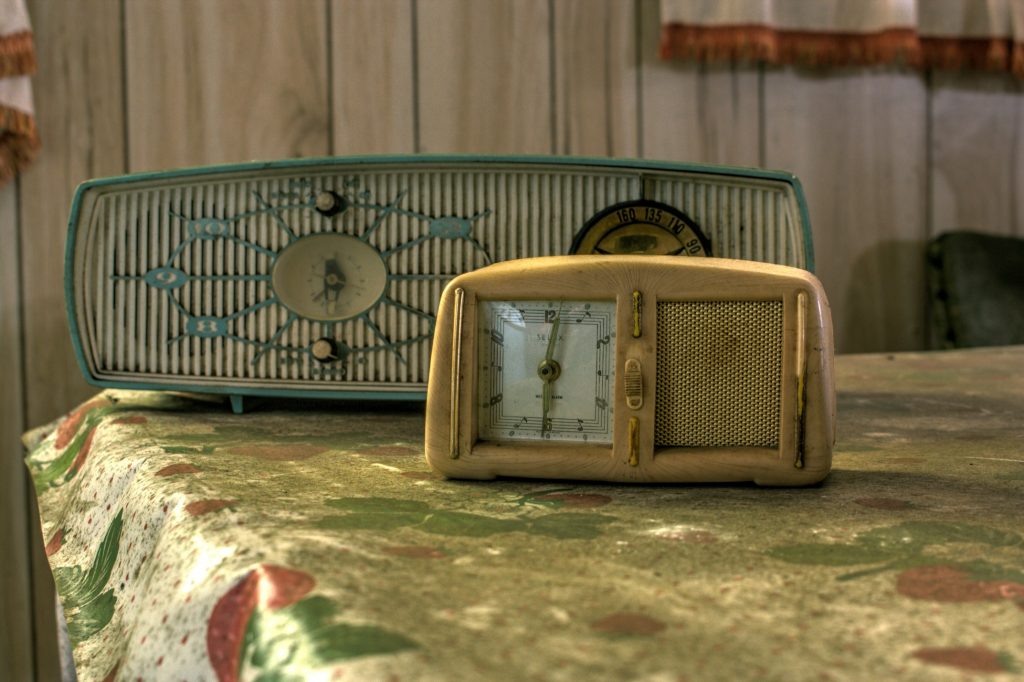
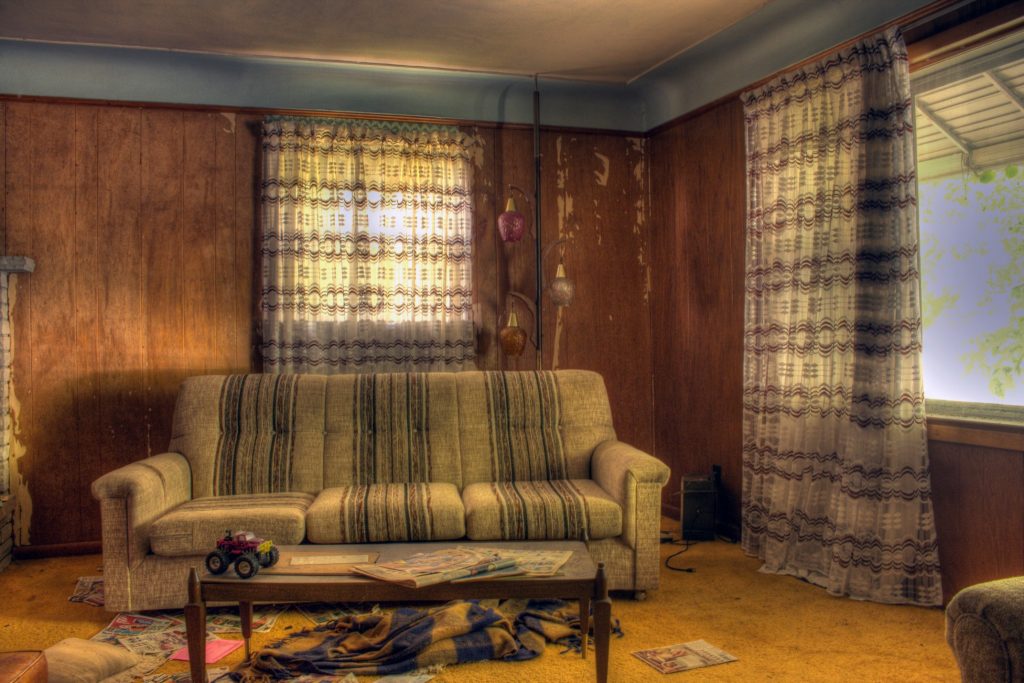
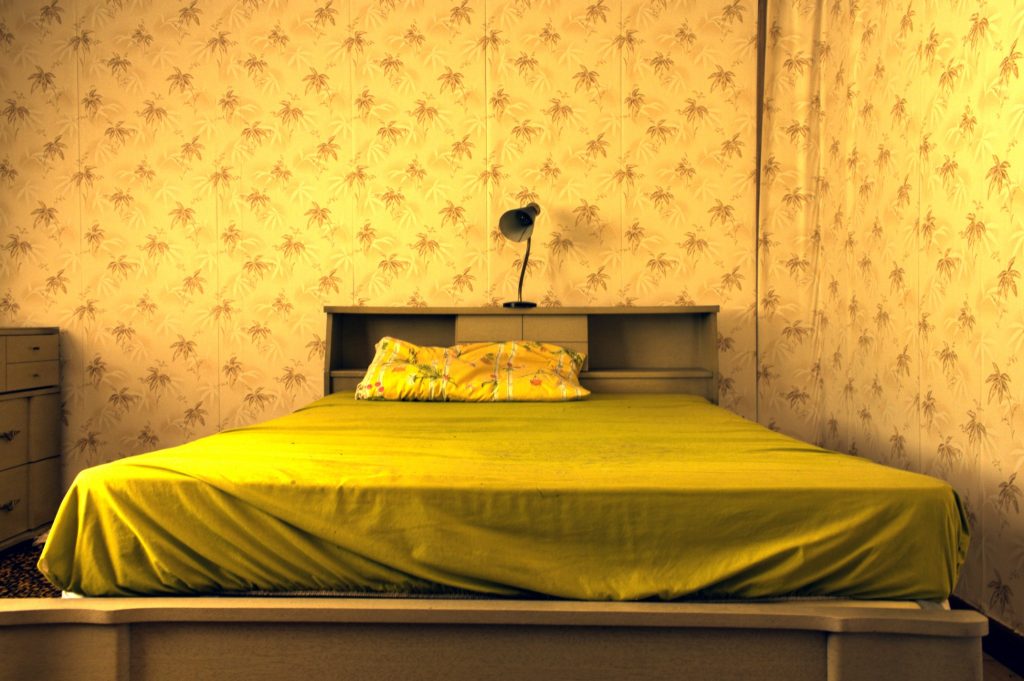
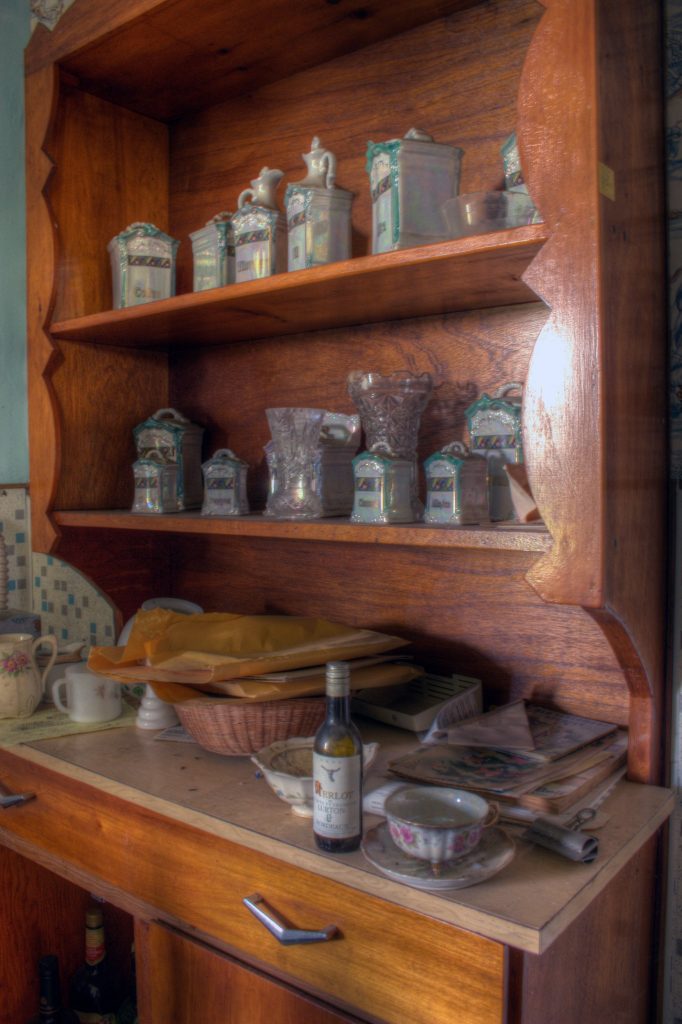
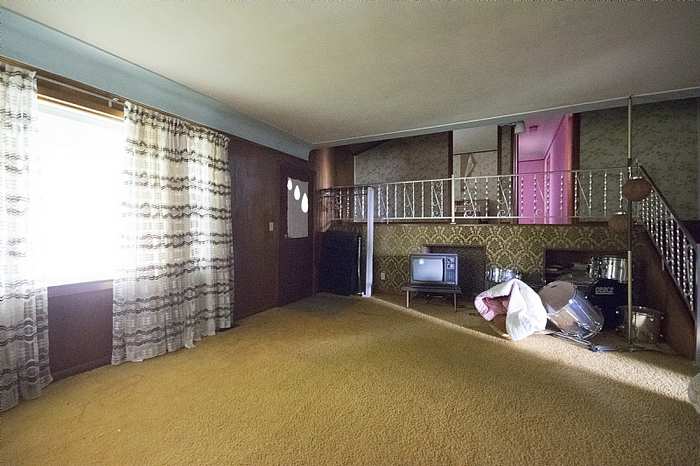
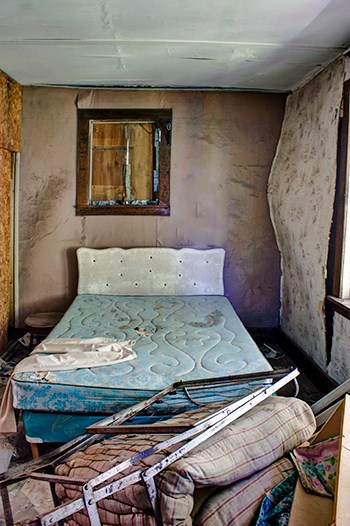
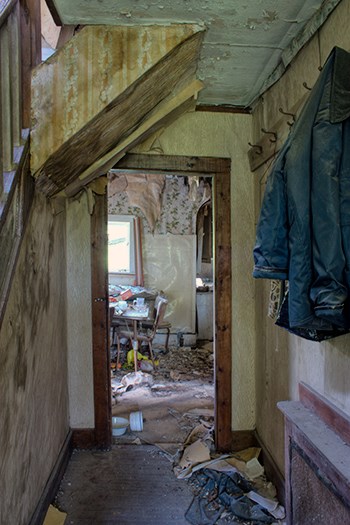
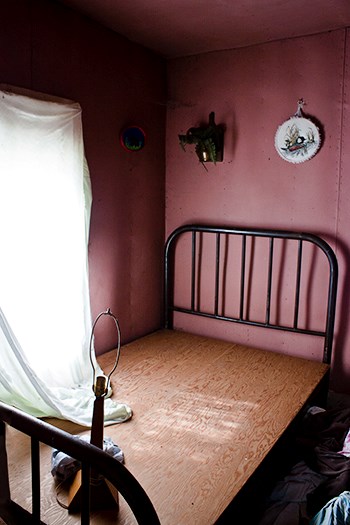
When I visited in 2015 the power was still working. The main living room looked just like it would have in 1968, with the shag carpeting, pole lamps and chairs. The bedroom clocks were most certainly from the 1960’s.

One interesting find in this house was a hand grenade, which I didn’t find on my visit but other explorers did.


Revisit
Someone has set up a drum set here. I wish I’d taken more photos. The house was demolished in late 2022.


Captain John’s Restaurant Toronto

A man with a dream versus the city of Toronto who were determined to sink it.

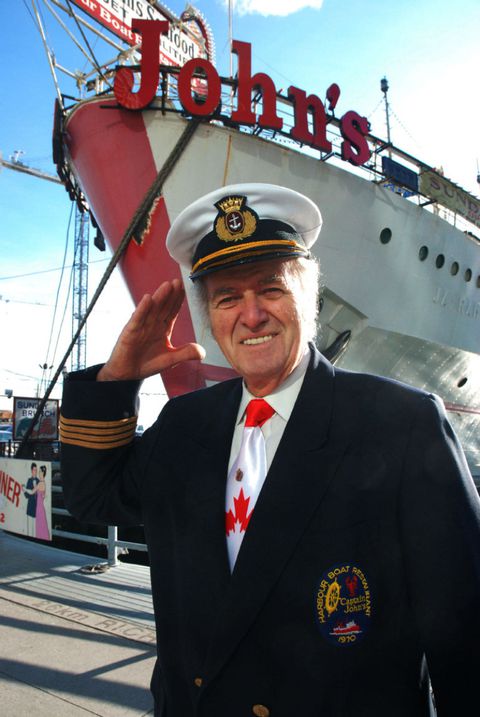
Captain John Letnik

Ivan Letnik was born in the republic of Slovenia, in a country of uprising and internal chaos. Realizing that Yugoslavia held no future for him, Letnik attempted to escape to neighbouring Austria. His first attempt failed but he was successful during his second attempt on August 8, 1956. Shortly after his escape to Austria, Letnik attended the hospital where a tumour on his neck deemed to be cancerous was removed. He spent time in Graz, Austria where he lived with distant family members and volunteered for the Red Cross helping people who had also fled their homeland. Letnik never informed his parents that he was leaving the country, they found out weeks later when Austrian authorities contacted his parents.

When a Red Cross official offered Letnik an opportunity to go to Canada, he accepted it. On August 8th, 1957 a year to the day since he’d fled his home country Letnik left for Canada by boat.

Letnik arrived in Canada speaking no English and with only two dollars to his name. A German speaking couple directed him to resources where he was able to obtain work at the Toronto Golf and Country Club. When the club closed for the season, Letnik found work as a dishwasher at the year round St. Georges Golf and Country Club in Etobicoke. It was there that he learned how to cook food and to speak English. Letnik worked his way up to a cook and was eventually promoted to sous chef by the time he was 19 years old.

The work allowed Letnik to save up enough money to bring his girlfriend over to Canada in 1959 and the couple were married. Letnik had been in Canada for four years now and decided that he’d reached a crossroads where he could either remain at the golf course or he could open his own restaurant. He took the initiative and opened a thirty seat restaurant named the “Pop-In” located at Dundus and McCaul. The restaurant served basic meals such as breakfast, and dinners such as pork chops and potatoes which cost 45 cents.

Around 1966 Letnik bought the building that his restaurant was located in, and sold the business. In 1966 Letnik’s restaurant had earned him enough money that he was able to purchase a 1966 Chevrolet Impala and boat passage to Europe. He drove to New York where he boarded the SS France which took him to La Havre, France. Letnik drove the remaining 1500 miles to Yugoslavia where he was reunited with his family. He remained in Yugoslavia for three months and made the return voyage back home to Toronto.

The Normac

The Normac

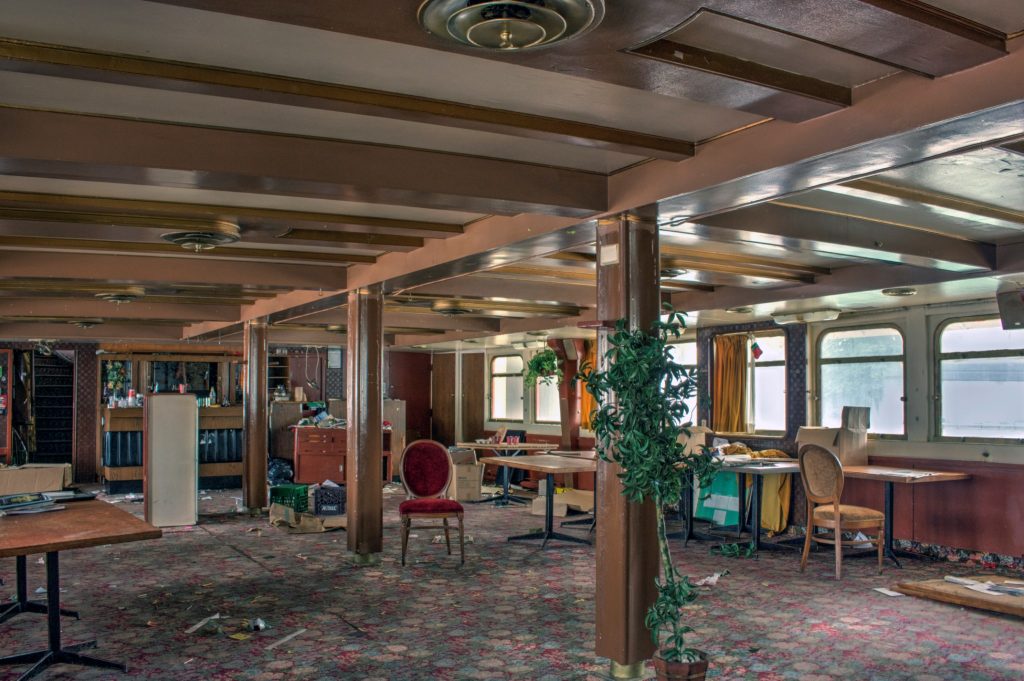
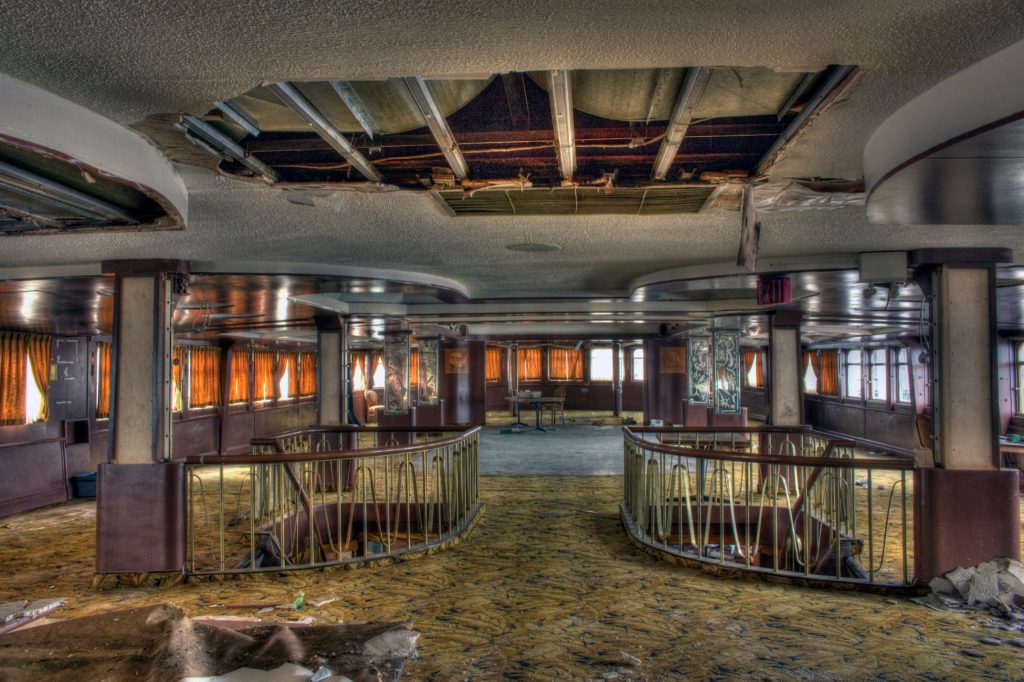
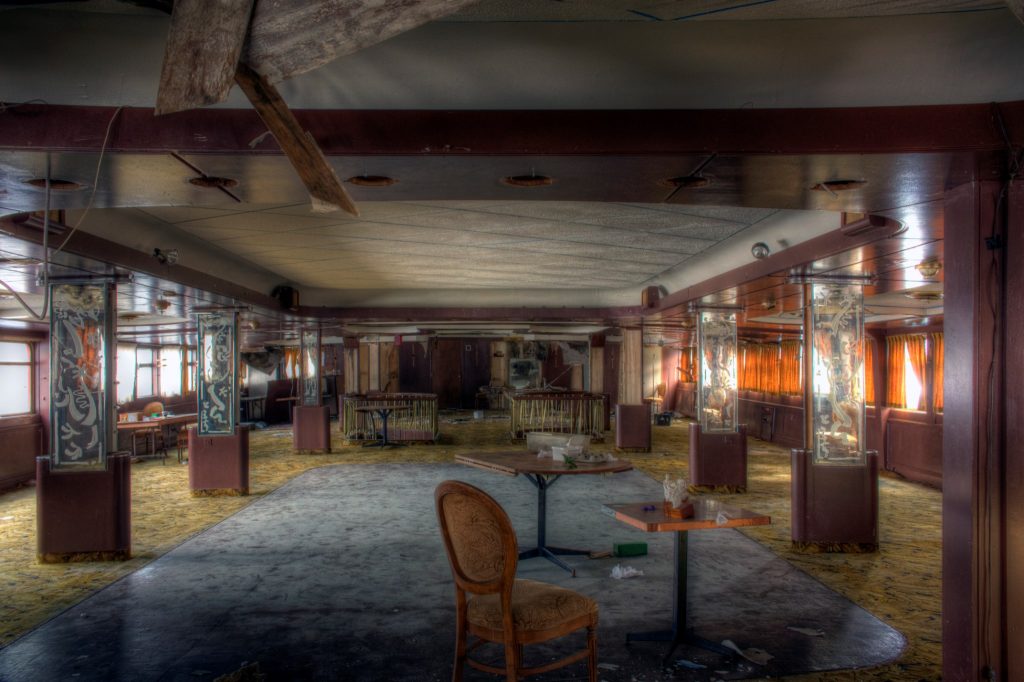
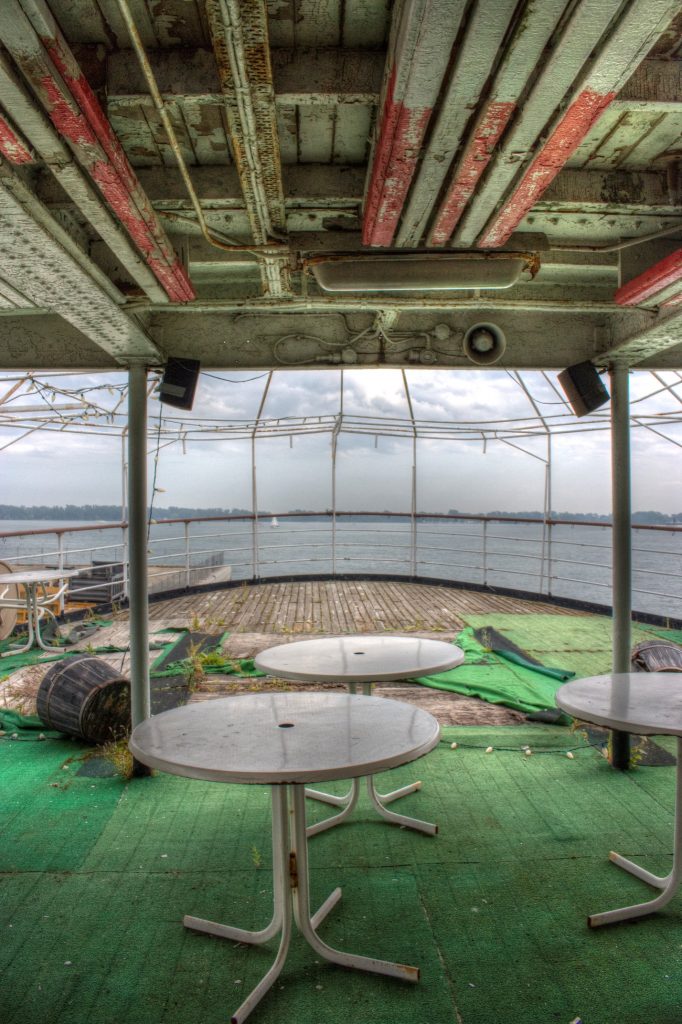
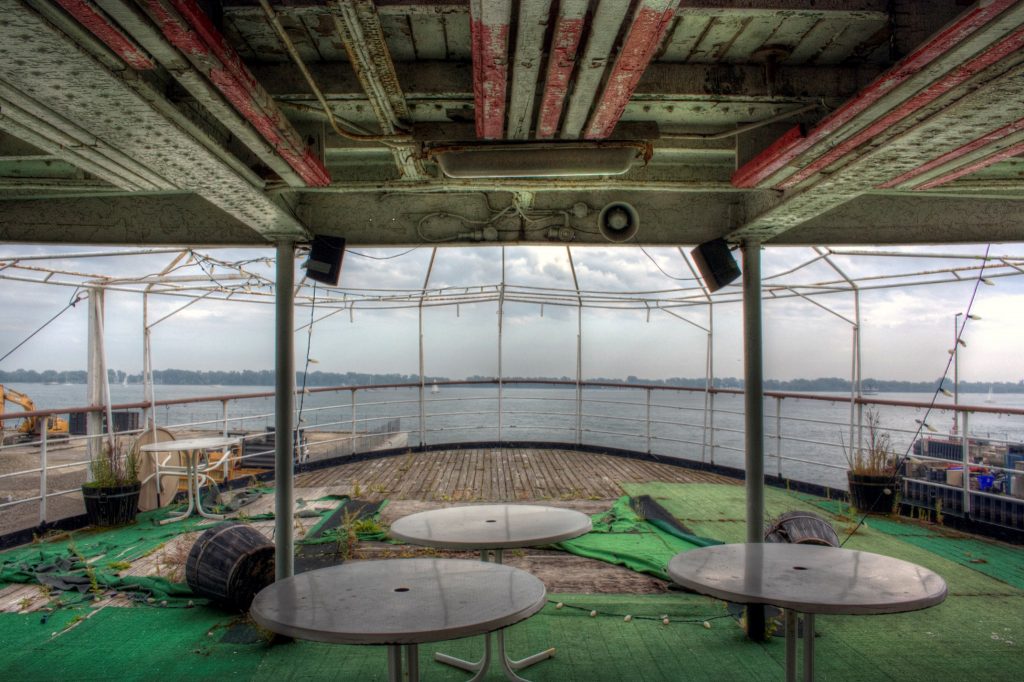
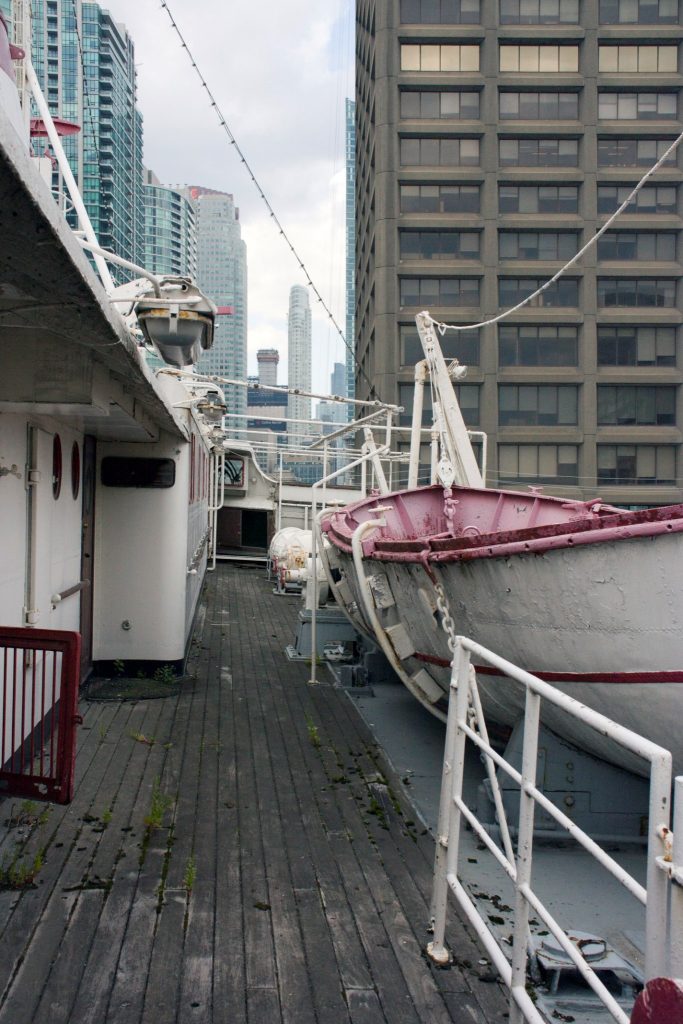
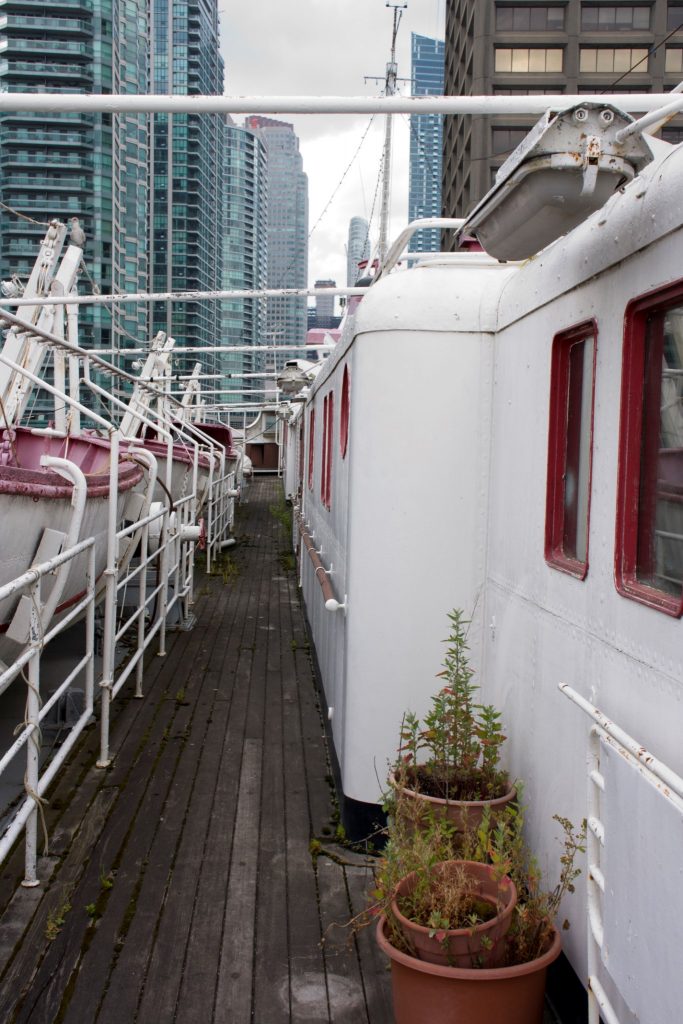
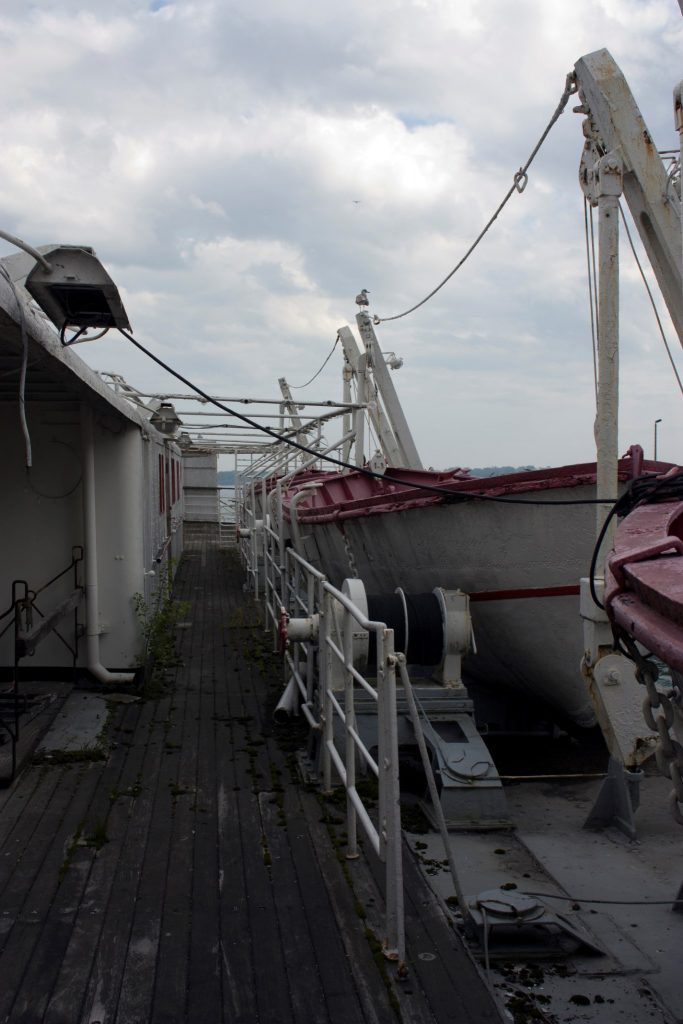
The Normac began as the “James R. Elliot” built in 1902 to serve as a fire tug. The boat was then sold to the Owen Sound Transportation Company where it was converted into a freighter and passenger ferry. The boat was renamed Normac after Captain Norman McKay who was the founder and manager of the Owen Sound Transportation Company. The Normac was used to ferry passengers and cars through Northern Ontario waters. It was retired in 1968 and then sold to a private owner.

It was the voyage upon the SS France and the dinners served on the ship that sparked an interest in Letnik to open a floating restaurant. His search for a suitable boat took him three years, a search that resulted in the purchase of the Normac.

A year later on July 23,1969 the Normac having been purchased by Ivan Letnik, made its way from Wallaceburg to Toronto. The ship was painted white with a red hull in order for the ship to stand out from the street. The Toronto Harbourfront Commission permitted Letnik to temporarily leave the ship in the Toronto harbour. At the time the area wasn’t an a place where you’d find tourists and restaurant patrons; it was a shipping area filled with warehouses, cargo ships and dock workers.

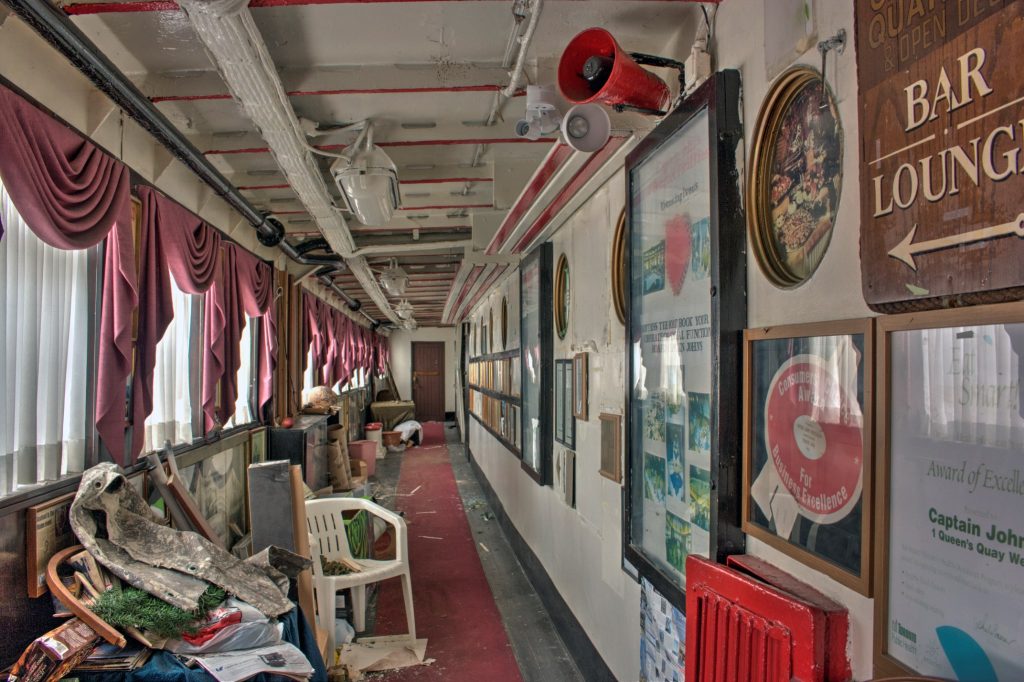
“Captain John’s” floating Restaurant (1518756 Ontario) was officially opened on August 8th, 1970. The business became a popular tourist location that attracted famous Canadians such as Brian Mulroney, Mel Lastman, Robert Campeau, Steve Stavro and Bob Hope. The business brought tourists to an area of Toronto that offered little in the way of tourism and helped to increase popularity of the waterfront.

While the arrangement to dock the ship in the Toronto harbour front had always been temporary, and Letnik had originally intended to move the ship to Ontario Place, the ship remained where it was until it was damaged years later.

Philanthrophy

Letnik never forgot what it was like to have nothing to your name. Each year his restaurant in co-operation with the Salvation Army held a free dinner for those less fortunate. Captain John’s also sponsored various city events such as the Hazel McCallion Golf tournament.

The MS Jadran

The Jadran

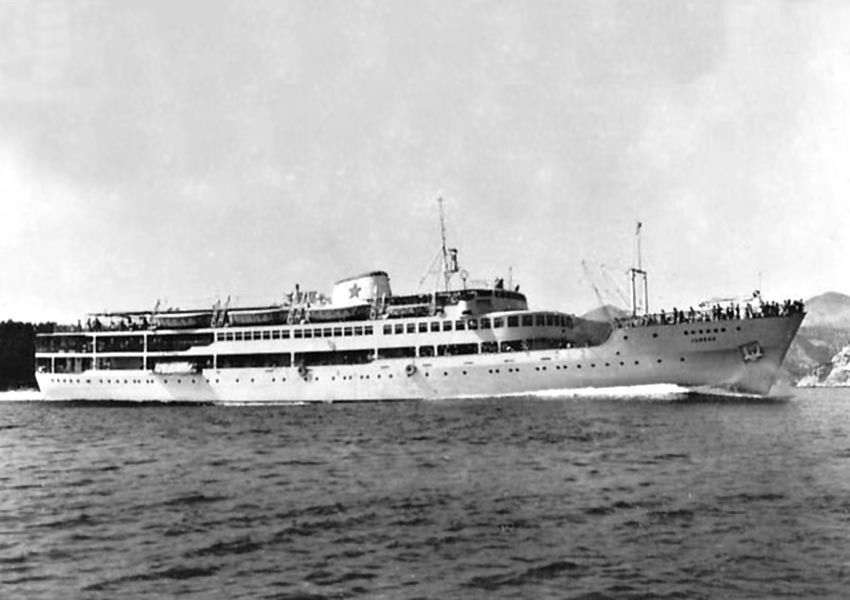
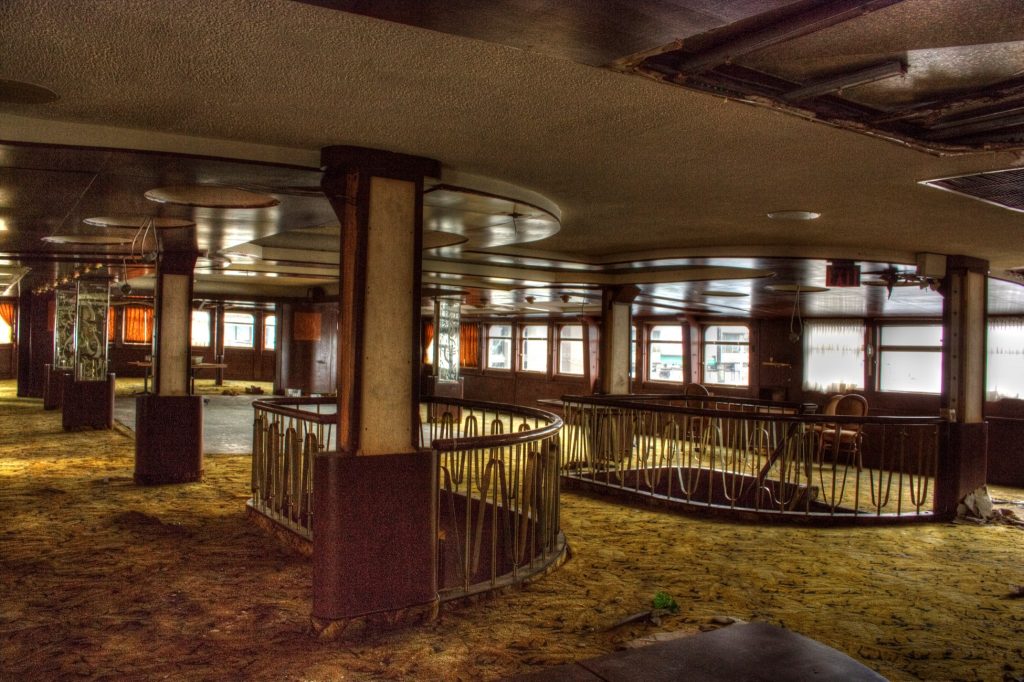
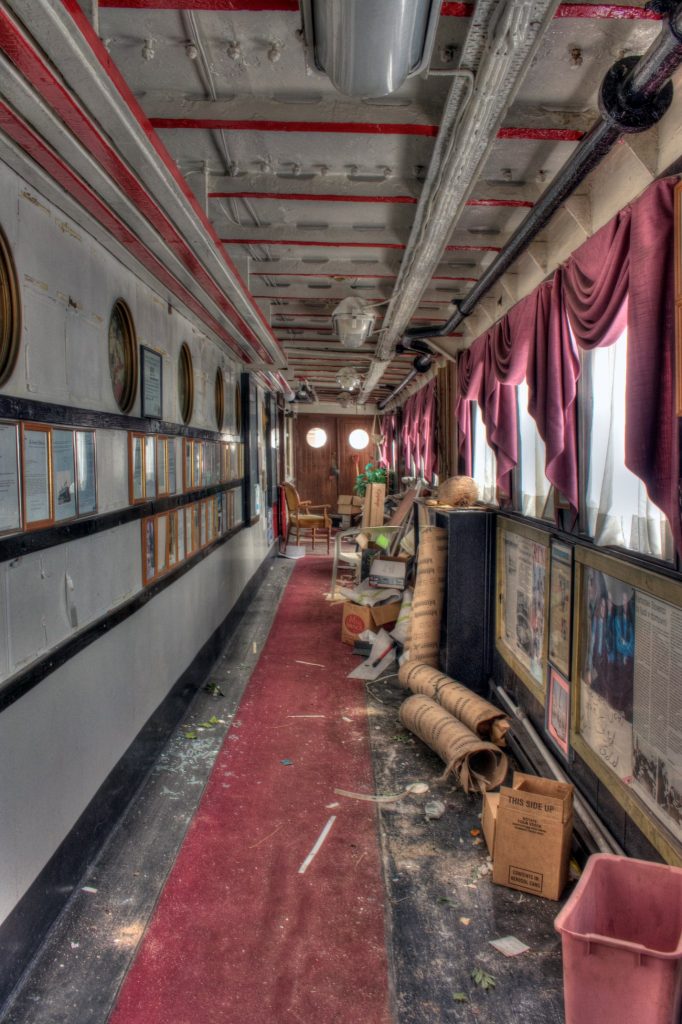
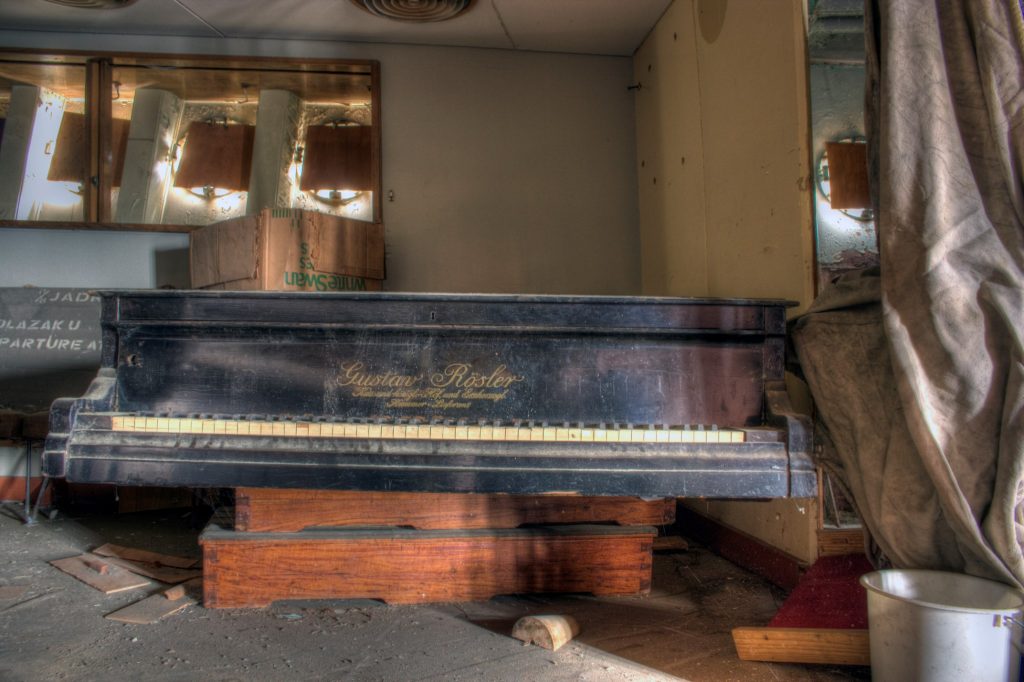
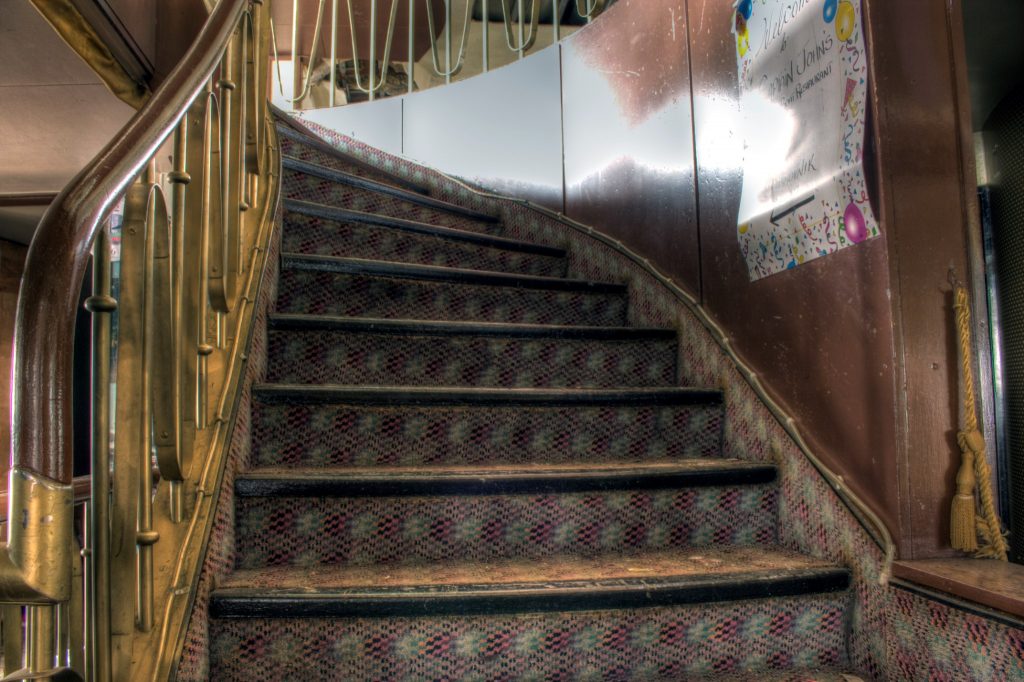
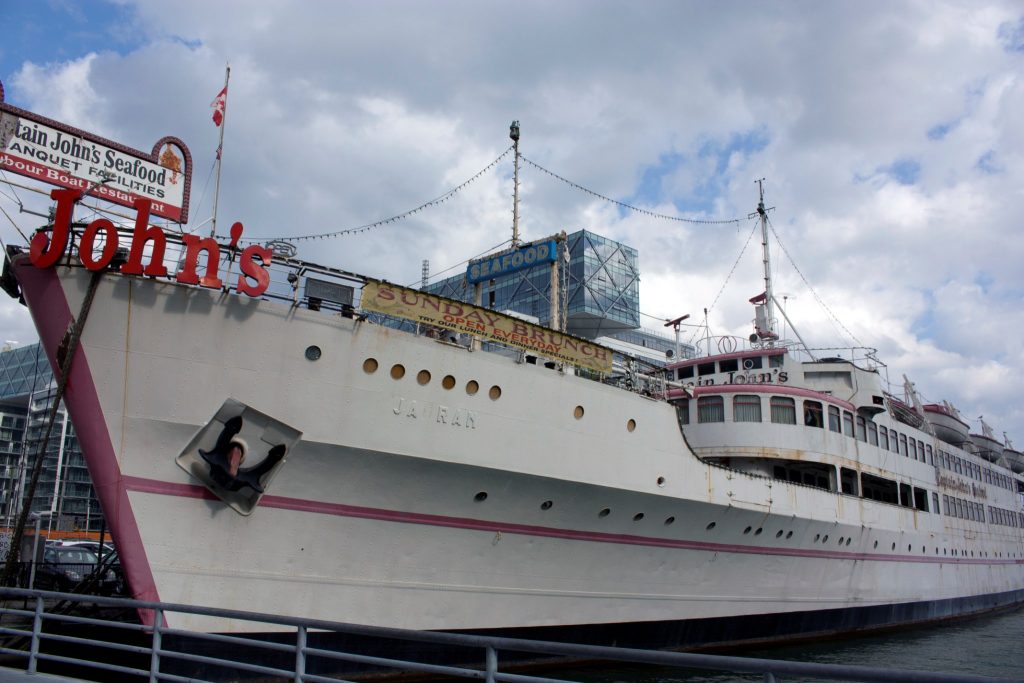
Letnik had been looking at purchasing a second ship and became interested in purchasing a 296-foot ship named the MS Jadran (‘adriatic’ in Yugoslavian). The ship was constructed in 1957 and contained five levels, 355 staterooms and room for 500 people. In the fall of 1975 Letnik along with a crew of sixteen men sailed to Yugoslavia to bring the ship back to Canada. The ship was purchased from the Yugoslavian government for one million dollars. It arrived in Toronto on November 27, 1975. The trip back to Canada took three days.

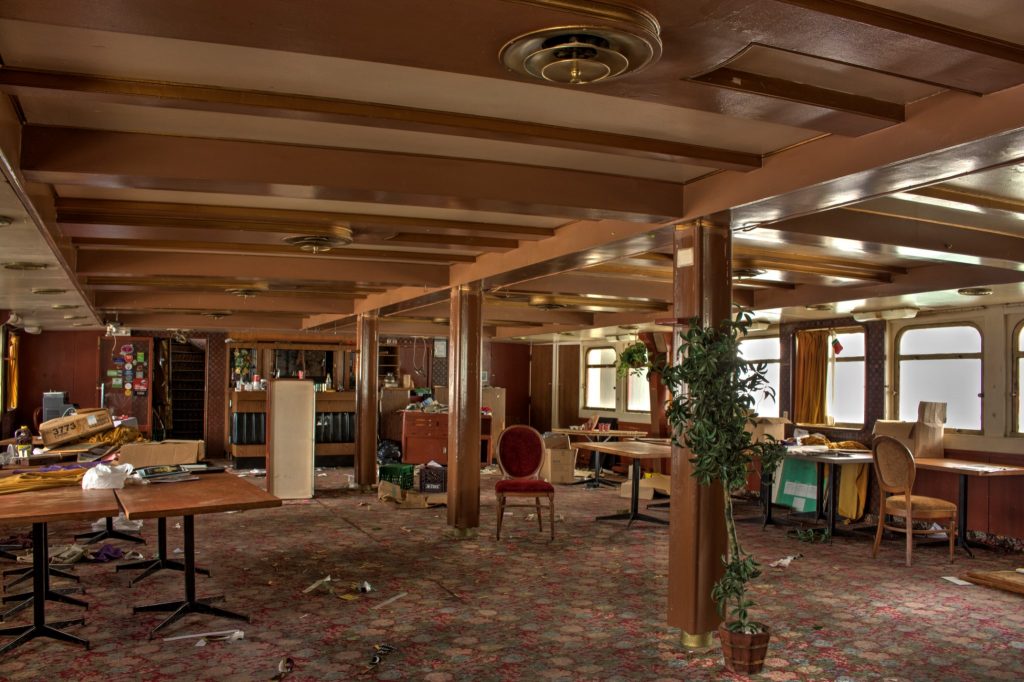
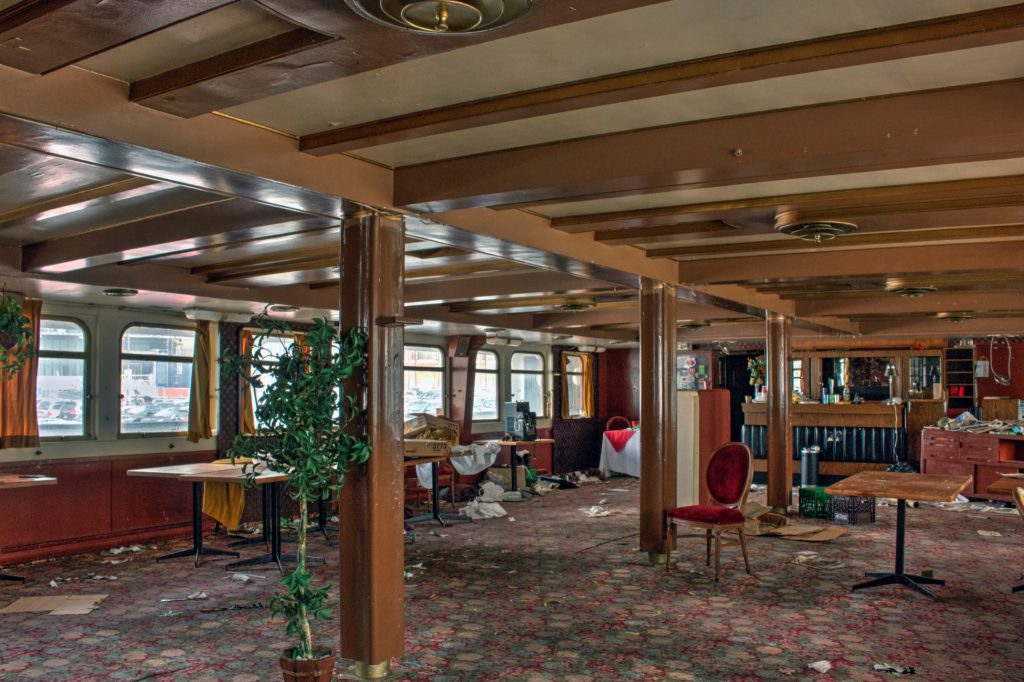
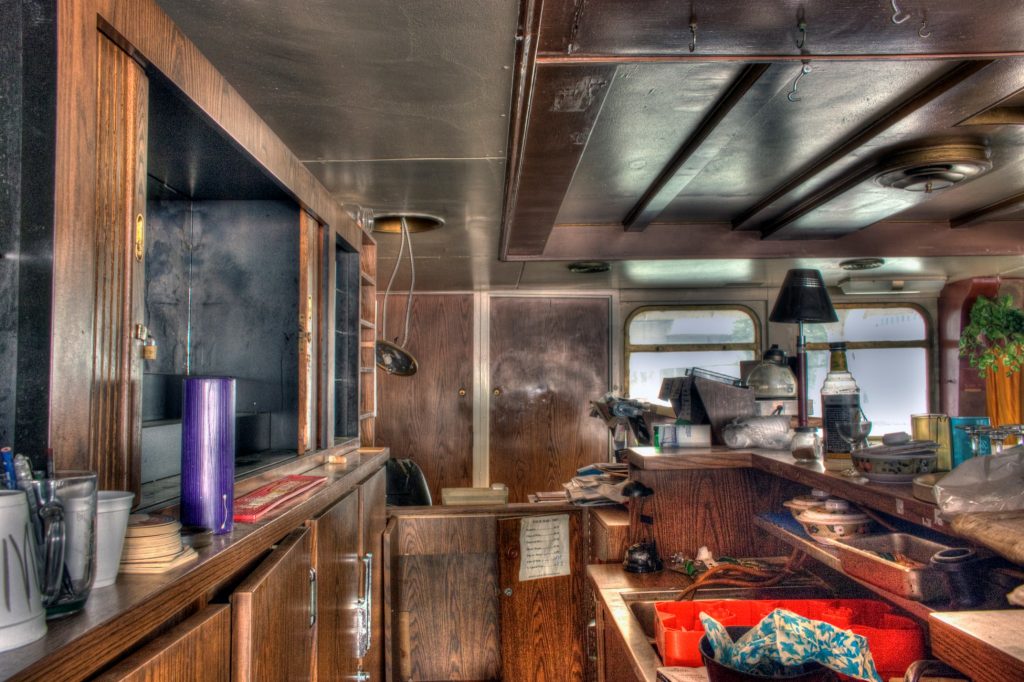
The 355 rooms were removed and the ship was renovated for use as a restaurant. In May of 1976 the Jadran opened as a secondary location for banquets and conventions. It was situated alongside the Normac.

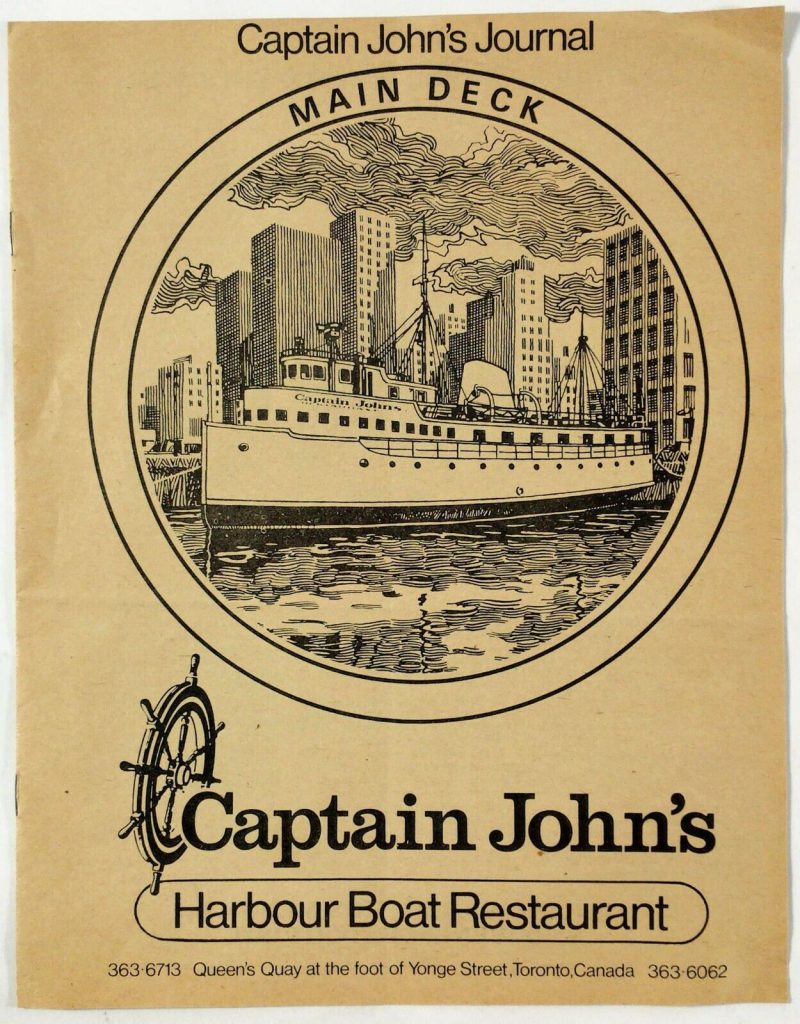
Captain John's Menu

Disaster

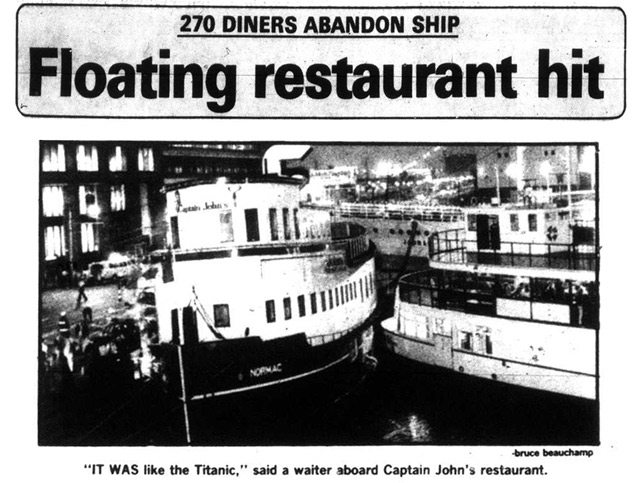
On June 2, 1981 a Toronto Island paddle-wheel ferry named the Trilllium went off course and struck the Normac. The resulting collision sent shocked customers and dishes to the floor. Several patrons took their wine bottles with them as they fled the restaurant. There were approximately 270 customers on board at the time.

Letnik wasn’t aboard at the time but arrived shortly after to assist in evacuating people from the ship.
A transport engineer concluded a hydraulic lock prevented the Trilllum from reversing when it approached the slip it shared with Captain John’s. The Trillium’s bow wasn’t sharp enough to cut the Normac in half. A two foot hole in the ship was patched with a one inch thick metal plate. The repair didn’t hold however and the boat sunk days later on June 16, 1981.

Source: Toronto Sun, June 3, 1981|


Letnik took the City of Toronto to court for the damages but the amount awarded wasn’t enough to have the boat raised. The ongoing legal battle would take eight years as it worked its way through the appeal courts but Letnik was eventually able to raise the boat, repair it and sell it.

A second level was opened on the Jadran to accommodate the additional customers after the 1981 sinking of the Normac.


That Sinking Feeling

Since 1991 the City of Toronto allowed the Captain John’s property to be leased on a monthly basis rather than annually. This made it difficult for Letnik to have any peace of mind in way of long-term planning for his business.

The economic situation of the past 20 years and poor tourism seasons have taken their toll on the restaurant. The celebrities that once patronized the restaurant were becoming fewer as were the corporate parties and weddings. Letnik attempted to negotiate deals with the nearby hotels in which tourists received discounts.

In 2002 the restaurant filed for bankruptcy protection as it owed over $5 million to various creditors. Letnik’s bankruptcy proposal involved the repayment of all unsecured creditors owed $5000 or less and a repayment of no more than $30,000 to all other unsecured creditors.

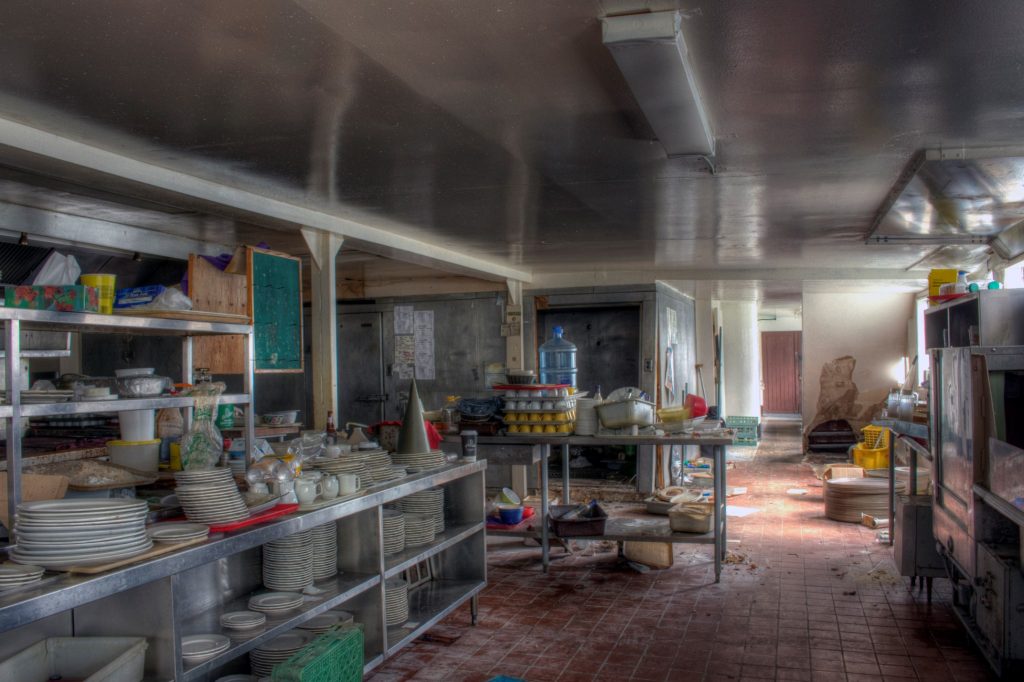
In August of 2008 the public health unit ordered the restaurant closed after finding 11 infractions including ‘Operator fail to maintain premises free of sewage back-up’ and ‘Operator fail to ensure food is not contaminated/adulterated’. Letnik was fined $2,160.

In 2009 Letnik’s lawyers argued that the ship didn’t rest on a foundation and couldn’t be assessed for property taxes. A judge ruled that since the ship had been moored to the shore since 1975, it could be taxed. Letnik attempted to appeal this ruling but was denied.

That same year Letnik put the restaurant up for sale at a list price of $1.5 million which was subsequently reduced to $1.1 million. Despite nearly forty years of operation, Letnik was unable to sell the restaurant.

Around this same time period the reviews for the restaurant began to indicate that the level of service and quality of food was diminishing.

The Final Blow

In June of 2012 the Toronto Port Authority rescinded the lease agreement for the slip where the ship was moored. Their reasons were that the restaurant owed over $500,000 in back taxes, rent and utility payments.

The City of Toronto shut off the supply of water to the boat. This resulted in Letnik having to cancel four buses full of Montreal tourists destined for his restaurant. The decision to turn off the water in turn forced the Health Department to issue an order closing the restaurant due to the staff’s inability to sanitize dishes and wash their hands.

Letnik was given until July 27, 2012, to remove the boat’s gangplank and all restaurant signage. The Toronto Port authority invoked marine law which prevented the ship from leaving the dock until its debts to the city and Port Authority were paid.

The gangplank decision was later rescinded by Waterfront Toronto, and Letnik was allowed to stay on board his ship. It should be noted that Waterfront Toronto only came into existence in 2001 and yet were given authority over a ship that had been in Toronto for over 40 years.

The removal of the ship would be no easy task as the engine has been removed and the ship is mirred in mud. Unable to find an interested buyer, Letnik was given an additional month by Waterfront Toronto.

By 2013 Letnik owed the city of Toronto $648,947 in taxes, water charges and penalties, and $216,871 to the Toronto Port Authority in rent. There was also more than $650,000 in mortgages. The city of Toronto began processes to seize the ship which led Letnik to declare that he wouldn’t abandon the ship and might even chain himself to it.

The question became, was this a ship or was it property? How could one prevent a ship from leaving the dock while at the same time taxing the ship annually for $40,000 in property taxes. Letnik attempted to have his residence aboard the ship be deemed a tenancy under the Residential Tenancies Act (RTA). He felt this was further enforced by the city billing him for realty tax. In addition, the city terminating the supply of water would be considered a violation of the RTA. Letnik’s claim was heard on April 10, 2014.

By March of 2014 according to documents filed with the Federal Court by the Toronto Port Authority, Letnik now owed $1.7 million in realty taxes, insurance, berthing, mortgage and other fees, some going as far back as 2002.

Letnik, who had been living aboard the ship for years now retreated to his rental property on Glen Everest Road.

The Toronto Port Authority gave a deadline of August 22, 2014 for the Jadran to be removed and scrapped. Three bids were submitted for the process.

A court ordered appraisal listed the ship as a $125,000 liability because the cost of insuring and scrapping the ship could run as high as $725,000, greater than the $600,000 scrap value. One bidder even asked to be paid to take the ship off of the city’s hands.

On July 31, 2014, the Federal Court of Canada declared the winning bid to be that of entrepreneur James Sbrolla of the North American Seafood Exchange who offered to purchase the ship for $33,501. Sbrolla had hoped to restore the boat into a floating restaurant. Plans for a new berth for the ship fell through so Sbrolla proposed to have tugboats tow the ship to a private slip where it could be stripped of scrap metal by Priestly Demolition.

In October 2014 the Toronto Port Authority terminated the deal and returned payment to Sbrolla. They indicated that they “didn’t feel comfortable” with having the ship torn apart in the harbour.

“We don’t feel comfortable proceeding with a plan at this point that involves tearing the ship apart in the harbour. We want to be sure we’re doing this right, mitigating risk and removing the ship in a manner that is safe from an environmental and public safety standpoint.”, said port authority spokeswoman Erin Mikaluk.

A documentary about Captain John produced by Shasha Nakhai was released in 2014. It’s titled “The Unsinkable Captain John”. Ivan “John” Letnik lives in his rental property in Toronto. He is divorced and has a daughter in Washington.

After two teenagers were caught vandalizing the property in January of 2015, the Port Authority removed the gangplanks and further reinforced any possible ways into the ship.

On May 28, 2015, the vessel was towed out of Toronto’s harbour before a large audience of spectators and a musical band. The event was broadcast live on CP24 Television.

Sources:
1) Wikipedia
2) savecaptainjohn.org
3) http://www.theglob…e/article20187446/
4) http://www.ssmarit…an-and-Sisters.htm
5) Photo collection of Anton Heuff
6) Mike Filey’s Toronto Sketches


St. Thomas Psychiatric Hospital

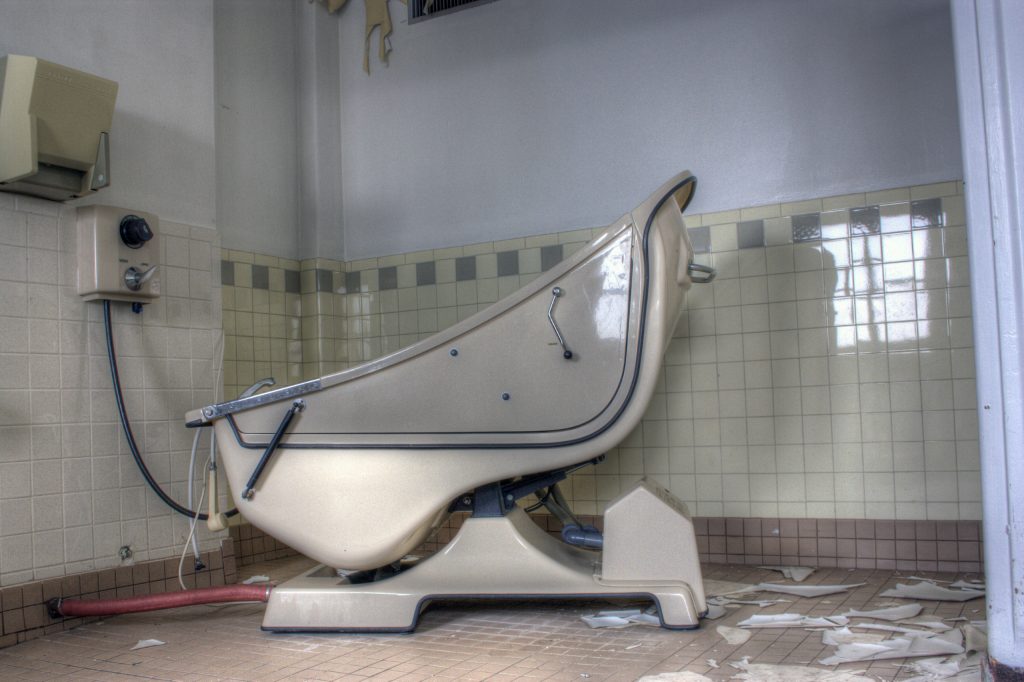
Exploring an abandoned psychiatric hospital with morgue in St. Thomas, Ontario

Introduction

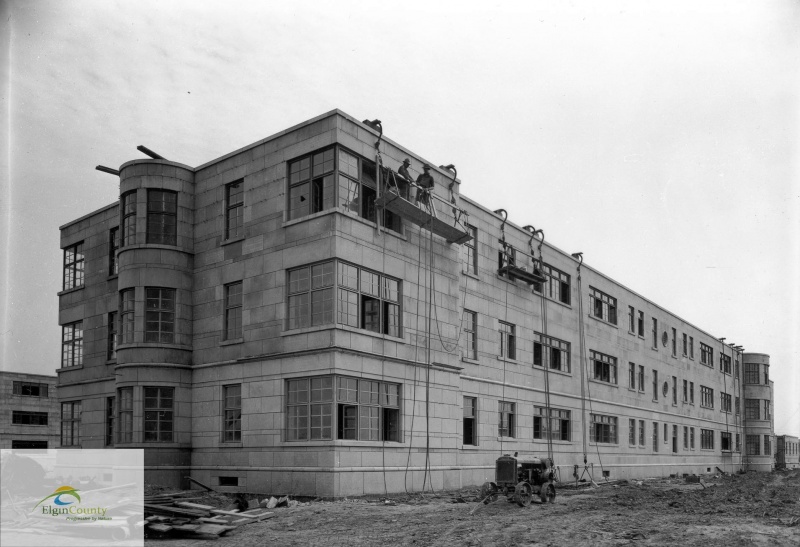
In August of 1937 construction began on a hospital in St. Thomas, Ontario which became known as the Ontario Government Hospital, St. Thomas. It was built on land belonging to six farm families. The 460 acres of land was able to provide crops for the facility’s food and produce.

The hospital opened on April 1, 1939 and took in its first 32 patients. By August the number of patients was close to 1,100 people. The maximum capacity is said to have been reached in 1958 with 2,238 patients. At the time the St. Thomas Psych had a reputation for being the finest mental health hospital in Canada due to its modern design. It also provided jobs during the recession.

World War II

When World War II was declared, the hospital was leased to the Department of National Defence. The agreement took effect October 23, 1939. The last patients were transferred out on October 31, 1939. Supplies for the R.C.A.F. began arriving three days later.

Sixty thousand men and women from every country in the British Commonwealth, as well as American volunteers with the R.C.A.F. were trained here. The school was known as, “No. 1 Training and Technical School”.

The nurses residence was converted to house R.C.A.F officers and their family.

The school was equipped to handle more than 2,000 students at a time. They offered six-month courses for aircraft electricians and aero-engineers, air-frame and instrument mechanics and training for fabric and sheet metal workers.

With the local economy now being increased, St. Thomas responded with drop-in centres offering free coffee and sandwiches for R.C.A.F. personnel, dances, and other activities.

St. Thomas Psych construction 1938, abandoned, Ontario, psych, hospital, exploring
Under construction in 1938
Elgin County Archives, Scott Studio
The Aircraftman publication for students of the air force at St. Thomas
The school had a monthly publication titled The Aircraftman St. Thomas fonds, R6 S6 Sh4 B5 F3

By October 1942, 20,000 ground crew personnel had graduated from the school. In 1944, capacity for treating returning wounded soldiers was increased from 200 to 700 beds.

Patients were relocated to other parts of the province. The hospital was returned to the Ontario Department of Health and reopened to patients in 1945.

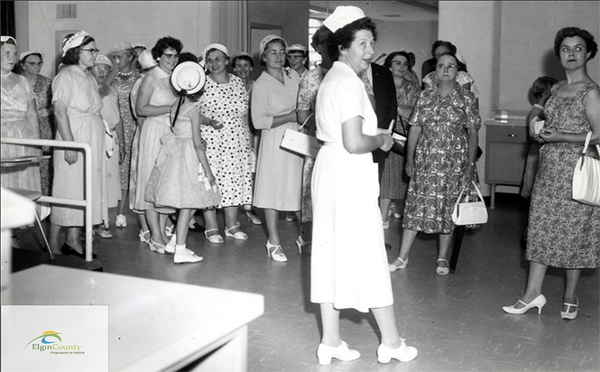
1959 Open House

Patients were able to take part in the farming and food production process which contributed to feelings of self-worth and contributing.

Beginning in the 1970’s it was decided that rather than confine people to institutions, that through mental health transformation patient care should shift from that of an institutional model to helping patients learn to live productive lives in the community. It offered patients hope and recovery.

There was a nurses residence on the other side of the highway (Sunset Drive) and underground tunnels provided transportation. A bicycle at each end of the tunnel allowed nurses to quickly make their way from one end to the other.

1988 Incident

In 1988 two patients at the hospital were given day passes to allow them to work. One patient earned enough money to purchase a car. On March 31, 1988 one of the two men told his boss that he wanted to “leave early and get laid”. The two men drove to London where they found a fourteen year old girl waiting for a bus. She was abducted and beaten in the car on route to the factory where one of the men worked. The girl was thrown into a river where she later walked to a nearby house for help.

Transition

The St. Thomas Psych Hospital was taken over by St. Joseph’s Health Care in London as part of a reorganization initiative ordered by the Health Care Restructuring Commission (HSRC) in 1997. HSRC directives called for the divestment of a certain number of long term specialized inpatient beds from St. Joseph’s to hospitals across southwestern Ontario and the construction of two new specialized mental health care facilities, one in London and one in St. Thomas. The report recommended significant transitional funding to build community resources that would offset the eventual closure of beds.

A modern state of the art hospital was built on the grounds of the existing hospital in St. Thomas. It opened in June of 2013.

The hospital has taken on several names: Ontario Hospital, St. Thomas Psych and St. Thomas Regional Mental Health Care.

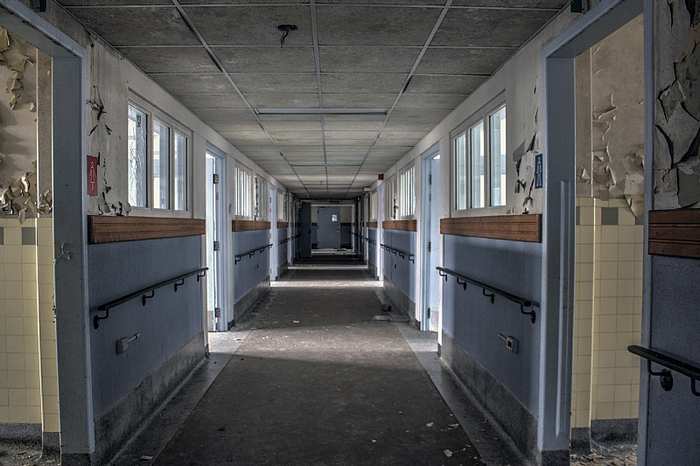
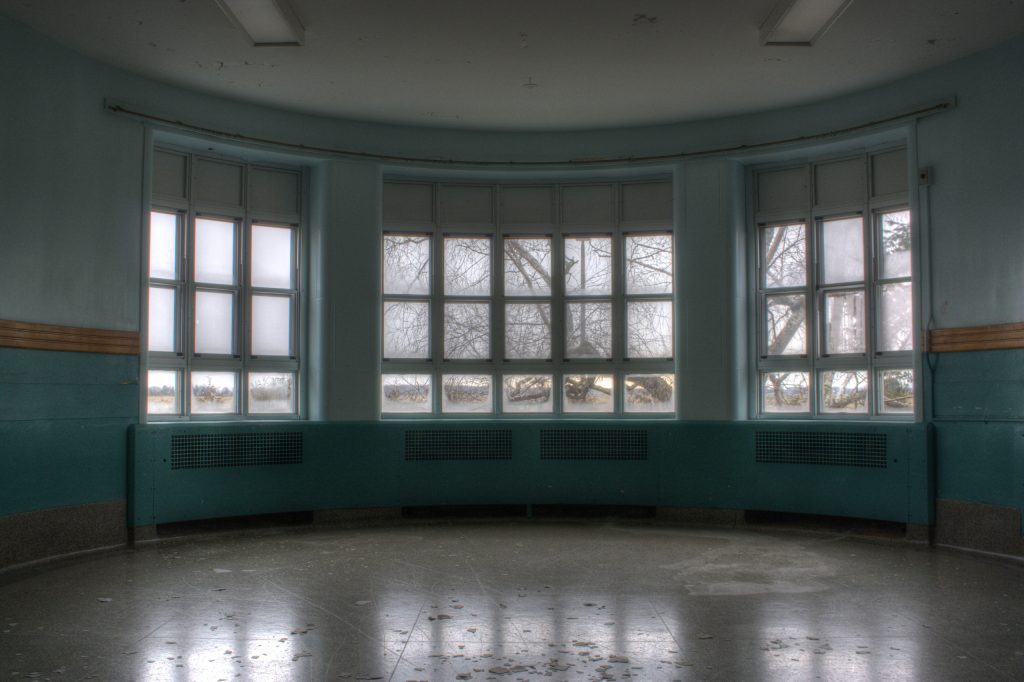
The colours blue and green were often used on walls as they created a calming atmosphere.

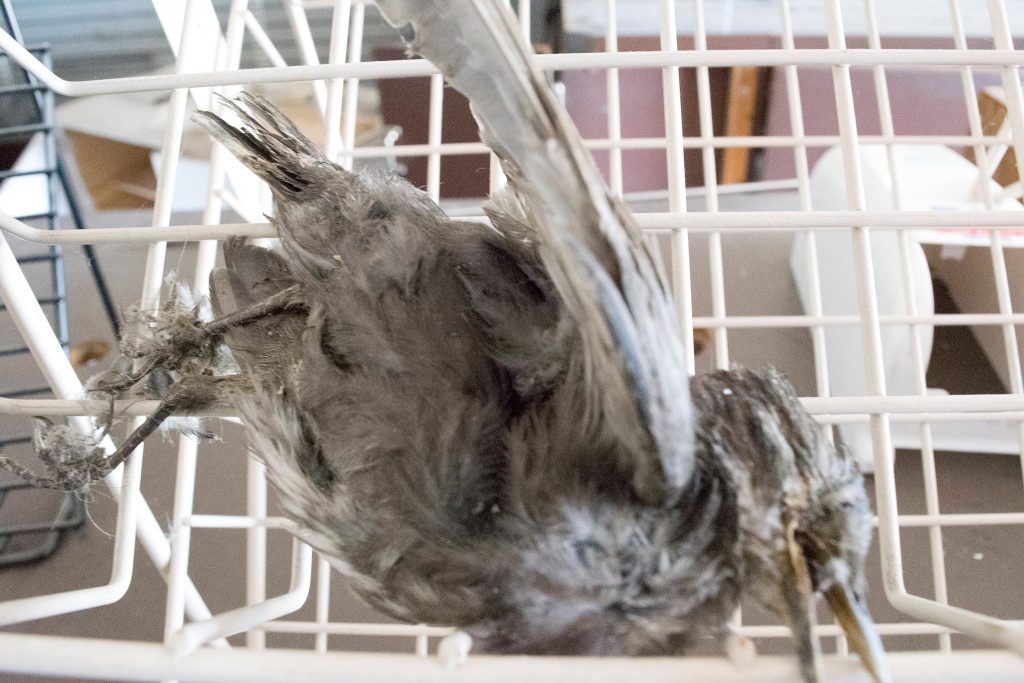
While exploring this facility in 2015 we found a pigeon trapped inside. It was flying into the walls in a panicked attempt to escape. Using a pair of gloves, one of our crew plucked it and let it escape out a window. We then closed the windows to prevent a recurrence.

Other events:

February 2016 – OPP warn explorers to stay out of the facility.

January 2020 – Actor Jason Momoa intends to film a post-apocalyptic television show inside the former hospital. It will be titled ‘See’ and will be released on Apple TV.

All research done by TWP.


Manitoulin Island Assorted Abandoned Houses

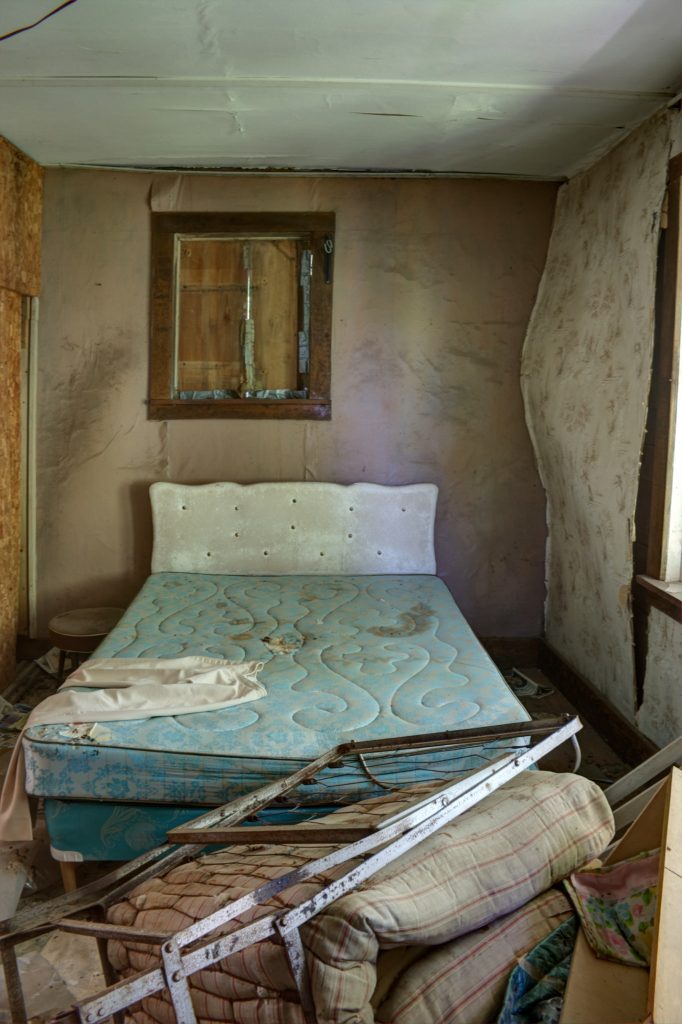
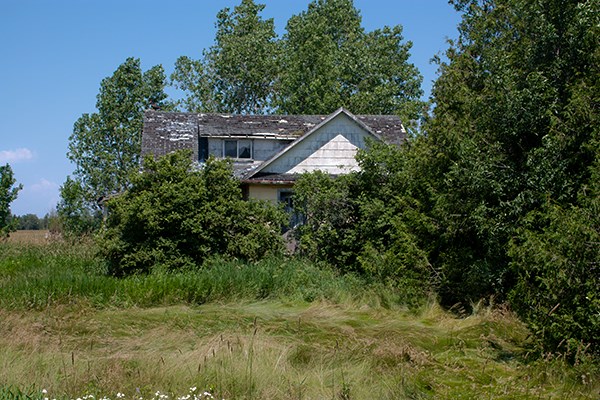
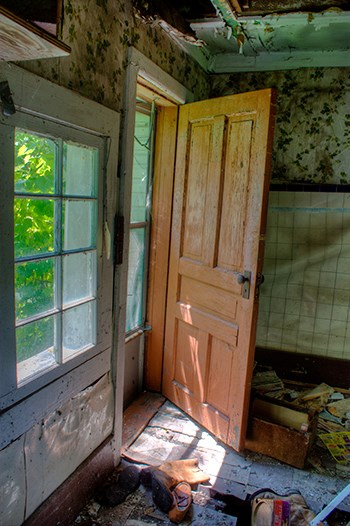
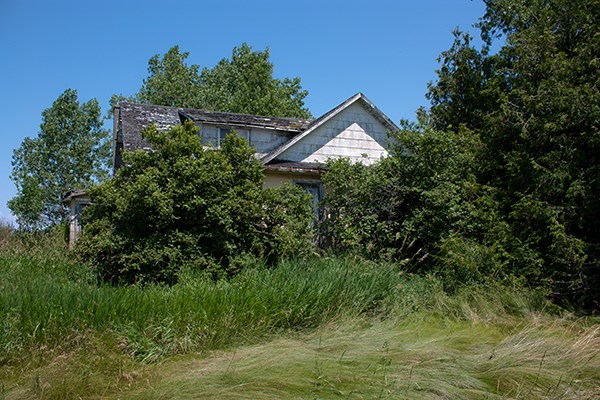
Assorted abandoned locations from beautiful Manitoulin Island


House of Dangers (Middlesex)

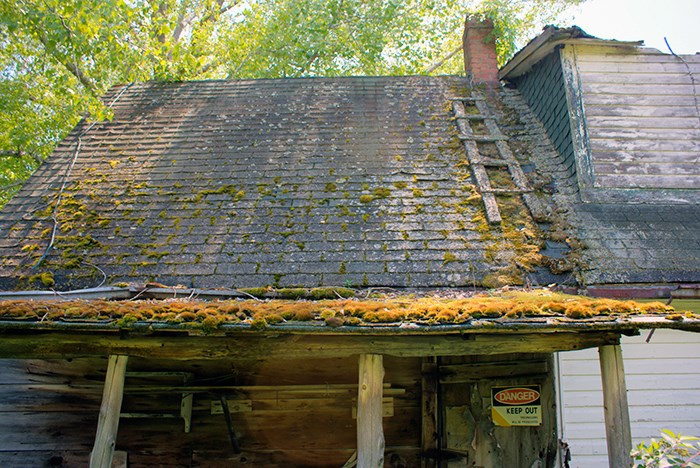
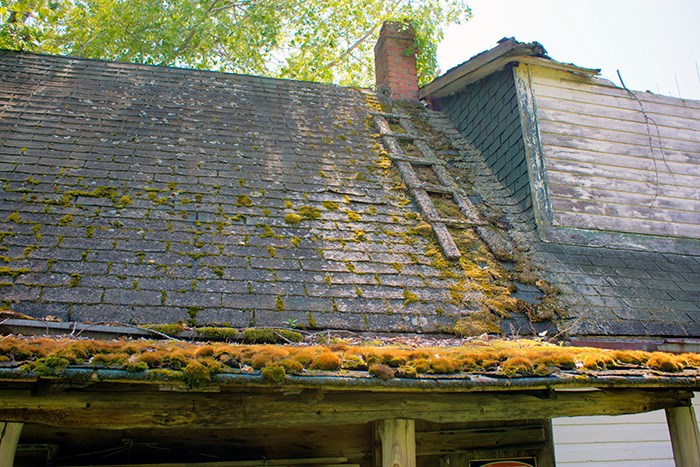
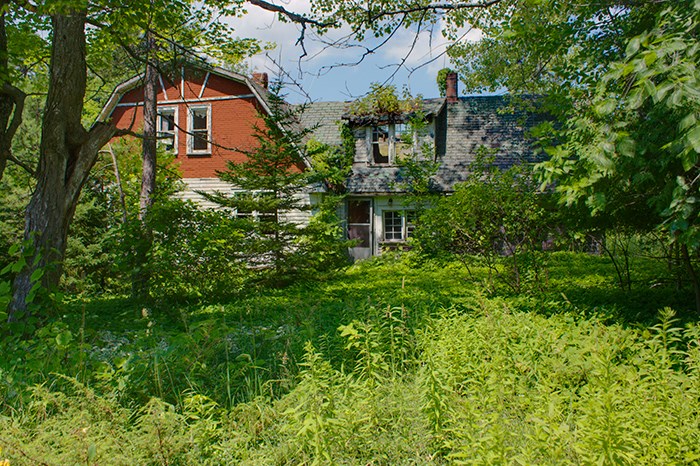
This abandoned rural farm house is called House of Dangers. It’s name stems from the open well hidden in the grass. On September 9, 1938, a twenty-five year old Second Leutenient American army pilot named James Breathitt died on the property. Breathitt was flying a P-35 Pursuit plane. the cause of the crash was said to be bad weather.

The house once belonged to the Eddie family and is located beside the Eddie cemetery. William Eddie settled here after arriving from Scotland in 1834. The cemetery was established in 1845. The first burial was Alex McBean in 1847, the brother in-law of Mr. William Eddie.

2022 Update: This has now been demolished.


London Psychiatric Hospital | Regional Mental Health Care (London, Ontario)

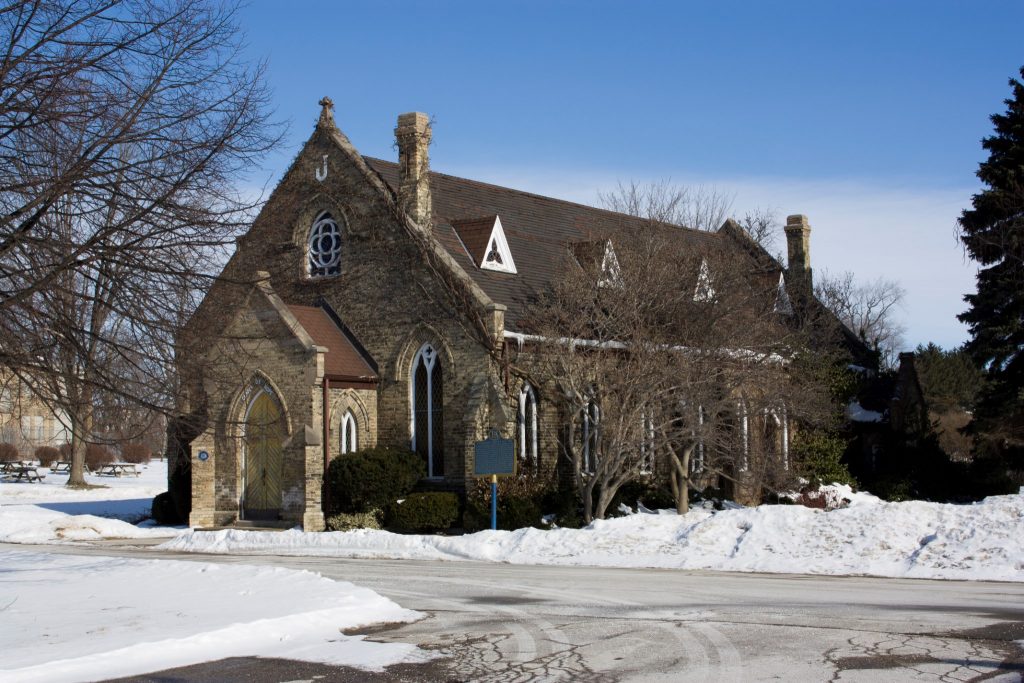
The London Asylum for the Insane once stood on the grounds of 850 Highbury Avenue in London, Ontario. The asylum’s name was later changed to Ontario Hospital London. In 1963, the Ontario Hospital London was demolished and replaced with the London Psychiatric Hospital.

The original asylum examination building still stands today but is extremely unsafe to explore due to the flooring.

In 2001, St. Joseph’s Health Care took over the institution and changed the name of the facility to Regional Mental Health Care London (RMHC). The hospital provided in-patient and out-patient support services for people suffering severe mental health issues. The facility was sometimes referred to as the Highbury Hilton, presumably for people who were long-term patients there.

The Regional Mental Health Care facility operated until November 2014 when services were transferred to the Parkwood Institute.

On September 28, 2014, St. Joseph’s held a mental health care legacy event. About 6,000 people attended the event to mark the closure of the mental health care site. Horse-drawn carriage rides were offered. The last patients left November 2014 for Parkwood Institute.

While the majority of the former RMHC property was shut down after 2014, a laboratory in the highest portion of the building remained in operation until 2020. By late 2020, the entire property had fallen into disuse.

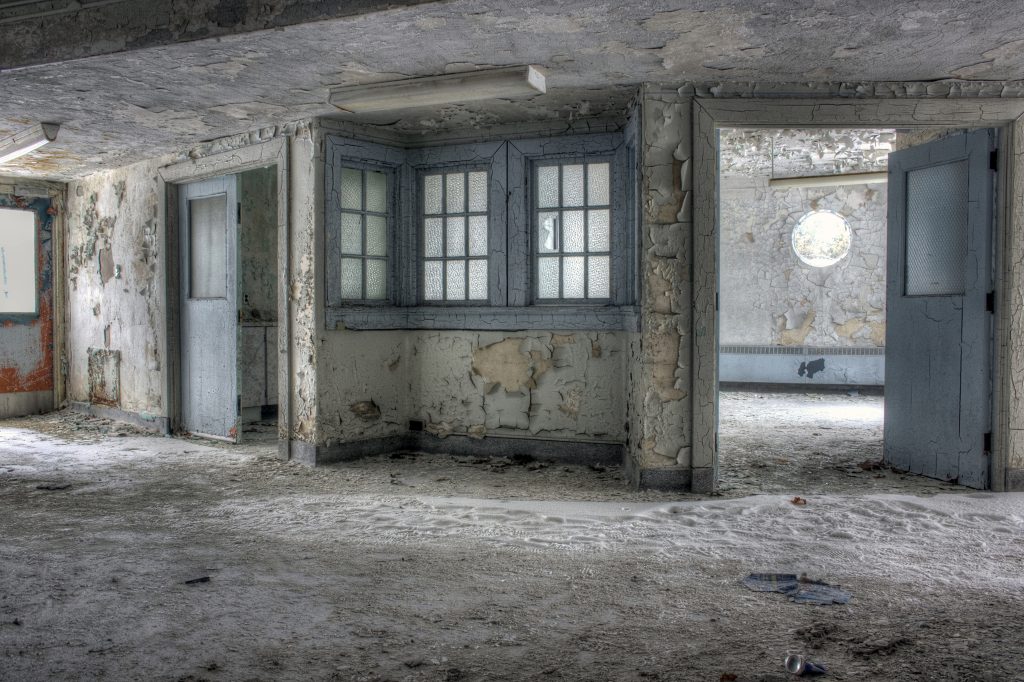
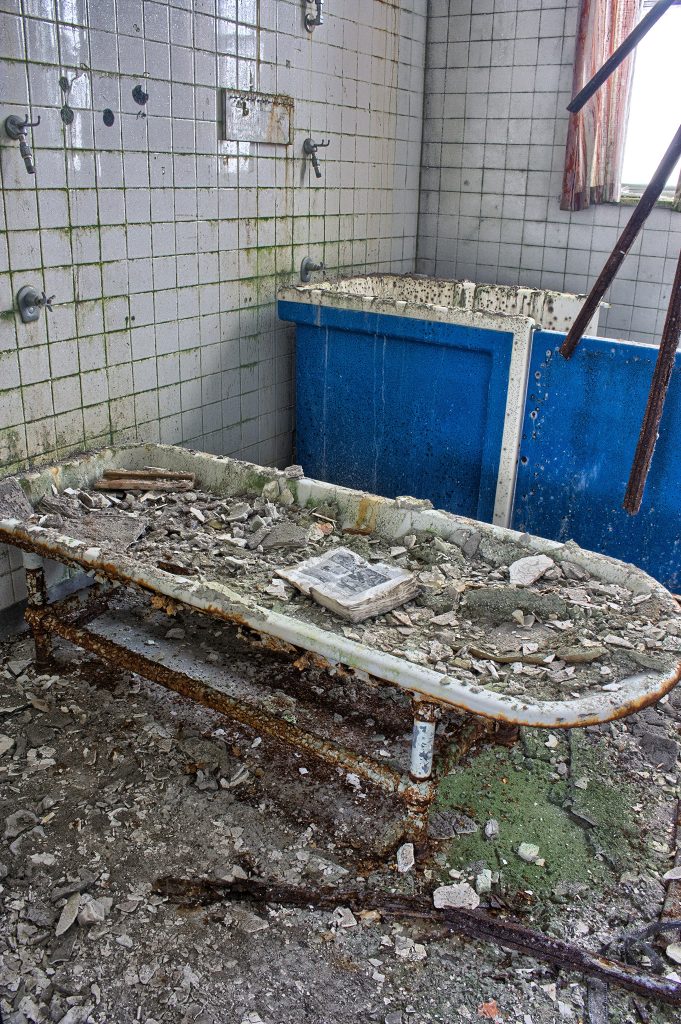
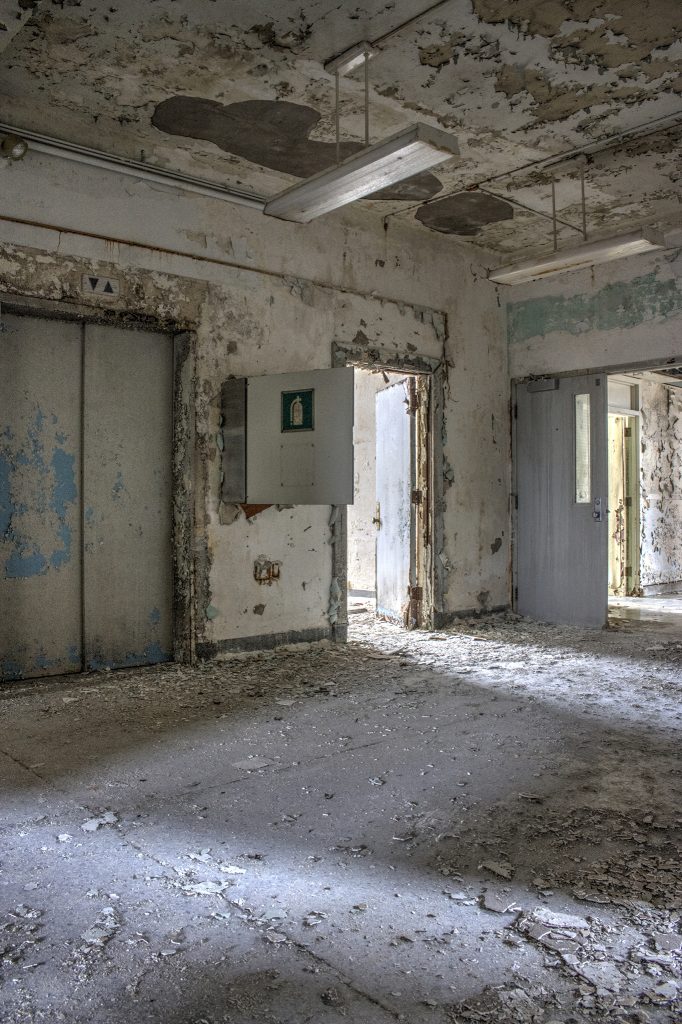
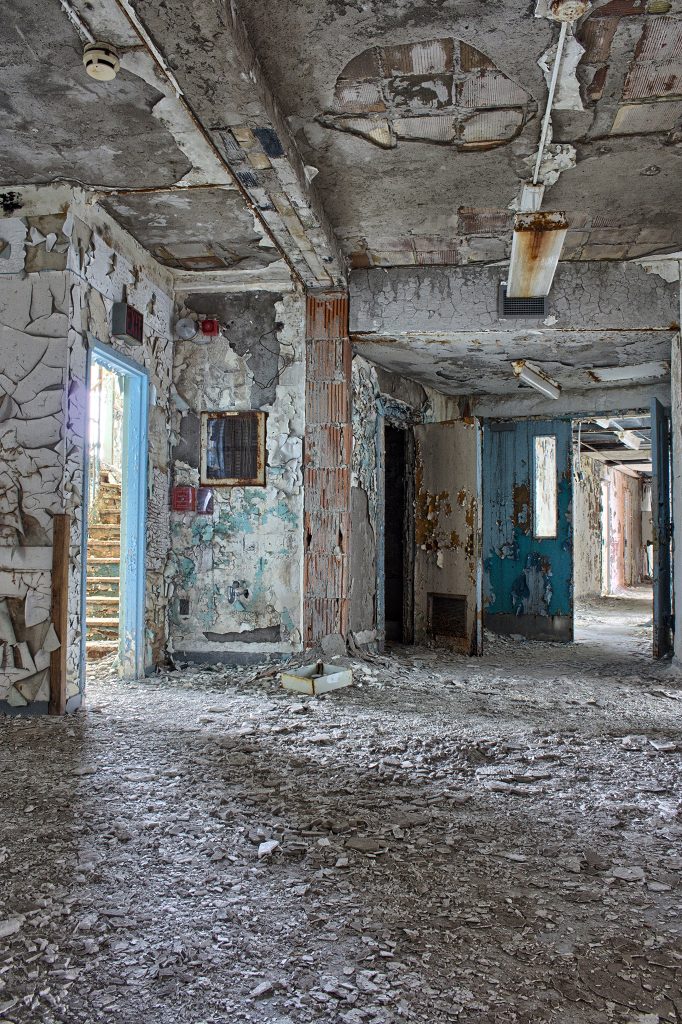
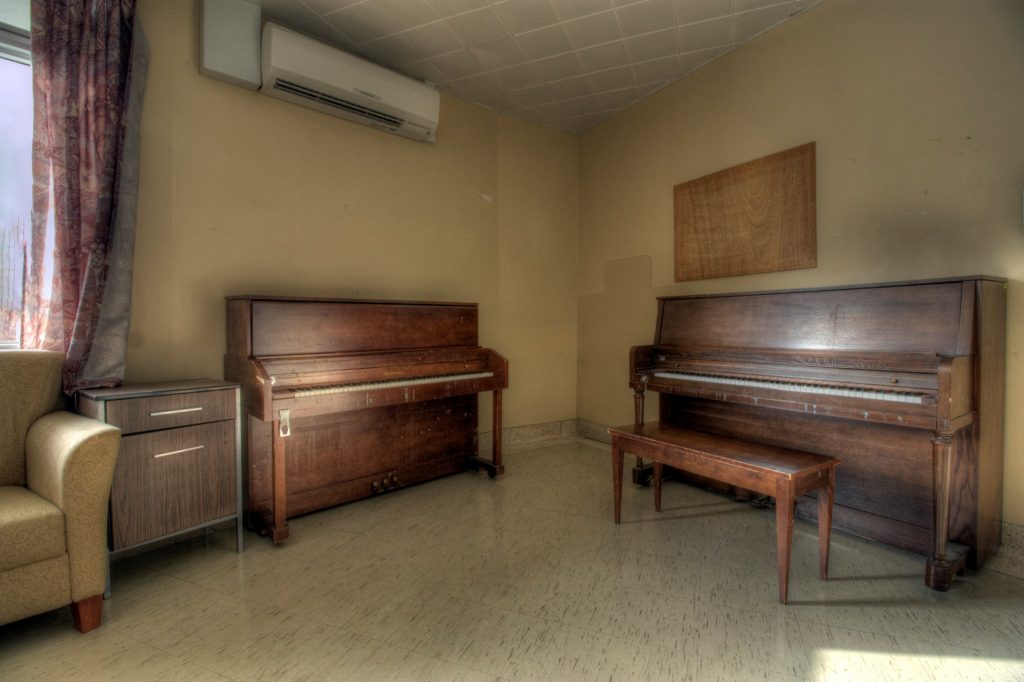
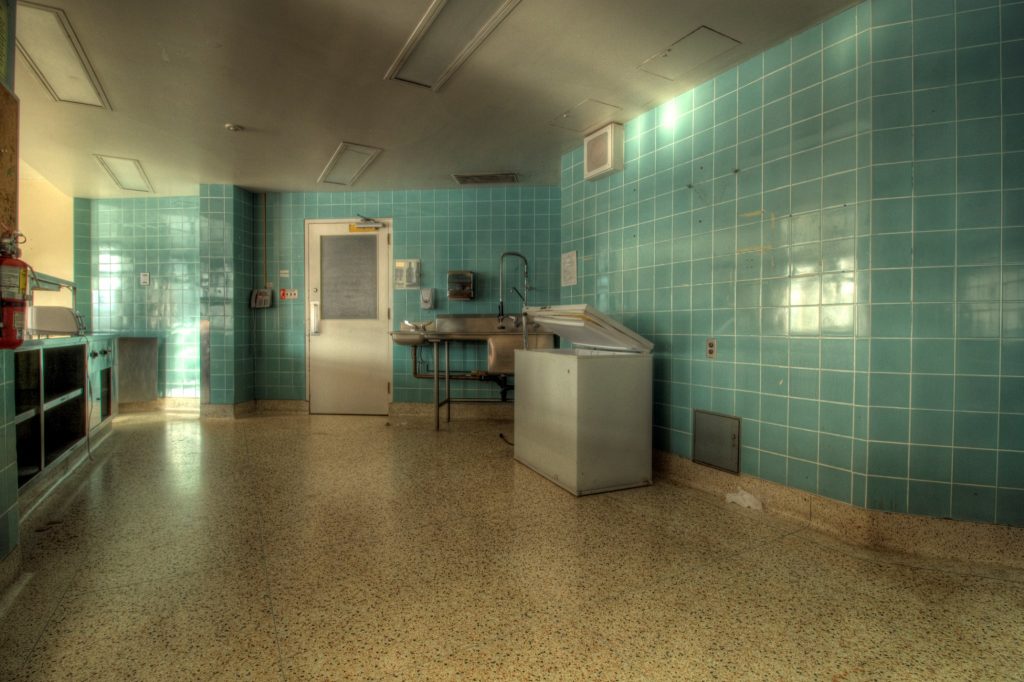
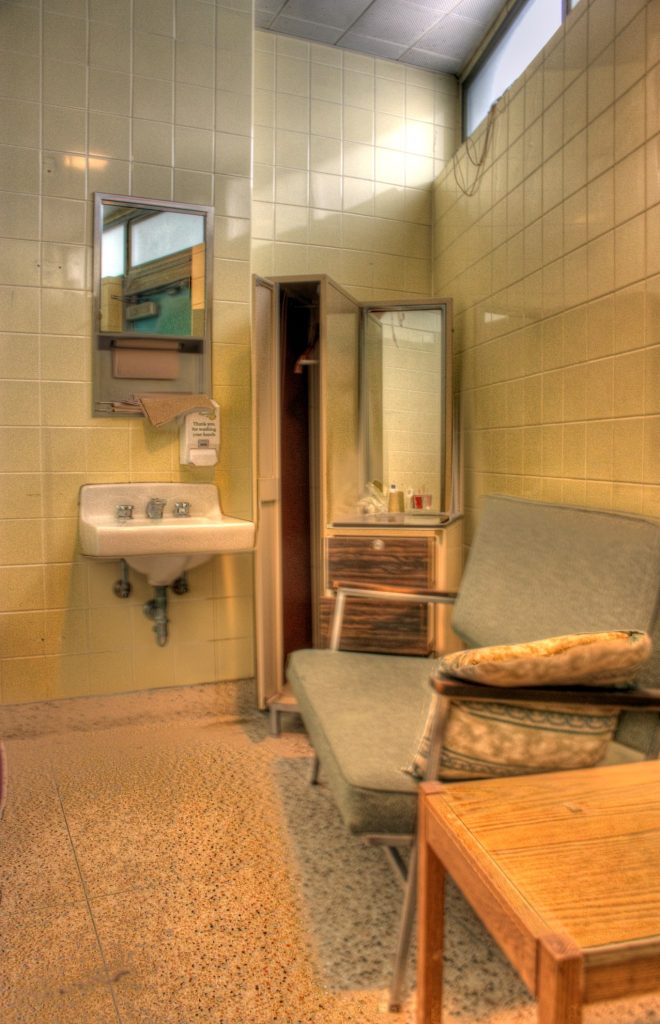
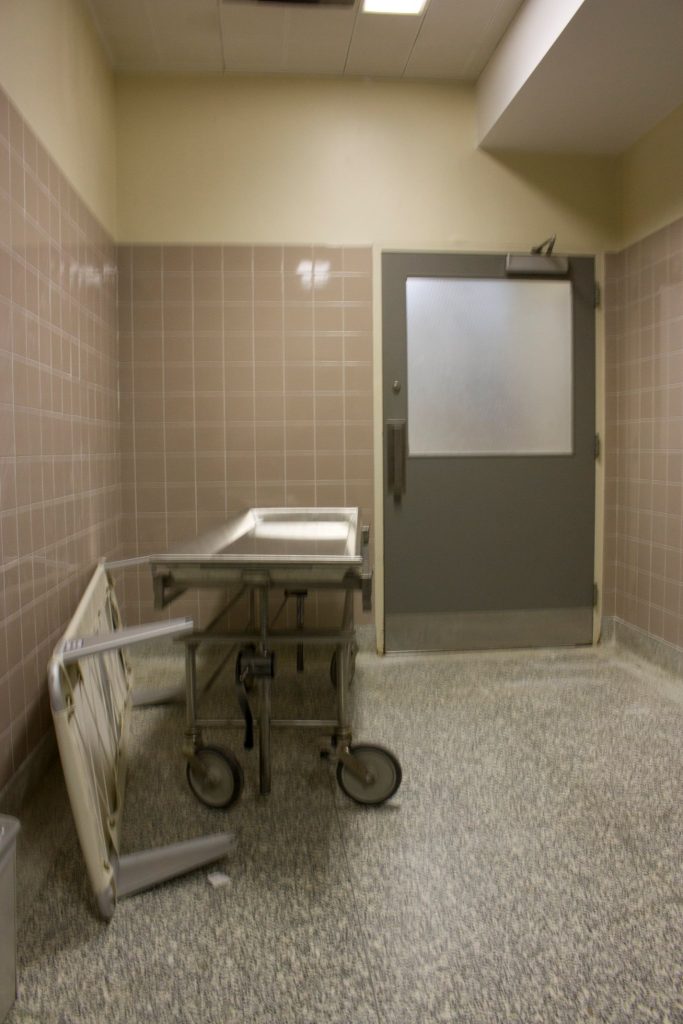
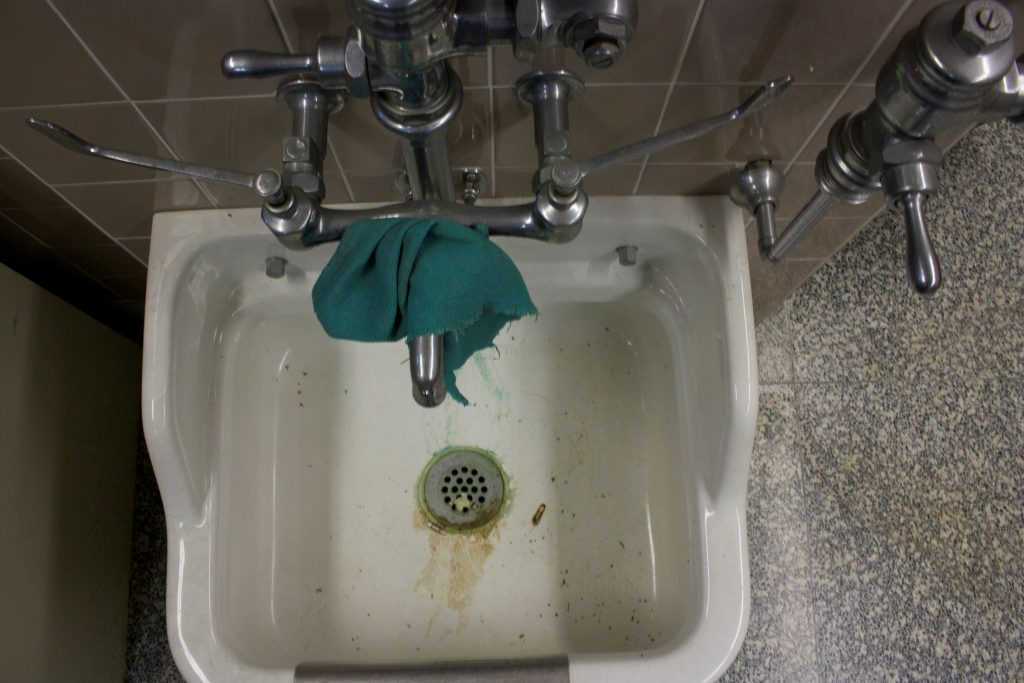
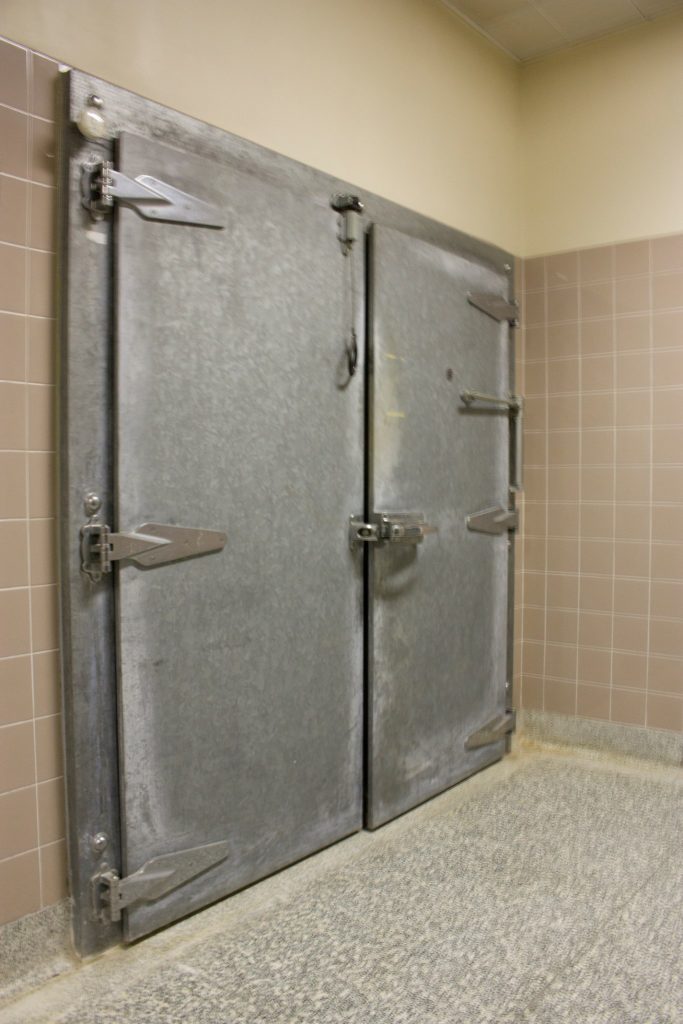
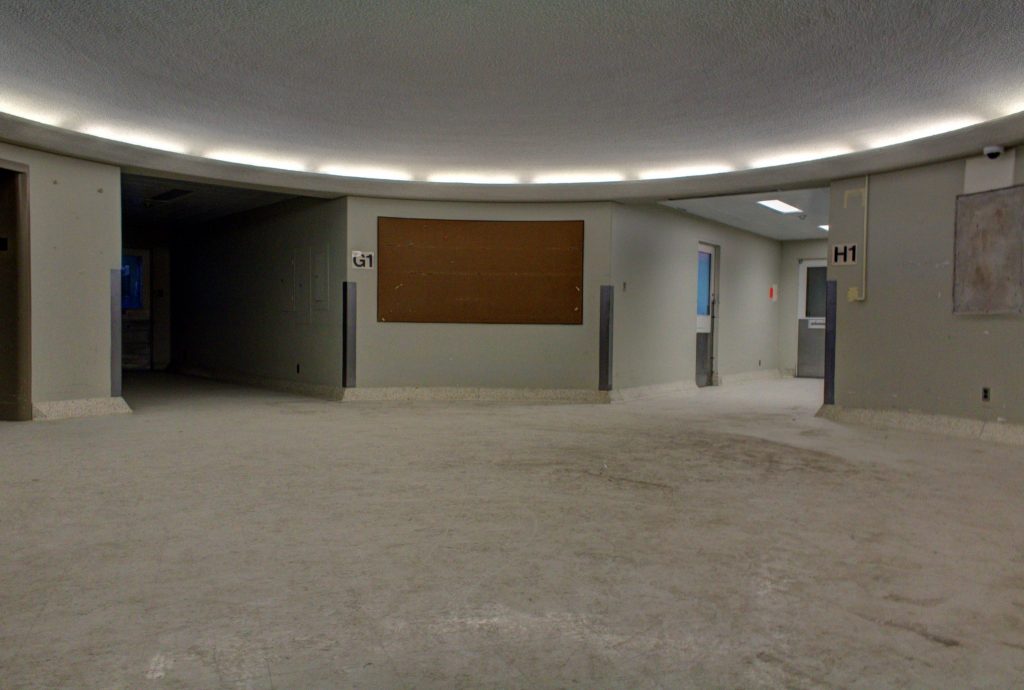
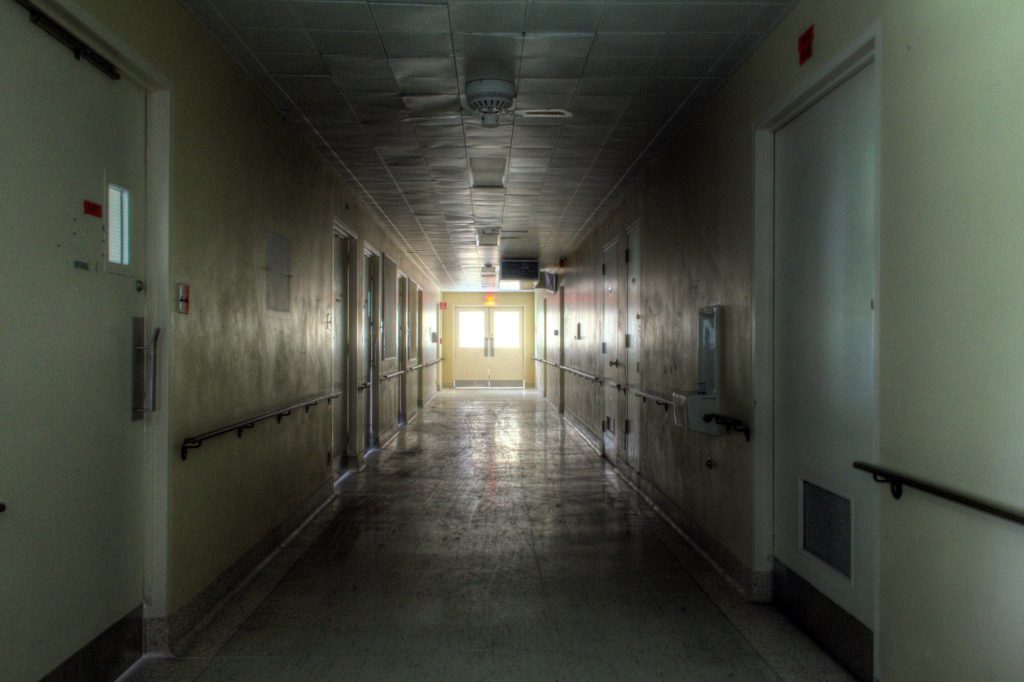
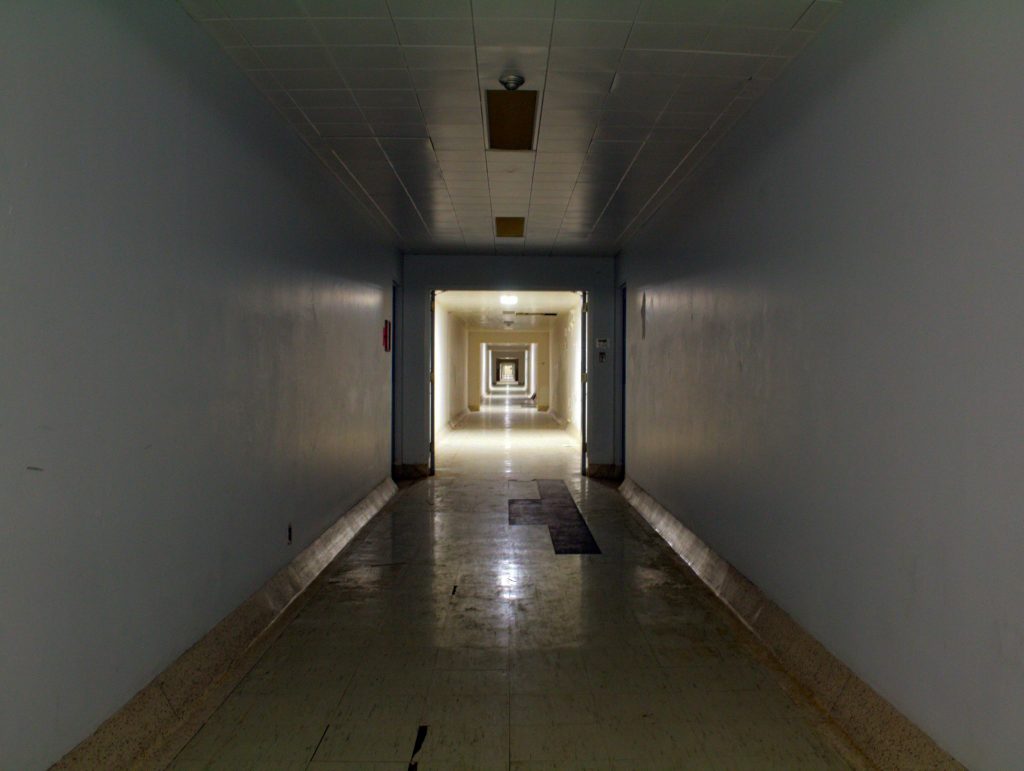
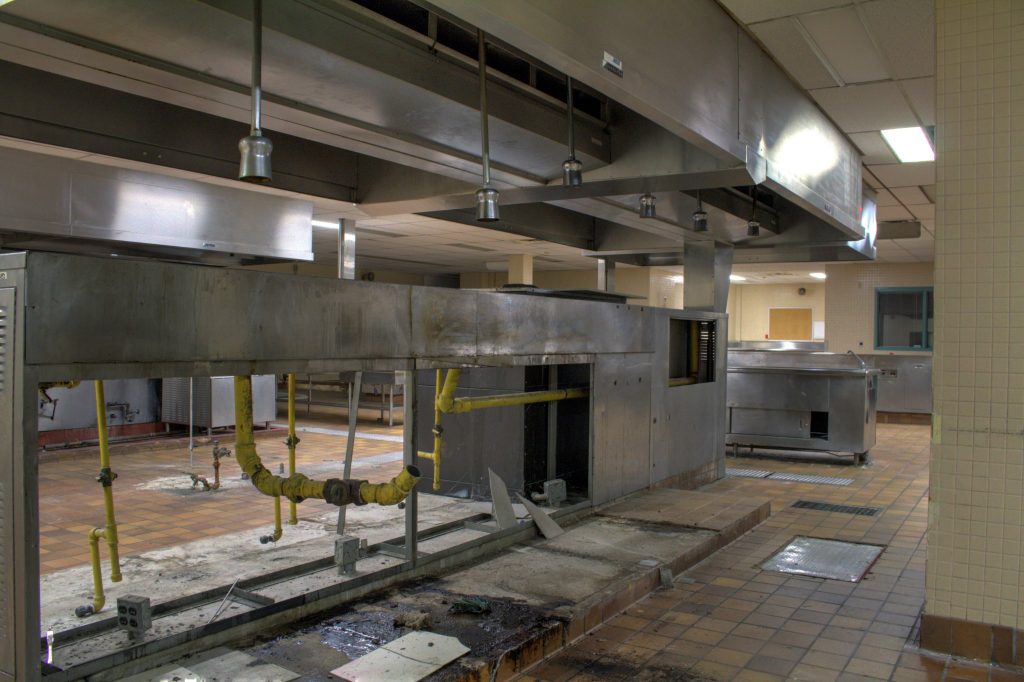
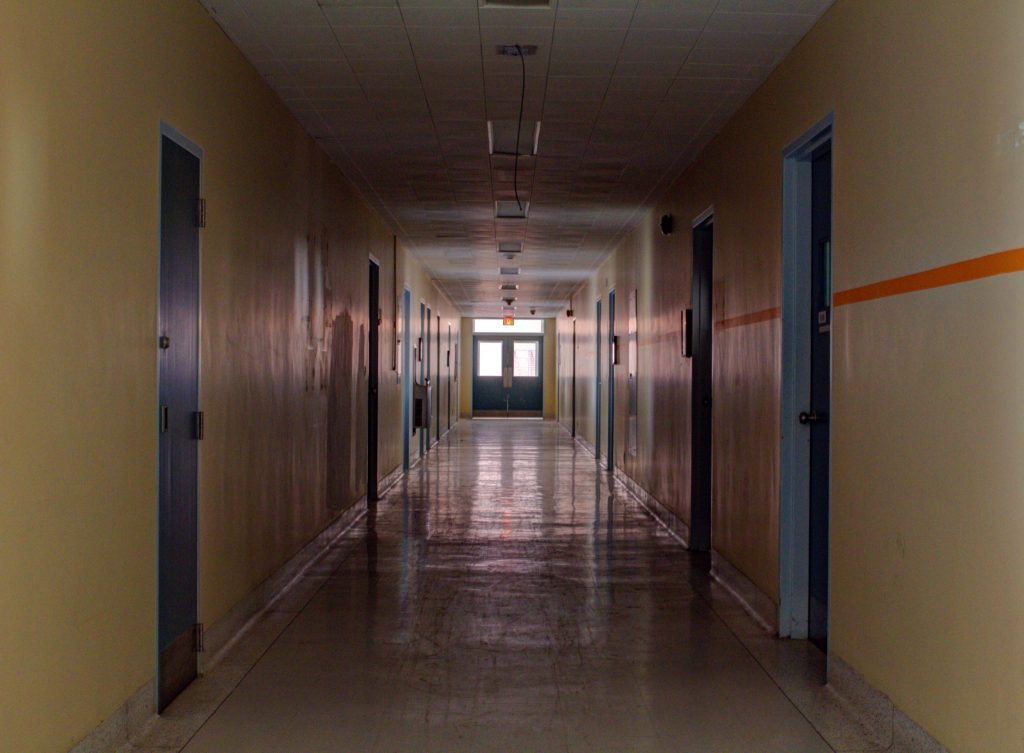
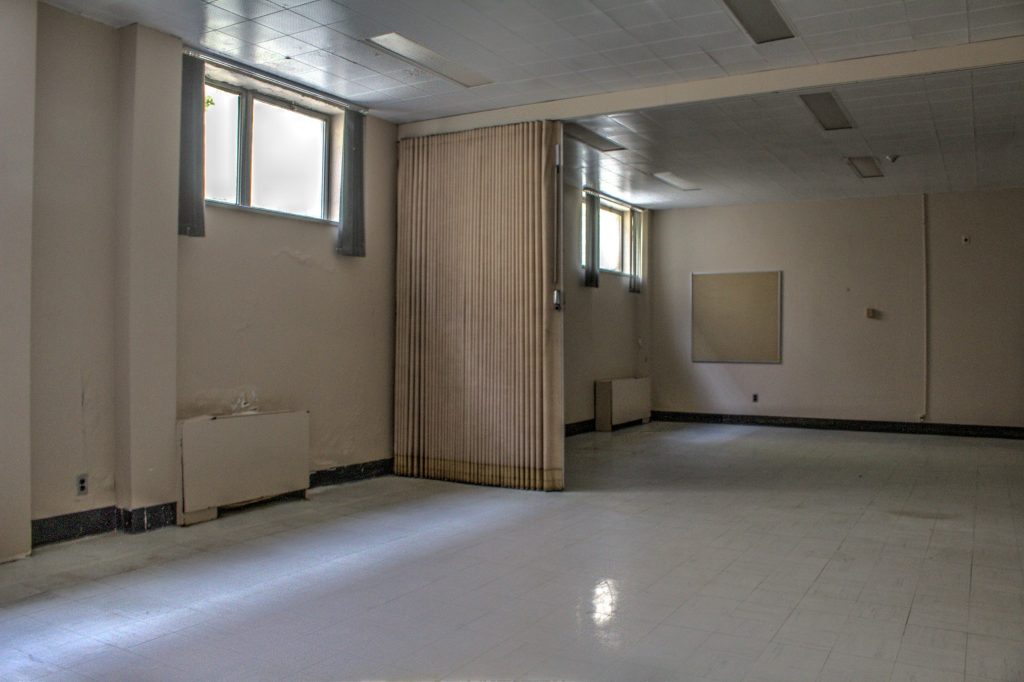
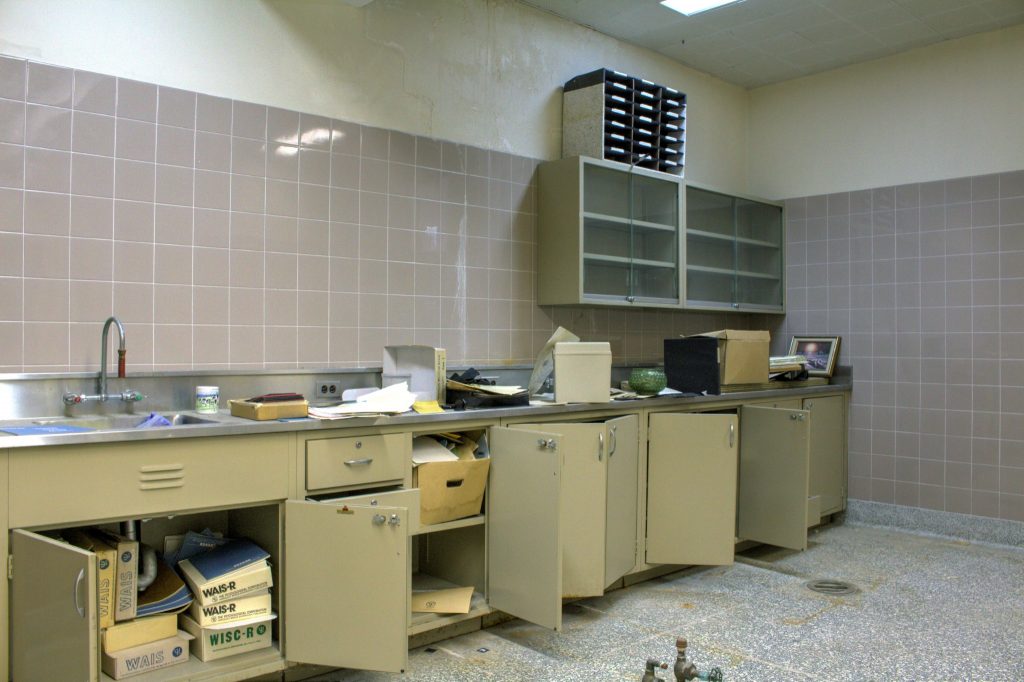
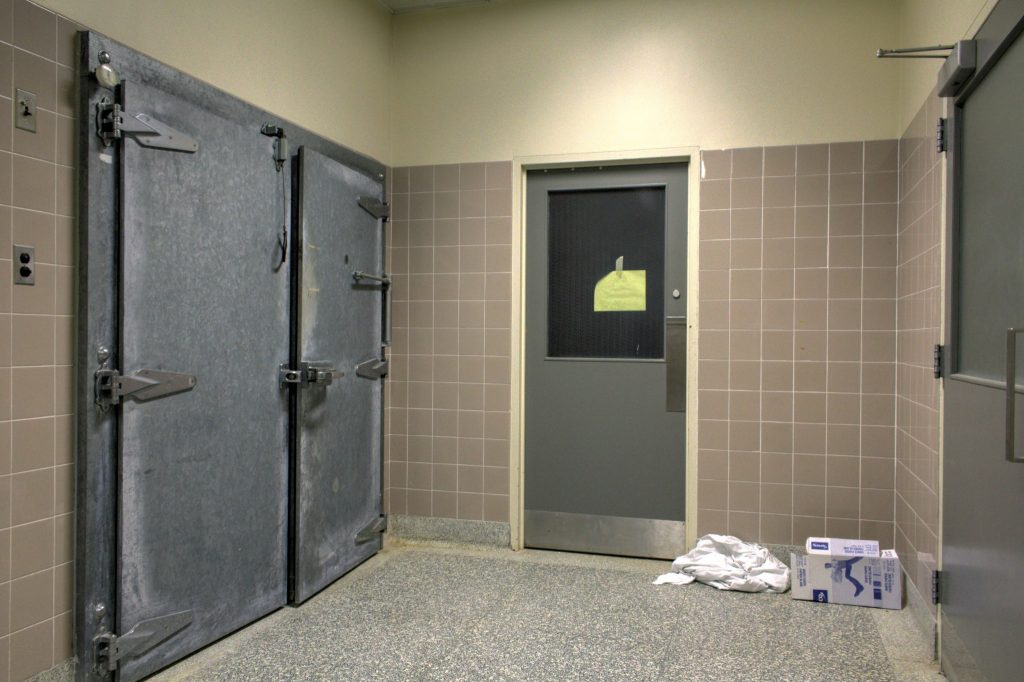
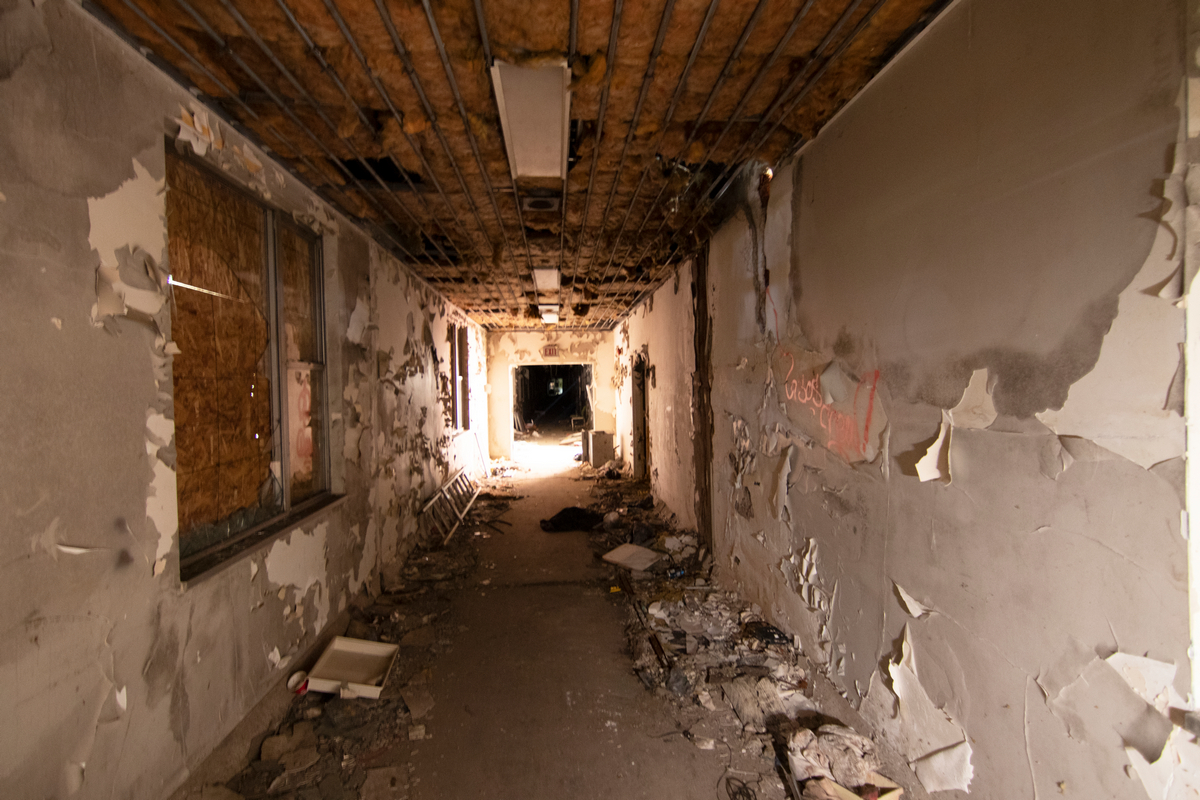
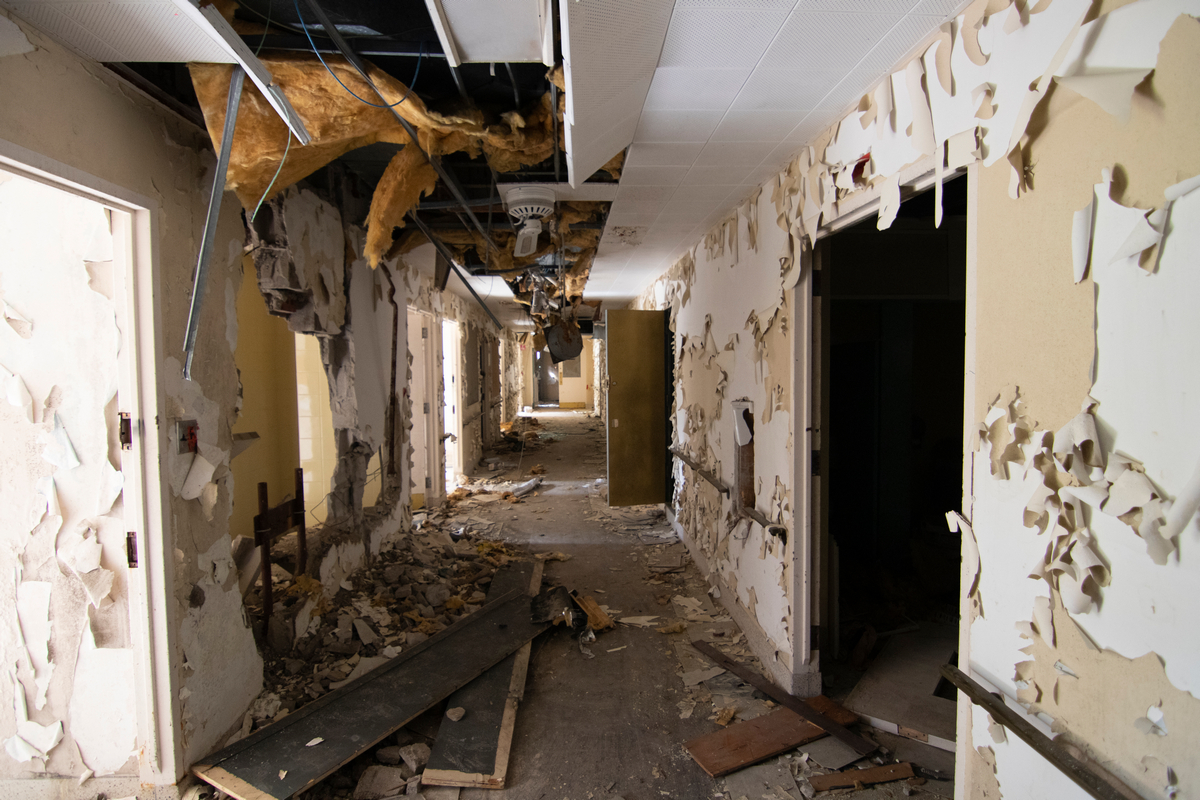
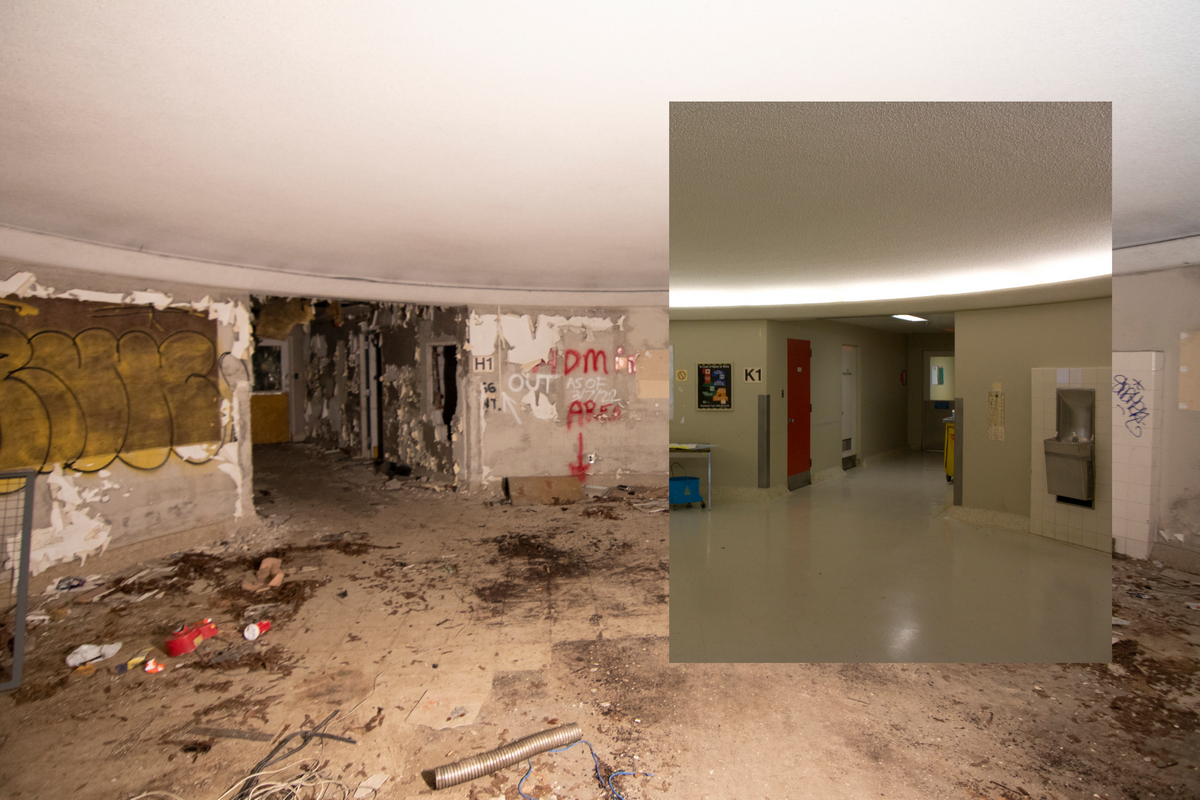
In 2015 I visited the former hospital. It was a tense visit because there was active security on the grounds and working video cameras everywhere. The basement was eerily quiet. I could hear some machinery humming away and expected to see a worker every time I turned a corner. We were able to find the former morgue but all that was left was a sink and a drainage pipe in the floor where I believe the table would have once been.

Electricity was still working and the property was PRISTINE.

2015 Photos

In 2015 I visited the former hospital. It was a tense visit because there was active security on the grounds and working video cameras everywhere. The basement was eerily quiet. I could hear some machinery humming away and expected to see a worker every time I turned a corner. We were able to find the former morgue but all that was left was a sink and a drainage pipe in the floor where I believe the table would have once been.

Electricity was still working and the property was PRISTINE.

In January of 2019 it was announced that Old Oak Properties had purchased the 160-acre property from the province for $17 million dollars. The plan is to build over 3,000 homes including townhouses and mid and high-rise towers including seniors and student residences. The development is estimated to take between 10 to 15 years.

Today don’t be surprised if you find people walking their dogs. The forested roads that Superintendent Bucke sought to create a peaceful environment, still live on. There is an assortment of wildlife to be found. It’s a nice place to go for a walk. Stories vary on whether security or police will ask you to leave. I’ve waved to security as they drove past me. I’ve driven past the London Police. Nobody has ever told me to leave.

The windows are now boarded and the hydro turned off. It’s now dark and moldy.

March 2021

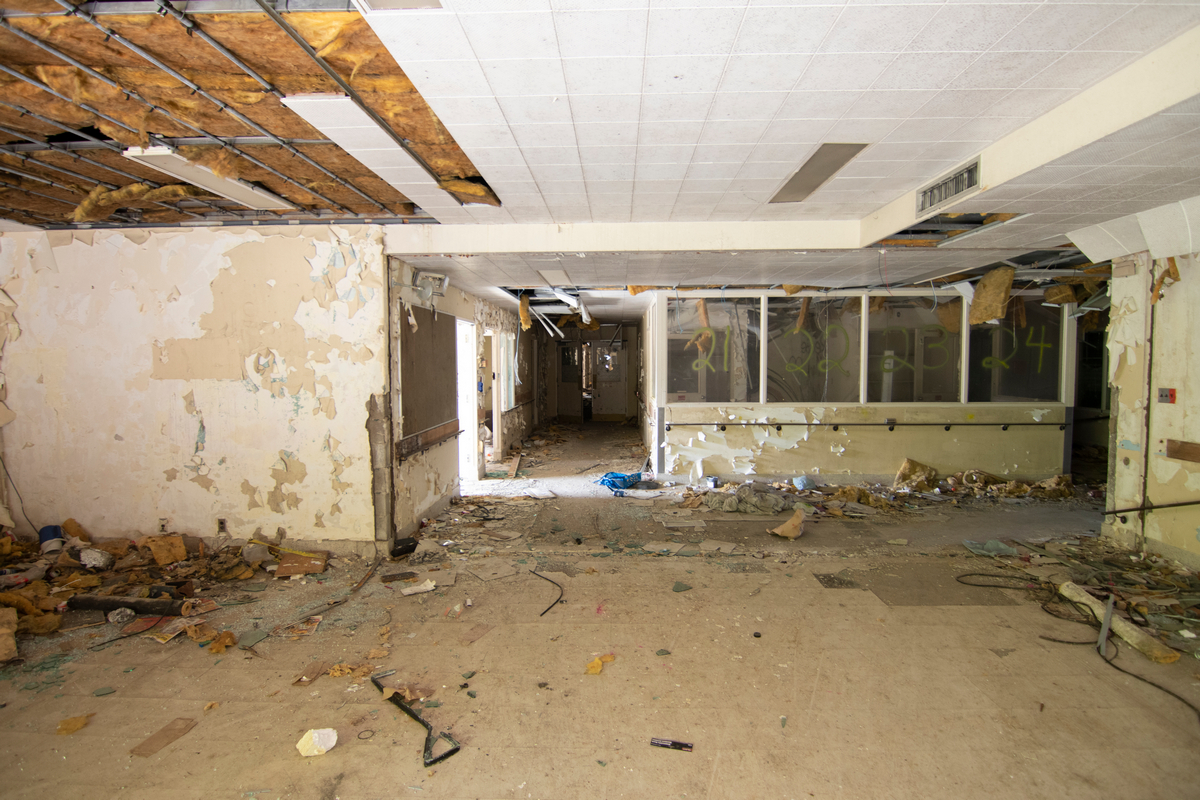
There are several ways inside. Scrappers have been busy here as evident by the holes in the walls and the ceilings ripped apart. Several copper pipes have been cut. There’s semi-fresh food to be found inside, and someone is living in the lab portion of the building. There is extensive vandalism inside and the building looks nothing like it once did from 2015.

March 4th and 7th, 2021

Police and ambulance services are no longer responding to the site due to the repeated trespassing and drug use occurring inside. There are multiple ways inside the buildings.

As of 2023, most of the buildings have been demolished.

August 2022 Photos