Monthly archives: February, 2021

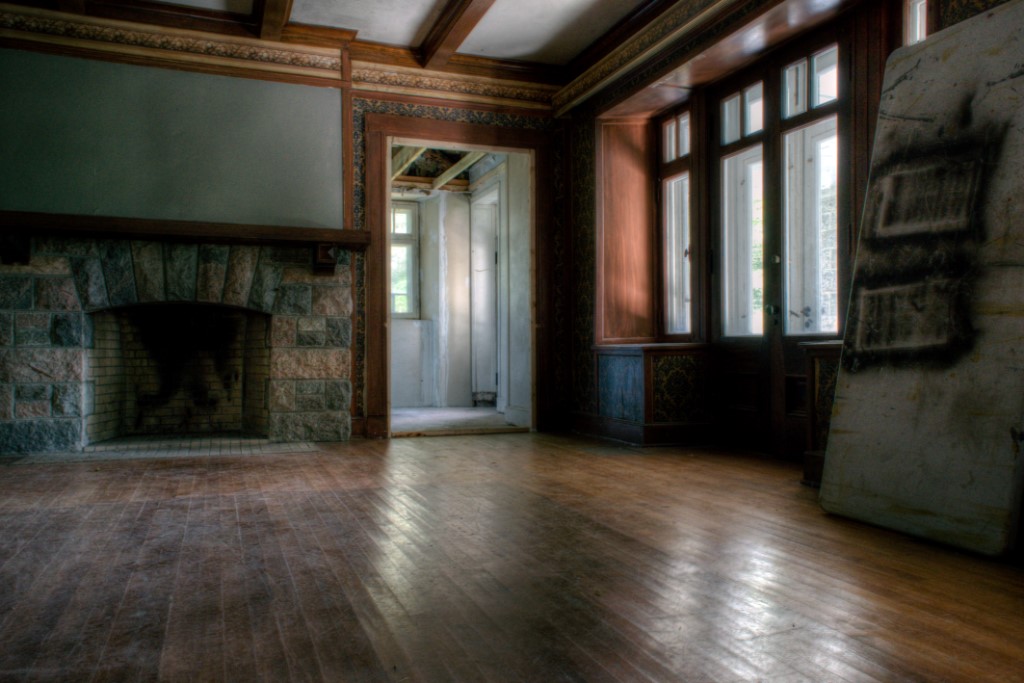
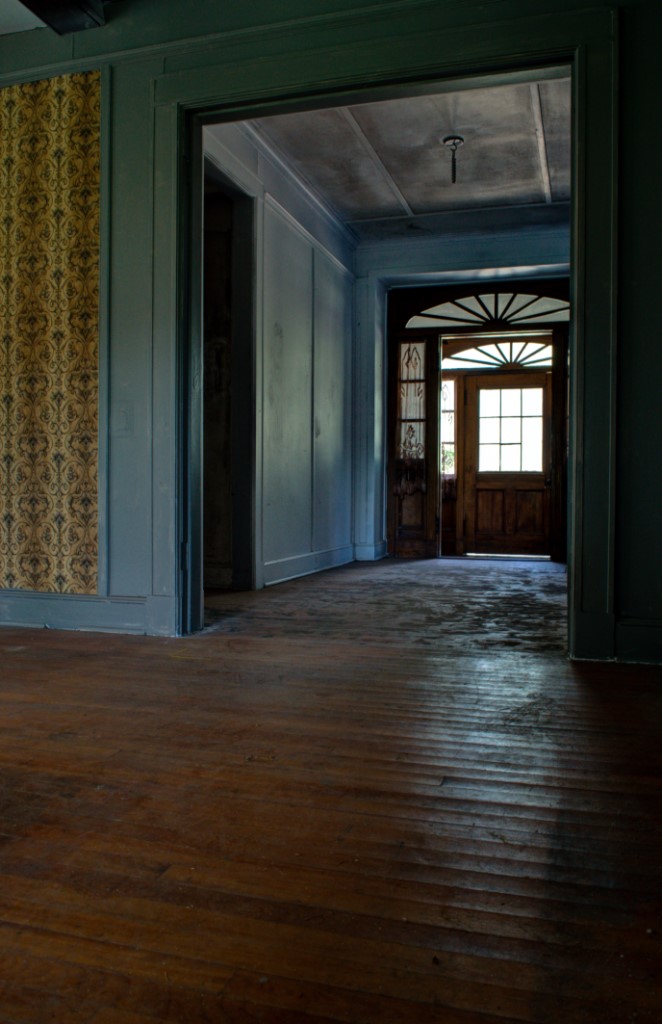
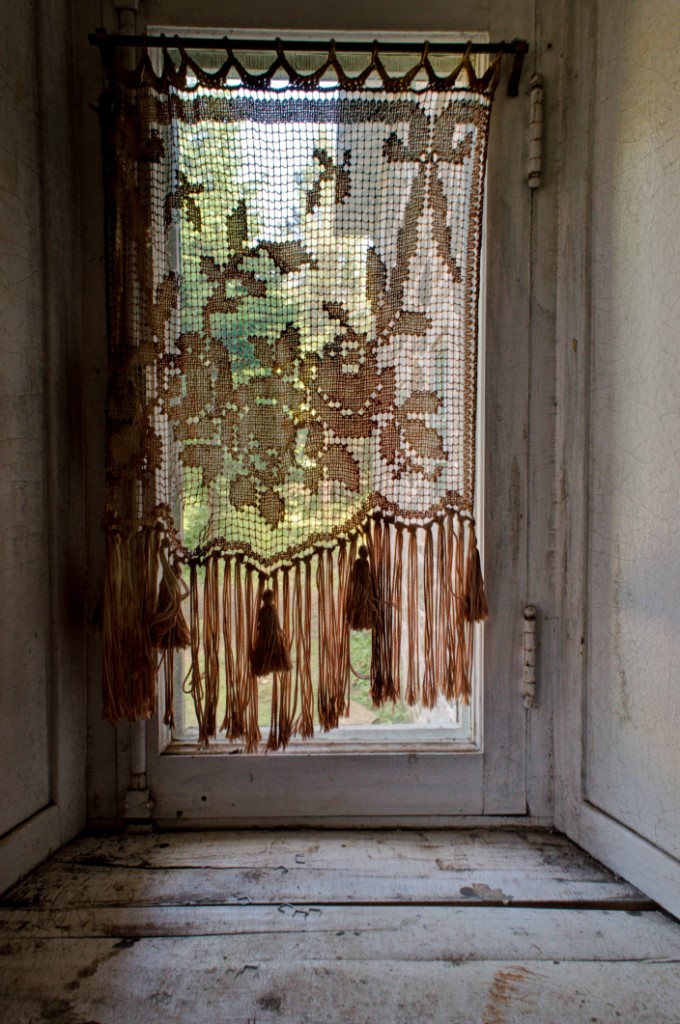
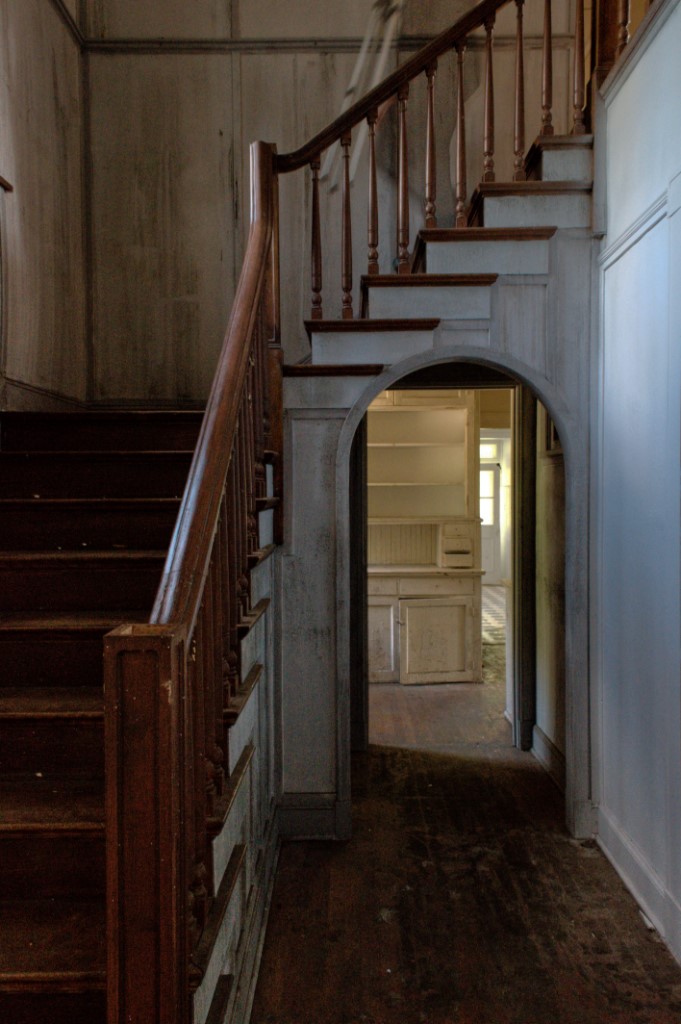
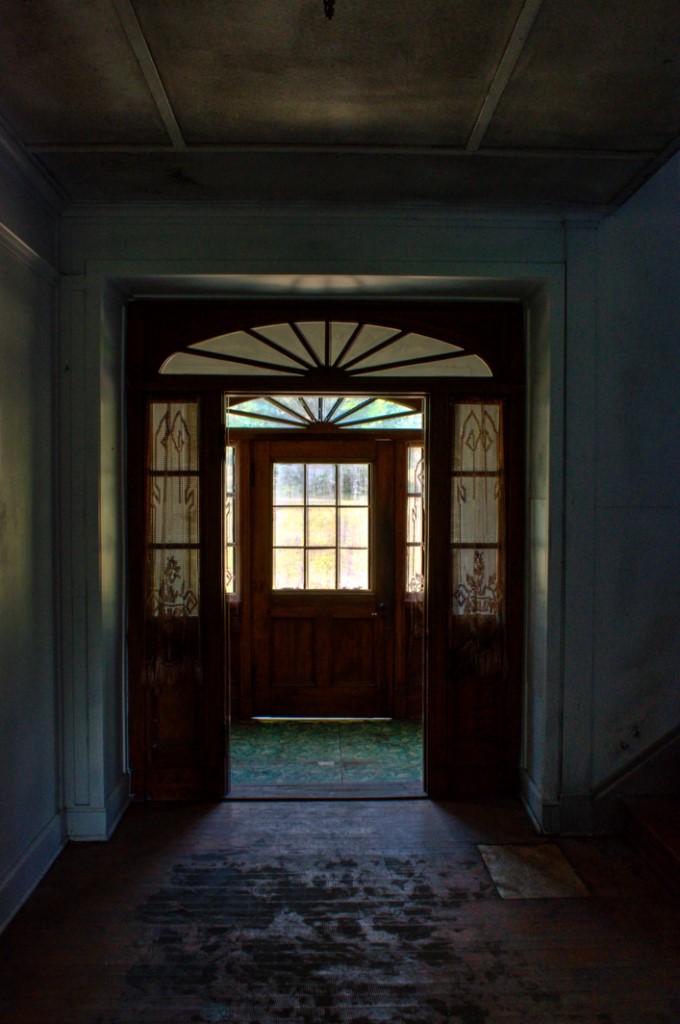
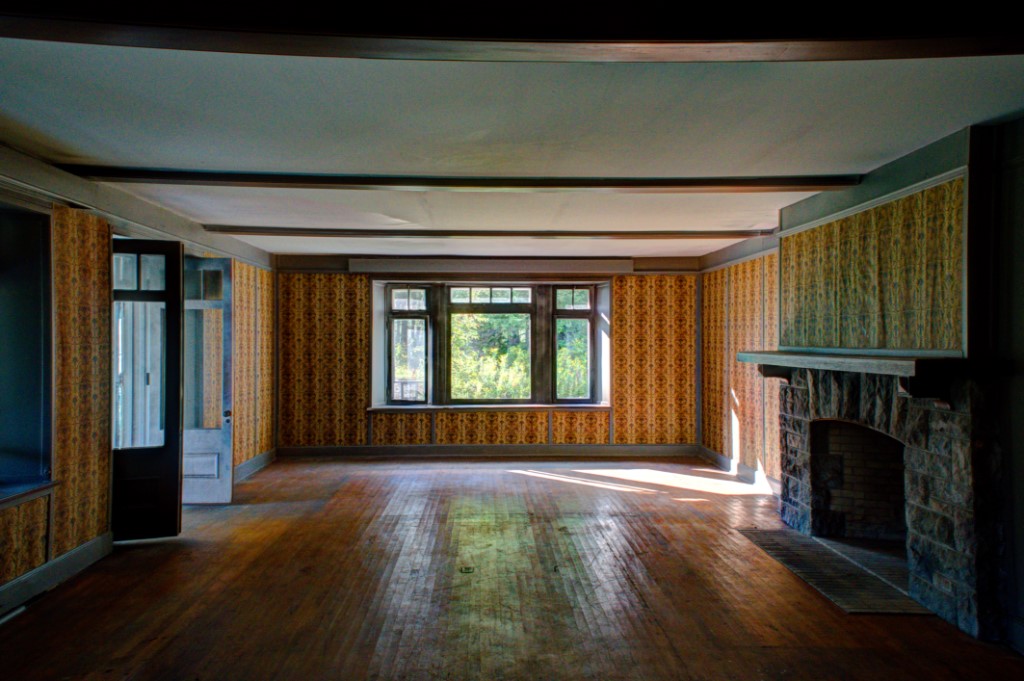
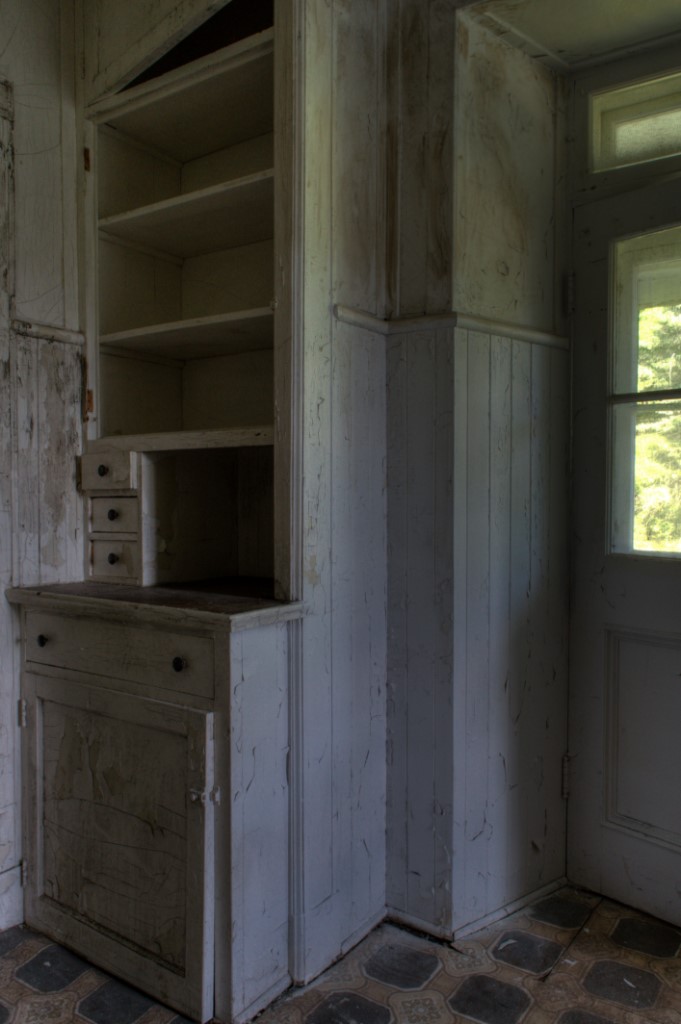
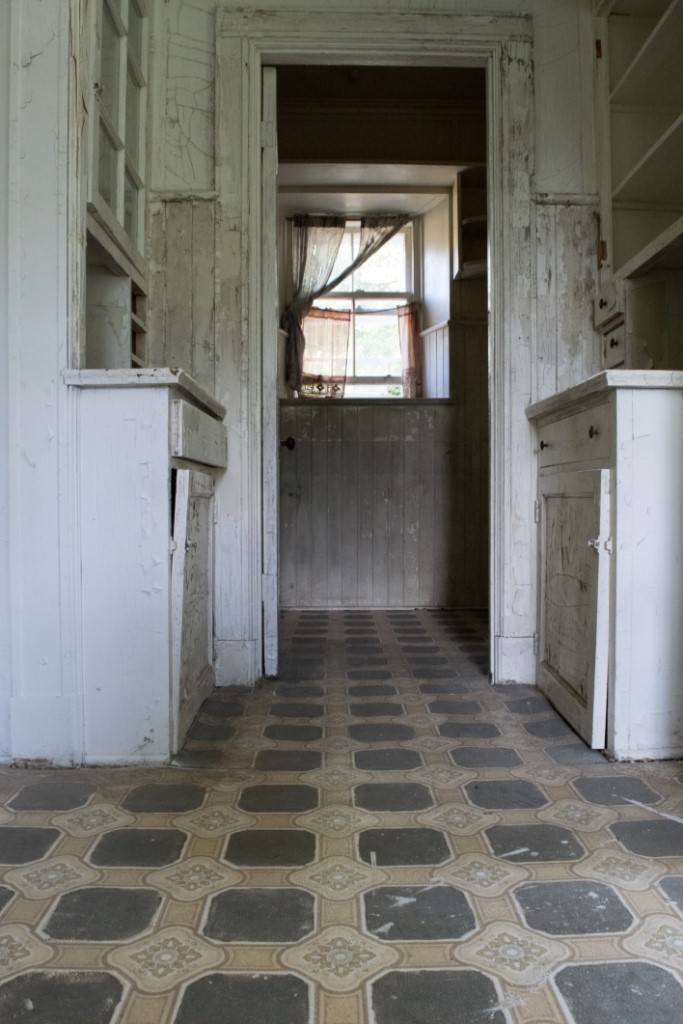
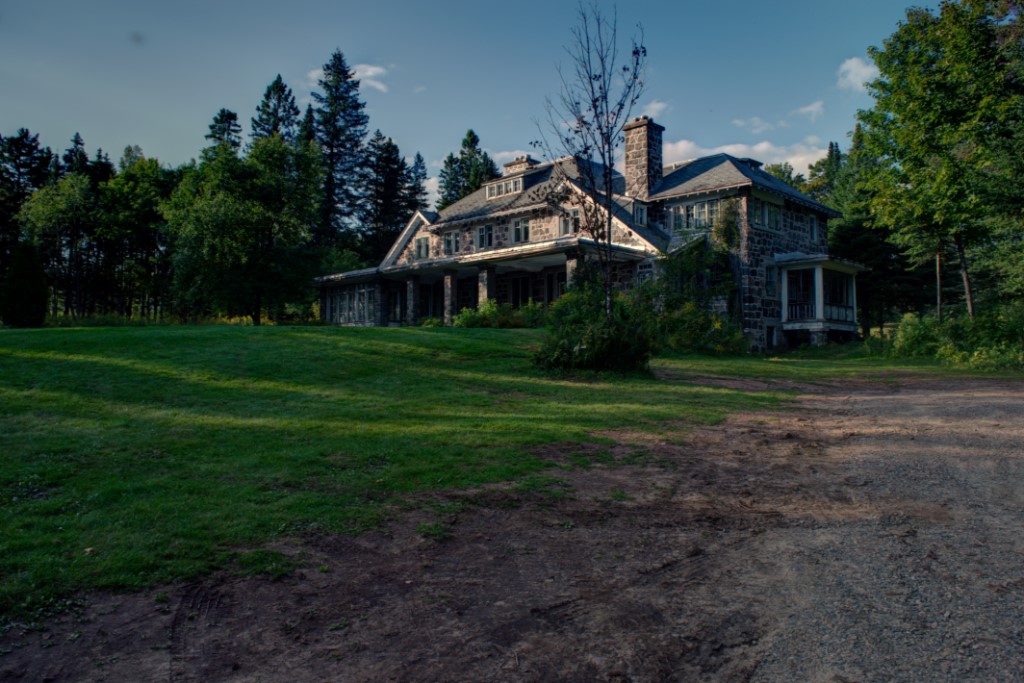
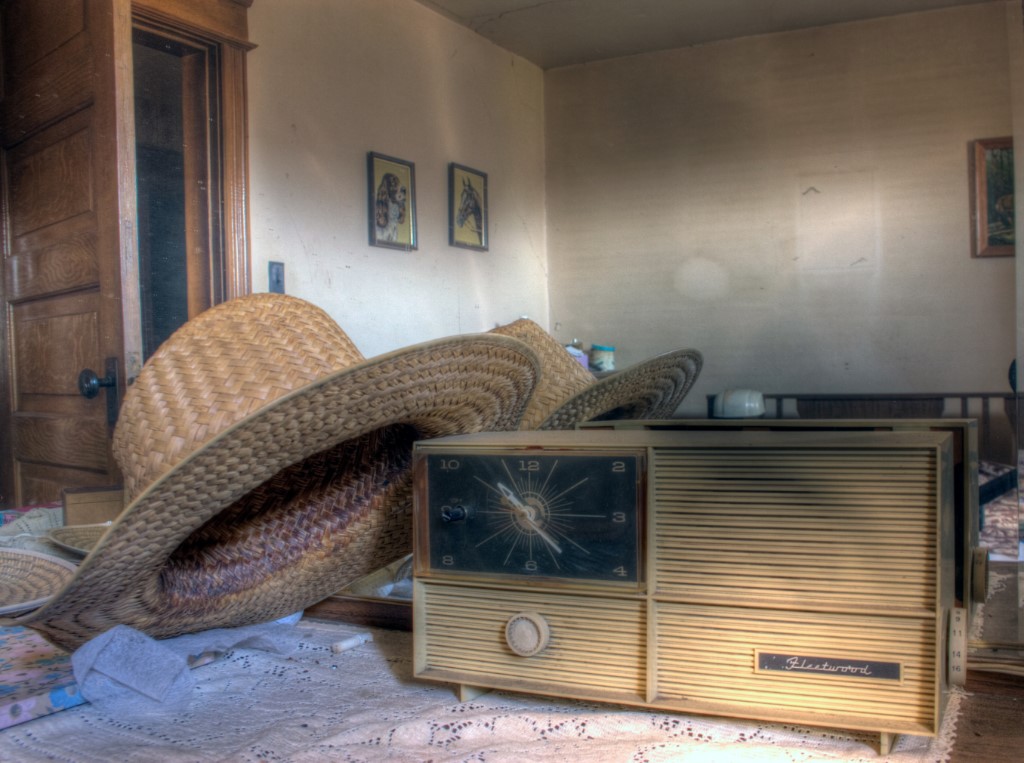
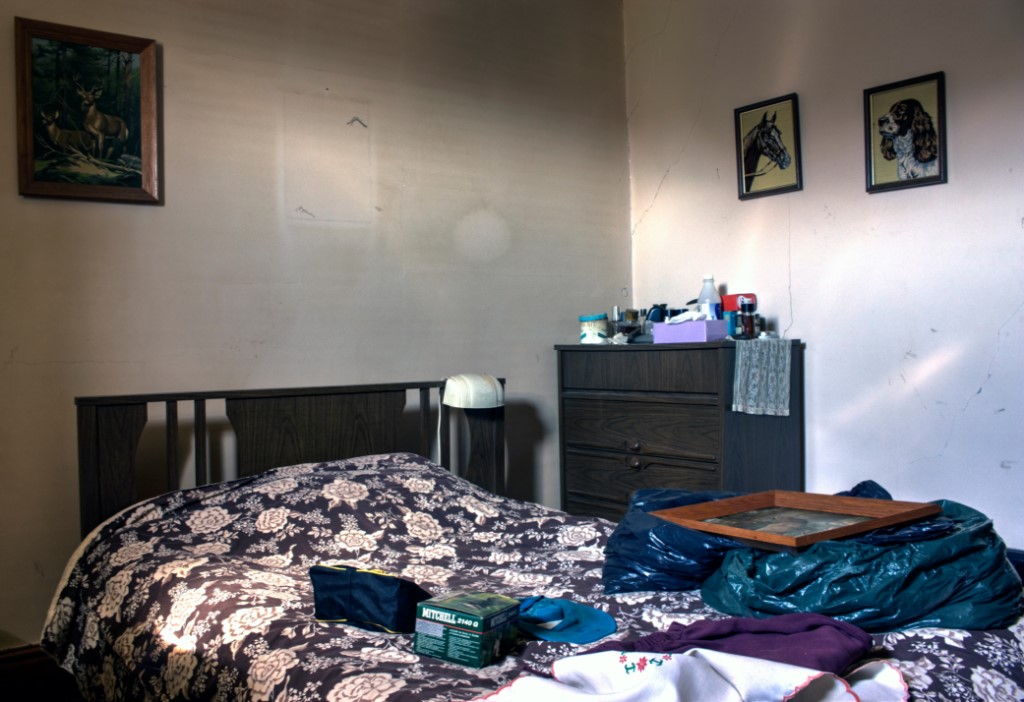
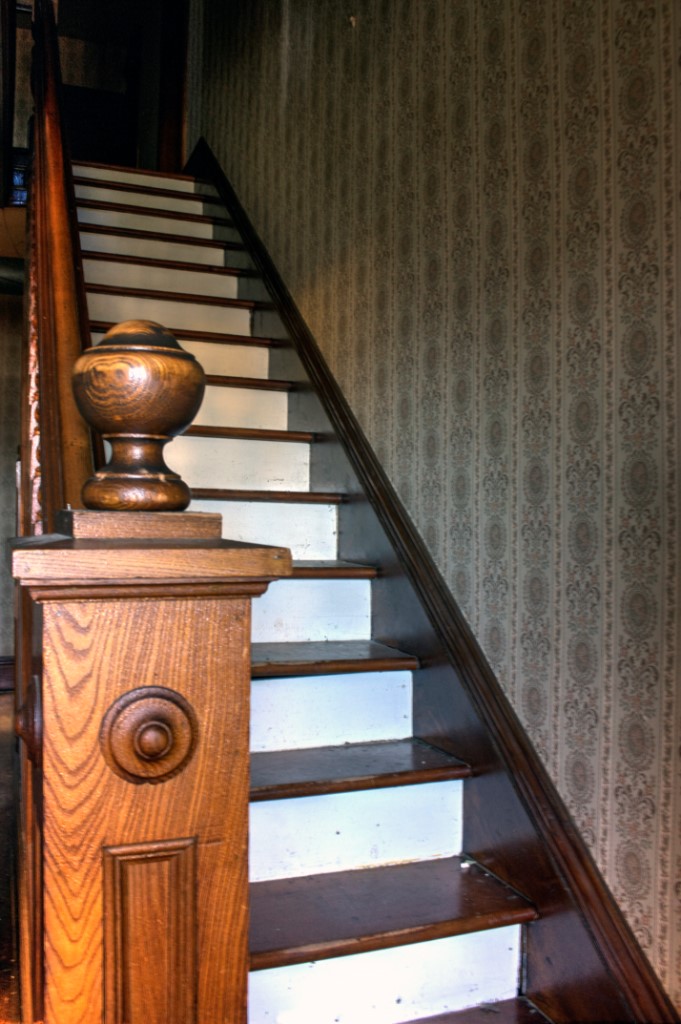
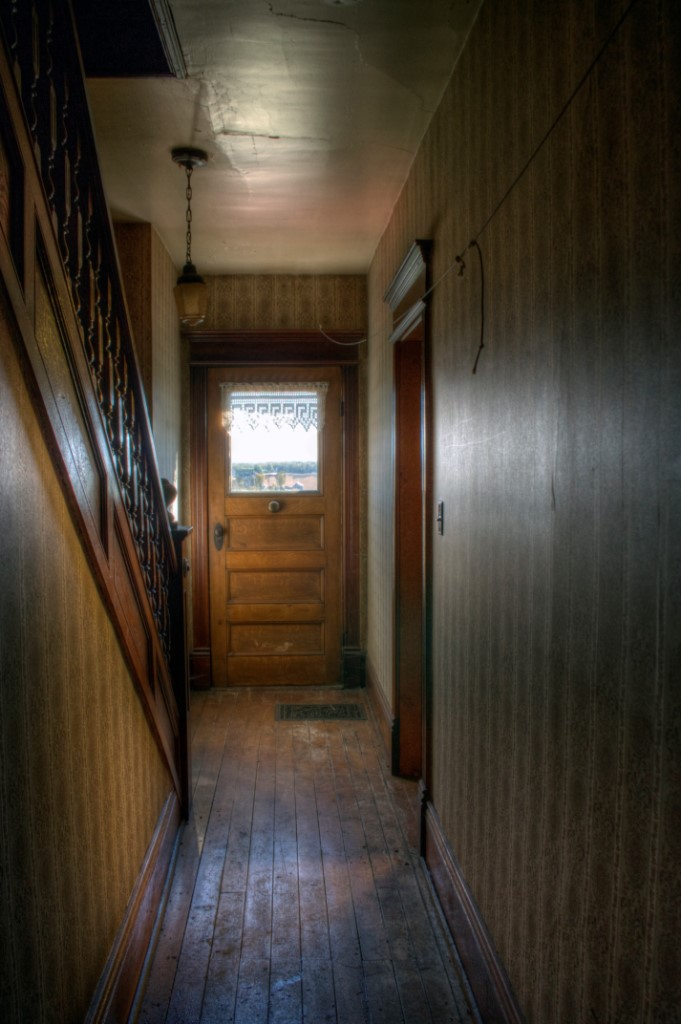
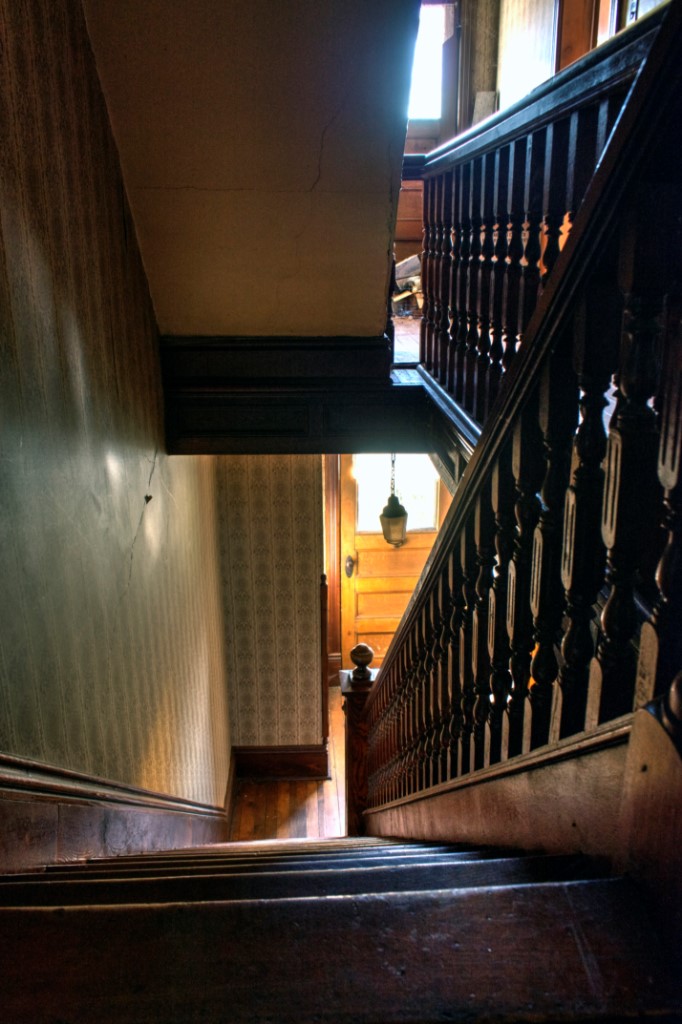
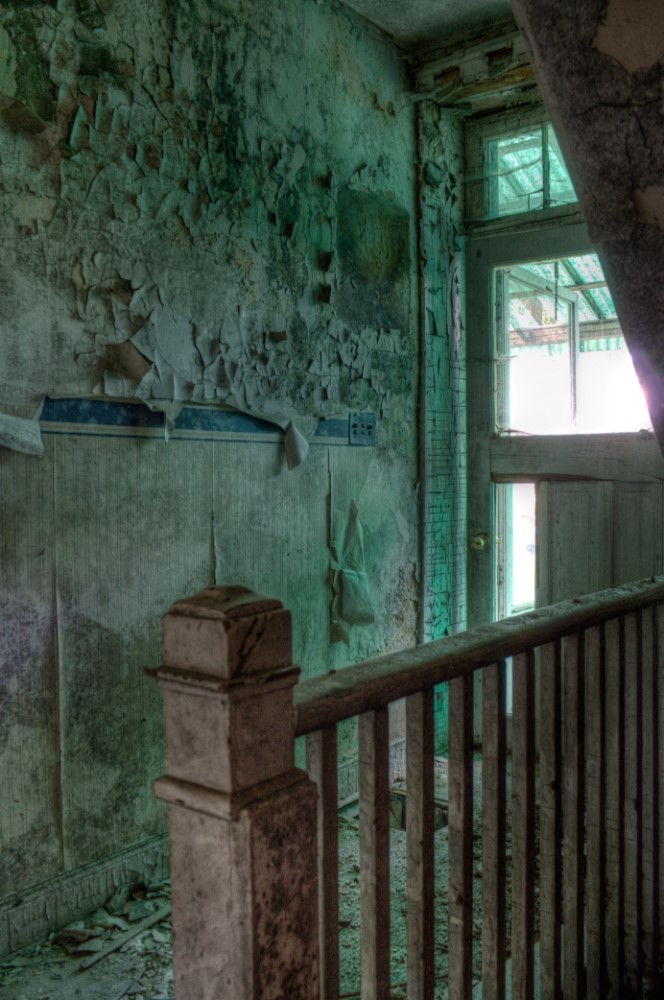
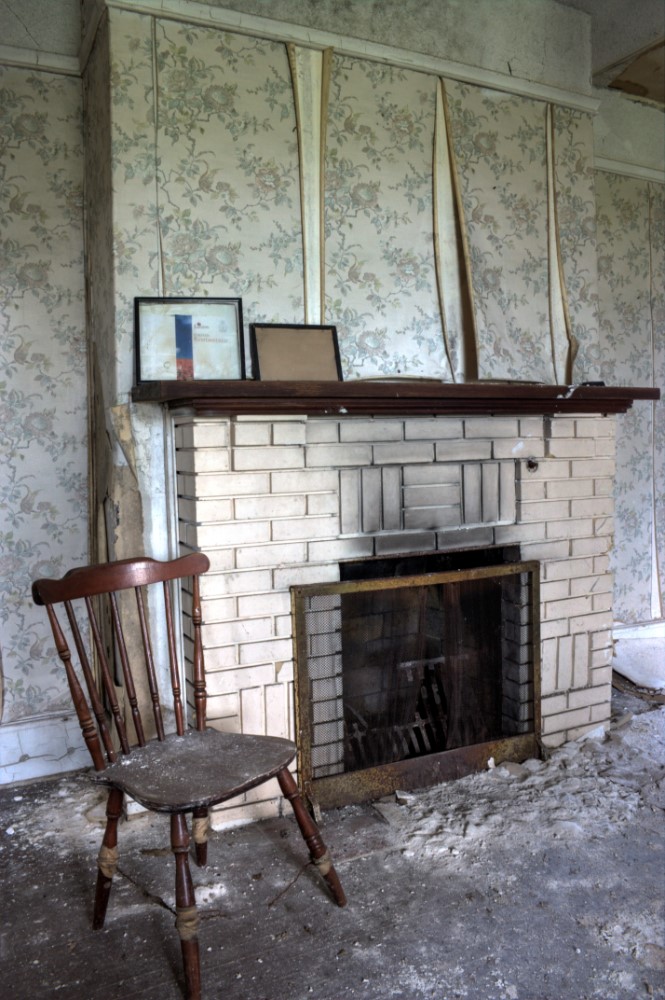
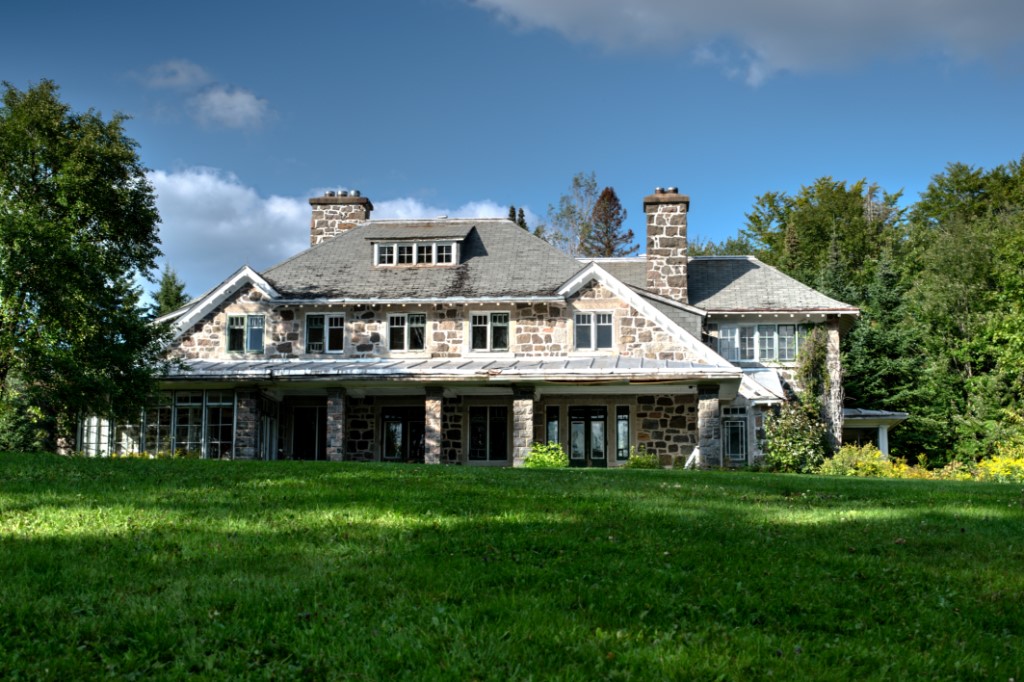
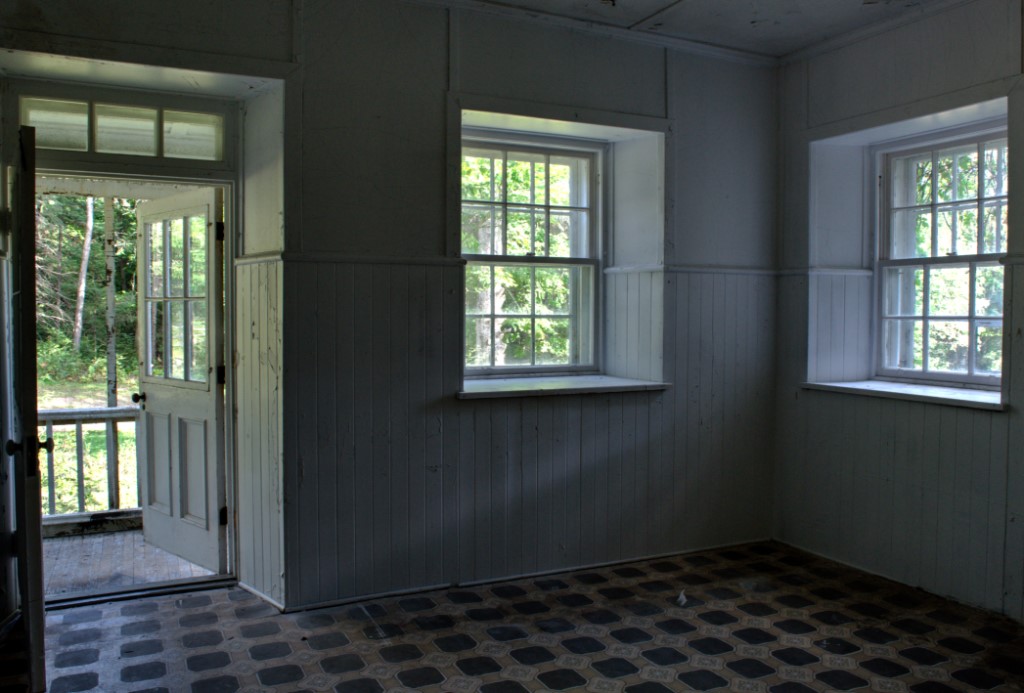
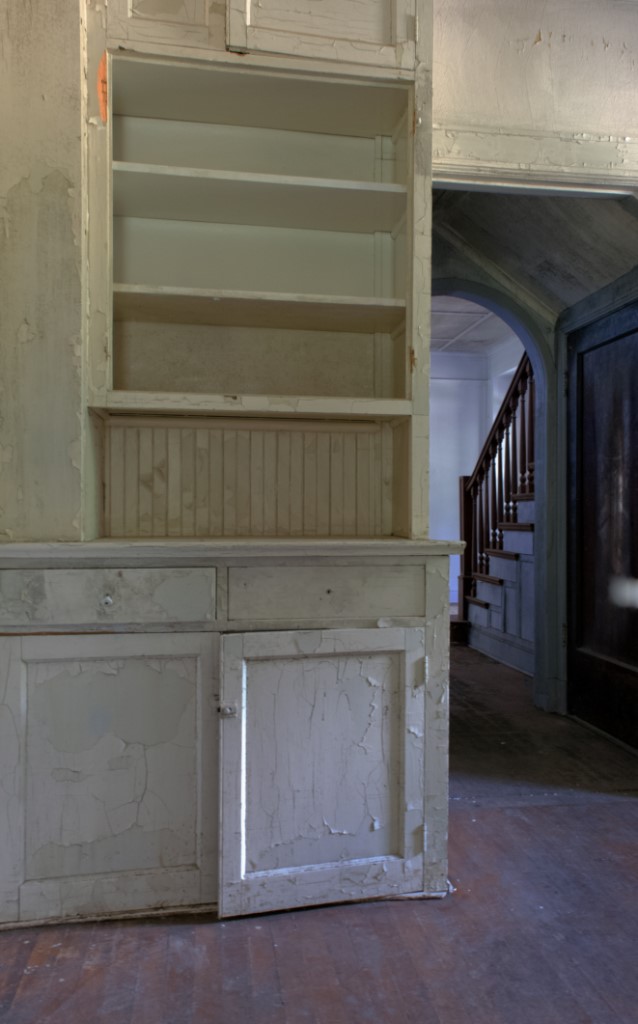
Ogilvie Mansion in Quebec

Helen Johnston was the wife of William Watson Ogilvie. Ogilvie was a successful businessman who had made a fortune in the grain trade with his business, Ogilvie Flour Mills.

In April 1892, William purchased the 180 acre Sommerville farm. The farm included a half-mile of St.Lawrence shoreline. Today the area is known as Lasalle.

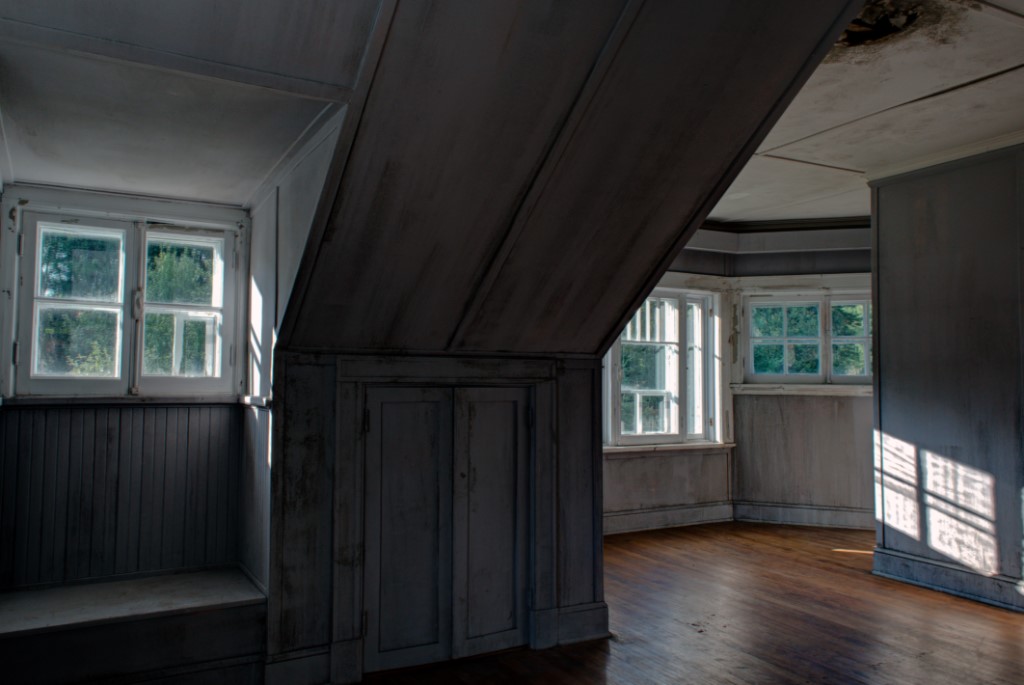
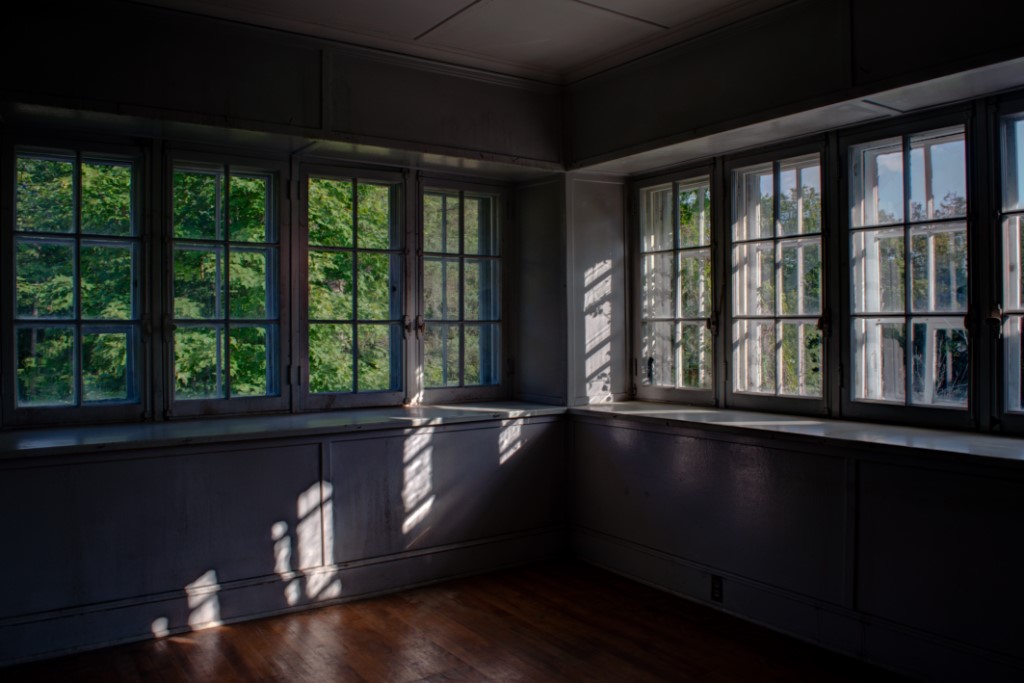
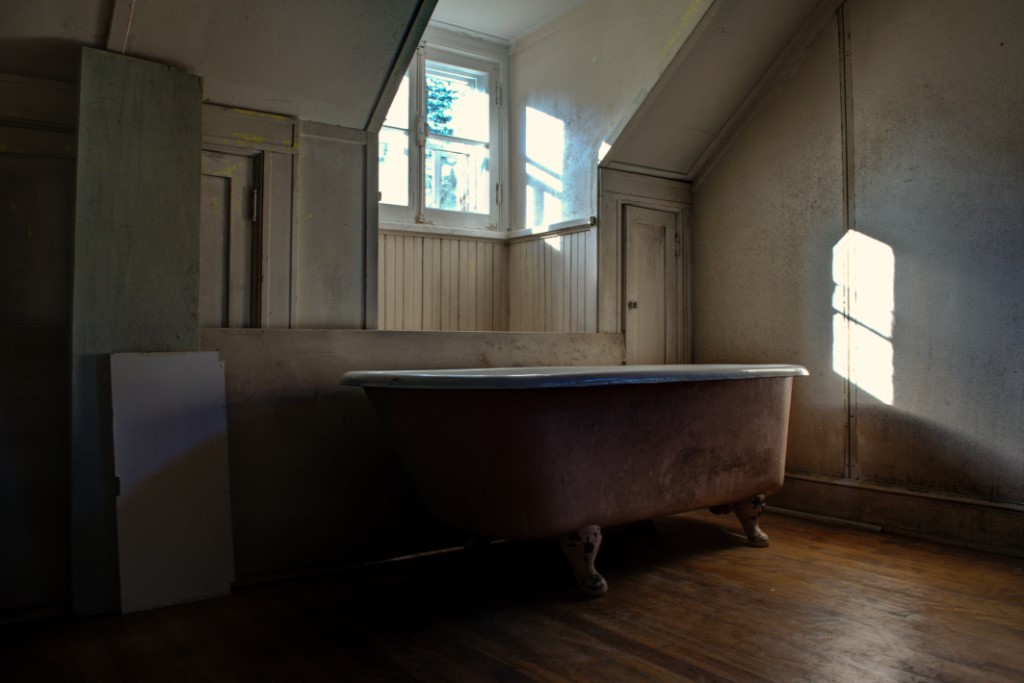
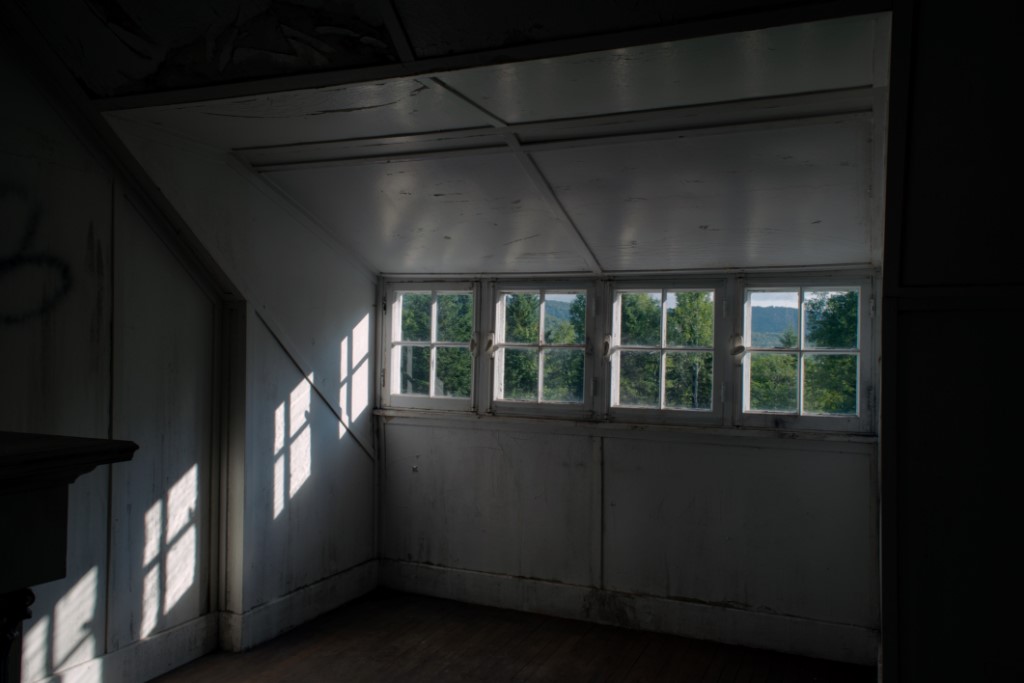
William hired well-known Montreal architect A.C. Hutchinson, to plan and build an English-American Queen Anne style mansion on the land facing the rapids, and to distinguish it by using wood instead of stone materials for its structure. Stables and Barns were added to shelter his racing horses and his cherished Ayershire cows. The country estate was completed in 1893 and became the family’s summer residence. The house was adorned with beautiful paintings and works of art.

Their summer retreat became a popular place for Montreal’s dignitaries and celebrities to attend. The family’s primary residence was the Rosemount House, located in Montreal.

William Ogilvie died on Jan 12th, 1900, leaving all of his land and possessions to his family. Upon his death, the Ogilvie mansion fell into disuse for a period of time. In 1910, it was sold by the Ogilvie family to the Ross Realty Company.

Around 1935, the Ogilvie Mansion became the LaSalle Golf Club. In 1944, the estate and the 18 hole golf course were sold to Lasalle’s famous Alepin family. The family rented the land and the house to the Lasalle Golf Club.

Several renovations were made to the mansion including a large Lasalle Golf Club emblem on the floor in the front lobby. The golf club ceased operations in 1970. A caretaker (Jean-Paul Laramée) was assigned to watch over the property, a position he held until July of 1980.

The city of Lasalle expropriated the land and proposed demolishing the property to create a new road and park. The property was designated as a National Heritage site, thus saving it from demolition.
Sadly the mansion burned down due to an act of arson.
Video
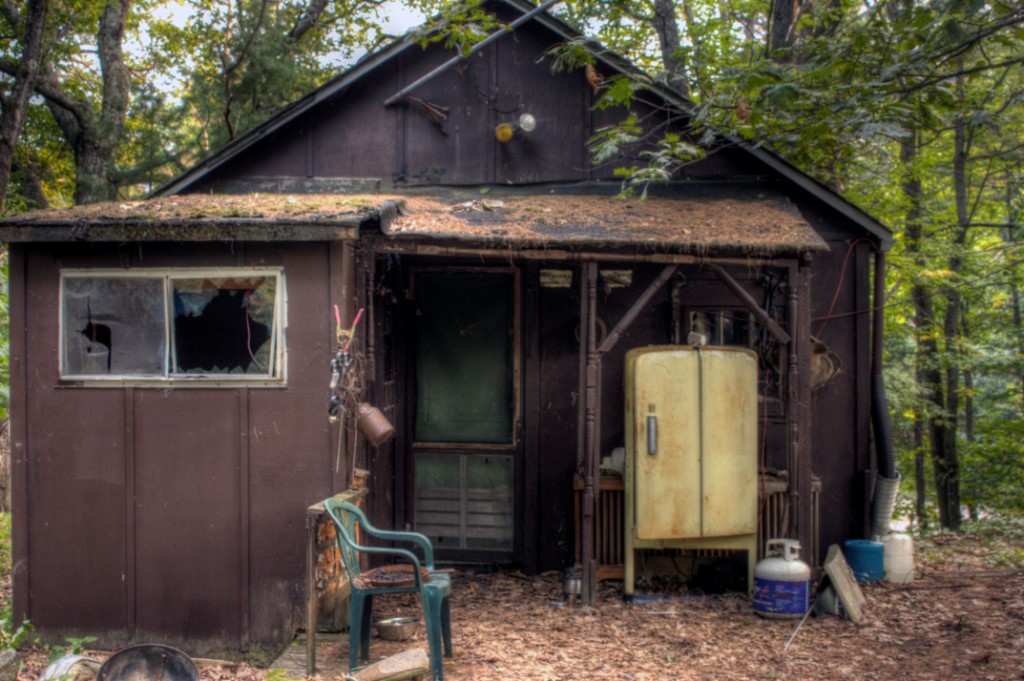

Norm Elder’s Cottage in Muskoka

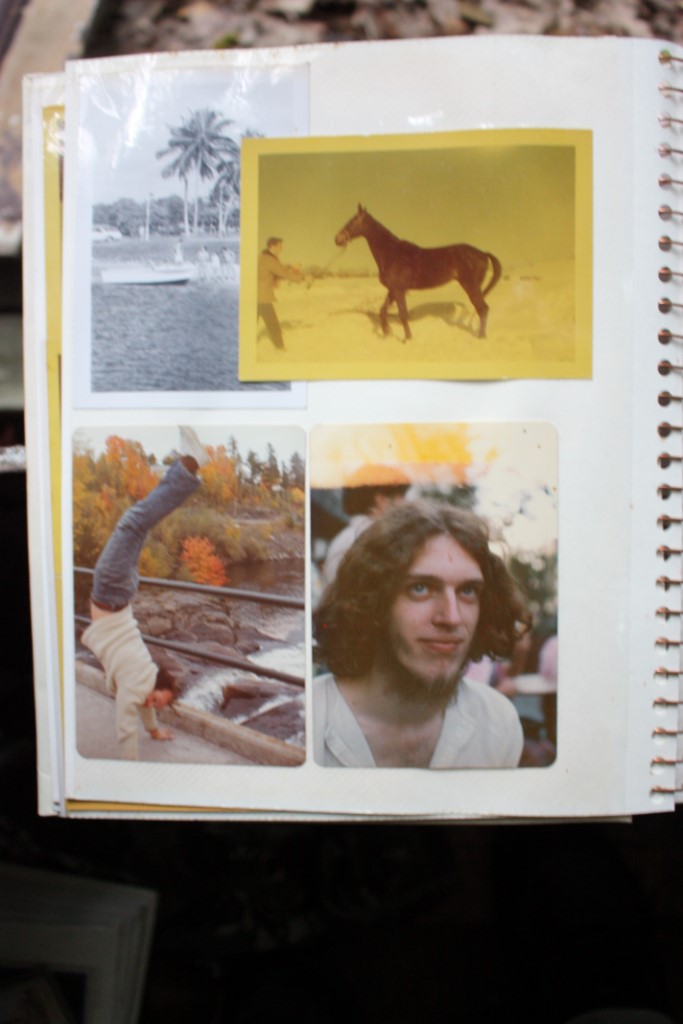
The Norm Elder cottage was an amazing collection of buildings that housed artifacts collected by a Toronto resident named Norm Elder. Norman Sam Elder was born on August 12, 1939. He could be described as being eccentric – an explorer, exotic animal owner, writer, artist, and an Olympic equestrian all in one.

Norm operated the Norman Elder Museum which was located at 140 Bedford Road in Toronto. Norm’s Museum has an assortment of exotic animals including a 90 year old turtle named Tony Tortuis. Norm also had two large pythons and a boa constrictor that he kept in the basement. Sometimes he had a fruit bat, several chinchillas and numerous ferrets.

As an explorer, Elder embarked on lengthy expeditions to remote areas of Papua New Guinea, Namibia, the Amazon, the Congo, the Arctic, Madagascar, and many other countries. He founded the Canadian Chapter of the Explorers Club in 1979.

Norman Elder was an accomplished equestrian. He competed as a member of the Canadian Equestrian Team in Three-Day Eventing at the Olympic Games, first in Rome in 1960, and again in Mexico City in 1968.

In 1998, Elder pleaded guilty to indecently assaulting 10 young men between 1970 and 1980. The men were all between the ages of 18 and 20 at the time of the encounters but Canada’s laws at the time gave 21 as the age of consent for same-sex contact.

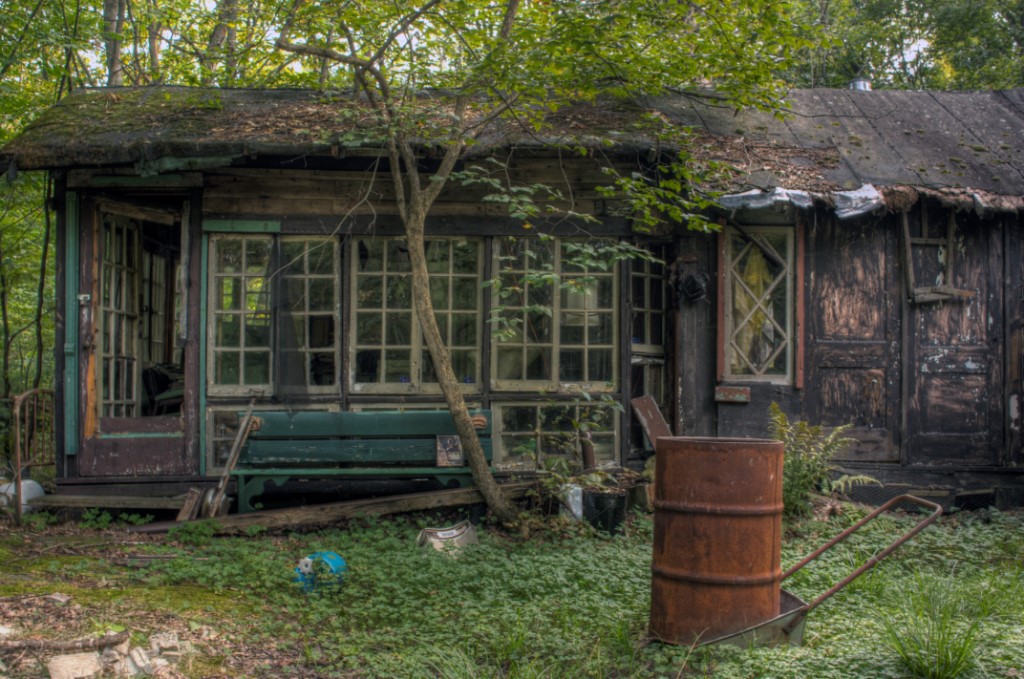
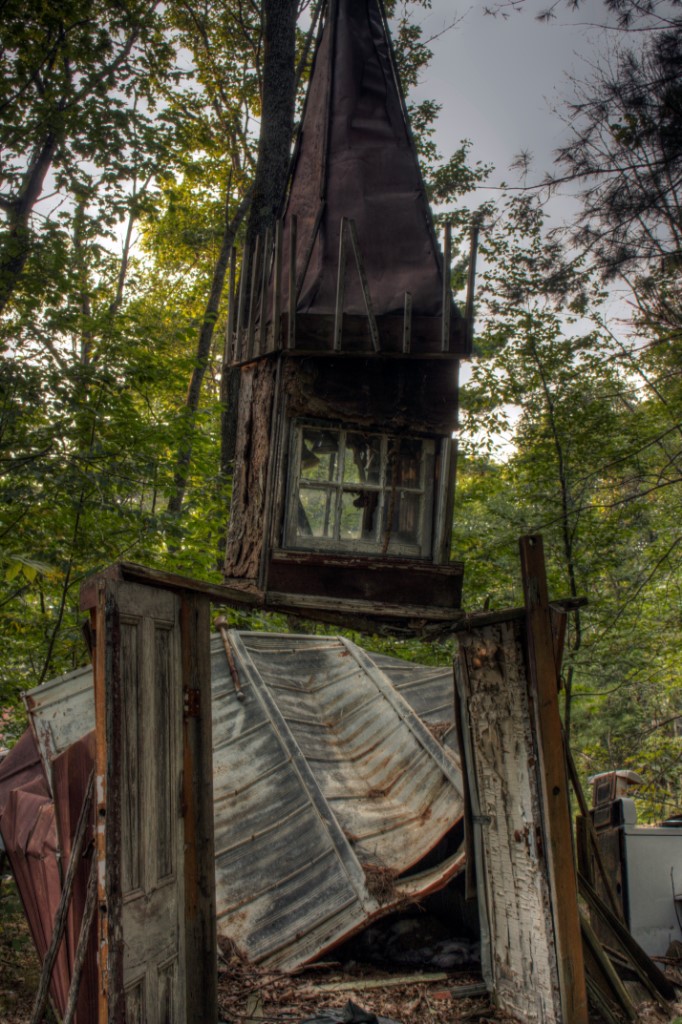
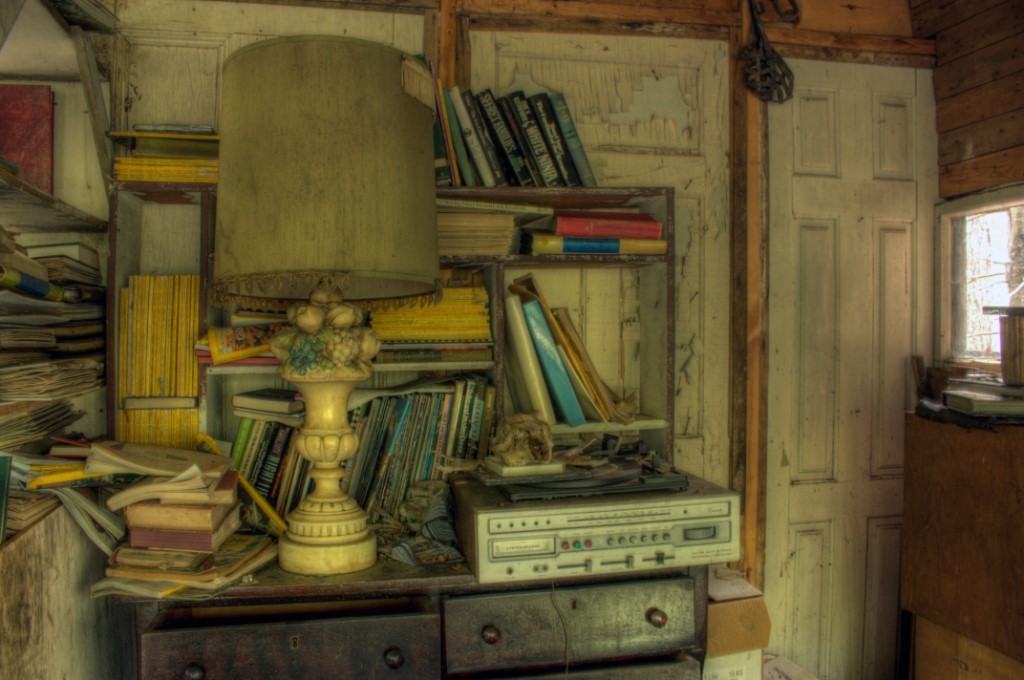
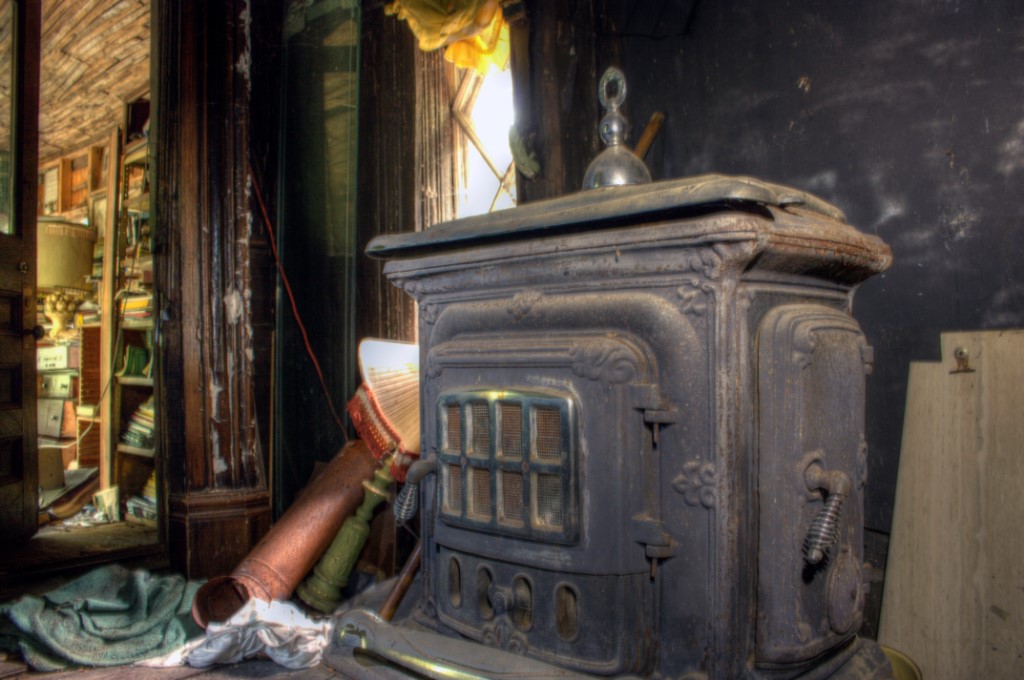
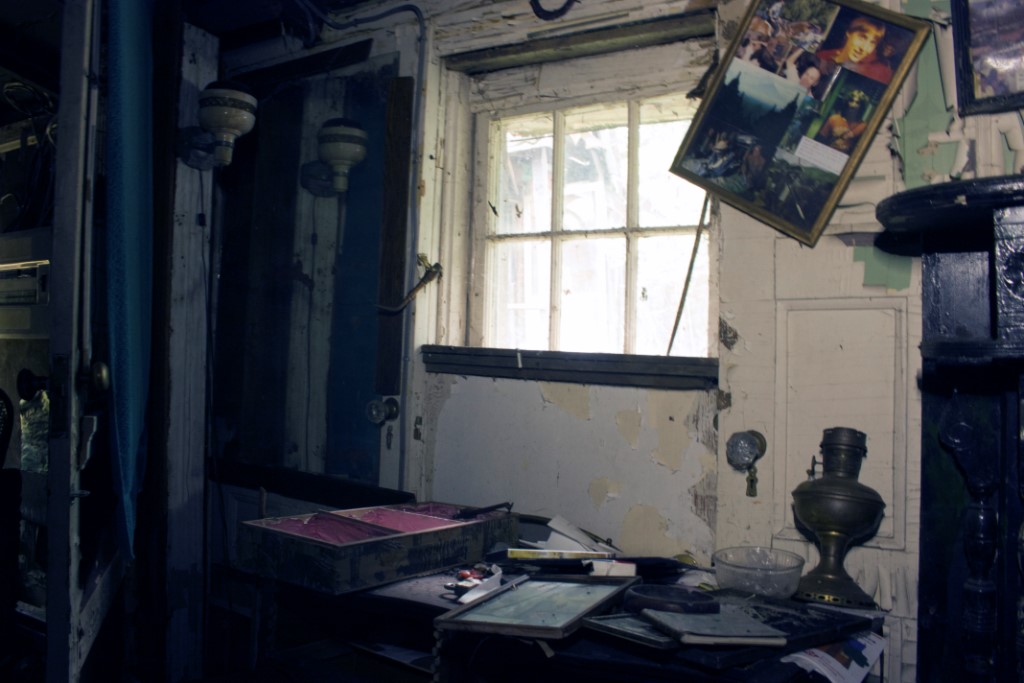
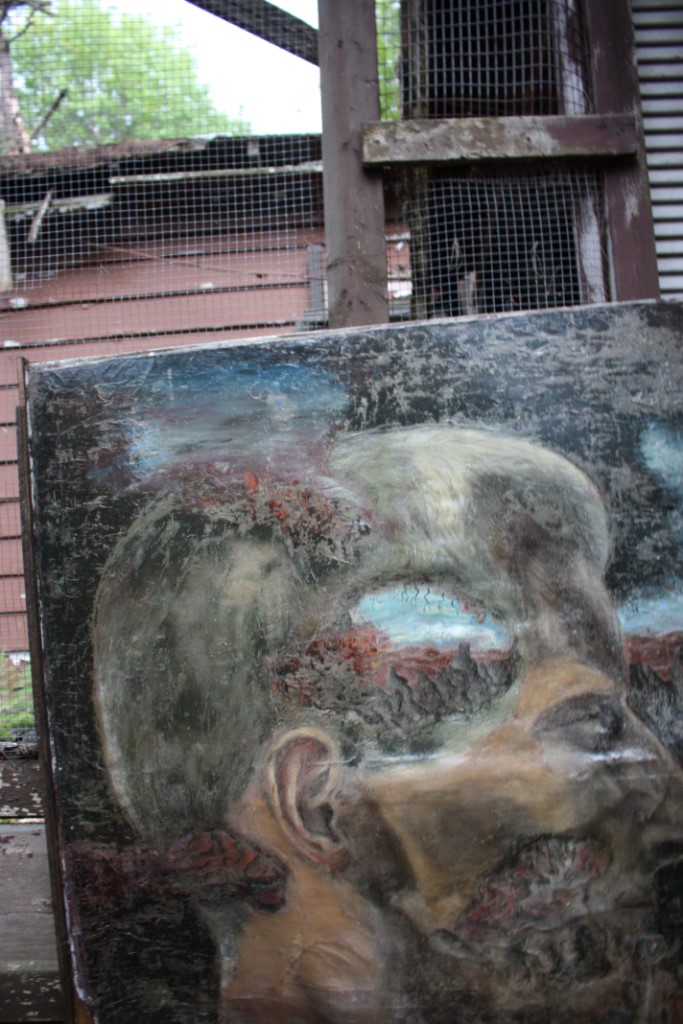
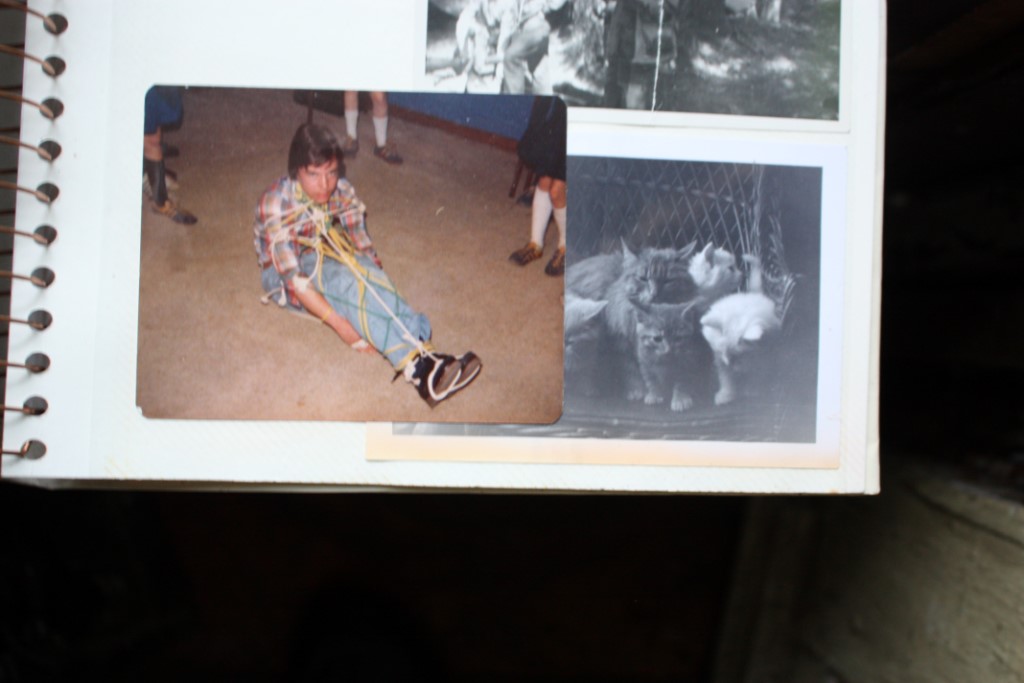
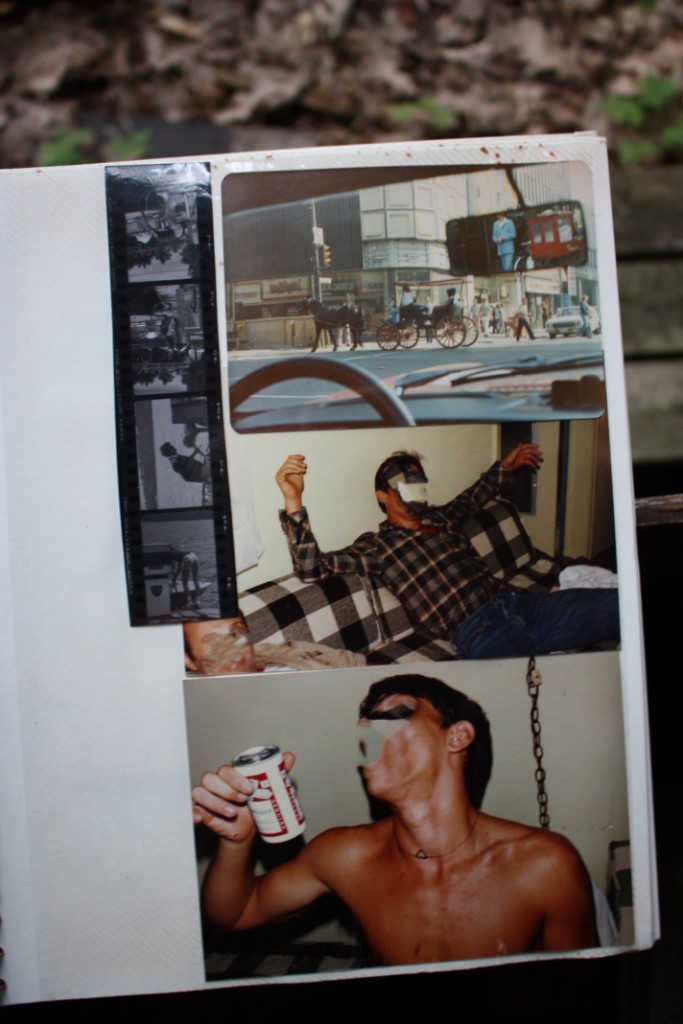
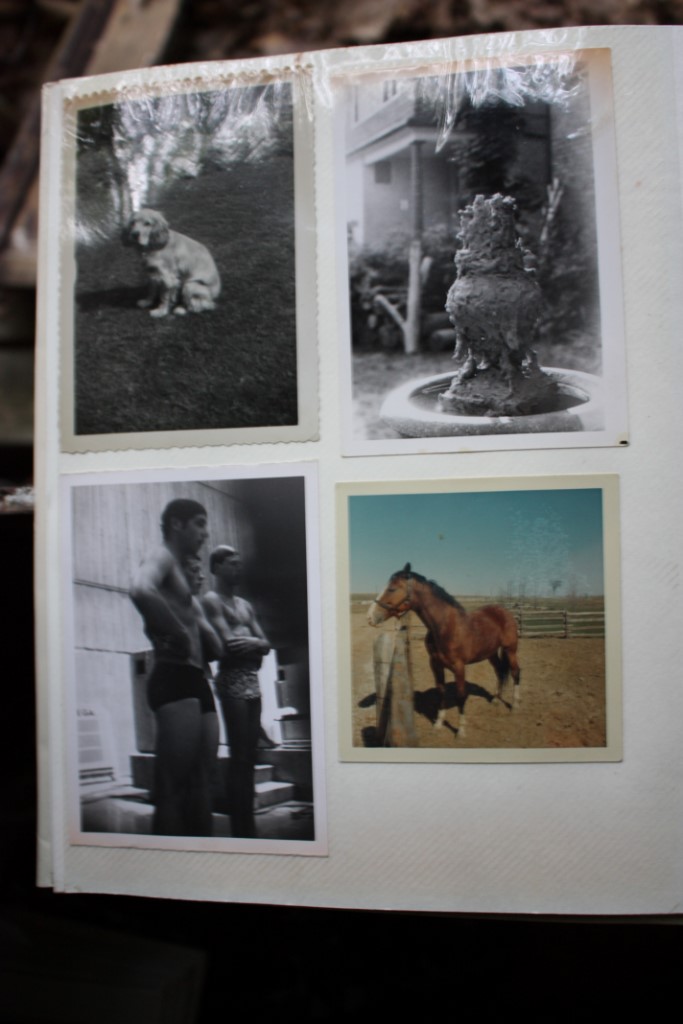
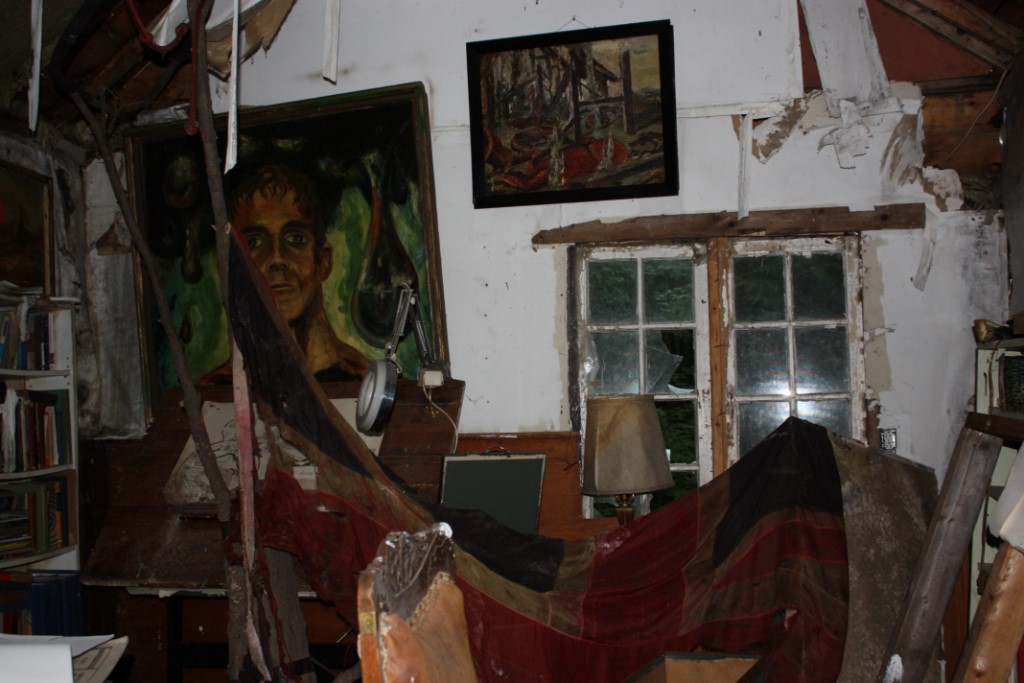
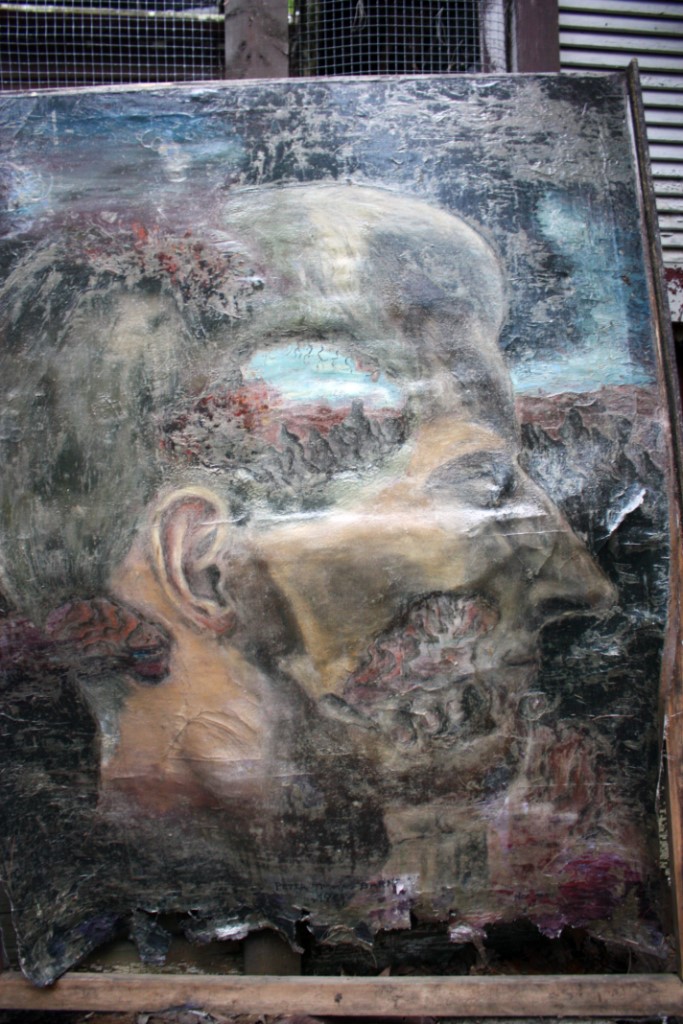
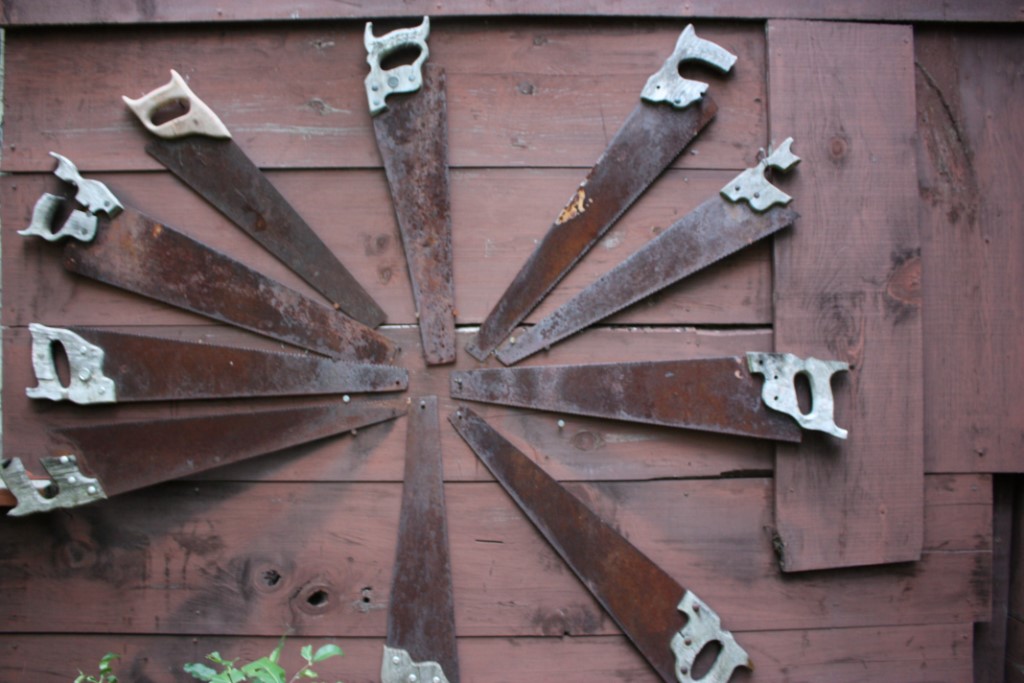
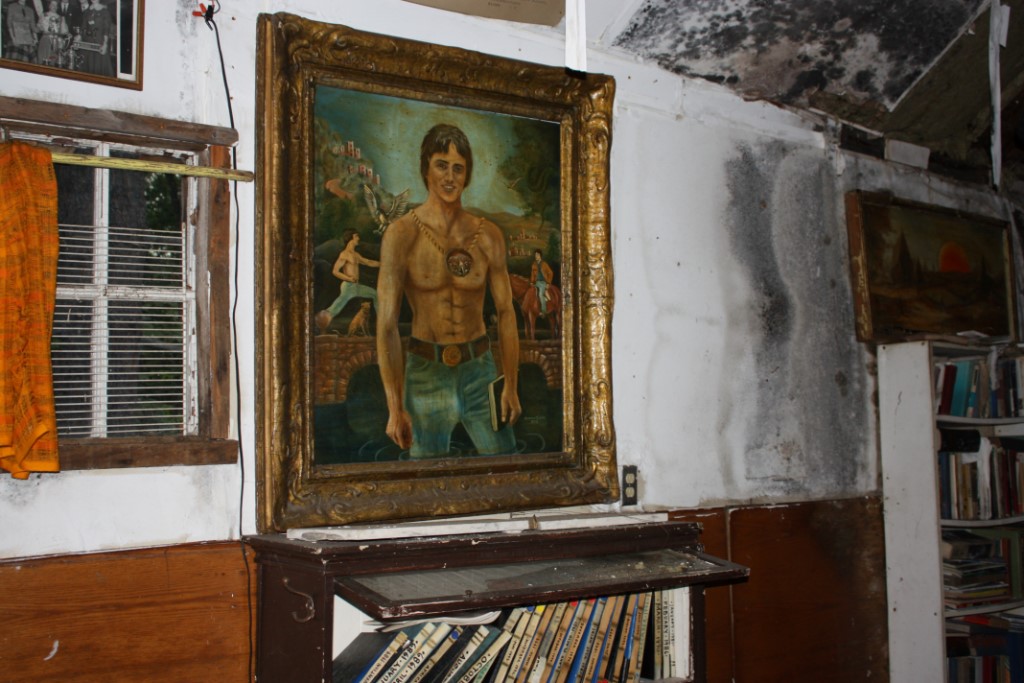
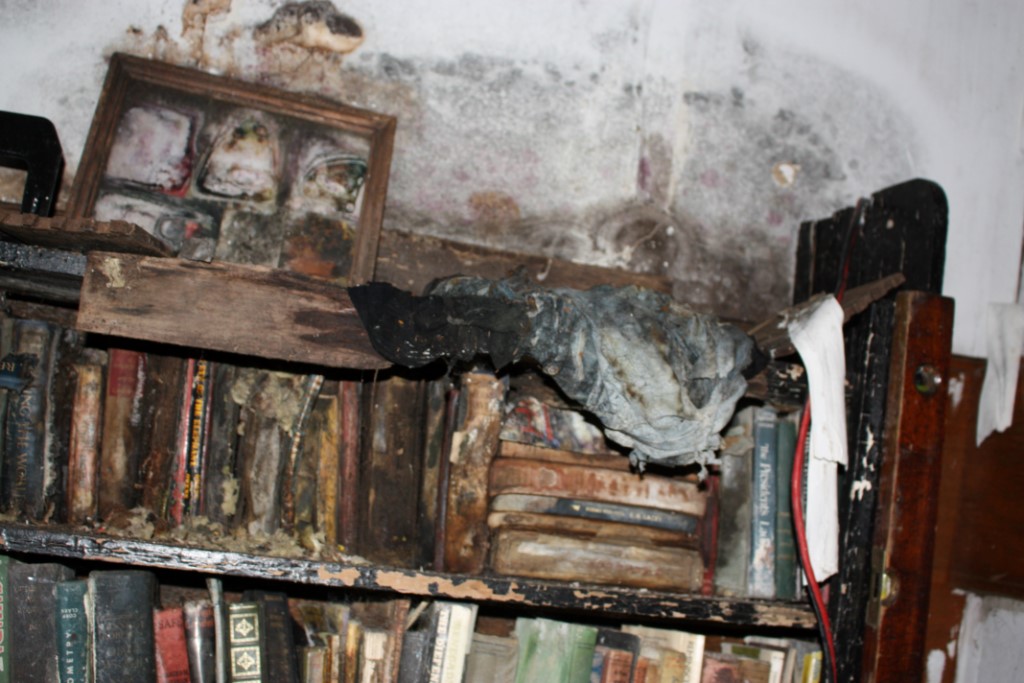
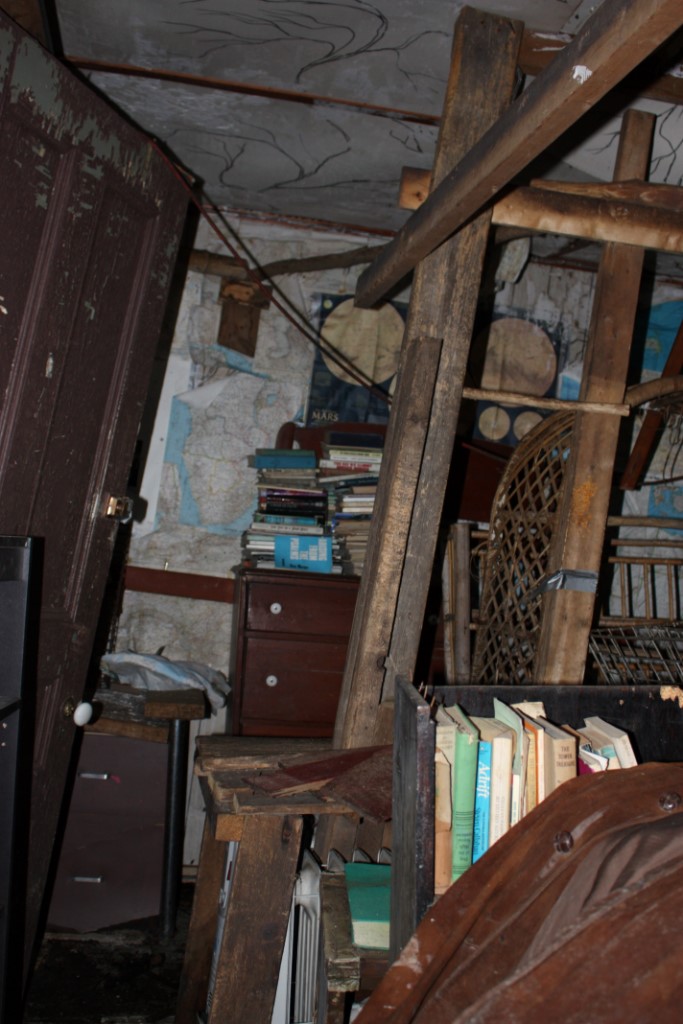
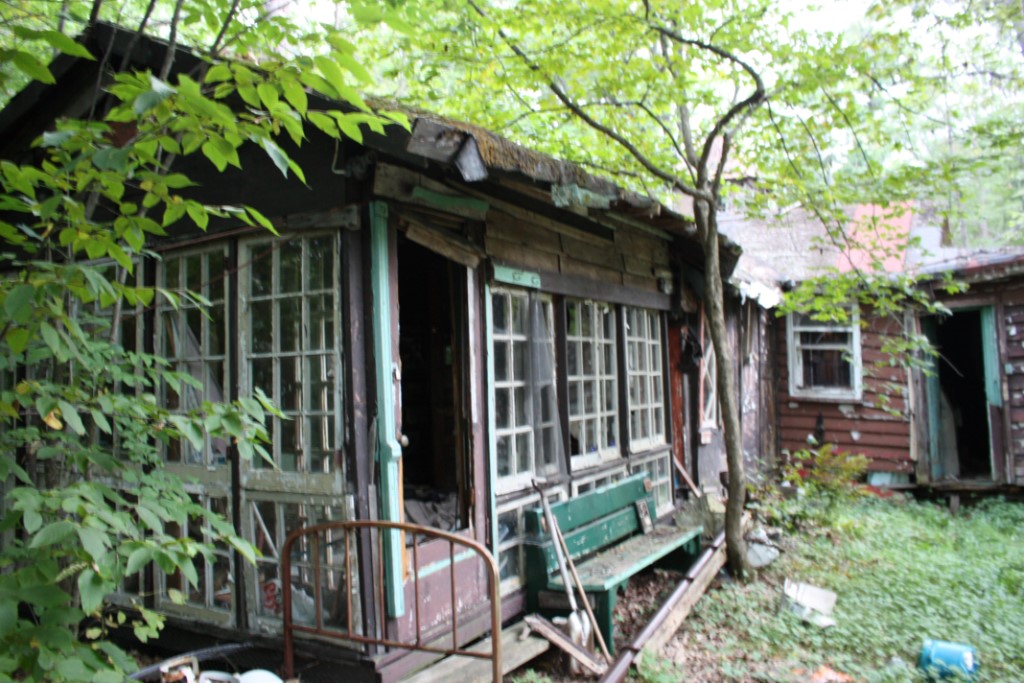
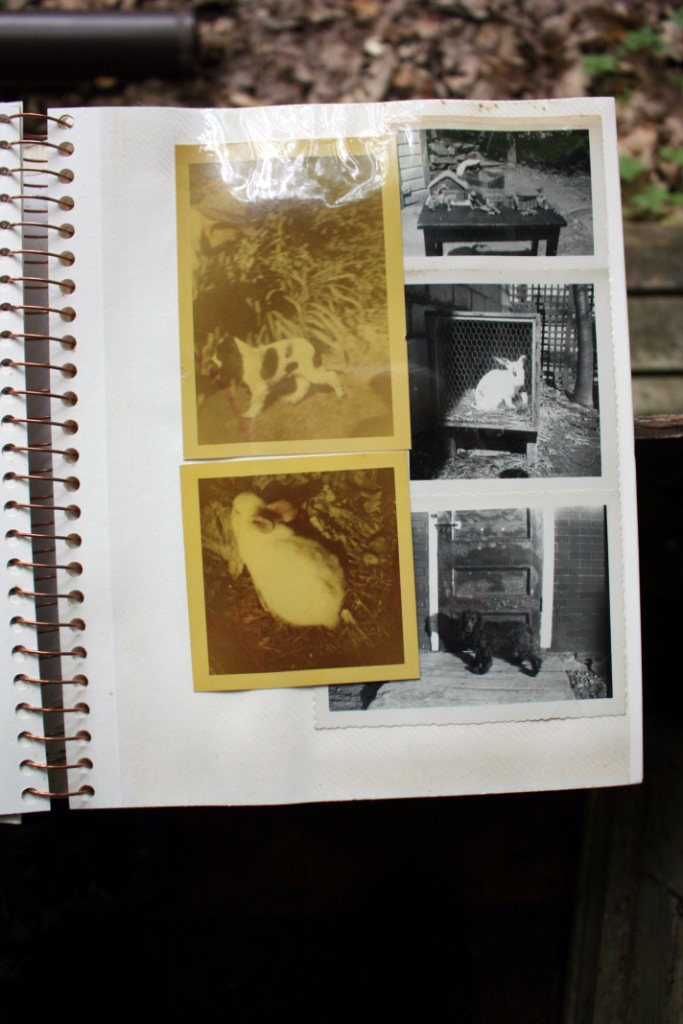
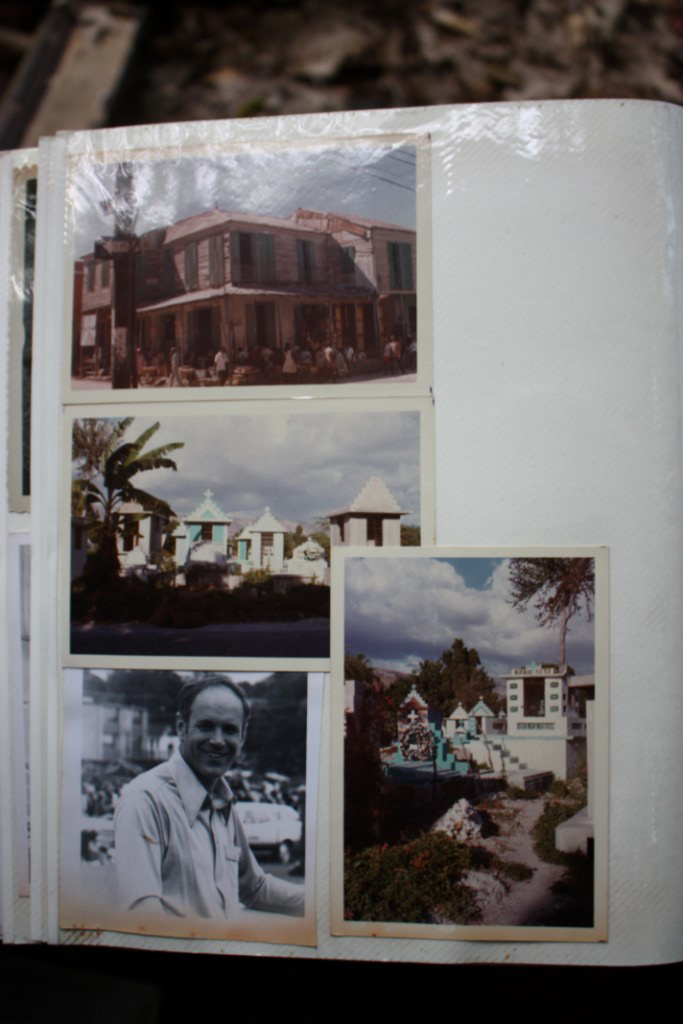
Norm had a cottage getaway in Muskoka. We visited it in 2015 and it did not disappoint. There were numerous photo albums showing Norm’s travels from around the world. Norm had many old National Geographic magazines, insect collections from around the world, sketches and paintings including self portraits. There were several buildings on the property. One collapsed building looked like a church of sorts, with a steeple. There was the living quarters and another building that looked to be an artist studio.

Neighbours kept a close eye on the property which was demolished not long after our visit.


Prudhomme’s Landing Inn

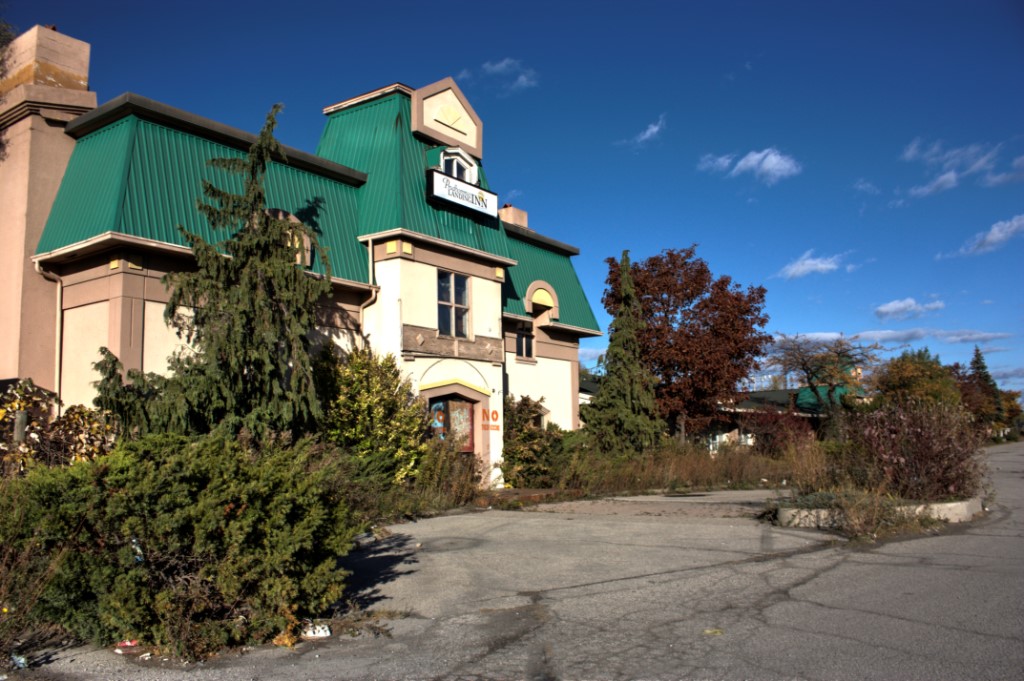
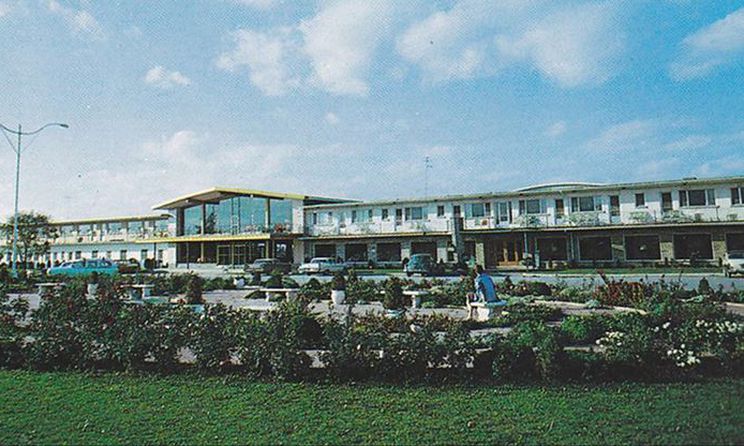
Prudhommes Landing Inn was located on 80 acres of land in Vineland, Ontario close to the shores of Lake Ontario. It was a popular vacation getaway for tourists.

It all began in 1948 when brothers John and George Prudhomme built a fifteen room motel. By 1960 they had expanded the motel to 180 rooms. A restaurant on the grounds had eight dining rooms and five dance floors.

An amusement park was built on the property that included bumper boats, bumper cars, go-karts with a 1/4 mile track, a Tilt-A-Whirl, roller skating, putting greens, a children’s playground, a sandy beach and a video game arcade. A miniature train was also there in the Miniature World attraction.  An old mansion on the grounds was made into a haunted house. Originally, the amusement park included horse riding and a small zoo.

An old dance hall was converted into a theatre where actors such as Raymond Burr, Jayne Mansfield, Liza Minnelli, Yvette Mimieux and Mickey Rooney performed.
The location saw up to 7,000 visitors per day. The Prudhomme brothers worked sixteen hours days, 7 days a week.

A 1967 blaze ripped through the main section of the complex, destroying 55 motel units, a dining room, five ballrooms and a curling rink and the Garden Centre Theatre.

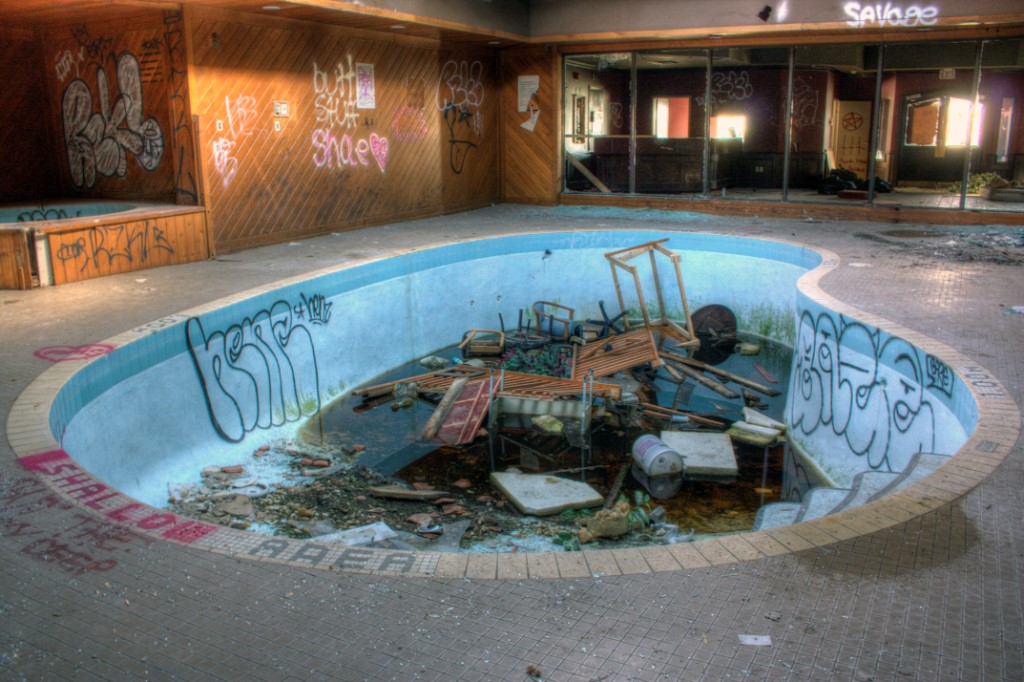
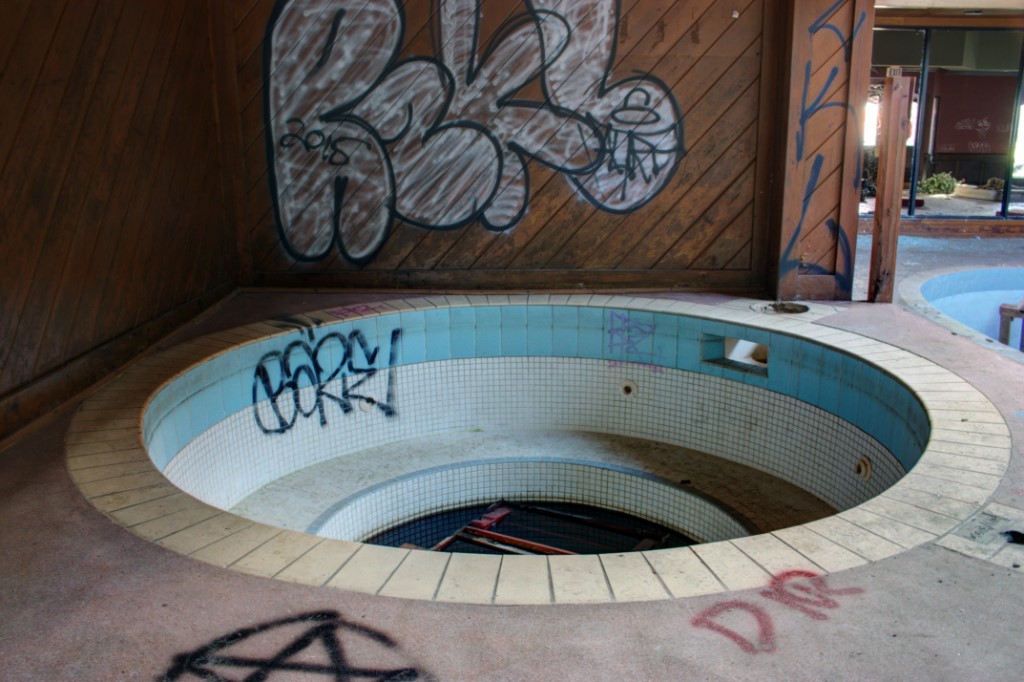
By 1981, a $3-million expansion took place by the Pudhomme Group. These expansions included a snack bar, 9 hole mini-golf course, indoor swimming pool, outdoor pool, arcade, a four lane five pin bowling alley and four lanes that could be used as 5 or 10 pin.

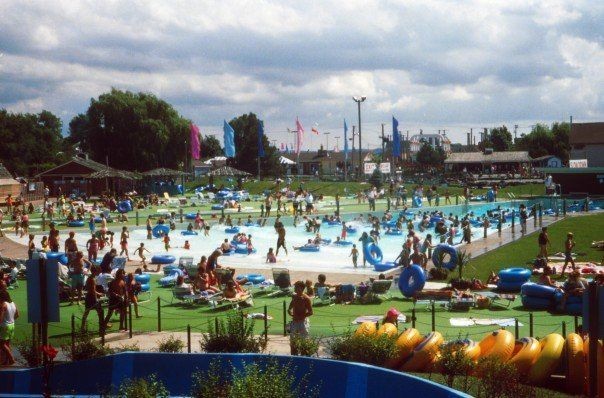
A small water park was later opened with two water slides created on a man-made hill. The water park became known as Wet N Wild.

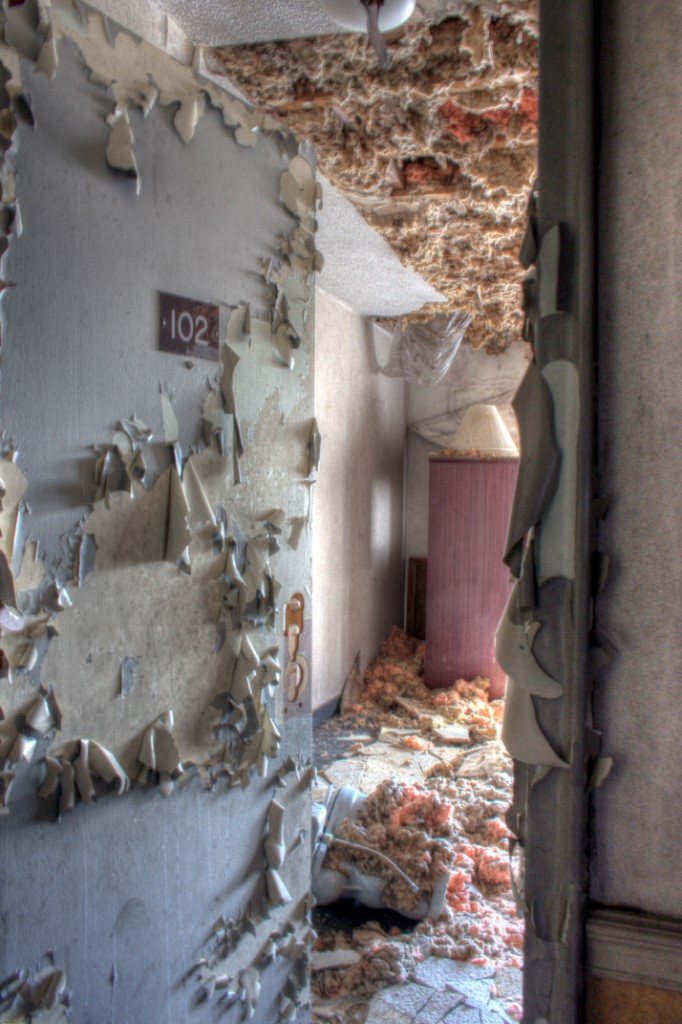
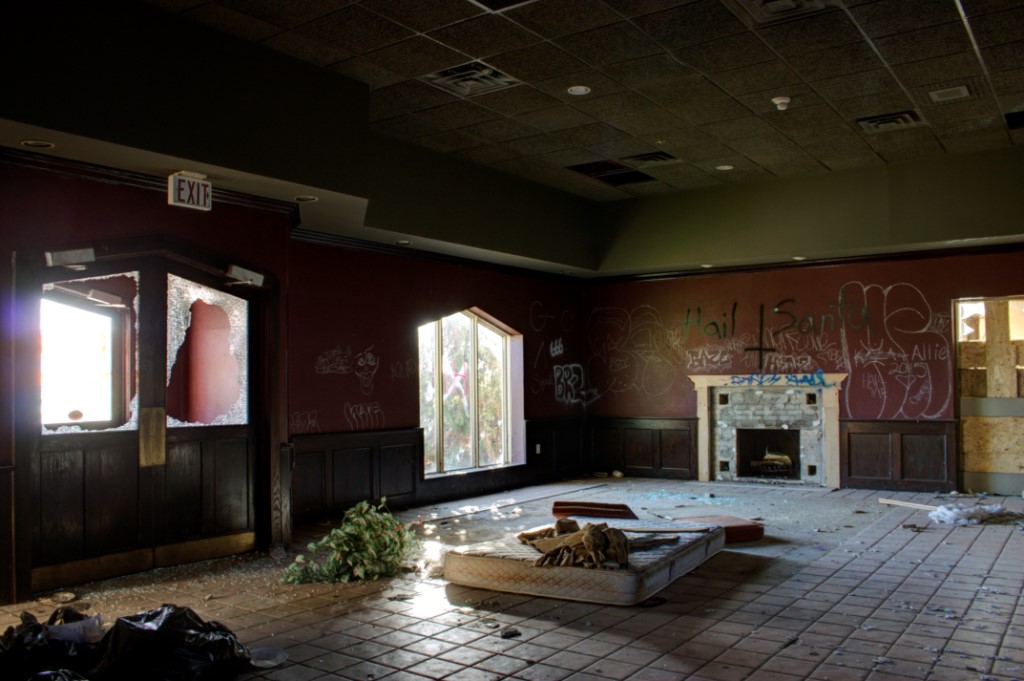
The park closed at the end of the summer in 2000 as attendance was continuing to decrease and operating costs increasing. Prudhommes Landing Inn closed around 2010.

The property sat abandoned until 2016 when it was sold to a developer for a new mixed-use subdivision consisting of residential, commercial and park space.  The abandoned hotel and the remains of the water park were demolished in September 2016.


Cuckoo Clock Capsule House

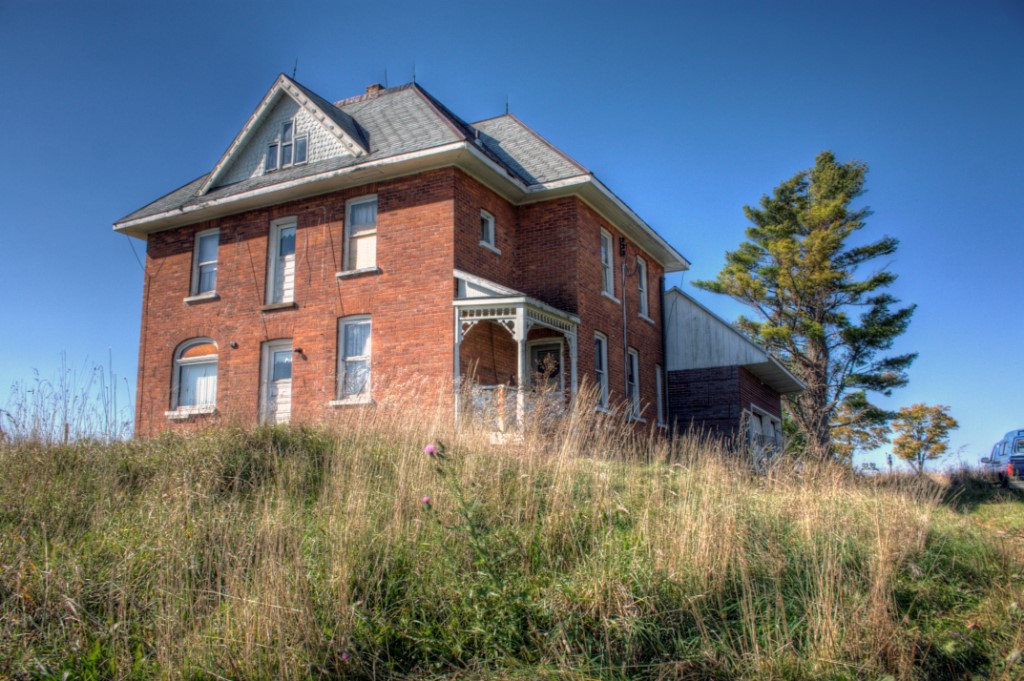
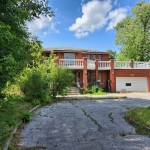
A rural farm house set back from the road with old vehicles in the driveway. At first glance, you might think that someone’s home but as you venture closer you see that the vehicles don’t have recent plates.

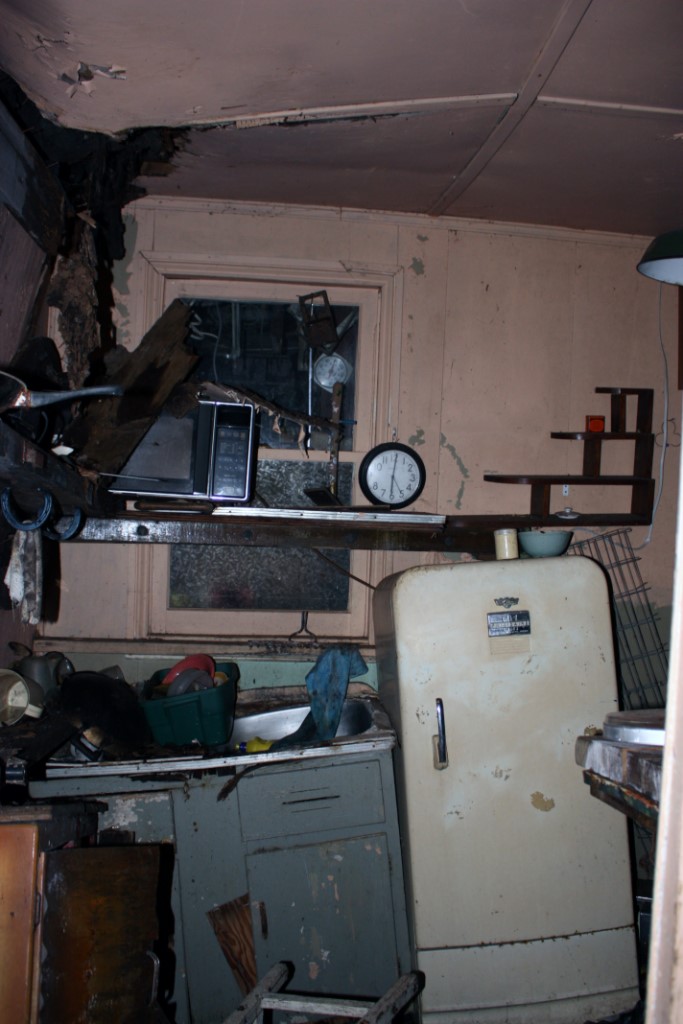
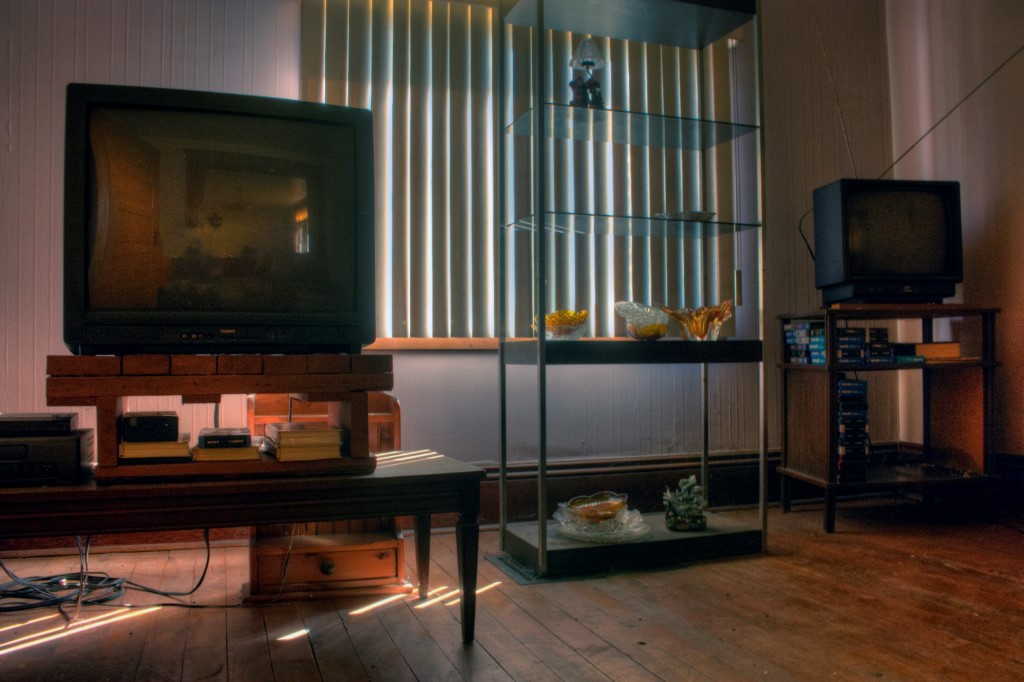
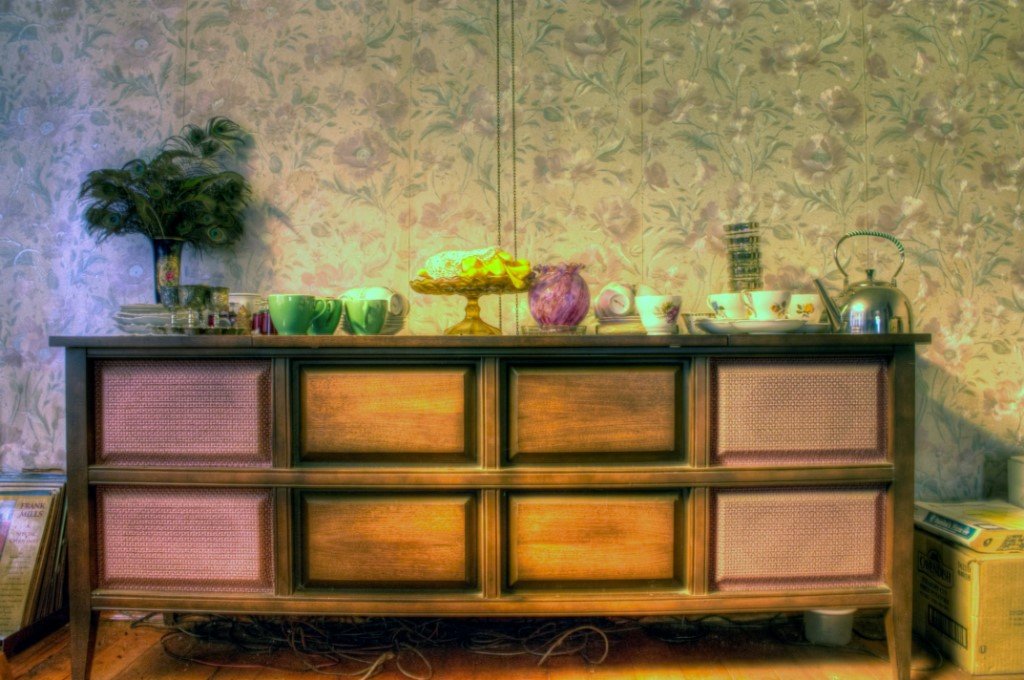
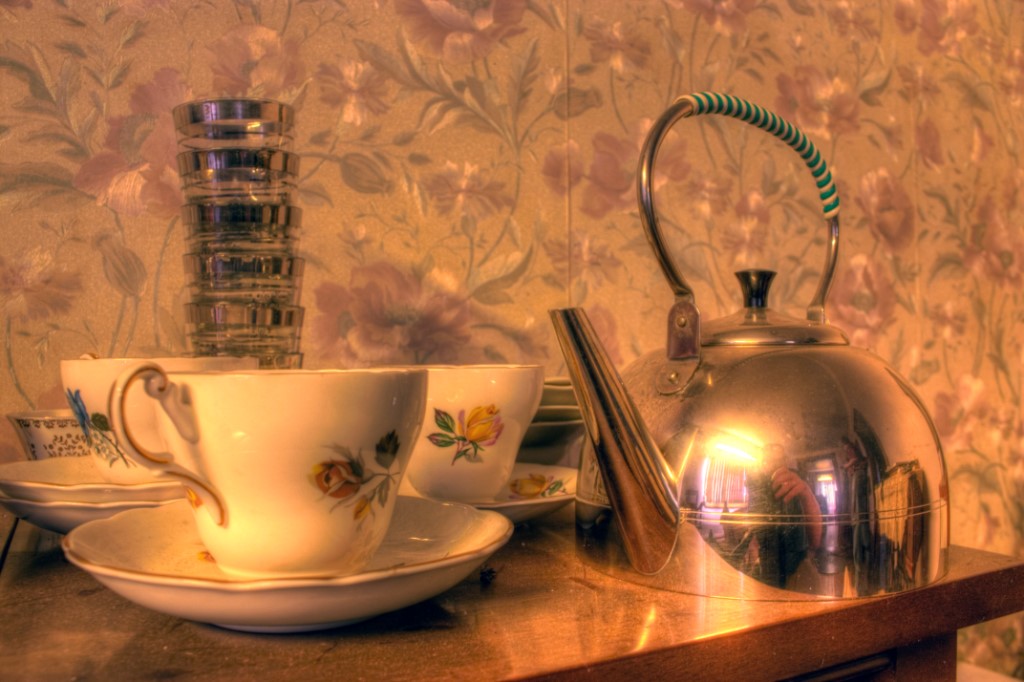
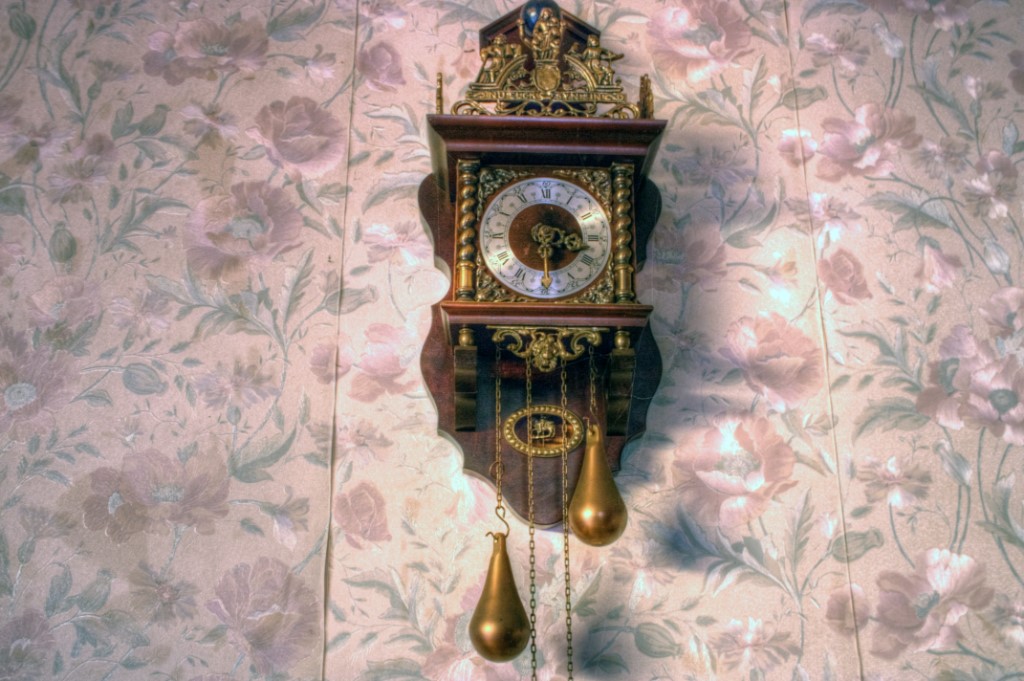
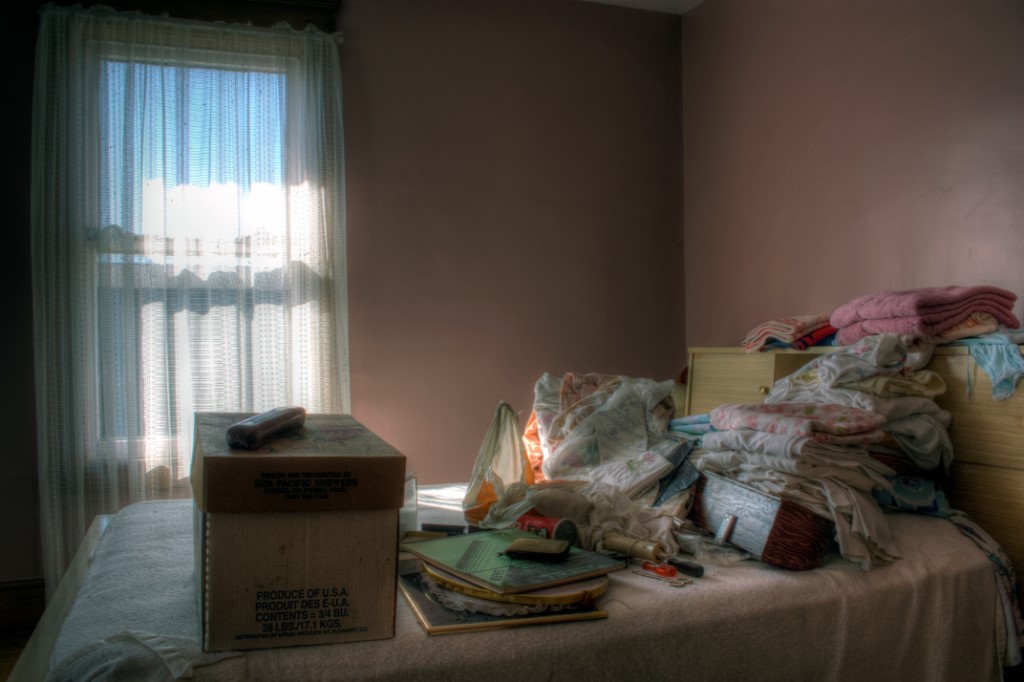
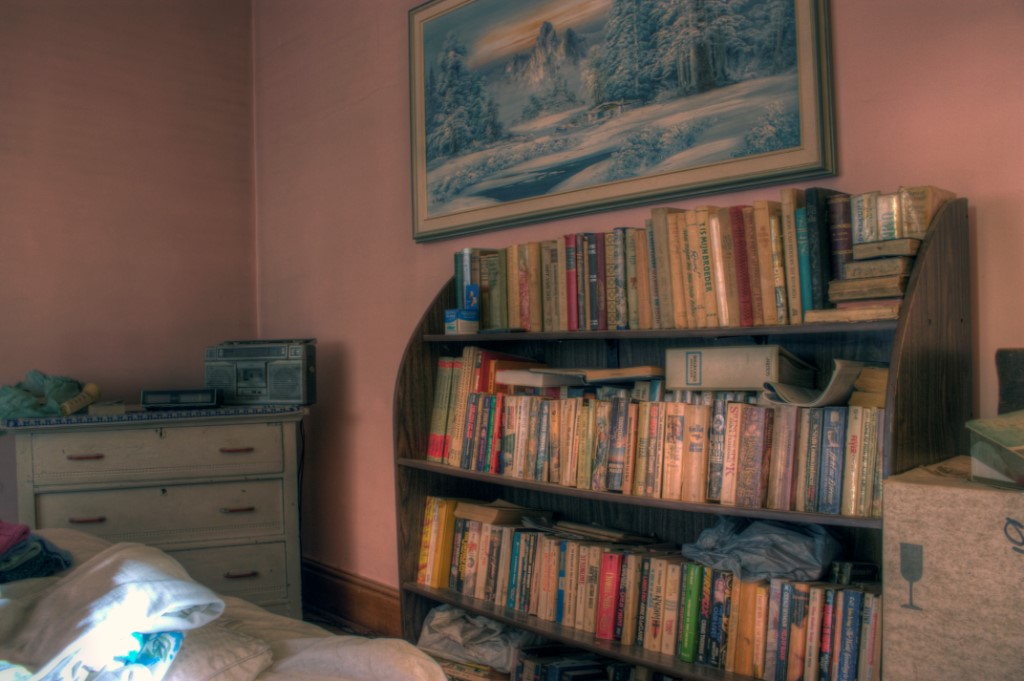
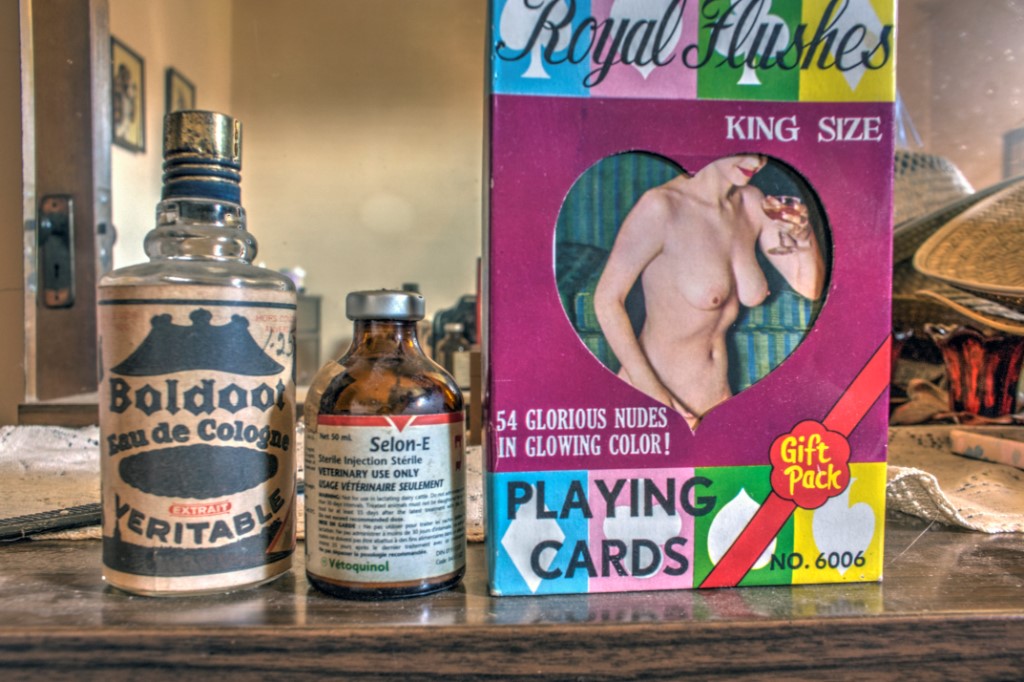
This was a very intact time capsule house which has since been cleaned out. At the time of my visit it looked like someone had been packing items into boxes, perhaps after a recent death in the household.


Abandoned Royal Canadian Legion House in Guelph, Ontario

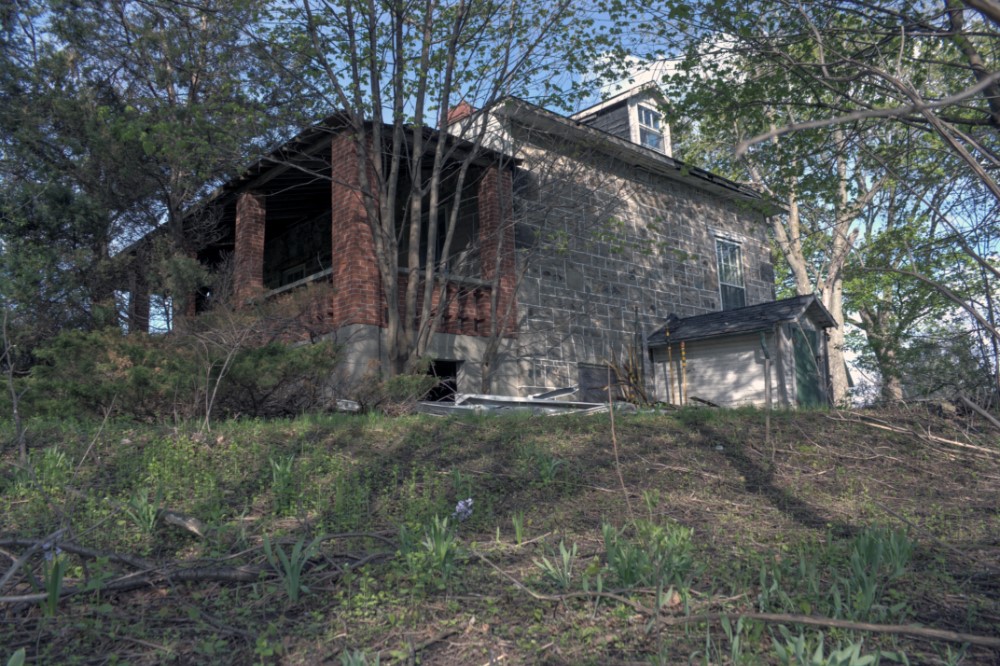
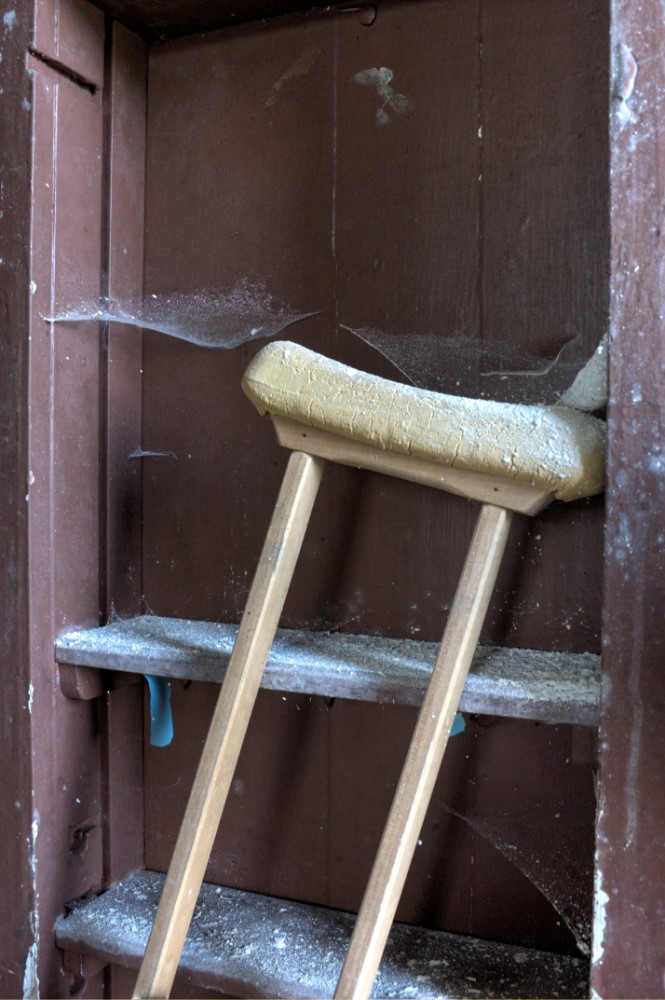
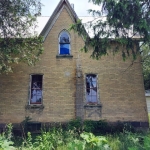
An old decaying house on the grounds of the Royal Canadian Legion property.


Woodstock General Hospital

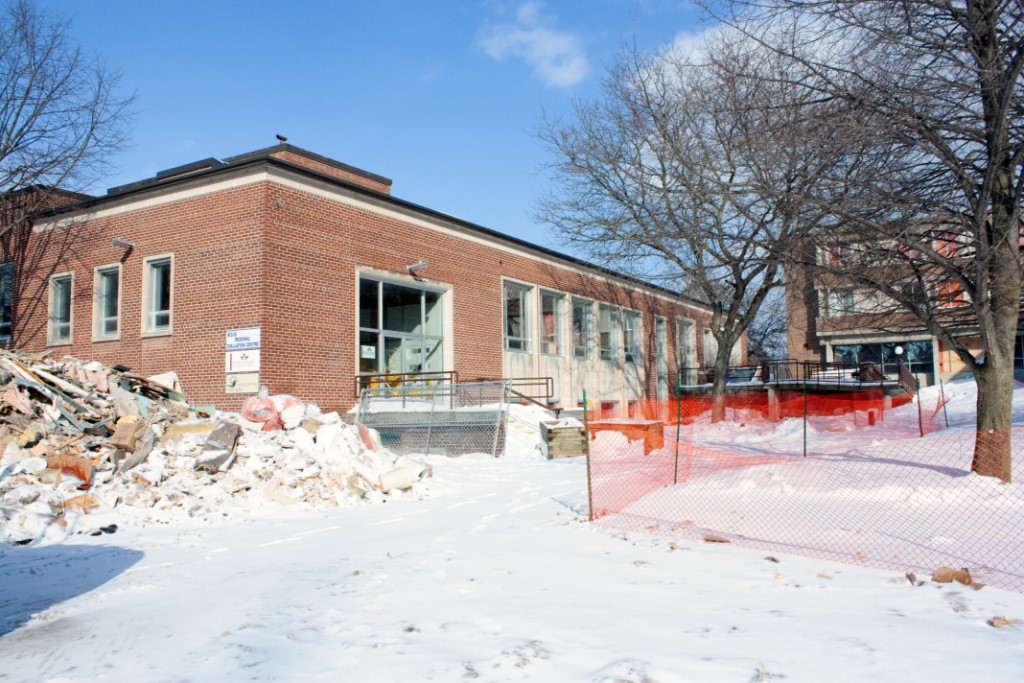
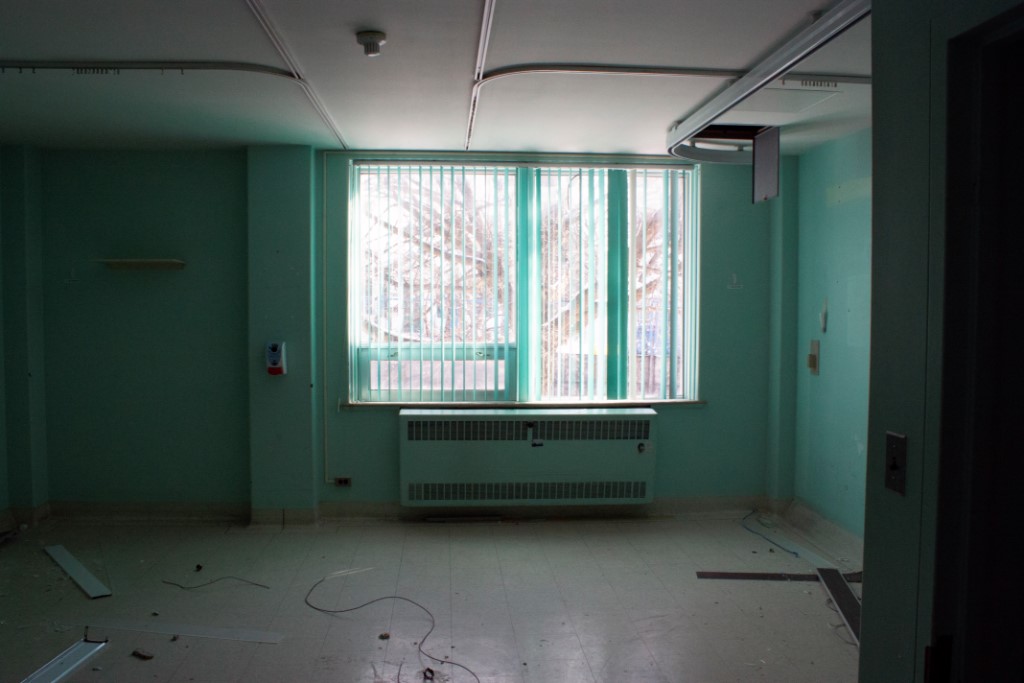
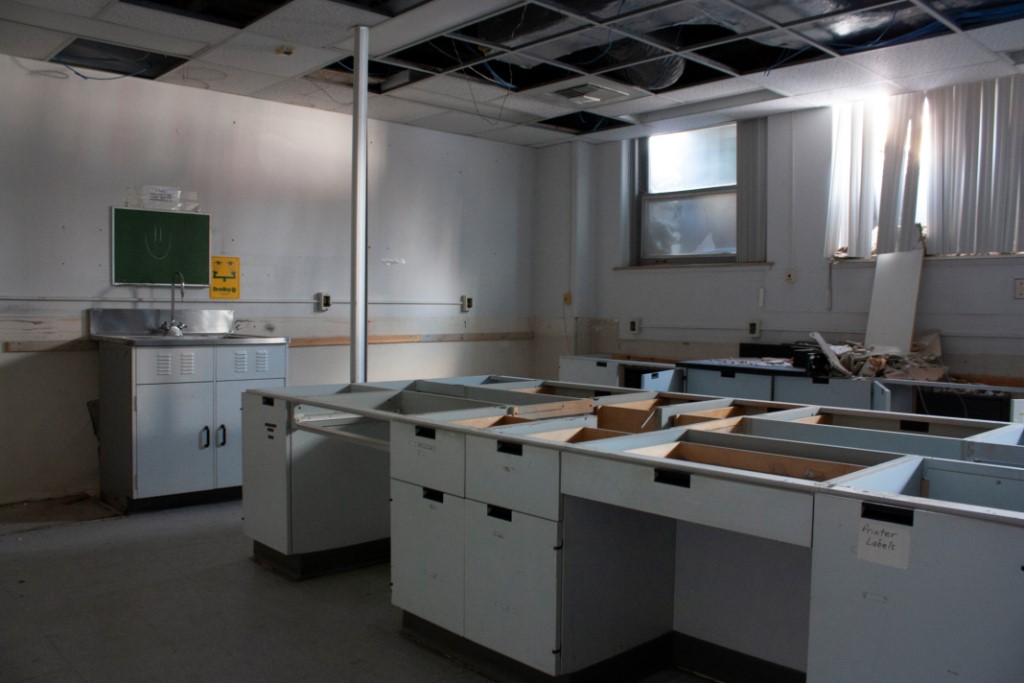
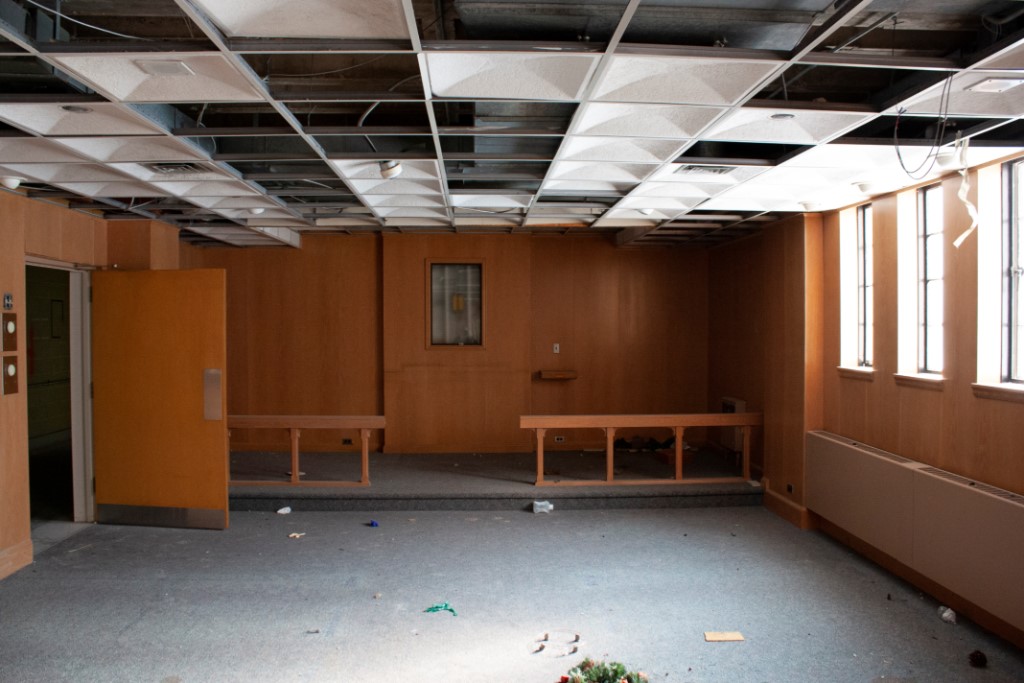
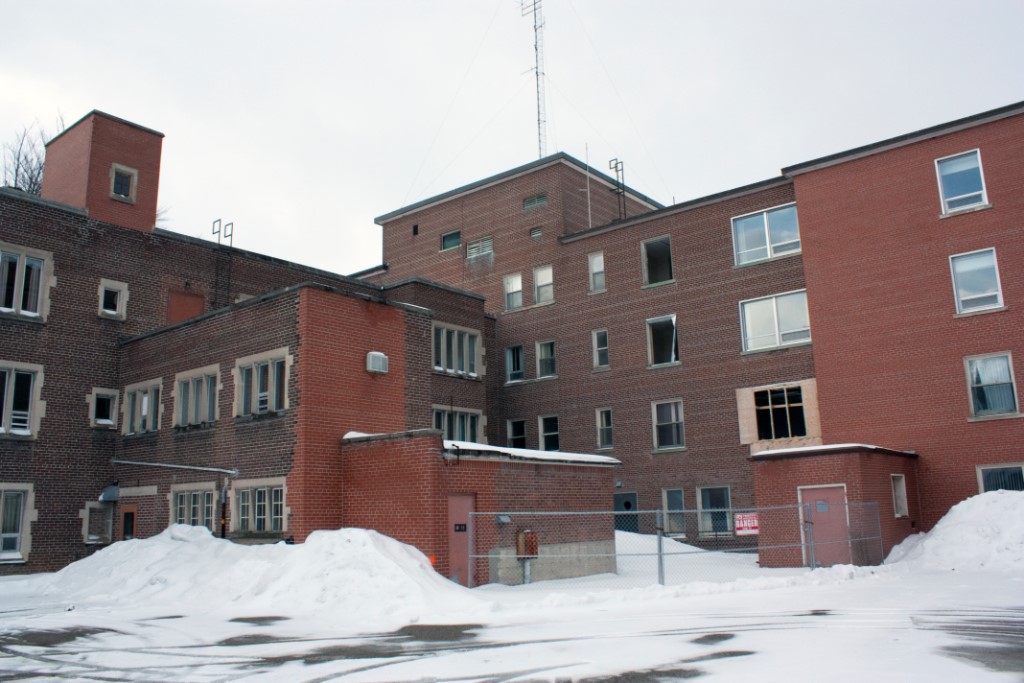
Following several typhoid epidemics and six years of debate, the Woodstock General Hospital was opened in 1895 and was situated on a hill between Riddell and Wellington Streets in the Town of Woodstock.

The original hospital contained a small operating room and thirty patient beds. In 1924 the West Wing was added to the property, an X-Ray department in 1925 and a Children’s Warn in 1935.

By 1951, Woodstock General Hospital had fifty-eight doctors and 119 beds which included 26 children’s beds and one isolation.

In 1954 work began on a new addition to the hospital, which saw most of the original structure torn down and replaced with a new wing facing Riddell Street. This new wing, comprising of a basement and three floors, included a laboratory, pharmacy, kitchen, administrative offices, and emergency department.

The new addition increased bed capacity to 155 beds and created two new operating rooms. On May 15, 1955 the patients were transferred to the new building. In 1967 another major addition was added to the hospital. Known as the Farthing Wing, it included physiotherapy facilities and a new laboratory. In 1997 renovations to create a new surgical suite, recreation room and chemotherapy and dialysis unit began.

In 2008 work started on a new three-story 32,515 square metre facility, on Juliana Drive, which would be double the size of the current facility and would include a twenty-two bed in-patient rehabilitation program, surgical services with five operating room theatres, a maternal women’s health unit and a dedicated pediatric room, as well as improved mental health facilities.

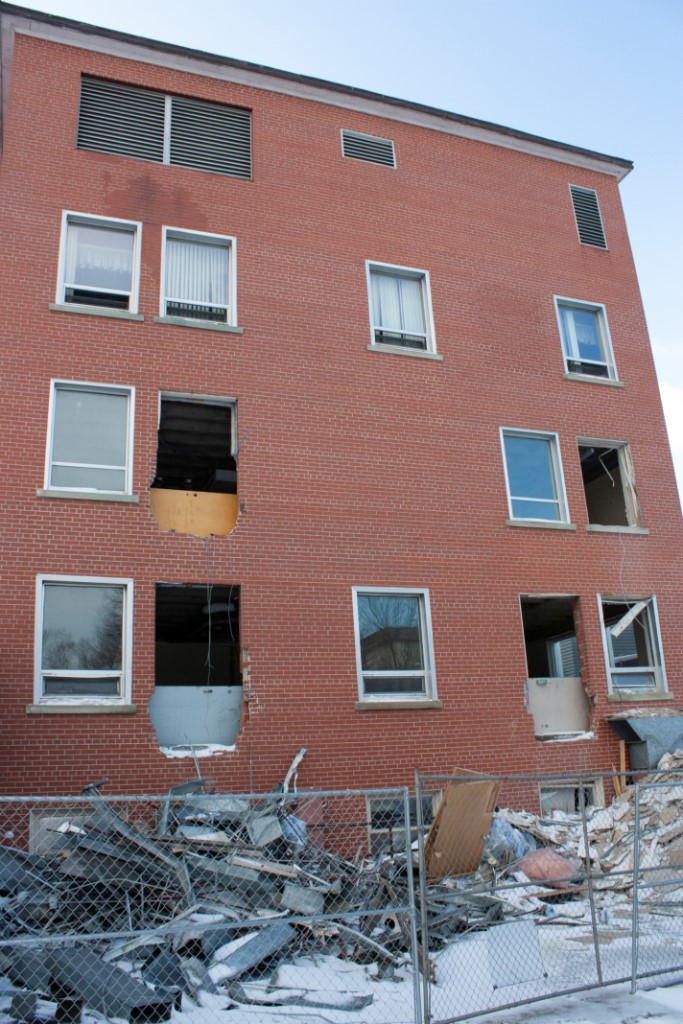
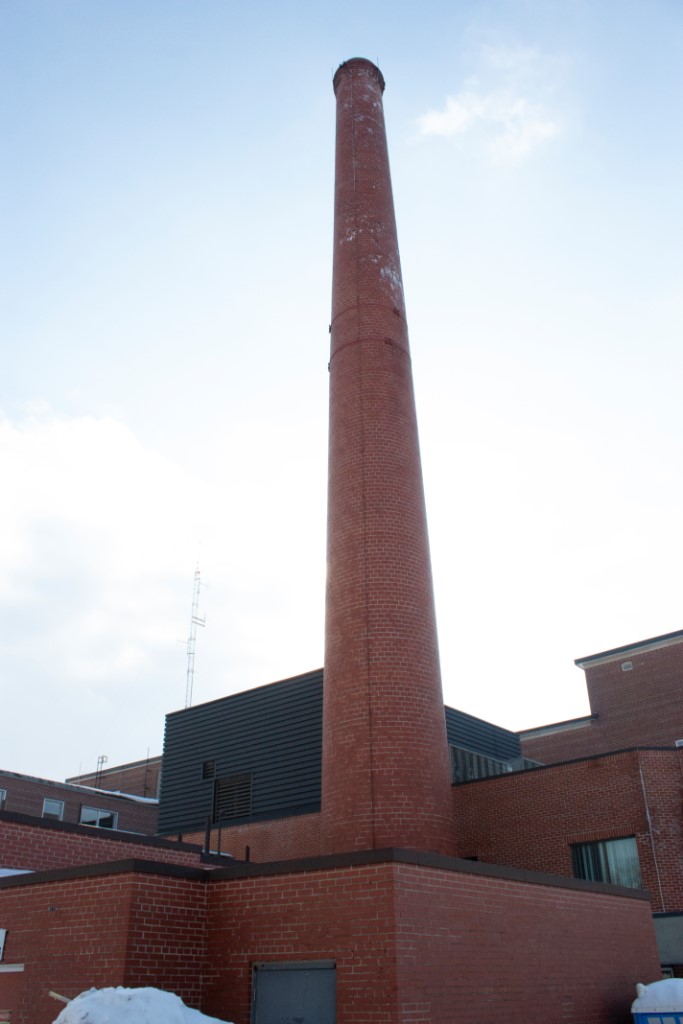
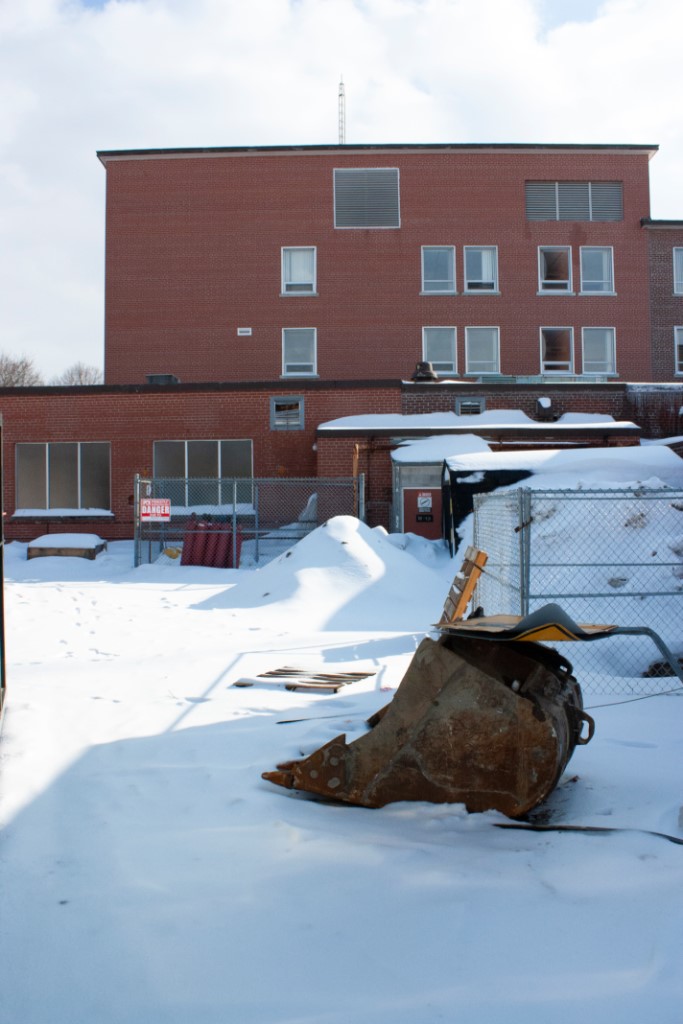
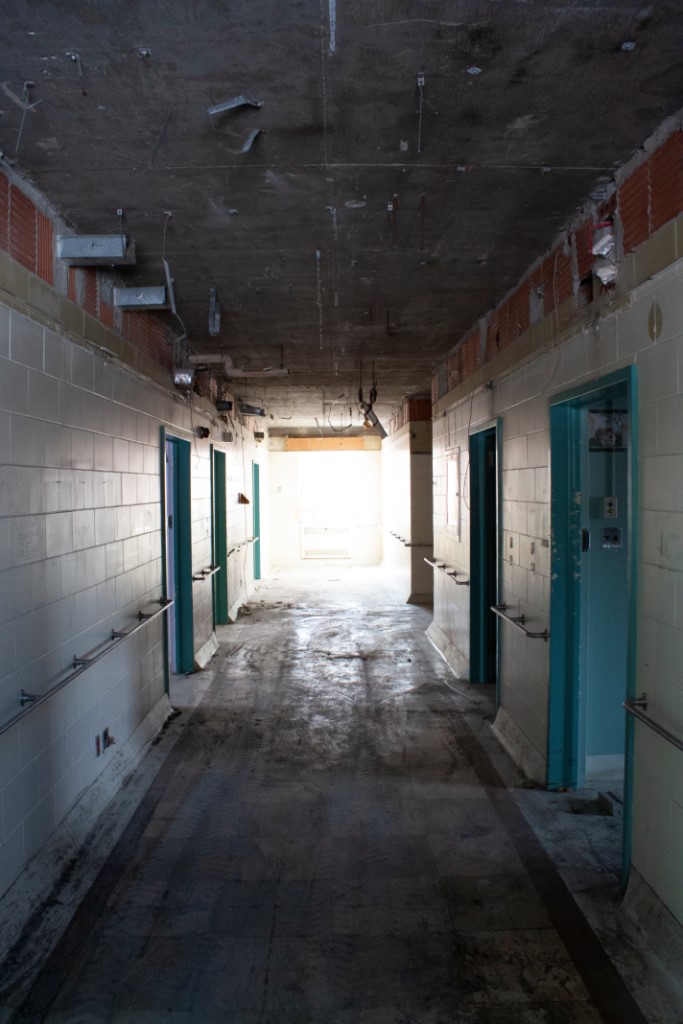
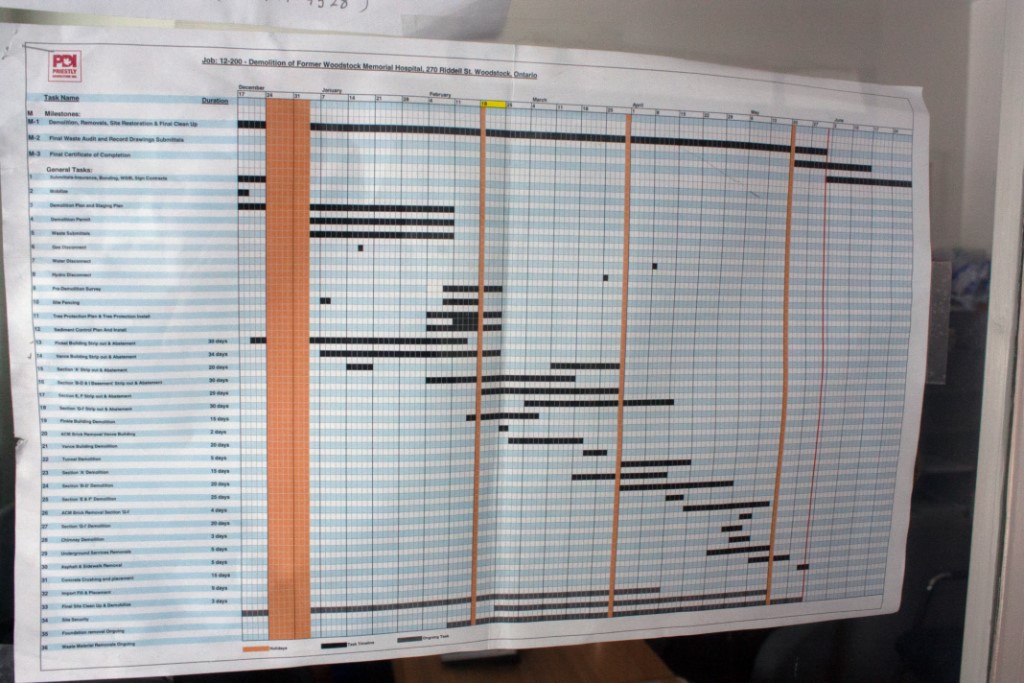
In 2011 staff members and patients were moved to the new hospital. On November 9, 2012 a demolition contract was awarded to Priestly Demolition. The old hospital was demolished in 2013.

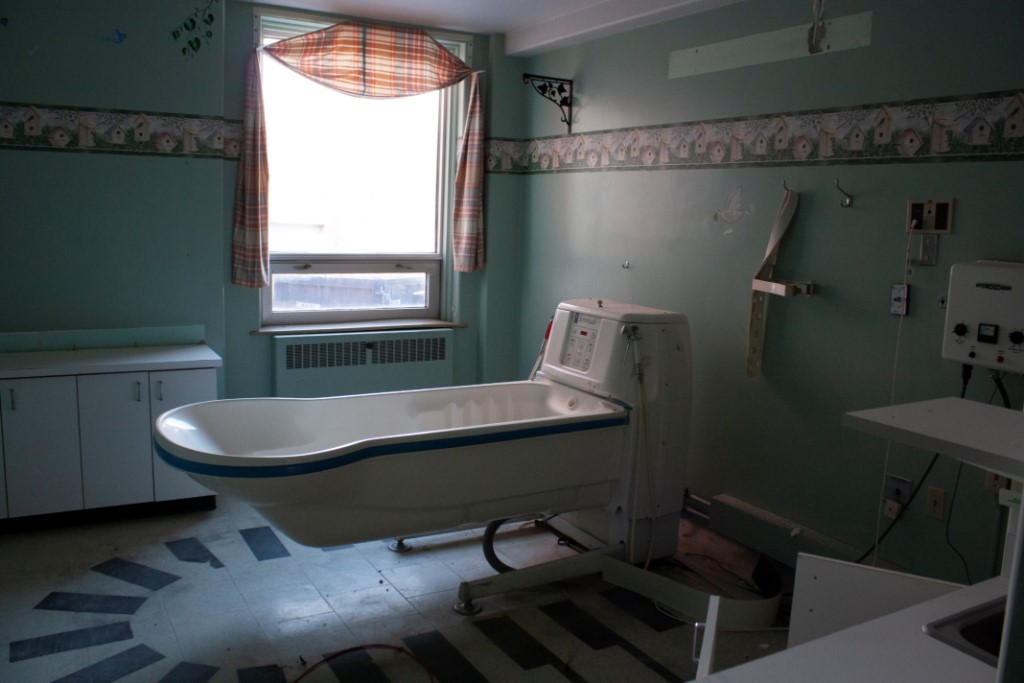
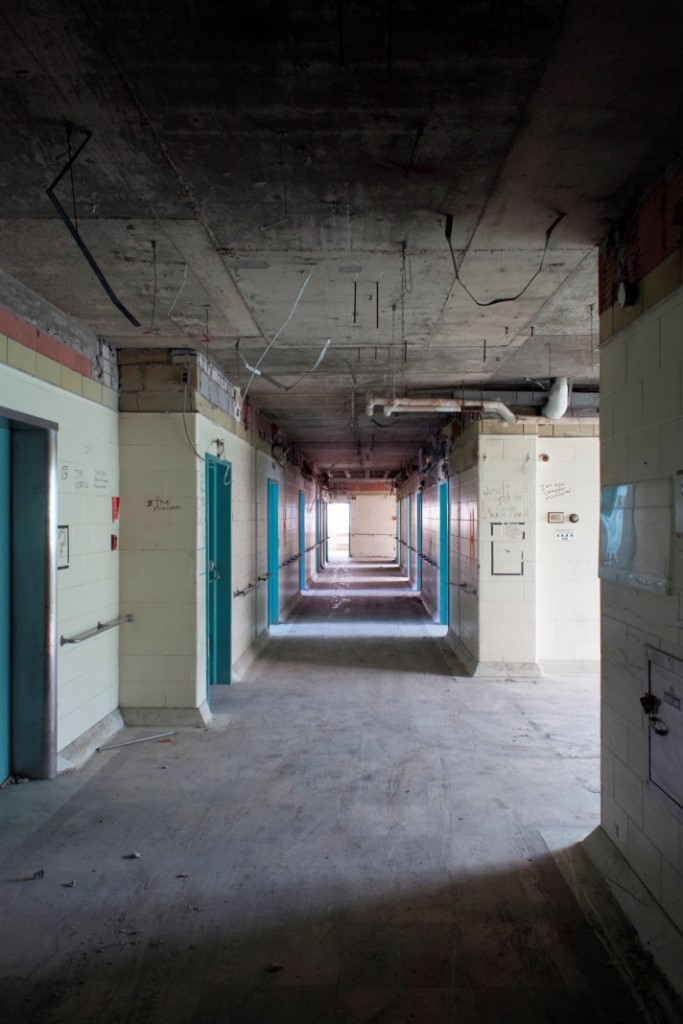
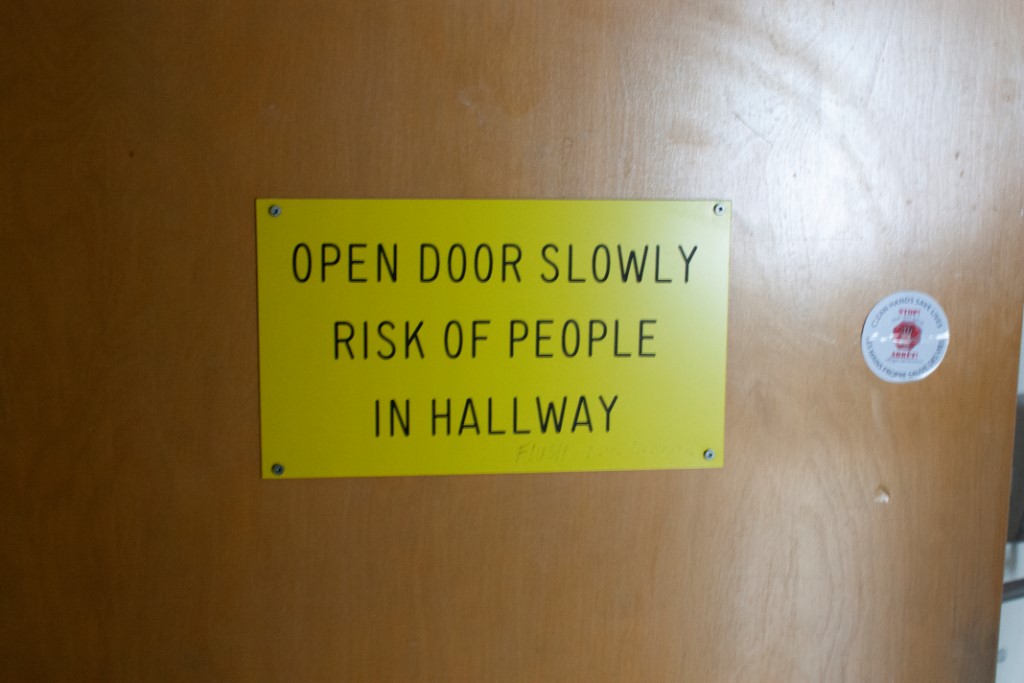
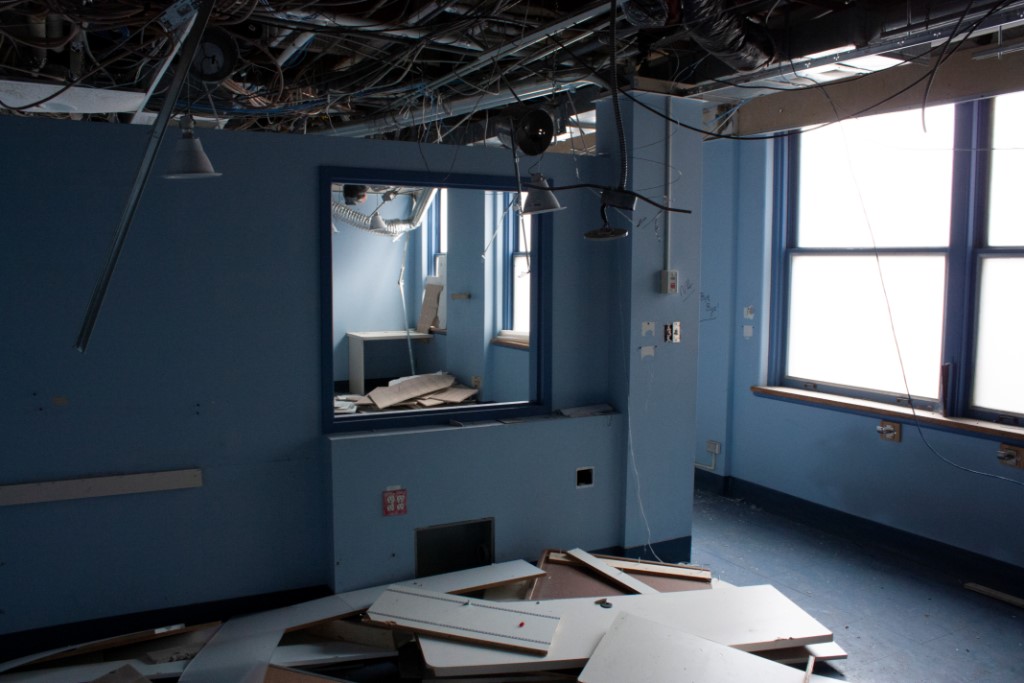
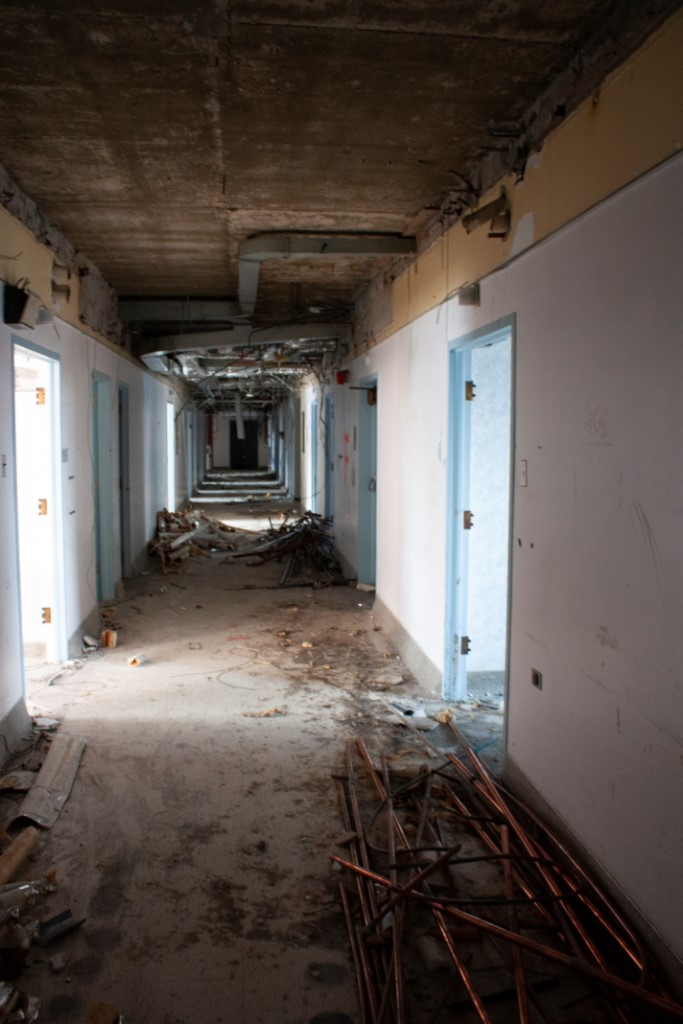
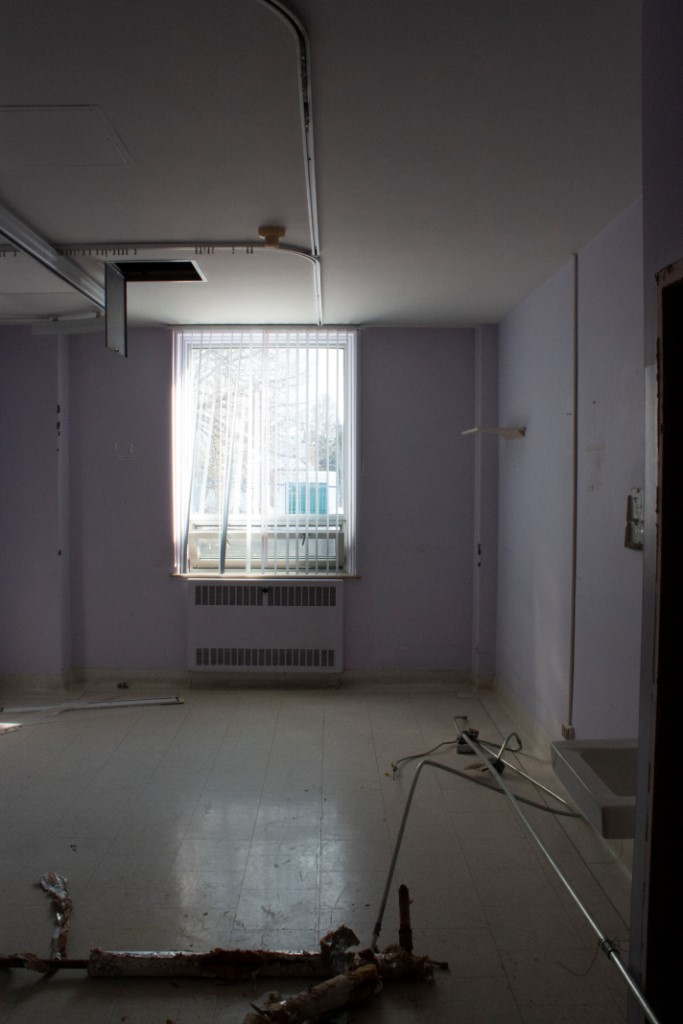
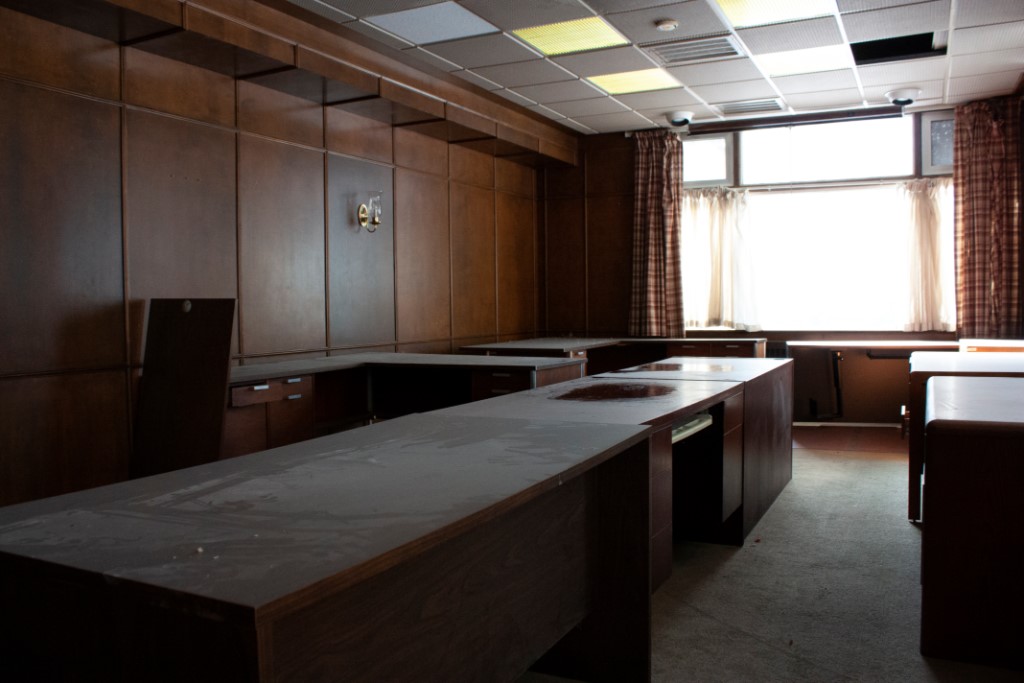
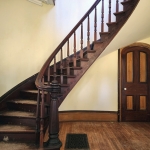
A very cool security guard allowed me inside to take photos, though the morgue was off limits. These photos are quite old.


Abandoned Cattle Farm in Milton, Ontario

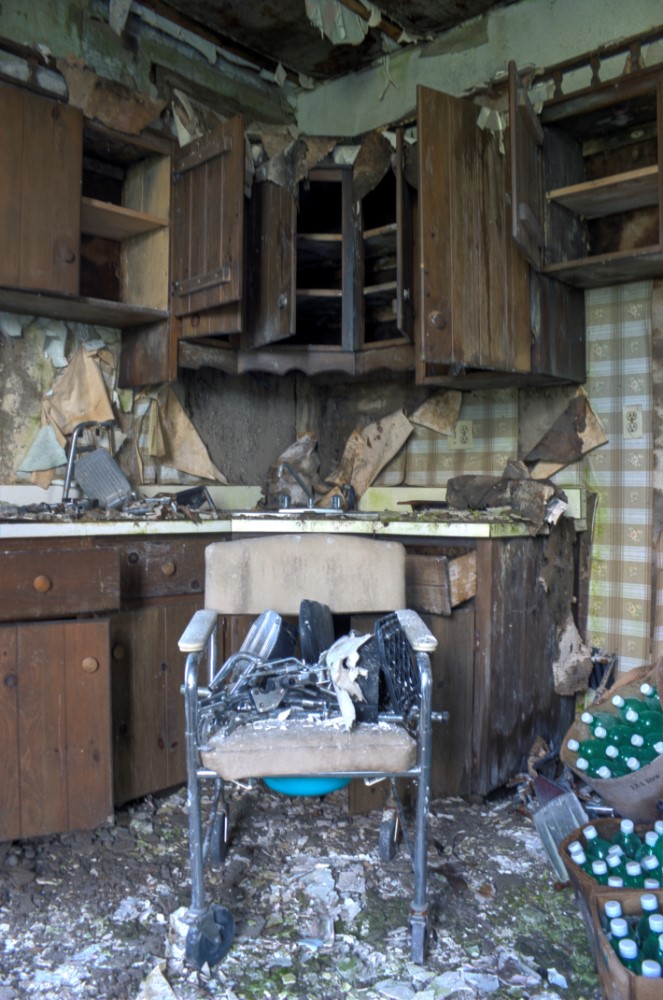
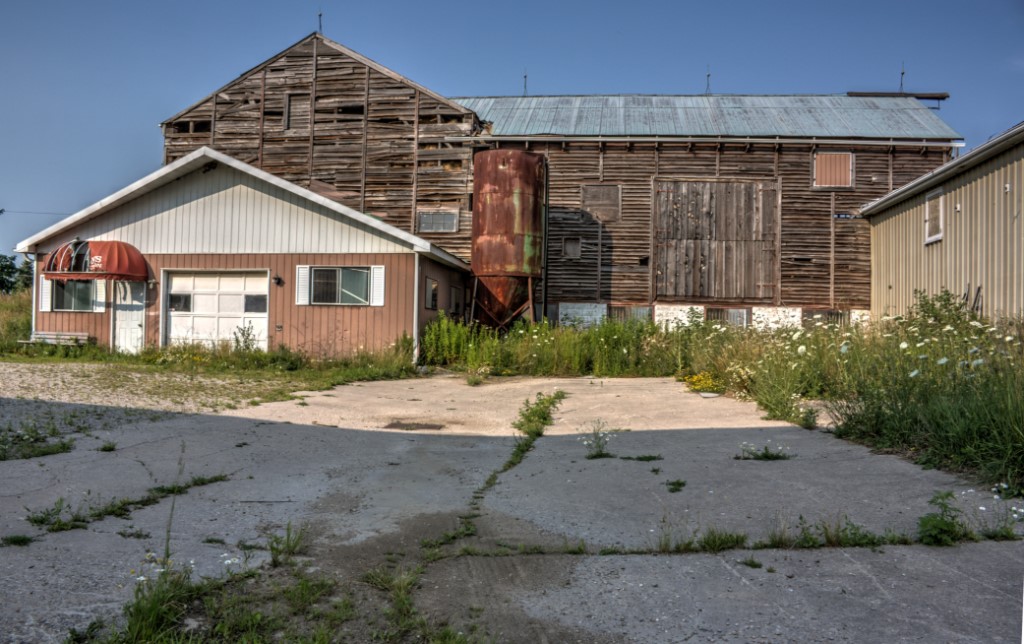
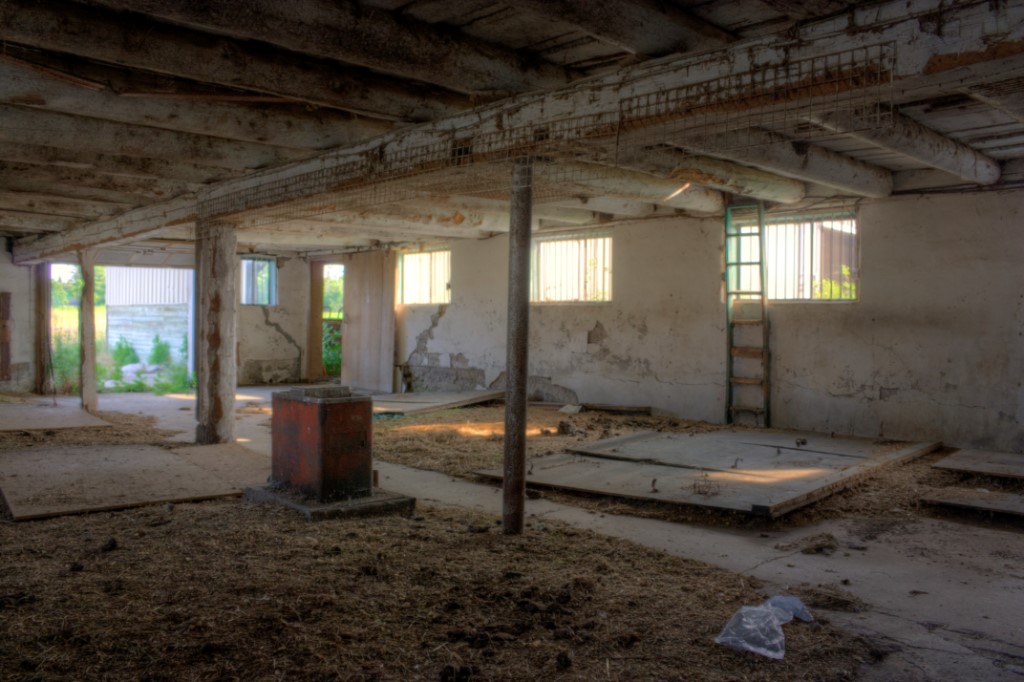
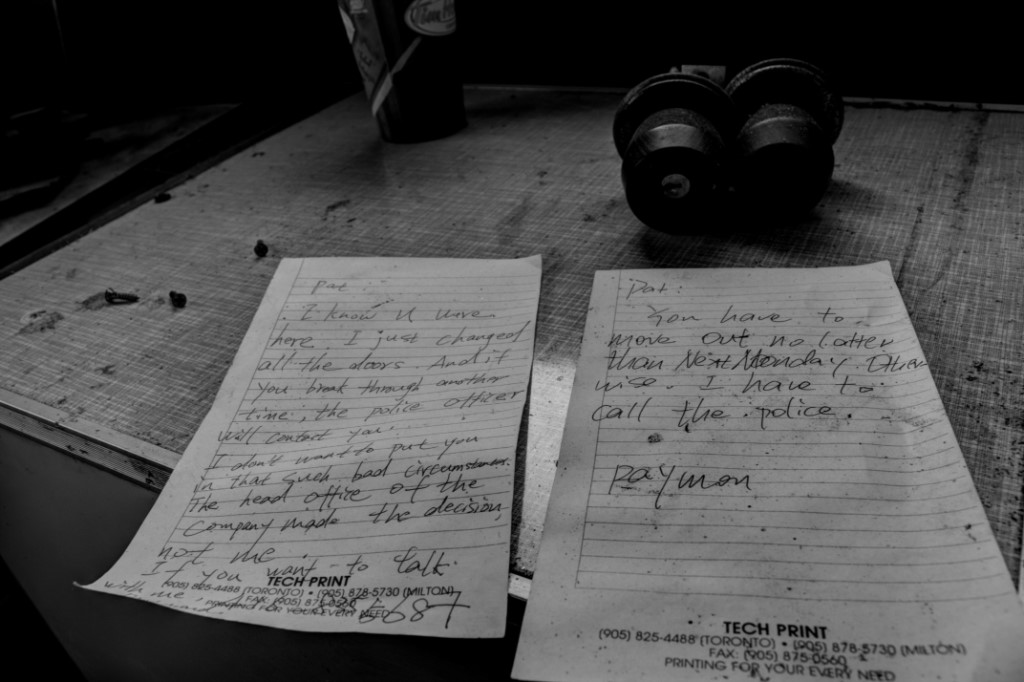
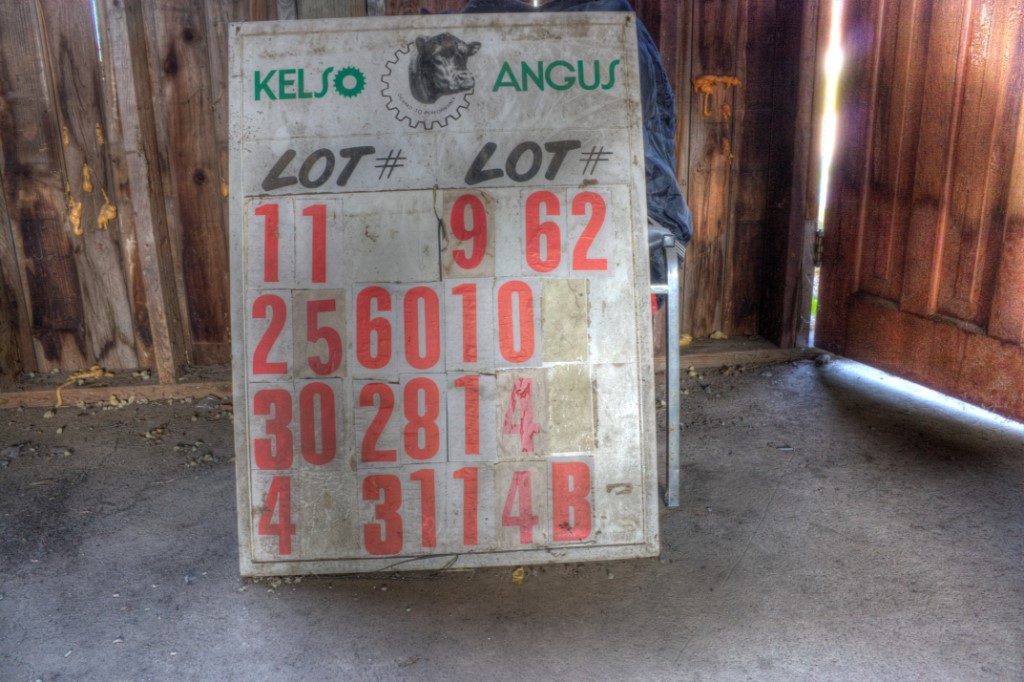
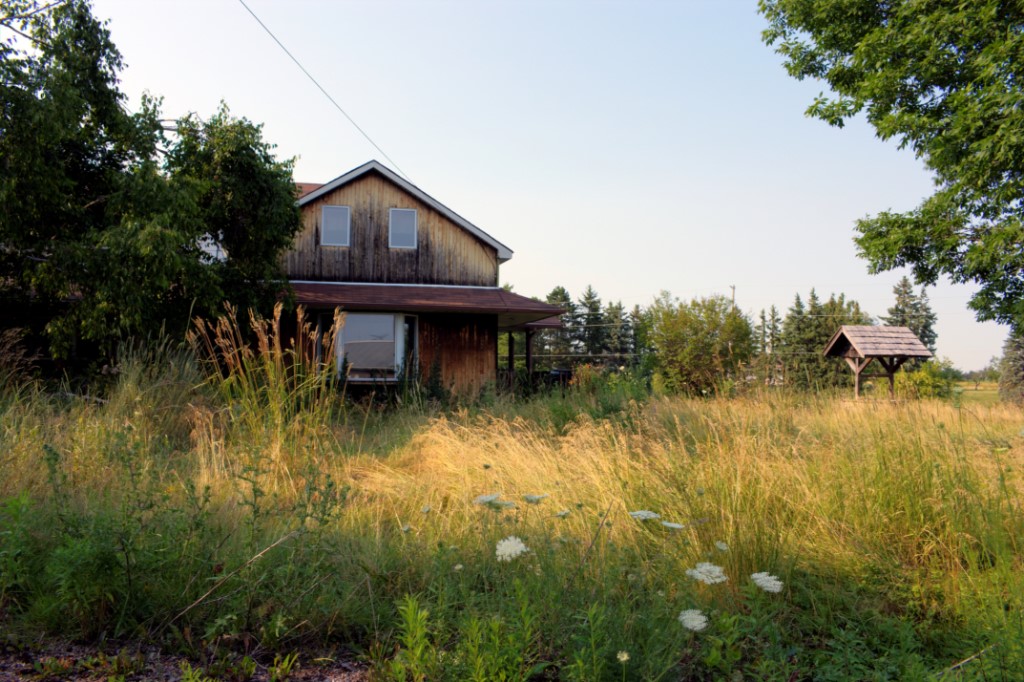
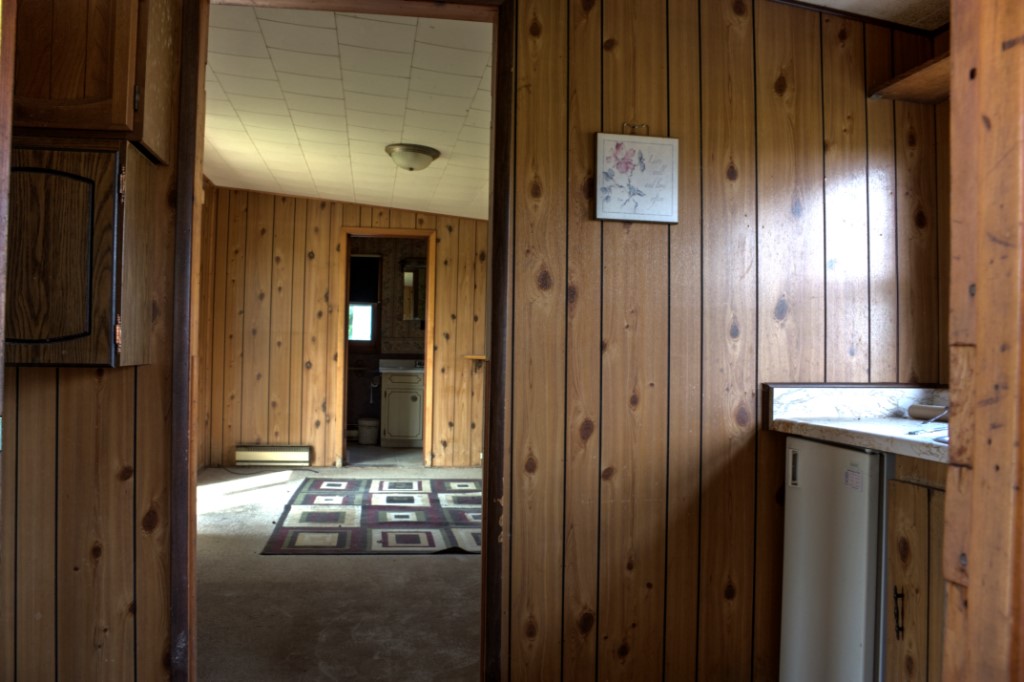
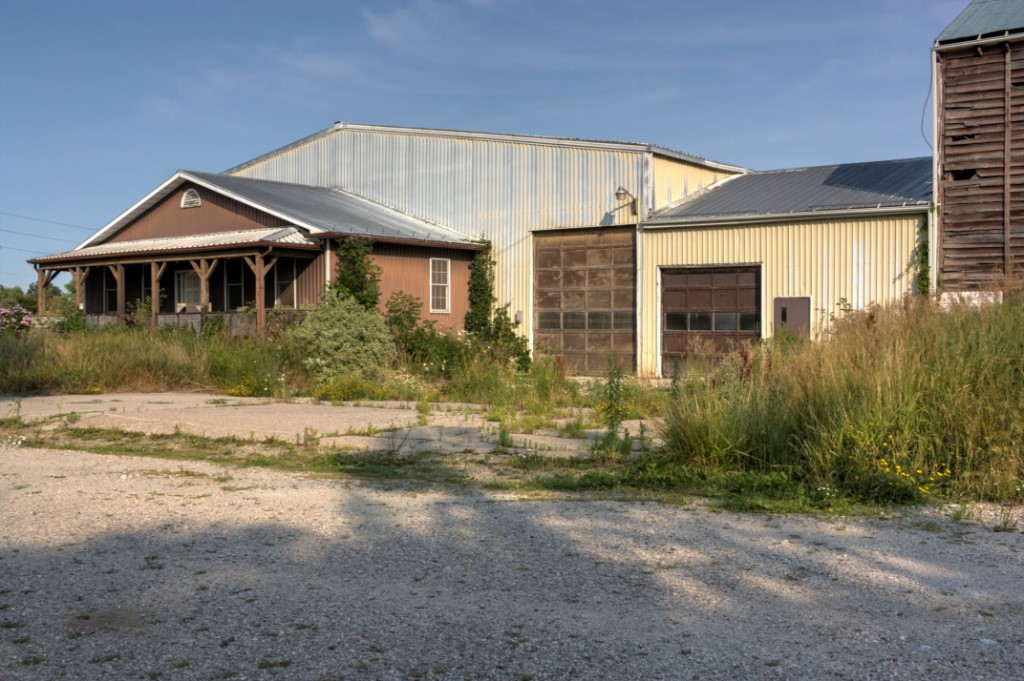
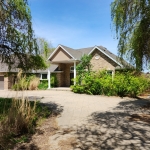
This former farm is near Milton, Ontario. There’s still electricity inside the house. A note inside indicates that a squatter or tenant has to move out shortly.

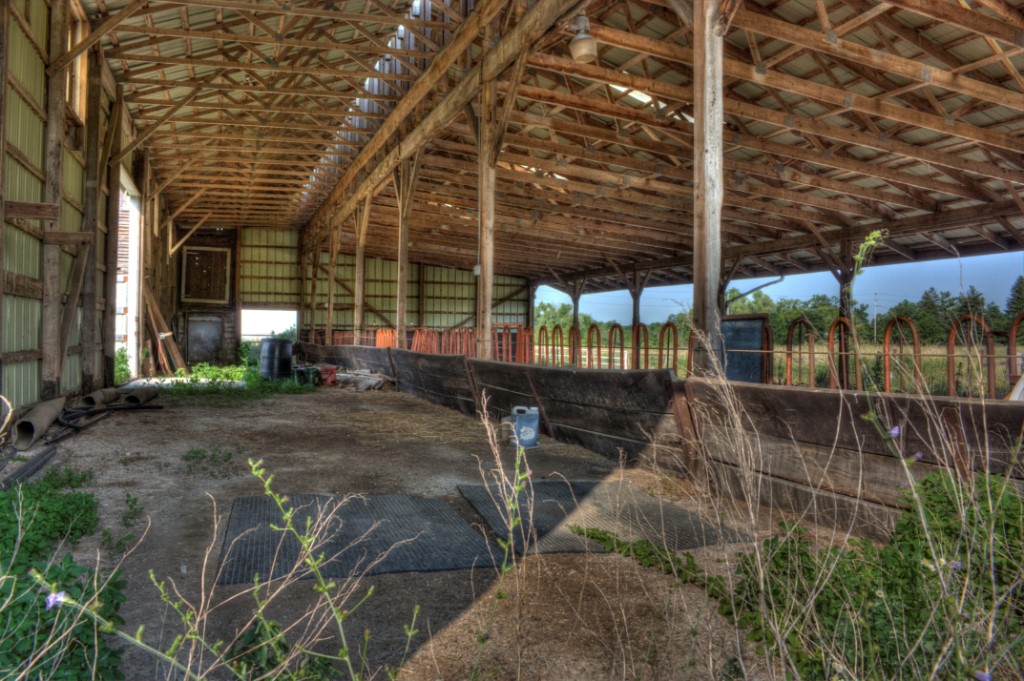
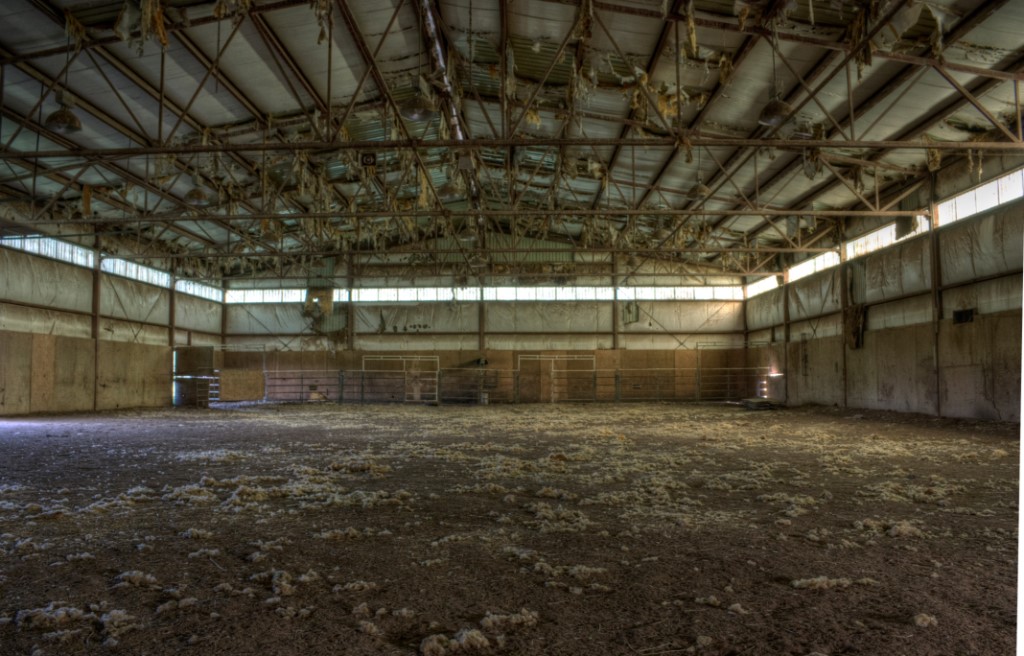
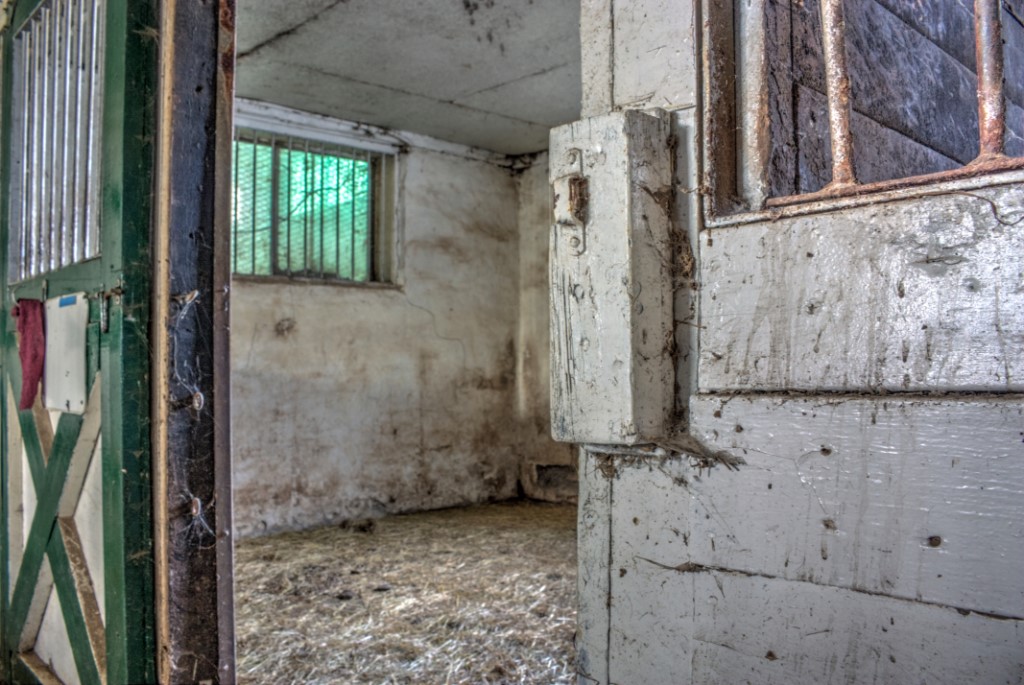
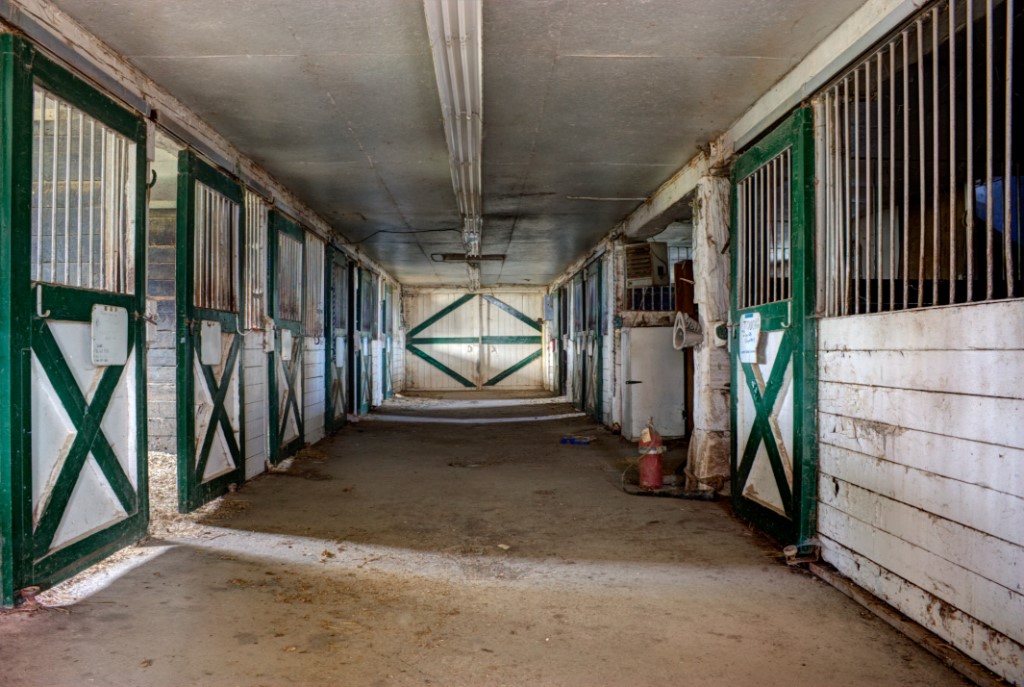
There are barns, stables and an indoor riding arena where the cattle were shown or horses were ridden.

As of June 2017 the house has been renovated and is active again.


Peter Grant Mansion – Canada’s Largest Abandoned Mansion

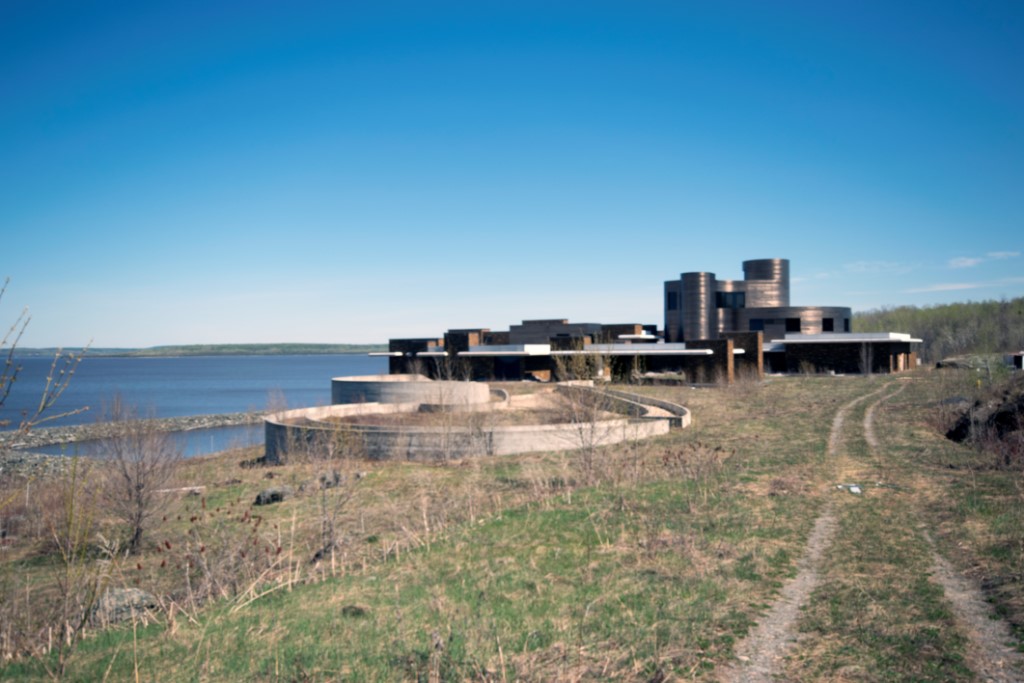
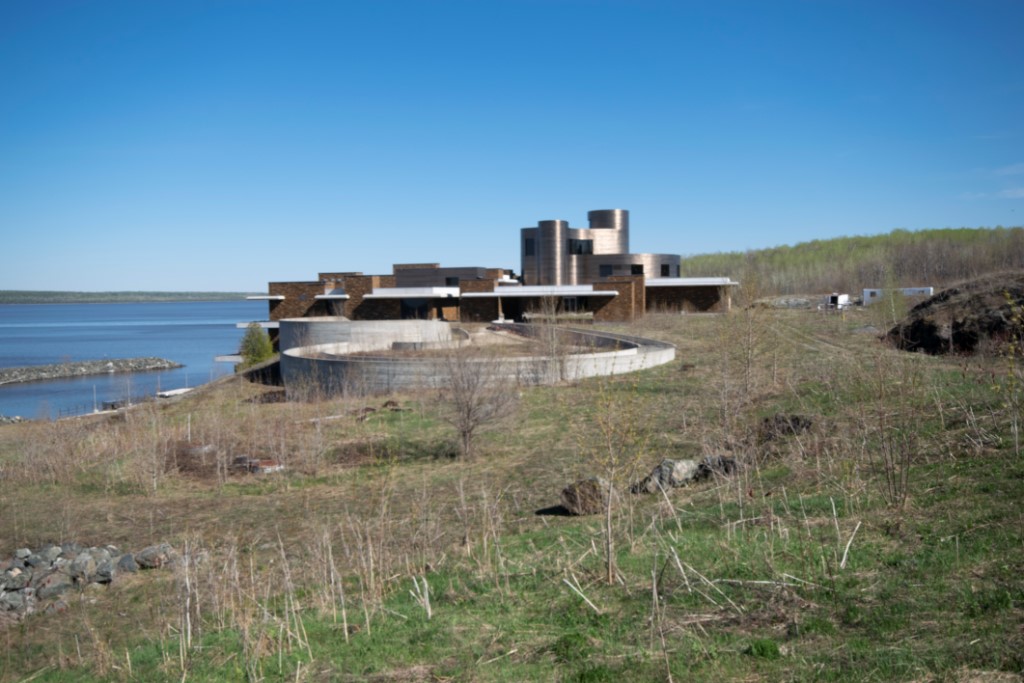
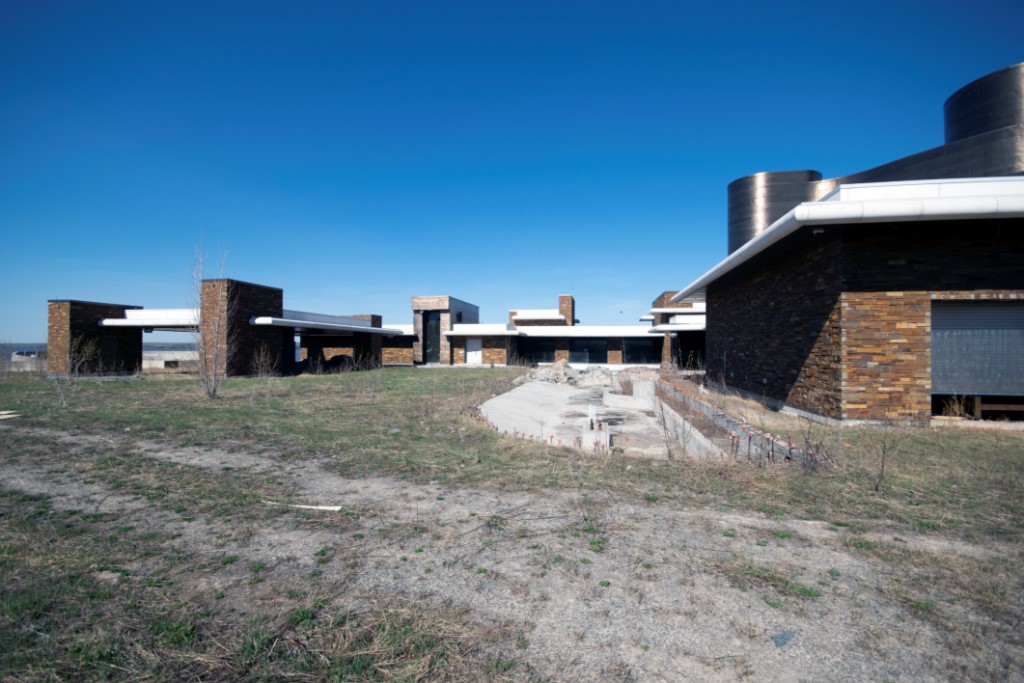
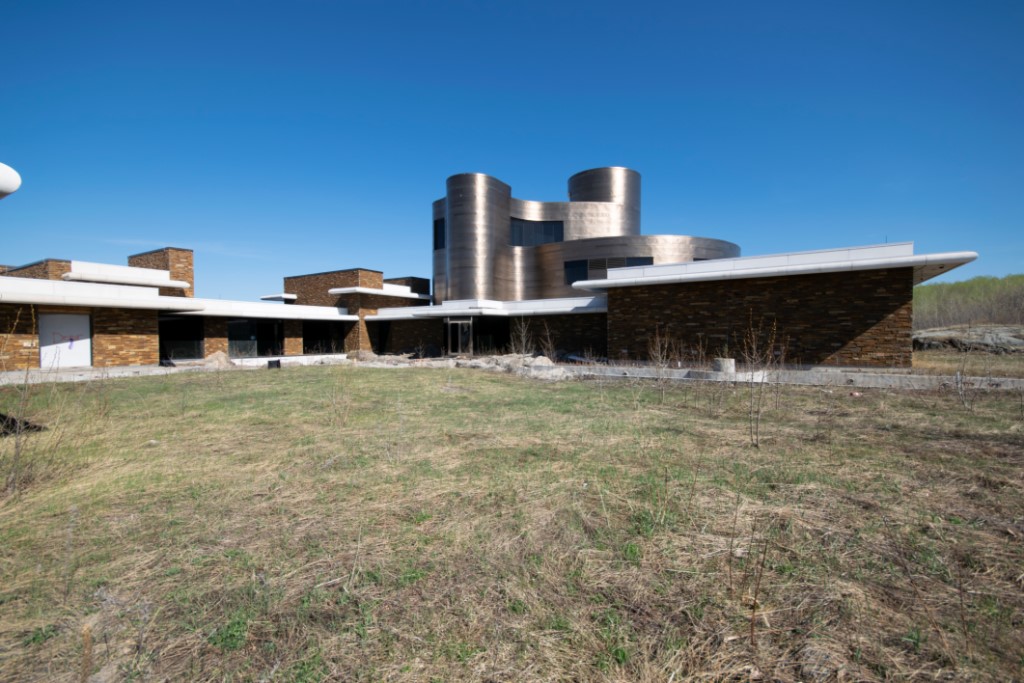
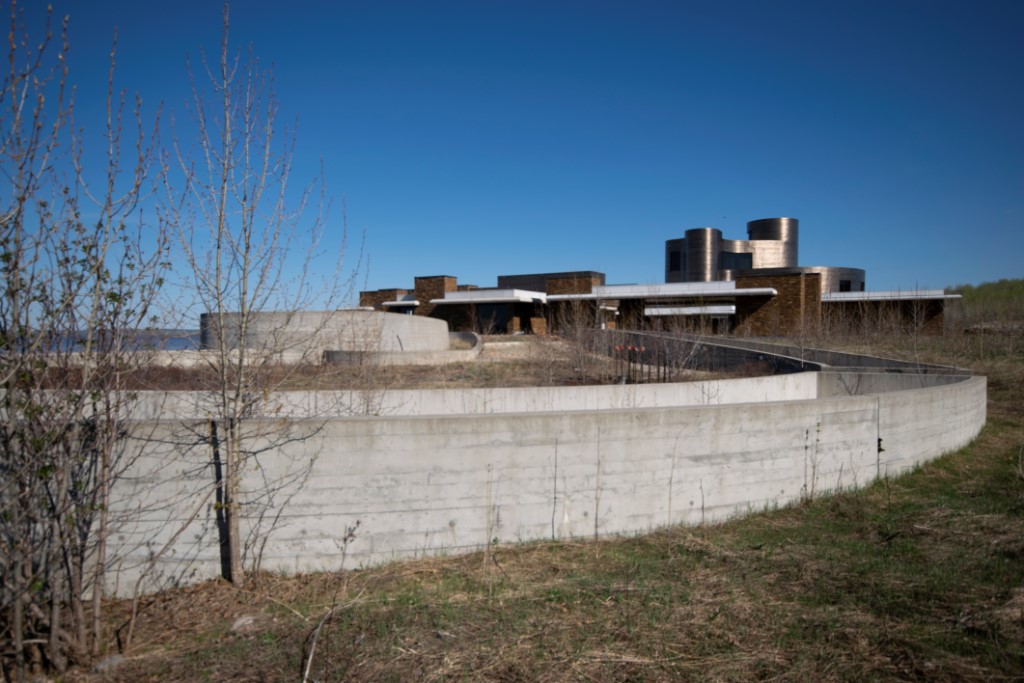
At 65,000 square feet, the Peter Grant Mansion goes by different names – Haileybury House, Peter Grant Mansion or simply “Canada’s Largest Mansion”. It was built along the shores of Lake Temiskaming in Northern Ontario by Peter Grant Junior.

Peter Grant grew up in the New Liskeard area. He started as a plant manager for Elk Planning Mill Limited and became president of the company in 1976. The same year he became president of the Grant Lumber Company Limited. which held partial ownership of the Elk mill until 1995.

Mr. Grant started Grant Forest Products in 1980, making him the 87th richest person in Canada by 2004. His company was North America’s third largest supplier of oriented strand board. Peter built his own private nine hole golf course named Frog’s Breath. He used his money for philanthropy, raising millions for charity through the Frog’s Breath Foundation.

In 1998, he held the first of many annual fundraising events, raising $523,000. In 2005, $500,000 raised was split between the Temiskaming Hospital and the Englehart and Area Community Complex. In 2006 the foundation was able to donate $750,000 towards the Kirkland District Health Centre.

Over a period of 9 years these golf tournaments raised over $12 million dollars with the help of hundreds of volunteers, community supporters and the generosity of Grant Forest Products Incorporated who matched the event proceeds.

By 2007 however the tournament was cancelled, citing the financial downturn in the lumber industry.

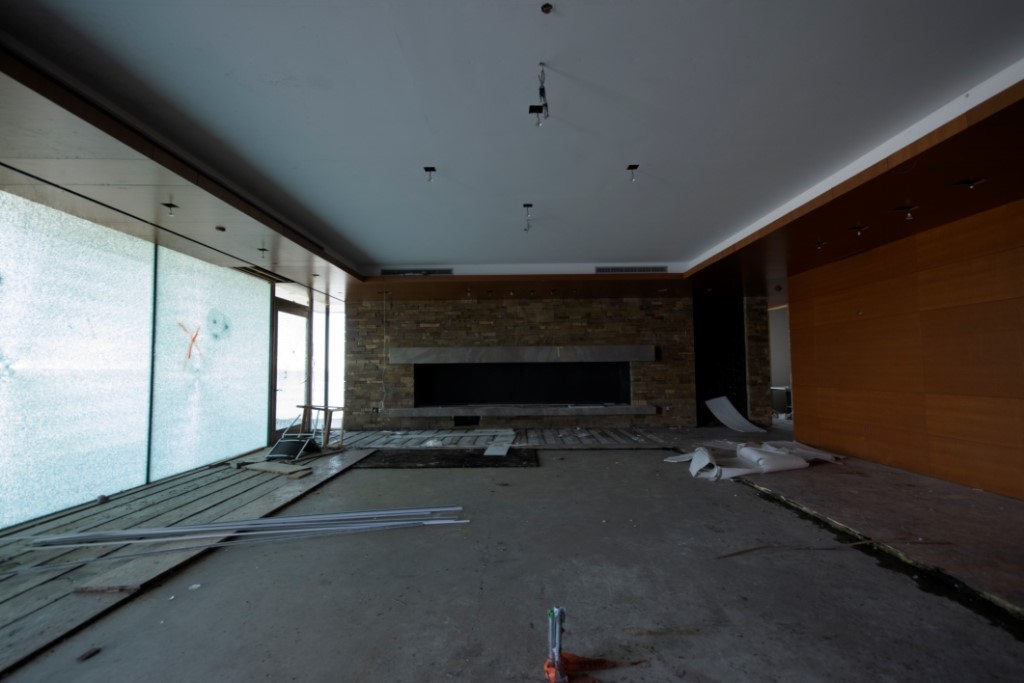
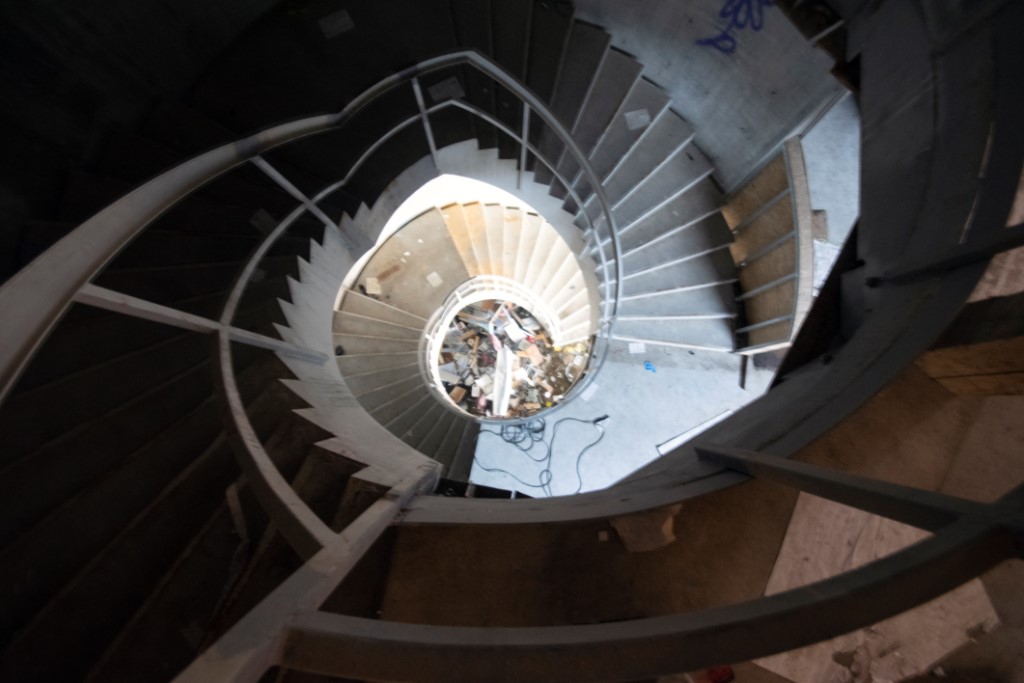
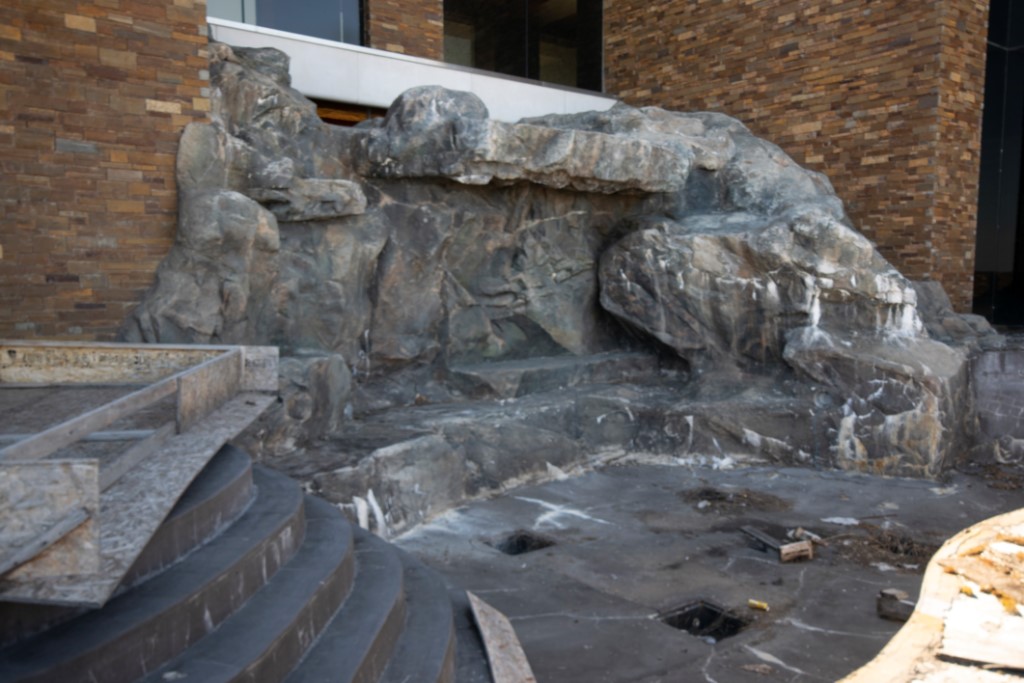
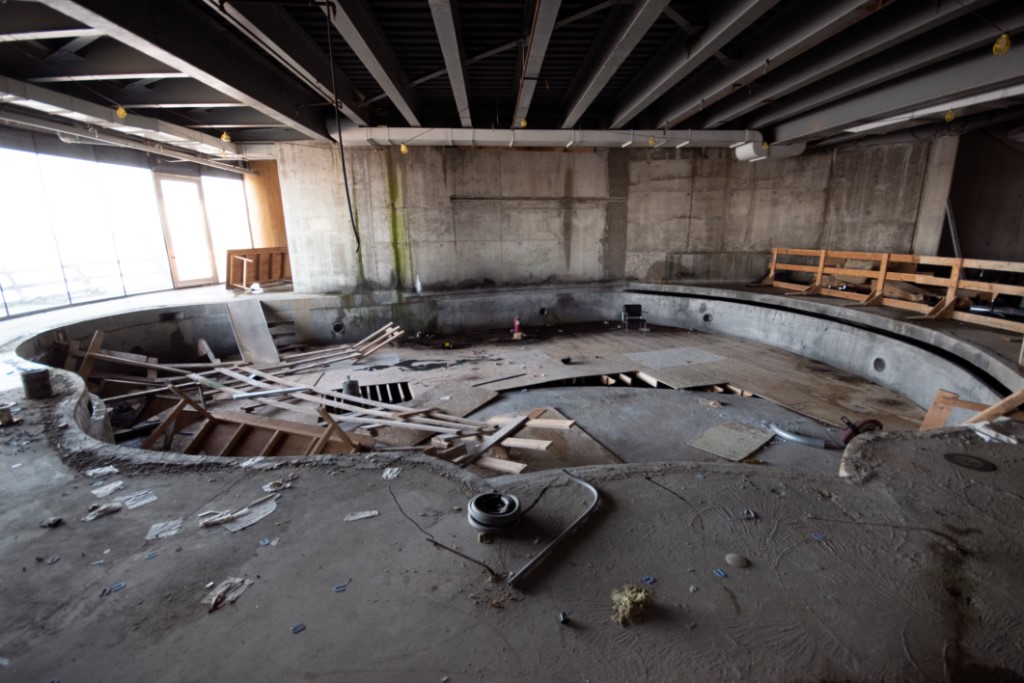
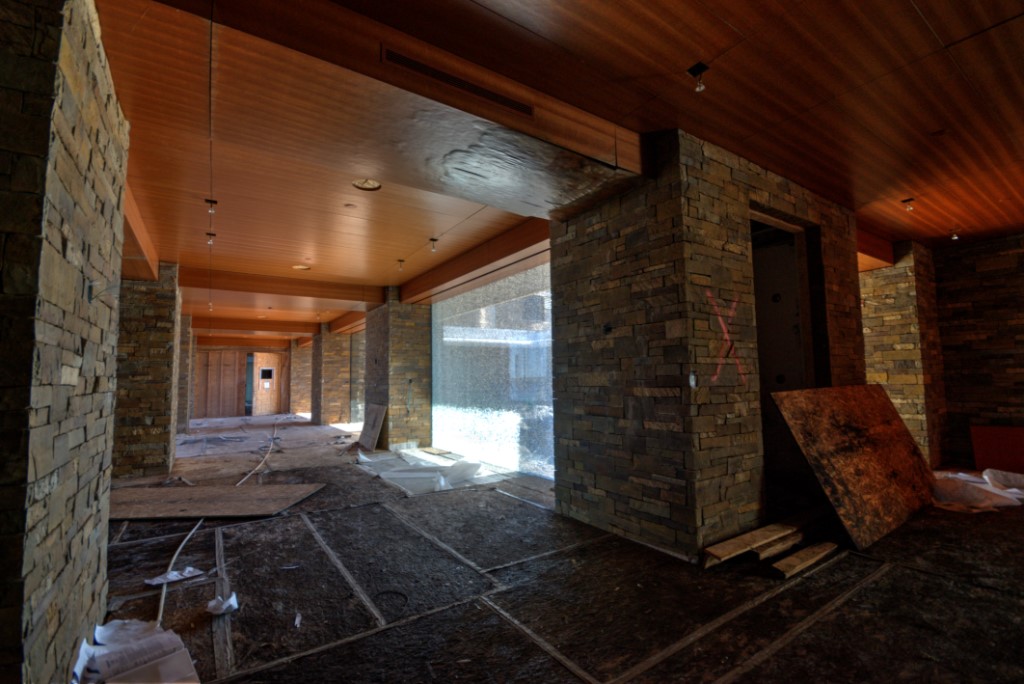
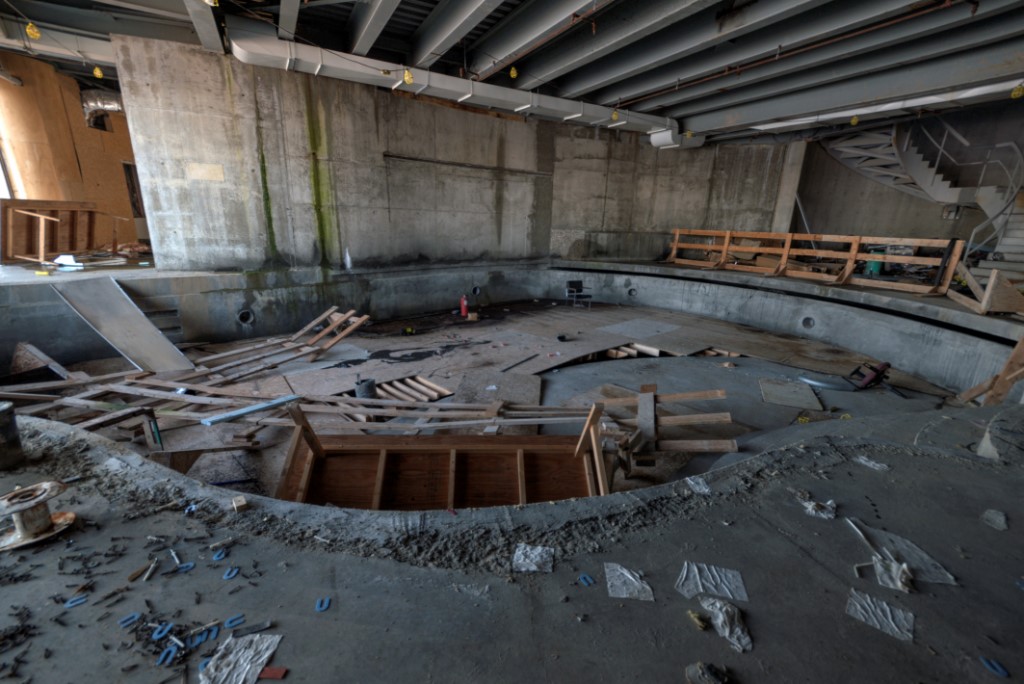
Construction of the mansion began in 2005, which was to be used as both Peter’s home and a corporate office. The house was to feature an art gallery, waterfalls, golf course, and squash court. It has two elevators, a boat house big enough for a 40-foot yacht, an indoor pool, a giant hot tub and 30-foot fireplaces in the master bedroom and living room.

By 2009, the American housing market downturn led to the company filing for court protection from creditors, with a roughly $600,000,000 debt. All of the company’s assets, including the mansion, were put up for sale. Construction of the house stopped in 2008.

In 2010 the property was listed for sale at $25,000,000 and sat idle for a few more years until being purchased by a Toronto company. For three years the company failed to pay the taxes on the property and the town of Haileybury put the property up for sale. In the final hours before the sale, the company came forward and paid the taxes owing.

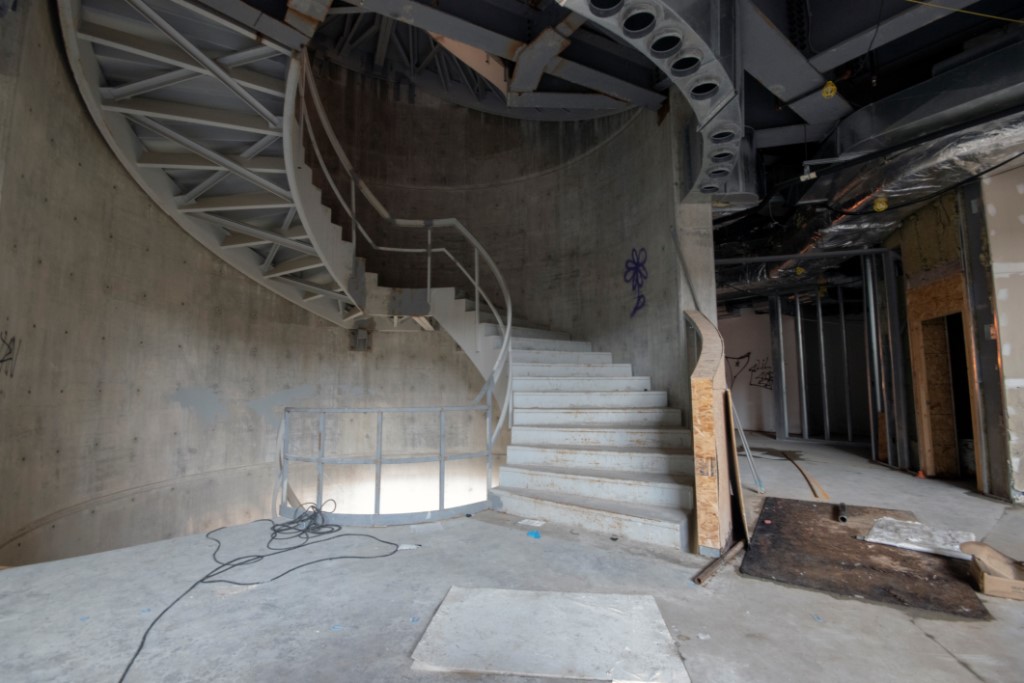
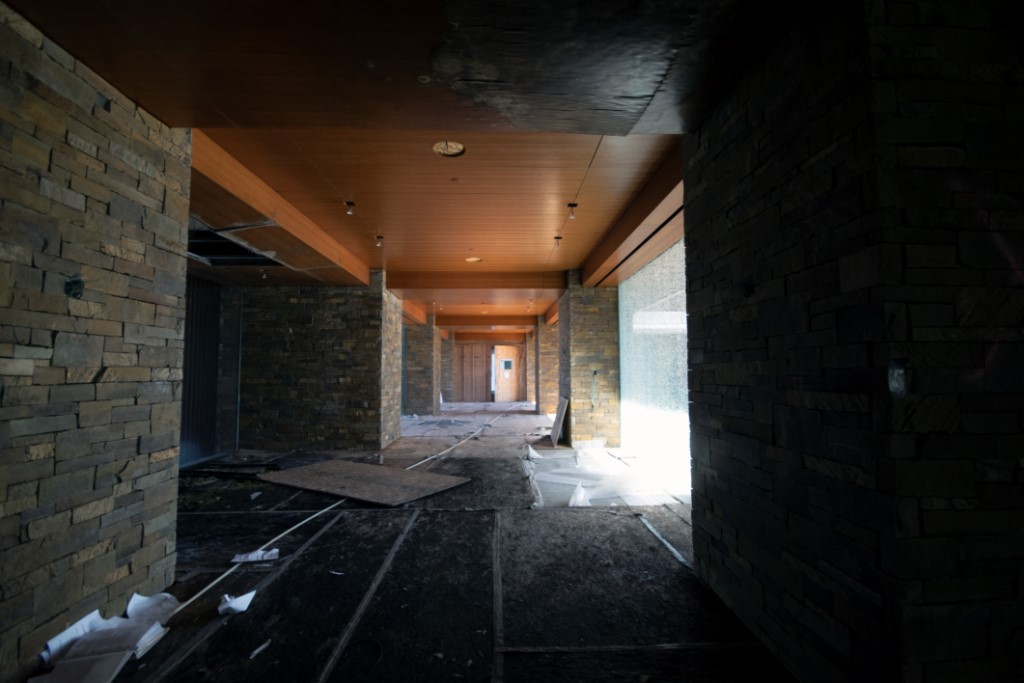
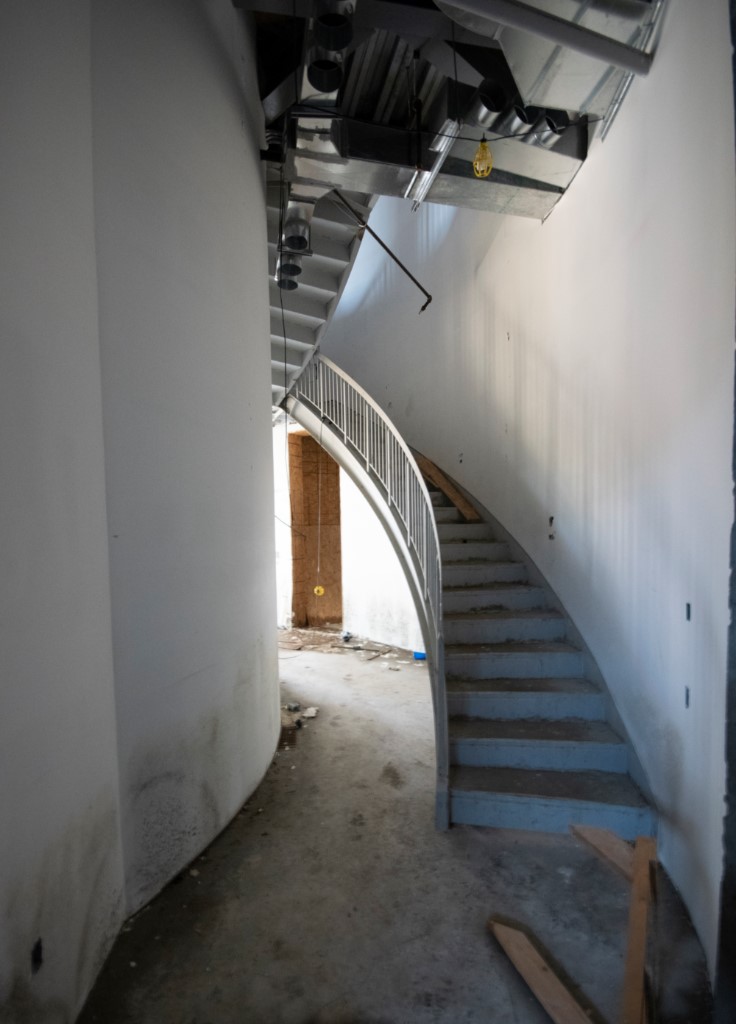
It’s estimated that the property would need $1 million just to complete the construction. The mansion sits in disrepair. The floors are still plywood, electrical wiring hasn’t been completed, the walls were left unfinished and the property has an industrial look to it rather than a home.

The property has been fenced off and No Trespassing signage posted.


Video
October 2023 Update

CBC news reporter Erik White published an article about how the property has been purchased by a Texas entrepreneur named Chris Fischer.

Canada’s largest house and infamous northern Ontario eyesore set to star in ‘Mansion Impossible’
Erik White · CBC News · Posted: Oct 13, 2023 2:23 PM EDT | Last Updated: October 13

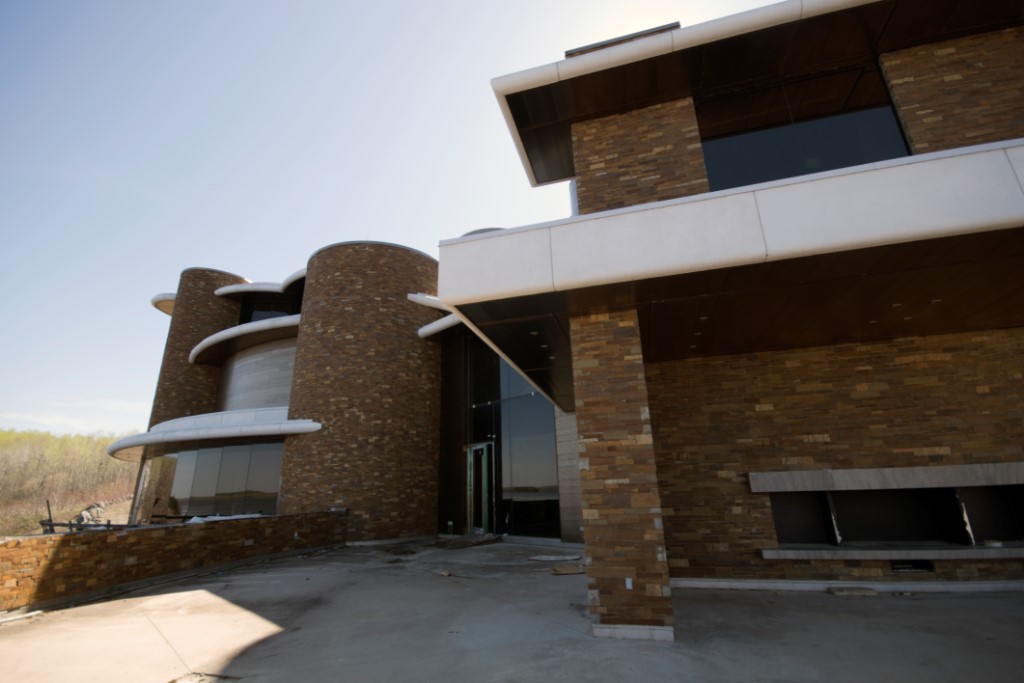
A large silver and round house is surrounded by tall grass
This 65,000 square-foot unfinished mansion on the shores of Lake Temiskaming that has become an infamous eyesore over the last decade is about to become the star of a reality TV show called ‘Mansion Impossible’. (Erik White/CBC)

After years of sitting abandoned, things are finally happening at one of northern Ontario’s most infamous eyesores.

The Grant mansion on Lake Temiskaming in Haileybury is said to be the largest house in Canada, but it was never finished.

Now it is set to star in a proposed new reality TV show called Mansion Impossible

“It’s spooky, scary, destroyed. It’s a mess,” producer Theresa Kowall-Shipp said of the inside of the 65,000 square-foot house.

Forestry magnate Peter Grant envisioned a sprawling lakefront mansion when his company purchased the land for $110,000 in 2004.

Plans were made for a massive subterranean boathouse, a golf course and a moat on the outside, while the inside would feature waterfalls, an art gallery and only one bedroom. 

It was listed for $25 million in 2010, was sold to a numbered Toronto-based company, that has done little on the property other than put up fencing and security cameras, although that has not kept keep vandals and curious visitors from trespassing. 

“Folks come into town and they want to know where it is and can they go have a look,” said Temiskaming Shores Mayor Jeff Laferriere. 

A 'private property/no trespassing sign' on a chain link fence with a large house in the background
The Grant mansion was almost seized by the City of Temiskaming Shores for unpaid taxes in 2017, but the owners covered the $150,00 bill just before the deadline. (Erik White/CBC )

Kowall-Shipp says a Texas entrepreneur named Chris Fischer, who she describes as an “audacious, irreverent, master of sarcasm,” recently took possession of the house through a private vendor take-back mortgage agreement with the numbered company.

“He’s looking a lot of different possibilities for what this property could turn into, what this house could turn into. That’s a big part of the story we’ll be following,” she said.

Mansion Impossible, which is currently being shopped around to TV networks and streaming services, would also tell the “fish of out water” story of a Texas family that moves to northern Ontario to take on this major renovation project, expected to take several years to complete.

“The plan is that we will be following them into the house in the spring and we will watch and record what happens when they get in there,” said Kowall-Shipp.

“I’m actually staring at the building right now from my office,” said Mayor Laferriere.

“You know, just seeing it rot has been a challenge.”

He says people in Temiskaming Shores are excited to see something finally happening with the house, and “it’s going to be a challenge, but at the same time, what a great idea.”

Erik White is a CBC journalist based in Sudbury. He covers a wide range of stories about northern Ontario. Connect with him on Twitter @erikjwhite. Send story ideas to erik.white@cbc.ca


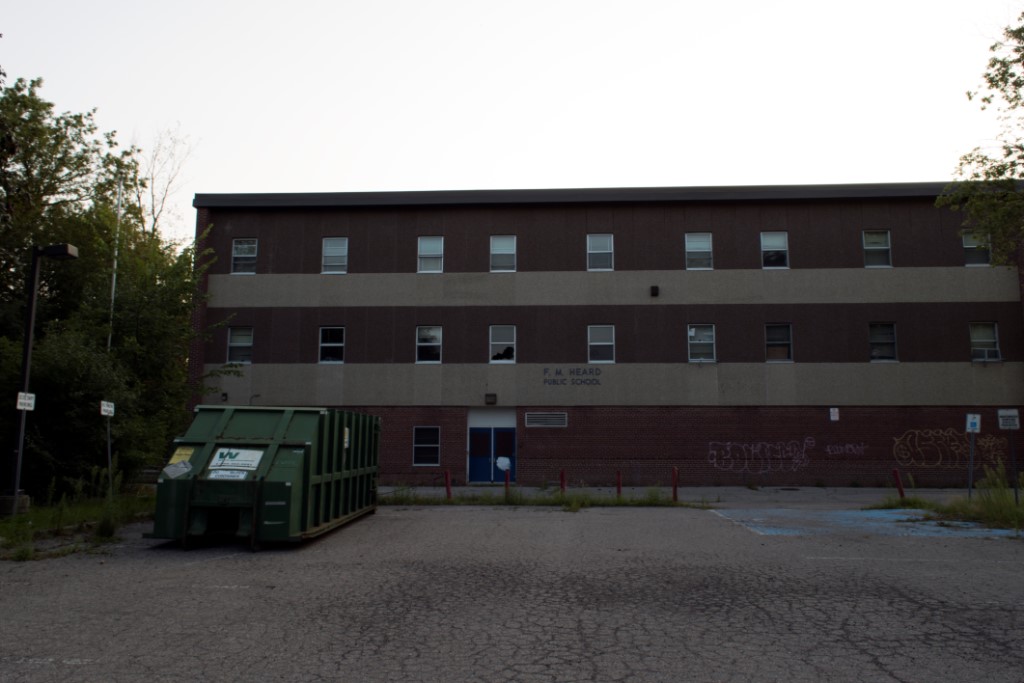
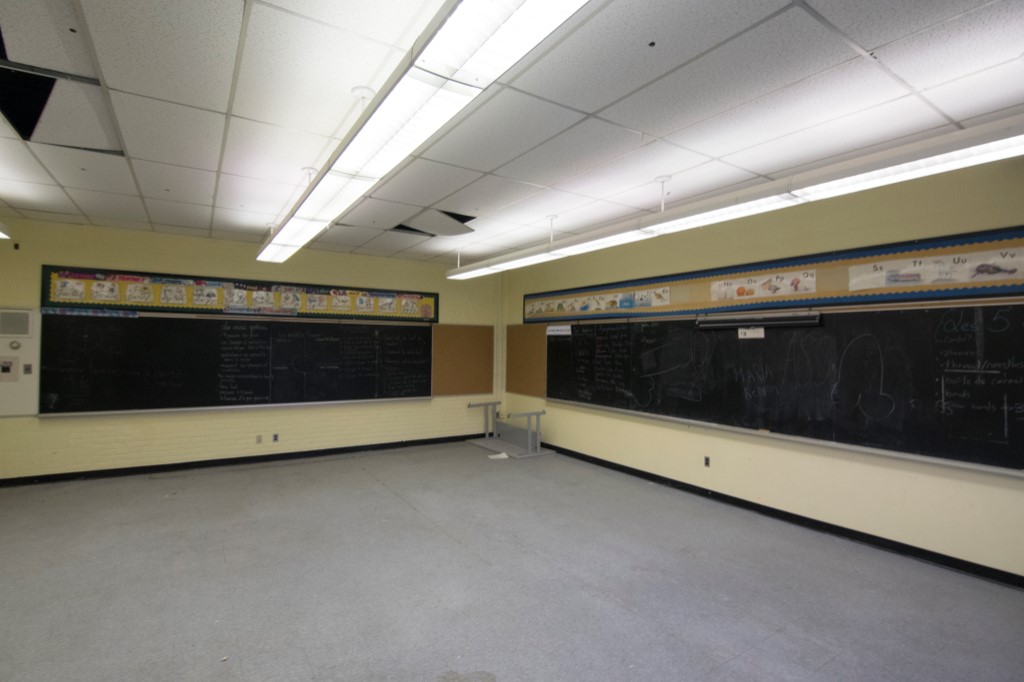
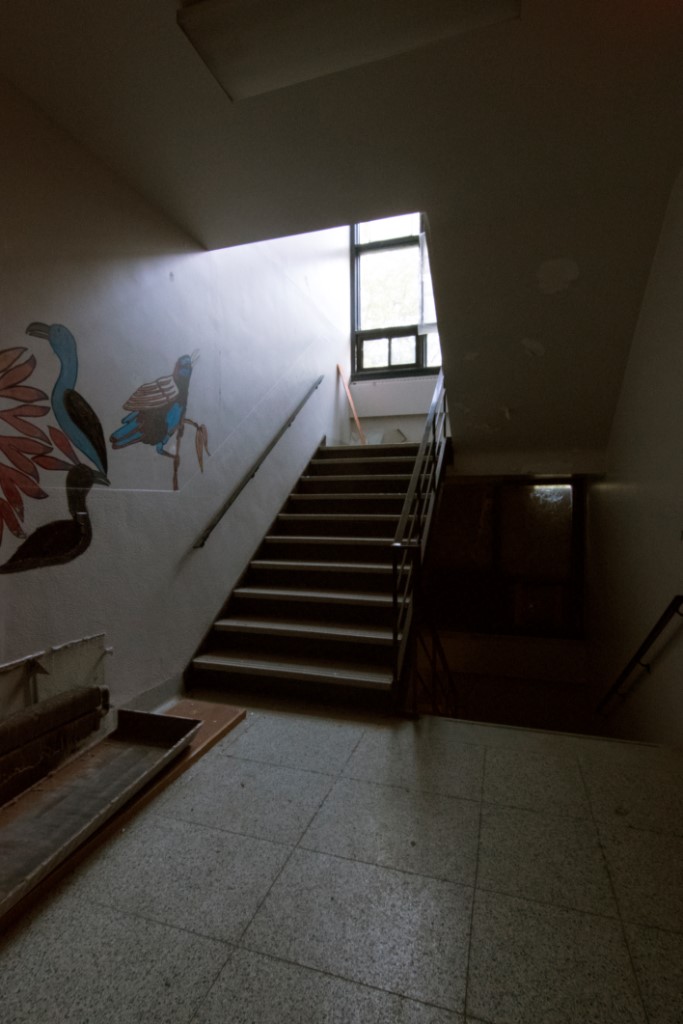
Florence M Heard Public School (Whitby)

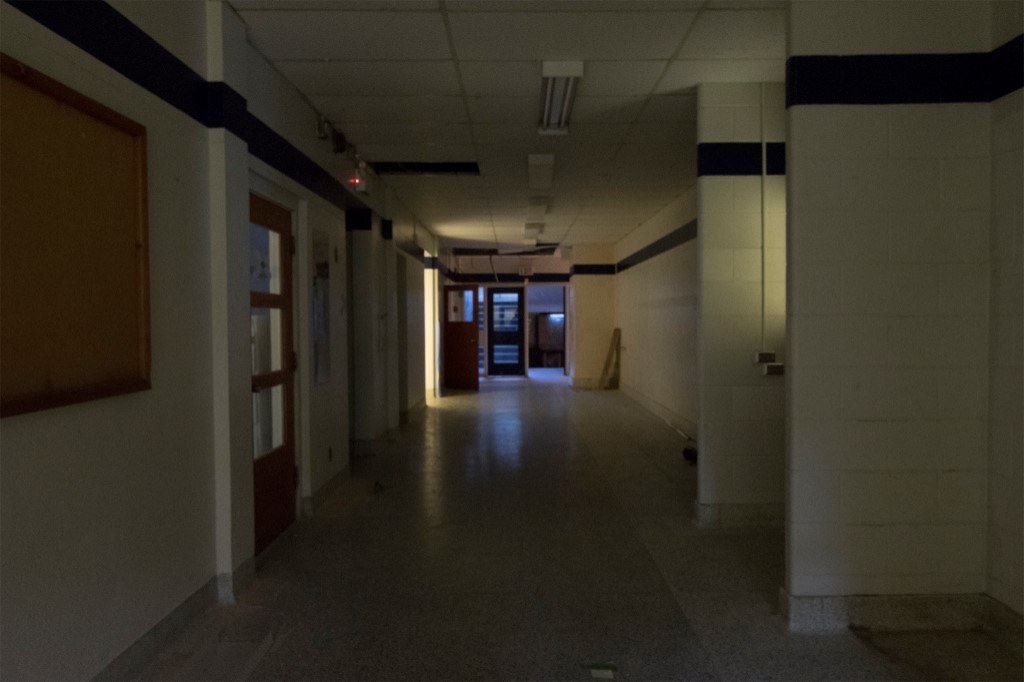
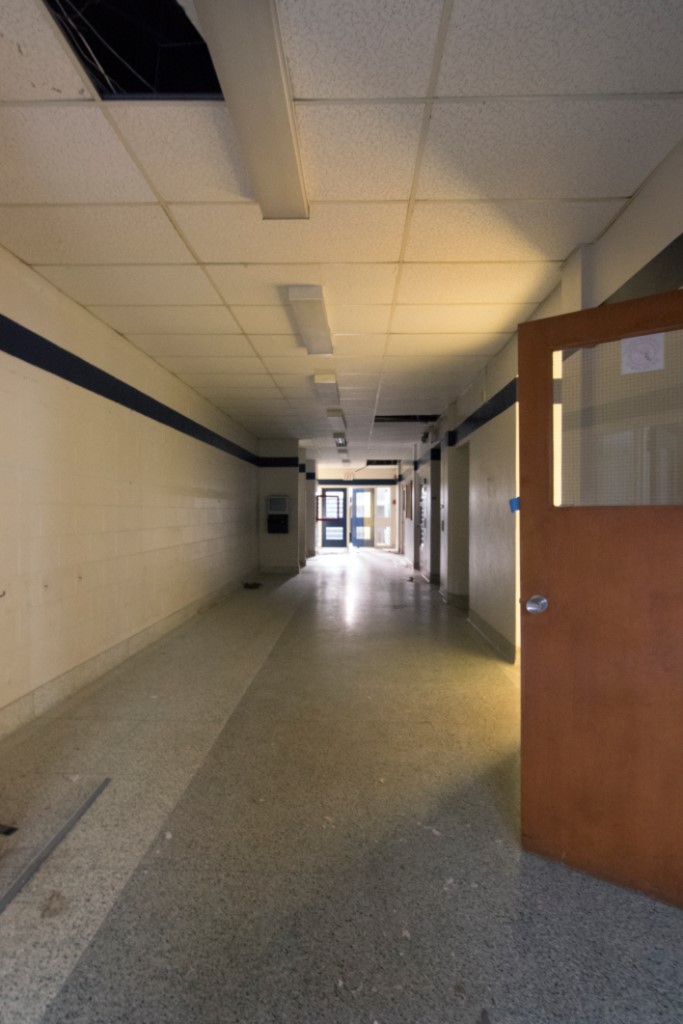
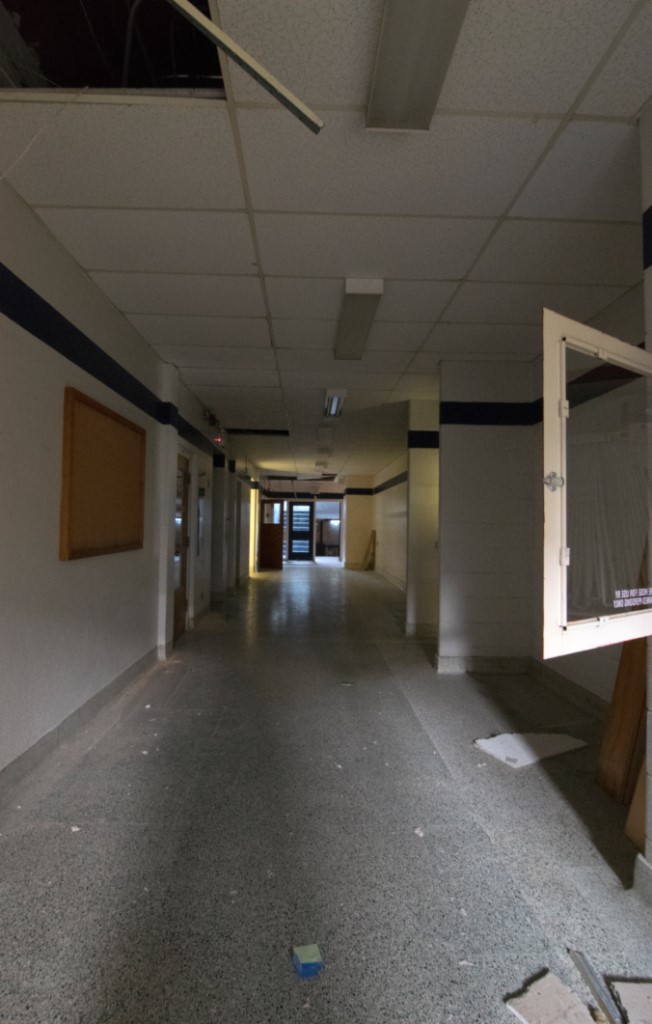
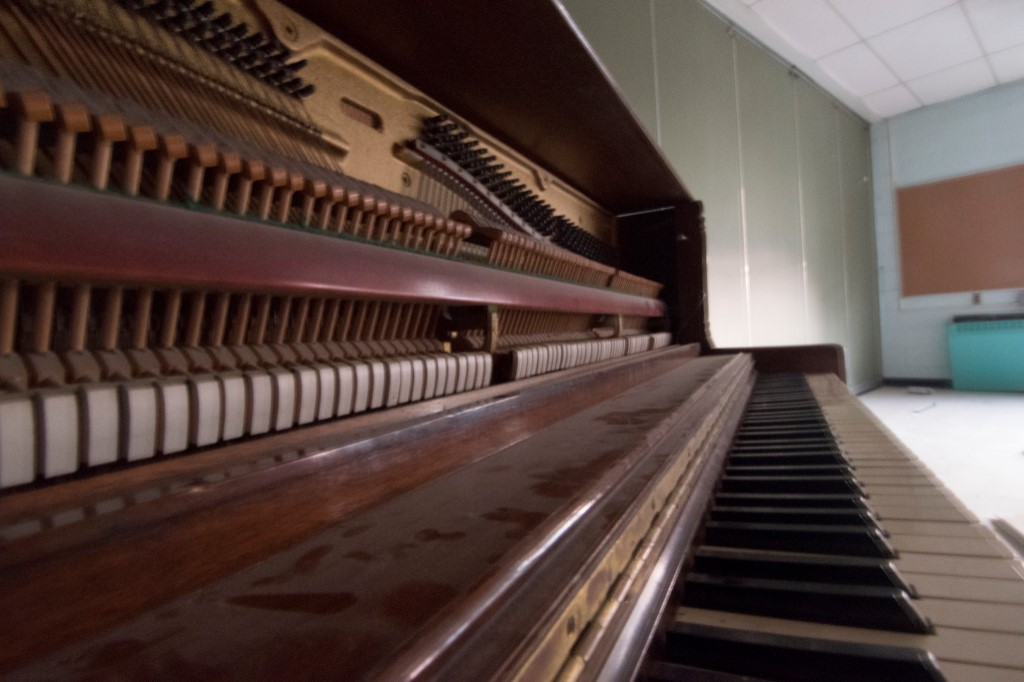
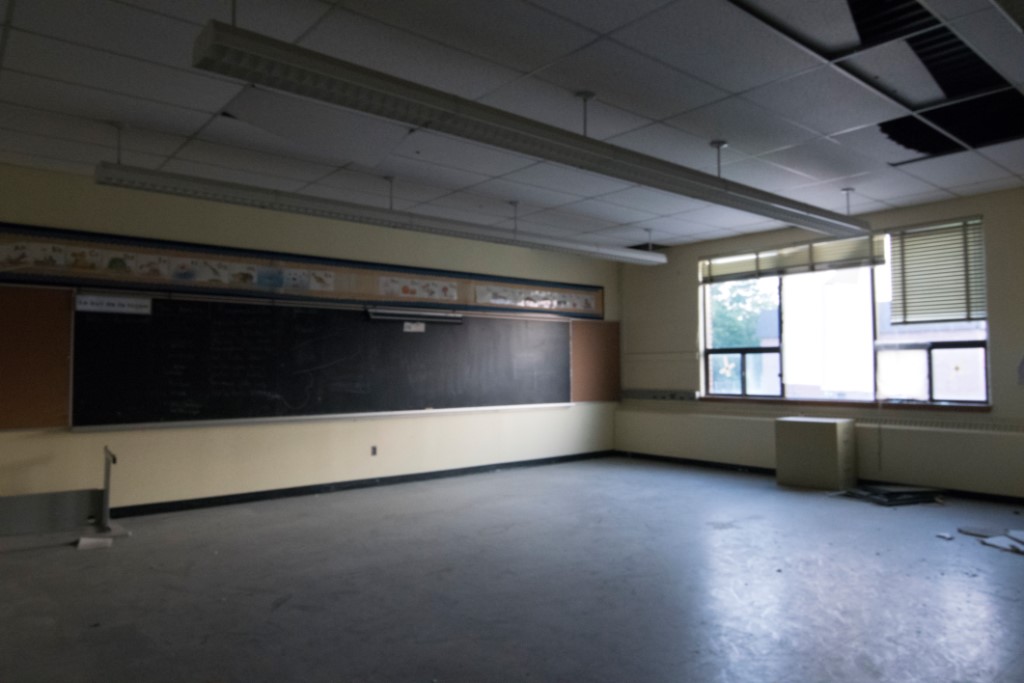
F.M. Heard Public School was located at 100 Garden Street in the city of Whitby. The school’s history began in 1875 under the name of The Model School, a training school for teachers. The school eventually became Dundas Street Public School. In 1967 a fire led to the demolition of part of Dundas Public School and a complete rebuild of the west-wing.

The west wing was rebuilt while older additions remained intact. In 1974 the school reopened under the name of Florence M. Heard, a former teacher who began her career at the school back in 1924. In 1942 she was promoted to the role of principal. F.M. Heard was a French immersion school that provided programming for students from kindergarten to Grade 6.

The school closed in June of 2011 after the Durham District School Board decided that the cost of repairs to the aging school would be too expensive. A new school named Julie Payette Public School was built to replace F.M. Heard.

On April 7, 2017 the Durham District School Board put out a tender for demolition of the former school. The demolition tender was awarded to Schouten Excavating Inc.


Abandoned Toronto Holiday Inn

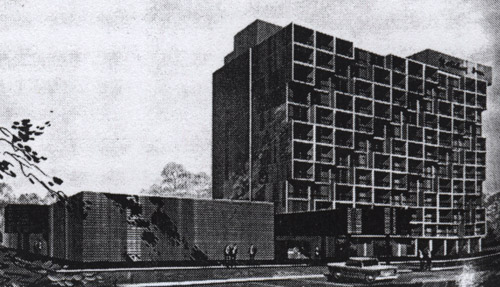
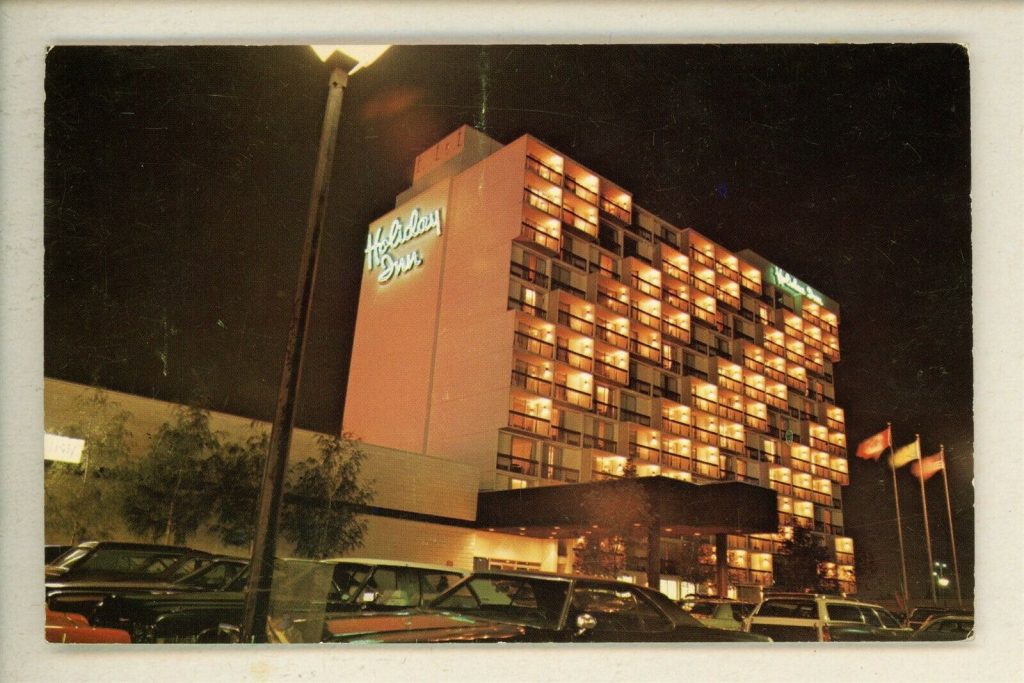
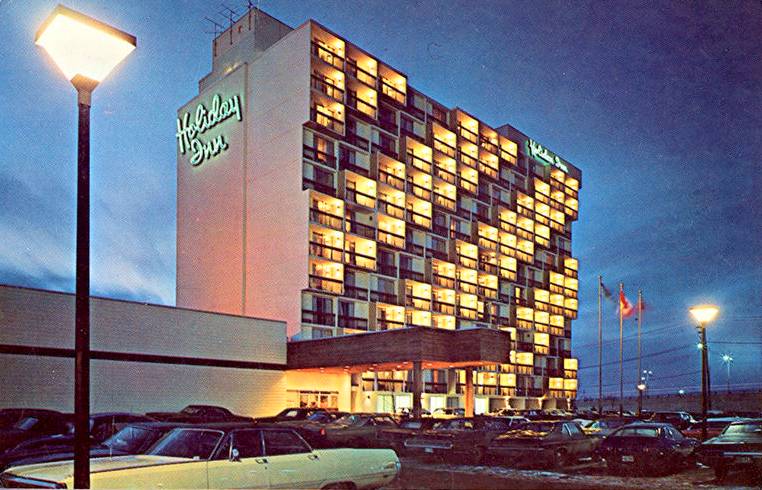
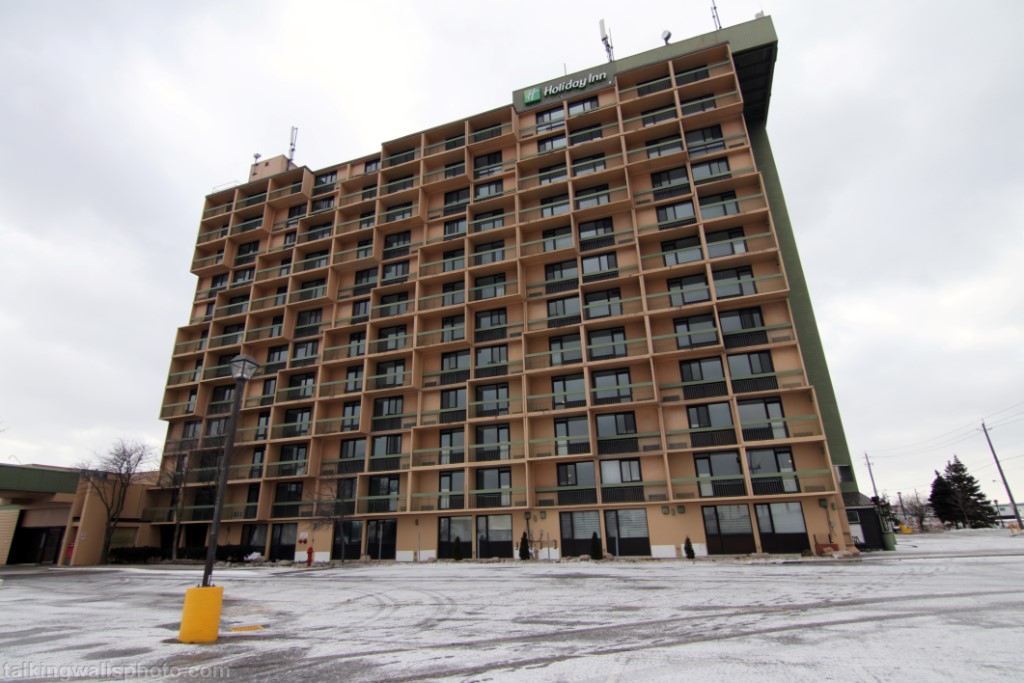
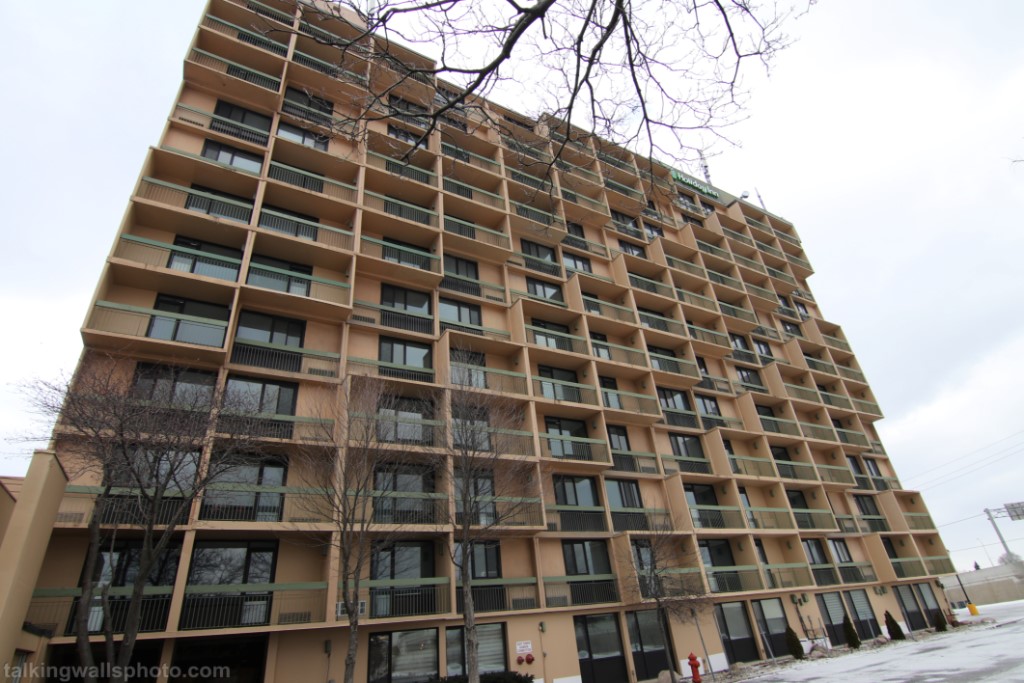
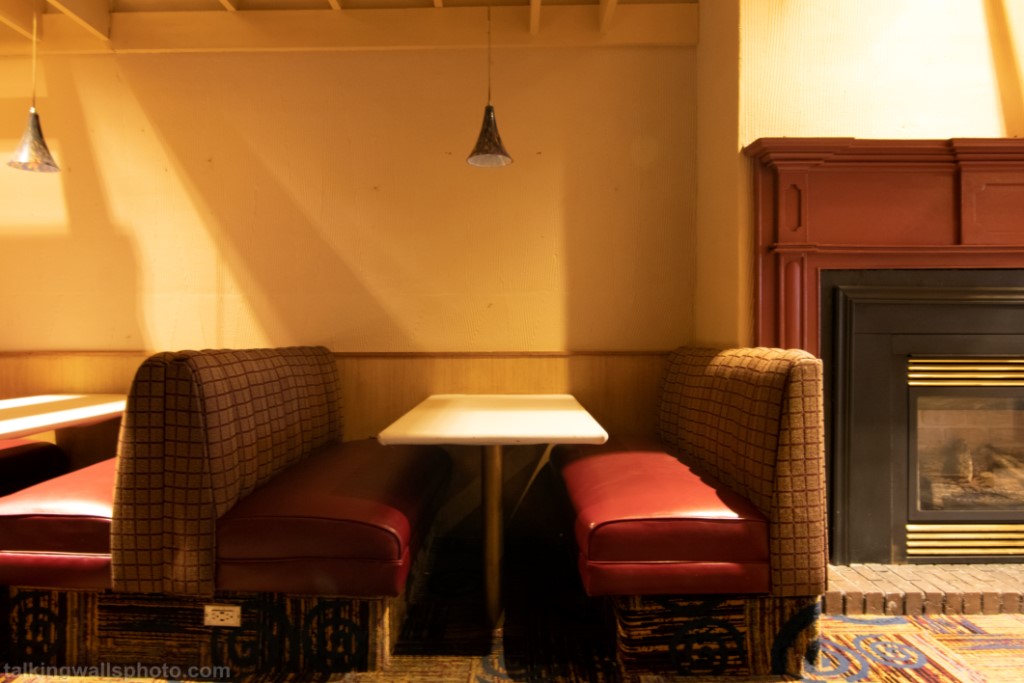
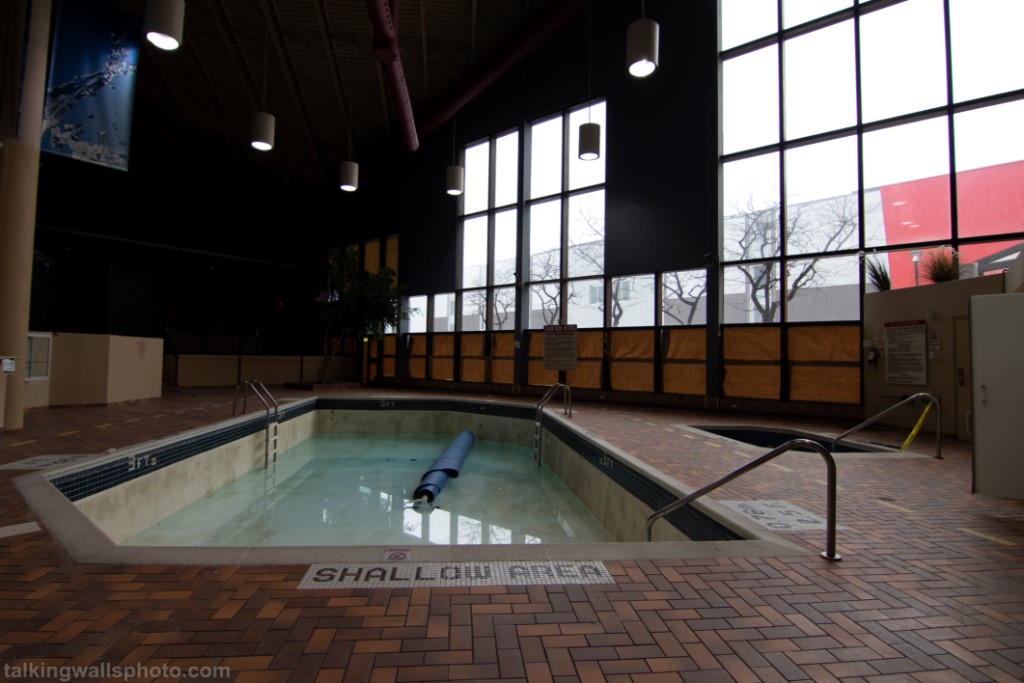
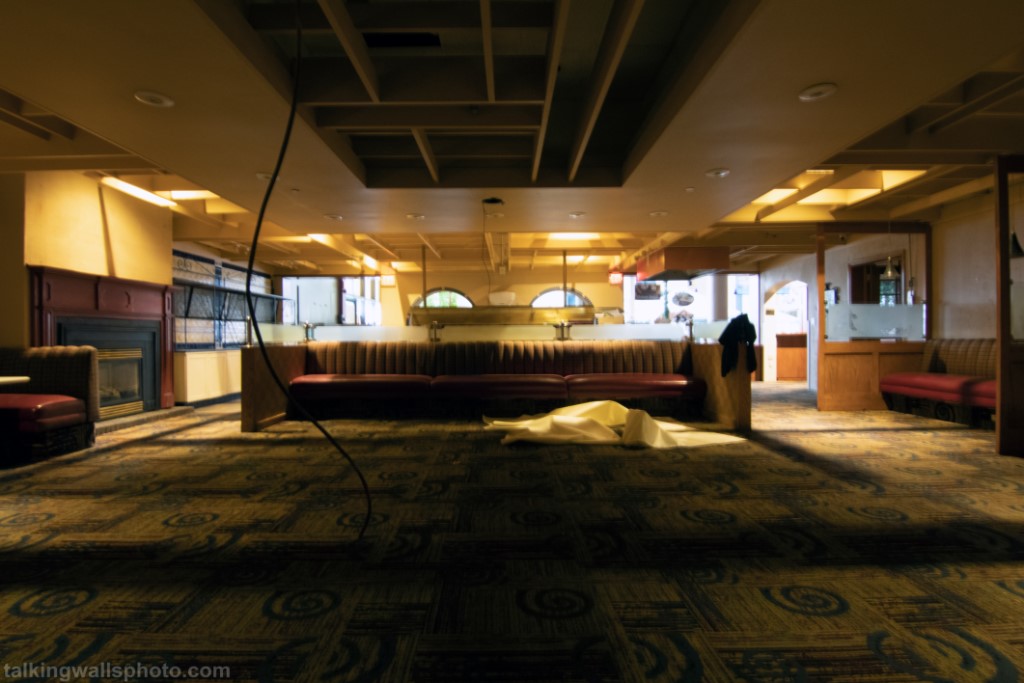
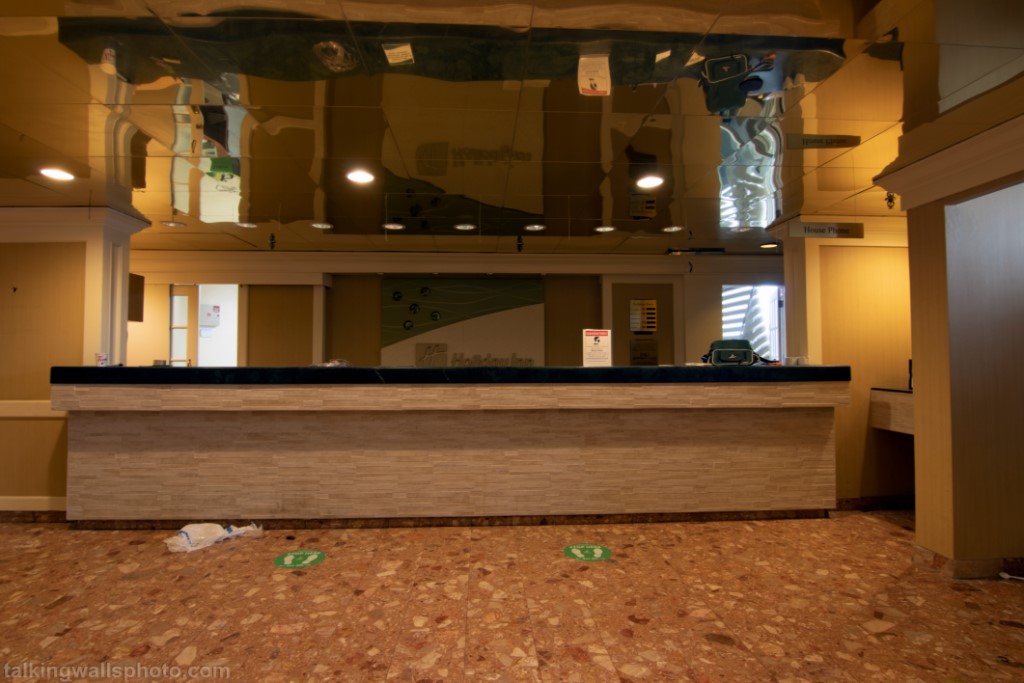
This Holiday Inn hotel was constructed from factory-produced concrete boxes built in the shape and size of an individual hotel room. The boxes were trucked in and stacked into place with a crane where they were tied to the other structures. Construction was completed by 1970, when the Holiday Inn opened.

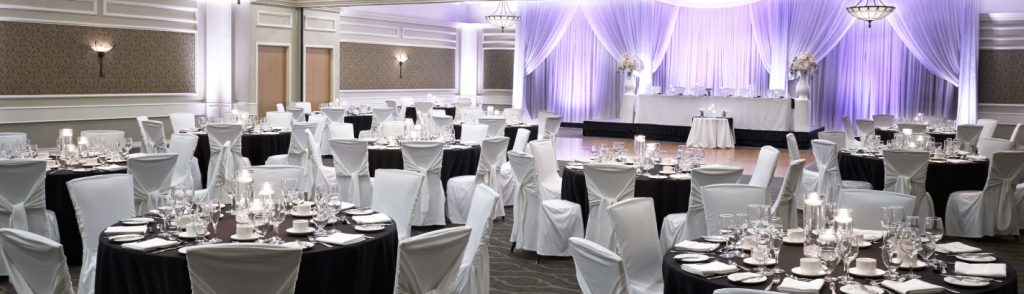
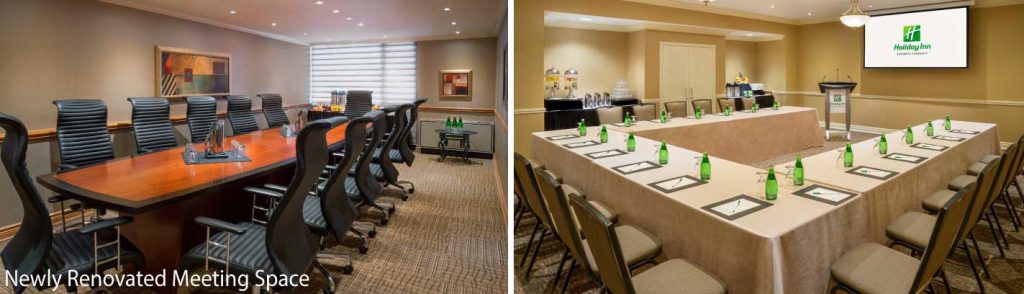
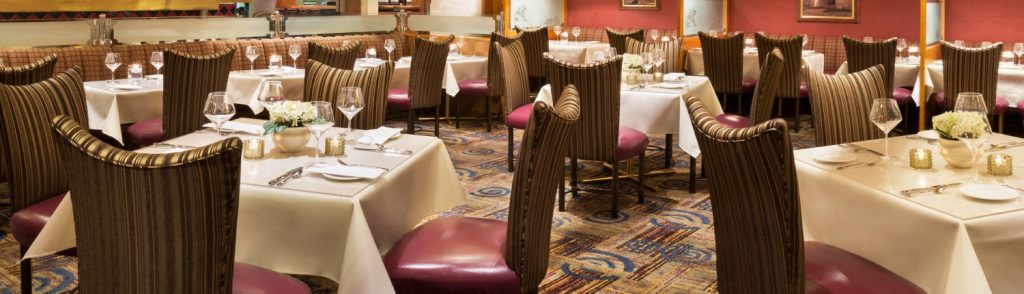
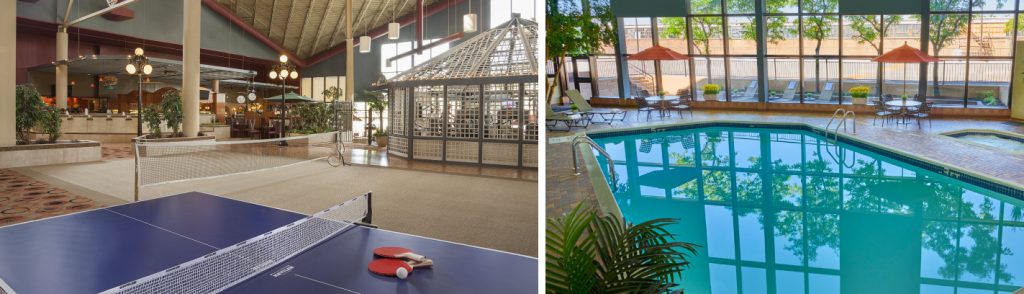
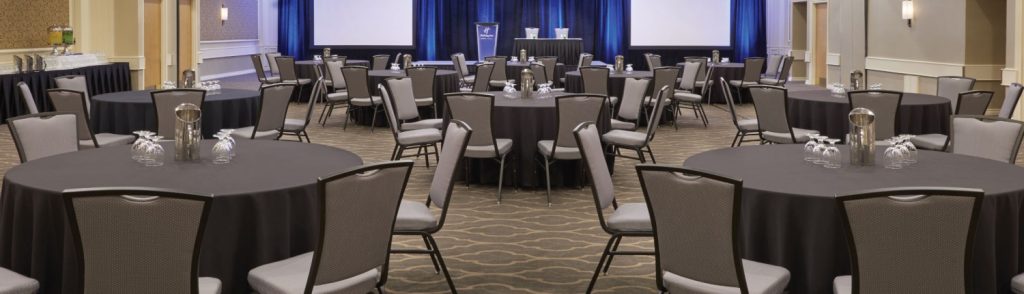
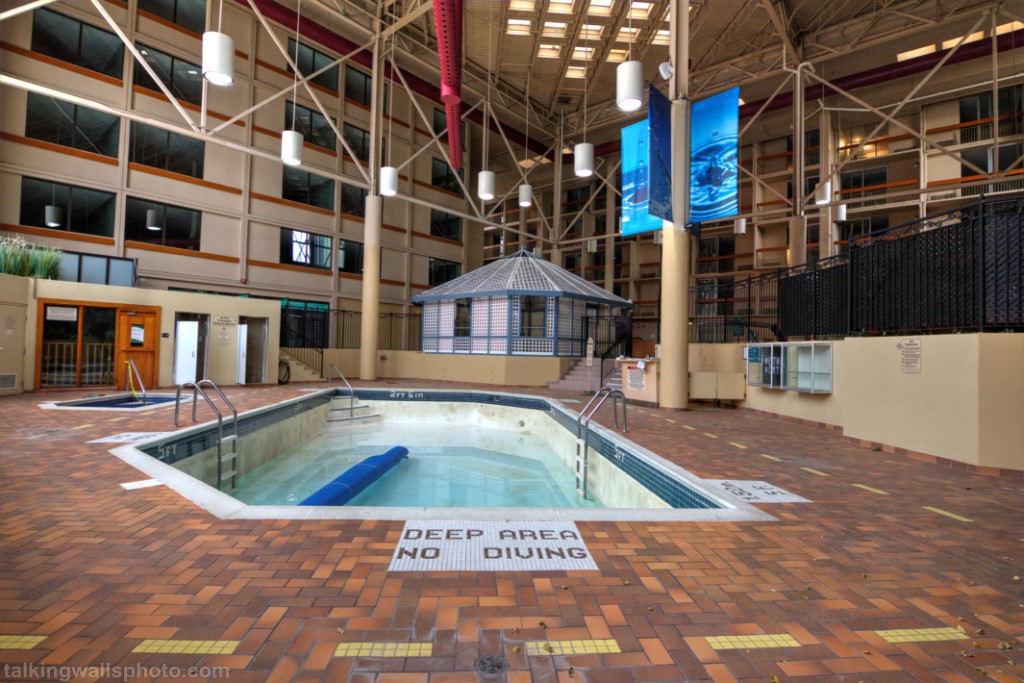
The large lobby offered many amenities that many hotels of today do not: sauna, whirlpool, tennis court, billiards room and even a barber & beauty shop. There was an exercise room and two lounges (Café Monterey and Cascades Lounge) that served up daily cuisine. There were 16 conference and meeting facilities that could accommodate up to 375 people.

In 1983, an additional 131 rooms were added to the hotel bringing the total capacity to between 370 and 372 rooms. Further renovations were made in 2017.

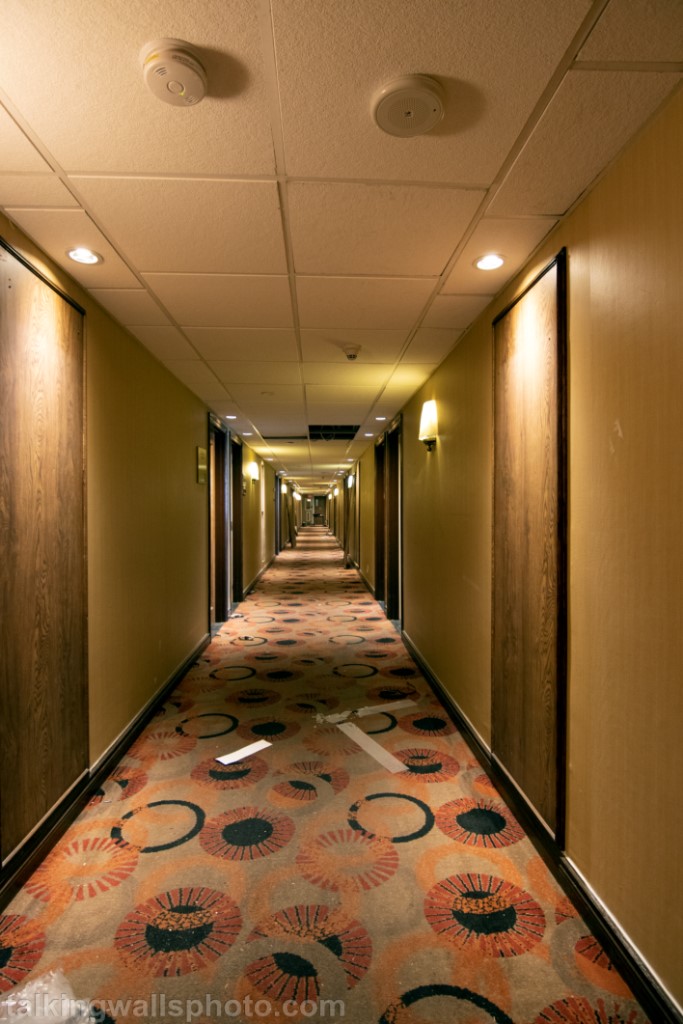
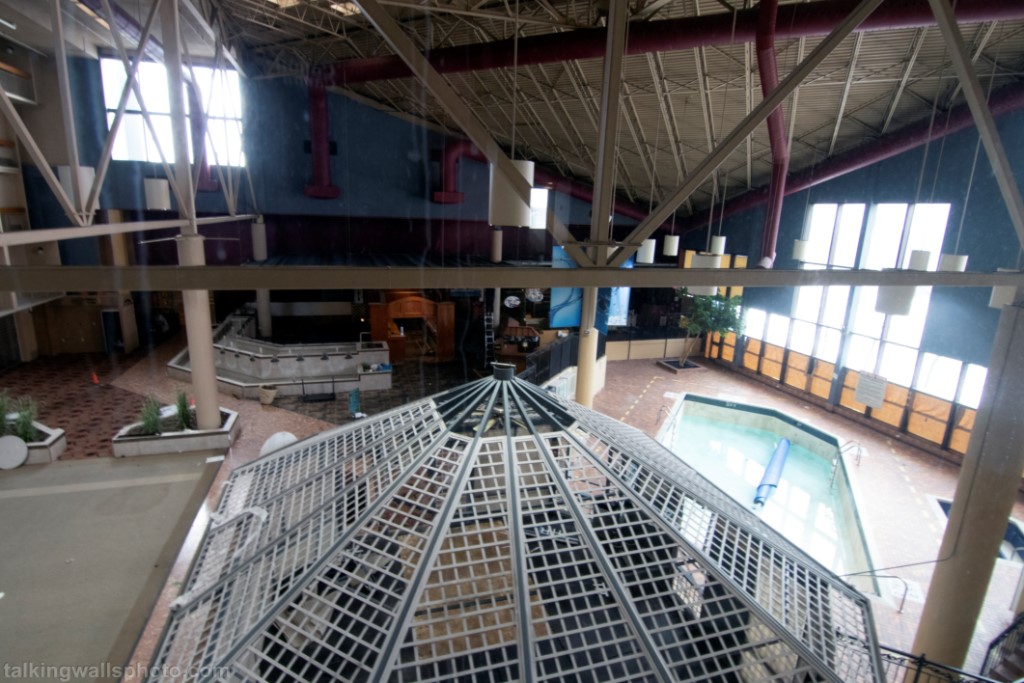
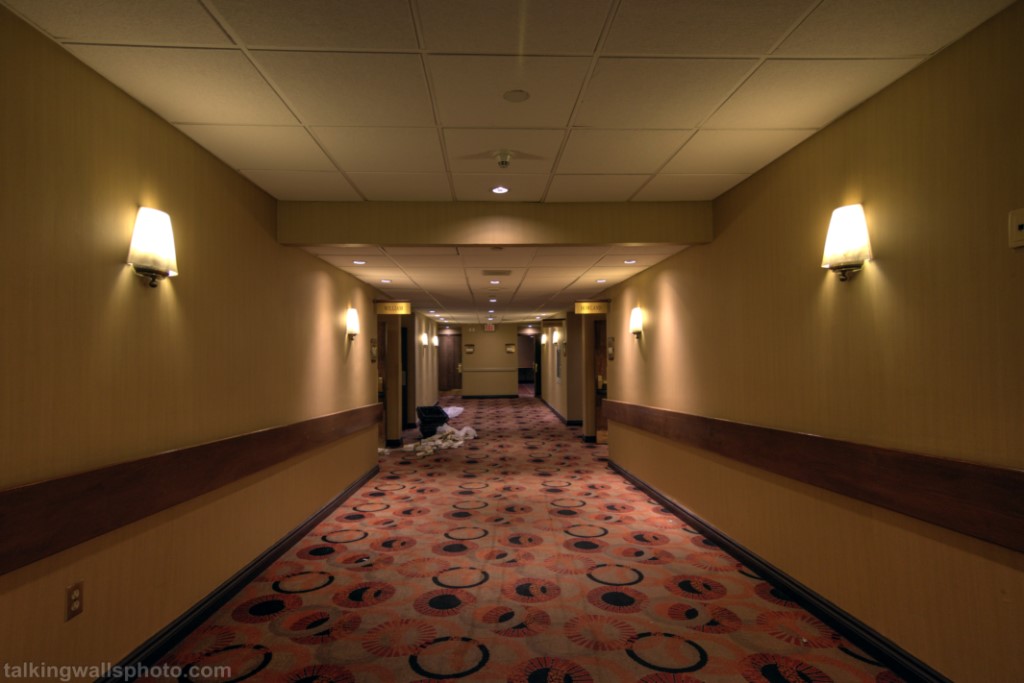
The inner decor of this hotel is remarkable – particularly for the nerdy urban explorer. The lobby is an open concept with high ceilings and the hotel rooms overlooking the area below. There is a distinctive retro appeal to this hotel that you won’t find today.

The outdated yet wonderfully retro-licious hotel’s last day of operations was November 30, 2020. The building was sold for $86.5 million and will be demolished and replaced with three towers that will be 33, 29 and 37 stories tall respectfully. Condos will be priced starting at $300,000.


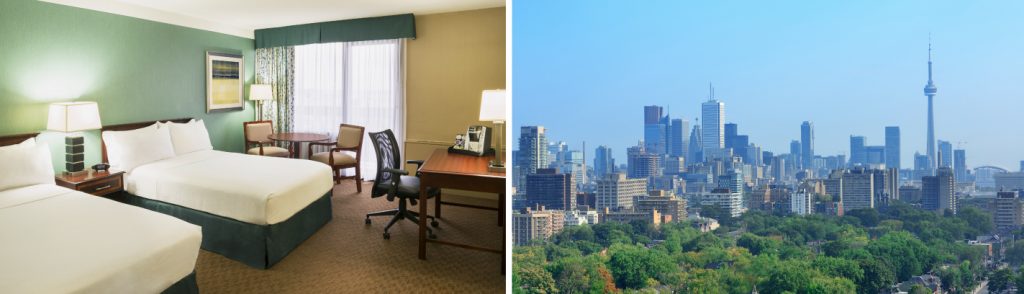
Photos from the hotel’s website (now offline):

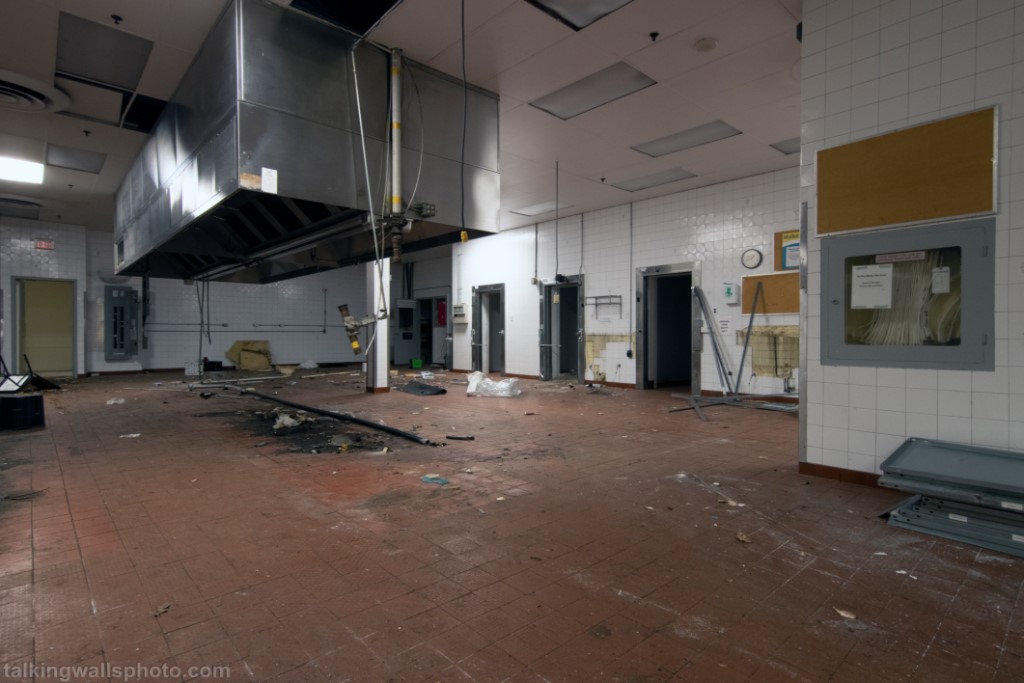
The photos from my visit are below. There are not very many of them, I missed SO much. I missed the conference rooms, the gym, the games room, and pretty much everything else. The reason for this was, I was about 15 minutes into my journey when I observed someone else in the building. I saw a man walking in my direction, and so I said “hello”. I walked over to talk to him and realized he was the same person who’d driven past me outside and waved. I asked if he worked here, and he said that he was contracted to remove some of the lighting in the building. He was curious how I’d entered the building, so I explained that I’d watched him go through the front door and followed. I told him that I was there to document the history of the building before it would be demolished.

He told me that he was there with his partner who was somewhere in the building.  I asked if he minded whether I took some photos and he said that I was welcome to, so long as I left when they did. JACKPOT! I felt an immediate pressure off of my shoulders knowing that I didn’t have to worry about encountering any security and knowing that I could take my time.


Research and write up: TWP
Thanks to @Lostspot_Photography for the find