1896-1922
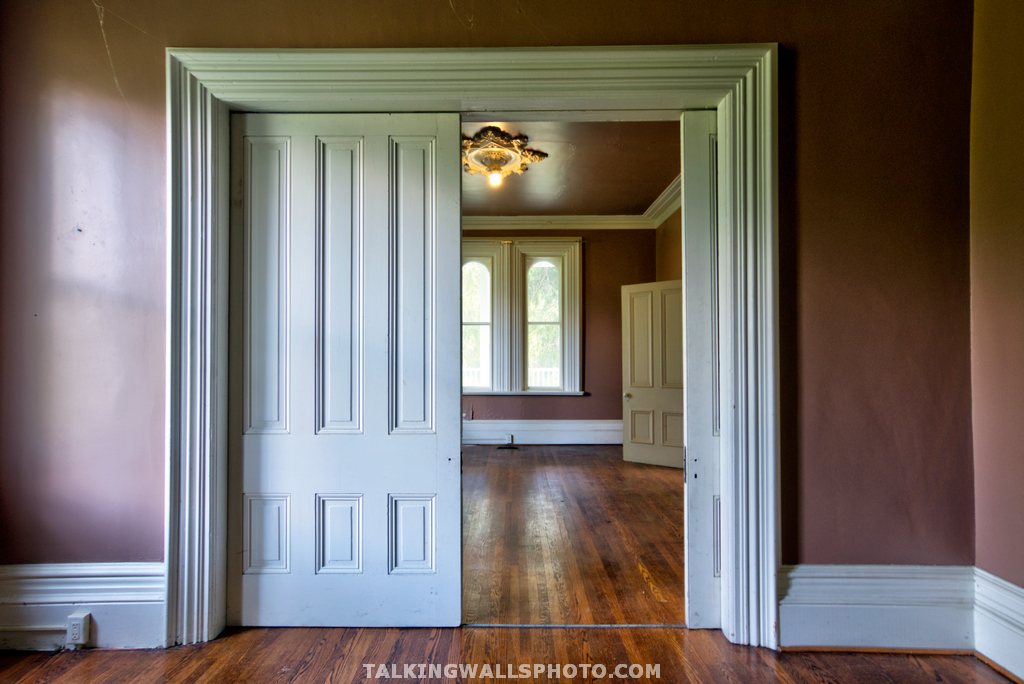
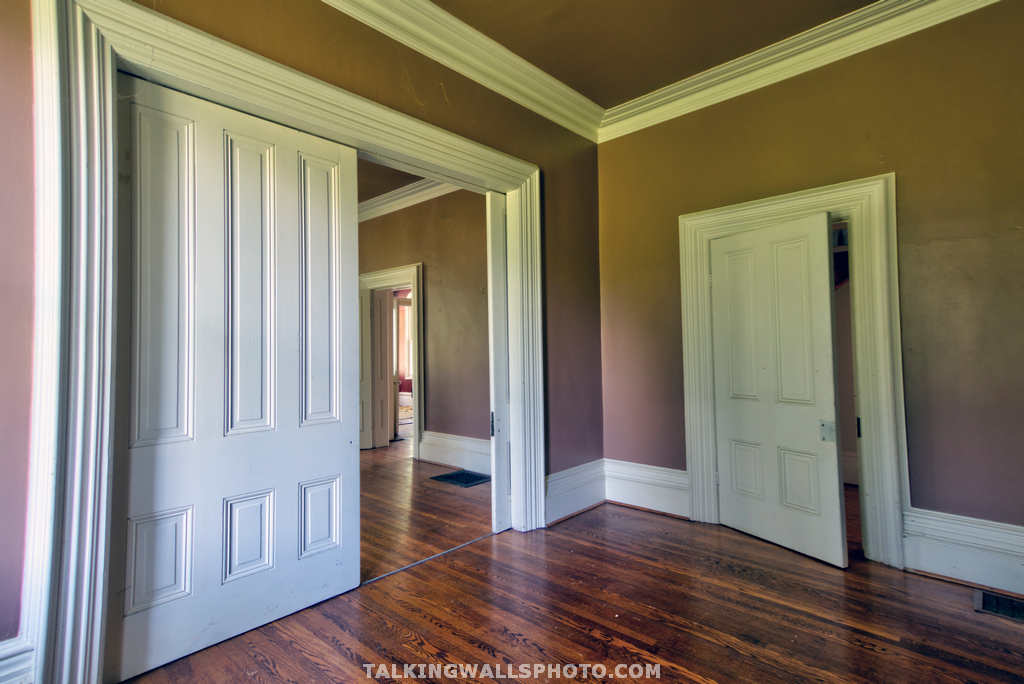
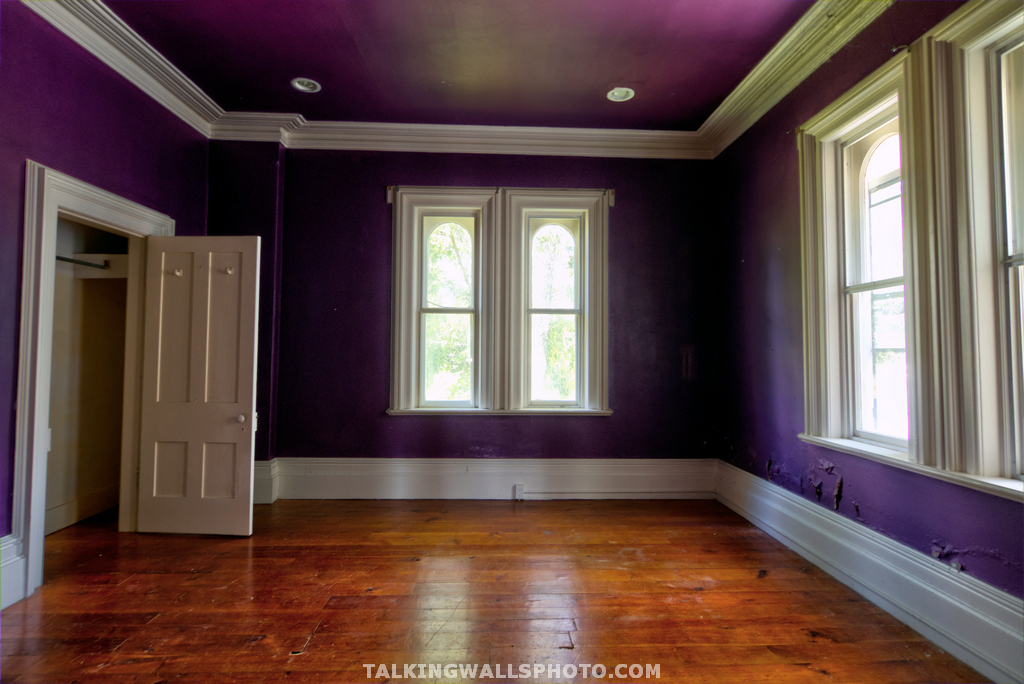
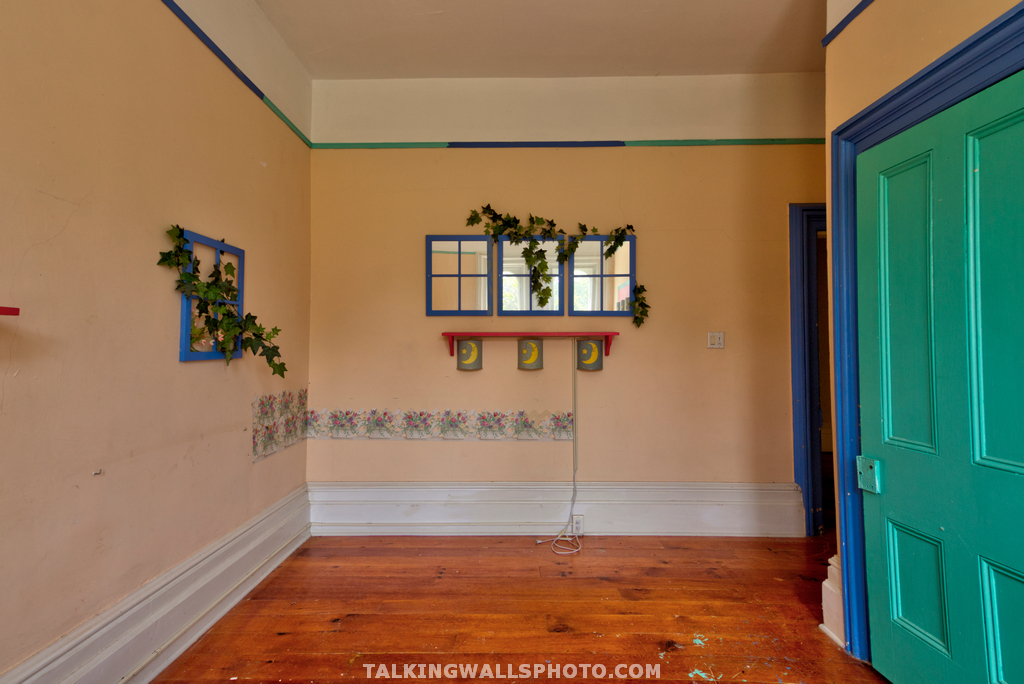
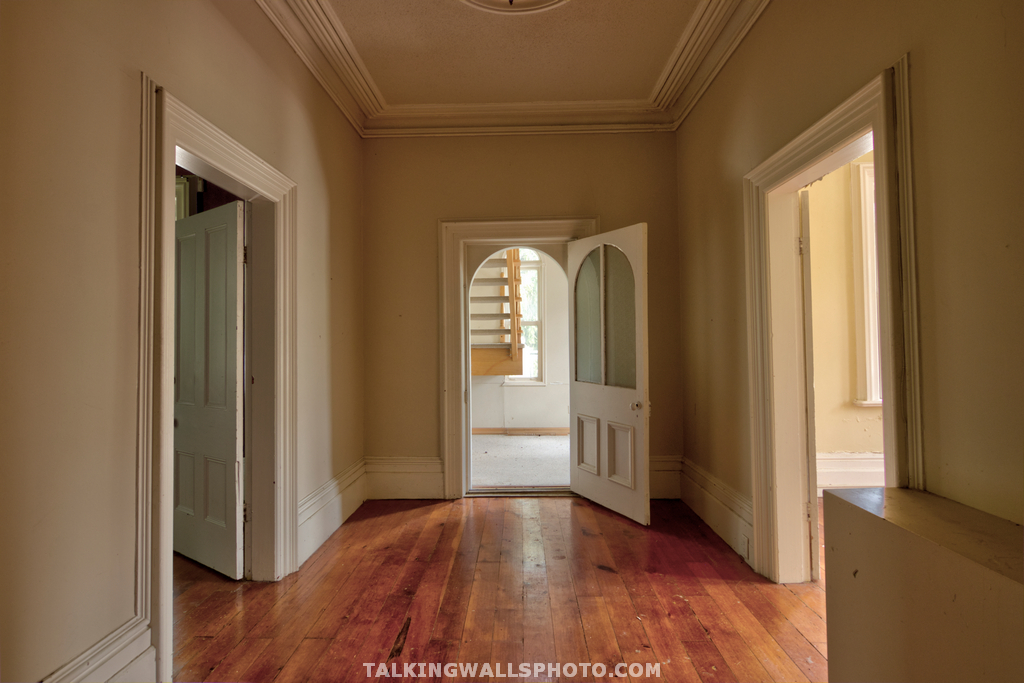
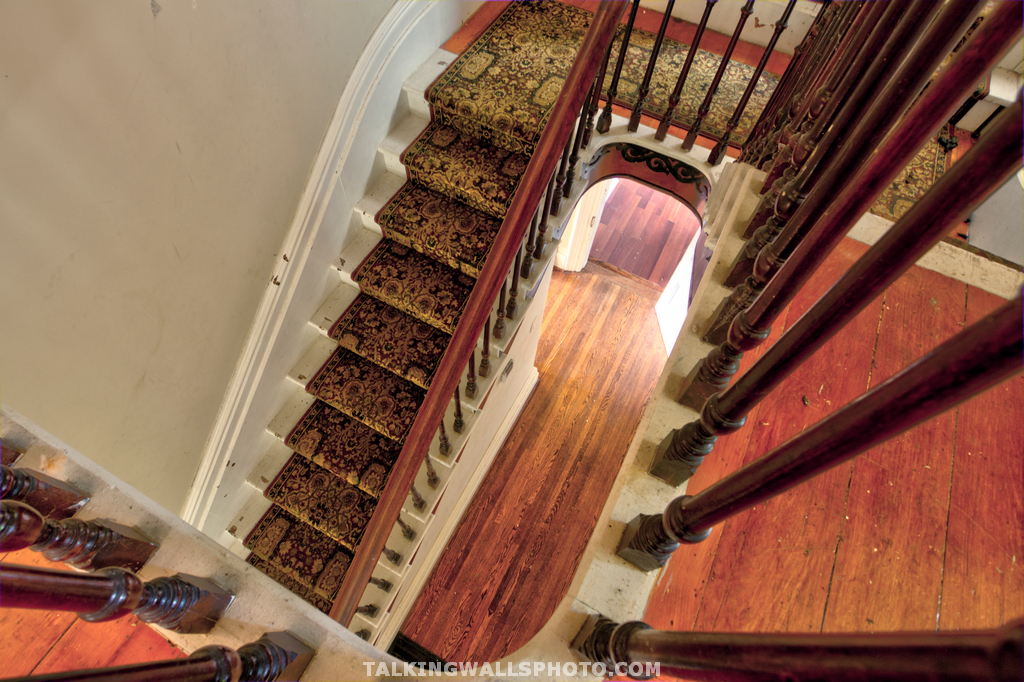
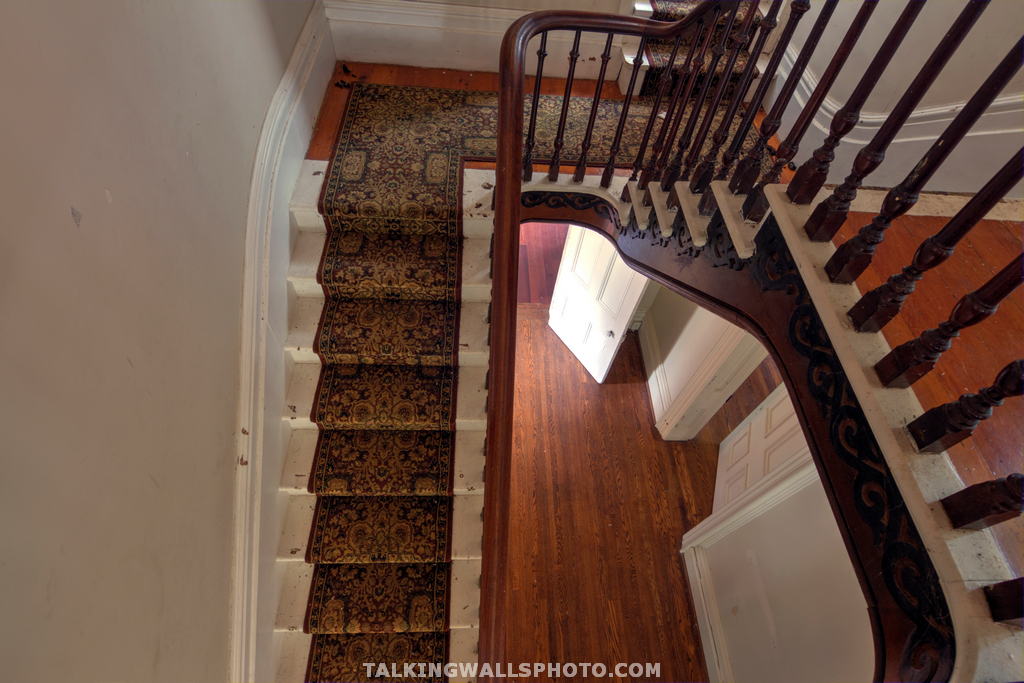
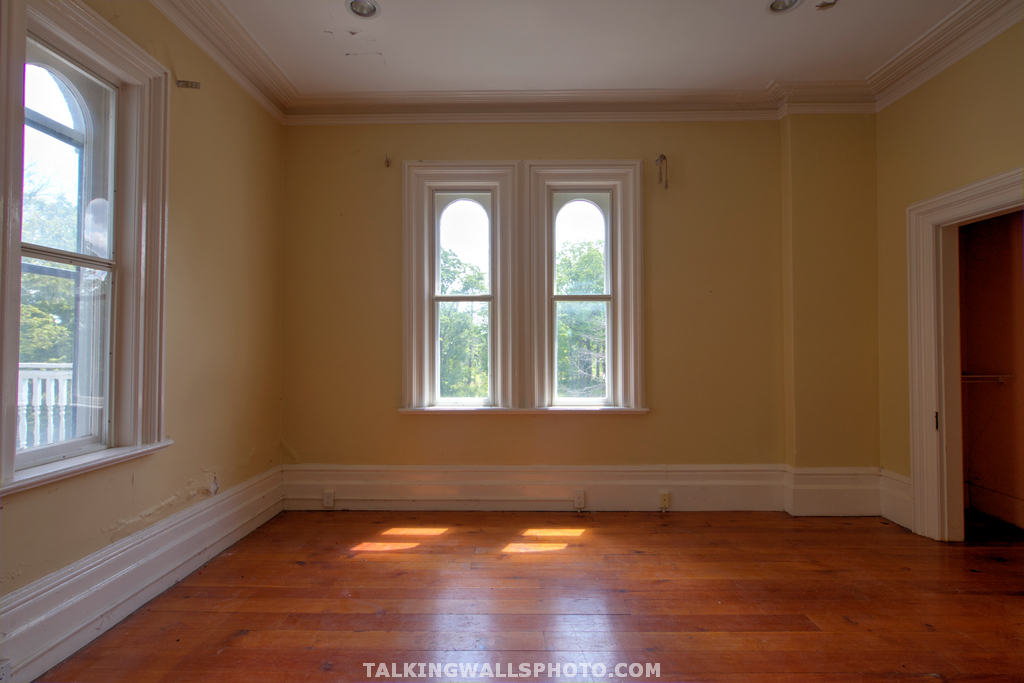
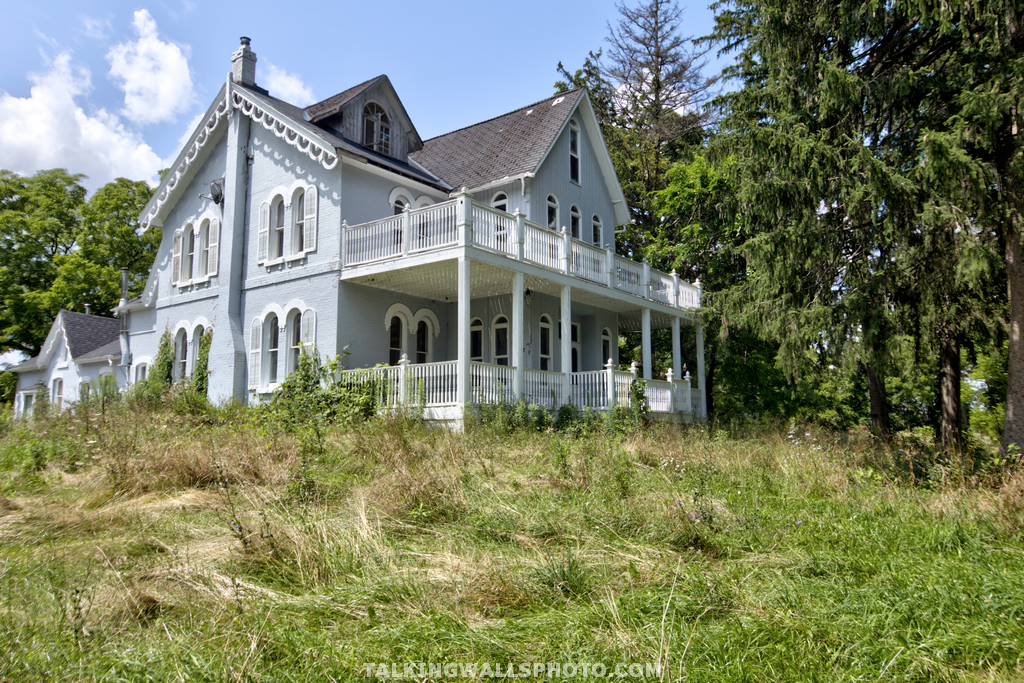
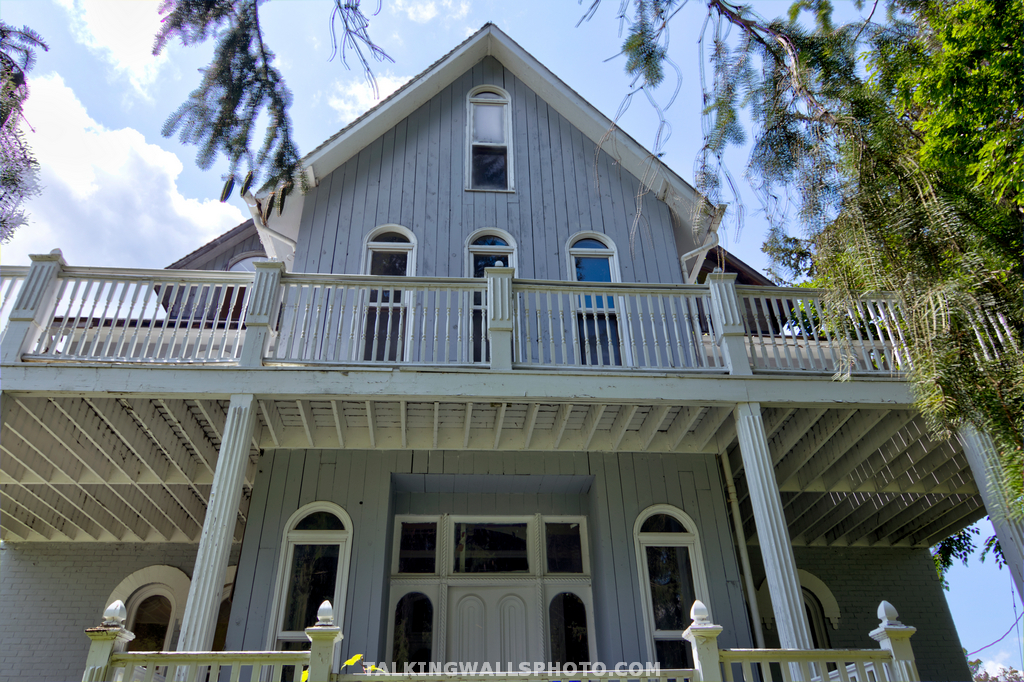
On January 7th of 1896, the first high school in Leamington began classes out of a three-story residence once owned by politician Lewis Wigle. Wigle’s home was purchased by the High School Board for $5,000. Before Leamington District High School (LDSS) existed, students were taught some secondary school subjects while still in public school.
The first day at the new high school saw 56 students enrolled and by the end of the school year enrollment had grown to 105. John Elliot served as principal until 1906.
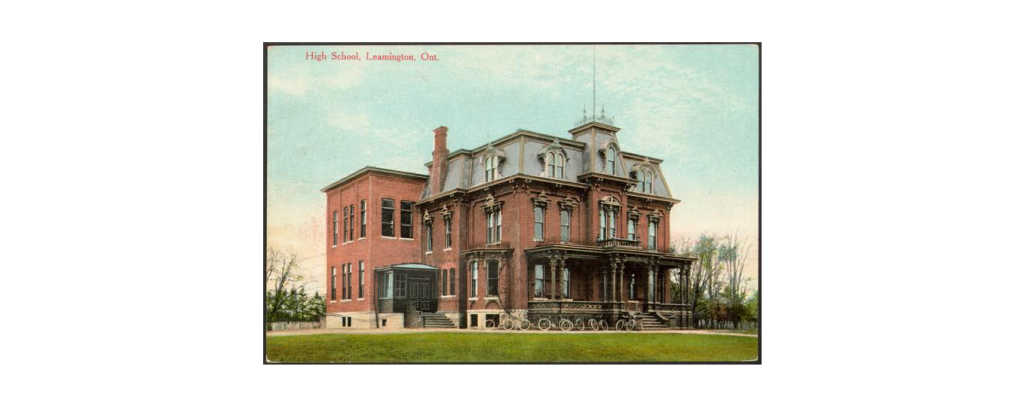
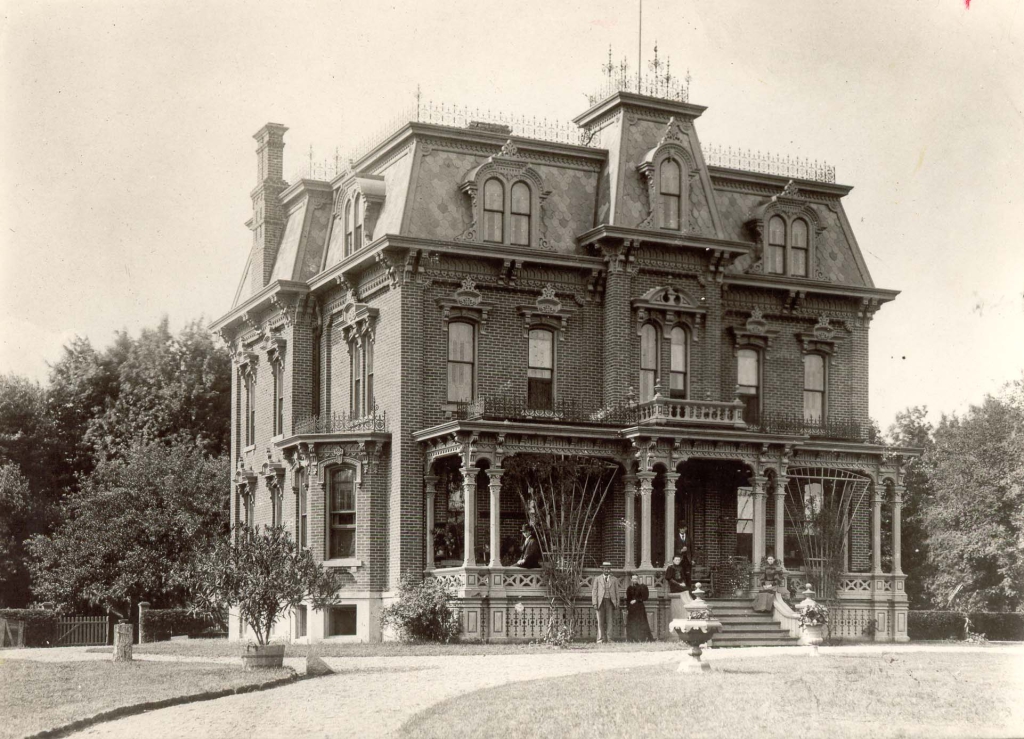
By 1908, the school had outgrown the house, prompting the addition of four new rooms, an office, and a modern hot water heating system. By 1920, the building could again no longer accommodate the growing student population which was by then 170 students.
1922-1952
In September of 1922, the former Wigle house was dismantled and a new Leamington District Secondary School was constructed across the street from the old one. The cost for construction of the new school was $65,000. The newly built Leamington High School opened its doors in April 1923.
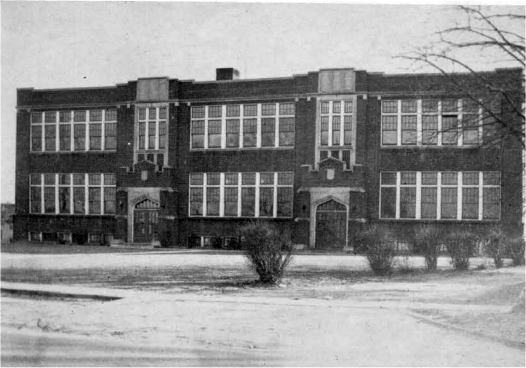
Commercial classes began in September of 1923 with an enrollment of 37 students. Music classes were introduced in 1931. Home economics and a wood shop were added in 1938 in a two-story wing that cost $14,000.
Public Speaking was offered beginning in 1939 and became popular with over 100 students competing in later years.
House System
In 1940 the house system was introduced. Upon entering grade nine, a student was placed in a house. For the duration of the student’s time at school, he would remain an Alpha, a Beta, a Gamma, or a Delta. The purpose of this was to provide a sense of belonging rather than feelings of isolation in a new school.
Regardless of the student’s physical or mental capabilities, he ‘belonged’ to his house. The houses provided healthy competition in areas of athletics and public speaking. Each house had a captain who was elected by the student body at the start of the school year.
The House system would last until the 1960s when Class Presidents were elected.
Expansion
With World War II having ended, Canada’s population was beginning to increase.
By 1945, LDSS enrollment had reached 495 students. As a result, in 1946 the school board decided to purchase ten acres of land for improvements. That same year they signed a contract to transport 200 rural students to and from school daily.
With the continual growth of student enrollment, plans were drawn up for a new school. Those plans had to be re-drafted in 1950 to accommodate further increased enrollment.
Construction on the larger high school began in March of 1952 with the Foundation Company of Canada being the construction firm. The cost of the school construction was $775,000.
Premier Leslie Frost laid the cornerstone. Beneath the cornerstone was a copper time capsule which was placed there by students. The time capsule would be opened in a ceremony held in 2017 that was attended by hundreds of local community members.
The new high school opened on November 3, 1953. It contained 53 rooms (including 27 classrooms, six science rooms, a library, a theatre arts room, a cafeteria, and two culinary art rooms). Classes began at 9:05 a.m. and ended at 4 p.m. Each class was 34 minutes.
Initial enrollment was 710 students under the guidance of Principal James Hume.
Courses offered at the new school included:
Industrial Arts
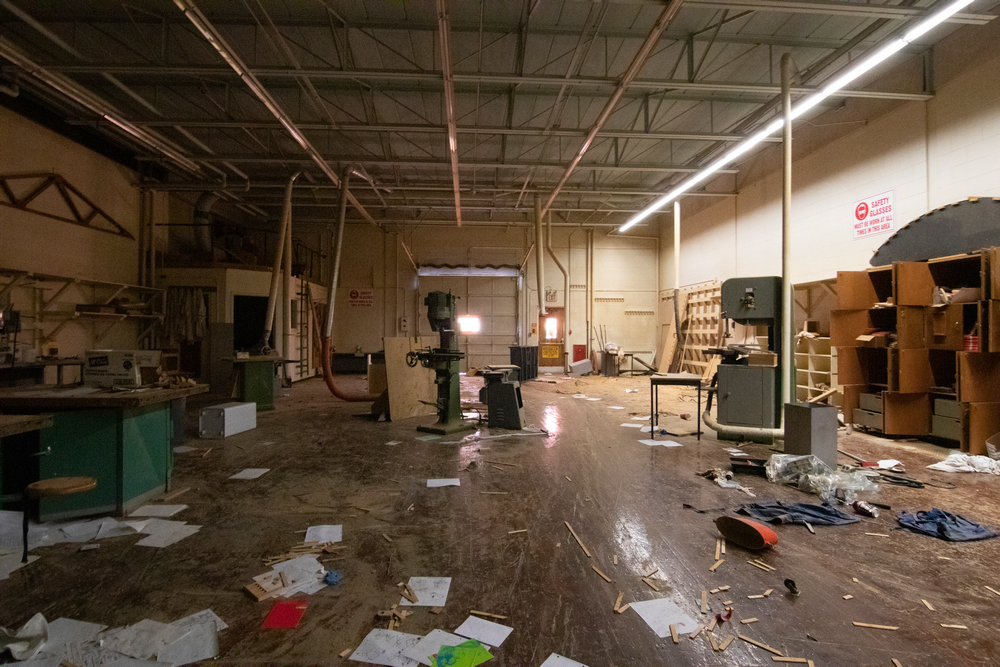
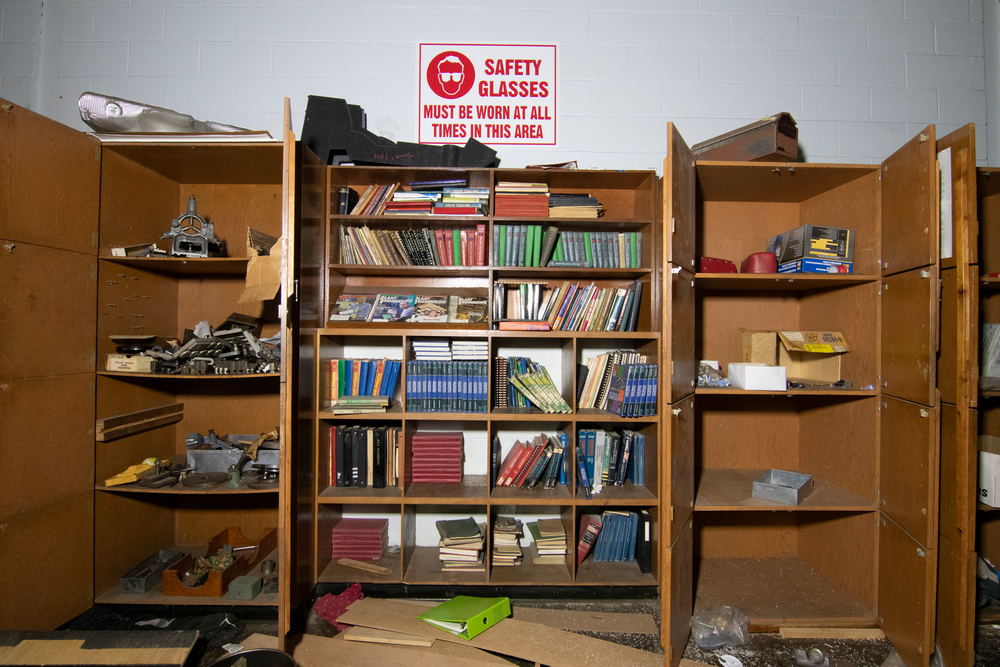
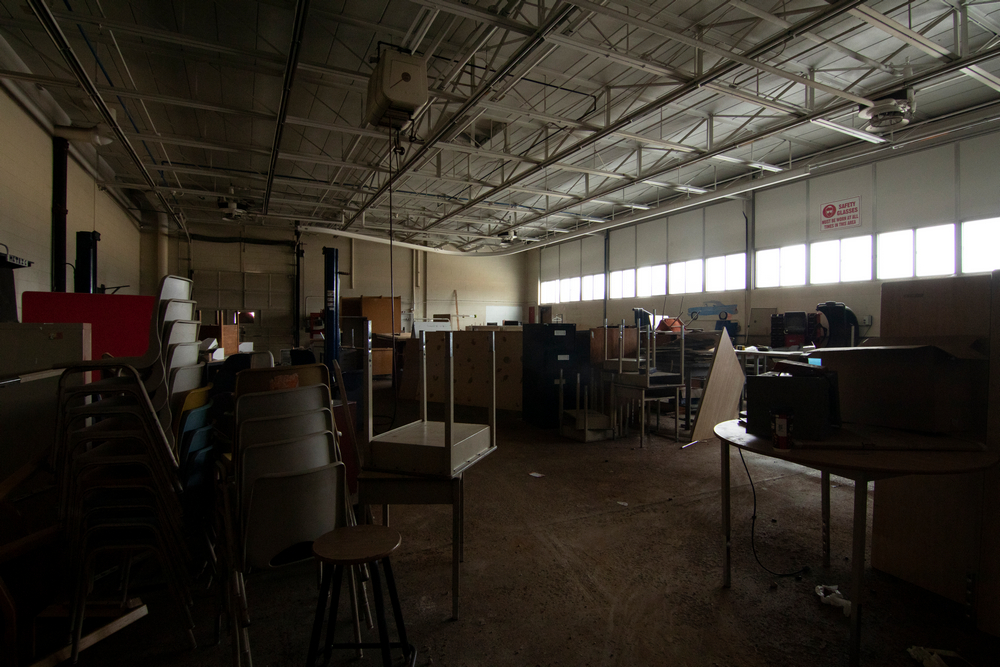
Students worked in the metal shop and woodworking. The metal shop contained four large steel-cutting lathes, a shaper, arc welder, a band saw, a bending machine, and a grinder. The wood shop had a new machine called a Shopsmith tool. This was five machines in one: a lathe, circular saw, vertical and horizontal drill press, and a sanding machine.
Home Economics
Students spent one term in the sewing class and one term in the cooking class. They also learned knitting and embroidery. In the Foods and Homemaking Room, students learned how to iron and do laundry.
Commercial
In the Typing Room, students learned how to type on one of thirty-six Remington typewriters. They also learned how to file and how to operate a Dictaphone.
Arts and Crafts
Students worked with leather, clay, wood, shells, plastic, and yarn. A kiln allowed students to fire their clay projects. Oil paint and watercolor painting were offered.
Science
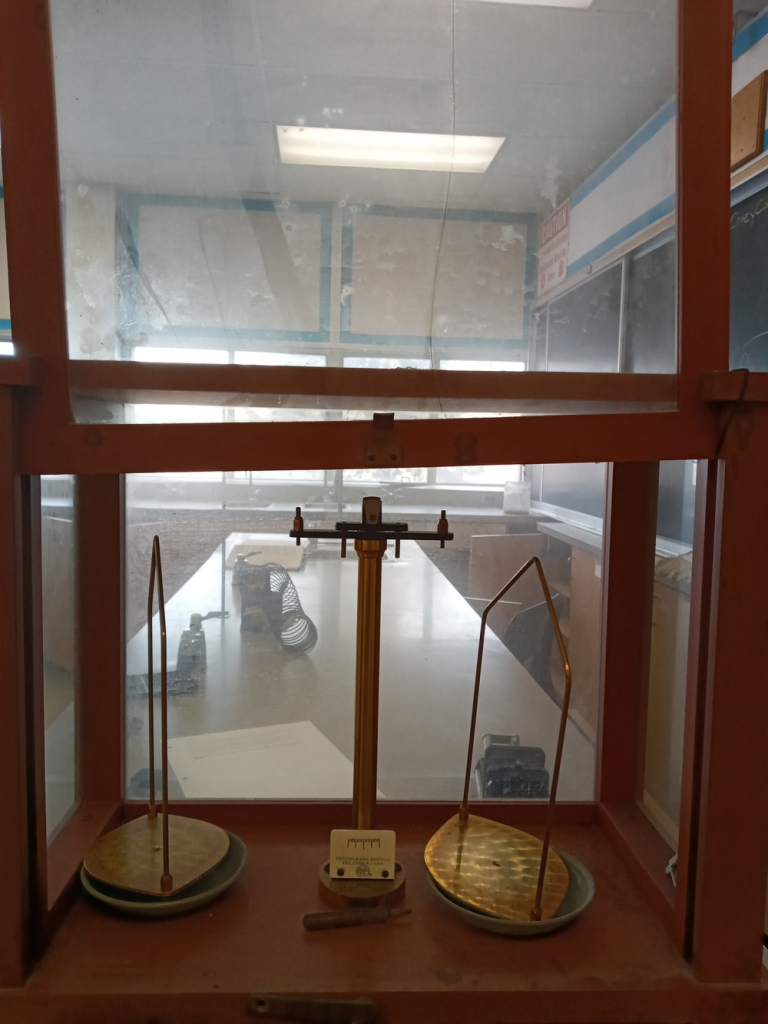
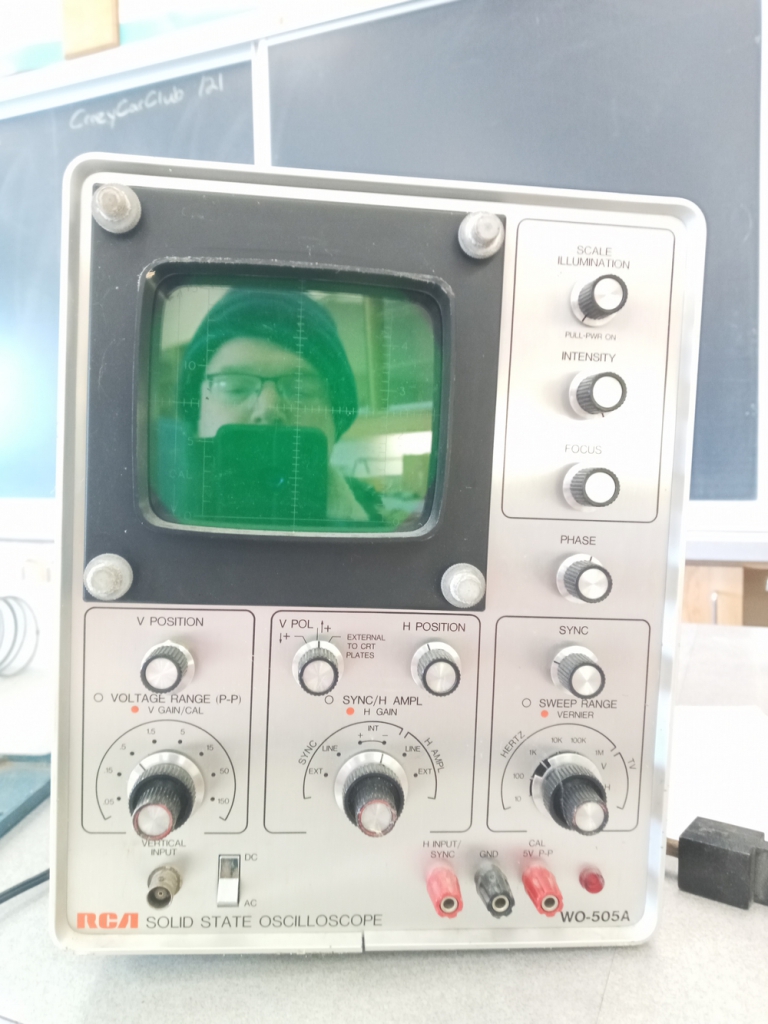
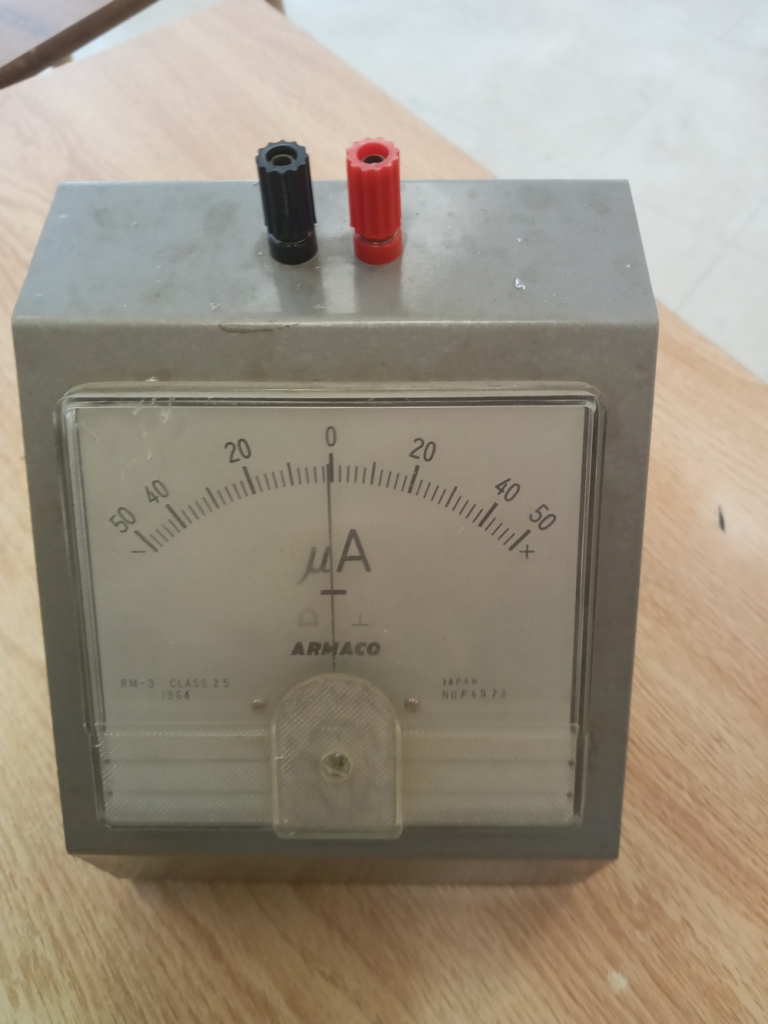
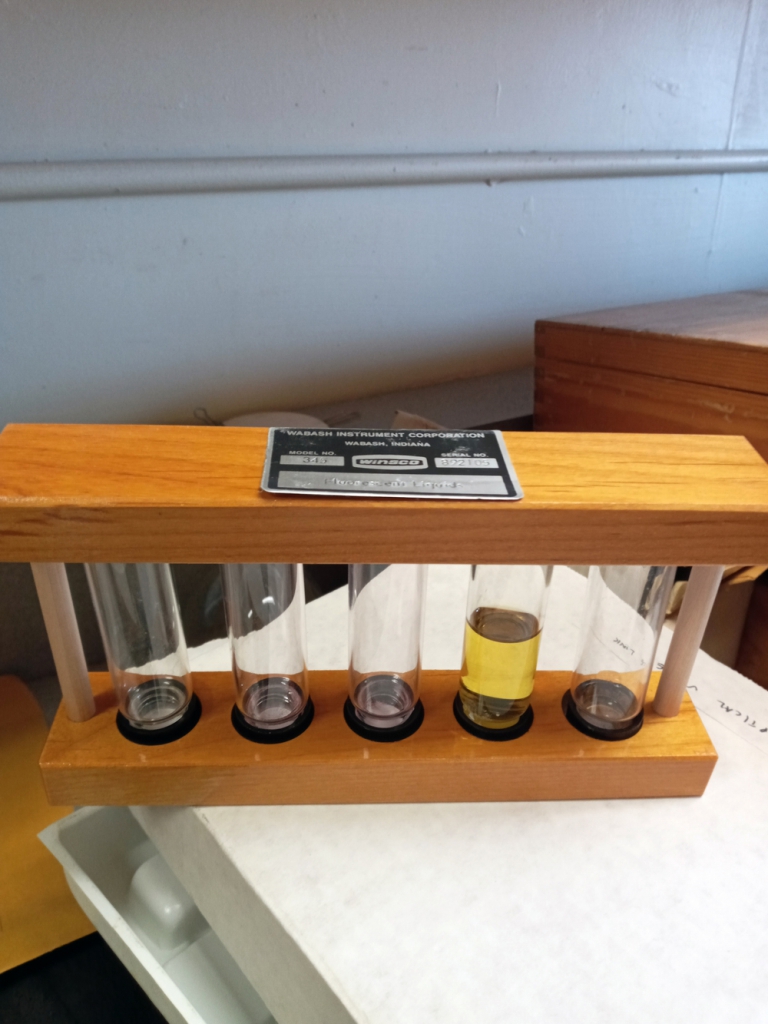
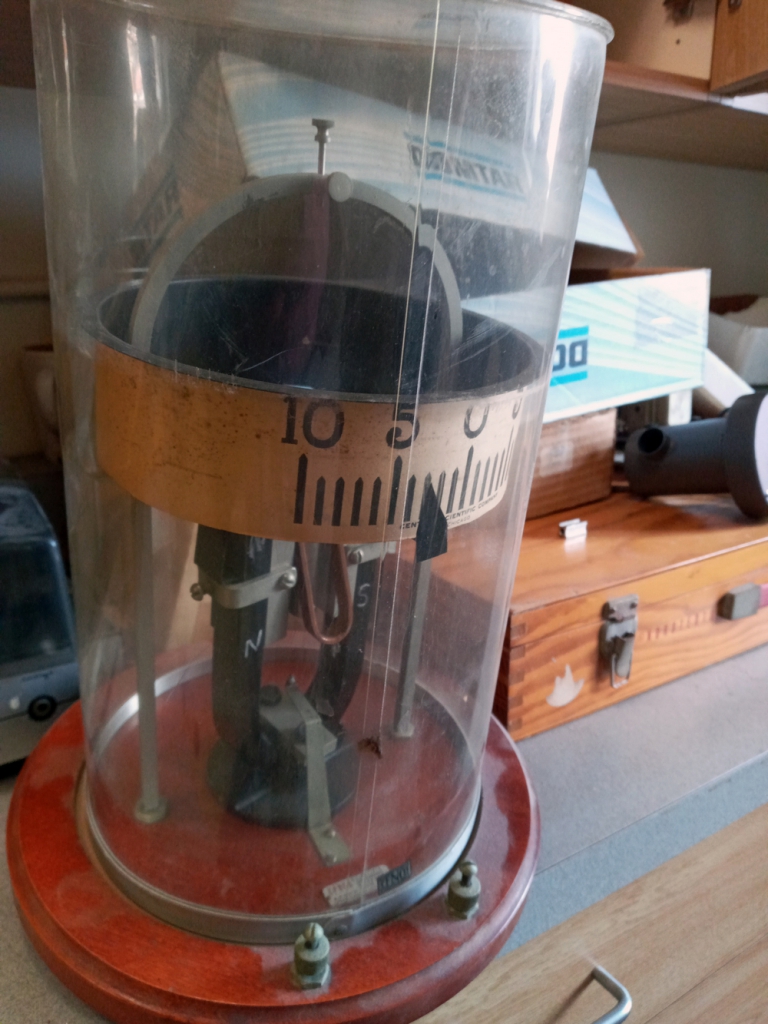
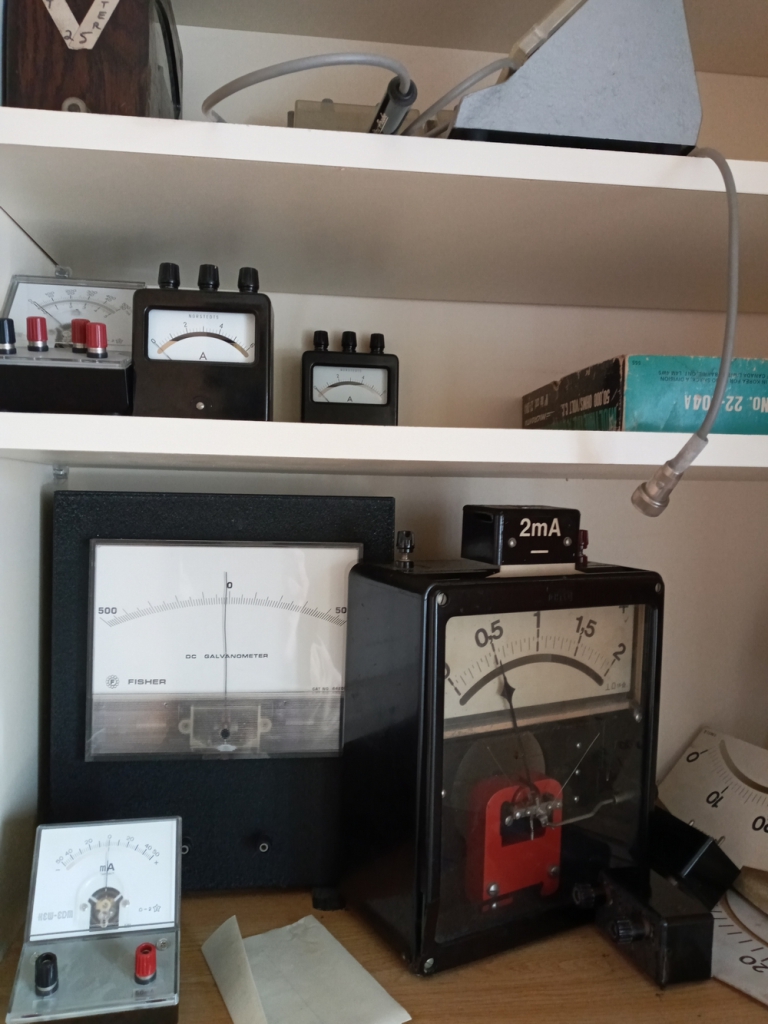
Students were taught mixing concrete, bricklaying, chemistry, cutting glass, etc. There was a Physics Lab in Room 206.
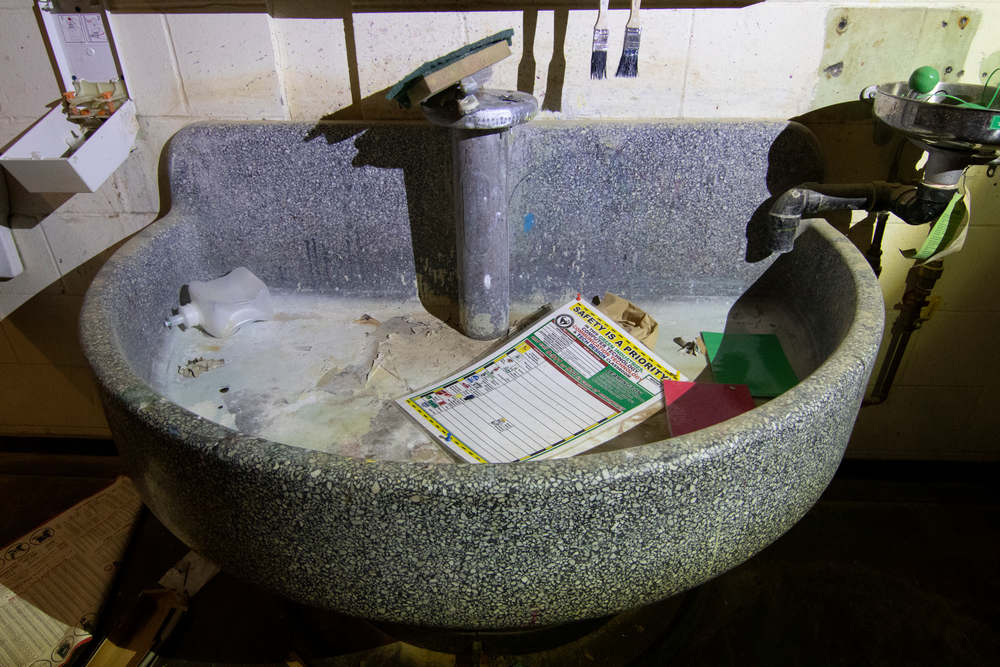
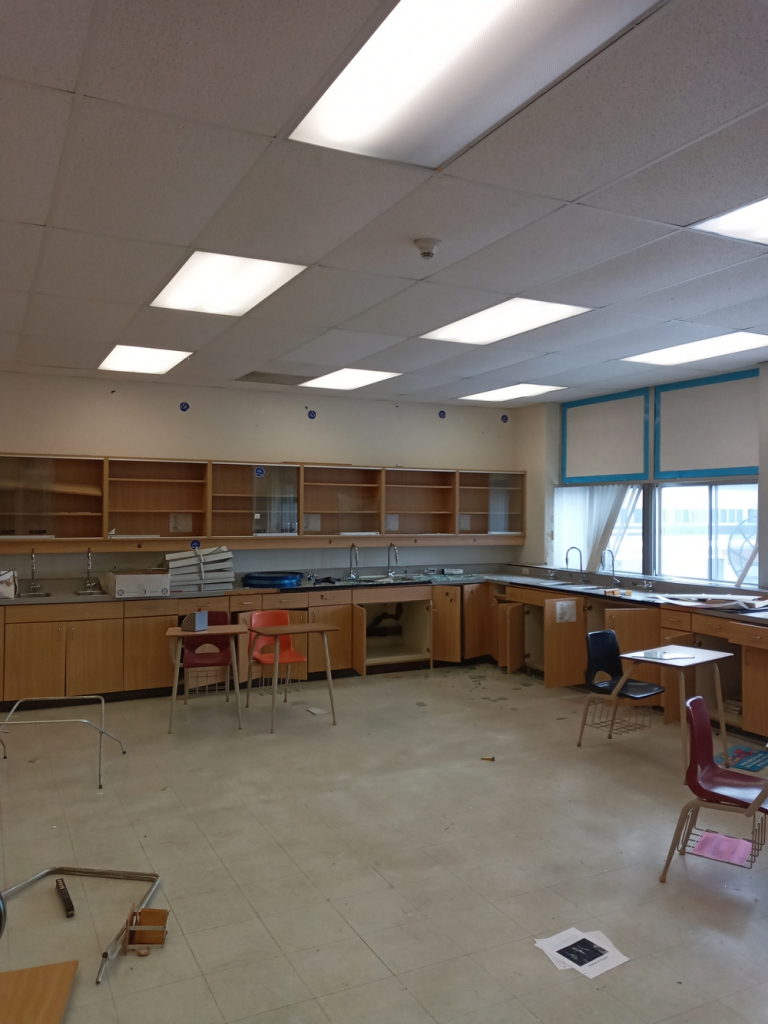
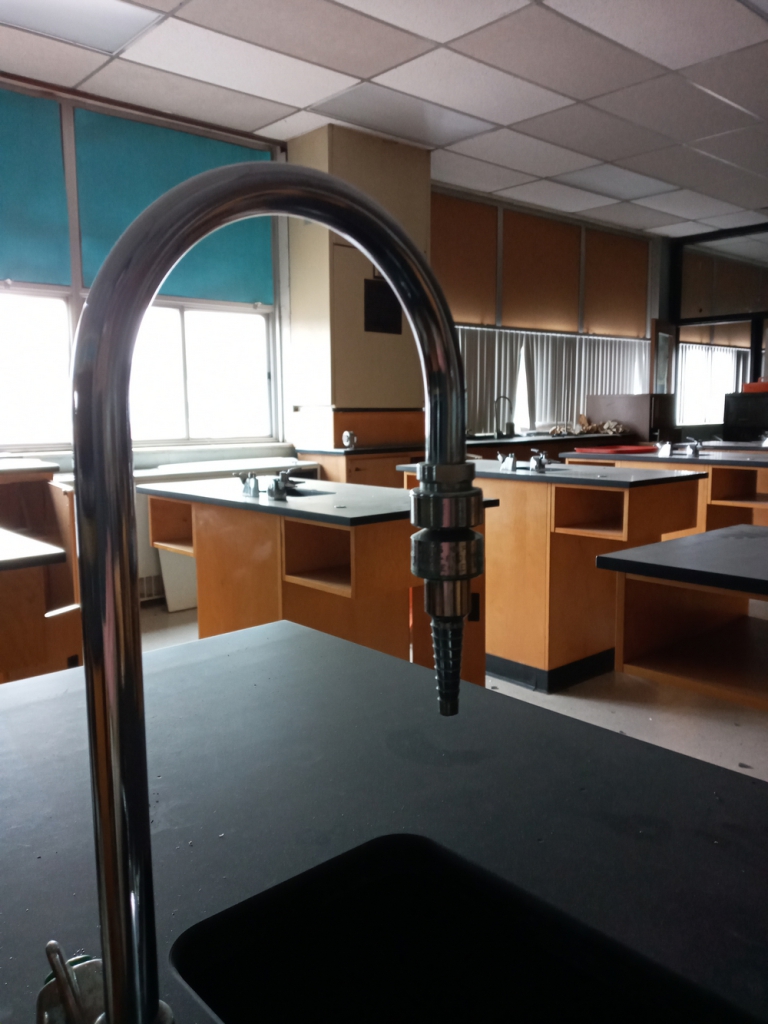
A new agriculture laboratory featured ten student tables with acid-resistant tops, natural gas and electrical outlets, and sinks. This was an improvement over the old school which offered only desks.
Library
The school’s librarian was Miss Ellwood. The library offered over 2,839 volumes of Encyclopedias and Books of Knowledge. There were subscriptions to three newspapers and seventeen magazines. Students had one period in the library per week except for grade 13 and Special Commercial.
Physical Education
Phys-ed classes included badminton, dancing, and a tumbling club. Each week students participated in two compulsory periods of competitive athletics. Each grade had major and minor teams.
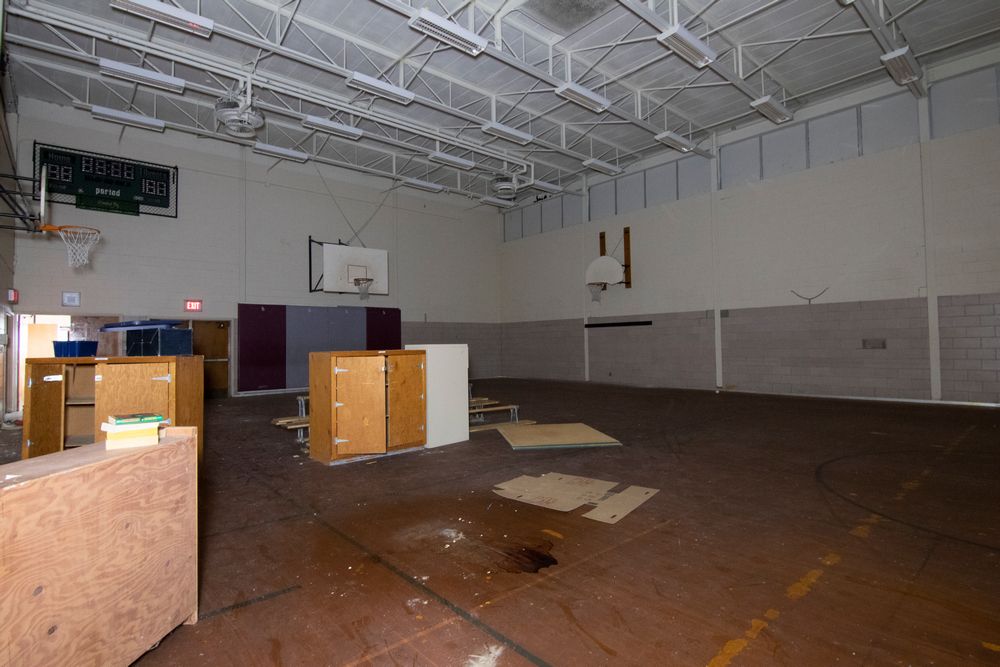
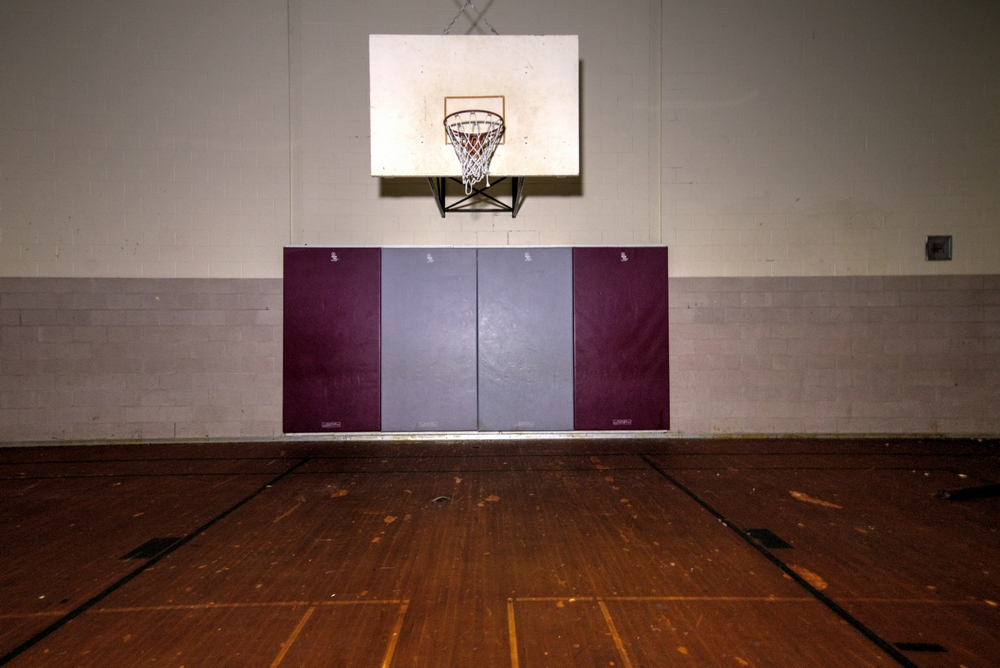
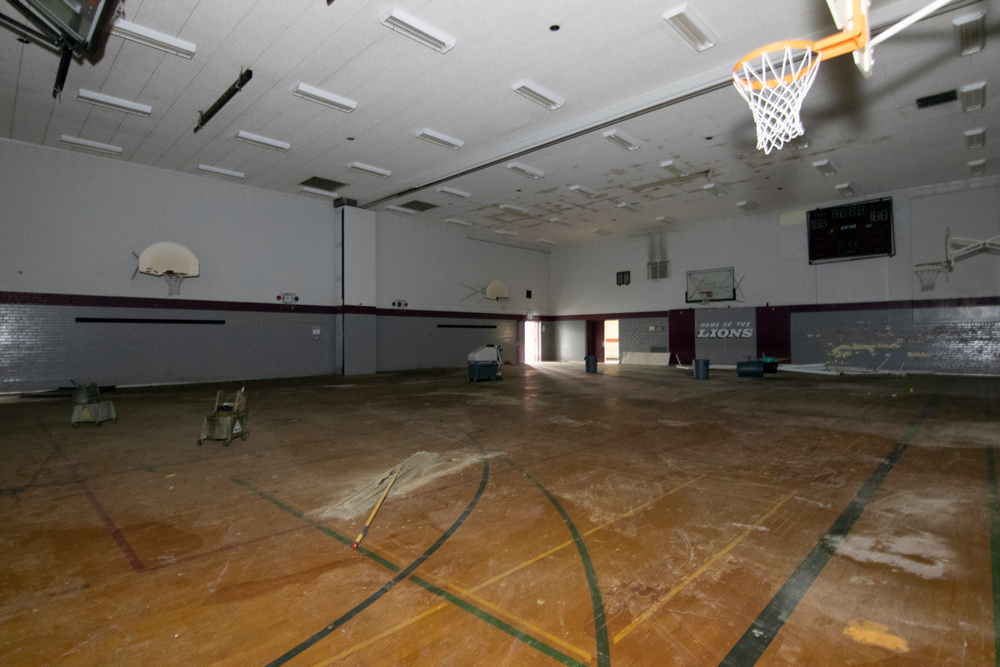
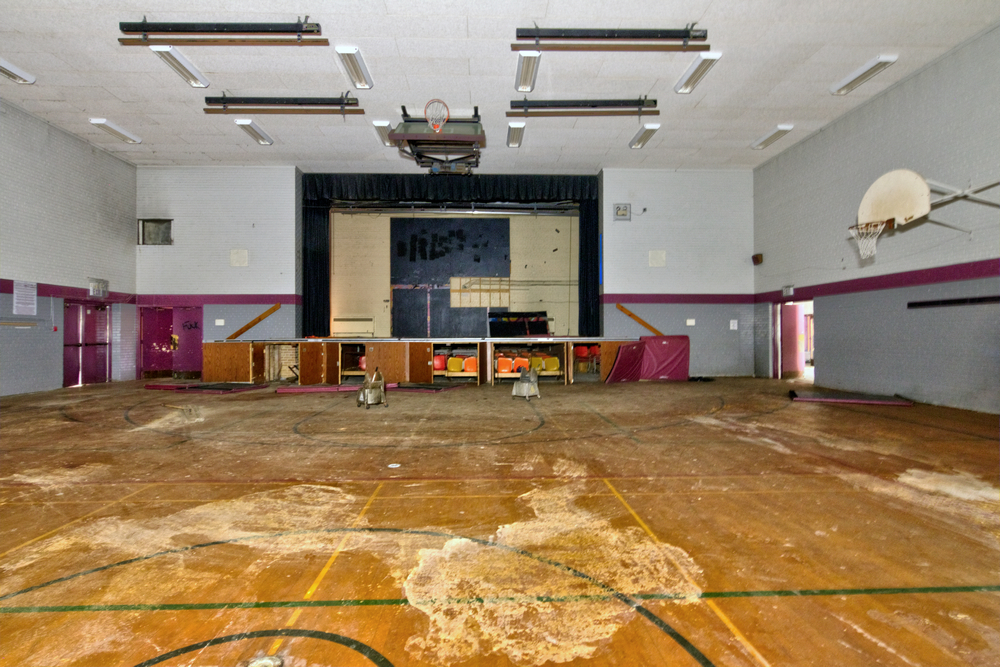
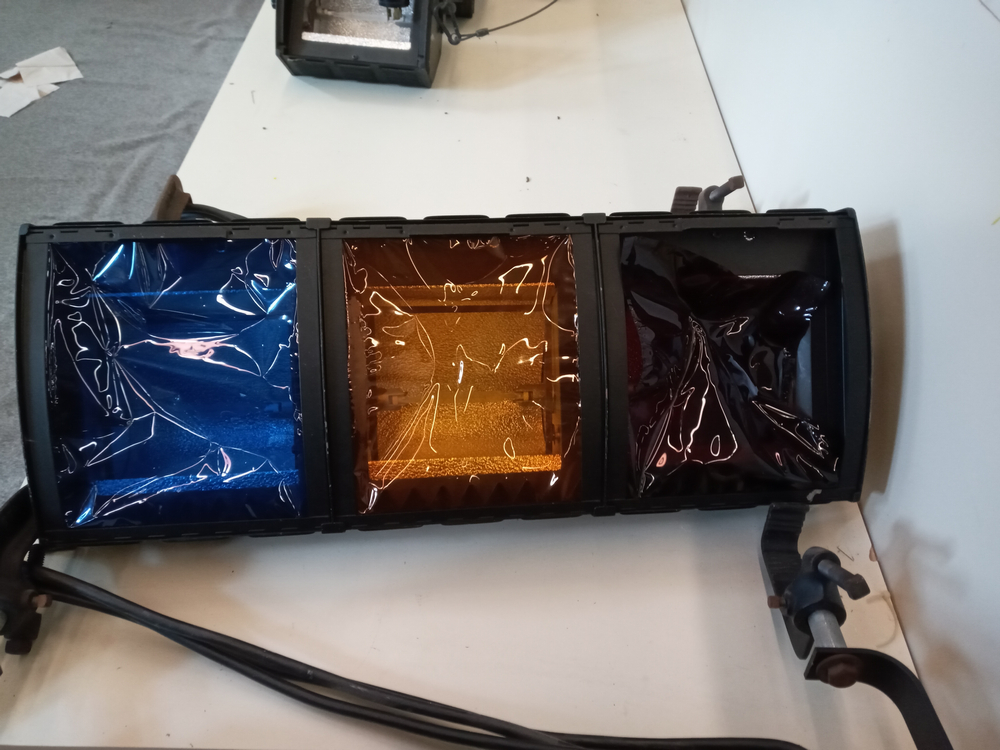
The gym had folding doors which allowed the gym to be turned into two areas, one for the boys and one for the girls. An electric scoreboard was purchased with money earned by the students. The stage area was 23 feet deep, 30 feet wide, and 60 feet at the back. Overhead stage lighting allowed for lighting during stage productions.
Girls were able to participate in basketball, track and field, volleyball, ping-pong, badminton, and golf. Boys were able to participate in basketball, football, soccer, golf, ping-pong, track and field and volleyball.
Additional teams formed over the years included tennis, golf, cross country and curling.
Clubs
The school ran clubs including an Audio Visual Club, Public Speaking, Library Club, Community Service, 4-H Corn Club, and the Chess Club. A Driver Education course was offered to teach students how to drive a vehicle. Upon successful completion of a written exam and skill tests, the student would receive a certificate from the Ontario Safety League and the Ontario Department of Transport.
Every Tuesday and Thursday, students in the String Ensemble would meet under the direction of Mr. Neufeld. This group consisted of violinists, two cellos, one viola, and one piano.
Cafeteria
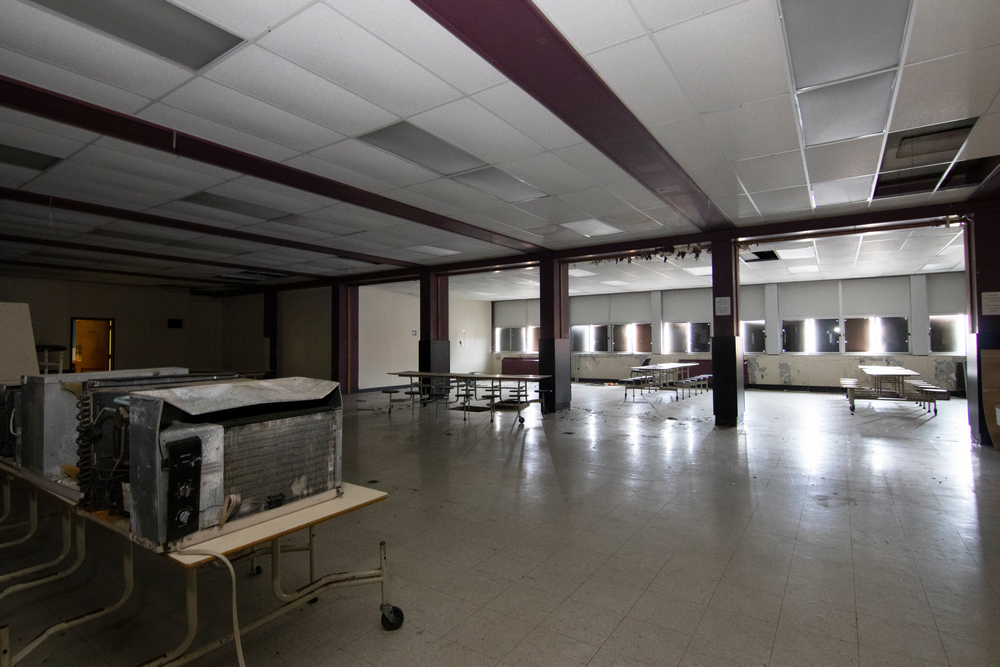
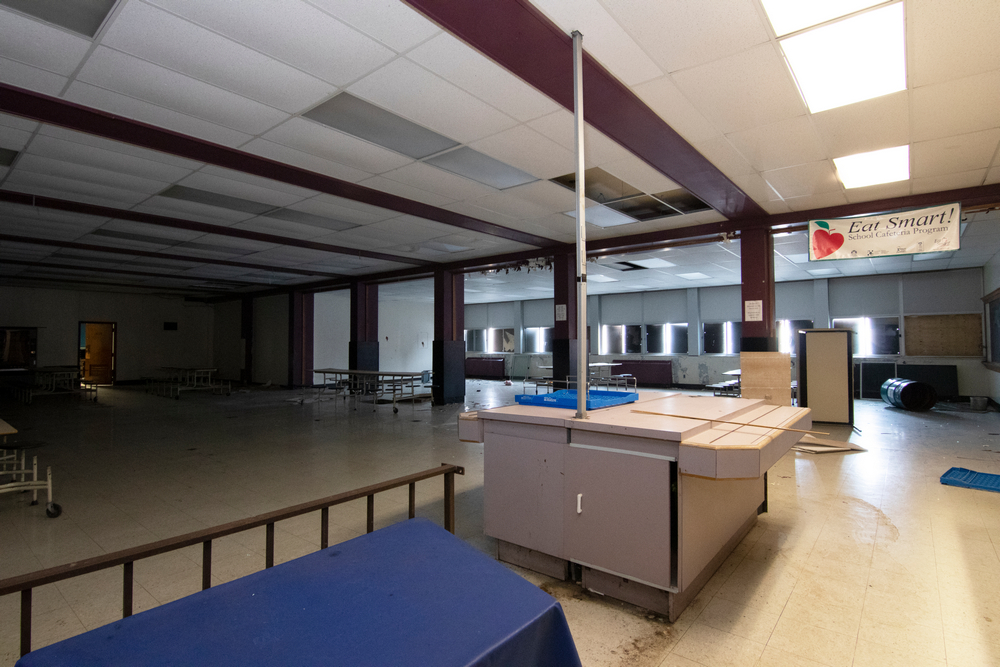
The new cafeteria was built to feed 300 students. Meals were served in three shifts: grade 9 at 11:21 am, grades 10,12 and Special were served at 11:55 am, and grades 11 and 13 were served at 12:29 pm. Students could go home for lunch and had 68 minutes before they had to be back to class.
A plate lunch consisting of meat, potatoes, vegetables, bread, and butter could be purchased for 25 cents.
4-H Corn Club (circa 1961)
As corn is an important crop in southern Ontario, the school felt that boys should be able to learn how to plant corn. Under the direction of Mr. Clifford, students were given a chance to grow their corn. Students planted corn seeds on their own land. While their corn was growing, they received lectures from prominent men in the farming field. When the corn was ready, the students would take their best ears to have them judged. The winners received cash prizes.
After expansions in 1958 and 1961 enrollment reached a peak of 1,500
During the 1968-69 academic year, a 100 Mile Club was formed. Students who joined were expected to run at least 100 miles over the course of the school year.
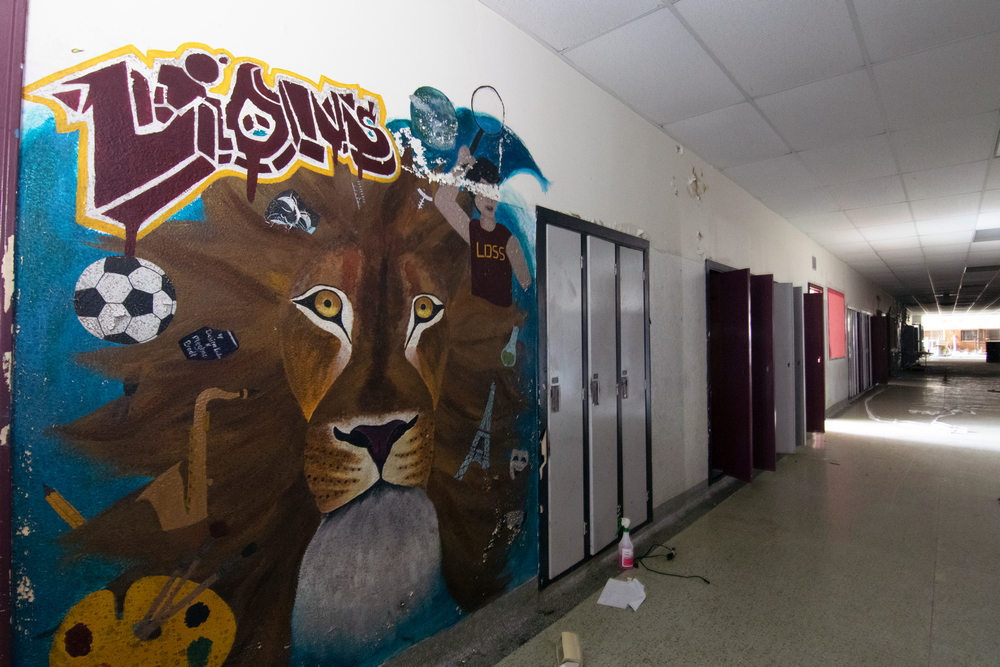
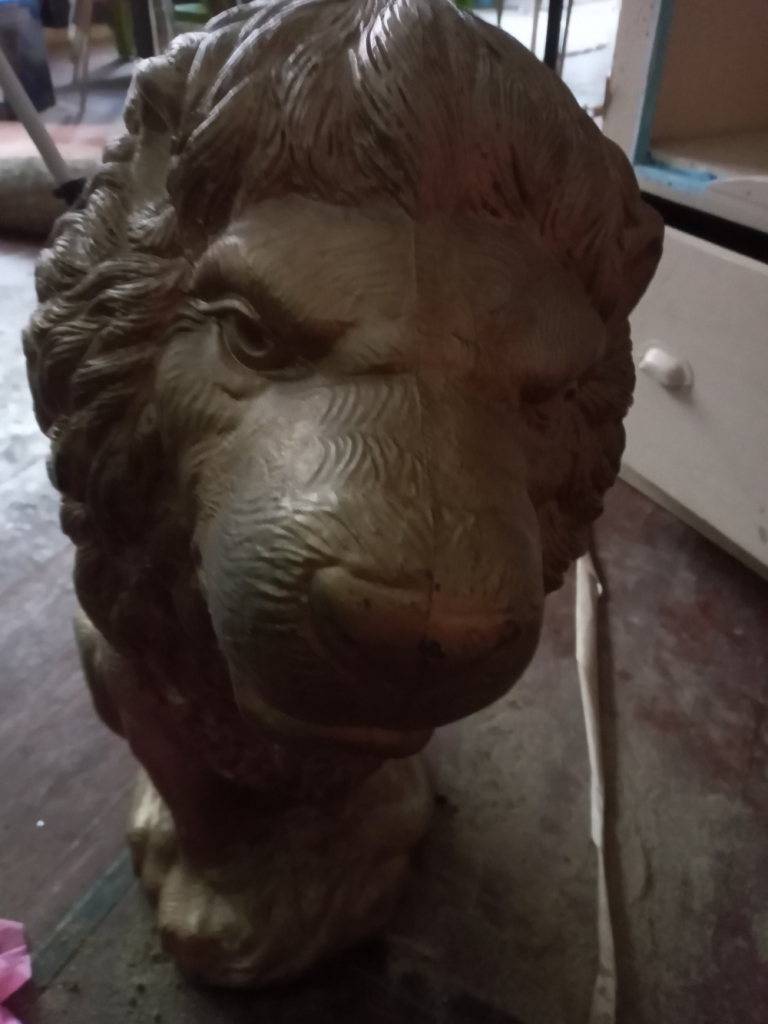
The school’s mascot is a lion named Snoil.
Closure
Around 2007, Leamington District High School was supposed to undergo renovations. The Ministry of Education provided a grant for $10.7 million to renovate 80% of the school. In 2009 the Board approached the Ministry with a new business plan and two years later an announcement was made that $26 million would be made available to completely rebuild the school.
Land for the new school was purchased in 2013 that would offer 19.5 acres and enough room for 1000 students.
In 2016, the board of Trustees approved a new construction plan and design with a project budget of $32 million. The last day of classes at the Mill Street school was June 30, 2017.
The new building included 27 classrooms, six science rooms, four computer rooms, and a triple gym.
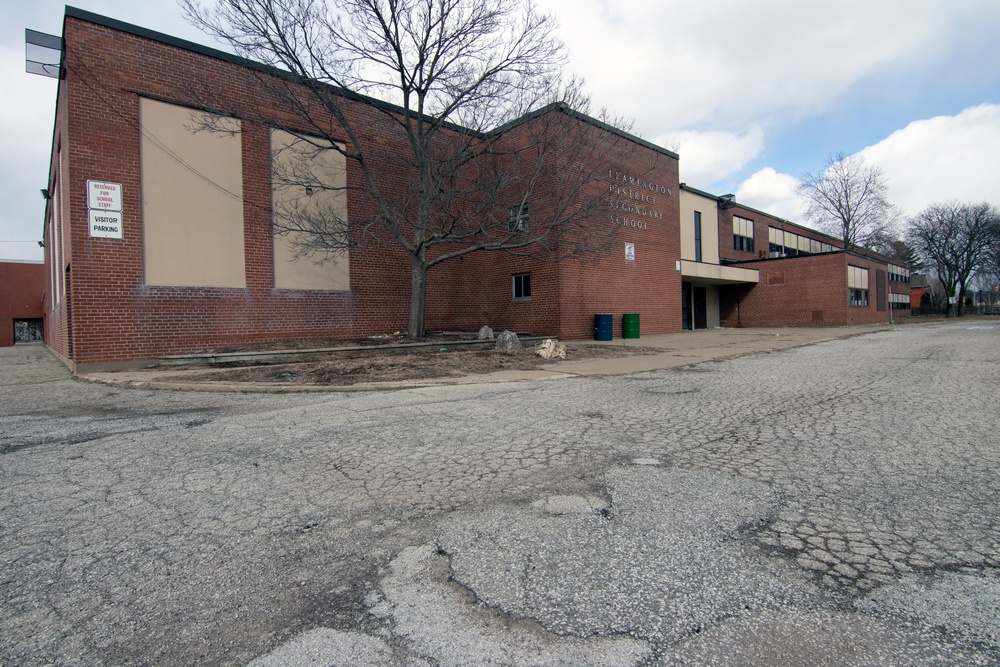
The old school
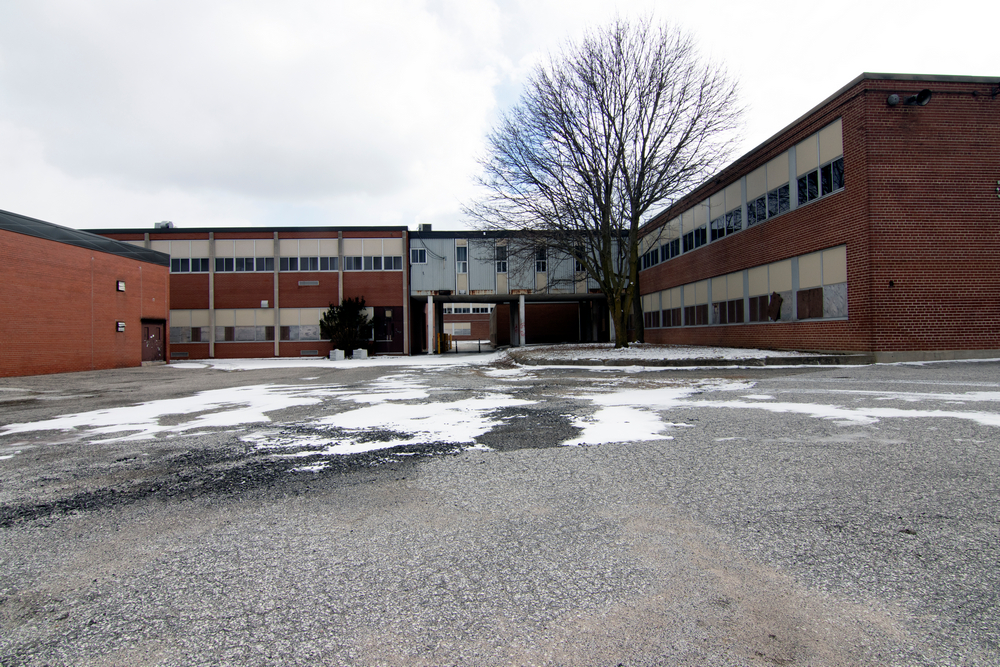
The Municipality of Leamington purchased the former high school lands on July 14, 2020 with the intention to build new affordable housing. A Concept Plan divides the land into three segments with 293 residential units. 216 of those units would be in three six-storey midrise buildings. 53 units would be townhouses. A Request for Proposals was issued with the accepted proposal being Amico Acquisitions Inc.
Amico’s preliminary concept plan includes two six-storey apartment buildings, with 95 and 105 units respectively, for a total of 200 apartment units and 105 townhome units for a project total of 305 dwelling units.
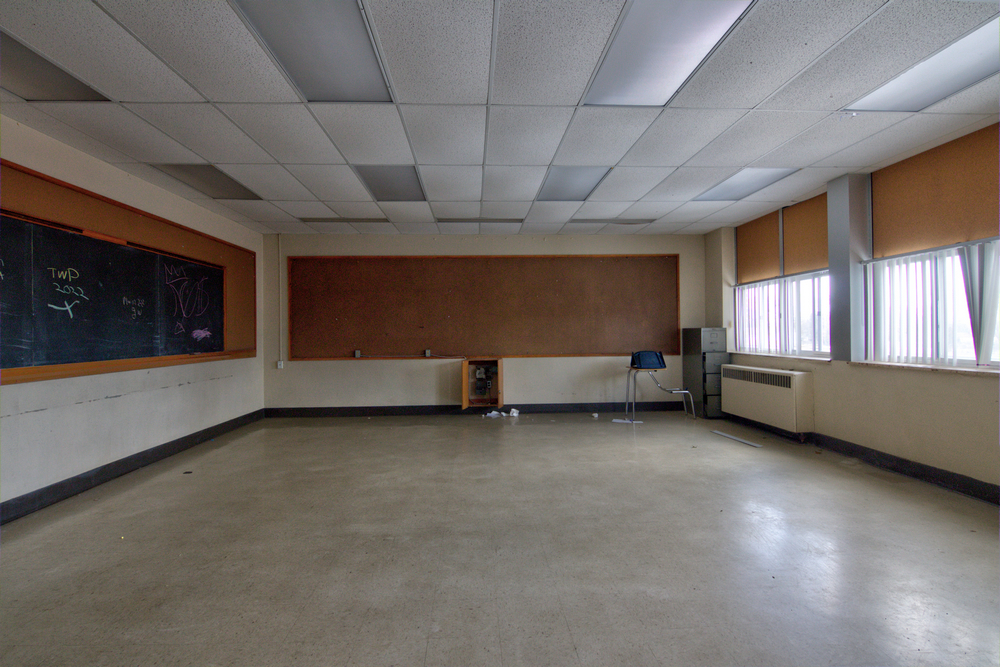
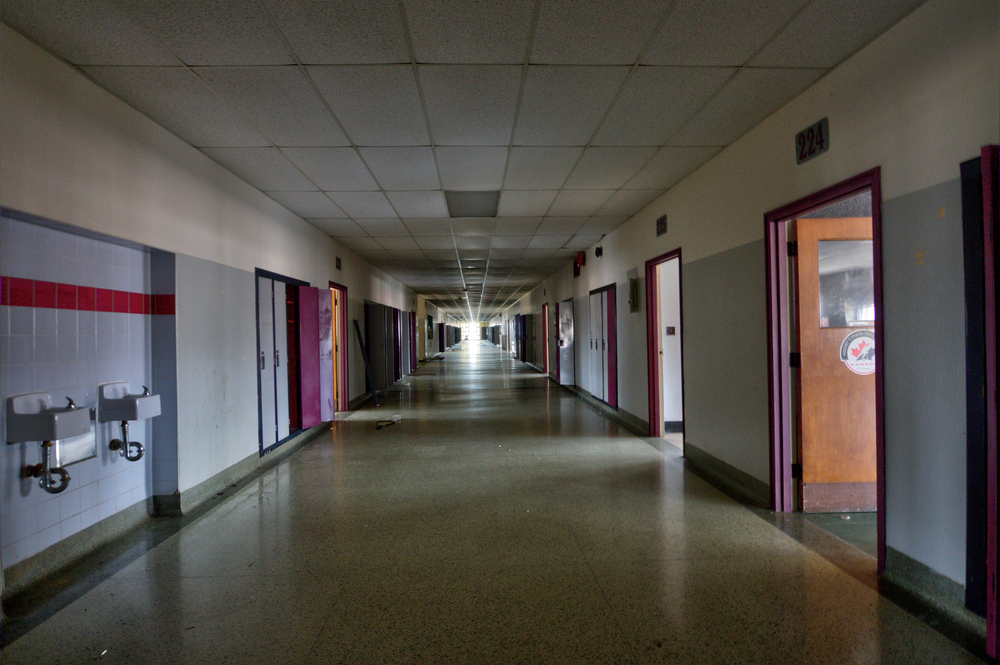
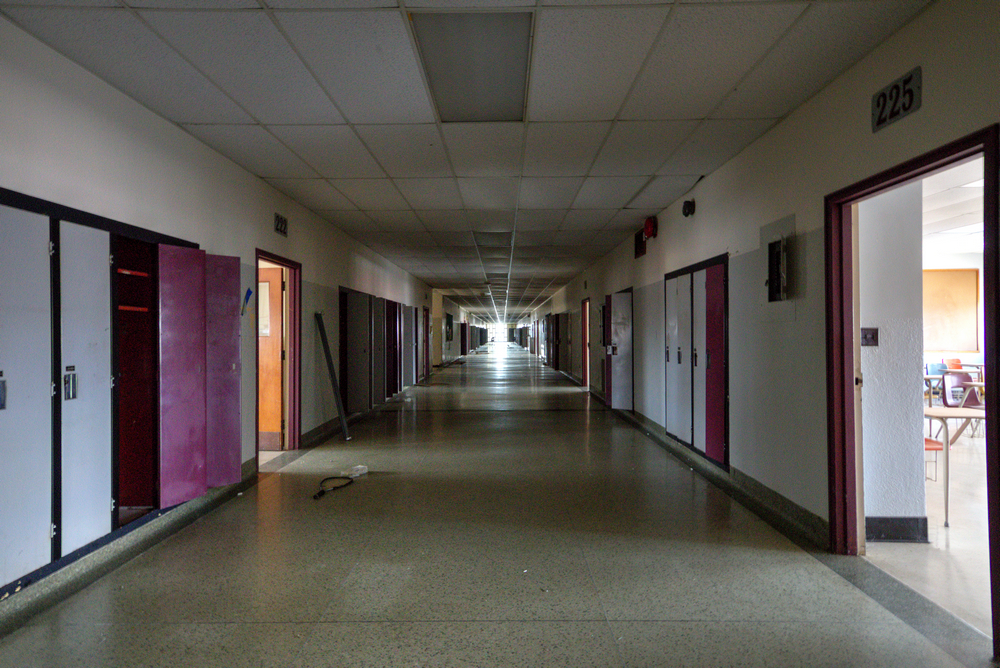
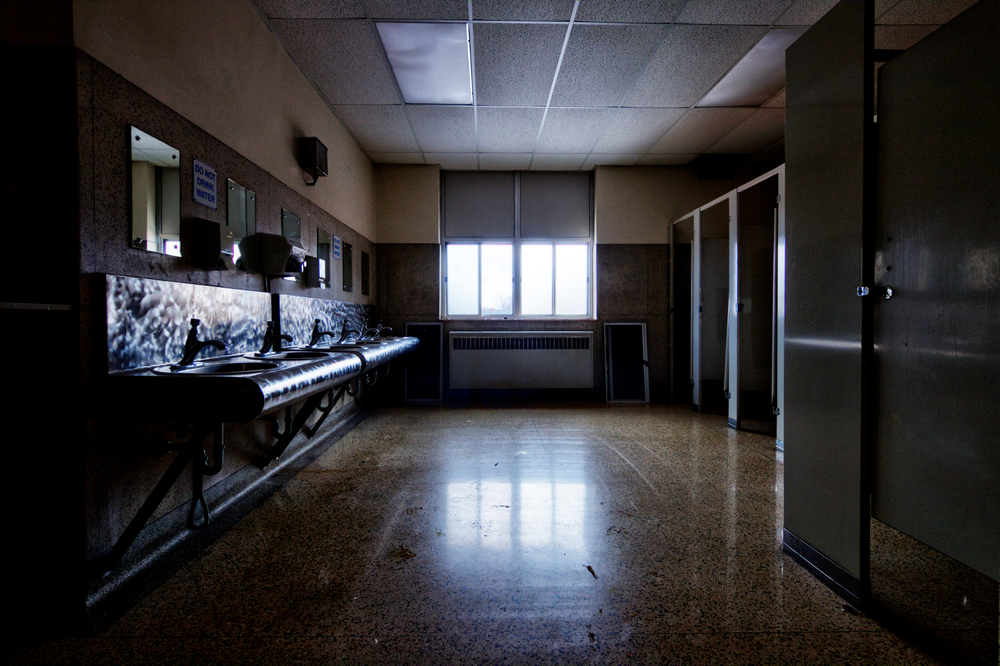
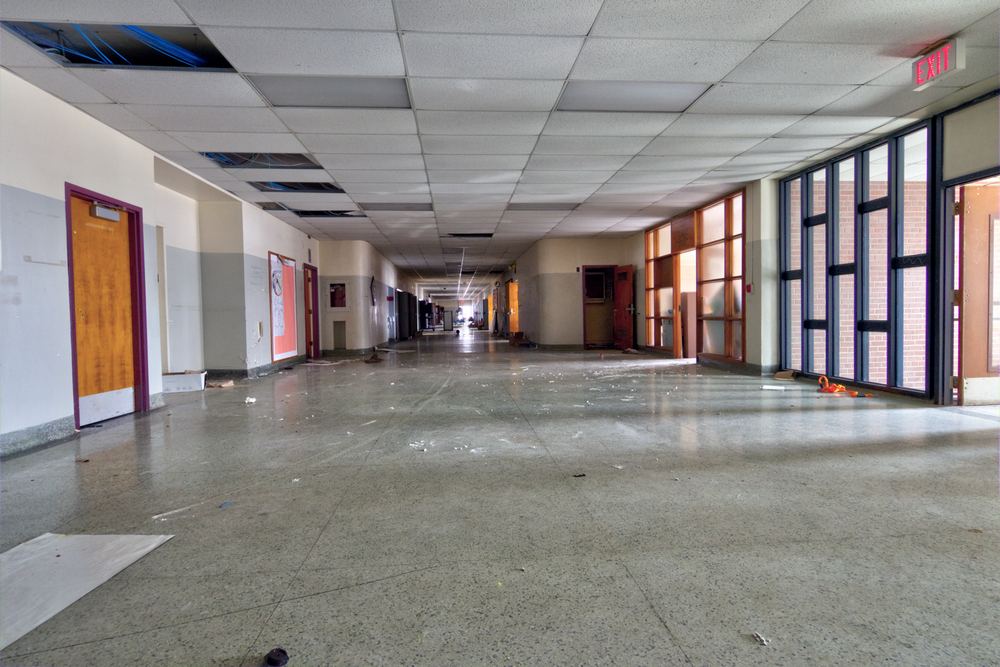
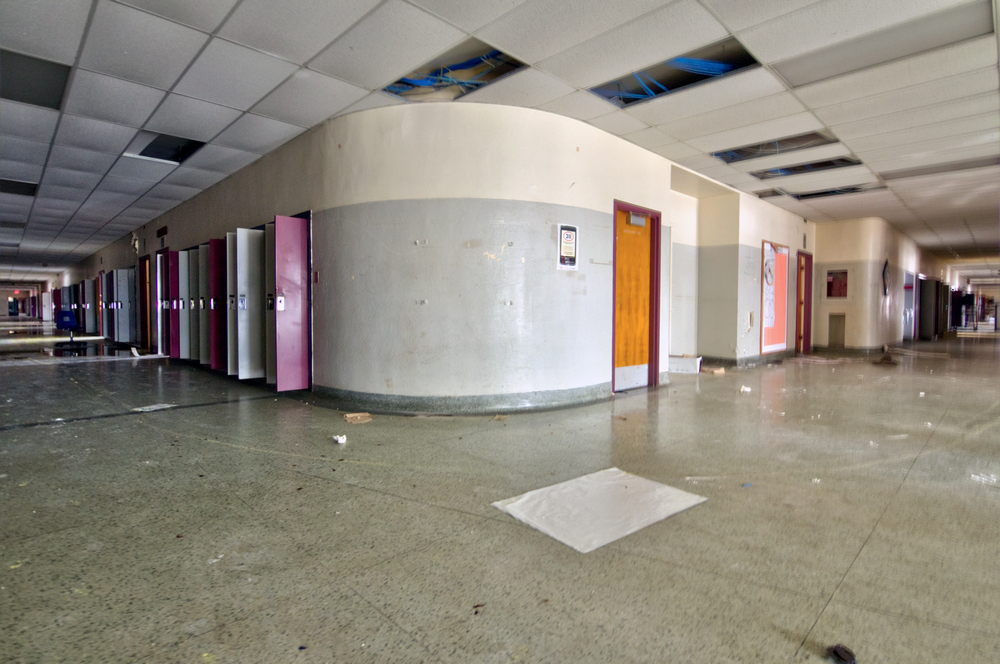
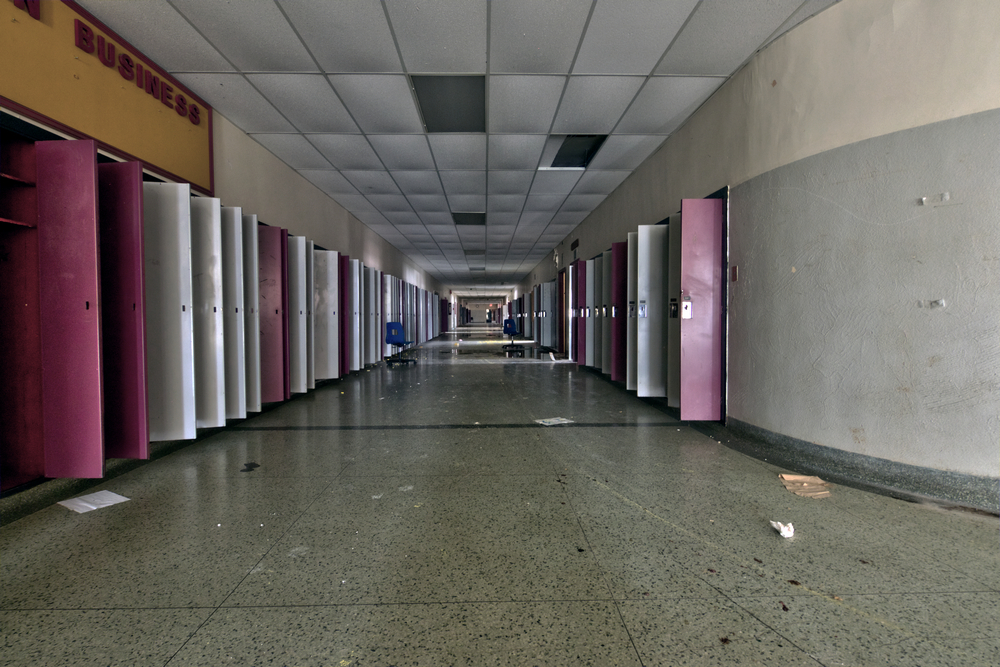
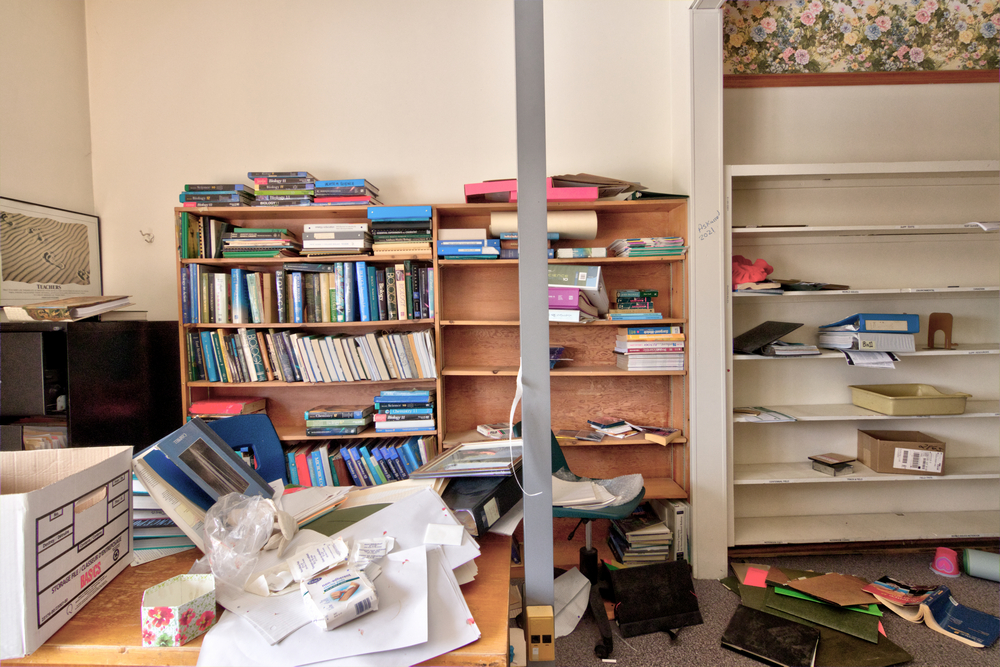
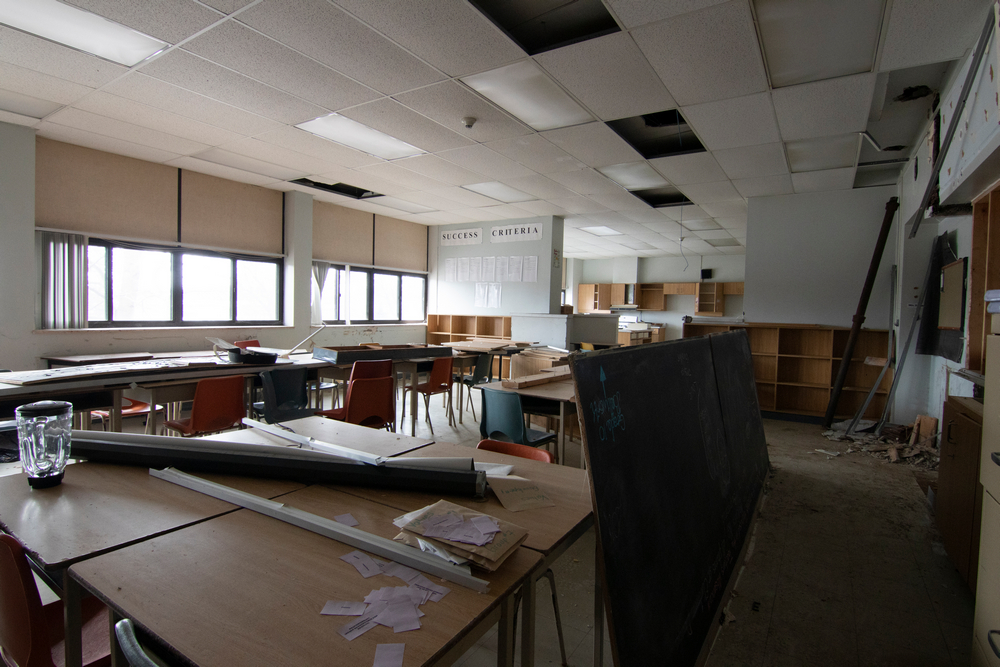
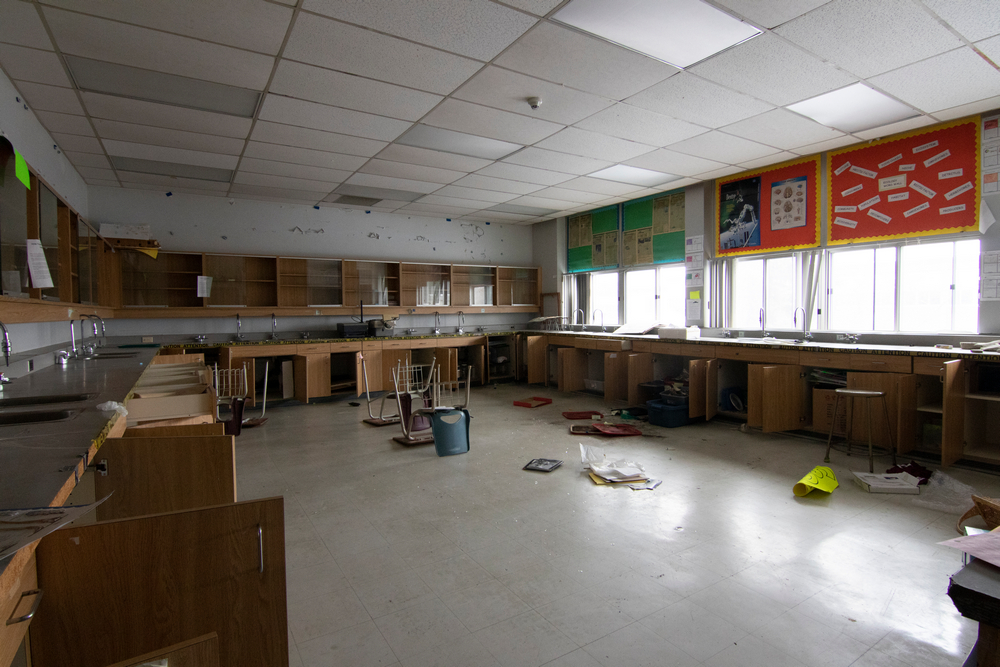
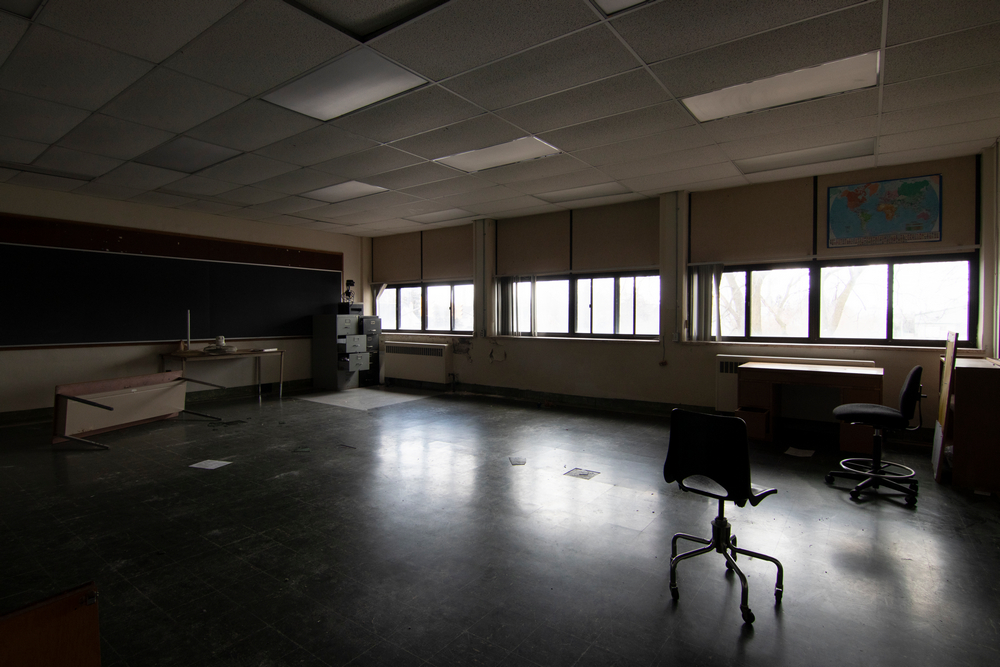
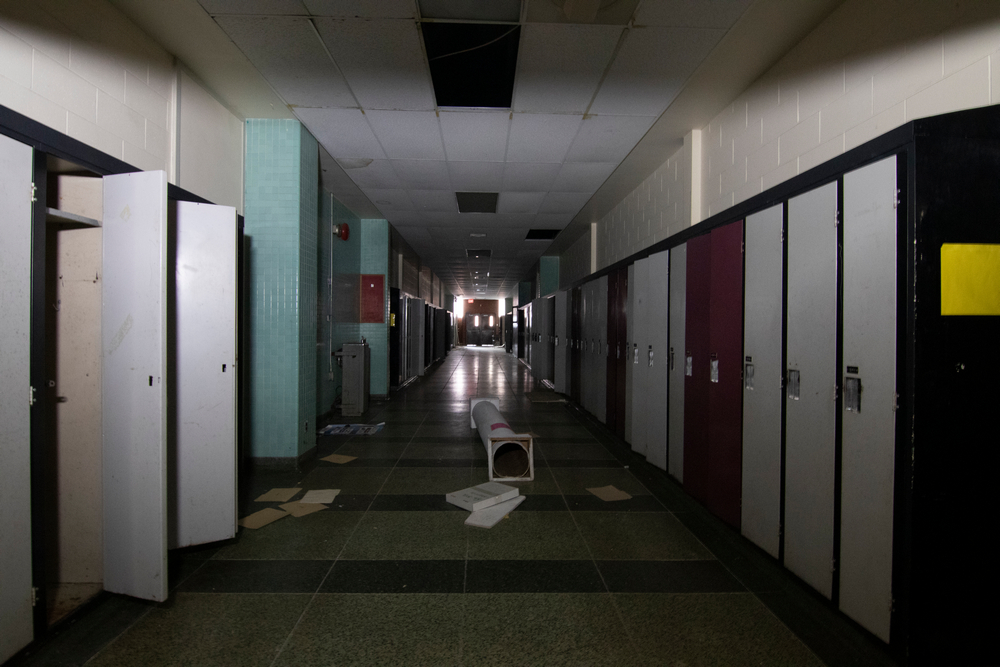
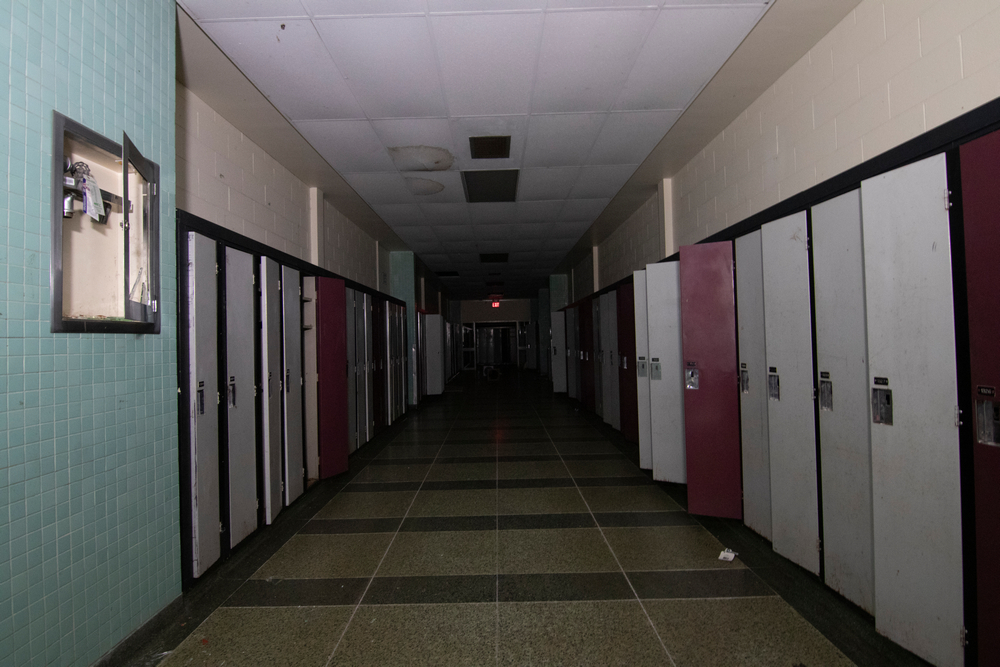
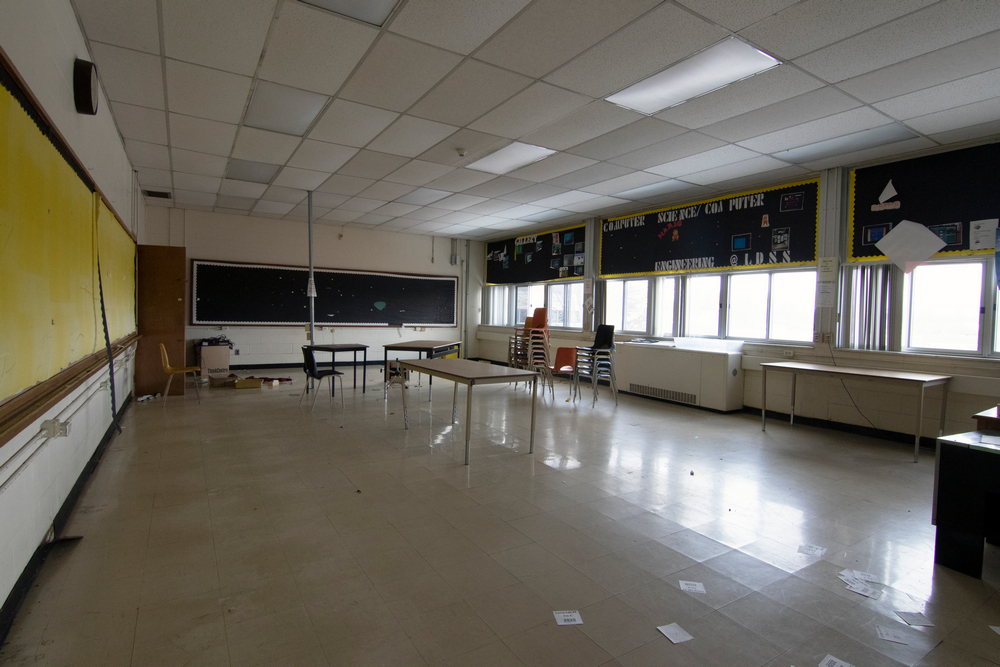
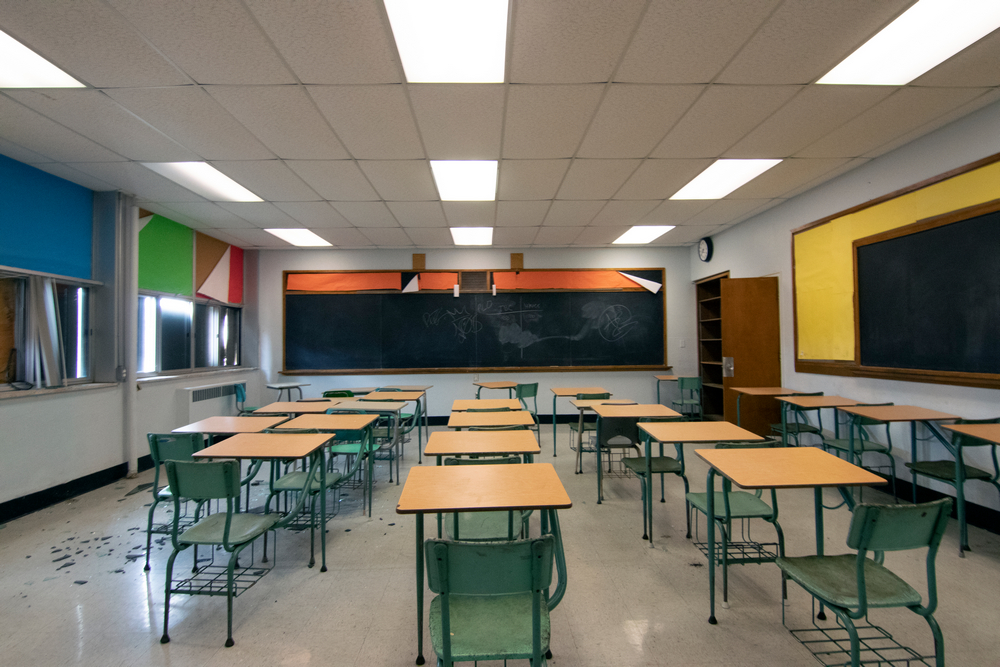
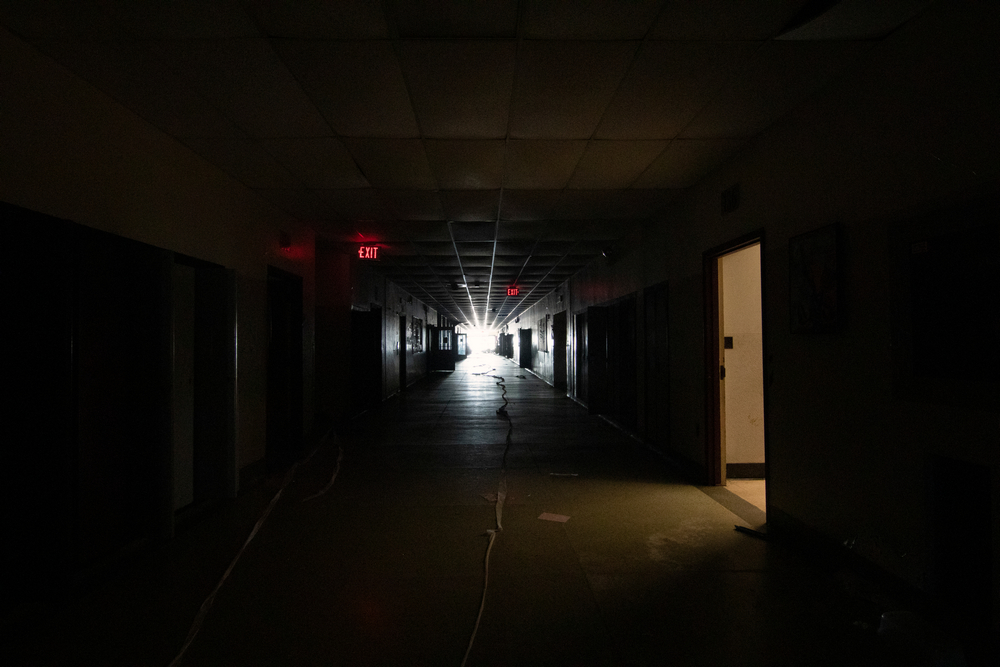
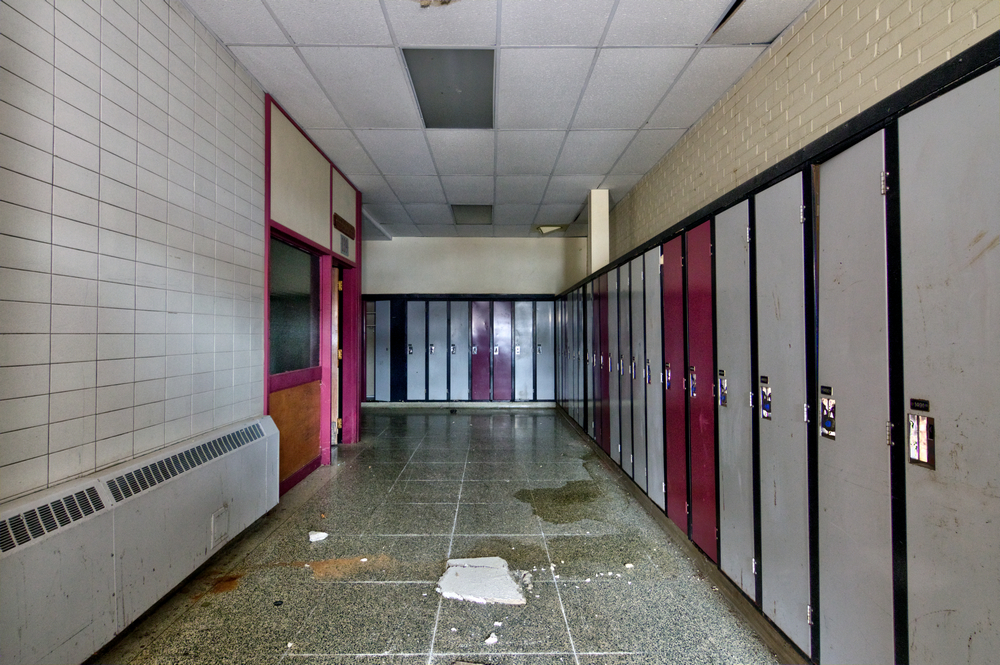
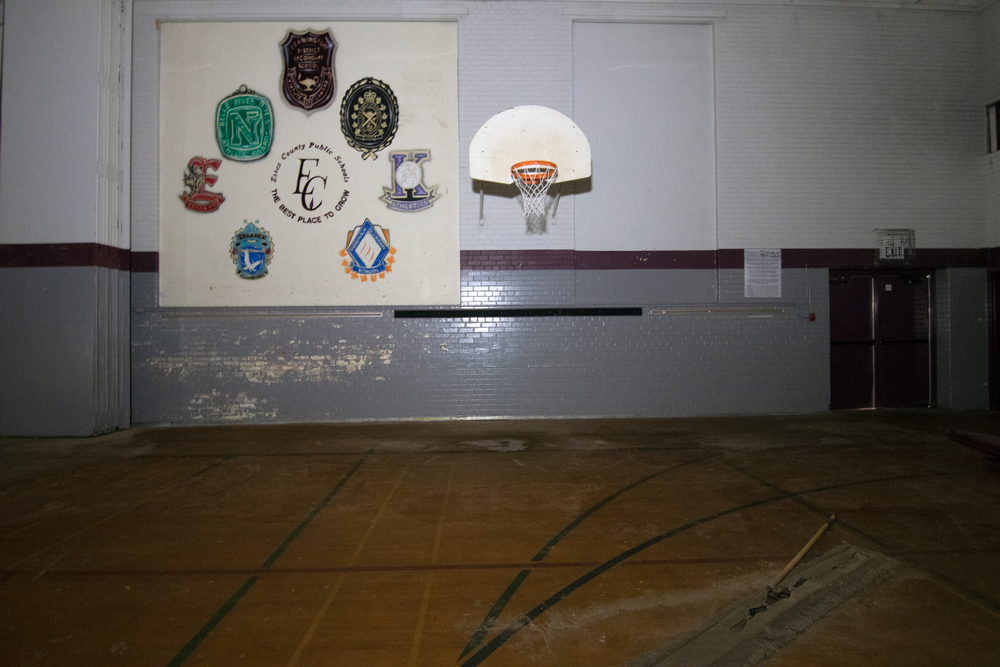
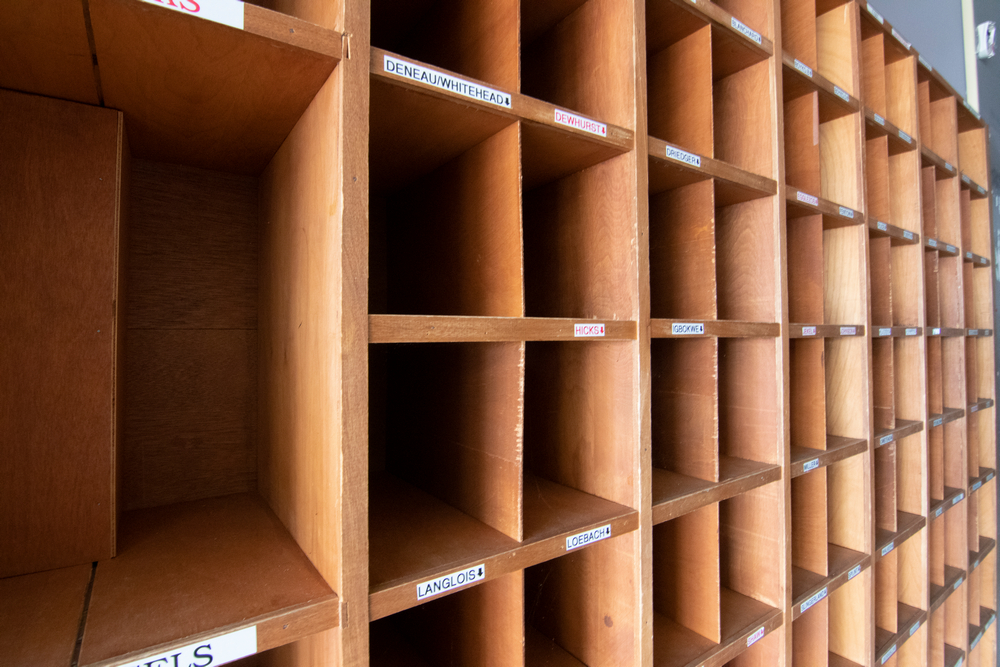
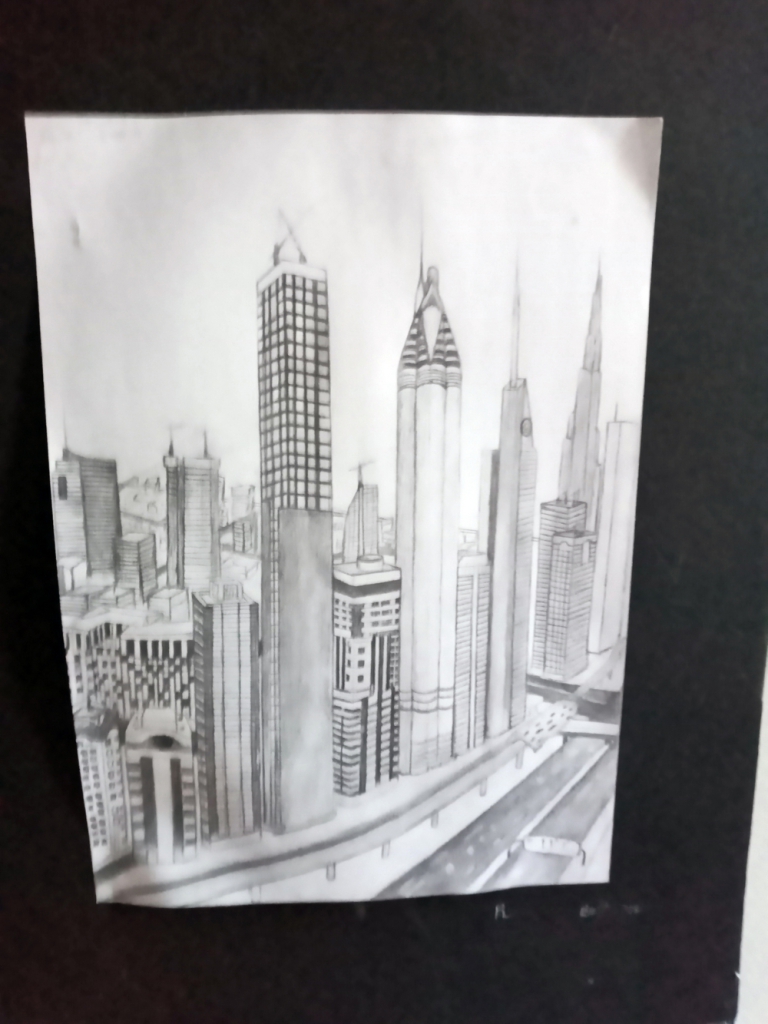
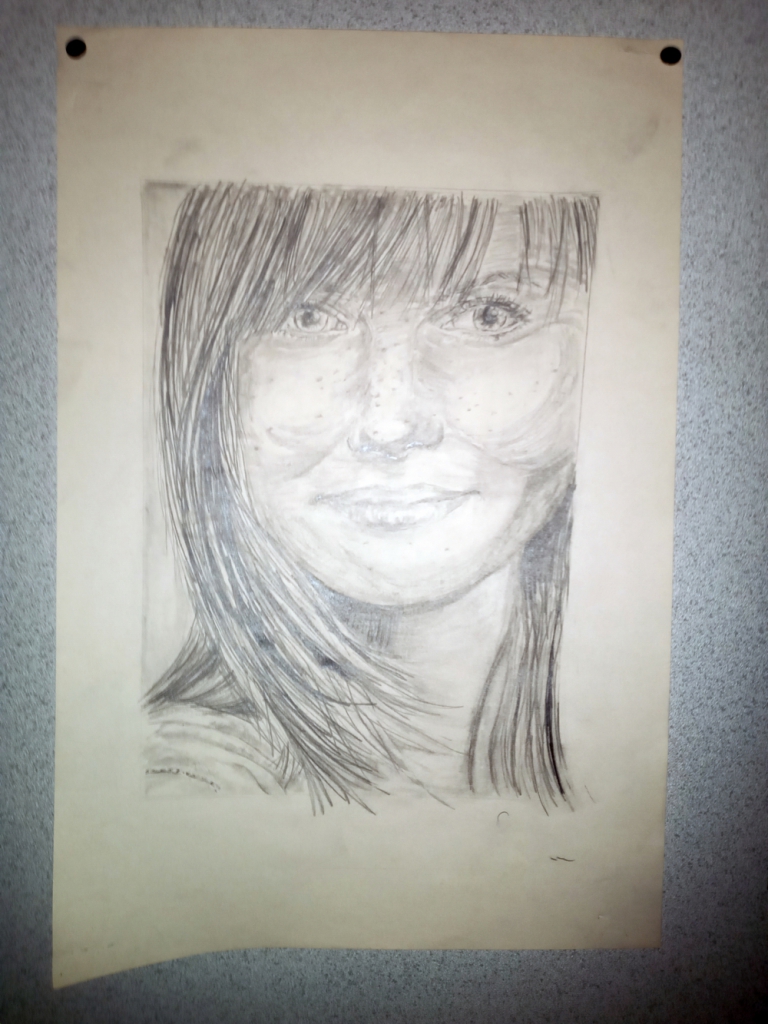
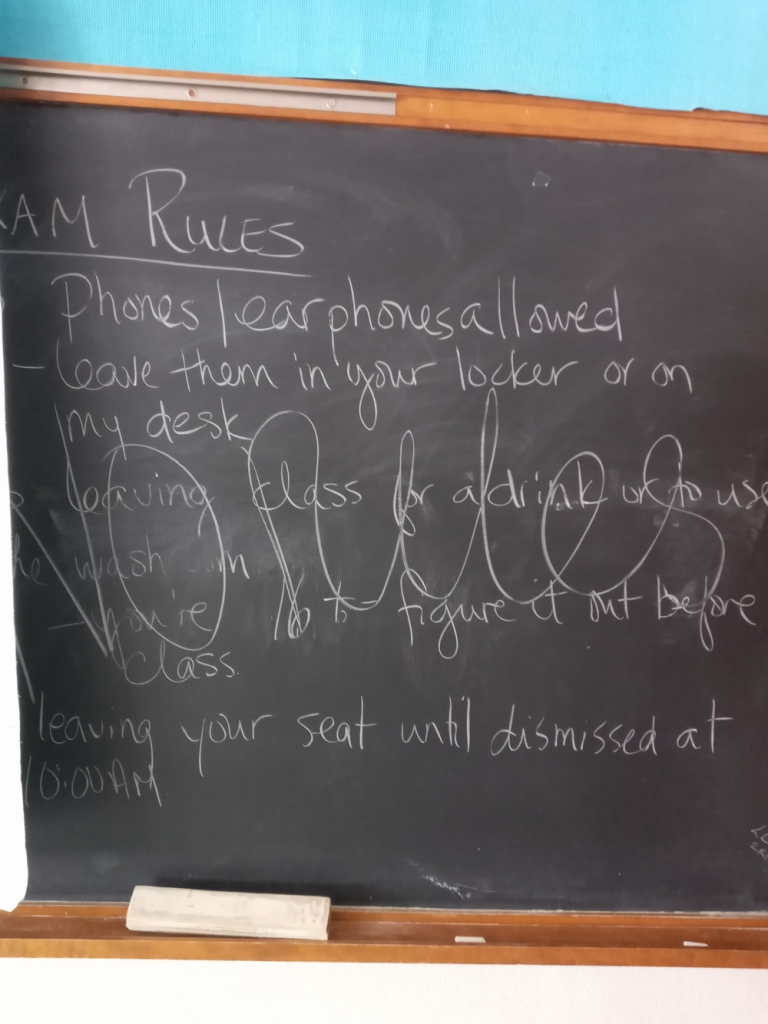
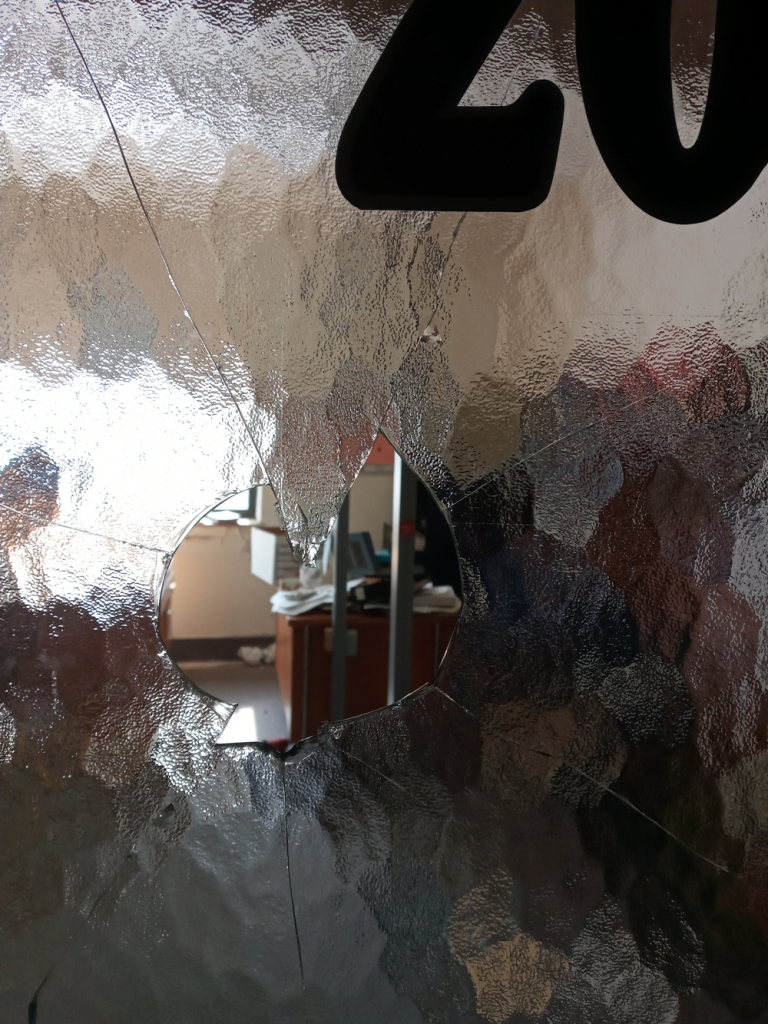
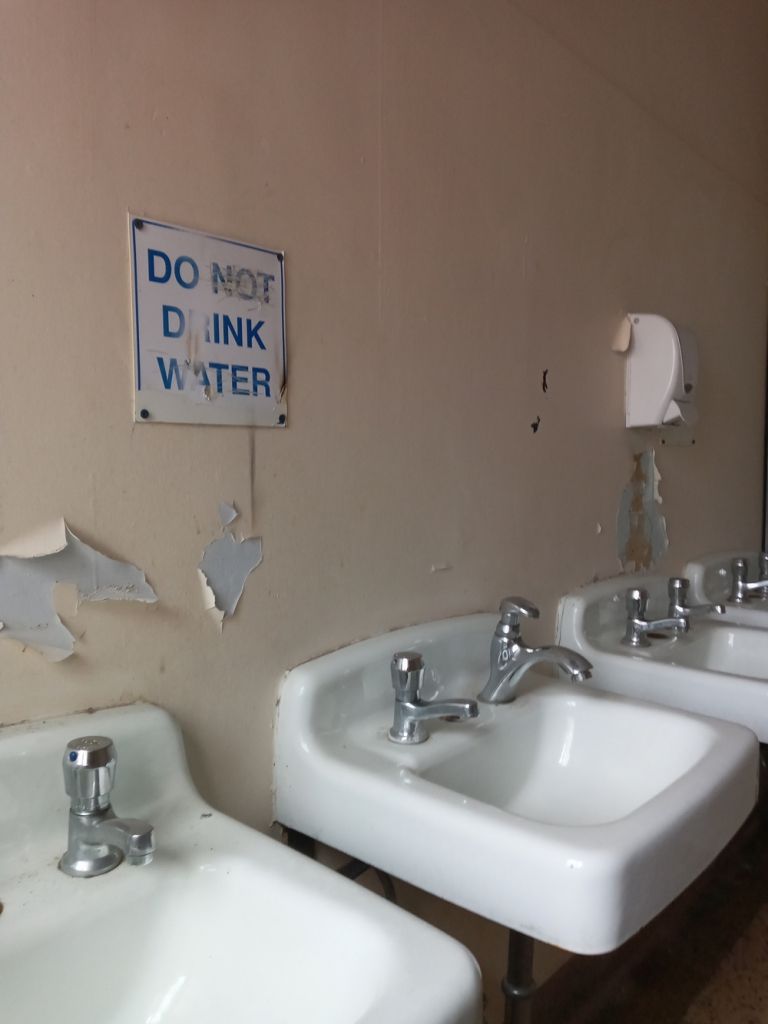
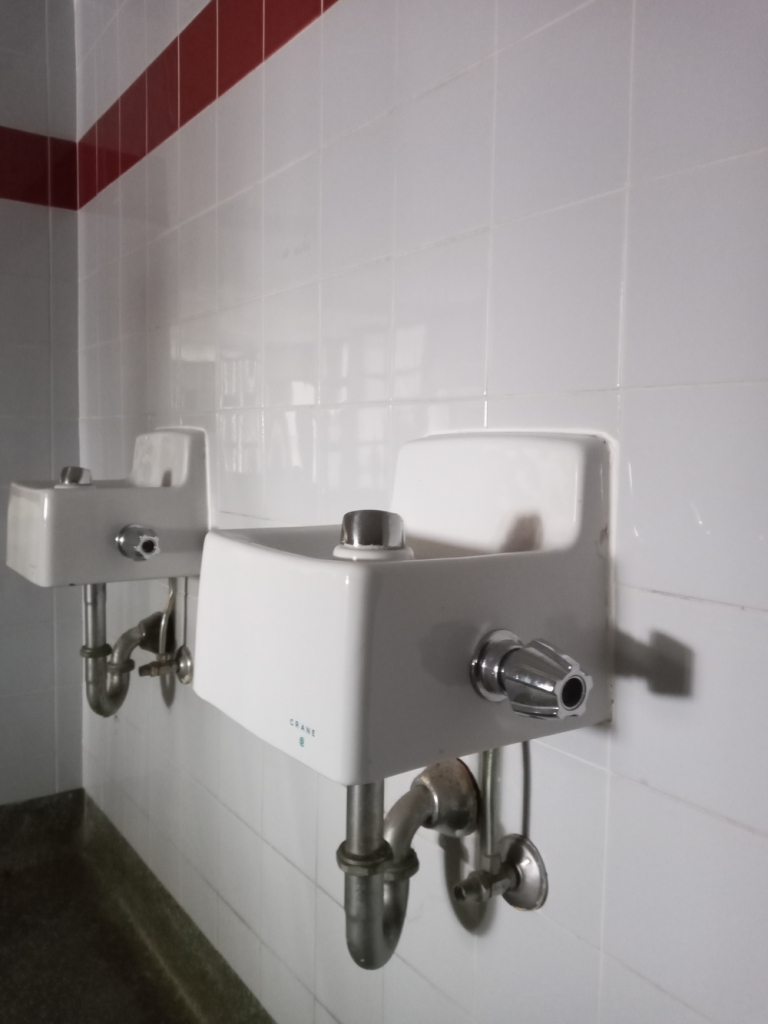
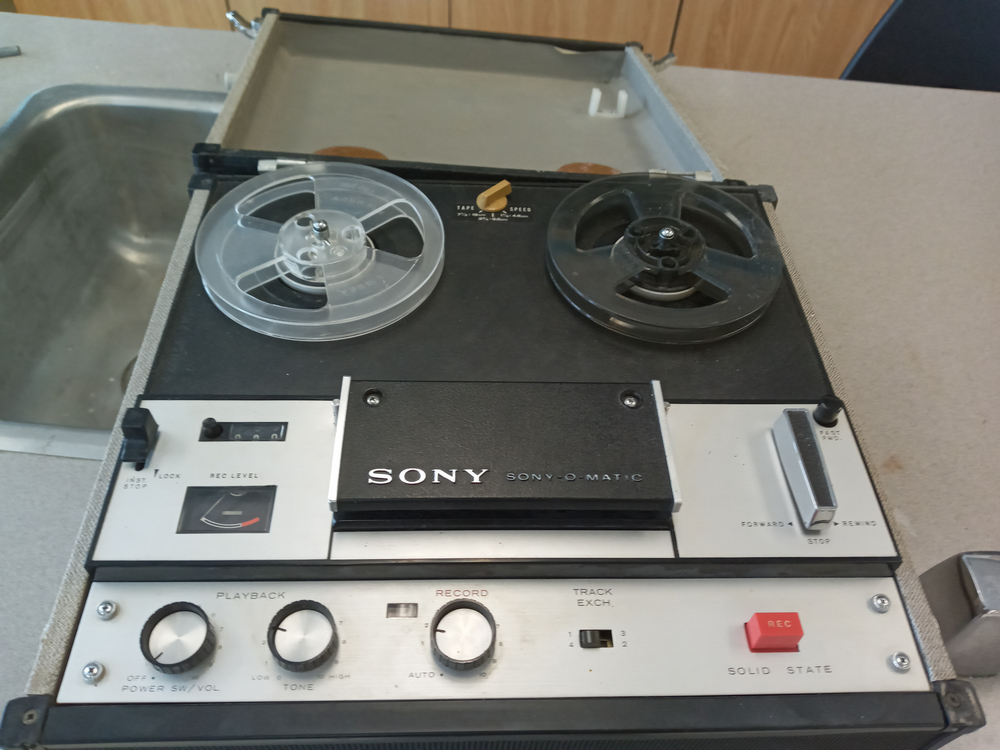
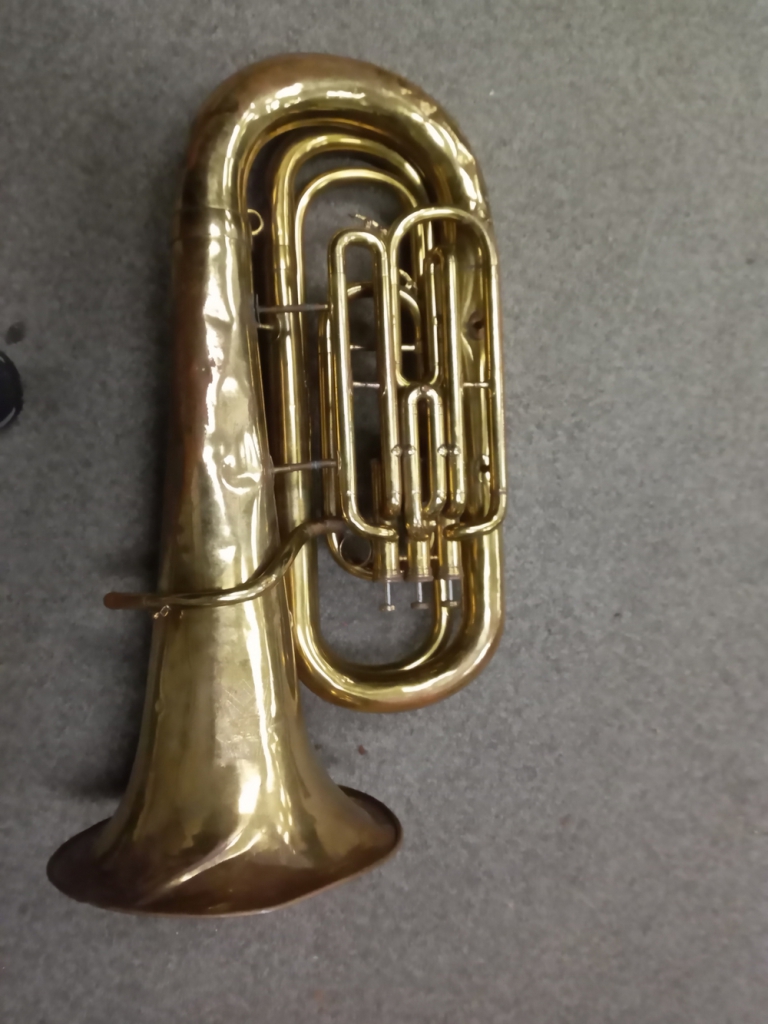
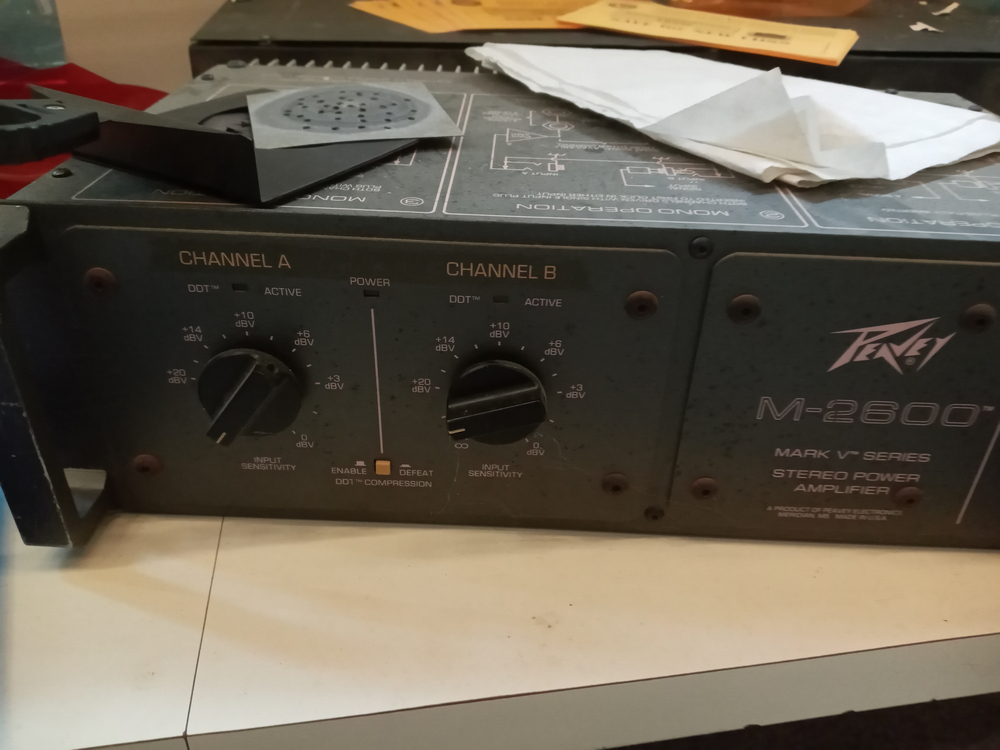
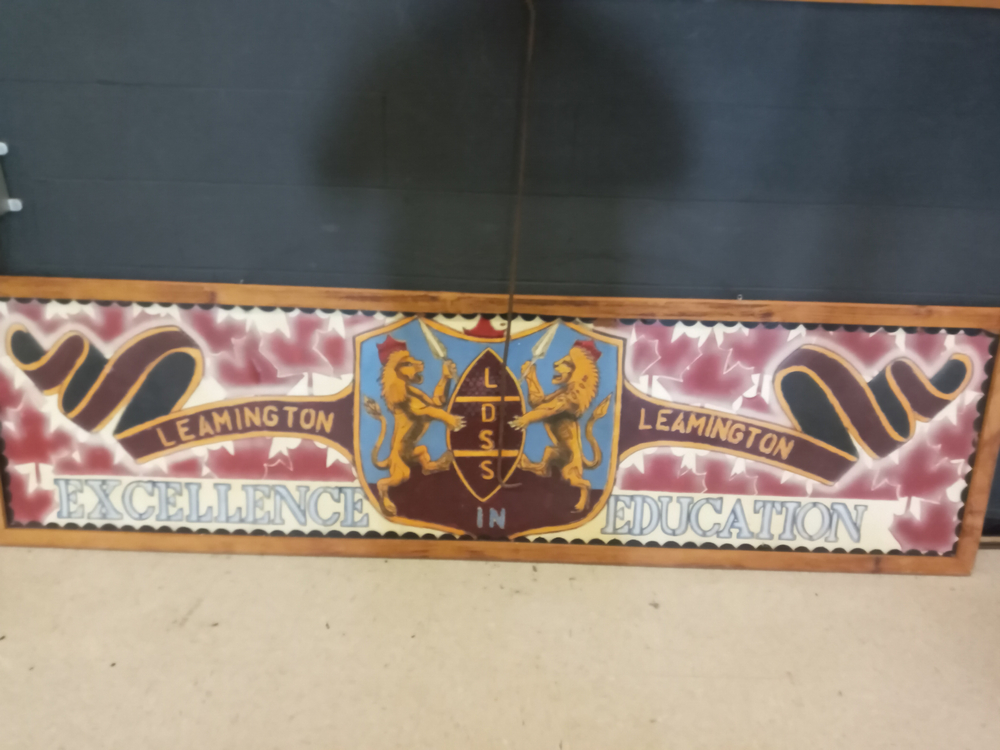
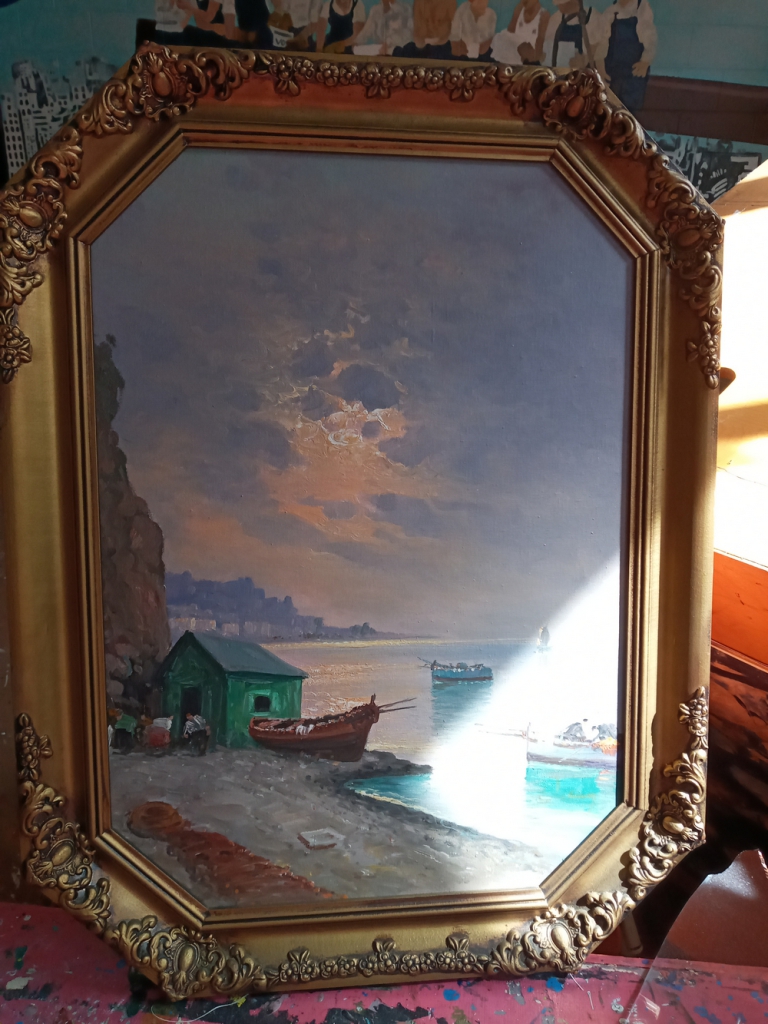
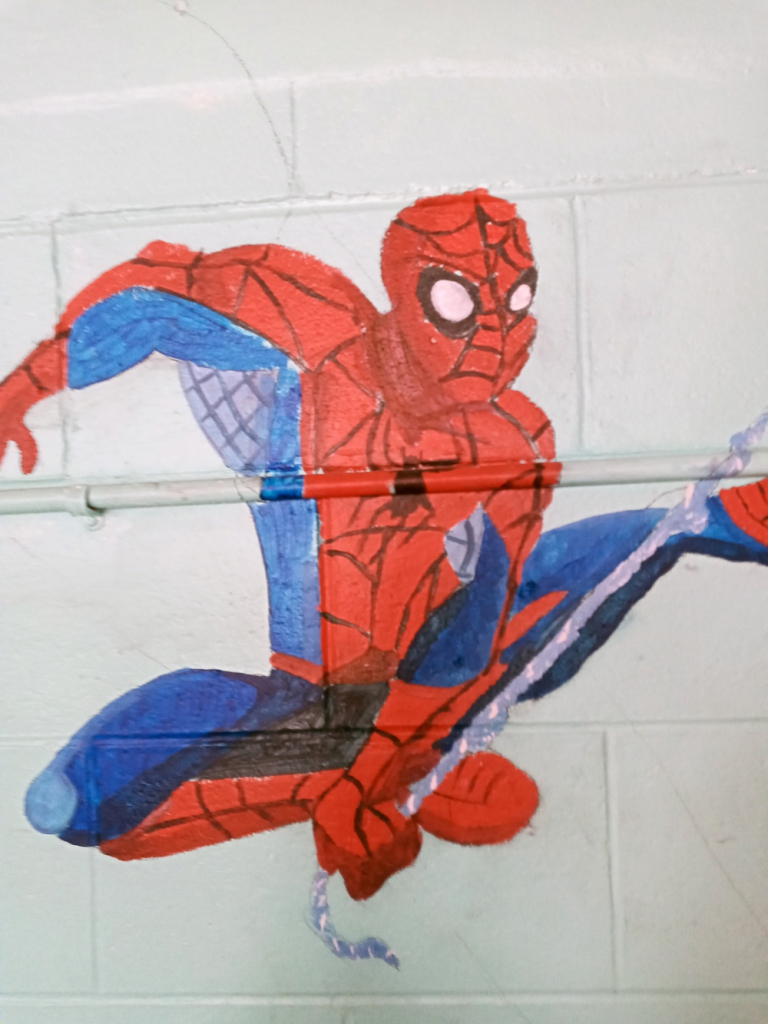
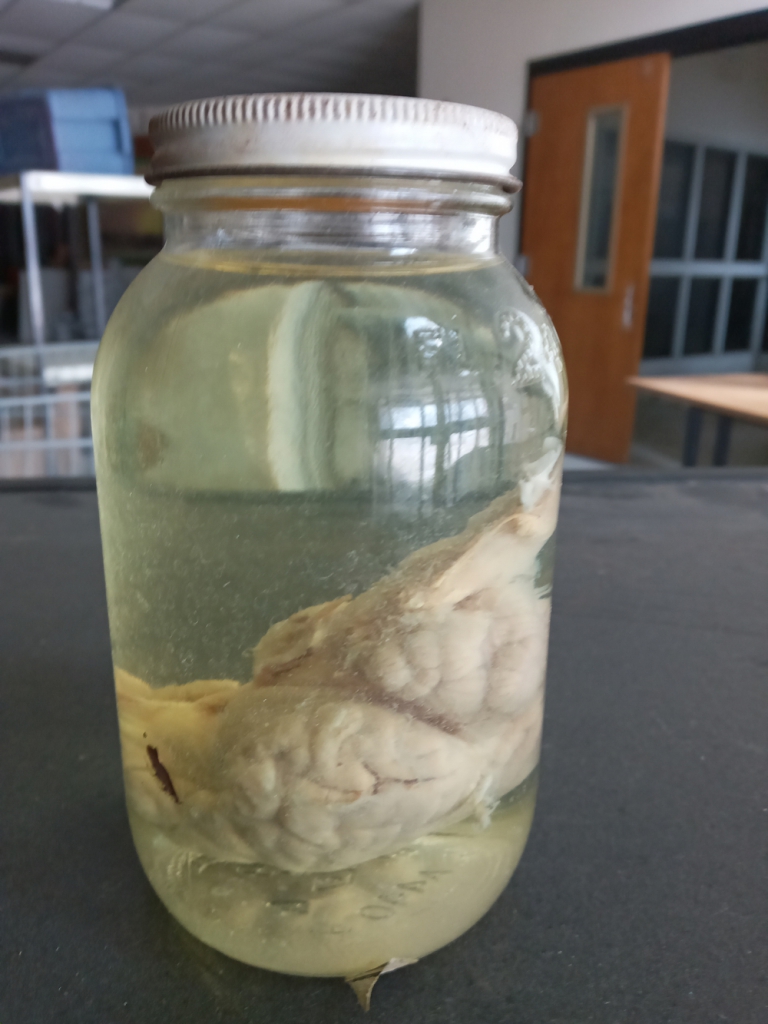
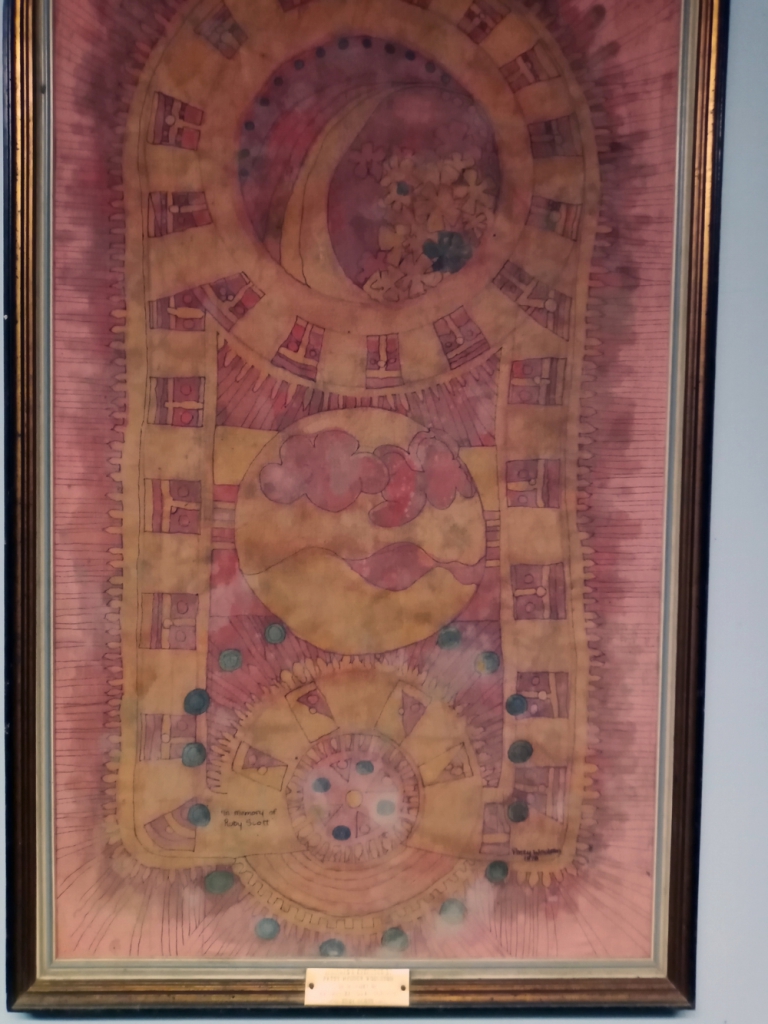
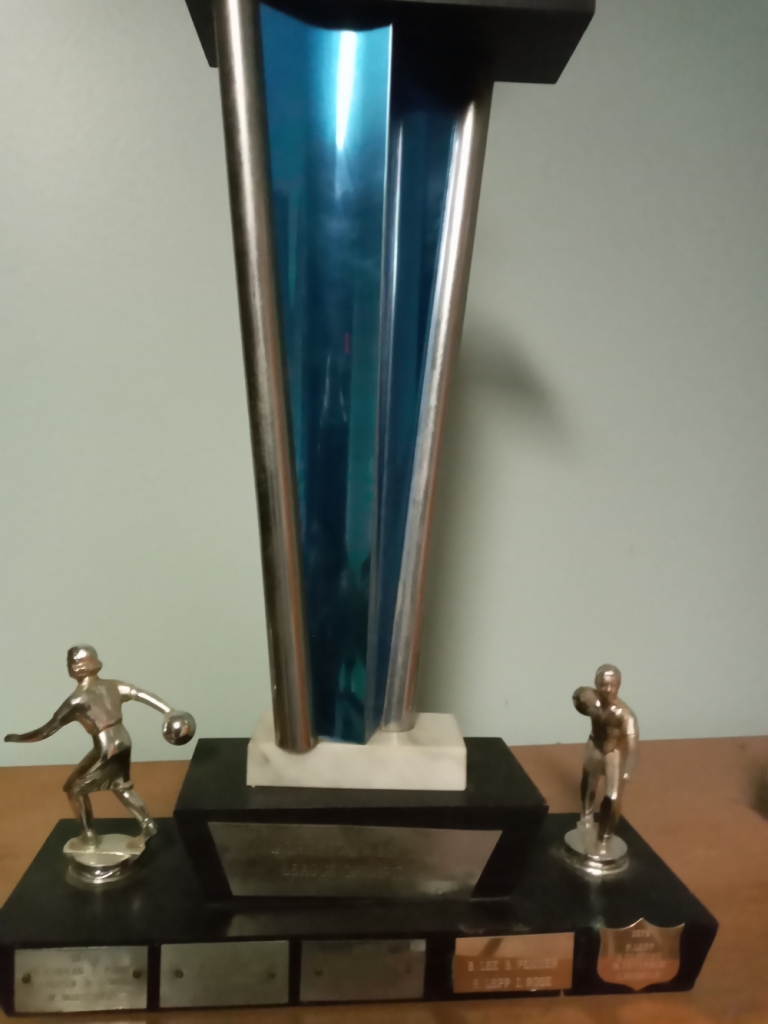
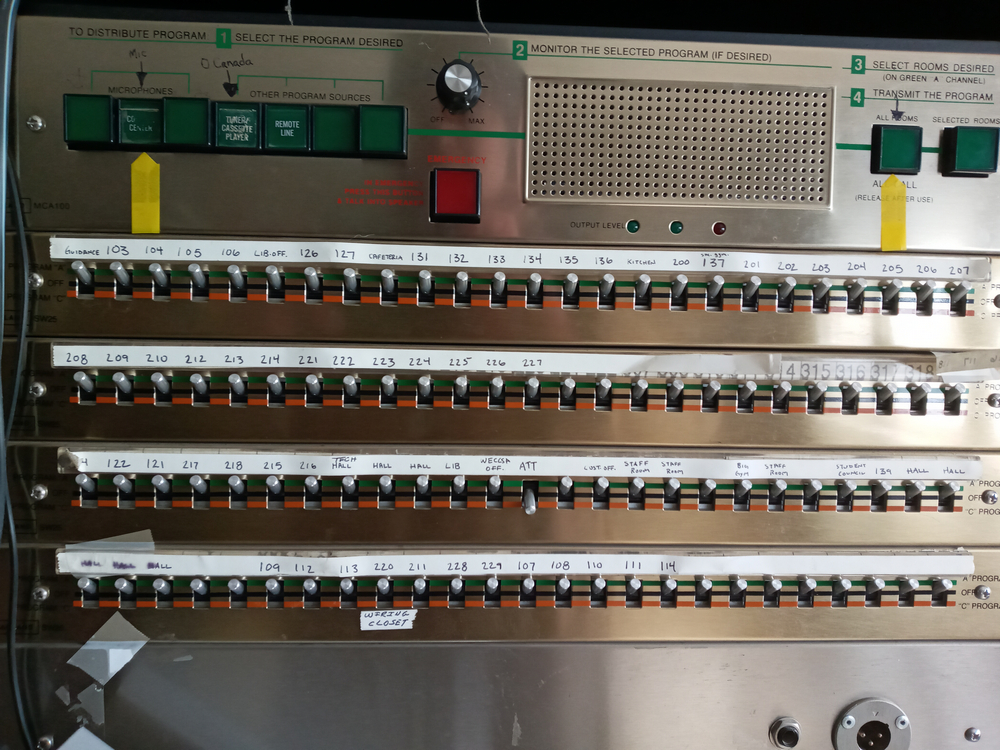
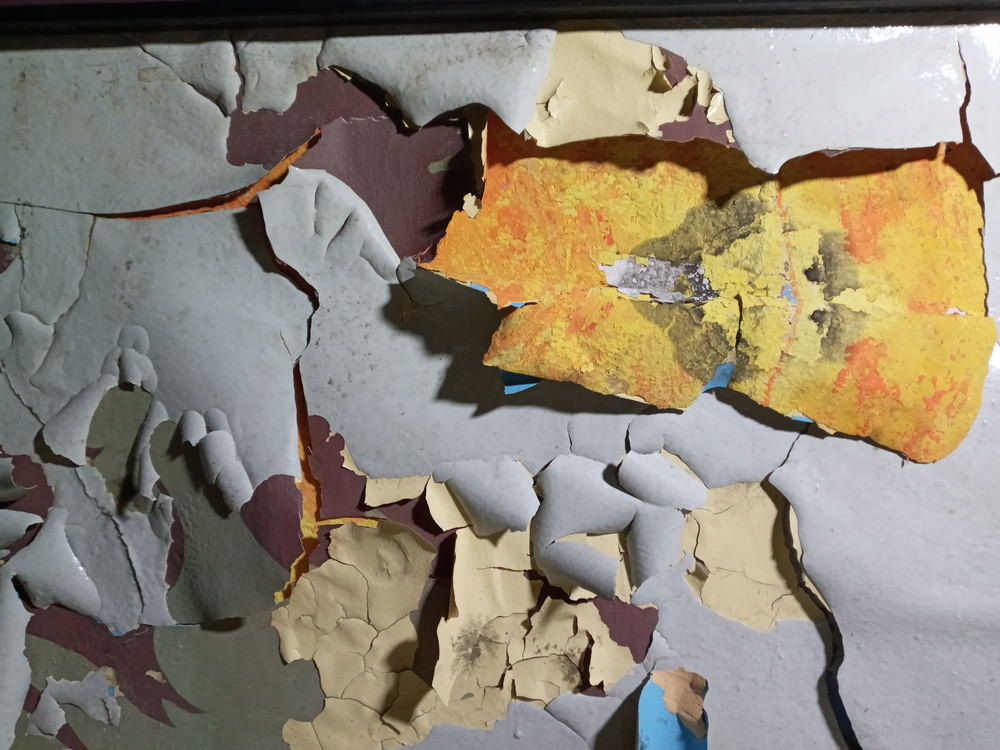
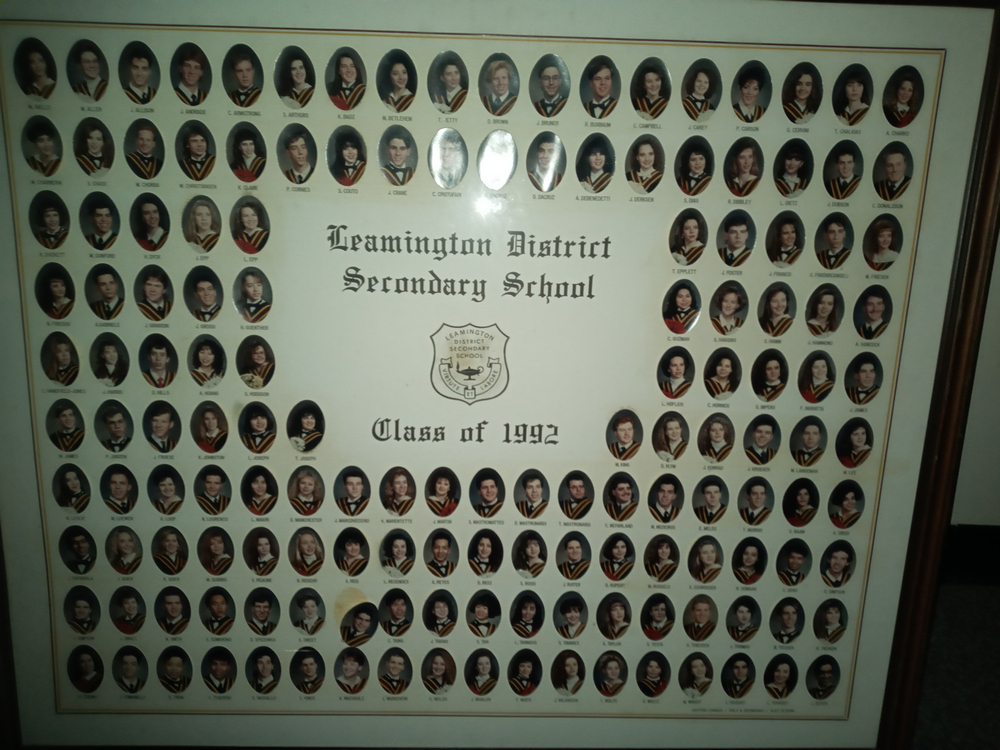
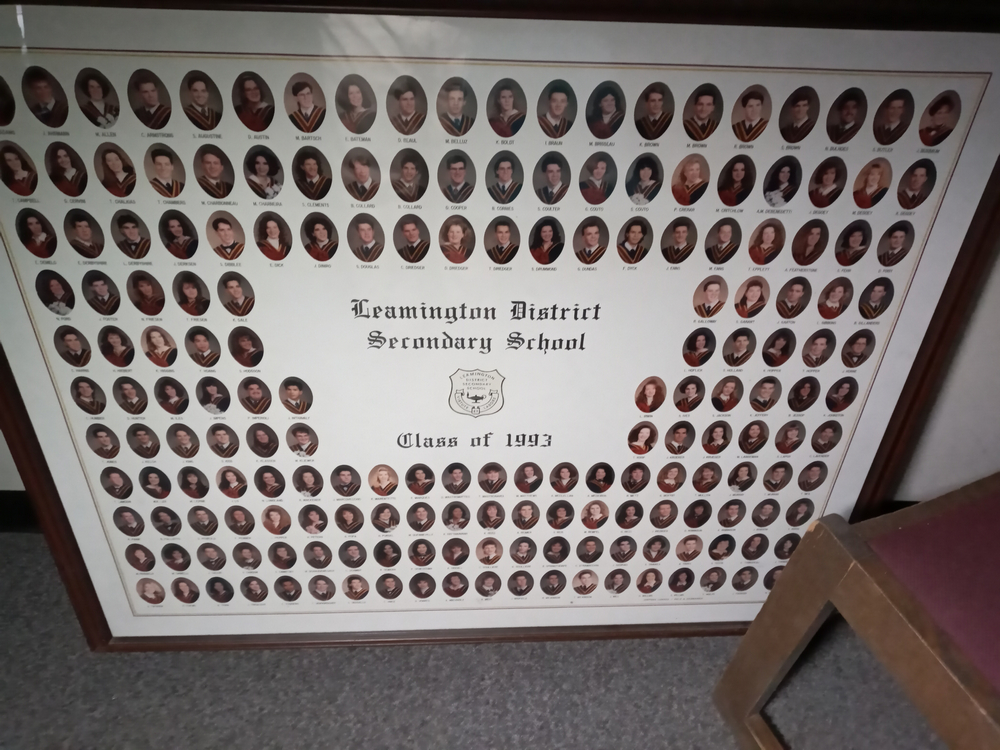
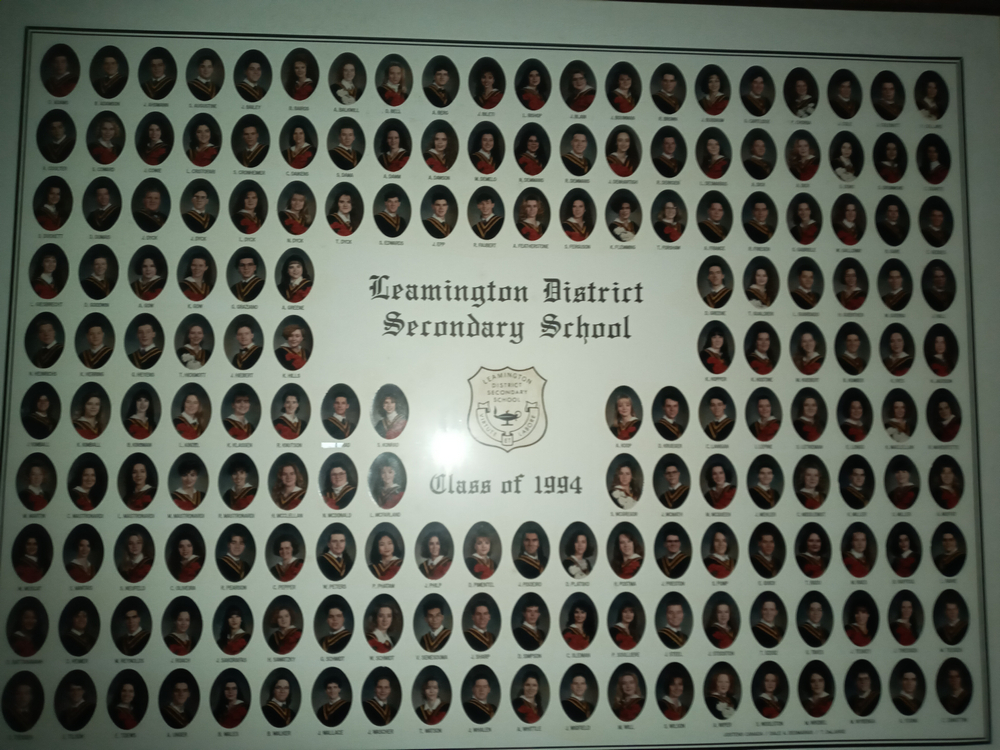
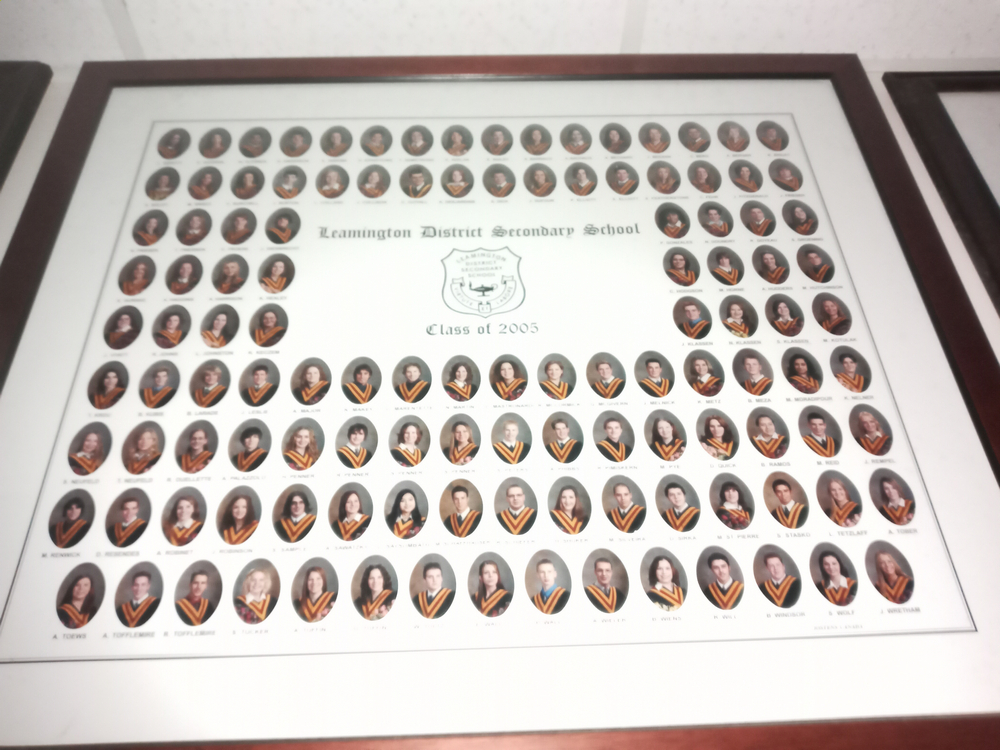
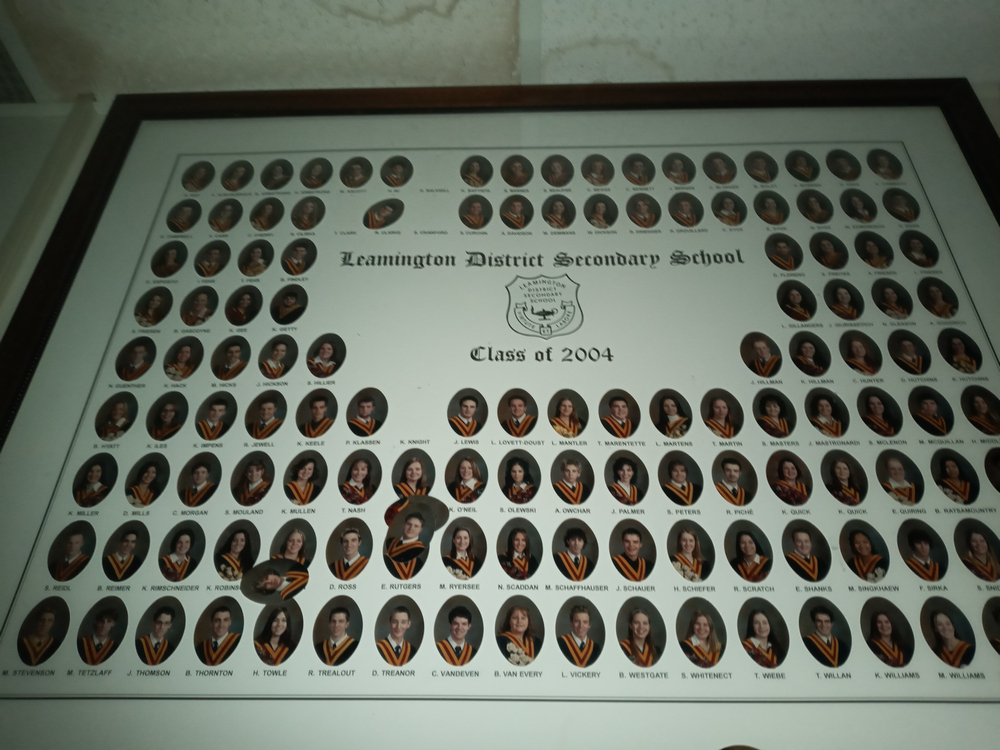
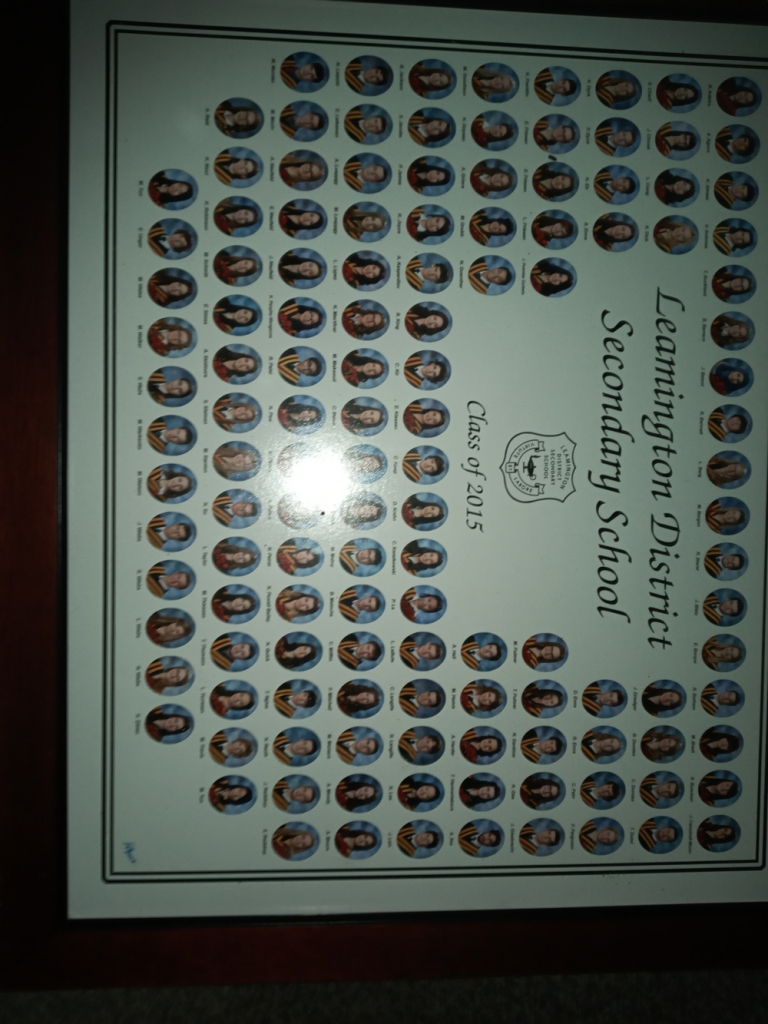
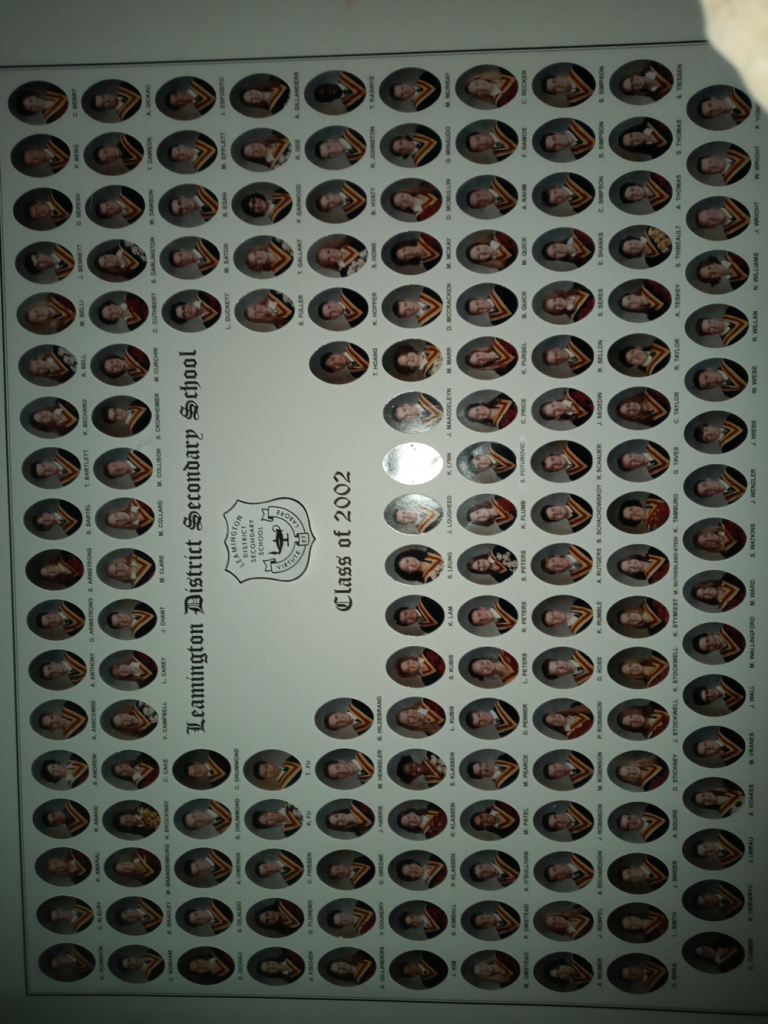
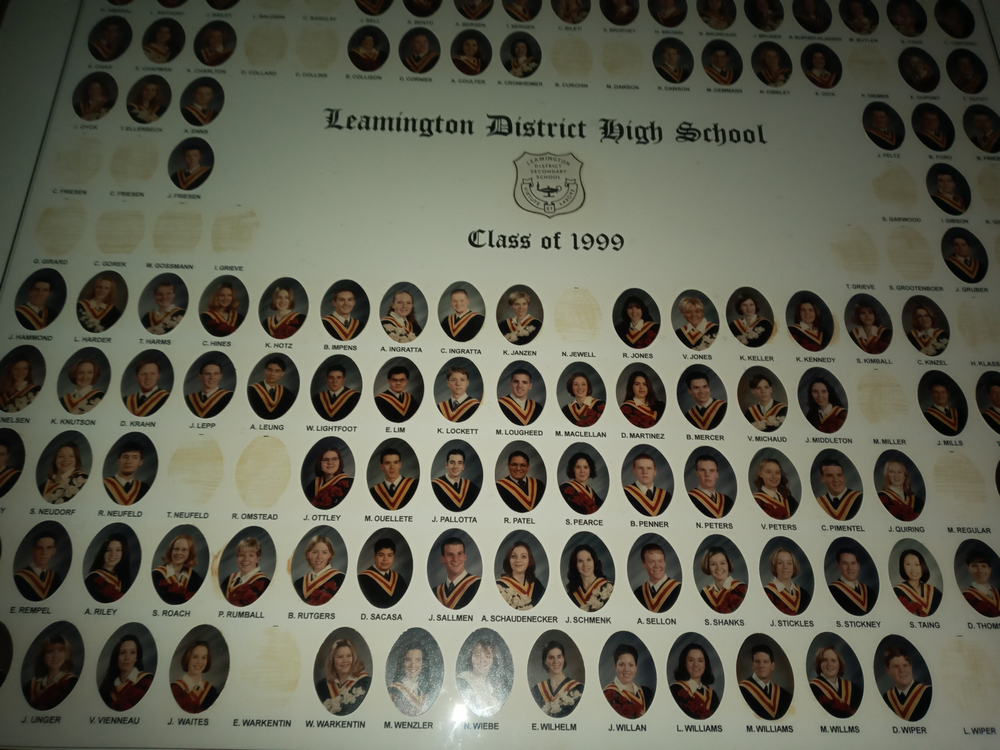
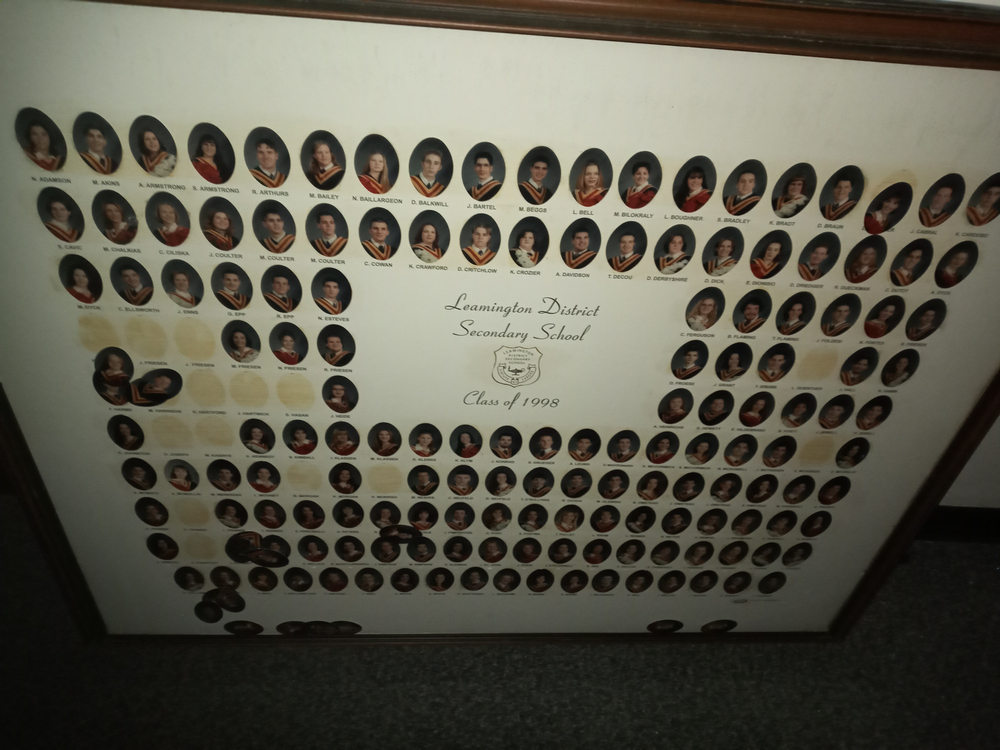
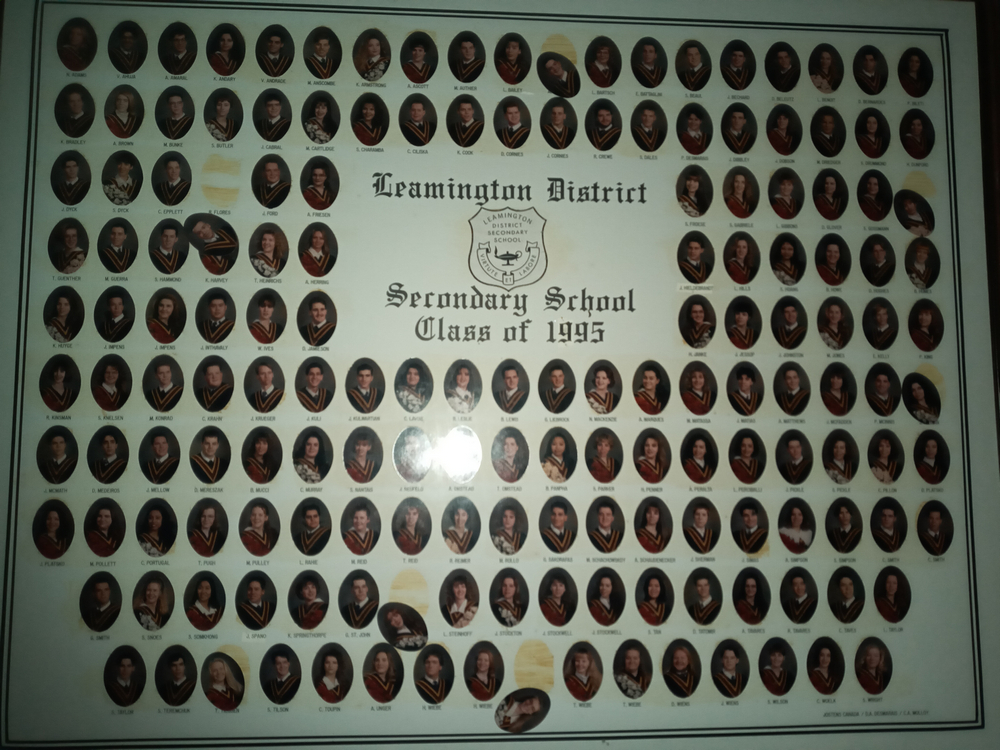
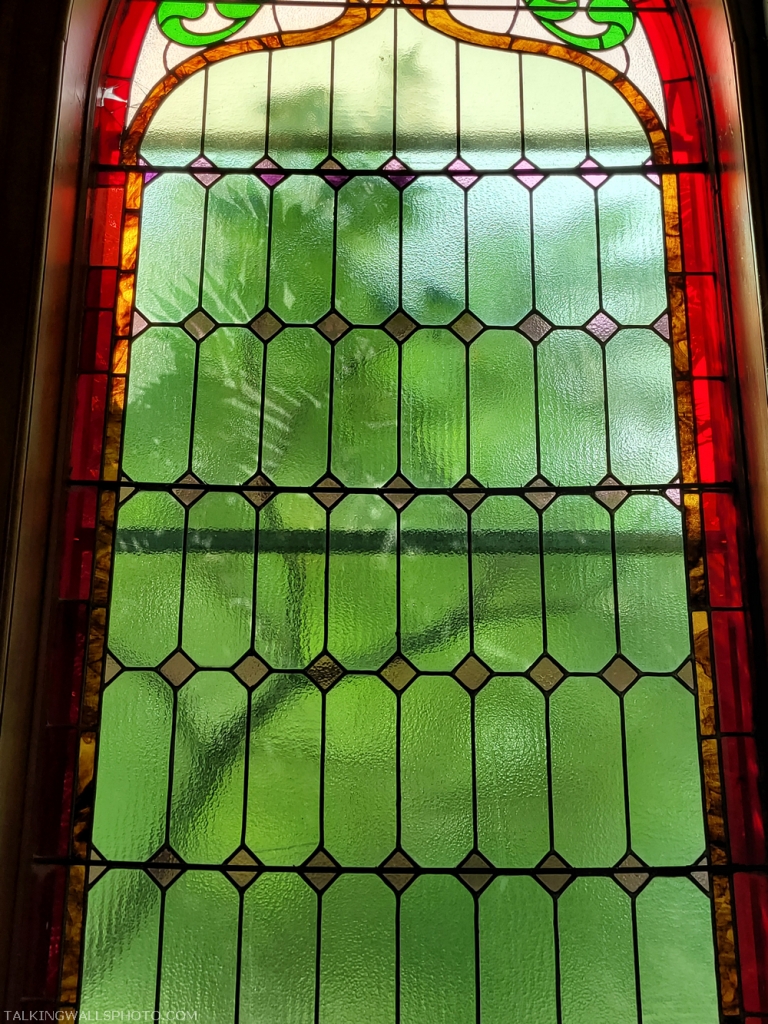
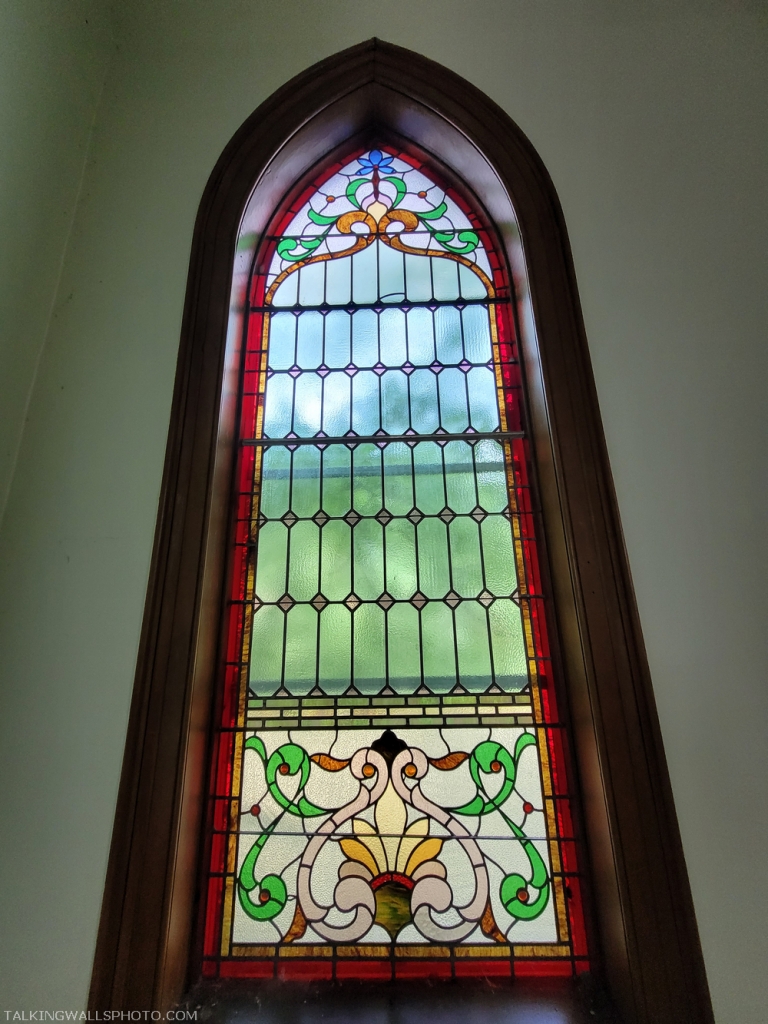
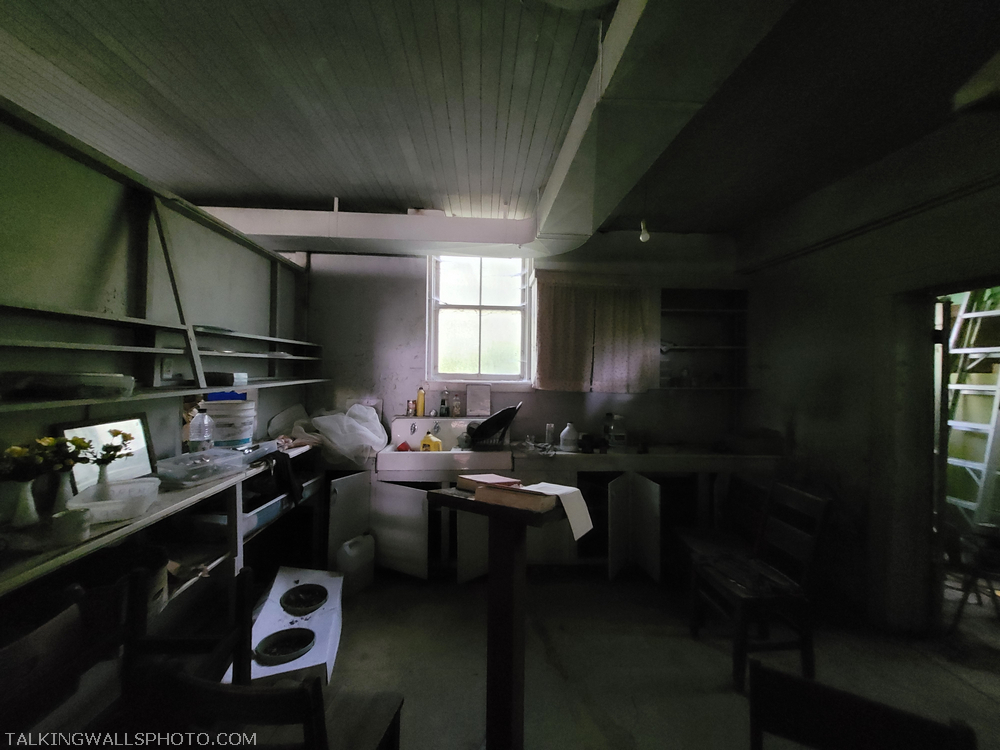
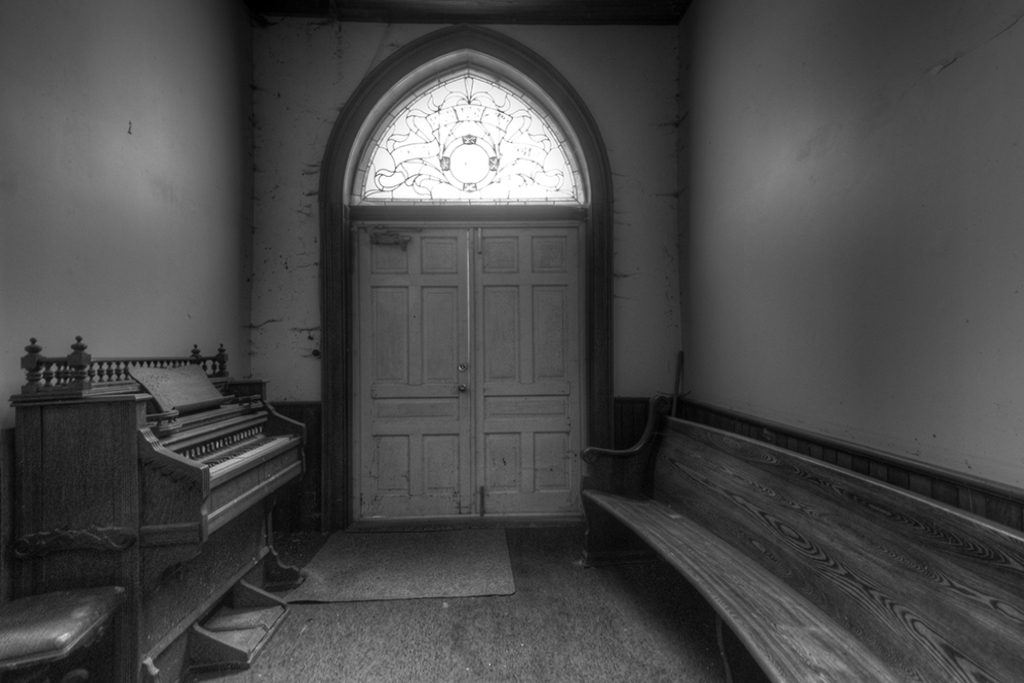
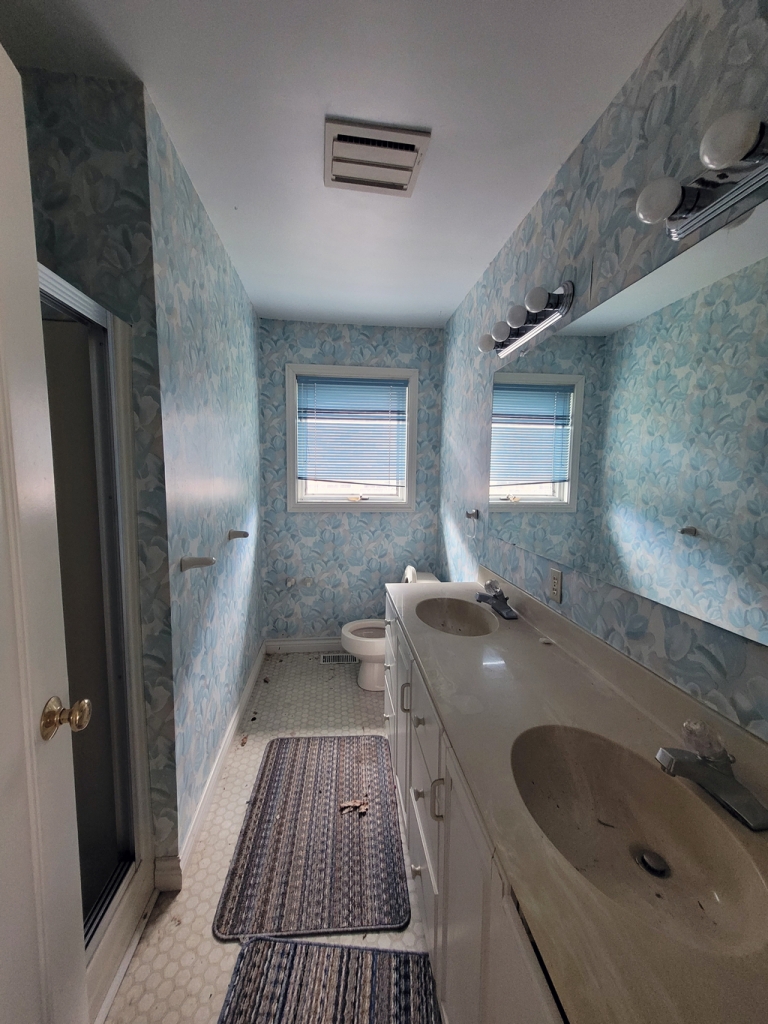
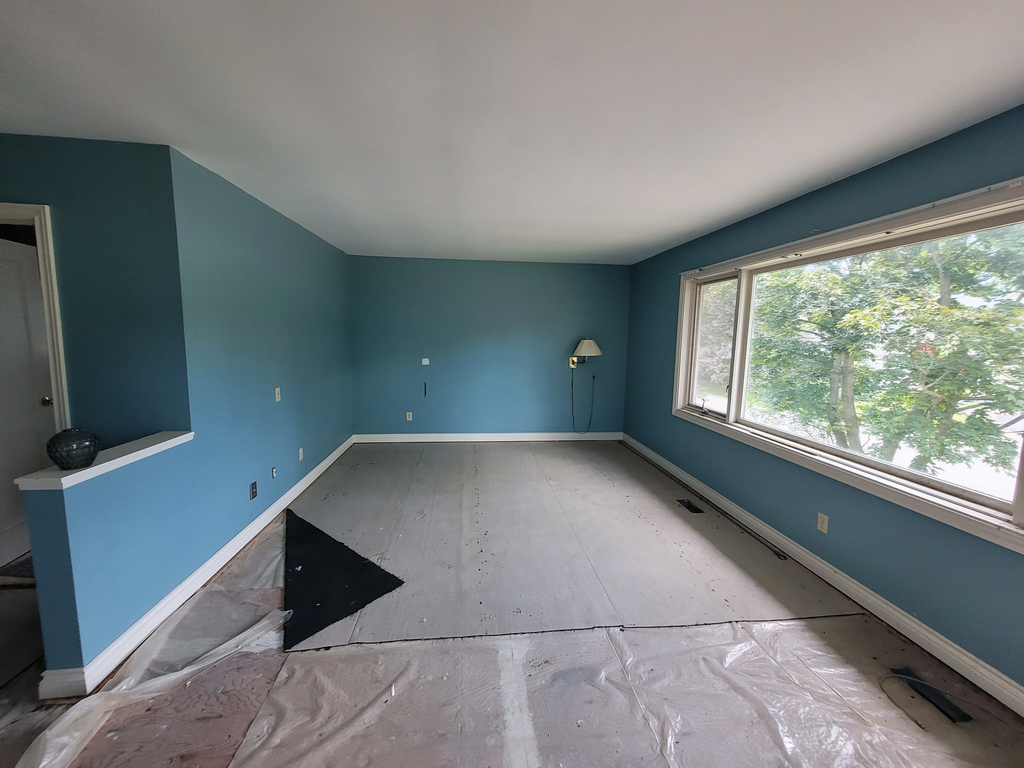
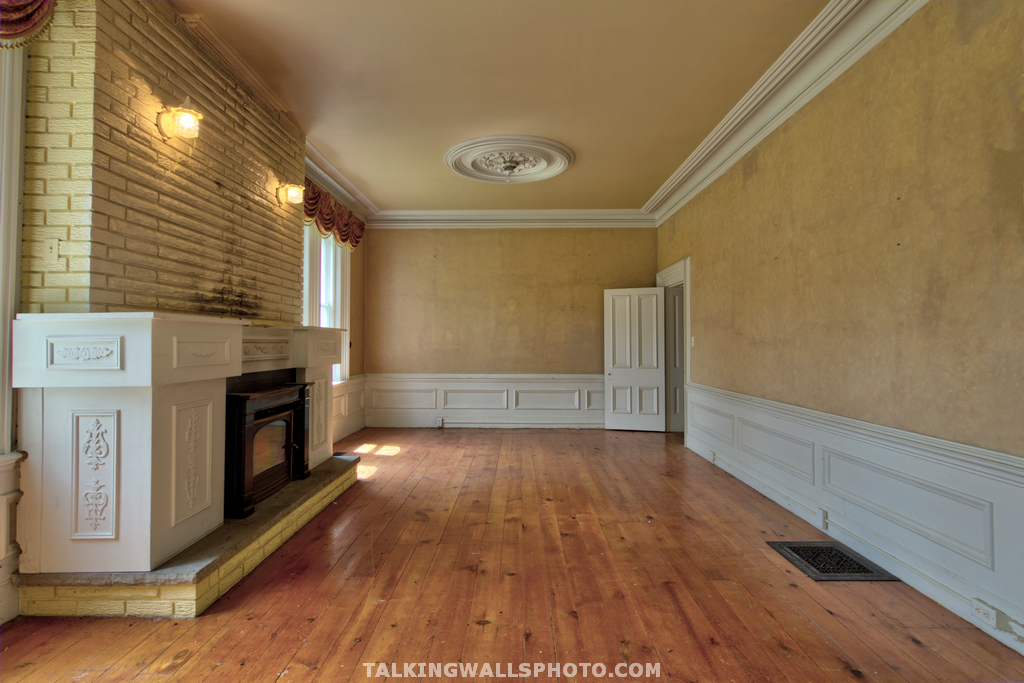
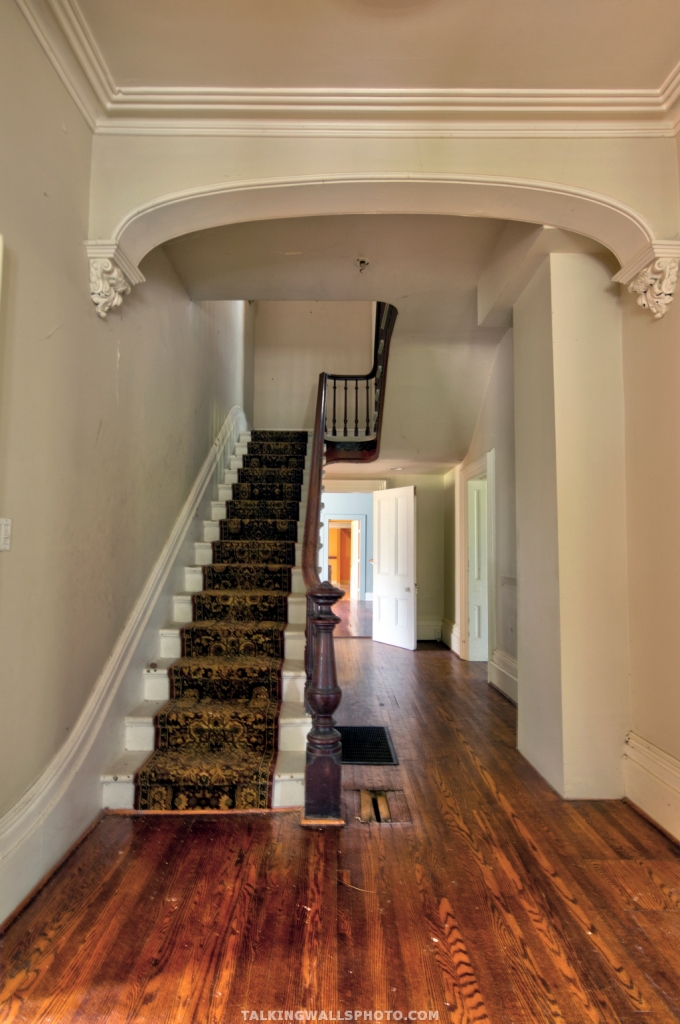
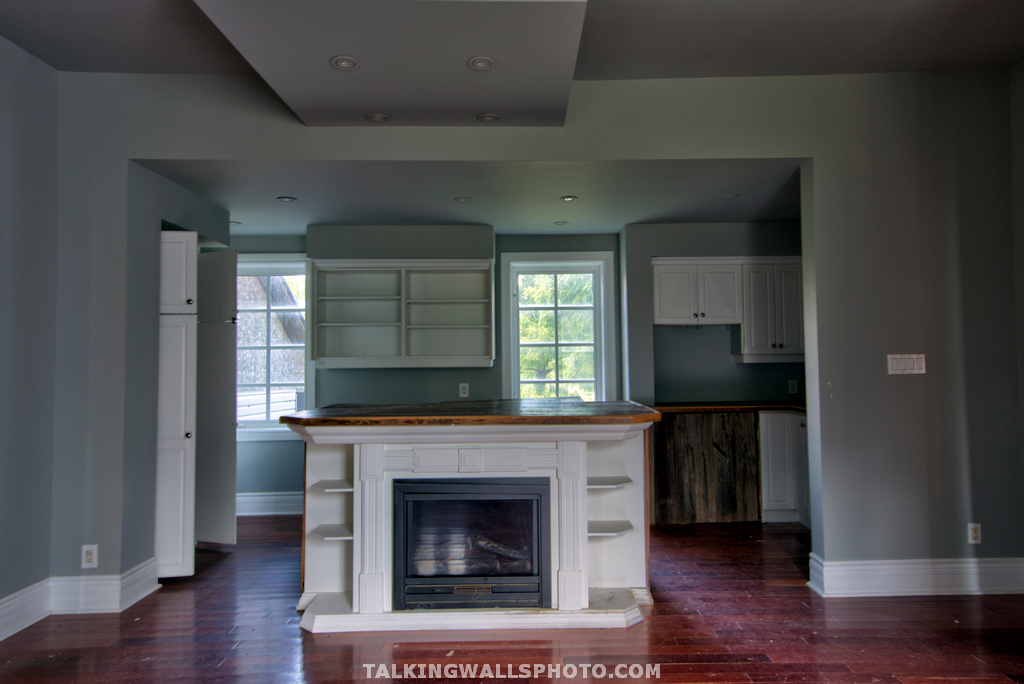
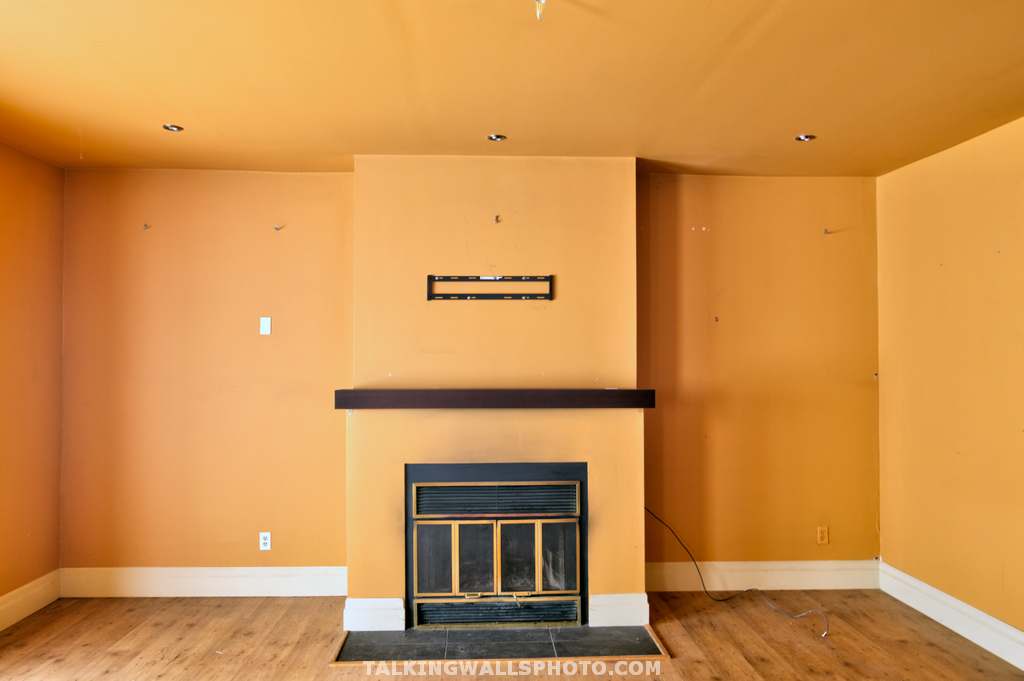
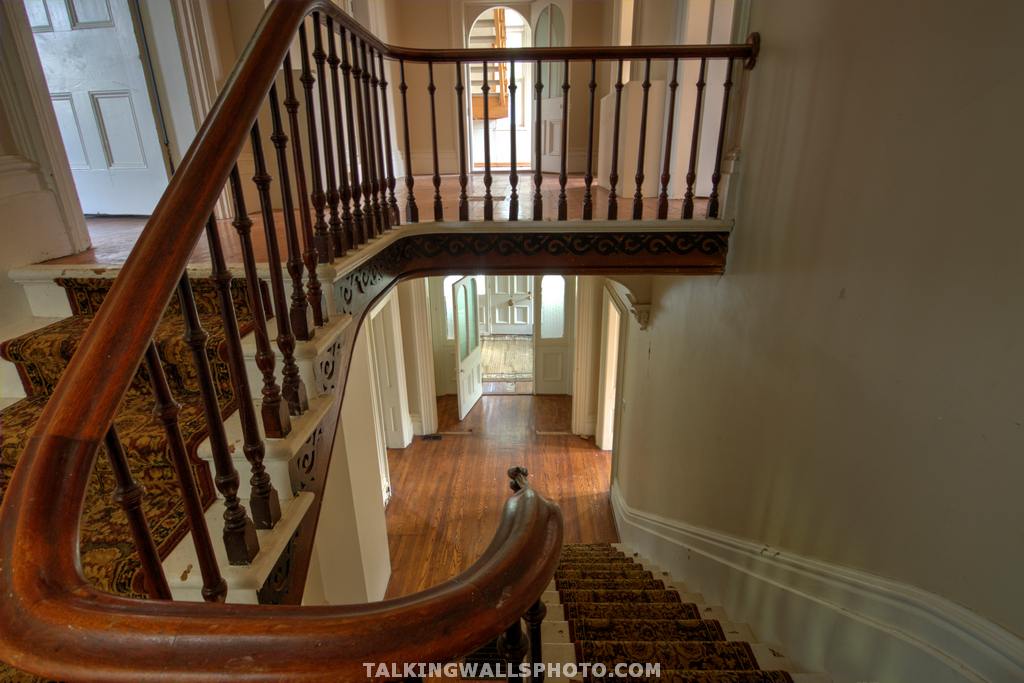
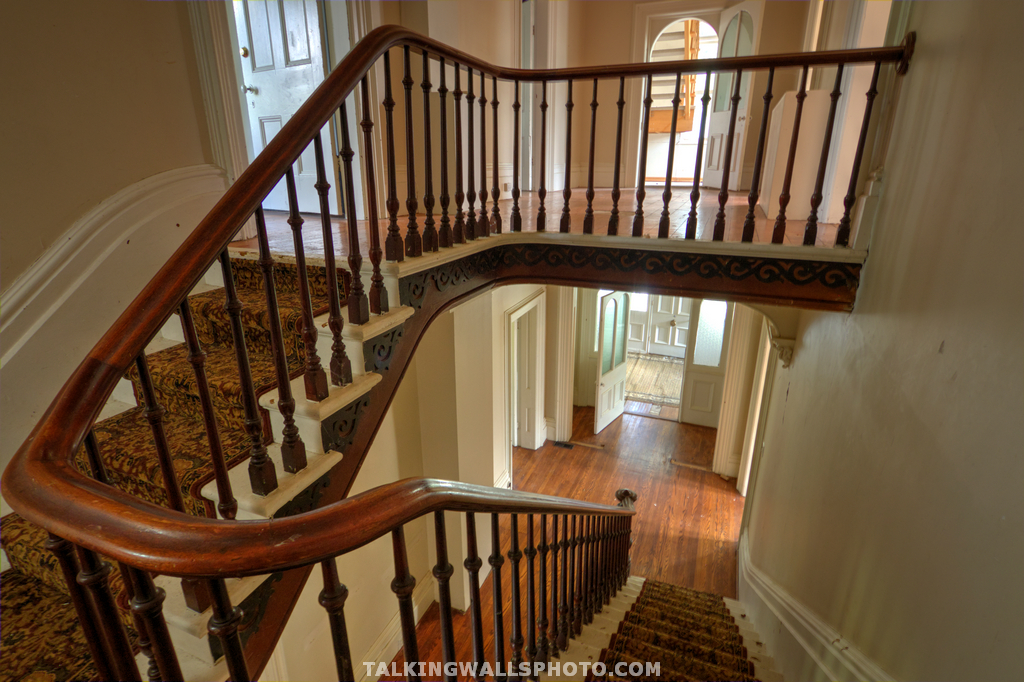
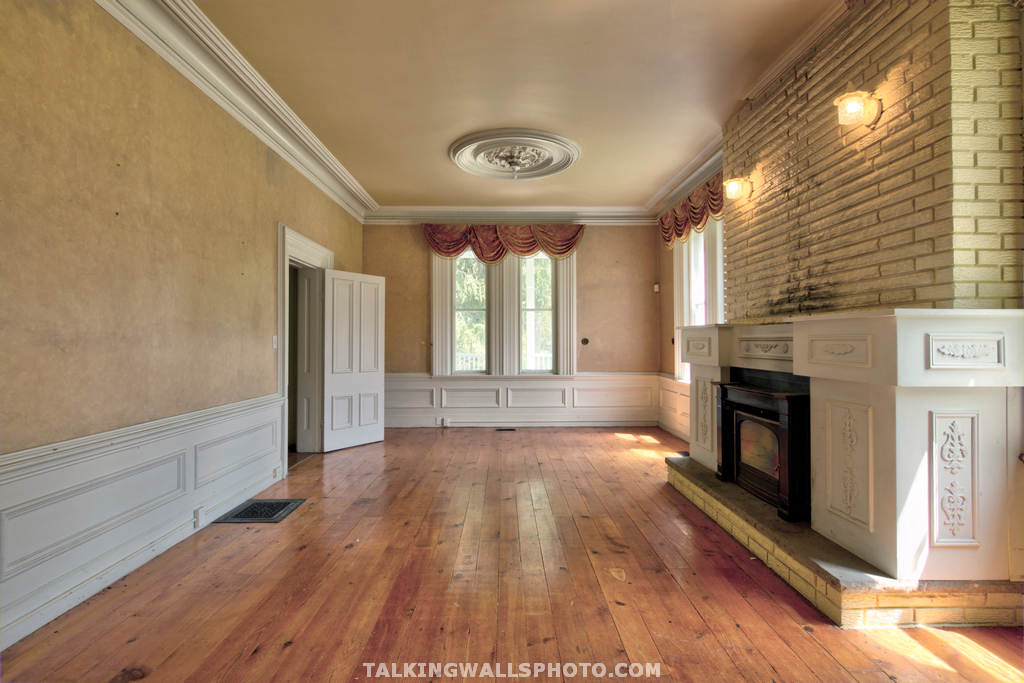
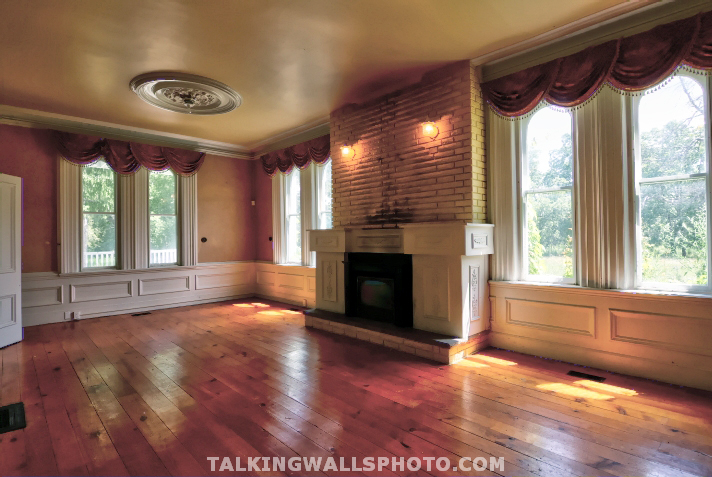
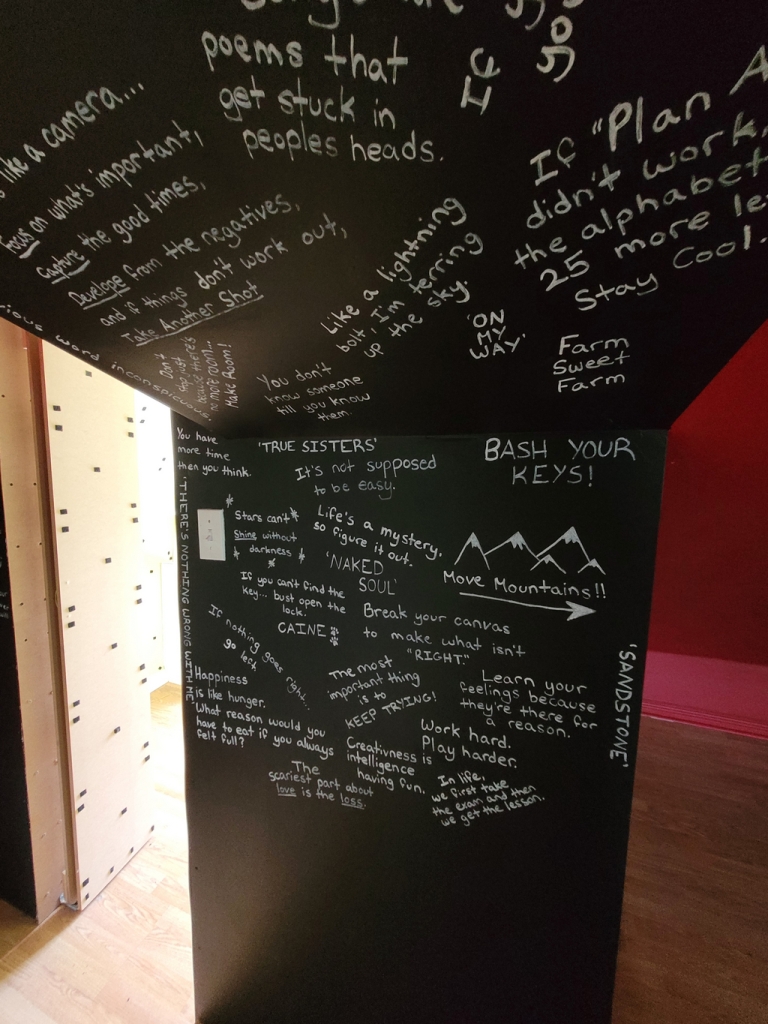
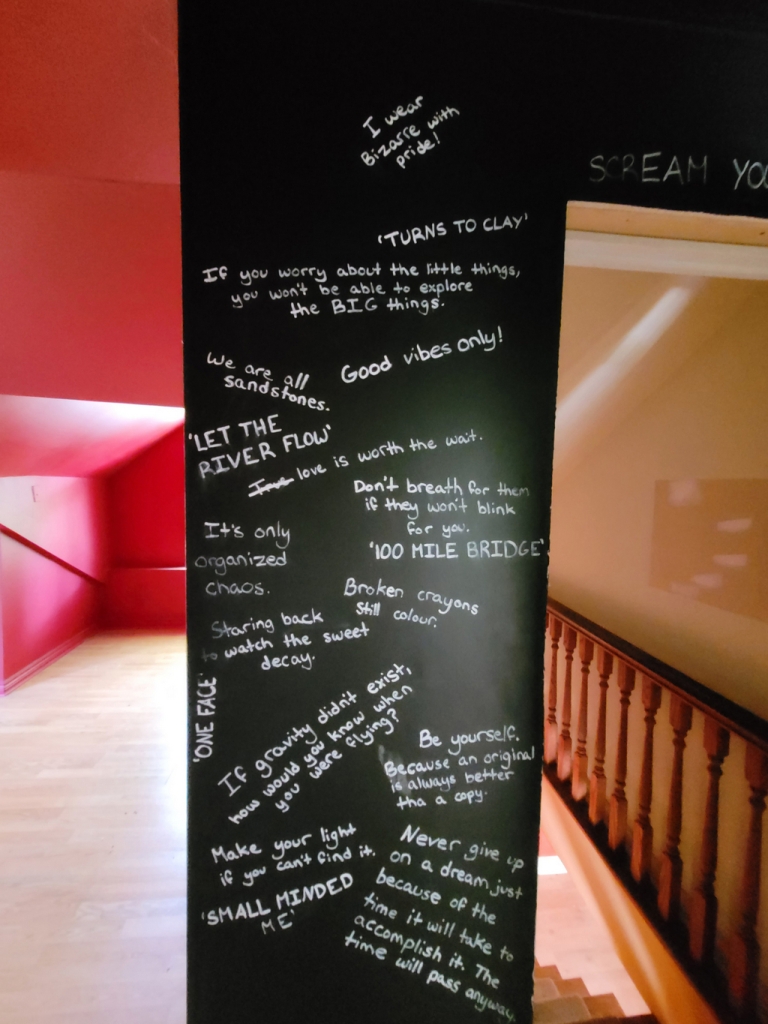
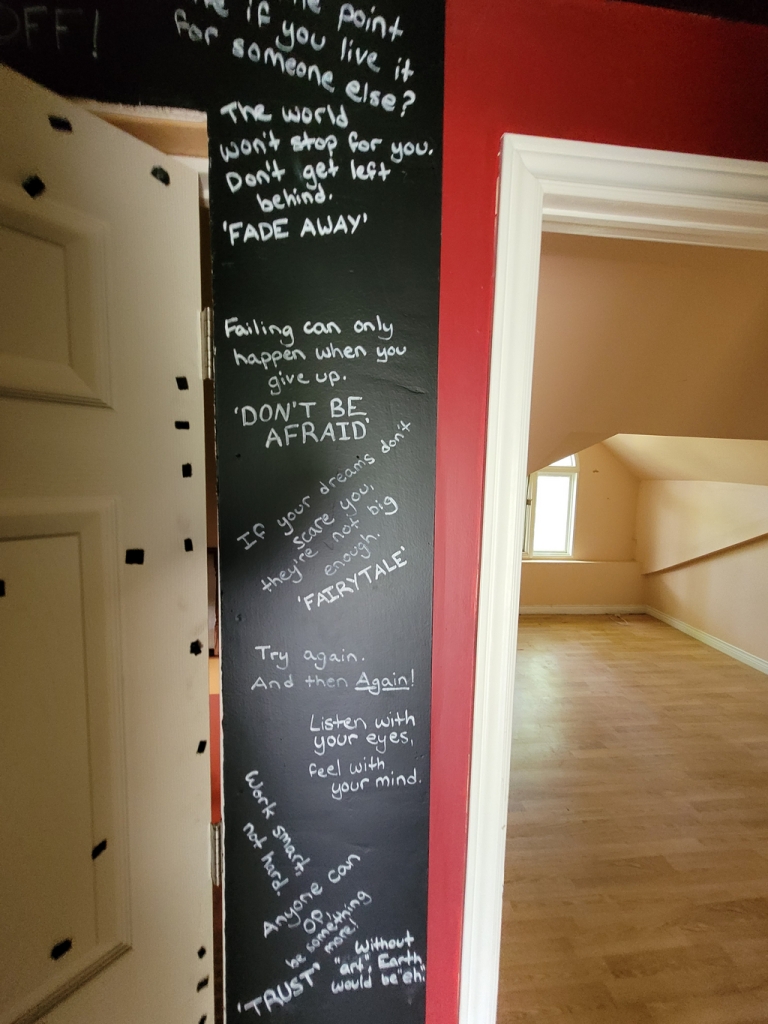
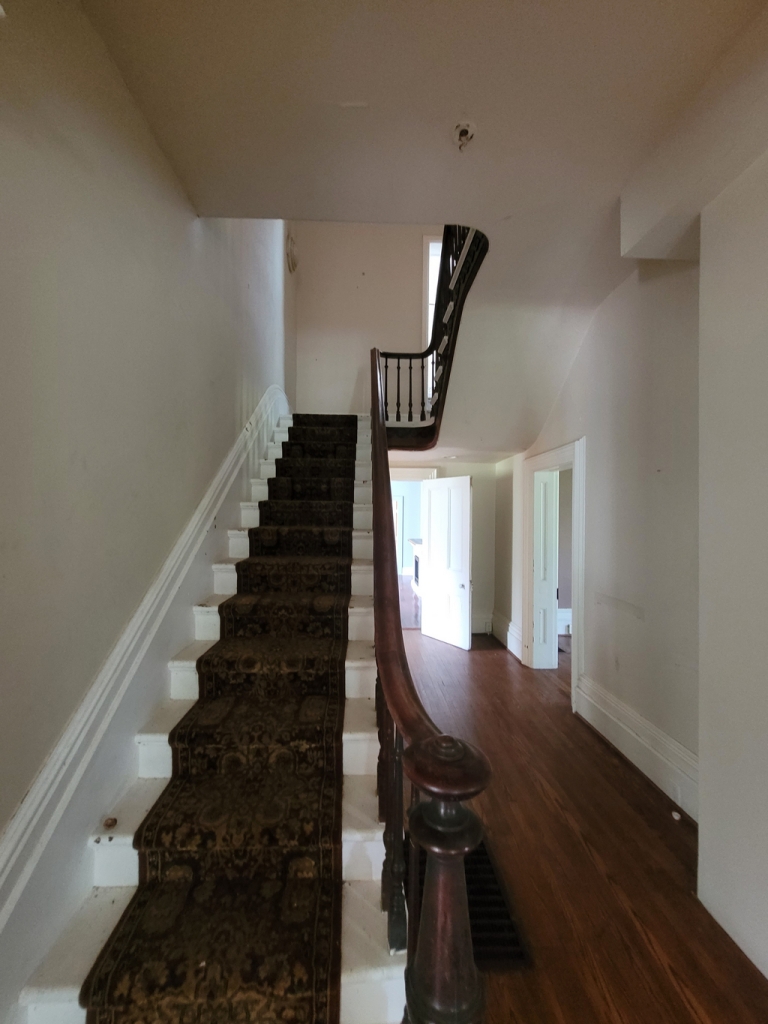
Unfortunately the photographs I took this day were consistent…. consistently garbage. They are crooked, out of focus and noisy.
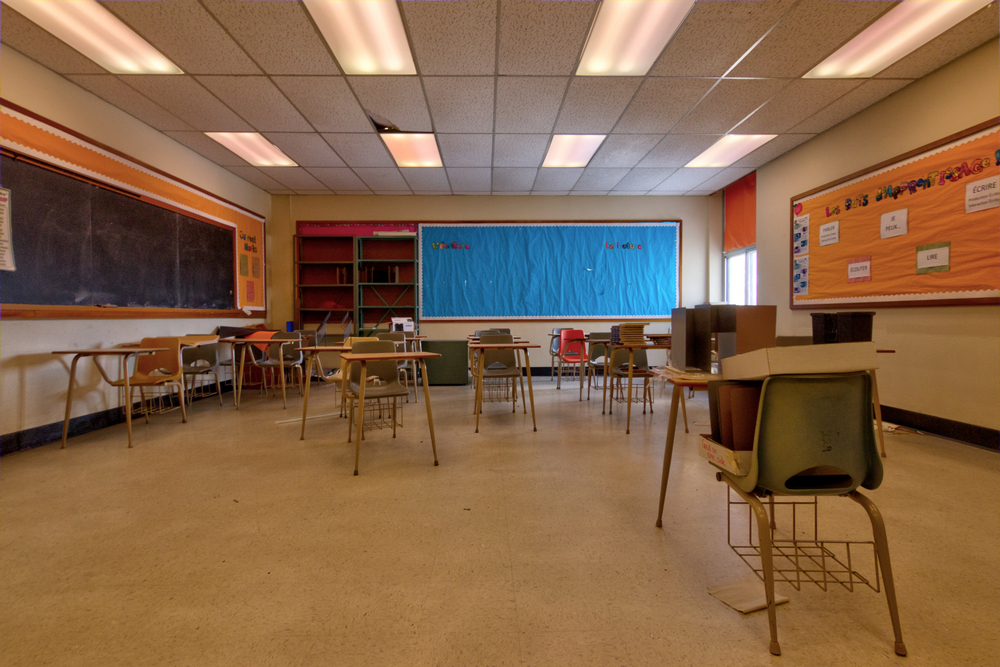
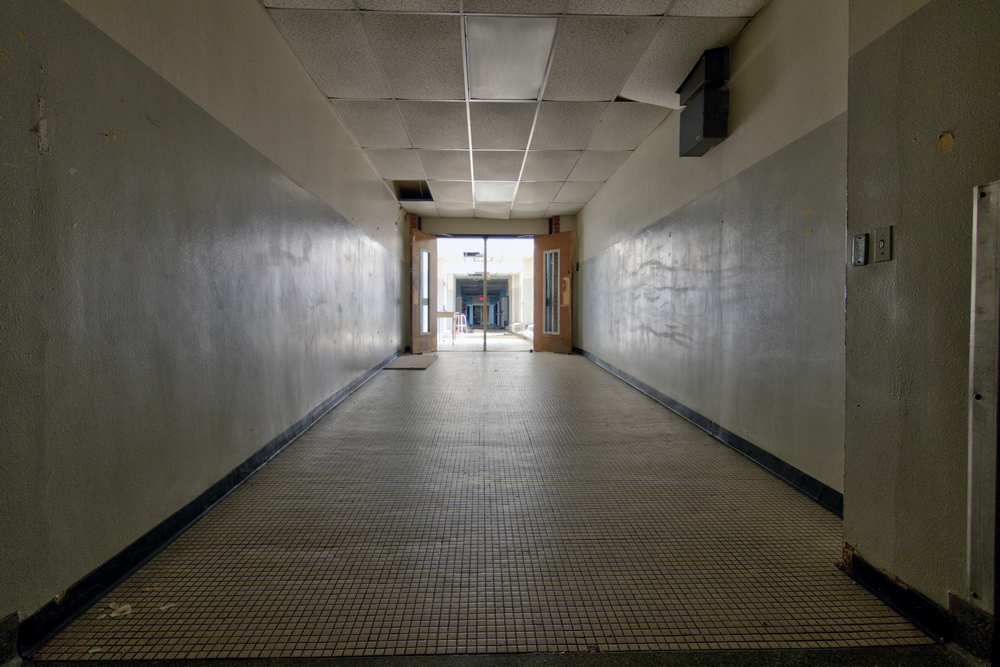
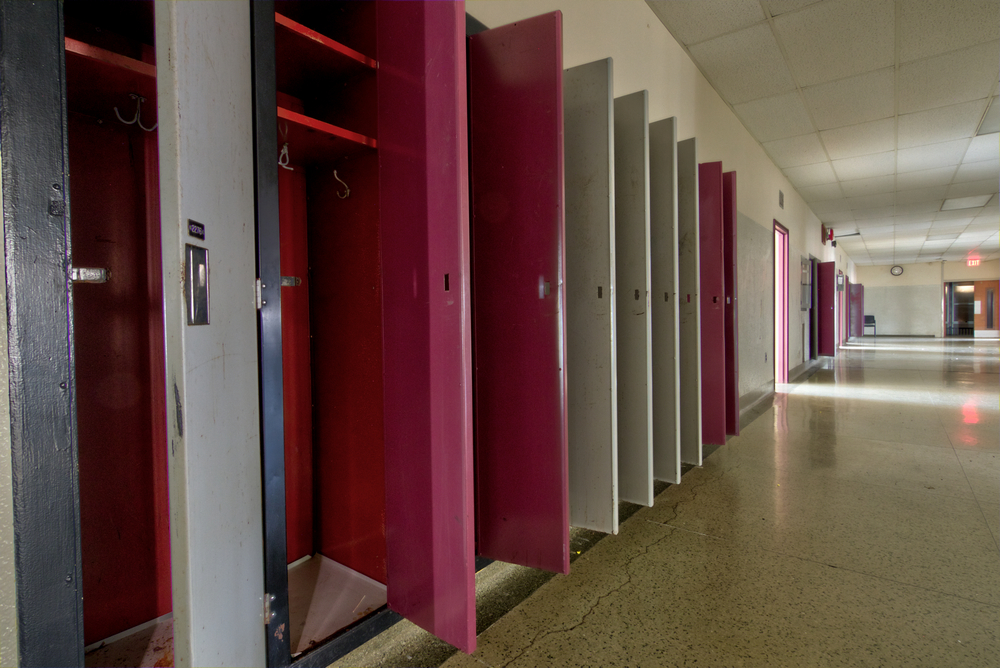
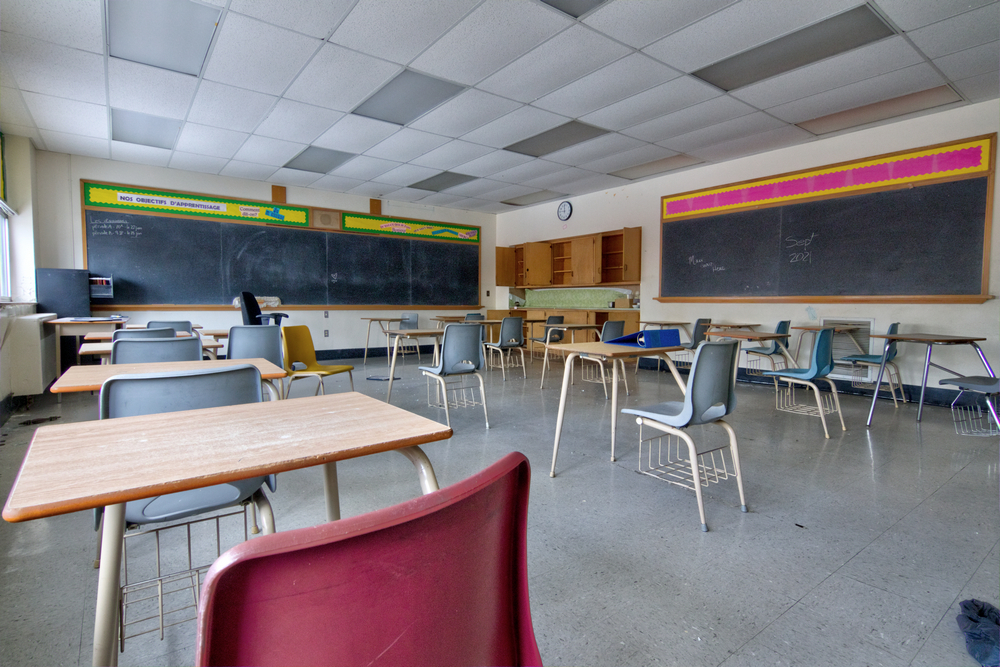
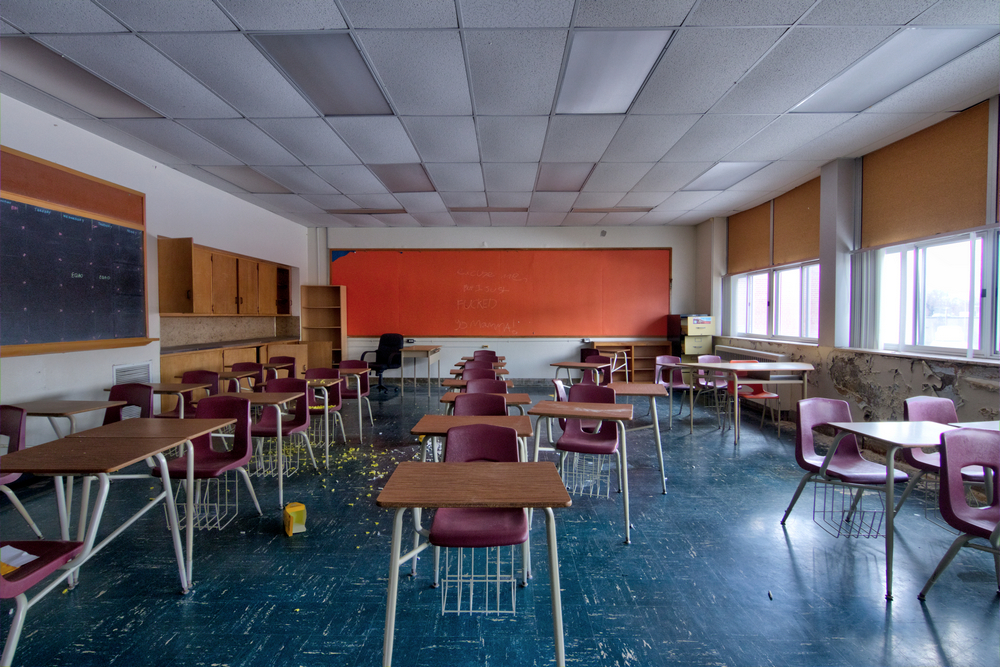
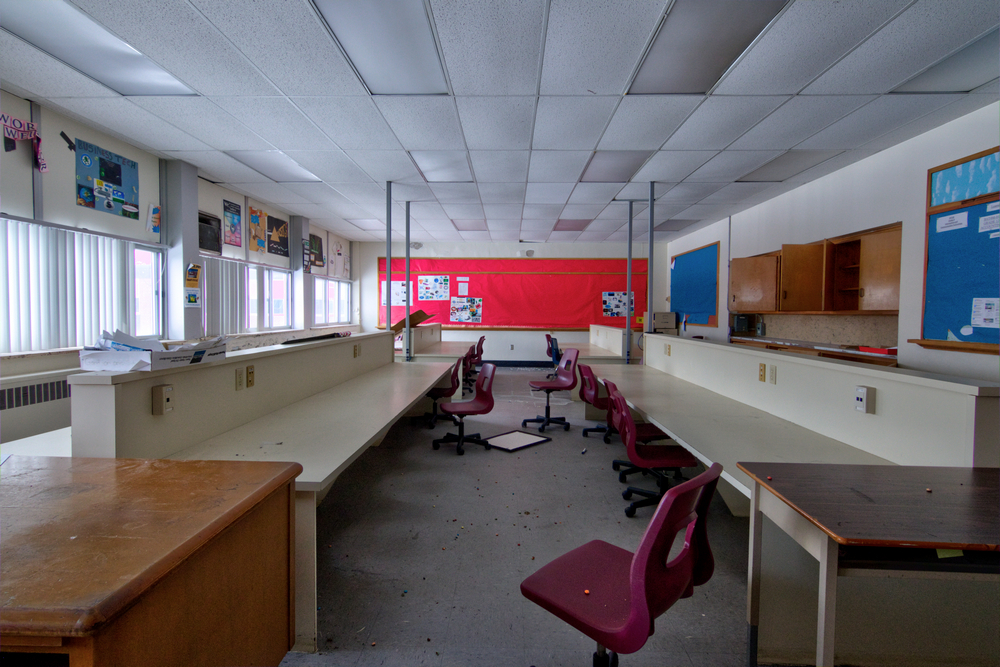
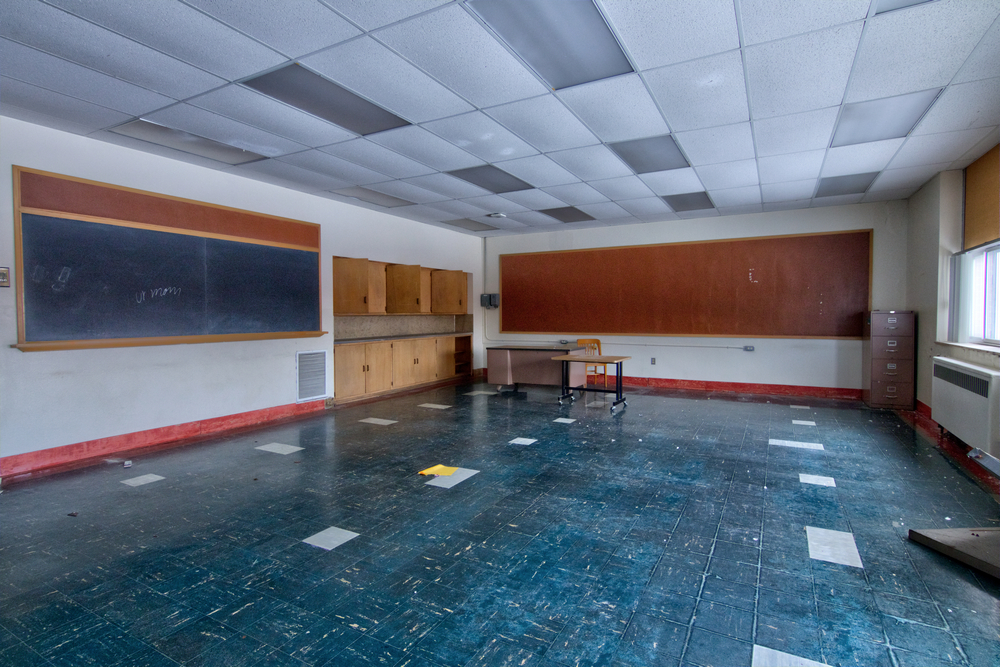
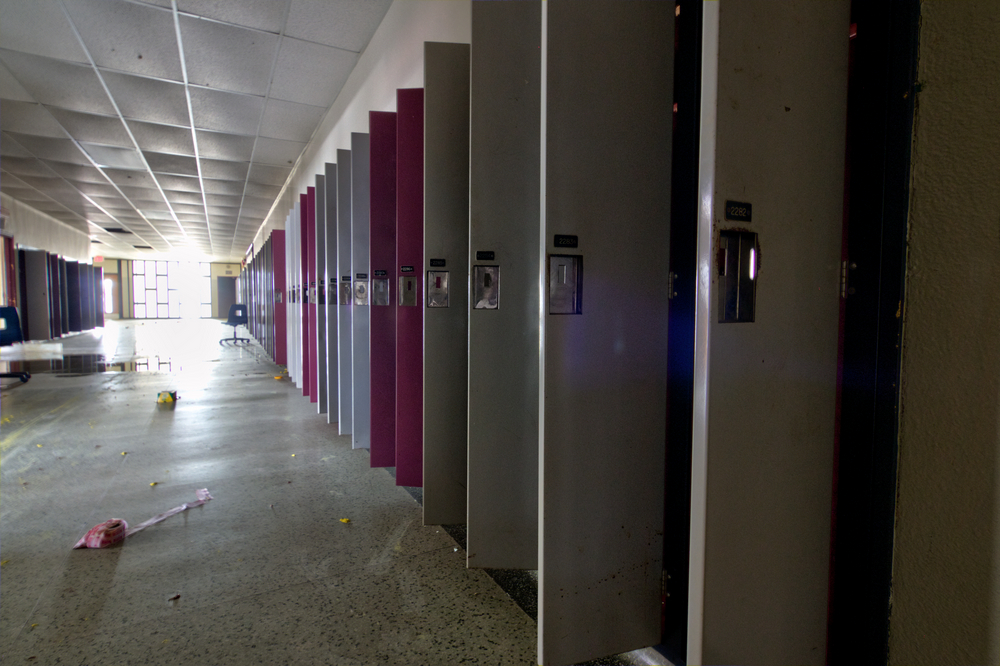
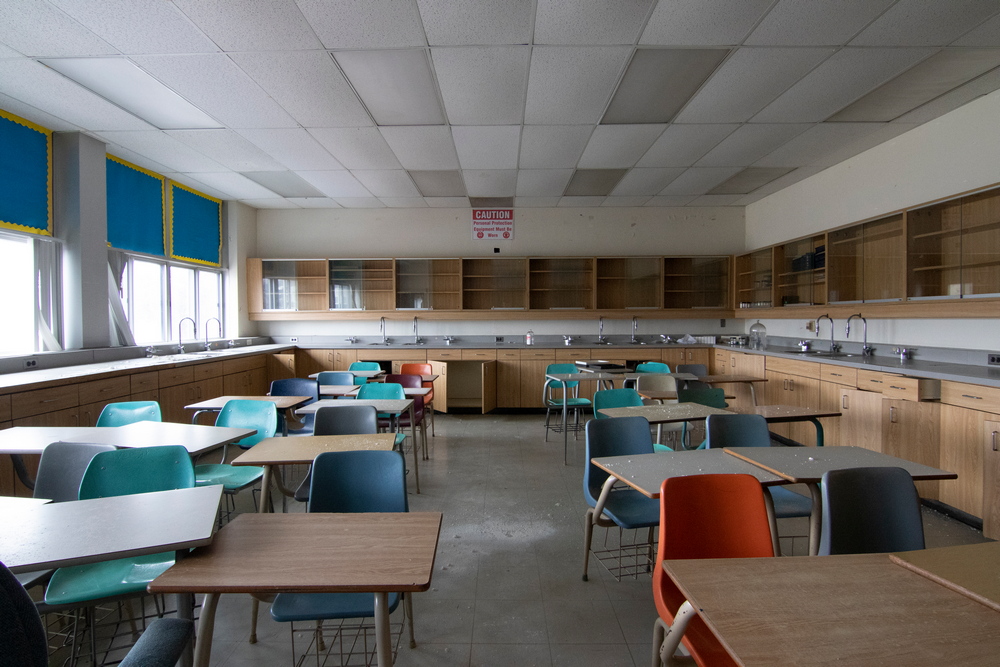
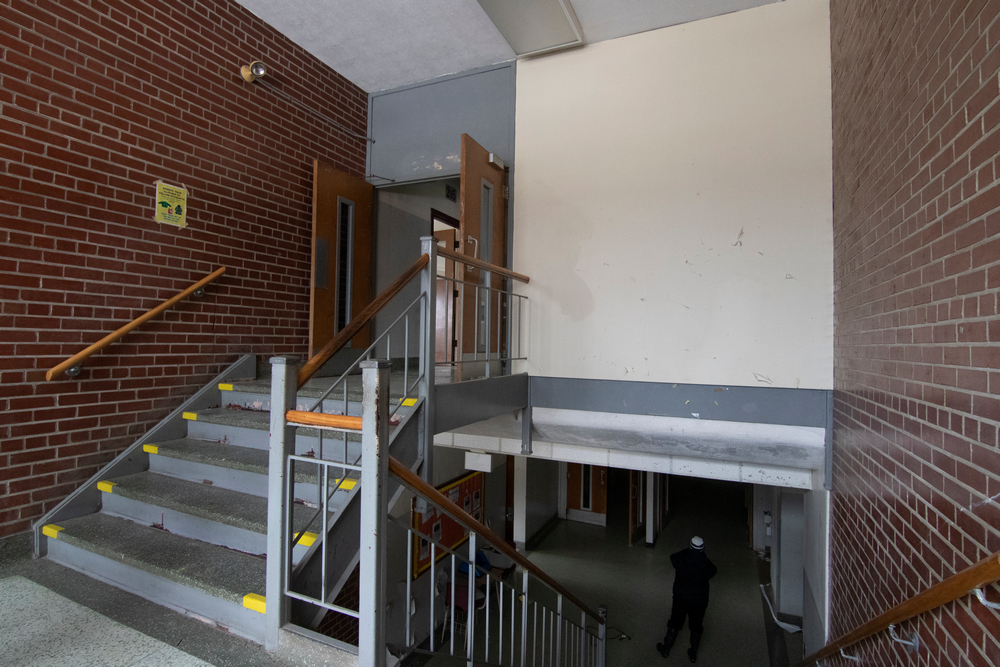
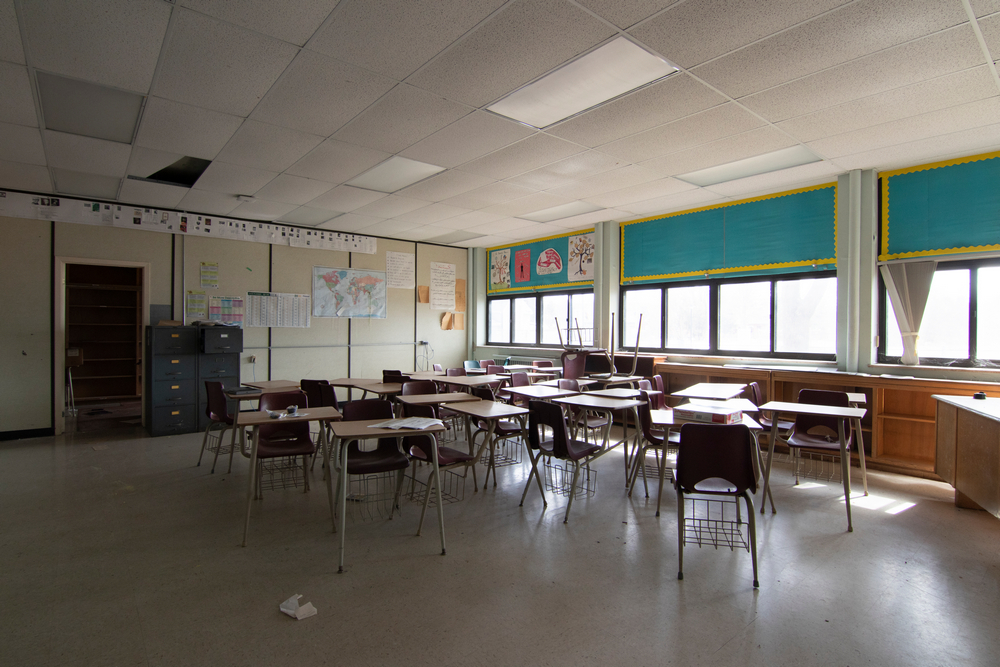
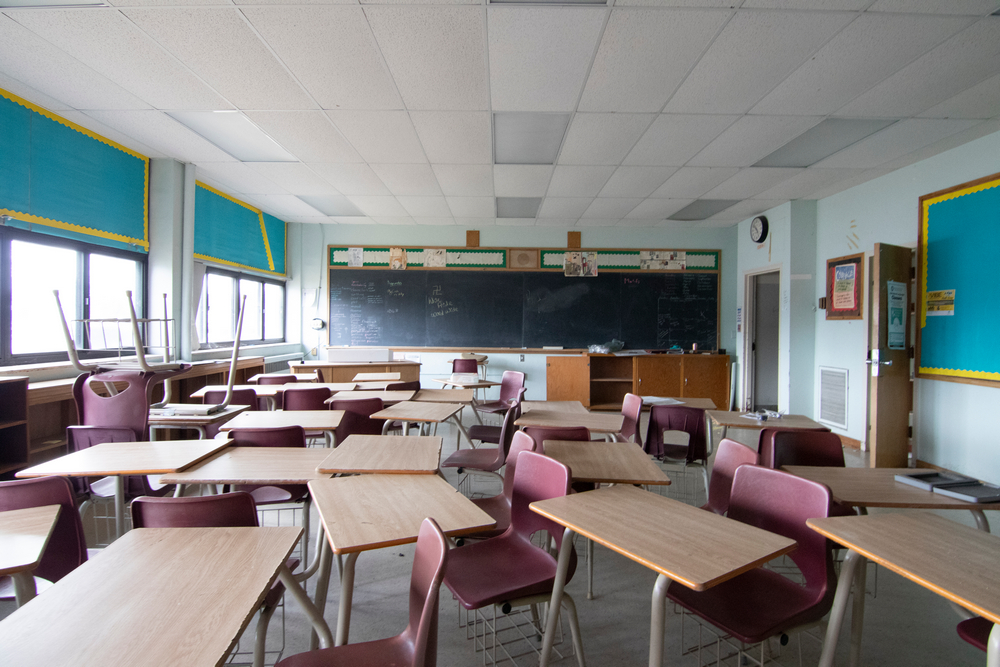
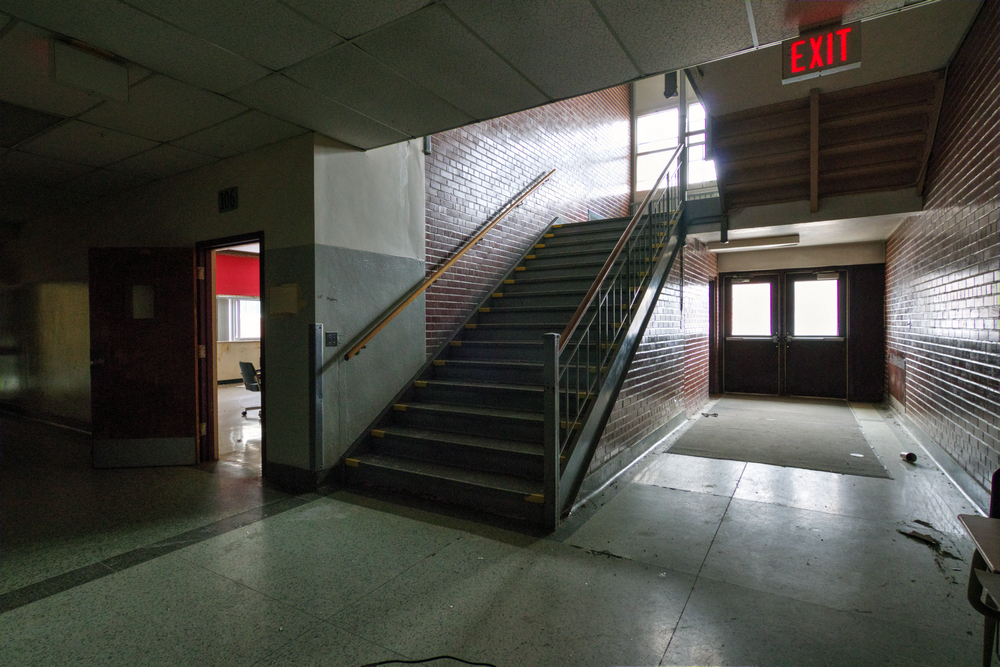
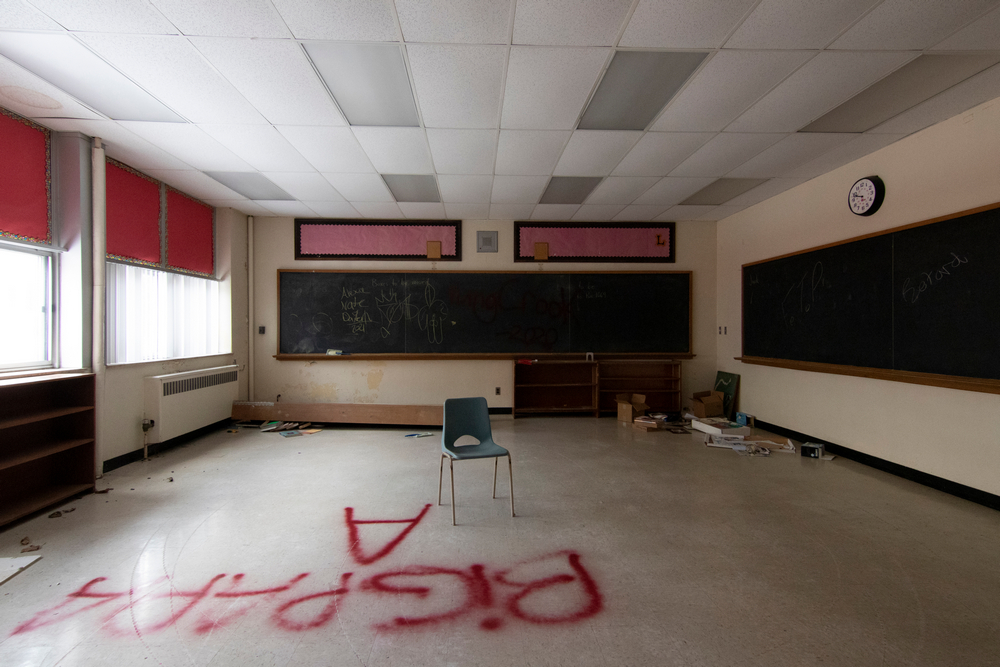
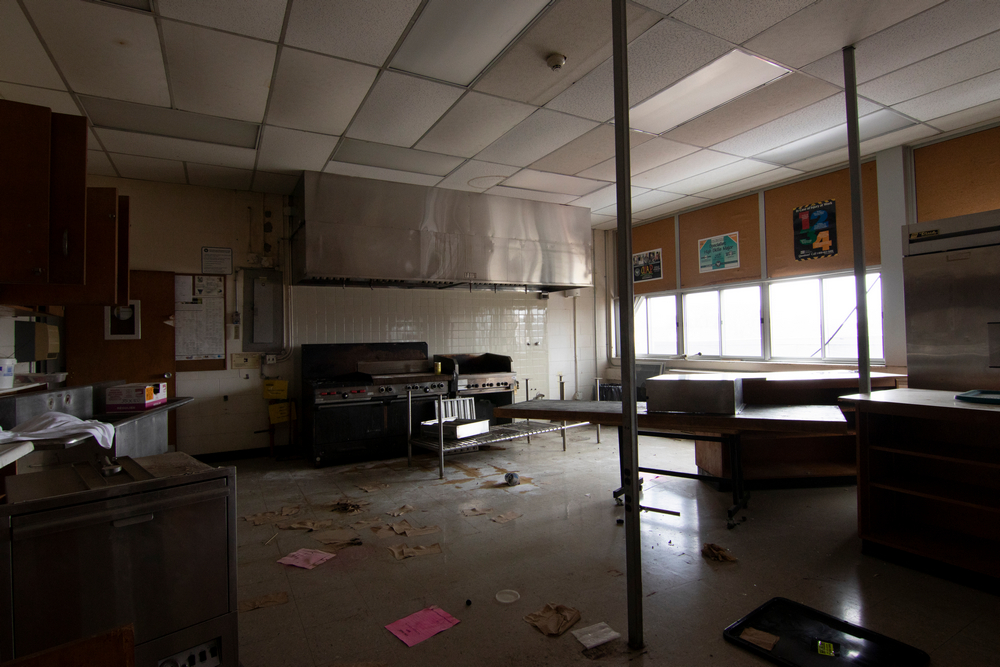
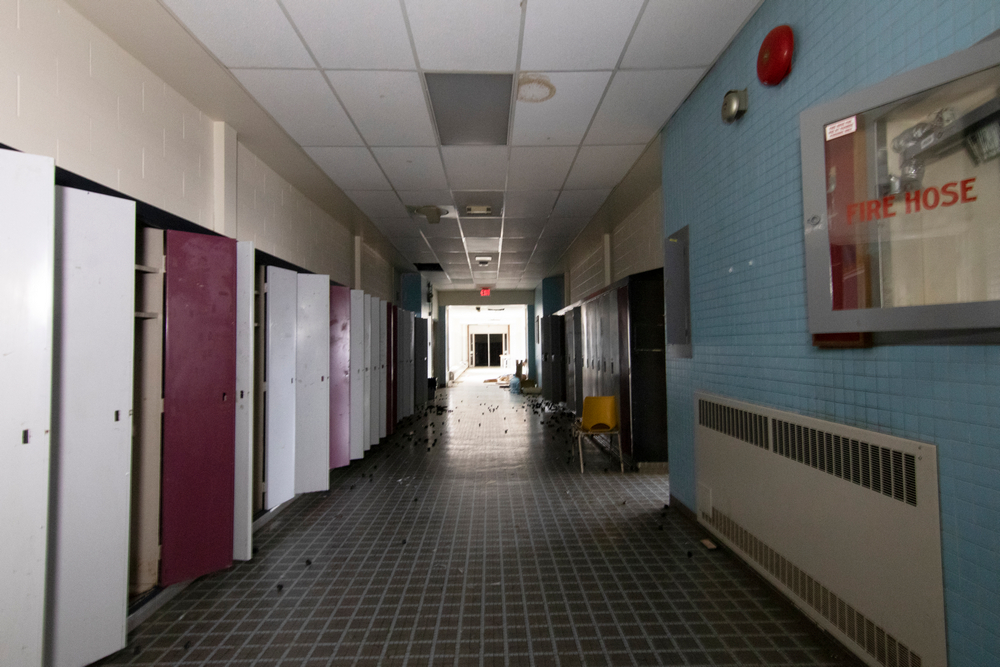
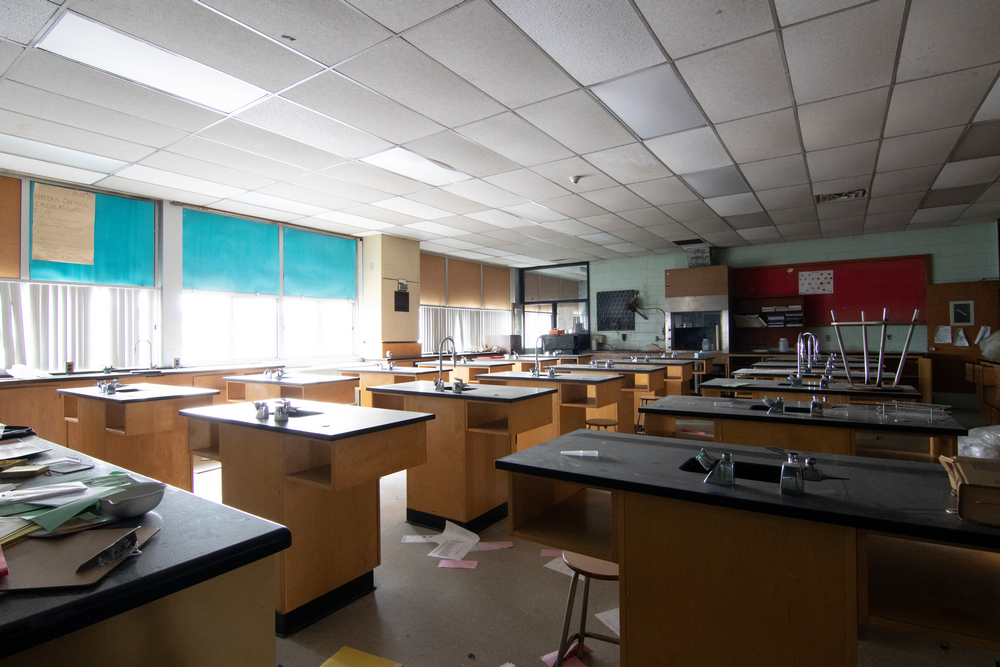
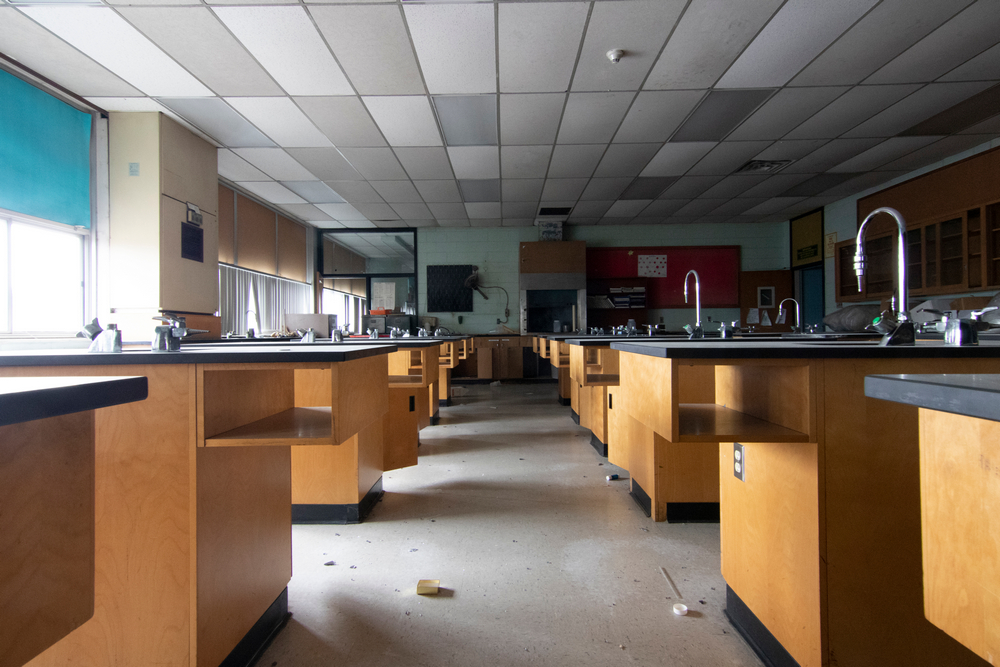
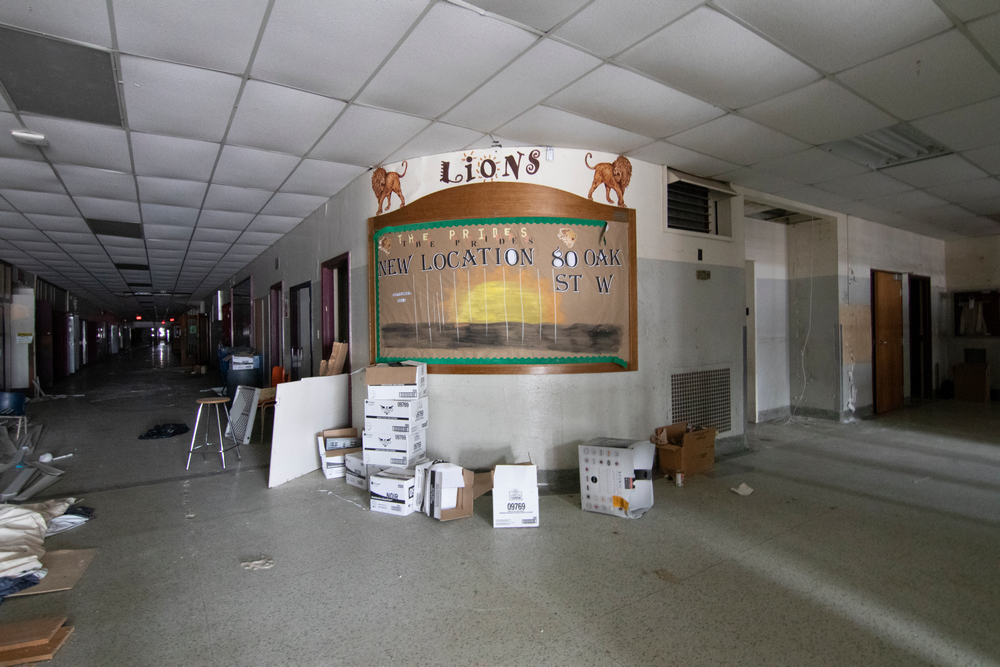
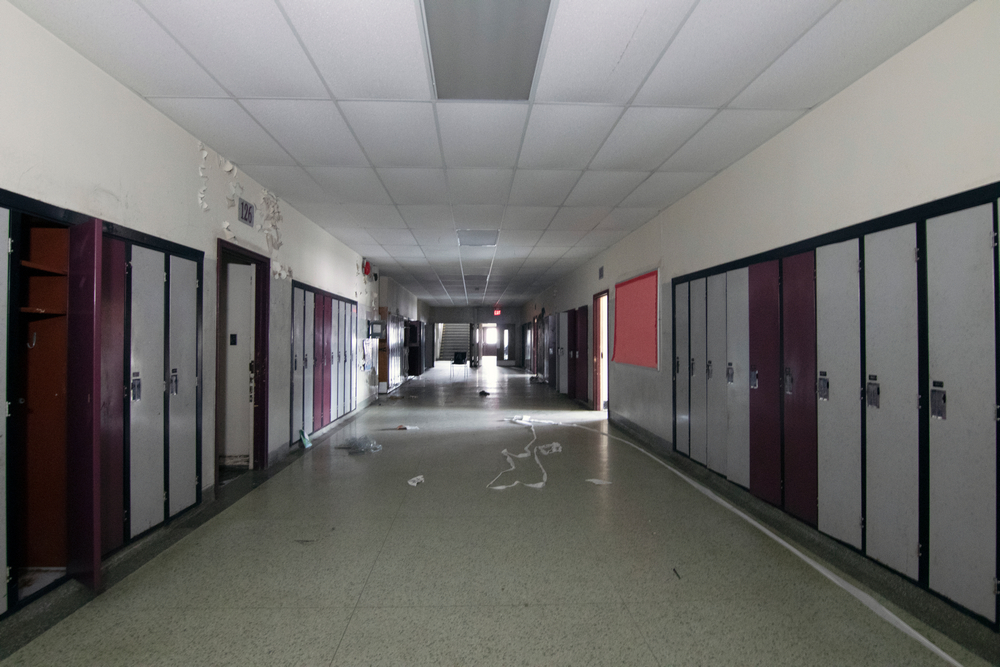
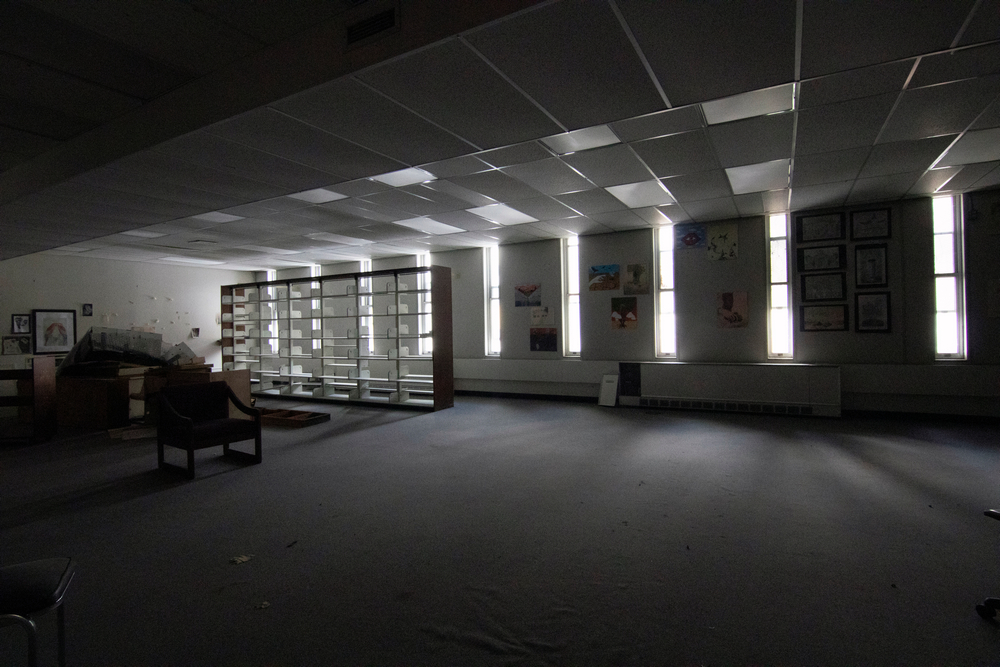
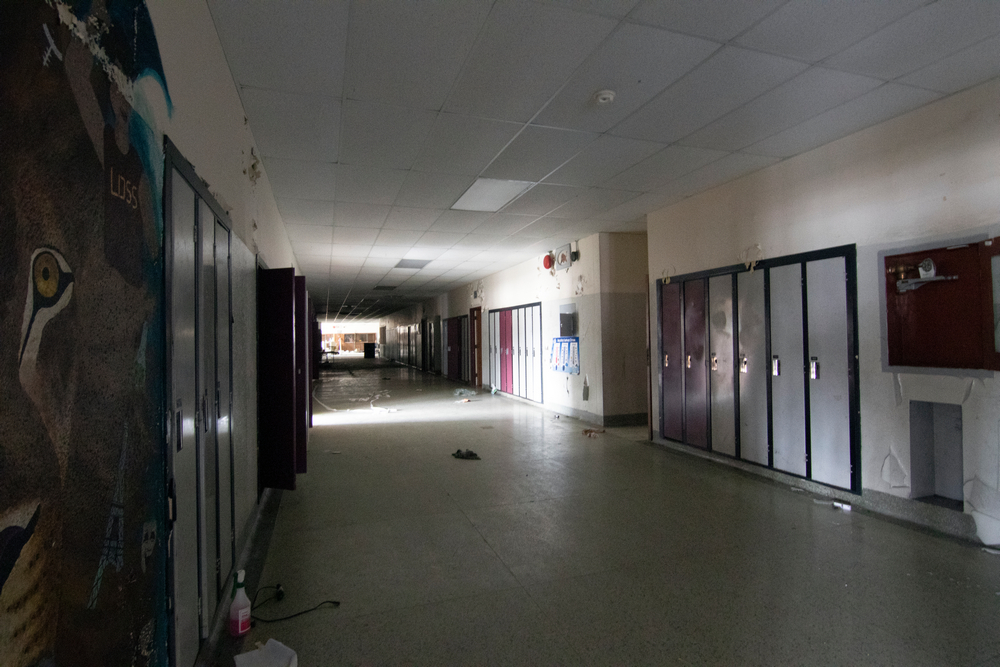





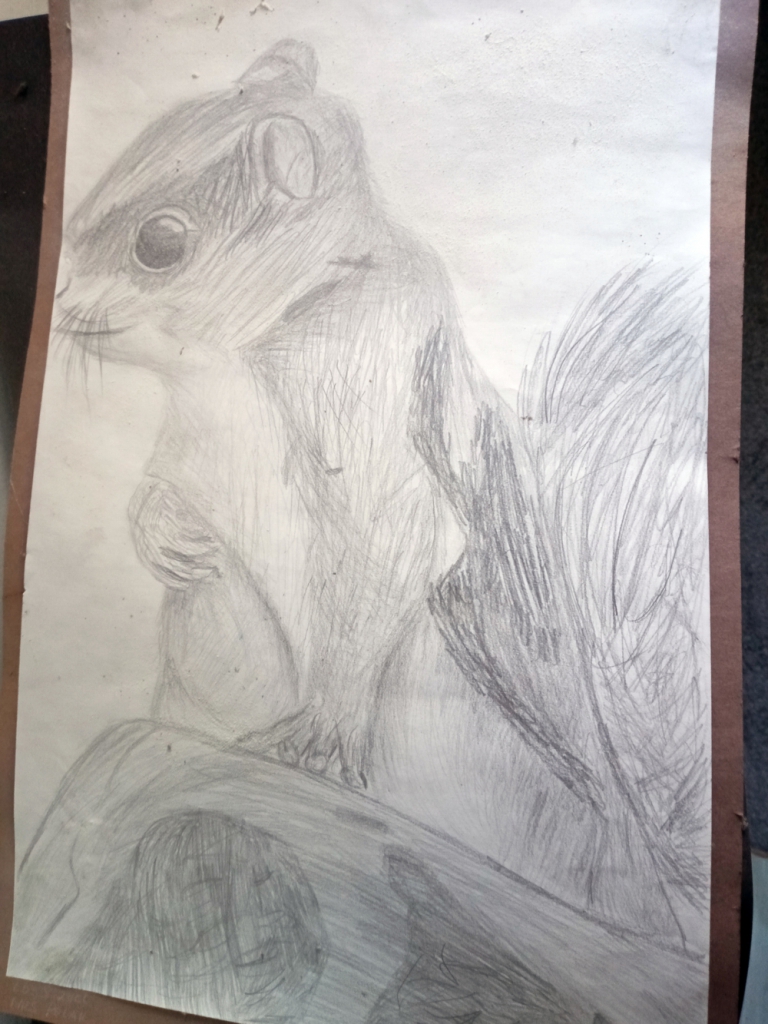
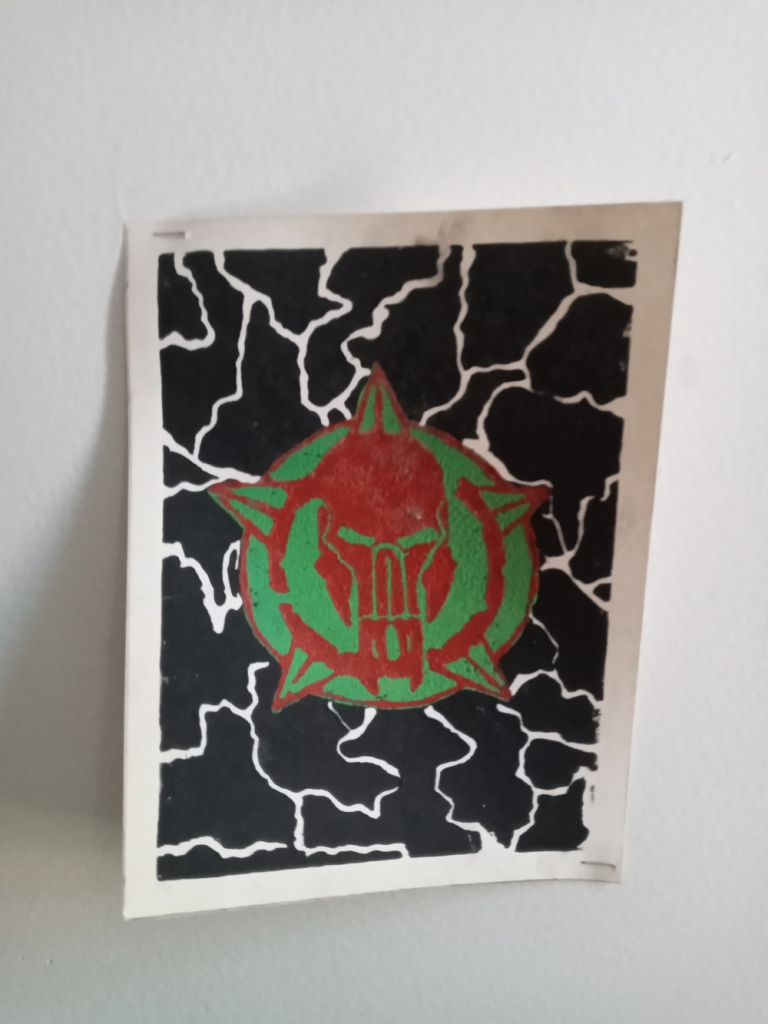

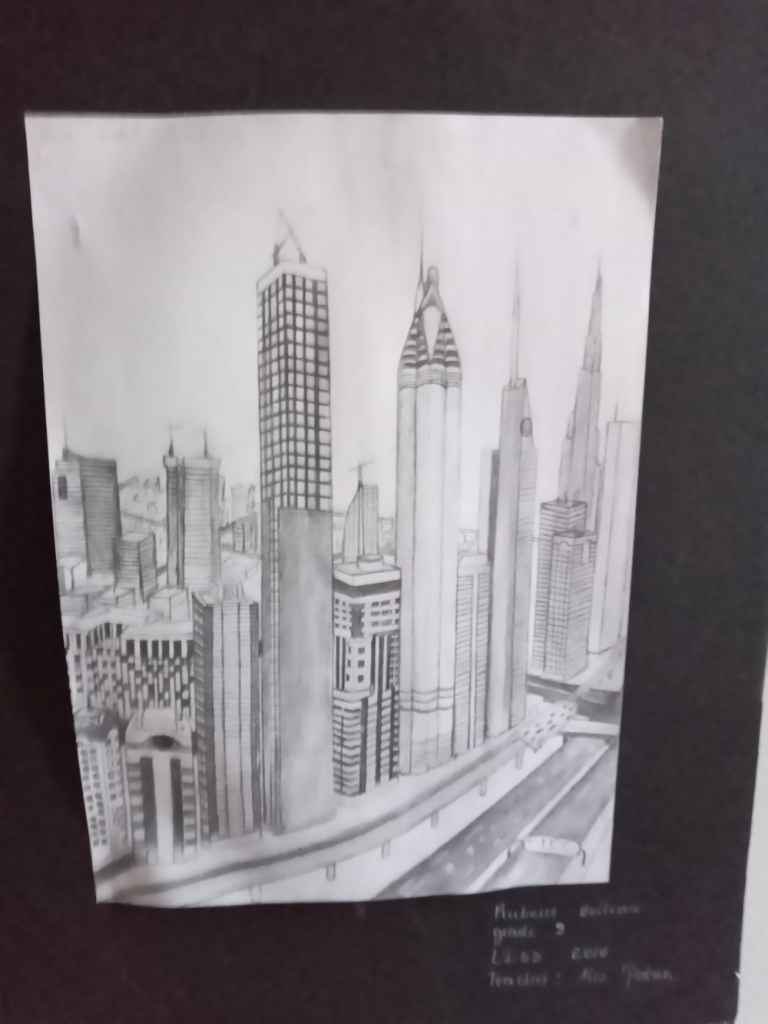

Video
All research by TalkingWallsPhoto. Thanks to Alex for the POE and location!
Sources: 1, 2, 3, 4, 5, 6
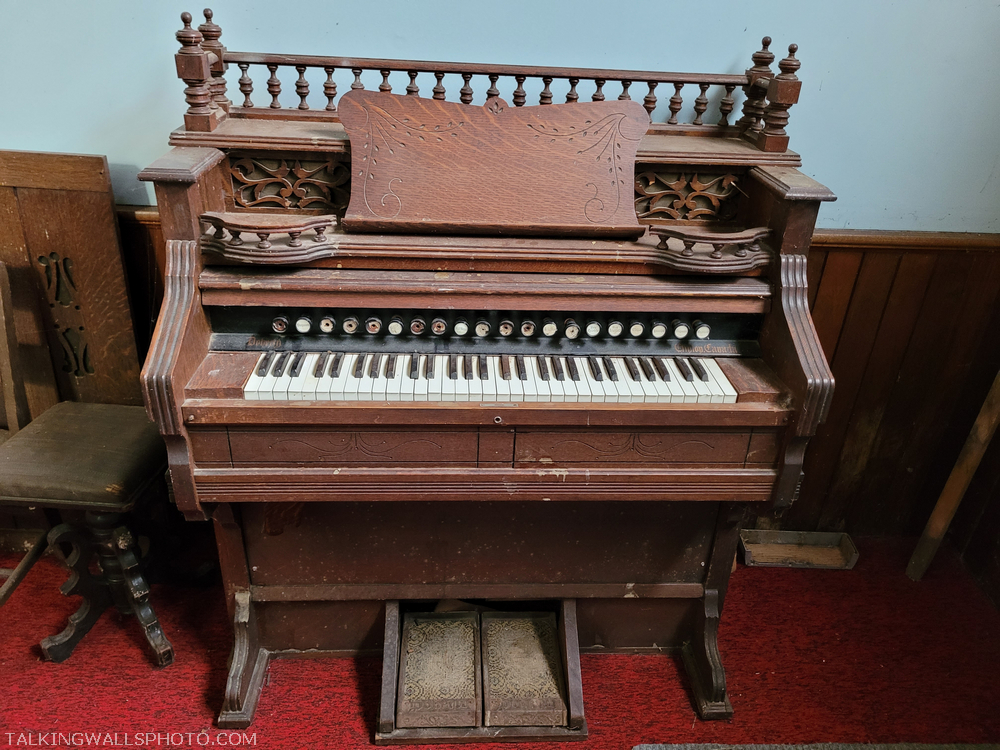


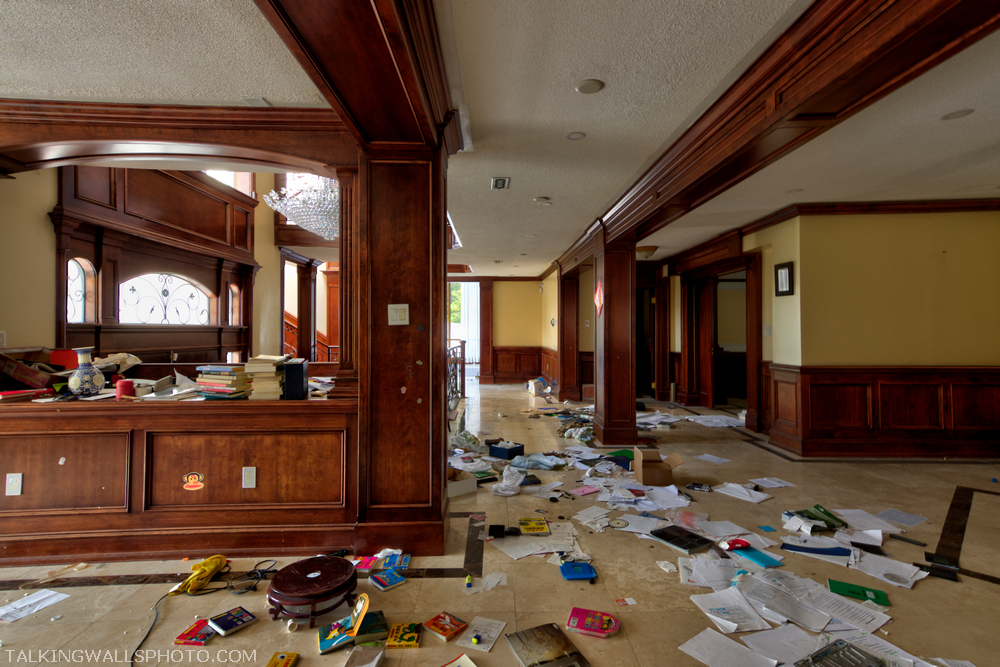
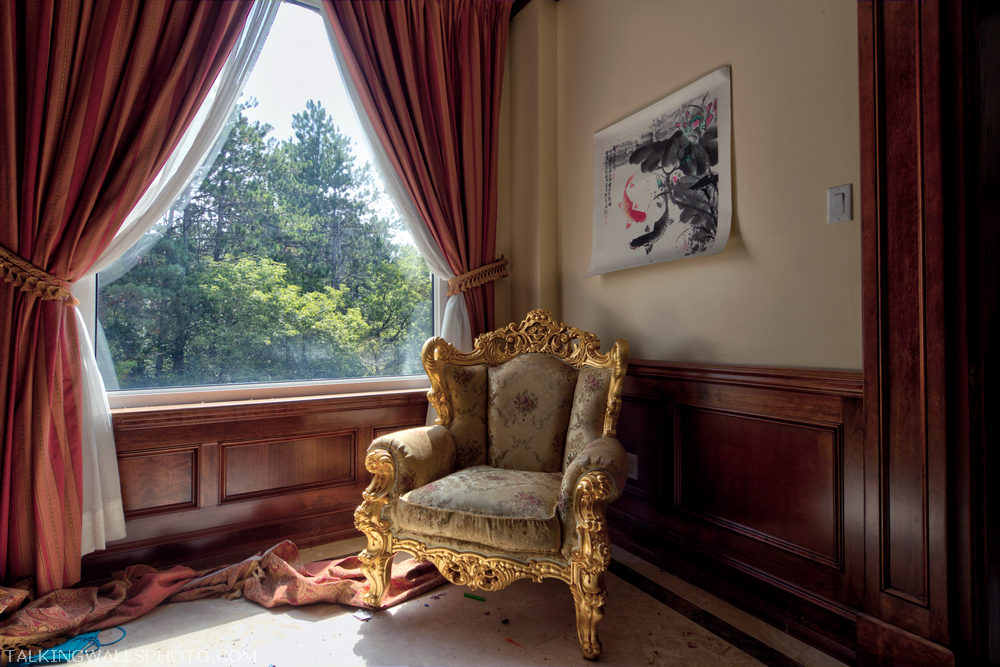
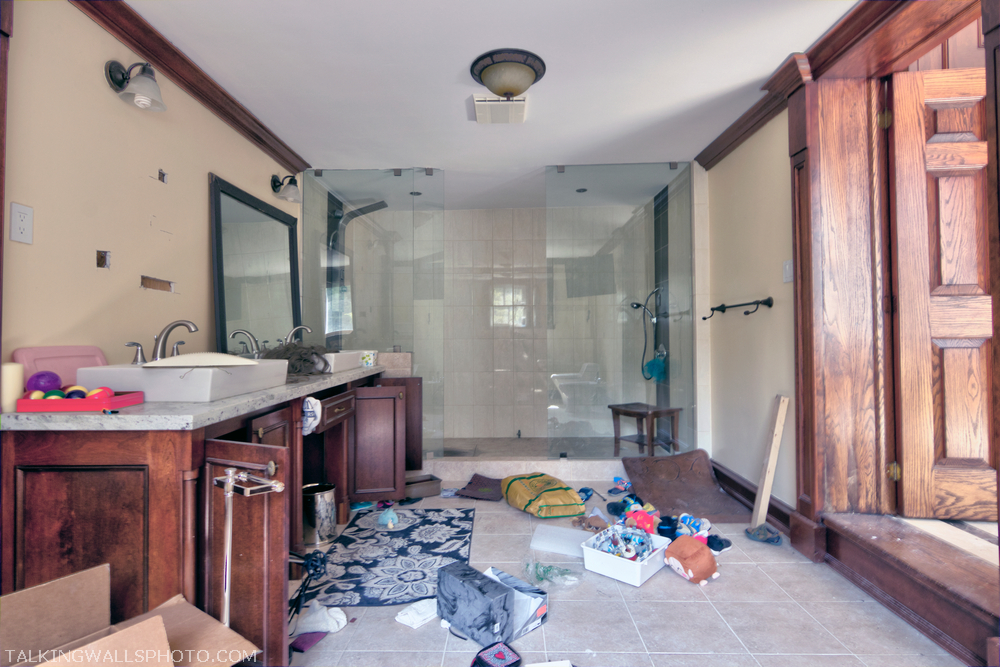
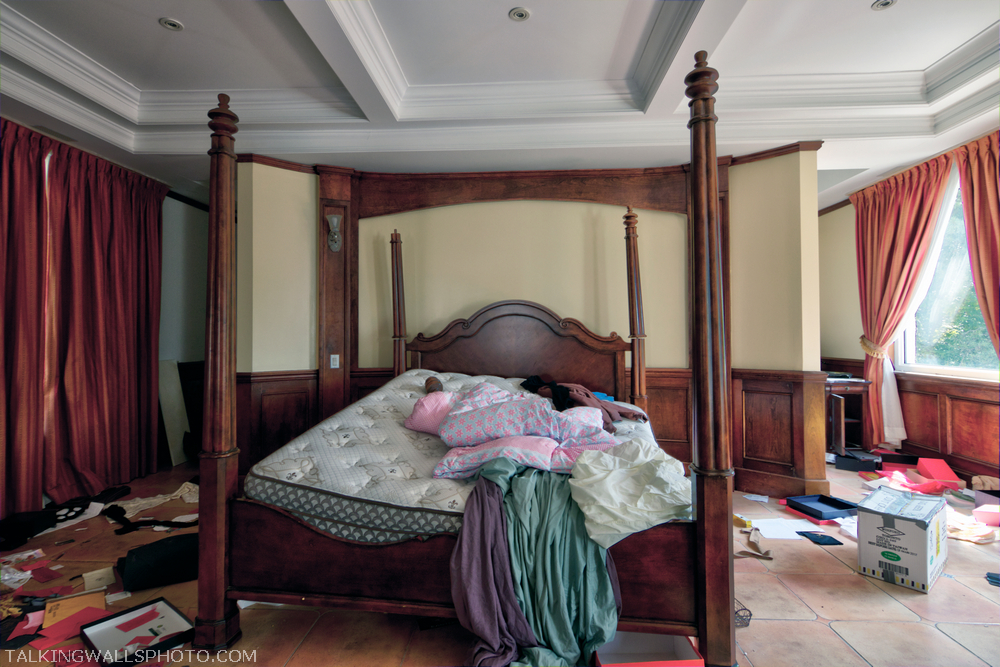

Happy New Year
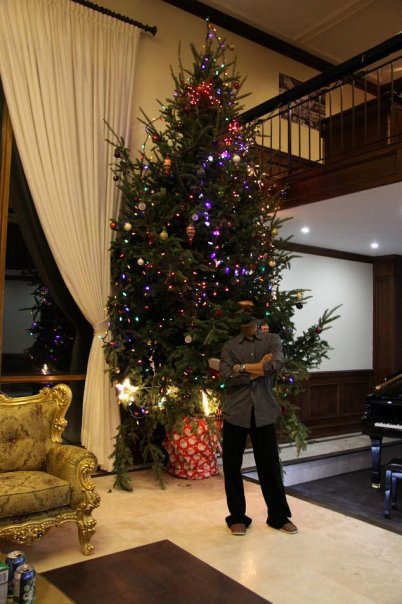
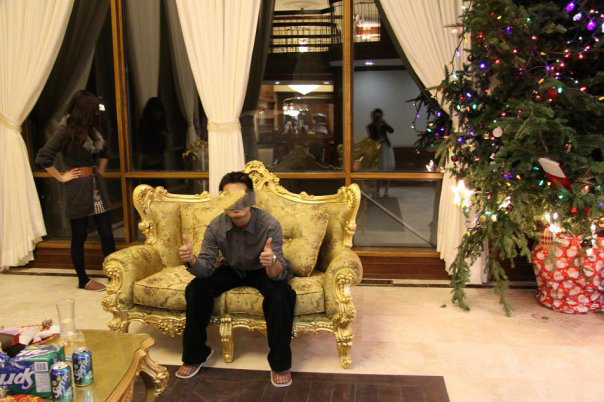
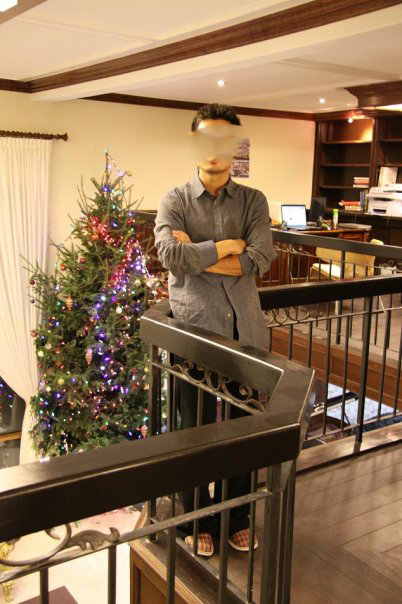
I had a pretty quiet Christmas. Over the years, this time of year becomes less exciting as one grows older, and you shift to the importance of being with family. The Christmas tree grows smaller year by year and there's the little lull between Christmas and what to do until New Years Day.
Over the course of the last week, I ended up getting kicked off of my former website provider. I complained to them about their price increase, which came out of nowhere. Then on my latest bill, I found I'd been bumped up to the next billing tier without permission. When I messaged them about it, I was told that I was too 'negative' and they were cancelling my account. I didn't even have time to back up my data.
I've now managed to transfer my three websites over to a new provider, and have learned to always keep current backups. Also, perhaps its time to learn PHP. Classic ASP is now over 20 years old and reached its end of life.
Take care and thank you for continuing to support this page, now at 64,000 followers and pretty much holding there. :)
-----------------------------------------------
No merch. No clickbait titles. No mafia bosses. Just actual research.
Exploring blog
📸 www.talkingwallsphoto.com
Exploring videos
🎥 www.youtube.com/c/TalkingWallsPhotography ... See MoreSee Less
0 CommentsComment on Facebook
Hello everyone
A younger version of me would have posted a rundown of the exploring year and some of the highlights. This year however I'm choosing not to do that. As you know I've been pushing my content away from Meta because I disagree with their weak enforcement of community safety. (I recommend everyone install the Fluff Busting Purity browser plugin by the way)
My non urbex-website is generating twice the revenue of the urbex blog so I hold off on posting many of the recent places. (Much of that passive income went to food for the homeless.)
In speaking with several other explorers this year, it seems 2025 was a year that many of us spent less time exploring than normal. Some of the reasons included family commitments, or the loss of a loved one, or just waning interest. I hold the upmost respect for those who put family before exploring in a hobby where live-at-home explorers think exploring is clout.
I focused on trying to find new unseen buildings, and was quite successful in doing so.
2025 threw our family some unexpected curveballs but as the year comes to a close, I'm pleased to say most of those challenges have been resolved.
In 2025 about 90% of the messages I received were asking for whereabouts of my locations. My answer is this...
Sit down for a few hours and Google a township + "environmental impact" + "demolition permit" + "rezoning application" + "developer" and with some time, you will find all of the hot spots.
When a developer wants to demolish a heritage property or a large industrial site, they need to have environmental studies done, permits received, and community input. All of that is available on the internet. It's not as easy as asking, "where is this?" but it does build self-sufficiency.
Wishing you all the best this Christmas. And thank you for continuing to support this project.
/ml
A few of the original finds that I did post on Meta...
www.talkingwallsphoto.com/ ... See MoreSee Less
6 CommentsComment on Facebook
Every Christmas season I choose to post this particular house. It was shared with me via a resident of Bracebridge. It was an absolute gem, untouched and everything intact. While it was summer, there was a Christmas tree and decorations set up.
Why does this house resonate with me? There are several reasons.
1) It remained perfectly untouched, which is extremely rare. In today's society some measure success by the number of followers they have and how much clout they get from views. This leads to inevitable vandalism. This house had none. It was an incredible feat we were able to keep this house off the proverbial explore radar for years - and we did!
2) It represents life being like an hourglass glued to the table, ready to be cut short any any particular time. Someone had prepared for Christmas, only to either never celebrate it or never to return to take down the decorations.
Every room was left perfectly preserved and this remains on of my top three explores of all time. A companion returned to the house some years later and informed me that the house had been trashed and spray painted. It was only a matter of time before the graffiti idiots found it and do what they do best.
I have a few regrets... one, that I shot in 18-55mm portrait mode (no wide angle lens for me) and that I failed to take video of this explore. I did get video of a return visit but by then it was empty.
There's been some controversy and mixed opinions on what happened to the resident and I've tried to update the blog post as best I can. While people may leave comments indicating they know what happened to the resident, facts speak louder than words.
Each Christmas I remind myself that this could be our last as a family. Aging parents, life getting in the way of things... you know how it goes.
A HUGE shout out to Brianna who shared this with me.
www.talkingwallsphoto.com/abandoned-time-capsule/the-abandoned-ontario-christmas-time-capsule/ ... See MoreSee Less
22 CommentsComment on Facebook
Good afternoon
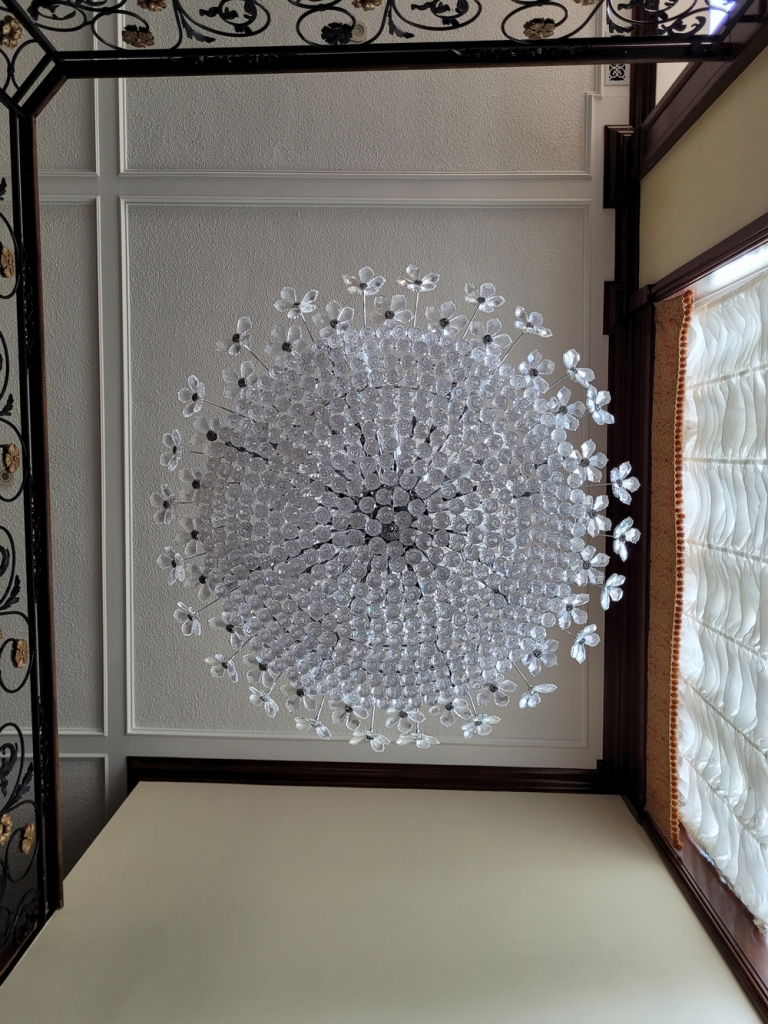
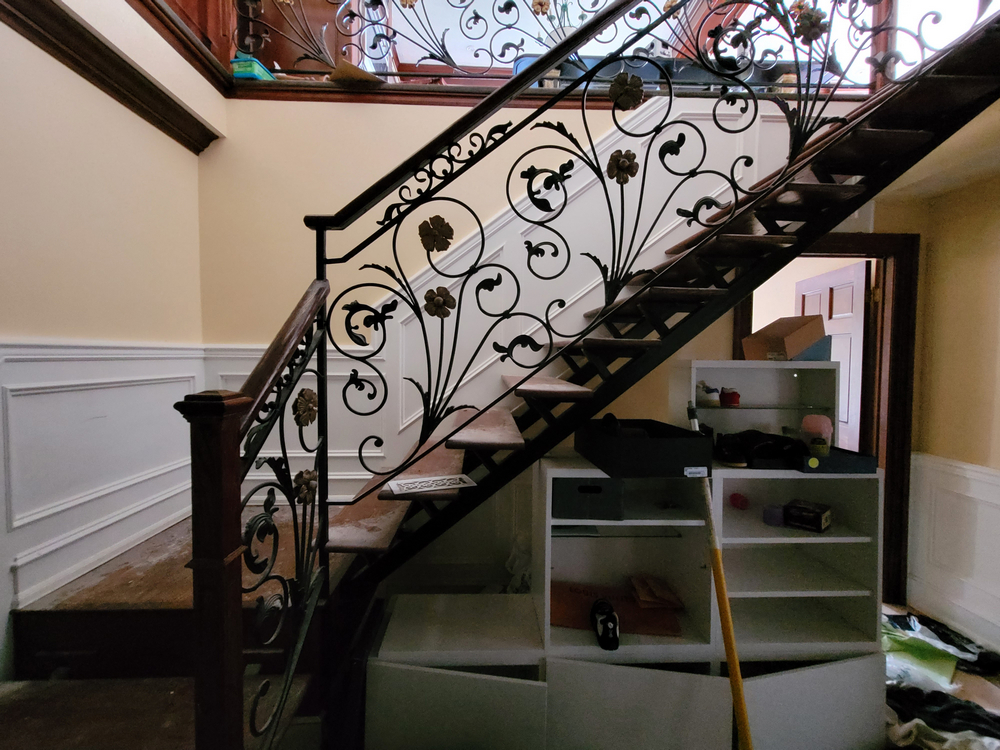
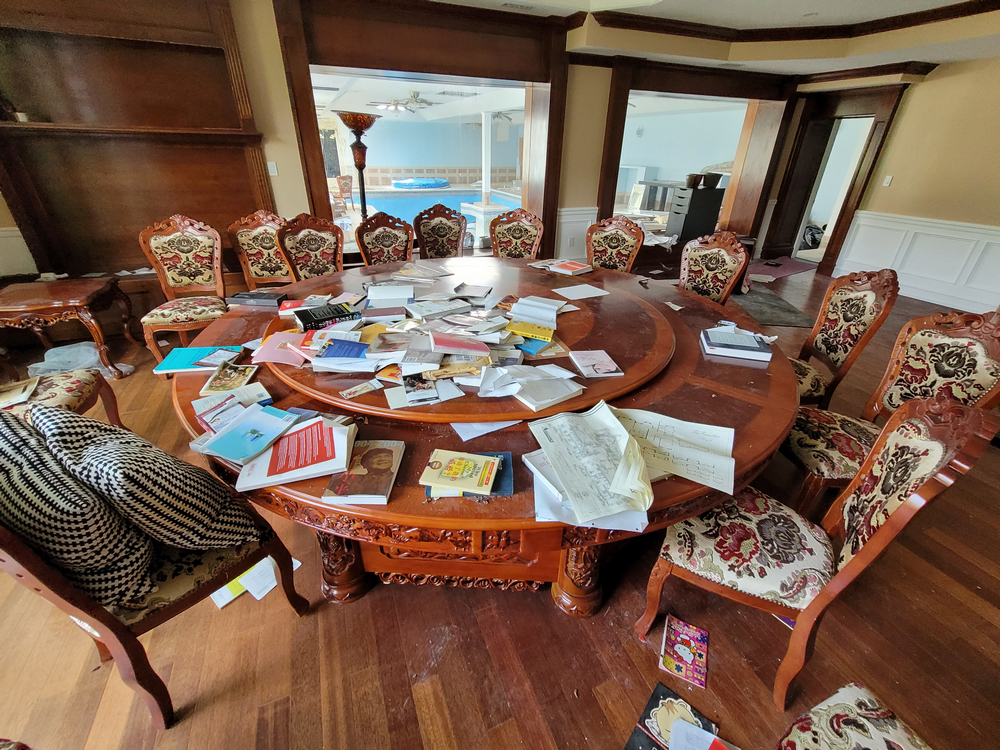
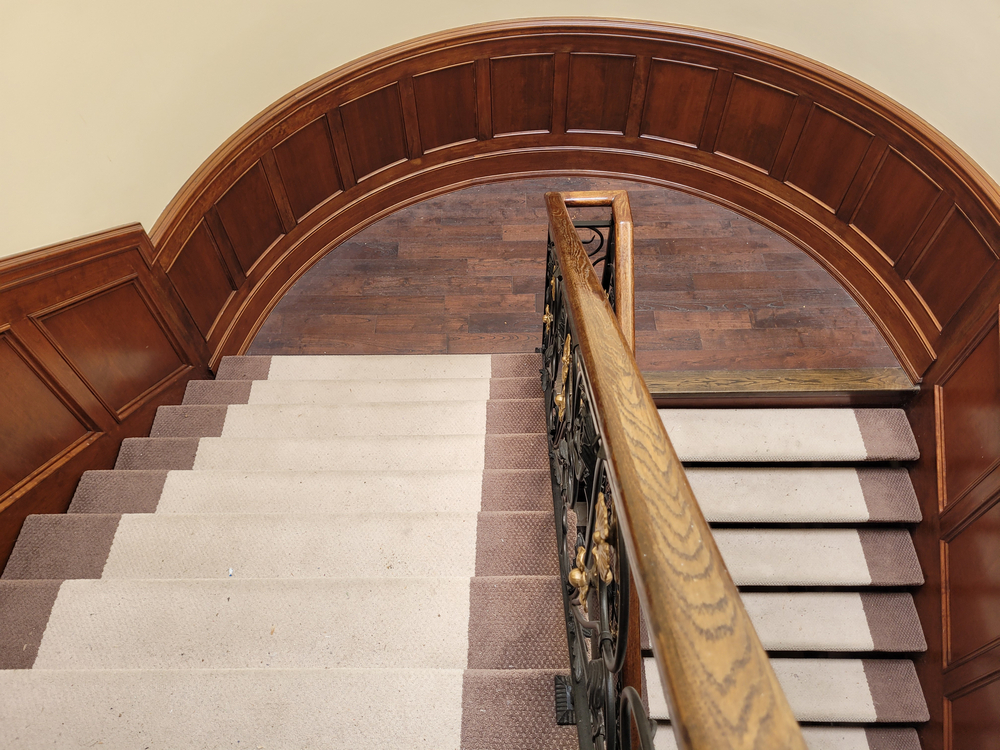
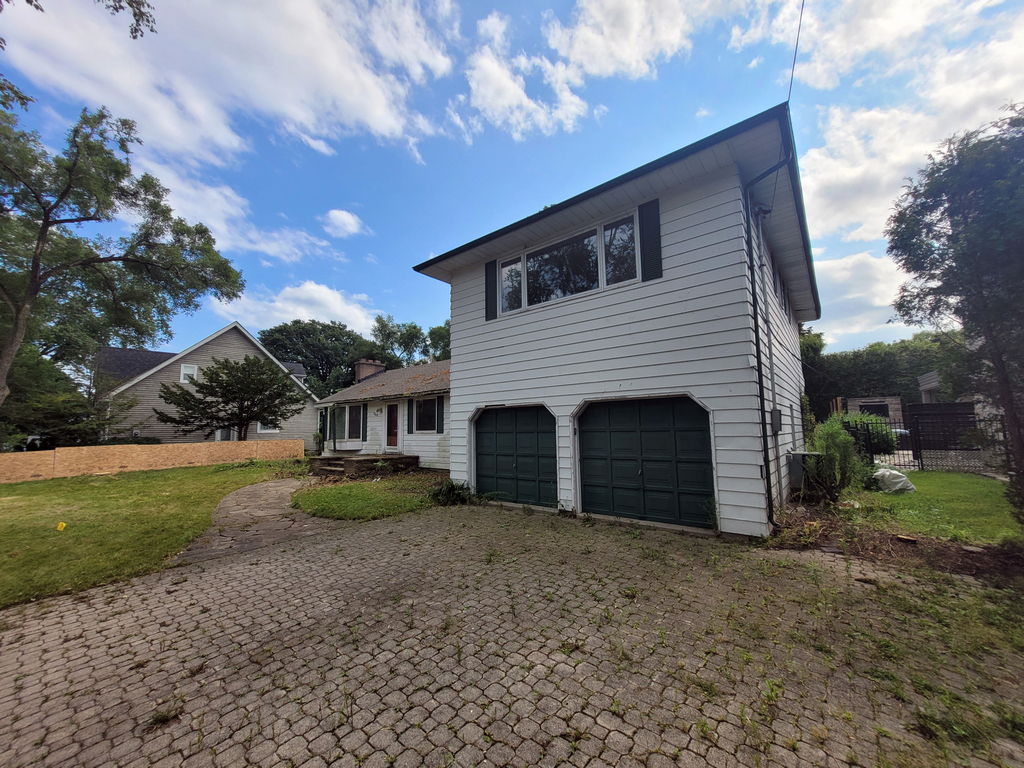
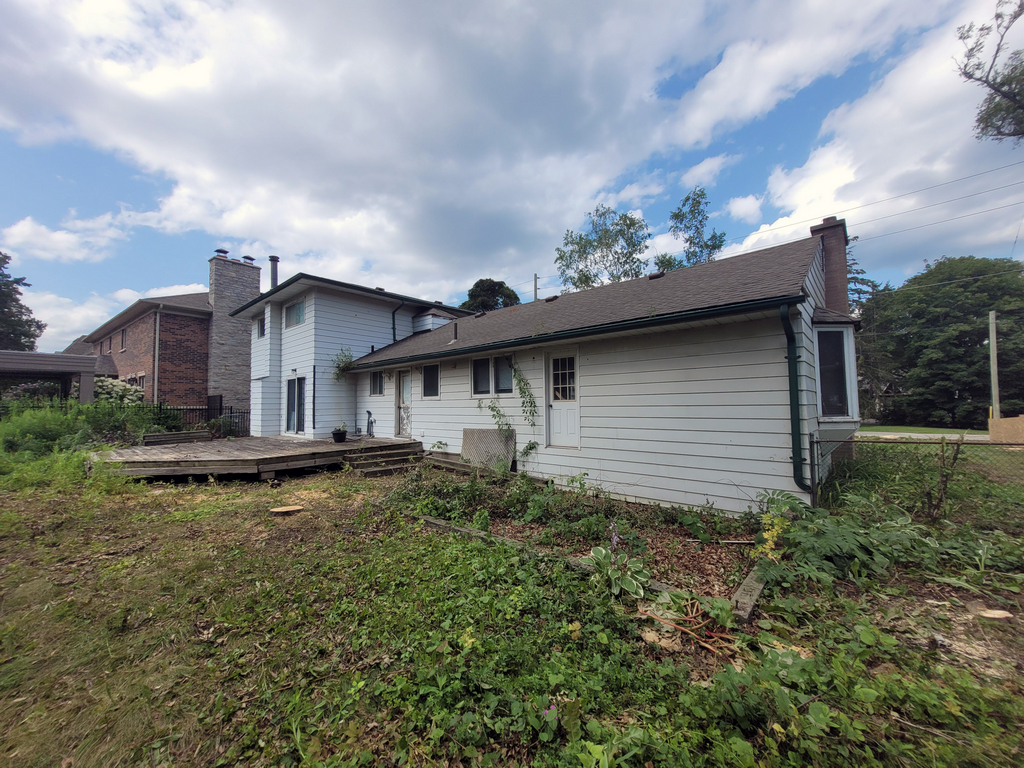
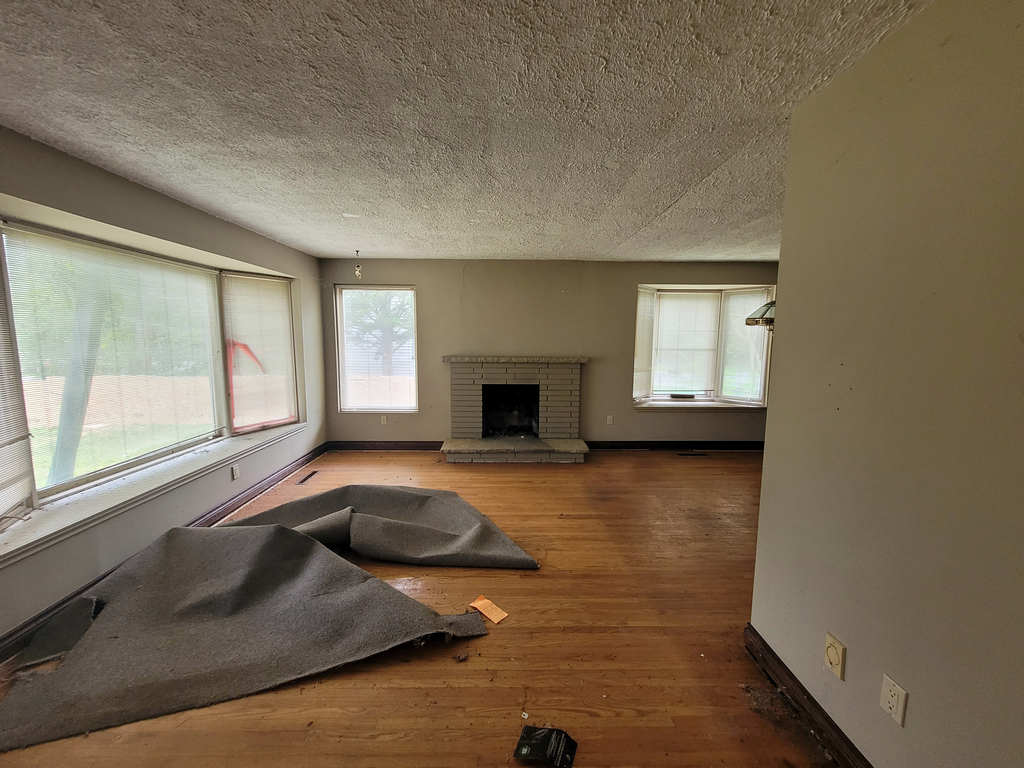
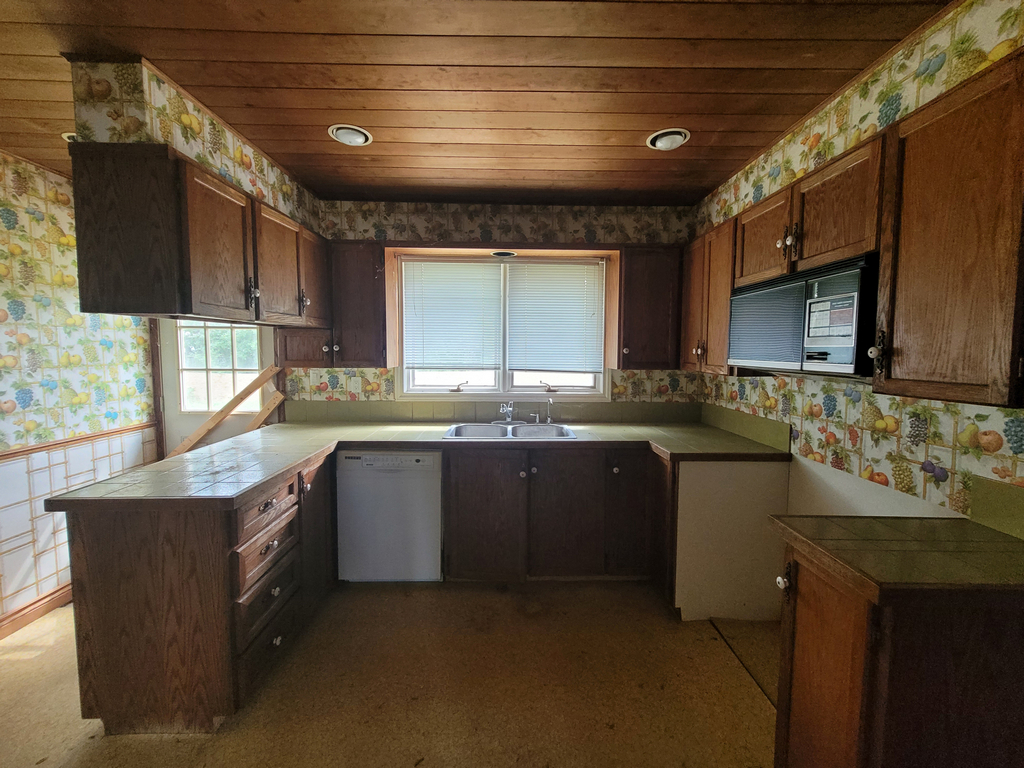
Given that this house is along a busy road, it was a delight to explore it in it's untouched state. The graffiti idiots and vandals have since found it, and it looks nothing like this any longer.
www.talkingwallsphoto.com/houses/abandoned-ontario-pool-table-house/ ... See MoreSee Less
7 CommentsComment on Facebook