Category: Commercial Property

Gateway Motel – Fort Erie

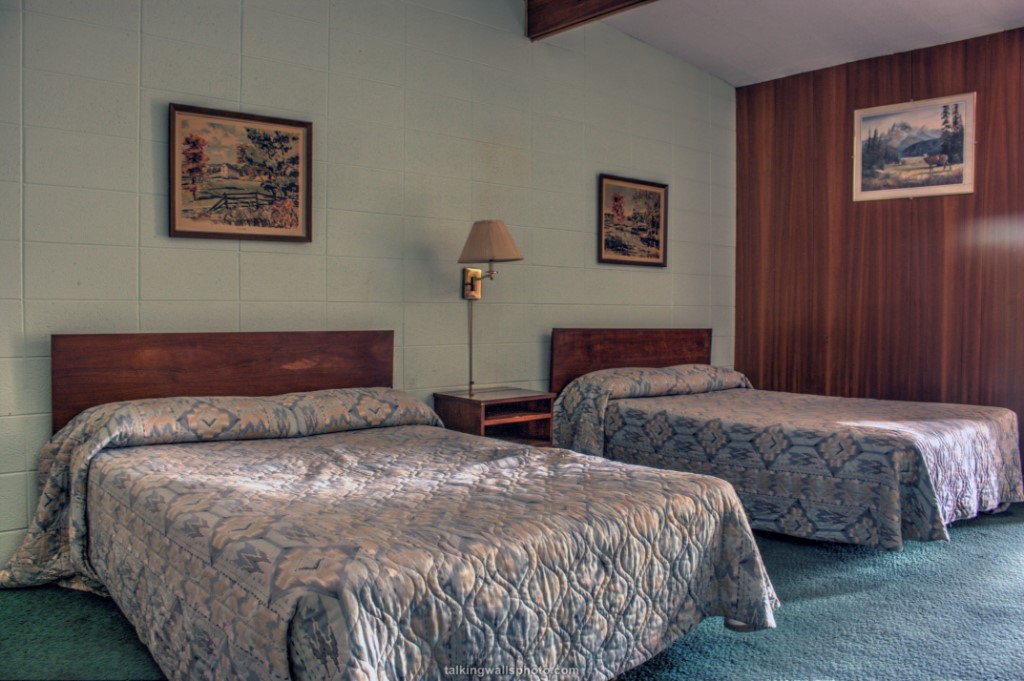
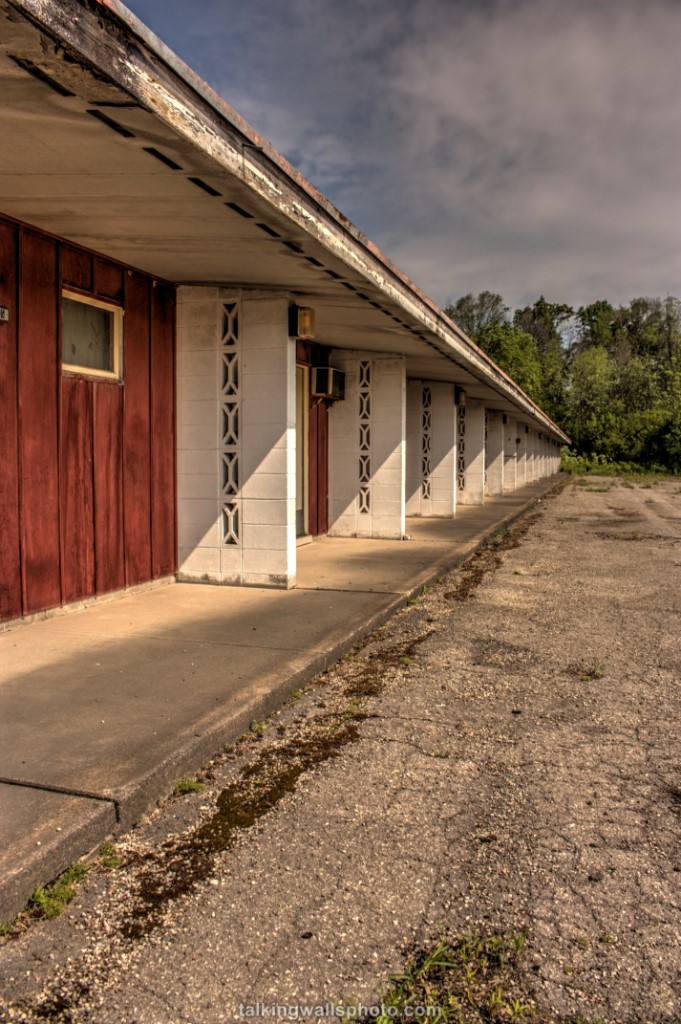
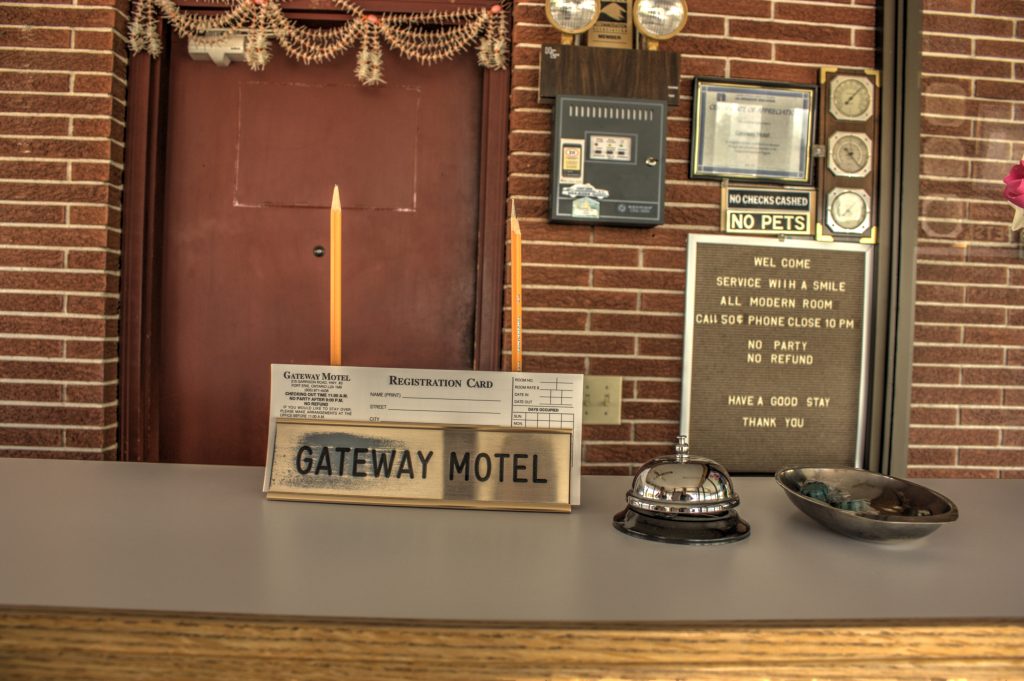
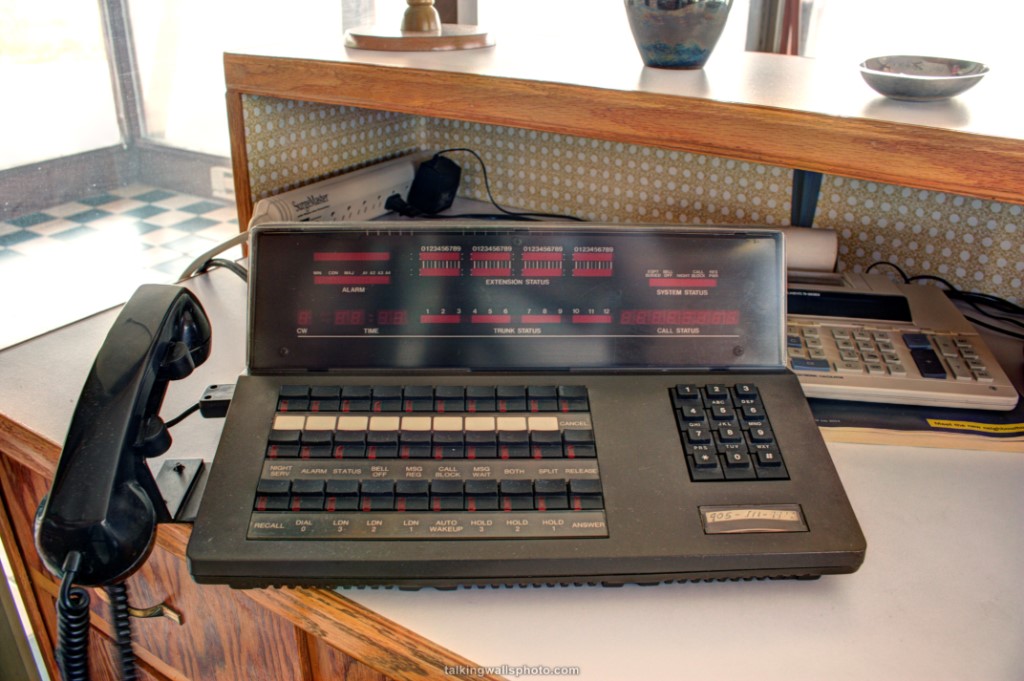
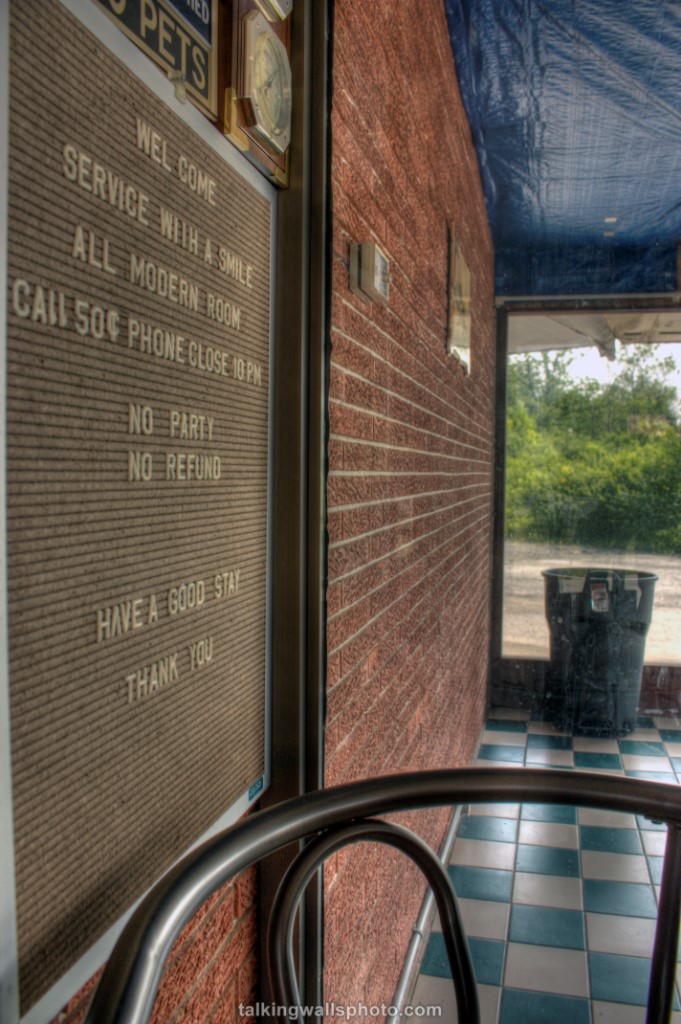
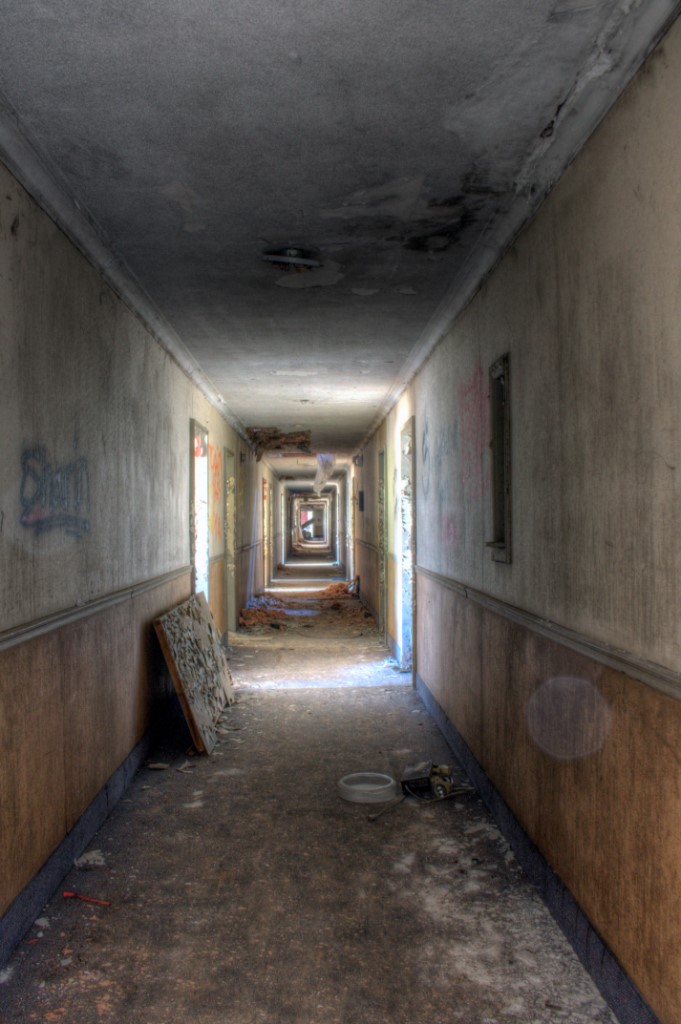
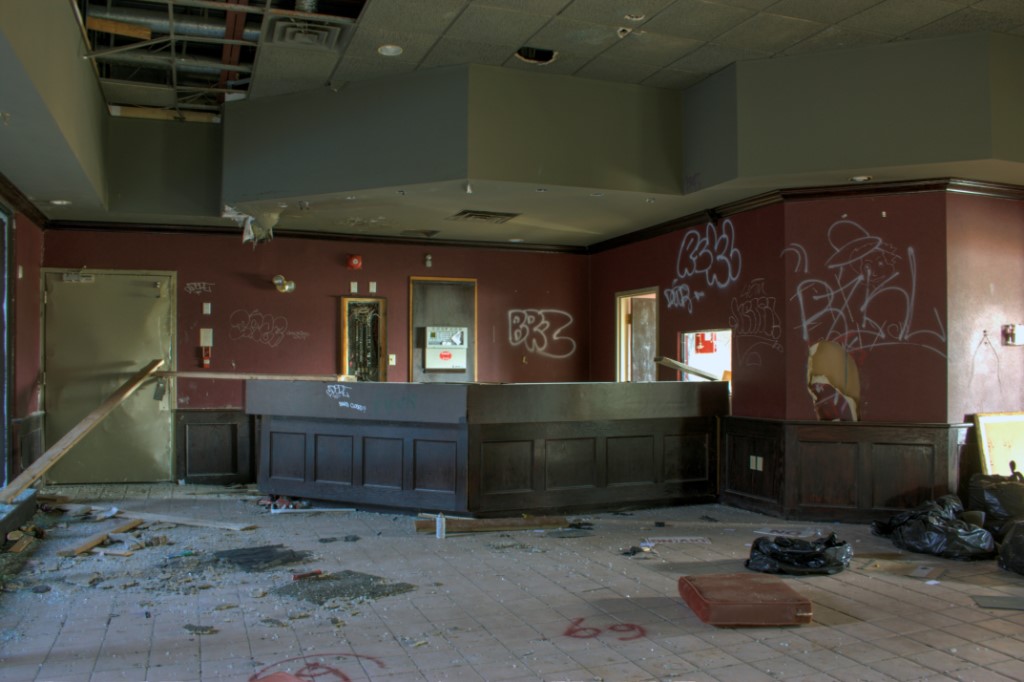
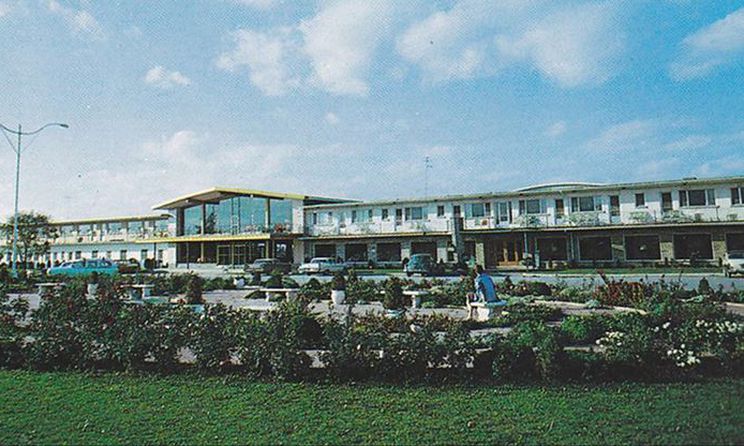
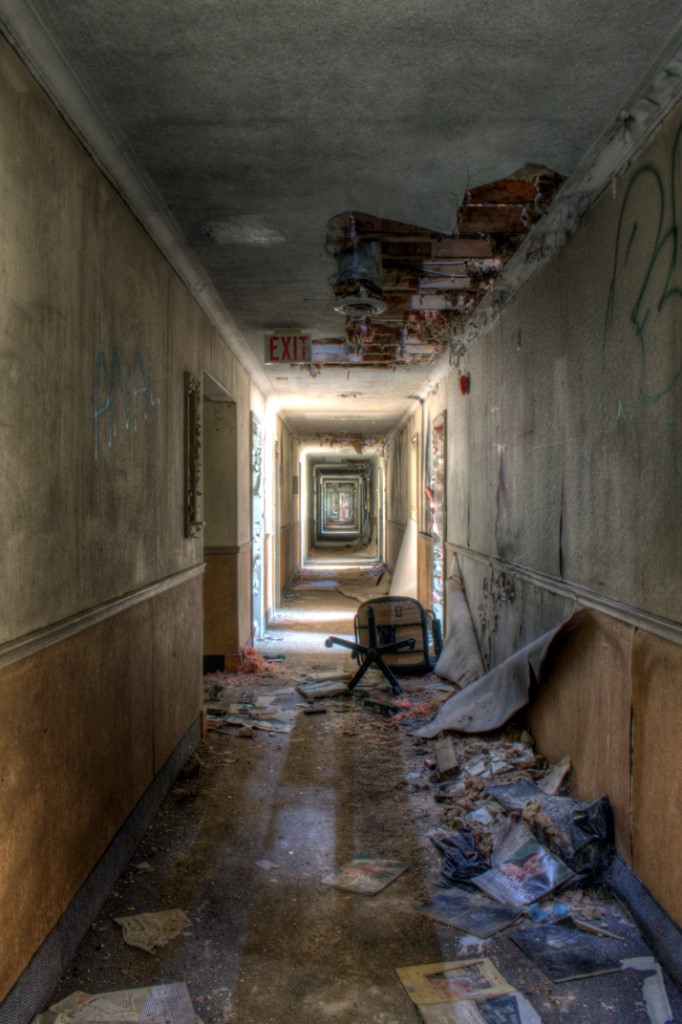
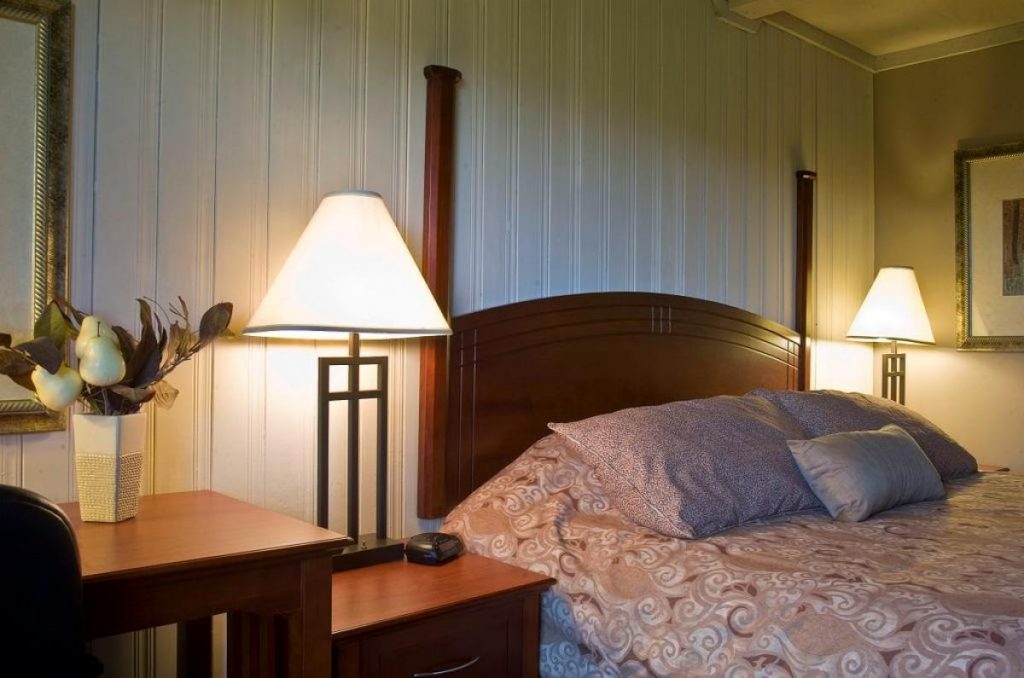
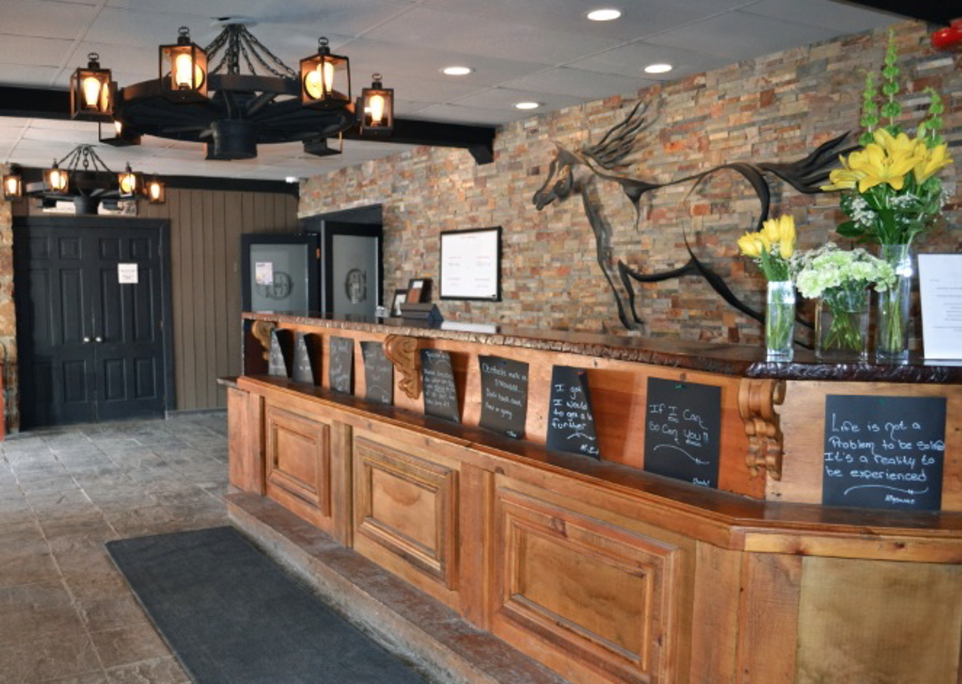
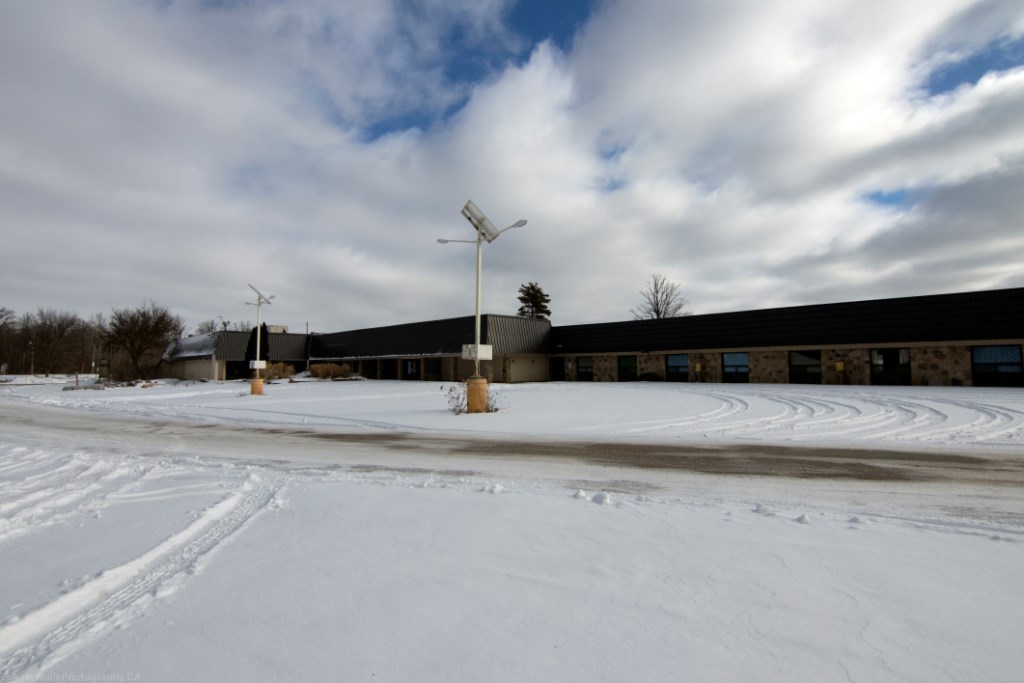
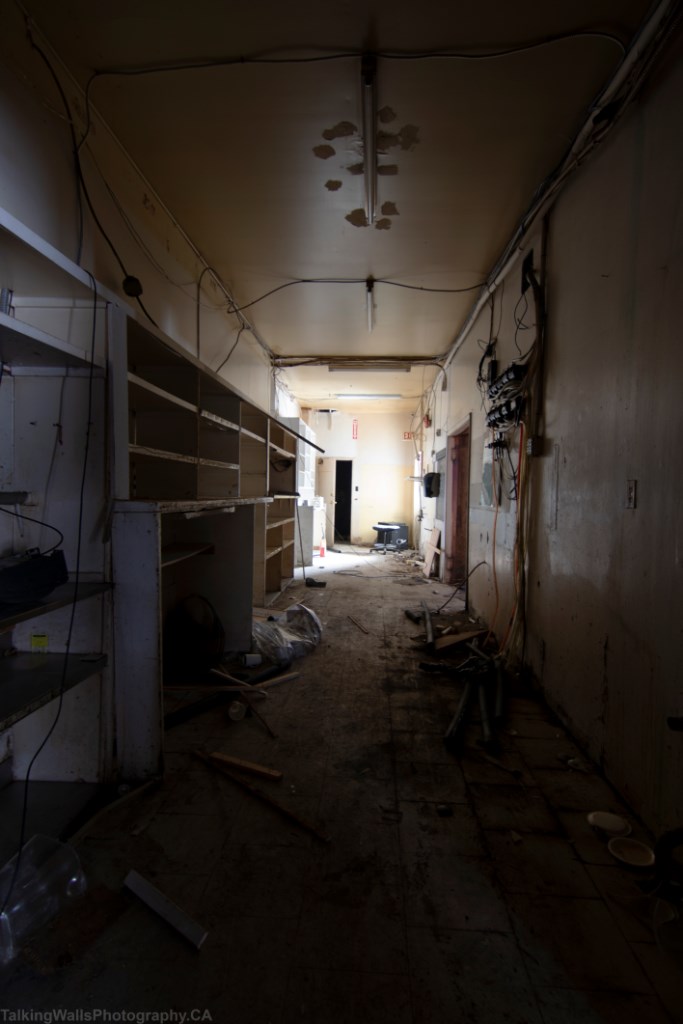
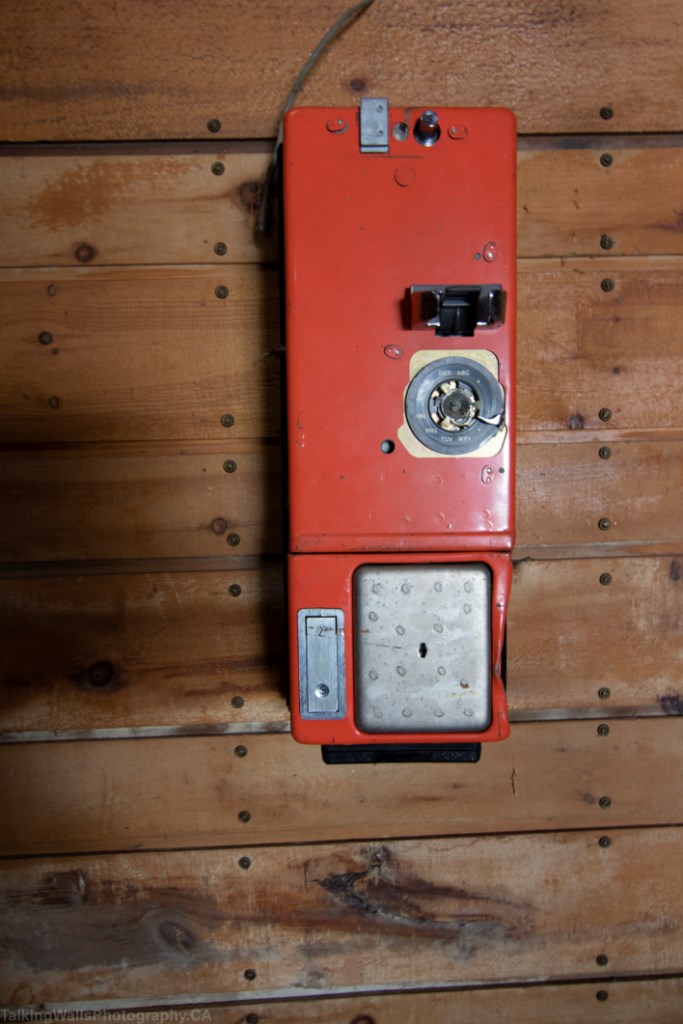
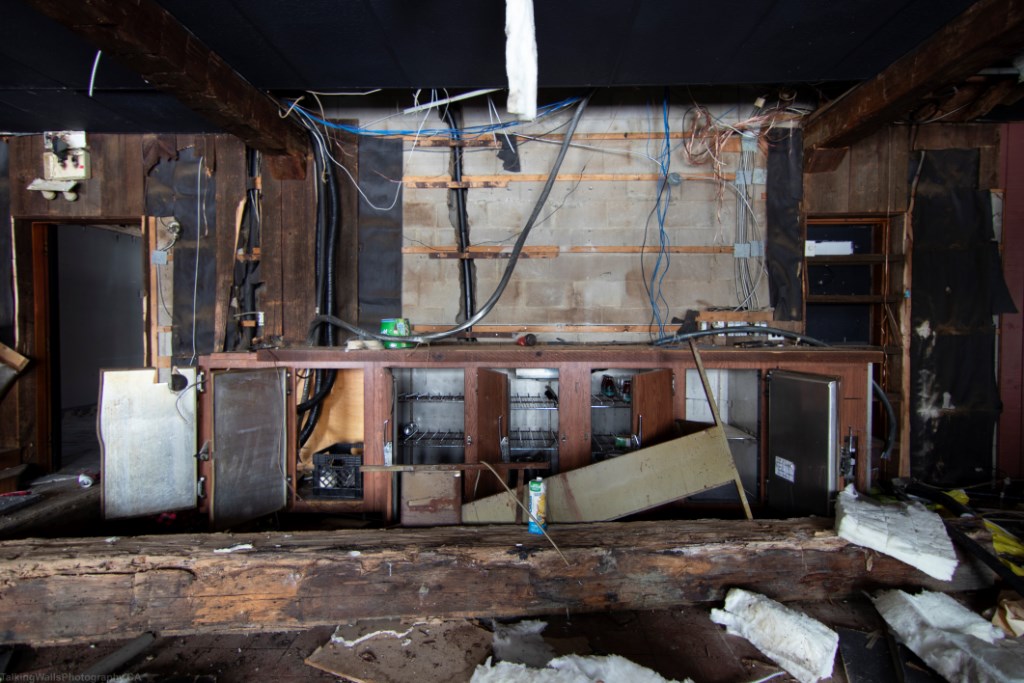
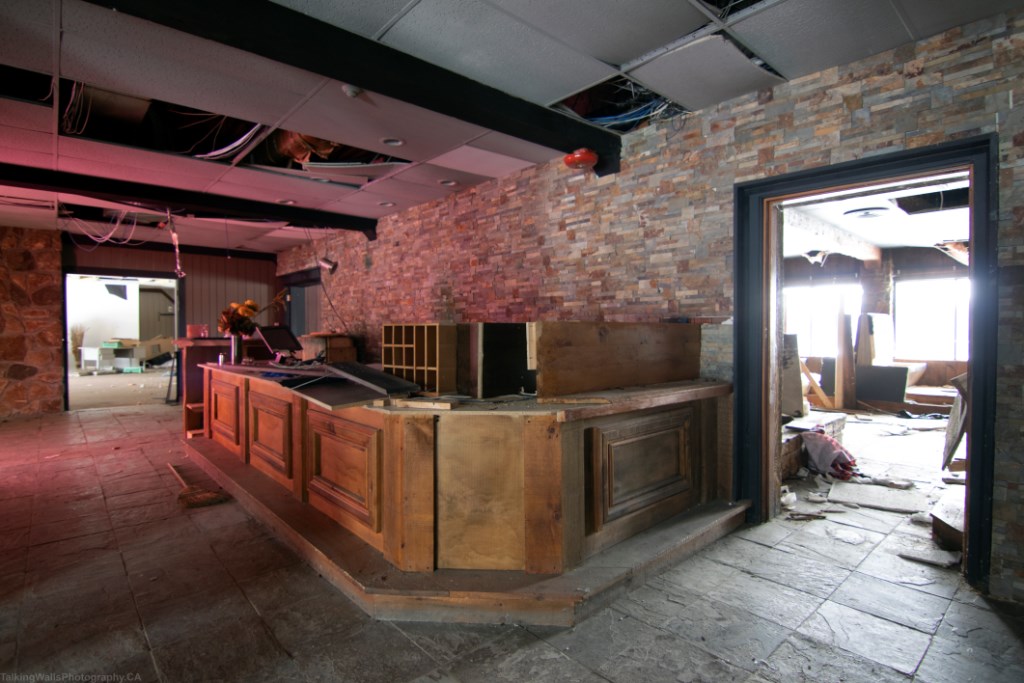
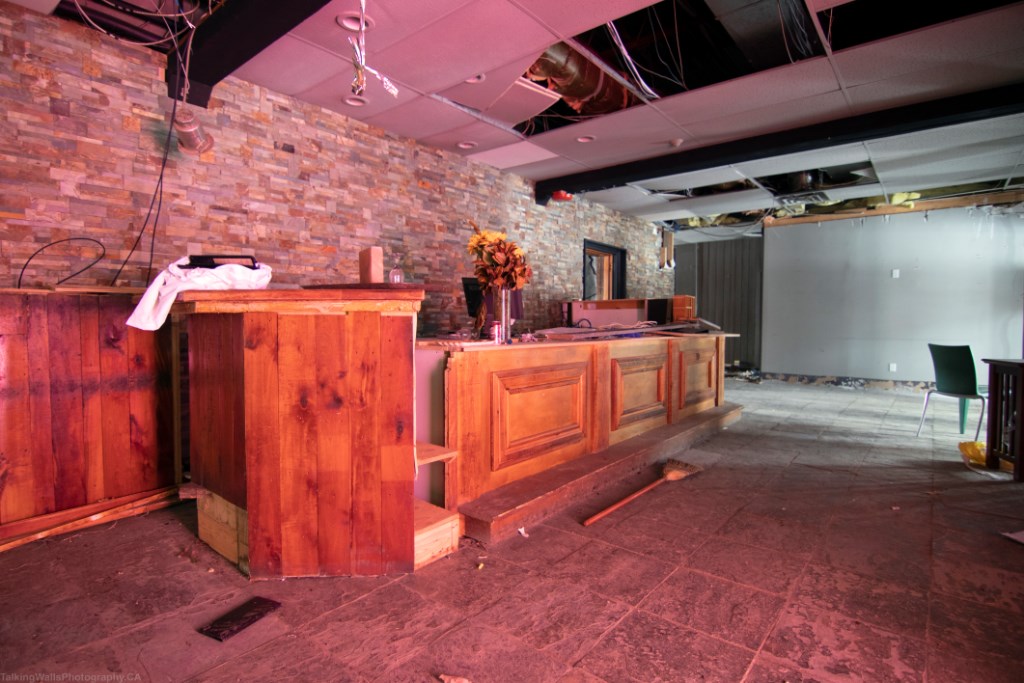
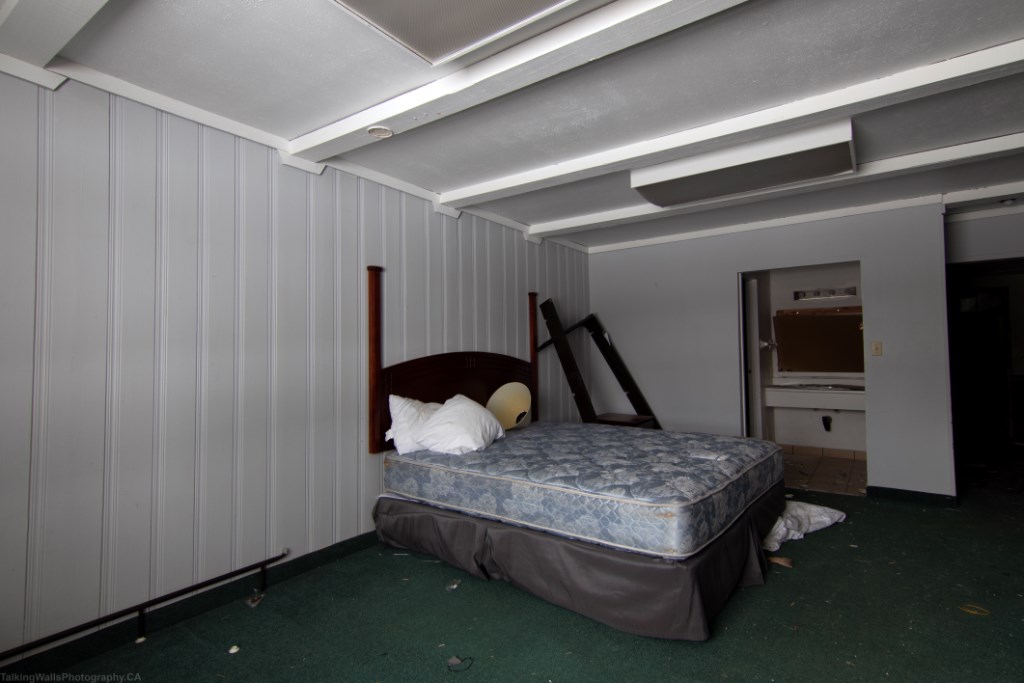
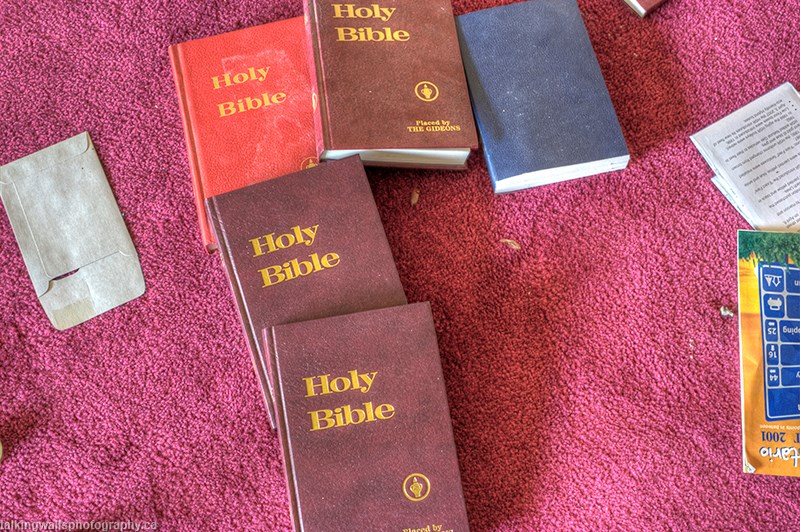
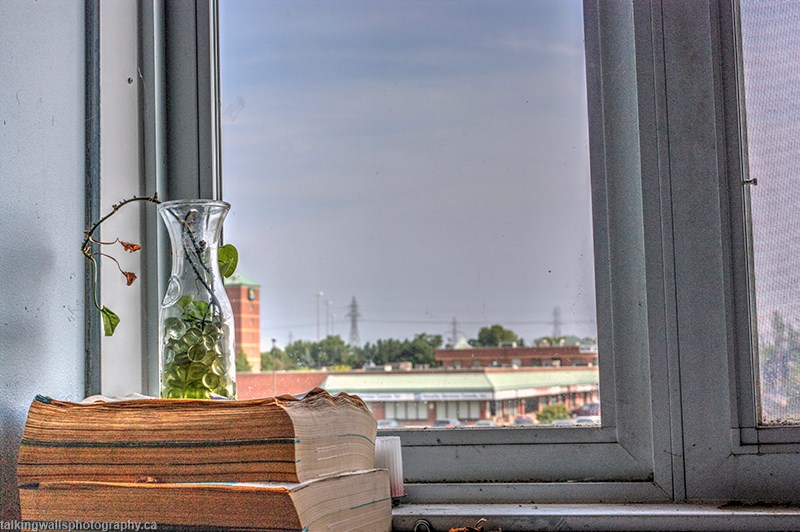
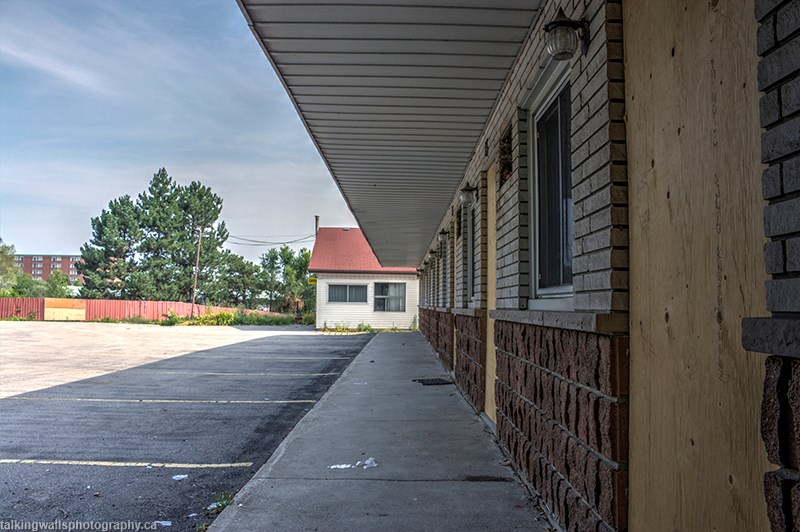
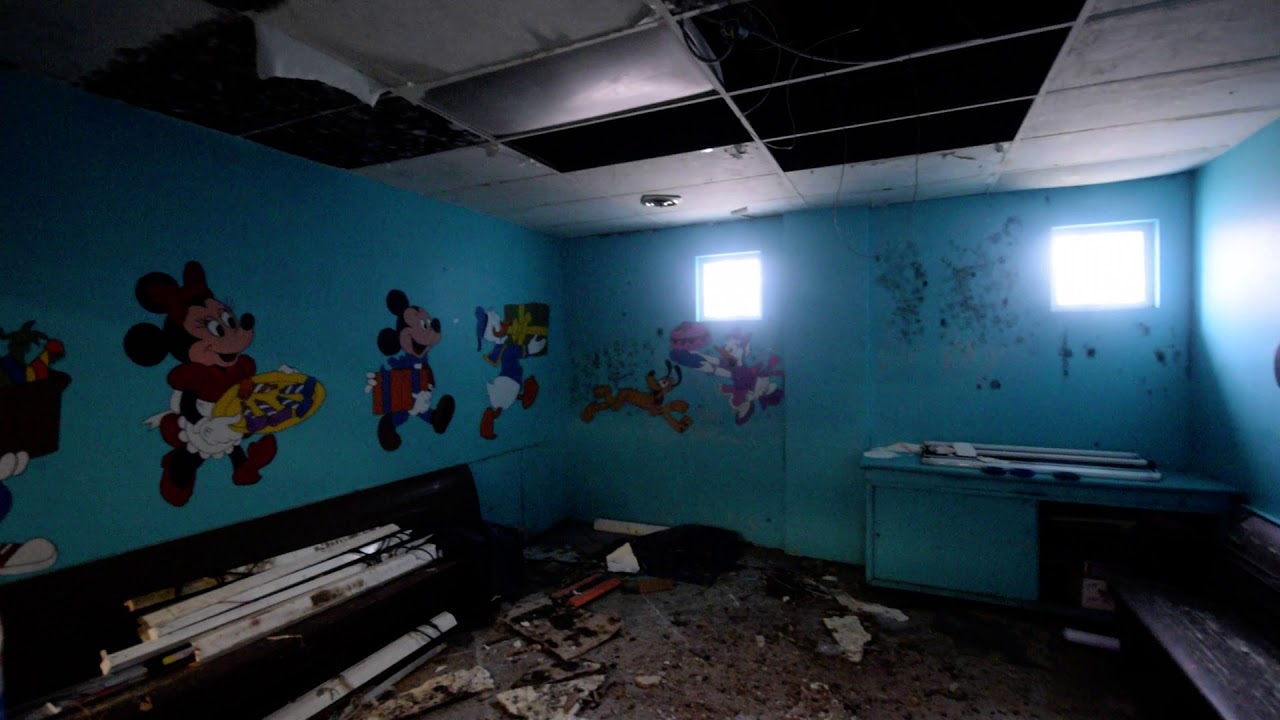
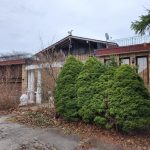
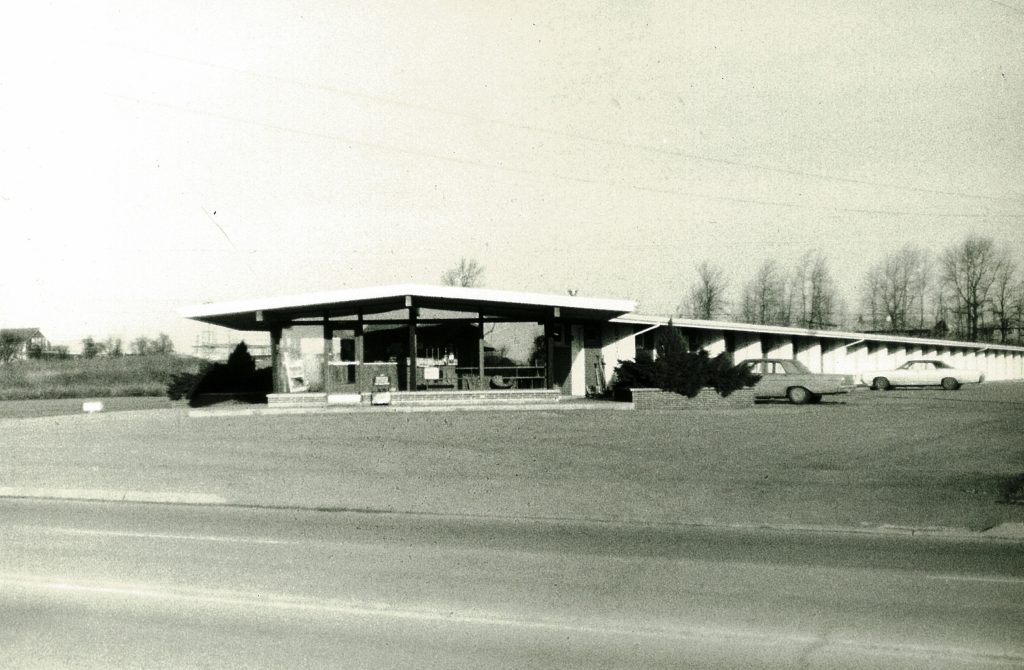
The Gateway Motel was named such because it was one of the first motels you’d reach when arriving to Canada via the Peace Bridge from the USA. The reviews for the motel were below average.

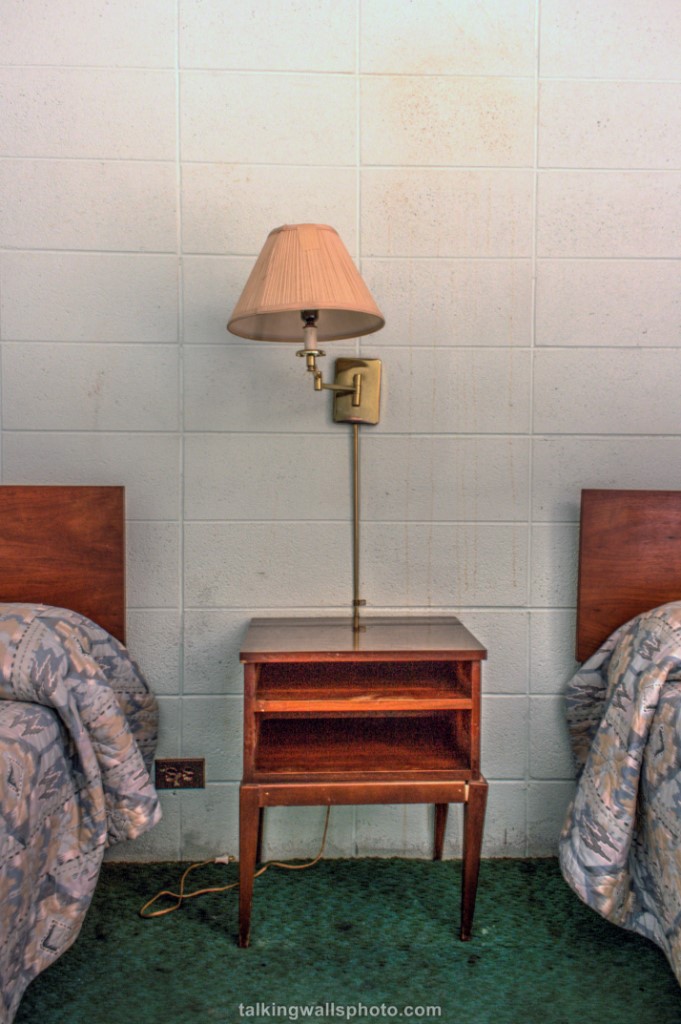
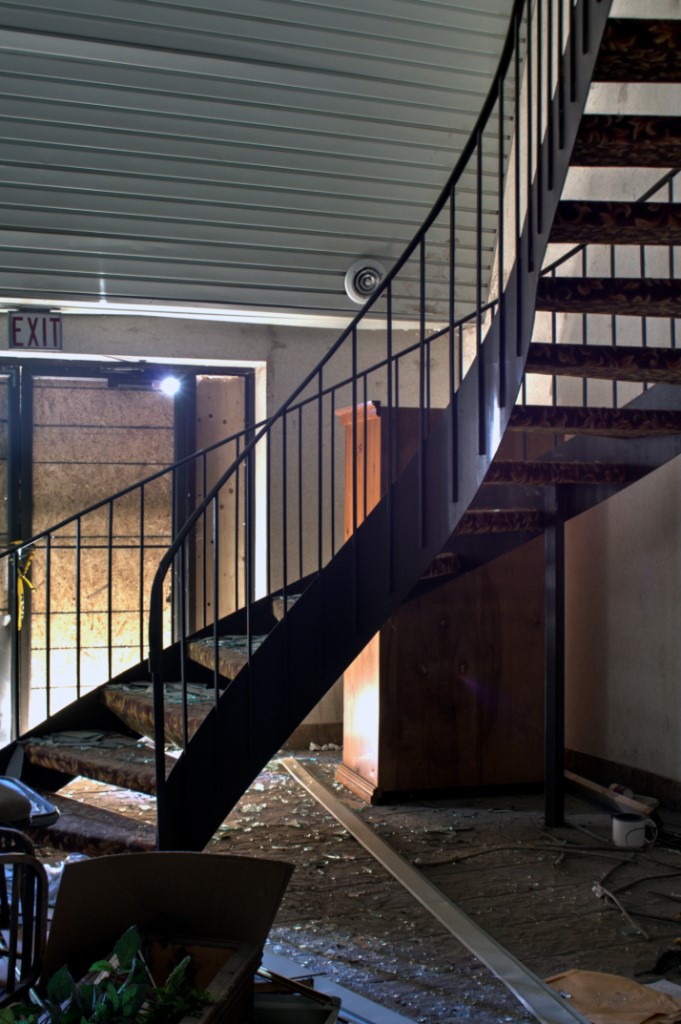
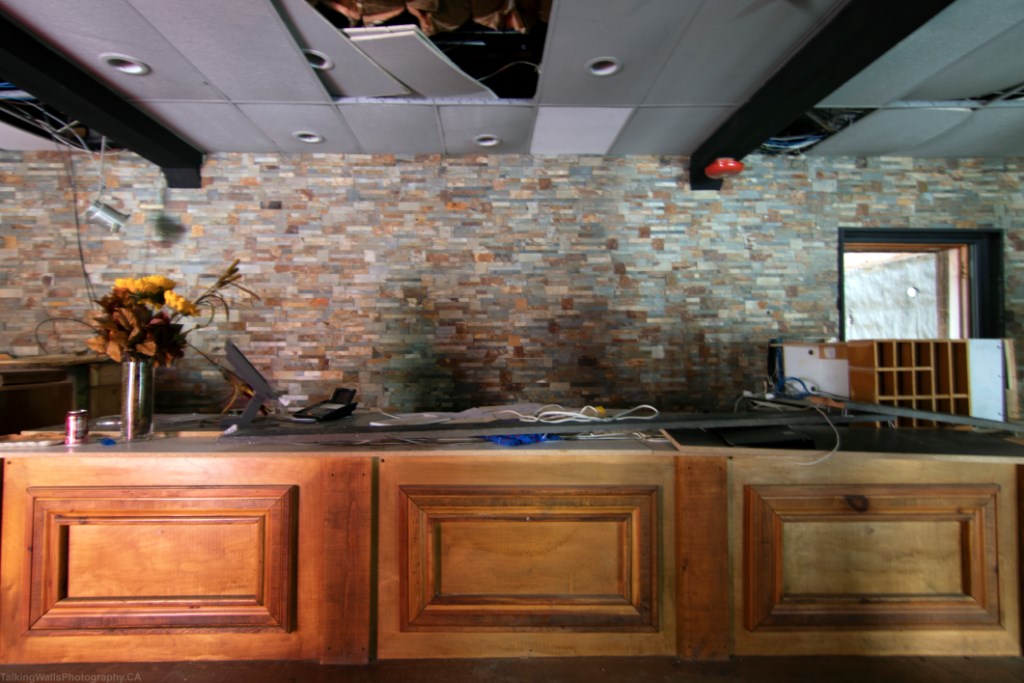
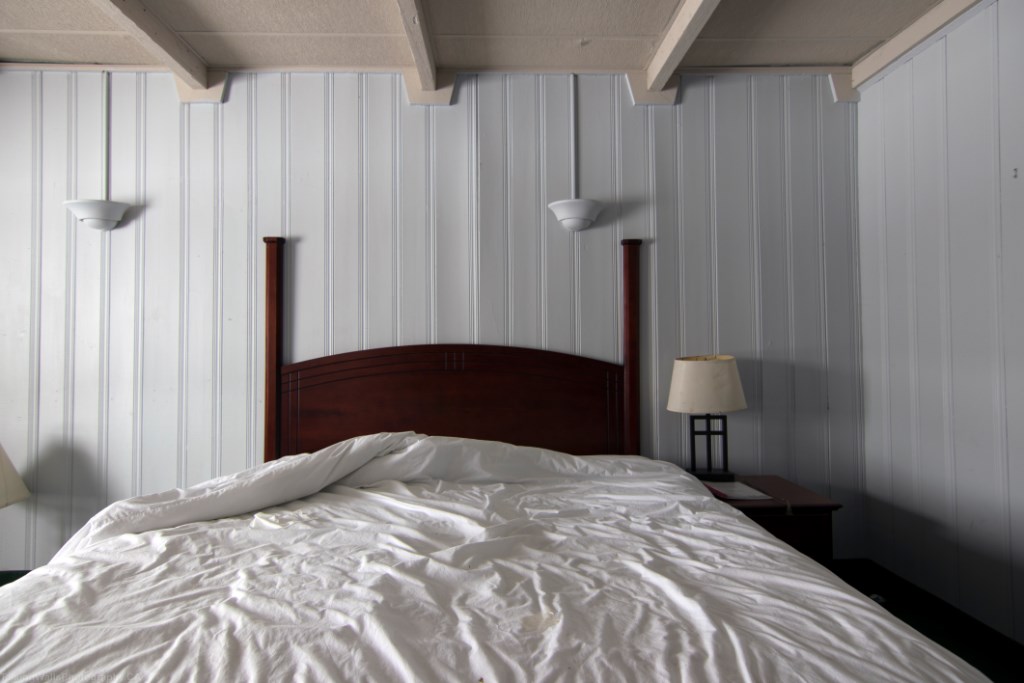
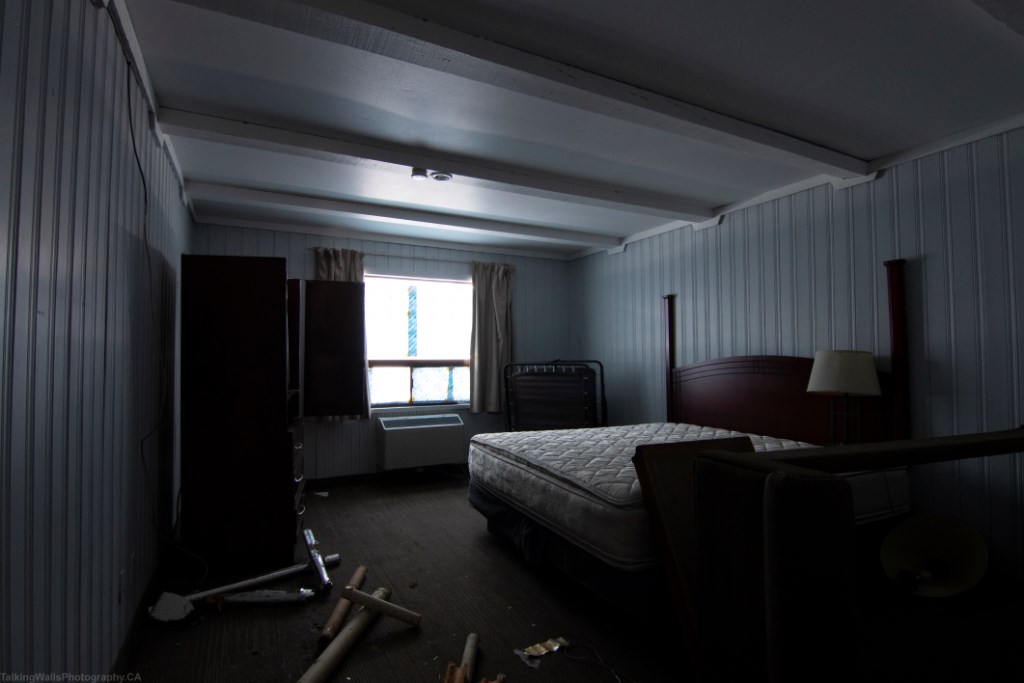
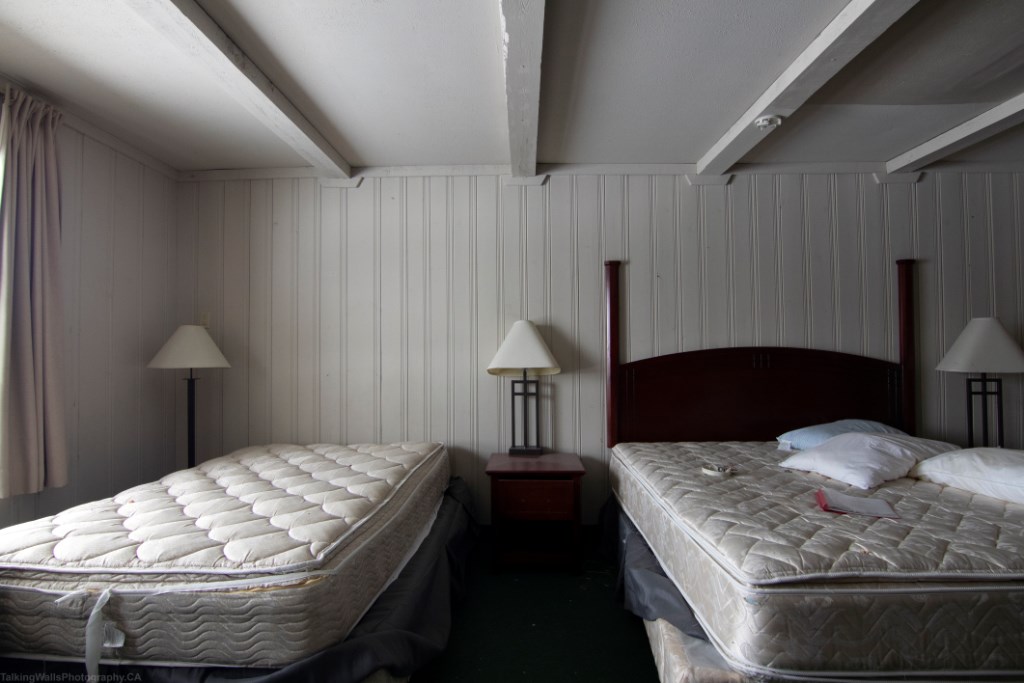
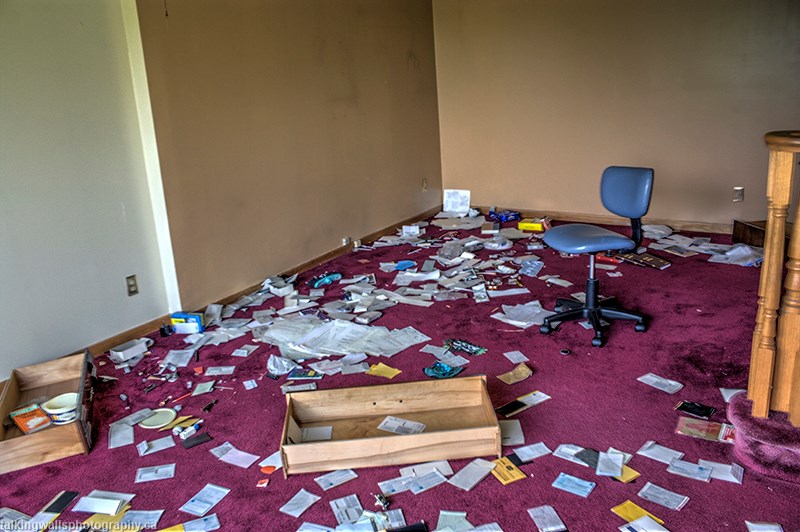
We visited this location during May of 2015 on one of my user meetups. At that time the beds were made up and the front desk looked ready to accept check-ins.

Today the property has been demolished. It was located at 315 Garrison Rd in Fort Erie.

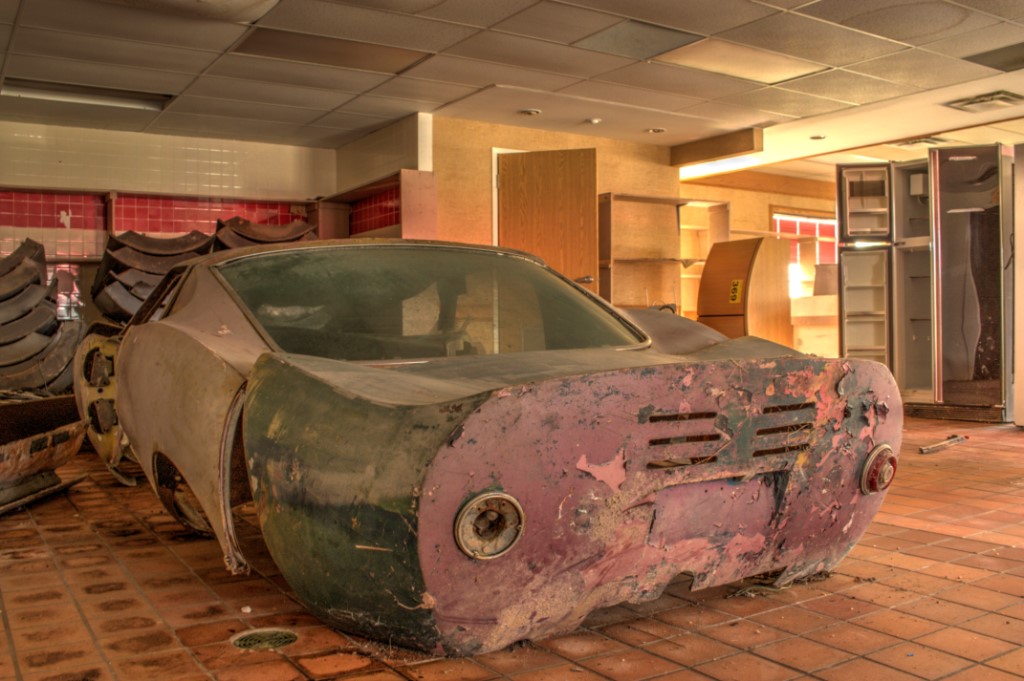
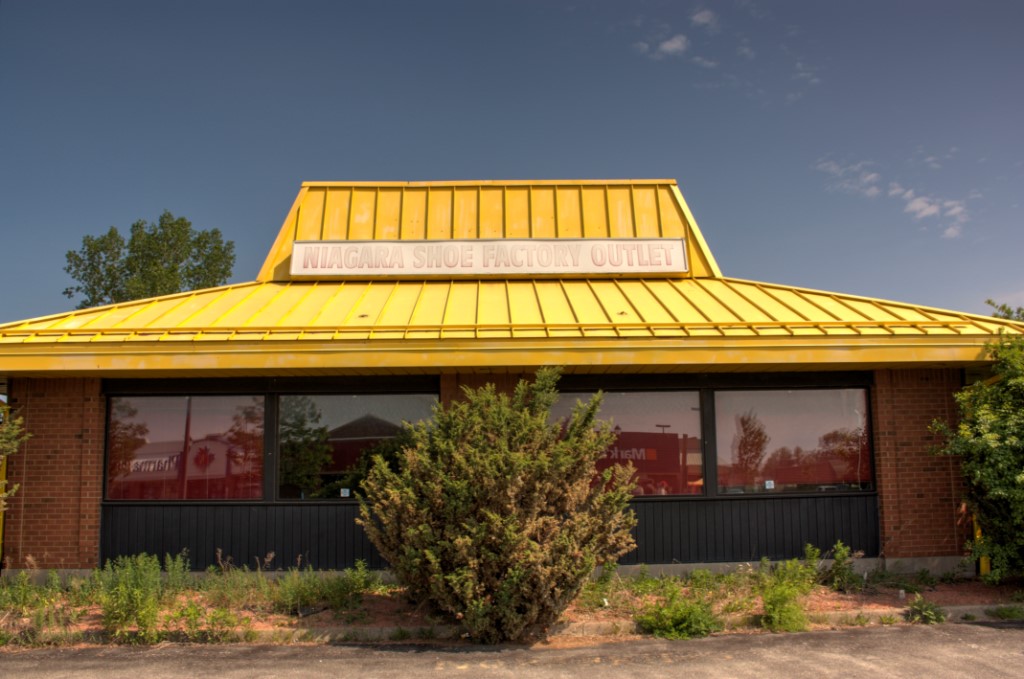
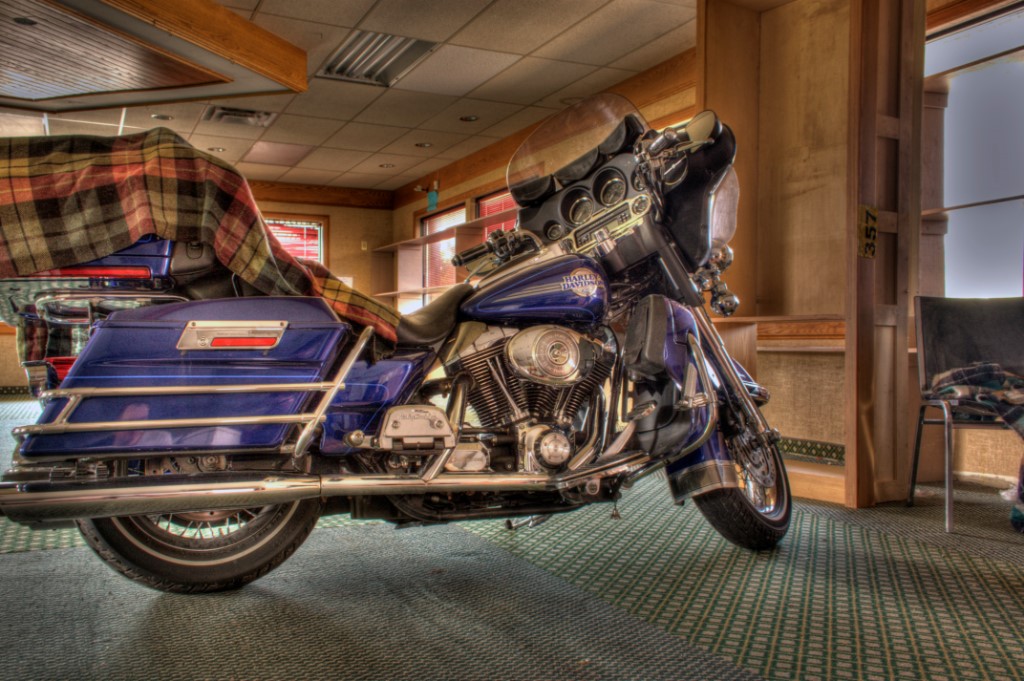
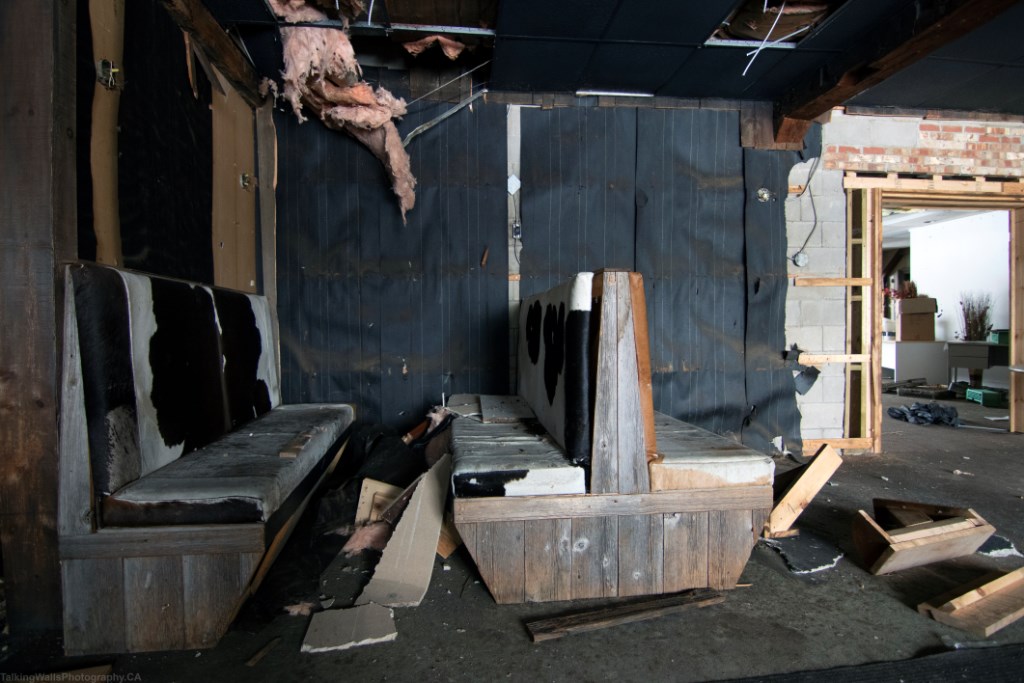
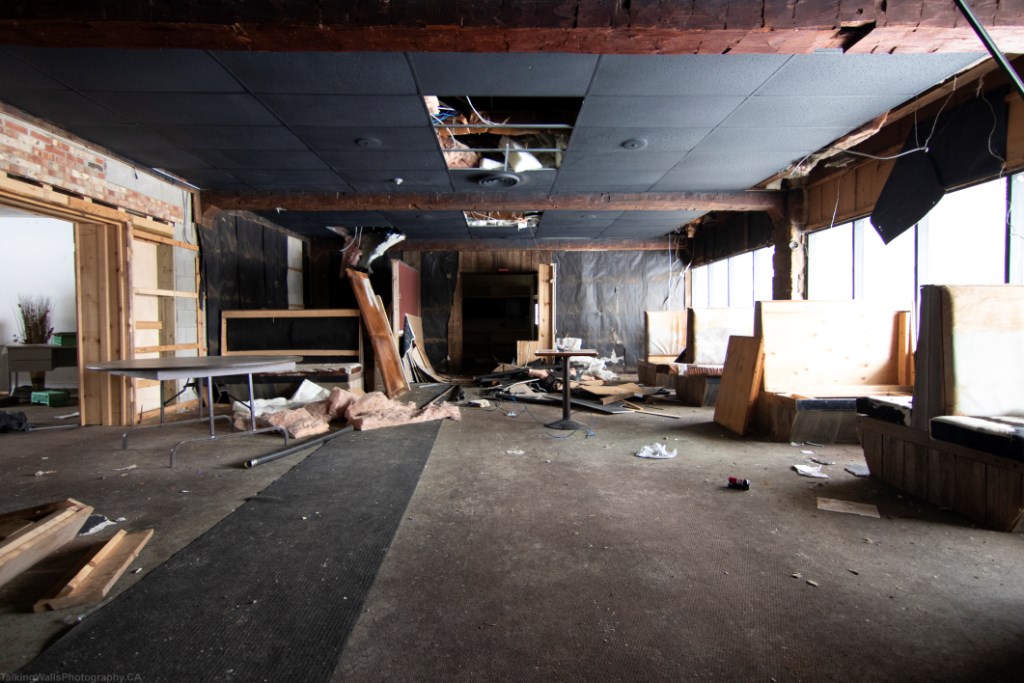
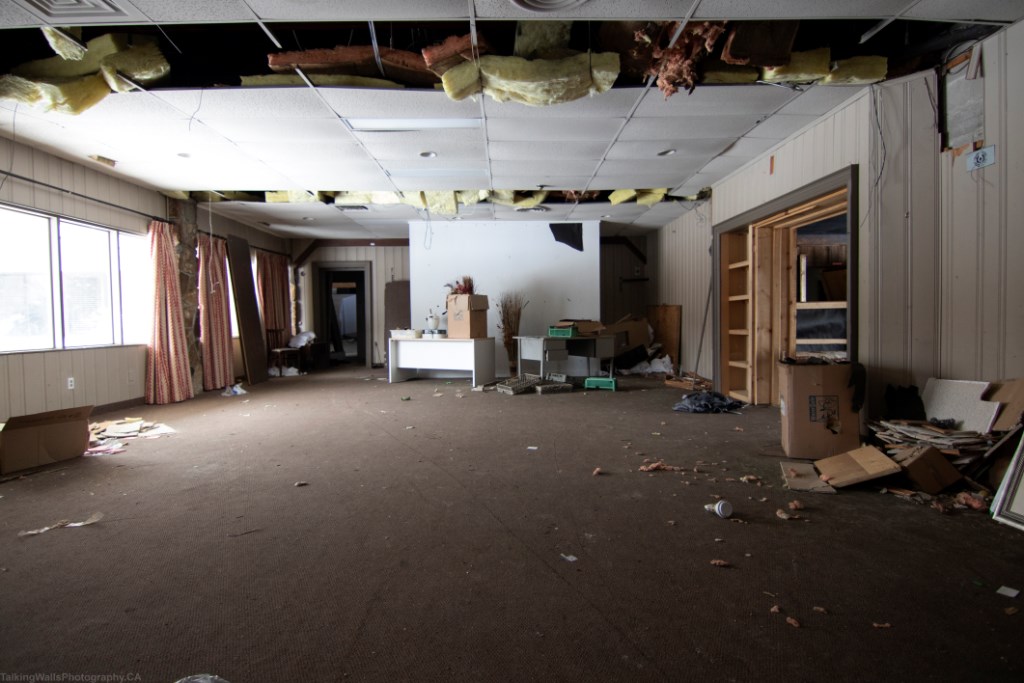
The Niagara Shoe Factory next door was also open. Inside we discovered an expensive motorcycle under a blanket. We also discovered that we’d set off the alarm. When the next group of explorers arrived, they found the door to the Shoe Factory locked.
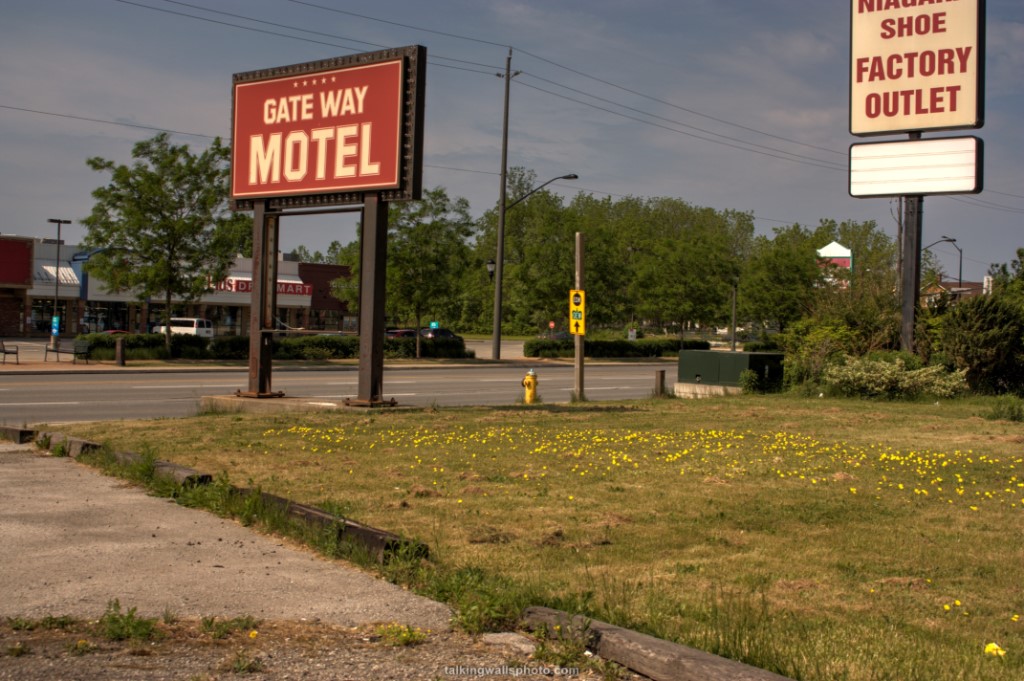
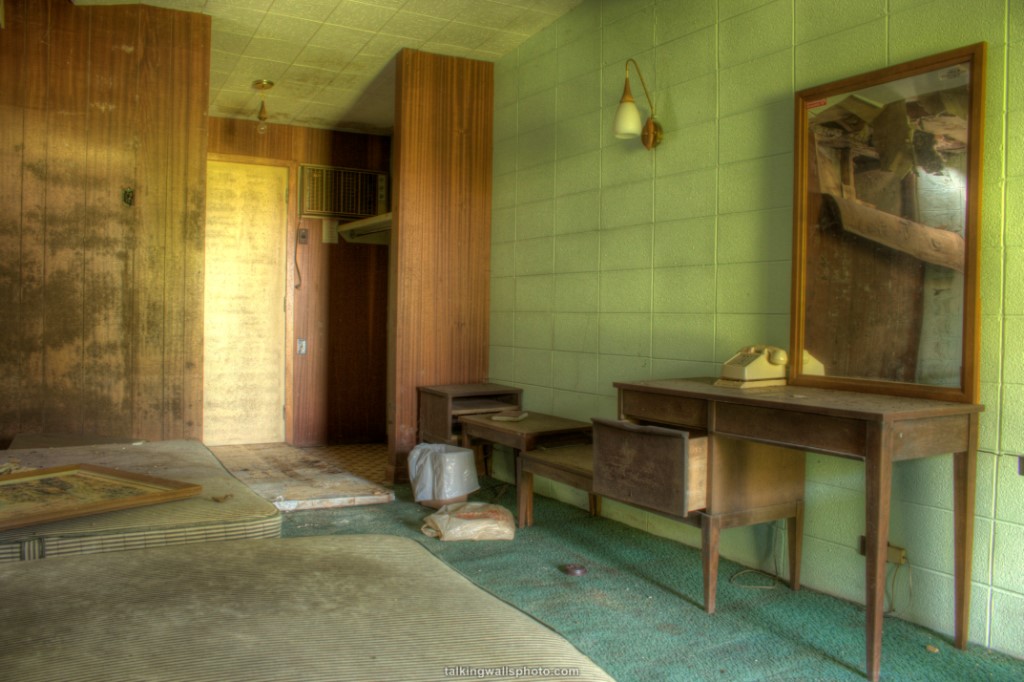
Niagara Shoe Factory Photos
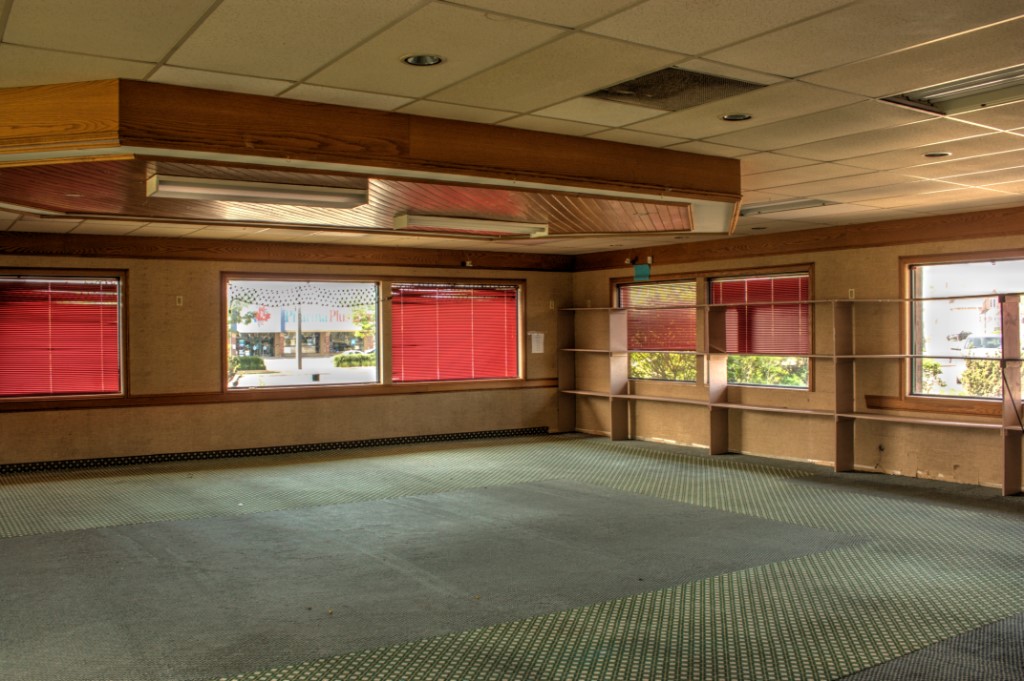

St. Thomas Food N Foam

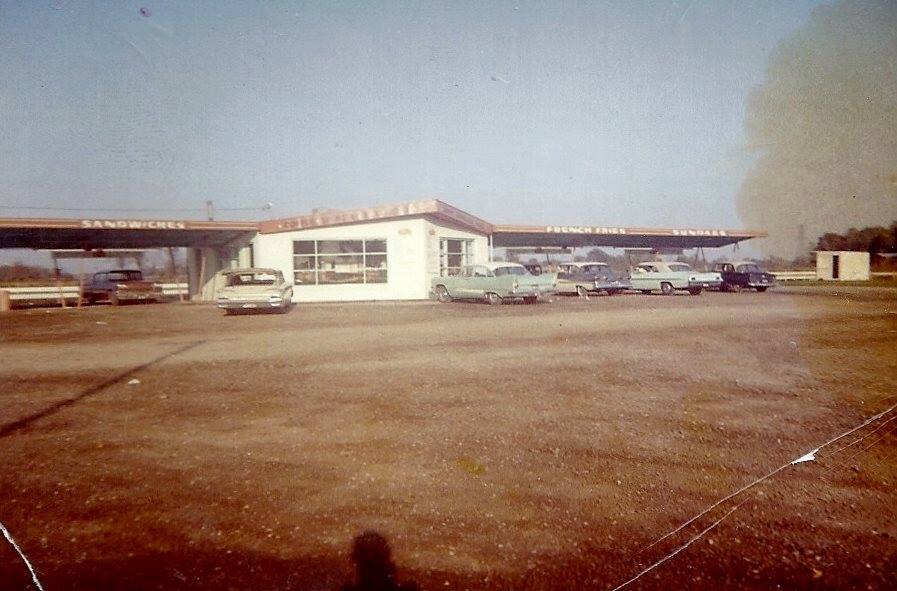
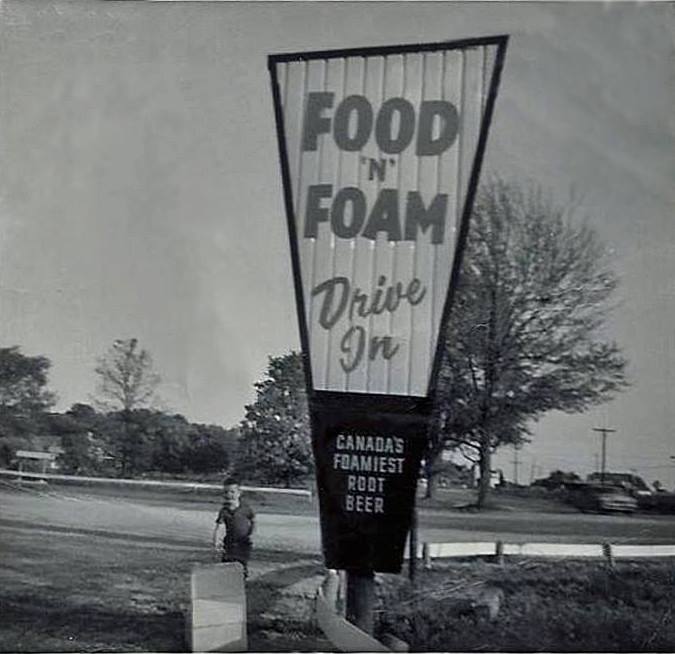
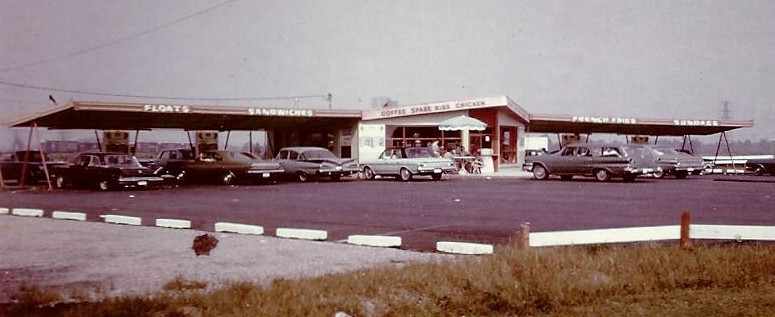
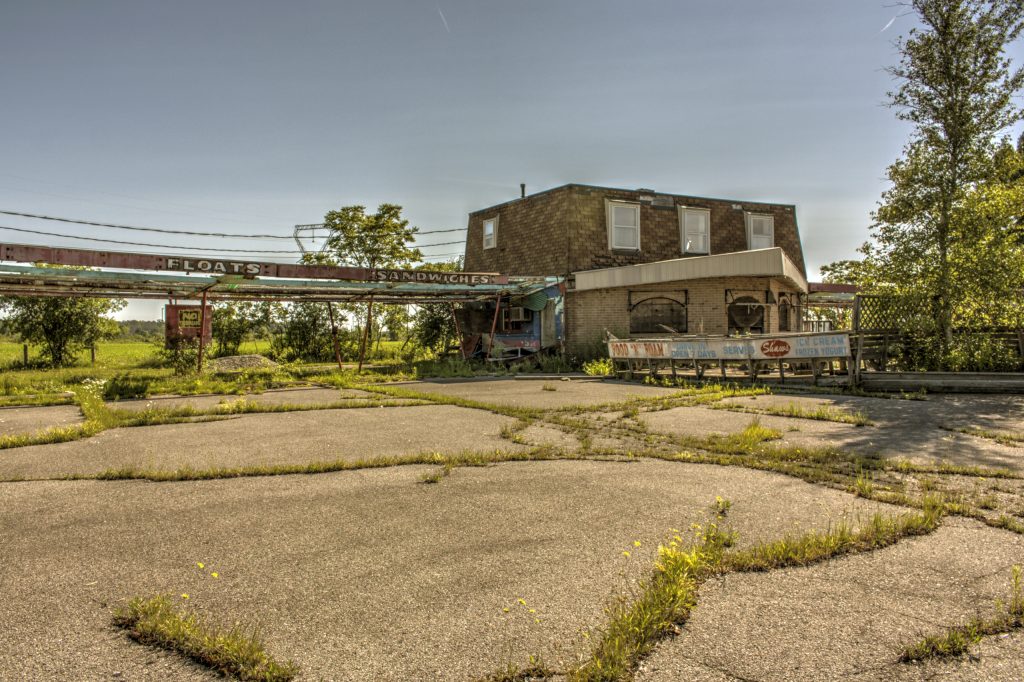
The Food ‘N’ Foam was owned and operated by businessman Jim McNiven and his wife Kay. Jim had experience in operating a restaurant, having previously owned the McNiven’s Dairy Bar in Talbotville. Food N Foam began operating in 1961 and was located at 9844 Sunset Drive in St. Thomas. The business was well known for their foot long hot hogs. Each summer Jim would order 35,000 hot dogs and 5,000 six-inch hot dog containers. The buns were grilled using real butter.

Where does the word foam in the business’ name come from? The restaurant’s claim was that they had “Canada’s Foamiest Root Beer”.

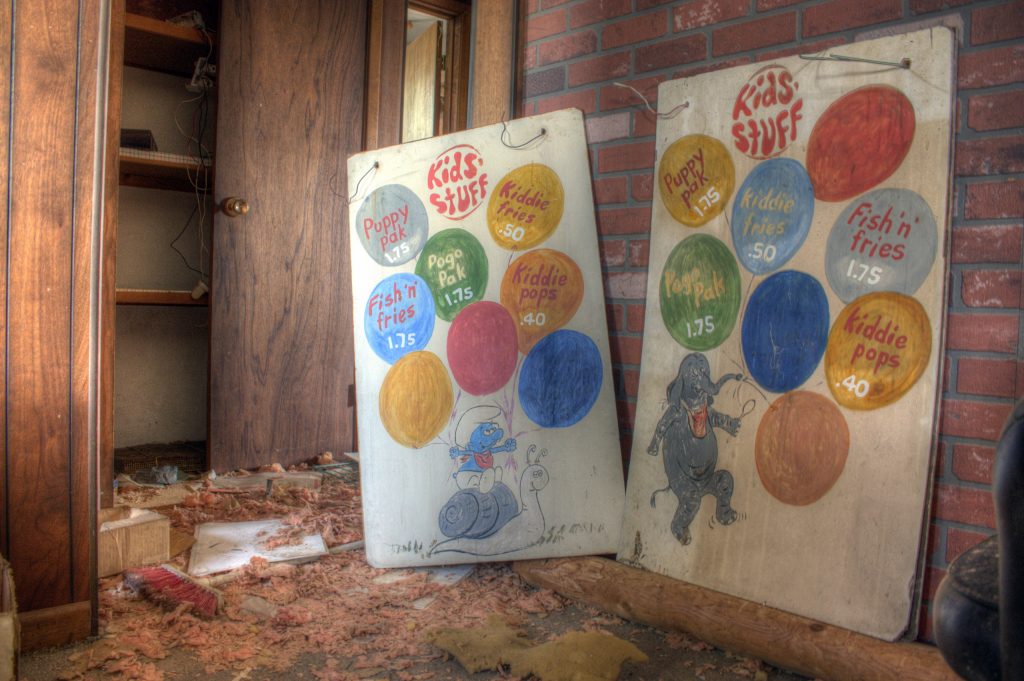
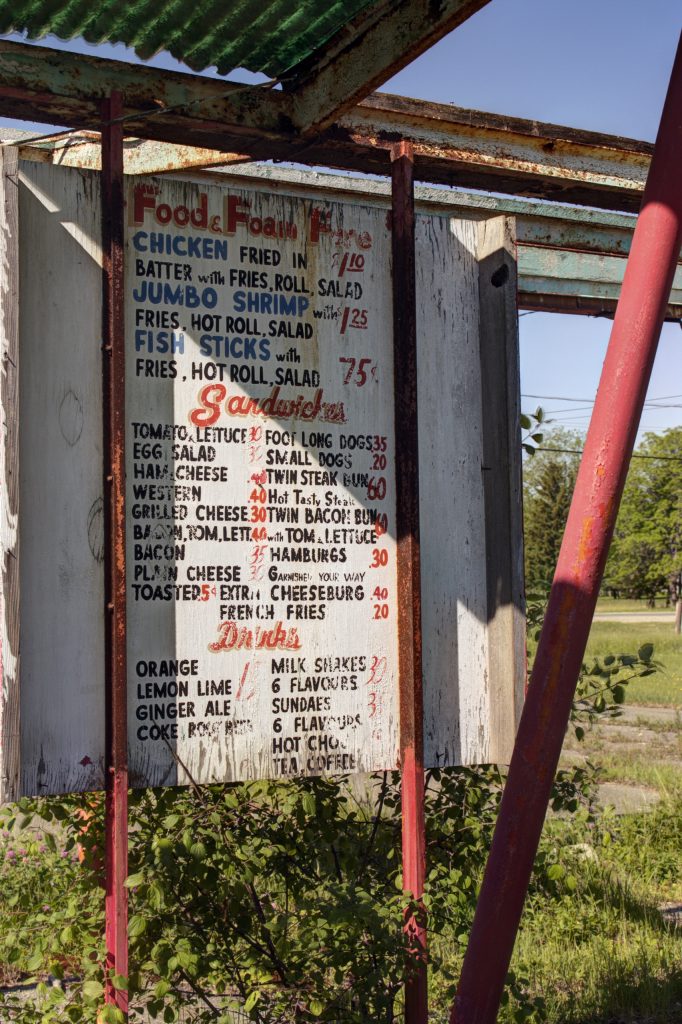
Drinks were served in glass mugs, much like A&W. Chicken was placed on the menu but later removed because it took too much time to prepare. In the late 1960’s, bacon burgers and pizza burgers were added to the menu. They also served shrimp, fish sticks and sandwiches.

You didn’t have to leave your vehicle to order. Car hops would come to your vehicle and take your order. Your meal would then be delivered to your vehicle. Names of some of the first car hop employees were: Carol Le Courtois, Heather McBain, Diane Manning, Arlene Moore, Joan Esseltine, Louis Benson, Joann Burtwhistle, Sandy Whitehead, Betty Clinton and Joan Thomson.

The business was modified in the late 1960’s to offer a drive-through service. That lasted about one week because the customers didn’t want to place orders and pick them up in their vehicles. An interesting point, frozen french fries weren’t available for order. When Jim mentioned this to his food supplier, he was laughed at.

Jim retired from the business around 1971. He passed away in 1979. New owner John O’Neil took over the business. He added a second storey to the business around 1975.

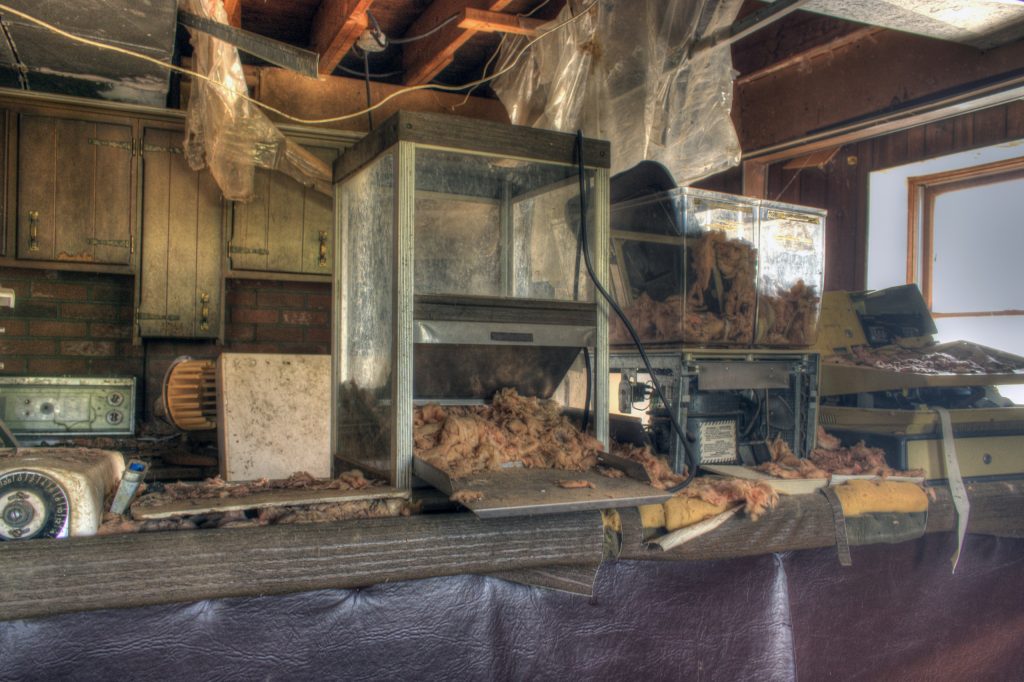
The property was demolished in 2020, and was replaced by a generic Esso gas station.

Credit for vintage photos & additional information: Jamie Moyes

Jim McNiven and his wife Kay were the original owners of the Food and Foam.


Heritage Theatre Brampton

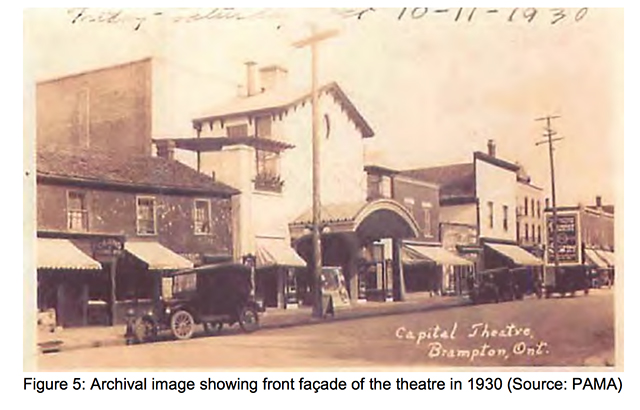
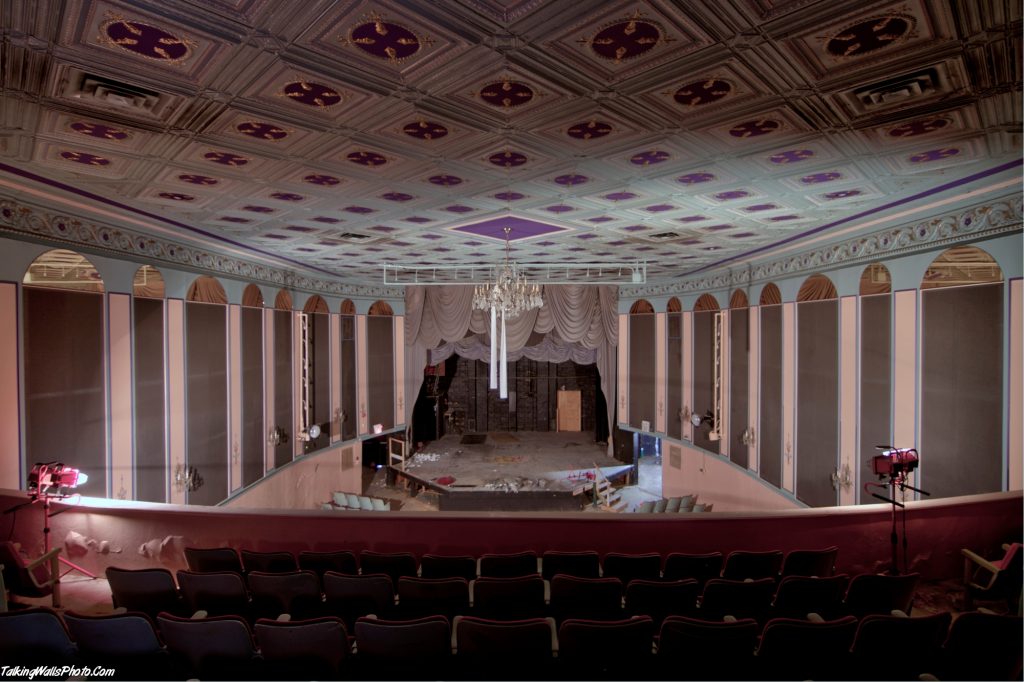
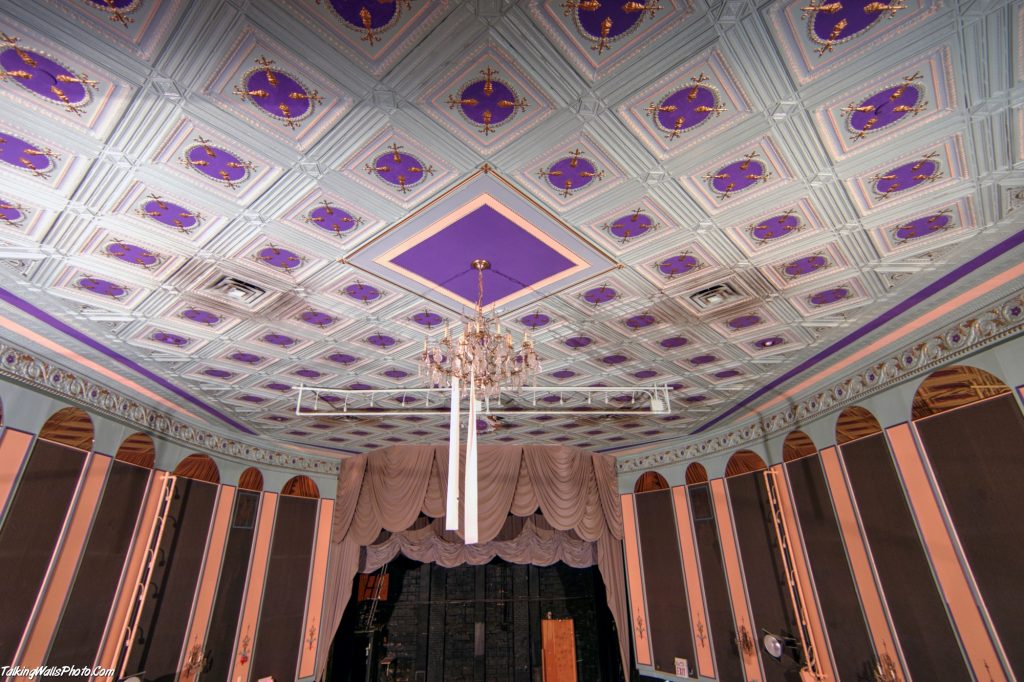
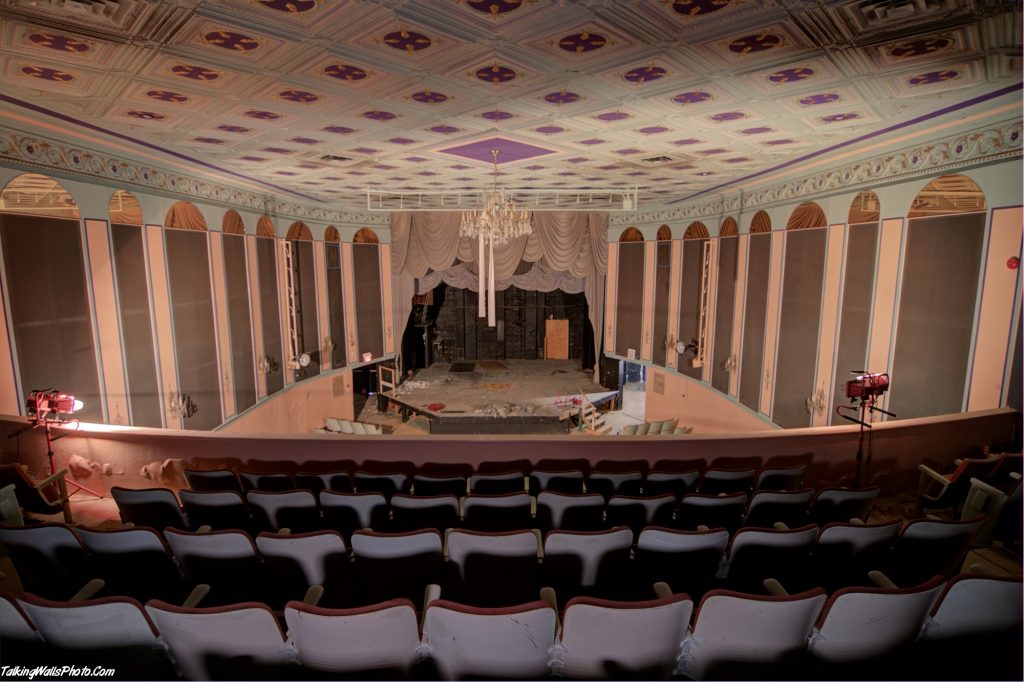
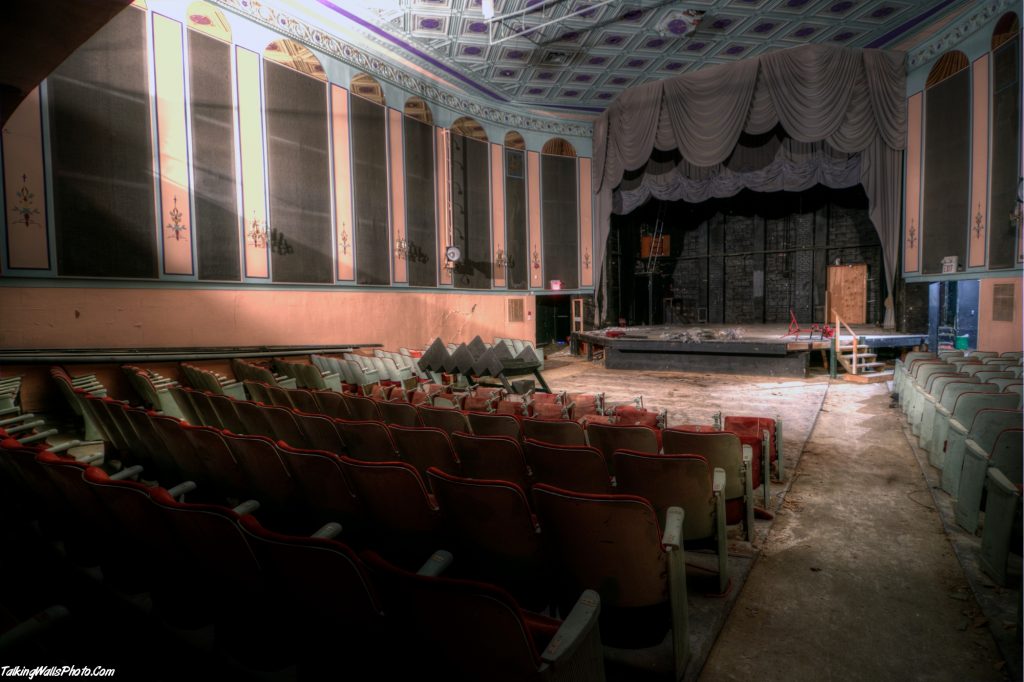
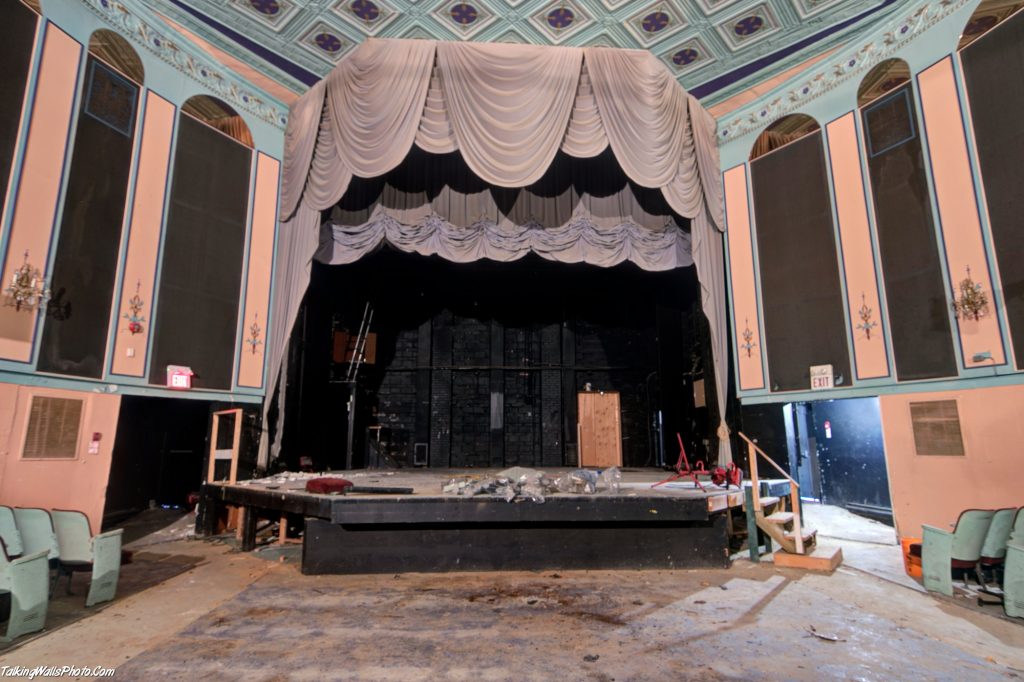
The three -storey Capital Theatre in the City of Brampton was built in 1922 based on a design by Toronto architects Herbert George Duerr and B. Kingston Hall. Financing for the theatre came from Thomas Moorehead, who spent $6,000 for construction(*) of the theatre. Mr. Moorehead would later become a Peel County Court Magistrate (judge).

The theatre first opened for business on February 28, 1923 with an initial capacity of 714 people(*) which was considered quite large considering that the population of Brampton was 5,000 people. The cost of admission was .15 cents for a child, .30 cents for an adult and .5 cents for an after-school matinee. The movies would often consist of news, a cartoon and the main feature.

In 1926, the Dumbells, a troupe of World War One veteran entertainers, played at the Capitol. The Dumbells were formed in 1917 near Vimy Ridge, France.

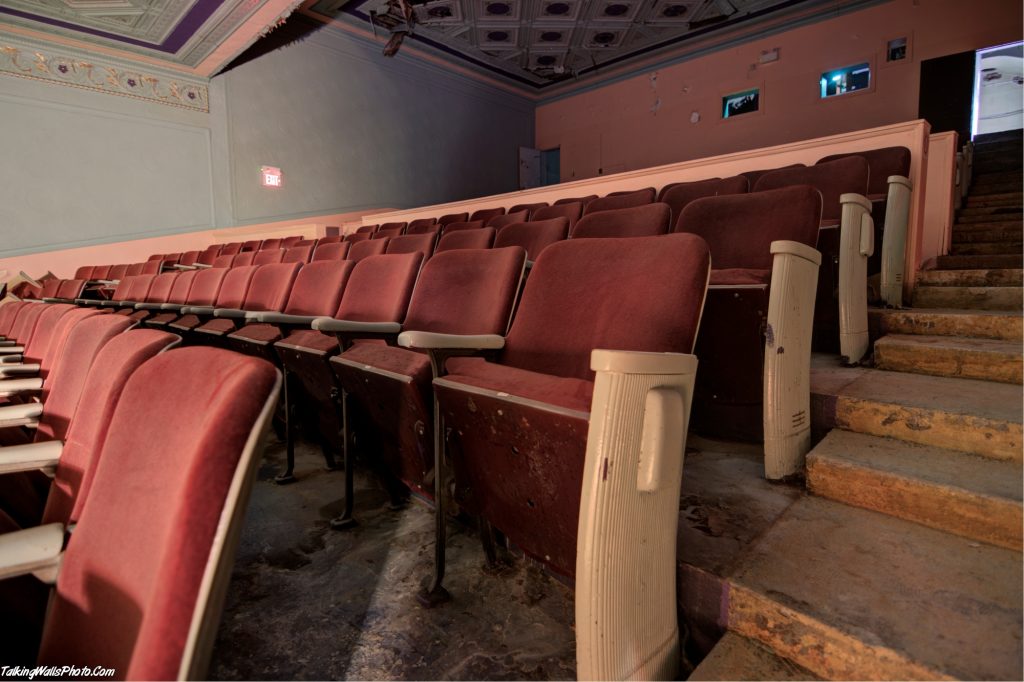
The Heritage Theatre Brampton  Capital Theatre Brampton
The theatre was originally designed with two outdoor terraces on the second floor. The terraces provided social atmosphere unlike theatres of today. They were accessed from the balcony level. In the 1940’s, the terraces were enclosed and converted into washrooms.

The Capital Theatre initially ran Vaudeville shows. The theatre contained an orchestra pit built by the front stage. On Sunday nights, The Capital Orchestra would play inside the theatre under the direction of conductor Jim Algie, who also played cornet.

When the Vaudeville movement began to slow, the theatre began showing silent movies accompanied by live orchestral music. The first movie shown was “Smilin’ Through” (1922). In 1928 the orchestra pit was removed to allow for extra seating and upgrades made to the equipment to allow for ‘talking films’ or ‘talkies’.

Rebranding to Odeon

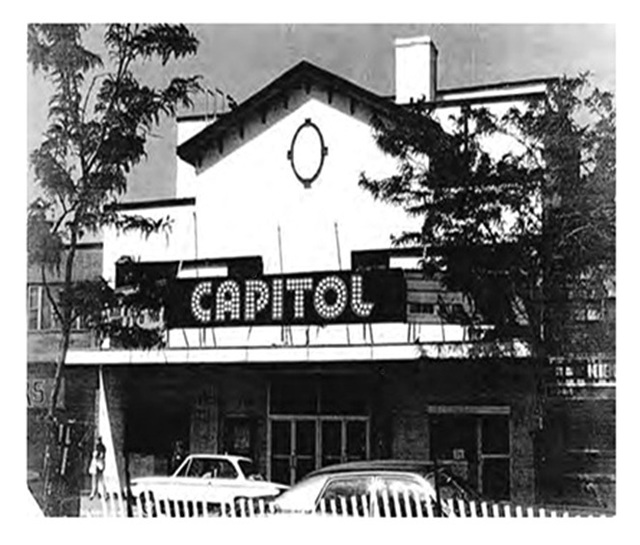
Moorehead later sold his theatre to a man named Les Gregory. Gregory would later die in a plane crash. After Gregory’s death, the theatre was sold to the Odeon Corporation. In 1946 after being purchased by the Odeon Corporation, the Capital was renamed to the Odeon. As for Mr. Moorehead, he went on to expand his theatres to the cities of Belleville, Midland, Ottawa, Orillia, Welland, St. Thomas, and London.

In 1948, a flood damaged part of the theatre but repairs were made in time for the 1949 premier of the movie, ”All Over the Town”. The premier starred Sarah Churchill (daughter of Winston Churchill), who was present for the movie premier.

Attendance at the Odeon gradually declined into the 1970s due to competition from new multiplex theatres. By this time the aging theatre also required numerous repairs.

In 1981 the City of Brampton purchased the property for $185,000. As part of the agreement, the city was not to show any first-run movies for the next 40 years.  Two years later, the city of Brampton paid the consulting firm Woods Gordon $20,000 to evaluate the property so they could make a decision as to what to do with it.

Capital Theatre

The report concluded that it wouldn’t be wise to continue “pouring money” in the theatre and that a new theatre should be built. The city reopened the theatre under the name of “Capital Theatre” on November 1, 1983. The Capital ran live theatre plays.

Heritage Theatre for the Performing Arts

Around October of 1988, the City of Brampton and the Province of Ontario financed restoration of the theatre. It was renamed to The Heritage Theatre for the Performing Arts. Some of the notable performers at the Heritage Theatre would include Henry Youngman, Alan Thicke, the Royal Canadian Air Farce, Burton Cummings, Randy Bachman, and Rita MacNeil.

By the 1990’s, the building was in need of over $4 million in renovations. There was also no orchestra pit and not enough dressing rooms for the actors. Brampton city council considered renovating the Heritage to bring it up to date. ERA Architects was hired to evaluate future use of the property. Their report recommended that the Heritage Theatre be retained in full or in part and that the building shouldn’t be demolished.

When the proposal for a Market Square fell through, Mayor Peter Robertson suggested that the location of the Market Square be used for construction of a new theatre. With $4 million needed in renovations to the old theatre, this would make sense. The city announced that the 2005-06 year would be the “grand finale season”.

On August 13, 2003 a groundbreaking ceremony was held for the future site of The Rose, Brampton’s new performing arts centre.

Before the theatre closed forever, it saw a brief resurgence as a movie theatre in 2002 when a high school used it for a project. Students worked to run the projector, concession stand, box office and as users.

In 2013, the city sought advice from the public as to potential uses for the former theatre building and the adjacent buildings.  In March of 2016, a citizen-led heritage group attempted to register the building as a heritage property. In April of 2017 the City of Brampton declared the property as surplus. As for the attempts to have the building declared a heritage property, the city repeatedly failed to address the issue.

On May 29, 2019 the council voted to approve demolition of the once grand theatre.

Haunted

According to Bramptonist.com, an aspiring actor was murdered in one of the dressing rooms. His spirit still lingers. Visitors have reported a coldness that runs up and down their backs as well as strange voices and a Grim Reaper like figure by the front curtains. (TWP: Somewhat unoriginal un-sourced claim that could be made to any performance house.)

Write up by Talking Walls Photography
Sources:
Brampton.ca council minutes
Quickbite News
TlongPortfolios
Toronto.Com
Wikipedia

[ * Other sources state 831 seats and $60,000 for construction ]

P.S. A huge thanks to @AngBonaTV for sharing this gem with me.


Prudhomme’s Landing Inn

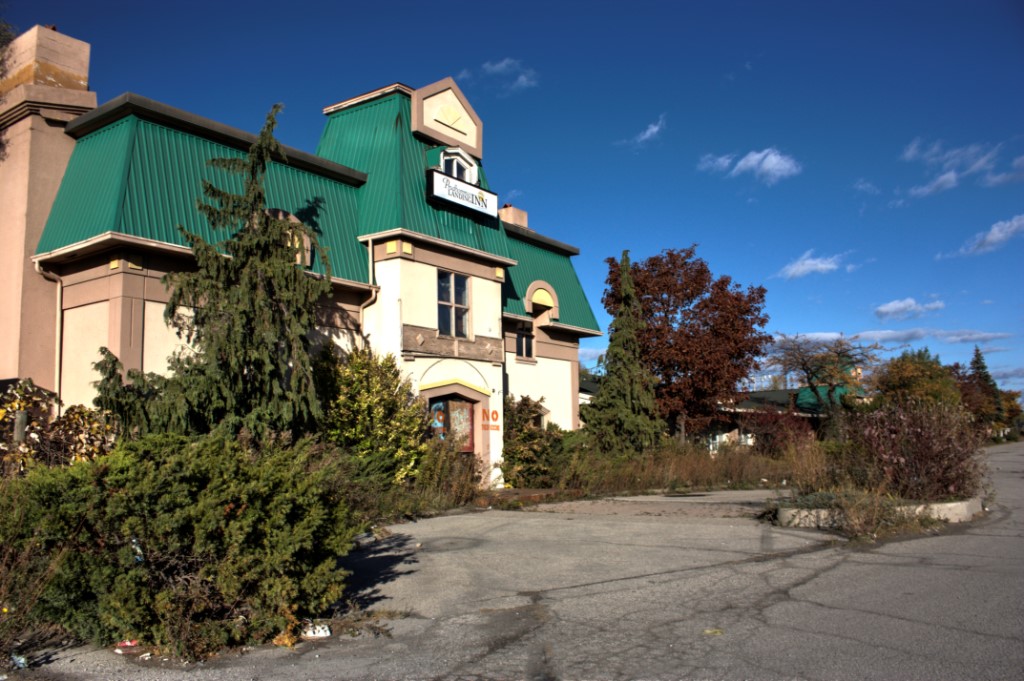
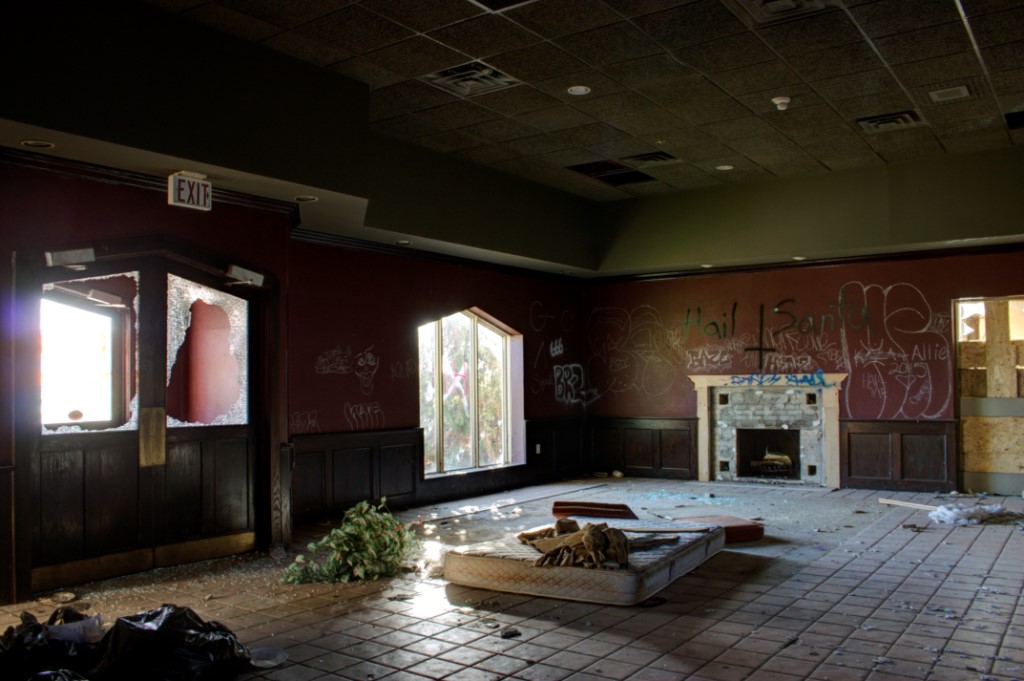
Prudhommes Landing Inn was located on 80 acres of land in Vineland, Ontario close to the shores of Lake Ontario. It was a popular vacation getaway for tourists.

It all began in 1948 when brothers John and George Prudhomme built a fifteen room motel. By 1960 they had expanded the motel to 180 rooms. A restaurant on the grounds had eight dining rooms and five dance floors.

An amusement park was built on the property that included bumper boats, bumper cars, go-karts with a 1/4 mile track, a Tilt-A-Whirl, roller skating, putting greens, a children’s playground, a sandy beach and a video game arcade. A miniature train was also there in the Miniature World attraction.  An old mansion on the grounds was made into a haunted house. Originally, the amusement park included horse riding and a small zoo.

An old dance hall was converted into a theatre where actors such as Raymond Burr, Jayne Mansfield, Liza Minnelli, Yvette Mimieux and Mickey Rooney performed.
The location saw up to 7,000 visitors per day. The Prudhomme brothers worked sixteen hours days, 7 days a week.

A 1967 blaze ripped through the main section of the complex, destroying 55 motel units, a dining room, five ballrooms and a curling rink and the Garden Centre Theatre.

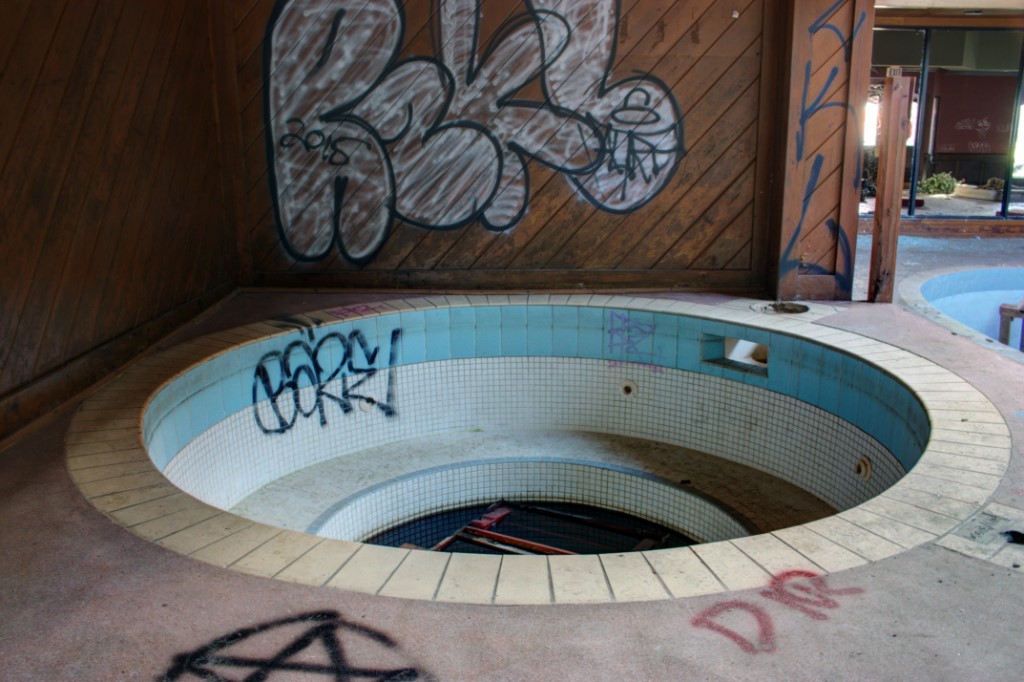
By 1981, a $3-million expansion took place by the Pudhomme Group. These expansions included a snack bar, 9 hole mini-golf course, indoor swimming pool, outdoor pool, arcade, a four lane five pin bowling alley and four lanes that could be used as 5 or 10 pin.

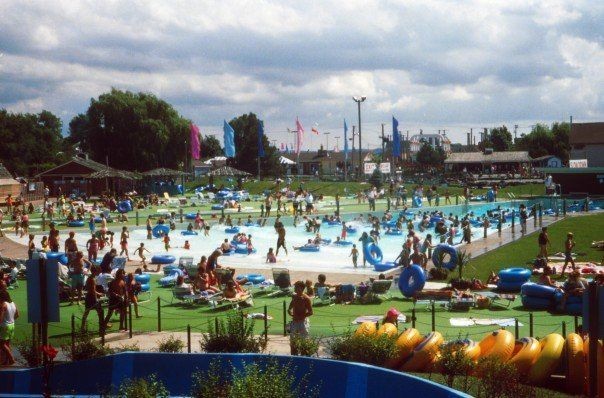
A small water park was later opened with two water slides created on a man-made hill. The water park became known as Wet N Wild.

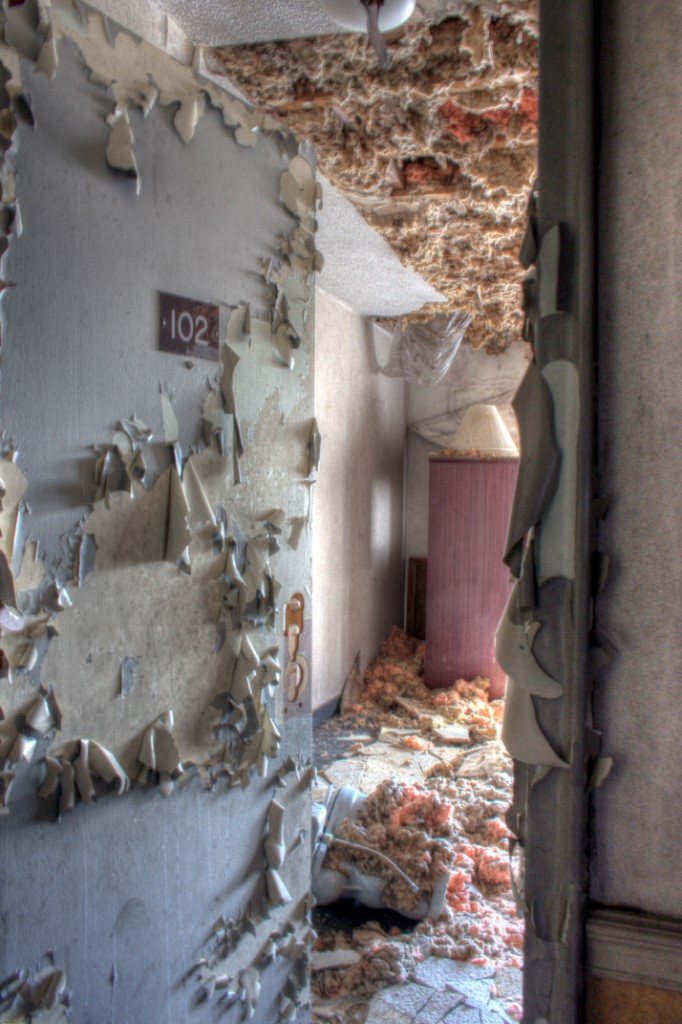
The park closed at the end of the summer in 2000 as attendance was continuing to decrease and operating costs increasing. Prudhommes Landing Inn closed around 2010.

The property sat abandoned until 2016 when it was sold to a developer for a new mixed-use subdivision consisting of residential, commercial and park space.  The abandoned hotel and the remains of the water park were demolished in September 2016.


Abandoned Toronto Holiday Inn

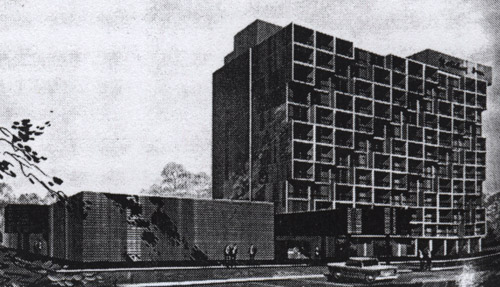
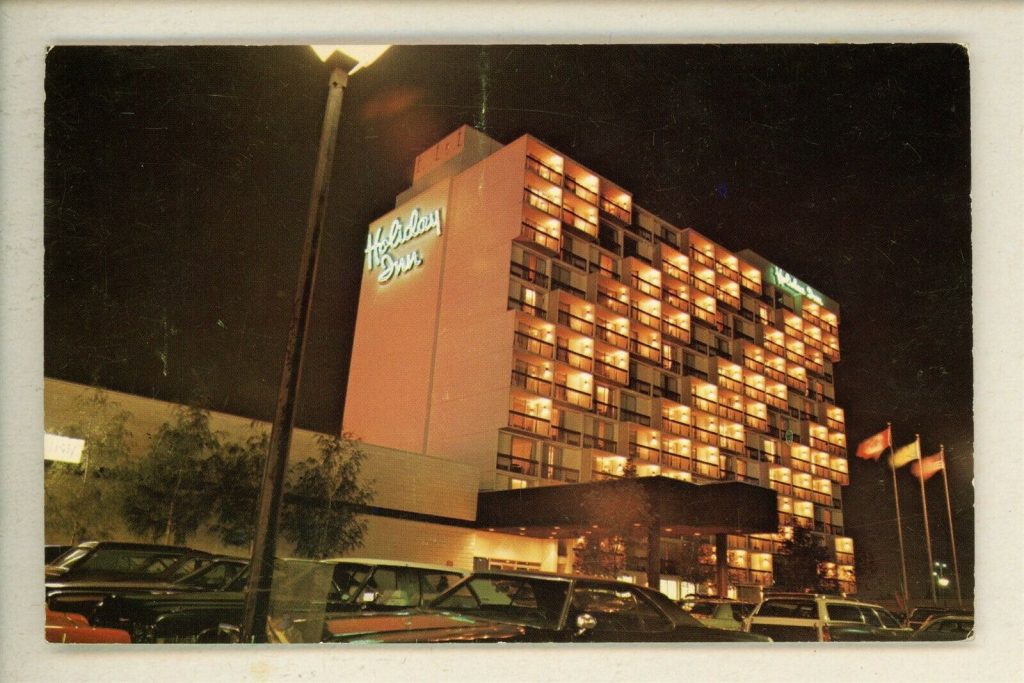
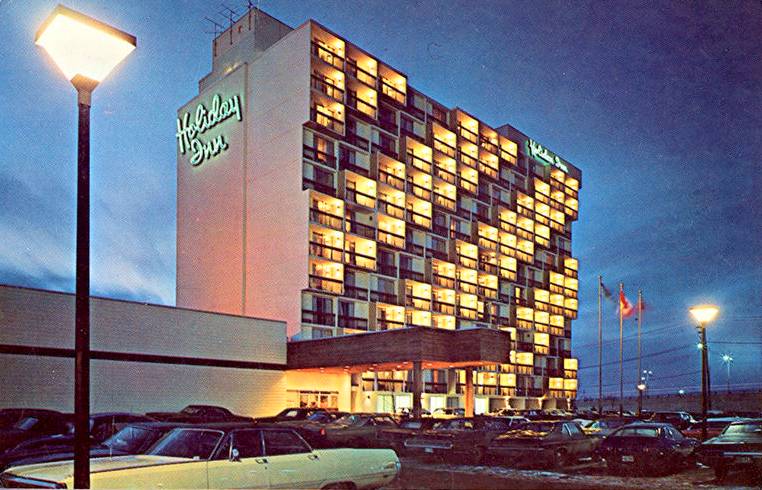
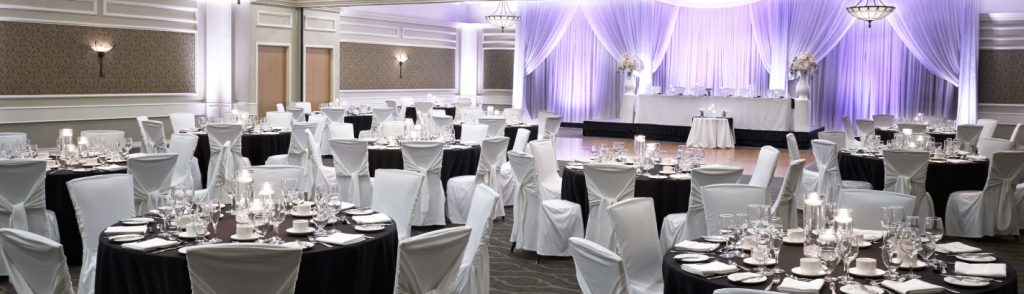
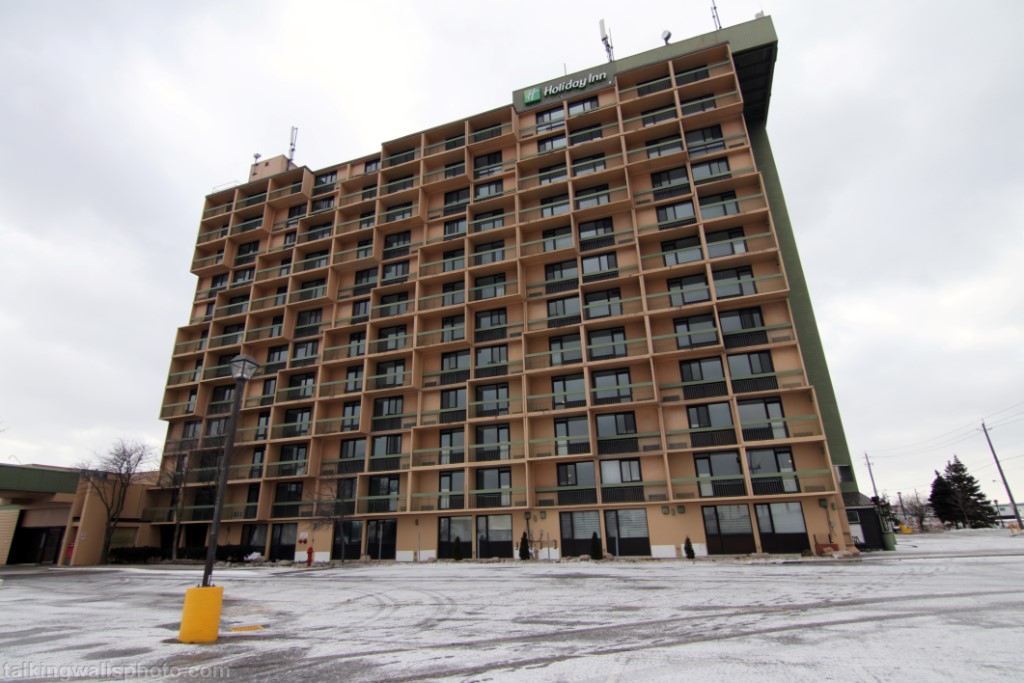
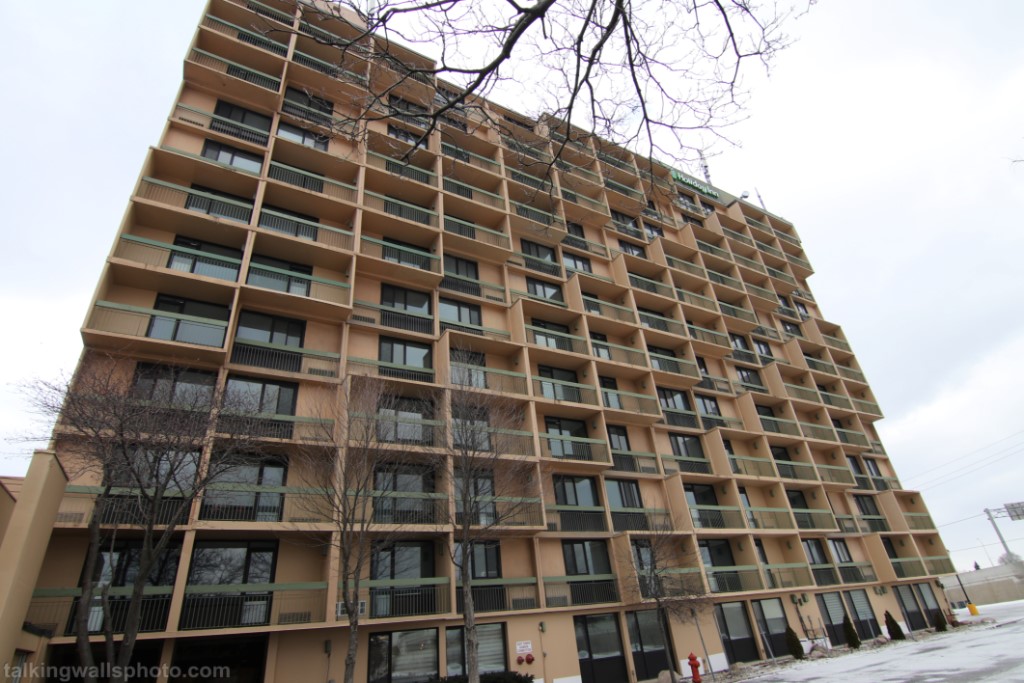
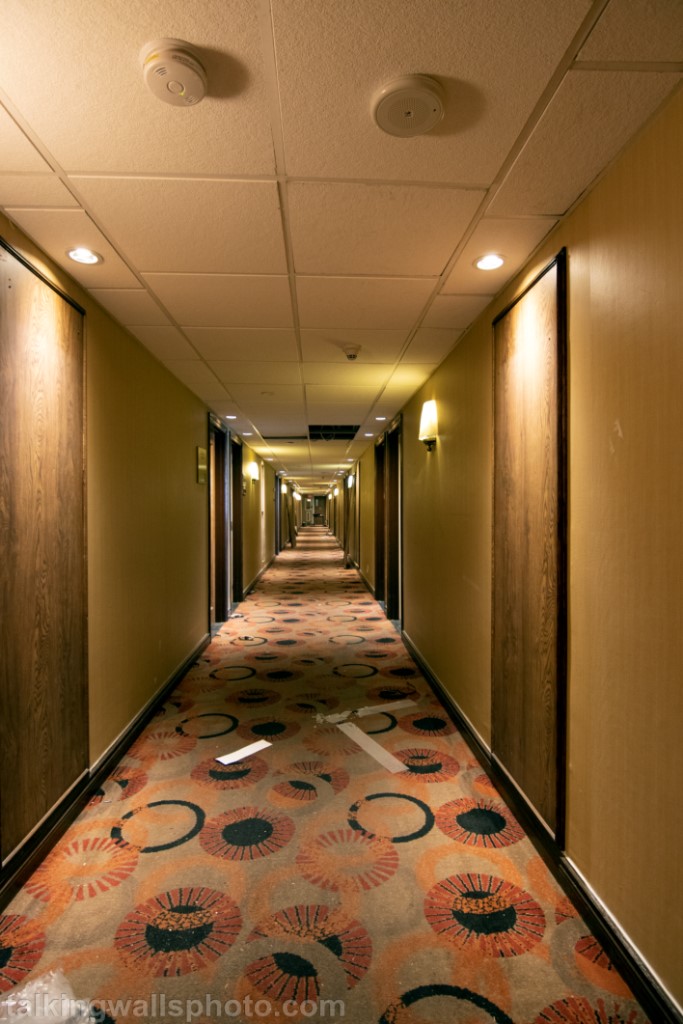
This Holiday Inn hotel was constructed from factory-produced concrete boxes built in the shape and size of an individual hotel room. The boxes were trucked in and stacked into place with a crane where they were tied to the other structures. Construction was completed by 1970, when the Holiday Inn opened.

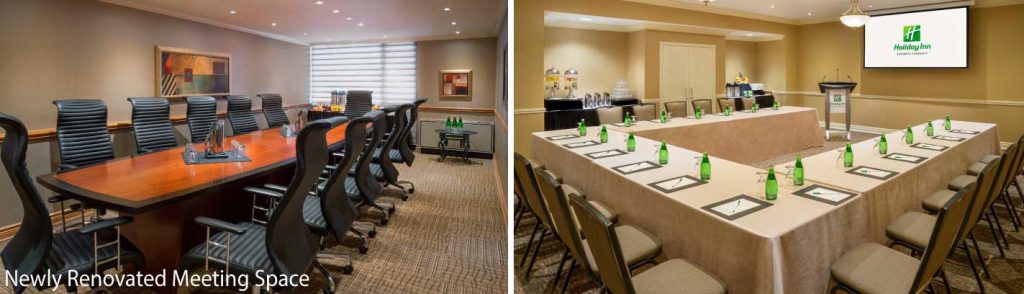
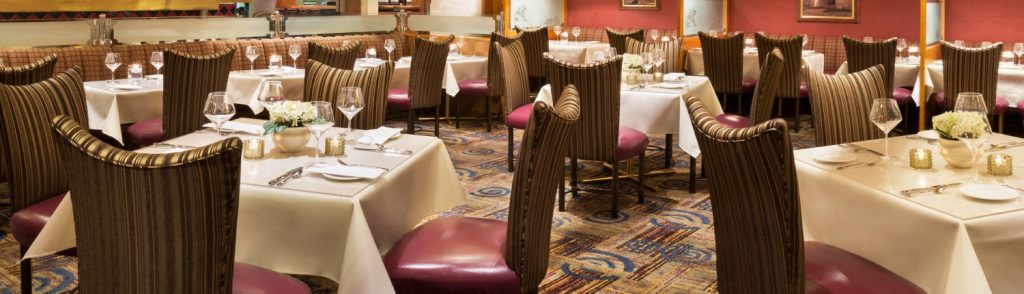
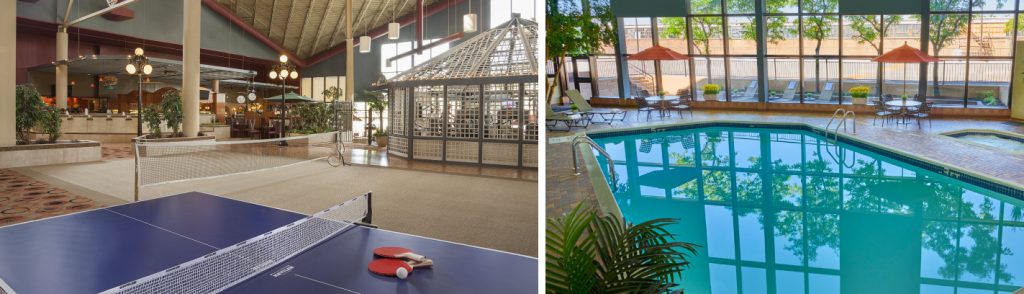
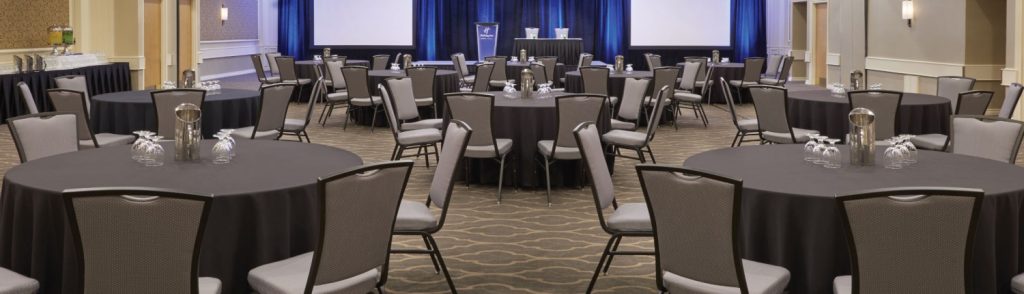
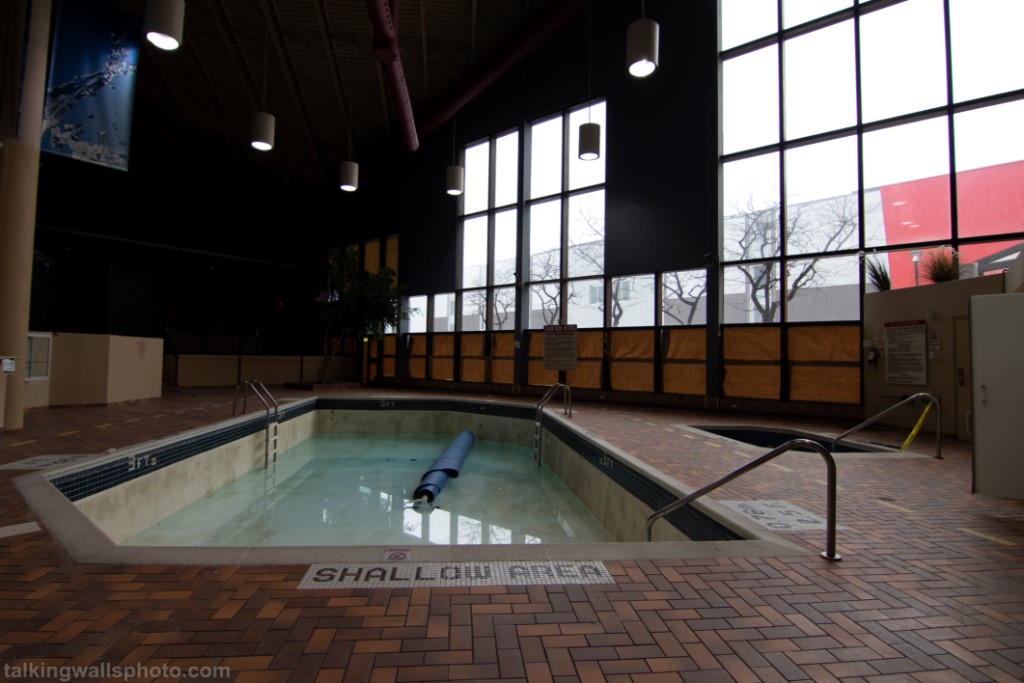
The large lobby offered many amenities that many hotels of today do not: sauna, whirlpool, tennis court, billiards room and even a barber & beauty shop. There was an exercise room and two lounges (Café Monterey and Cascades Lounge) that served up daily cuisine. There were 16 conference and meeting facilities that could accommodate up to 375 people.

In 1983, an additional 131 rooms were added to the hotel bringing the total capacity to between 370 and 372 rooms. Further renovations were made in 2017.

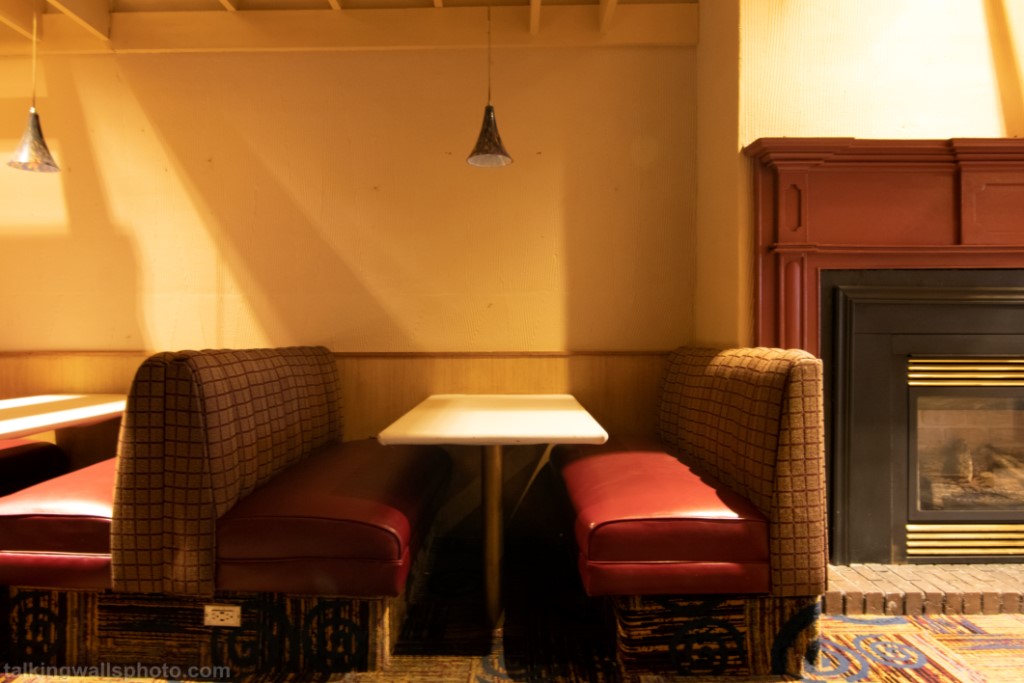
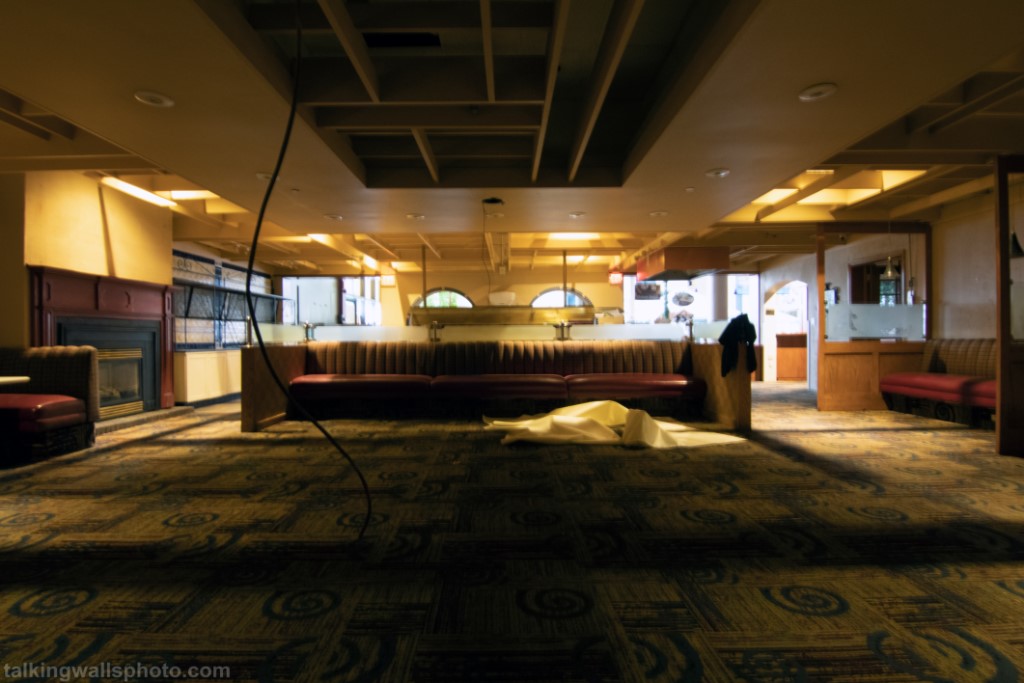
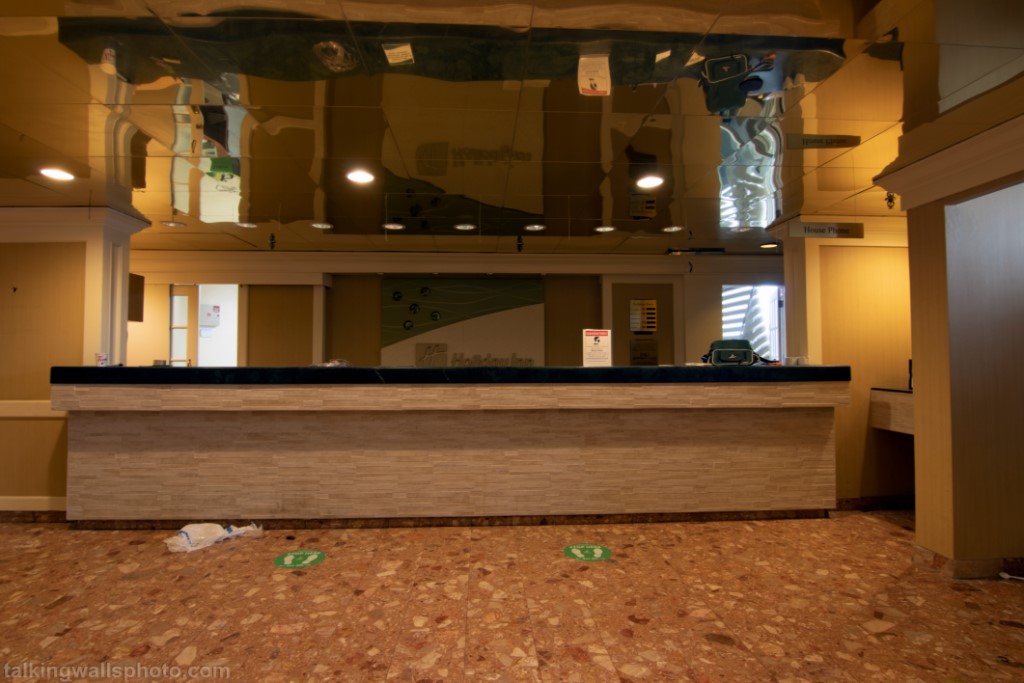
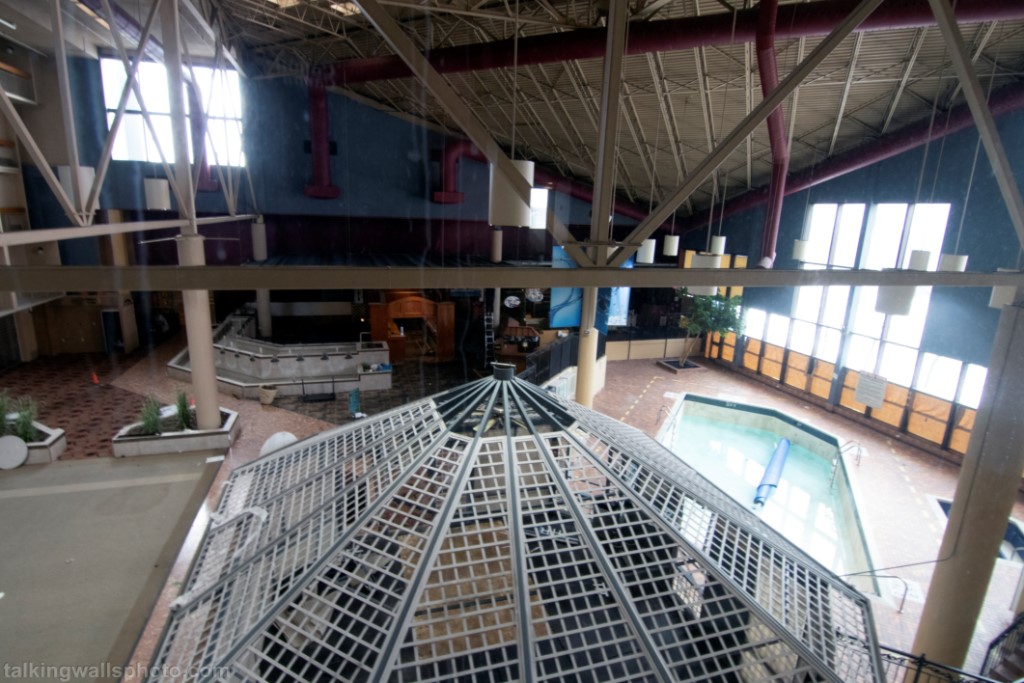
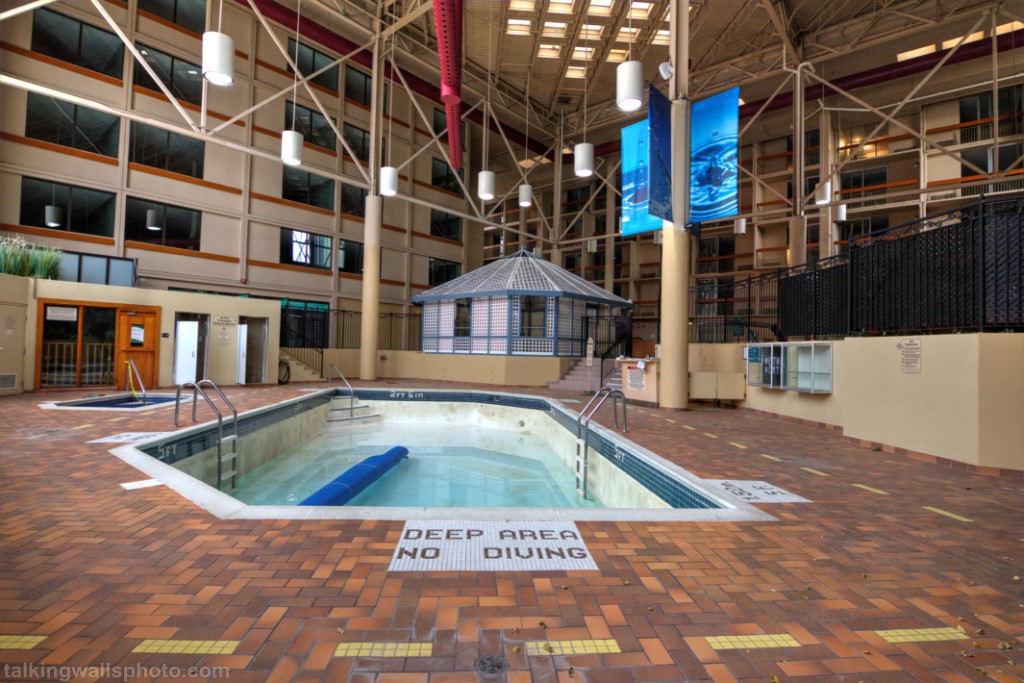
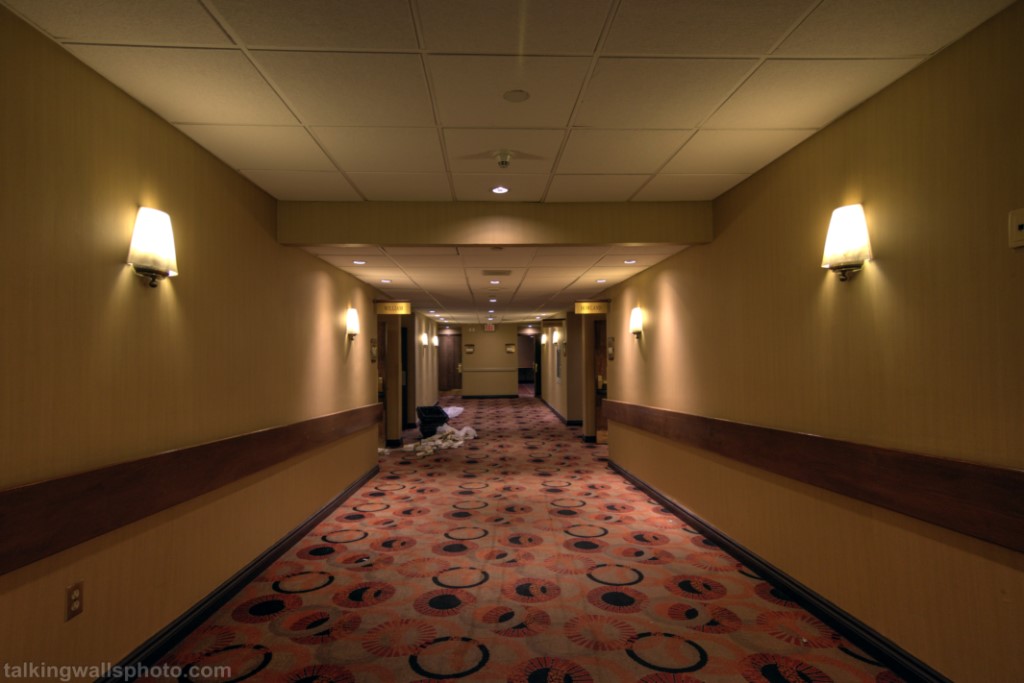
The inner decor of this hotel is remarkable – particularly for the nerdy urban explorer. The lobby is an open concept with high ceilings and the hotel rooms overlooking the area below. There is a distinctive retro appeal to this hotel that you won’t find today.

The outdated yet wonderfully retro-licious hotel’s last day of operations was November 30, 2020. The building was sold for $86.5 million and will be demolished and replaced with three towers that will be 33, 29 and 37 stories tall respectfully. Condos will be priced starting at $300,000.


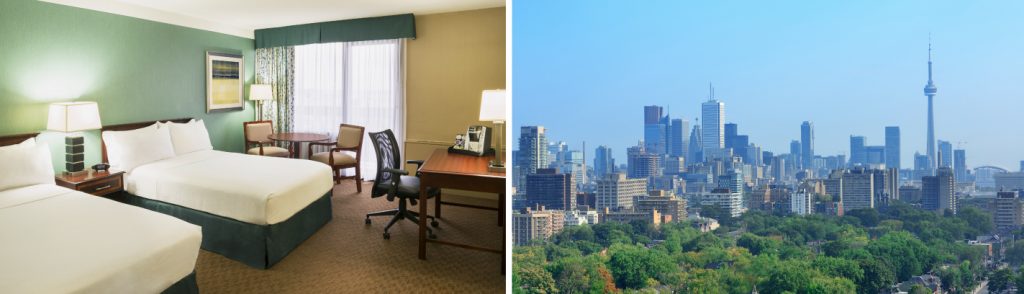
Photos from the hotel’s website (now offline):
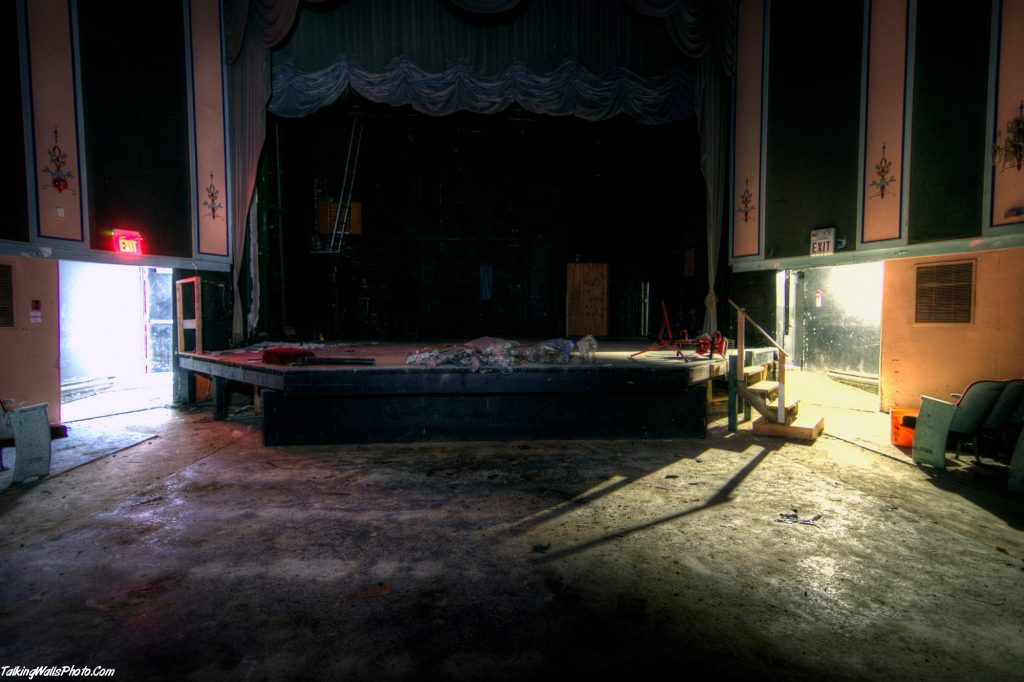
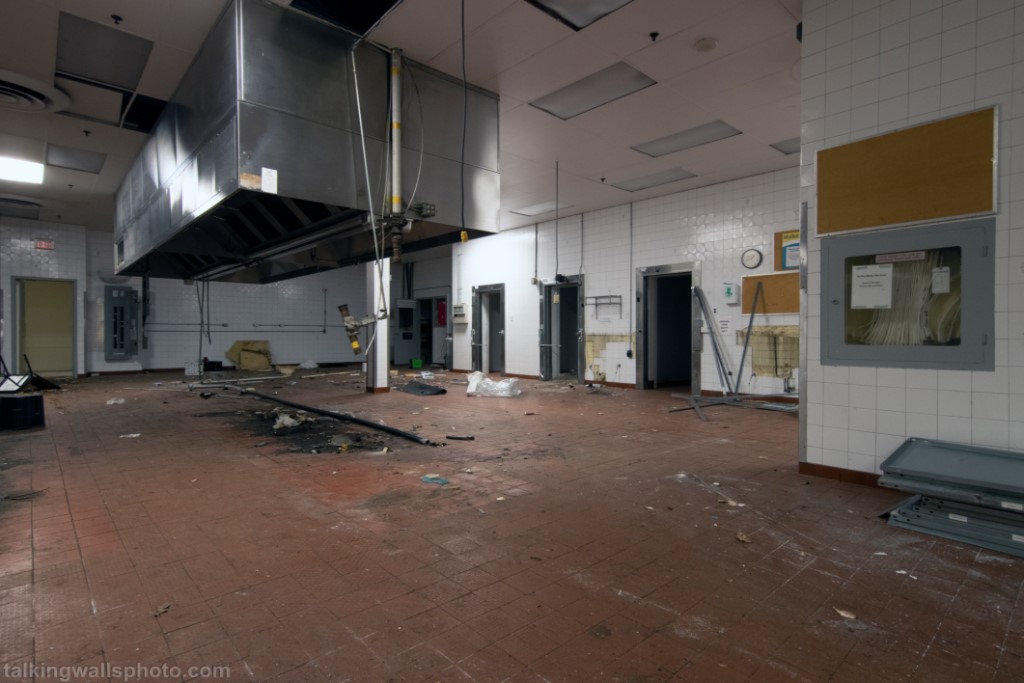
The photos from my visit are below. There are not very many of them, I missed SO much. I missed the conference rooms, the gym, the games room, and pretty much everything else. The reason for this was, I was about 15 minutes into my journey when I observed someone else in the building. I saw a man walking in my direction, and so I said “hello”. I walked over to talk to him and realized he was the same person who’d driven past me outside and waved. I asked if he worked here, and he said that he was contracted to remove some of the lighting in the building. He was curious how I’d entered the building, so I explained that I’d watched him go through the front door and followed. I told him that I was there to document the history of the building before it would be demolished.

He told me that he was there with his partner who was somewhere in the building.  I asked if he minded whether I took some photos and he said that I was welcome to, so long as I left when they did. JACKPOT! I felt an immediate pressure off of my shoulders knowing that I didn’t have to worry about encountering any security and knowing that I could take my time.


Research and write up: TWP
Thanks to @Lostspot_Photography for the find


Mohawk Inn and Chop House (Campbellville)

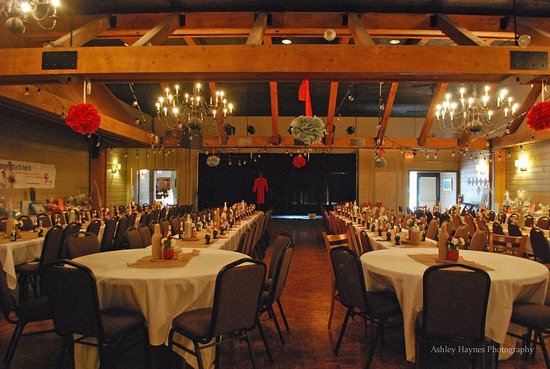
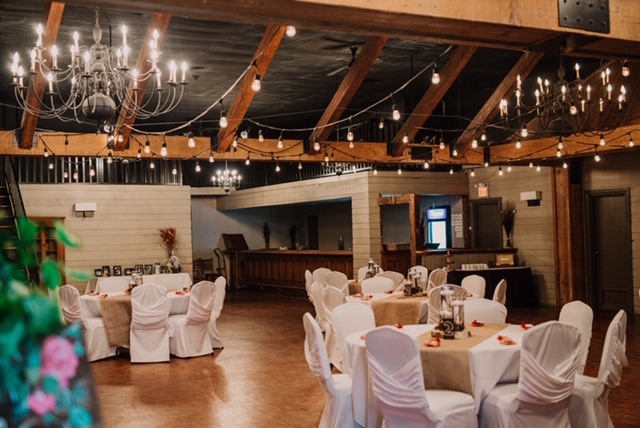
The Mohawk Inn and Conference Centre opened on June 3, 1967 as a Colonial style Inn. It was built by Bert Day in 1967 as a Centennial project. 

The Days had become interested in Canadian antiques while up north and filled the inn with beautiful Canadian glassware, china and other items. The staff was outfitted in a deep burgundy, special Centennial tartan.  The motel began with 26 rooms, a restaurant that could seat 78 people, coffee shop that could seat 95 people, a lounge that could seat 50 and a meeting room for 60 people. It was considered to be the first ‘all electric’ heating and cooling operated motel in Ontario.

The motel was managed by Frank McGutre, and his wife Etella.

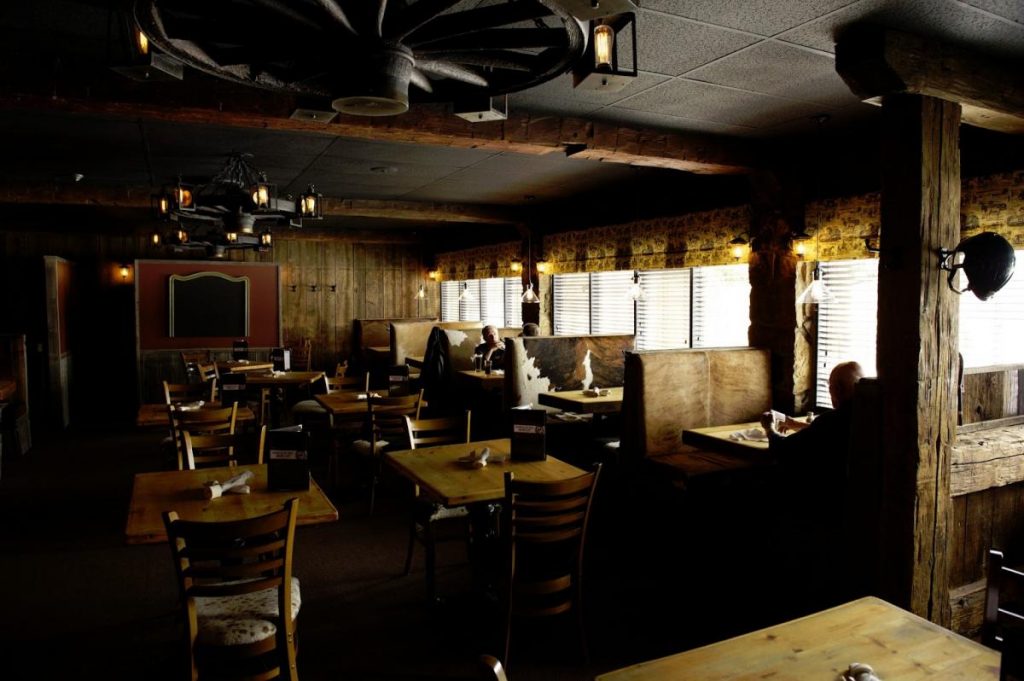
A commemorative plaque in the lobby was created from the first tree cut down when the land was originally cleared. The wooden beams in the ceilings were hand-hewn and the wagon wheel light fixtures are over 100 years old. Wood for the lounge was taken from siding removed from two barns. In the gift shop one could purchase antiques and original oil paintings.

The bar’s counter top dates back to 1840. It was imported from the Half-Way House Hotel in Eden Mills. The top of the bar was solid cherry wood, 16 feet long and 17 inches wide. The front of the bar was polished pine. A local carpenter who was blind, was hired to build the short end to match the bar.

The restaurant featured an “iron pot menu” where meals were cooked inside large iron pots hung from cranes in the fireplace. The restaurant served steak, lobster and Marg’s beef stew. The chef was Rupert Enthammer, who trained in Austria. The fireplace was always going, even during the summer with the air conditioning on.

A short distance away in the woods is The Tree House, a separate self contained – 7 room Hide-a-way with central lounge and fireplace to share with old and new family and friend.

In 1974, Bert gathered his family to announce that their mother was working too hard and that they were going to sell the inn. Bert would pass away in a tragic house fire some years later. In the 1990s, the So family took over the business. They added YukYuk Stand Up Comedy acts and Karaoke events. The banquet hall was used for weddings, trade shows, etc. In November of 2012 new owners purchased the property and spent the next year making renovations to the property.

The owners announced that the business would close on December 15, 2019. The owners will be spending the next 18 months on building a new hotel and conference centre. The new building will have more rooms, larger meeting halls and will be a green facility. 

Note the property is closed, not abandoned. You should ask permission before exploring.

These photos are not mine, they were sourced from various review websites.


These photos were taken during my visit. The location was never ‘abandoned’, just closed down and as such falls under the urban exploration term.


The Iron Grill in Woodstock

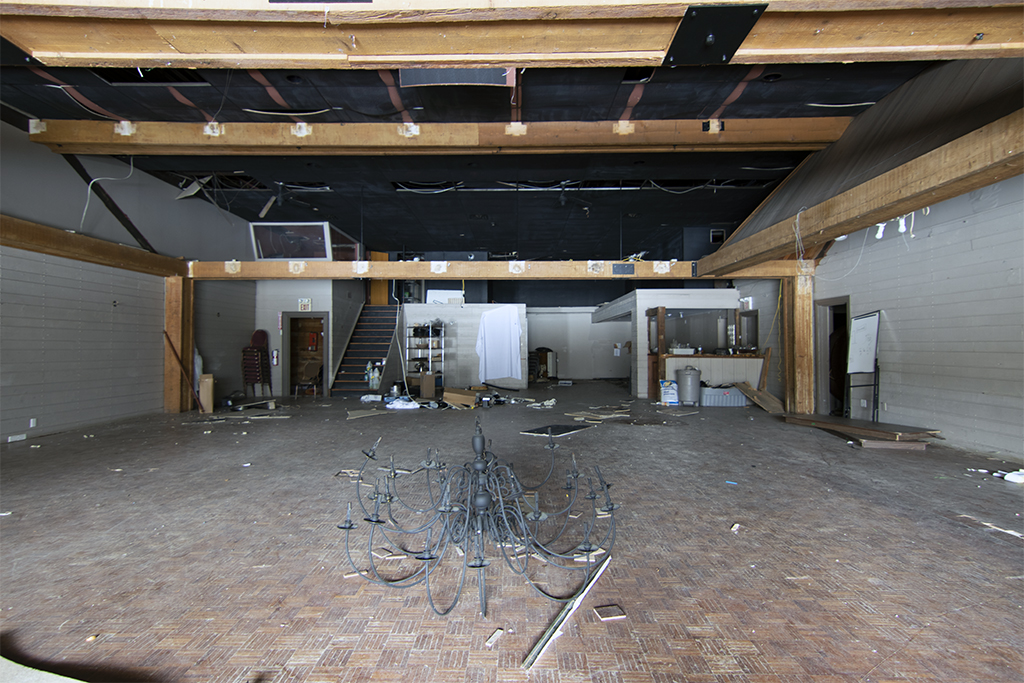
The Town and Country Restaurant began as a classy eatery that was popular among Woodstock residents.

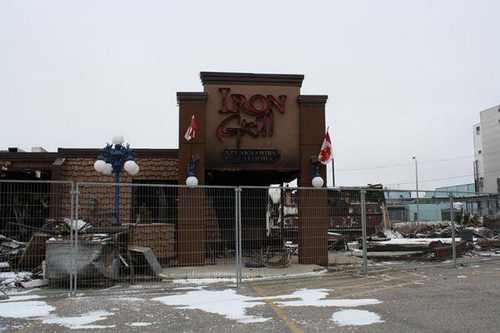
The business later changed owners and renamed to the Iron Grill. The last change in ownership occurred in September of 2007 when Toronto businessman Umakanth Nadarajah purchased the business for approximately $1 million dollars.

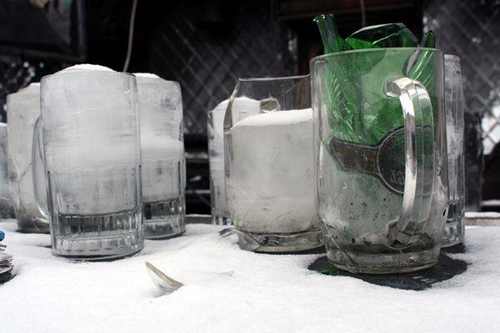
Flooding at the Iron Grill during the summer of 2009 led to the restaurant being closed for three weeks while contractors repaired the damage.

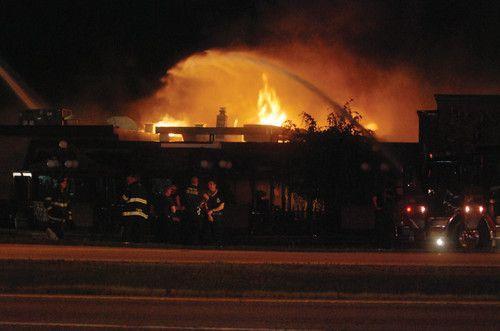
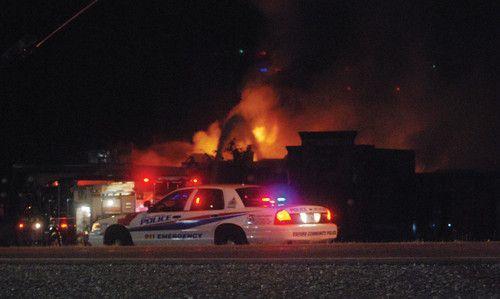
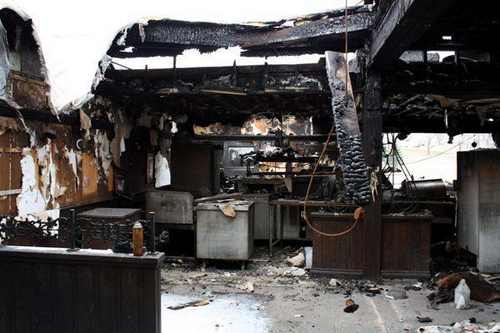
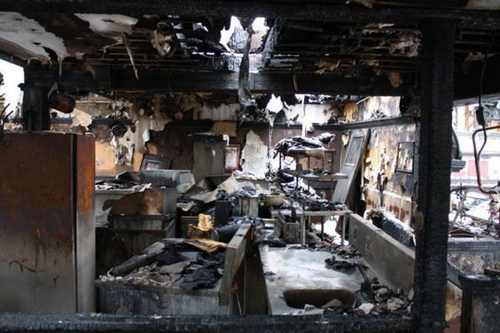
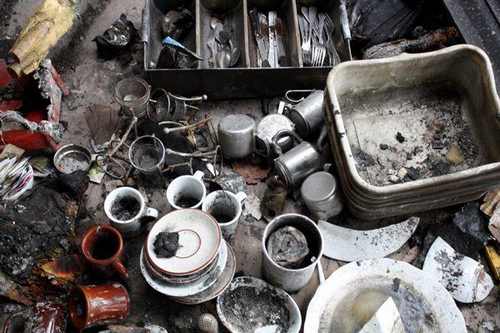
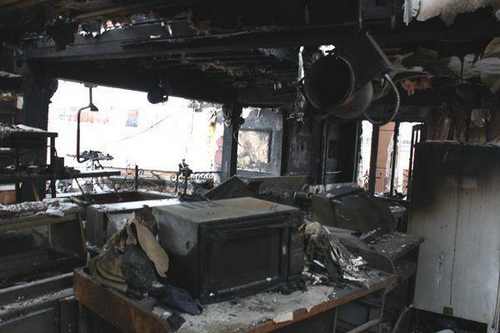
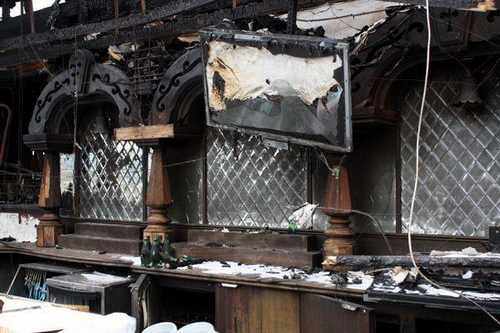
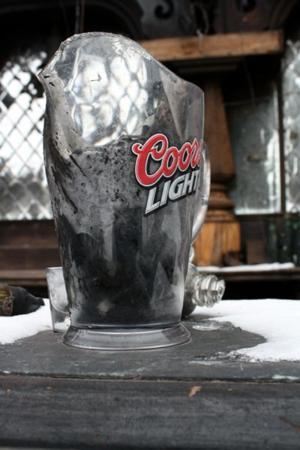
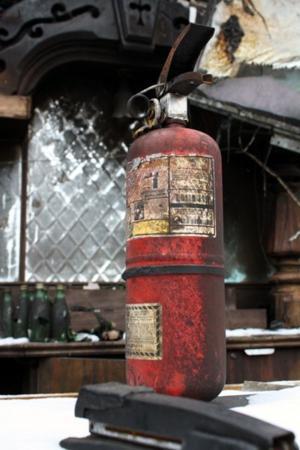
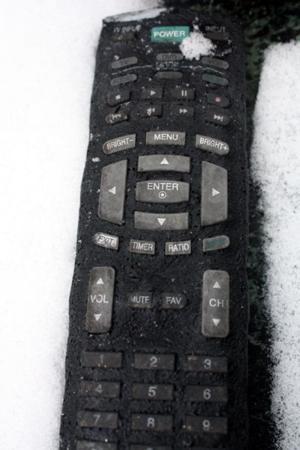
On the evening of August 12, 2009 at approximately 10 PM an explosion occurred at the Iron Grill. The Oxford Community Police Service, Woodstock Fire Services and the Oxford Emergency Medical Services responded to the scene. A group of Iron Grill employees also gathered near a police barricade on Dundas Street to watch the fire.

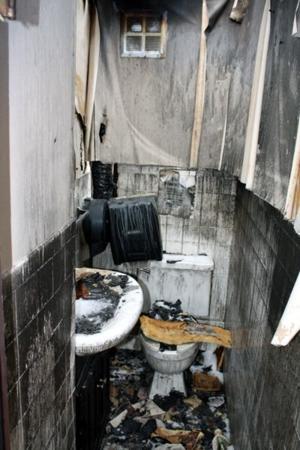
Emergency crews located two men (20-year-old Mohammad Sarfraz and 19-year-old Osama Akhtar) outside the restaurant suffering from severe and life threatening burns. One was taken by ambulance to Hamilton Hospital Burn Unit and the other to the London Hospital Burn unit. One witness reported that smoke was still coming off of the two men, one of whom was rolling around and screaming. Sarfraz later died of his injuries. The Ontario Fire Marshall ruled the fire was suspicious in nature and that arson was the cause of the explosion. The restaurant had been up for sale since mid-July for 1.4 million dollars.


The Pines Motel in Hamilton

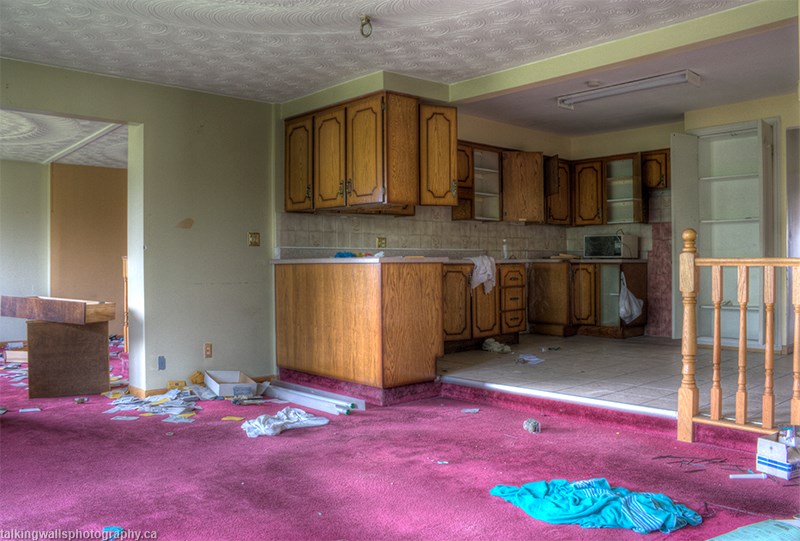
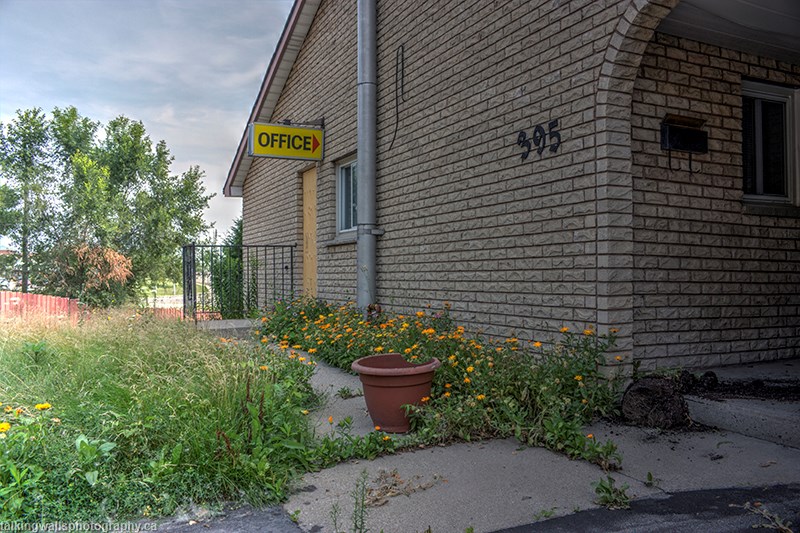
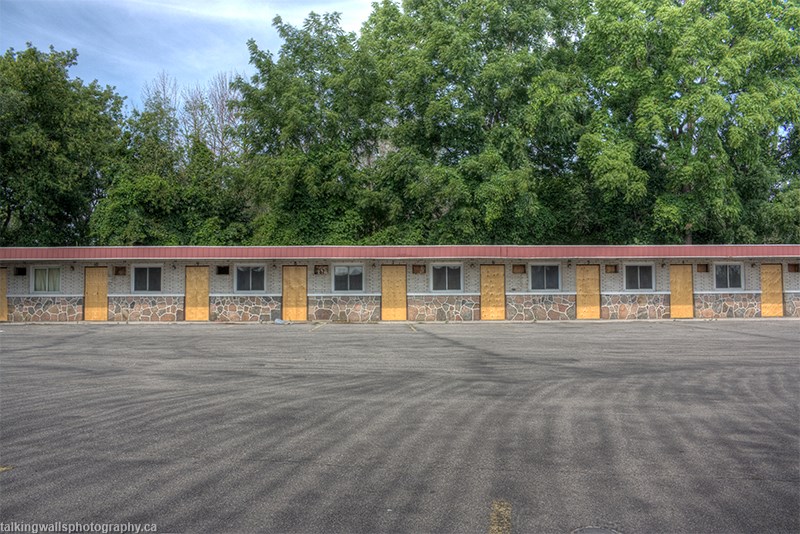
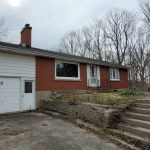
The Pines Motel was located at 395 Centennial Parkway North in the City of Hamilton. It was a single floor economy motel with rooms starting at $75 per night. The owner lived in a building also on site. The property was demolished around 2015.


Planet Night Club in Grimsby, Ontario

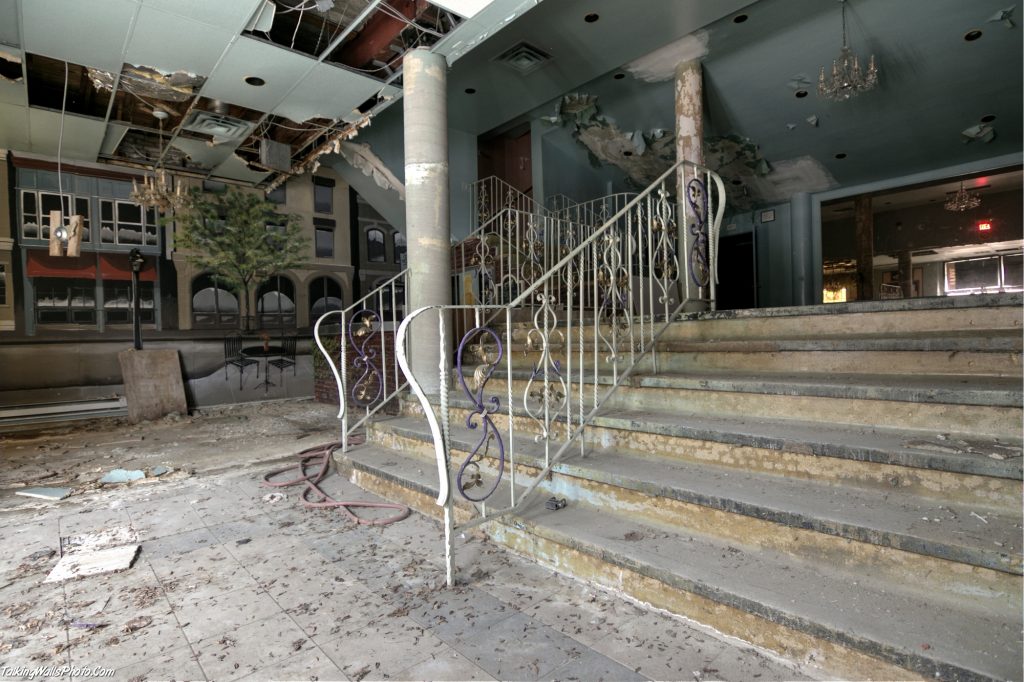
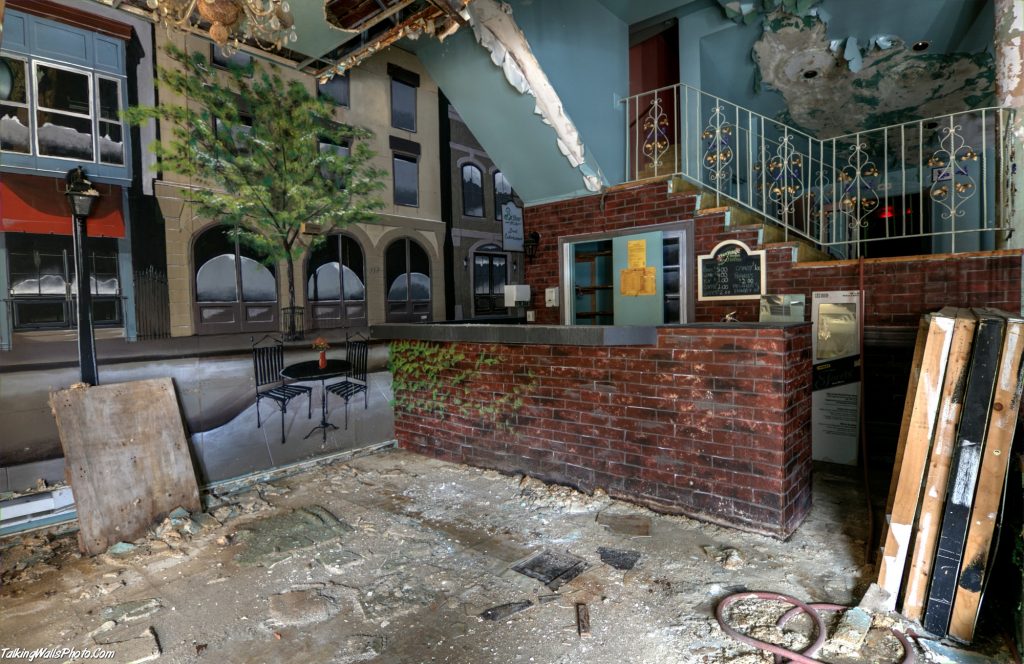
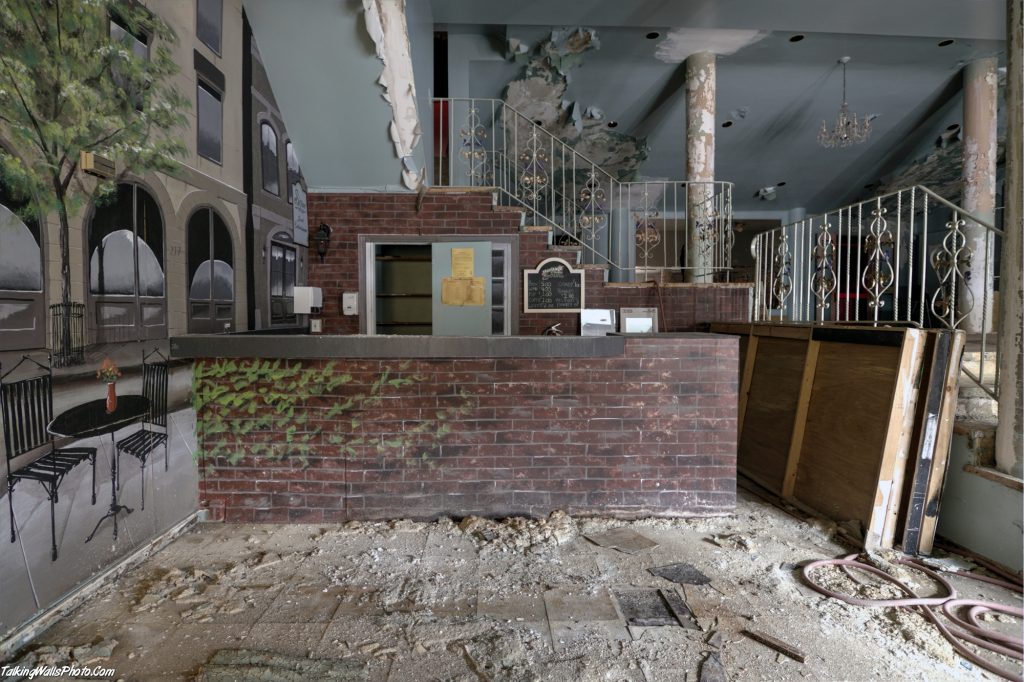
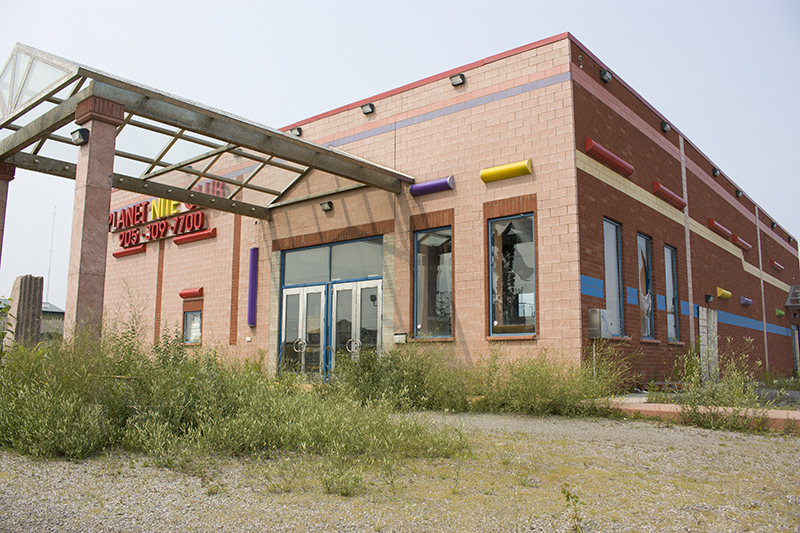
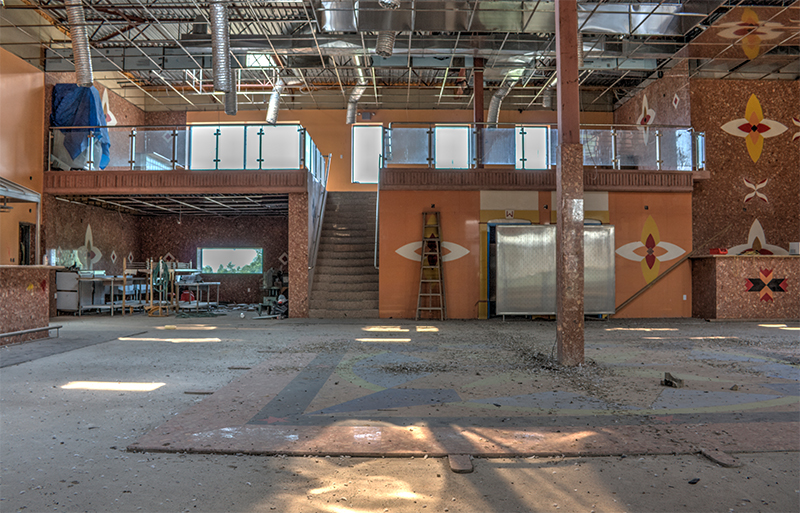
Planet Night Club was located at 10 Windward Drive, between two large hotels in the town of Grimsby. It would have been a night club for local residents and hotel guests, except that it never opened it’s doors. The rumour is that the owner ran out of funds for the property.

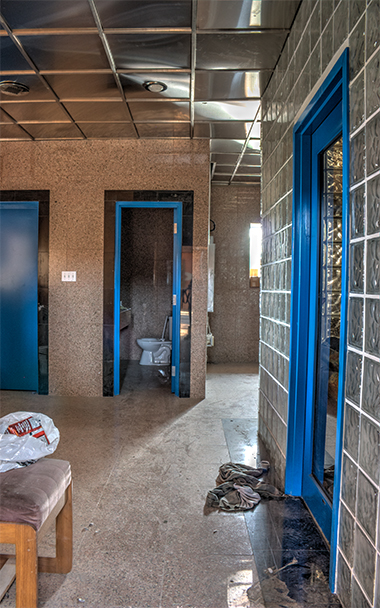
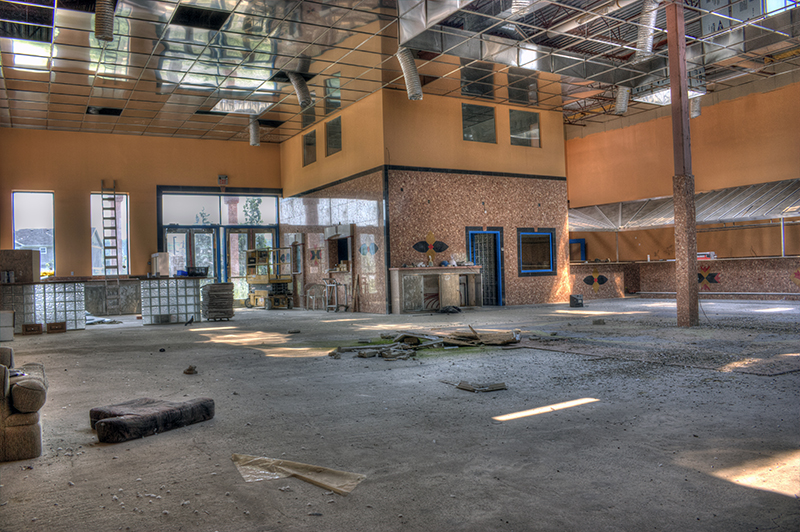
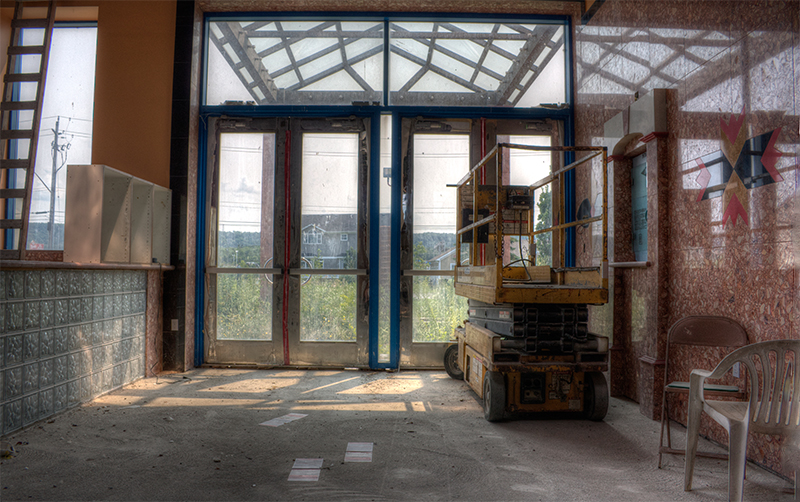
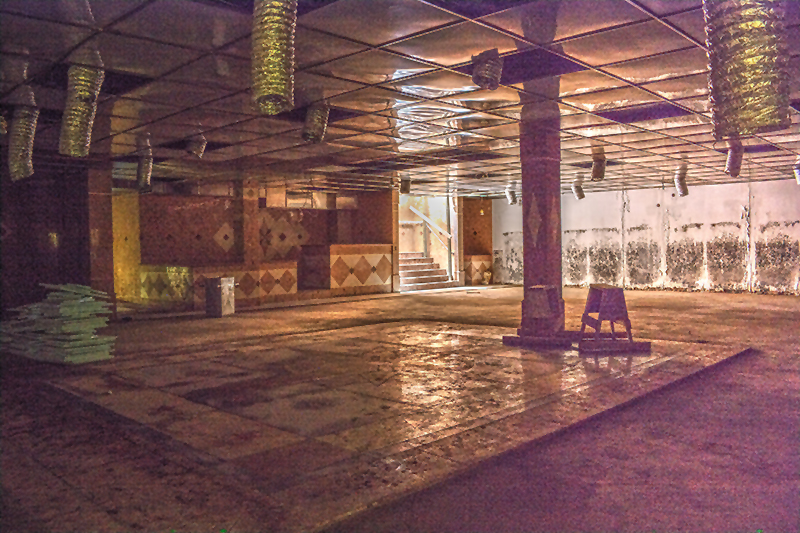
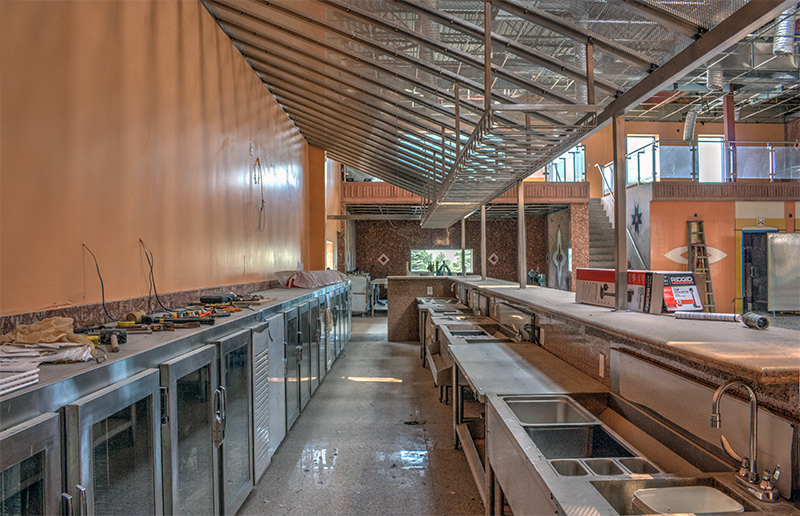
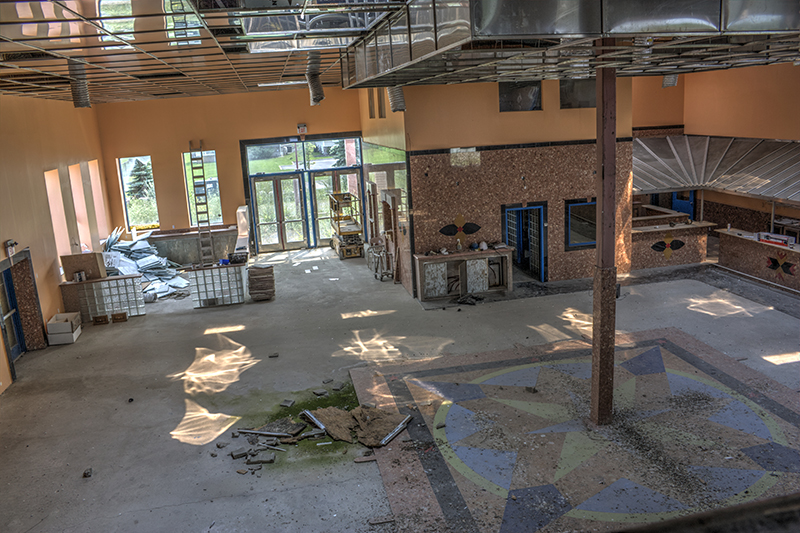
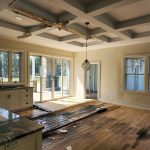
When I explored, it was evident that construction had stopped midway. Electrical outlets had exposed wiring, heating ducts were hanging from the ceiling and worker’s tools were left behind including scissor lift and a ladder.

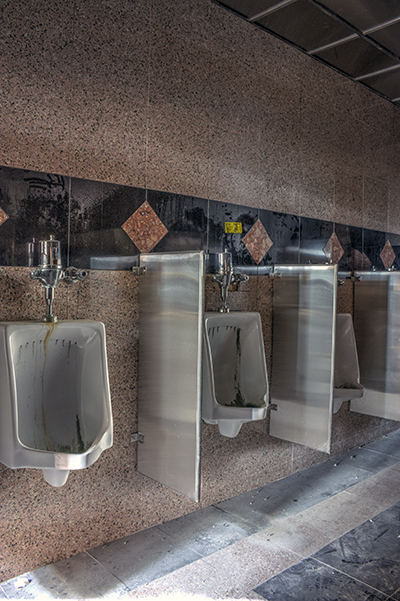
The club was elegant with a 60 foot granite counter top and marble tiled walls and patterned floors. During my visit I thought I heard someone inside the building but it was the sounds of a trapped pigeon. He panicked upon seeing me and flew downstairs into the washroom where I never saw him again. I would have tried to help him escape.

Down in the basement I discovered an unfinished banquet area with what appeared to be black mold on the far wall. Minimal amounts of graffiti on the wall told me that I’d not been the only curious visitor here and thankfully there was no other damage to the property.

Several of the windows had been broken before my visit. I also found a large screen television outside on a pile of garbage. I took it home and found a power cord suitable for it. You could imagine my surprise when I powered it up and saw the logo appear. Unfortunately the power supply was shot and I decided not to invest in a new one.

The realtor’s sign indicated that the property had been sold (asking price $2.7 million), but the property never opened and was later demolished.

Photos from August 2014.
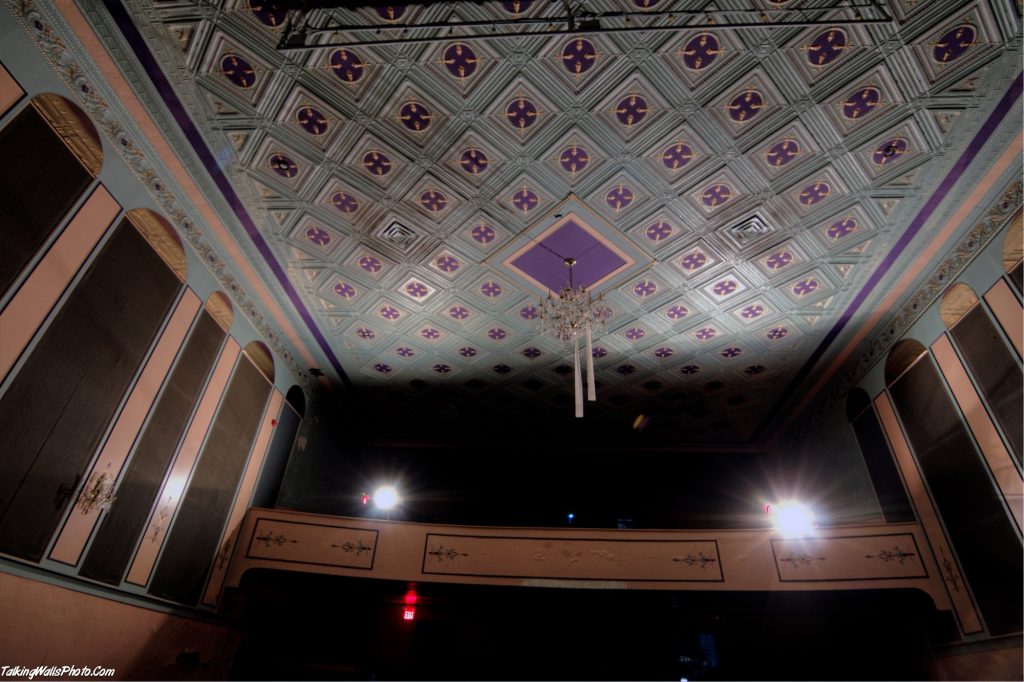

Roseland Bowl in Burlington

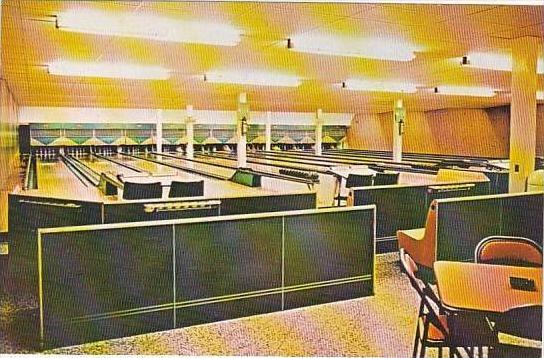
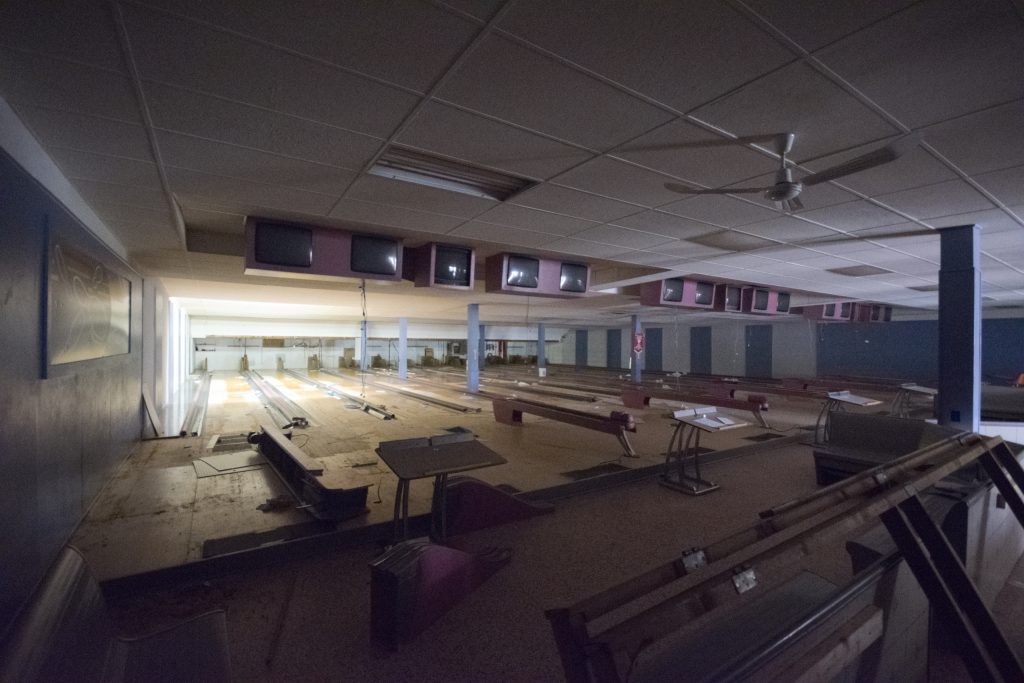
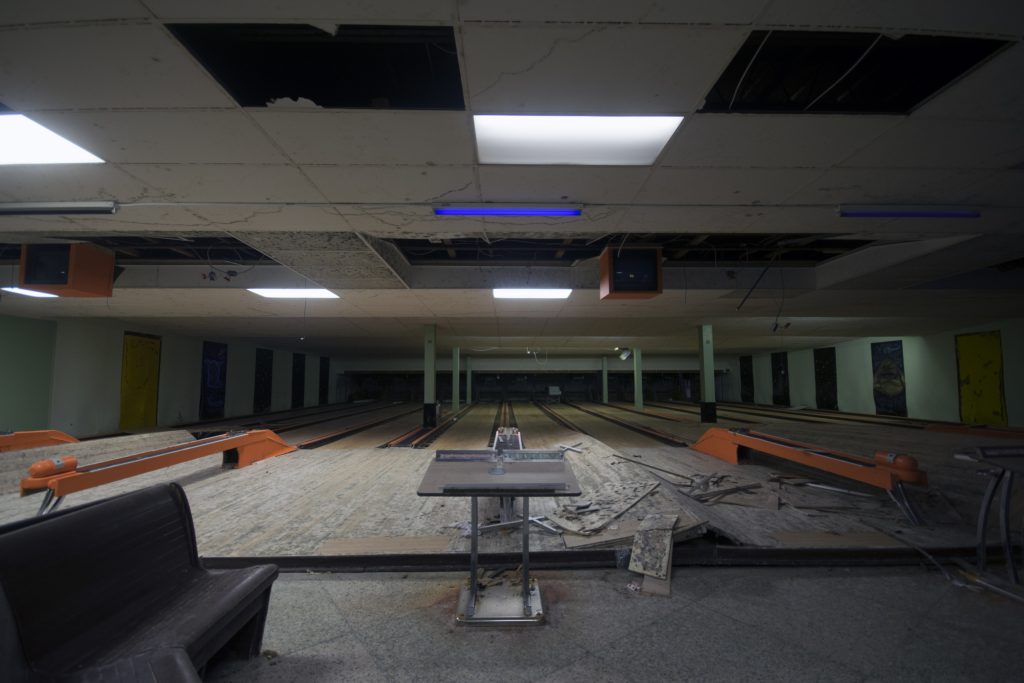
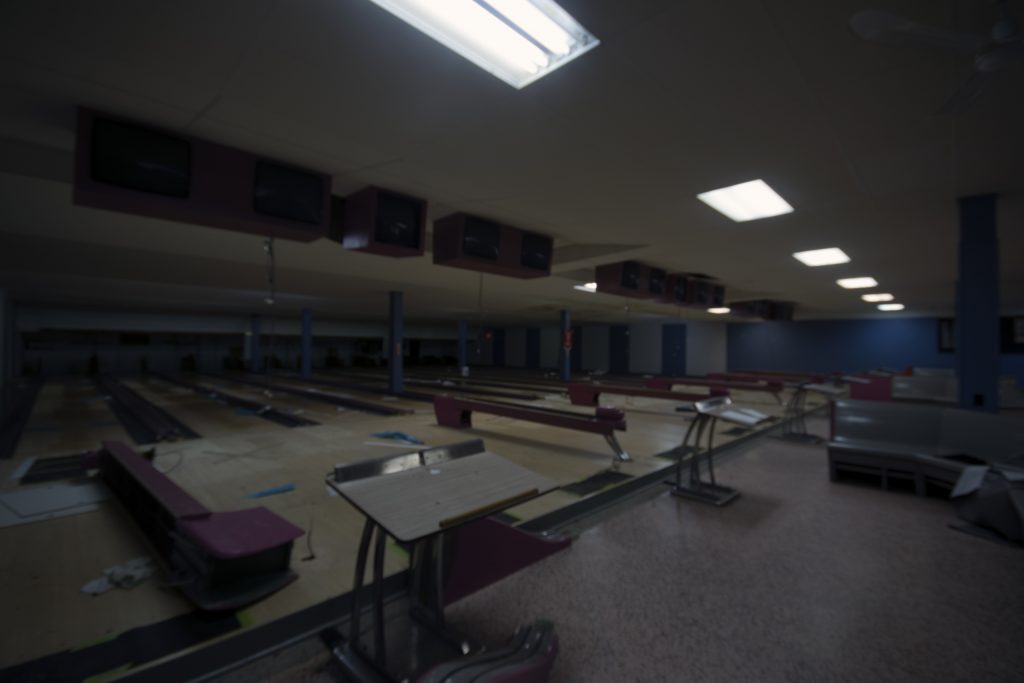
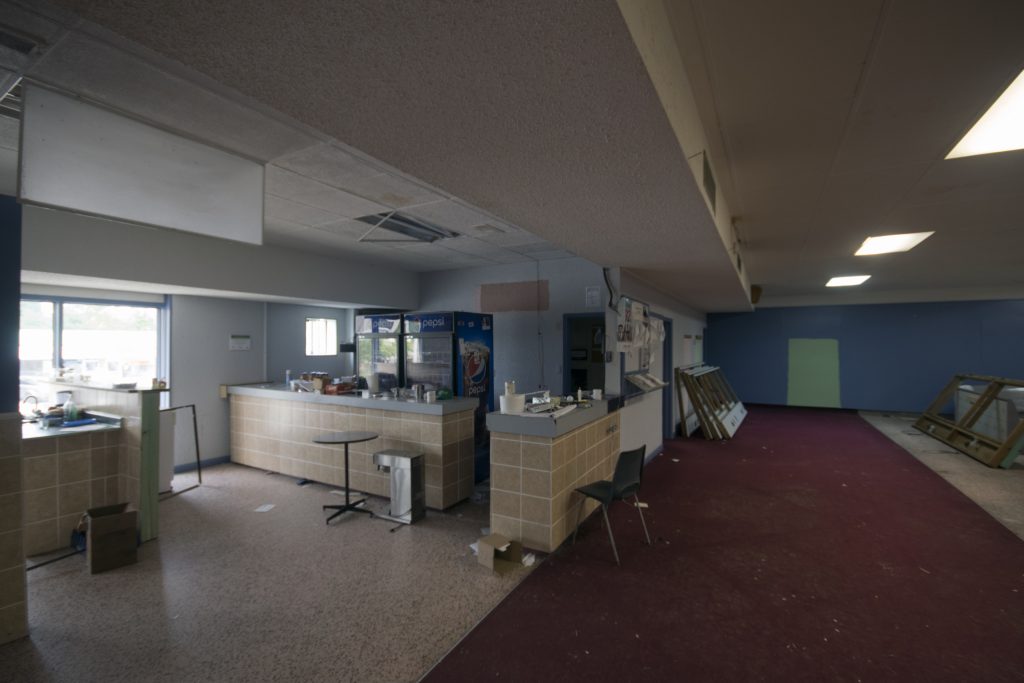
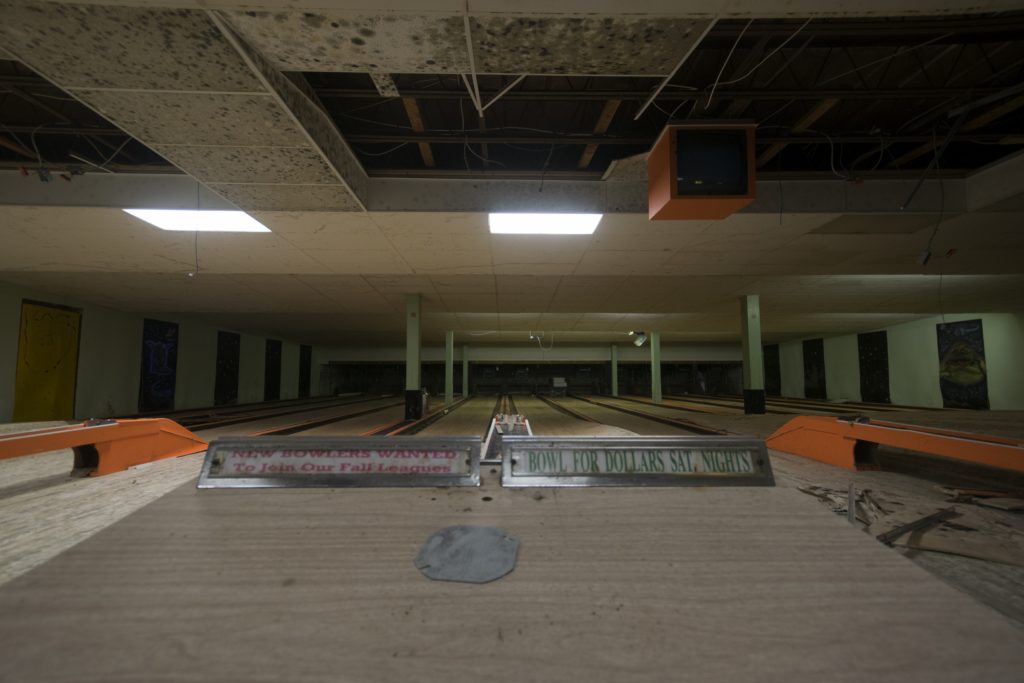
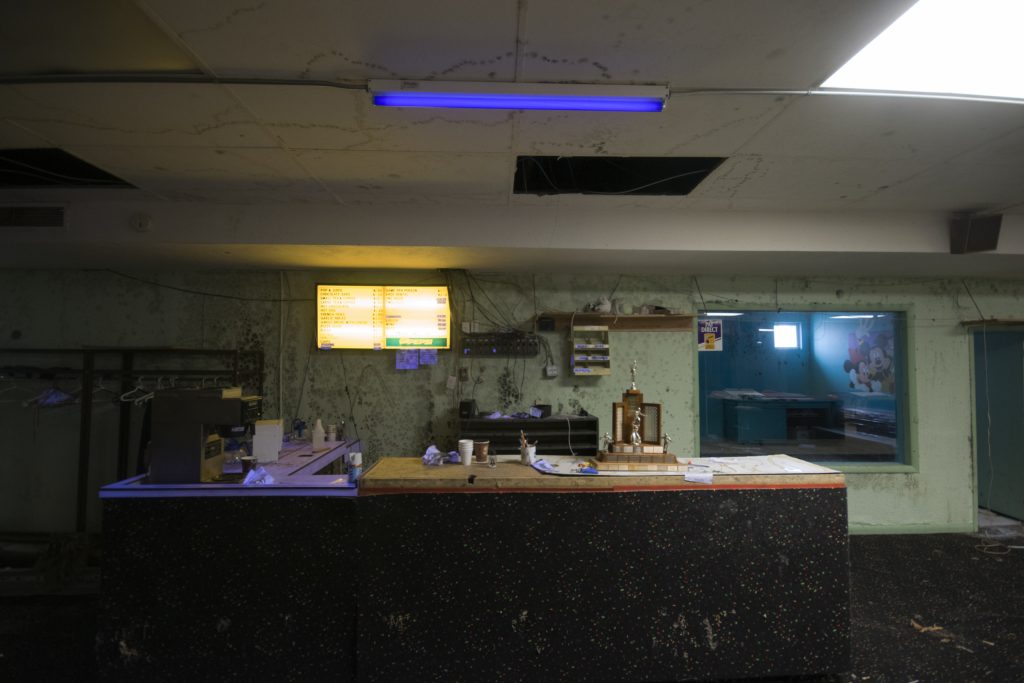
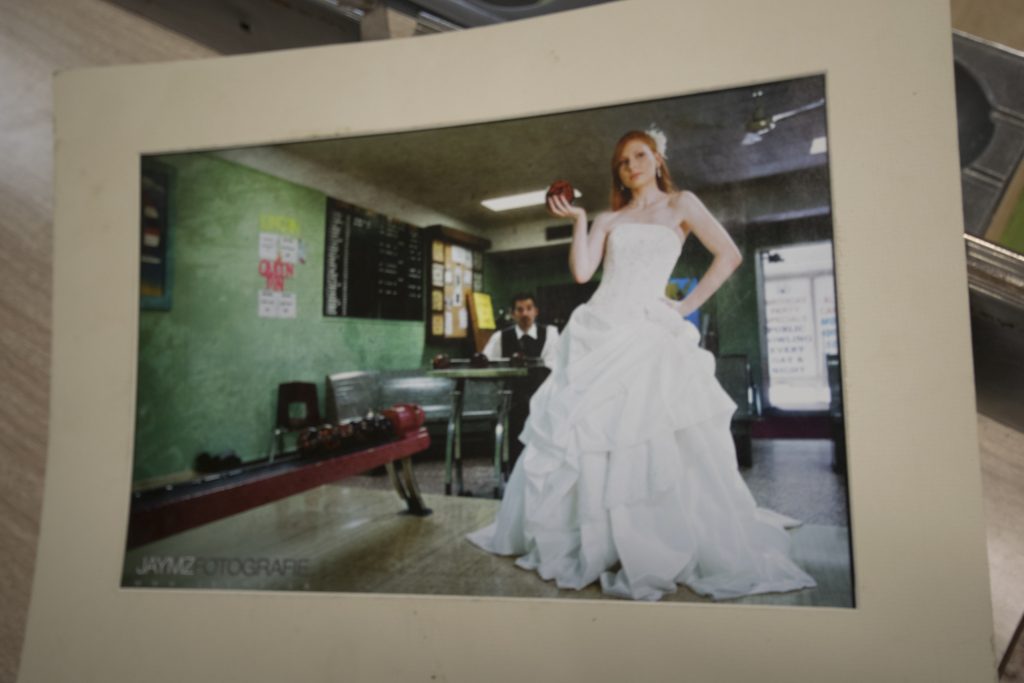
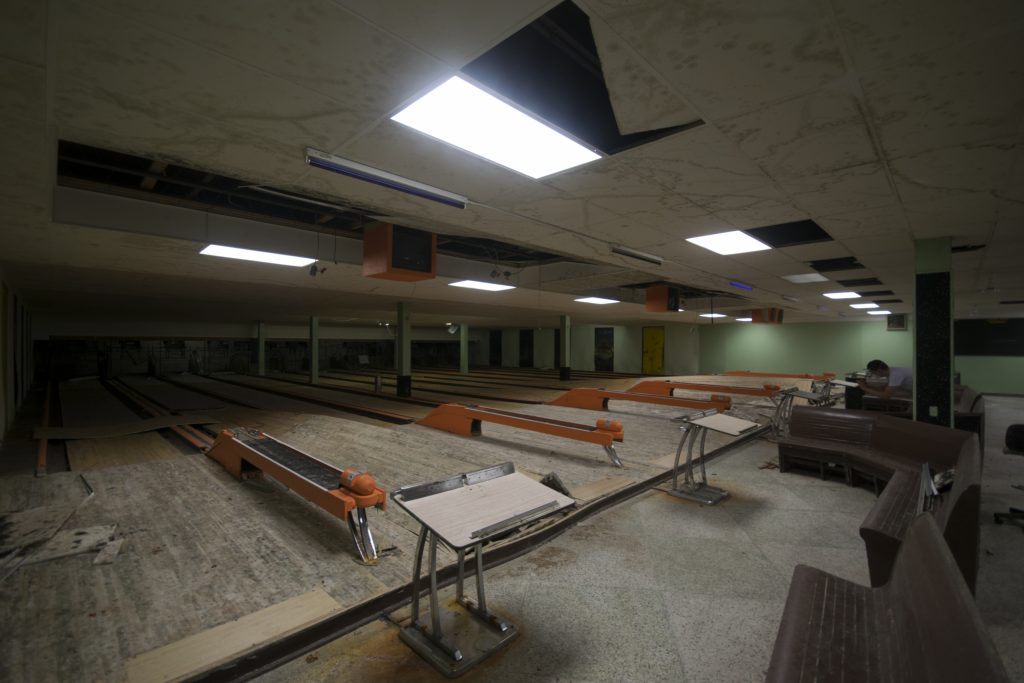
Roseland Lanes Limited began operations in 1959 in a building located at 422 Guelph Line in Burlington. The bowling alley offered five pin bowling.
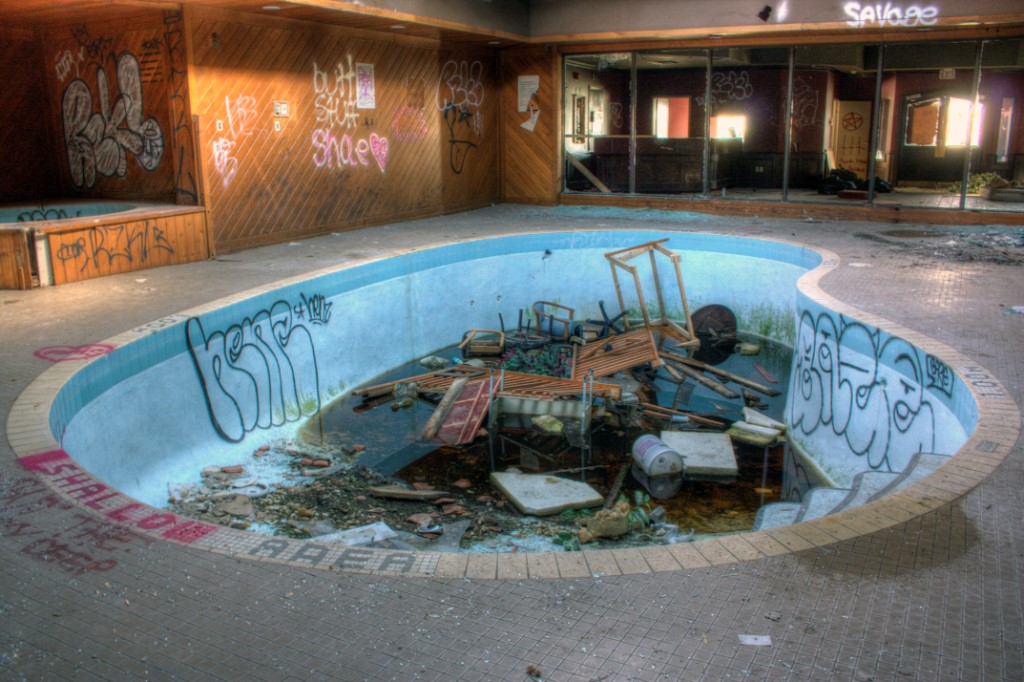
When Roseland Bowl announced that they were closing on May 15, 2017, they were the only provider of five pin bowling in the city.

The Burlington Thunderbirds program provides recreational five-pin bowling for a group of athletes who participate in the Bowl Canada Special Olympics each year. The group had used Roseland Bowl for over 20 years.

The closure of Roseland led to Burlington Bowl to add eight 5-pin lanes to their existing fourty 10-pin bowling lanes, to accommodate bowlers who were affected by the closure of Roseland.

Video

Abandoned Roseland Bowl in Burlington, Ontario