Category: Industrial Locations

Niagara Falls Memorial Arena & Sand Sculpture Exhibit

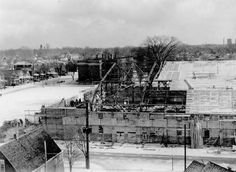
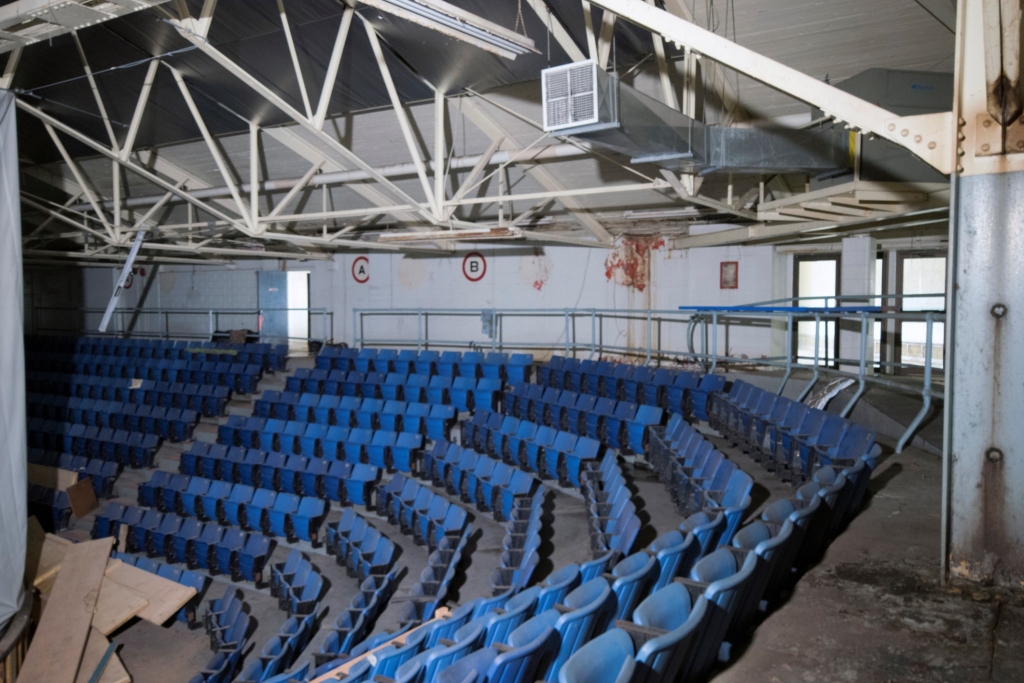
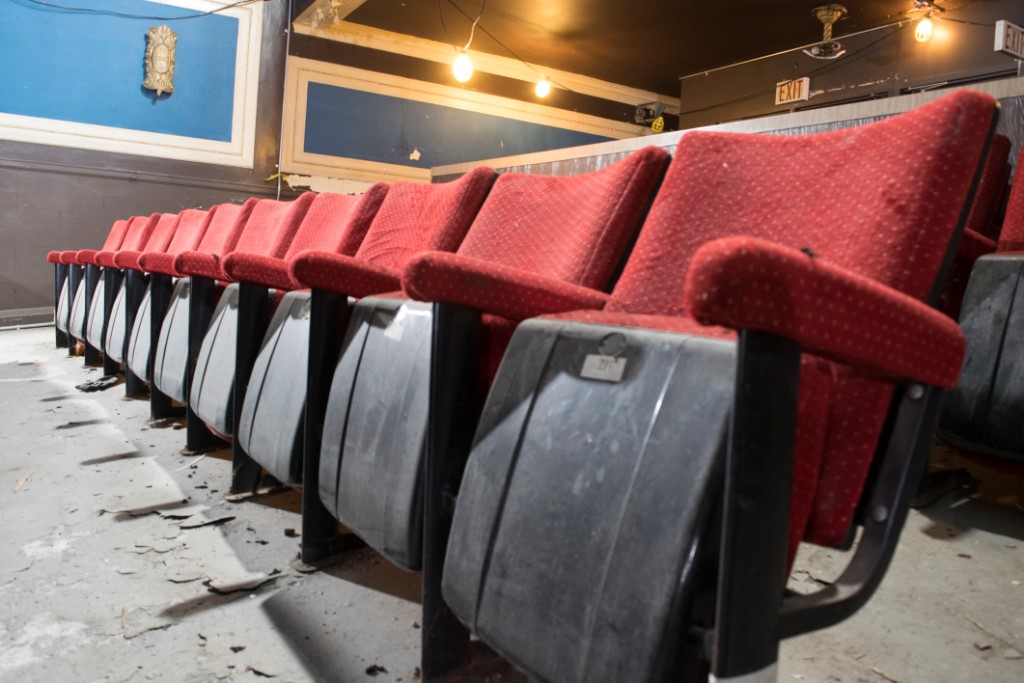
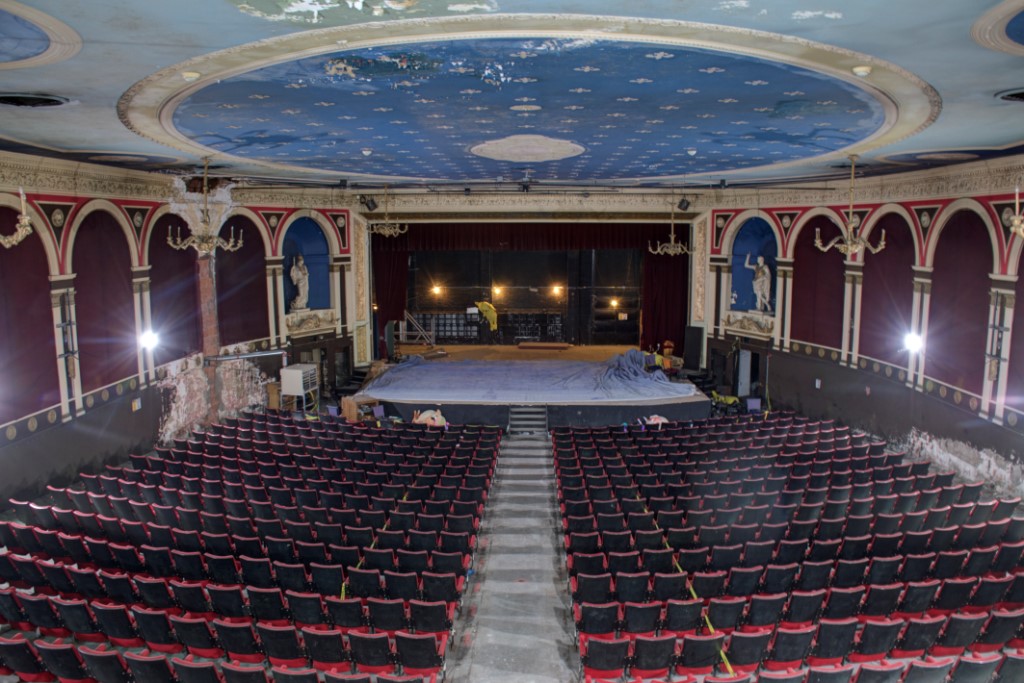
The Niagara Falls Memorial Arena was constructed in 1950 with a capacity of holding 3,056 patrons. The first opening hockey game took place on January 27, 1950 which featured the Niagara Falls Cataracts playing against the Hamilton Aerovox (a 6-4 loss for Niagara by the way).

Various hockey teams called the arena their home including the Niagara Falls Thunder, Niagara Falls Canucks and Niagara Falls Flyers.

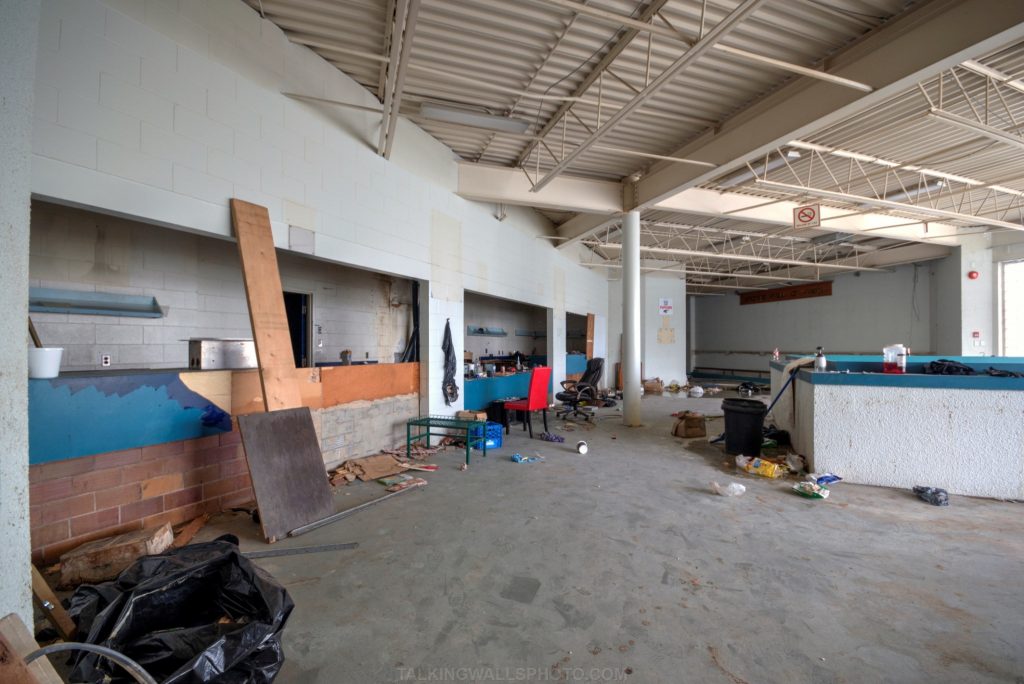
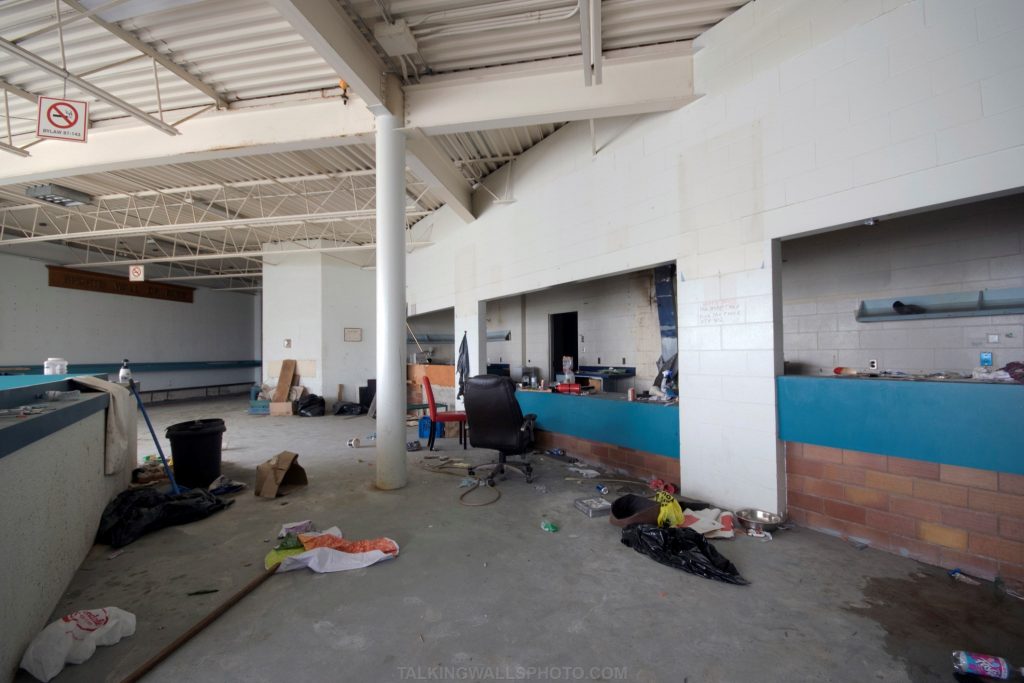
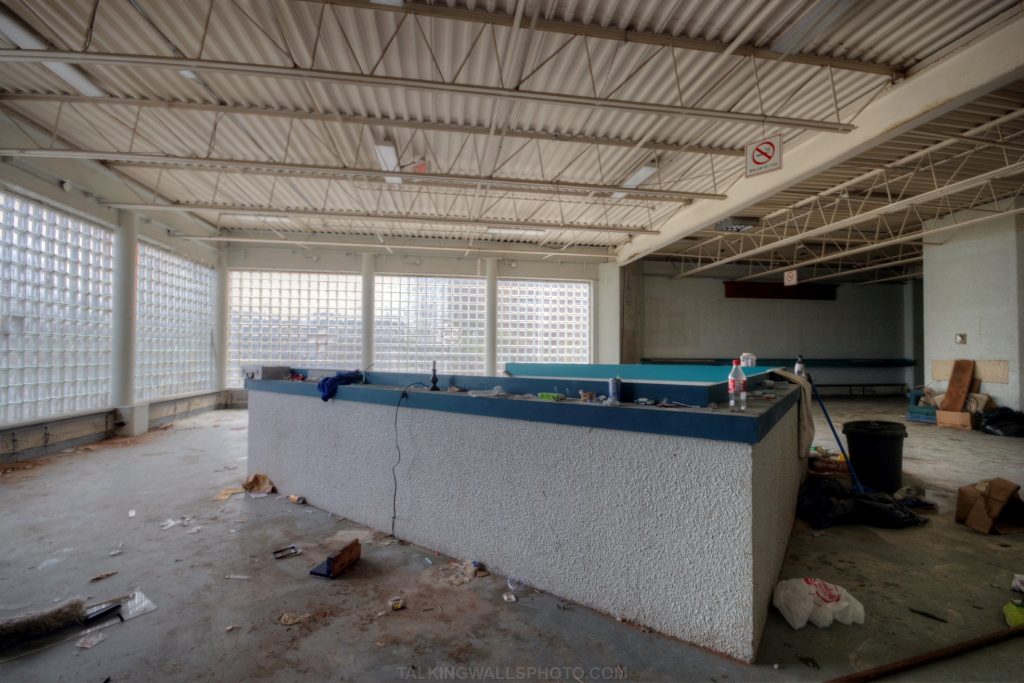
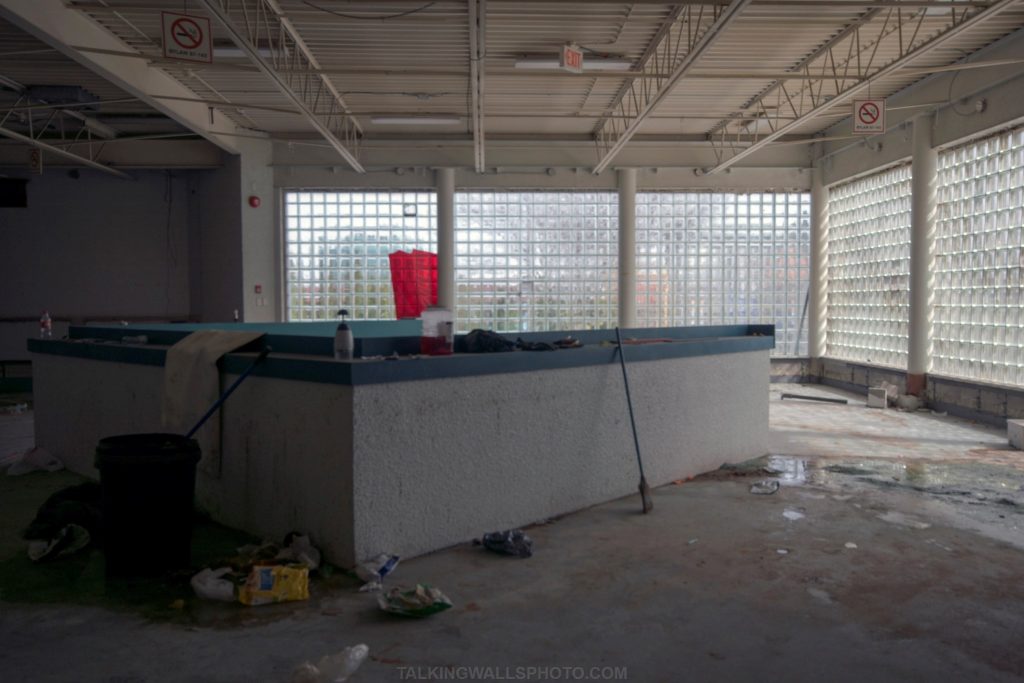
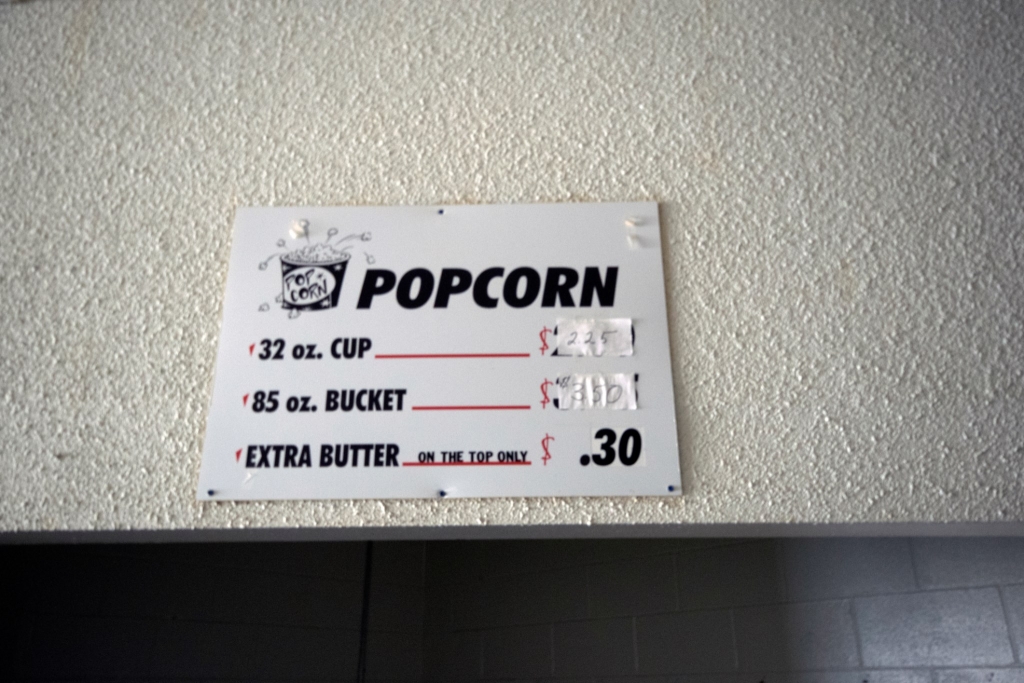
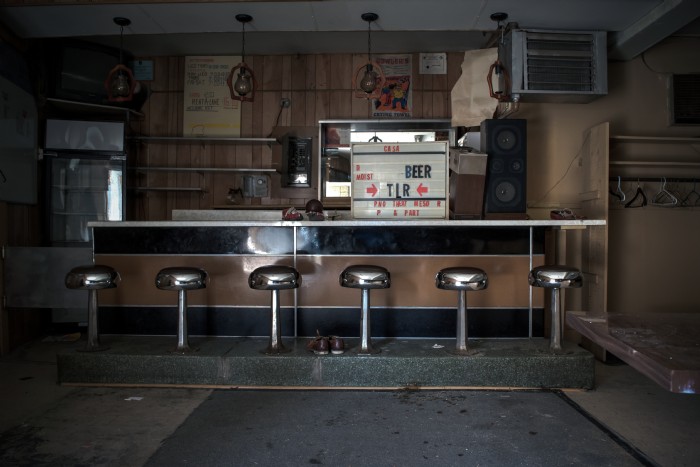
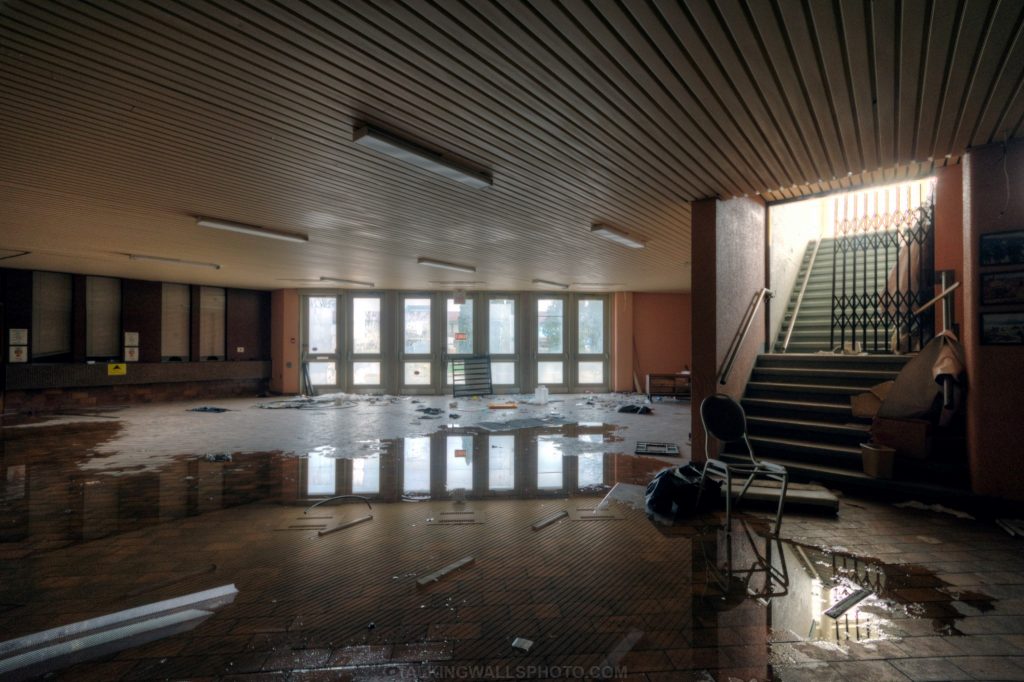
The main floor offered a concession stand and ticket booths. On display was a portrait of the Queen and trophy case displaying trophies and memorabilia from the home teams. Stairs lead to the upstairs level which has its own concession stand and access to the top row seats.

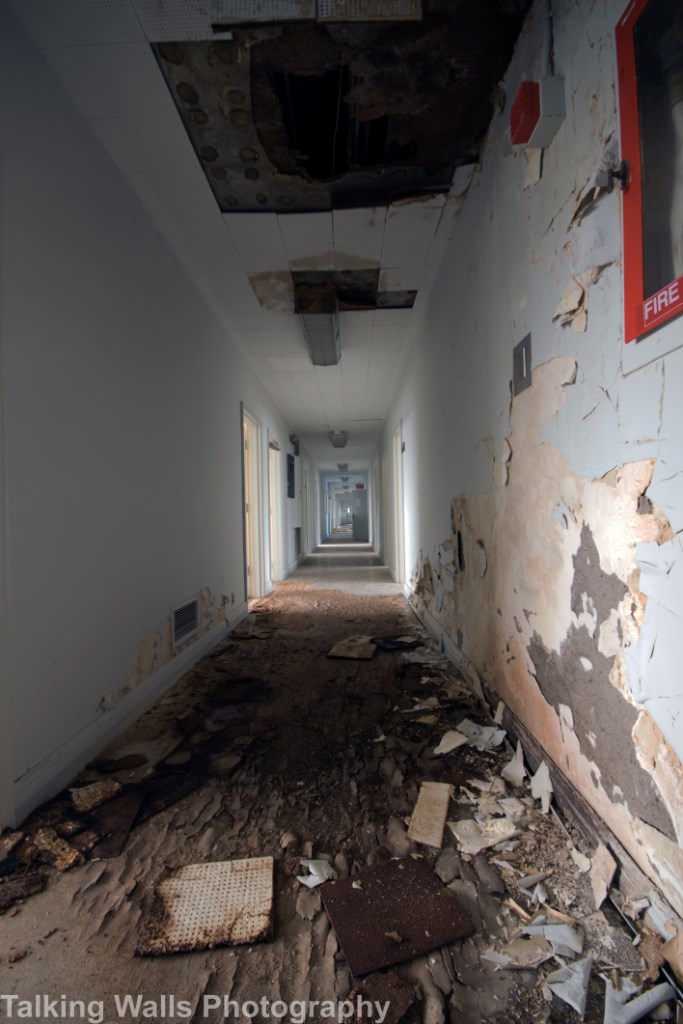
The Memorial Arena closed in 2010 when the modernized Gale Centre was opened. In 2012 the arena was purchased by a Russian company named V2 Niagara. They made renovations to the heating and electrical of the old arena. This process of renovating the building to comply with safety standards took close to two years.

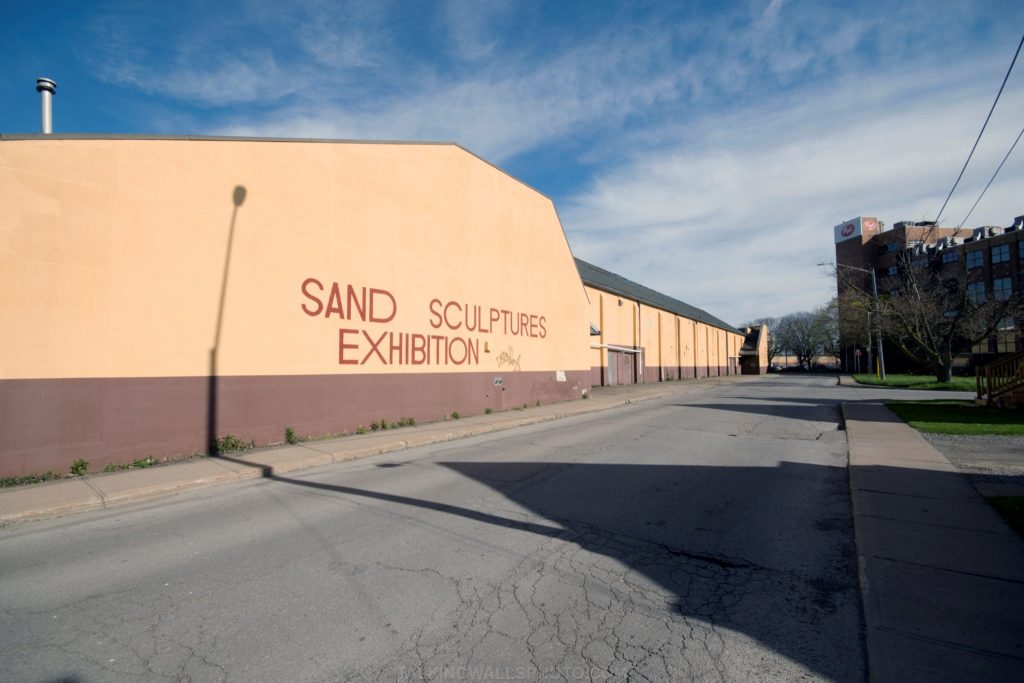
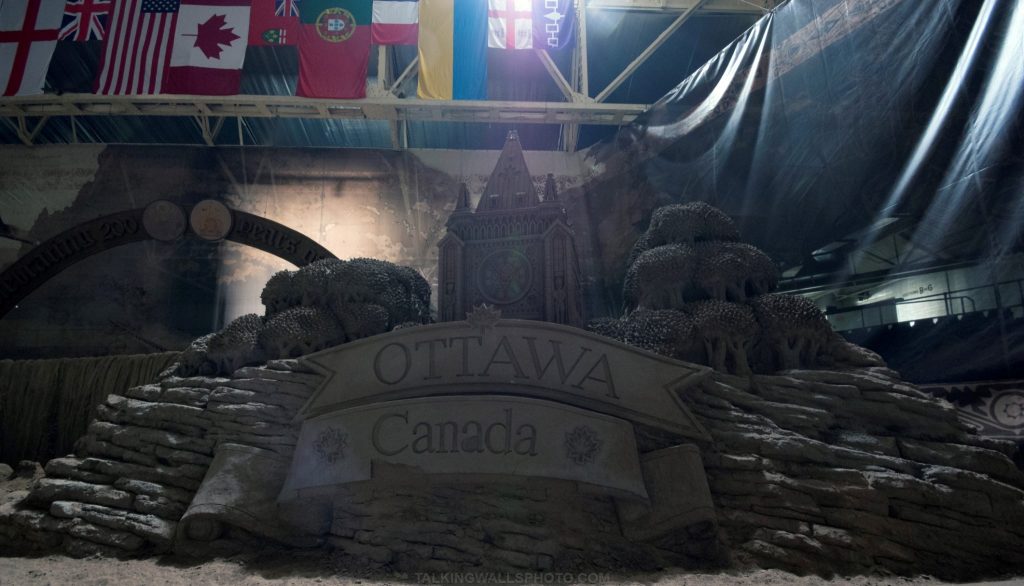
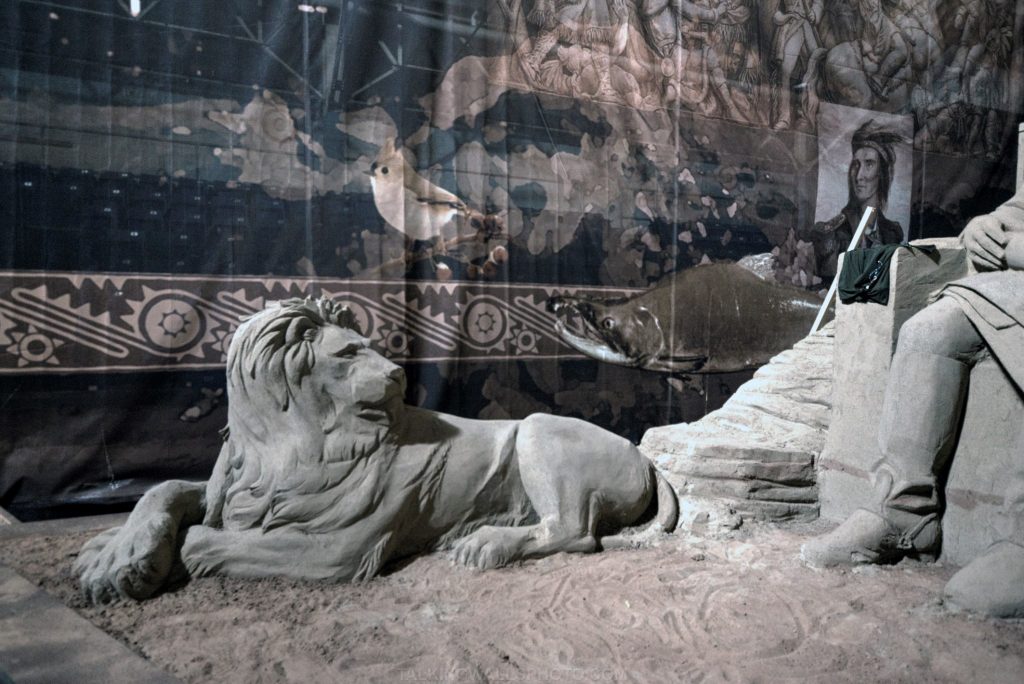
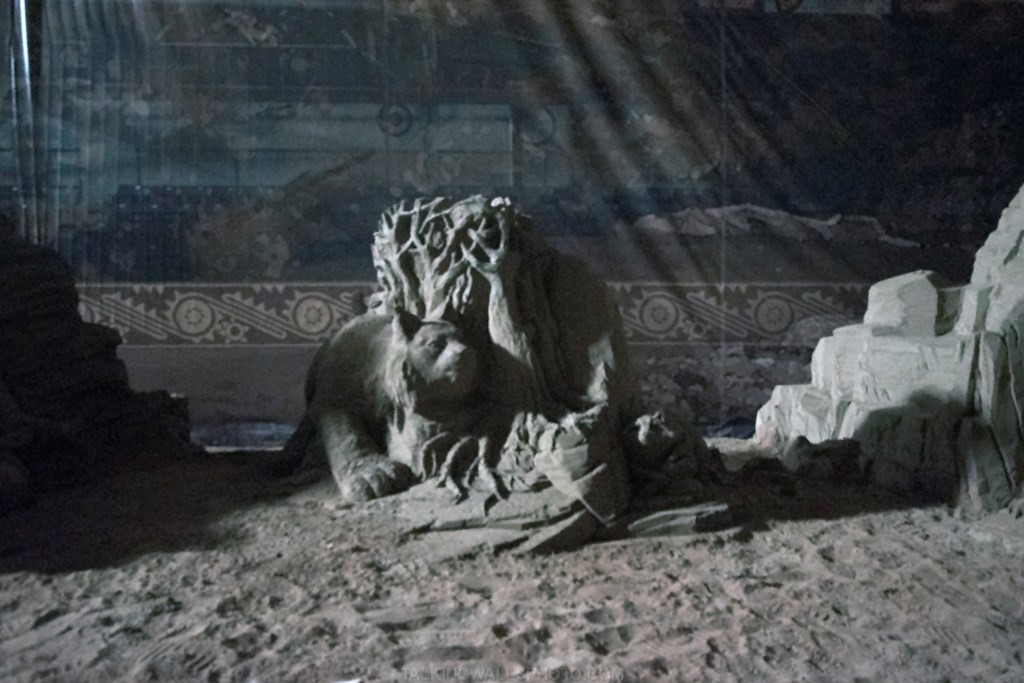
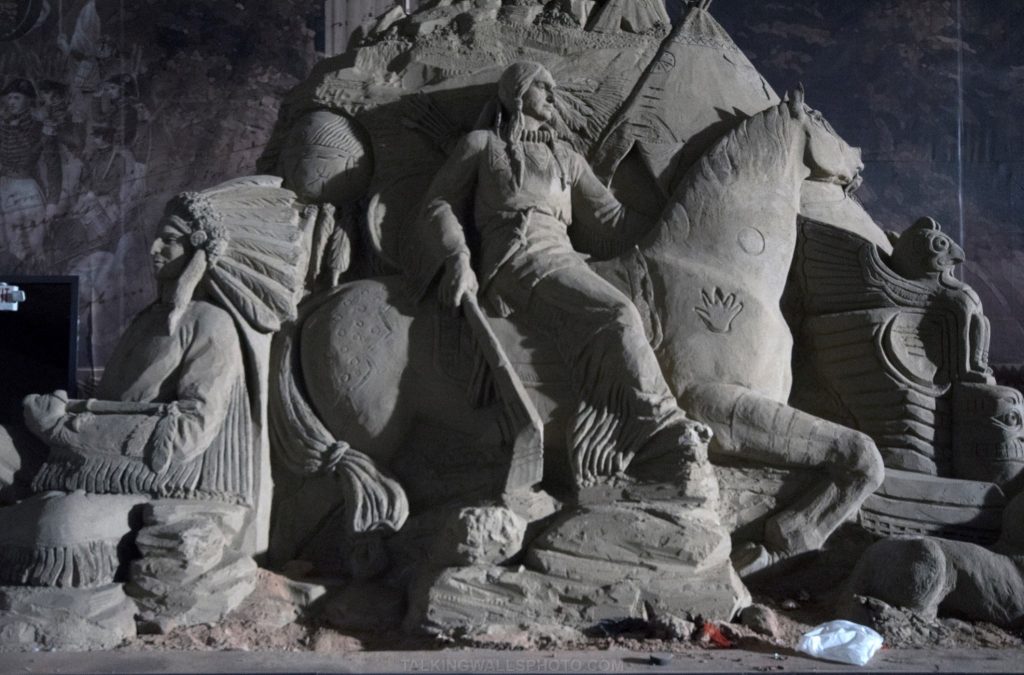
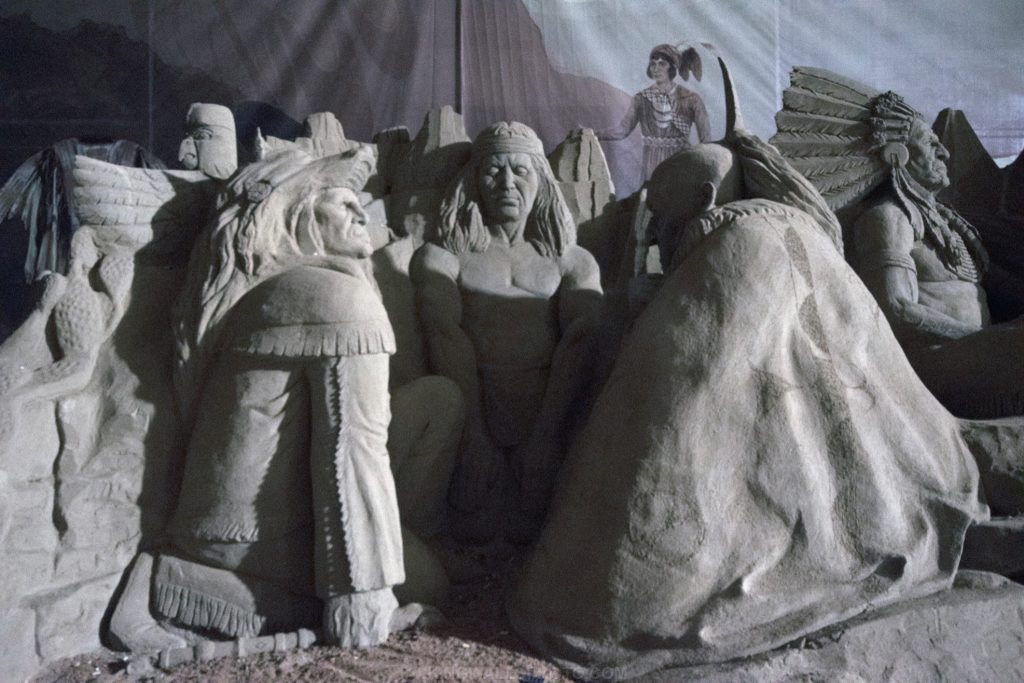
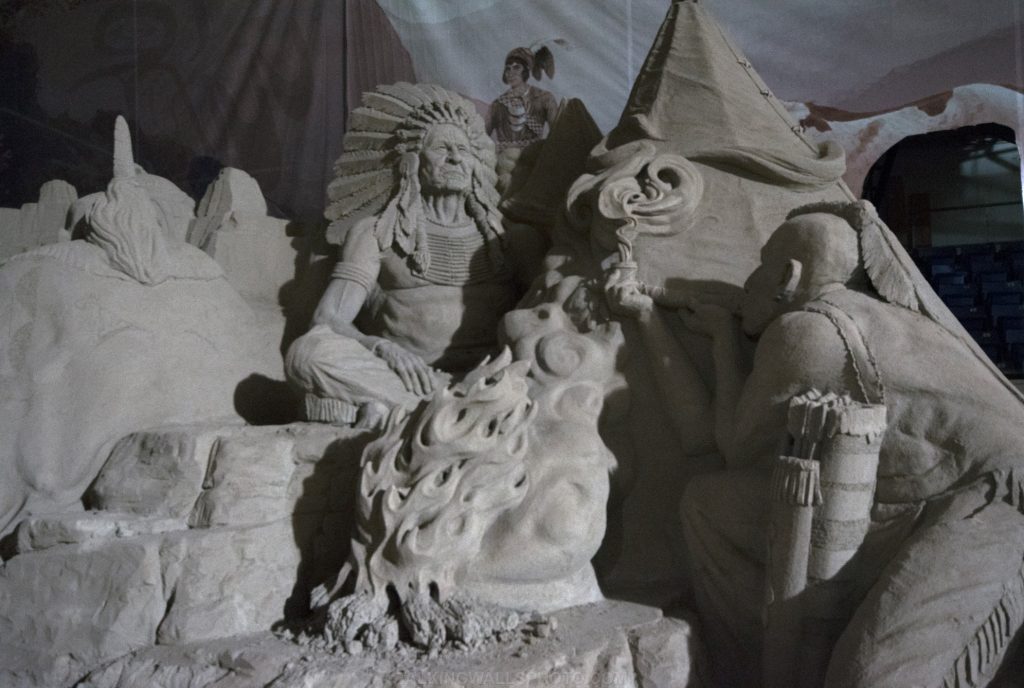
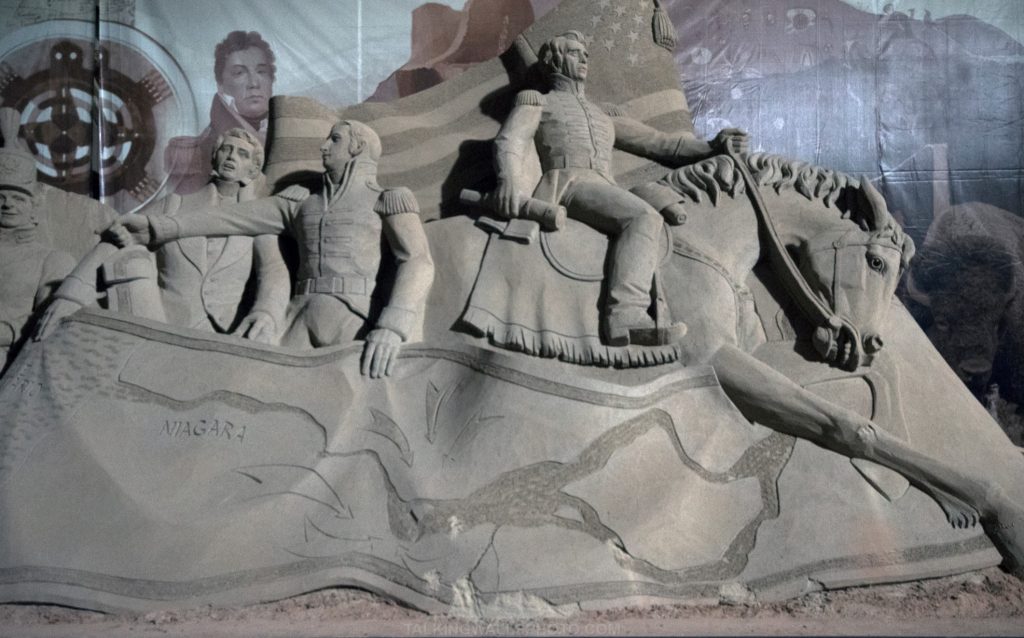
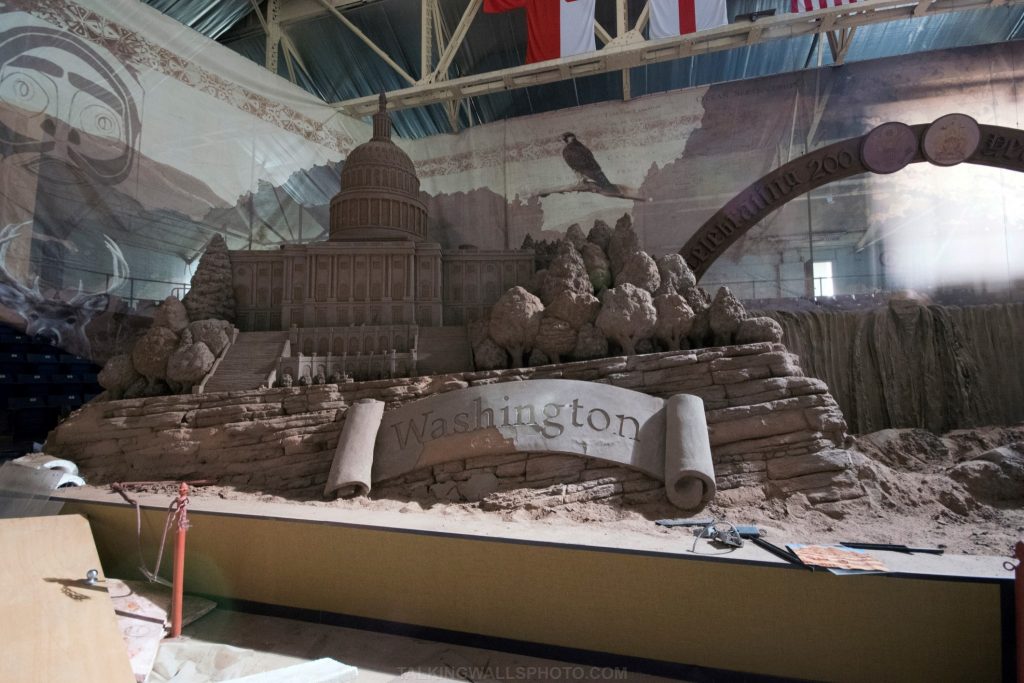
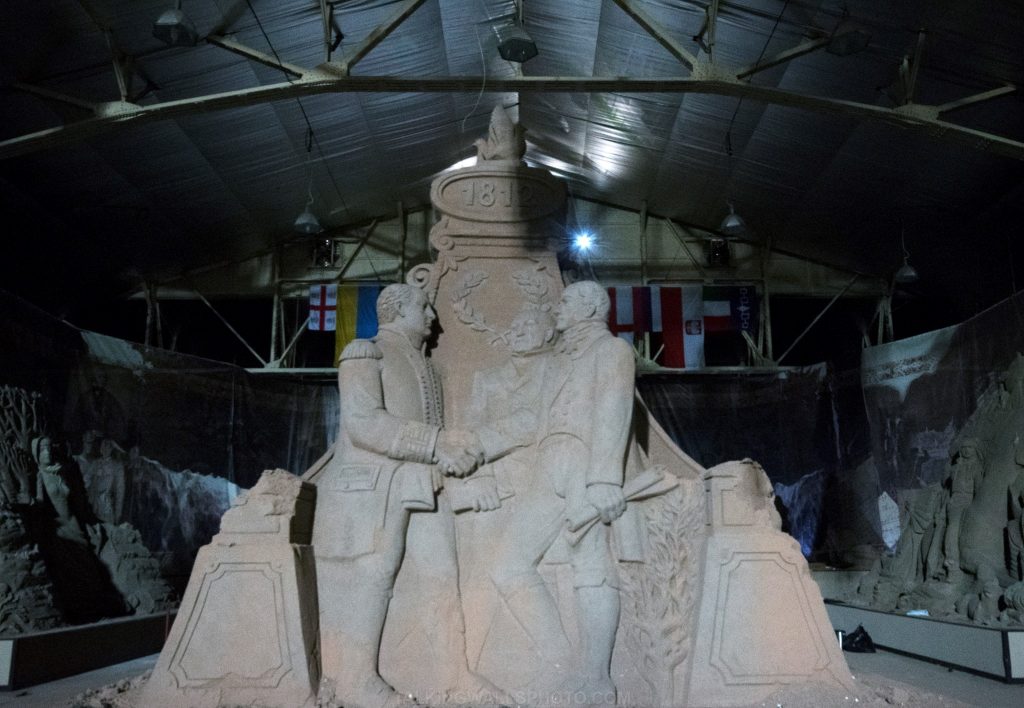
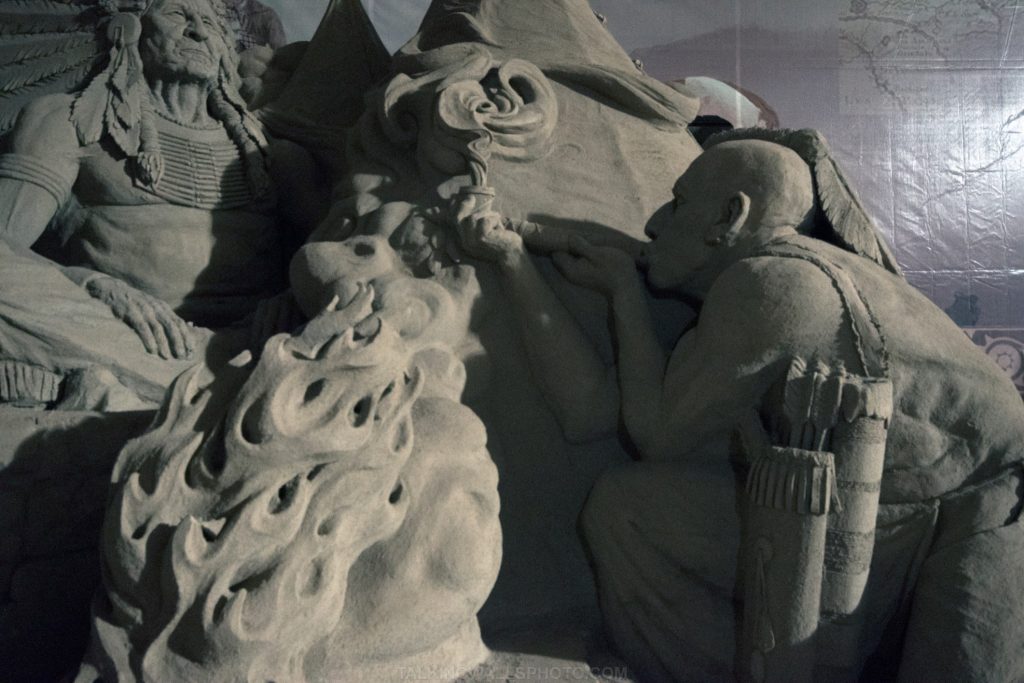
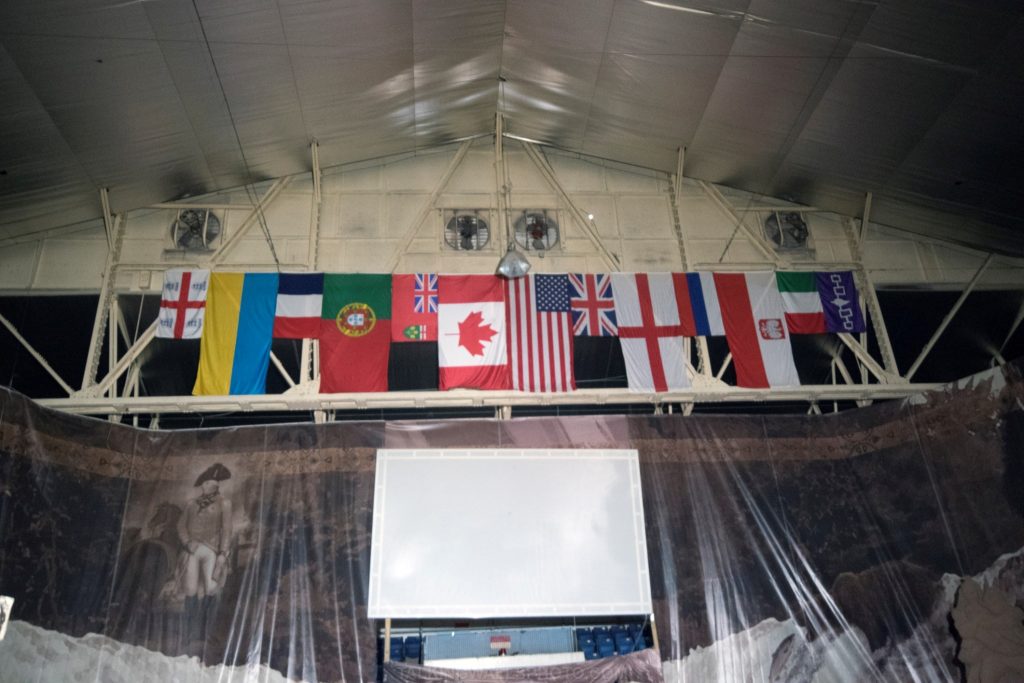
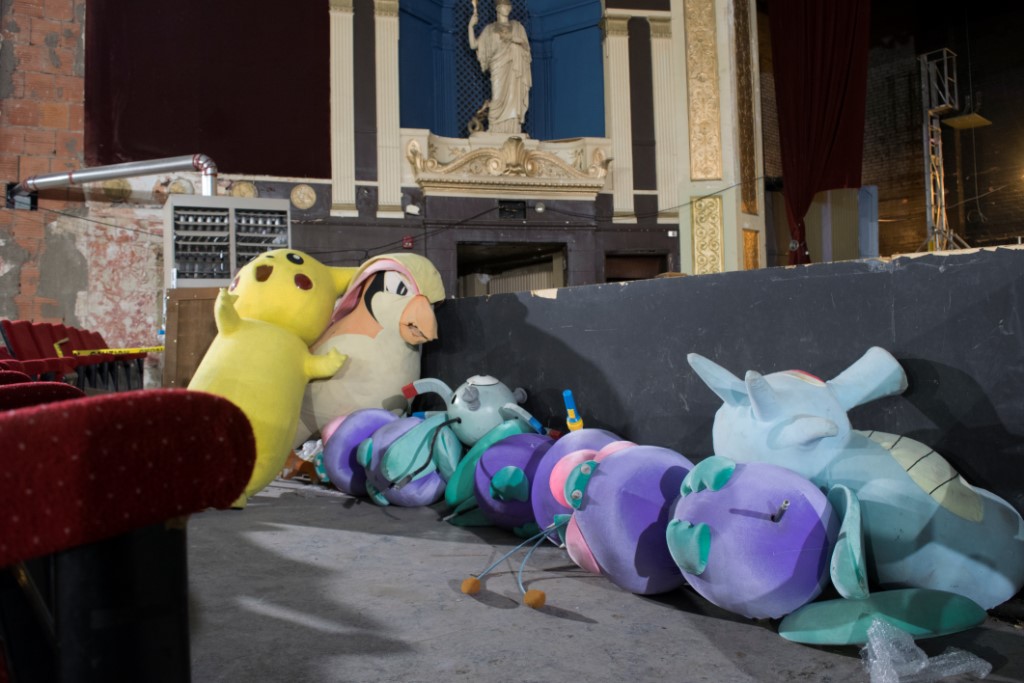
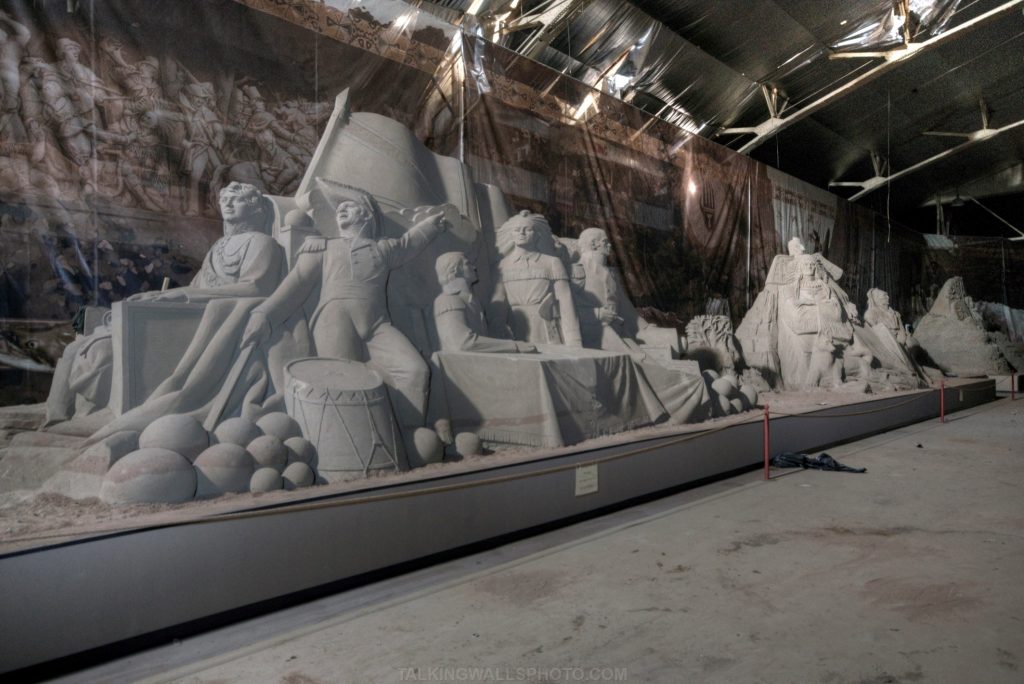
In August of 2013 a sand sculpture museum opened featuring life-like sand sculptures of various historical significance. Seventeen artists from Canada, Russia, Europe and the United States were commissioned to create sand sculptures. The artists took approximately four months to design the exhibits which used just over six million pounds of sand.

The fist exhibit was titled “Sand and History”.

The museum was met with financial difficulties and the Russian based owner put the property up for sale along with its contents. In 2014 the asking price was $3,000,000 which was later reduced to $1,700,000 in 2016.

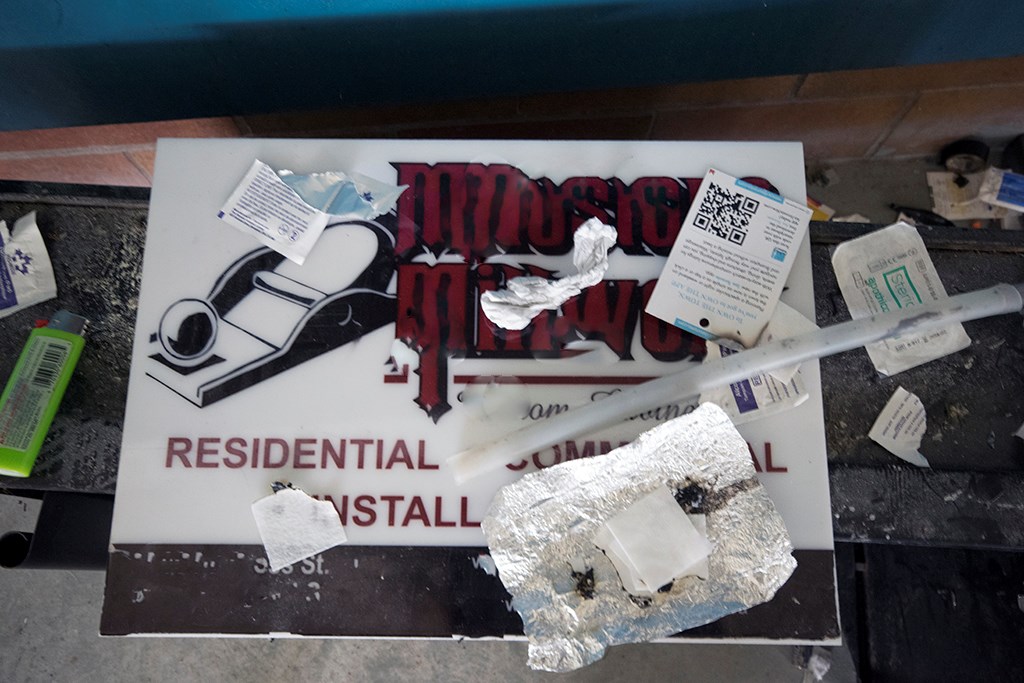
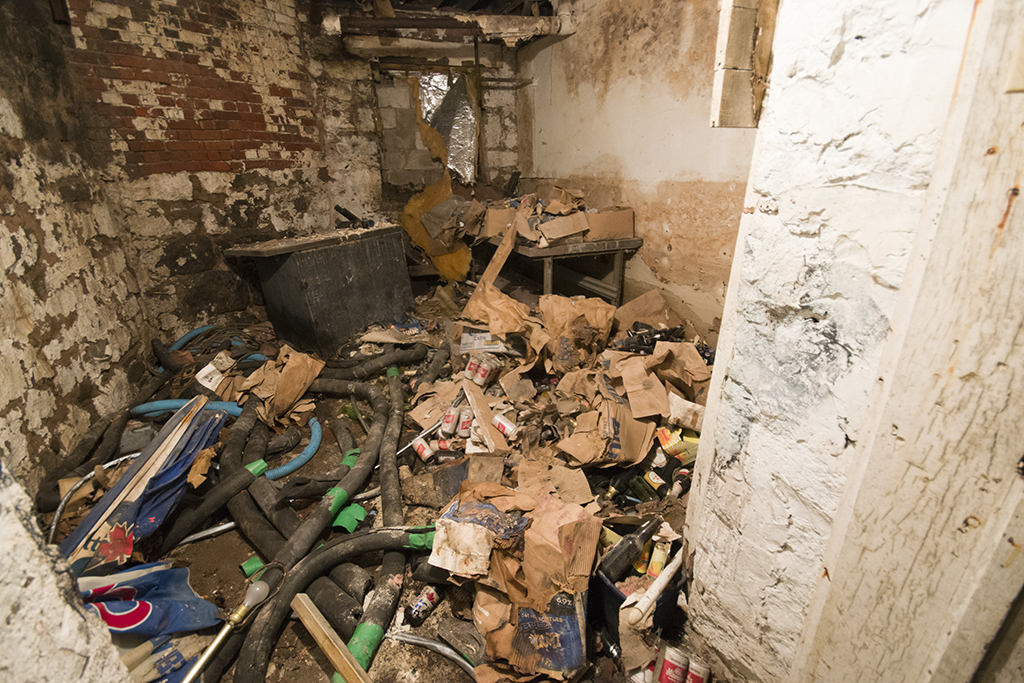
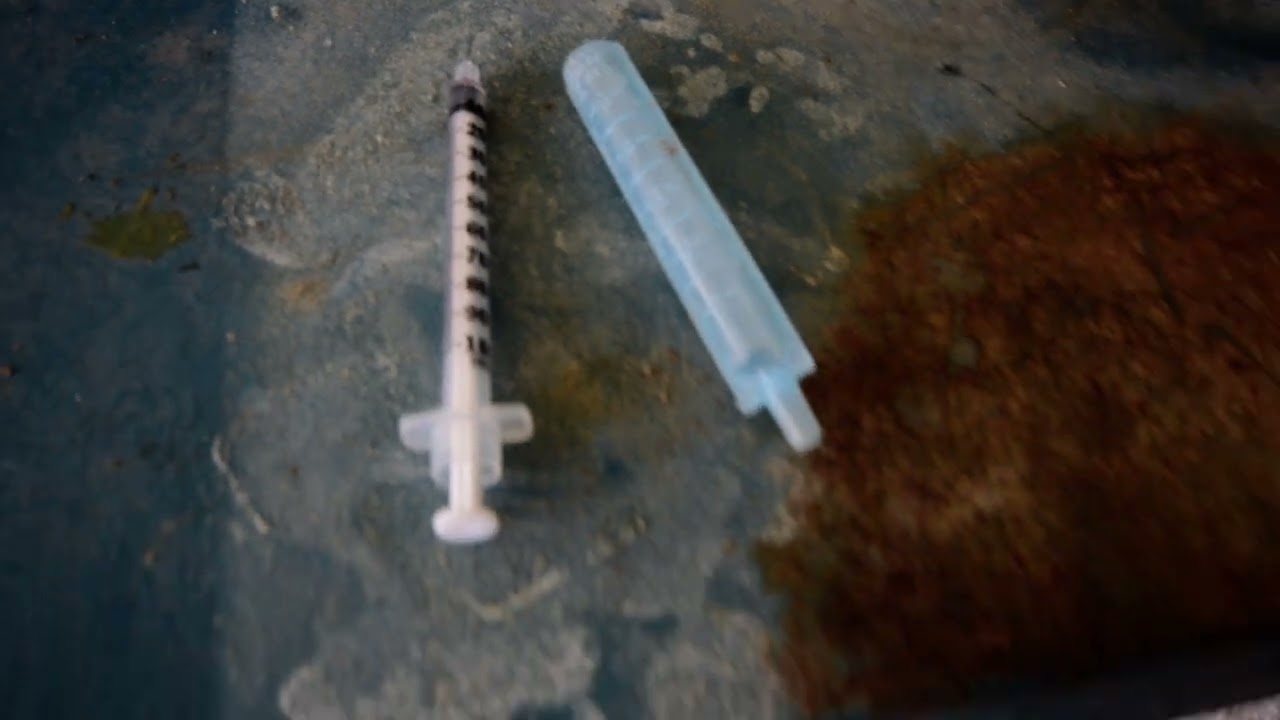
Today the property’s vacant and there’s evidence of intravenous drug use and homeless people sleeping here. While visiting this location I observed several syringes, some with blood in them. There’s a tent pitched in the upstairs area where someone had once stayed. The main floor has an unmistakable stench of human waste. (This is mentioned as a precaution in the event others decide to visit. It’s not mean as judgement by any means)

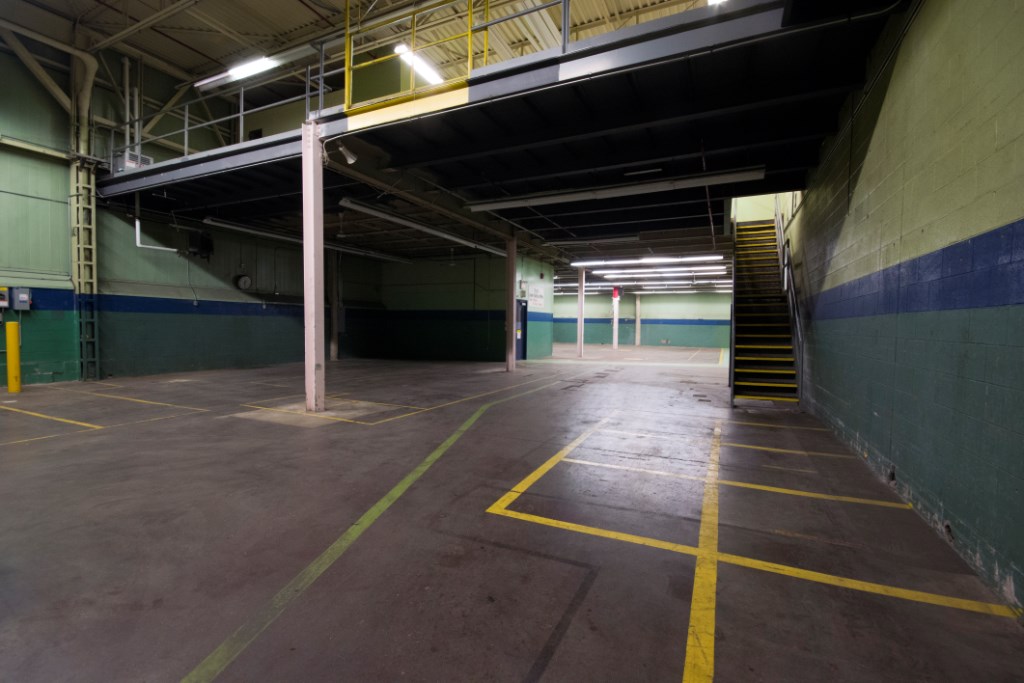
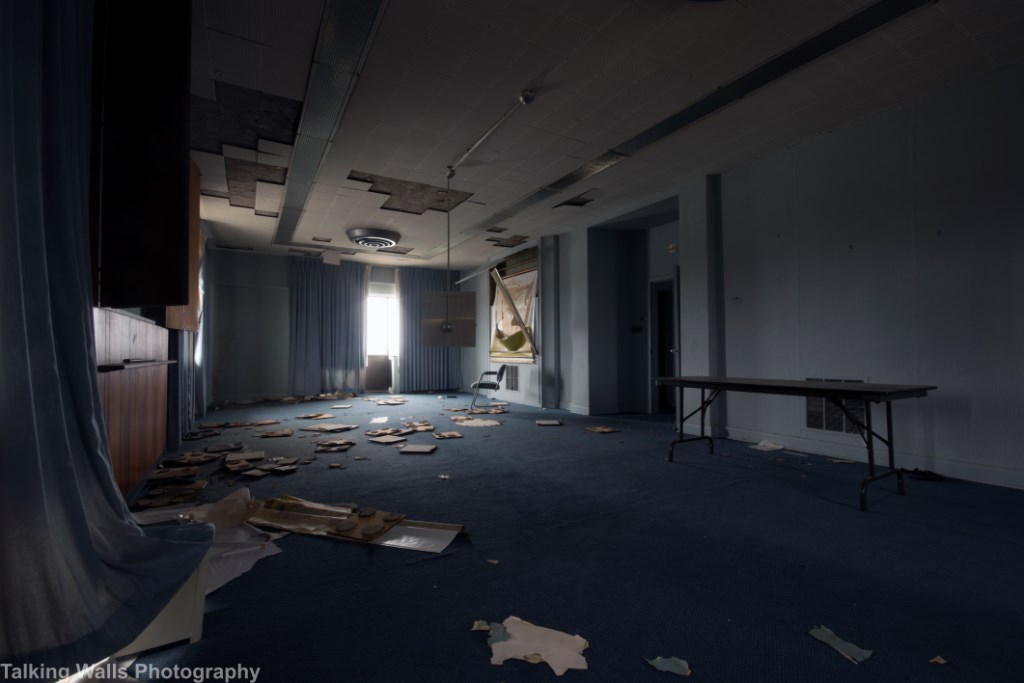
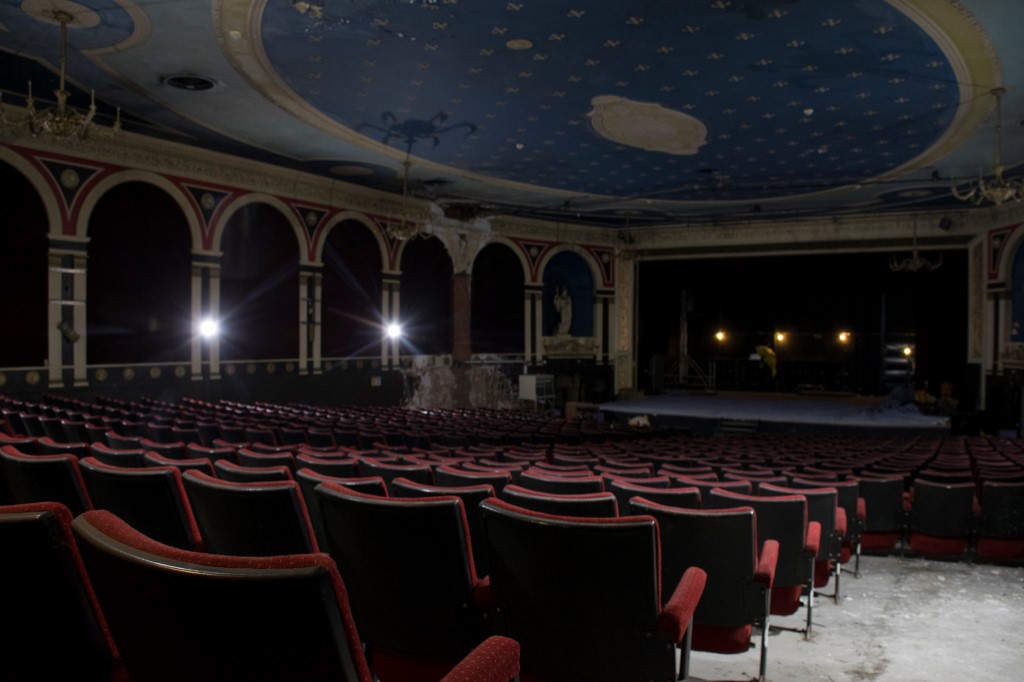
The arena floor is quite dark as there are no working lights. Some photos were taken with long-exposure.

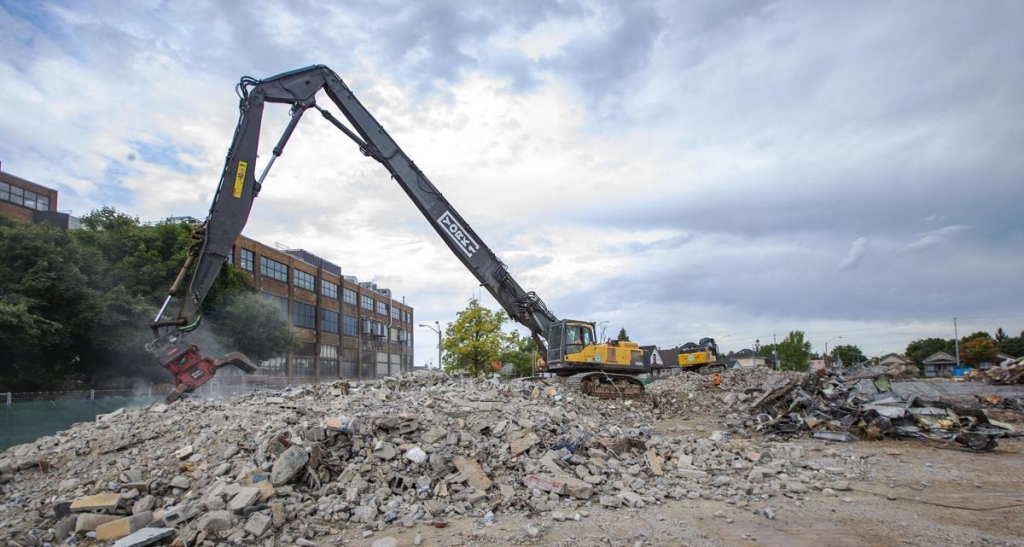
Demolition began in July of 2024.

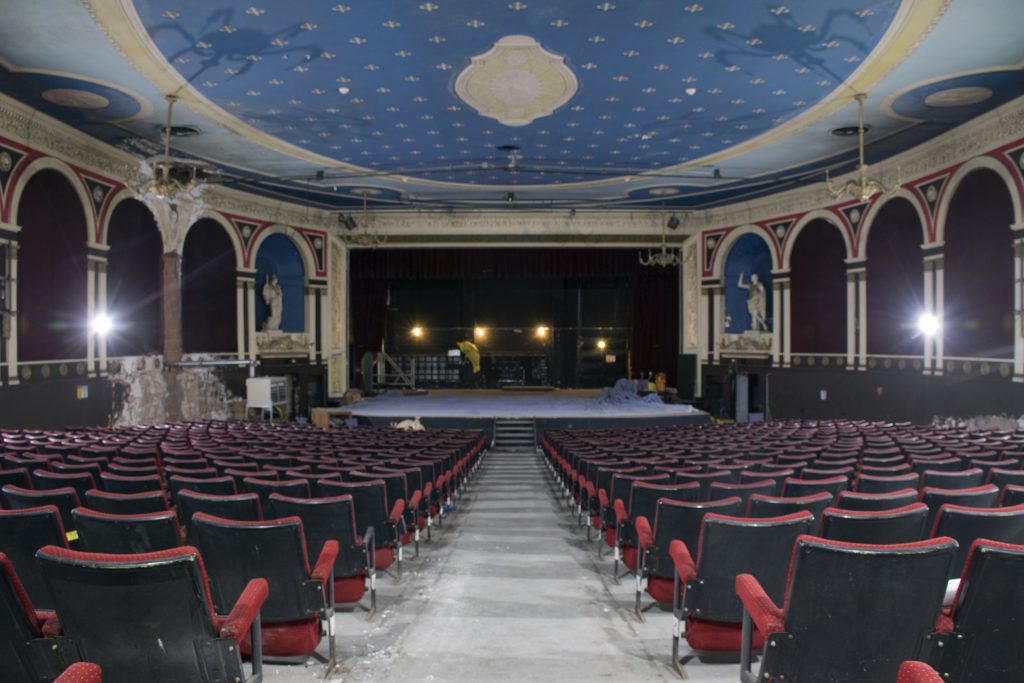
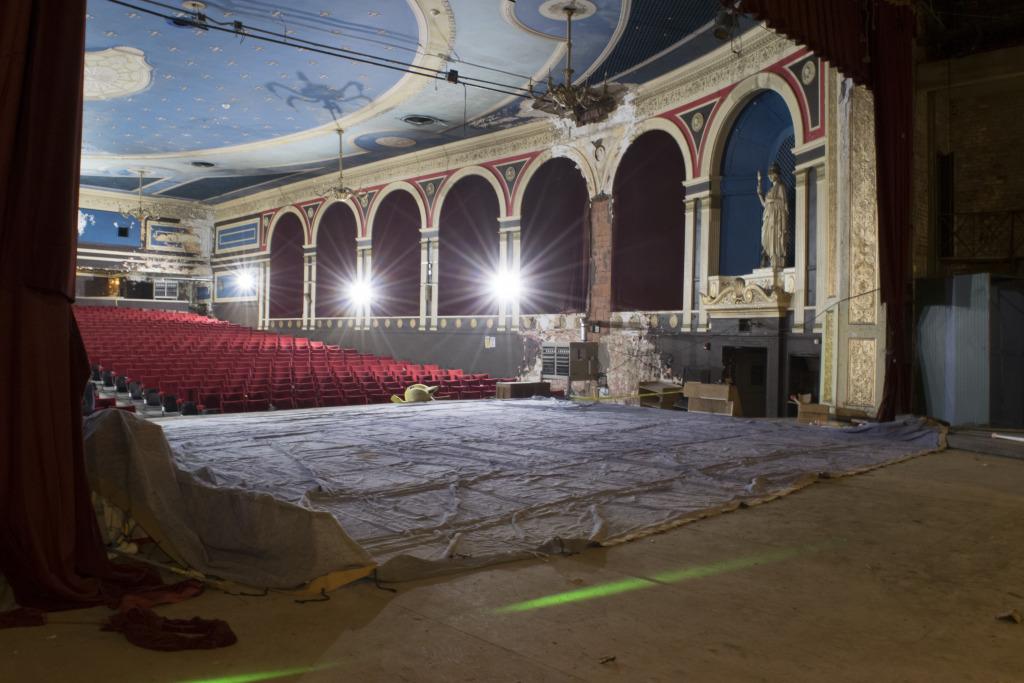
Photos of the arena
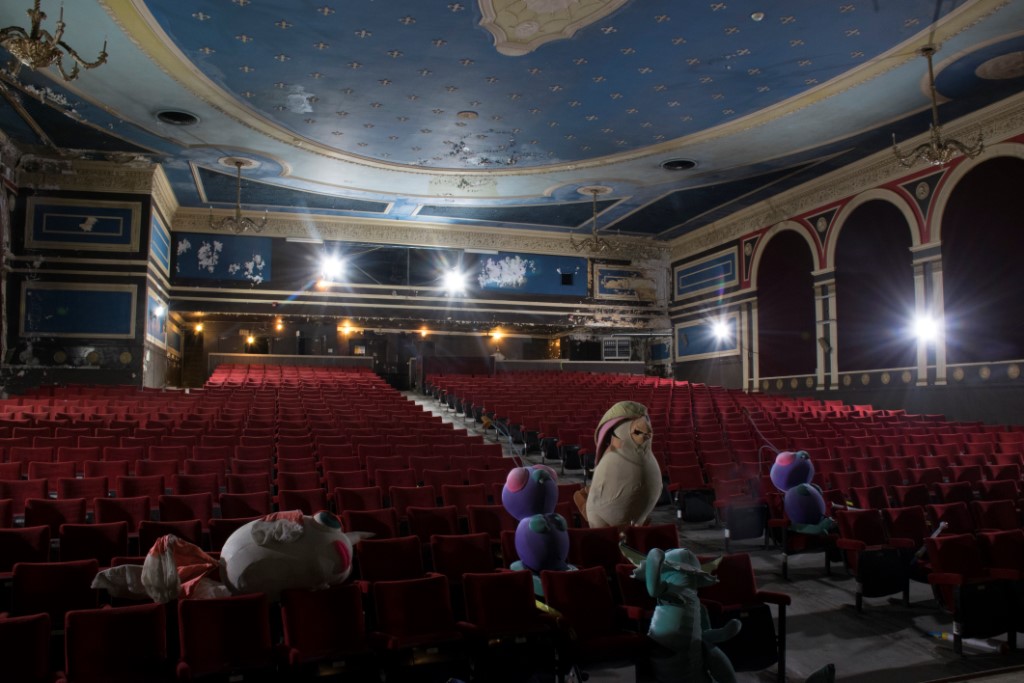
Photos of the sand sculptures
Notable Mentions

1) In 1968 the Memorial Arena hosted four of five hockey games for the Memorial Cup which was won by the Niagara Falls Flyers on their home ice.

2) On October 8, 1976 an elderly woman watching a hockey game lost an eye when the hockey puck left the ice and went into the seating area.

3) Renovations to the arena took place in 1986 and new seating was installed.
Exploring the vacant Niagara Falls Memorial Arena - Opened in 1950 (Sand Sculptures)
Bob Tymczyszyn St. Catharines Standard


Abandoned Firestone Textiles Factory in Woodstock Ontario

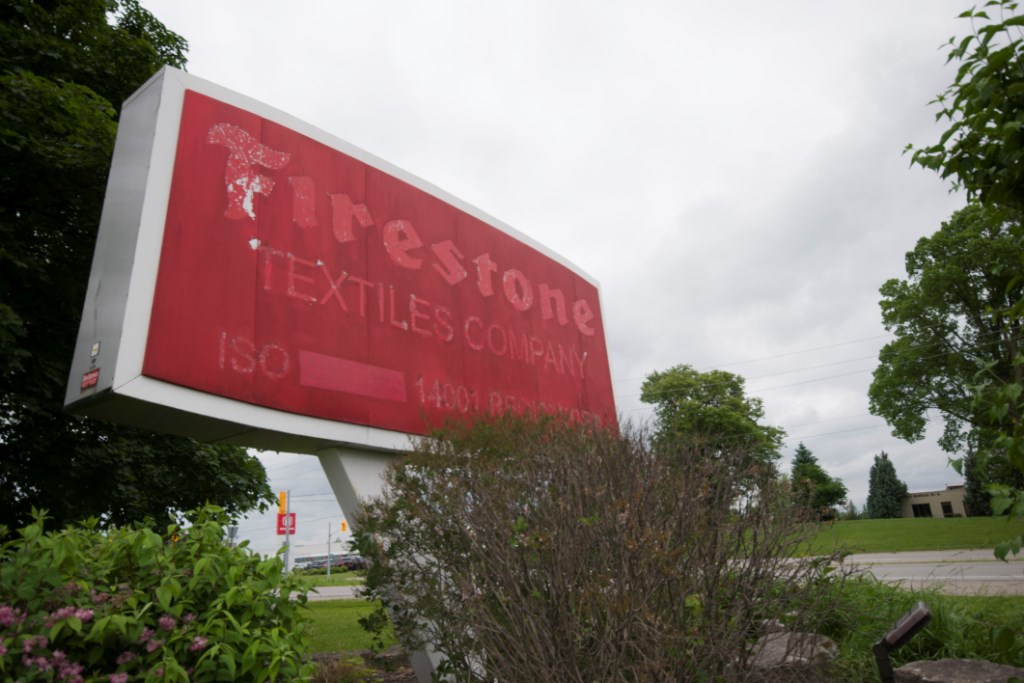
Firestone Cotton Mills of Canada began operations in 1936 in a building purchased from the Oxford Knitting Mills in Woodstock, Ontario.

The building was known as Plant Number 1, located at the corner of Oxford and Ingersoll Streets. Plant #1 manufactured cotton for tire cord cotton reinforced tires. The cotton was used until the 1940’s when rayon was introduced. Today tires are reinforced using a mixture of nylon and polyester.

During the Second World War, many of the positions at Firestone were held by women. Firestone was also the first job for many immigrants arriving to Canada during the 1950’s.

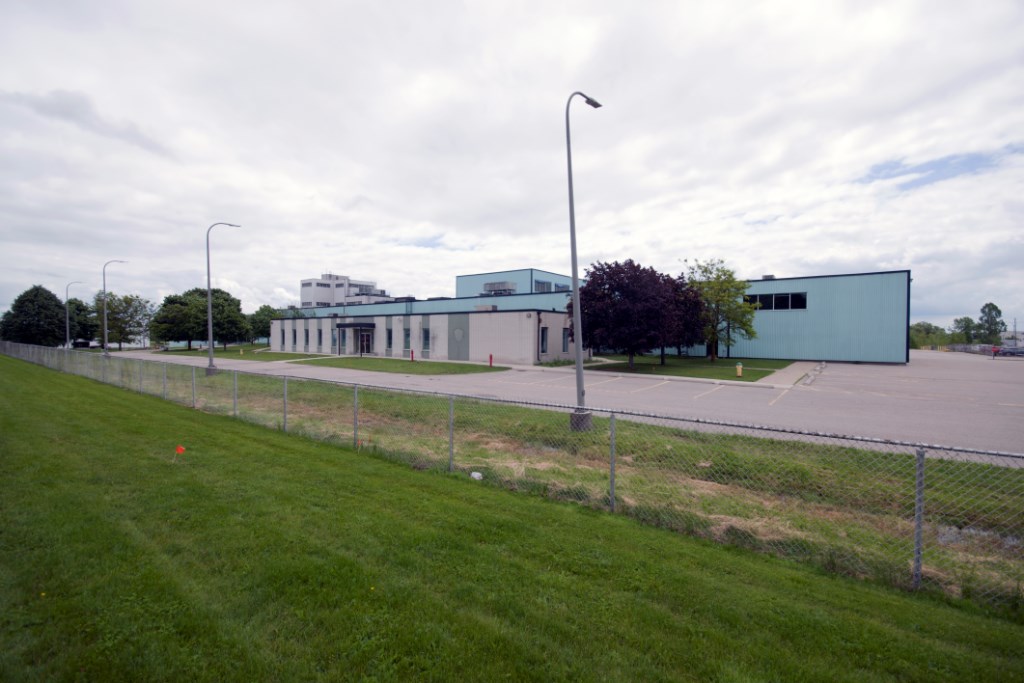
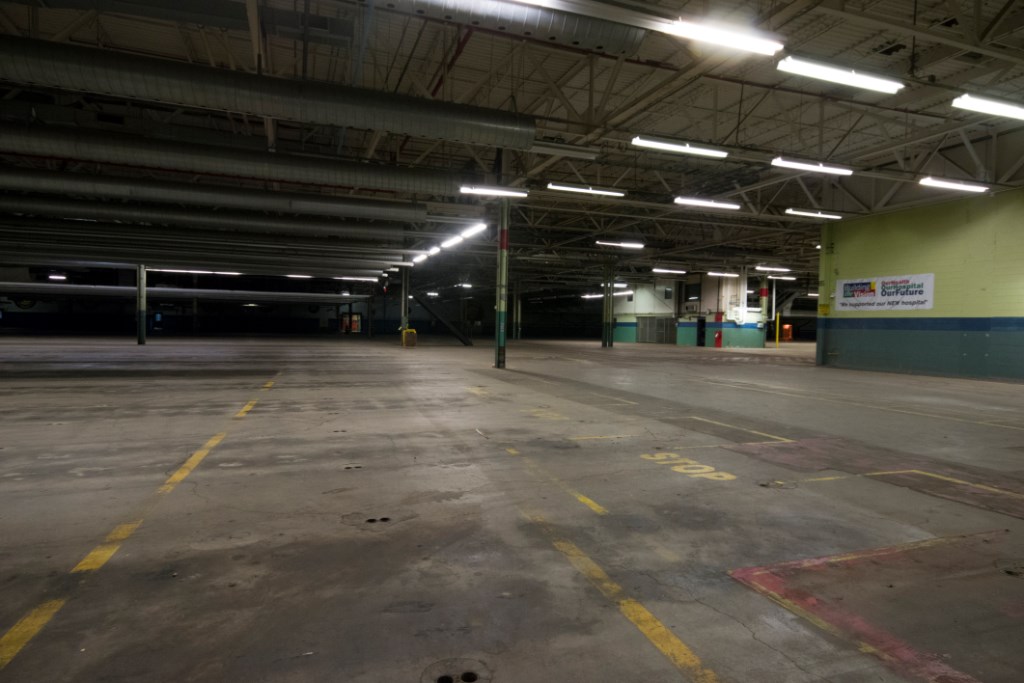
In 1965 Plant Number Two opened at 1200 Dundas Street East. It allowed for expanded tire cord production using larger, cost-effective spools. In 1984, a $6 million expansion took place and gradually integrated employees from Plant #1 into Plant #2. Plant #1 became a warehouse.

In 1967, Plant Number Three was built for the production of Nylon 6.
Firestone employed 170 employees (35 salaried and 135 hourly) from the Woodstock area. On October 4th, 2017 an emergency meeting was held to announce that production would be gradually scaled back and production would cease entirely by the end of 2018.

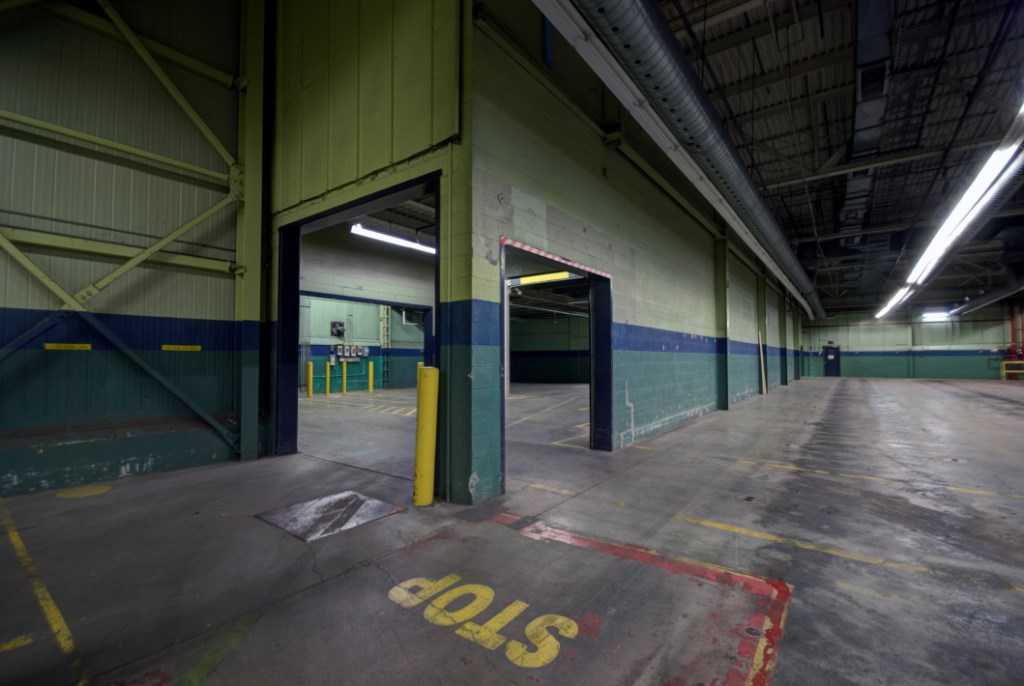
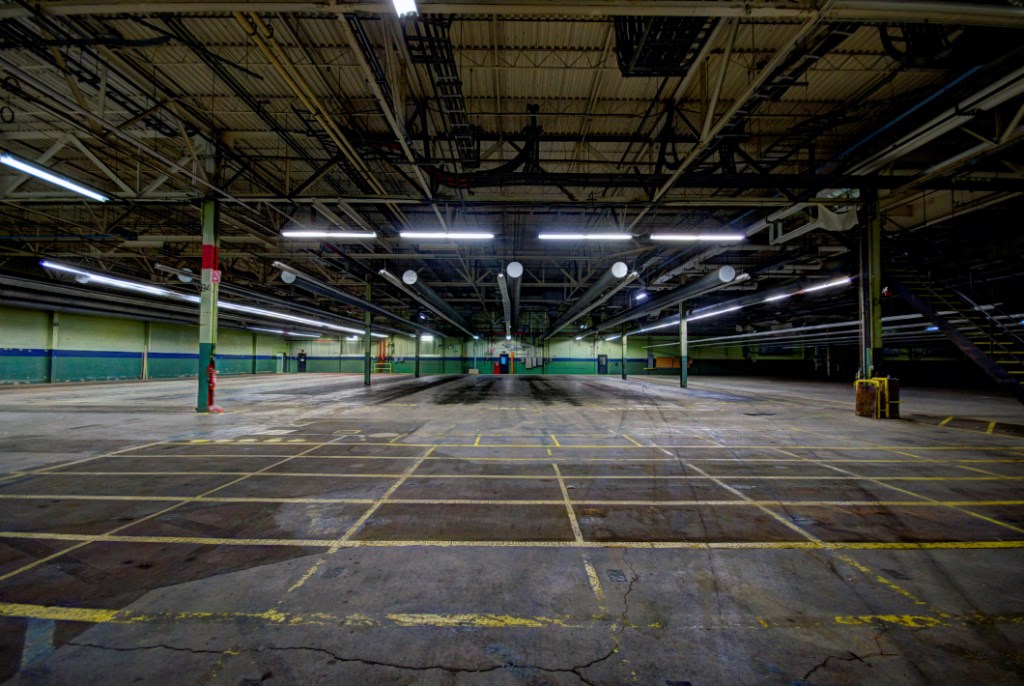
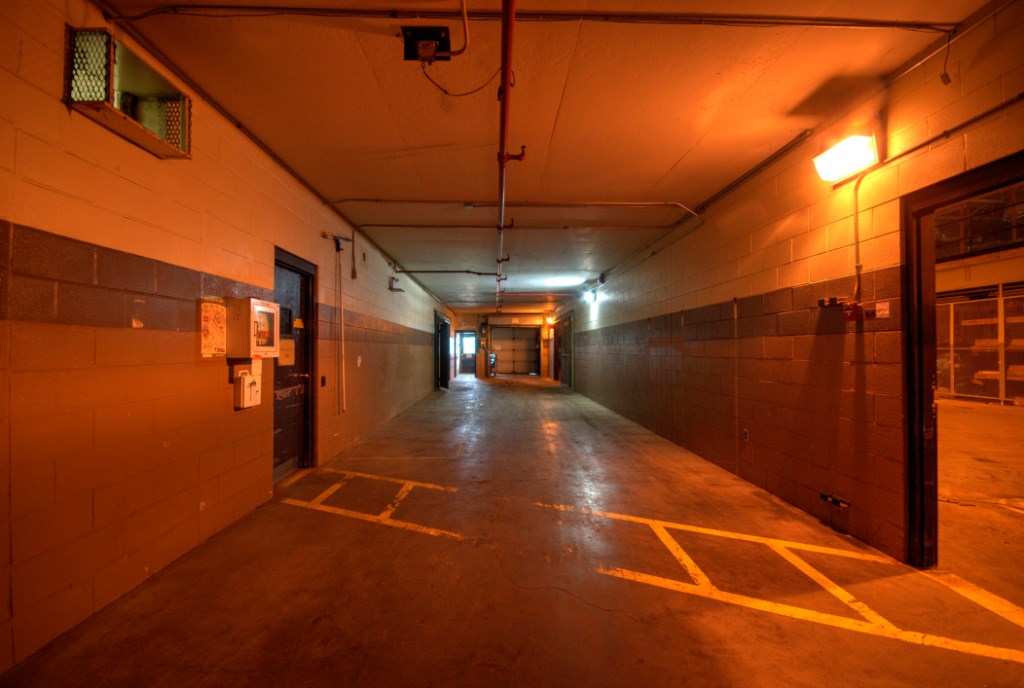
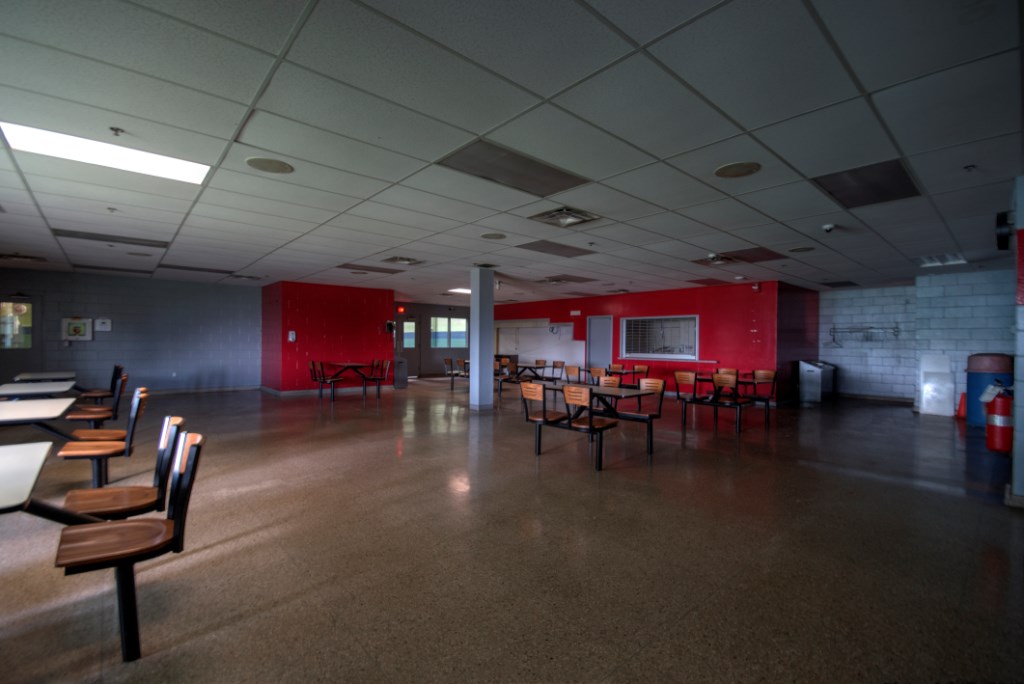
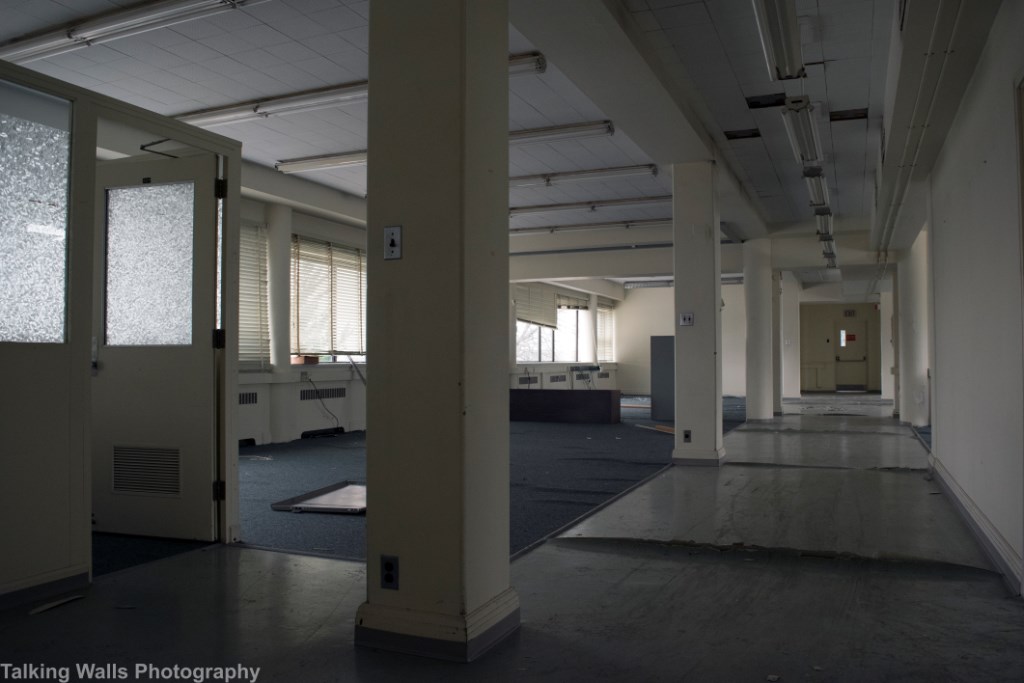
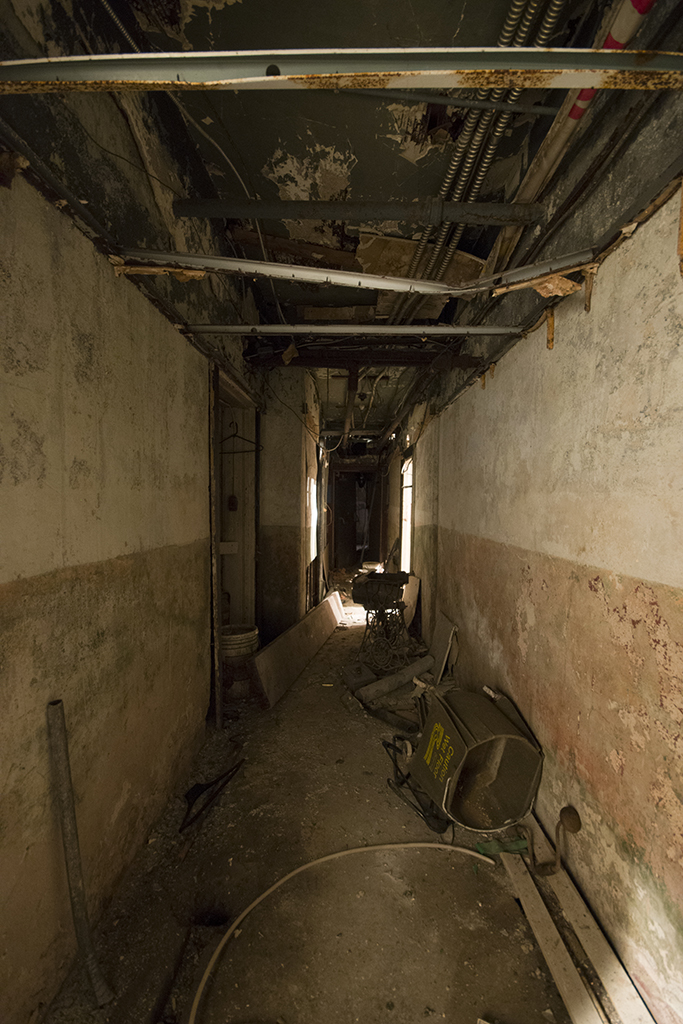
Today the property is vacant and stripped of everything inside. During my visit there was electricity. If you visit, exercise caution as some of the doors will lock behind you and you could trap yourself in between them.


Thorold Resolute Paper Mill with Medical Surgery Room

In the early 1900s, the McCormick family had controlling interest of the (Chicago) Tribune Company which produced newspapers. In 1910, Robert McCormick started working in the family’s business and the following year was elected president of the Tribune Company.

The Tribune’s main competition was a newspaper out of Hearst which was able to obtain newsprint at lower cost. McCormick developed a plan to build his own newsprint mill in order to have better control over the price of his most important raw material. In winter of 1911, he chose a location in Thorold, Ontario which was at the time a cow pasture along the bank of the Welland Canal.

Two engineers were brought in from Chicago to design the plant.  The mill building was completed by  1913, and the first production at the newly-formed Ontario Paper Company started on September 15, 1913. The second paper machine started a few weeks later. In 1914 the mill was able to meet 93% of the Tribune’s paper needs.

Closure

The Resolute Paper Mill was another statistic in the industries lost due to increasing operating costs and decreased sales. In 2016, the company announced a $15 million dollar loss. A decline in the demand for newsprint was the primary reason for the closure. In March of 2017 Resolute Forest Products was closed and approximately 120 workers were laid off.

Exploration

The building is quite large and took several hours to see it all. I didn’t take enough photos to do it justice. There’s a separate industrial building that we didn’t get to see.

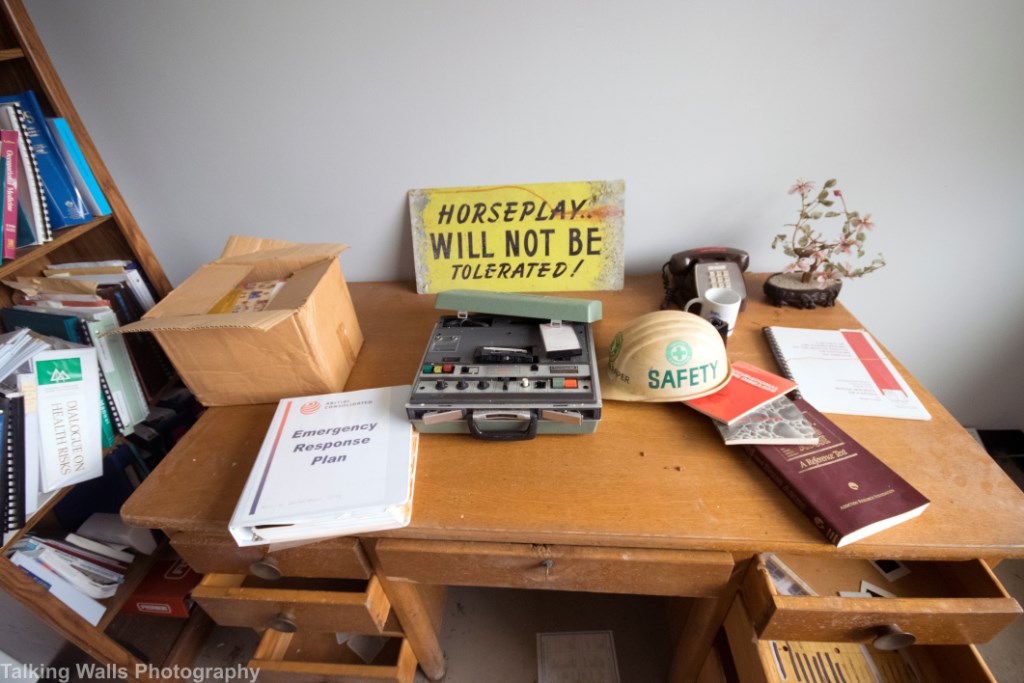
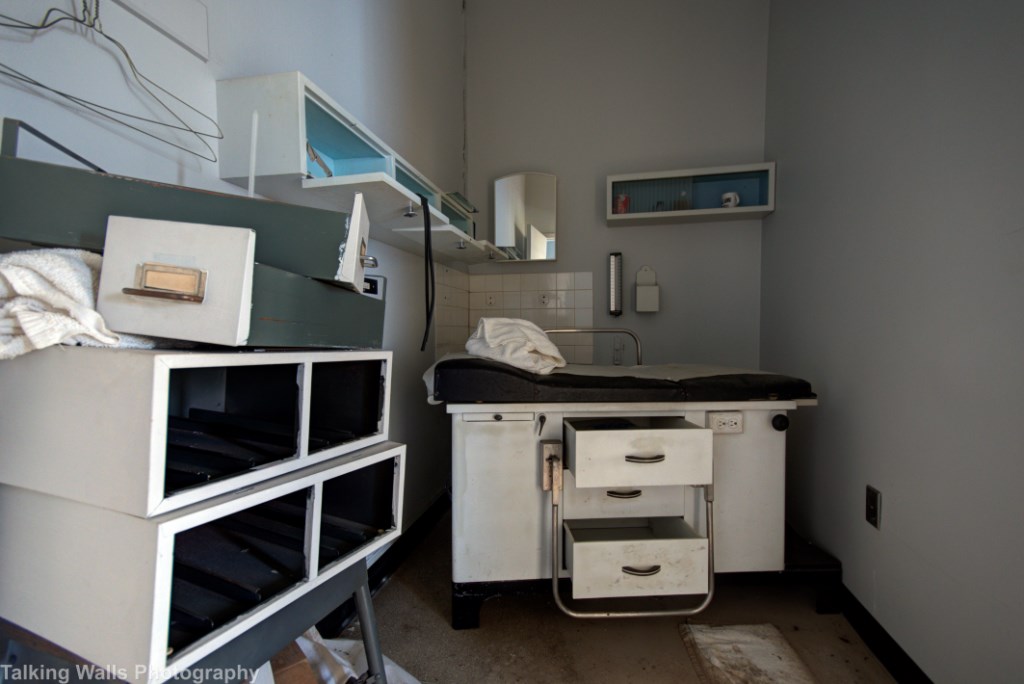
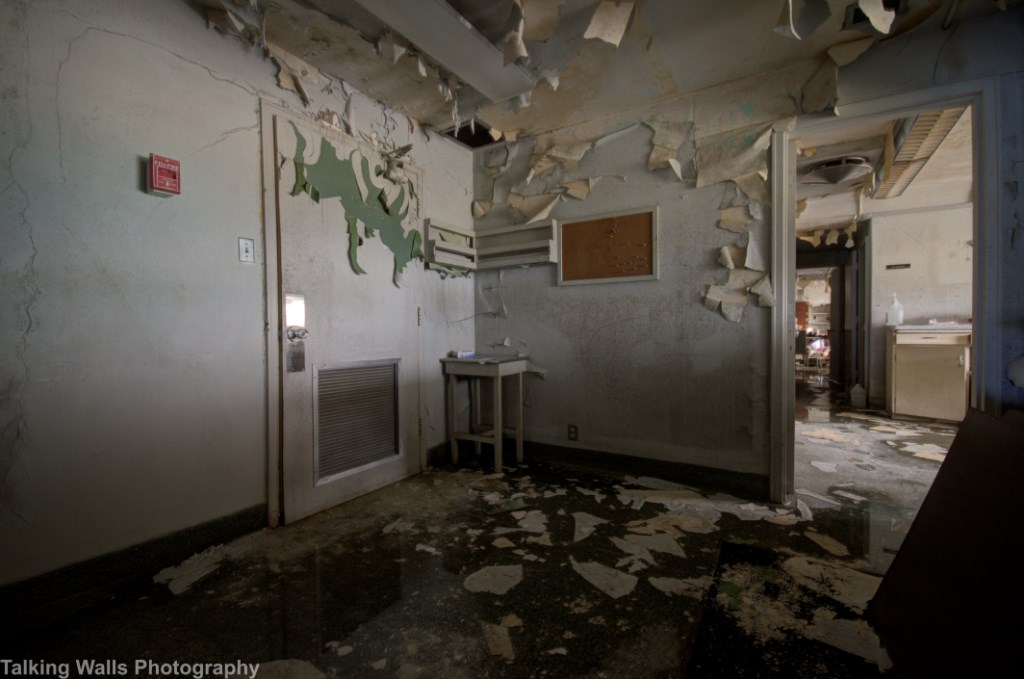
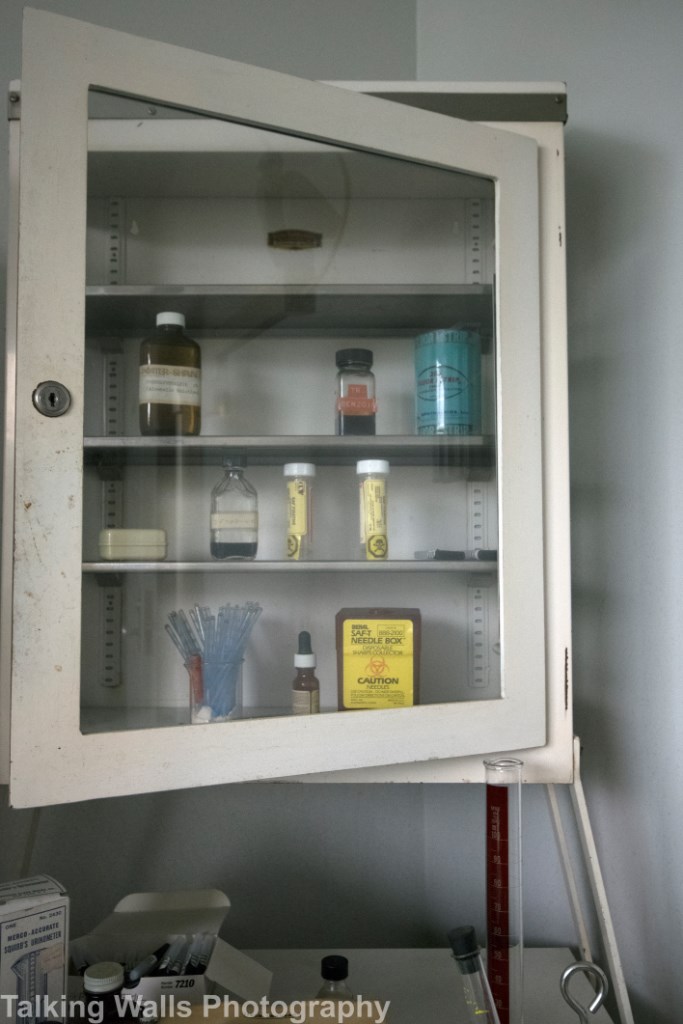
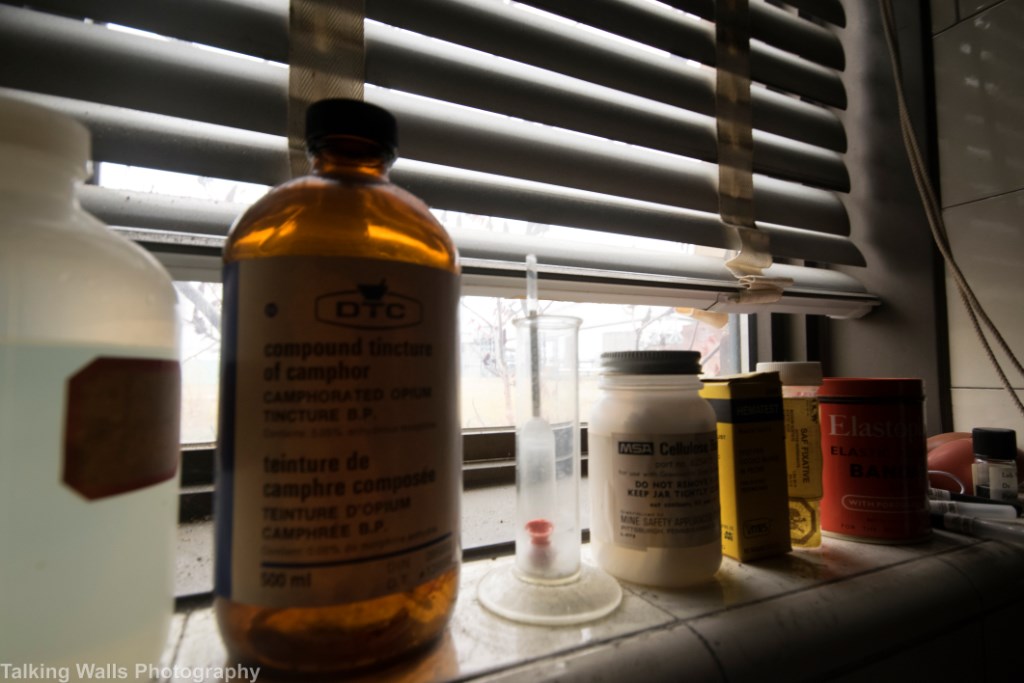
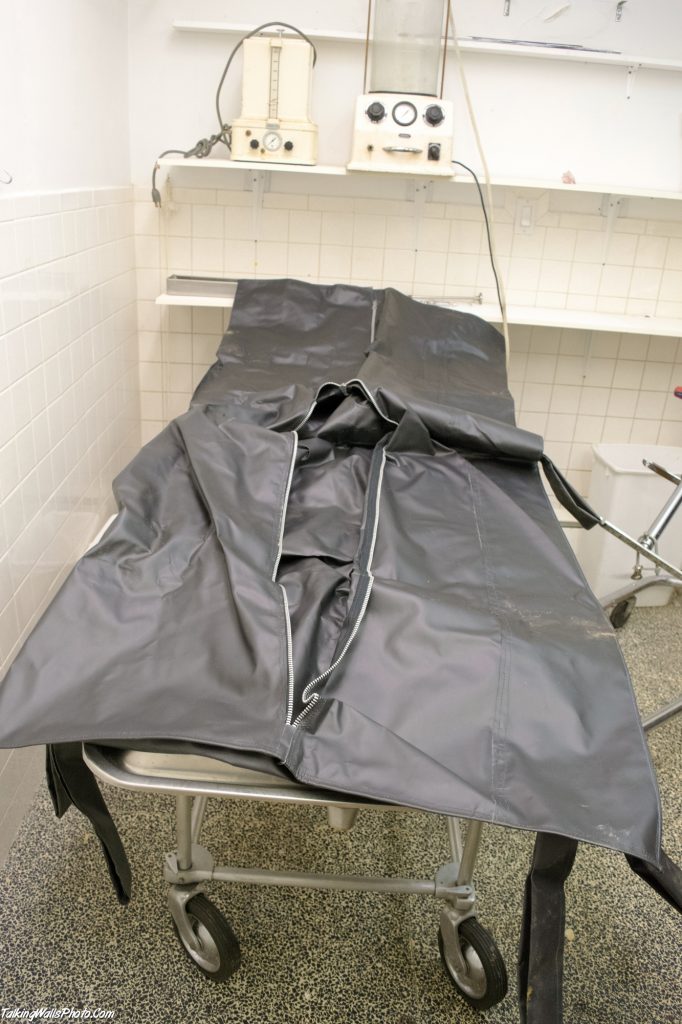
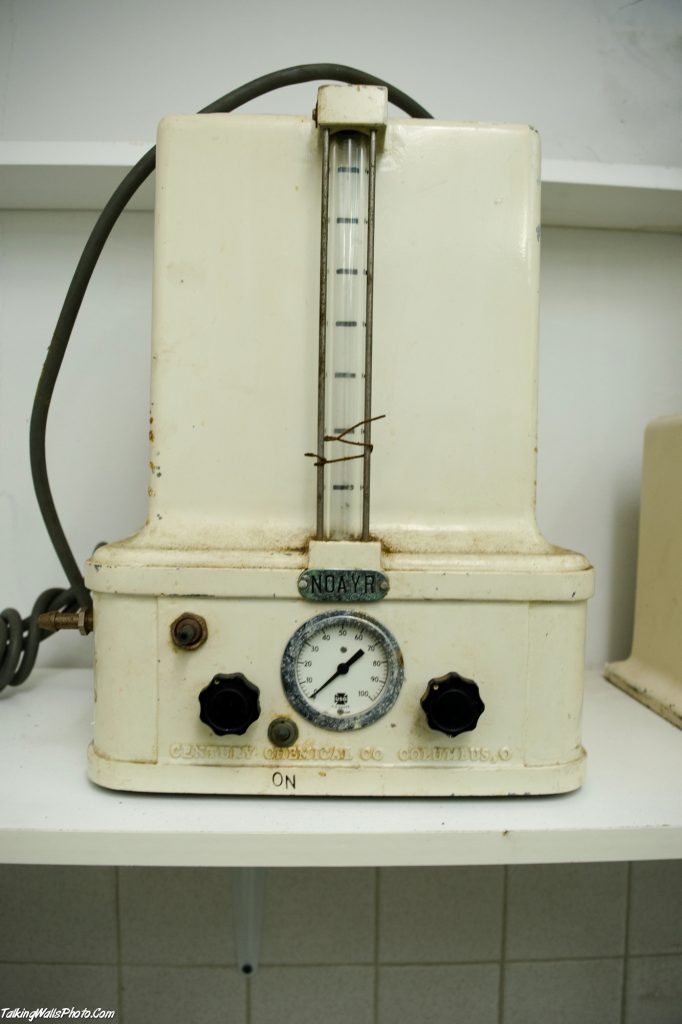
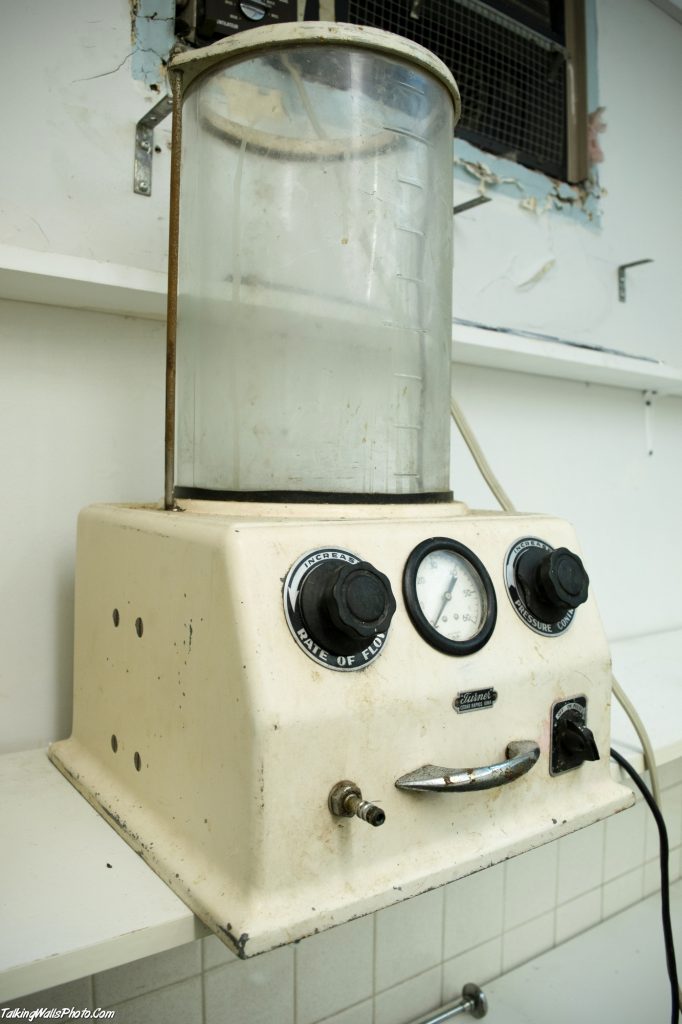
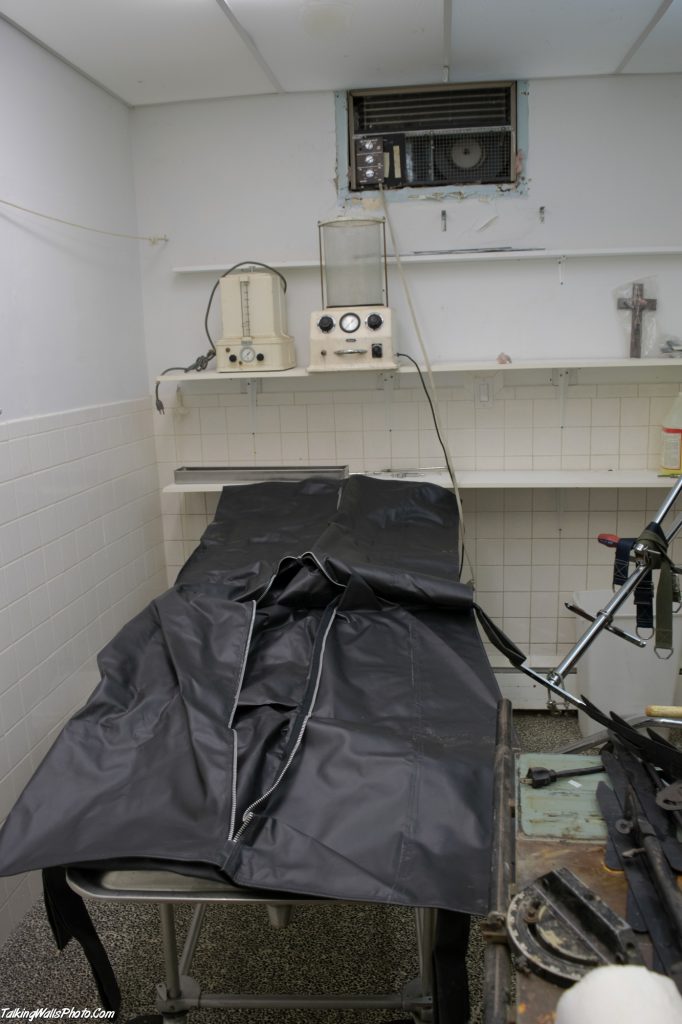
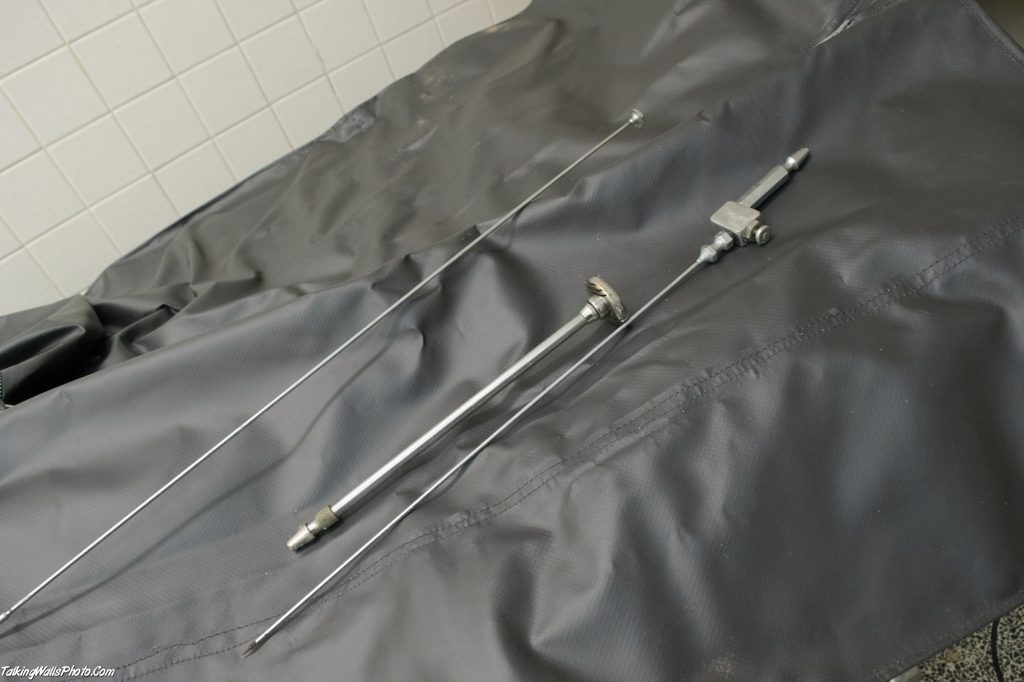
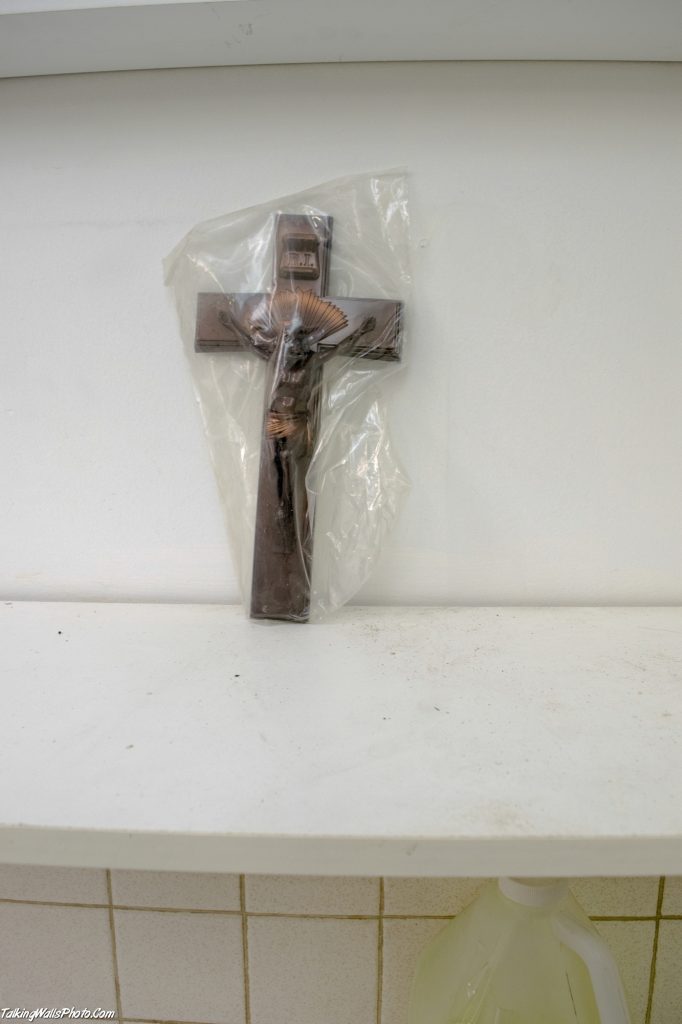
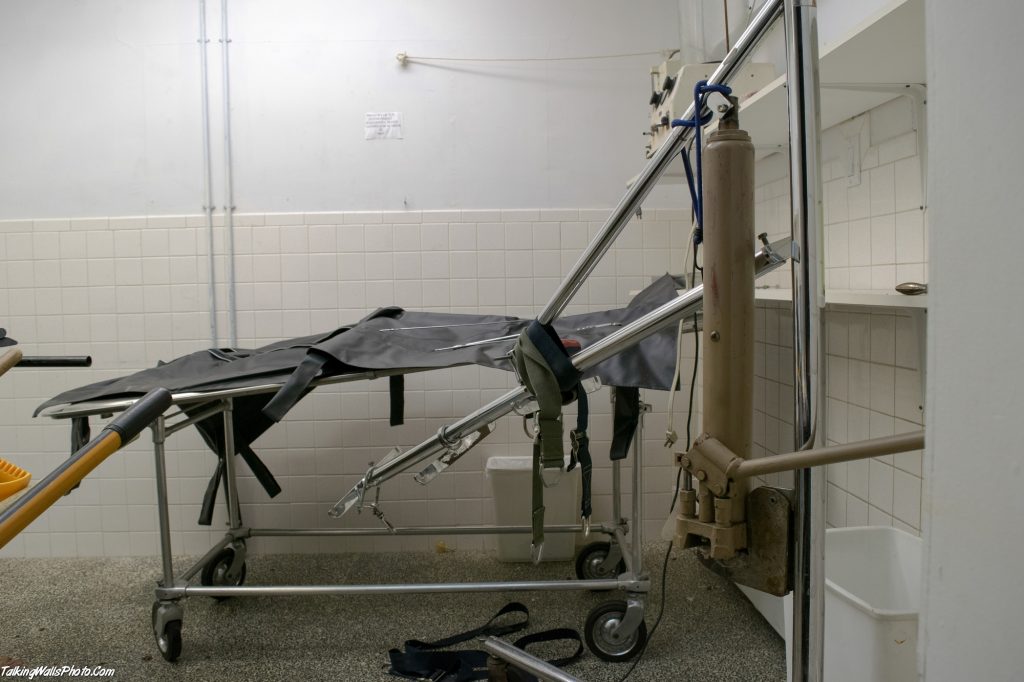
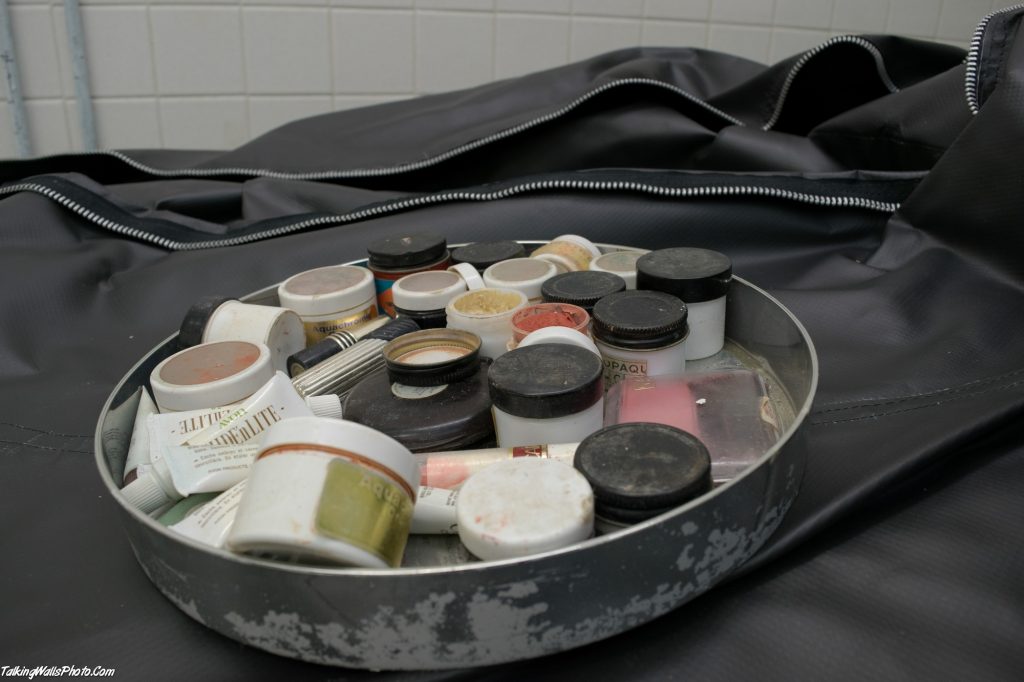
The medical rooms are the most interesting. There are various medical equipment, a doctor’s examination table and several containers of old medicine.

In a span of less than 48 hours after first visiting this location, the doors had been chained back up. Several of my photos didn’t turn out clear – a casualty of the manual focus lens I was using 🙂

November of 2018 Photos

Resolute Forest Products in Thorold, Ontario


Caddy’s Strip Club & Rockpile East – Scarborough, Ontario

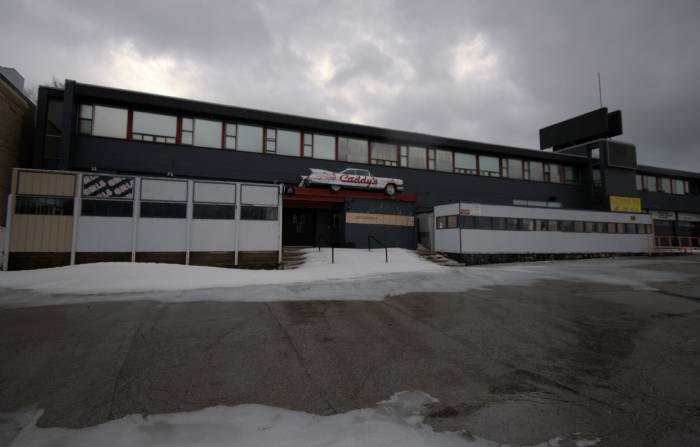
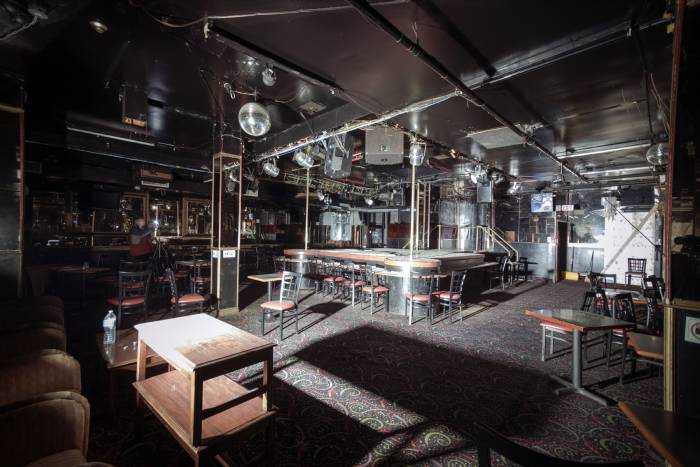
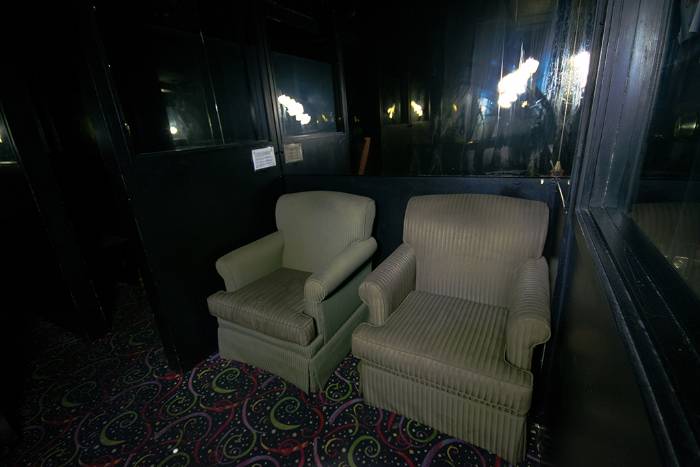
Caddy’s Strip Club was located in Scarborough, Ontario. Part of the adult entertainment experience of course was the availability of lap dances. This was a private area where dancers would provide dances for men often with unwanted physical contact taking place.

Caddy’s Strib Club joins many others that have closed across Canada as fewer people utilize them. With the availability of adult material, who’d want to pay $8 a beer to see what you could see naked women at home? If the walls could talk, they’d probably moan.

Above the steps to the building was a Cadillac car.

abandoned Caddy's Strip Club, abandoned ontario, strip bar, urban exploring, Ontario abandoned places, urbex, scarborough

abandoned Caddy's Strip Club, abandoned ontario, strip bar, urban exploring, Ontario abandoned places, urbex, scarborough


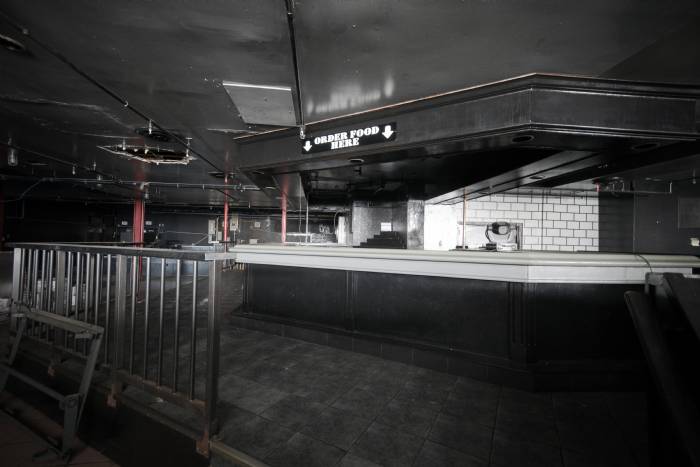
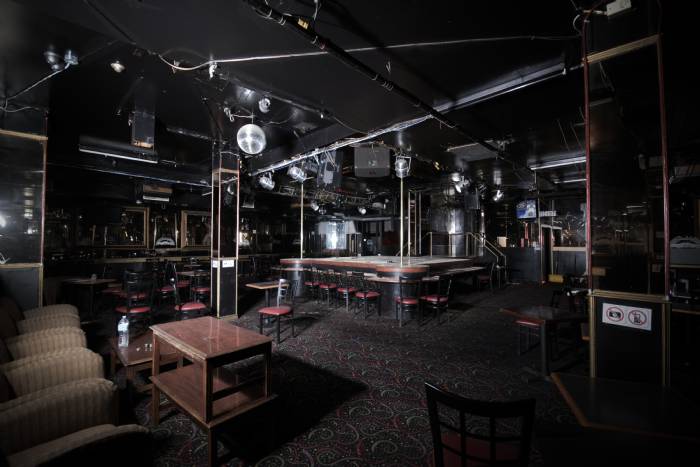
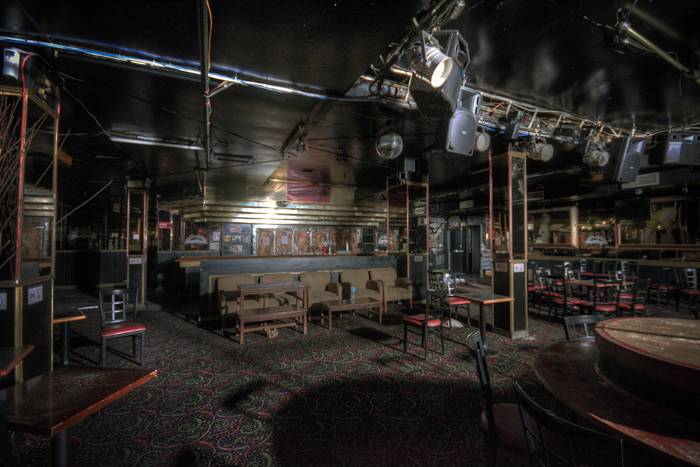
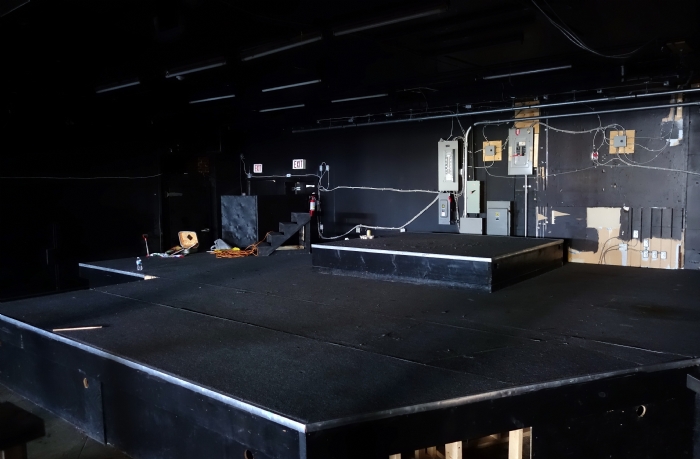
There is no electricity so lighting proved challenging during our visit.

abandoned Caddy's Strip Club, abandoned ontario, strip bar, urban exploring, Ontario abandoned places, urbex, scarborough, stage, stripper

abandoned Caddy's Strip Club, abandoned ontario, strip bar, urban exploring, Ontario abandoned places, urbex, scarborough, stripper, stage, beer

abandoned Caddy's Strip Club, abandoned ontario, strip bar, urban exploring, Ontario abandoned places, urbex, scarborough

abandoned Caddy's Strip Club, abandoned ontario, strip bar, urban exploring, Ontario abandoned places, urbex, scarborough, lap dance

There’s now extensive graffiti covering the mirrors on the wall, the coolers shown above and several other areas of the bar. 

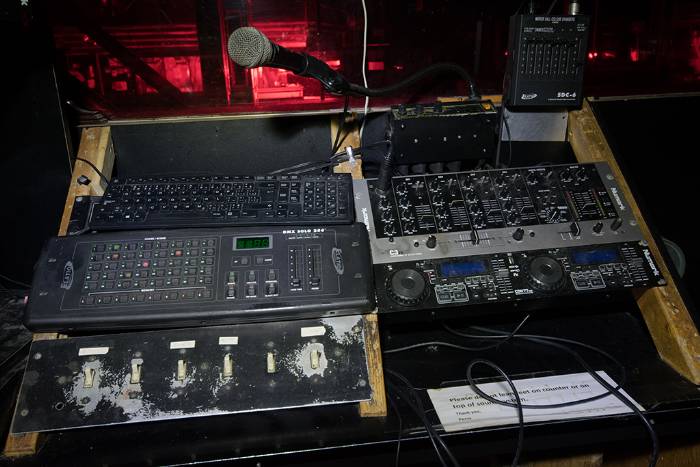
abandoned Caddy's Strip Club, abandoned ontario, strip bar, urban exploring, Ontario abandoned places, urbex, scarborough, dj booth

In 2014 two men were shot outside of the establishment.

Despite power being on in various parts of the building, I was unable to turn on any of the stage lighting.

abandoned Caddy's Strip Club, abandoned ontario, strip bar, urban exploring, Ontario abandoned places, urbex, scarborough

abandoned Caddy's Strip Club, abandoned ontario, strip bar, urban exploring, Ontario abandoned places, urbex, scarborough

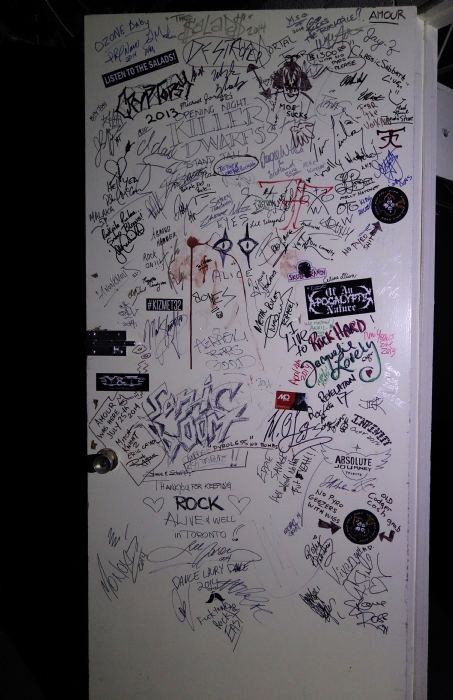
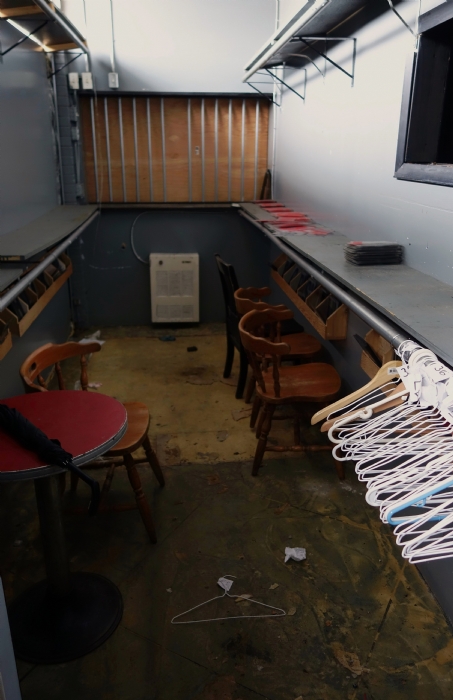
The basement contained dressing rooms and a backstage room for the live bands that played in the Rockpile East next door. The door was signed by many bands (photo: Motleykiwi)

abandoned Caddy's Strip Club, abandoned ontario, strip bar, urban exploring, Ontario abandoned places, urbex, scarborough


The basement is beginning to flood though you can walk through it with shoes on.

The property will be demolished to make room for 184 townhouses.

According to Osgoode Hall professor Alan Young, strip clubs began to decline when the Harper era government placed VISA restrictions on women entering Canada from Eastern Europe to work in strip clubs.

I think that the decline is due to the availability of online porn and cheaper beer to be found at home.

Rockpile East

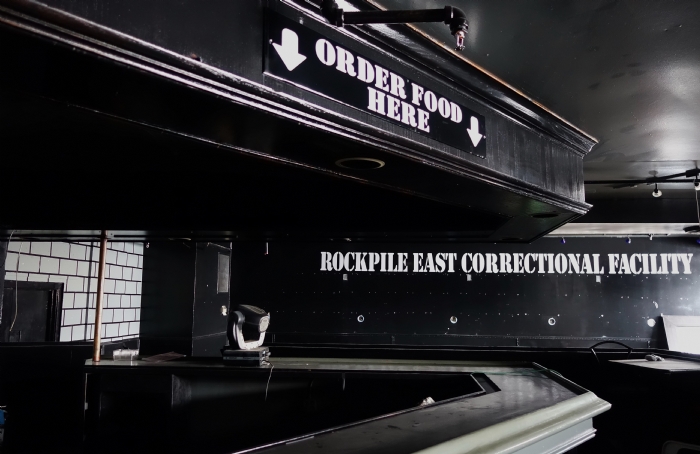
The Rockpile East was part of the Caddy’s building. It opened in 2013 and featured The Killer Dwarfs as the debut band.

The cover fee ranged from $15 to as high as $30 per person.

Rockpile East, Caddy's
dressing room


The Tivoli Theatre in Hamilton Ontario

The Tivoli Theatre in Hamilton dates back to 1875 when it began as a carriage factory. The carriage factory closed six years later and the building remained vacant for the next 26 years.

In 1908 the factory was converted to a theatre with 200 seats and named the Wonderland, followed by the Colonial (1910 to 1912) and the Princess (1913-1923).

The theatre showed live vaudeville acts and movies. It was the first cinema in Hamilton to feature soundtracks.

In 1924 a man named Andrew Ross took over and converted the store theatre into an auditorium which was named The Tivoli. It opened on September 29th, 1924.

On Feb. 1, 1926, the Tivoli Theatre introduced “talkies” (talking movies). Only two other Canadian theatres offered talking movies at this time.

In 1950 the theatre began showing movies full time and was operated by Famous Players Corporation. The building was remodeled in 1943, 1947 and 1954.

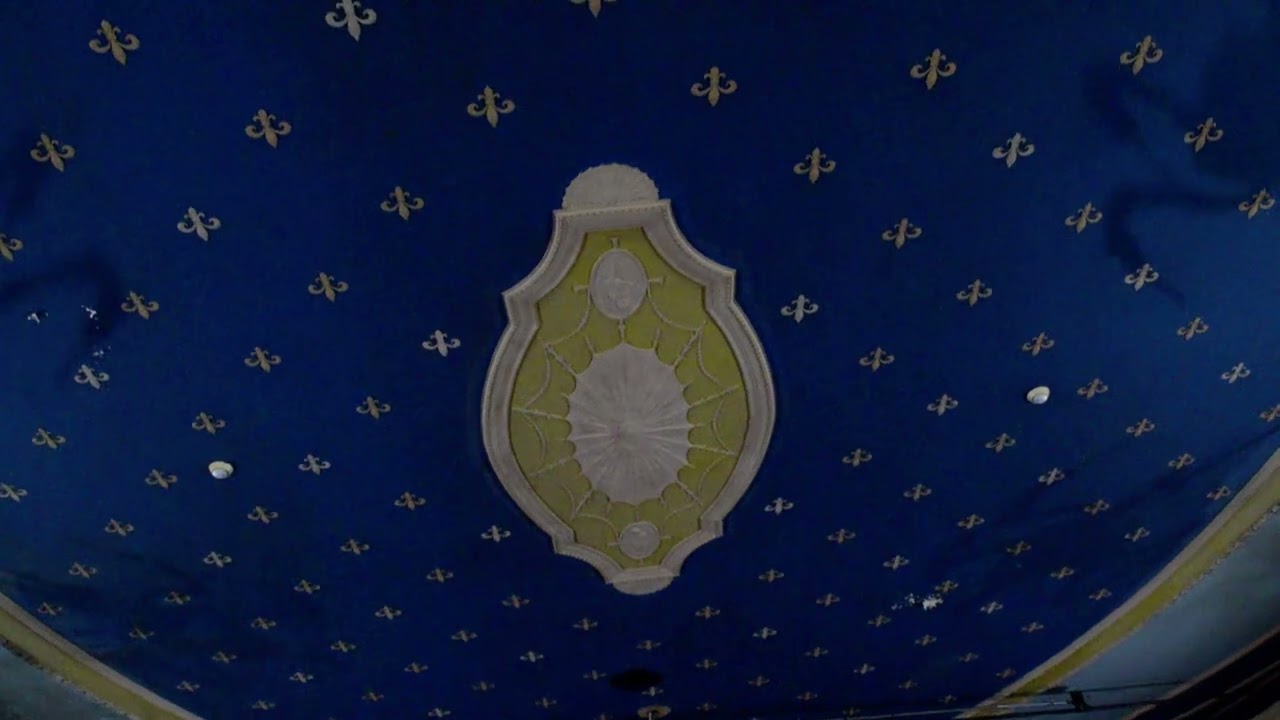
Improvements made in 1954 included 1,300 flashing lights on the marquee sign and the, auditorium walls were covered in silk damask.

The theatre was the first in its city to feature soundtracks. It changed ownership several times until being purchased by Famous Players Corporation. Famous Players renovated the theatre.

September 28th, 1989 was the final day the building was used as a movie theatre. The final movie played was “Indiana Jones and the Last Crusade” with 42 people in attendance.

The theatre was last used between 1998 and 2004, rented out by the current owners, the Snidermans (Sam the Record Man), to a local theatre company called the Tivoli Renaissance Project.


The former lobby was damaged on June 29th, 2004 and subsequently demolished after contractors determined the wall was dangerous. The City of Hamilton took over the property, secured it and removed the third floor, front wall, cupola and the marquee sign. The following year the Sniderman family applied for a demolition permit to demolition the 750-seat structure.

The property was then sold to the CEO of the Canadian Ballet Youth Ensemble for $2.

The dance company was unable to keep up with the repairs on the aging structure and in 2013 it was sold to the CEO’s husband Domenic Diamante. Diamante is head of Diamante Investments.

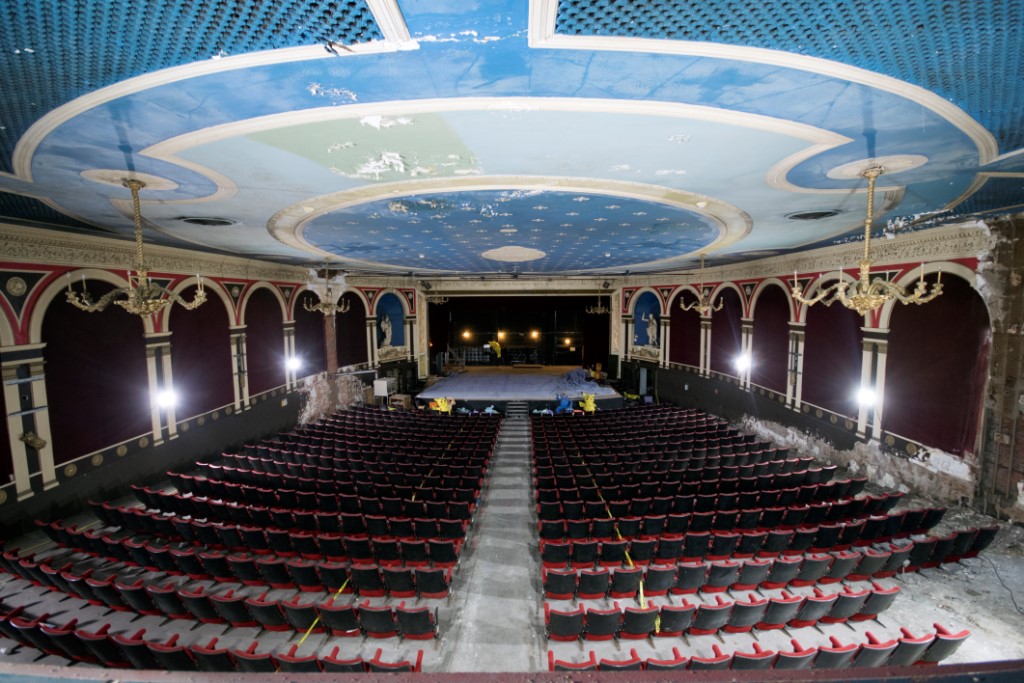
Diamante Investments plans to build a new lobby that will lead to a restored auditorium. In addition a 22-storey condo tower will be built on the site. The tower would supply the revenue required to restore the theatre. The plaster work and mouldings would be preserved and restored as part of the heritage process. Diamante Investments would then donate the completed theatre back to the Ballet Ensemble in a partnership plan that would have to be arranged. The City of Hamilton approved the developer’s proposal to build the condo tower and restore the theatre.

In 2015 their proposal was approved with the condition that the theatre open before the condos.

After the theatre closed, it was sold to the CEO of a dance company. The company wasn’t able to maintain the aging building and the building sold to the husband of the CEO. 

Plans for a condo tower have been proposed which include restoring the theatre.

As with many other explorers, entry into this location took repeated visits to check for a way inside. What might be locked one day, could be open the next. Sometimes kids leave a door open, other times it might be a forgetful employee. I waited over a year to get into this location and it did not disappoint.

The Tivoli Theatre in Hamilton, Ontario

Demolition

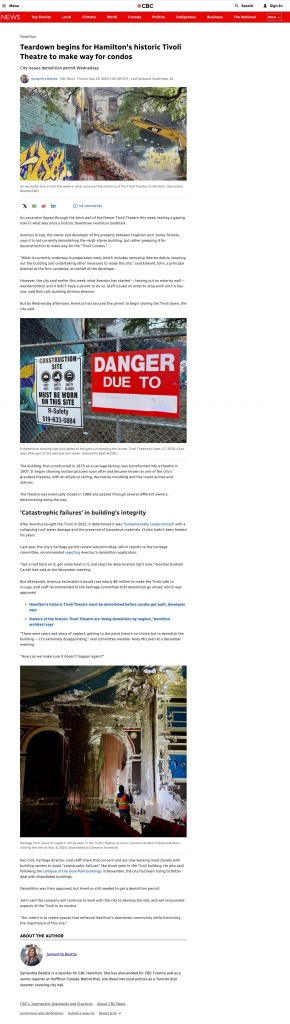
In September of 2025, Aventus Group began preparing the building for conversion into new condos. This involved tearing down an interior wall. They claimed that it wasn’t ‘demolition’, the City of Hamilton disagreed. Aventus was required to obtain a demolition permit before they could continue.

Tivoli Theatre Hamilton Demolition

Niagara Falls Ontario Funeral Home & Embalming Room

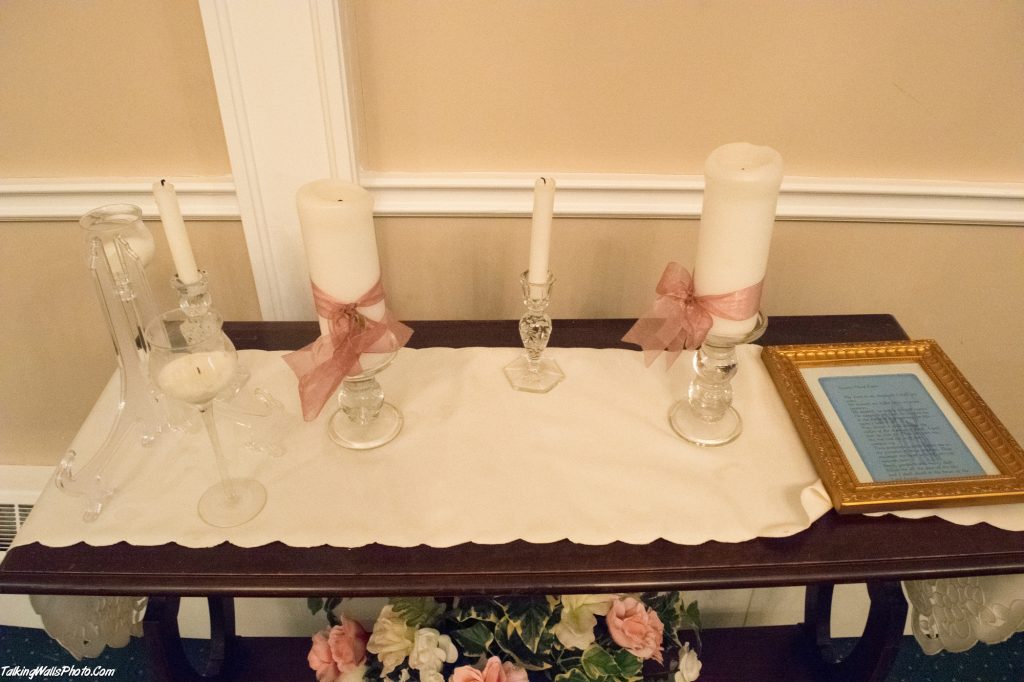
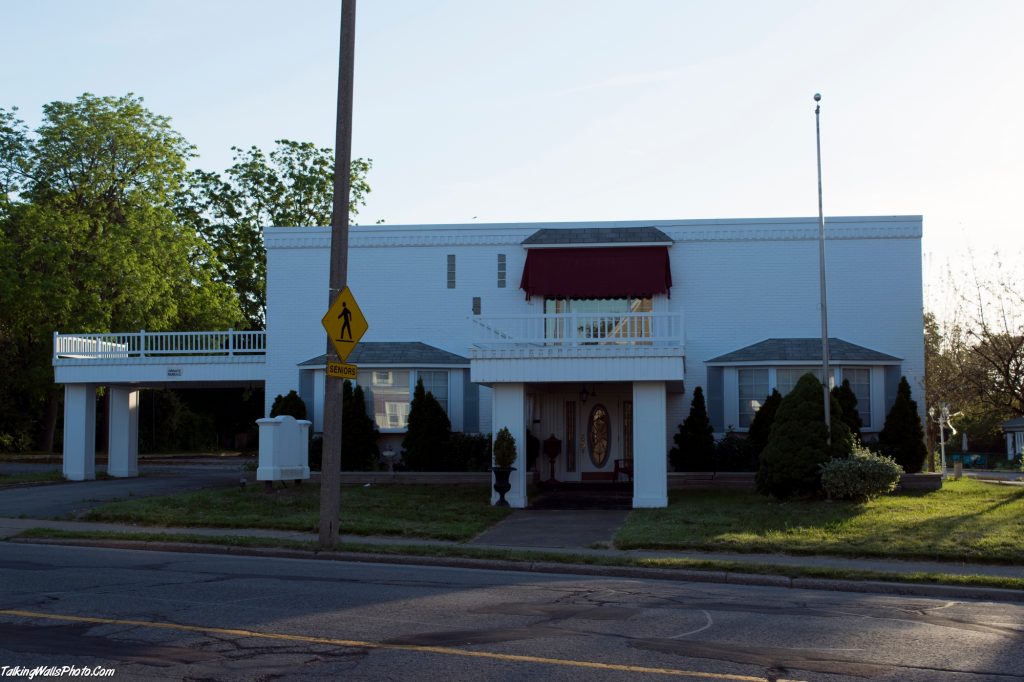
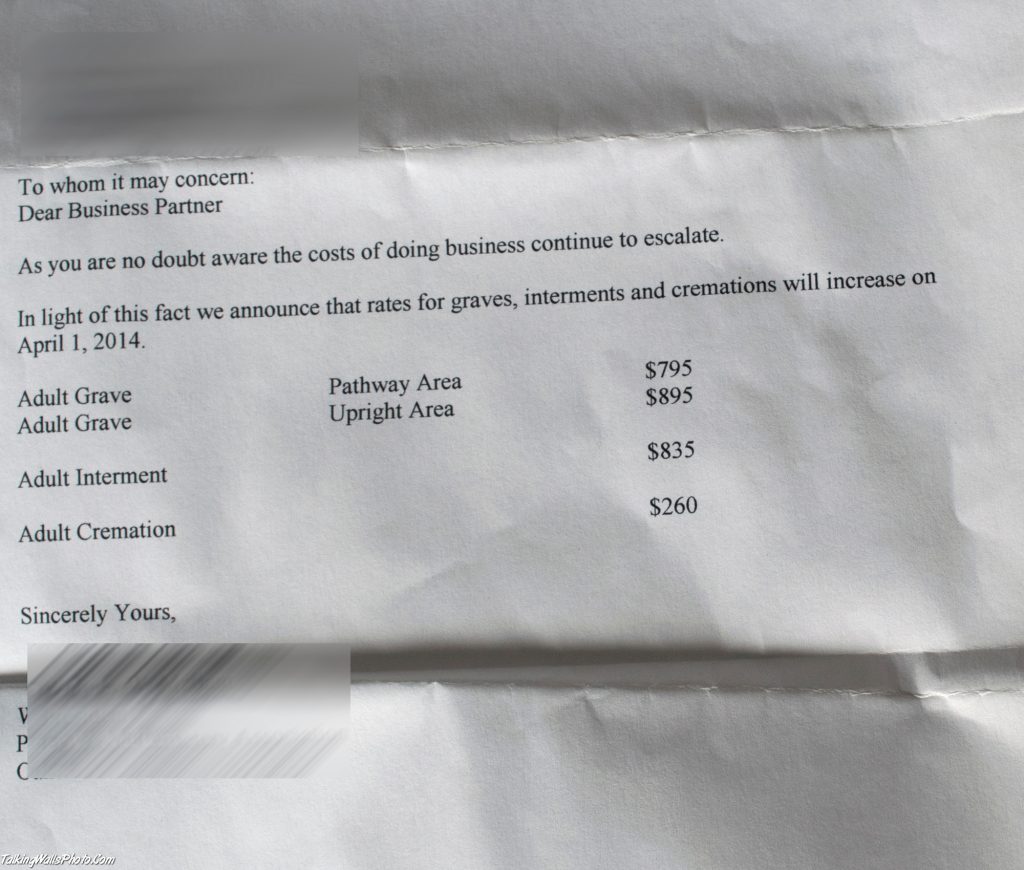
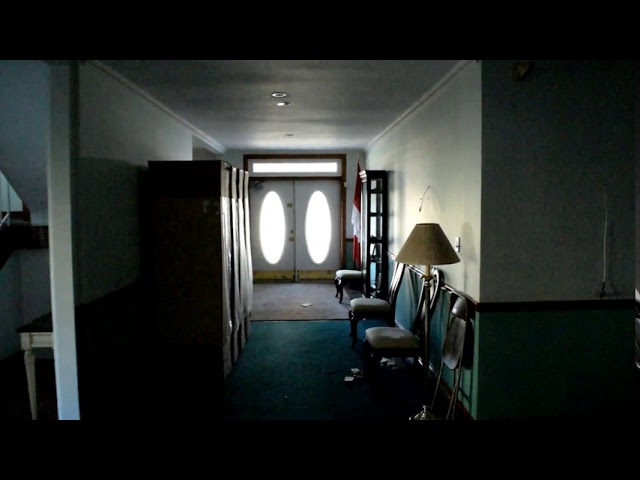
This abandoned funeral home was located at 5647 Main Street in Niagara Falls, Ontario. It’s believed that the owner retired. Entry to the building took was an office window and once inside we were greeted with an immaculate funeral home. The electricity was still operational and we were quick to notice that an alarm system was installed.
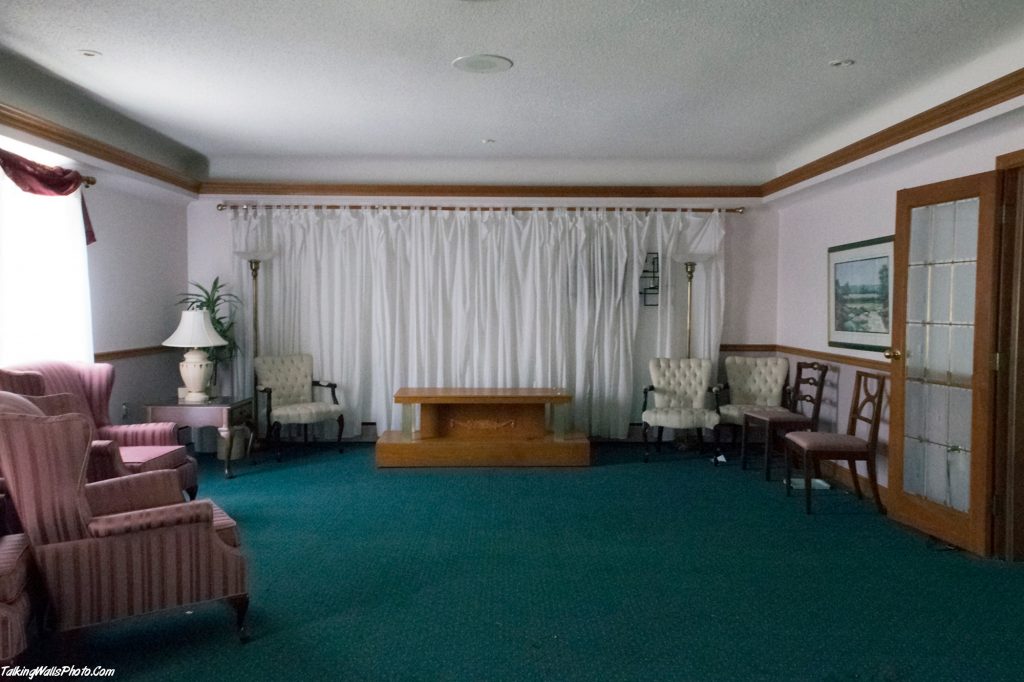
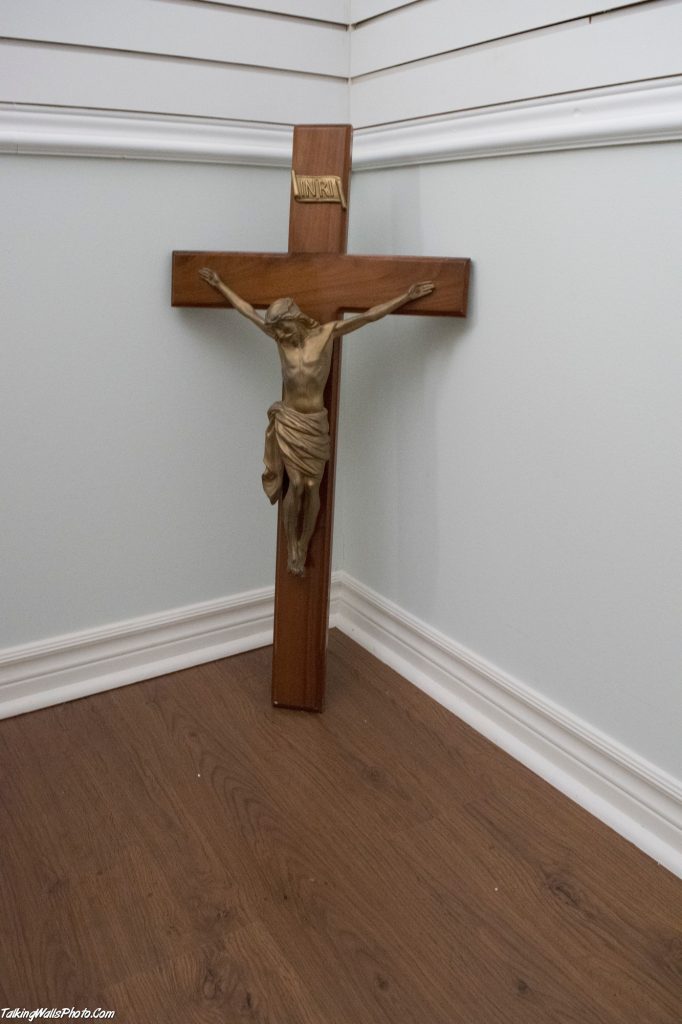
We made our way to the Henry Chapel where funeral services would have been held before the deceased was driven by hearse to the cemetery. Several light switches adjusted the ceiling and spot lights, setting the appropriate mood for services.

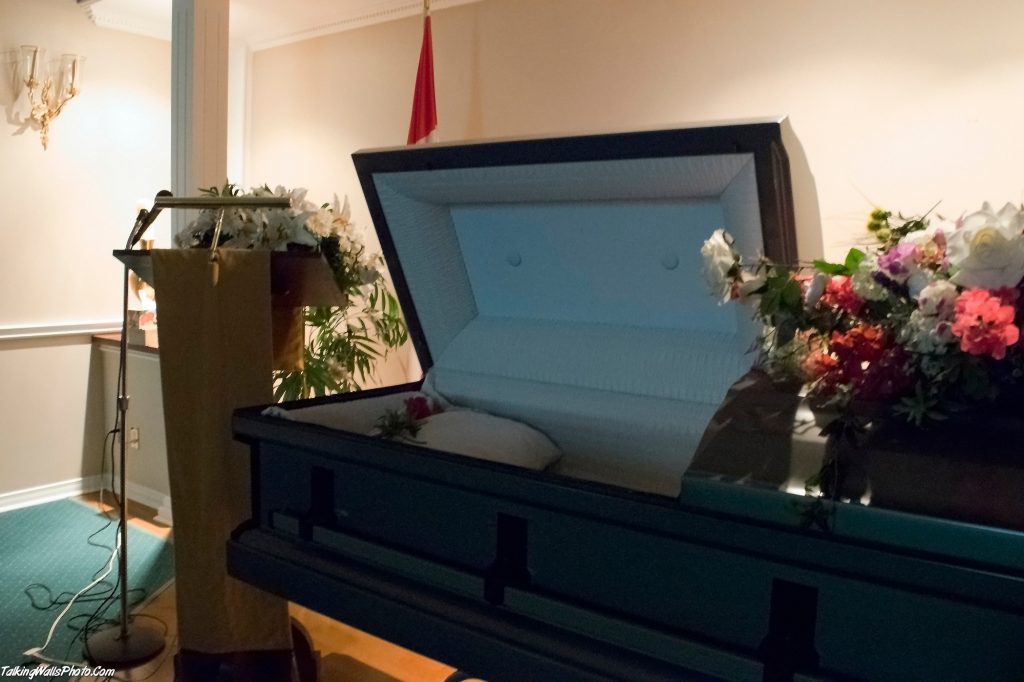
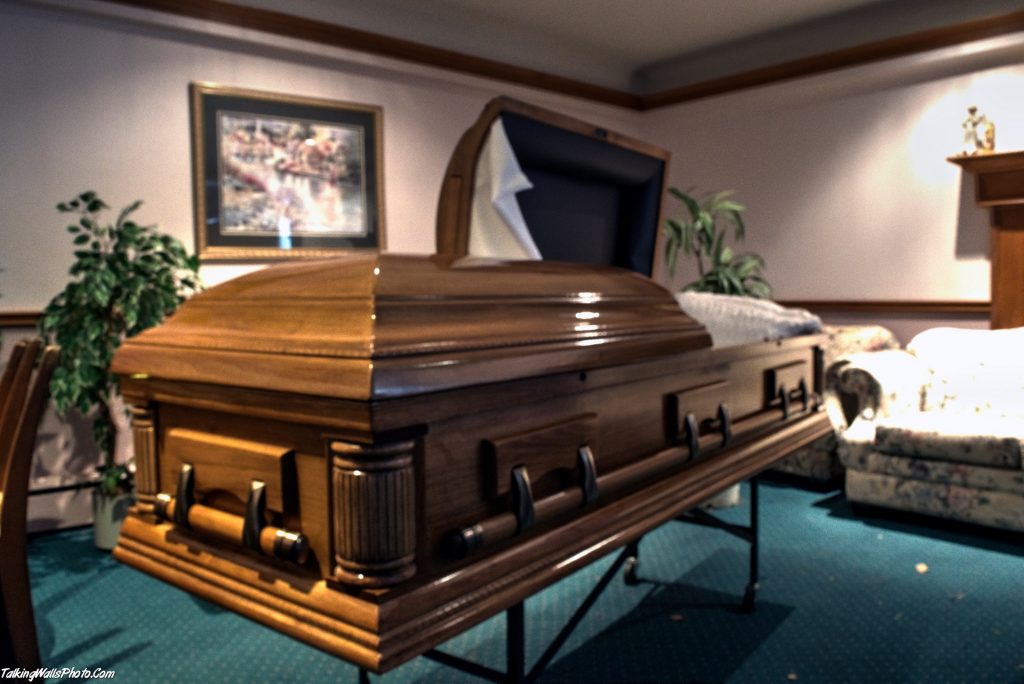
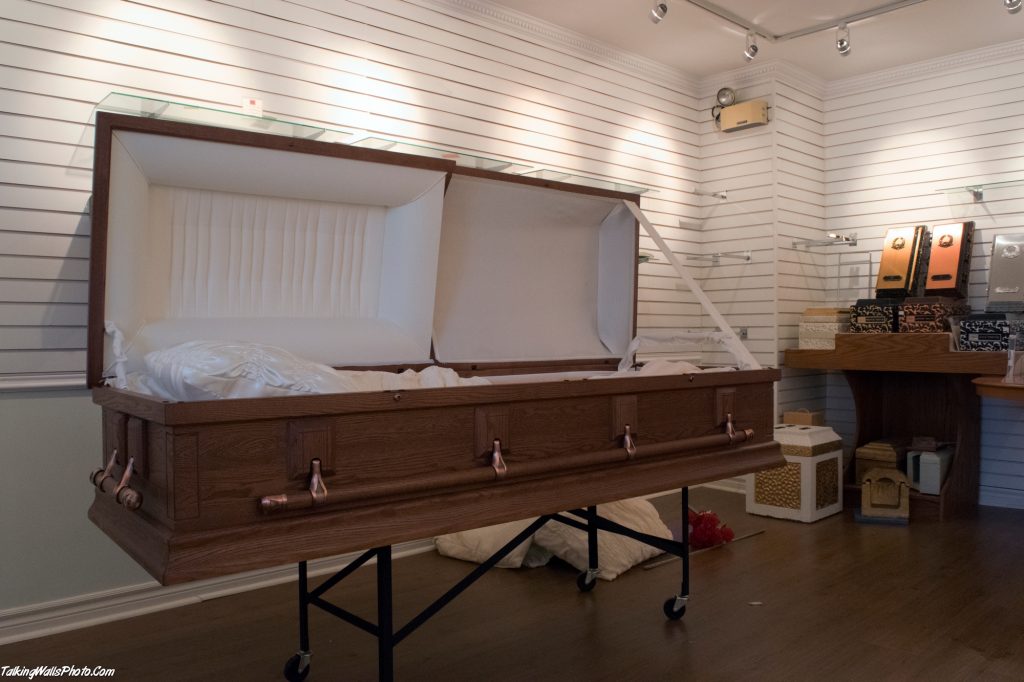
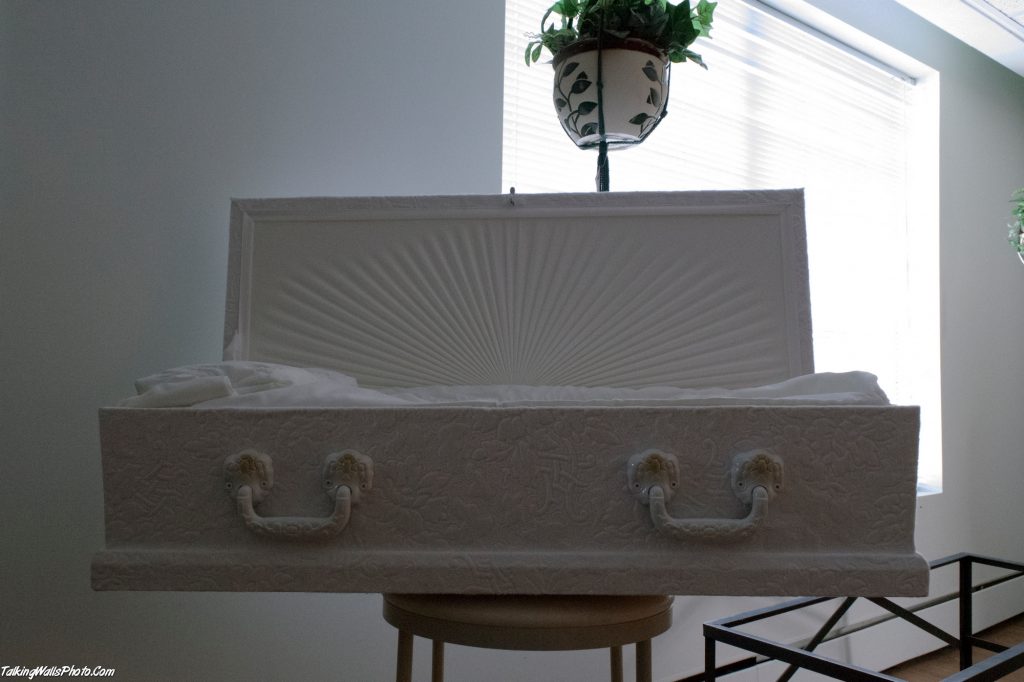
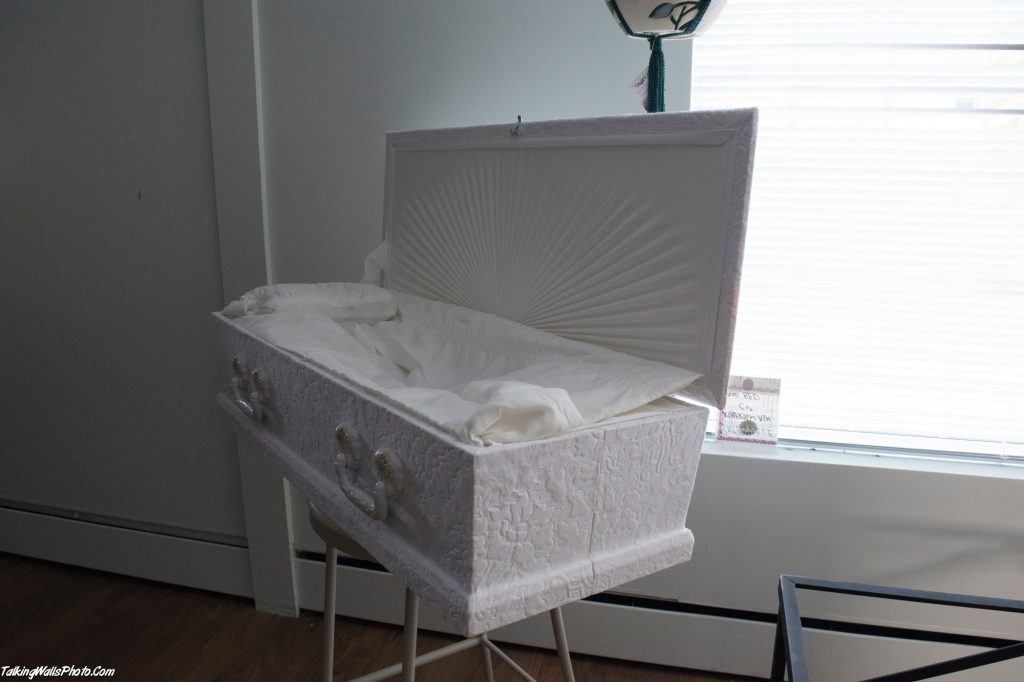
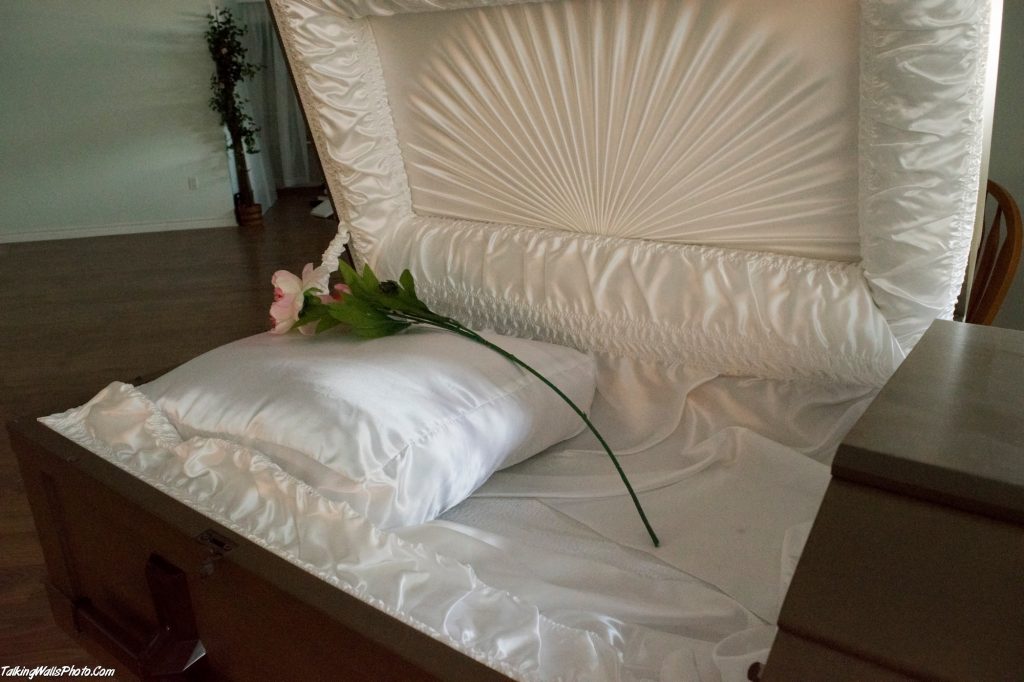
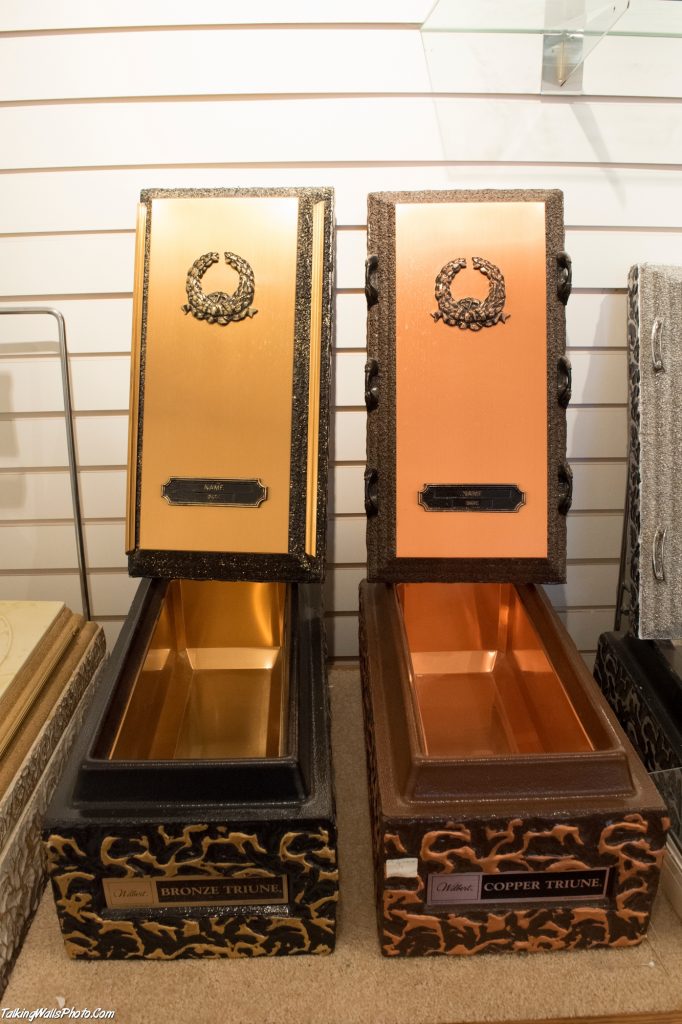
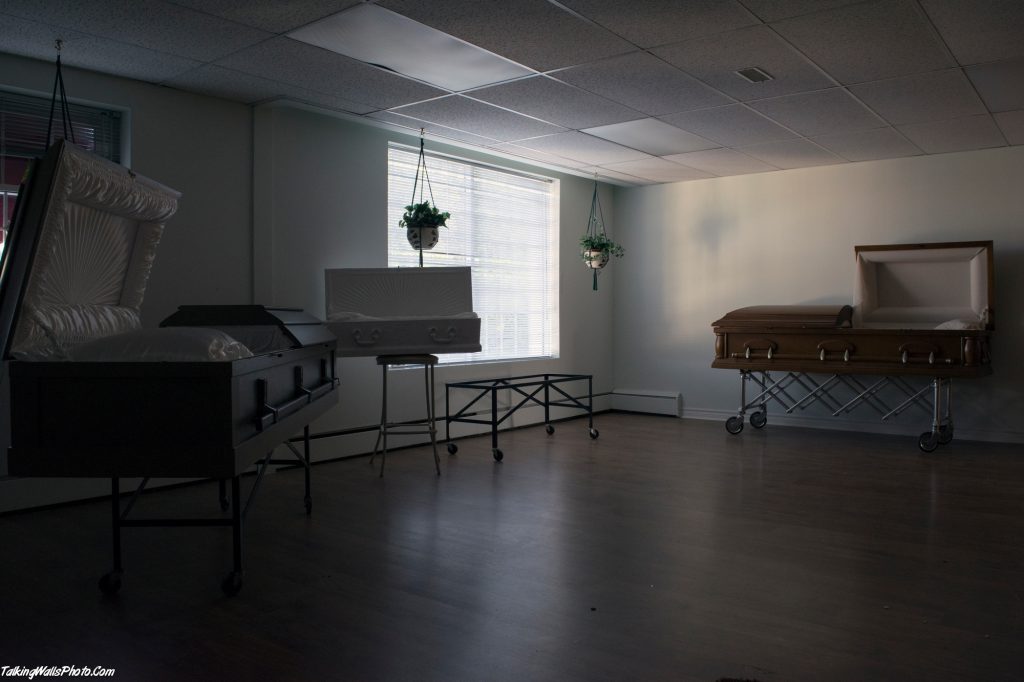
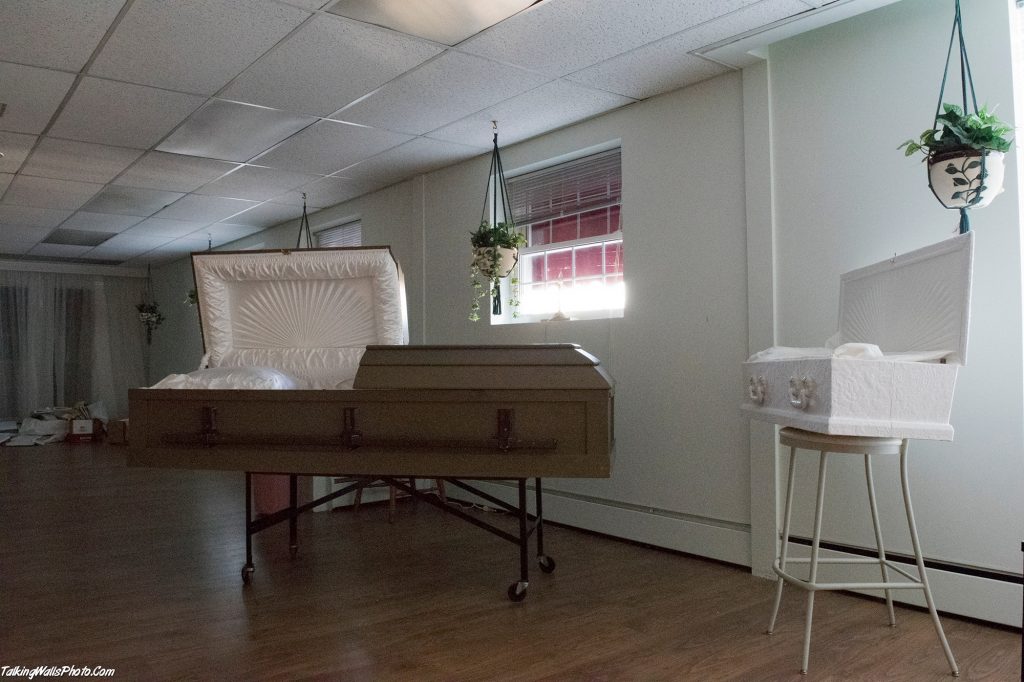
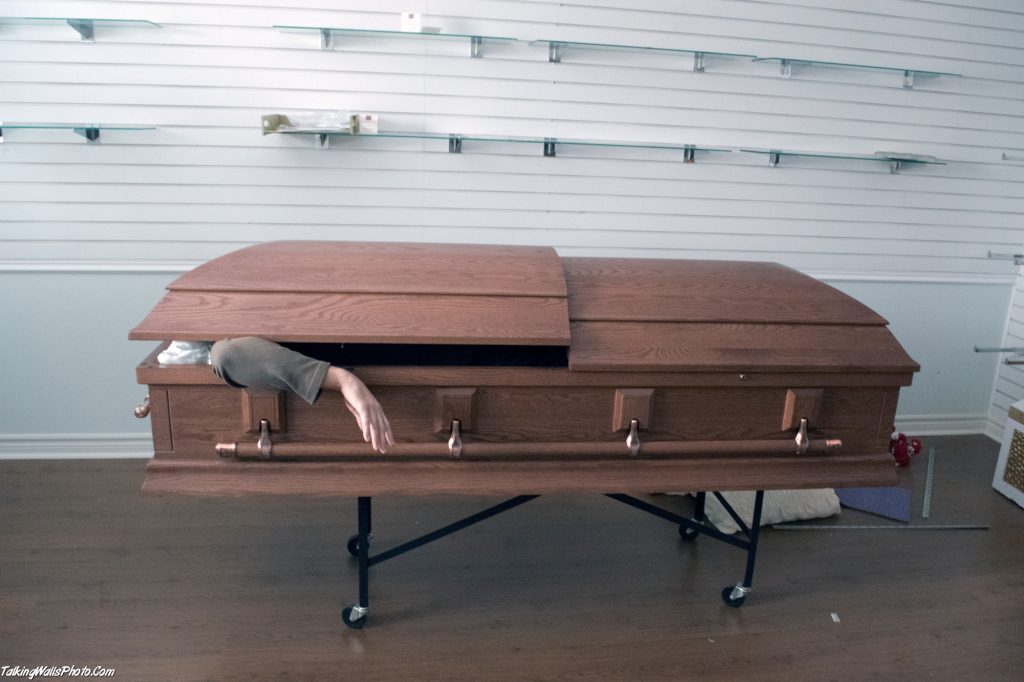
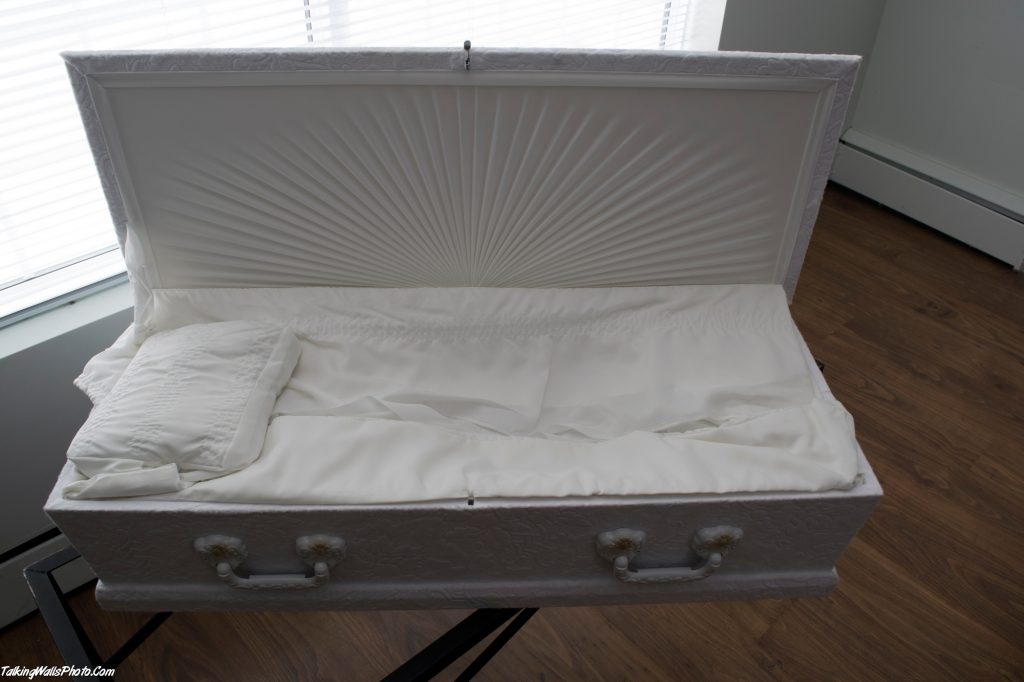
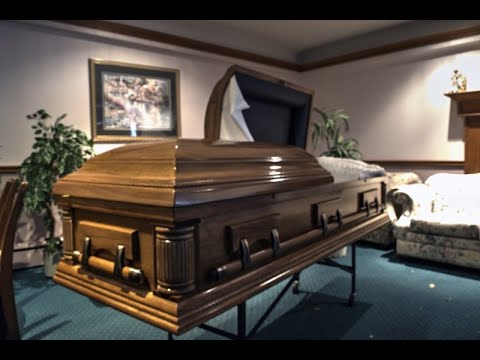
Upstairs was the main office and showing room with coffins of various sizes as well as urns.

By our second visit, water damage had set in to the upstairs floors.

The property was demolished by spring 2020.

The upstairs served as a showroom and office. Here you could look at the various coffin sizes and designs and look at the variety of urns for storing ashes.


Video

Exploring A Vacant Funeral Home in Niagara Falls, Ontario. Coffins inside!

Abandoned Ontario Bowmanville Zoo


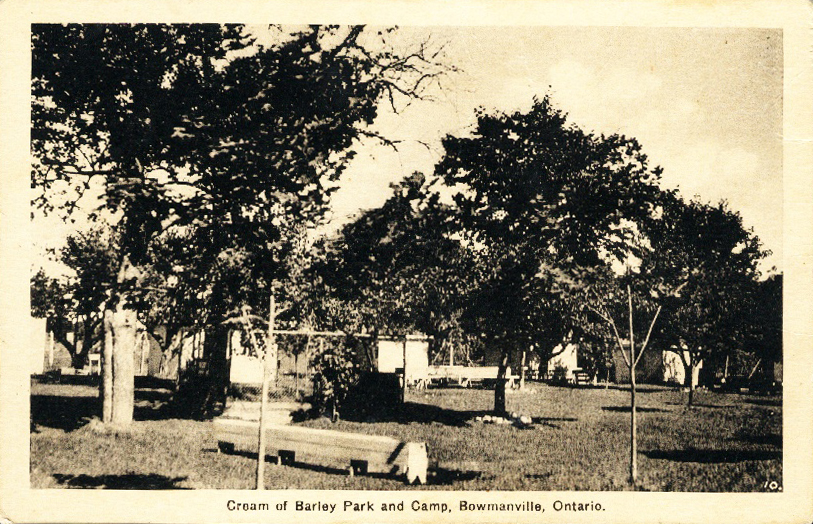
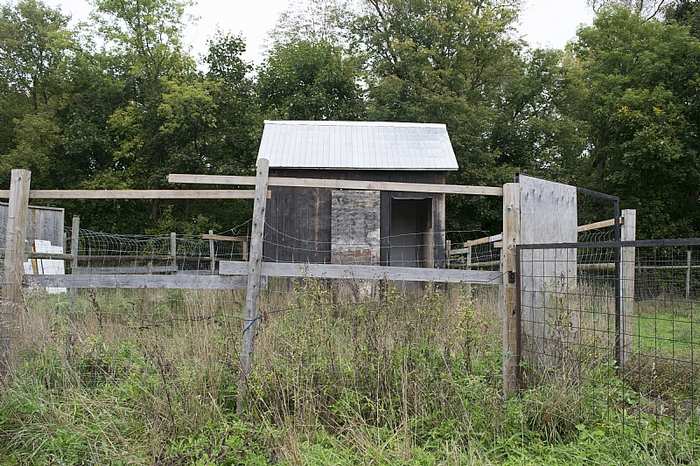
The Bowmanville Zoo opened in 1919 on the grounds of the Cream of Barley Mill (also on my website as location 5947). The attraction was known as “The Cream of Barley Campground”. The owner of the mill created a campground and park attraction for tourists. A petting zoo was added later. 

By 1946 there were tennis courts where the pear orchards once stood. As time progressed the campground area and cabins were turned into animal shelters. Some of the animals on site included a jaguar, camels, African lion and Bengal tigers. 

Many of the animals were used in American made films.

In 1964 the park’s name was changed to the Bowmanville Zoo. When new management took over in 1988, the name was changed to Bowmanville Zoological Park. 

Abandoned Bowmanville zoo

This is an abandoned zoo located in Bowmanville, Ontario.

The Cream of Barley campground

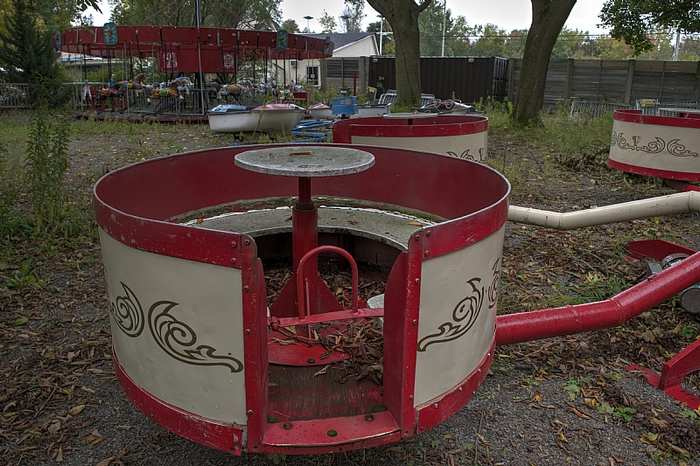
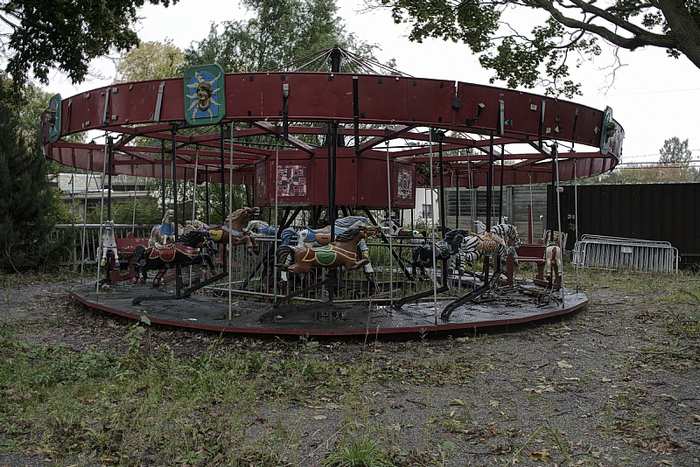
amusement ride - Bowmanville, Ontario
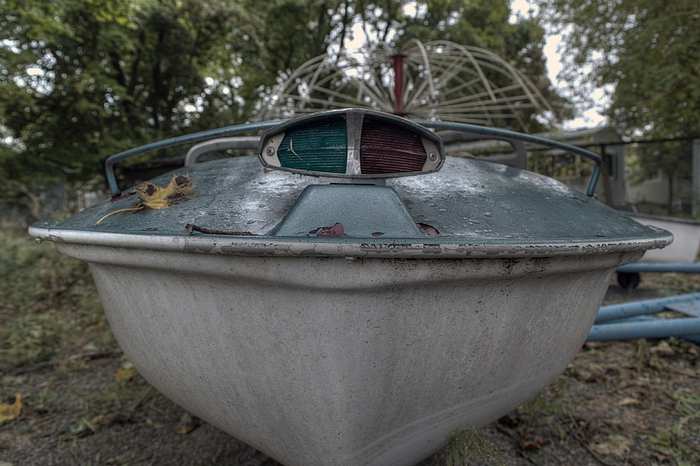
children’s boat ride

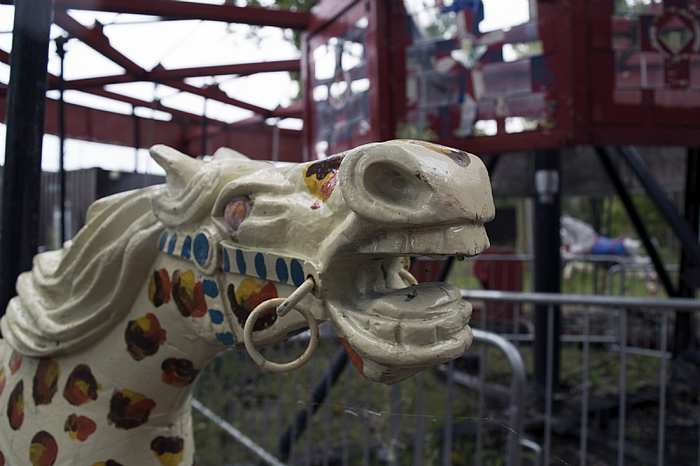
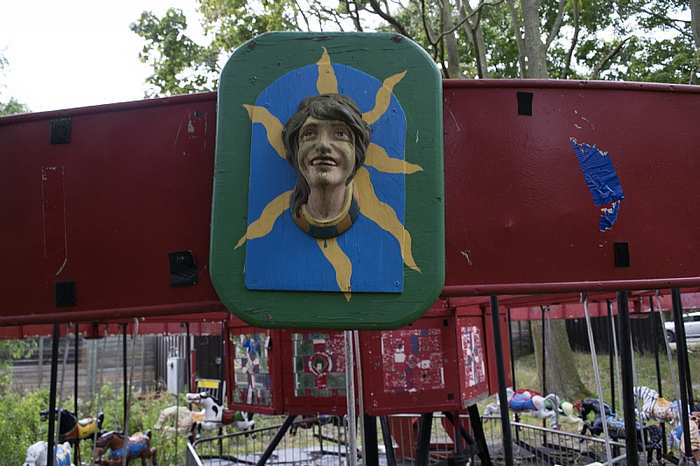
merry go round horse - Bowmanville, Ontario

amusement rides, Bowmanville Zoo, abandoned zoo, abandoned Ontario
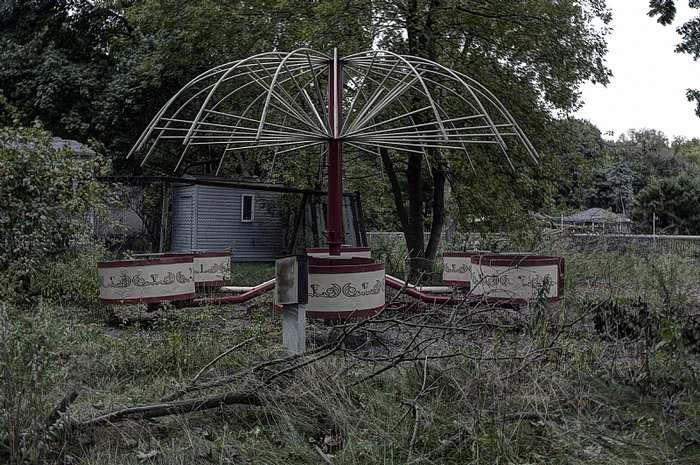
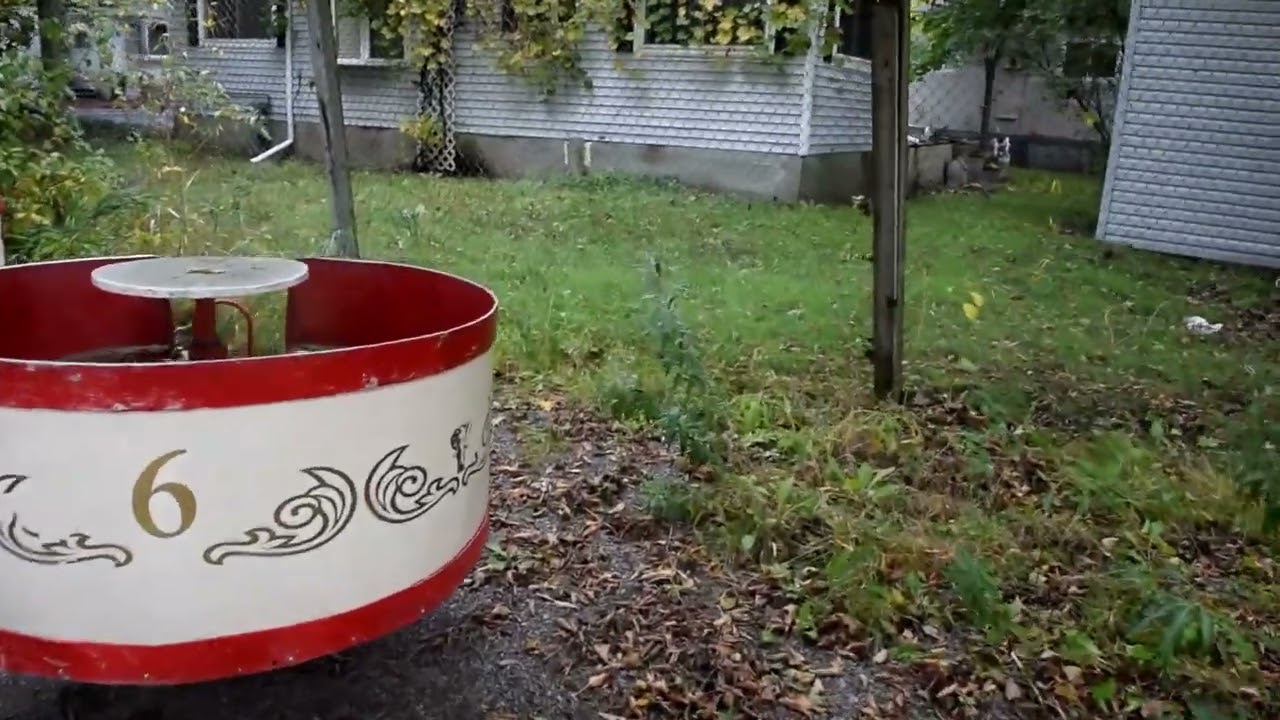
Amusement rides

In December of 2015 the animal activist group PETA released a video that allegedly showed the zoo’s owner swearing at, and cracking a whip numerous times at a Siberian tiger named Uno. The footage was filmed by an undercover PETA member who had begun working at the zoo.

After these allegations, attendance at the zoo fell by more than 65 per cent. 

On June 23, 2016 the Bowmanville Zoo announced that it was closing at the end of the year. Had it remained open until 2019, it would have been open for 100 years. 

merry go round, Bowmanville Zoo, abandoned zoo, abandoned Ontario

At the time of closure there were approximately 300 animals in the zoo.

The business rebranded in 2017 as the Clarington Family Outdoor Adventure Park. The existing animals were slowly relocated to other homes.

Bowmanville Zoo, abandoned zoo, abandoned Ontario

A pair of lions was shipped to Cherry Brook Zoo in Saint John, New Brunswick. Two camels were shipped to Oaklawn Farm zoo in Aylesford, Nova Scotia.

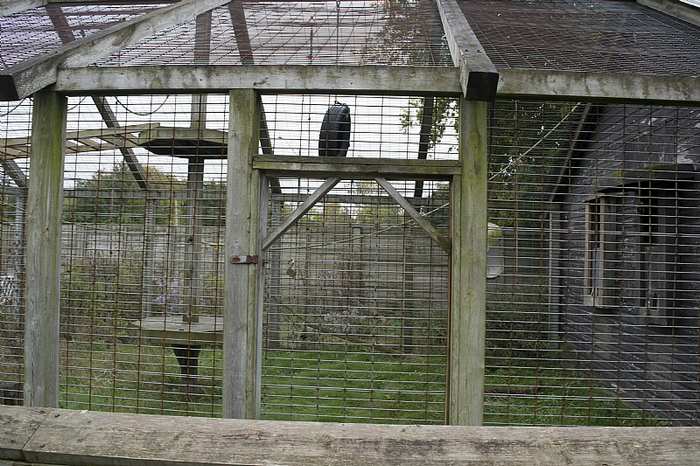
animal cages, Bowmanville Zoo, abandoned zoo
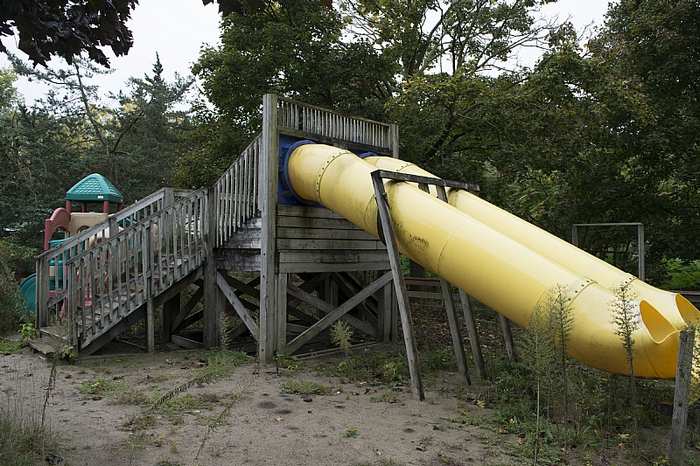
playground, Bowmanville Zoo, abandoned zoo, abandoned Ontario

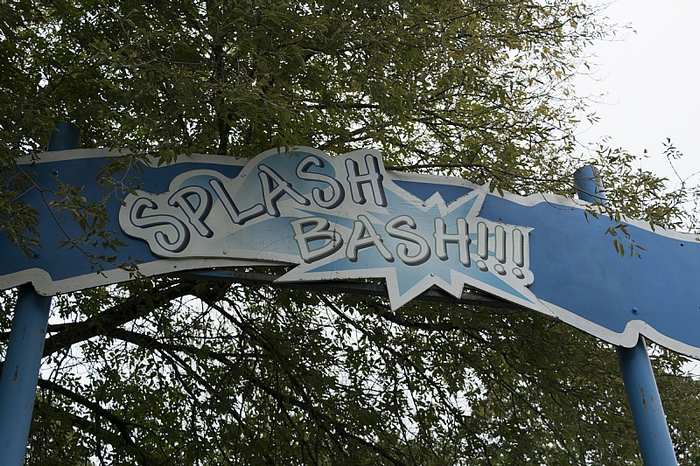
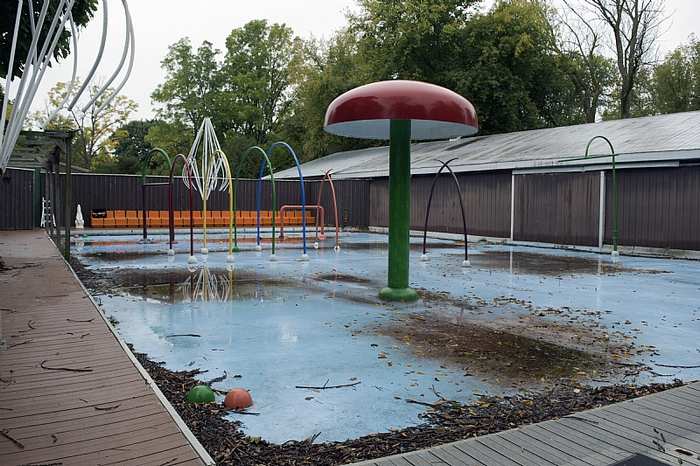
Splash Bash, Bowmanville Zoo, abandoned zoo, abandoned Ontario
splash bash


The property will reopen again in the near future as a green space park. The land will be transferred to Clarington and the grounds cleaned up.

Bowmanville Zoo water park, Bowmanville Zoo, abandoned zoo, abandoned Ontario
water park

Bowmanville Zoo, abandoned zoo, abandoned Ontario


Video

Exploring the abandoned Bowmanville Zoo (2018)

Abandoned Martin’s Bowling Alley in Hamilton, Ontario

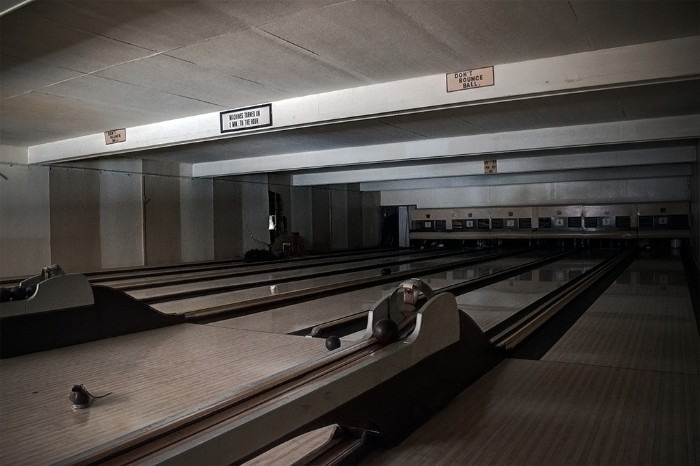
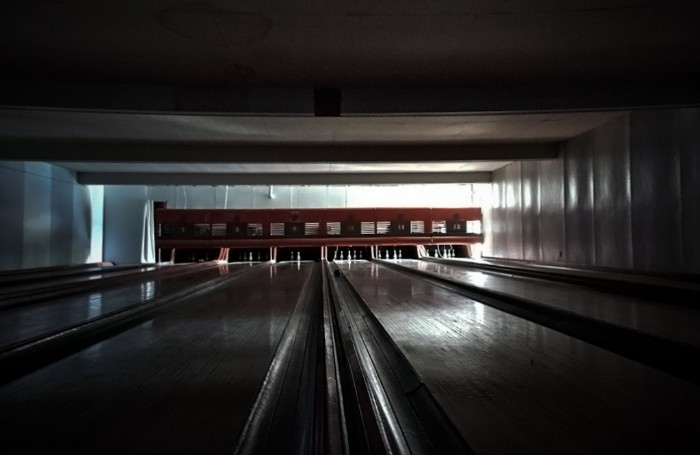
Martin’s Bowling Alley is located in the city of Hamilton. This style of bowling alley has been obsolete for many years. The location was in operation for over fifty years. It consisted of 12 lanes with manual scoring (pencil and paper). There were six lanes on two different levels of the building. 

The benches were hand carved. Some of the signage dates back to the 1950’s. 
The business was popular for weekend birthday parties, bachelor parties and bridal showers. It served as a social hub for seniors, many of whom had been in the same bowling league for years. 

Martin's Bowling Alley in Hamilton


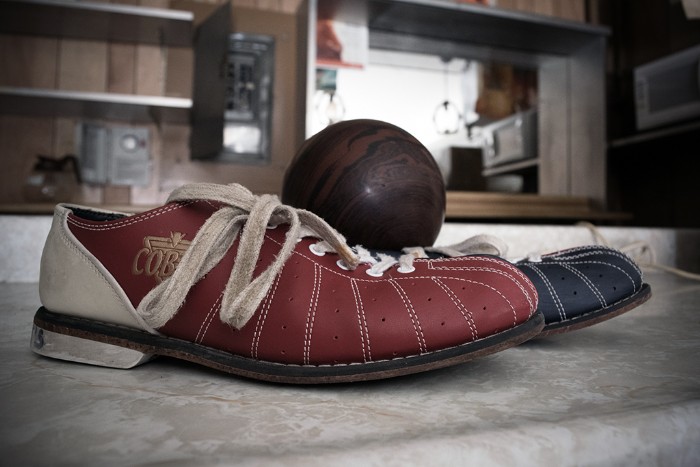
A pair of bowling shoes and bowling ball - Martin's Bowling Hamilton
Bowling shoes and bowling ball


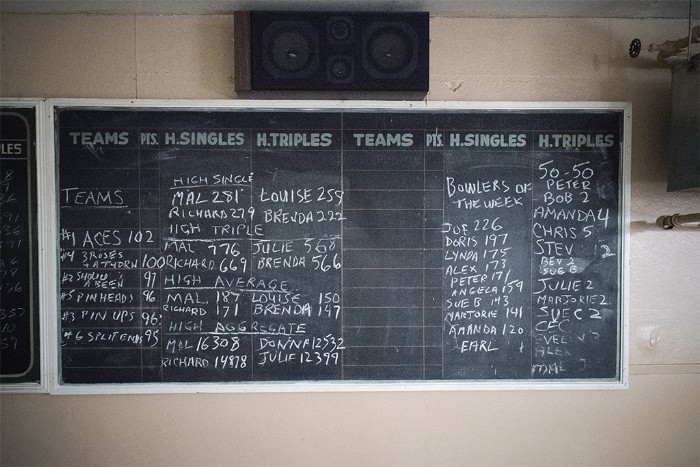
scores on a chalk board - Martin's Bowling
No computer scoring here. League scores are kept on the chalk board. 
 

bowling lanes - Martin's Bowling Alley in Hamilton
Bowling lanes


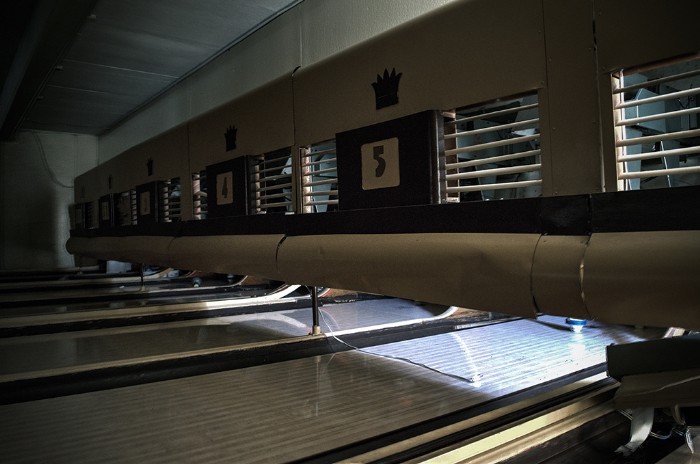
The age of this bowling alley is quite visible. Martin's Bowling alley
The age of this bowling alley is quite visible

The bowling alley served Labatt’s 50, a non-common brand of beer for any licensed establishment.  Jimmy was the name of the owner and had been so for over thirty years.

 The owner was offered a substantial amount of money to vacate the building. It won’t be new housing that will take the building’s place, but light rail transit.

Martin's Bowling Alley


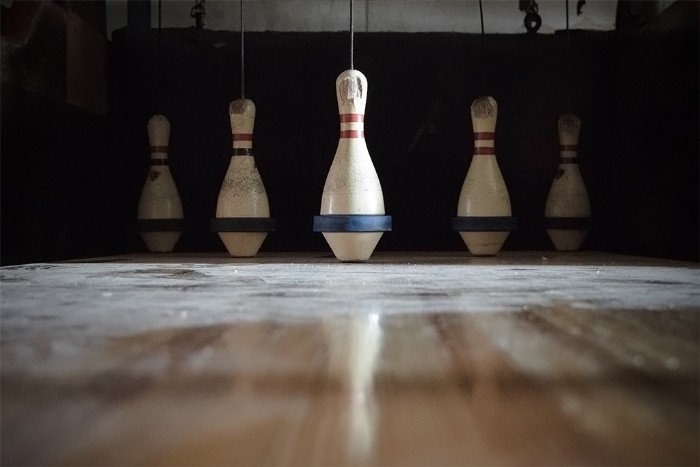
5 pin lane - Martin's Bowling Alley
The aging pins have taken several hits.


The bowling alley sits vacant with all of the equipment left behind. Several pairs of bowling shoes collect dust waiting for the day they may be worn once again.

Abandoned Ontario Bed & Breakfast

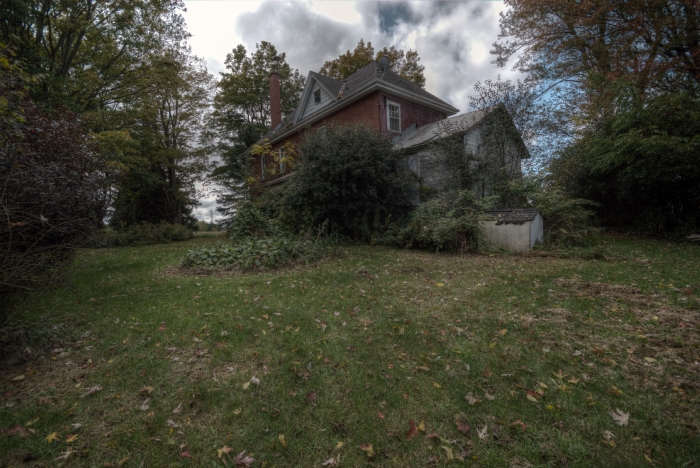
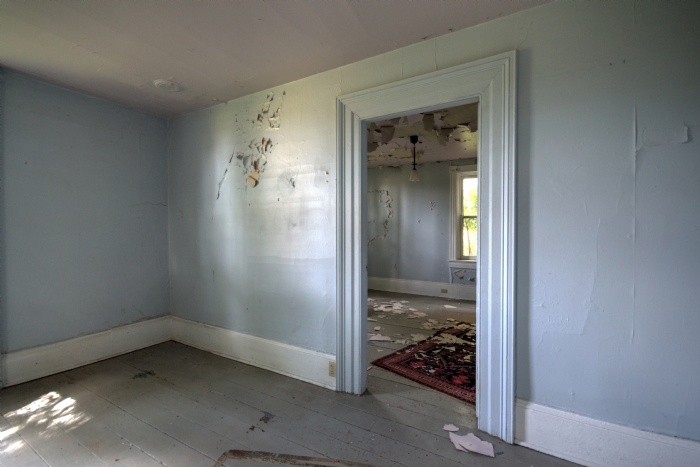
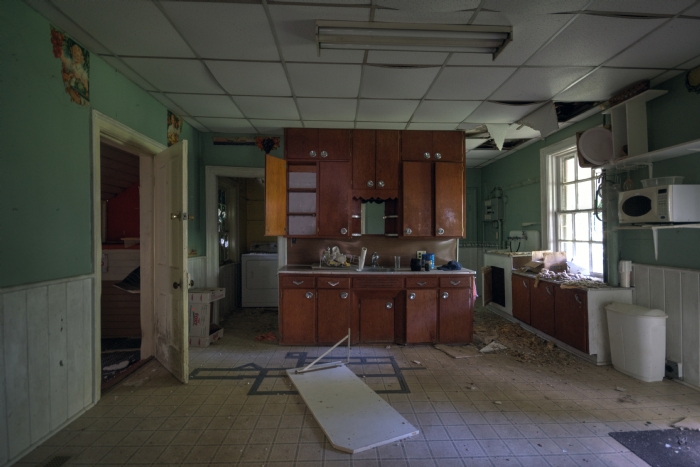
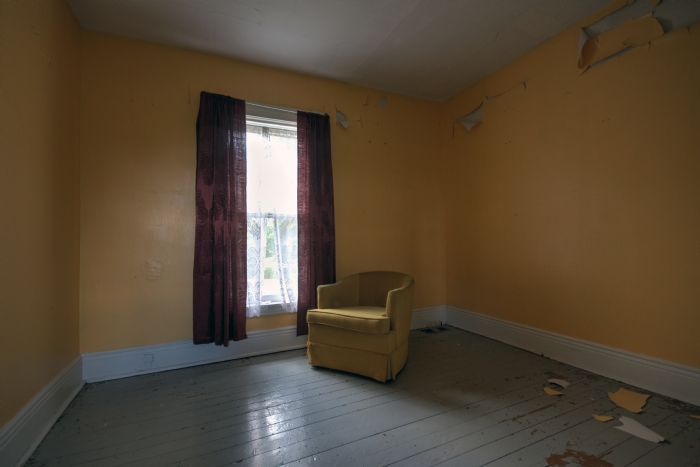
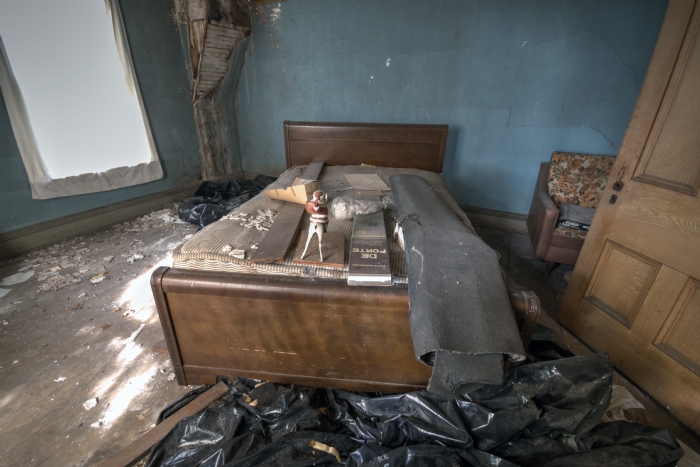
I was provided information on a supposed former bed and breakfast in Southern Ontario. I parked down the road at a recreational business and walked in the driveway to the property. A large tree has been placed across the entrance to keep vehicles out. The land adjacent to the house is used for farming.


abandoned-Bed-and-Breakfast, abandoned Ontario, places to explore


abandoned-Bed-and-Breakfast, abandoned Ontario, places to explore


abandoned bed and breakfast


abandoned bed and breakfast, abandoned-Bed-and-Breakfast, abandoned Ontario, places to explore

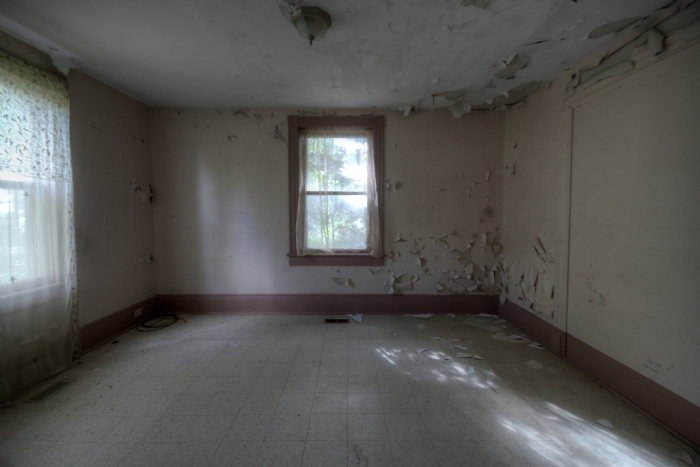
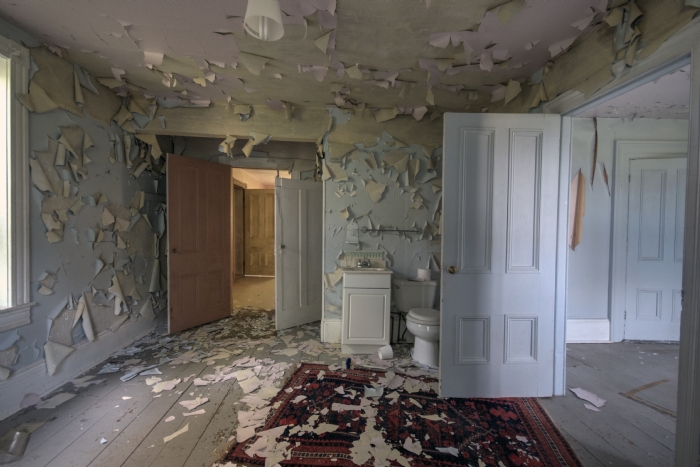
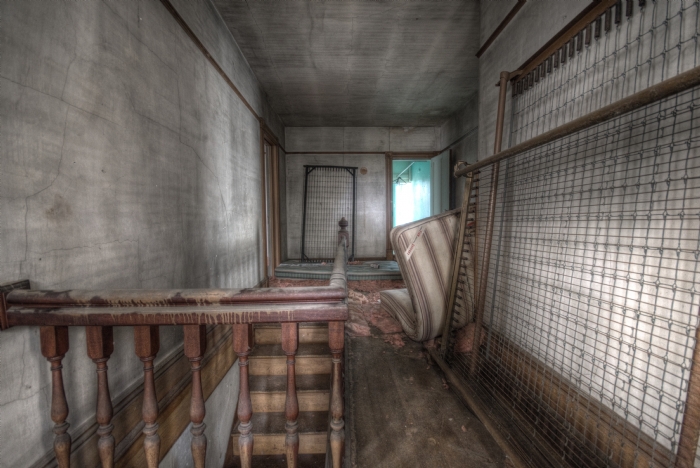
A somewhat inexplicable view. A toilet and wash basin set in a large room with at least two entrances. There is plenty of peeling paint.


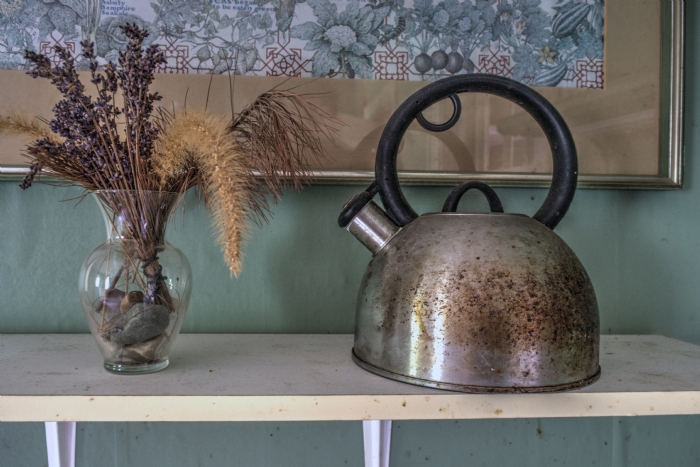
abandoned bed and breakfast kettle


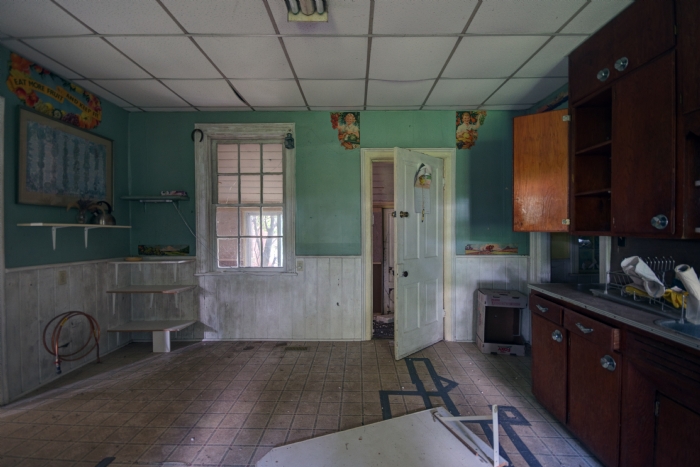
abandoned bed and breakfast kitchen, abandoned-Bed-and-Breakfast, abandoned Ontario, places to explore

This would have been the main kitchen area for the guests – if this was a bed and breakfast. I can’t find any mention of such a business operating in this area of Ontario. 


abandoned-Bed-and-Breakfast, abandoned Ontario, places to explore


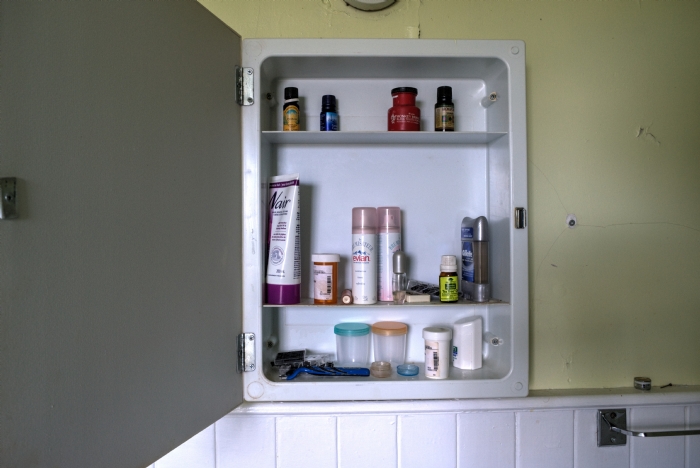
abandoned bed and breakfast bathroom medicine cabinet

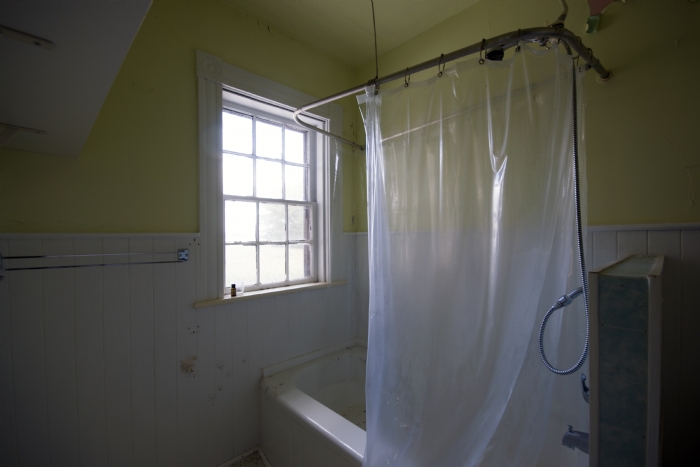
Looking in the mirror of the upstairs washroom. This doesn’t lend itself to being items that guests would leave behind does it? 


If I learn any more details about this location, I’ll be sure to update this post. 


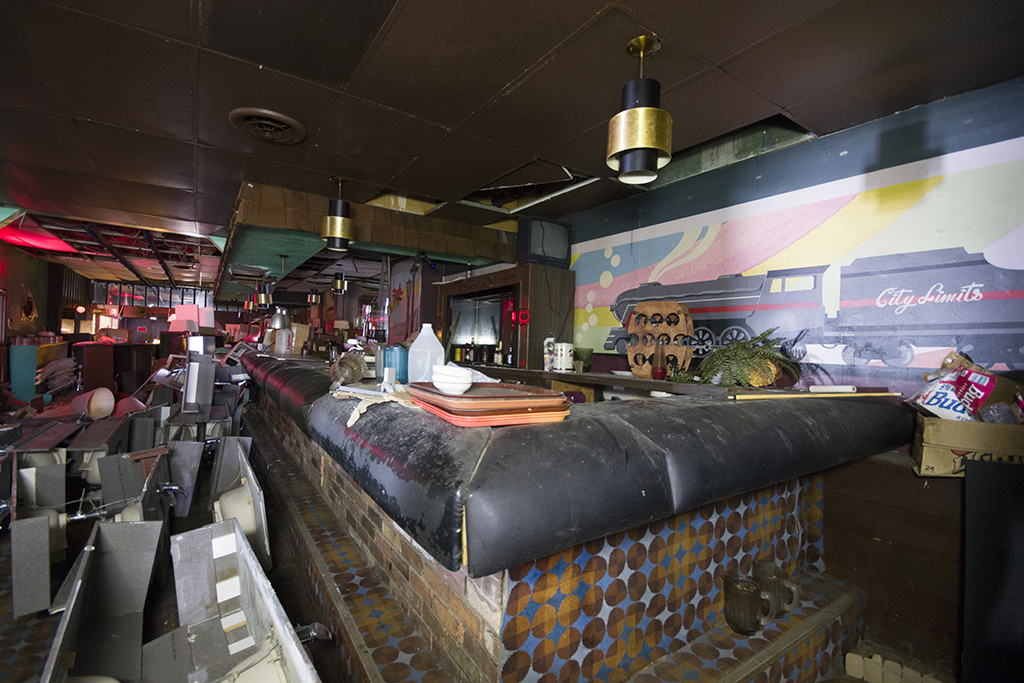
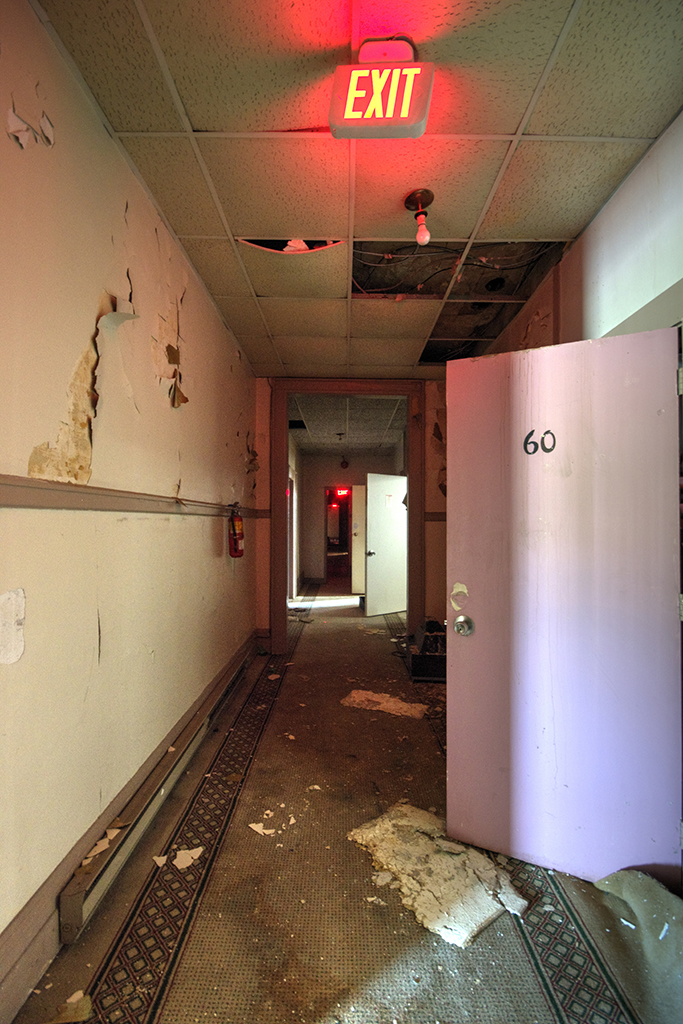
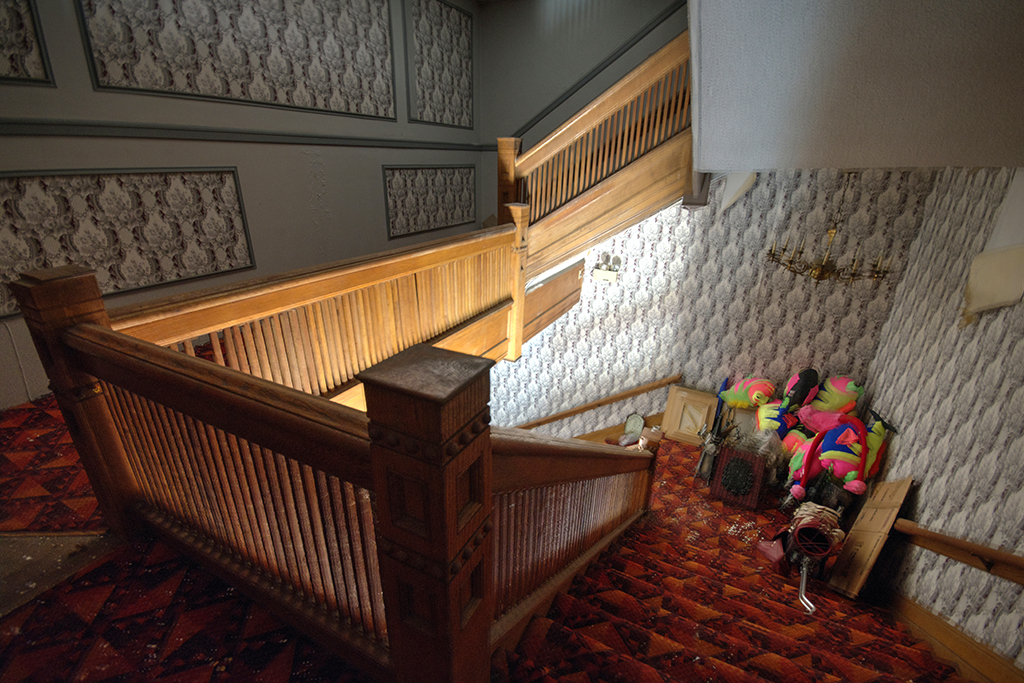
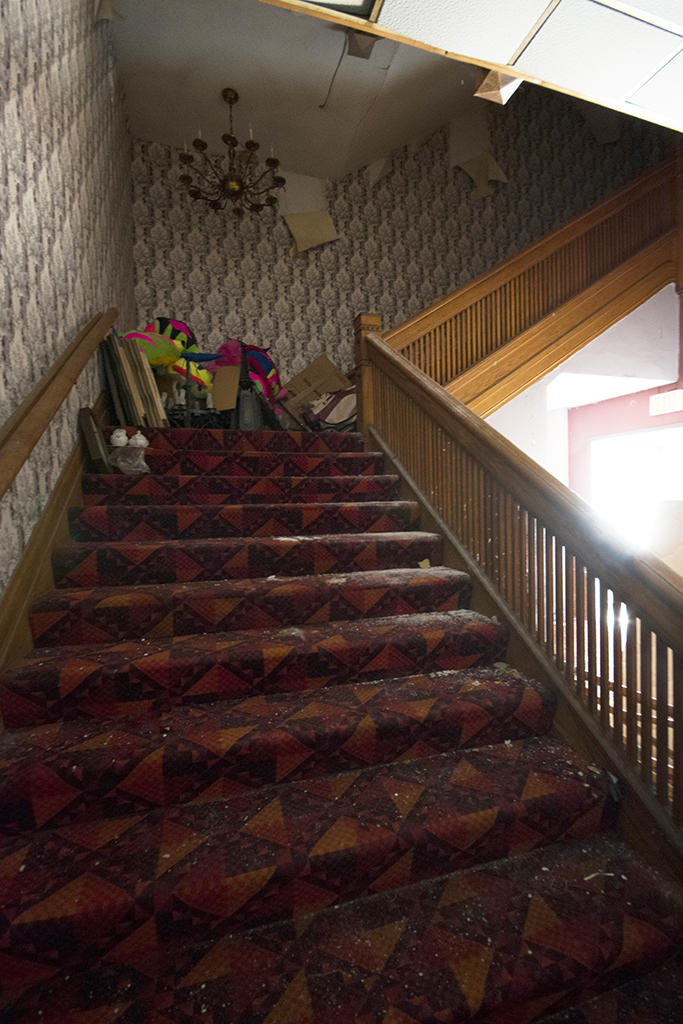
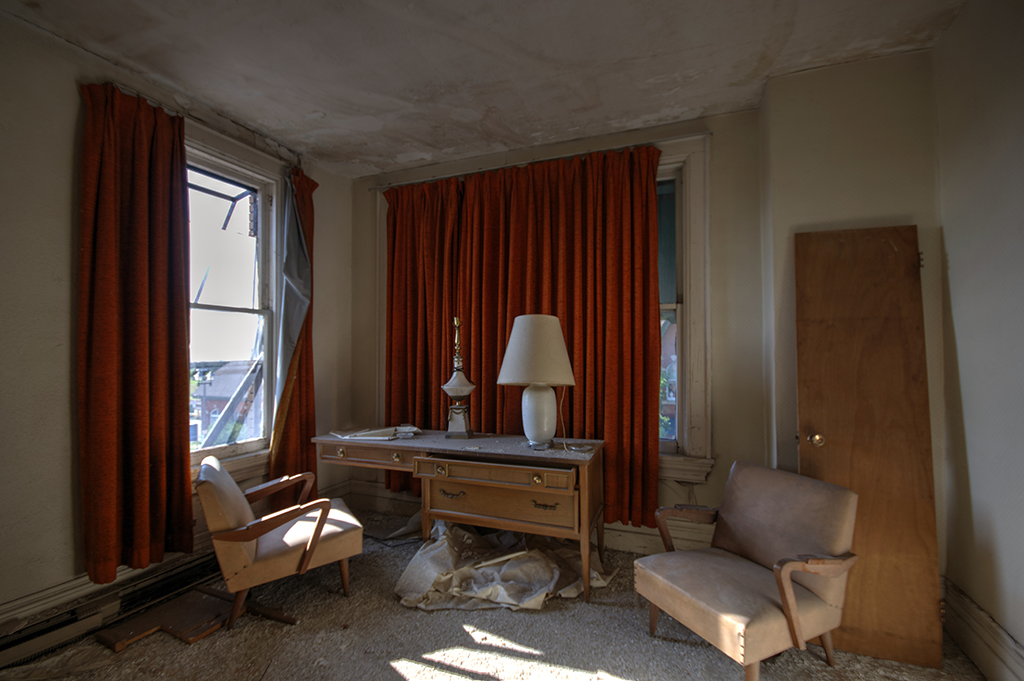
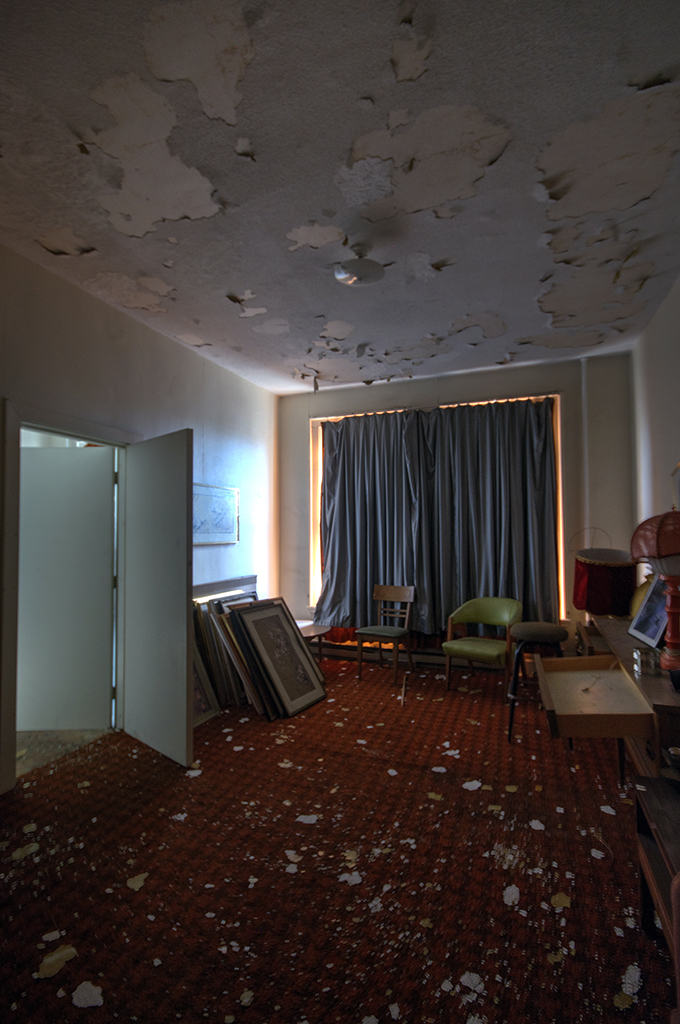
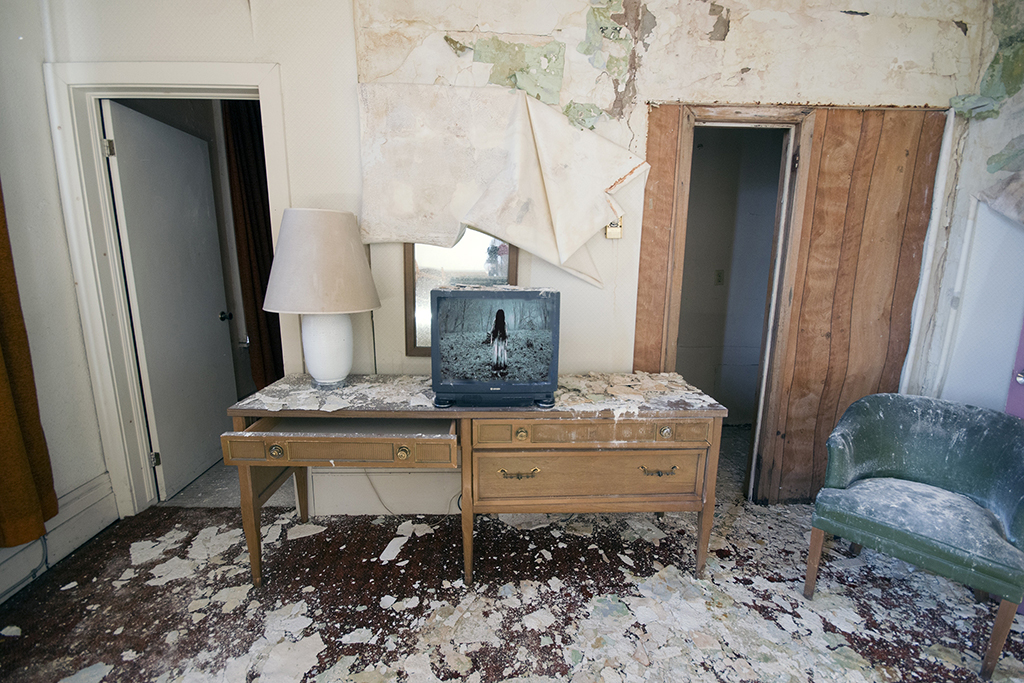
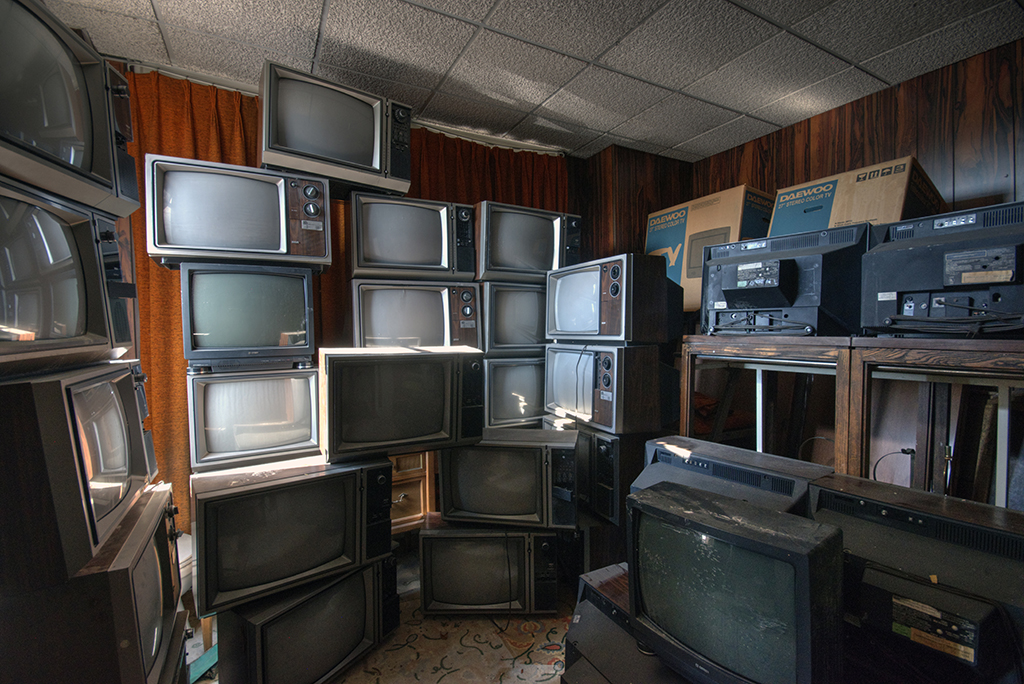
Niagara Falls Hotel Europa and City Limits Night Club

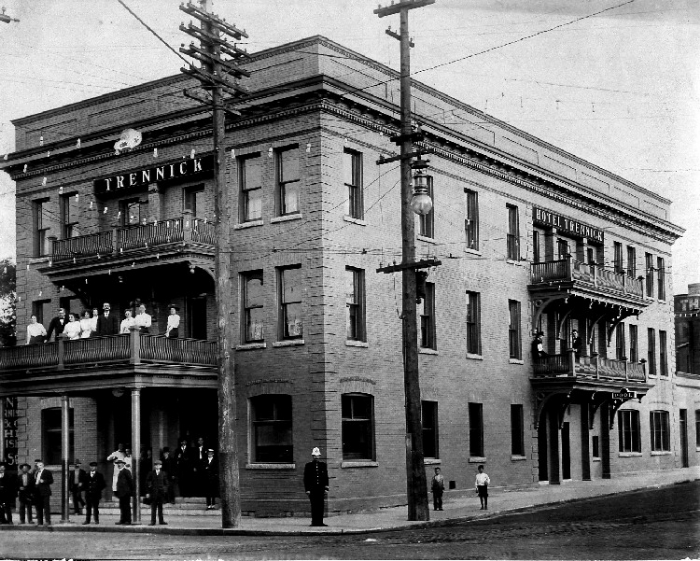
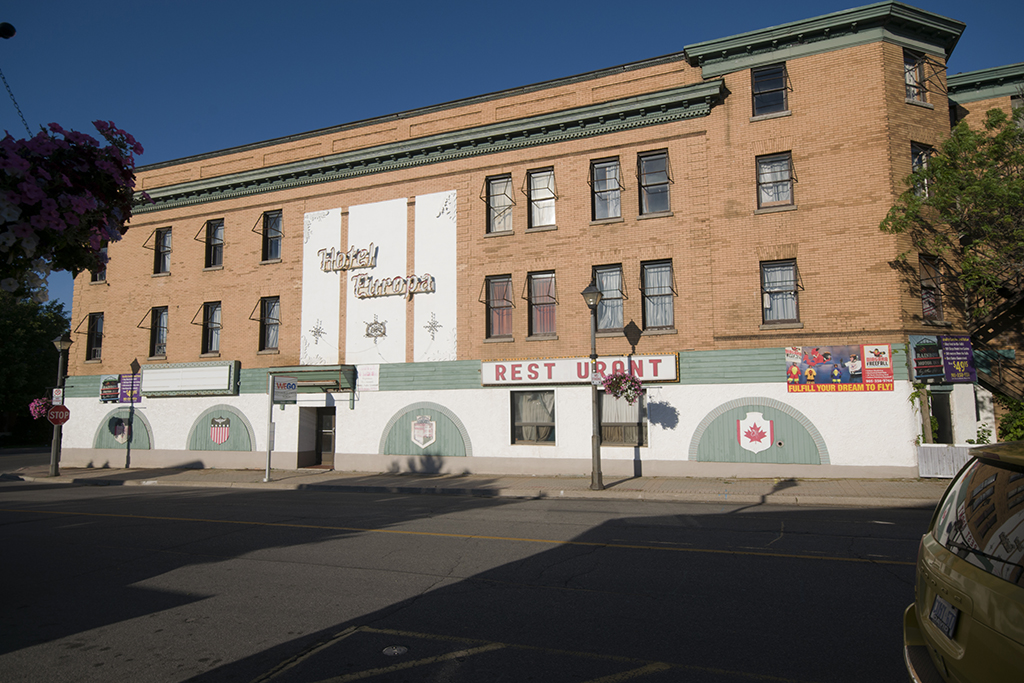
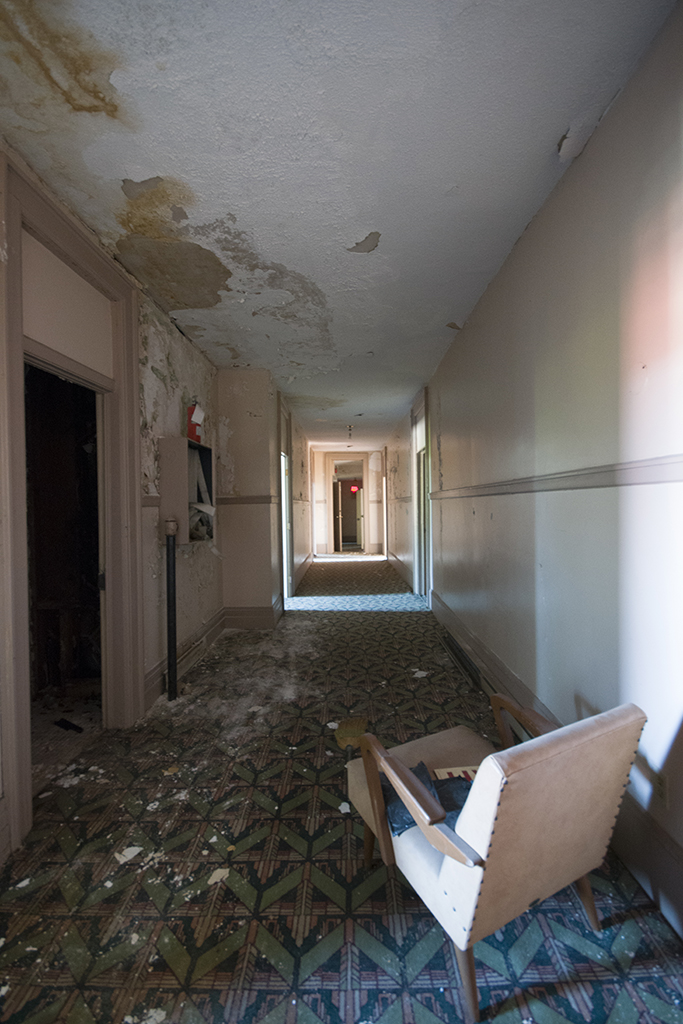
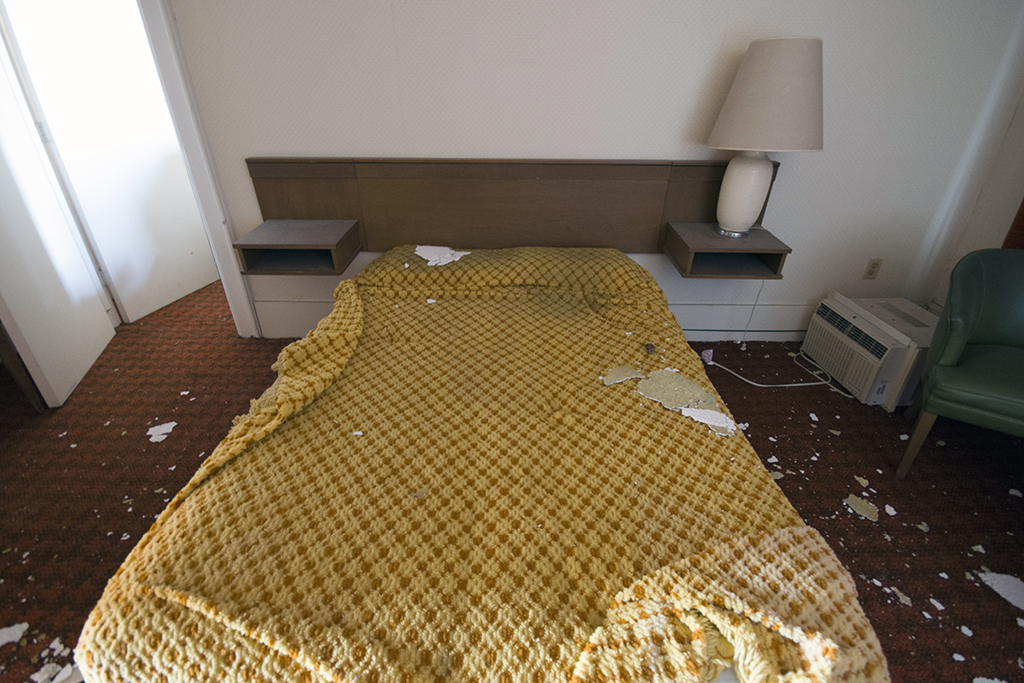
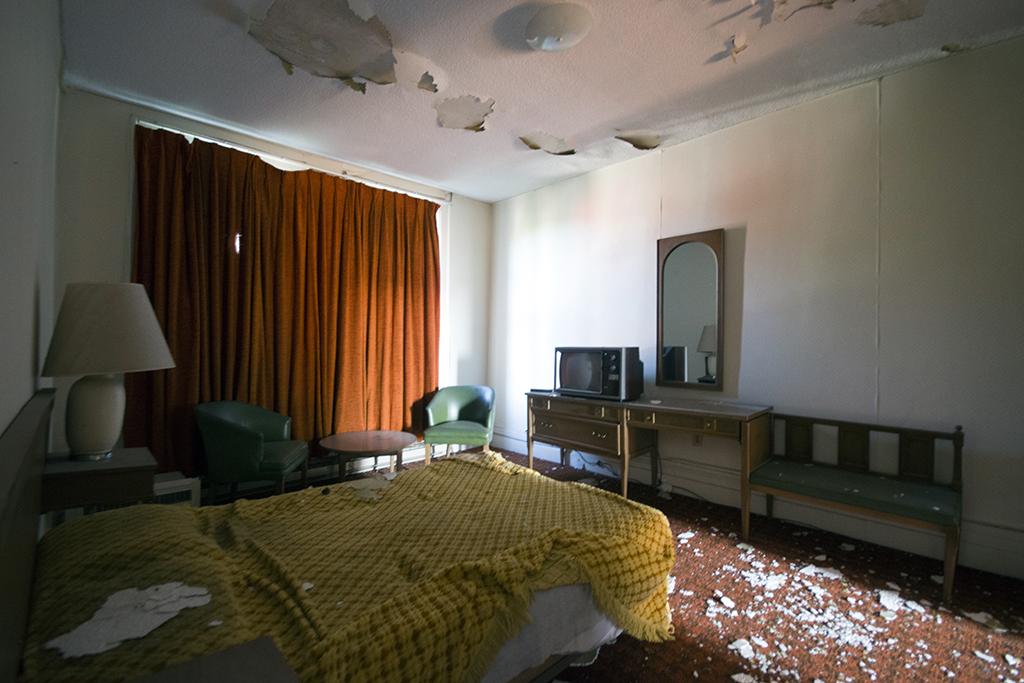
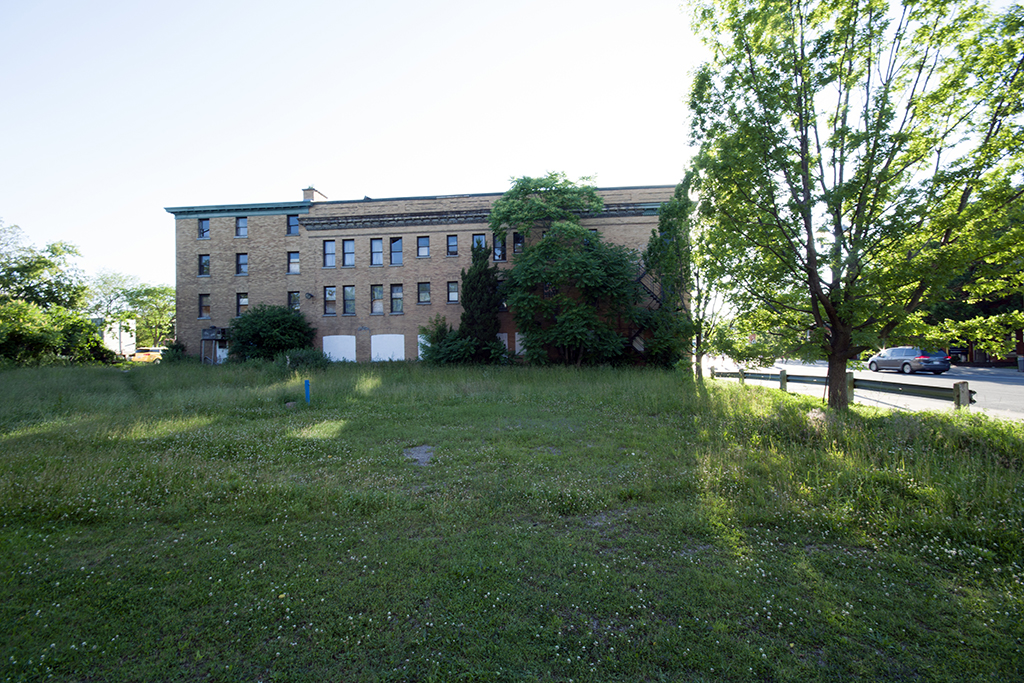
The history of Hotel Europa dates back several decades to a time when it was named the “Columbia Hotel”. The Columbia was later town down and the Trennick was built on the grounds. It opened on June 13, 1910 with Mr. Charles R. Newman as the proprietor. Rates for one of the 40 rooms ranged from $2.50 to $3.00 and an American meal plan was 50 cents.

Mr. Newman lived in the hotel until 1916 when he moved into his own home. In 1920, Newman purchased the hotel. He became mayor of Niagara Falls in 1922, a position which he held until 1924. Newman passed away in 1928.

Hotel Europa

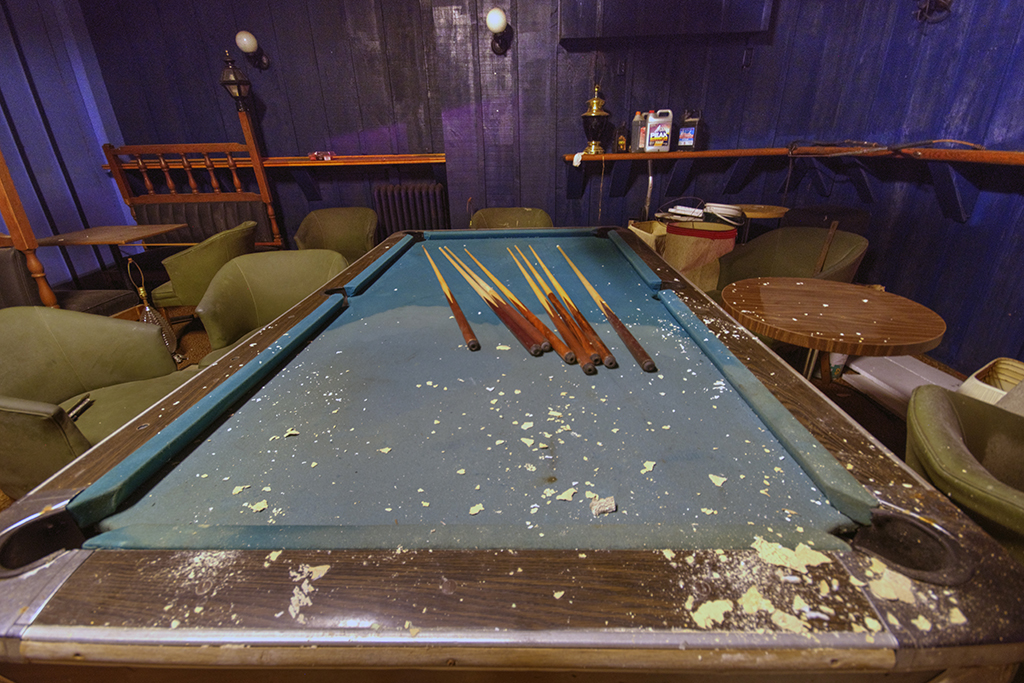
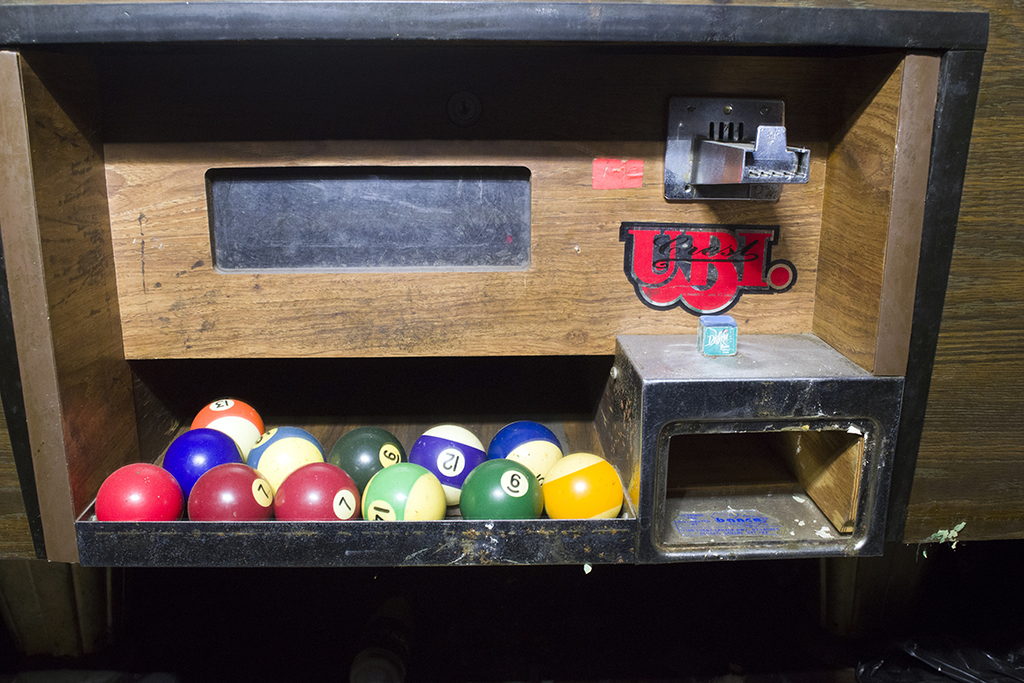
A billiard room was built in the basement as well as sample rooms. Sample rooms were rooms where travelling salesmen could display their products to the public. A 150 person dining hall was on the main floor.

During this era, hotel owners were discouraged from offering music and dancing as it was seen as having a negative effect on the morals of young people.

The LCBO also didn’t approve of using dancing to promote drink sales. The LCBO felt that hotels shouldn’t be focusing on selling drinks. As Niagara Falls was a tourist destination, hotel owners were facing pressure from guests to provide some enjoyment. Music in beverage rooms was not permitted yet many hotel proprietors ignored the rule.

Dining rooms however could have a record player, piano or small band.

When a liquor inspector found a piano in the ladies and escorts room of the Trennick, the manager explained that the piano was, “placed in this room to provide necessary music to a tap dancing class or school.”

The hotel underwent further name changes, becoming the Metropole in 1942 and underwent renovations. Ivan Popvich was the manager according to my research. It then became the Mohawk Hotel and in 1967, the Lord Nelson Hotel.

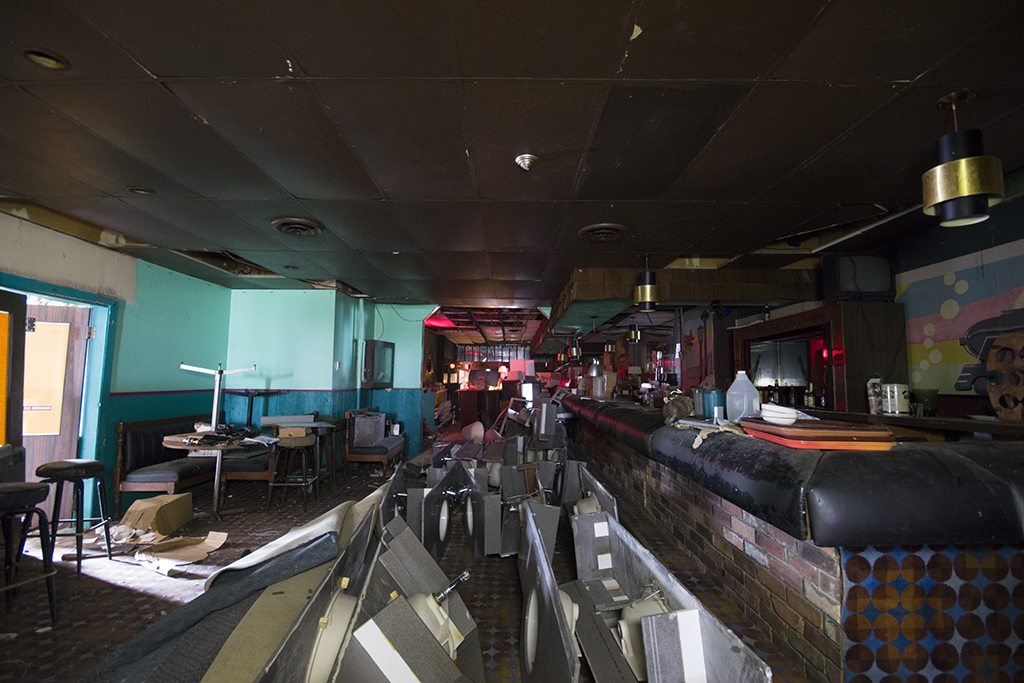
The City Lights Night Club operated out of the main floor.

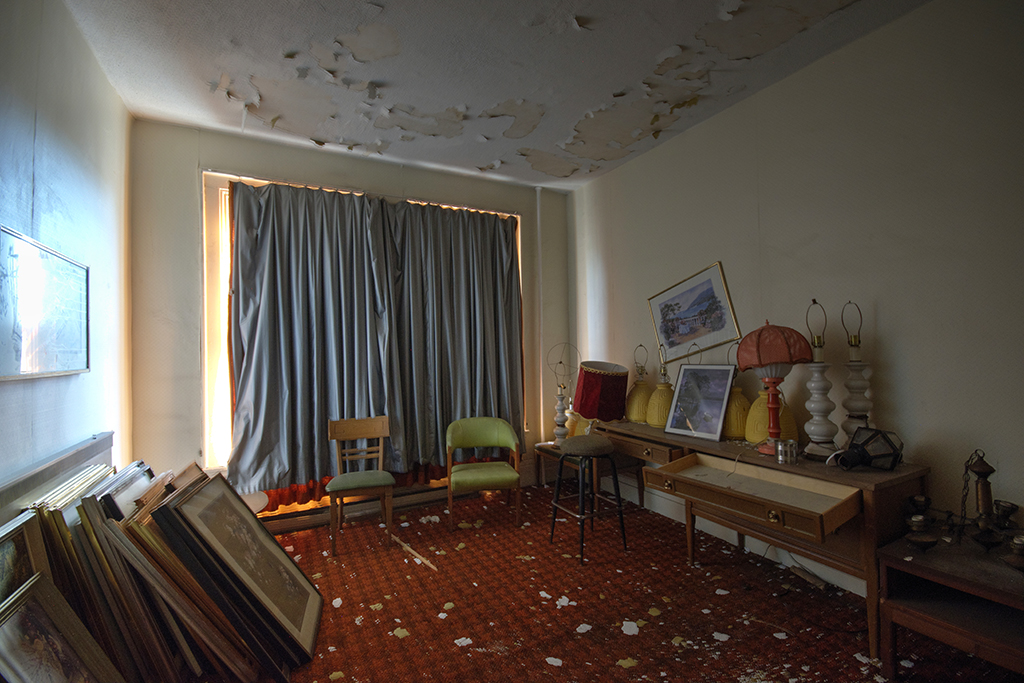
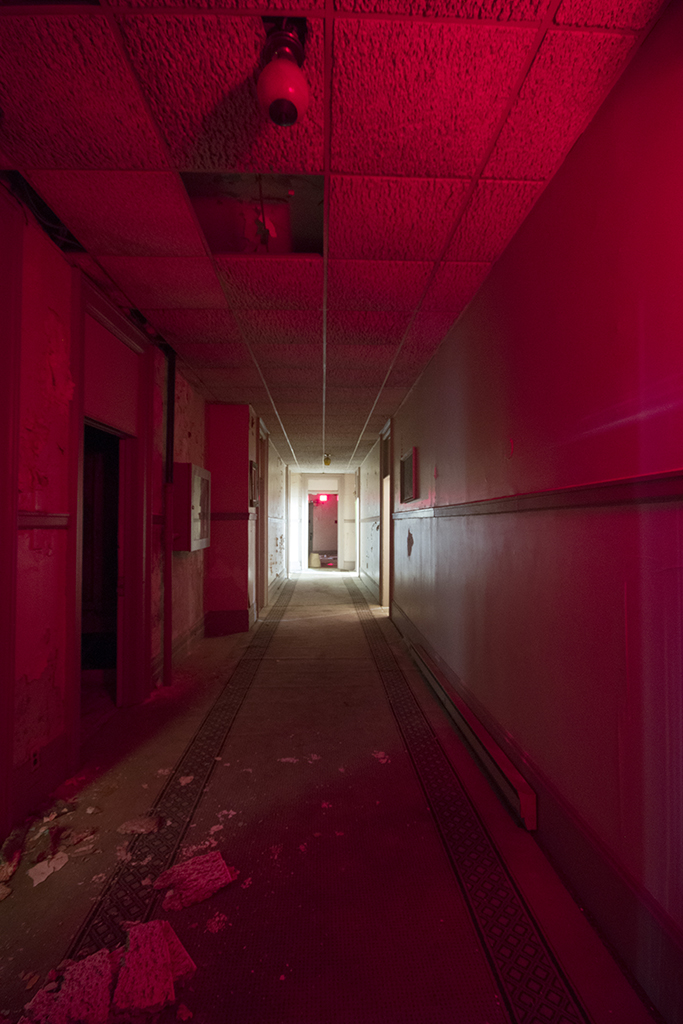
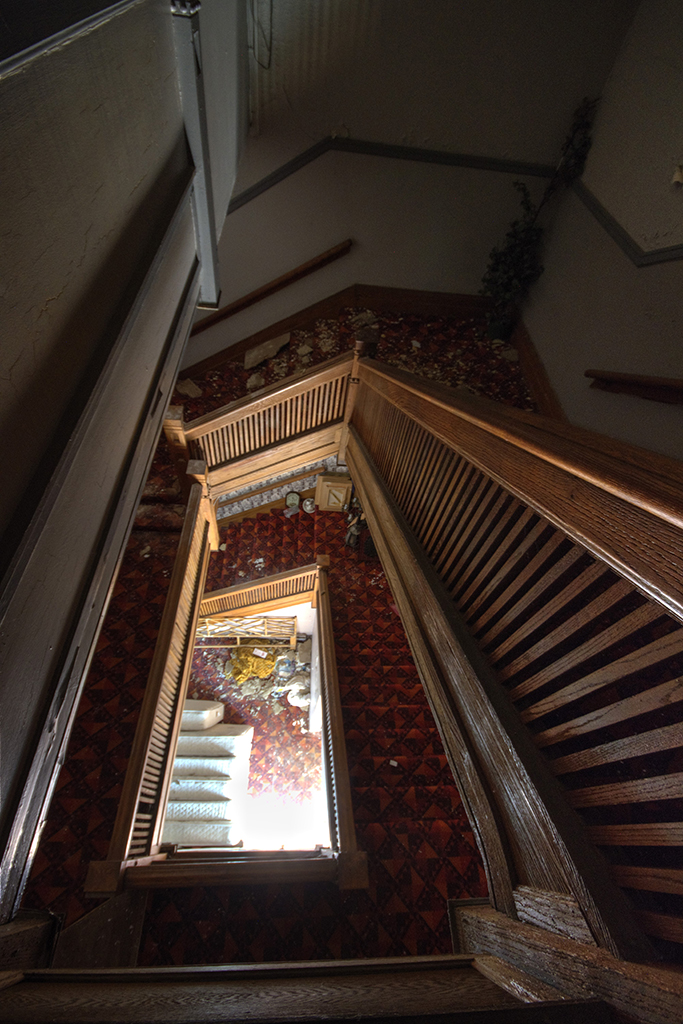
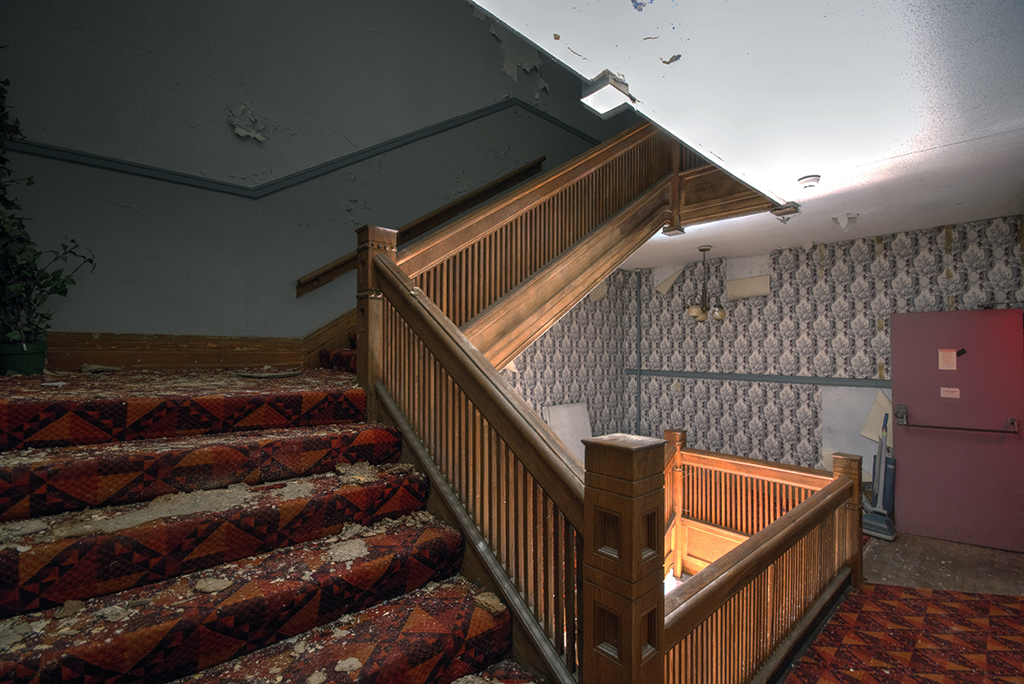
The hotel has been abandoned since the early 2000’s.

See also Abandoned Mansions Ontario Wiki


Video

Abandoned Hotel Europa & City Limits Night Club in Niagara Falls, Ontario