Monthly archives: May, 2020

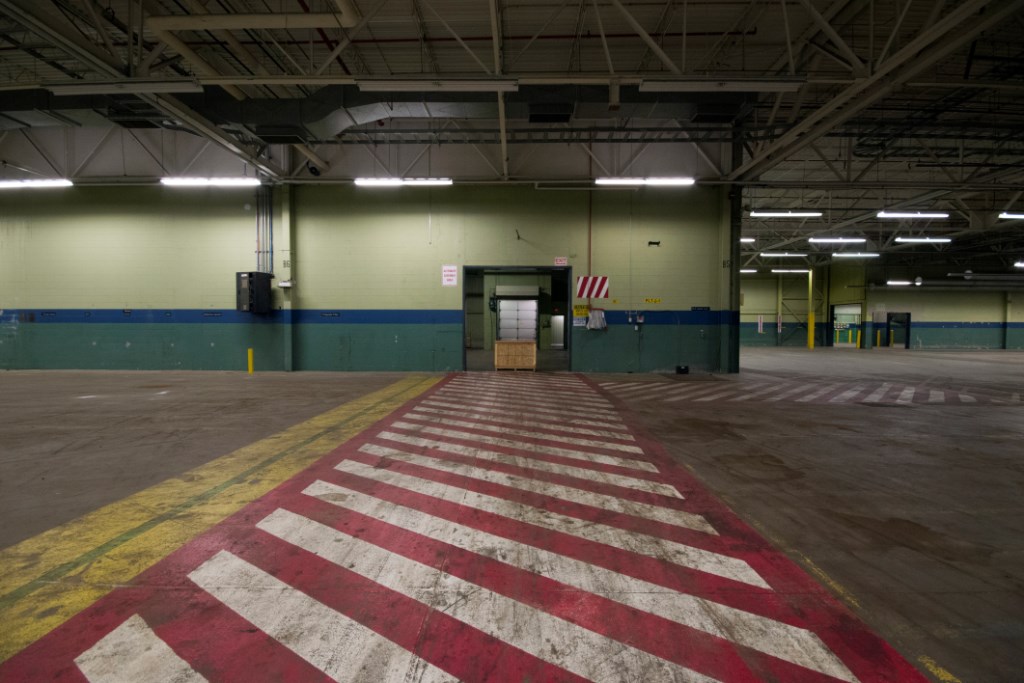
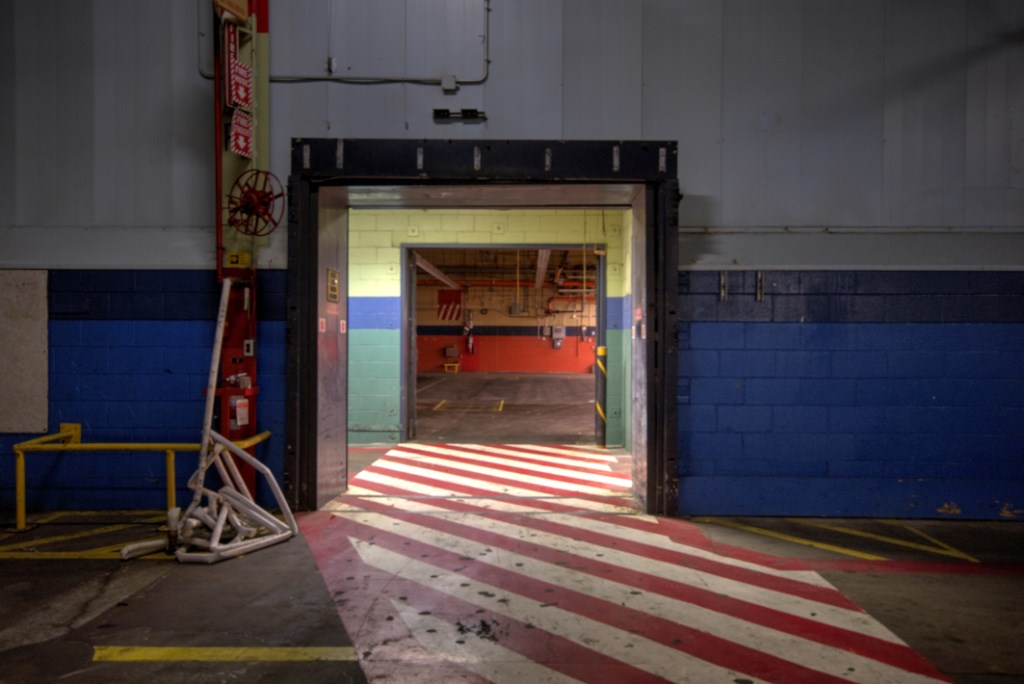
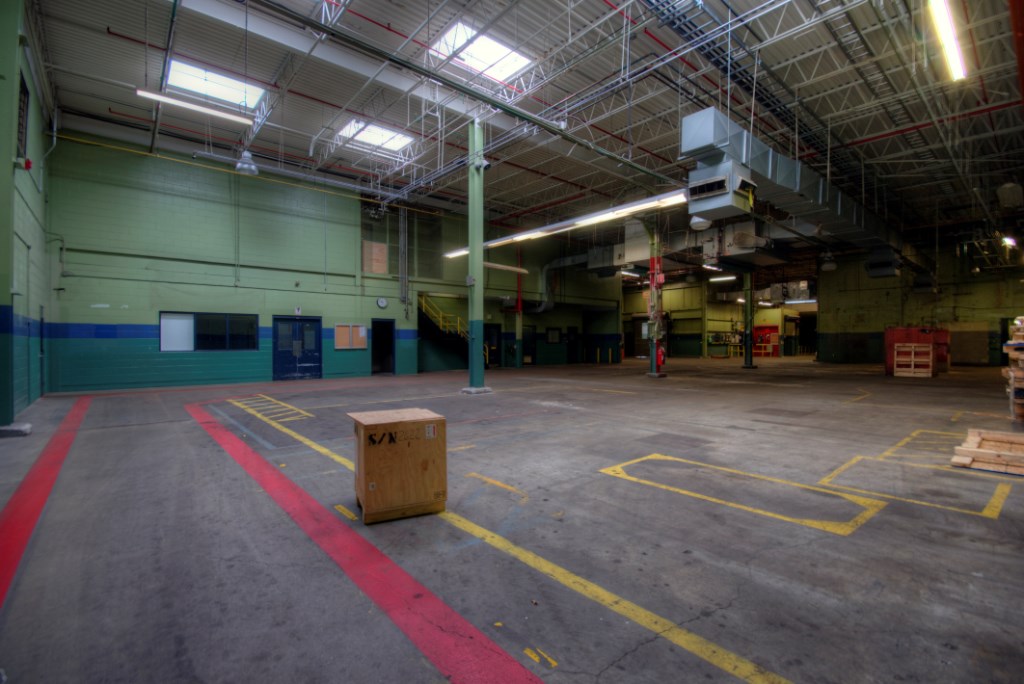
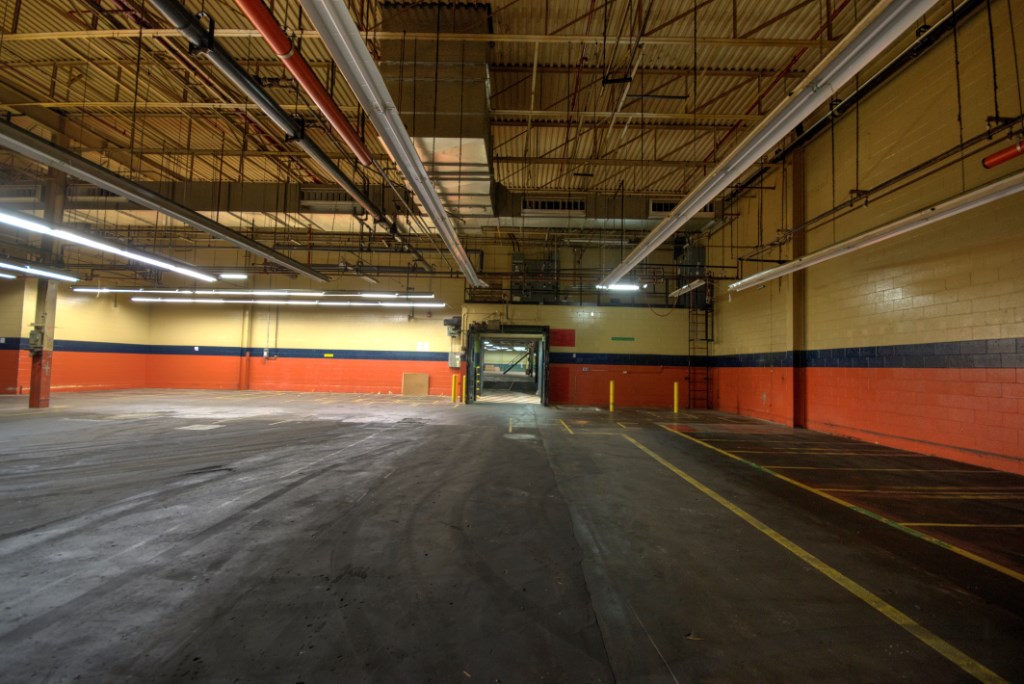
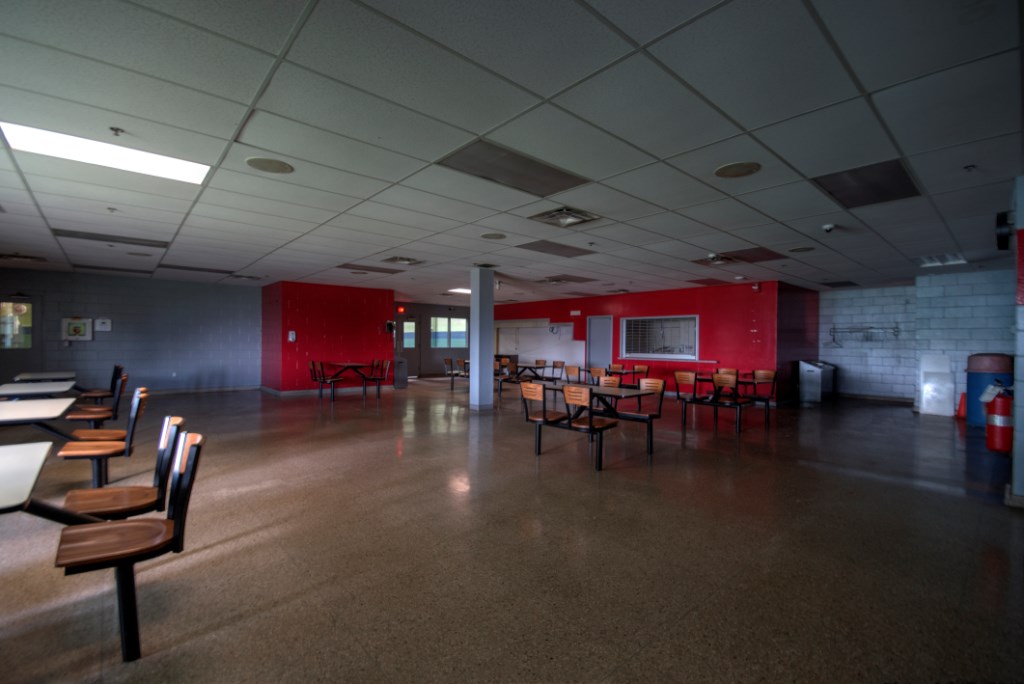
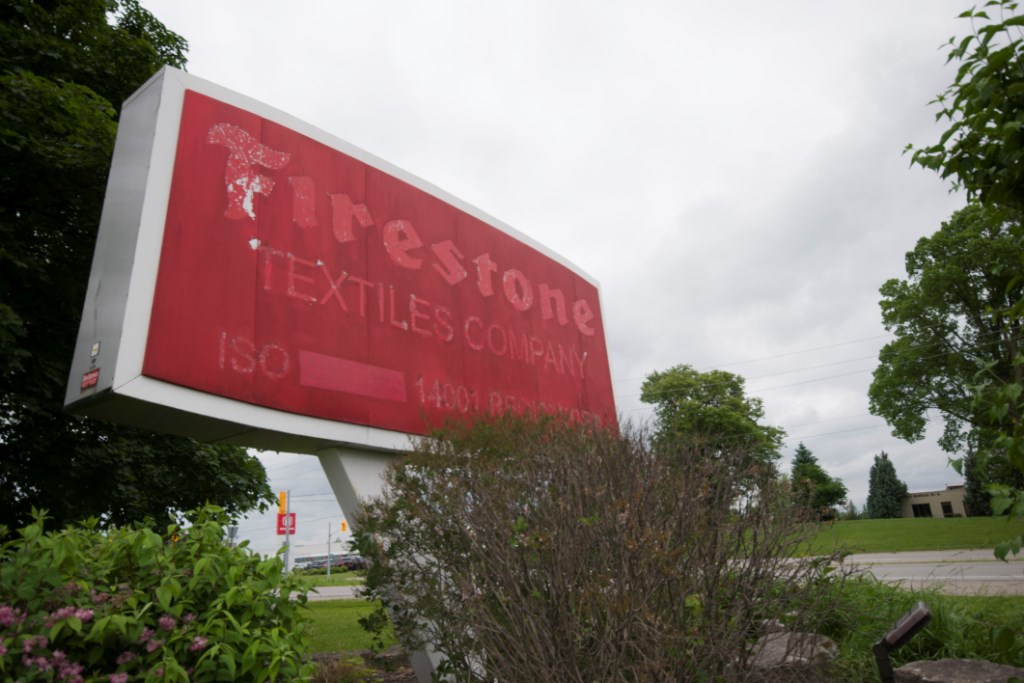
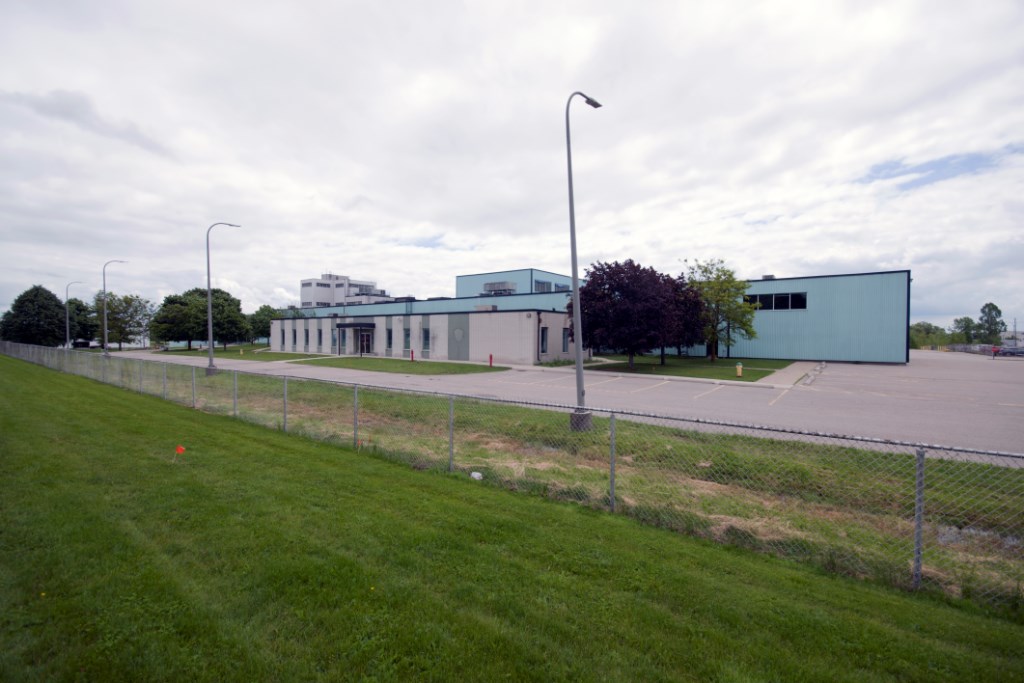
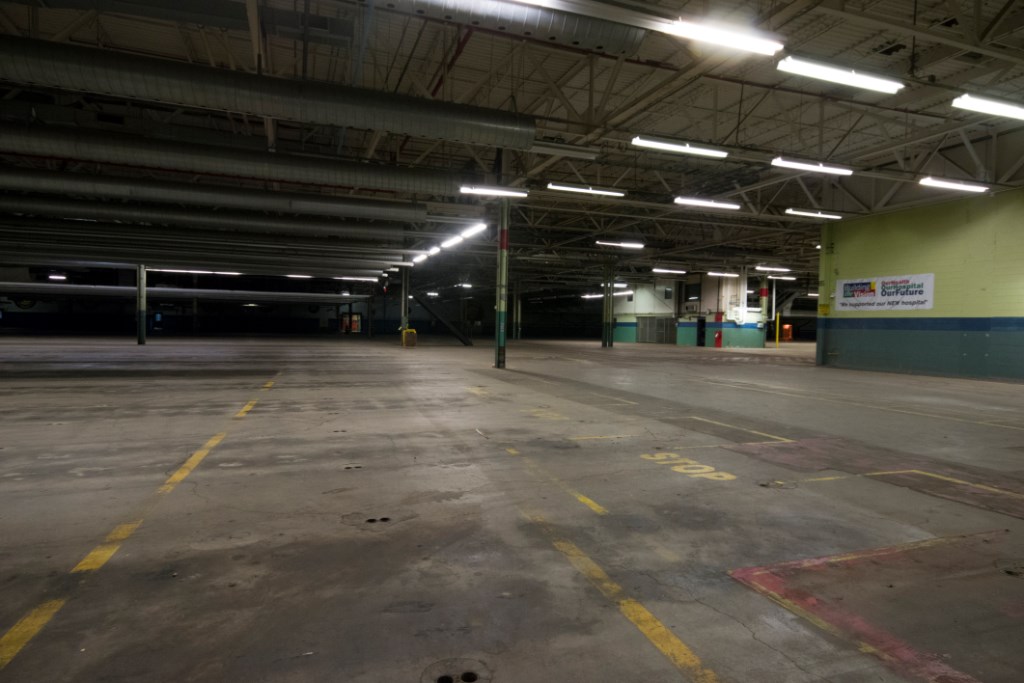
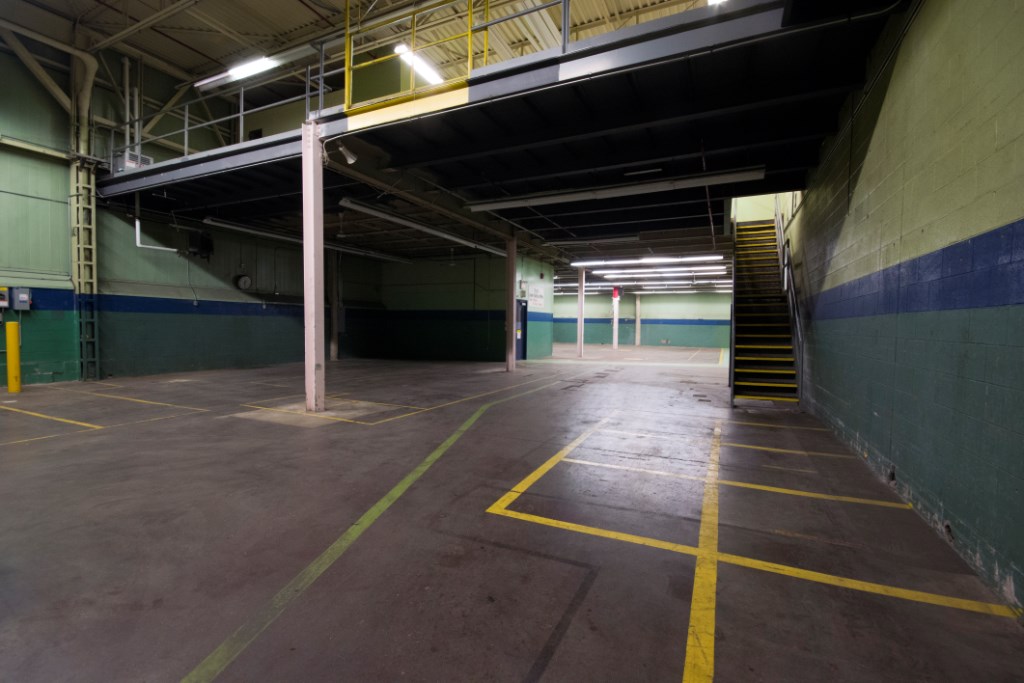
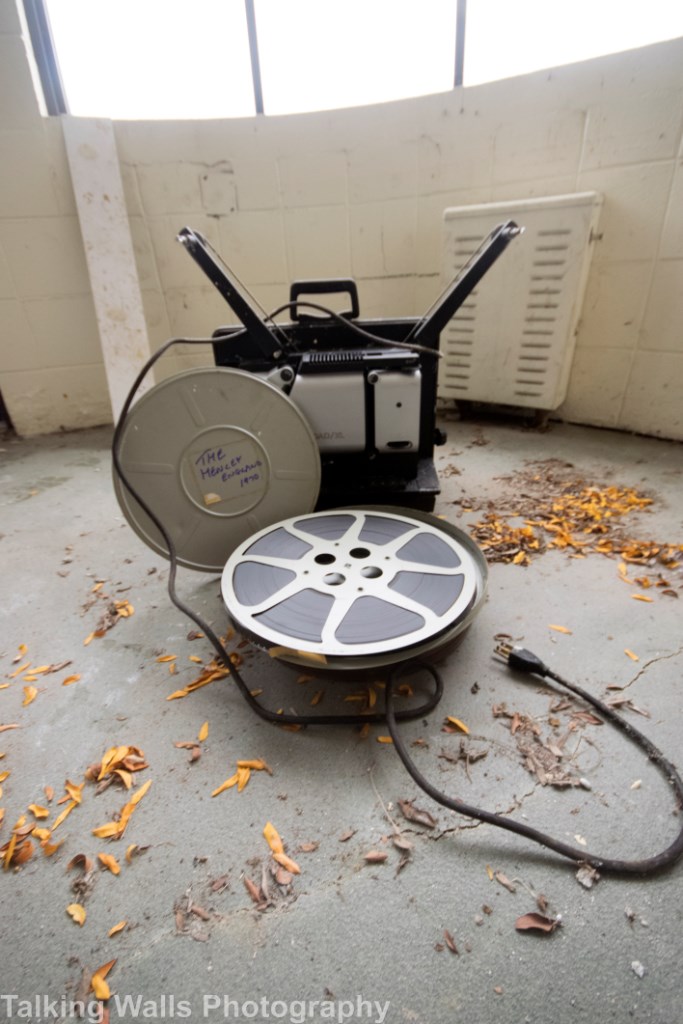
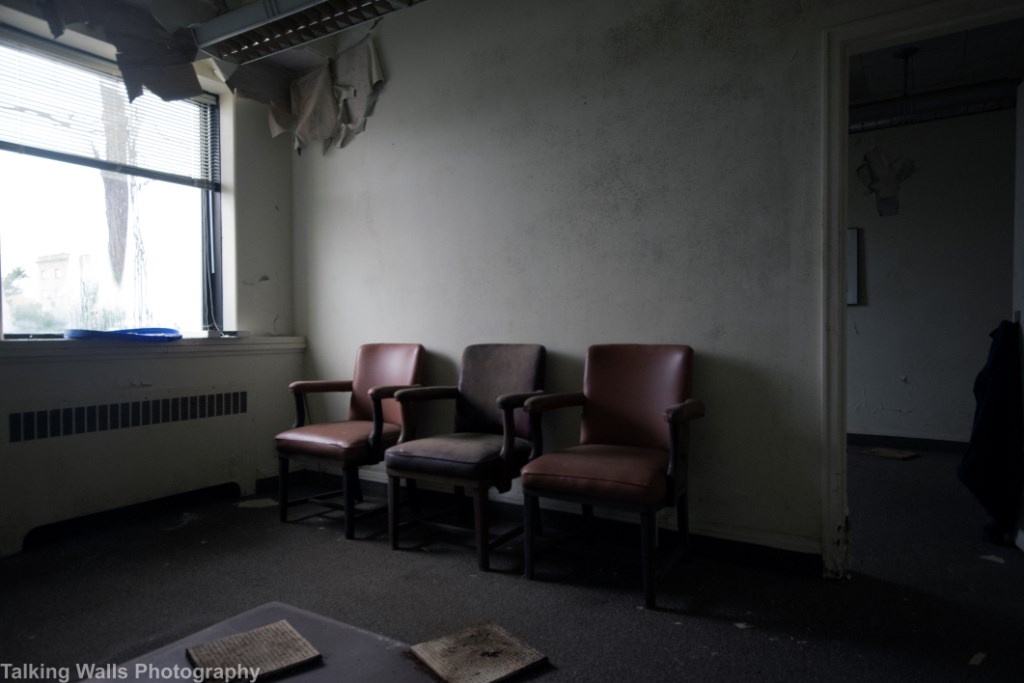
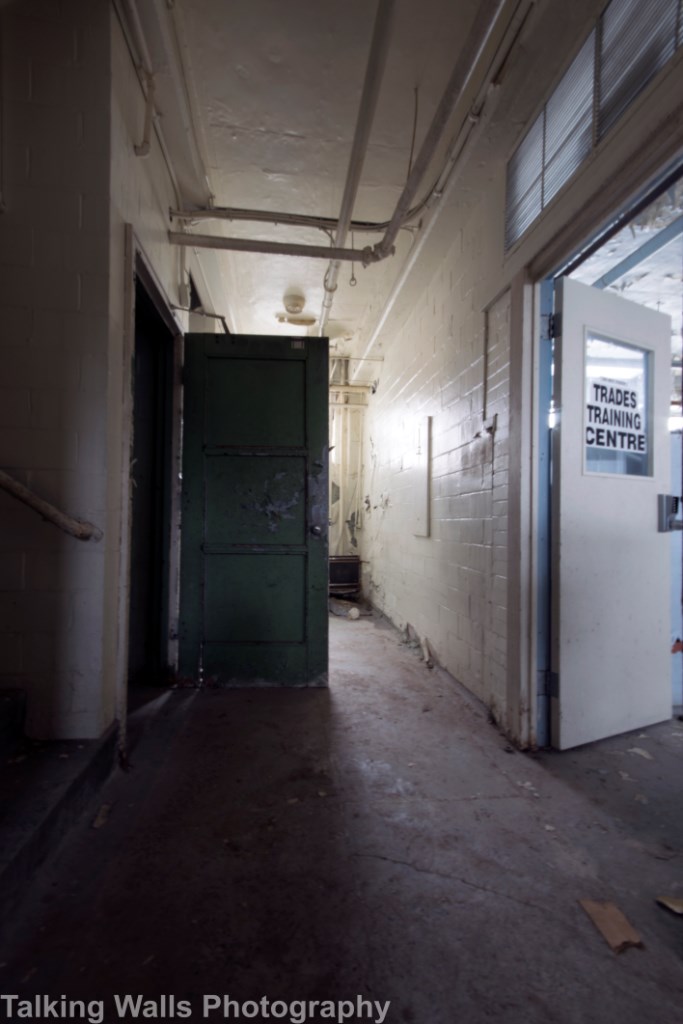
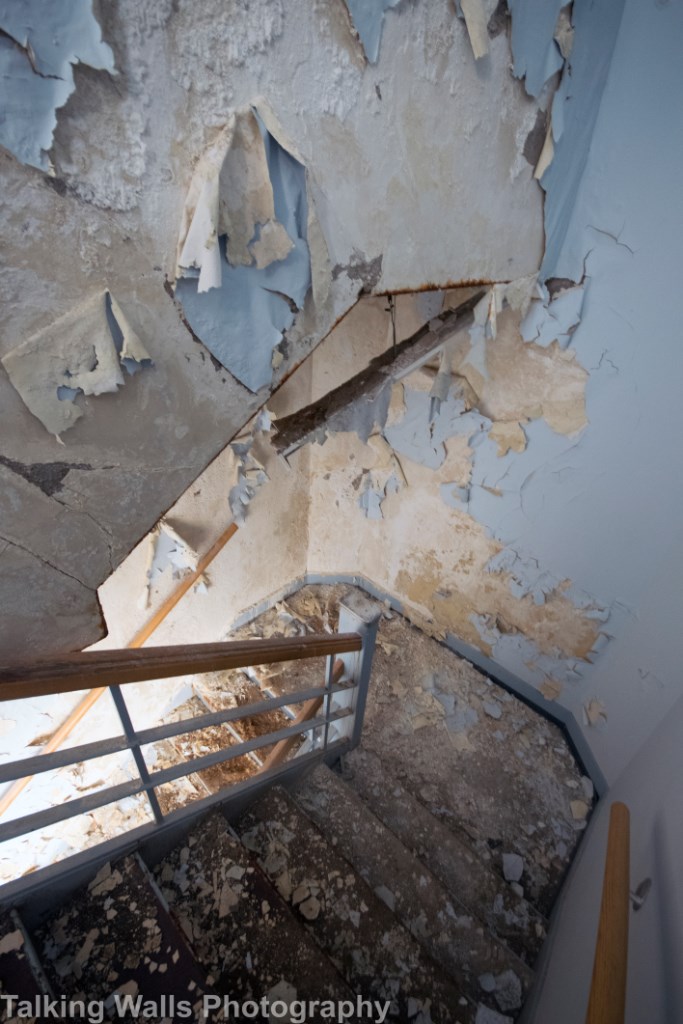
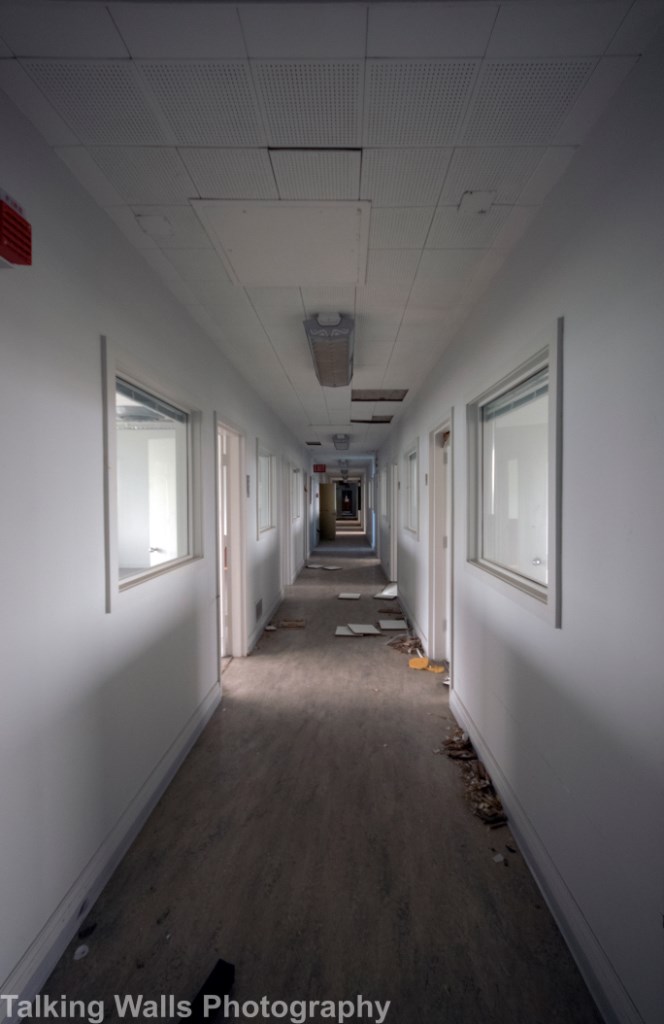
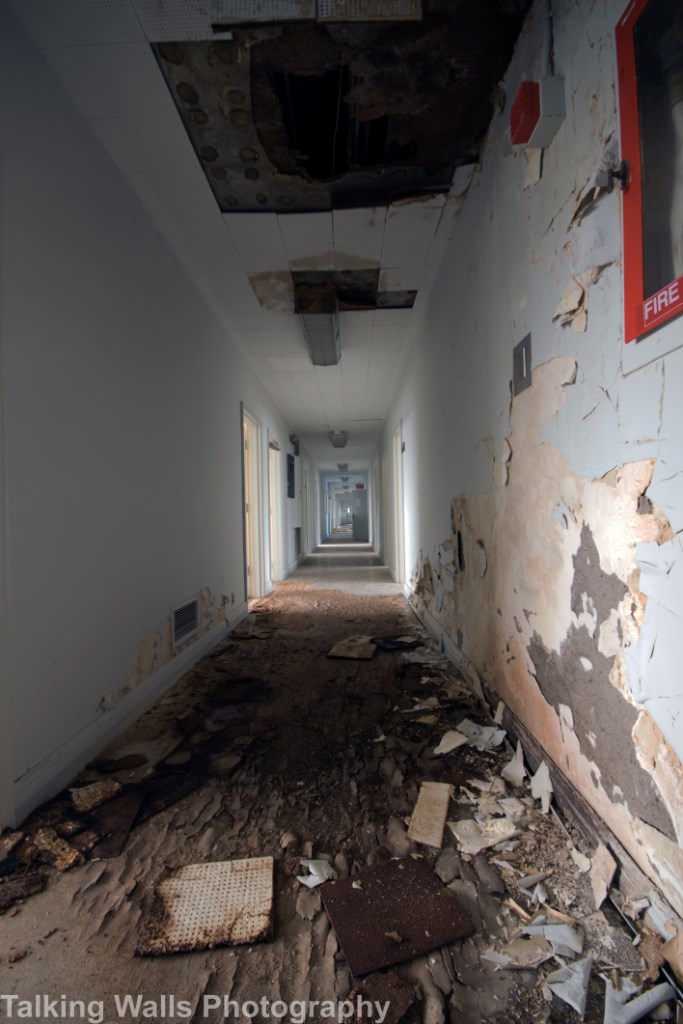
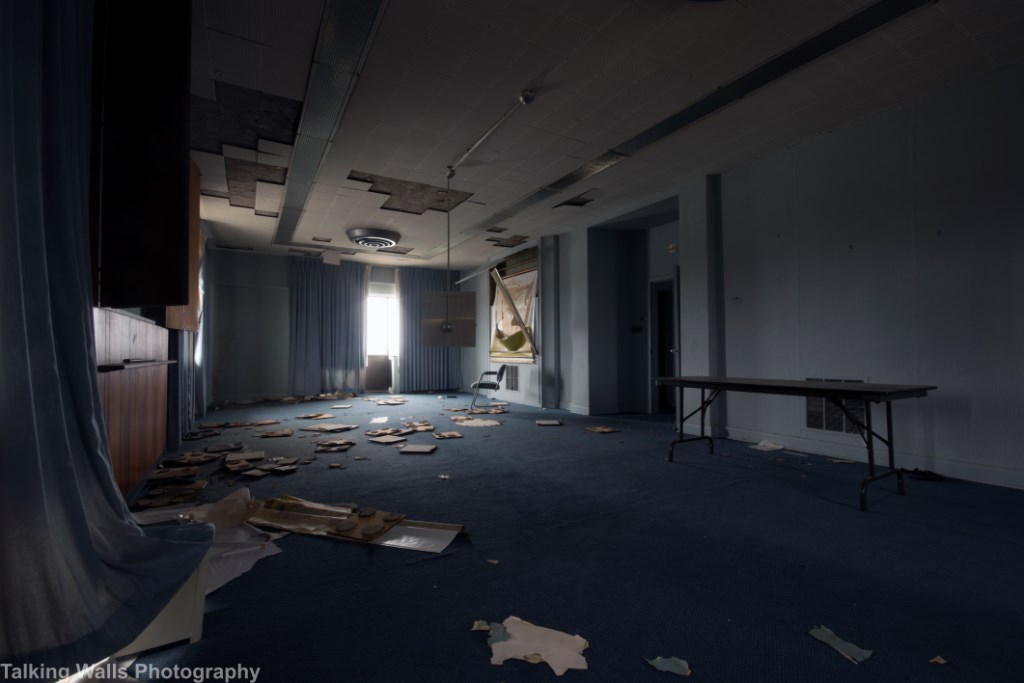
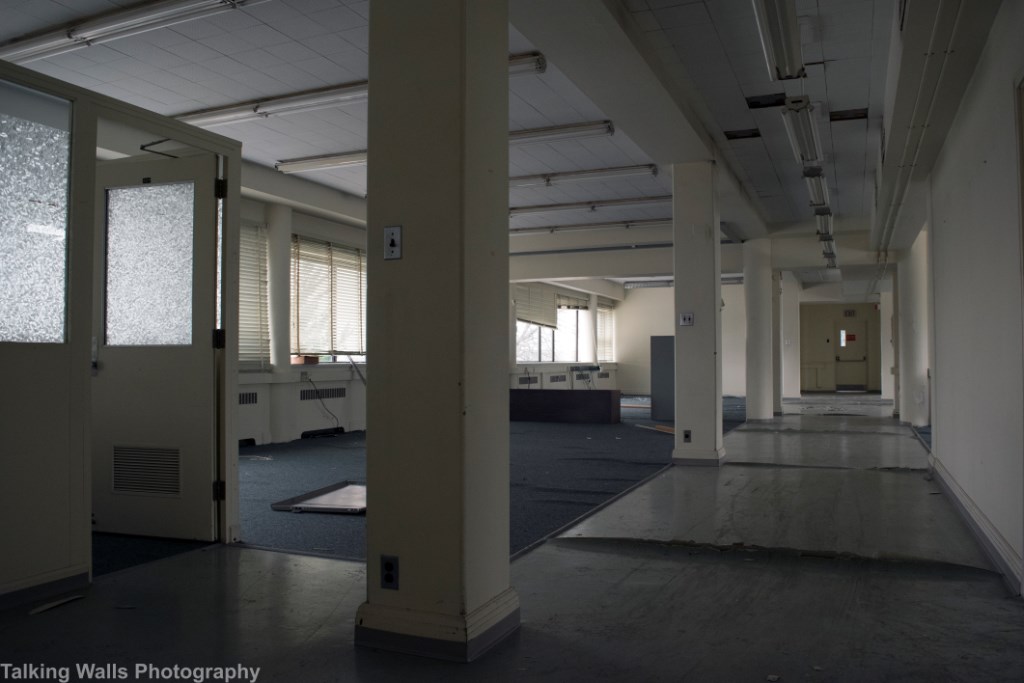
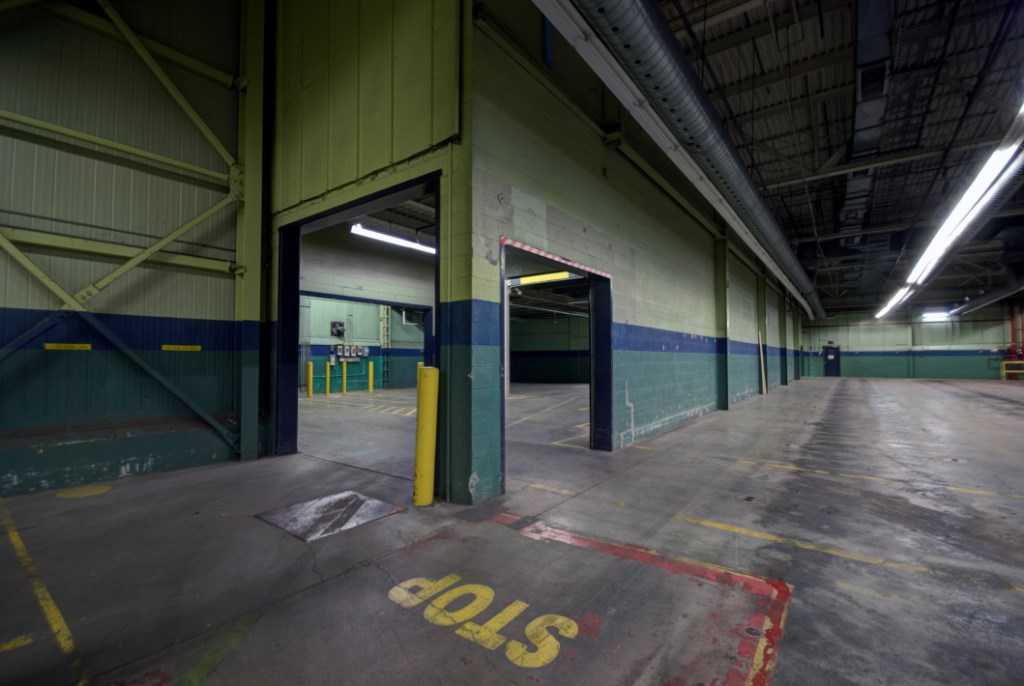
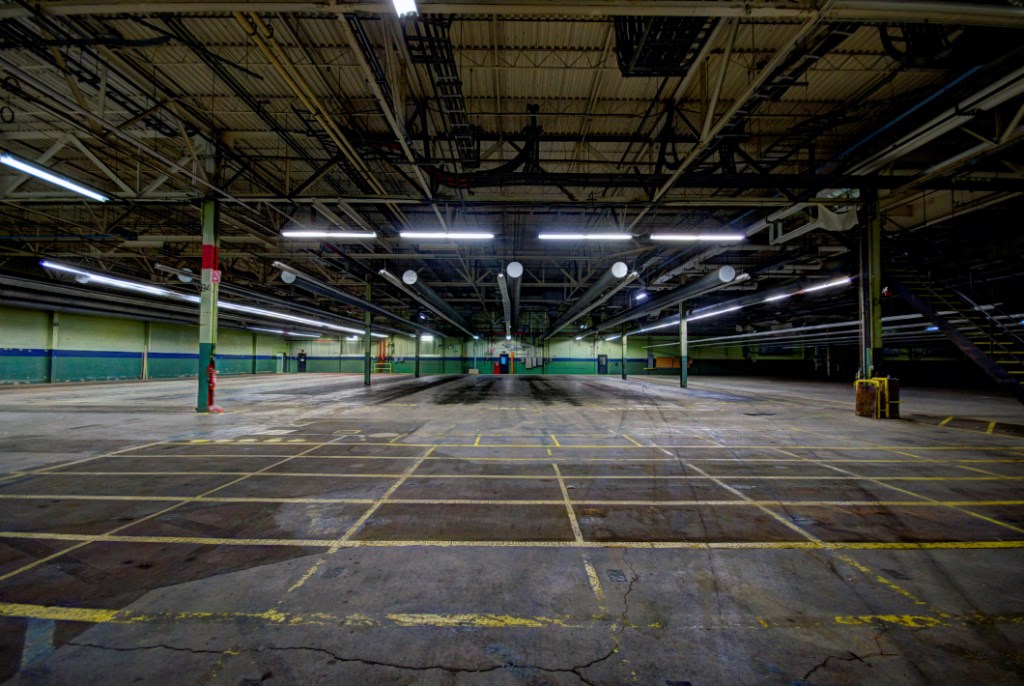
Abandoned Firestone Textiles Factory in Woodstock Ontario

Firestone Cotton Mills of Canada began operations in 1936 in a building purchased from the Oxford Knitting Mills in Woodstock, Ontario.

The building was known as Plant Number 1, located at the corner of Oxford and Ingersoll Streets. Plant #1 manufactured cotton for tire cord cotton reinforced tires. The cotton was used until the 1940’s when rayon was introduced. Today tires are reinforced using a mixture of nylon and polyester.

During the Second World War, many of the positions at Firestone were held by women. Firestone was also the first job for many immigrants arriving to Canada during the 1950’s.

In 1965 Plant Number Two opened at 1200 Dundas Street East. It allowed for expanded tire cord production using larger, cost-effective spools. In 1984, a $6 million expansion took place and gradually integrated employees from Plant #1 into Plant #2. Plant #1 became a warehouse.

In 1967, Plant Number Three was built for the production of Nylon 6.
Firestone employed 170 employees (35 salaried and 135 hourly) from the Woodstock area. On October 4th, 2017 an emergency meeting was held to announce that production would be gradually scaled back and production would cease entirely by the end of 2018.

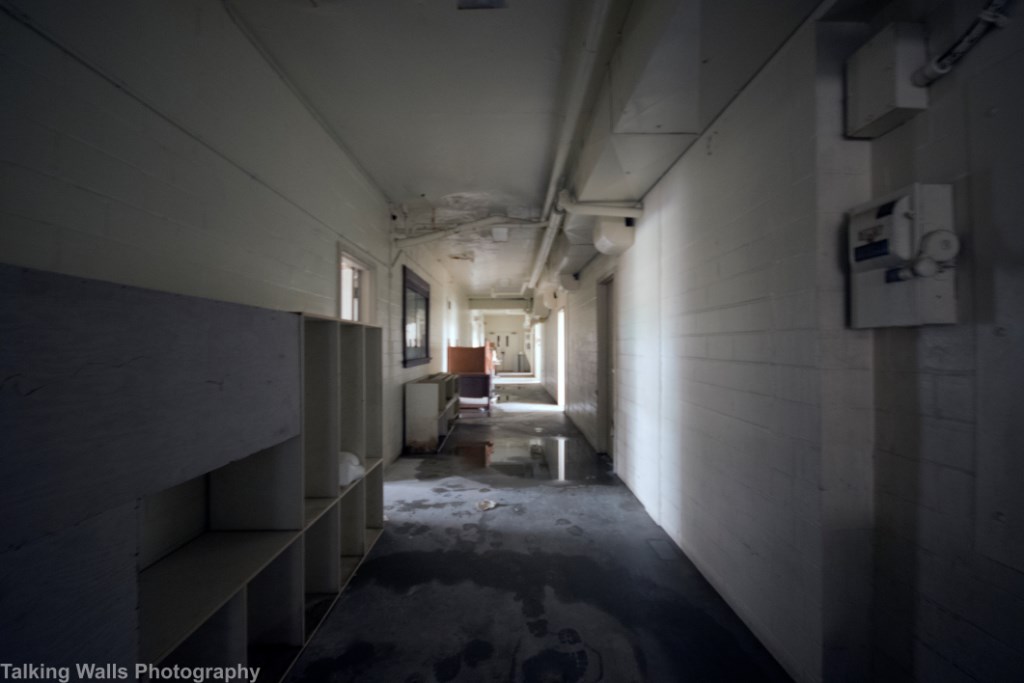
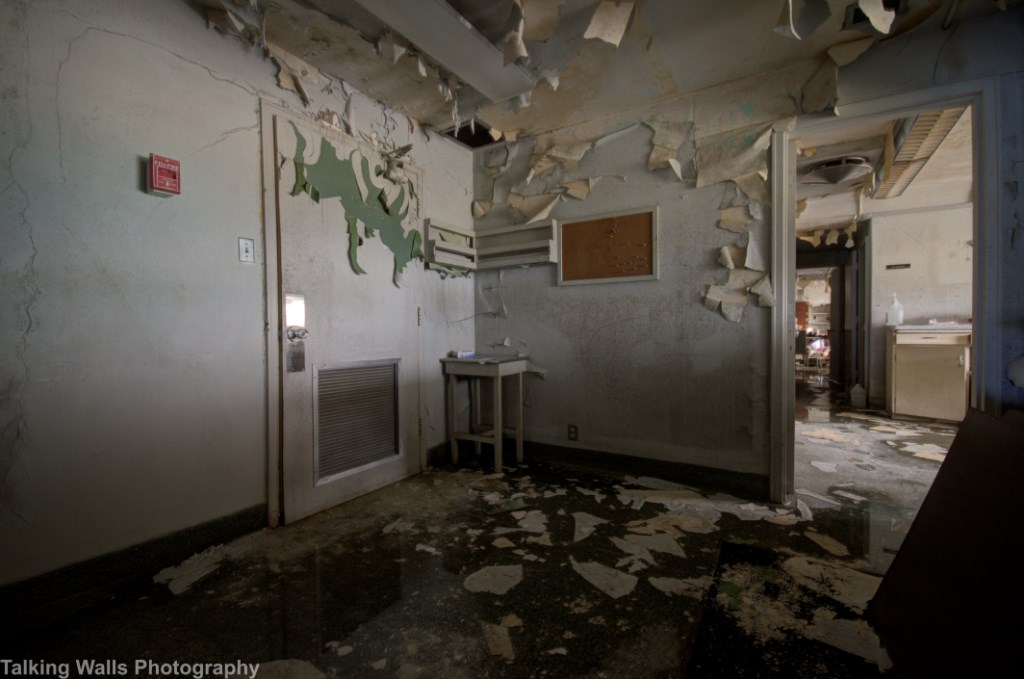
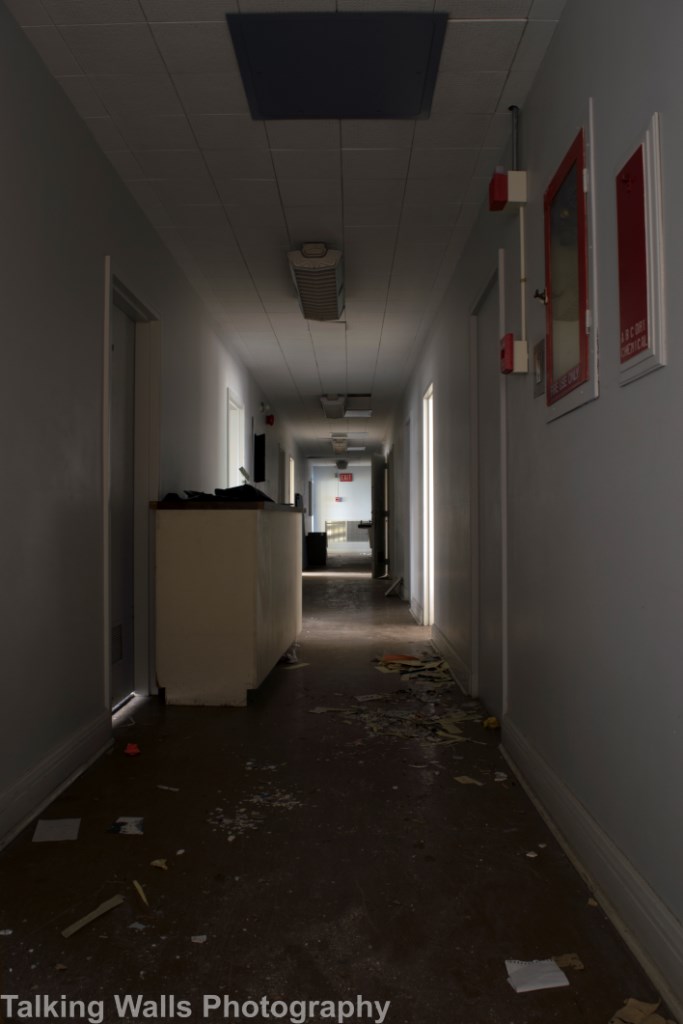
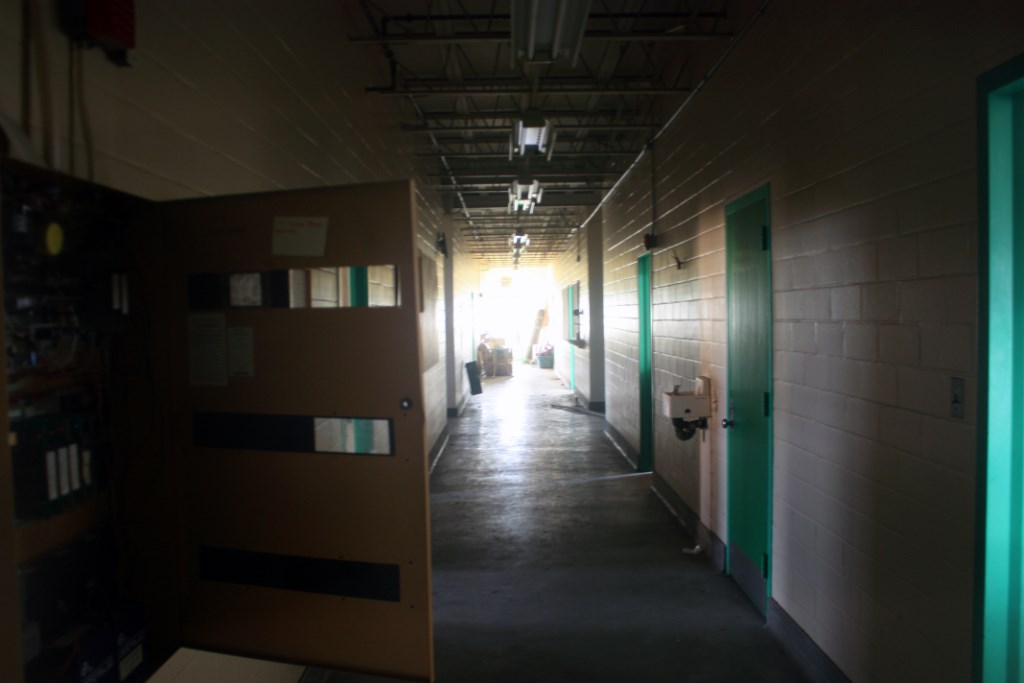
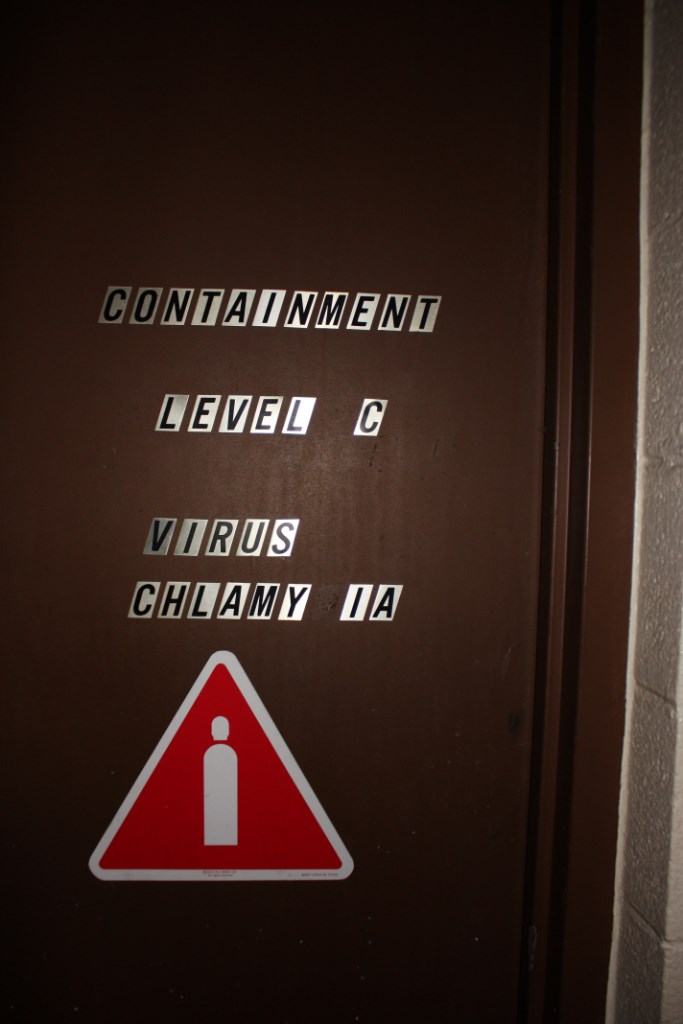
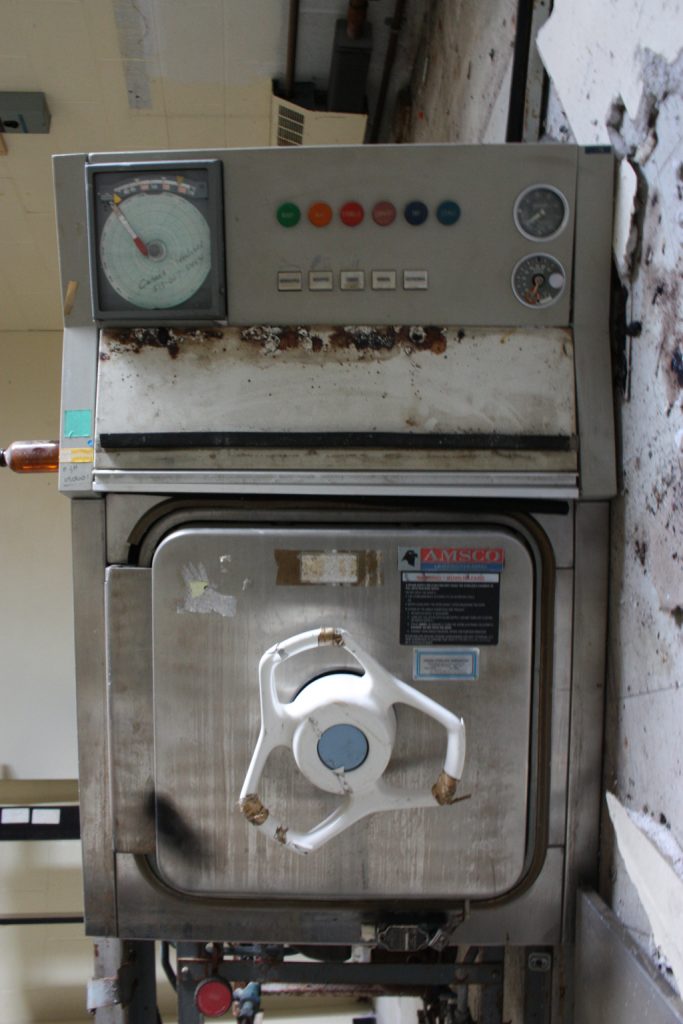
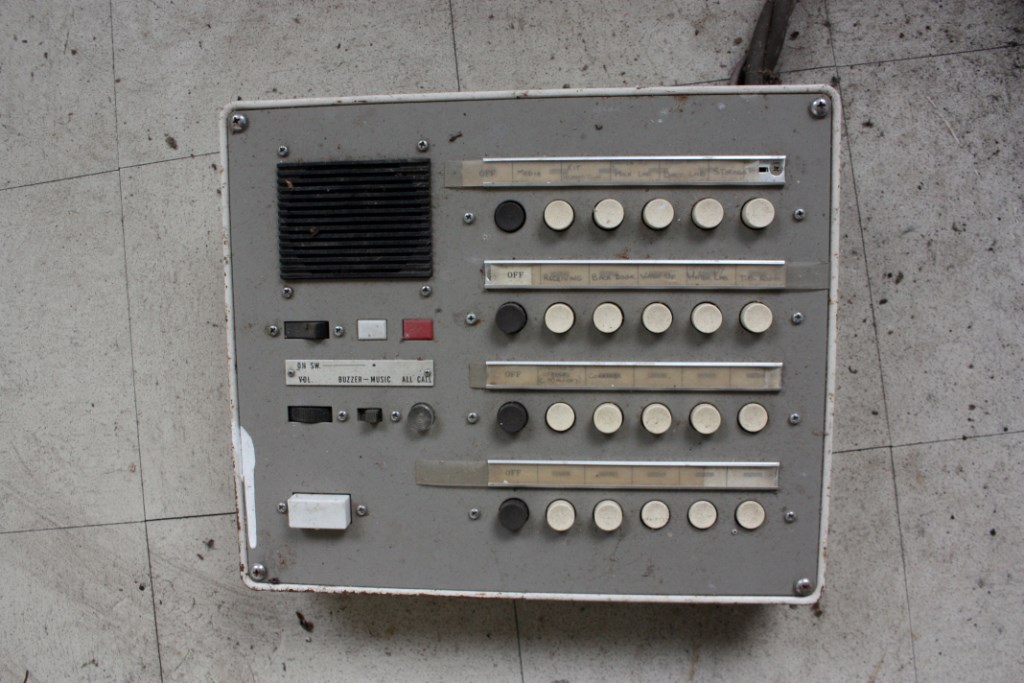
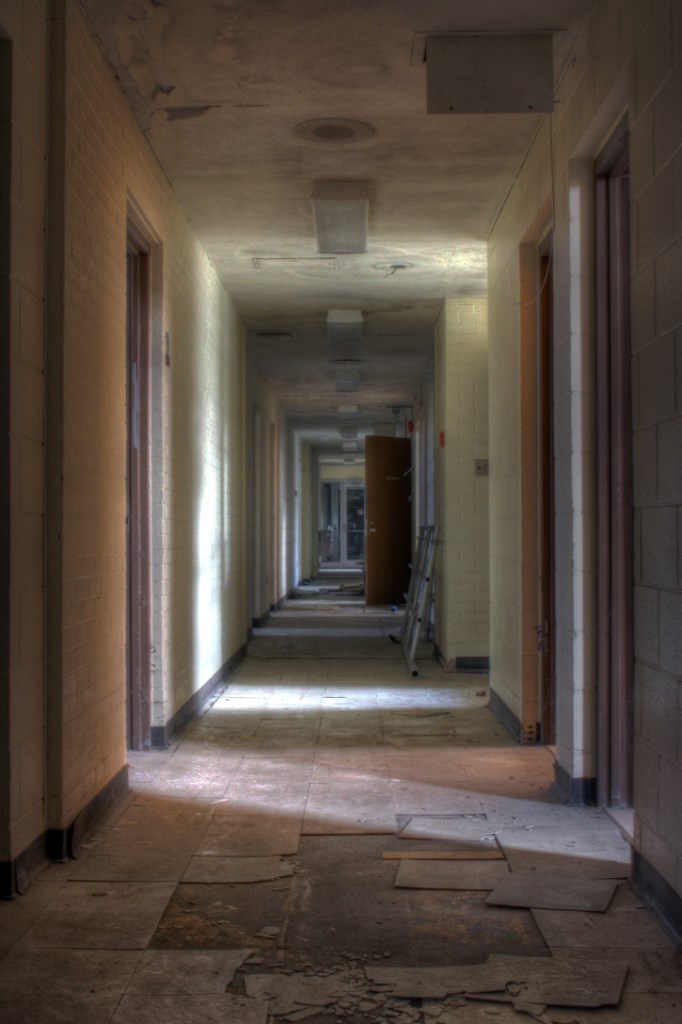
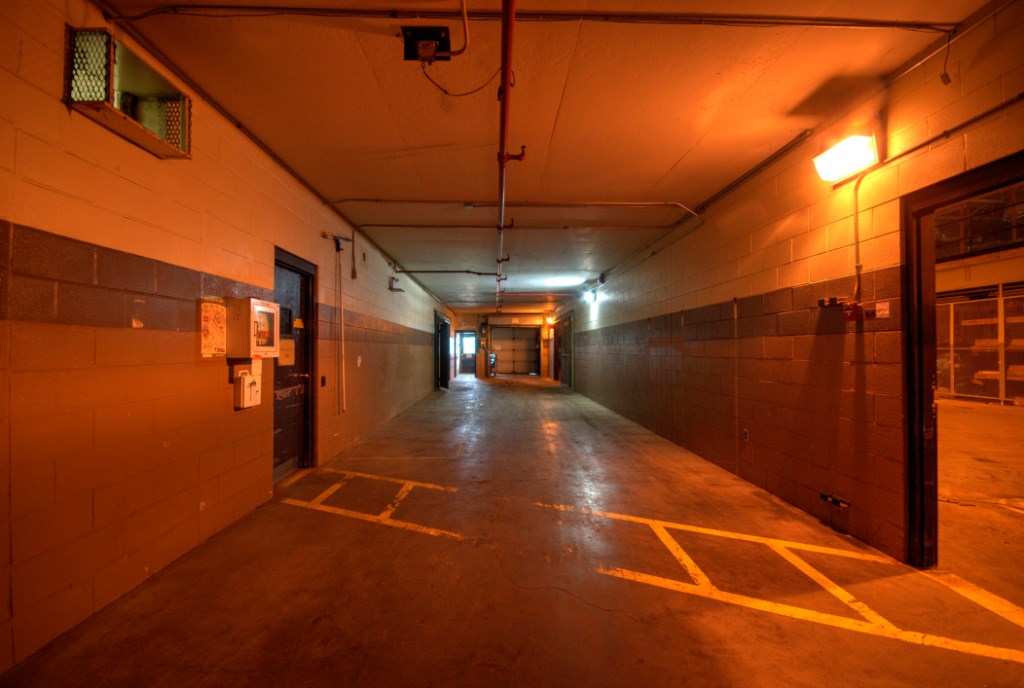
Today the property is vacant and stripped of everything inside. During my visit there was electricity. If you visit, exercise caution as some of the doors will lock behind you and you could trap yourself in between them.
The Abandoned Bong Mansion in Burlington, Ontario (Mafia Mansion)

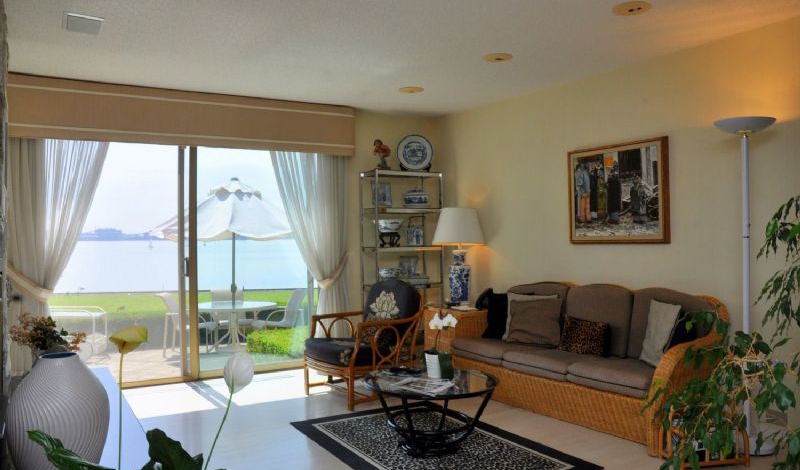
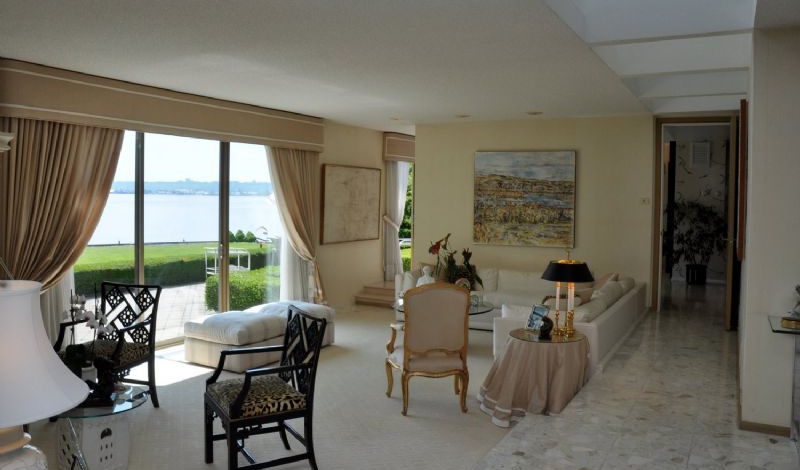
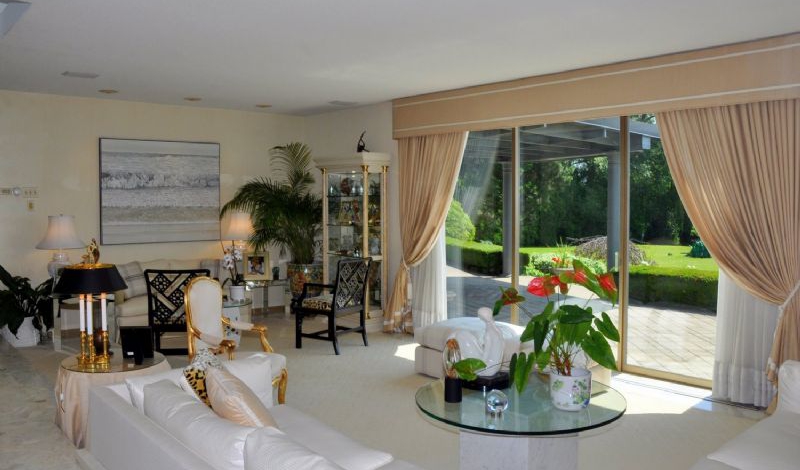
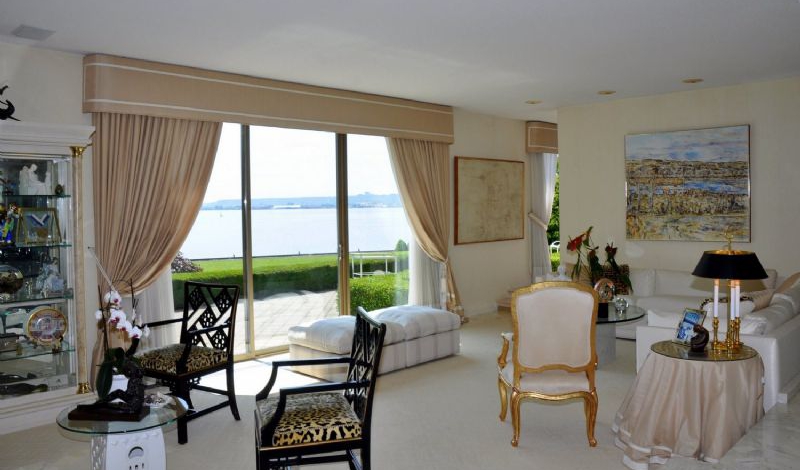
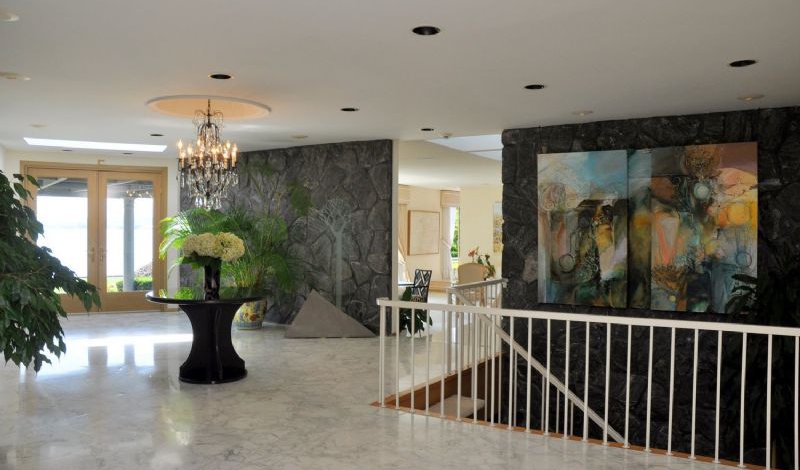
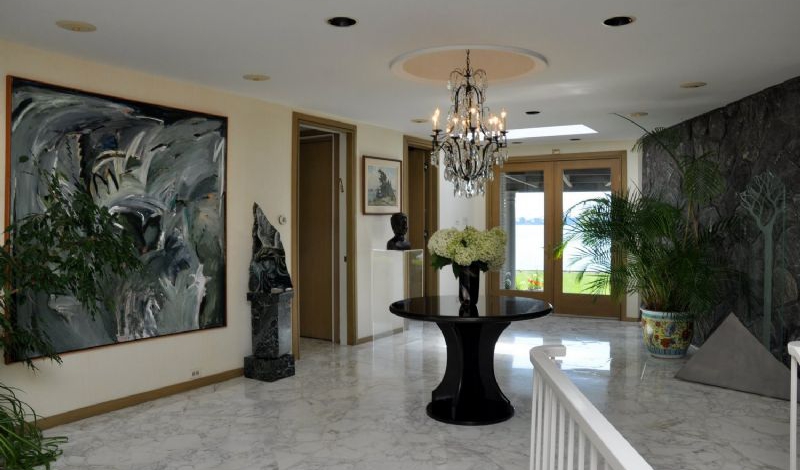
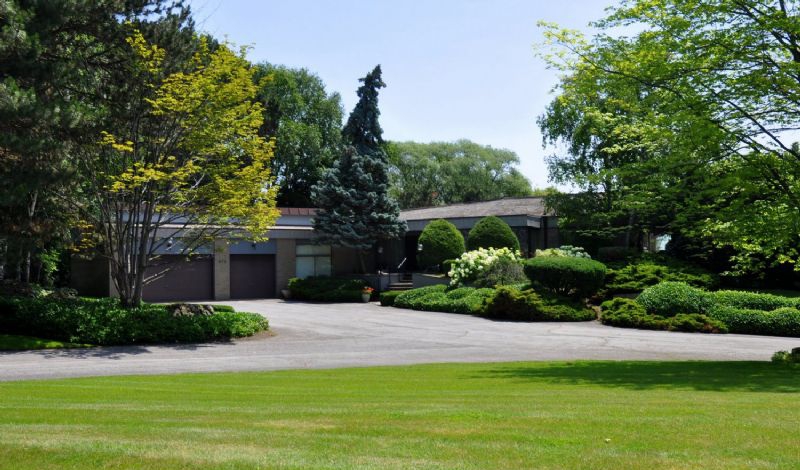
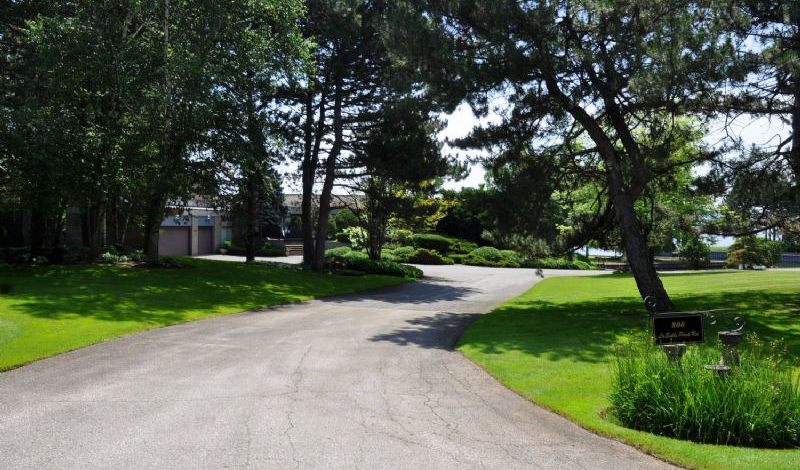
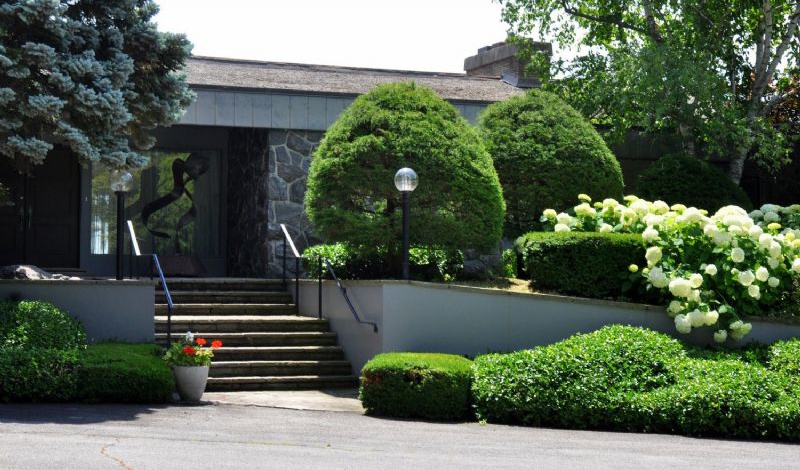
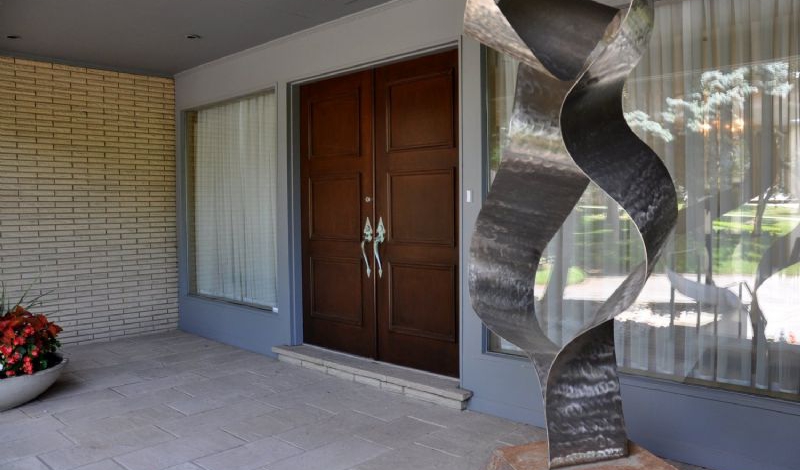
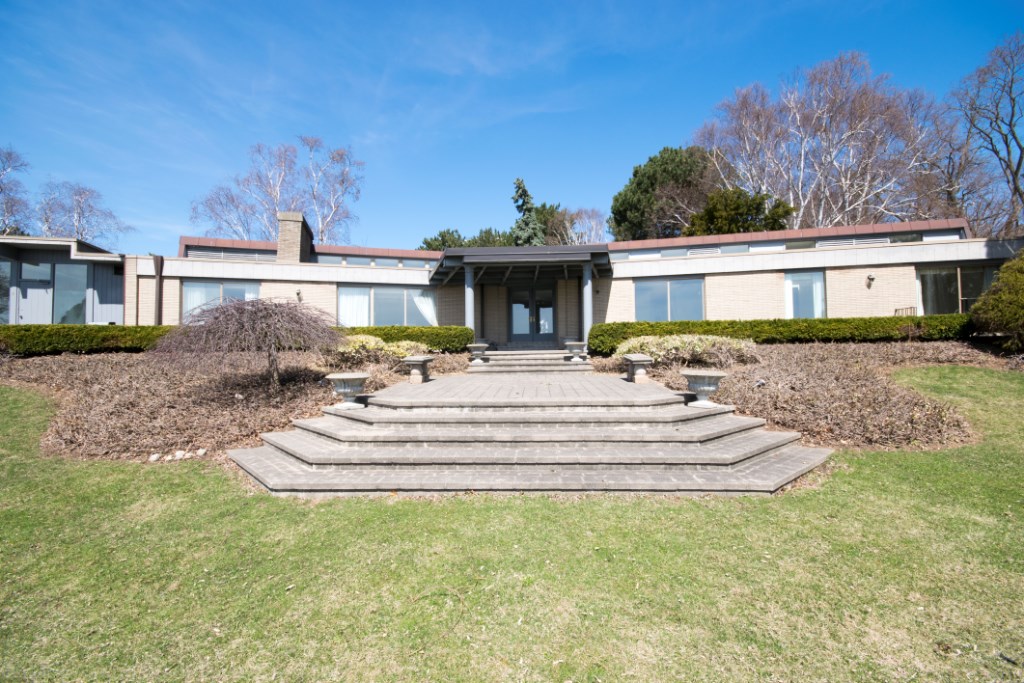
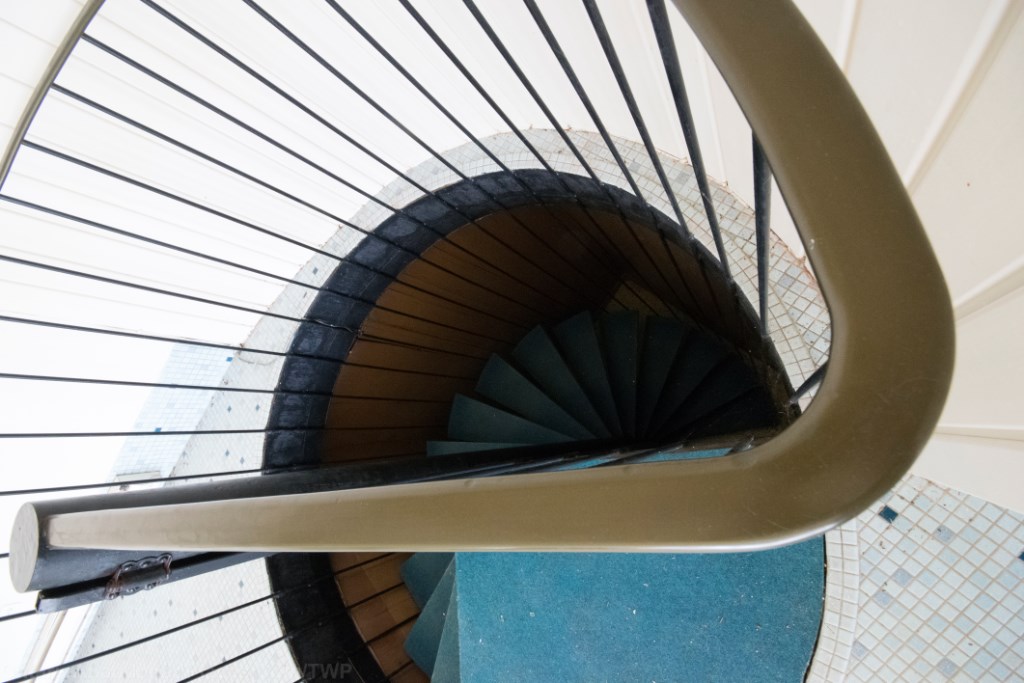
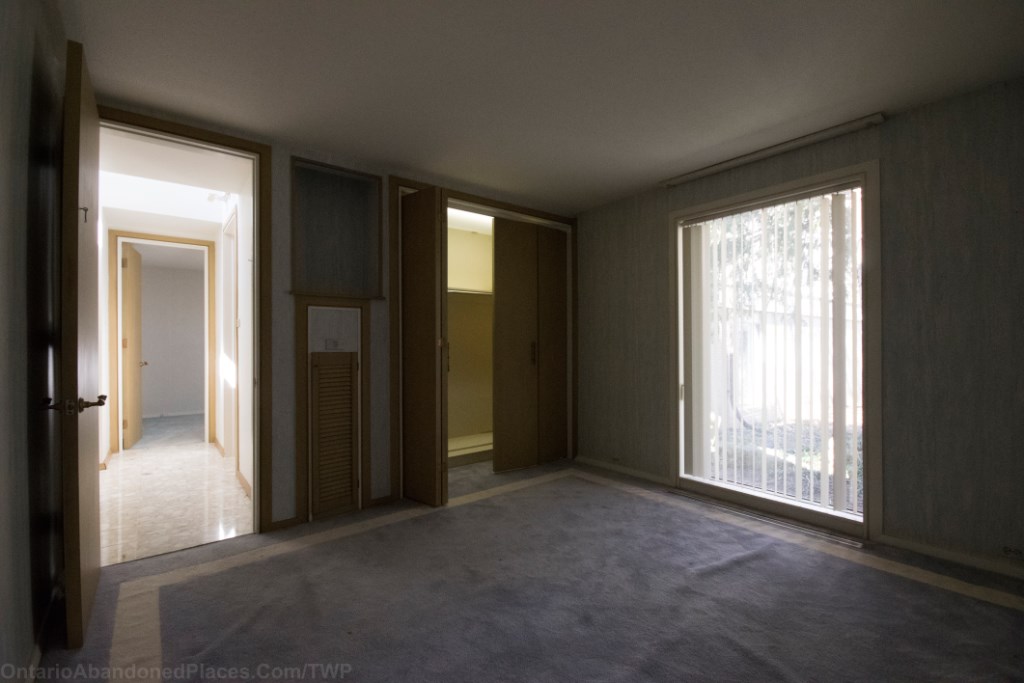
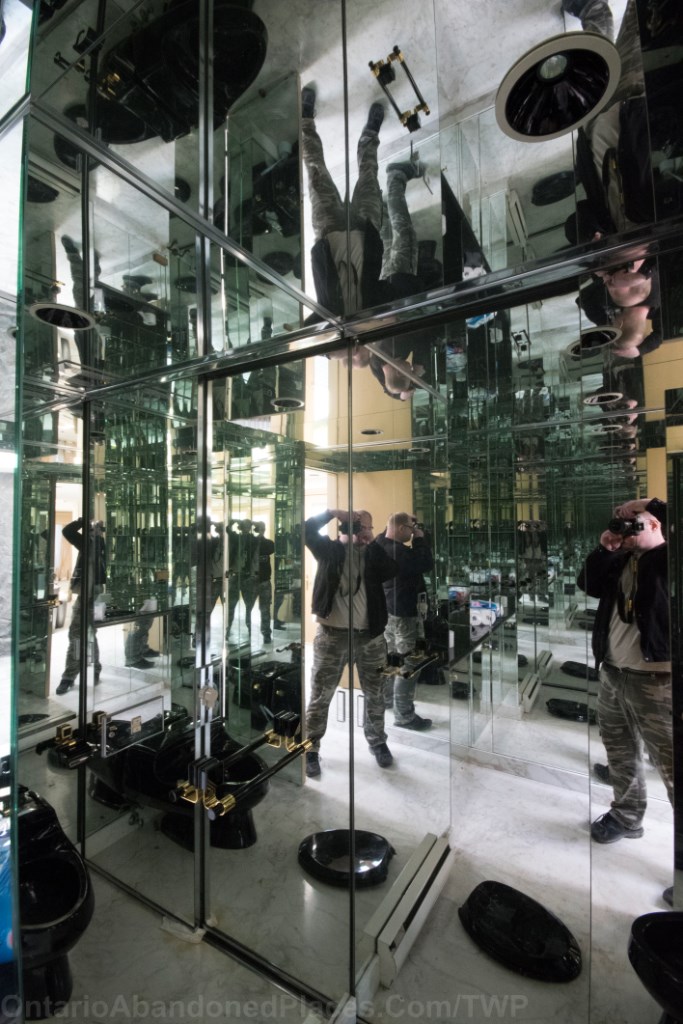
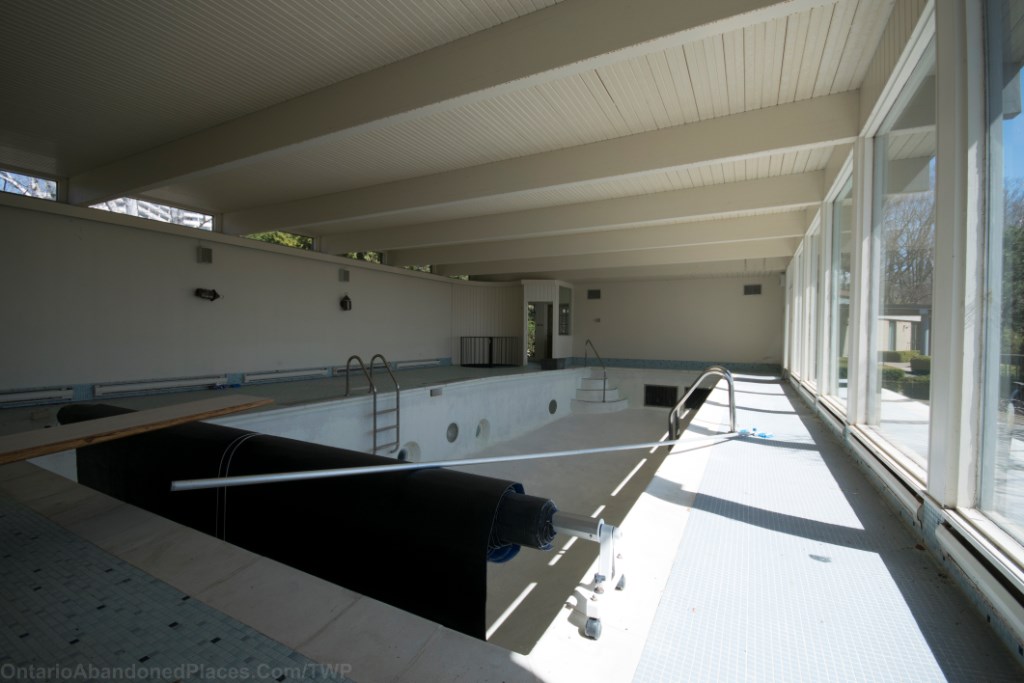
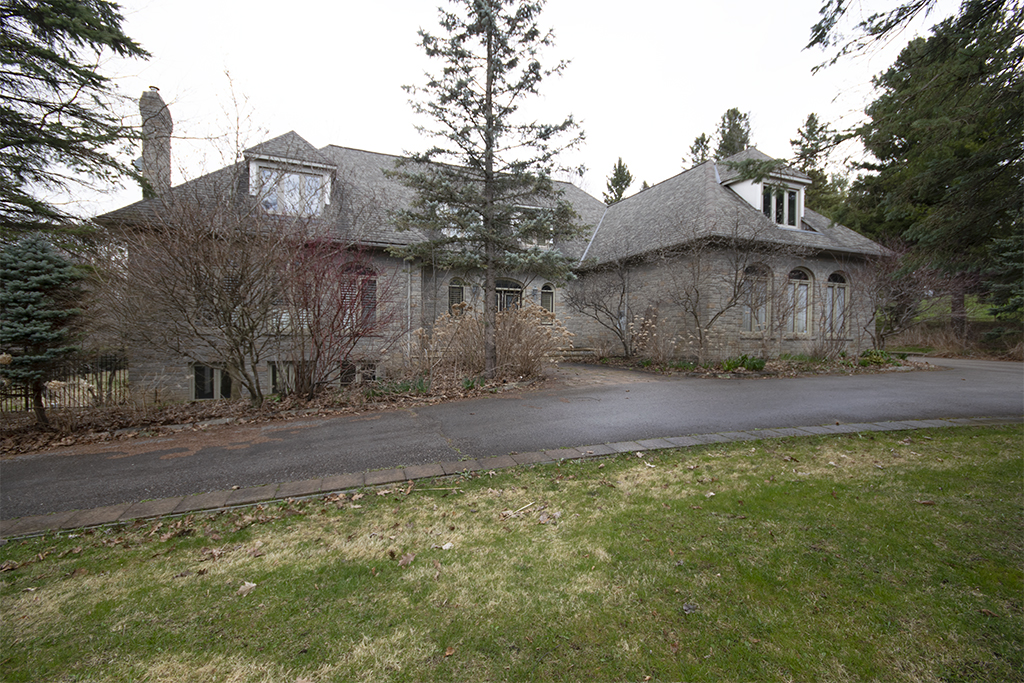
This once exquisite waterfront mansion is located  in Aldershot (Burlington). It contains six bedrooms, two living rooms, dinette, sun room, master bedroom, home office and a large indoor pool. the realty price for the property is $4,400,000. It even has a place to park your boat.
The name of the mansion might inspire images of a GodFatherly man involved in criminal activity. The reality is that the name stems from an imaginative attempt to name the house in such a way as to keep it from being found by other urban explorers.

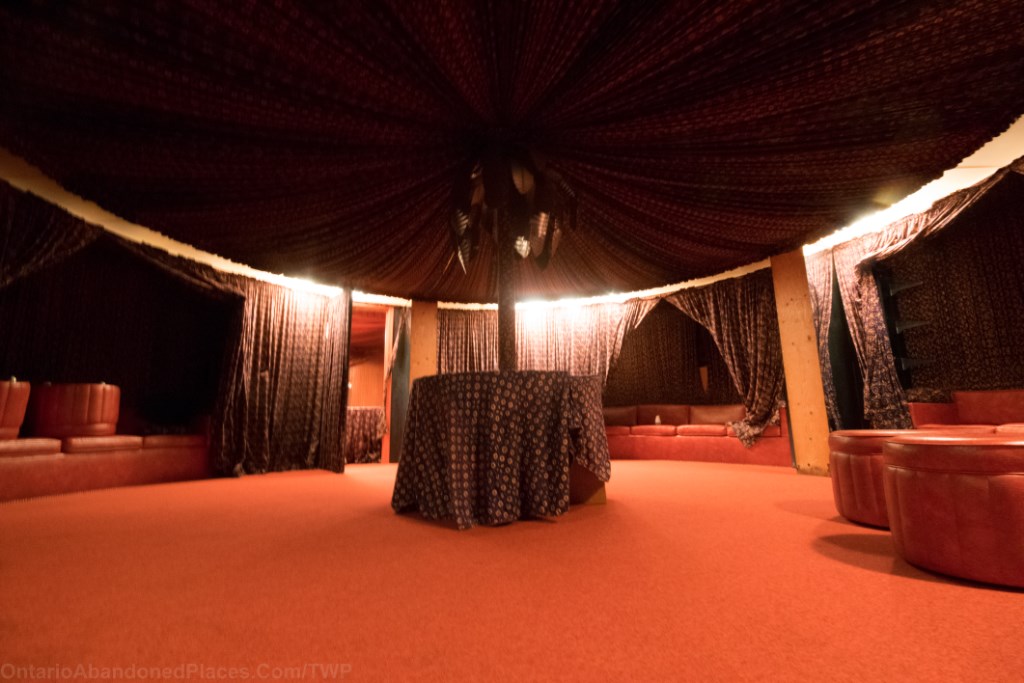
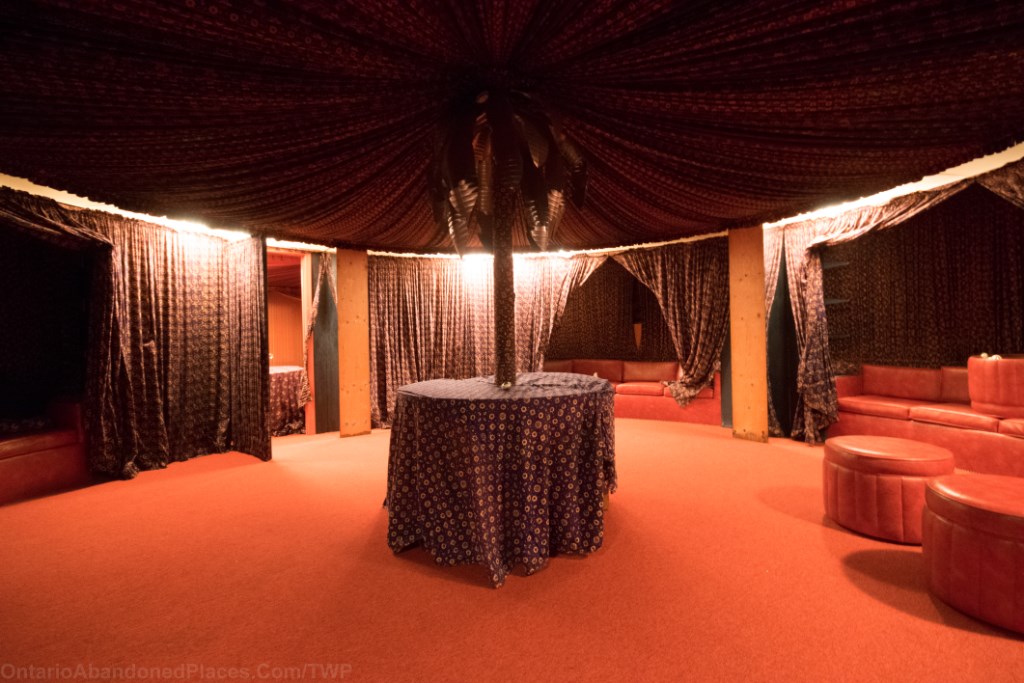
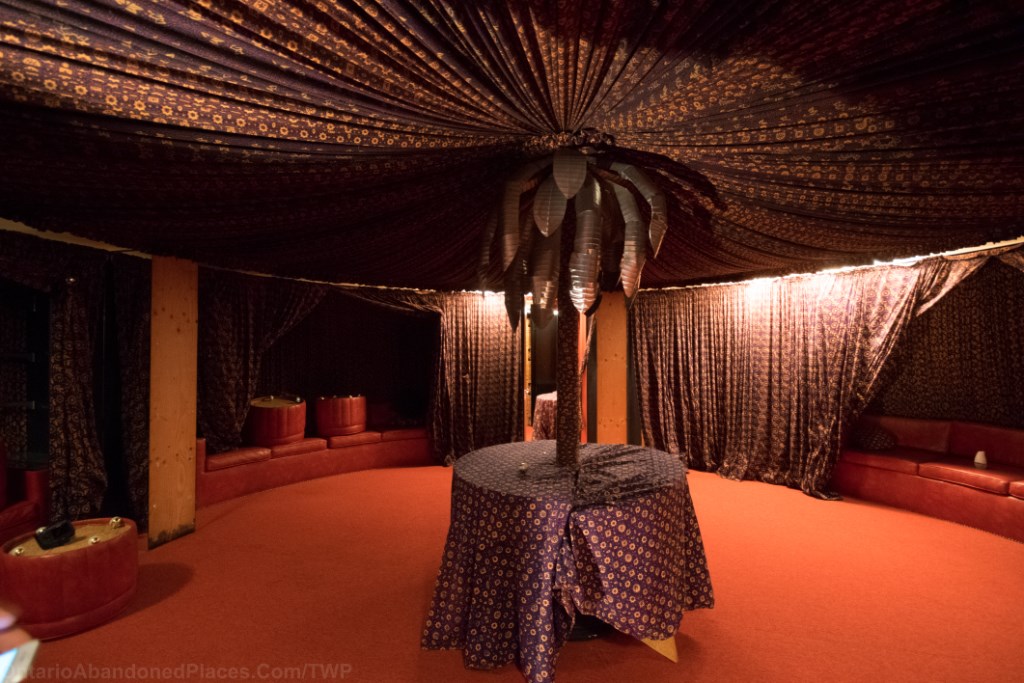
The highlight of the house of course is the Cabaret room in the basement which brings to mind everything from swinger parties to drug use to ritzy gatherings.

In late 2016 Weston Consulting was hired by First Urban as a consultant for a plan to redevelop the property into a 20 unit high rise apartment On May 10, 2018 the property was listed on the market after the former owners allegedly defaulted on the mortgage.

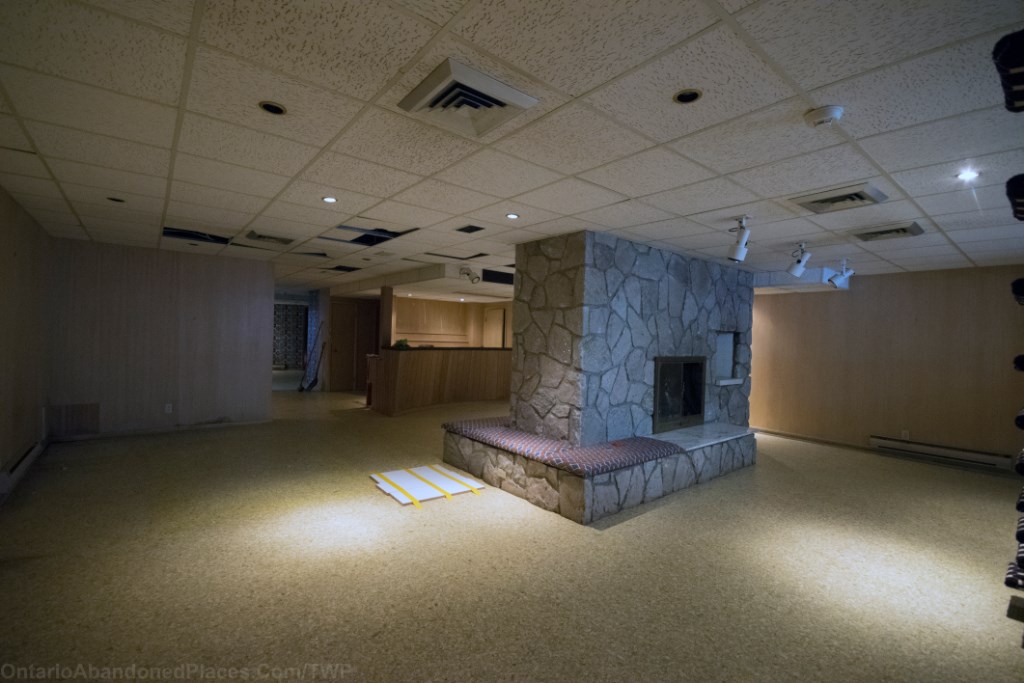
I’m not certain how ownership has changed since that time. The property appeared to have undergone some renovation work which was then abandoned.

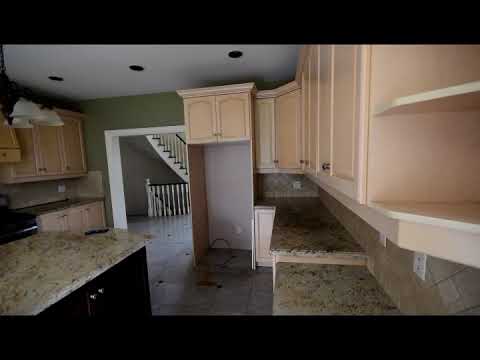
EffortTrustRealty real estate photos shown below:

The three-acre property will be demolished if First Urban receives approval for their project. For now the house has a most unlikely revival. It’s the location of The Bong Mansion, which is described as a “Cannabis Culture Content Hub”. Their Instagram page is here.


Video

Exploring the Mafia Mansion (Bong Mansion) in Burlington, Ontario

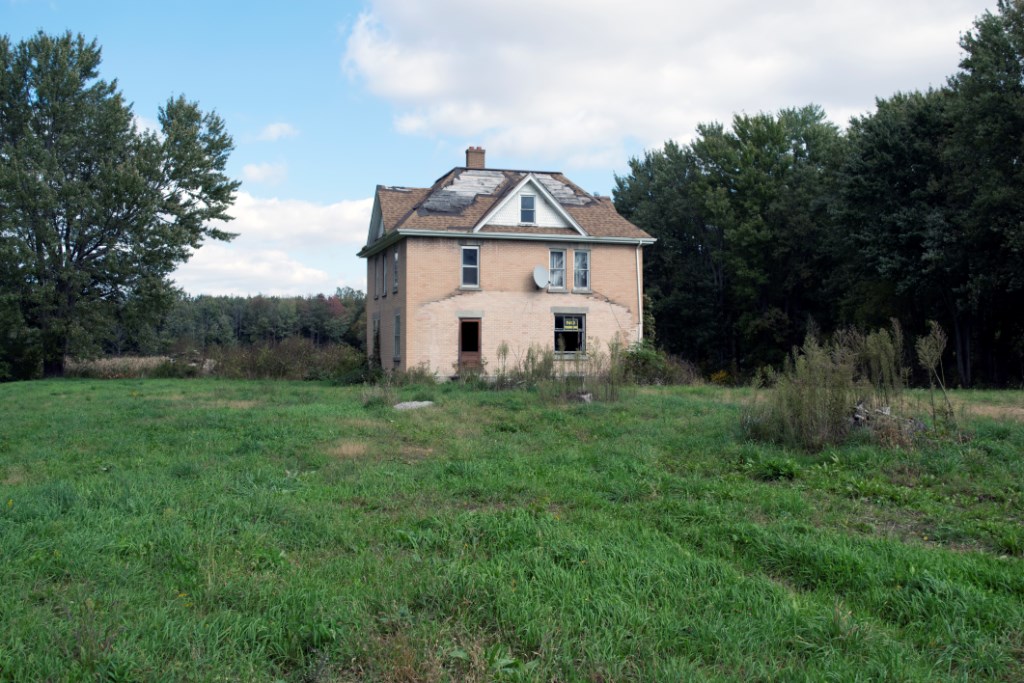
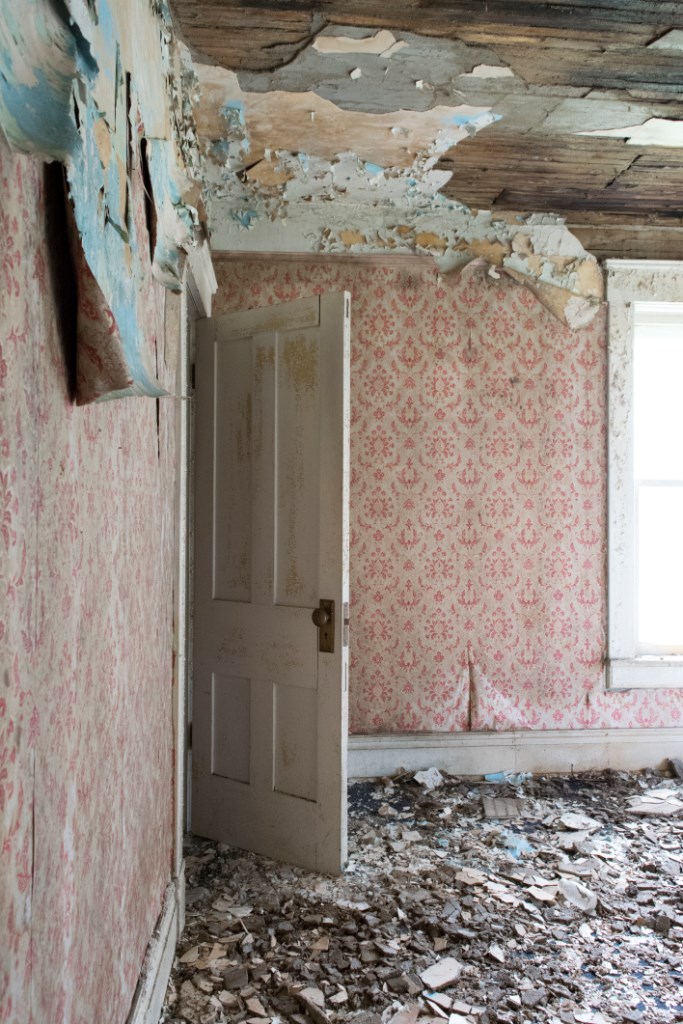
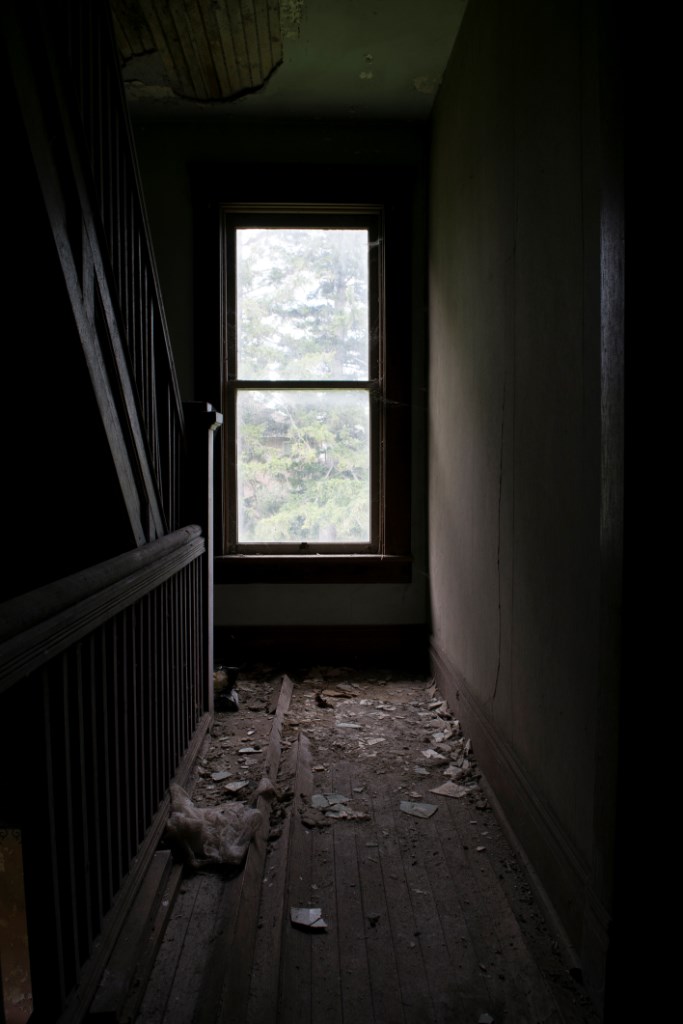
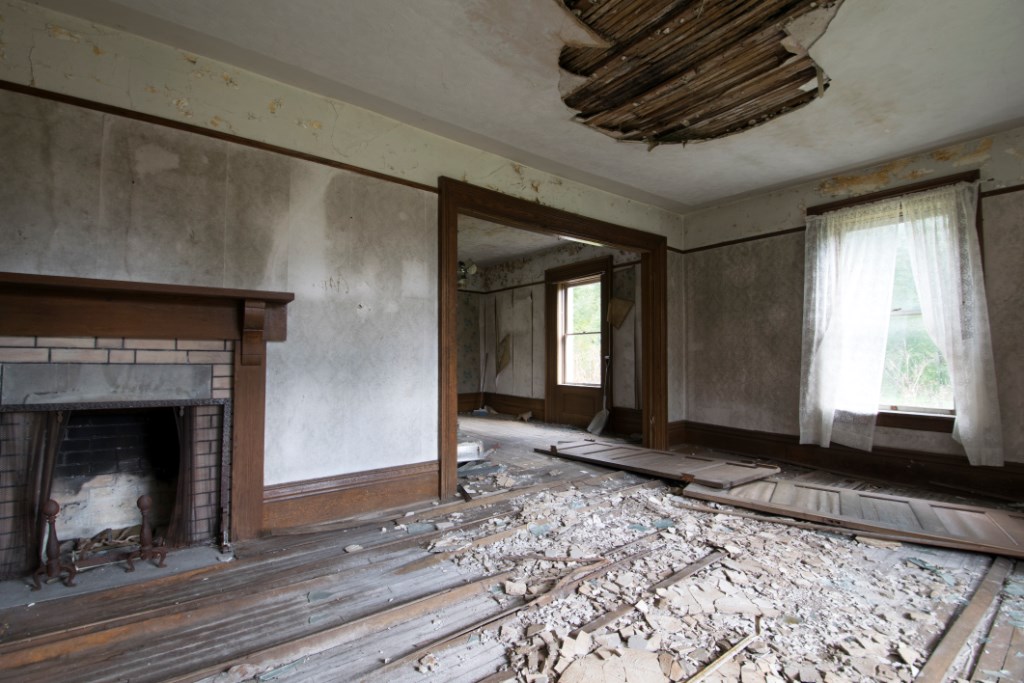
West Elgin Abandoned House

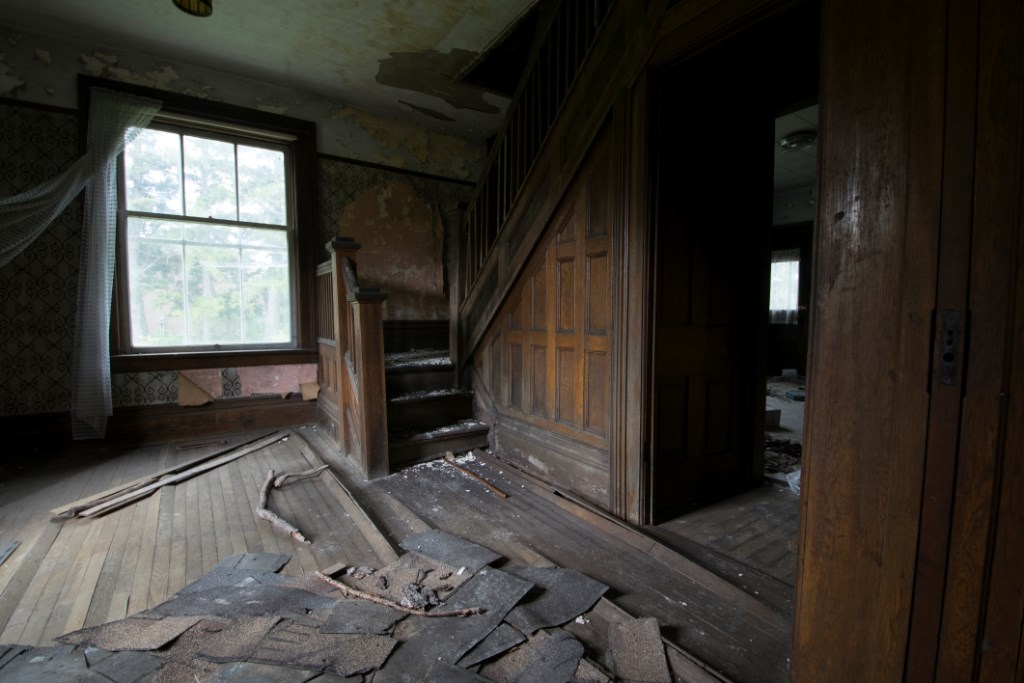
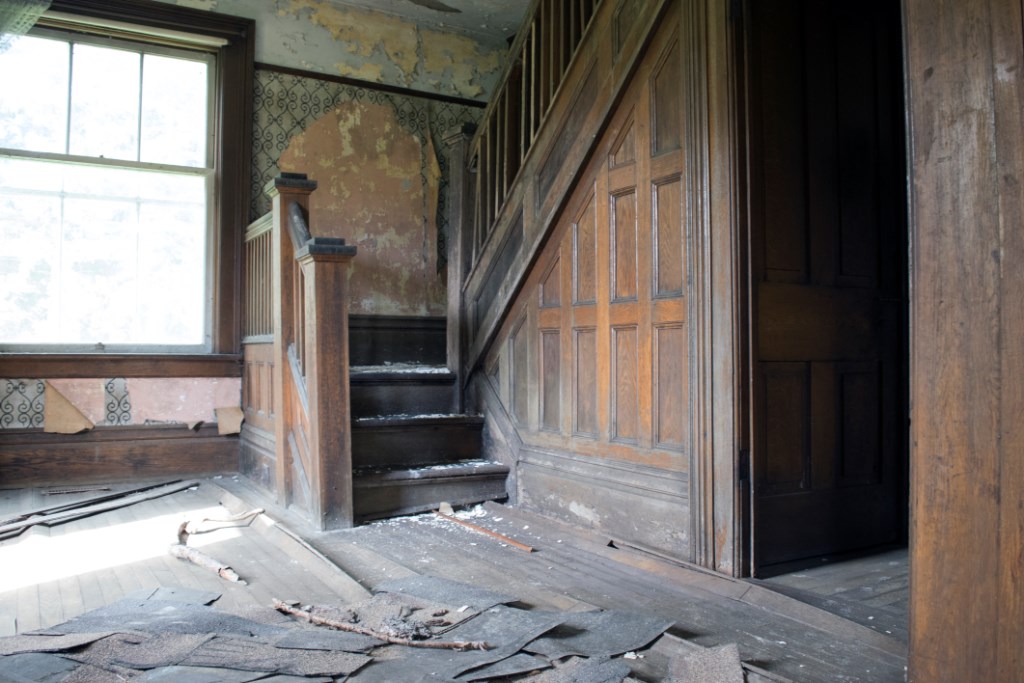
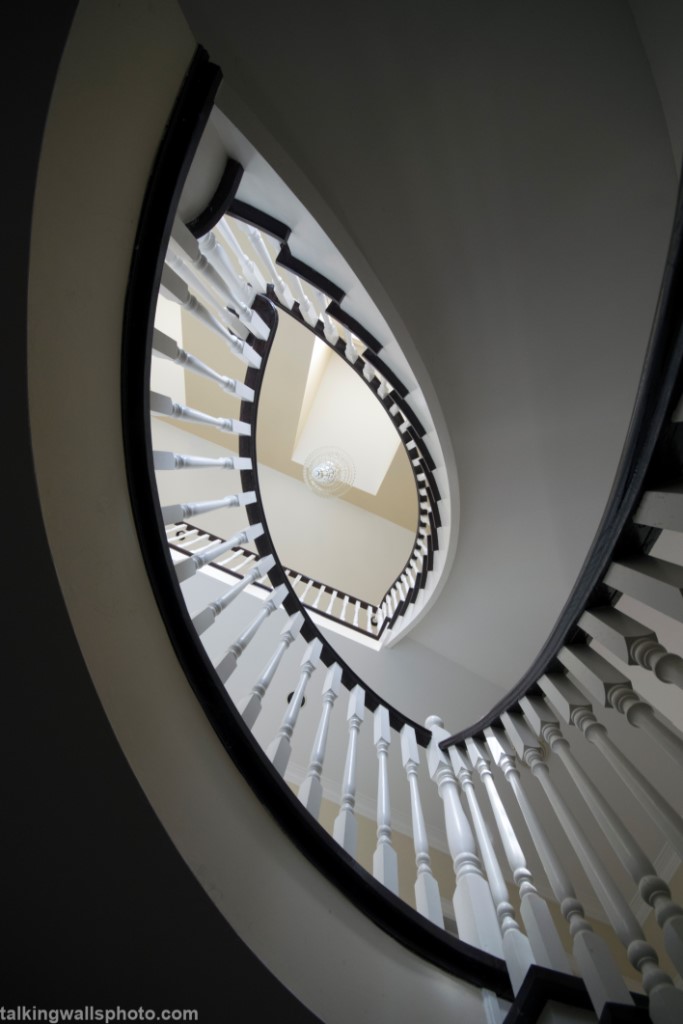
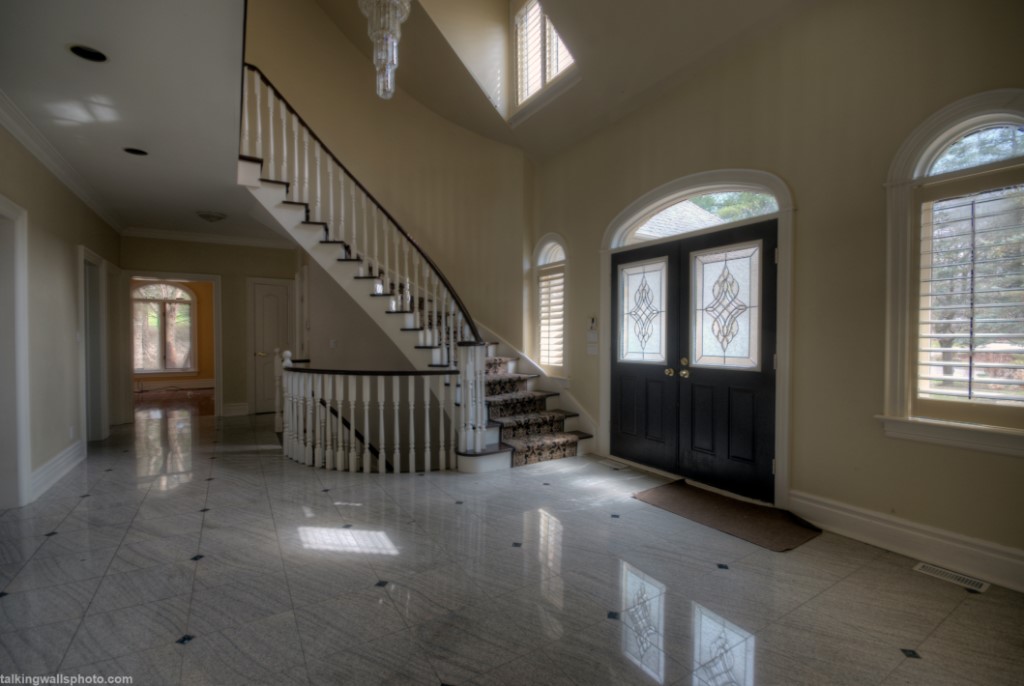
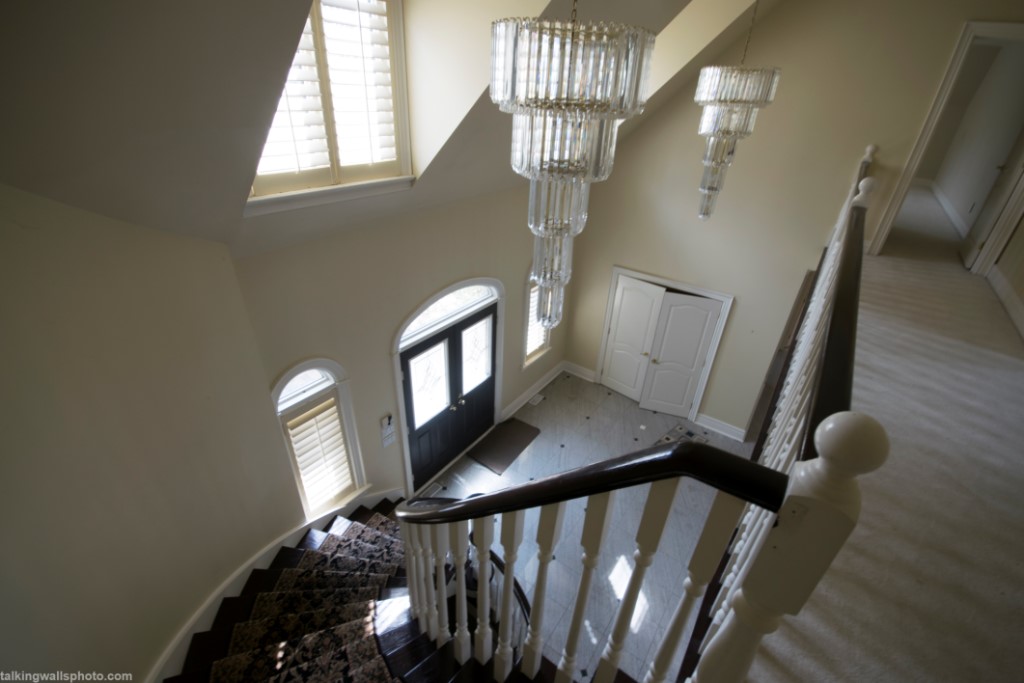
This abandoned house is located in West Elgin, Ontario. It was a random find while on route to another destination. Take note of the wooden staircase and the elaborate design, and the newel posts. Such a waste to be left behind in this house.

As we were photographing it, someone stopped in a truck. They asked, “hey are you guys Ontario Abandoned Places?” 🙂

There’s a ‘No Trespassing’ sign on the front, so use discretion if you choose to enter.

(Status as of 2022: demolished)


Polka Dot Door House

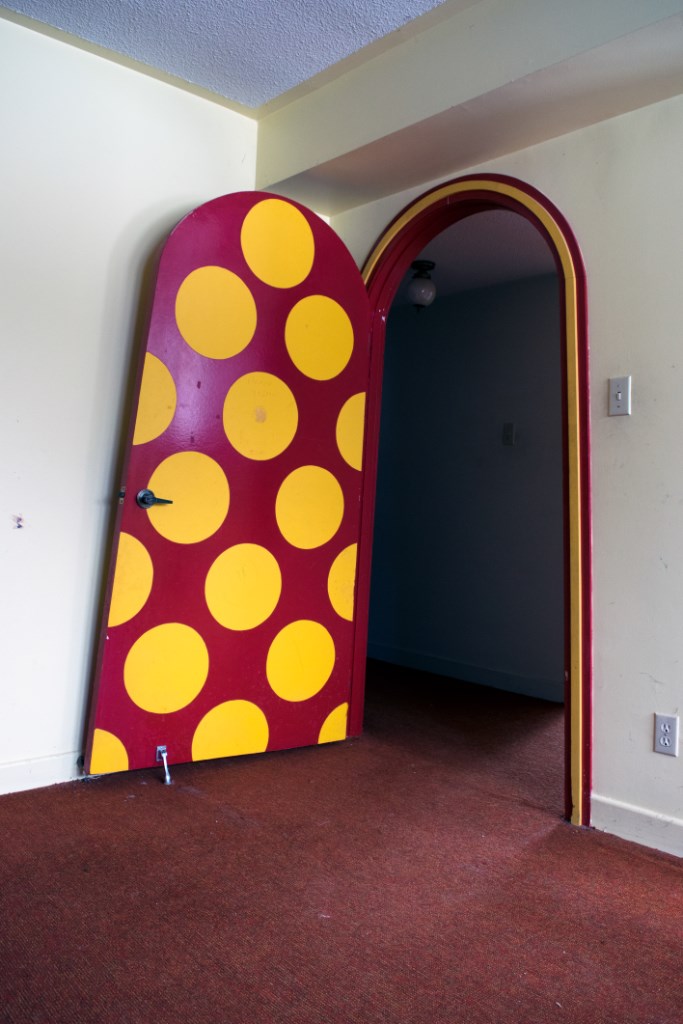
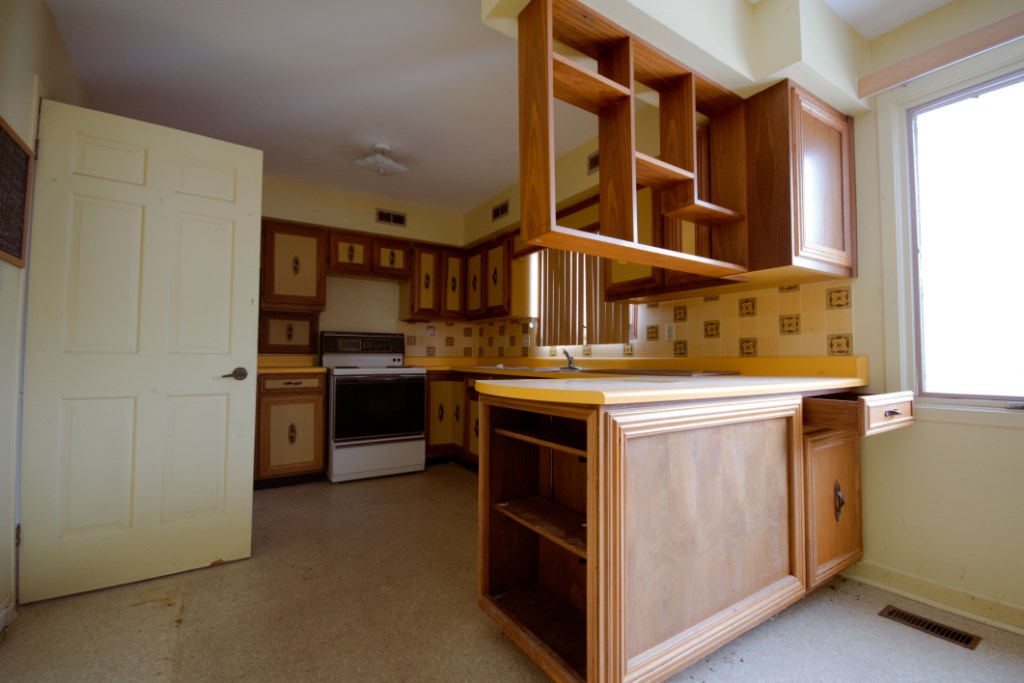
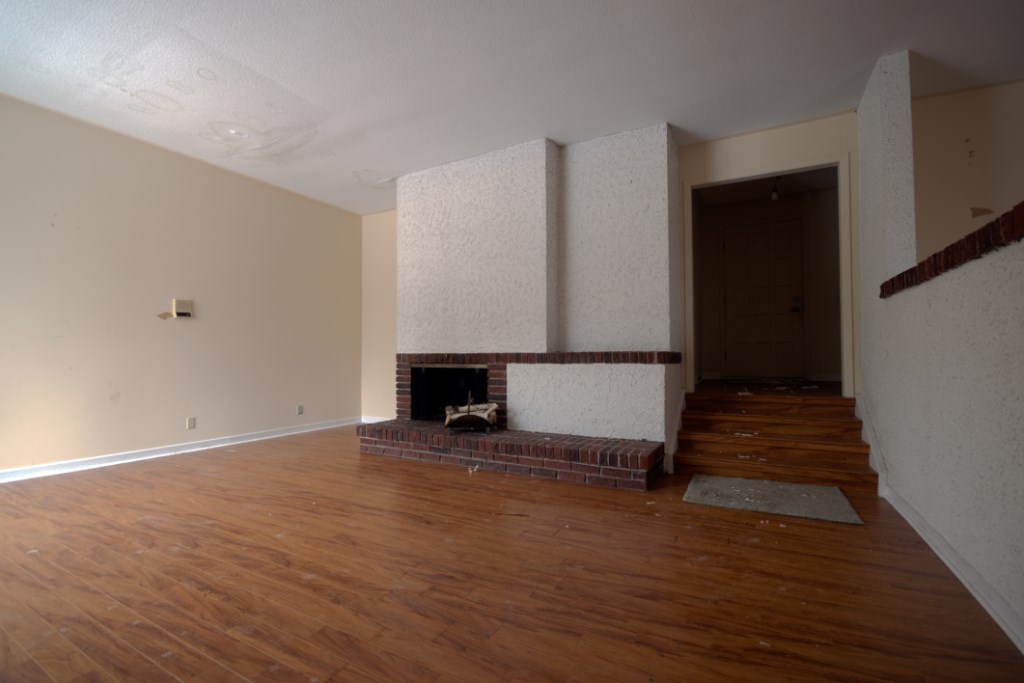
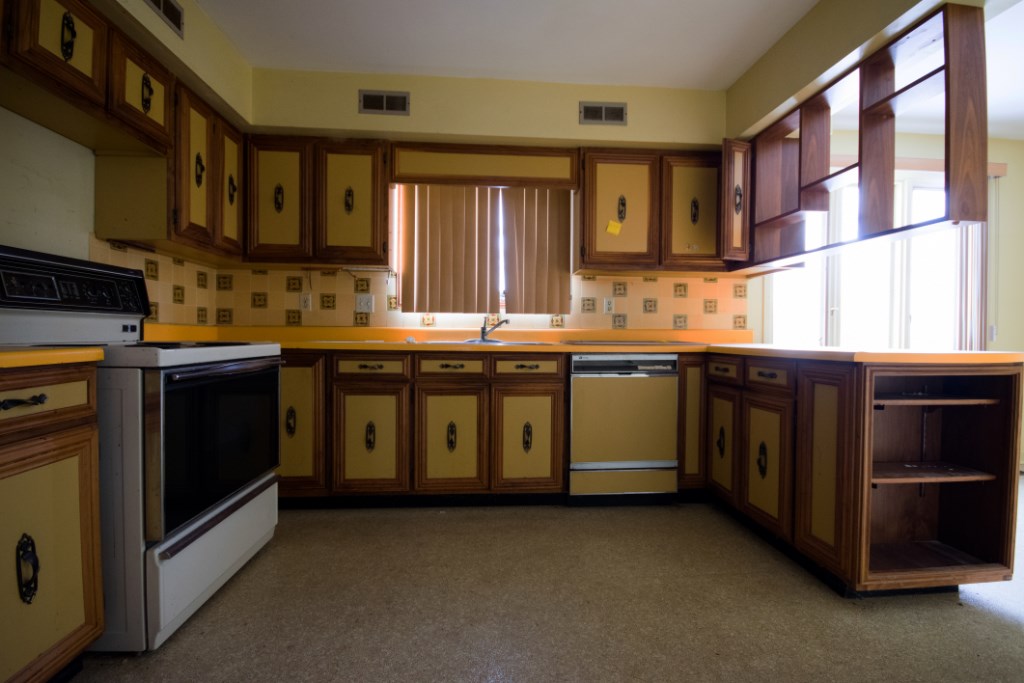
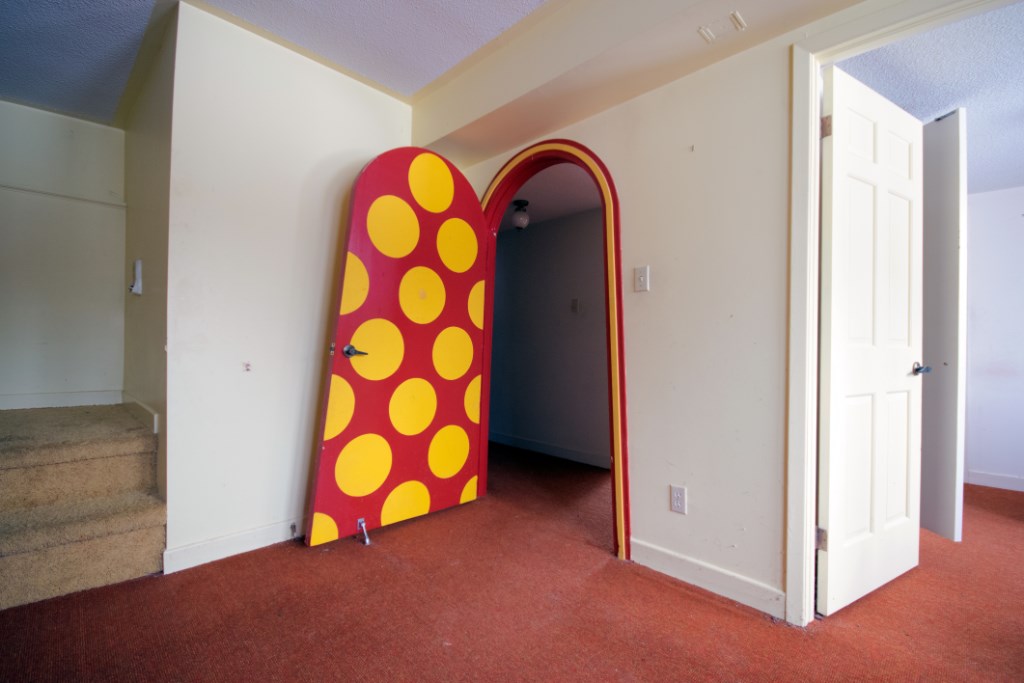
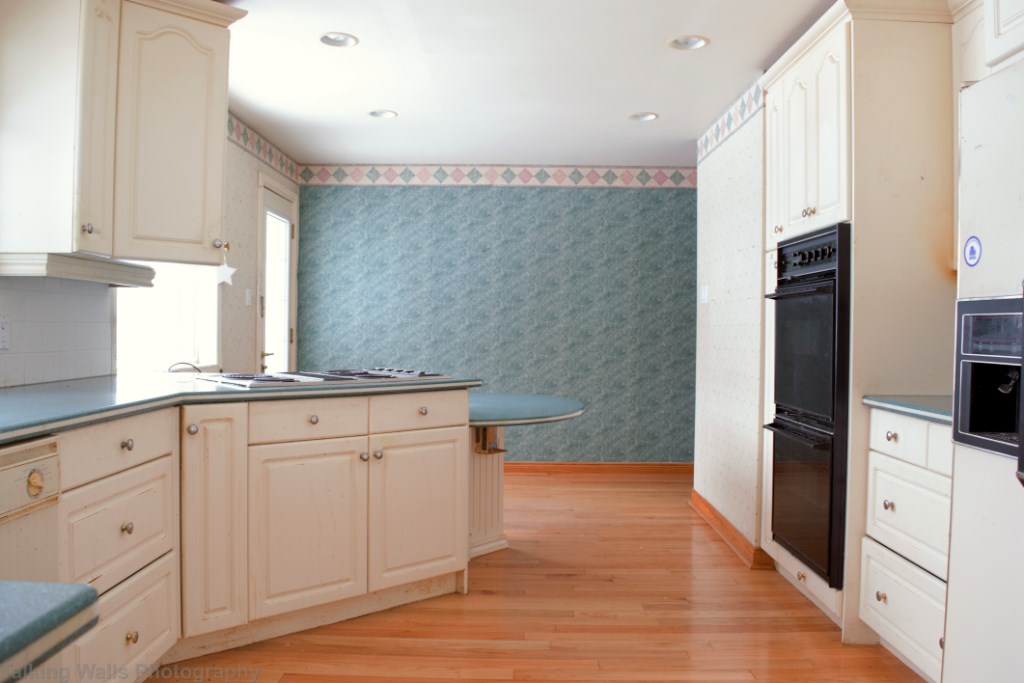
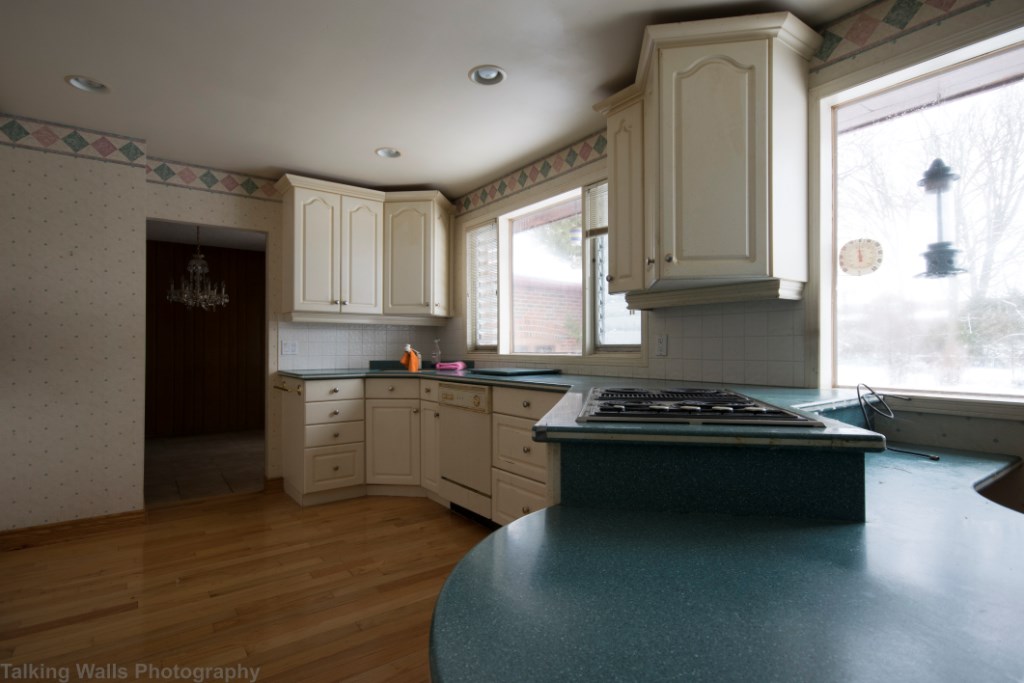
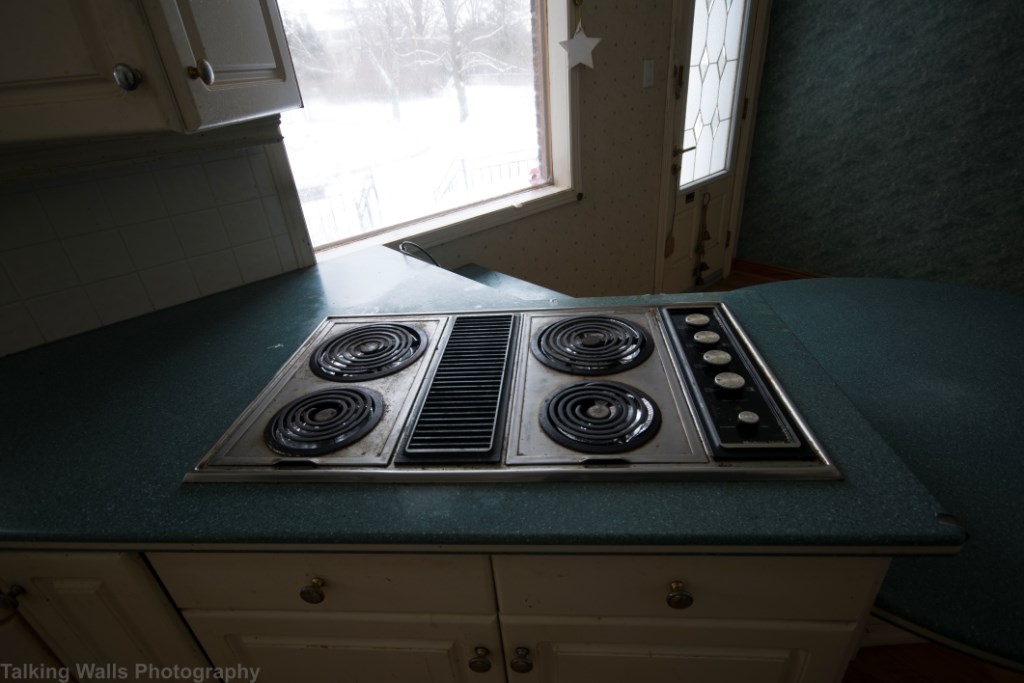
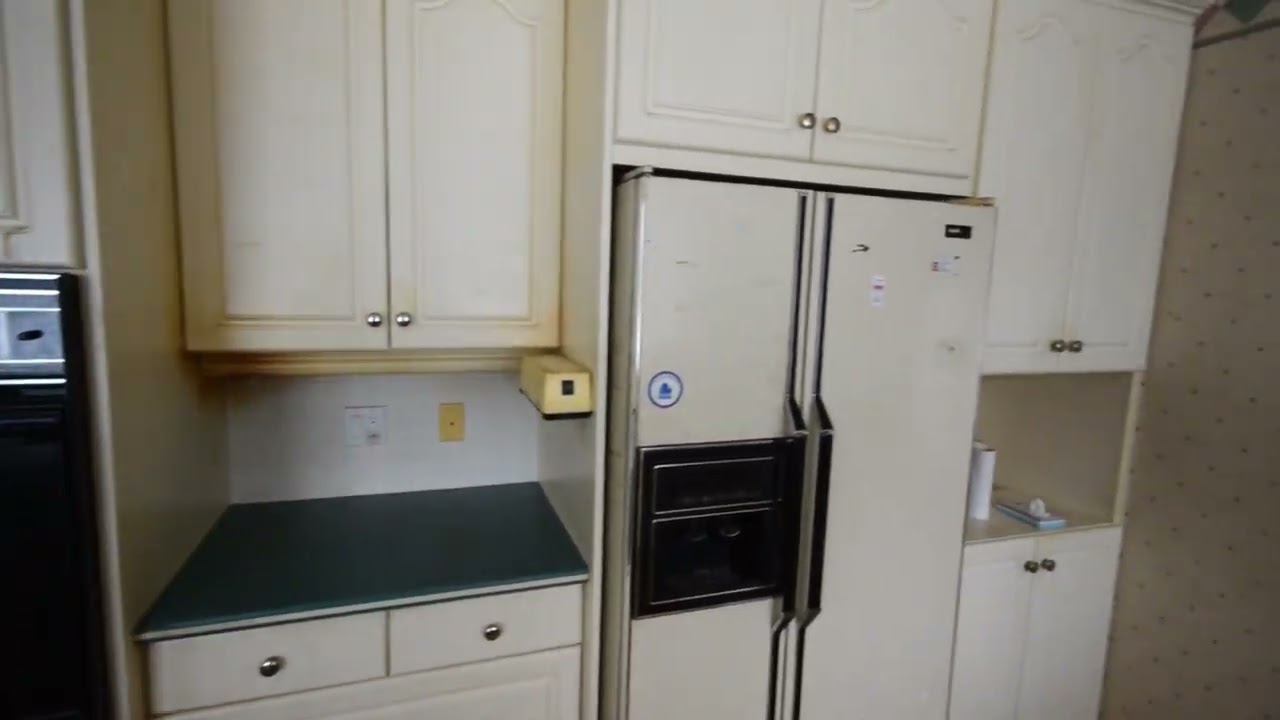
The Polka Dot Door house is located in Richmond Hill. It was built in 1975. The design of the kitchen reflects the wacky colour schemes that were often used back then. The highlight of the house is most certainly the polka dot door itself, as modeled after the children’s show of the same name.


Video

Exploring the abandoned Polka Dot Door House in Ontario, Canada

Abandoned Ontario Brady Bunch House

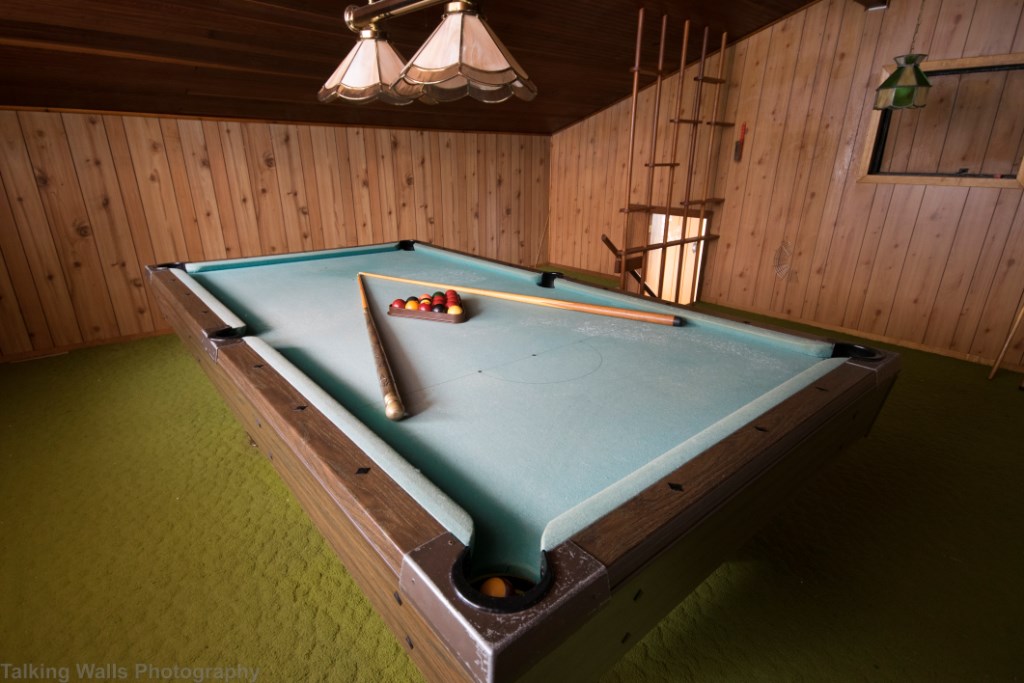
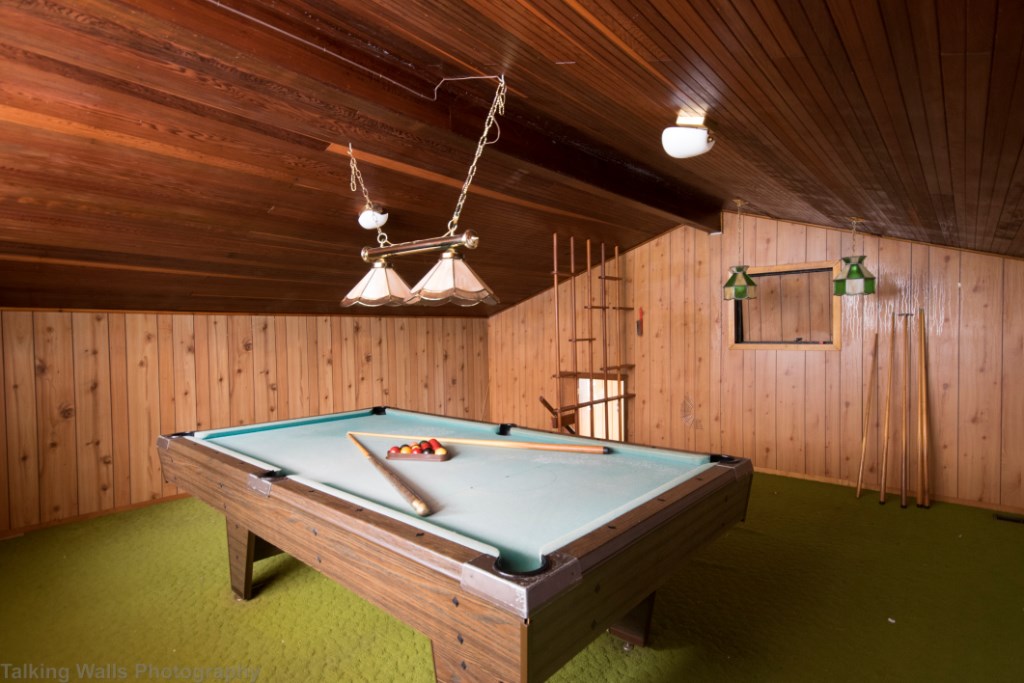
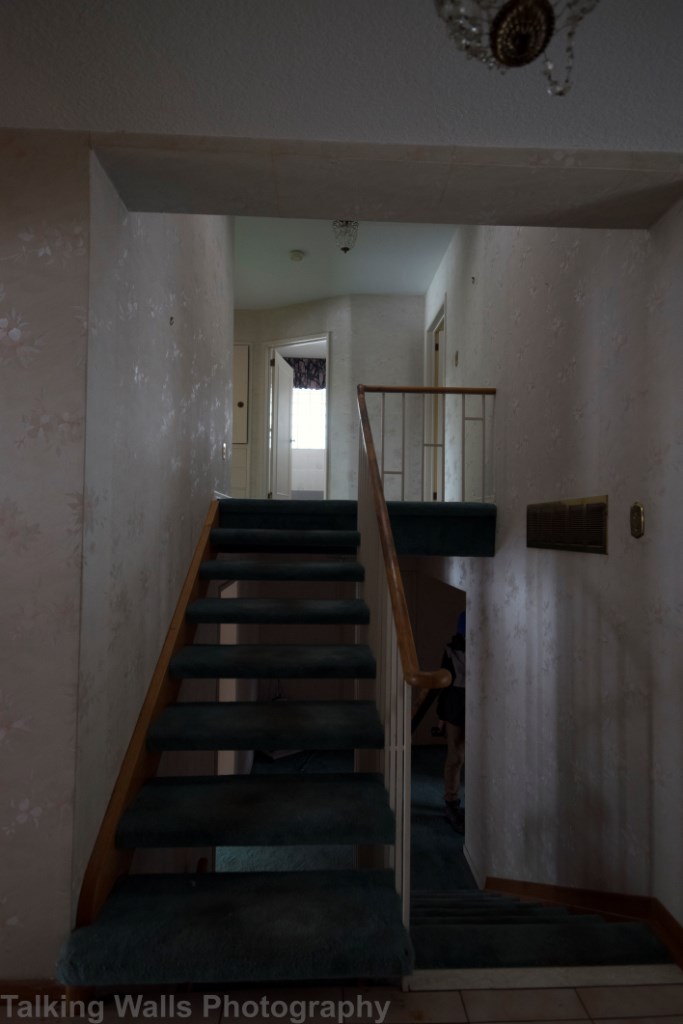
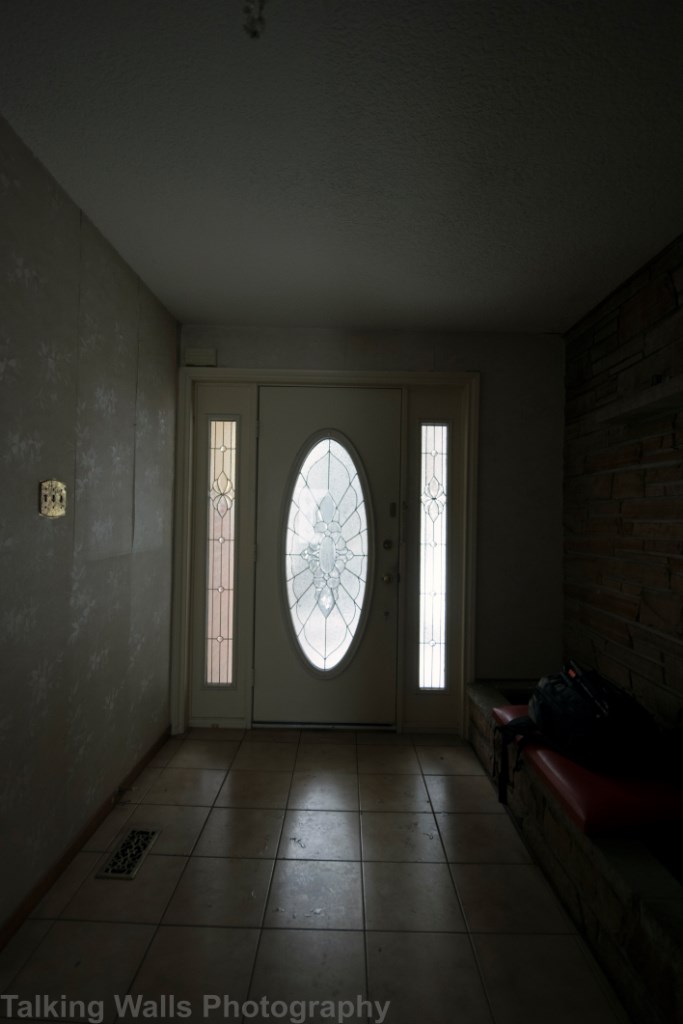
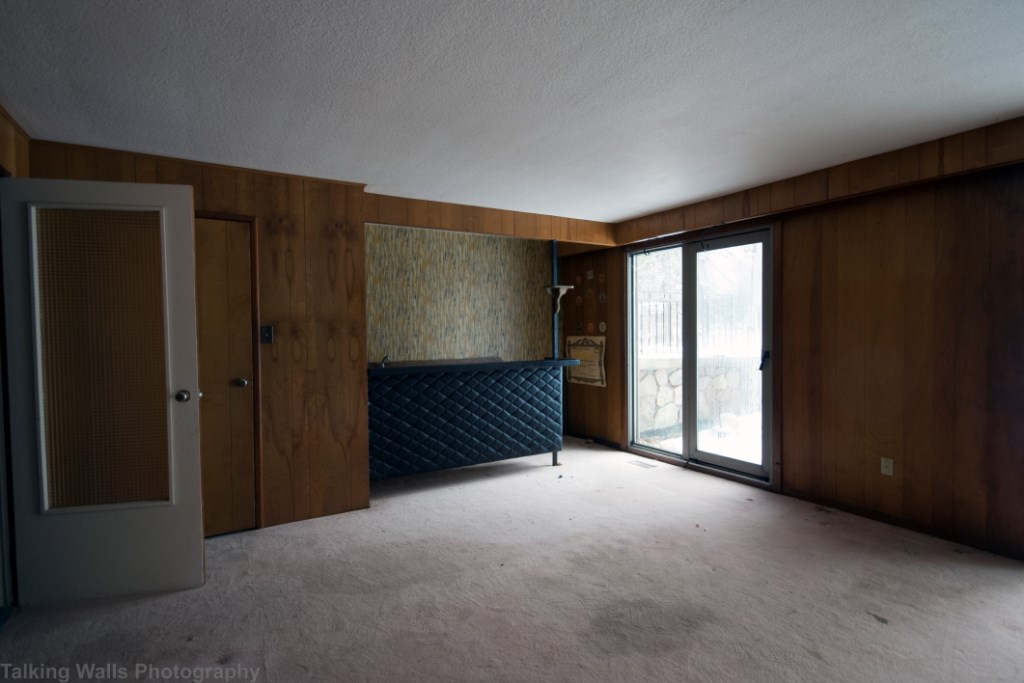
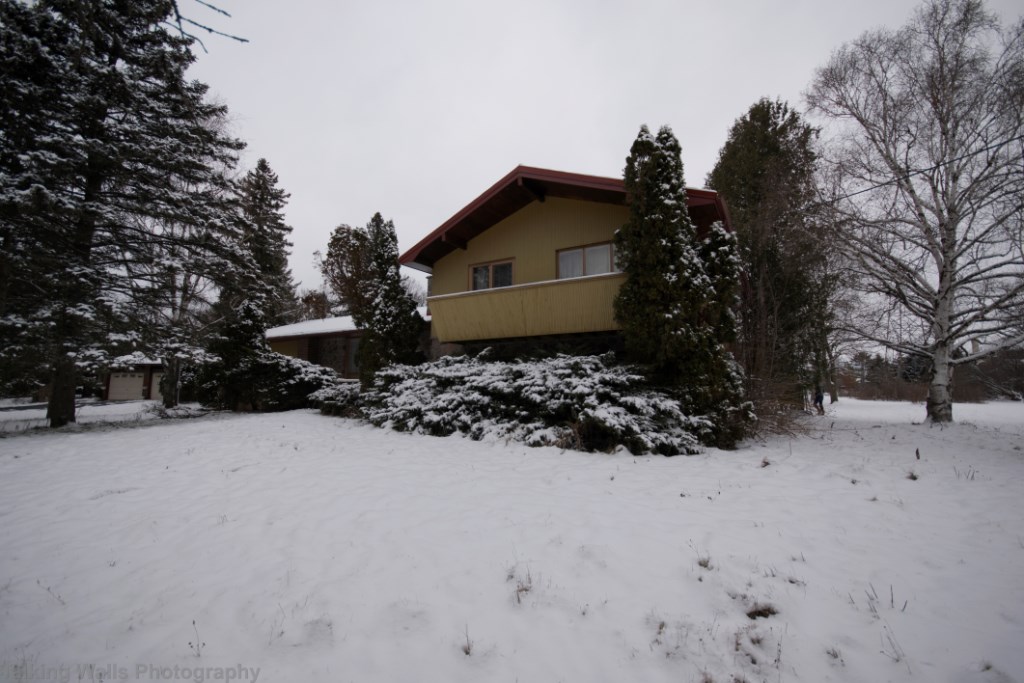
The  Brady Bunch house was located in the City of Markham, Ontario. It was a four level split home constructed in 1960. The house remained largely unchanged since it’s construction, with the 60’s vibe evident even today.

The house is located on the grounds of another facility but can be seen from the road.

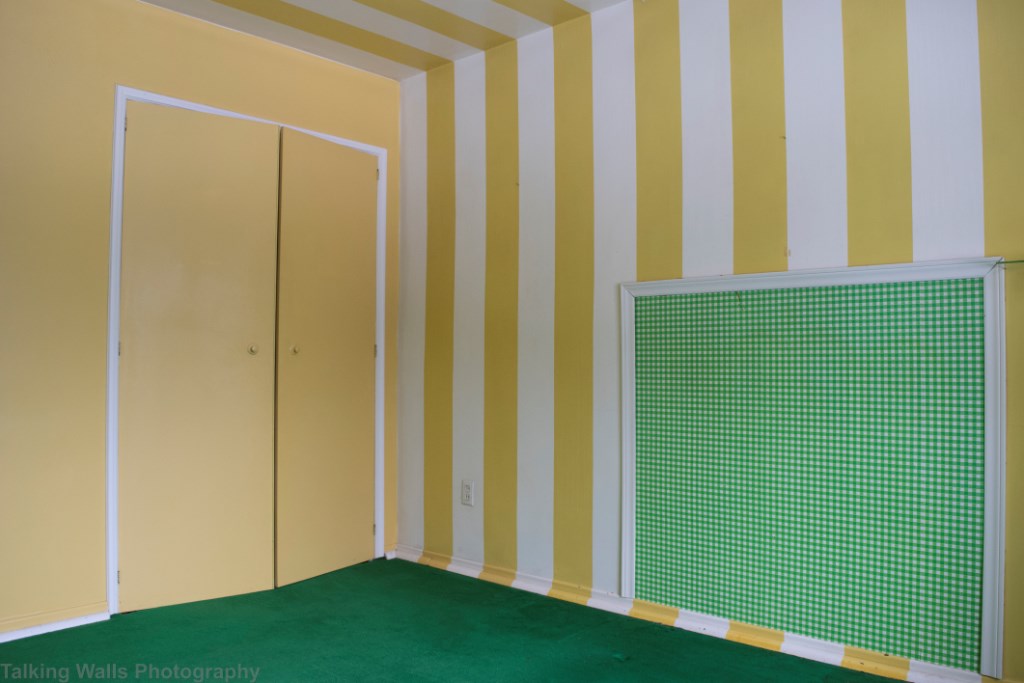
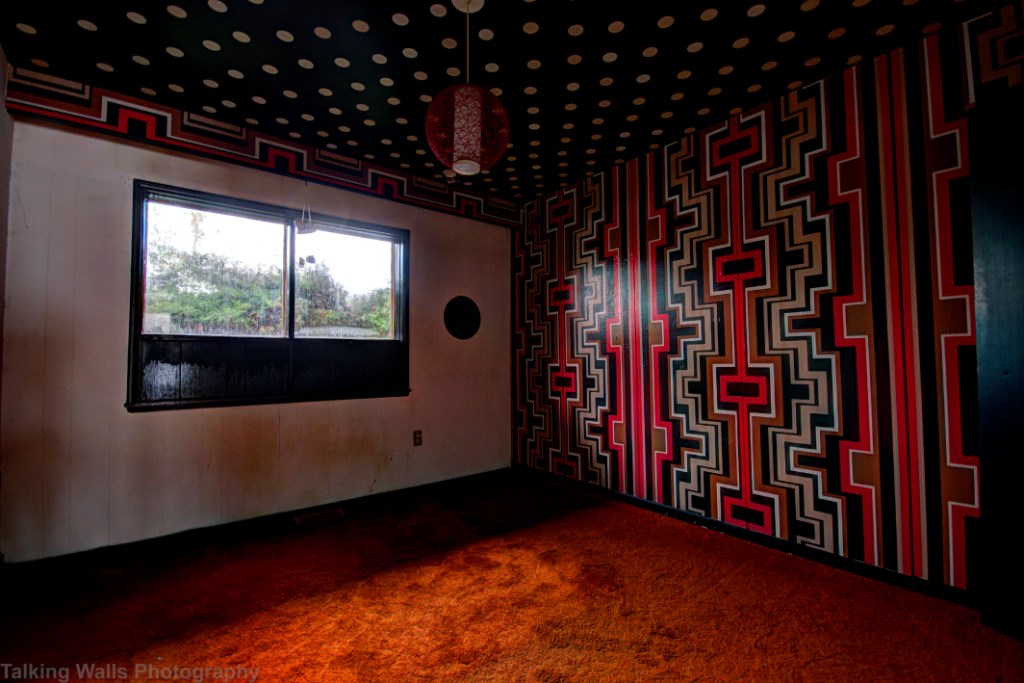
Inside you’ll find the floors have thick shag carpeting. A bedroom has yellow and white vertically striped wallpaper while another has a dotted ceiling and funky 60’s wallpapered walls.

The basement bar is made of diamond patterned vinyl. You can vision the parties that must have taken place here many years ago.

The house has since been demolished (2020).


Video

Abandoned Brady Bunch House in Ontario, Canada
Brady Bunch House

Thorold Resolute Paper Mill with Medical Surgery Room

In the early 1900s, the McCormick family had controlling interest of the (Chicago) Tribune Company which produced newspapers. In 1910, Robert McCormick started working in the family’s business and the following year was elected president of the Tribune Company.

The Tribune’s main competition was a newspaper out of Hearst which was able to obtain newsprint at lower cost. McCormick developed a plan to build his own newsprint mill in order to have better control over the price of his most important raw material. In winter of 1911, he chose a location in Thorold, Ontario which was at the time a cow pasture along the bank of the Welland Canal.

Two engineers were brought in from Chicago to design the plant.  The mill building was completed by  1913, and the first production at the newly-formed Ontario Paper Company started on September 15, 1913. The second paper machine started a few weeks later. In 1914 the mill was able to meet 93% of the Tribune’s paper needs.

Closure

The Resolute Paper Mill was another statistic in the industries lost due to increasing operating costs and decreased sales. In 2016, the company announced a $15 million dollar loss. A decline in the demand for newsprint was the primary reason for the closure. In March of 2017 Resolute Forest Products was closed and approximately 120 workers were laid off.

Exploration

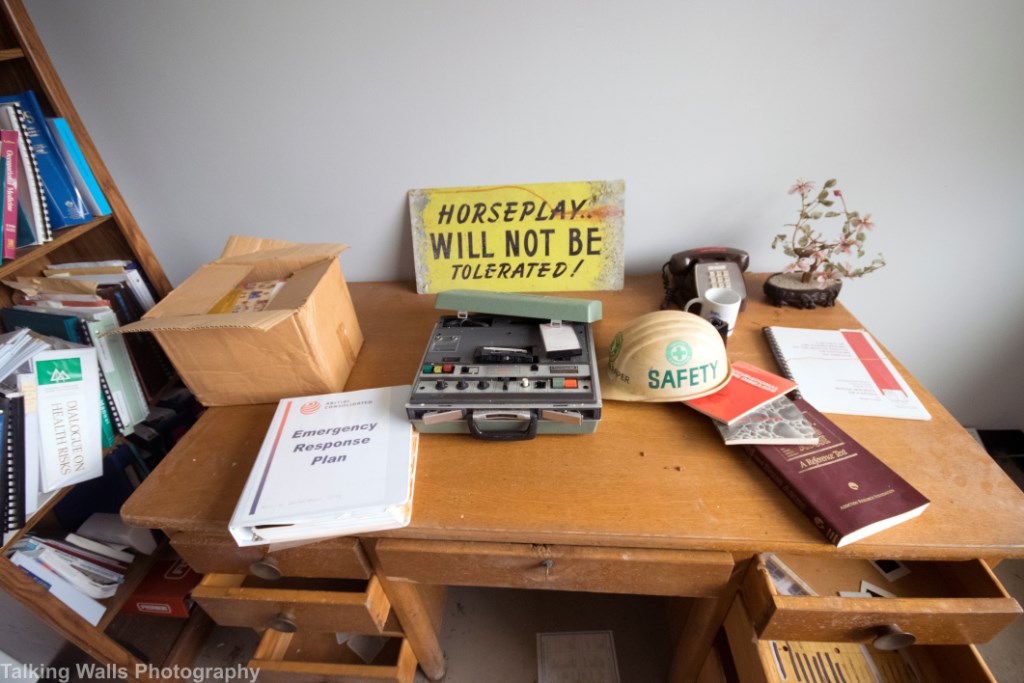
The building is quite large and took several hours to see it all. I didn’t take enough photos to do it justice. There’s a separate industrial building that we didn’t get to see.

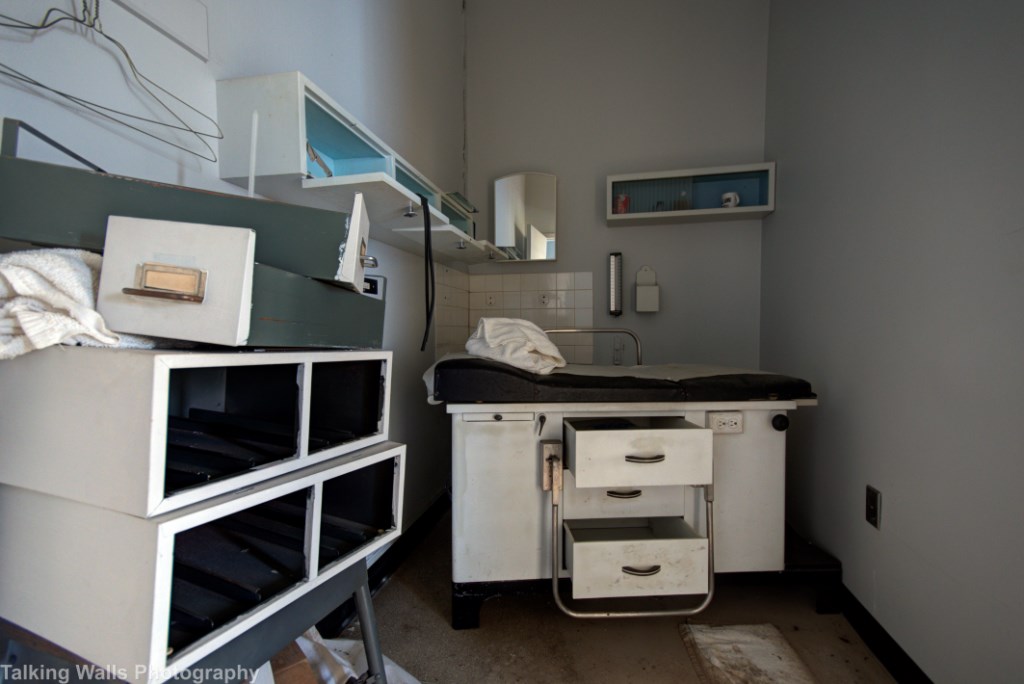
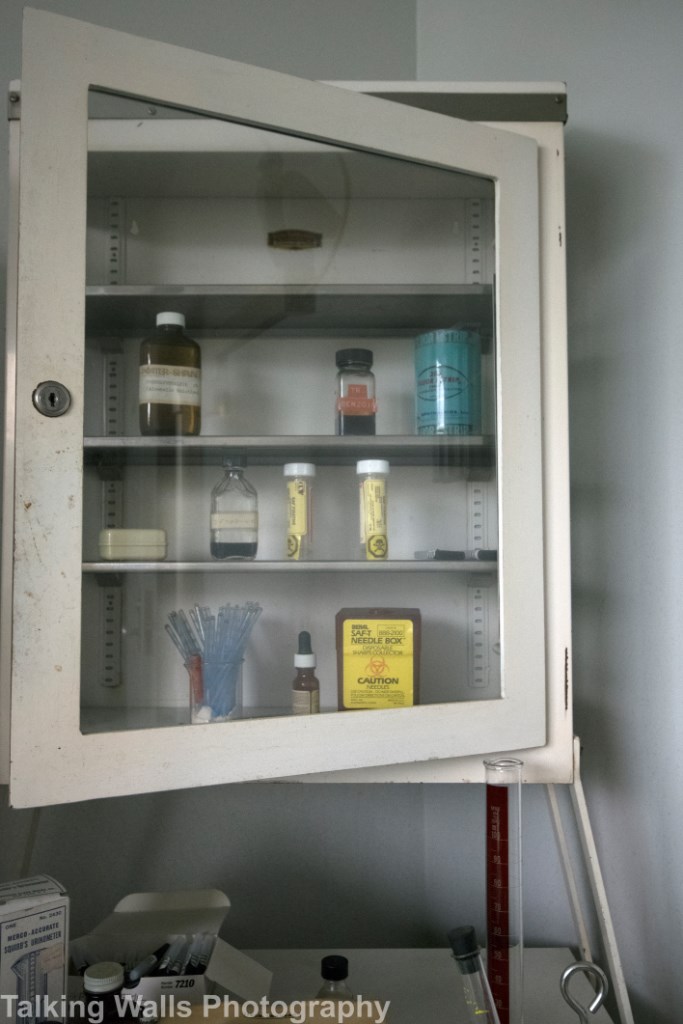
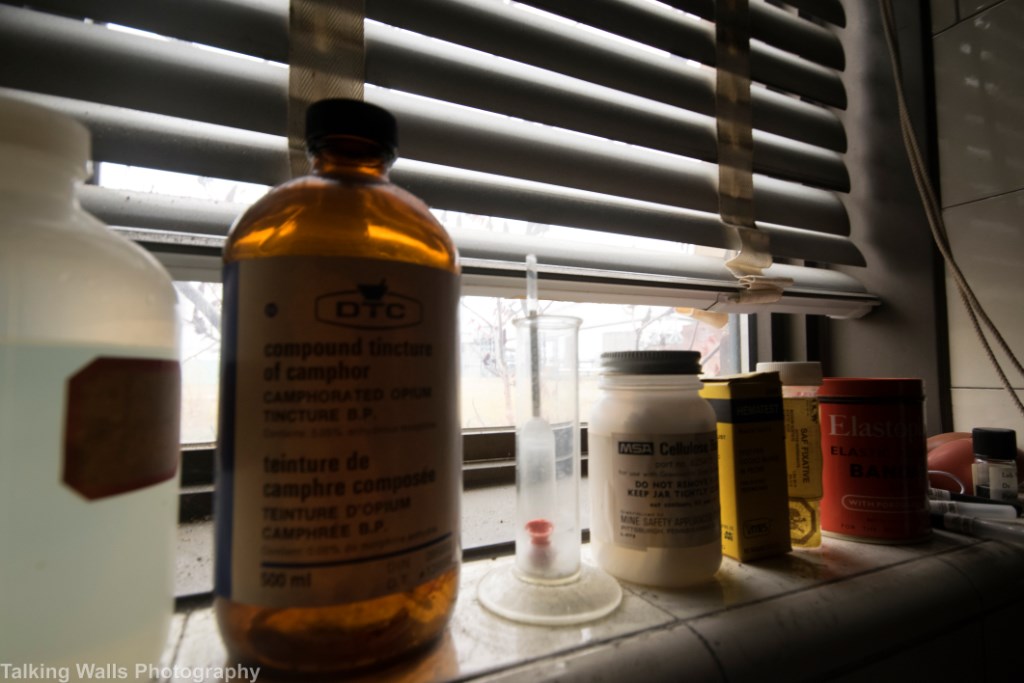
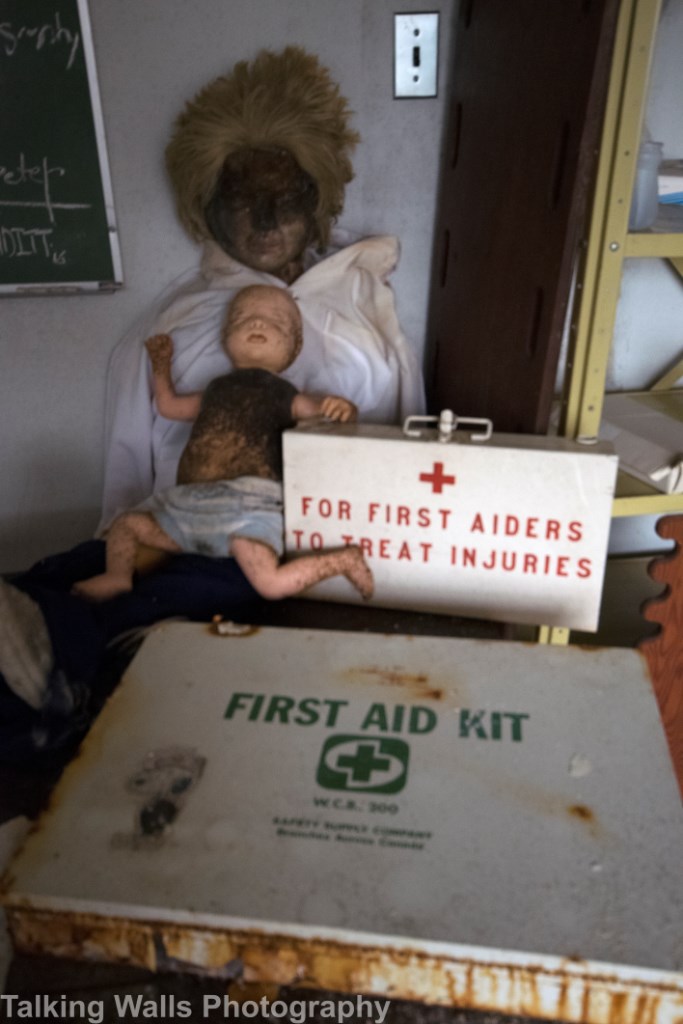
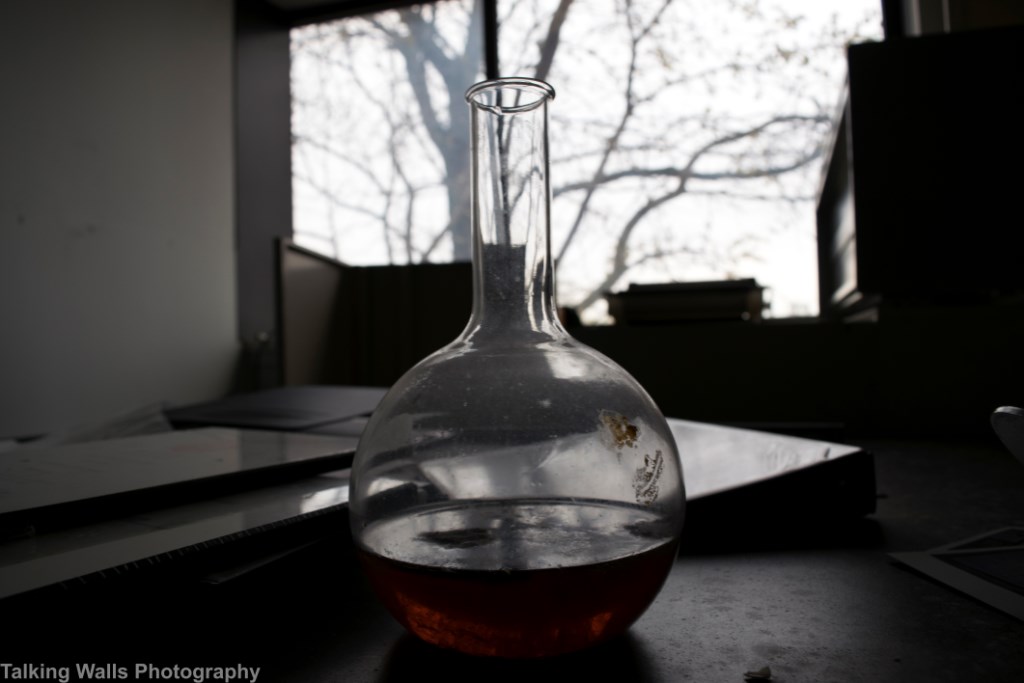
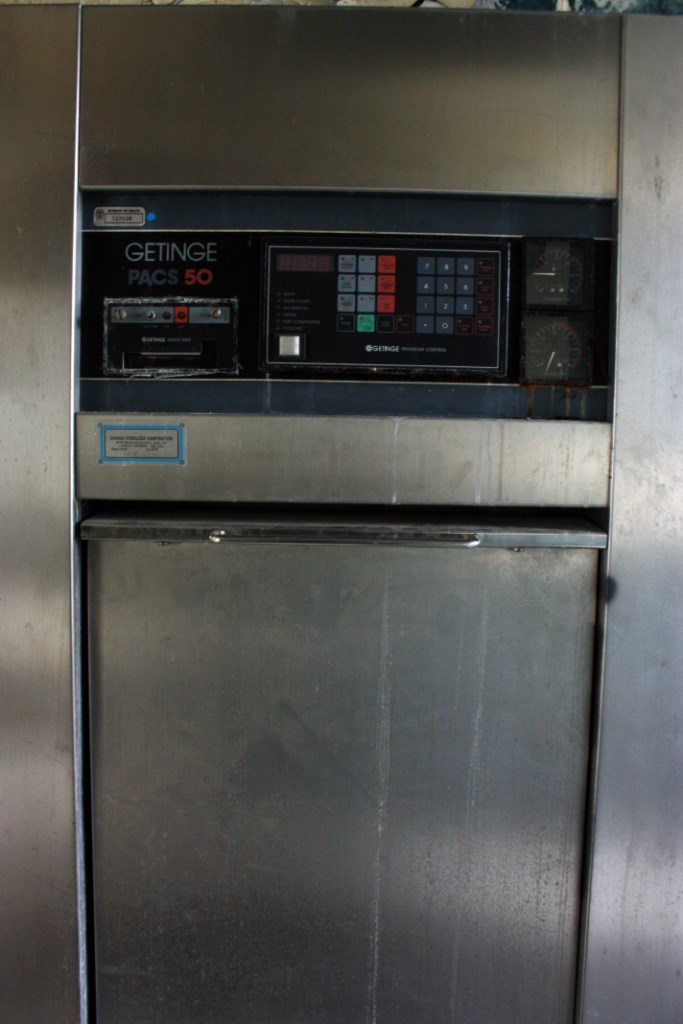
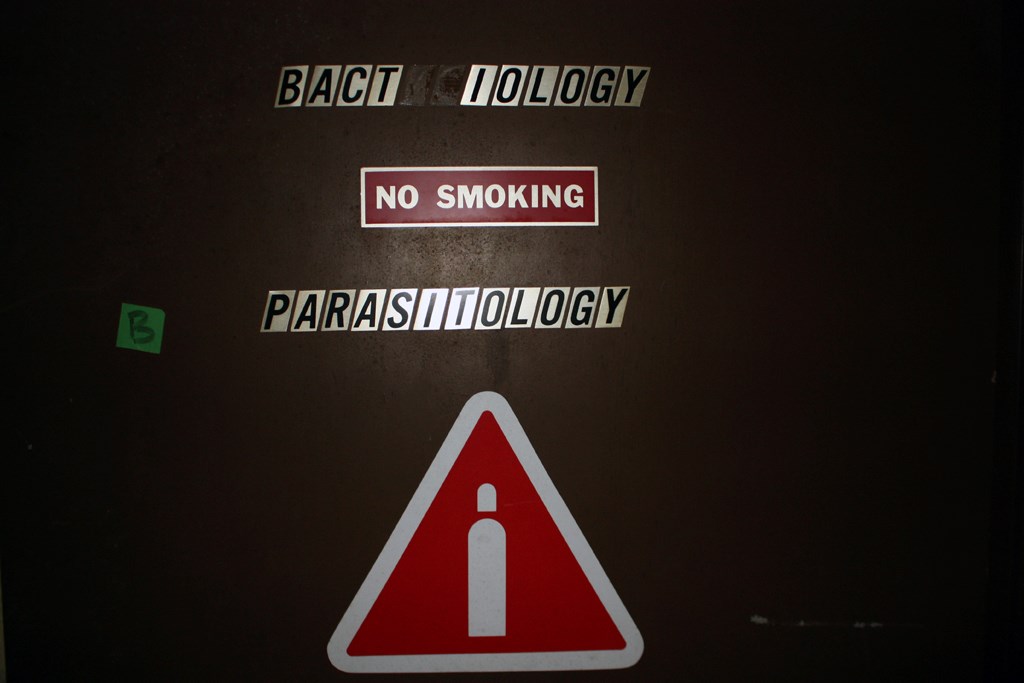
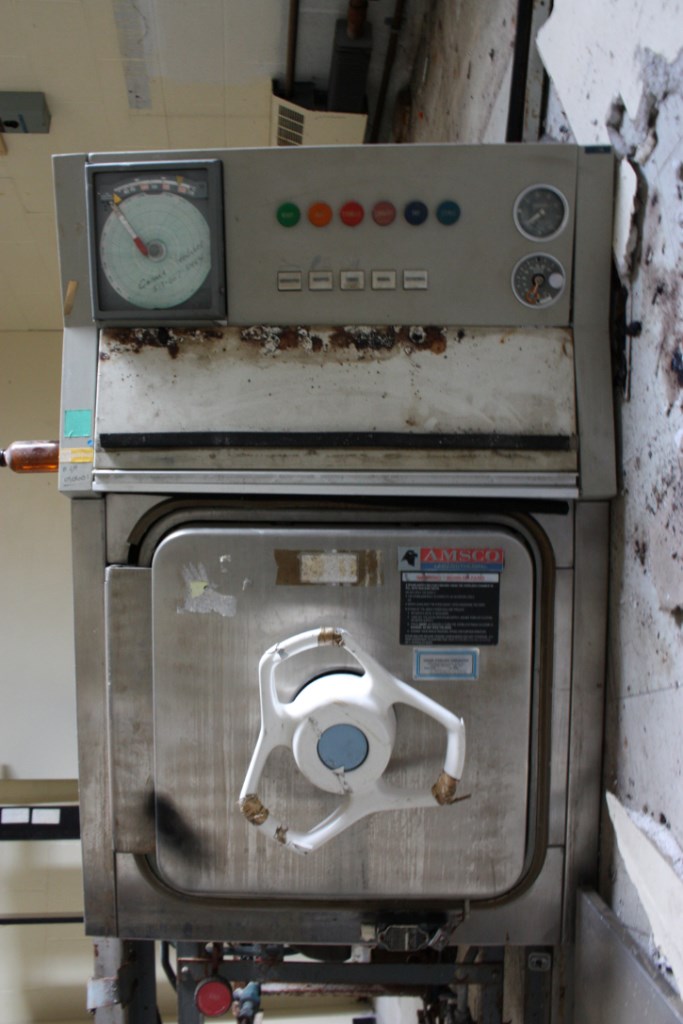
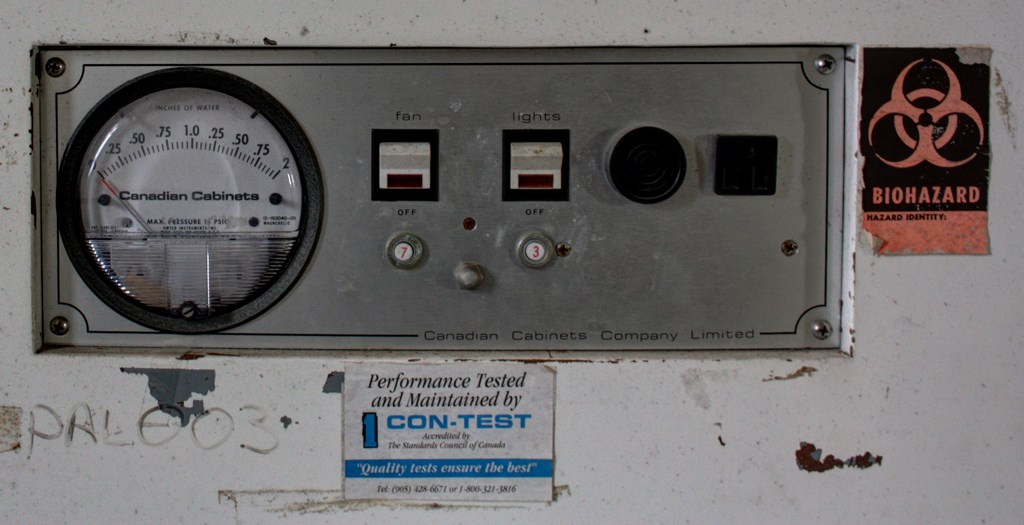
The medical rooms are the most interesting. There are various medical equipment, a doctor’s examination table and several containers of old medicine.

In a span of less than 48 hours after first visiting this location, the doors had been chained back up. Several of my photos didn’t turn out clear – a casualty of the manual focus lens I was using 🙂

November of 2018 Photos

Resolute Forest Products in Thorold, Ontario


Midwestern Regional Centre (Abandoned Buddhist Temple)

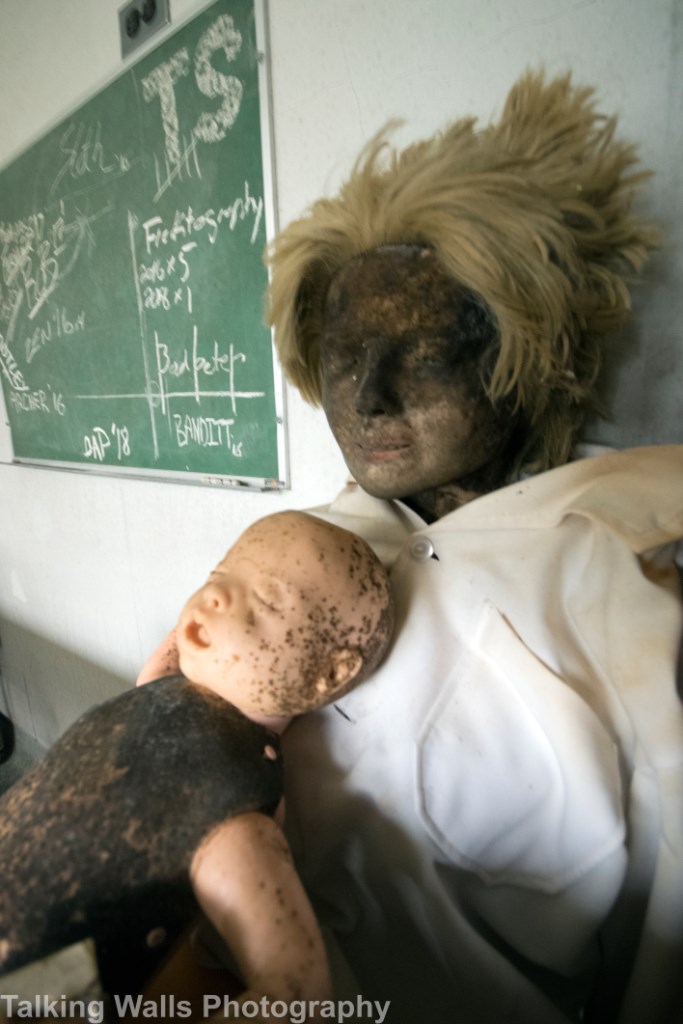
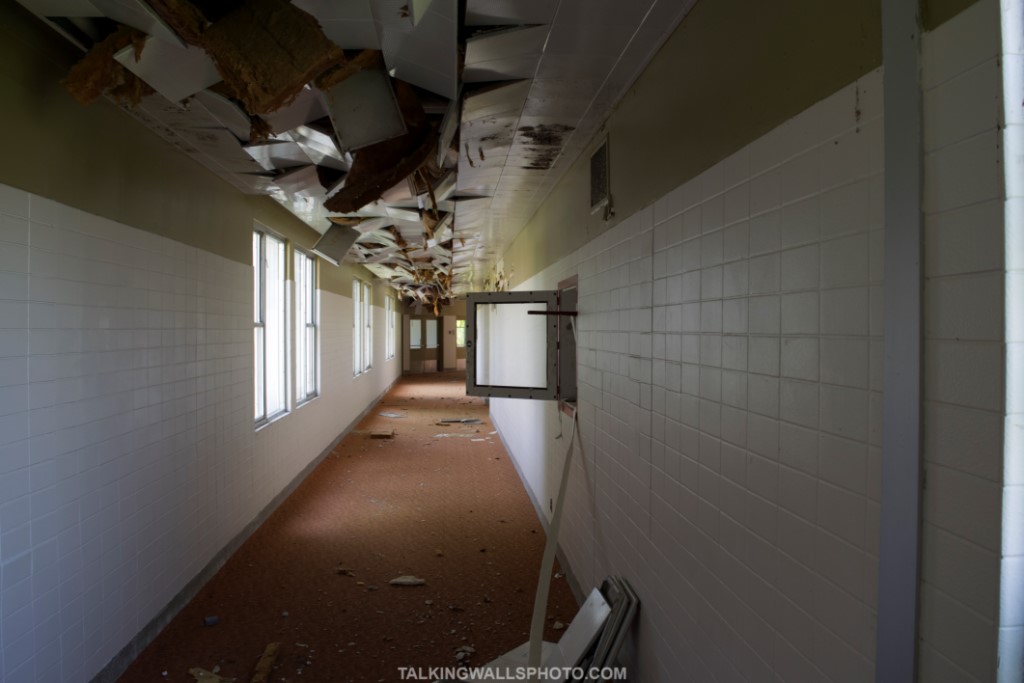
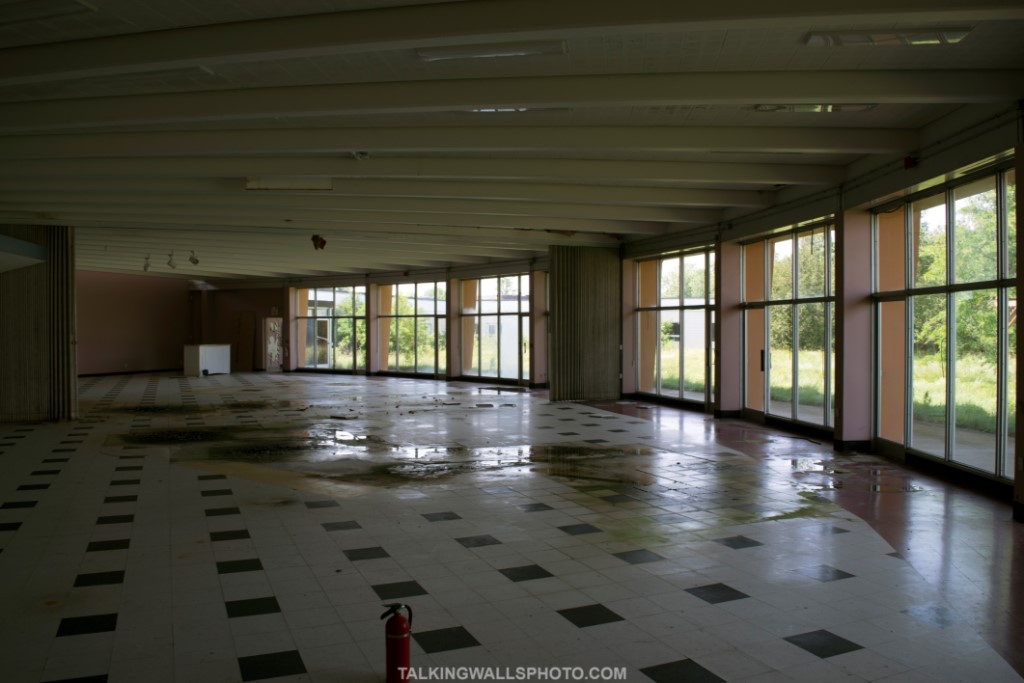
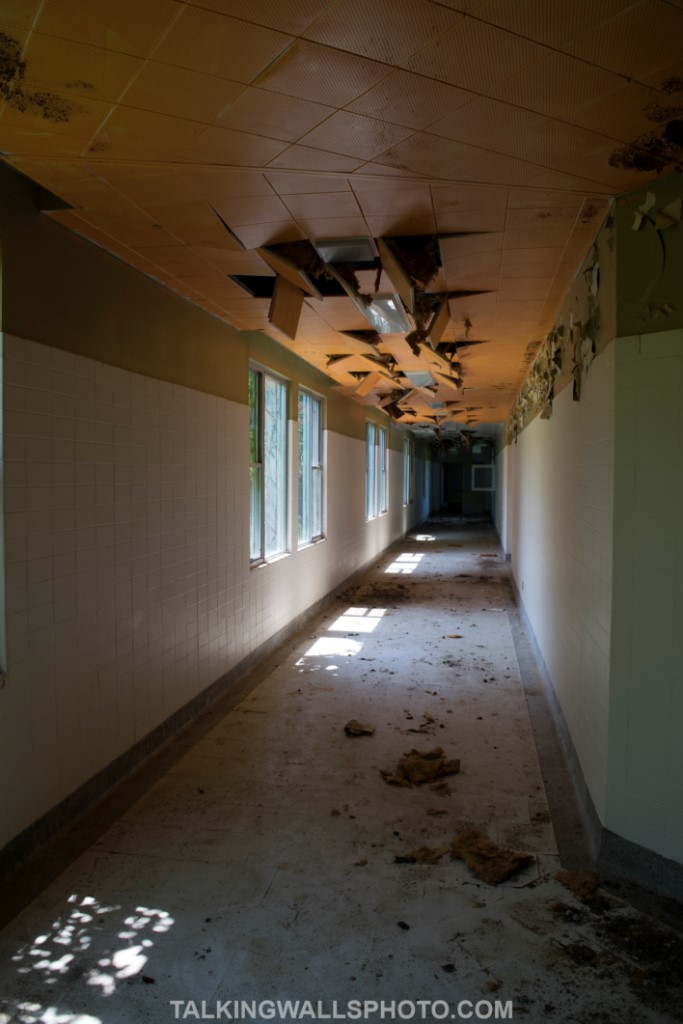
The Midwestern Regional Centre was one of nineteen Regional Centres located across Ontario built to care for developmentally challenged patients. The first centre built in Ontario was the Huronia Regional Centre in Orillia; other institutions included the Muskoka Regional Centre, Thistletown Regional Centre and Southwestern Regional Centre.

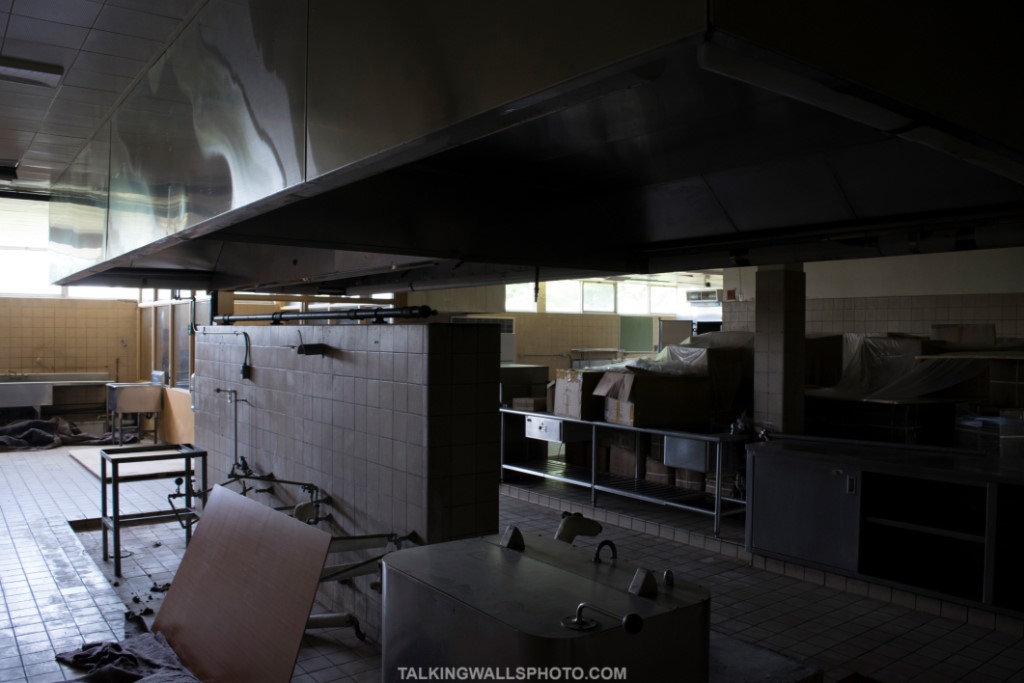
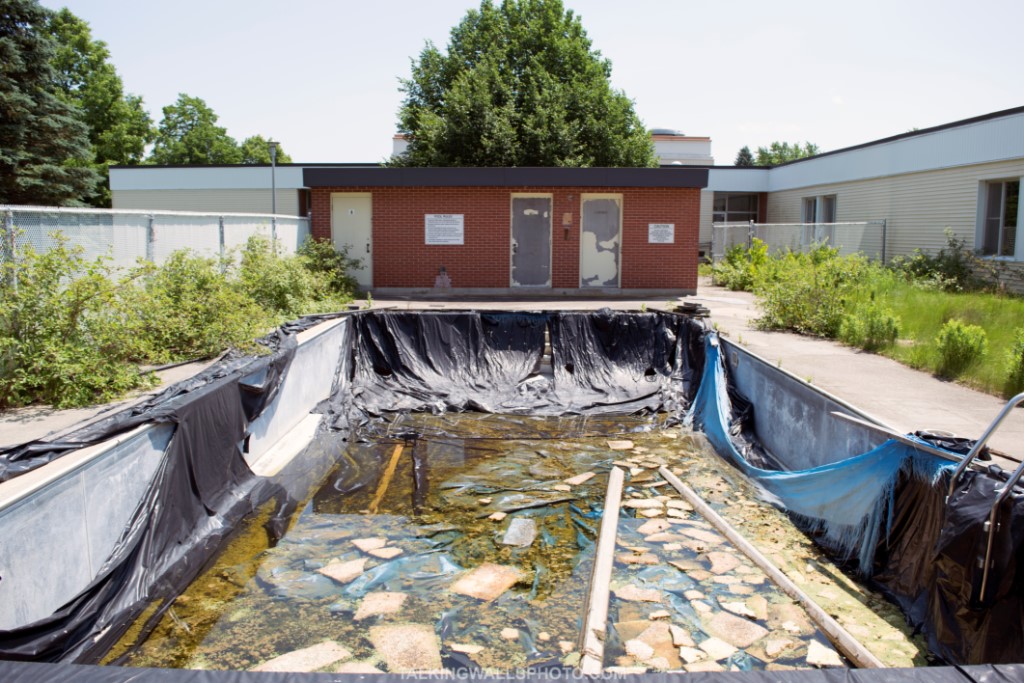
The Midwestern Regional Centre opened on September 1, 1963. It was situated on 164 acres of land just outside Palmerston, Ontario. The main building was 167,000 square feet with several outbuildings on the property.The facility was self sufficient – it had it’s own water wells and pumping station and waste was pumped out to the nine acre pond. There was a small swimming pool and on-site cafeteria.

The facility’s purpose was to care for children over the age of six.  The modality of Regional Centres at the time was one of institutionalizing people. Parents were discouraged from visiting children in care, leaving many patients to feel they’d been abandoned. Children were told that they’d be taken away from their parents if they didn’t go to these institutions, one former patient said in an interview.

Patients slept in shared areas and used open toilets lined in rows. There was little privacy. Conditions at Regional Centres were often violent. In some cases cattle prods were used on patients. Straight jackets were used on patients who didn’t comply with the rules.

At it’s peak, there were approximately 225 patients at Midwestern.

In 1996 Community Living Ontario released the “No Better Time than Now” report. The report called upon the Ontario government to close these regional centres in favour of placing the developmentally disabled in their own communities where they could receive community support. In response to the report, the Ontario government announced a three-year plan to move patients out of these institutions and to downsize the facilities. And so it became that Midwestern closed on March 31, 1998.

The property sat idle until 2003 when it was purchased by the Village Green Lifestyle Community to be used a home for senior citizens. Village Green Lifestyle Community applied to have the property re-zoned to allow a nursing home with 100 units, as well as a hotel and conference centre and private 9-hole golf course. Renovation work was initiated but within months the plans for the home fell through due to legal reasons involving how the funding was obtained.

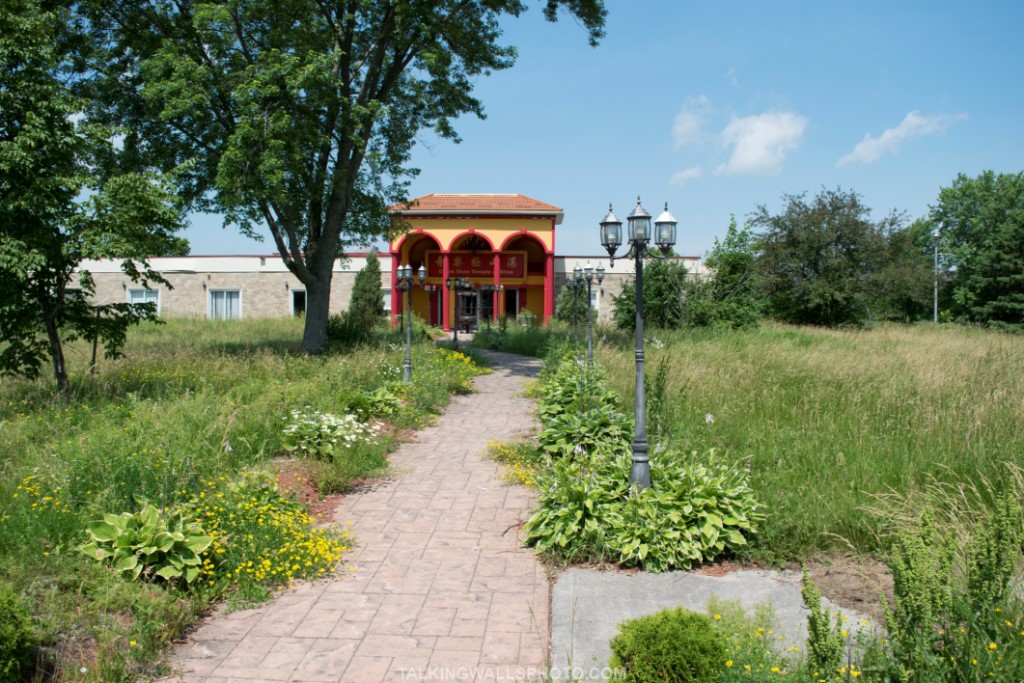
In 2010 the property was sold to the Cham Shan Temple, a Buddhist organization based in Thornhill. The selling price was estimated at $3.1 million. Cham Shan’s intention was to convert the former centre into a Buddhist retreat. They felt the location’s remote area would be idea for meditation.

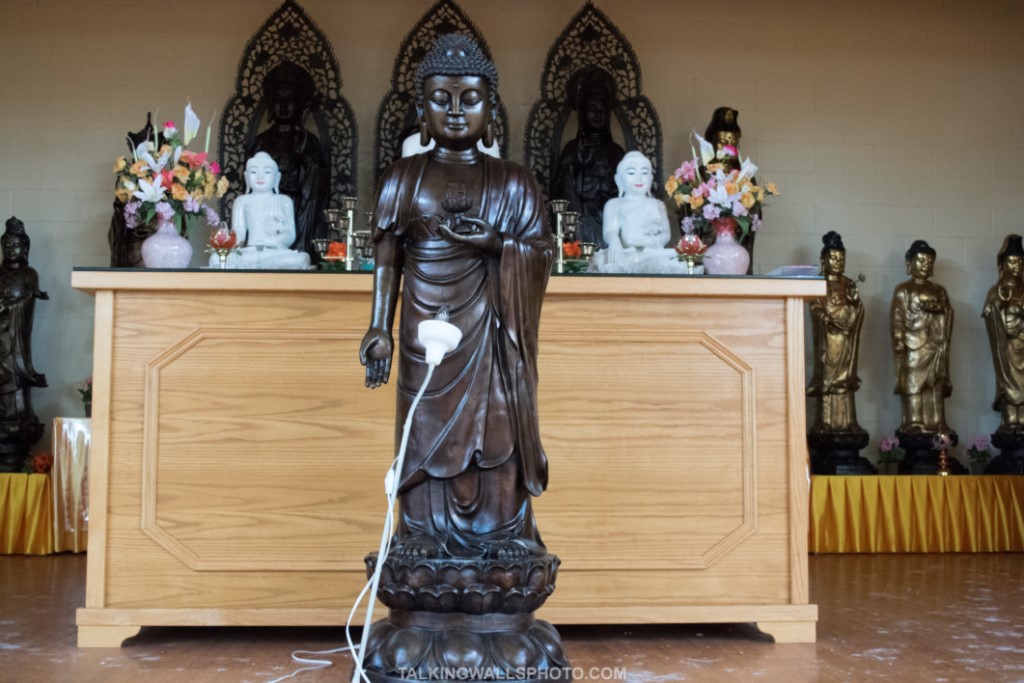
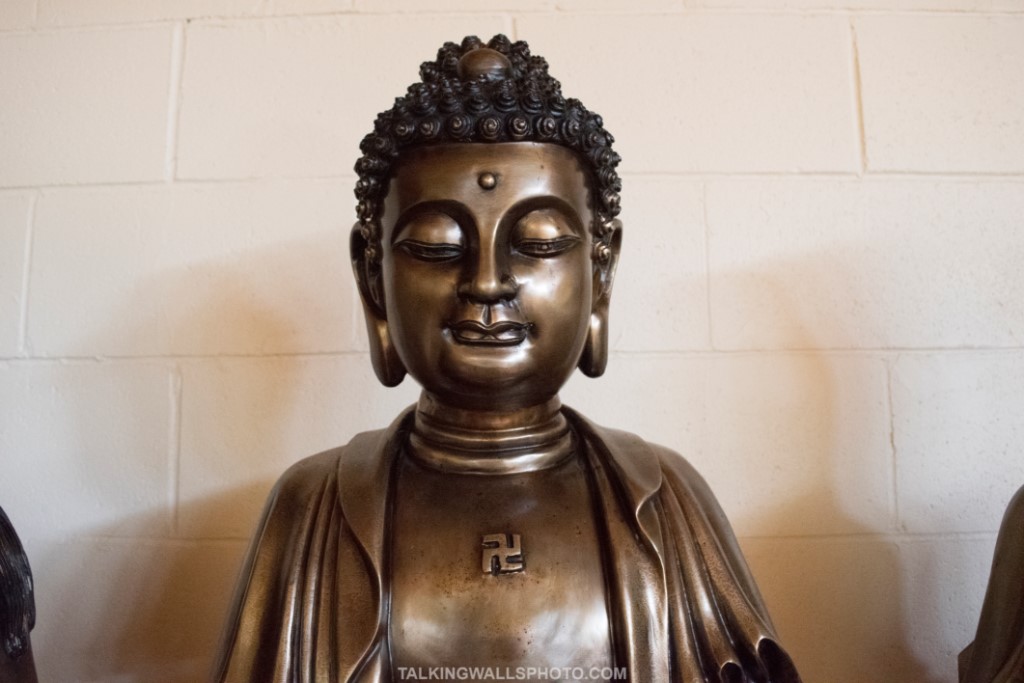
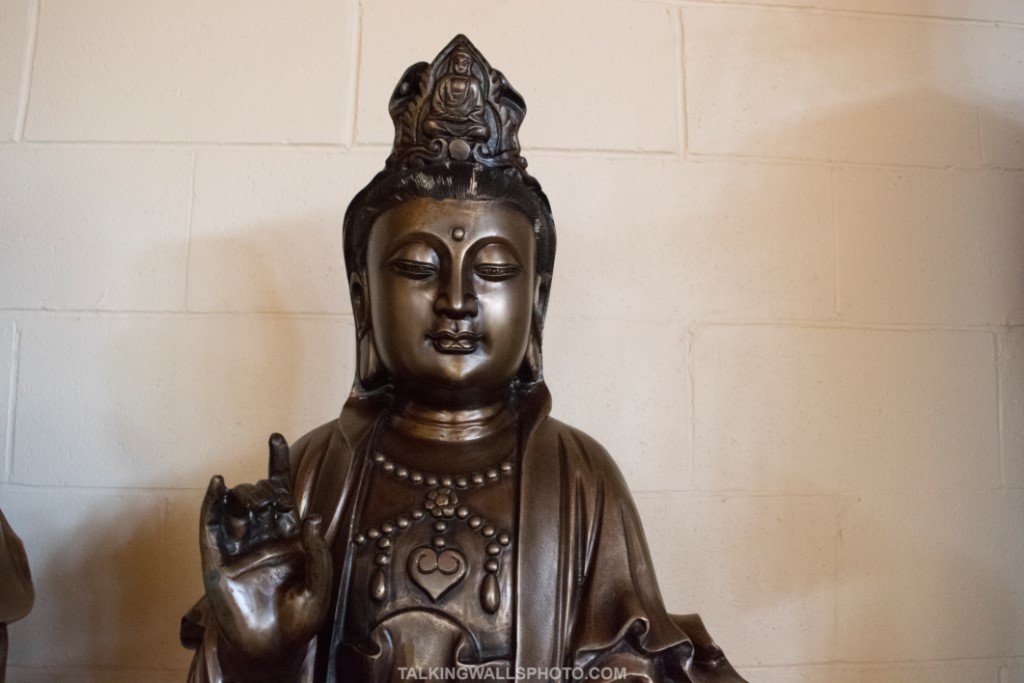
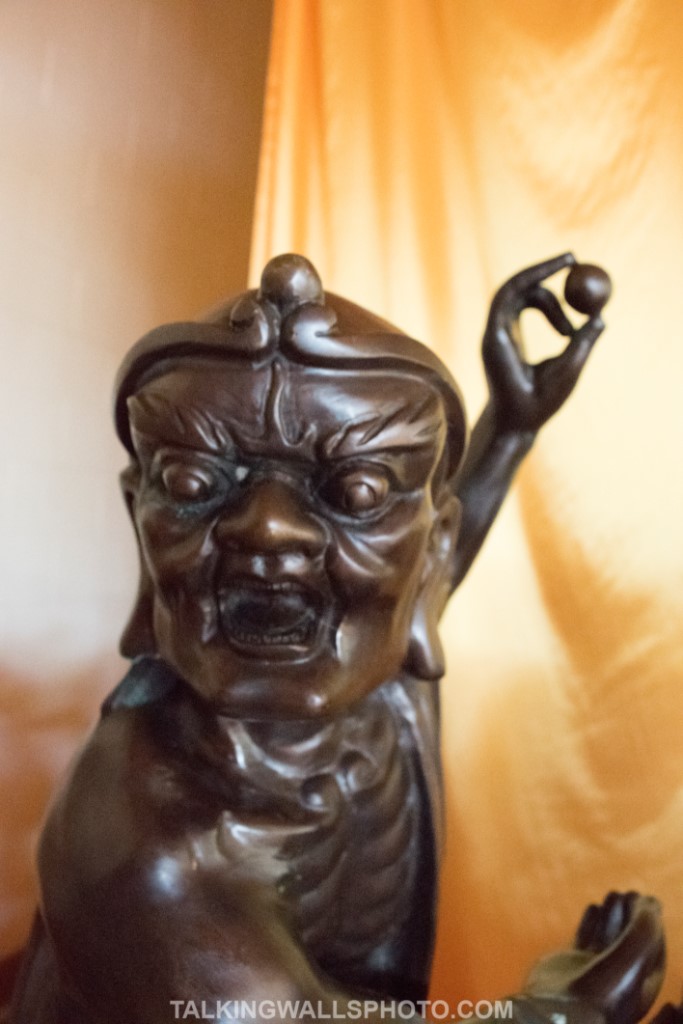
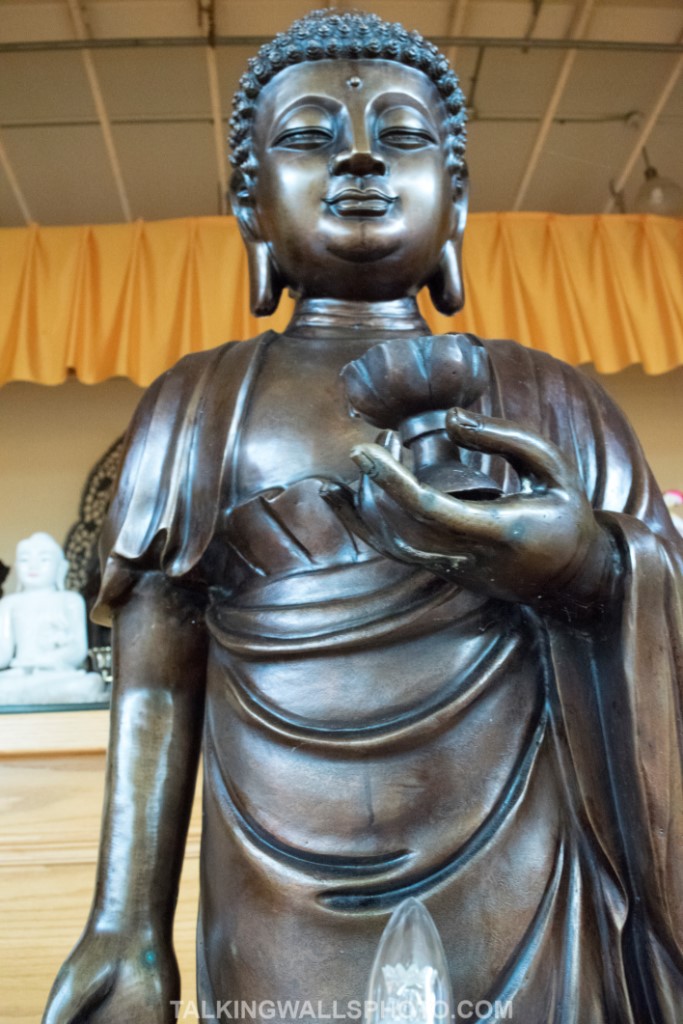
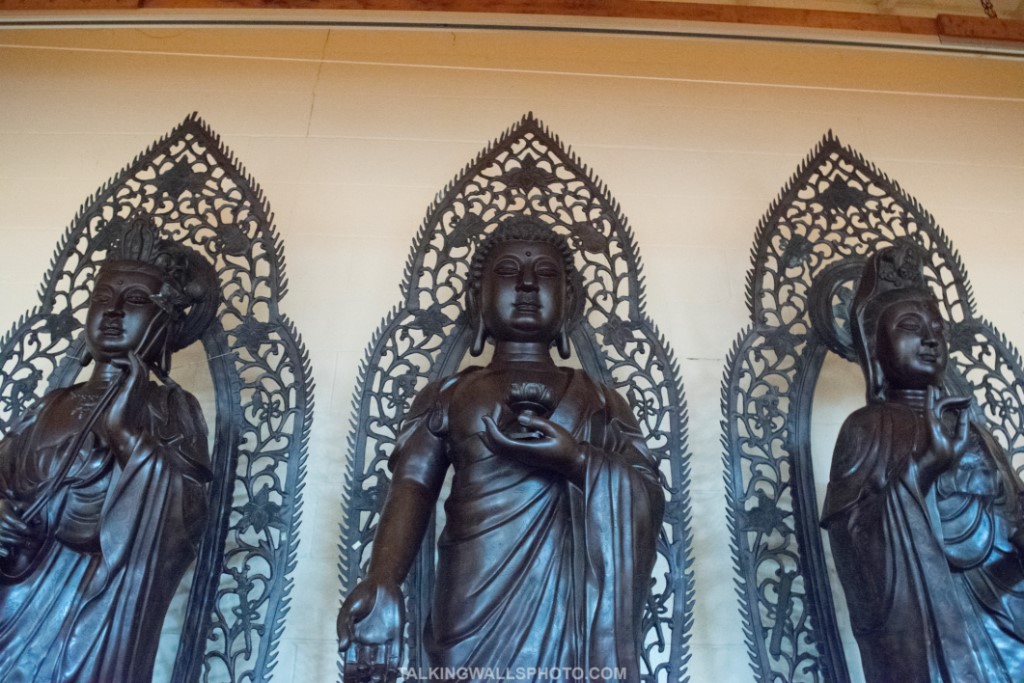
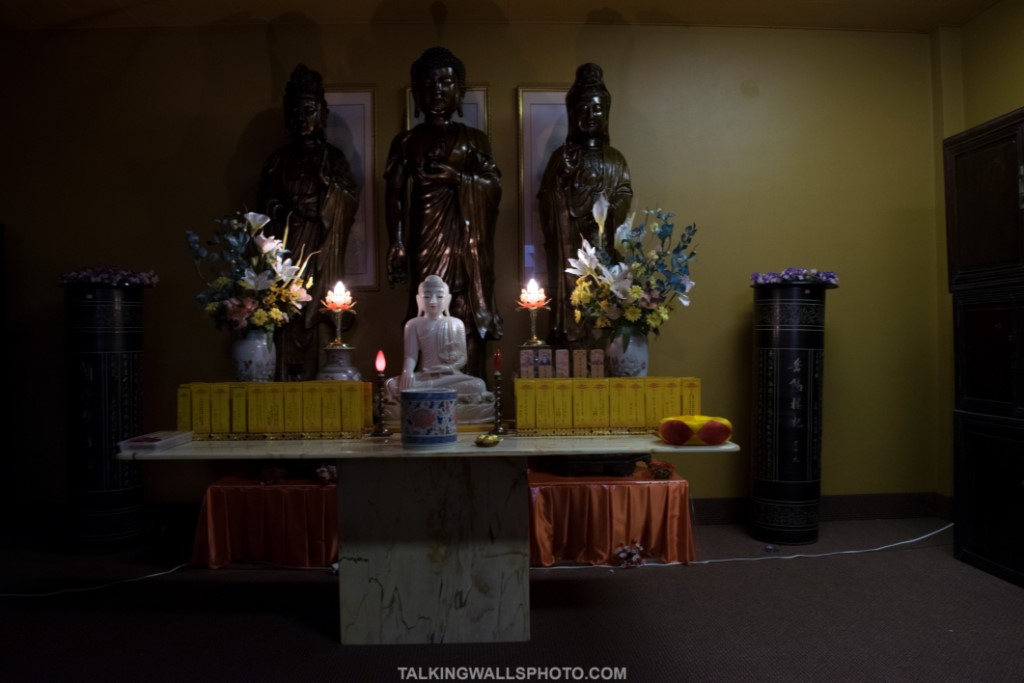
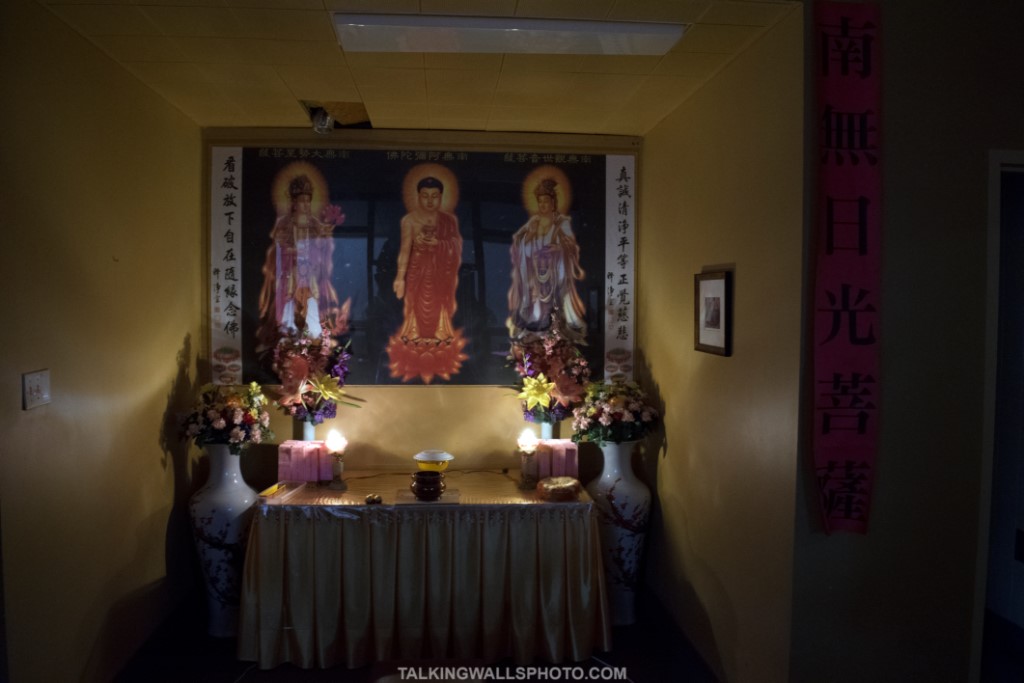
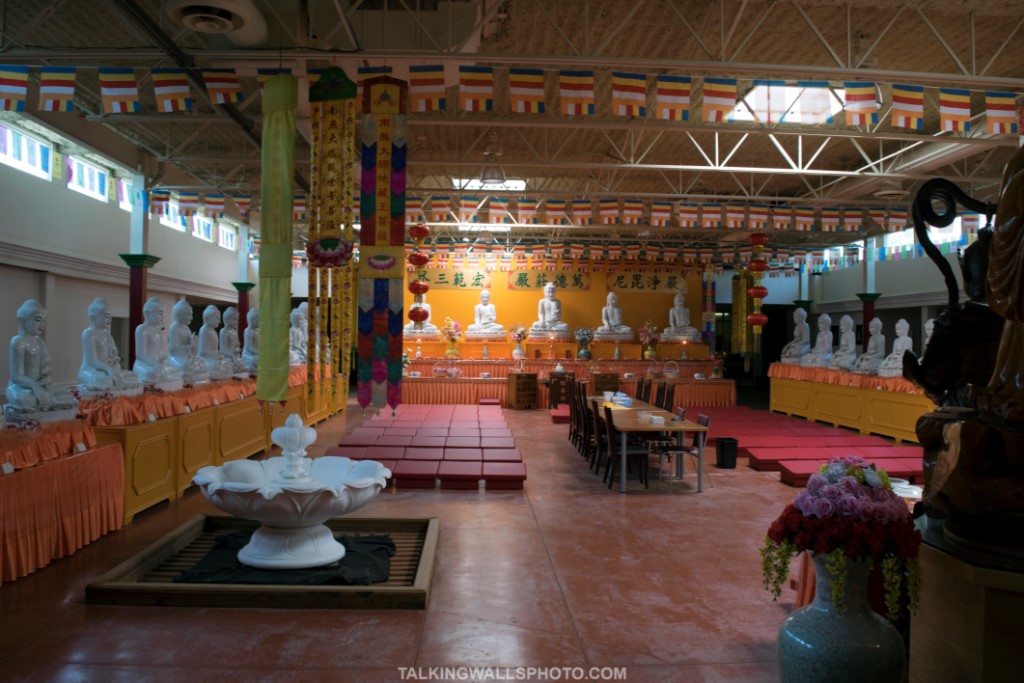
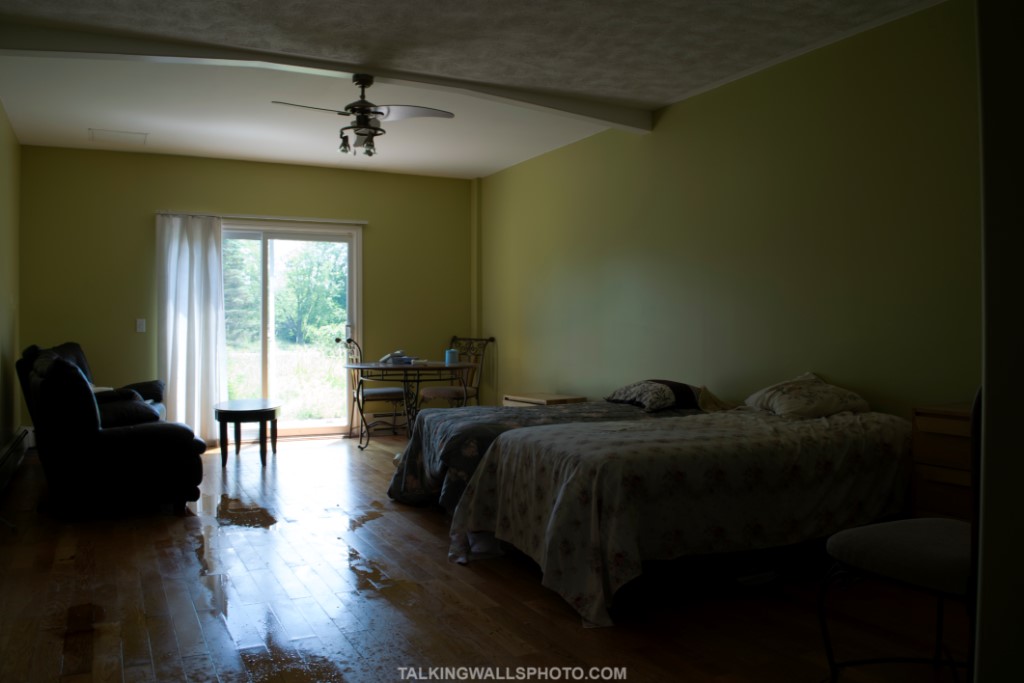
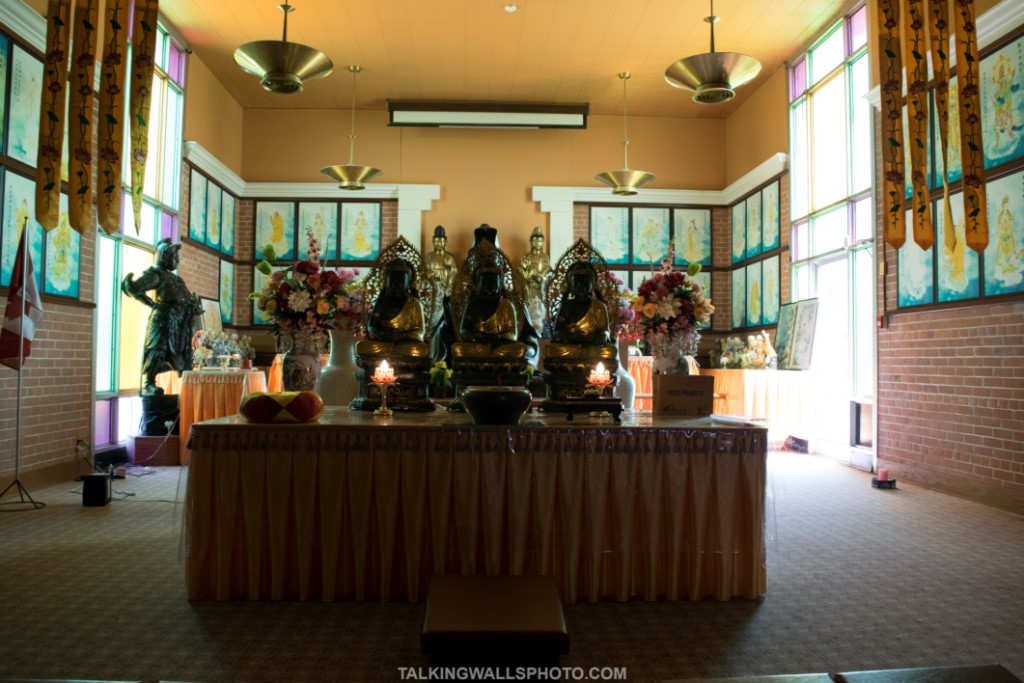
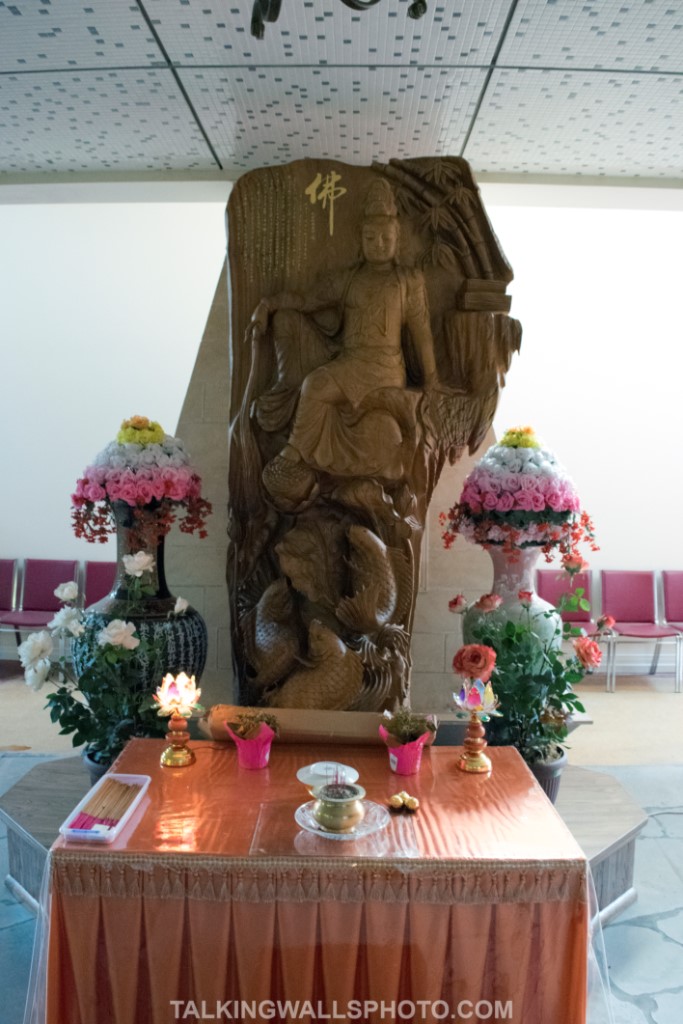
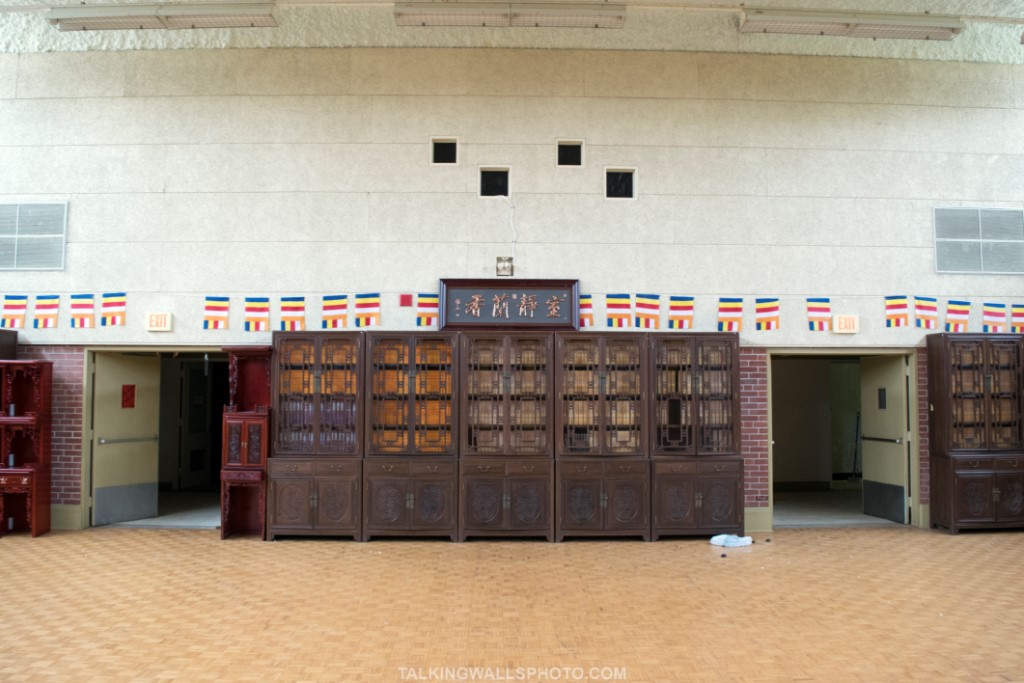
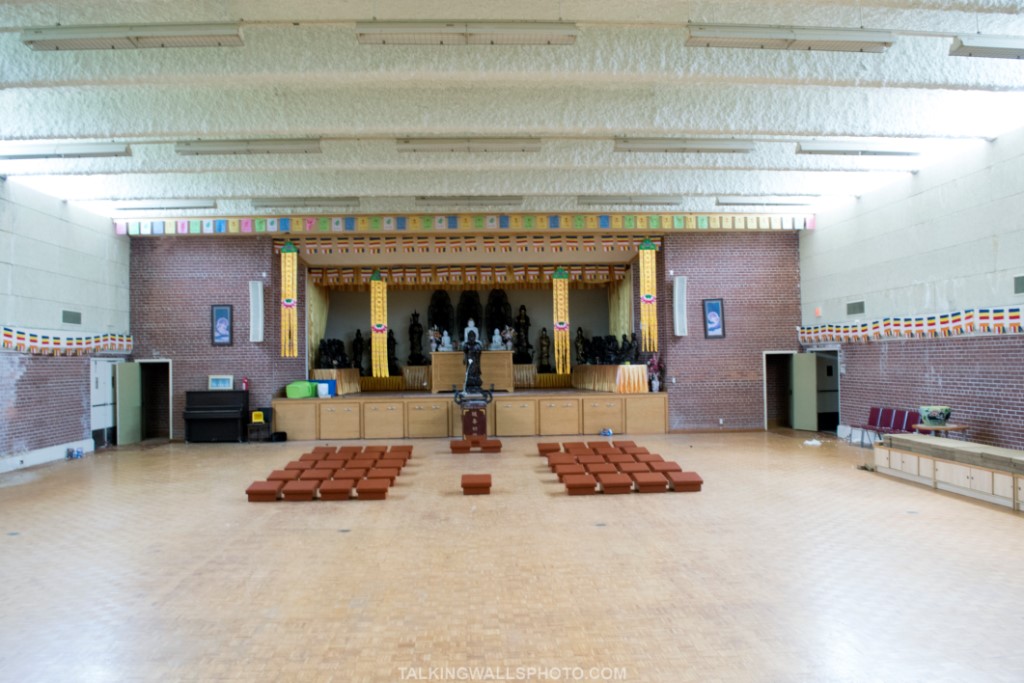
For several years it appeared as if the project was advancing, only to stop. Building materials were left laying in converted sleeping units while the main hall was filled with Buddhist statues of every kind.

Plans for the Buddhist temple were met with difficulty when twice in a five-year time frame, the newly renovated building suffered leaking roof issues causing damage to the interior. As the temple was funding by donations, the renovations work was set back each time.

In 2019 the facility was again placed up for sale. Since my last visit, all of the Buddha statues have been cleared out. There’s nothing left inside but it still makes for an interesting exploration.

In 2016 a judge approved a $36 million settlement for former residents of twelve regional centres for the physical, sexual and emotional abuse they endured.

Photos from 2015 of an outbuilding…


Video

Exploring the Midwestern Regional Centre in Ontario

Toronto Ontario Million Dollar Mold Mansion

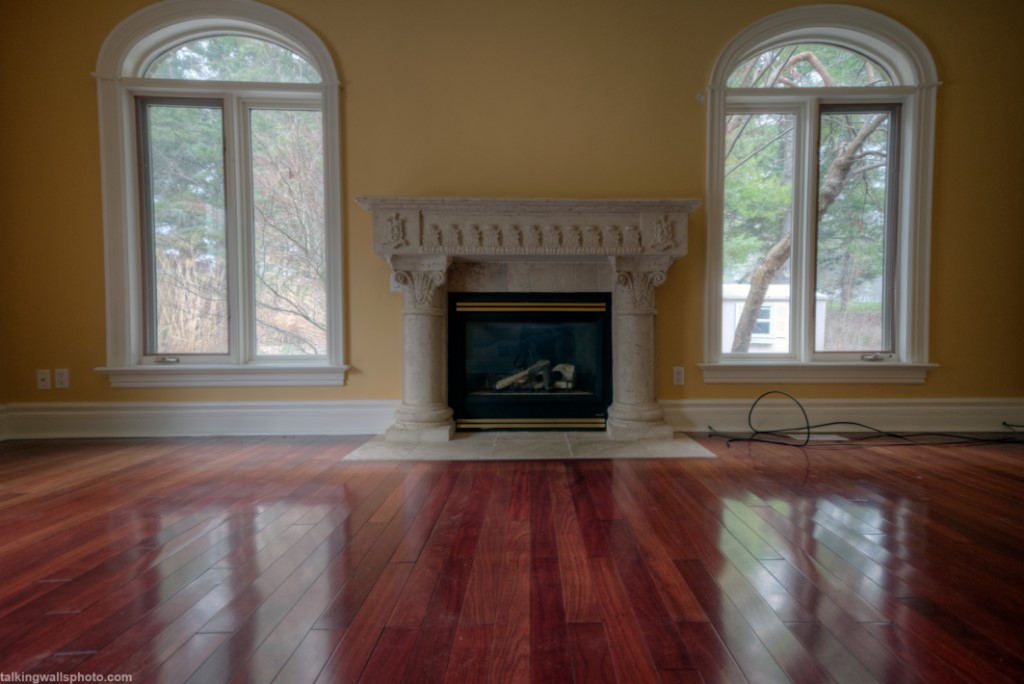
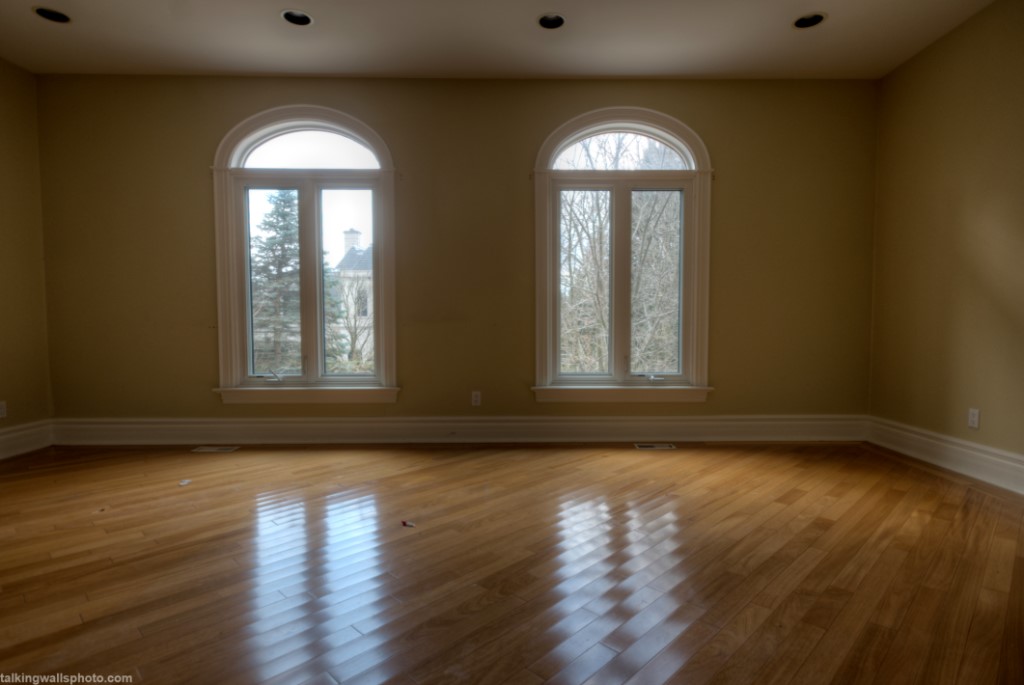
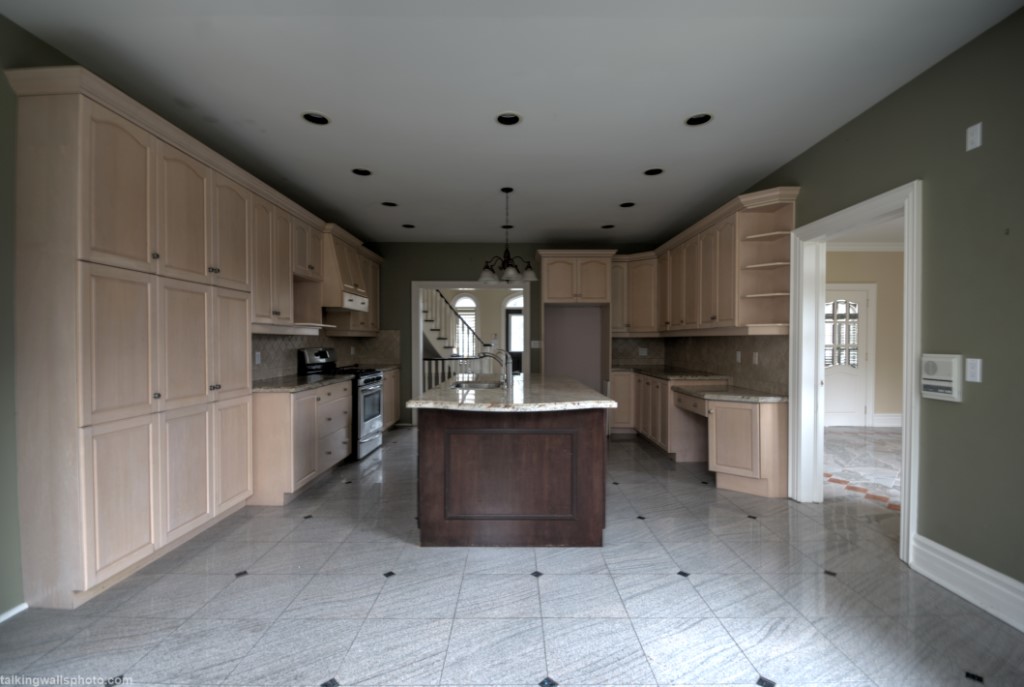
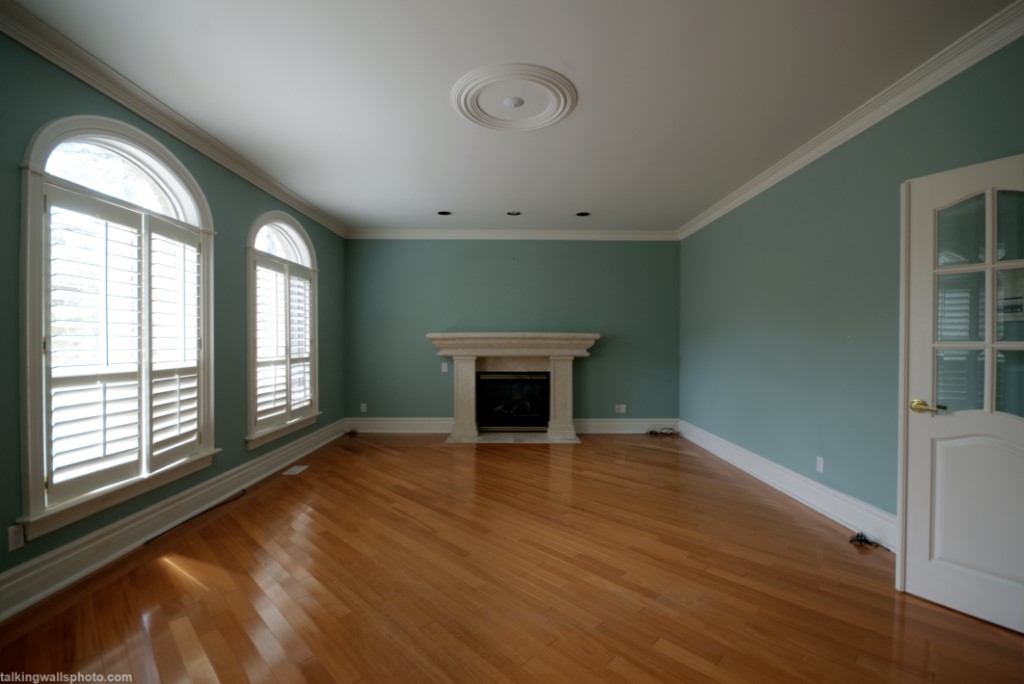
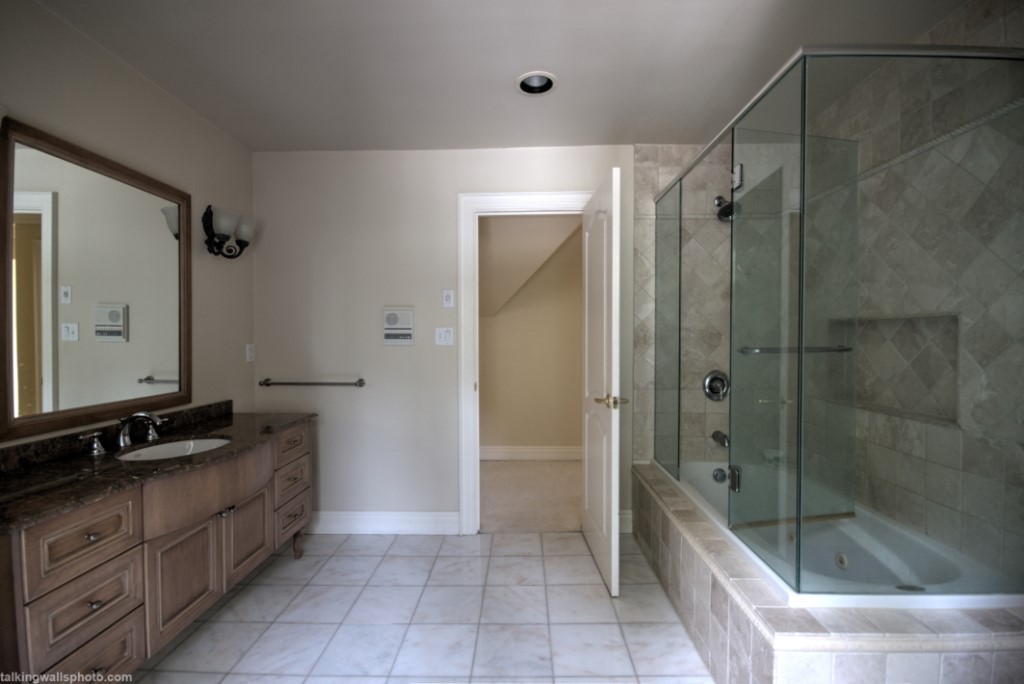
This luxurious mansion is located in Southern Ontario where wealthy properties are plenty. This particular mansion has stained hardwood floors, a tiled kitchen, large living room with fireplace and four bedrooms with four bathrooms.

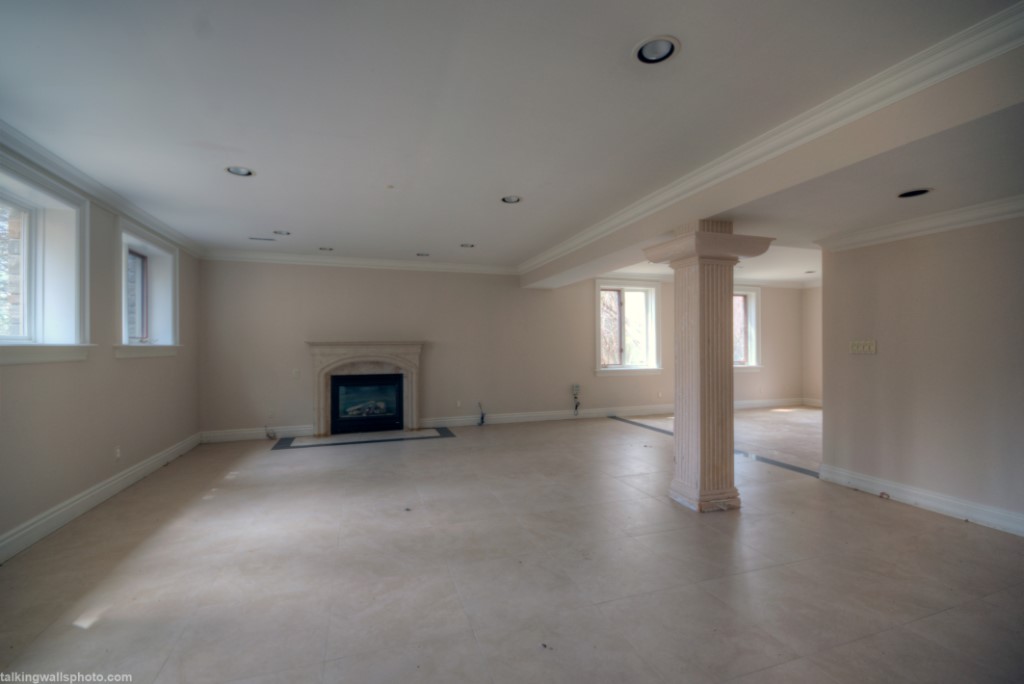
There are two fireplaces on the main floor and one in the basement.

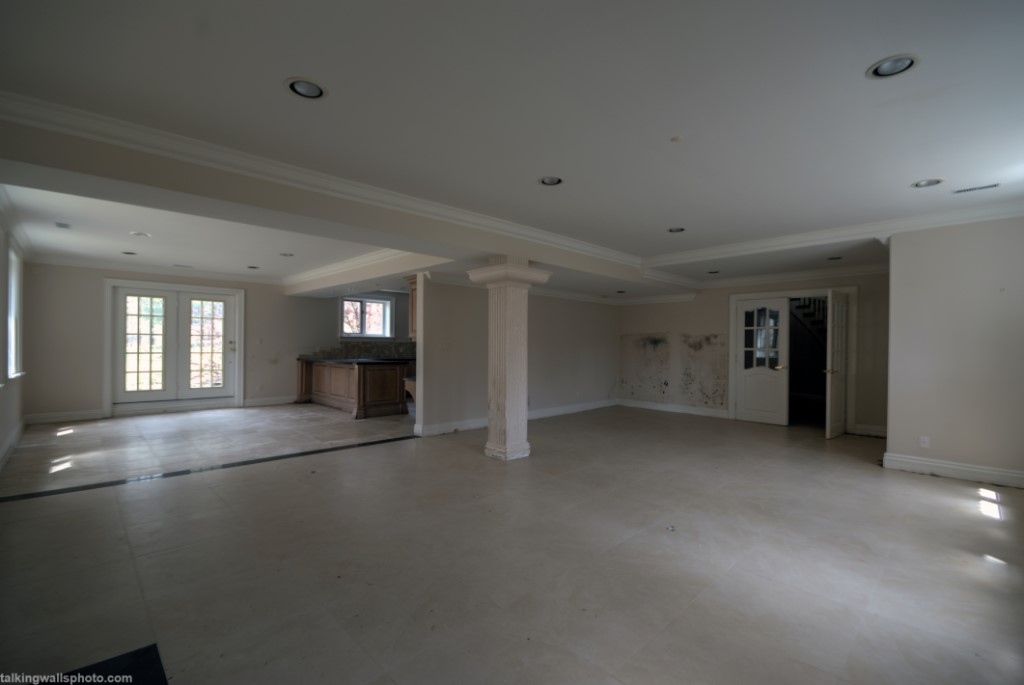
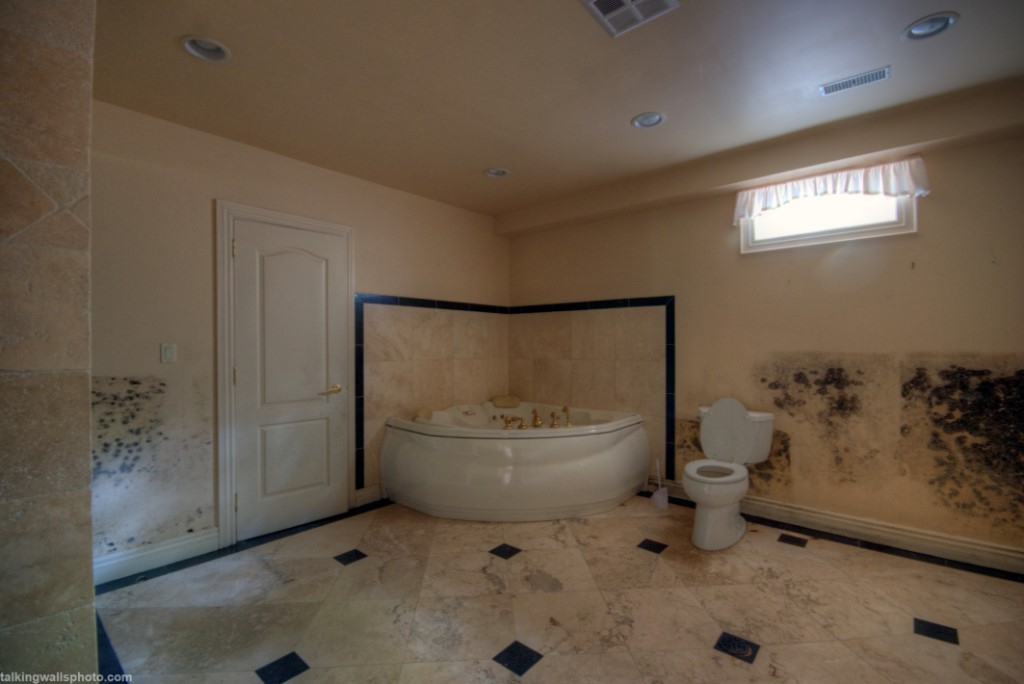
The basement is quite large and has it’s own kitchen. There is a black mold problem in the basement though, which may be indicative of why the house is vacant.

The house also features a three car garage.


Video

Toronto Moldy Basement Mansion