Monthly archives: May, 2020

The O.P.P. Drug House in St. Charles

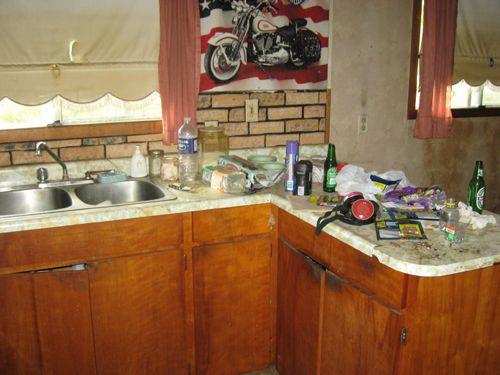
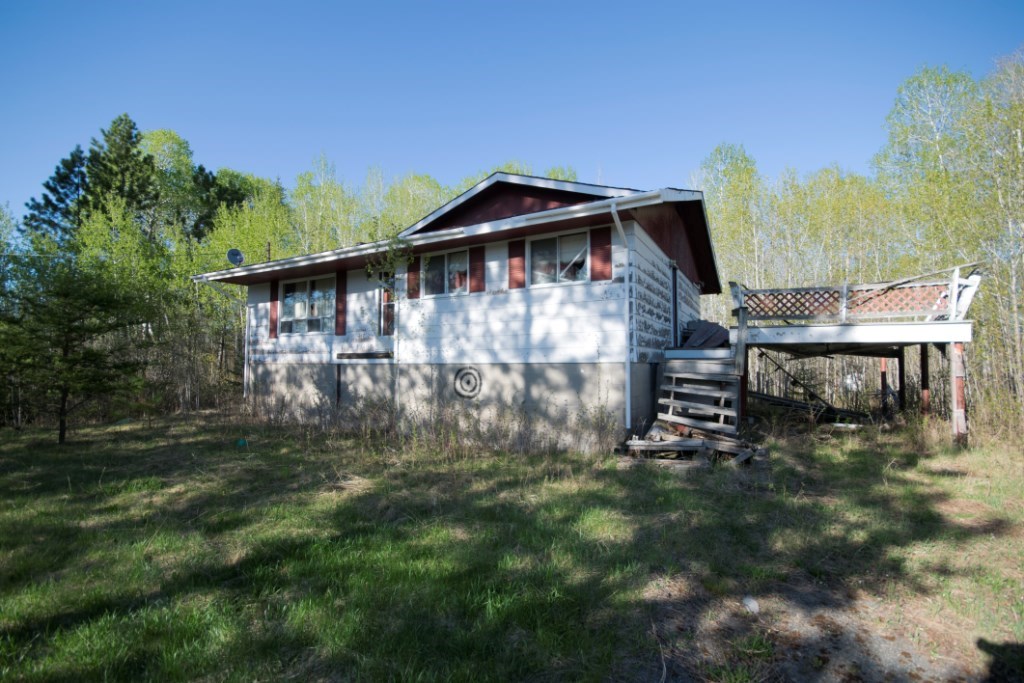
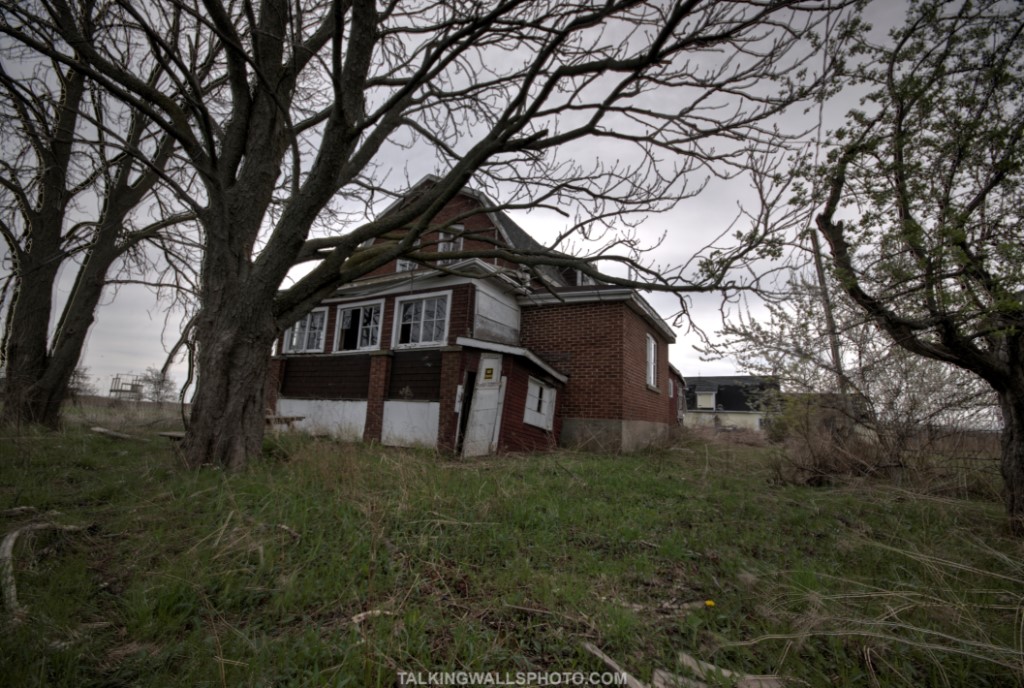
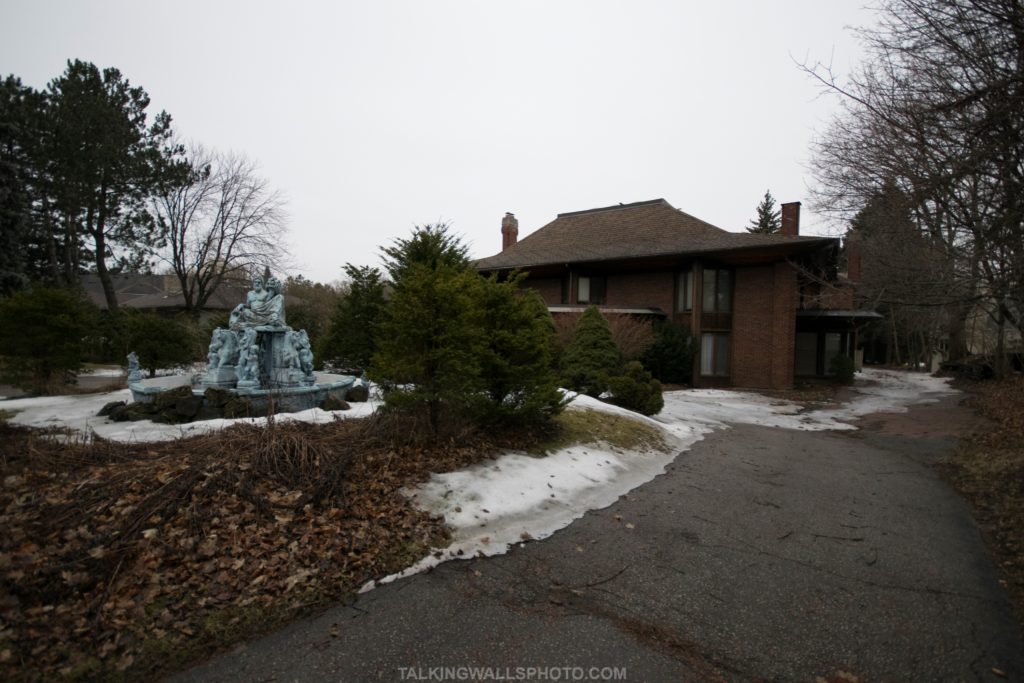
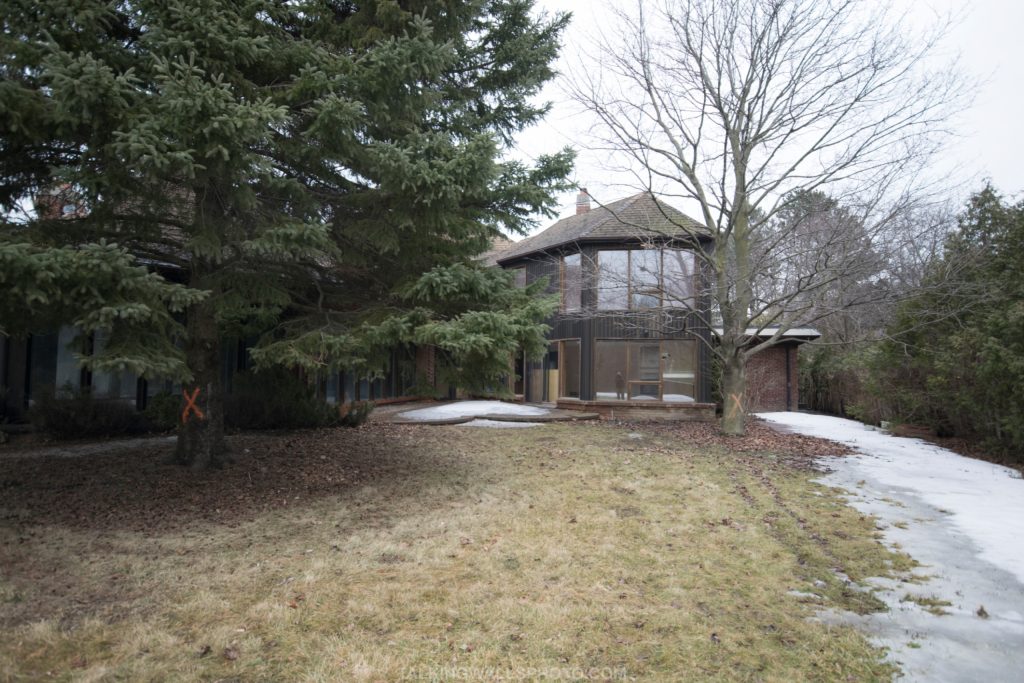
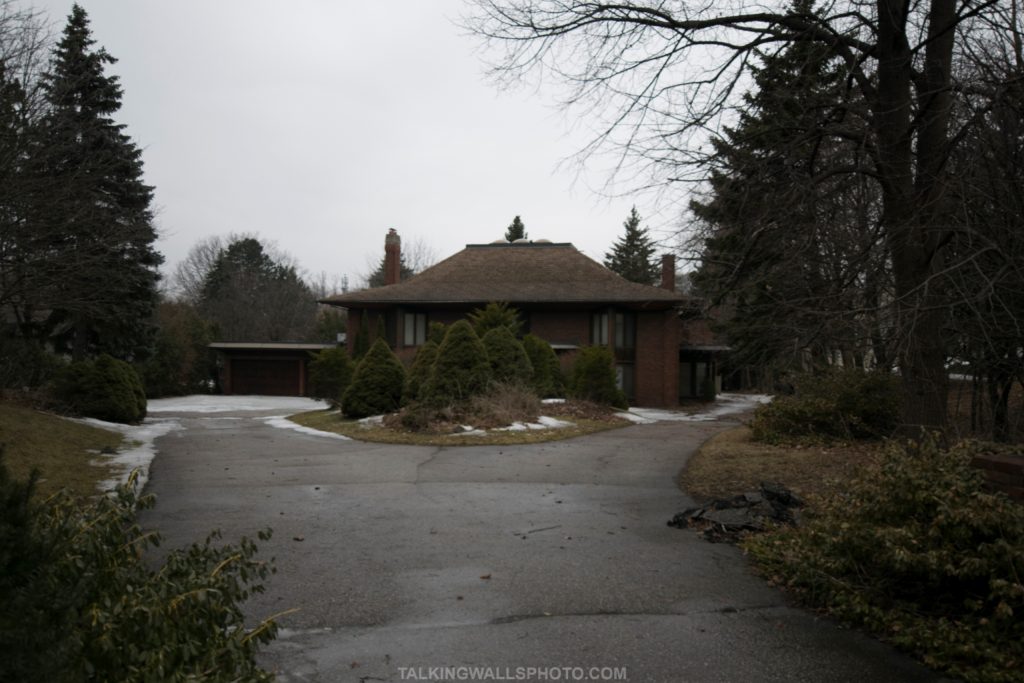
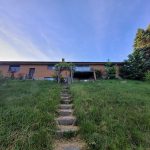
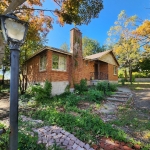
I explored this abandoned house in St. Charles, Ontario back in 2010. At that time I used a point and shoot camera and over the years the photos were bulk resized when I required more website disk storage. For this reason the resolution and size are somewhat poor.

This is what the house appeared like in 2010.
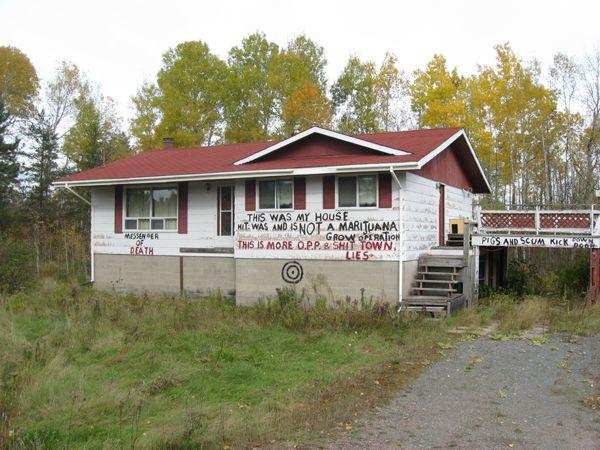
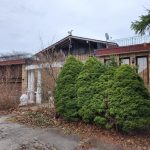
There are spray painted messages on the front of the house:
This was my house and is not a marijuana grow operation. This is more OPP and shit town lies.

Messenger of death

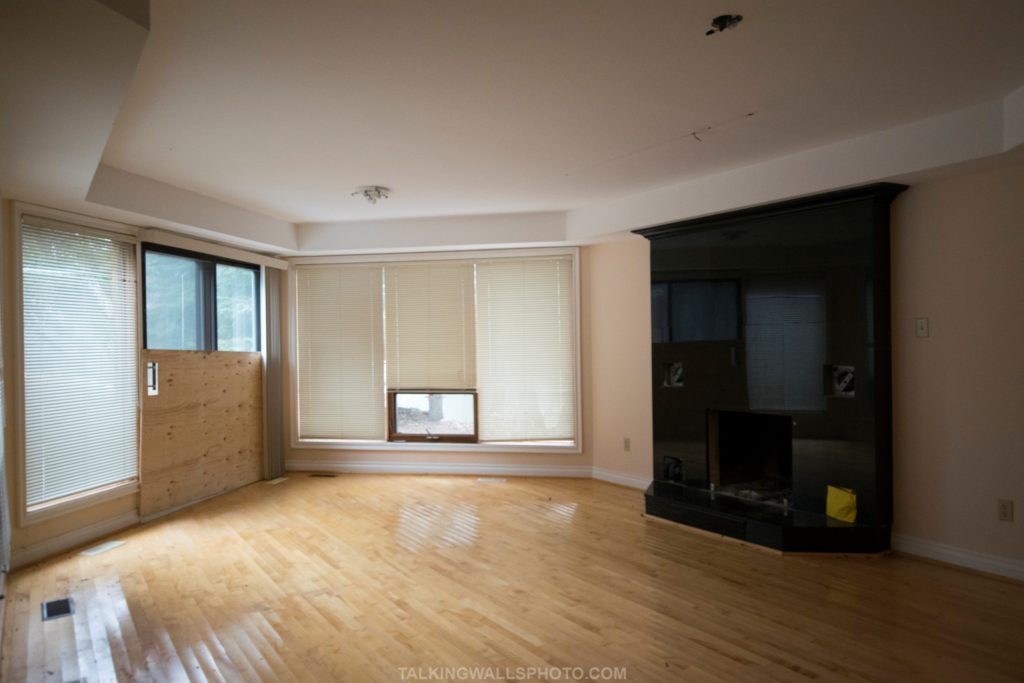
I returned to this house ten years later in May of 2020.
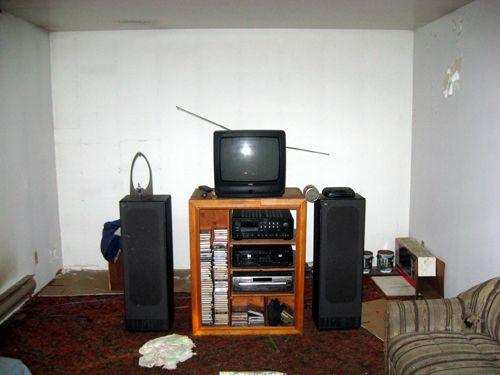
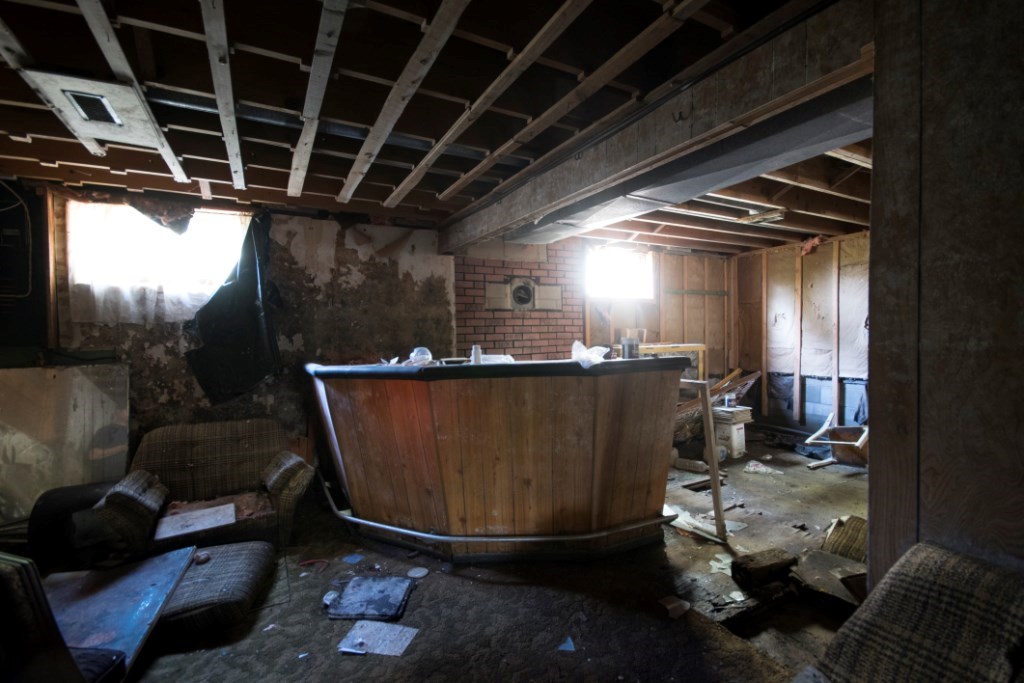
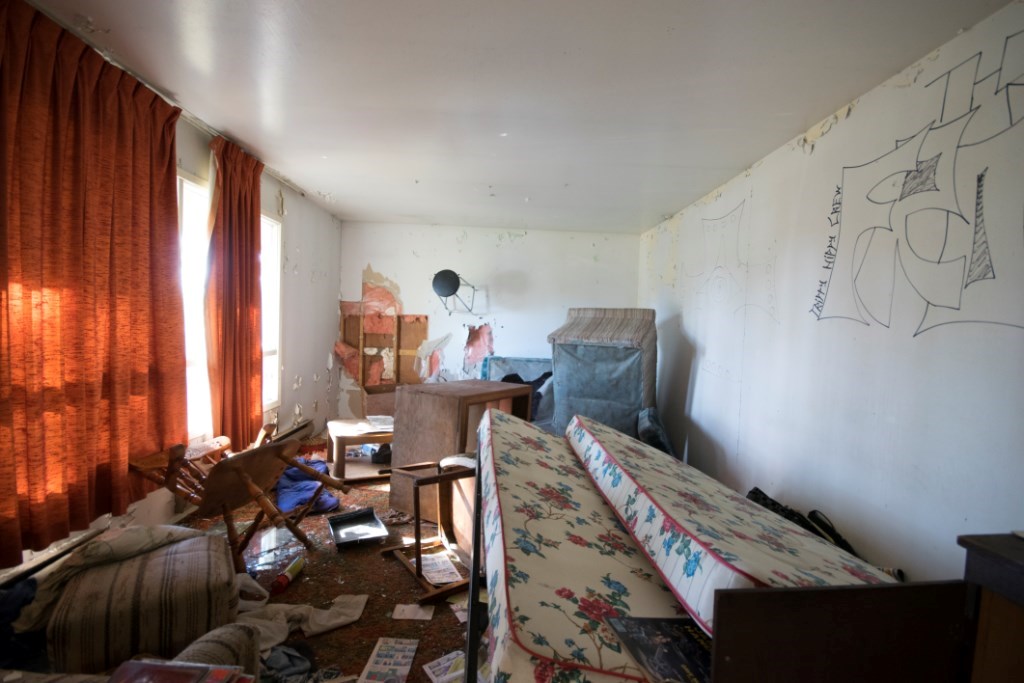
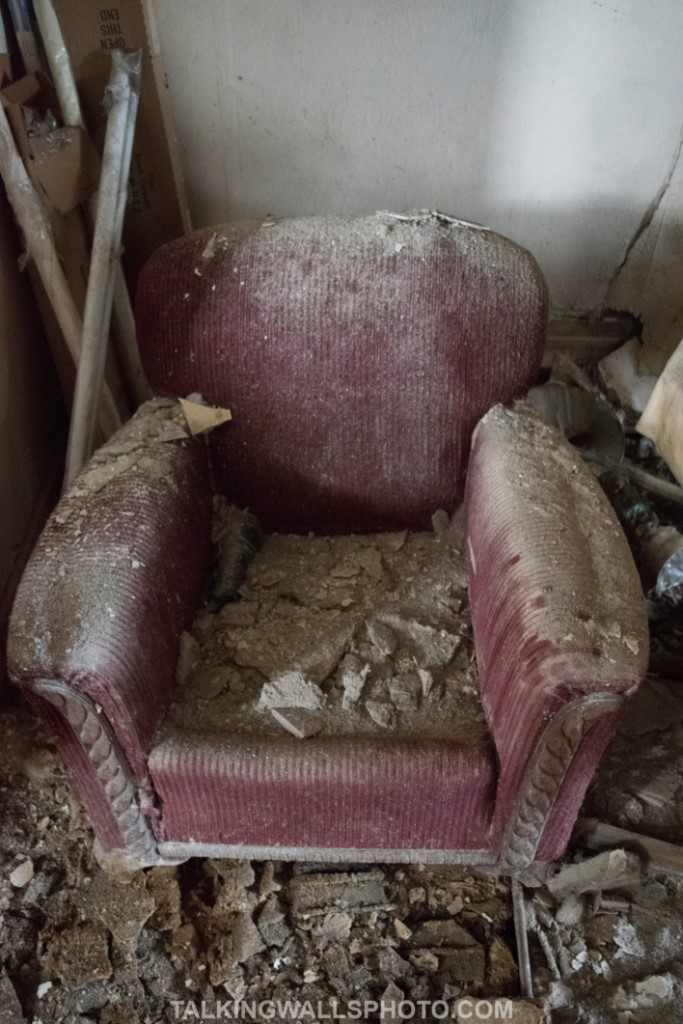
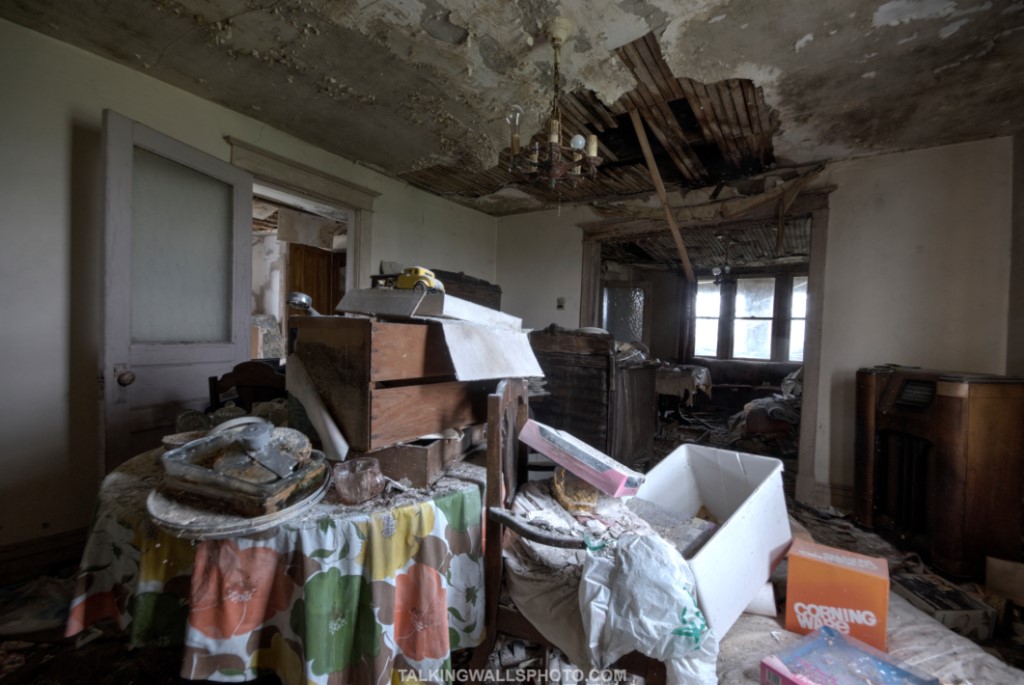
The result was as to be expected. The stereo system which included dual cassette deck, speakers, video tapes, and VCR player were gone. The furniture was scattered across the room. Chairs had been thrown into the walls. The front windows ha been smashed. Some no-talent loser by the name of ‘Frost’ had drawn graffiti on the walls and counter.

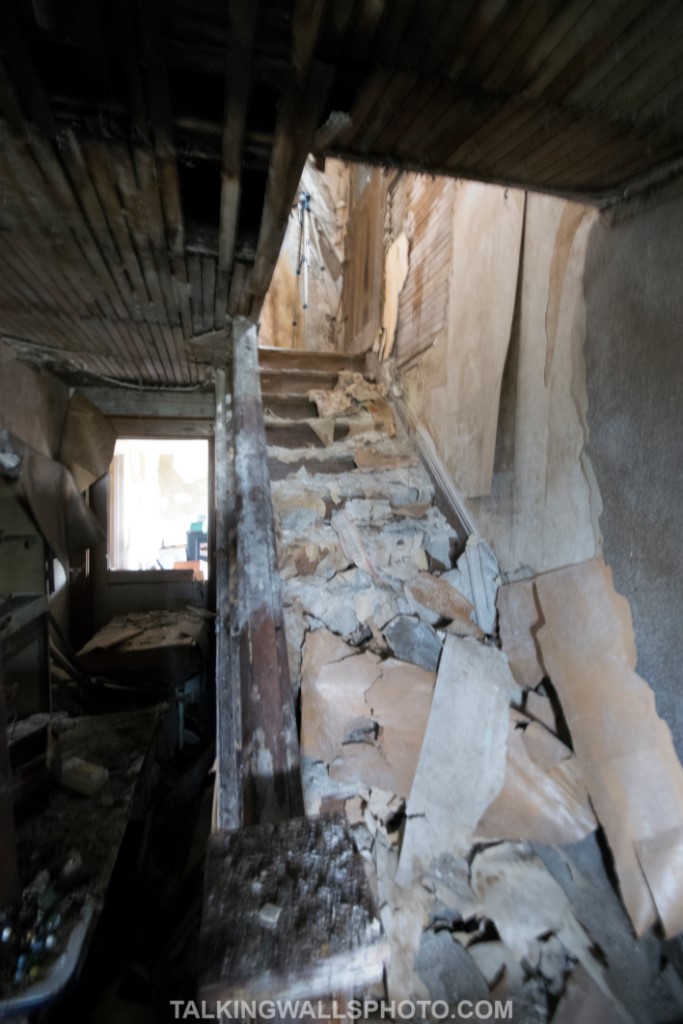
The stairs leading up to the side door had collapsed or been removed, and a support beam for the parking deck had snapped. There was very little left inside to see, except some tax return records. The owner of this house was Gilles Methe, who was born in 1947. I don’t know if he’s still alive.

The spray painted messages have been removed from the front of the house, which I could understand a neighbour doing. It was an eyesore.

A neighbour tells me, “The owner lost grip with reality and chased a car weilding an axe, as they used his driveway to turn around. The neighbour across the road is Diane and he would stand at the end of his driveway and yell at her as she tried to weed her garden. The whole ordeal occurred over the course of 8 months. He has been under strict observation for several years since.”

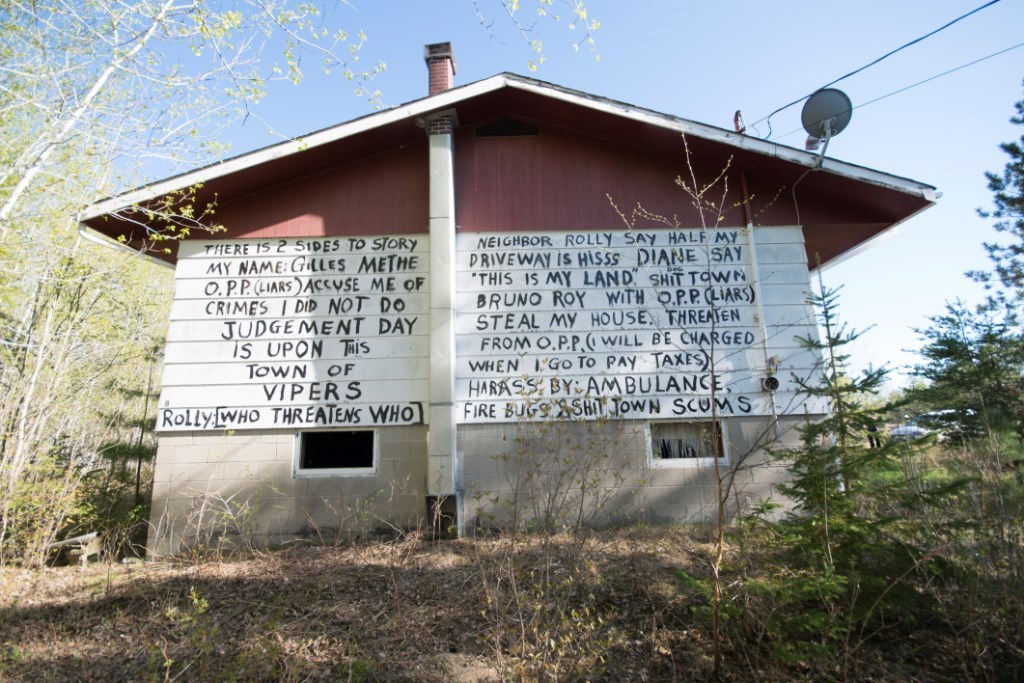
The painted message on the left side of the house:

There is 2 sides to story. My name: Gilles Methe. OPP (liars) accuse me of crimes I did not do. Judgement day is upon this town of vipers. Rolly [who threatens who] Neighbour Rolly says half my driveway is hisss. Diane say ‘this is my land’. Shit town Bruno Roy with O.P.P. (liars) steal my house threaten from O.P.P. (I will be charged when I go to pay taxes). Harass by ambulance, fire bugs and shit town scums.
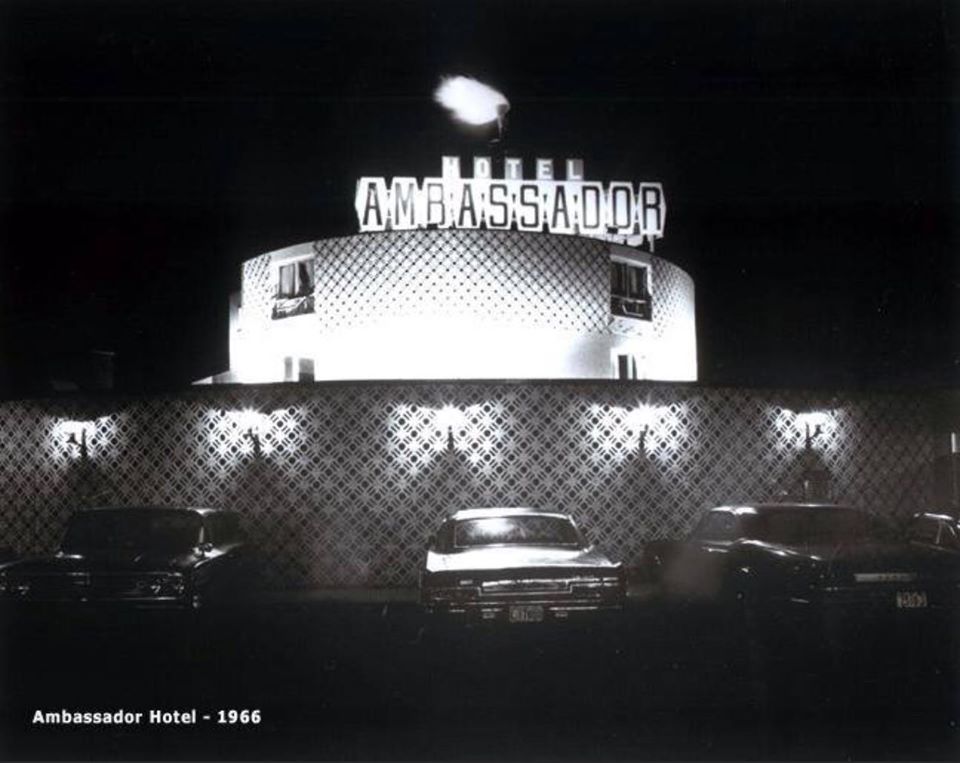
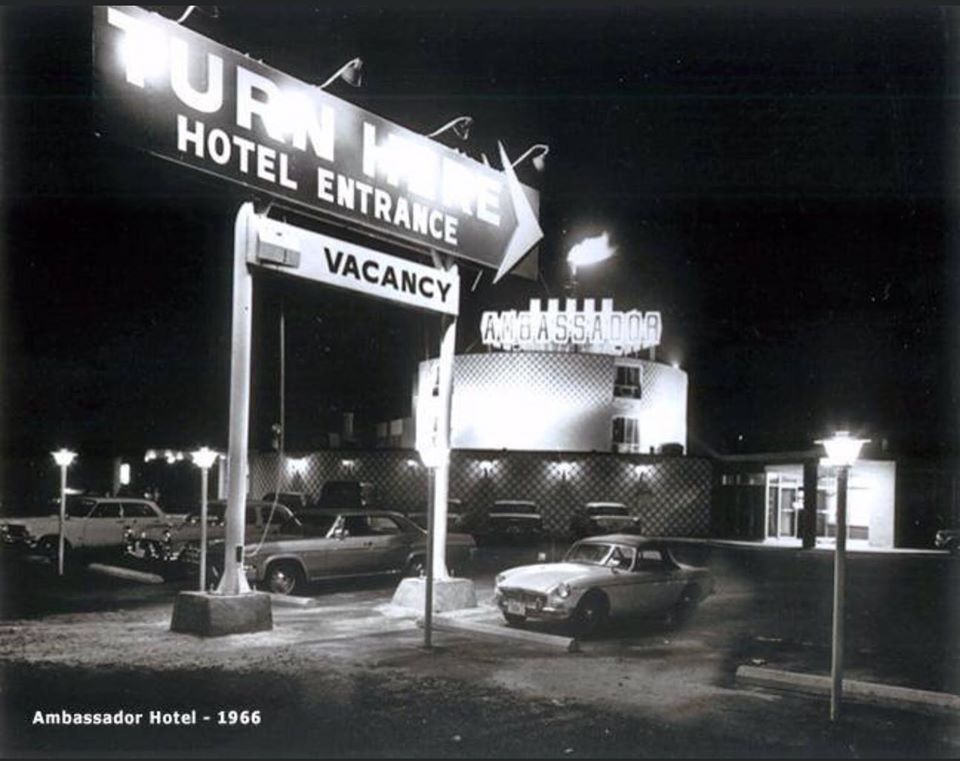
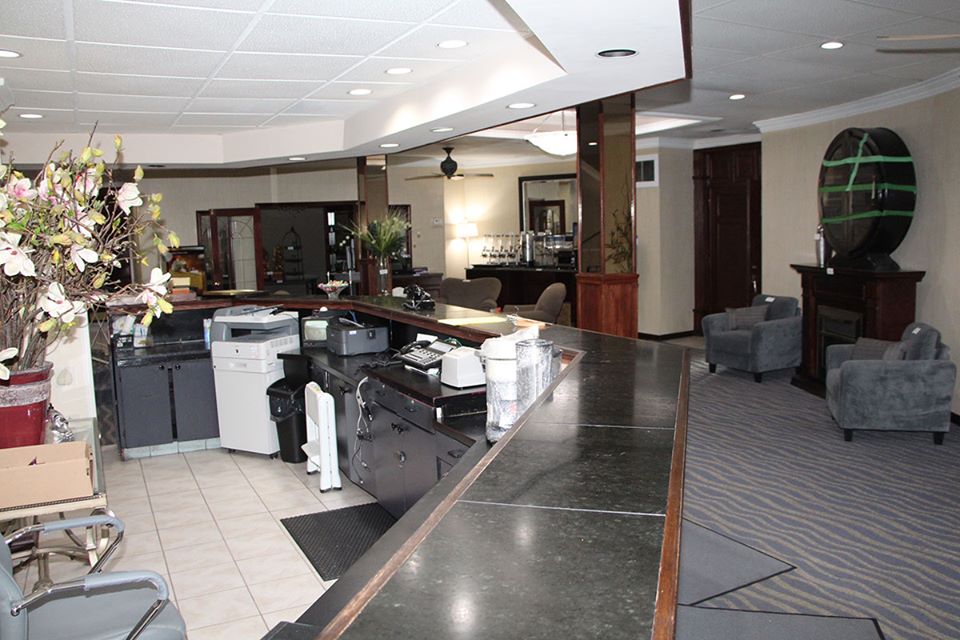
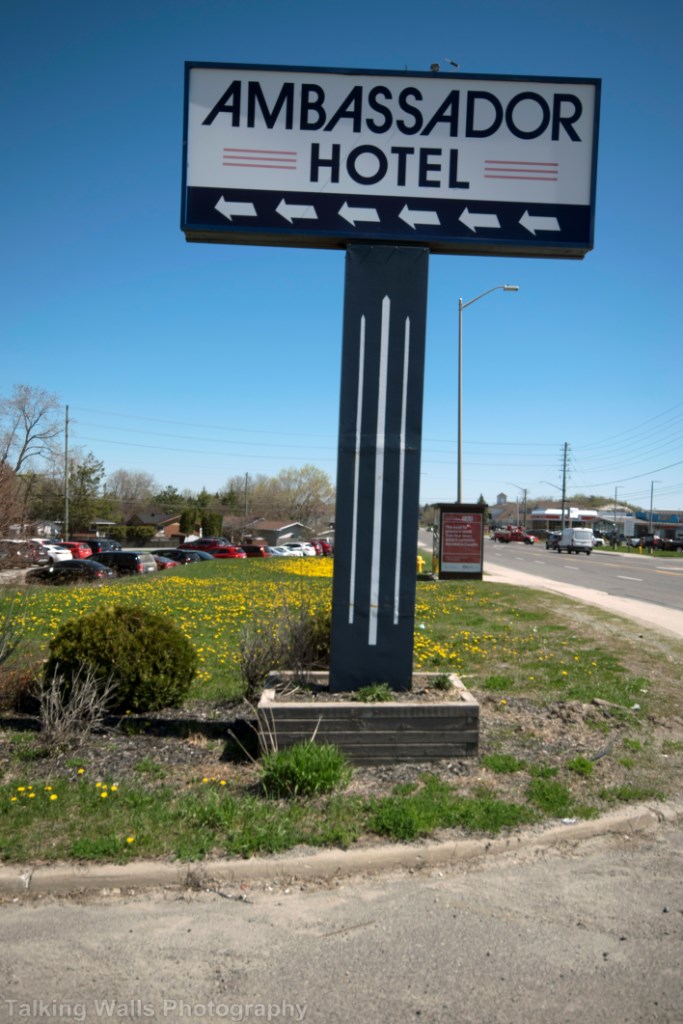
The Ambassador Hotel and Ten Lounge in Sudbury

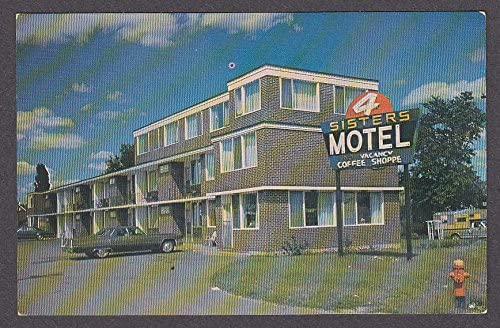
On March 8, 1968, four sisters from the Ceppetelli family from the subdivision of Gatchell (Sudbury) purchased property located at the corner of Falconbridge Road and The Kingsway. The Ceppetelli sisters were already experienced in hotel management. They were owners of a Lorne Street hotel by the name of The Four Sisters Motel, a business still in operation to this day.

Four Sisters Motel Sudbury Postcard

The sisters opened up a new business venture under the name of The Ambassador Hotel. The hotel’s location was ideal. Situated at the corner of the Kingsway and Falconbridge Road, it would be one of the first hotels that visitors arriving to Sudbury from Highway 17 would see. The close proximity to the airport was another selling point for guests to stay at The Ambassador Hotel.

The hotel was also close to tourist attractions such as Dynamic Earth, Science North, Laurentian University, Bell Park and the city’s two colleges.

(Discrepancy: The year of the photos is marked as 1966 while the year of opening is said to be 1968)

The two floor Ambassador hotel had a capacity of 45 rooms. The rooms featured air conditioning, wireless internet and guests had access to concierge service. The upstairs restaurant also offered food for take-out to eat in your room.
Carol, one of the four sisters, married Bill Czerwinec. Another of the sisters, Norma, married a man named Richard. The nephew of one of the sisters, Michael Clement, was the general operating manager. Michael’s sister Laura Jeanne also worked in the hotel. It could very well be that Norma was the owner and namesake of Norma Jean’s.
Approximately 50 people were employed at the hotel which generated approximately $8.45 million annually (1).
Wedding Planning Service

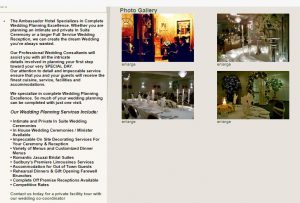
The Ambassador Hotel offered their own wedding planning service. The service included offering a decorated hall, an officiating Minister, customized dinner menus, Jacuzzi Bridal suites, limo service and rehearsal dinners. For the gift opening ceremony, a brunch meal was available. The bride and groom could host their wedding at The Ambassador without worry about how guests would get back to their hotels.

Ambassador Hotel wedding planning screenshot


Business Suites

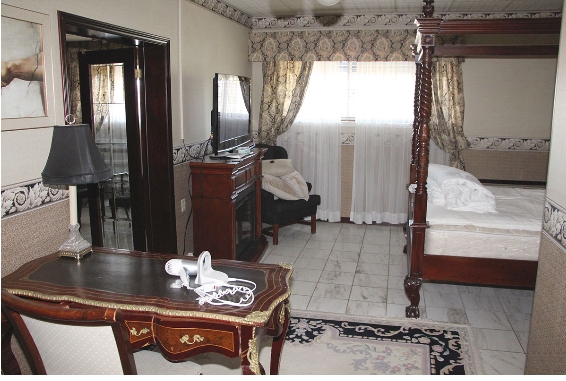
For guests attending on business, The Ambassador offered Executive Suites. The Executive Suites featured a clock radio, coffee maker, large cable television, work desk, national newspapers, Wi-Fi, in-room refrigerator. 

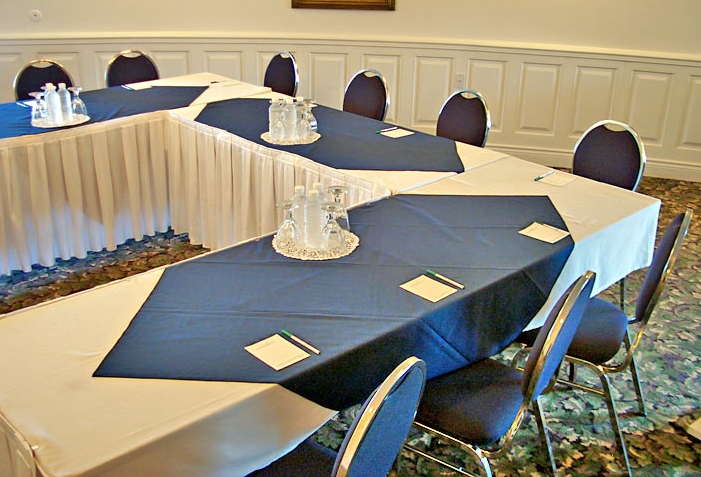
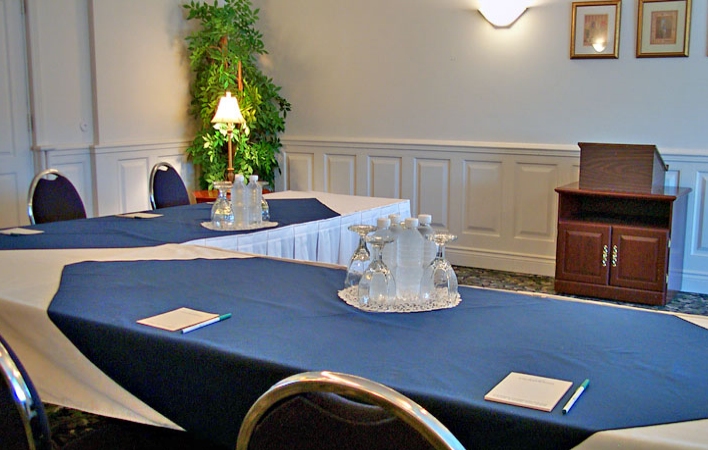
Depending on the size of your business meetings, there were three rooms available: The Empress Room allowed for up to 200 people. For smaller business meetings, the Summit Room could fit up to 40 people and the Executive Boardroom could fit 10 people comfortably. The rooms offered audio/visual equipment and internet access. A Conference Coordinator would handle customizing food and drink menus for the attendees, including dinner.

That was then…

Pool / Exercise Area

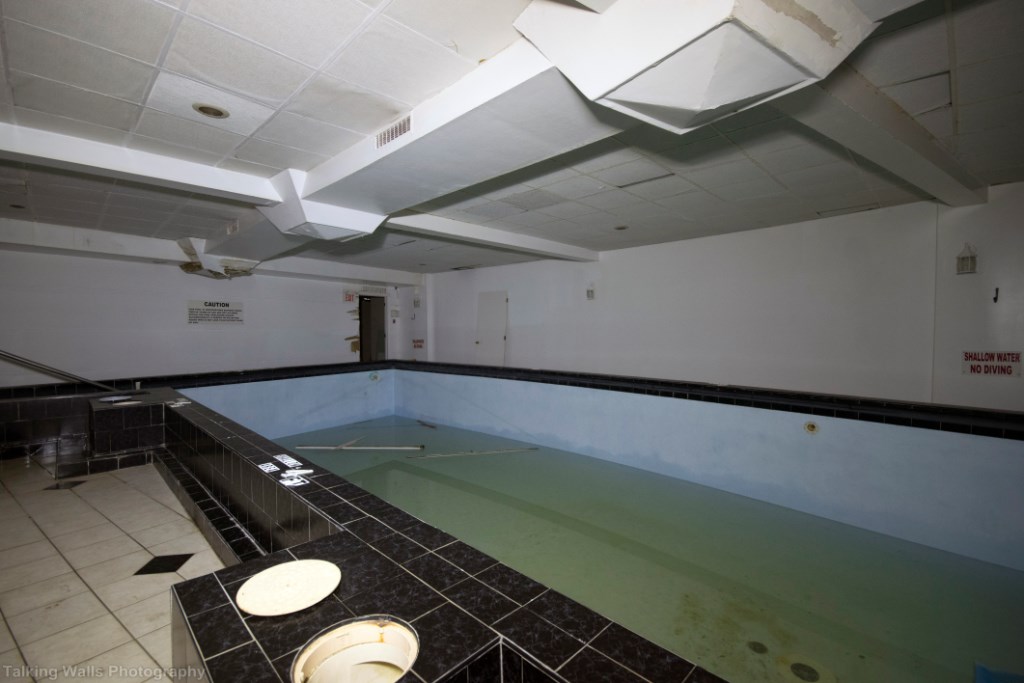
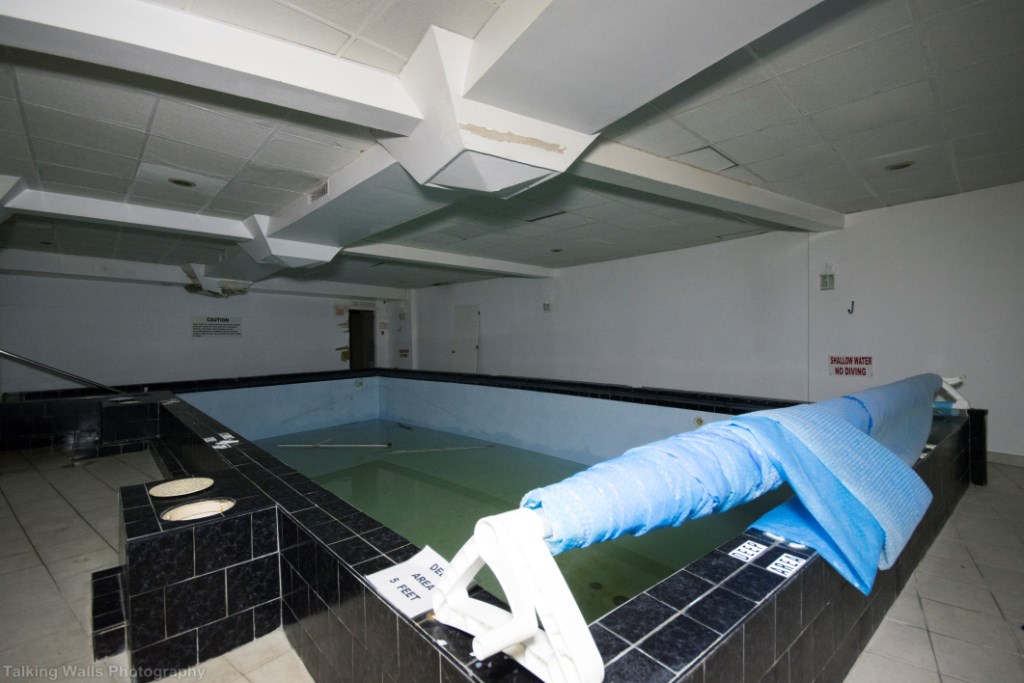
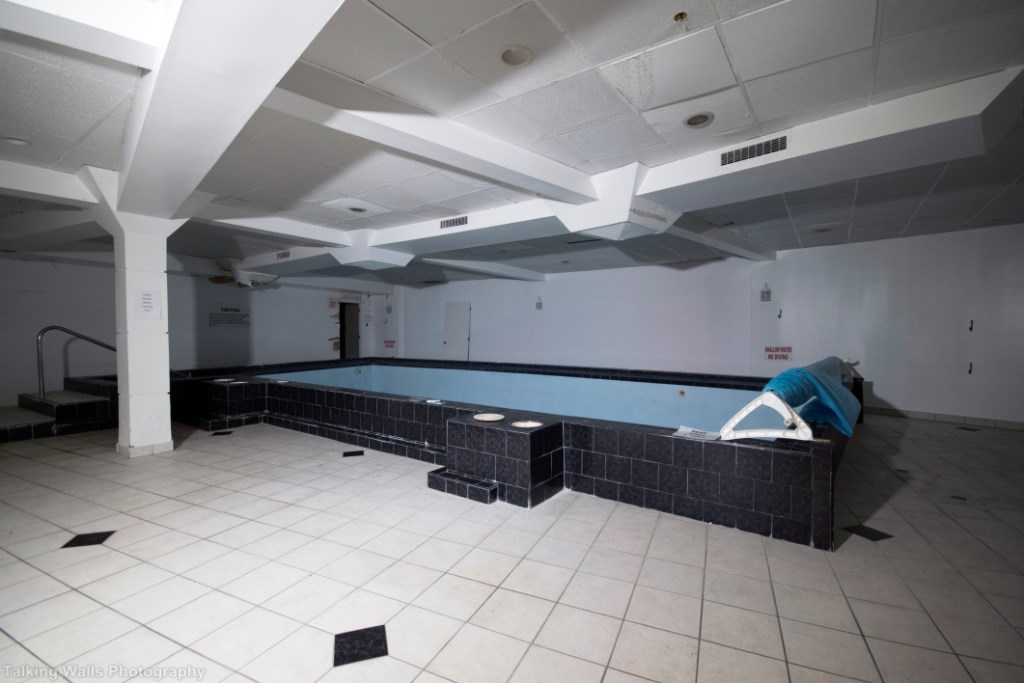
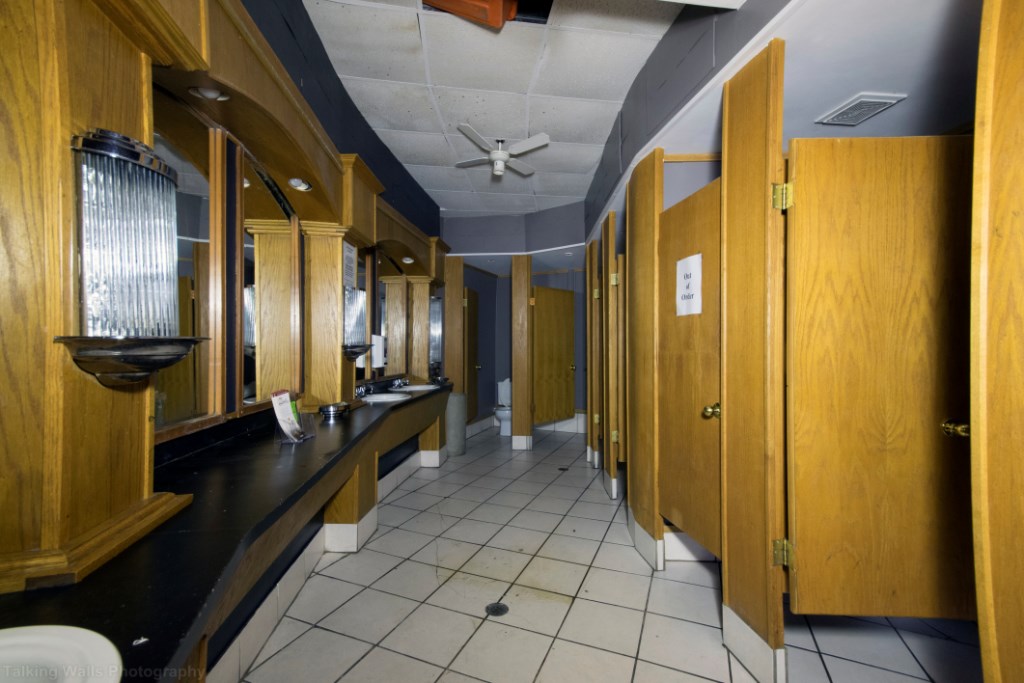
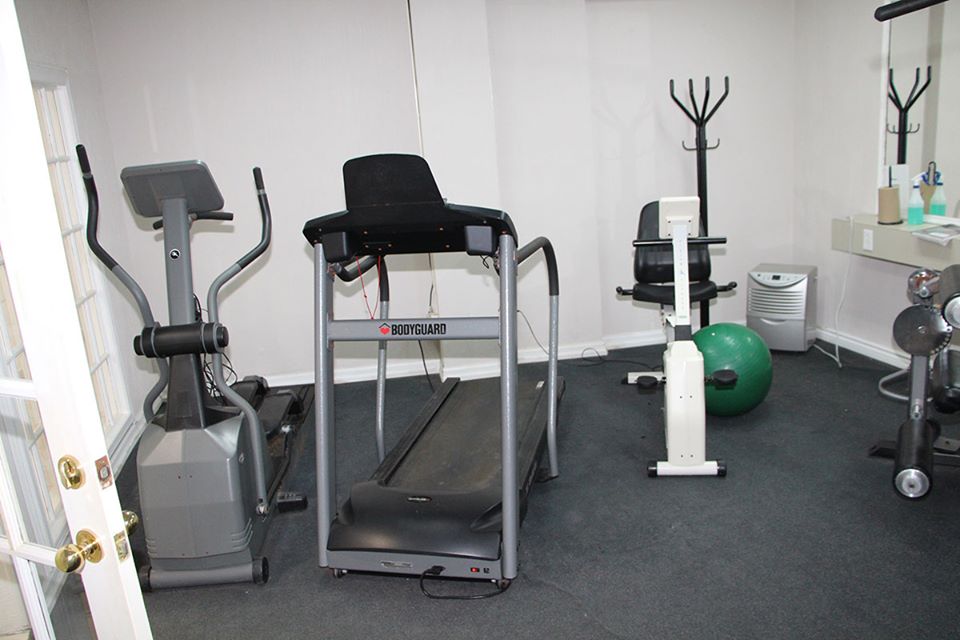
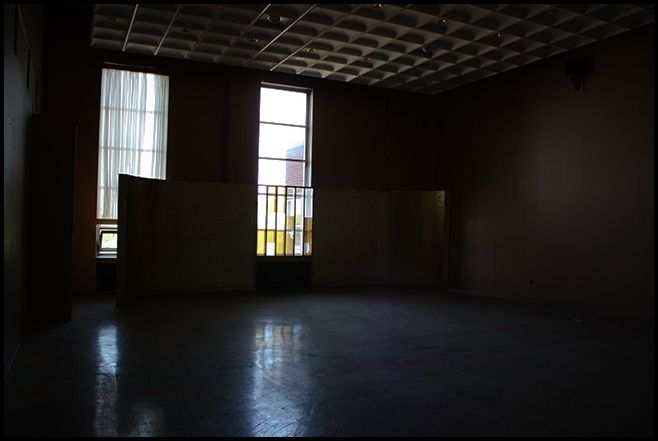
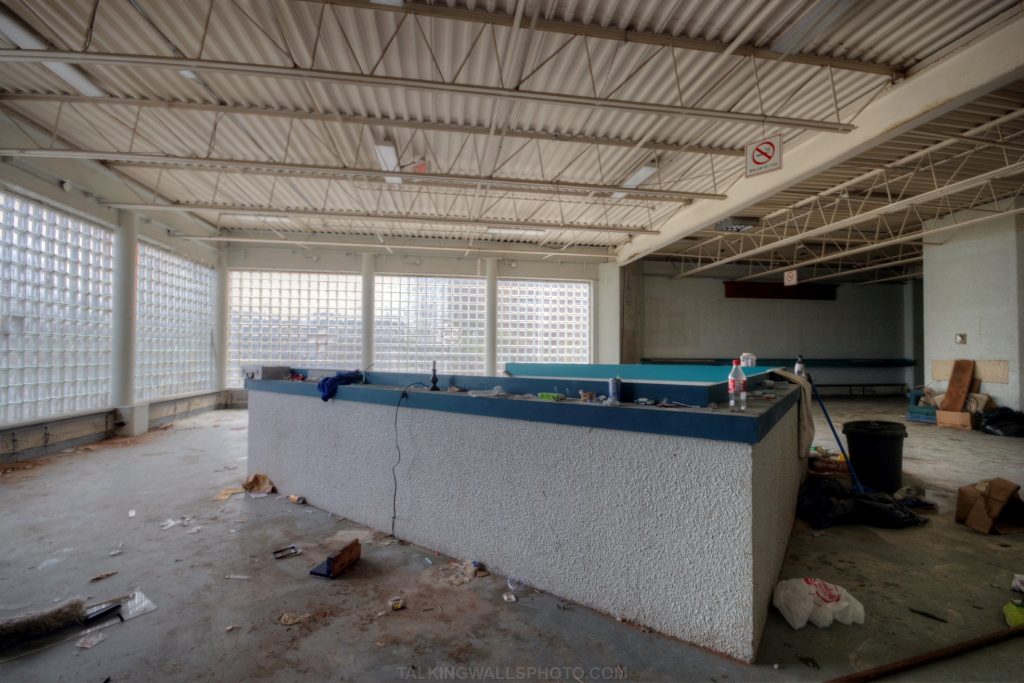
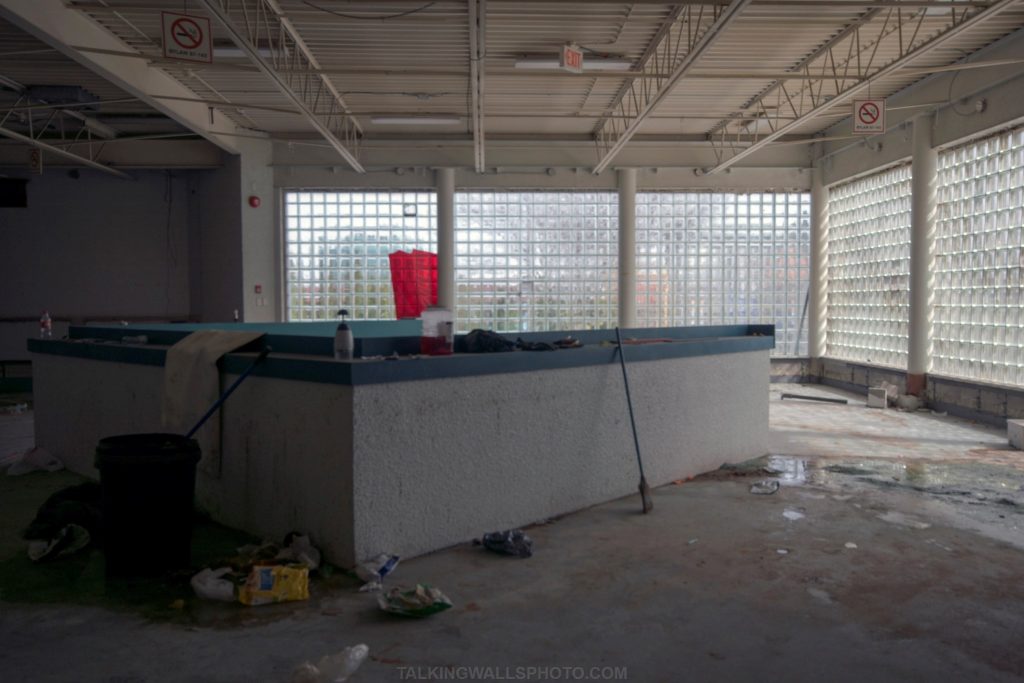
The lower floors of the Ambassador contained the indoor pool, spa and exercise room. These rooms were completely dark, the power having been cut long ago. A somewhat rare feature was the childcare area where children could be cared for by staff, while guests used the exercise room or pool.


Laura Fratelli’s Italian Eatery

In 1982 the upstairs portion of the Ambassador had its own restaurant by the name of Bogarts.

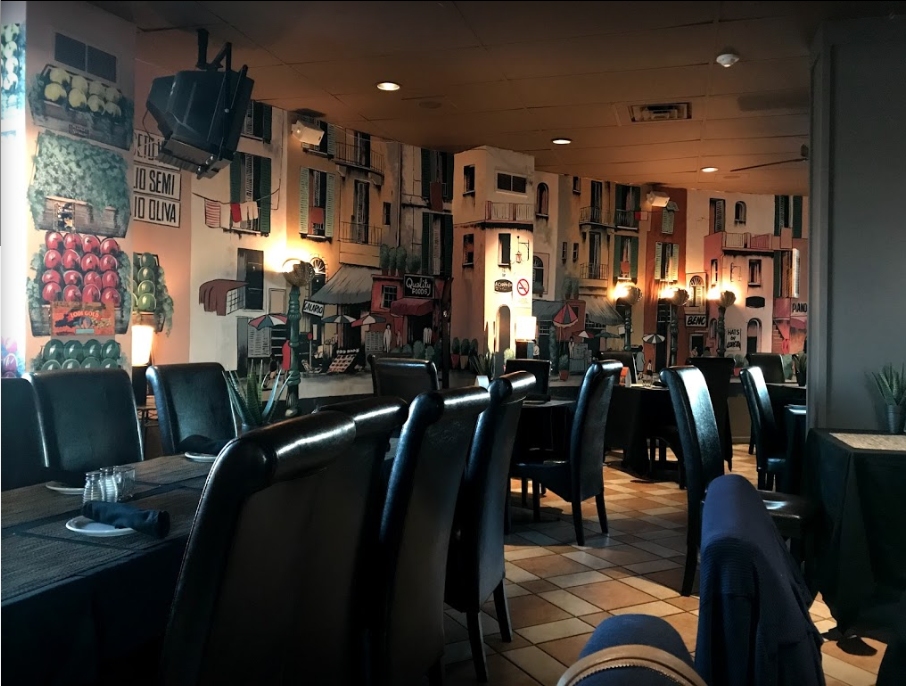
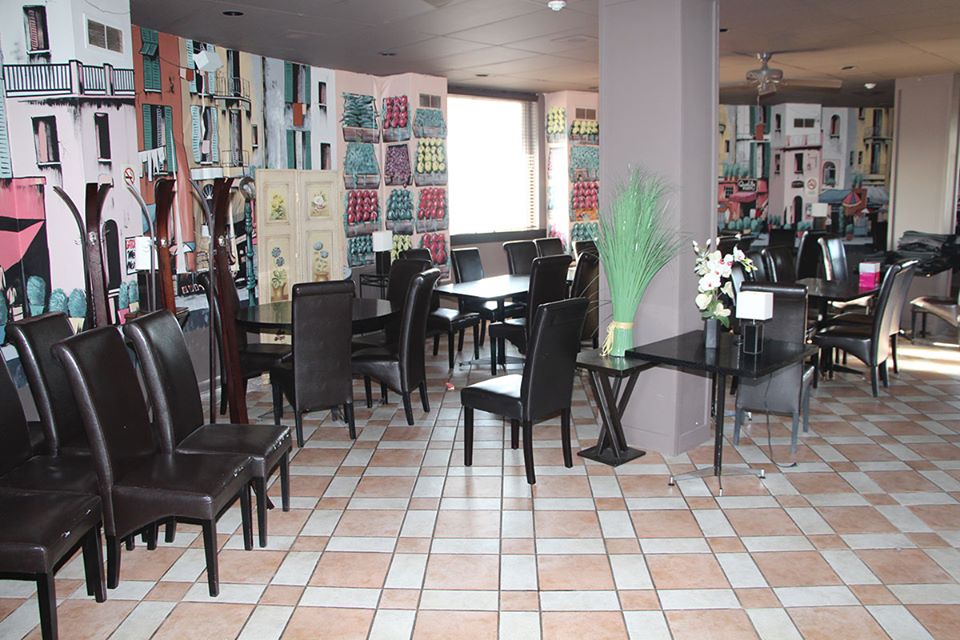
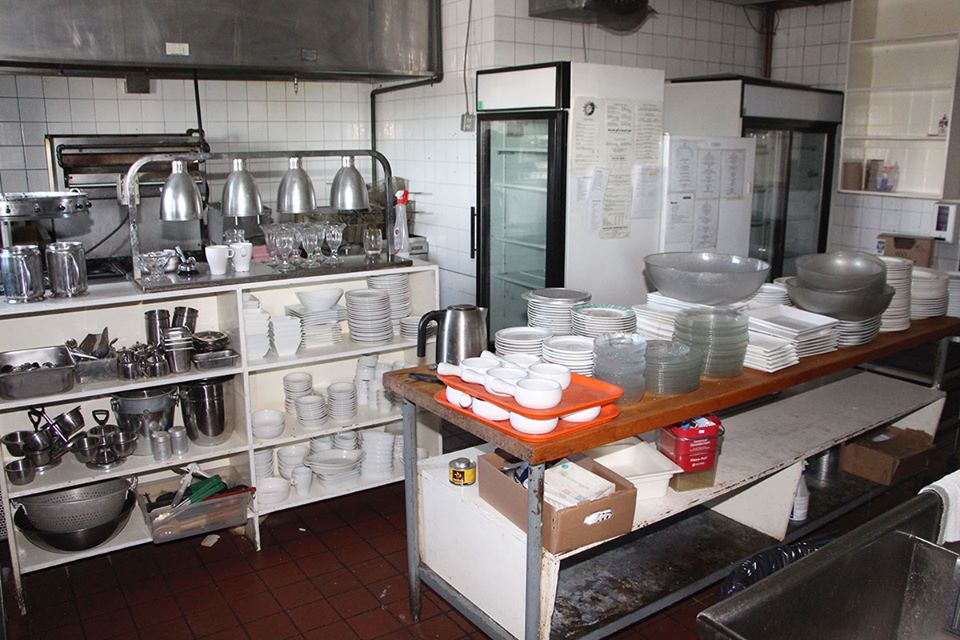
Bogarts was eventually replaced with Laura Fratelli’s Italian Eatery. Laura Fratelli’s offered baby back ribs, gourmet pasta dishes, and an extensive collection of wines, rotisserie chicken and Canadian AAA beef. Guests staying in the Ambassador didn’t have to leave the hotel to go for dinner. The prices of course were somewhat higher than other restaurants in the area. Online reviews for Laura’s were favourable with a 4.7 out of 5 star rating.

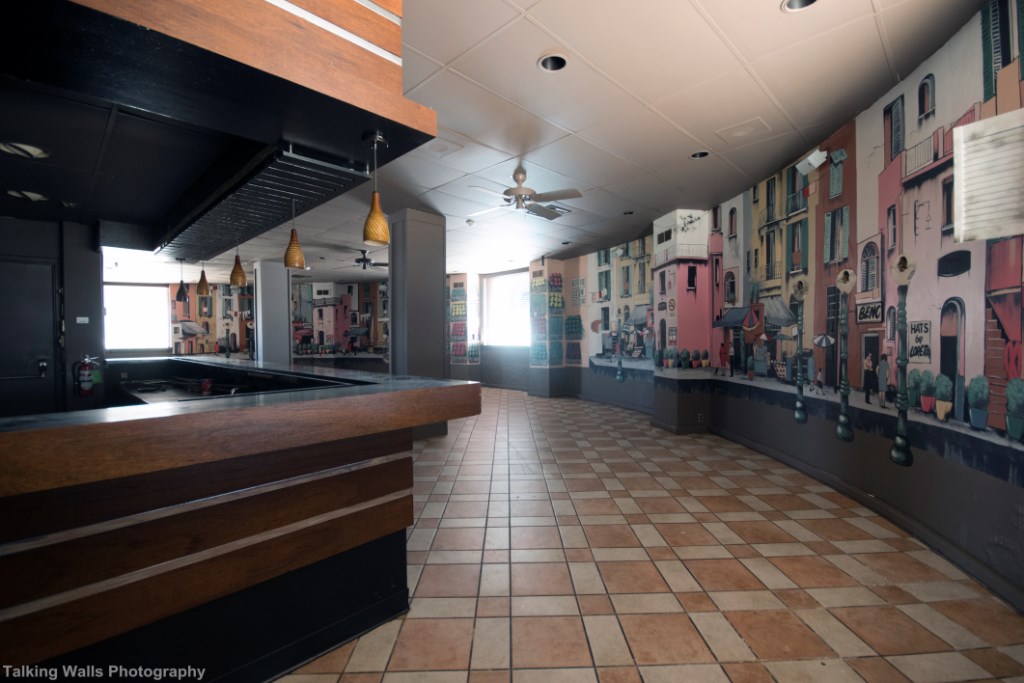
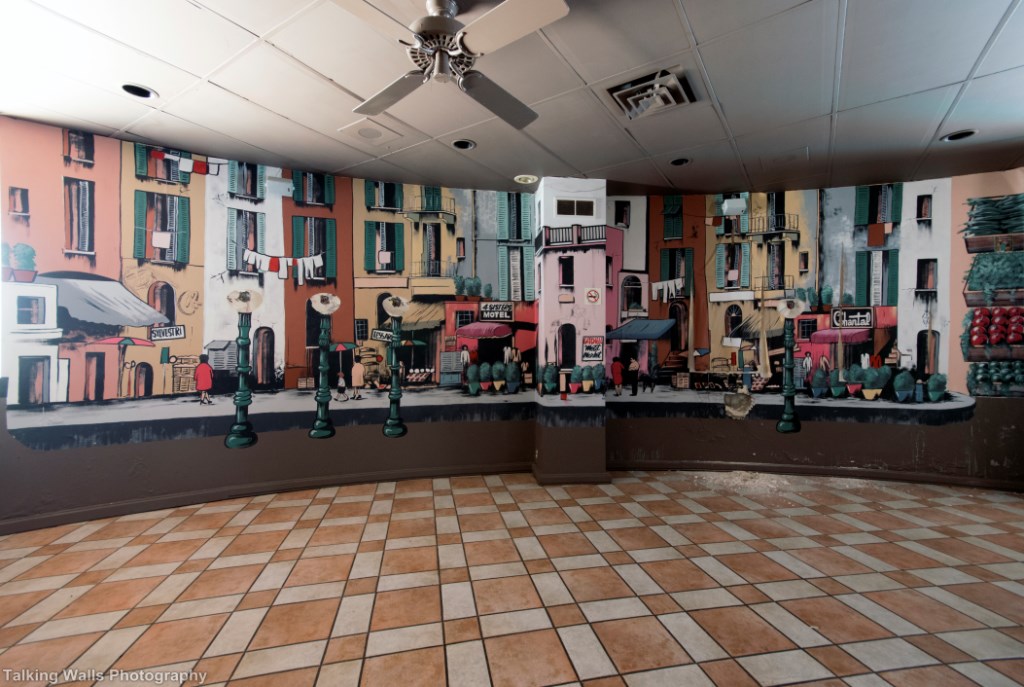
The restaurant featured a large wall mural of Little Italy (an area of nearby Copper Cliff) painted by Sudbury artist Bob Hastings (who passed away May 11, 2020).

That was then…


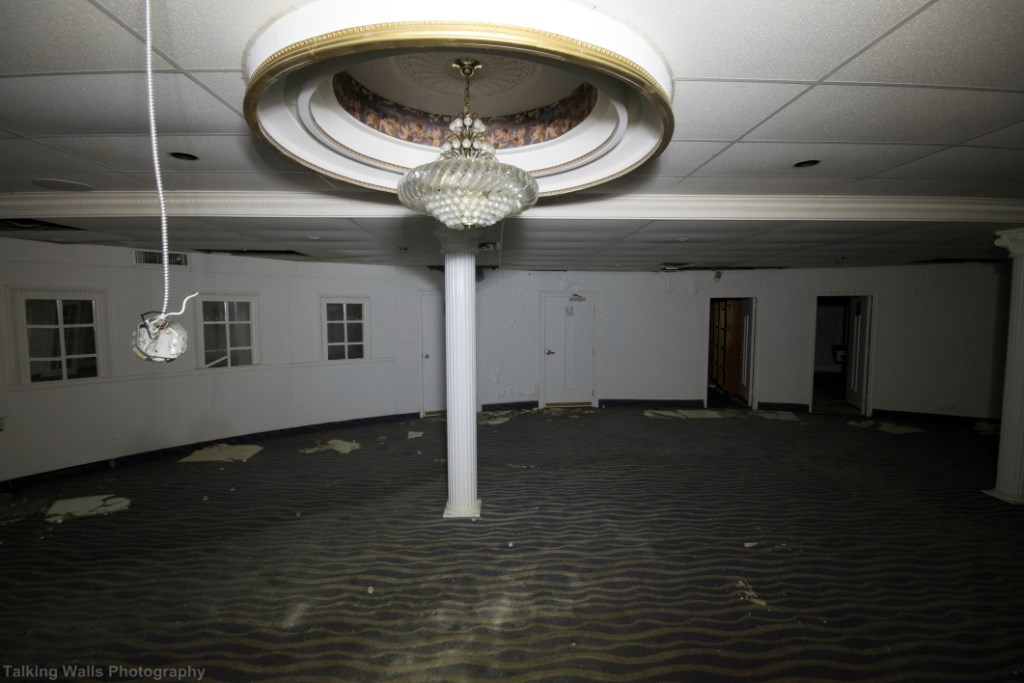
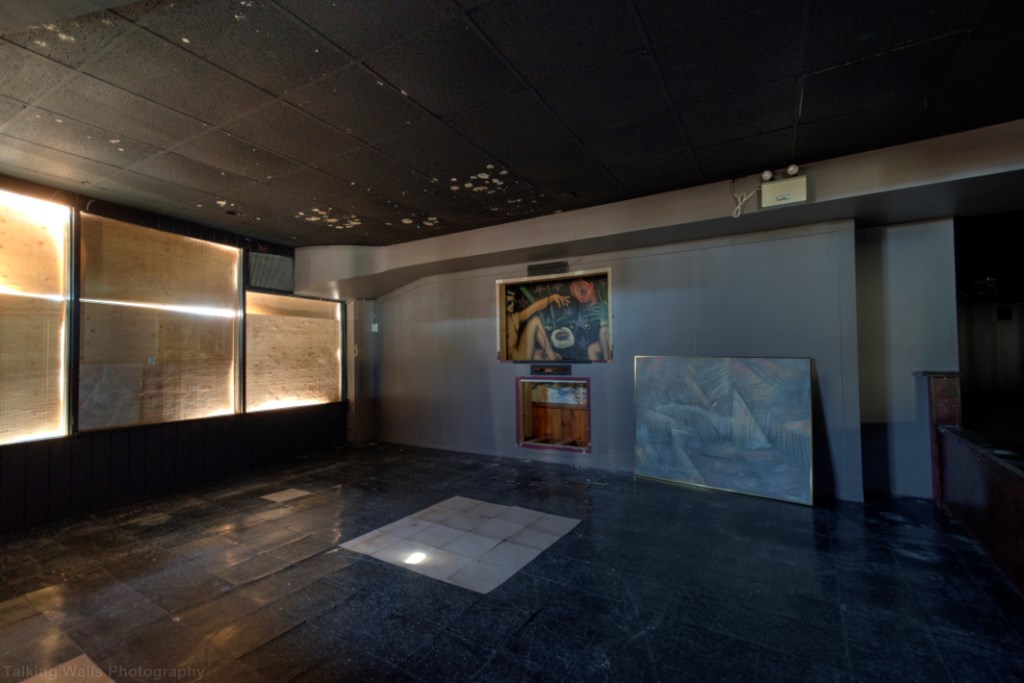
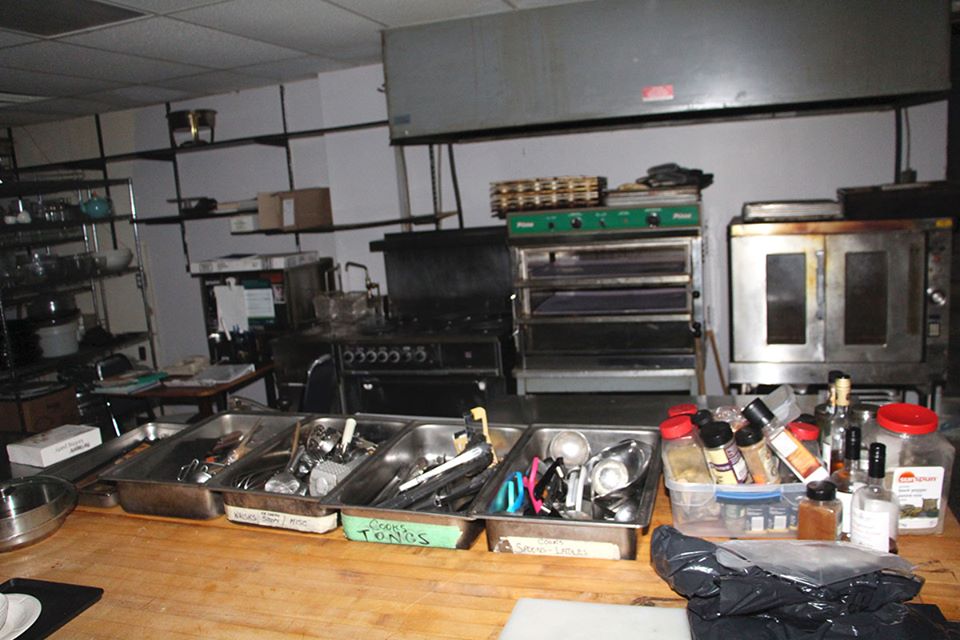
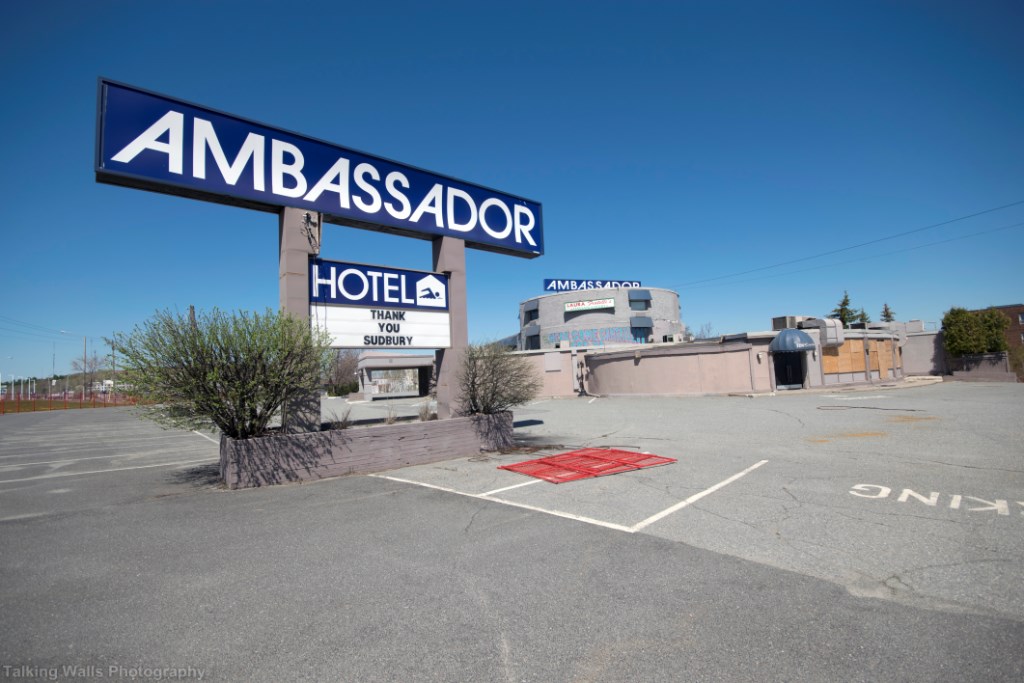
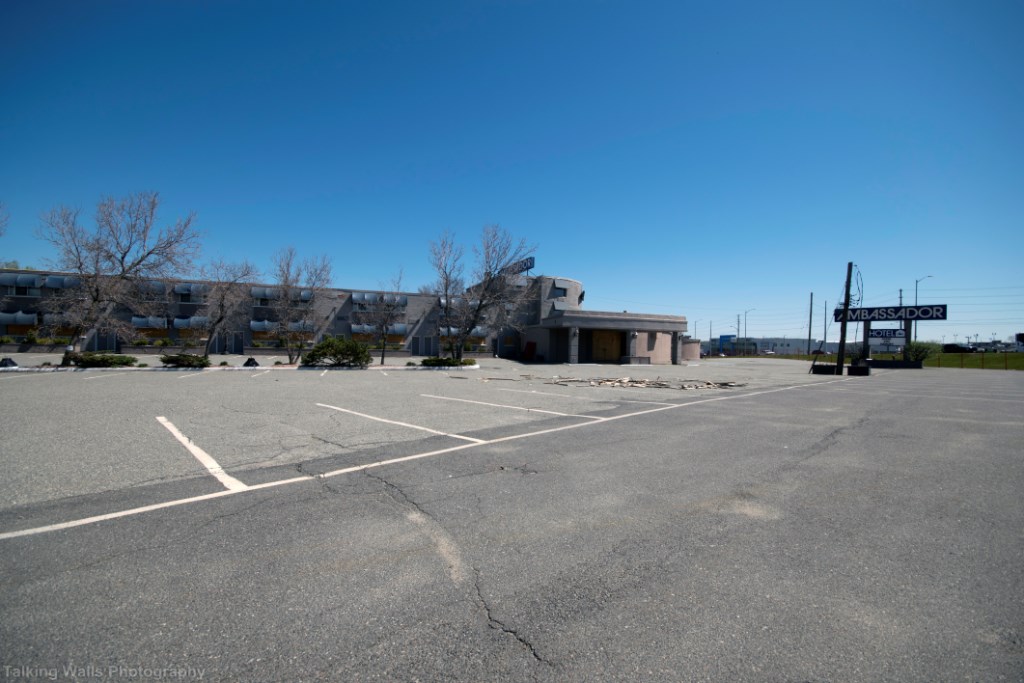
This is now. My photos taken in 2020 after Laura Fratelli’s closed:

Various Nightclubs

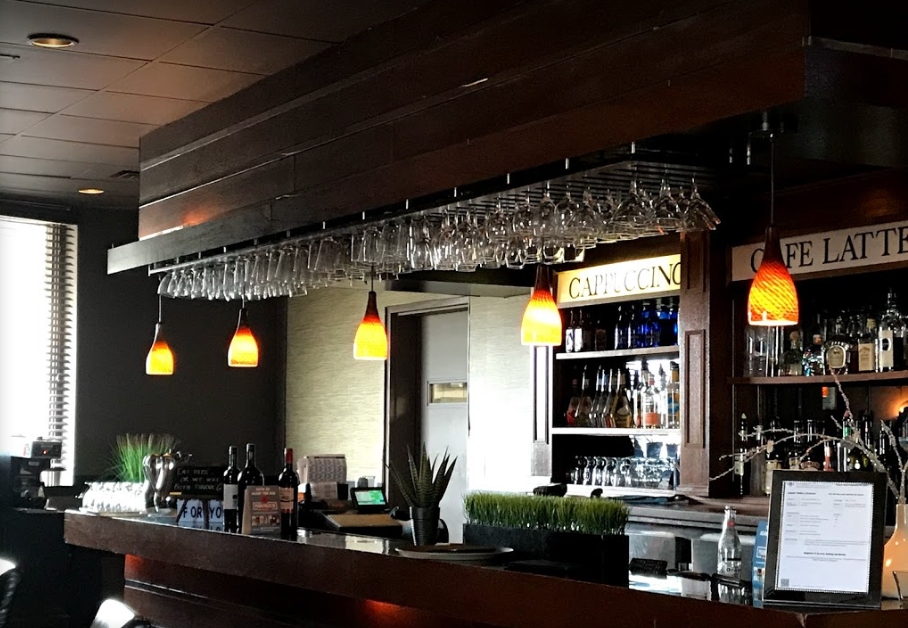
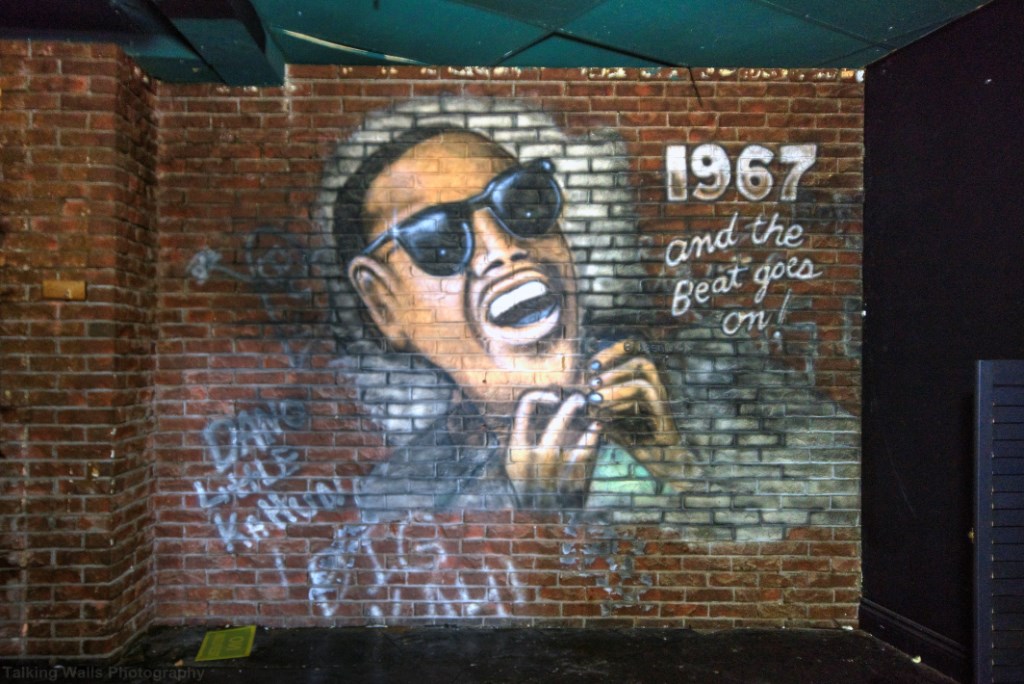
An added attraction to the Ambassador Hotel was the nightclub that operated in the eastern wing of the hotel. The nightclub saw a series of name changes over the year including: Big Al’s, Faces, Norma Jeans, Yesterdaze and Chevies.

Decades ago the hotel had two bars. One was the “Ladies and Escorts” for the women and a separate bar for the gentlemen with draught beer costing .25 cents.

Please correct me if you can help with the time-frames below. The following bars operated from the Ambassador:

Big Al’s (1980s)
Norma Jeans (late 1980s)
Yesterdaze Lounge (1990’s to 2004)
Ten Lounge (2007-2019)

During the 1980s, Big Al’s attracted rock-and-roll acts such as Lee Aaron, Killer Dwarfs, Helix, and Kickaxe. One former audience member recalled a time when one act came up on stage and the singer was quite intoxicated. He made it half way through the first song and ended up falling into the amplifiers. He then tried to fight the bouncers as they carried him out.

I’ve often wondered how the hotel’s guests felt about having loud music and drunken people outside in the parking lot.

Carol’s husband, Bill (aka Mr. Shevies) was a part of The Ambassador management. He’s said to have been a good bartender, assisted in renovations during the Norma Jeans club and was a remarkable man who treated employees like his family. He has since passed away.

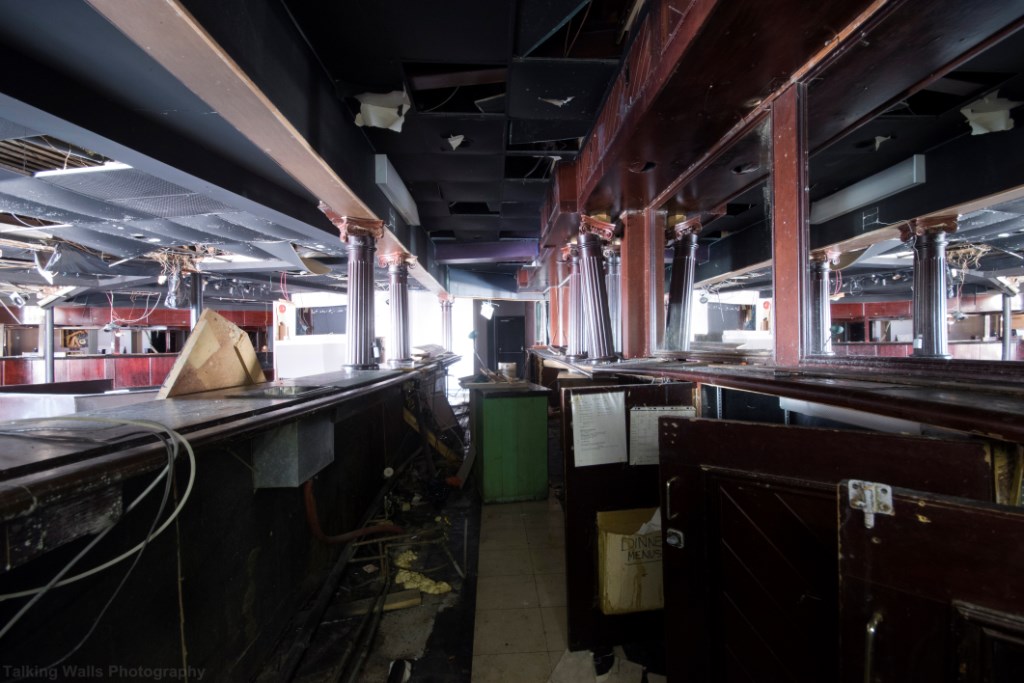
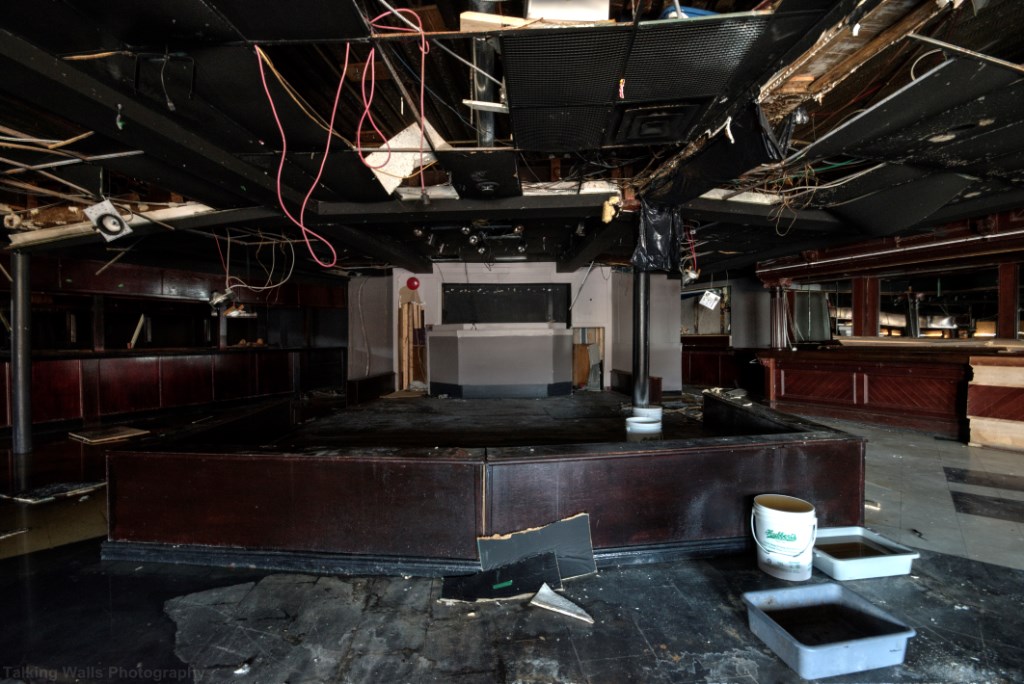
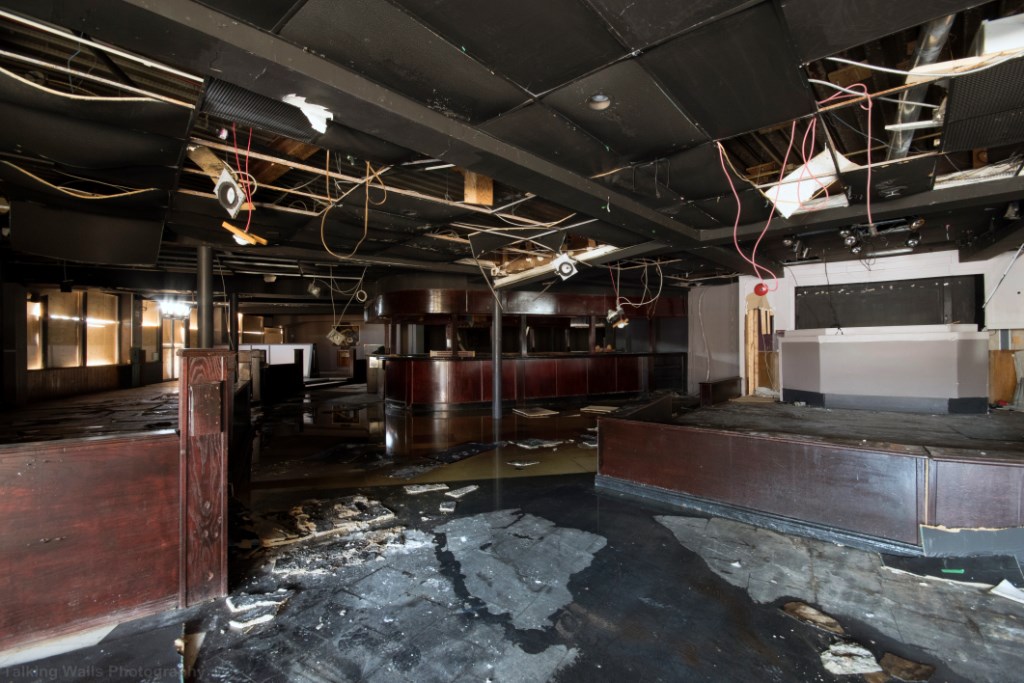
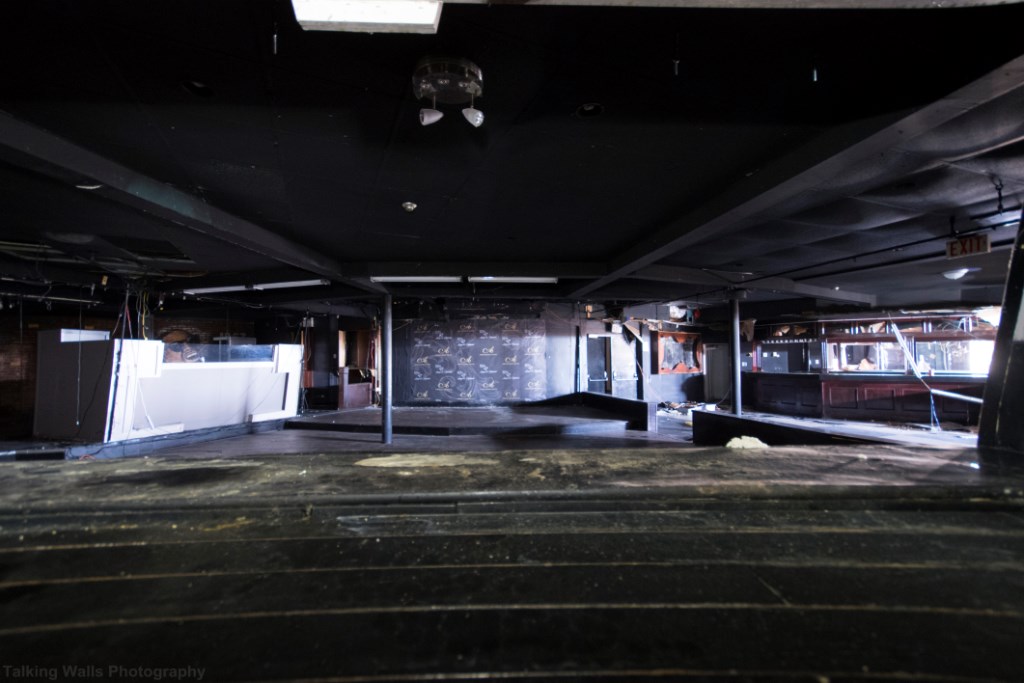
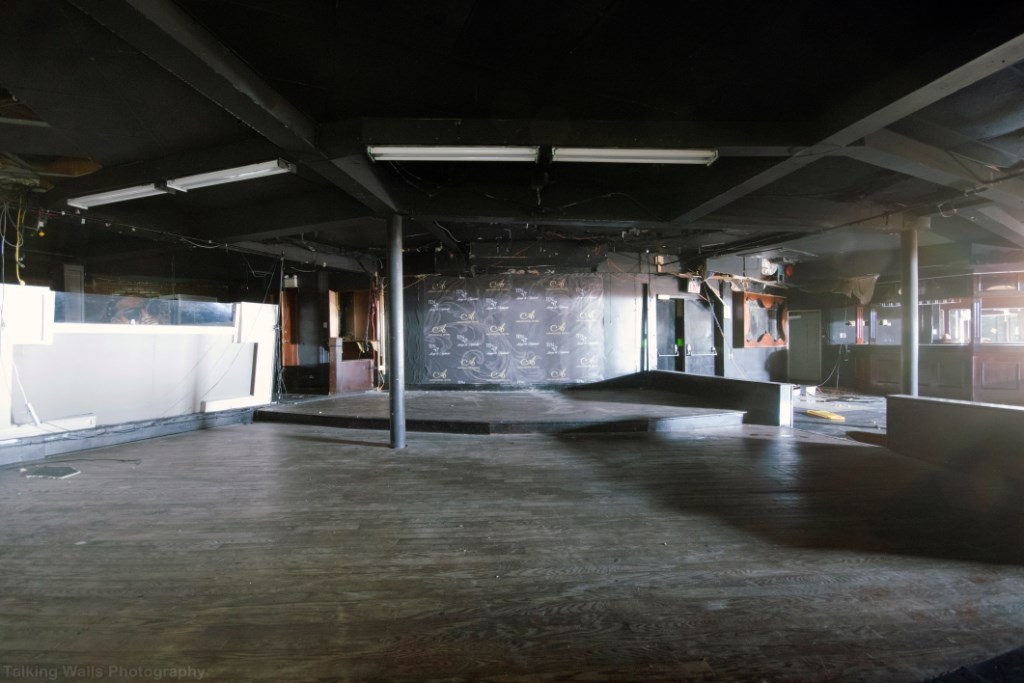
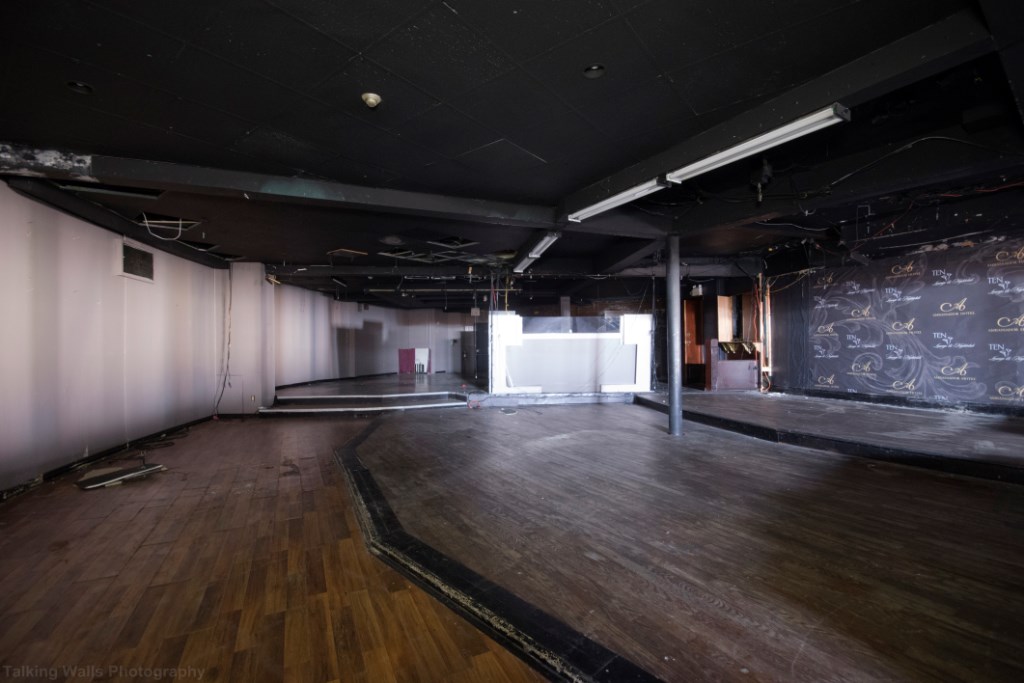
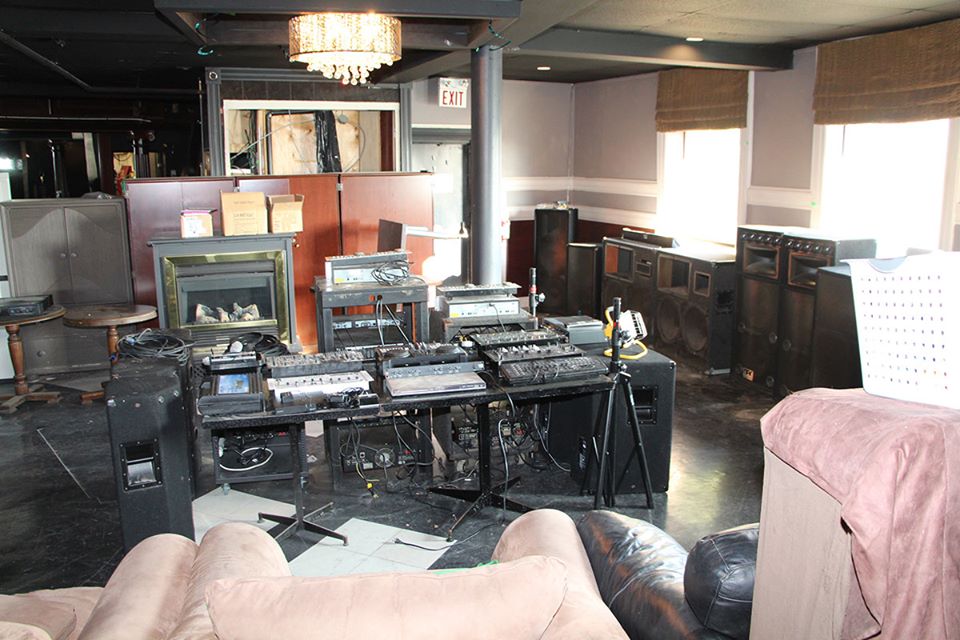
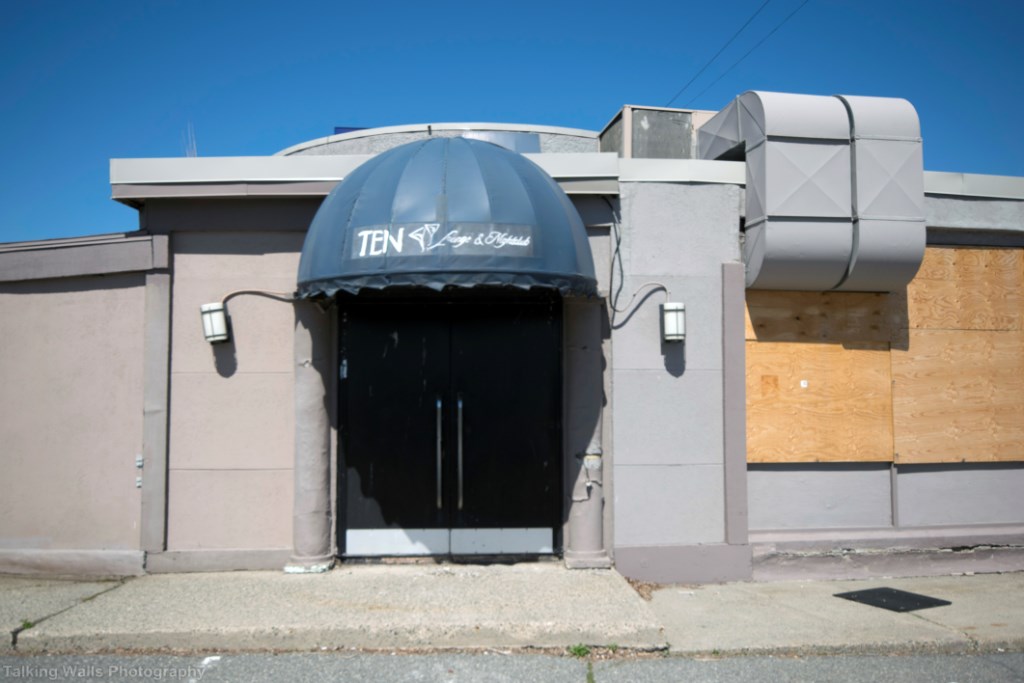
The last night club to operate out of The Ambassador was Ten Lounge and Nightclub.  The night club featured two dance floors, three full service bars and up to four DJ’s.

Popularity of the night club was, as most of Sudbury’s night life, based on complete randomness. I went there with some friends one Friday evening, to find under a dozen people inside. The doorman told us that if we came back the following night, there’d be a lineup to get inside. He was right. The club was packed to capacity. Attendees of the club were primarily in their early 20’s, and as much as it was a popular place to party, I always felt that I was too old even in my 30’s. We had the luxury to be on the ‘list’ which allowed us to bypass the lineup, because one of us knew the Clement’s family.

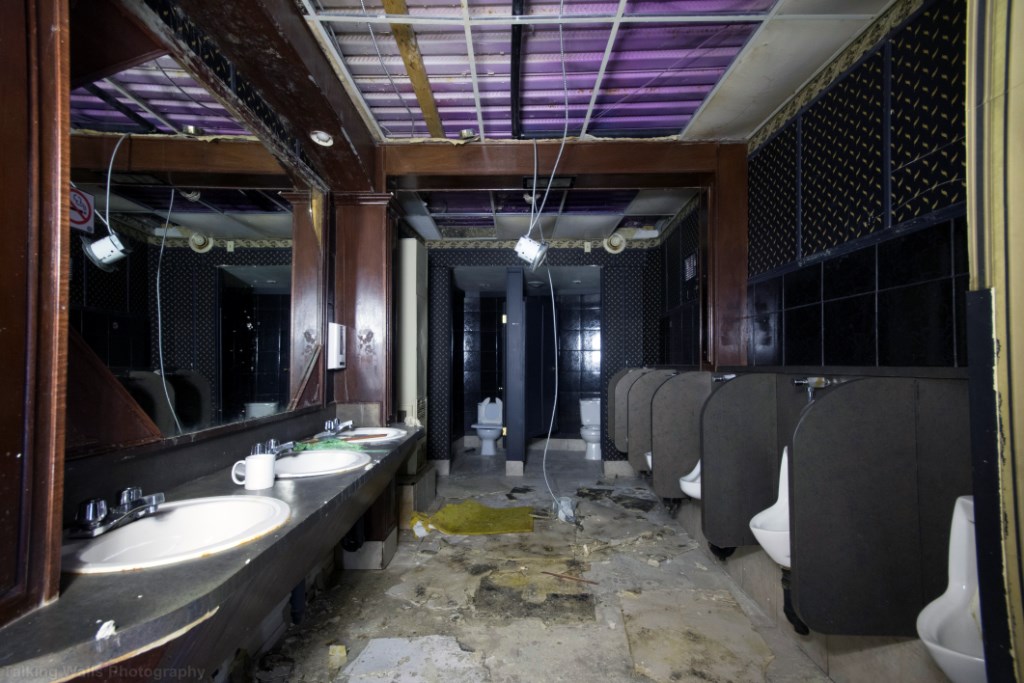
In the men’s washroom there would be a young fellow who’d have an assortment of men’s perfume lined up on the counter. When you’d go to wash your hands, he’d pull off a paper towel from the dispenser and hand it to you. People would tip him for using his services, such as using some of his colognes. I wasn’t fond of having someone touch a cloth that I was going to wipe my face with, some things I prefer to do on my own.

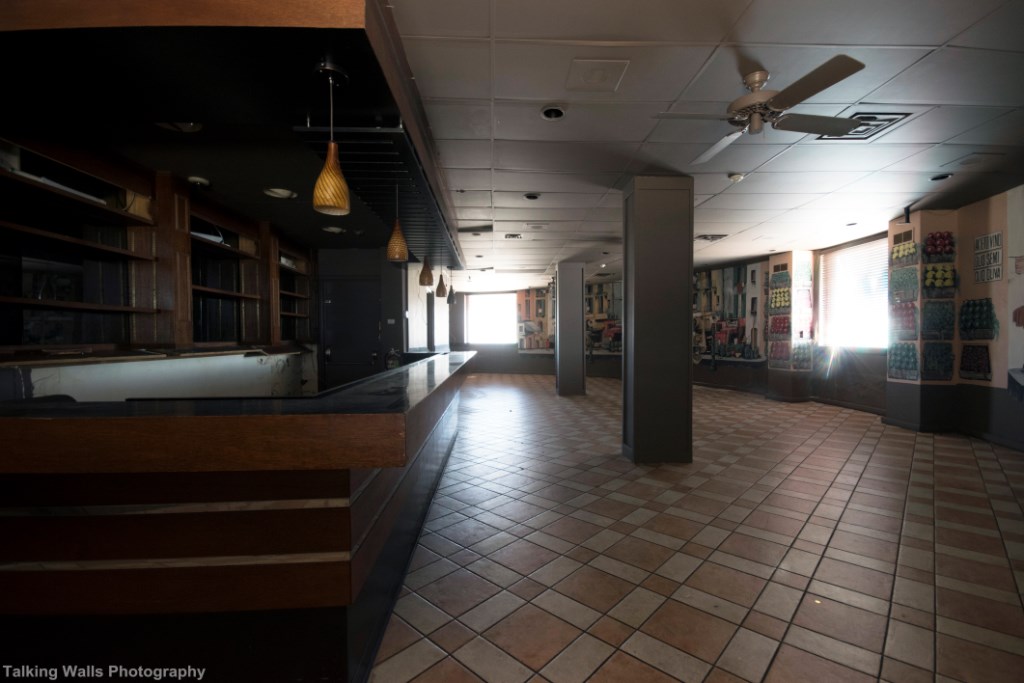
This is now… my photos from 2020:


Saying Goodbye

In 2019 the family announced that they’d received an offer to purchase the property and were subsequently ceasing business operations. August 26, 2019 marked the final day of business.

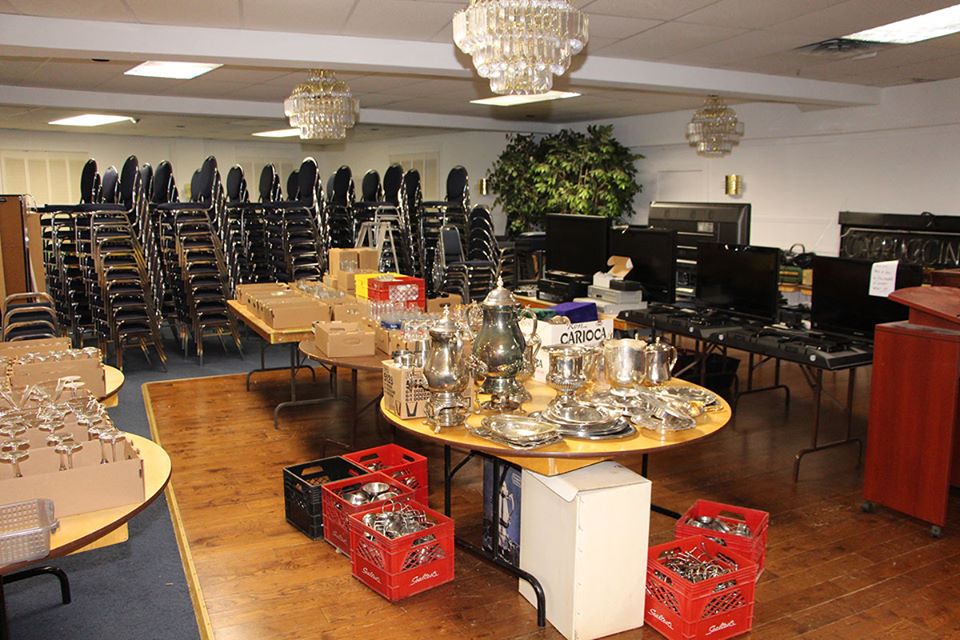
A Farewell party was held on September 20, 2019 at The Coulson to pay tribute to The Ambassador. Four days later an online auction was held to sell off the furniture and other assets inside the hotel. Leveredge Asset Solutions was hired to auction off more than 2,500 pieces of furniture, lamps, exercise equipment and more.

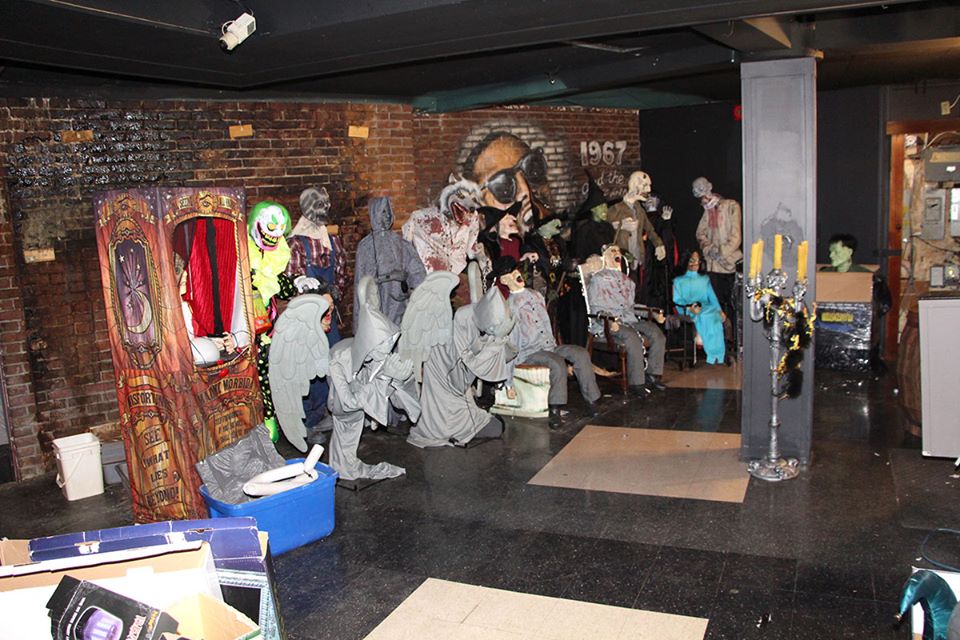
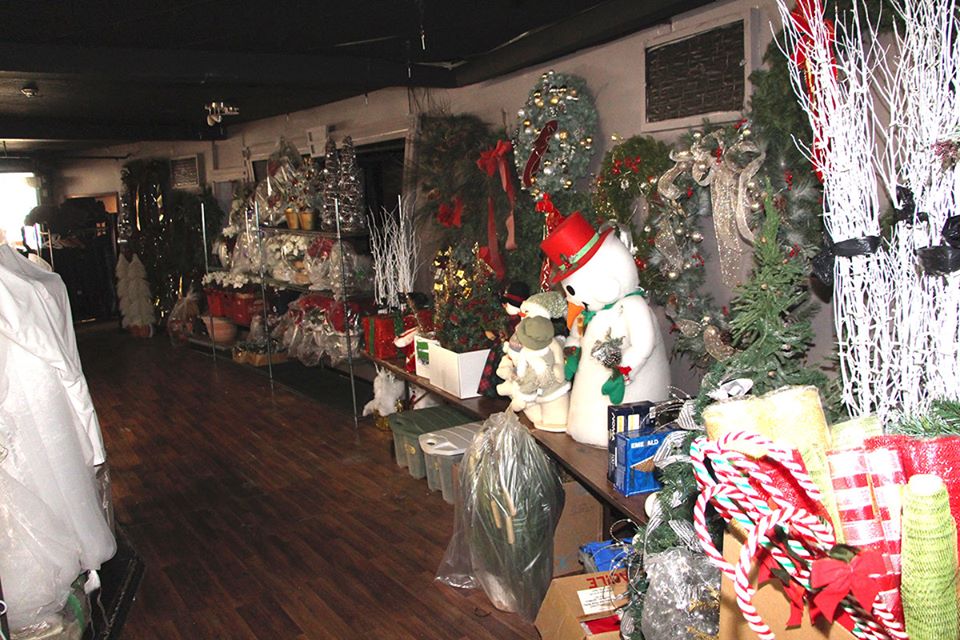
The following photos were taken from the Leveredge Asset Solutions Online auction page, showing some of the items available for auction. Items included Halloween werewolves, clowns, ghouls, witches, skeletons and Christmas decorations.

The Vancouver-based Sandman Hotel Group (yes, I thought of Metallica too) purchased the Ambassador Hotel. What plans they have for the former hotel are unknown at this time.

Photographs taken during my 2020 visit:

Our Visit

I had the opportunity to visit this abandoned(*) hotel in 2020. We arrived in Sudbury late one Thursday night and proceeded directly to the Ambassador to see if there was a way inside. To our amazement we were successful. We took a quick look around the pool area and then went for a late supper. We debated whether we should head back to take some photographs, unsure if the way inside would last until the next day.

Given my fatigue, I suggested we return the following morning. And so at approximately 9 am we arrived at The Ambassador. A man and a woman were walking the property and we overheard them mention something about having to repair the fallen demolition fence. I surmised that they were from Extendicare next door.

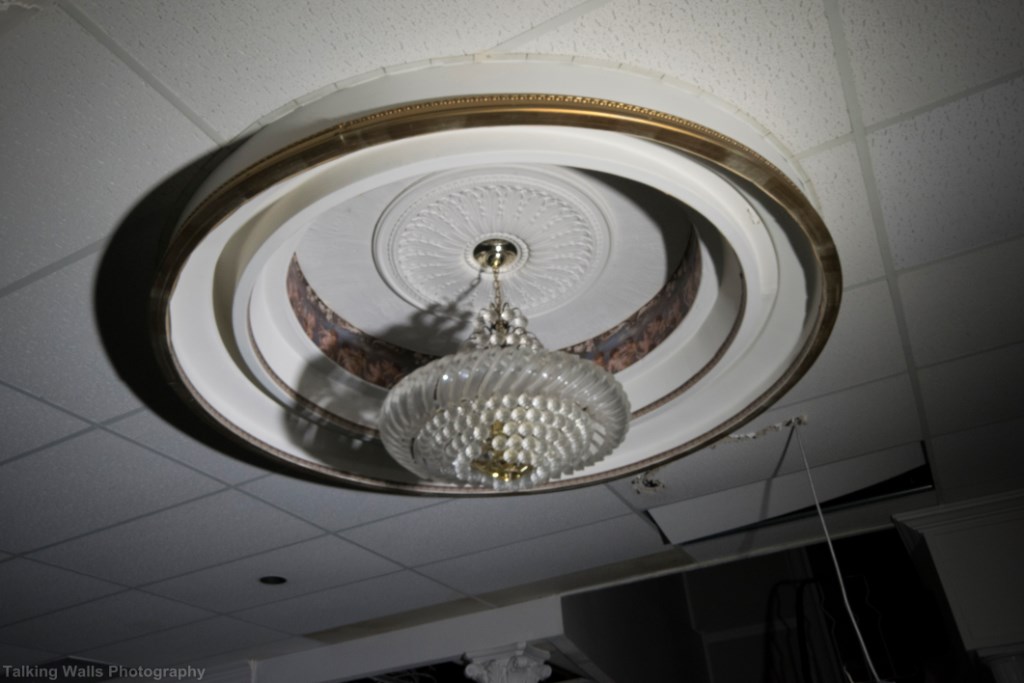
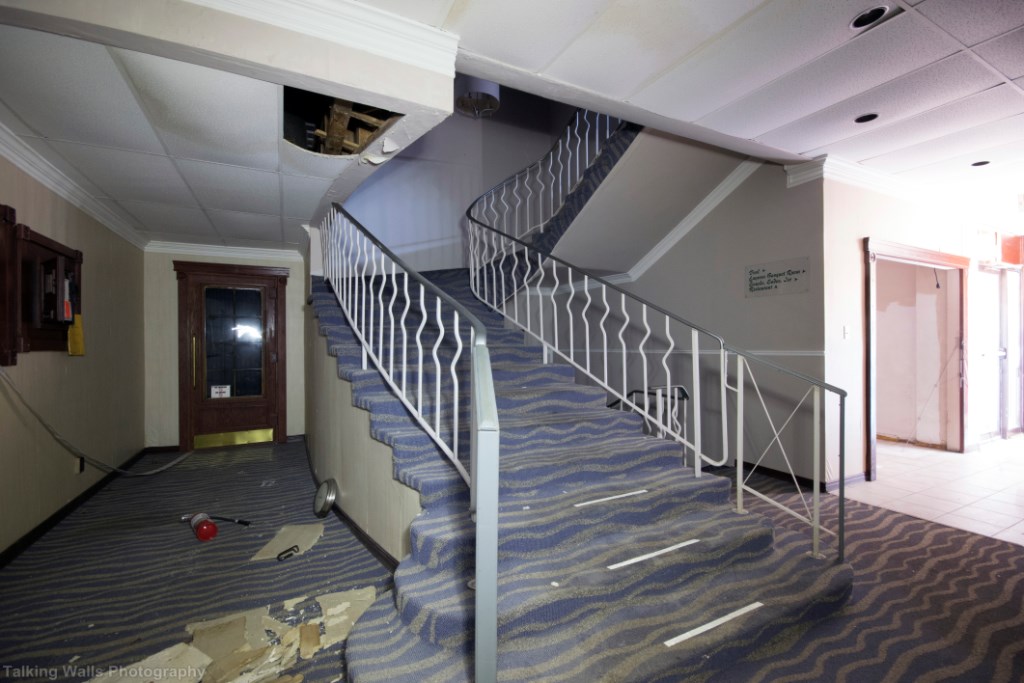
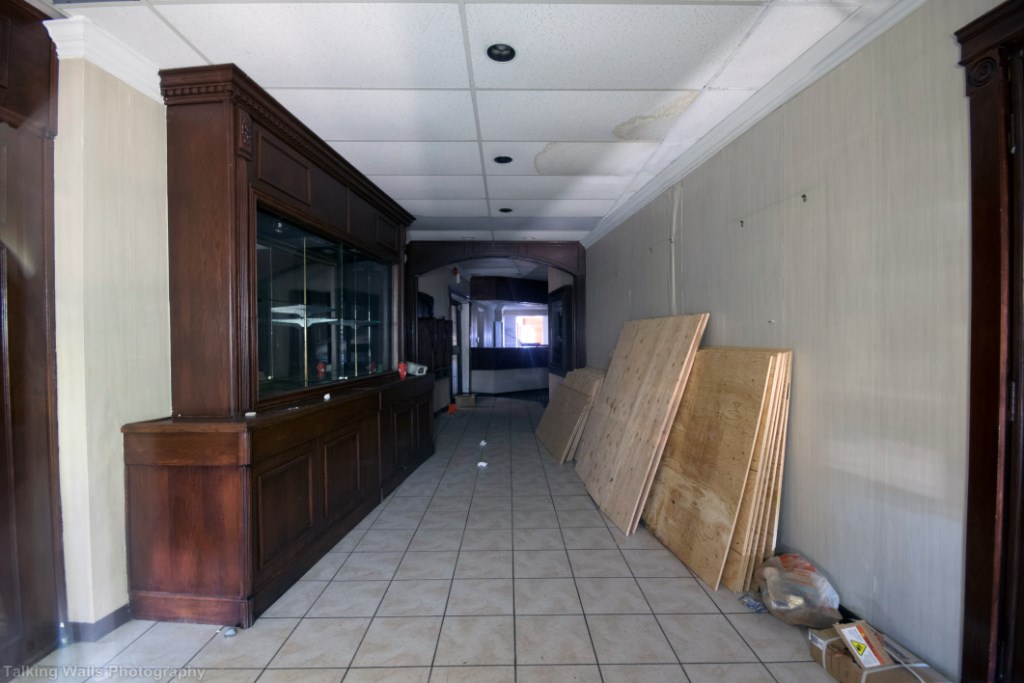
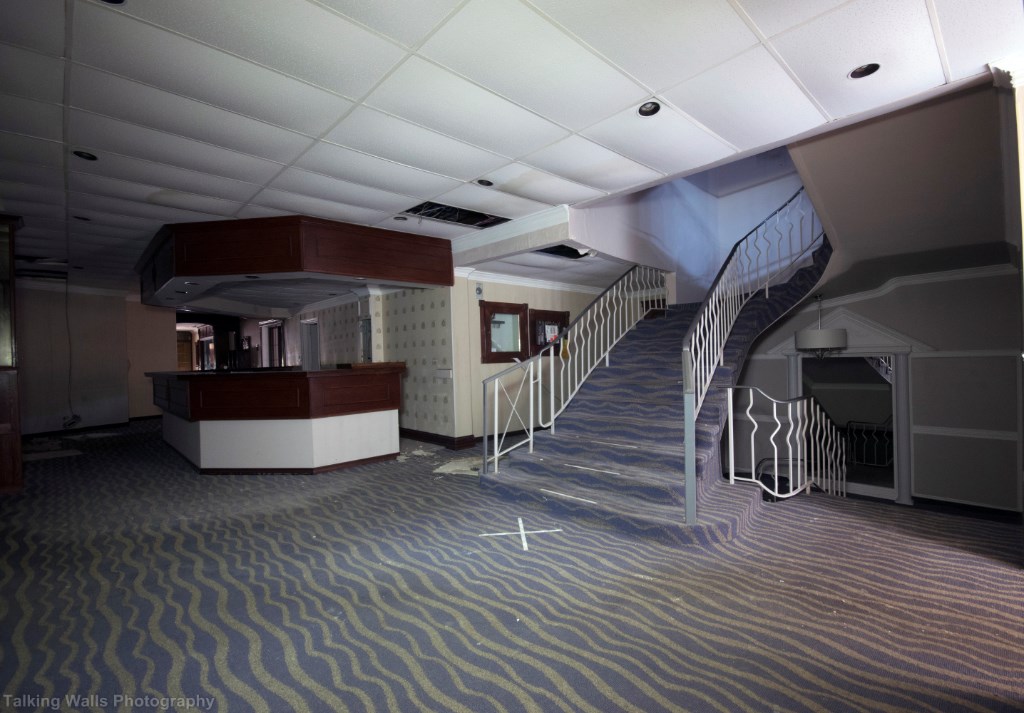
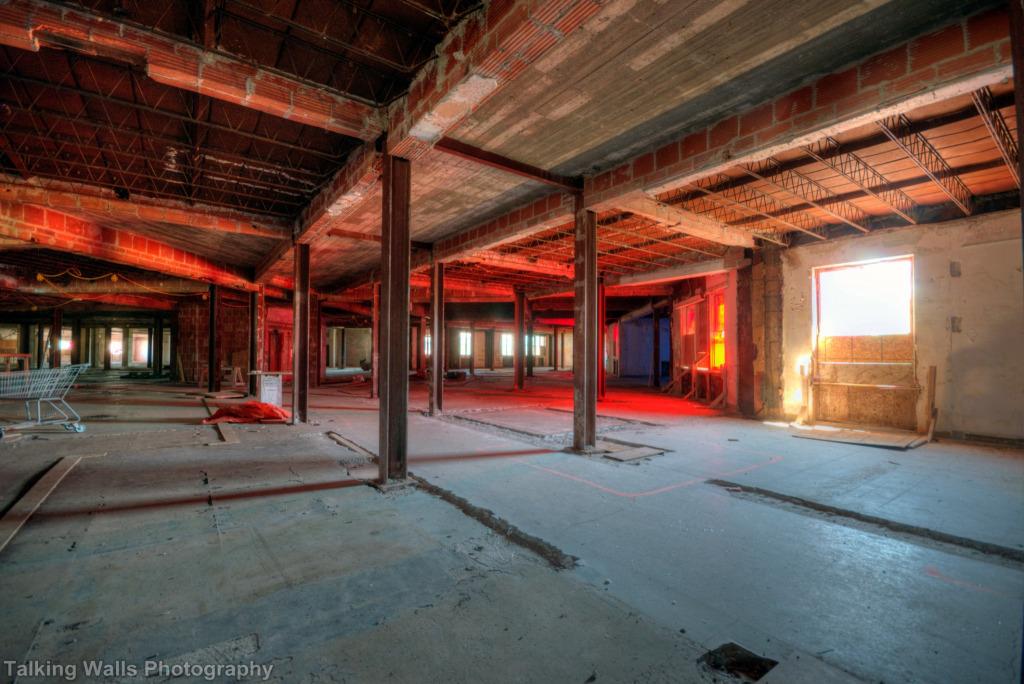
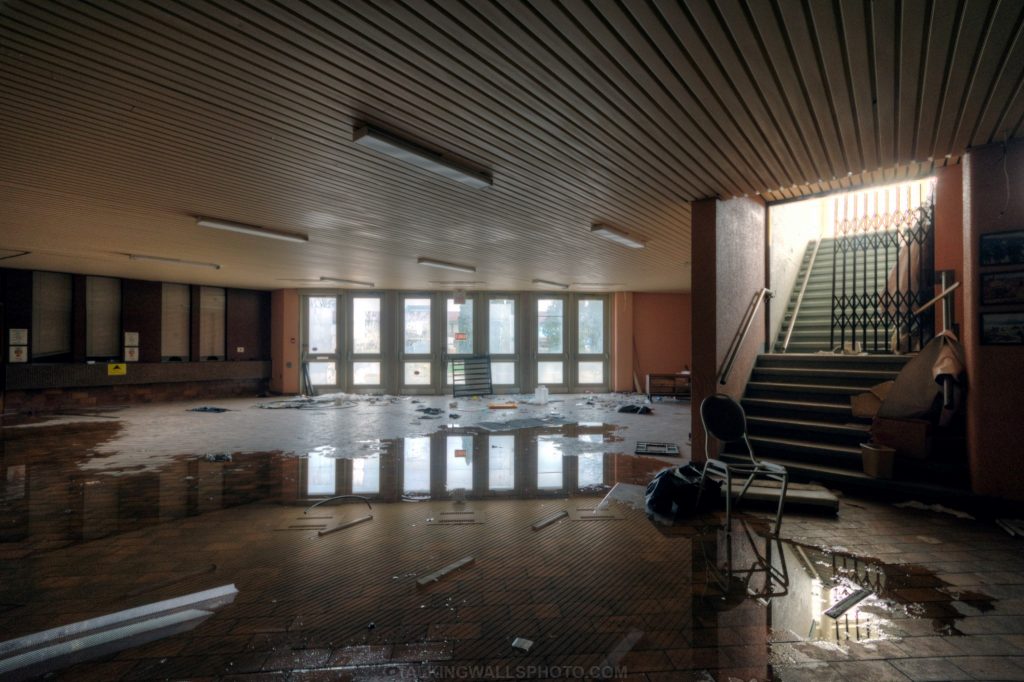
We tried the door that was previously open the night before and to our dismay it was locked. Fortunately we found another way inside and began our exploration. There’s a large amount of water damage on the main floor where the night club was. Mold hasn’t yet begun to grow but it won’t be long.

(*) We use the word ‘abandoned’ in the context of no longer serving it’s original purpose, not in the context of being without an owner.


Sources:
1) https://www.dnb.com/business-directory/company-profiles.benc_hotel_holdings_limited.cd98845a6f3f723caf942af6f8bb2c05.html

There may be some inaccuracies in this write up, I haven’t lived in Sudbury for quite some time.

July 2021 – Demolition has begun


On a Kiln Spree (Abandoned Sudbury Ceramic Store)

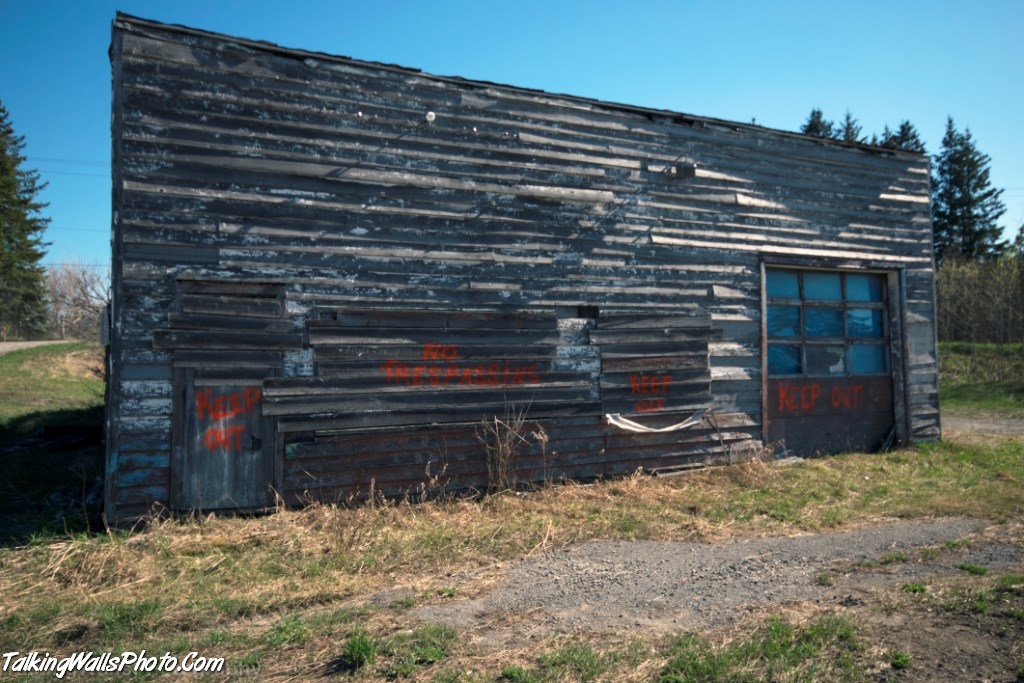
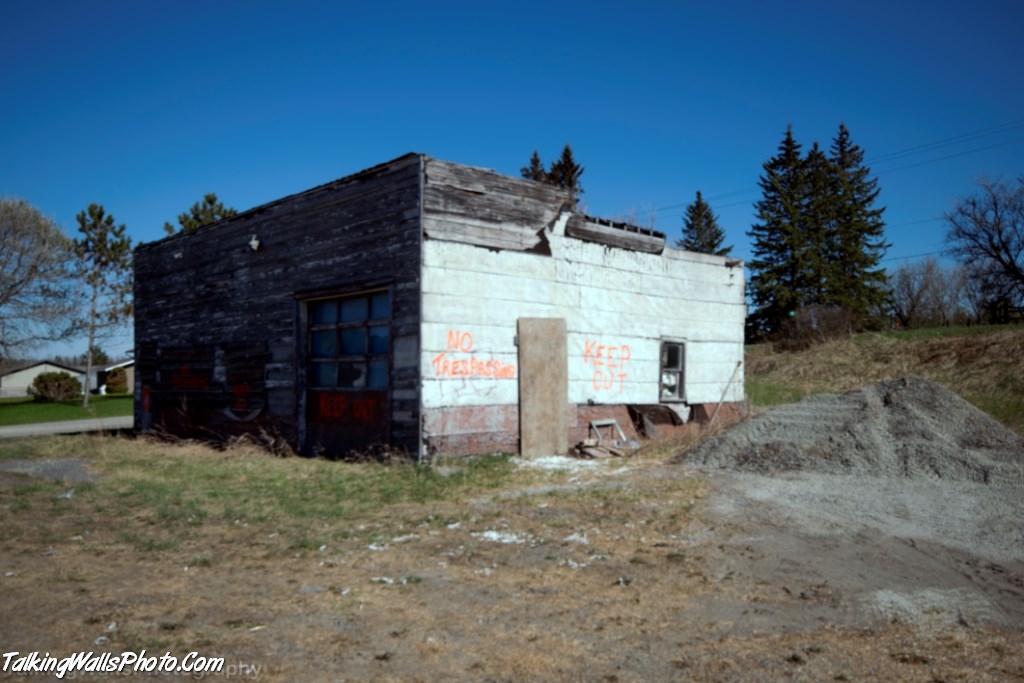
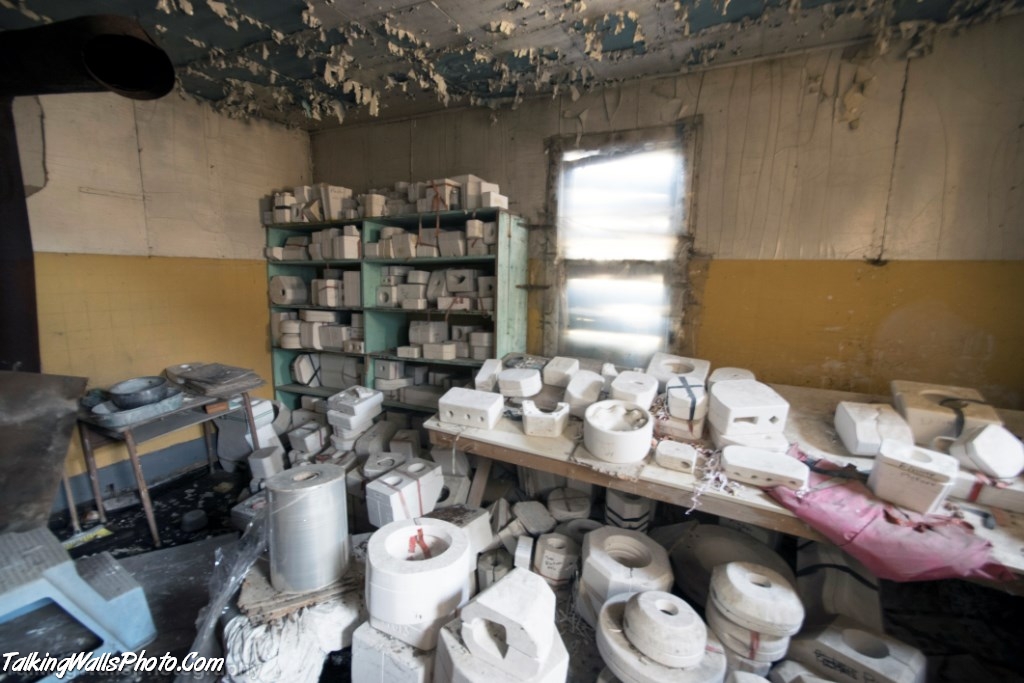
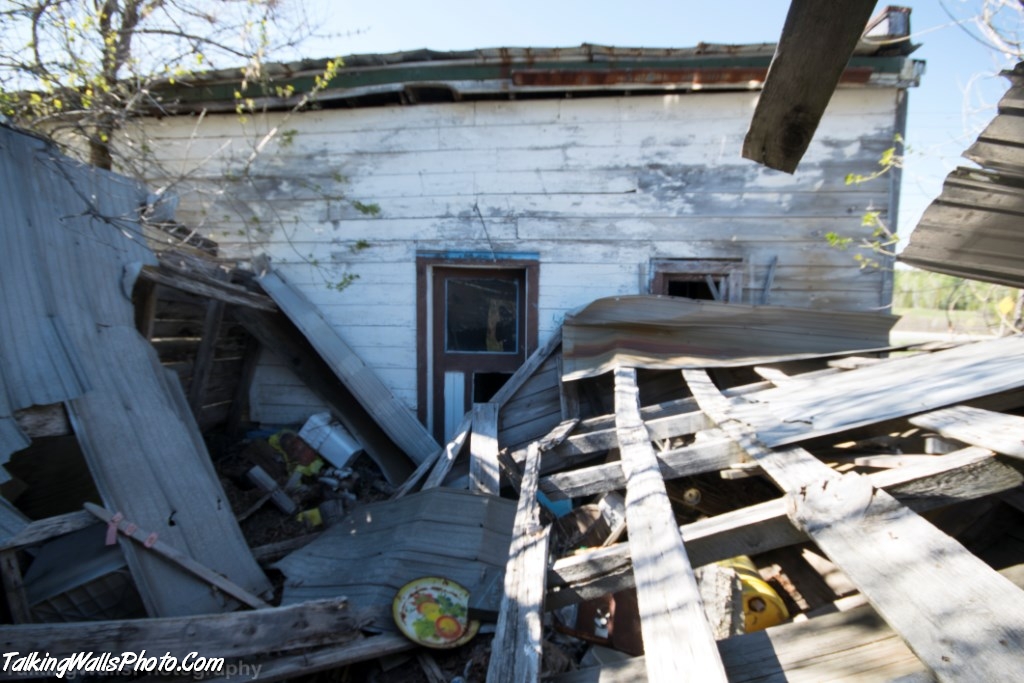
This tired old building would be oblivious to most driver’s that pass it by. A curious explorer however, might stop to explore the rundown wooden structure. It’s located along a busy highway in the Sudbury area. You’d never suspect that inside is a treasure trove of forgotten pottery.

In the right portion of the building is the artists studio where artist and owner Barb Lavallee, would craft her work. There’s an electric kiln in the middle section area where the completed work was fired (hardened) and then painted.

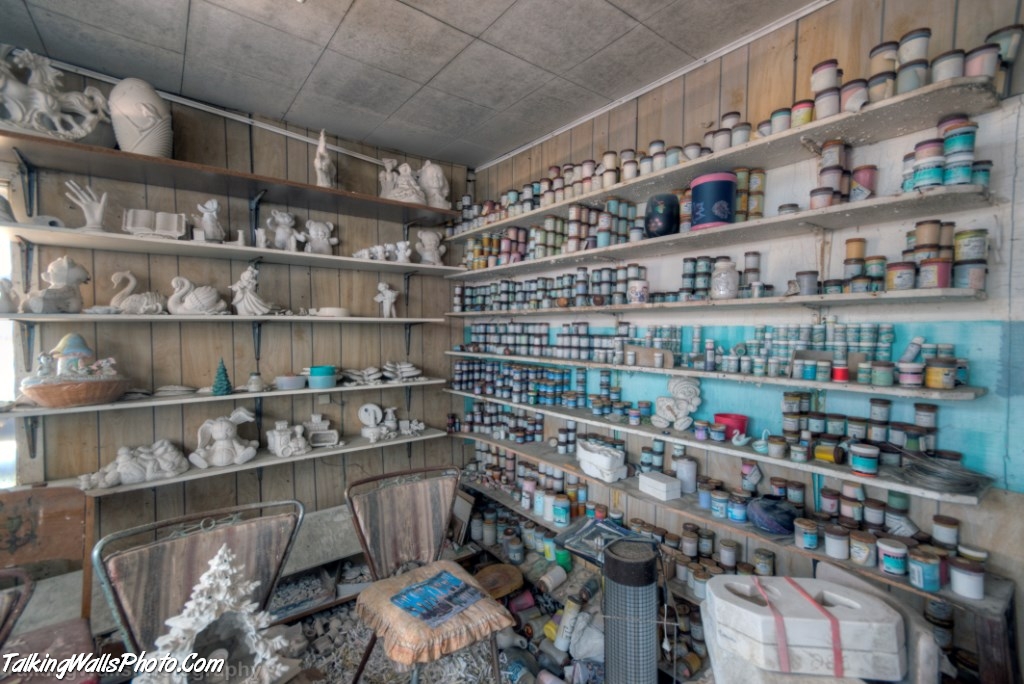
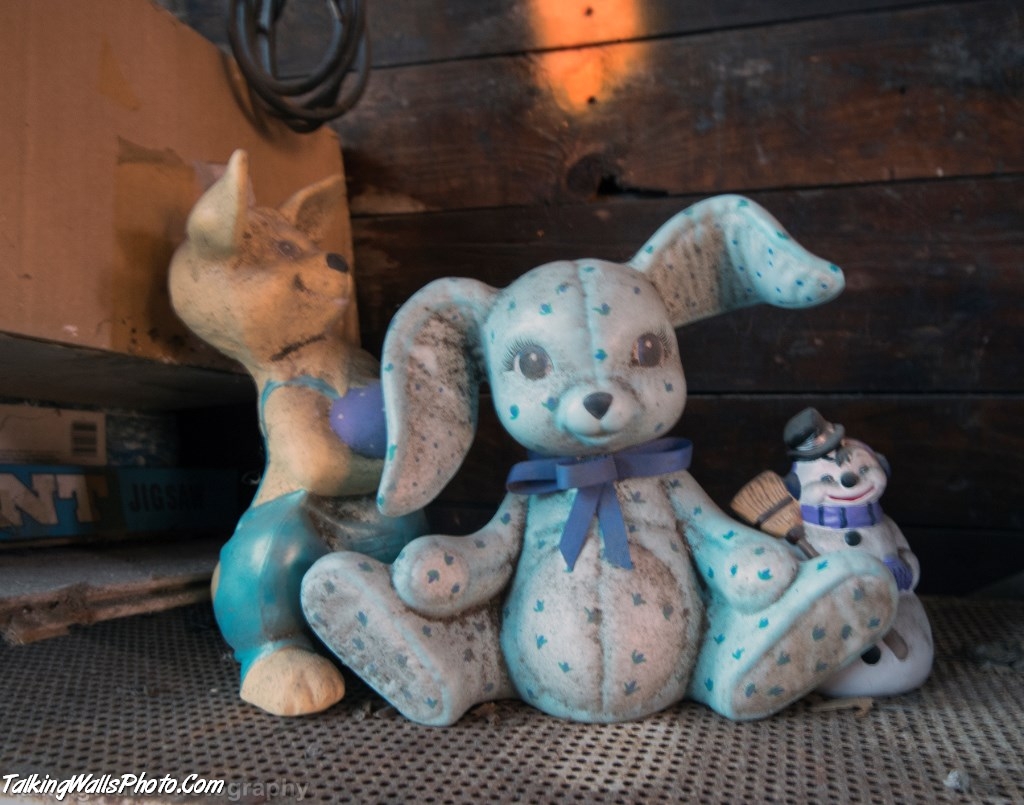
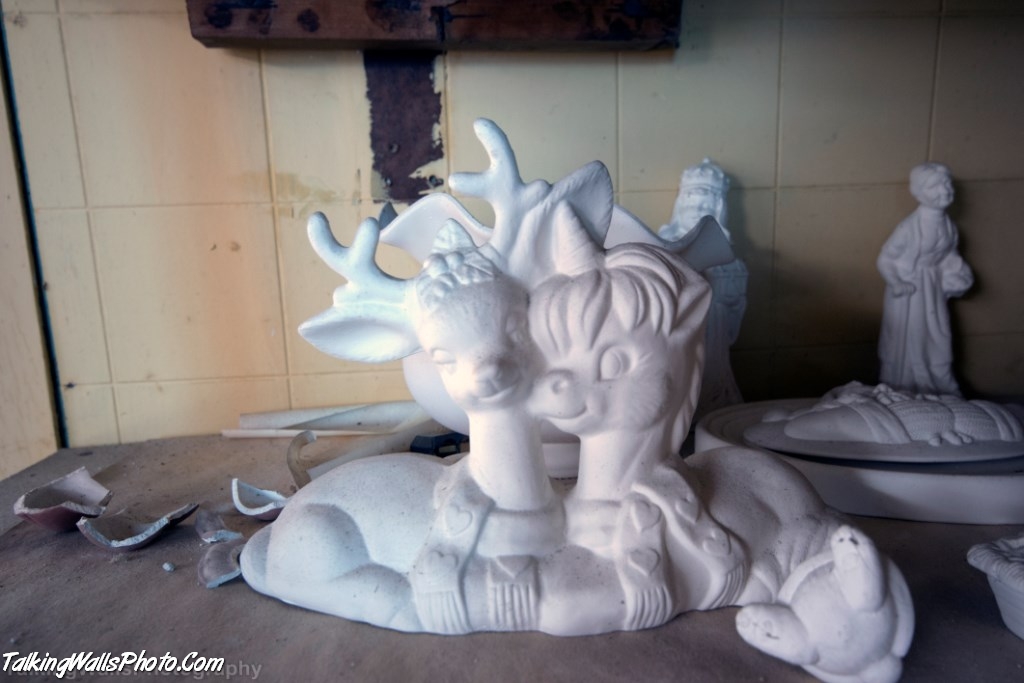
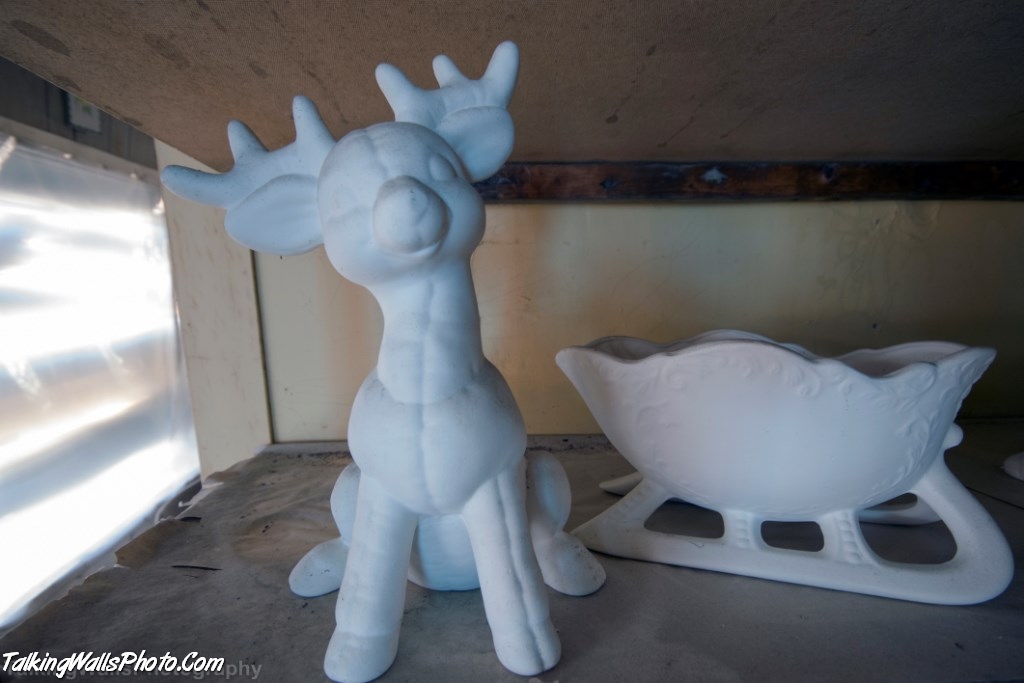
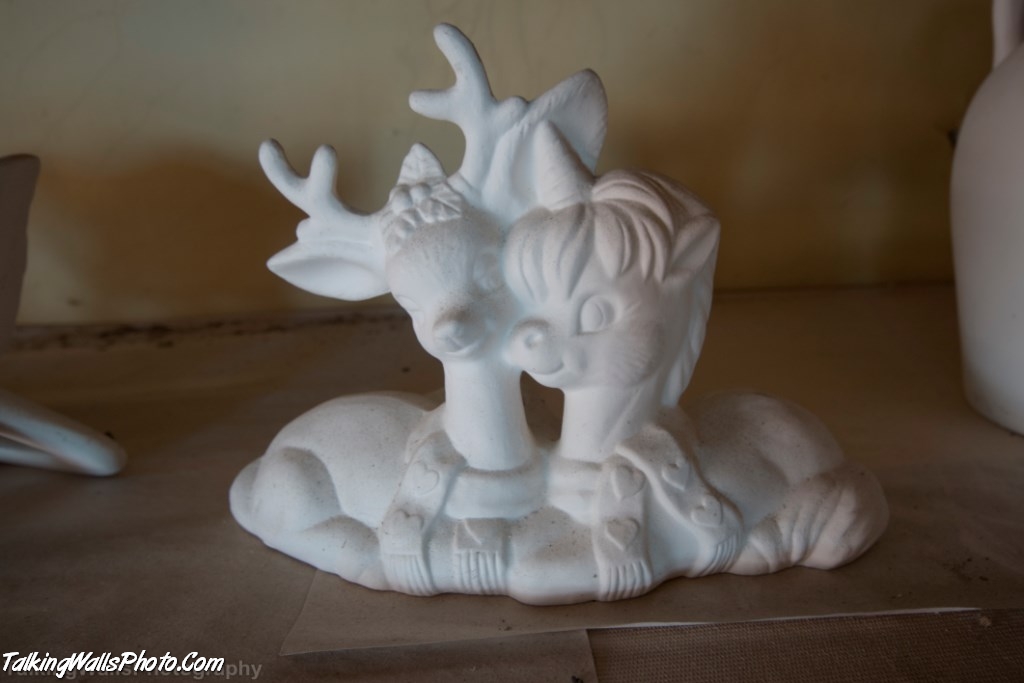
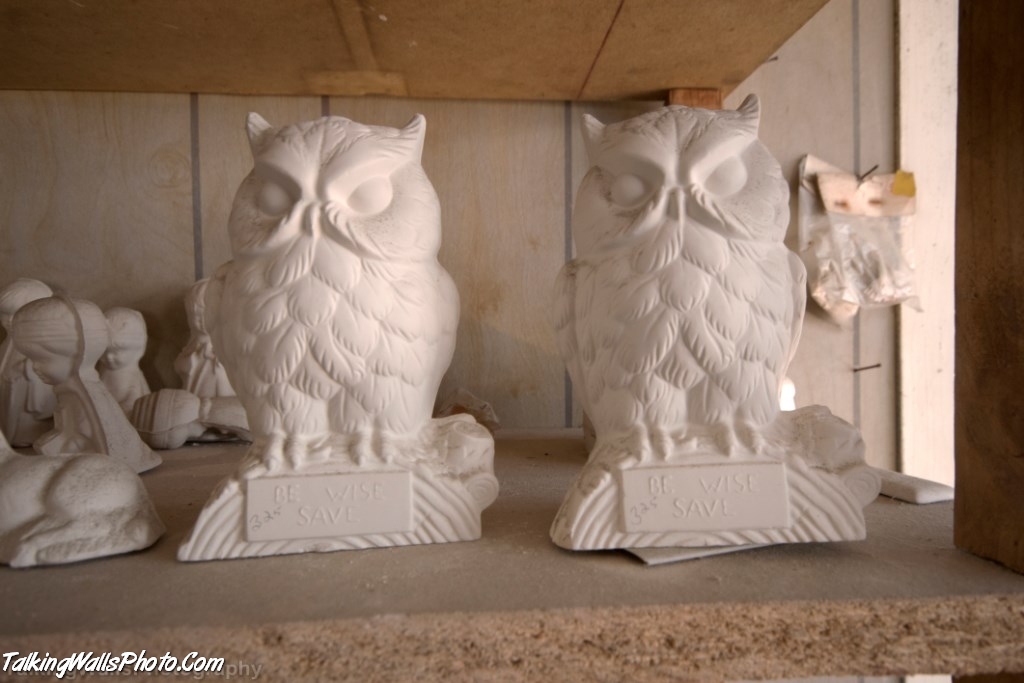
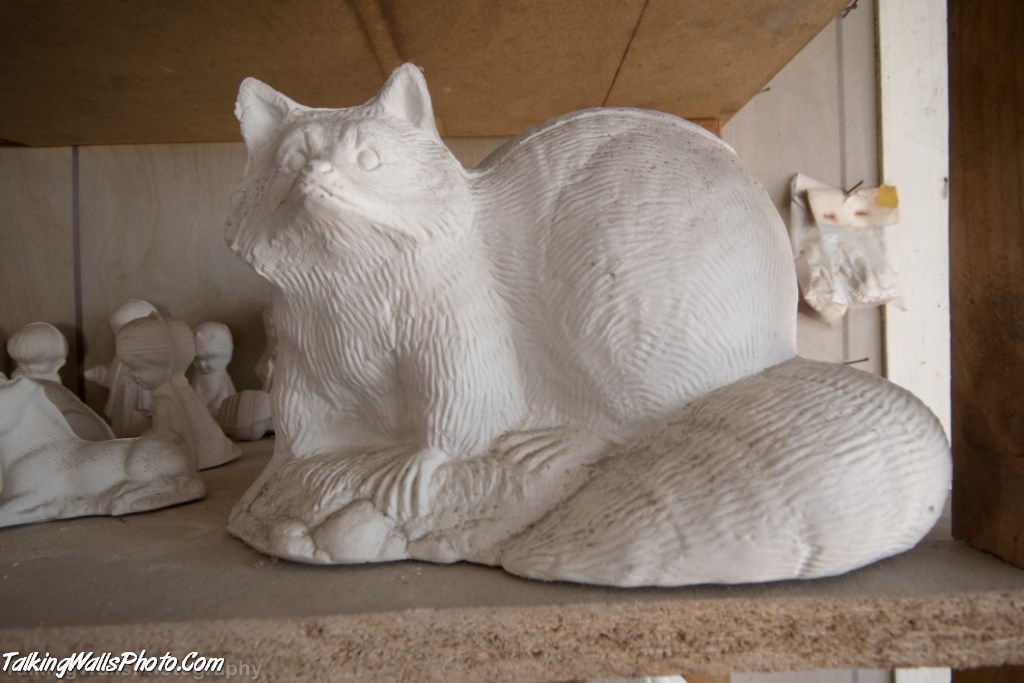
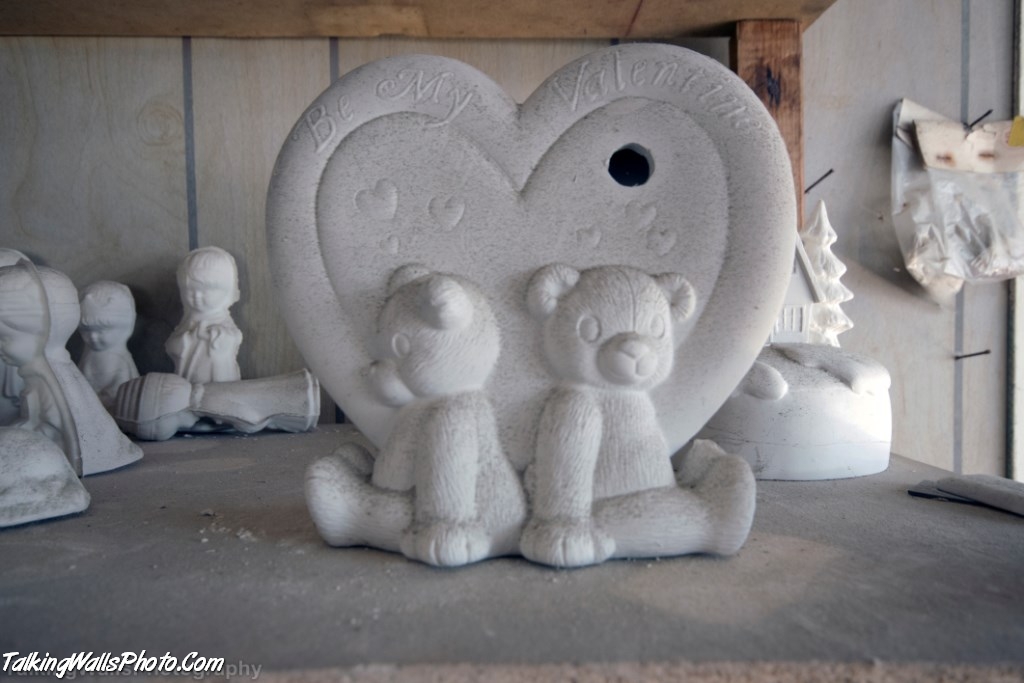
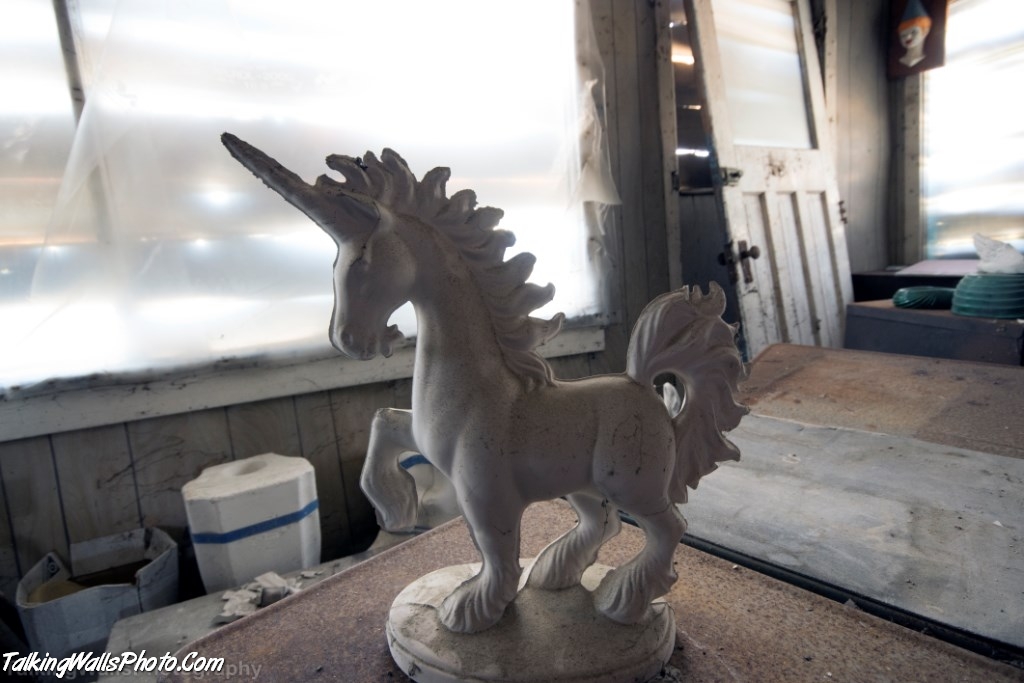
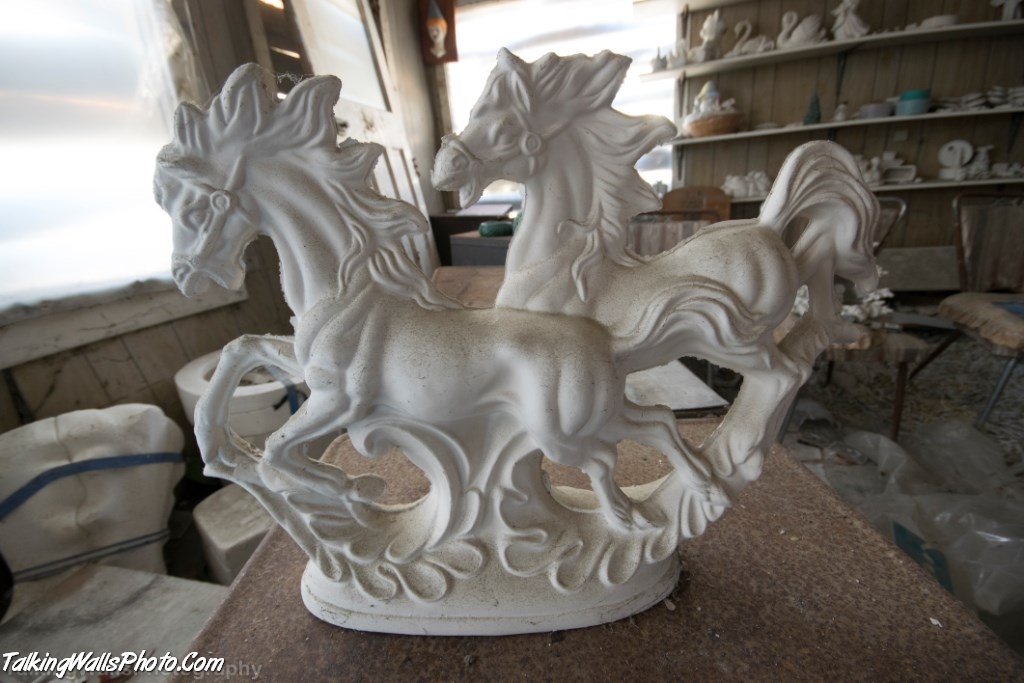
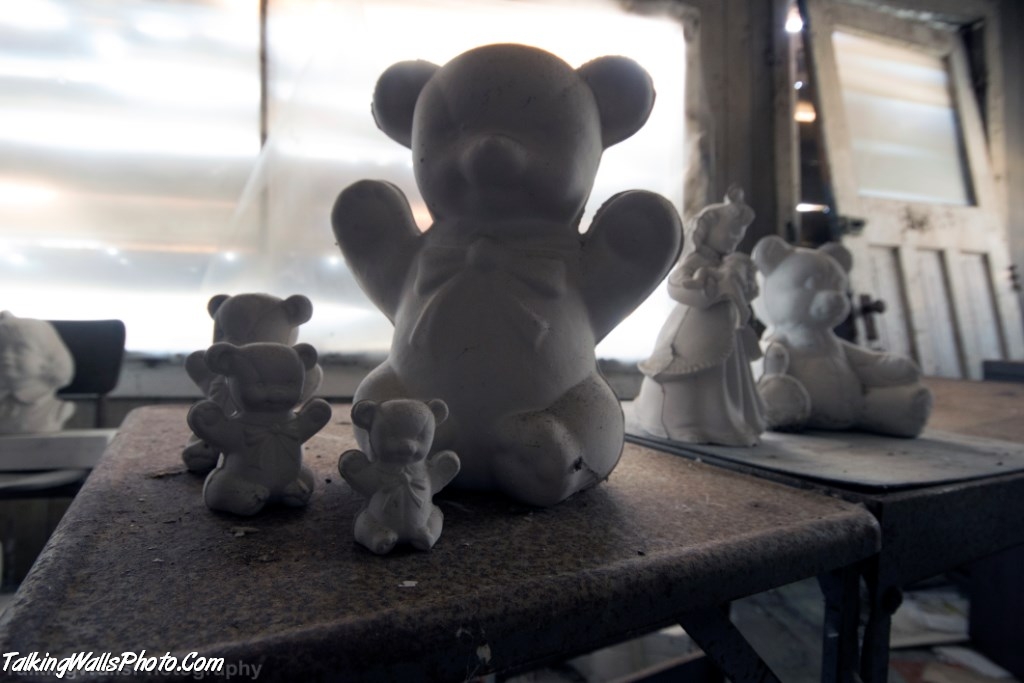
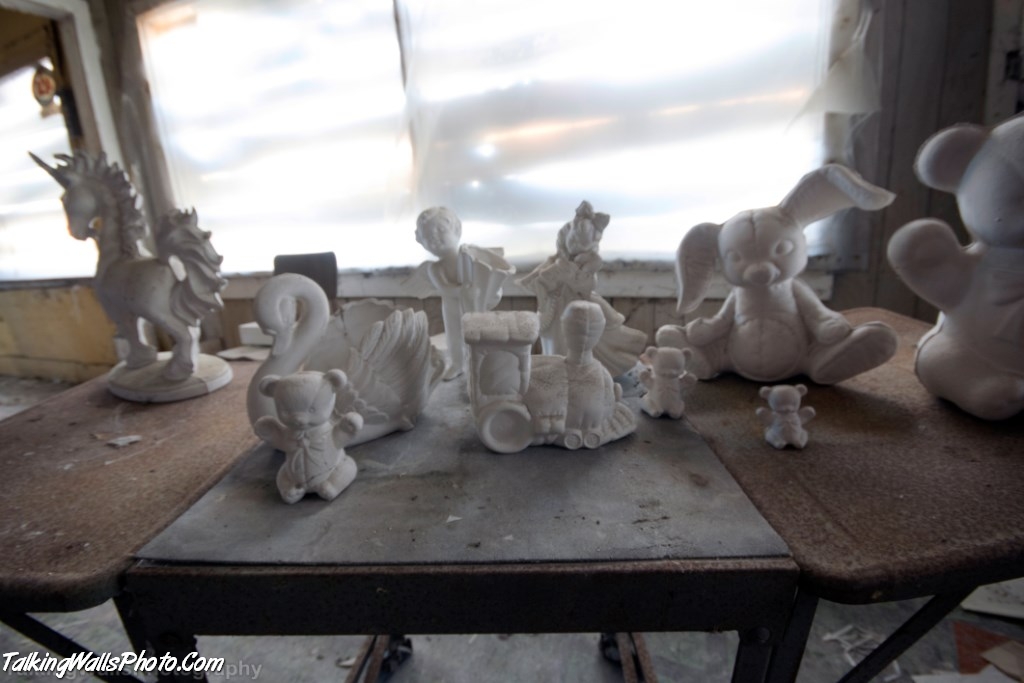
The left portion of the building is the showroom where shelves filled with figures and figurines are lined up for sale. Barb has crafted just about every imaginable animal and figure. These include majestic horses, owls, foxes, bears, sheep, Valentine’s Day art, Native art, foxes, Angels, unicorns, chess pieces and teddy bears.

On one wall are displays of unopened jars of paint which I believe may have for selling to artists who crafted their own pottery.

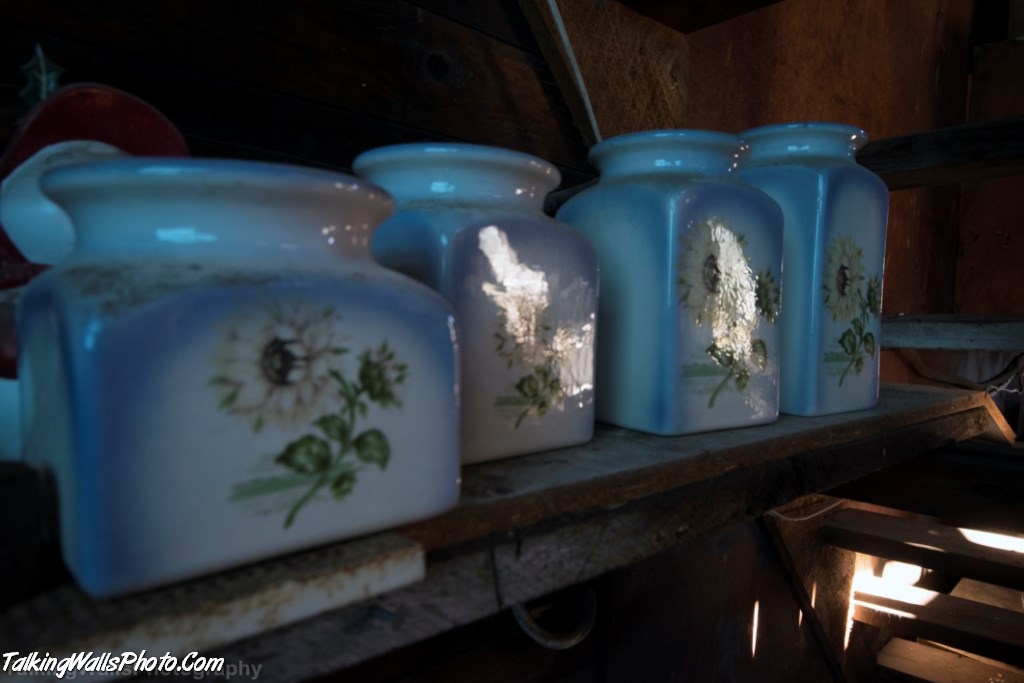
The name of this ceramic shop isn’t known, but Barbara’s husband told me that the business closed around 1991. This makes the figures inside approximately three decades old. By this time they’ve absorbed moisture and are brittle. What particularly amazes me is that these figures have withstood the destruction that people reap upon abandoned buildings.

The property was supposed to be demolished years ago according to Barb’s husband, and there’s rumour that this is the final year for it to be standing. The windows were removed years ago and plastic sheets replaced them. Parts of the ceiling have given way, the electricity has been severed long ago.

The floors were rotting back in 2010 when I first visited this location. Now ten years later, the flooring is in even worse condition but fortunately the building is on ground level. In the last ten years the shed attached to the rear portion of the building has collapsed. This has made entry into the building somewhat difficult and requires stealth. There’s a house just feet away.

I don’t know which home belongs to the Lavallee’s but they live in one of the houses that surround the building.

These photos were taken during my second visit in May of 2020. I hadn’t been back to Sudbury since moving away. It was a sentimental journey to the North.


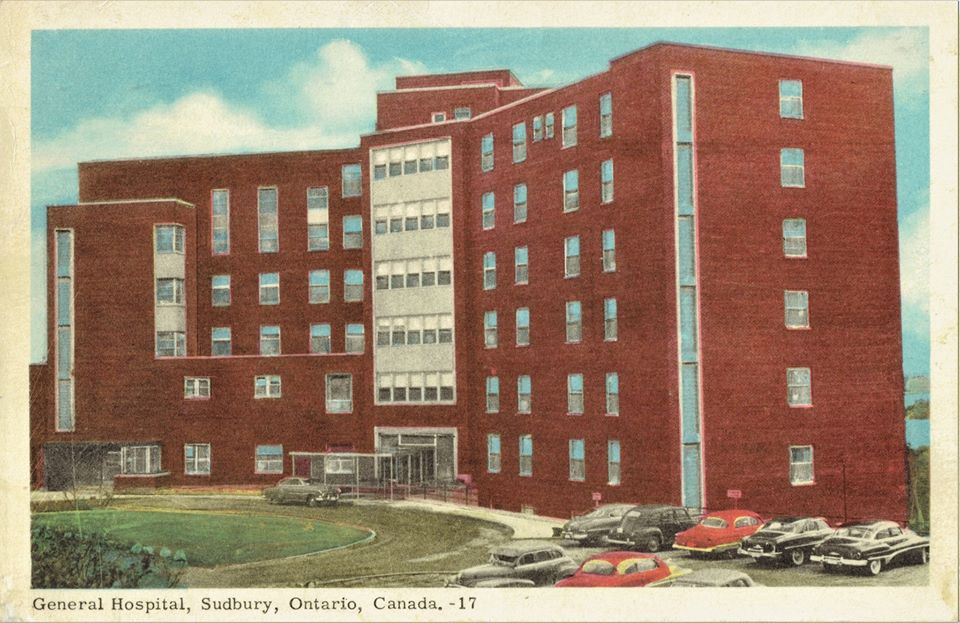
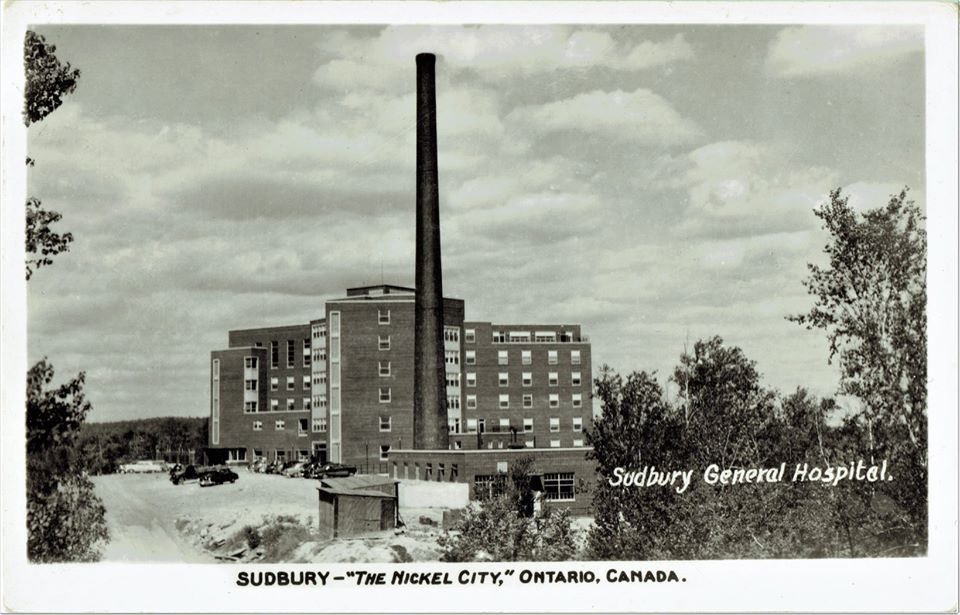
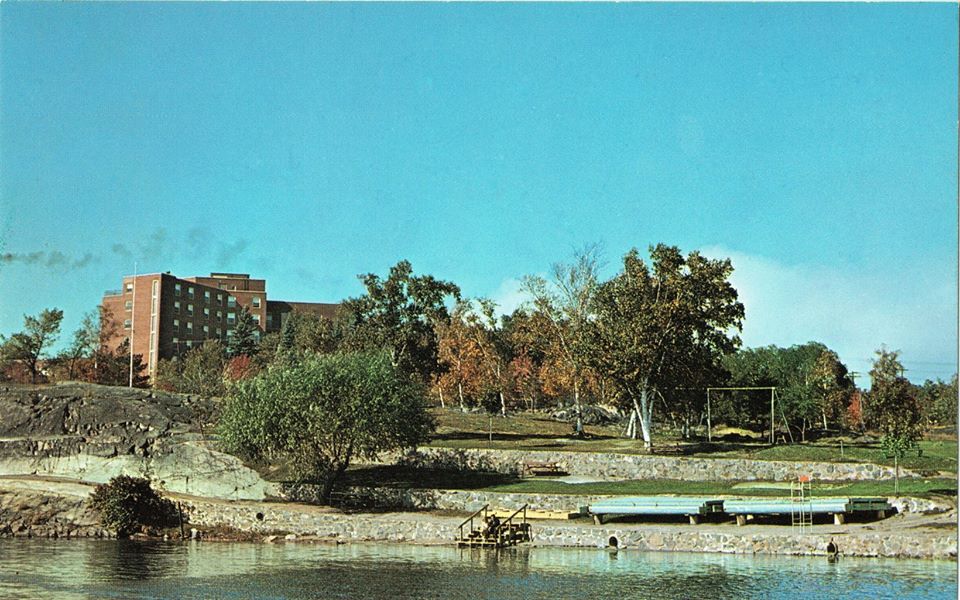
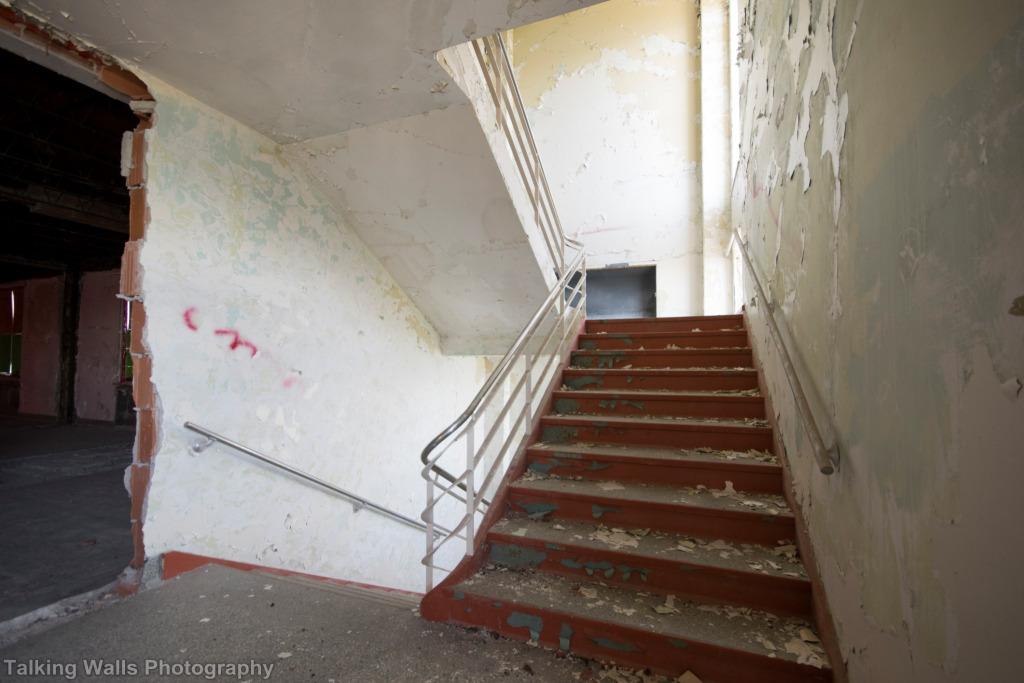
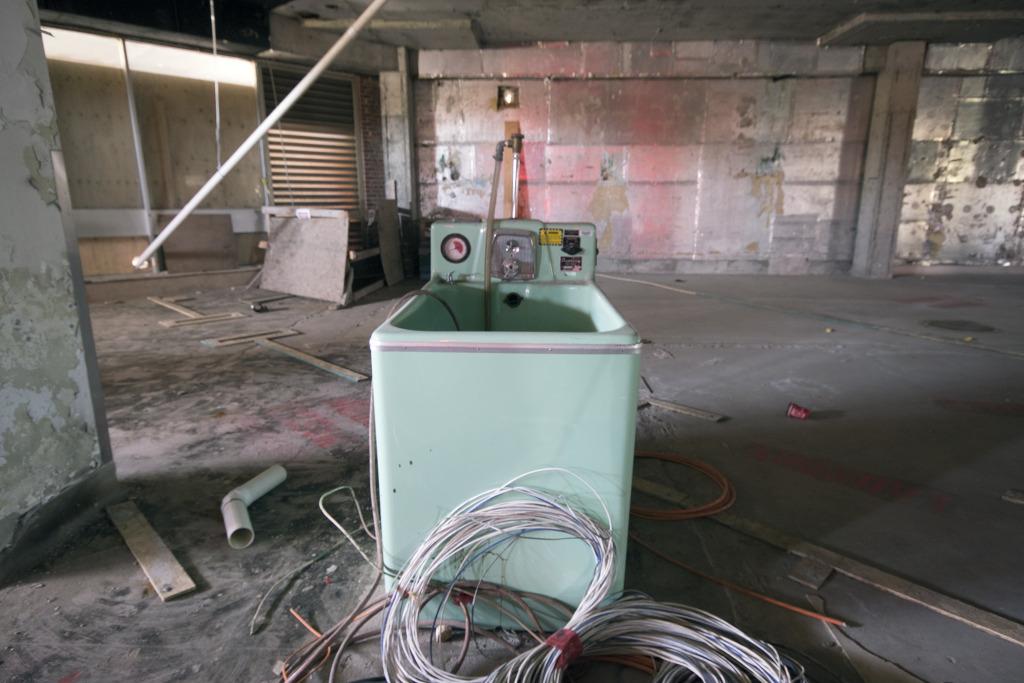
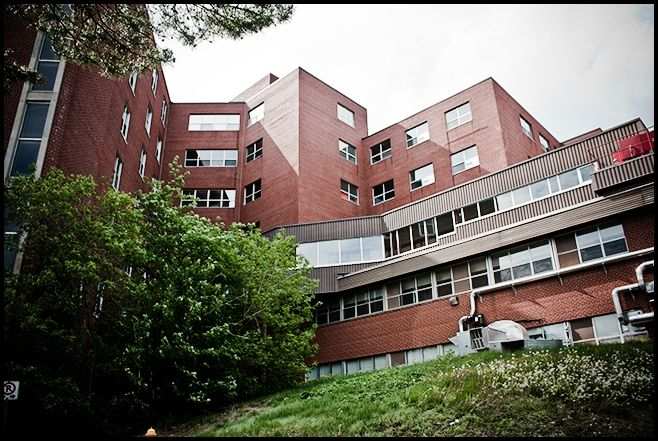
St. Joseph’s Hospital / Sudbury General Hospital – Sudbury Ontario

During the early 20th century the Ontario government was not known to contribute substantially towards the cost of constructing or operating hospitals.

In 1944 a group of physicians along with Bishop R.H. Dignan (Diocese of Sault Ste Marie) and Monsignor J.C. Humphrey (Christ the King Church) approached the Sisters of St. Joseph of Sault Ste Marie for assistance in financing the construction of a new hospital.

On September 2, 1944 the Sisters purchased the Stafford Estate located at 700 Paris Street from Mr. and Mrs. Stafford using their own funding. Mr. Stafford was a retired department store owner.(6) The Lieutenant Governor approved an Order in Council for the Sisters to establish a hospital on the former Stafford property. The hospital was to be known as “The Sudbury General Hospital”.

On April 6, 1948 the official turning of the sod took place. On May 29, 1949 the cornerstone was laid. A small copper box was placed inside the cornerstone as a time capsule to mark the day. The copper box contained the following:
• Saturday May 28, 1949 edition of the Sudbury Daily Star
• The most recent edition of the Catholic Register
• A copy of legal documents
• A penny, nickel, dime, quarter and dollar for 1949
• Religious articles
• Progress schedule for the contractor
• A history of hospitals from the Sisters (6)

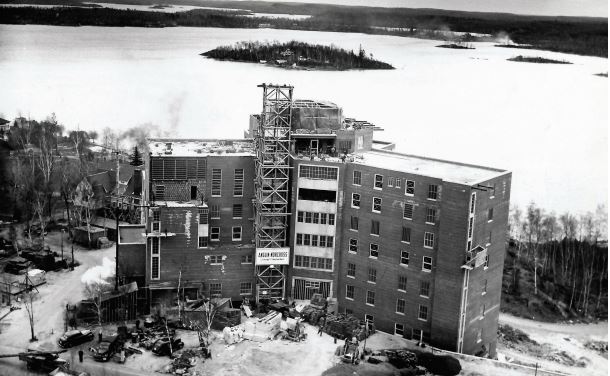
Construction of the Sudbury General Hospiral in 1949
Construction of the Sudbury General Hospital in 1949

Construction of the Sudbury General Hospital (the last part of the name was dropped) was completed in 1950 at a cost of $3.1 million. The hospital eventually became the regional referral centre for trauma care and surgical services.

The hospital opened on October 15, 1950 with the first patient admitted on November 1. On November 29, 1950 INCO contributed $125,000 towards the hospital.

The Marymount School of Nursing opened in 1953.

In 1954 the new active treatment wing (D wing) opened containing 100 beds, 33 of which were designated for the psychiatric unit while the rest were allocated to the surgical and obstetrical unit. nursery, physio and occupational therapy units. On May 12, 1955 the formal opening of the Psychiatric Unit took place. The four-storey extension was built on the west side of the hospital. It was designed by Louis A. Fabbro.

In 1957 a 37 Gynecology unit opened.

In 1957 the St. Joseph’s Convent located on Louis Street was used to accomodate 37 more nursing students bringing the total to 115 students.

– By 1960 the Sudbury General Hospital contained 326 beds although it was designed for only 190 beds. Additions were made to the hospital over the years including the Mason building.

– In 1962 a treatment centre for cripple children opened for service.

– In 1964 a nuclear medicine department and medical library opened.

In 1966, Marymount School of Nursing introduced a two-year nursing program with one year of internship. The school was renamd to “St. Joseph School of Nursing.” Forty-eight students enrolled in September 1966.

In 1967 the hospital opened their ICU (intensive care unit), poison control centre and volunteer services centre.

– The last student graduated from the Marymount School of Nursing on May 28, 1969.

– On October 15, 1969 regional ambulance service was established and an ambulance garage constructed. The garage was to the left of the main entrance.

– By 1970 neurosurgery was available at the hospital.

– In 1971 excavation began on a new A-wing that included delivery rooms, operating theatres, intensive care, major emergency, x-ray and laboratory facilities and an eye, ear, nose, throat unit.

– In 1972 the Pastoral Care department was opened.

– By October 15, 1973 the hospital could accomodate 375 patients. It was during the same year that an inquest began into the deaths of 22 patients. Many of the deaths that occured at the hospital occured in the new A-wing and were thought to have been caused by a mix-up in pipes containing nitrous oxide gas and pure oxygen.

– On September 29, 1980 the hospital received a CAT scanner.

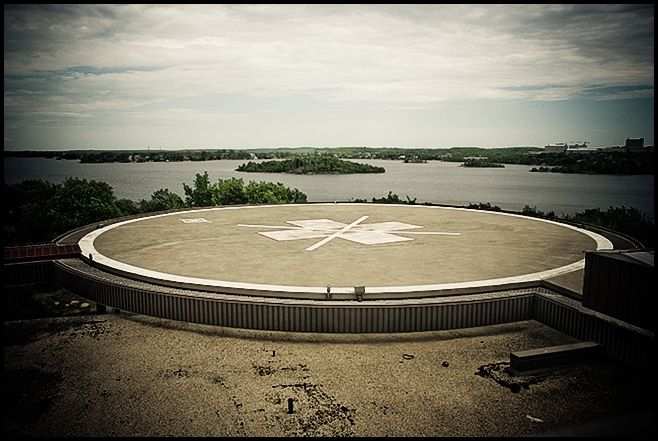
– On October 16, 1986 the formal opening of the helipad took place.

– On March 25, 1989 a fire broke out in a storage room causing major smoke damage. No injuries occured and arson was suspected.

Abduction

On November 1, 2007 a Kirkland Lake woman dressed as a nurse abducted a newborn baby from the St. Joseph’s Hospital. The hospital went into an immediate lockdown, an AMBER Alert was issued and all roads leading out of the city were blocked. The woman was arrested later that night at her home.

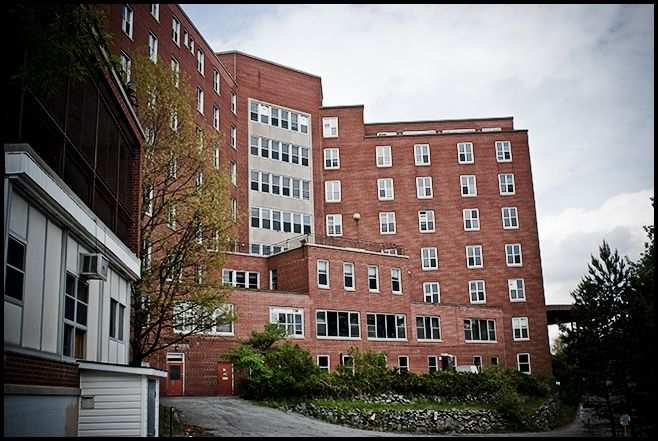
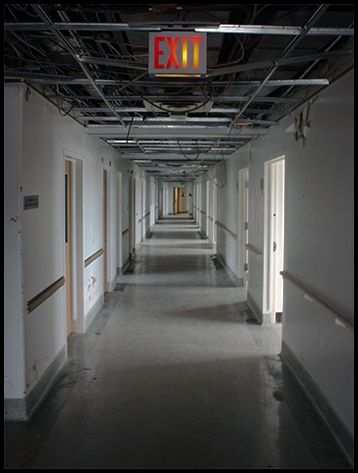
The hospital operated until March 29, 2010.

The Closing Process

In 1997 the Ontario Health Services Restructuring Commission decided to consolidate Sudbury’s three hospitals into one location – the Laurentian Hospital site. The General and Memorial hospitals were to close and be demolished. The process was to be completed within a two year timeframe while the Sisters of St. Joseph would continue to operate the hospital while leasing the property for $1 a year.

The Sisters of St. Joseph negotiated a new role with the province to provide long-term care for seniors at a new location – the St. Joseph’s Villa. Part of the agreement was for the Ministry of Health and Long Term Care to pay for the decommissioning process including the cost of demolition.

Rather than see the location demolished, the Sisters paid for a study to determine if the site could be used as a Long Term Care facility. The study found that the cost of renovations to bring the building up to standards would be too costly.

In 2005 the Sisters called for proposals to redevelop the St. Joseph’s site. The Sisters included a “Schedule of Conditions” that stipulated the bidder’s plans for the property would have to “support quality of life and healthy living for all” and to continue to “meet the needs of the people of Sudbury”.

In 2006 various groups brought forward their plans for the property but each of them required that the hospital would have to be a “Greenfield” (demolished). The City of Sudbury also bid for the property – proposing to turn the location into a hotel and convention site provided that the property was demolished.

The problem was that as the budgets were adjusted for the hospital restructuring, the cost of demolition was eventually removed from the final price. This left the Sisters unable to consider any of the proposals for the property.

On April 16, 2010 the Sisters notified the City of Sudbury that a local real estate agent had an out of city client who was interested in the property and that it might include the building in the offer. The Sisters initially declined the offer because it did not meet the Schedule of Conditions that were set out during the 2005 bidding process.

A meeting was held on May 20, 2010 with the Ministry of Health and Long Term Care to propose that the government fund the demolition costs. The government made no commitment to pay for the demolition costs and indicated that if they did fund the demolition, that the Sisters would have to pay the province the proceeds of selling the land.

The Sisters were stuck between a rock and a hard place. Their only options seemed to be: pay for the demolition, have the province demolish the property and receive the proceeds of the property sale or to sell the property with the building included.

The Sisters contacted the City of Sudbury on May 28 to inform them of the offer on the property that included the building “as is”. The Sisters would not accept the offer until they could discuss it with city officials. The offer was from an out of town developer – and the Sisters would have preferred the location went to a Sudbury developer instead.

The out of town developer indicated that their offer had to be accepted by 5:00 pm on May 31, 2010. The Sisters set up a video teleconference with City of Sudbury officials and advised them that they had received an offer and were prepared to accept it. City officials assured the Sisters that they would let the Mayor of Sudbury know about this.

The City of Sudbury did not respond to the Sisters before the deadline that day and so the property was sold to the outside party – Panoramic Properties of Niagra Falls. When details of the sale were released to the media, citizens criticized the City of Sudbury for allowing the property to be made available to an outside developer. The City on the other hand, criticized the Sisters for selling the property to an out-of-city party. The Sisters of St. Joseph released a full page ad in the newspaper indicating that they had informed city officials about the pending sale – and that the city failed to respond.

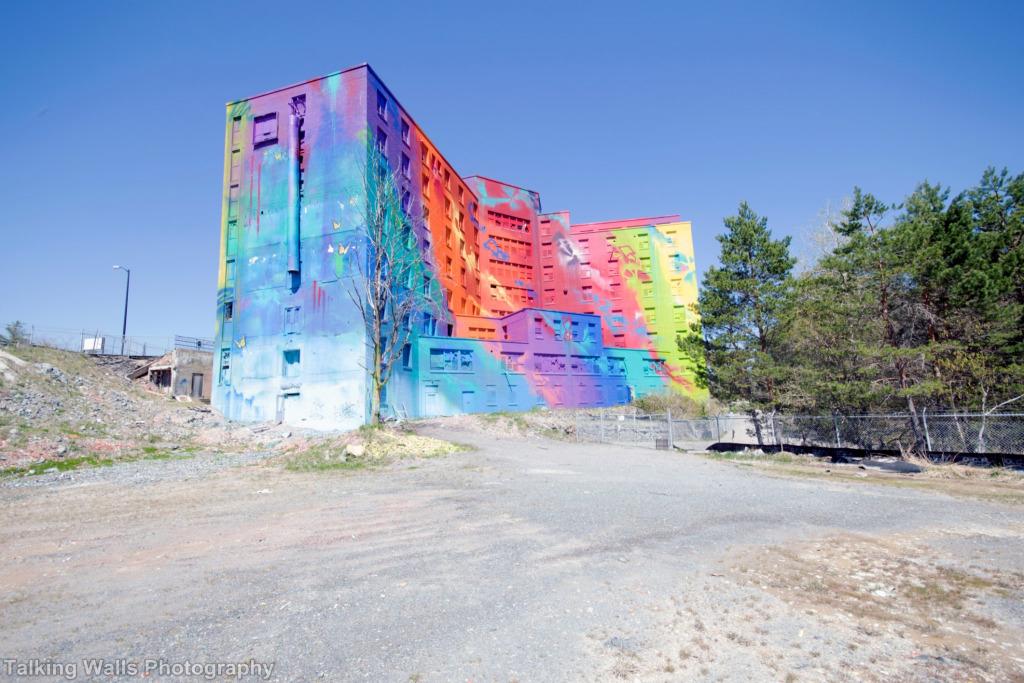
Canada’s Largest Mural

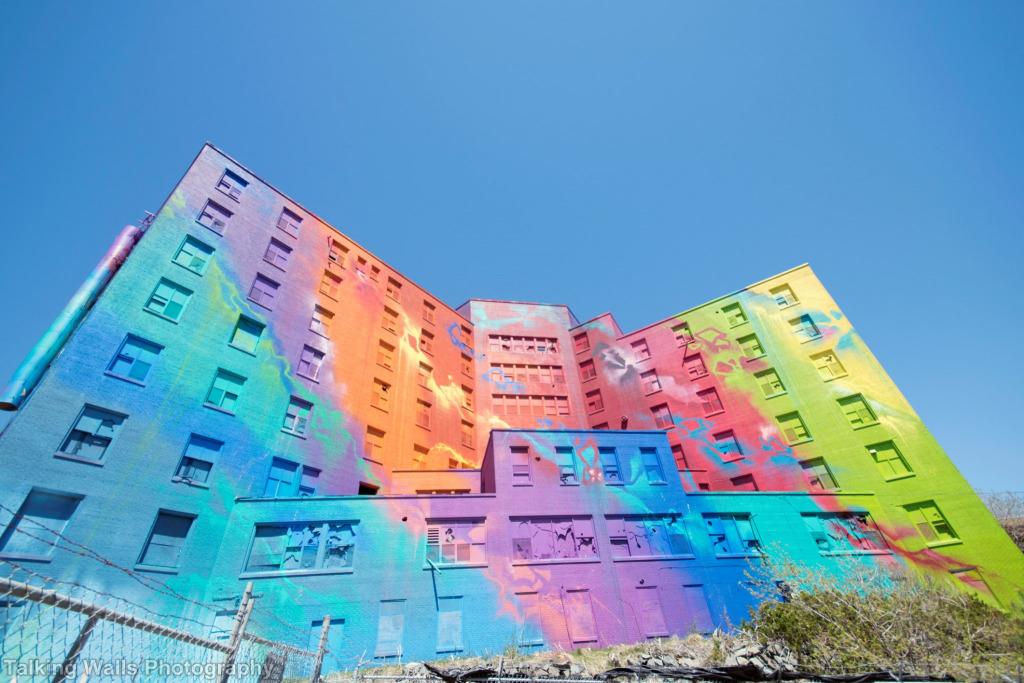
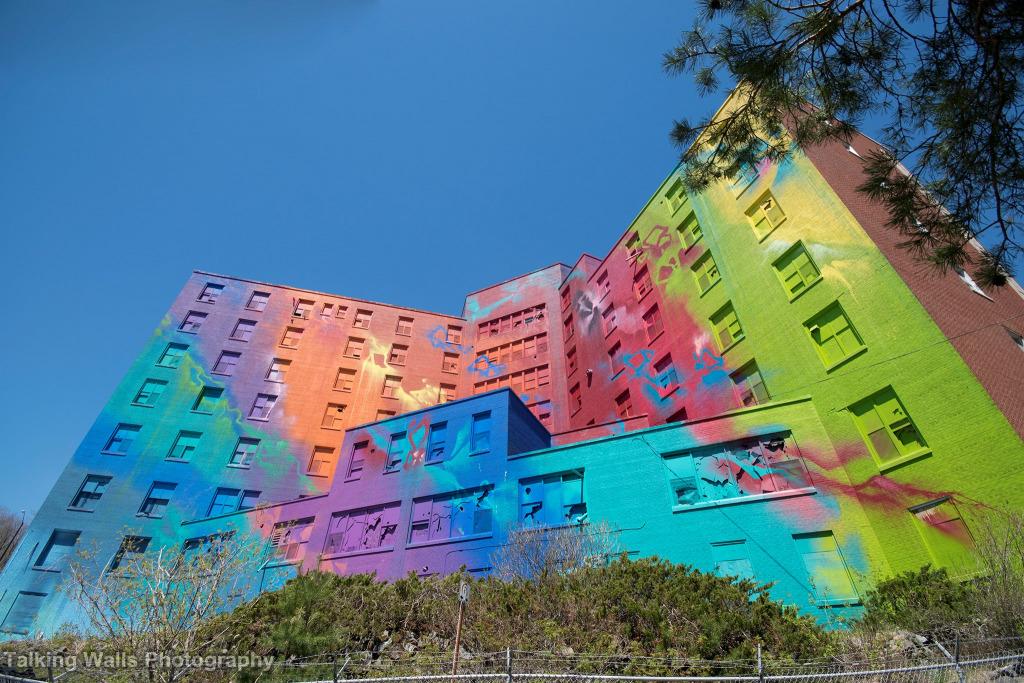
St. Joseph's Hospital Sudbury mural photo

The Up Here Festival is a Sudbury-based urban art and music project. In 2019 the festival commissioned muralist artist RISK to paint an 74,000 square foot mural on the former hospital. Christian Pelletier, the co-founder of the Up Here Festival said, “When people drive past it on Paris or see it from across the lake, it will look like a dream factory. It’s going to tell the world that Sudbury is one of the coolest, most creative places to live.”

The mural was started on August 19th, 2019 and continued for twelve days. It took approximately 860 gallons of paint were used, five people from RISK’s crew, 24 local people and over 1500 hours. Fifteen 15 per cent of the funding for this particular mural project came from a provincial grant, from Ministry of Tourism’s Celebrate Ontario fund. The remainder came from other sources, including sponsorships, donated equipment and discounts on paint. Panoramic Properties, who owns the property also contributed financially to the project.(8)


By 2025, the novelty has pretty much worn off for Sudburians.

Post-Closure Events

After the hospital closed it became the target of vandalism. Sometime between November 25th and 28th vandals broke inside and smashed walls, doors, glass and set off fire extinguishers. The damage was estimated to be more than $5000. (1)

On May 17th, 2025, the body of a 24 year-old man was discovered inside the hospital. Foul play was not suspected. (4)

On May 21st, 2025 combustible material left behind from a movie shoot were set on fire. The Sudbury Fire Department was on site. (5)

Demolition

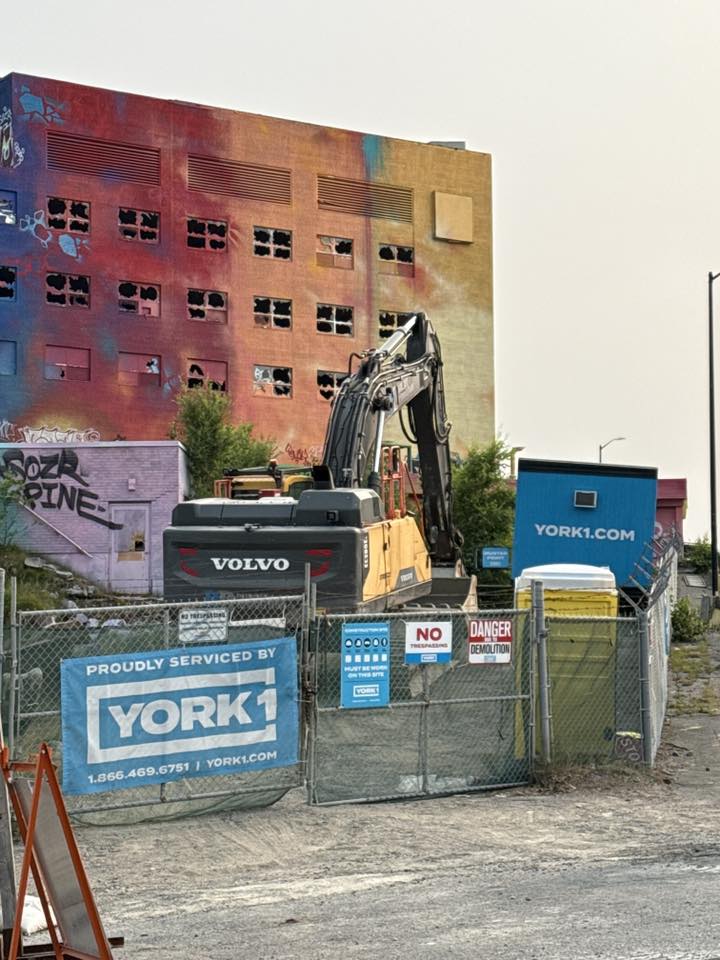
During the first week of August 2025, demolition signage went up and heavy equipment was been moved onto the property. It appears demolition will be taking place shortly. On August 8th, 2025 Sudbury’s mayor announced that the city had issued a demolition permit to Panoramic Properties earlier that day. (9)

Photo by Frank Pelletier

Write-up, photos and video by Talking Walls Photo (Mike Lalonde.)

Sources:
(1) http://www.thesudburystar.com/ArticleDisplay.aspx?e=2872674
(2) Sister Bonnie MacLellan – General Superior
(3) Sister Mary Sheridan
(4) https://www.sudbury.com/local-news/body-of-34-year-old-man-found-in-former-sudbury-hospital-10683834
(5) https://www.cbc.ca/news/canada/sudbury/old-hospital-fire-1.7540728
(6) A History of the Sudbury General Hospital
(7) https://www.cbc.ca/news/canada/sudbury/hospital-mural-community-debate-1.5255187
(8) https://uphere.com/news/2019/9/2/risk-mural-canada-sudbury
(9) https://www.thesudburystar.com/news/local-news/developer-gets-go-ahead-to-take-down-paris-st-hospital

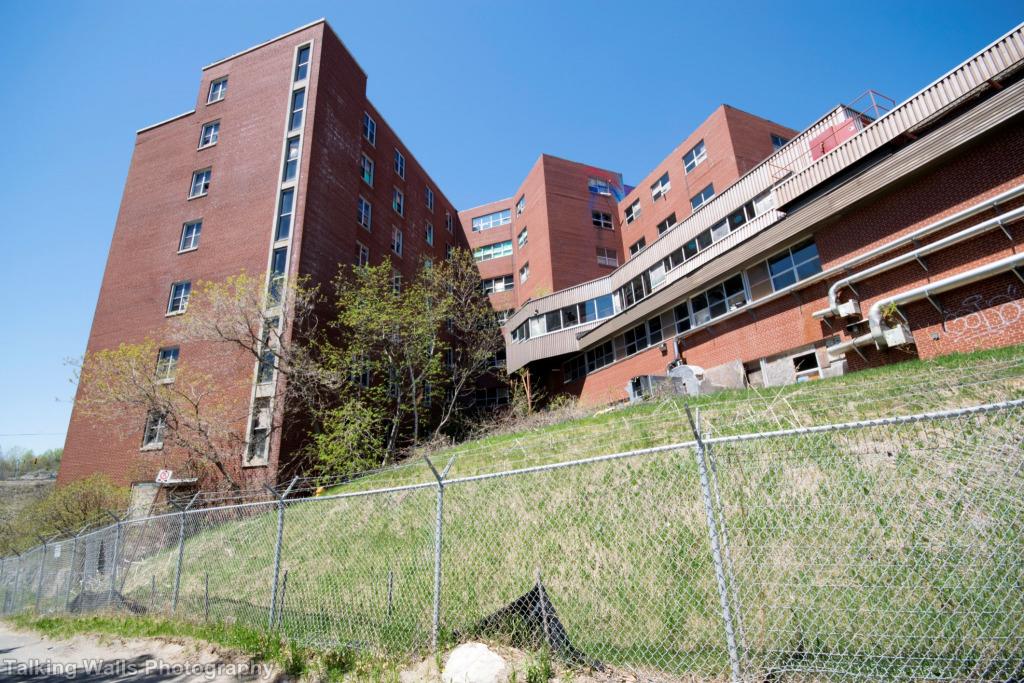
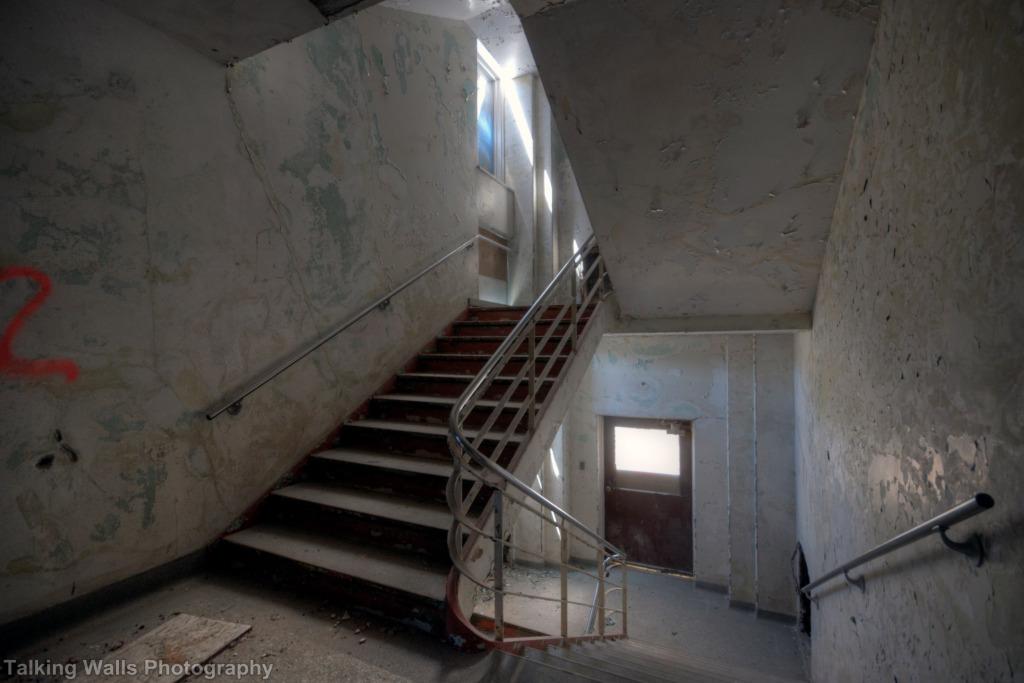
Photos from 2020 (everything stripped)


Photos from 2011 (pre-stripping)


Video

When was St. Joseph’s Hospital in Sudbury, Ontario built?

In 1944 a group of physicians along with Bishop R.H. Dignan (Diocese of Sault Ste Marie) and Monsignor J.C. Humphrey (Christ the King Church) approached the Sisters of St. Joseph of Sault Ste Marie for assistance in financing the construction of a new hospital.
On September 2, 1944 the Sisters purchased the Stafford Estate located at 700 Paris Street from Mr. and Mrs. Stafford using their own funding. Mr. Stafford was a retired department store owner.(6) The Lieutenant Governor approved an Order in Council for the Sisters to establish a hospital on the former Stafford property. The hospital was to be known as “The Sudbury General Hospital”.

On April 6, 1948 the official turning of the sod took place. On May 29, 1949 the cornerstone was laid.

When did St. Joseph’s Hospital in Sudbury, Ontario close?

The last day of operation for the hospital was March 29, 2010

Why was the Sudbury General Hospitak painted with a large mural?

The Up Here festival commissioned the artist named RISK, to paint an 80,000 square foot mural on the old hospital on Paris Street. This was Canada’s largest mural. It was meant to be temporary until demolition.

Where was the hospital located?

Sudbury General Hospital was located at 700 Paris Street next to Bell Park.

Who owns the property where the Sudbury General Hospital was located?

Panoramic Properties


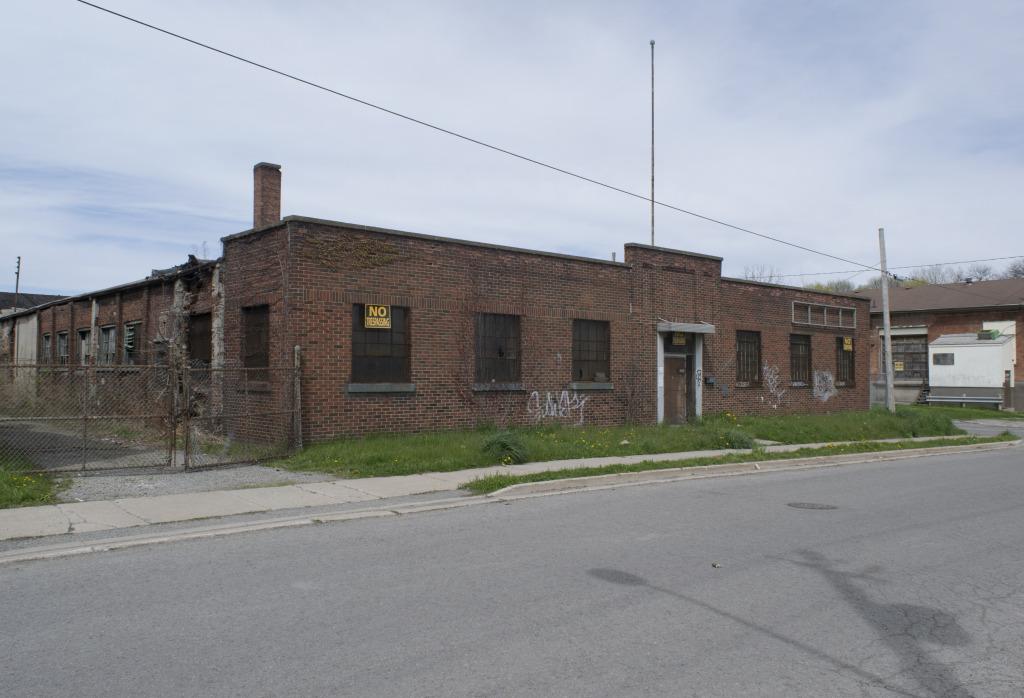
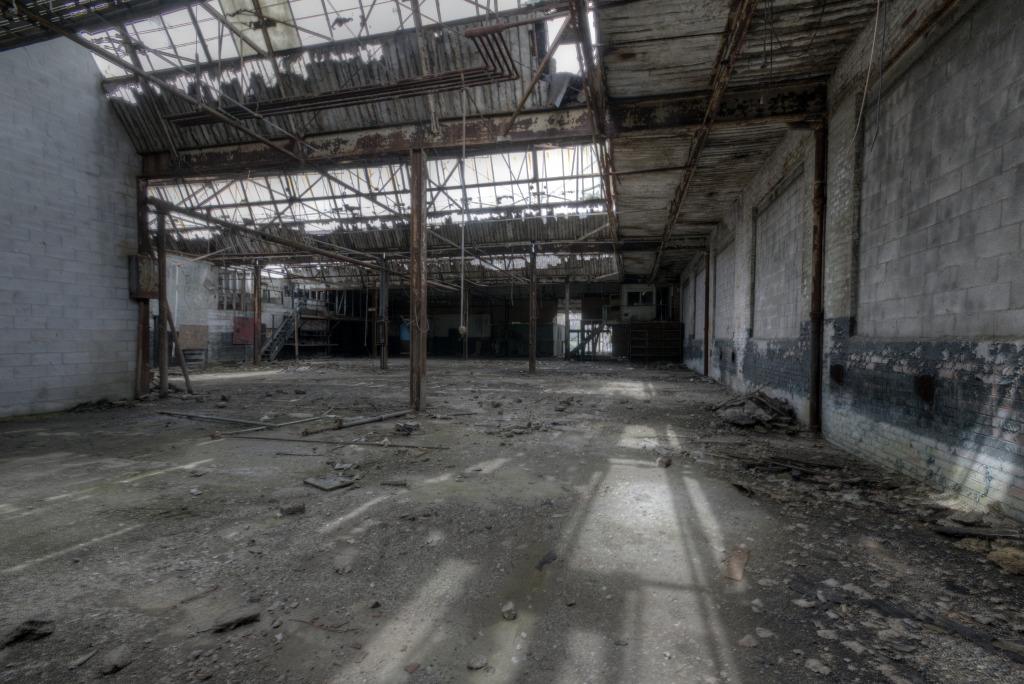
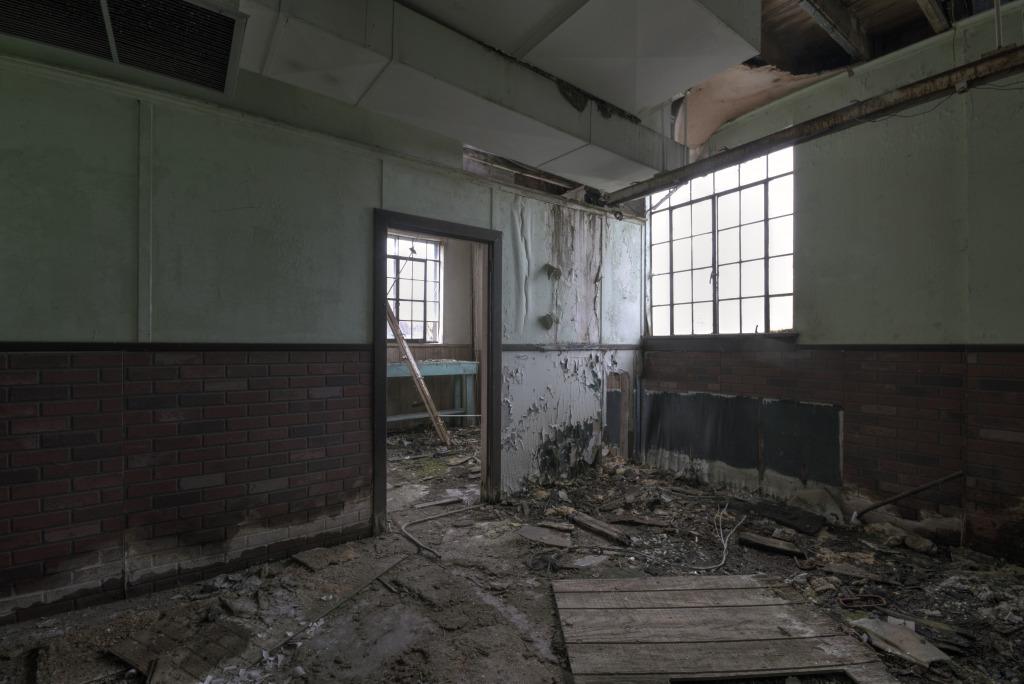
Burgess Battery Factory in Niagara Falls

The Burgess Battery Company was formed on March 2nd, 1917 by Dr. Charles Burgess, a professor at University of Wisconsin. The company was a subsidiary of C.F. Burgess Laboratories. Burgess was a chemical engineer who developed dry cell batteries commonly known today as A, B, C and D cell batteries.

Burgess had also been working on developing a flashlight, which had already been invented in 1900 but had been dismissed by many as being impractical. Burgess was successful in selling his flashlight batteries and in 1913 resigned his position at the University.

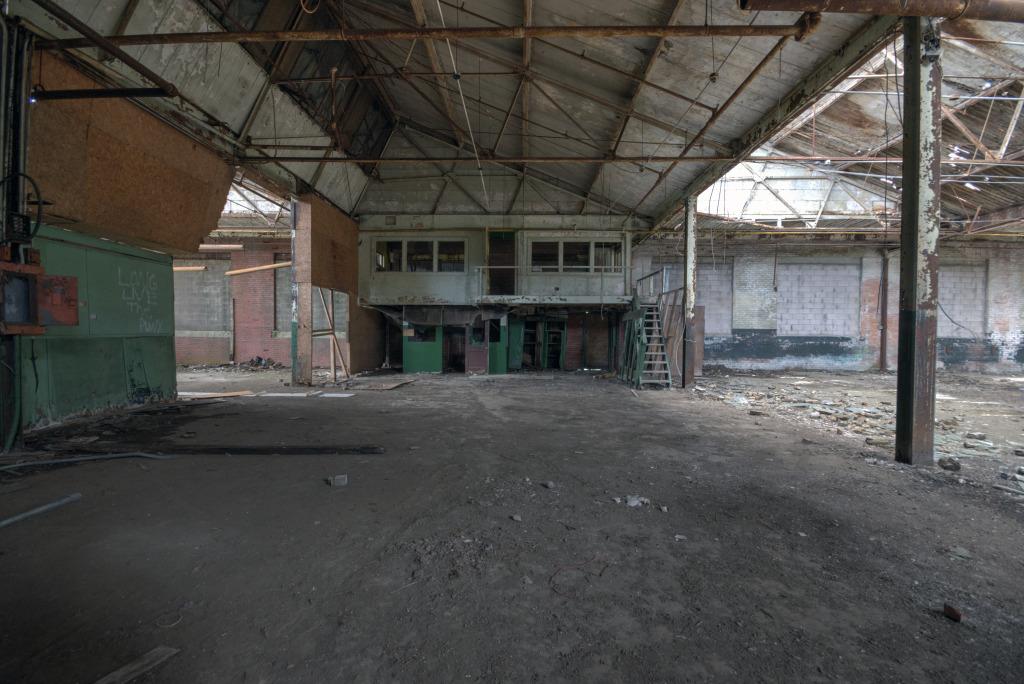
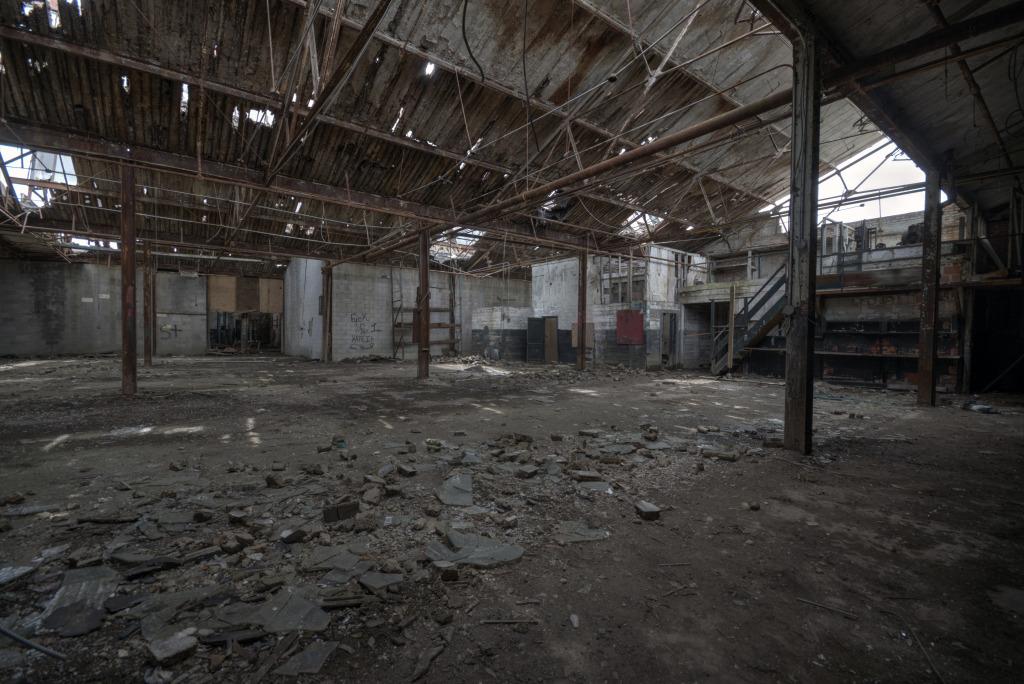
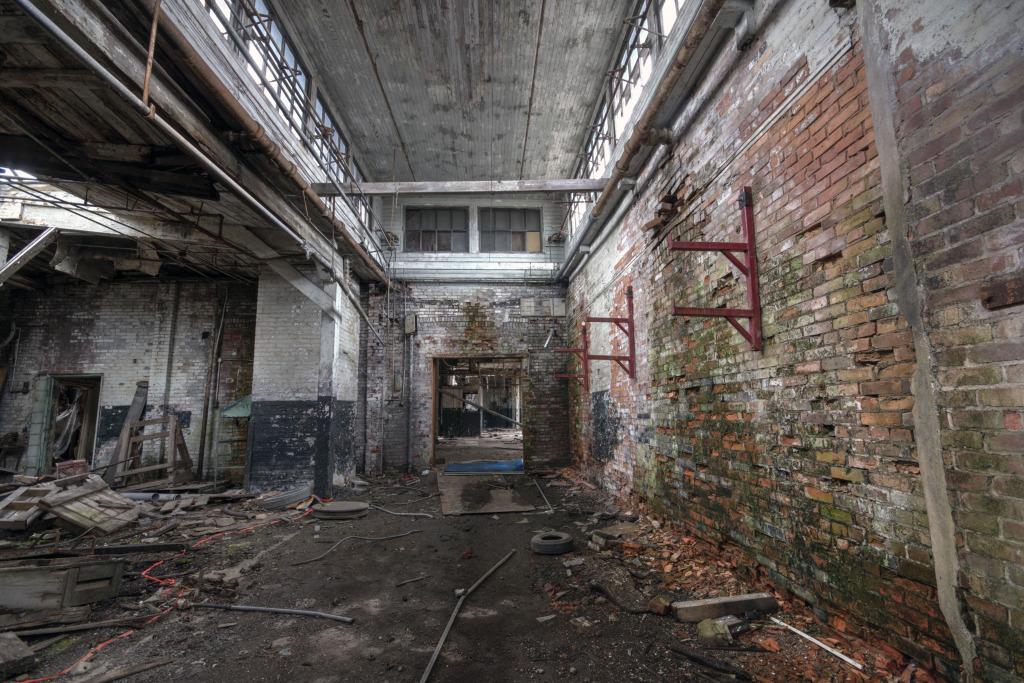
Burgess expanded his business operations which grew to 2,000 employees. He built two production plants in Canada, one in Winnipeg and the other in Niagara Falls. The Niagara Falls production ran from 1923 until 1981.

Eveready had a 90% dominance of the battery market at the time and would attempt to run their competitors out of business by claiming patent infringements on a manganese battery component. Burgess went on to create a material superior to Eveready’s, who ended up licensing it from him.

Burgess was bought by Servel Inc. in December of 1958.

During the mid 1970s the company suffered financial difficulties including a government anti-monopoly suit. In 1989 the company’s assets were sold off and the business ceased. As of 2010 the Burgess company name was been purchased and still in use today.

After the Niagara factory closed, Vector Tooling took over operations,

Burgess hit financial difficulties in the 1970s with a large anti-monopoly law suit, and went under in 1989 after being bought out by Mallory Battery – now known as Duracell.


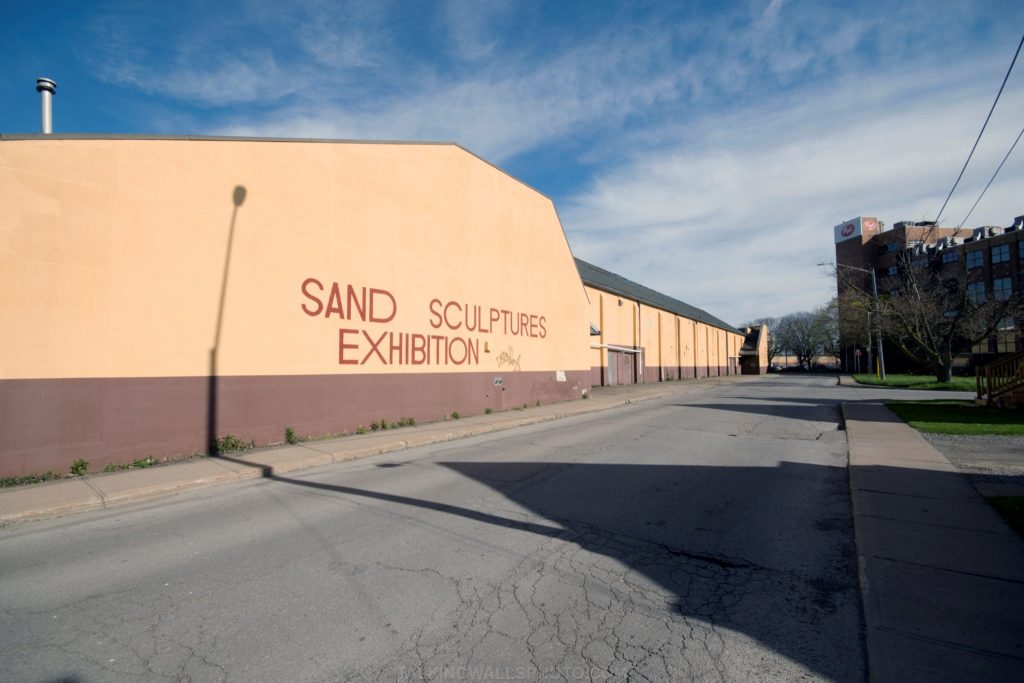
Niagara Falls Memorial Arena & Sand Sculpture Exhibit

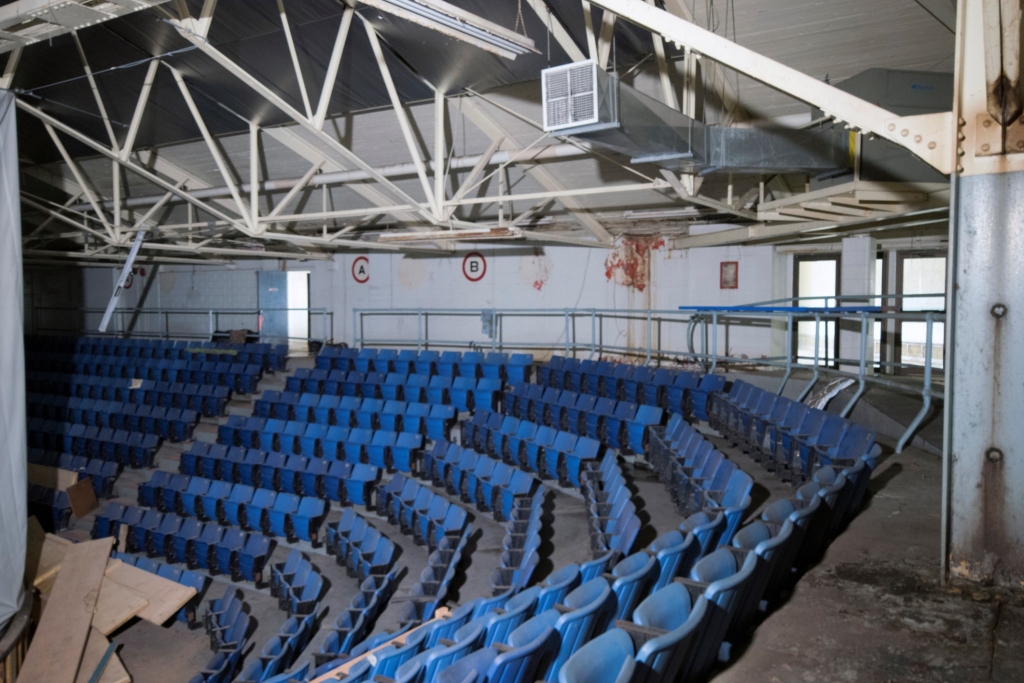
The Niagara Falls Memorial Arena was constructed in 1950 with a capacity of holding 3,056 patrons. The first opening hockey game took place on January 27, 1950 which featured the Niagara Falls Cataracts playing against the Hamilton Aerovox (a 6-4 loss for Niagara by the way).

Various hockey teams called the arena their home including the Niagara Falls Thunder, Niagara Falls Canucks and Niagara Falls Flyers.

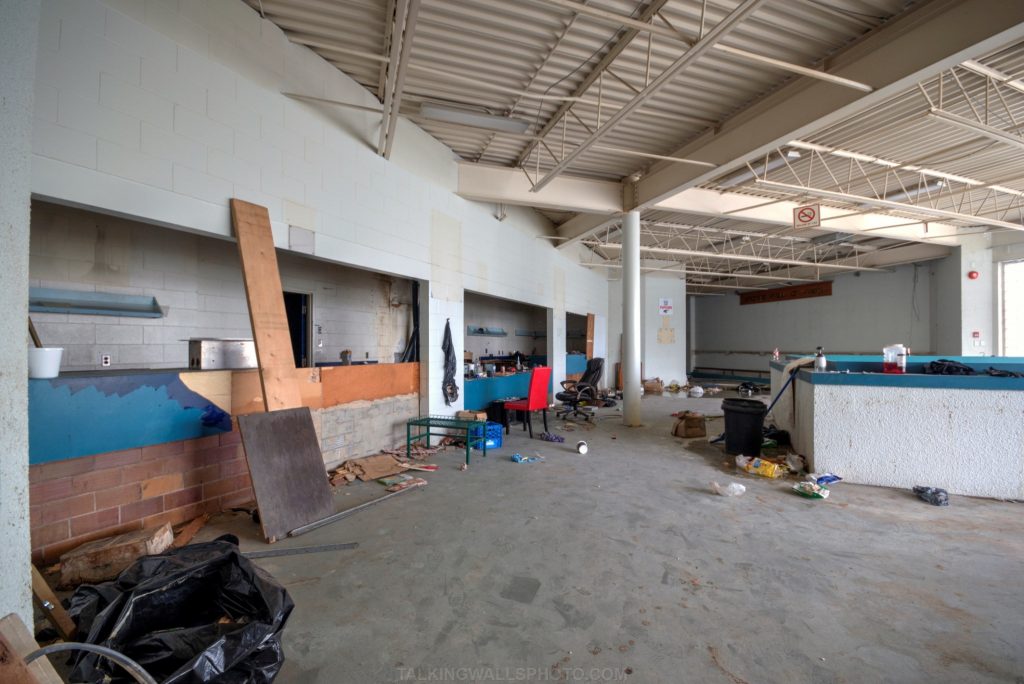
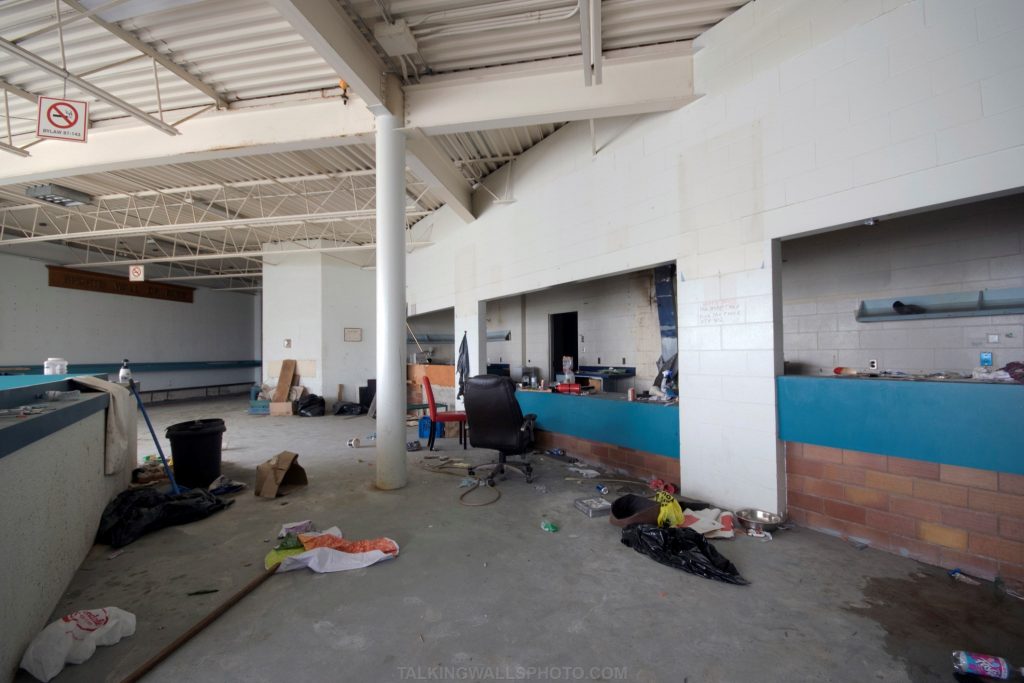
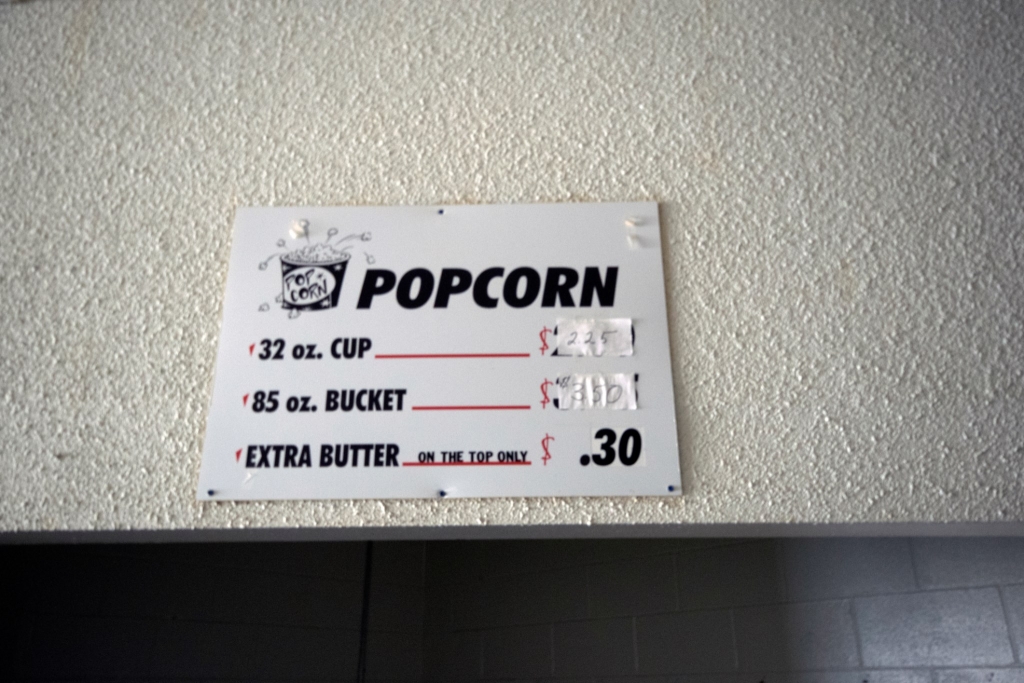
The main floor offered a concession stand and ticket booths. On display was a portrait of the Queen and trophy case displaying trophies and memorabilia from the home teams. Stairs lead to the upstairs level which has its own concession stand and access to the top row seats.
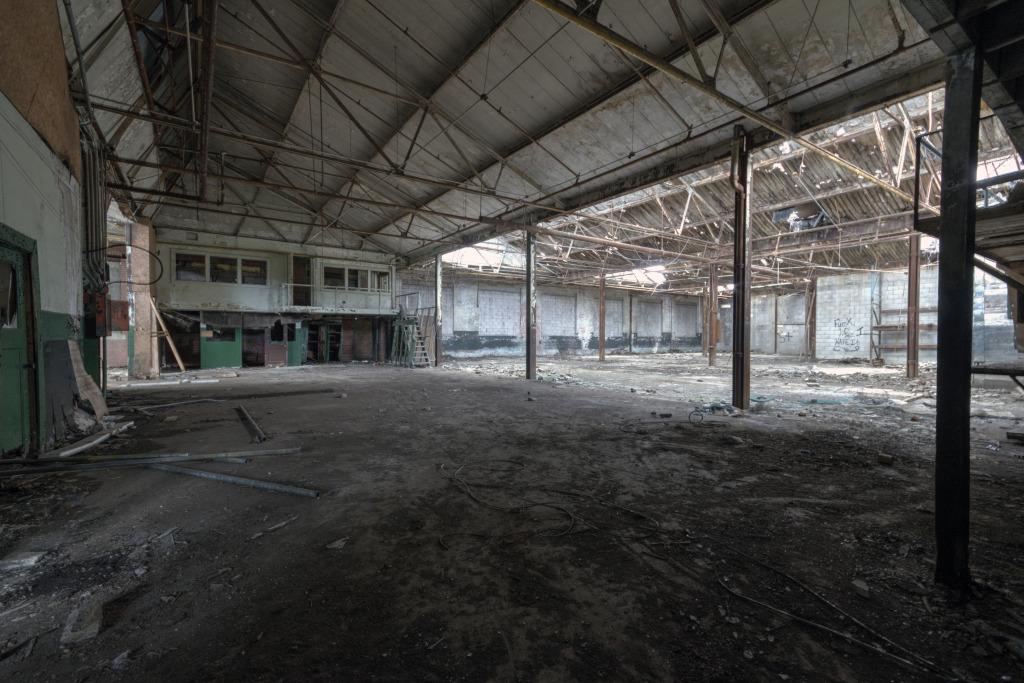
The Memorial Arena closed in 2010 when the modernized Gale Centre was opened. In 2012 the arena was purchased by a Russian company named V2 Niagara. They made renovations to the heating and electrical of the old arena. This process of renovating the building to comply with safety standards took close to two years.
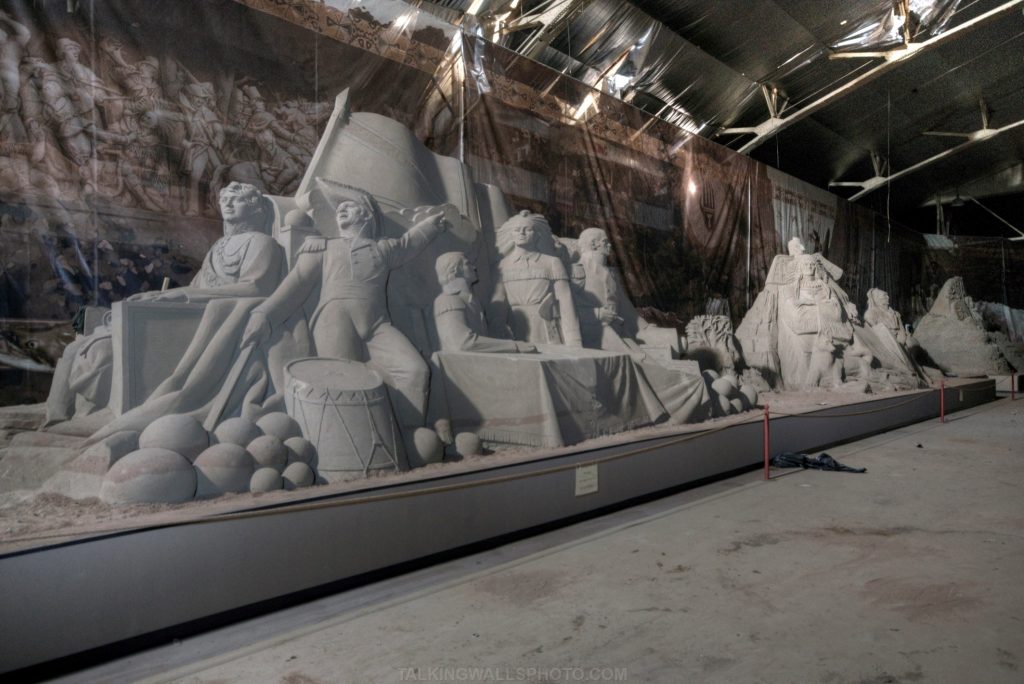
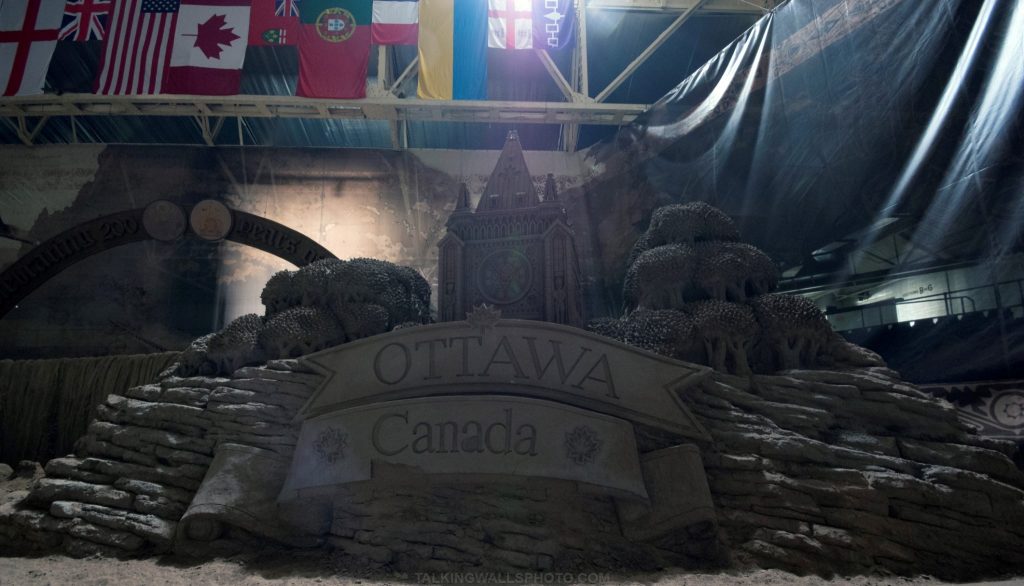
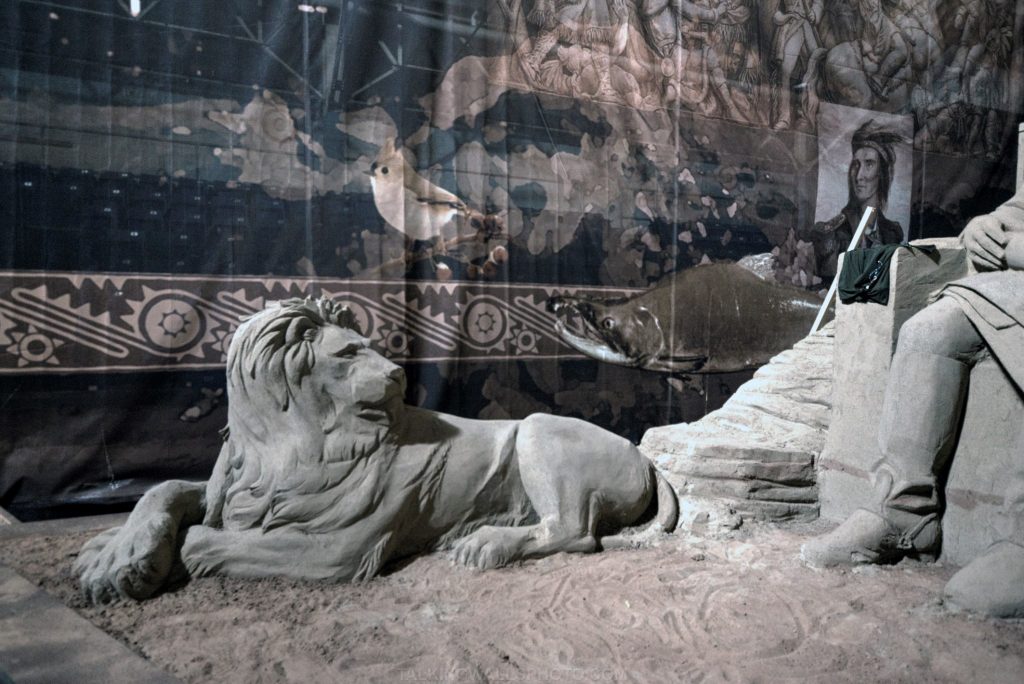
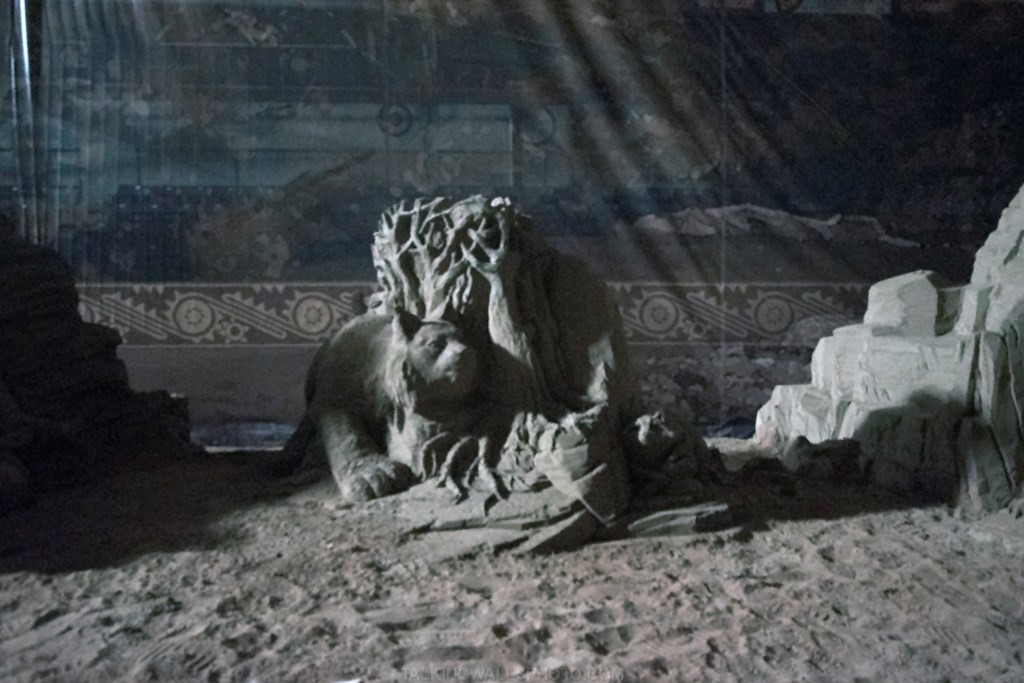
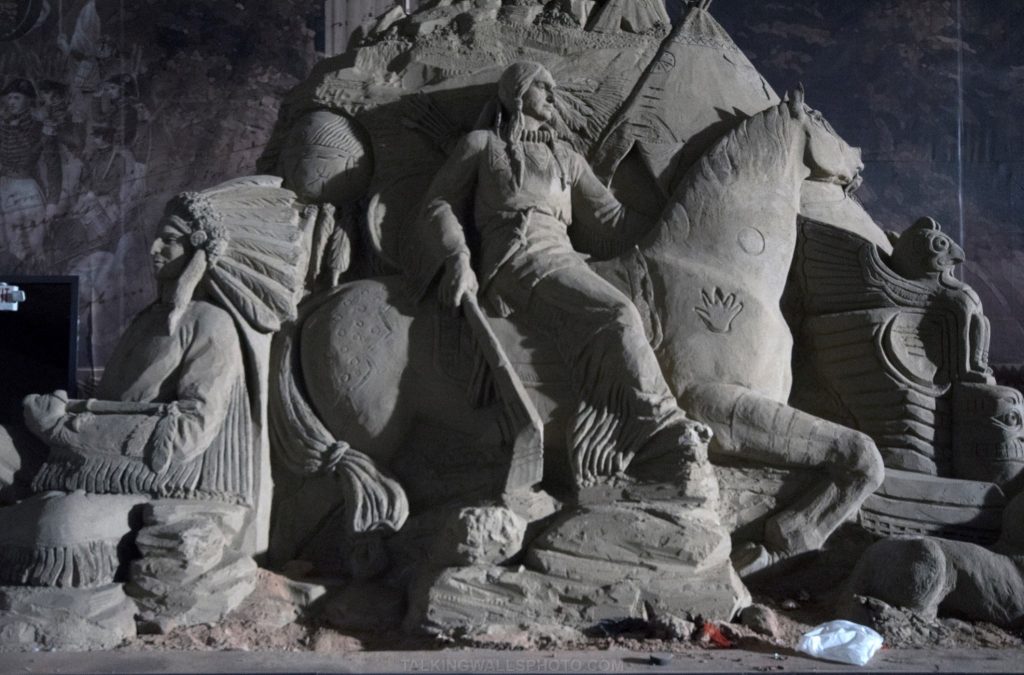
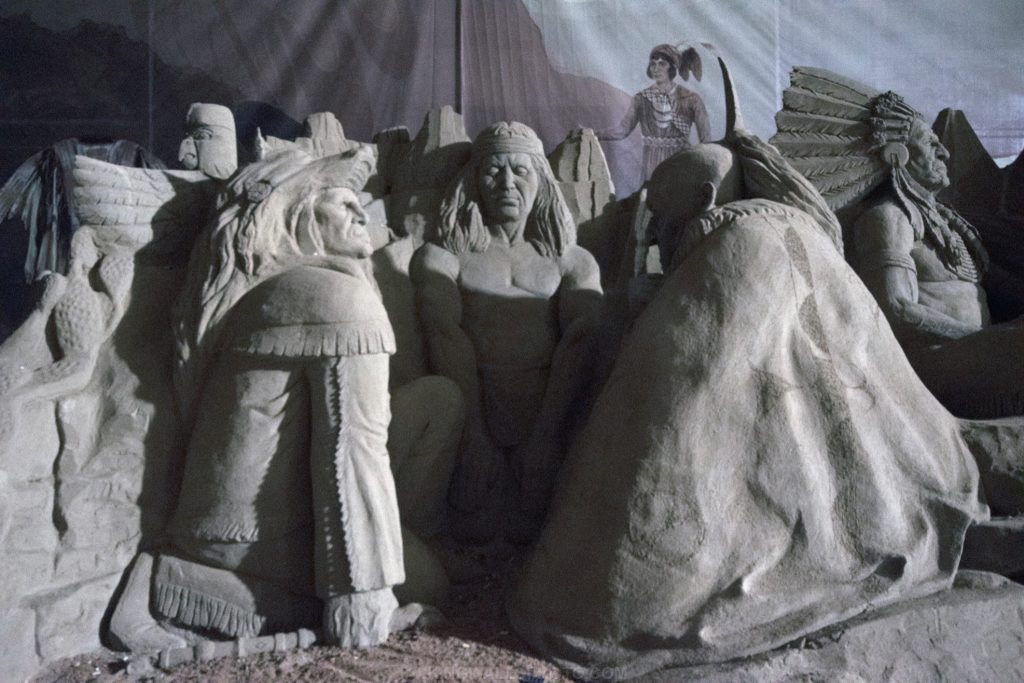
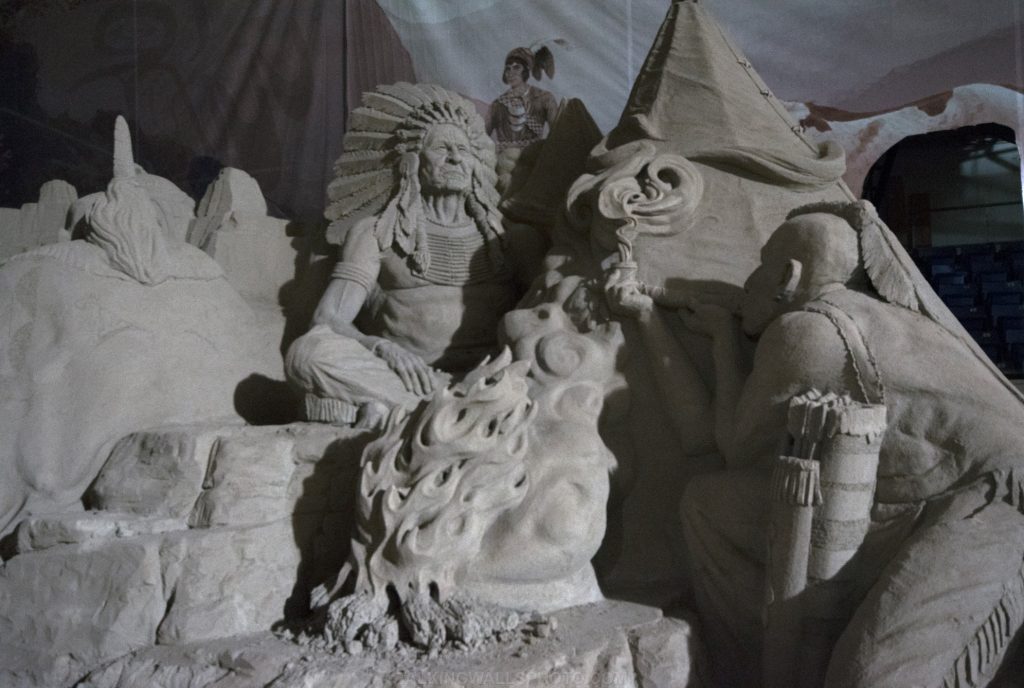
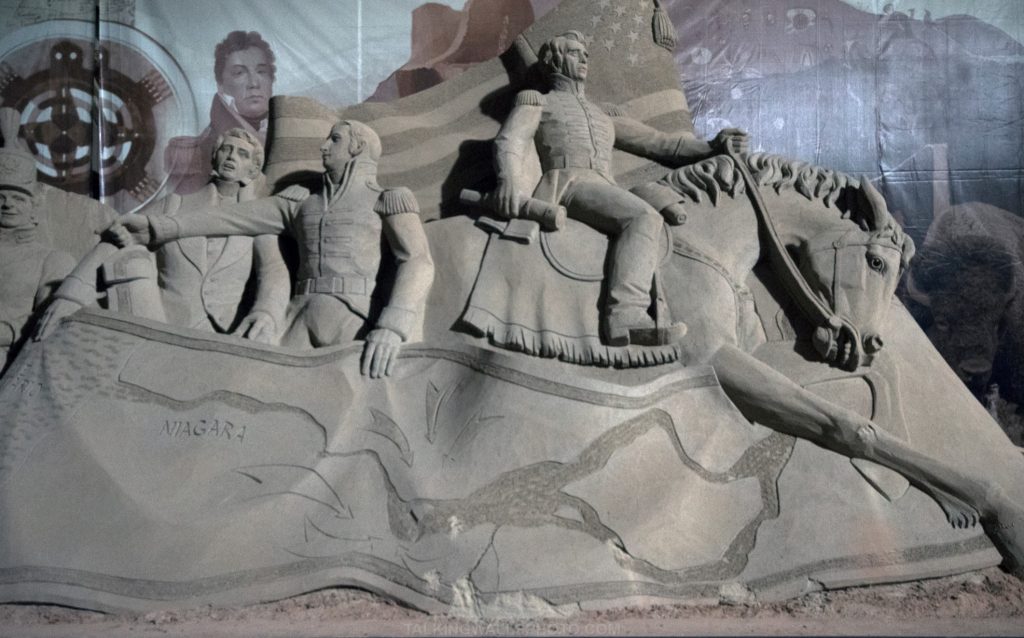
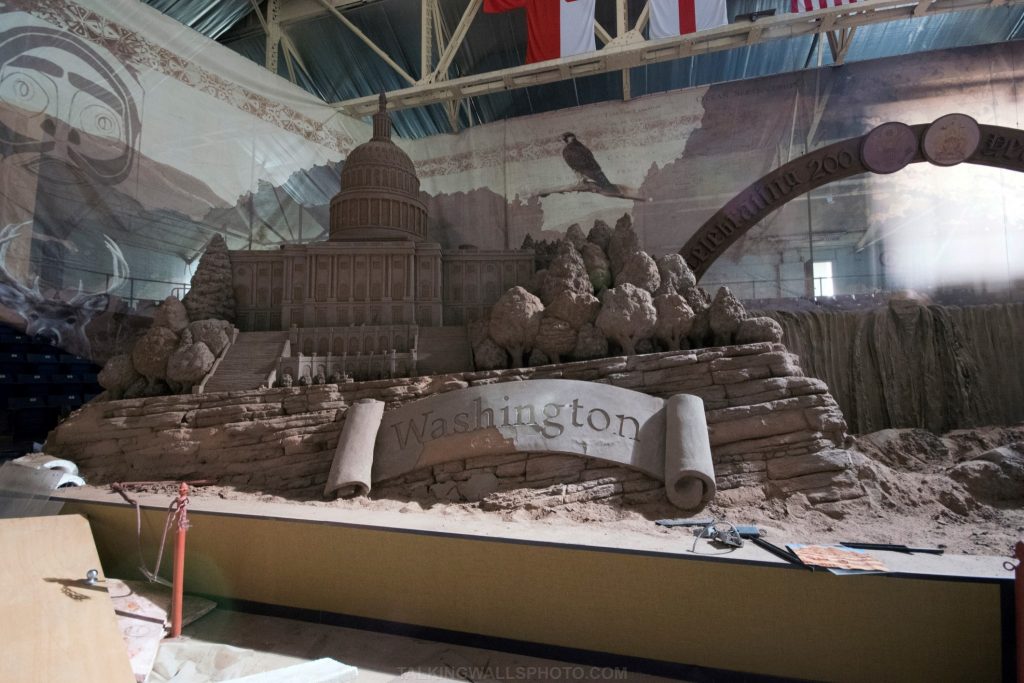
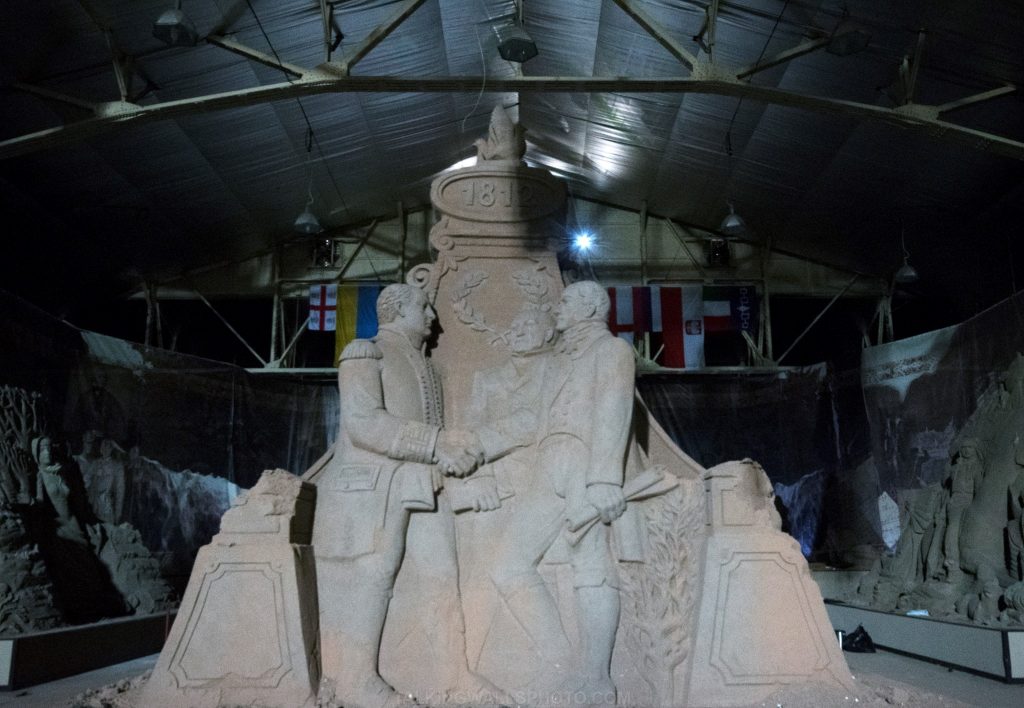
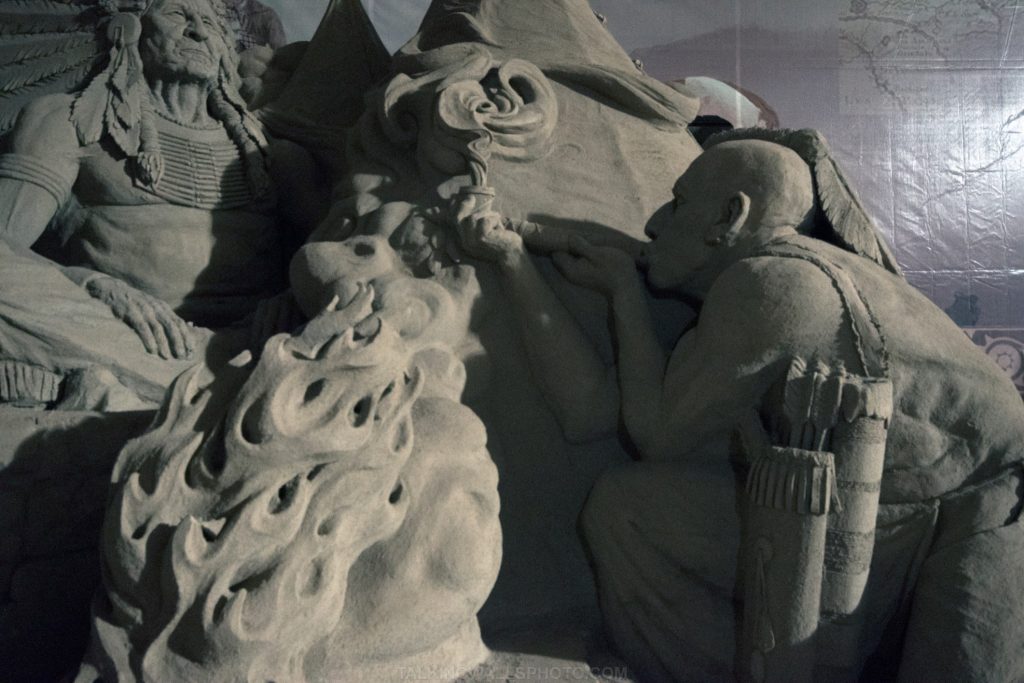
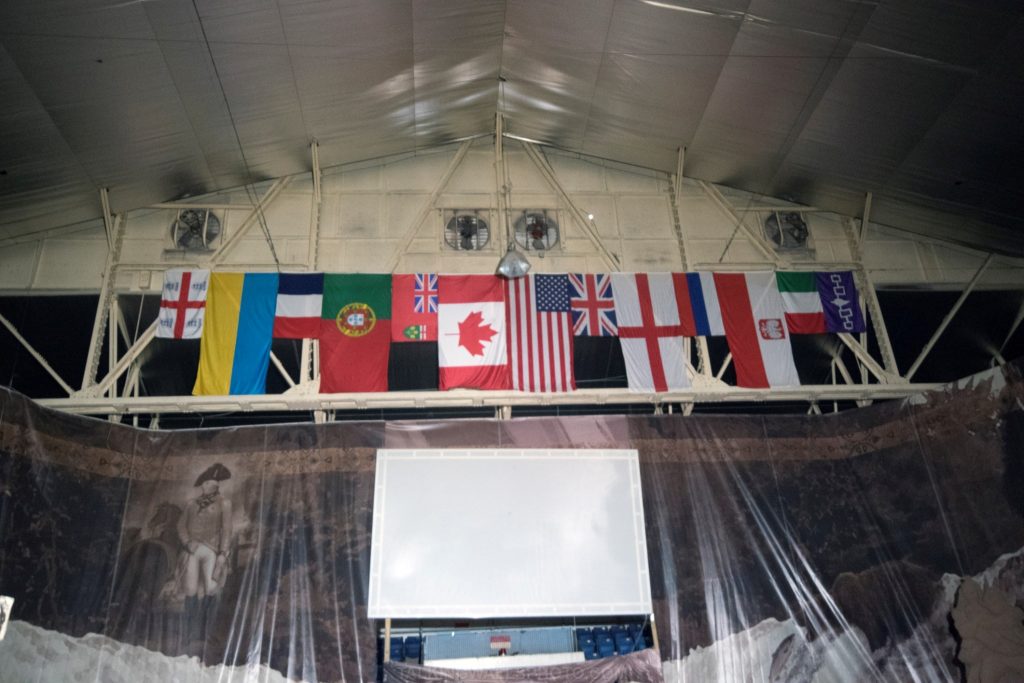
In August of 2013 a sand sculpture museum opened featuring life-like sand sculptures of various historical significance. Seventeen artists from Canada, Russia, Europe and the United States were commissioned to create sand sculptures. The artists took approximately four months to design the exhibits which used just over six million pounds of sand.

The fist exhibit was titled “Sand and History”.

The museum was met with financial difficulties and the Russian based owner put the property up for sale along with its contents. In 2014 the asking price was $3,000,000 which was later reduced to $1,700,000 in 2016.

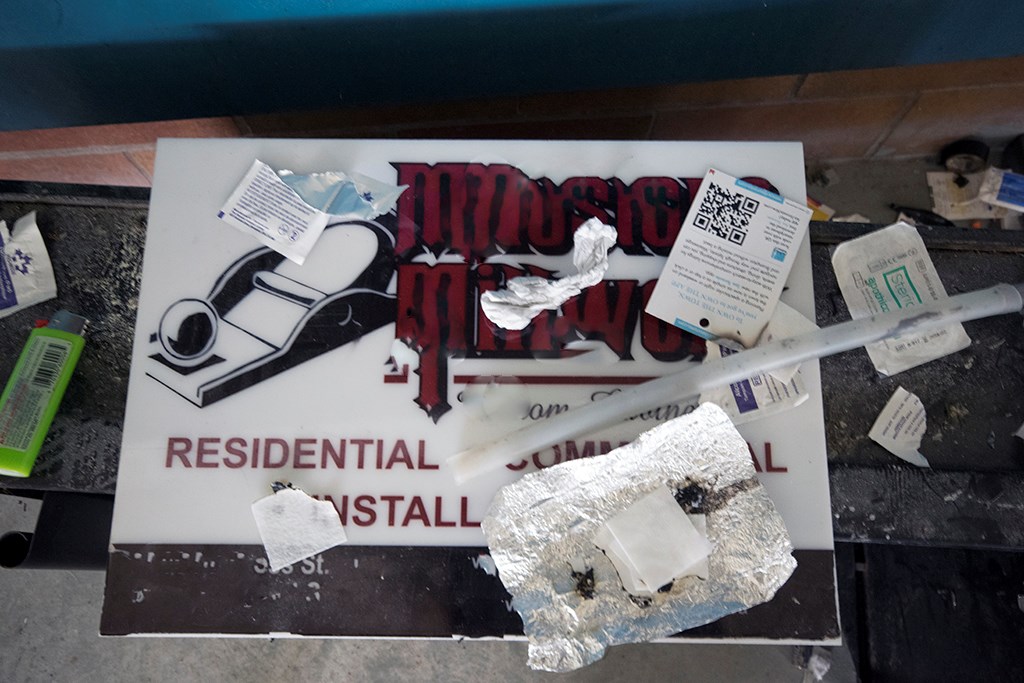
Today the property’s vacant and there’s evidence of intravenous drug use and homeless people sleeping here. While visiting this location I observed several syringes, some with blood in them. There’s a tent pitched in the upstairs area where someone had once stayed. The main floor has an unmistakable stench of human waste. (This is mentioned as a precaution in the event others decide to visit. It’s not mean as judgement by any means)

The arena floor is quite dark as there are no working lights. Some photos were taken with long-exposure.

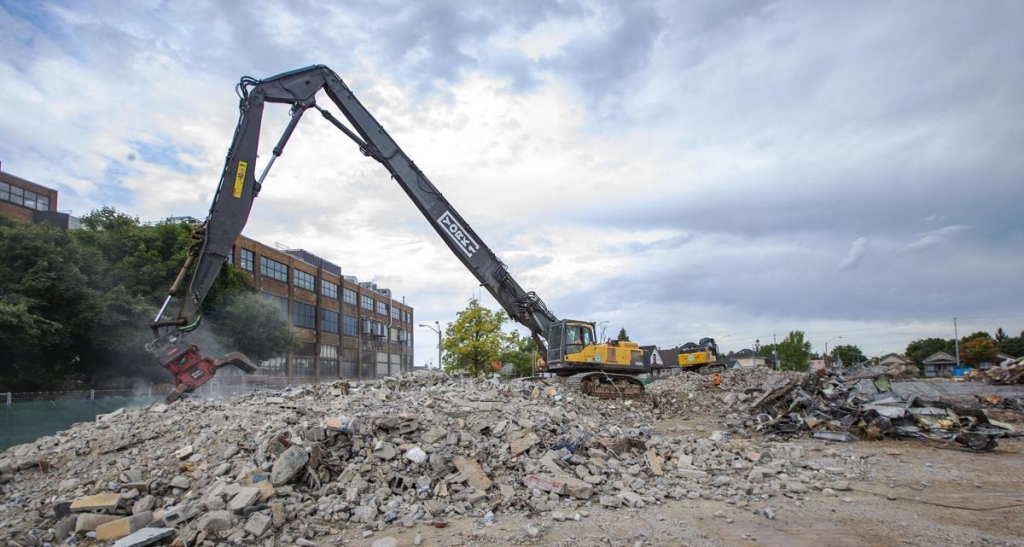
Demolition began in July of 2024.

Photos of the arena

Photos of the sand sculptures

Notable Mentions

1) In 1968 the Memorial Arena hosted four of five hockey games for the Memorial Cup which was won by the Niagara Falls Flyers on their home ice.

2) On October 8, 1976 an elderly woman watching a hockey game lost an eye when the hockey puck left the ice and went into the seating area.

3) Renovations to the arena took place in 1986 and new seating was installed.

Bob Tymczyszyn St. Catharines Standard


Abandoned Christian School House Toronto

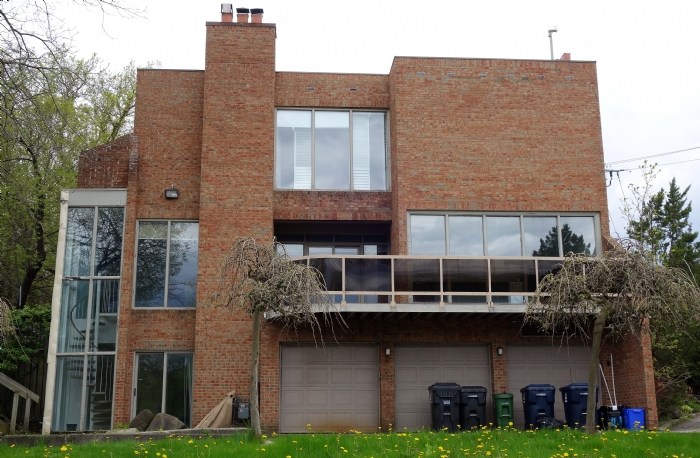
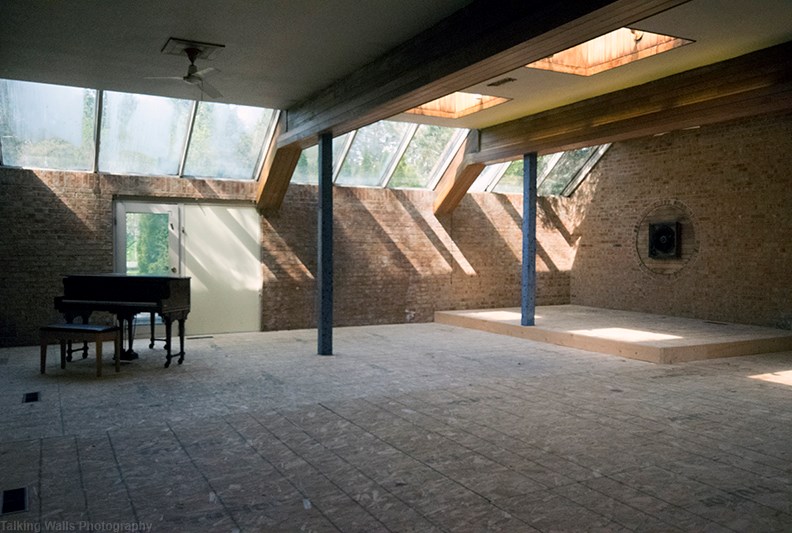
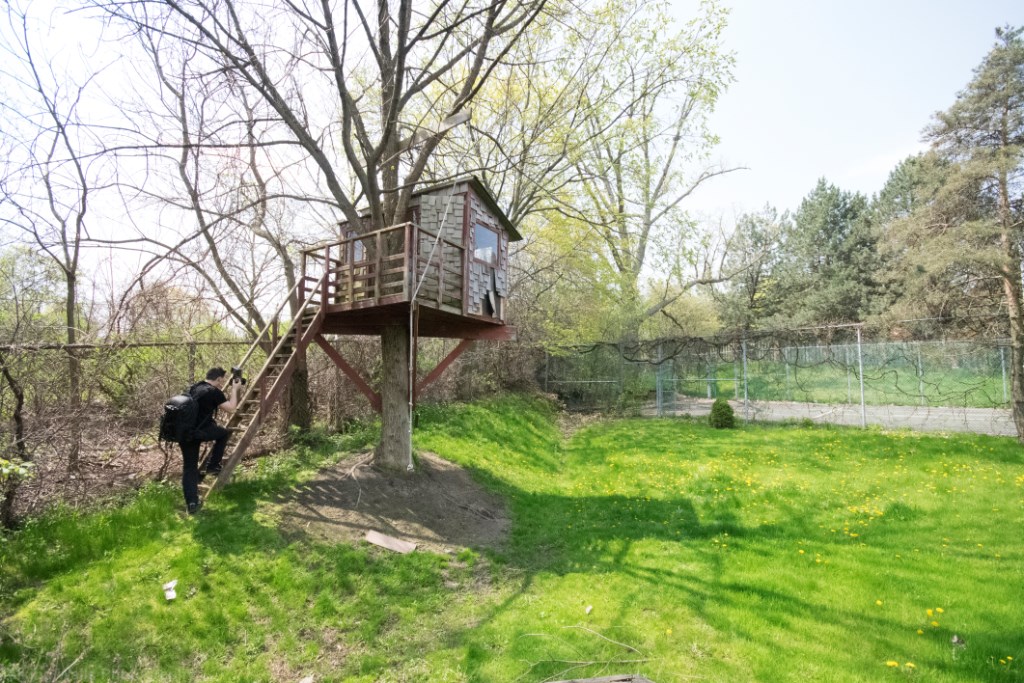
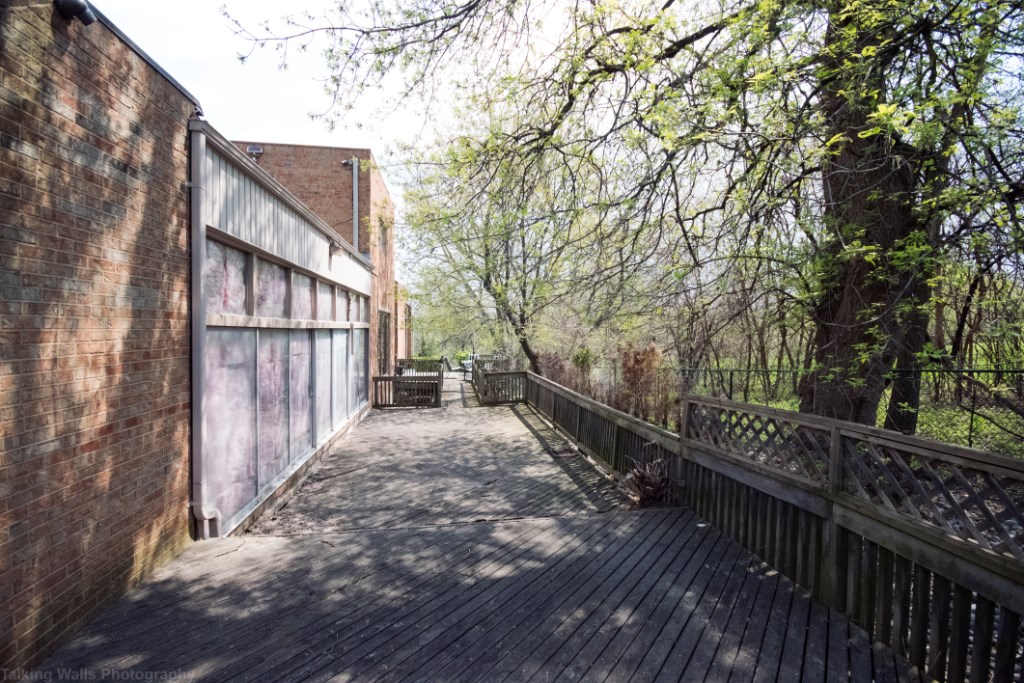
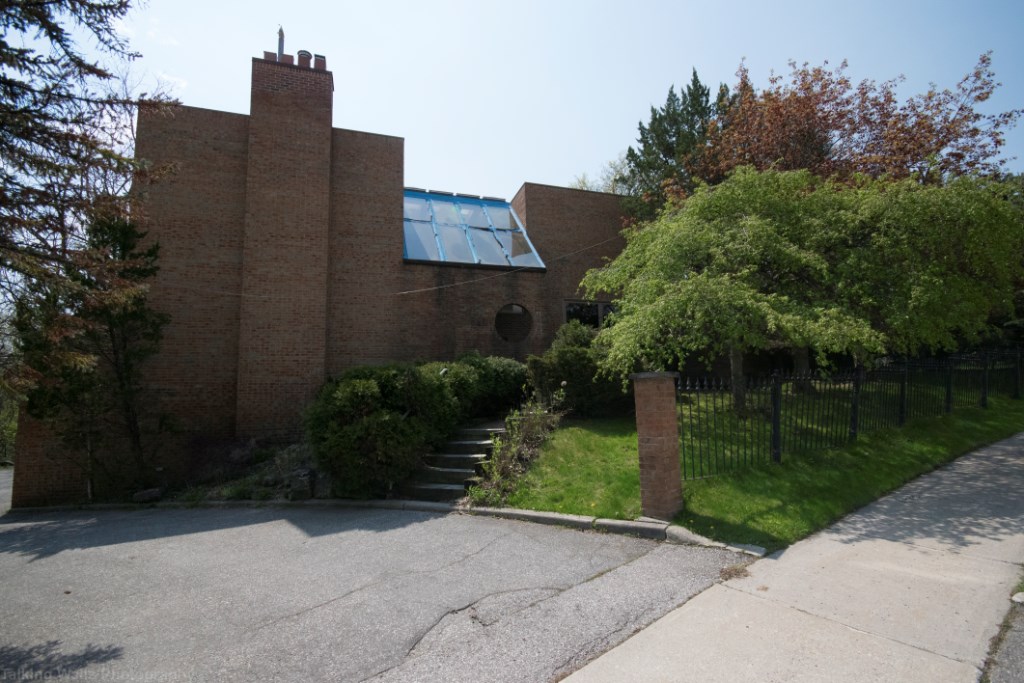
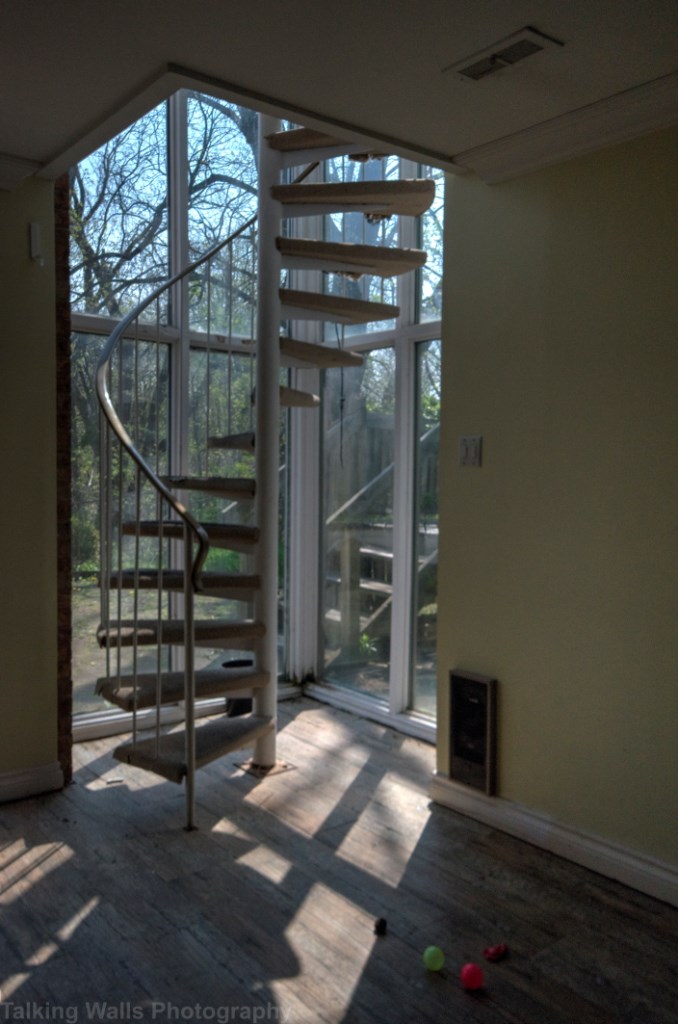
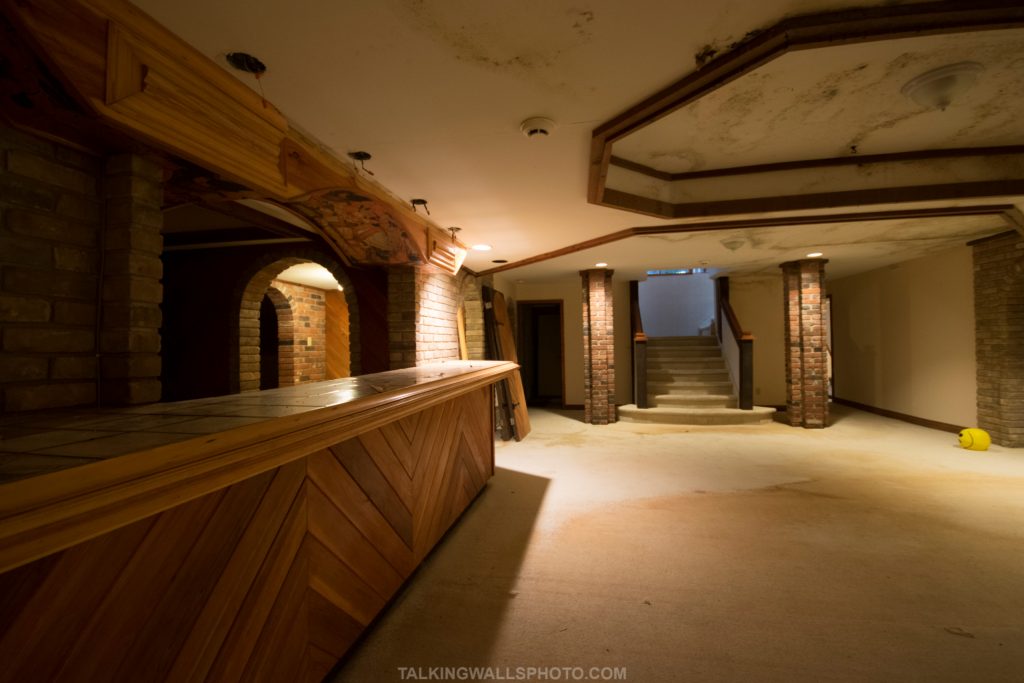
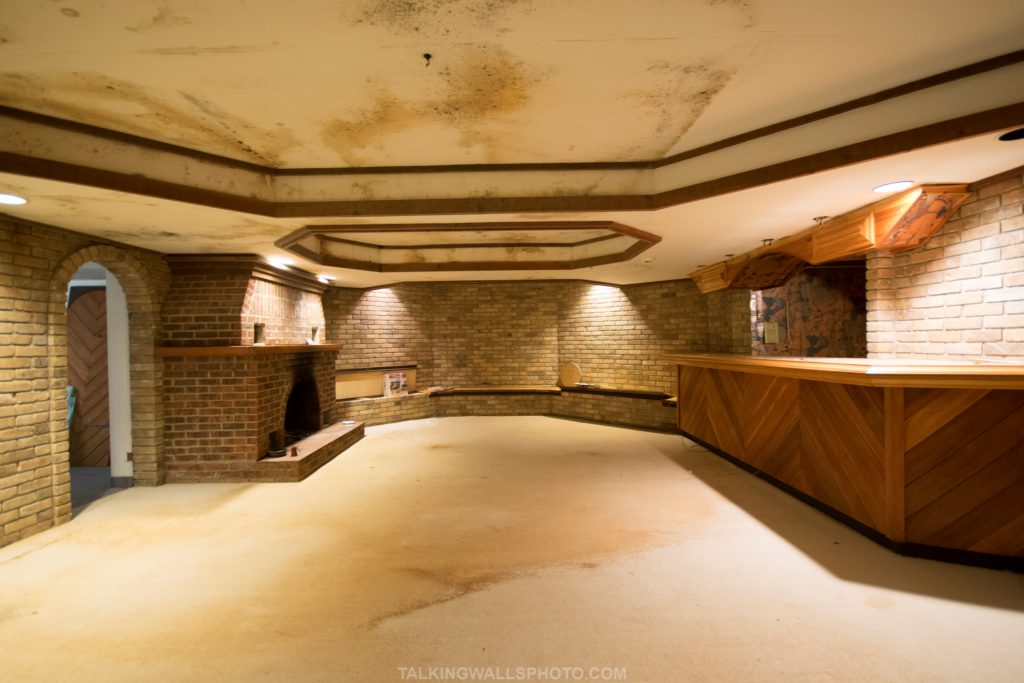
This home was built in 1979. It’s listed for sale in the Toronto area for $5,500,000. The house has three garages and in the back of the property, a tennis court and tree house.

The home doesn’t have much appeal as a place you’d want to live, which is because the last use was as a Christian school.

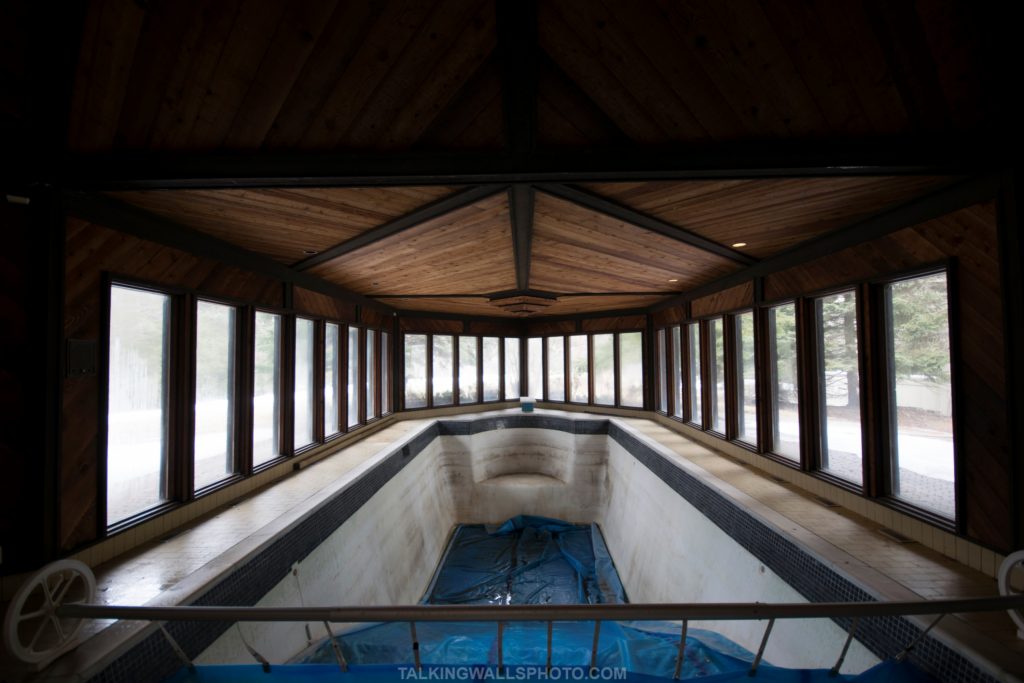
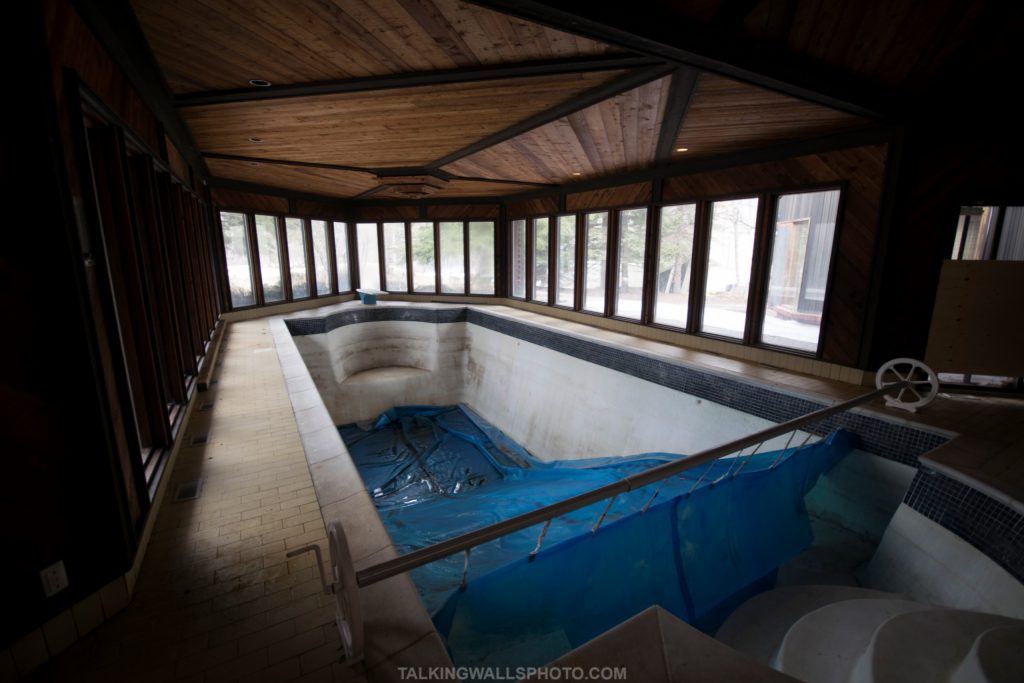
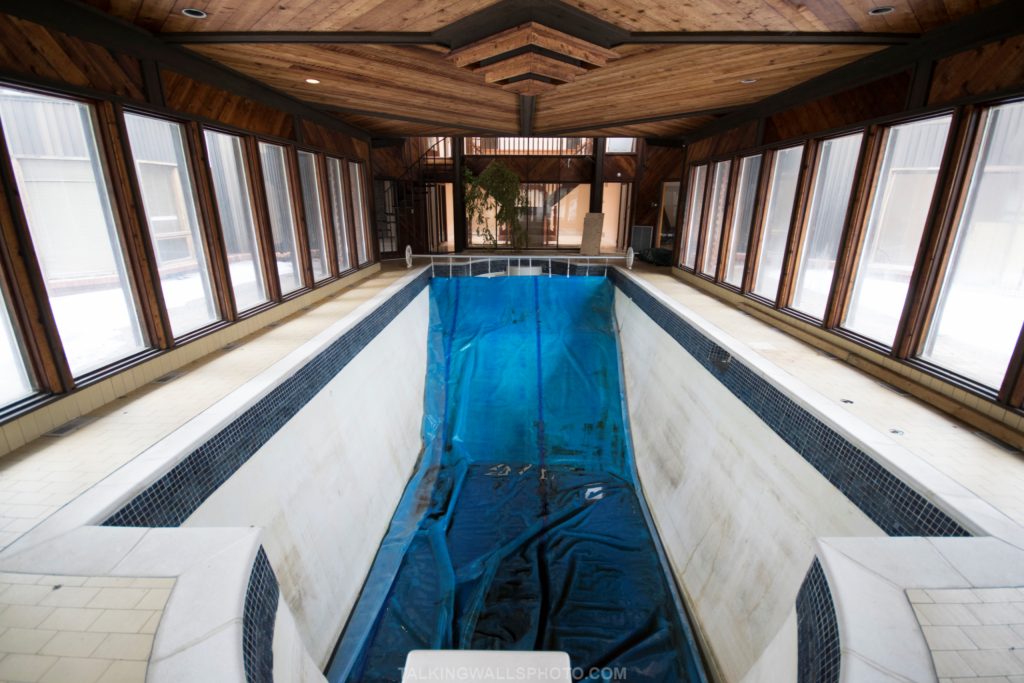
The house has an indoor pool which has been covered over with plywood. Several of the rooms have panic buttons and sensors, which leads me to believe that perhaps this was used as a group home where entry and exit of rooms would need to be monitored.

A developer has submitted an application to build a three-storey townhouse on the property.


The Abandoned Money House Ontario

The urban exploring community chooses to give locations names in an effort to be able to communicate and differentiate them in discussions. The reference for this abandoned house is simply the “Money House”, the reason for this will soon be explained.

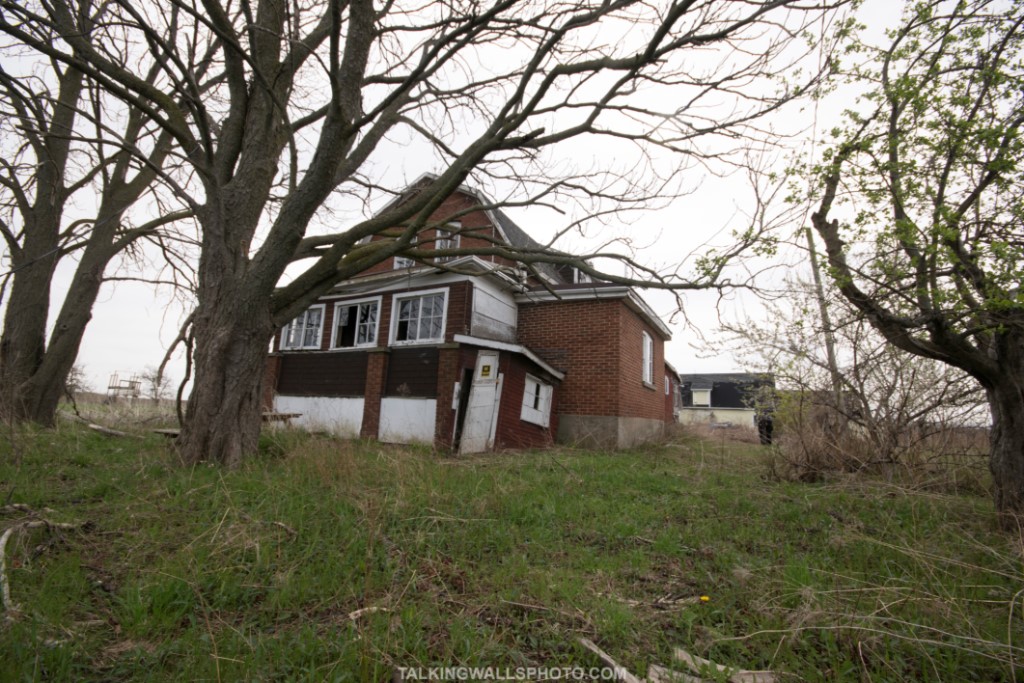
The house is located along a quiet rural road in an area where it’s not uncommon for you to see orchards and crops. I observed several migrant workers in the field just metres away from our exit point when it was time to leave. The workers stopped to watch us upon seeing my partner and I leaving the run-down house.

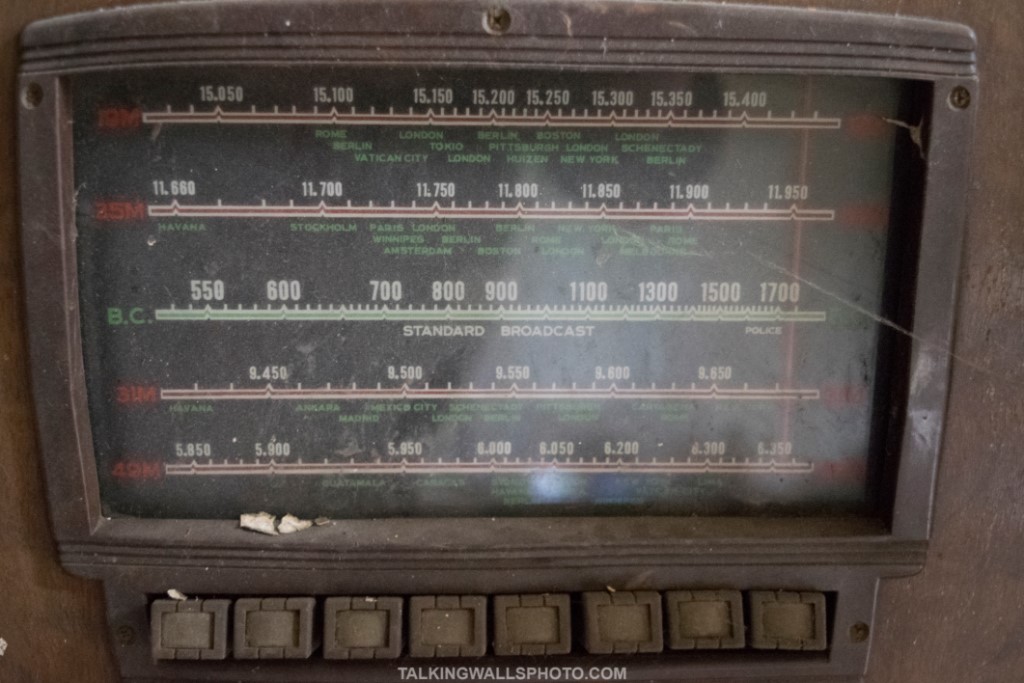
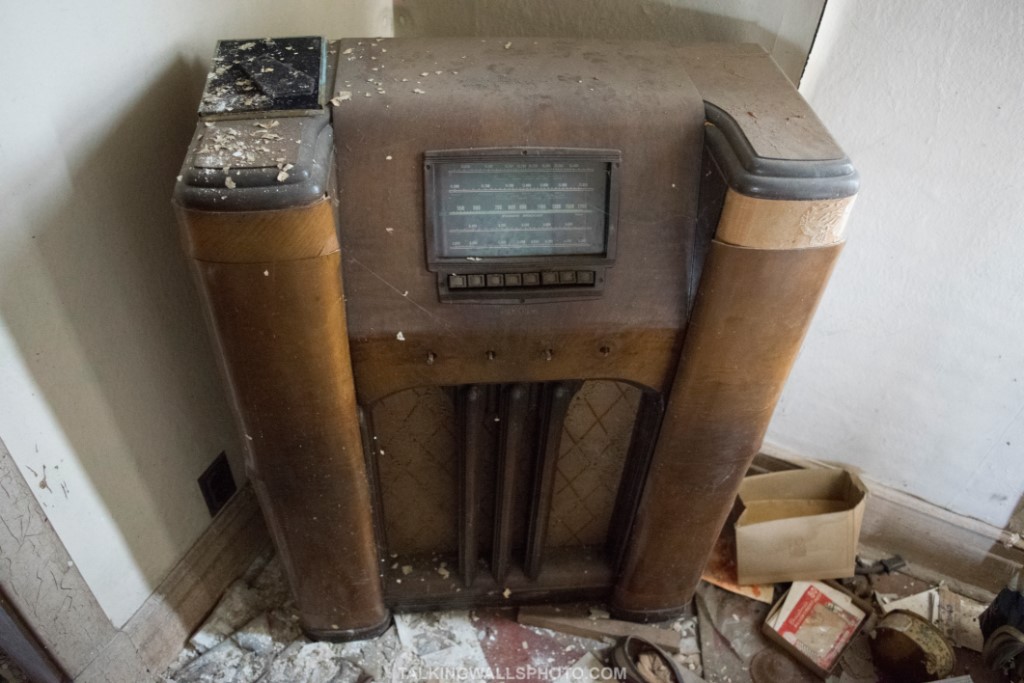
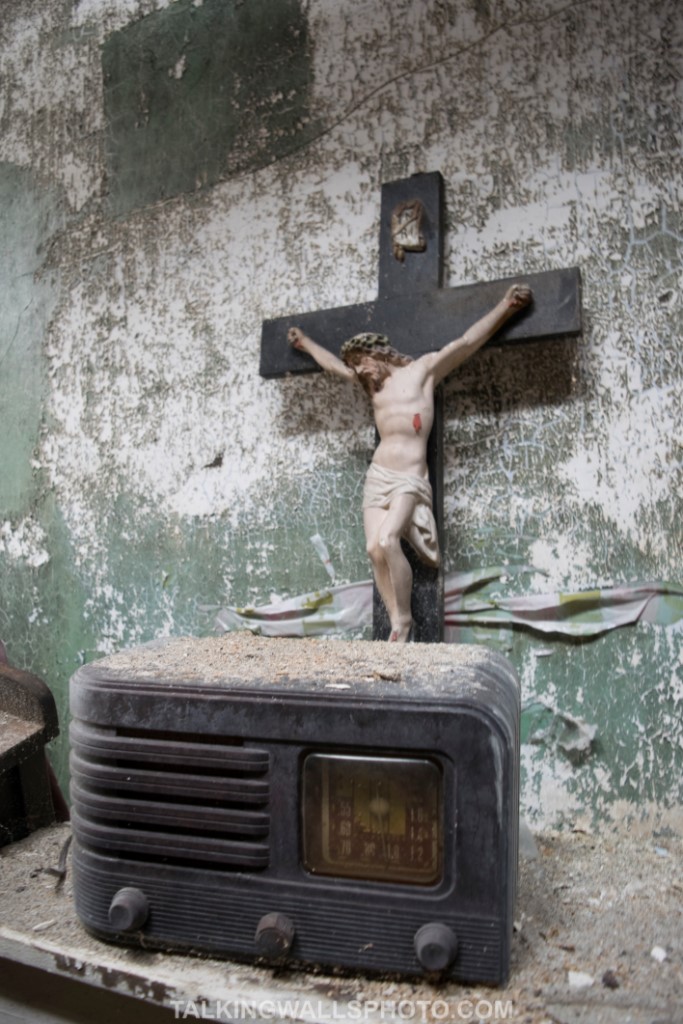
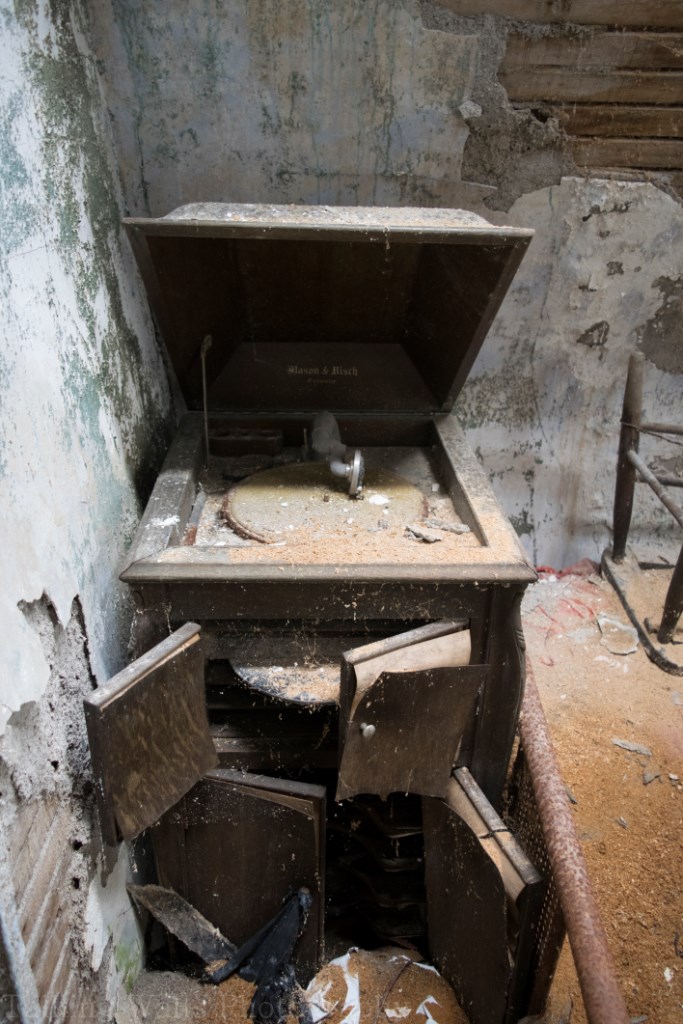
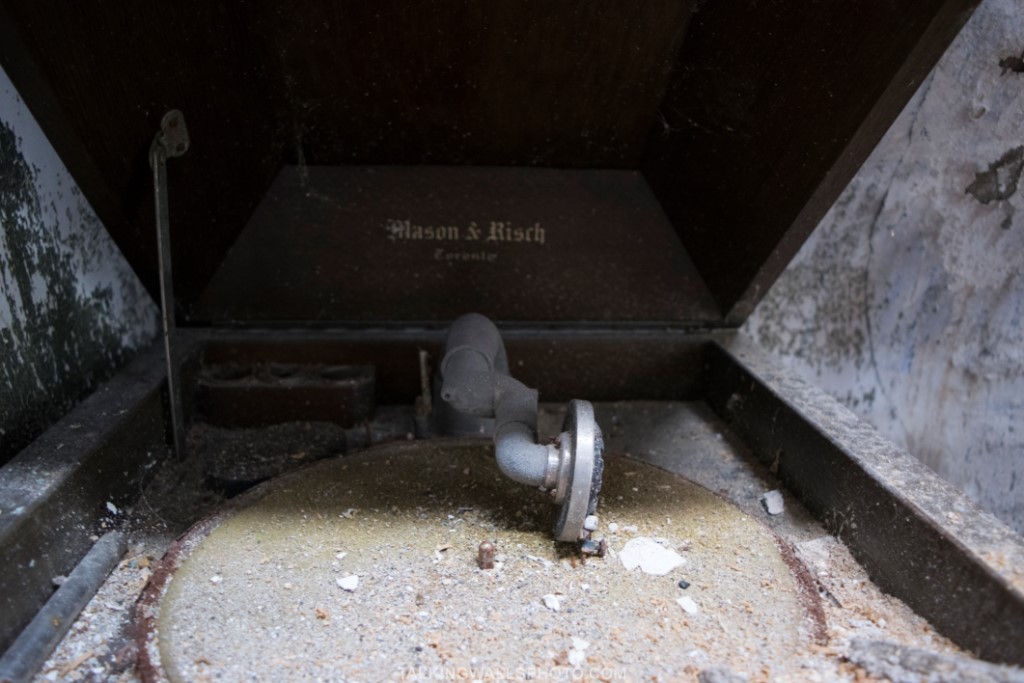
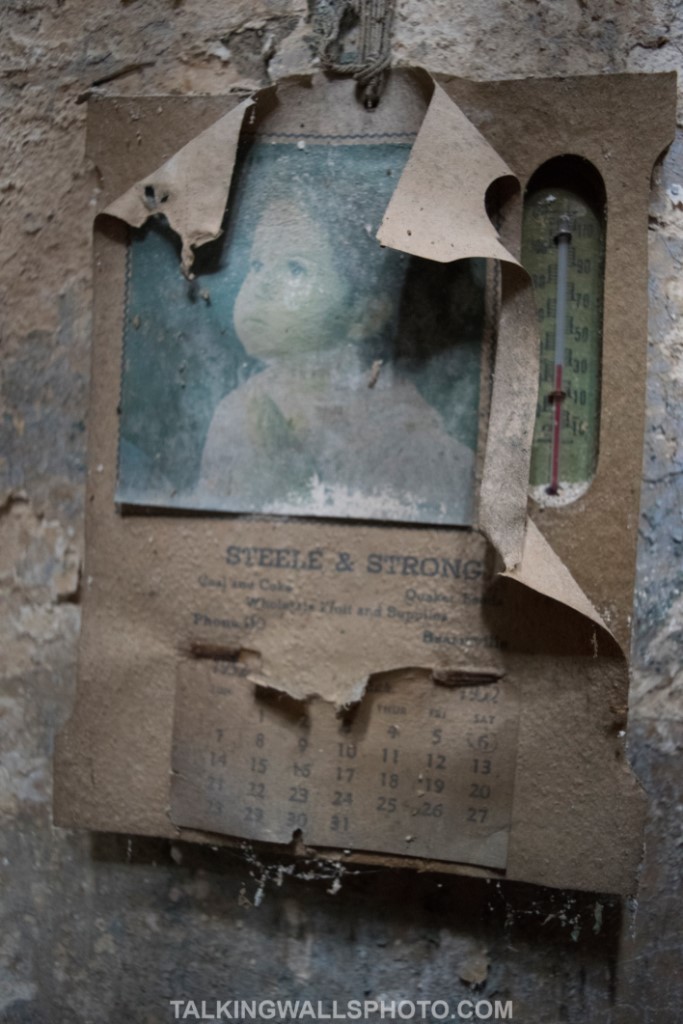
The house is nestled in between two occupied houses in an area where several orchards are located. Inside the house, we found several items that dated the era in which the house was lived in. Some of the items discovered inside were an old black and white tube television on the main floor, an antique AM radio, a phonograph, and a calendar from 1952! Calendars provide a reasonable estimate as to when a house was last lived in because people tend to update them on a monthly basis.

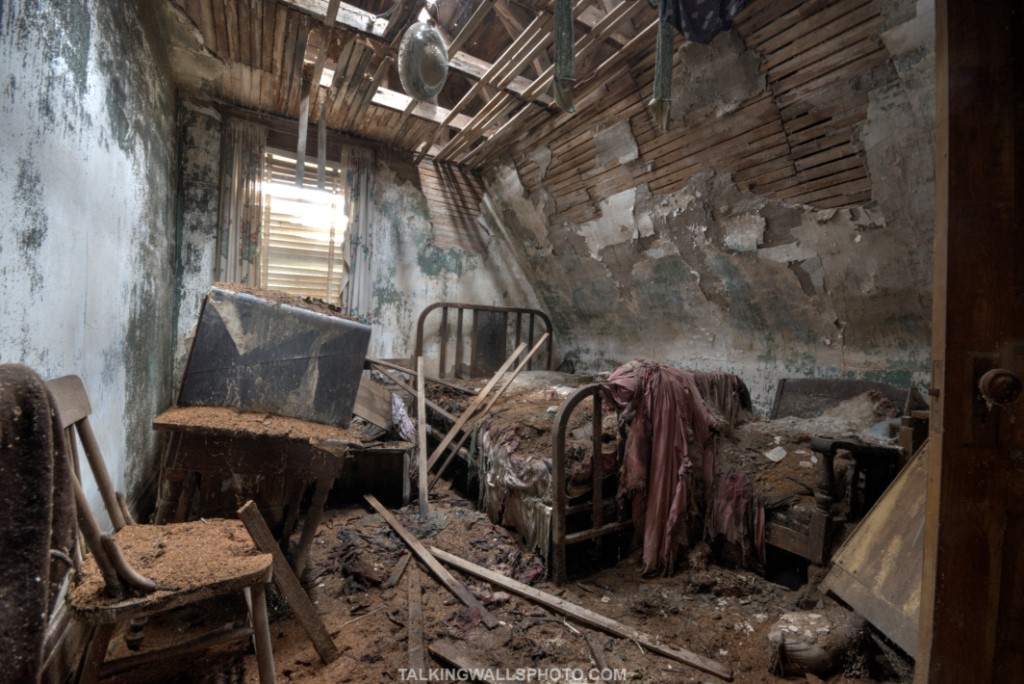
Portions of the roof have succumbed to the elements and time, as there are several holes in which daylight breaks through.

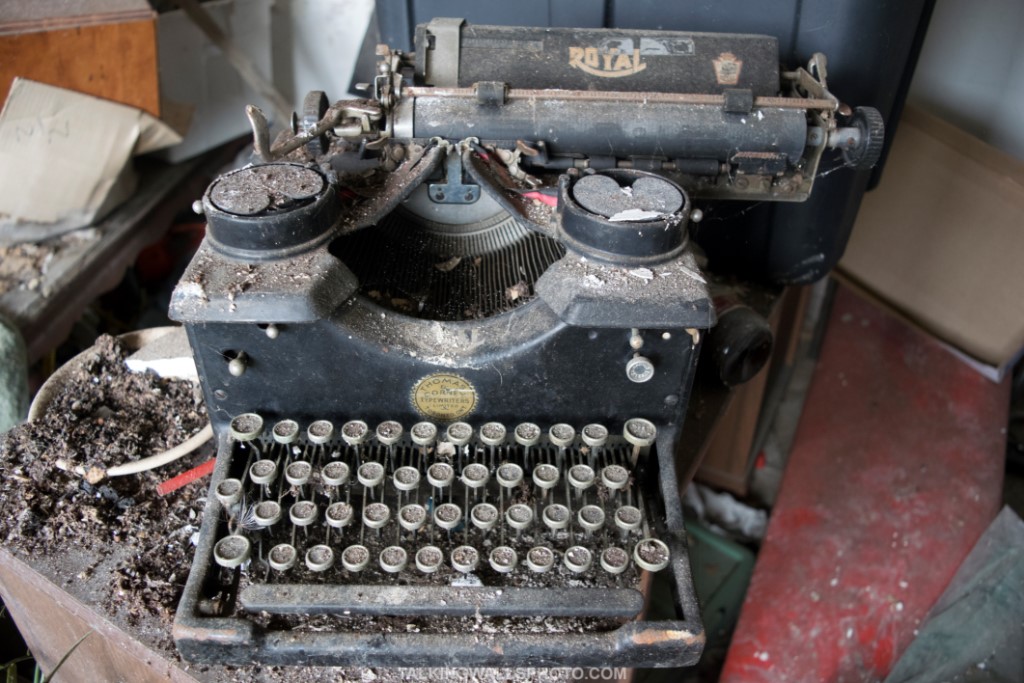
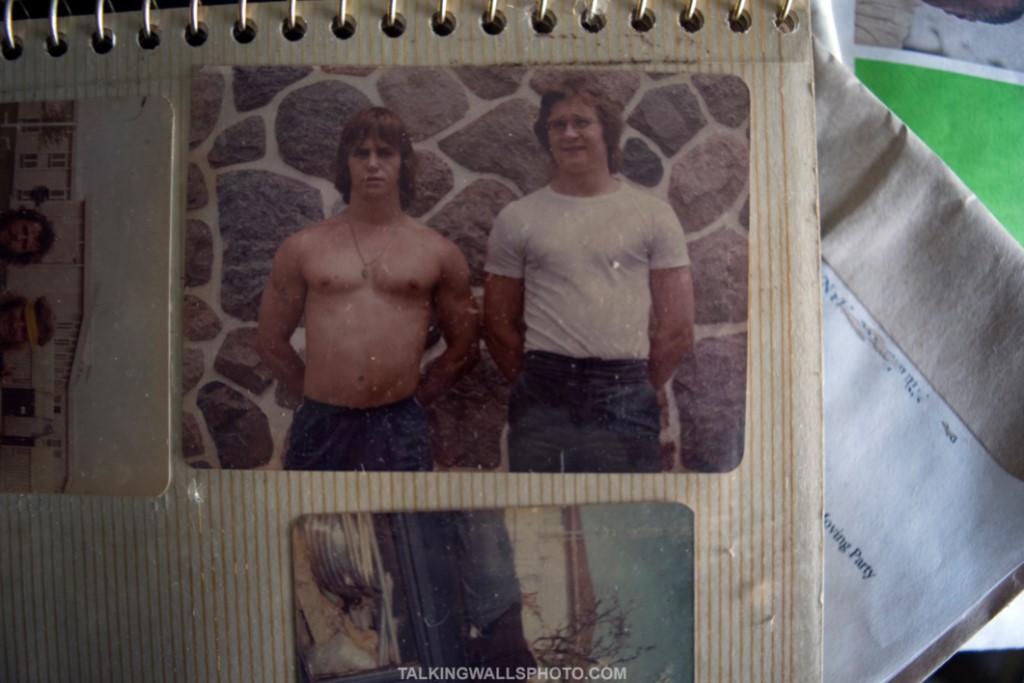
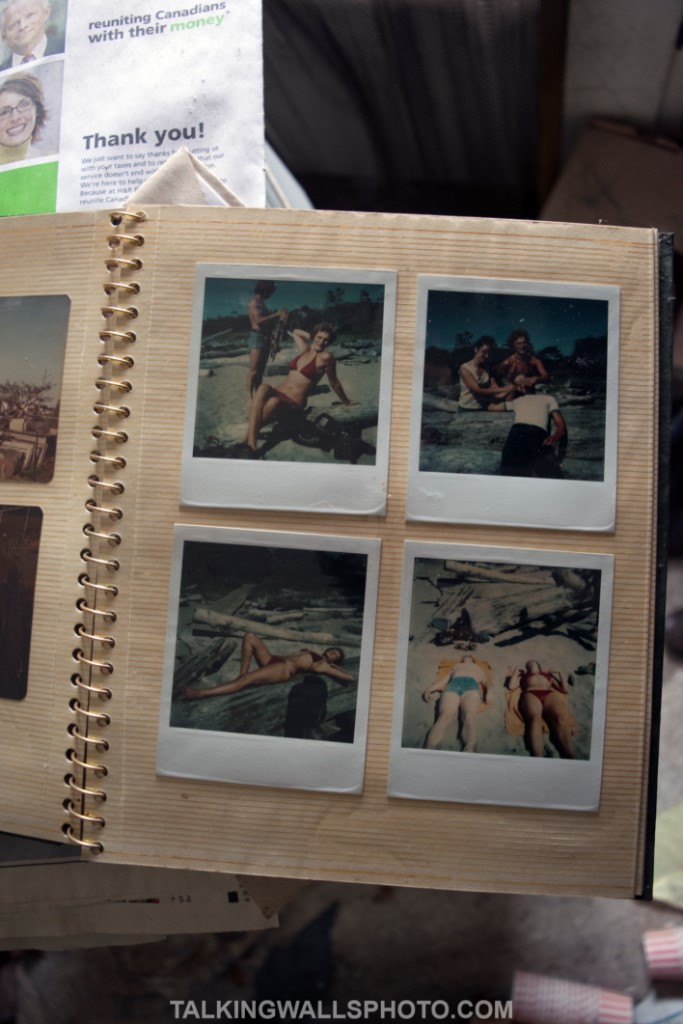
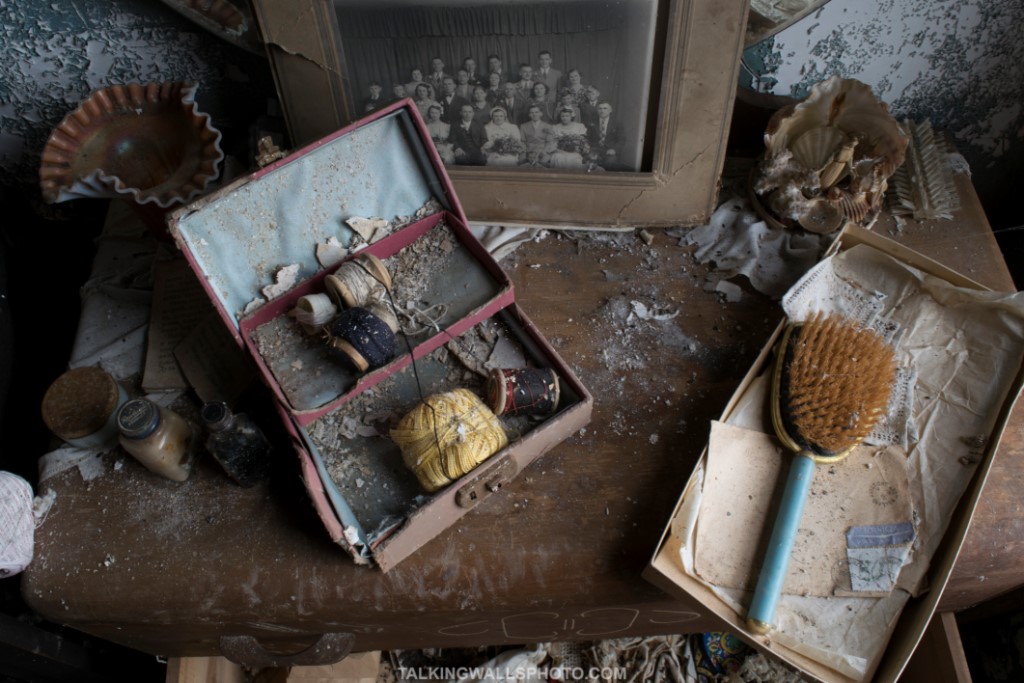
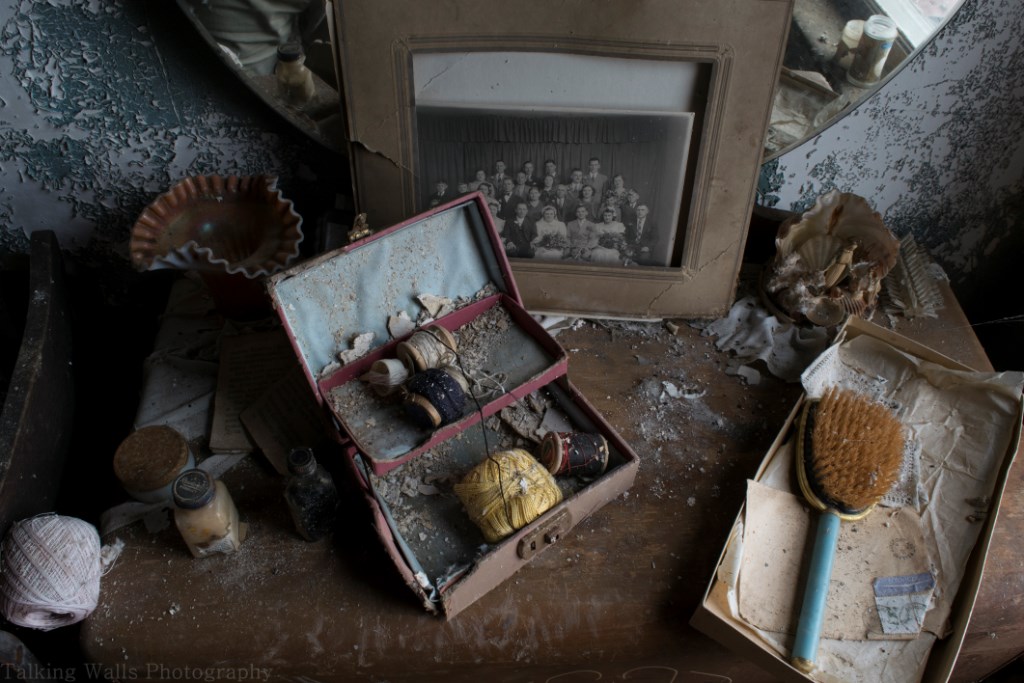
The kitchen has several old spice containers, rusting jars, and baking soda cans in the cupboards. Beyond the kitchen, you enter a small room with stairs leading down to the basement. I didn’t explore the basement. Most everything in sight is covered with a thick layer of dust, ceiling debris, and raccoon poop. I found a filing cabinet with photo albums that I believe originated from around the 1970s. There were legal papers dated from 1977.

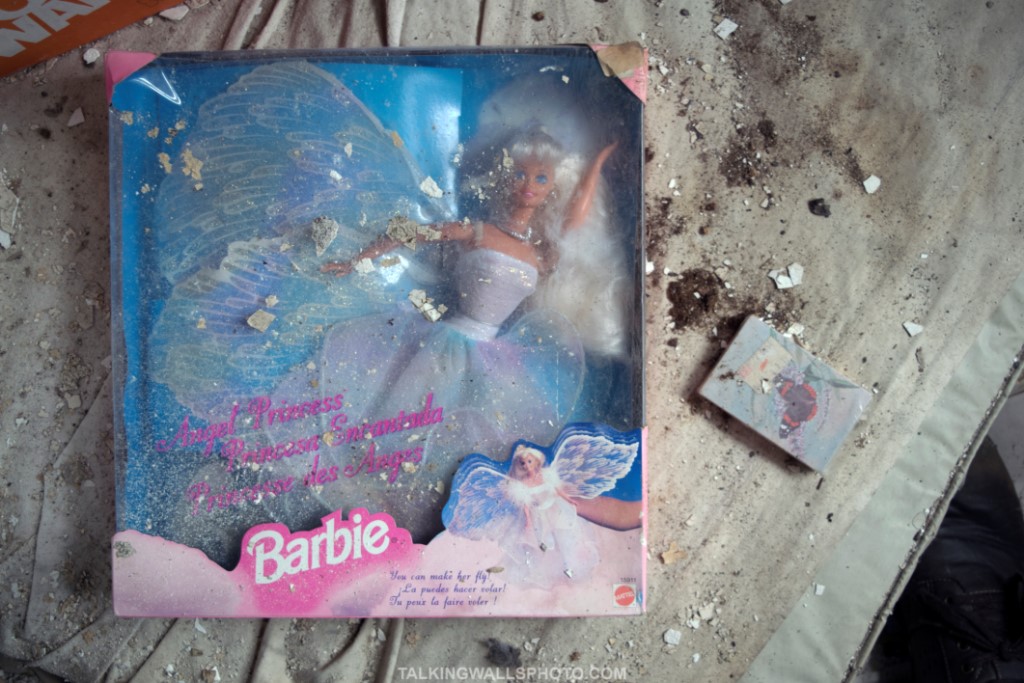
Beyond this room, you’ll find the living room. The ceiling has rotted away and you can see through to the floor above. I did find a Barbie doll new in the box, which was about the only modern item to be found.

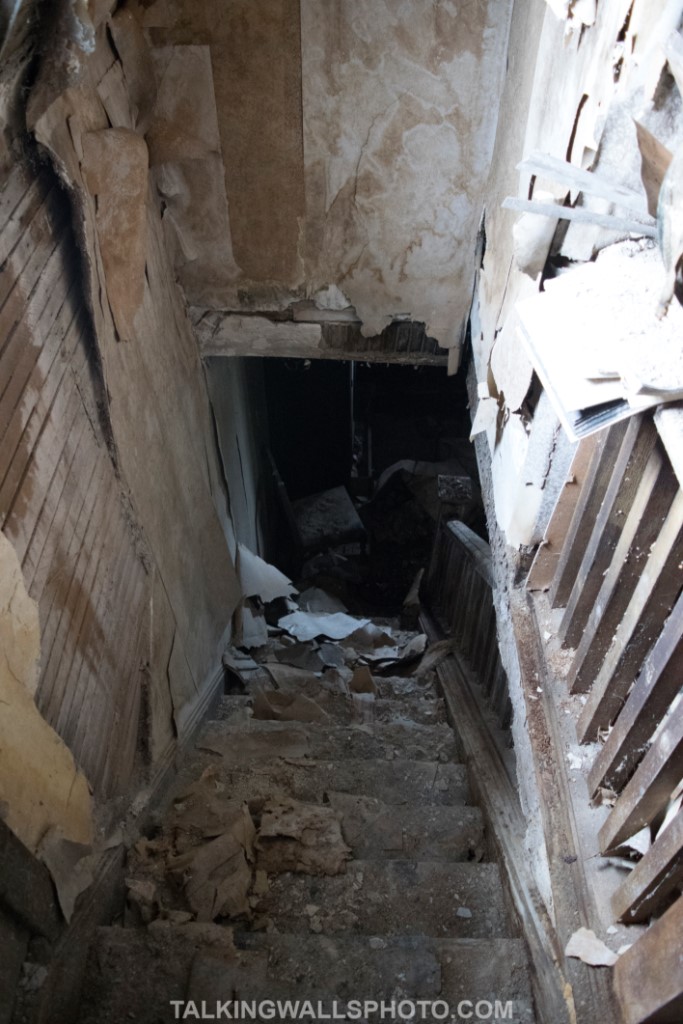
The stairs leading to the top floor are covered with drywall and wallpapering that have fallen away. This made navigating upstairs a cautious task so as not to slip on the stairs.

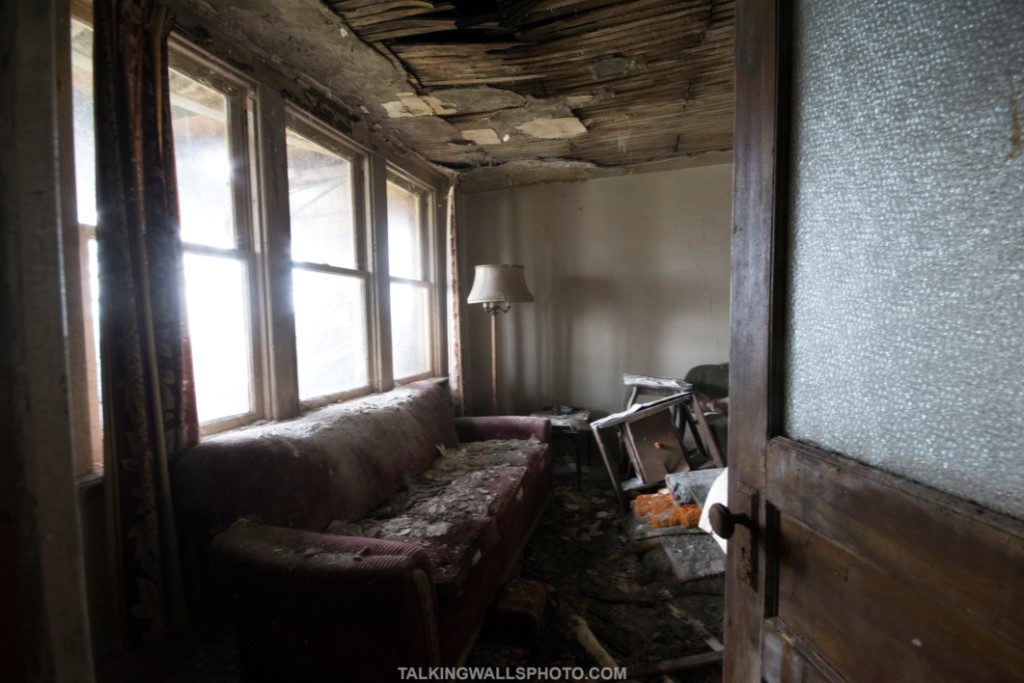
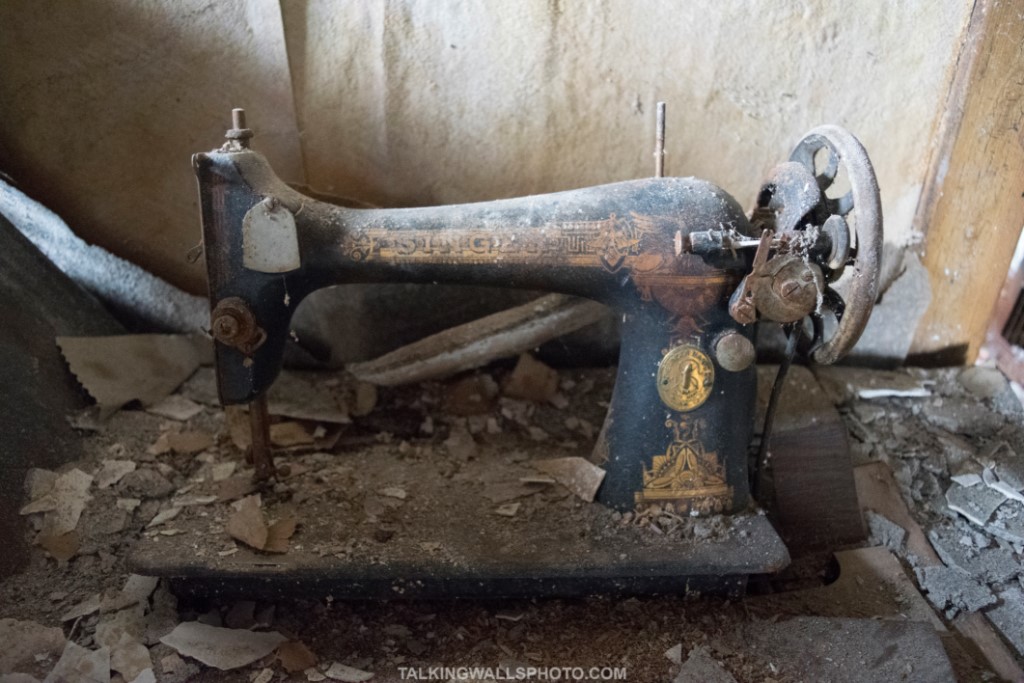
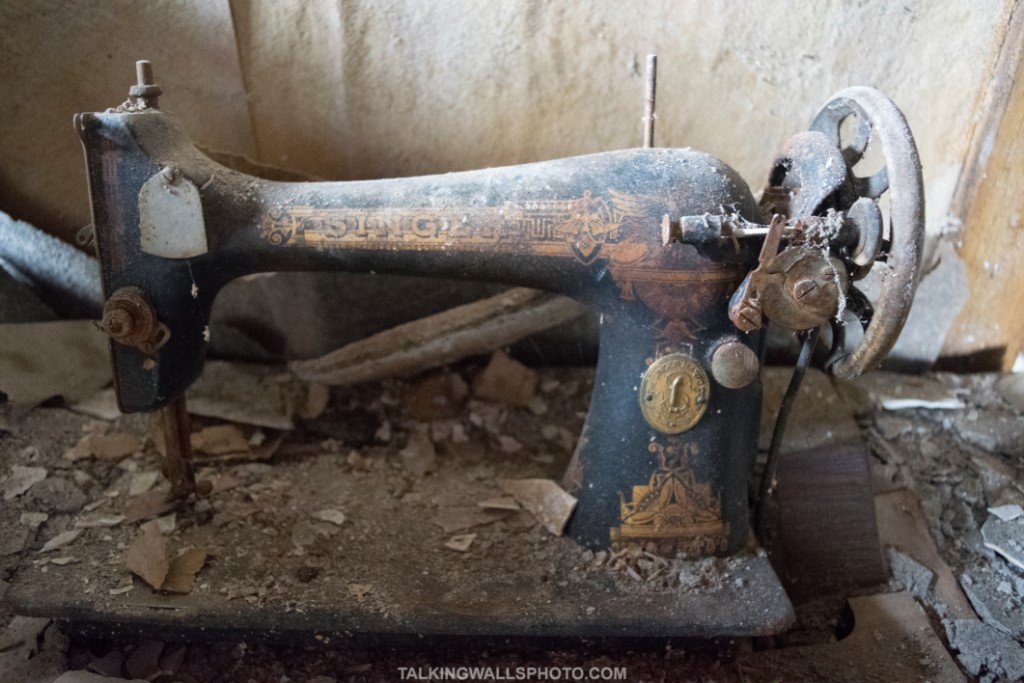
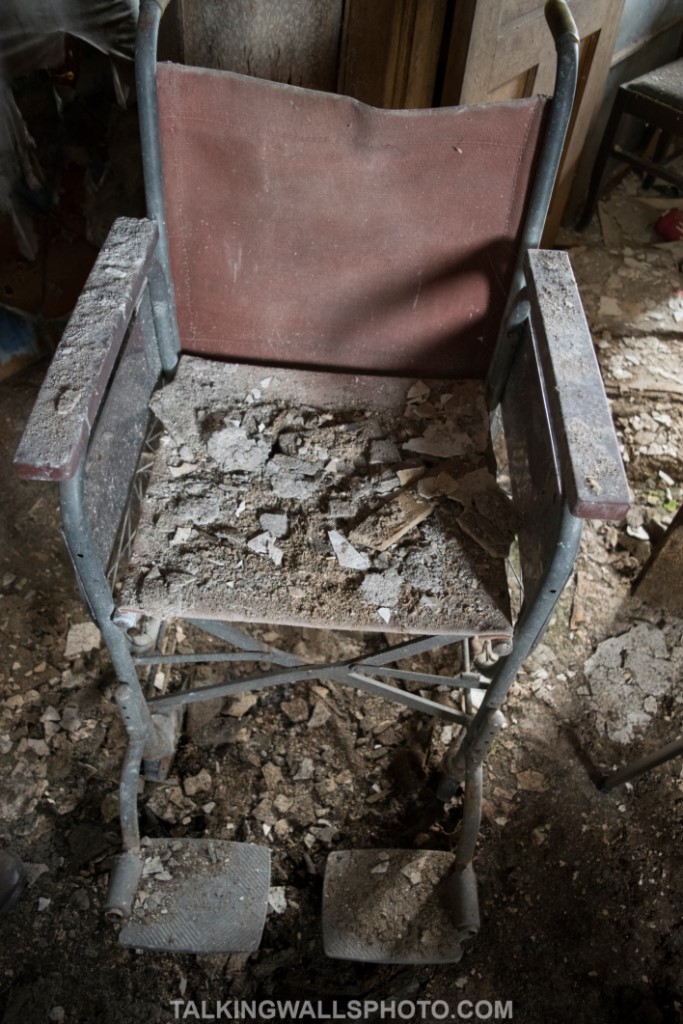
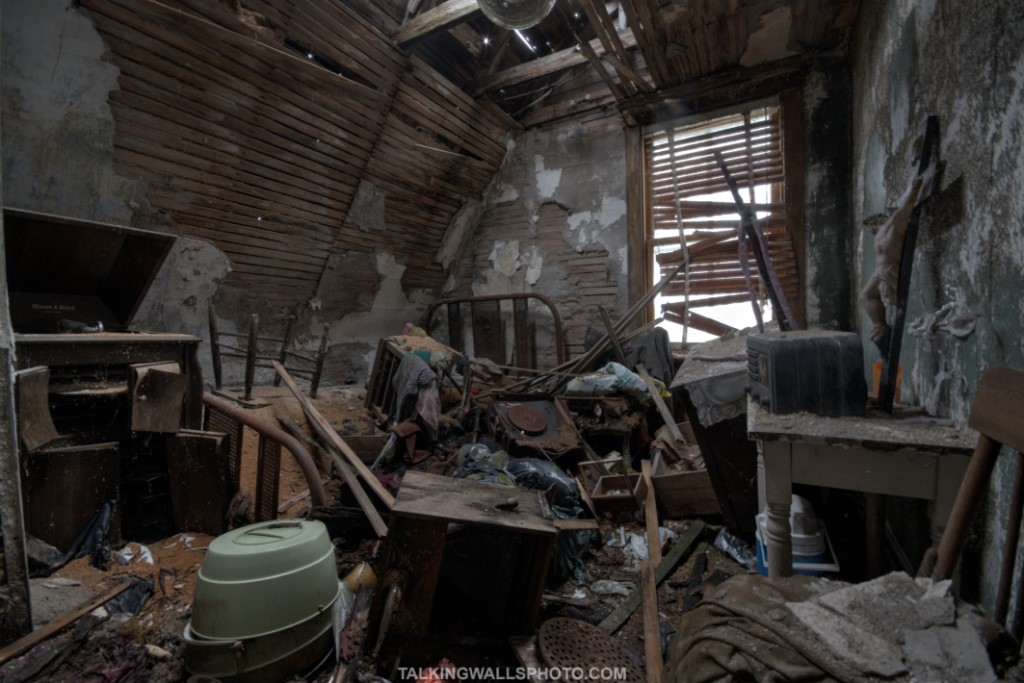
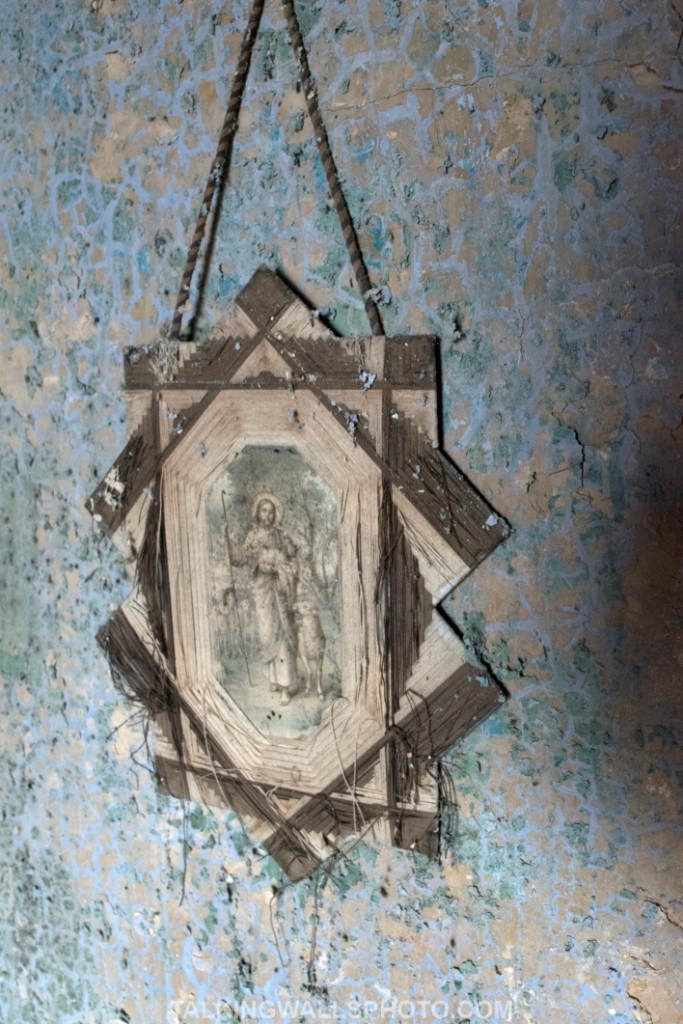
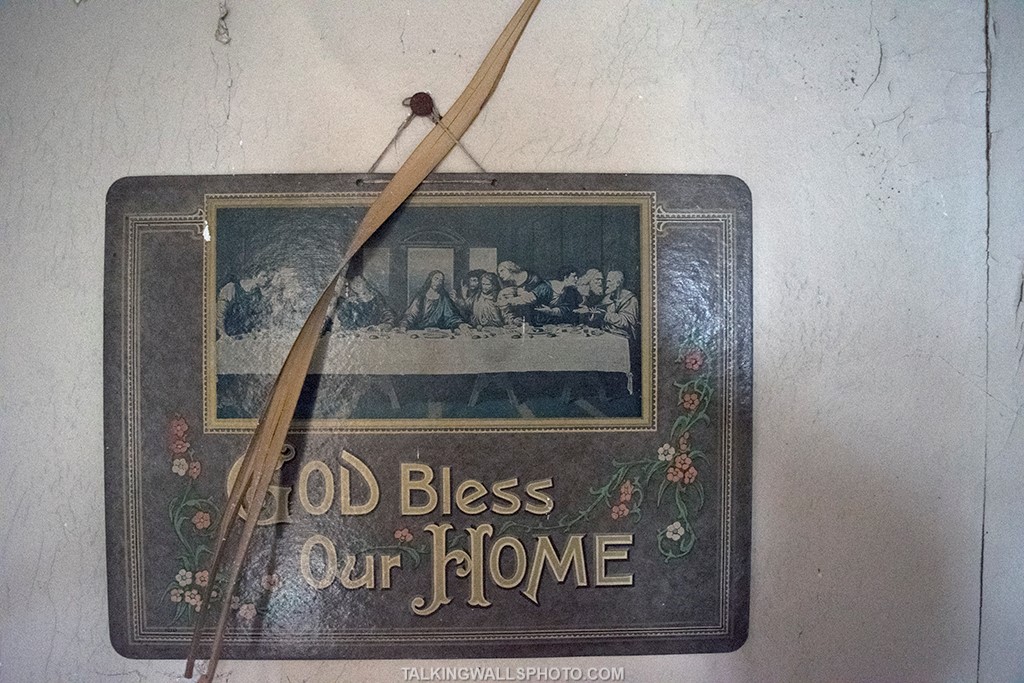
Once upstairs my spirits were raised when I immediately came upon an antique Singer Sewing machine in the hallway, followed by a wheelchair. I entered the first bedroom and discovered the old phonograph, AM radio, and a cross with Jesus on it. It’s not uncommon to find religious items in older homes as previous generations placed more value on religion that we do today.

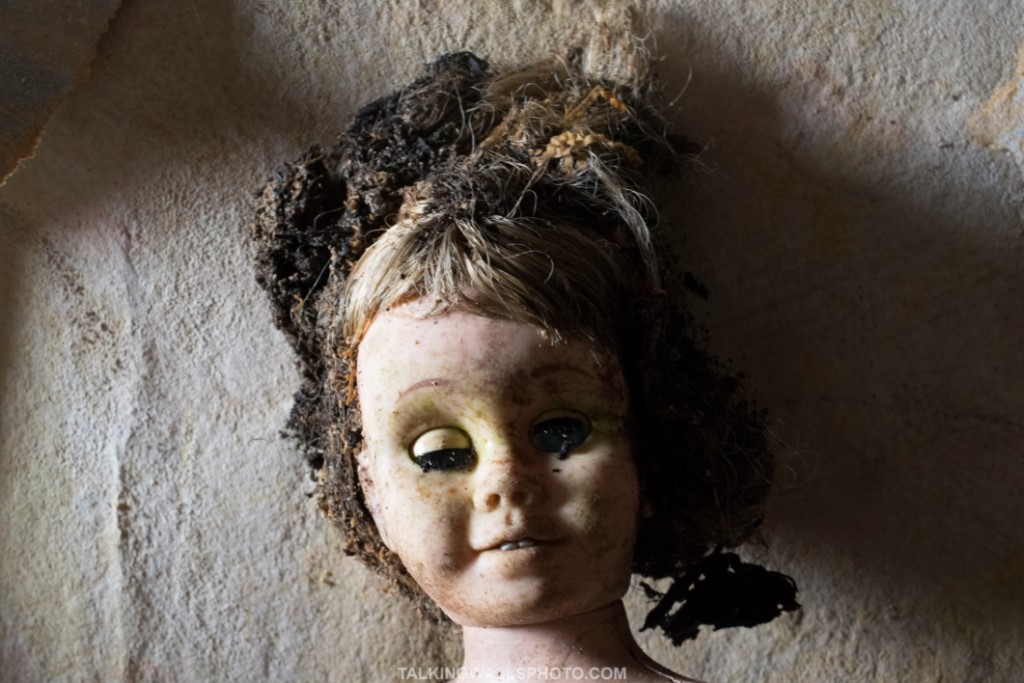
There was a creepy-looking doll on the floor and a well rusted electric record player. I could just imagine having explored this house a few decades earlier! It was difficult to photograph the items in the bedrooms because of the clutter on the floor as well as my concerns about the stability of the floor.

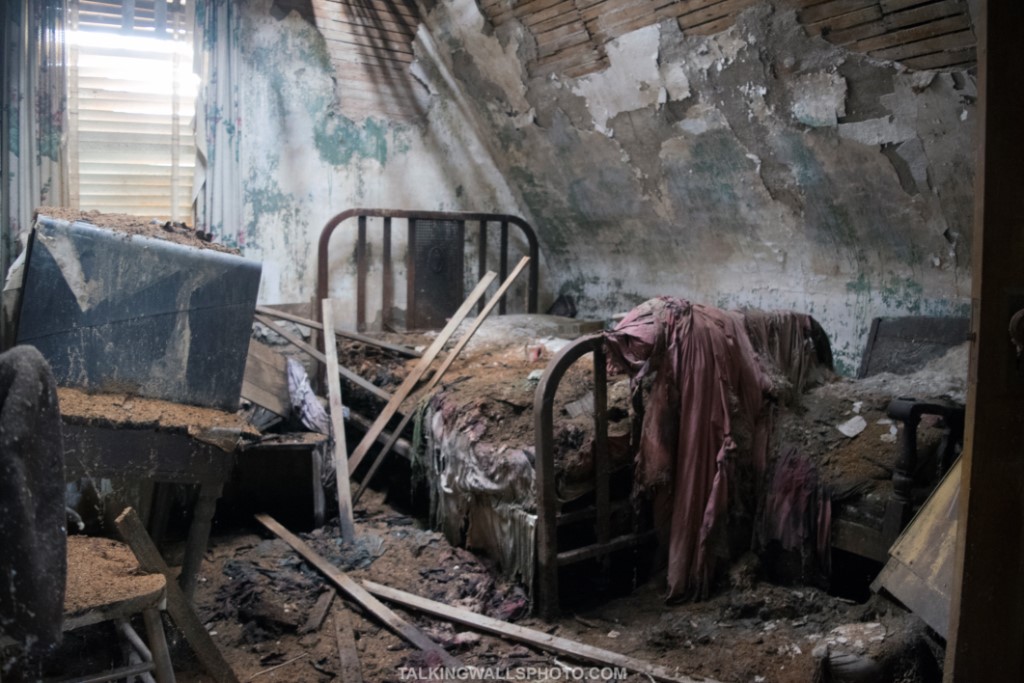
In the second bedroom, I observed an old iron frame bed and a very old black and white television. Rays of light shone through several holes in the roof above. It was in this second bedroom that I saw the 1952 calendar and some clothes still hanging from the ceiling as if left to dry.

The story behind this house is that following the death of the parents who lived here, the house was passed down to the children. A tragic incident took place that led to the children leaving the house. I found news clippings about a tragic incident involving a family member. For privacy reasons, I won’t go into details.

The siblings eventually passed away and the house was handed down to their three children. The family had a successful fruit stand for many years that operated in the 1970s.

The reason we call the house the Money House is that in March of 2014 a fellow urban explorer who I know, by the name of Freaktography, explored this house. While inside he discovered a plastic bag containing close to $7,000 in US and Canadian currency. This sparked many discussions between explorers as to what they’d have done with the money – the majority of the consensus was that they’d have kept the money. After all who would ever know?

To find out what happened after this, I’ll refer you to Dave’s story in which you can hear it in his own words. It’s not my intention to try to gain publicity from this story, but one cannot tell the story of this house without telling the story of the money.

It took some time for me to find where the house was located, but it was eventually added to our database. The 1950’s era that this house was locked into certainly made this one of the highlights of the exploring day.


Video


The Titanic Staircase Mansion

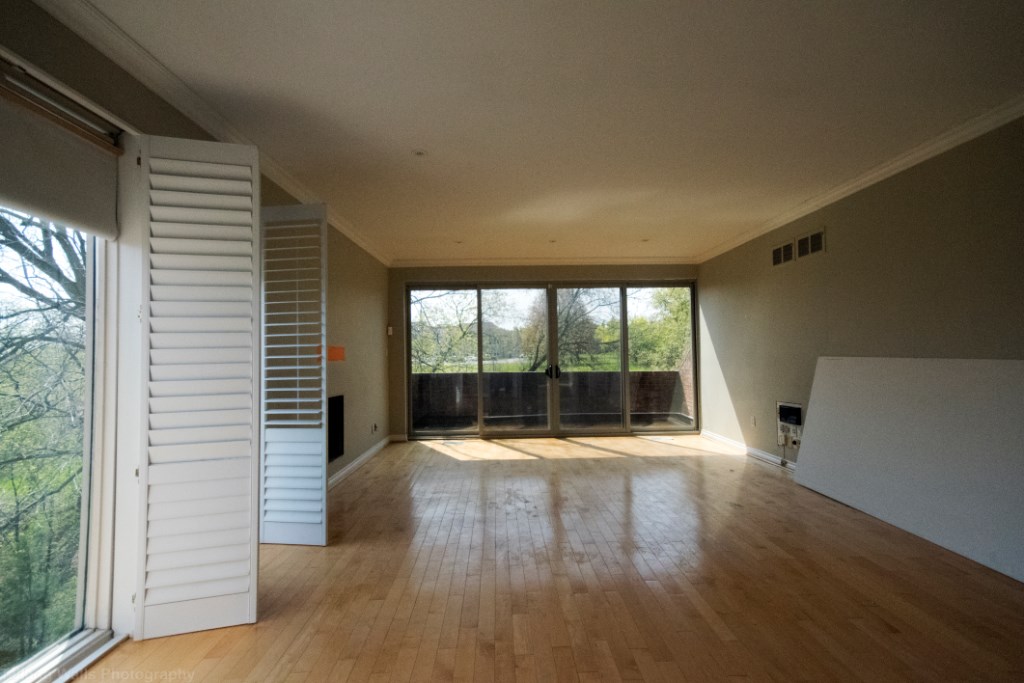
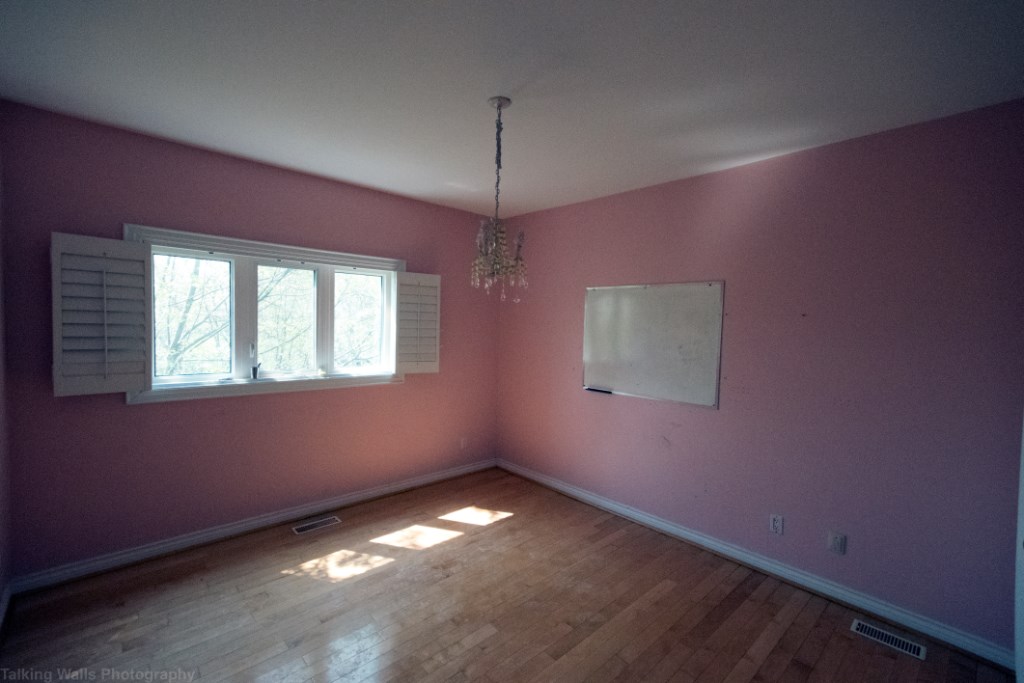
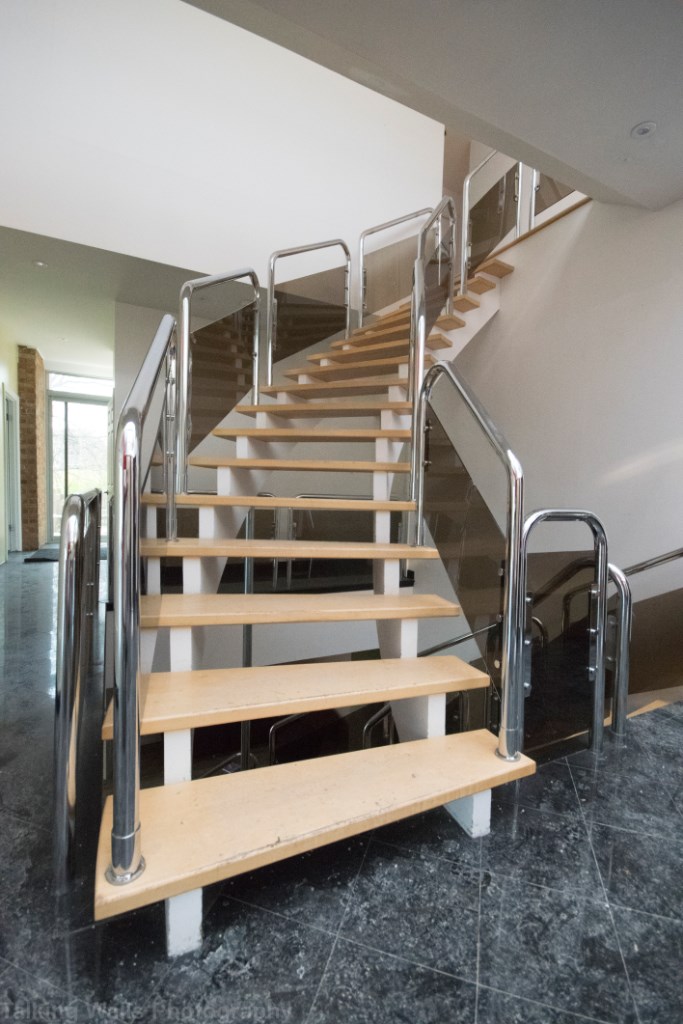
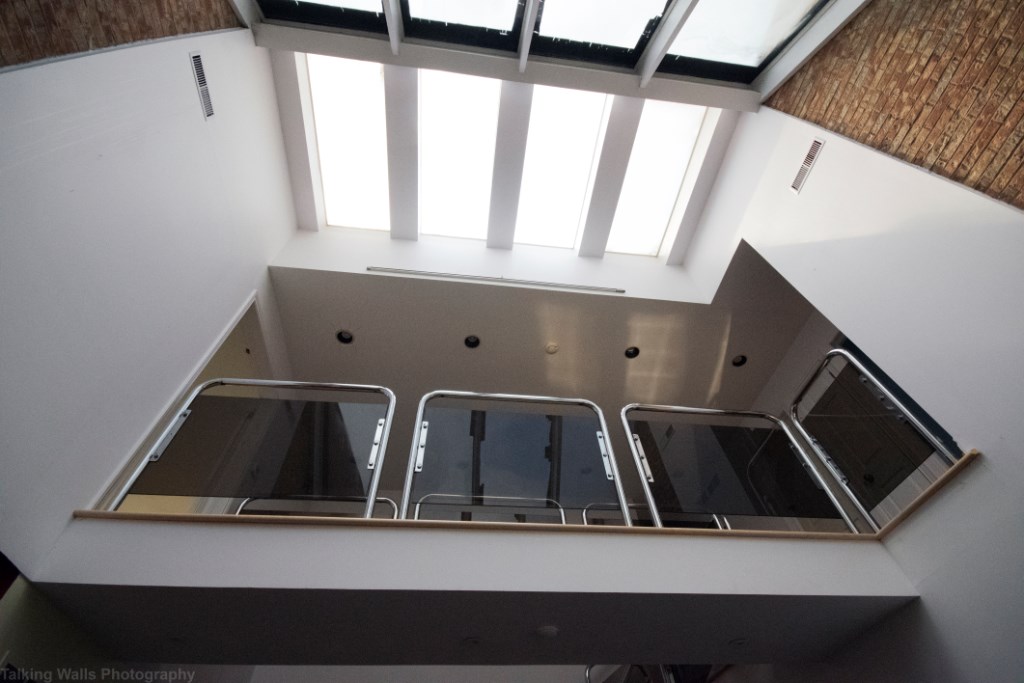
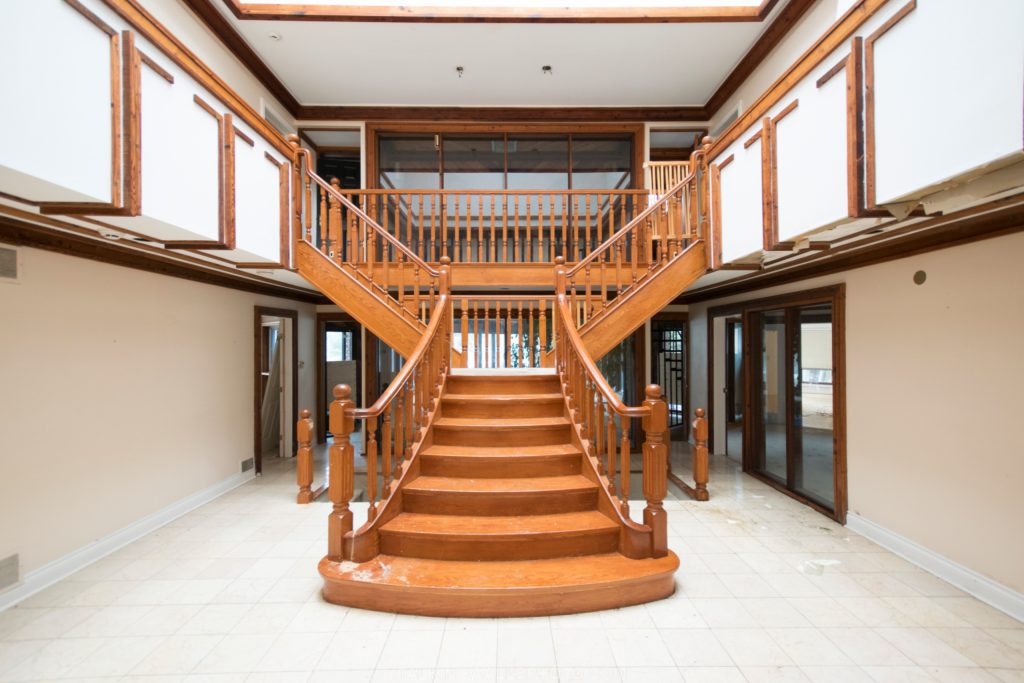
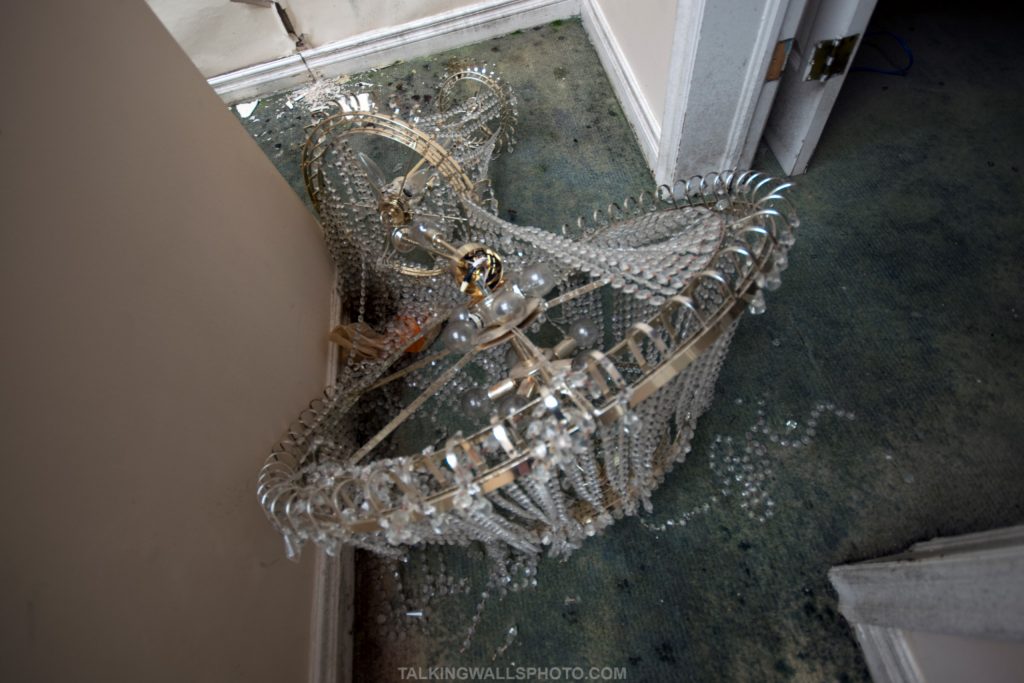
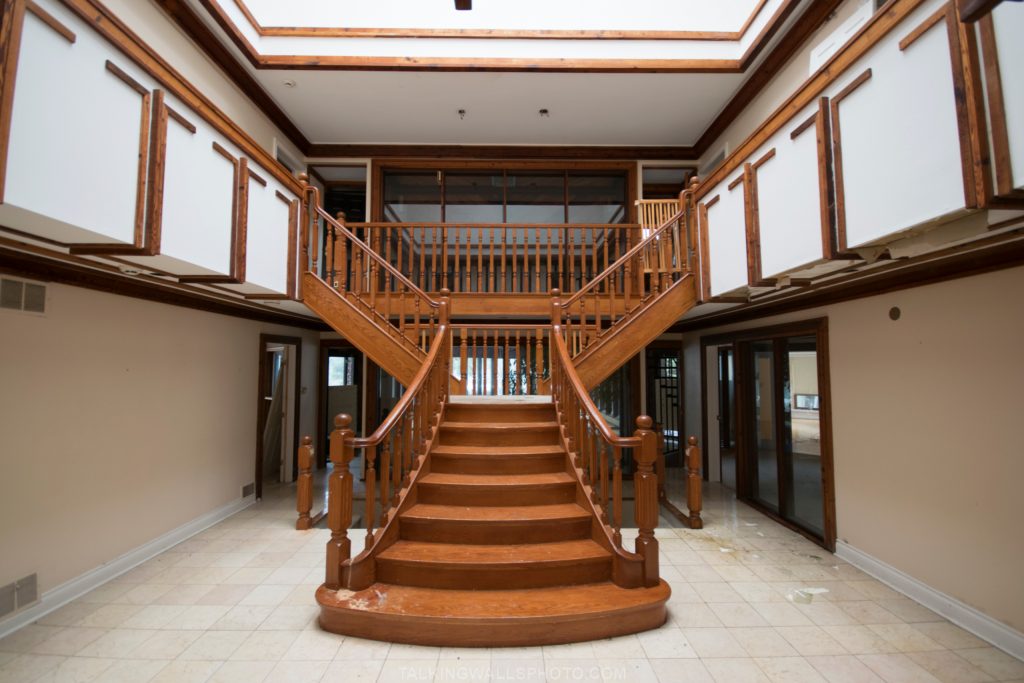
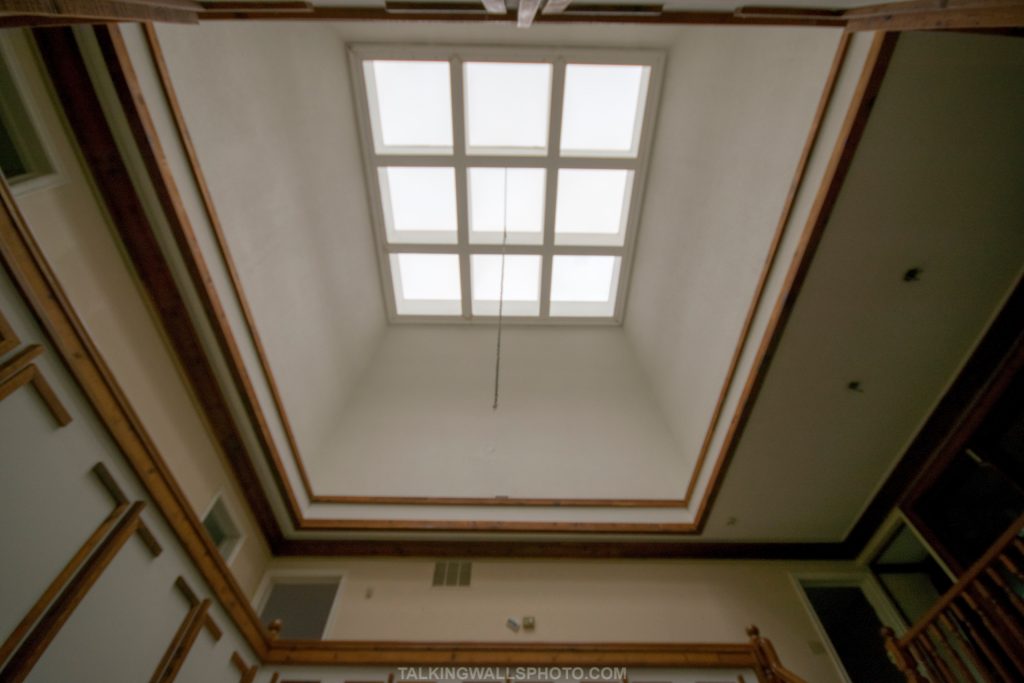
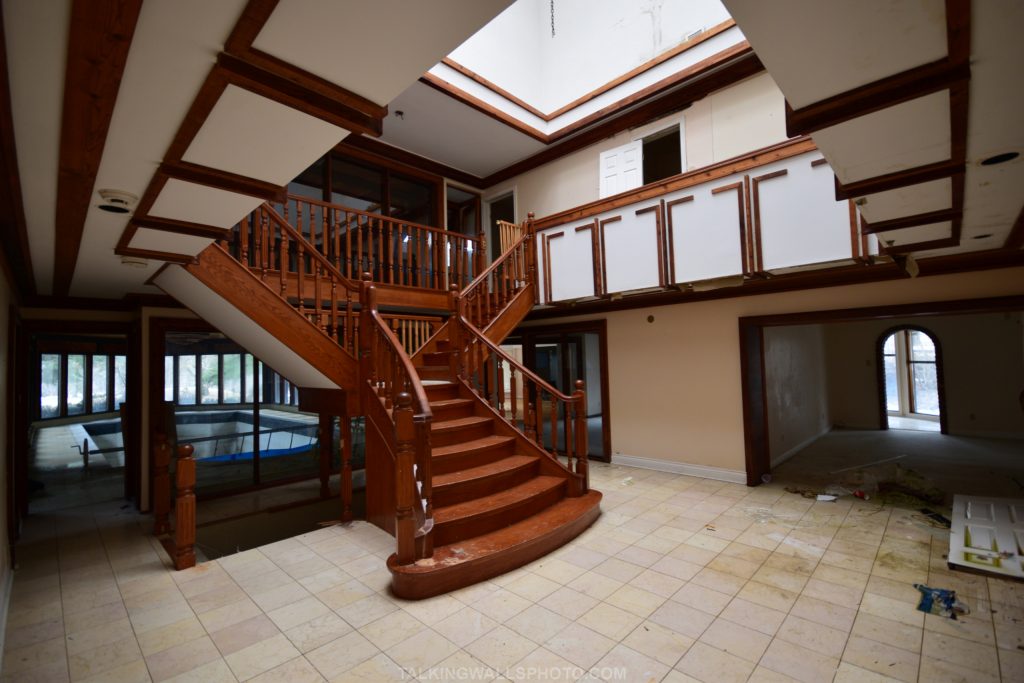
This two and a half acre home belonged to Natalie Wong, a specialized dentist and her pediatrician husband from Toronto. The house was built in 1978 and contains five bedrooms, Titanic-style staircase and skylight with chandelier. There’s a glassed-in pool with diving board in the rear of the house. I’ve often wondered how long it would take to fill such a void with a water hose.

The couple initially planned to demolish the house after purchase, but changed their minds after the birth of their daughter. When the couple was ready to sell their house, they did so in a unique way. As their new house was in move-in-ready condition (with furniture), they held an auction to sell off their old belongings and the house itself. The couple had listed the house for approximately $5.7 million since March of 2012.

The minimum auction bid was between $5 million and $6 million.

While the house didn’t appear to have any structural issues, the couple anticipated that the property would be purchased for the land. The auction lasted approximately three hours and drew hundreds of attendees.

Some of the items sold included a Versace rug, pearl necklace worth $1,000,000, Rolex watch (valued at $70,000 but sold for $9,000) and over a dozen Gucci, Dior, Fendi handbags ($100,000) and Armani purse ($10,000). I can’t help but add a personal commentary that I find this absolutely disgusting when there’s so much poverty in the world.

Police were on the property to ensure that the valuables were safe.

About three hours into the auction auctioneer Kashif Khan asked if there were any bidders in the crowd who were willing to offer at least $5 million for the property. There were none.

The house has remained vacant ever since.


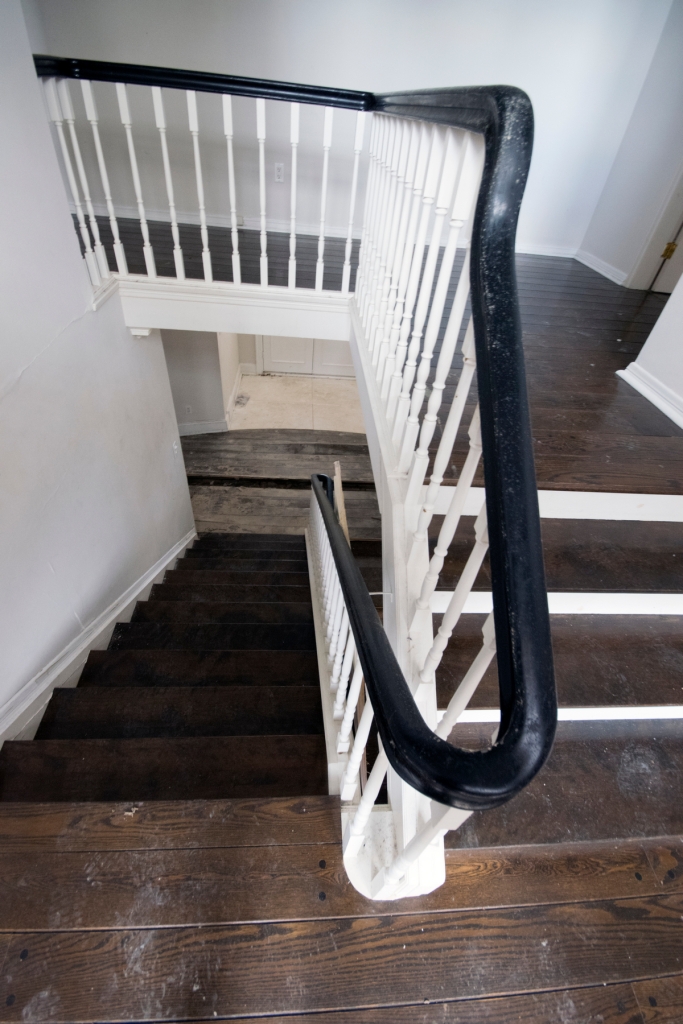
Black Staircase House with Mustang GT (Toronto)

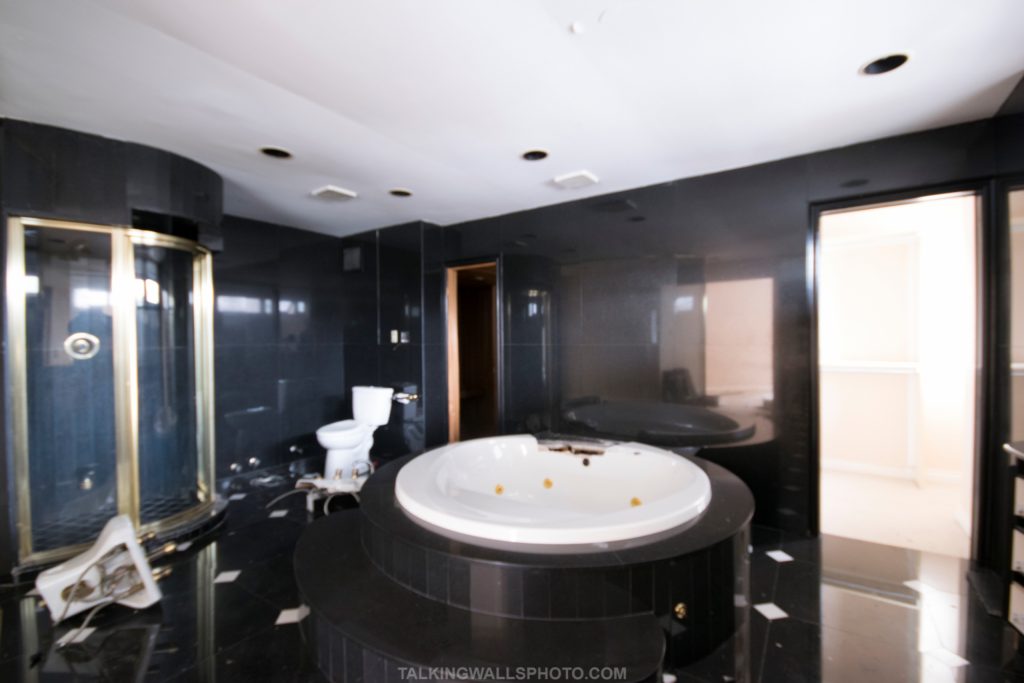
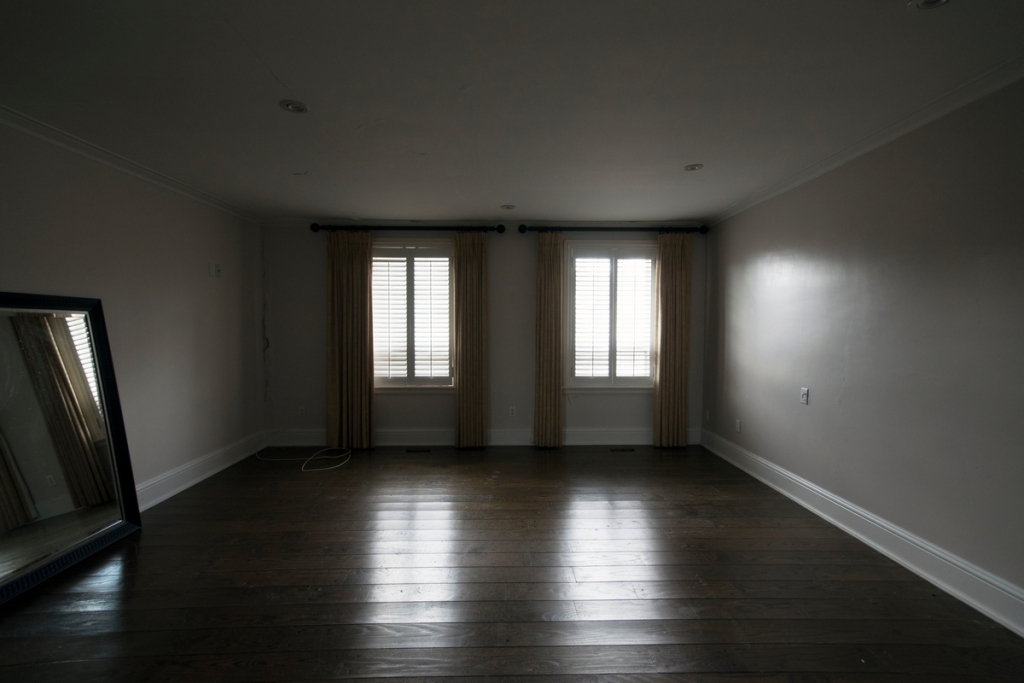
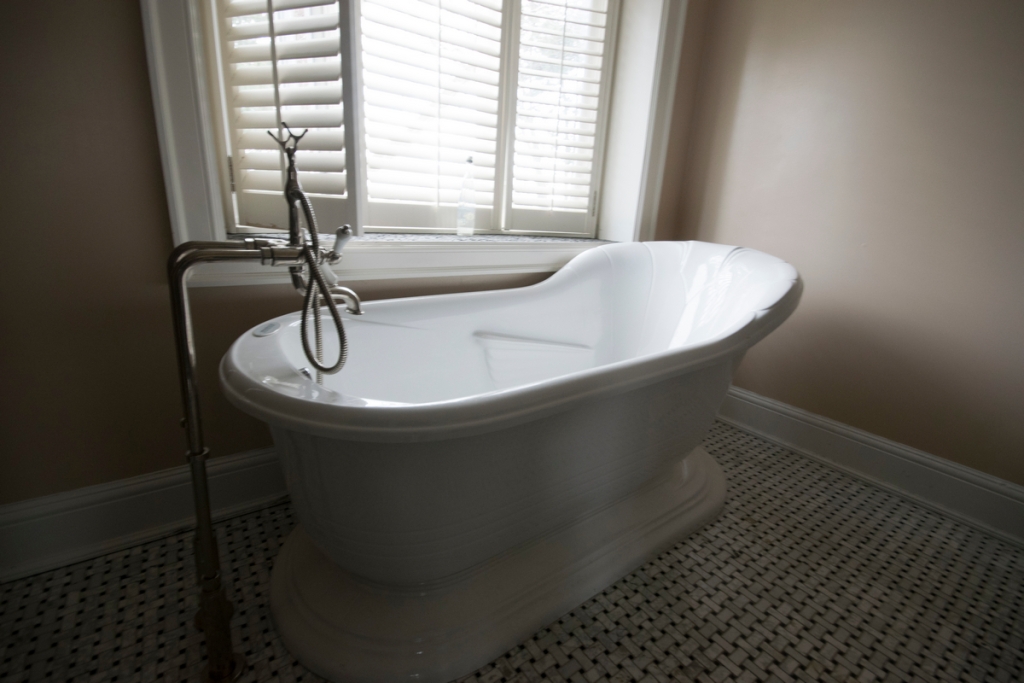
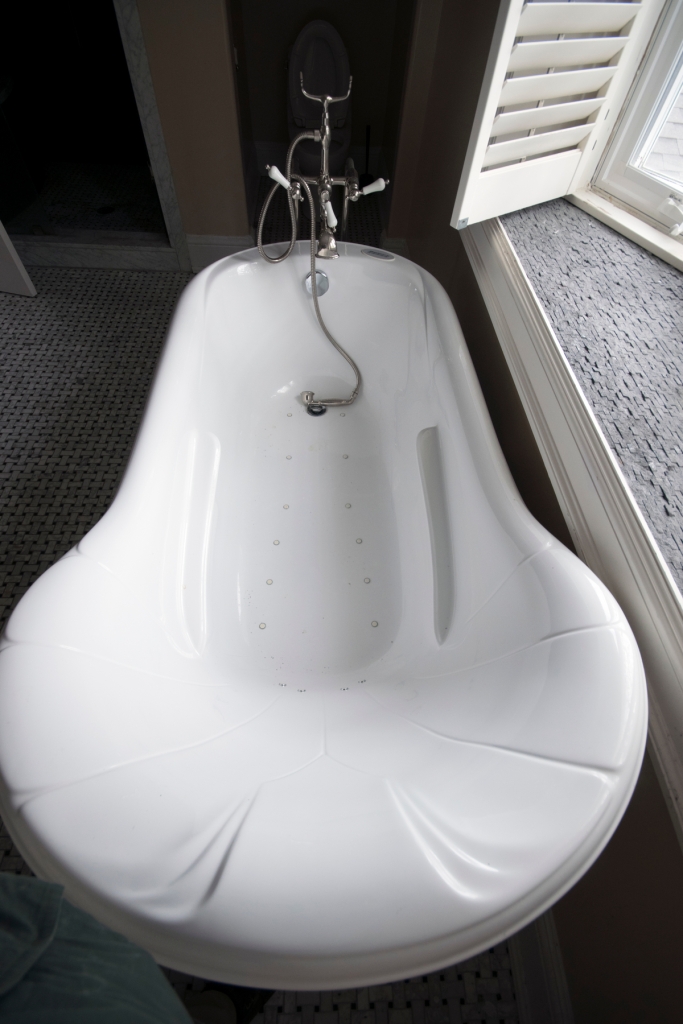
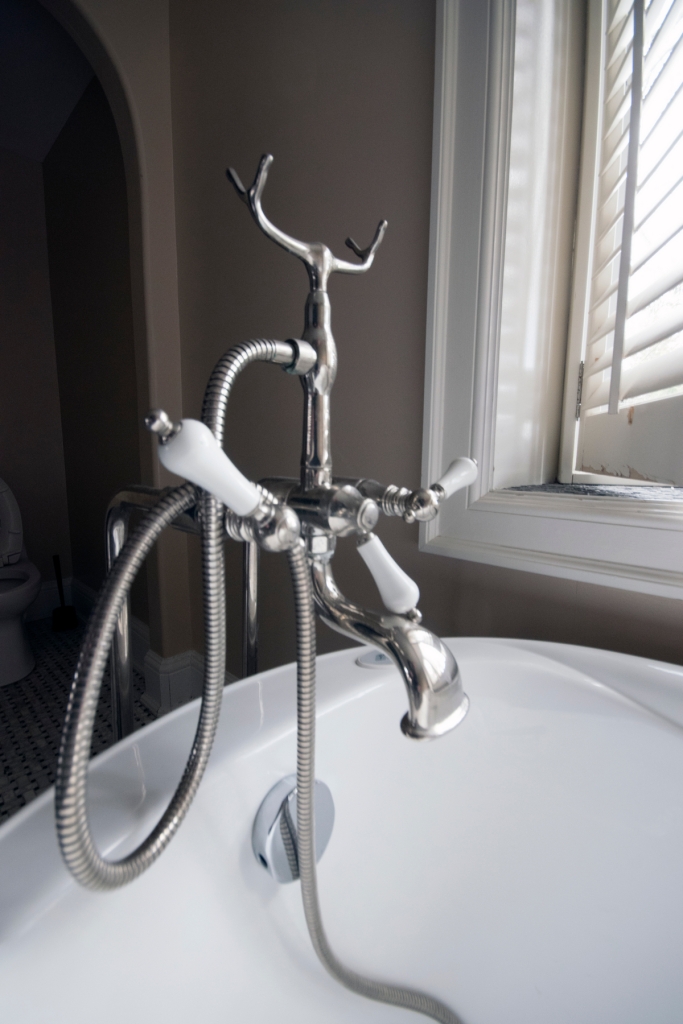
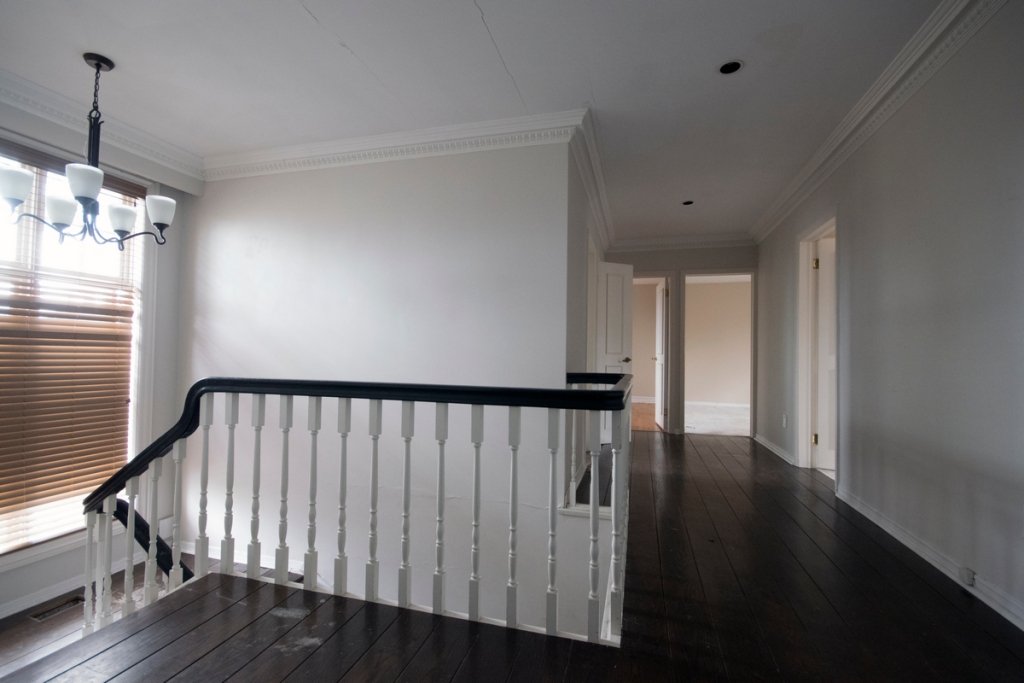
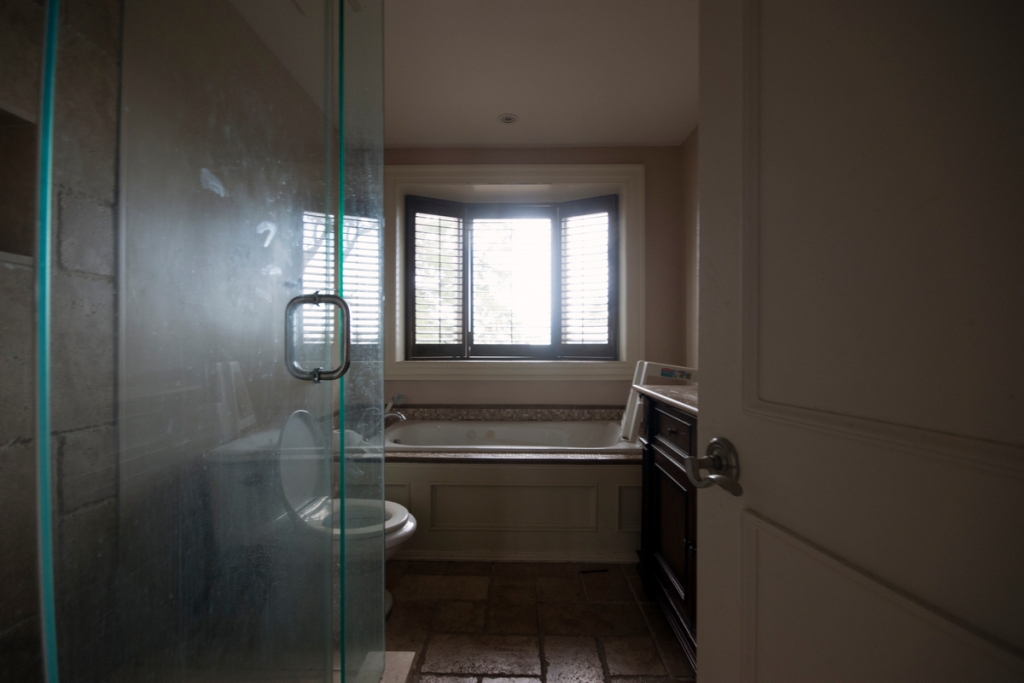
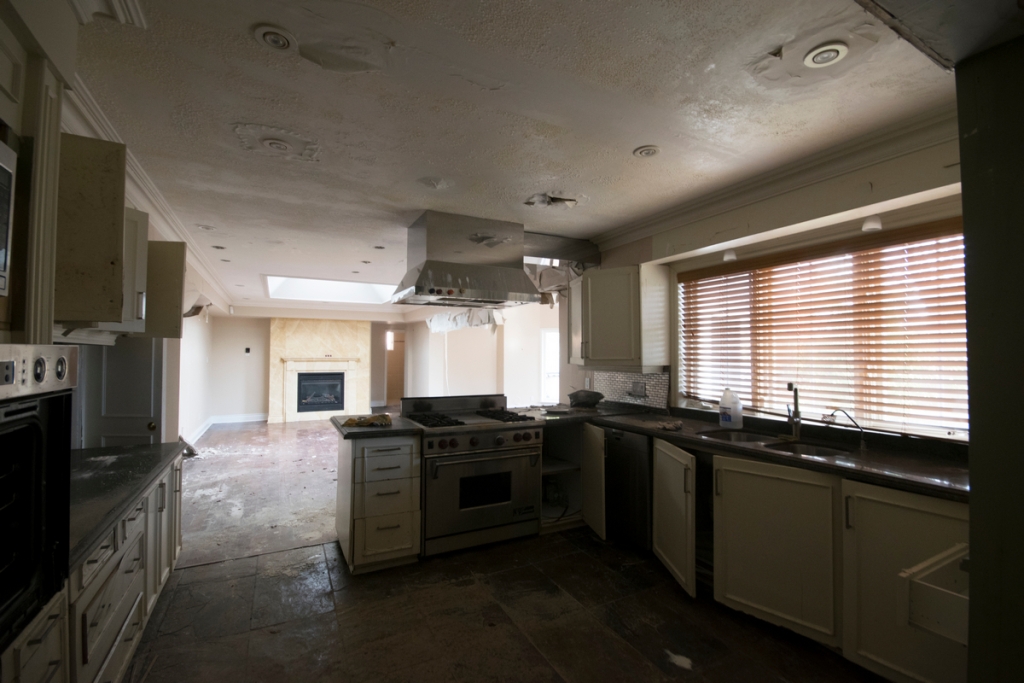
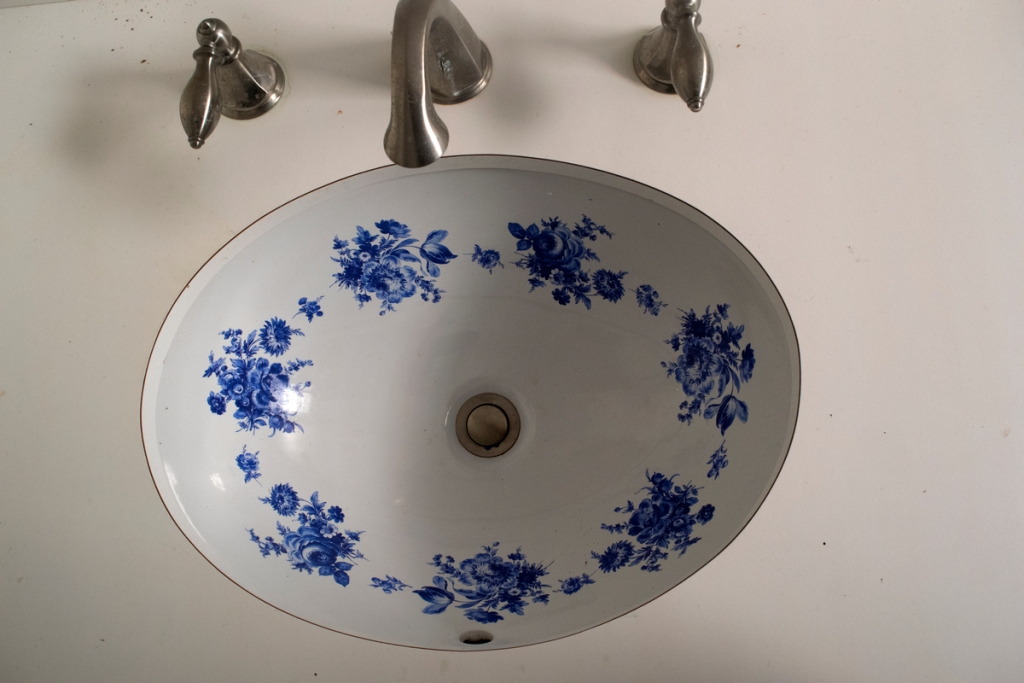
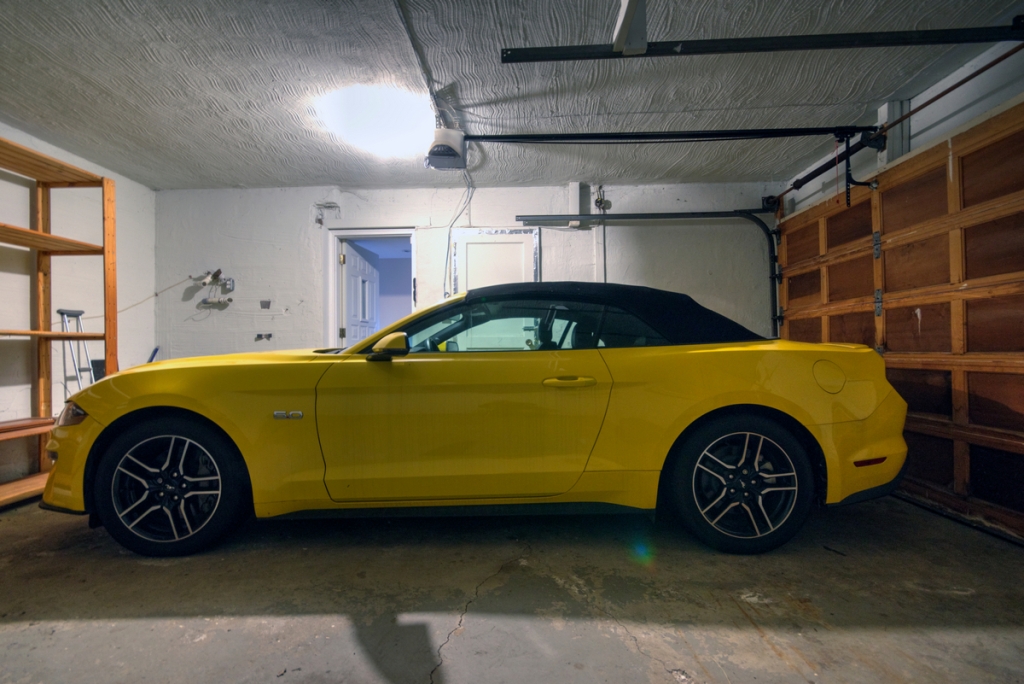
This house was situated in a well-to-do area of Southern Ontario. It was built in the 1960’s and was demolished shortly after these photos were taken. There are a few noteworthy aspects such as the unique bathtub and patterned sink but the real gem is the 2018 Mustang GT found in the garage.

I don’t believe the car is stolen, it was likely put there by the developer for storage, or hiding an asset from a spouse. I did check the VIN # and it didn’t show up as stolen.