Kleinburg Red Stained Glass House

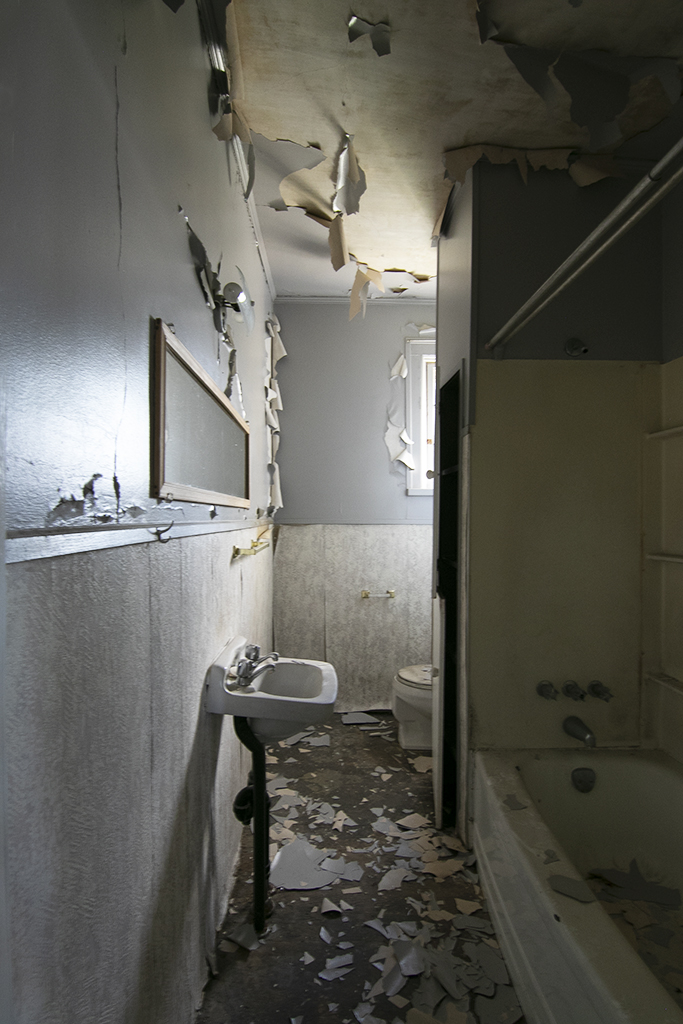
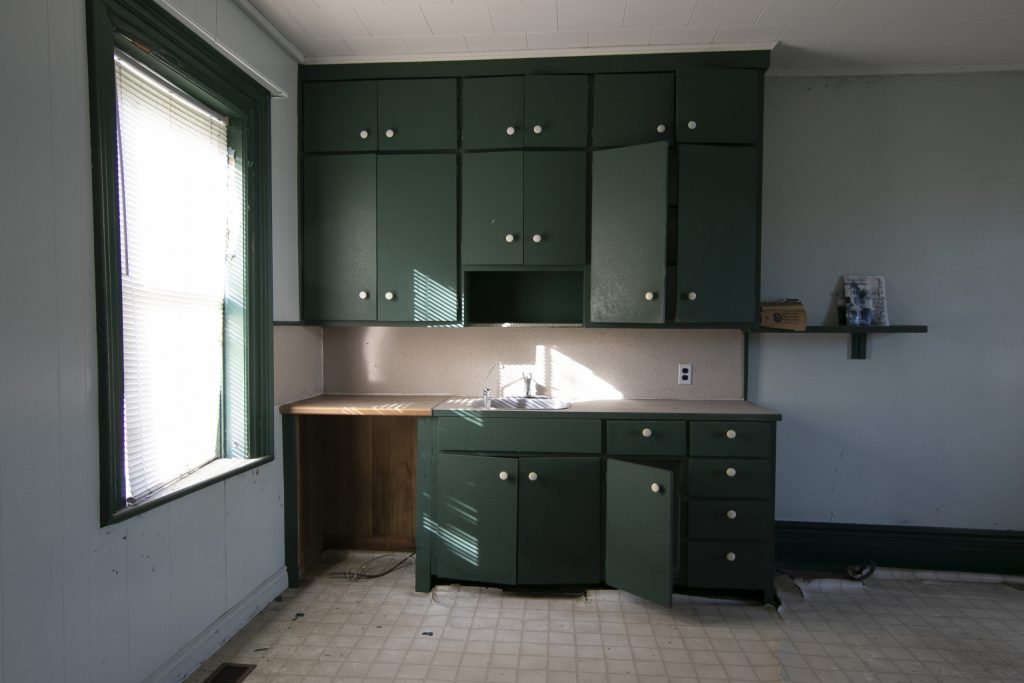
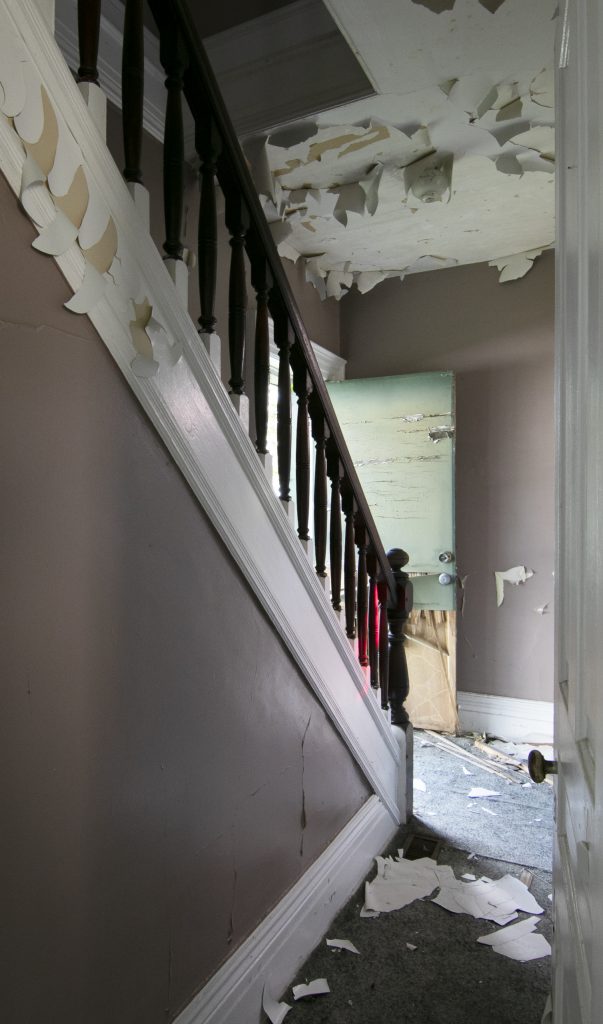
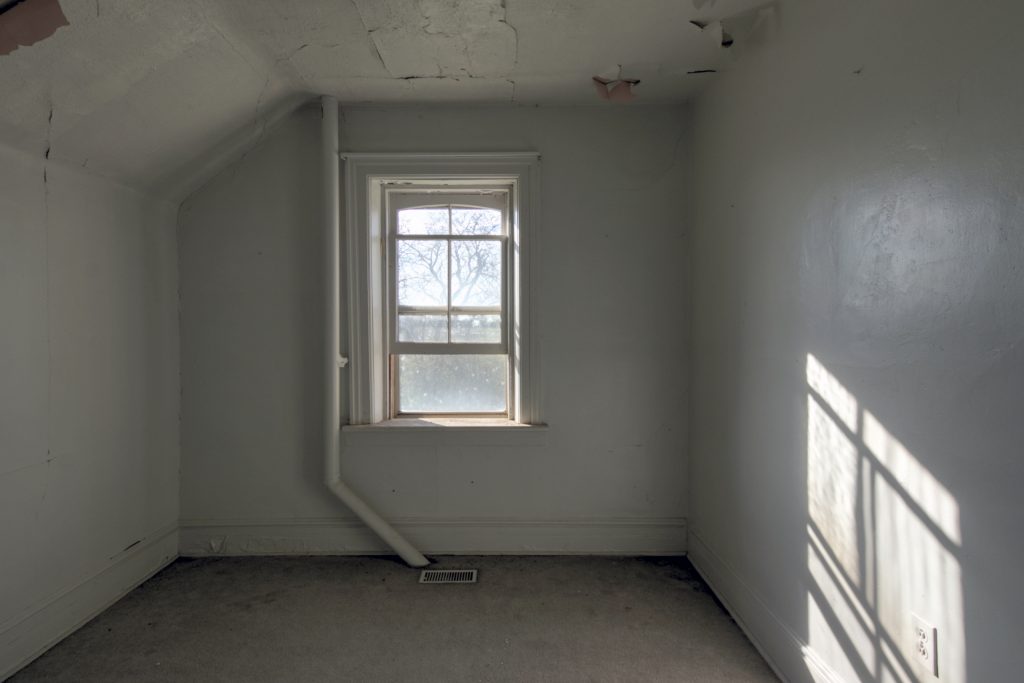
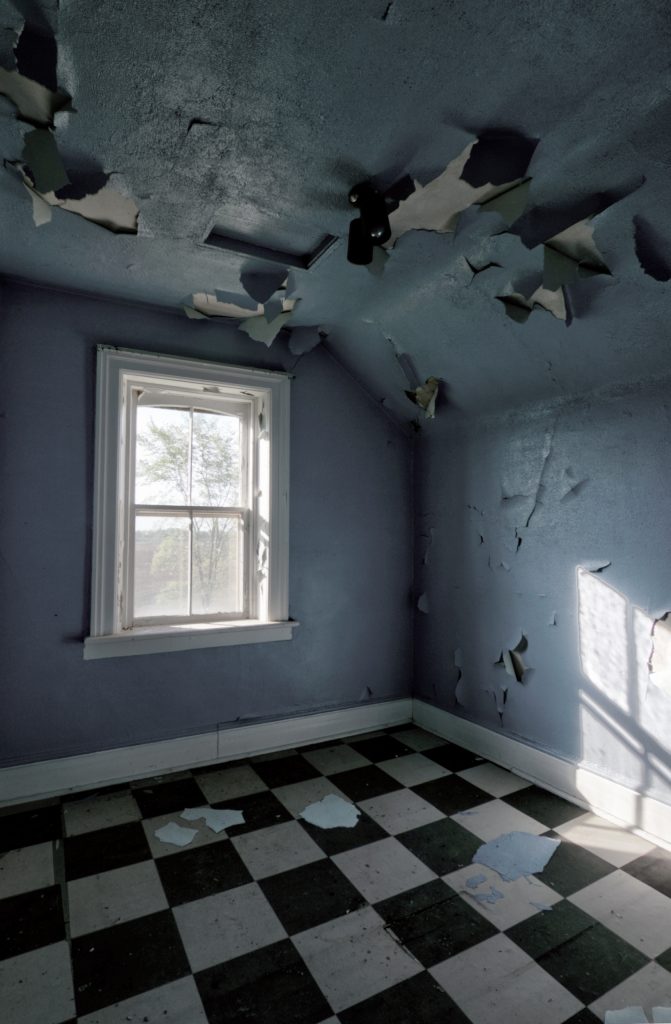
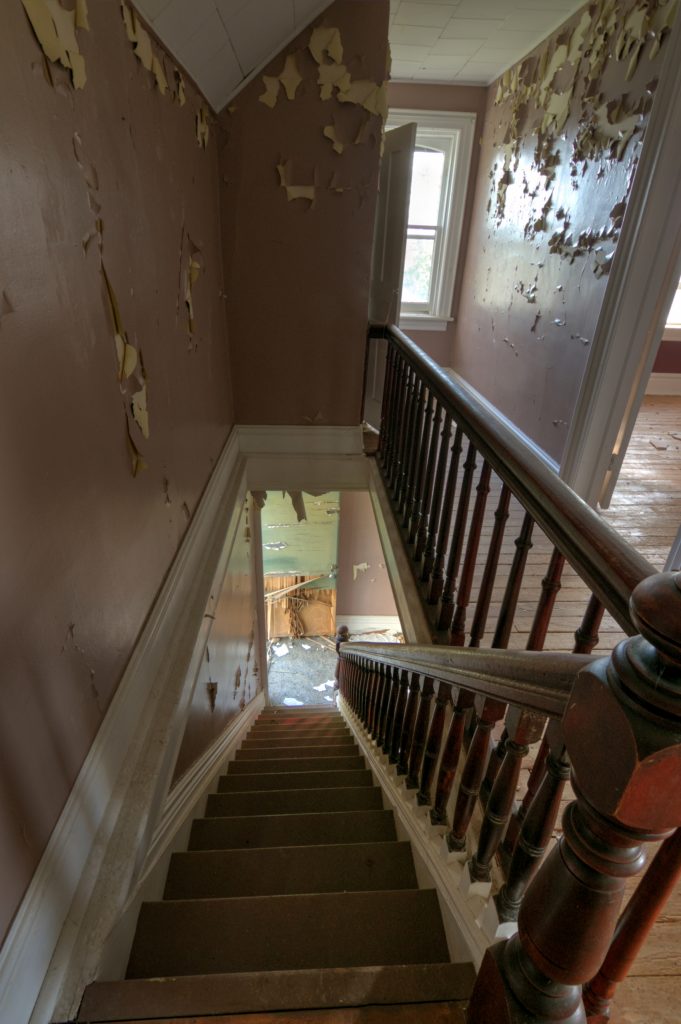
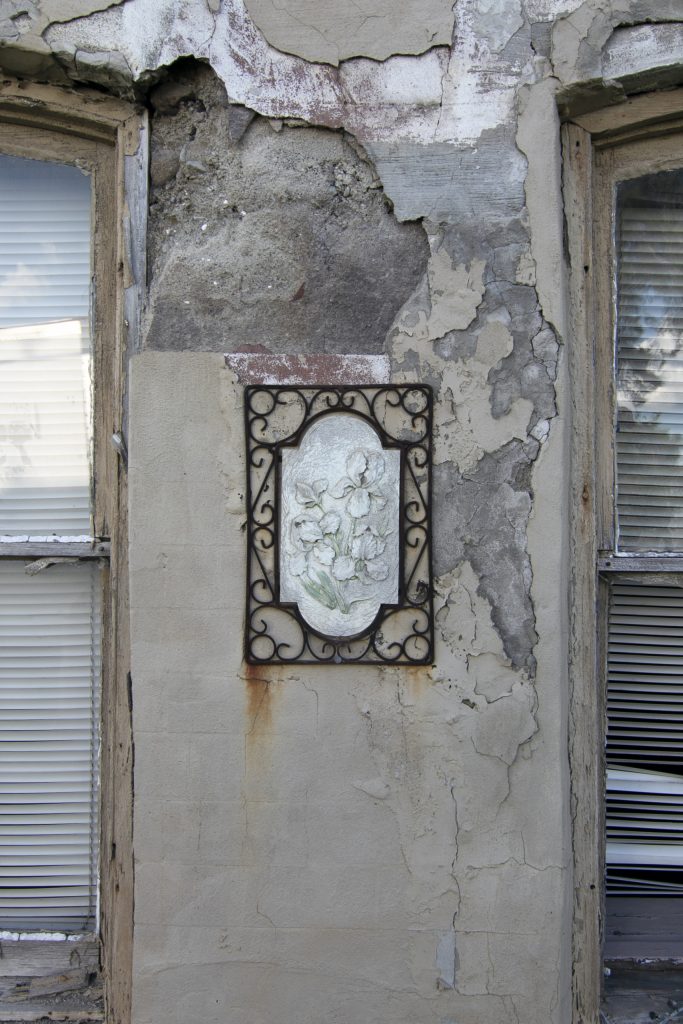
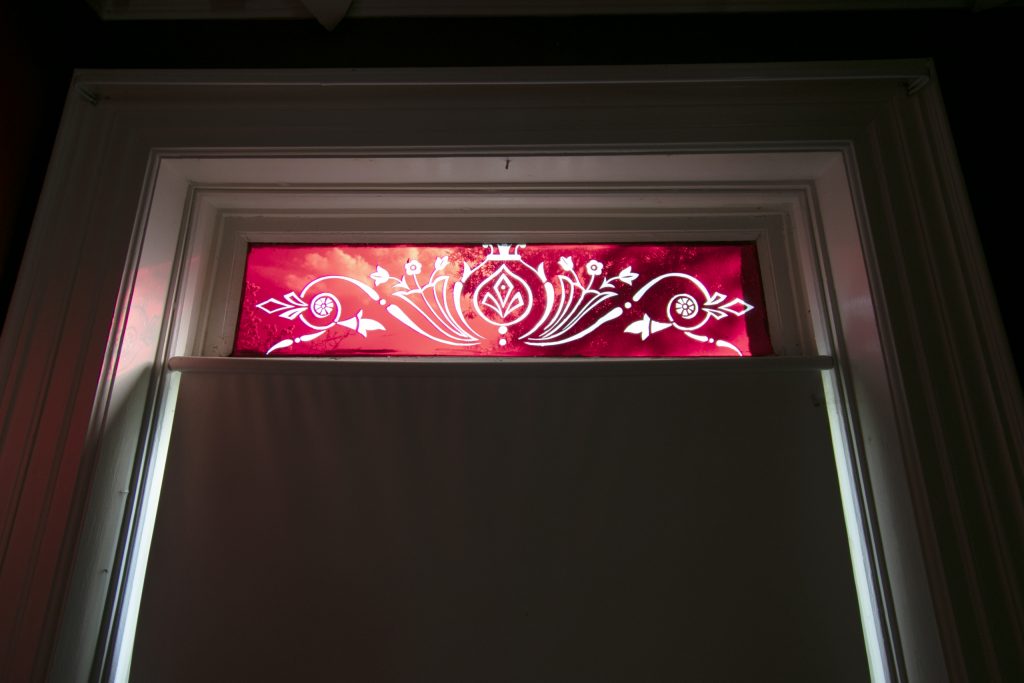
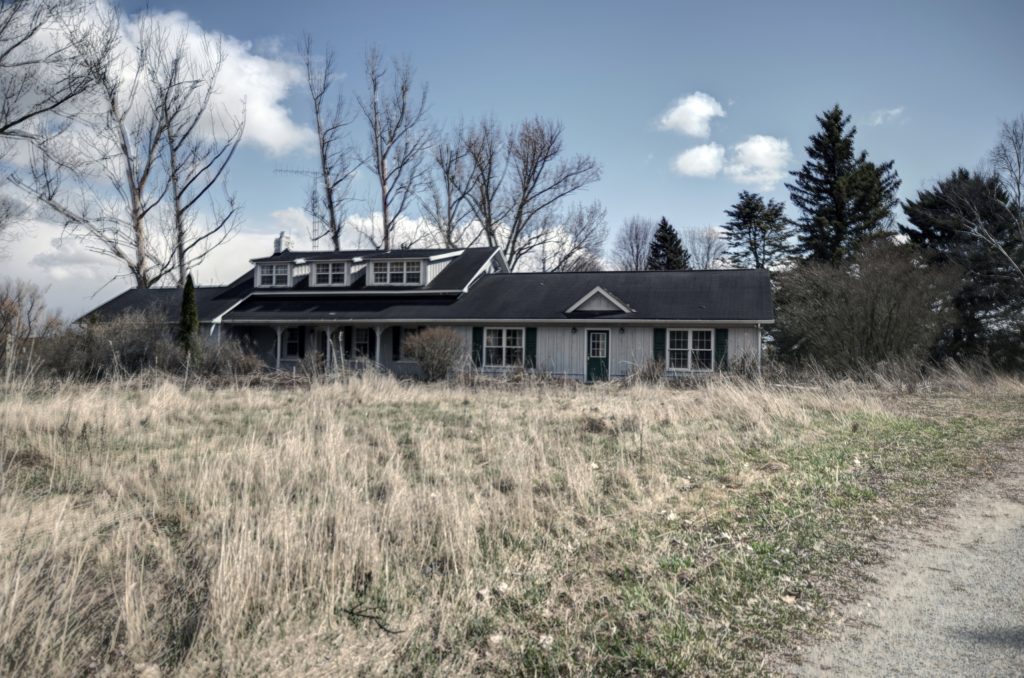
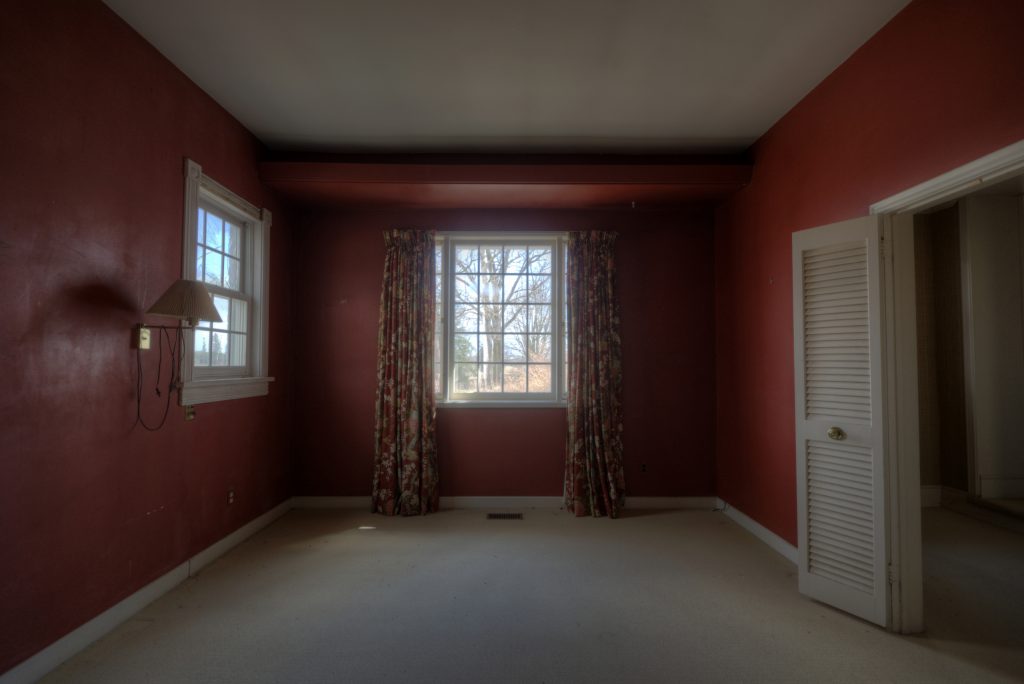
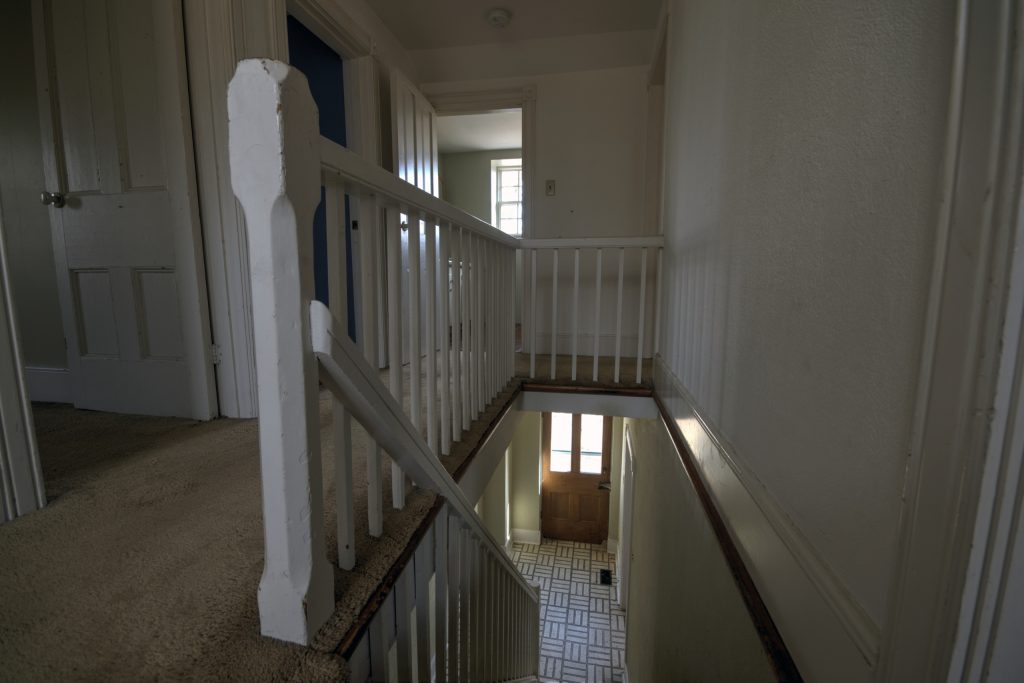
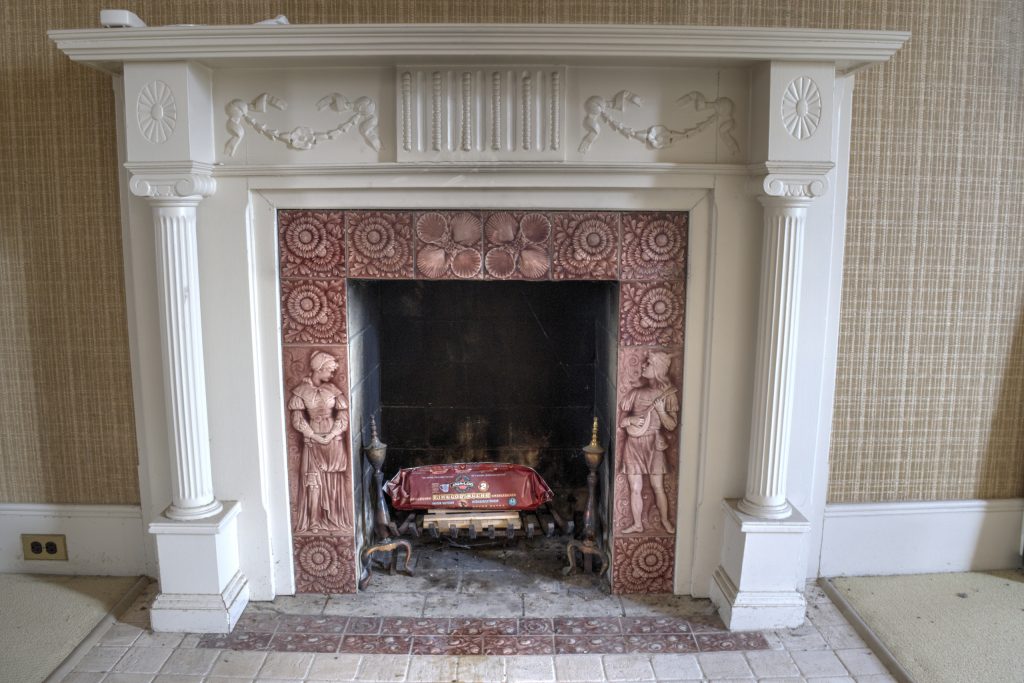
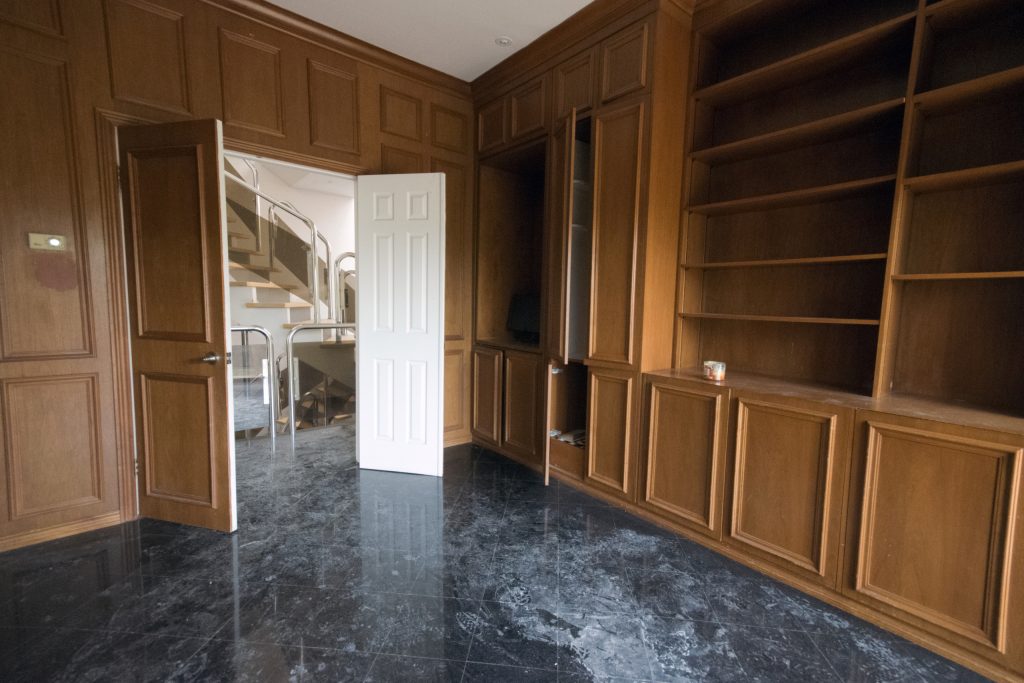
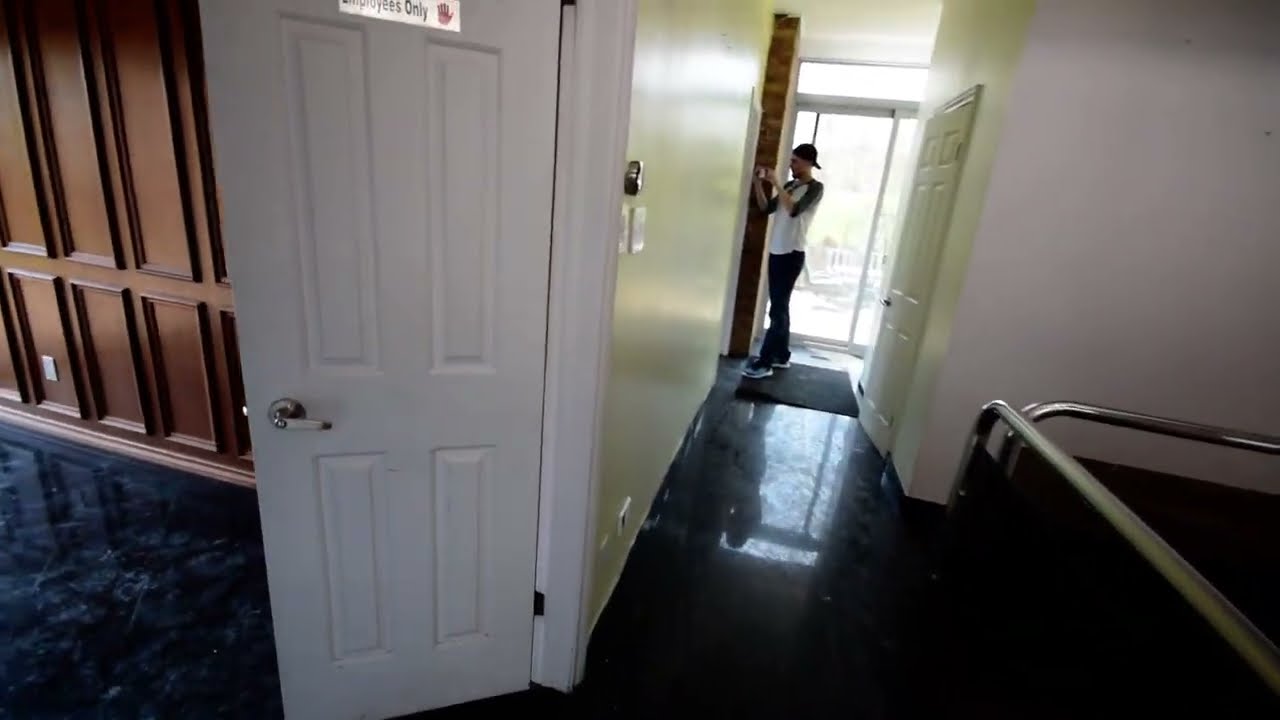
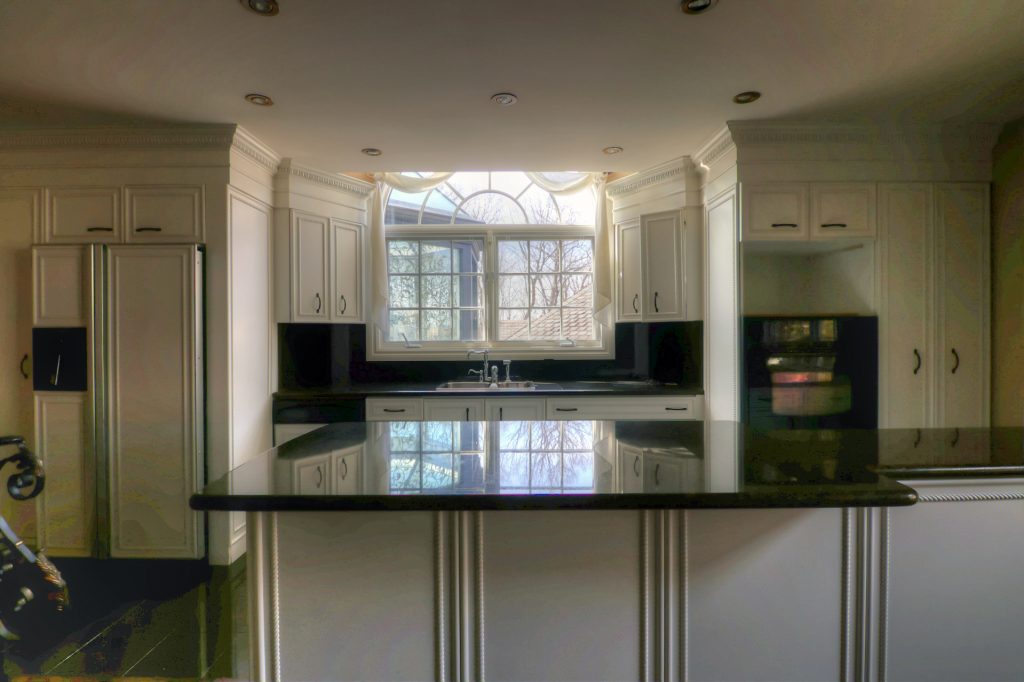
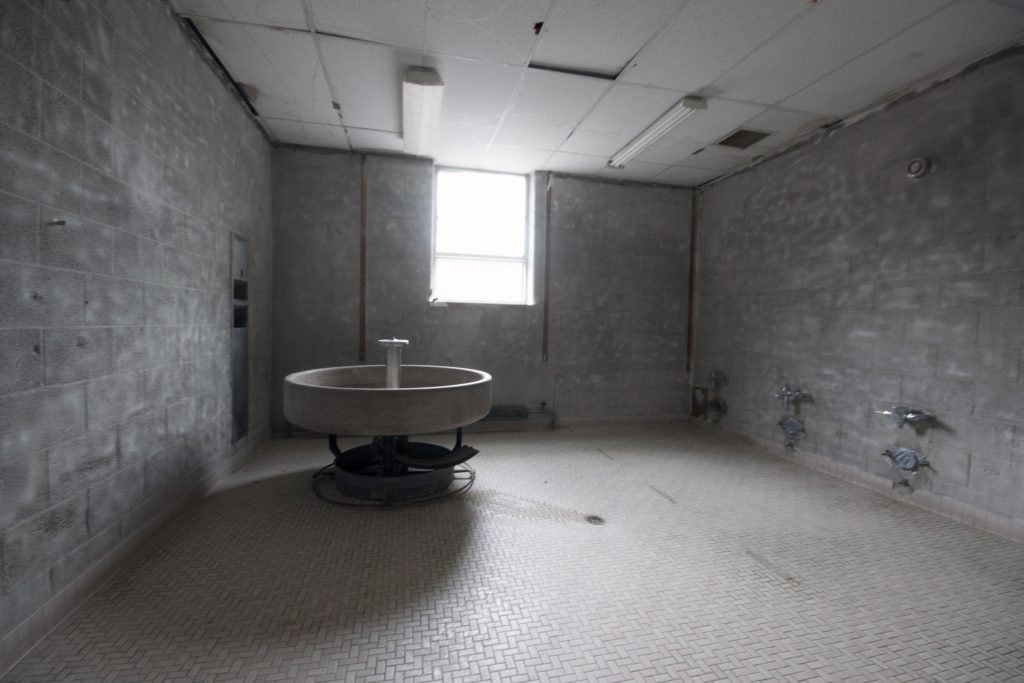
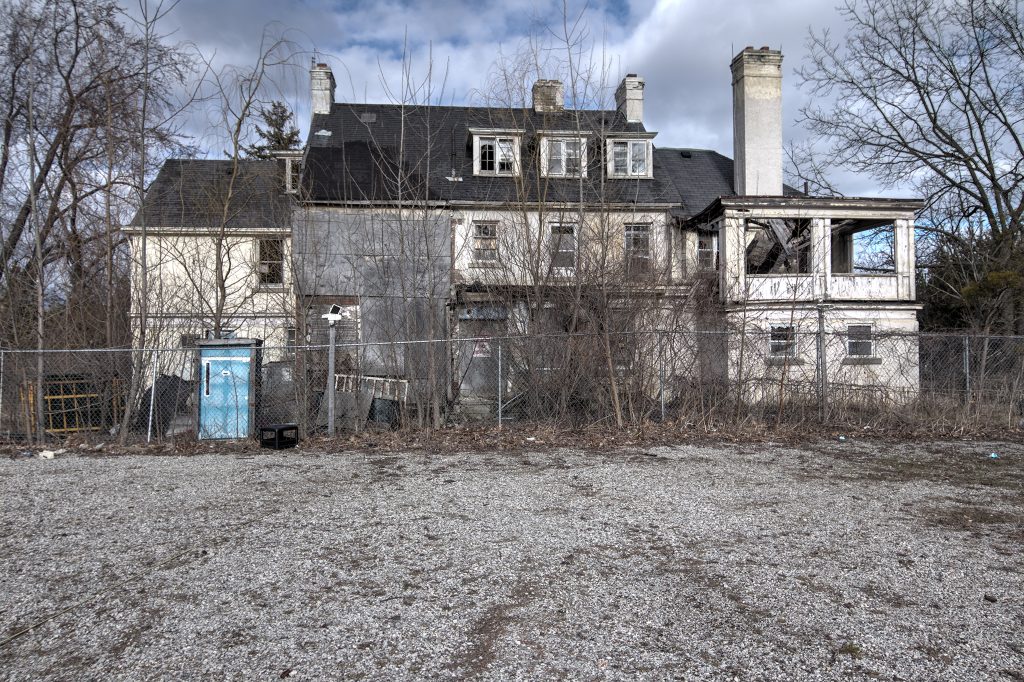
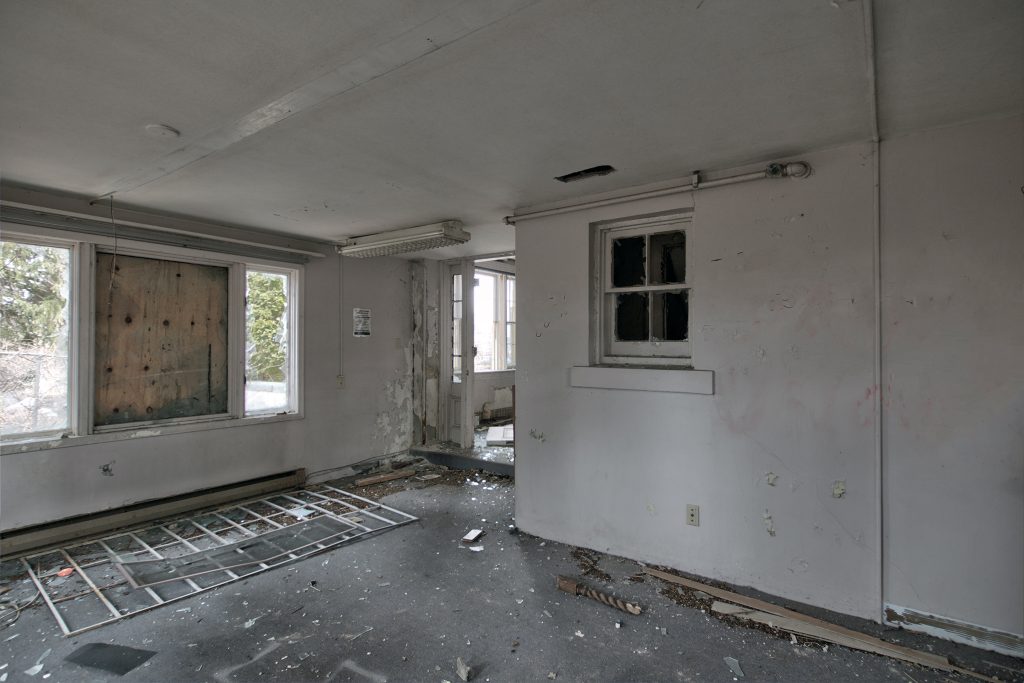
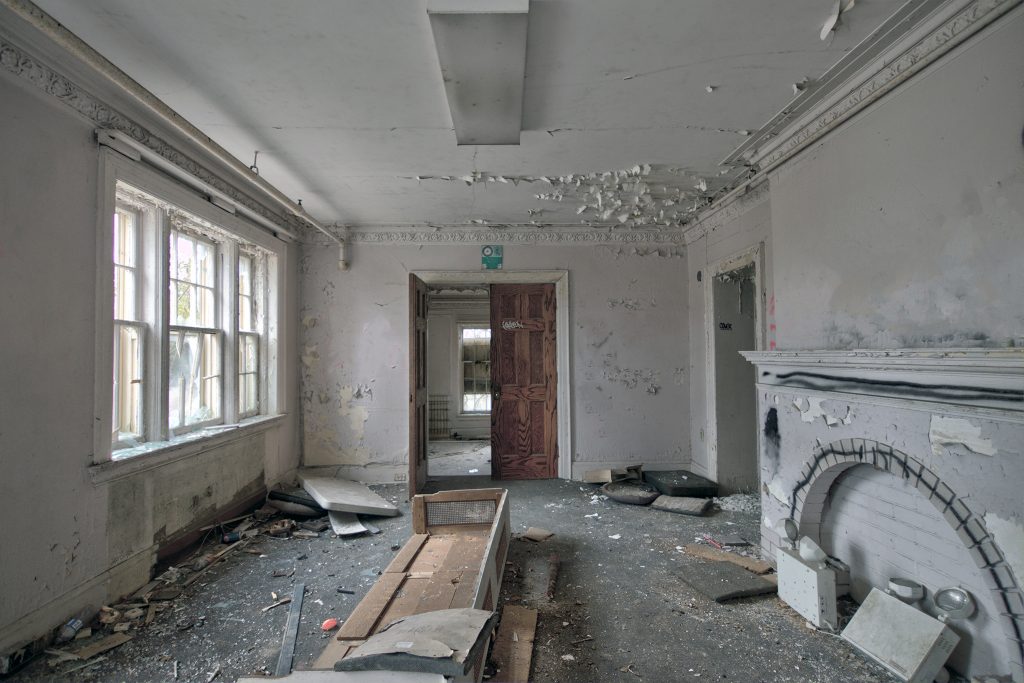
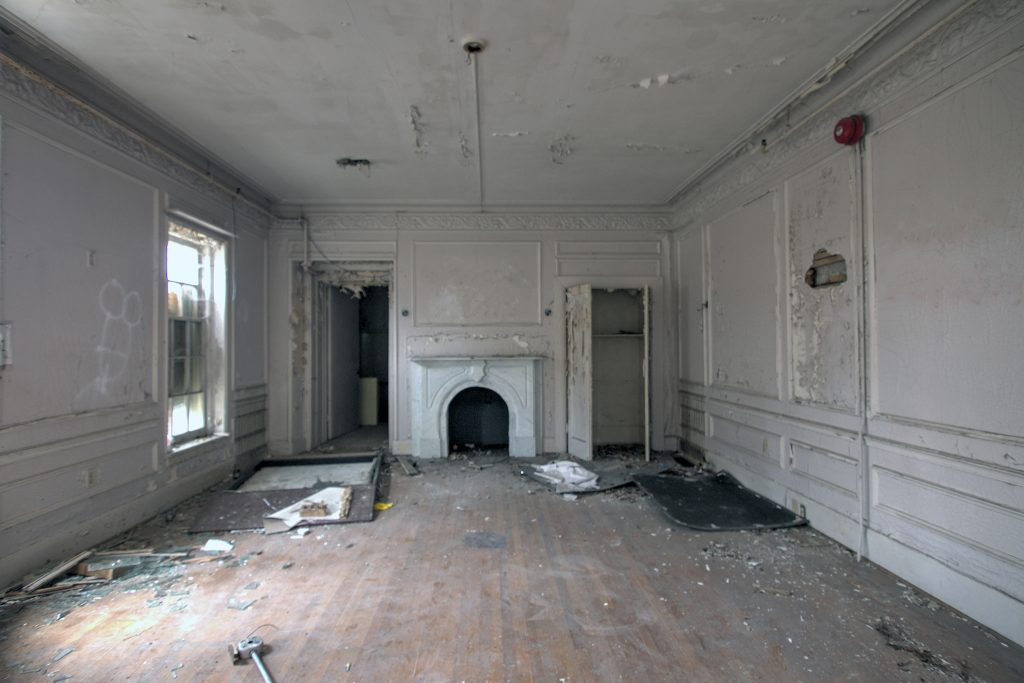
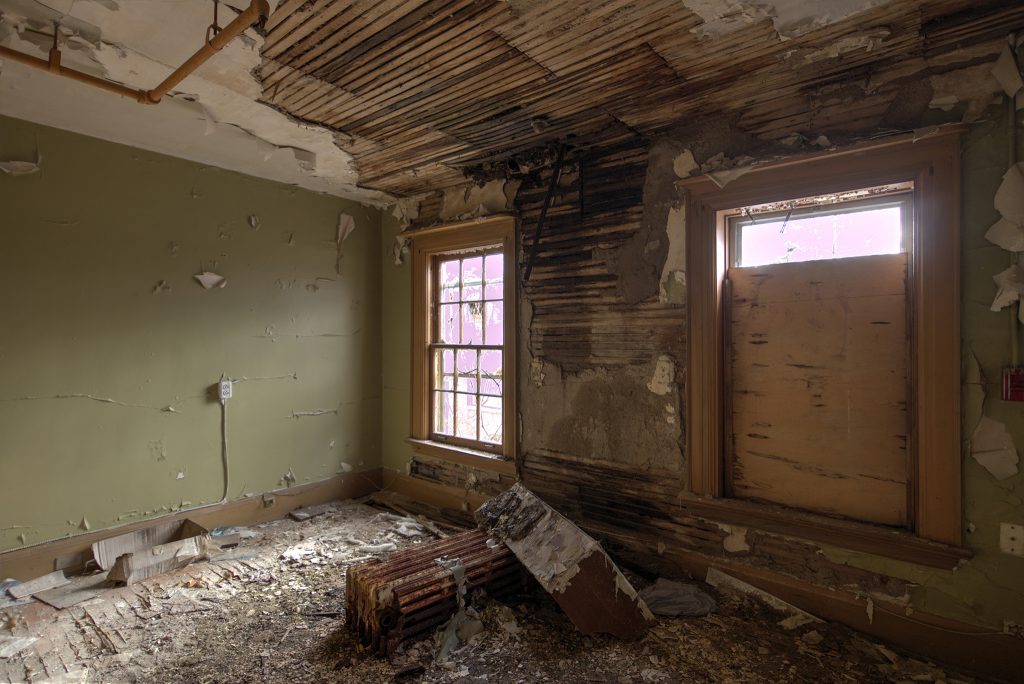
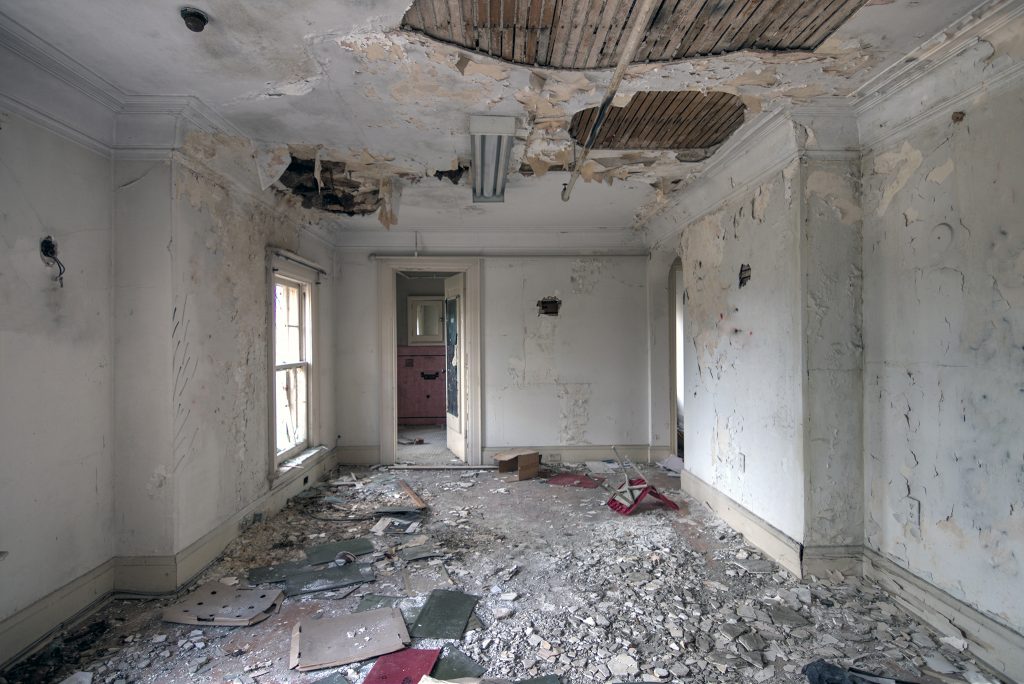
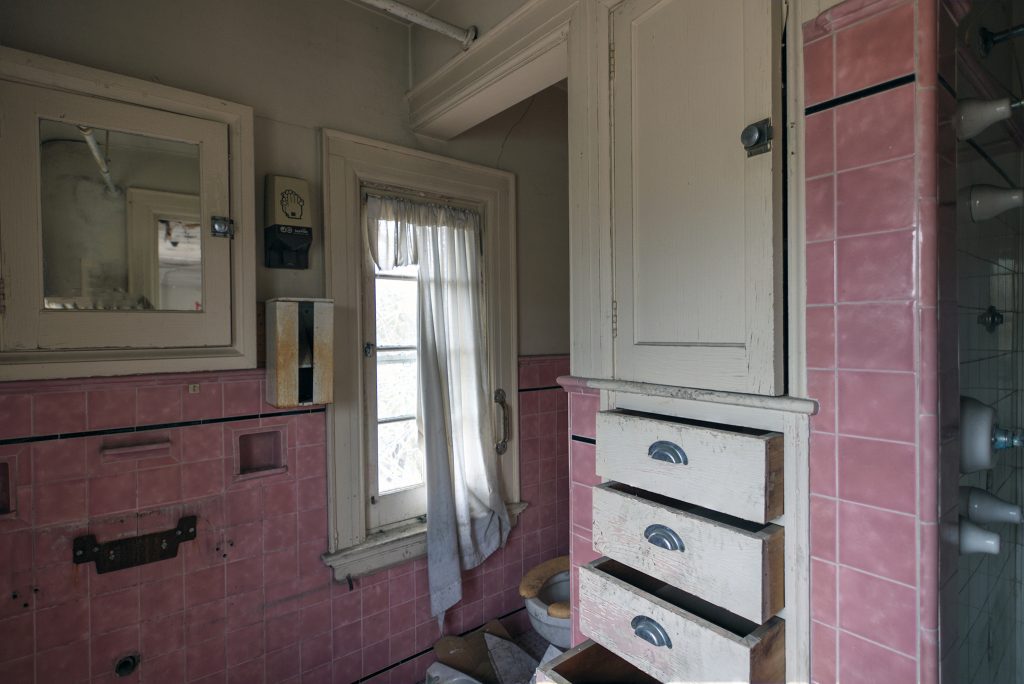
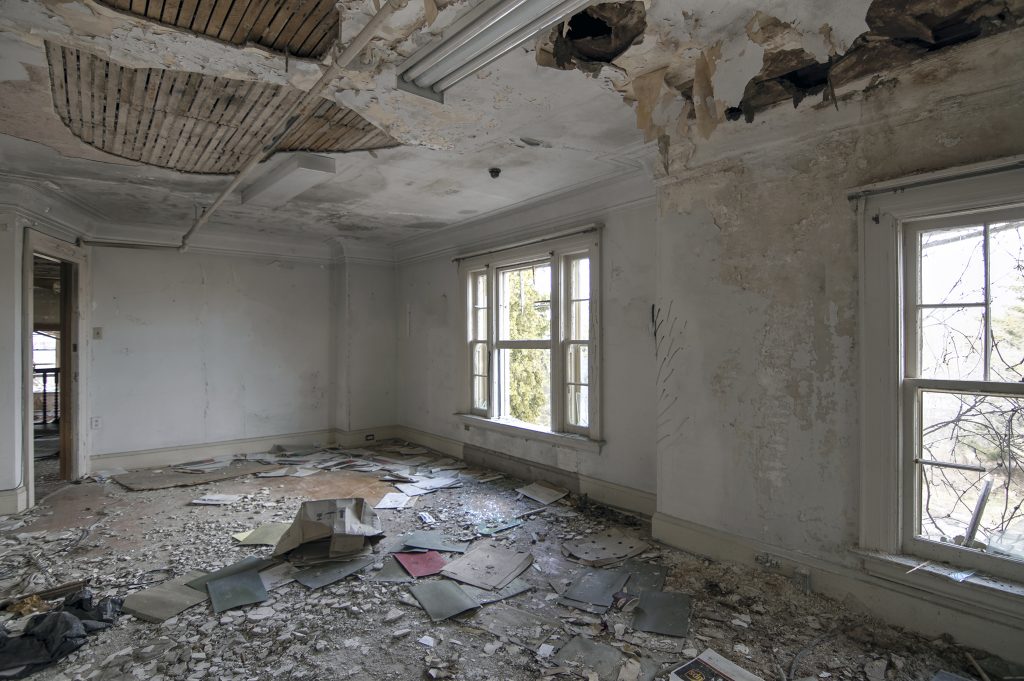
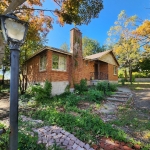
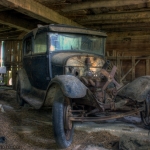
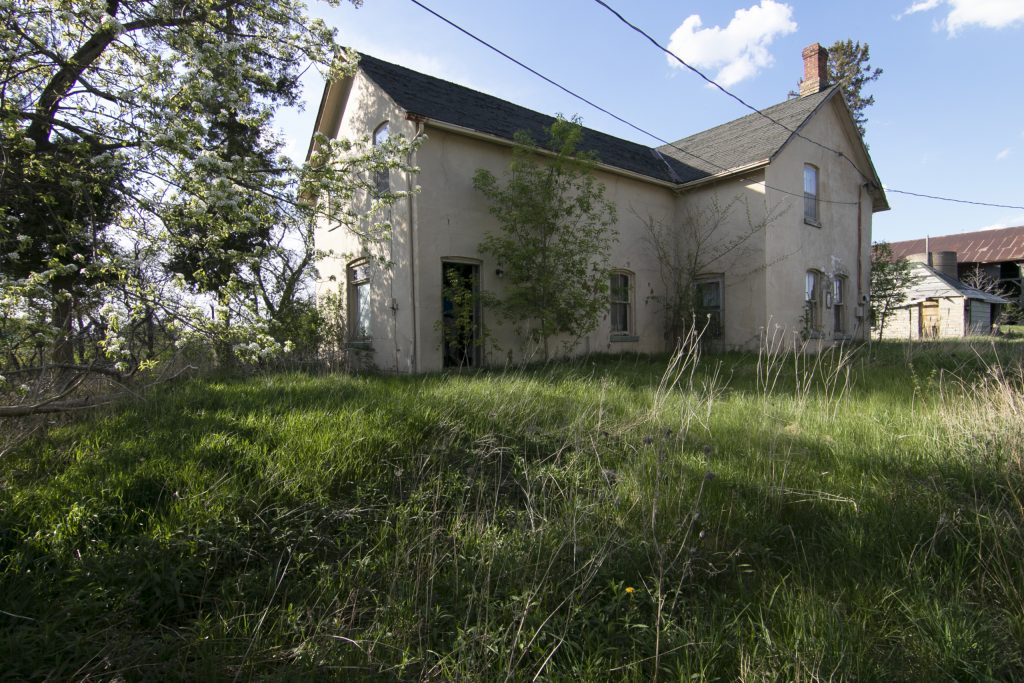
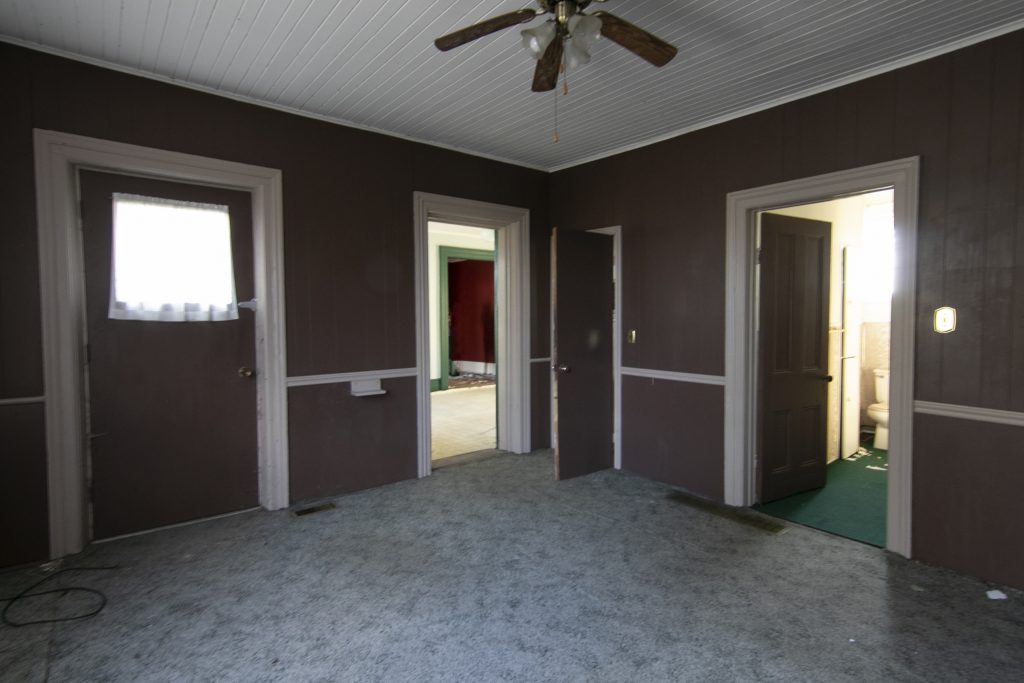
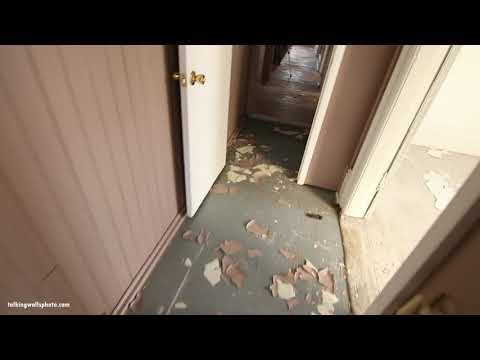
This house was a random find as we were ending our exploration day in May 2022. It was next to a gas station in Kleinburg that we stopped at for fuel. The black and white tiled room reminds me of the text adventure game Miser (Mansion). The red stained glass in the front room lit up the hallway in bright red rays. Nothing very exciting about this find. There are some derelict trucks outside.


Video
Red Stained Glass House

Moldy Pool Table House

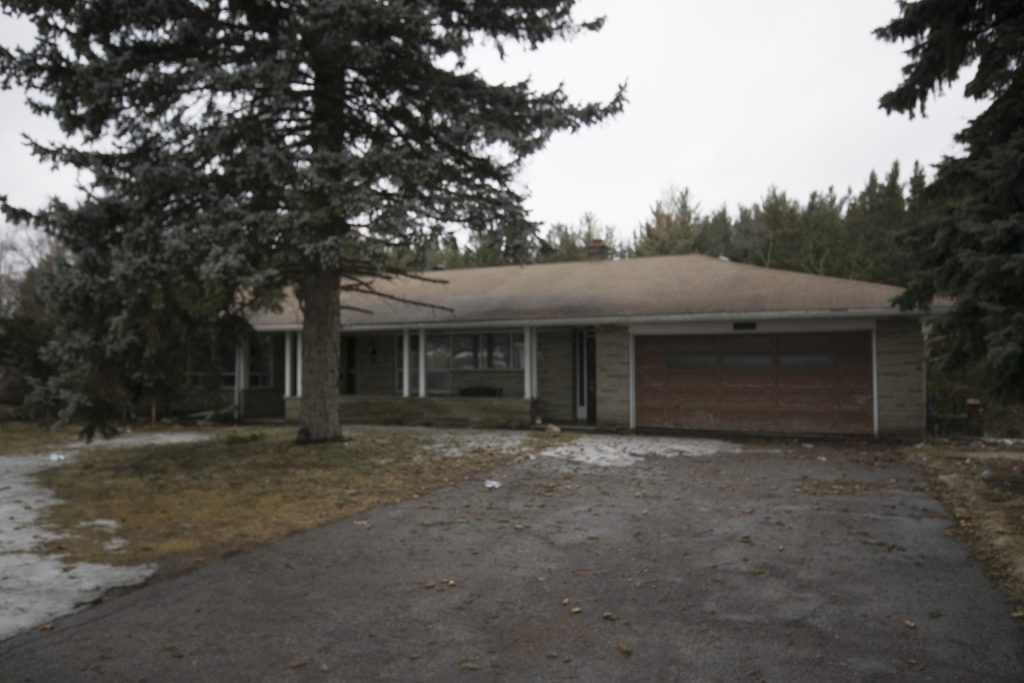
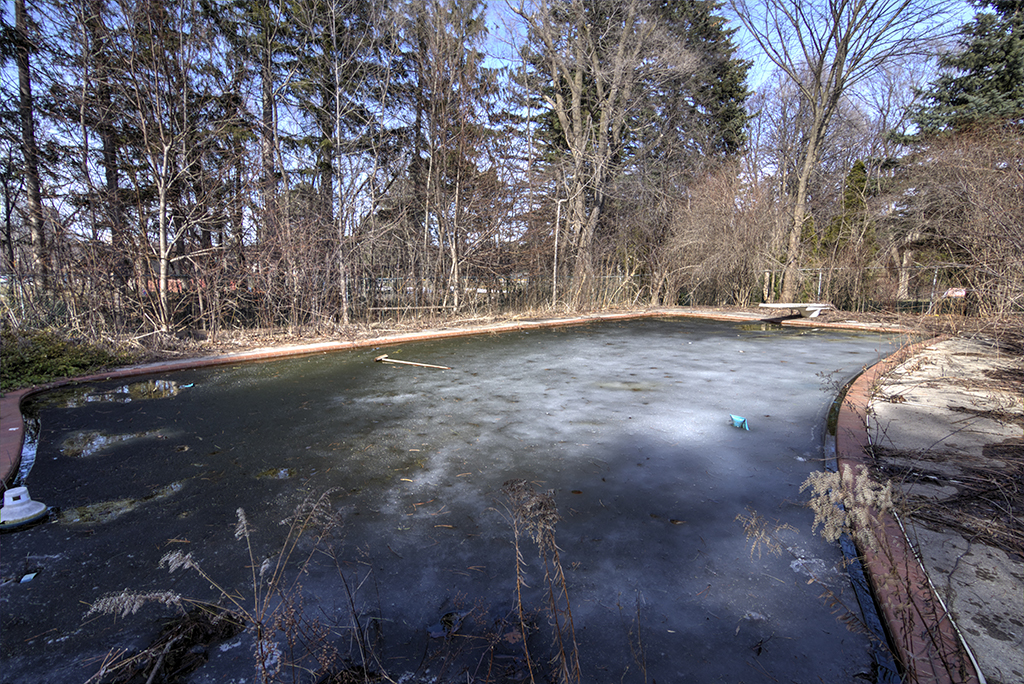
This property was found in King, Ontario. Outside there was an in-ground swimming pool, pond, guest house and large barn. The property may have been used to board horses.

The house was built in 1891 and is was included in Ontario’s heritage property list. Additions were made to the house over the years to both sides of the house and shed dorners added to the roof. After renovations to the house, it was removed from the Ontario Heritage Listing. The property offered privacy as it was situated away from the road at the end of a long driveway.

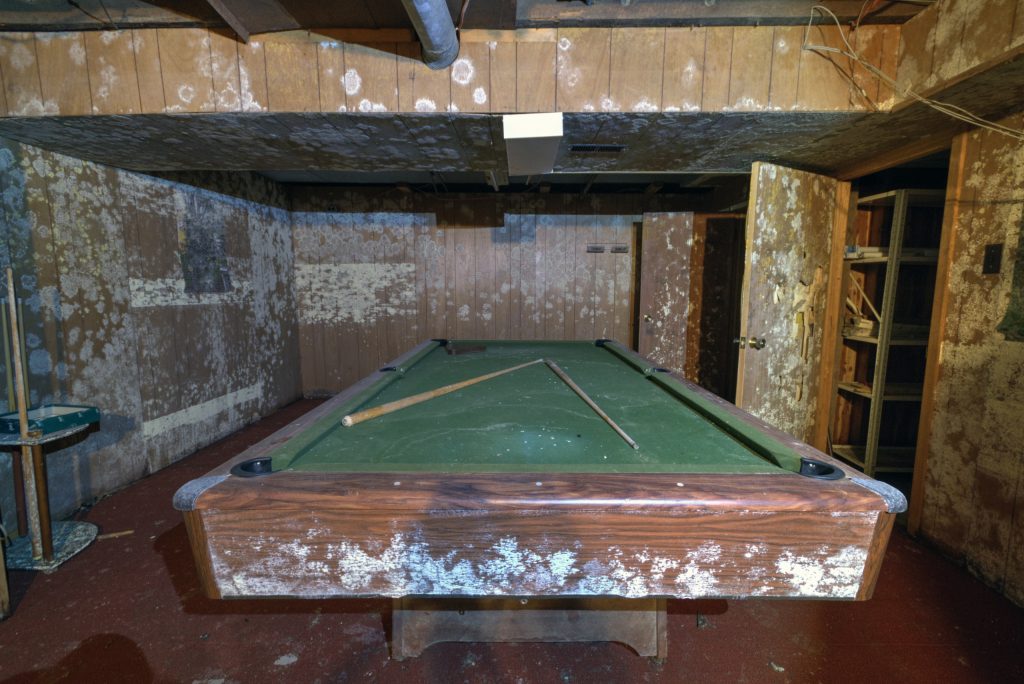
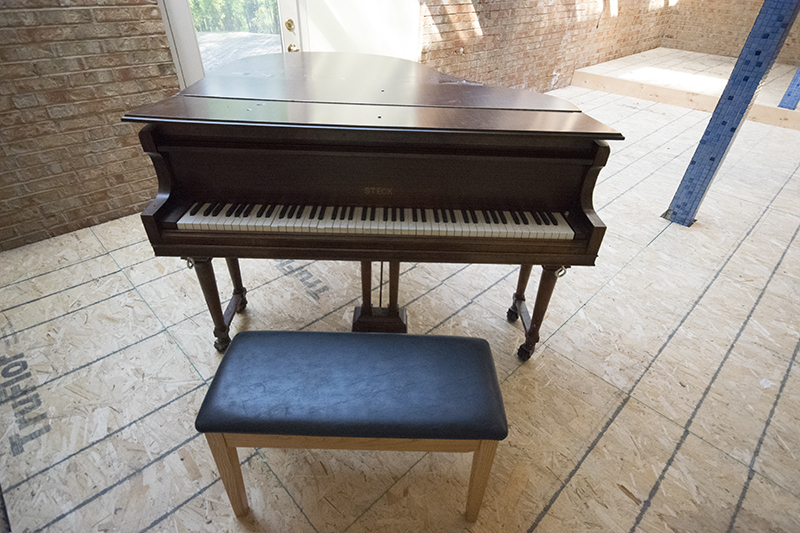
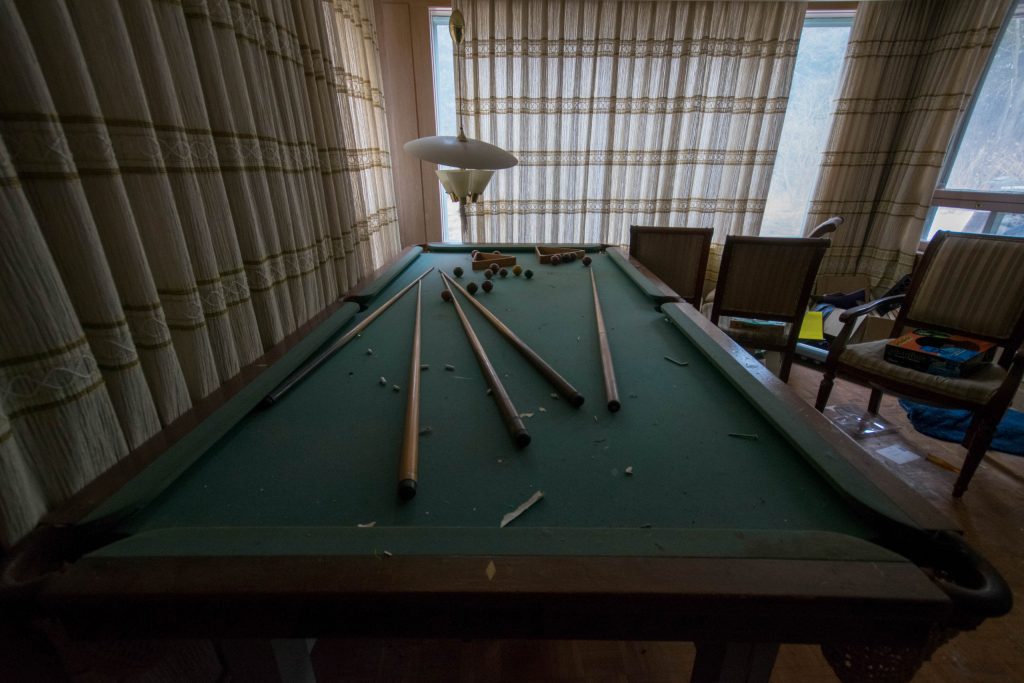
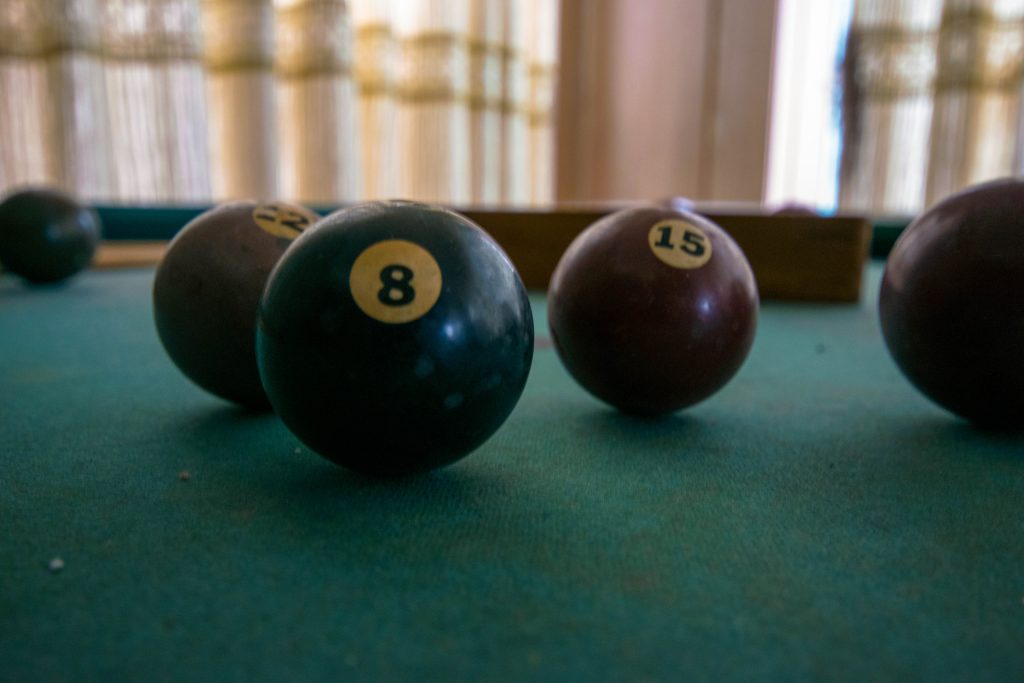
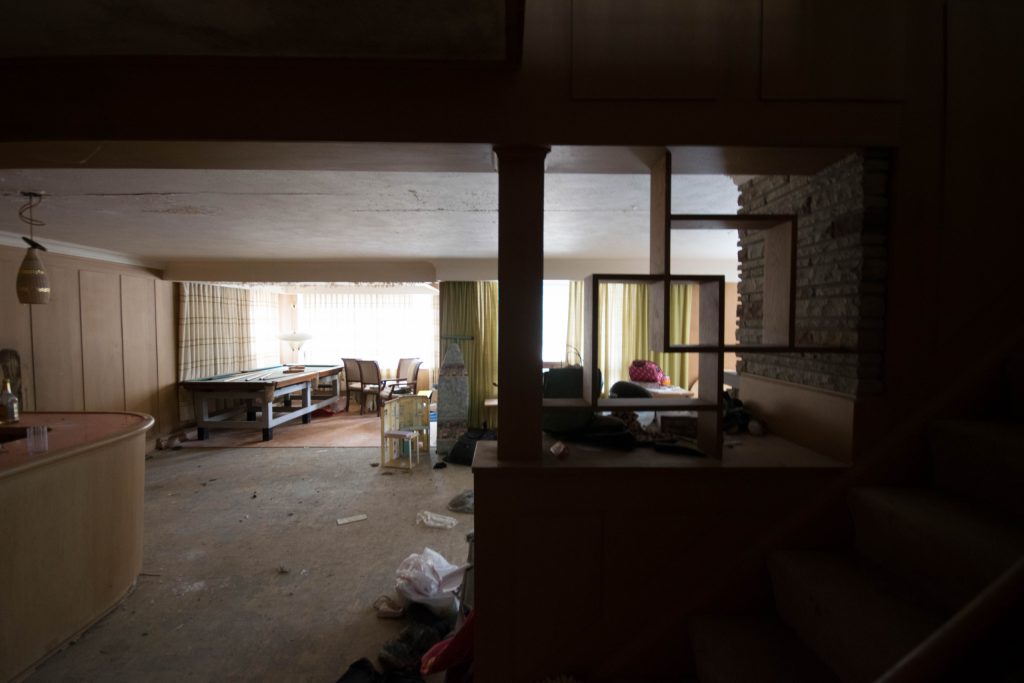
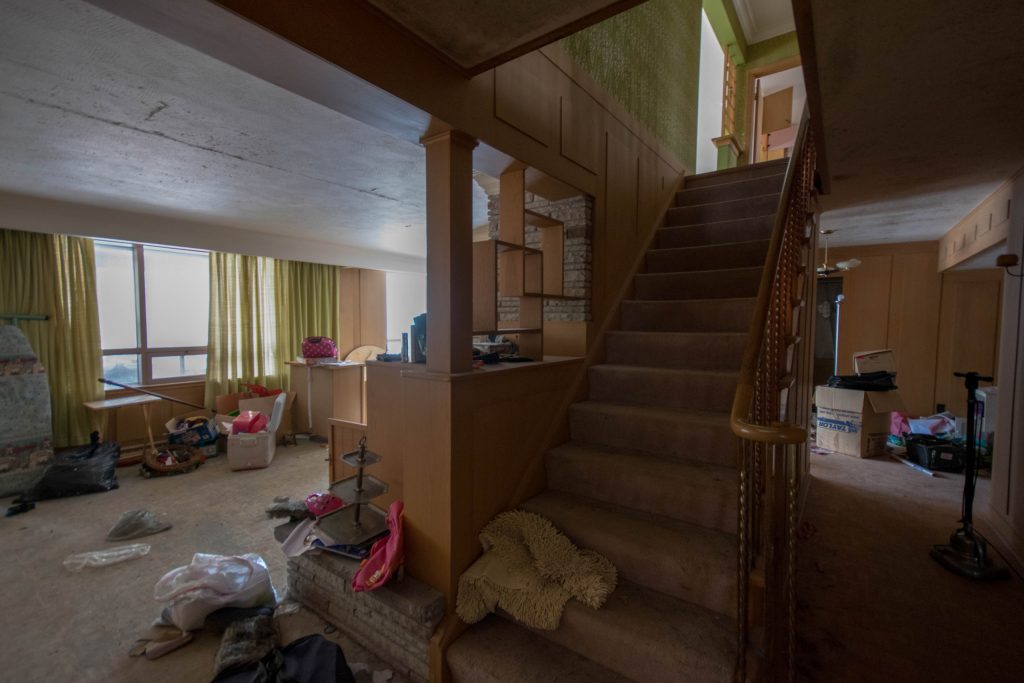
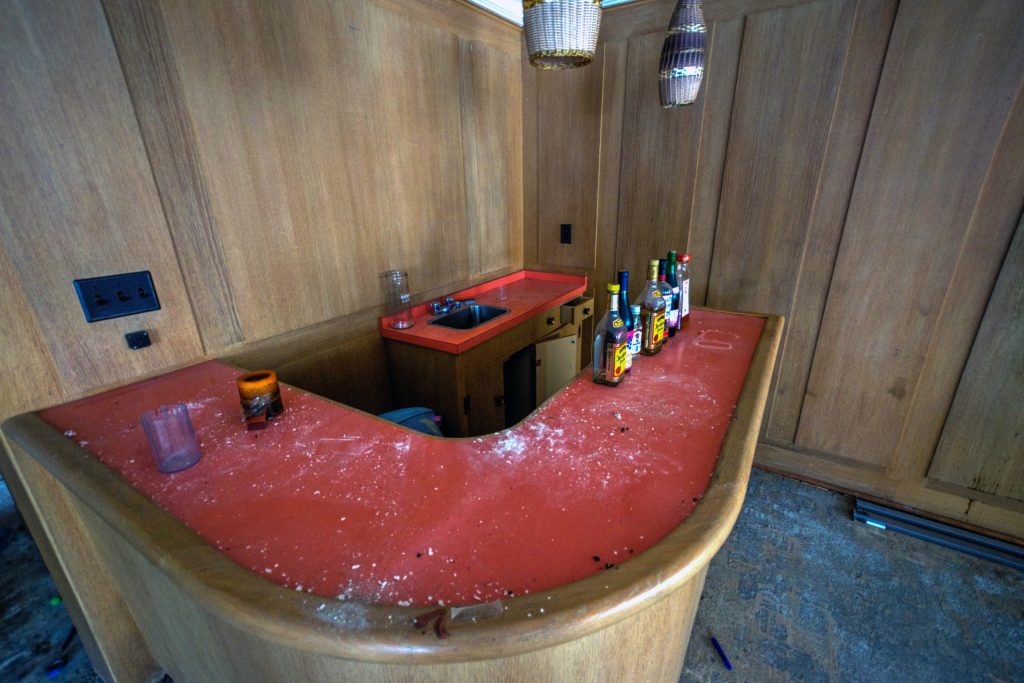
As I made my way to the stairs leading into the basement, I observed mold on the walls. Over time, the basement had flooded to about two feet of water and the entire room was now filled with mold. The basement contained a pool table, ping pong table, Foosball table and a very old Mason & Risch piano from the early 1900’s.

The surrounding land is used for farming. In fact on the same day we drove past here, we observed a truck go down the driveway. We waited for it to leave and then parked off-site.

GPS: 43.947432 -79.516483

Exploring the Moldy Pool Table House in King, Ontario

Heritage International School

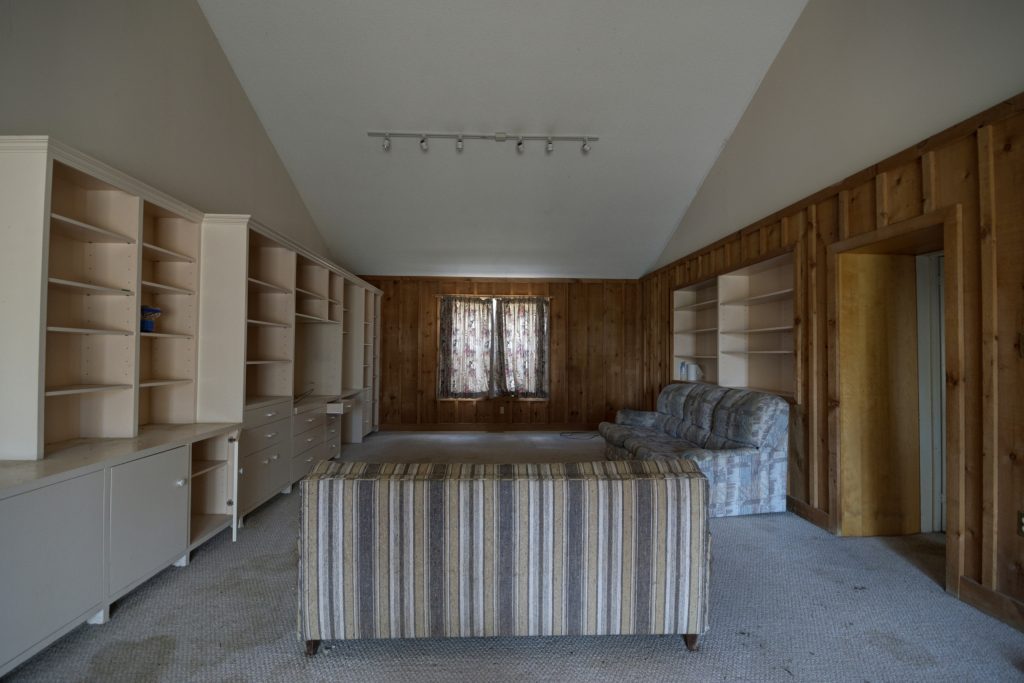
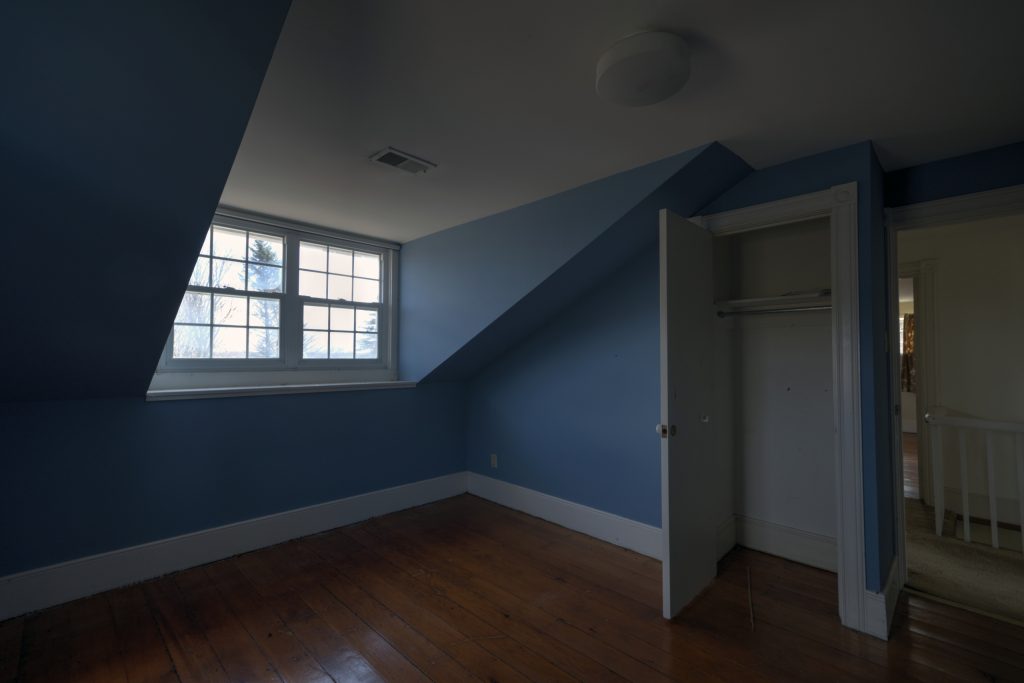
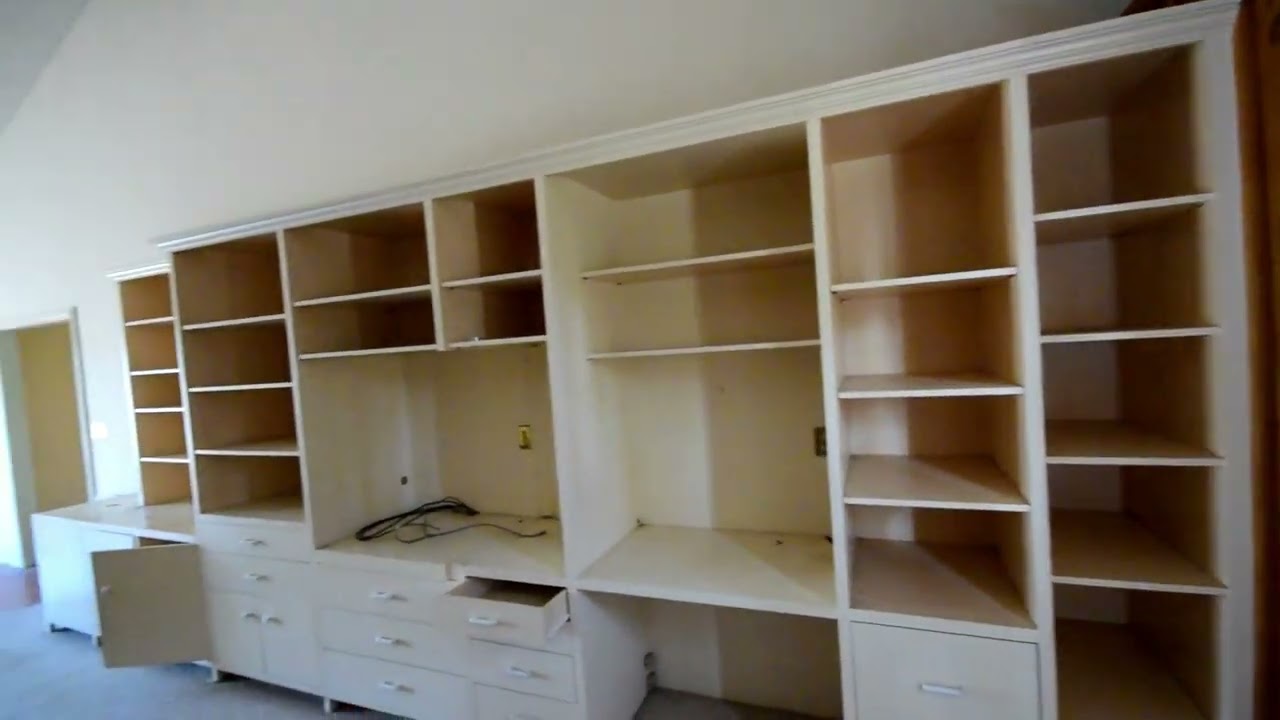
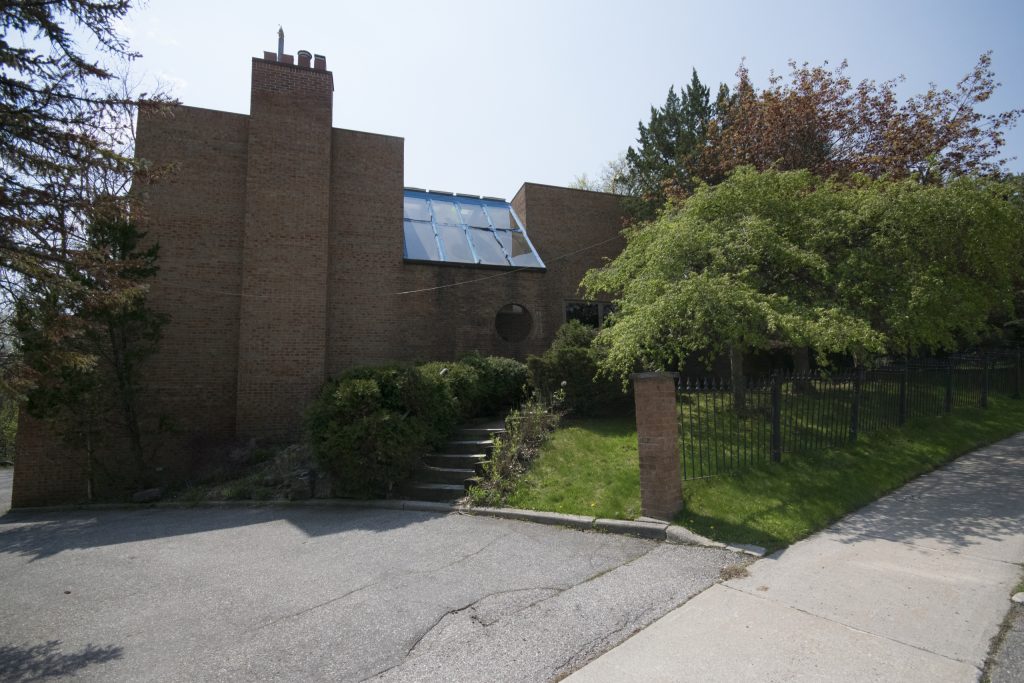
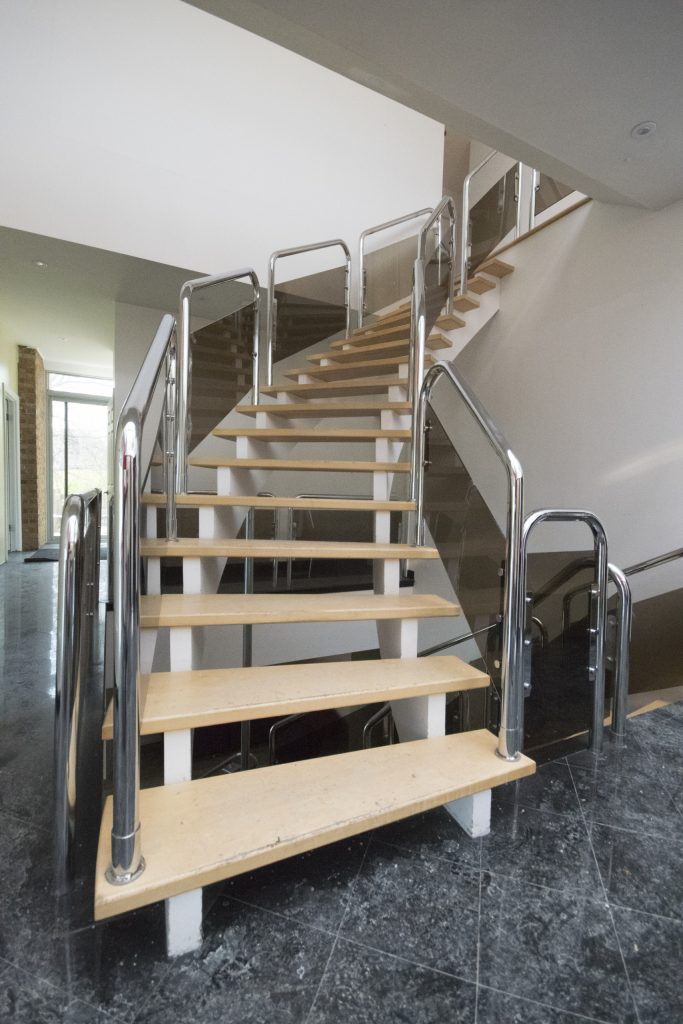
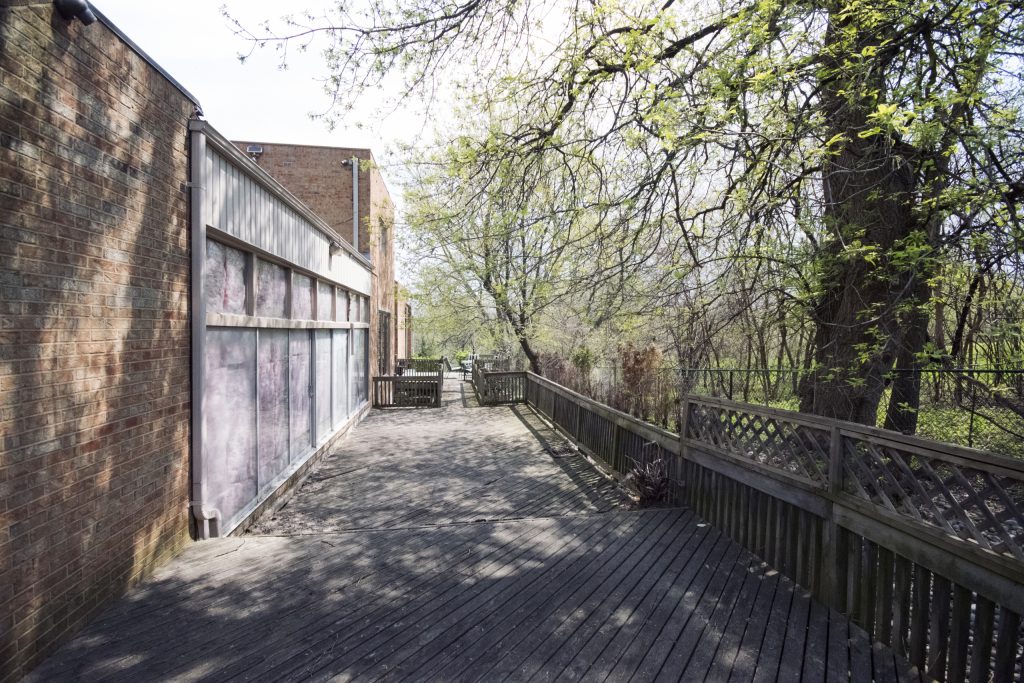
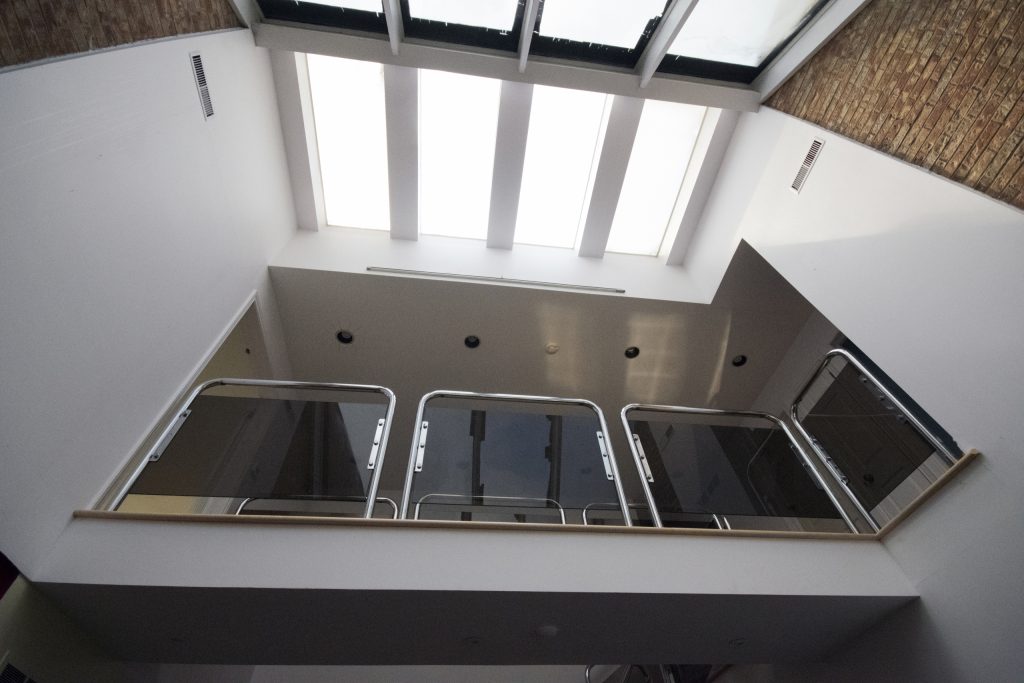
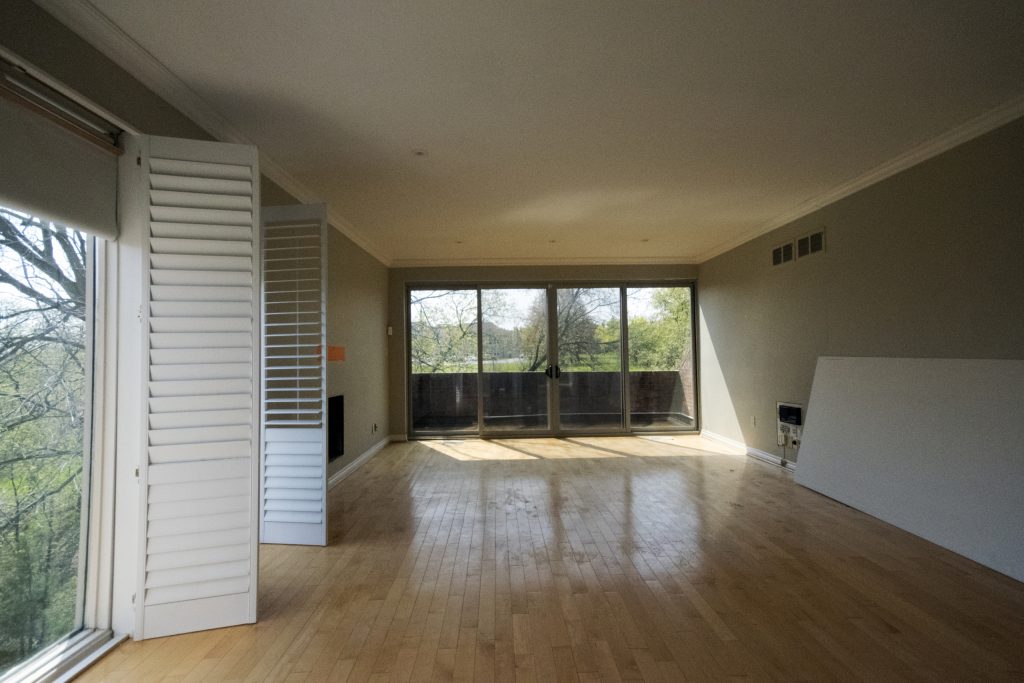
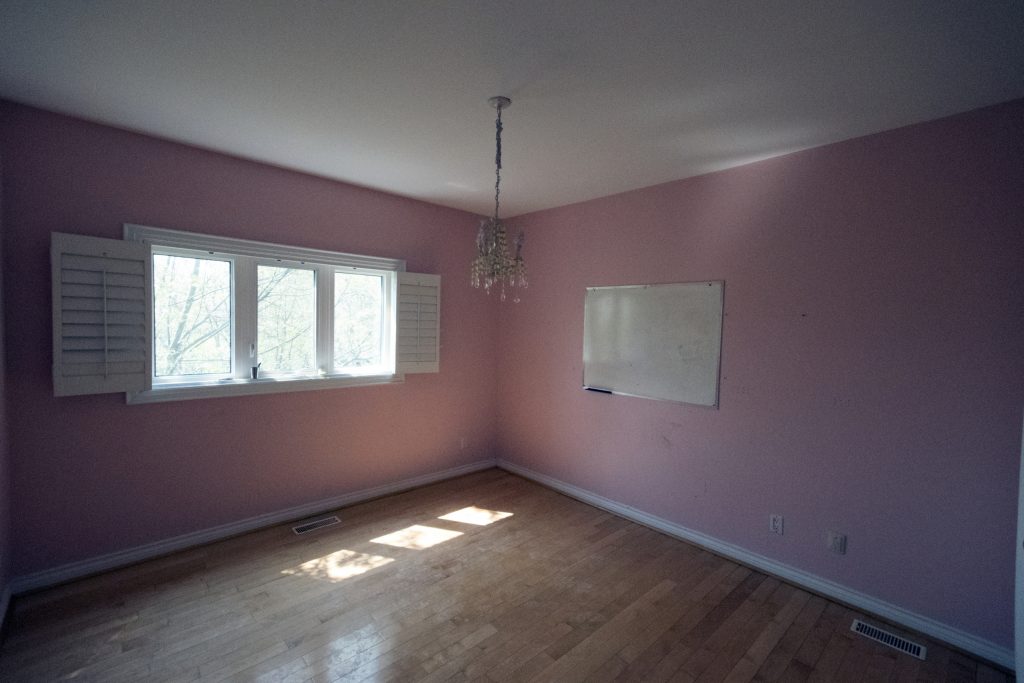
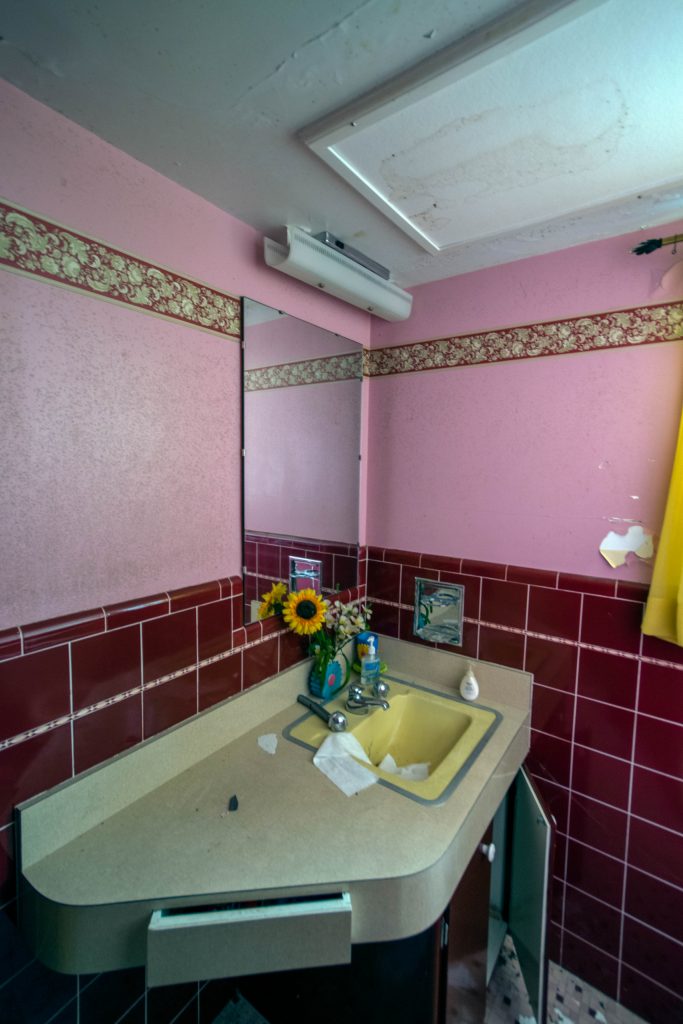
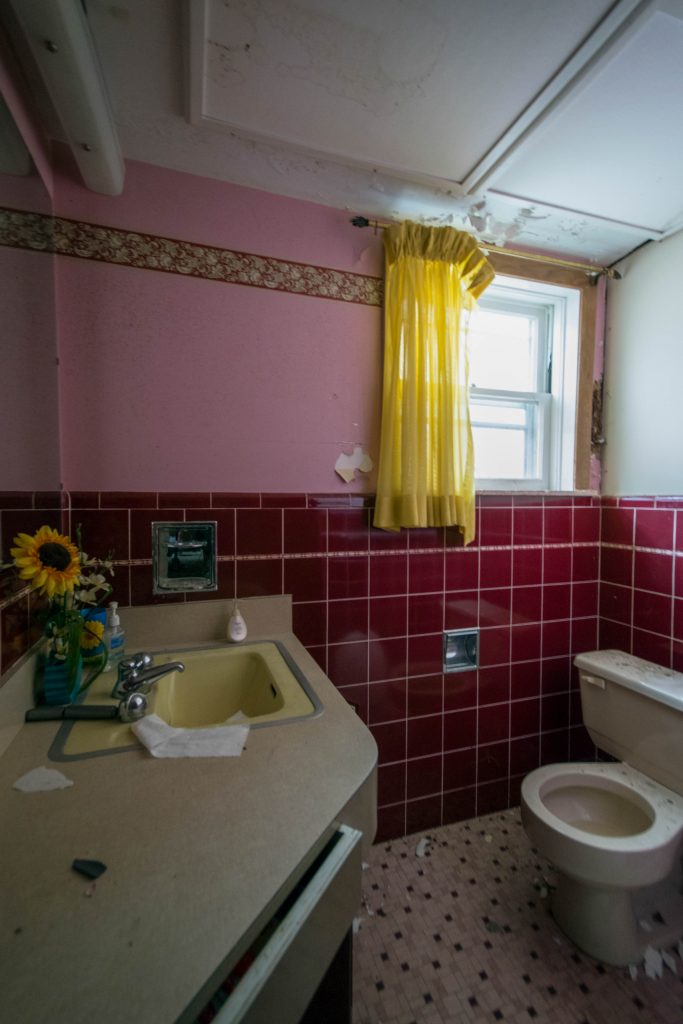
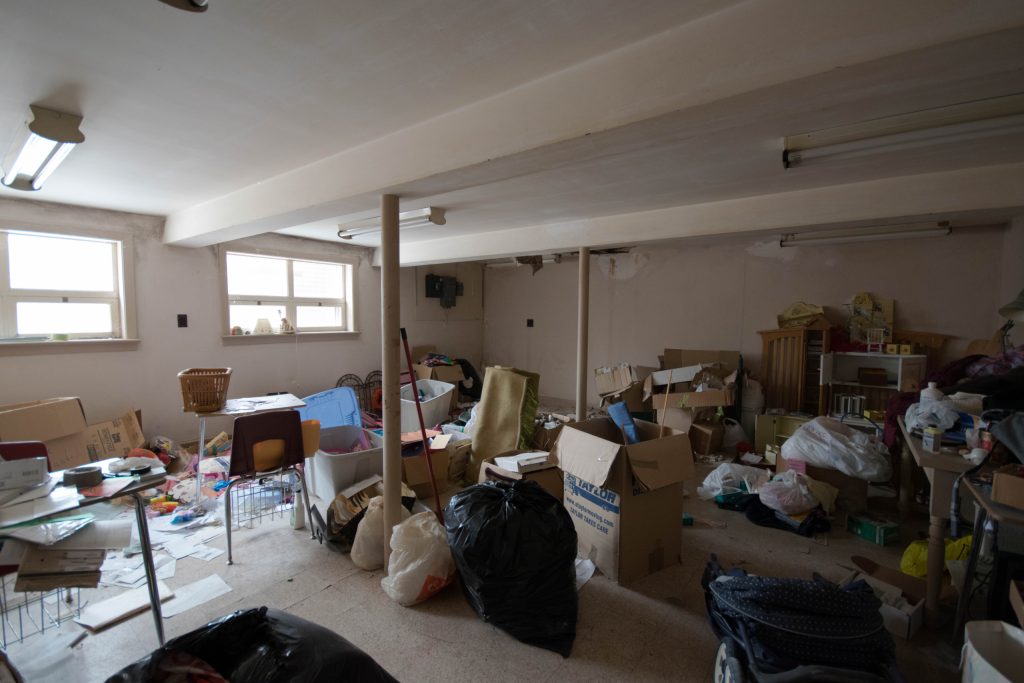
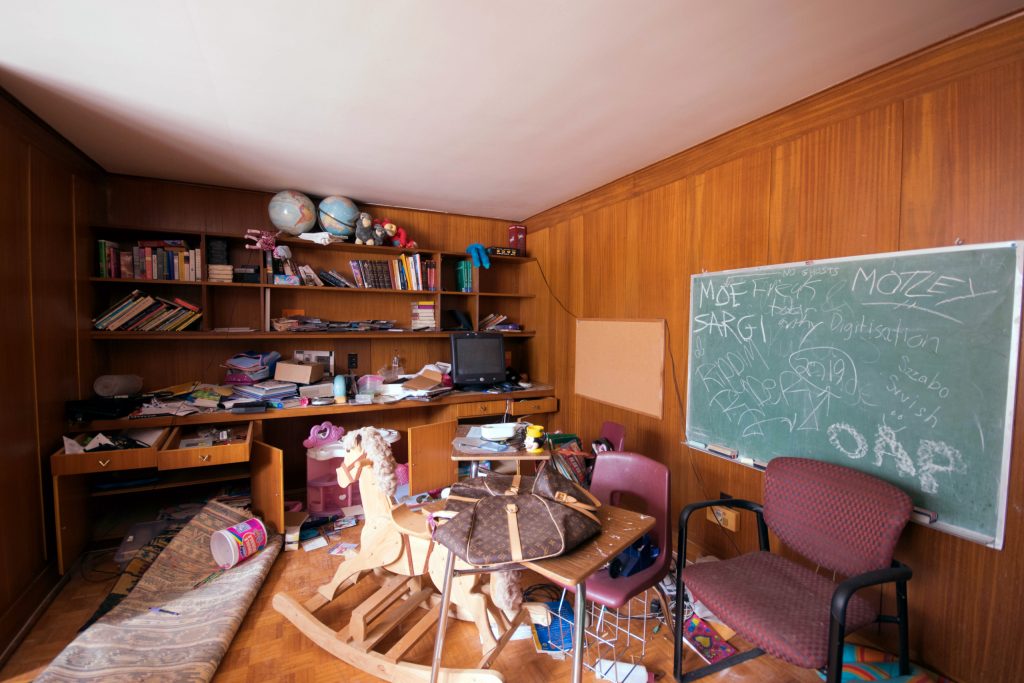
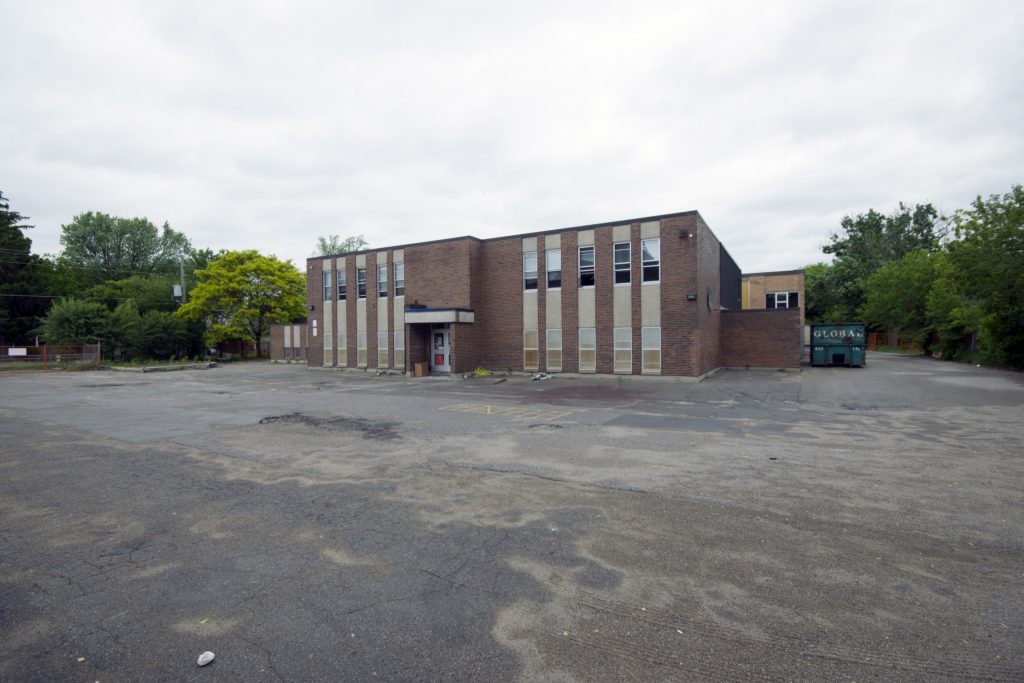
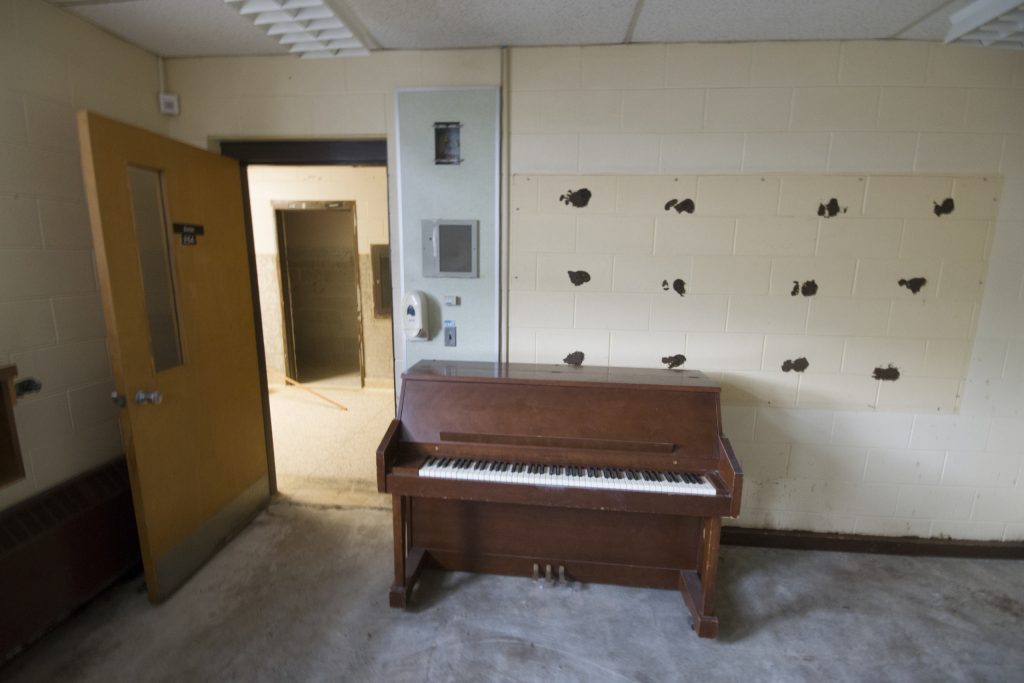
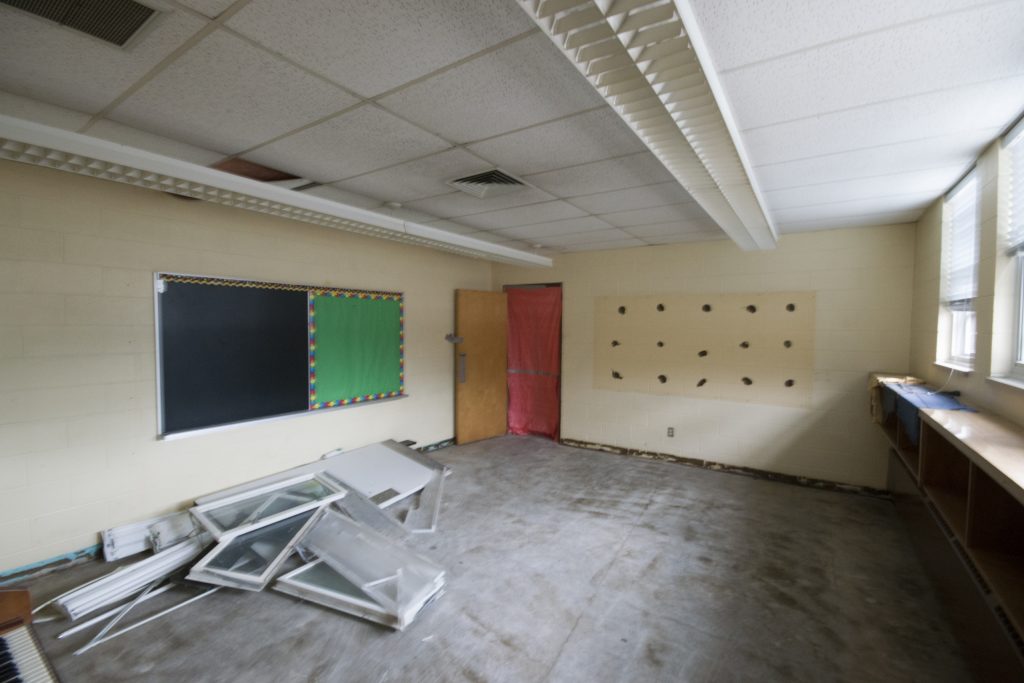
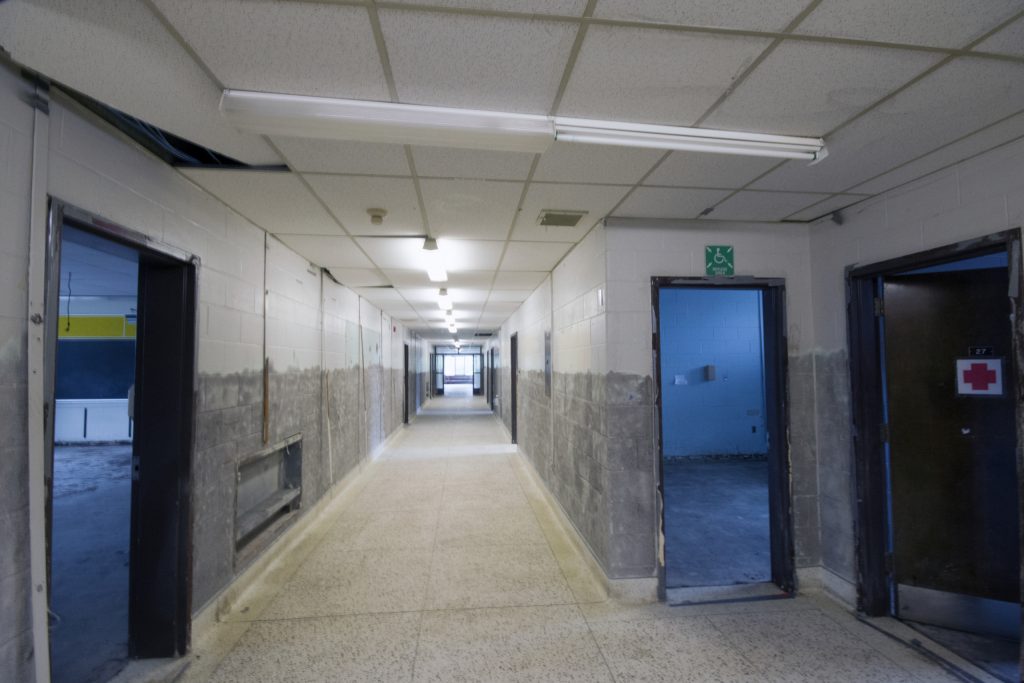
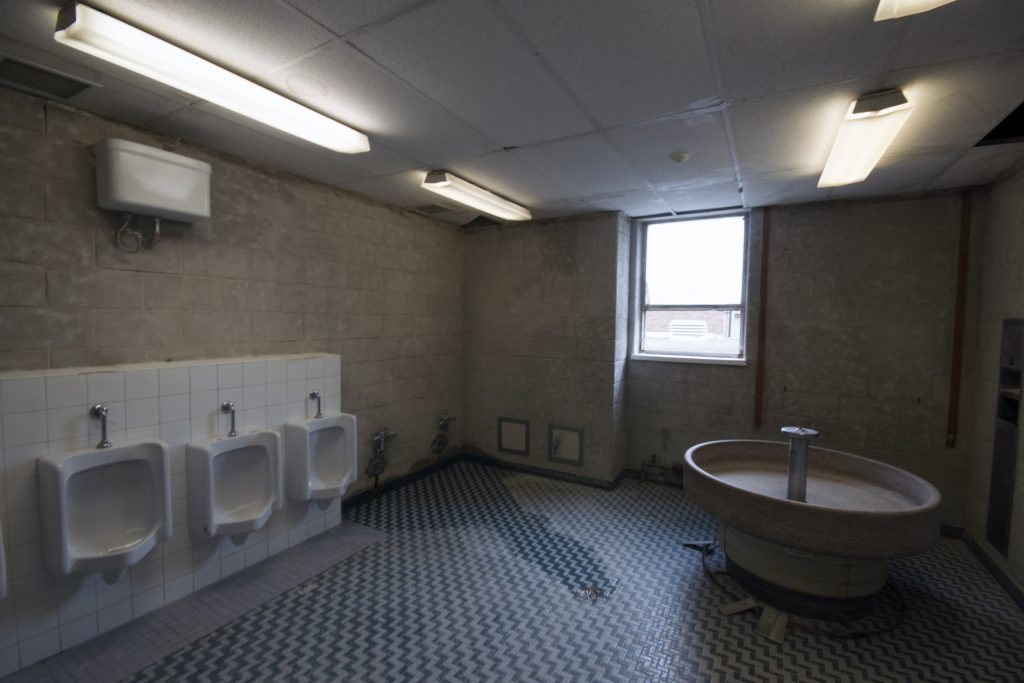
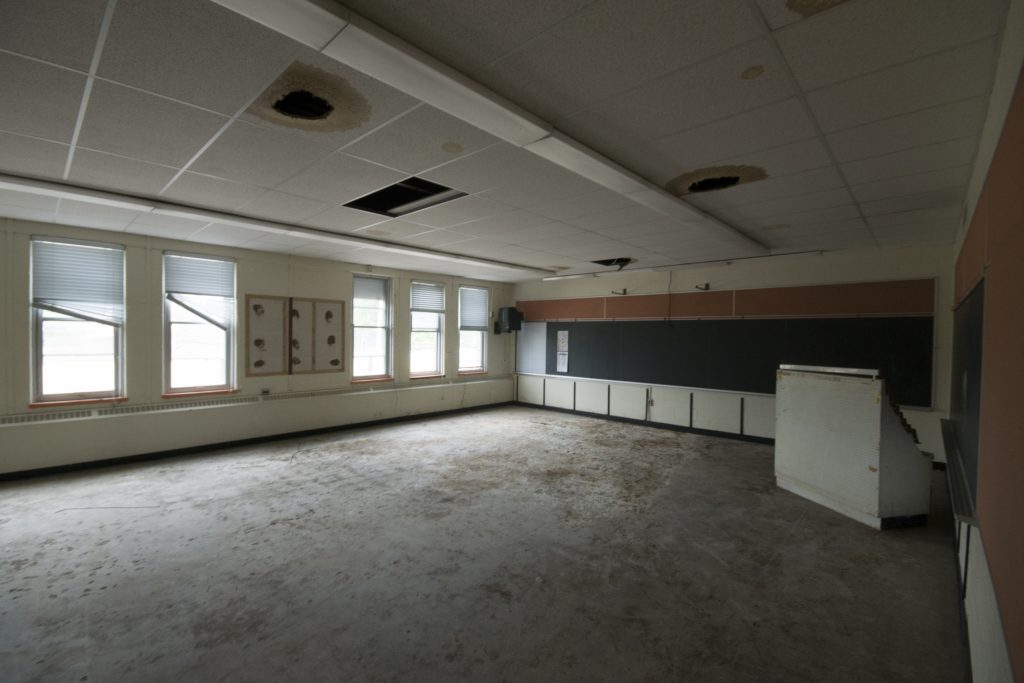
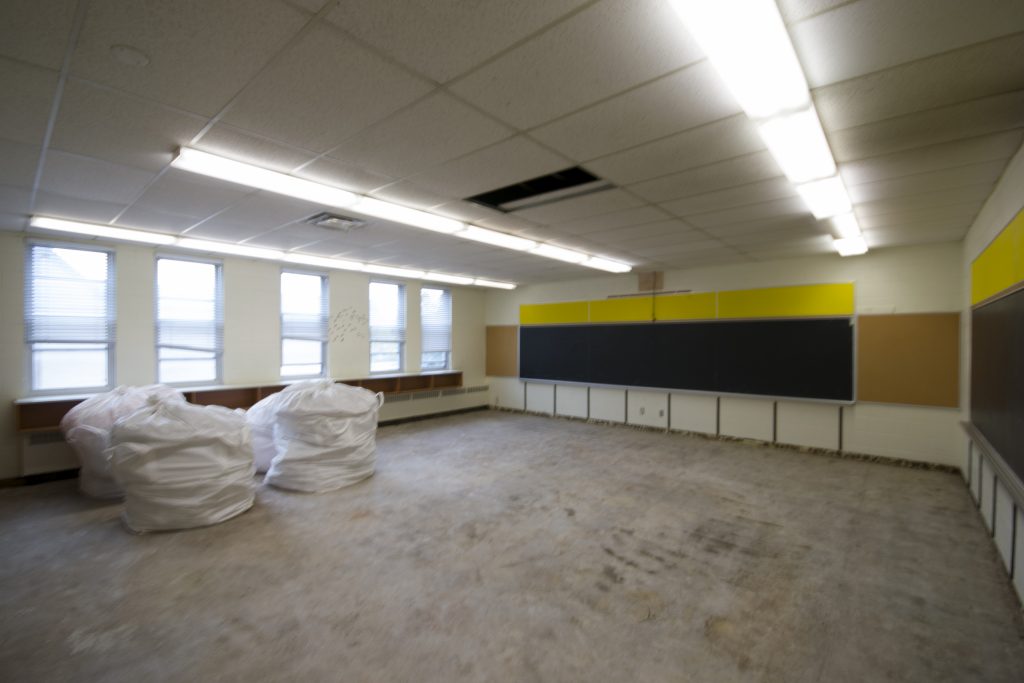
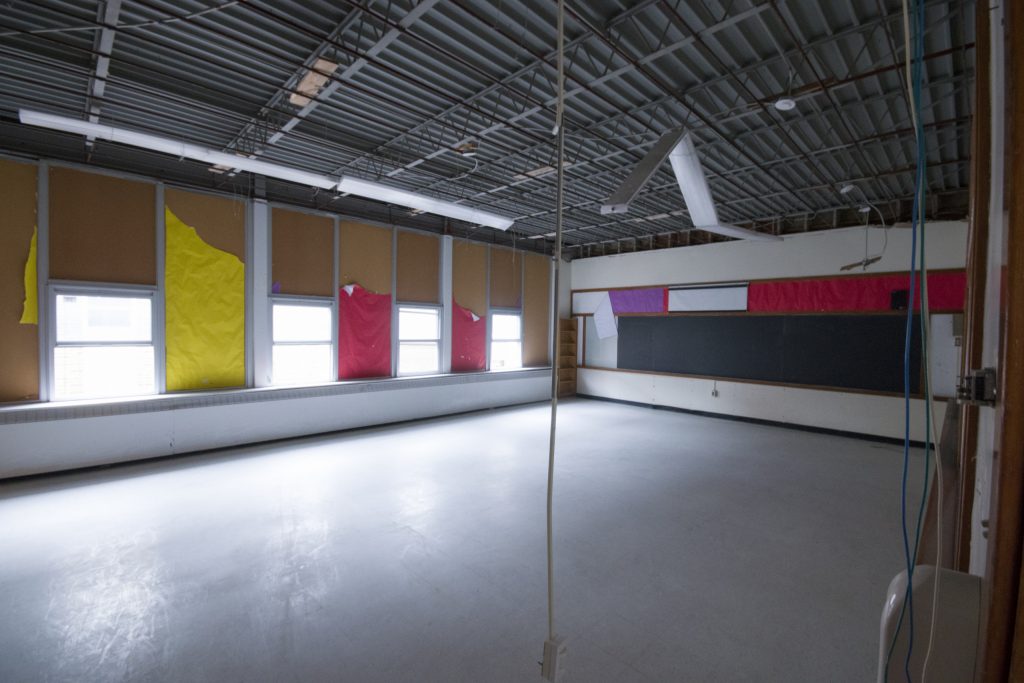
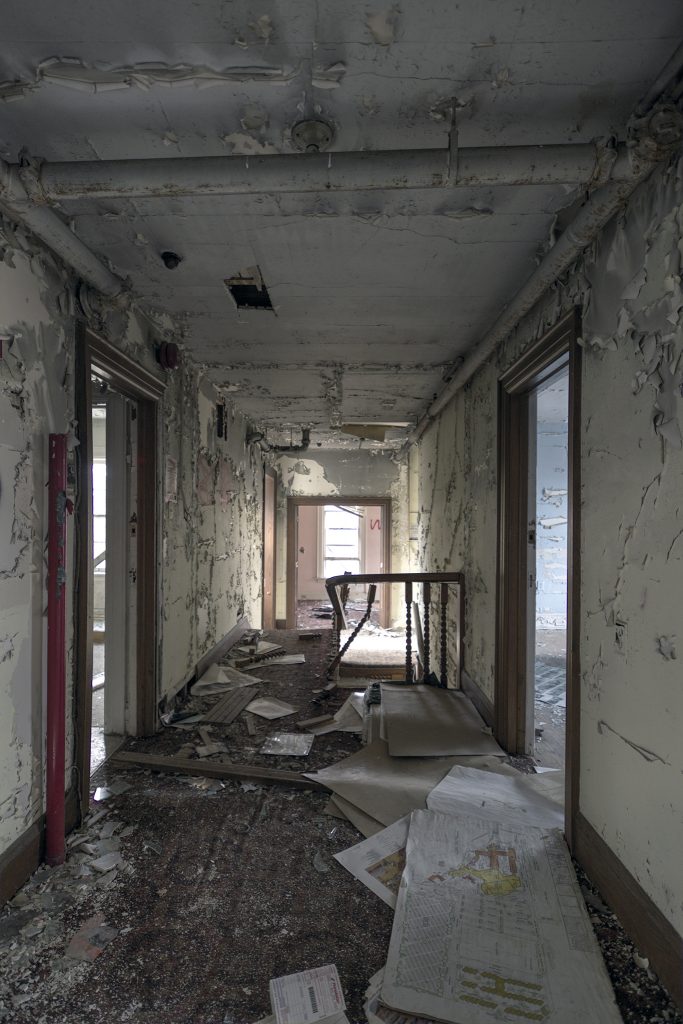
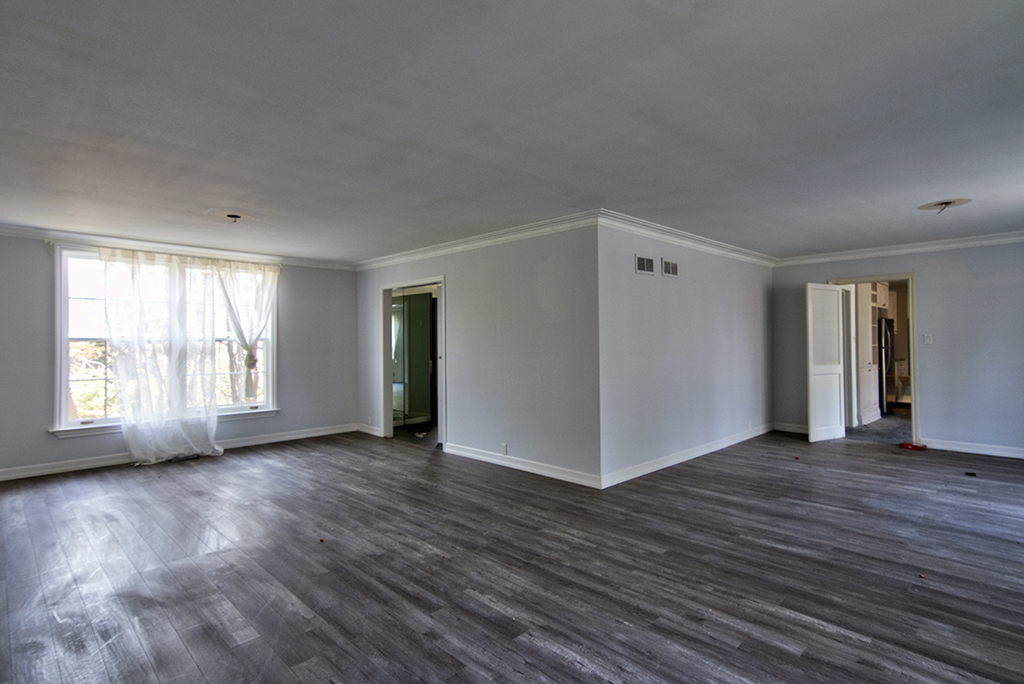
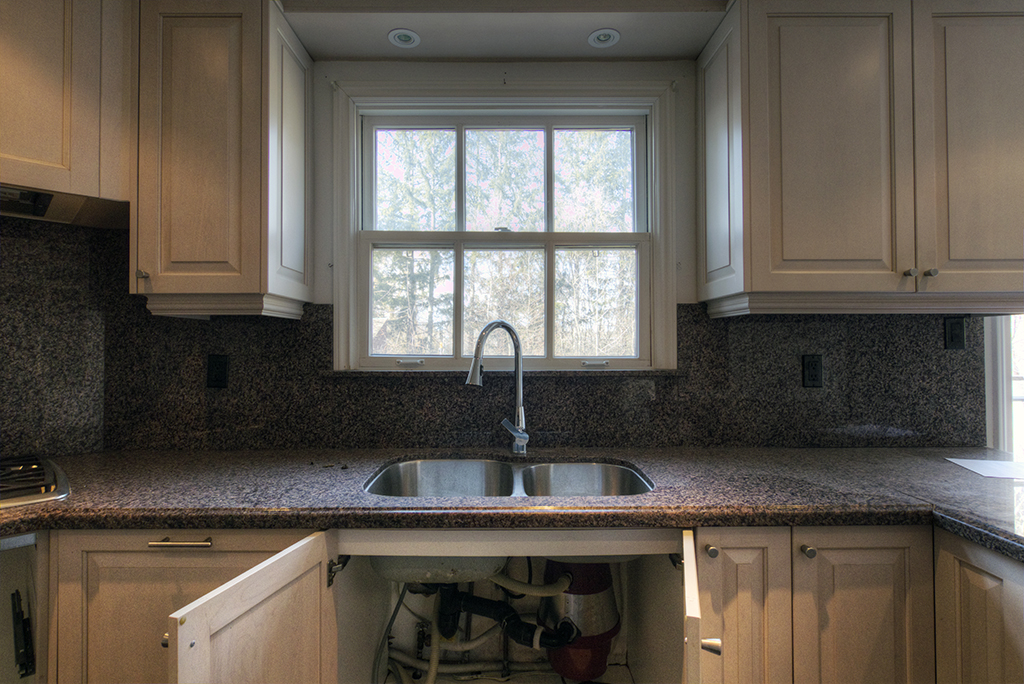
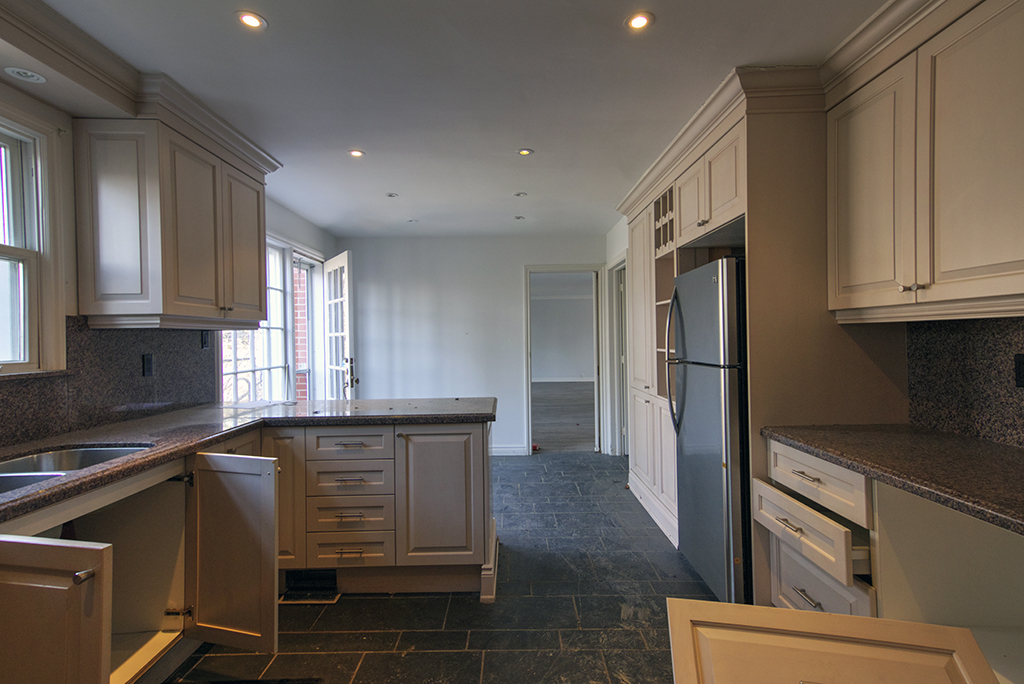
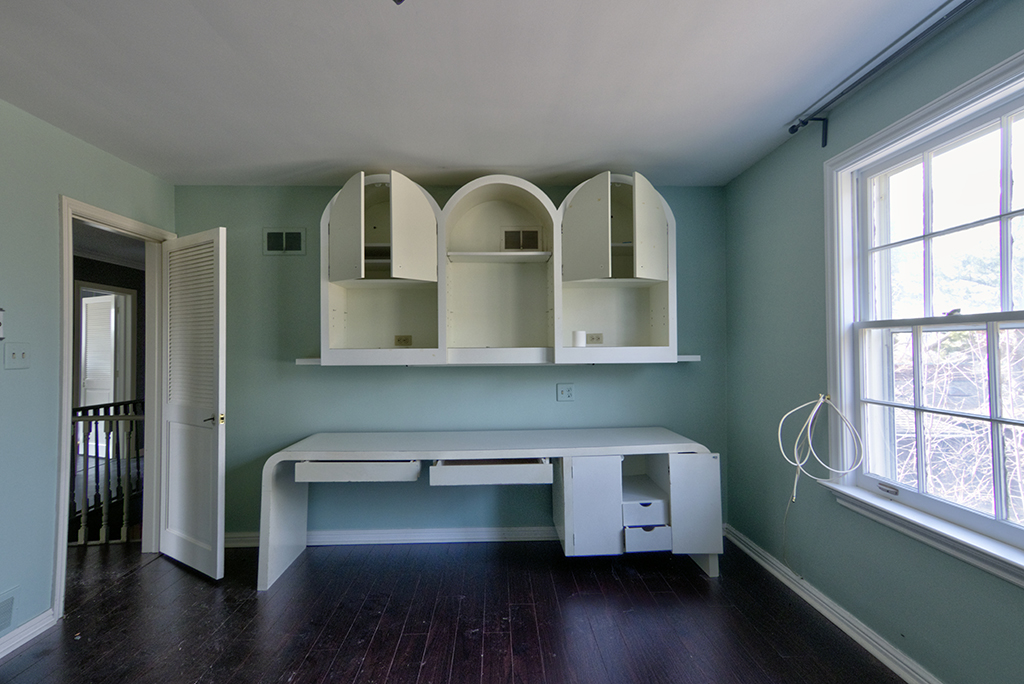
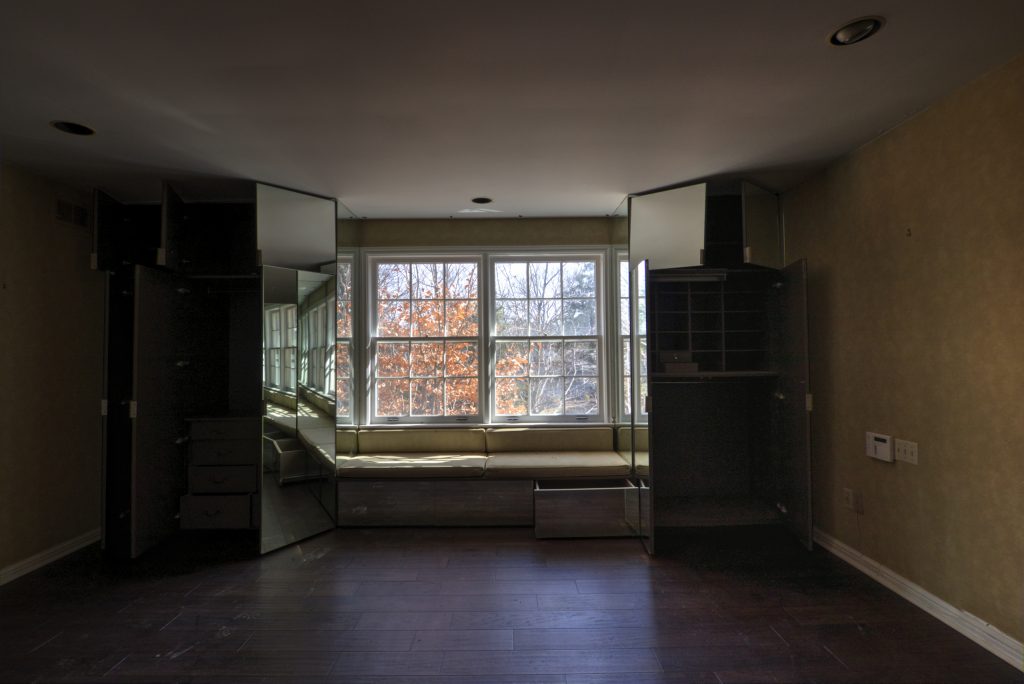
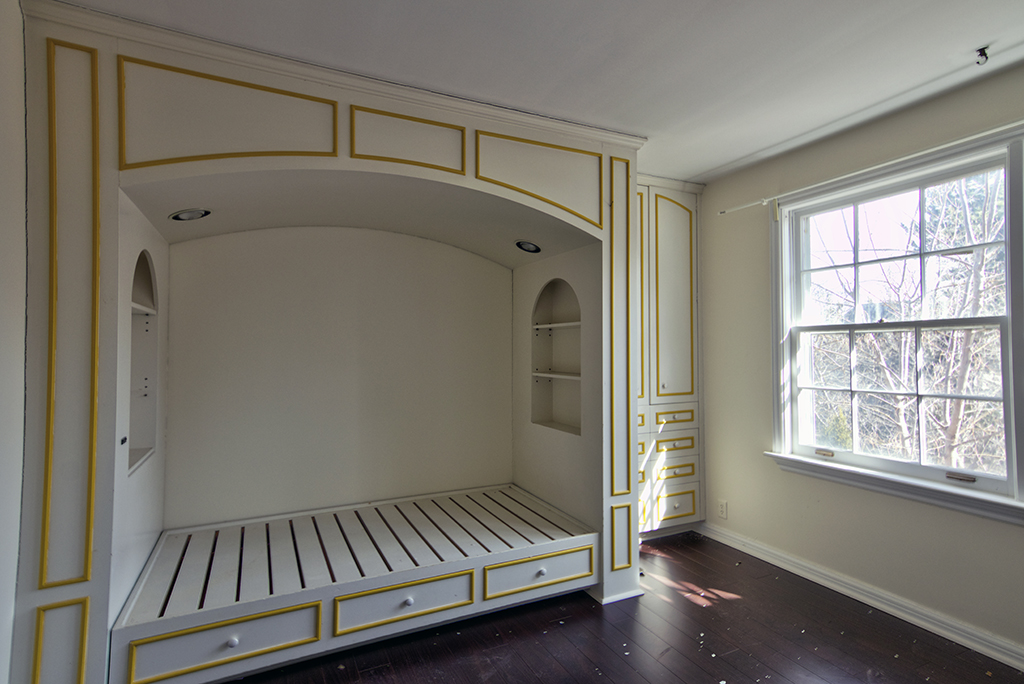
This house was built in 1979 and is situated on 39,000 square feet of land. It was listed for sale at $5,500,000. There’s an outdoor tennis court, five bedrooms, seven bathrooms. The house has an almost commercial appearance to it, and lacks the warmth of a residence. It was last in use as a private Christian school by the name of Heritage International School. They are listed as offering grades 7 through 12 with a strong academic curriculum as well as Arts programs in Visual Arts, Drama (Musical Theatre), Music (Band, Orchestra), Physical Education, and extra-curricular program. The students are primarily Korean.

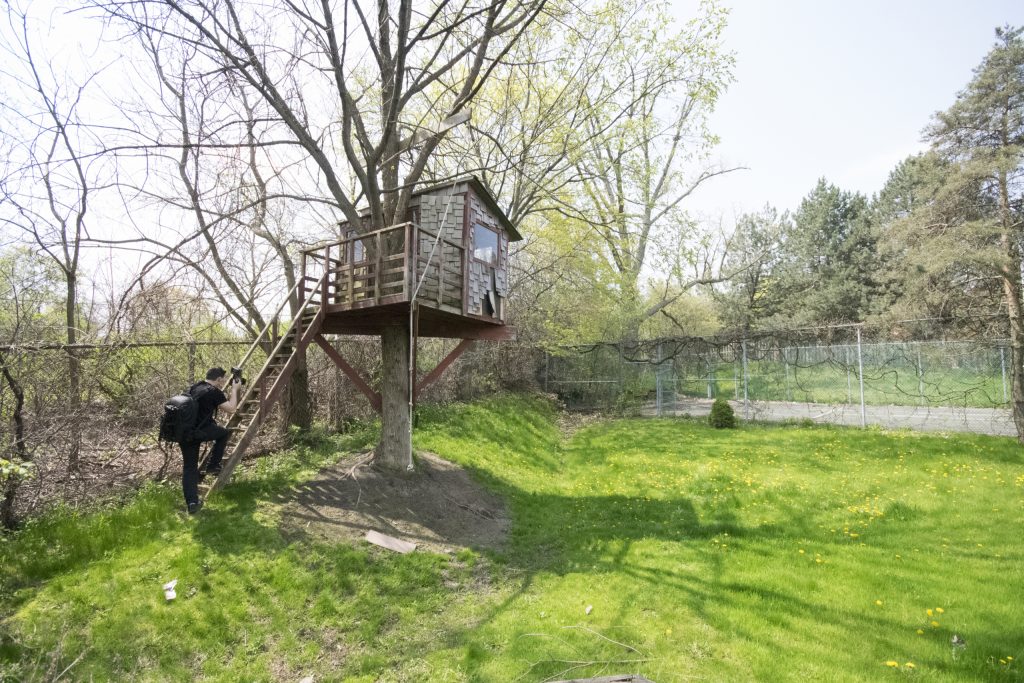
The MLS listing indicates there’s an indoor pool but on my visit, it was covered over with plywood. Several of the bedrooms have panic buttons, leading me to think this was some sort of residential setting for youth. Out back is a children’s tree house.

In 2018, a developer applied for a permit to build nine, three storey townhouses with rooftop terraces on the land. Since that time, the property has remained untouched.

An online blog post from 2020 shows a much different house, one that appears ready for occupancy. My exploration photos are from 2019. It appears that the house has once again been relisted for sale, this time for $5,800,000.


Video

Exploring the former Heritage International School house in Toronto (built 1979)

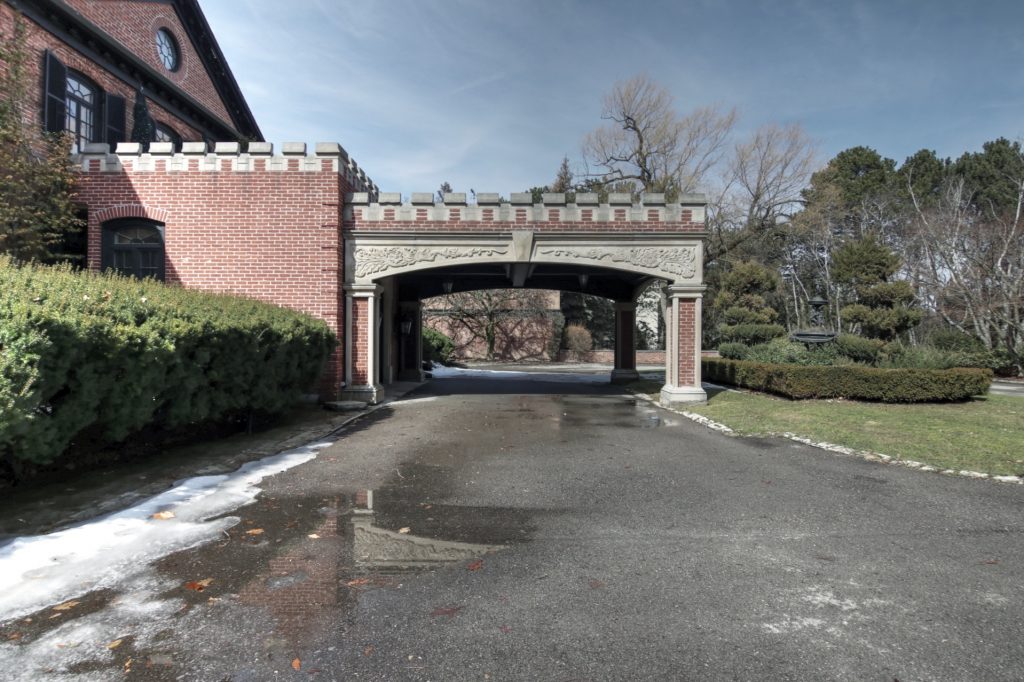
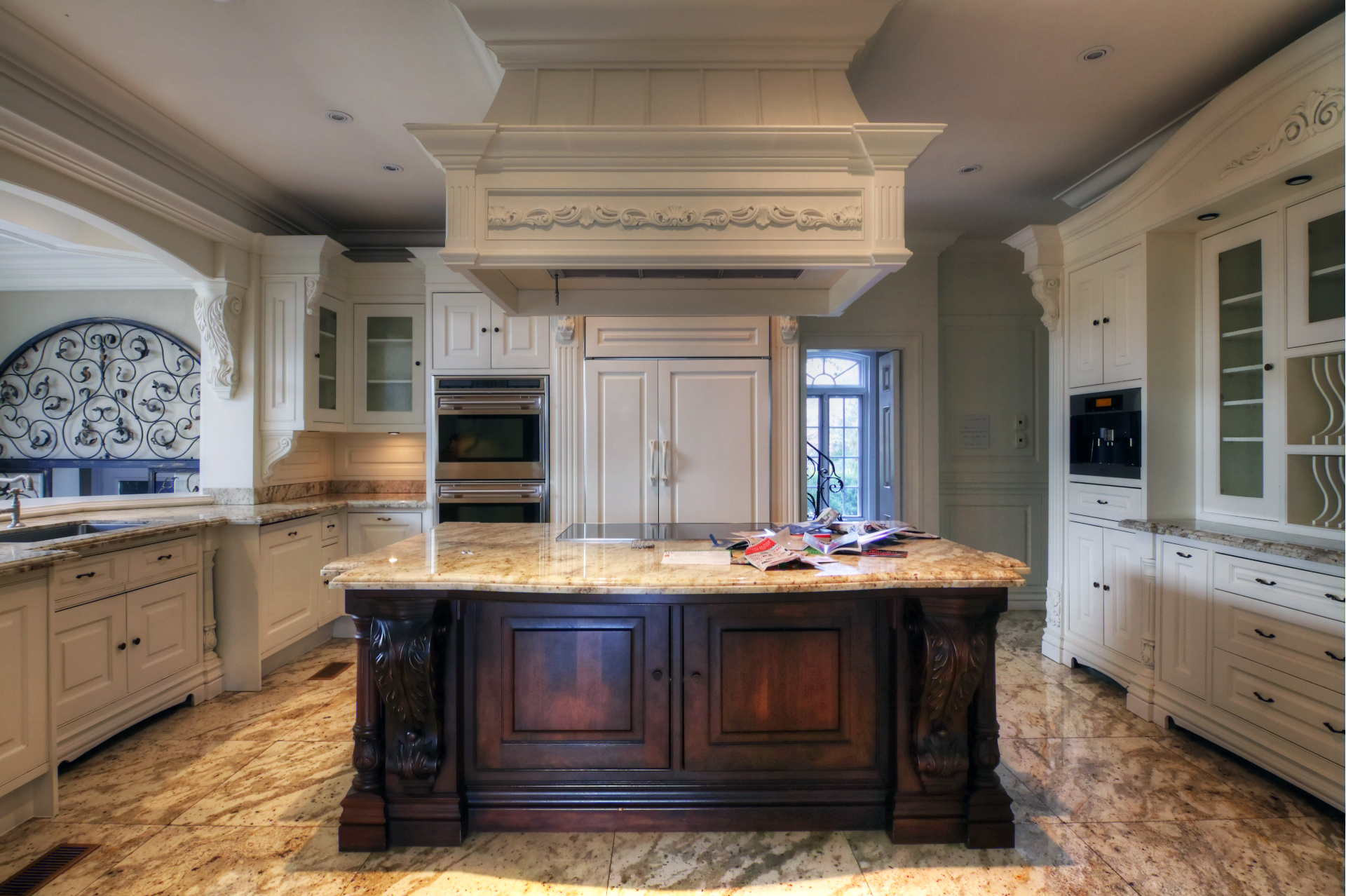
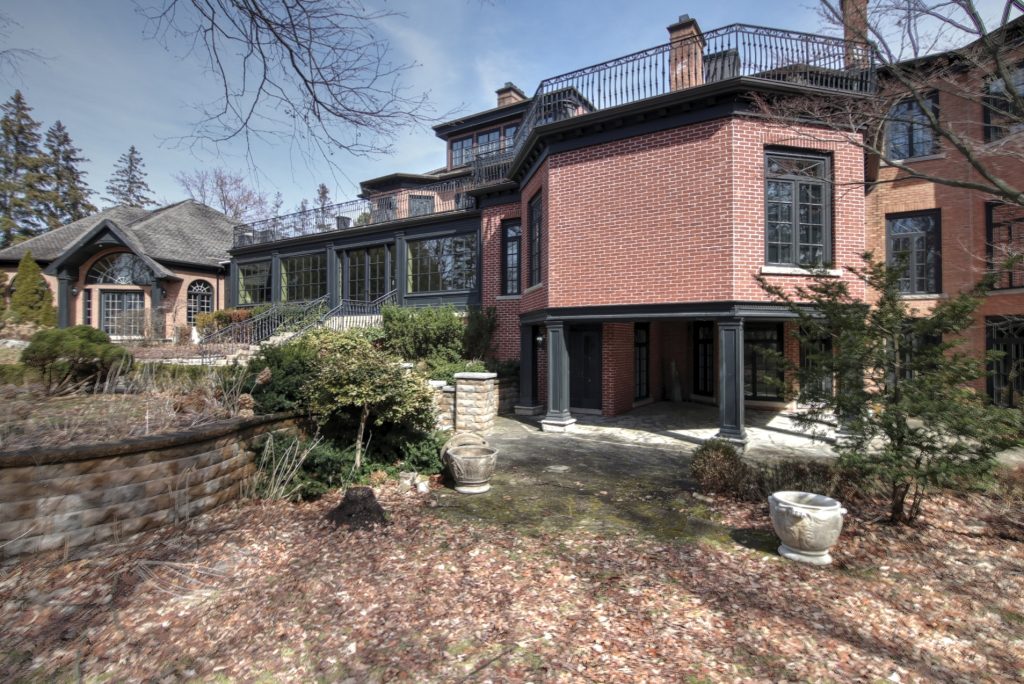
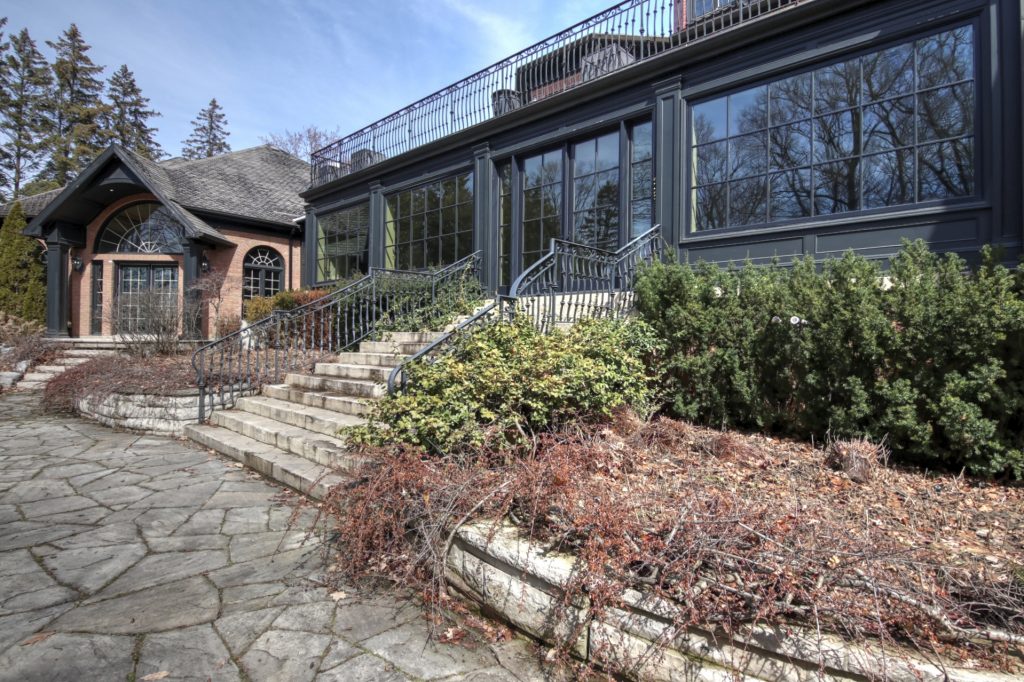
$15 Million Toronto Ballroom Mansion

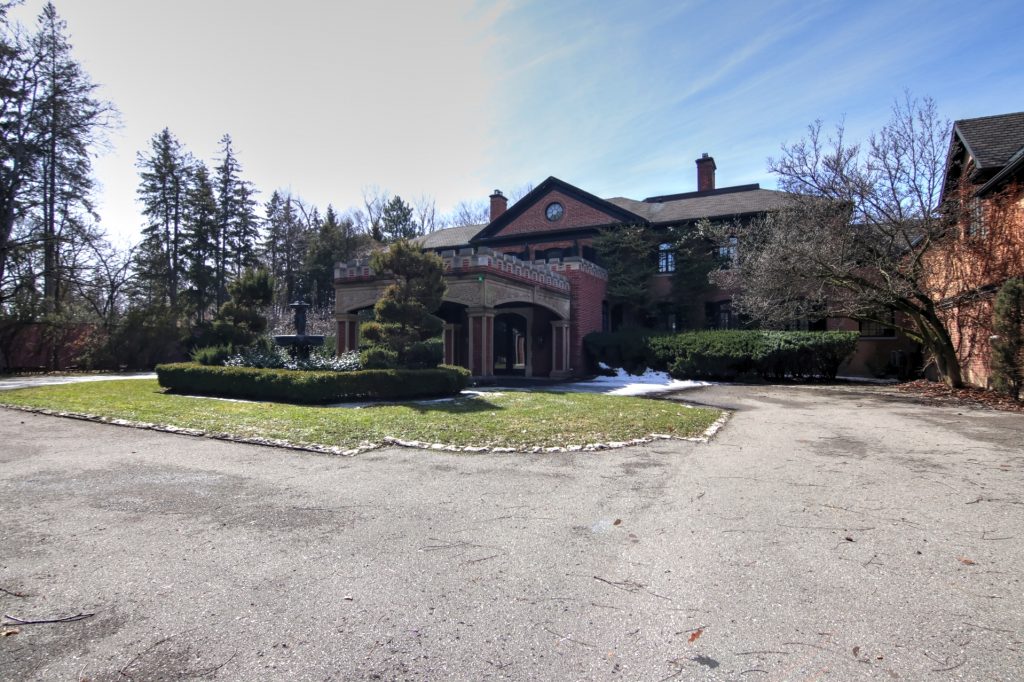
This house has had several owners over the last few decades. Most notably, a woman named Rebecca who came to Canada in 1974 with very little money, not knowing how to speak English and having no job prospect.

The Story

Rebecca had never been able to make her own decisions. At age 22 she’d never been on a date, had no privacy and had few social interactions. On her last day of medical school she passed by the American embassy who rejected her, so she tried the Canadian embassy on the other side of the street to inquire about becoming an immigrant.

Rebecca left her parents a letter and fled to Canada. She had studied at medical school in her homeland of Yugoslavia but found that her medical education was not recognized in Canada. She found work as a secretary while attending night classes to learn English.

Rebecca met her husband in 1979 who was a door-to-door salesman.

In 1989, Rebecca read that Canada was deregulating the energy sector. Seeing this as an opportunity, she went to the library to research buying and selling natural gas. She founded an energy company. Sadly her husband passed away in a car accident around the time she earned her first million.

She’s estimated to have made $150,000,000 since 2001. Besides owning this property, Rebecca also owns a $20 million beachside villa in the Dominican Republic and a Porsche.

In 2001 the house was purchased for $5,050,000 by Rebecca’s two children – Daniel and Alexandra. In May of 2021 the house was sold for $15,480,000.

The House

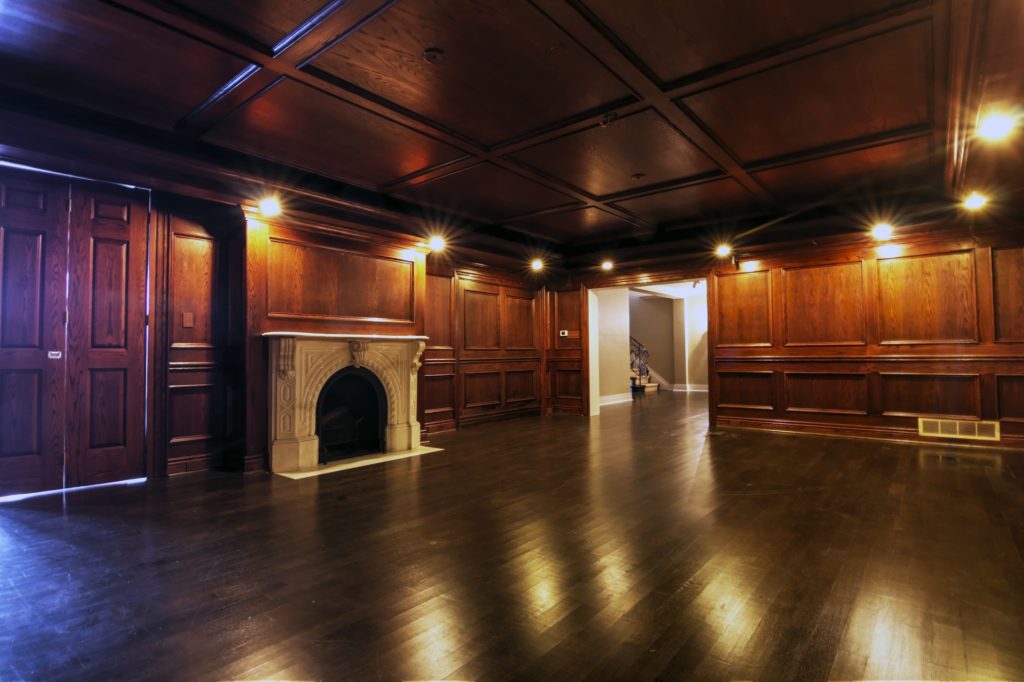
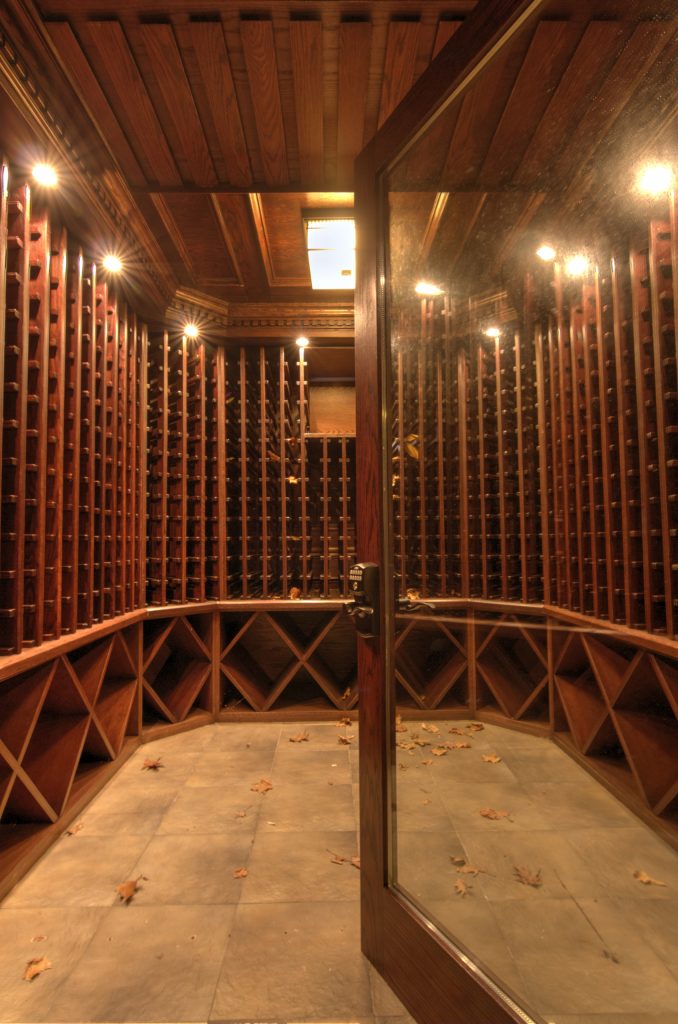
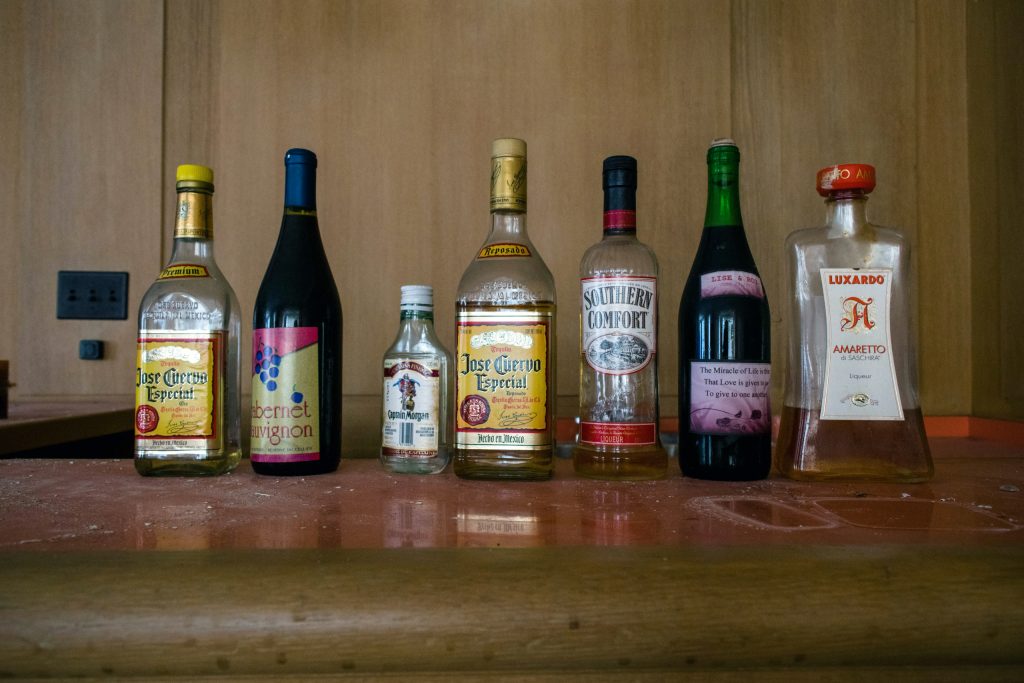
Downstairs is a large walk in wine cellar capable of holding hundreds of bottles. There’s also a gym and a billiard room.

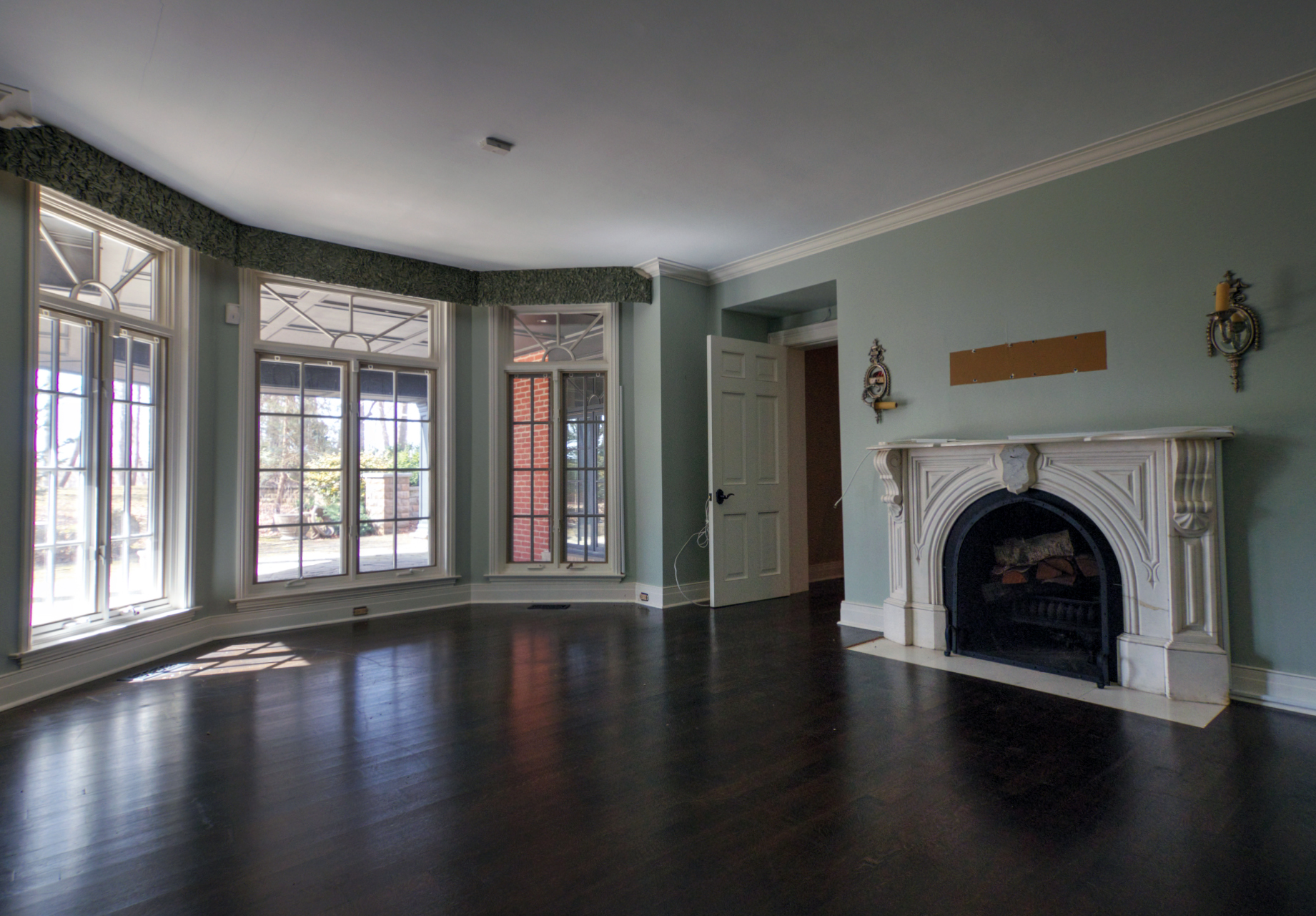
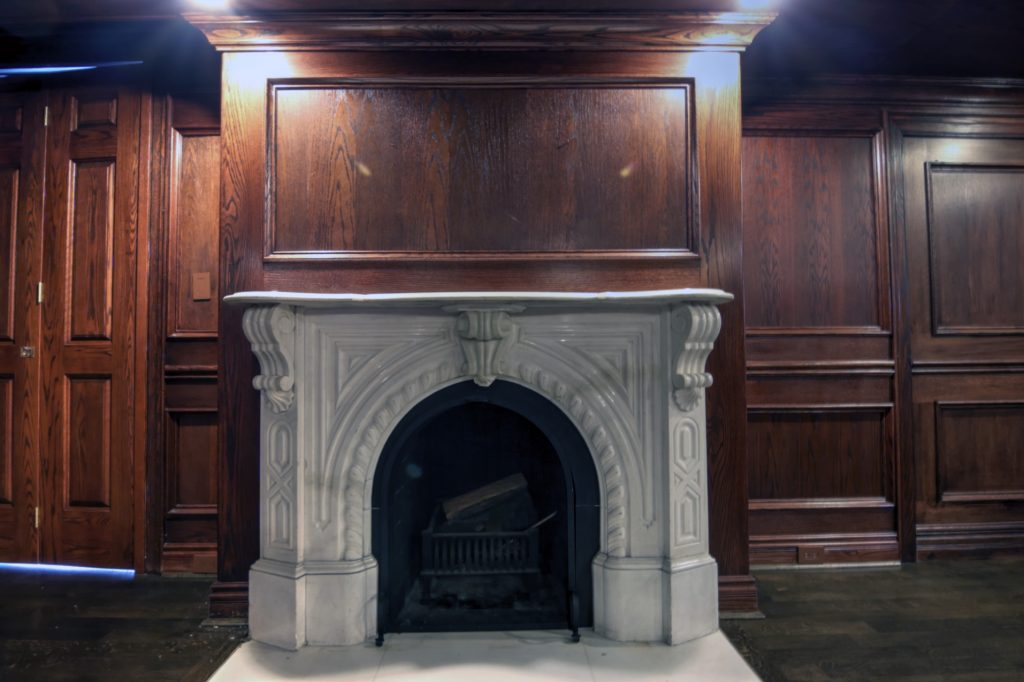
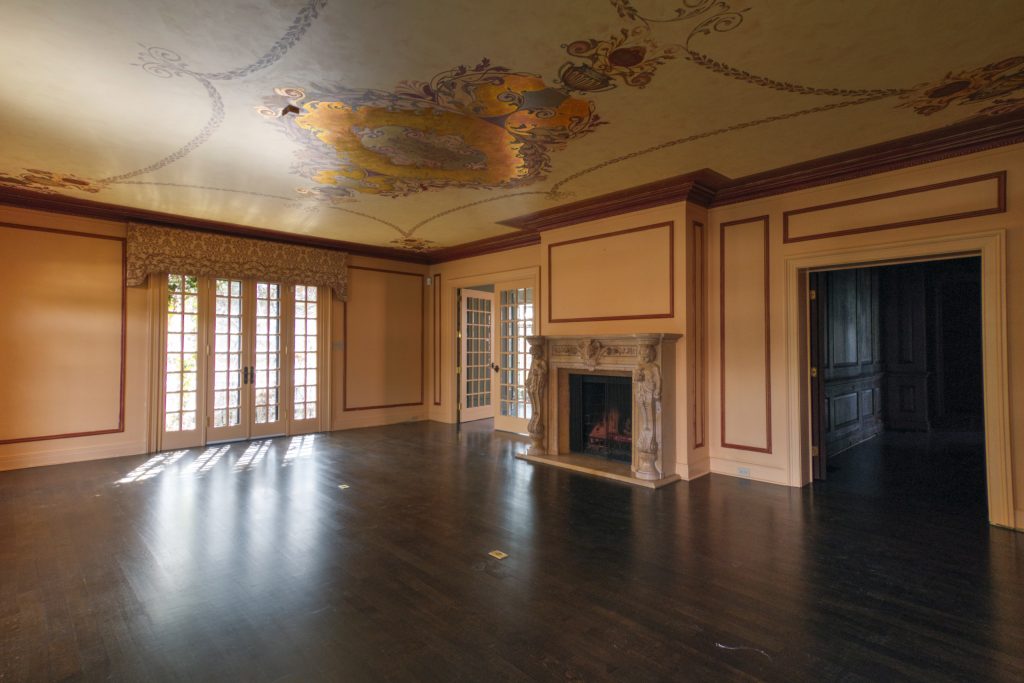
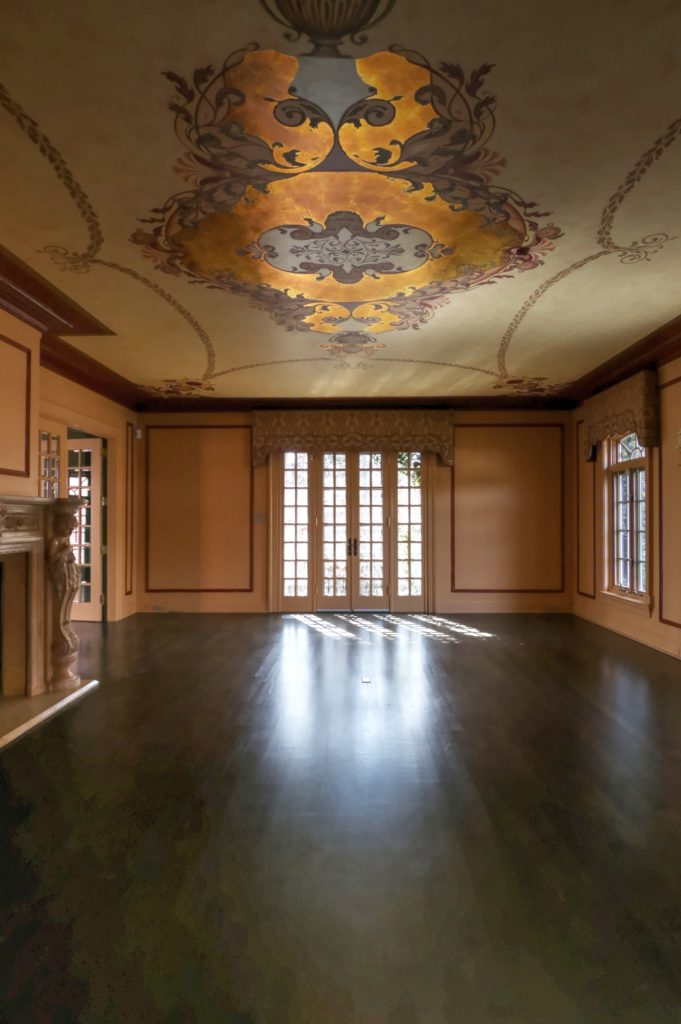
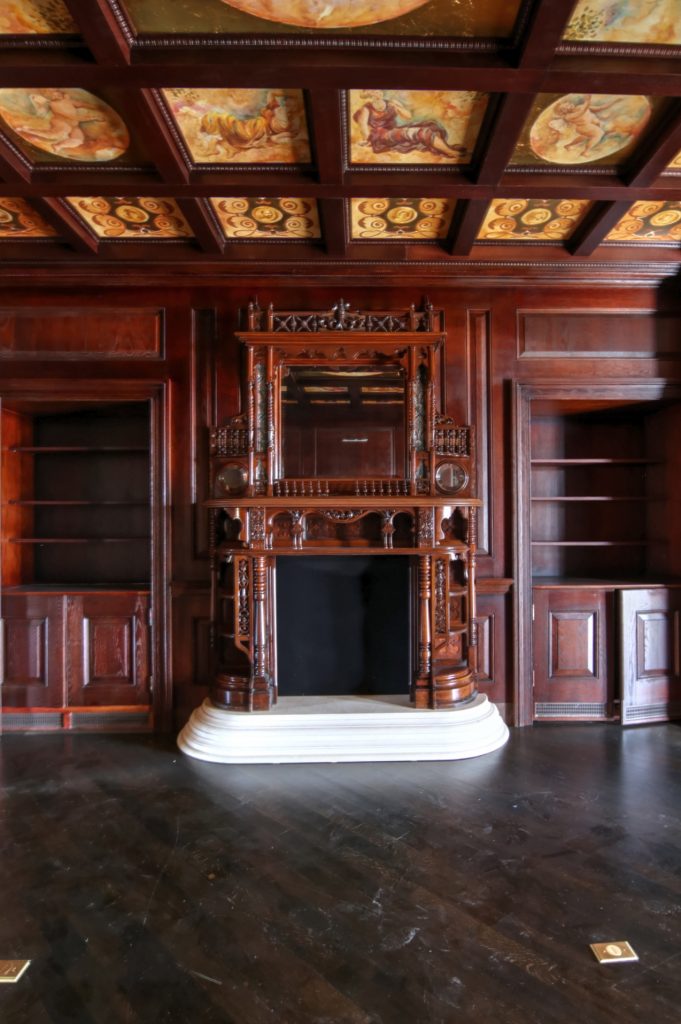
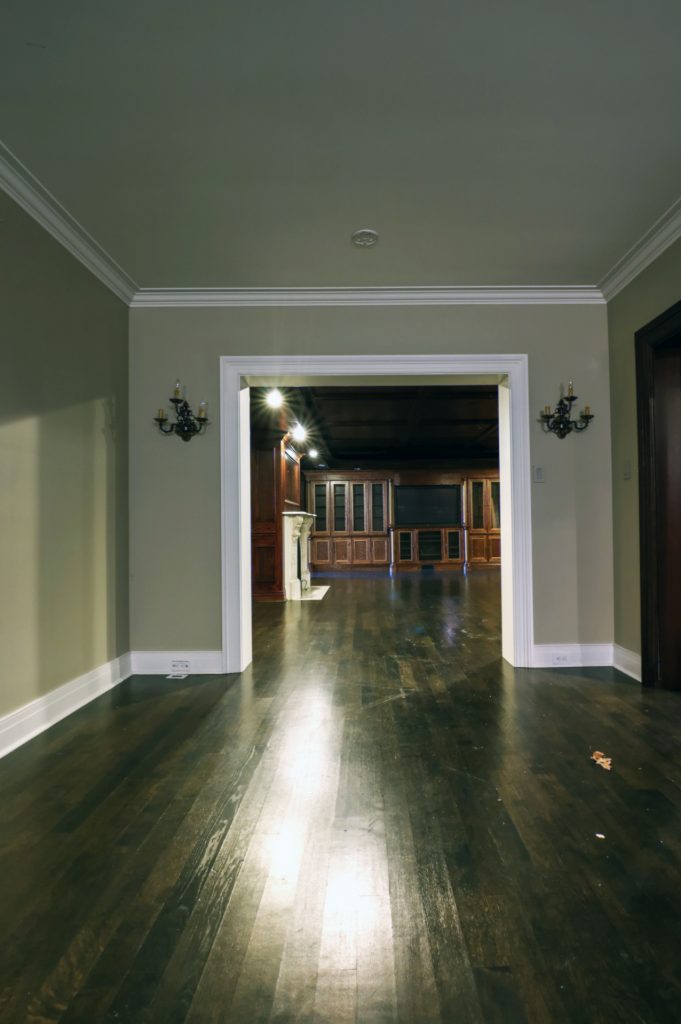
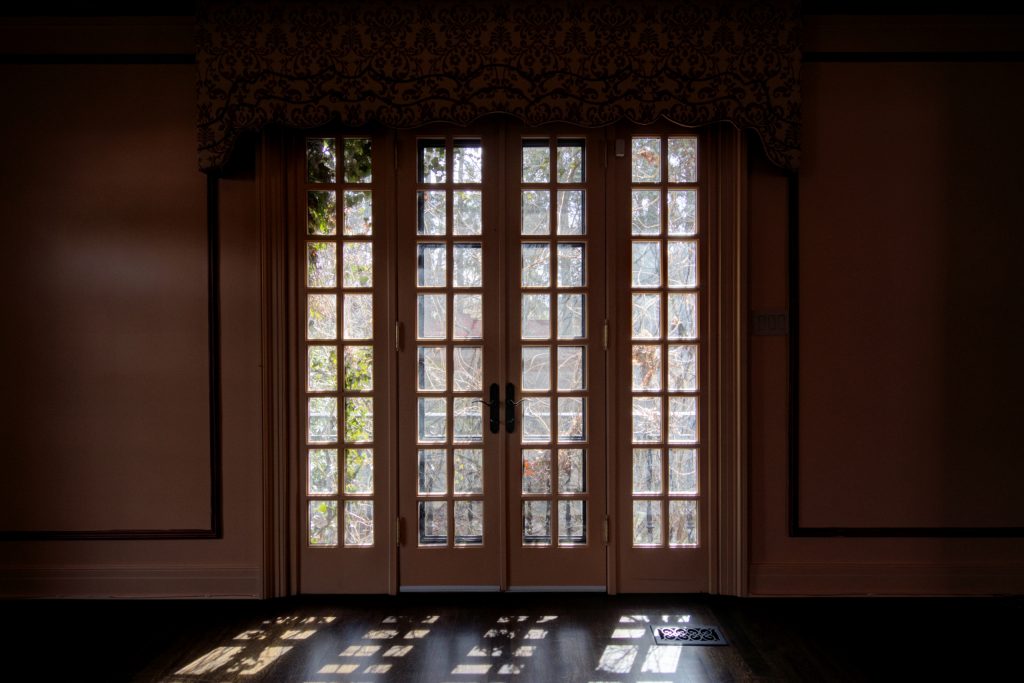
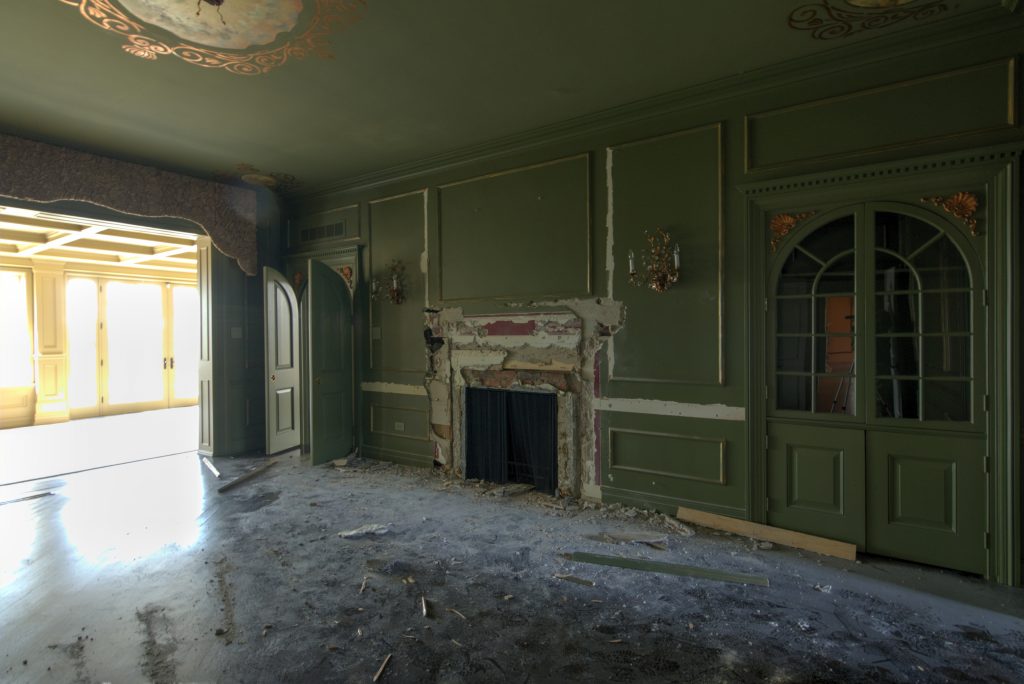
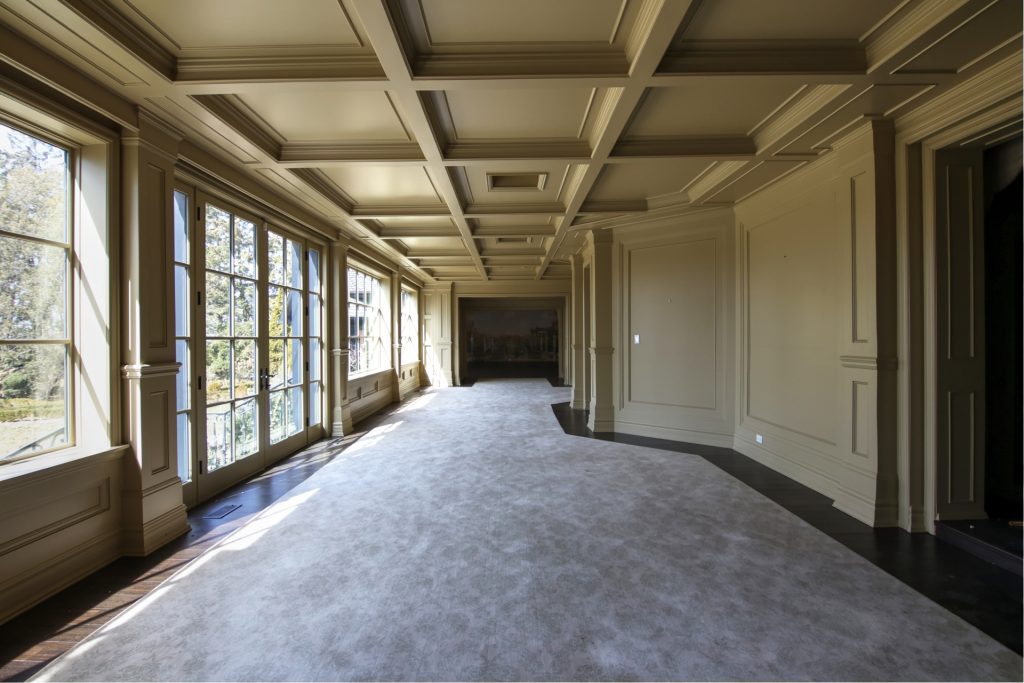
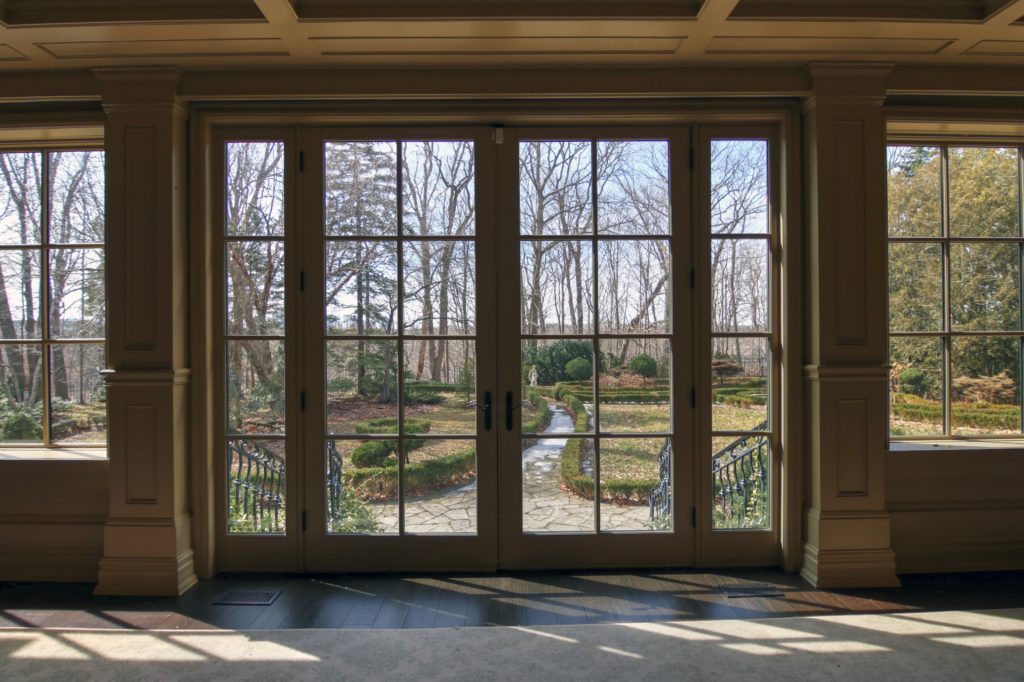
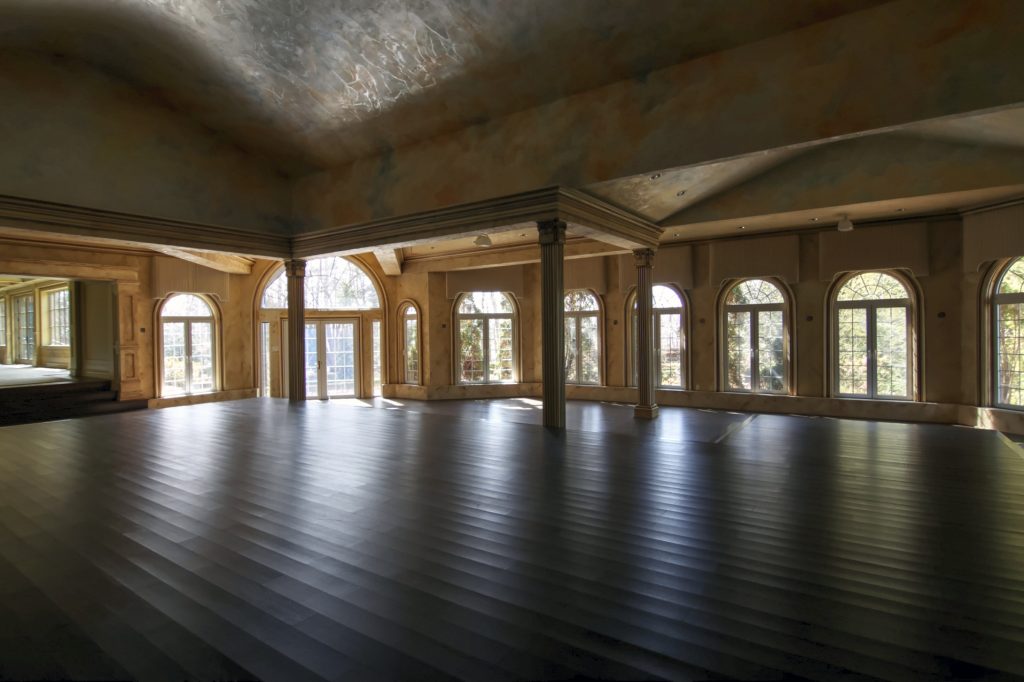
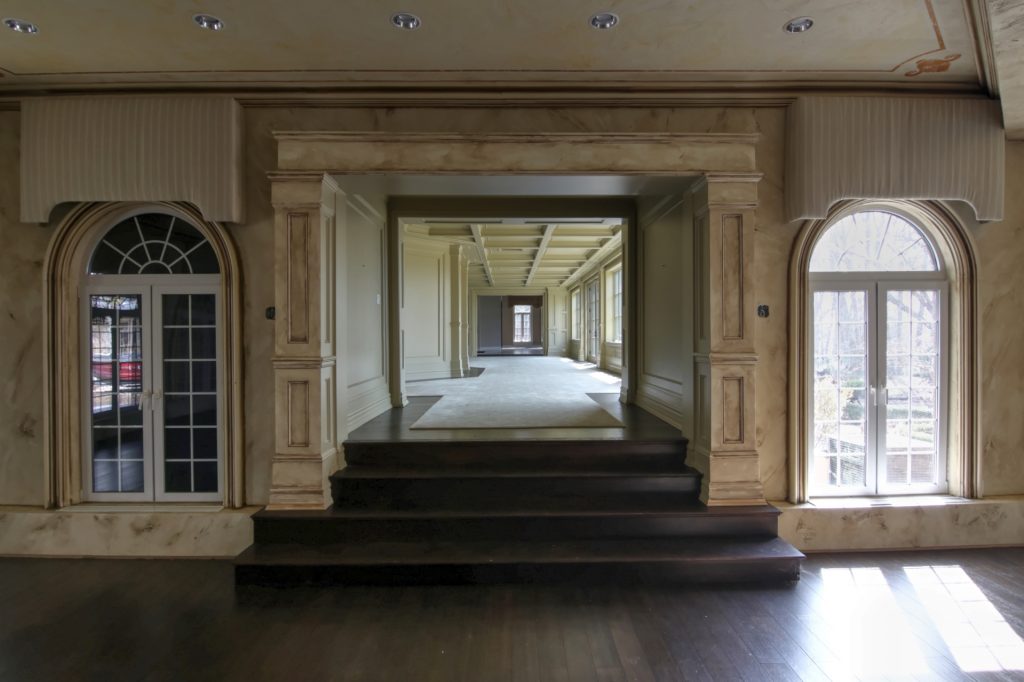
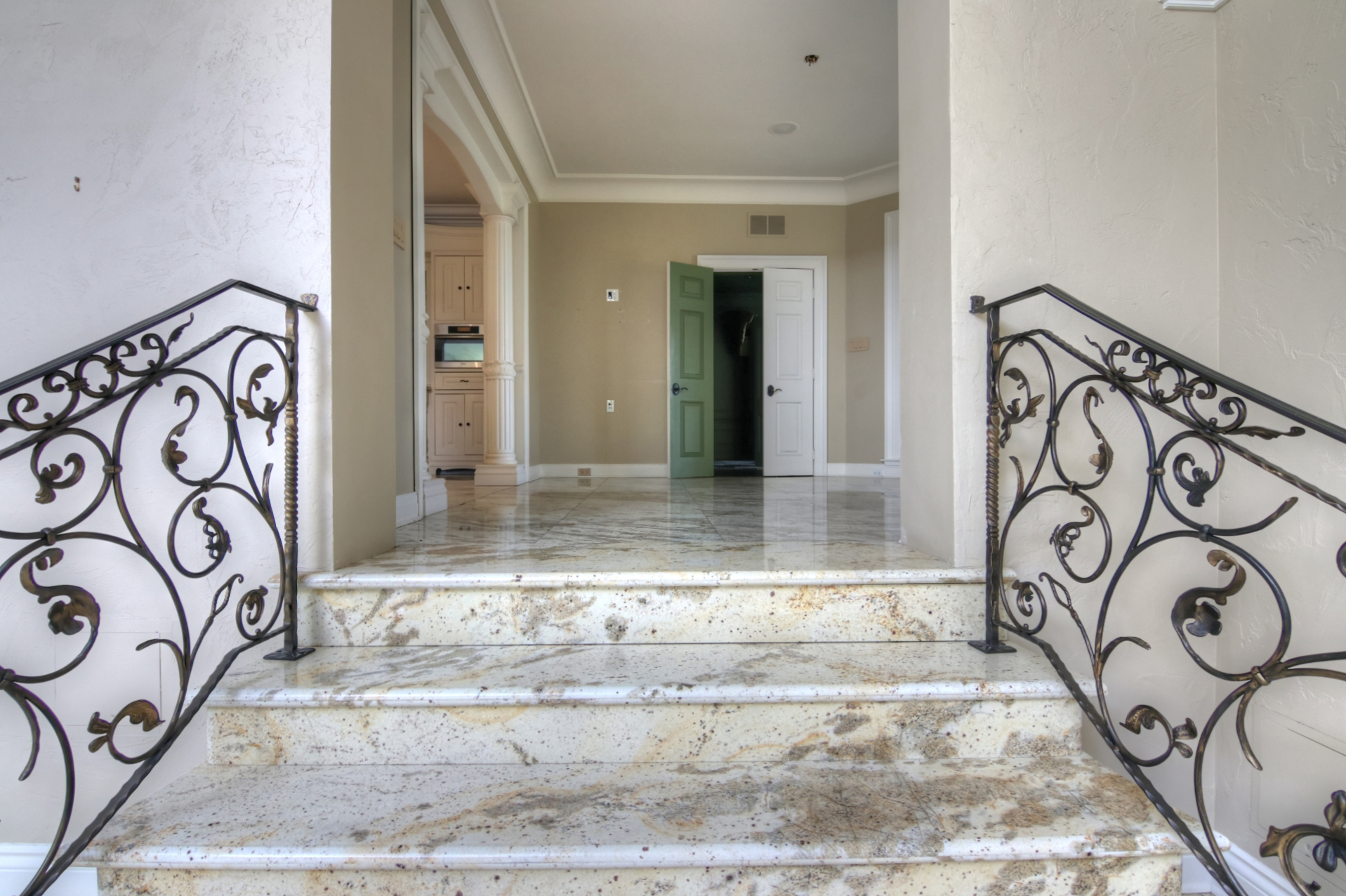
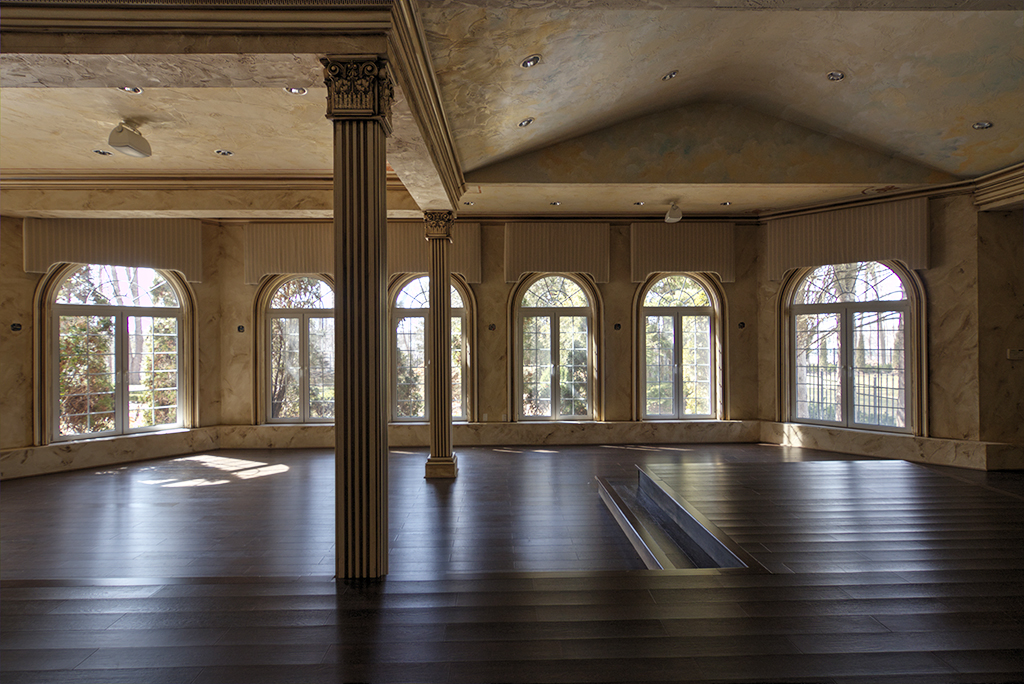
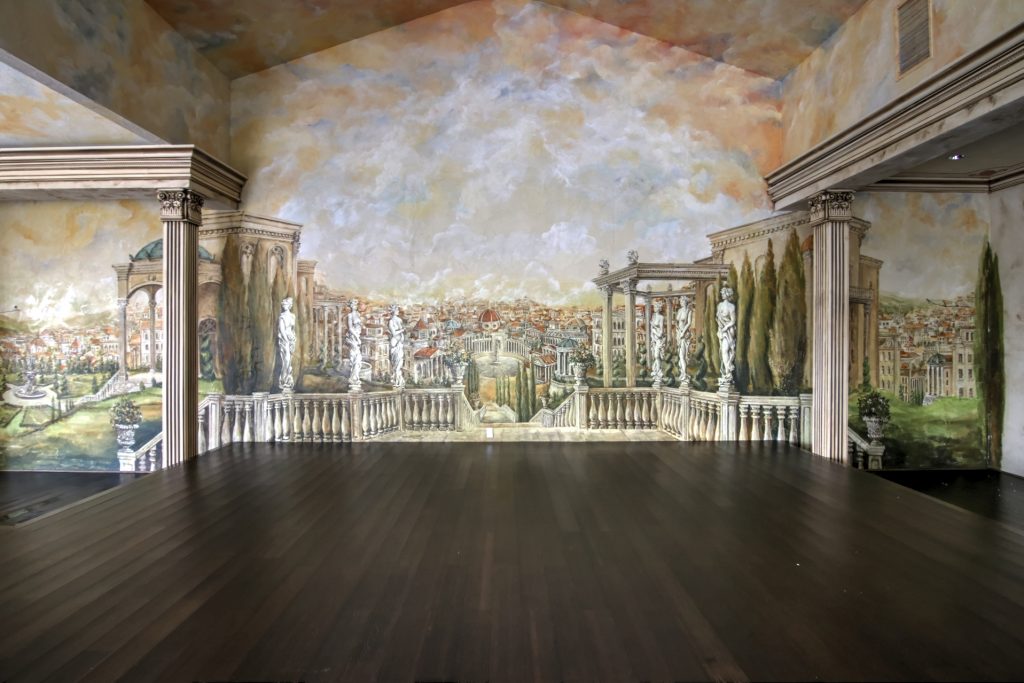
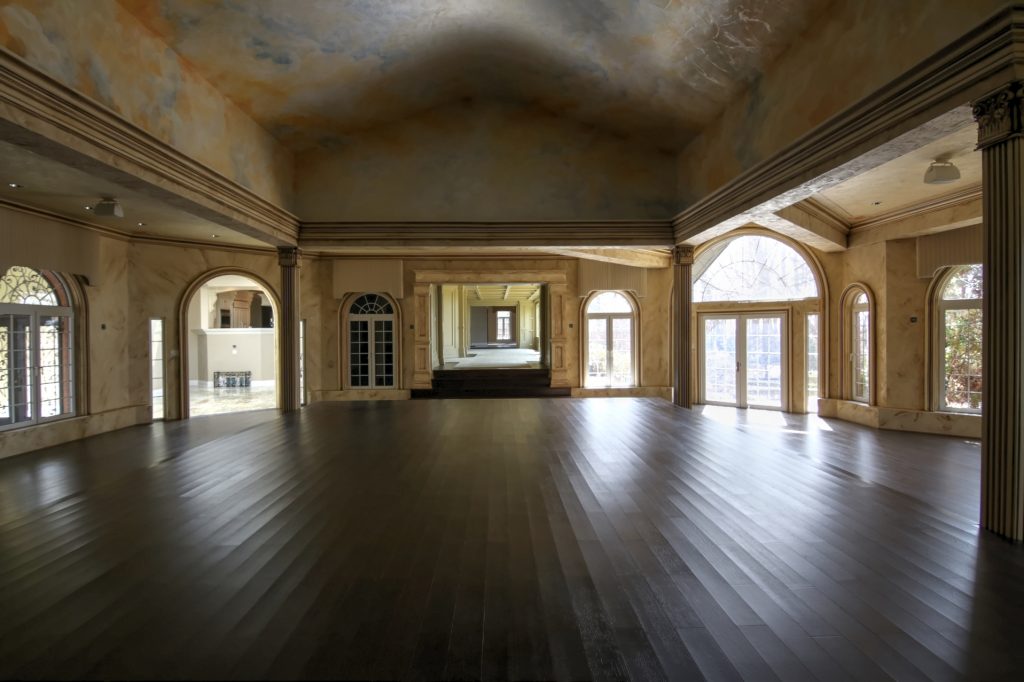
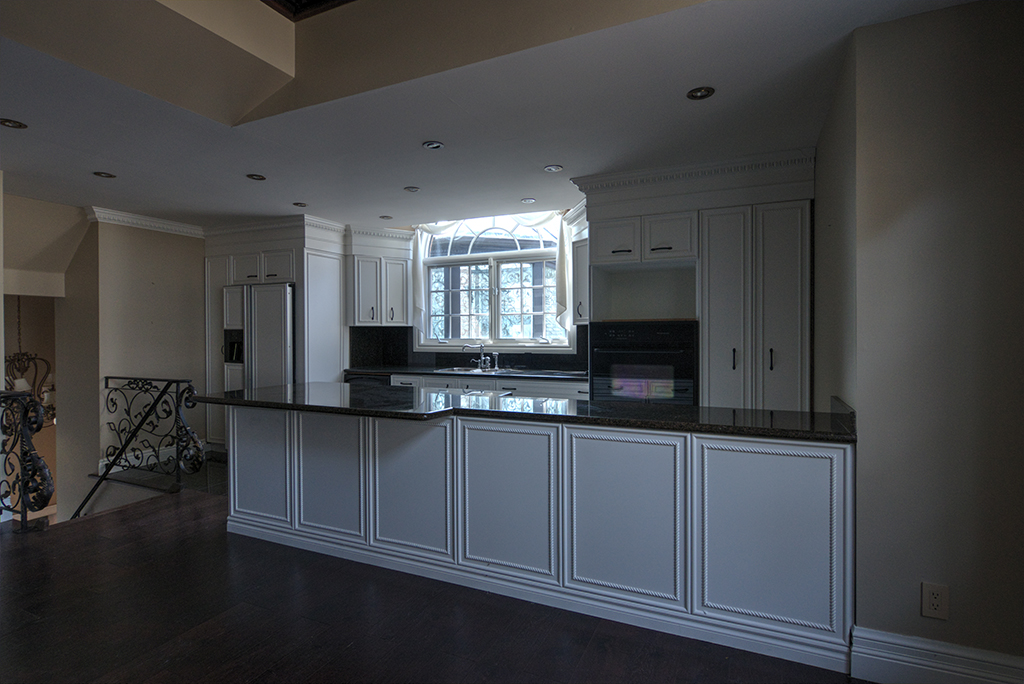
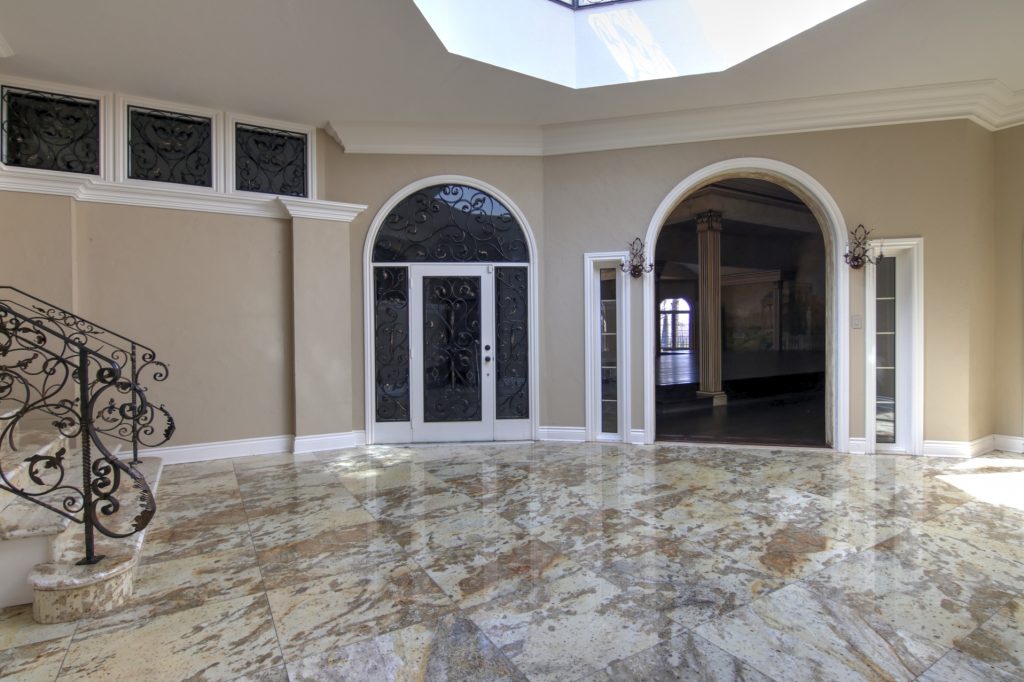
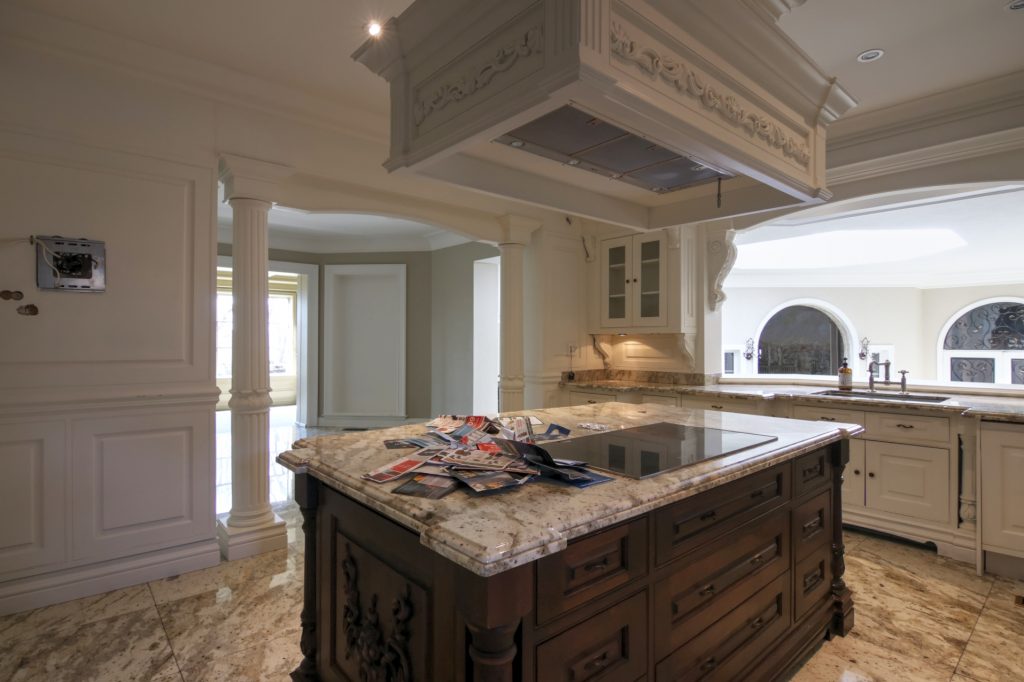
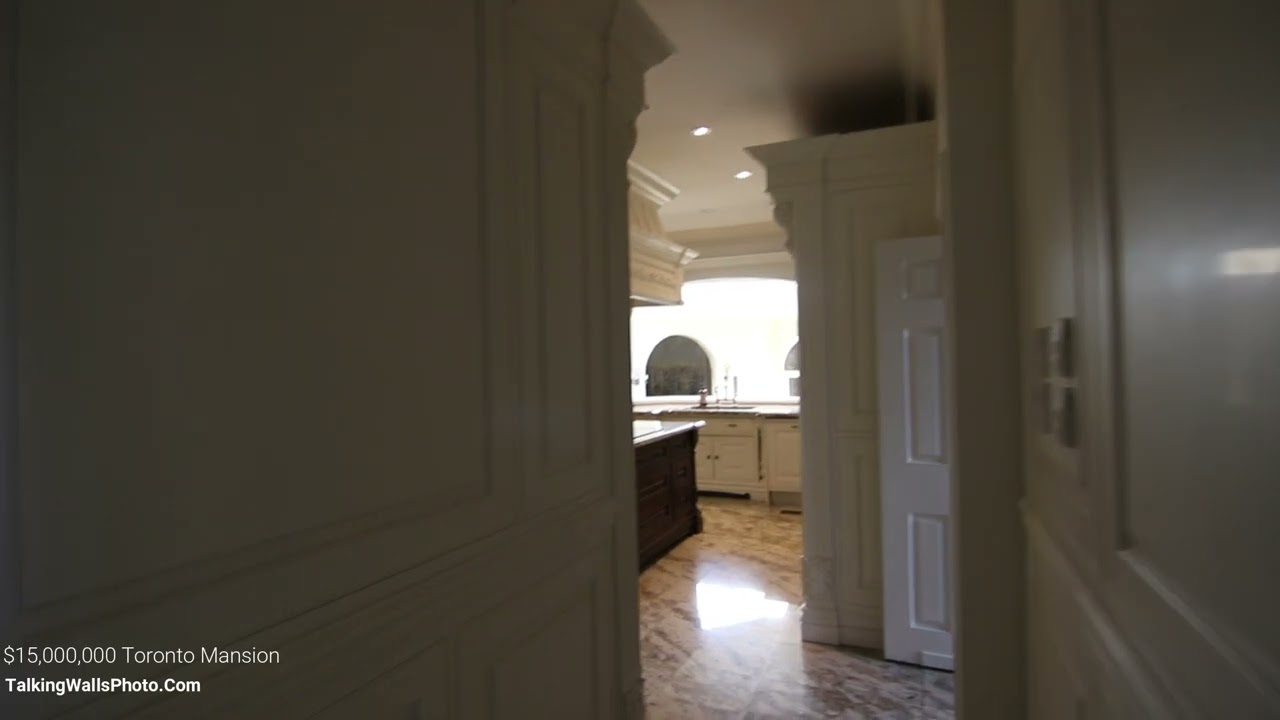
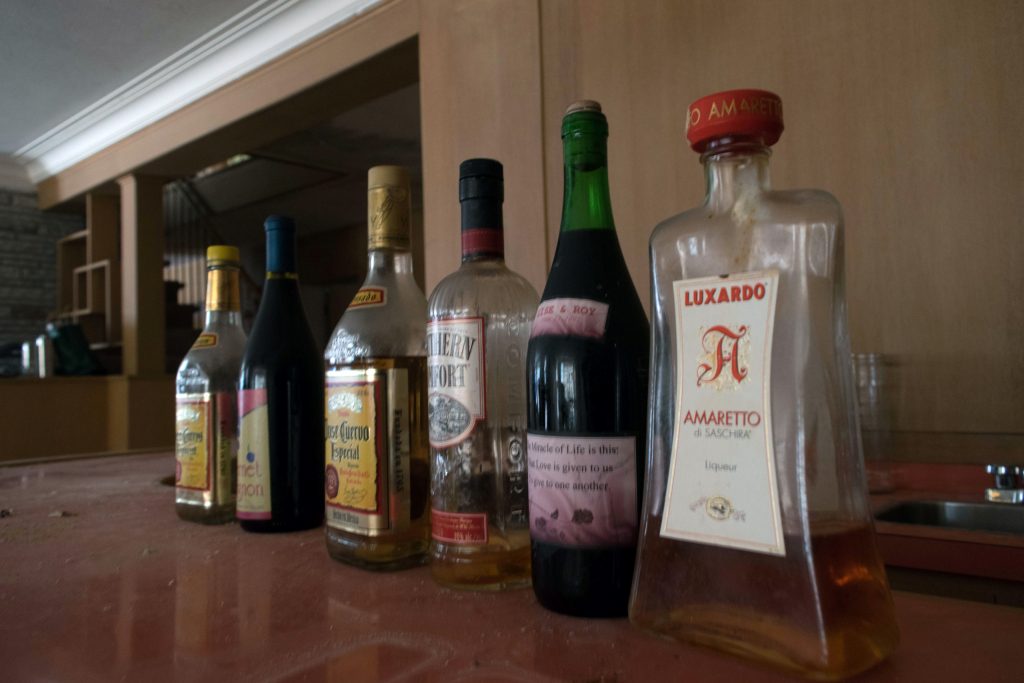
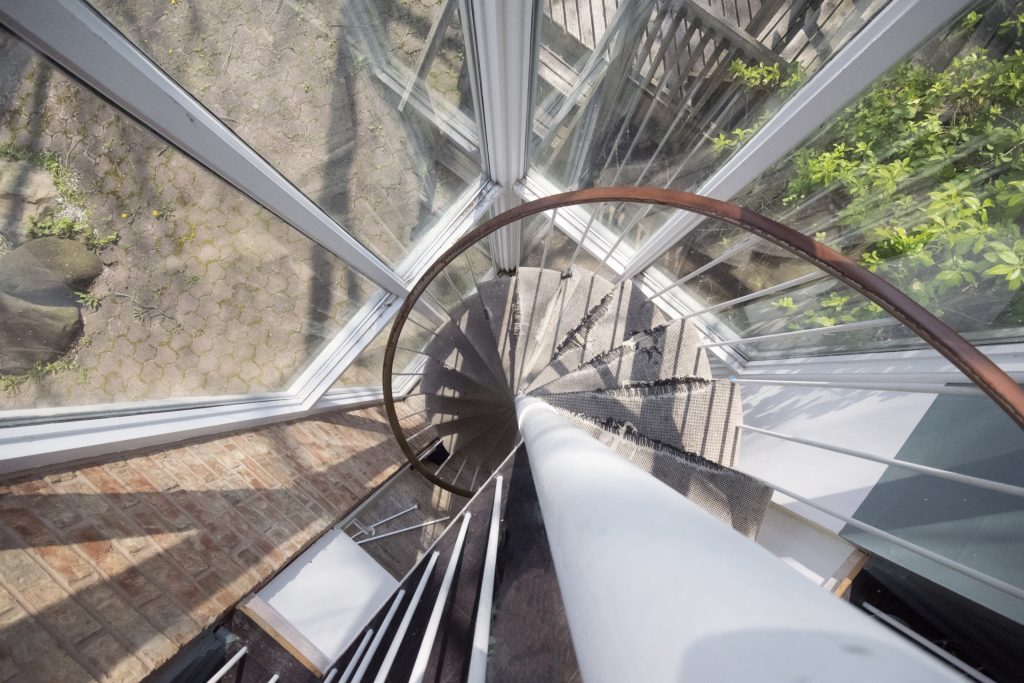
On the main floor are several rooms – any one of which could serve as a living room. In the eastern portion of the house is a grand ballroom with a full wall mural. There’s a wet bar just off of the ball room area. A glass-lined corridor at the rear of the house connects the ball room with the rest of the house. Several doors lead from the corridor out to the back yard and garden. Just off of the grand ball room is the kitchen area. There’s another kitchen in the upstairs area.

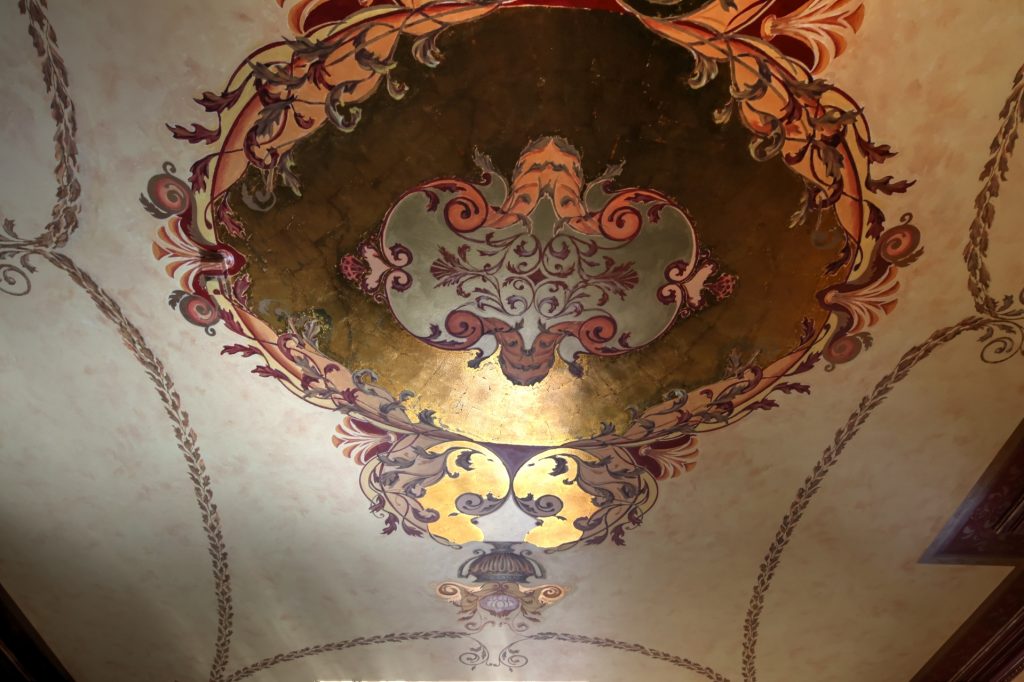
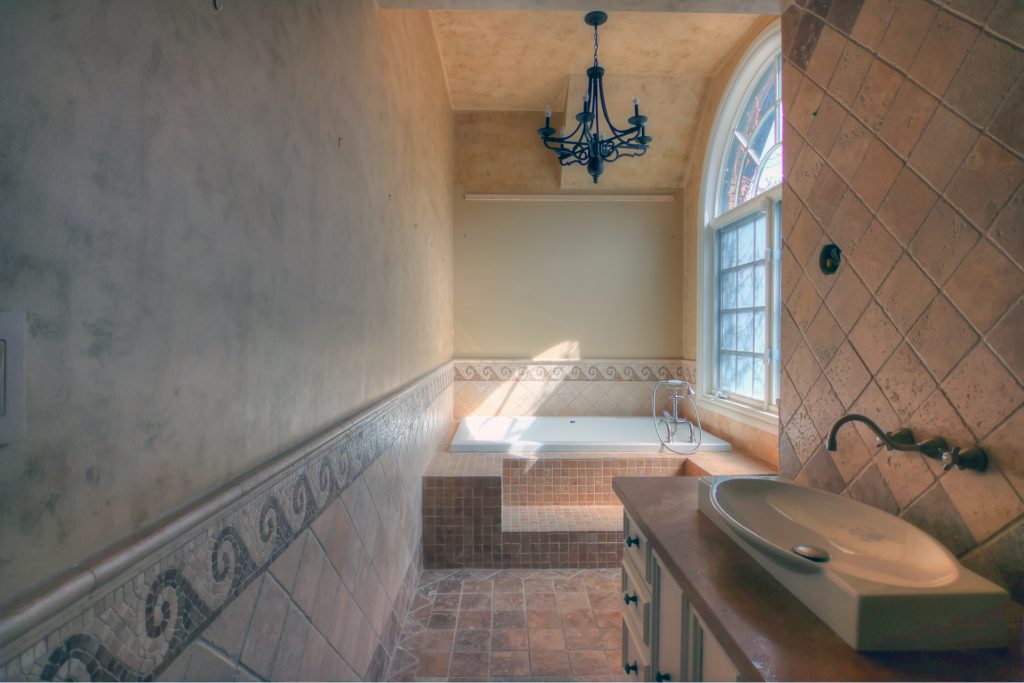
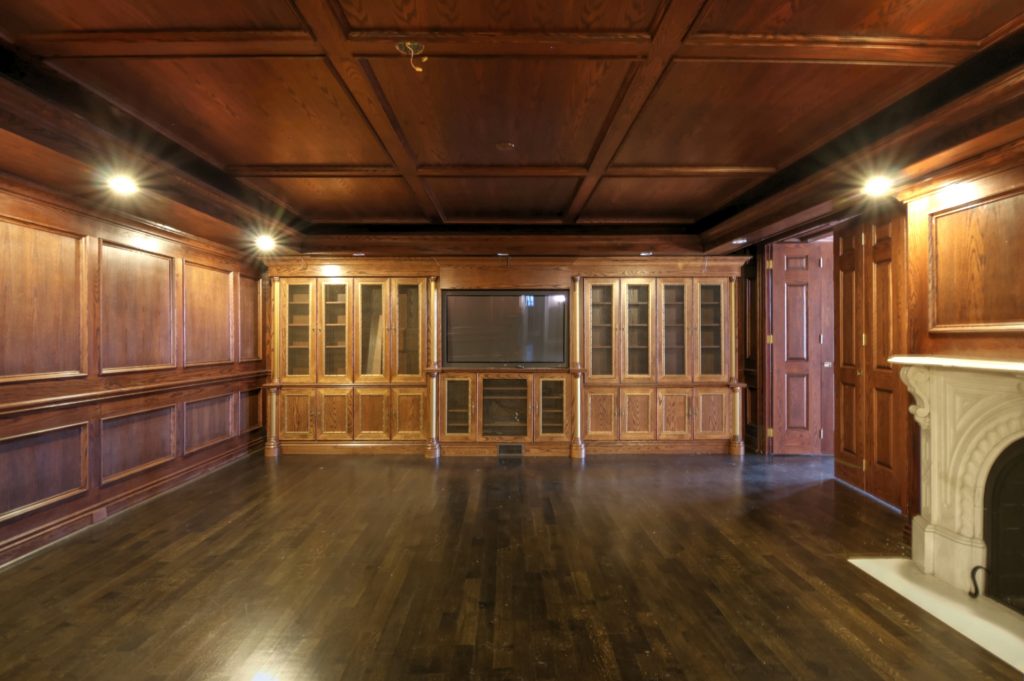
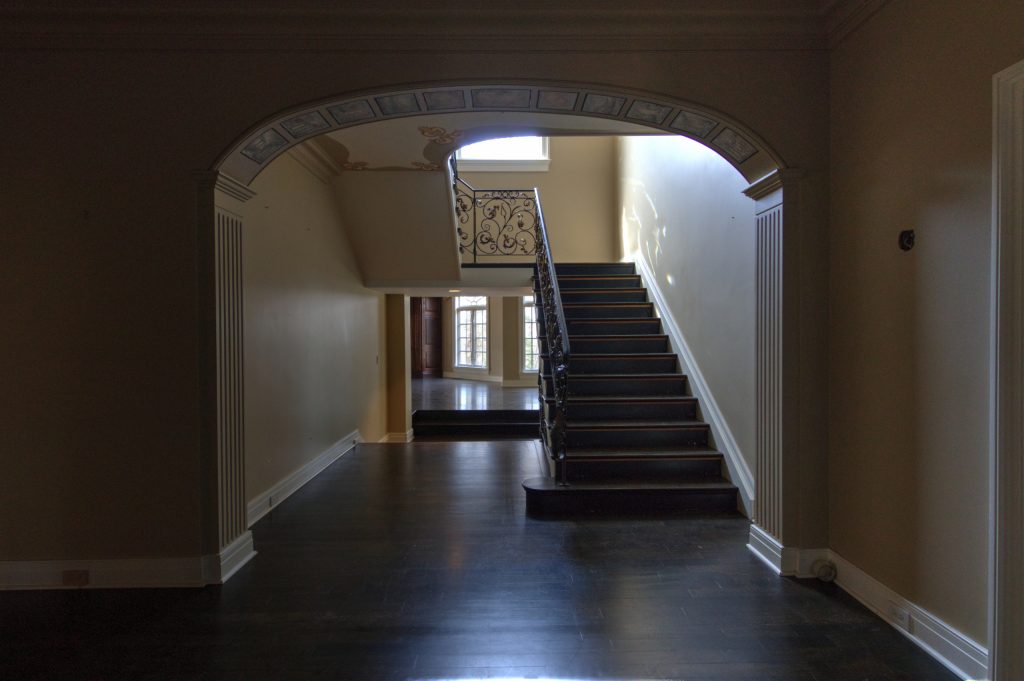
There are at least five fireplaces, billiard room, study, elaborate plaster crown mouldings, and hand painted ceiing murals. There are 7 bedrooms and 10 bathrooms and a private tennis court as well.

April 2022: Please note that the house now has owners, and is not accessible.


Video
Exploring a $15,000,000 Mansion in Luxurious Section of Toronto
Richmond Hill 1950’s House

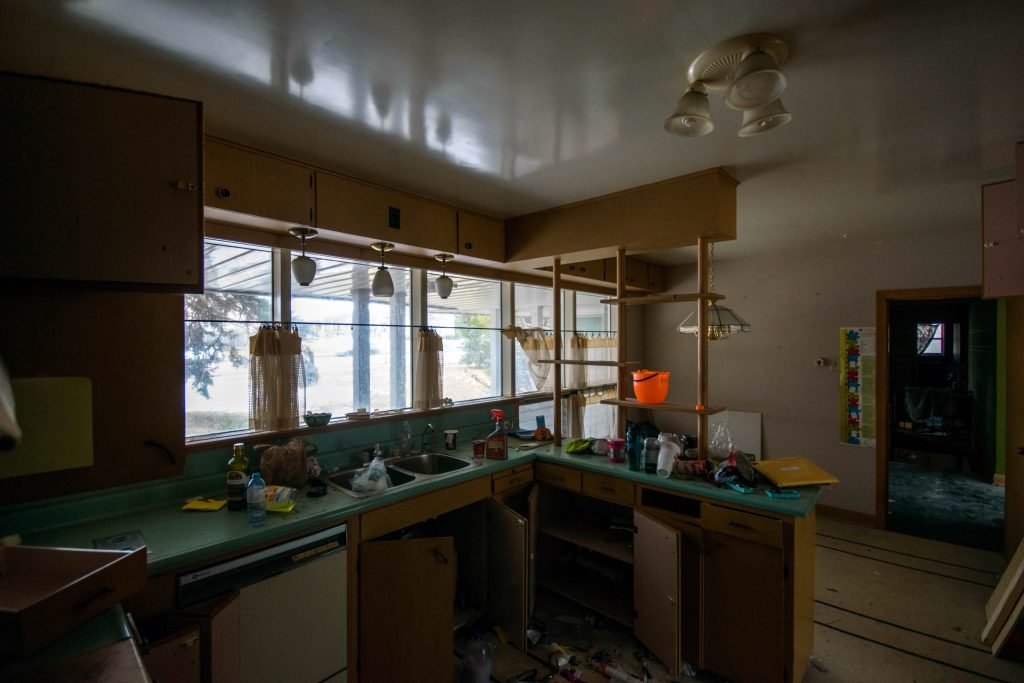
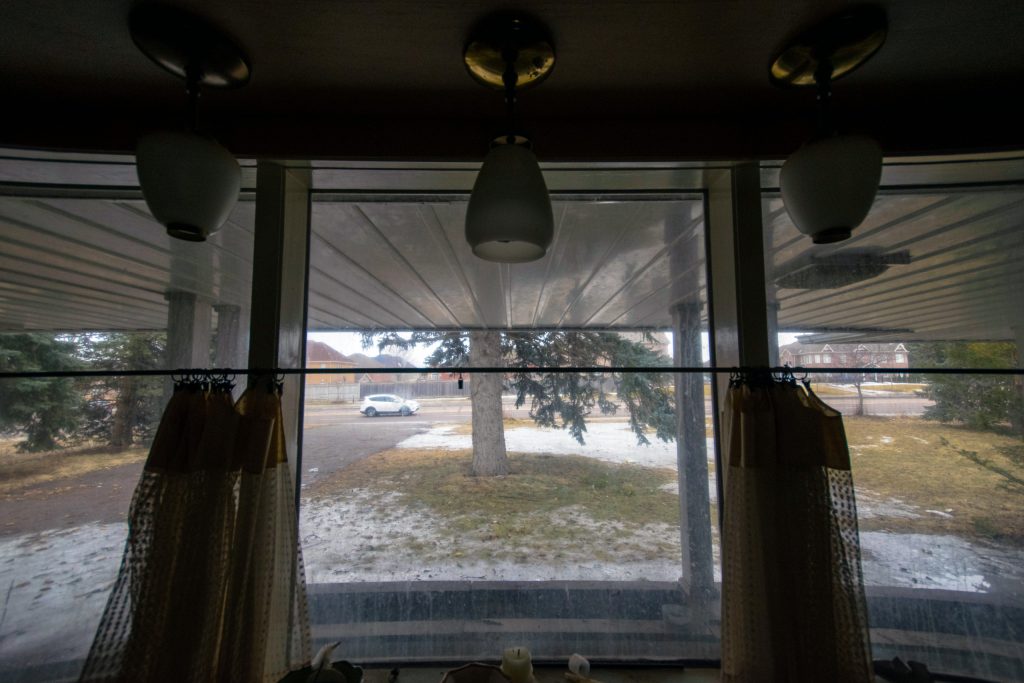
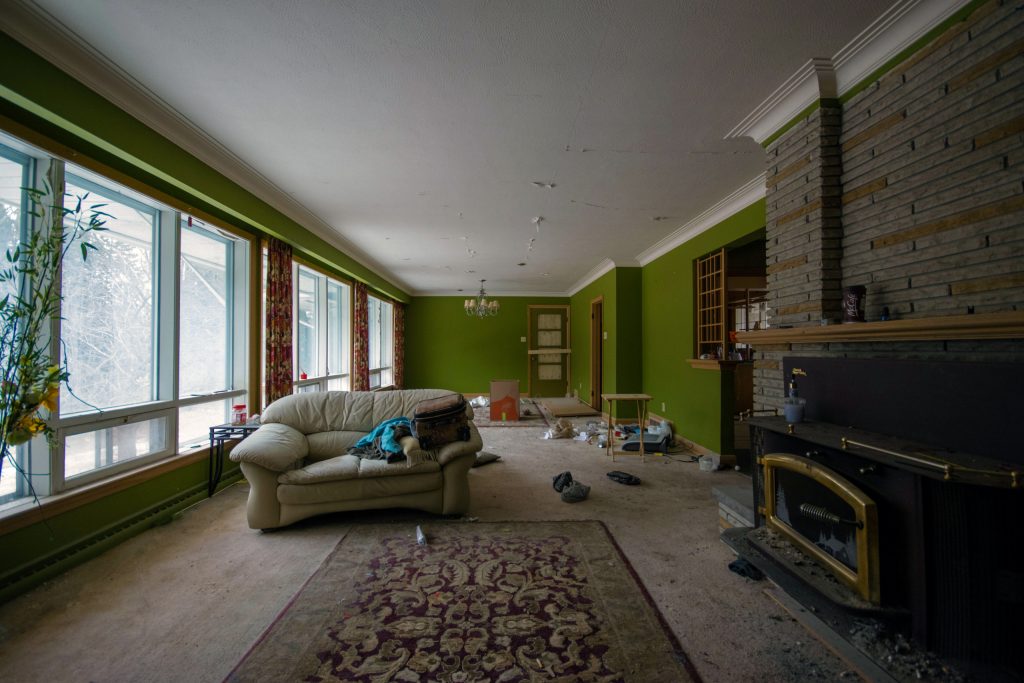
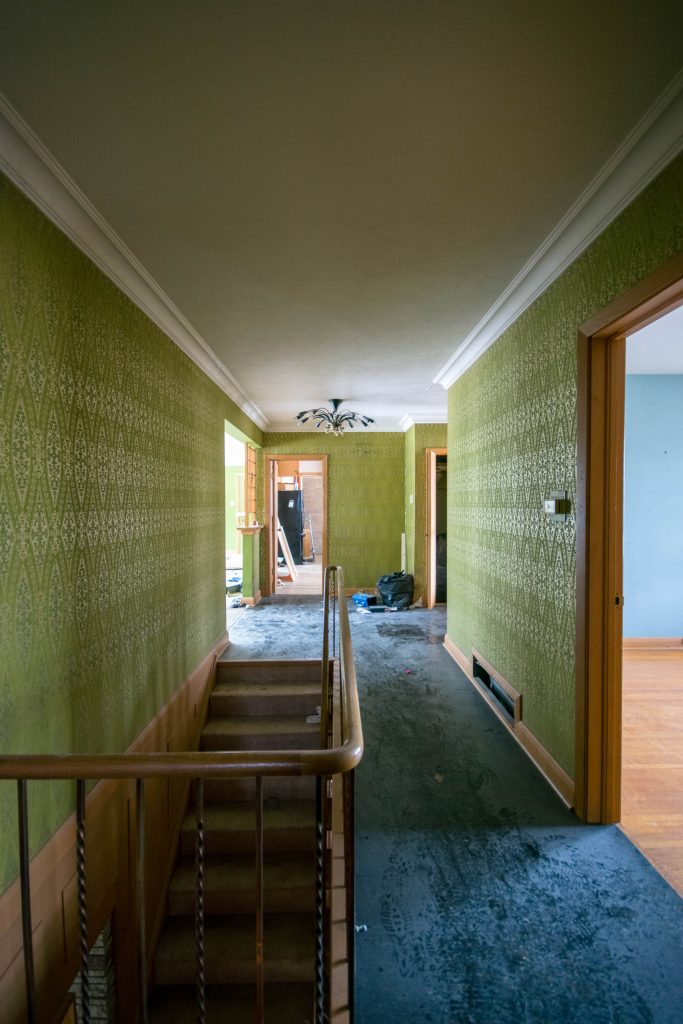
This house was built during the 1950’s. The interior has remained relatively untouched since that time, an architectural time capsule. The belongings on the other hand are modern day.  When I returned to this house in late 2019, it had been stripped down to the studs.

St. John Catholic French Immersion School (London, Ontario)

The St. John’s Catholic French Immerson School was located on Hill Street in London, Ontario. It was demolished in 2020 to make room for a new Child and Family Centre and Licensed Child Care for the Southwest Ontario Aboriginal Health Access Centre (SOAHAC).

The province of Ontario spent $12,000,000 to help relocate the school to 1212 Coronation Drive. There were approximately 500 students at the old school.


Vaughan Glen Hospital – The Original Sick Kids Hospital

In May of 1899, a group of twenty-two women sat down for tea and formed a committee dedicated to helping sick childeren. The women formed the Home for Incurable Children. Eighteen of the women would become founding members of The Hospital for Sick Children.

The Home’s mission statement was, “to receive and tenderly care for children of either sex, between the ages of 2 and 16 years, afflicted with any incurable disease.” Two years later the mission statement was amended to exclude “those merely blind, deaf or dumb; those suffering from epilepsy; those imbecile or idiotic; those suffering from pulmonary tubercolosis.”

In November, a house located at 138 Avenue Road was donated to the women, rent-free for two years. The public assisted with donations of furniture. A “Lady Superintendent” was hired on a salary of $15 per month.

On November 29, 1899 the first patient was admitted although the formal opening took place on December 16, 1899. There were accomodations for fifteen children. Area doctors were invited to join the staff as “Visiting Physicians” for which they were not paid.

By 1907 there was a need for more accomodation due to increase in demand for services. A property located at 152 Bloor Street East was purchased which was capable of handling 26 children. The home demanded tight budgeting and the generosity of other people to pay the bills.

Children were given the opprotunity to advance their education while staying at the home. In 1912 the Toronto School Board appointed a teacher to work with the children for 2 hours per day. In 1921 full day classes were funded. The mornings were spend on academic learning and the afternoons were spent working on crafts.

The provincial government provded a 50 cent per day/per child grant.

In 1931 with road widening taking place, the home moved from 152 Bloor Street to 278 Bloor Street East. This was also the same year that the nurses residence was constructed which allowed staff to live on site.

1950’s Expansion

Thanks to a bequest by Mrs. Emma Vincent Campbell, the home was able to expand. On October 23, 1952 the Emma Vincent Campbell wing opened. The new wing allowed 45 children to be cared for.  The main building was renovated to allow for occupational, physical and speech therapies to be taught.

By 1956 a senior classroom and rumpus room (recreation) were built. There were now 40 patients, 54 staff and 60 volunteers. There were 28 board members, and 33 members of the Sewing Auxiliary. More physicians were being appointed to assist in areas such as Orthopedics, Genito-Urinary, General Surgery, Plastic Surgery and Dermatology.

In 1959 under pressure from the public, the home’s name was changed to “Bloorview Hospital, Home and School.” The same year a psychiatrist and psychologist were hired.

More Growth

In 1969 there were 52 children in the Bloorview Hospital. The board began searching for a new location to expand. They purchased land near Sheppard and Leslie. Construction on the new hospital began in August of 1973. The new hospital opened in 1975 and boasted a 12-bed infant unit, a unit for adolescents and young adults, and education up to secondary school entry-level inside the 10-classroom Bloorview School adjoined to the facility.

On March 31, 1987 with funding from the government, the hospital board purchased the Villa Private Hospital which was later renamed to Vaughan Glen Hospital. The property was used for children in care who were too old to reside at Bloorview Kids Rehab. Several of the children were later transitioned into group homes.

Present Day

The hospital closed in 1994, and the property sold to the Islamic Shia Ithna-Asheri Jamaat of Toronto. The building was added to Vaughan’s “Listing of Building of Architectural and Historical Value” in 2005. In 2012, the Heritage Vaughan Committee recommended the structure be preserved. Vaughan City council passed the motion.

In 2017, the Heritage Vaughan Committee recommended that city council approve a motion to relocate the building.

The Islamic Shia Ithna Asheri Jamaat (ISIJ) wants permission to rezone and develop the property around the Jaffari Community Centre mosque. They were seeking to build two 17-storey towers on the property. After holding over 28 meetings with the public, the proposal was reduced to one eight-storey tower and a six-storey tower, along with a school, 60-townhouse complex and parking structure. ISIJ have owned the property since 1994. Despite the community’s petitioning for the building to be saved, the owners seem content to let it become demolition by neglect.

The building was built in Georgian Revival style estate, in 1928 and is one of the last remaining of its kind in Vaughan. The old Vaughan Glen Hospital is located at 9000 Bathurst. Note that this building is just one of a series of properties that were used by Bloorview.

Research by TWP

Vaughan Glen Hospital closed in 1994 and the property was sold to the Islamic Shia Ithna-Asheri Jamaat.

The hospital is located at 9000 Bathurst Street.


Bayview on the Park

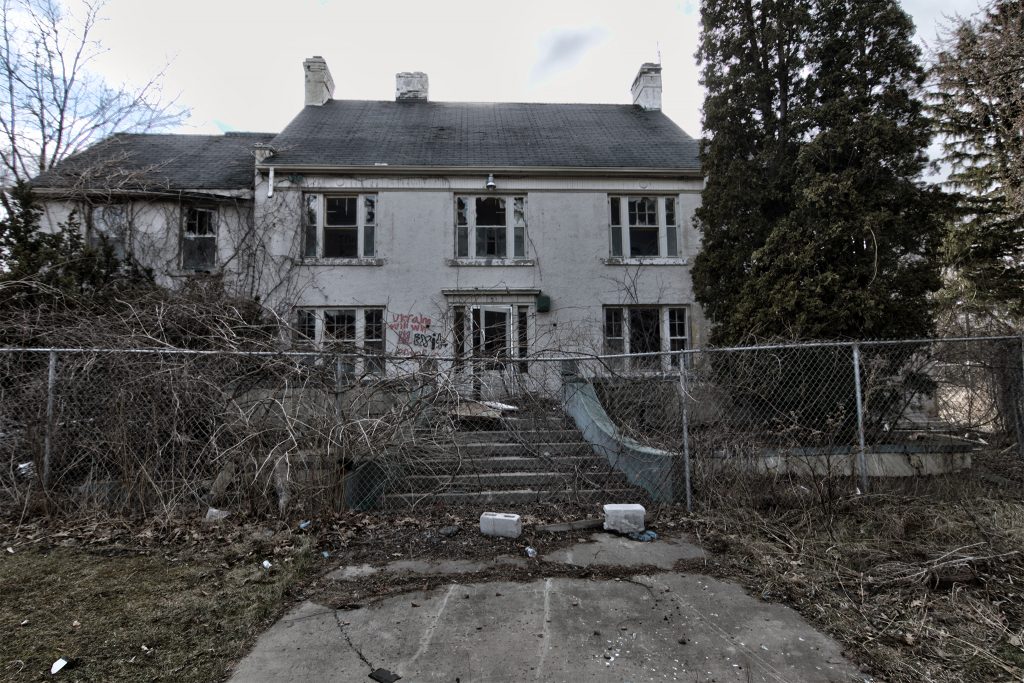
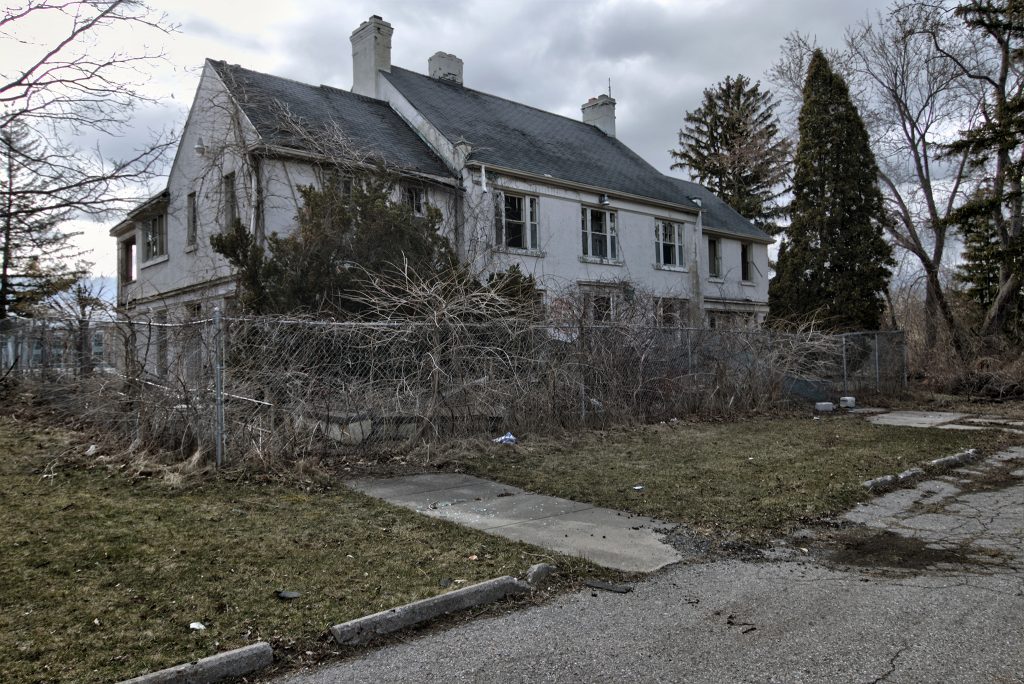
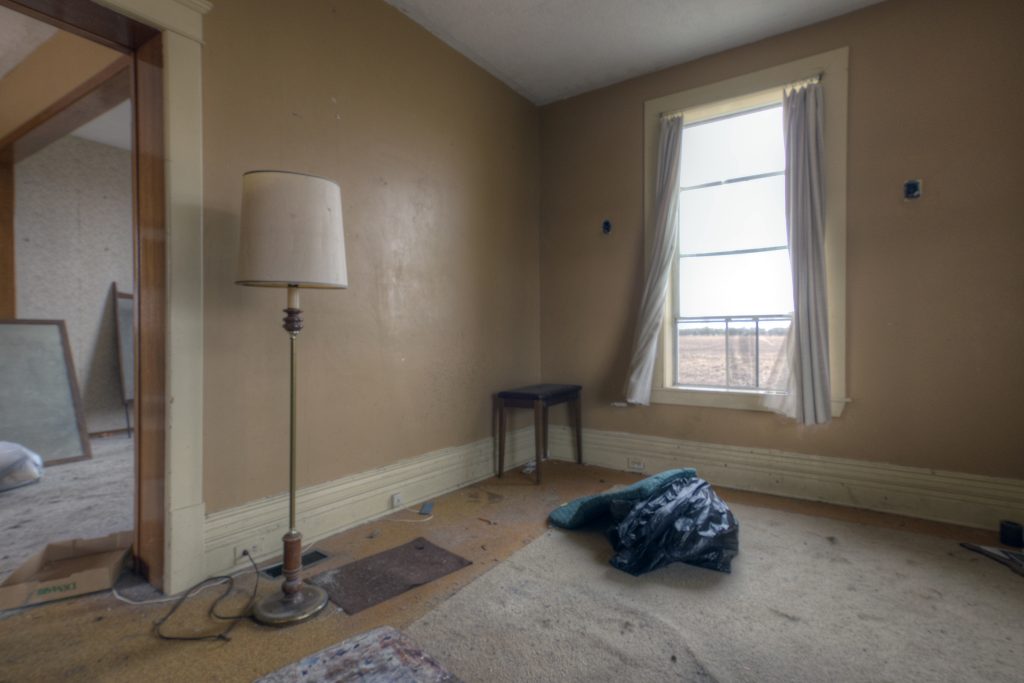
This house is located on Wilket Street in Toronto. Its life is short however because it’s destined to become the site of 7 new townhouses named Bayview on the Park. The three-storey townhouses will be for sale starting at $3,000,000. On January 18, 2016 the Ontario Municipal Board ruled that the developer could proceed with plans to build after the City of Toronto stalled on making a decision.For now this house sits untouched, with working electricity.


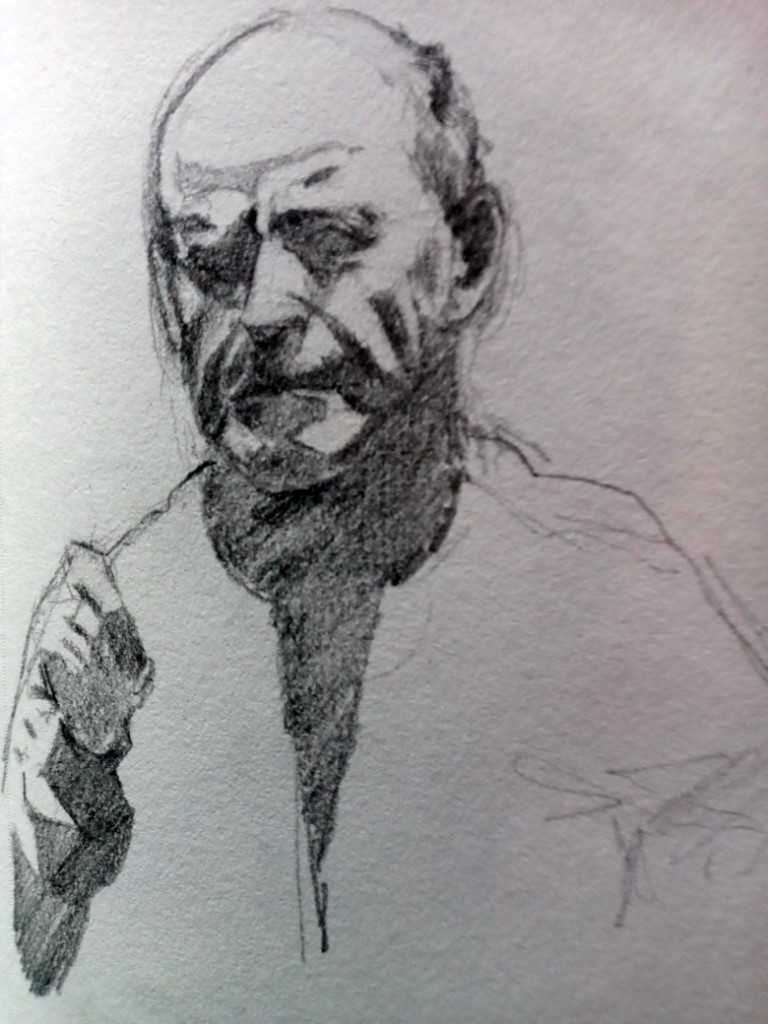
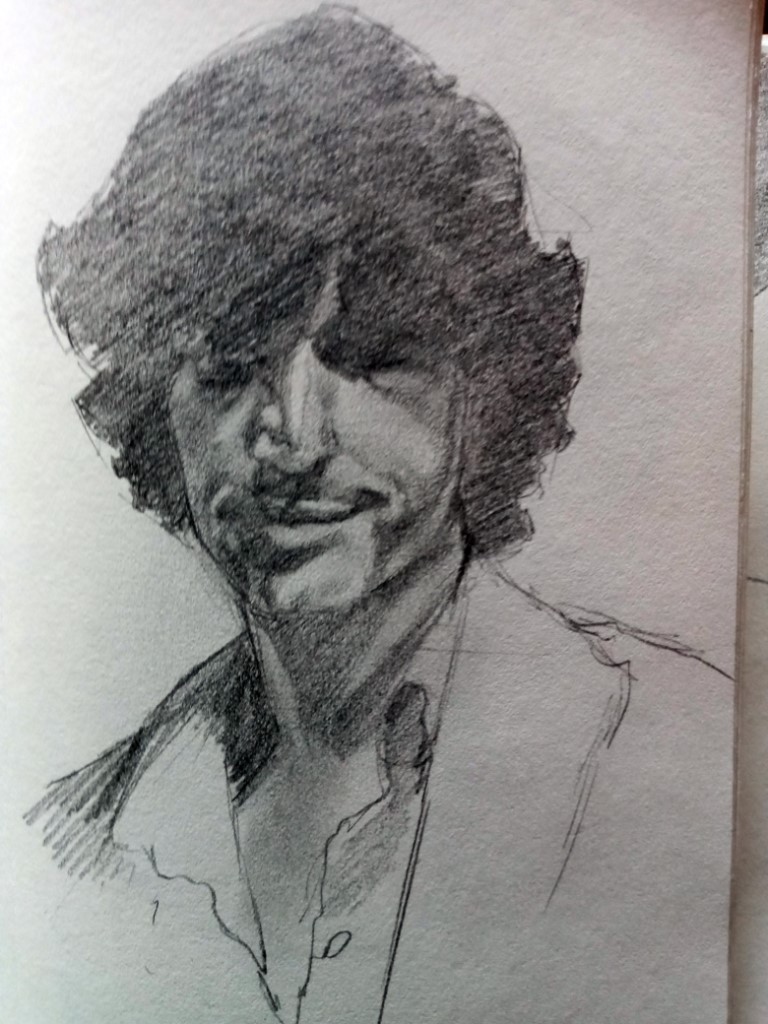
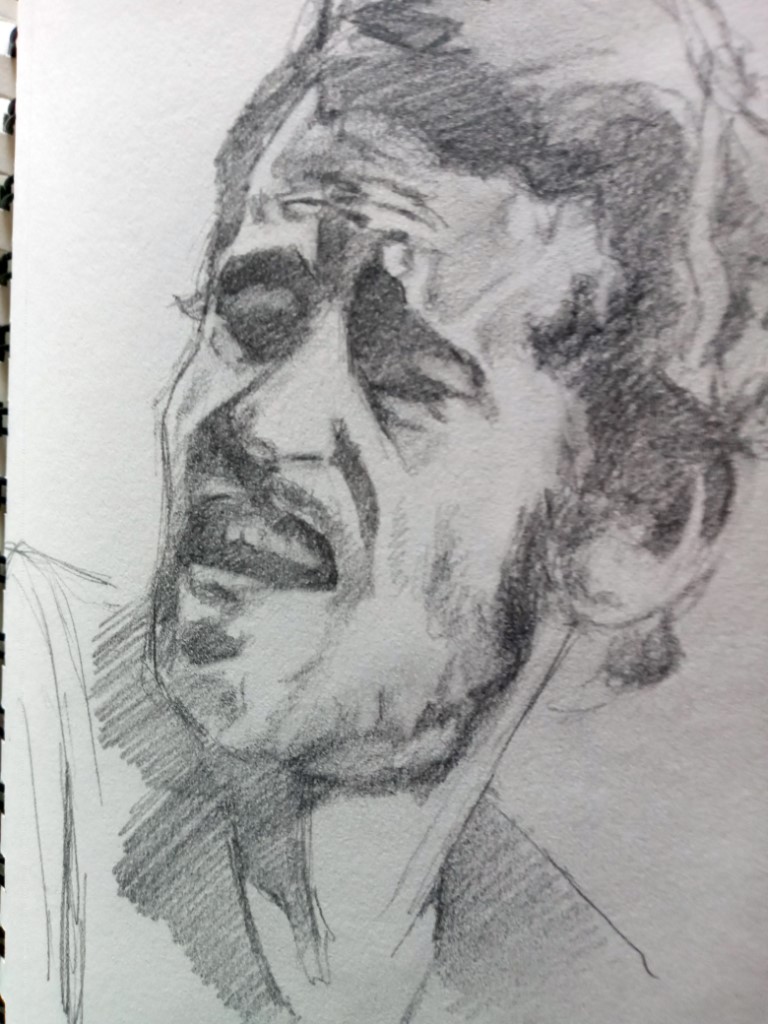
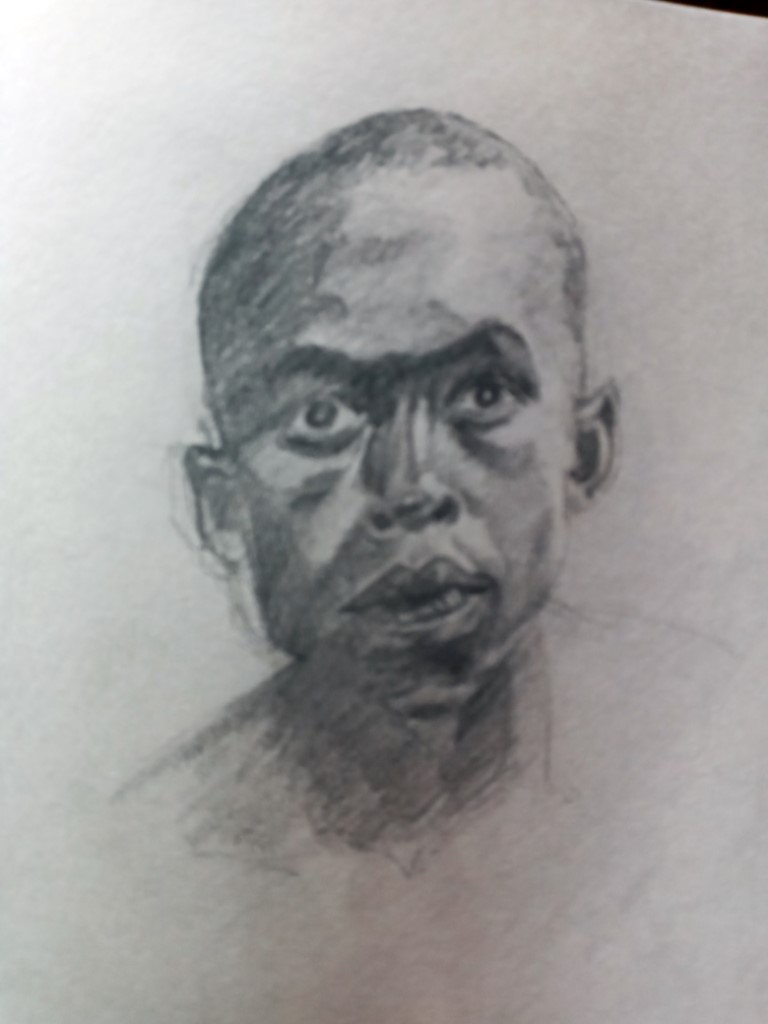
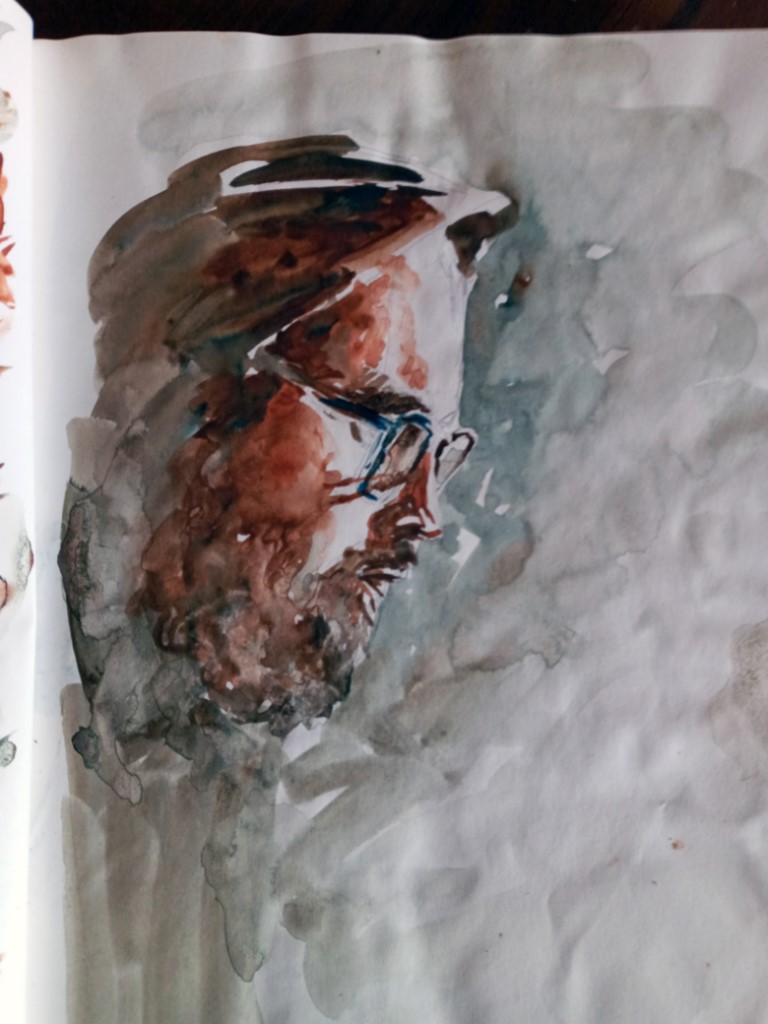
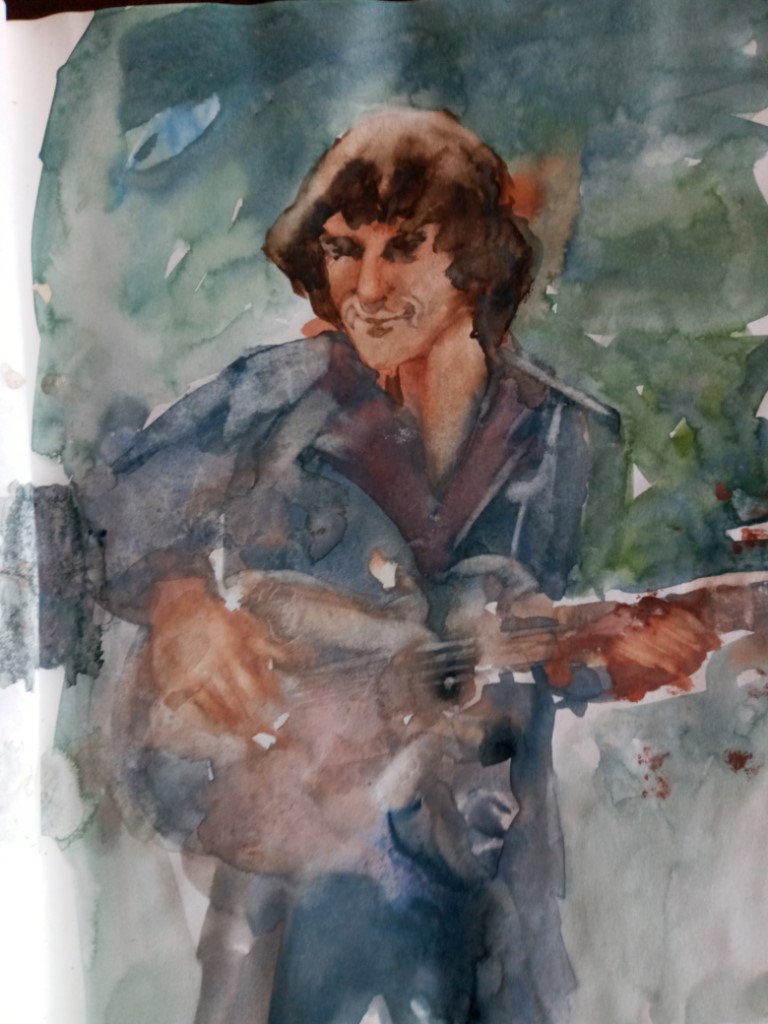
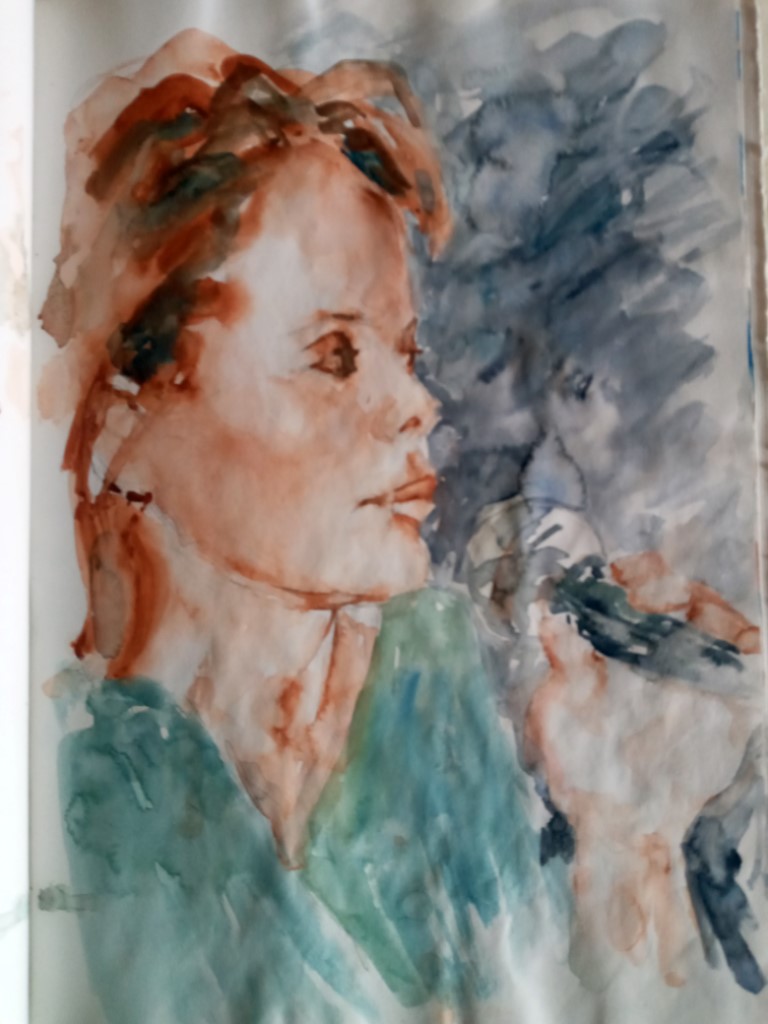
Paul Fleming Artist House

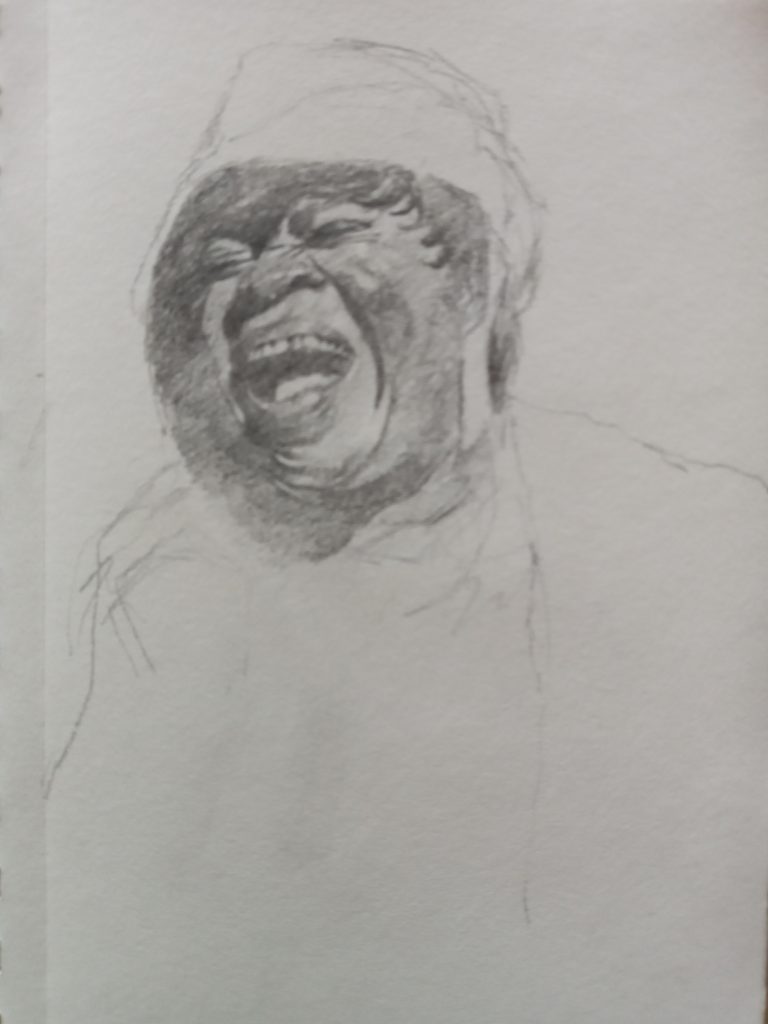
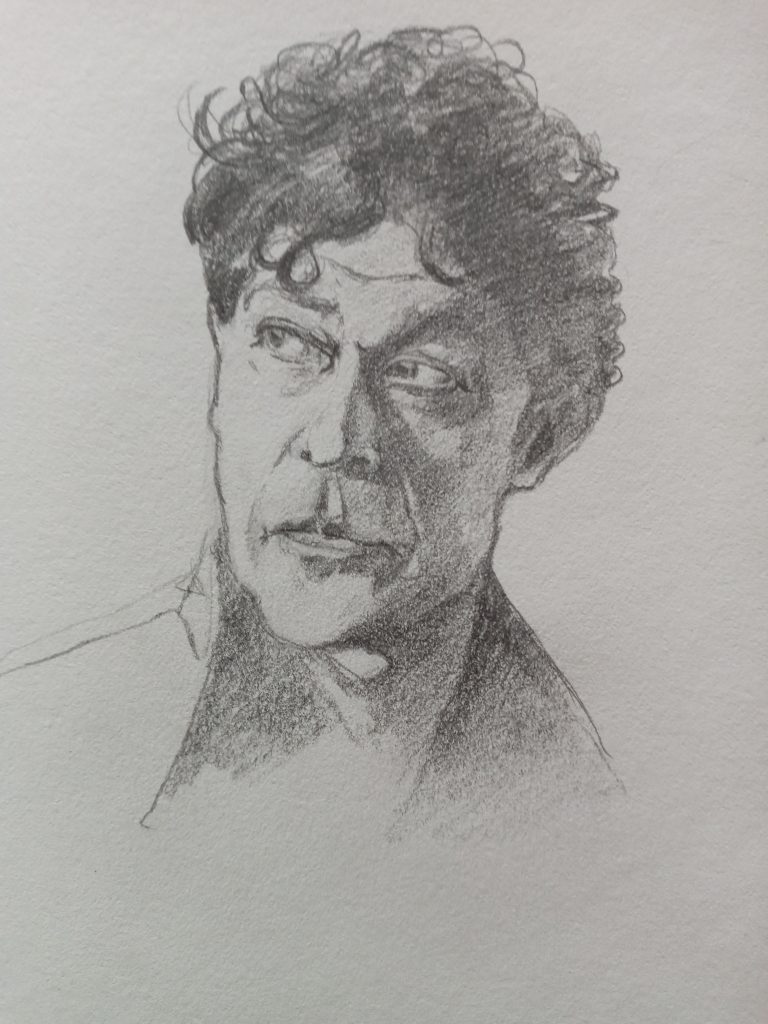
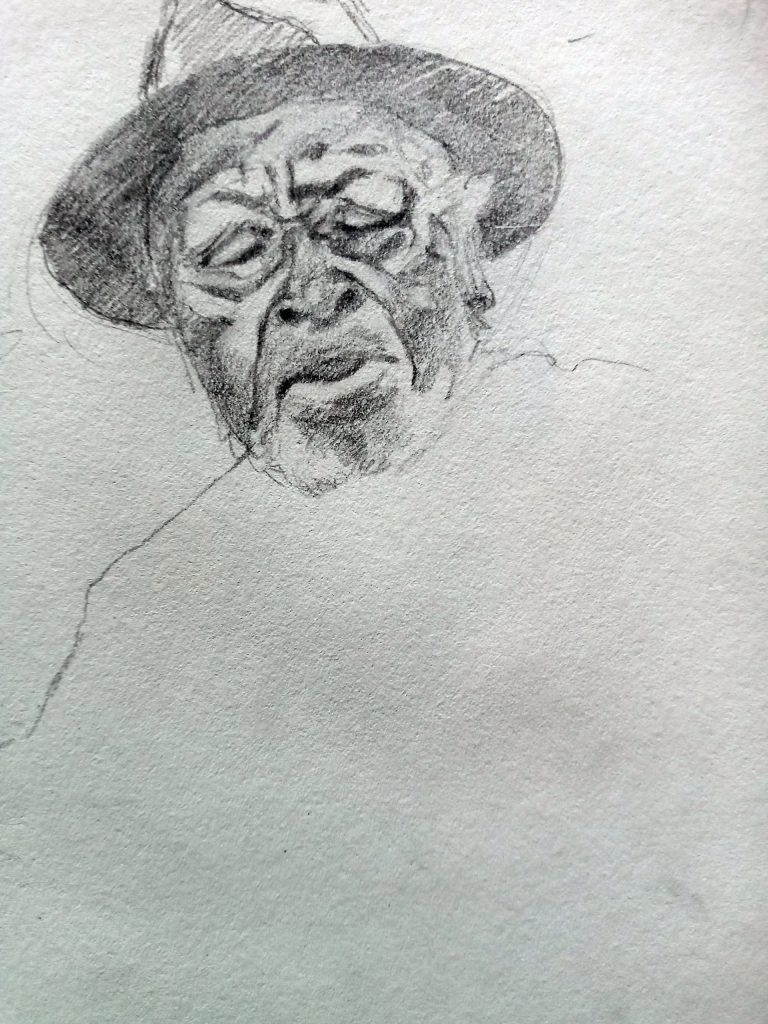
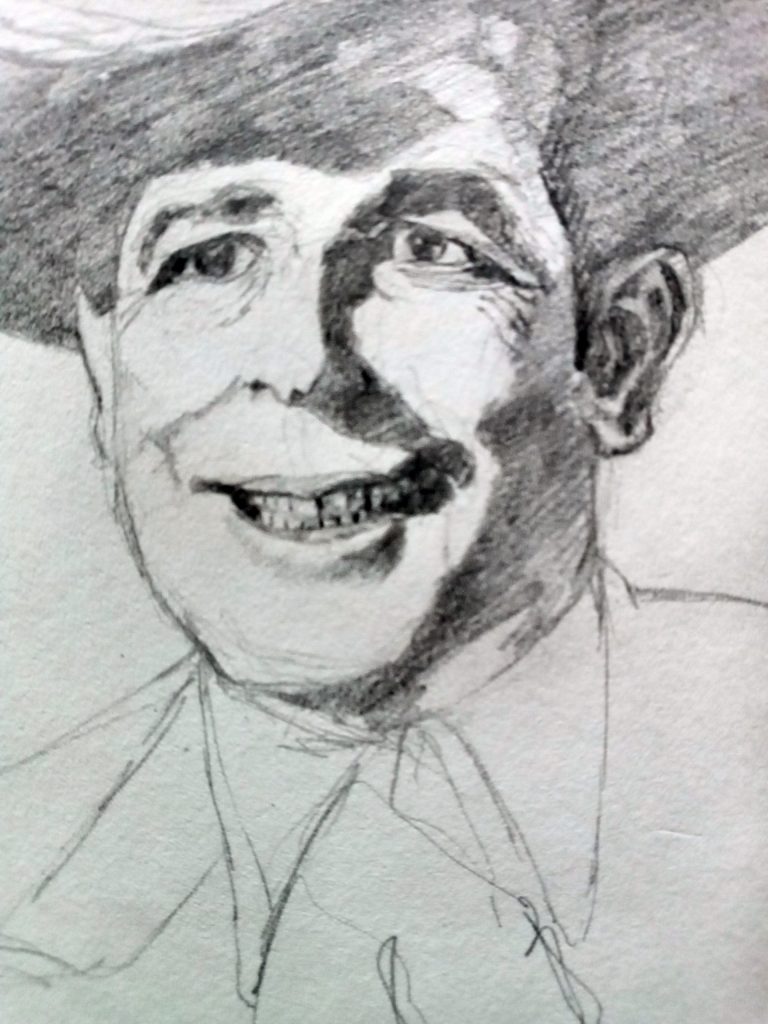
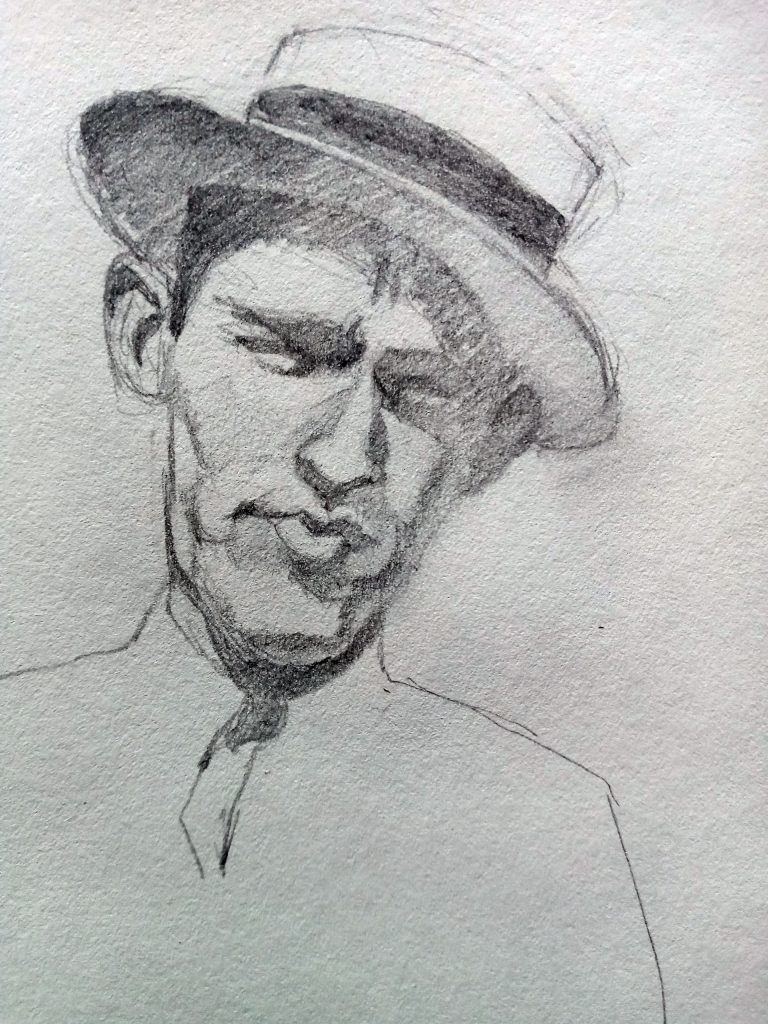
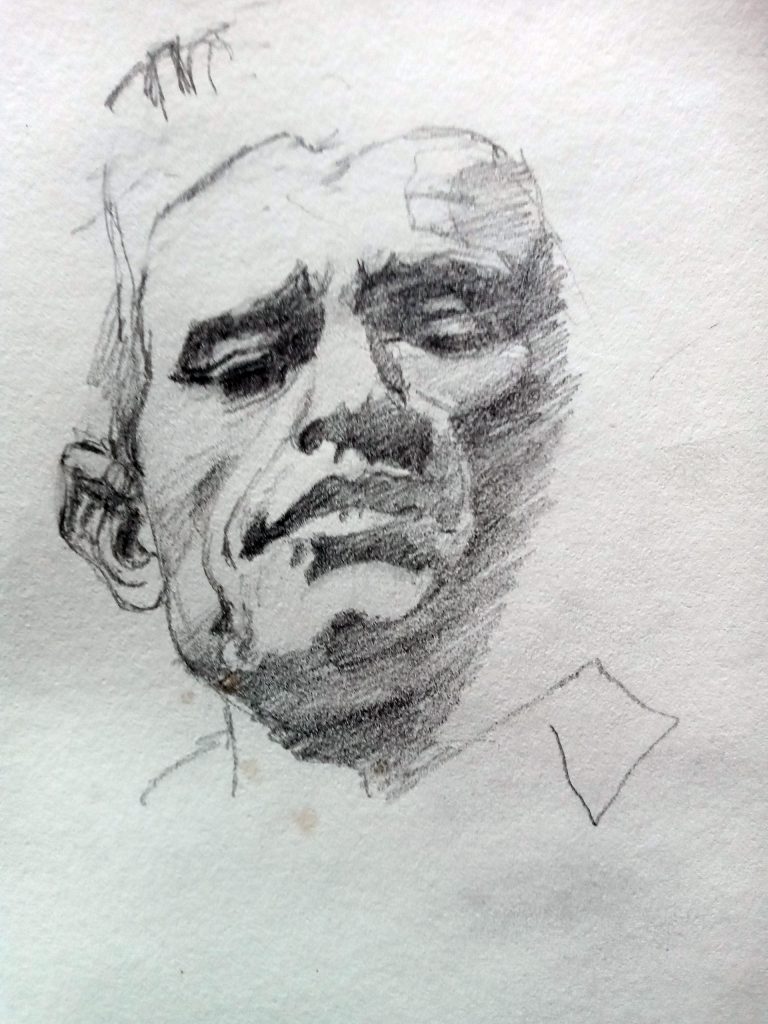
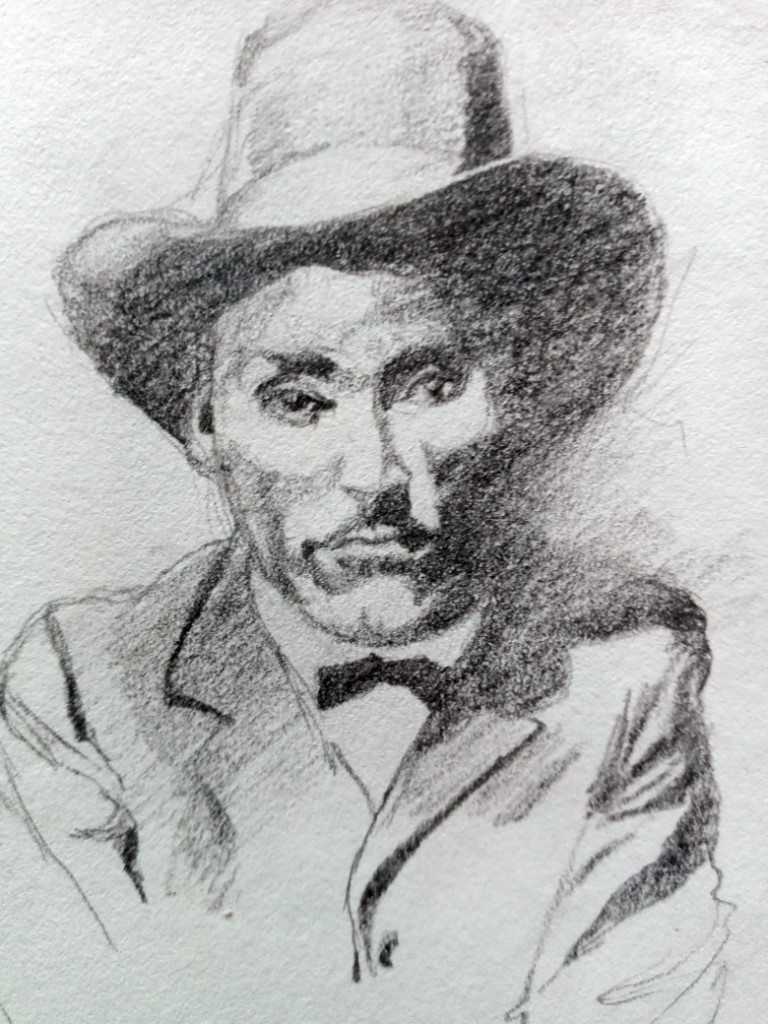
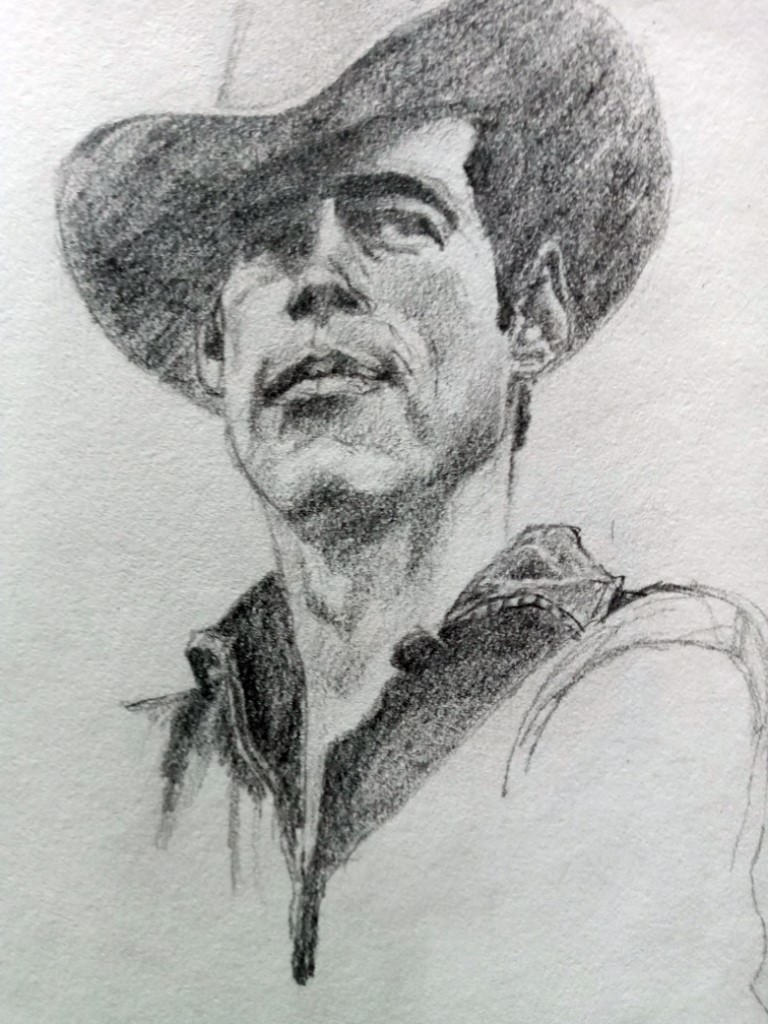
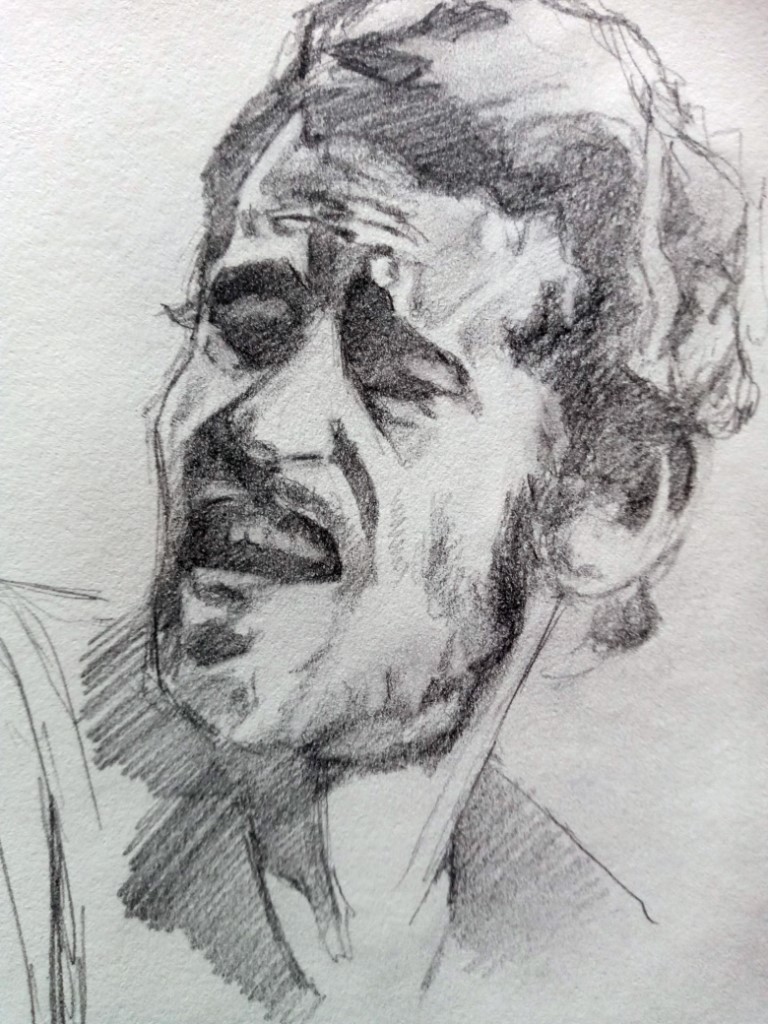
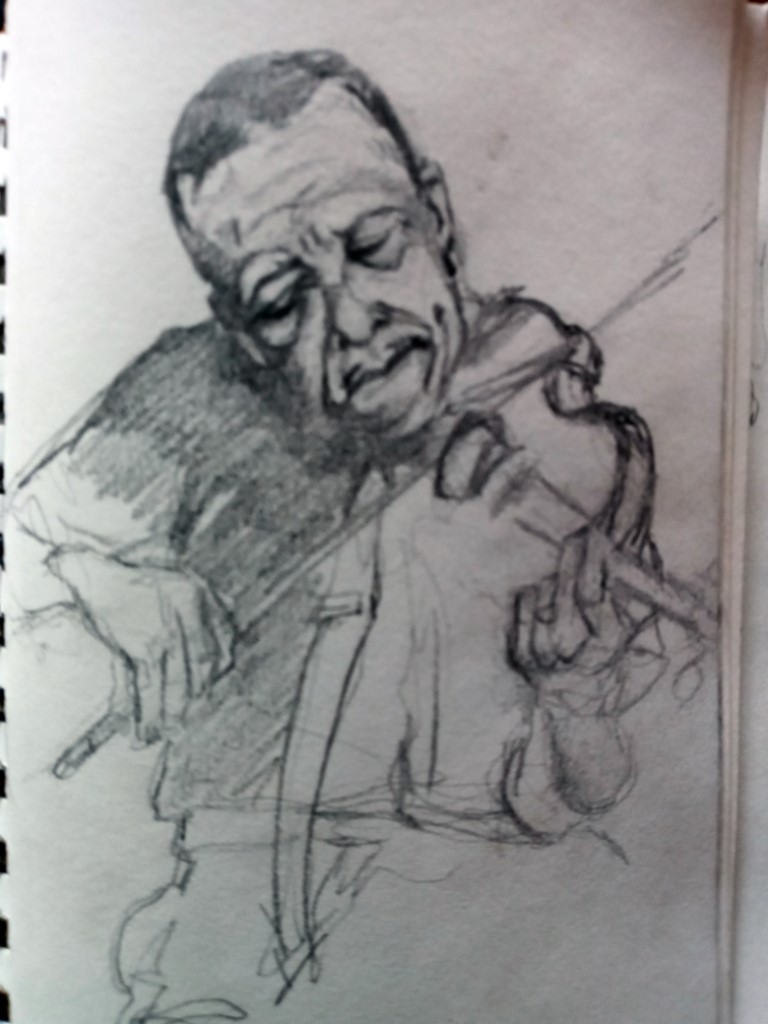
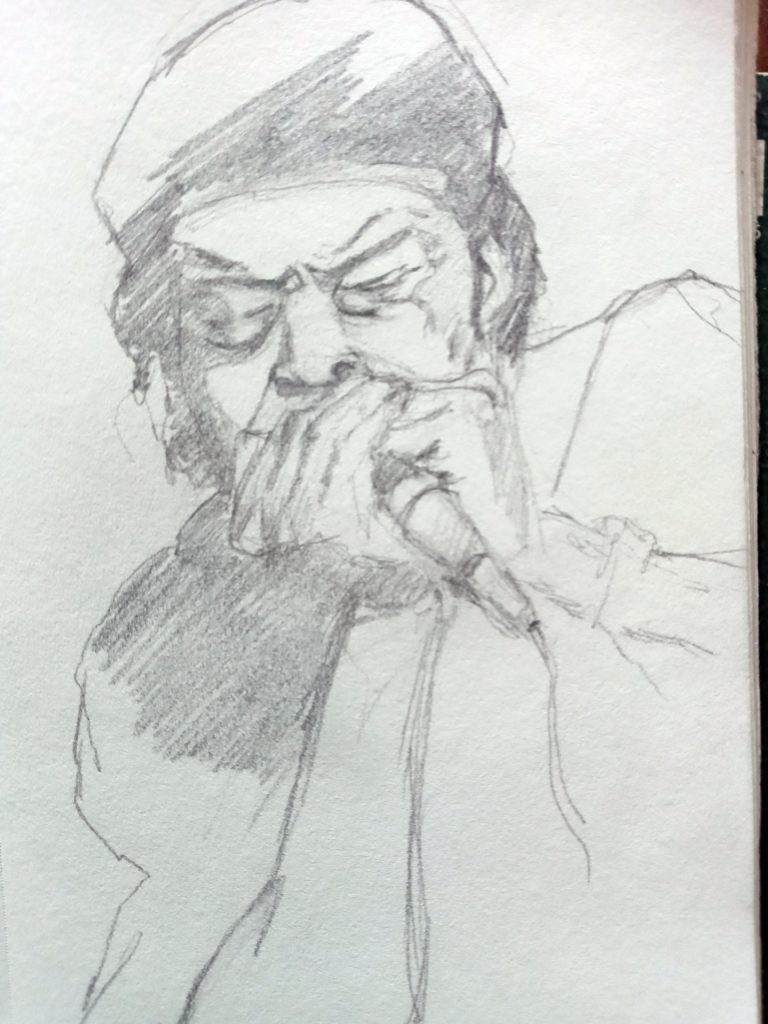
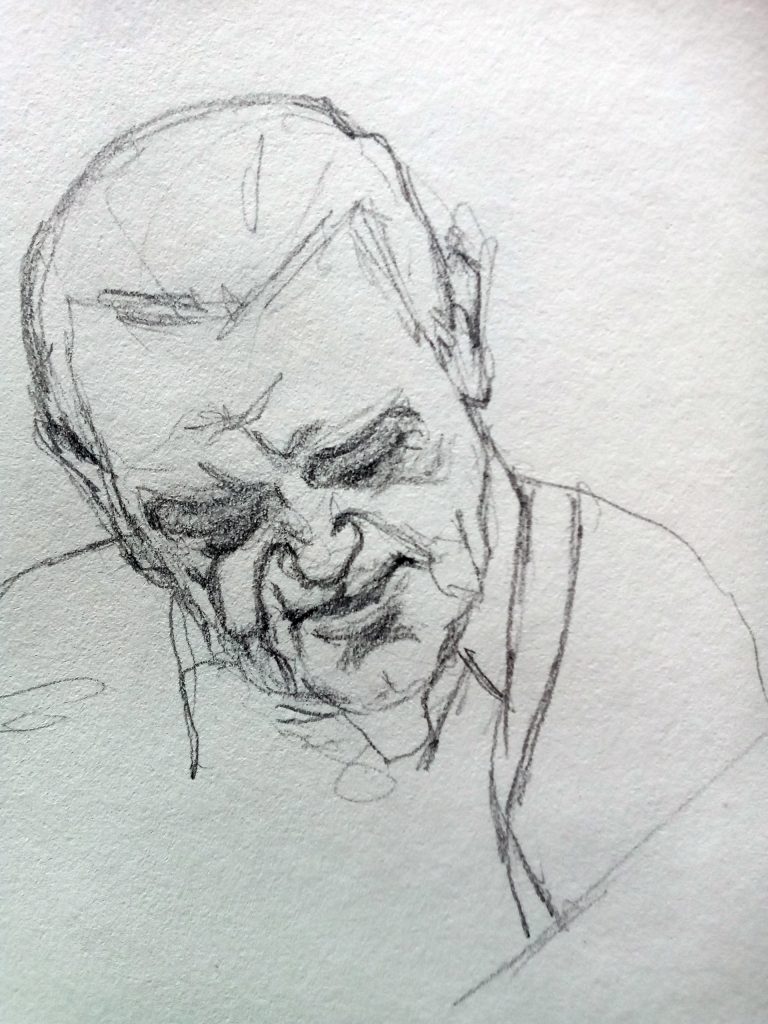
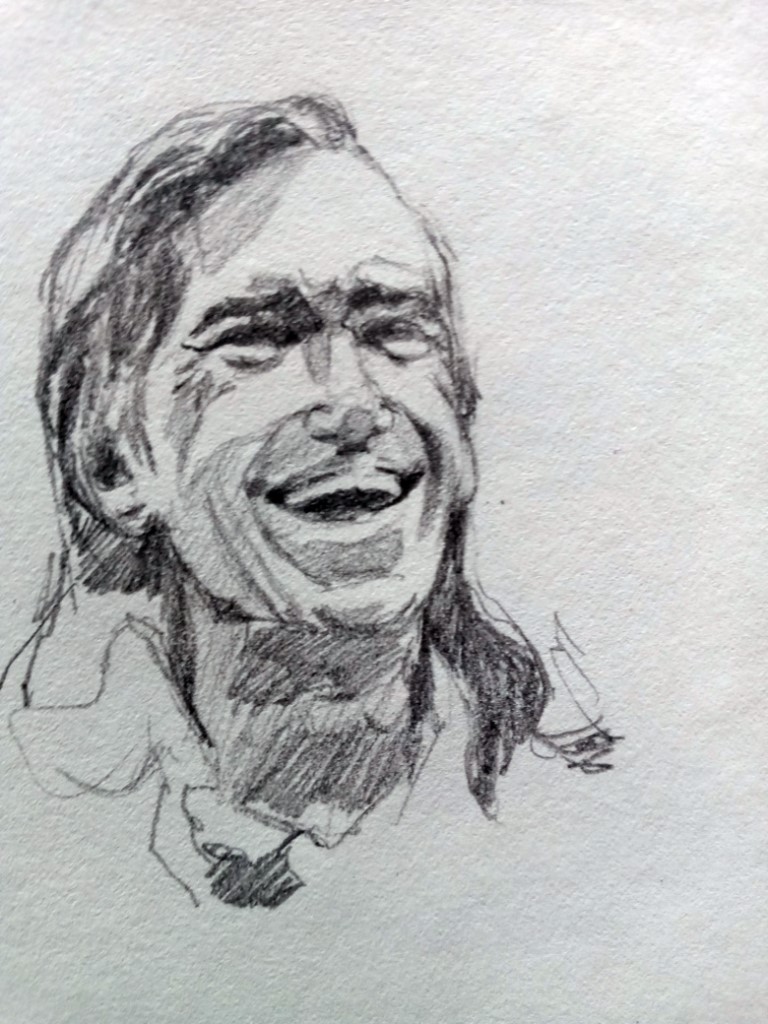
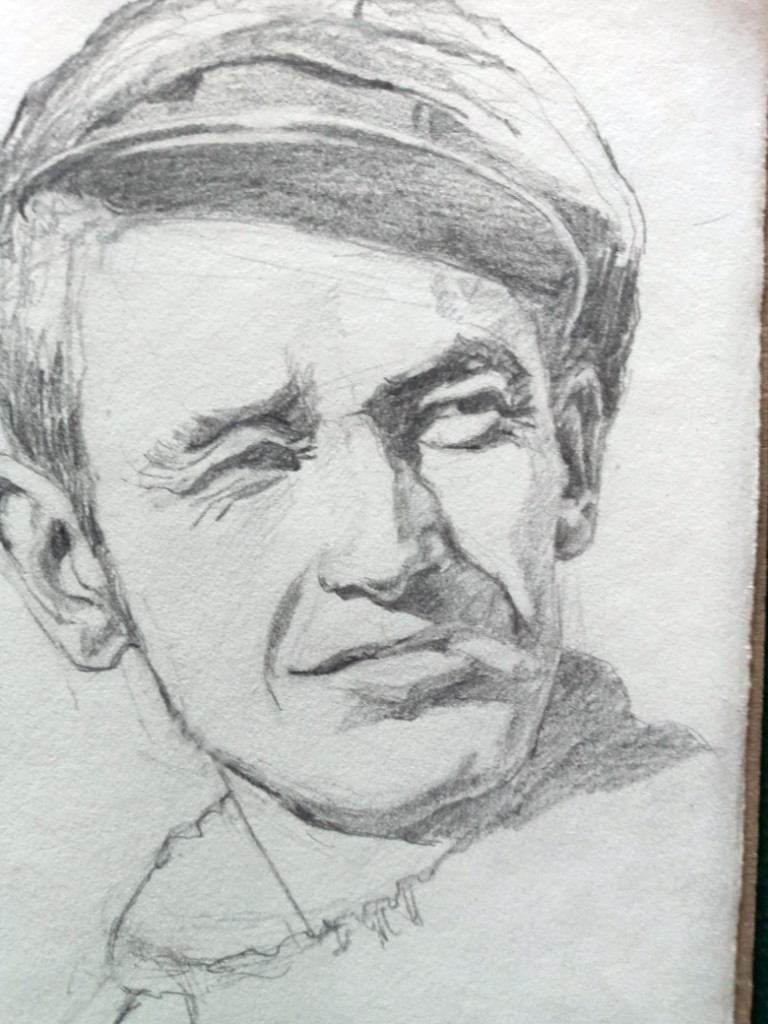
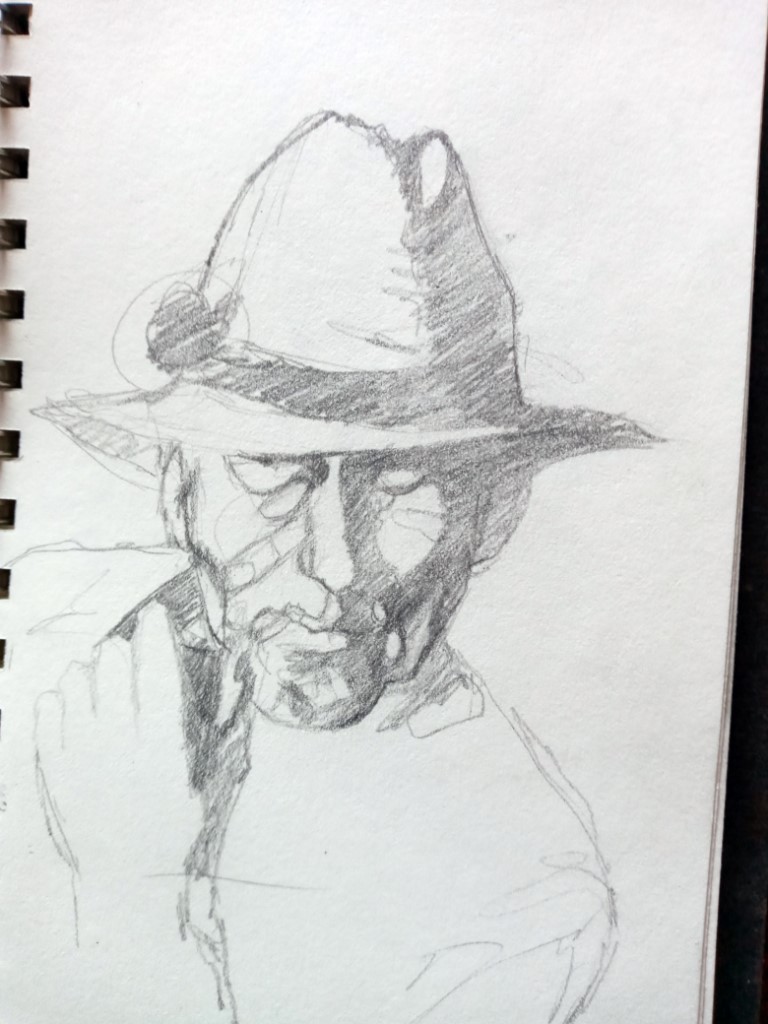
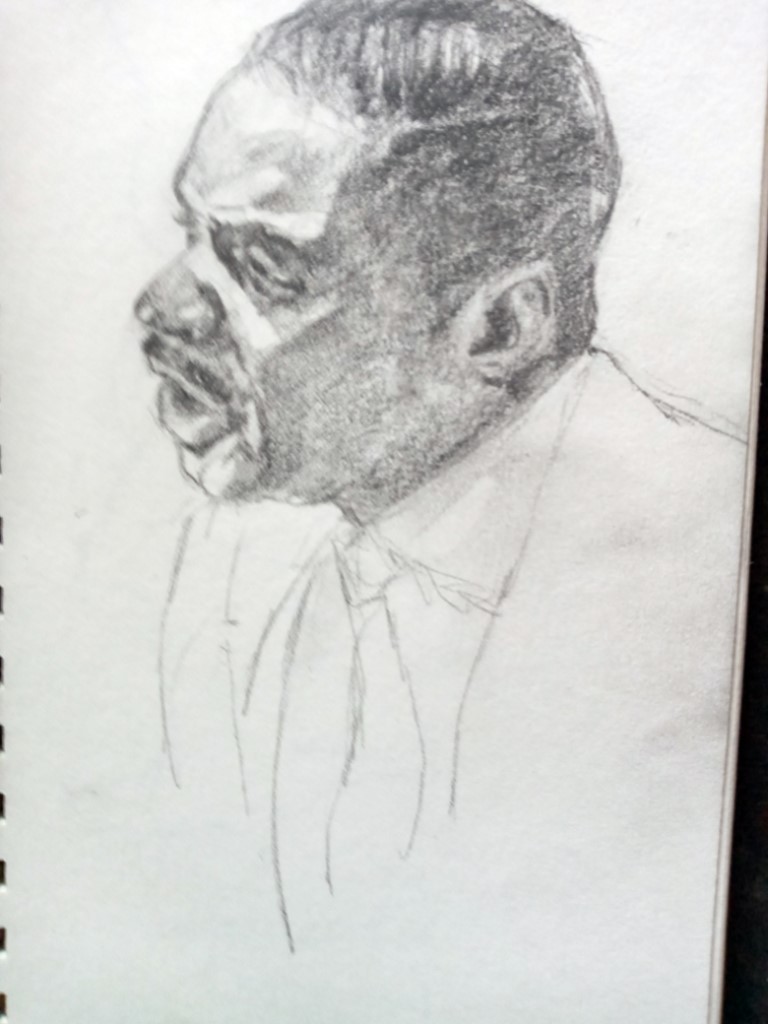
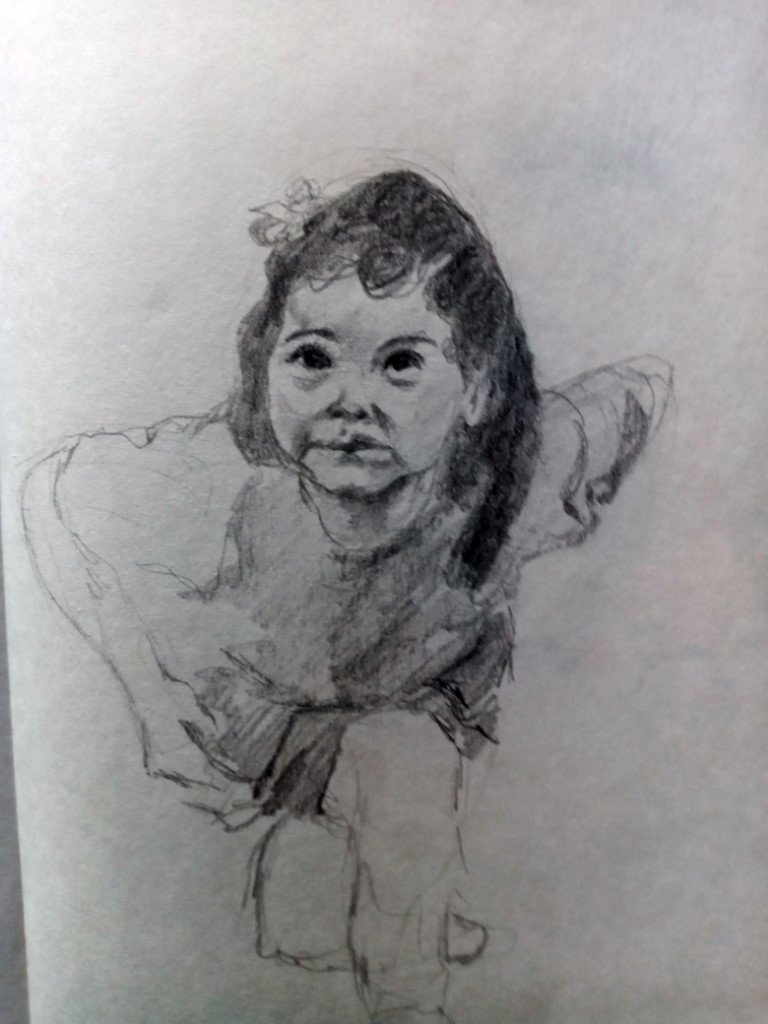
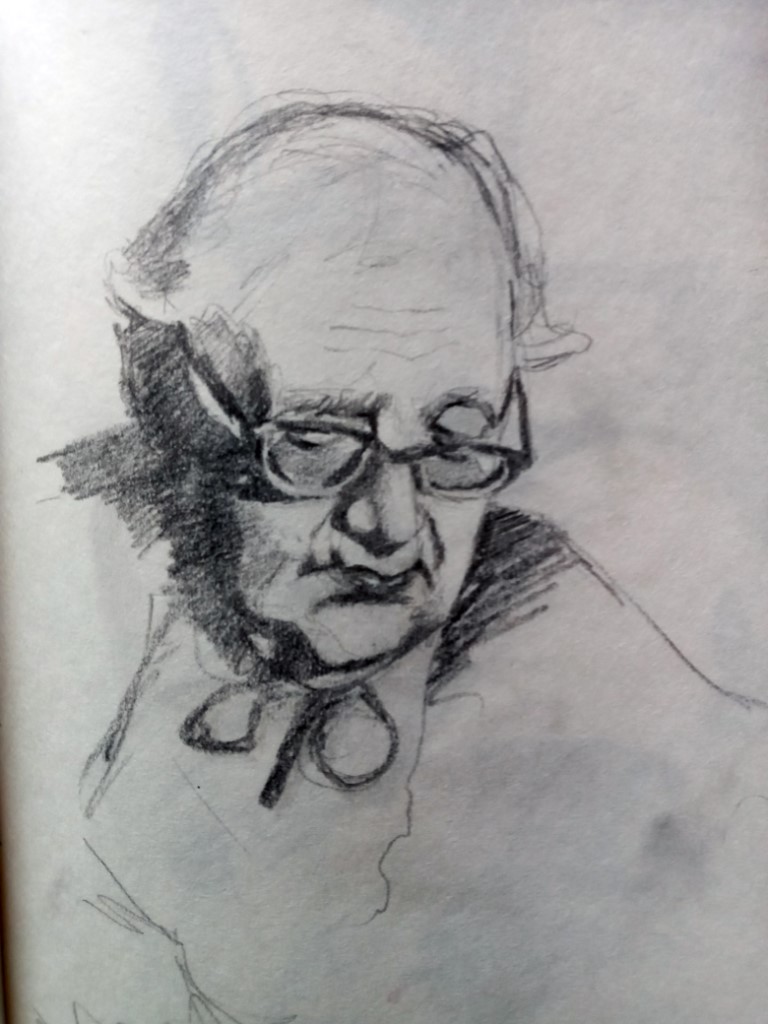
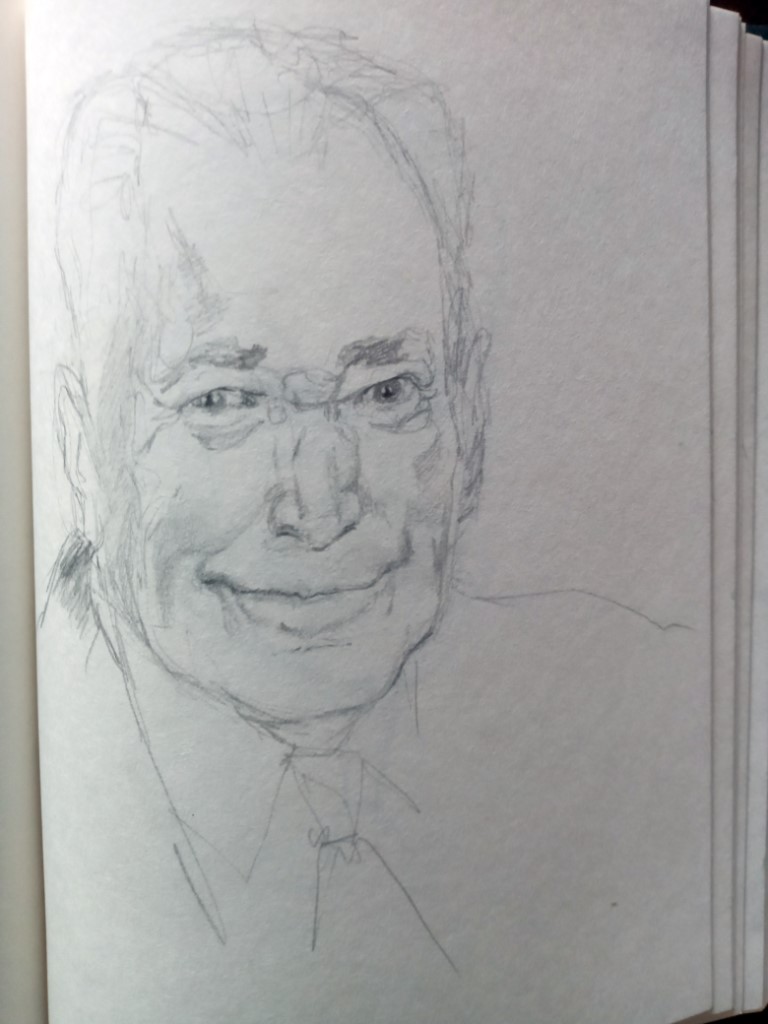
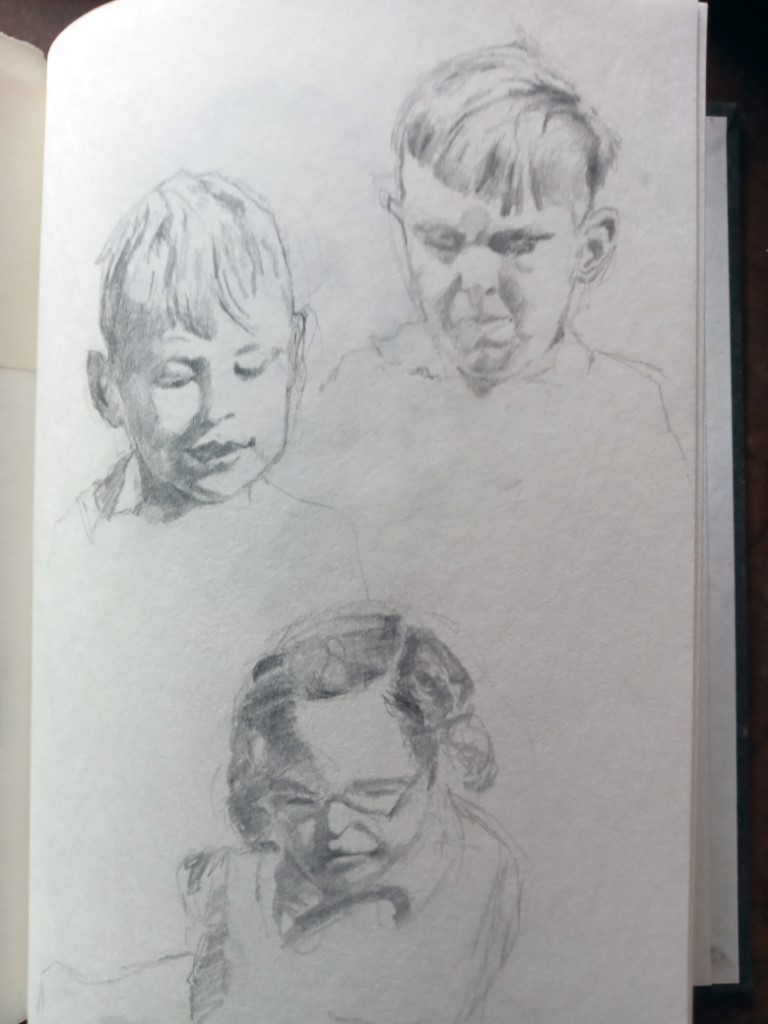
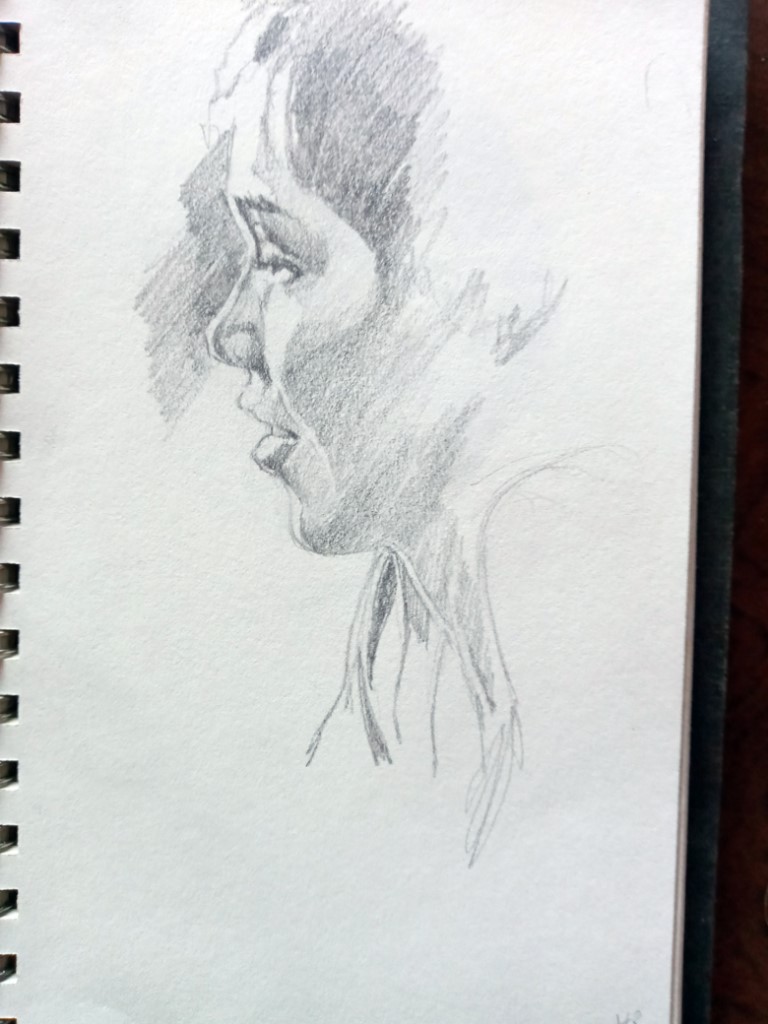
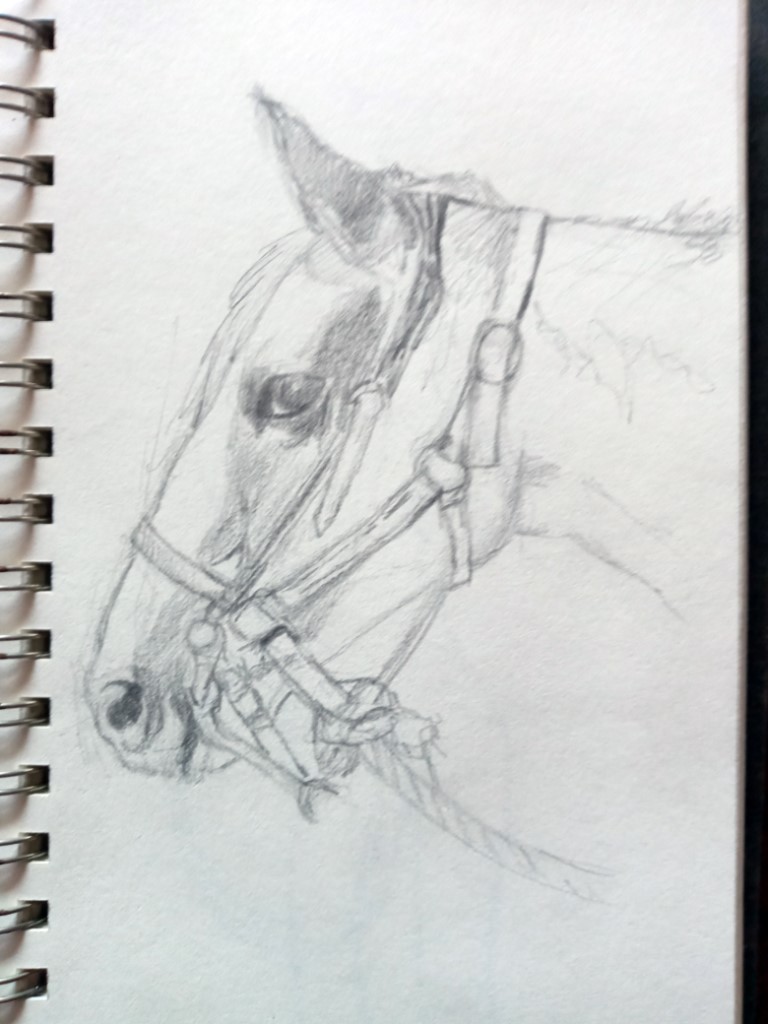
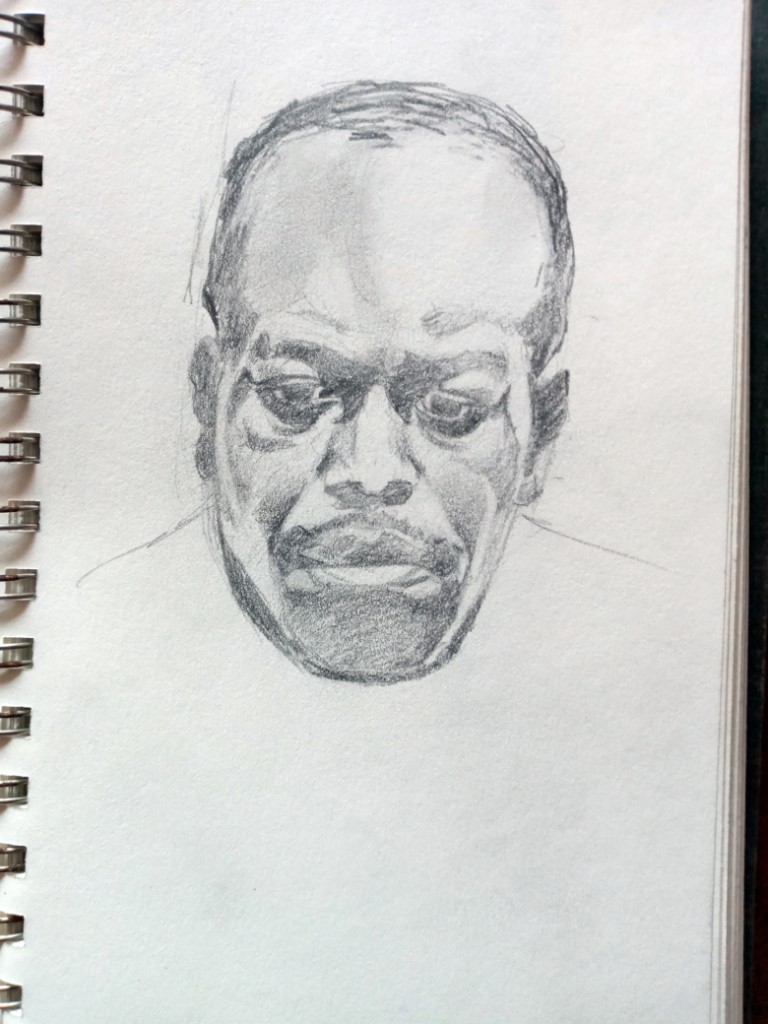
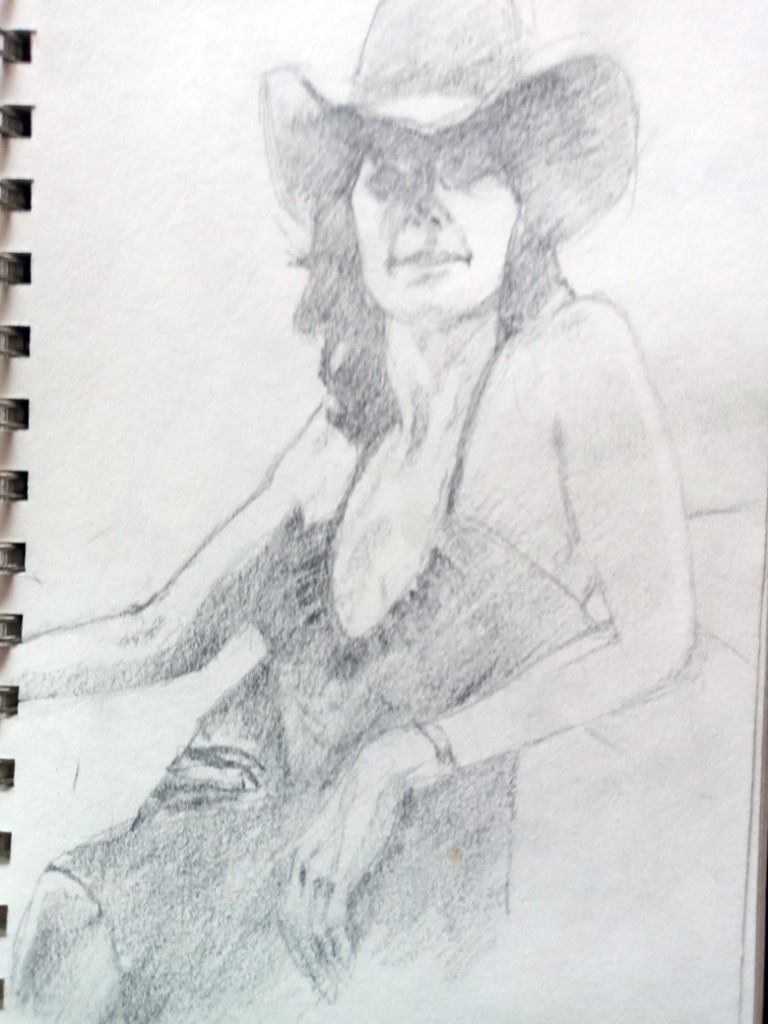
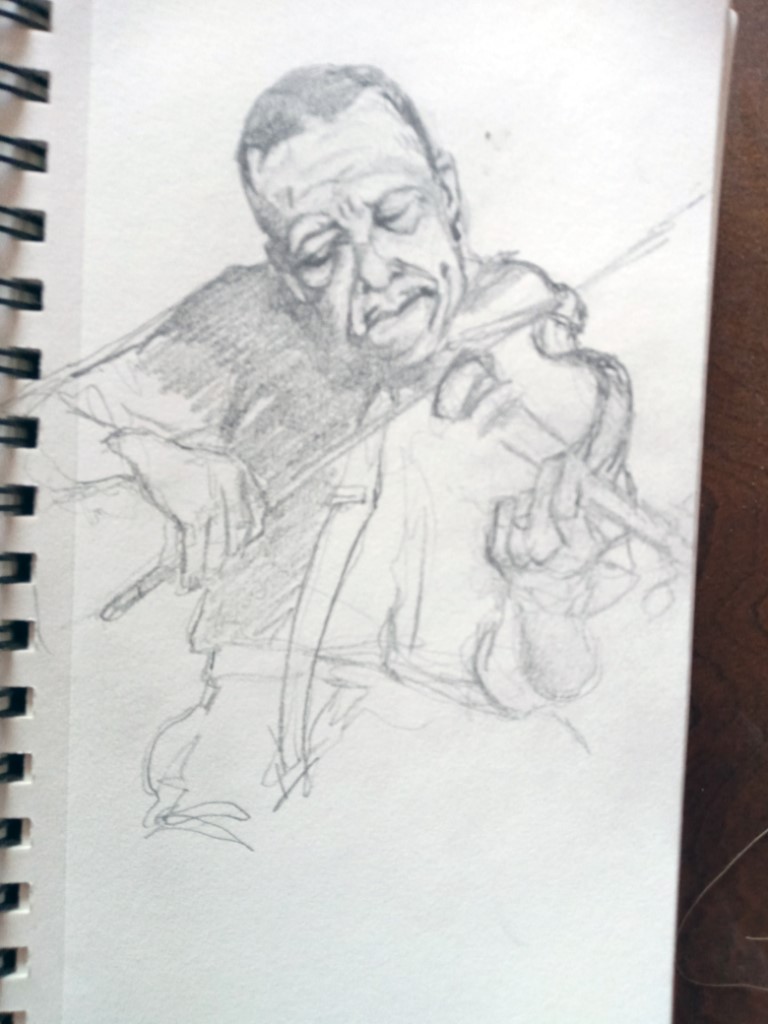
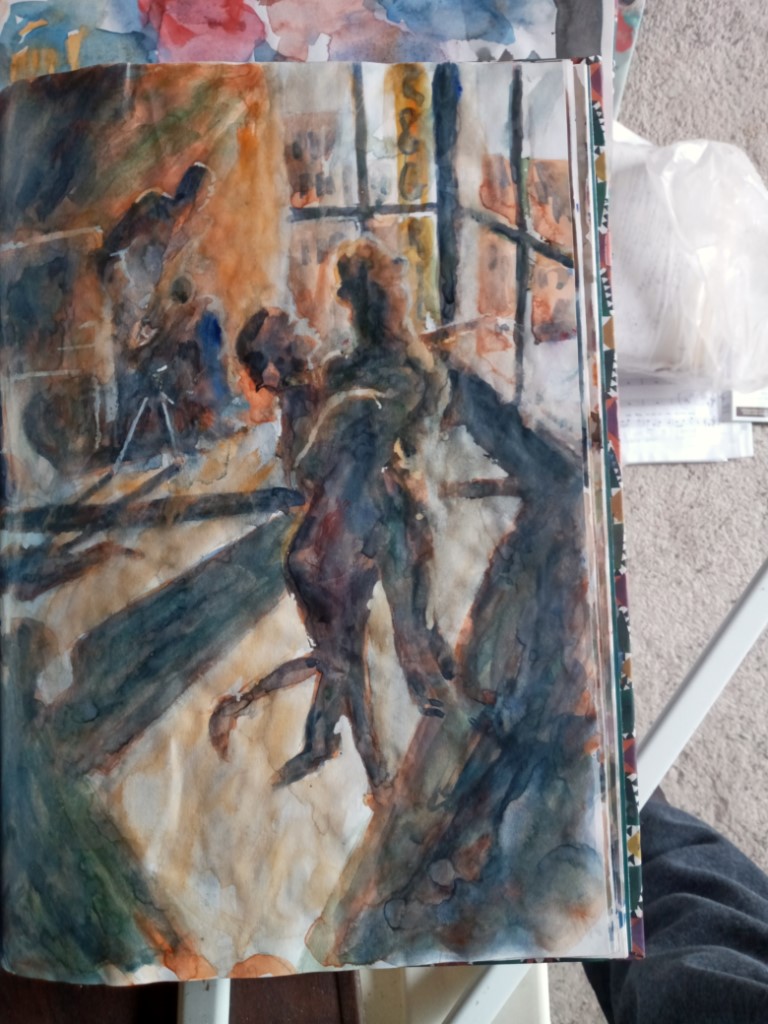
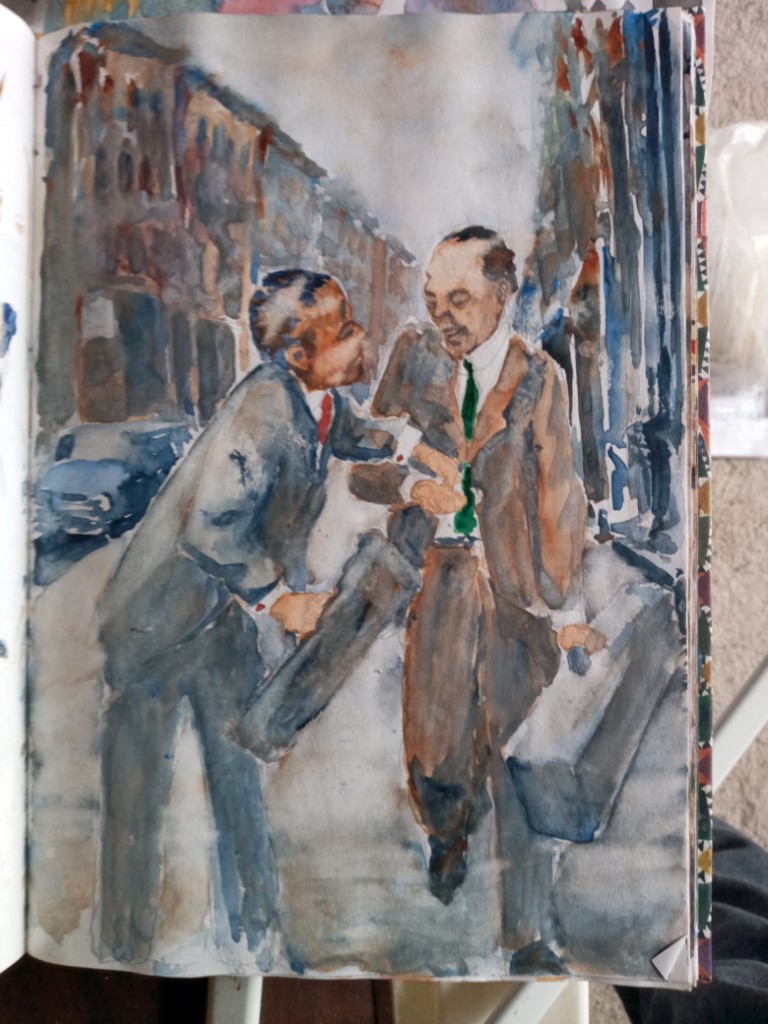
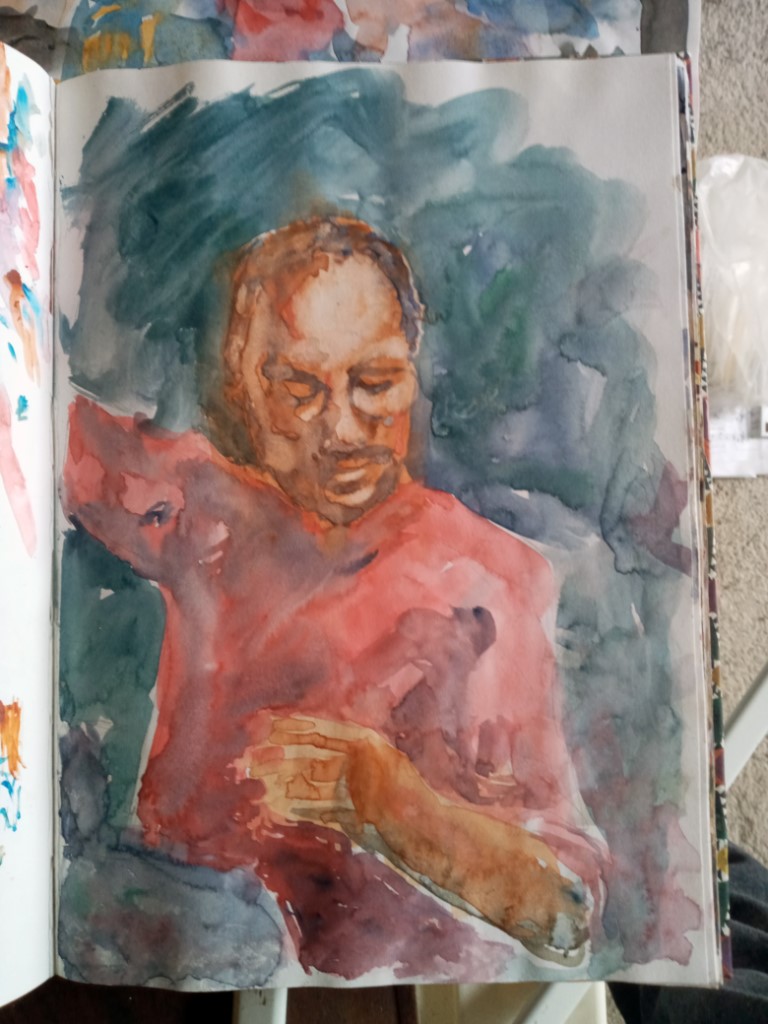
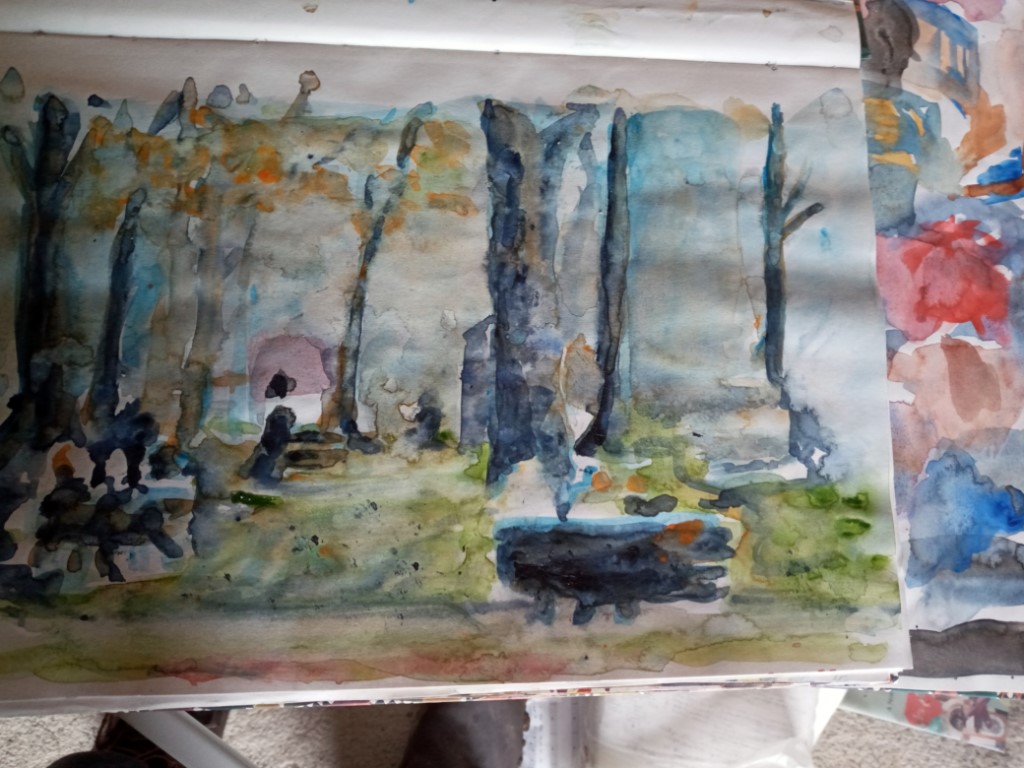
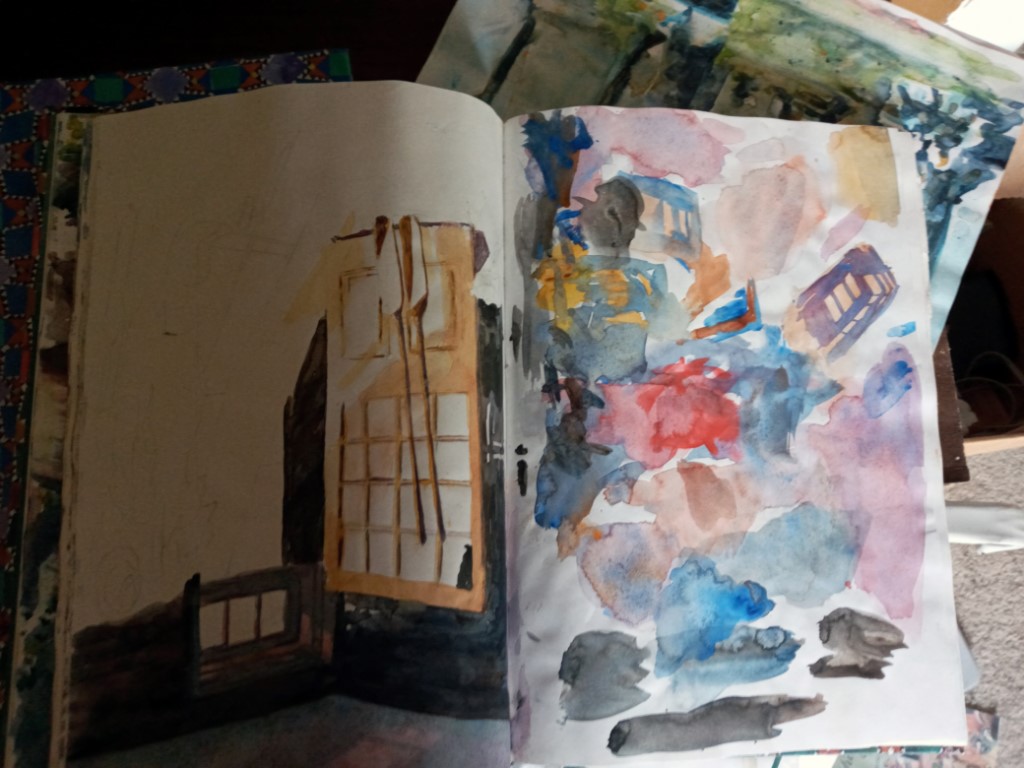
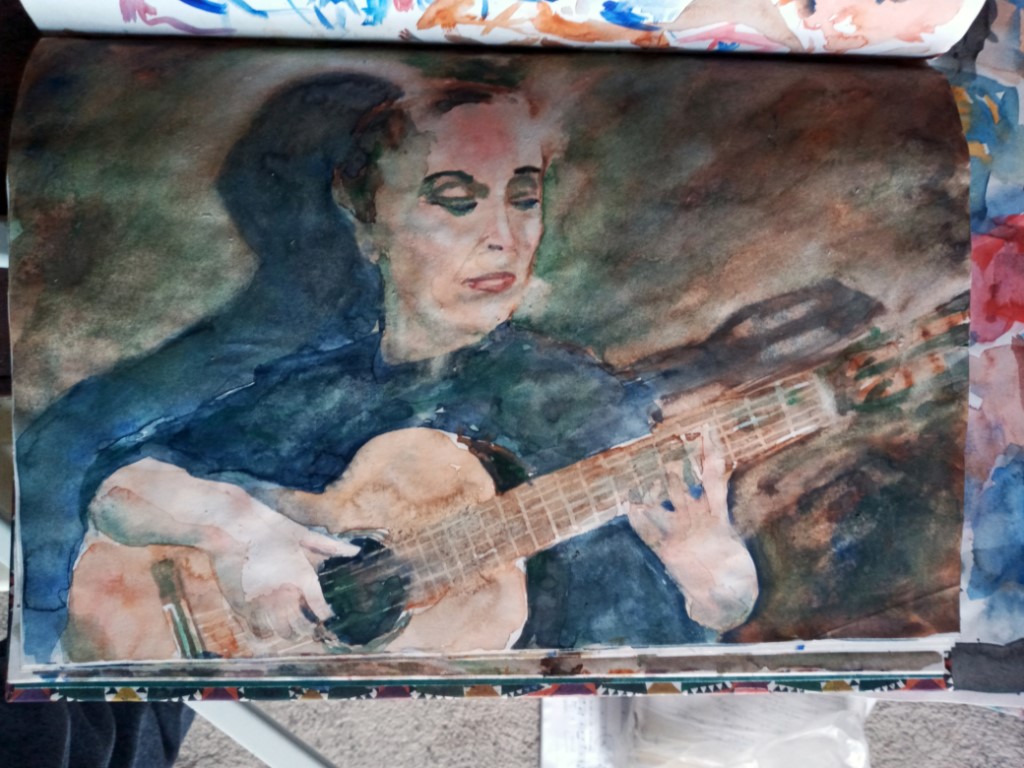
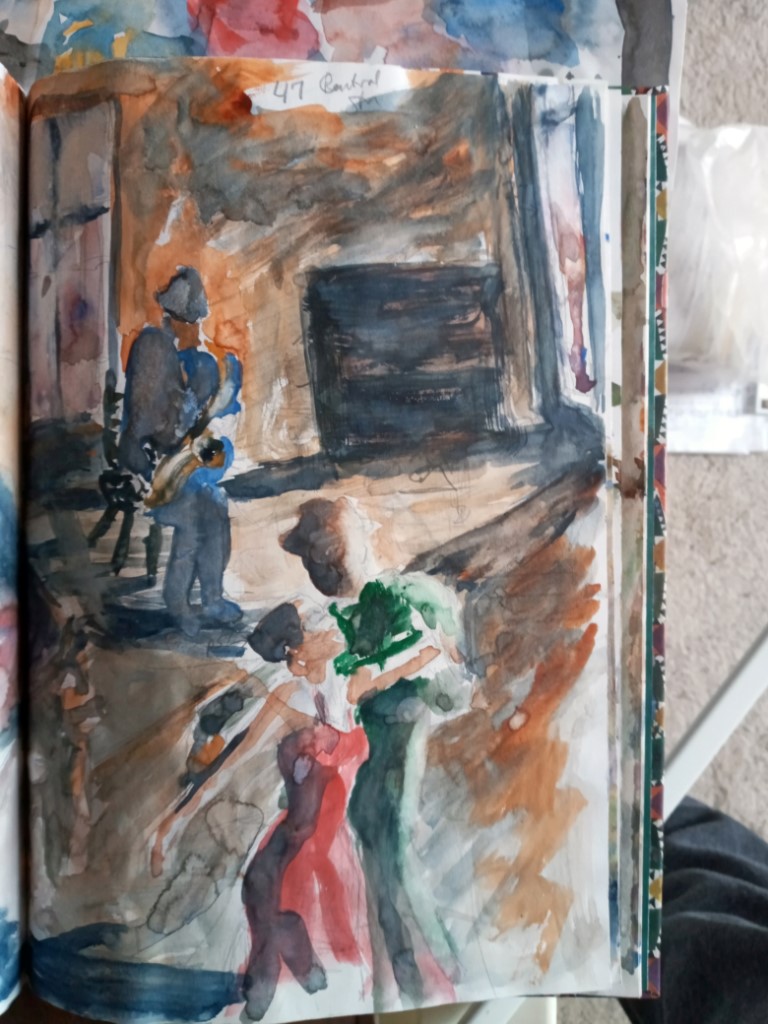
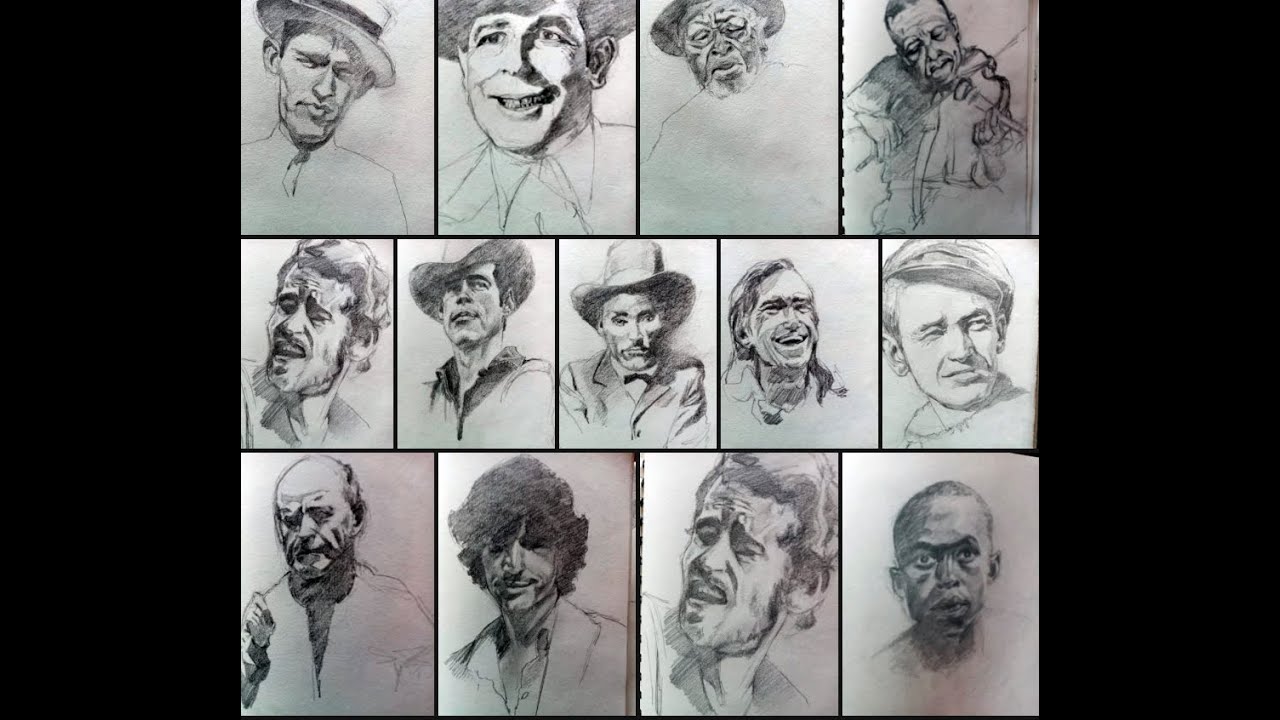
This was the home of Paul and his wife Edith. Paul grew up in Windsor, Ontario. He began drawing with a pencil at the age of 4. By the age of 17, Paul was playing the trumpet. When he began listening to Ray Charles, Paul converted to soul, jazz and blues music.

In the 1960s he played in Ronnie Hawkins’ band.

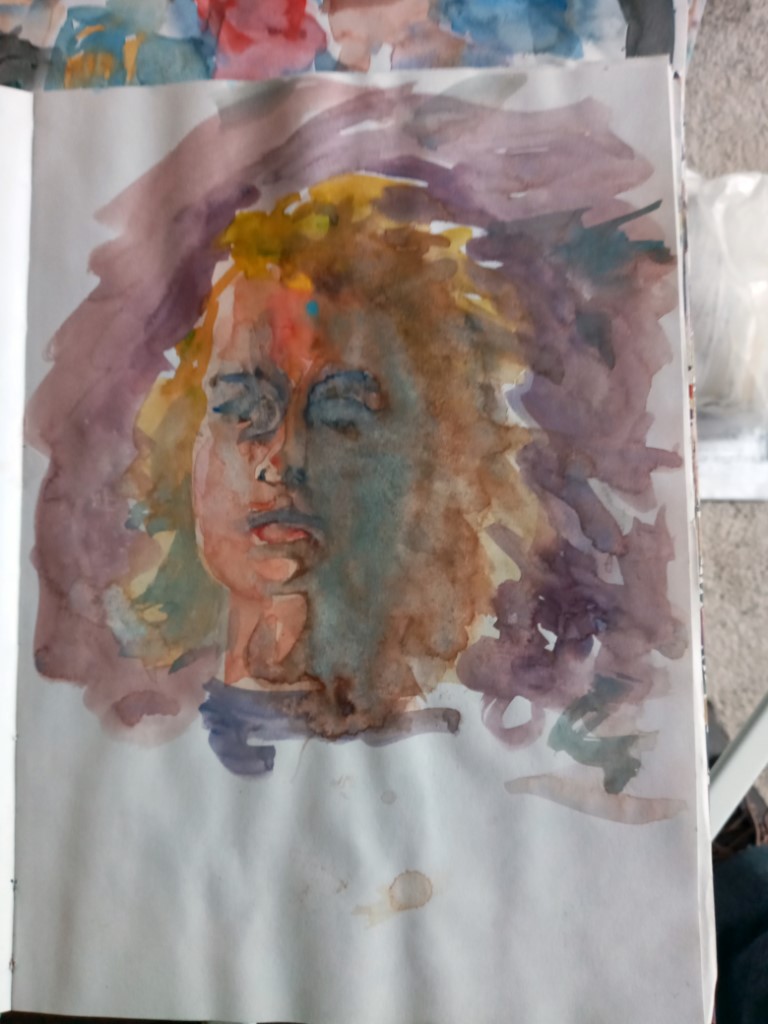
Paul’s father was a painter and provided Paul with lessons in drawing. Paul was inspired to begin painting and sketching the African-American musicians he was fond of listening to. By 1993 he became more serious about his paintings and by 1998, he had painted approximately 200 paintings. Some of the commissioned works Paul has created are shown in homes in the USA, U.K. and Europe. He also sells his work on E-Bay, evidence of which was discovered when I explored the house (see video).

In the late 1990’s he played saxophone for local jazz festivals and was in a gospel band.

The Exploration

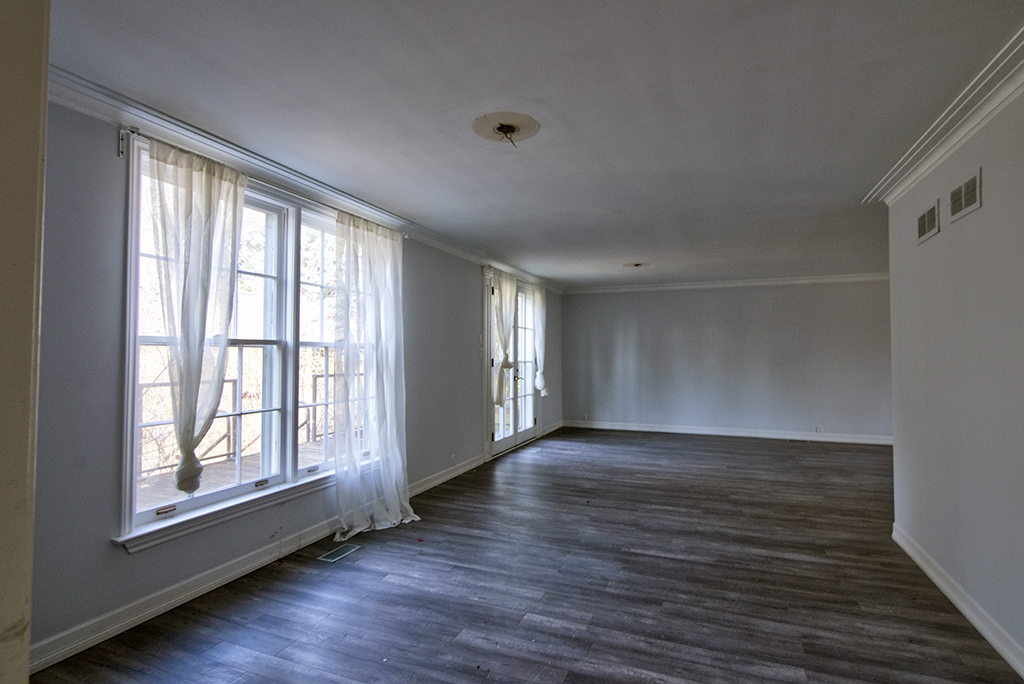
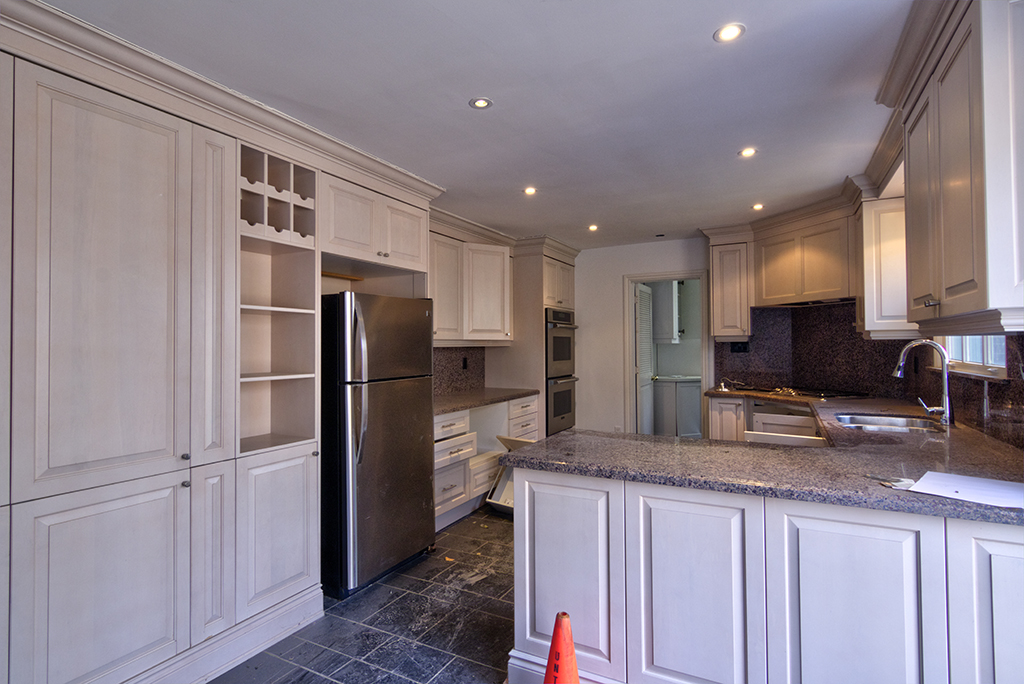
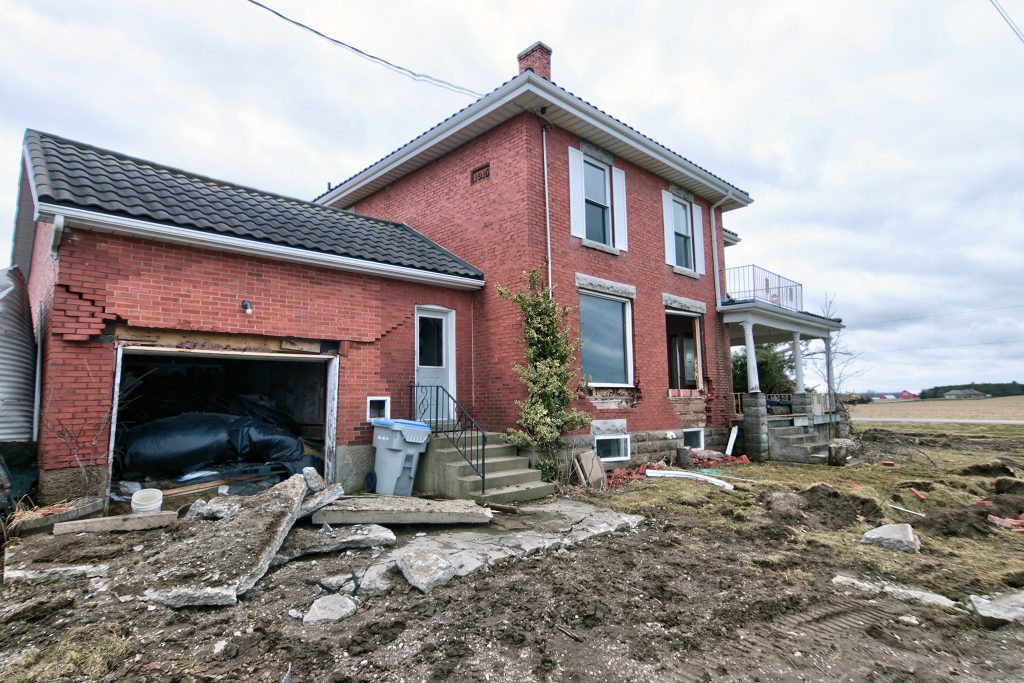
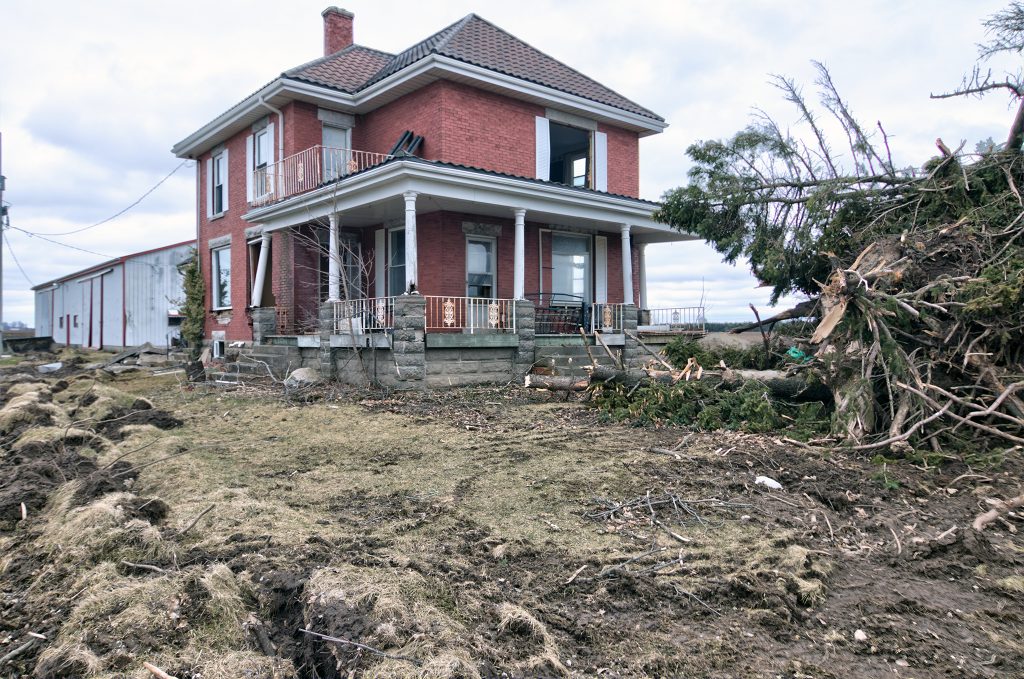
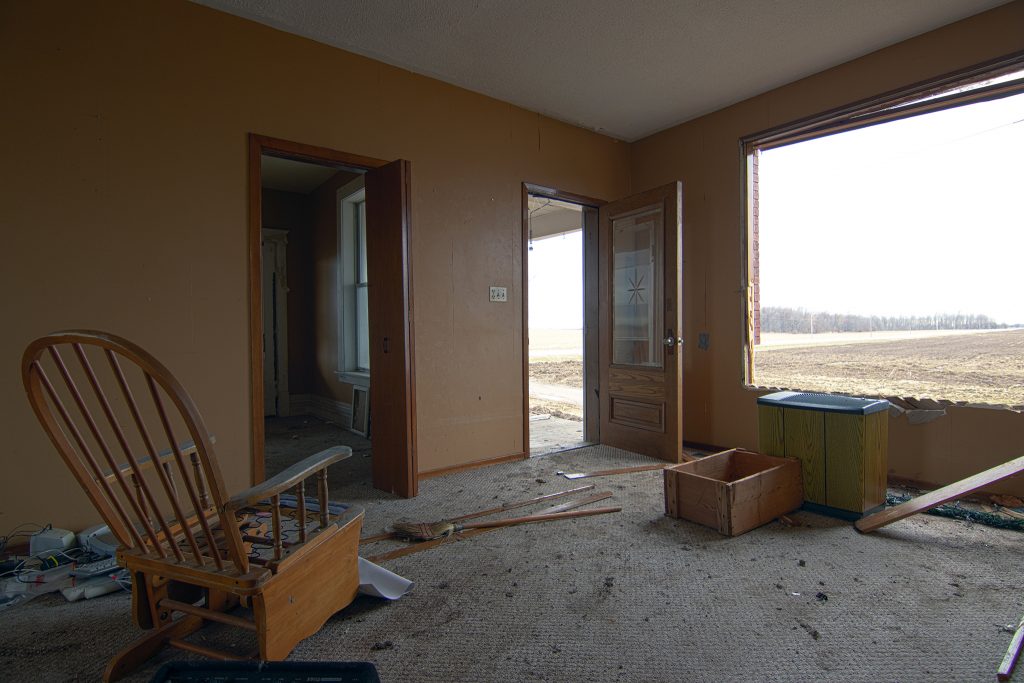
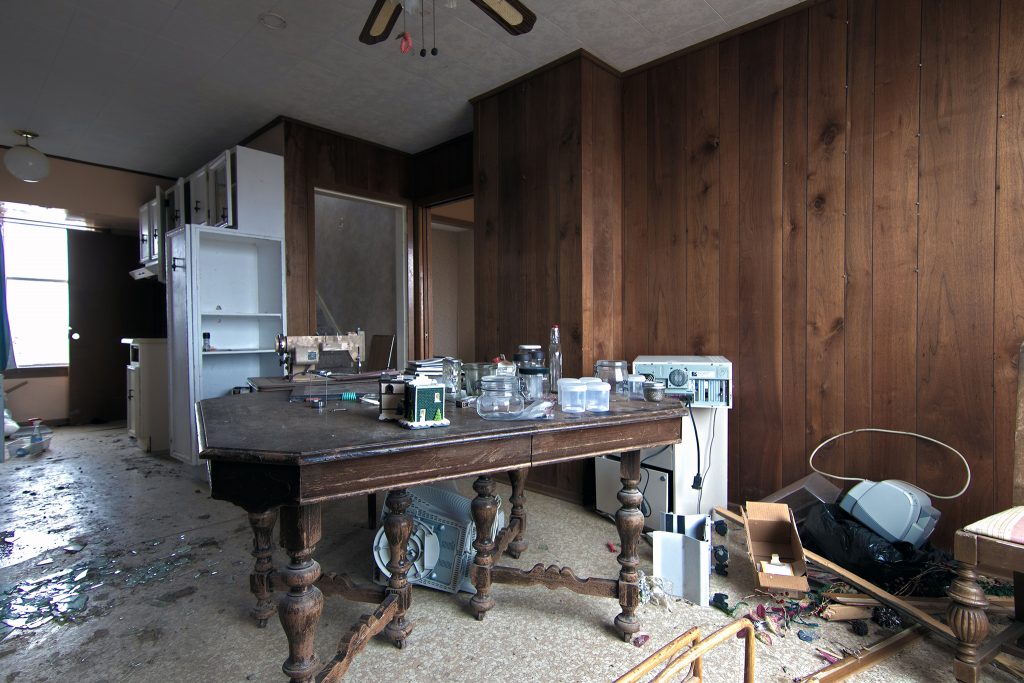
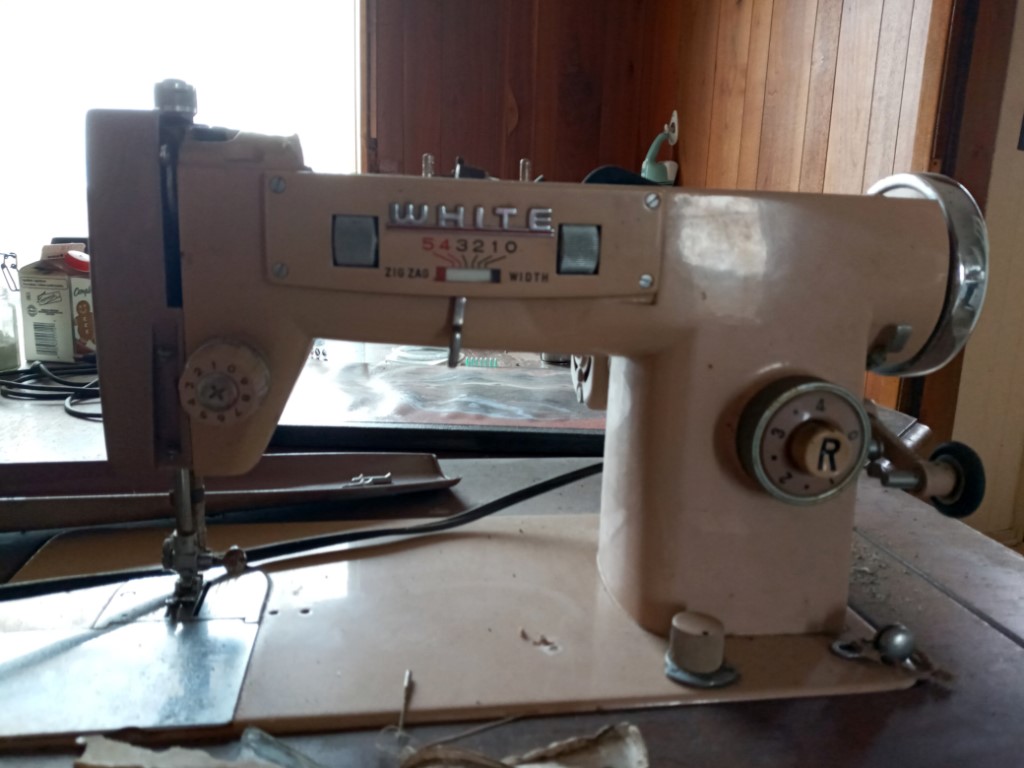
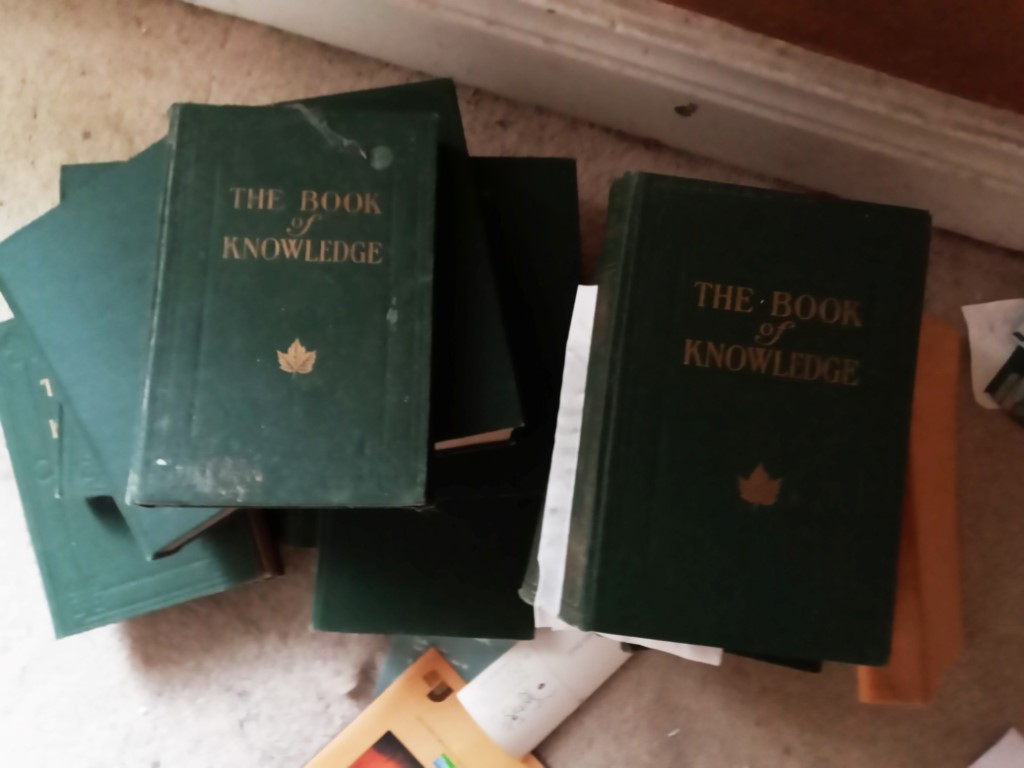
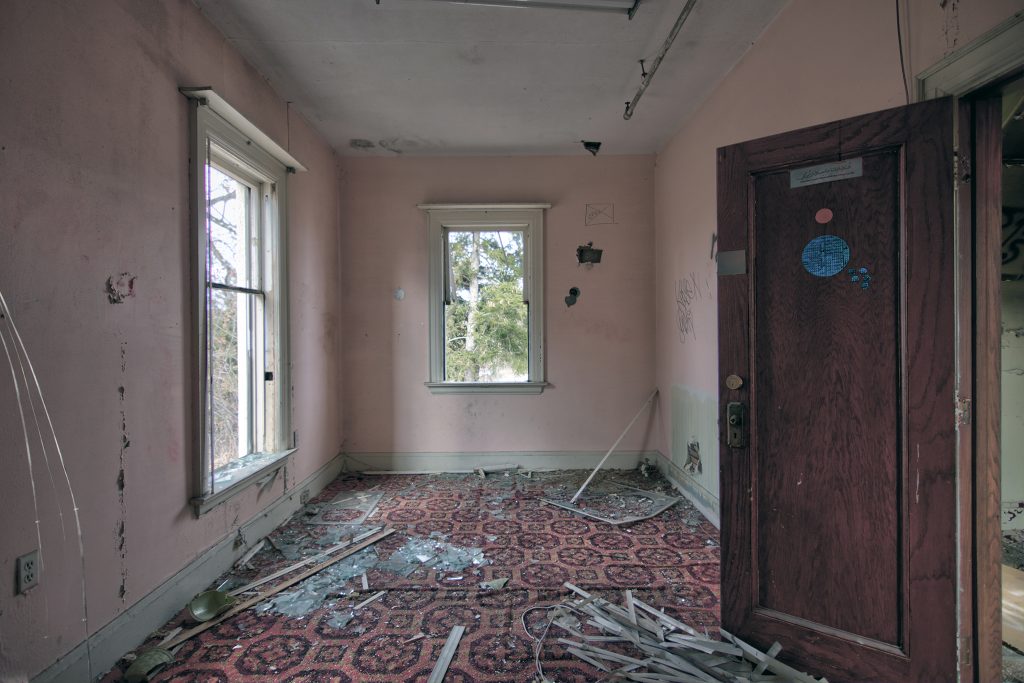
The house has had some of its windows removed, most of the contents are gone except for what was unwanted (old computer accessories and sketch books). Paul left behind his electronic keyboard, mixing board and guitar amplifier. There are two large outbuildings which are also empty. The front lawn has been torn up and the trees uprooted. This house doesn’t have long before the bulldozer will come in and tear it down.

I do not own the rights to Paul’s work, they remain his copyright. A huge thank you to Jason E. for sharing this place with me.


Mobile Photo Photos

The Soul-Man Artist House - Hundreds of Sketches & Paintings Left Behind (Ontario, Canada)

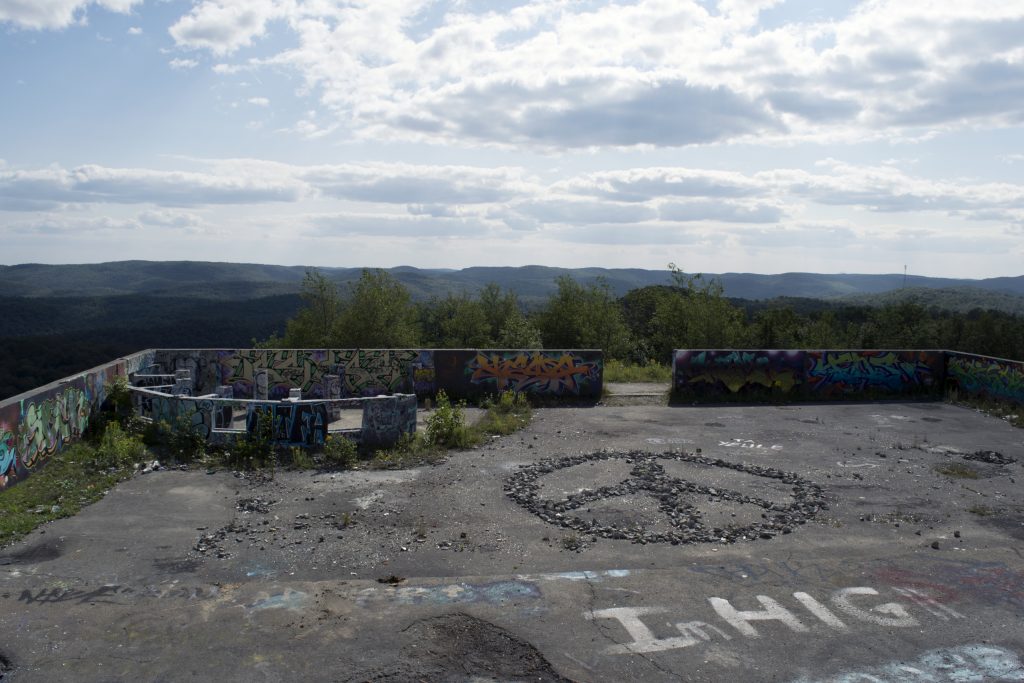
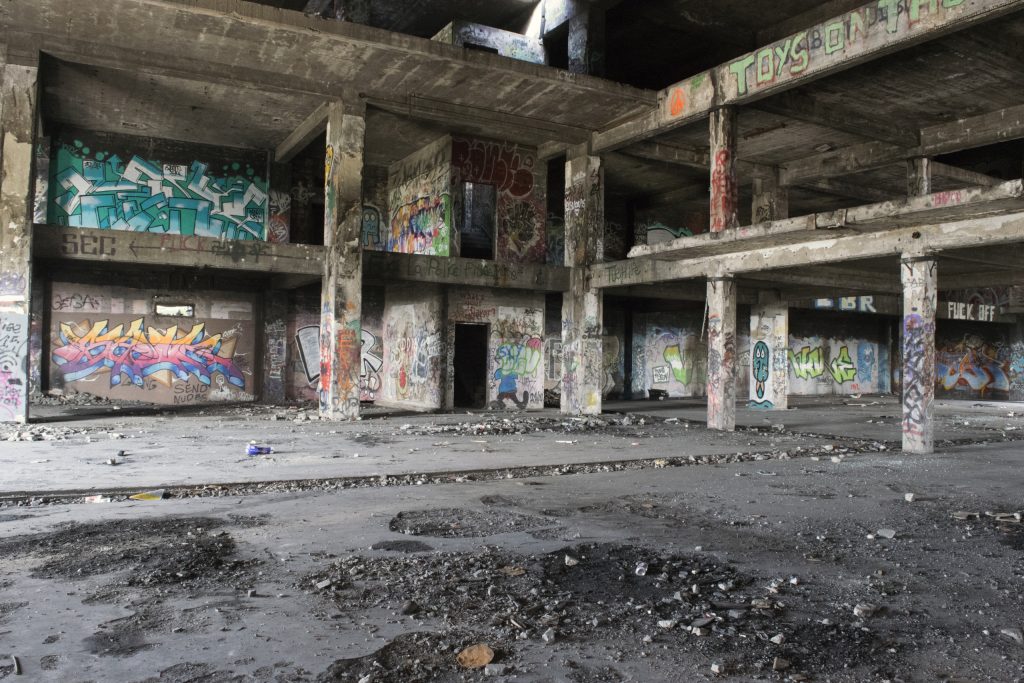
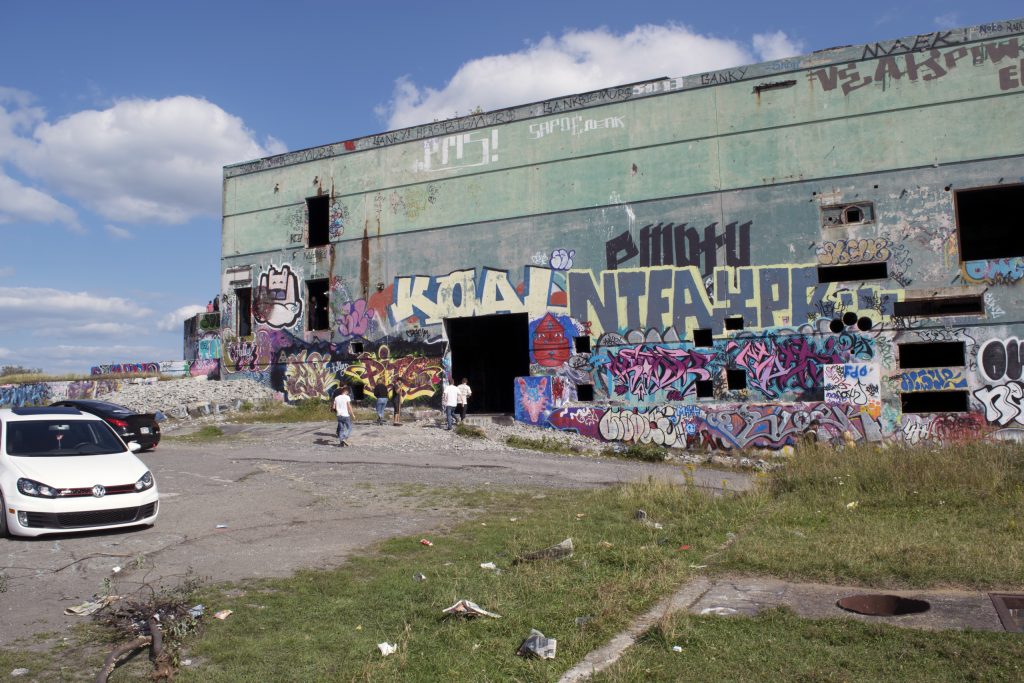
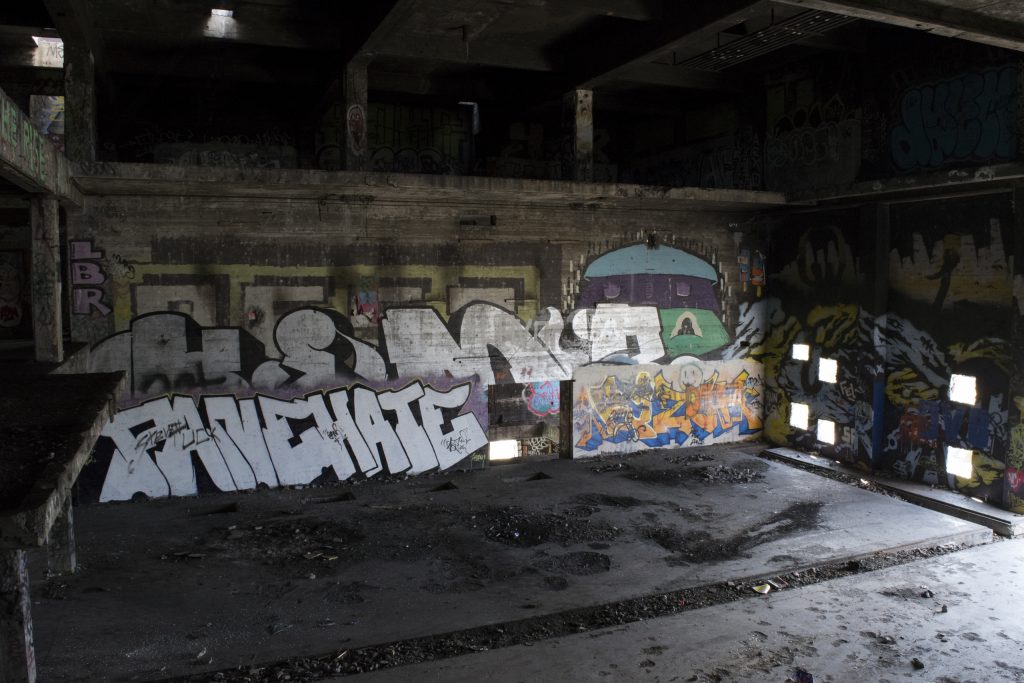
CFS Lac St. Denis

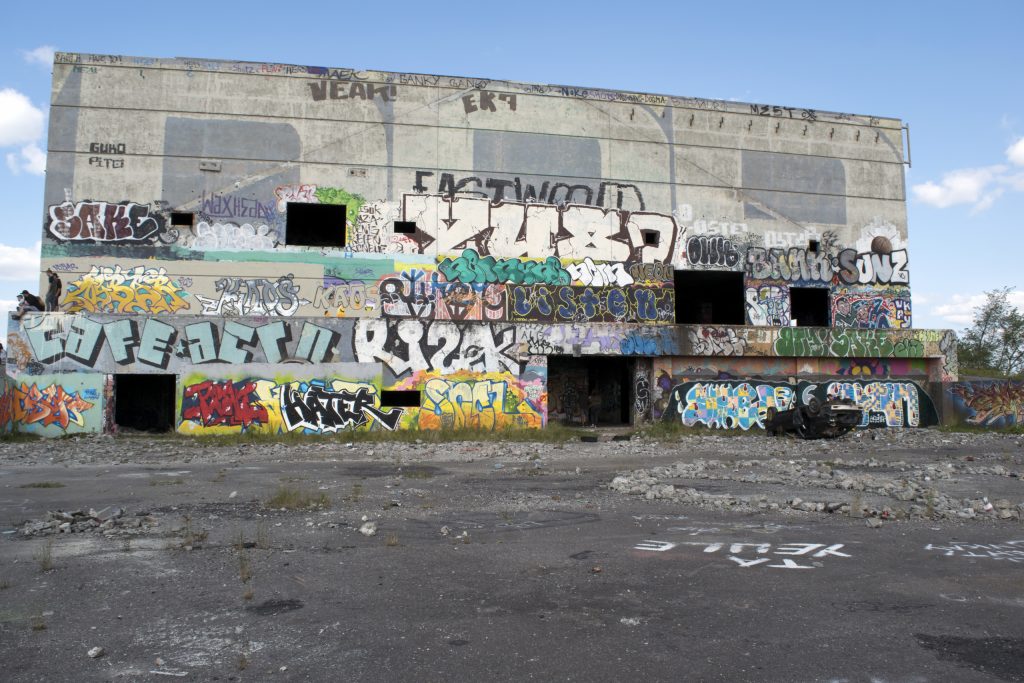
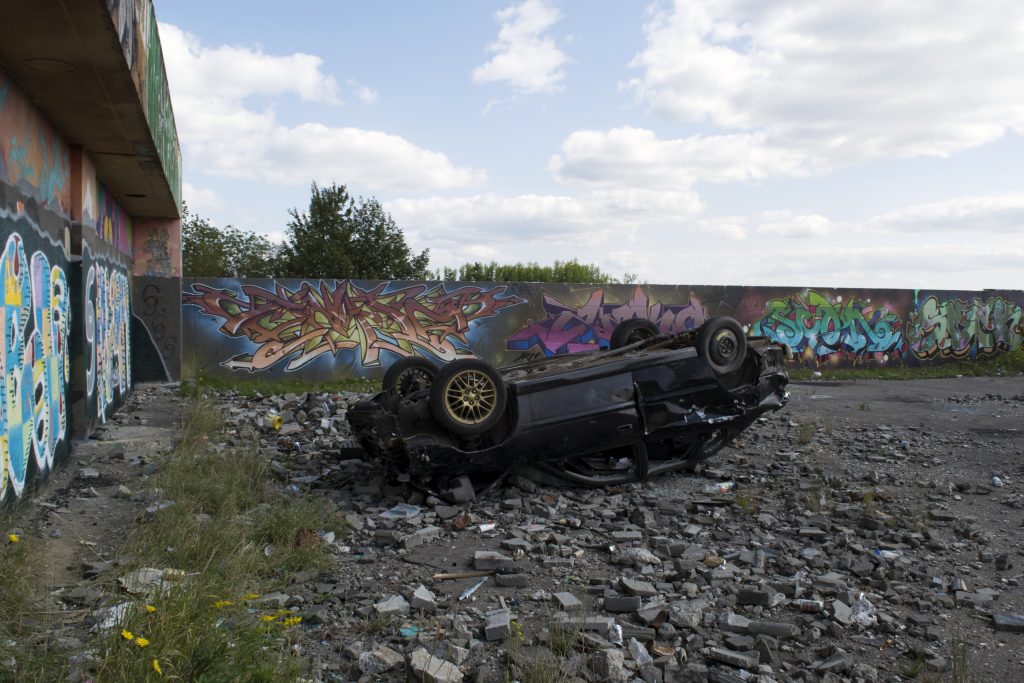
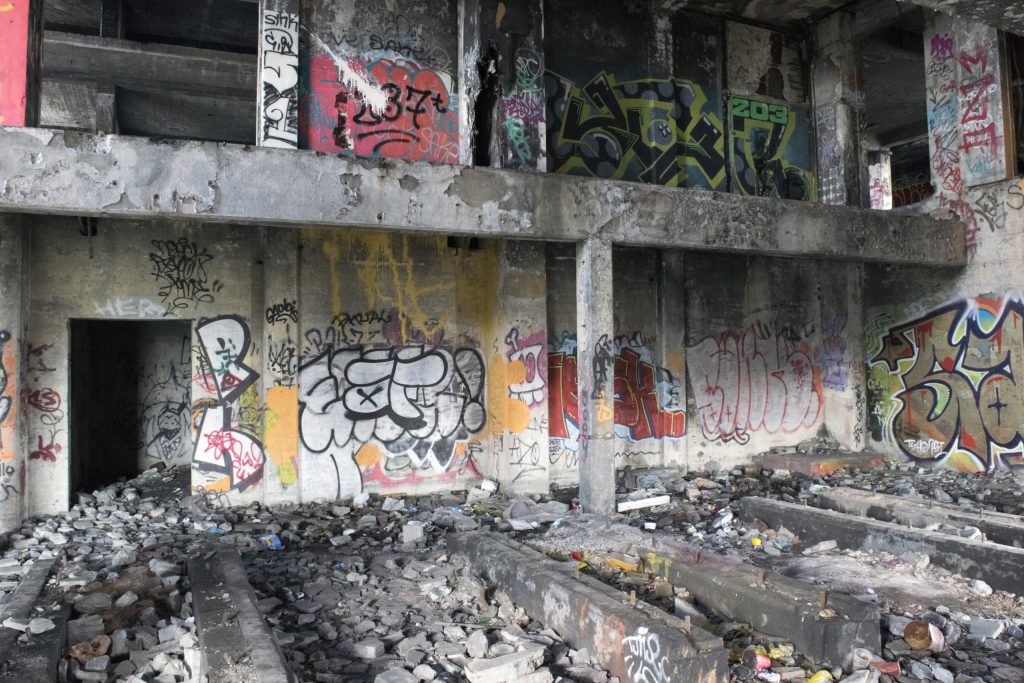
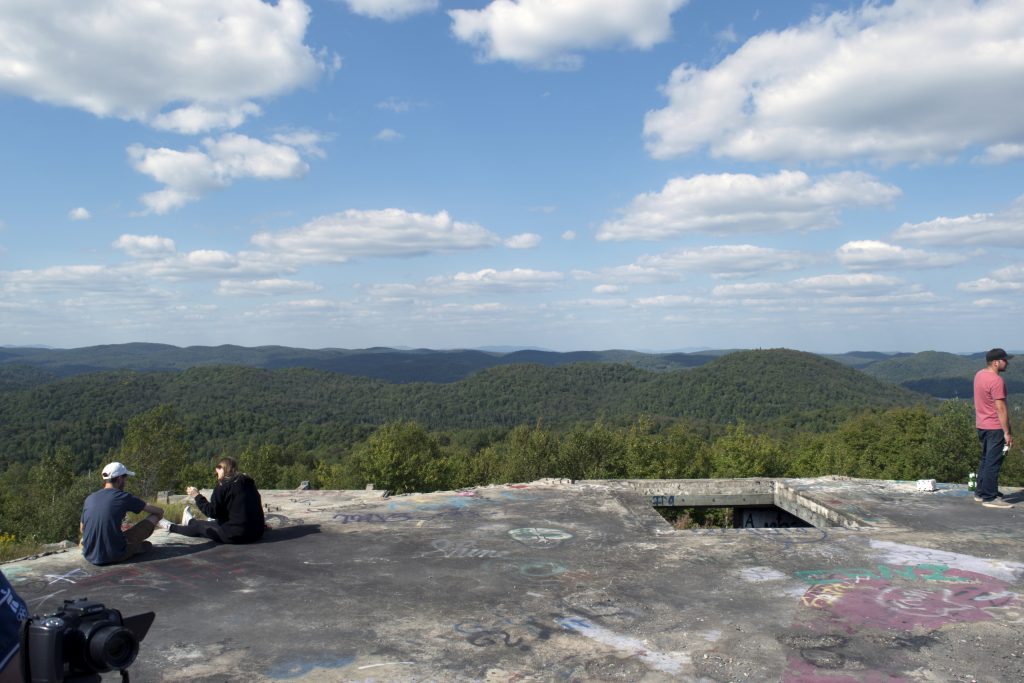
The Lac-St-Denis military base was located in Saint-Adolphe-d’Howard on top of the Lac St. Denis Mountain. It was constructed between 1949 and 1952 and began operating on July 1, 1952. The base was initially called No. 202 RCAF Radio Station Lac St. Joseph. It’s purpose was initially kept a secret, leading civilians to wonder if the facility was being used for nuclear weapons. The actual purpose was to monitor the airspace for enemy missiles and aircraft curing the Cold War era.  Eventually the RCAF would allow public tours, which alleviated concerns from the public. Civilians were able to access the property for various activities including use of the pool in the recreation centre. Golfing and bowling were also offered as recreational activities.

In October of 1952 the base’s named was changed to RCAF Station Lac St. Denis.

Children on the base were bused to Morin Heights School. Staff lived in a small community of residences on the shore of the lake with Private Married Quarters (PMQs) and barracks for single airmen and airwomen.

The base was part of the Pinetree Line which consisted of a network of 33 radar stations under Canadian-American jurisdiction extending along the 49th parallel. The radar base ceased operating in December of 1985 and was closed on August 1, 1986.

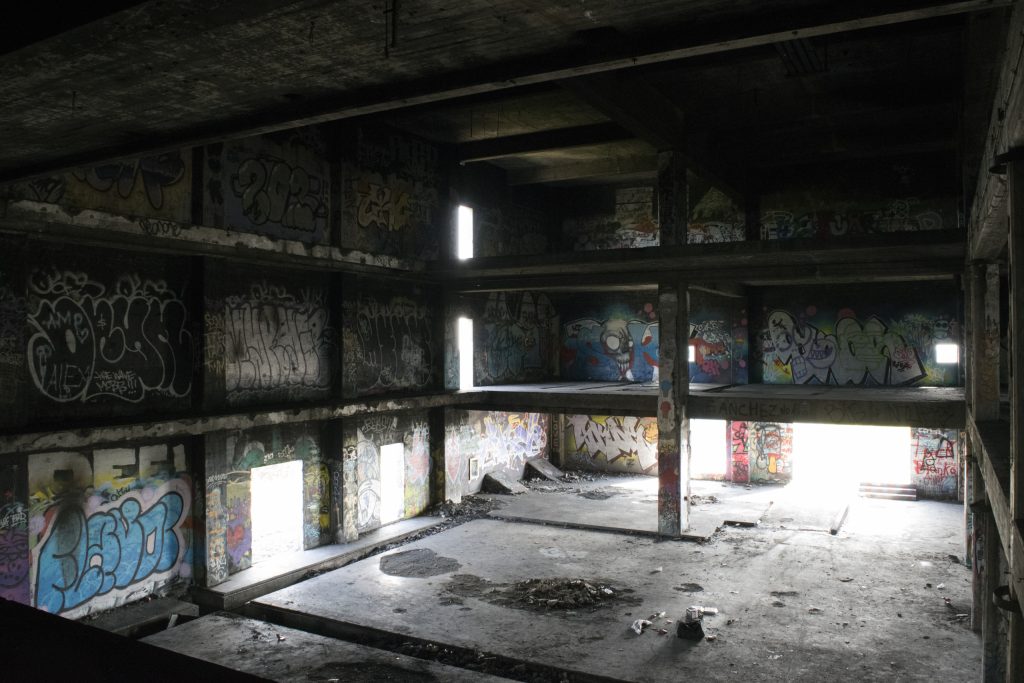
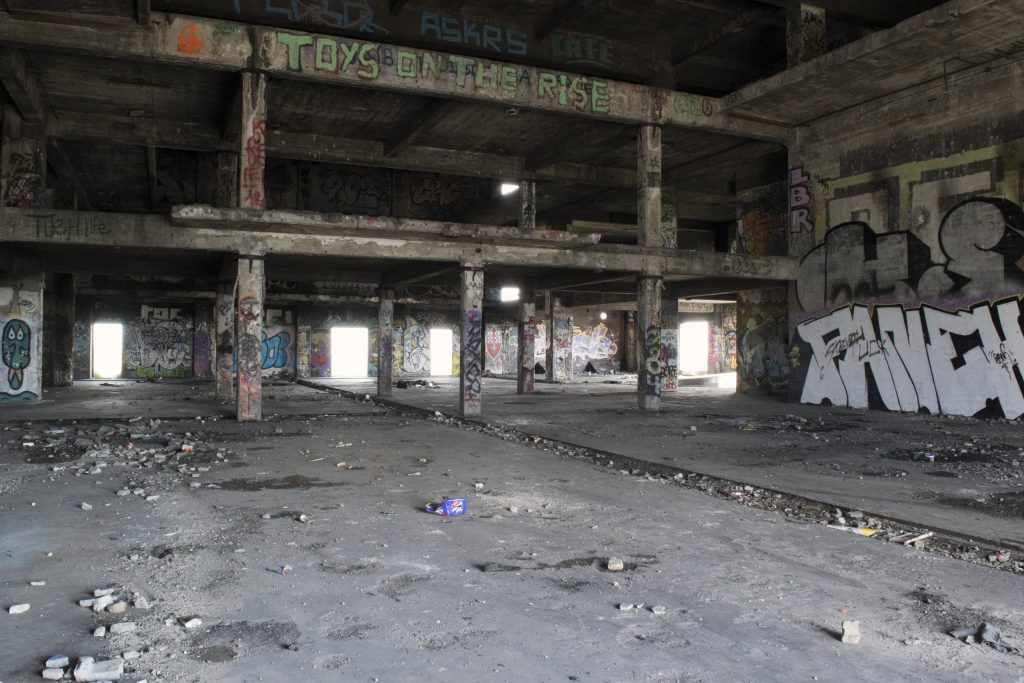
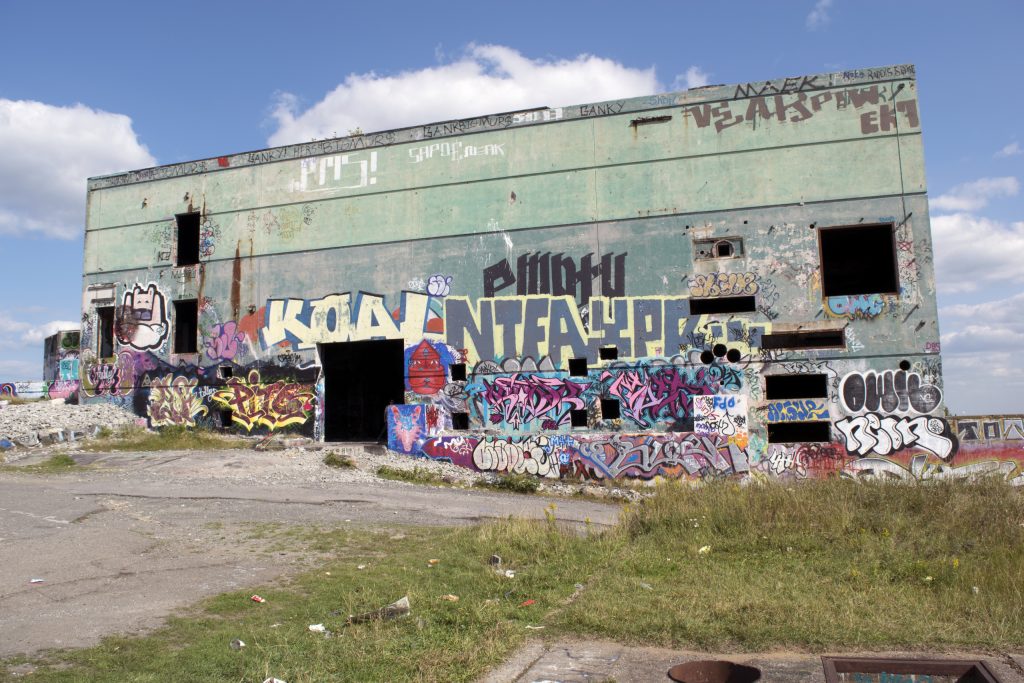
The remains of the former base can be found at GPS: 45.935168, -74.30833.