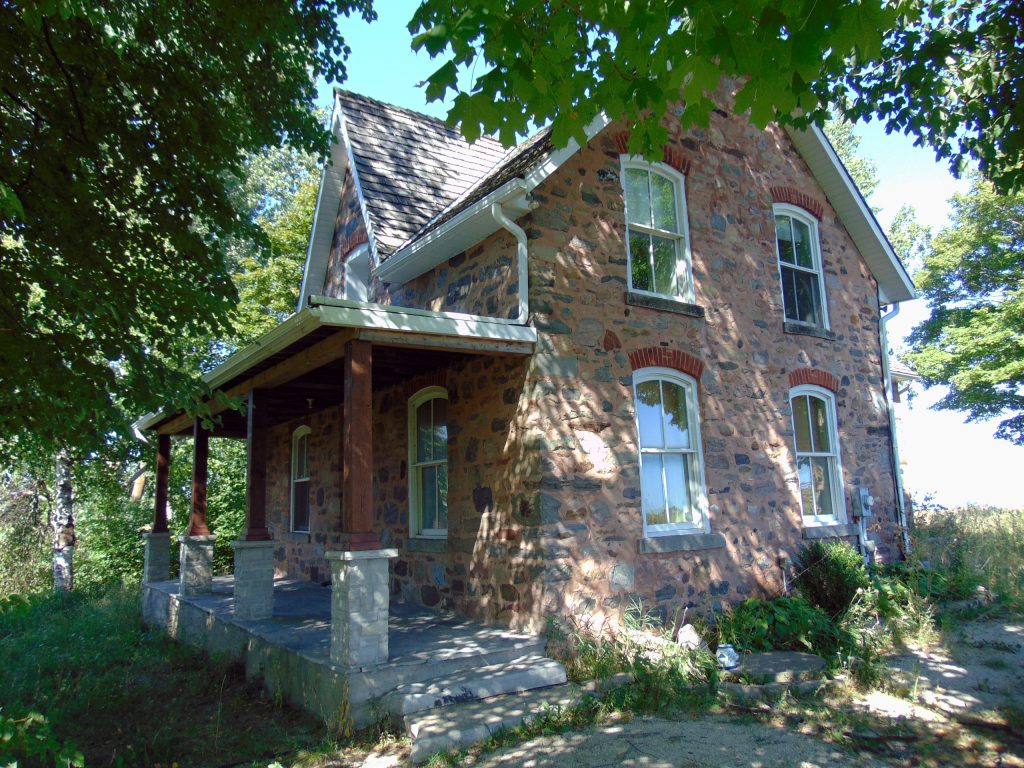
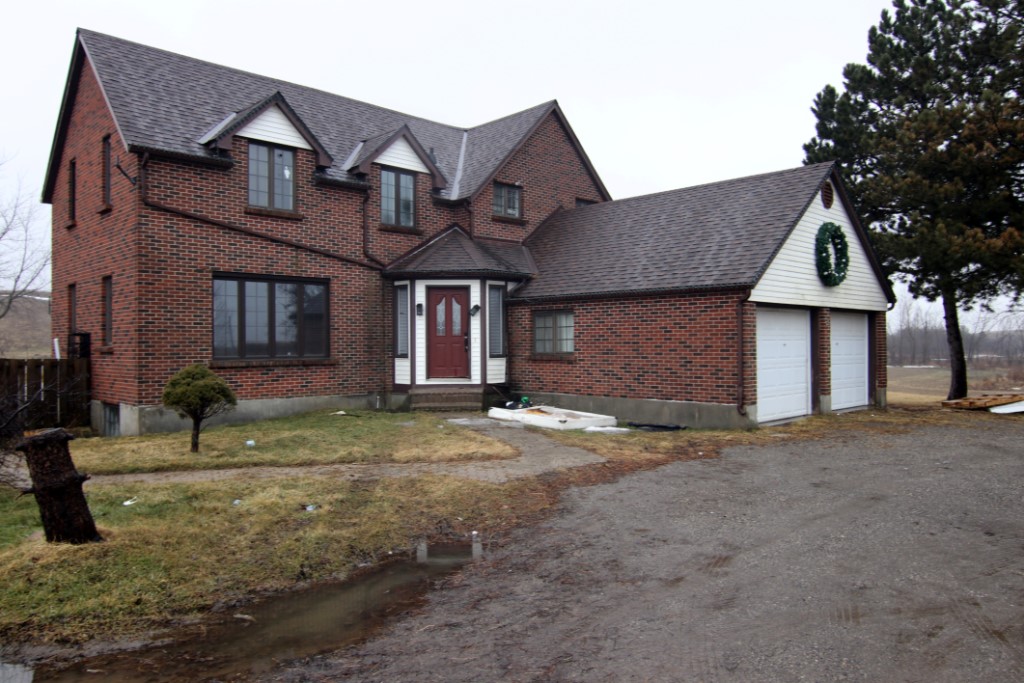
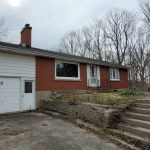
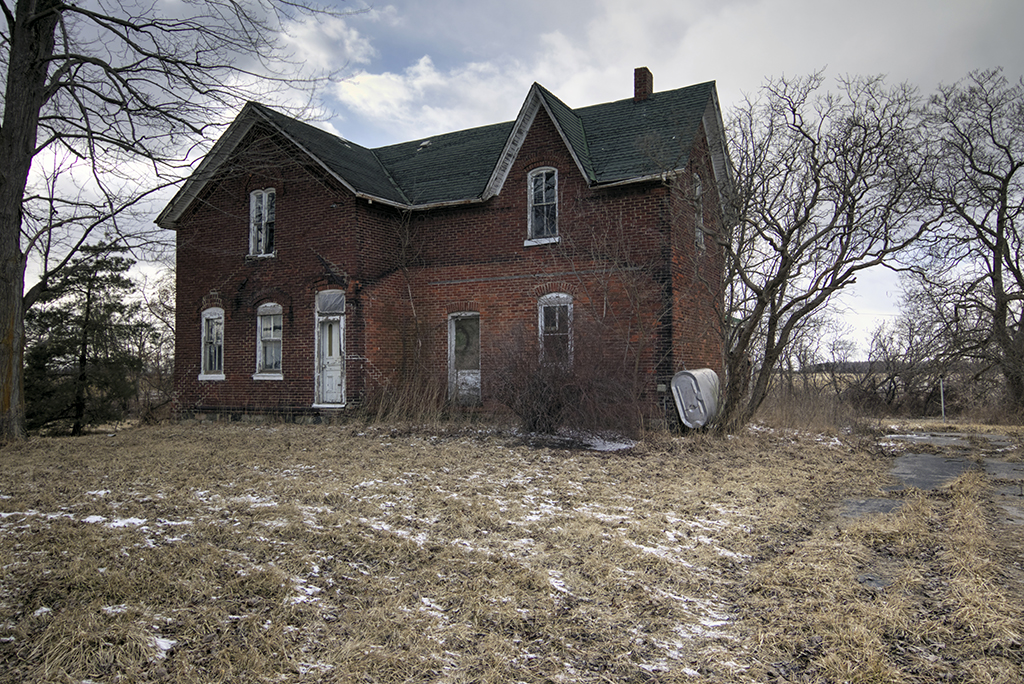
Red Brick Farmhouse

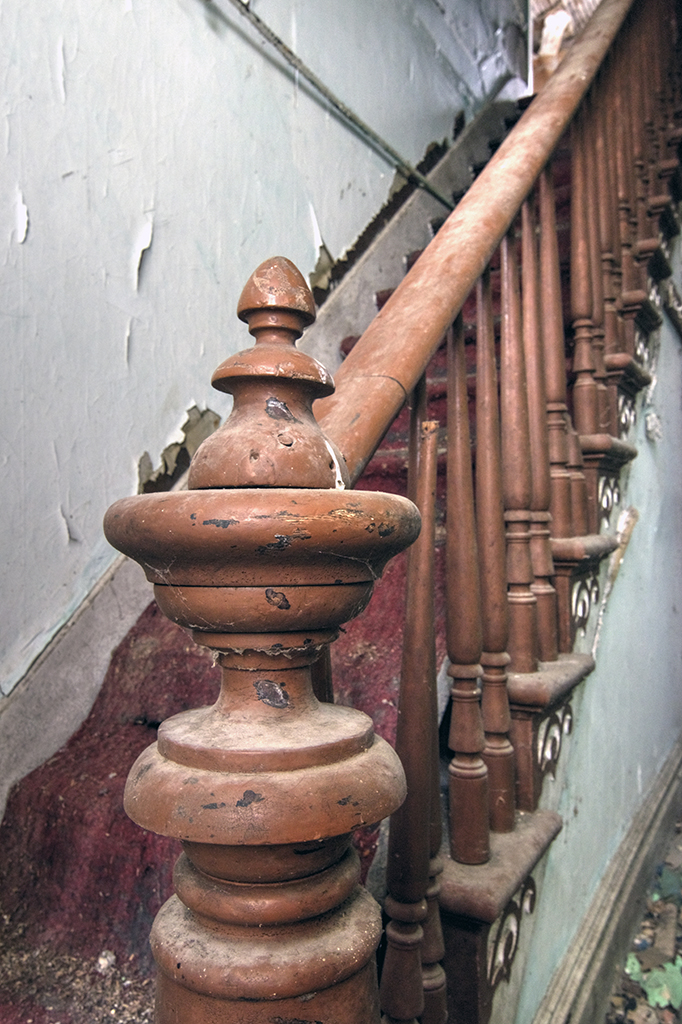
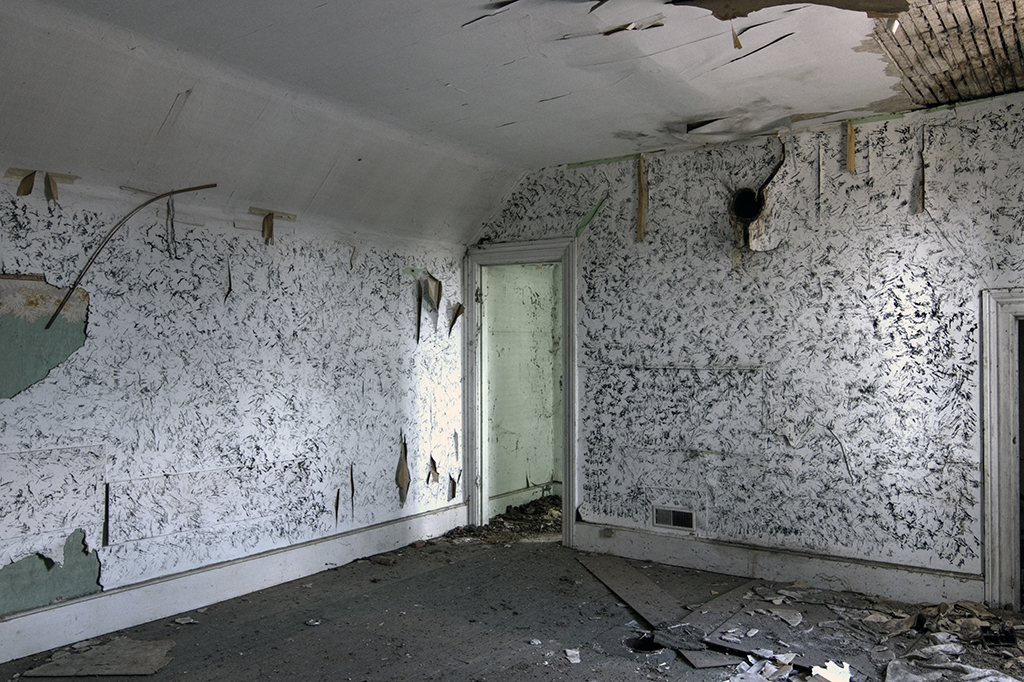
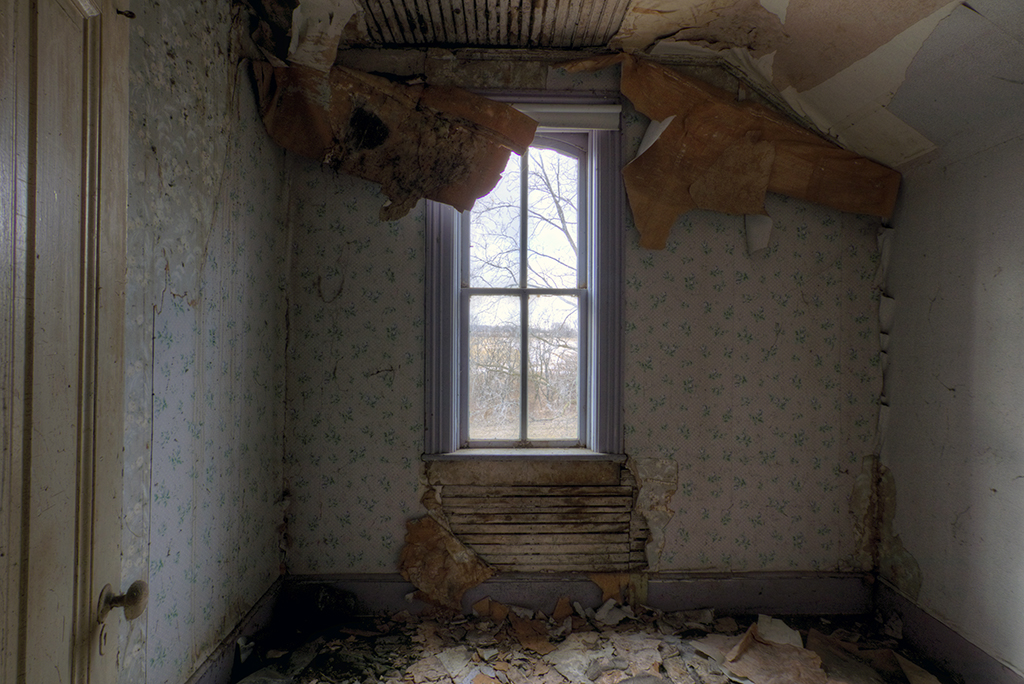
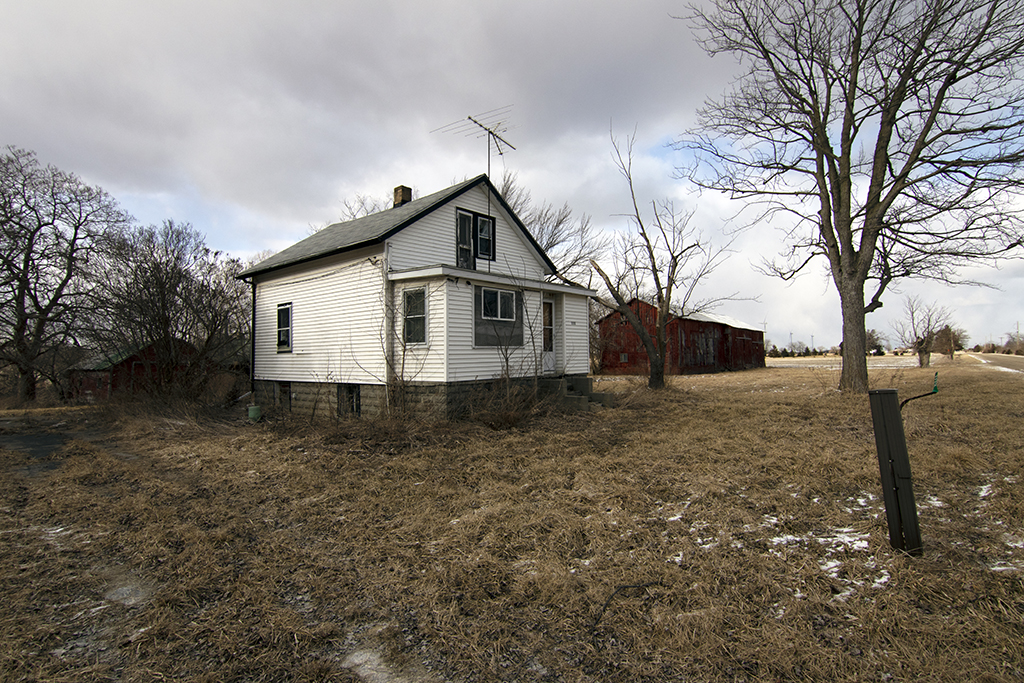
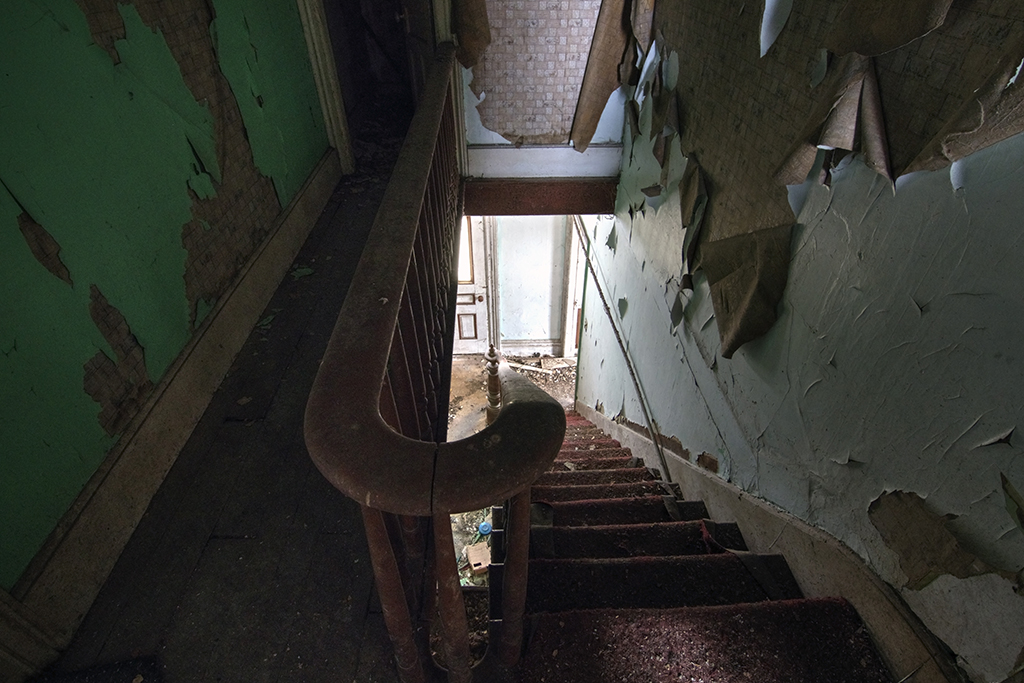
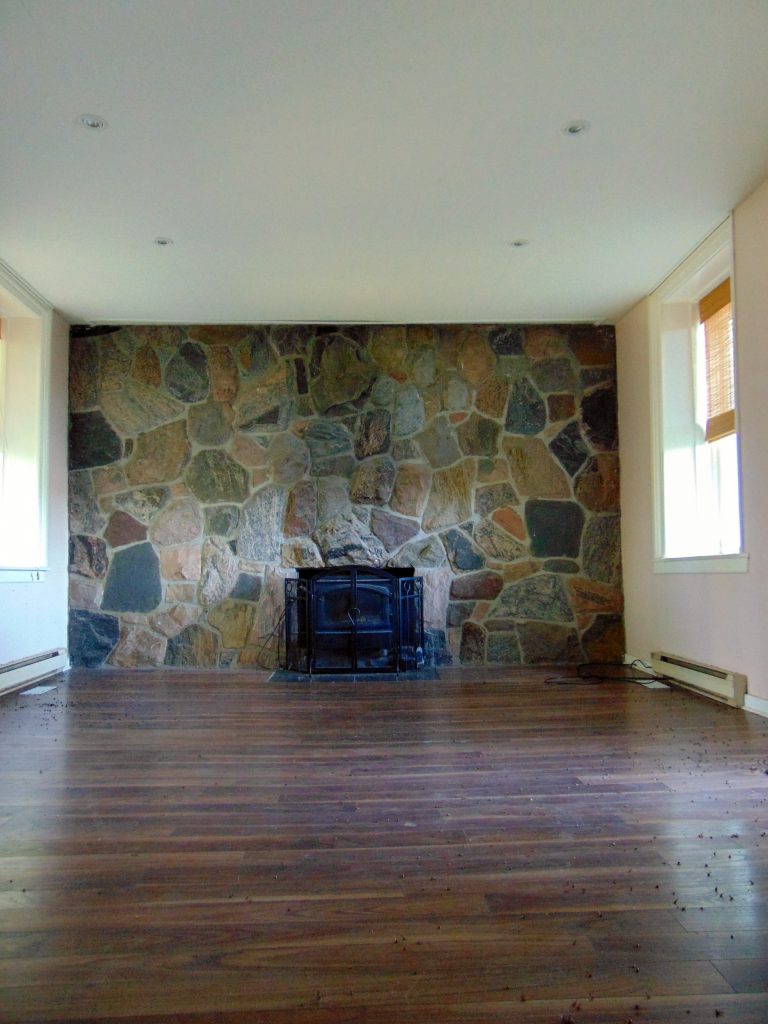
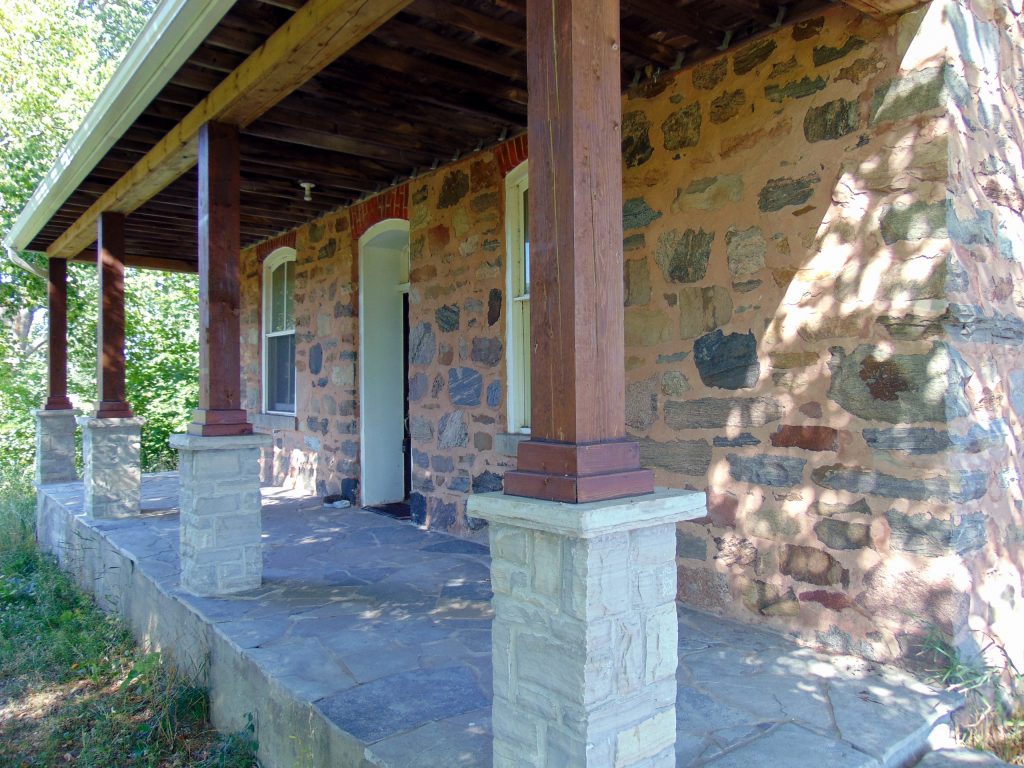
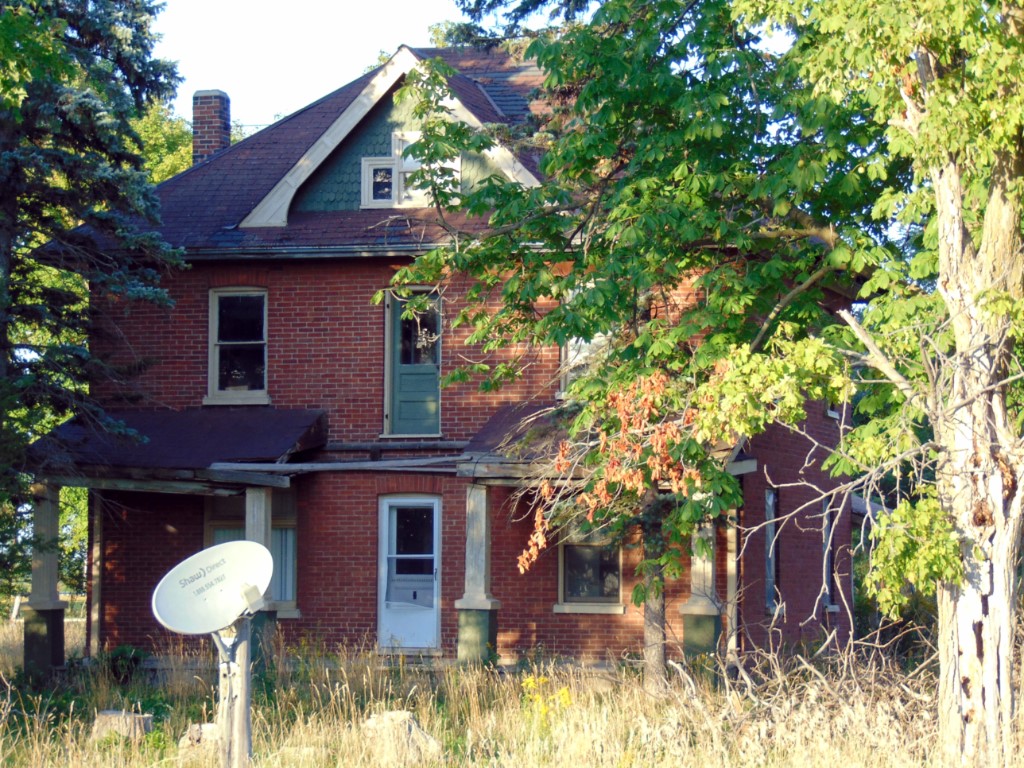
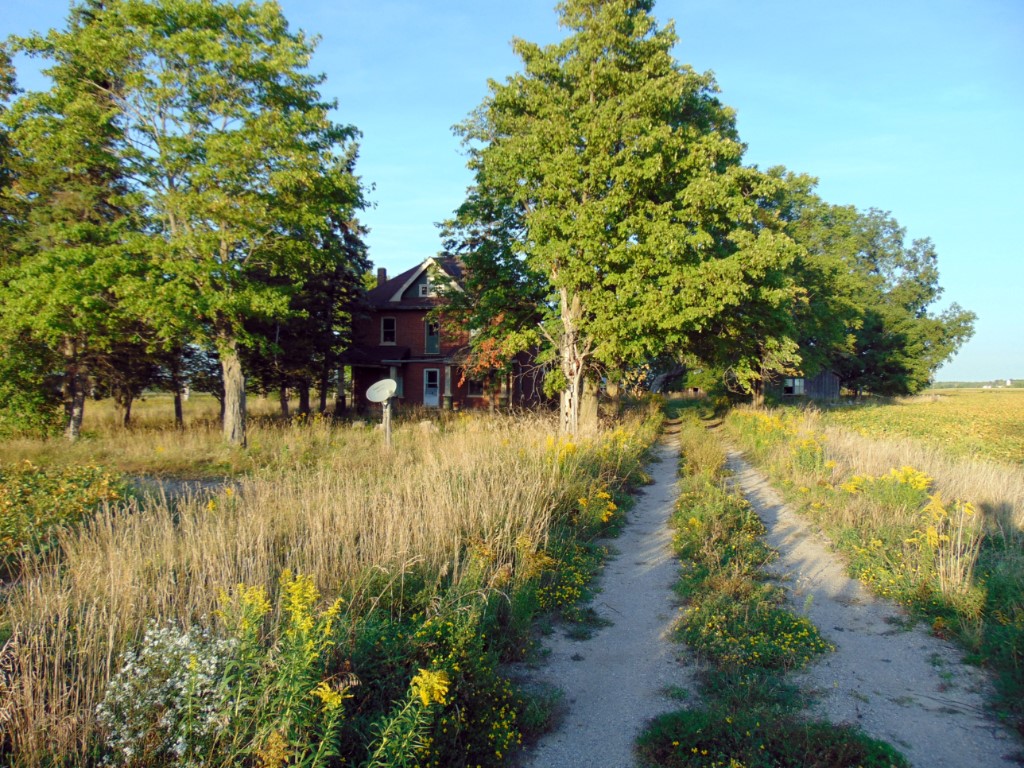
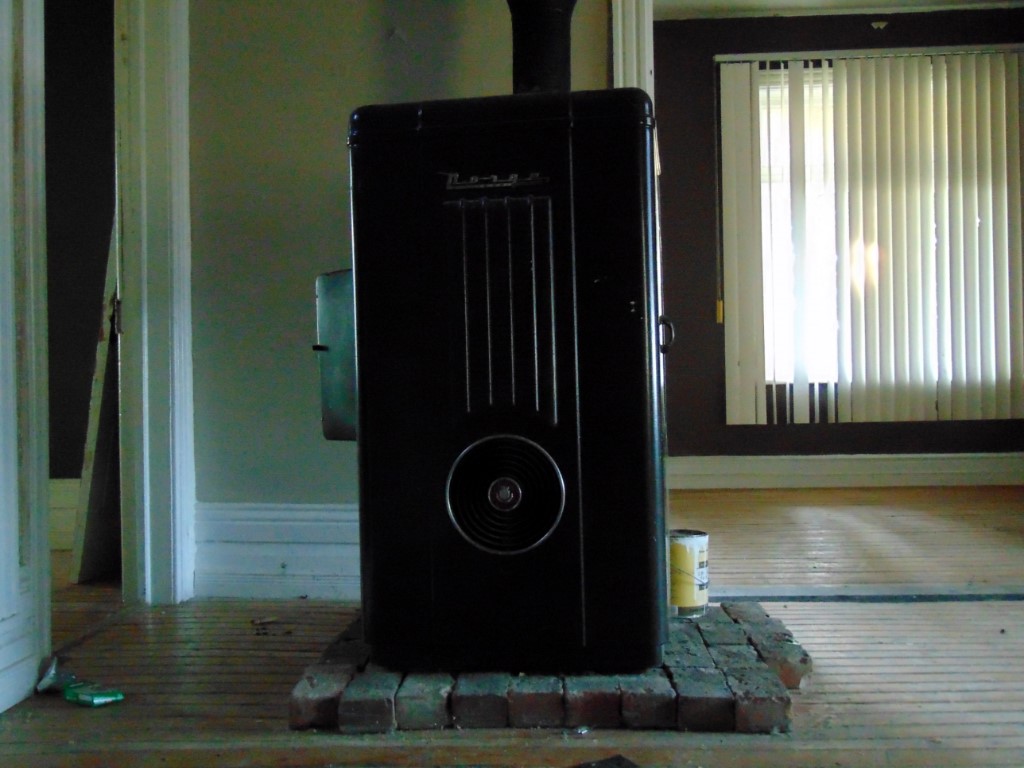
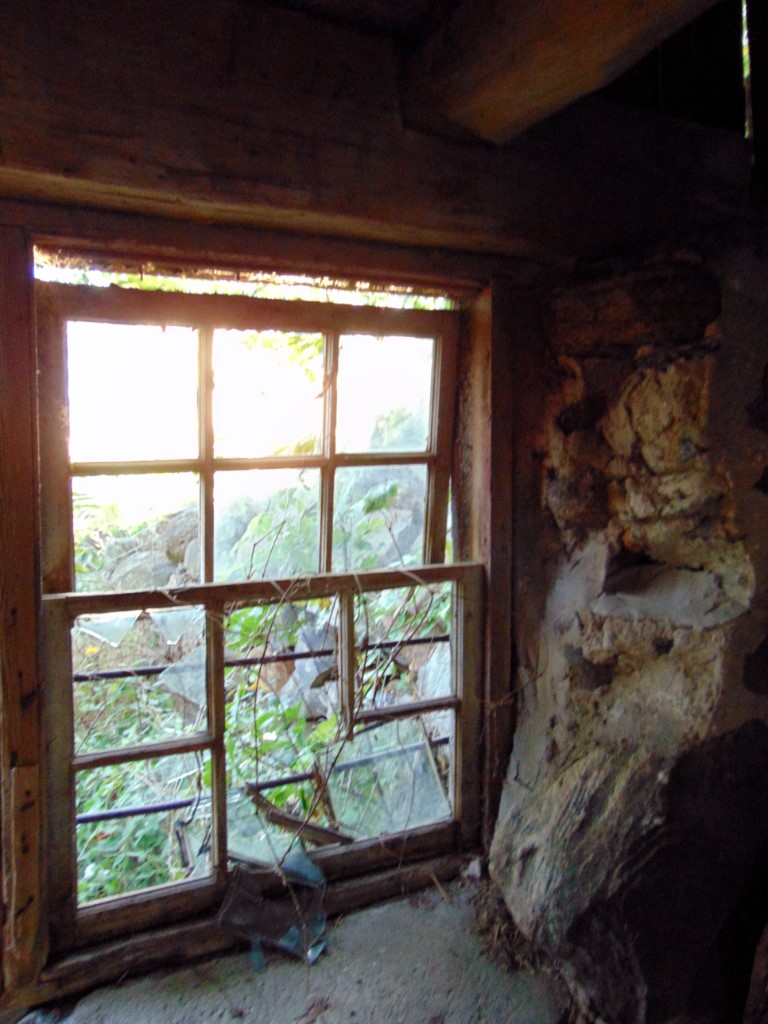
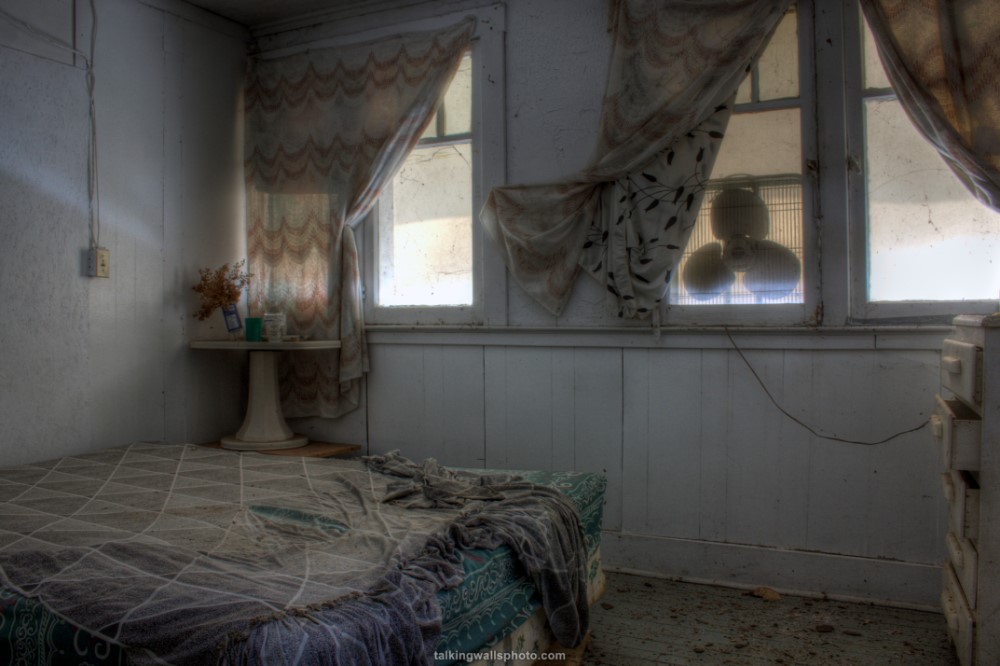
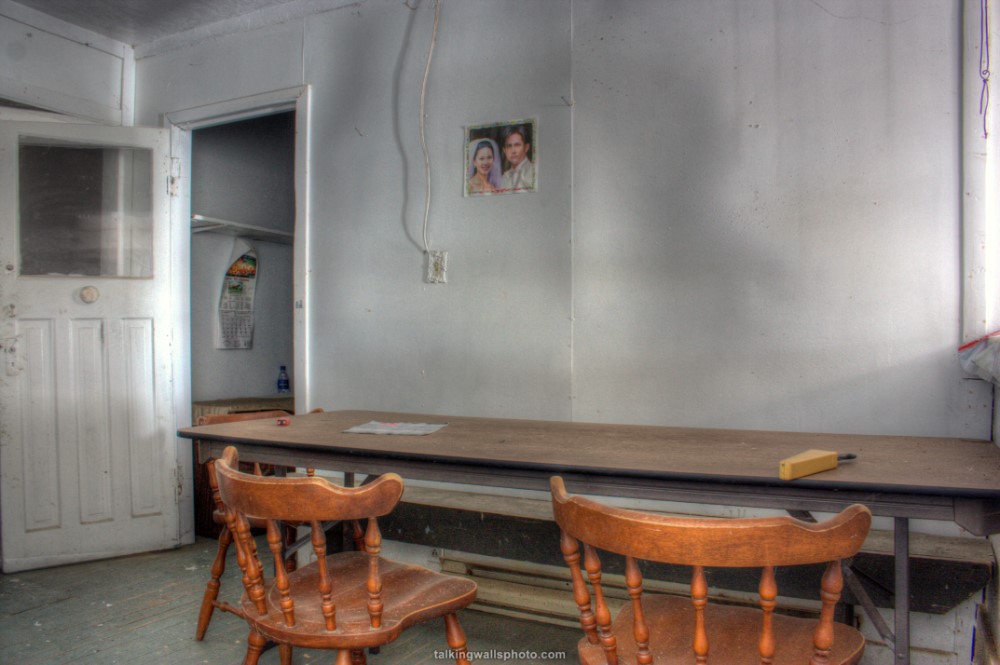
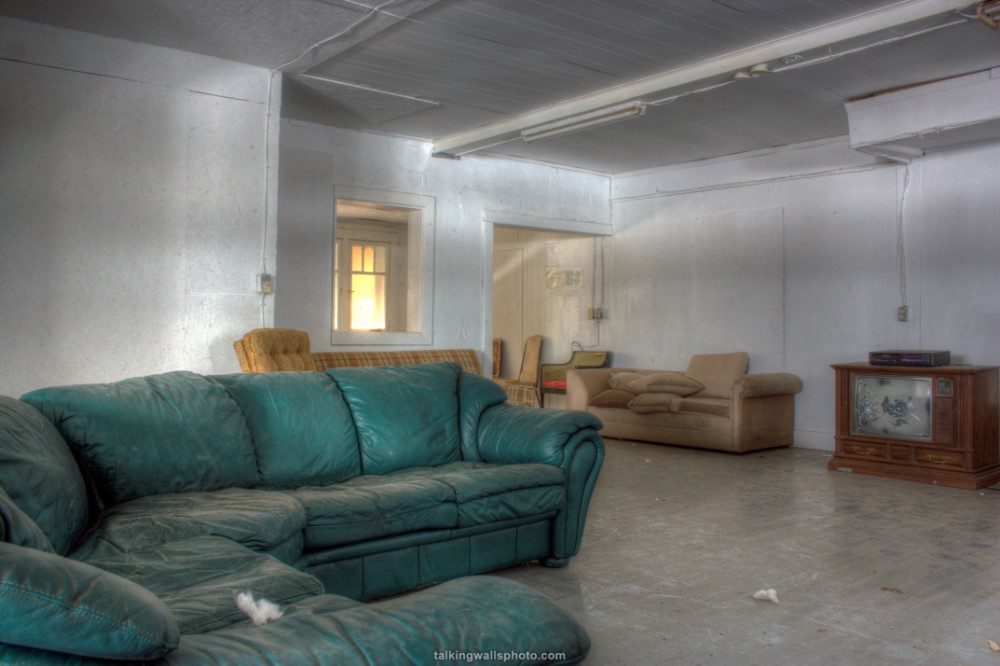
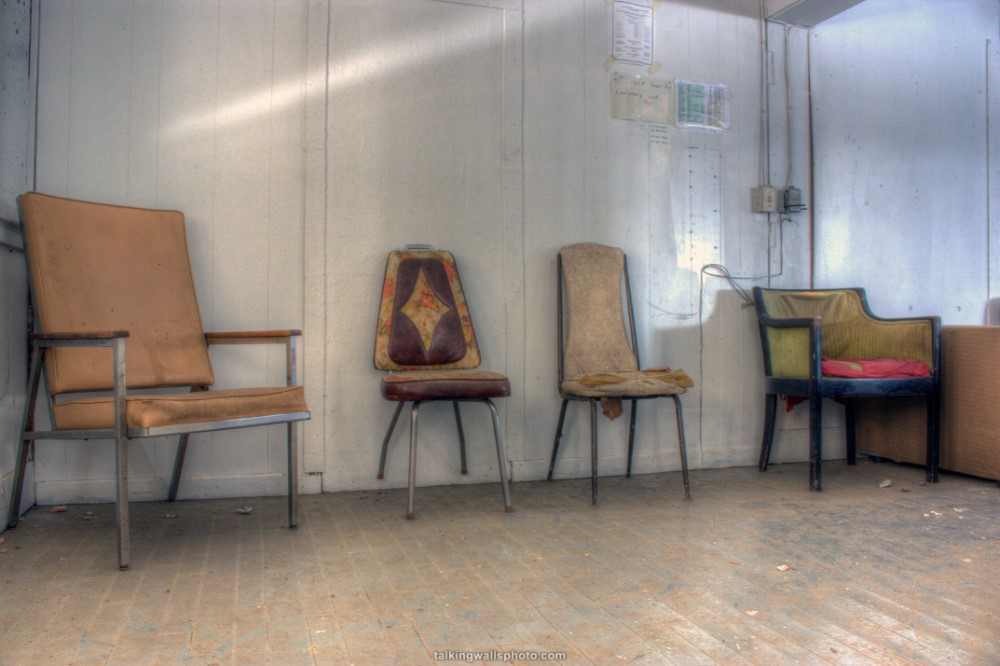
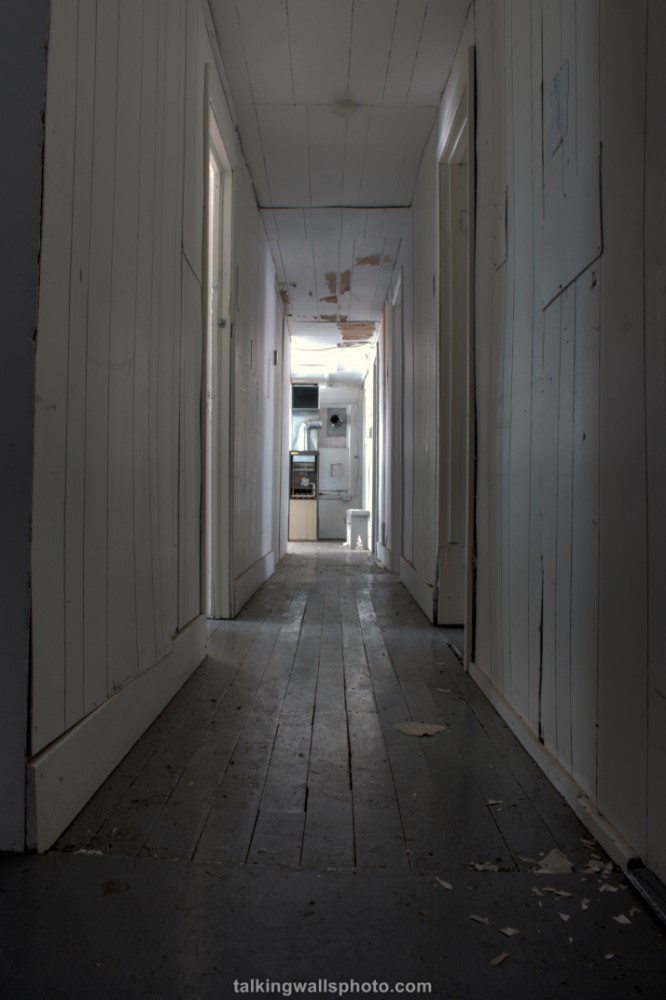
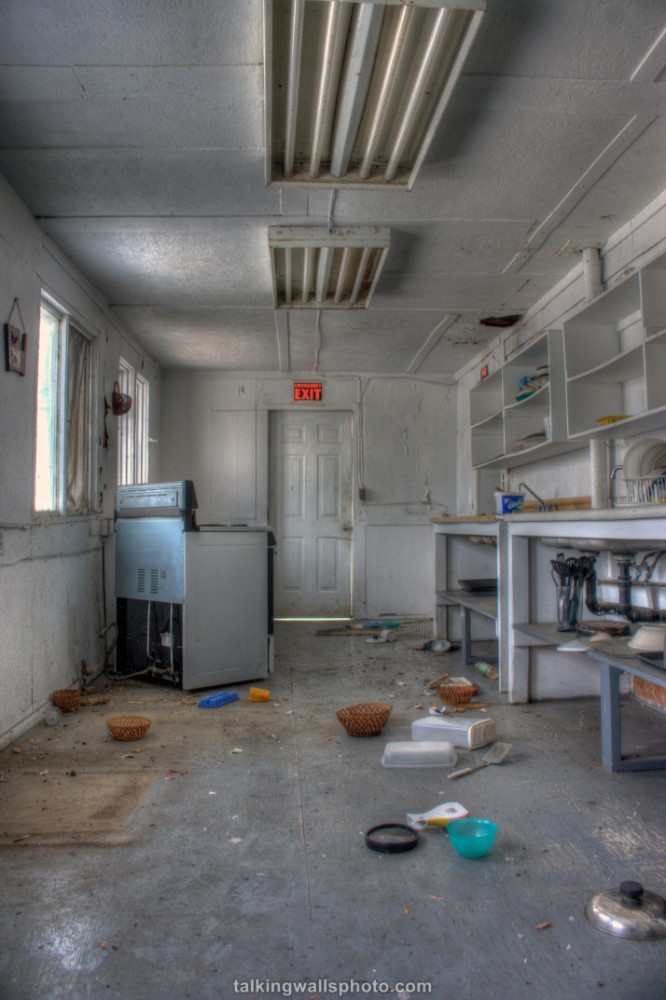
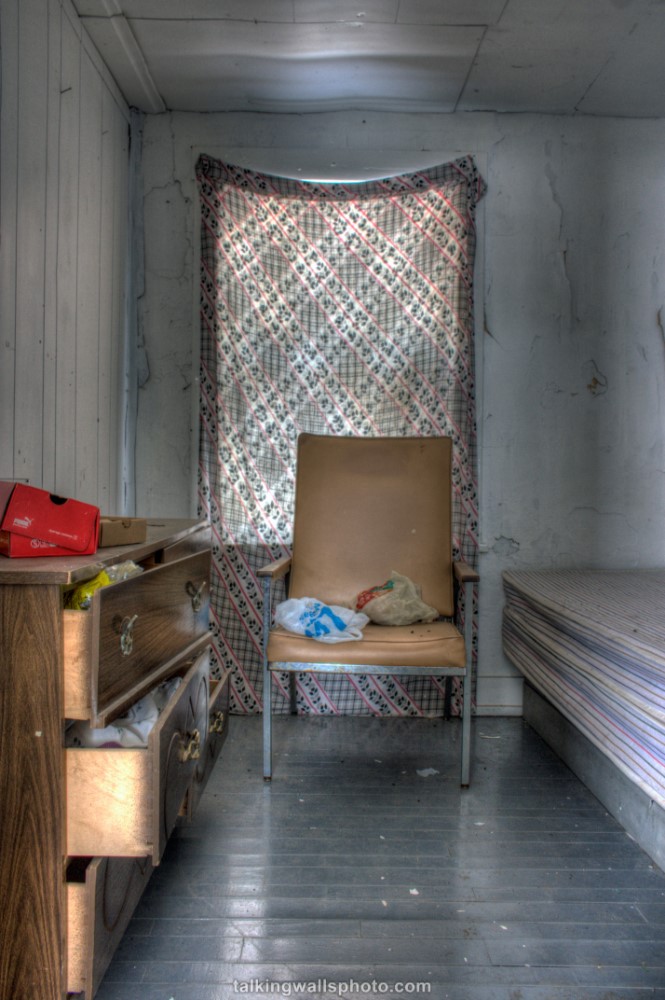
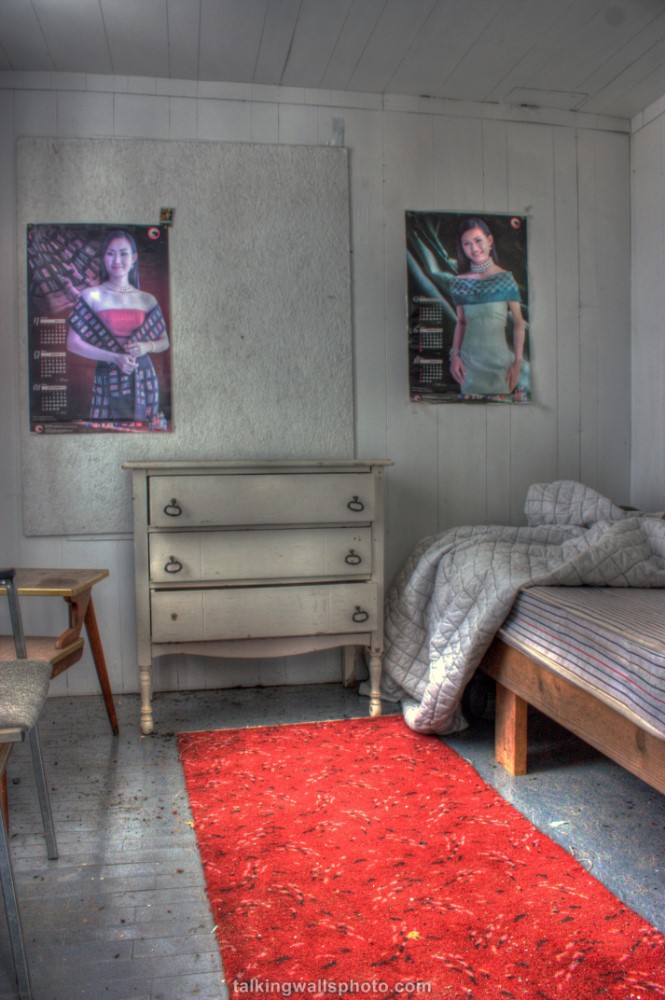
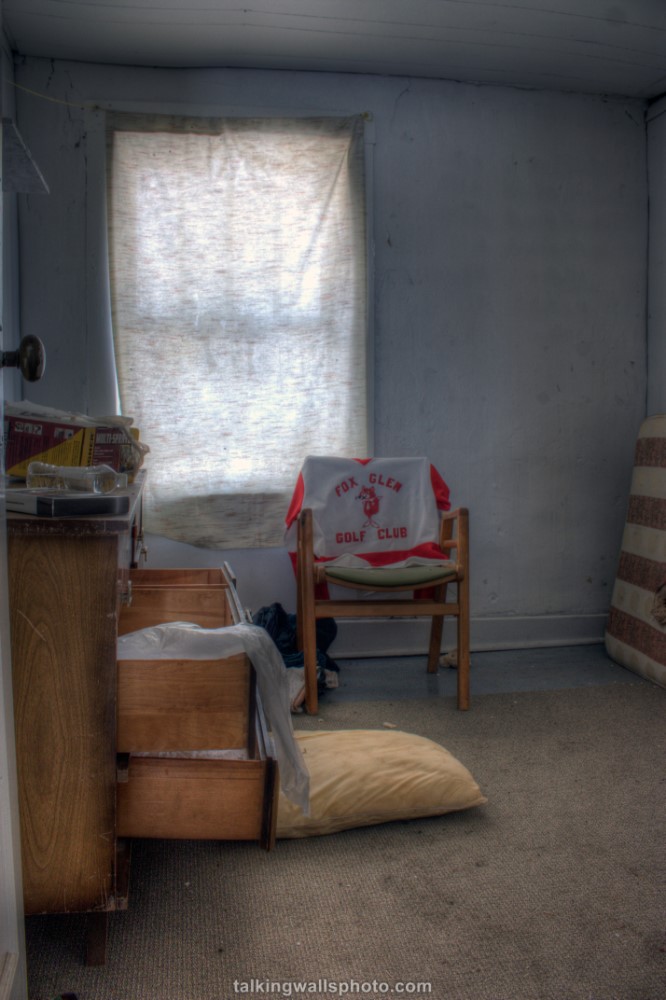
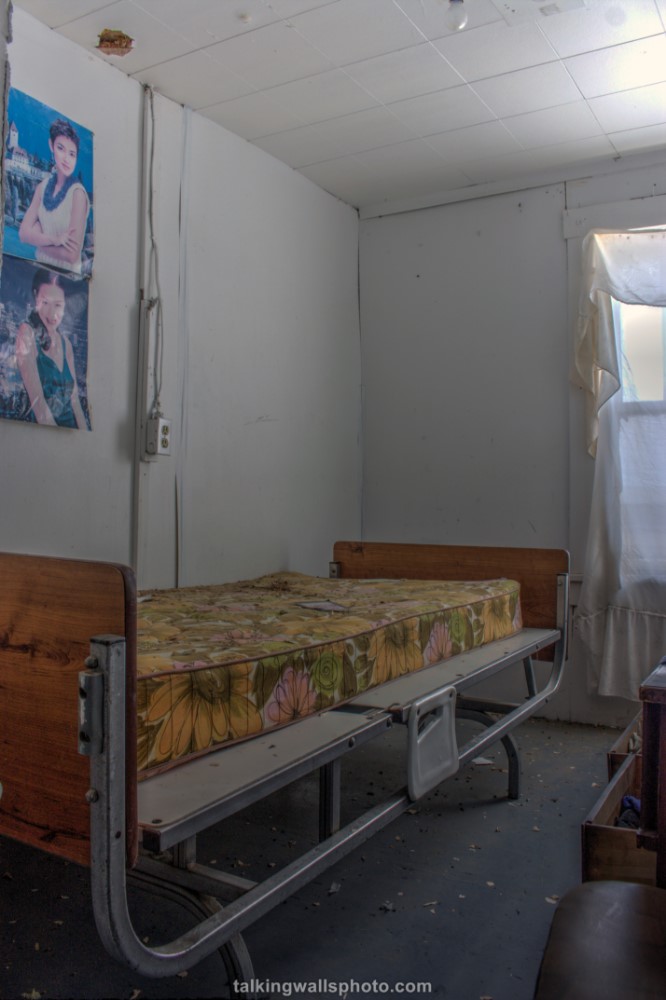
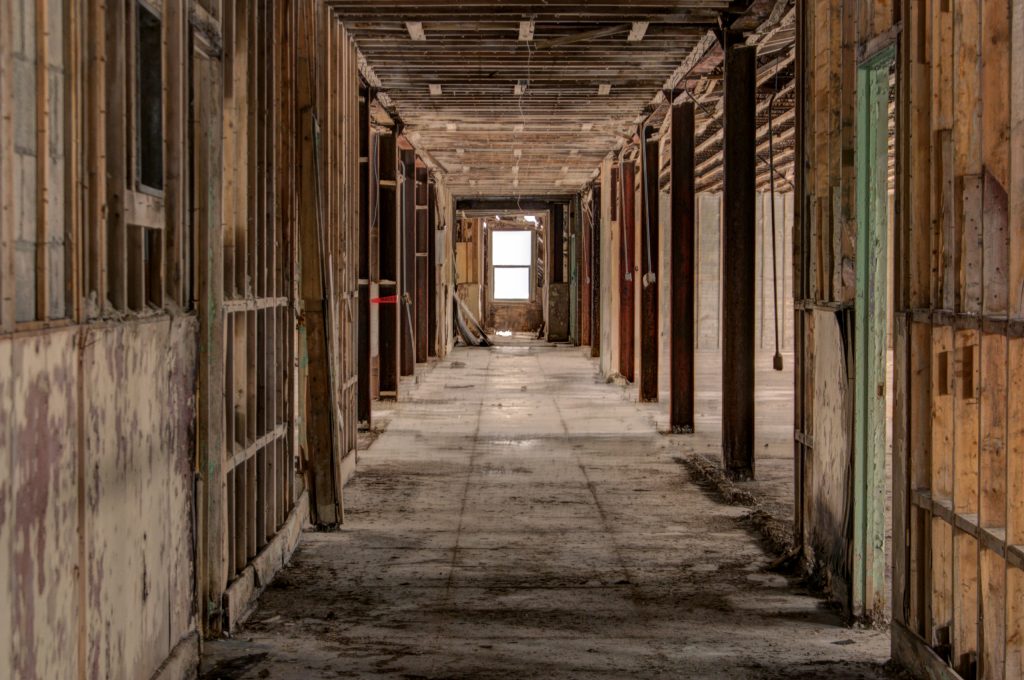
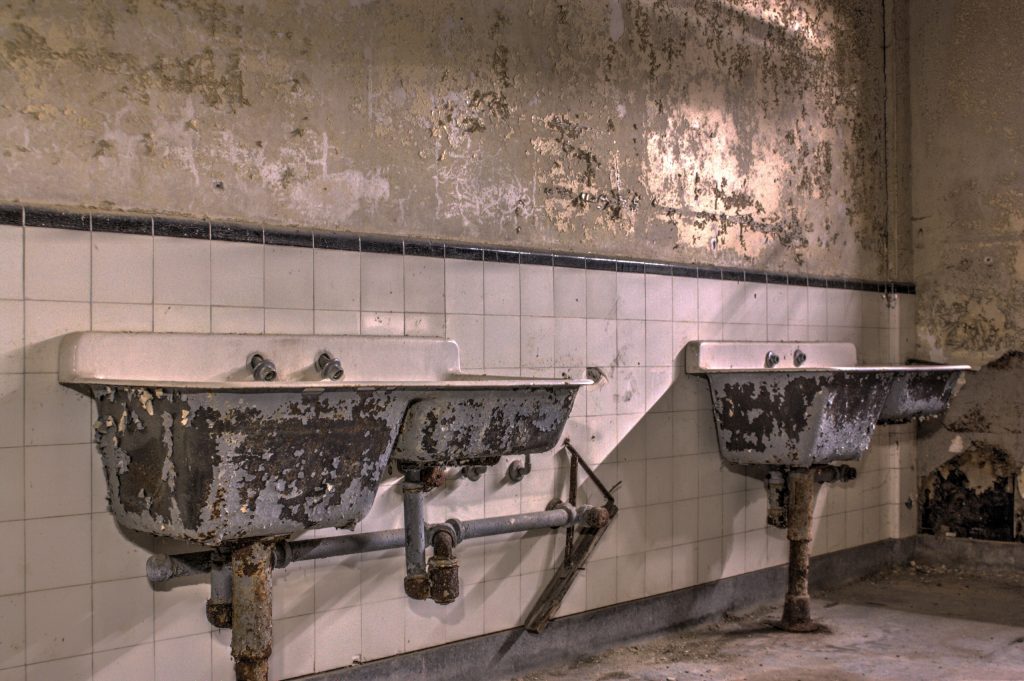
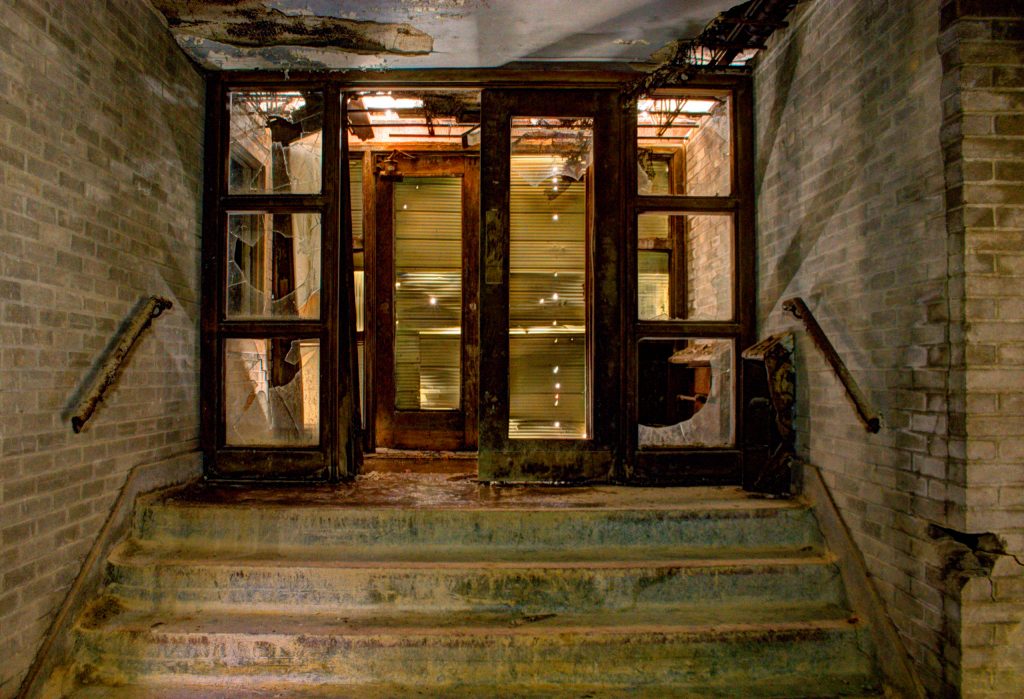
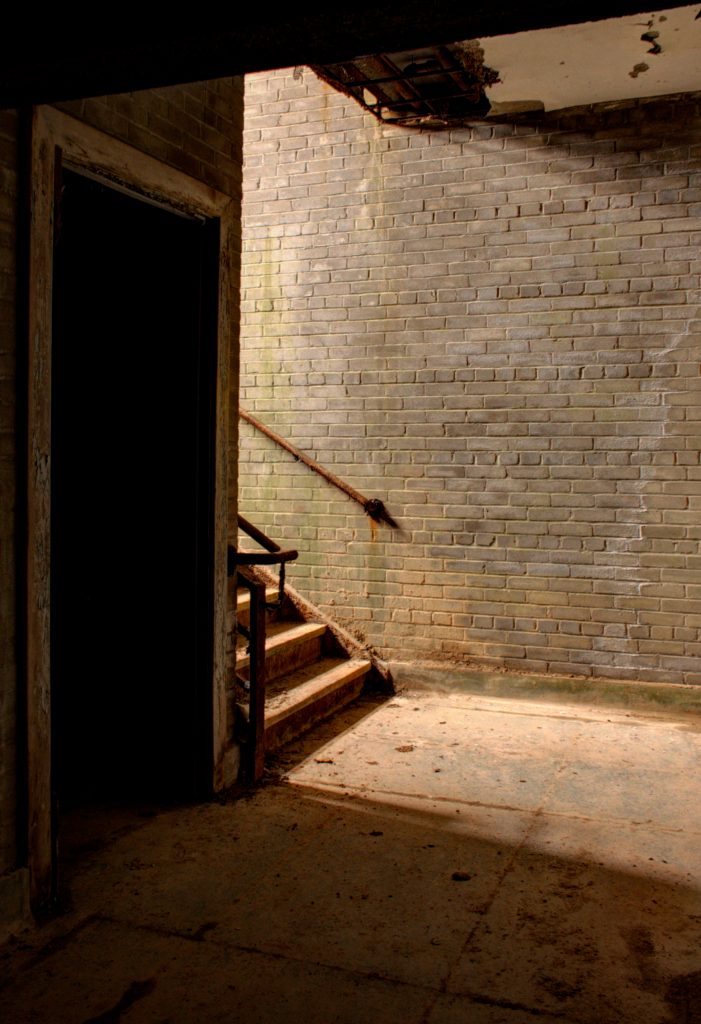
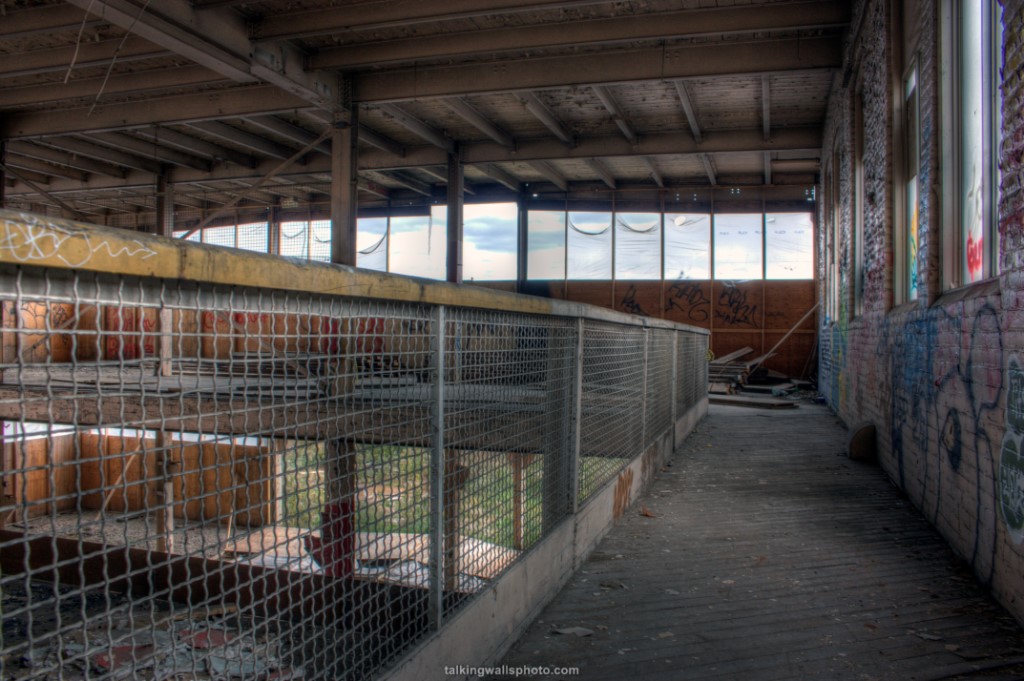
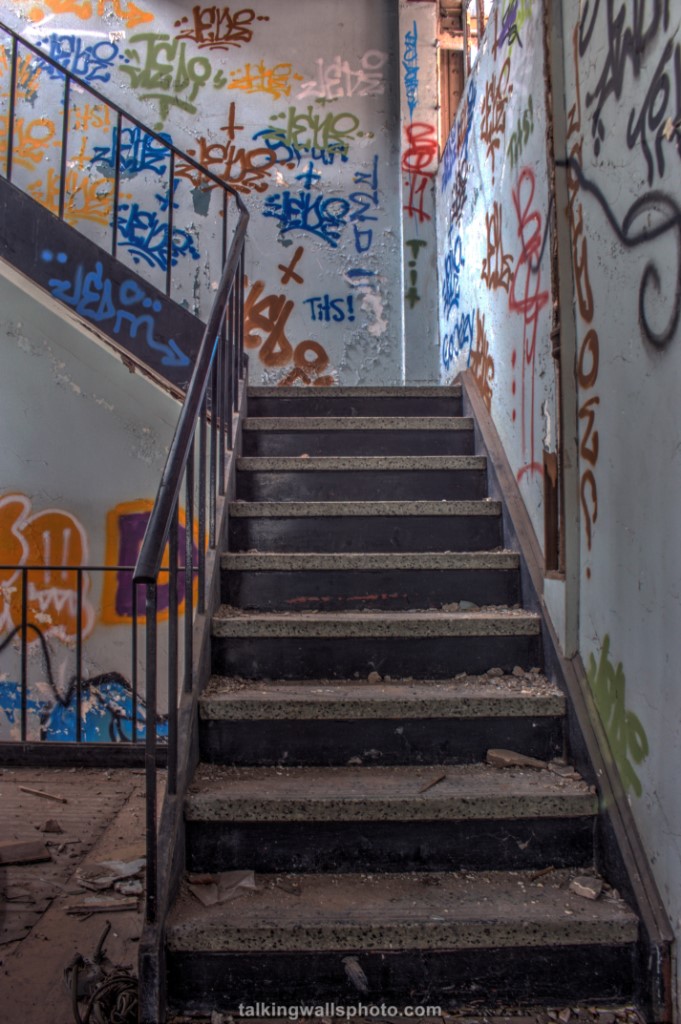
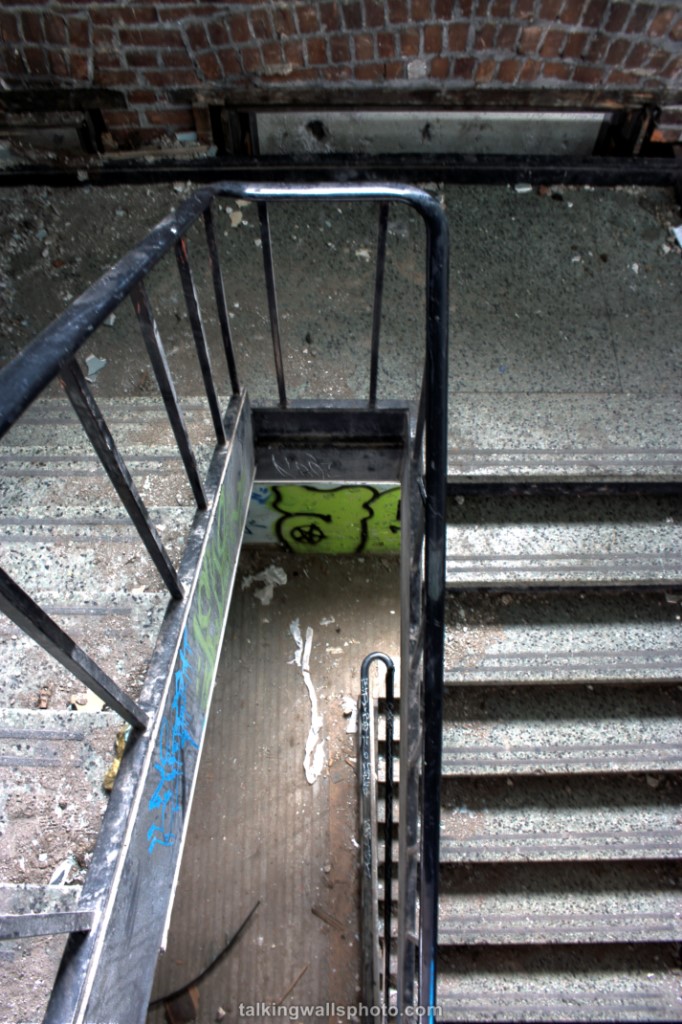
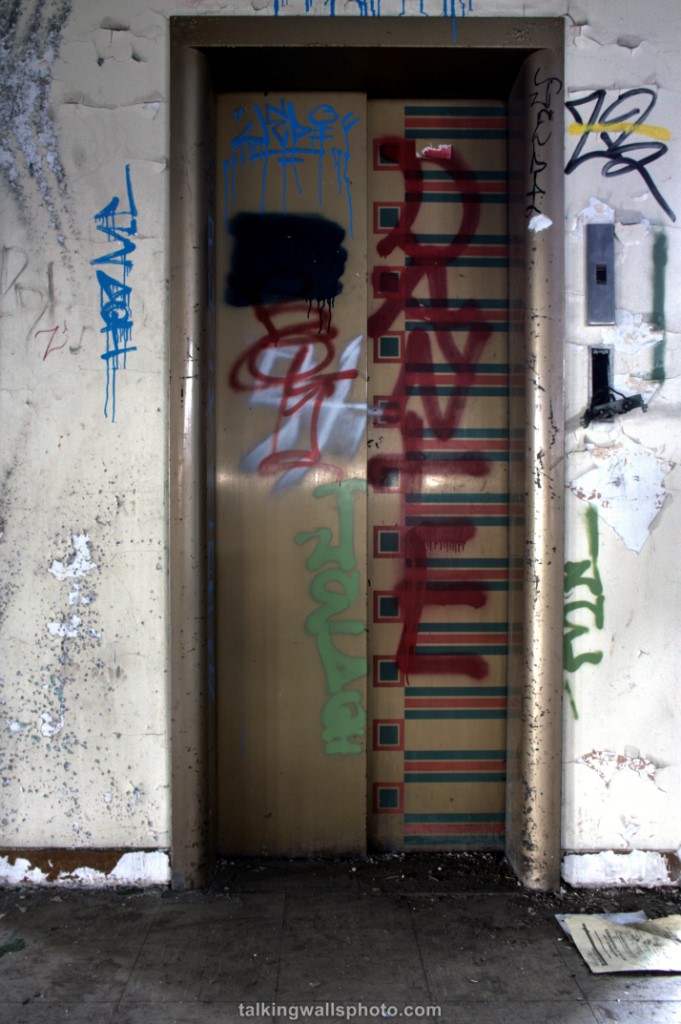
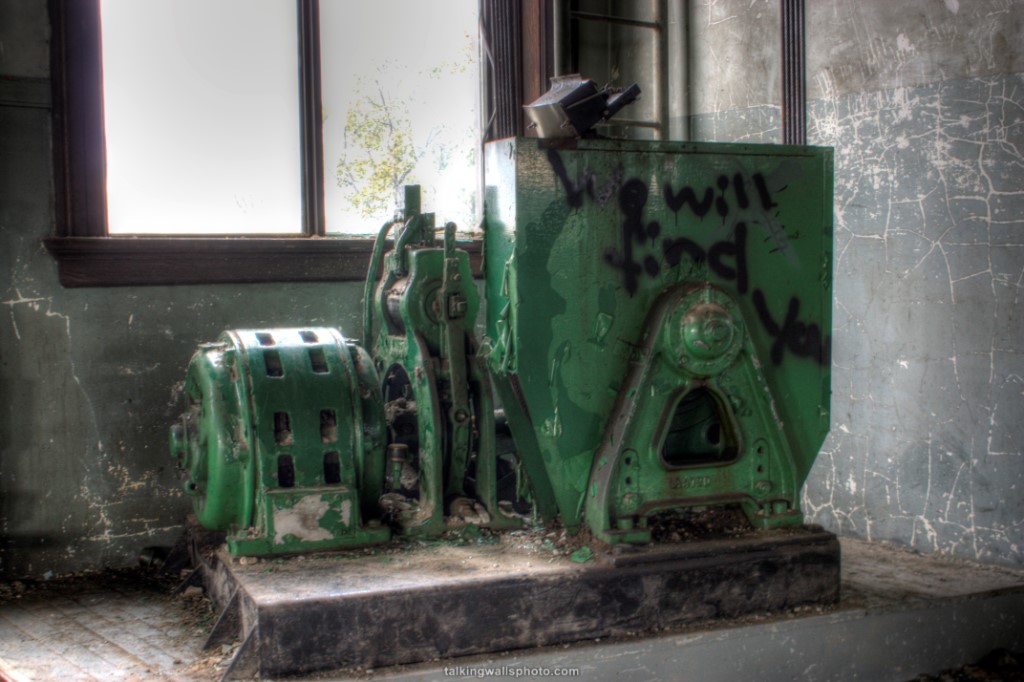
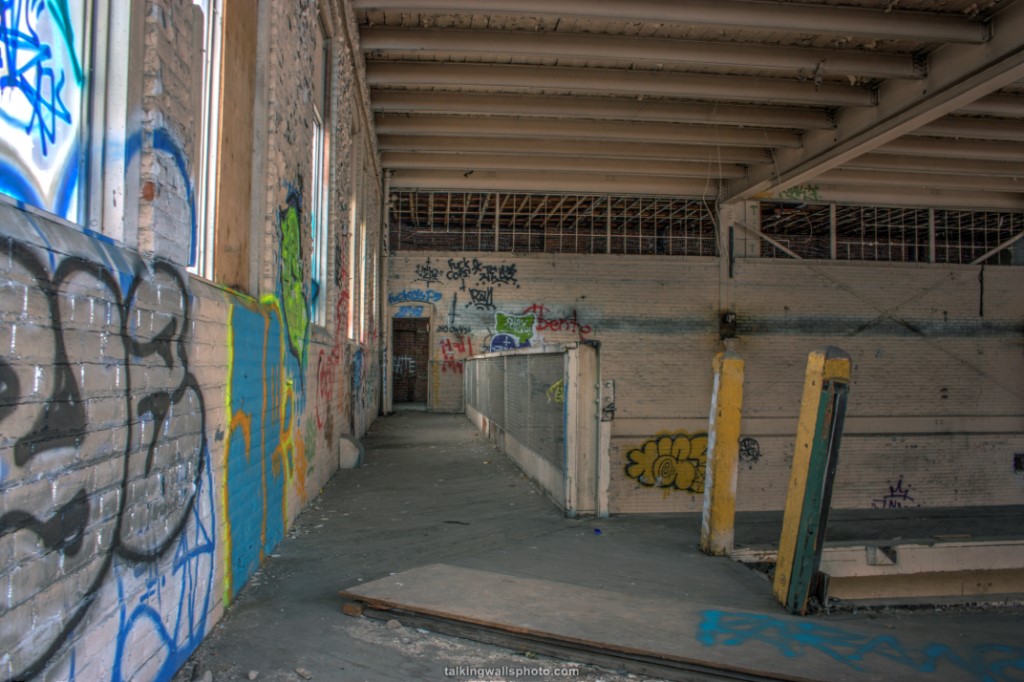
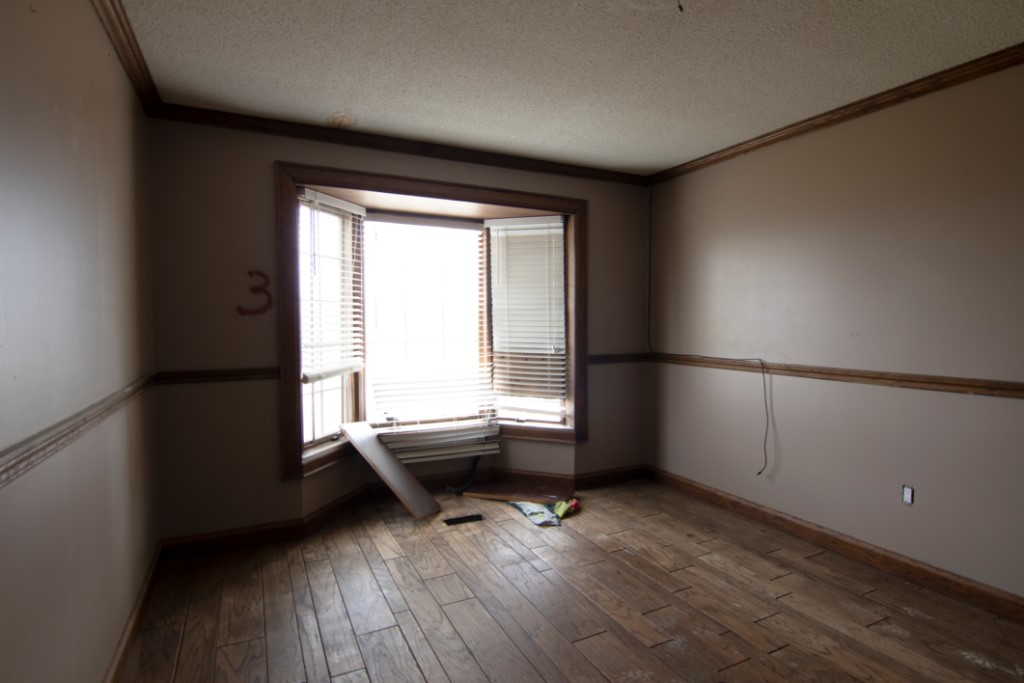
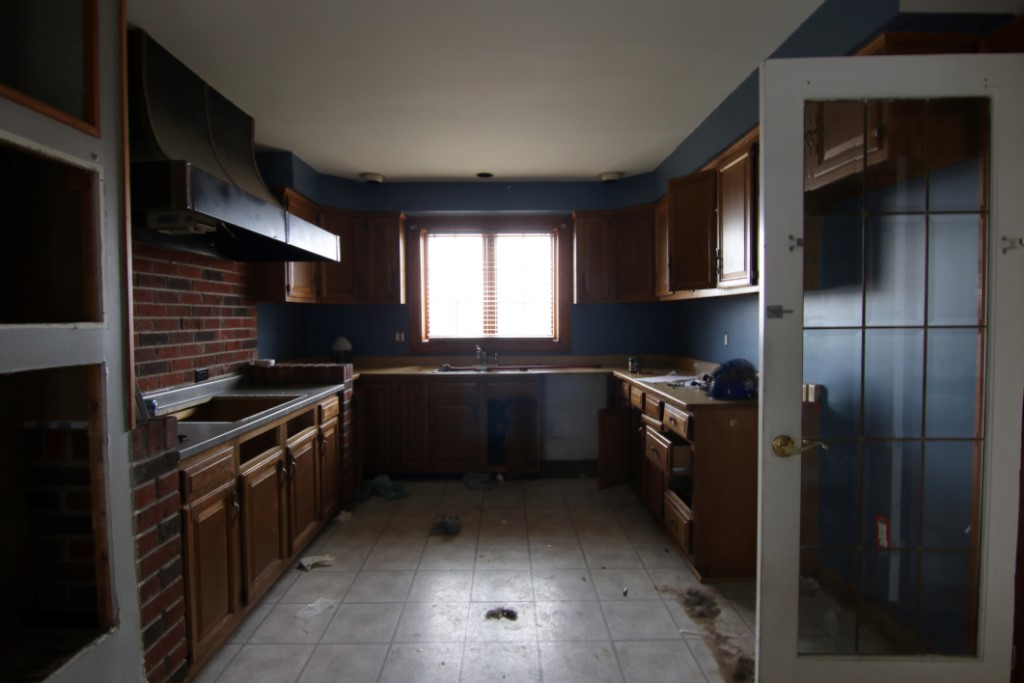
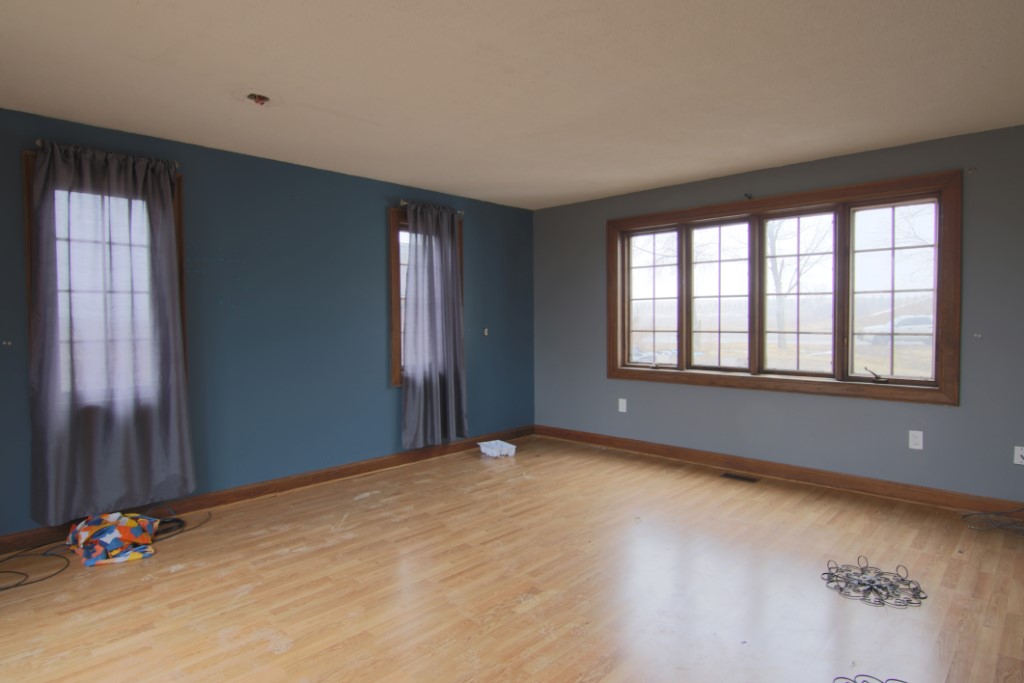
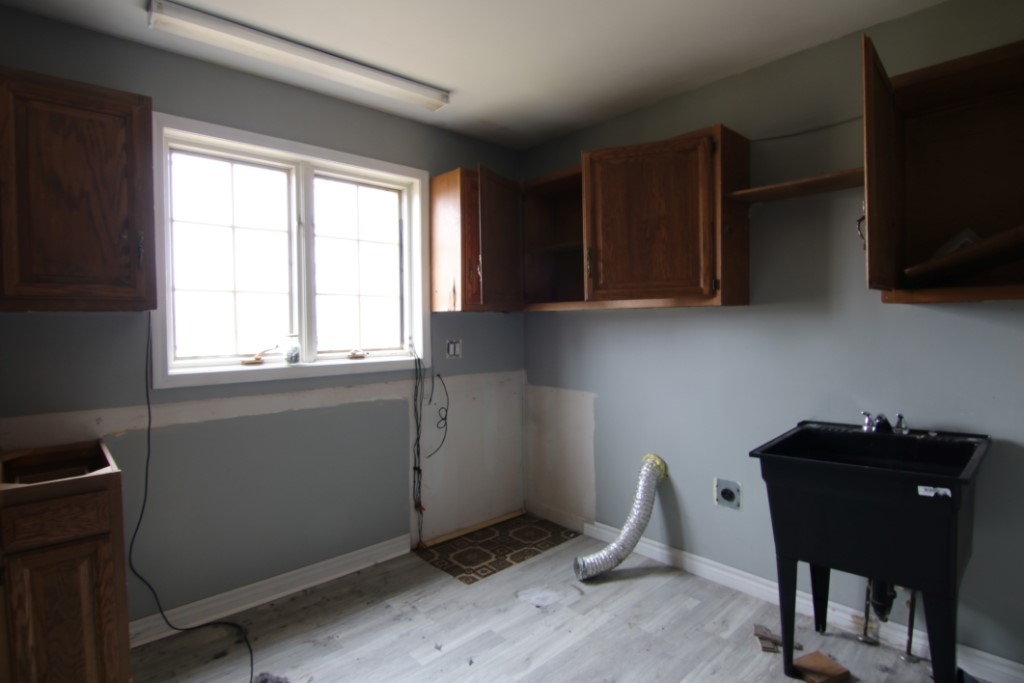
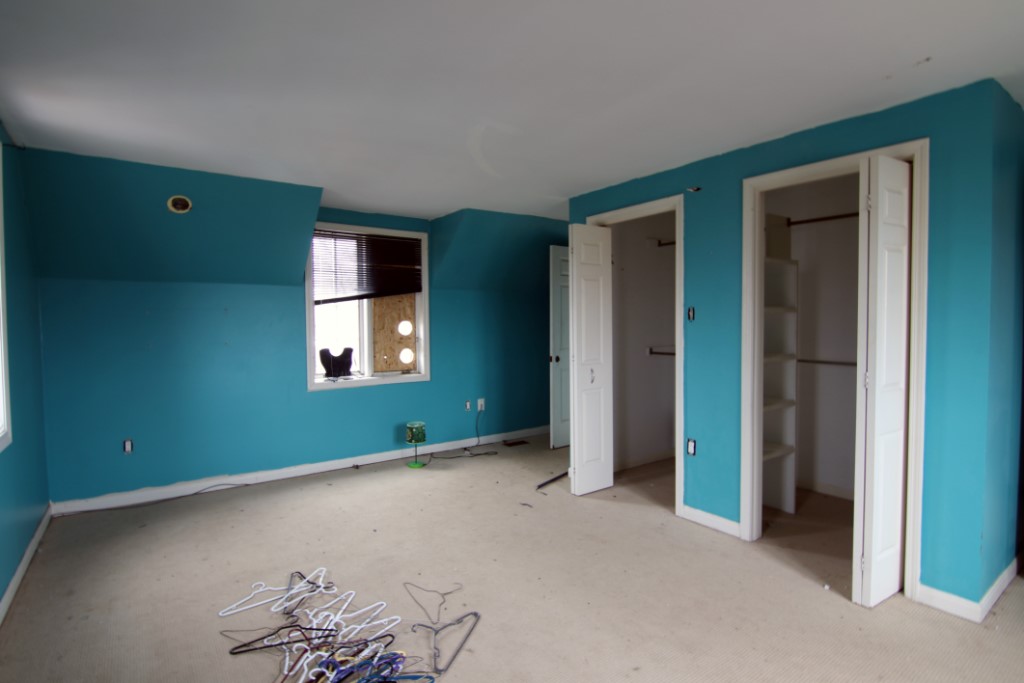
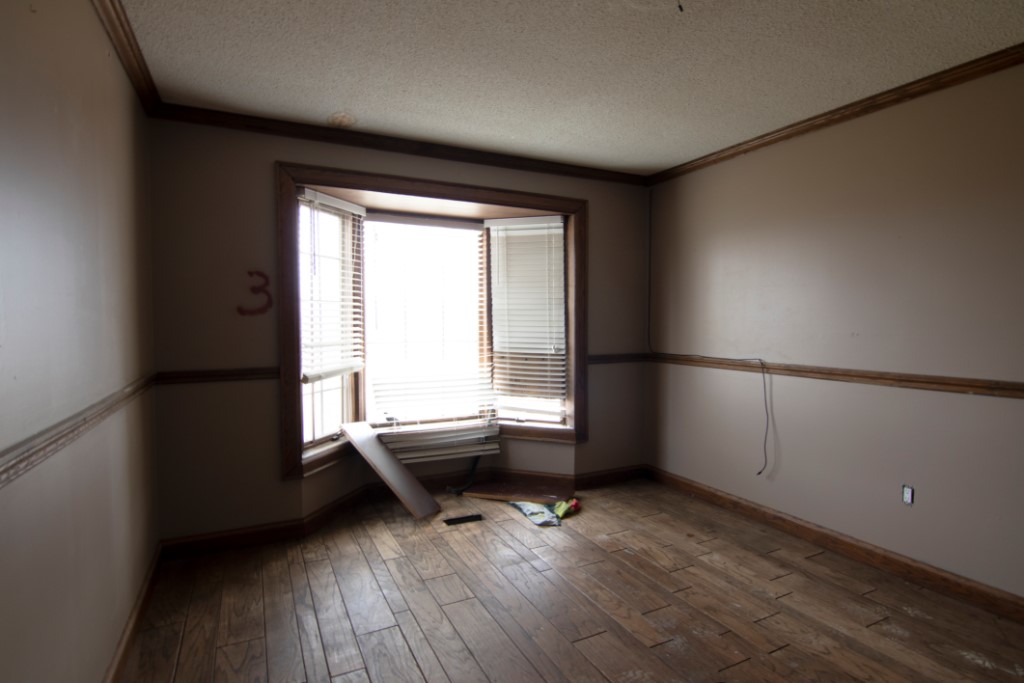
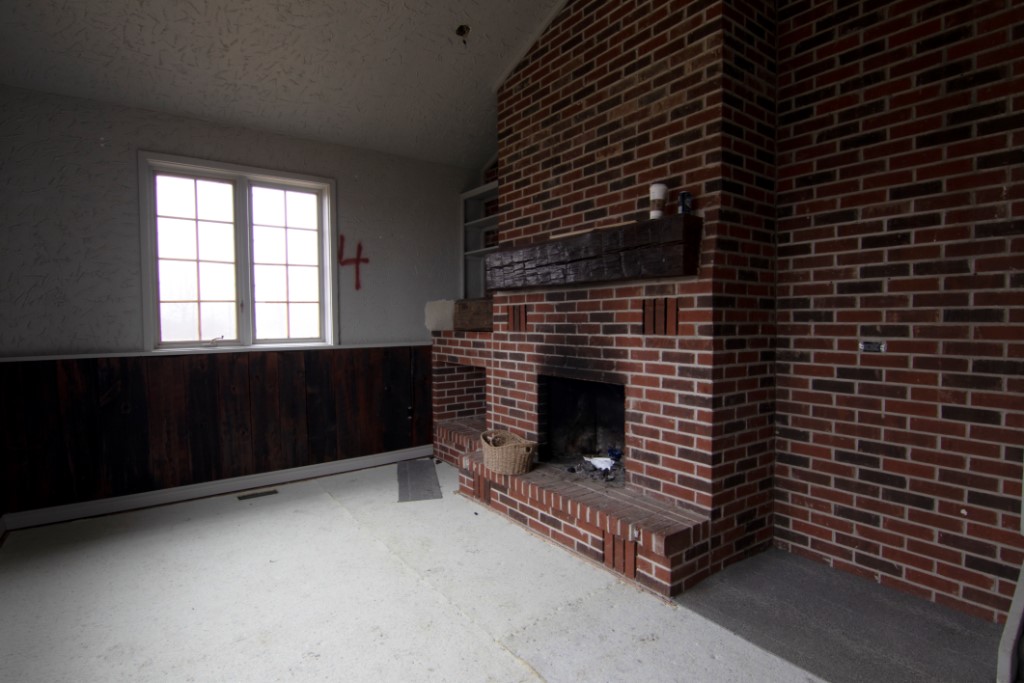
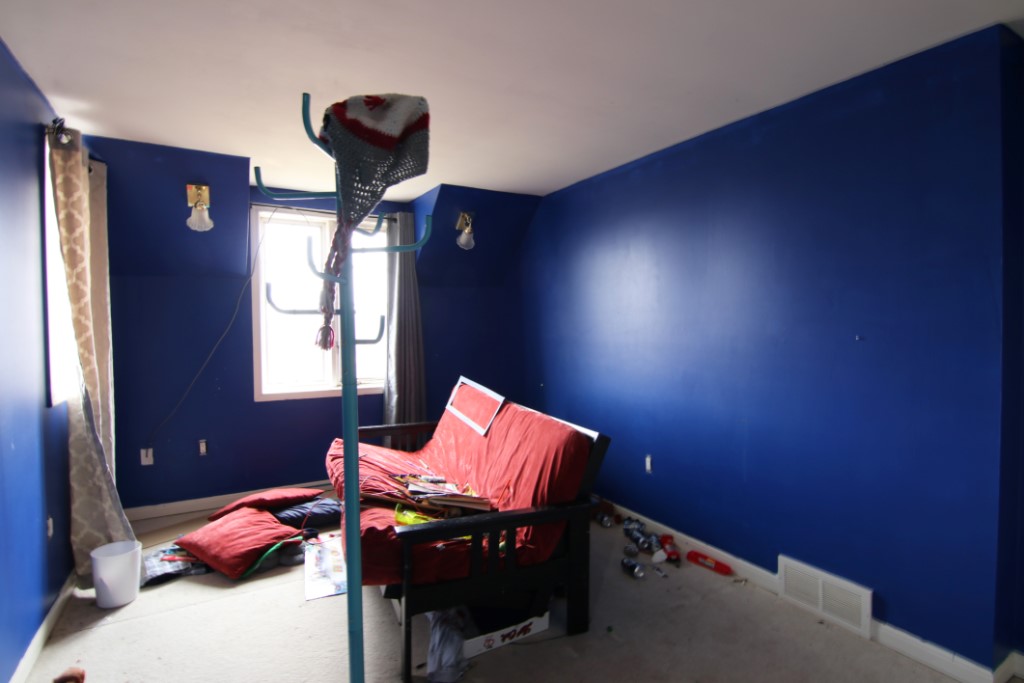
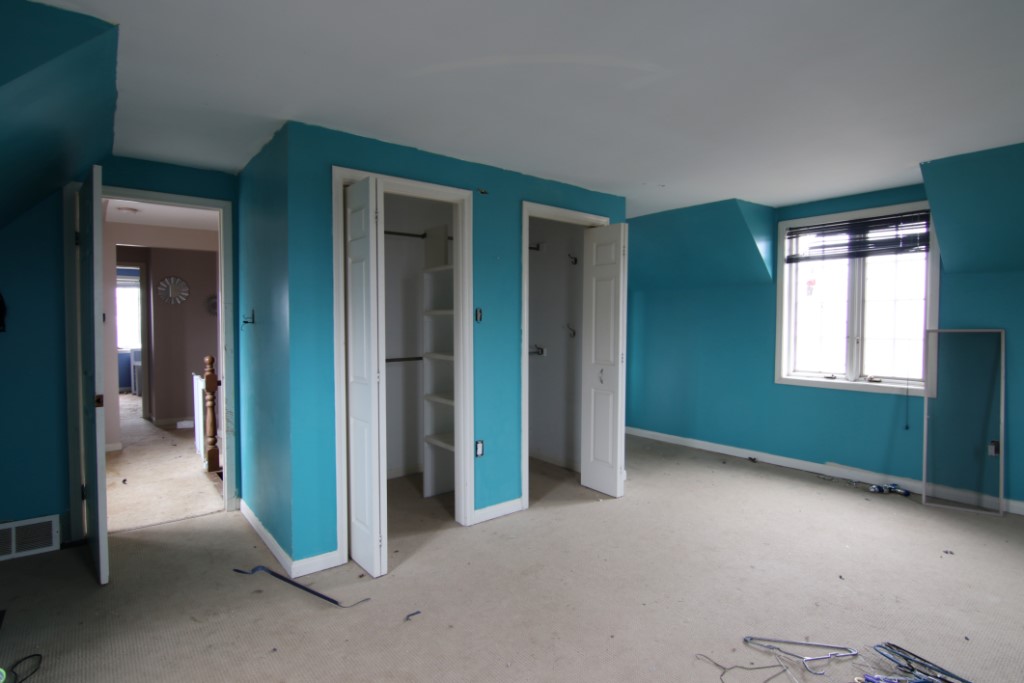
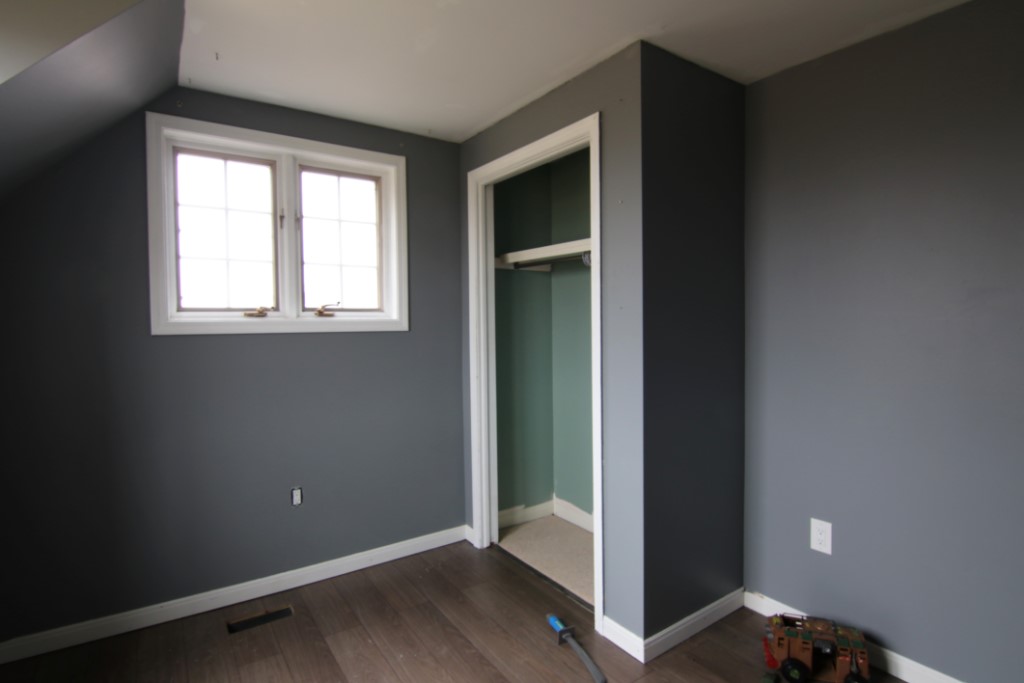
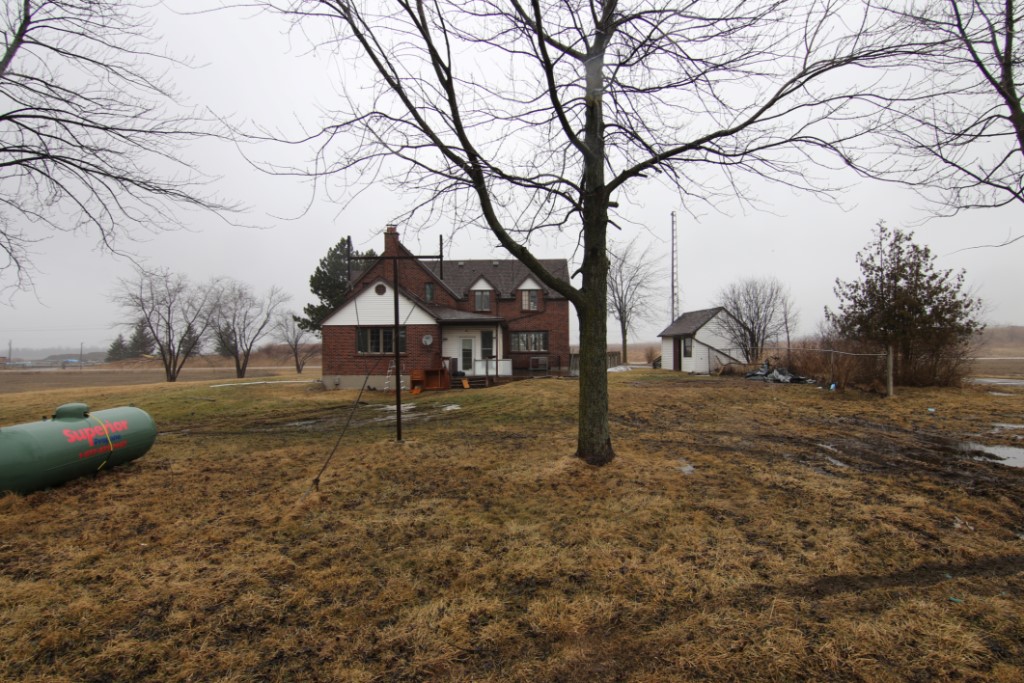
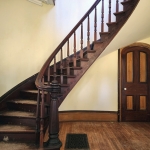
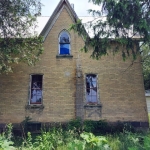
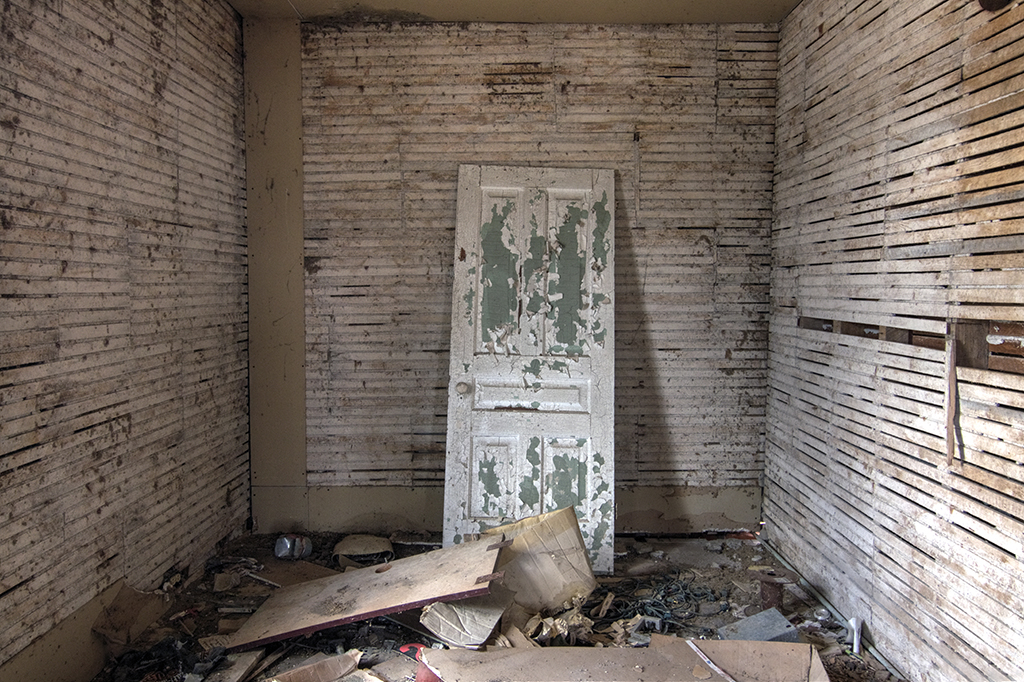
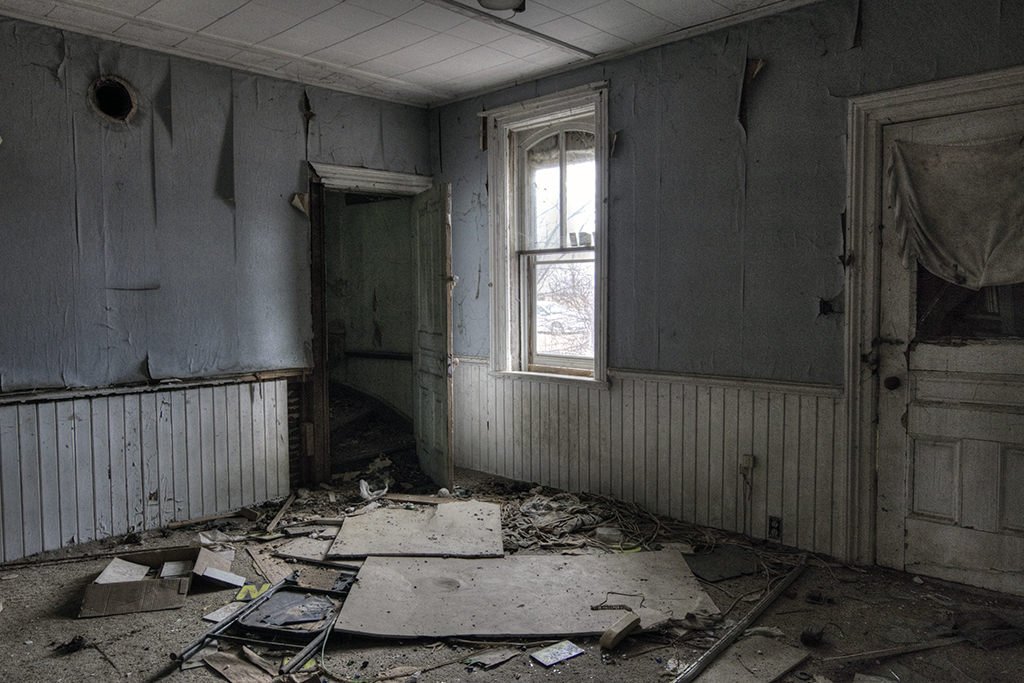
This old house is next to another abandoned property. Inside you’ll find the customary newel post staircase as was common back in the days when craftsmanship went into home building, peeling paint and general decay. It appears to have been in disuse since at least 2012 or perhaps used as a seasonal property.

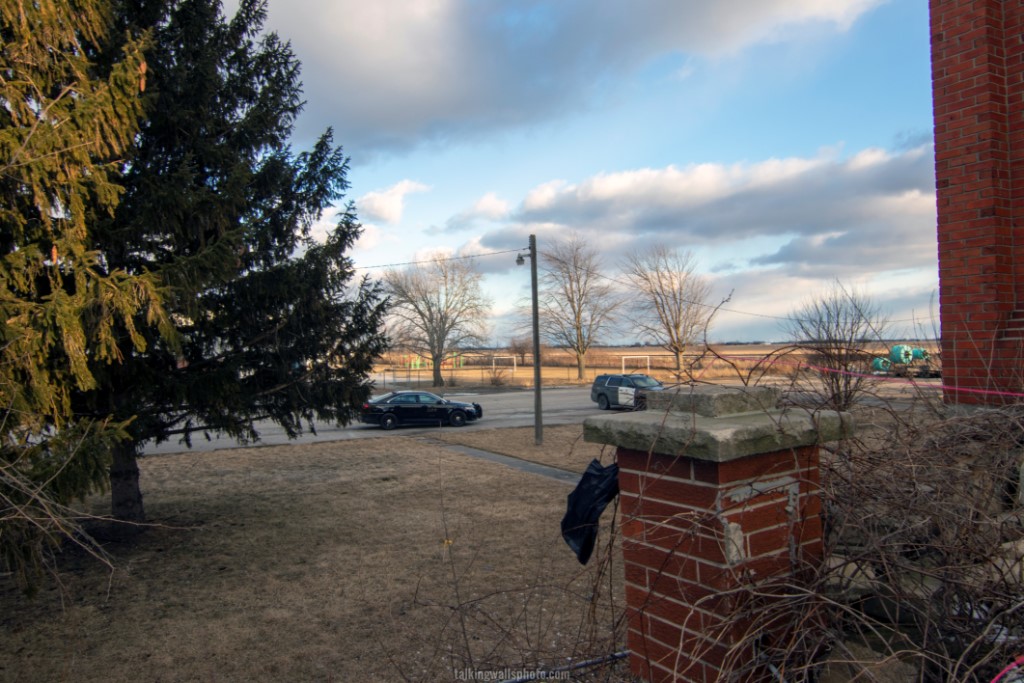
While exploring this location, we were met with a neighbour who advised us that the property was private property. We left shortly thereafter. The photos will have some noise in them as my camera settings were incorrect.
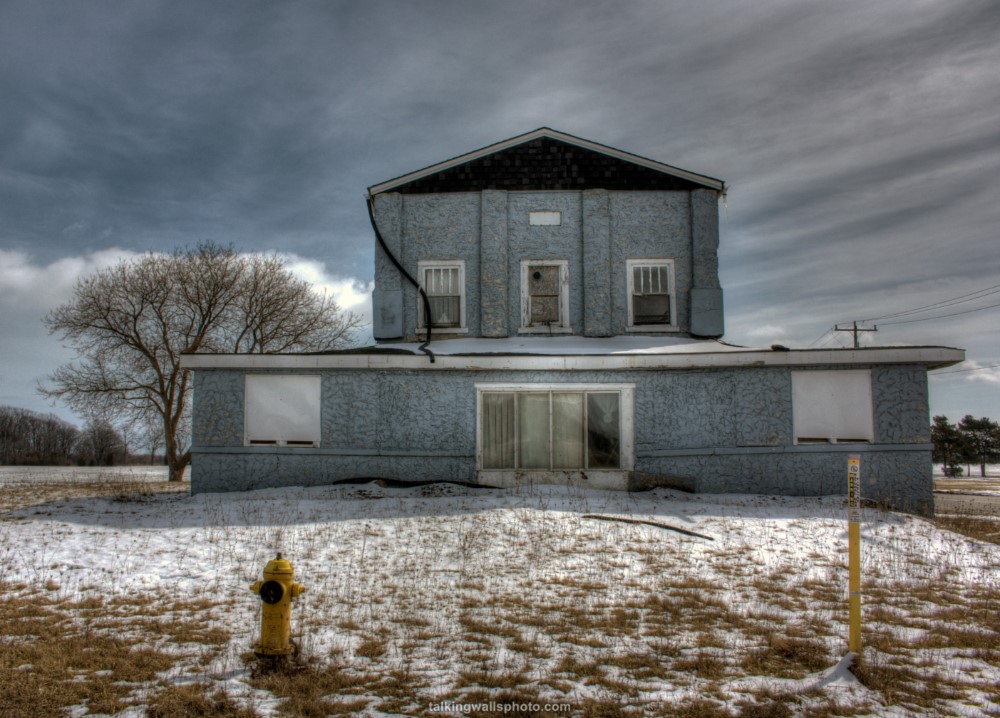
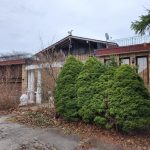
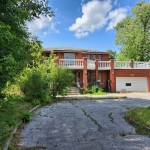
Almost Too Modern (Clearview Township)

Properties like this are more likely to be in-between owners than completely abandoned. During our exploration back in 2016, I didn’t feel like this had much photogenic value given its modern look. When I looked on Stree View for 2021, there’s a truck in the driveway. Perhaps this property is lived in once more.

Highway 124


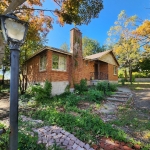
Stayner Ontario Rural House

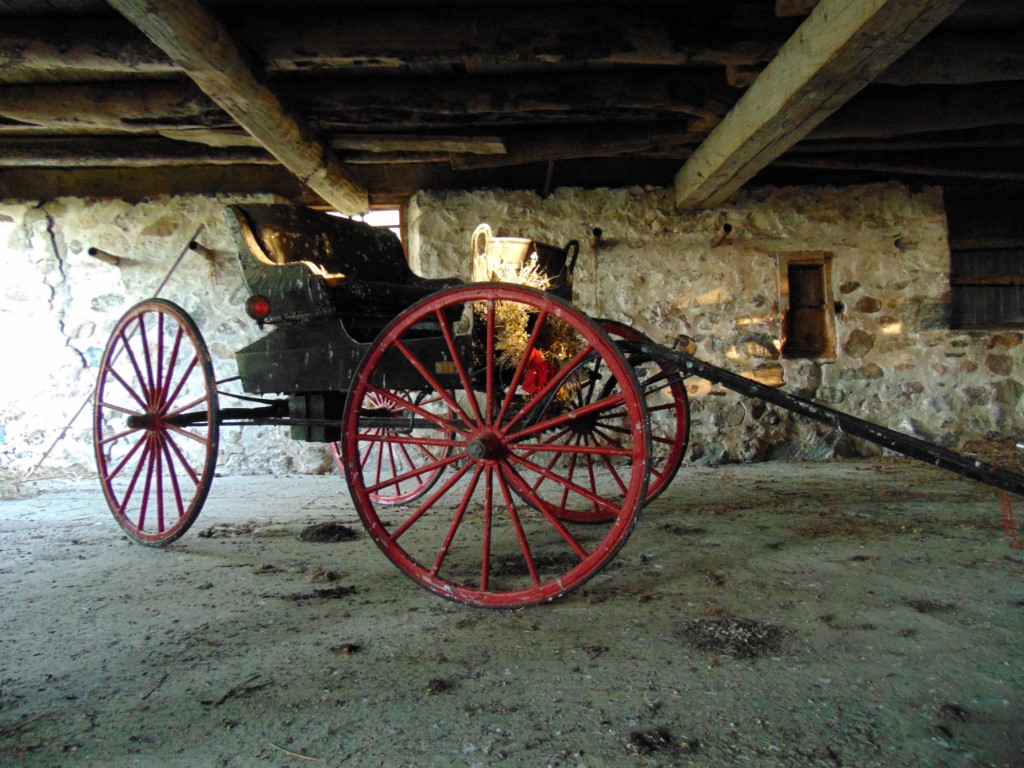
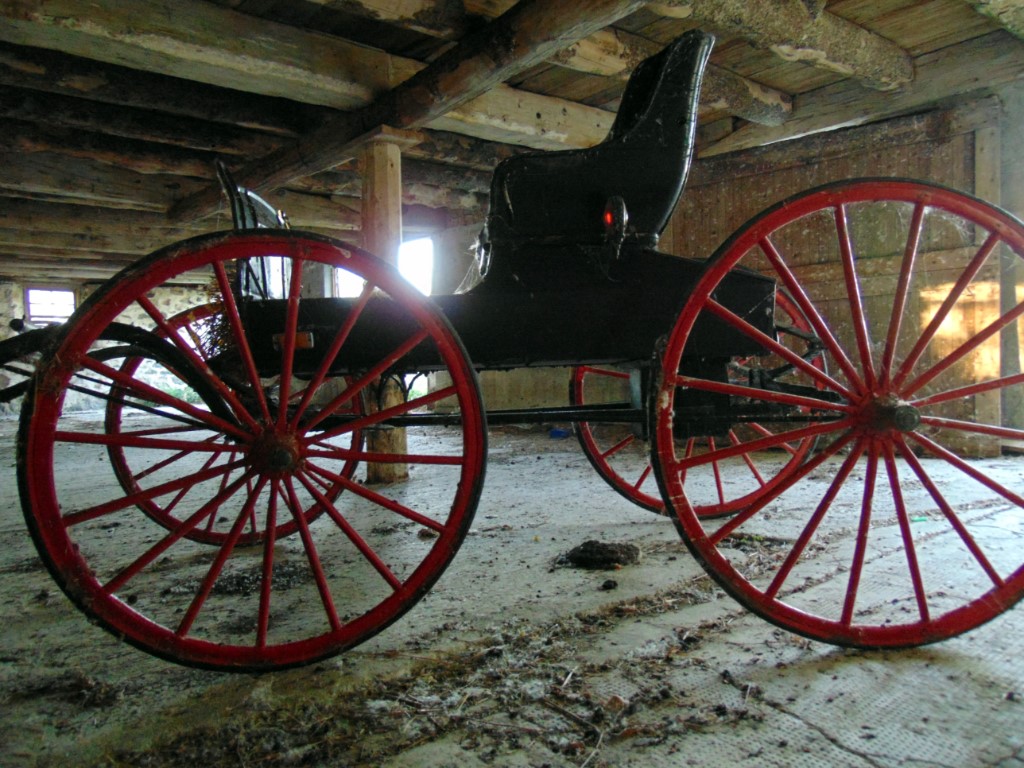
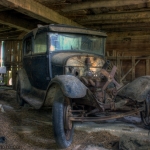
This is a rural farm property with sheds and barns located in Stayner, Ontario. There’s a workshop with old wood-working tools. The crops are used for growing corn. And there’s a horse-drawn carriage in the barn!

Someone may have been staying here at one point in time as seen by footprints in the dust, cans of soup in the kitchen and a futon.


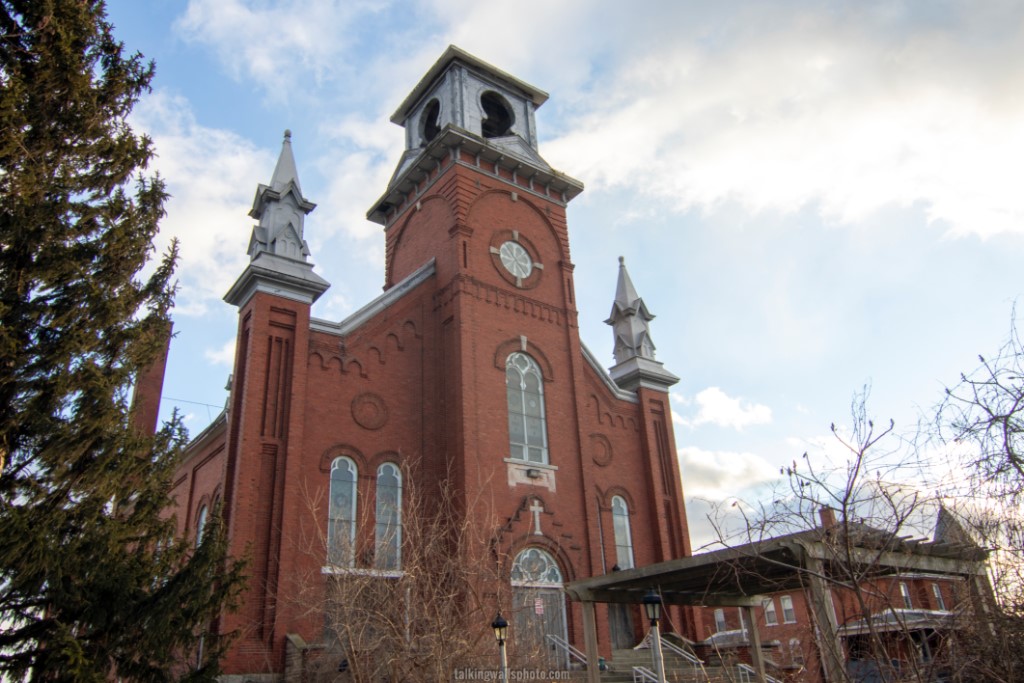
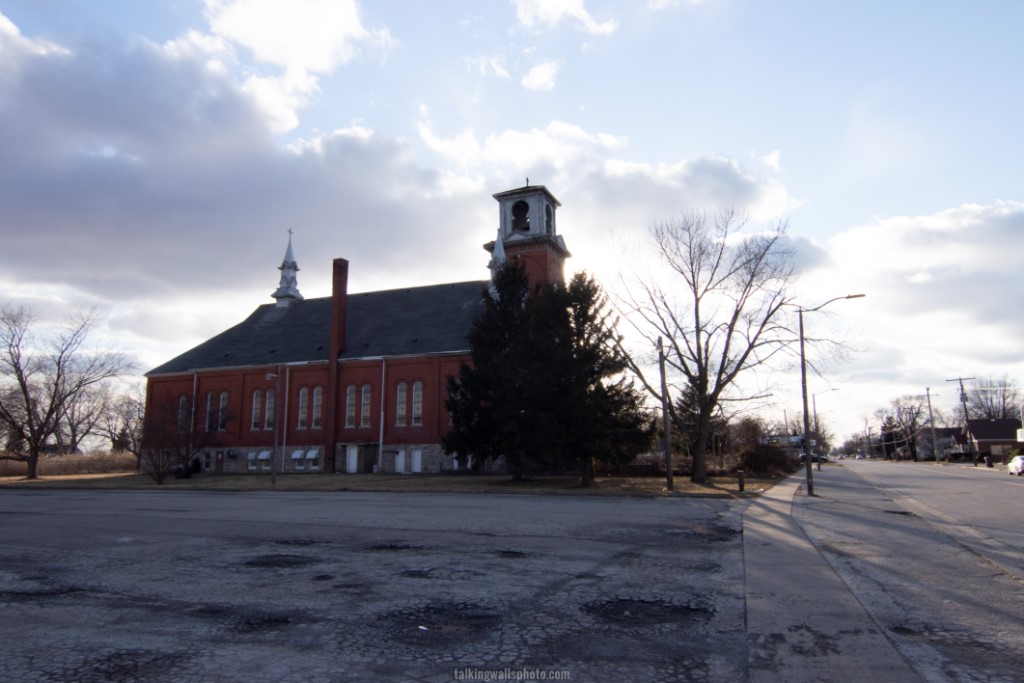
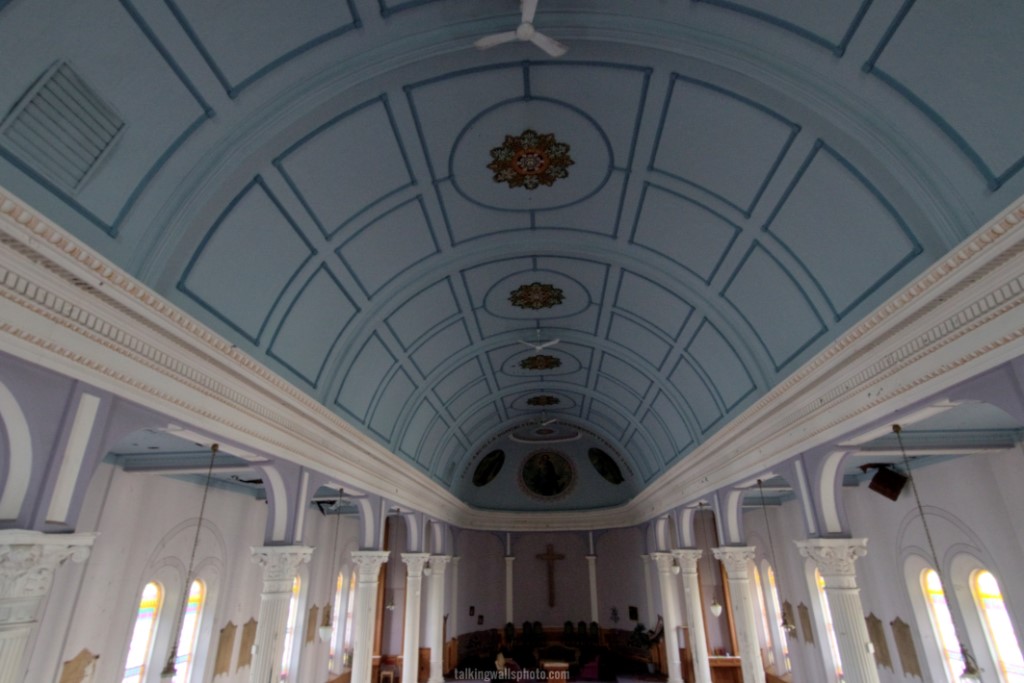
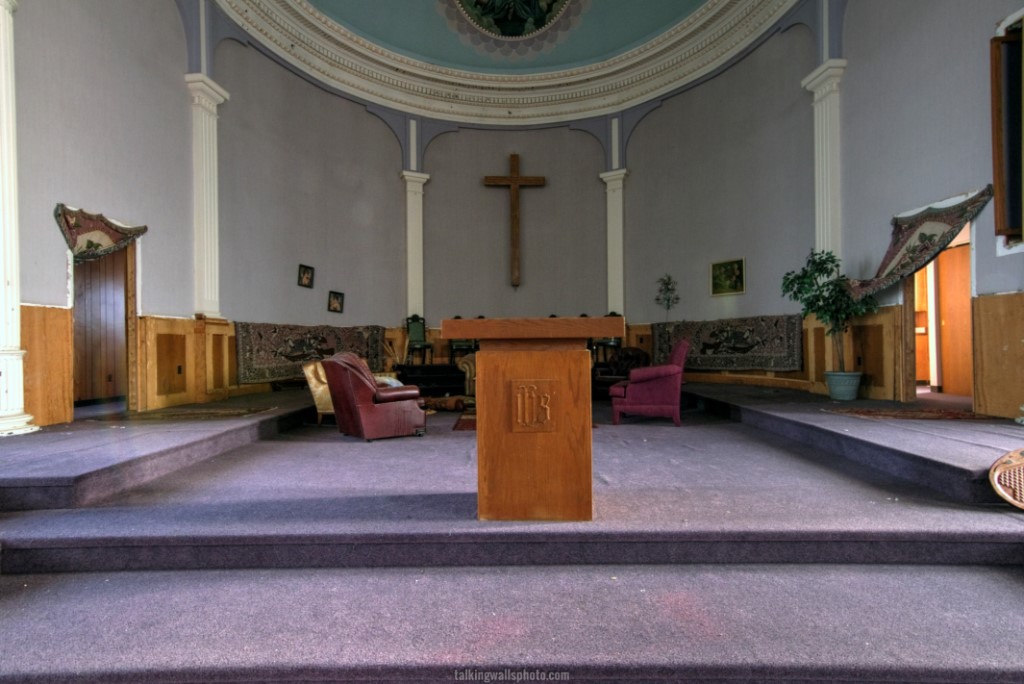
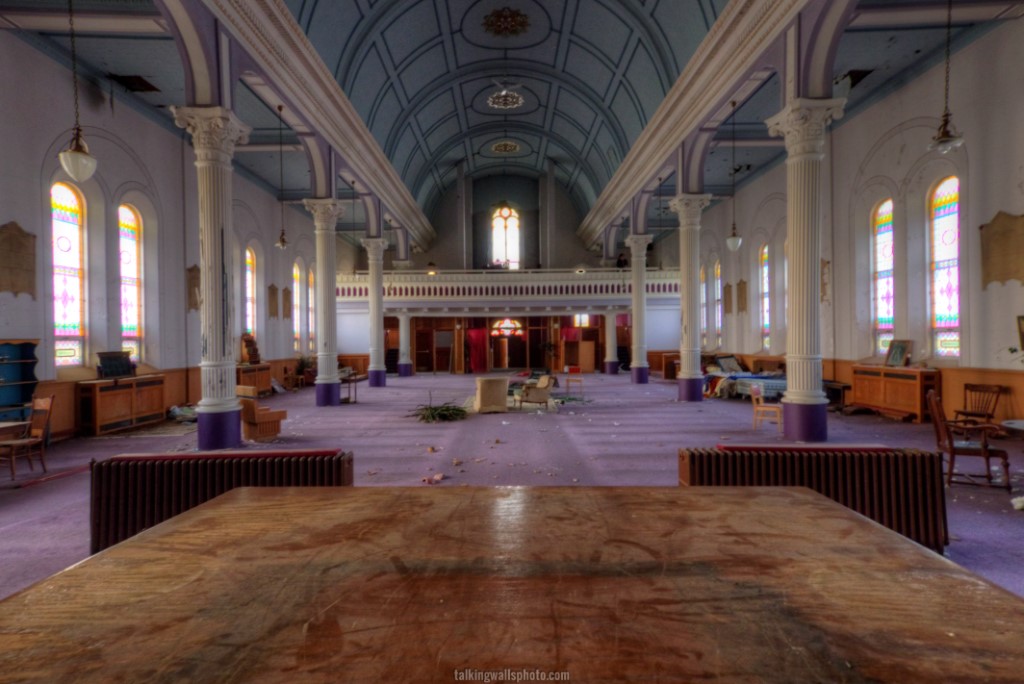
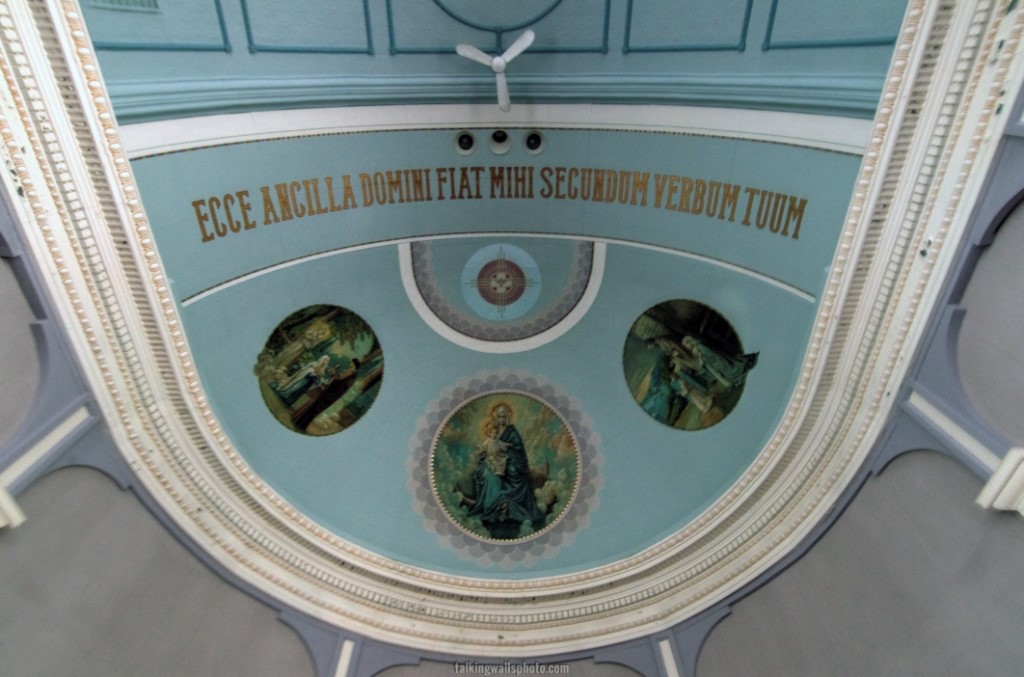
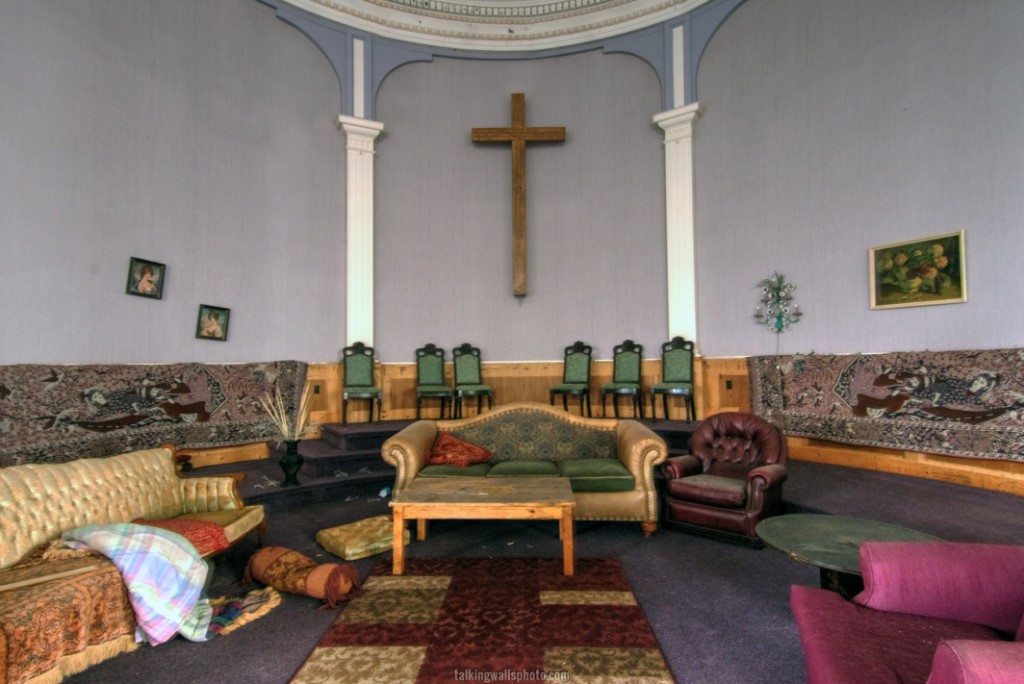
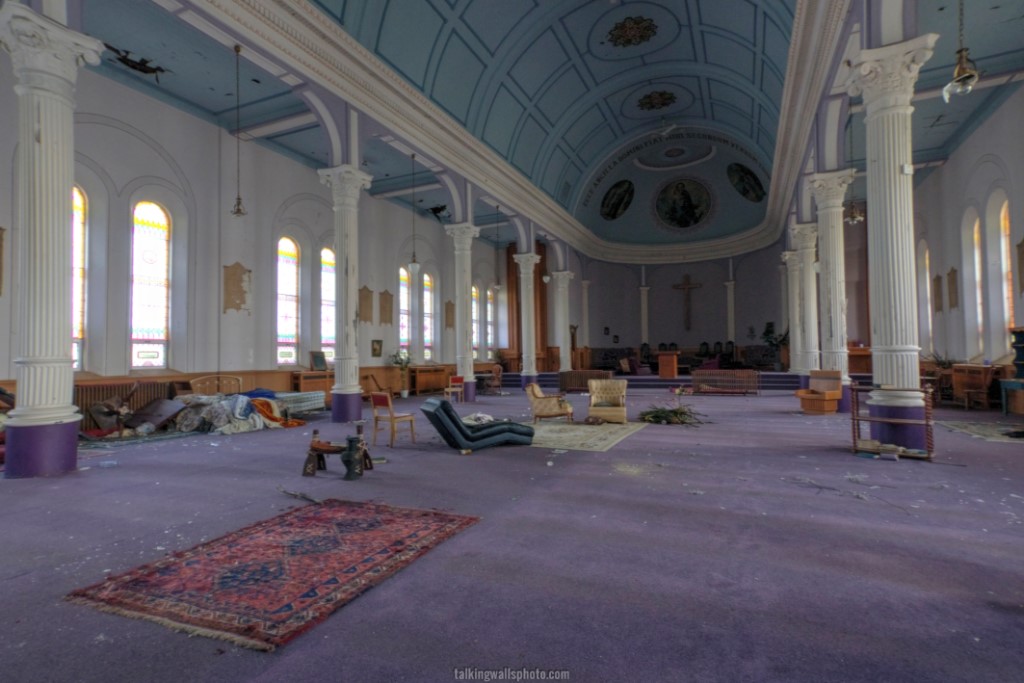
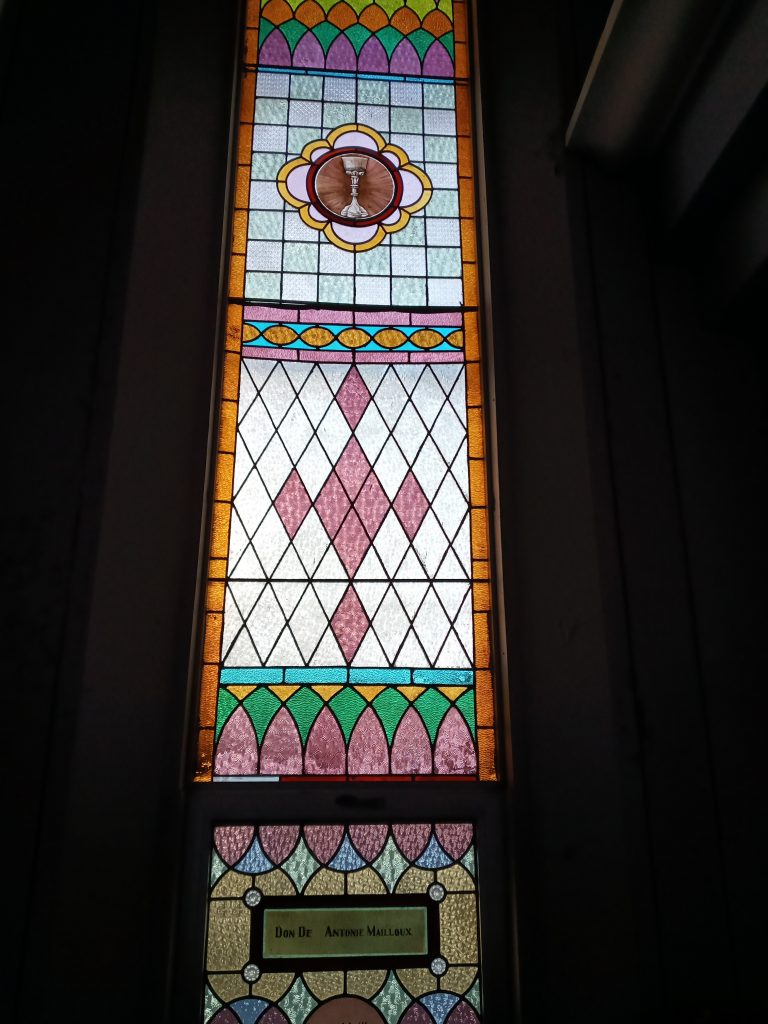
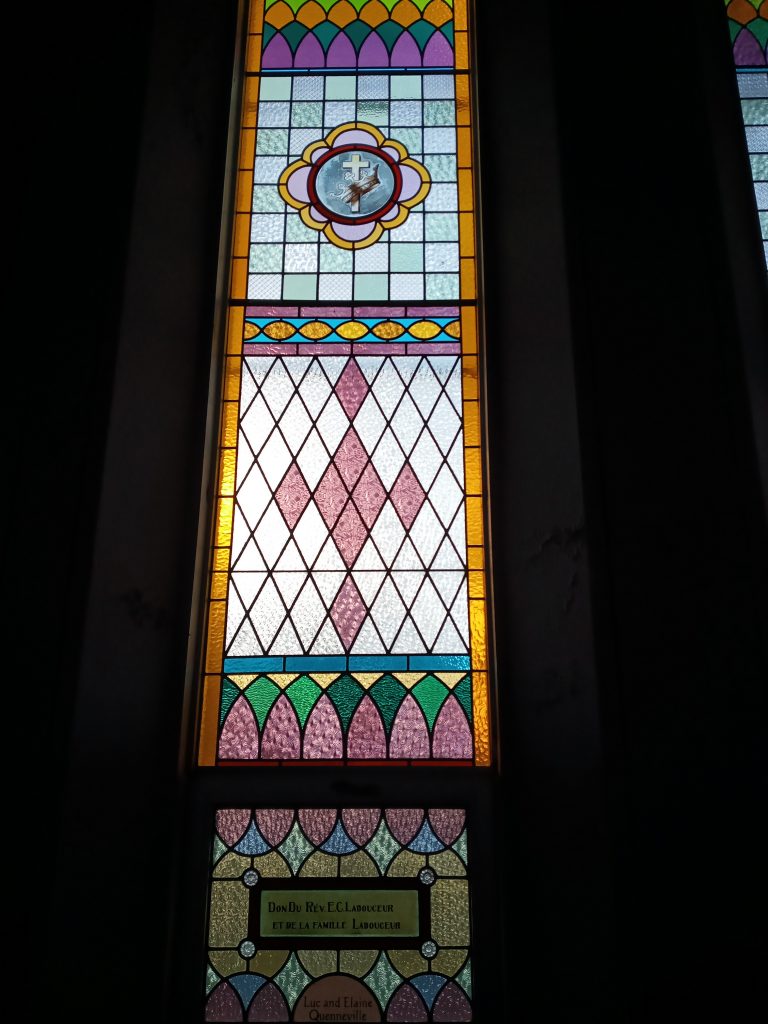
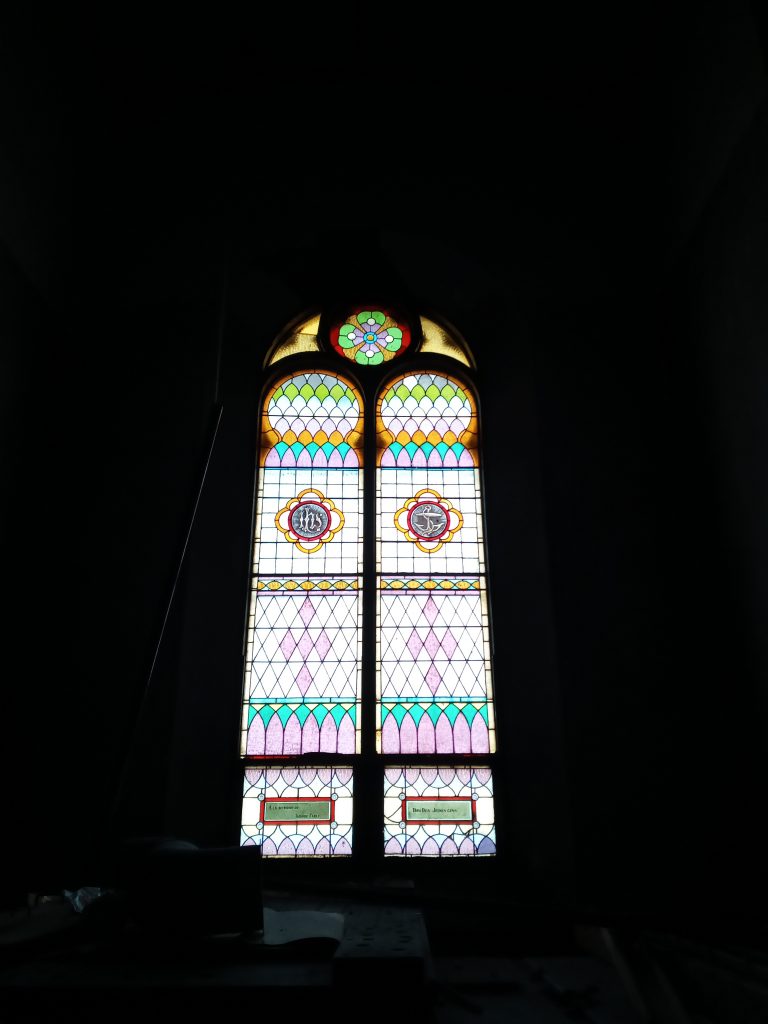
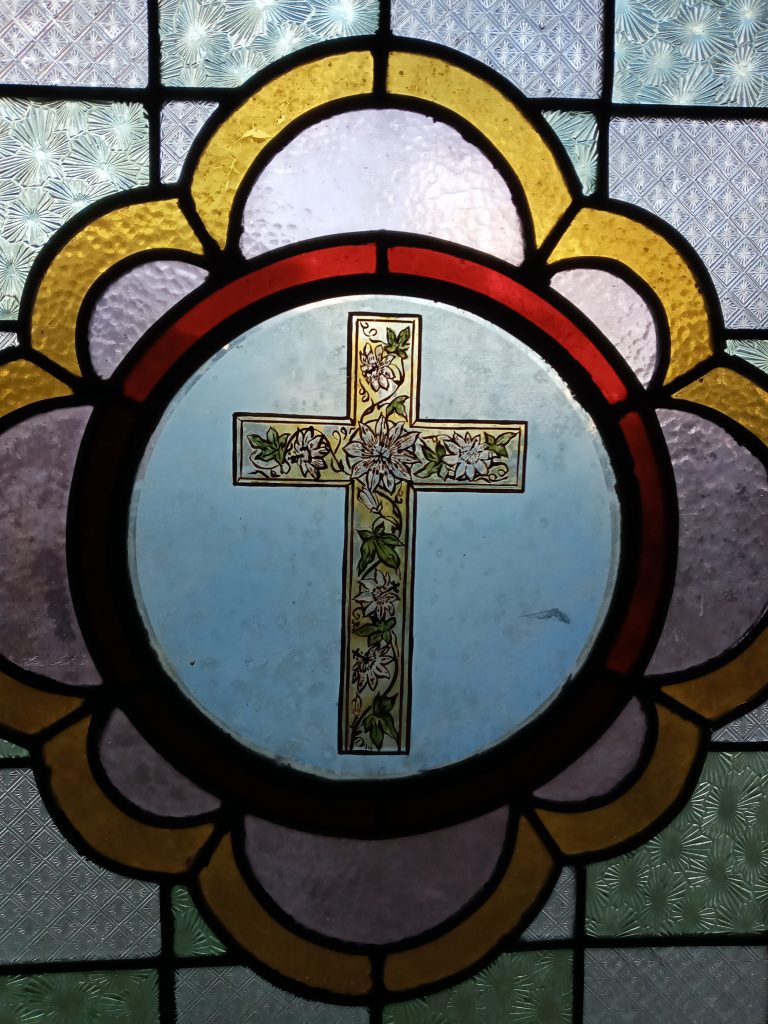
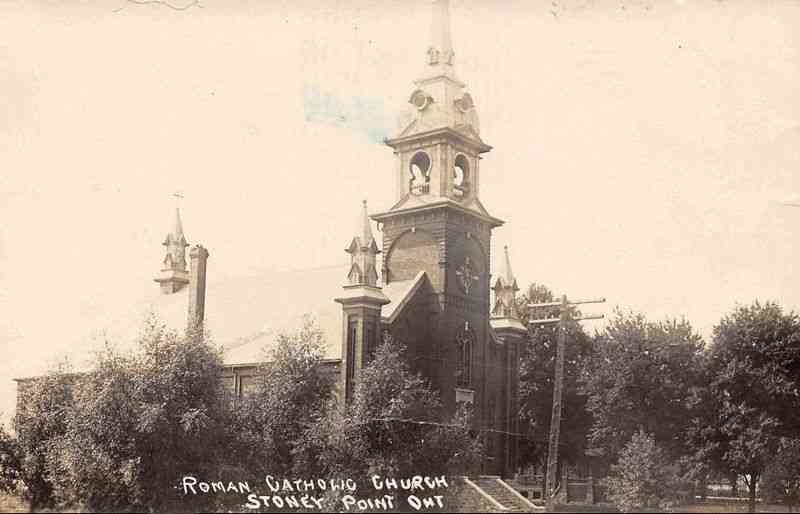
Annunciation Church (1905) in Lakeshore, Ontario

In 1893, Father St-Cyr arrived in Ontario from Nicolet, Quebec. Father St-Cyr sought out Louis Caron Junior, an architect he knew from Nicolet, to design a new church. Mr. Caron Junior was a well-known designer of churches, rectories, convents and other buildings in Quebec.

Plans were drawn up in 1903 and church construction began in 1905. It was constructed in Romanesque Revival style. The exterior had a round Roman arch which typically distinguished Roman Catholic churches in Ontario from Protestant churches that had a pointed Gothic arch.

One of Father St-Cyr’s last projects for his church was in 1911 when he ordered a large Opus 471 pipe organ from Casavant Frères in St. Hyacinthe, Quebec.
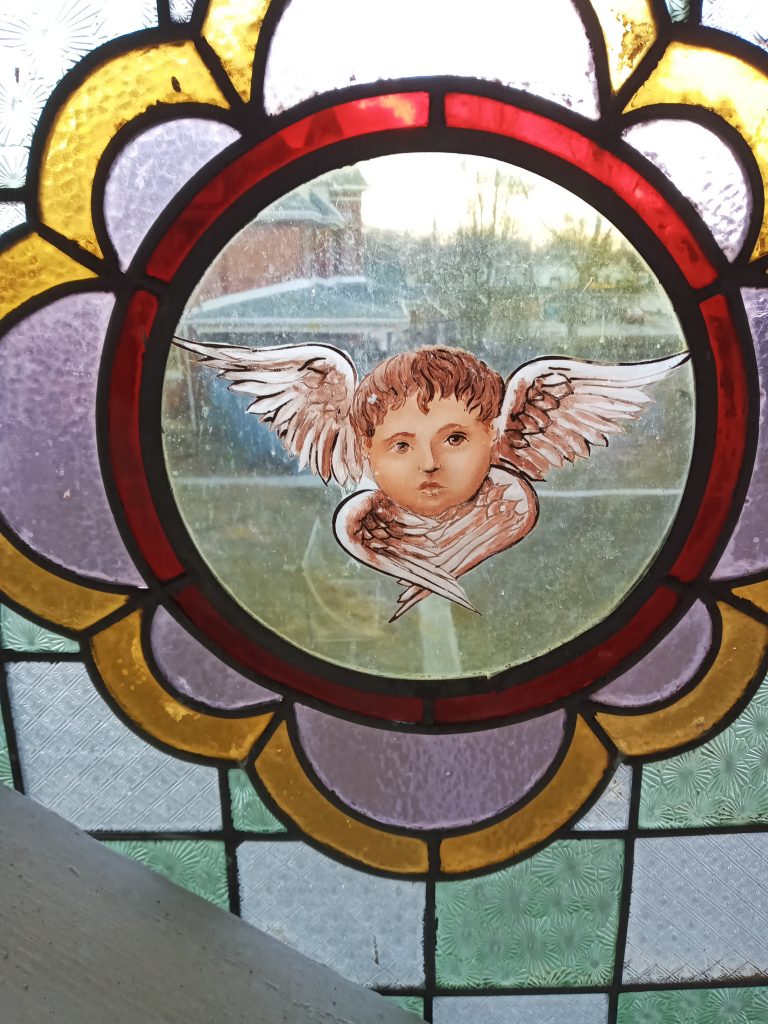
In 1929 a painting was commissioned for behind the altar. Additional renovations took place in 1961.

In March of 2000, a nearby church was closed due to unsafe conditions including falling plaster. A study was conducted to determine costs to repair that church, this church and another one. The result of the study suggested that the parishioners could renovate all three churches, renovate only thus church (because it was the largest building) or to construct a new church.

In September of 2000, 65% of parishioners voted in favour of building a new church.

In April of 2001, it was suggested this property be designated as a heritage site. In March of 2002, the town council refused. Today the property is listed as a designated historic building.

In 2005 three churches were amalgamated into the a new church. It was built at a cost of $5.2 million and capable of seating 700 people. Paintings, statues and the pipe organ from the old church were used.

Personal Commentary

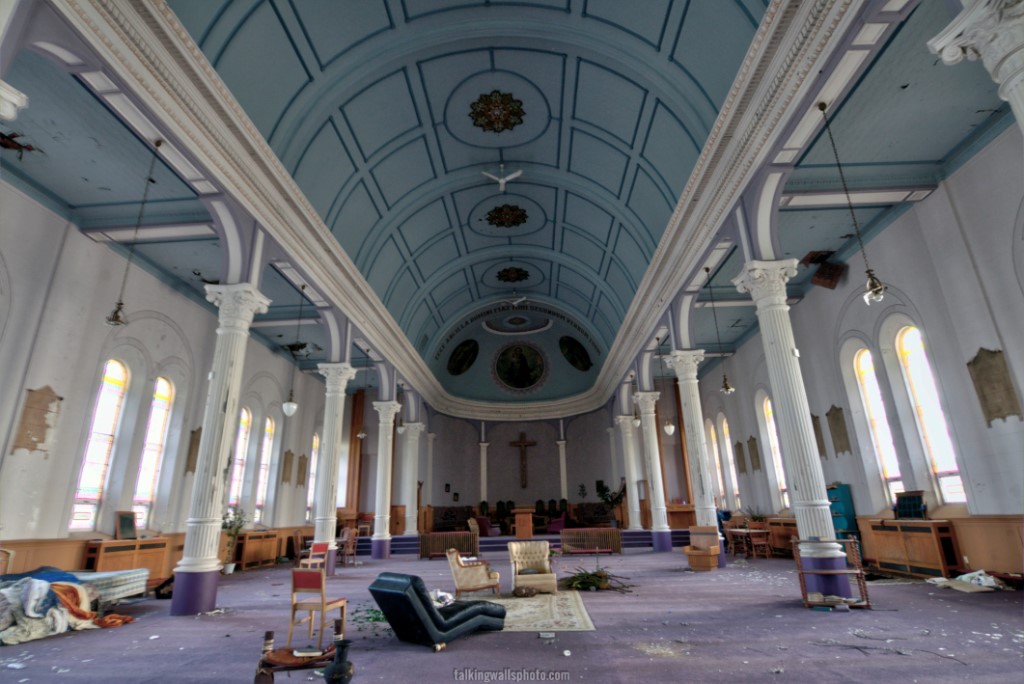
The moment I walked upstairs into this church, I was blown away with emotion and excitement. This church is beautiful!
There are a few things you never get a second chance to do. One is to make a first impression and the second is to take a first impression (with a camera). Unfortunately the later skills would be a miss today.
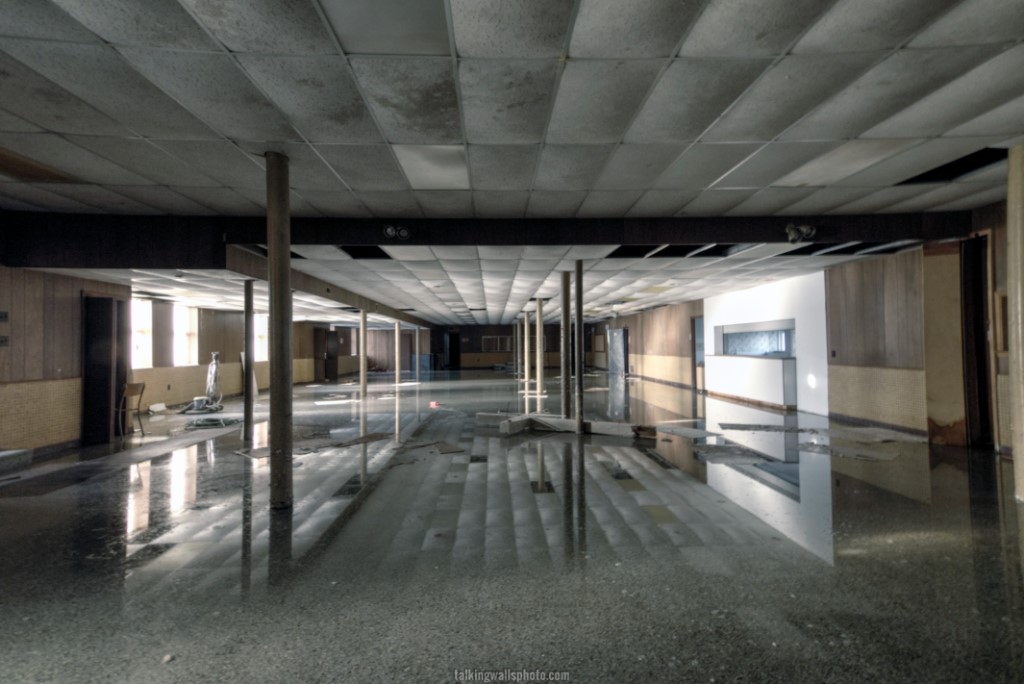
We parked down the street and walked in one at a time so as not to draw undue attention towards ourselves. The way inside was through a side door with about 1.5 inches of water covering the entire floor. I took a few photos of the basement and made my way upstairs.

I proceeded to take photographs of the church, thinking that these photos would turn out fantastic. What I didn’t realize was twofold:

one: I had my ISO maximum cranked up to ISO 6400
two: I’d inadvertently turned off my bracketing

As a result, every photo that I took inside the church was at the same exposure and with the high ISO, there was a lot of noise in the photos not to mention blur. F***

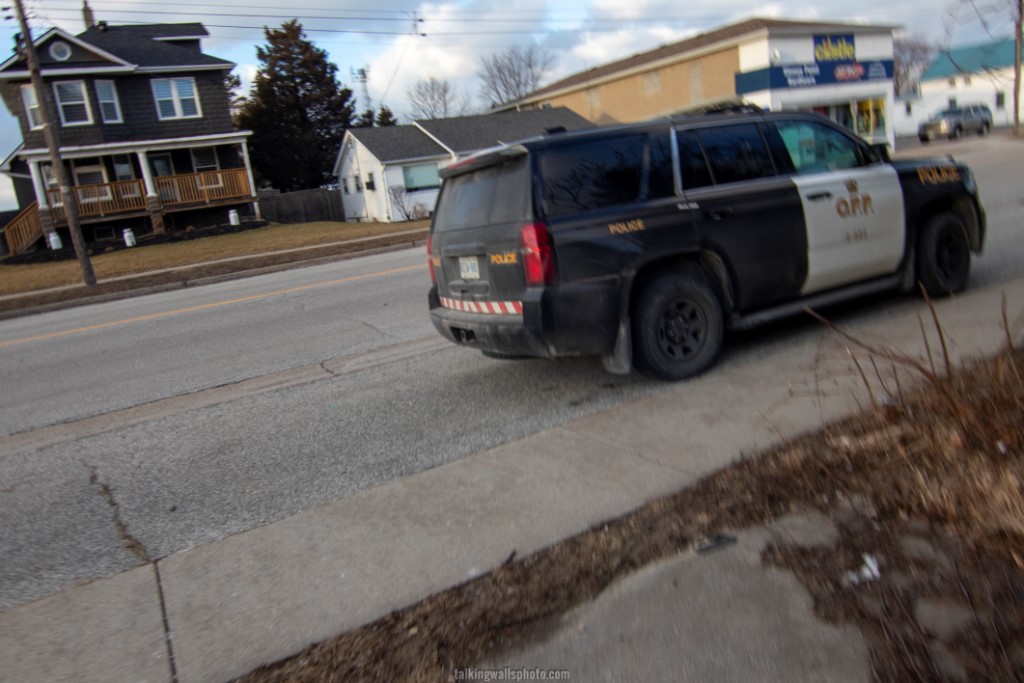
My companions were upstairs on the balcony when I heard someone speaking. I didn’t pay any attention, thinking it was someone upstairs. I then turned around and saw someone walking towards me from the front doors. Knowing that my friends were all upstairs, I looked closer and saw the word “POLICE” across the person’s chest.

Me: Oh, hi there.
OPP: What are you doing in here?
Me: We’re just taking some photographs.
OPP: Where are the others?
Me: (points upstairs) up there.

I asked if they were here because of a call, and the officer confirmed that. As it turned out, the owner (so I was told) saw us going inside the church. The church is closely watched he told us. Two more officers then entered the church from the rear. I chuckled as I asked them if they’d come from the basement because it meant they too had walked through inches of water.

I asked the first officer, “where did you come from?” and he told me that the front doors were open. Doh! He was pretty cool about the whole thing, even going so far as to take one of our phone numbers to give to the owner so we might have permission next time. The owner had already saw us go inside, so no further harm right? The officer then said, “But you’re going to have to leave.”

And so we did… he didn’t even run us through CPIC, so it was a really good outcome.

So this is why there are no photos of other parts of the church. I’ll have to go back and retake these photos some day.

Stoney Point Annunciation Church

Eatonville Roadhouse

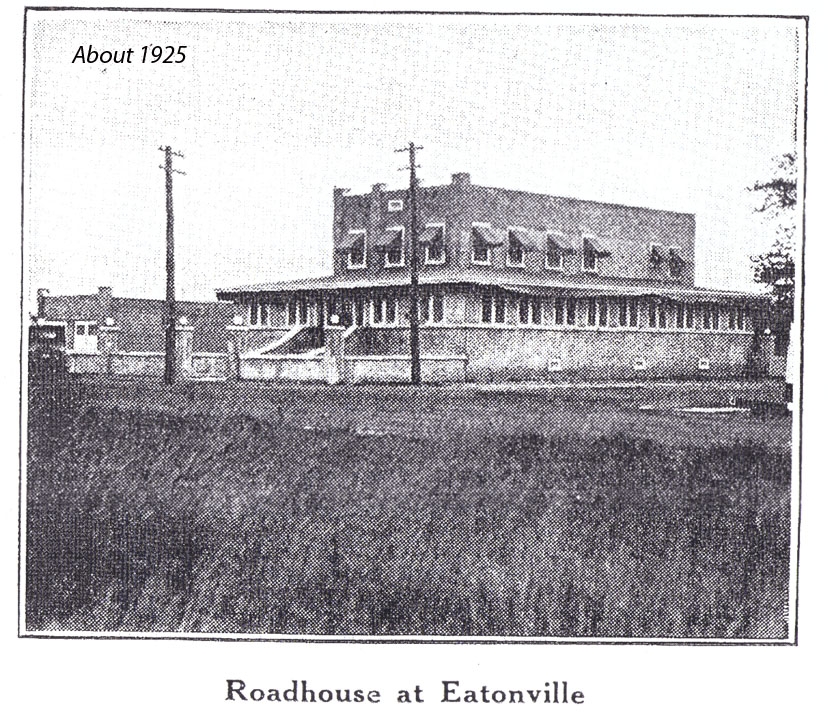
The Eatonville Roadhouse began as a business venture of J.A. Eaton to operate a hotel and roundhouse in Ontario. Eaton already owned a hotel in Chicago and wanted to expand his business to offer accommodations to people needing a place to stay while travelling from Detroit to Buffalo or Niagara Falls.

Mr. Eaton chose a location where he could also attract locals heading to Rondeau Park for dances and concerts.  By 1926 Eaton had constructed a two-storey garage, two-storey hotel and in between the buildings, a drive-thru hot dog stand.

The hotel was built with a lobby, fireplace, dance floor, and kitchen. A polished oak bar would serve up drinks to thirsty customers. The upstairs consisted of 12 bedrooms while an additional eight bedrooms were constructed on the second floor of the garage building. 

Eaton’s dream was not without its obstacles. He encountered problems with the building contractor. The Department of Highways wanted the fence moved because they felt it was too close to the road.

The largest obstacle was that the township was “dry”, meaning that no alcohol sales were permitted. Ironically the lot across the road was located in a township that was considered “wet”. 

By 1936 Mr. Eaton gave up on his dream and sold the buildings to Howard Pyne. Pyne made alterations to the property and reopened the business as the Sunset Hotel (later changed to Park Hotel).

In 1939 residents petitioned to remove the alcohol ban in the township. Over 900 residents signed the petition while the local churches opposed the sale of alcohol. The petition wasn’t able to reach the necessary 60 percent of votes to remove the ban.

To get around the alcohol ban, Pyne began working with a partner to create bootleg alcohol. When word of the bootleg alcohol spread to hotels in nearby towns where alcohol was legal, the police put a stop to the sale of alcohol at the Sunset Hotel.

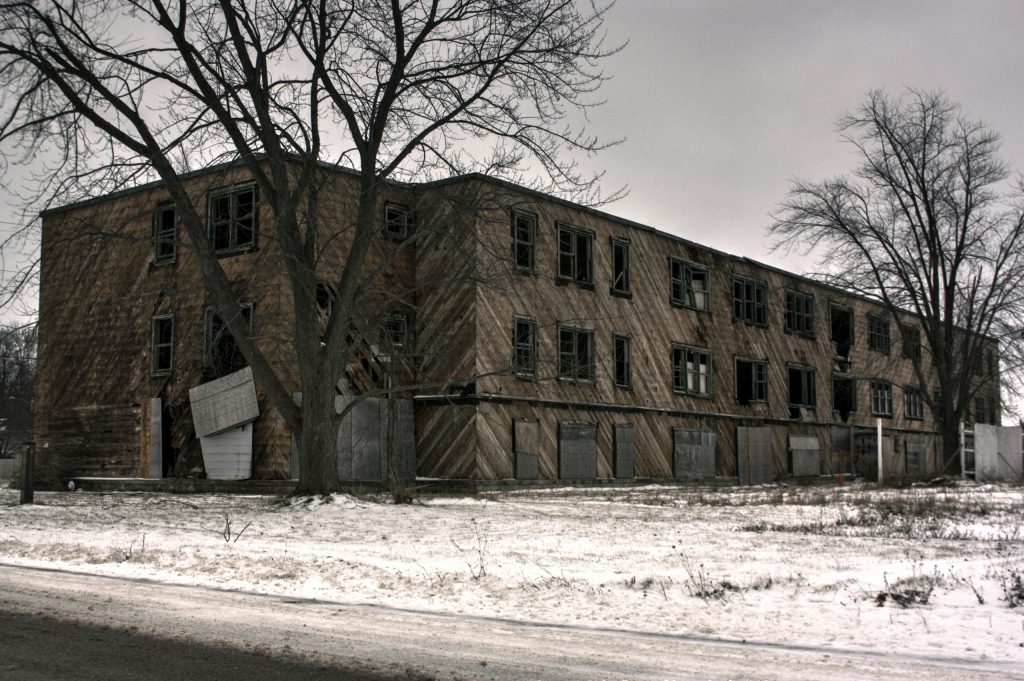
In 1941 Mr. Pyne was awarded a contract for a Farm Service Camp which allowed local young men to eat and sleep at the hotel while working on local farms as part of the war effort. The young men were paid daily and allowed to miss final exams if their marks warranted it. An eight hole outhouse was constructed at the back of the property.

After a disagreement with the government, in 1942 Mr. Pyne rented the hotel to the Federal Government to use as a Federal Internment Camp. The camp housed 55 Japanese men from British Columbia. The men worked under the supervision of an RCMP officer to clear timber and bush from Rondeau Park. Mr. Pyne permitted a Japanese bath to be built in the garage which the Japanese used after returning from work.   

After the war Mr. Pyne built a large hen house for 2,000 chickens. The eggs were sold at nearby markets and chickens sold to dealers and tourists.  The garage and hotdog stand were demolished sometime after 1960 and Mr. Pyne’s daughter sold the property.   

Current Status

Local farming family, the DeBrouwers approached the city in late 2015 for permission to tear down the structure. The municipal heritage committee tried to persuade the council to preserve the site. The result was a 17-1 vote to repeal the heritage designation. Please be respectful to this (and all) locations.

All research by TWP. The historic photos I believe are Howard Pyne’s.


CFB Clinton

This Canadian Forces Base opened in July of 1941 where radar operators were trained. Personnel came from the UK, United States and of course Canada.

The site closed in 1971. As of 2016, a few buildings remain including the barracks.


Canadian Westinghouse (Hamilton)

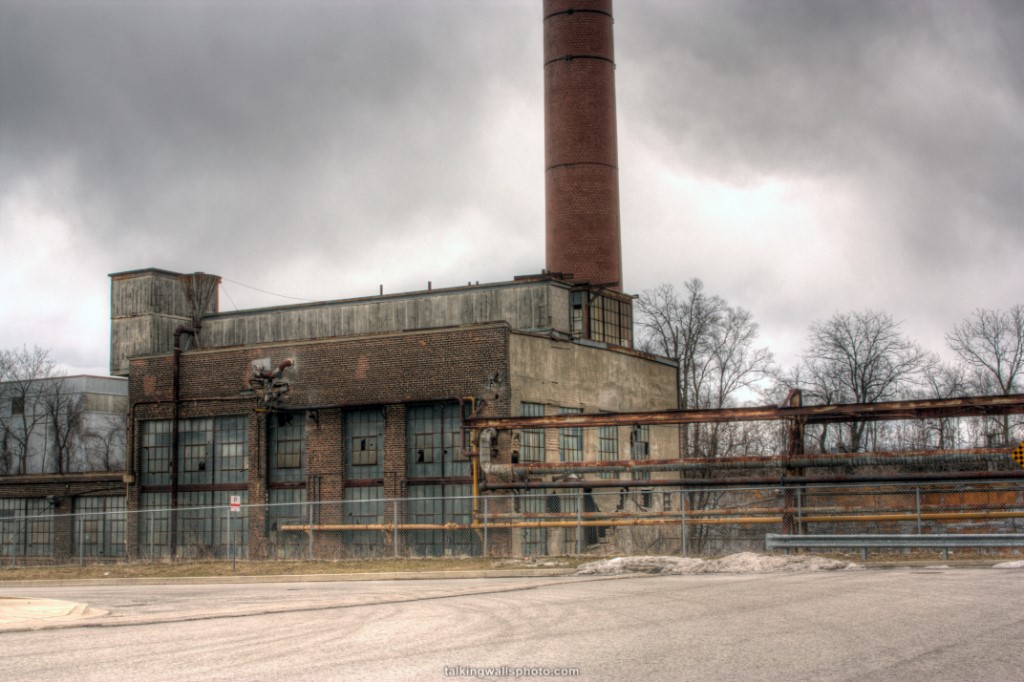
The Canadian Westinghouse Company was incorporated on July 9, 1903. Within 10 years the company had expanded their Canadian operations to include offices in Vancouver, Toronto, Montreal and Winnipeg. There were over 3,000 employees by 1915.

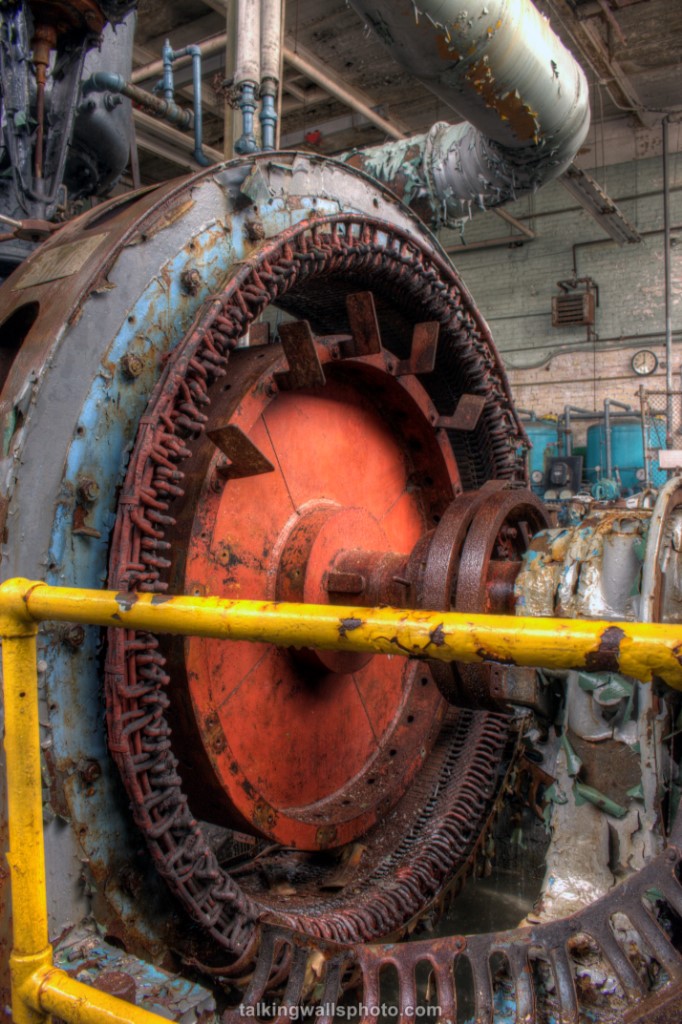
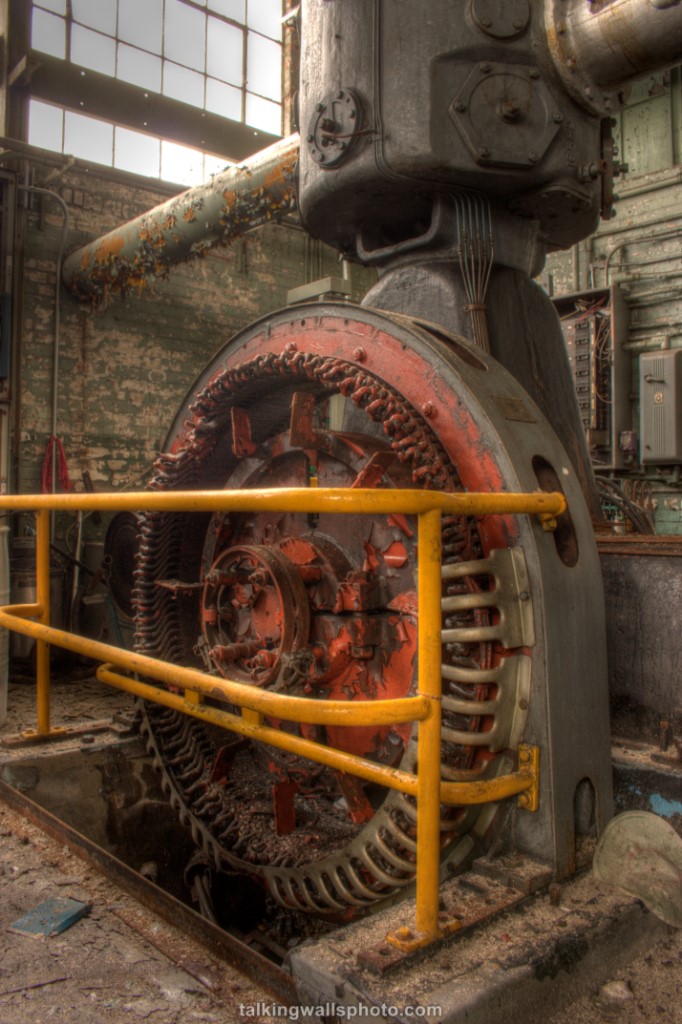
The production factory was located on Sanford Avenue in Hamilton . Production was primarily air brakes but later included motors, generators, stoves, toasters, transformers, and turbines. In 1917, the company constructed a five-storey head office building across the street from the factory. A bridge connected the two buildings.

The head office featured large, arched windows and decorative keystones and cornices were key elements in the building’s design.

By 1957 there were 13 manufacturing locations, nine service shops and 18 sales offices across Canada. By 1955, the Hamilton location had 11,000 employees.

The corporate diviosn moved downtown in 1983 while remaining Westinghouse staff moved out of the building by 1987.

In 2001, the City of Hamilton took possession of the building due to tax arrears. Repairs were estimated to be $5,000,000 and so the property was put up for sale as surplus. It was purchased in 2003 for $200,000. Today the building has been renovated and is home to new businesses including an architectural firm.

The plant was located at 286 Sanford Avenue North, Hamilton.


Studebaker Plant in Hamilton

Studebaker was founded in 1852 as a manufacturer of carriages and harnesses for farmers, miners and the military. Beginning in 1904, the company began production of gasoline powered automobiles under the name of Studebaker Automobile Company.

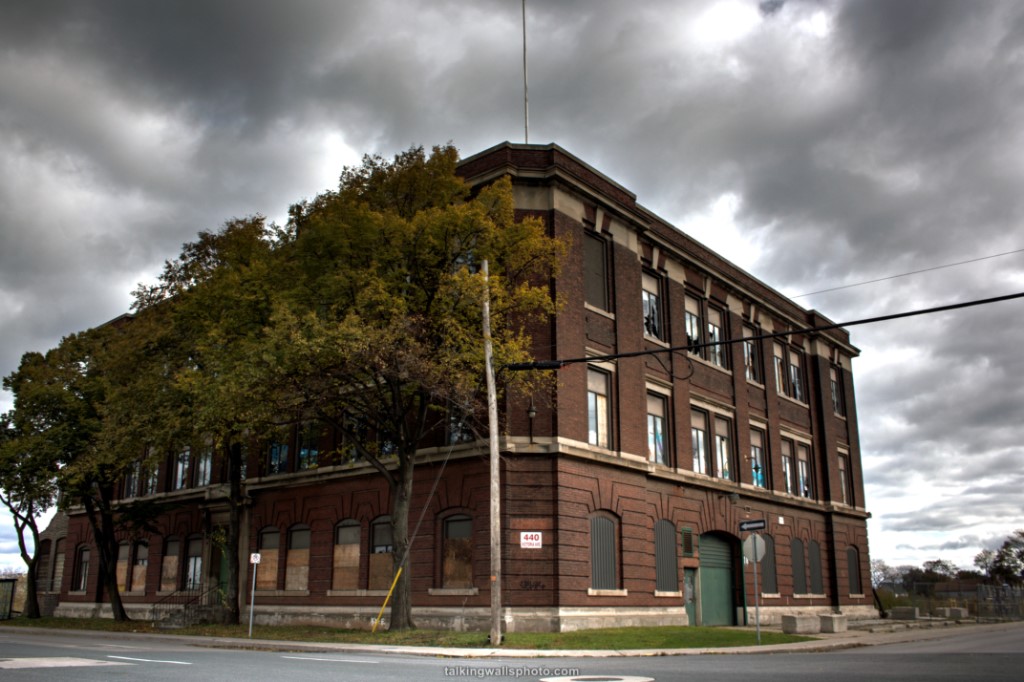
The factory, located at 440 Victoria Avenue North in Hamilton, had previously been used by Otis Elevators in 1902. From 1914 until 1918 it was used to manufacture shells fror WWI. In 1940, the Federal Government built a gun plant on the Otis Elevator site for World War Two (WWII). Following the end of WWII , the Federal Government then sold the plant to Studebaker of Canada.

On August 18, 1948, the first vehicle, a blue Champion four-door sedan, rolled off the Studebaker assembly line surrounded by 400 employees and news reporters. The following year, the company exceeded both production and profit expectations.

In 1950 through to 1955, the Studebaker plant produced half-ton trucks.The plant was an enormous 740,000 square feet built on 7 and one half acres of land. Steel which was required for automobiles was in close proximity, given Hamilton’s primary industry as a steel producer.

By the 1960’s, the plant was producing Larks, Hawks and trucks. In 1963, the South Bend, Indiana plant closed and global production shifted to Hamilton. The production line was reduced to Daytona, Cruiser, Commander and Wagonaire vehicles.

Studebaker also imported cars for Volkswagen of Canada. They were able to take advantage of lower import duties due to their classification as a manufacturer. Volkswagens were imported from Germany and Studebaker sold them for a $150 profit apiece.

The last car to roll off the line was a turquoise Lark Cruiser on March 17, 1966. Studebaker ceased business the following day. 700 employees found themselves out of work. Otis Elevator purchased the proprty a few years later to use as a warehouse – which was in use until 1987. Following this, Allan Candy used the plant until 1997.

Most of the plant, which has been described as being the “size of three Home Depots”, has been demolished. From 2012 until 2013 more demolition and clean up took place but was not completed.


Mikayla’s House (London)

I’ve known about this house for a while now and finally decided to give it a visit one rainy morning. I wasn’t sure that I’d be able to gain access once I saw fresh plywood on a patio door and tire tracks in the driveway.

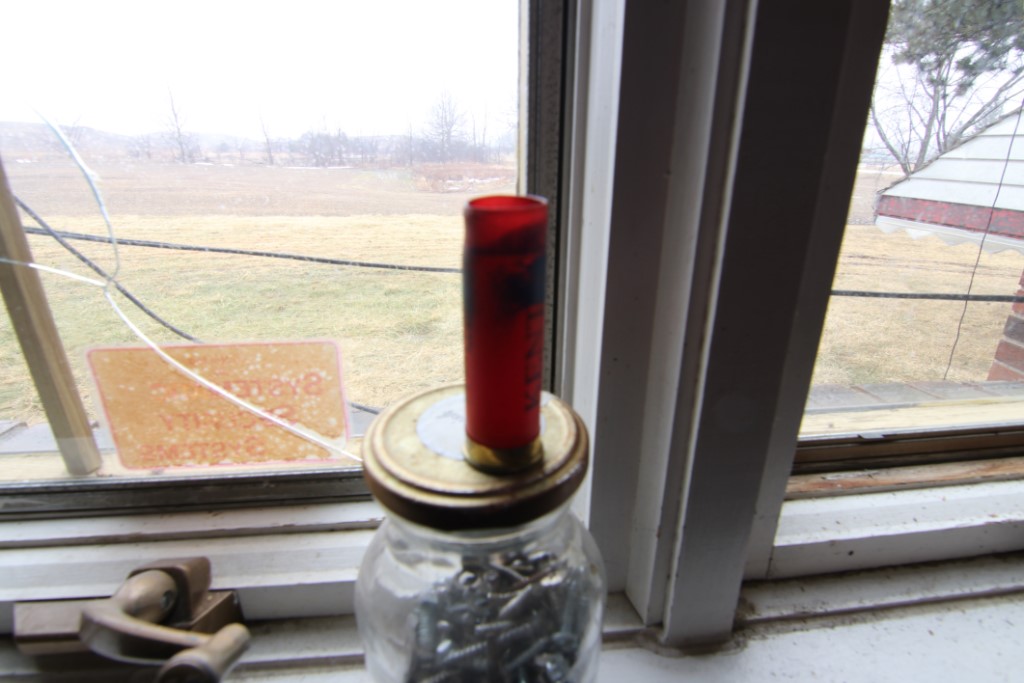
Fortunately a door was open. Nothing really stood out to me as being interesting. There were several consumed cans of beer, a few shotgun shells. The basement was flooded a few feet. Midway through my visit, I started to cough. My throat began to burn. By the time I walked out the door, my eyes were burning with pain. My skin was flushed. I think someone poured a large amount of Javex on the floor, although my sense of smell didn’t detect anything unusual.

It took me 10 minutes before I was able to drive home due to my watering eyes.

This house is named Mikayla’s House because it was sent to me for potential exploring by a former occupant named Mikayla.

The photos aren’t the greatest, as I was in and out quite quickly. There was a bird trapped in the living room that I tried to free from the blinds. Even if I could have persuaded it to fly out of the window, it was unlikely to find it’s way out to the door. It disappeared while I was upstairs, and I don’t know if it exited or not.

Thanks Mikayla!

Exploring Mikayla's House - Southern Ontario

The Polish Soldier’s Time Capsule House

This house is the kind of house that I’ll drive hours to explore. You could easily spend hours here, pouring over the contents left behind. I’m naming this location, the “Polish Soldier’s House” and this is the back story.

To keep undesirable people from finding the house, names aren’t being disclosed nor are the full dates. As enjoyable as it is to present these houses, there is still a family we need to be cognizant of.

A.K. was born August of 1914. I.T. was born February of 1924. During World War II, I.T. arrived home one day to find that her house was being taken over by Nazi soldiers.

A.K. enlisted as a soldier in the Polish army as a translator as he was able to speak several languages. A.K. & I.T. ended up as prisoners in a Nazi camp.

The couple moved to Belgium after the Second World War and were married in 1946. They celebrated their first anniversary in Belgium. The couple eventually emigrated to Canada and had a daughter and son. I believe that A.K. worked as a teacher in Canada.

They purchased this house in 1969 for the amount of $2 which is typical of homes transferred down from family.

The couple passed away in 2010 which means that the house has been unused for 12 years now. What makes the house so appealing to me as a historian, is that the couple were elderly and so many of the contents of the house are antiques.

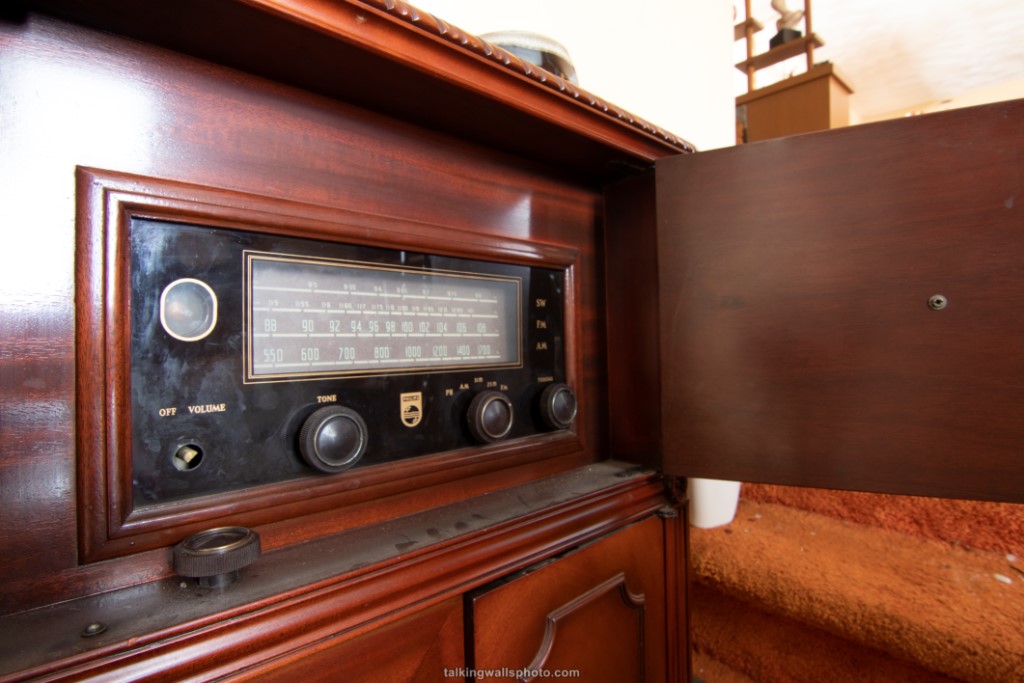
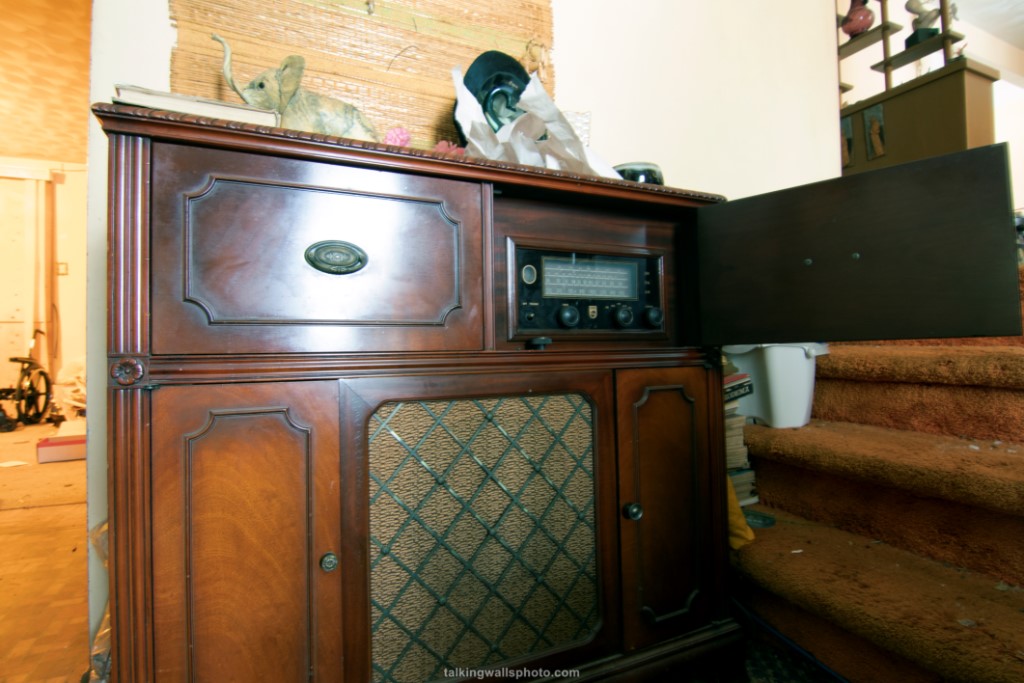
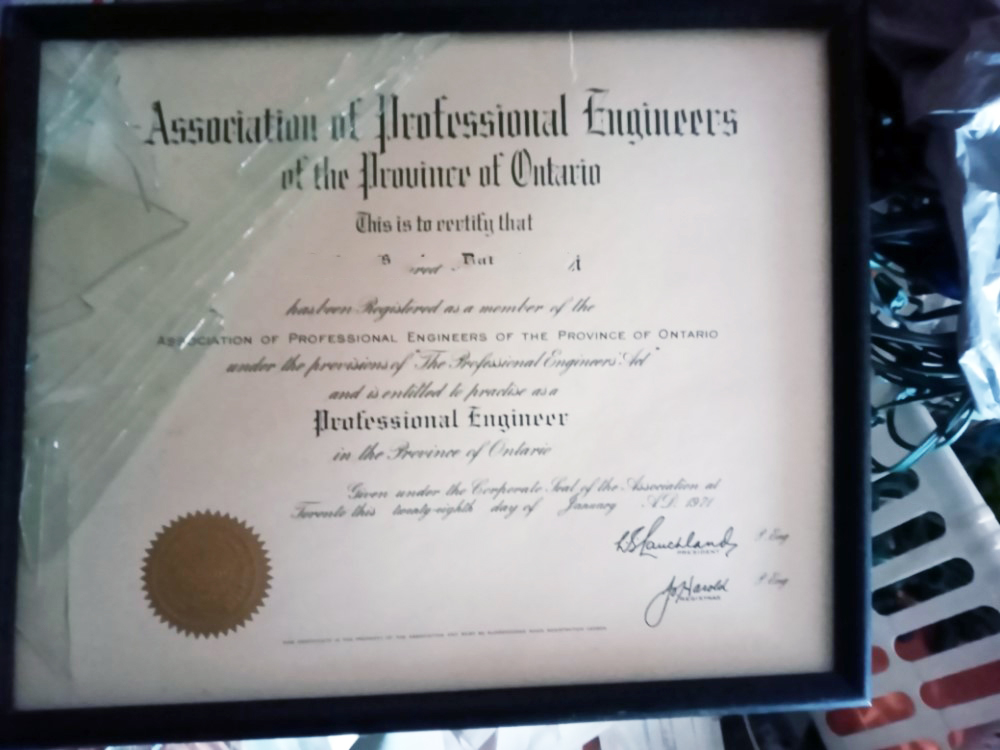
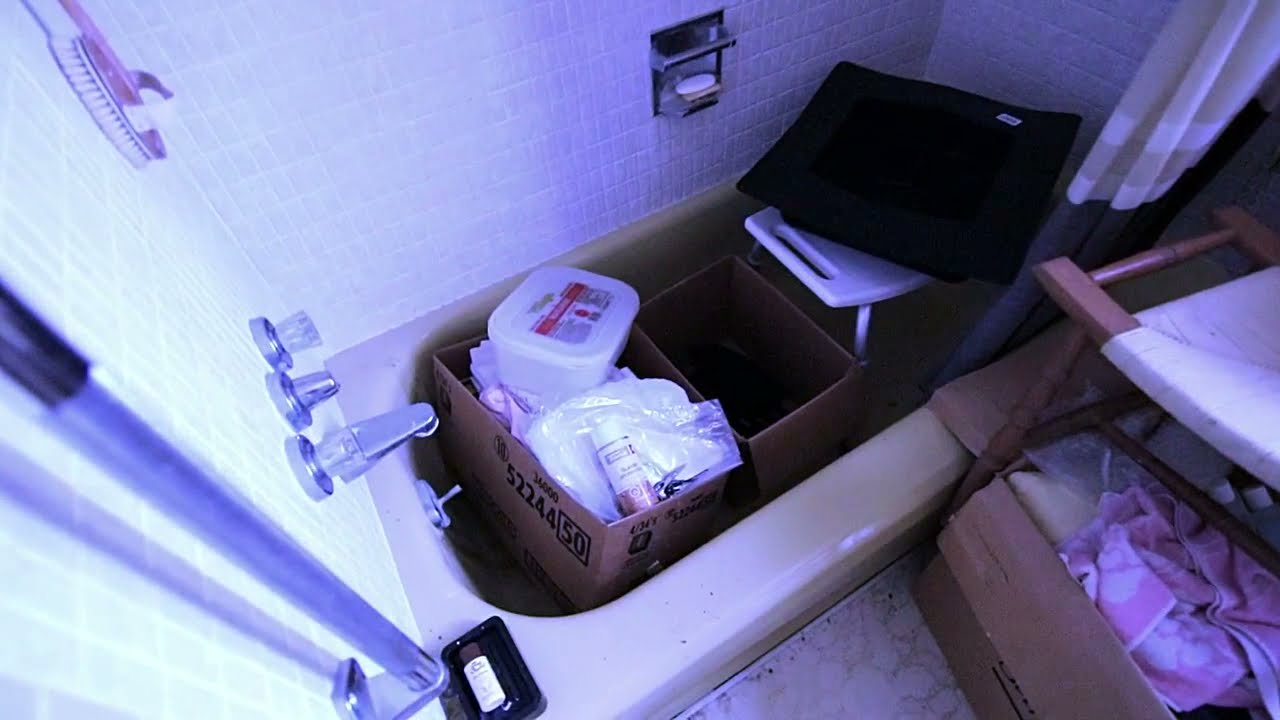
The front entrance has a few items piled into boxes. It looks like someone started the process of packing up the house, but stopped. An antique radio cabinet sits at the stairs leading up to the living room. In the living room, there’s a framed certificate from the Association of Professional Engineers. The certificate is dated 1971 and is issued to someone with a last name that isn’t found anywhere in this story. The frame is broken and shards of glass are embedded into the carpet.

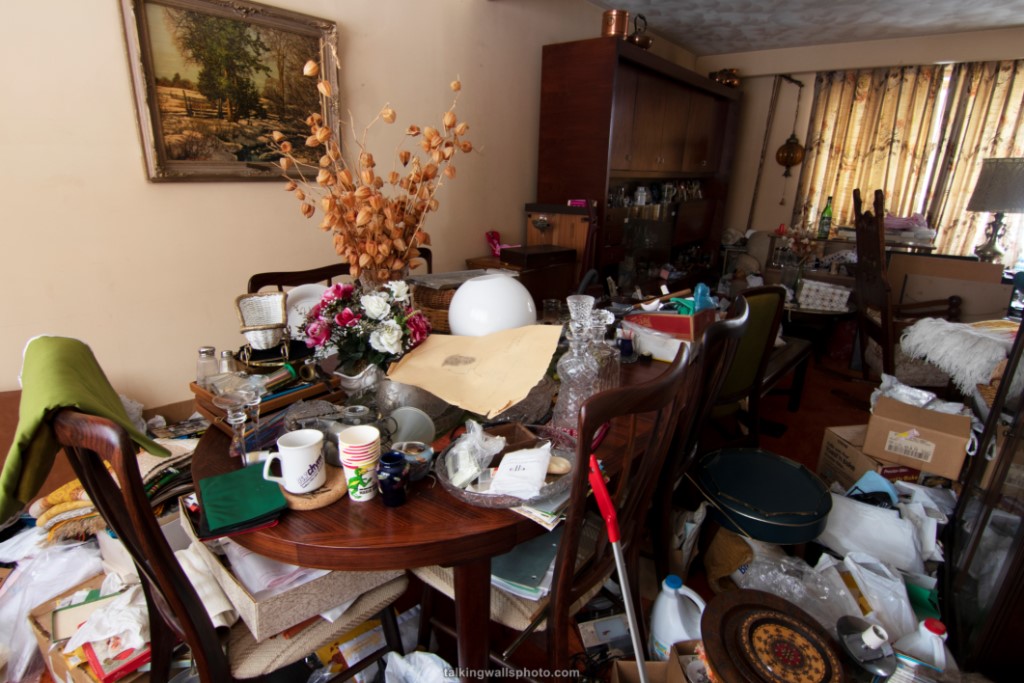
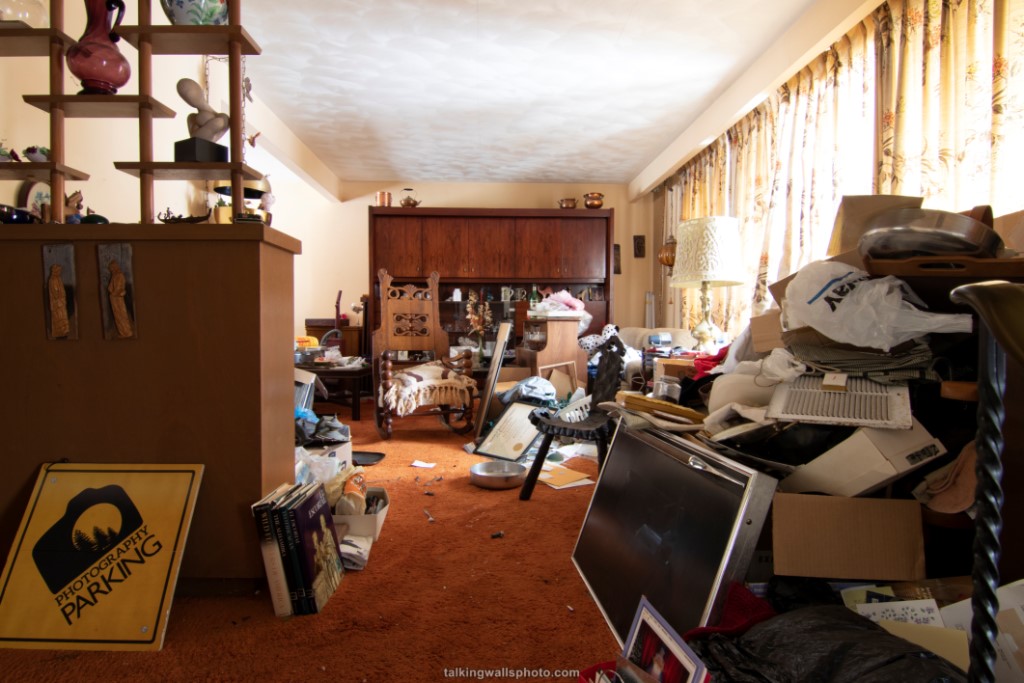
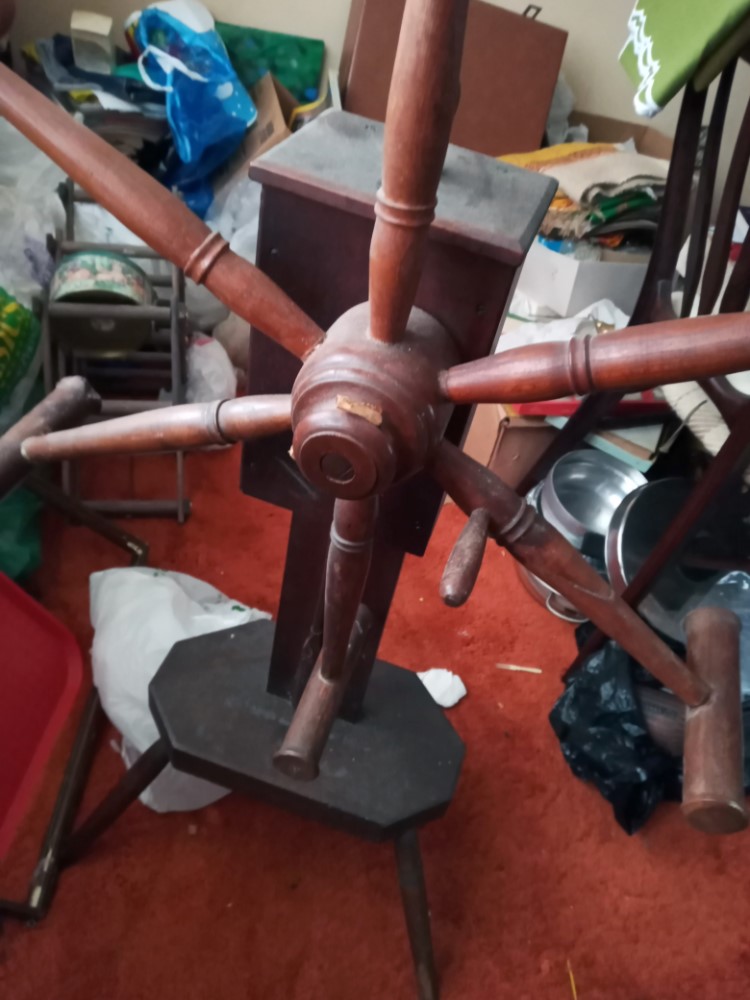
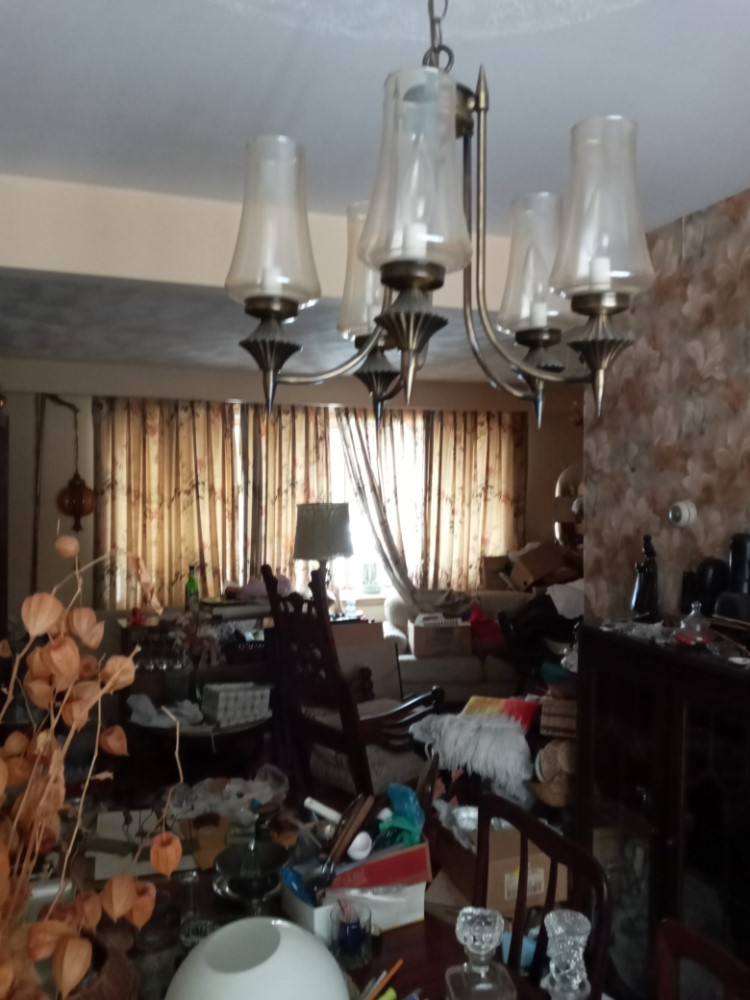
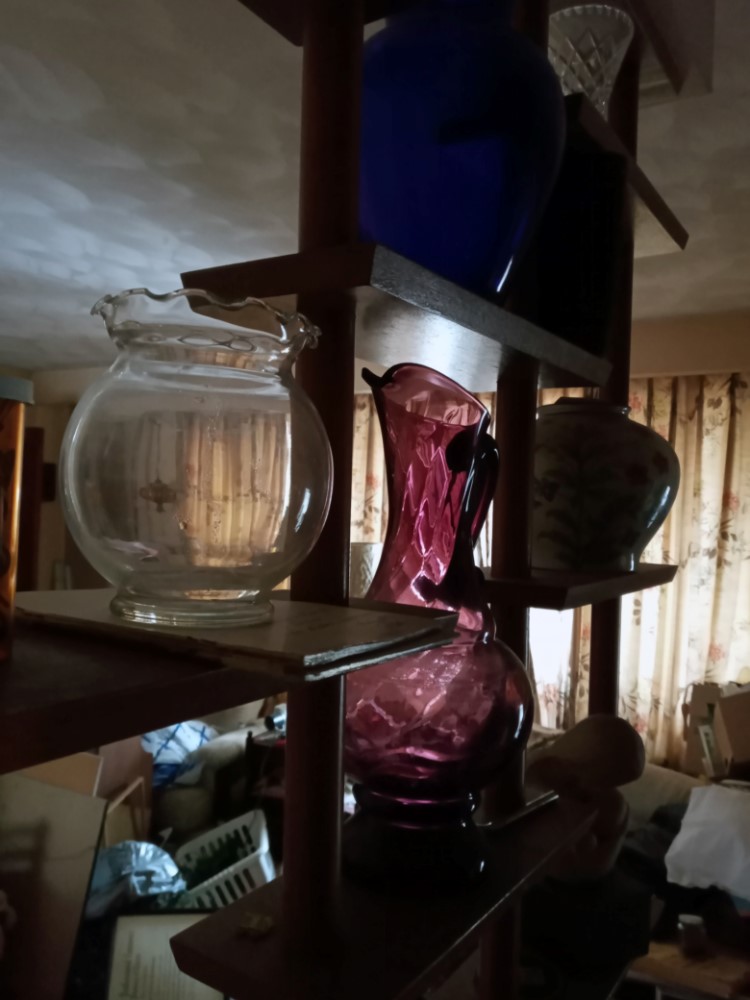
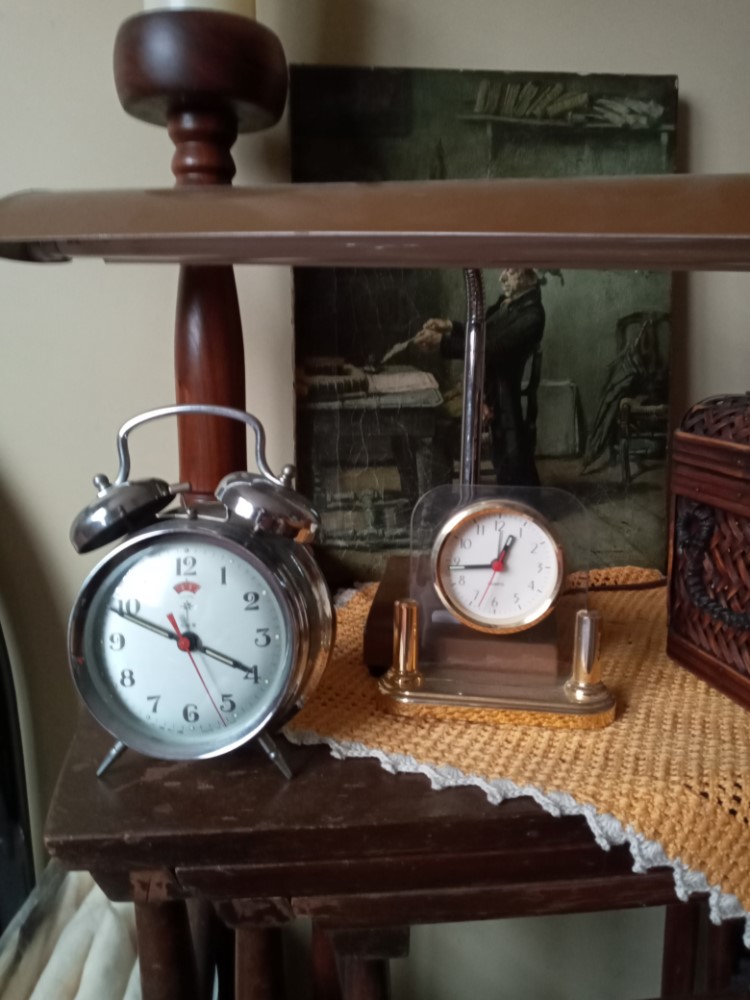
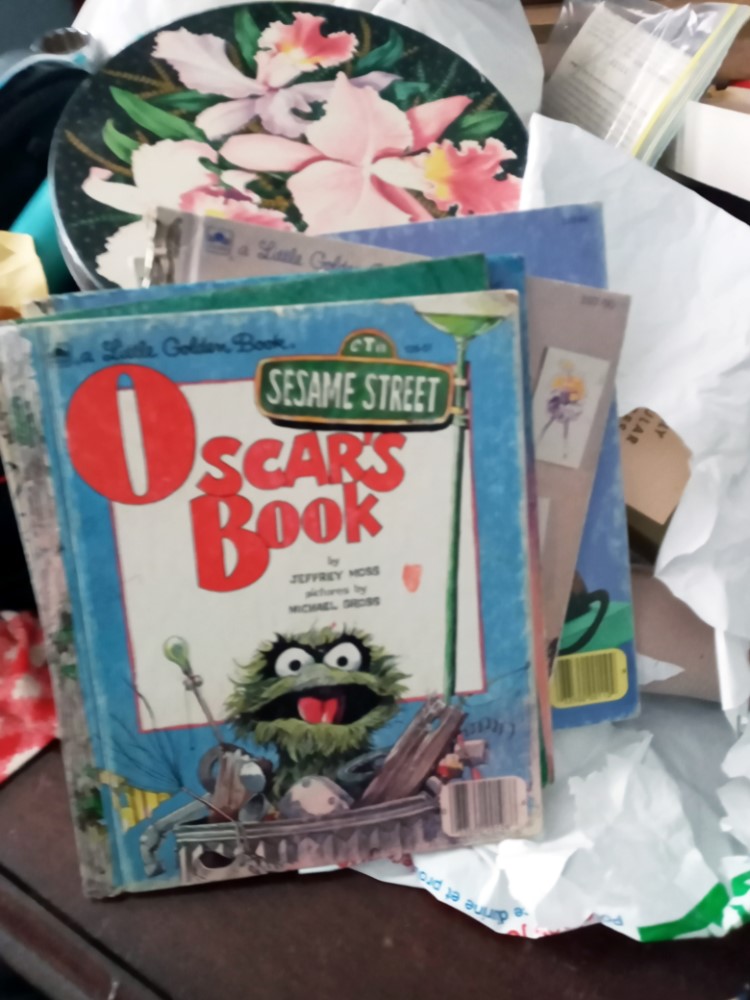
This is one of those houses where your mind struggles to absorb a whole lot of stimuli at once. There are boxes of items everywhere you look. In the dining room is an antique boat steering wheel. On the dinner table are assorted kitchen pots and pans. The wall unit has several old wine glasses and beer steins.

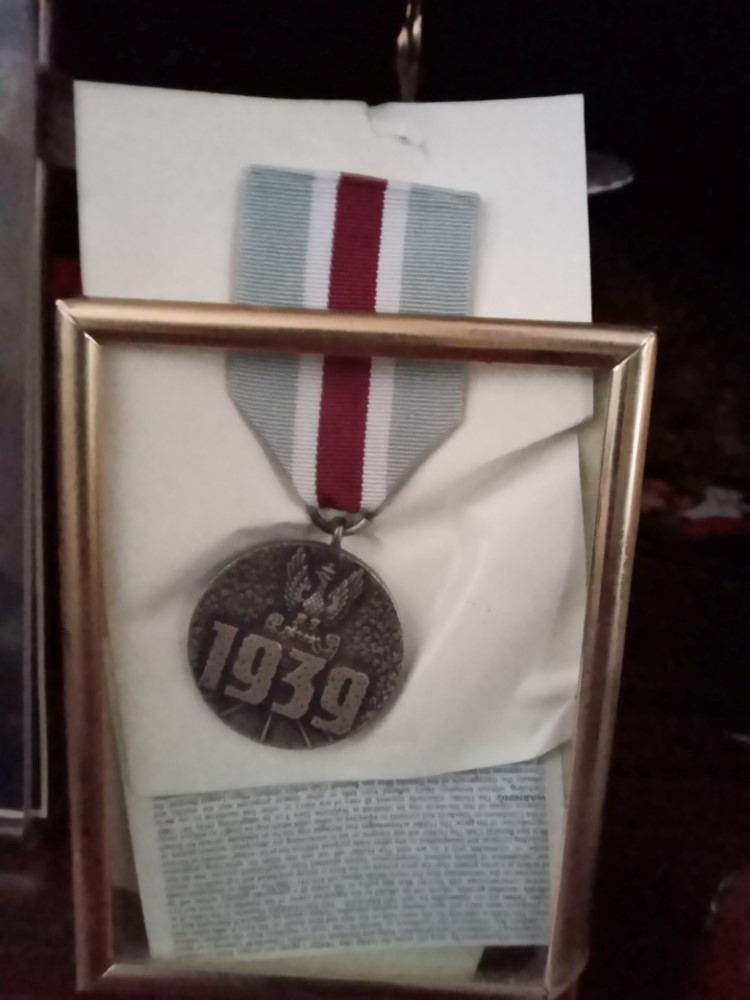
On the bottom shelf of the wall unit is a Second World War Medal dated 1939.

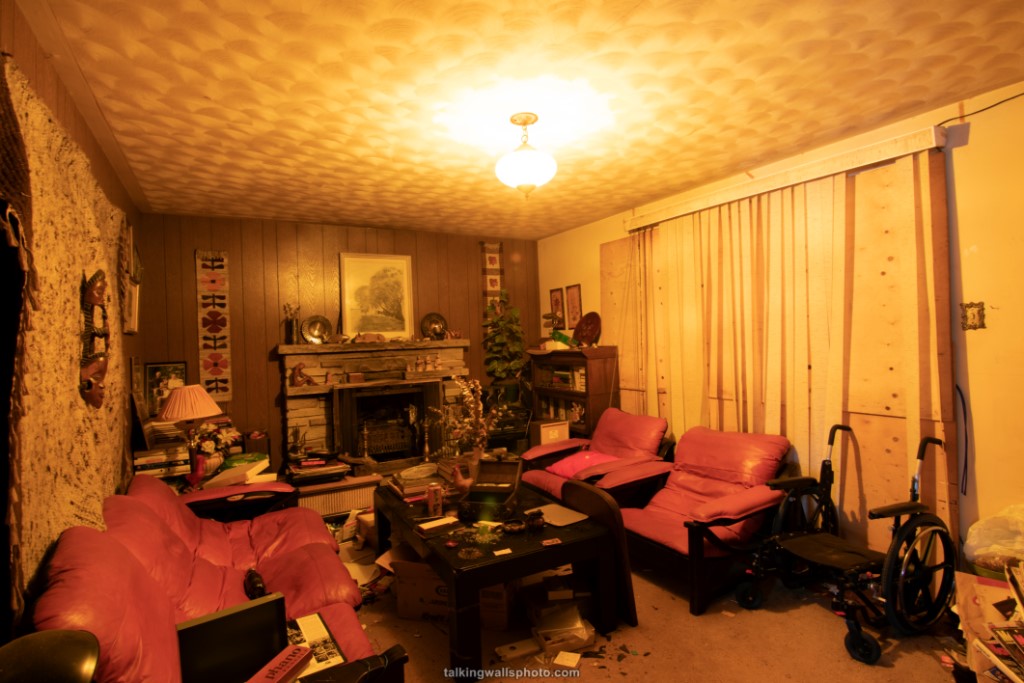
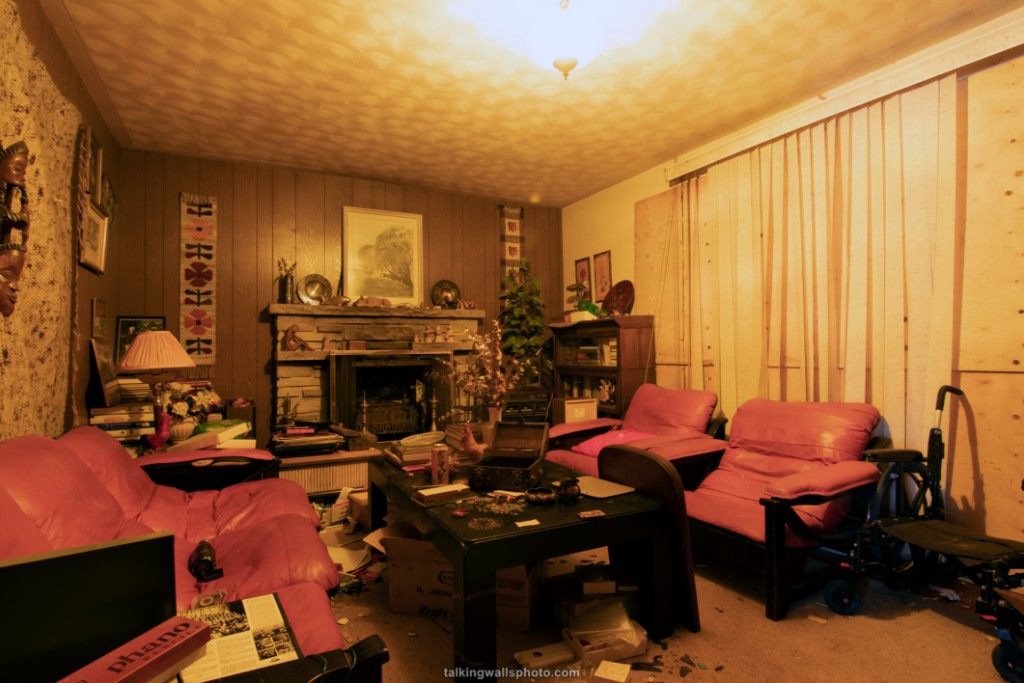
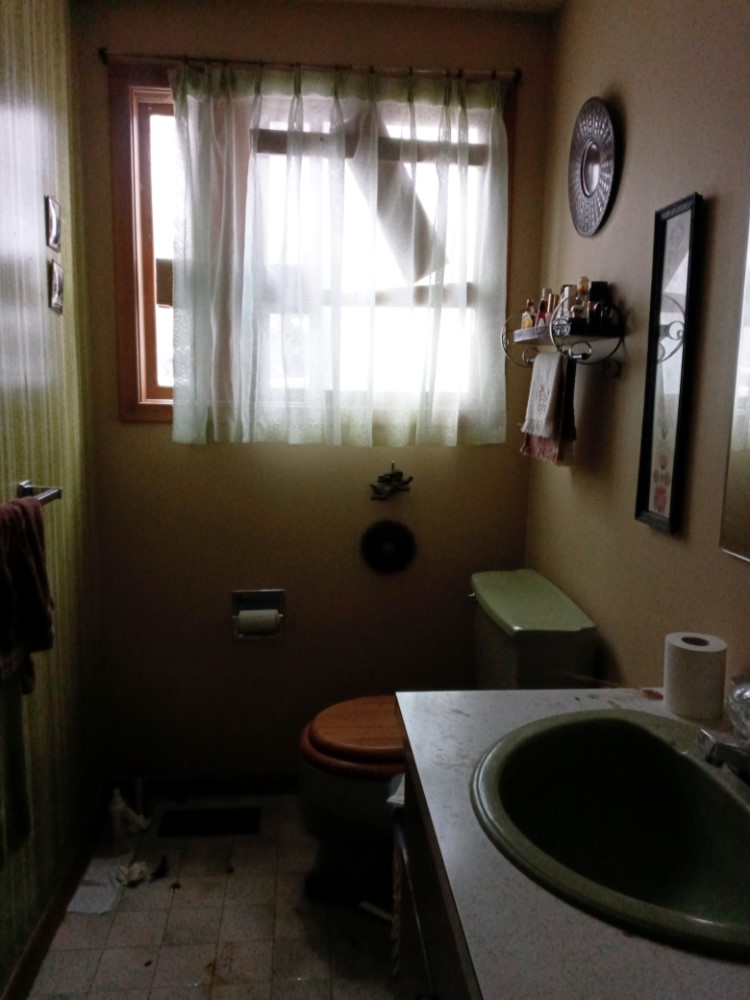
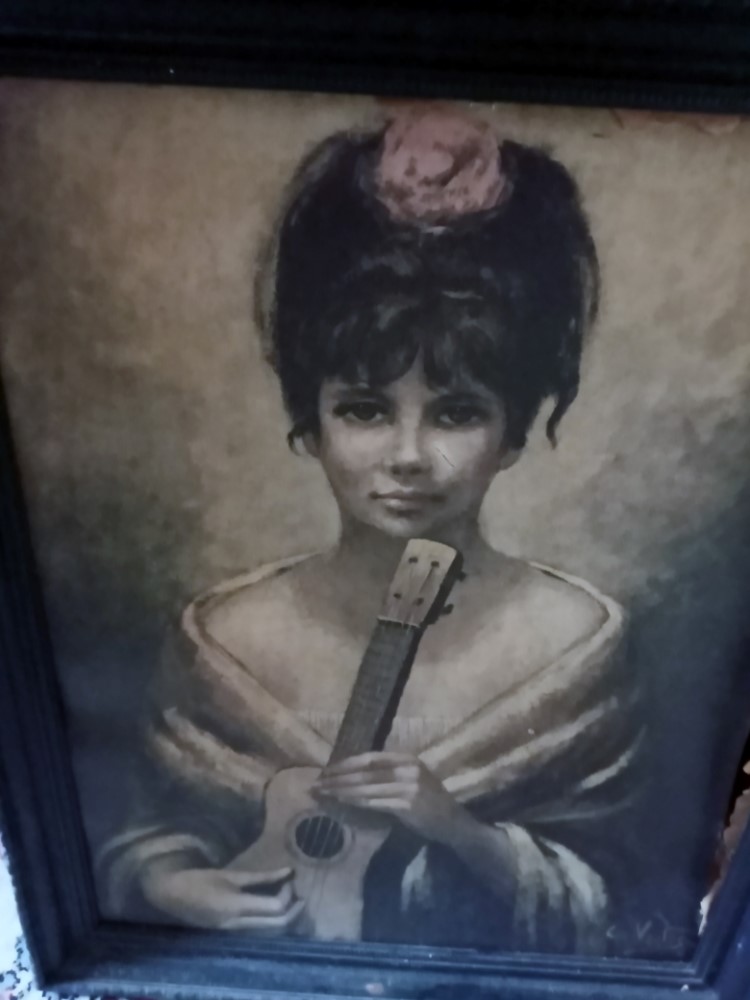
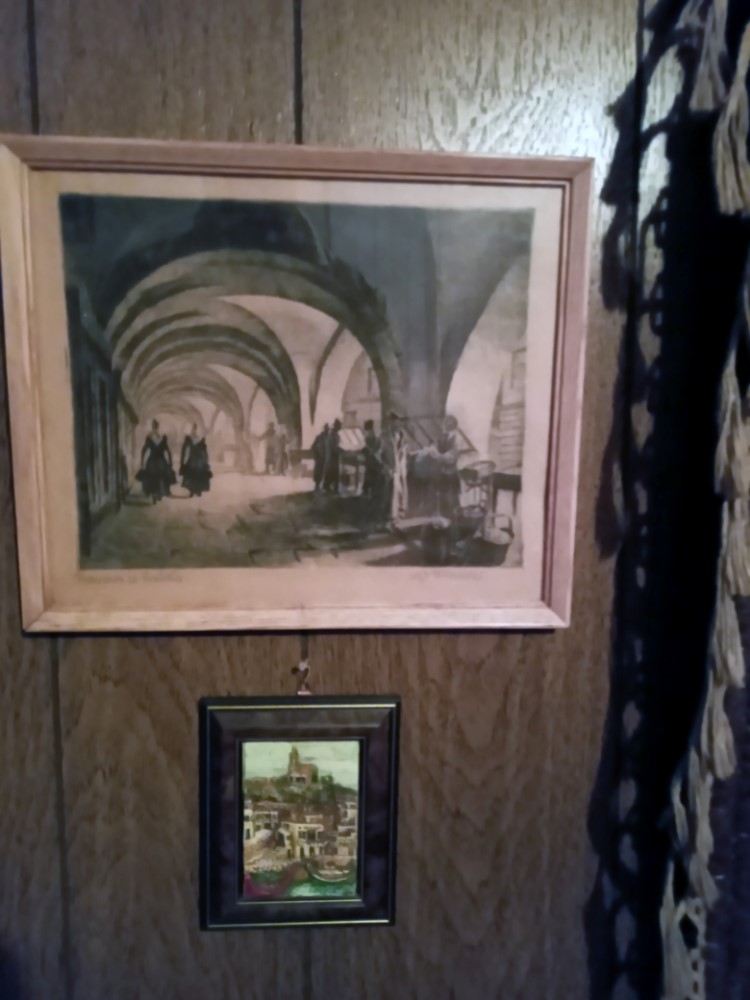
Explorers often find these houses in a variety of conditions. Ideally the rooms are intact, clean, and look untouched from an earlier era. Worse case, they’ve been vandalized, items strewn about and there is water and mold damage. The living room is still very much intact and looks like a throwback to the 1970’s. There are pillows, a laundry basket and several framed paintings out of place making the room appear cluttered. While not a perfectly untouched time capsule, this house has zero vandalism. 

There’s an old bookcase shelf unit that goes from floor to ceiling, as many 70’s houses had in the entranceway.

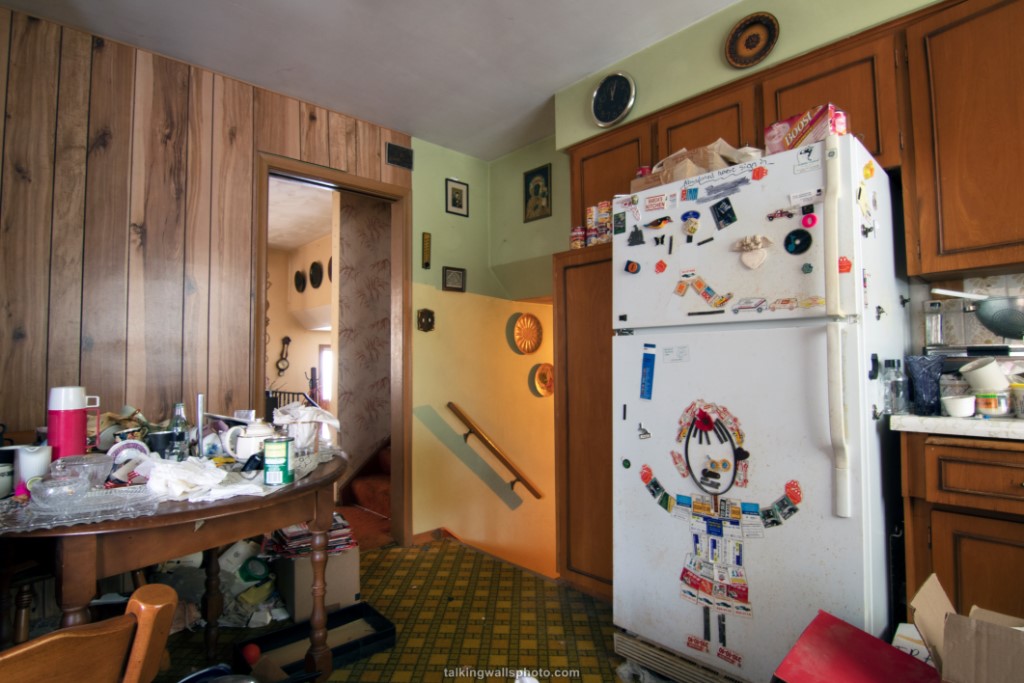
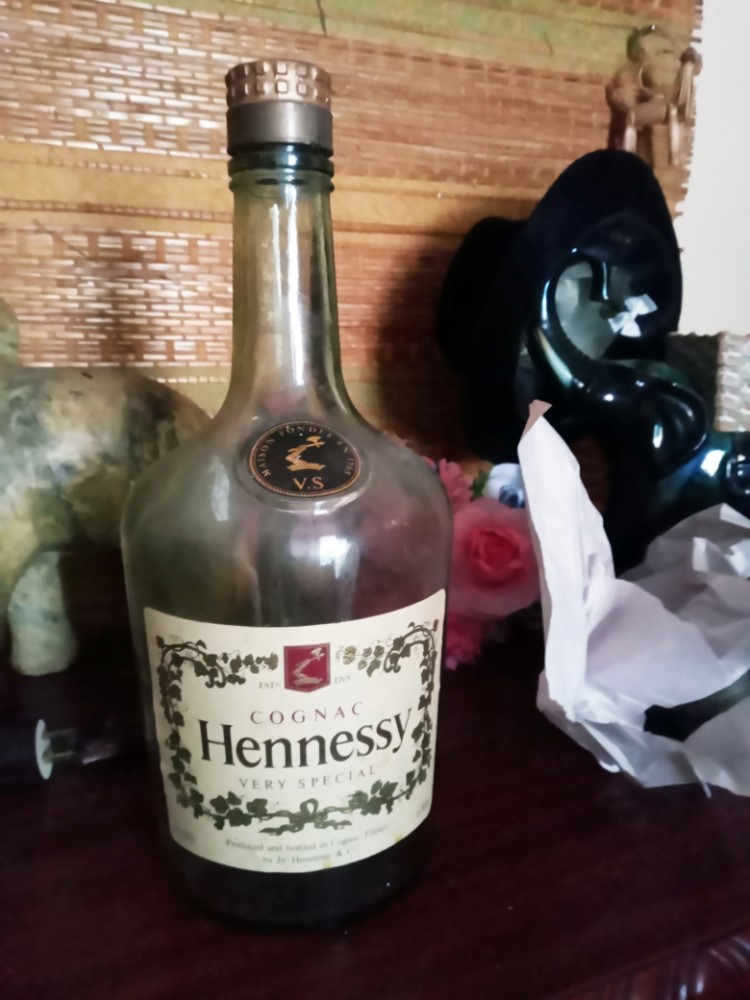
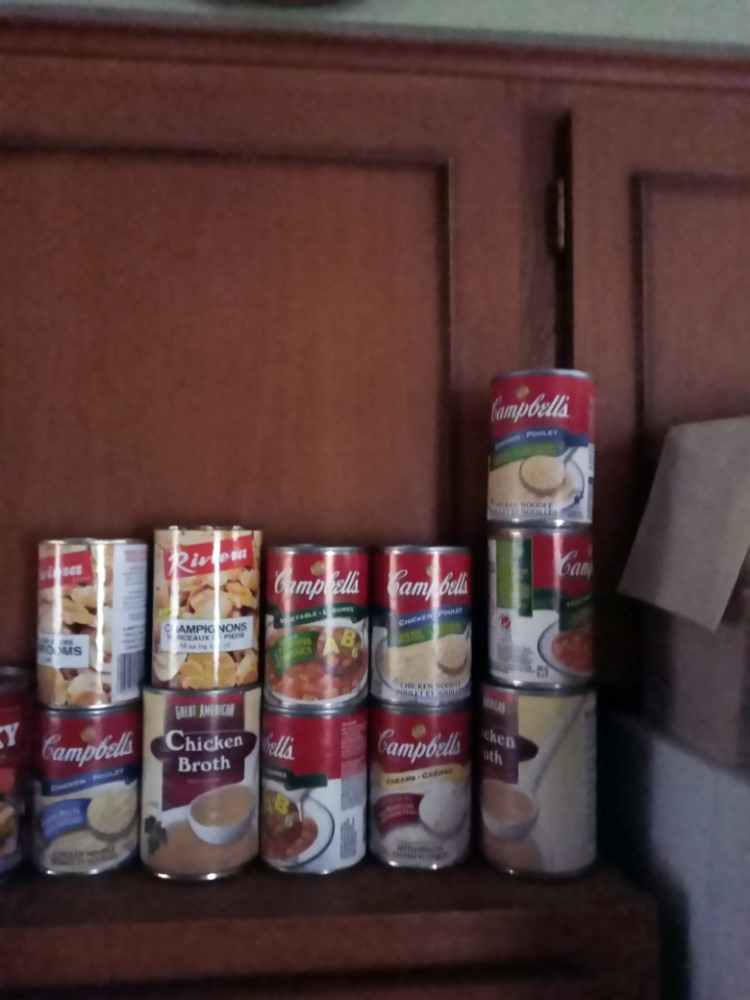
In the kitchen I found a frozen carton of chocolate milk. I tried to examine it for an expiry date but it was stuck to the sink. I totally forgot to check inside the fridge. To the left of the fridge on top of a pantry, are several newer looking cans of soup. A cartoon figure has been made out of fridge magnets and I suspect the couple had frequent visits from their nieces and nephews.

Someone has written “abandoned house sign in “ on the fridge but then wiped out their names. It looks to have been done in marker, which is generally frowned upon by explorers. A fridge magnet shows a calendar date of 2006, four years prior to the occupants passing.

The stove and kitchen counter top are covered in stacks of pots, cups and utensils – most of which are clean. On the kitchen table is a Time Magazine dated December of 1992.

The electricity is working, which brings the question who has been paying the utility bills for 12 years?

In a back room area, the light is on. It appears someone has been using the house to smoke. There’s a can of energy drink, cigarette butts, and what looks like dried marijuana on the table. The patio door is covered with plywood which I suspect that at some point someone had broken into the house, and the door was covered to prevent further entry. I found several stacks of old 33 RPM vinyl records including a 1983 Smurf’s Party Time LP.

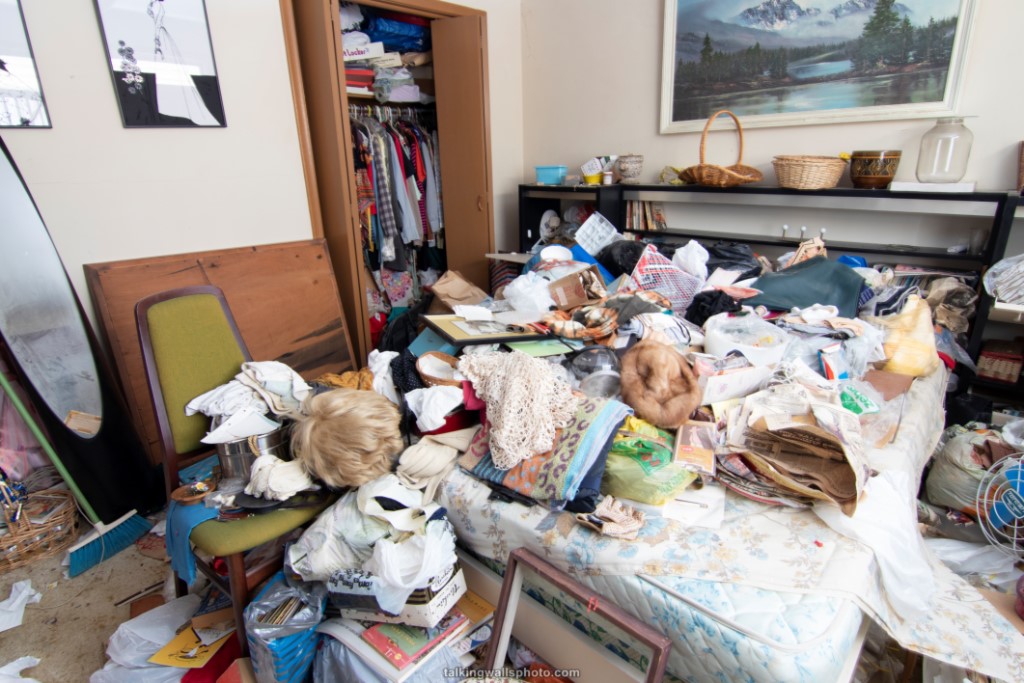
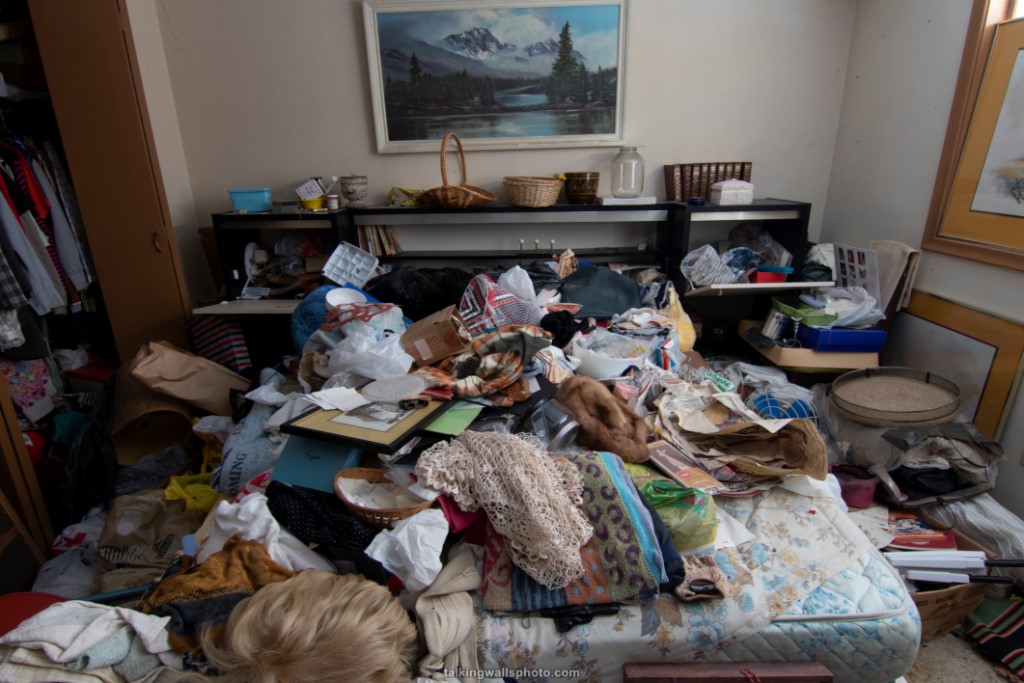
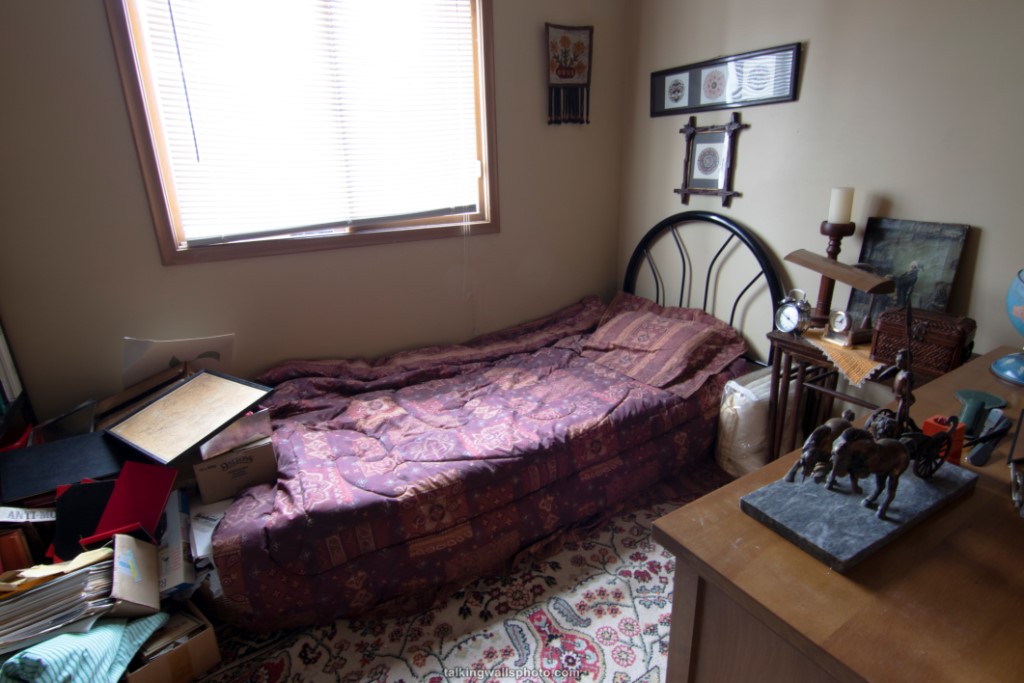
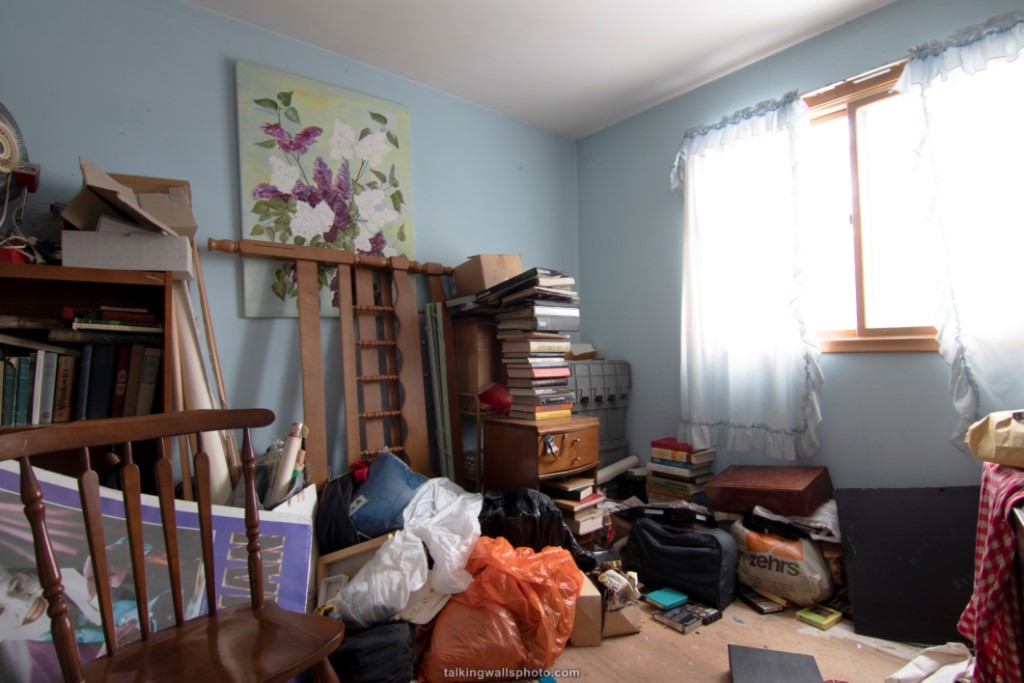
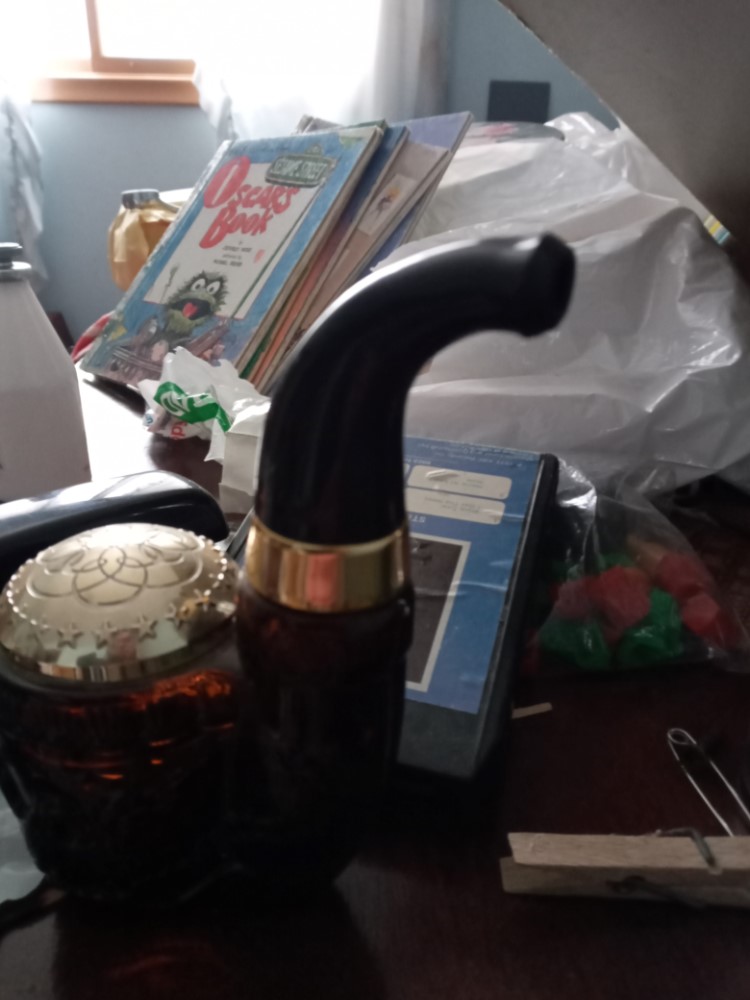
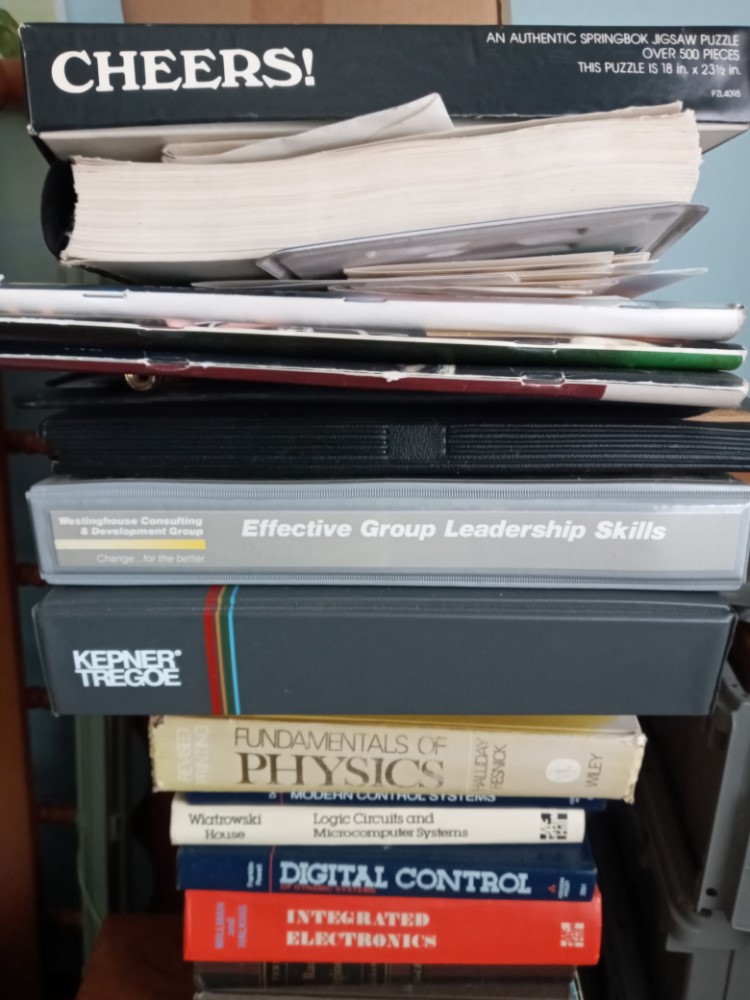
Upstairs, one of the bedrooms contains old board games, books (primarily electrical engineering) and some vintage 8-track tapes. There’s no bed and the carpet has been torn up. The second bedroom looks untouched. The bed is made, one wall has a large book case filled with assorted books and albums. Inside the closet you’ll find several dress jackets. The third bedroom is pure clutter. The bed is covered with bags and clothing. The closet in this room is also untouched.

 In my haste, I forgot to check inside the fridge, the basement and in the garage. For some reason I had this nagging concern that someone would show up at the house while I was inside.

What will become of this house, who can say. I hope it remains intact for more trusted people to visit.


Video

Exploring the Polish WW 2 Soildier's Time Capsule House in Ontario, Canada