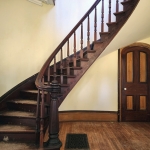
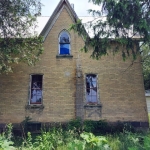
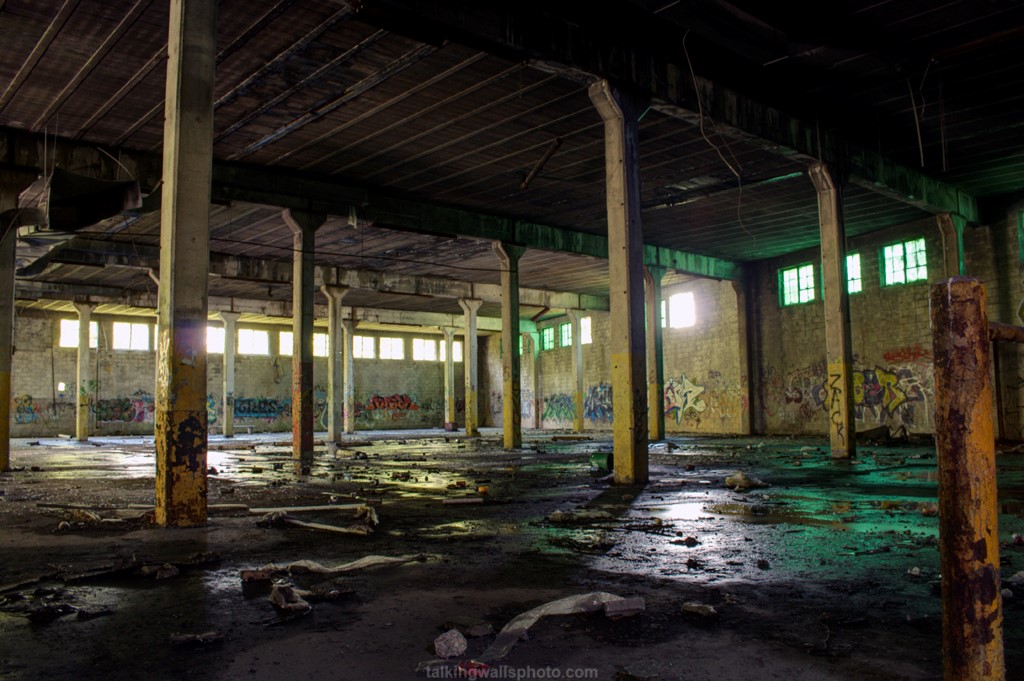
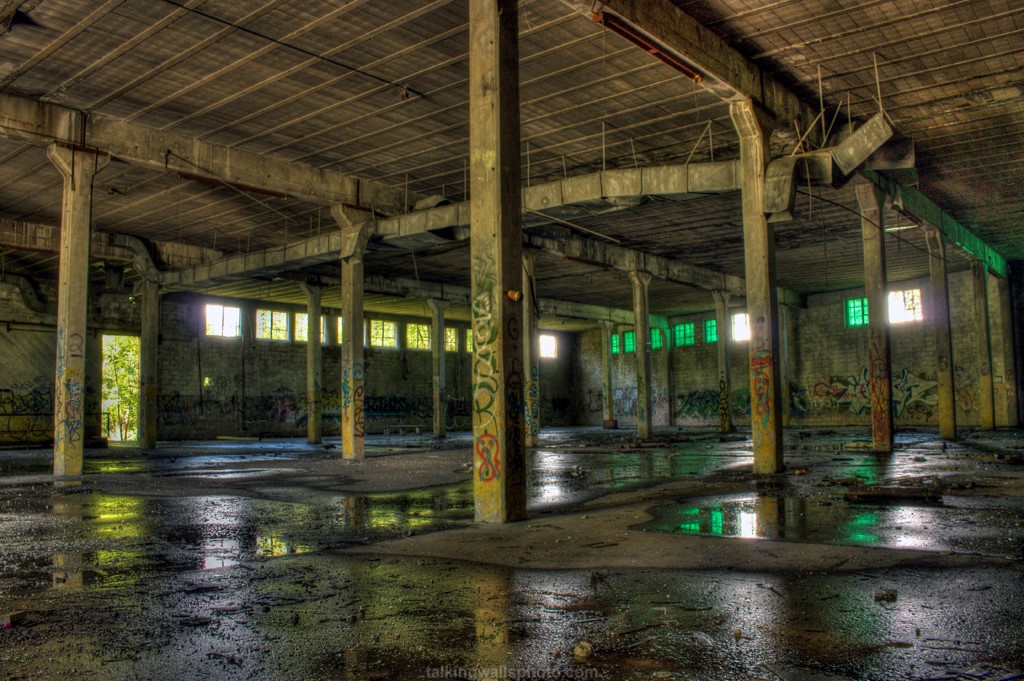
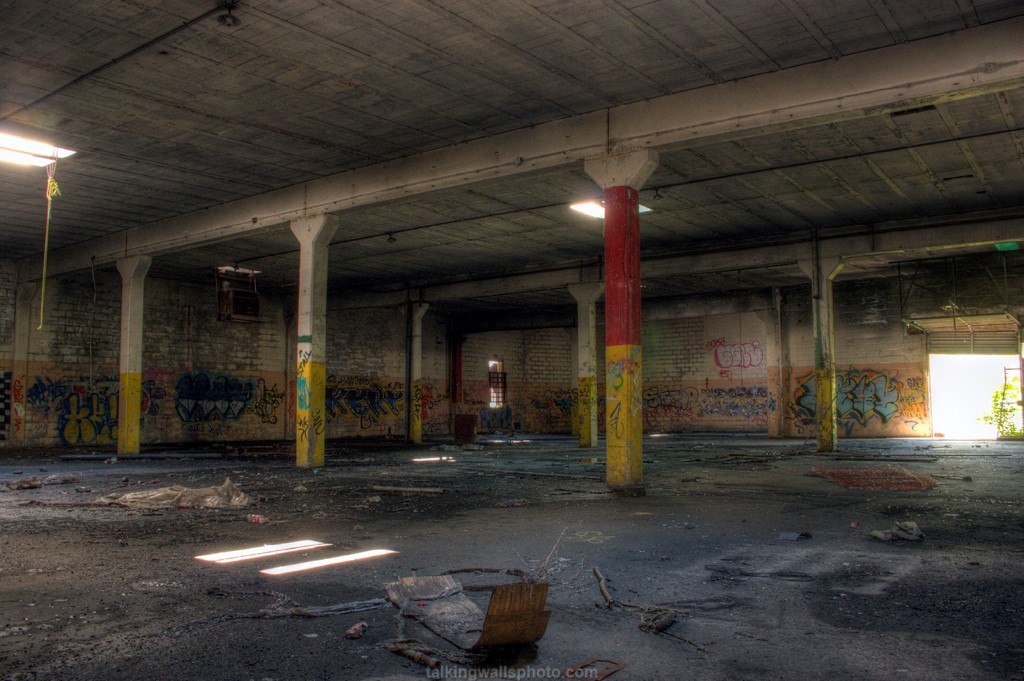
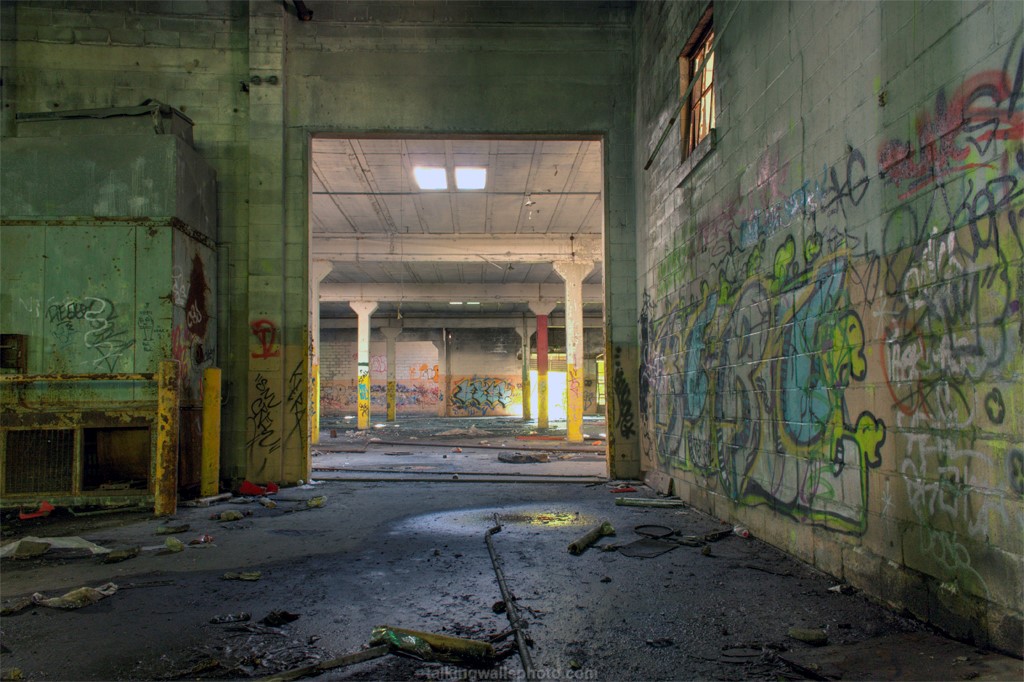
Closed in 2010. The plant was located on Centre Street in Thorold.
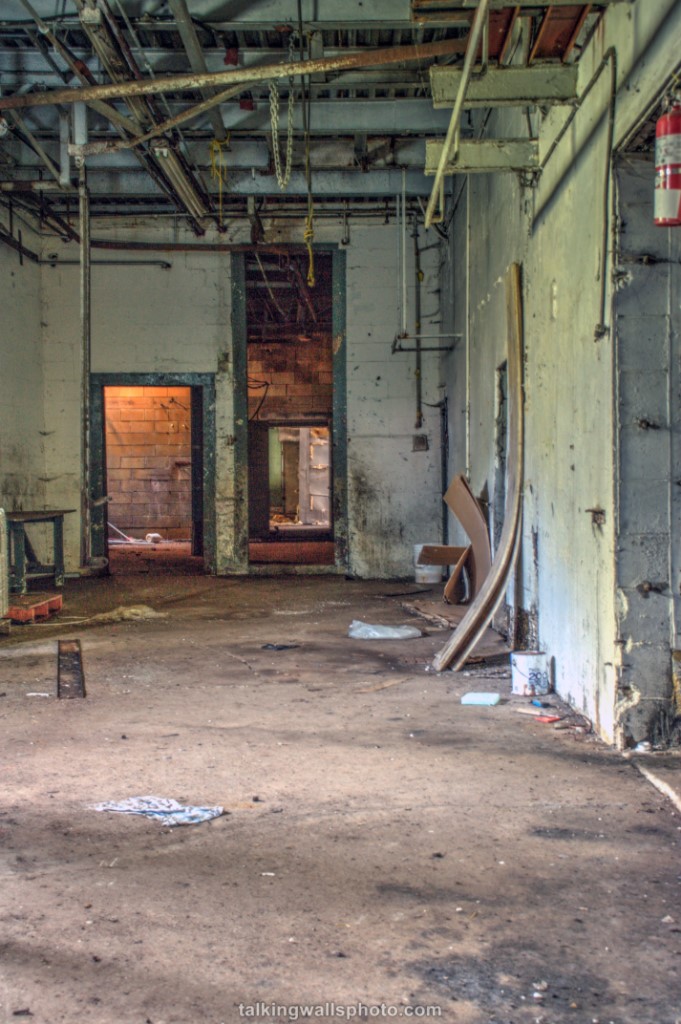
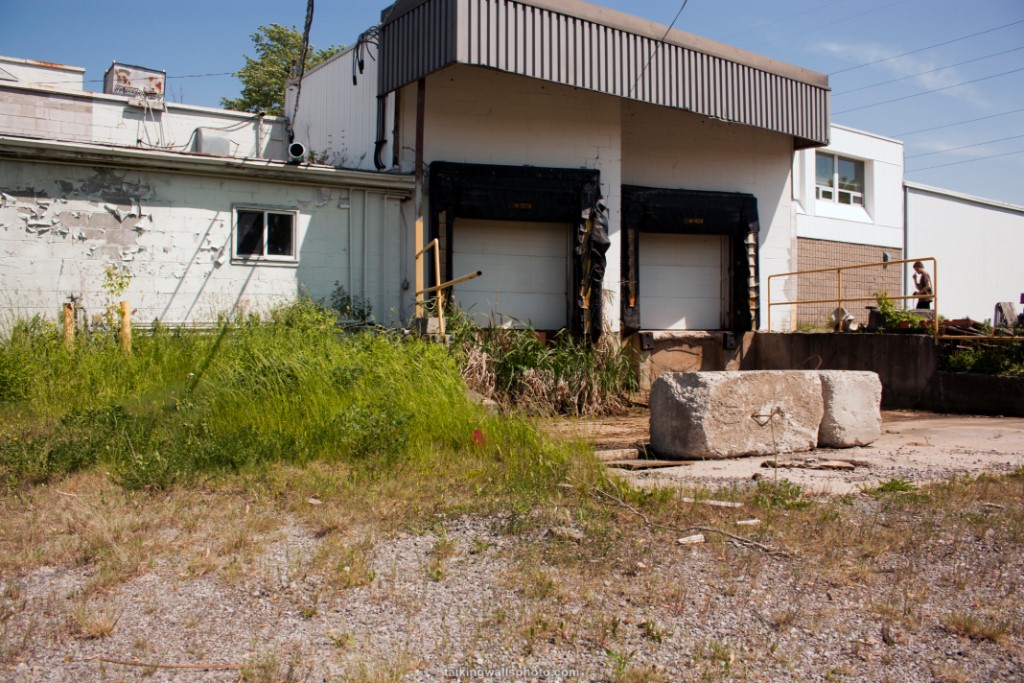
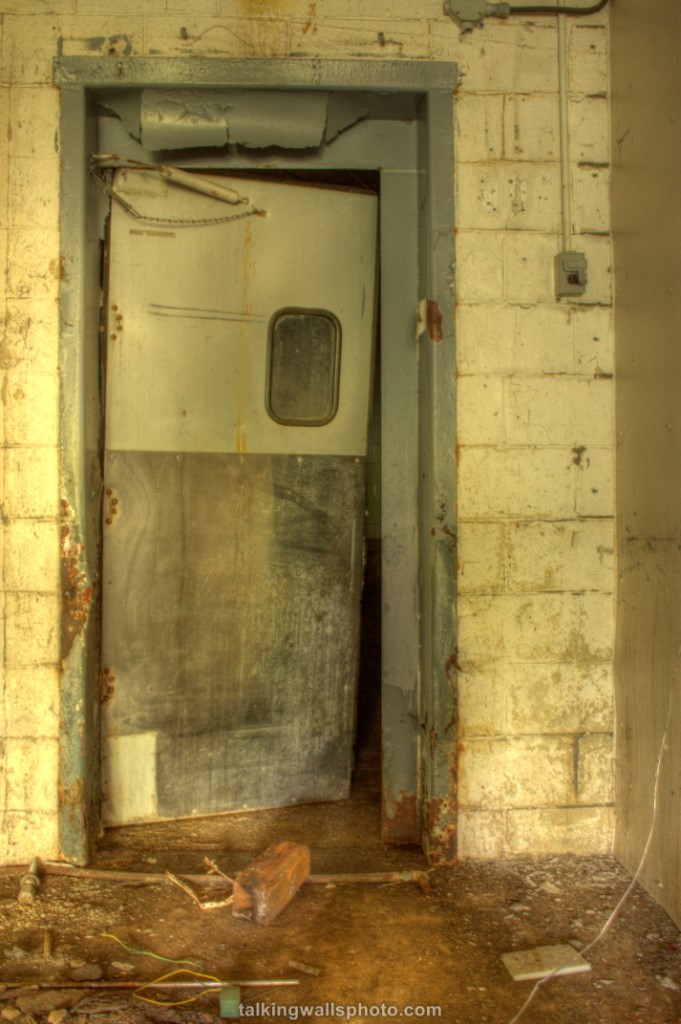
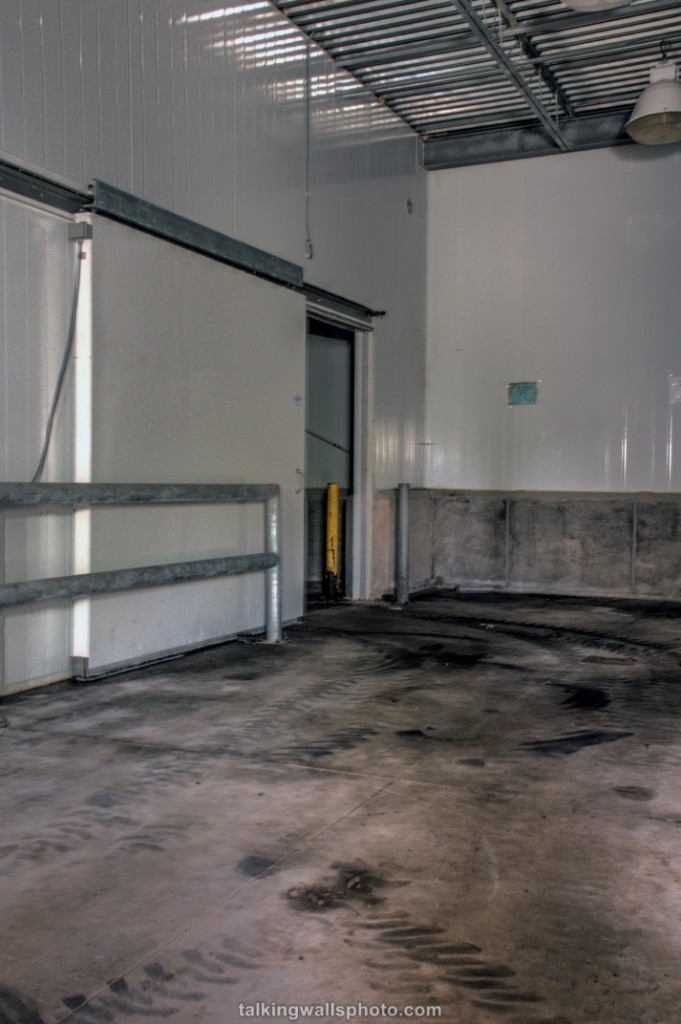
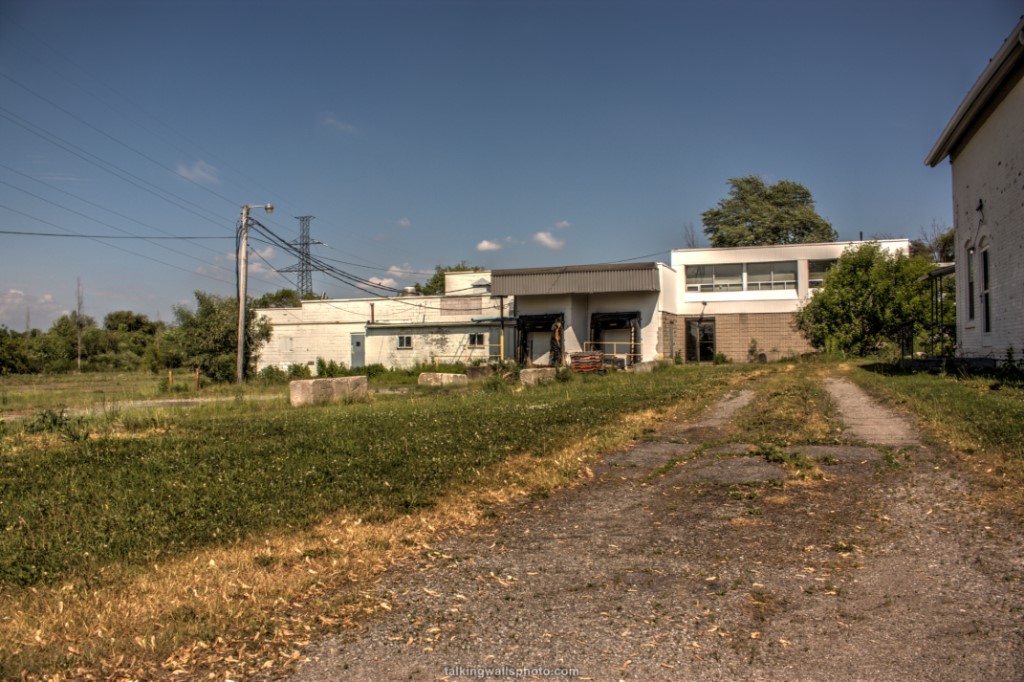

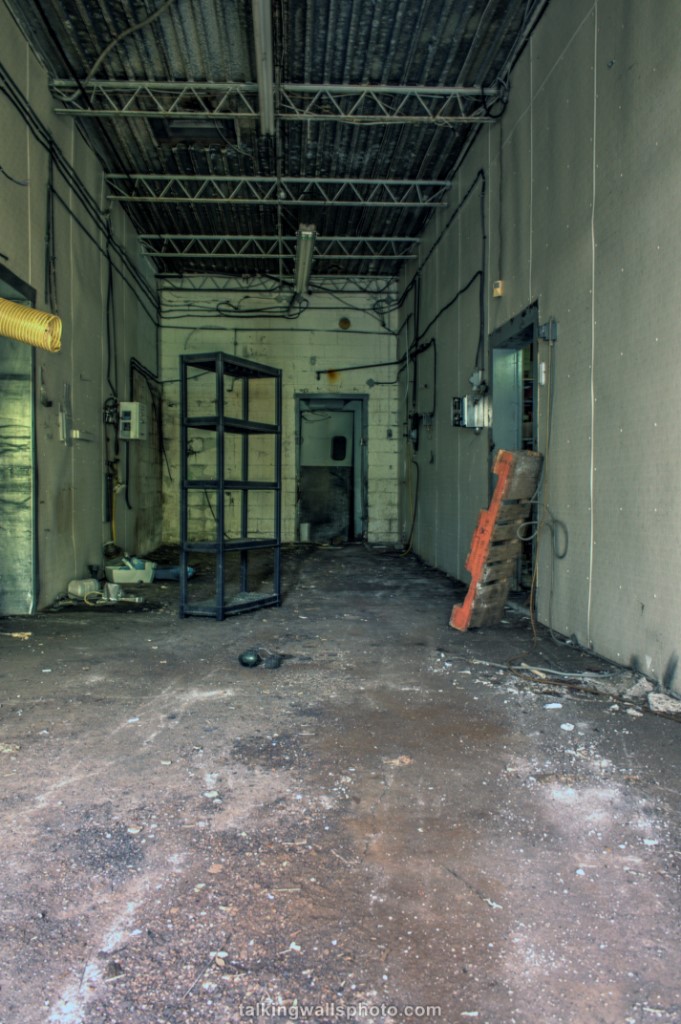
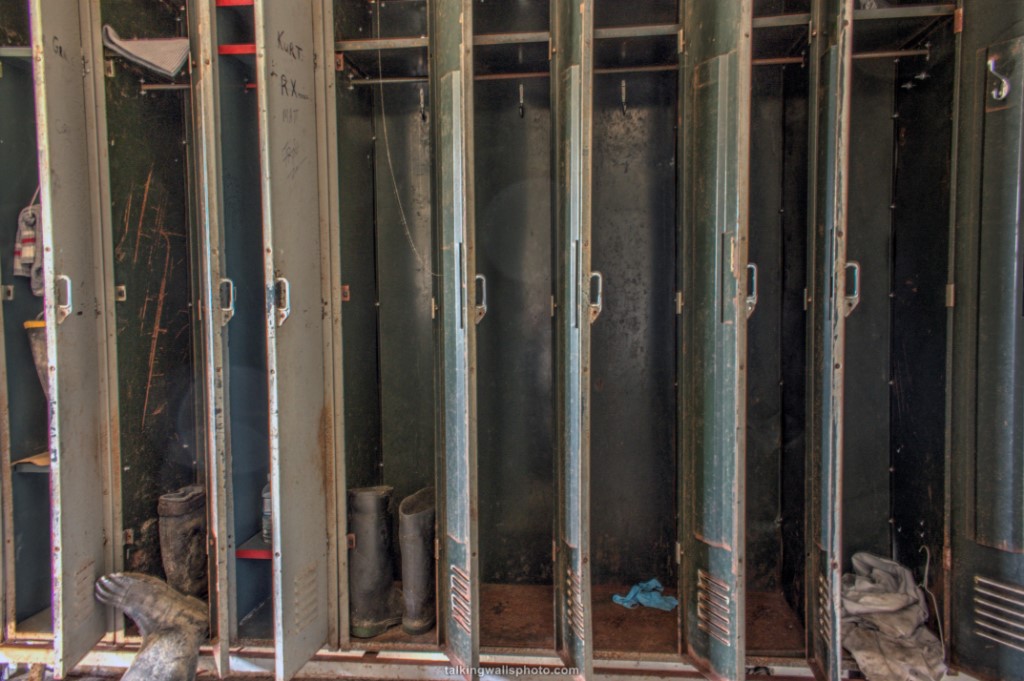
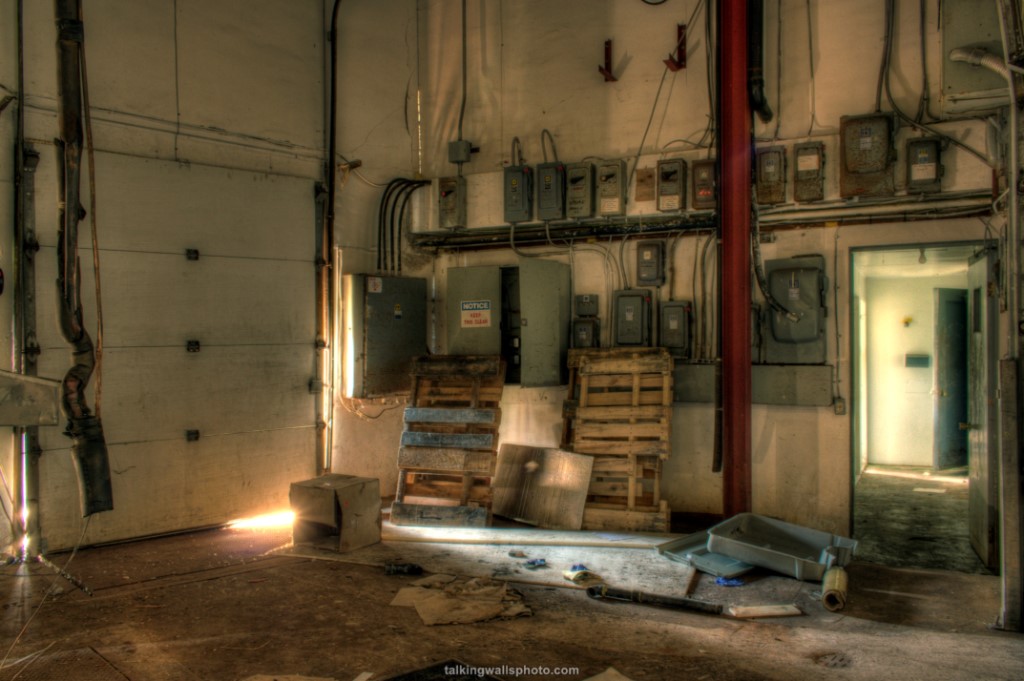
Closed in 2010. The plant was located on Centre Street in Thorold.
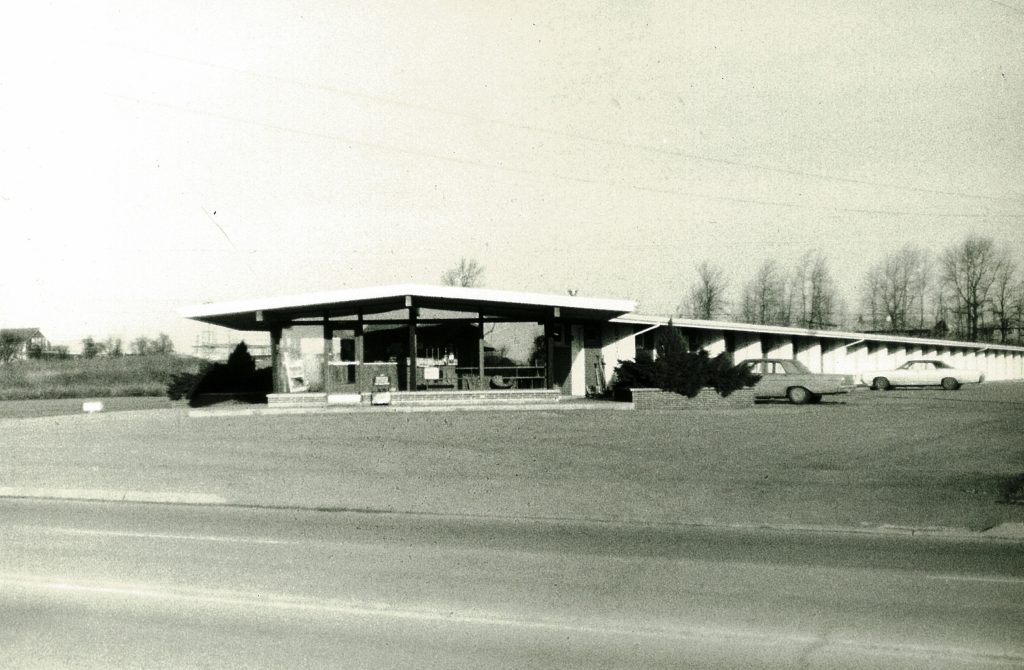
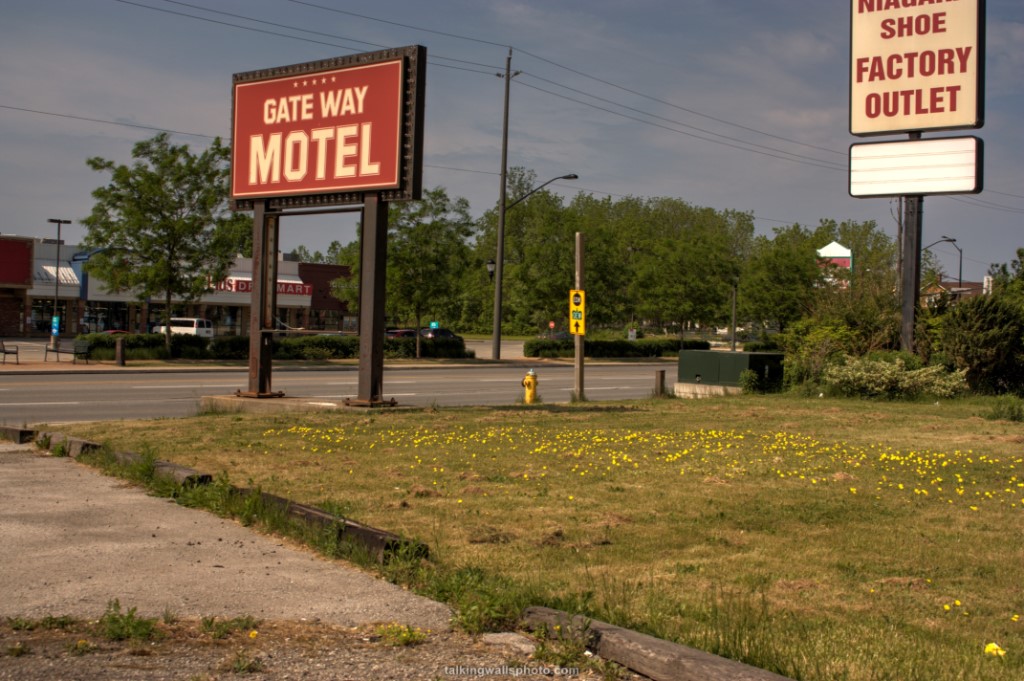
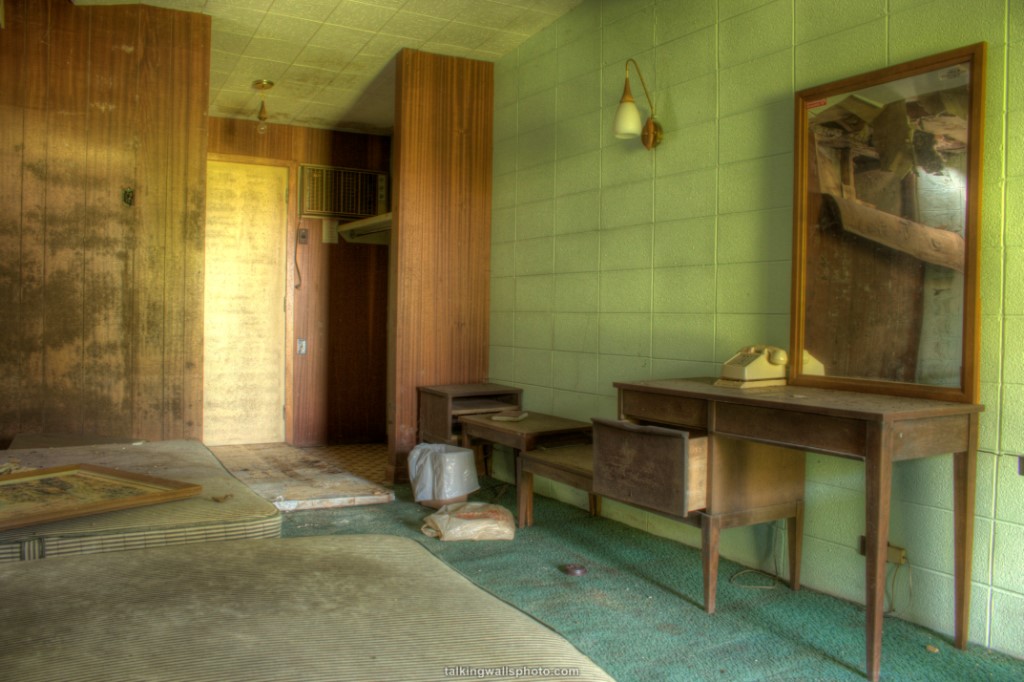
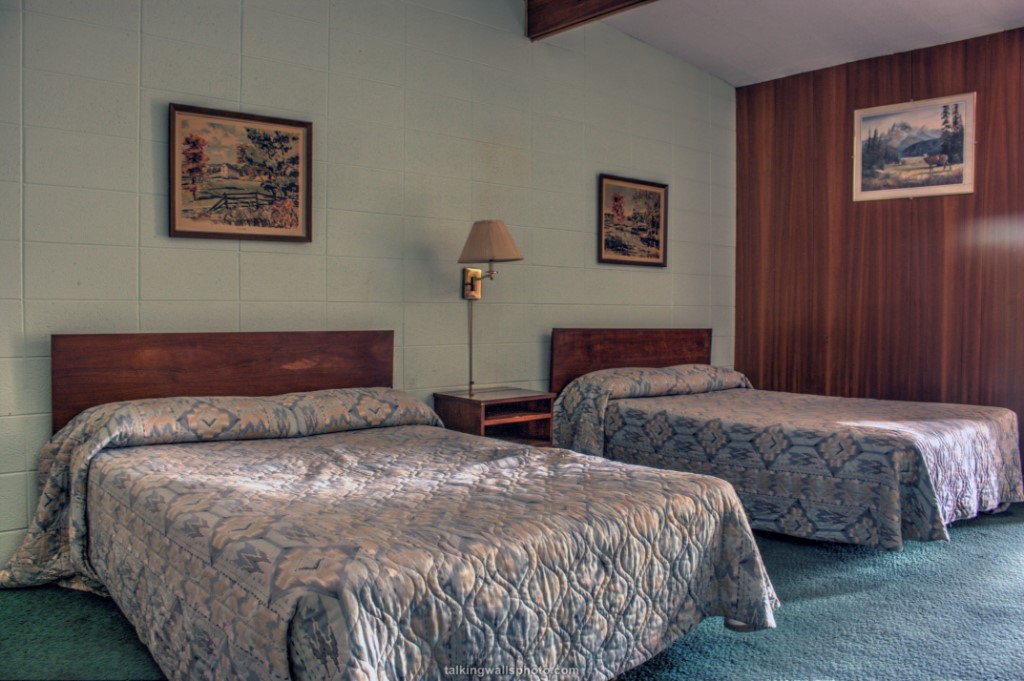
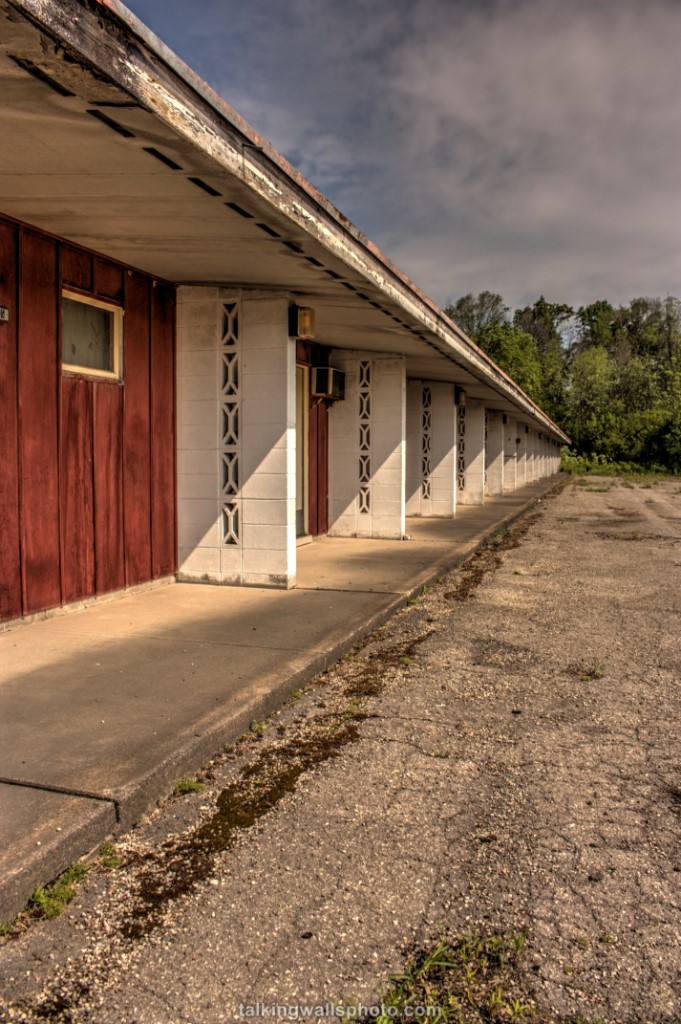
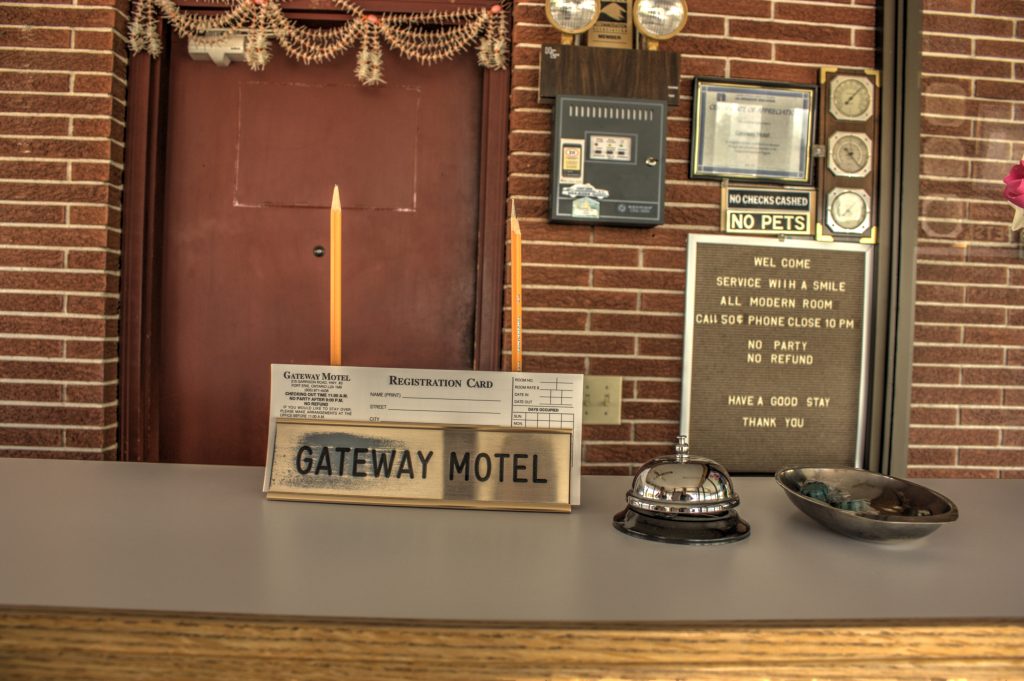
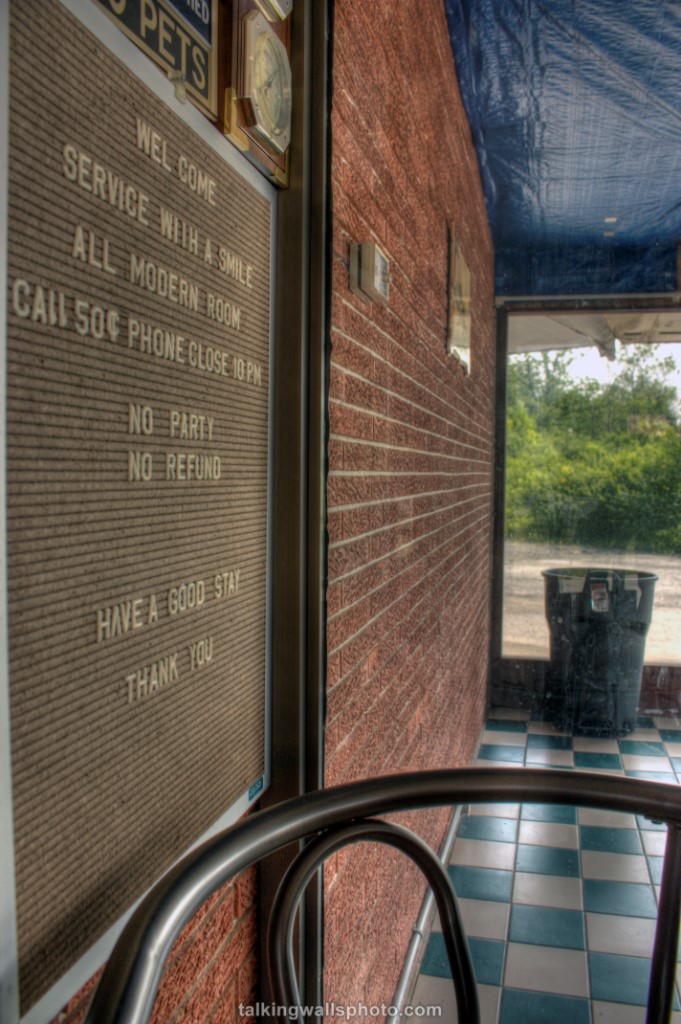
The Gateway Motel was named such because it was one of the first motels you’d reach when arriving to Canada via the Peace Bridge from the USA. The reviews for the motel were below average.
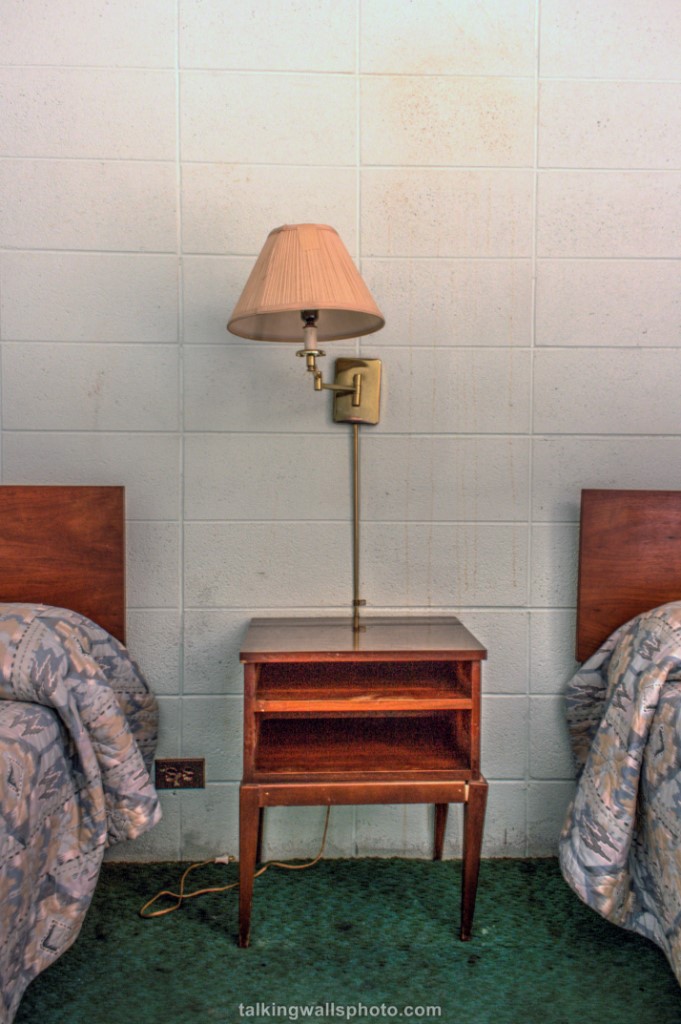
We visited this location during May of 2015 on one of my user meetups. At that time the beds were made up and the front desk looked ready to accept check-ins.
Today the property has been demolished. It was located at 315 Garrison Rd in Fort Erie.
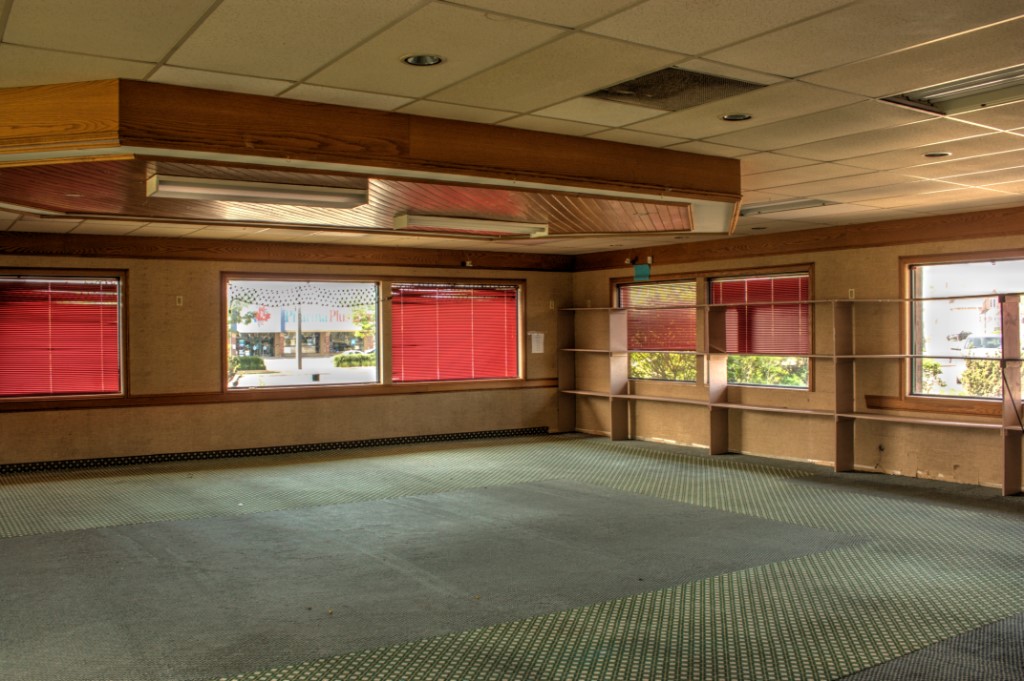
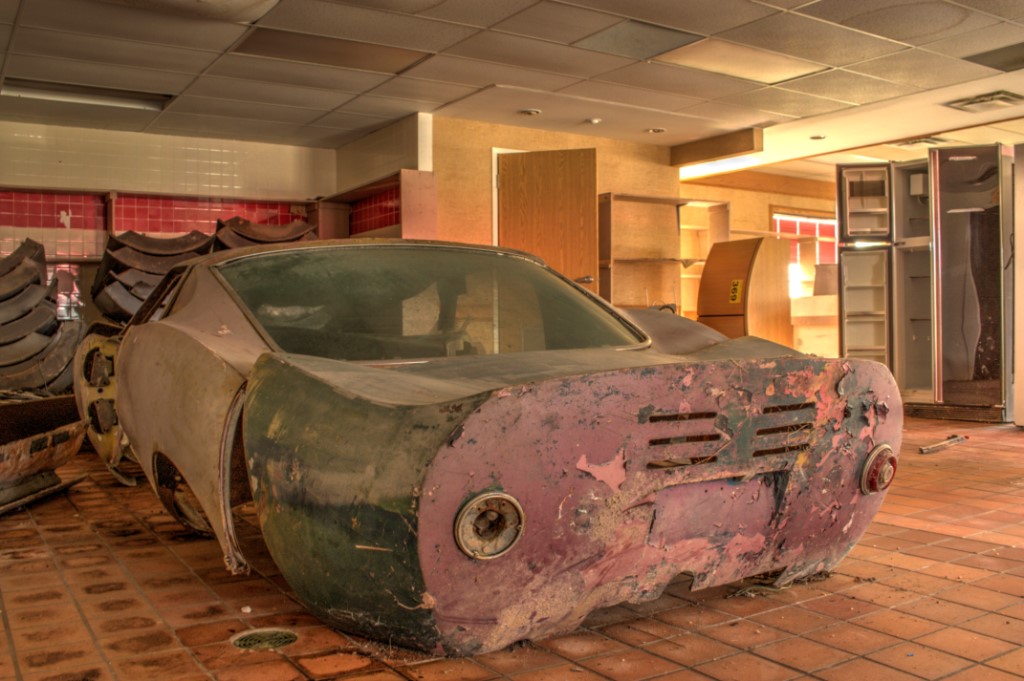
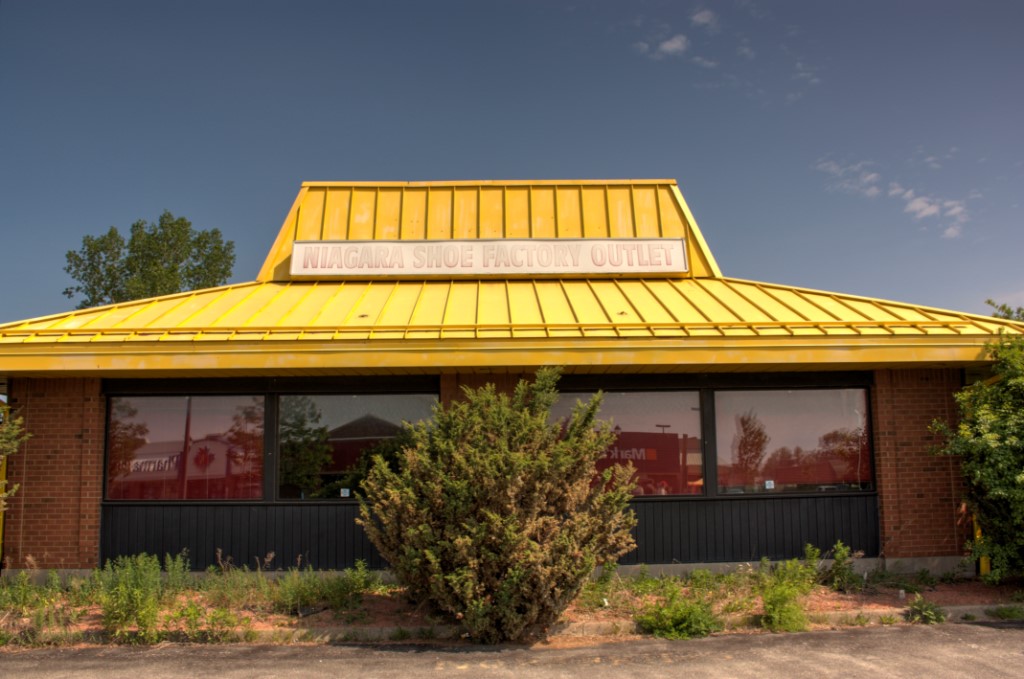
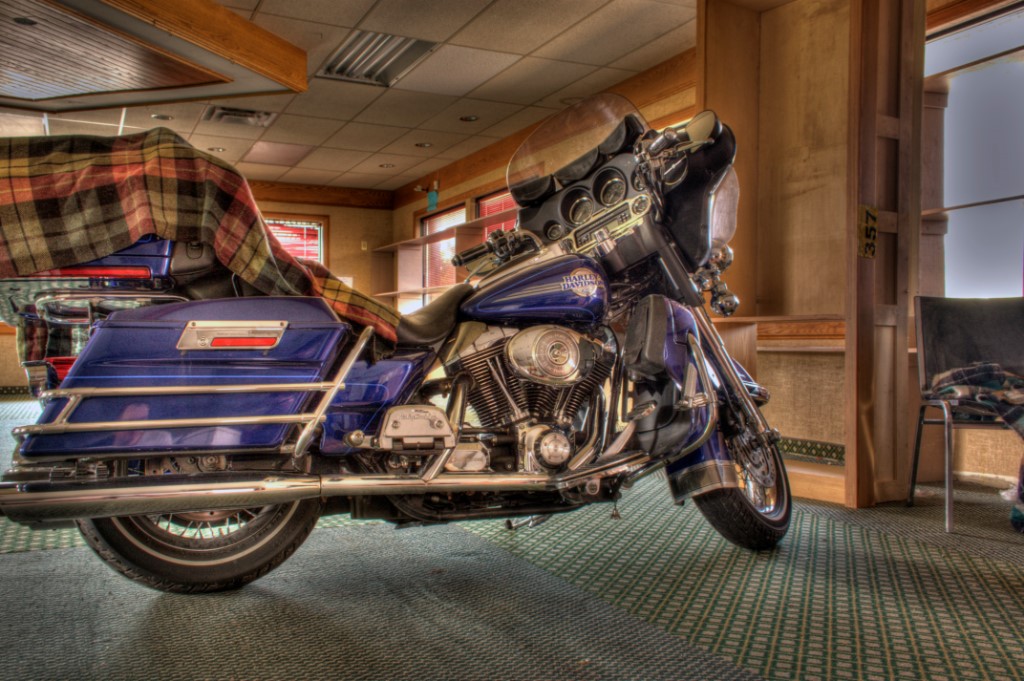
The Niagara Shoe Factory next door was also open. Inside we discovered an expensive motorcycle under a blanket. We also discovered that we’d set off the alarm. When the next group of explorers arrived, they found the door to the Shoe Factory locked.

Niagara Shoe Factory Photos
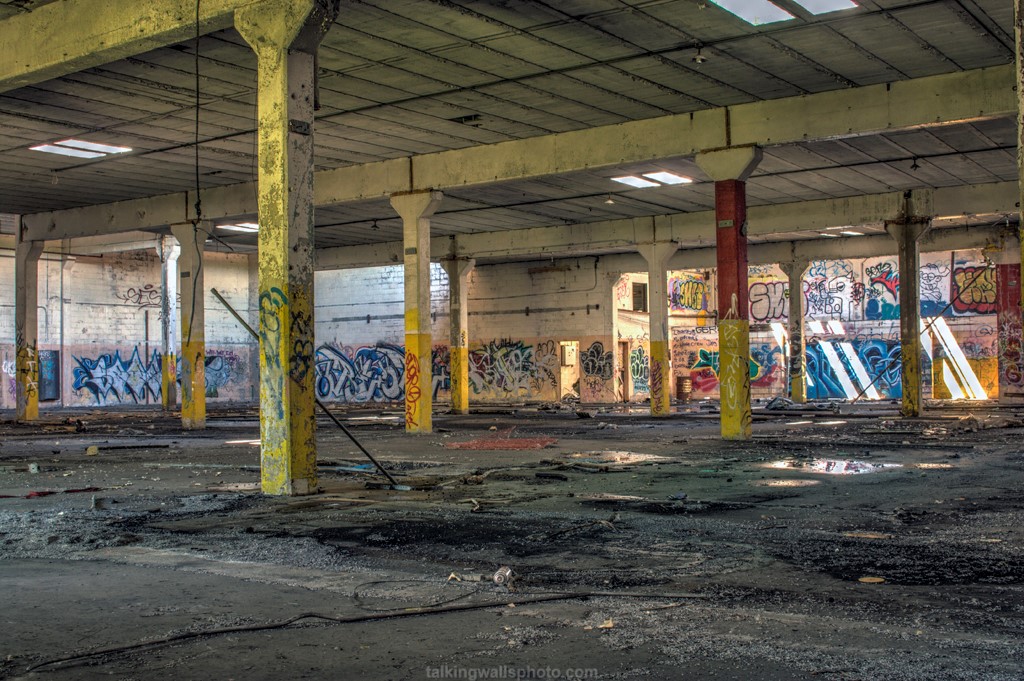
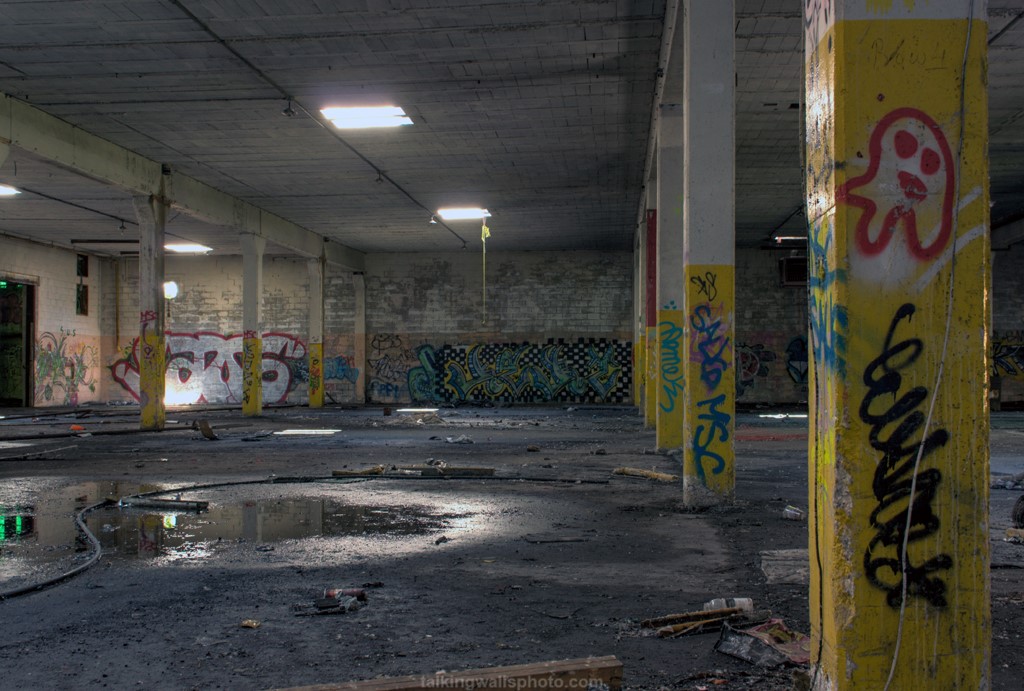
The Holmes Foundry was located in the City of Sarnia, which contains 20% of Canada’s refineries. In 1918, John S. Blunt registered the Holmes Blunt Limited name for his business. The foundry produced engine casting blocks and brake linings for the Ford Motor Company. There were two other operations which were the Caposite and Insulation plant and the Holmes Foundry Plant.
Workers at the foundry were unionized under the Canadian Auto Workers however efforts to unionize Caposite Insulation workers were met with opposition from management.
Conditions in the asbestos insulation plant were unsafe and management often dismissing worker’s concerns. With little ventilation, the men finished shifts covered in up to half an inch of dust, but weren’t provided with showers. Meals were eaten in the same room as the toilets.
Violent Strike
On March 2, 1937 beween 30 to 50 of the European immigrant workers went on strike. They sat down in front of their machines and refused to work. The workers presented management with a list of demands: an eight-hour shift, a daily wage of 5 dollars, showers, toilets and a lunchroom, and recognition of their union committee. Superintendent W. B. Millholland refused to negotiate.
Approximately 300 Canadian-born men armed with blackjacks and bullwhips gathered outside the foundry and demanded the strikers step outside. Those who tried to enter the foundry were met with opposition from strikers on the roof. One man tried to escape the chaos and fell 30 feet to the ground, fracturing his spine, pelvis and ankle.A truck was used to break down a door, the mob rushed in and dragged the striking men outside.
The strike lasted 11 days. In the end, all of the striking workers were replaced.
Health Concerns
As early as 1952, Ministry of Health inspections conducted at Holmes Foundry raised concerns about “silica, noise and smoke”. Asbestos and silica sand would be left uncovered in the yard. One report stated that, “Asbestos was everywhere in the Holmes facilities. Former Holmes workers tell horror stories of asbestos in the air so thick they could hardly see, of asbestos on the floor that billowed up whenever anyone walked through, and of asbestos on machines and on shelves. There was asbestos dust on the workers, on clothing, on exposed skin and in their hair.”
In 1958, the Holmes Foundry and the Ministry of Health exchanged correspondance acknowledging that there were potential health hazards due to asbestos exposure. When the Ministry conducted air samples later that year, they found that levels were 28 times over the standard. Despite this, no orders were put into place by the Ministry.
Inspectors returned to the plant in 1967 where they estimated daily production of asbestos to be 10,000 pounds. 34 air samples were taken of which only five were below the legal limit. During the 16 years that the government conducted air sampling at the Caposite plant, asbestos counts were reported to be “the highest ever encountered by this Branch in any of the plants in Ontario.”
AMC Acquisition
In July of 1970, American Motors, Canada (AMC) acquired 100 per cent of the Holmes Foundry.
In the early 1970’s, when new chemicals were brought into the plant, the pigeons that roosted in the plant began to die. Former worker Clare Hall said, “They’d hit the floor. Sometimes they’d kick their feet but they’d be dead.” The women who washed their husband’s work clothes, may have suffered scarred lung cavities.
Between 1972 and 1973 the Ministry measured the asbestos levels to be as high as 852 fibers per cubic cemtimeter. They issued 29 orders to the foundry. In 1973, the Ministry of Health issued a “cease production” order. During a follow-up visit, inspectors found that the foundry had ignored that order.
In 1974, asbestos ceased to be used in the plant.
Present Day
On September 16, 1988 the Holmes Foundry was closed. A $7 million environmental cleanup was conducted. The Ministry of Environment issued a certificate indicating that the land had been decommissioned in accordance with all requirements.
In 1989 the land was purchased by a local realtor named John D’Andrea of the D’Andrea Group. The D’Andrea group was a group of Mr. D’Andrea’s friends and family. In 1999, D’Andrea said that he had a buyer offering $1.8 million for the property.
In 1999, the land was sold to a numbered Ontario company, identified as the Chippewas of the Thames First Nation near London. The Chippewas purchased the land with the intention to develop a casino. D’Andrea received $700,000 as he was the majority shareholder.
Things didn’t go as planned however. When D’Andrea claimed that he still had an interest in the land, police were called. It was determined that the property was actually worth $3.6 million and that D’Andrea had only sold half of the property interest.
The lawsuit was resolved in 2017. Demolition of the property began in 2020 at a cost of $840,000. The property was listed for sale again at a price of $7 million.


The Food ‘N’ Foam was owned and operated by businessman Jim McNiven and his wife Kay. Jim had experience in operating a restaurant, having previously owned the McNiven’s Dairy Bar in Talbotville. Food N Foam began operating in 1961 and was located at 9844 Sunset Drive in St. Thomas. The business was well known for their foot long hot hogs. Each summer Jim would order 35,000 hot dogs and 5,000 six-inch hot dog containers. The buns were grilled using real butter.
Where does the word foam in the business’ name come from? The restaurant’s claim was that they had “Canada’s Foamiest Root Beer”.
Drinks were served in glass mugs, much like A&W. Chicken was placed on the menu but later removed because it took too much time to prepare. In the late 1960’s, bacon burgers and pizza burgers were added to the menu. They also served shrimp, fish sticks and sandwiches.
You didn’t have to leave your vehicle to order. Car hops would come to your vehicle and take your order. Your meal would then be delivered to your vehicle. Names of some of the first car hop employees were: Carol Le Courtois, Heather McBain, Diane Manning, Arlene Moore, Joan Esseltine, Louis Benson, Joann Burtwhistle, Sandy Whitehead, Betty Clinton and Joan Thomson.
The business was modified in the late 1960’s to offer a drive-through service. That lasted about one week because the customers didn’t want to place orders and pick them up in their vehicles. An interesting point, frozen french fries weren’t available for order. When Jim mentioned this to his food supplier, he was laughed at.
Jim retired from the business around 1971. He passed away in 1979. New owner John O’Neil took over the business. He added a second storey to the business around 1975.
The property was demolished in 2020, and was replaced by a generic Esso gas station.
Credit for vintage photos & additional information: Jamie Moyes
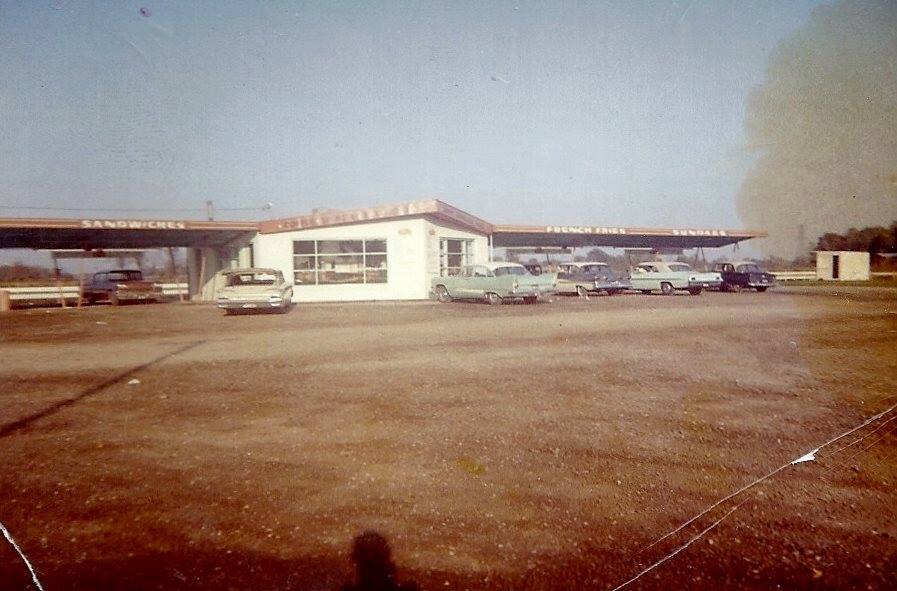
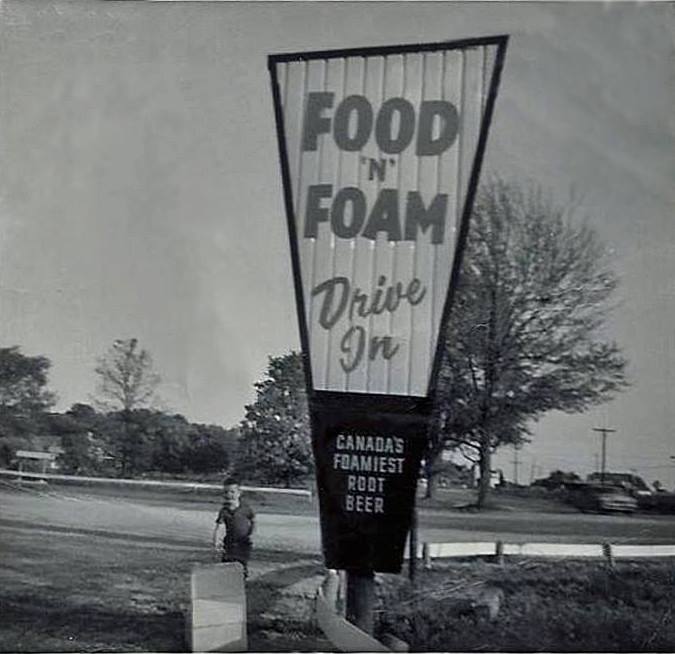
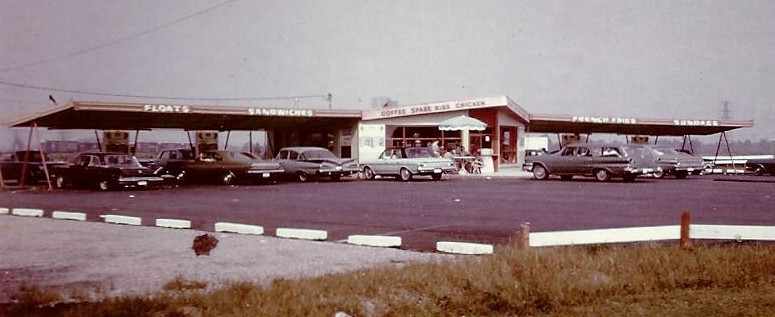
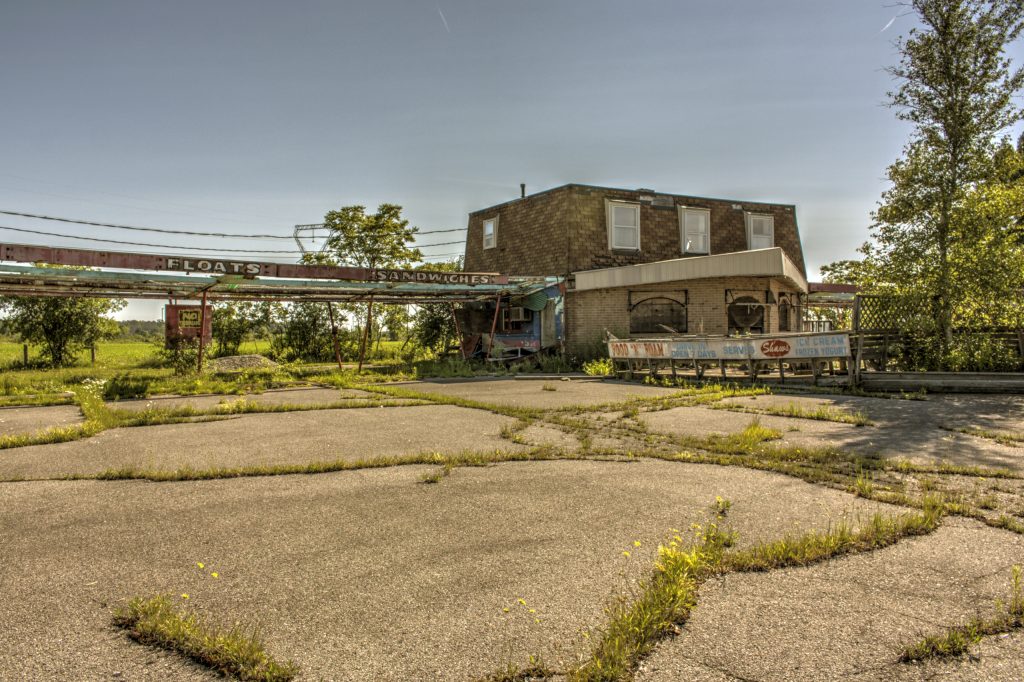
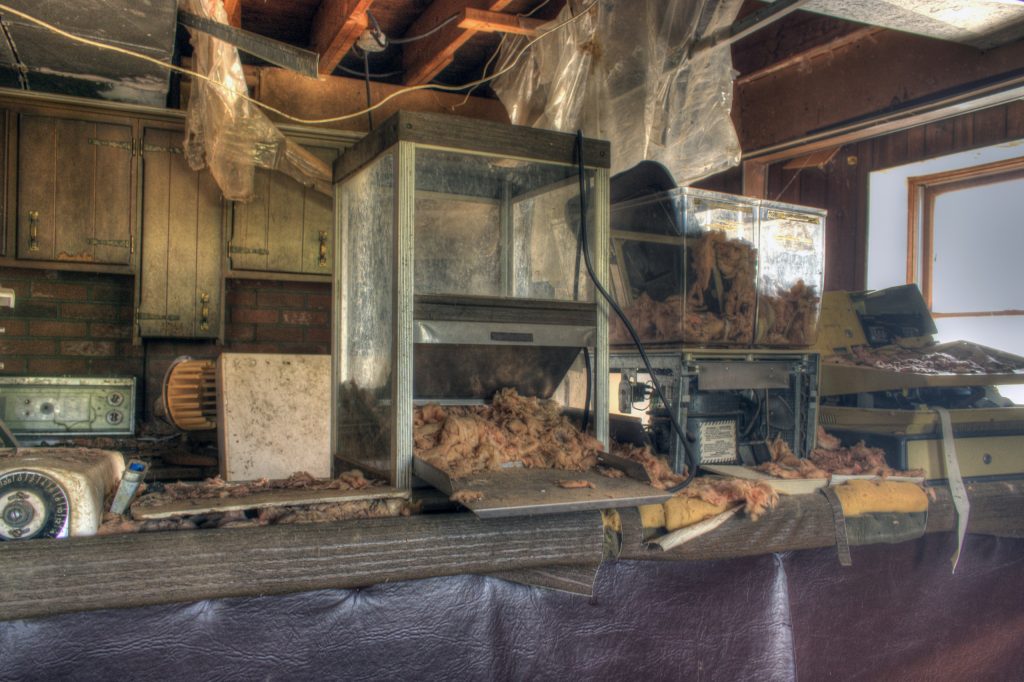
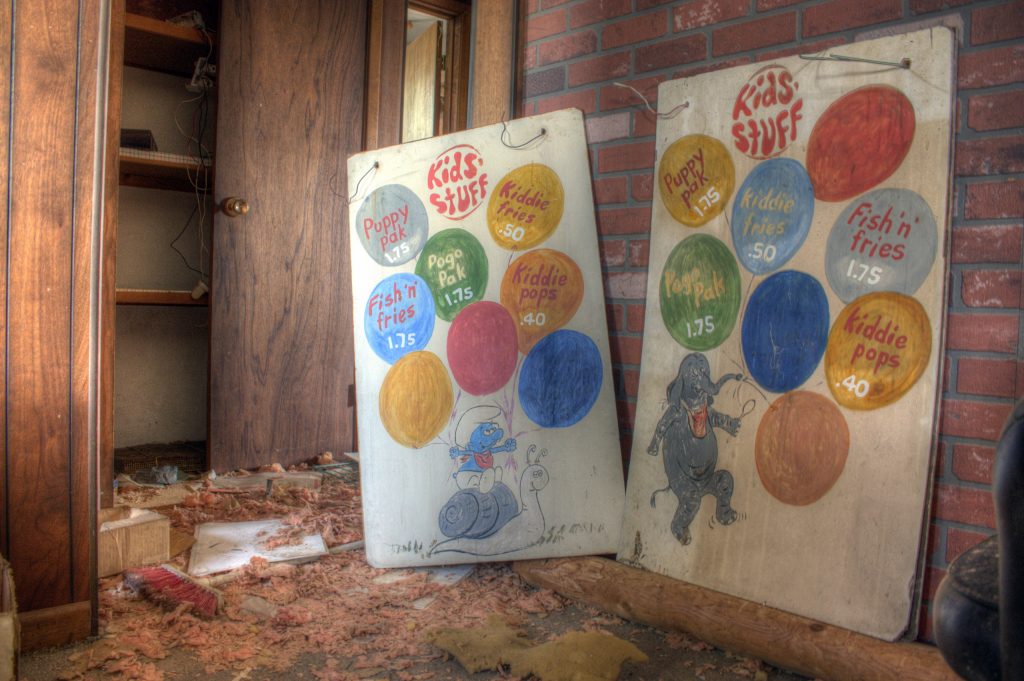
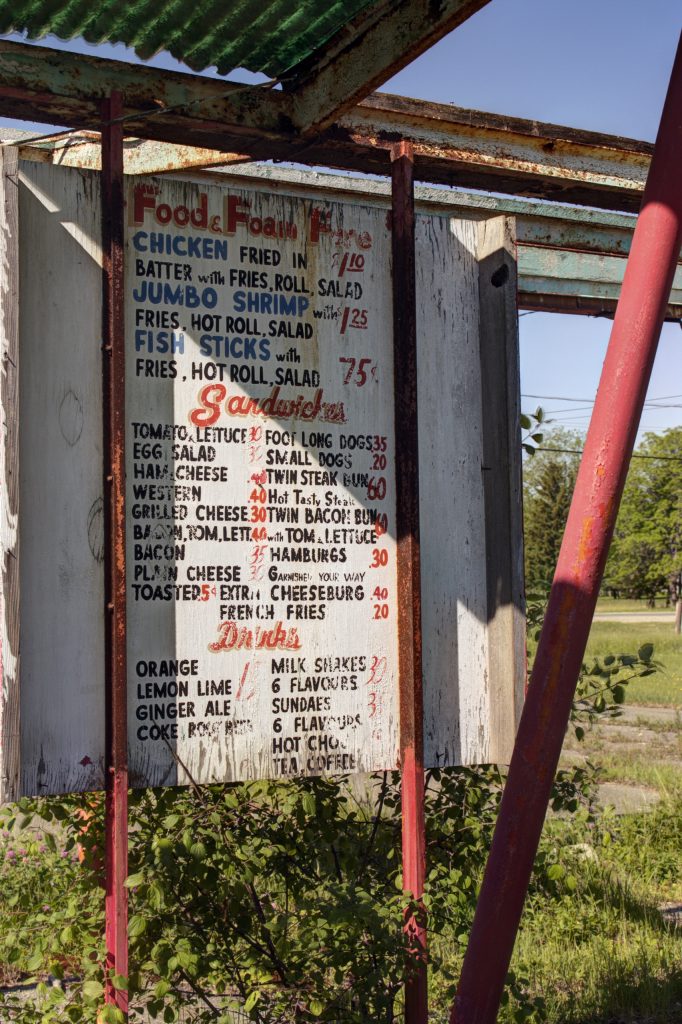

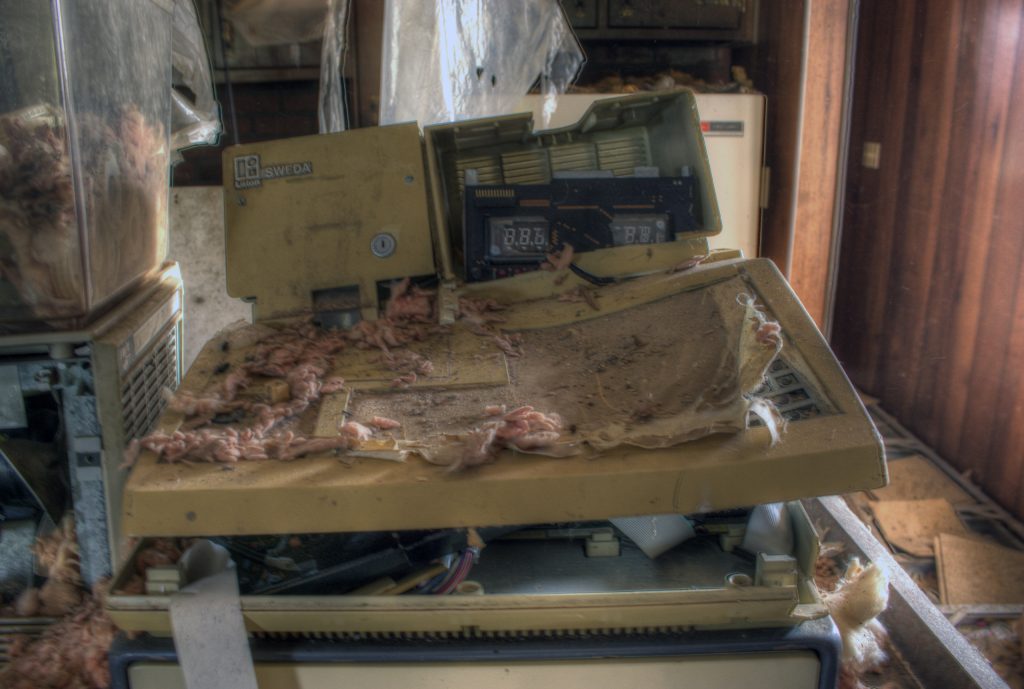
Jim McNiven and his wife Kay were the original owners of the Food and Foam.
Scattered across Ontario are similar looking Ontario Provincial Police detachments many of which are aging amd prone to issues such as flooding and mold. These detachments are slowly being replaced with modernized buildings.
Woodstock (Norwich Township to be exact) is home to one such outdated detachment that closed in 2007. Up until mid-2007 the electricity was still active although the building had been vacated. Uncomfirmed reports indicate that flooding in the basement forced the OPP to close the detachment.
Vandals began to take notice of this abandoned location and at some point a window was broken allowing access inside and from there the building has been allowed to be destroyed by vandals. For at least three years this OPP station has continued to be vandalized as evident by the photographs below.
At one point a homeless person had been living in of the office rooms. There was evidence of bedding, a cell phone package, Tim Horton cups, human waste and food wrappers. A cloth has been hung over the window to serve as a makeshift curtain.
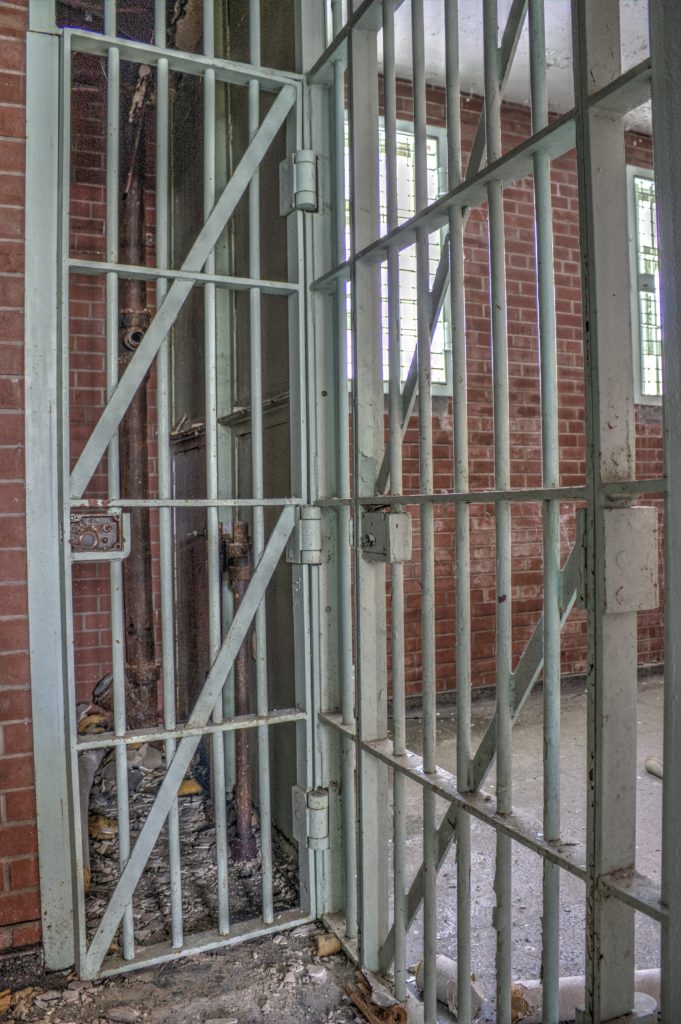
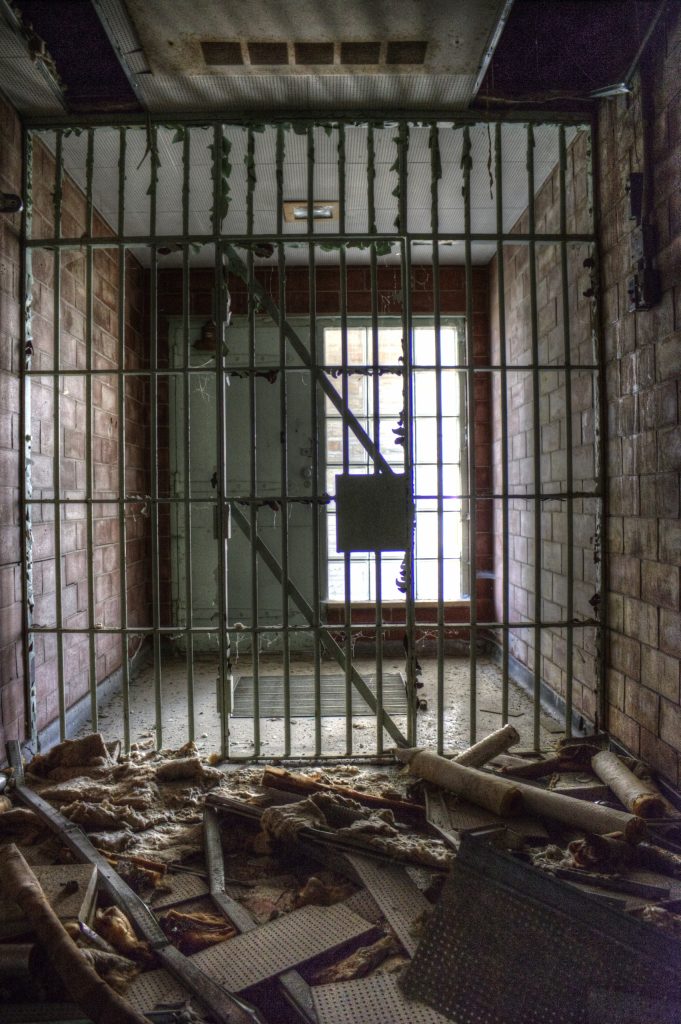
The jail cells are intact and fortunately the last officer to leave the building before it closed had the decency to chain the main cell door open lest someone become trapped inside.
The basement is flooded with approximately four feet of water and entry is not possible unless one walks on the frozen water during the winter.
When I first explored this location in 2008, most of the glass was intact. Four internal phones hung on the wall. The ceiling was pretty much intact and the building was clean. Today the ceiling has been ripped apart (most likely scrappers). The phones have disappeared. The interior door glass has been smashed and all interior windows have been smashed. Sharp glass litters the floor.
If you look at the exterior of the building you will find that youths have broken these windows out as well.
In Novermber of 2010 the building was purchased by 1610490 Ontario Inc.
While it is on the outskirts of Woodstock, the property is located in Norwich Township.
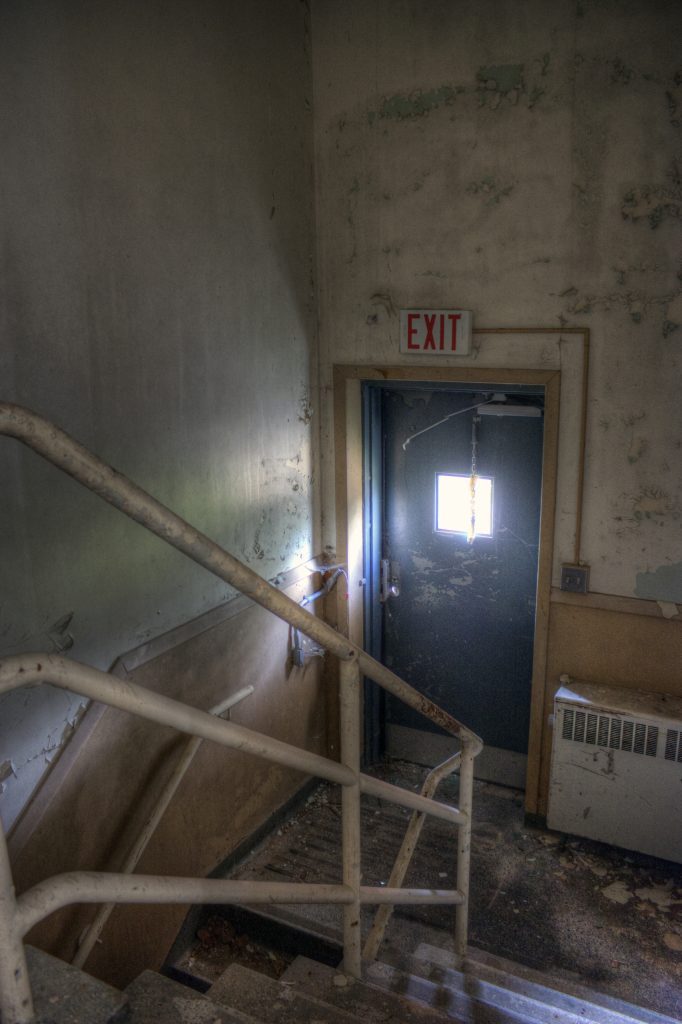
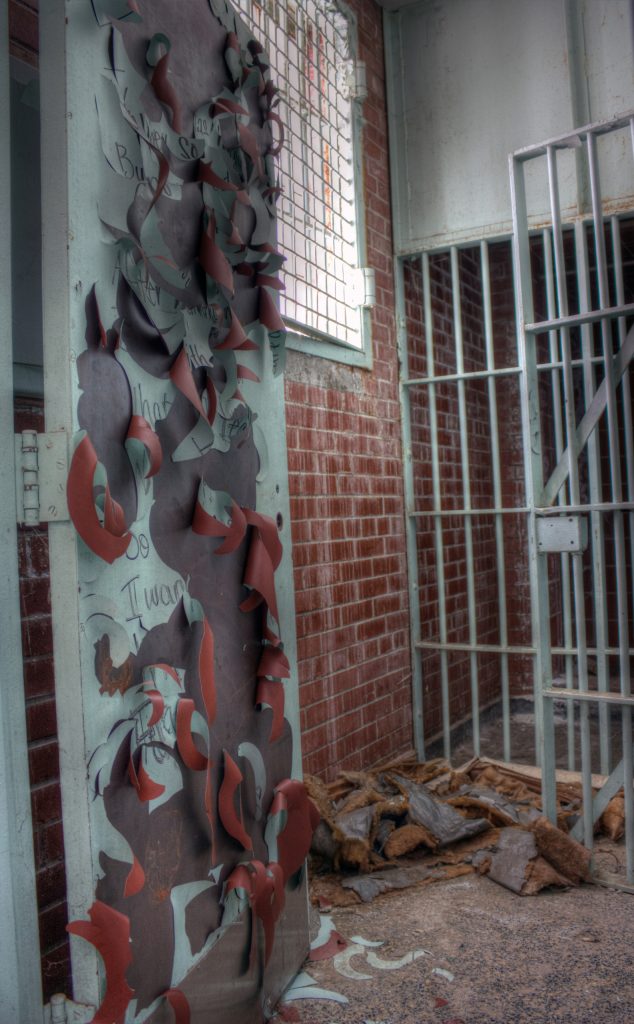
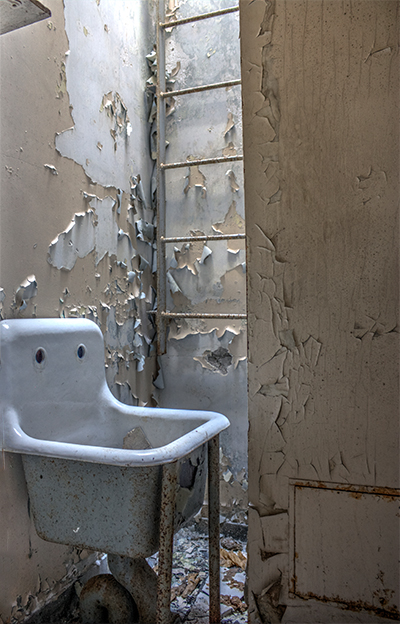
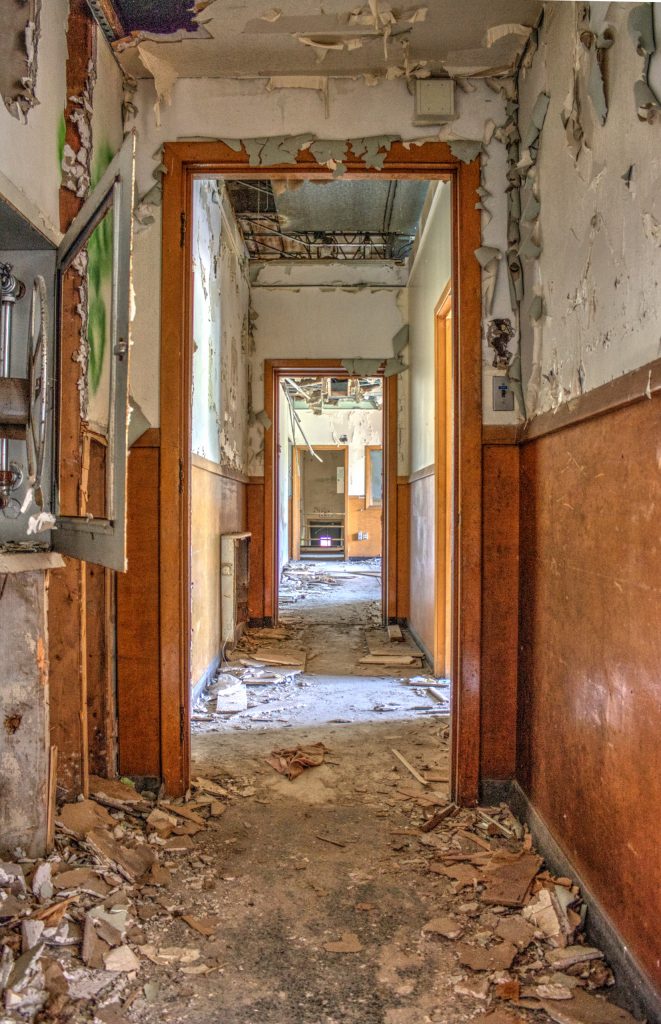
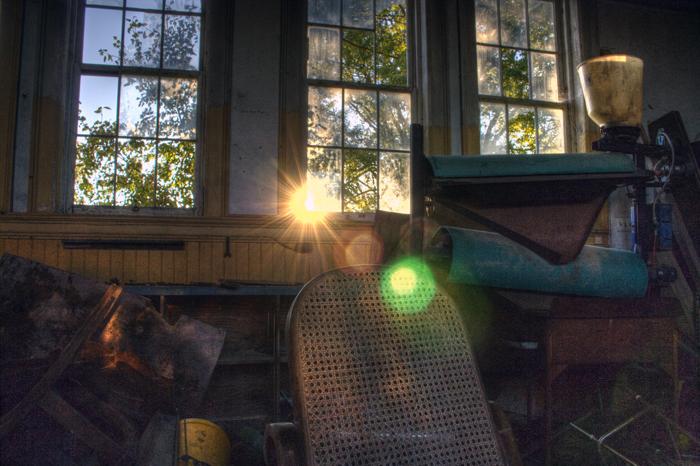
The one room school house known as S.S. #3 Maple Lodge is one of the last buildings of the old town of Maple Lodge. The post office was located north on Niel Road.
The school was built in 1900 and closed in 1956. This school was built in 1900 and closed in 1956. The building was also used as a woodwork shop but due to break-ins at the remote location, that business ceased.
A church was located at the other end of the adjacent corn field which was relocated from the south during the 1800’s.
The outline of the old Grand Trunk Rail Line can be seen by satellite view just north at a northeast angle from the town of Ailsa Craig.
Today the school house is demolished, leaving only memories in it’s remains.
GPS: 43.16224,-81.46908






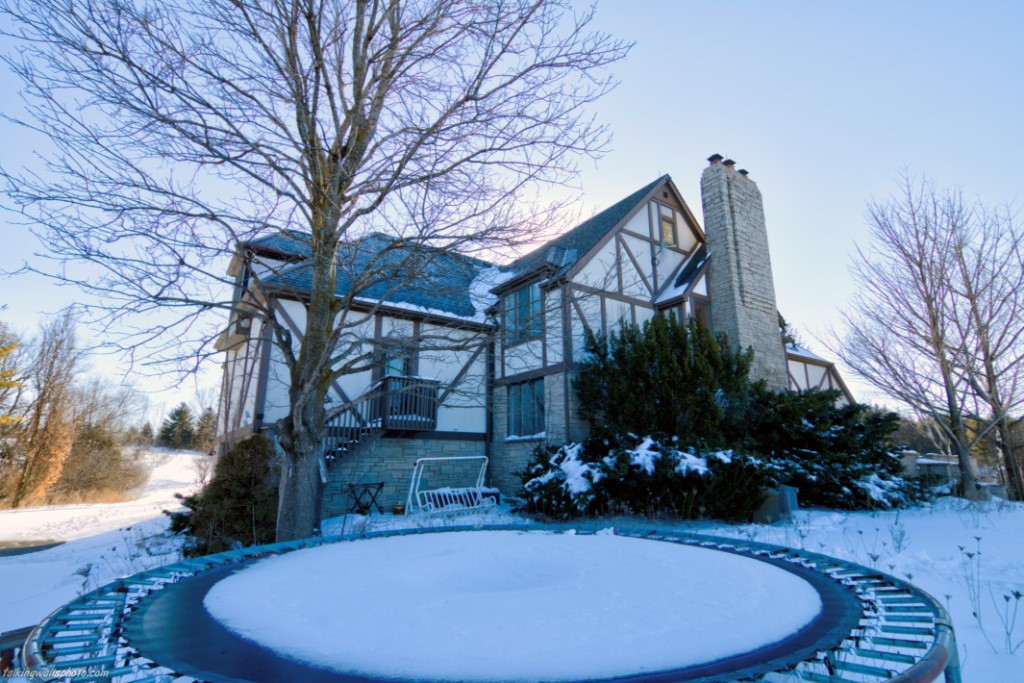
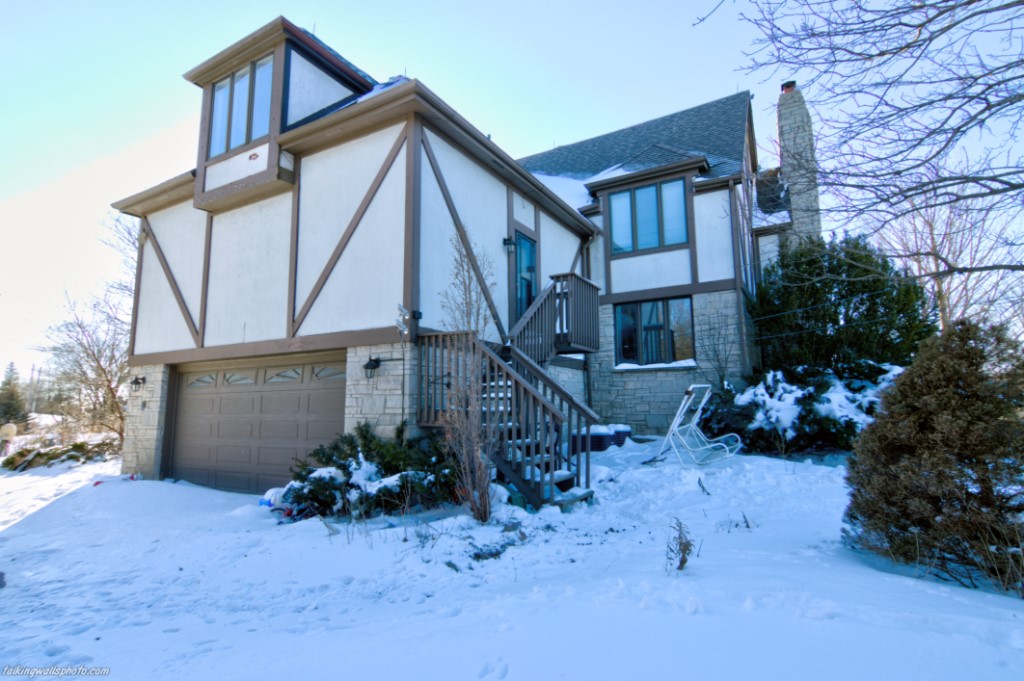
This large Tudor mansion is located in the Greater Toronto Area.
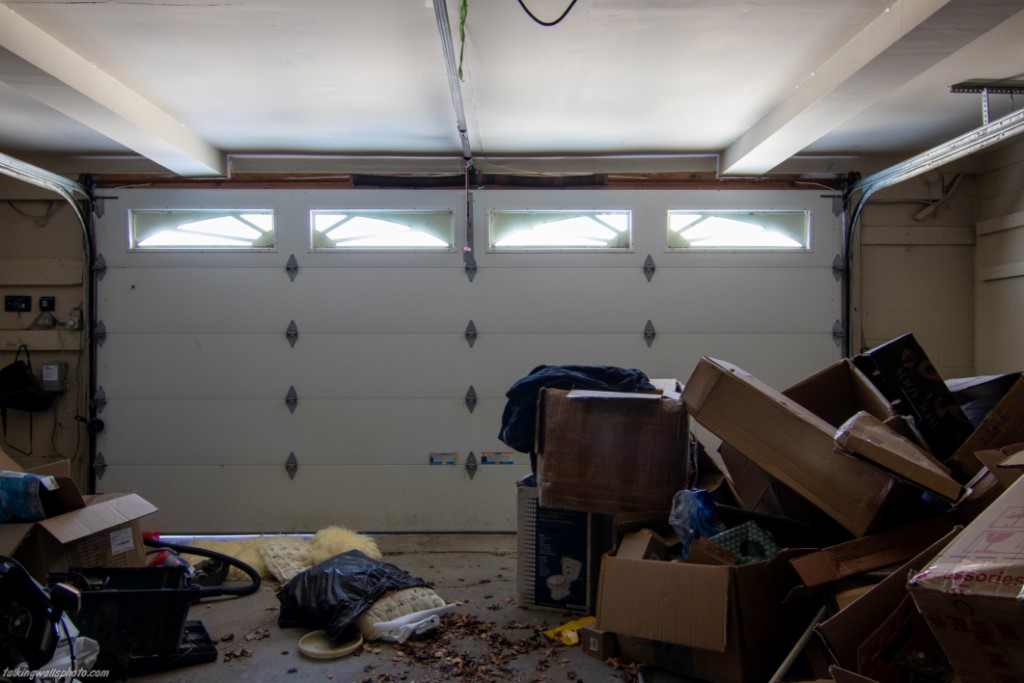
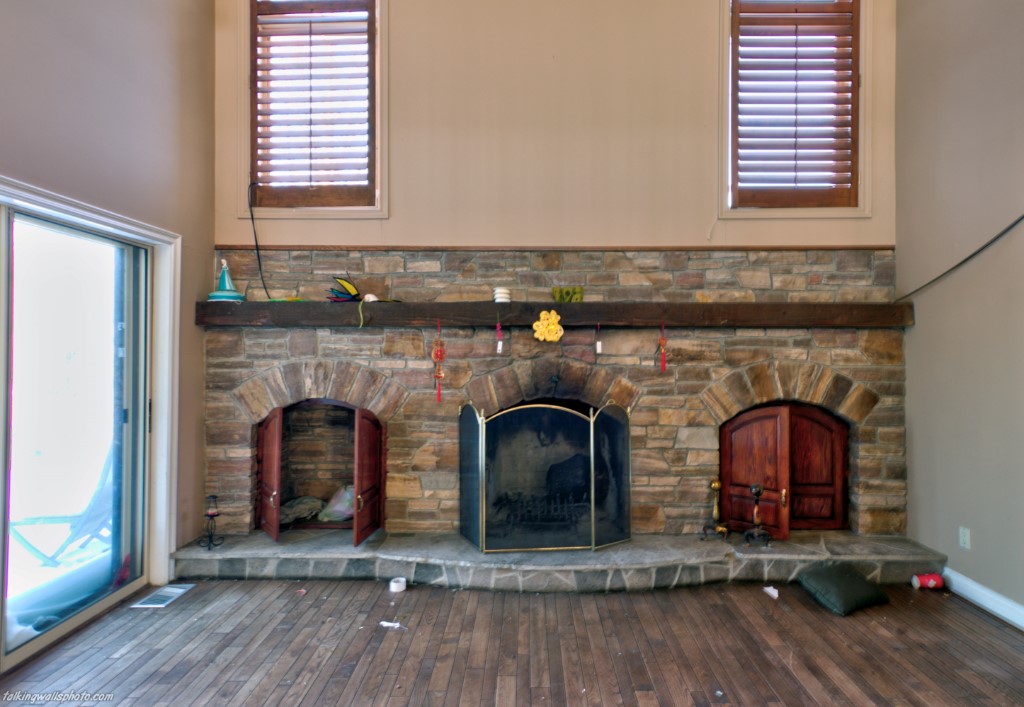
The four bedroom, six bathroom house was built in 1983 in Tudor architectural style. It was last occupied by a family named the Wang’s. Their house still contains many of the family’s possessions such as televisions, VCR’s, books, drones and framed paintings. It’s also been alleged that there were three fur coats which have since ‘disappeared’.
A Vaughan property developer purchased the land and surrounding houses with the intention to build fifty new homes. The price range of the homes is estimated to start at $3.4 million. The company’s timeline states the construction should be completed by 2024. The last listed price of this house was $2.1 million. One can assume that the property owner was thrown buckets of cash to sell.
Unfortunately as the housing market continues to explode, this will be more commonplace. For the urban explorer however, it means more untapped properties to document before their inevitable demolition.
House is now demolished.
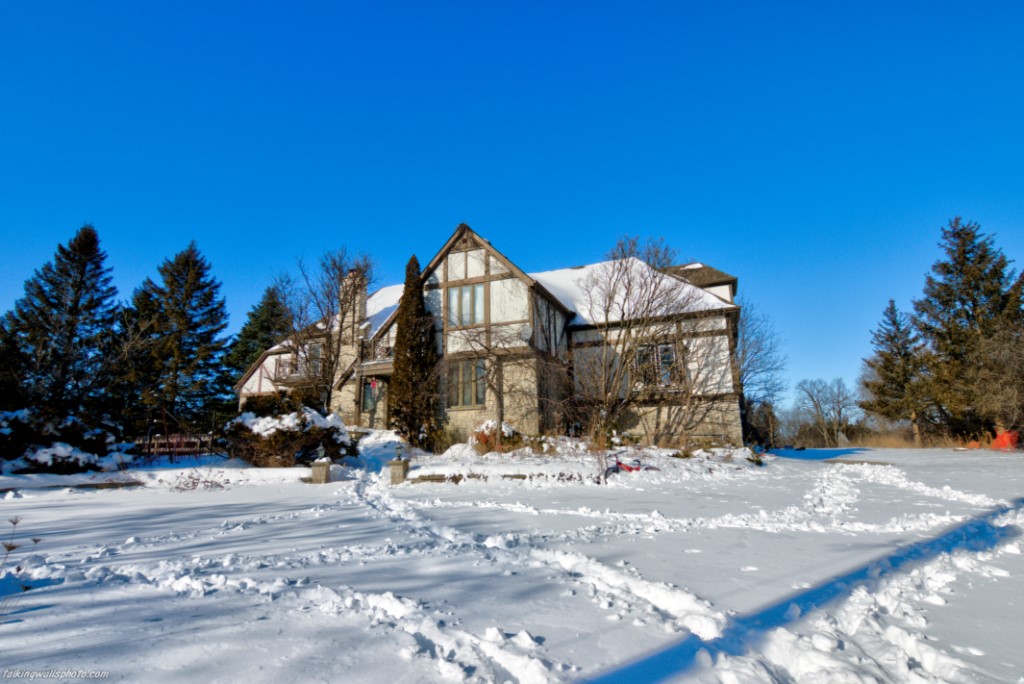
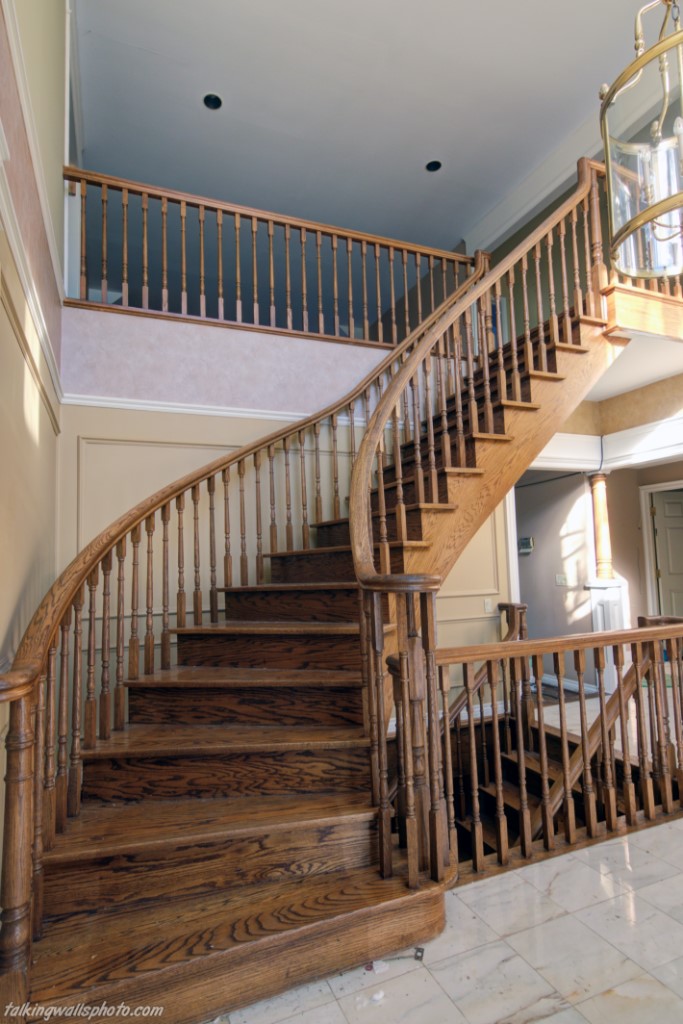
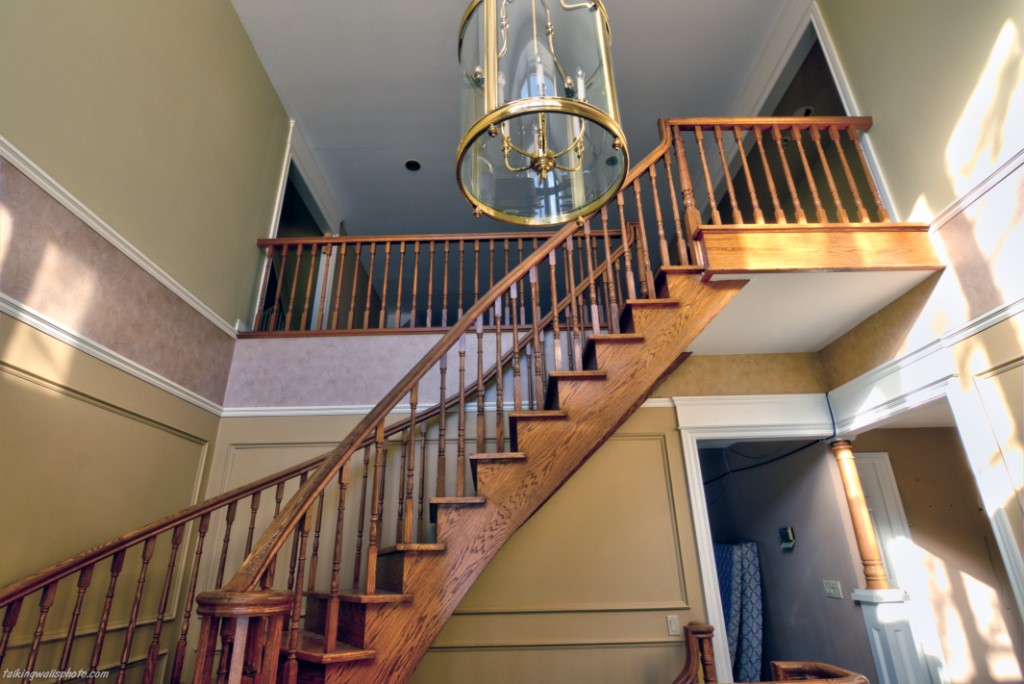
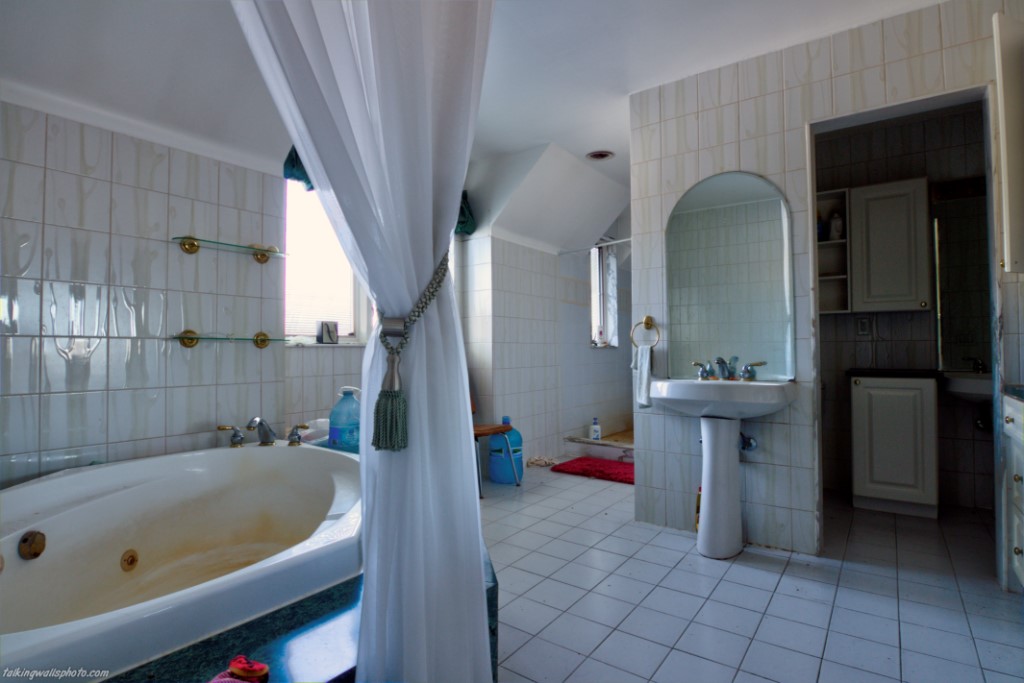
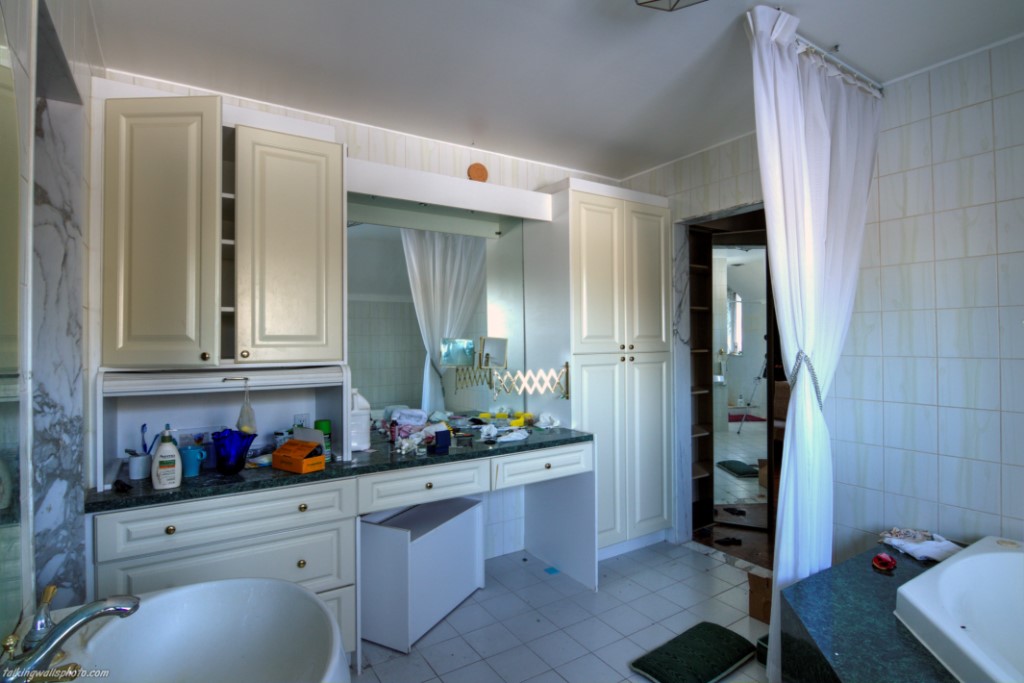
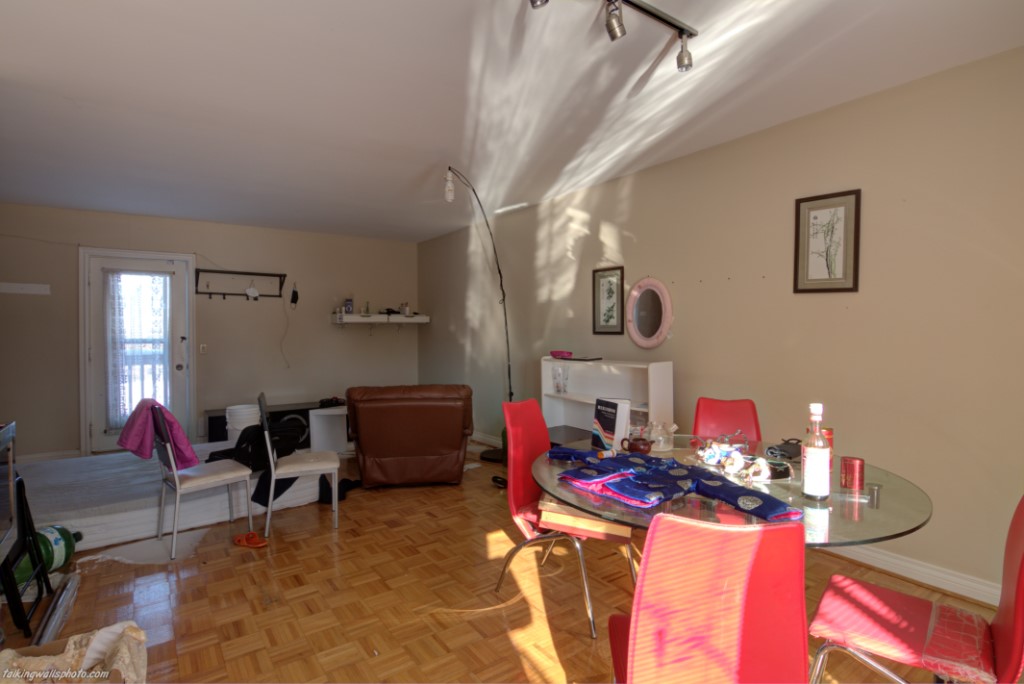
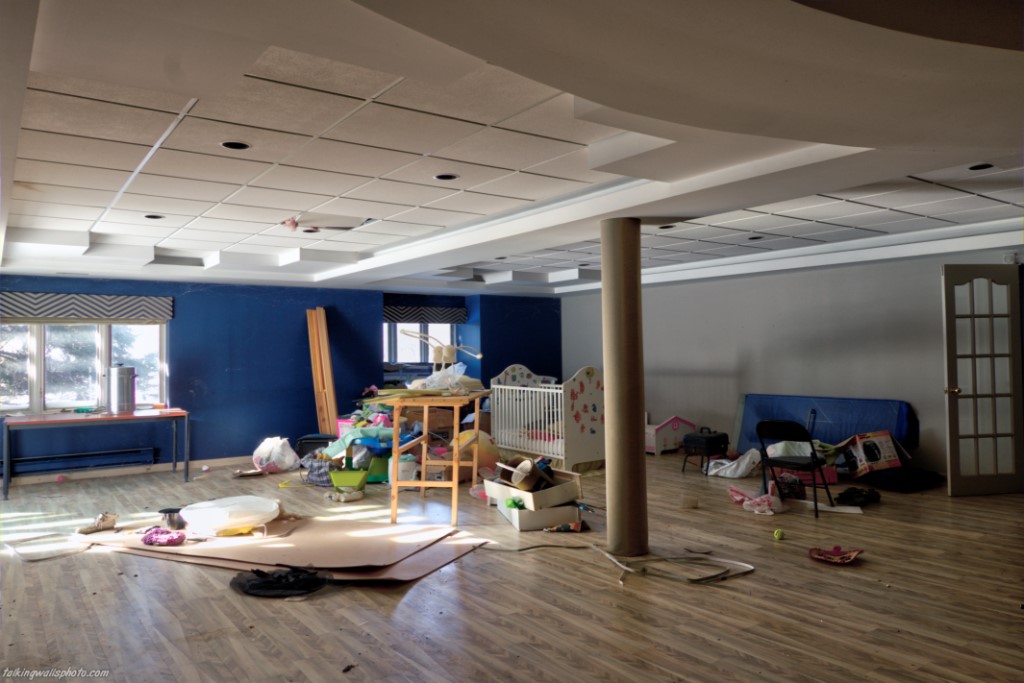
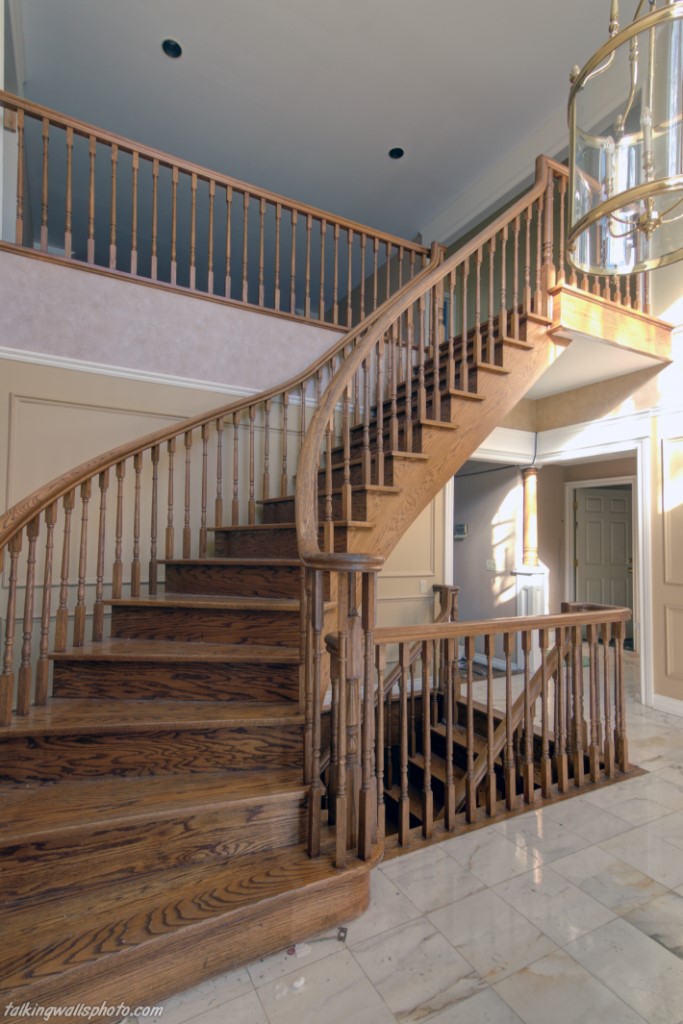
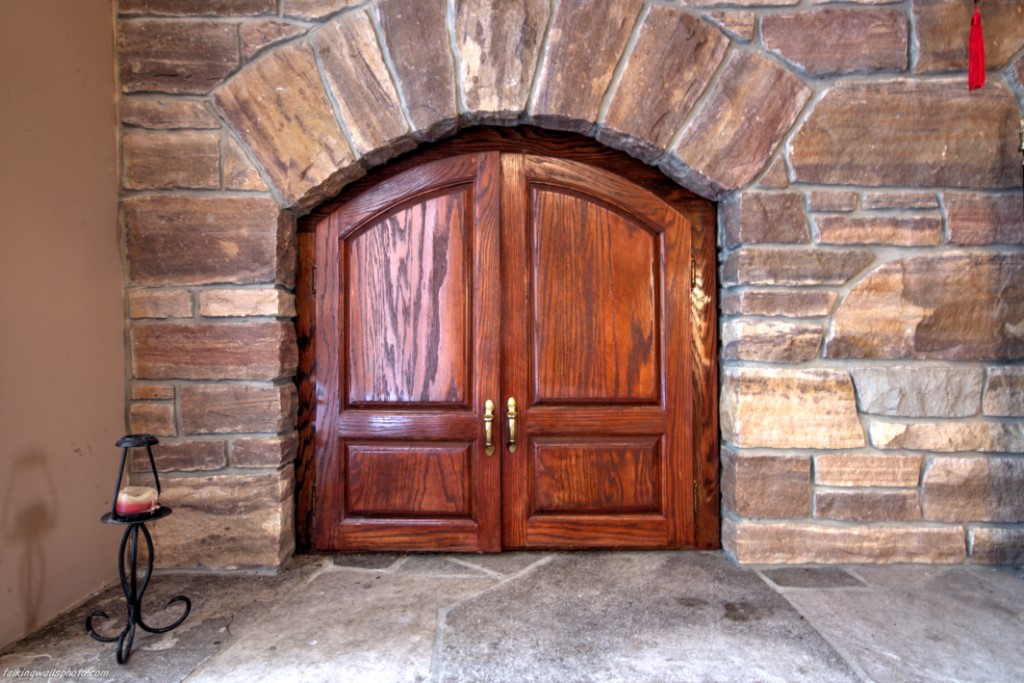
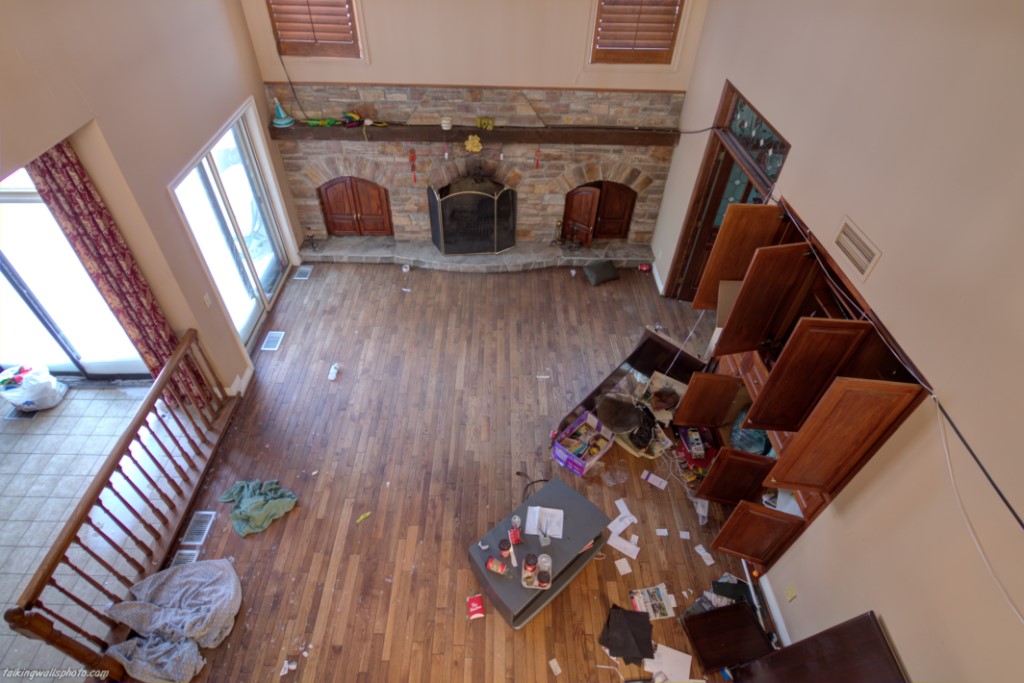
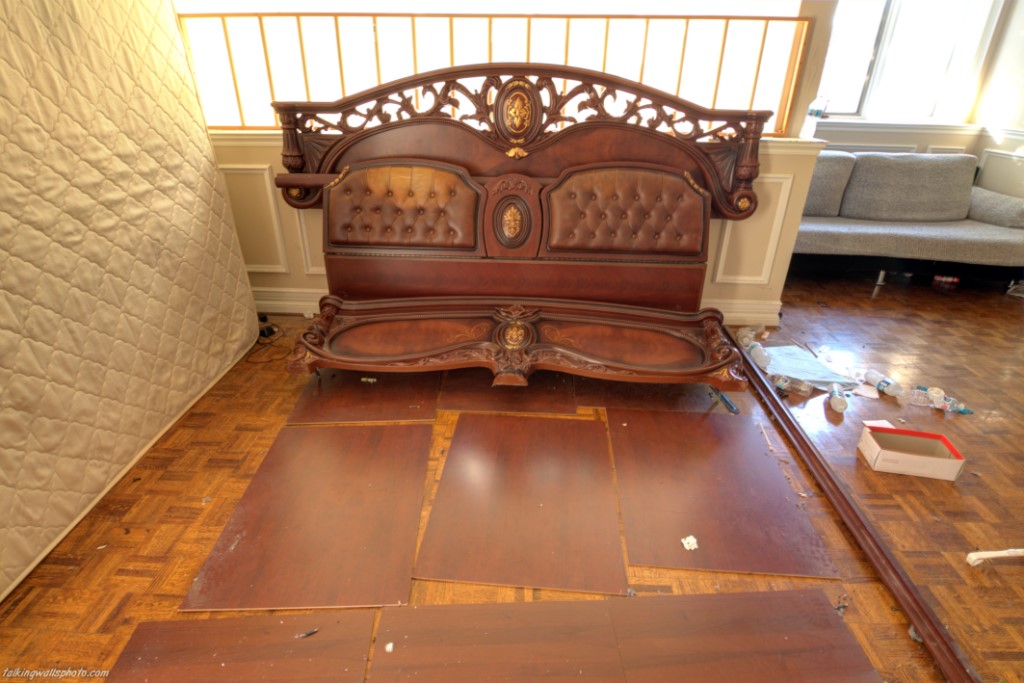
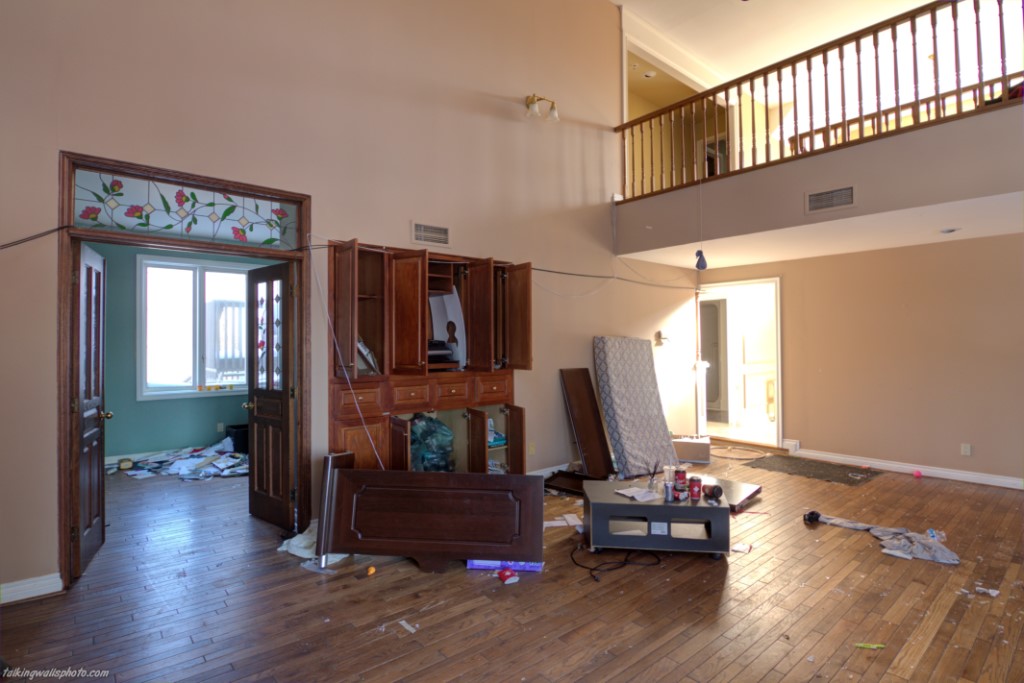
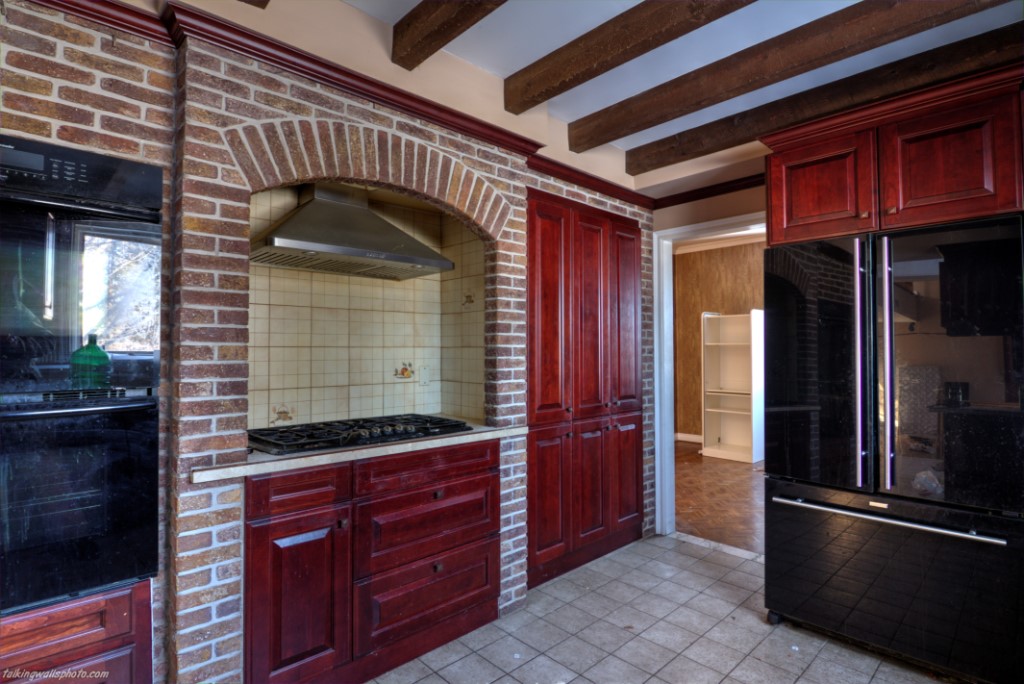
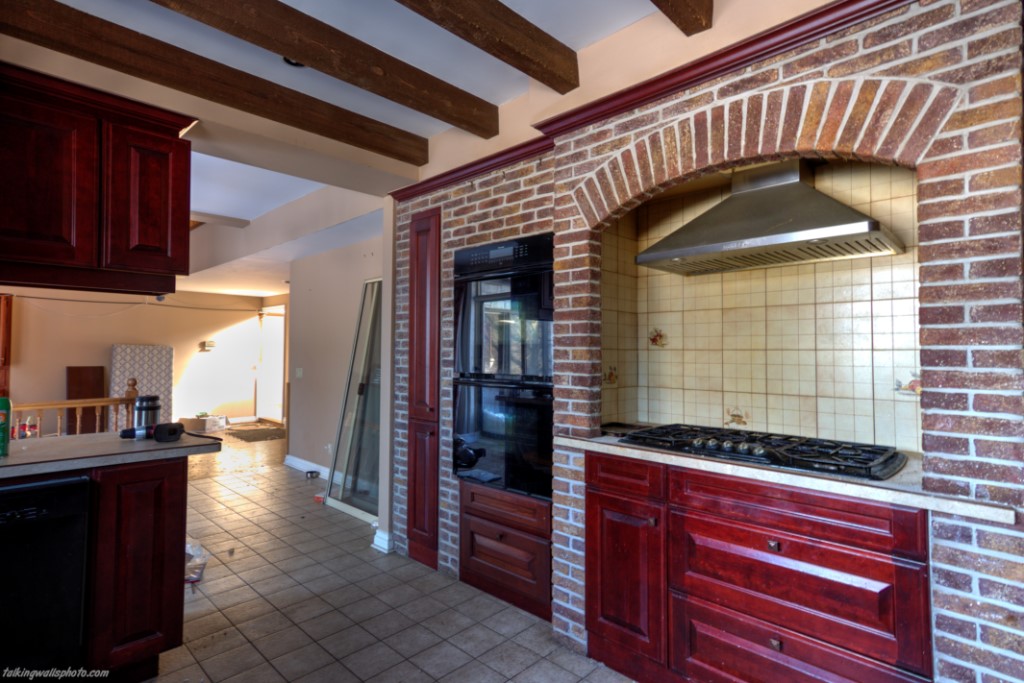
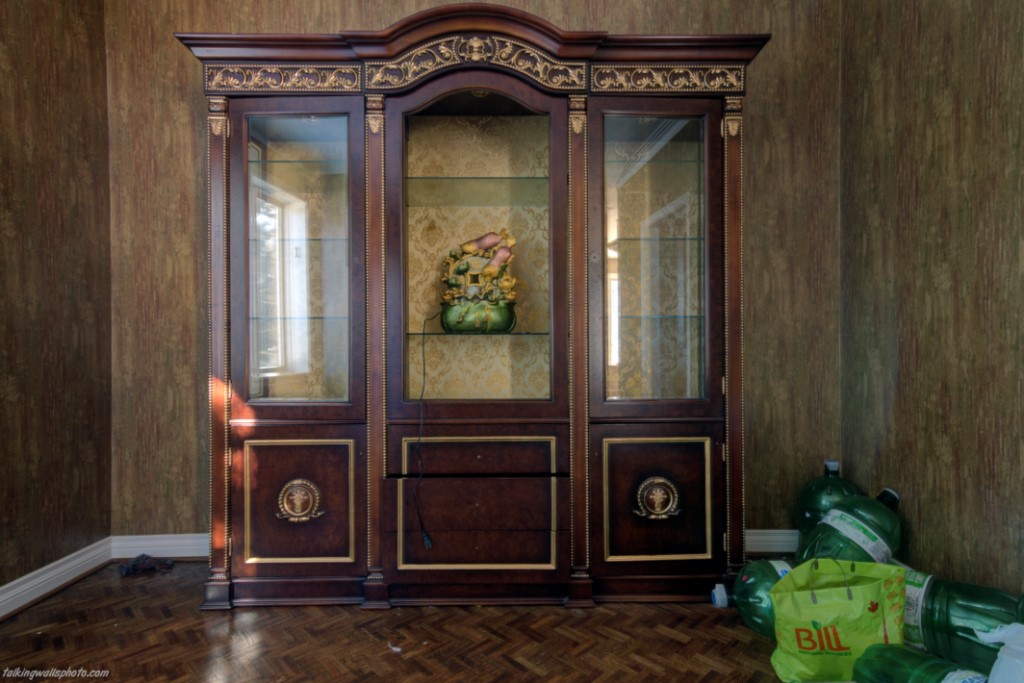
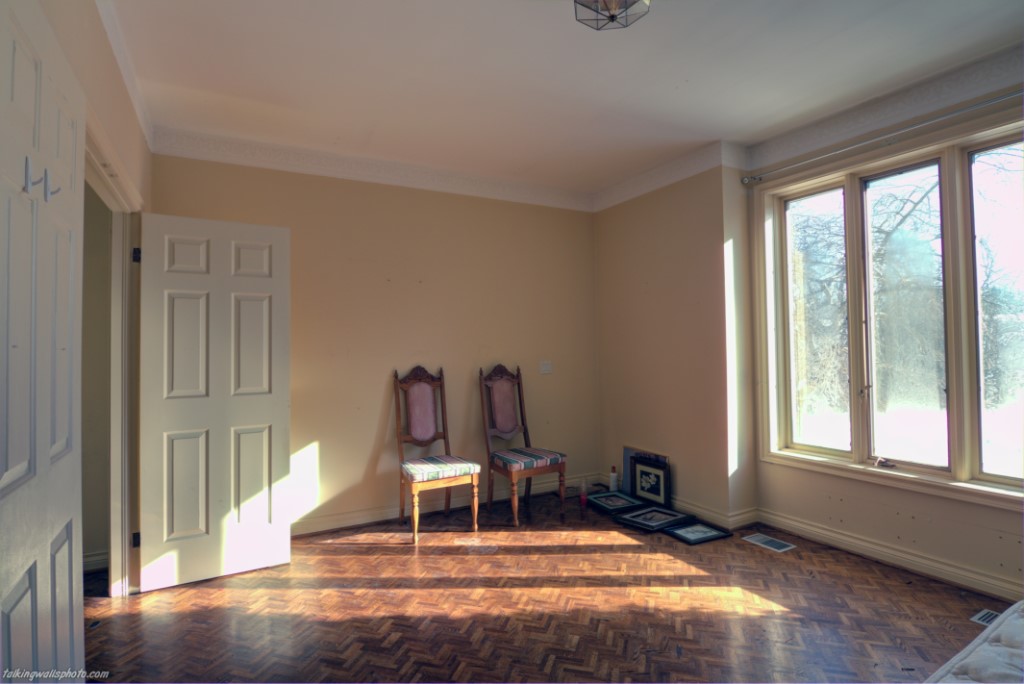
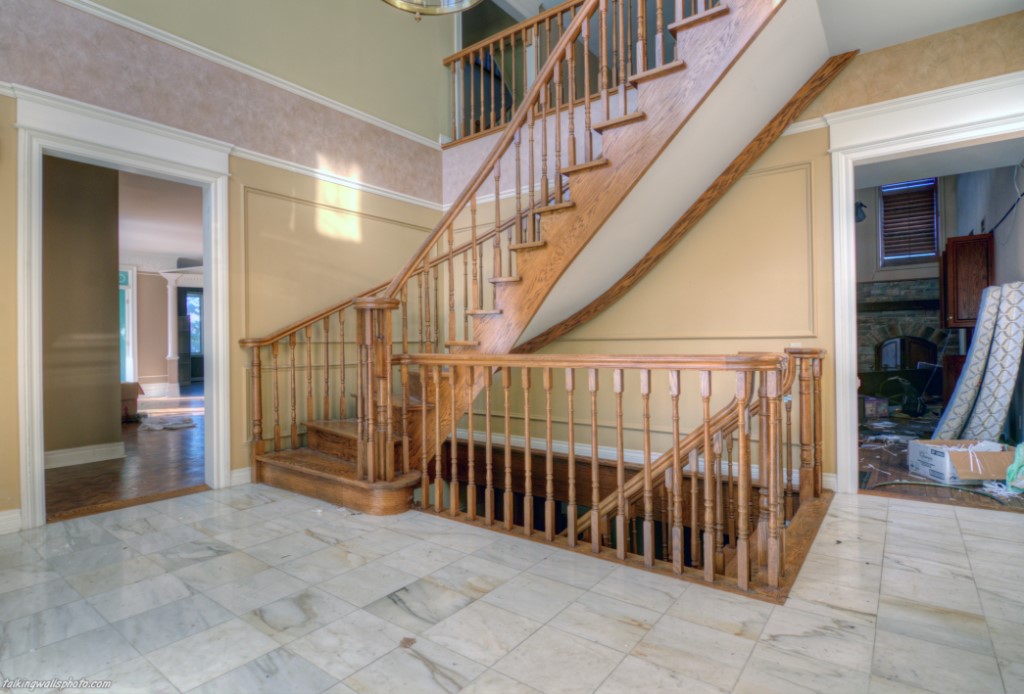
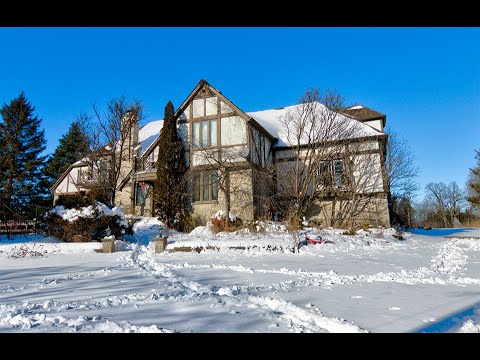
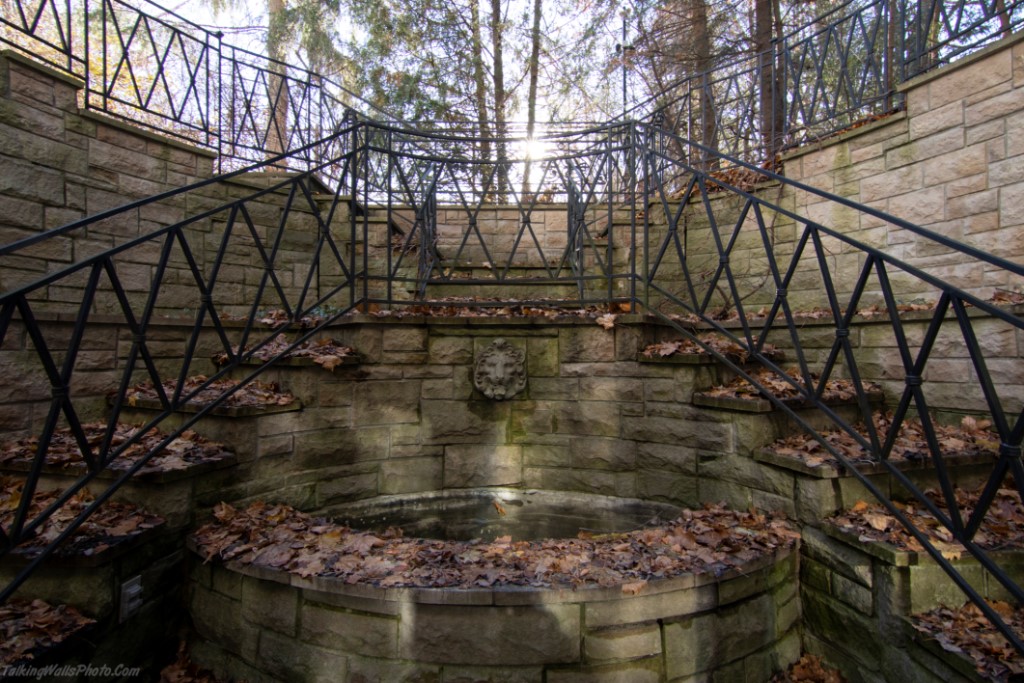
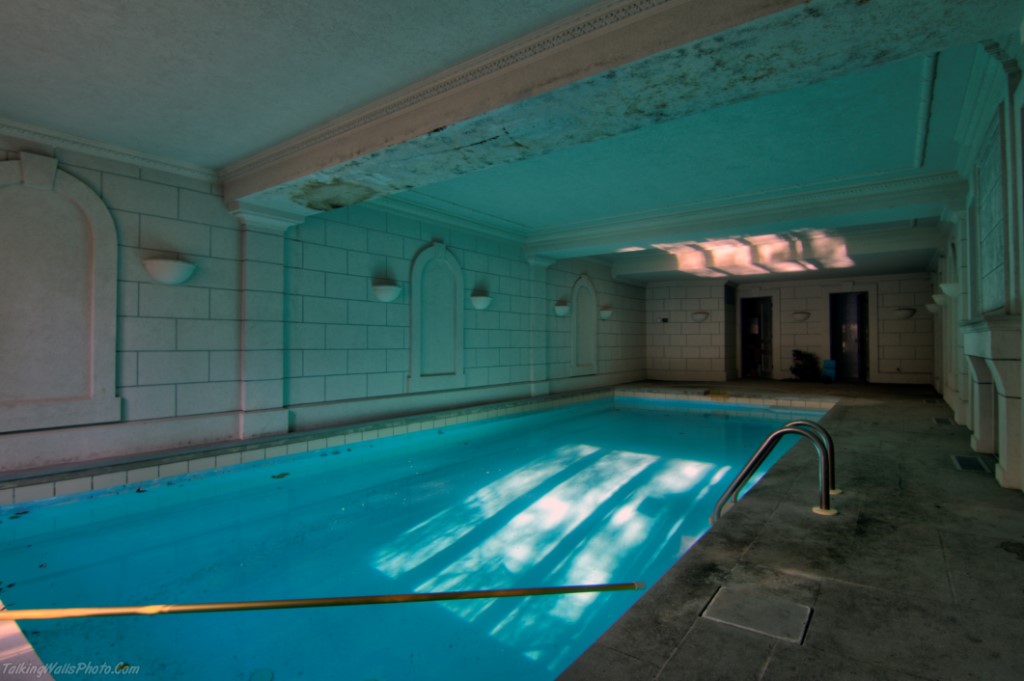
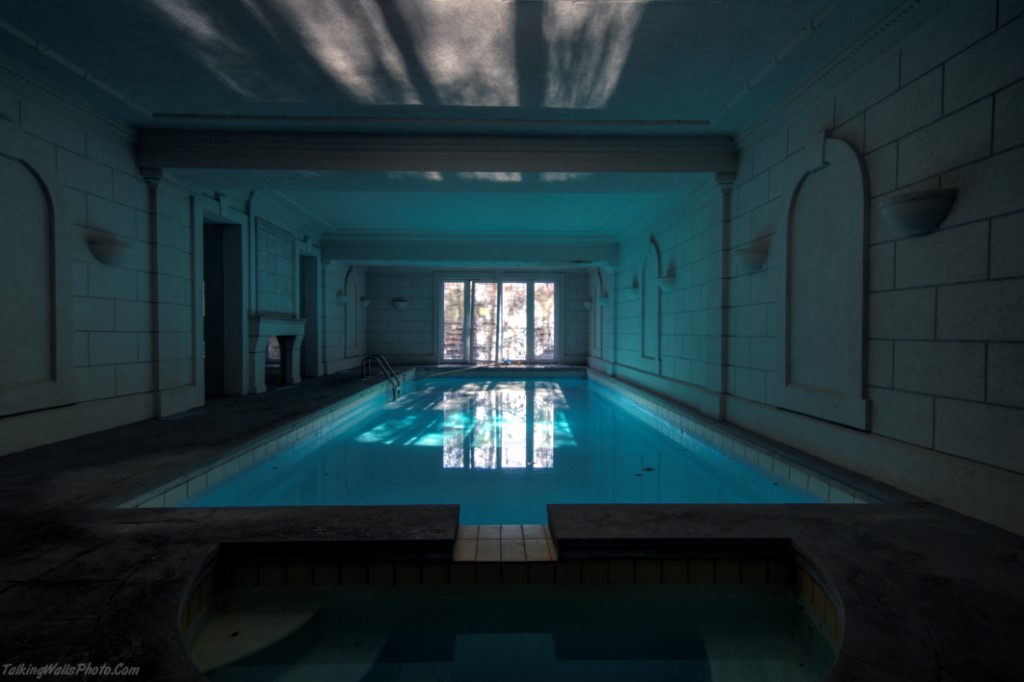
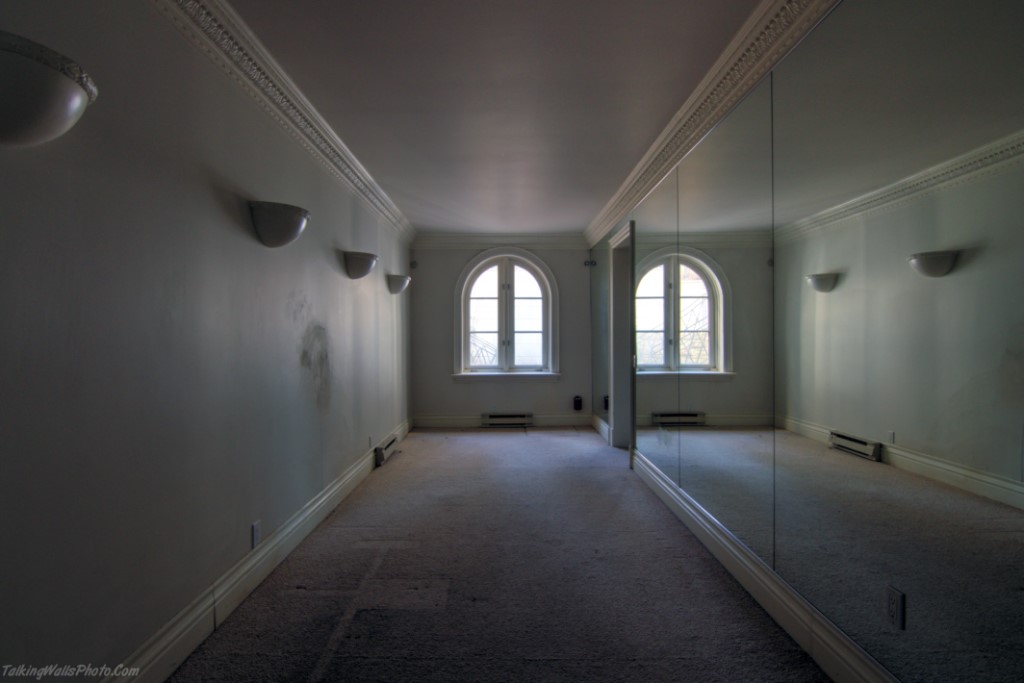
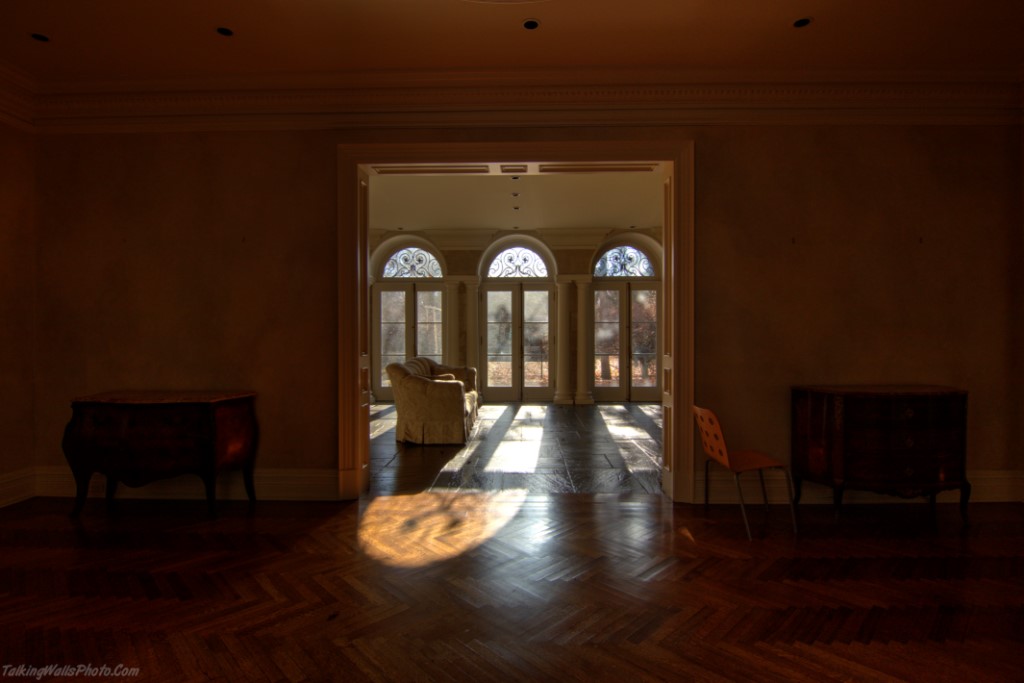
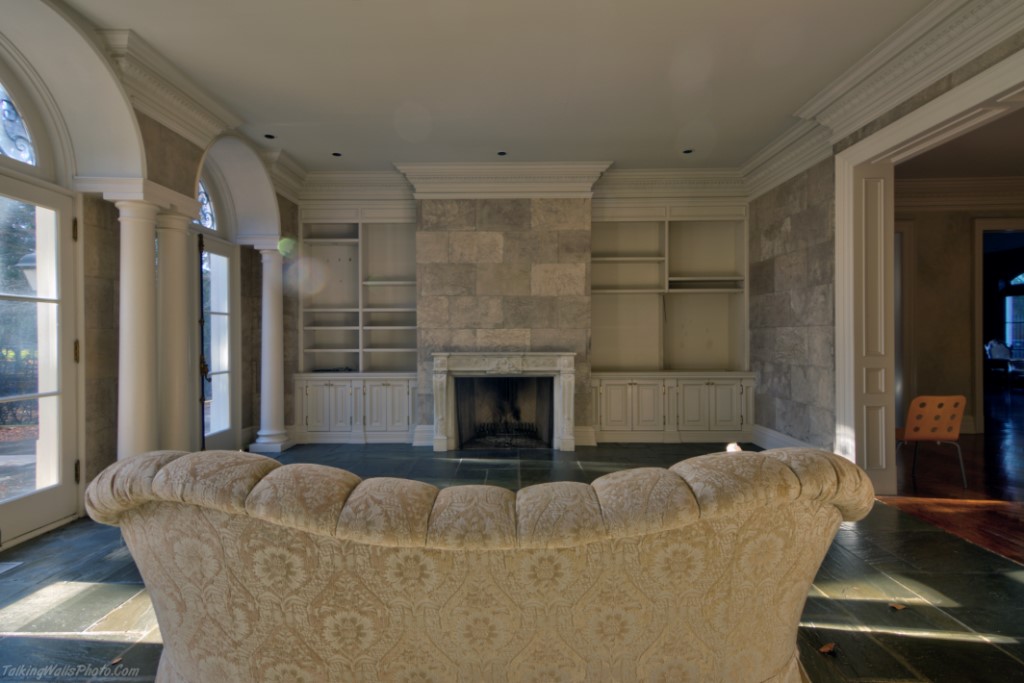
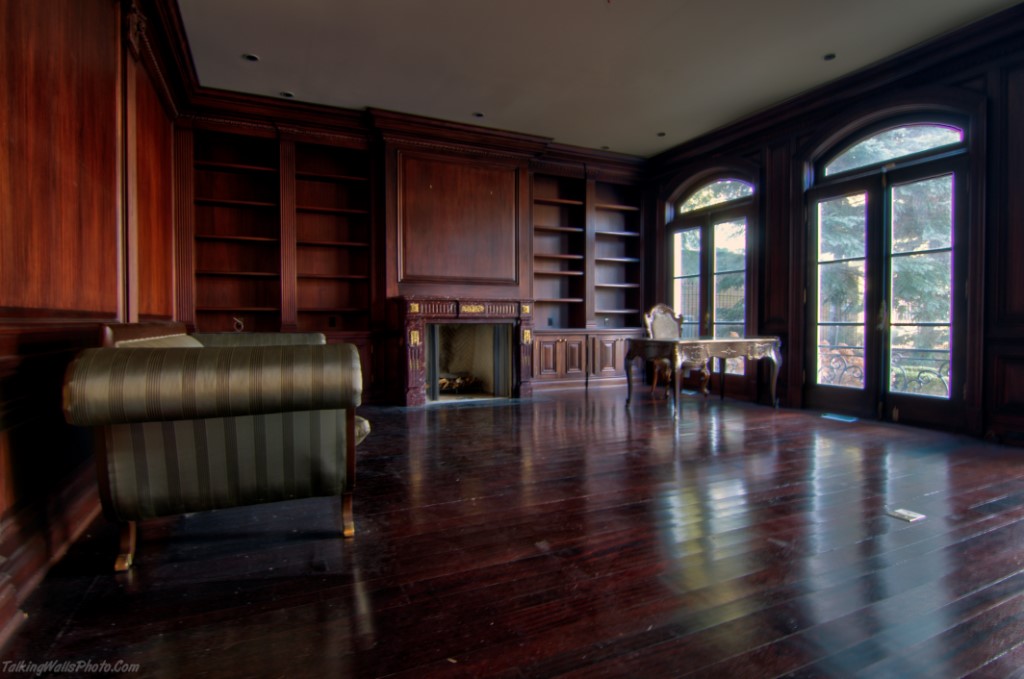
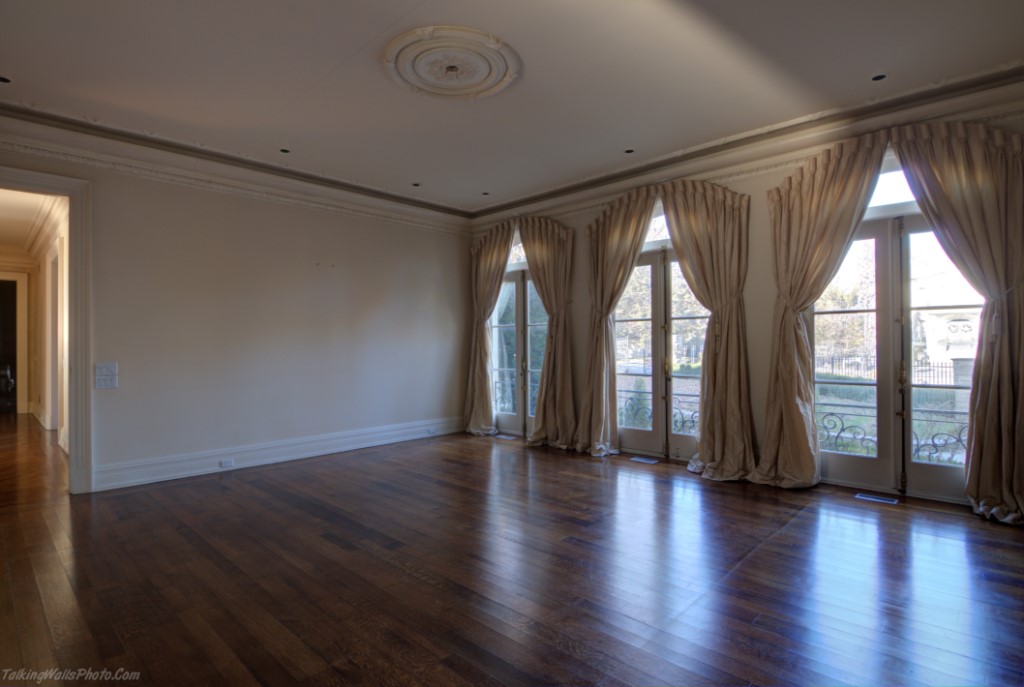
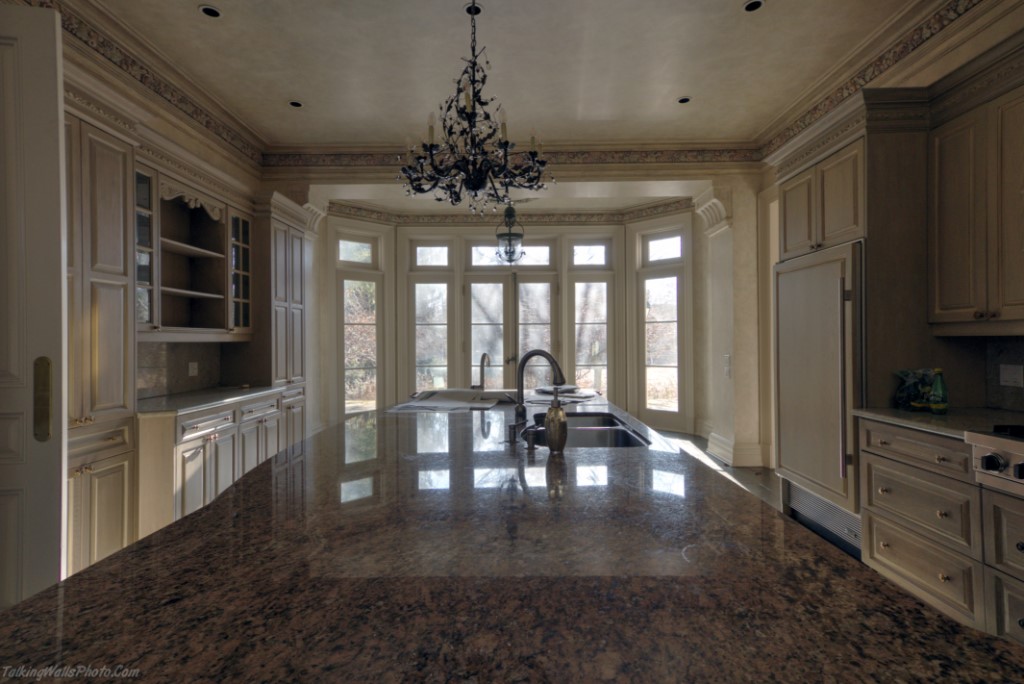
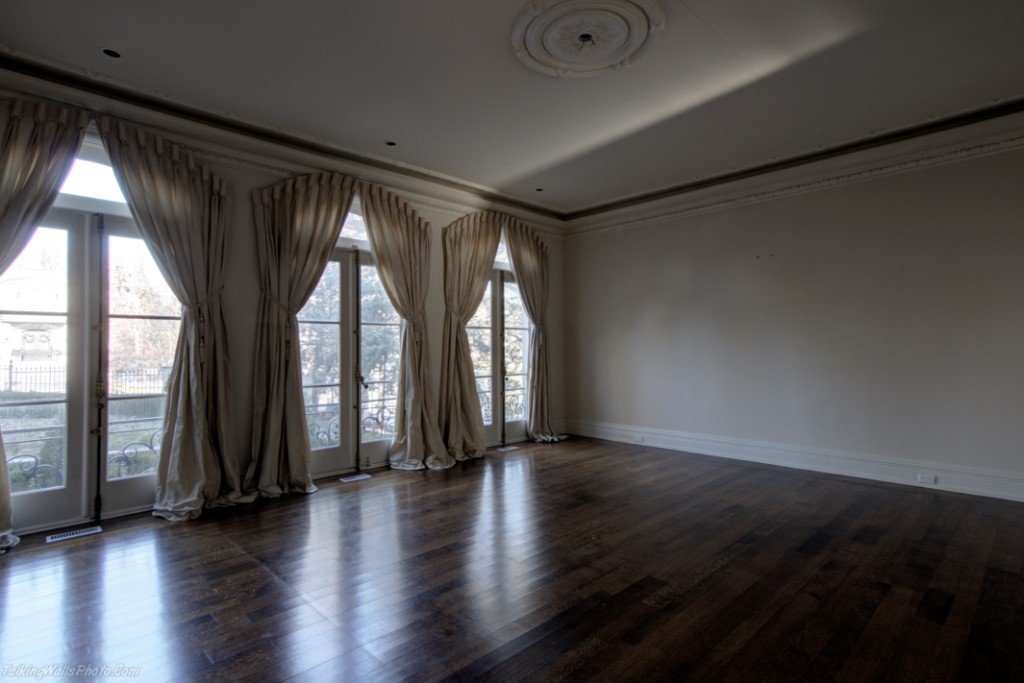
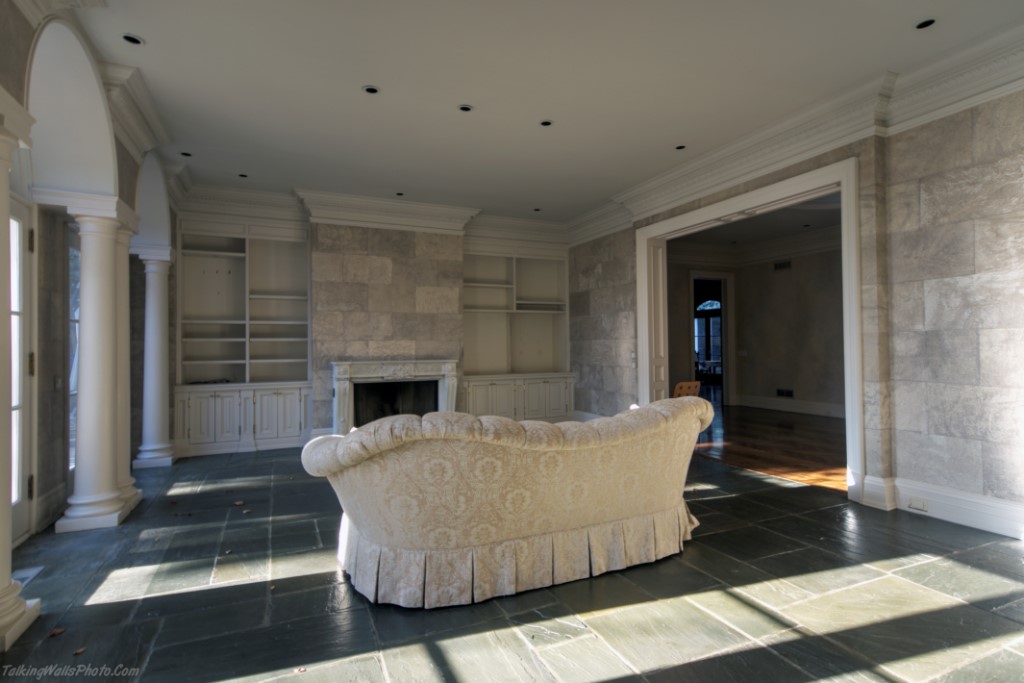
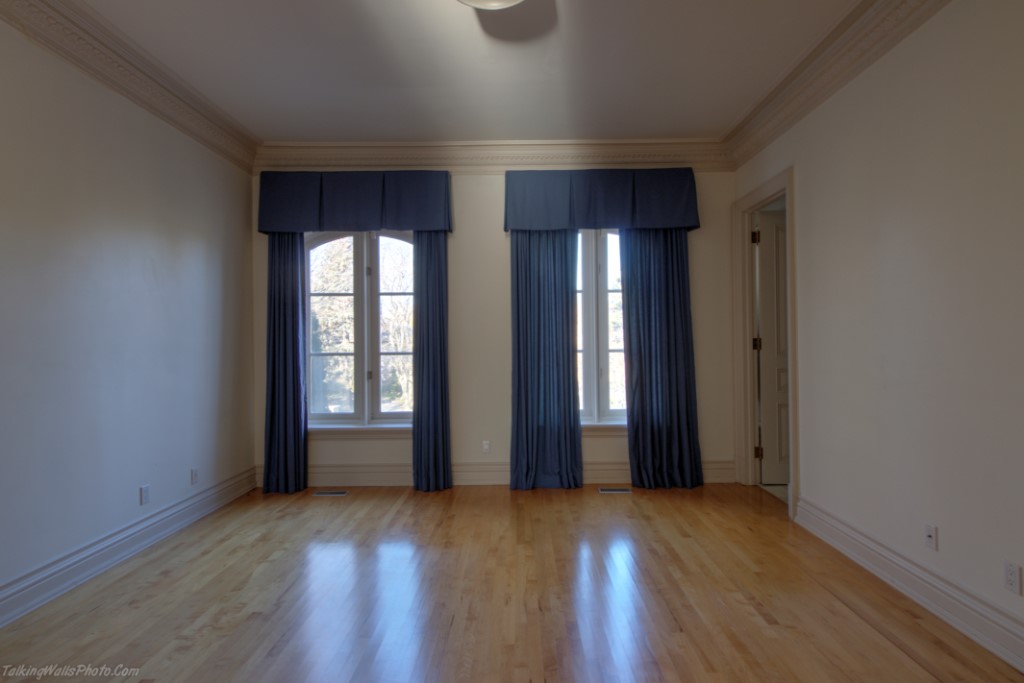
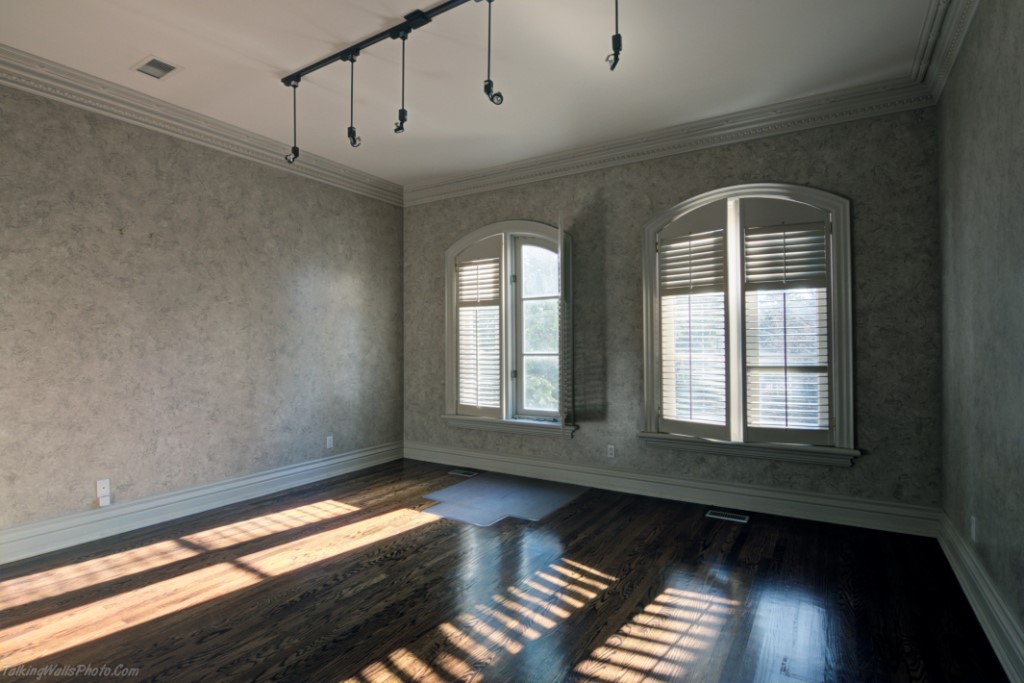
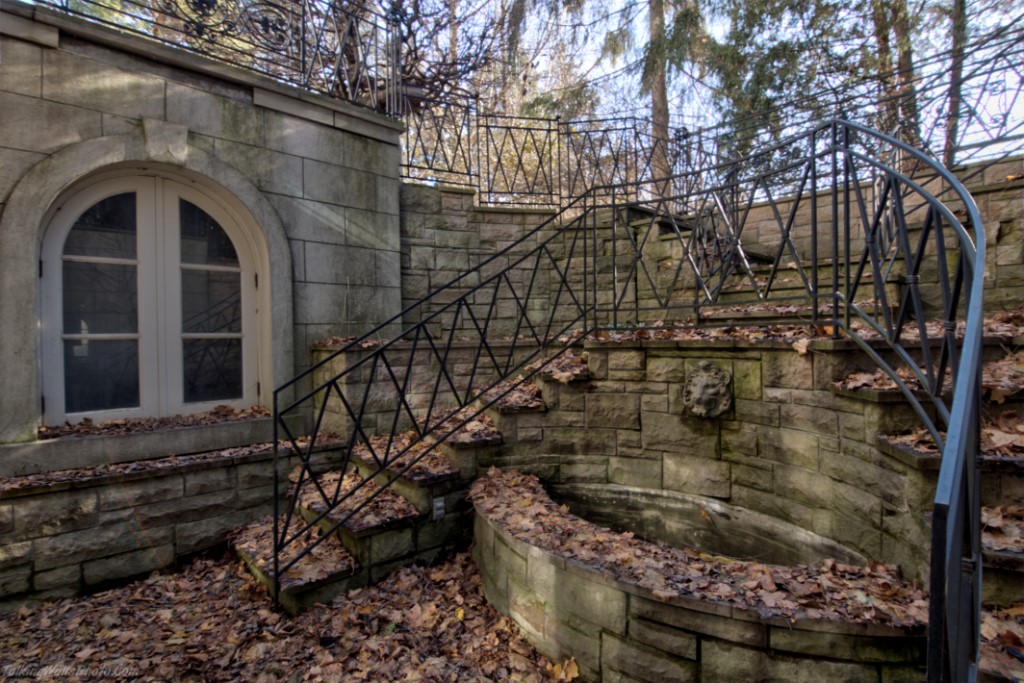
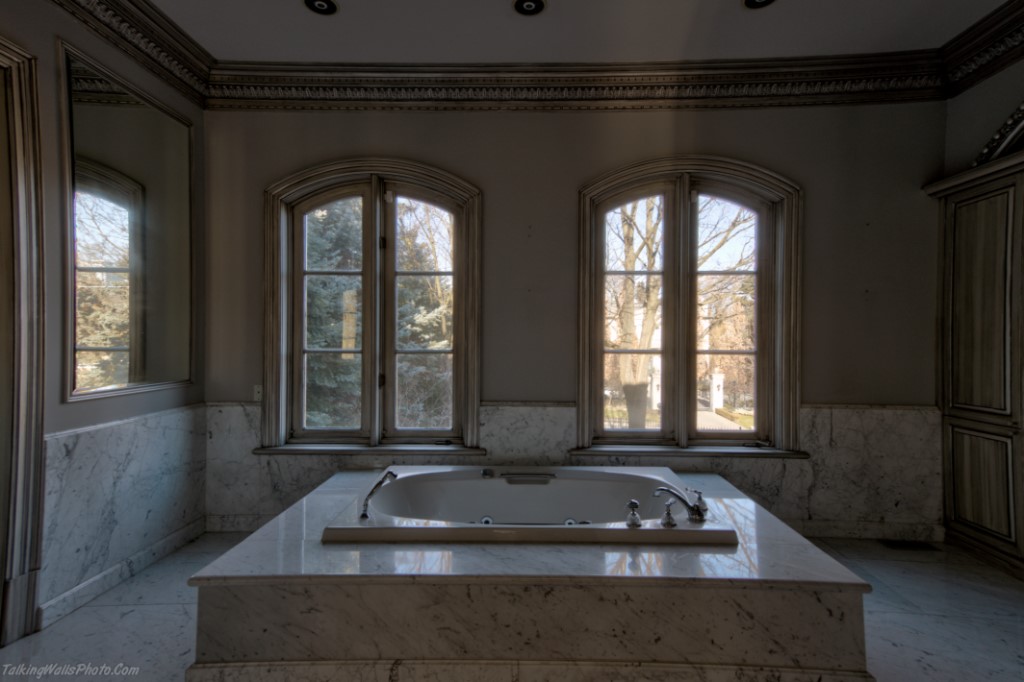
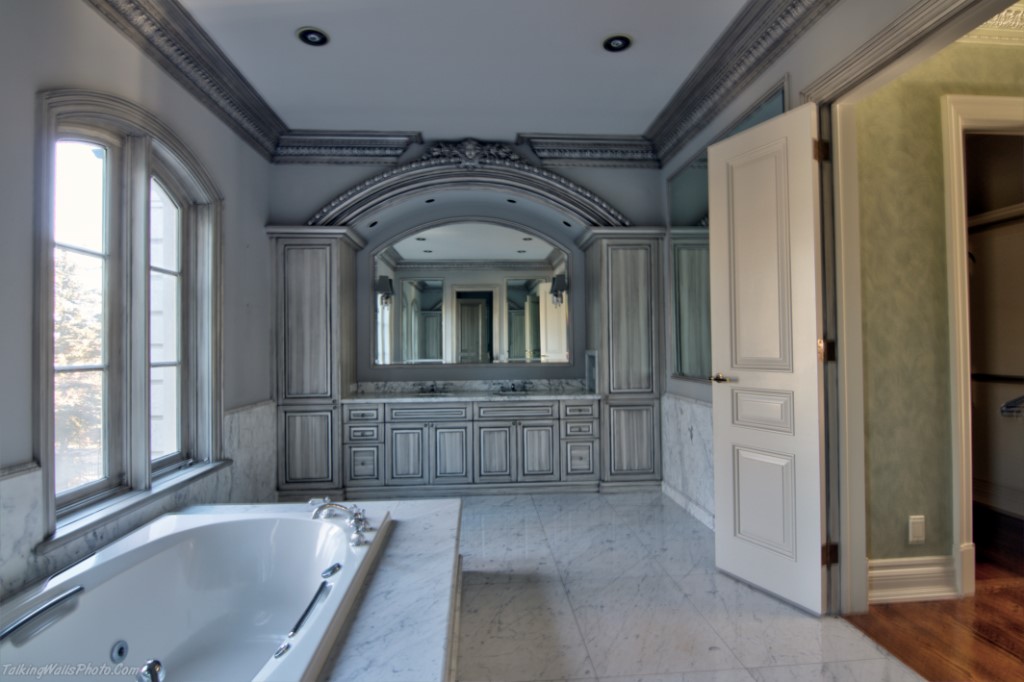
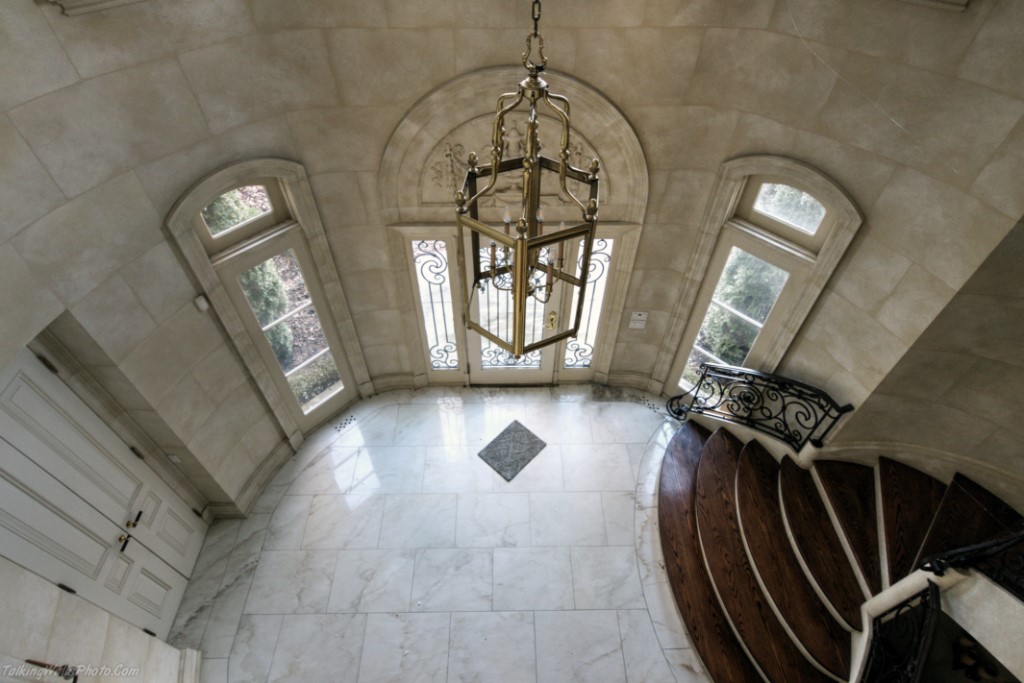
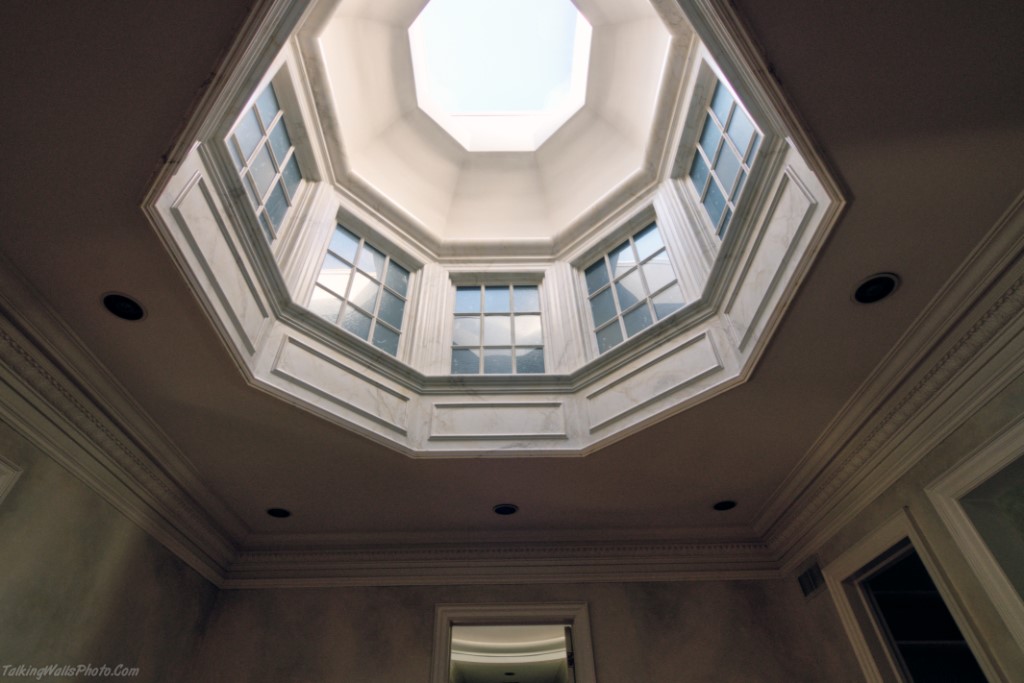
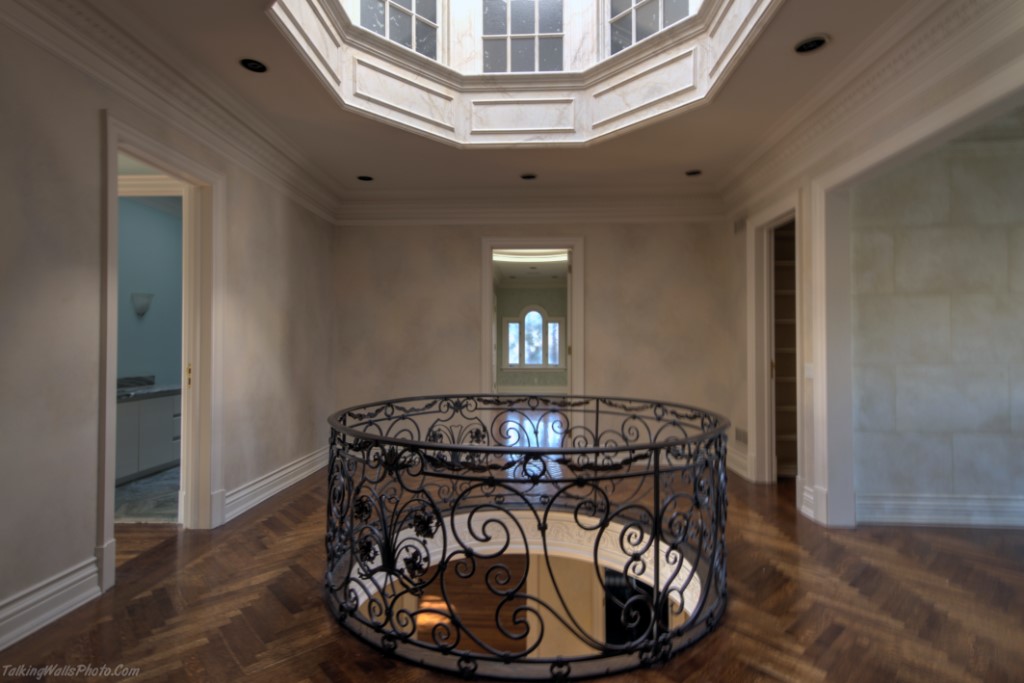
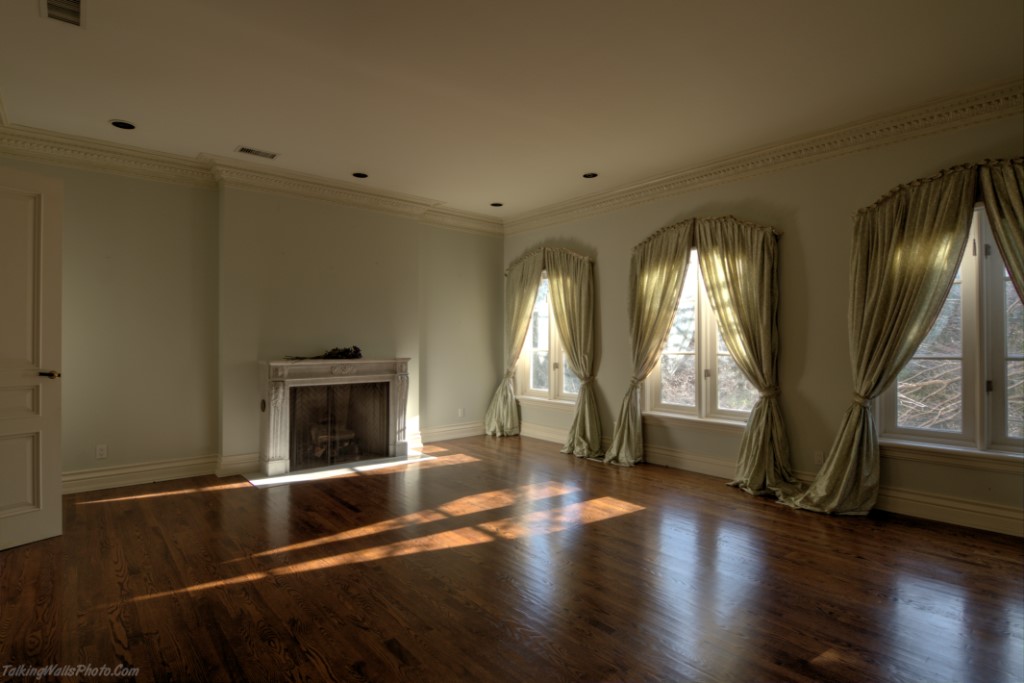
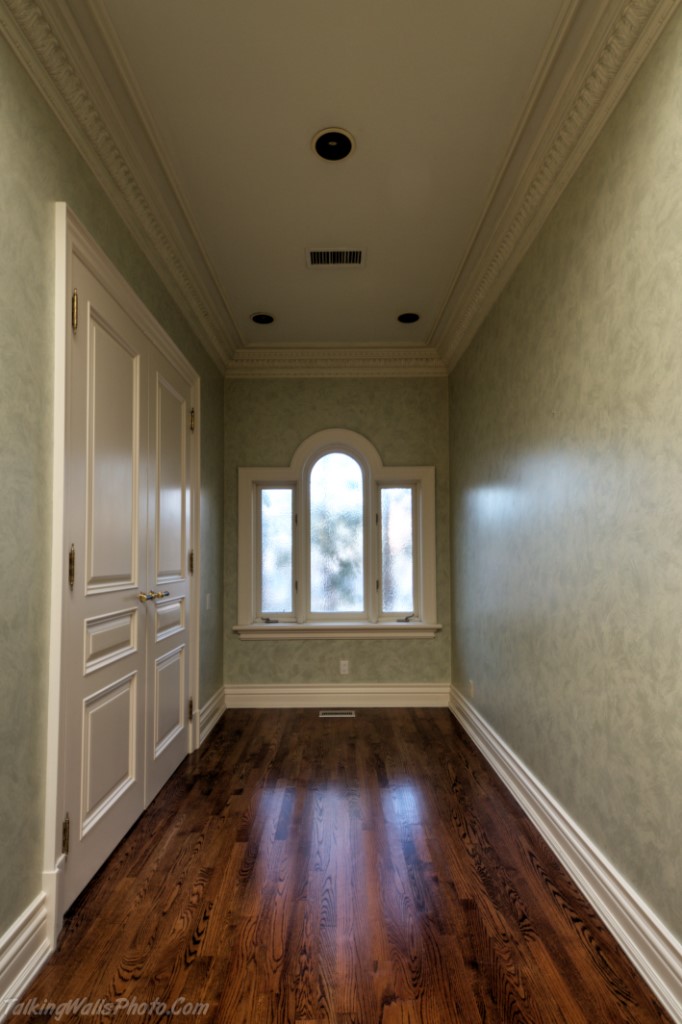
Located in Southern Ontario, this luxurious mansion was once owned by a couple who worked in the legal business. The husband sits as a member of the Board of Director’s for the Law Society of Upper Canada. The wife was an Appeals Court Judge until her retirement in 2018.
The property can be found along a quiet road filled with expensive homes. The mansion features an indoor pool, parking garage, two entry gates, 5 bedrooms and 9 bathrooms.
The house is not abandoned by any means and has been on the market for approximately two years.





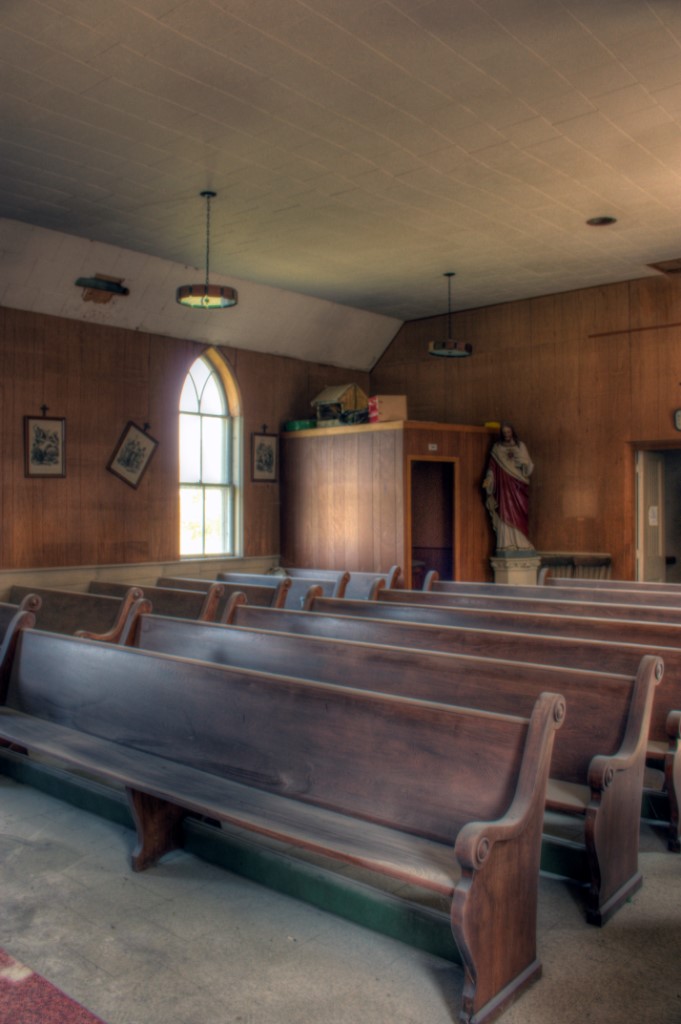
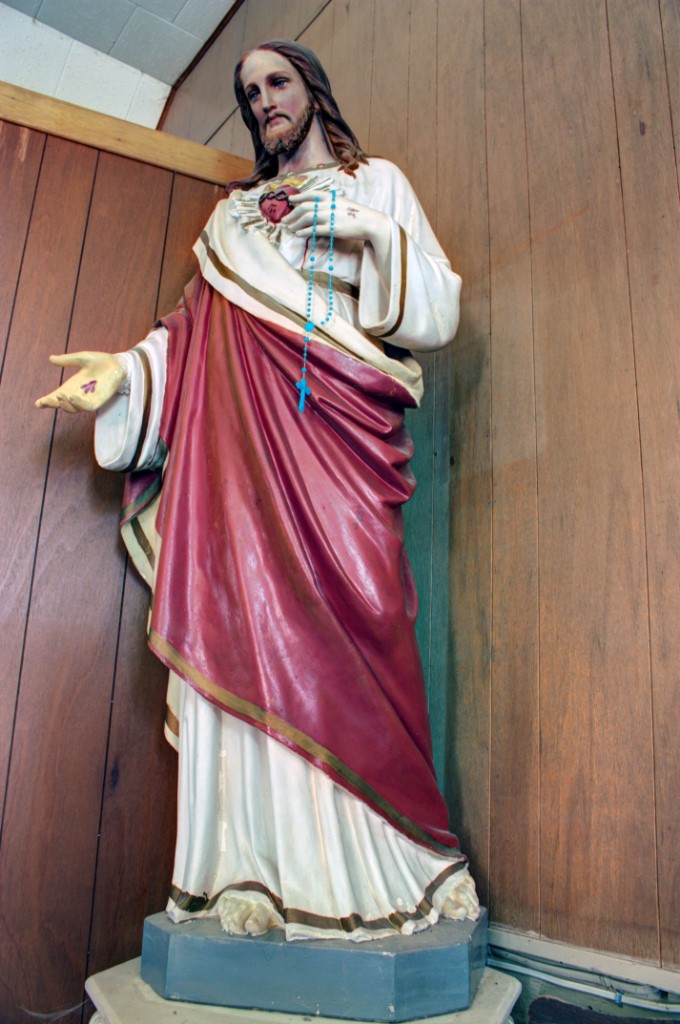
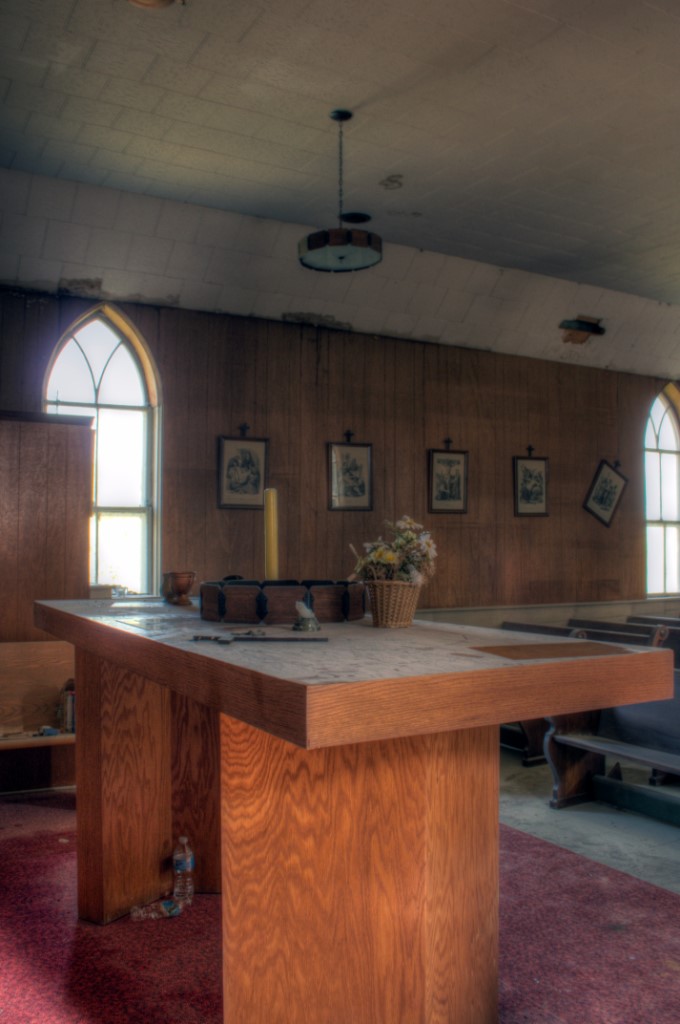
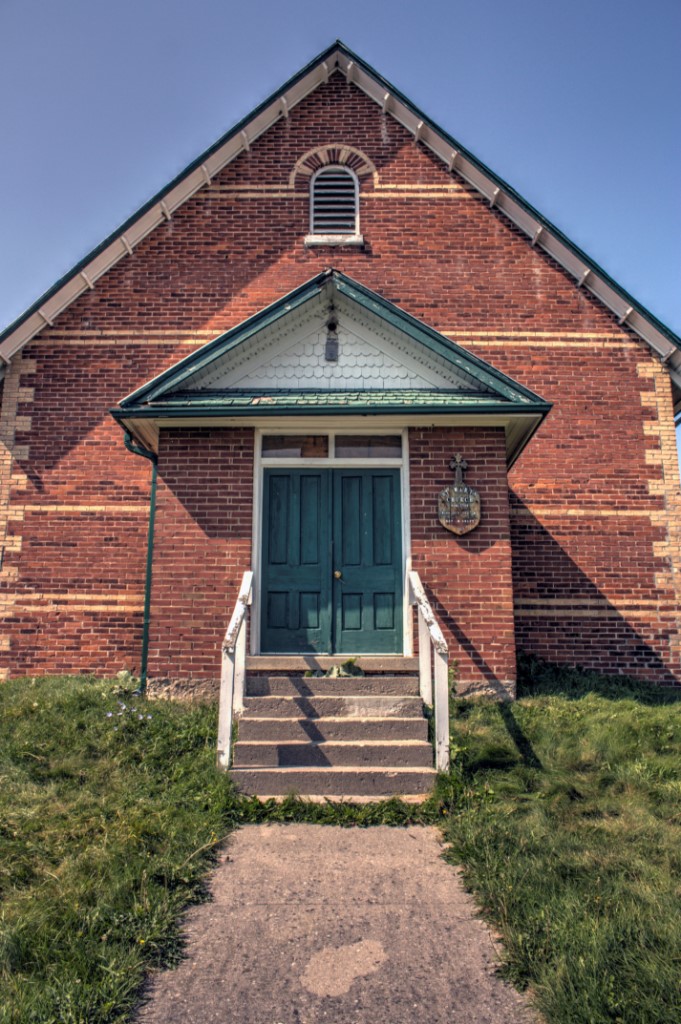
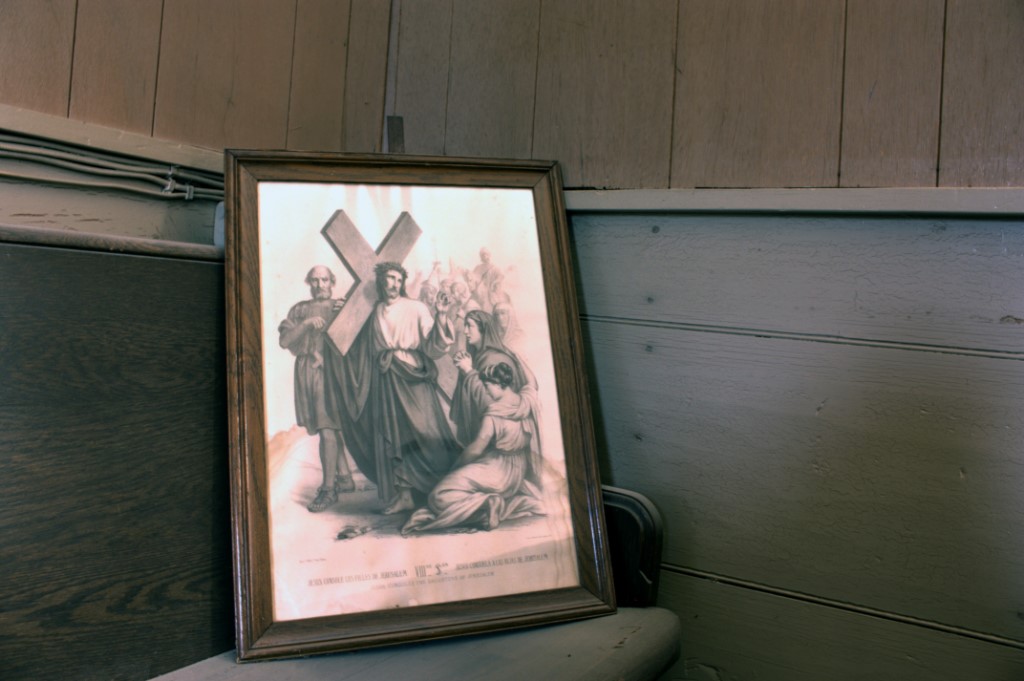
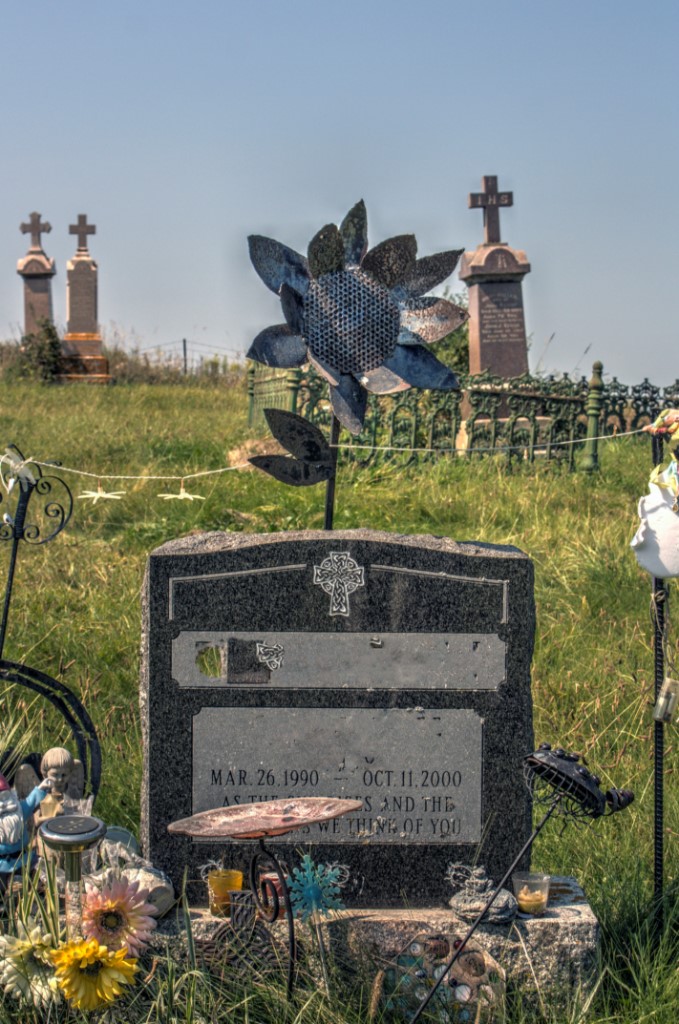
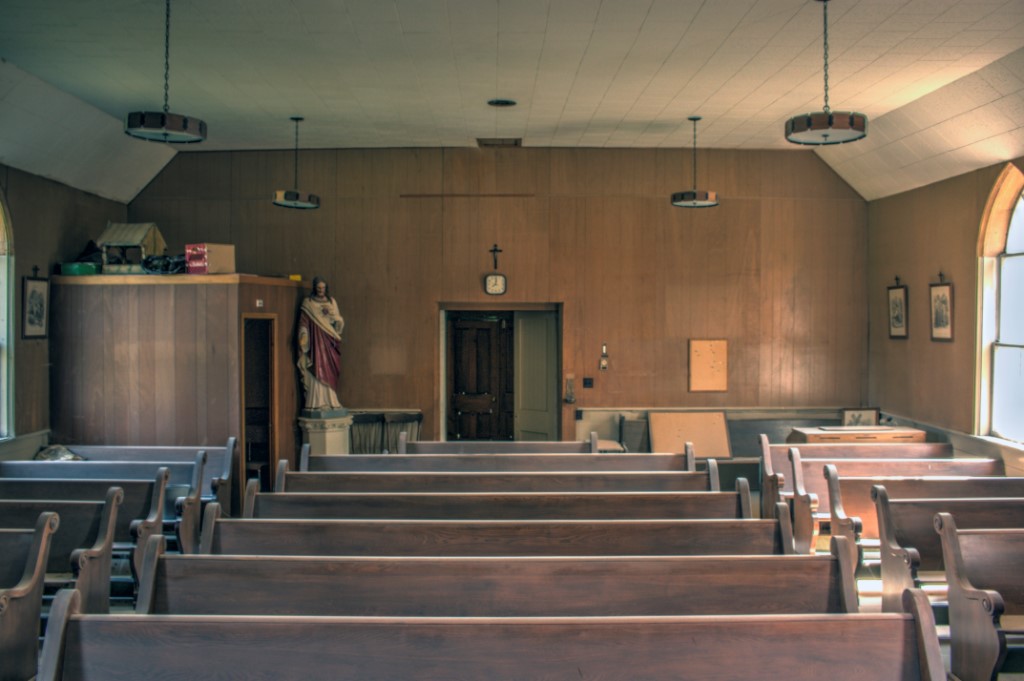
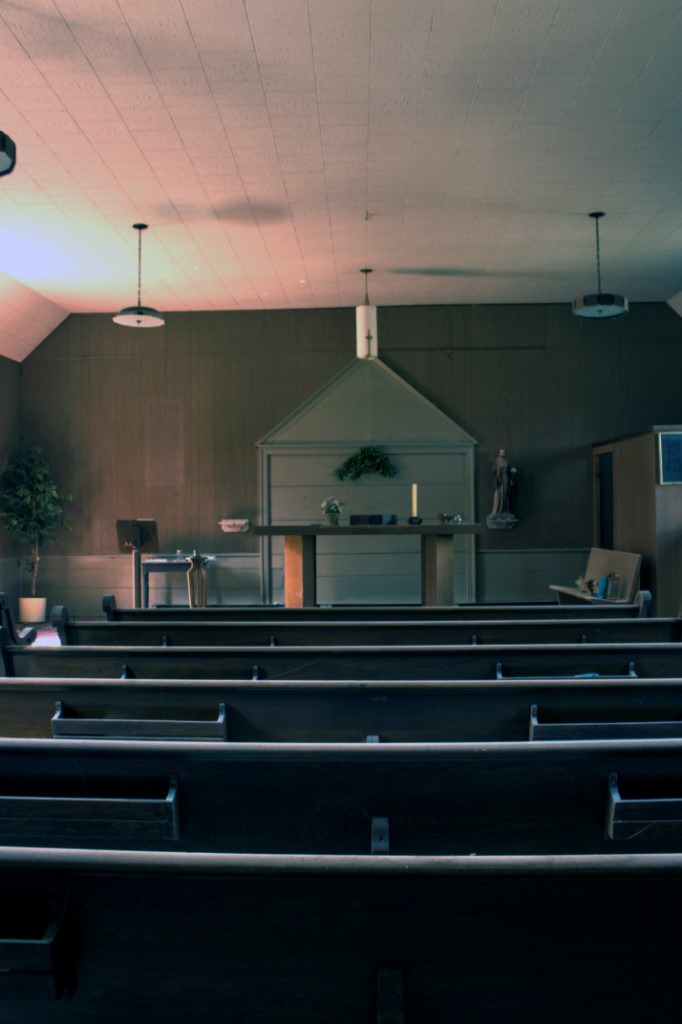
The information on this church is that following the famine of 1847, numerous Irish settlers left their homeland in hopes of a better life in Canada. Upon settling in the area of Nobleton, they built a Catholic church on a parcel of land donated to them. The church was formally opened on September 23, 1855. On the grounds was also a horse and carriage shed which was destroyed by a fire on July 13, 1913. The following year it was replaced by a cement and steel structure which still stands today.
The church is now boarded up to deter vandalism. There was a guestbook wrapped in plastic out on the front steps that visitors could sign, during my follow up visit.
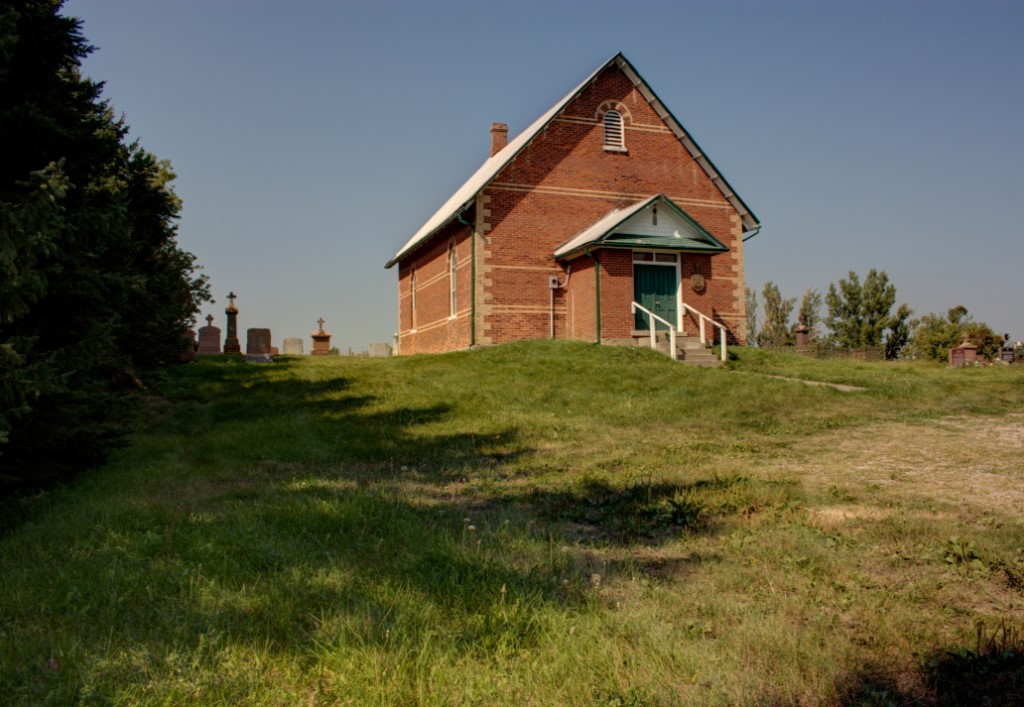
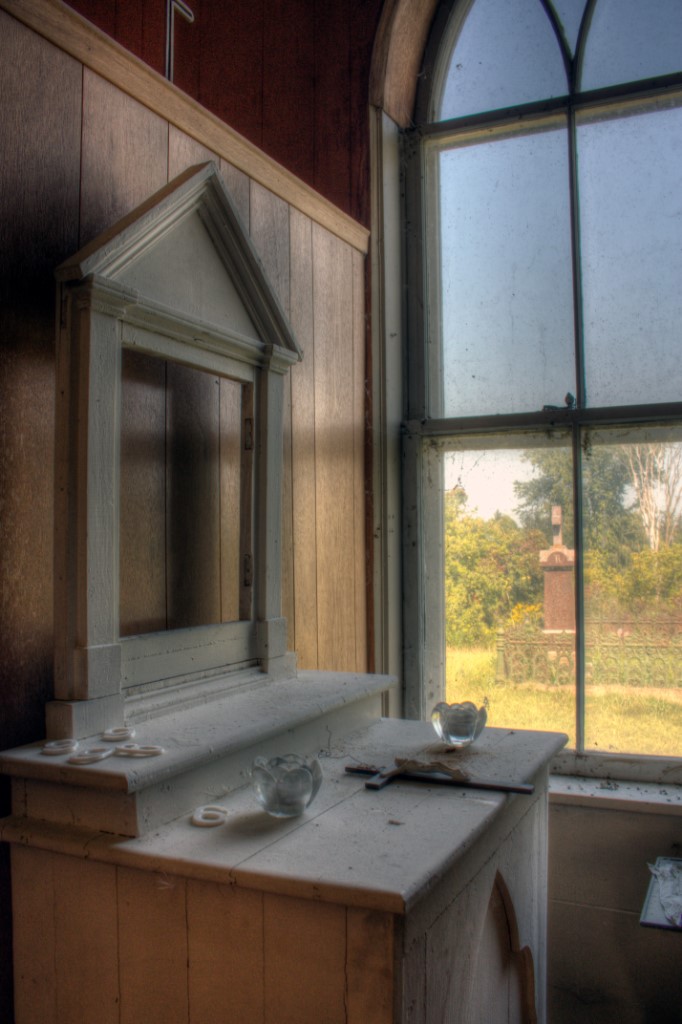


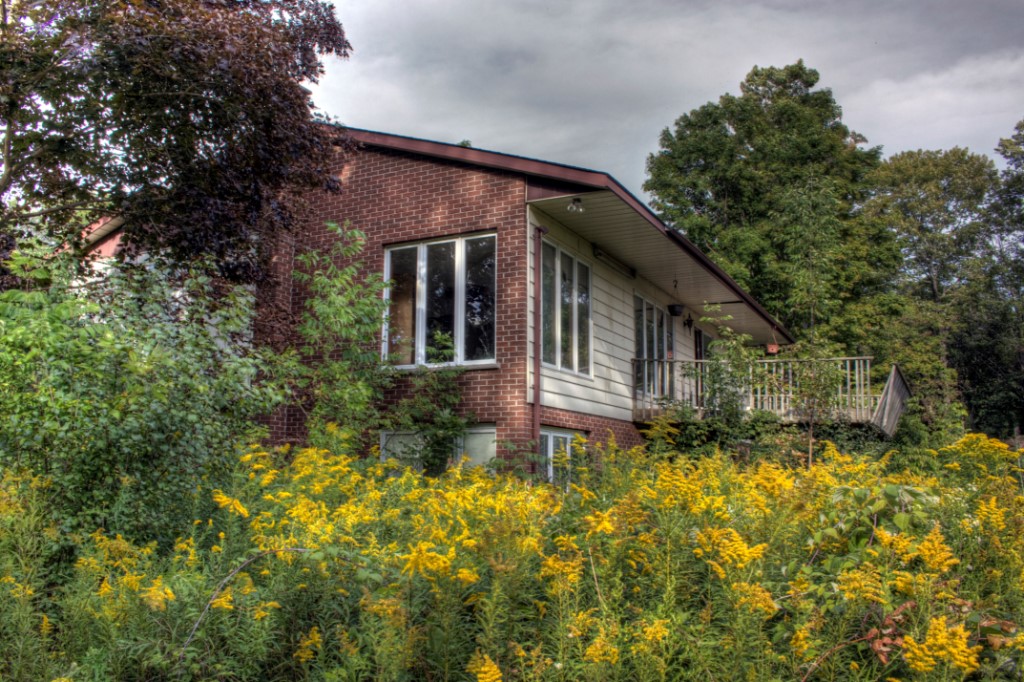
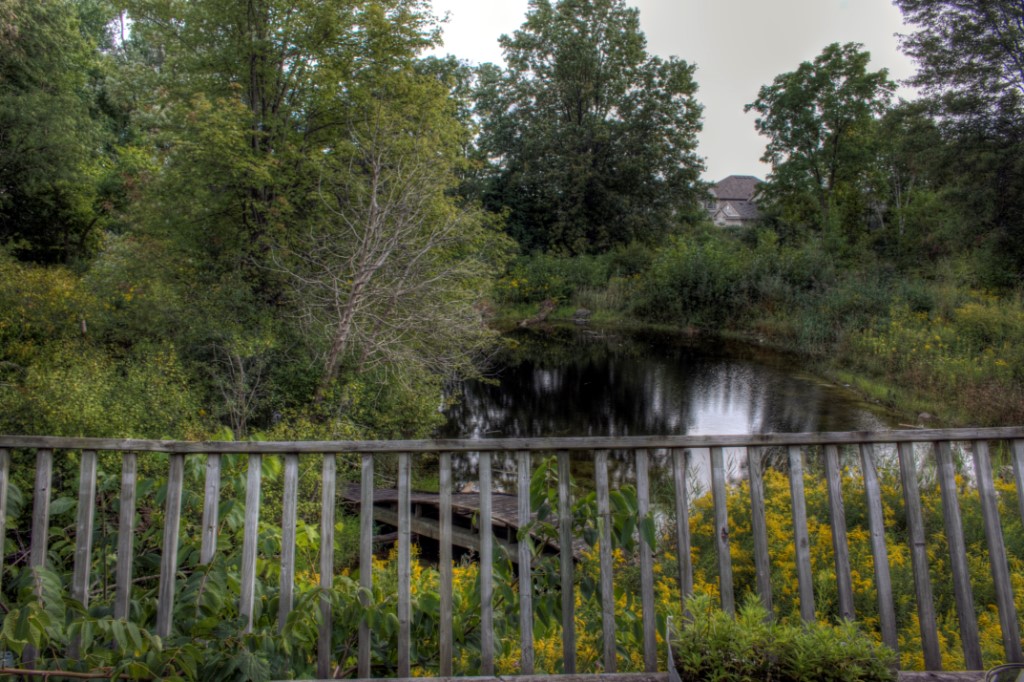
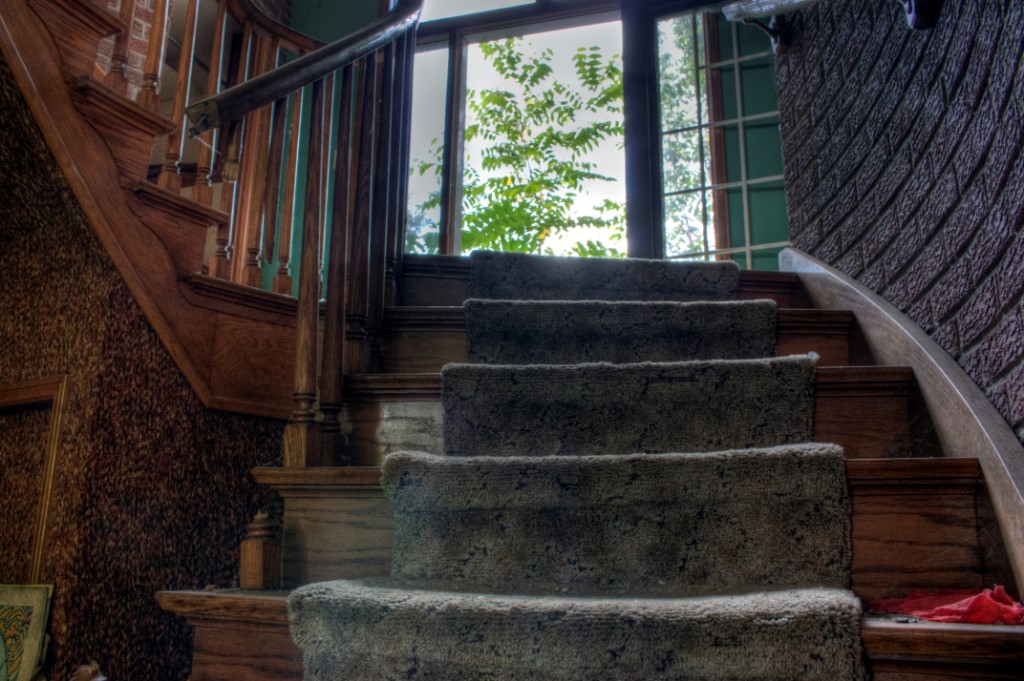
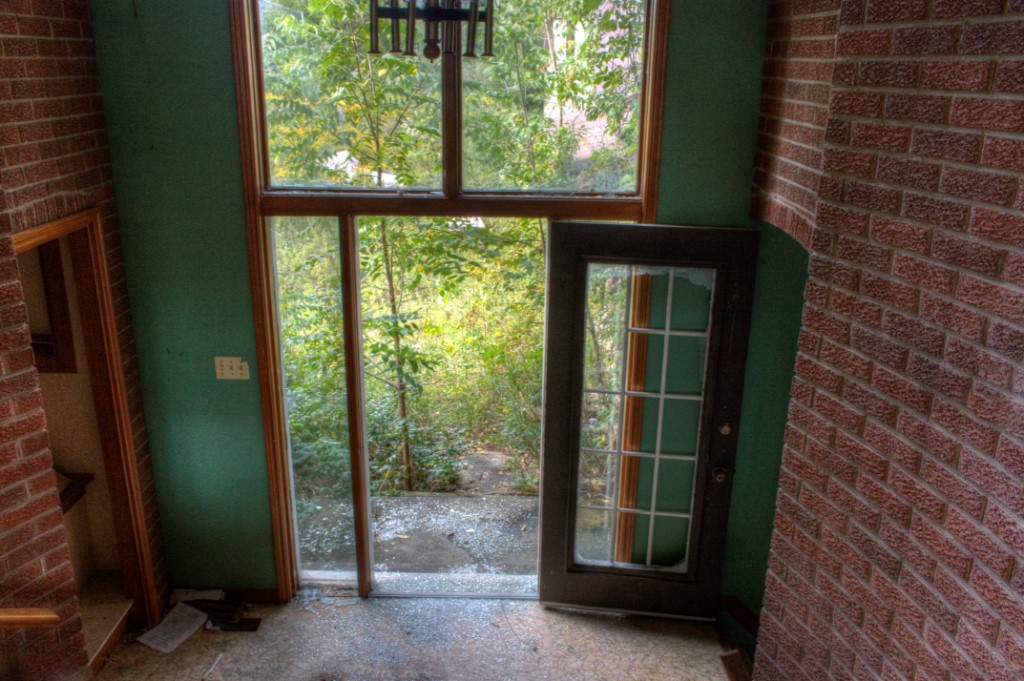
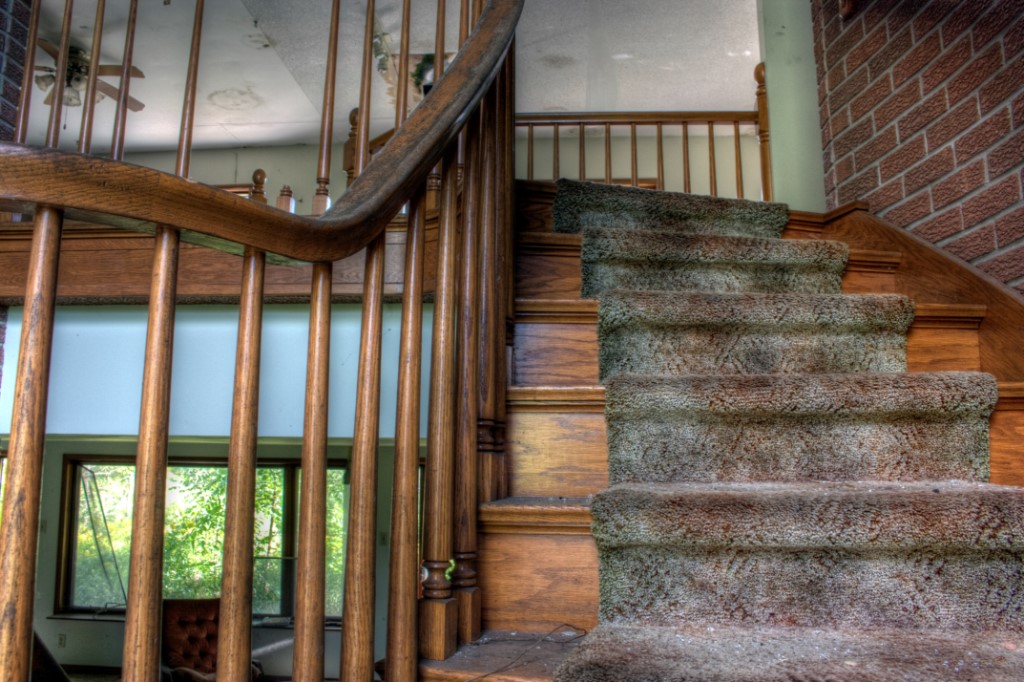
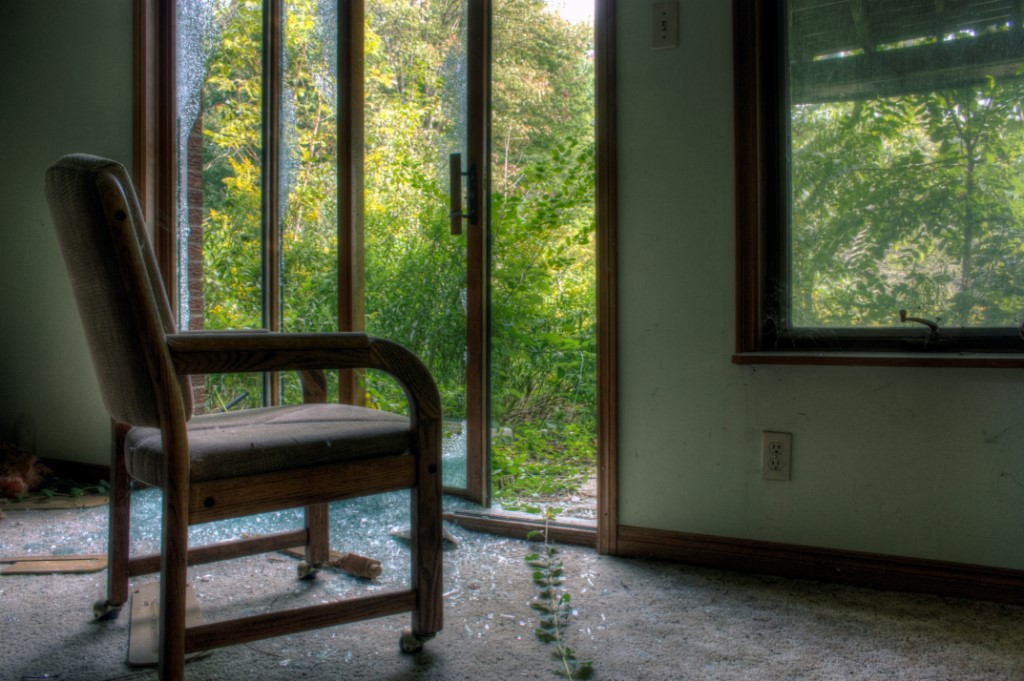
This house was located in prime real estate area of London, Ontario. It also happened to be situated in swampy area with it’s own little body of water in the back yard.
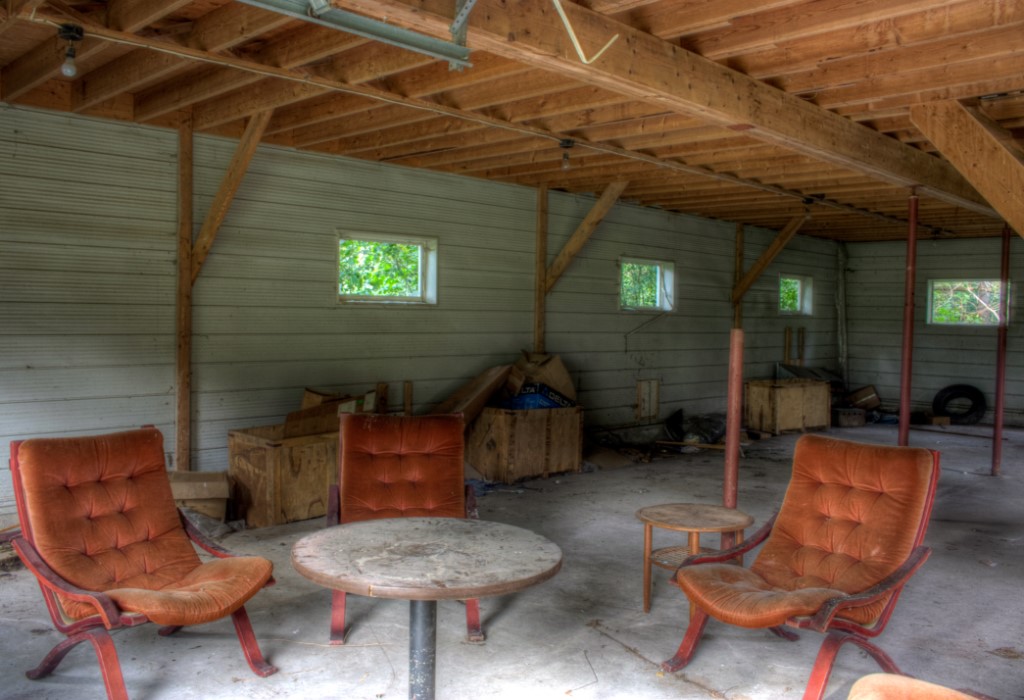
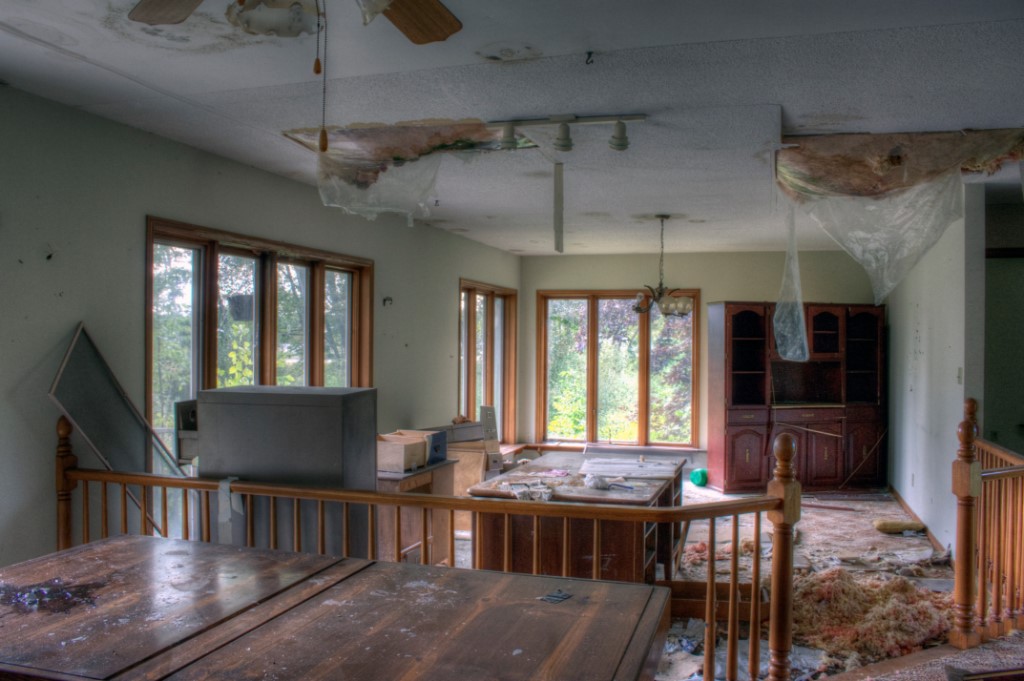
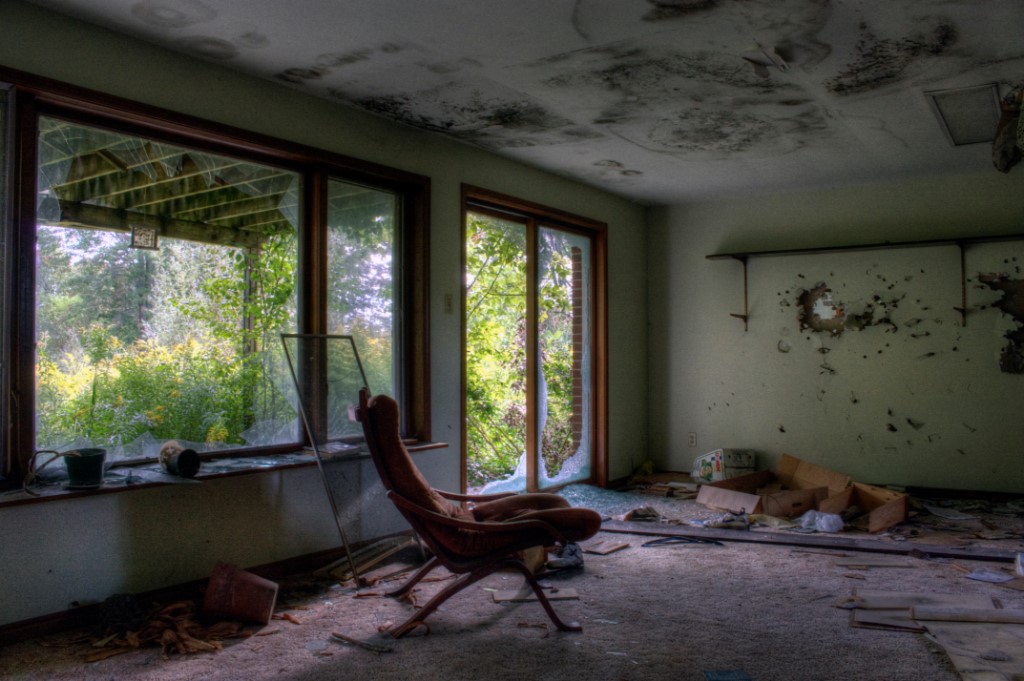
The property has been heavily trashed and there’s black mold on the walls, given the lack of windows and humidity. The back yard has deer feeding in the grass.
The last occupants were Henk and Frederica Kaak who died in 1996 and 2008 respectively.
The house is now demolished.