Nature Wants In – Milton, Ontario

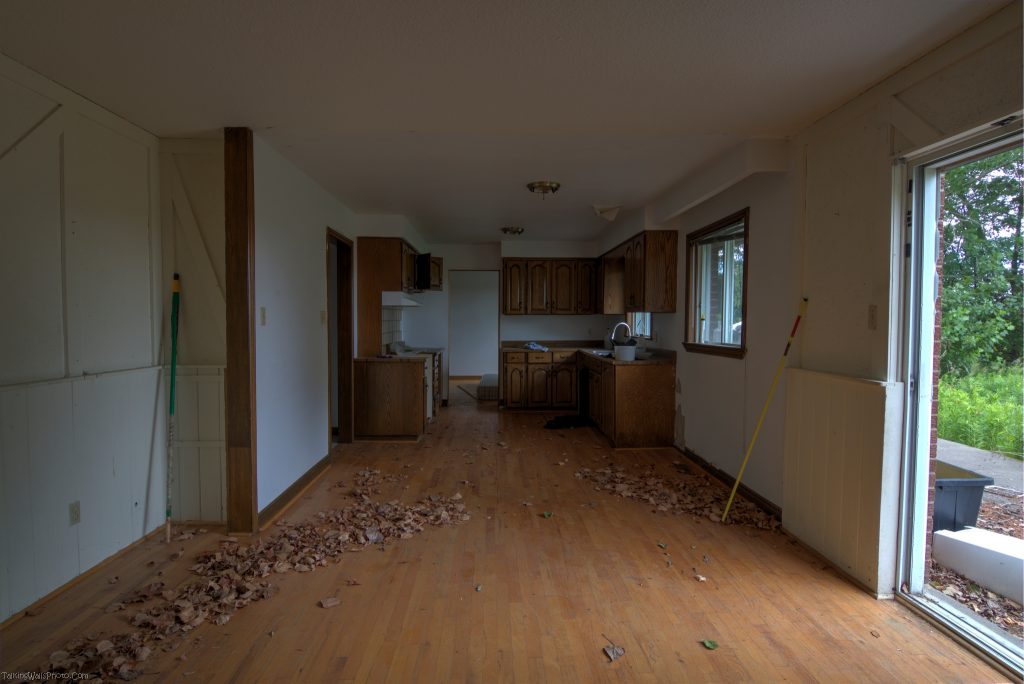
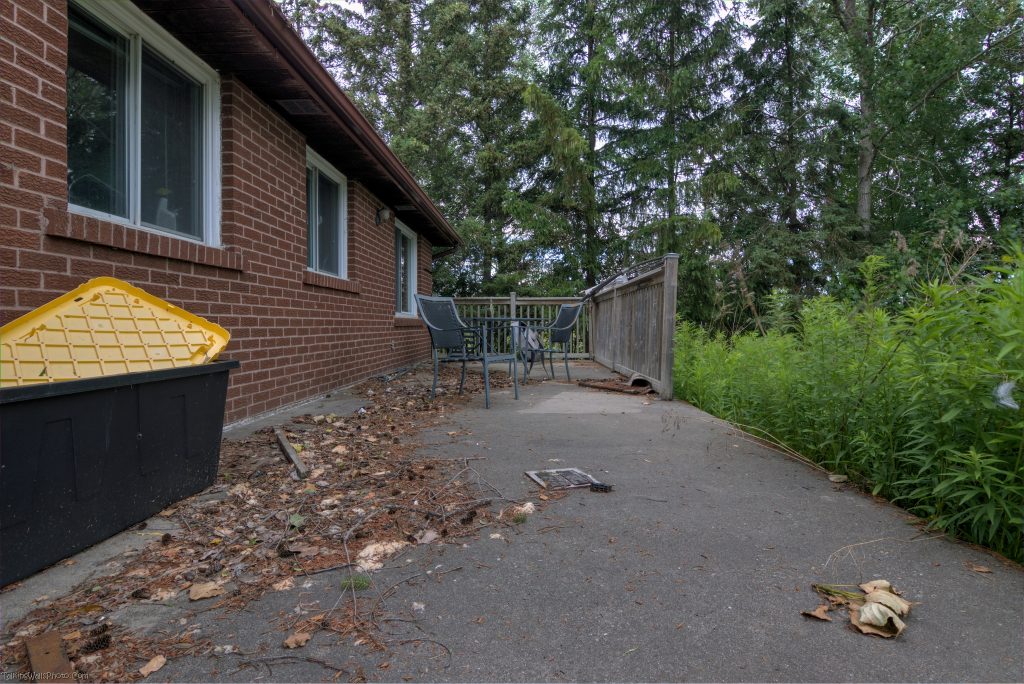
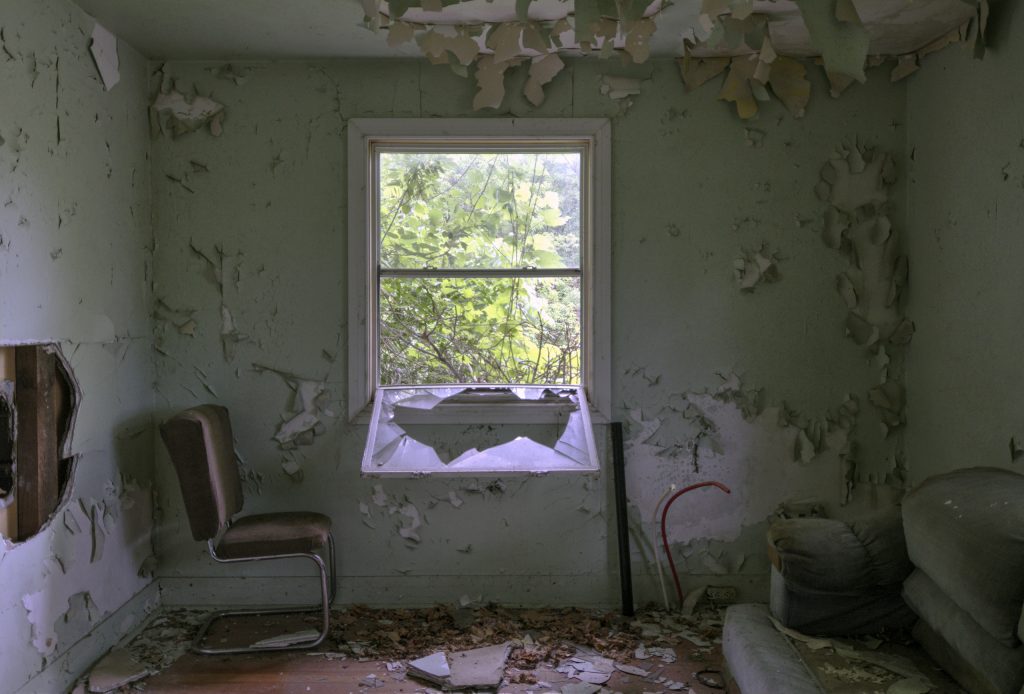
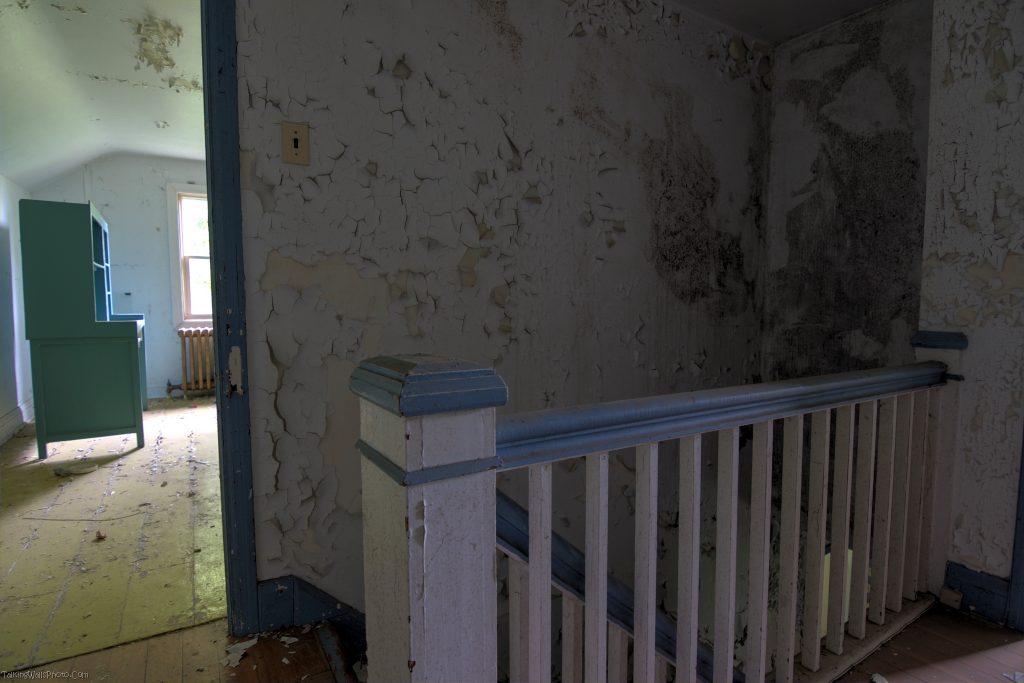
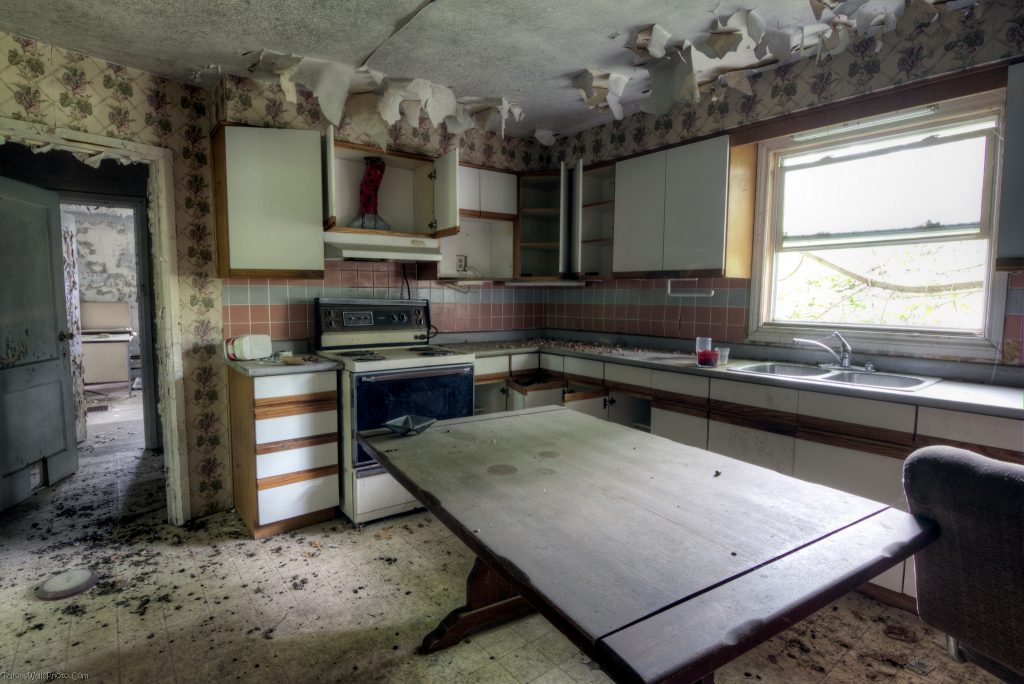
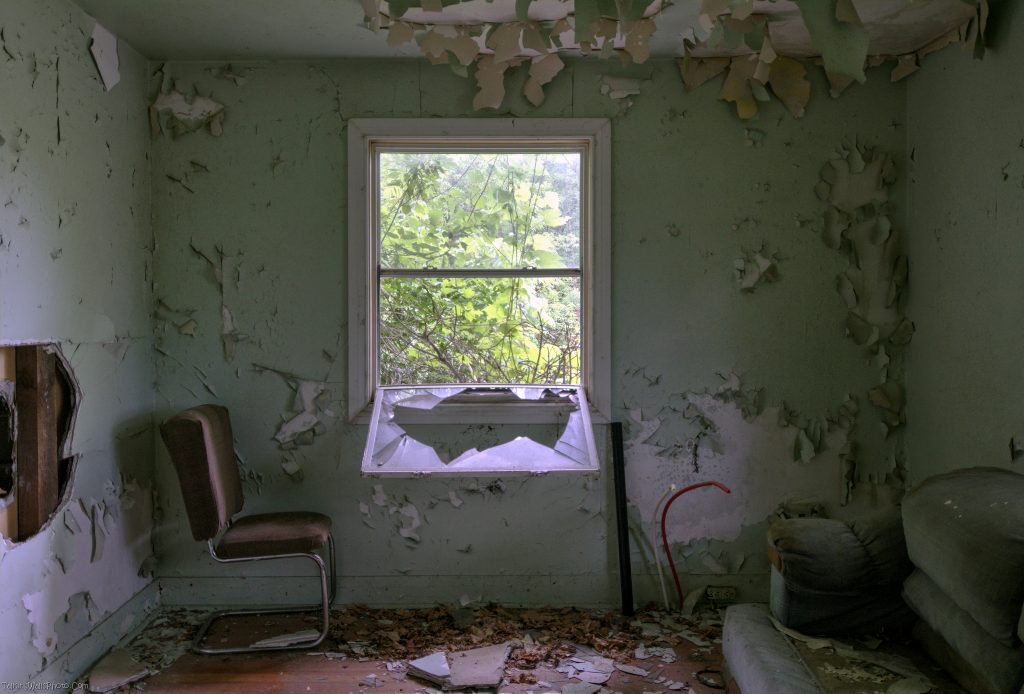
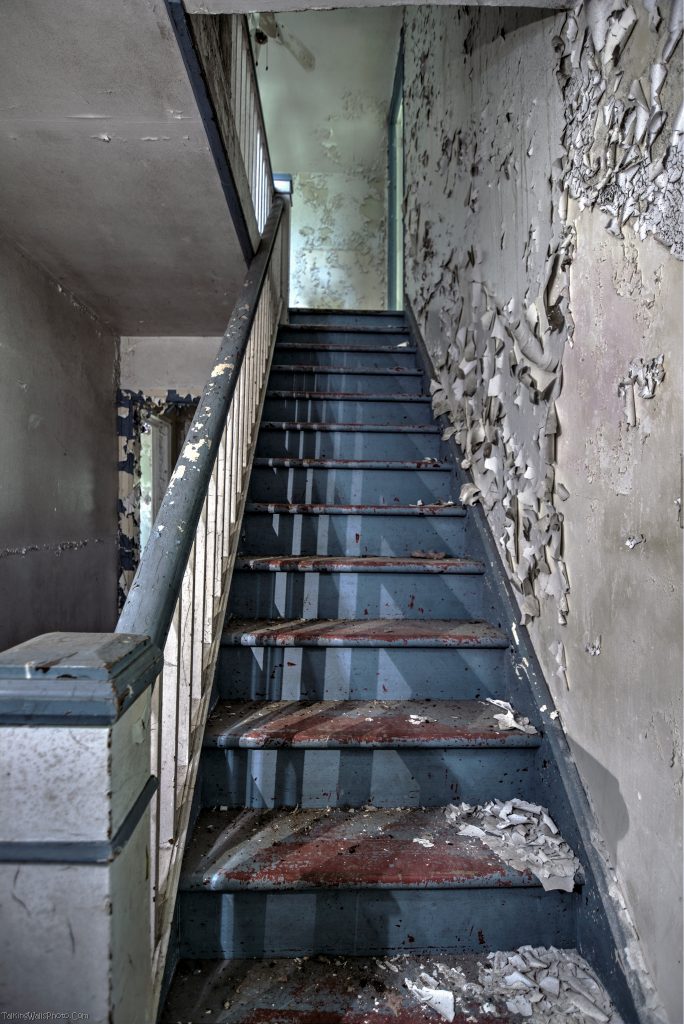
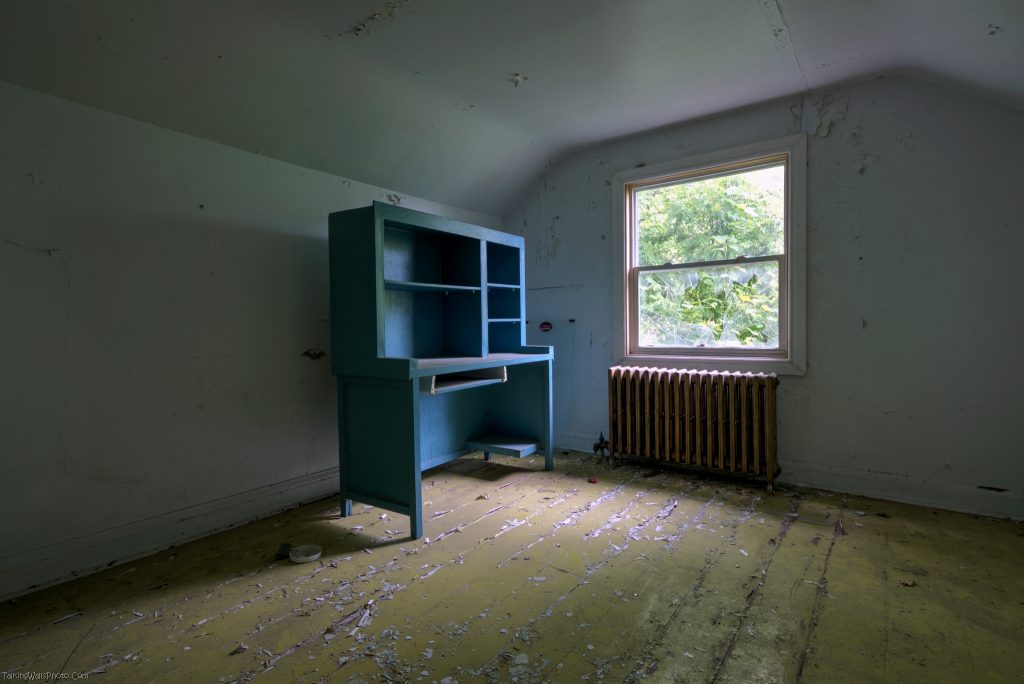
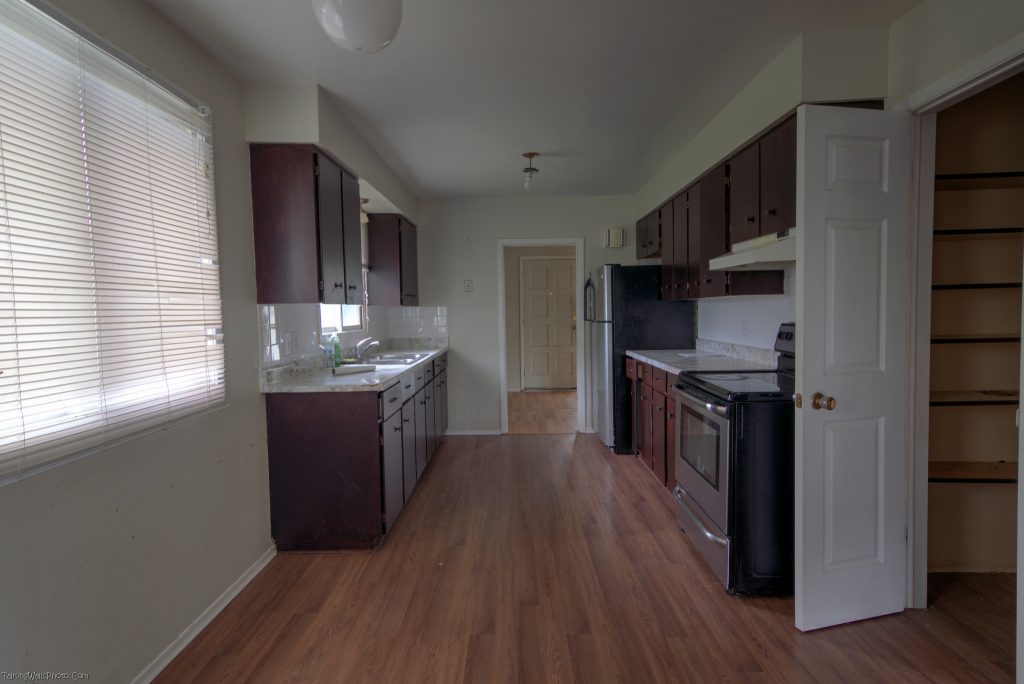
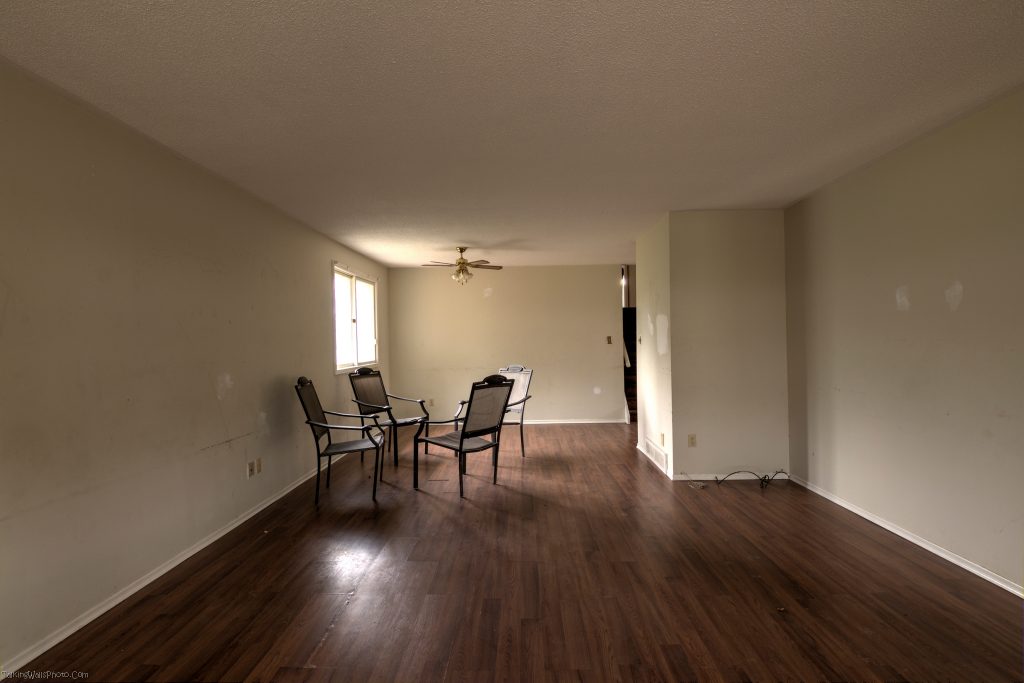
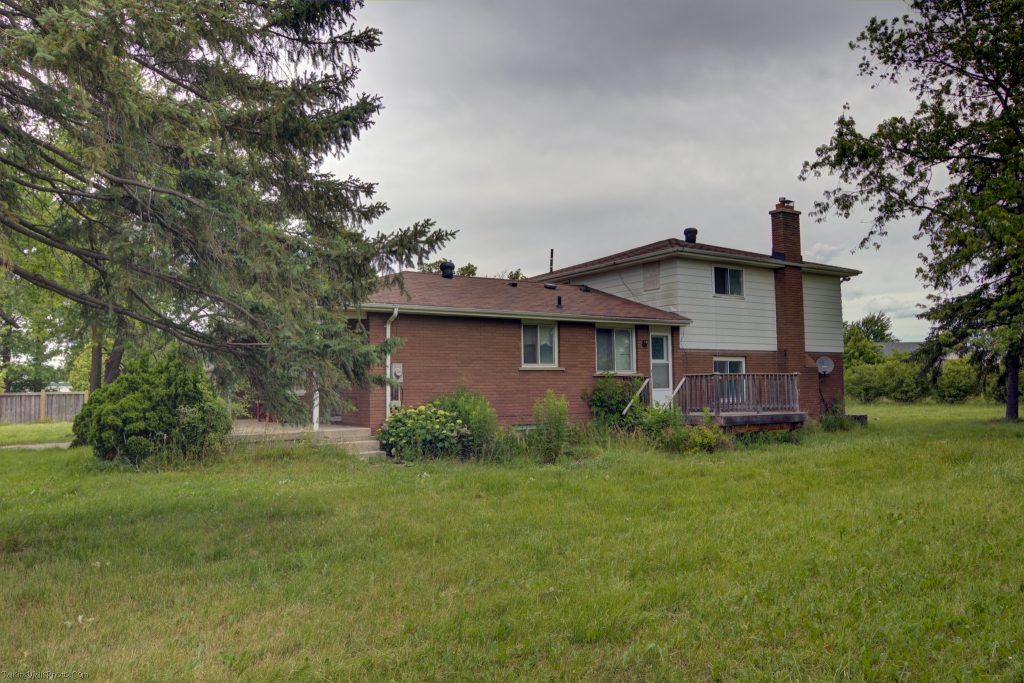
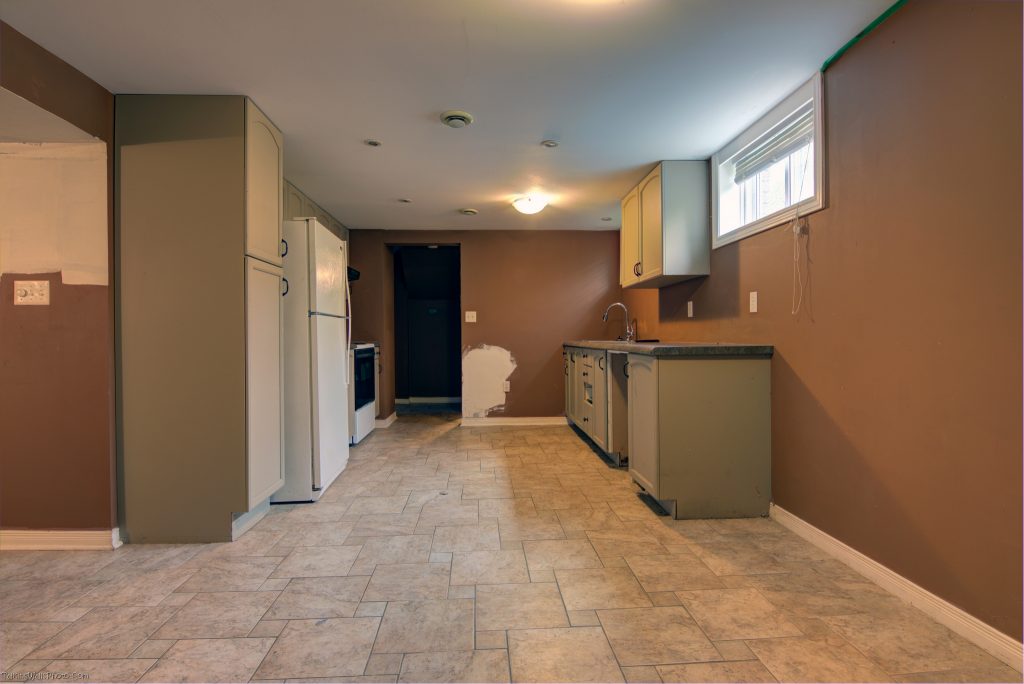
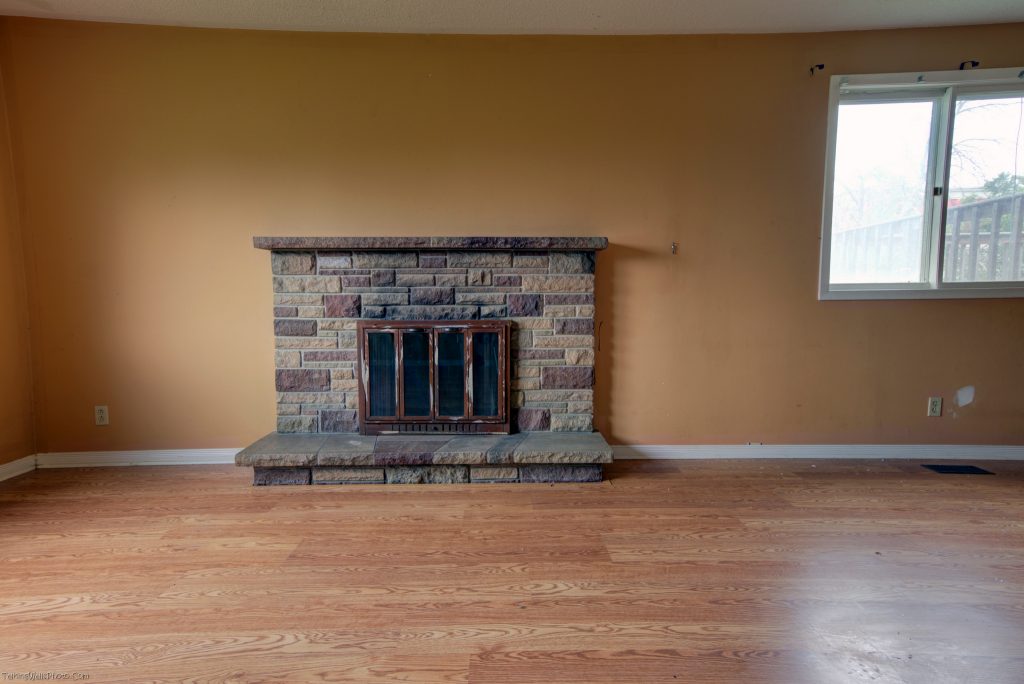
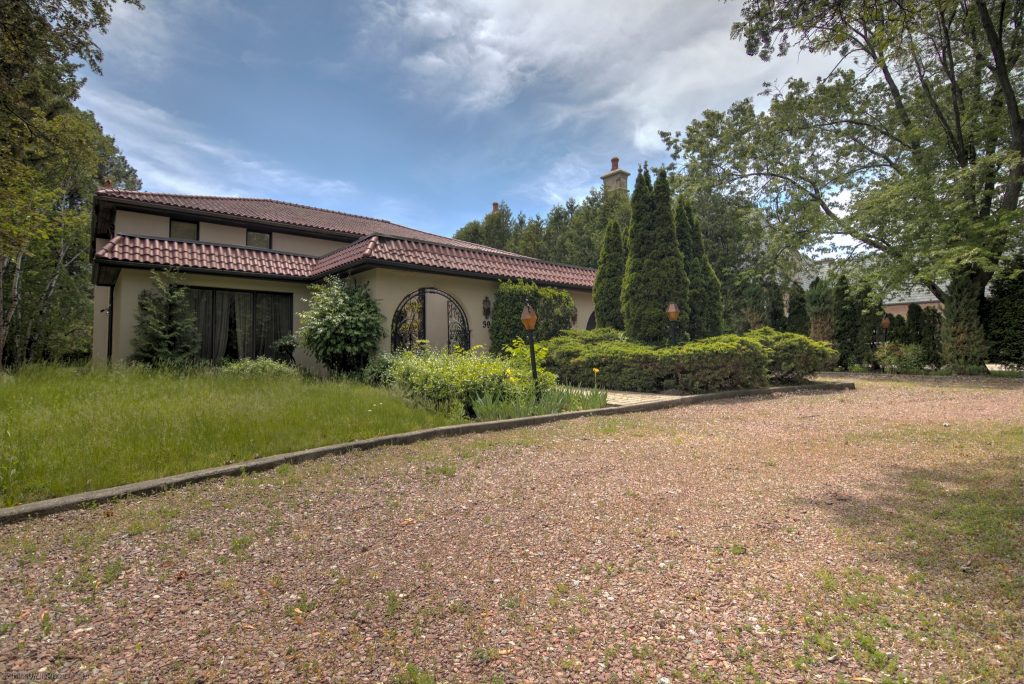
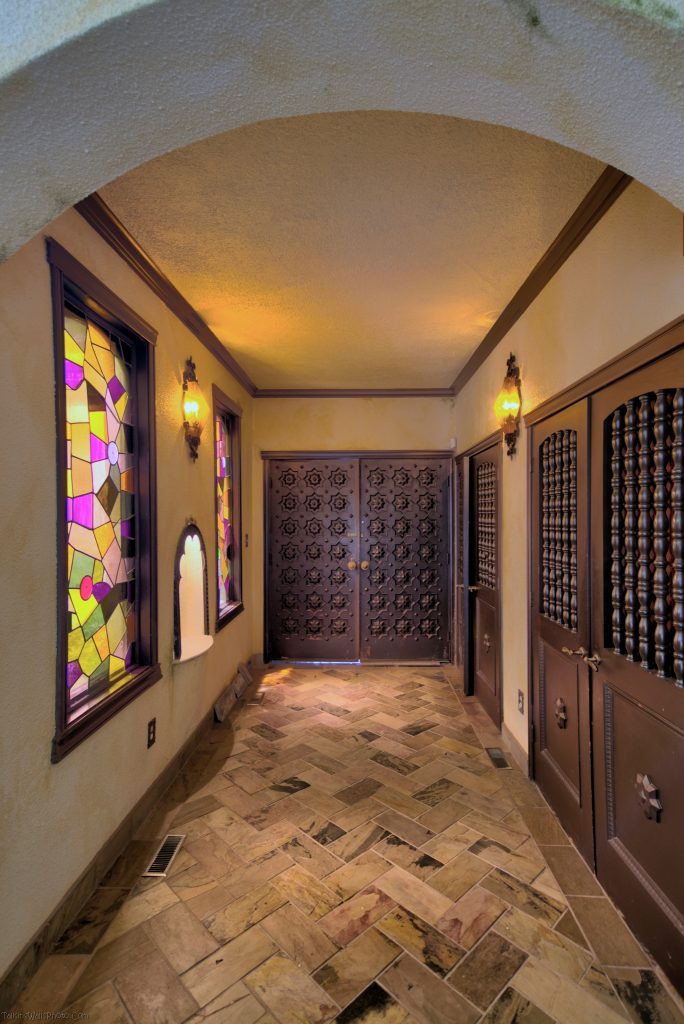
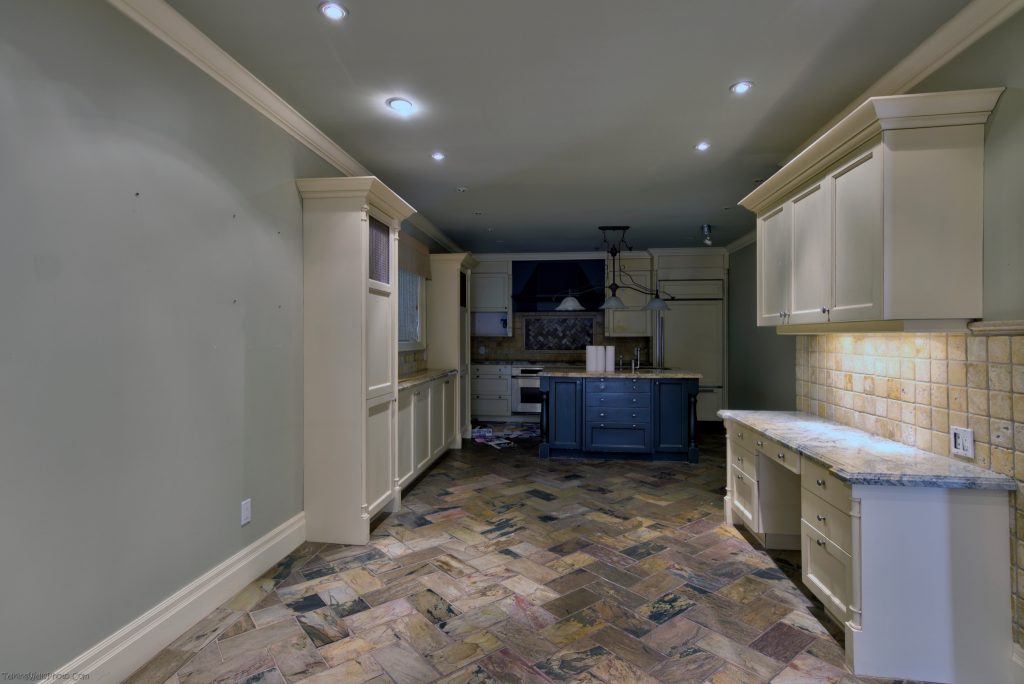
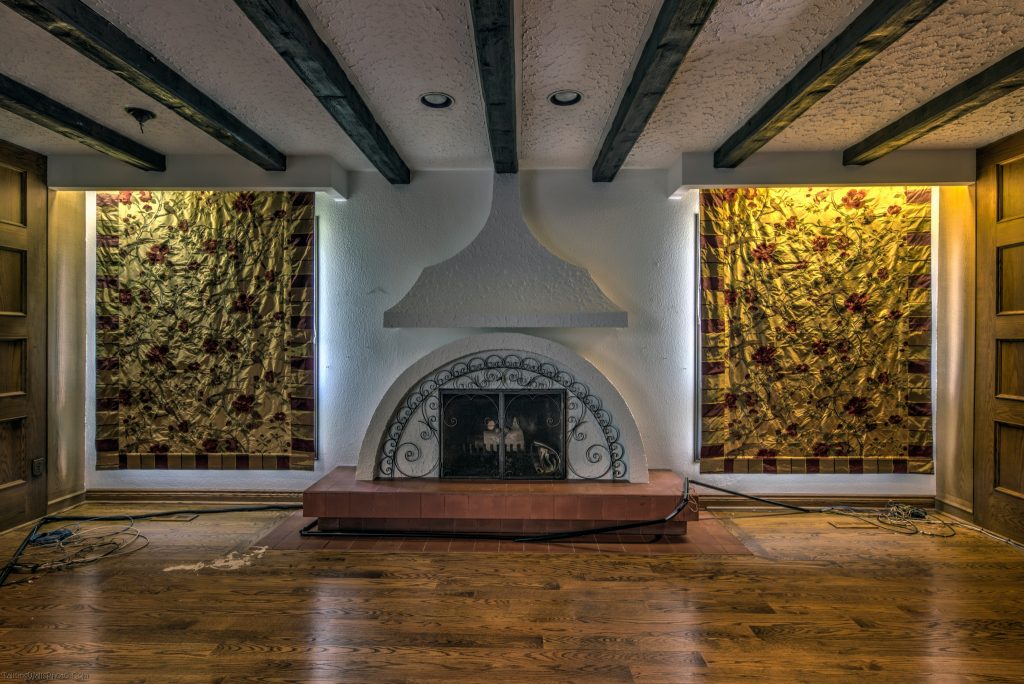
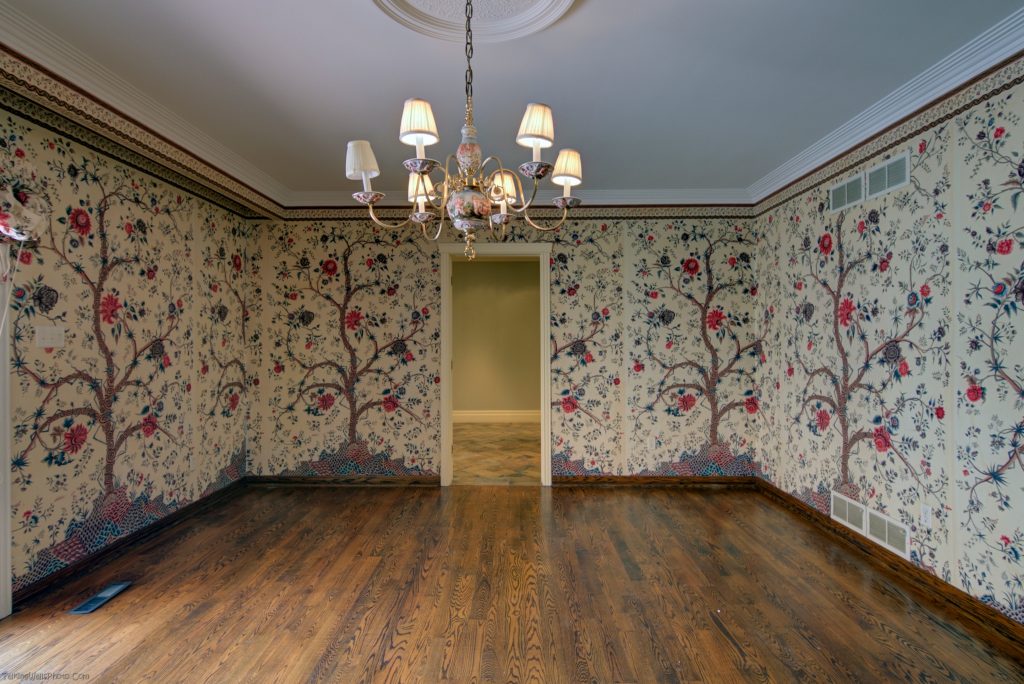
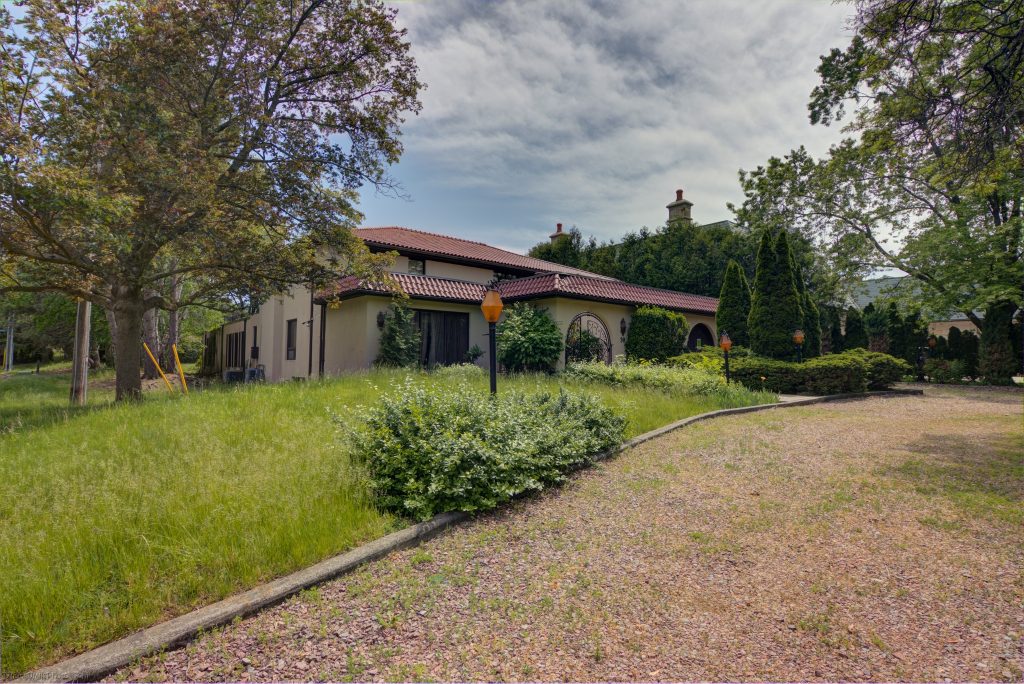
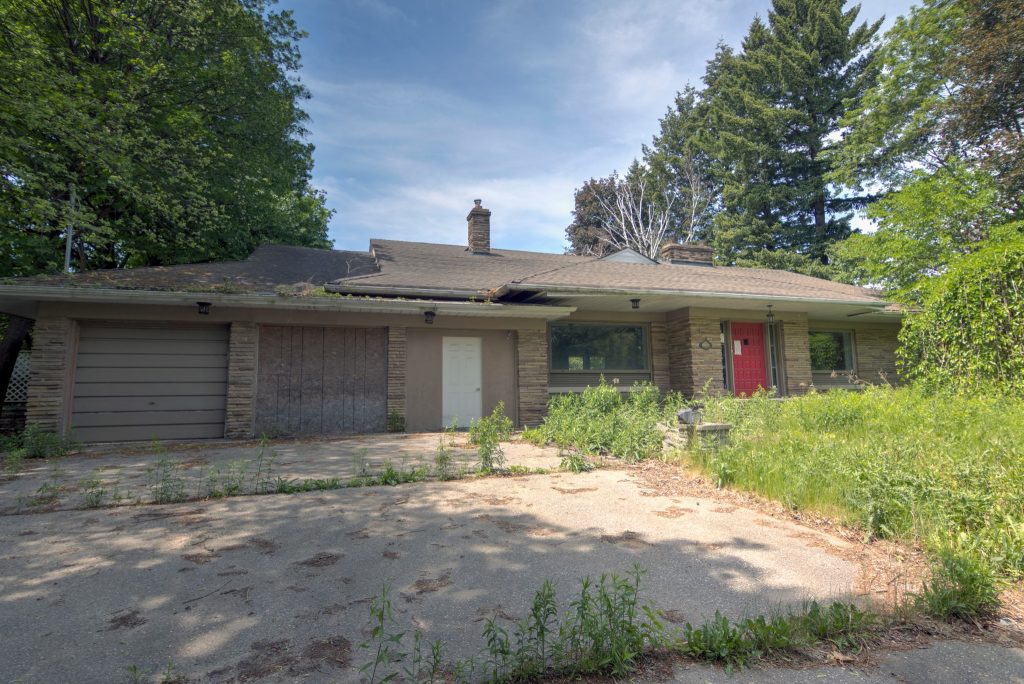
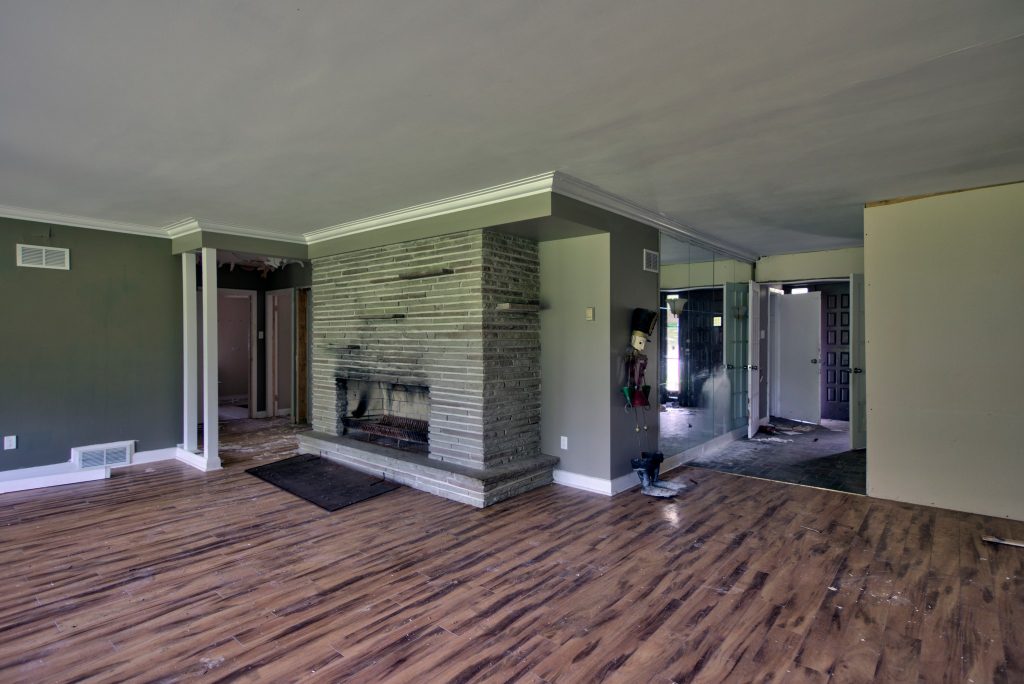
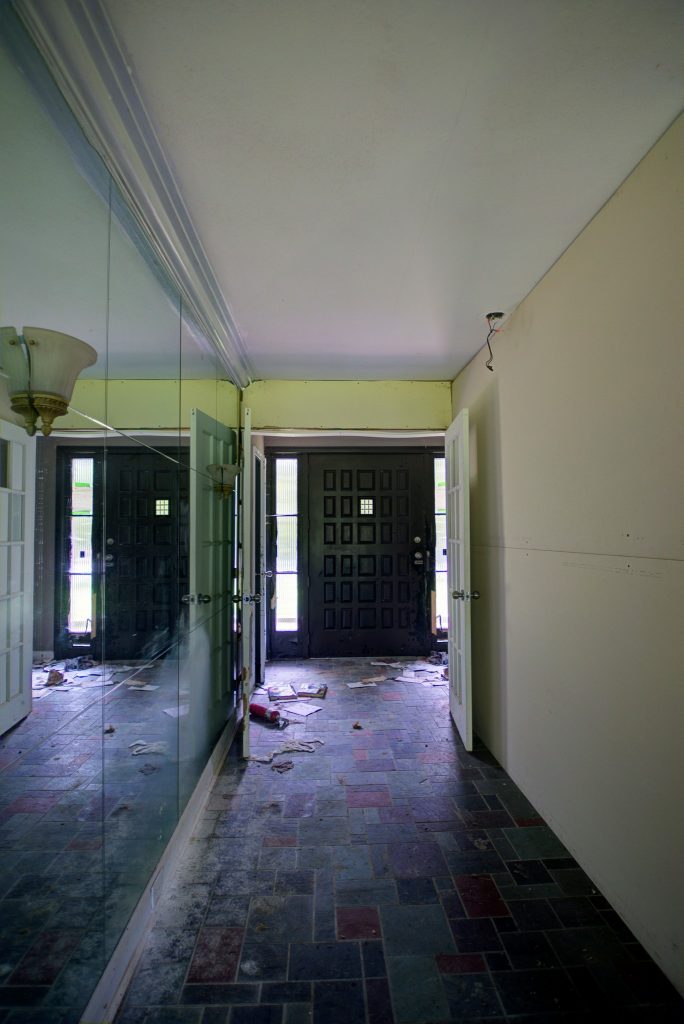
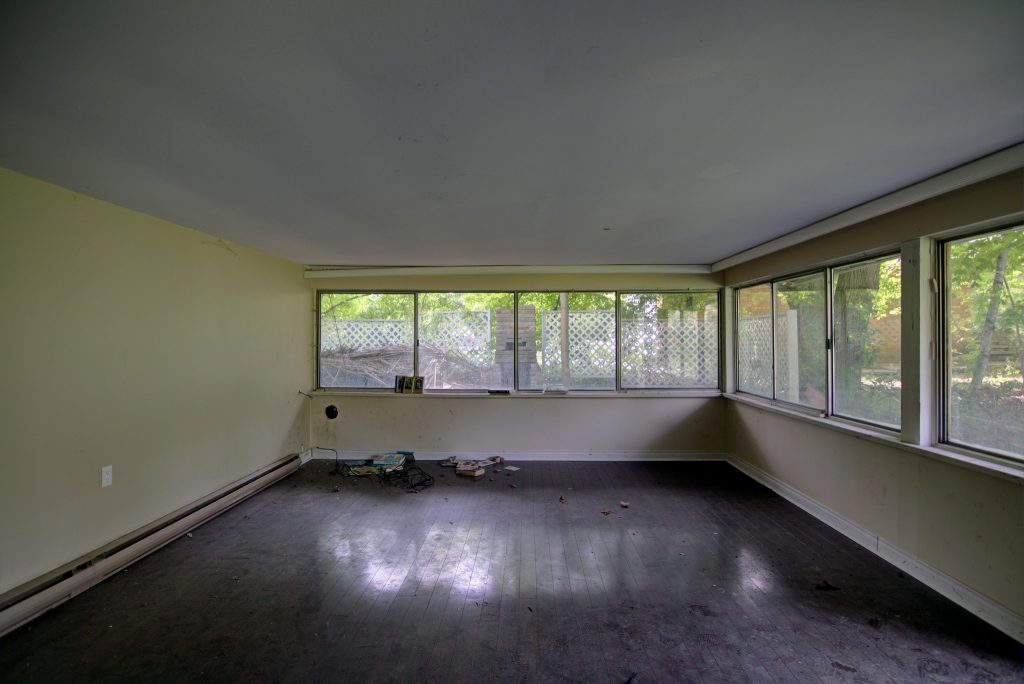
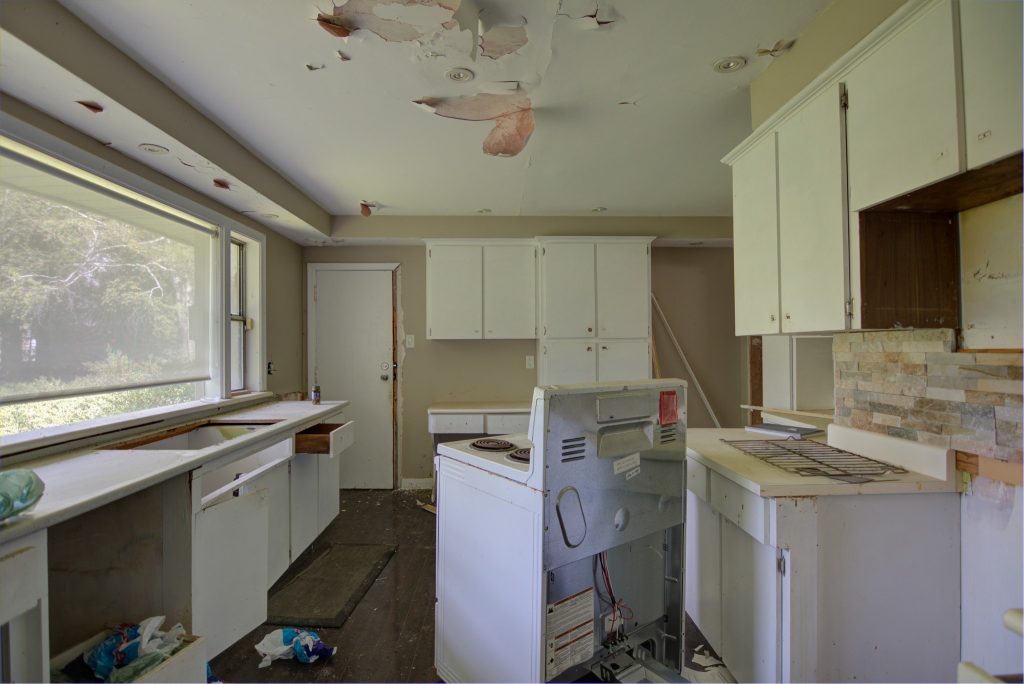
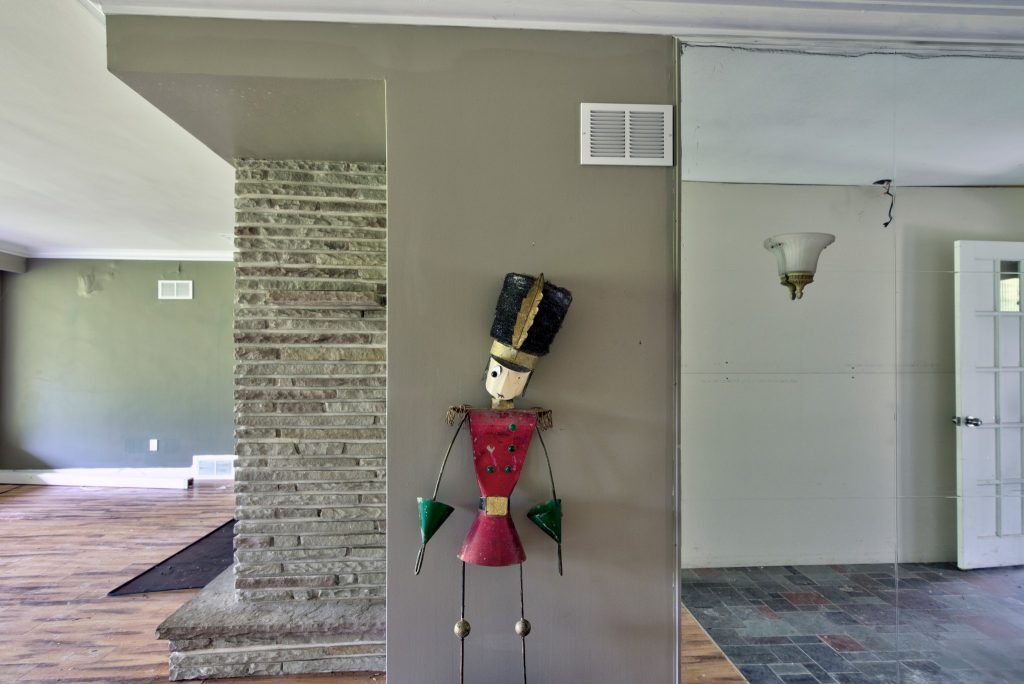
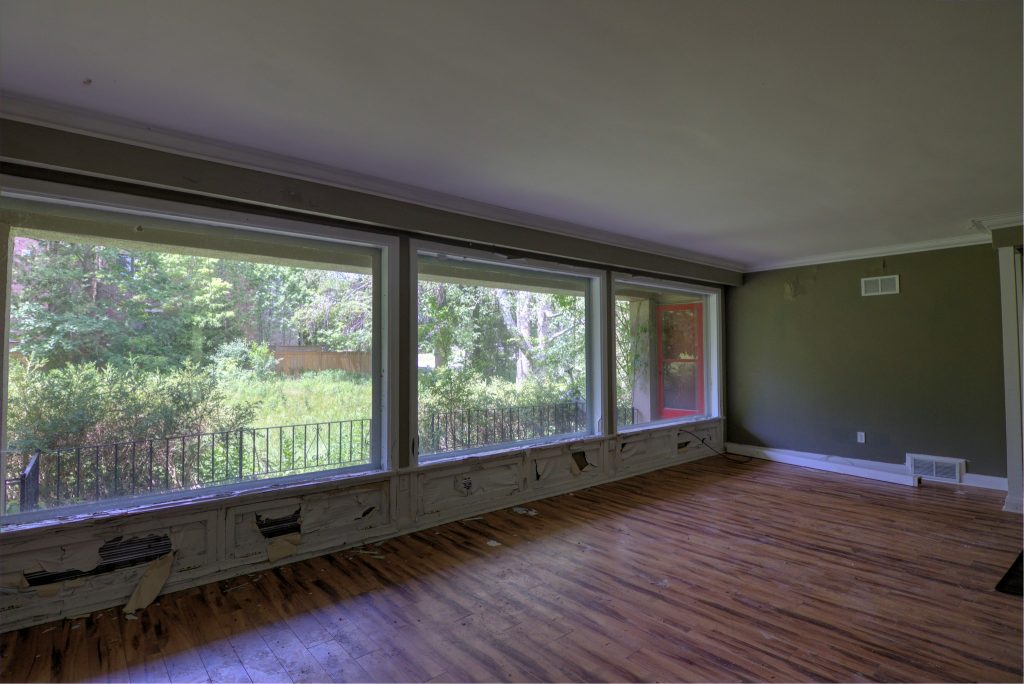
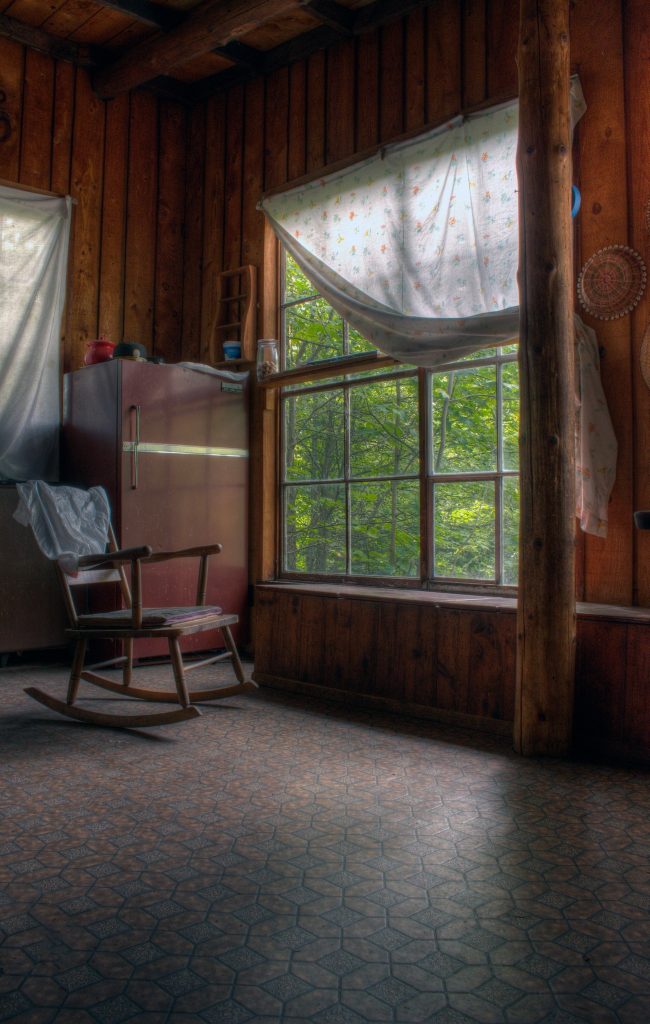
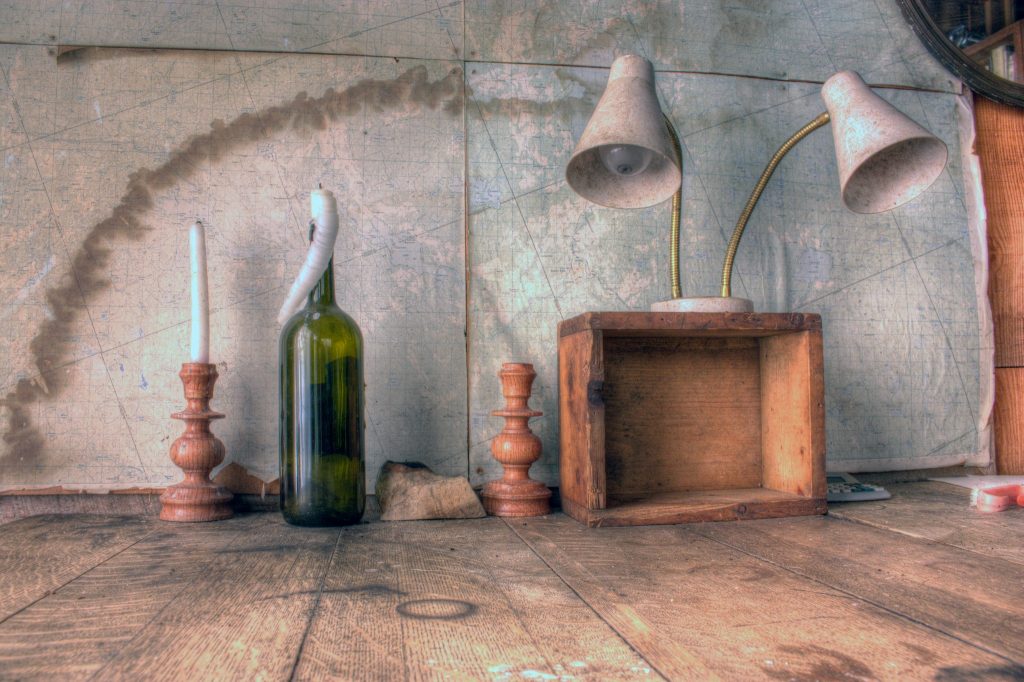
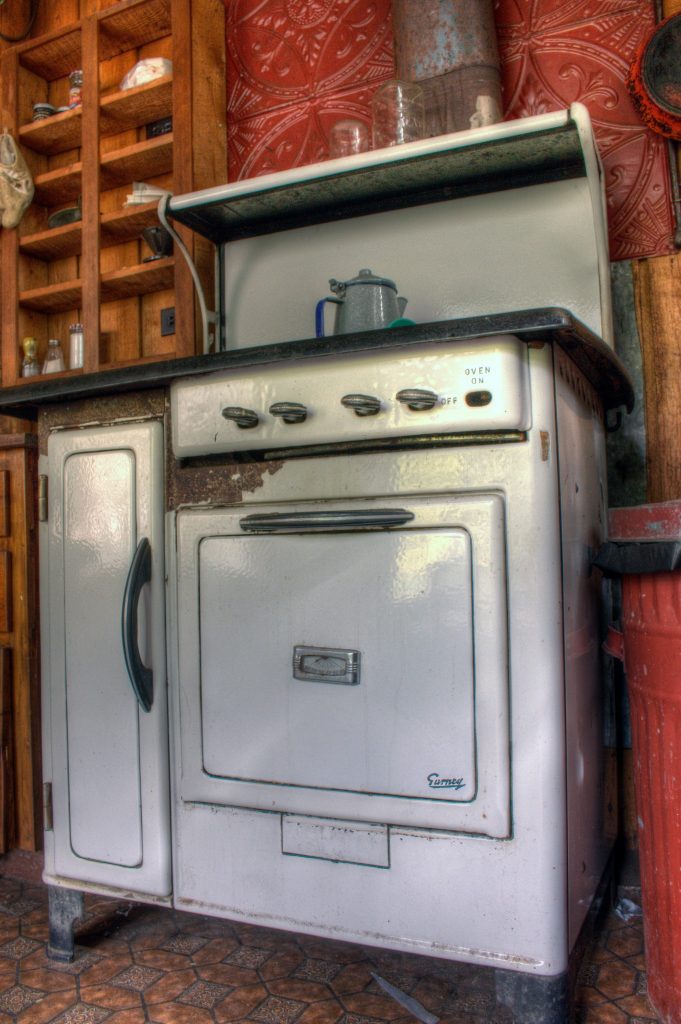
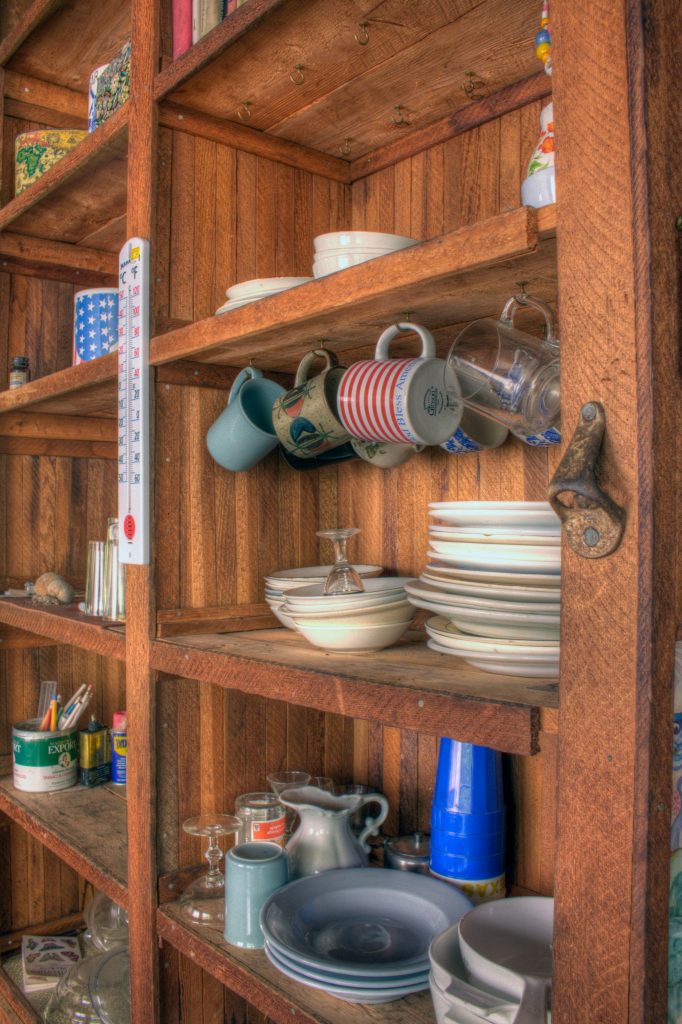
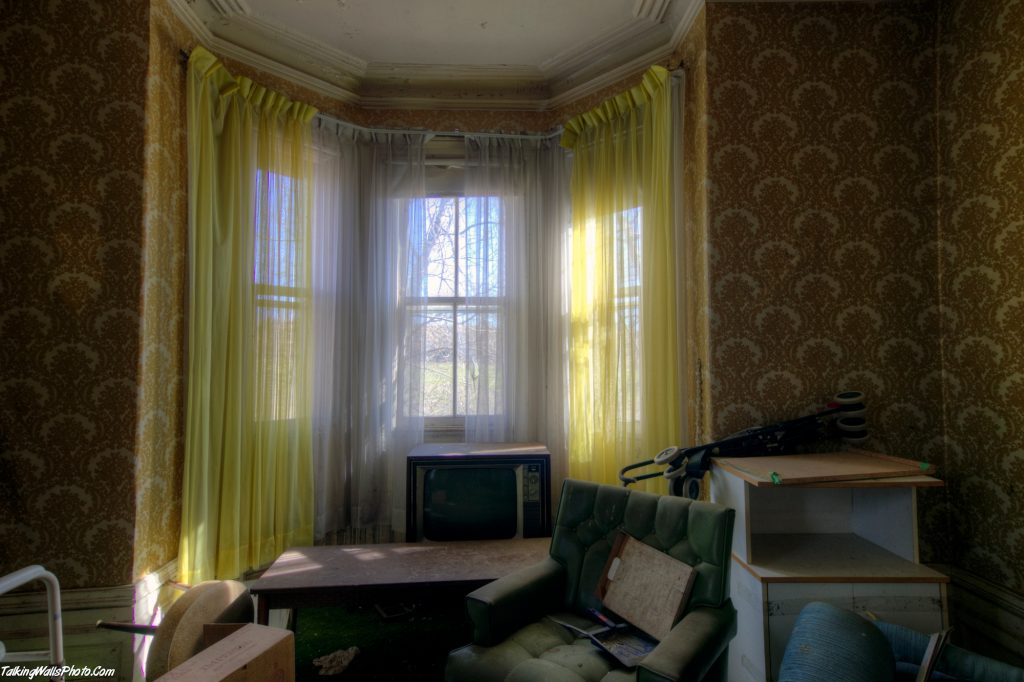
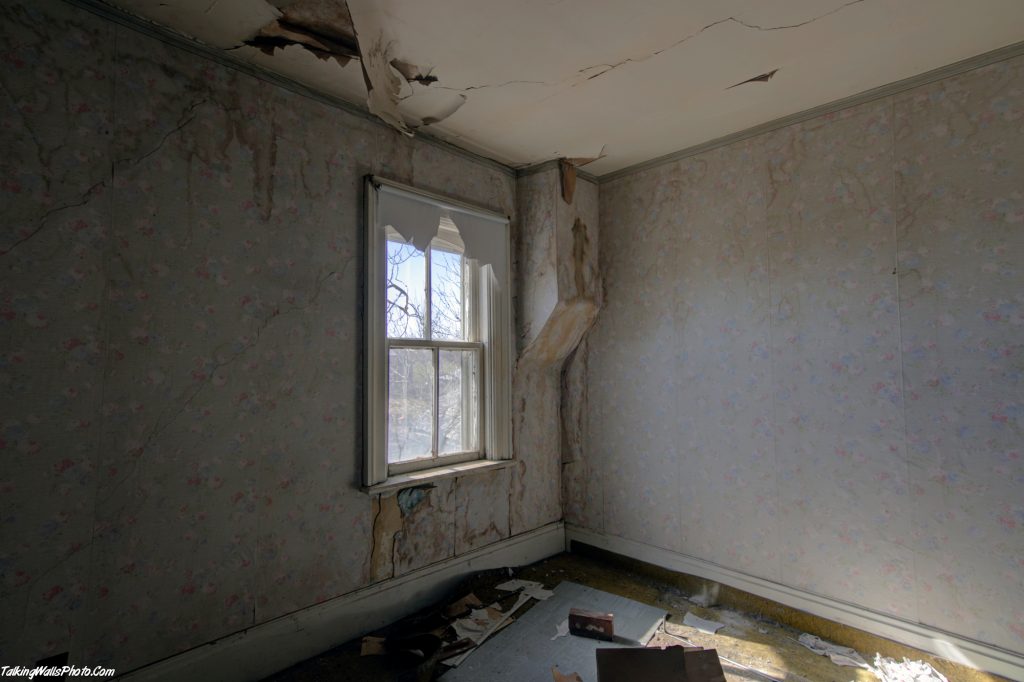
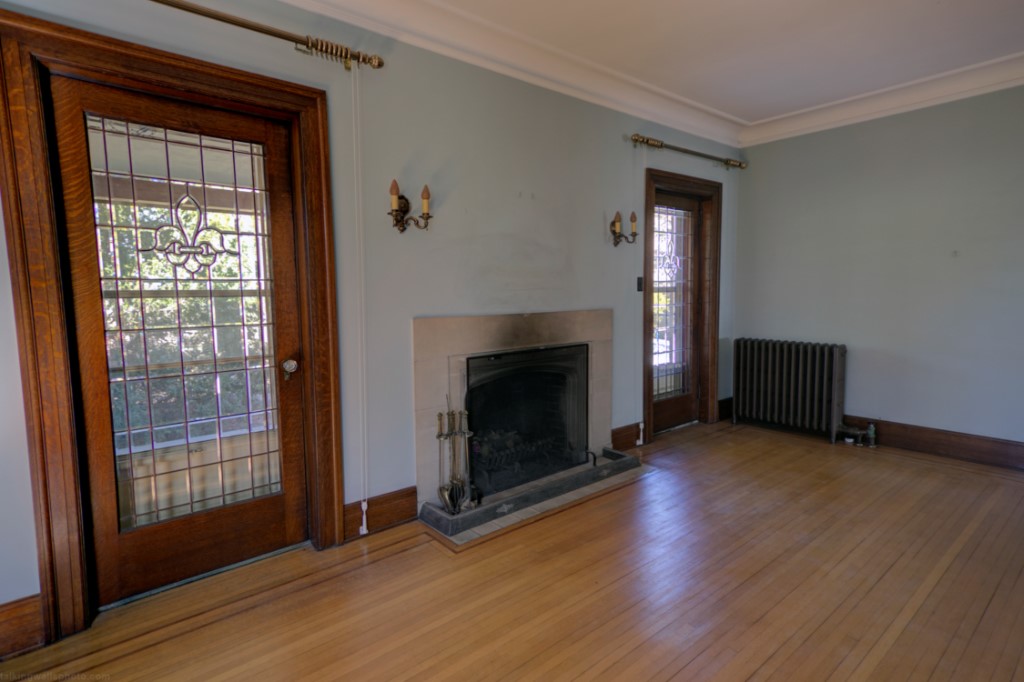
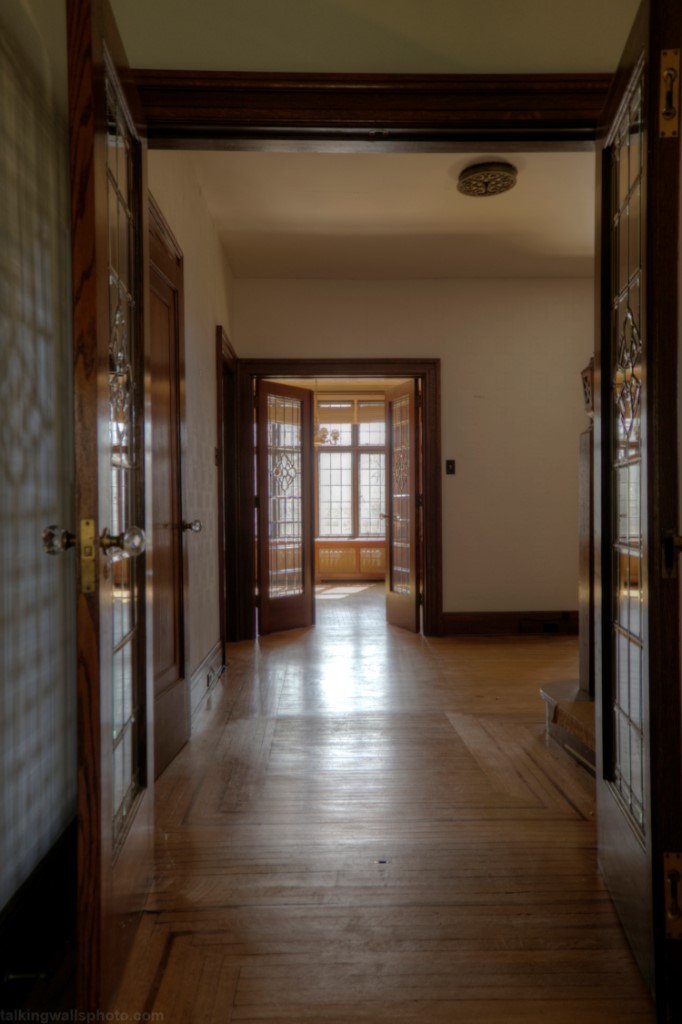
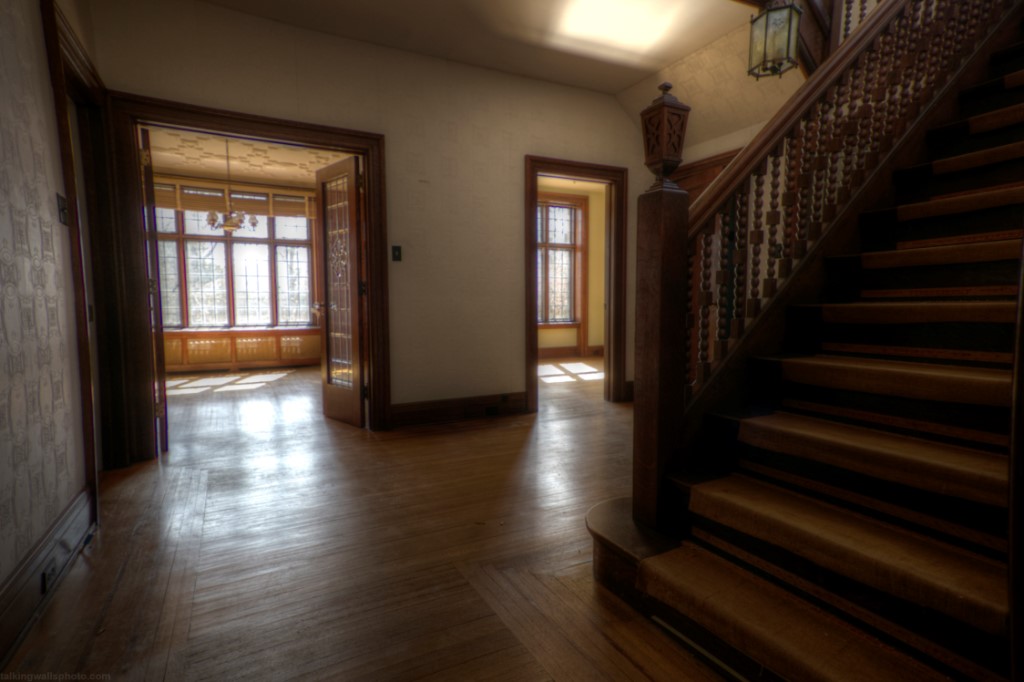
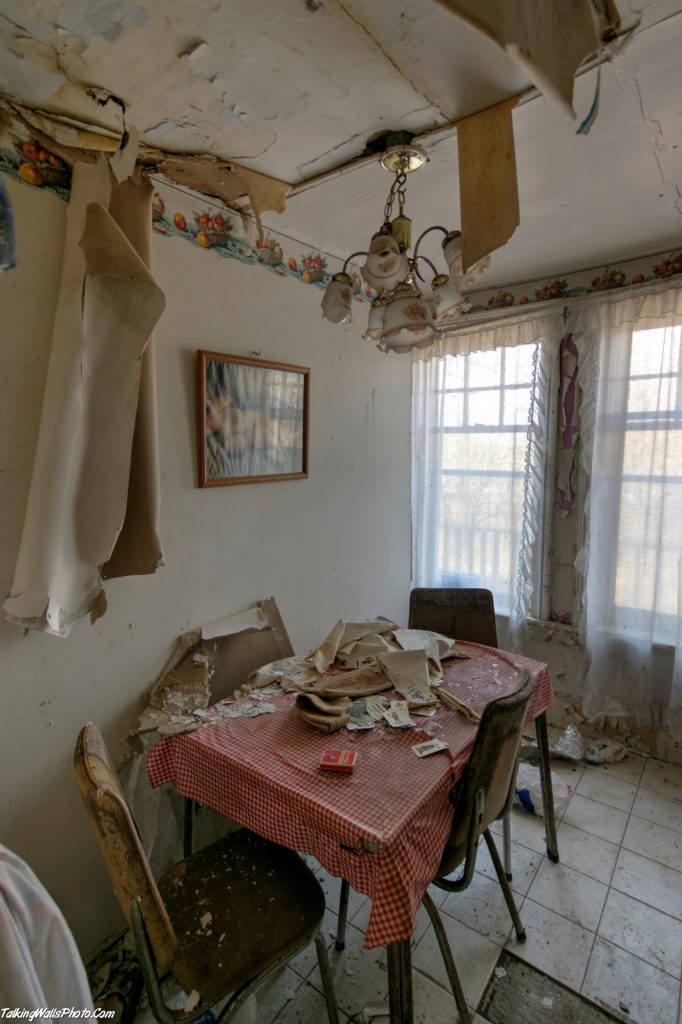
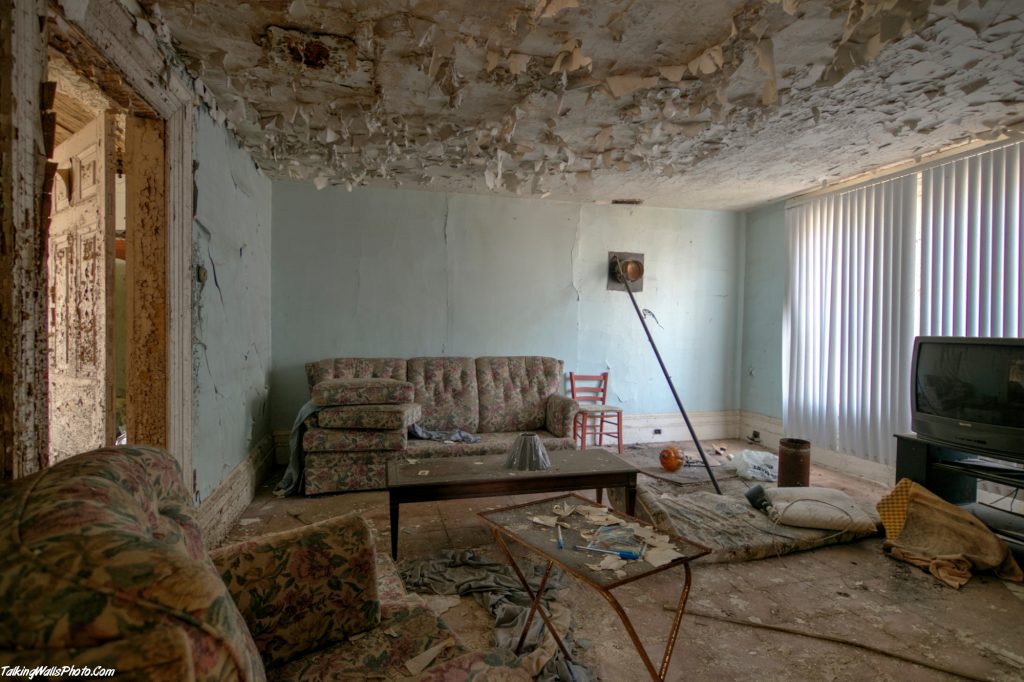
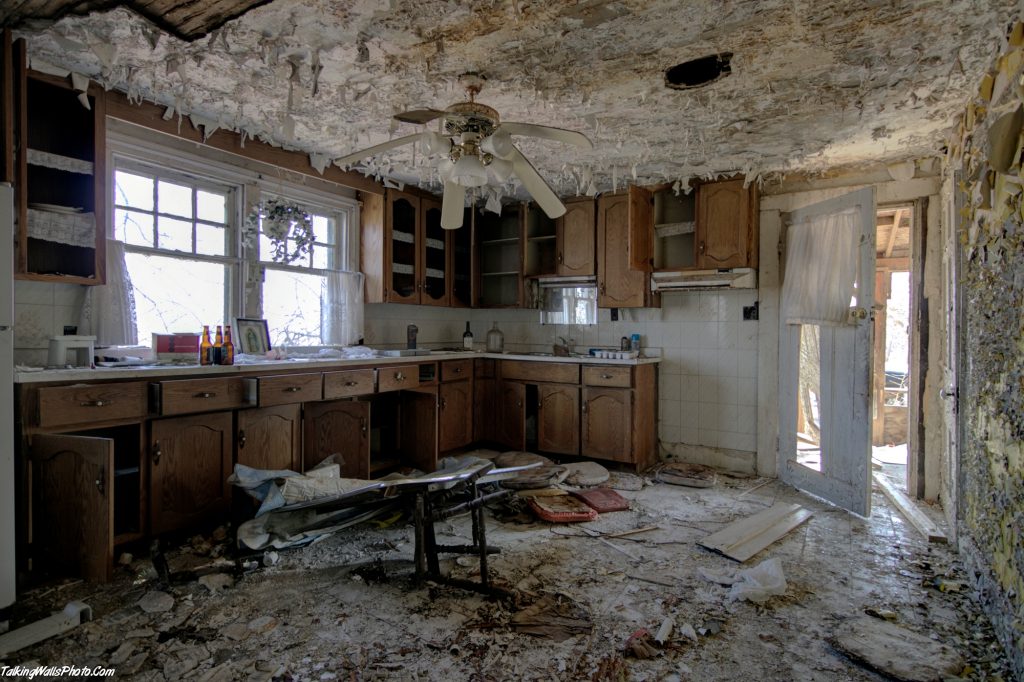
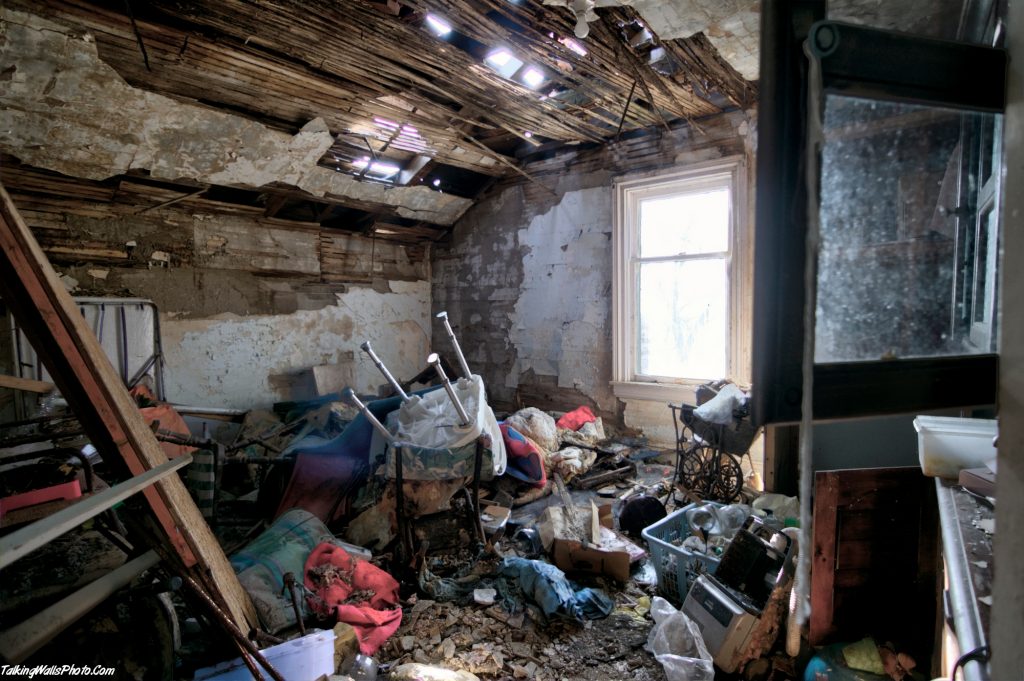
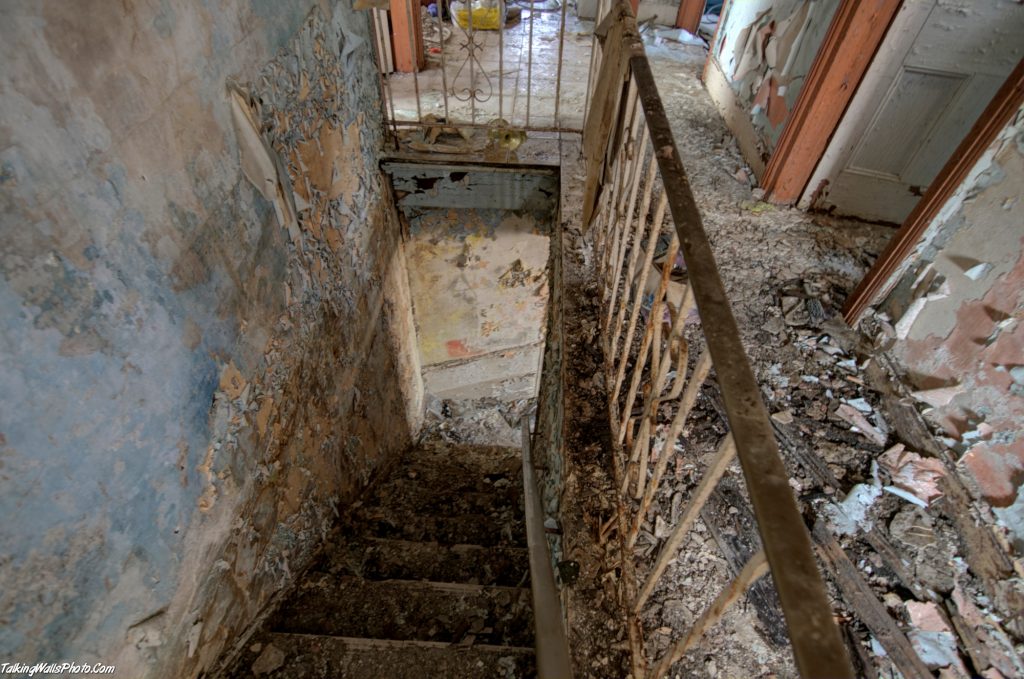
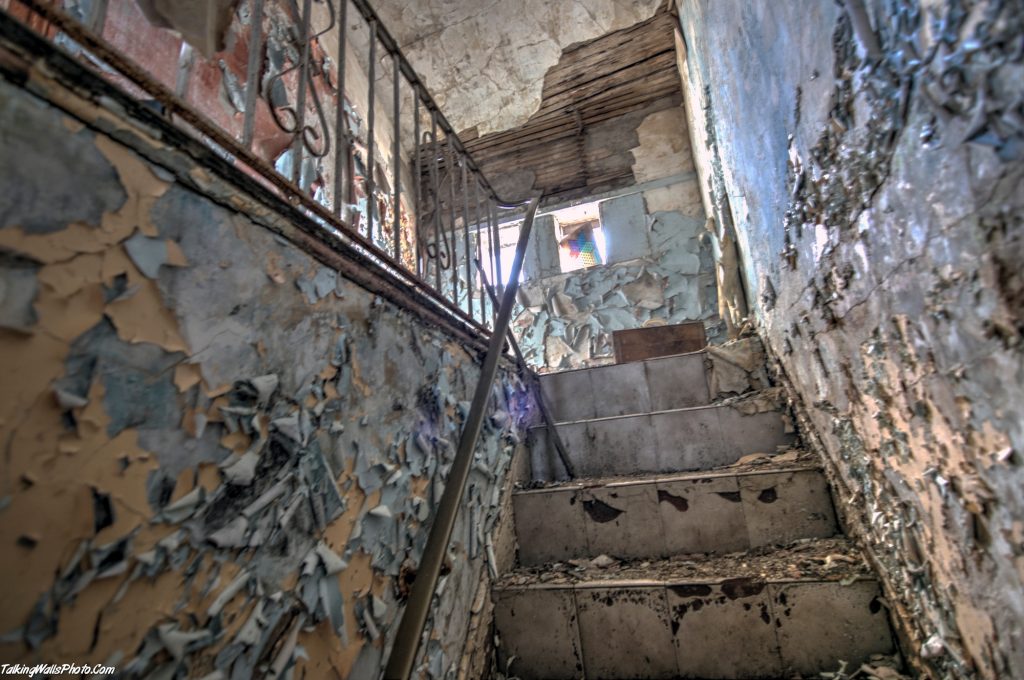
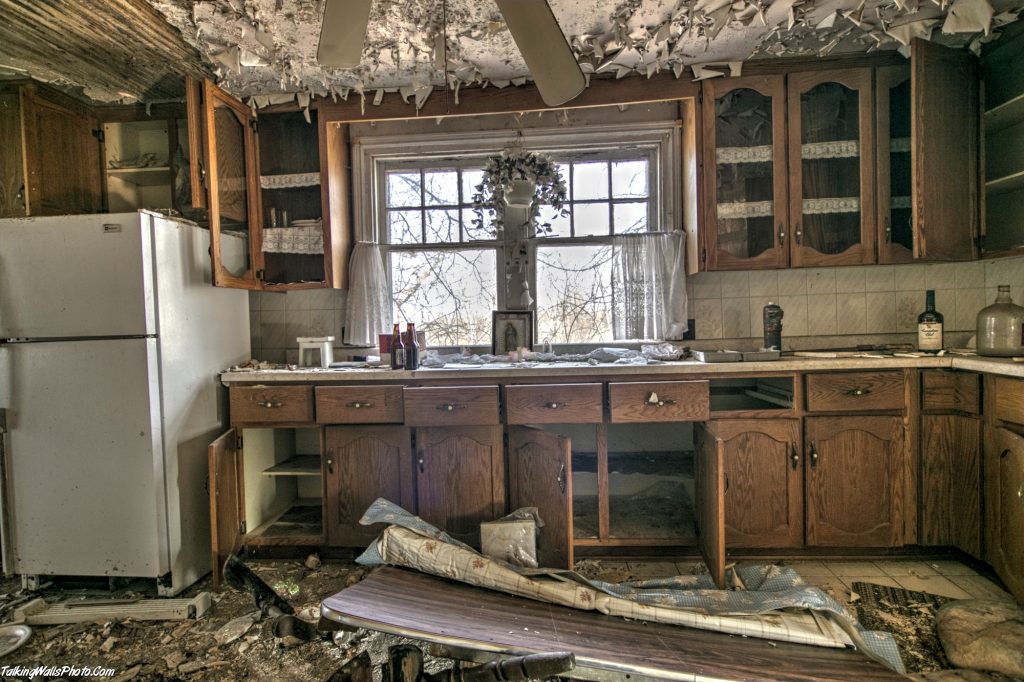
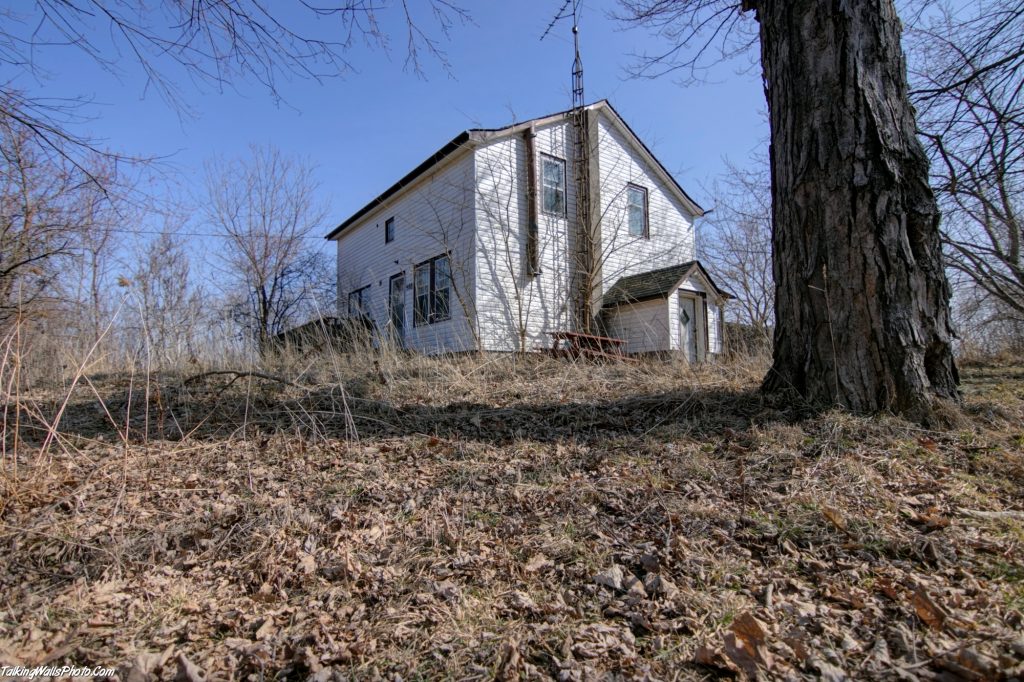
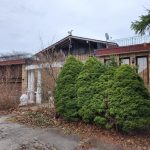
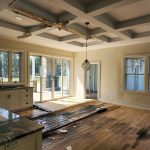
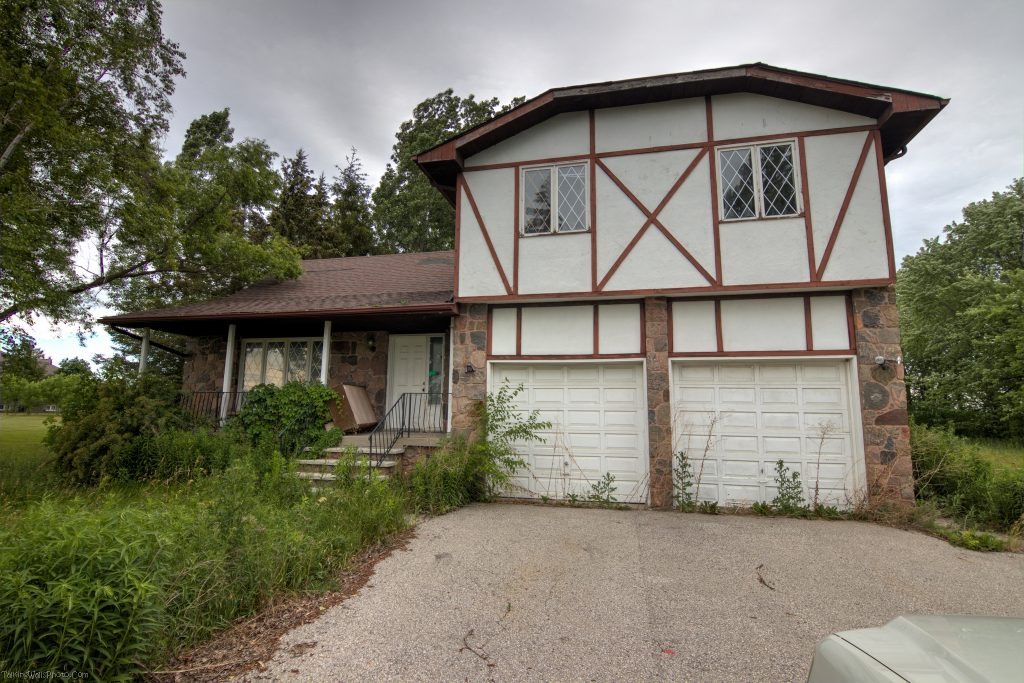
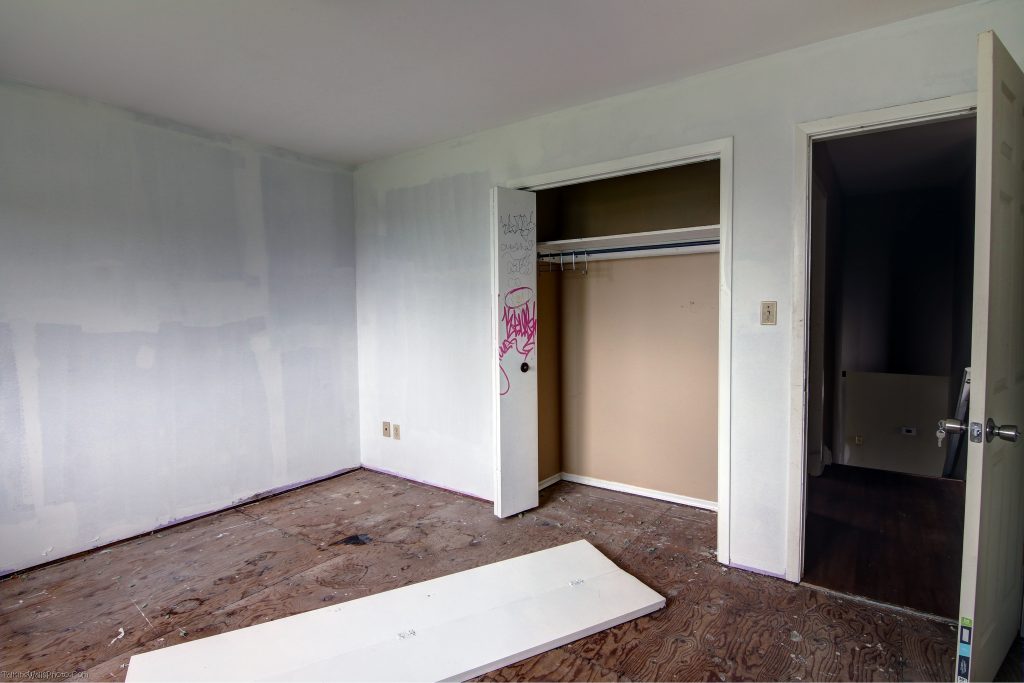
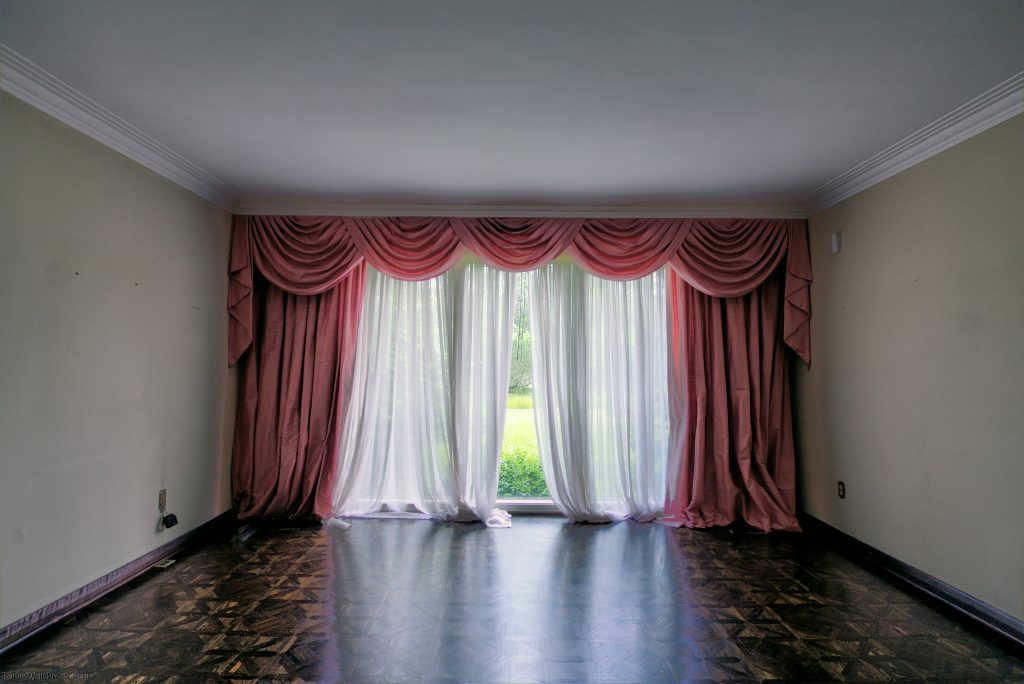
A random find along the highway as we traveled from one destination to another. There wasn’t much of photogenic value to be found inside. The rear patio door was open and several leaves had blown inside the dining room, confirming to me that this was indeed a vacant property.

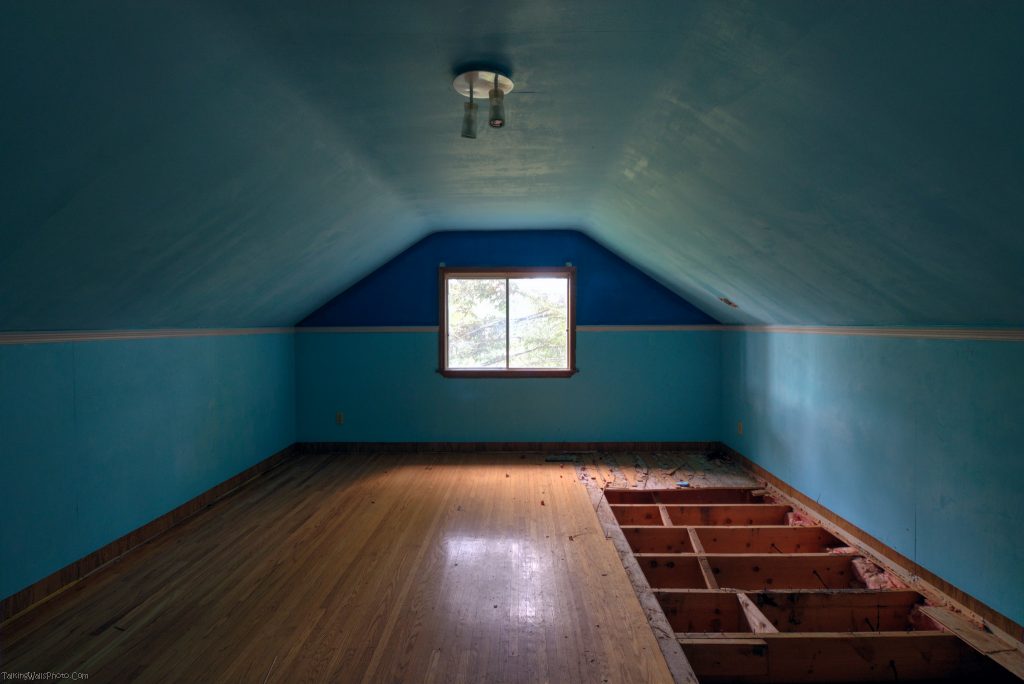
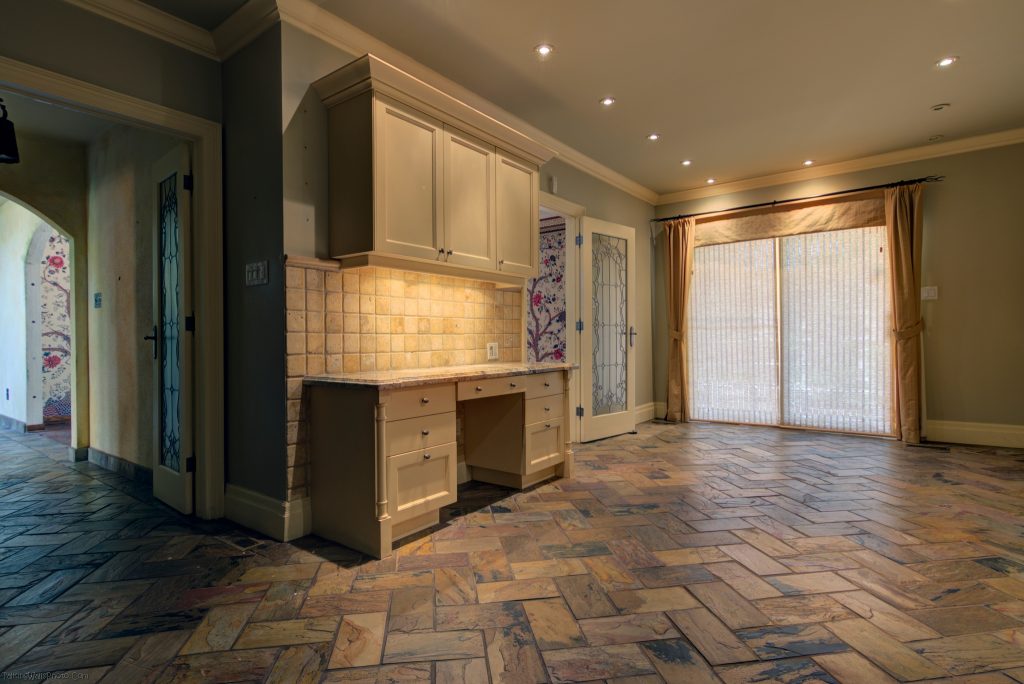
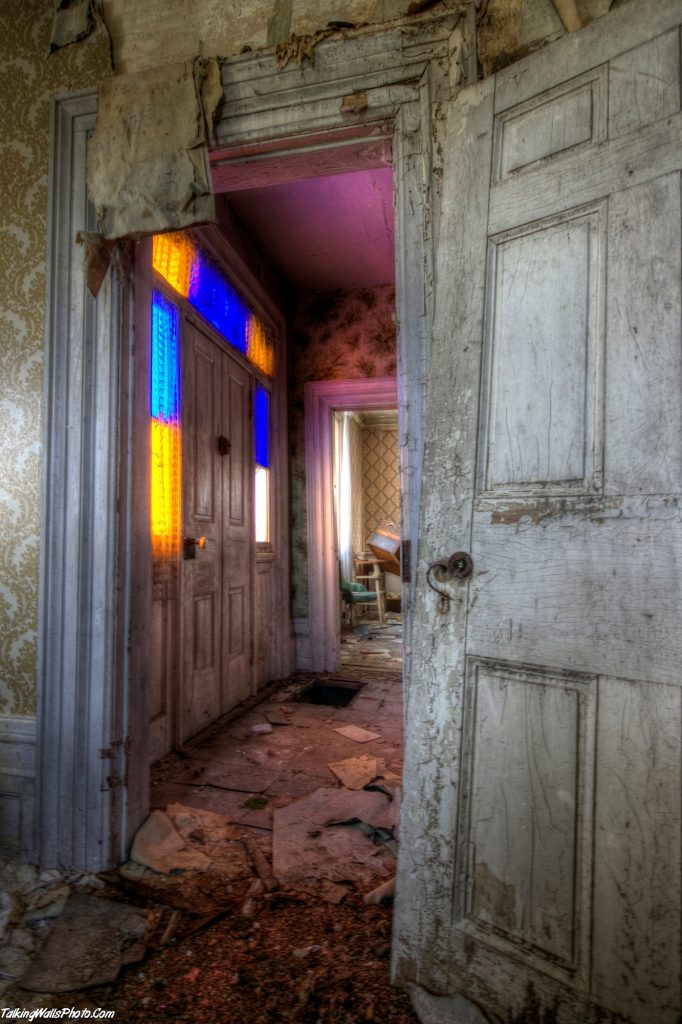
There is a theory that the floor being cut away in the third photo is a result of someone having passed away in the home.

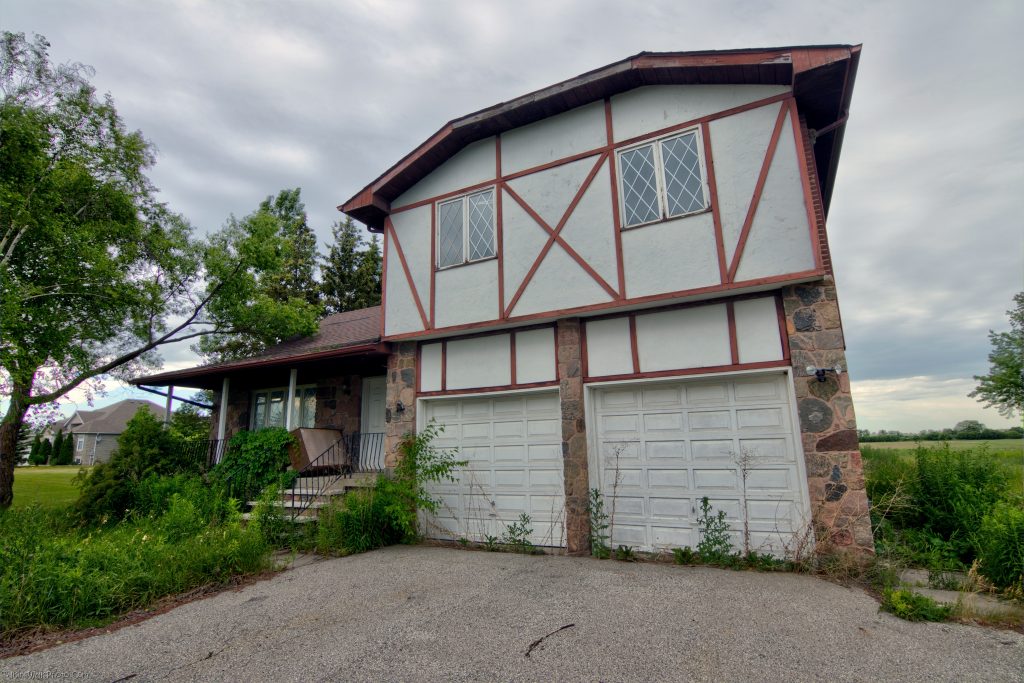
The house is likely to be demolished.

Watch for Ticks

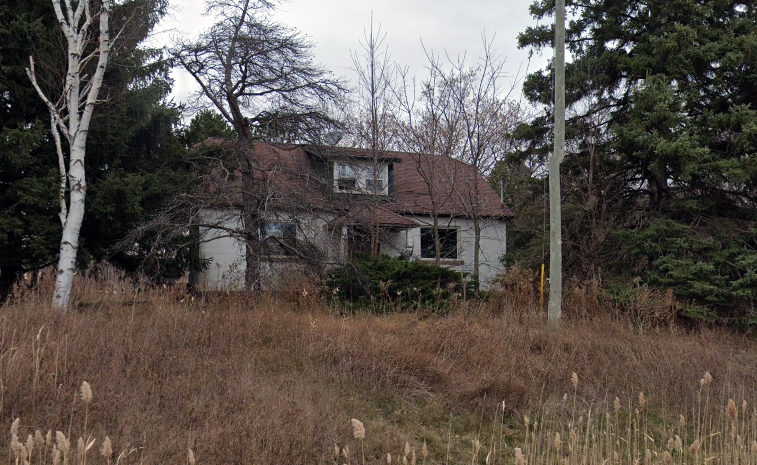
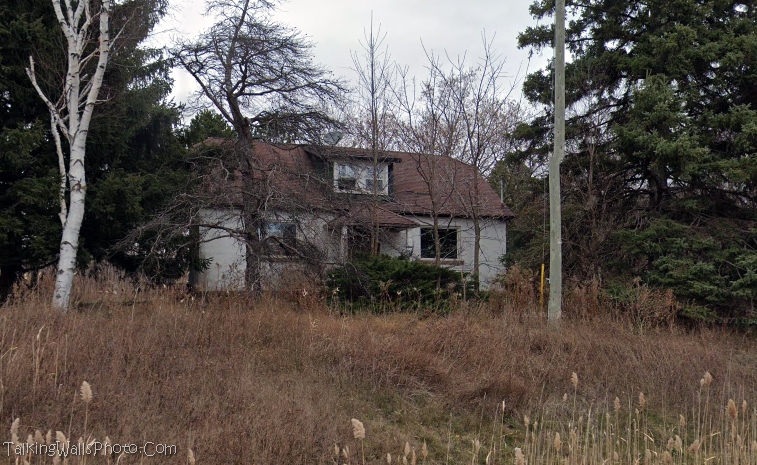
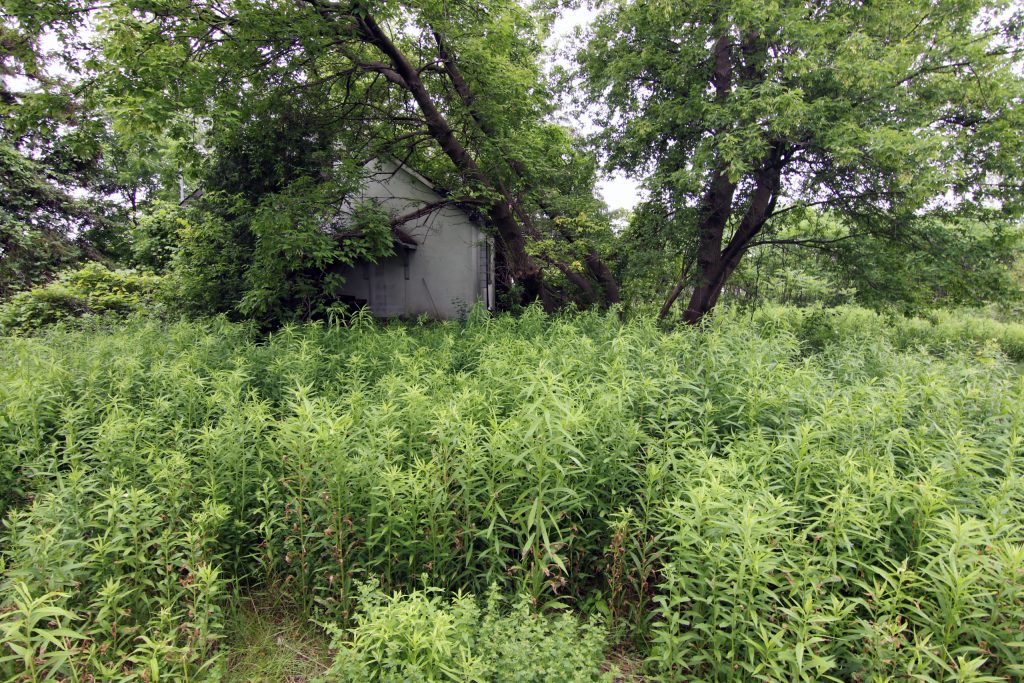
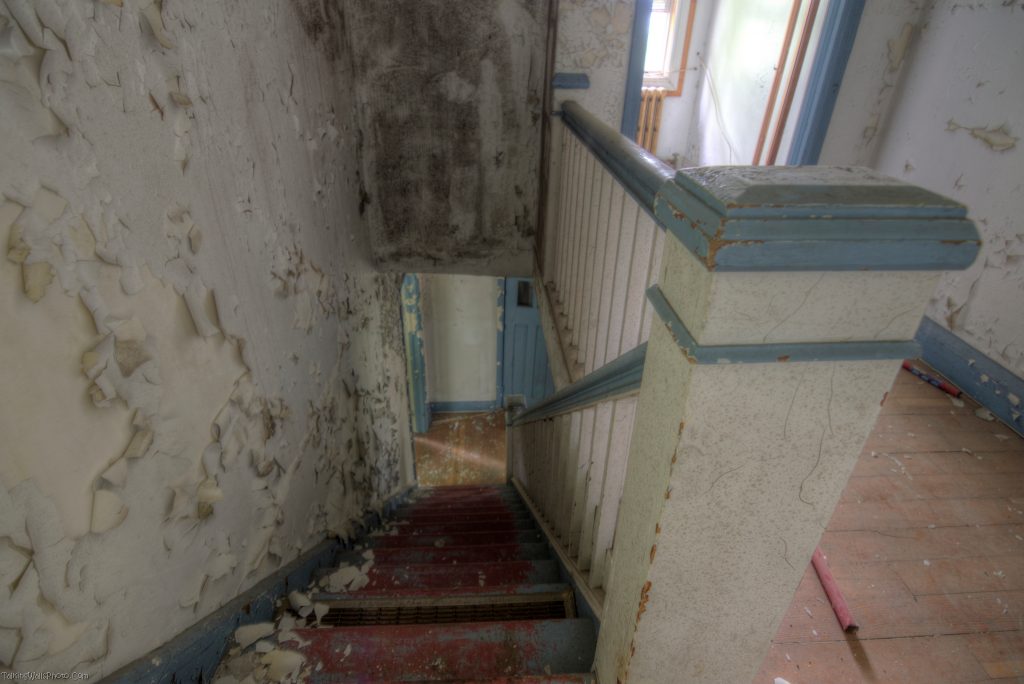
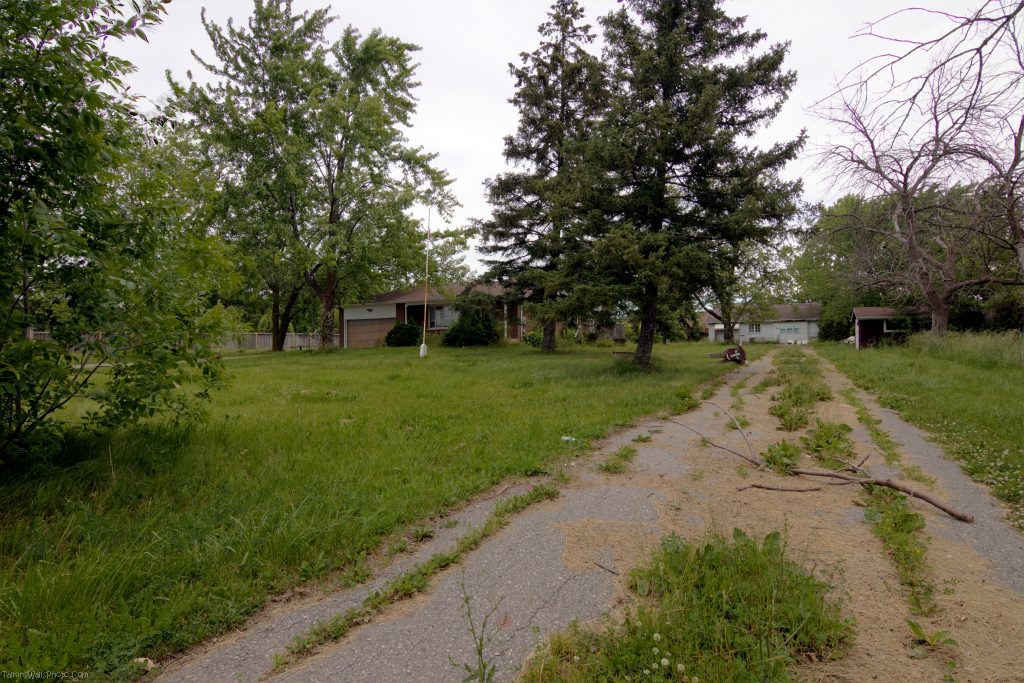
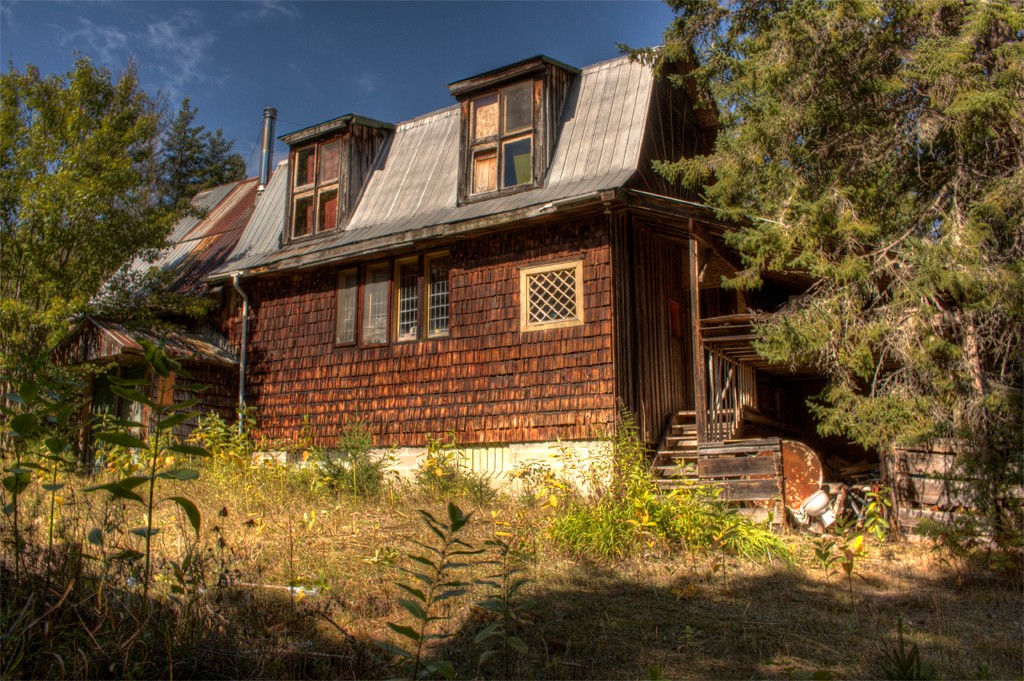
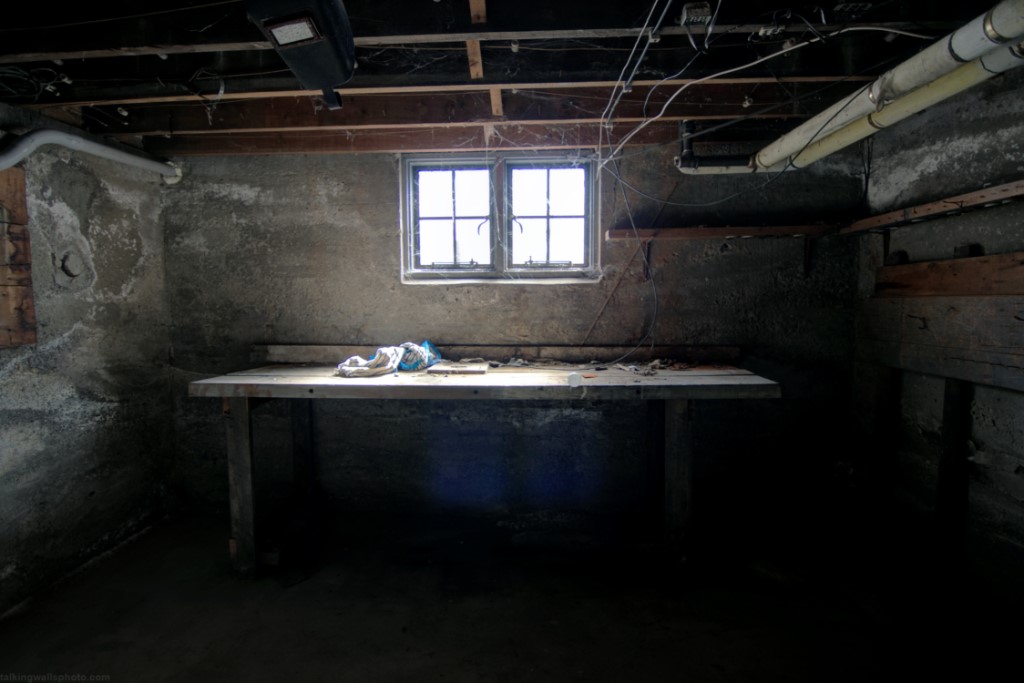
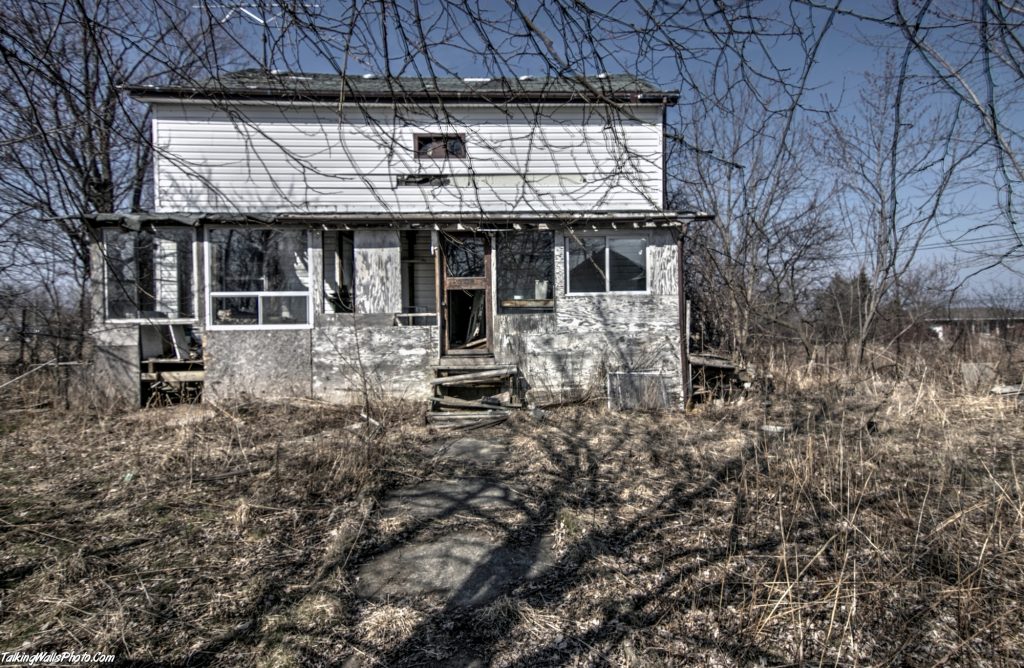
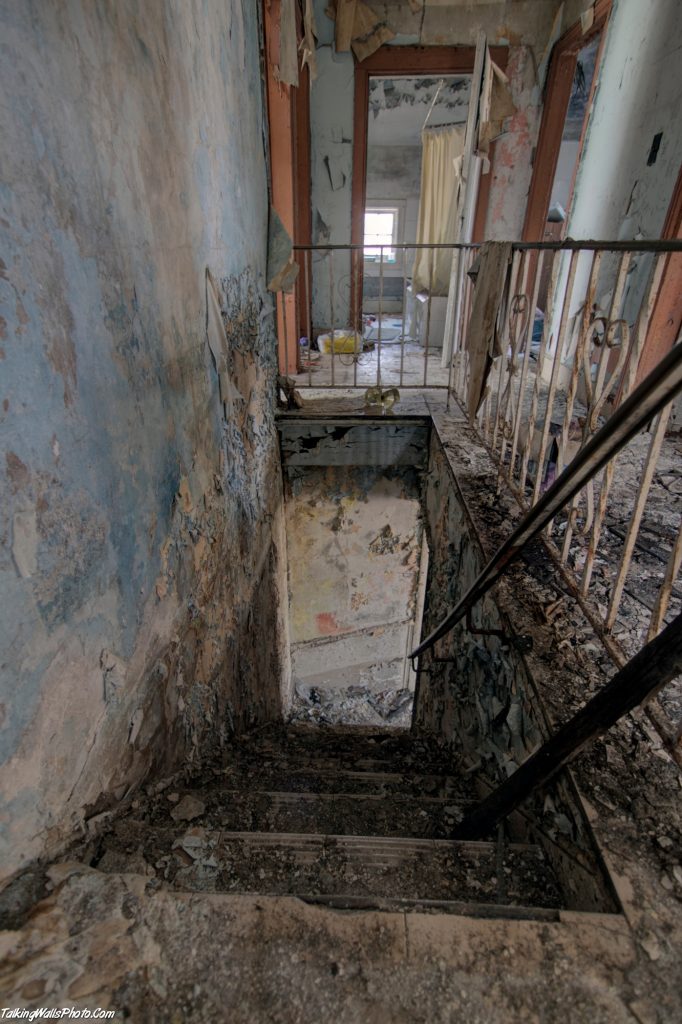
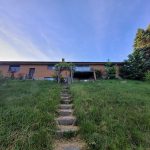
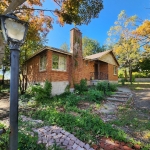
This house was part of our itinerary for the day. I had no idea what to expect from it. As we approached, the driveway was overgrown and it was difficult to see the house. There were three, perhaps four buildings on the property. I drove up the driveway (thank you 4×4) and we approached the house. As the doors were boarded, Forsaken Ontario hopped up on a chair and made his way in through the window. Meanwhile my companion had discovered that there was a cellar door in the back. We walked down into the cellar and discovered a set of stairs that led us to the main floor – no window entry required.

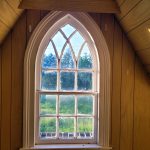
The house is described as having a gable dormer, a three-bay front facade with concrete stills and a covered porch with a gable roof dominate.

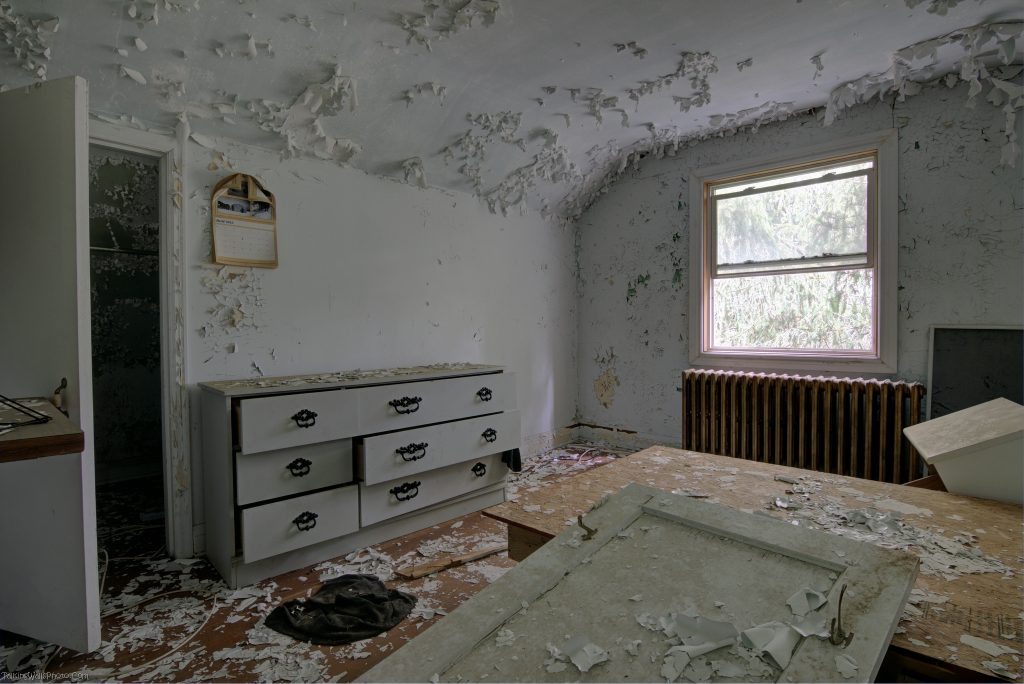
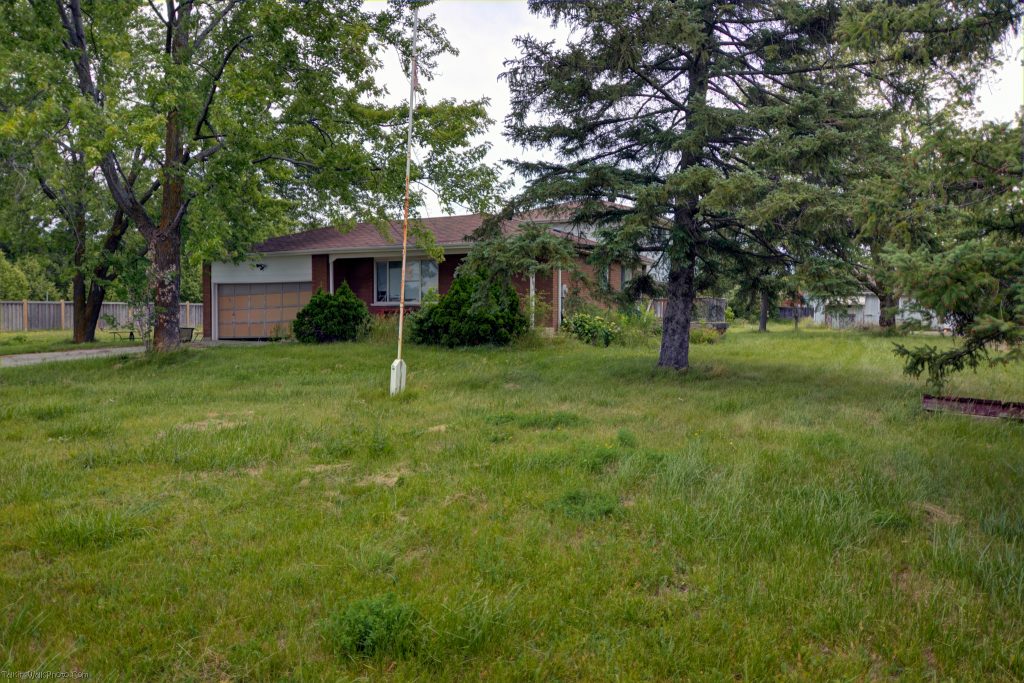
A calendar on the wall indicated the house was possibly last lived in April of 2013. Eight years of nature have pretty much made the property invisible to passers by. I’ve included a Google Street View showing the house visible from the road during the fall.

At some point during our road trip, we stopped to check ourselves for ticks. ForsakenOntario had one on him, and I’d later find one on my body when I returned home. The risks of exploring in summer.


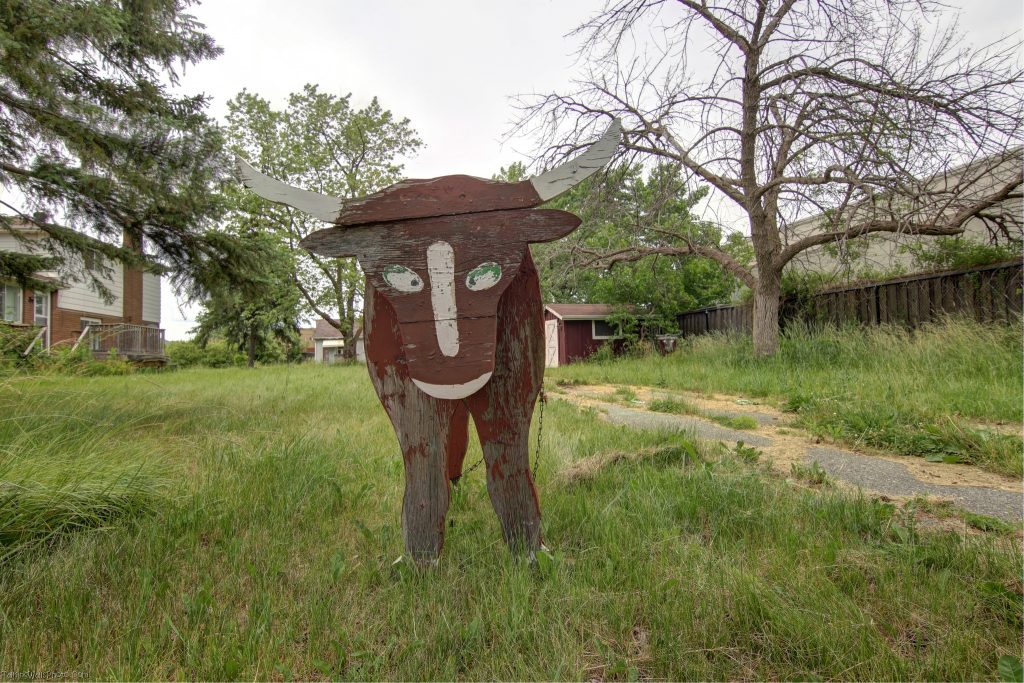
The Bull Monty House

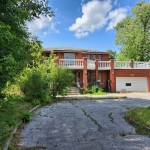
As fate would have it on this day of exploring, the two most sought locations were locked up. At the same time, fate also decided to hand us several random houses along the road. Several times throughout the day we found ourselves making a U-turn to investigate potential abandoned places.

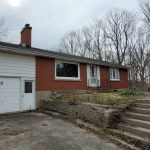
This particular four-bedroom, three-bathroom house is located in prime real estate territory, along a busy road and next to several businesses. I don’t know if a develop purchased the land or if the owners decided to sell of their own accord. The property is worth $3,499,000.

There was little of interest inside although the electricity was still functional. In an upstairs bathroom, I noticed a bird trapped and unable to find a way outside. I tore open the screen (it was already torn) but the bird flew into another bedroom. The other bedroom had no screen, and so I opened the window allowing the bird to fly to freedom.

Rescuing a Trapped Bird in an Abandoned House

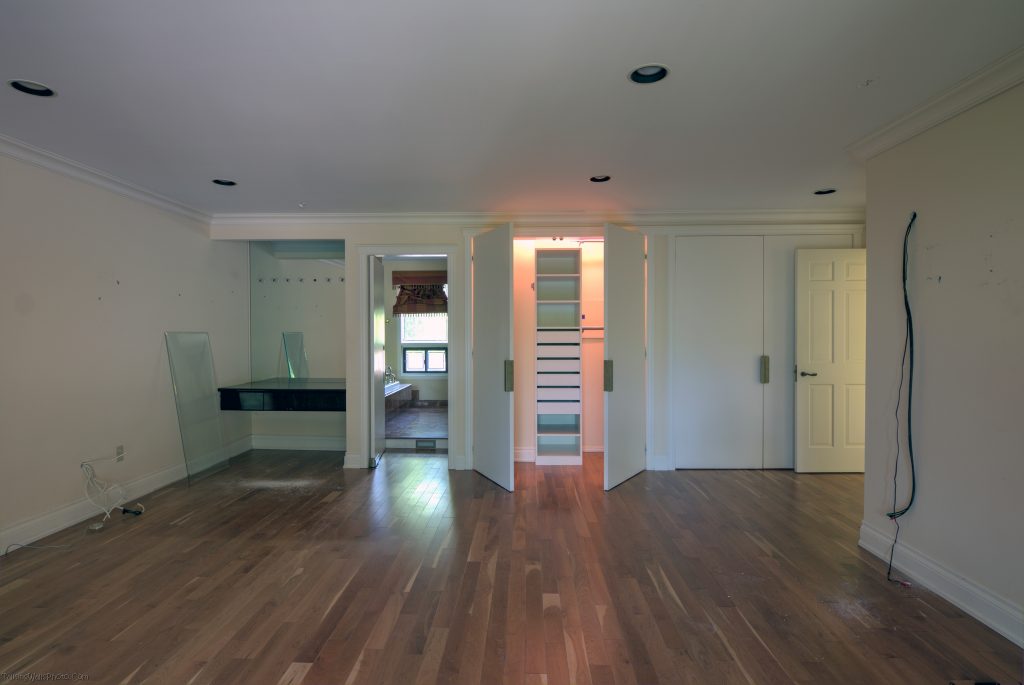
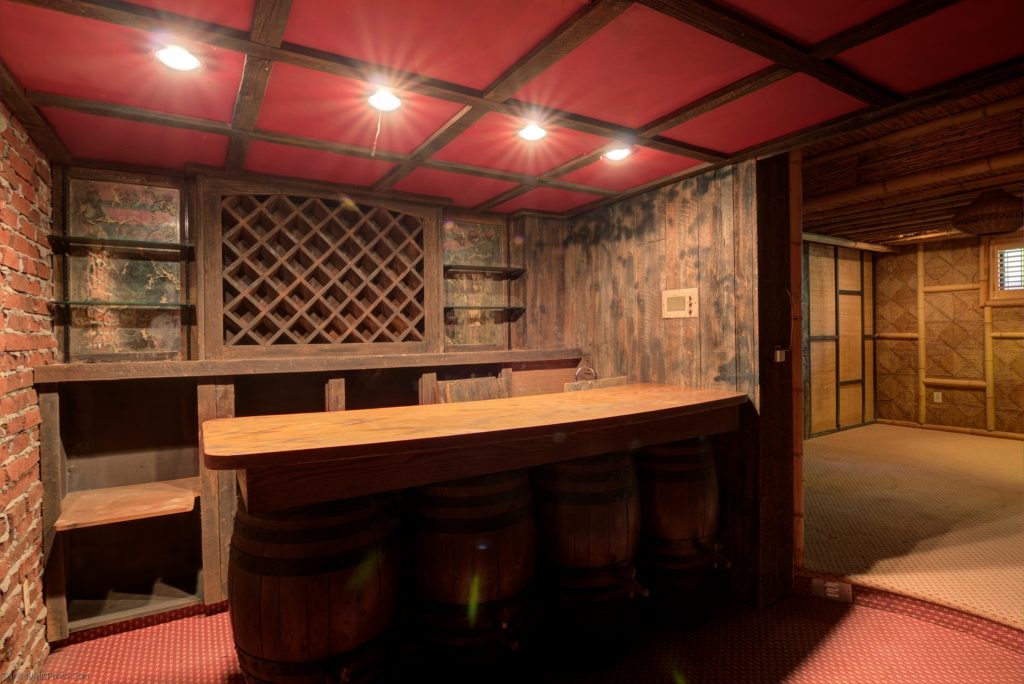
$5.7 Million Toronto Tiki Bar House

In 1968, a Jewish businessman named Stan founded a company in the State of New York. Stan’s company sold sealants used for roofing, pools and various construction purposes. The company grew to two N.Y. warehouses and eight warehouses in Ontario, Canada.

In 1978, Stan’s wife Elaine purchased a Santa Fe-style house located in a prestigious area of Toronto known for its million-dollar homes. The property may have already been in the family name as it was transferred to her for an amount of $2.00 which is common for inter-family transfers.

Around 1994 the sealant company changed their name to reflect the larger variety of merchandise they carried. The company’s product line included insulation foam, disinfectants, adhesives and roofing supplies. At around the same time, a child company was formed that sold retail pools, spas and pool cleaning supplies.
 
The couple’s son, David worked at the family business as the Vice President of Finance from 1995 to 2008. In 2009, he was promoted to the position of CEO, which he held until 2017. In 2017 the business was sold to a new business interest.

The pool and spa business still operate several locations across Ontario. Current reviews seem to suggest that they’re having current difficulty in maintaining customer satisfaction.

In 2002, Stan’s name was added to the house title which had previously been in his wife’s name. Stan passed away in February of 2018 and his wife, Elaine, passed away in June of 2019.

The house was sold in November of 2020 for $5,780,000. The couple who purchased the property hired an architectural firm to design a new home. In April 2021, an application was made to the City of Toronto to demolish the property and build the new home. There were objections from the neighbours, particularly with regards to the clear cutting of trees along the road. The City has so far declined to allow the new construction to go forth.

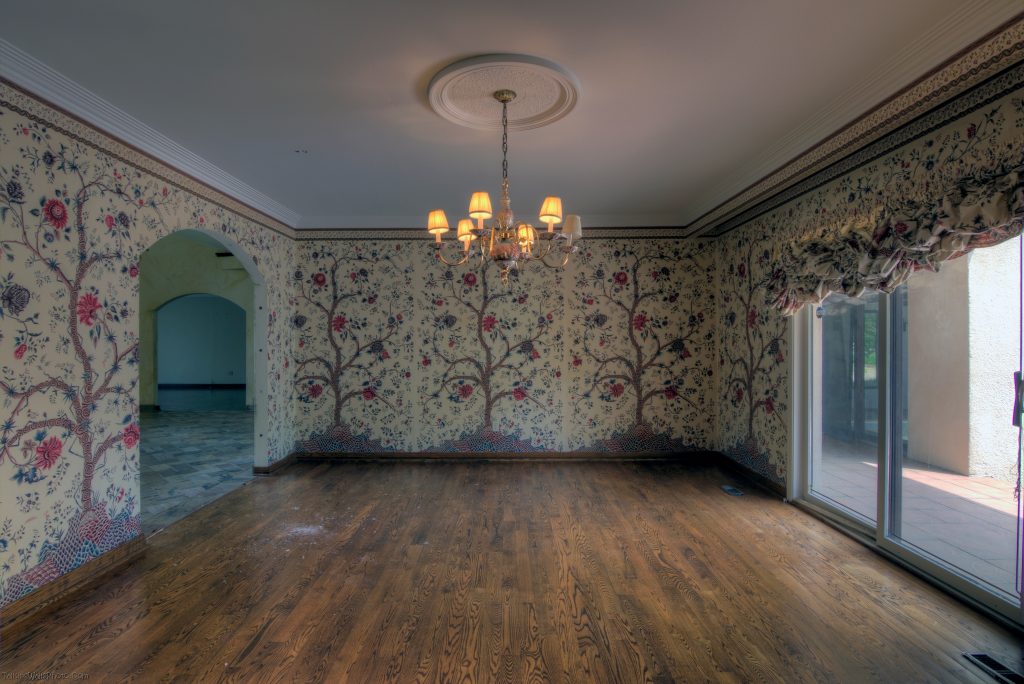
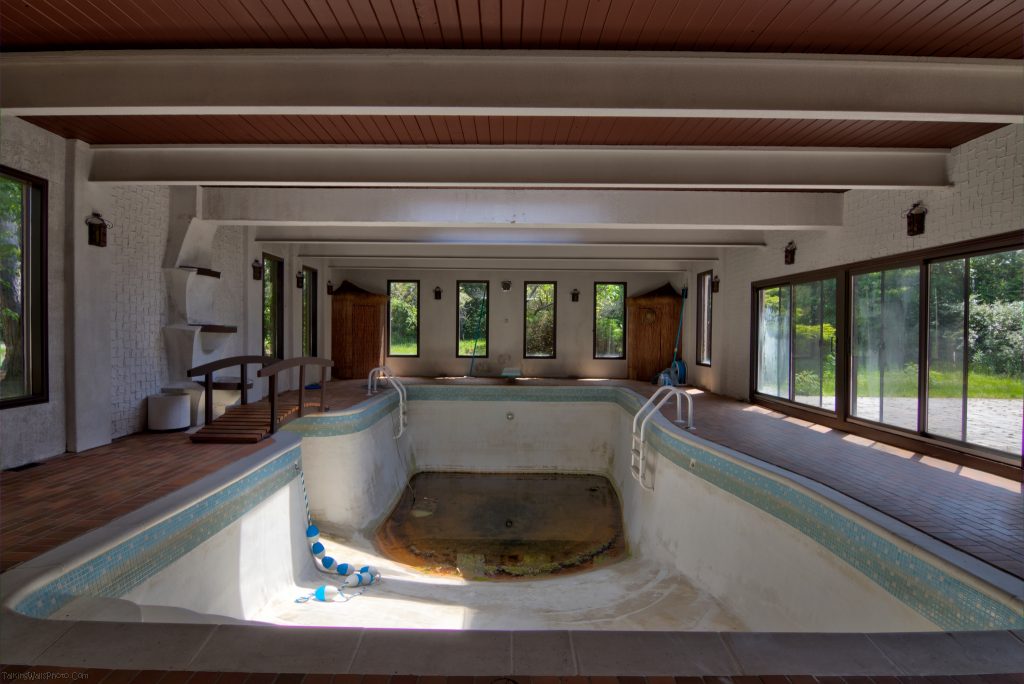
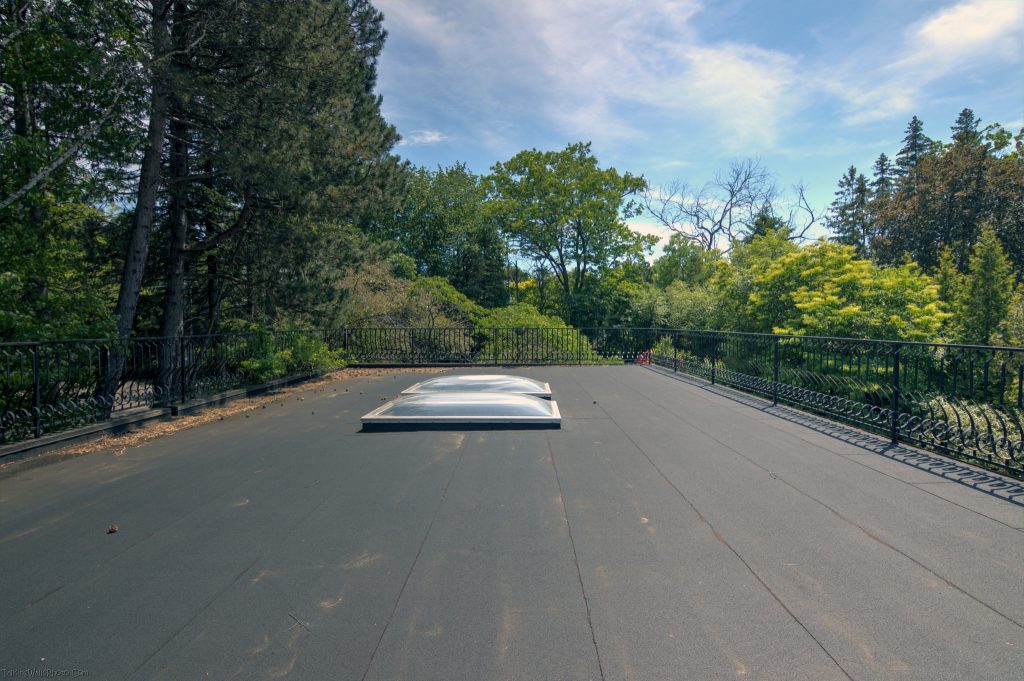
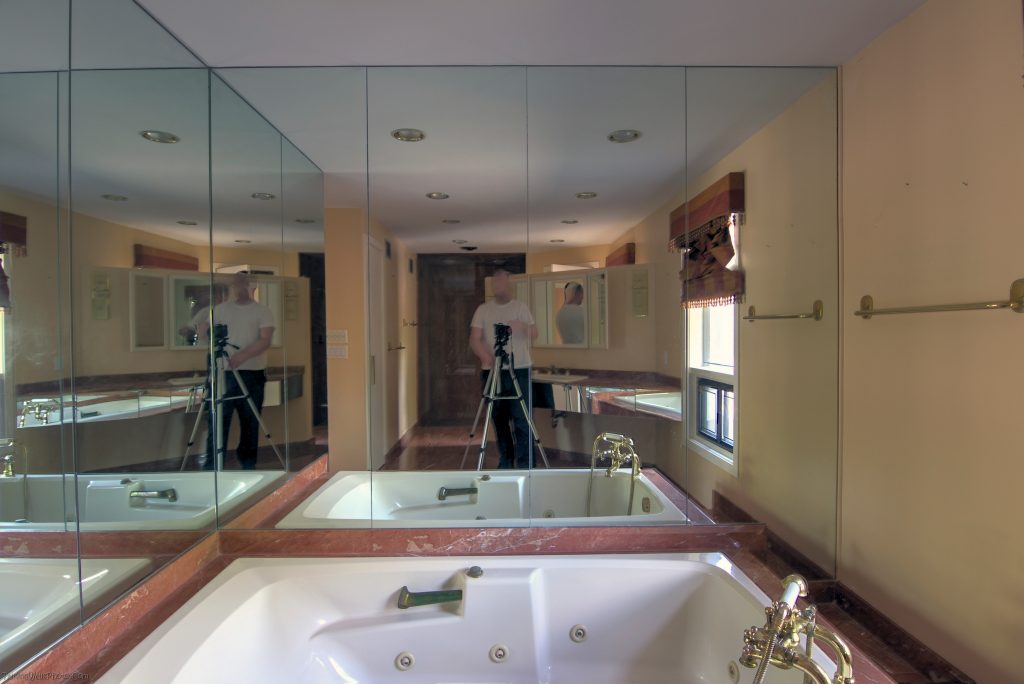
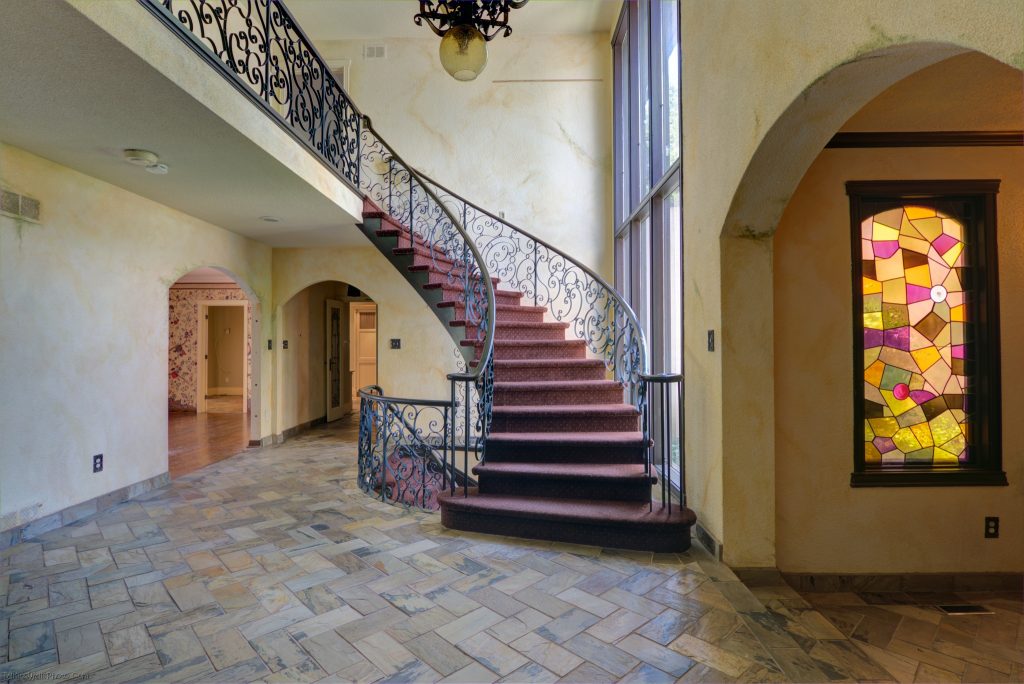
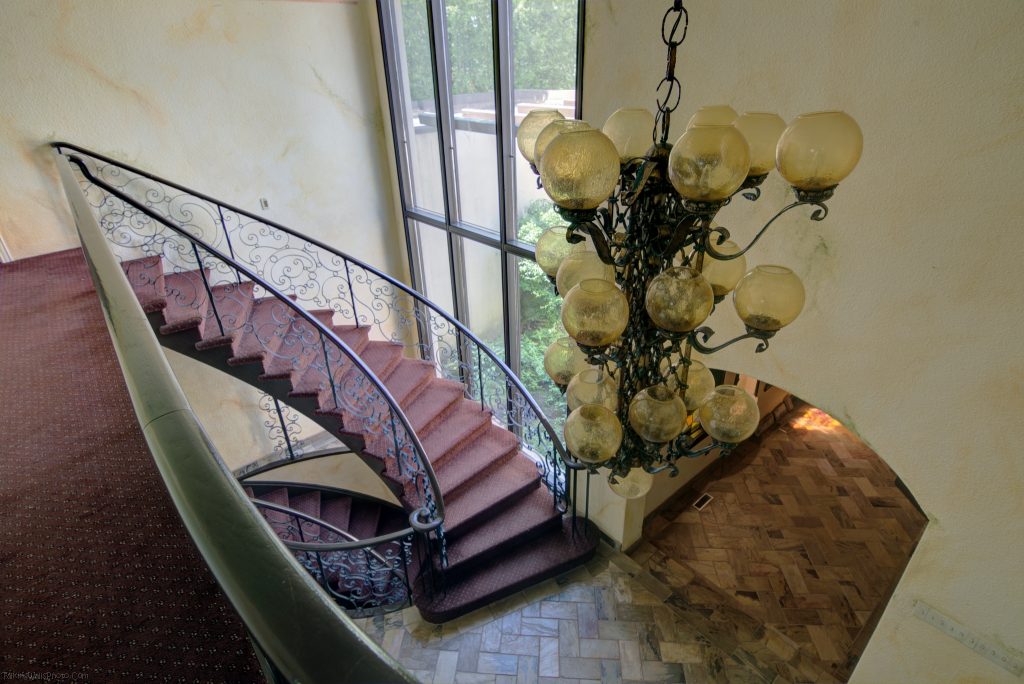
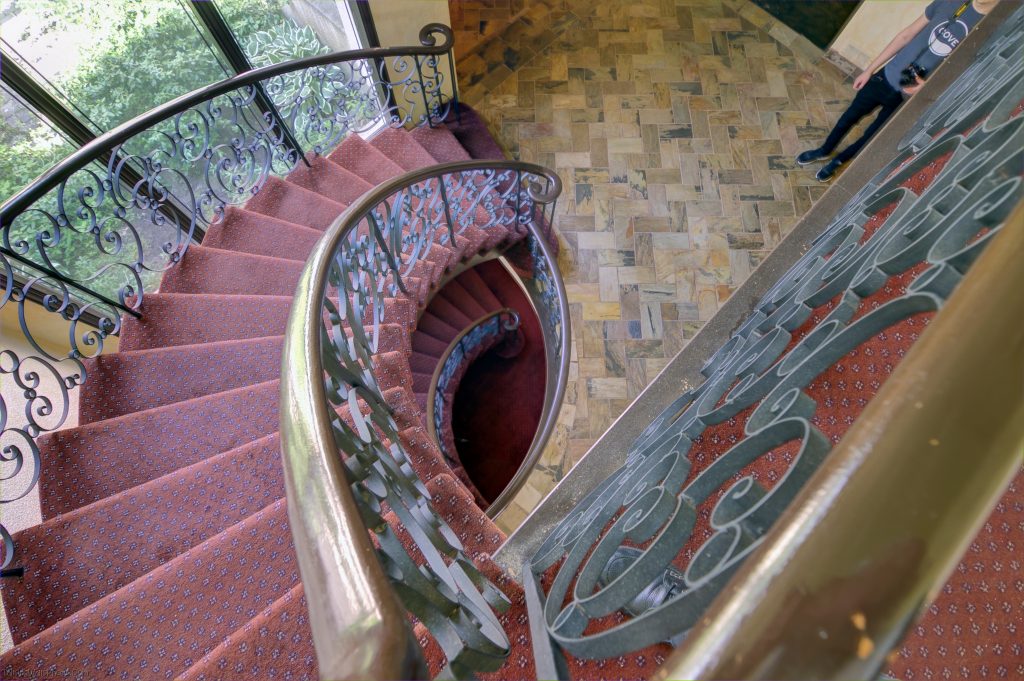
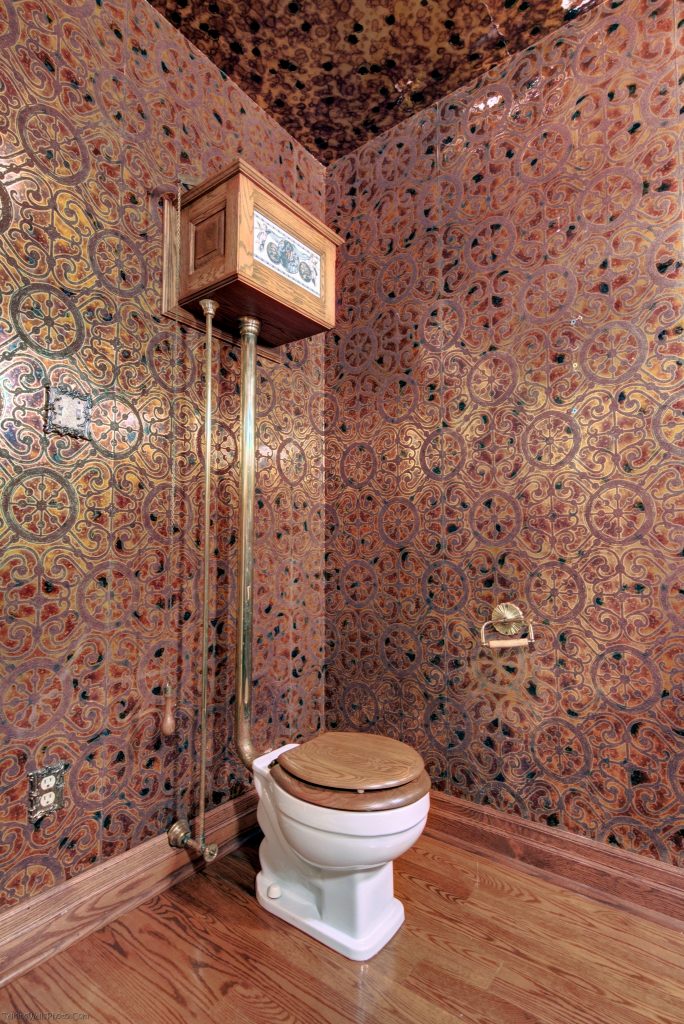
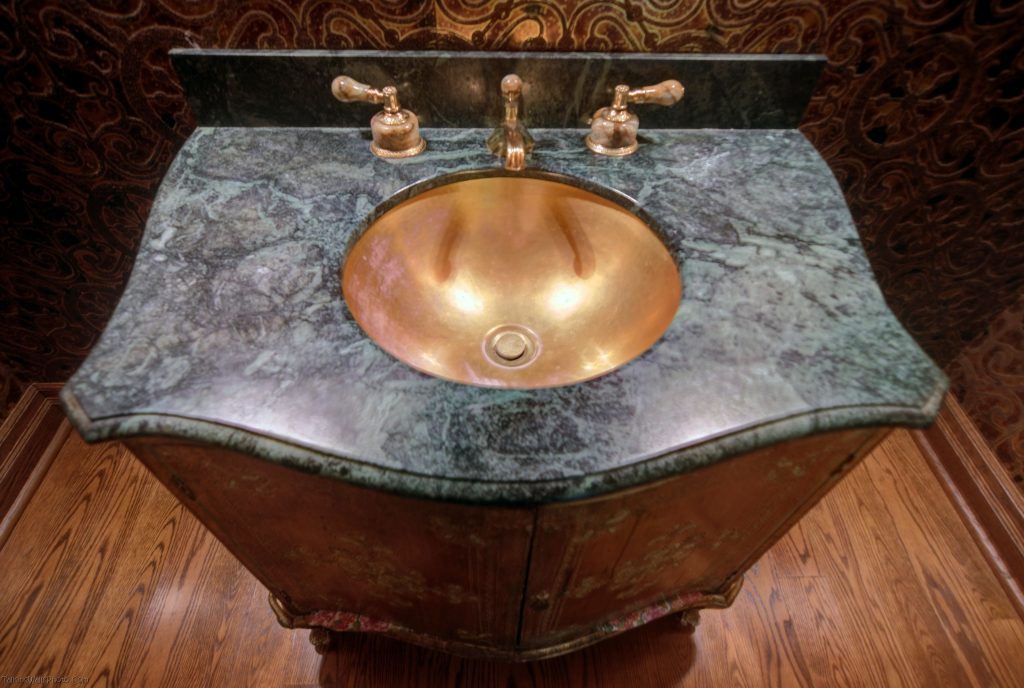
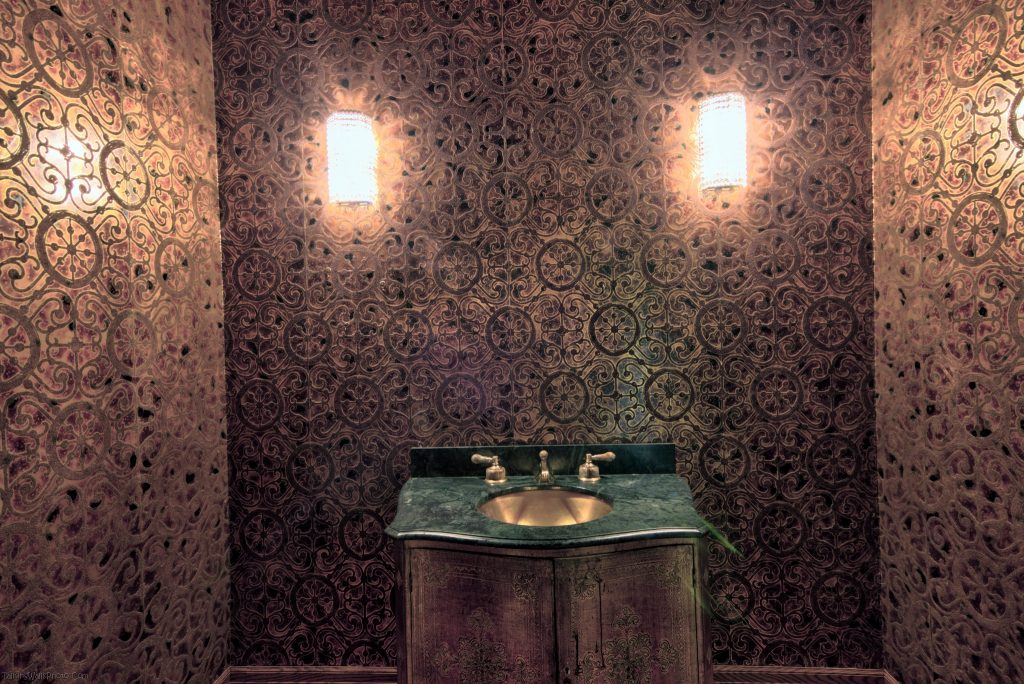
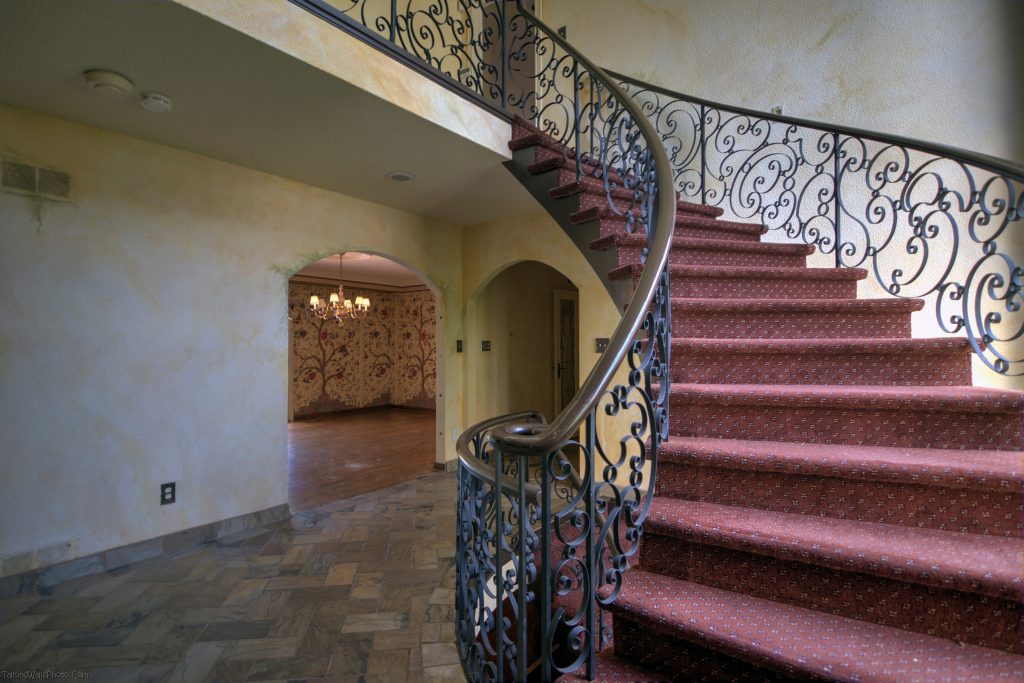
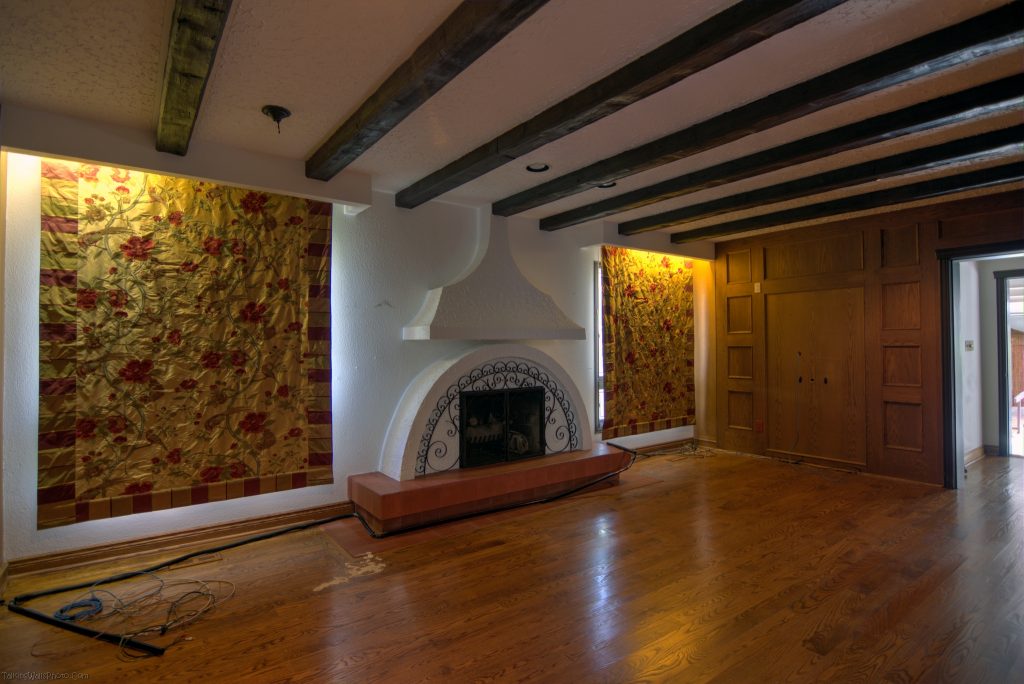
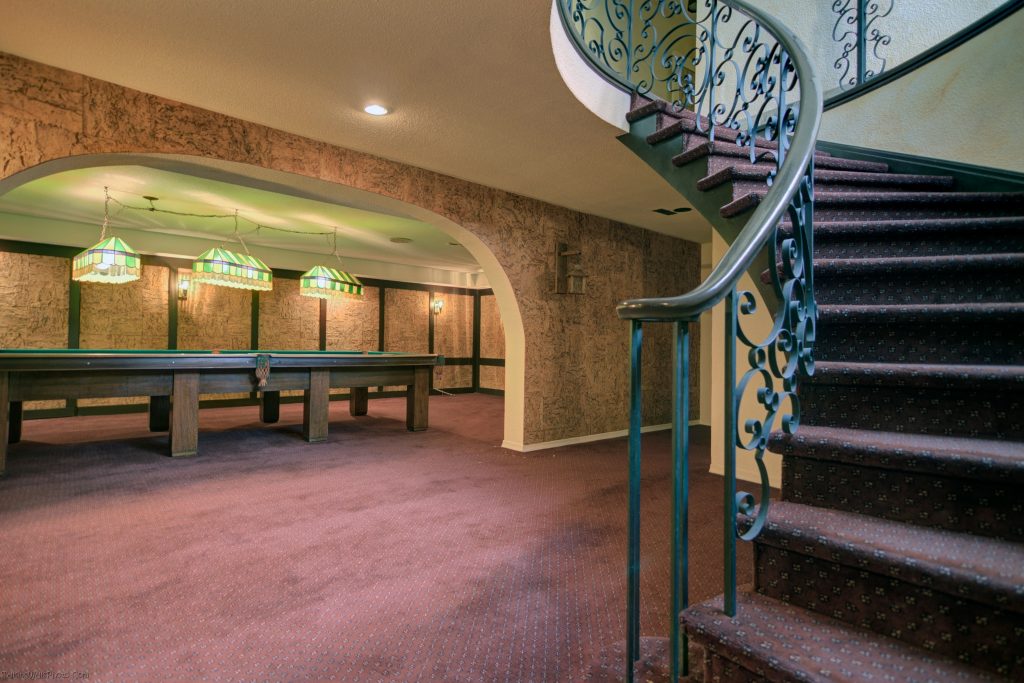
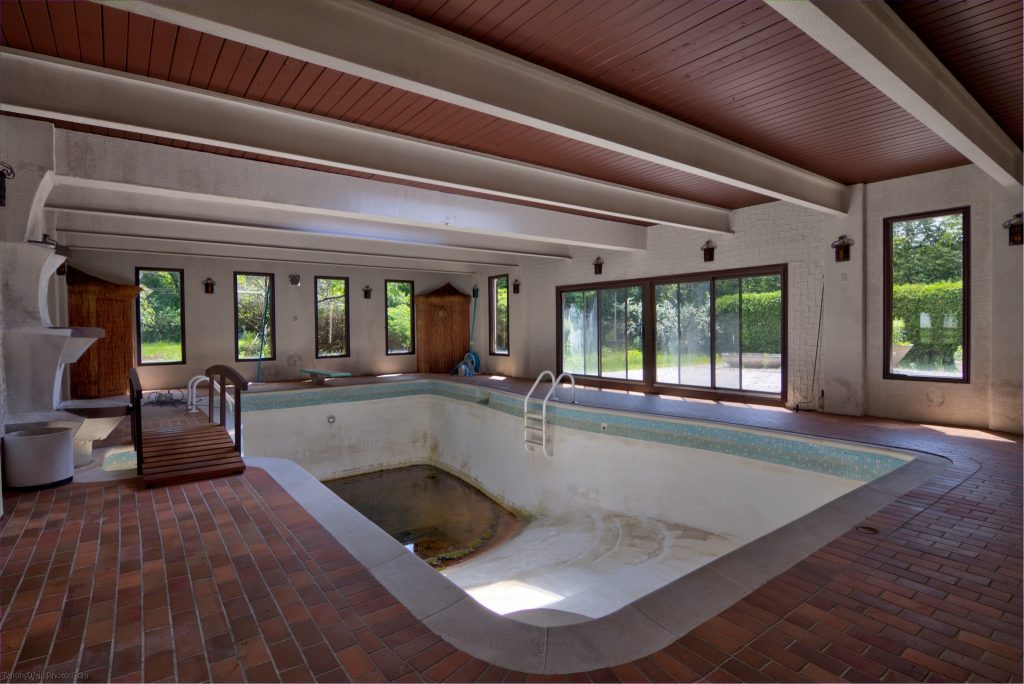
The home features an indoor pool with sky lights and patio doors leading to the back deck. The front entrance features two stain glass windows. A winding staircase leads to the upper and lower floors. On the main floor is a washroom with some unique gold wallpaper and a gravity toilet. Perhaps the most modern portion of the house is the kitchen with marble counter tops, ceramic floors and stainless steel appliances.

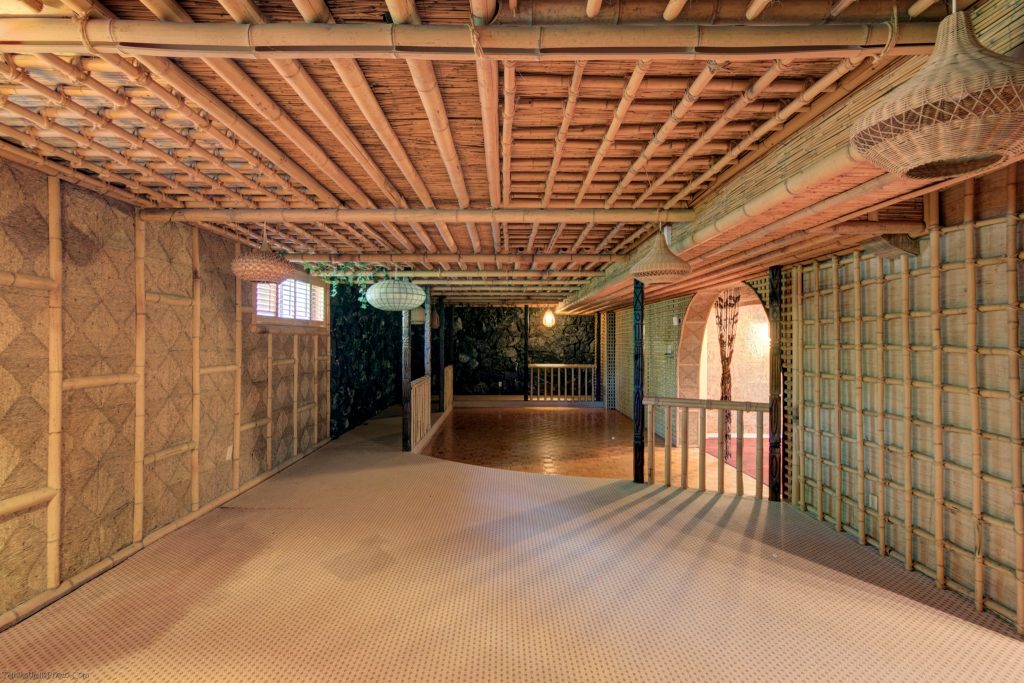
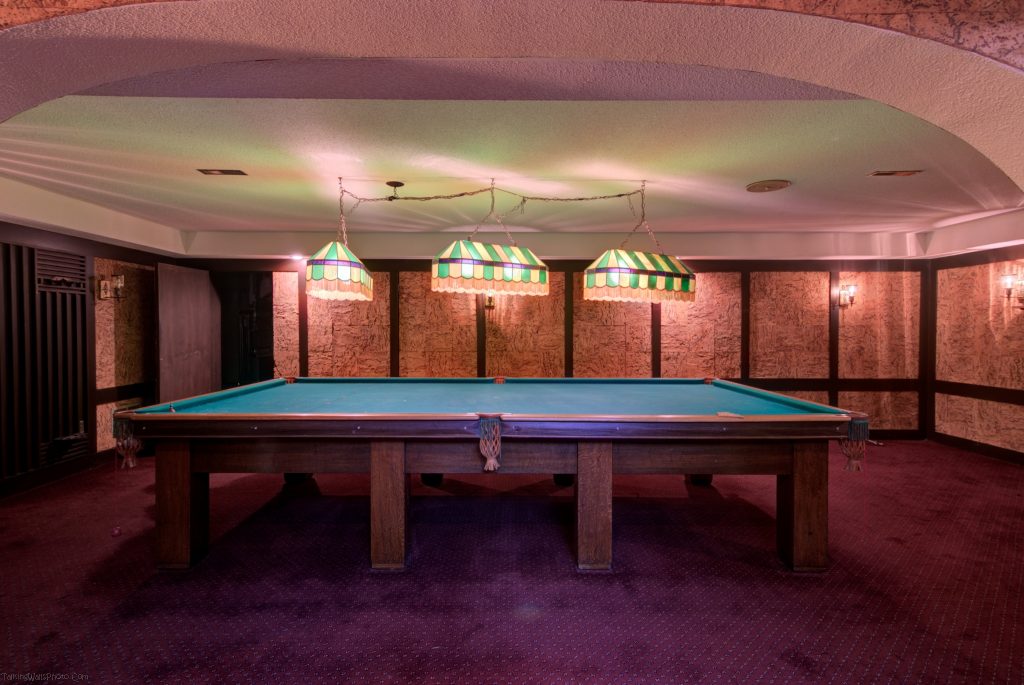
The basement has been completely done in bamboo wicker (real or artificial) and with a tiki bar and wine rack in the corner. The bar’s counter top is set upon four wine barrels with spouts. There’s also a pool room with over sized table.

Photos & Research: TWP
Thanks to UrbexIsLife for the location

Beautiful Toronto House with Gold Bathroom and Tiki Basement

Toronto Nutcracker House

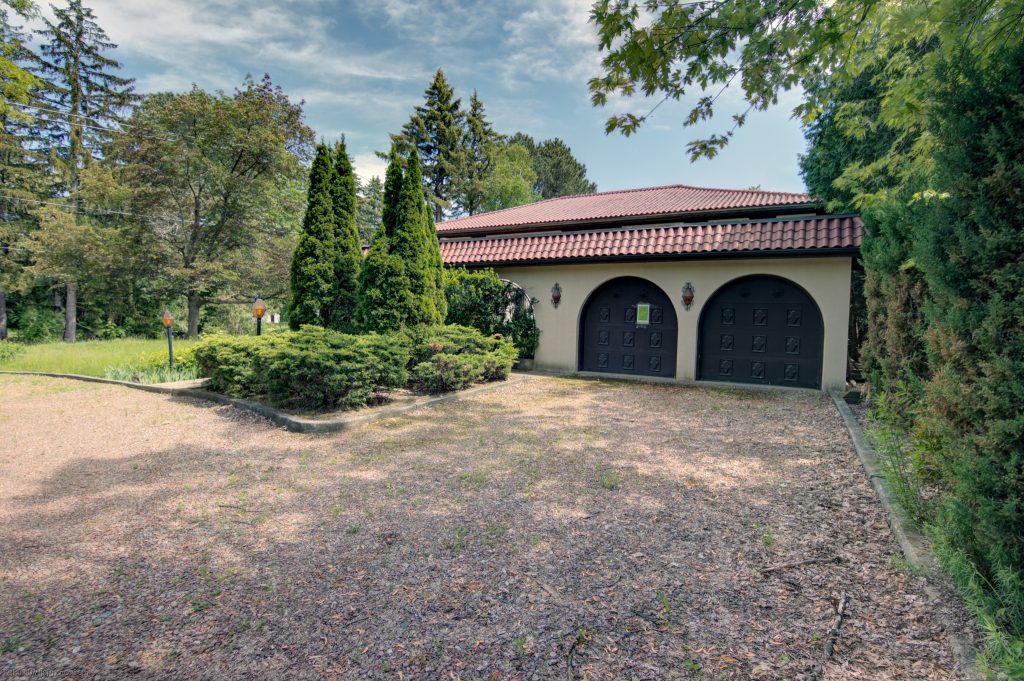
Like so many of Toronto’s aging homes, this property fell into the cross-hairs of a property developer and now awaits its day with the bulldozer. The property was built in 1966 and features a three car garage. The front door and fireplace are exceptionally wider than found in most homes today.

The property is located in North York.


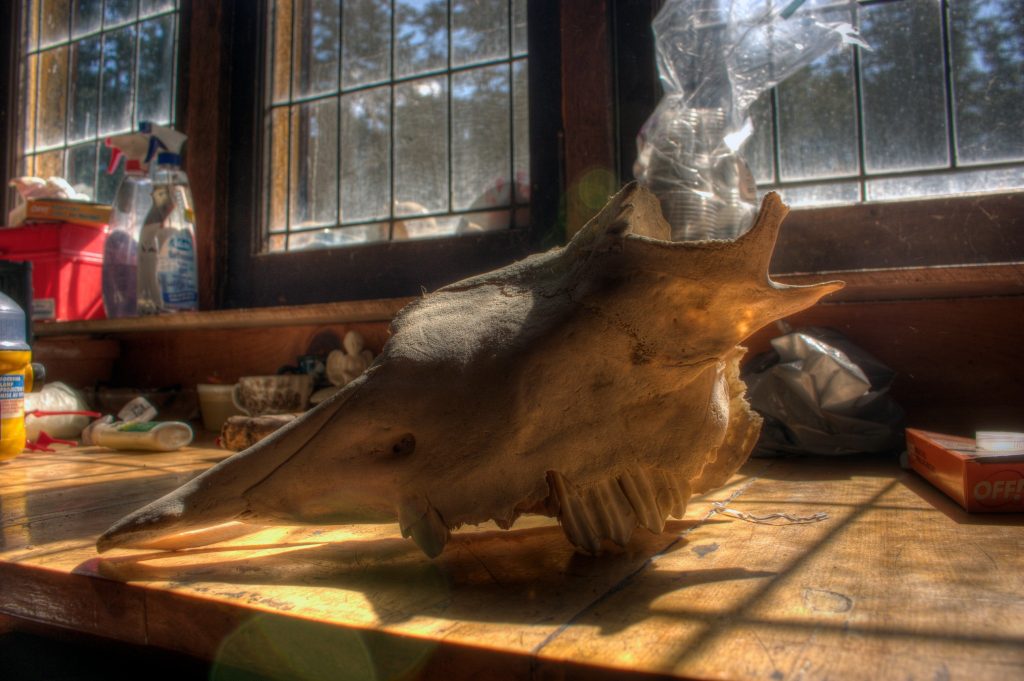
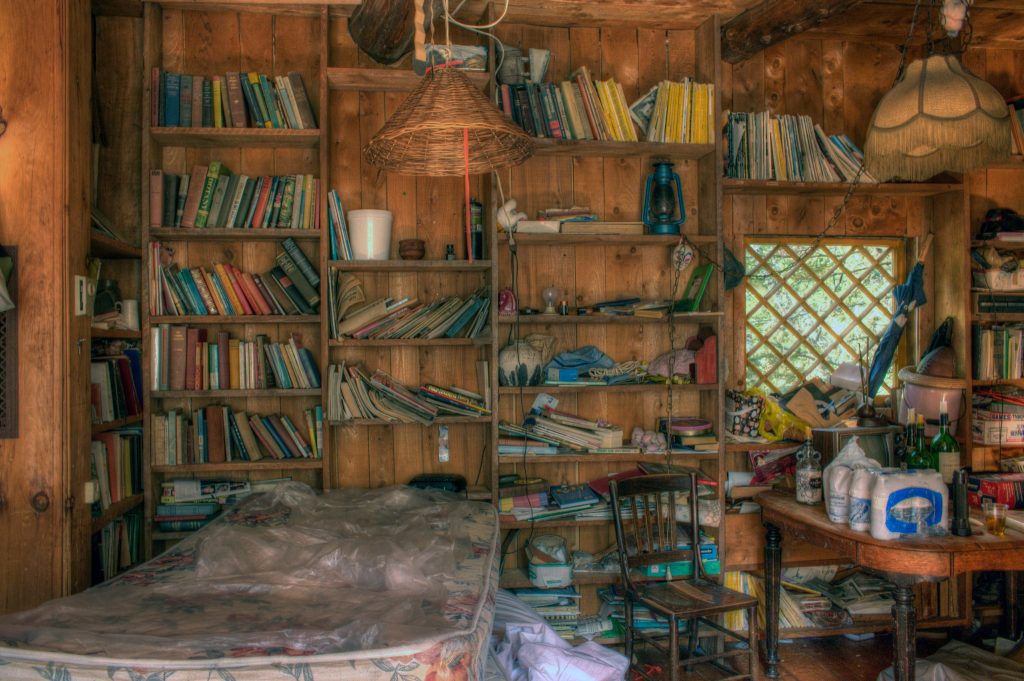
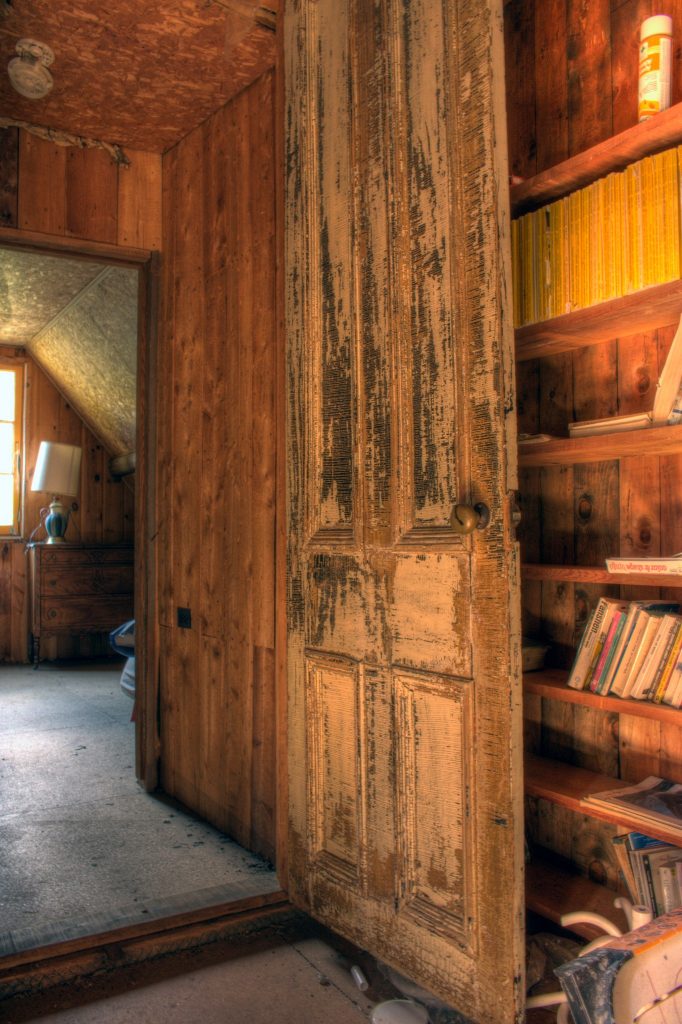
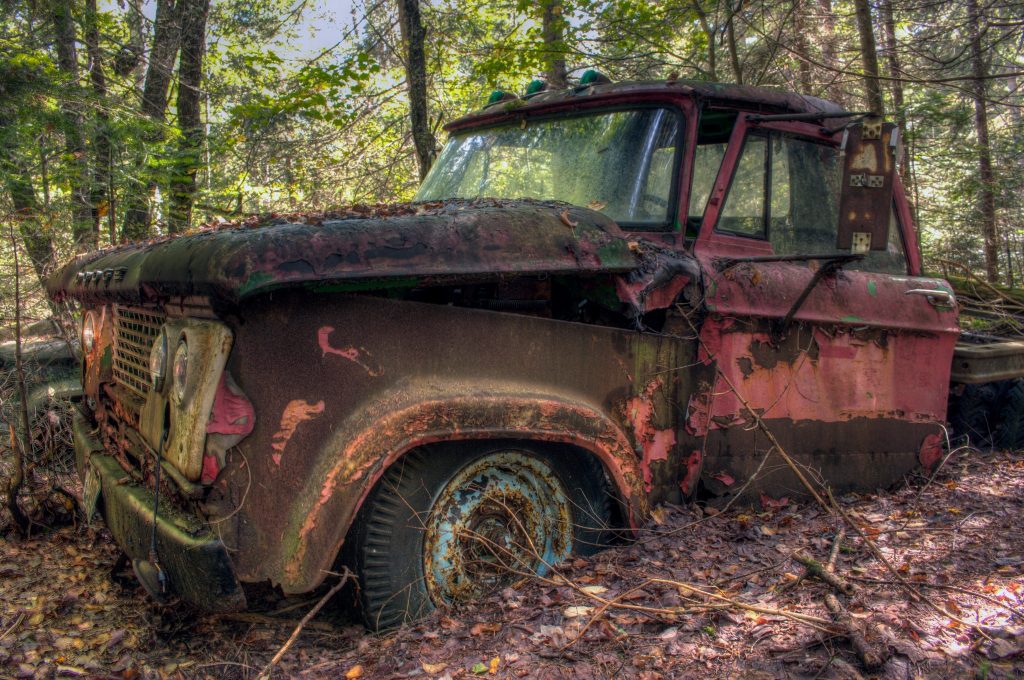
The Abandoned Hippy Camp

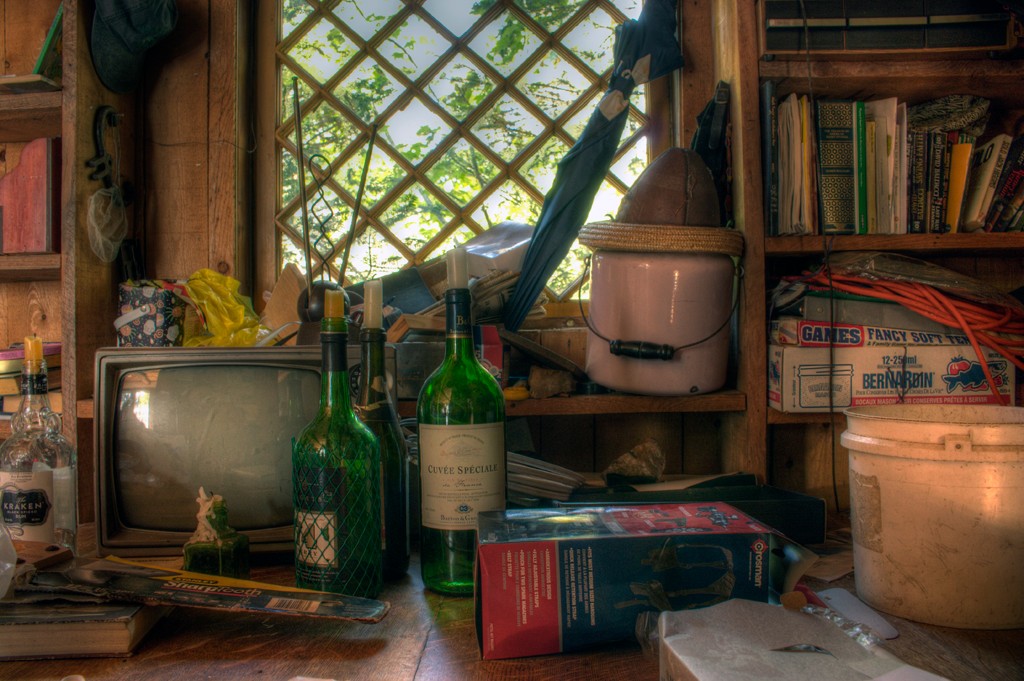
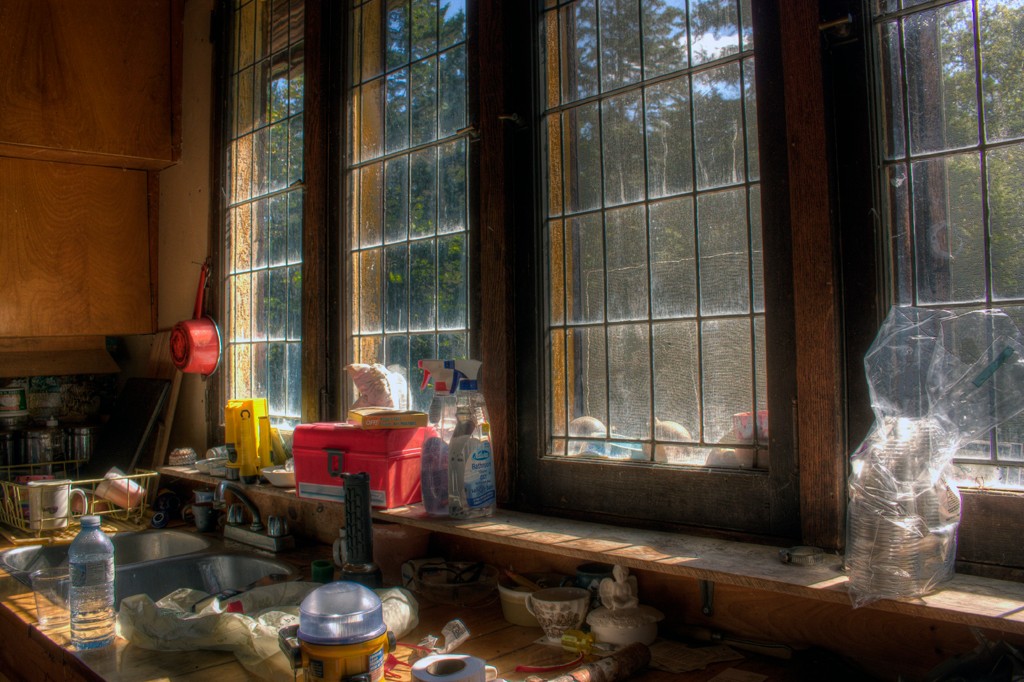
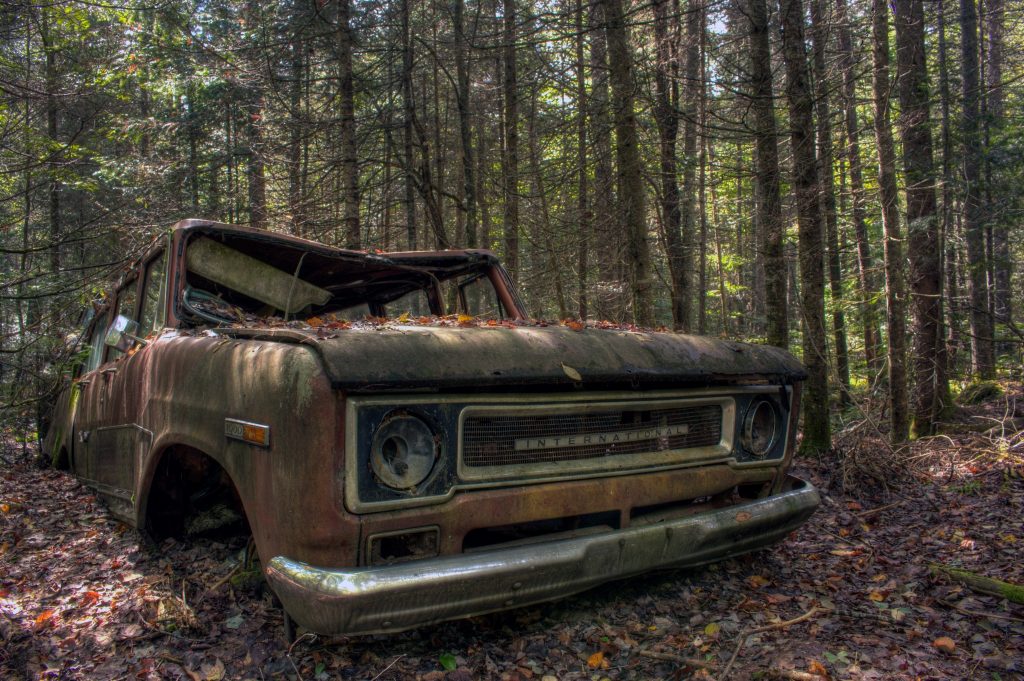
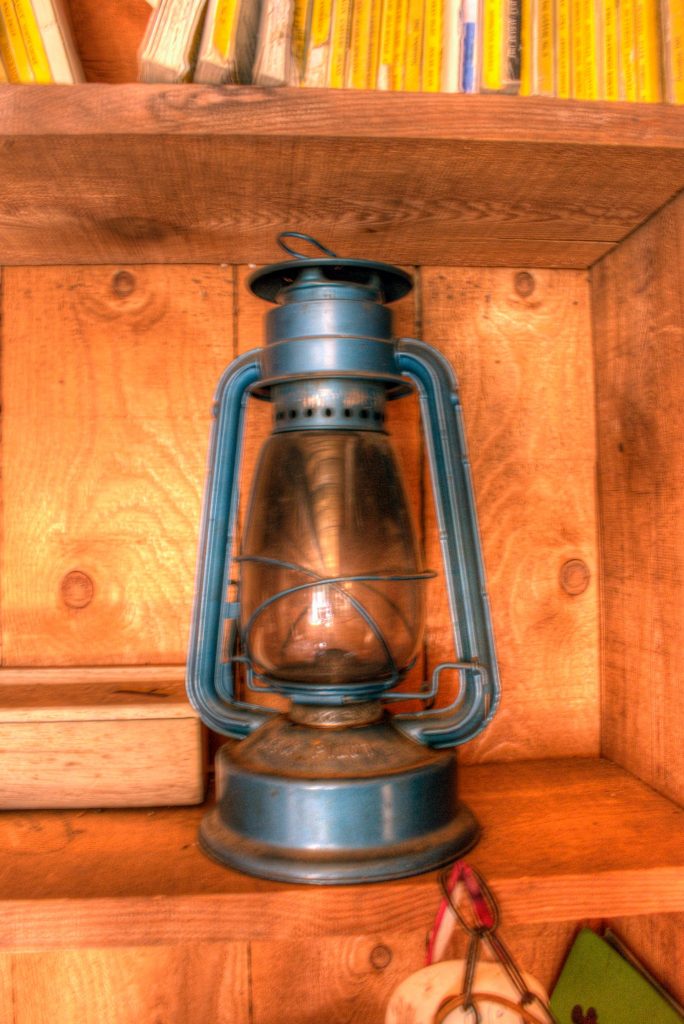
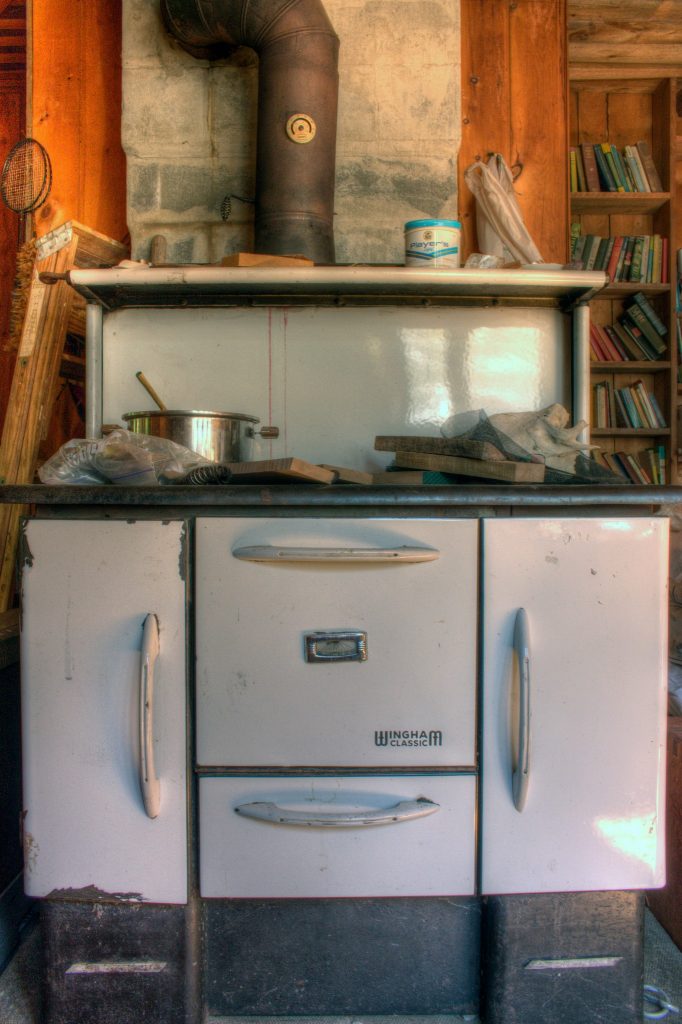
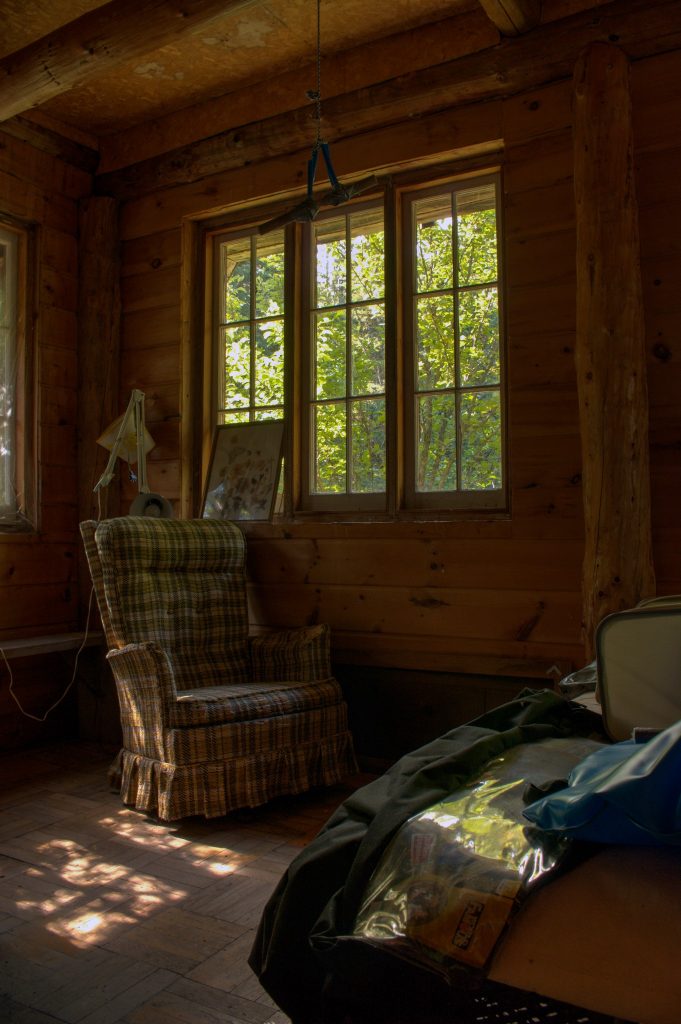
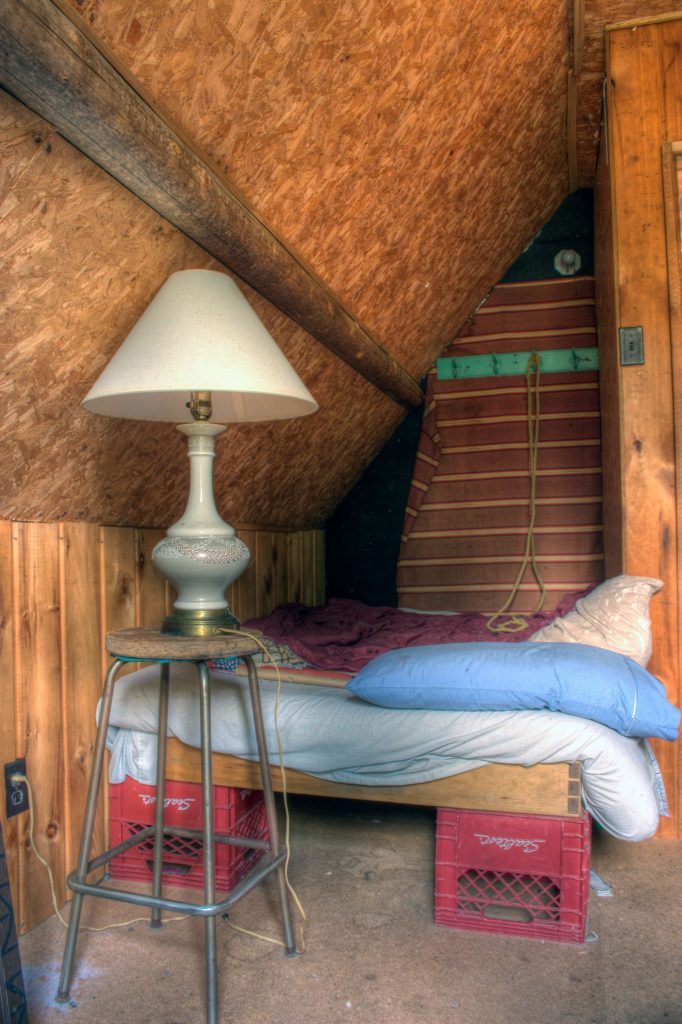
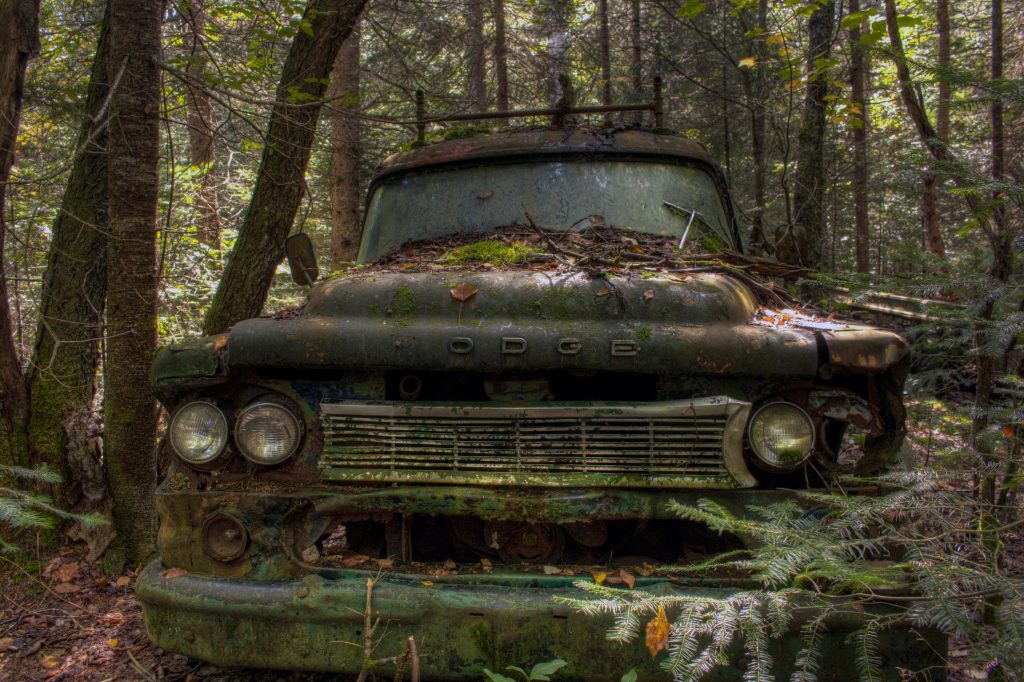
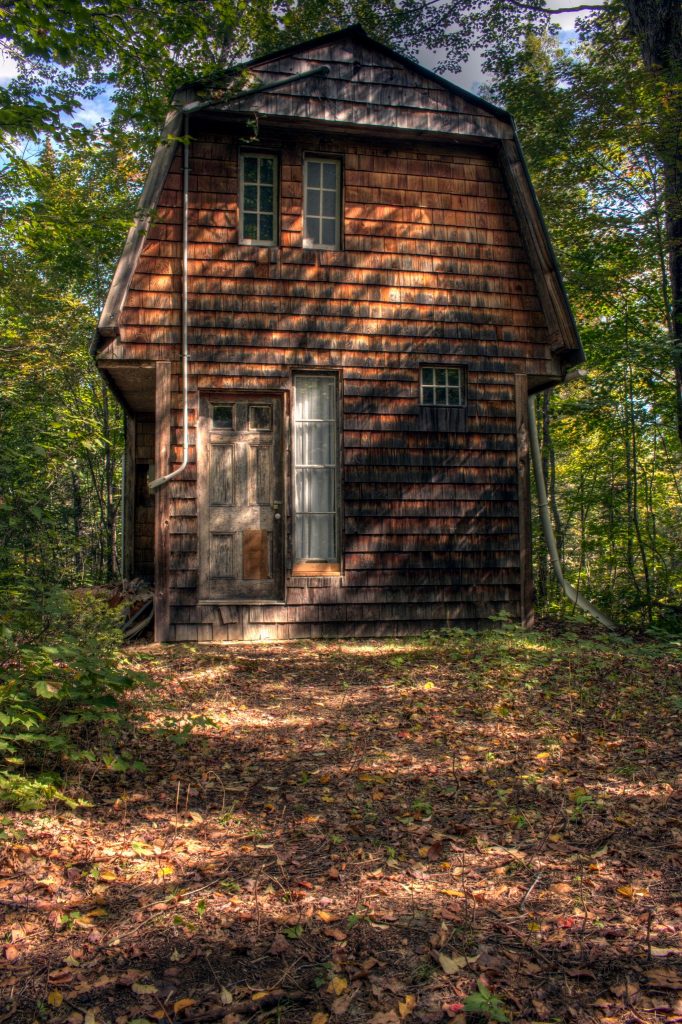
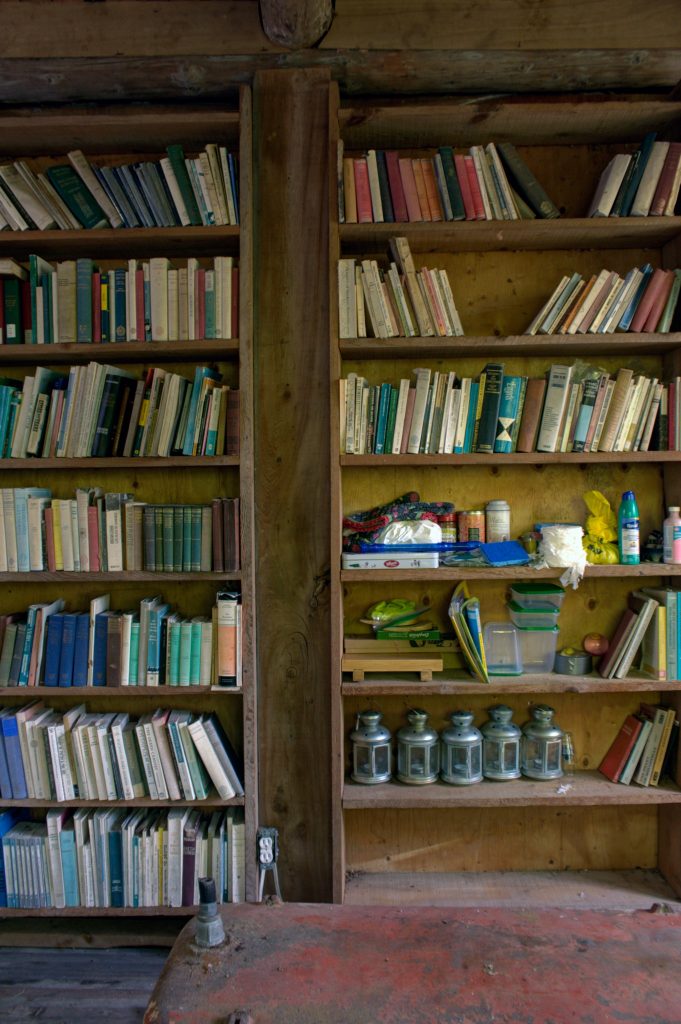
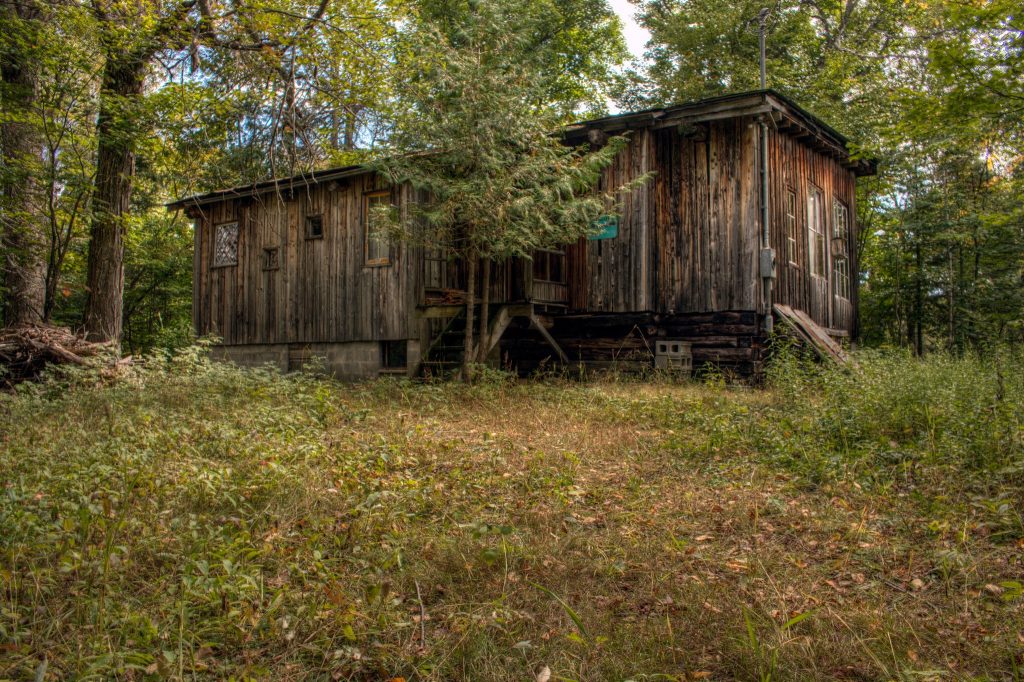
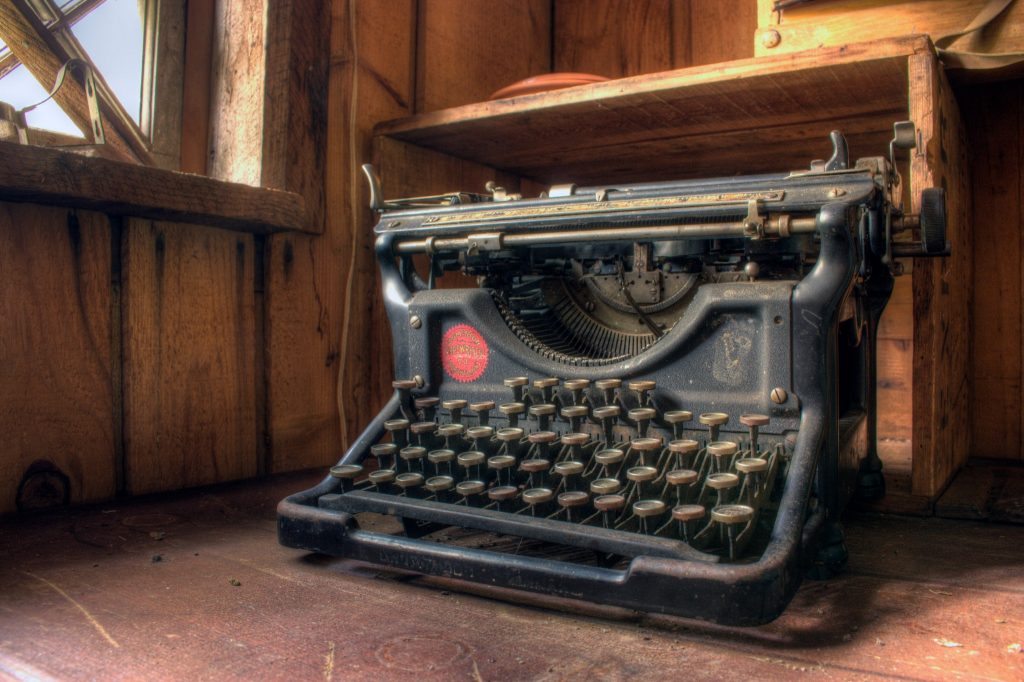
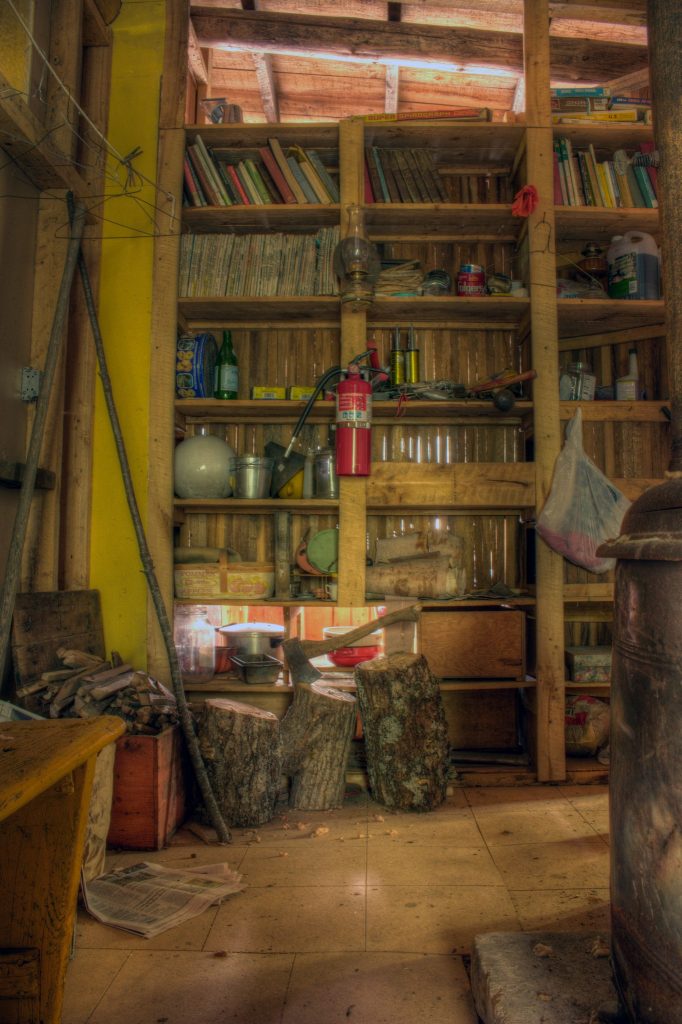
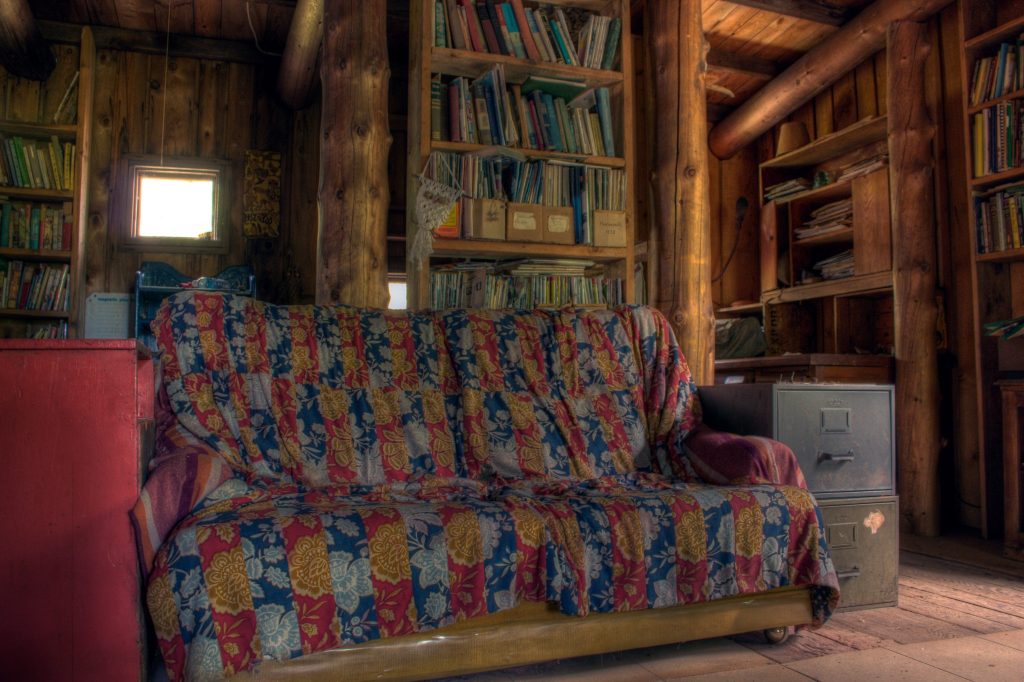
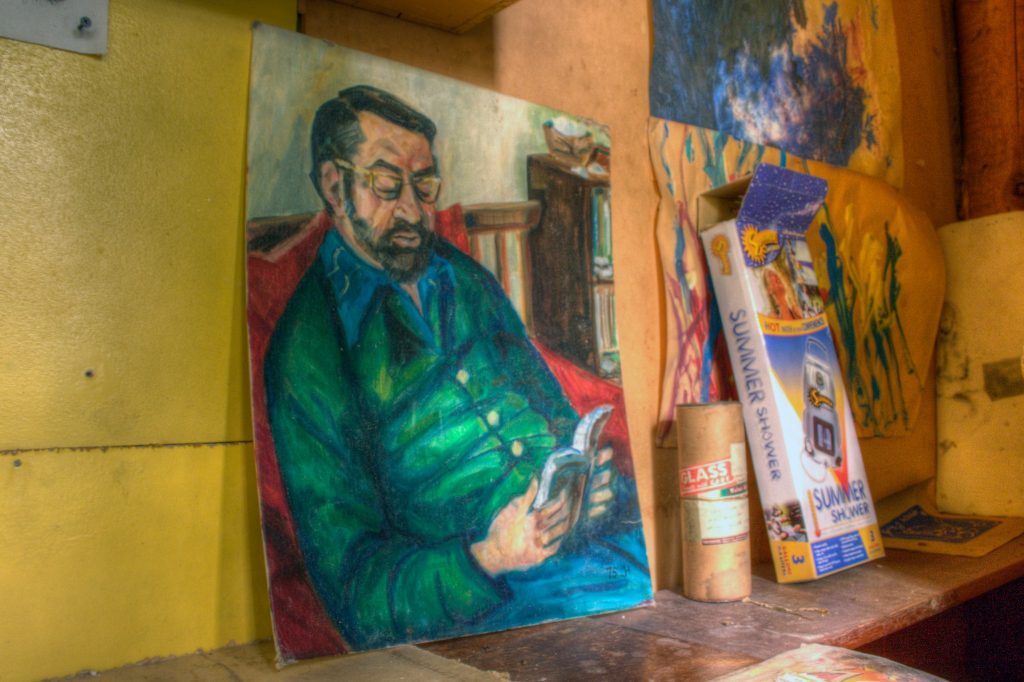
I don’t have a lot of background information on this property. I was told that it was once a hippy camp during the 1960’s. It’s been well preserved mainly because it’s tucked away in a forested area of Ontario. There are several buildings on the property, which appear to have been last in use as seasonal residences.

A follower of mine was able to send me some information on this place, that showed it used to be a community. Unfortunately I lost the information on the history of this site.

During a follow up visit, we did see someone using one of the furthest buildings as a camping ground.


Heritage Theatre Brampton

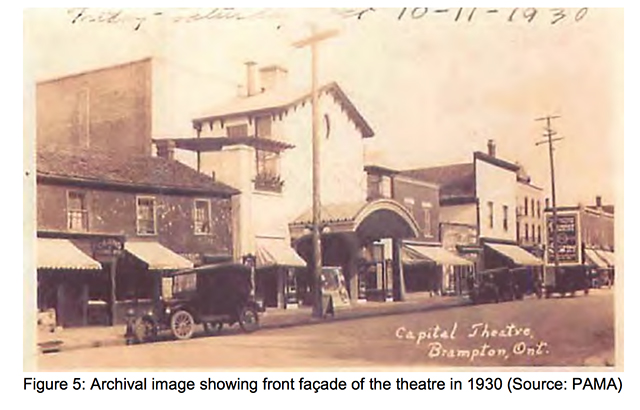
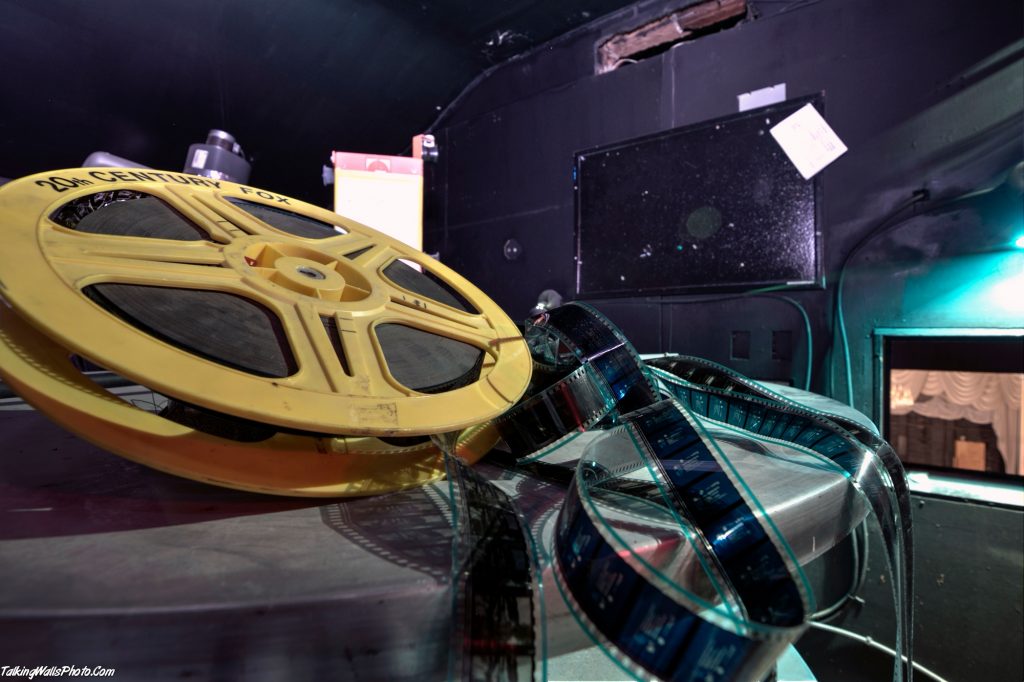
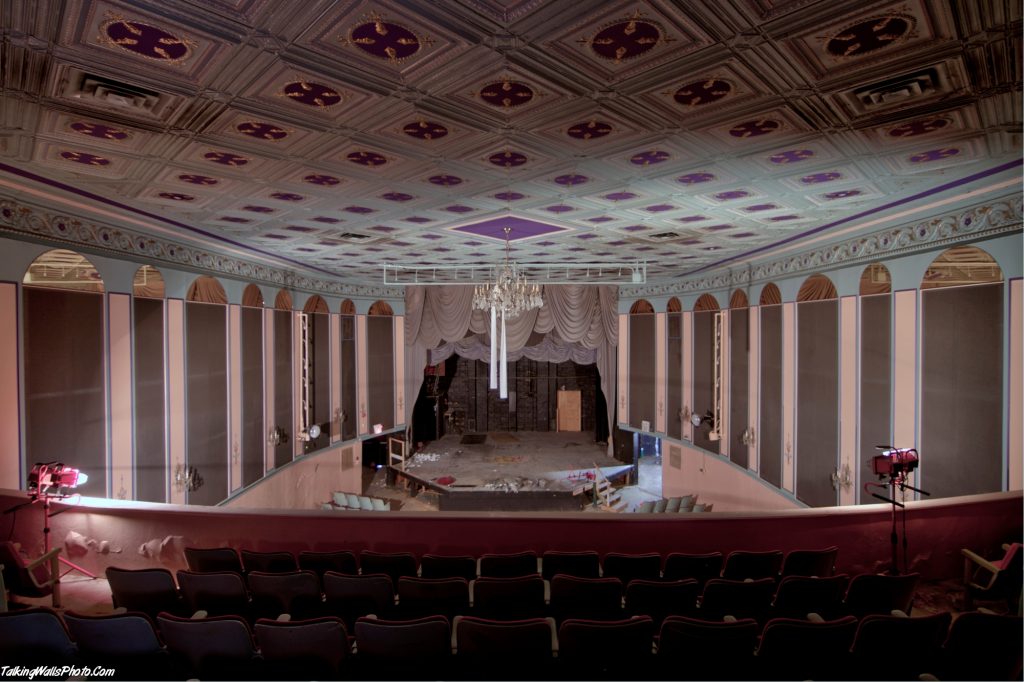
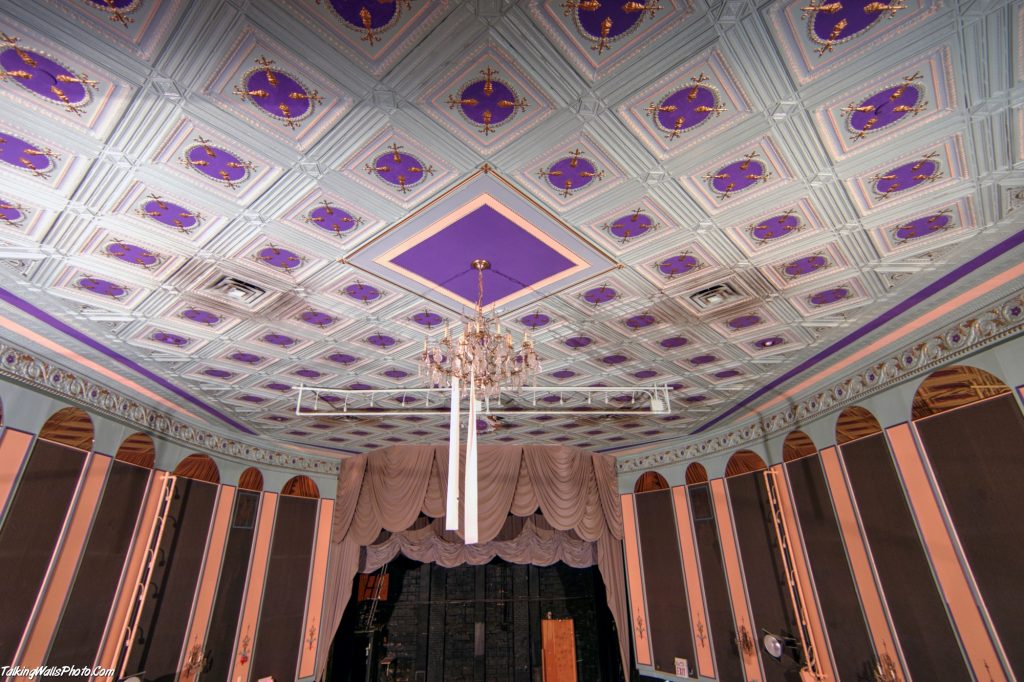
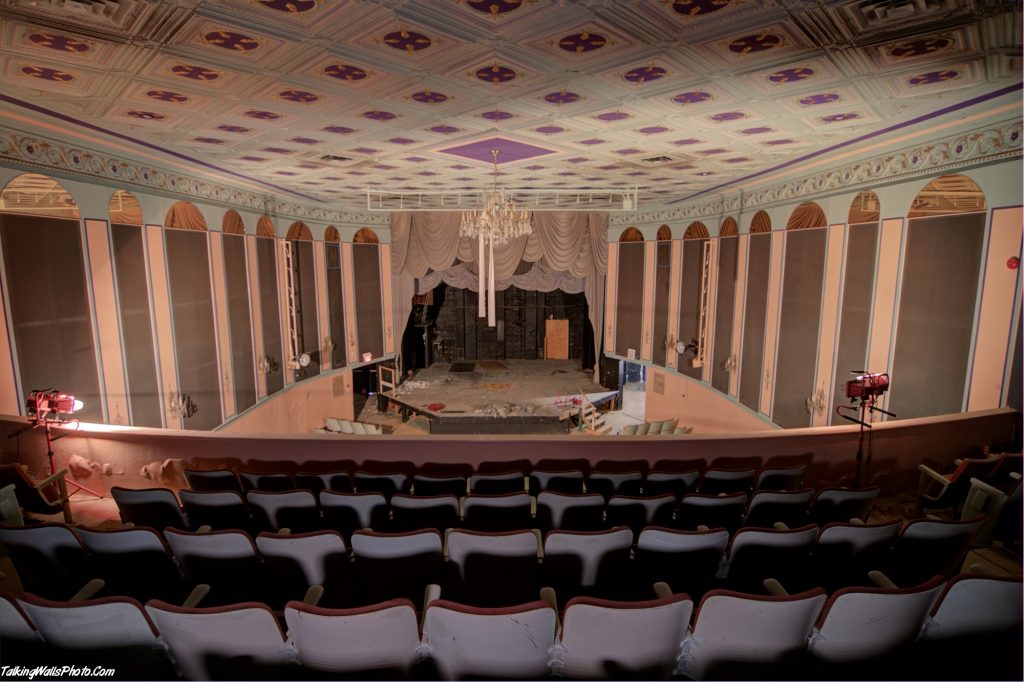
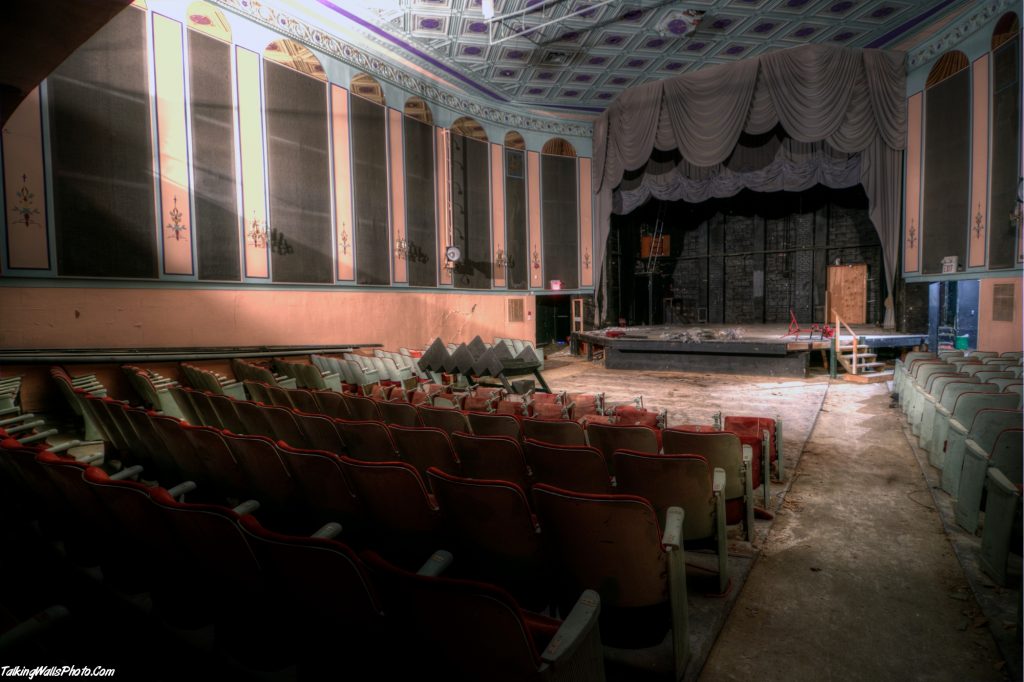
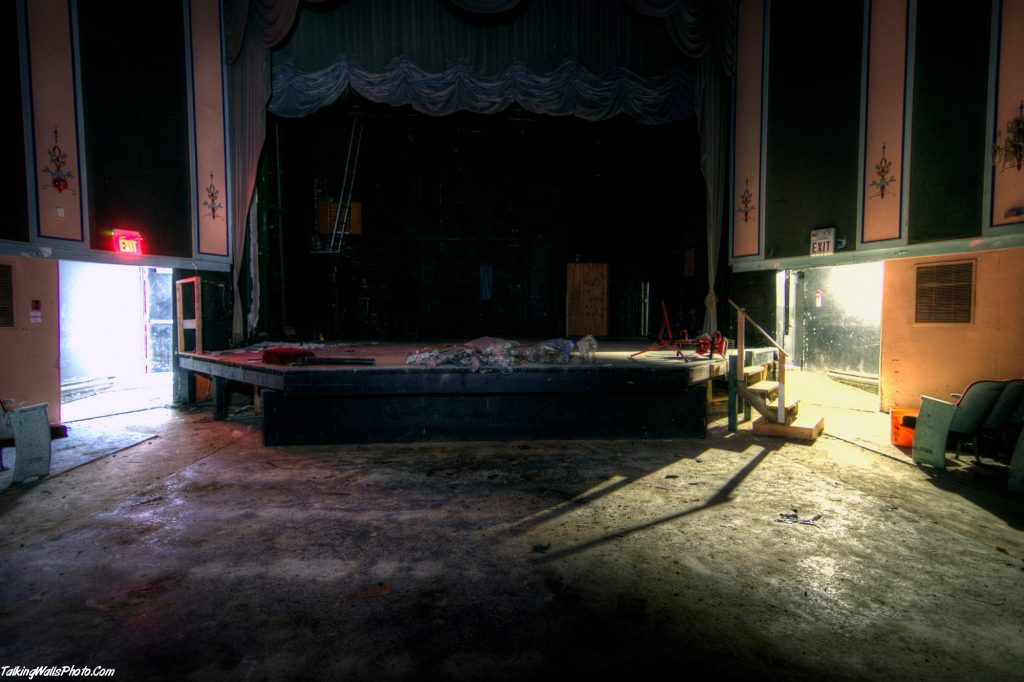
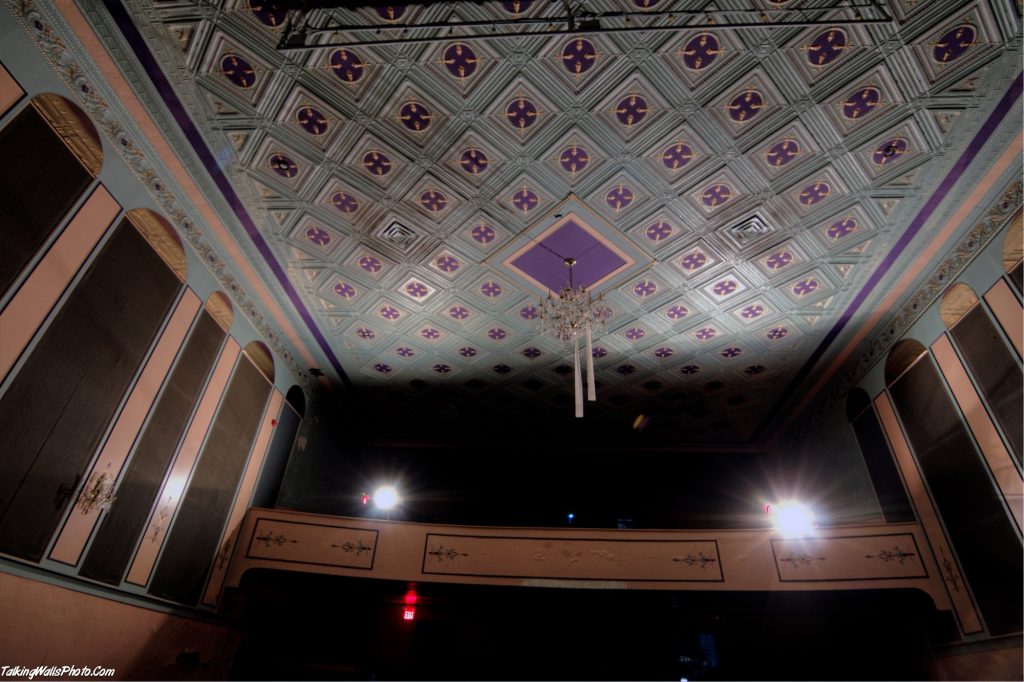
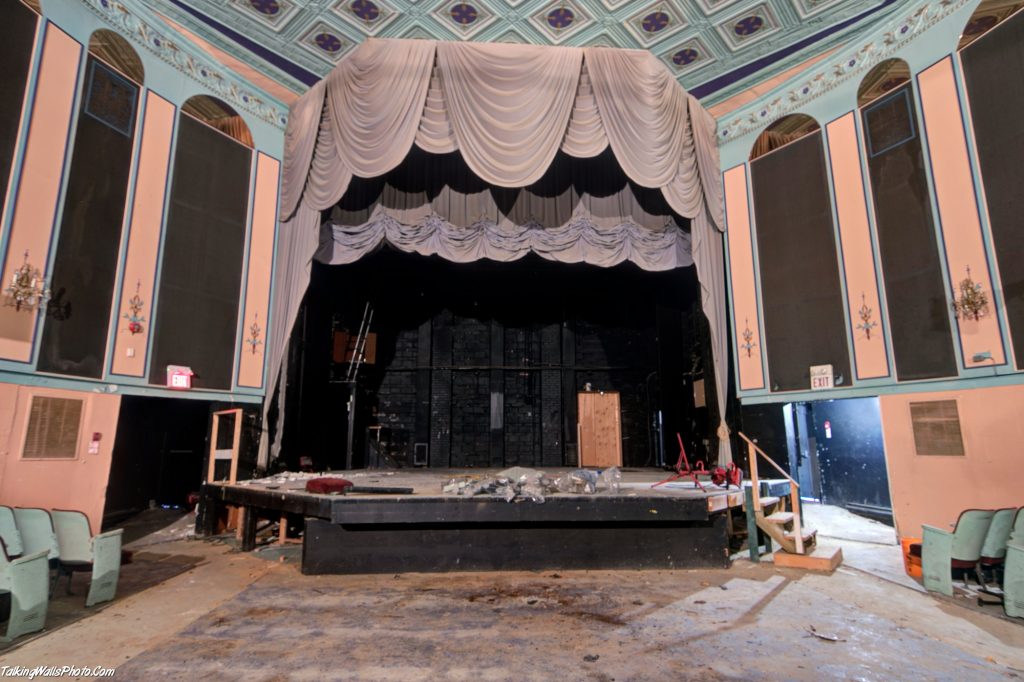
The three -storey Capital Theatre in the City of Brampton was built in 1922 based on a design by Toronto architects Herbert George Duerr and B. Kingston Hall. Financing for the theatre came from Thomas Moorehead, who spent $6,000 for construction(*) of the theatre. Mr. Moorehead would later become a Peel County Court Magistrate (judge).

The theatre first opened for business on February 28, 1923 with an initial capacity of 714 people(*) which was considered quite large considering that the population of Brampton was 5,000 people. The cost of admission was .15 cents for a child, .30 cents for an adult and .5 cents for an after-school matinee. The movies would often consist of news, a cartoon and the main feature.

In 1926, the Dumbells, a troupe of World War One veteran entertainers, played at the Capitol. The Dumbells were formed in 1917 near Vimy Ridge, France.

The Heritage Theatre Brampton  Capital Theatre Brampton
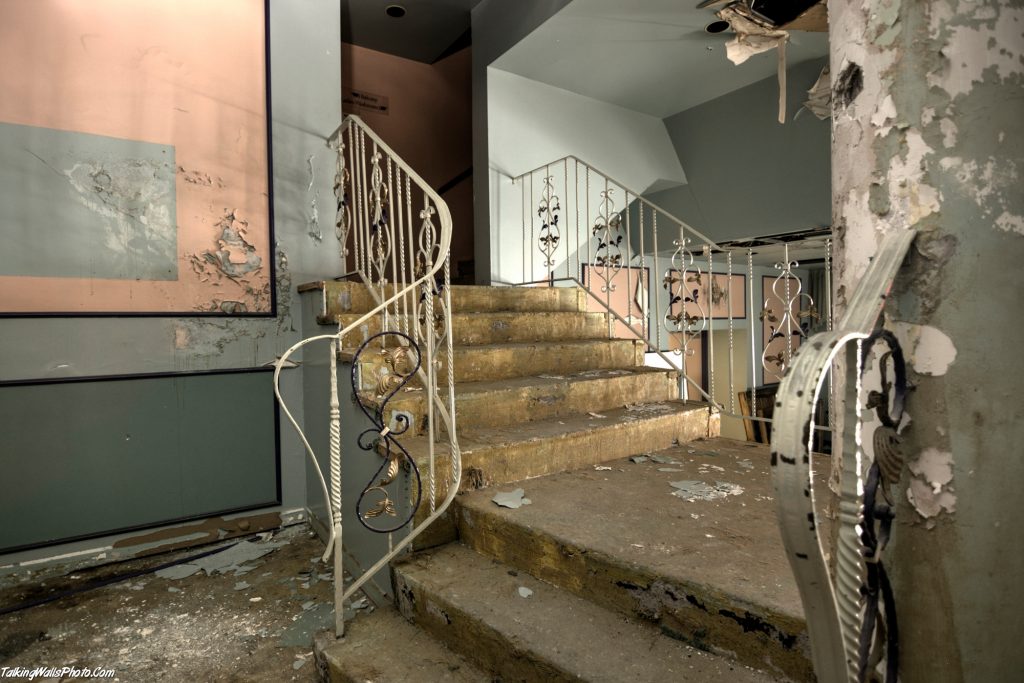
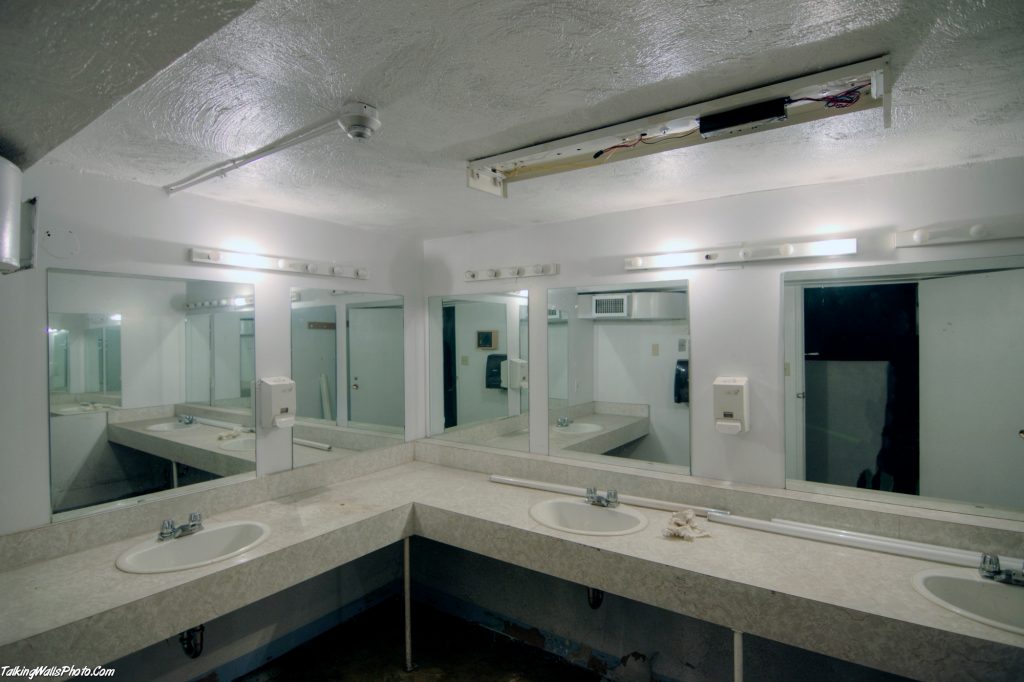
The theatre was originally designed with two outdoor terraces on the second floor. The terraces provided social atmosphere unlike theatres of today. They were accessed from the balcony level. In the 1940’s, the terraces were enclosed and converted into washrooms.

The Capital Theatre initially ran Vaudeville shows. The theatre contained an orchestra pit built by the front stage. On Sunday nights, The Capital Orchestra would play inside the theatre under the direction of conductor Jim Algie, who also played cornet.

When the Vaudeville movement began to slow, the theatre began showing silent movies accompanied by live orchestral music. The first movie shown was “Smilin’ Through” (1922). In 1928 the orchestra pit was removed to allow for extra seating and upgrades made to the equipment to allow for ‘talking films’ or ‘talkies’.

Rebranding to Odeon

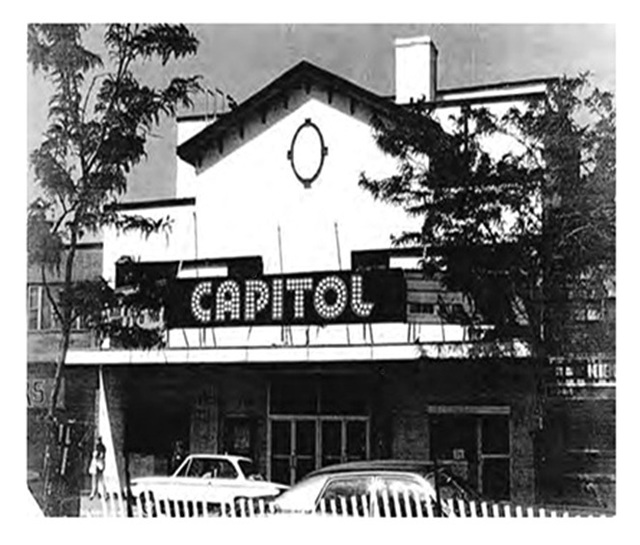
Moorehead later sold his theatre to a man named Les Gregory. Gregory would later die in a plane crash. After Gregory’s death, the theatre was sold to the Odeon Corporation. In 1946 after being purchased by the Odeon Corporation, the Capital was renamed to the Odeon. As for Mr. Moorehead, he went on to expand his theatres to the cities of Belleville, Midland, Ottawa, Orillia, Welland, St. Thomas, and London.

In 1948, a flood damaged part of the theatre but repairs were made in time for the 1949 premier of the movie, ”All Over the Town”. The premier starred Sarah Churchill (daughter of Winston Churchill), who was present for the movie premier.

Attendance at the Odeon gradually declined into the 1970s due to competition from new multiplex theatres. By this time the aging theatre also required numerous repairs.

In 1981 the City of Brampton purchased the property for $185,000. As part of the agreement, the city was not to show any first-run movies for the next 40 years.  Two years later, the city of Brampton paid the consulting firm Woods Gordon $20,000 to evaluate the property so they could make a decision as to what to do with it.

Capital Theatre

The report concluded that it wouldn’t be wise to continue “pouring money” in the theatre and that a new theatre should be built. The city reopened the theatre under the name of “Capital Theatre” on November 1, 1983. The Capital ran live theatre plays.

Heritage Theatre for the Performing Arts

Around October of 1988, the City of Brampton and the Province of Ontario financed restoration of the theatre. It was renamed to The Heritage Theatre for the Performing Arts. Some of the notable performers at the Heritage Theatre would include Henry Youngman, Alan Thicke, the Royal Canadian Air Farce, Burton Cummings, Randy Bachman, and Rita MacNeil.

By the 1990’s, the building was in need of over $4 million in renovations. There was also no orchestra pit and not enough dressing rooms for the actors. Brampton city council considered renovating the Heritage to bring it up to date. ERA Architects was hired to evaluate future use of the property. Their report recommended that the Heritage Theatre be retained in full or in part and that the building shouldn’t be demolished.
When the proposal for a Market Square fell through, Mayor Peter Robertson suggested that the location of the Market Square be used for construction of a new theatre. With $4 million needed in renovations to the old theatre, this would make sense. The city announced that the 2005-06 year would be the “grand finale season”.

On August 13, 2003 a groundbreaking ceremony was held for the future site of The Rose, Brampton’s new performing arts centre.

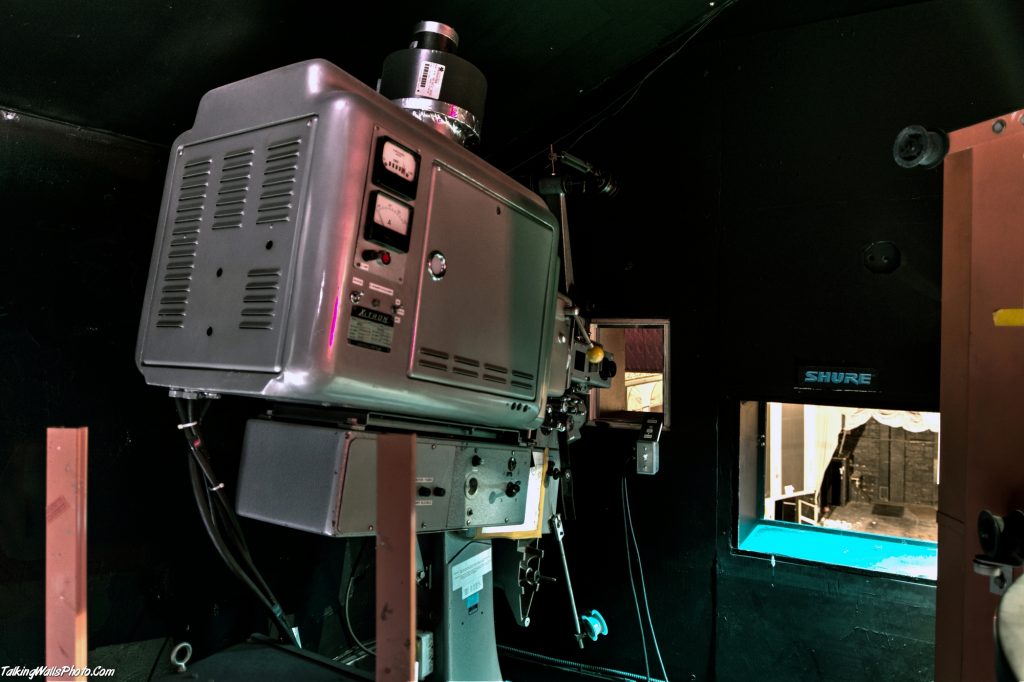
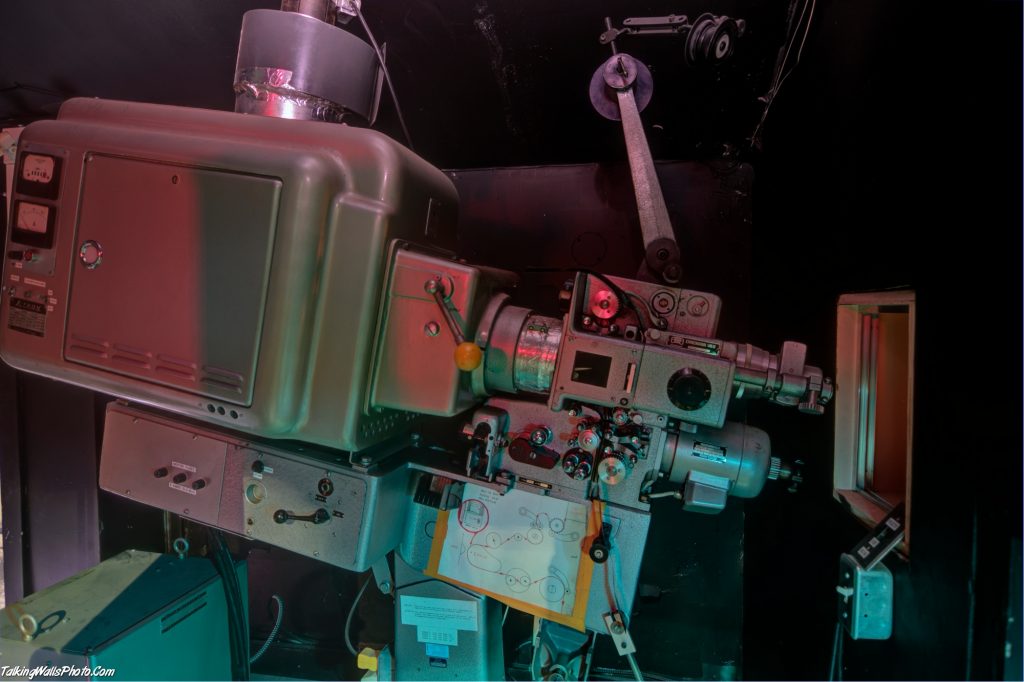
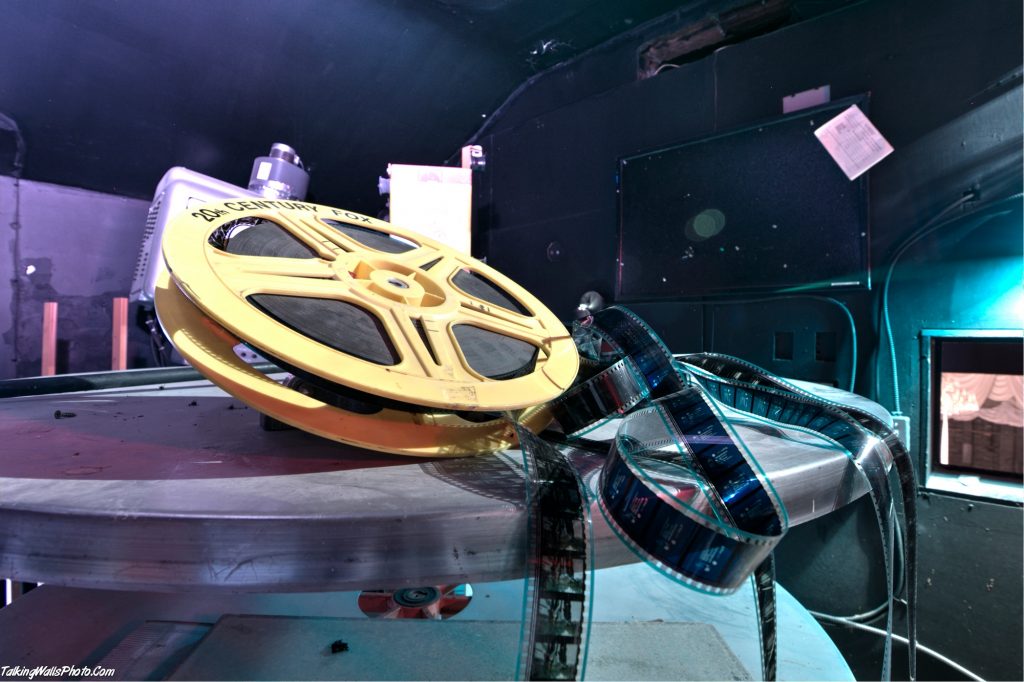
Before the theatre closed forever, it saw a brief resurgence as a movie theatre in 2002 when a high school used it for a project. Students worked to run the projector, concession stand, box office and as users.

In 2013, the city sought advice from the public as to potential uses for the former theatre building and the adjacent buildings.  In March of 2016, a citizen-led heritage group attempted to register the building as a heritage property. In April of 2017 the City of Brampton declared the property as surplus. As for the attempts to have the building declared a heritage property, the city repeatedly failed to address the issue.

On May 29, 2019 the council voted to approve demolition of the once grand theatre.

Haunted

According to Bramptonist.com, an aspiring actor was murdered in one of the dressing rooms. His spirit still lingers. Visitors have reported a coldness that runs up and down their backs as well as strange voices and a Grim Reaper like figure by the front curtains. (TWP: Somewhat unoriginal un-sourced claim that could be made to any performance house.)

Write up by Talking Walls Photography
Sources:
Brampton.ca council minutes
Quickbite News
TlongPortfolios
Toronto.Com
Wikipedia

[ * Other sources state 831 seats and $60,000 for construction ]

P.S. A huge thanks to @AngBonaTV for sharing this gem with me.


Abandoned Stain Glass Farm House

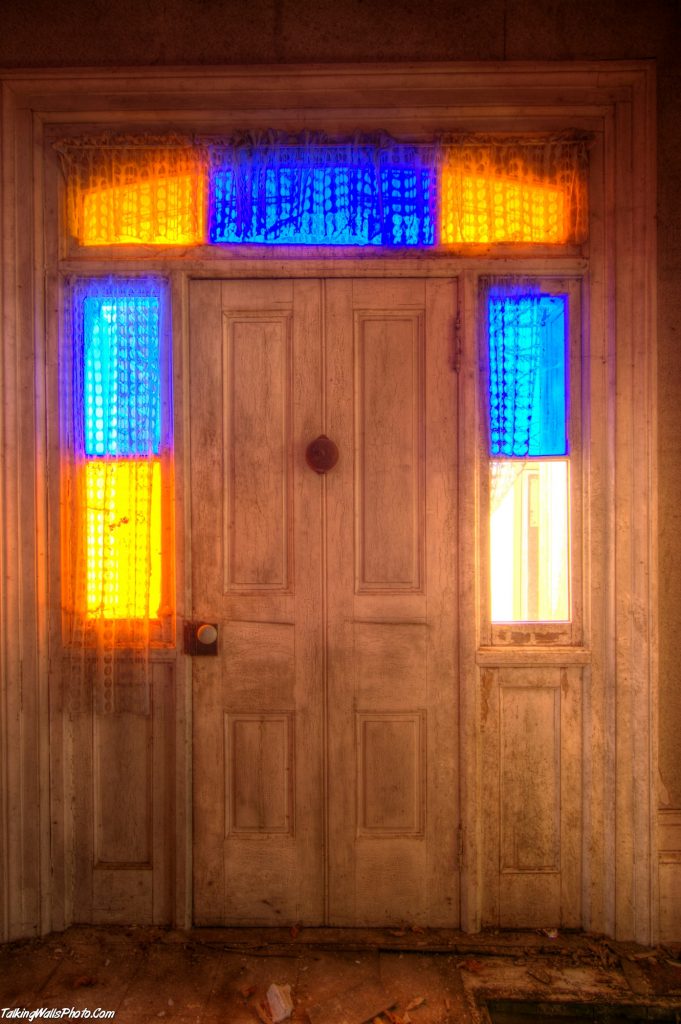
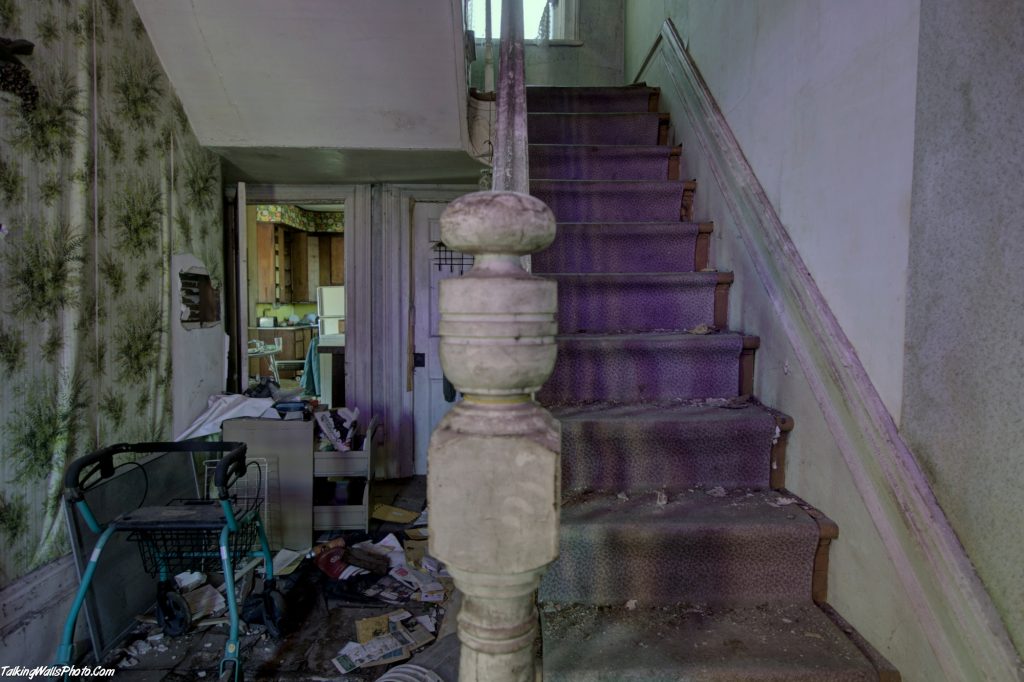
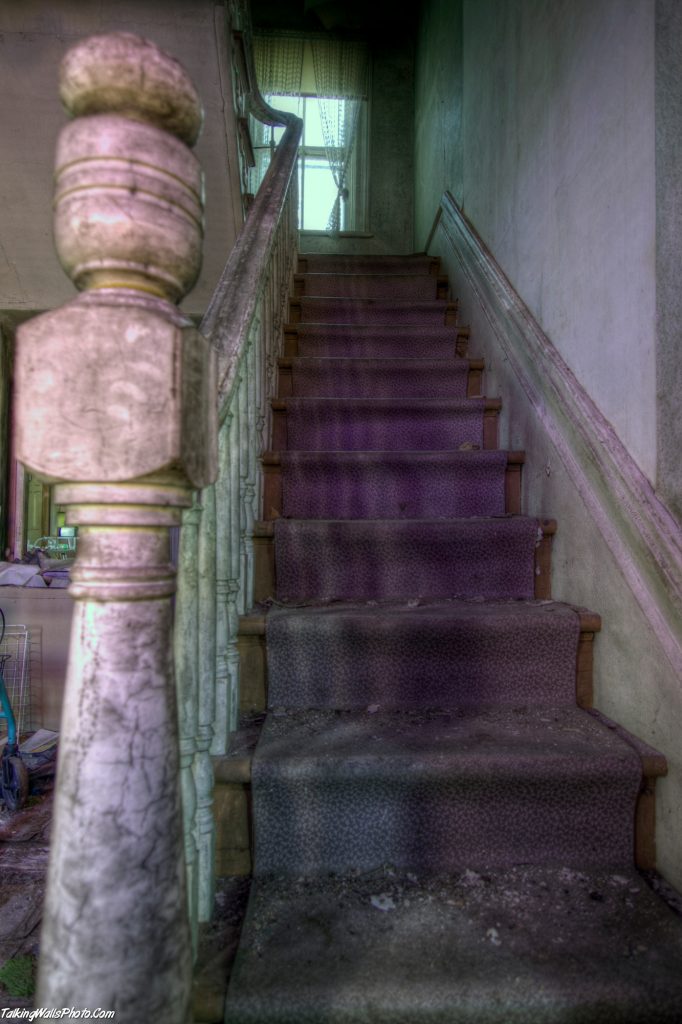
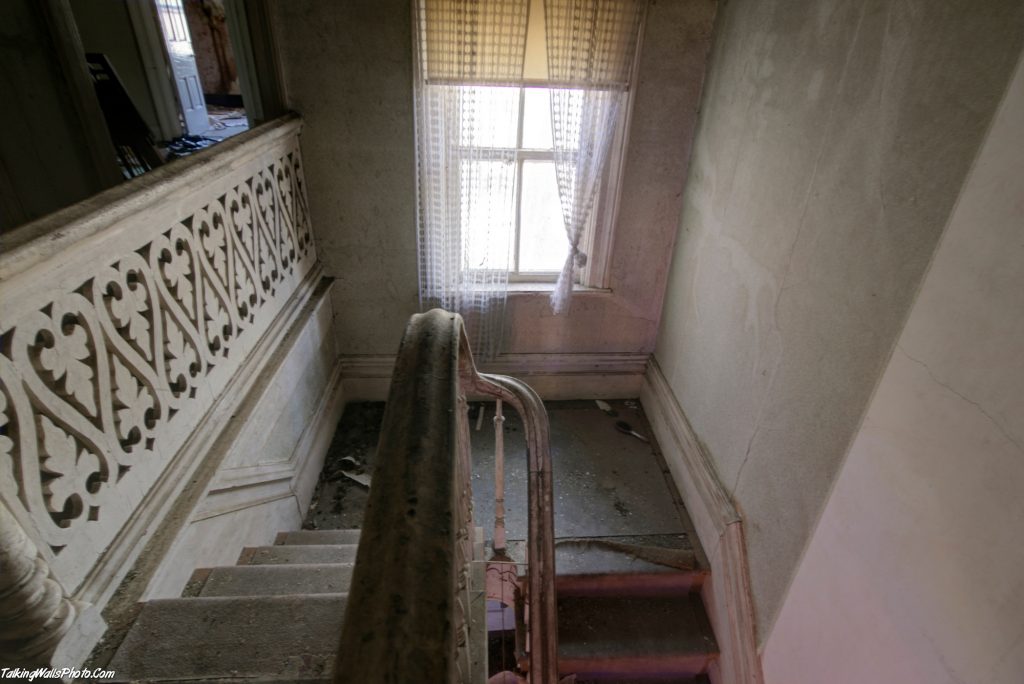
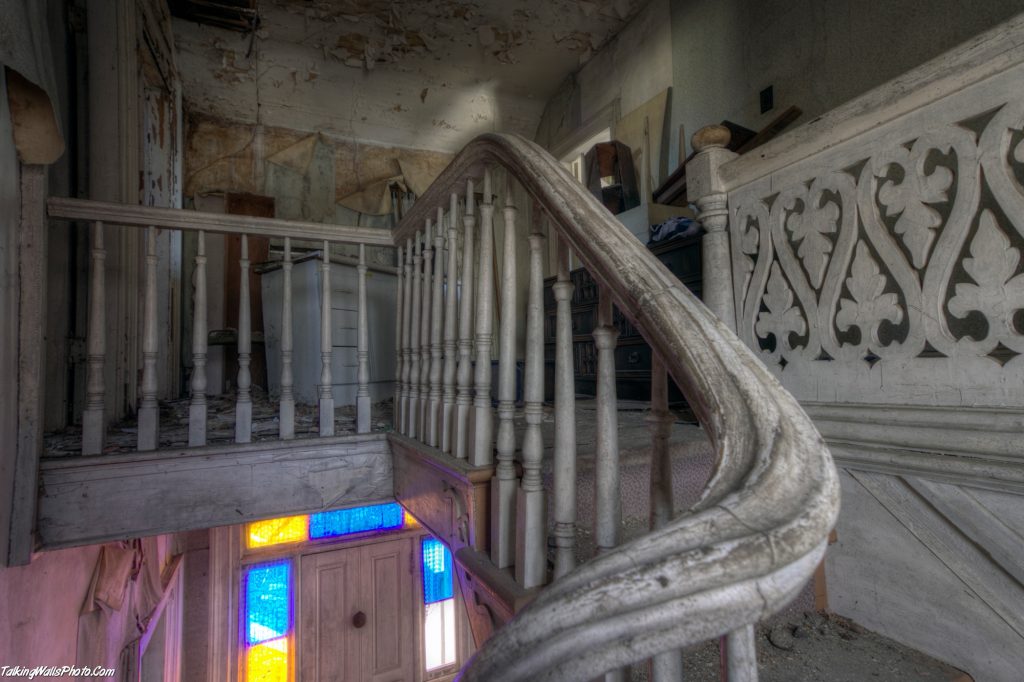
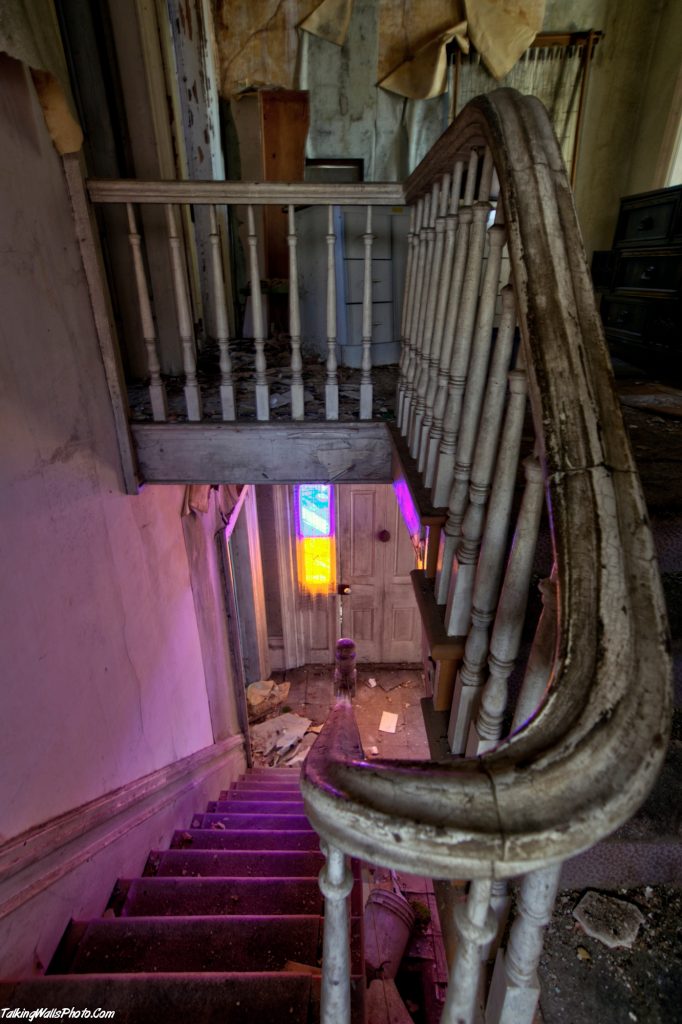
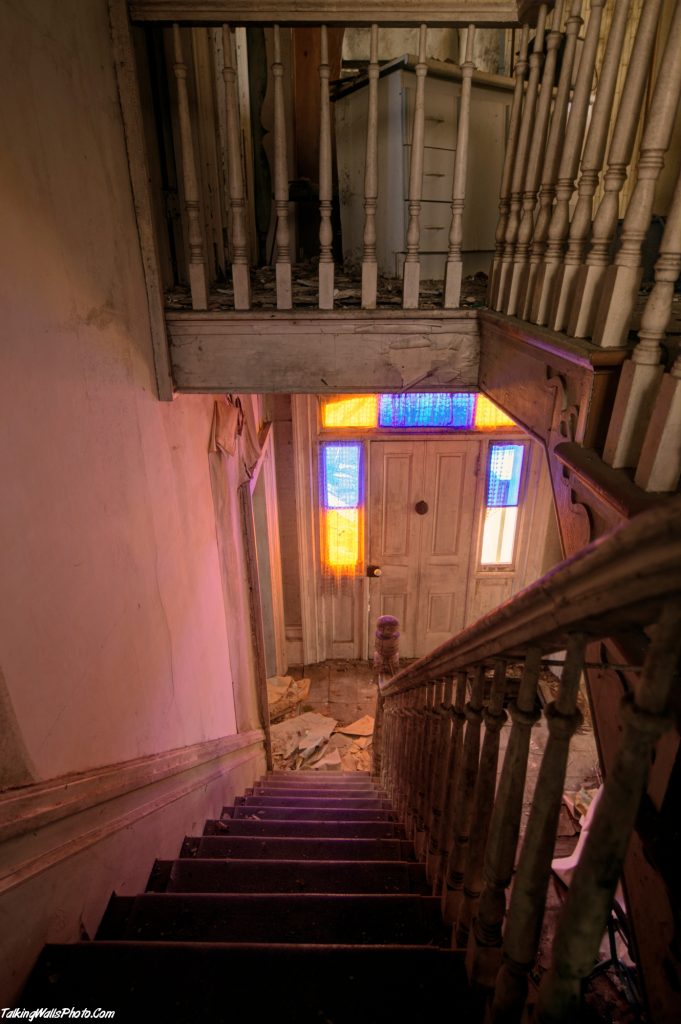
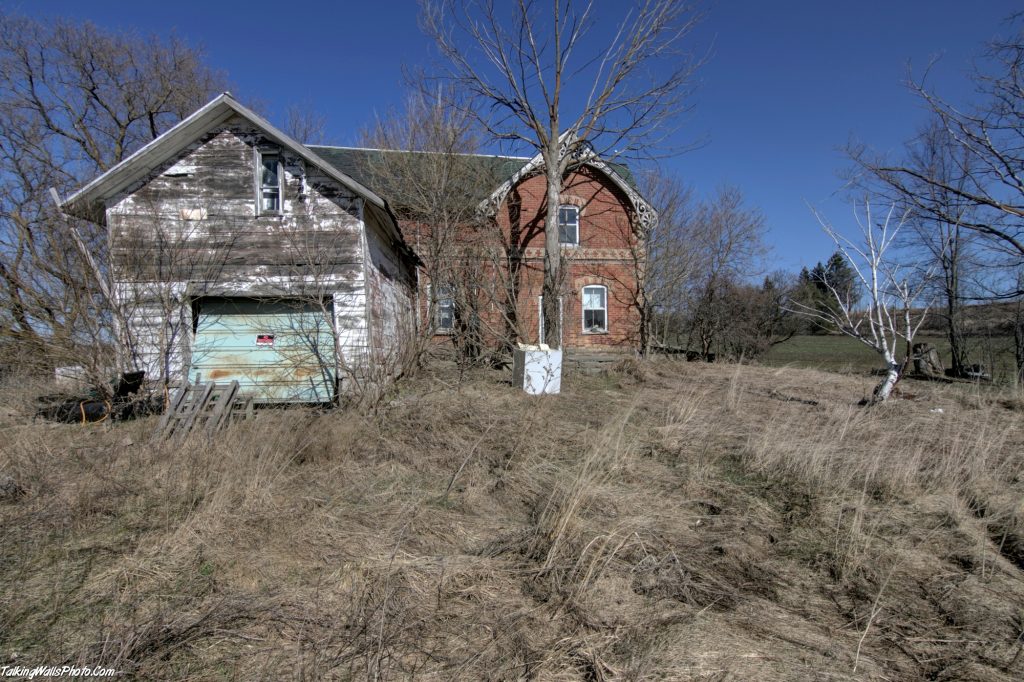
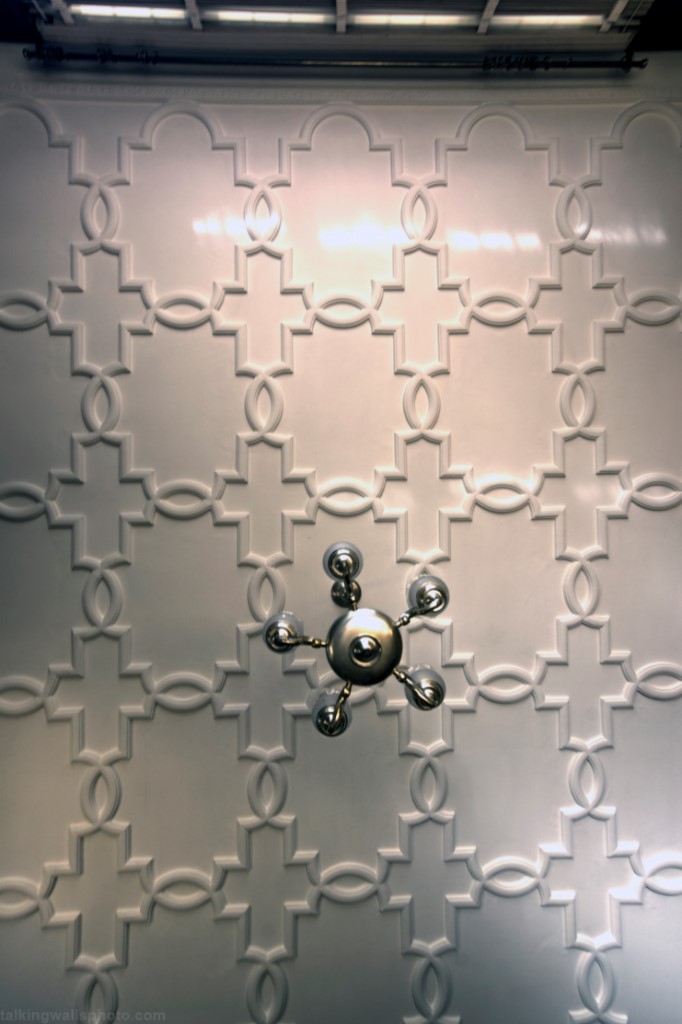
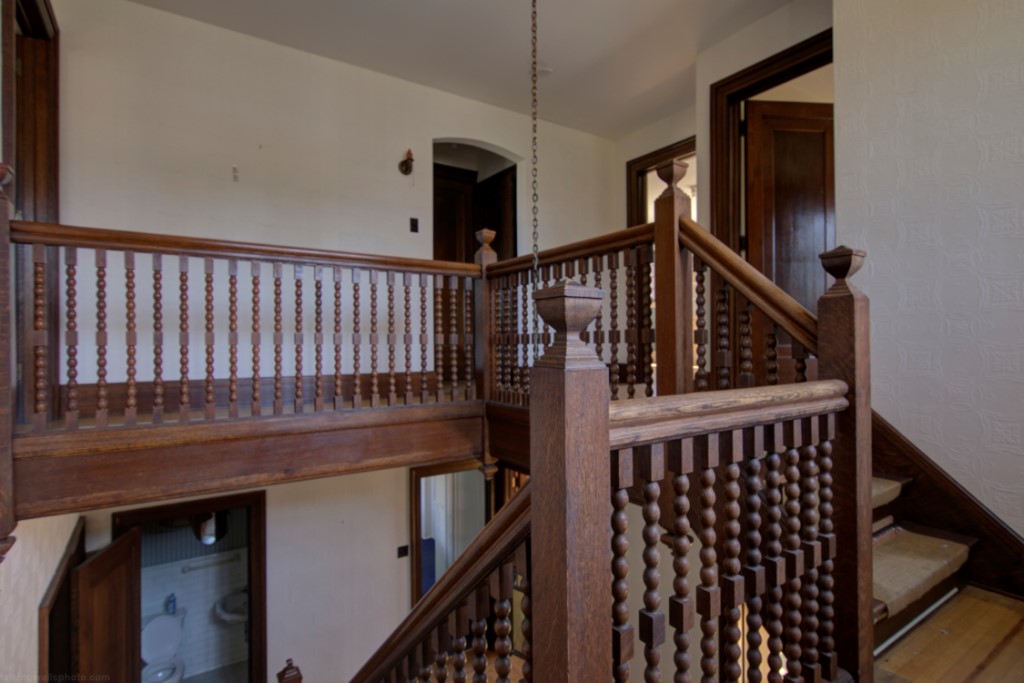
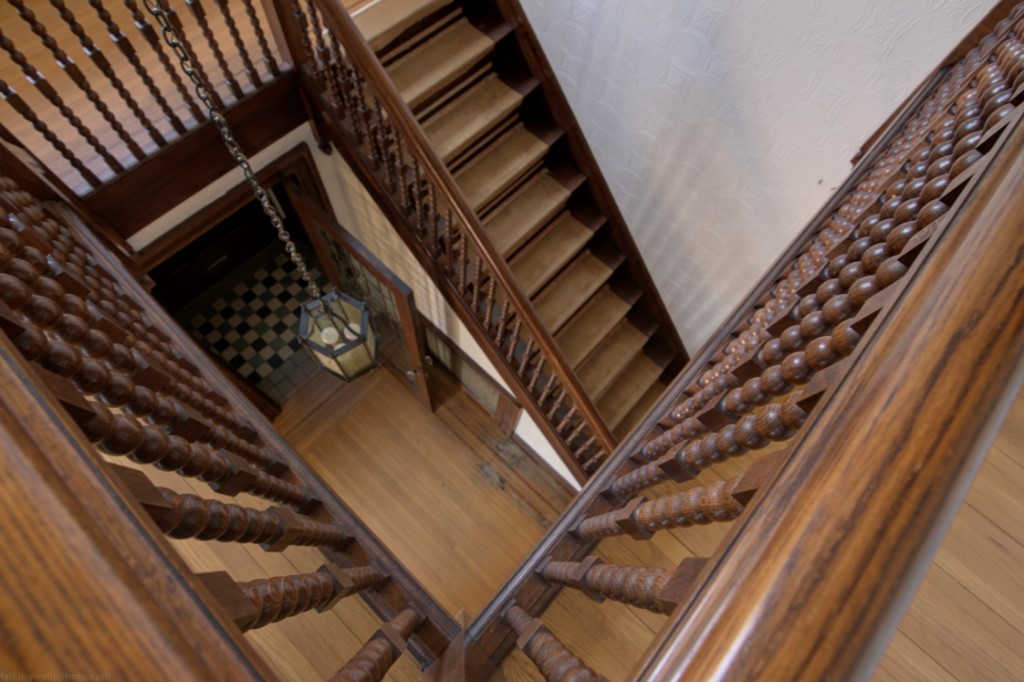
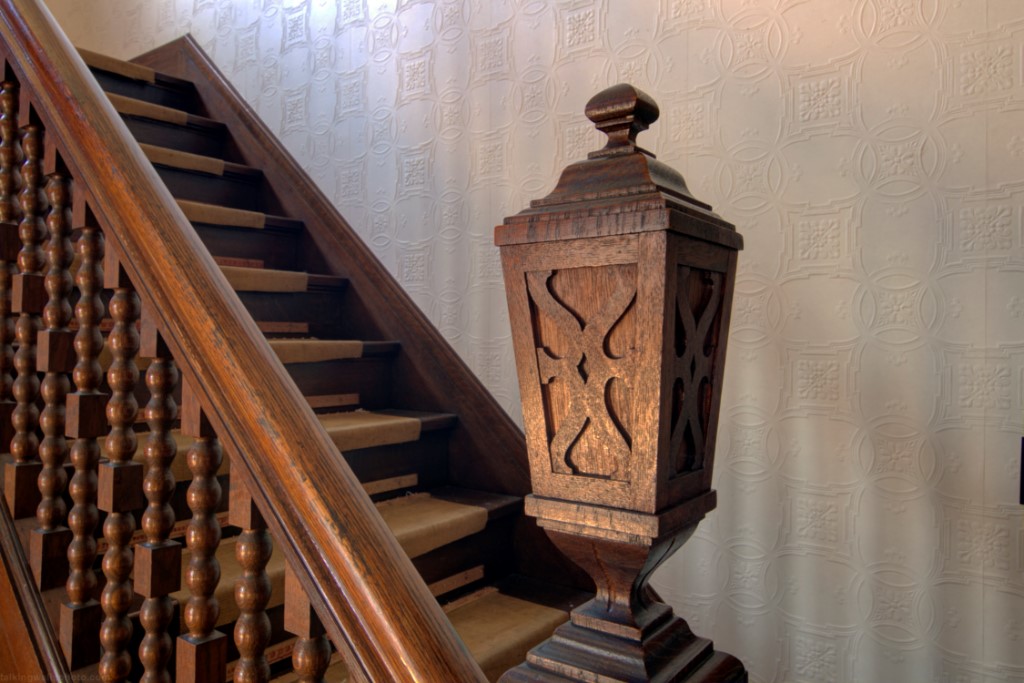
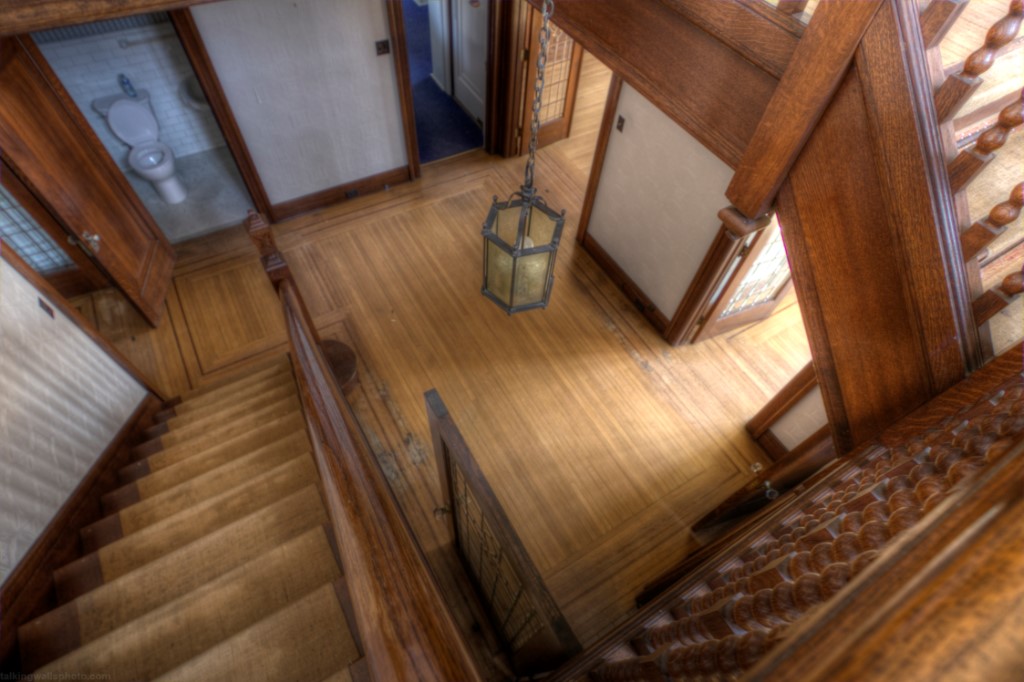
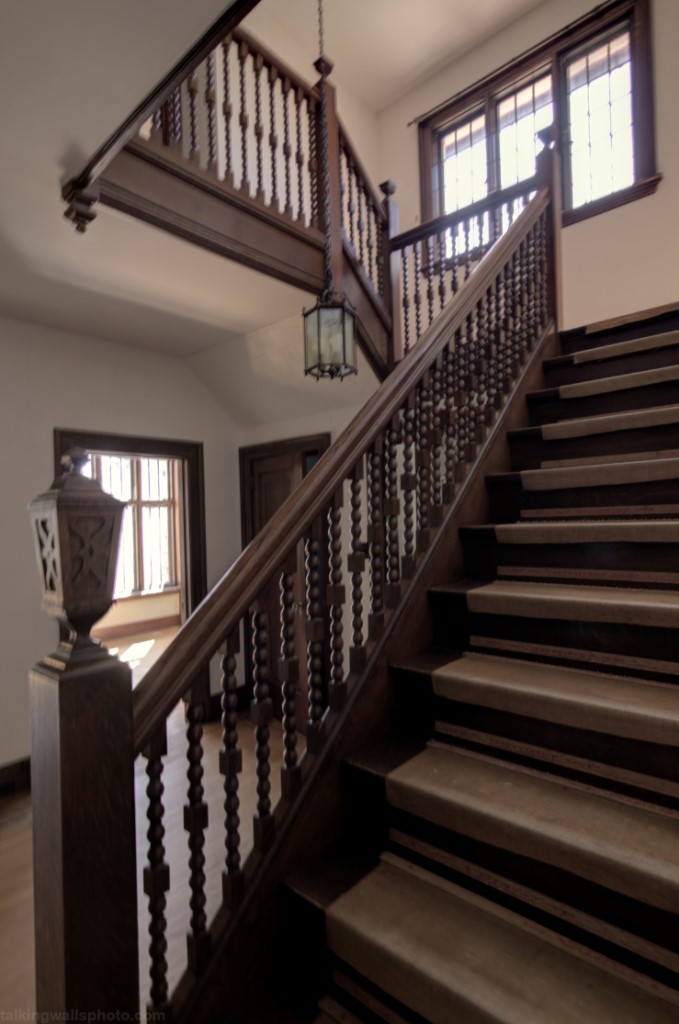
This is a rural farm out in the country. The front entrance features yellow and blue stain glass. The staircase is the usual wooden newel post design that was so prevalent in these designs.

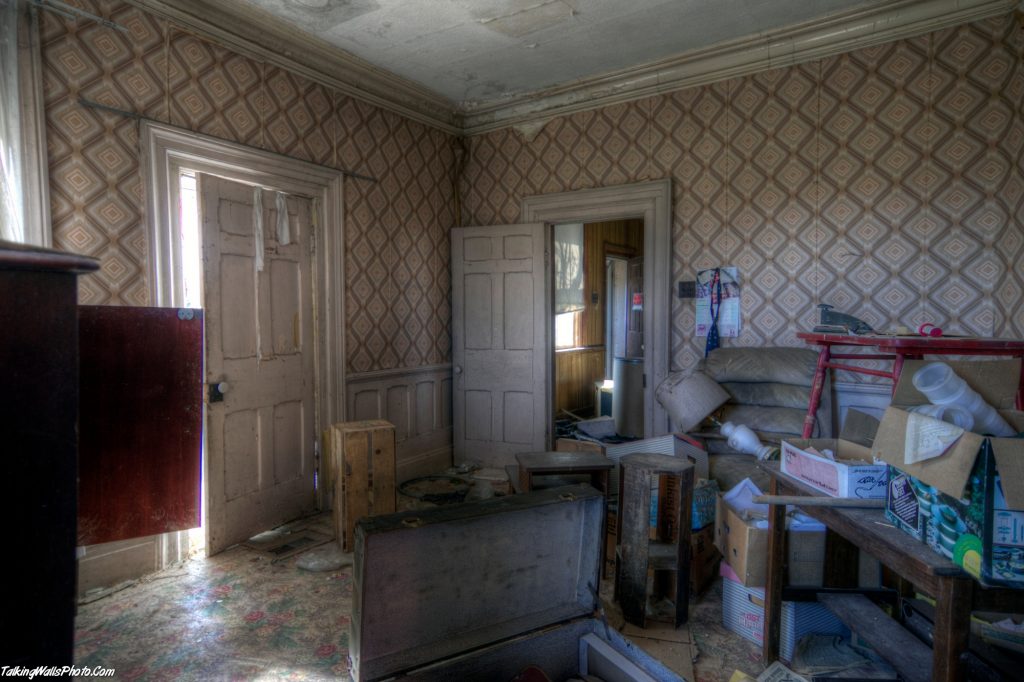
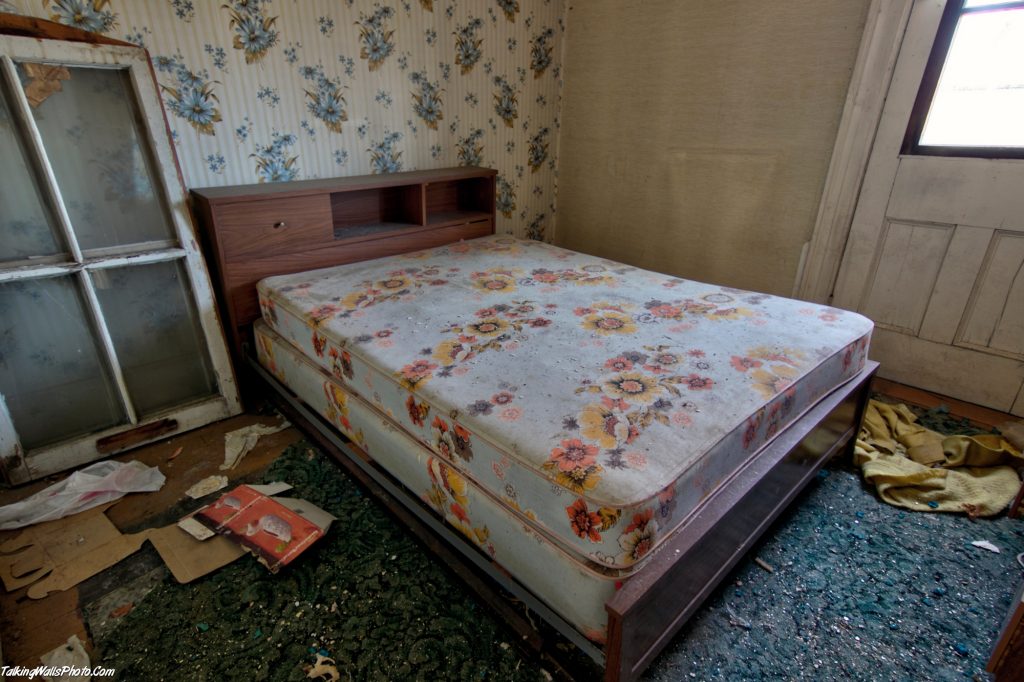
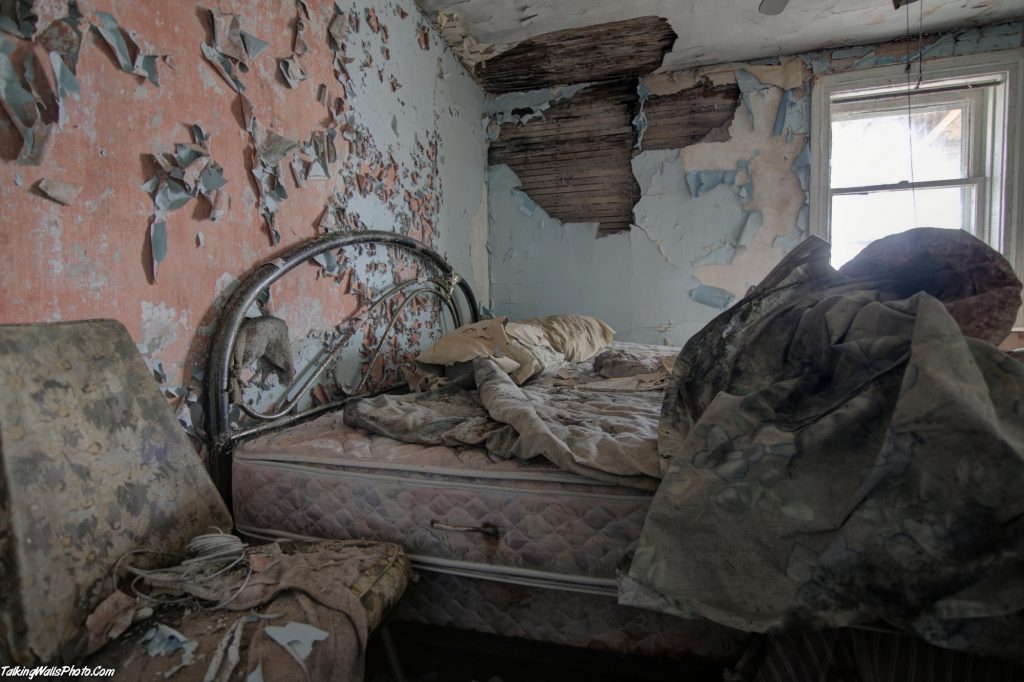
An assistance walker in the front entrance along with the dated bed frame and overall design of the home, leads me to think that an elderly couple resided here until their passing away.


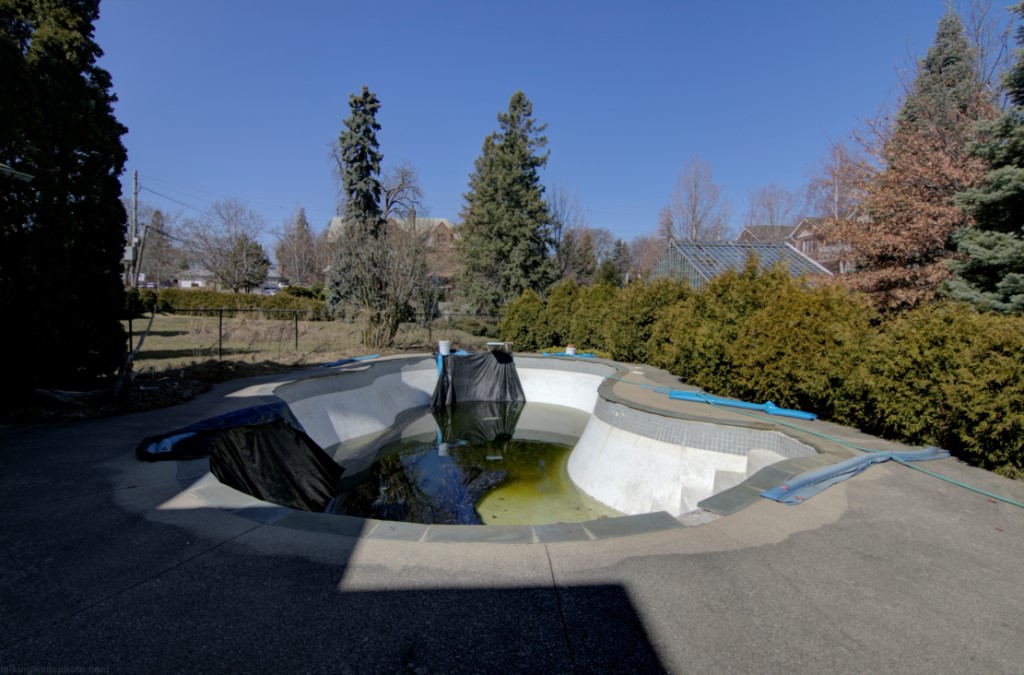
George Unsworth $3,000,000 Heritage Farm

Giles Gorton Unsworth, his wife Anna, and their nine children emigrated to Canada from England on November 18, 1848. They originally landed in the United States but weren’t welcomed by Americans, who held a low opinion of Britain. The Unsworth’s chose to settle in Ontario, Canada instead.

The youngest son Albert was the proprietor of a ‘fancy goods store’ – where gifts and clothing accessories were sold. In 1882 Albert purchased property which had been known as the Long Farm. The land was situated on the northern and southern sides of Plains Road. Albert later purchased a tavern which was relocated to the back yard to be used as a workspace. Once in his backyard, the tavern was used for hand-operated knitting machines where women and girls made stockings and other items to be sold in the store.

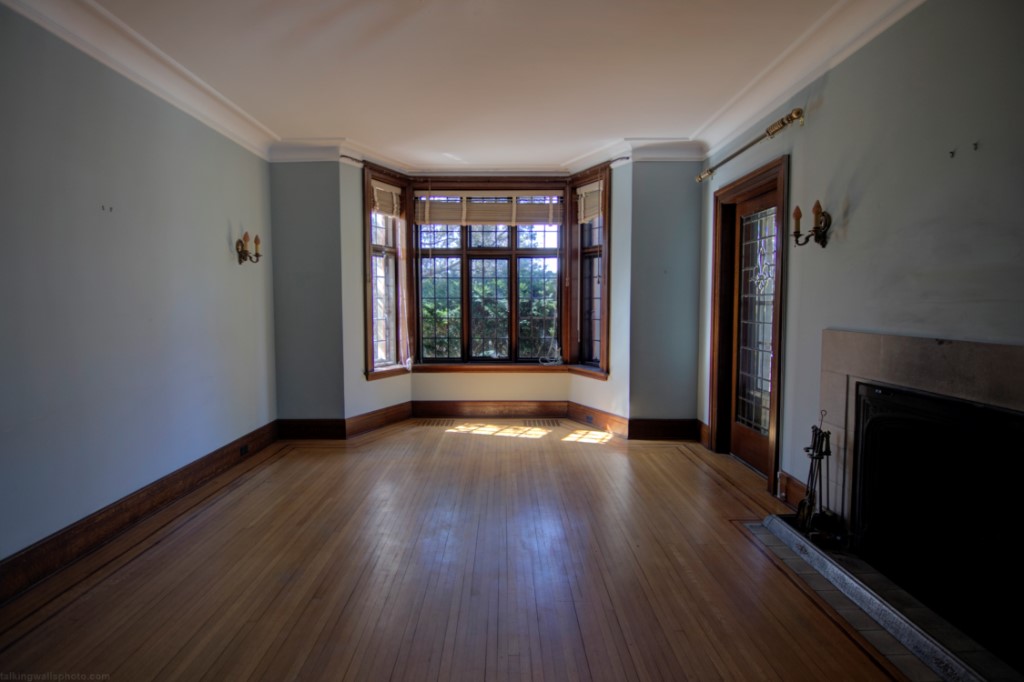
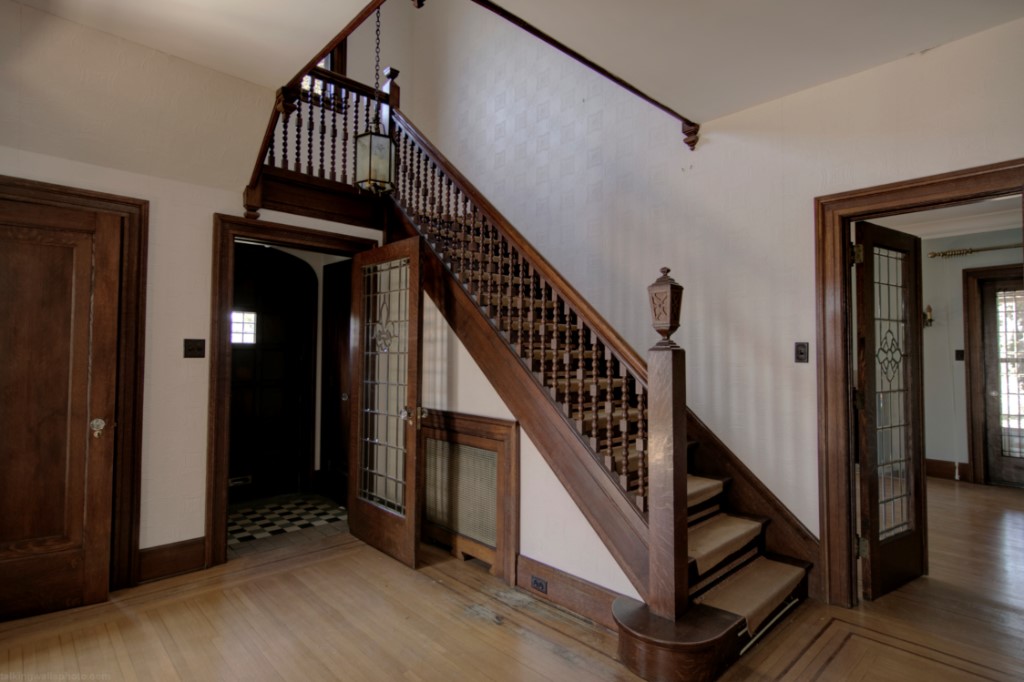
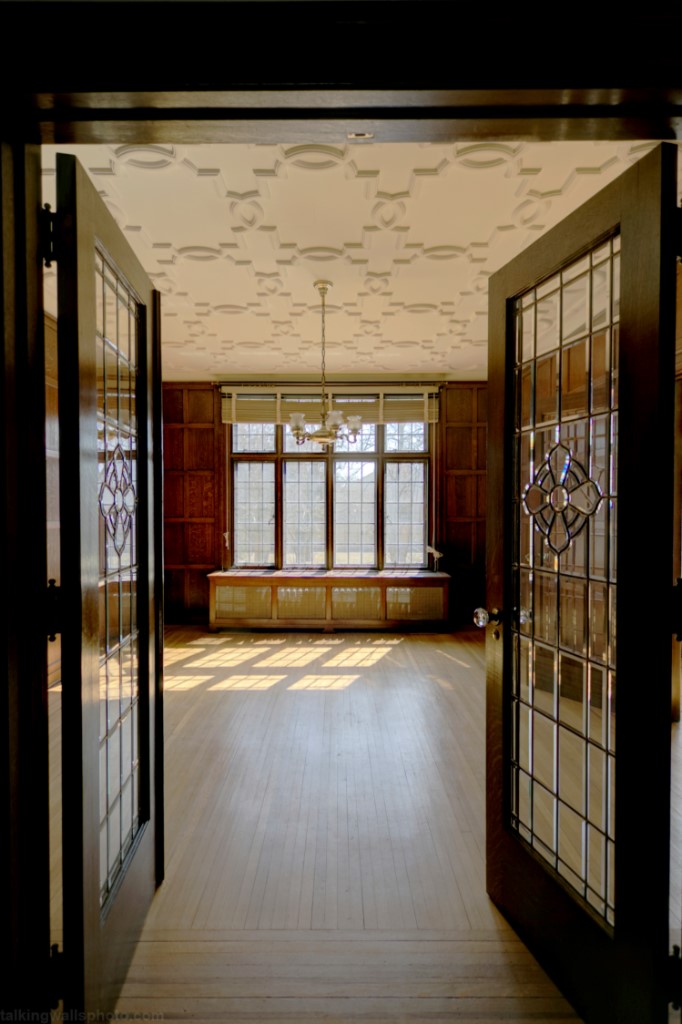
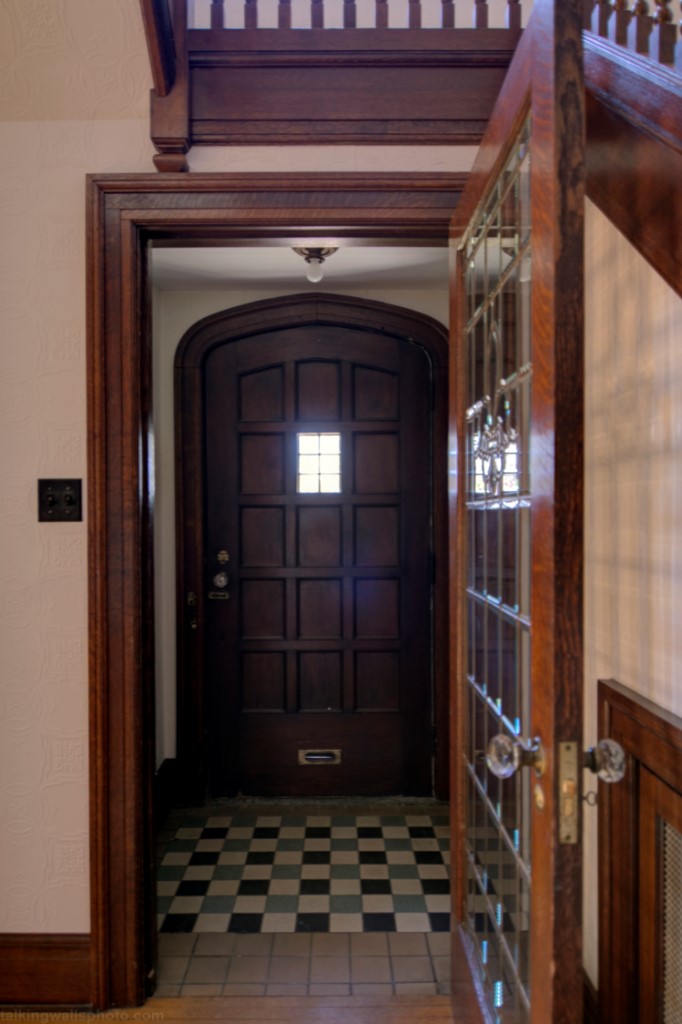
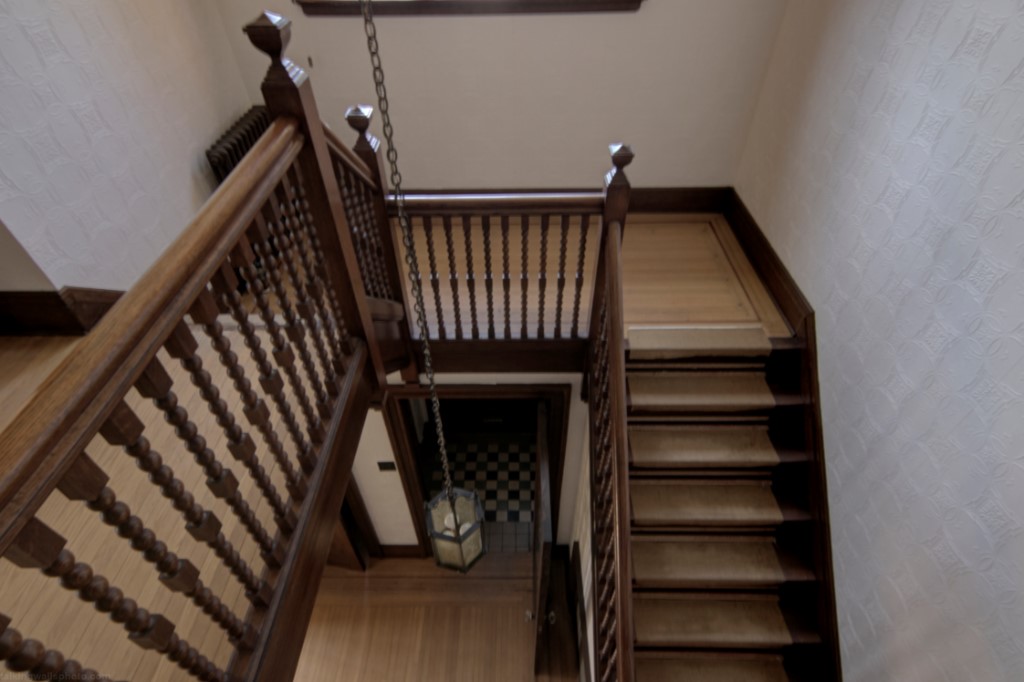
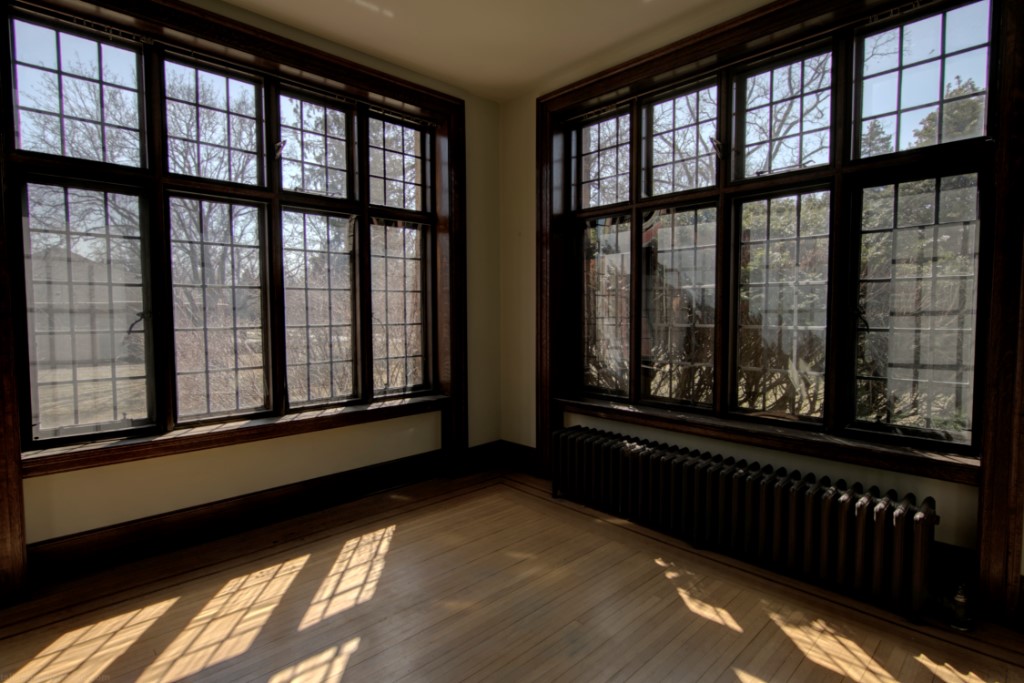
The family home was built in 1932 in NeoTudor style. The house contained four bedrooms and two bathrooms. It featured a wooden staircase with newel post, beveled glass doors,  hardwood floors and crown molding. There was a two-storey octagonal bay with crenellated parapet (think of the top of a Gothic castle).

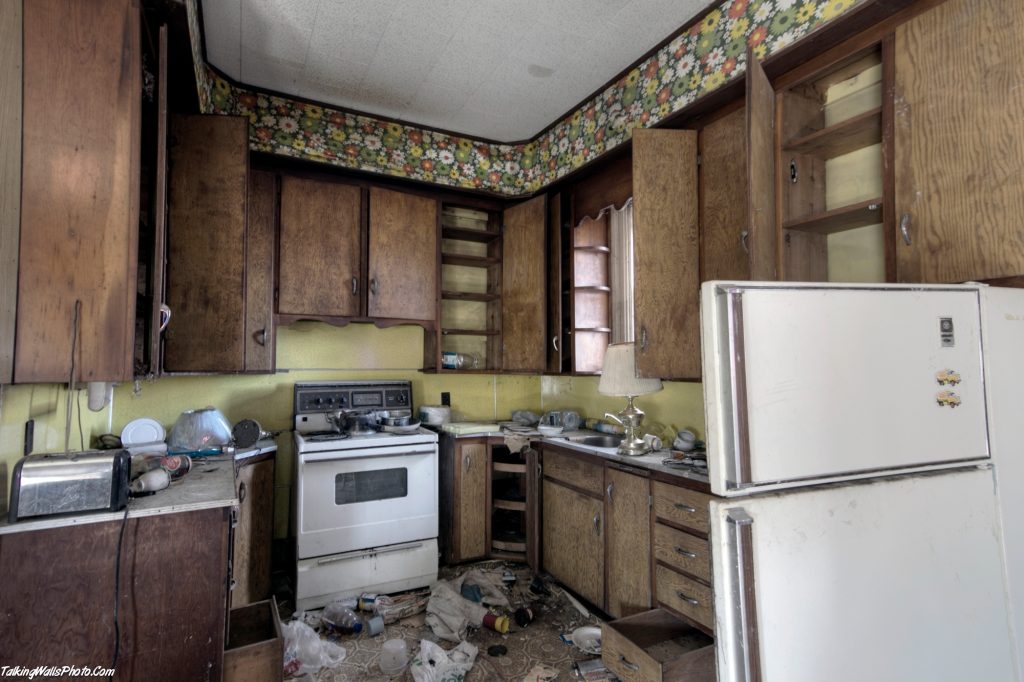
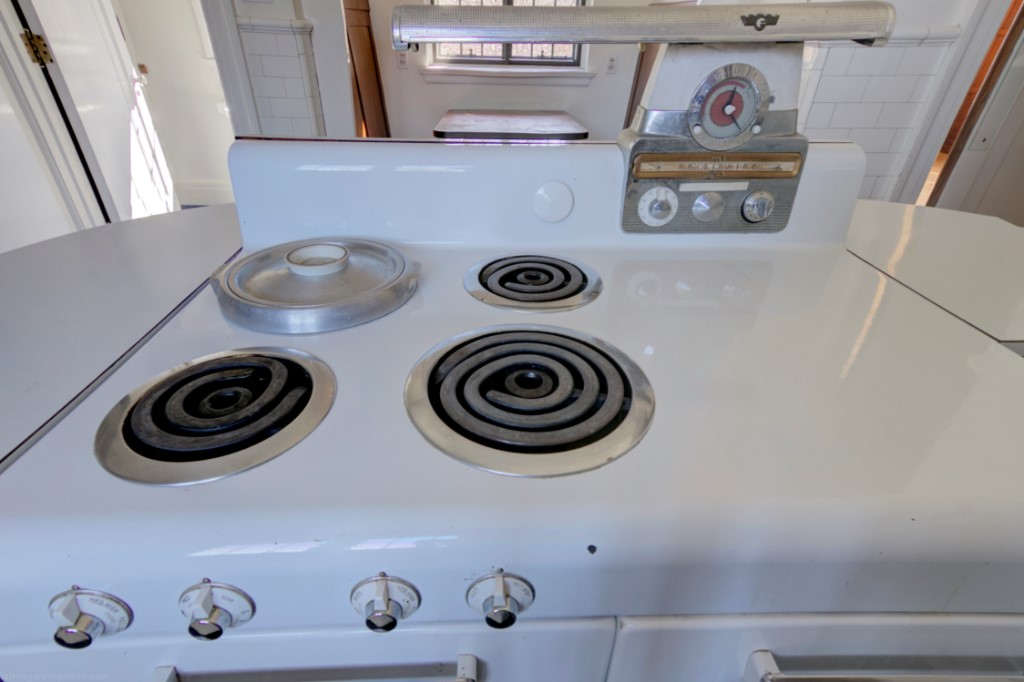
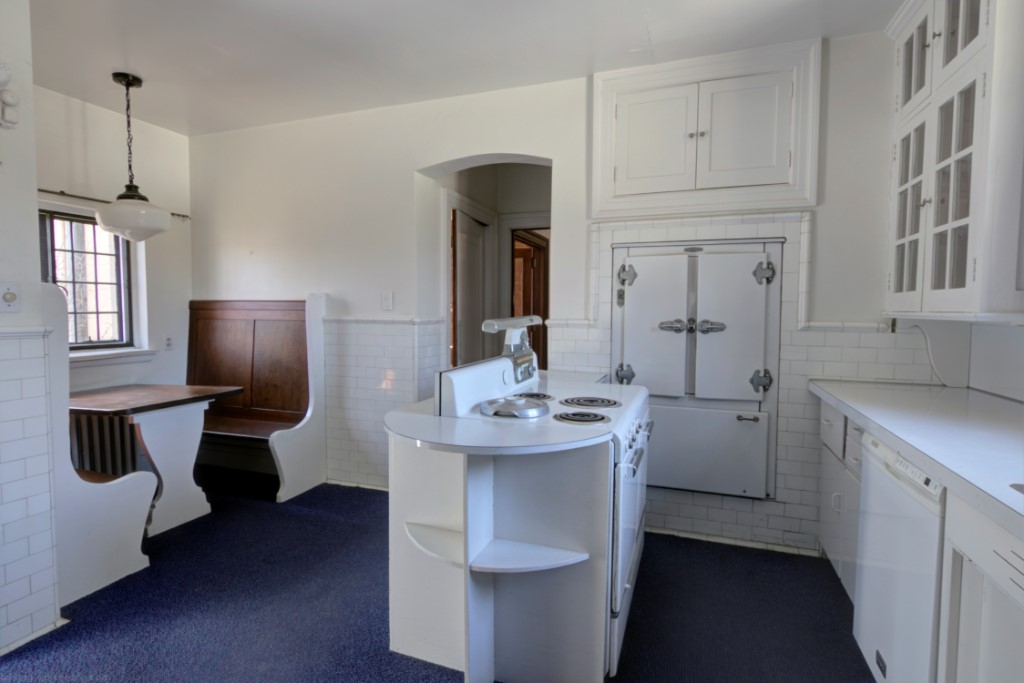
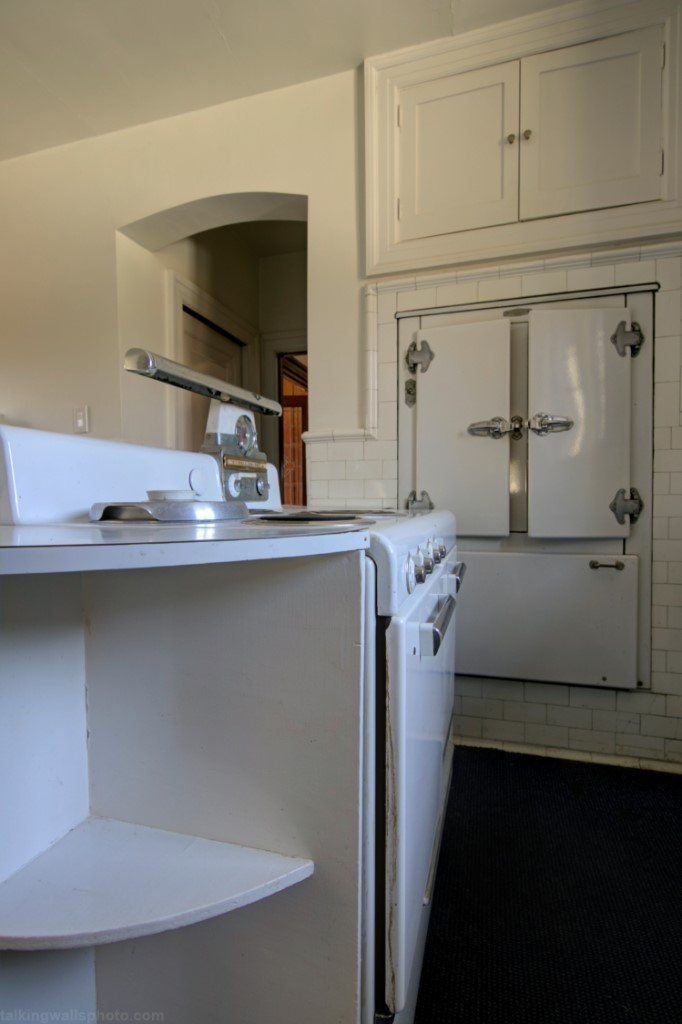
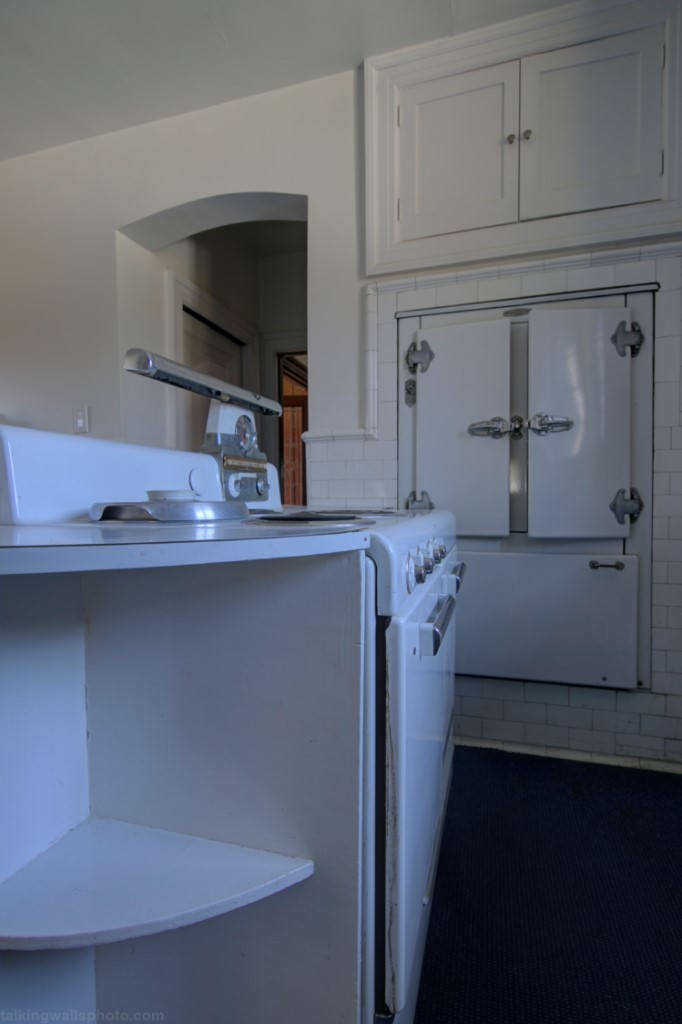
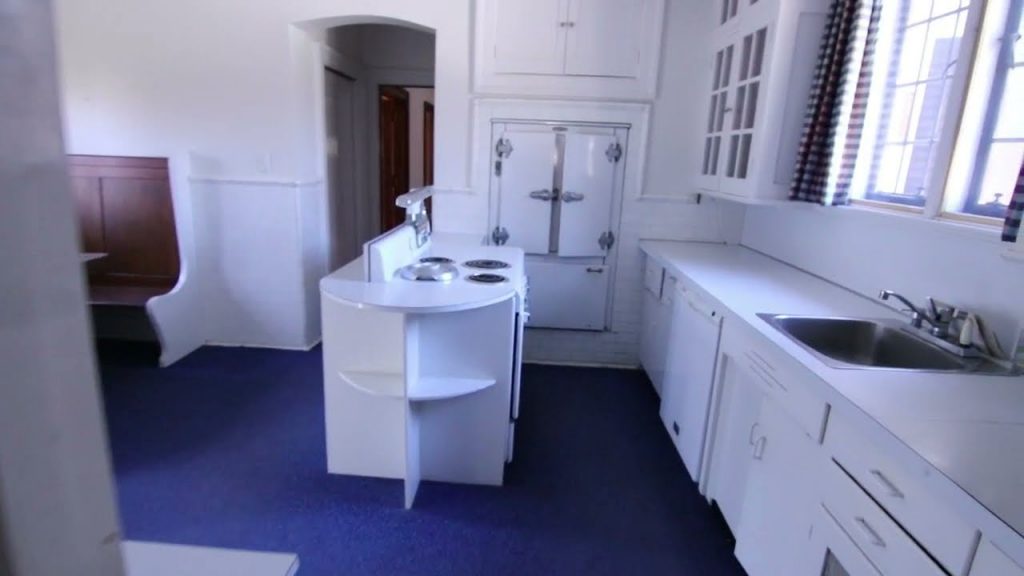
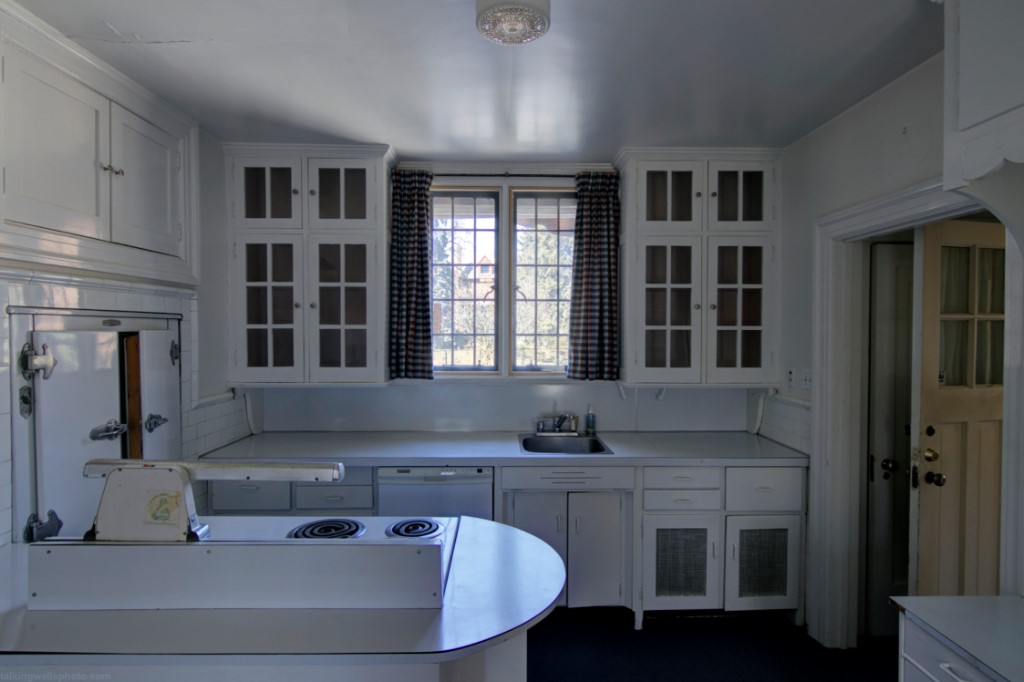
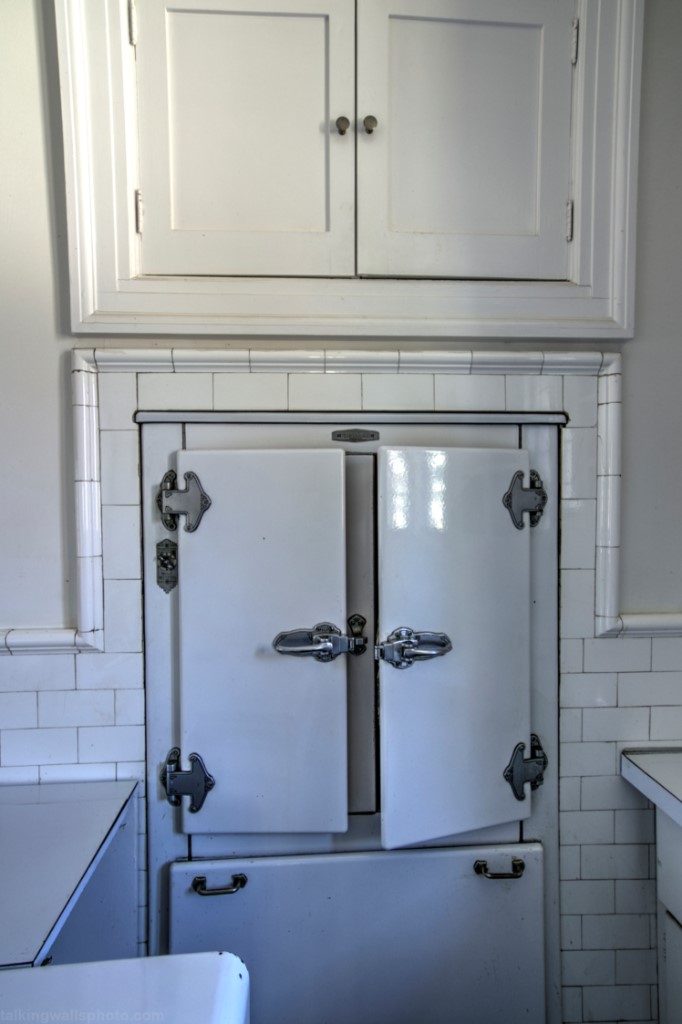
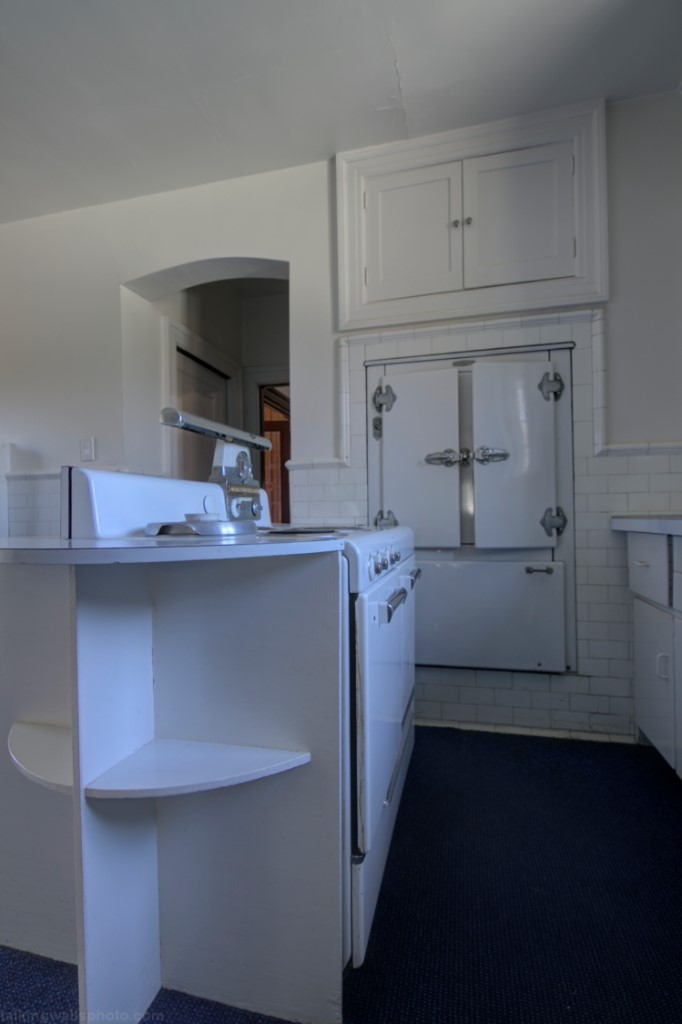
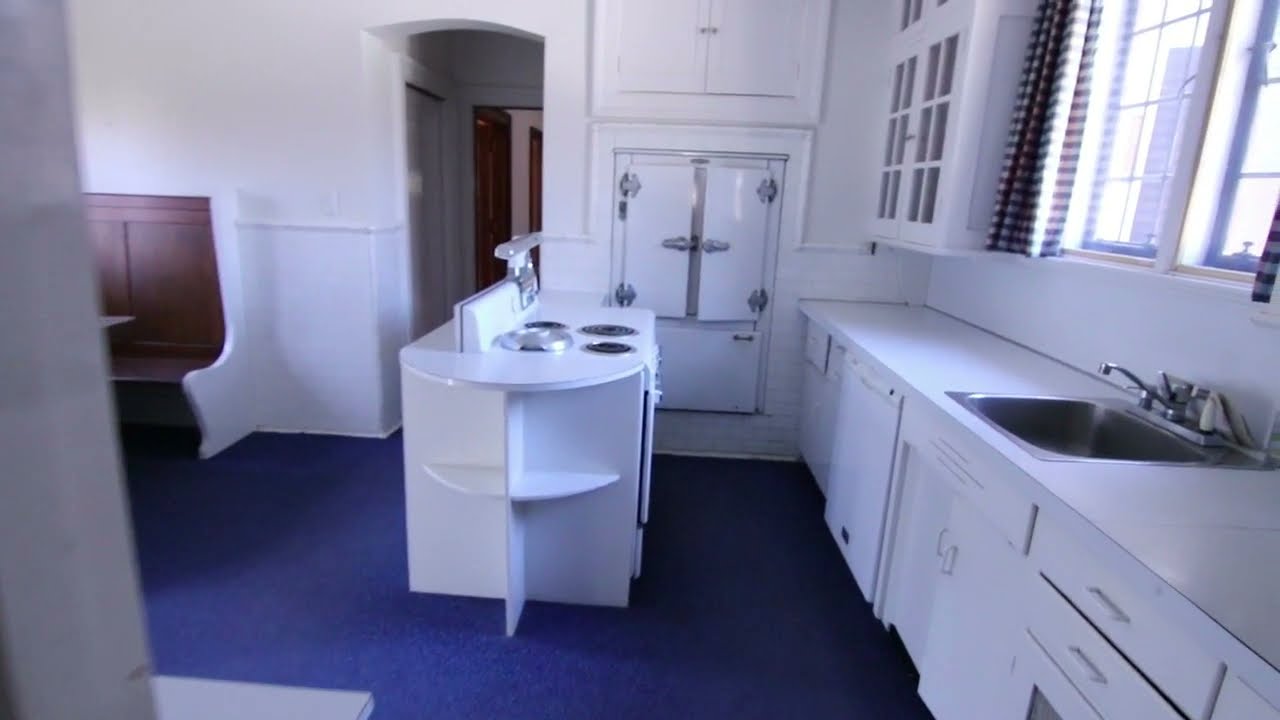
The fridge found in the home today is the original 1930’s Frigidaire model and the stove appears to be the original as well.

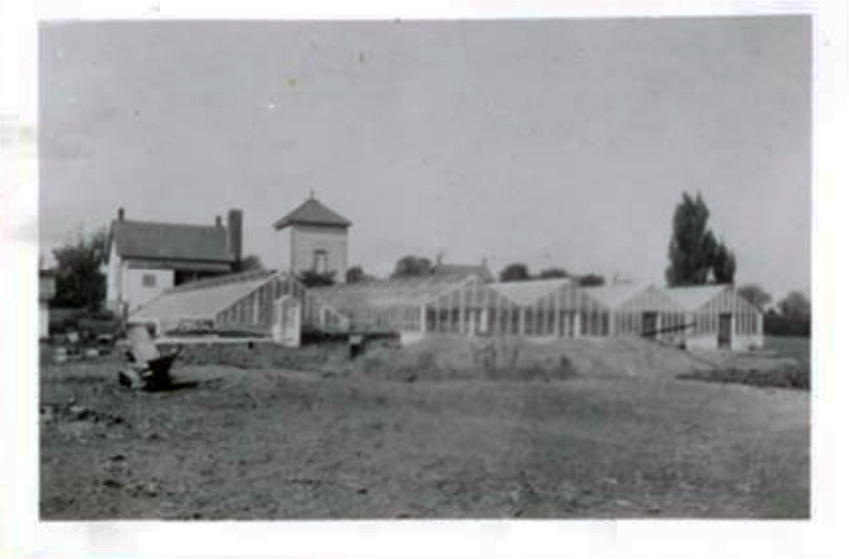
Albert’s youngest son George established a successful business on the farmland. George purchased an additional 13 acres of land to grow tomatoes, lettuce and cucumbers. He initially used cold frame buildings to germinate his plants. In 1900, a greenhouse was added to the property to allow for year-round growing. The tomatoes that George grew were able to command high prices. George was commissioned to supply tomatoes for the royal train when the King and Queen of England visited in 1939. Over 1500 tons of coal were used to heat the greenhouses throughout the year while water was pumped in from Hamilton.

After Albert moved to Hamilton, his son took over the farming. The son began growing assorted vegetables. In time the greenhouse production switched to flowers. Flower production continued in the greenhouses into the 1980’s. Today only one greenhouse remains, in poor condition.

In 2013, the owner of the property requested that the property be removed from the list of Heritage Properties. The request was denied.
The house is valued at approximately $3,000,000.

$3,000,000 Heritage Farm House (1930s fridge and stove)

Sandra’s House

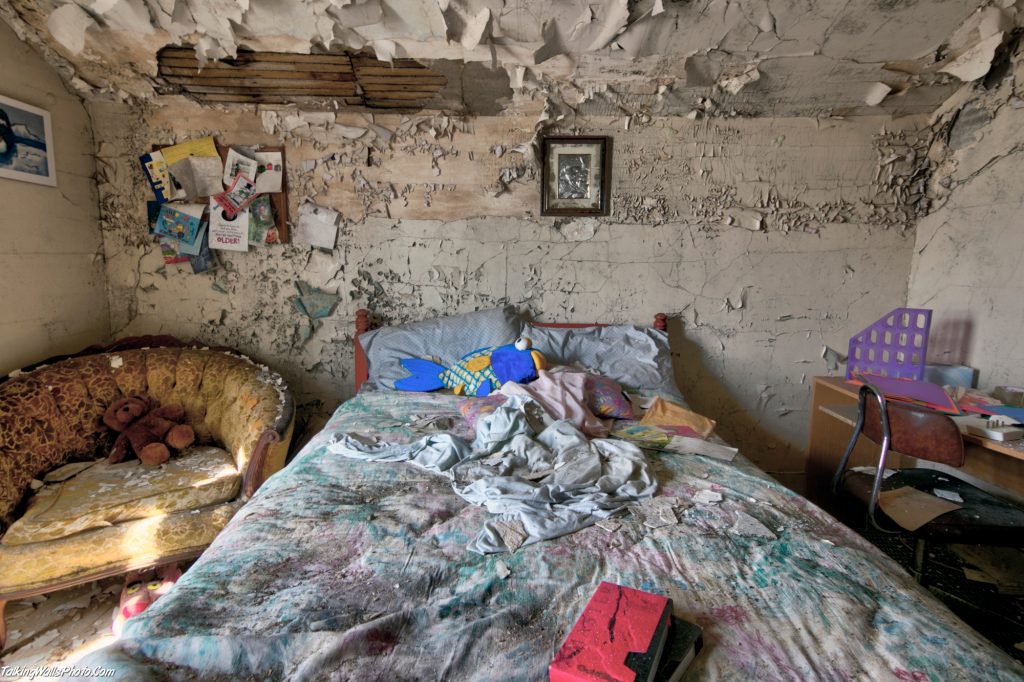
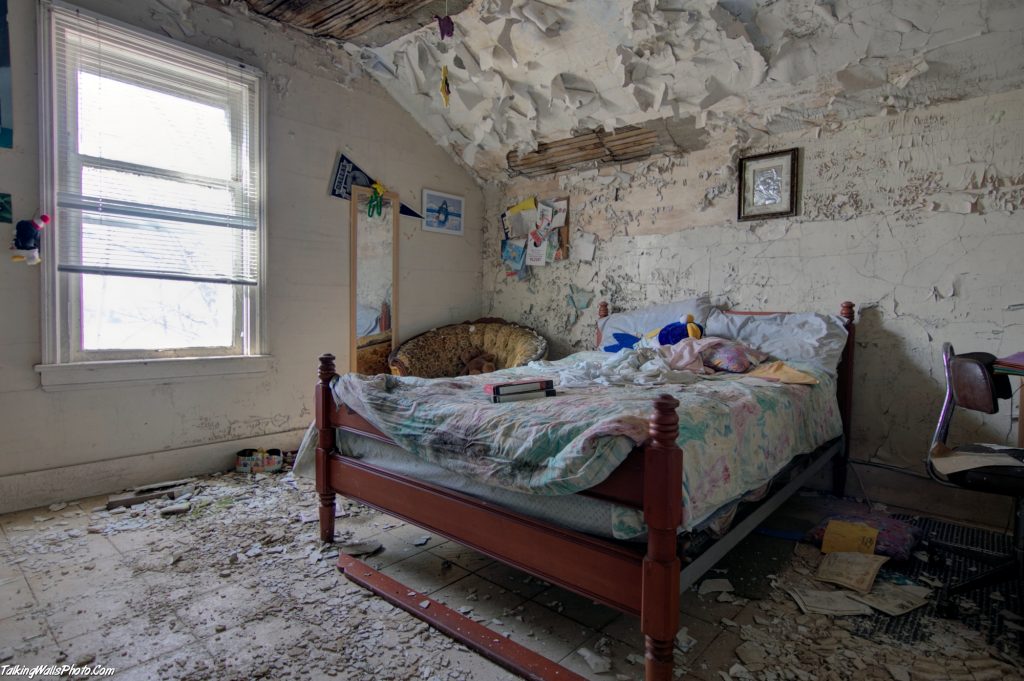
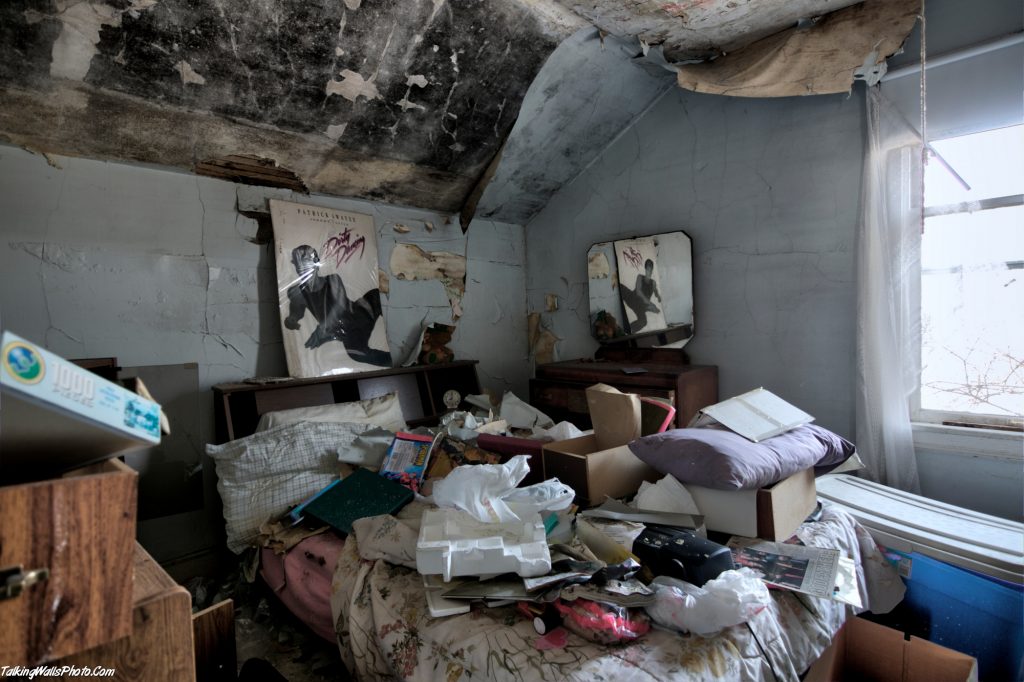
This location is named Sandra’s House for the young girl who once lived here. As of 2021, she would be approximately 29 years old. In her bedroom still hang the movie posters from Walt Disney’s Pocahontas (released in 1995).
The house was a treasure trove of vintage children’s toys at one time. These items include an Easy Bake oven and a Lite-Brite. A Lite-Brite is a toy in which you’d insert coloured pegs into a honeycomb-like grid that was placed over a piece of black cardboard paper. On the black paper were tiny letters indicating what colour pegs to place into the grid. Once you’d inserted the clear plastic pegs, they’d break through the  paper and instantly light up from the light bulb inside the toy. The result of inserting all of the proper coloured pegs, were different designs such as flowers or boats. The toy came with a variety of different designs on the black paper.
Given the age of the television and a few scarce VHS tapes, I’d estimate the house was abandoned sometime during the late 1990’s.

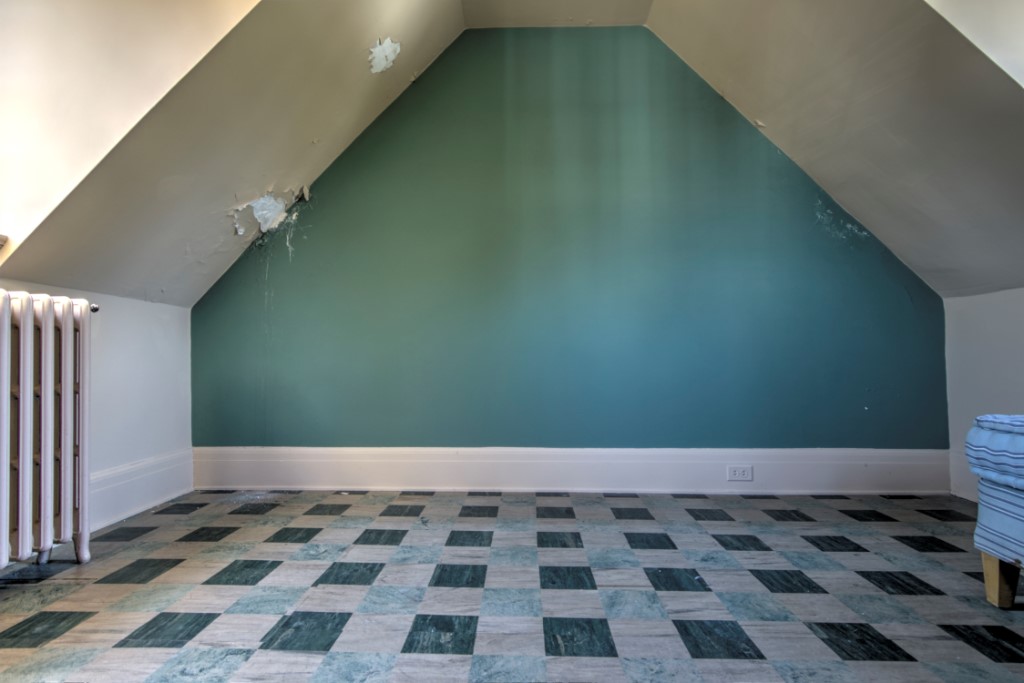
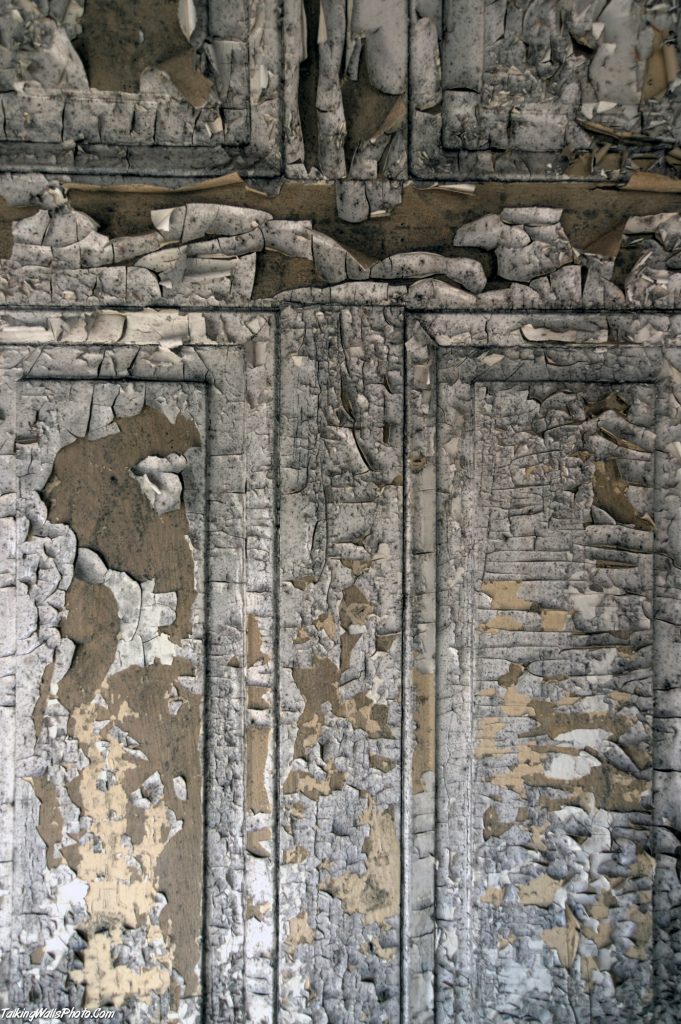
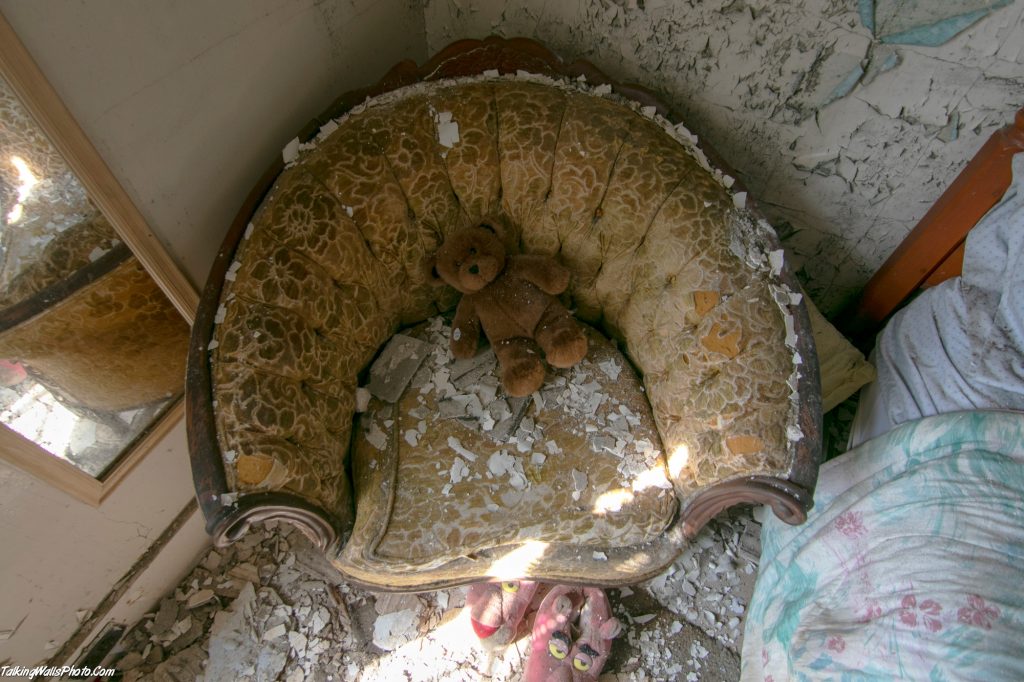
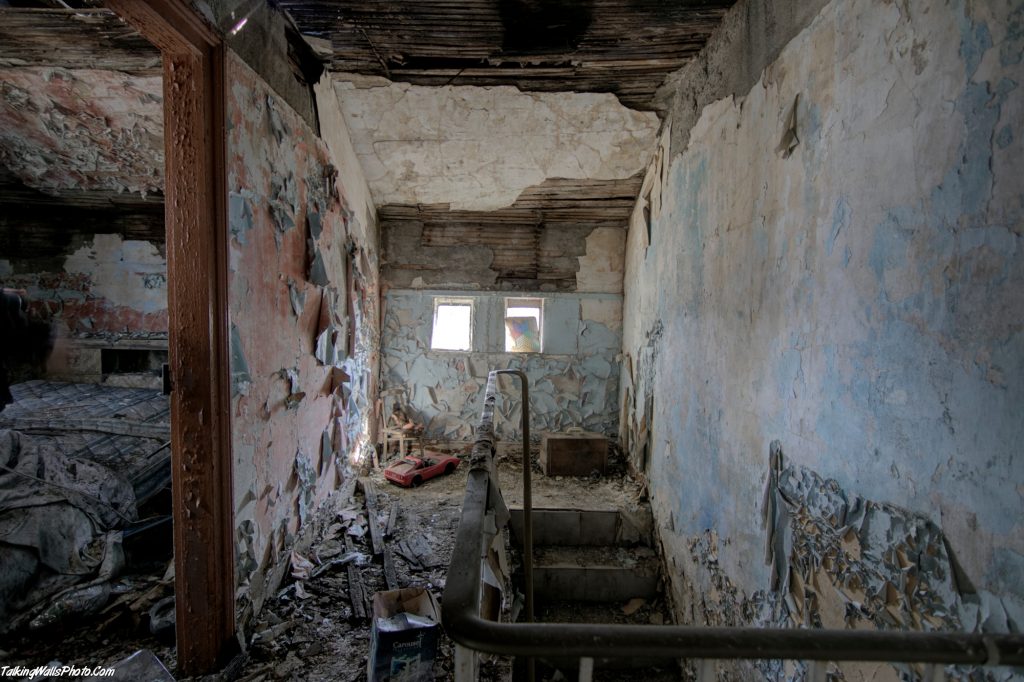
The house has seen considerable natural decay over the years; the paint on the walls is peeling and holes in the roof allowing the elements inside. On my visit I didn’t even venture into the room with all of the vintage toys, a lesson to be learned about exploring all the nooks and crannies.

I could find only one reference to Sandra on the internet, which in this day and age is something remarkable. Whomever owned the home had the first initial of “R”, but my research has come up empty so far. The family was Italian, which would explain the photo of Mary.

There are barns out back, but I didn’t explore them. I hope to return for a follow-up visit soon.