Mountain Secondary School Hamilton

Mountain Secondary School was located at 60 Caledon Avenue in the City of Hamilton, Ontario. The building first opened in September of 1967 as the Caledon Girls Junior Vocational School. It amalgamated with the all-boys Crestwood Secondary School in 1995.

Mountain Secondary School’s education curriculum included multi-credit courses in academics as well as industry standard certifications, and co-operative education. The industries included sectors such as transportation, cosmetology, hospitality, building maintenance, cabinetmaking, retail and personal/senior/child care sectors. The school also offered special education and English as a Second Language (ESL) classes

The 2009-2010 student enrollment was 328 students.

On May 24, 2012 the Hamilton Wentworth District School Board made the announcement that the school would close and students would be moved to a new $25-million dollar school. Students from Parkview School, which also served students with special needs, moved to Mountain when Parkview closed in June of 2014.

During the 2014-2015 year, 169 students attended Mountain Secondary. They were students in Grades 10 through 12. Enrollment for the 2015-16 year was estimated to be 115 students.

In 2015, School Board Trustee Larry Pattison brought forth a motion to keep the school open. Pattison argued that pushing special needs students into larger school wouldn’t work. The trustees turned down the proposal without any discussion.

The last day of classes at Mountain Secondary School was June 26, 2017.
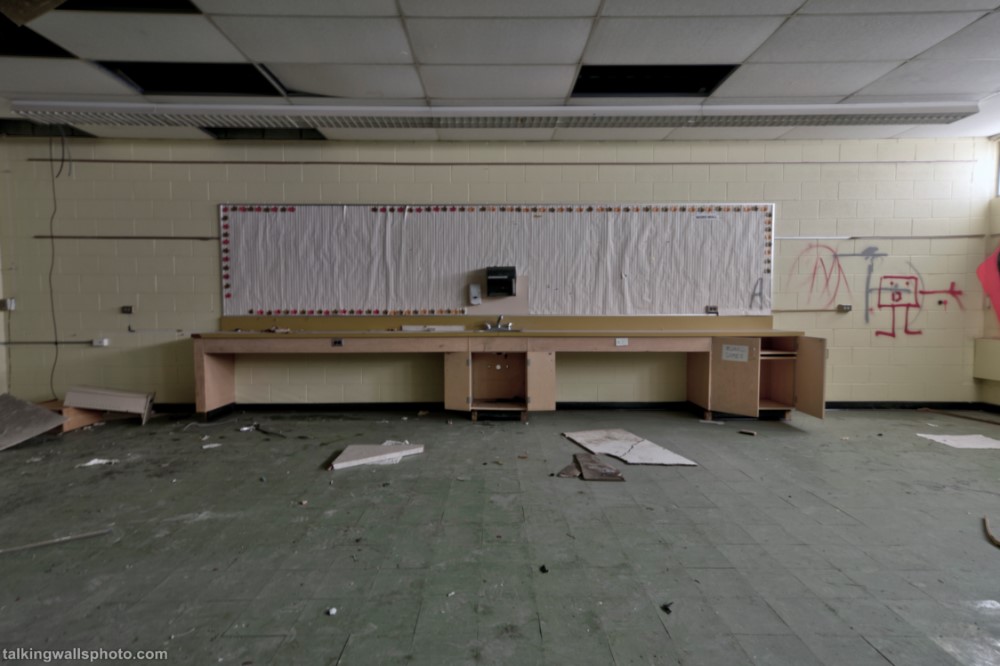


In 2018, a horror movie titled Killer High was filmed in the high school in the fictitious town of Wallingham. The school still bears the name to this day.
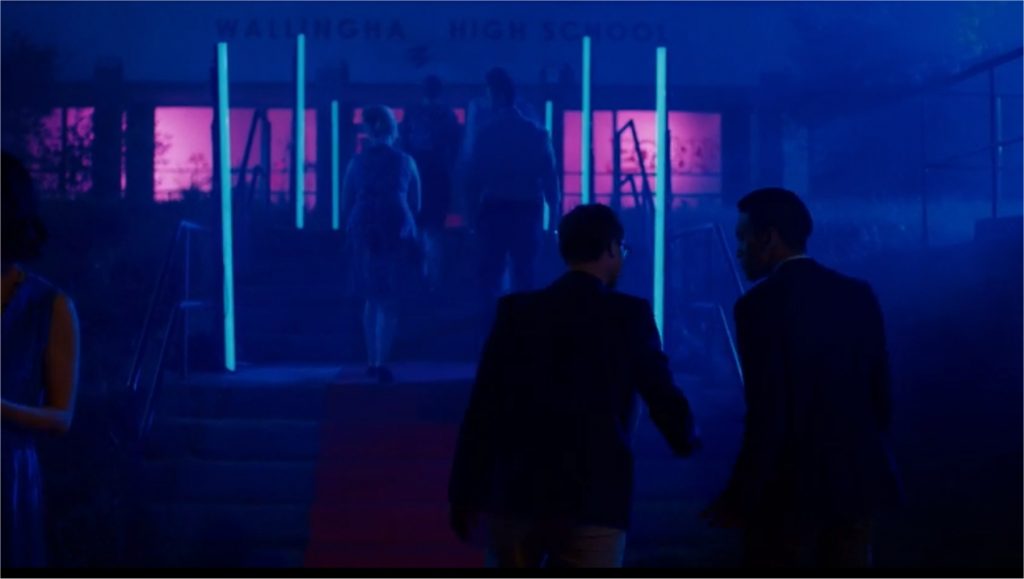
killer high movie

The Hamilton school board began the process of disposing of the asset property and it was ultimately purchased by the City of Hamilton. The city’s intention was to create a new mixed housing community. The purchase of the land was made with a $3.13 million investment from Hamilton’s $50 million Poverty Reduction Investment Fund.

In December of 2020, the City of Hamilton closed a deal with Hamilton East Kiwanis Non-Profit Homes and Victoria Park Homes. The partnership is called the Caledon Community Collaborative and their purpose is to create mixed income family-friendly housing. Demolition of the school is expected to begin in April of 2021. The new construction is expected to begin in Fall of 2022.

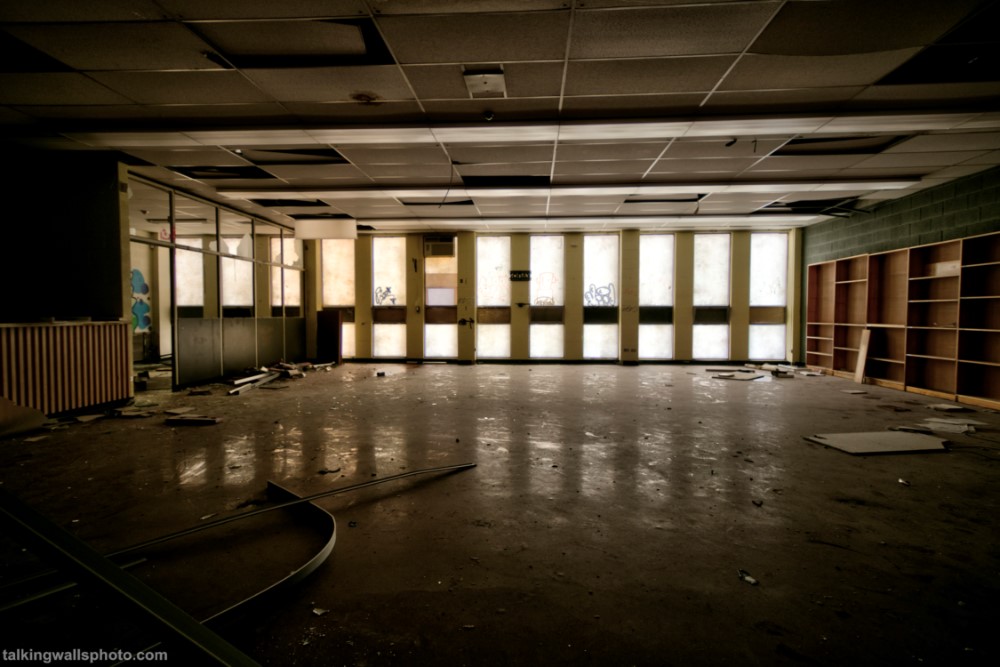
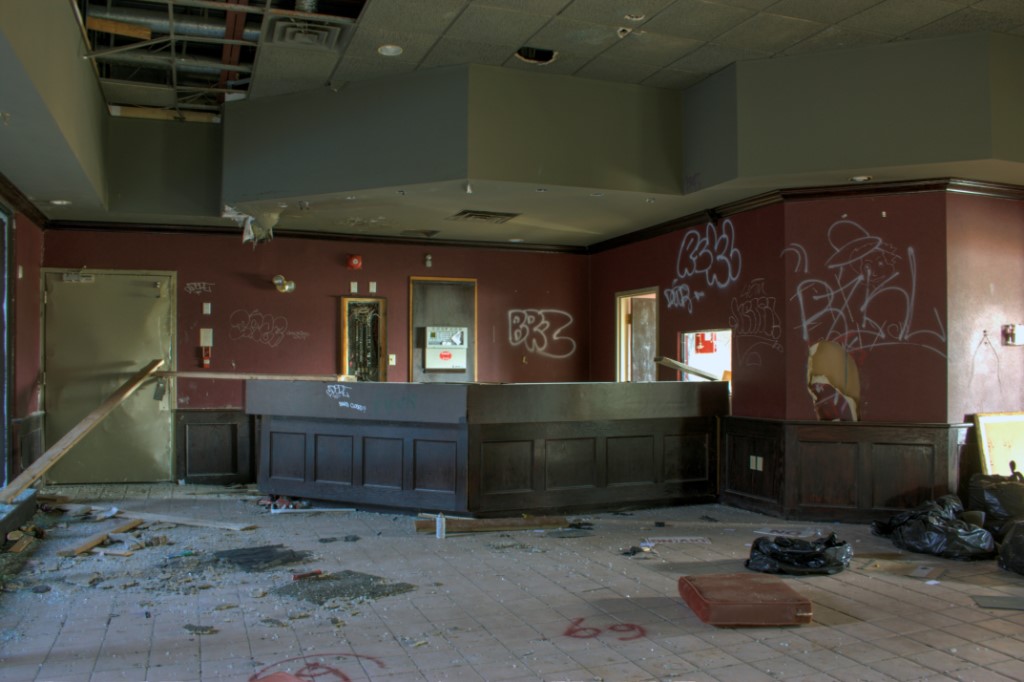
Exploration March 2021

I had been to this school twice in the past, trying to gain access. Both times it was secured. The presence of fresh plywood wasn’t very encouraging for my third try. We walked the perimeter, noting one way inside if you were an acrobat. As we rounded the final corner, I said to my friend Chris, “Wouldn’t it be great if this door was unlocked?” and went to pull on it. With a mix of delight and surprise, the door opened. 

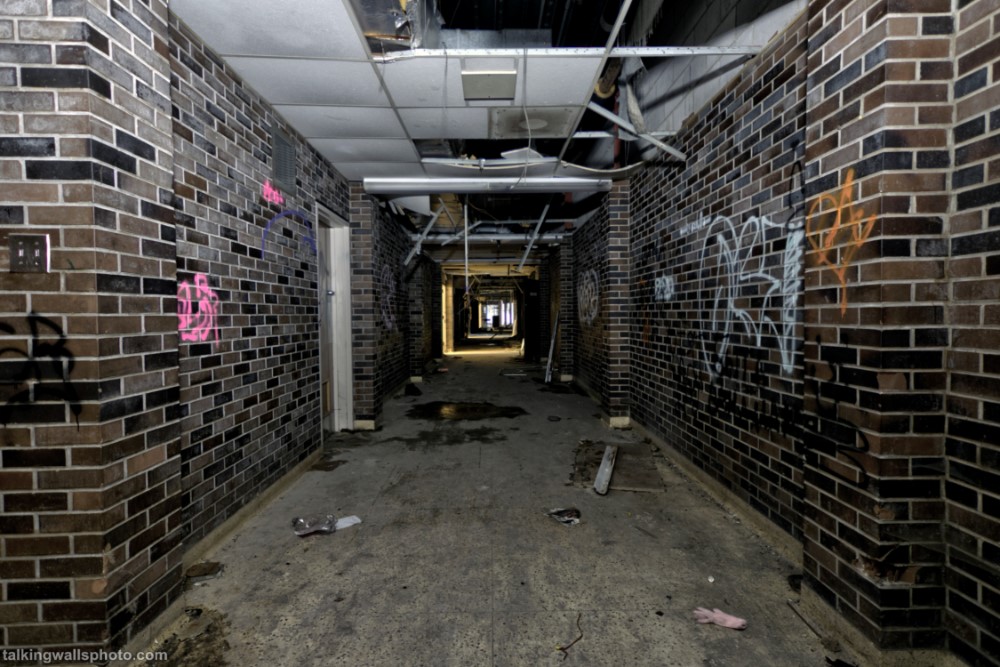
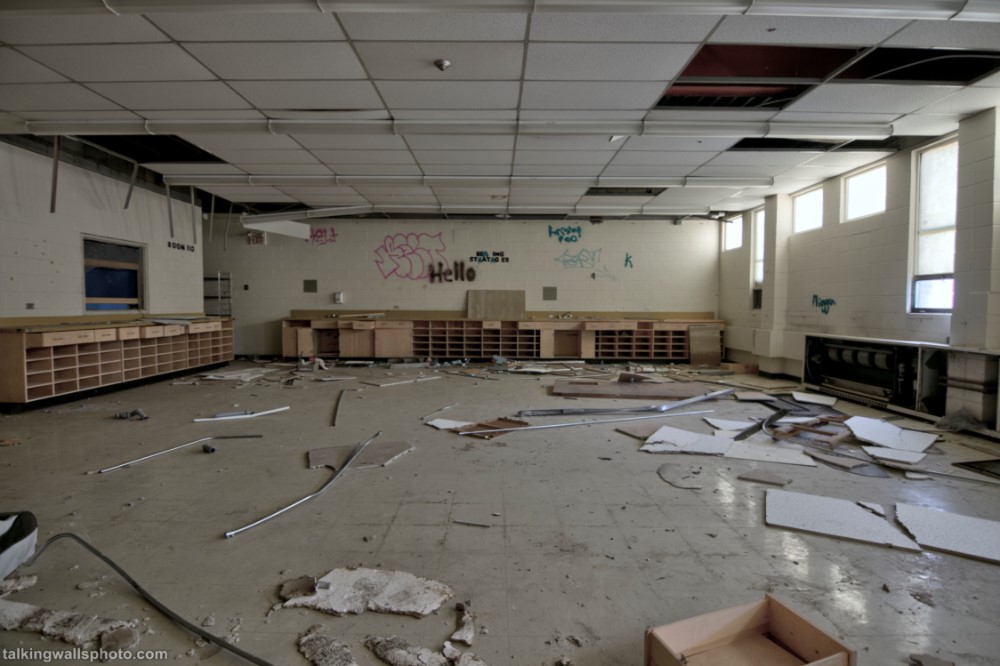
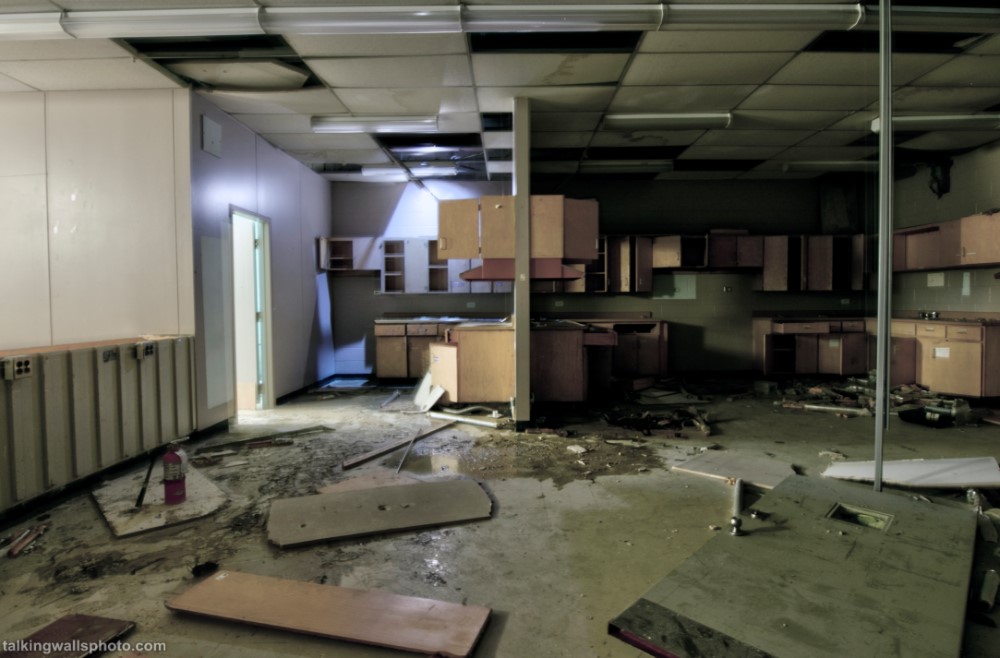
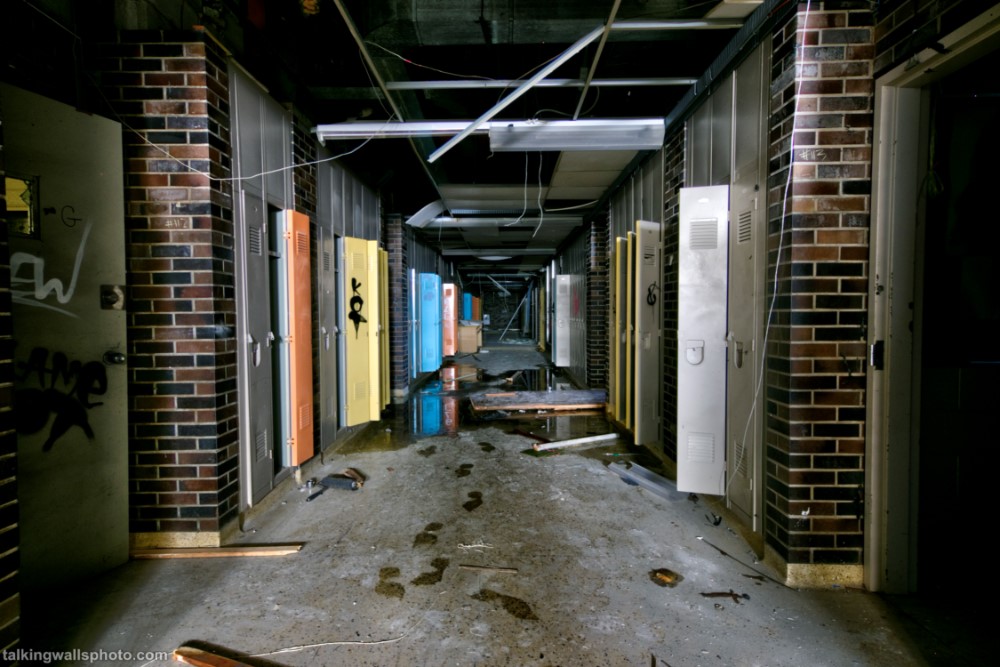
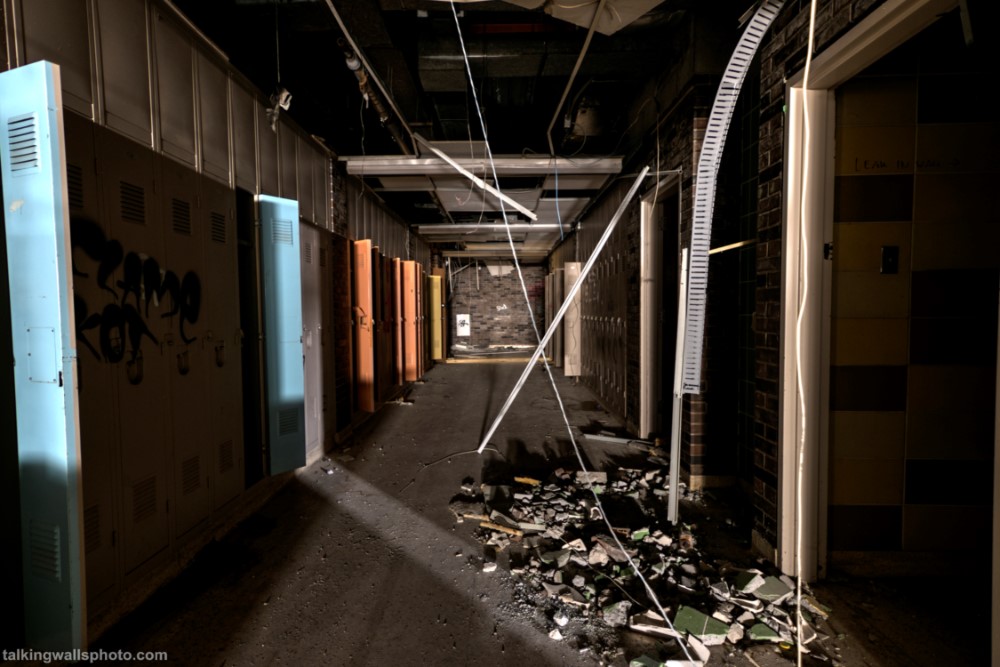
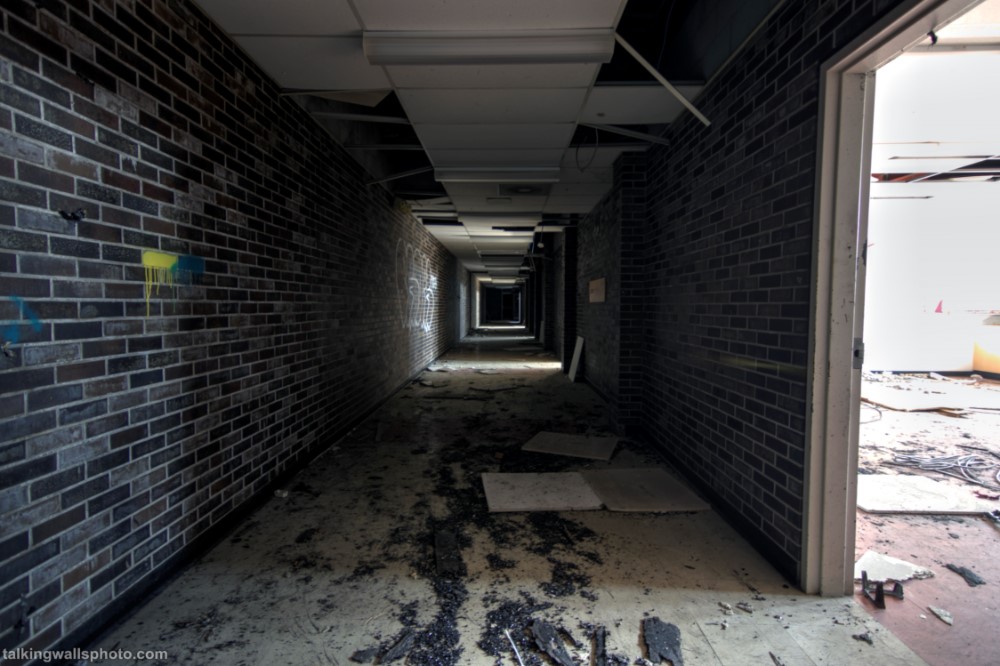
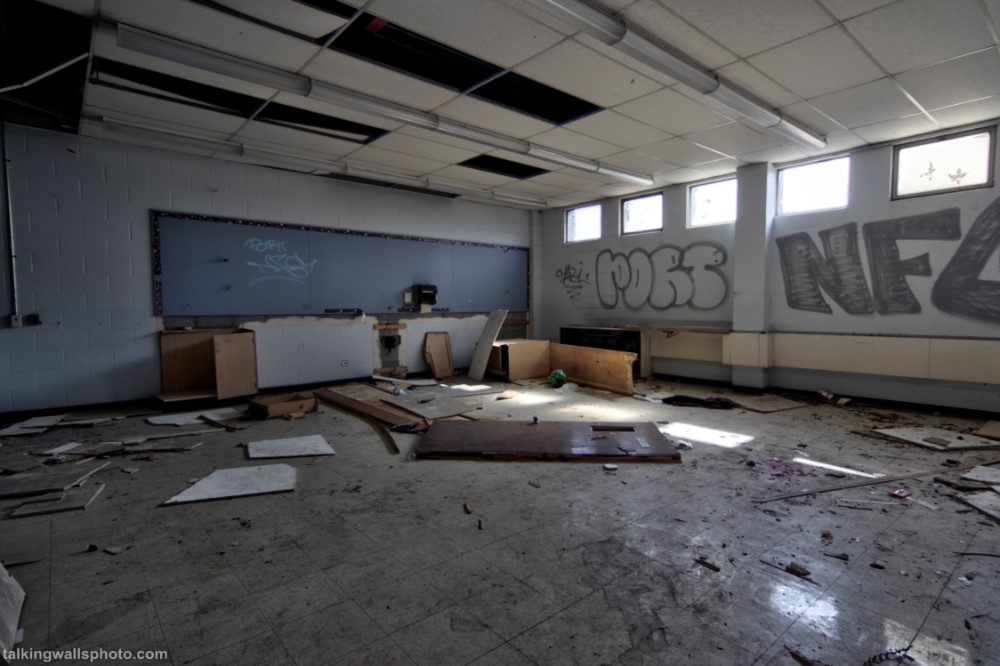
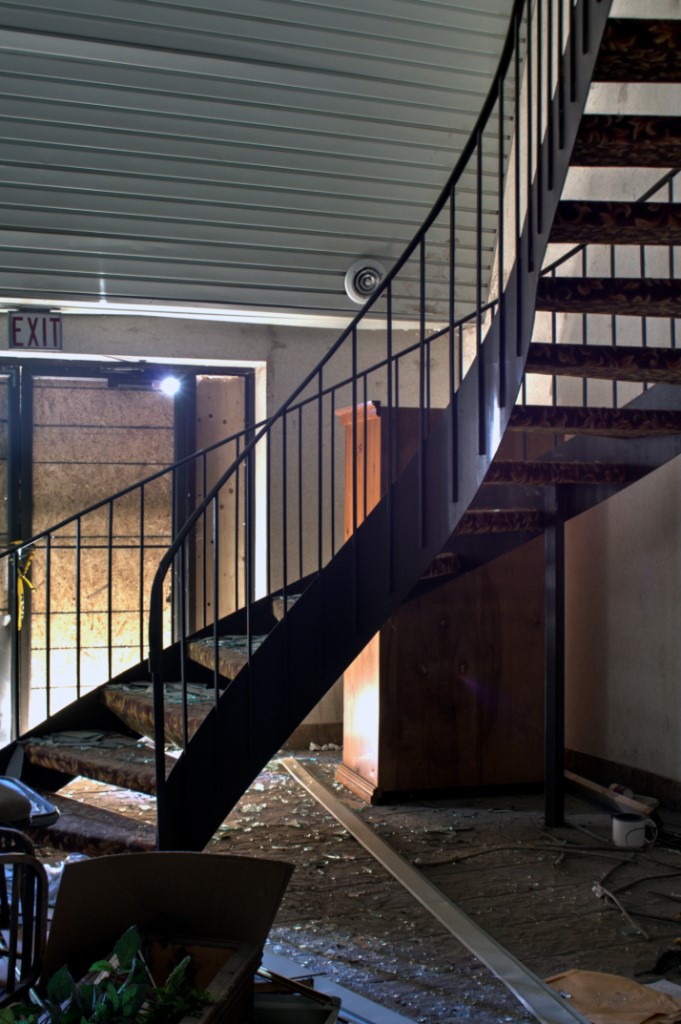
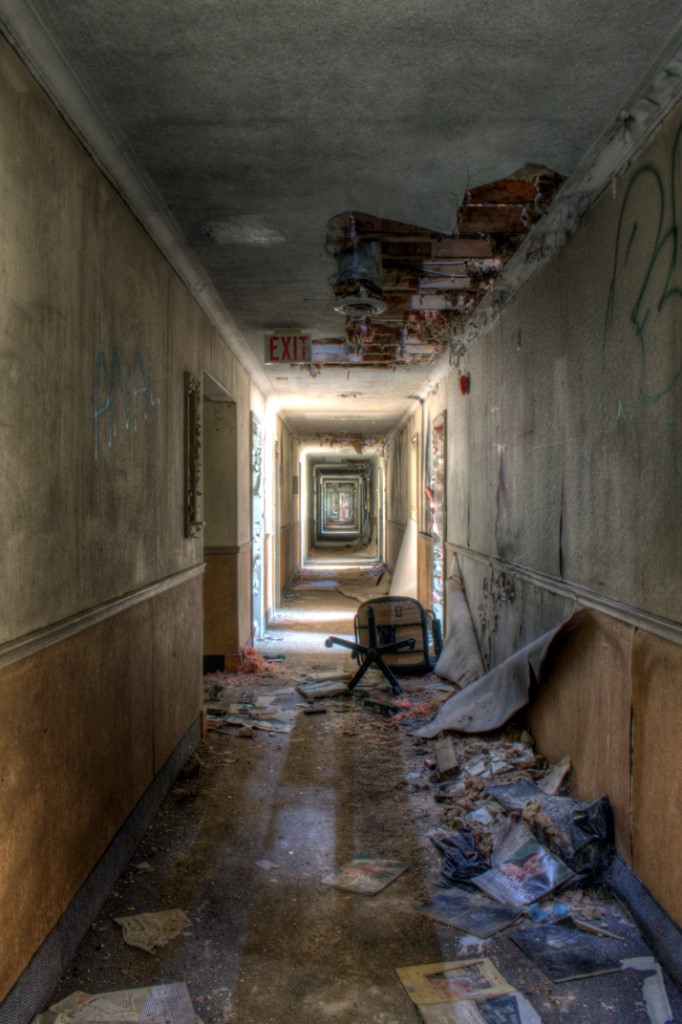
Vandals have been busy where the long hallways and empty rooms serve as an aerosol canvas. There’s a smell of burned wood because people have attempted to start fires. The entire building is a mess of broken glass, hanging light fixtures and poor air quality.

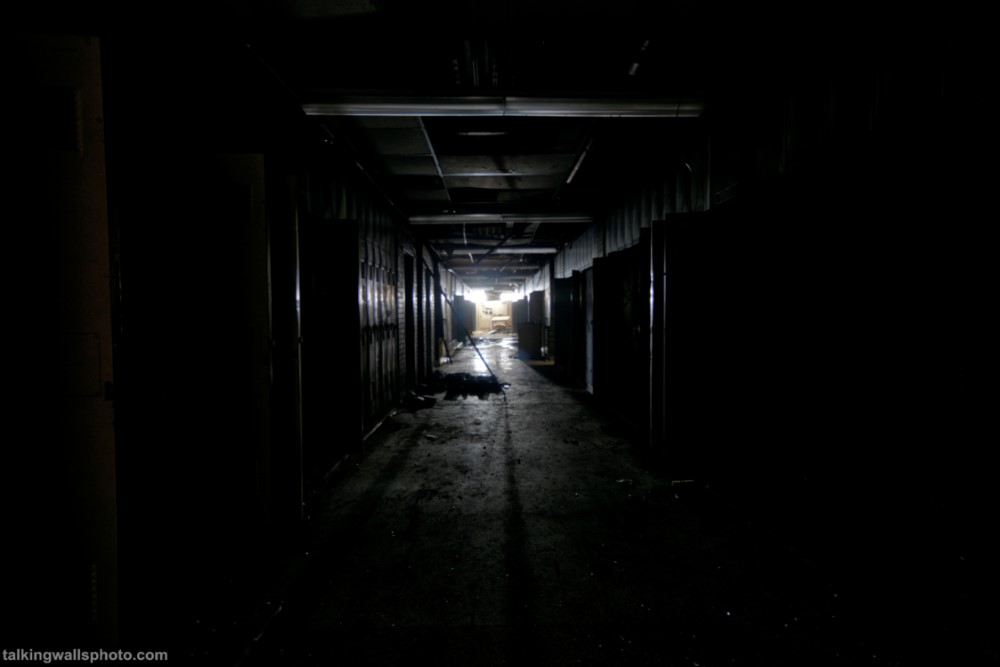
The rumour is that there used to be cameras here, but if there ever were, they are long gone. I wasn’t able to explore the gymnasium due to not having enough light. 
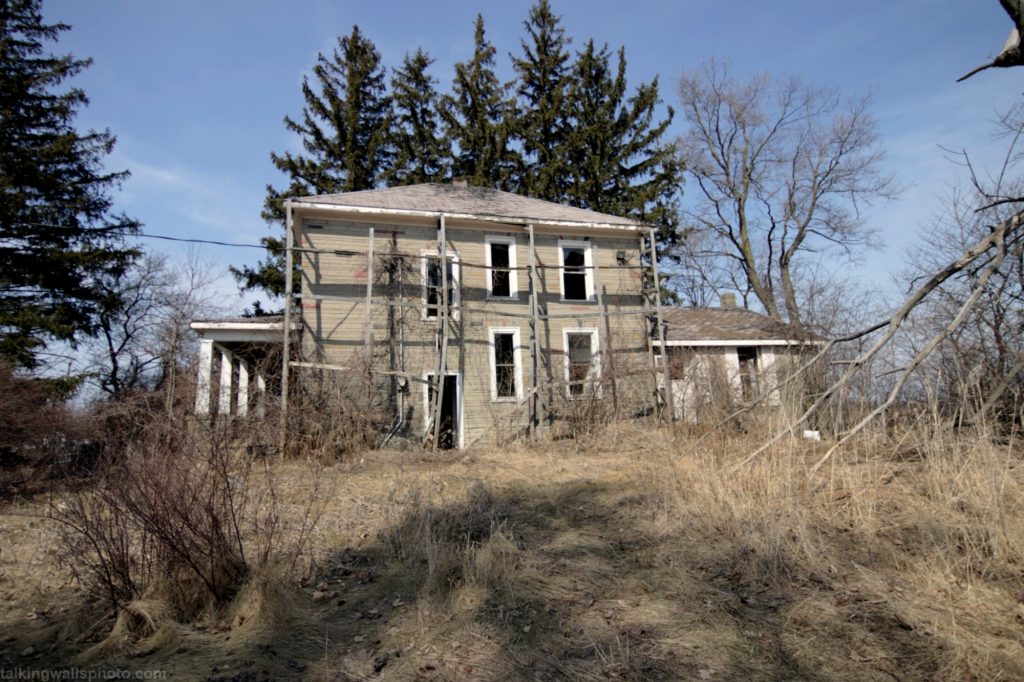

Puslinch Highway Abandoned House

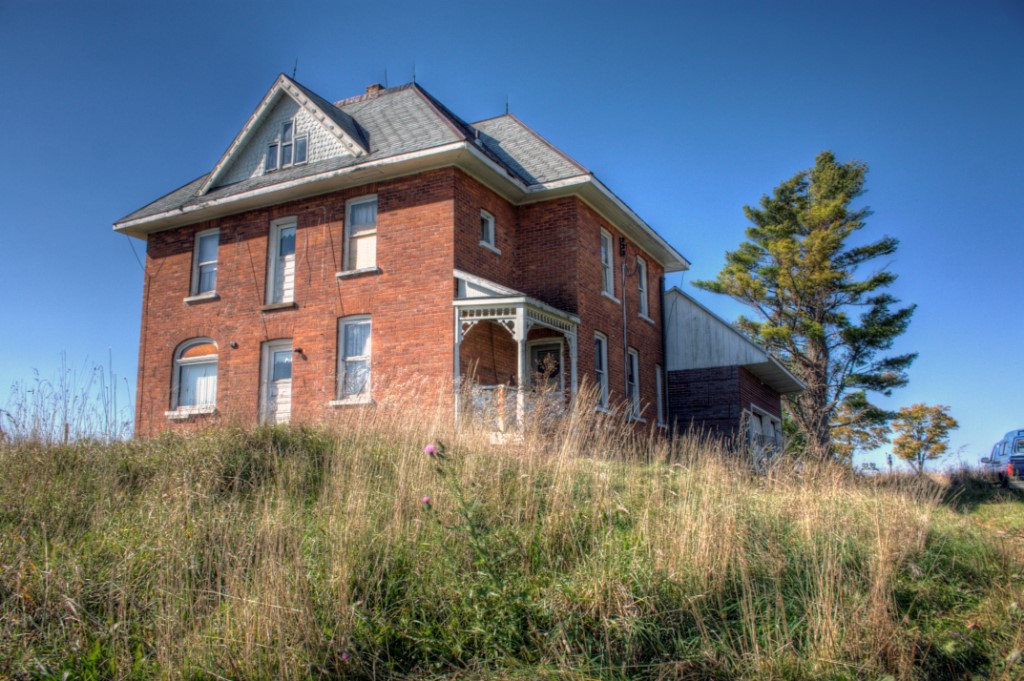
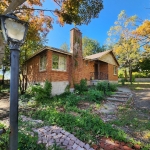
This is a well documented house in the urban exploration hobby as the house is found alongside a well traveled highway near Hamilton. The house has been vacant for as long as I can remember. In recent years wooden beams have been added to the exterior of the house, presumably to reinforce the frame.

Despite the condition of the house, the owner allegedly doesn’t want to sell the land.


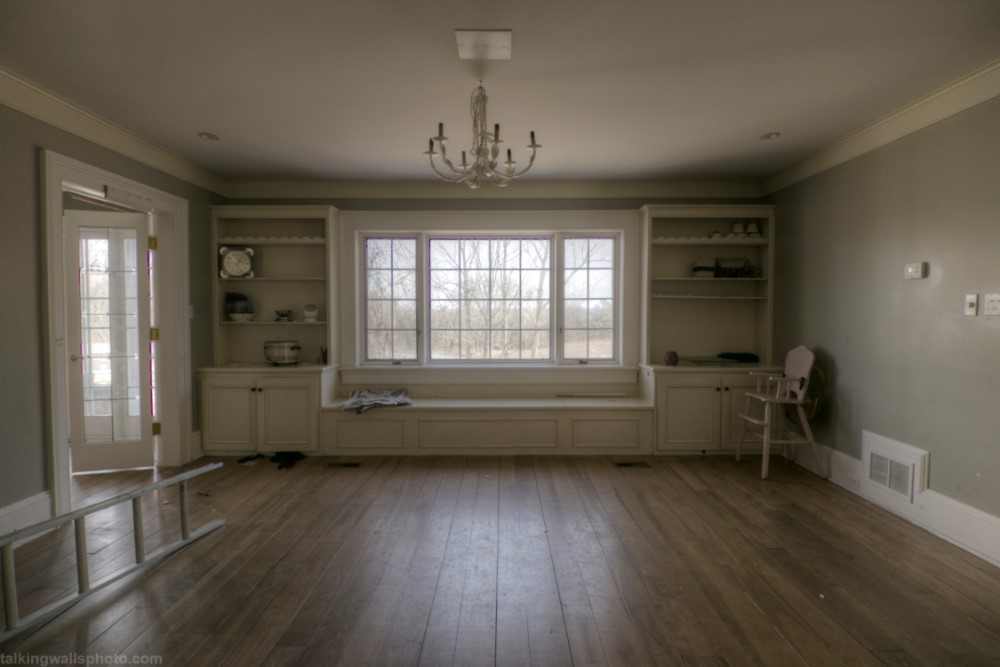
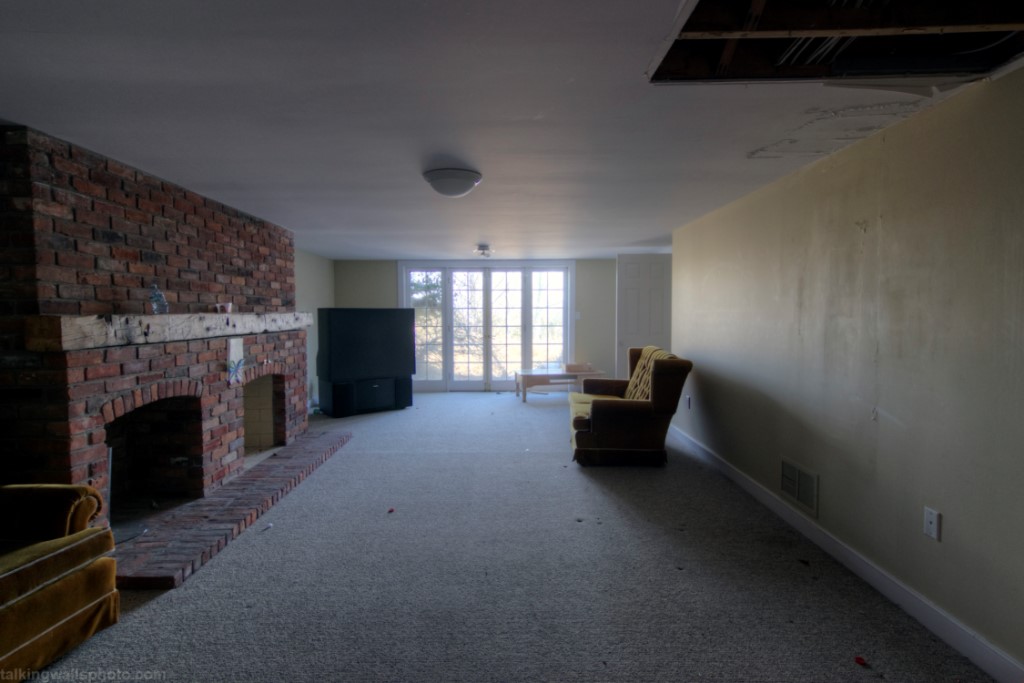
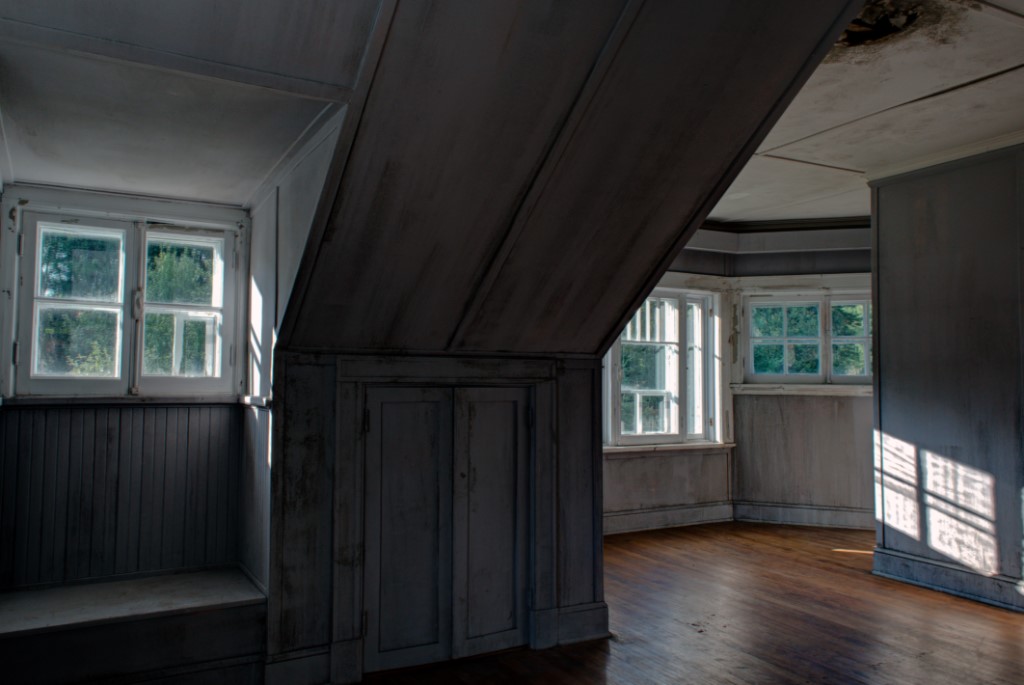
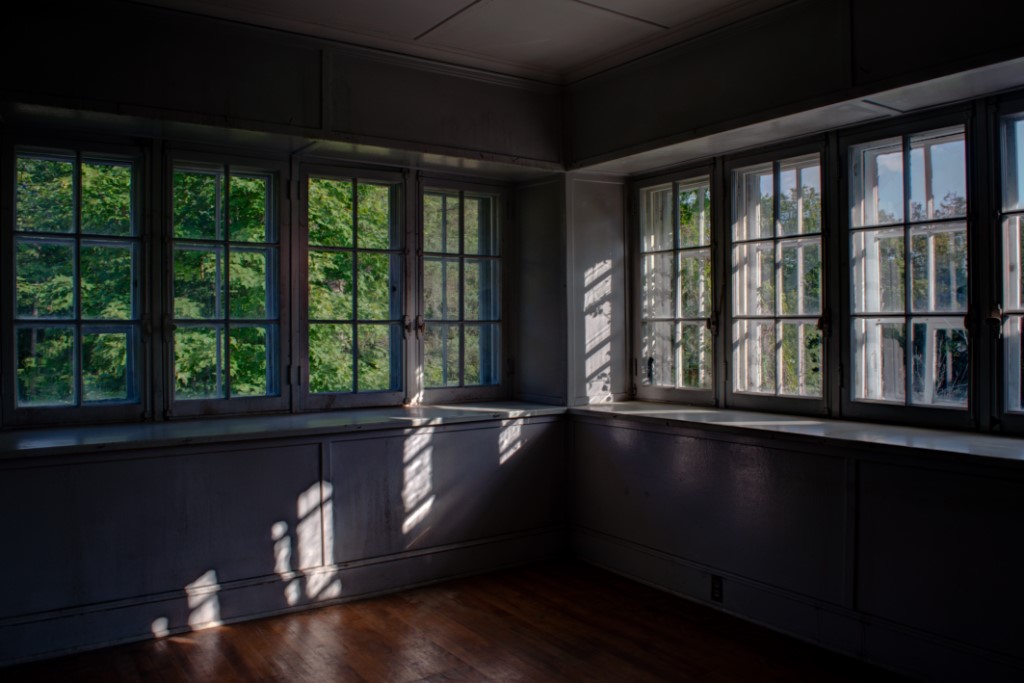
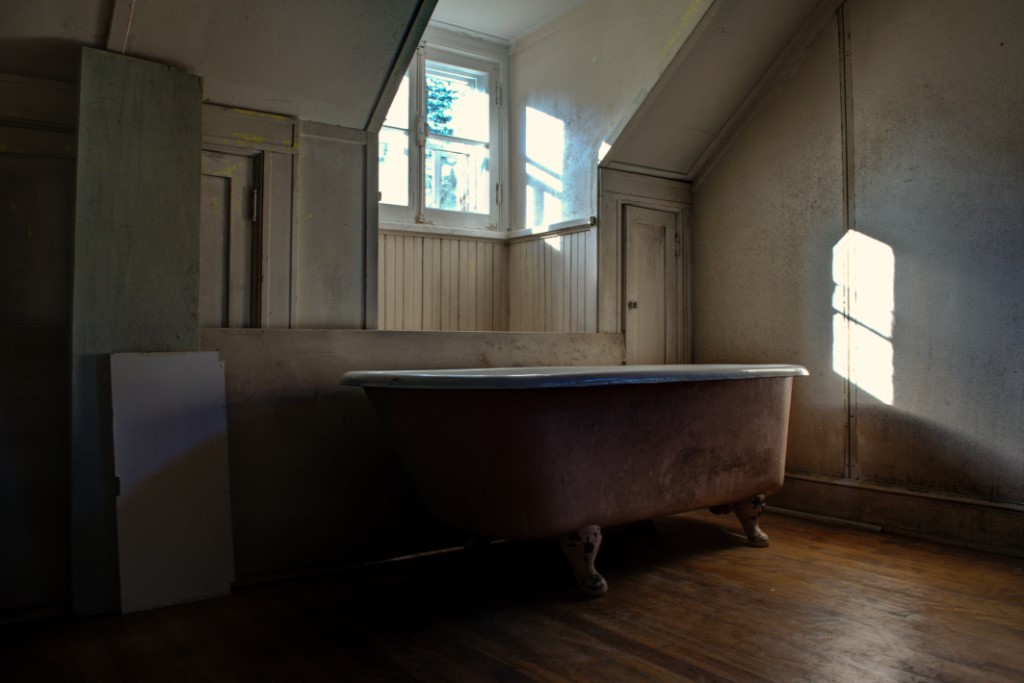
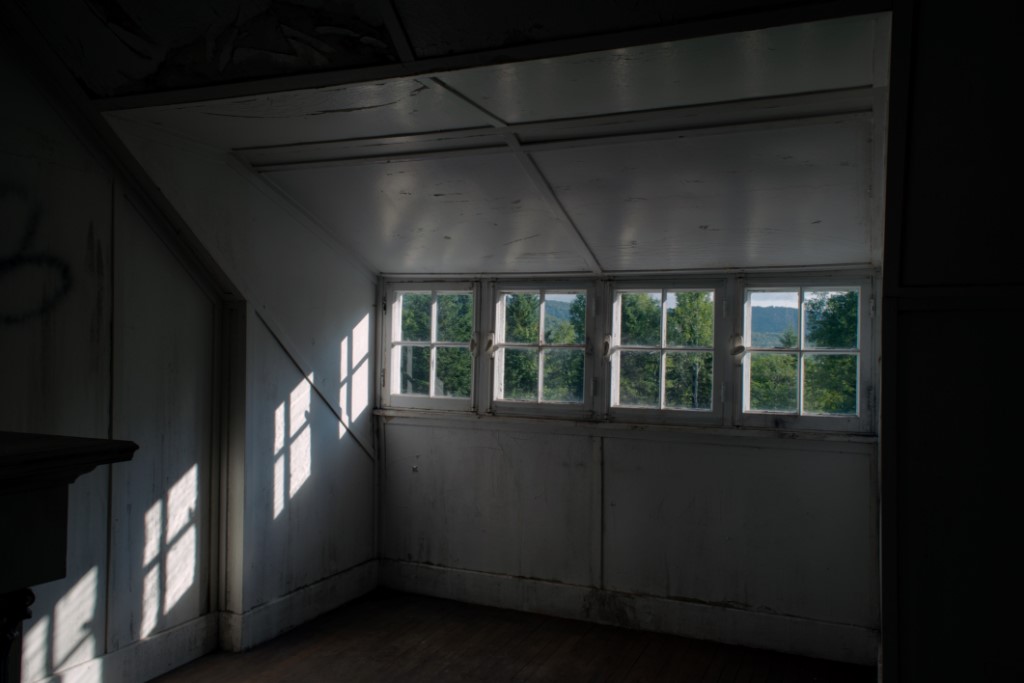
Nature’s Backyard House

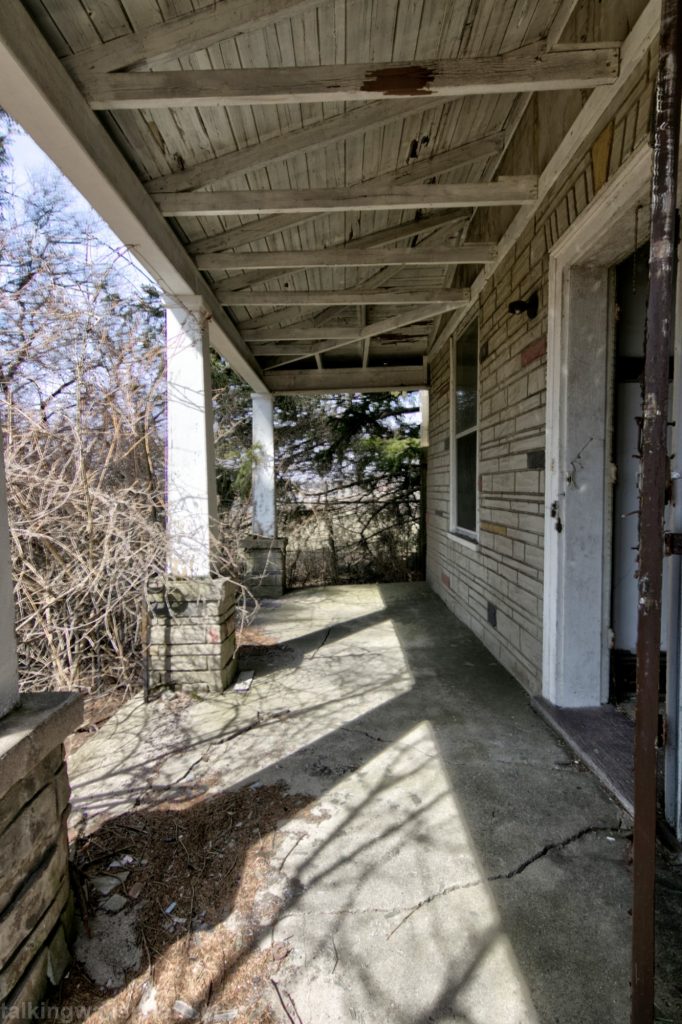
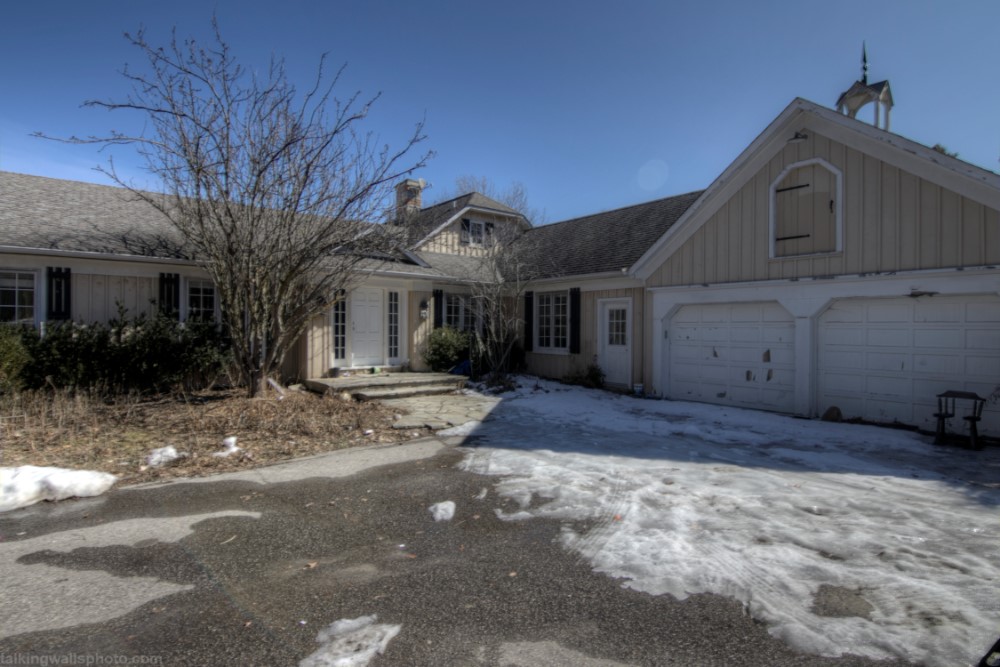
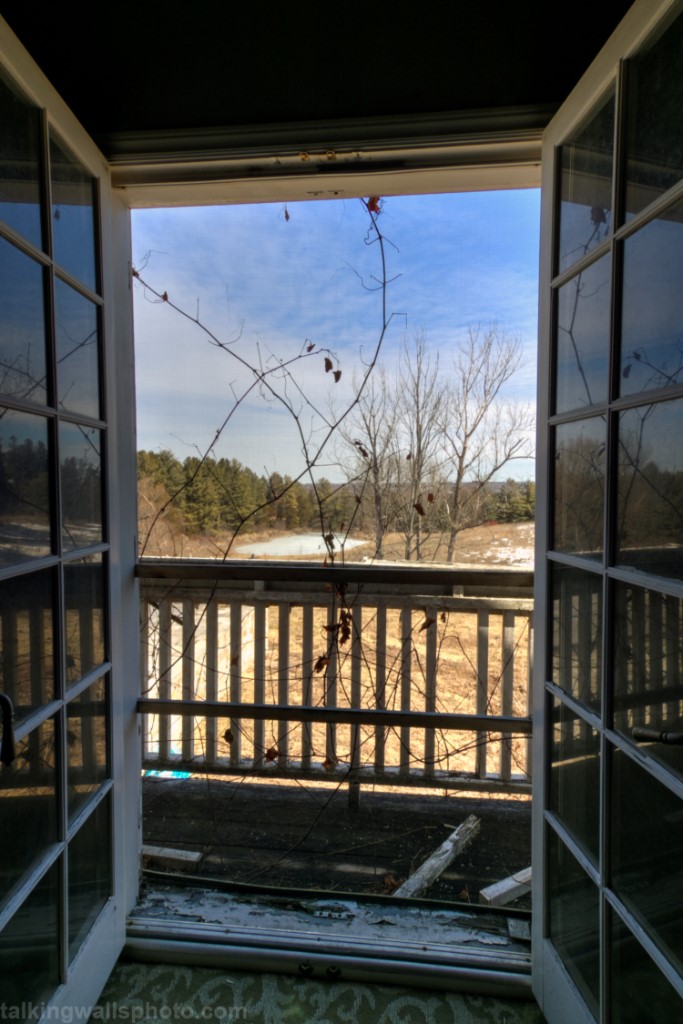
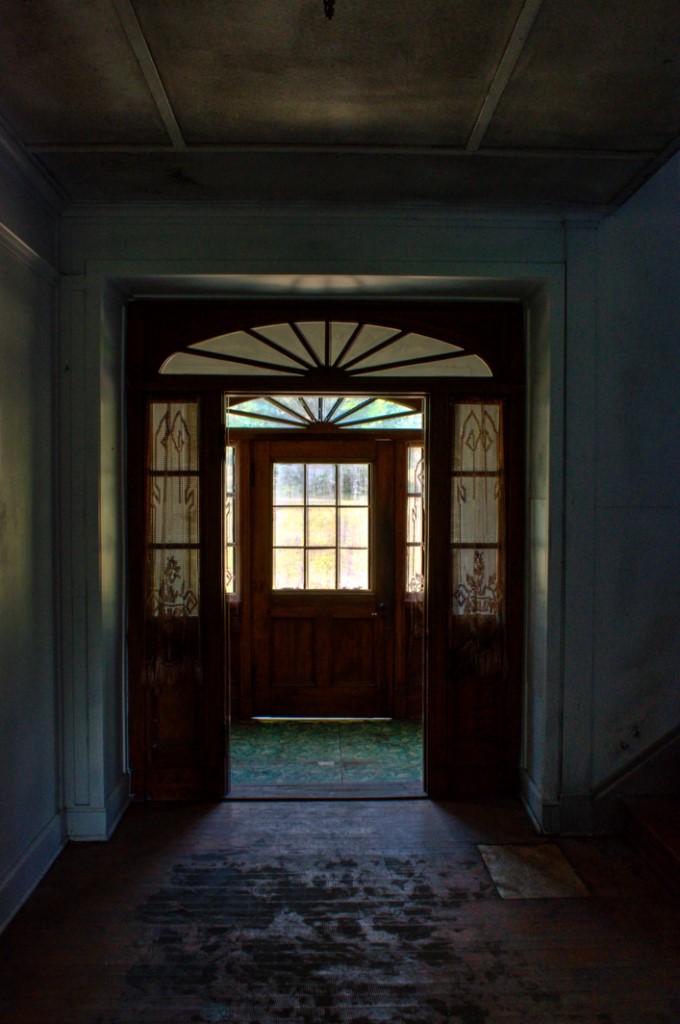
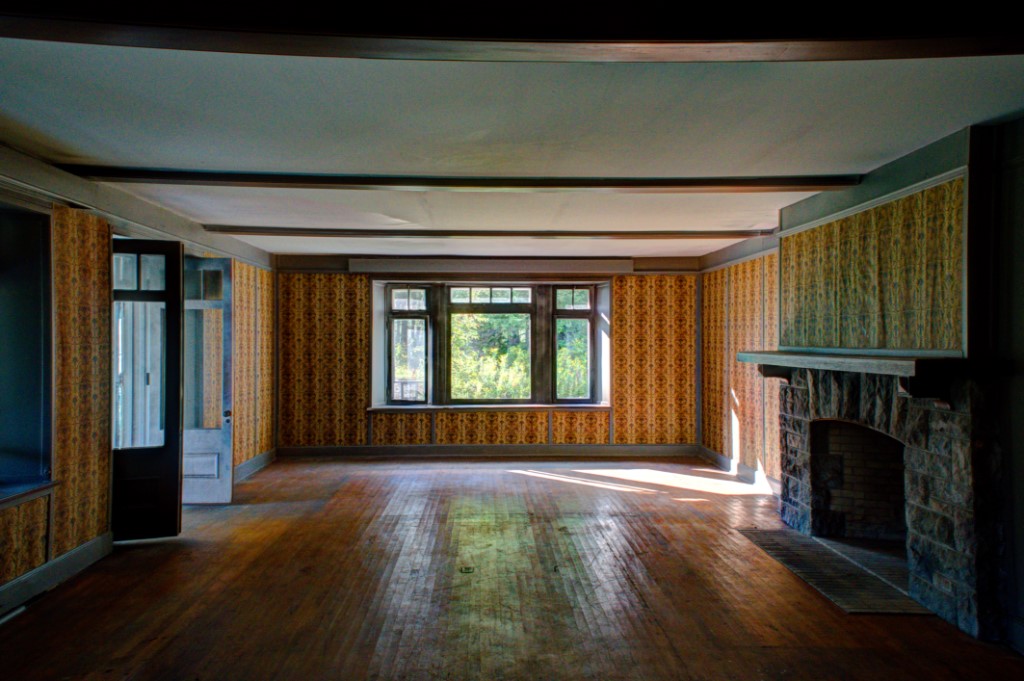
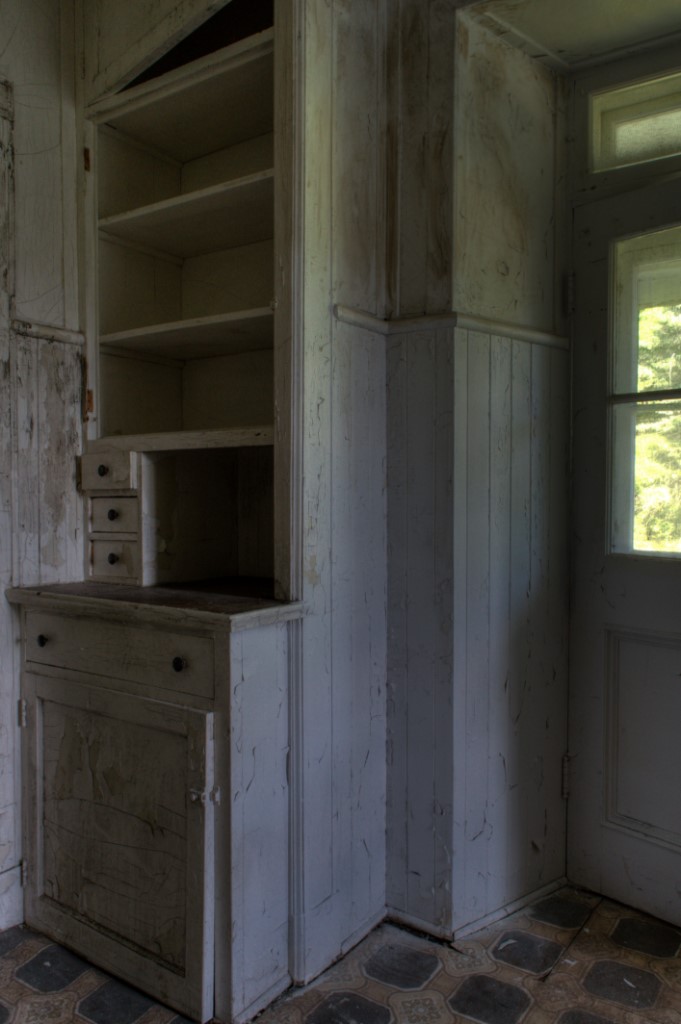
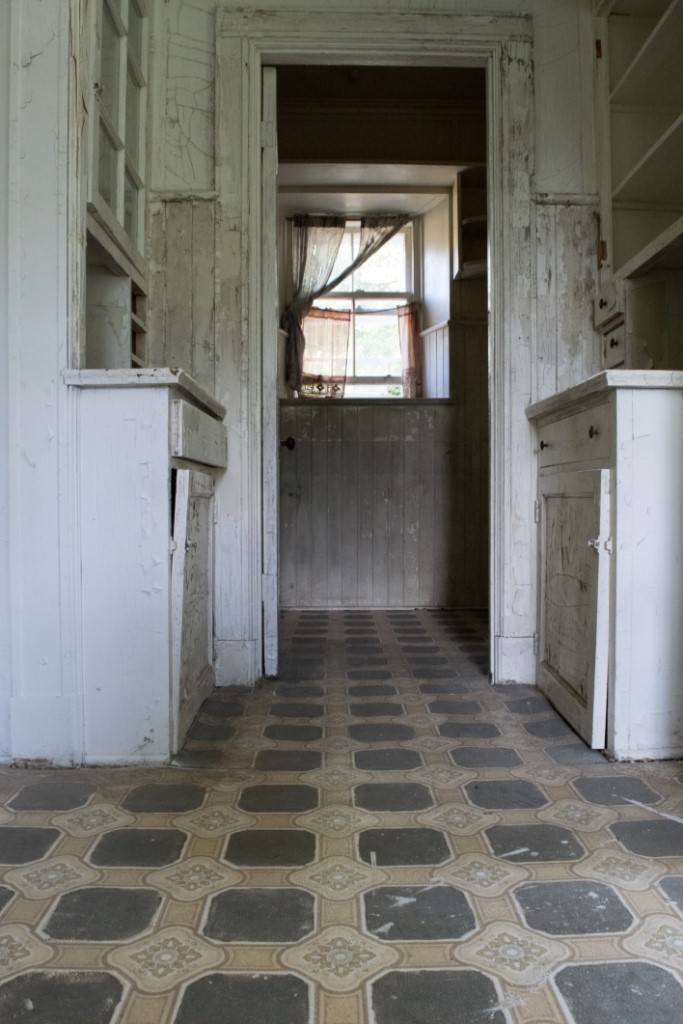
This house is located in a large metropolitan area, tucked away in a small forested pocket off of a highway. The house is barely visible from the road.

The house was constructed in 1967.

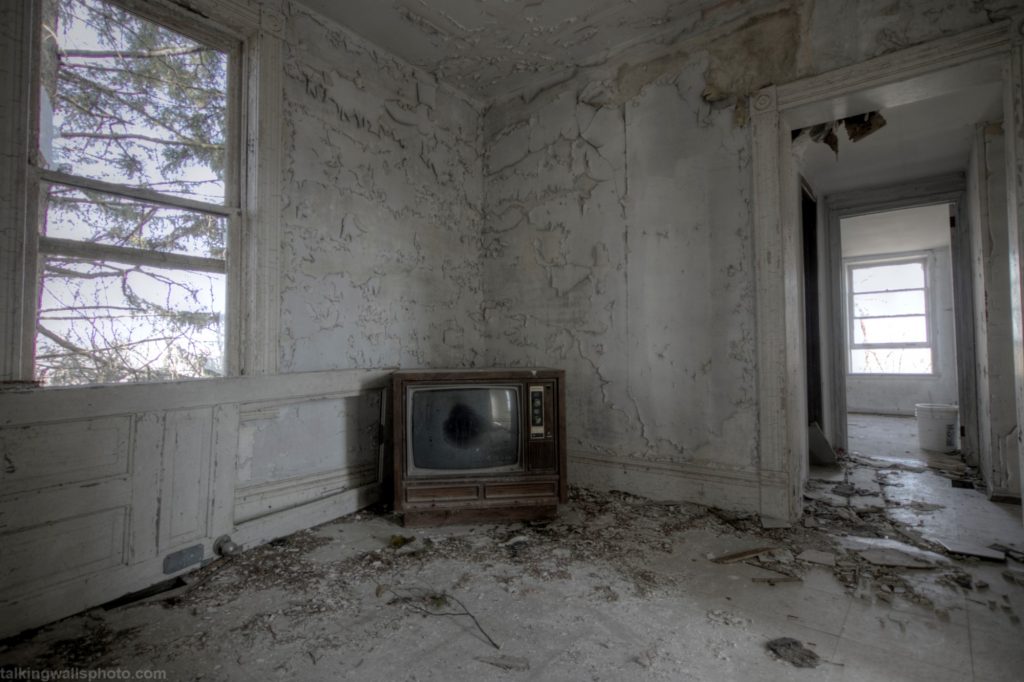
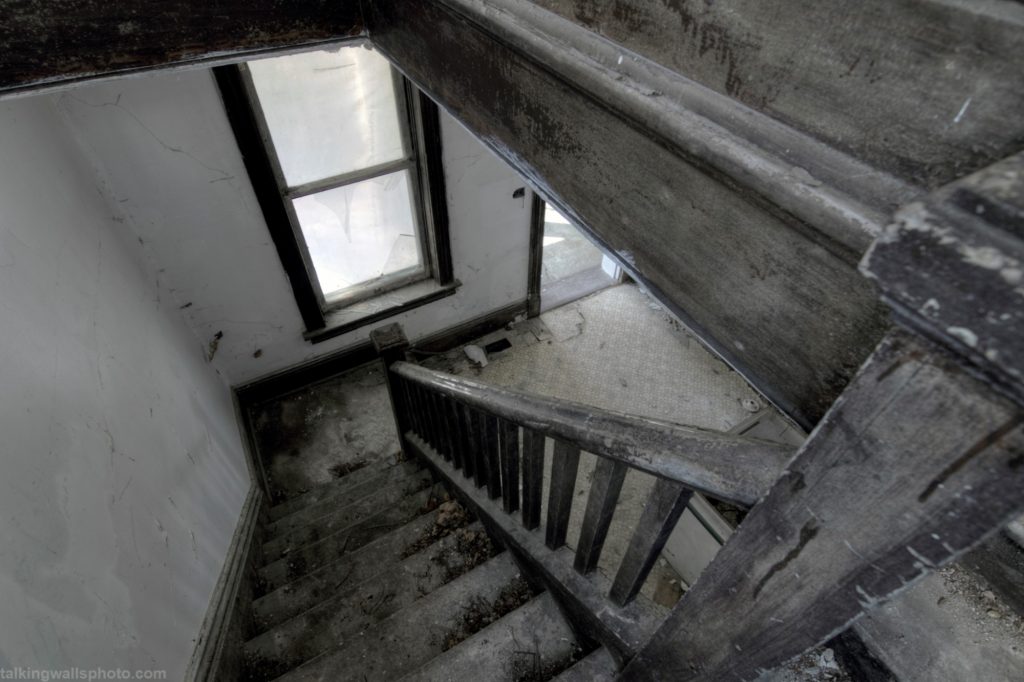
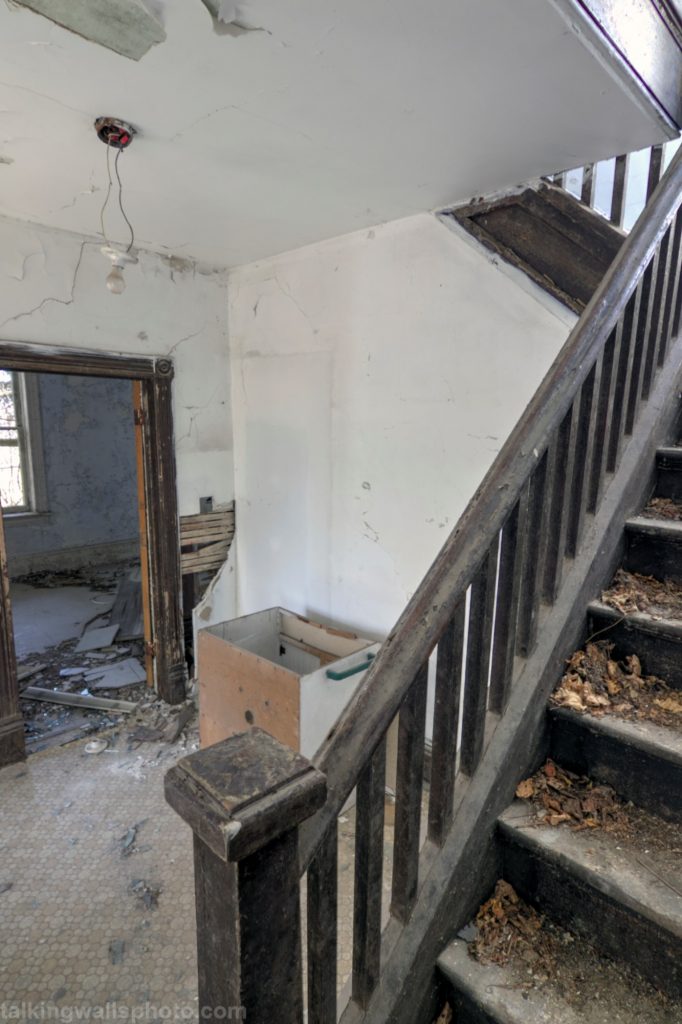
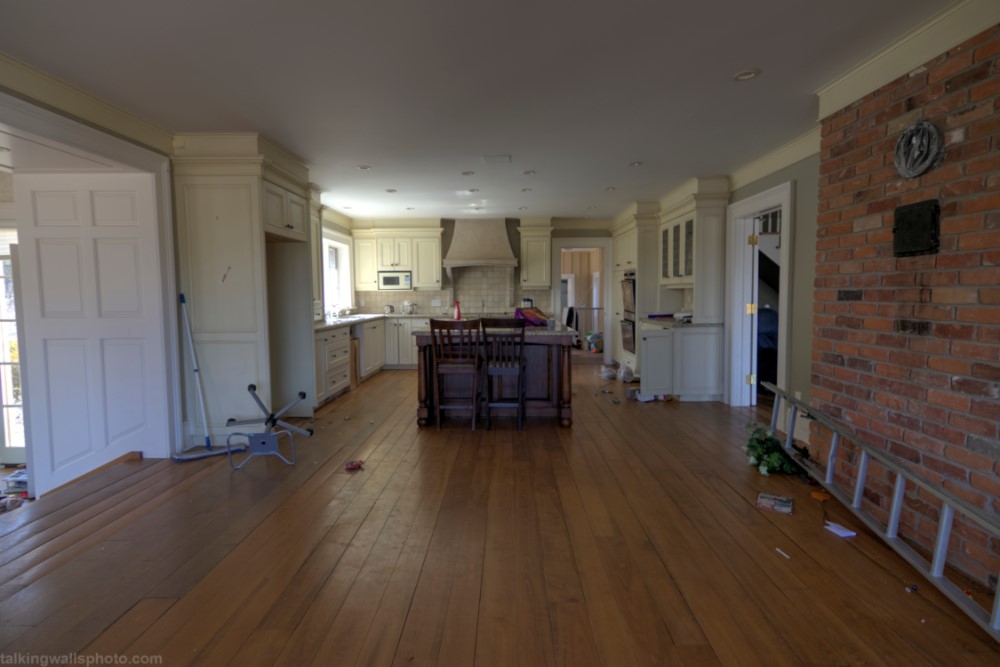
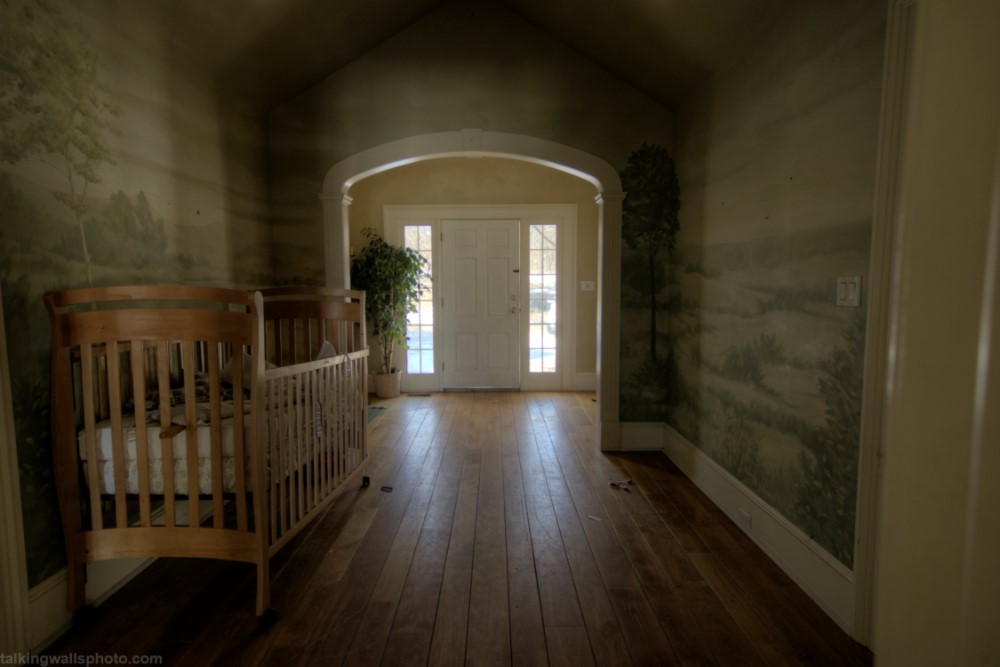
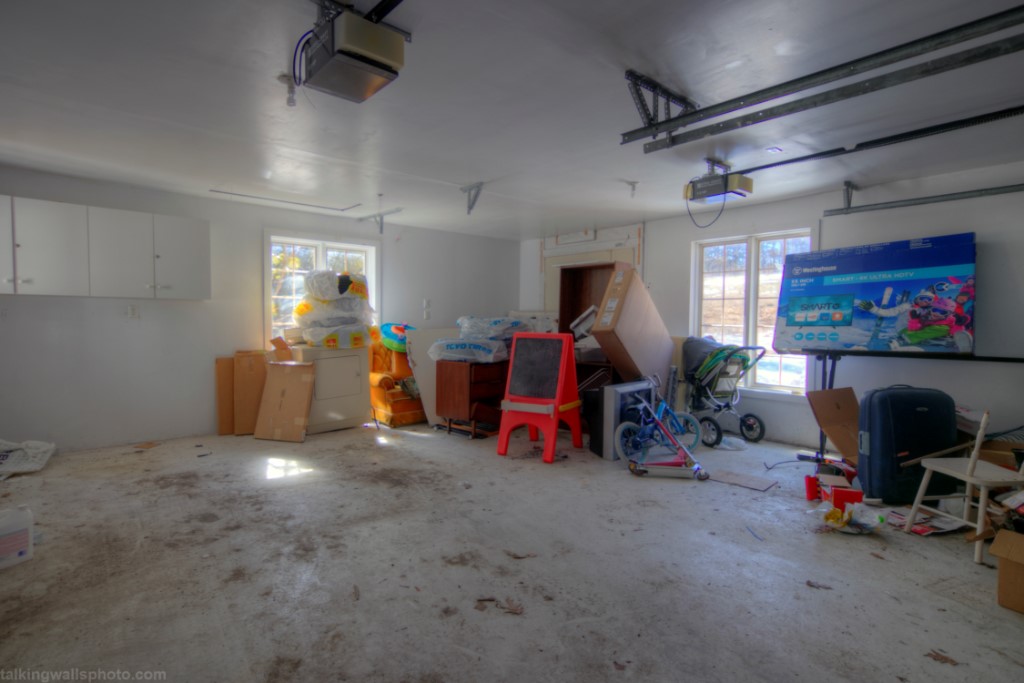
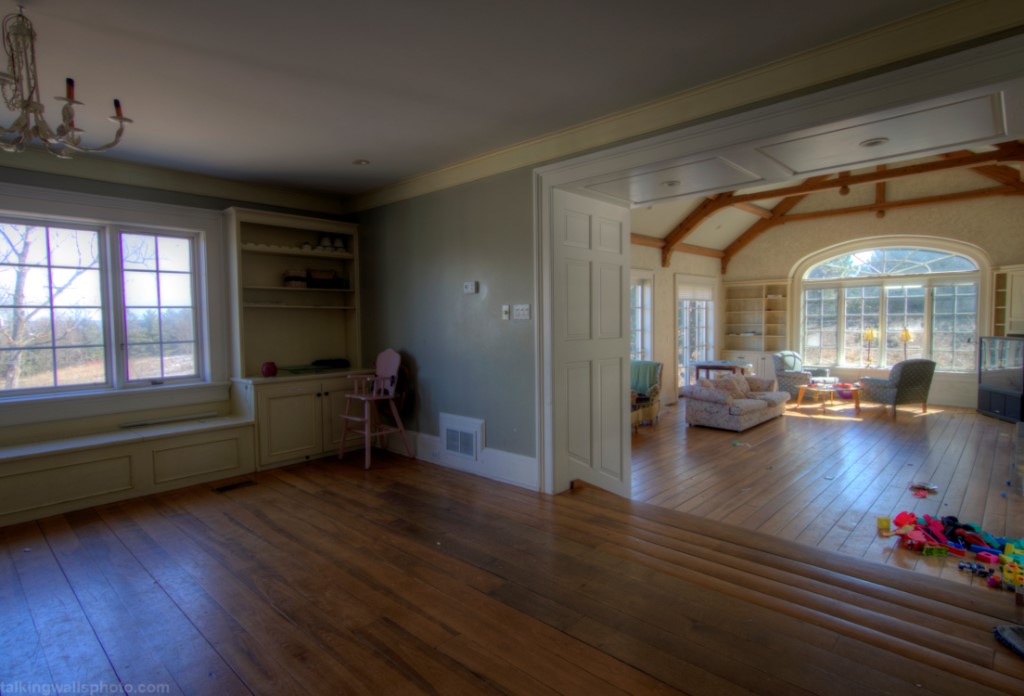
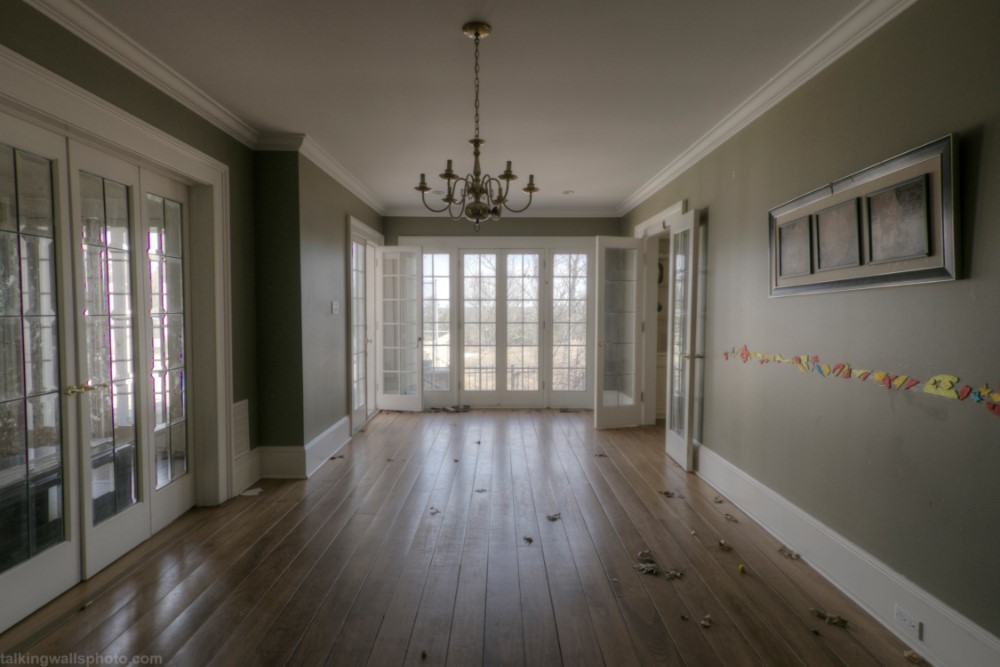
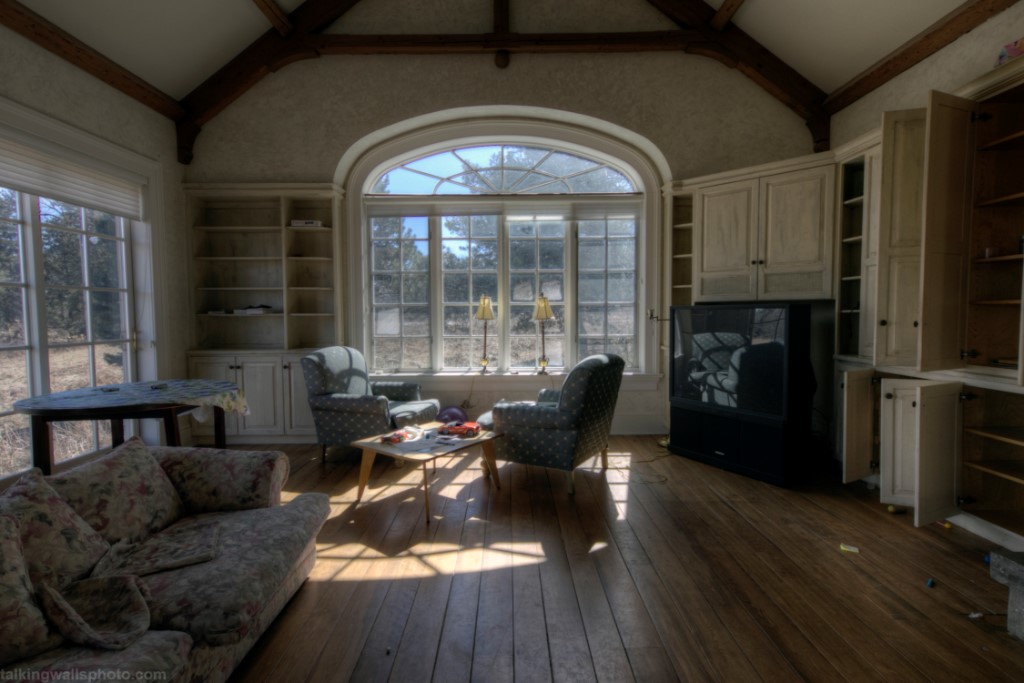
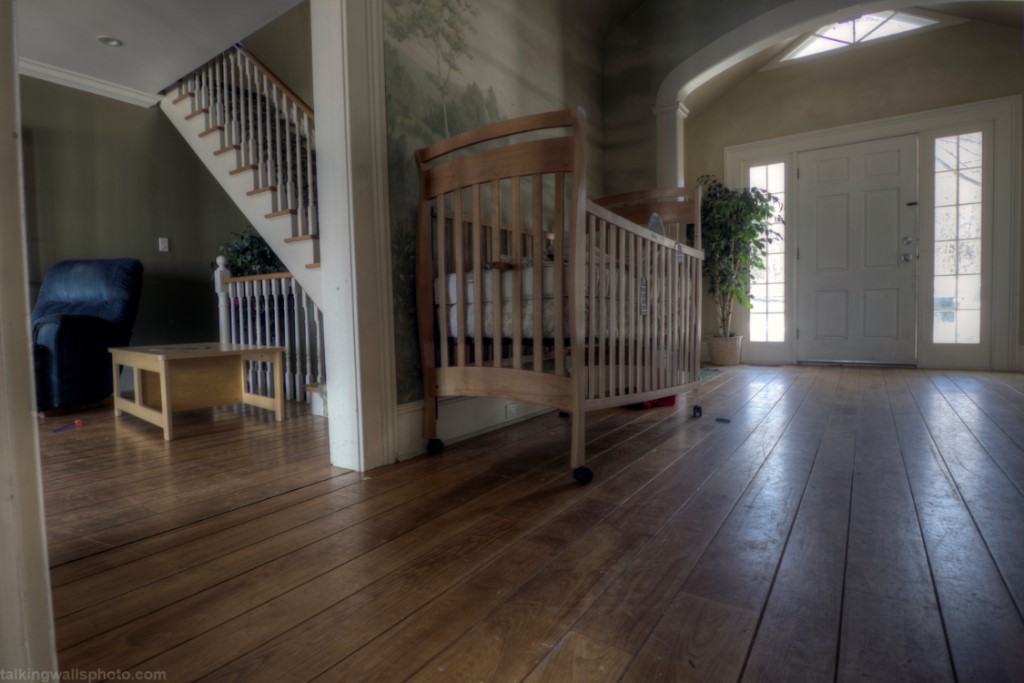
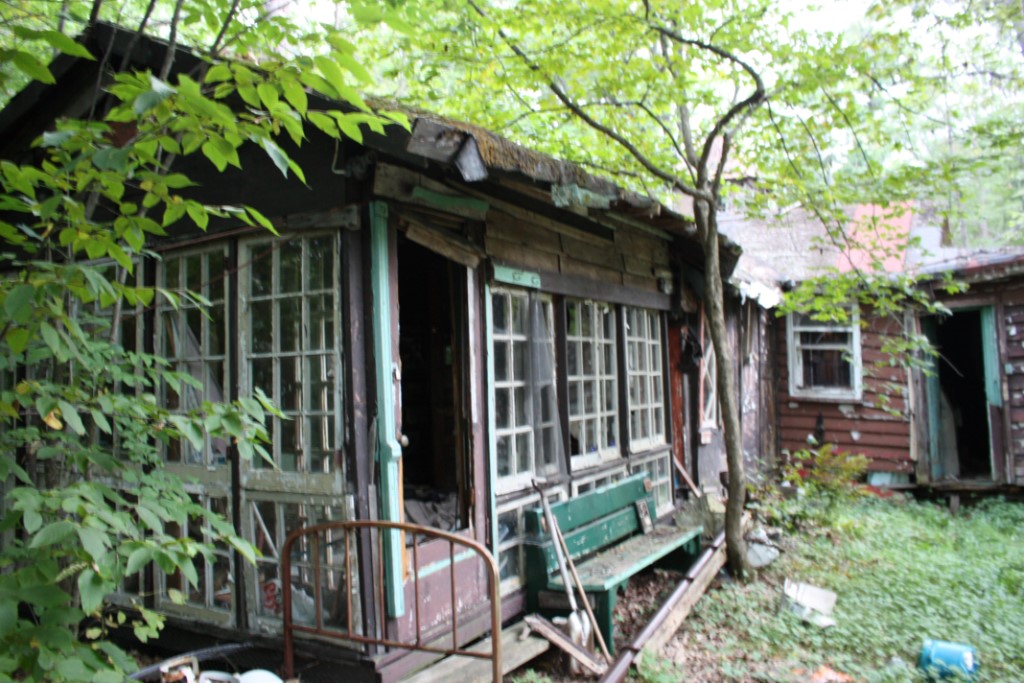
It was last occupied by a family from Syria. The family came to Canada as refugees from the war torn country of Syria. The four children were not able to attend school or go outside in their homeland. Seven family members lived in a small bachelor sized apartment.

Perhaps you’ve seen the news coverage of Syria, particularly overwhelmed hospitals where small children have been seriously injured in the conflict. After ten years of war, many of the buildings are now shells, and over 12,000 children have died or been injured since 2011 (source: Unicef).
They family sought better living conditions and knew that Canada was a safe haven. They made a three-week trek to Canada. The children are now in school and learning English (they spoke only Arabic). The  father went to school in Ontario and is now working at a car dealership.

This house was donated to the family. This makes me appreciate what a great country Canada is. 🇨🇦 Don’t ever take for granted your freedom.

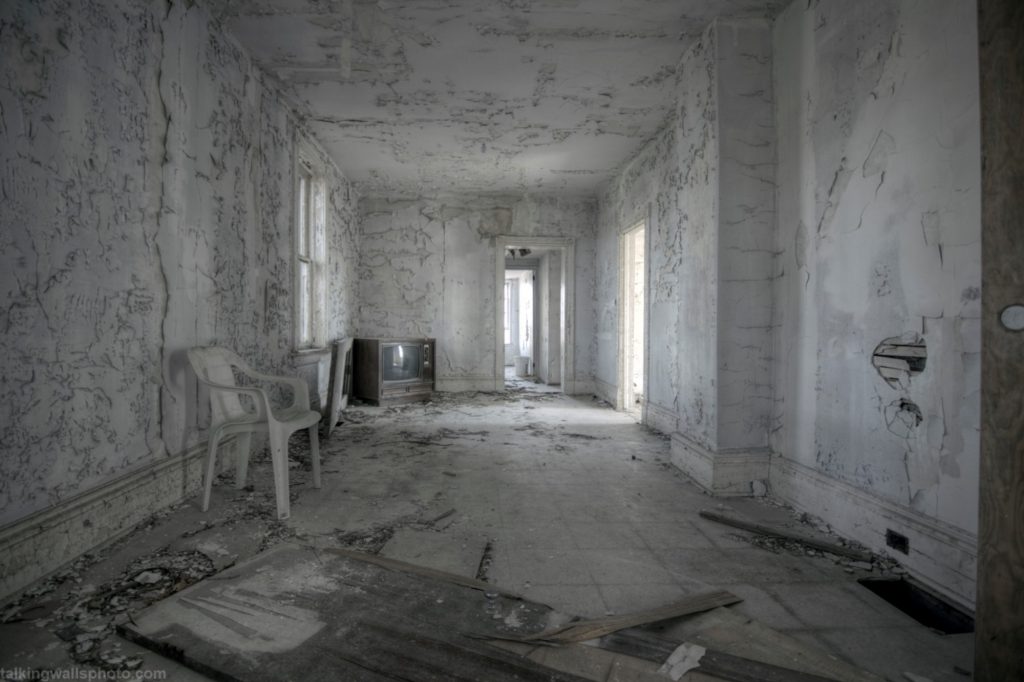
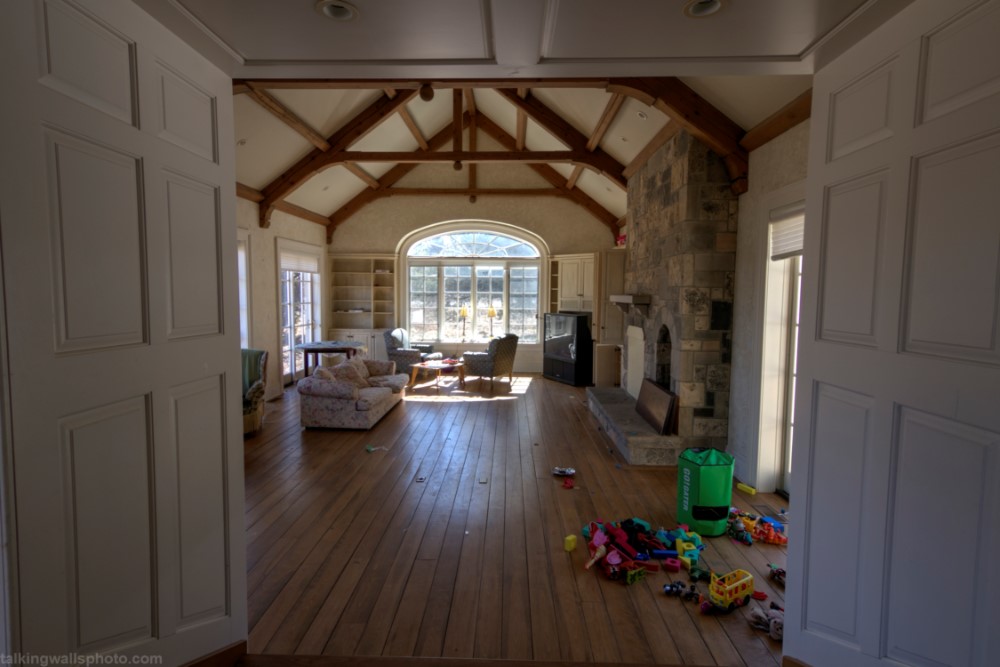
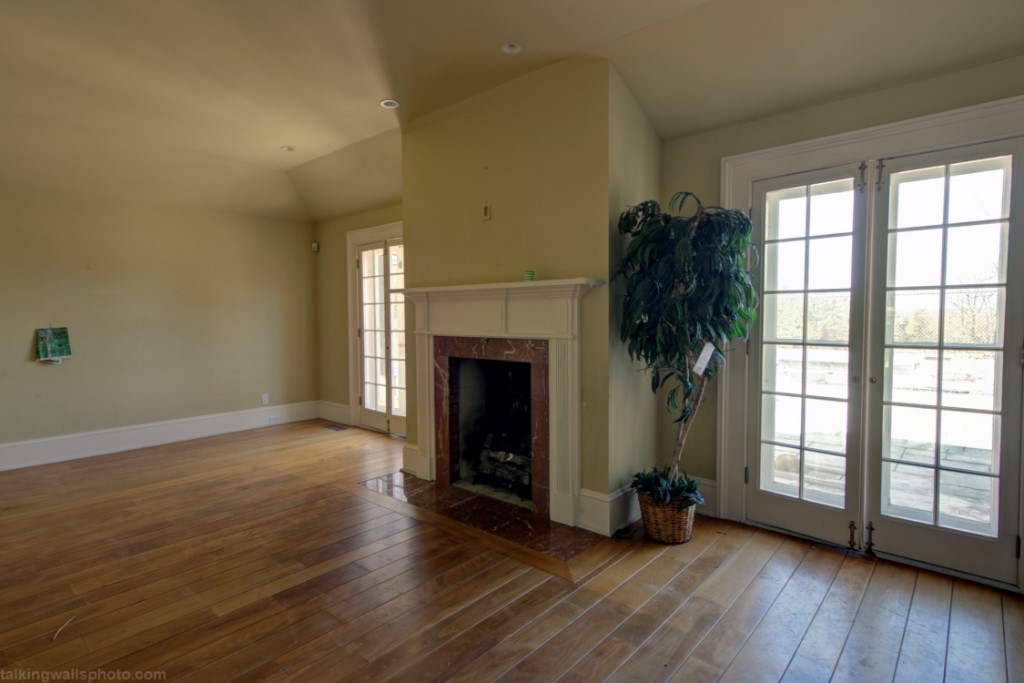
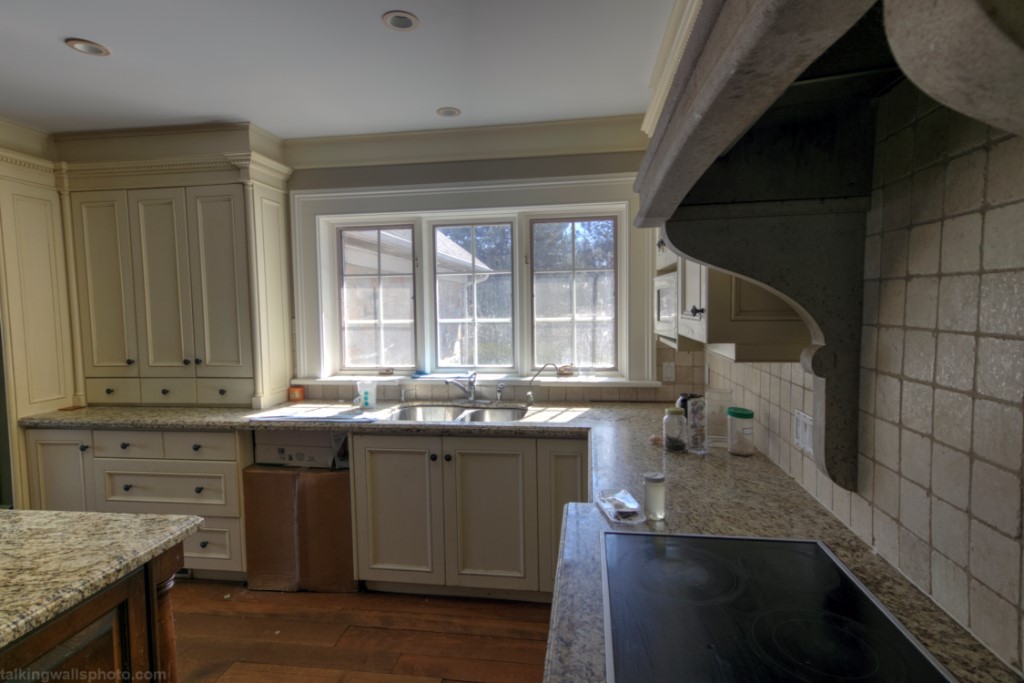
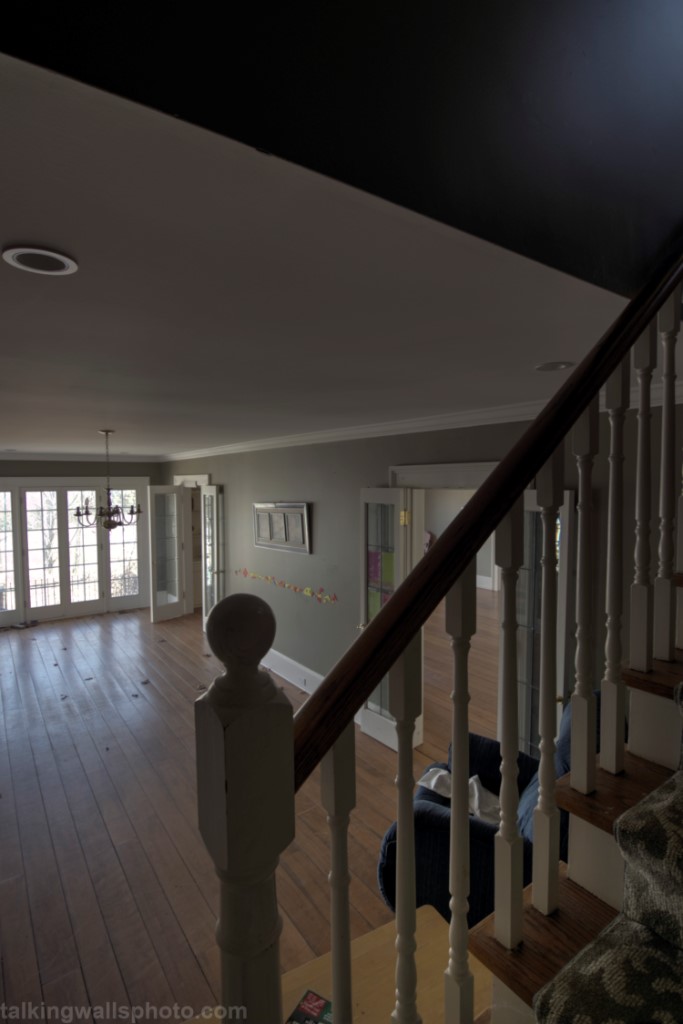
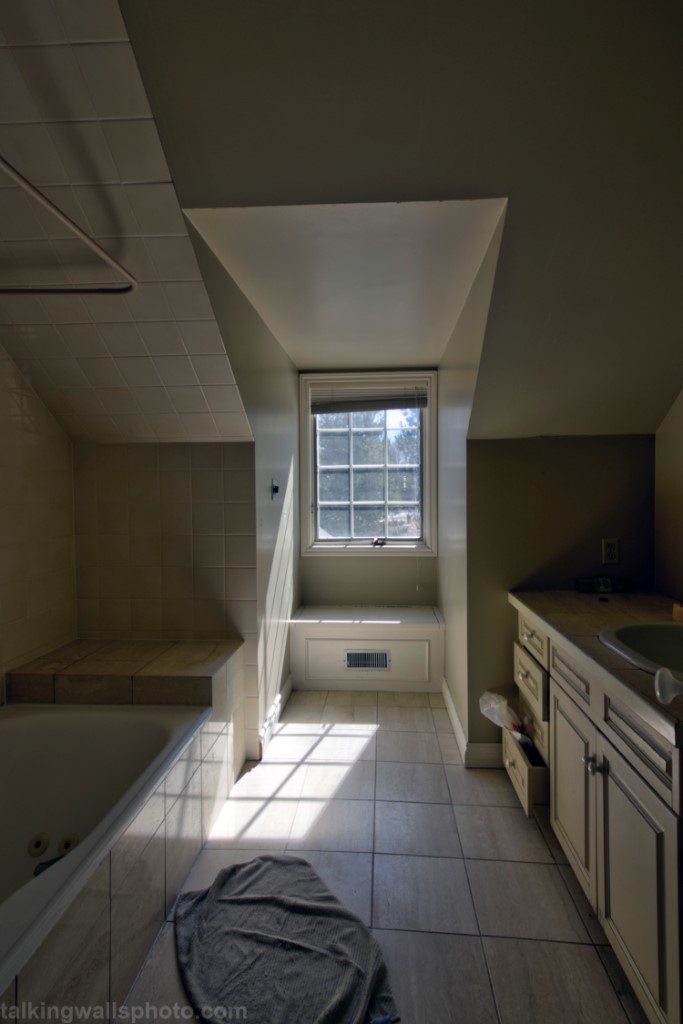
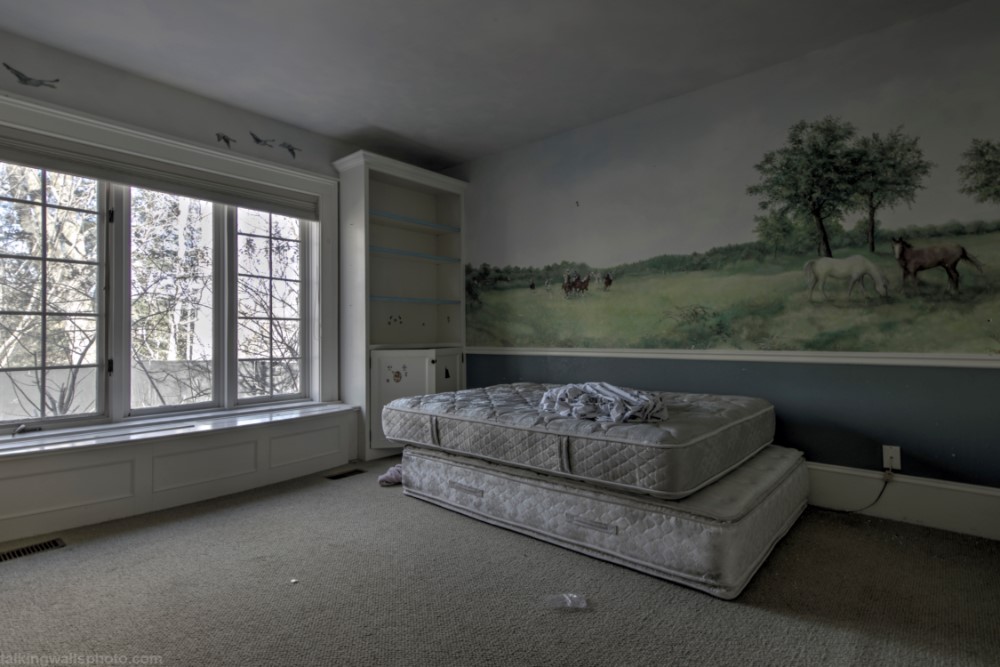
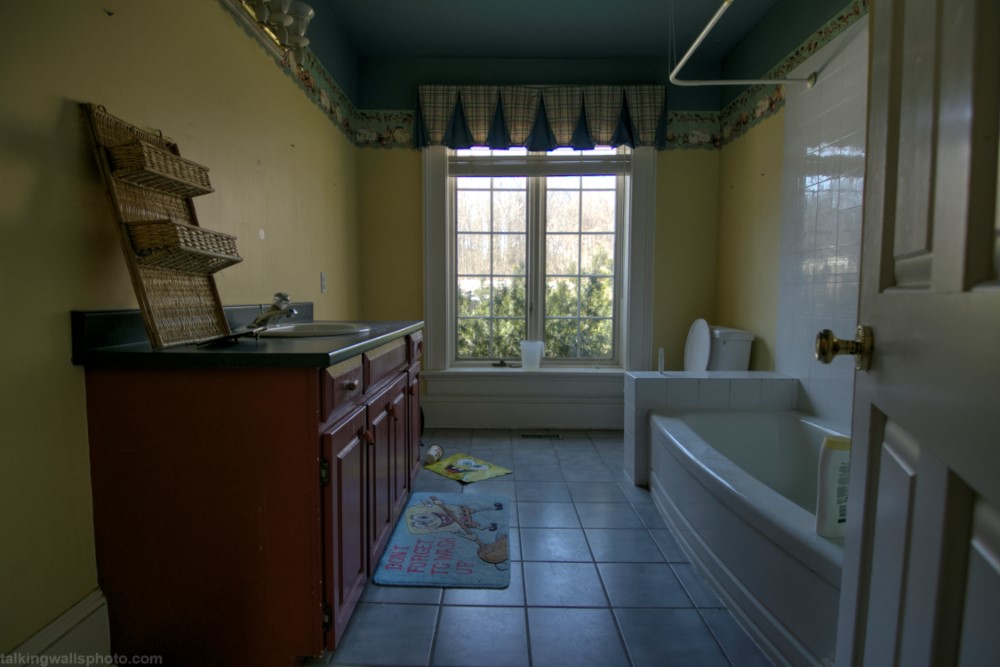
A development company purchased the property for $16,400,000 and the occupants found new housing. The family left behind several child’s toys, bedding and large television sets.

The developer plans to build a new subdivision on the property. The community has been outspoken in their opposition to eradicating green space to create new housing. Several years ago, the city council had agreed that the land was not for development.

Video


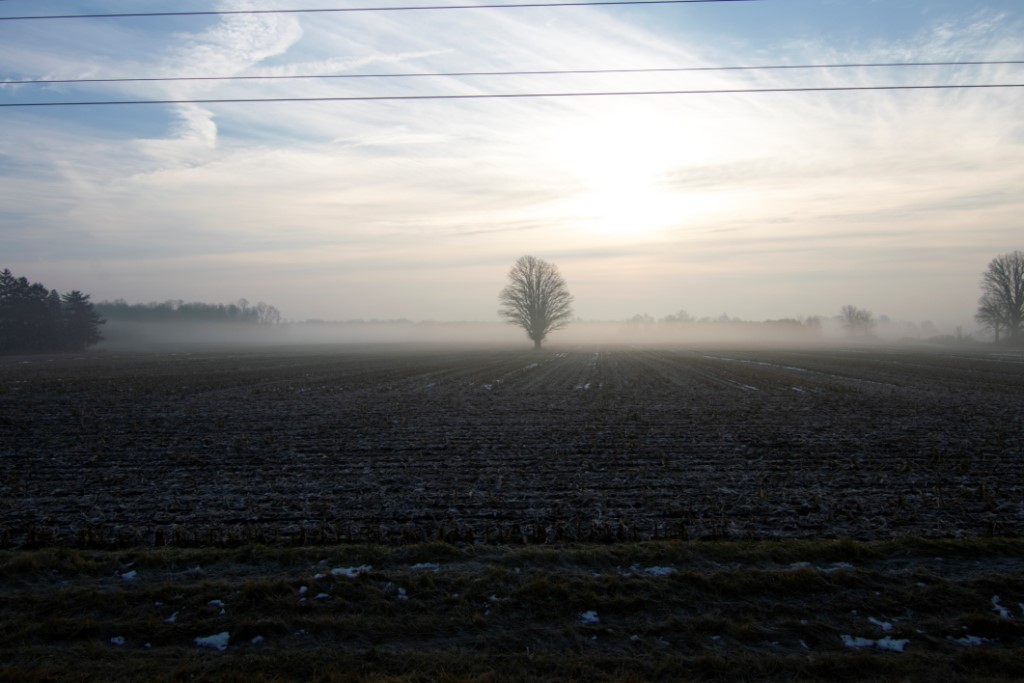
Foggy Day Time Capsule Farm House

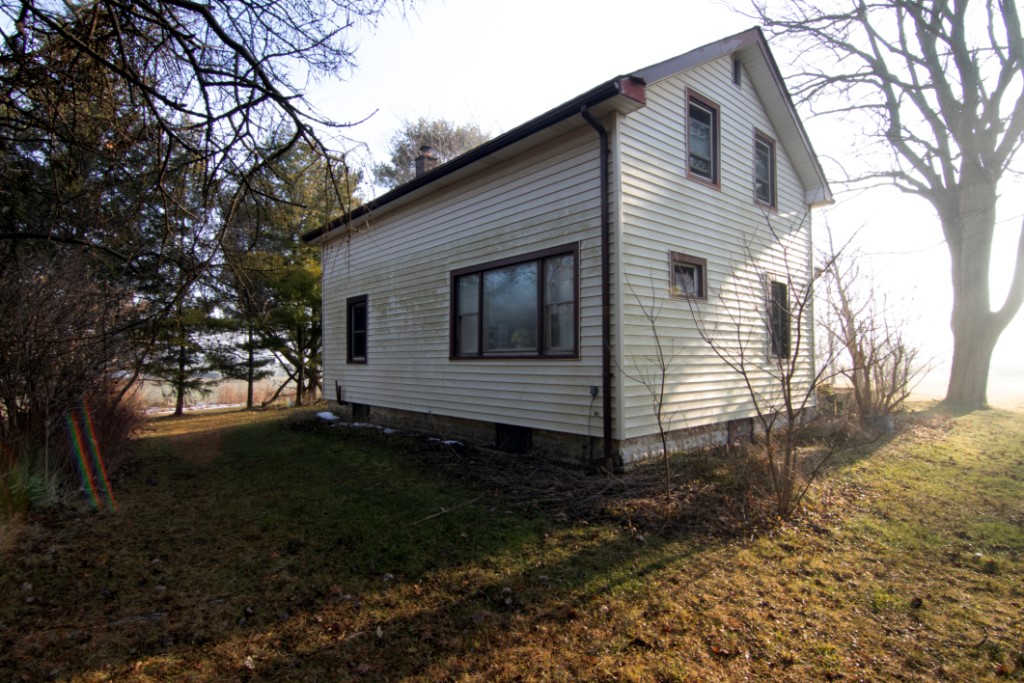
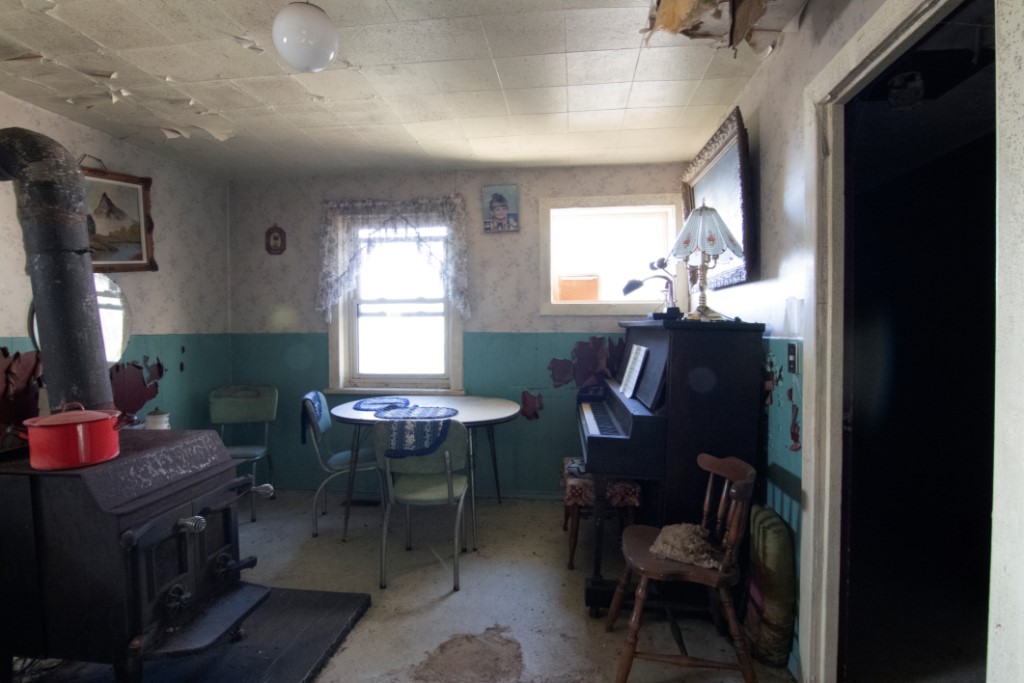
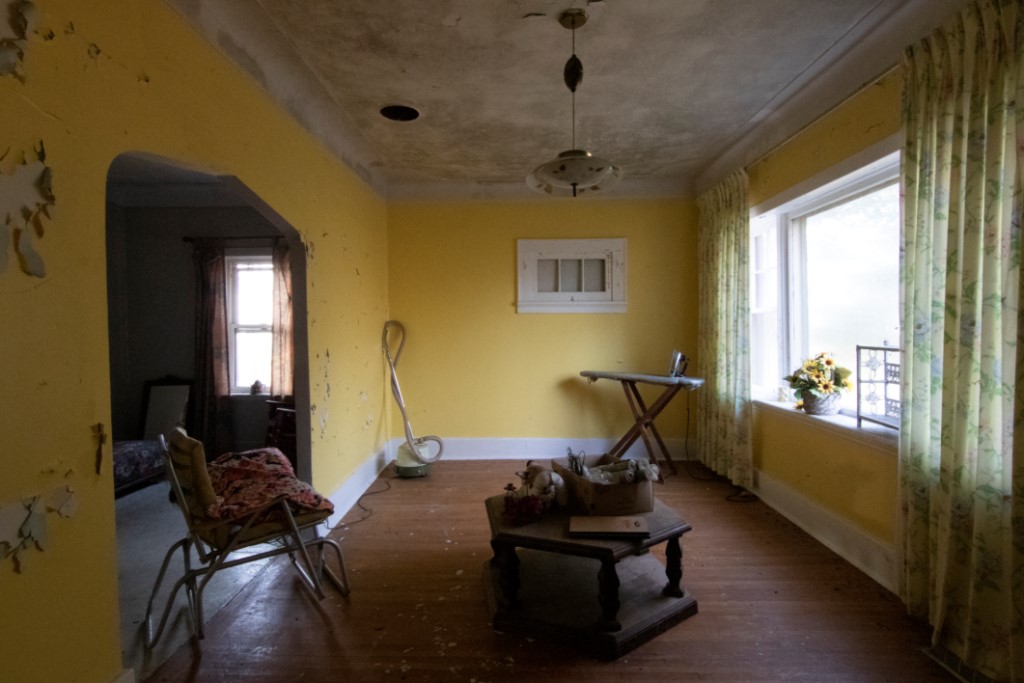
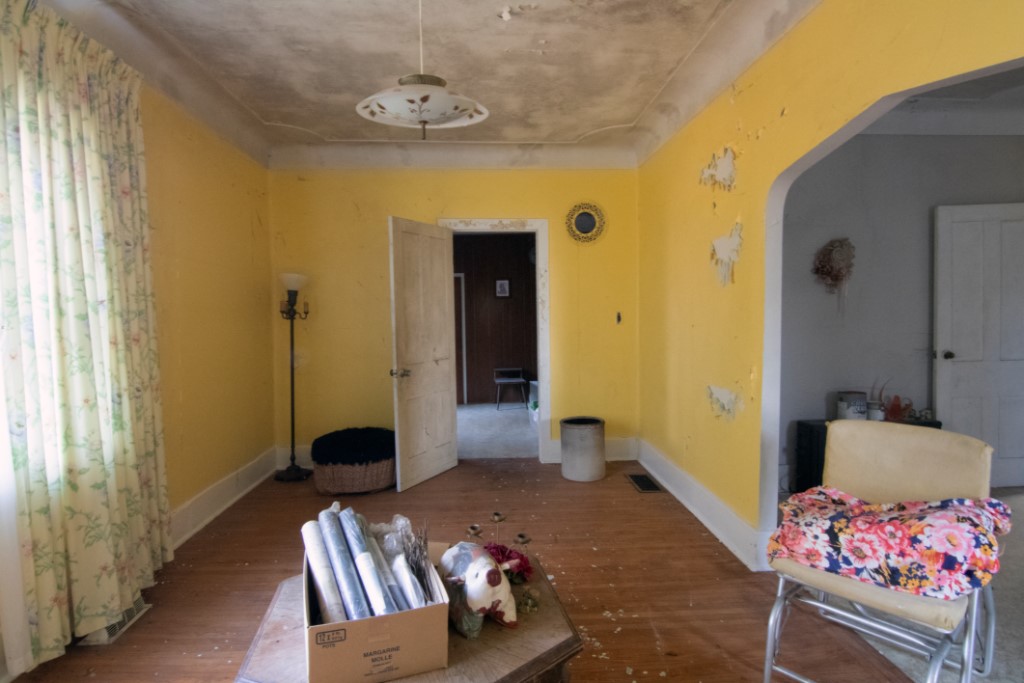
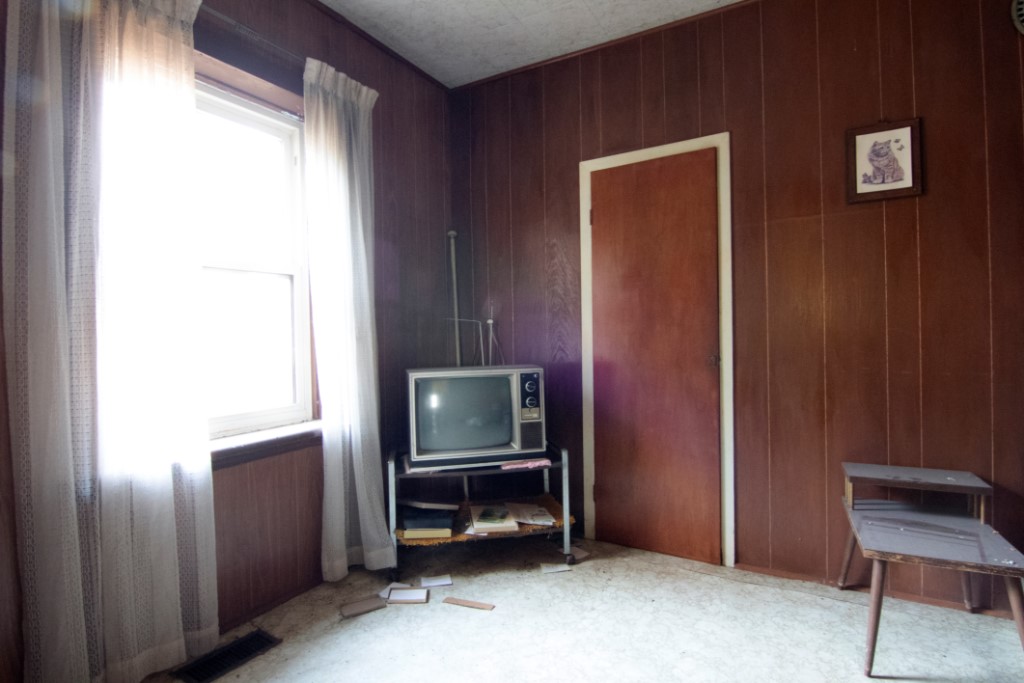
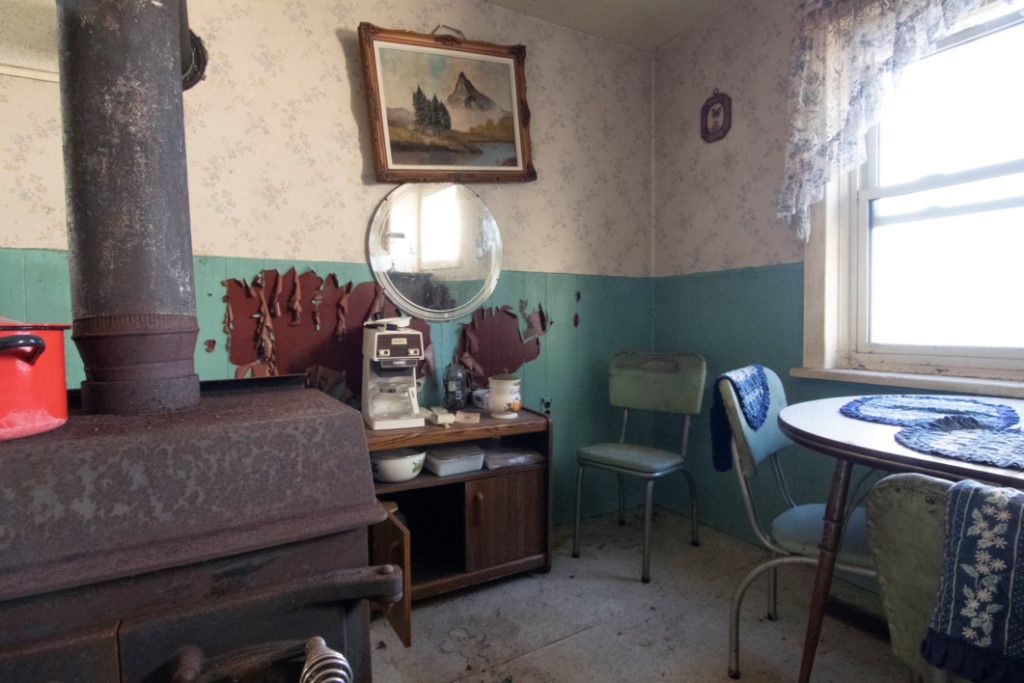
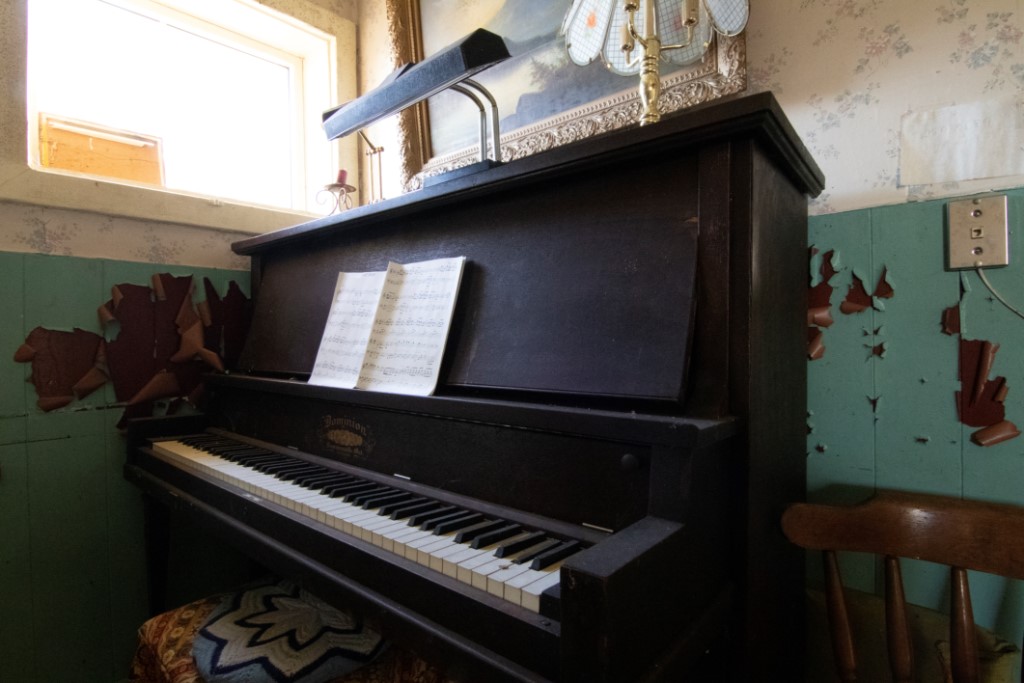
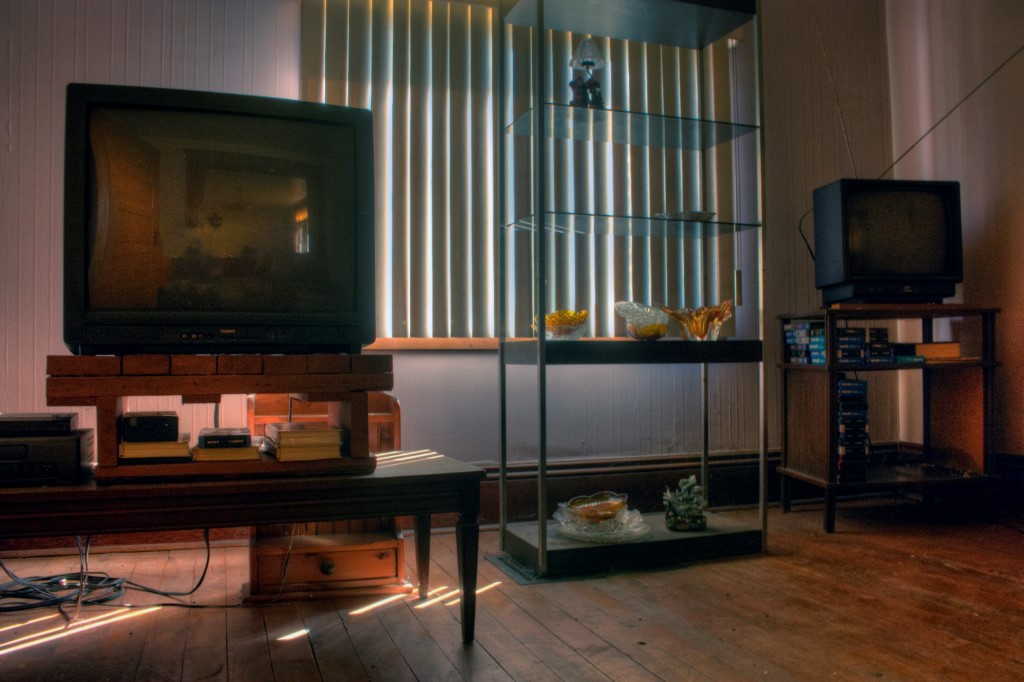
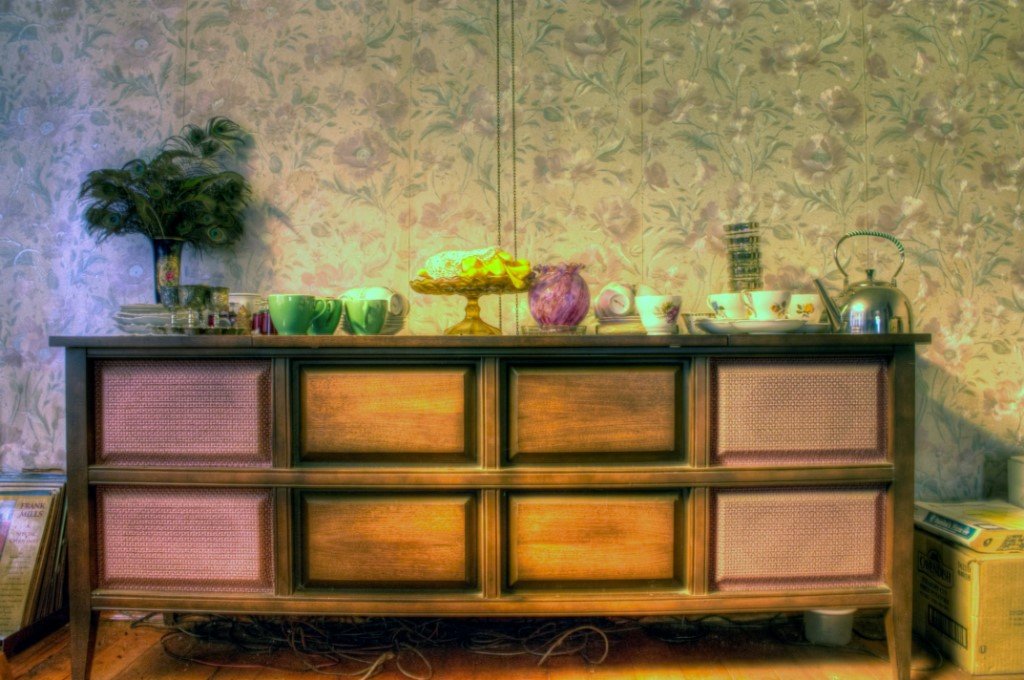
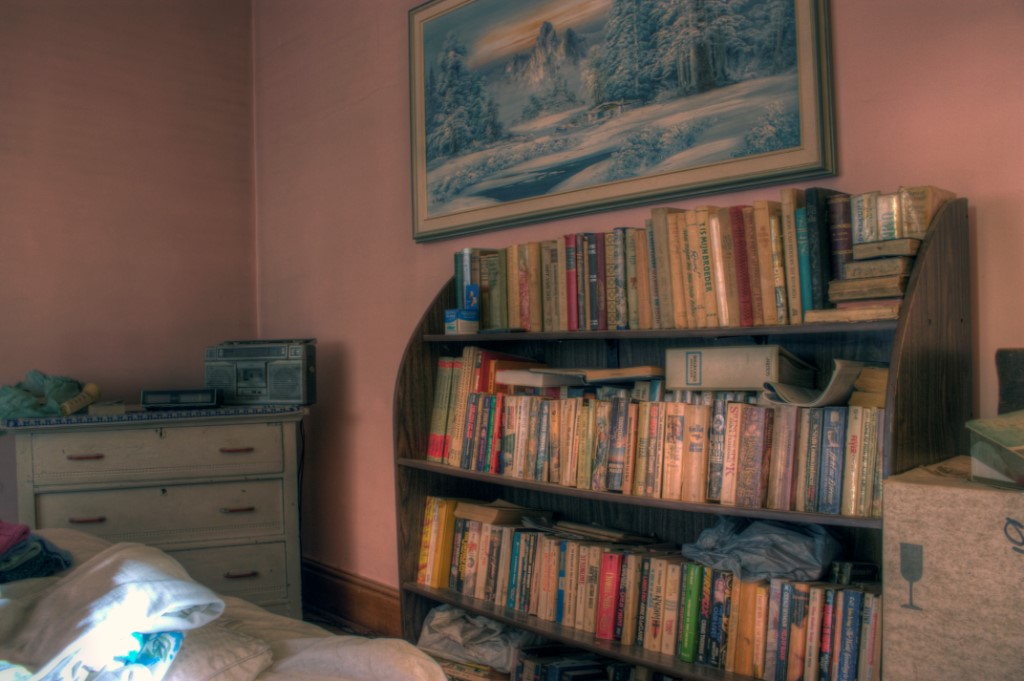
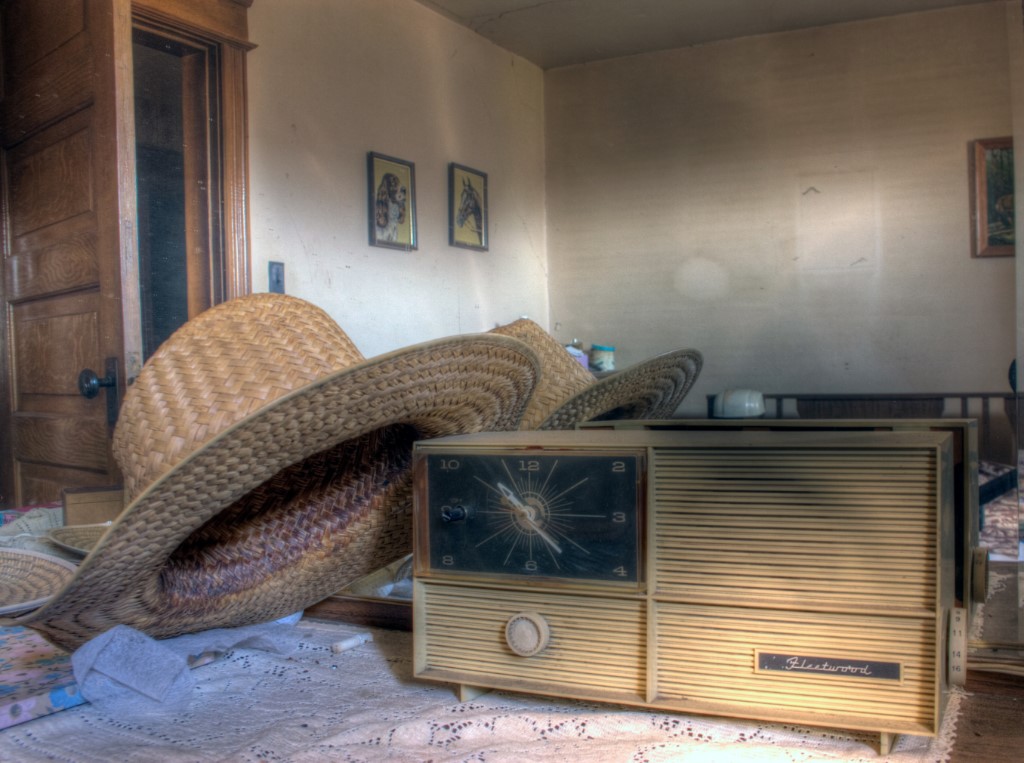
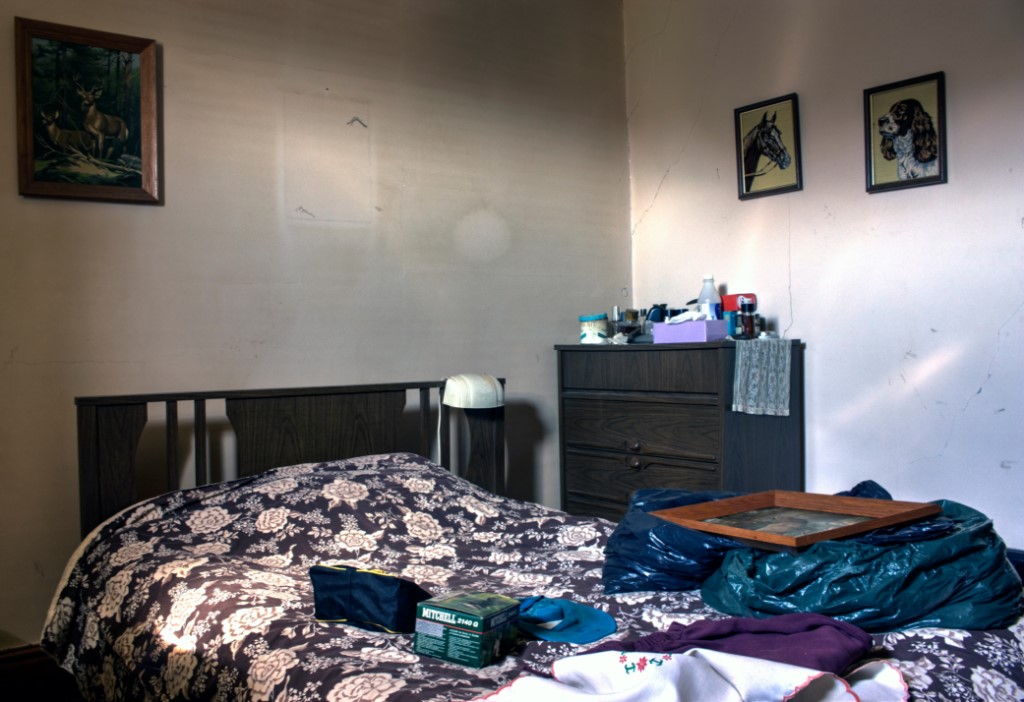
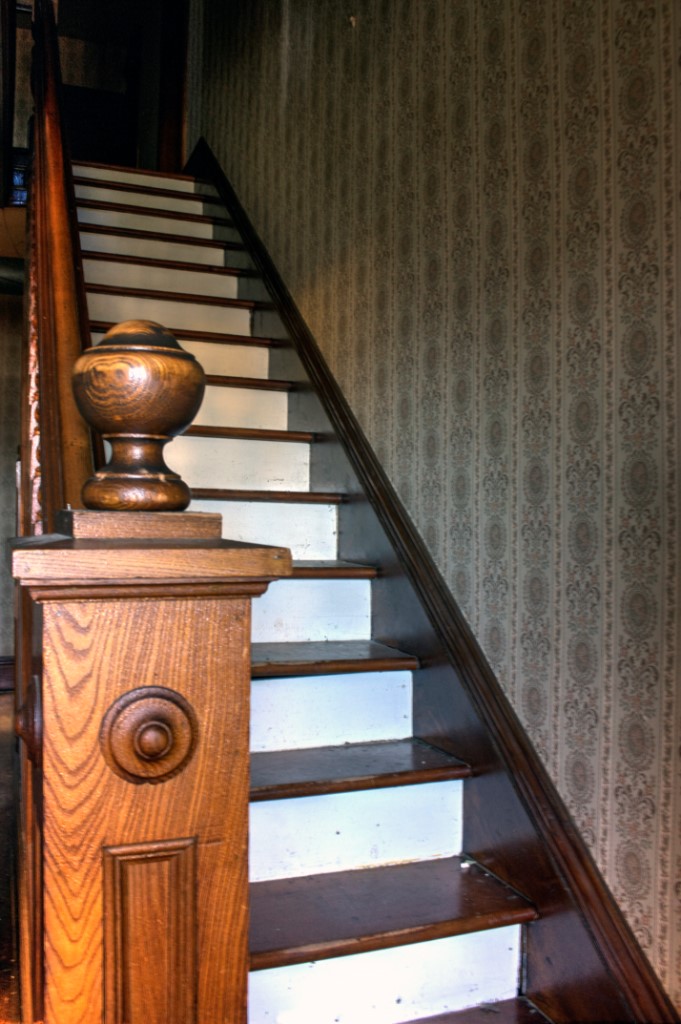
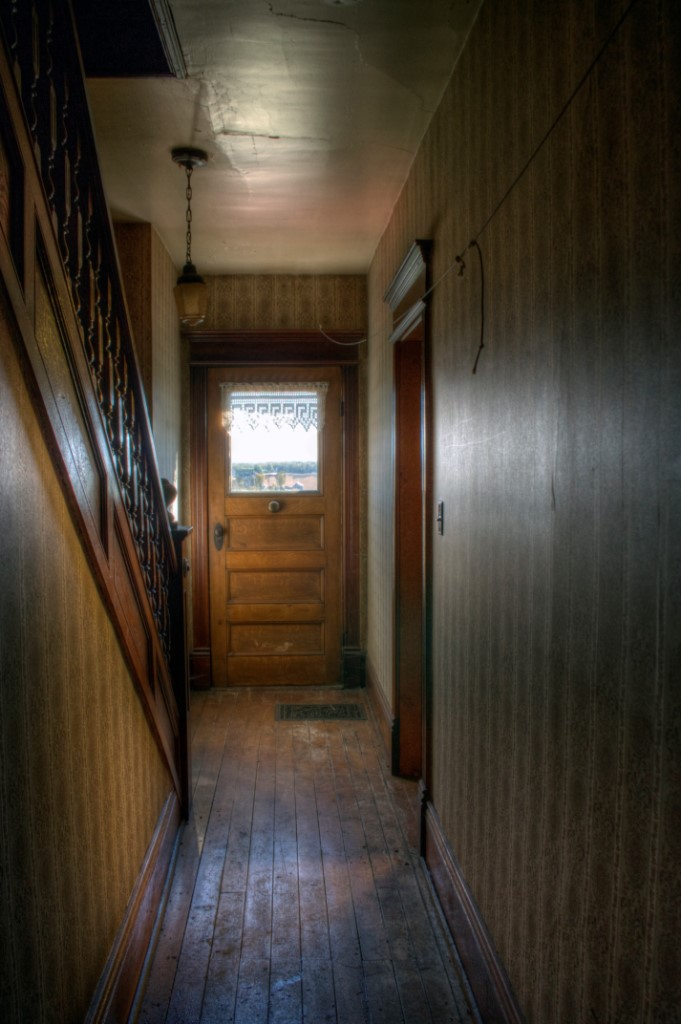
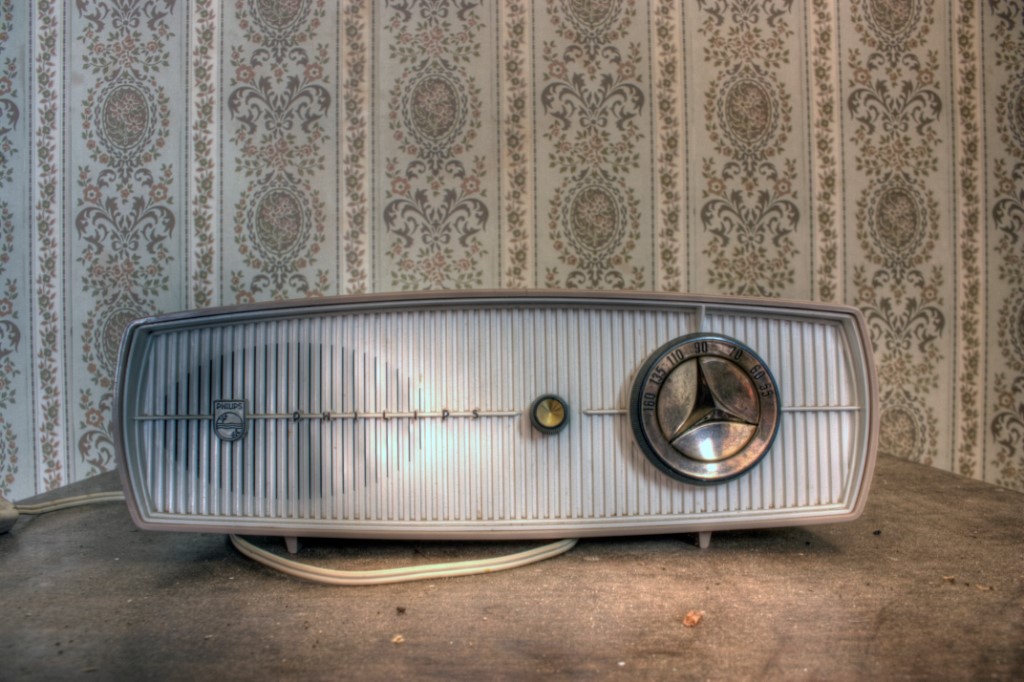
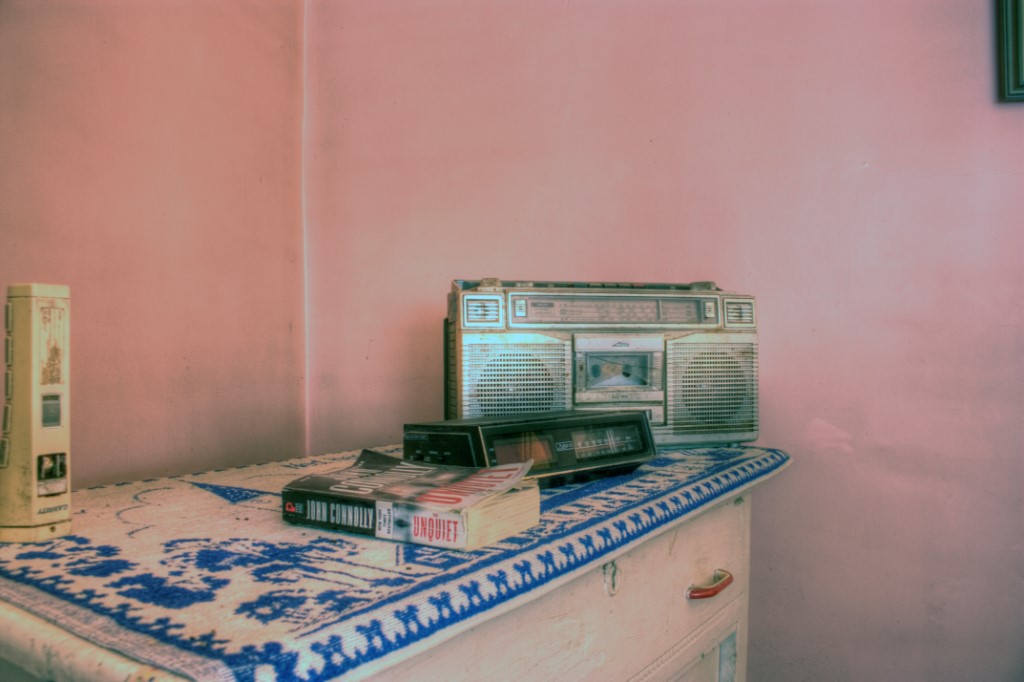
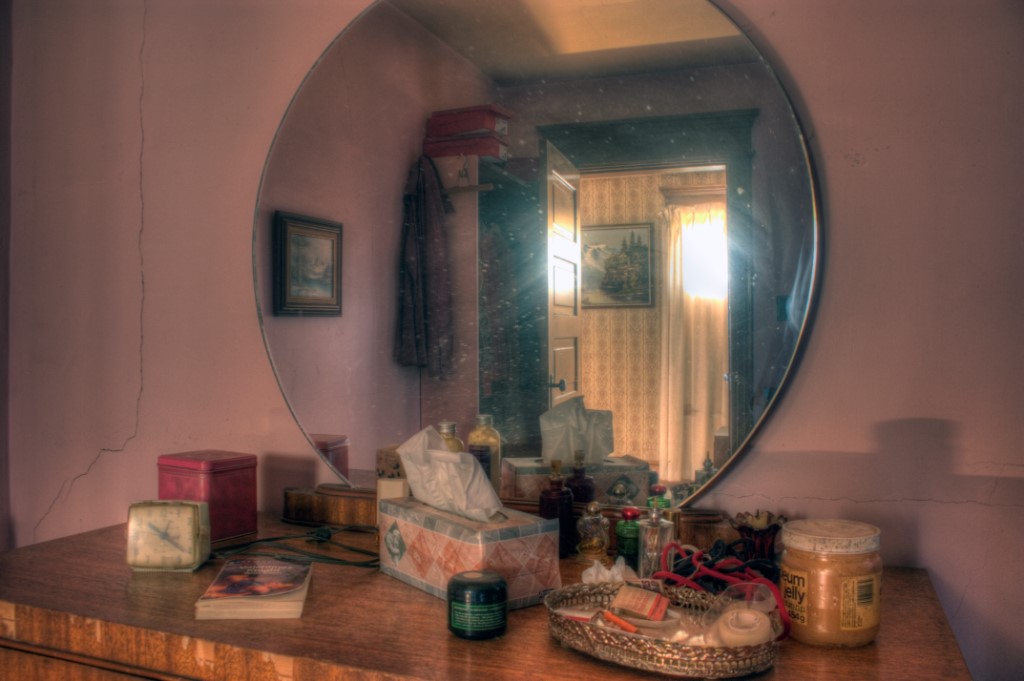
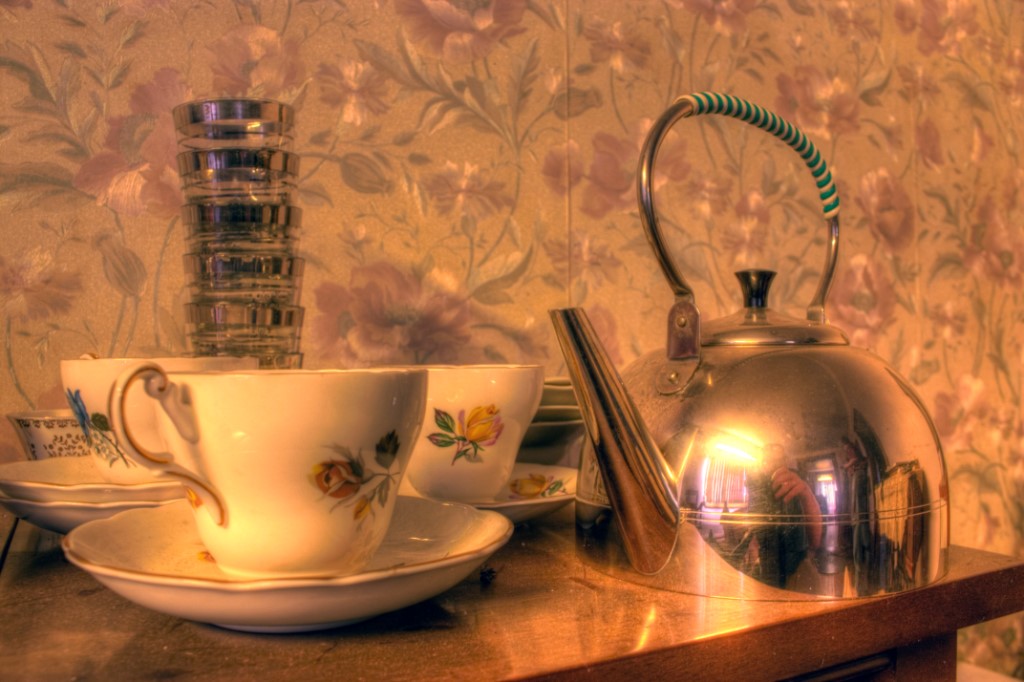
Let me preface this by stating that this isn’t a complete time capsule house. It’s a small rural farm house that looks like it was vacated during the 80’s. 

Norling Farm (Abandoned Computers)

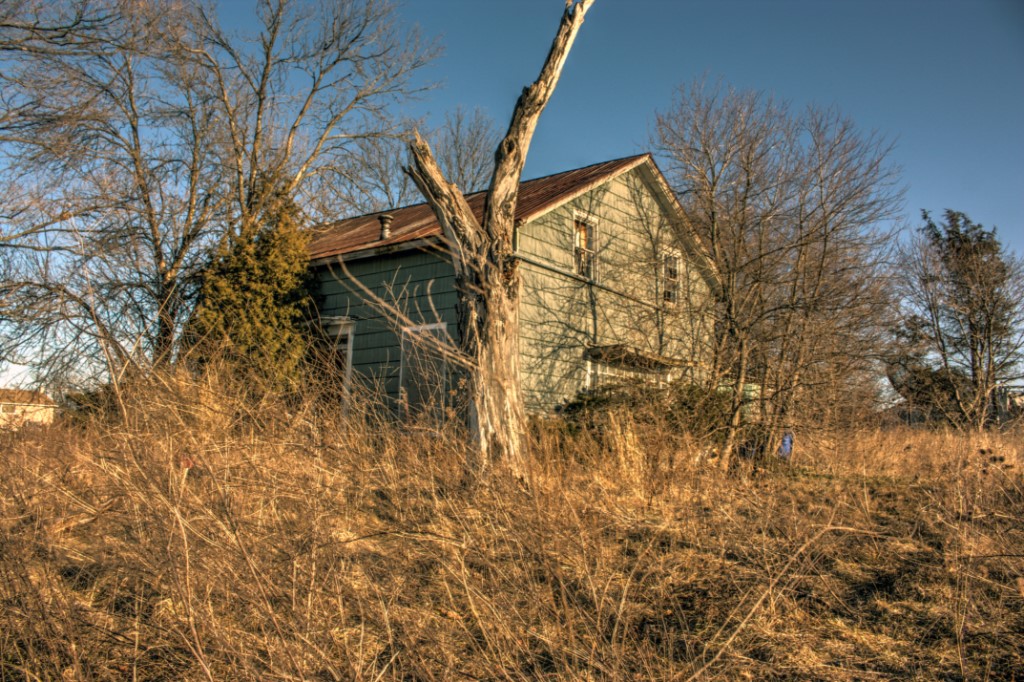
This is a rural property that’s been around for some years now. I have never been back to check on whether any of the items are still there. There’s a minivan and a parted-out car in the garage and a 40 foot motorhome.

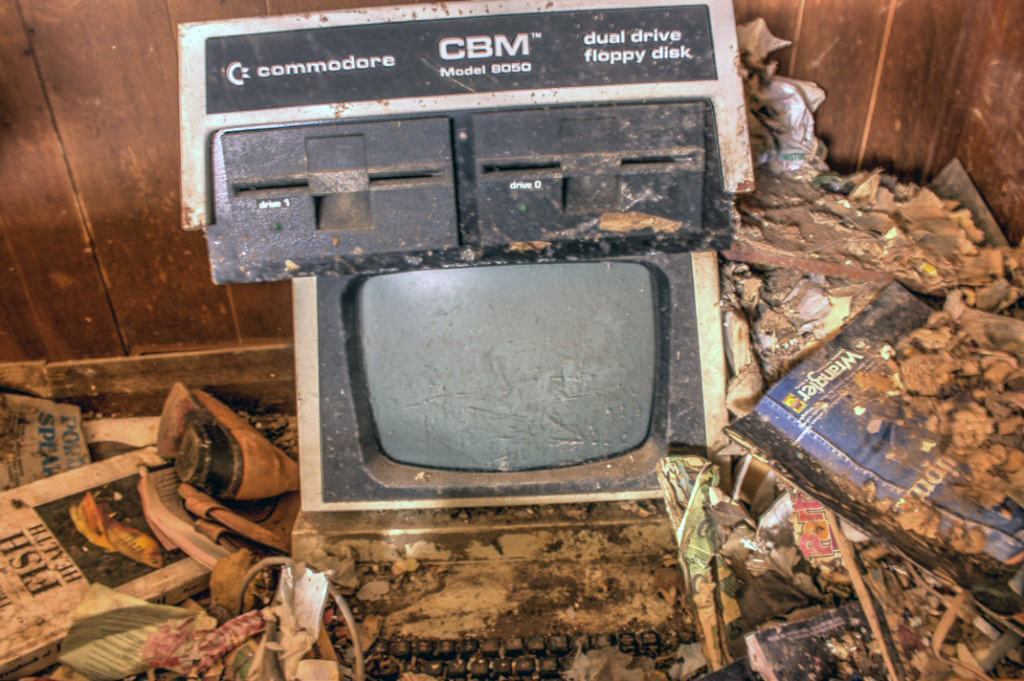
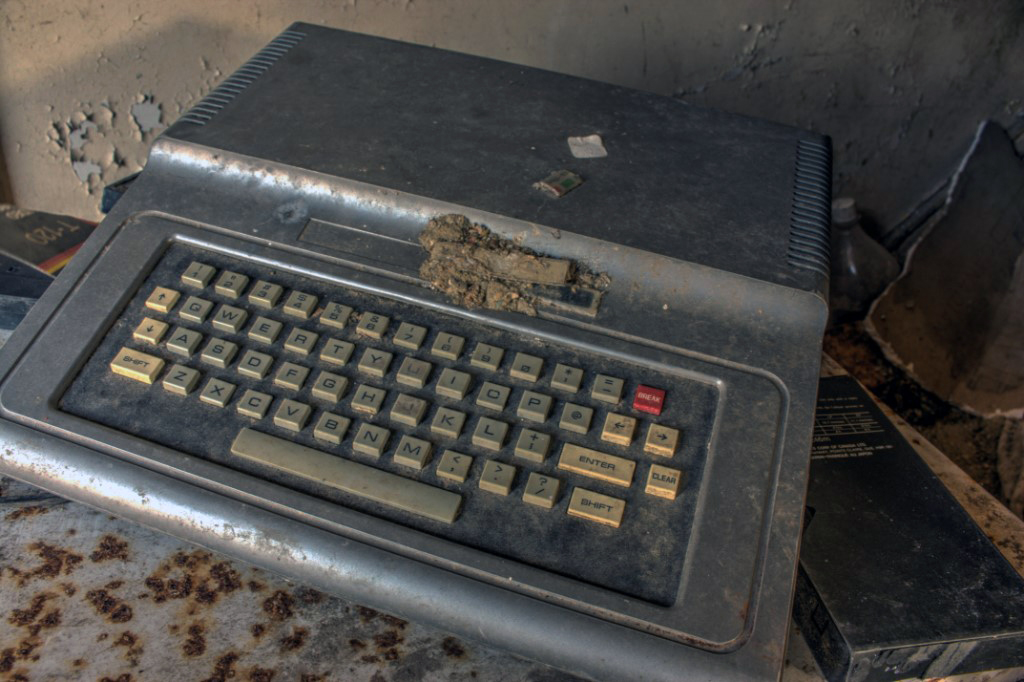
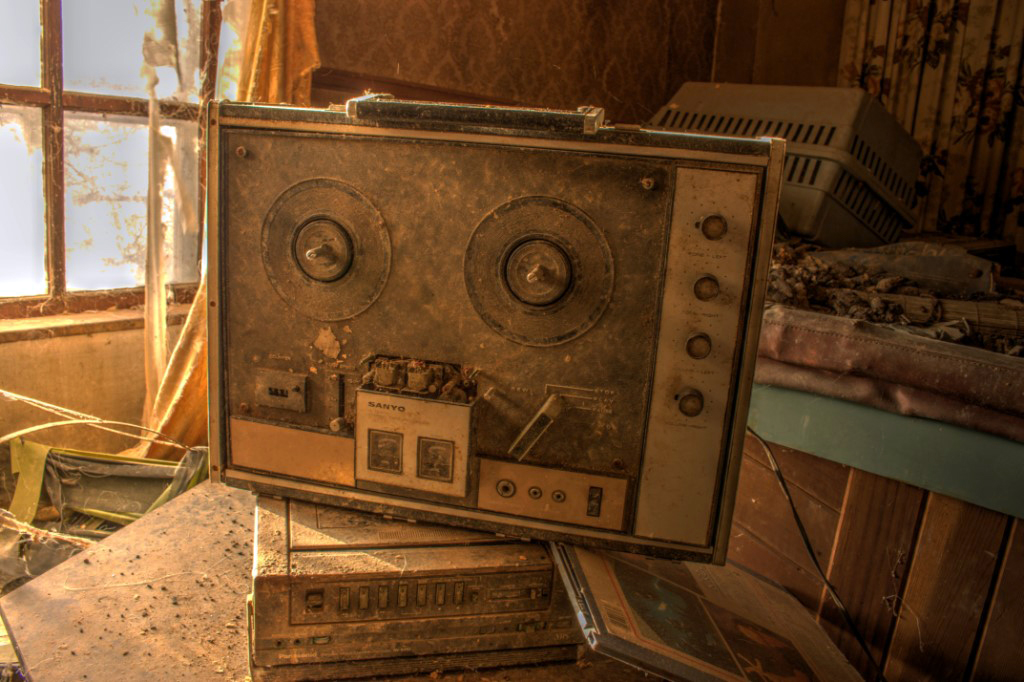
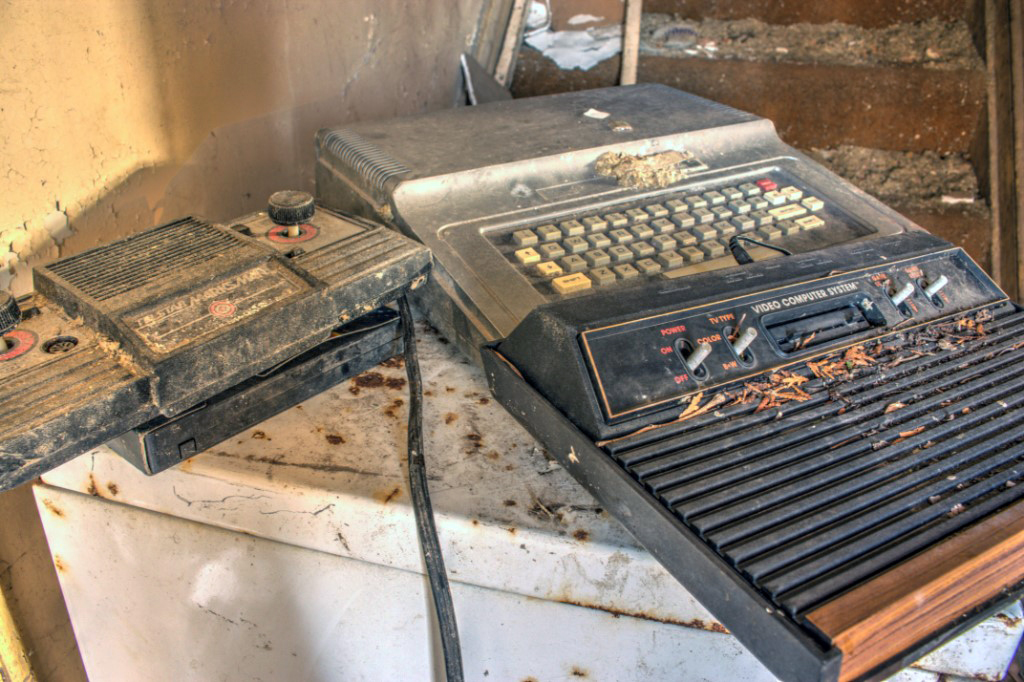
Whoever lived here would certainly have been someone I could get acquainted with. They were an avid computer enthusiast and video game collector. Some of the computers include a Commodore PET and 8050 dual drive, a Radio Shack TRS-80 and what looks like a ZX-80. Video game consoles include an Atari 2600 and a Coleco Telstar Marksman. There was a reel-to-reel tape player as well. I wouldn’t expect any of these to still be in working condition.

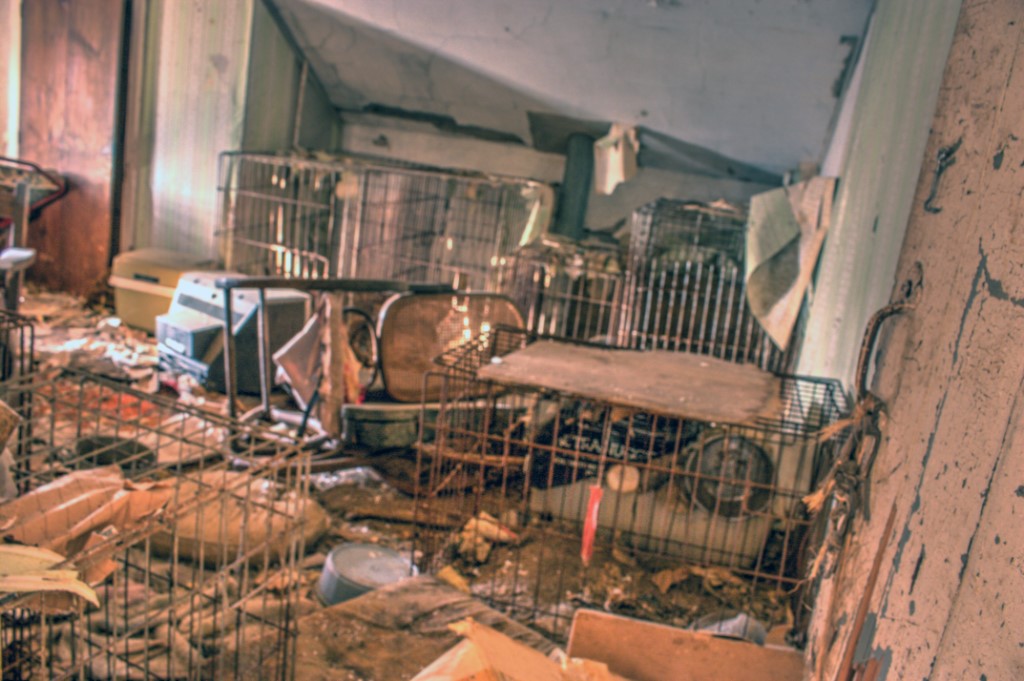
Inside the house are many cages in various rooms, which was somewhat disturbing.


Ogilvie Mansion in Quebec

Helen Johnston was the wife of William Watson Ogilvie. Ogilvie was a successful businessman who had made a fortune in the grain trade with his business, Ogilvie Flour Mills.

In April 1892, William purchased the 180 acre Sommerville farm. The farm included a half-mile of St.Lawrence shoreline. Today the area is known as Lasalle.

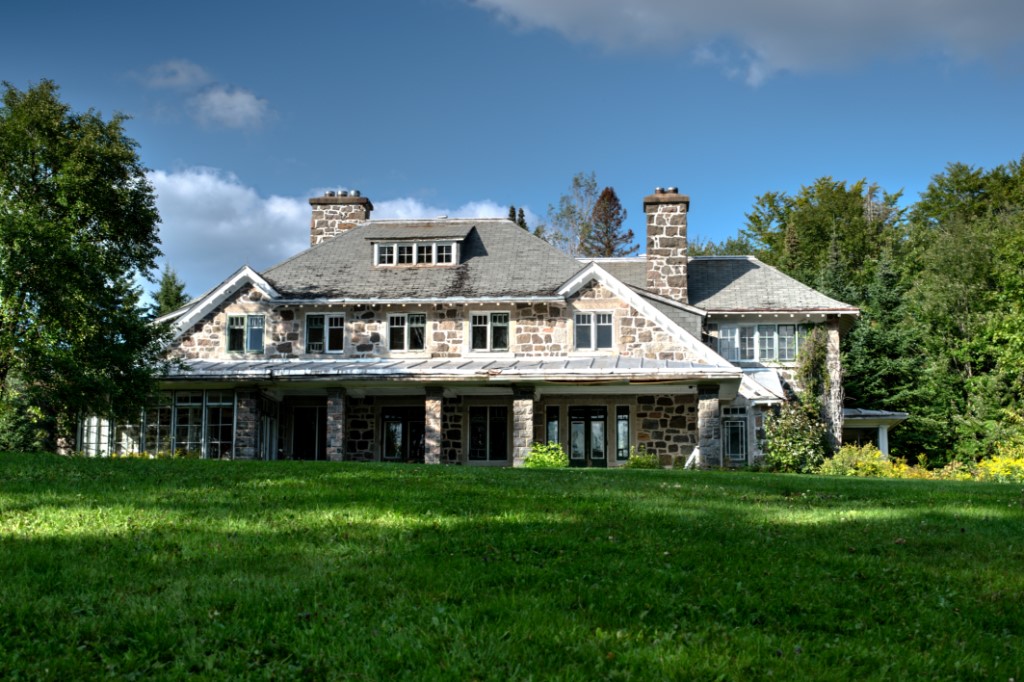
William hired well-known Montreal architect A.C. Hutchinson, to plan and build an English-American Queen Anne style mansion on the land facing the rapids, and to distinguish it by using wood instead of stone materials for its structure. Stables and Barns were added to shelter his racing horses and his cherished Ayershire cows. The country estate was completed in 1893 and became the family’s summer residence. The house was adorned with beautiful paintings and works of art.

Their summer retreat became a popular place for Montreal’s dignitaries and celebrities to attend. The family’s primary residence was the Rosemount House, located in Montreal.

William Ogilvie died on Jan 12th, 1900, leaving all of his land and possessions to his family. Upon his death, the Ogilvie mansion fell into disuse for a period of time. In 1910, it was sold by the Ogilvie family to the Ross Realty Company.

Around 1935, the Ogilvie Mansion became the LaSalle Golf Club. In 1944, the estate and the 18 hole golf course were sold to Lasalle’s famous Alepin family. The family rented the land and the house to the Lasalle Golf Club.

Several renovations were made to the mansion including a large Lasalle Golf Club emblem on the floor in the front lobby. The golf club ceased operations in 1970. A caretaker (Jean-Paul Laramée) was assigned to watch over the property, a position he held until July of 1980.

The city of Lasalle expropriated the land and proposed demolishing the property to create a new road and park. The property was designated as a National Heritage site, thus saving it from demolition.
Sadly the mansion burned down due to an act of arson.


Video


Norm Elder’s Cottage in Muskoka

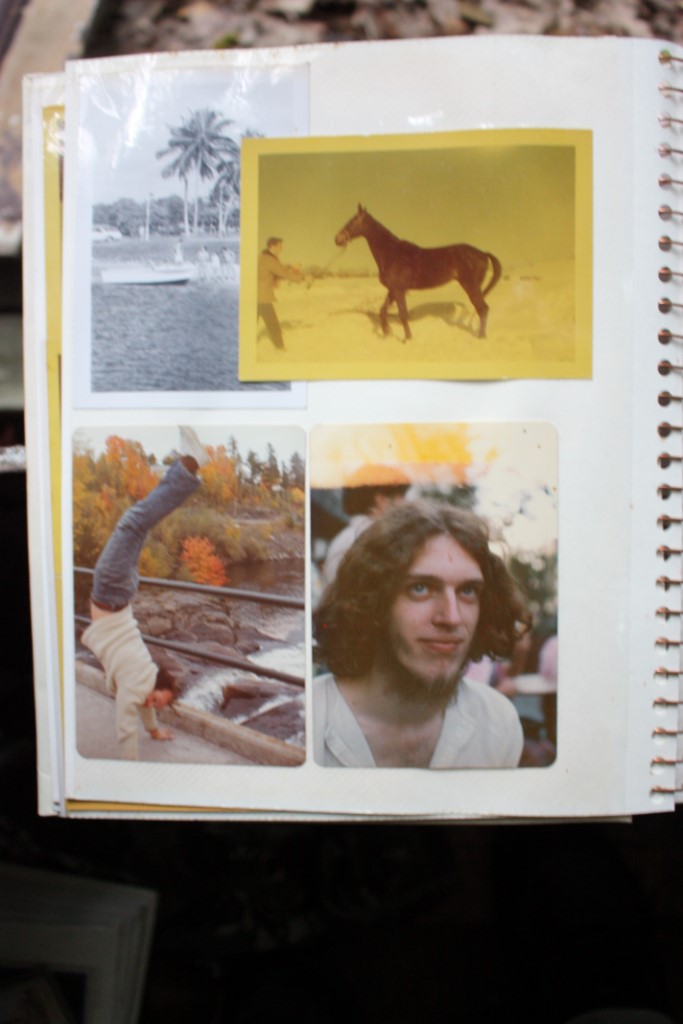
The Norm Elder cottage was an amazing collection of buildings that housed artifacts collected by a Toronto resident named Norm Elder. Norman Sam Elder was born on August 12, 1939. He could be described as being eccentric – an explorer, exotic animal owner, writer, artist, and an Olympic equestrian all in one.

Norm operated the Norman Elder Museum which was located at 140 Bedford Road in Toronto. Norm’s Museum has an assortment of exotic animals including a 90 year old turtle named Tony Tortuis. Norm also had two large pythons and a boa constrictor that he kept in the basement. Sometimes he had a fruit bat, several chinchillas and numerous ferrets.

As an explorer, Elder embarked on lengthy expeditions to remote areas of Papua New Guinea, Namibia, the Amazon, the Congo, the Arctic, Madagascar, and many other countries. He founded the Canadian Chapter of the Explorers Club in 1979.

Norman Elder was an accomplished equestrian. He competed as a member of the Canadian Equestrian Team in Three-Day Eventing at the Olympic Games, first in Rome in 1960, and again in Mexico City in 1968.

In 1998, Elder pleaded guilty to indecently assaulting 10 young men between 1970 and 1980. The men were all between the ages of 18 and 20 at the time of the encounters but Canada’s laws at the time gave 21 as the age of consent for same-sex contact.

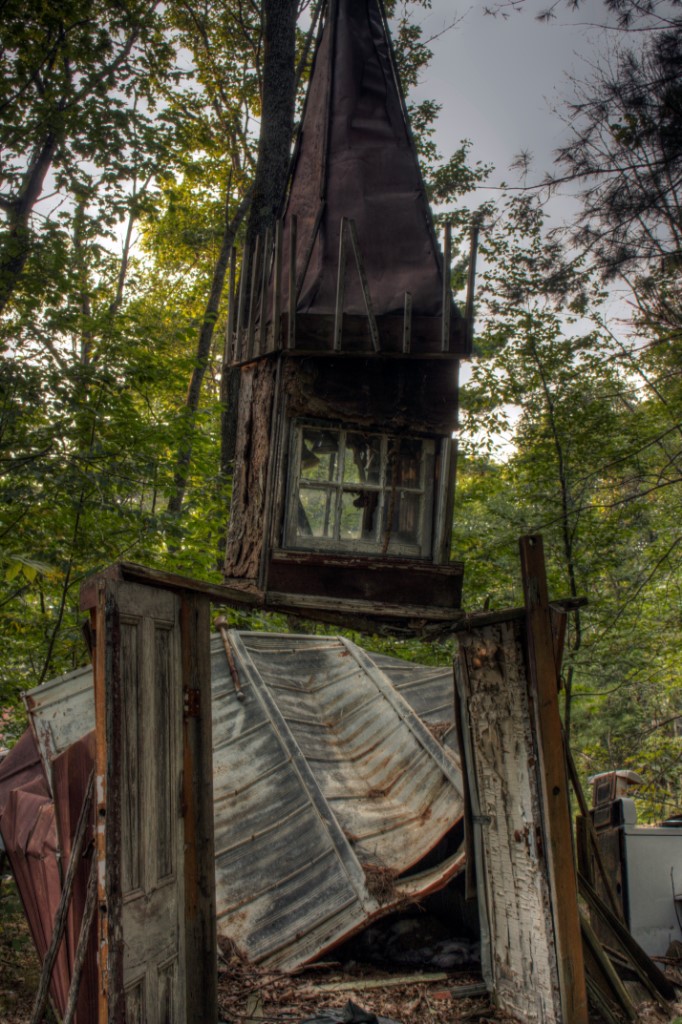
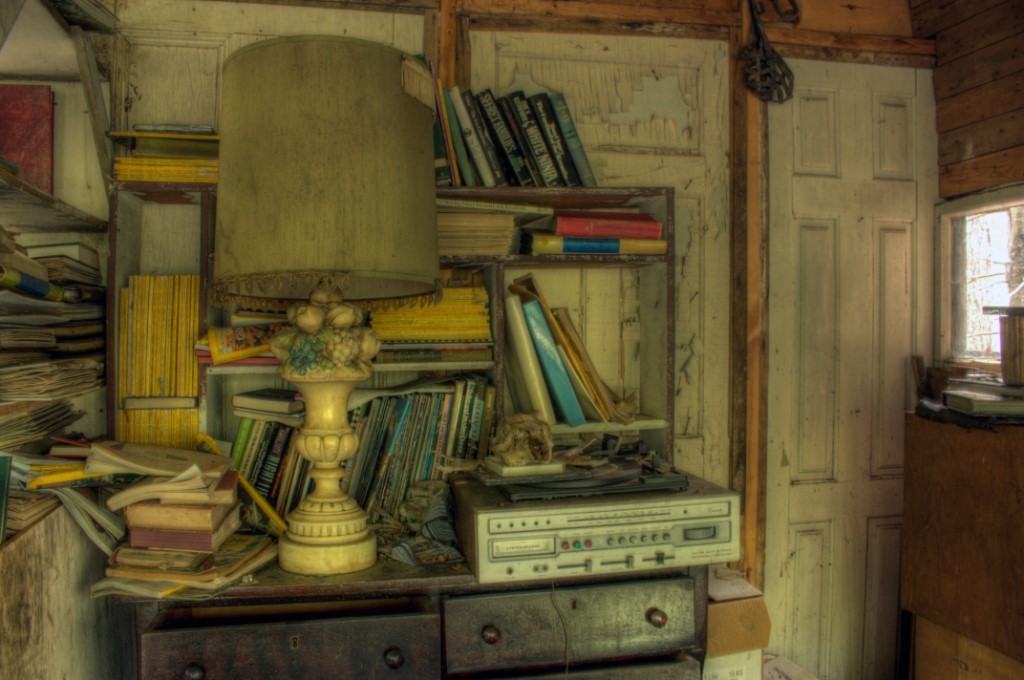
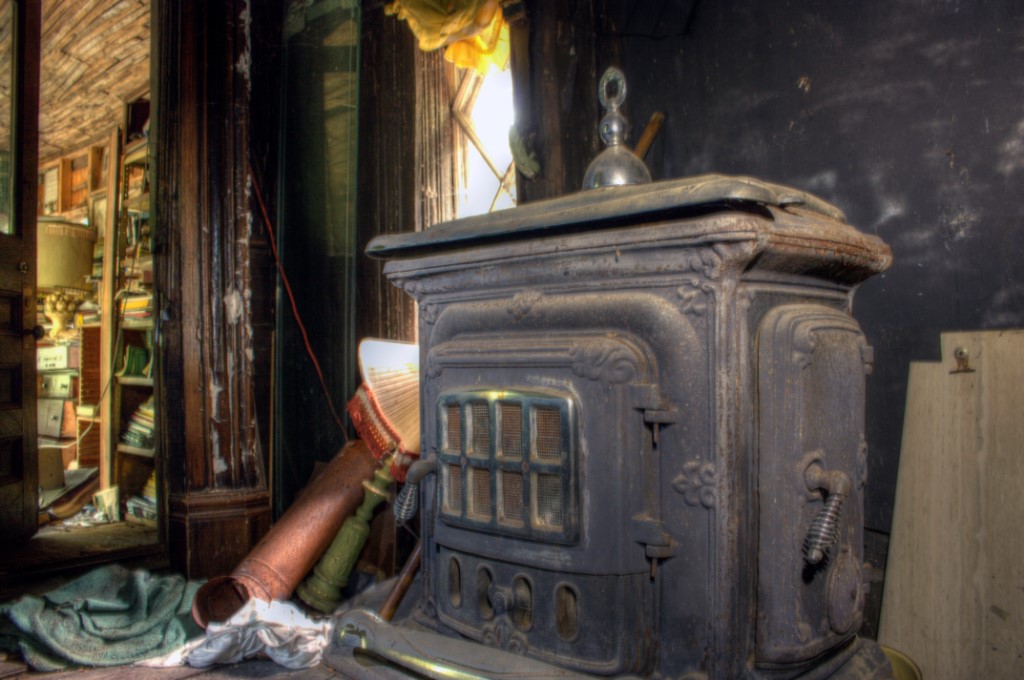
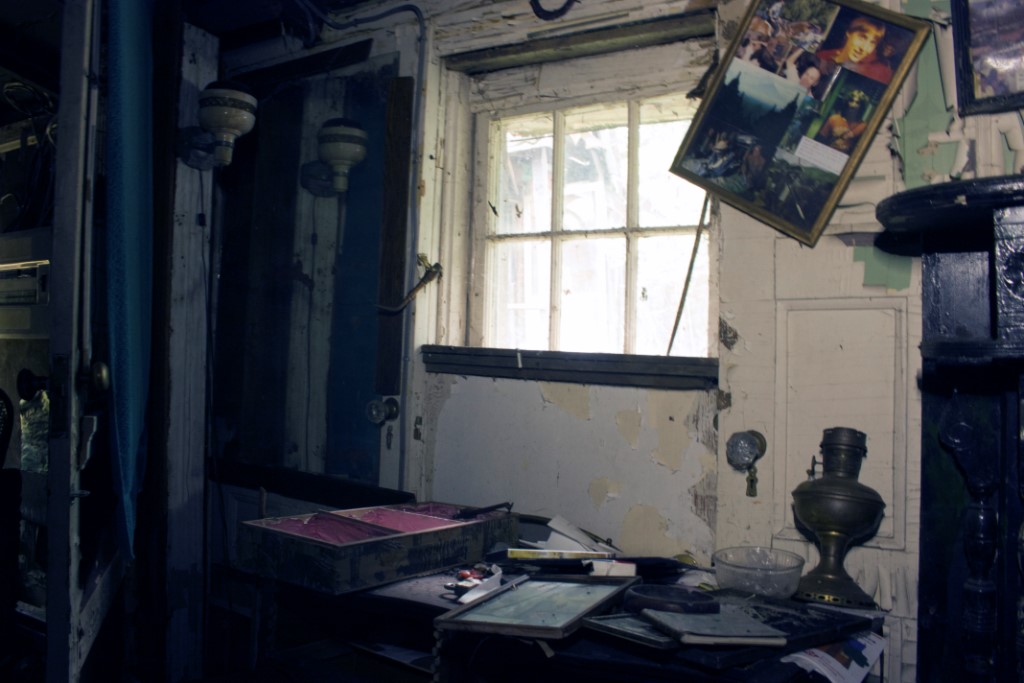
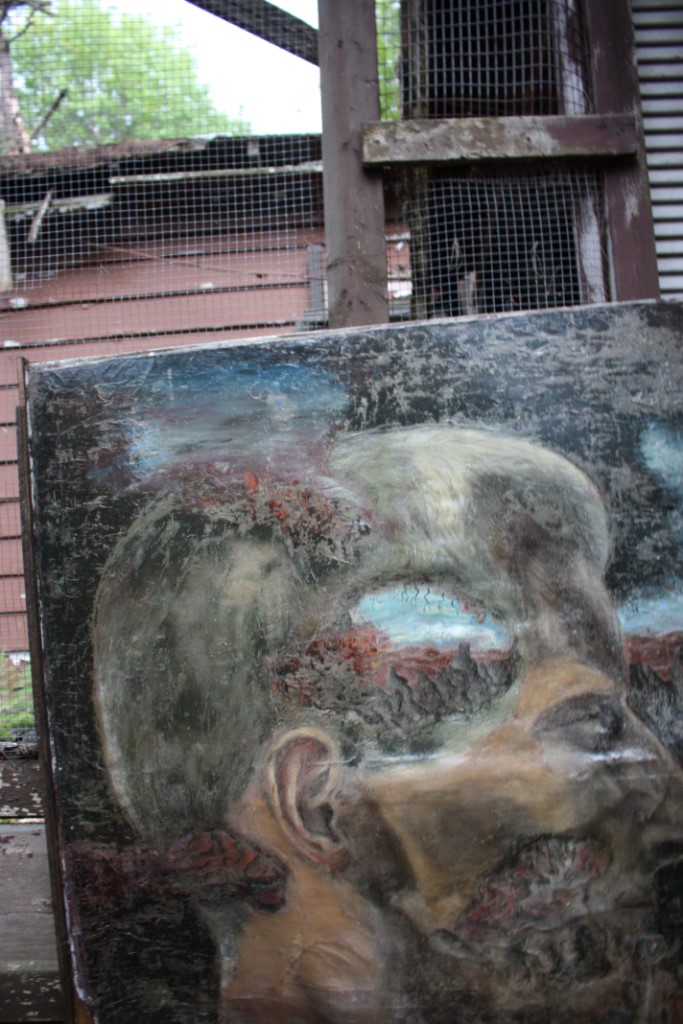
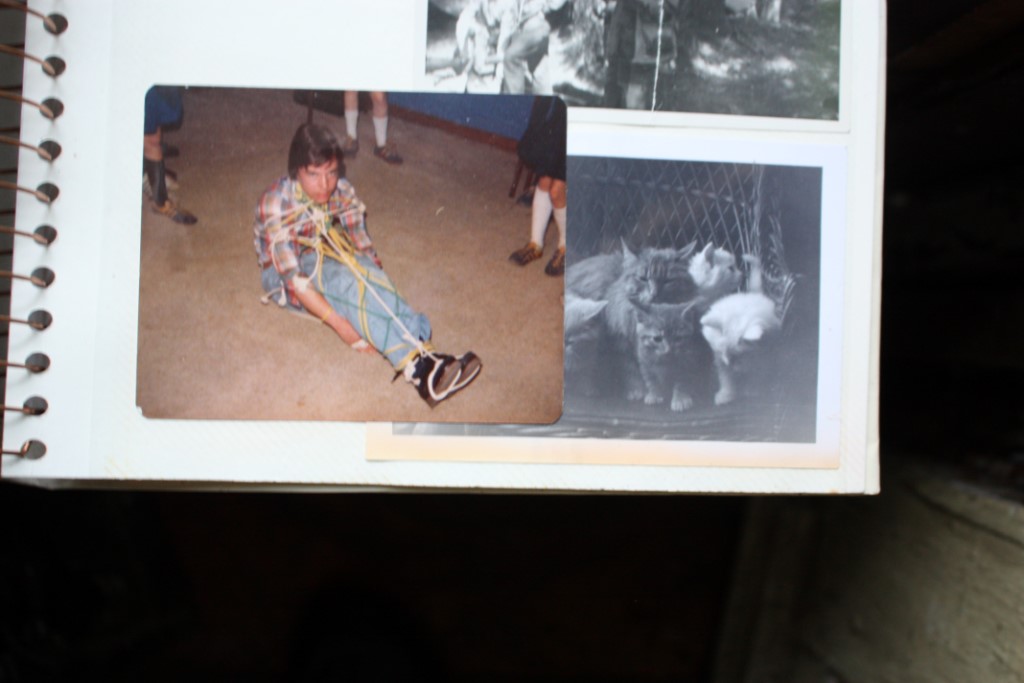
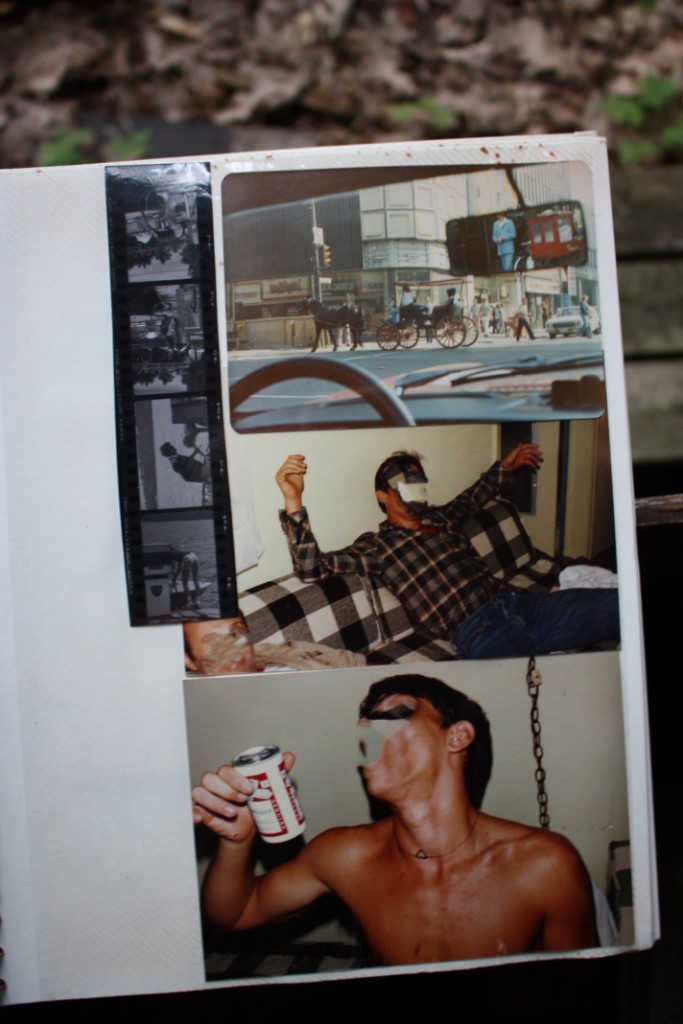
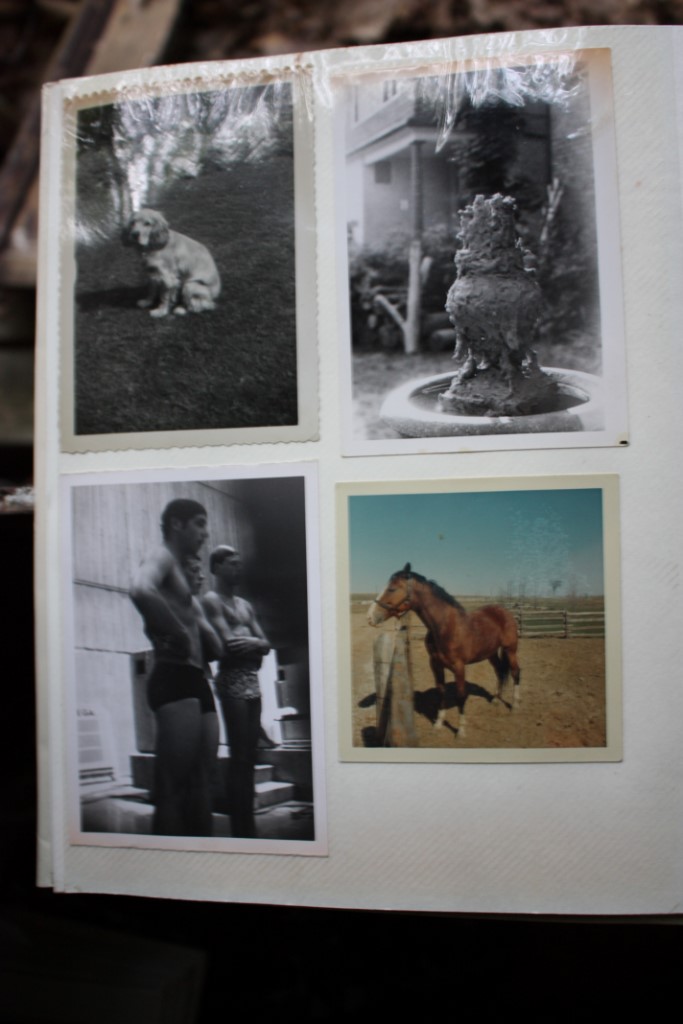
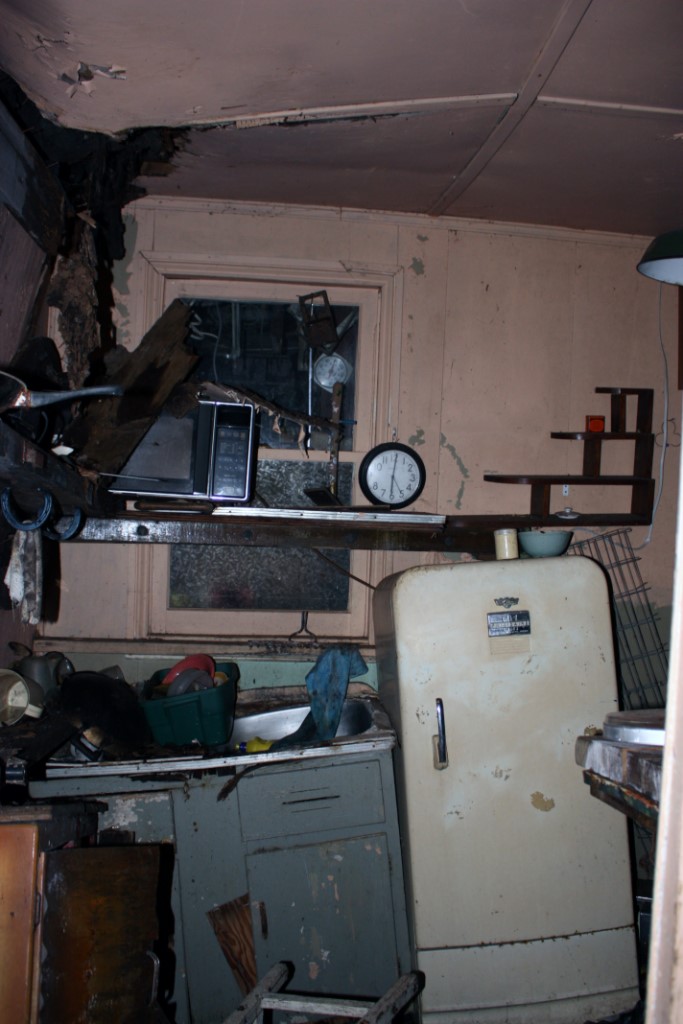
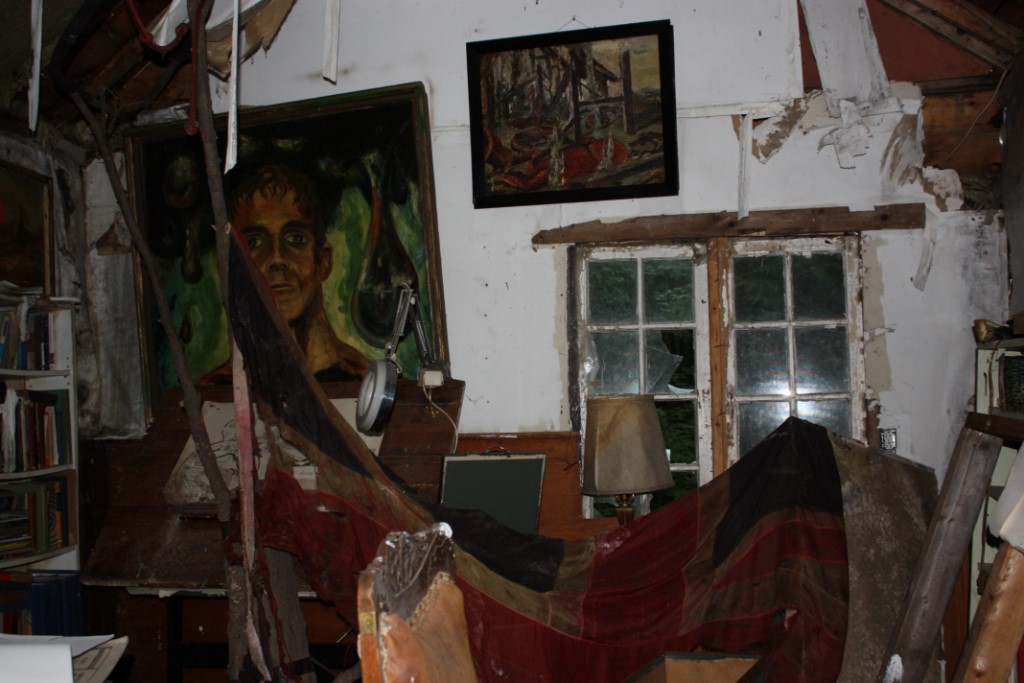
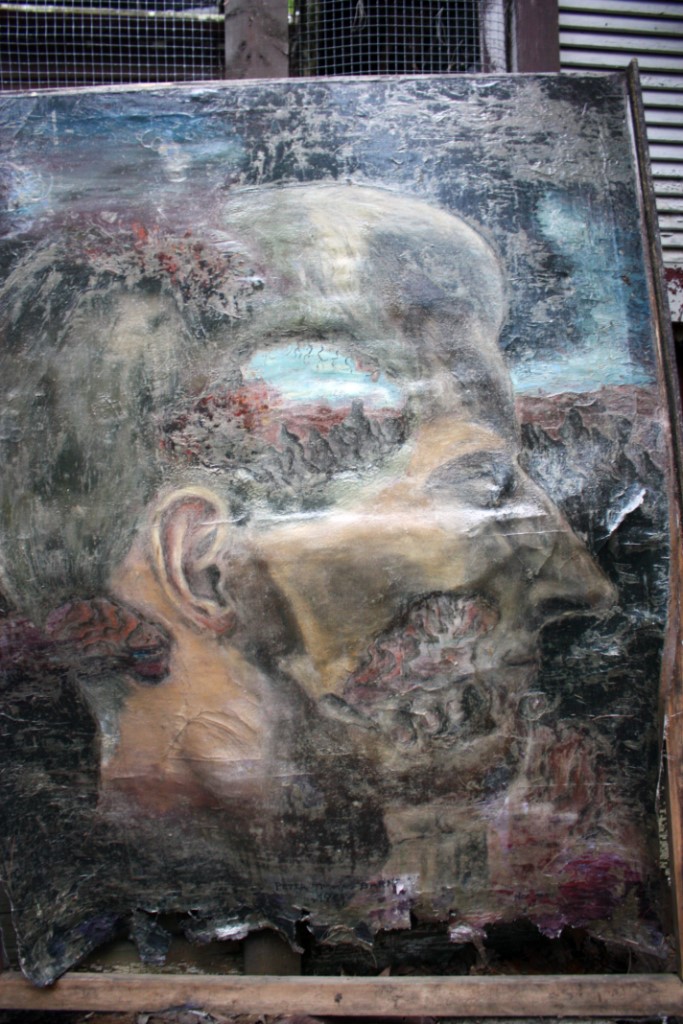
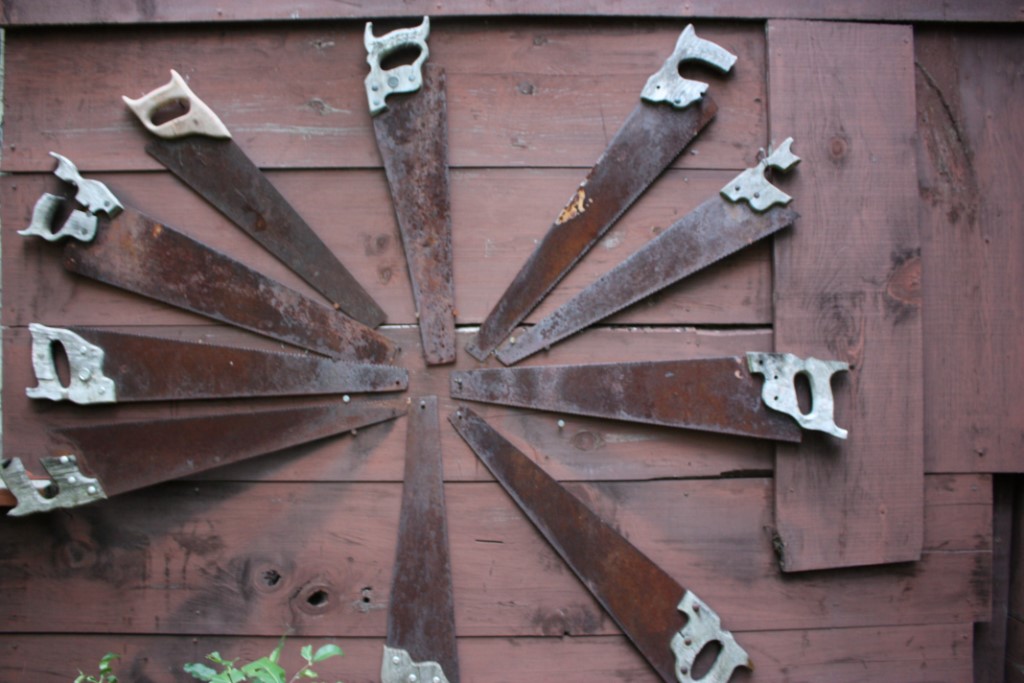
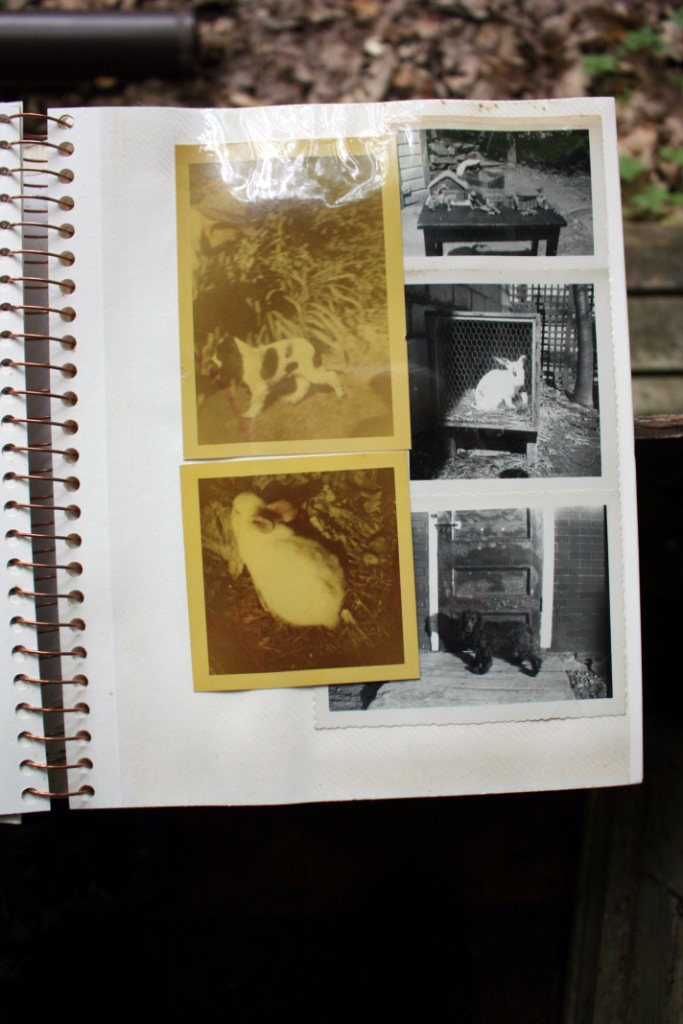
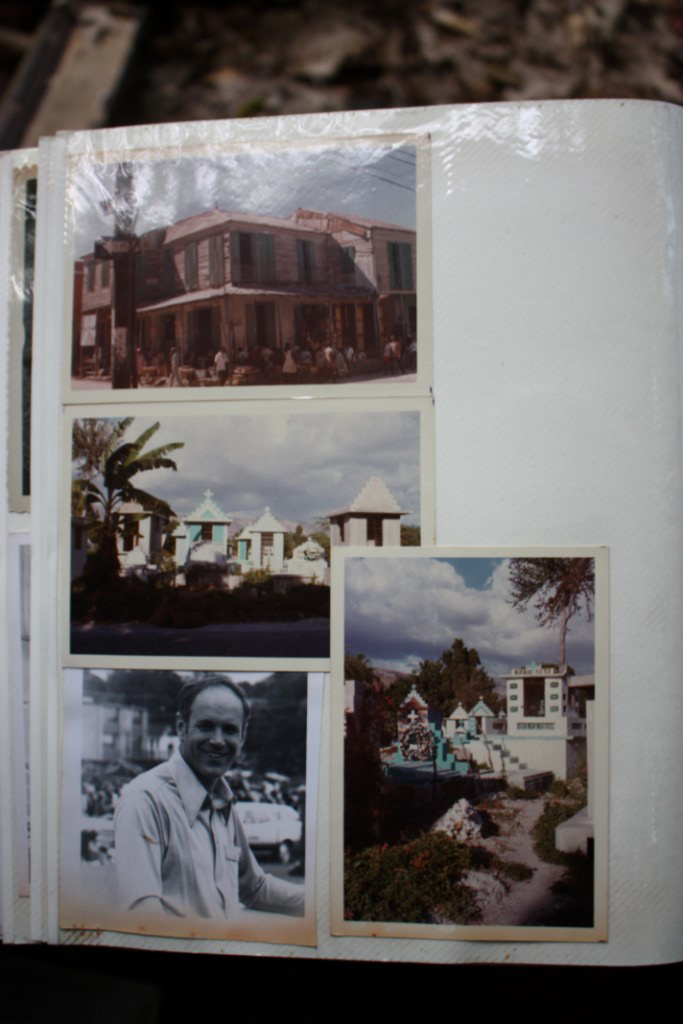
Norm had a cottage getaway in Muskoka. We visited it in 2015 and it did not disappoint. There were numerous photo albums showing Norm’s travels from around the world. Norm had many old National Geographic magazines, insect collections from around the world, sketches and paintings including self portraits. There were several buildings on the property. One collapsed building looked like a church of sorts, with a steeple. There was the living quarters and another building that looked to be an artist studio.

Neighbours kept a close eye on the property which was demolished not long after our visit.


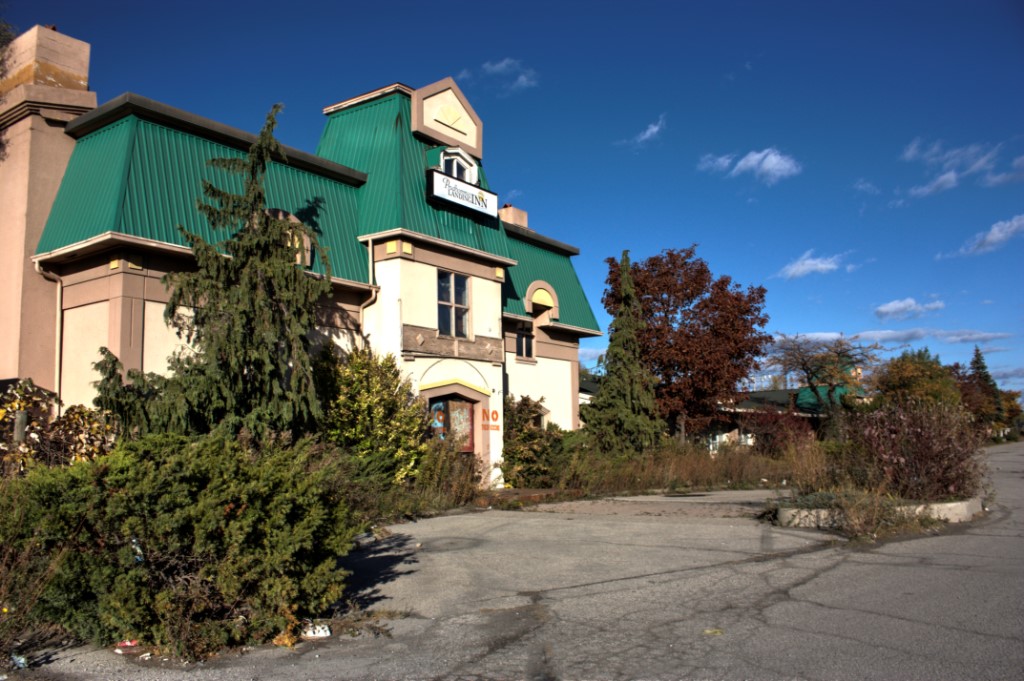
Prudhomme’s Landing Inn

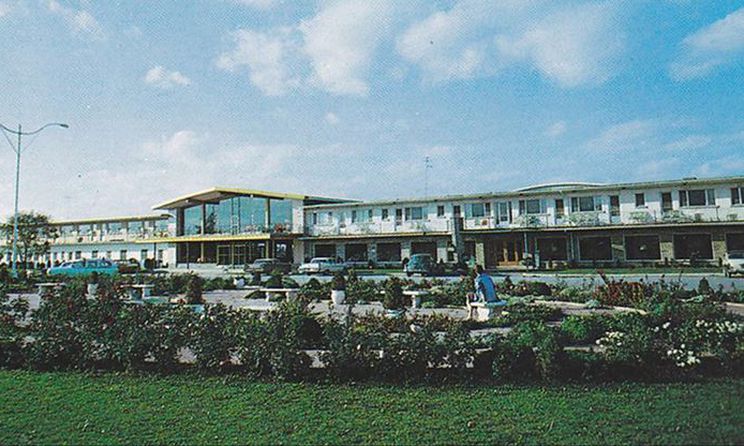
Prudhommes Landing Inn was located on 80 acres of land in Vineland, Ontario close to the shores of Lake Ontario. It was a popular vacation getaway for tourists.

It all began in 1948 when brothers John and George Prudhomme built a fifteen room motel. By 1960 they had expanded the motel to 180 rooms. A restaurant on the grounds had eight dining rooms and five dance floors.

An amusement park was built on the property that included bumper boats, bumper cars, go-karts with a 1/4 mile track, a Tilt-A-Whirl, roller skating, putting greens, a children’s playground, a sandy beach and a video game arcade. A miniature train was also there in the Miniature World attraction.  An old mansion on the grounds was made into a haunted house. Originally, the amusement park included horse riding and a small zoo.

An old dance hall was converted into a theatre where actors such as Raymond Burr, Jayne Mansfield, Liza Minnelli, Yvette Mimieux and Mickey Rooney performed.
The location saw up to 7,000 visitors per day. The Prudhomme brothers worked sixteen hours days, 7 days a week.

A 1967 blaze ripped through the main section of the complex, destroying 55 motel units, a dining room, five ballrooms and a curling rink and the Garden Centre Theatre.

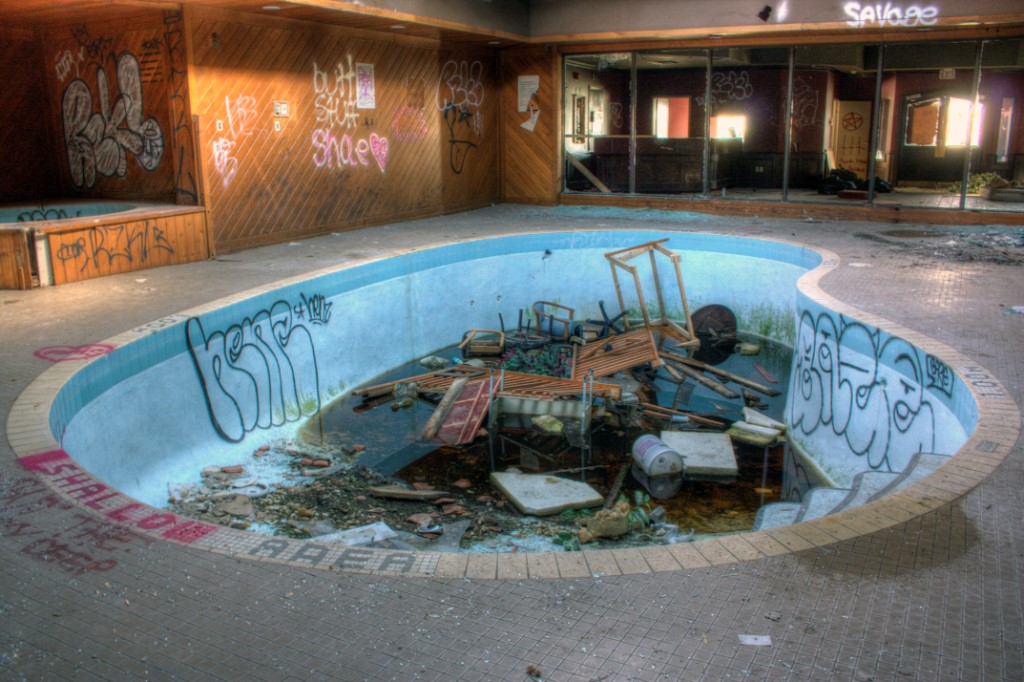
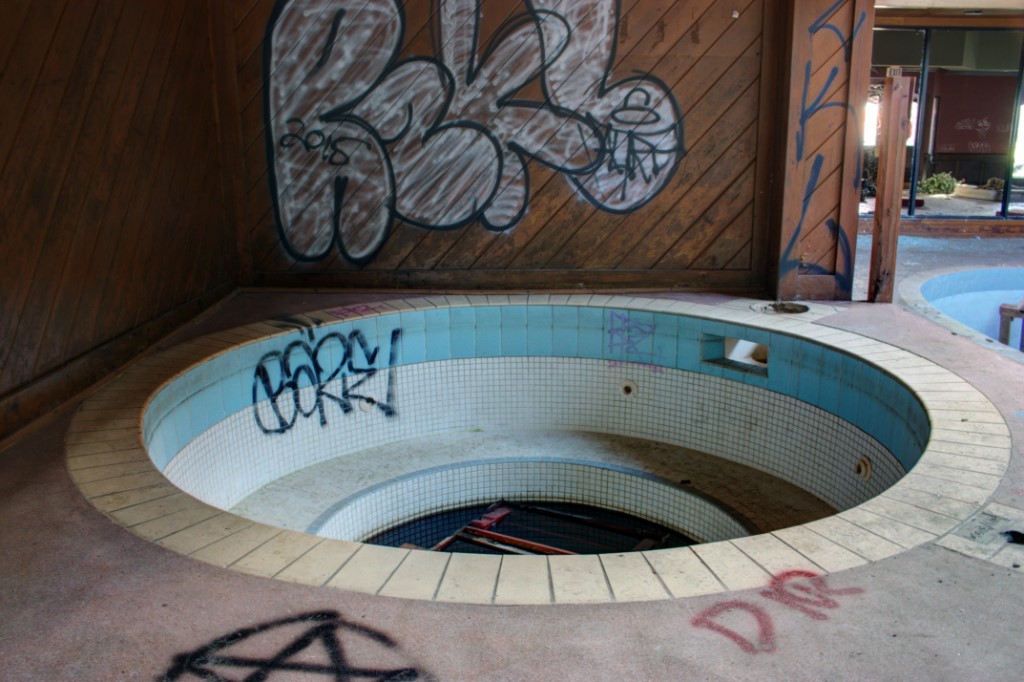
By 1981, a $3-million expansion took place by the Pudhomme Group. These expansions included a snack bar, 9 hole mini-golf course, indoor swimming pool, outdoor pool, arcade, a four lane five pin bowling alley and four lanes that could be used as 5 or 10 pin.

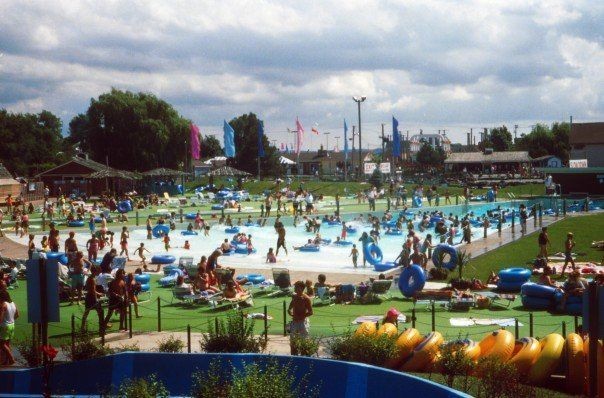
A small water park was later opened with two water slides created on a man-made hill. The water park became known as Wet N Wild.

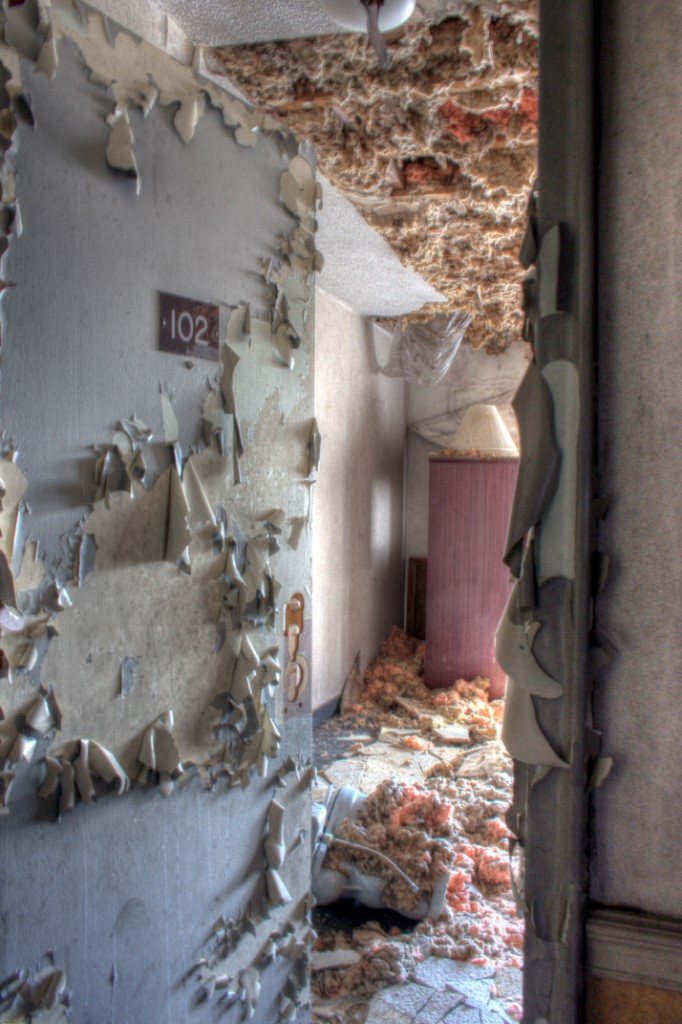
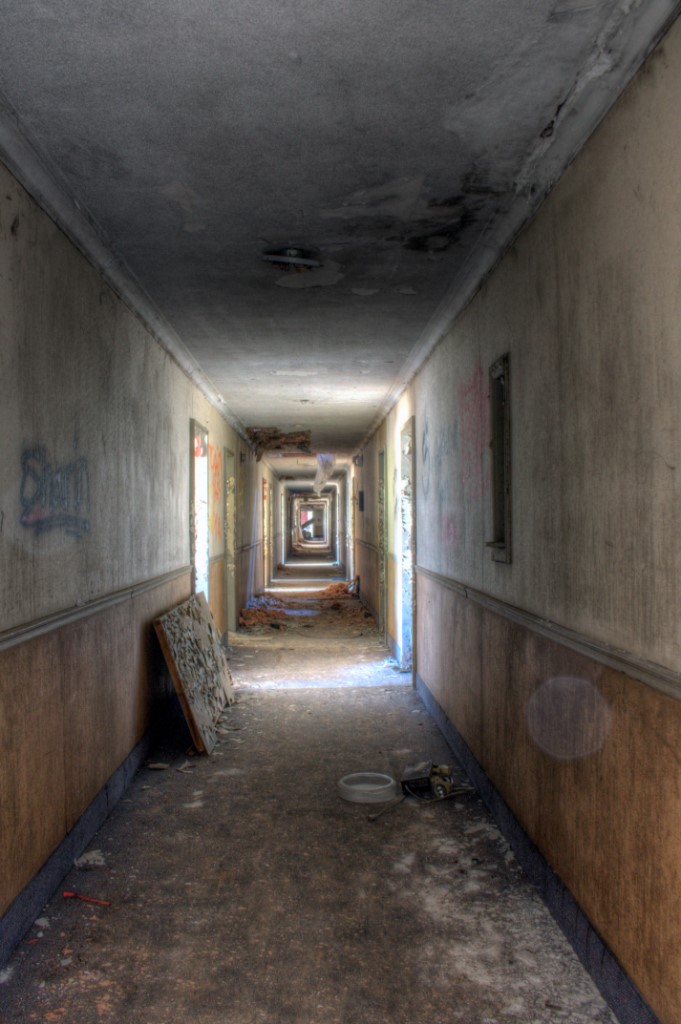
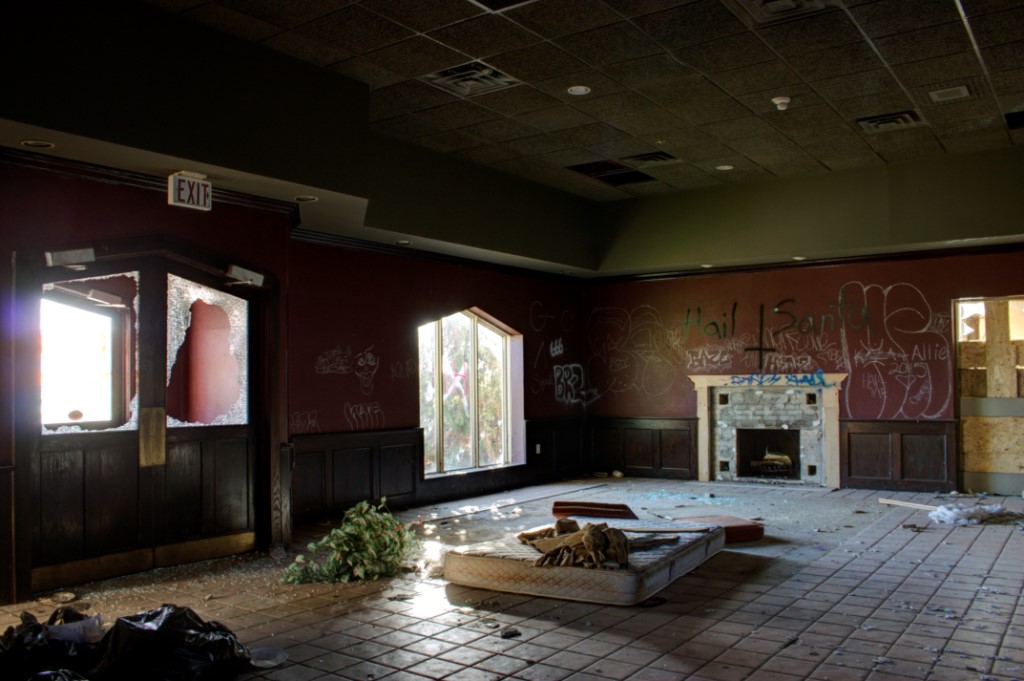
The park closed at the end of the summer in 2000 as attendance was continuing to decrease and operating costs increasing. Prudhommes Landing Inn closed around 2010.

The property sat abandoned until 2016 when it was sold to a developer for a new mixed-use subdivision consisting of residential, commercial and park space.  The abandoned hotel and the remains of the water park were demolished in September 2016.


Cuckoo Clock Capsule House

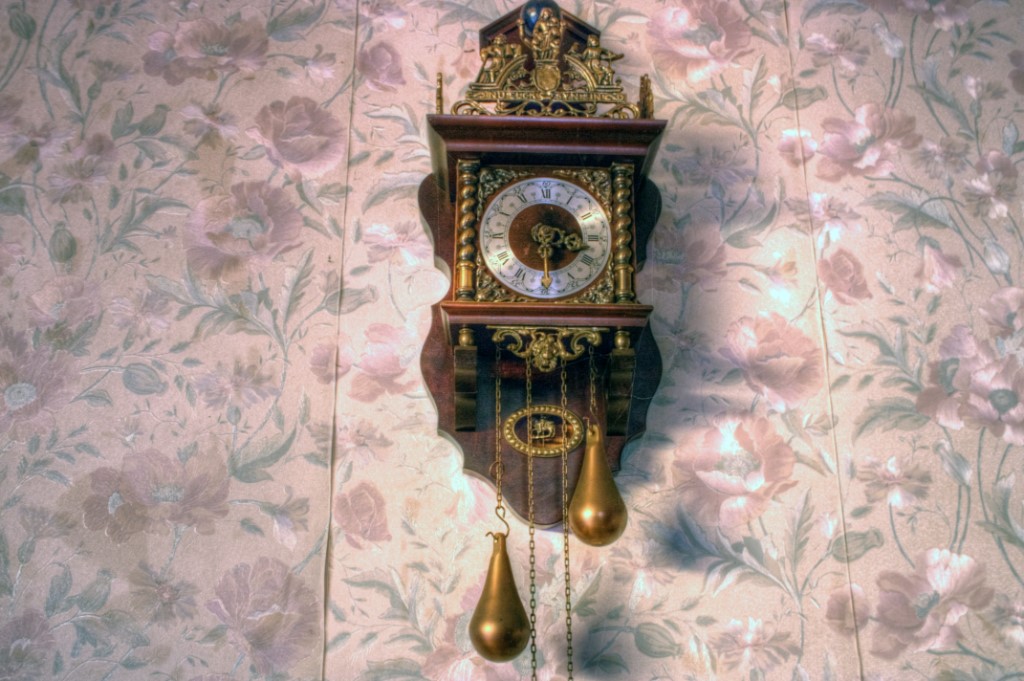
A rural farm house set back from the road with old vehicles in the driveway. At first glance, you might think that someone’s home but as you venture closer you see that the vehicles don’t have recent plates.

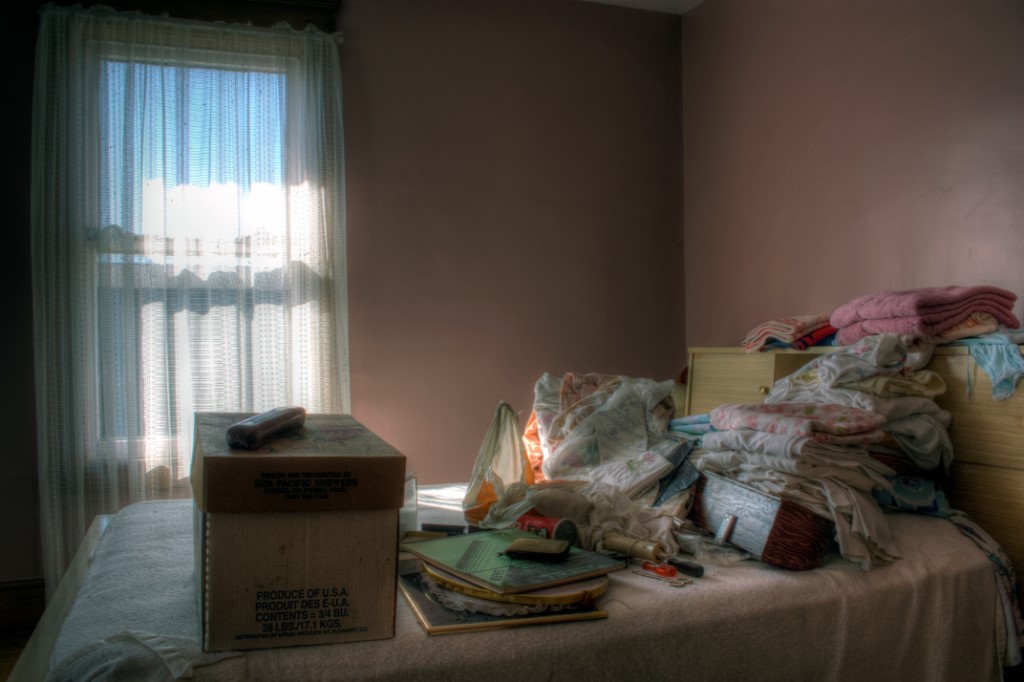
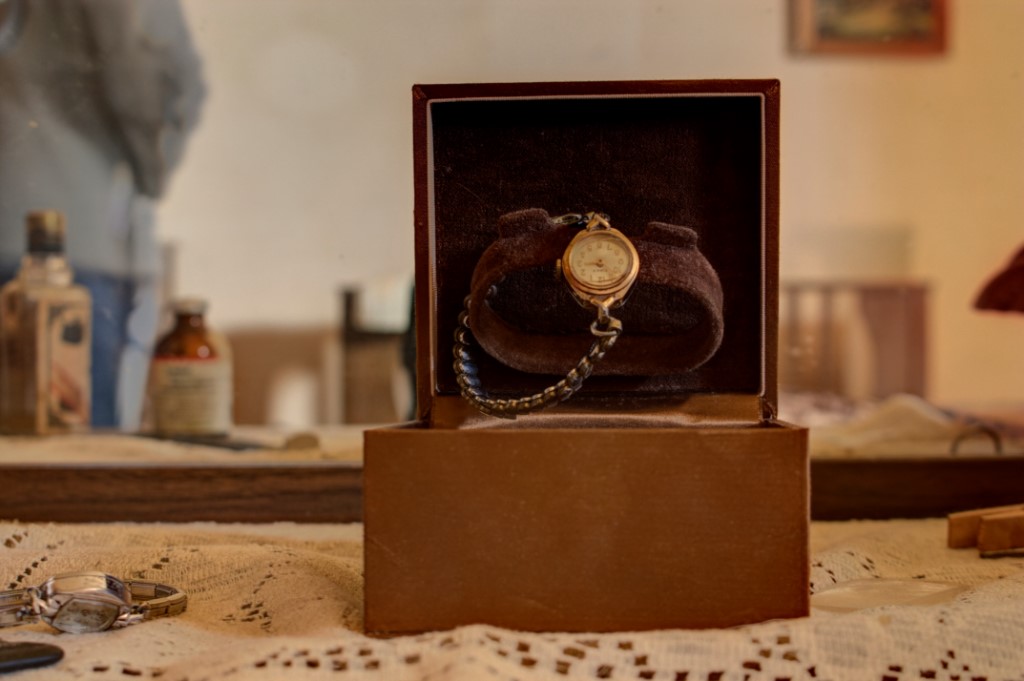
This was a very intact time capsule house which has since been cleaned out. At the time of my visit it looked like someone had been packing items into boxes, perhaps after a recent death in the household.


Abandoned Royal Canadian Legion House in Guelph, Ontario

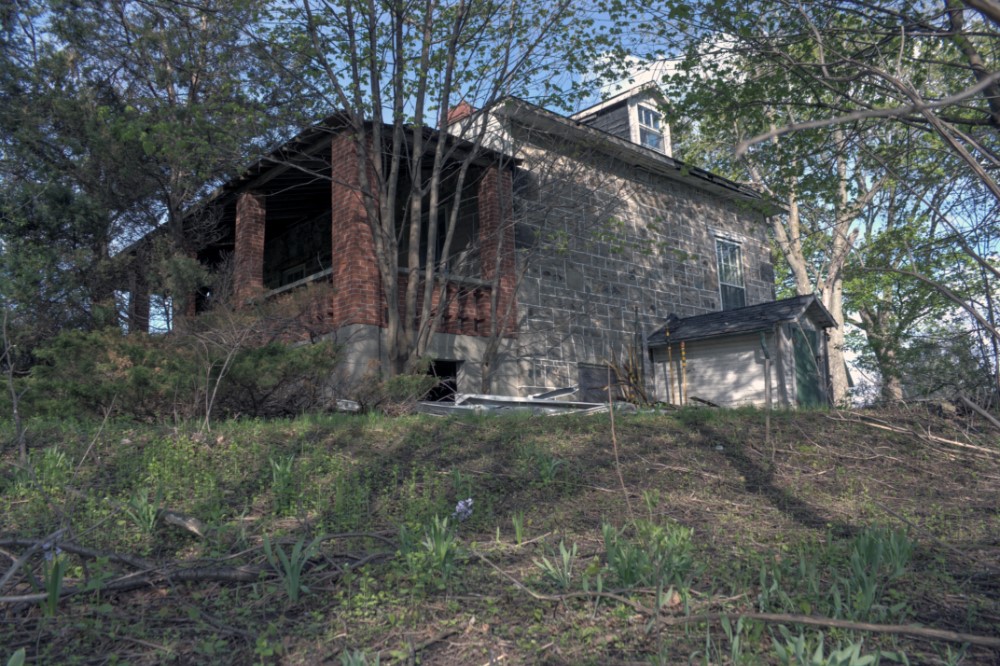
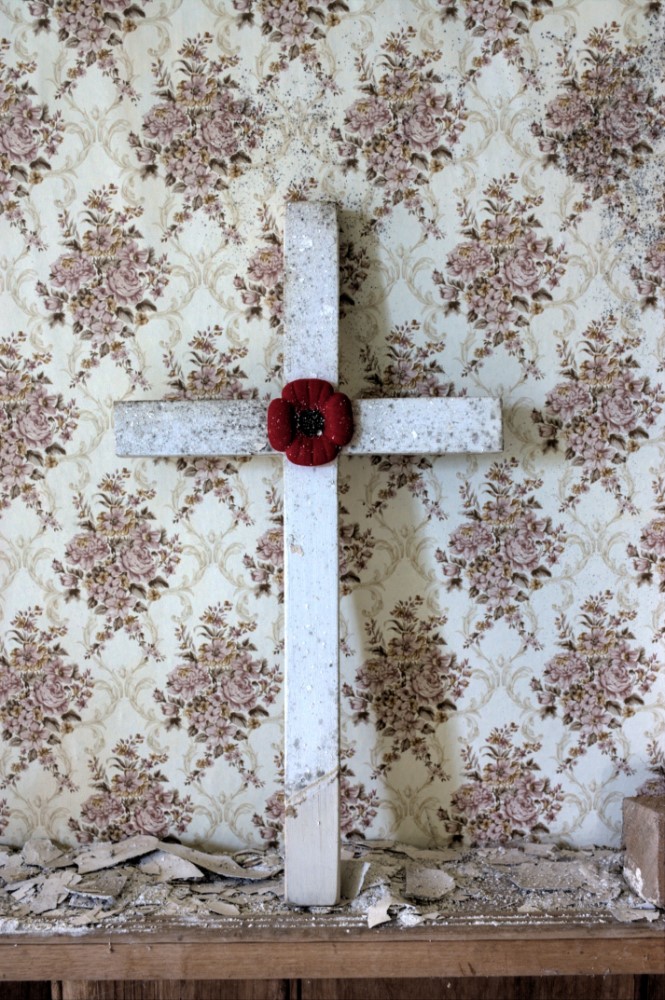
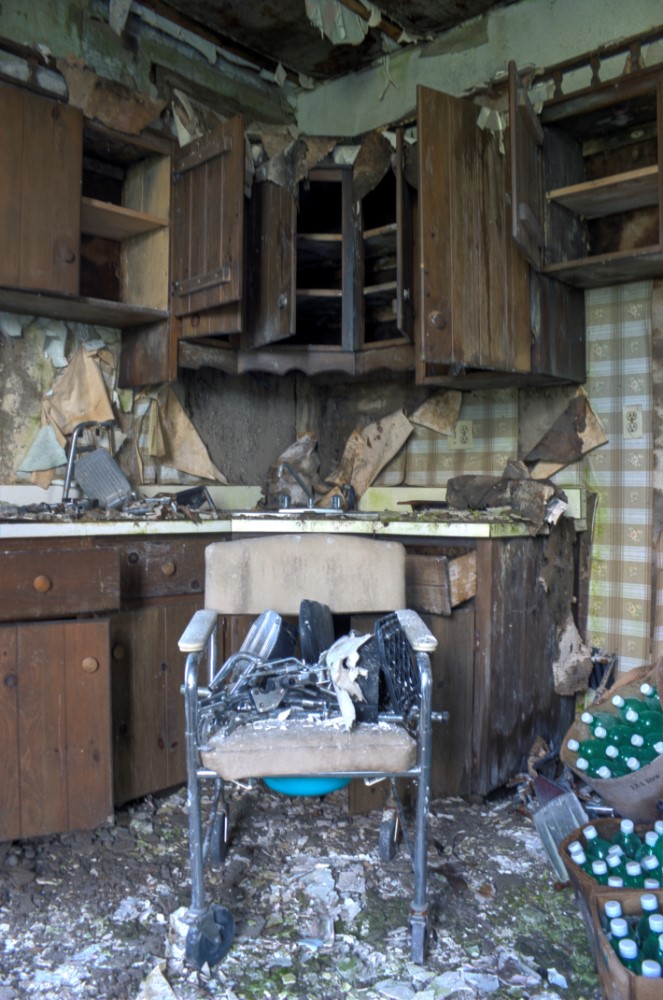
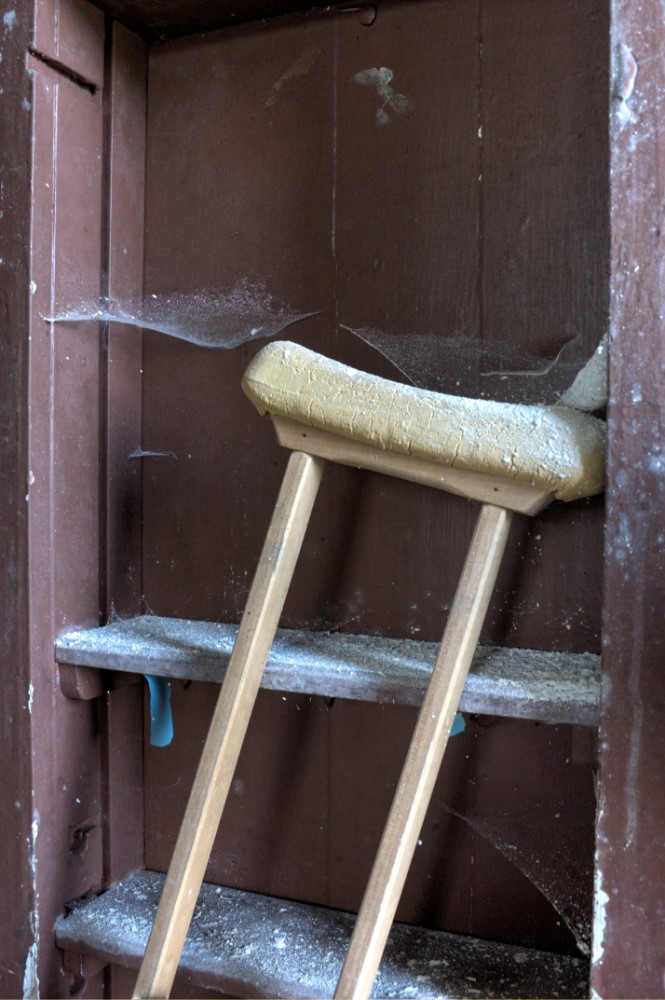
An old decaying house on the grounds of the Royal Canadian Legion property.