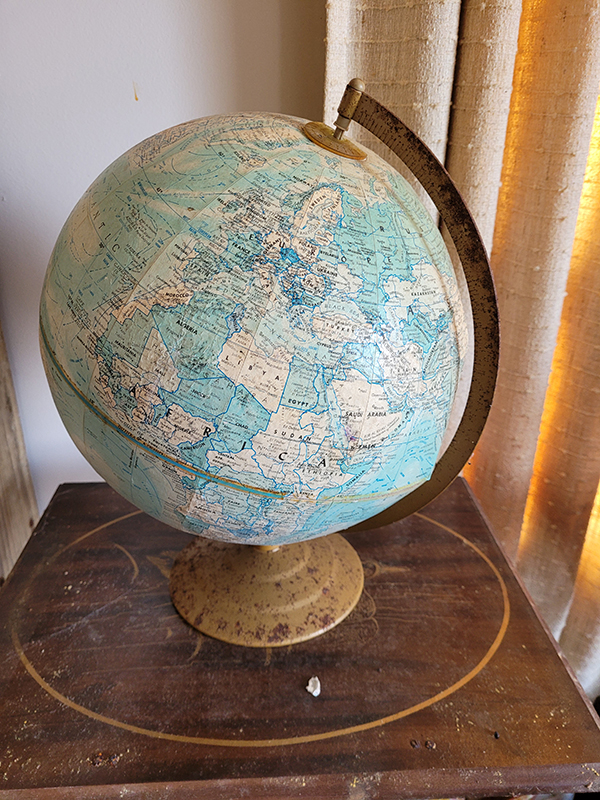
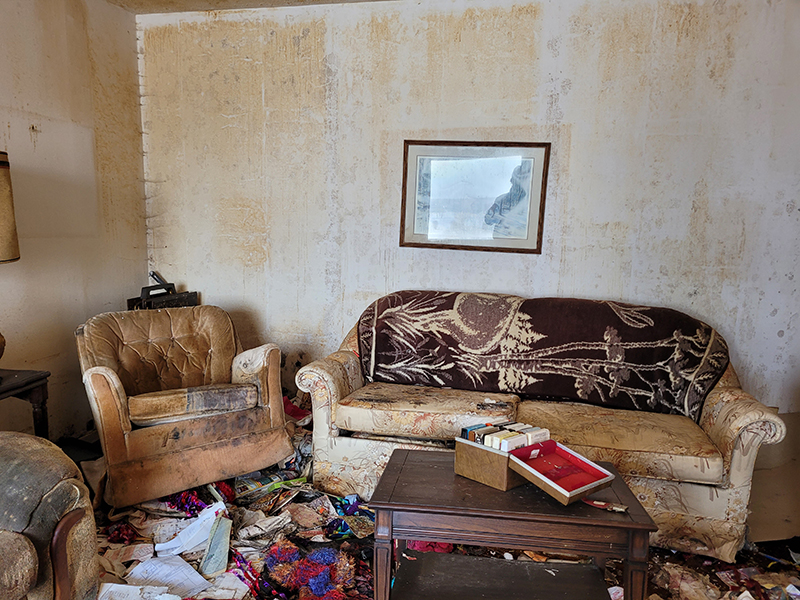
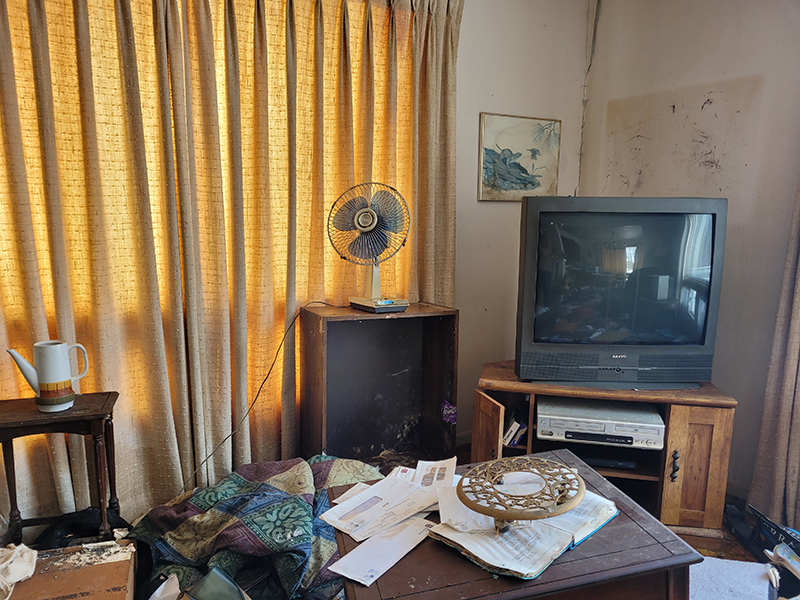
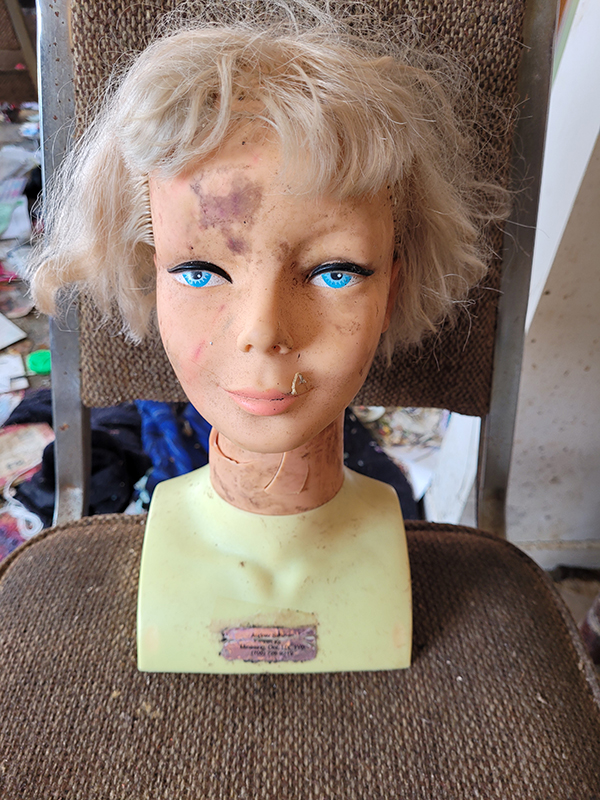
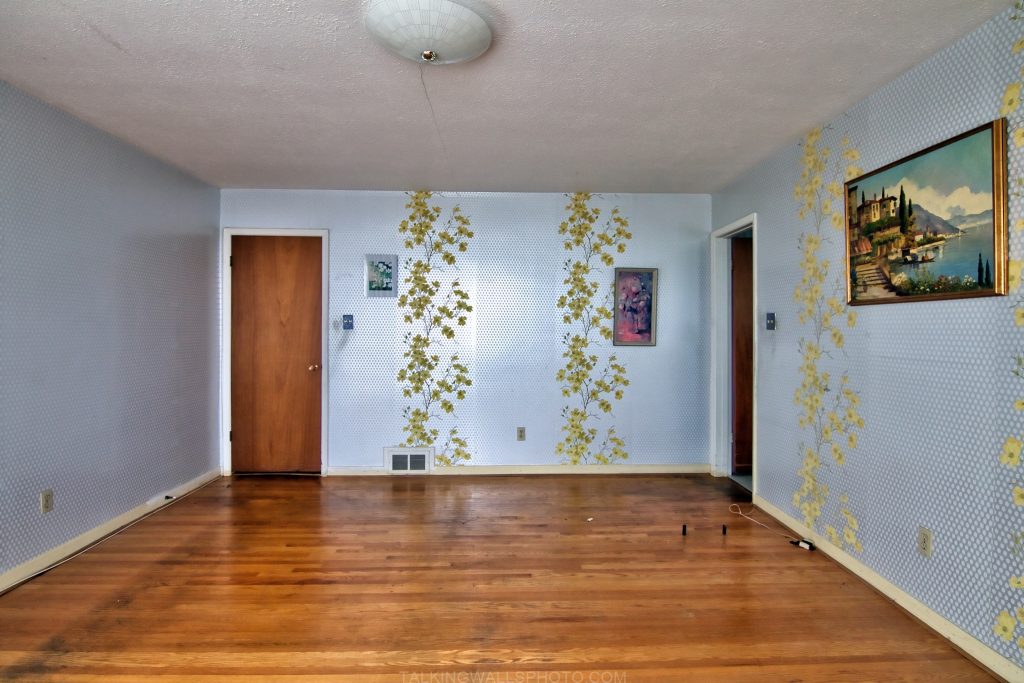
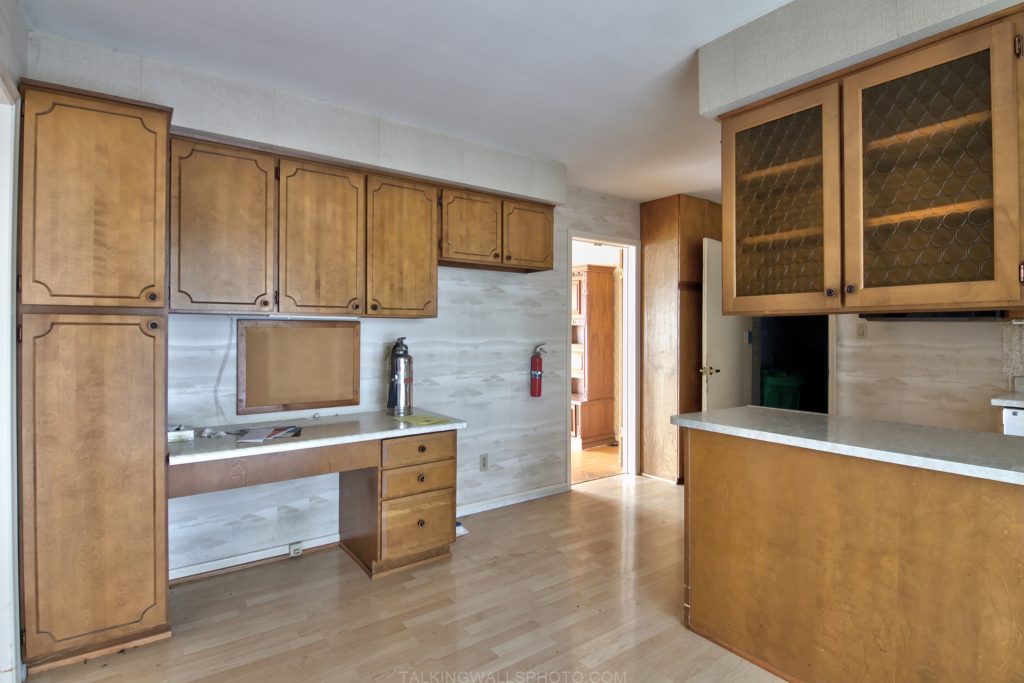
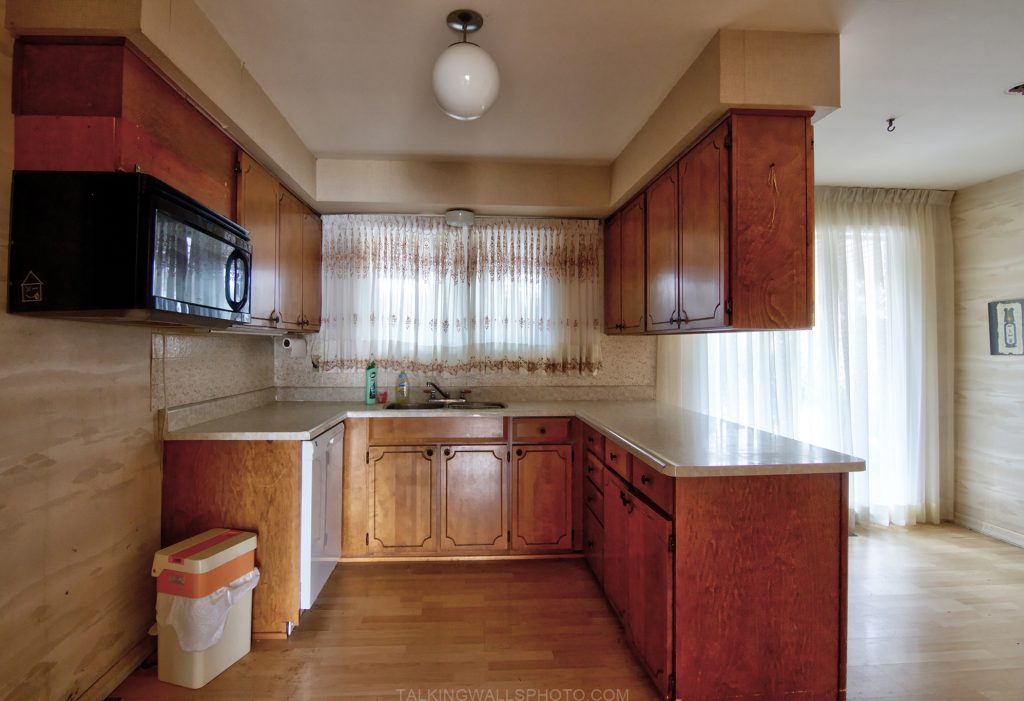
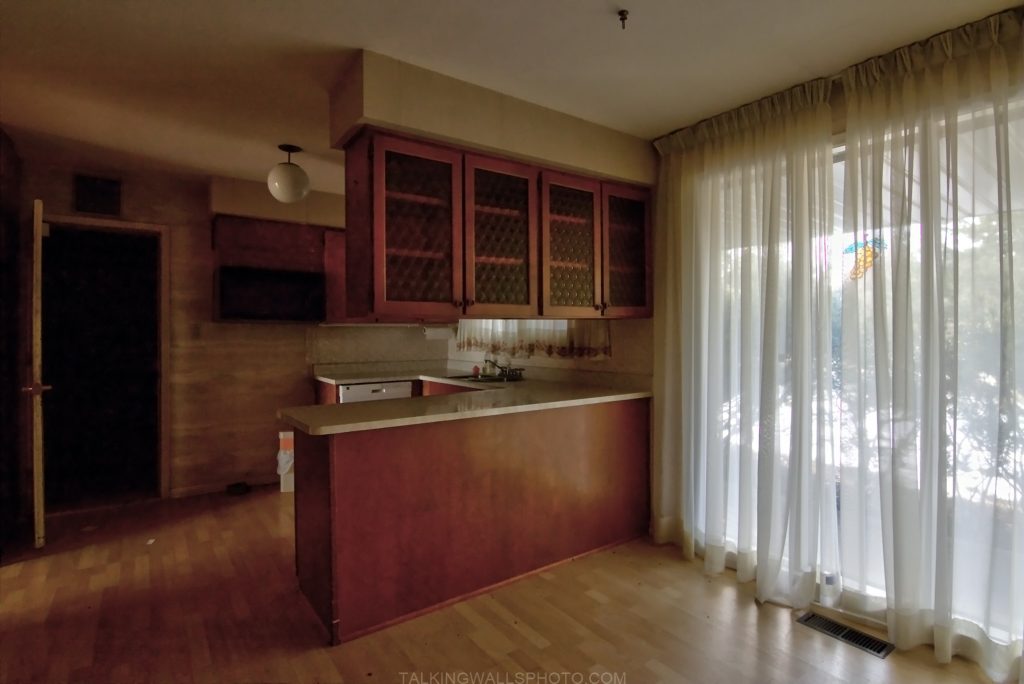
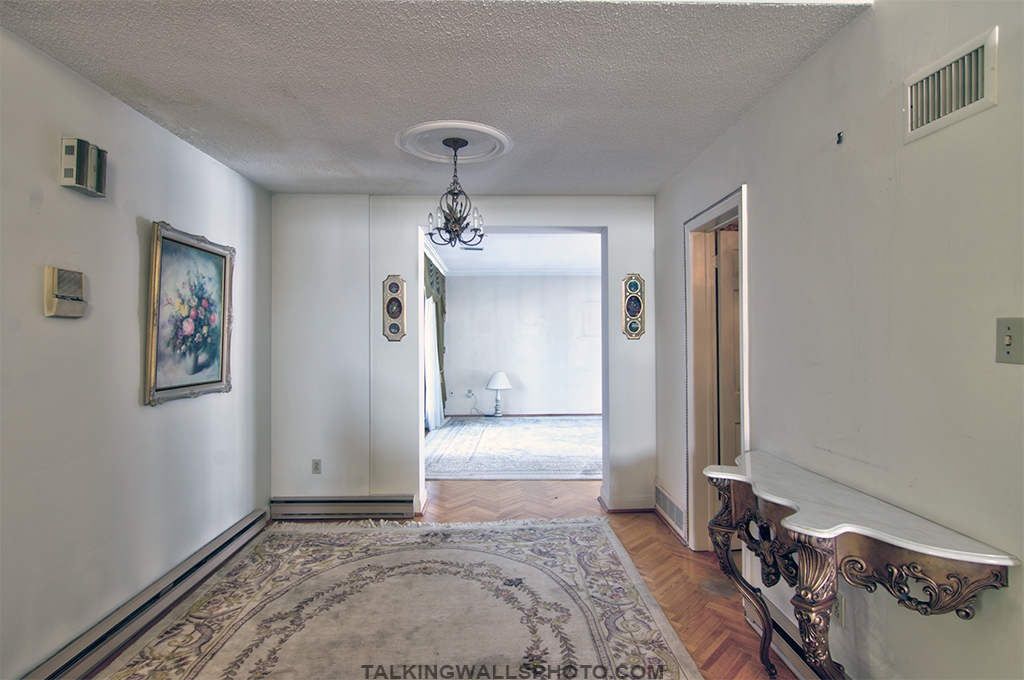
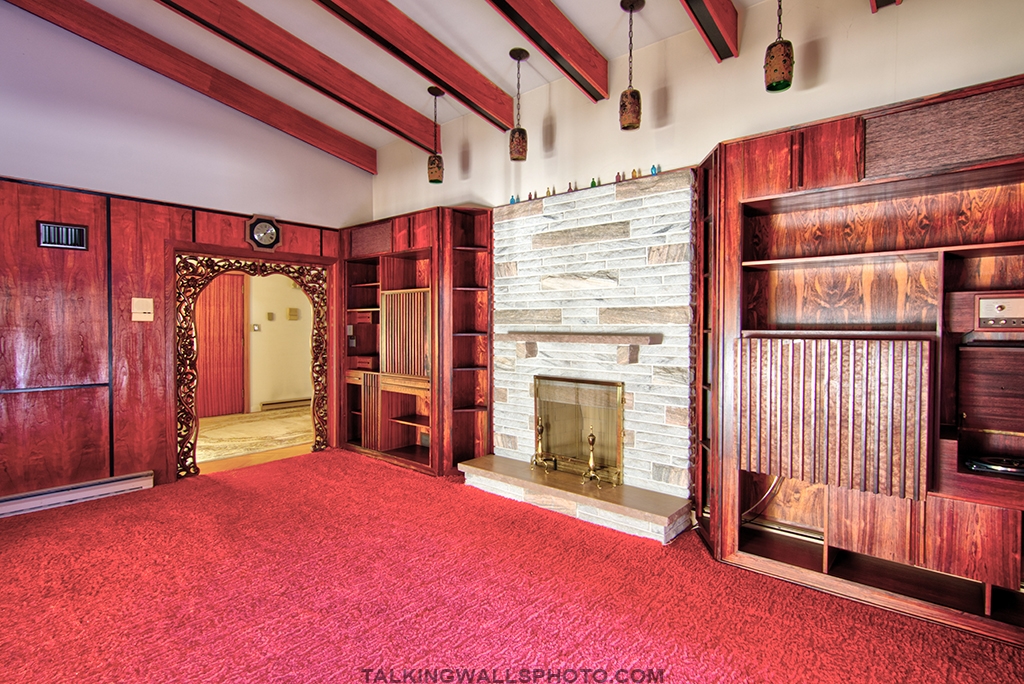
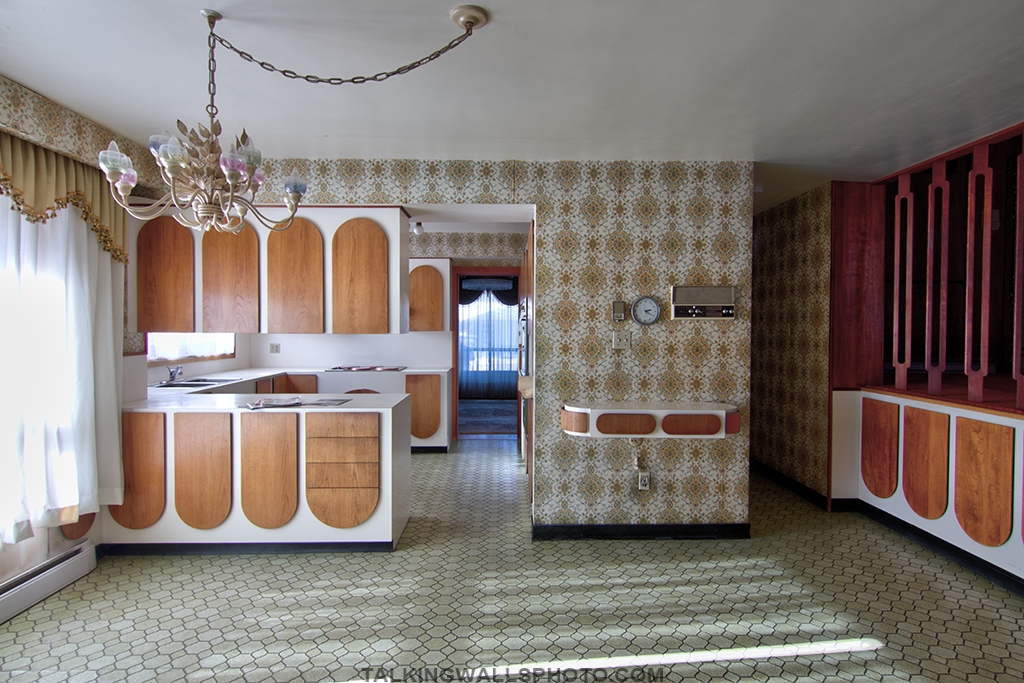
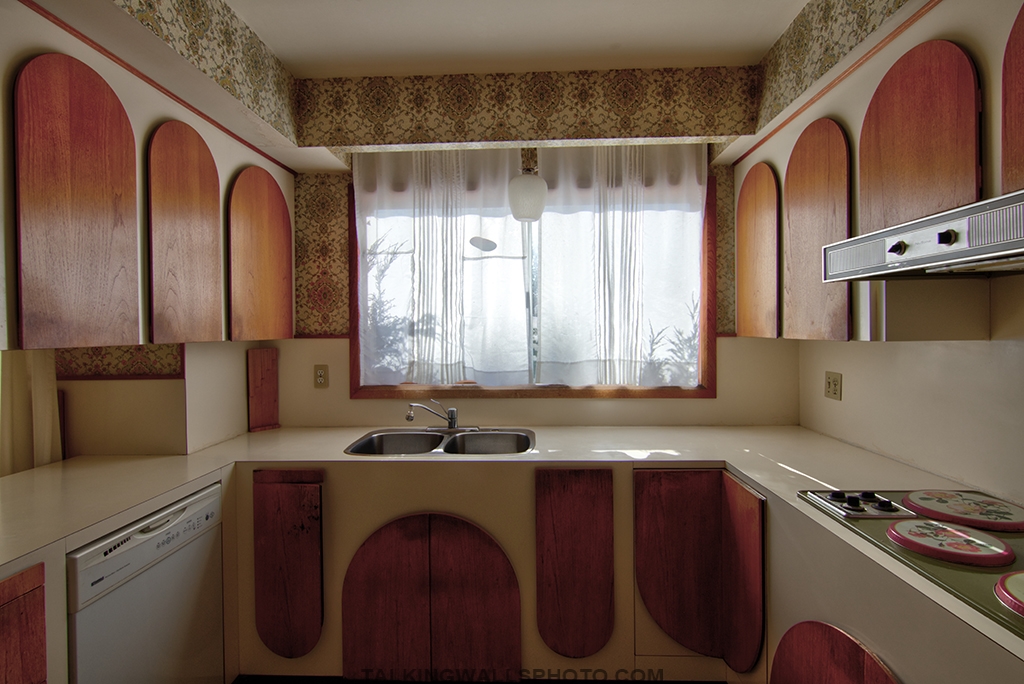
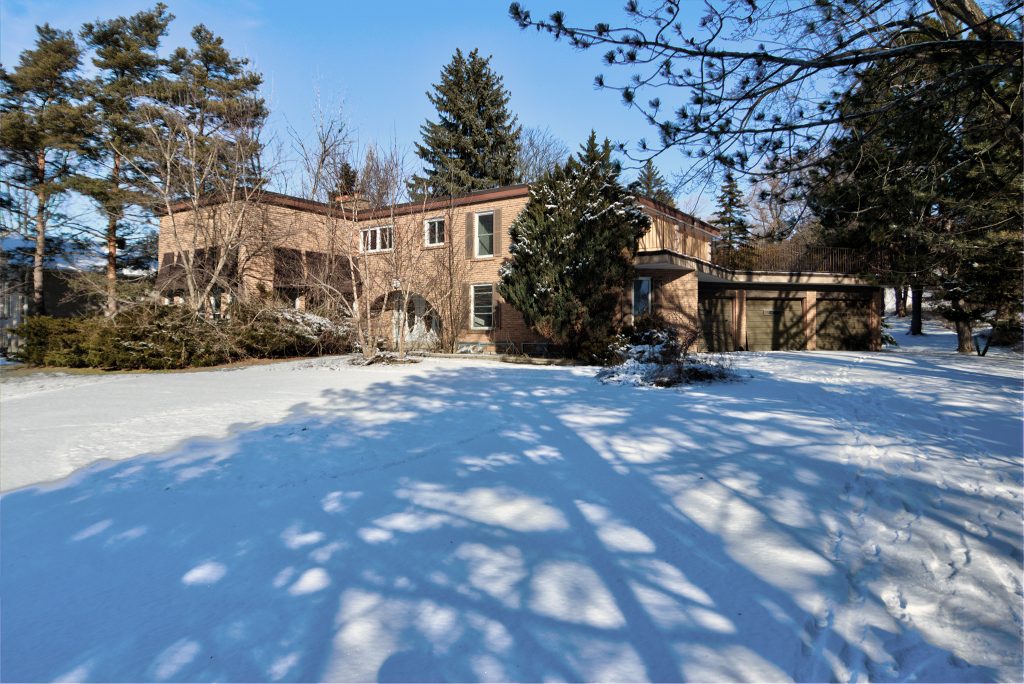
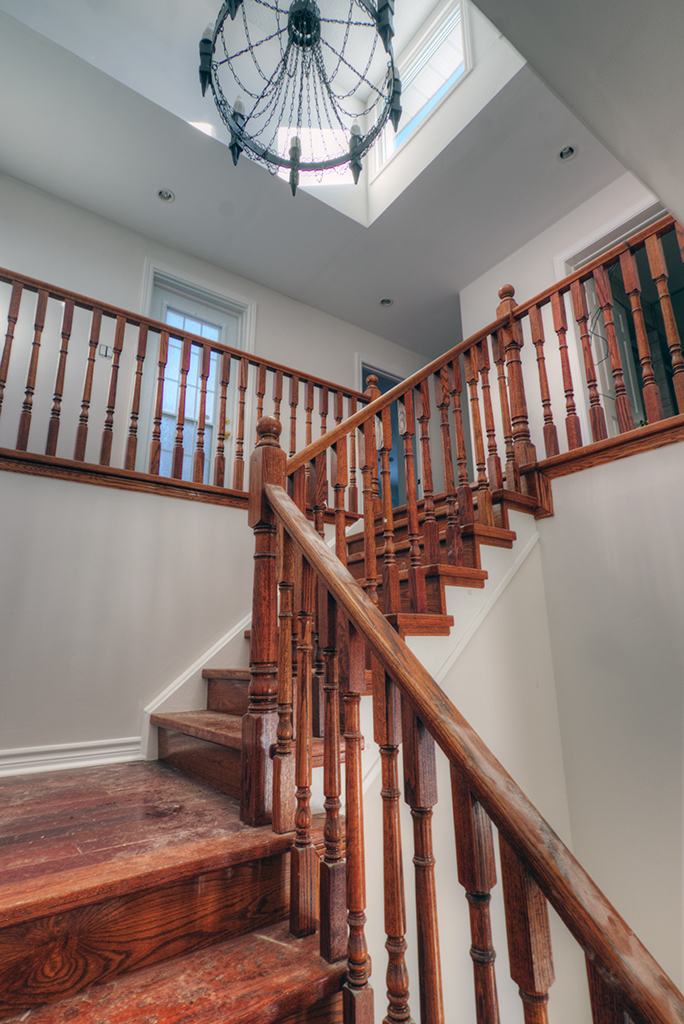
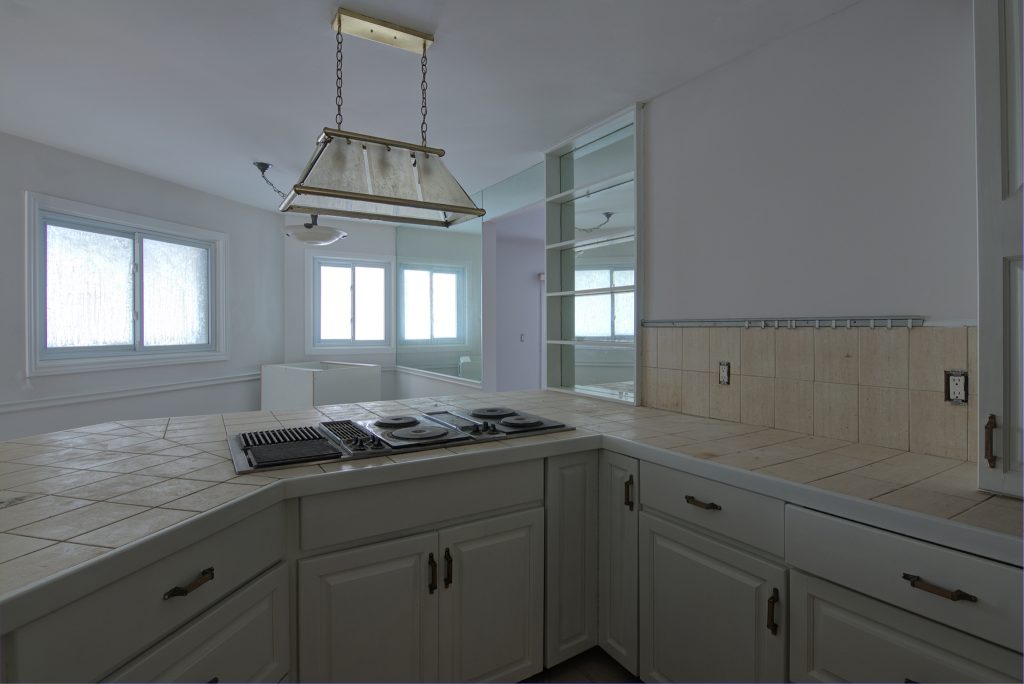
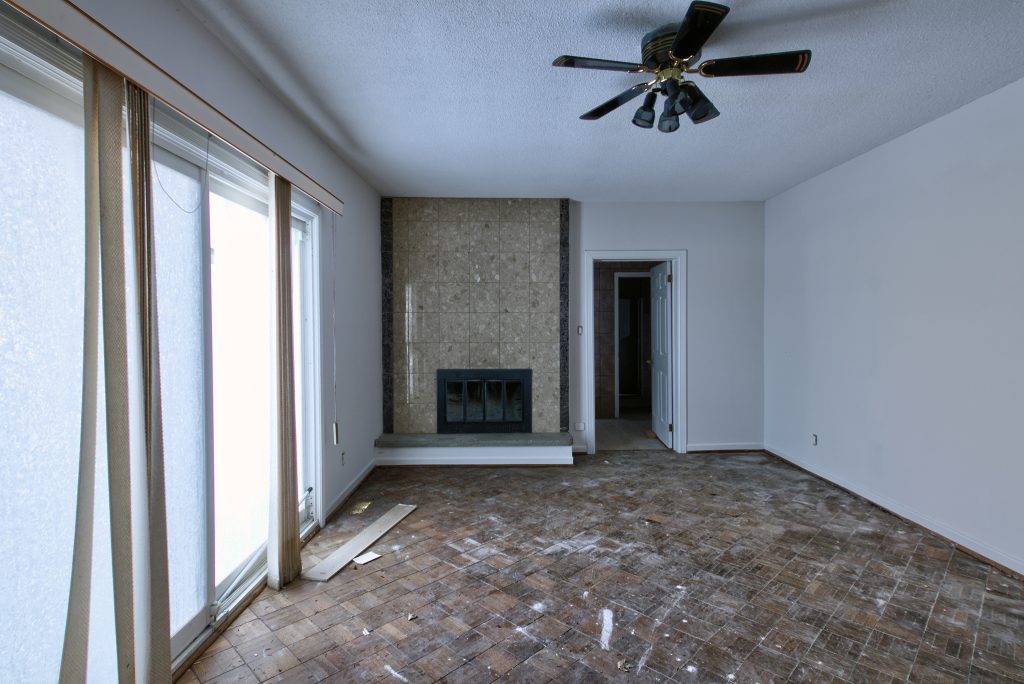
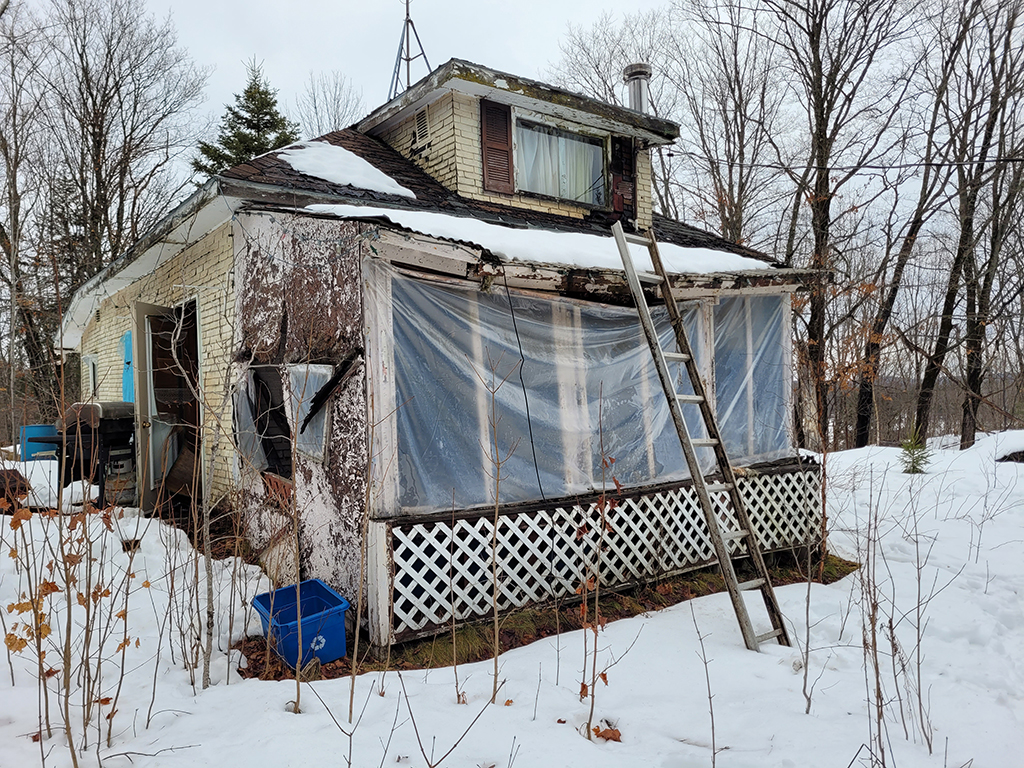
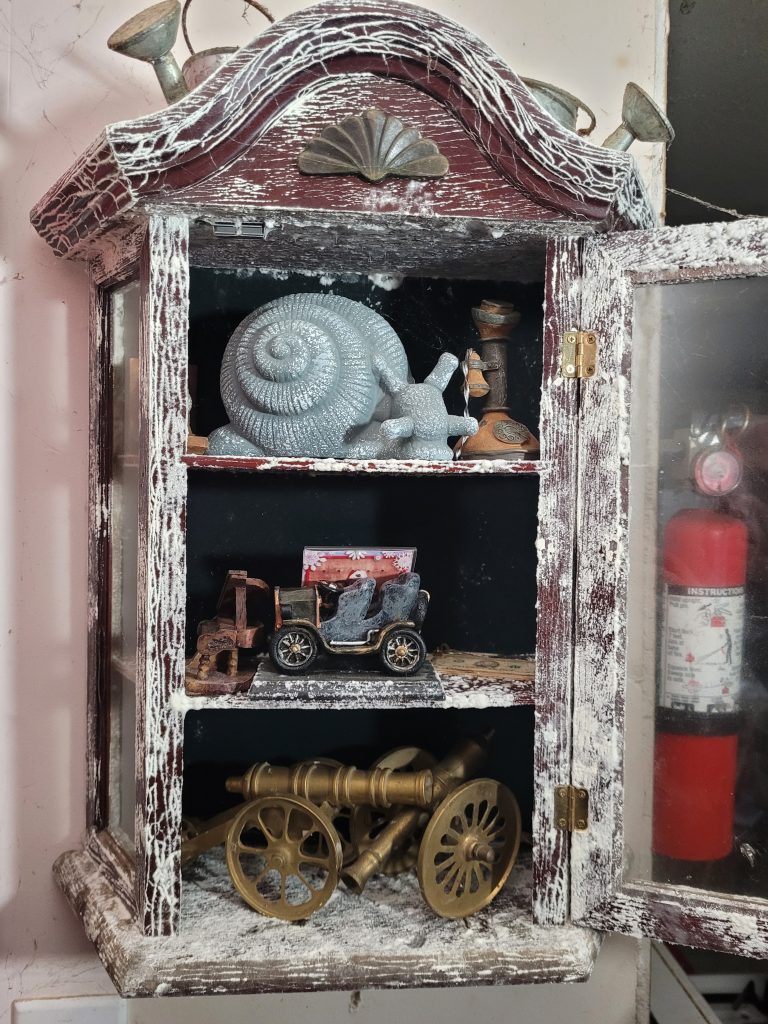
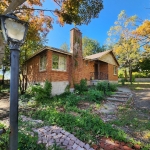
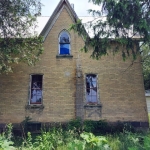
The Body Stain House

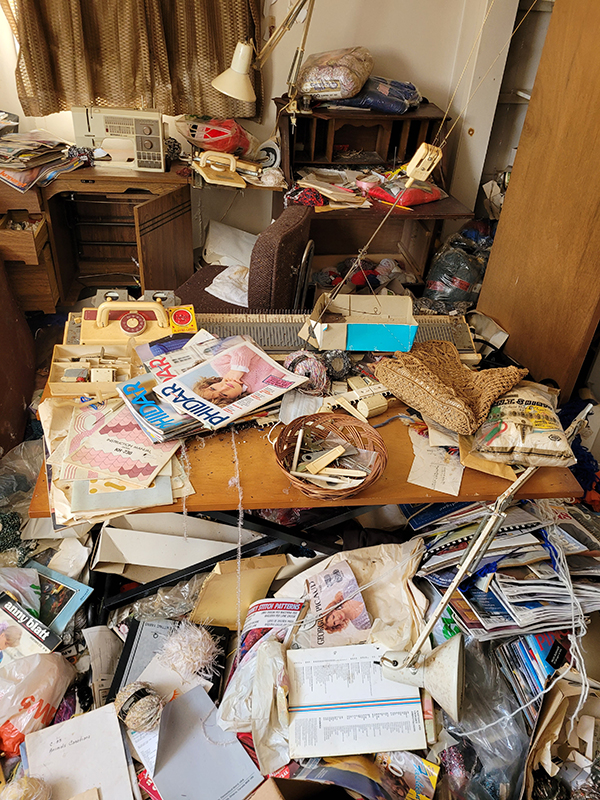
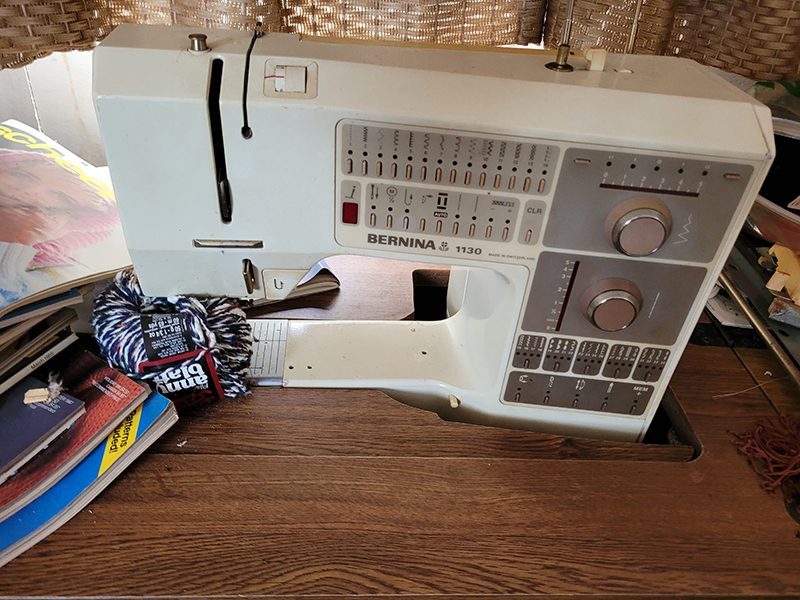
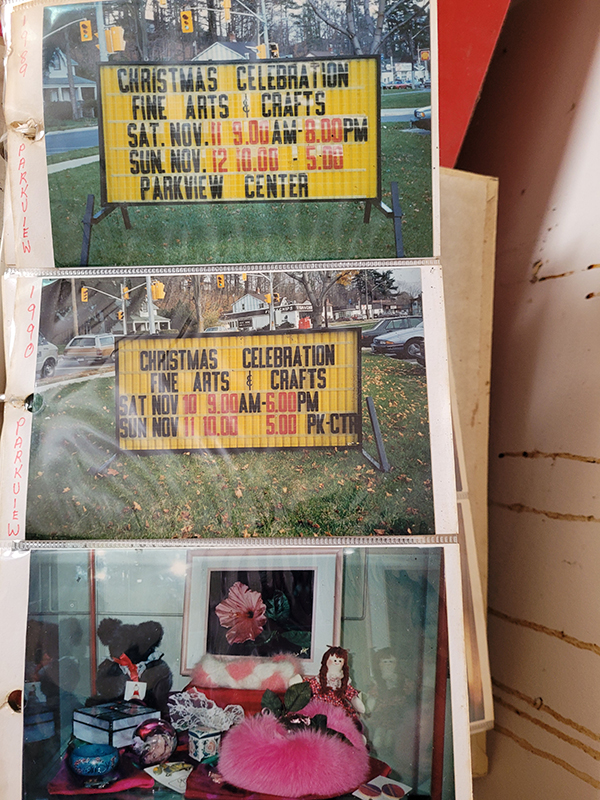
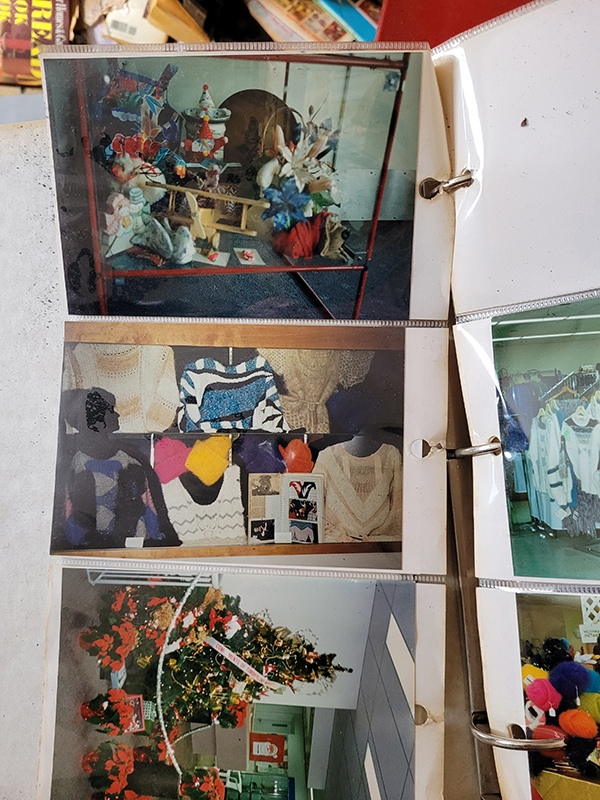
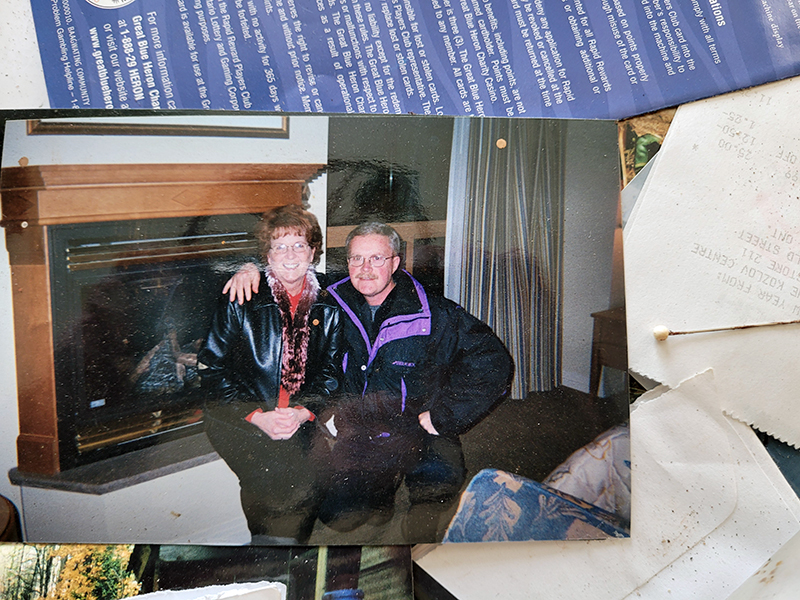
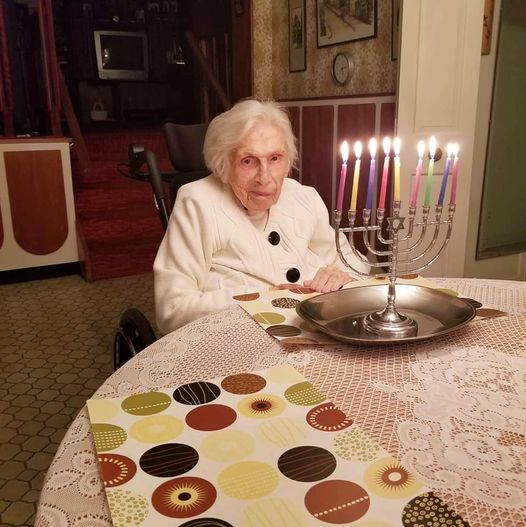
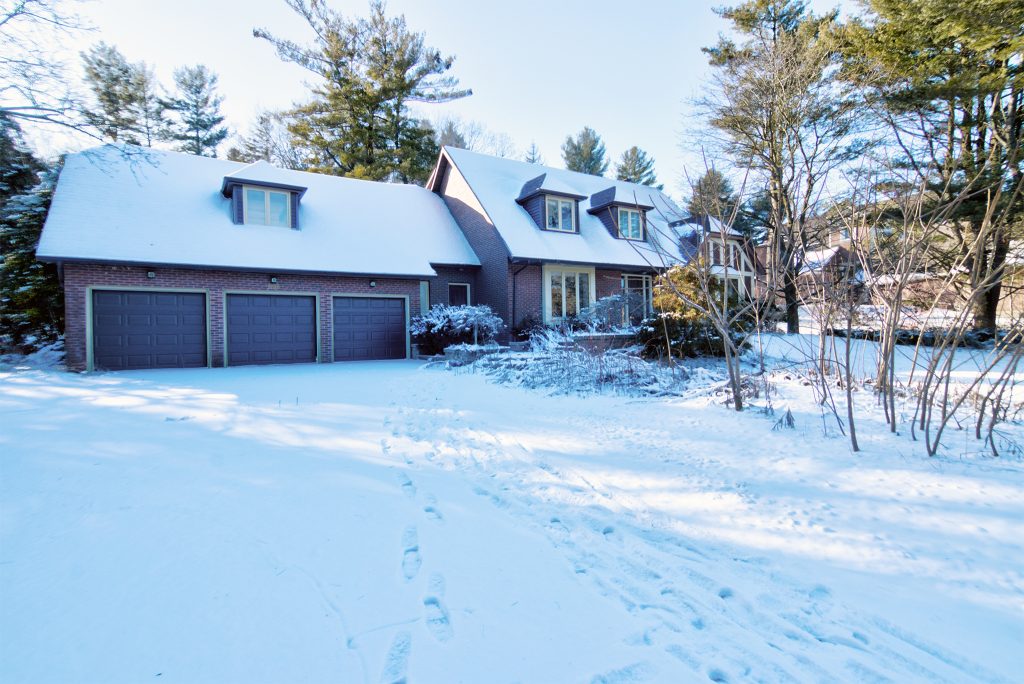
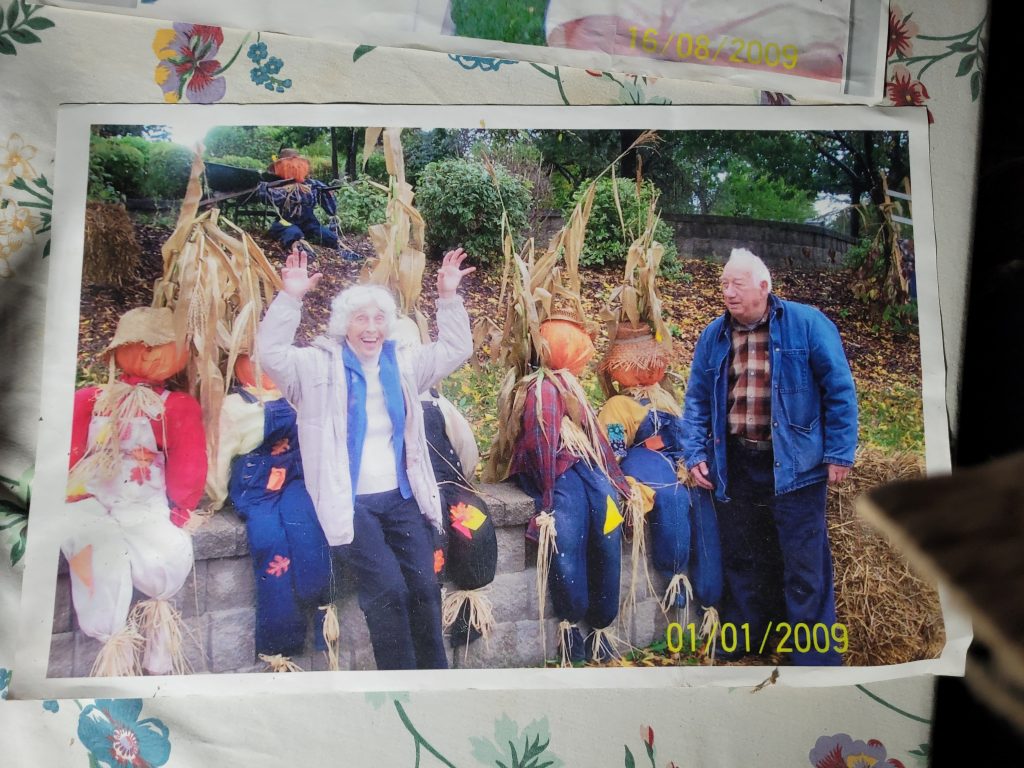
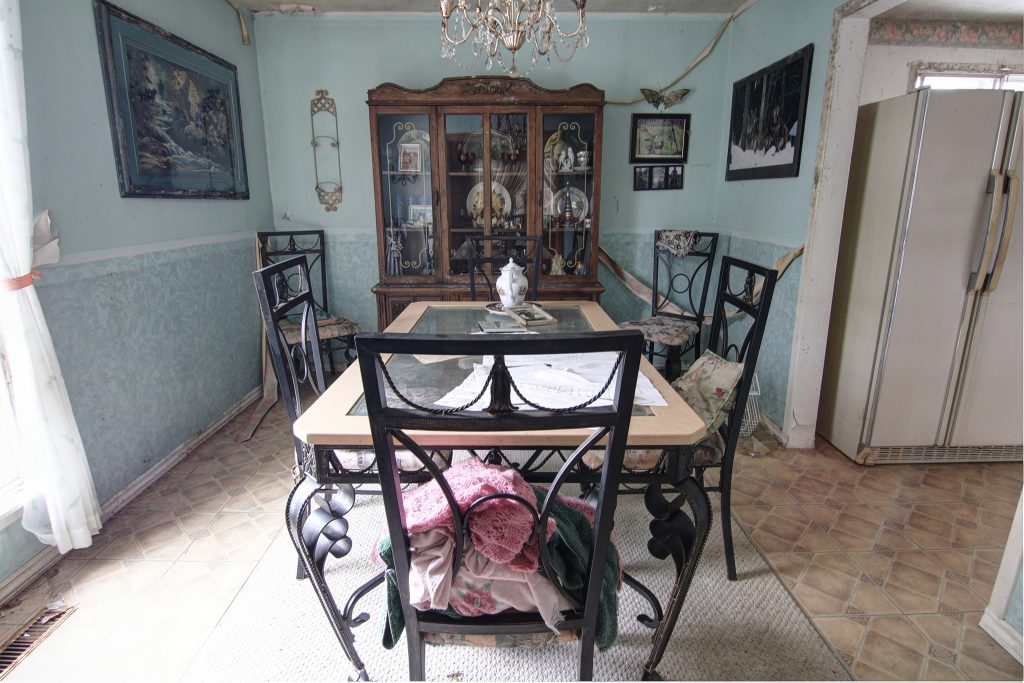
This was the home of Audrey and Ronald Stillman. Audrey was an avid knitter who would regularly attend knitting workshops. She sold her custom-knit creations at craft shows across Ontario. Research shows that she was active from 2001 to 2004, but most likely beyond that scope.

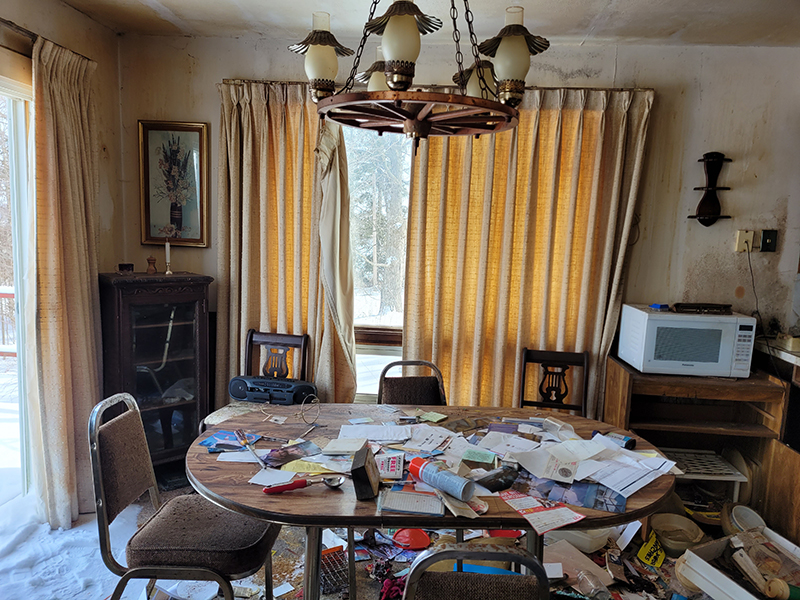
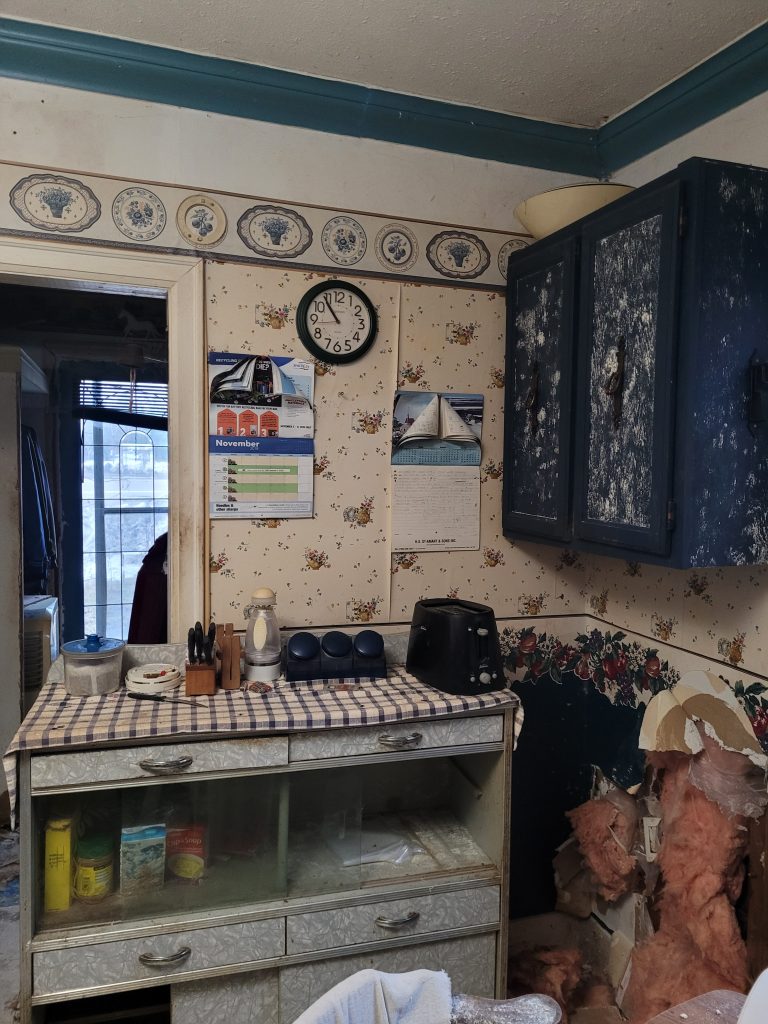
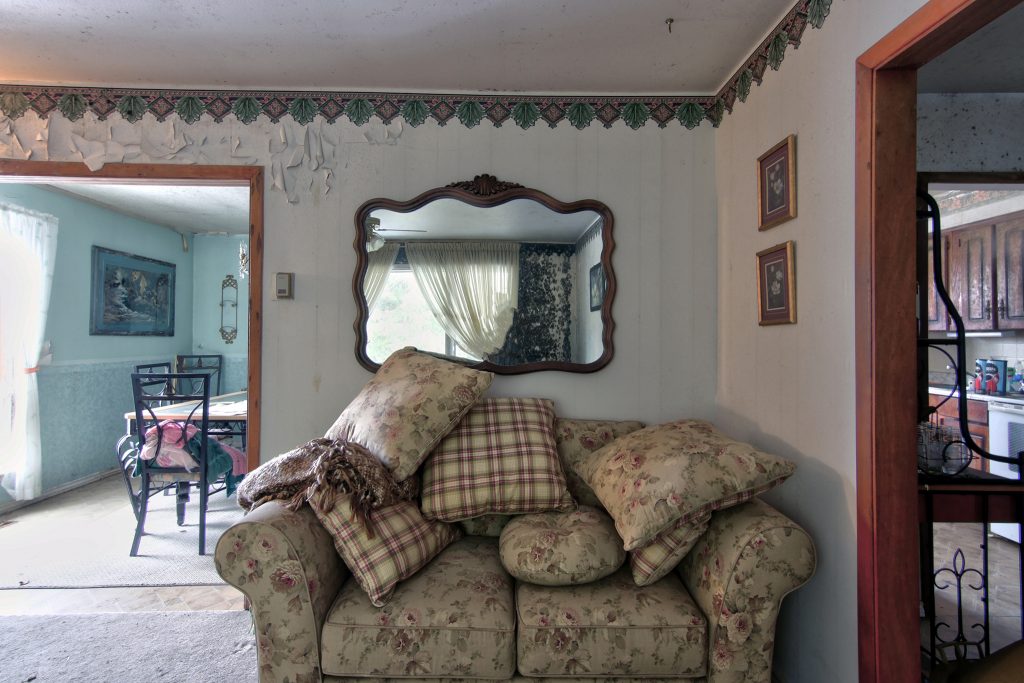
Ronald lived in the house for certain from 2002 to 2006 and was known to be alive in 2012. Ronald apparently passed away first, leaving Audrey living on her own. According to a source who will remain anonymous, she looked after Audrey. One day Audrey had been stuck in her couch for three days before she was found. She checked in on Audrey until around 2019. This would seem to align with the calendar on the wall dated from 2018. The source claims that Audrey had someone who she referred to as her ‘son’ who lived ‘next door’. I cannot find any verification of this though.

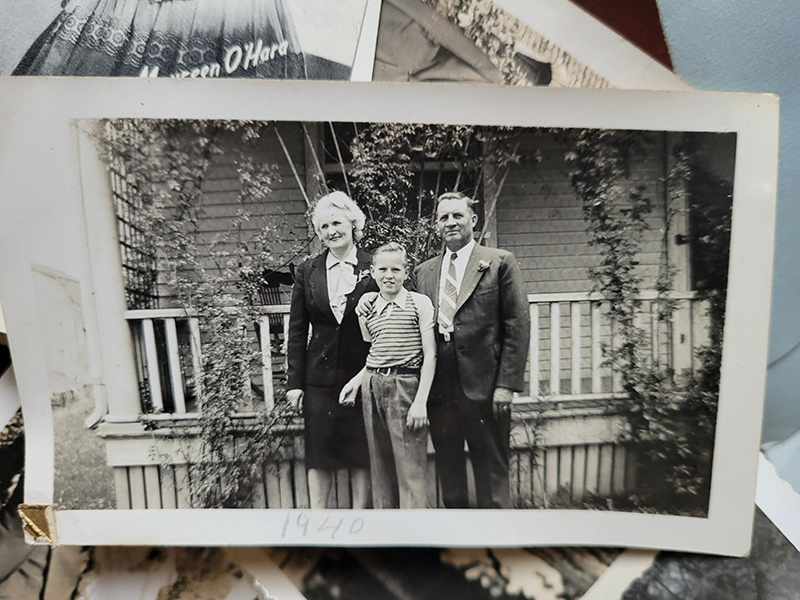
Ronald’s father, Stewart, passed away in 1976. Ethel, his mother, passed away in October 2000 at the age of 88. I discovered a card addressed to Ethel in the house, congratulating her on her 87th birthday. I initially thought that she might have lived in the house with the family, but it could be that the card was a keepsake.

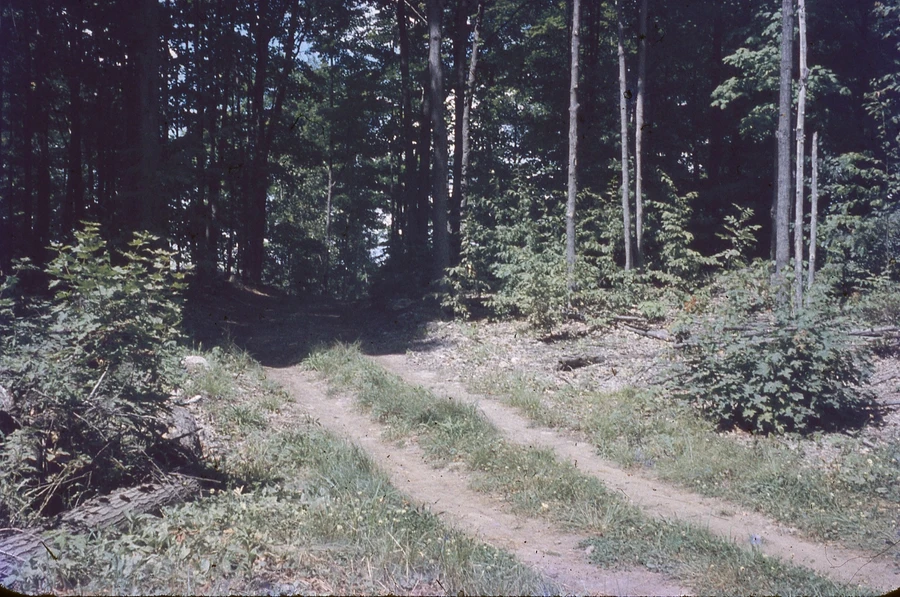
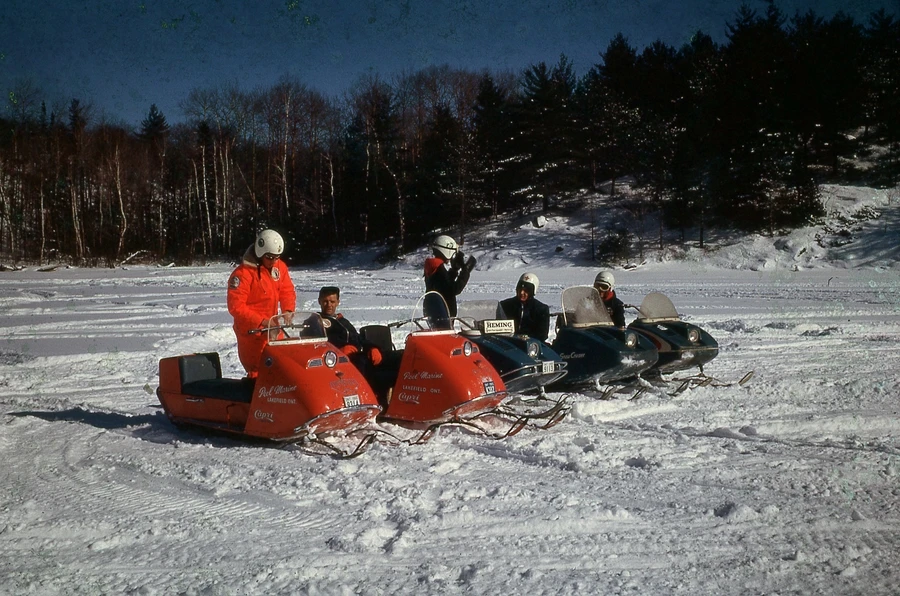
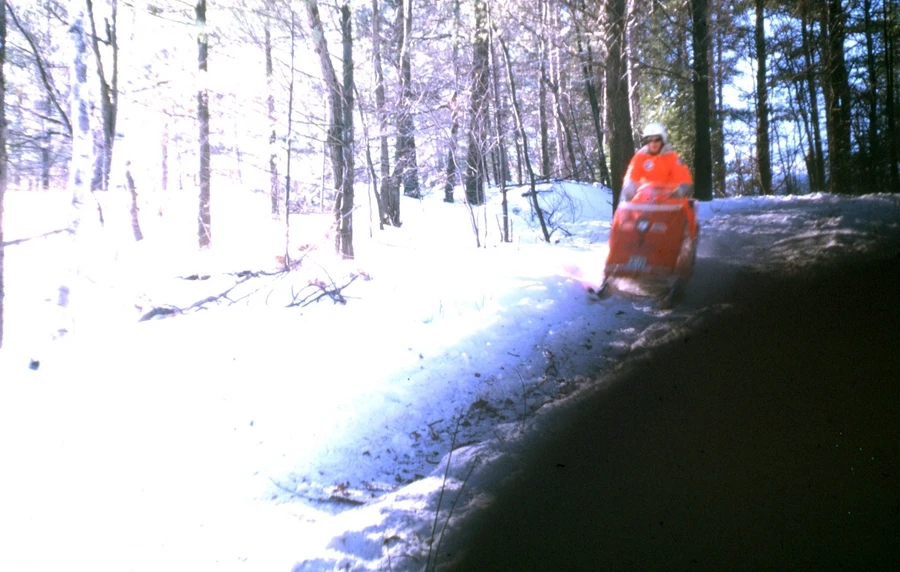
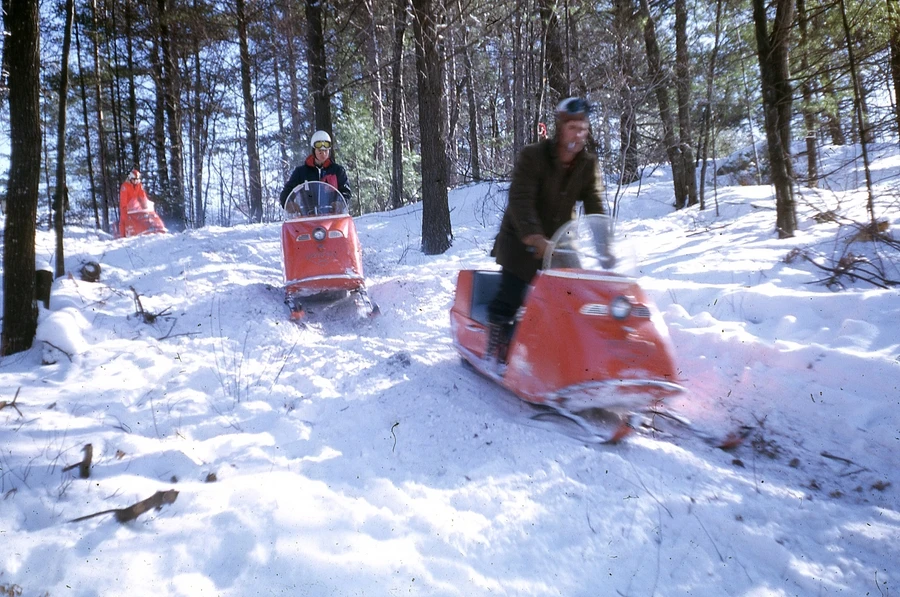
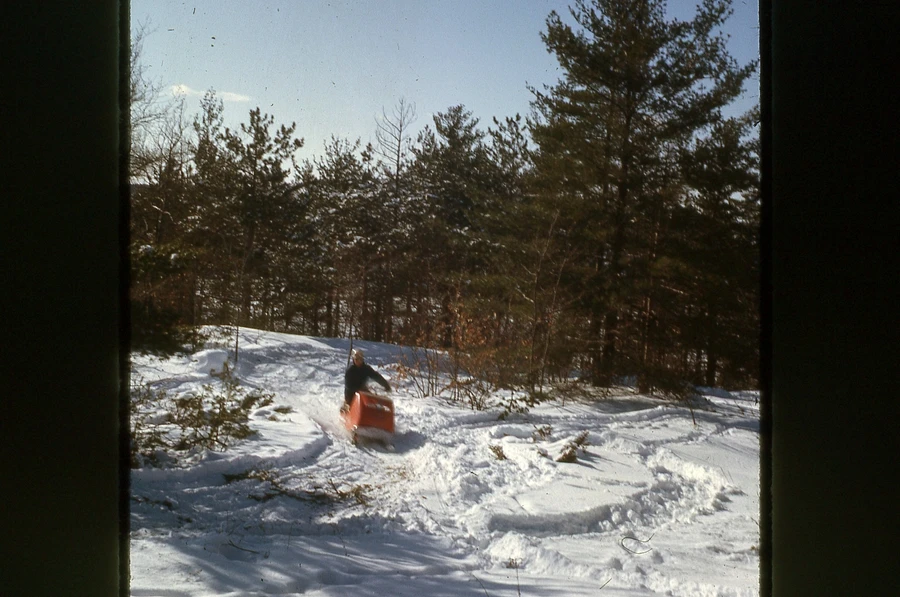
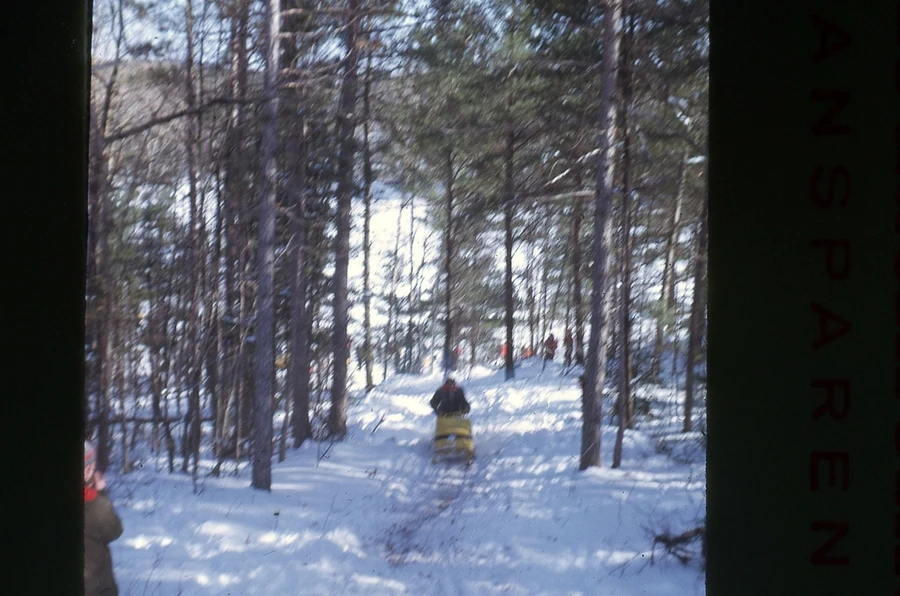
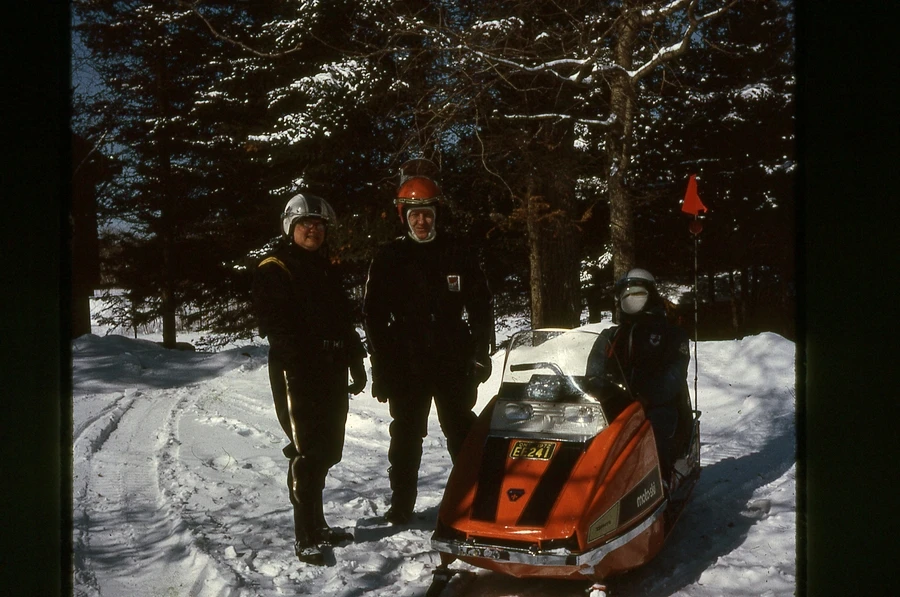
There’s no record of Ronald to be found in telephone records or recent online searches. He was part of a trail plan for hikers and skidoo enthusiasts.

I know very little about this couple. Internet searching revealed a single mention of the wife, and the husband hasn’t been mentioned in over twenty years. Most of the people that I found to be associated with the couple, were themselves deceased. I know that Audrey was living in a senior’s living facility in Barrie at one point in time.

In 1977, the house title was transferred for $2.00. I believe that the house was transferred to Ronald after the death of his father.

The Body Stain

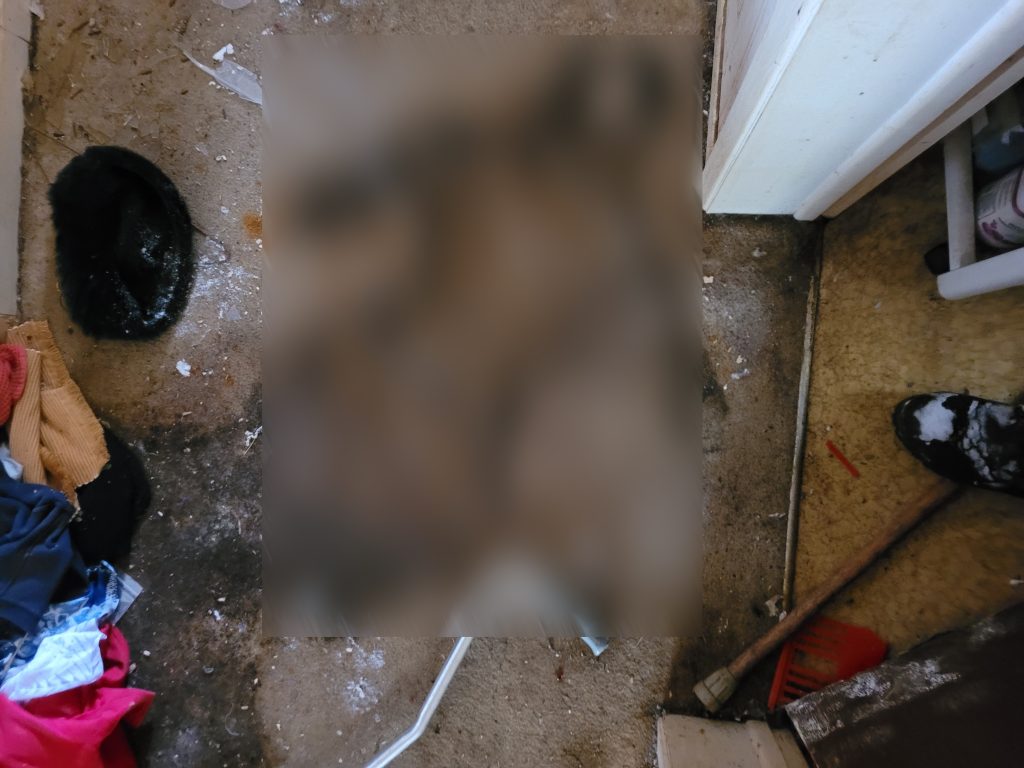
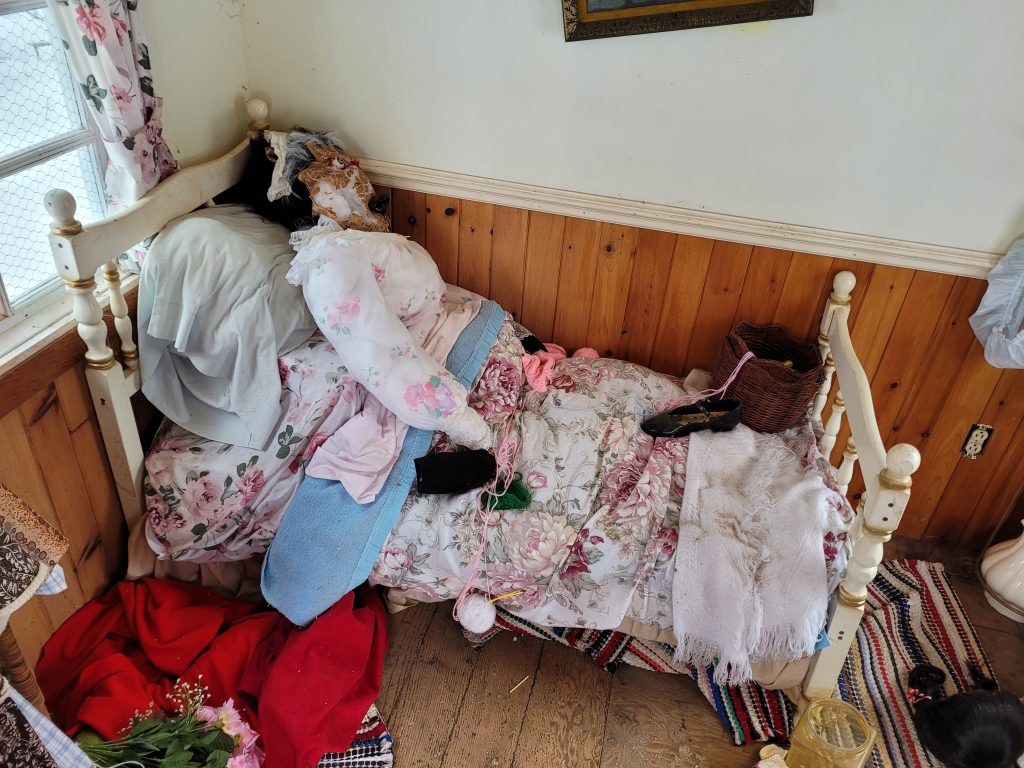
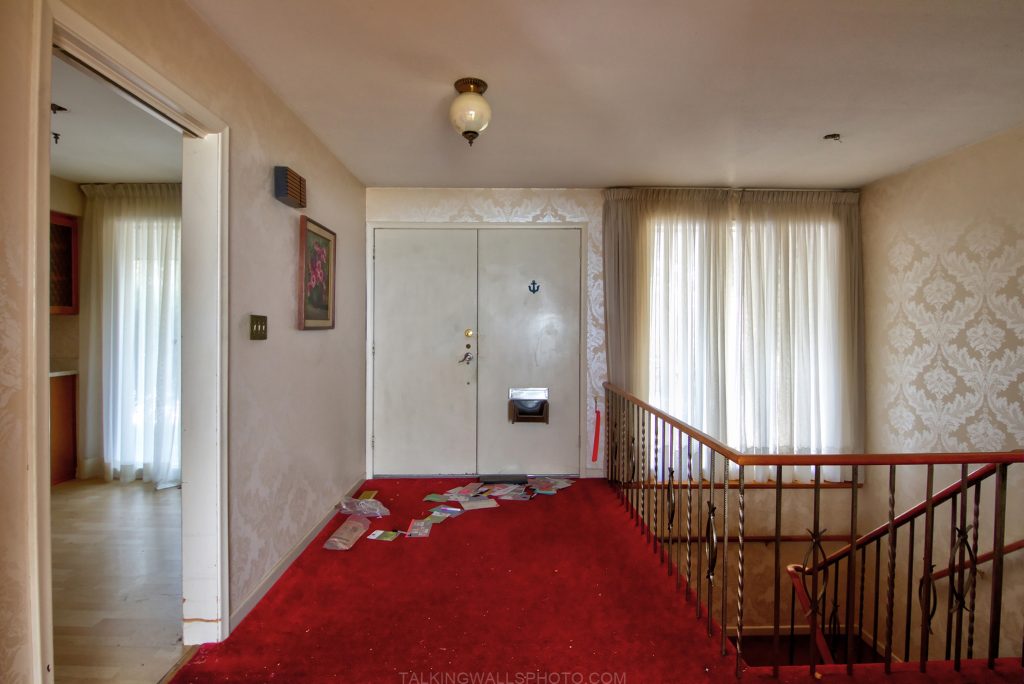
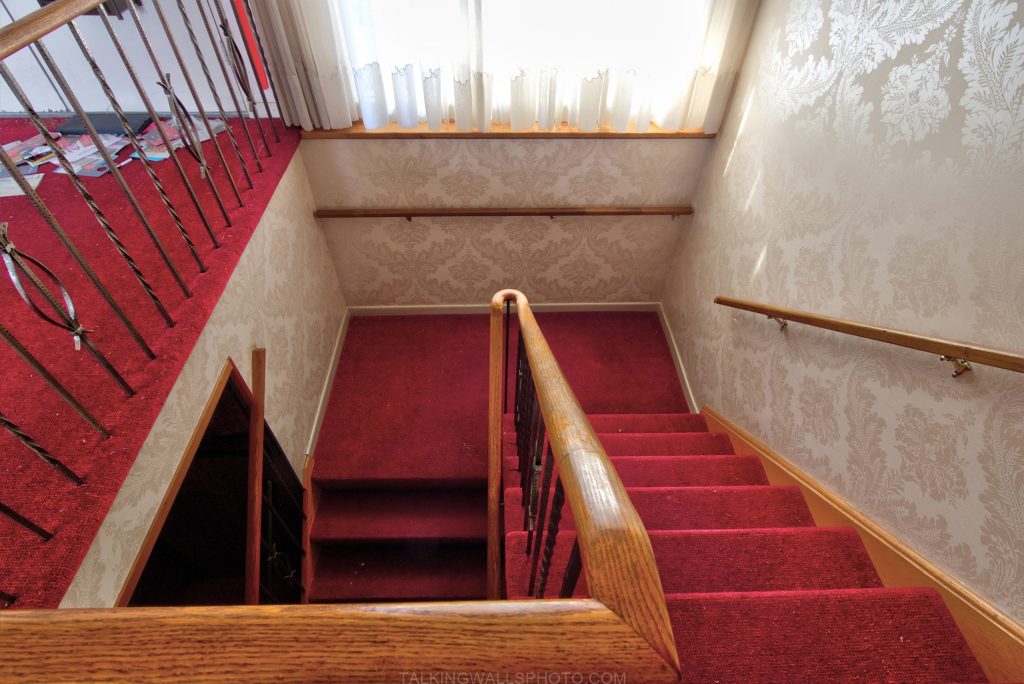
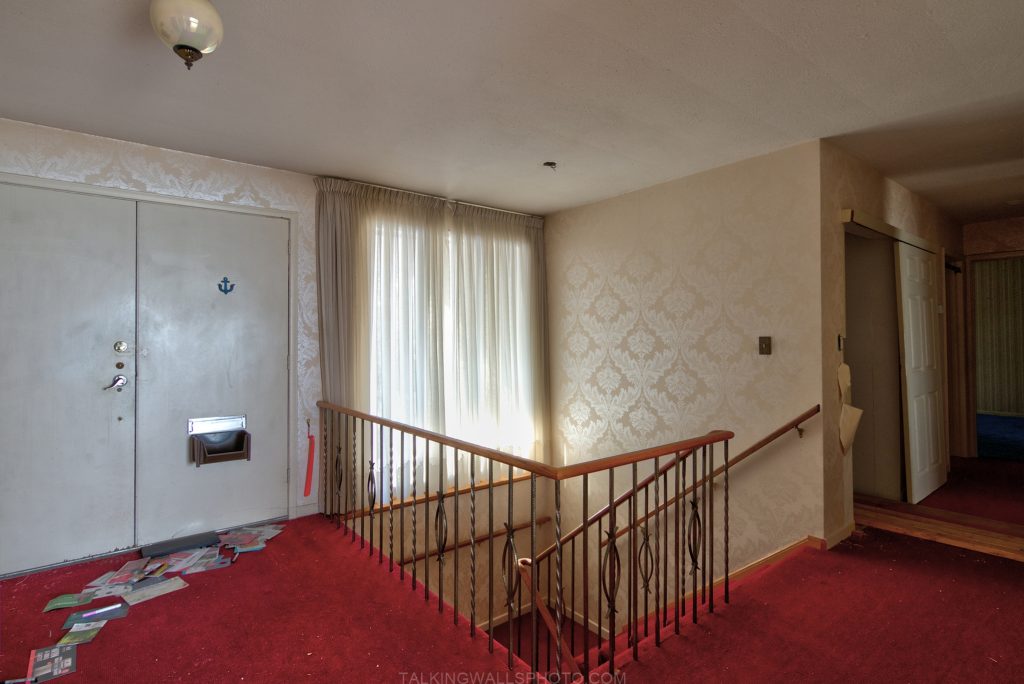
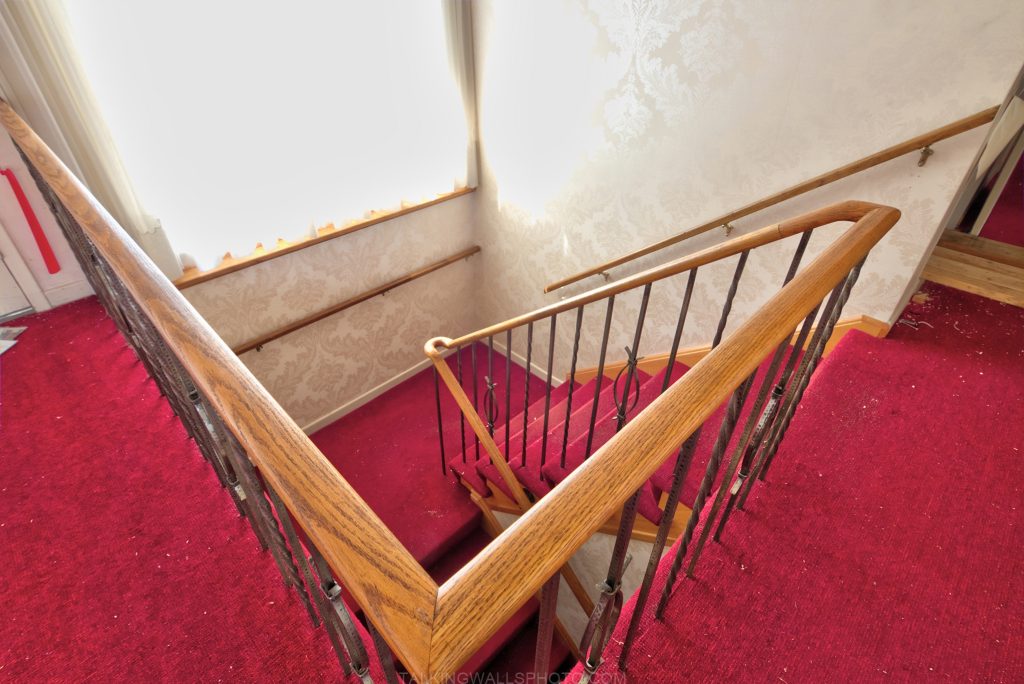
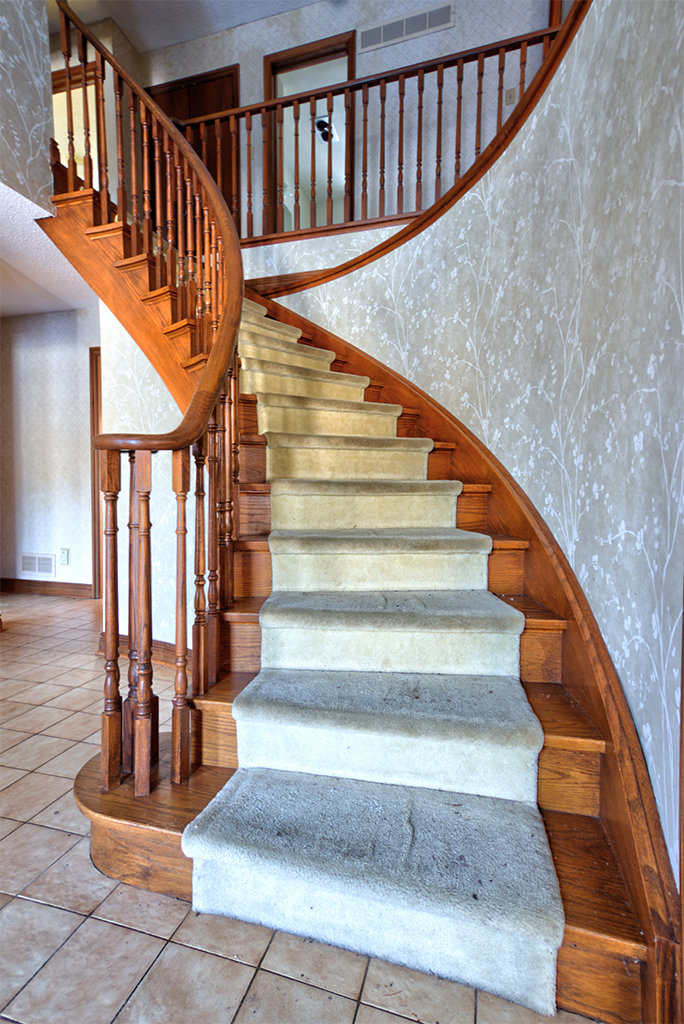
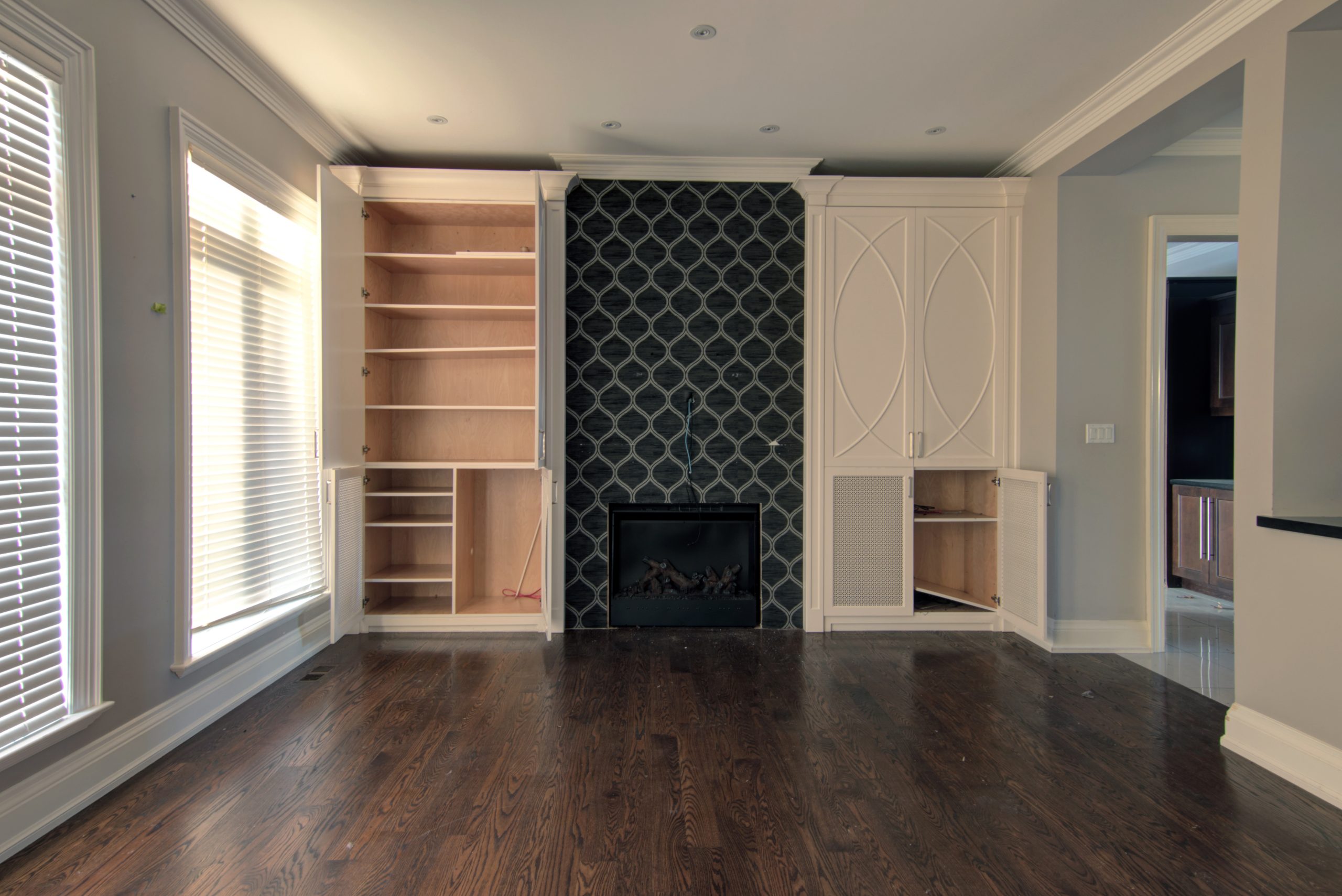
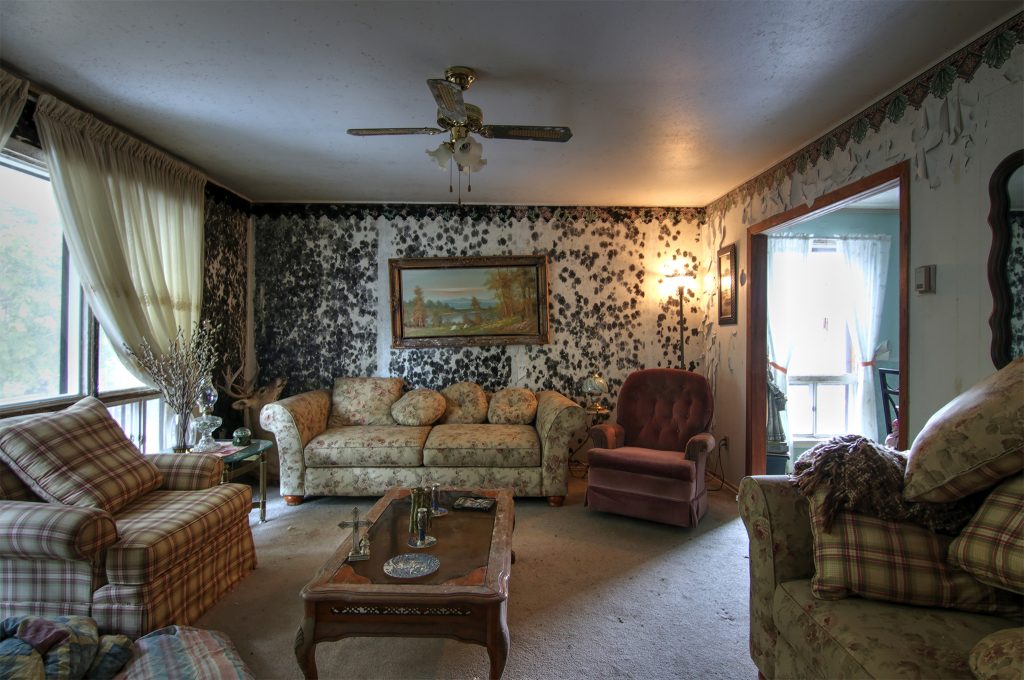
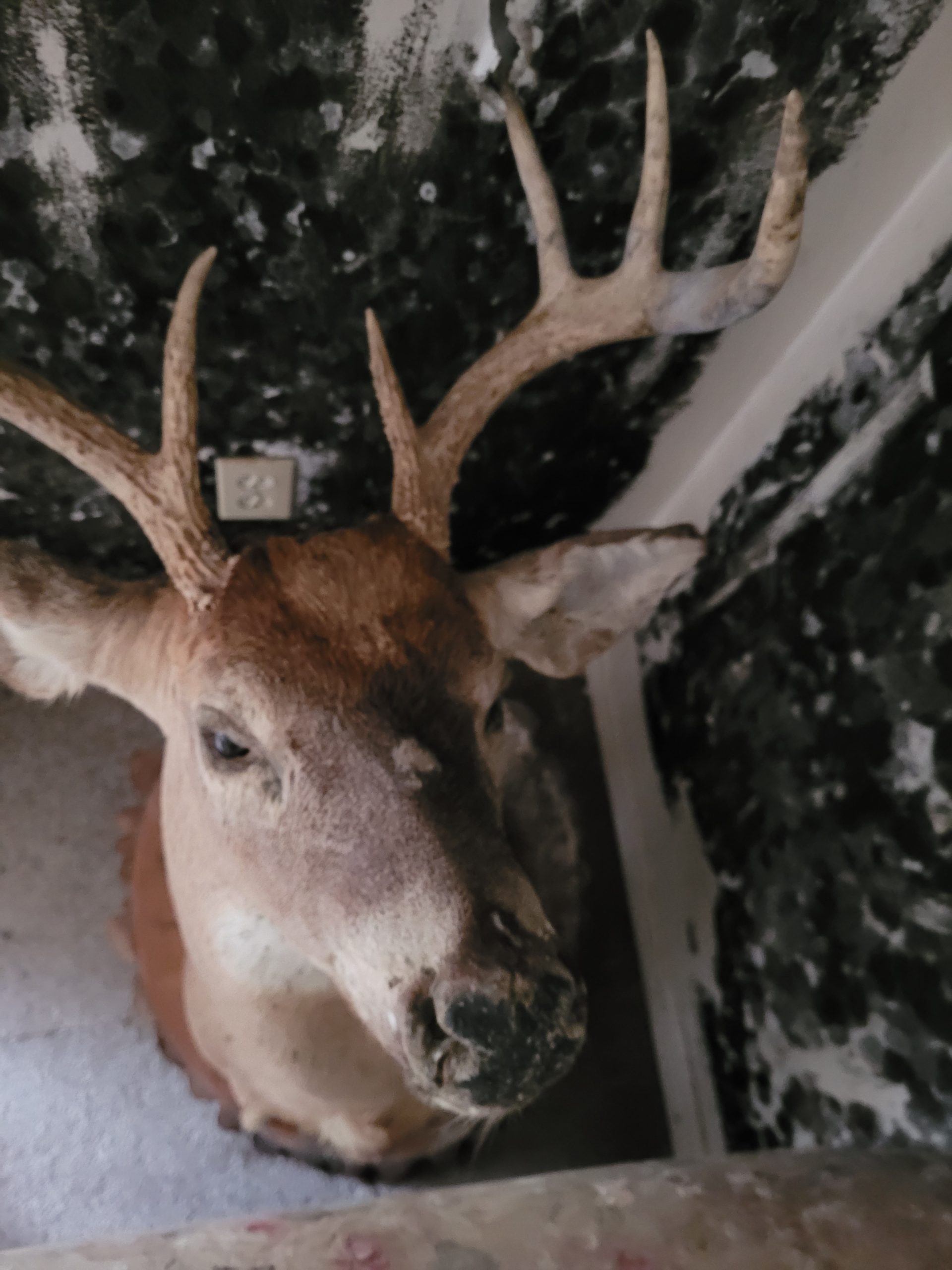
This house is known as the Body Stain House because of the distinct outline of what appears to be body decomposition on a hallway carpet. Given the years since the parents deaths, they can be ruled out.

With Audrey known to have been at a senior’s residence, the question is was she living there before or after living in the home. This also asks the question, whose body was it, if anyone’s?

There’s a fascination with the macabre and lifestyles that surpass our own. For example, we’re intrigued by explorations of large mansions and exquisite ways of life. We’re drawn to photos of embalming rooms and morgues. It’s not so much the end of life that draws our attention, but that we rarely ever get to see inside of these rooms. We’re drawn to things that we don’t see every day.

This brought me to a moral dilemma: whether to show images of the alleged stain. In the urban exploration hobby, you’ll discover that explorers fit into certain niches. Some are content to explore. Some want to explore and document the past. Some want to make money (i.e., the “you won’t believe what I found” hype). I’ve ultimately decided not to post images of the stain on social media websites except for my own blog. This is after initially stating I wouldn’t show it at all.

This exploration has left me troubled, uncertain, and uncomfortable.

Therefore, it was a good exploration. According to a source, Audrey ‘left’ the senior’s facility many years ago. This is somewhat confusing. If she left her home to live in a senior’s residence, it wouldn’t make sense that she’d move back into her home in her 80s.

I found literature pertaining to care for someone who’s had a stroke as well as bereavement. There are several scenarios:
– After one of them suffered a stroke, Audrey and Ronald relocated to a senior living facility.
– Ronald is still alive, and Audrey went to live in a senior’s residence.
– Ronald passed away at home, and Audrey moved out. This conflicts with the information that Audrey left the senior’s residence, unless by left, the source meant she had passed.

In any event, it’s really not our business to know but it still makes you wonder. I’m inclined to think that Audrey and her husband moved to the home after the senior’s residence, where Audrey would spend the final years of her life alone.

Commentary

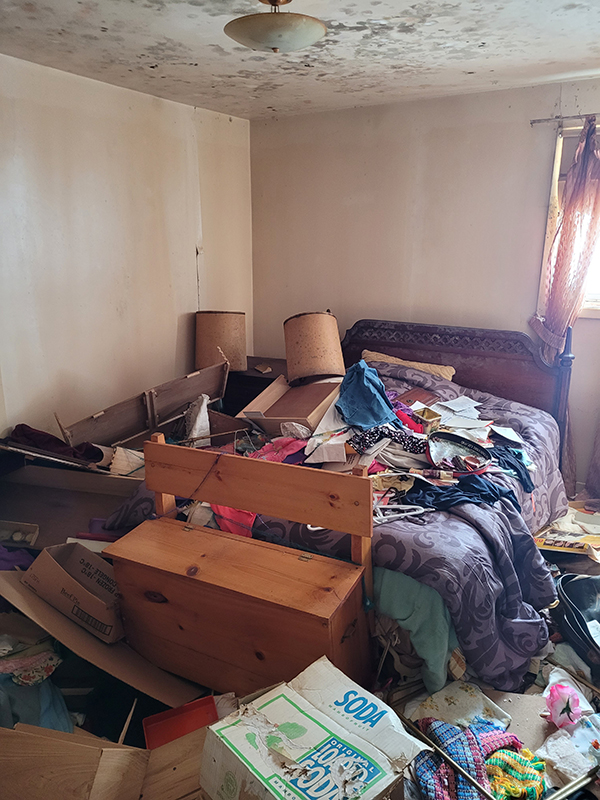
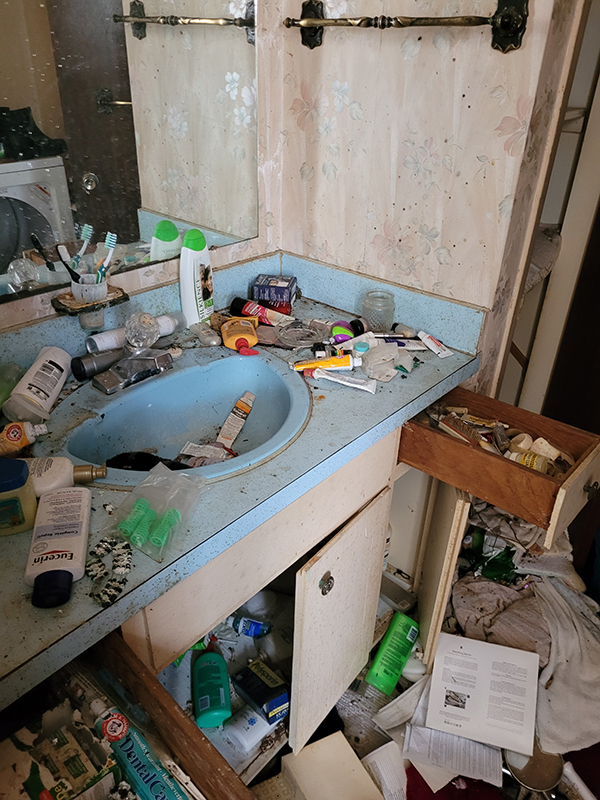
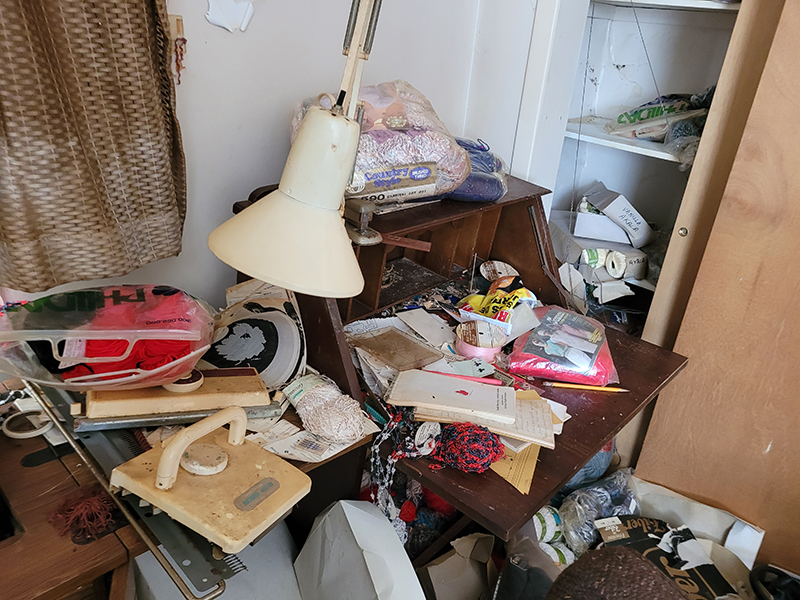
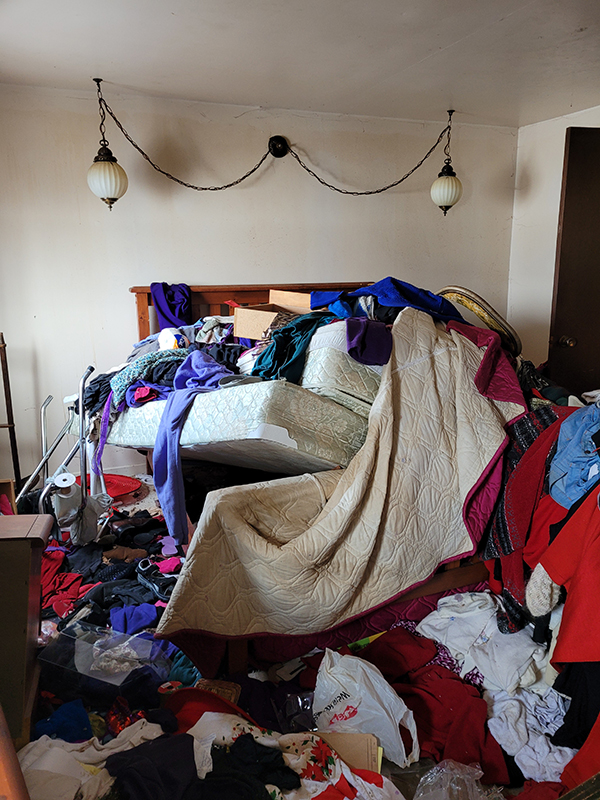
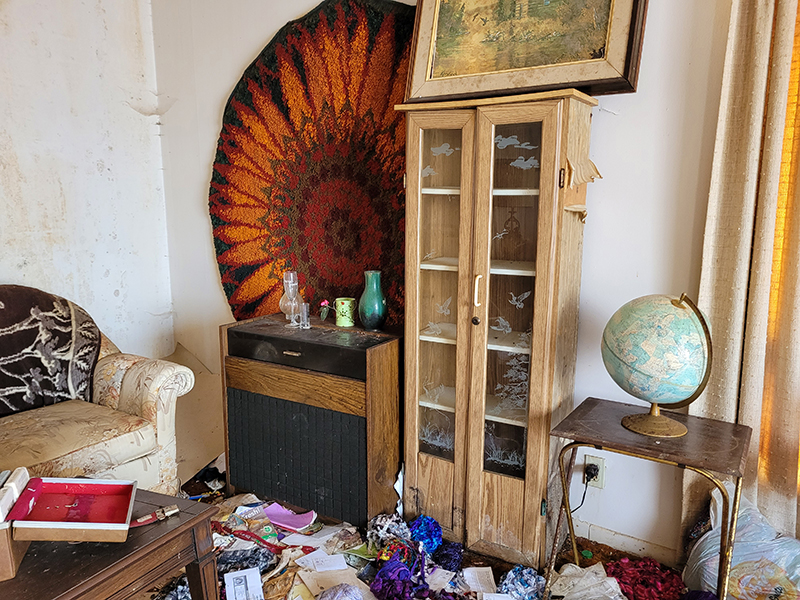
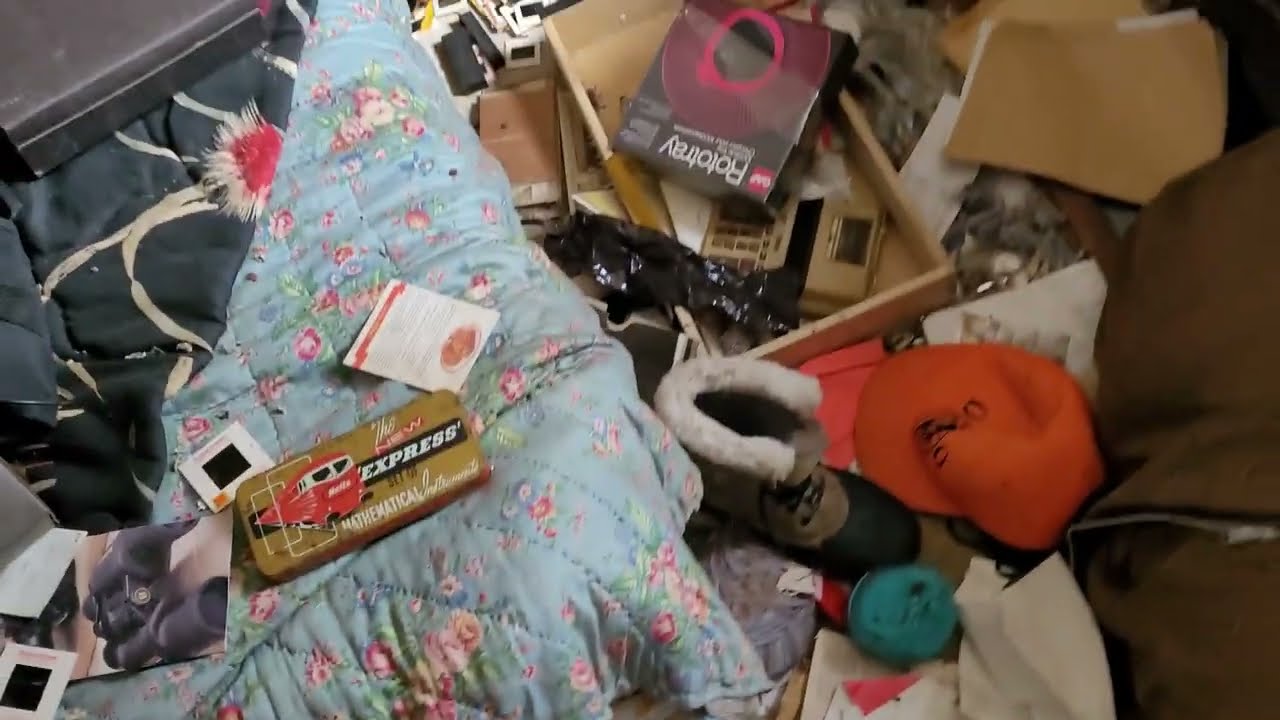
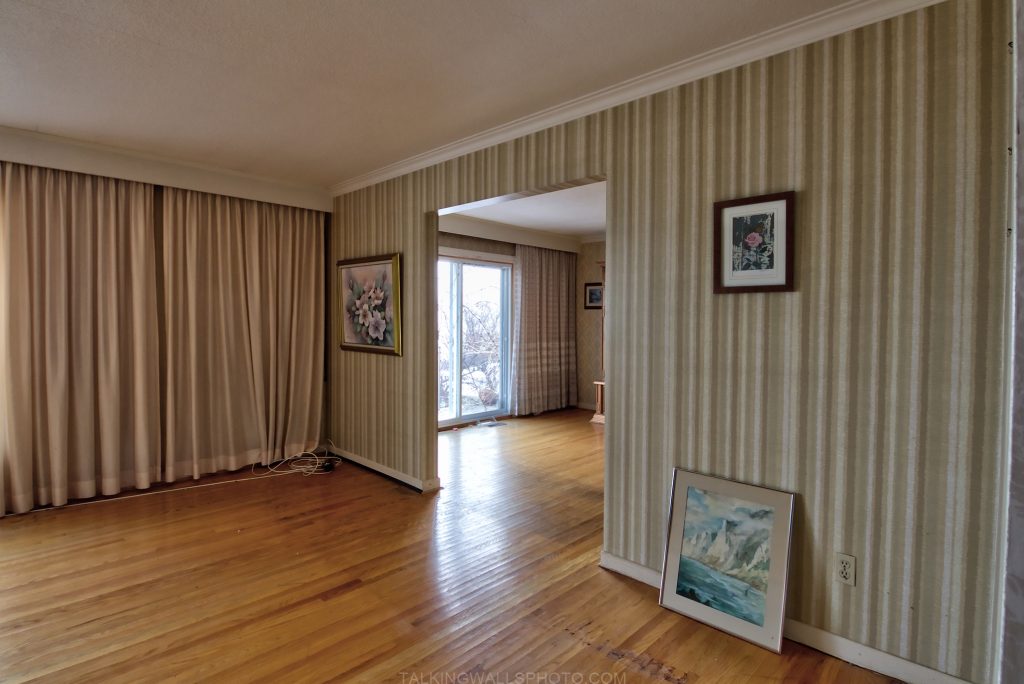
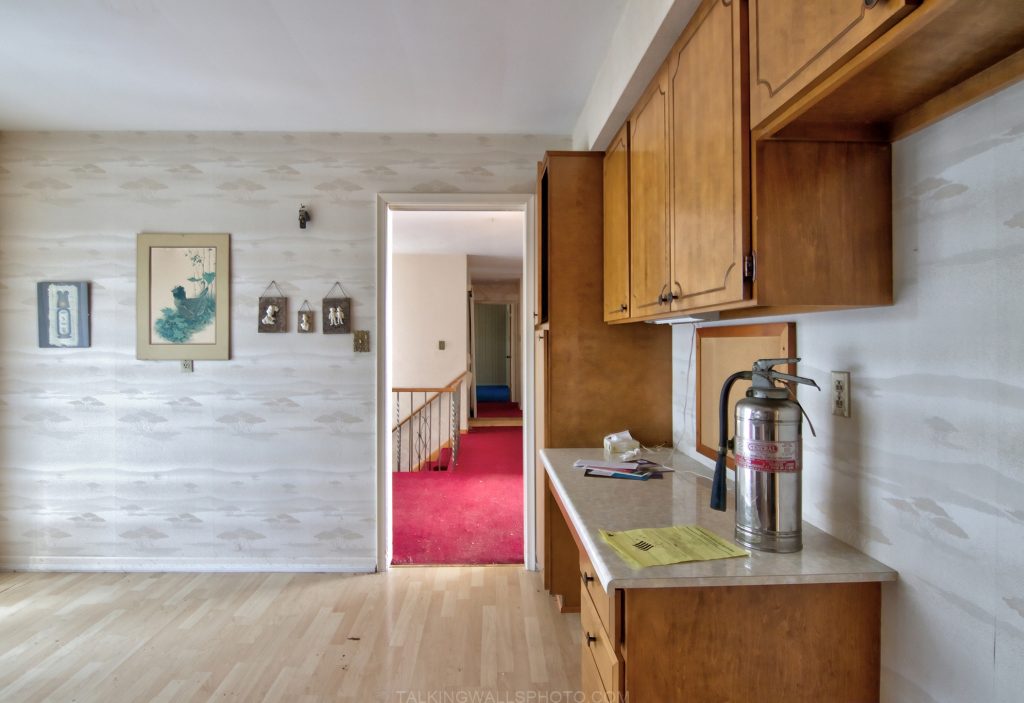
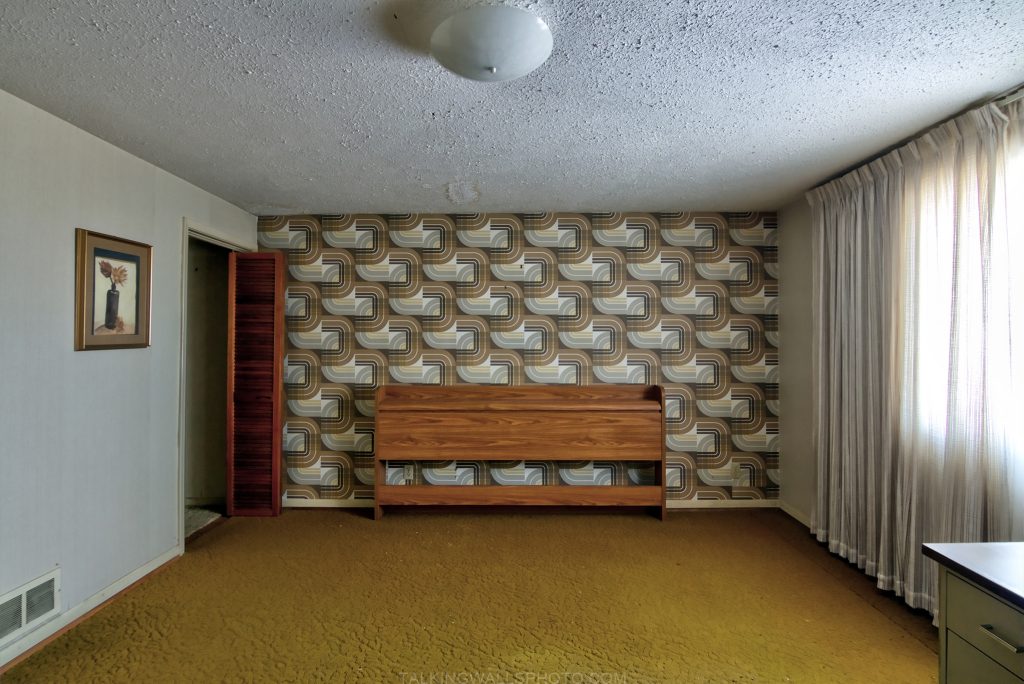
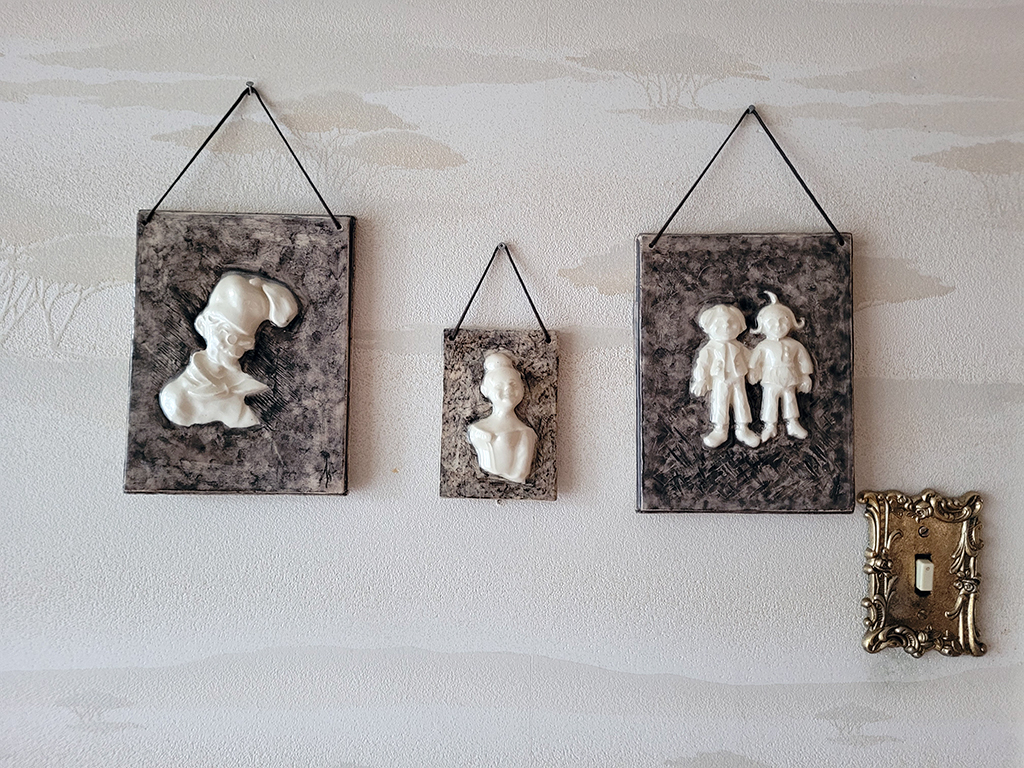
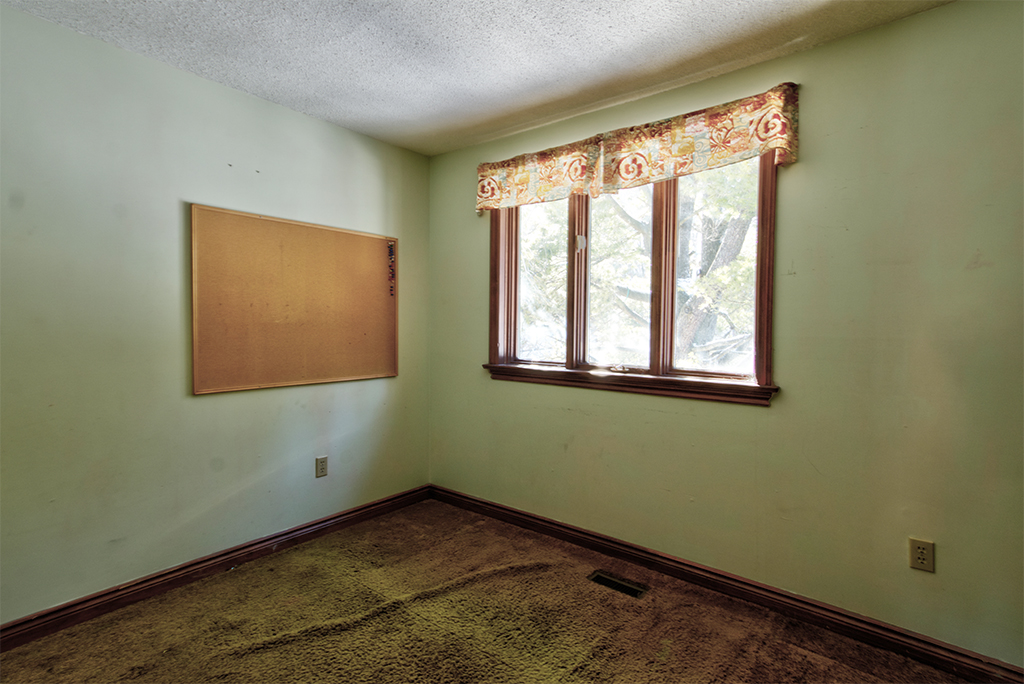
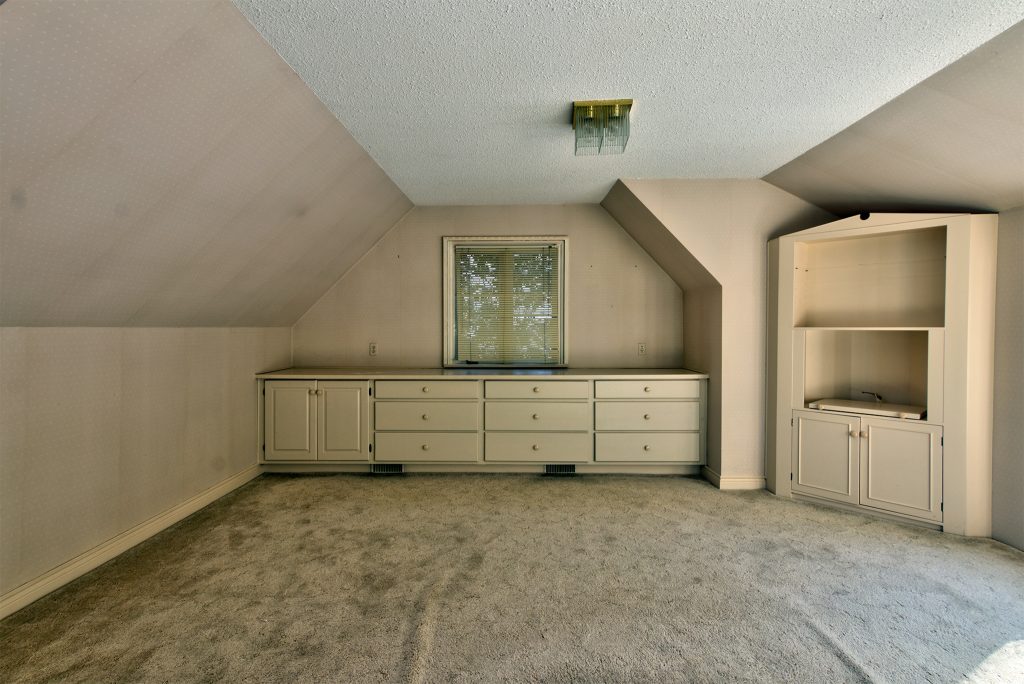
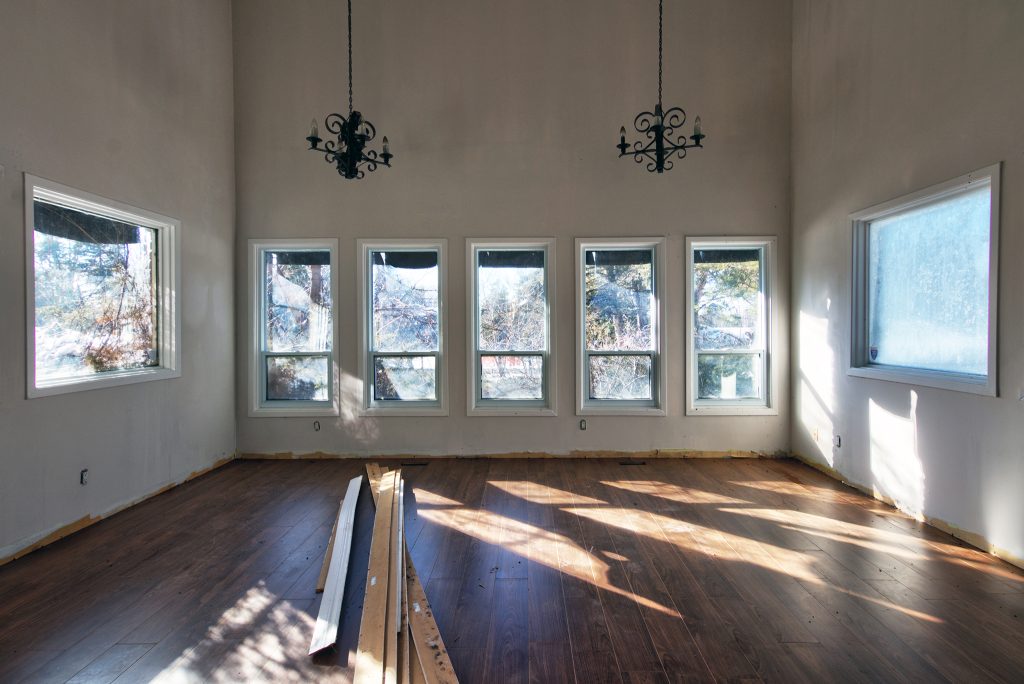
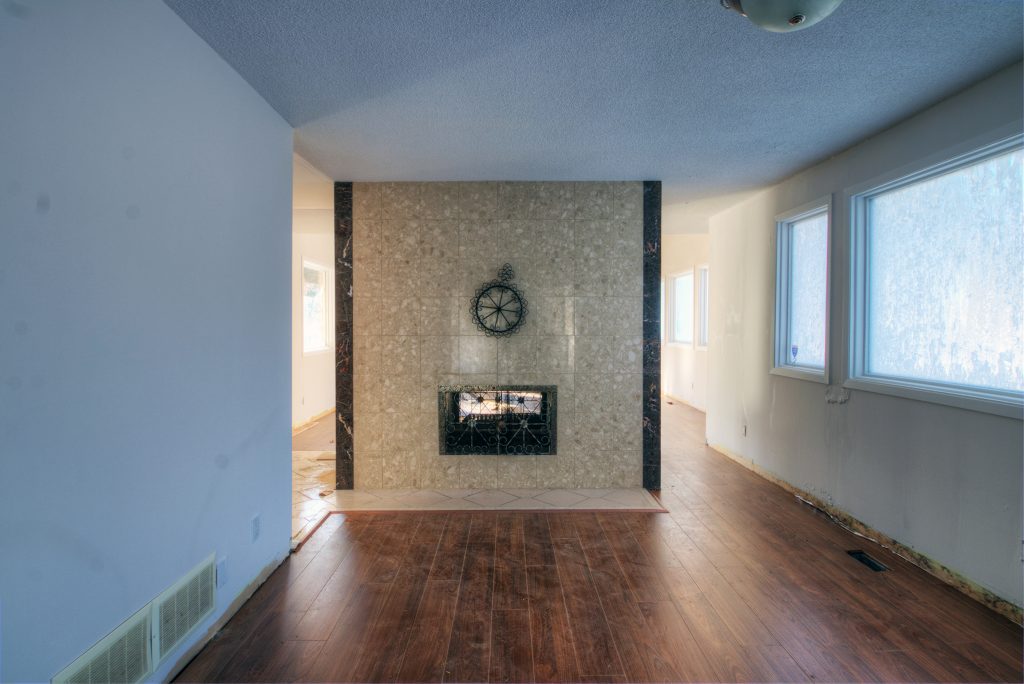
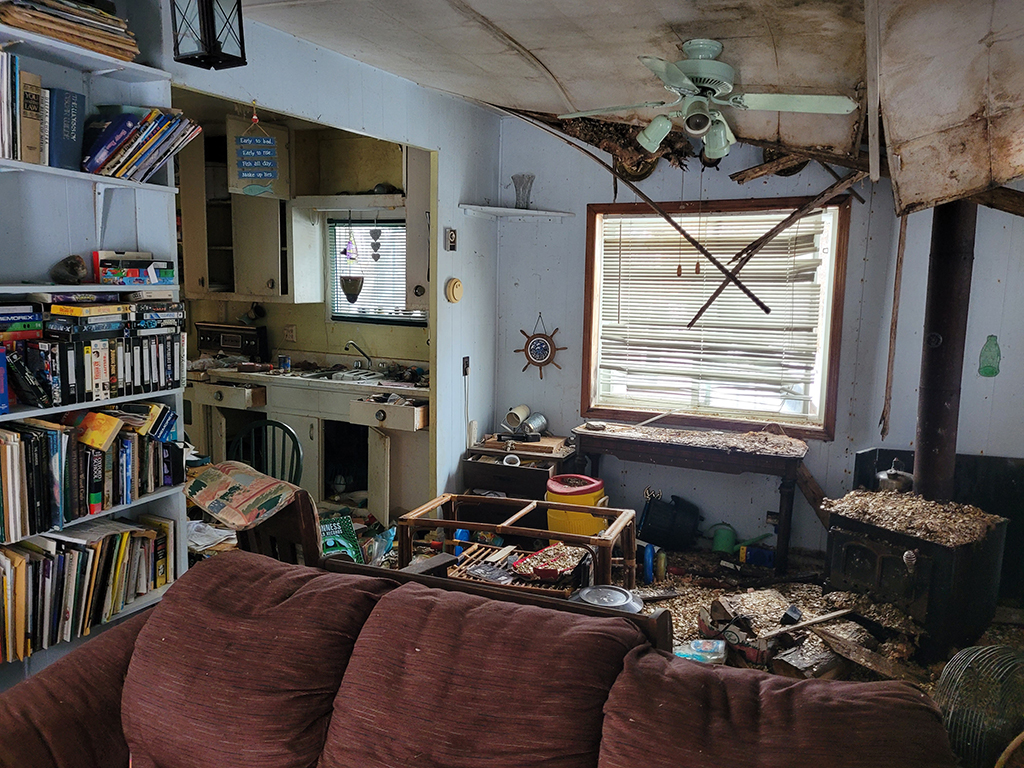
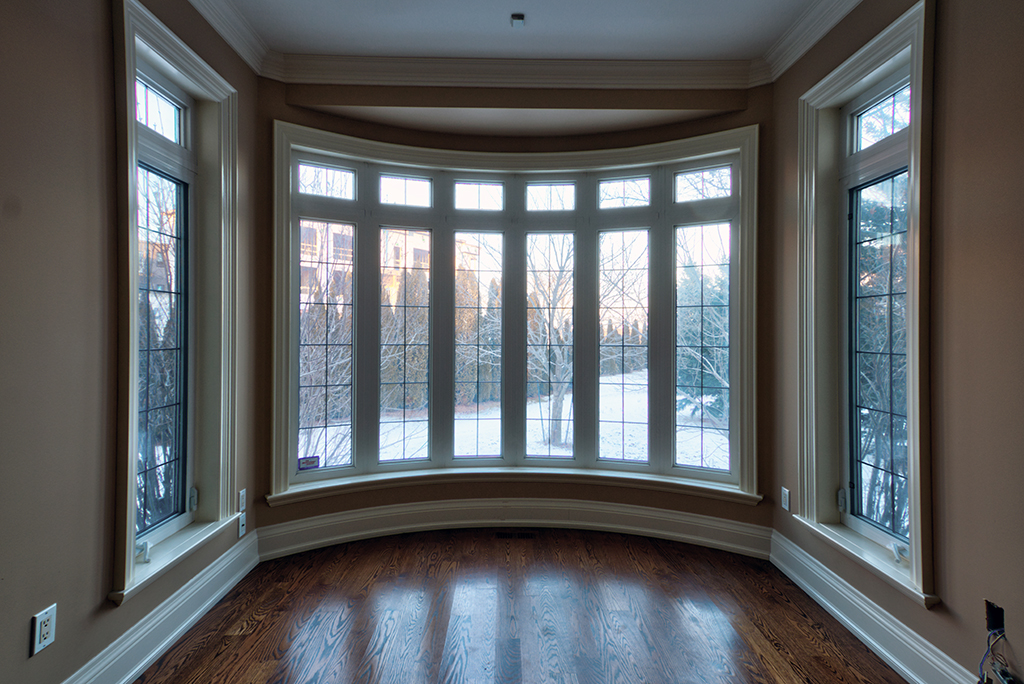
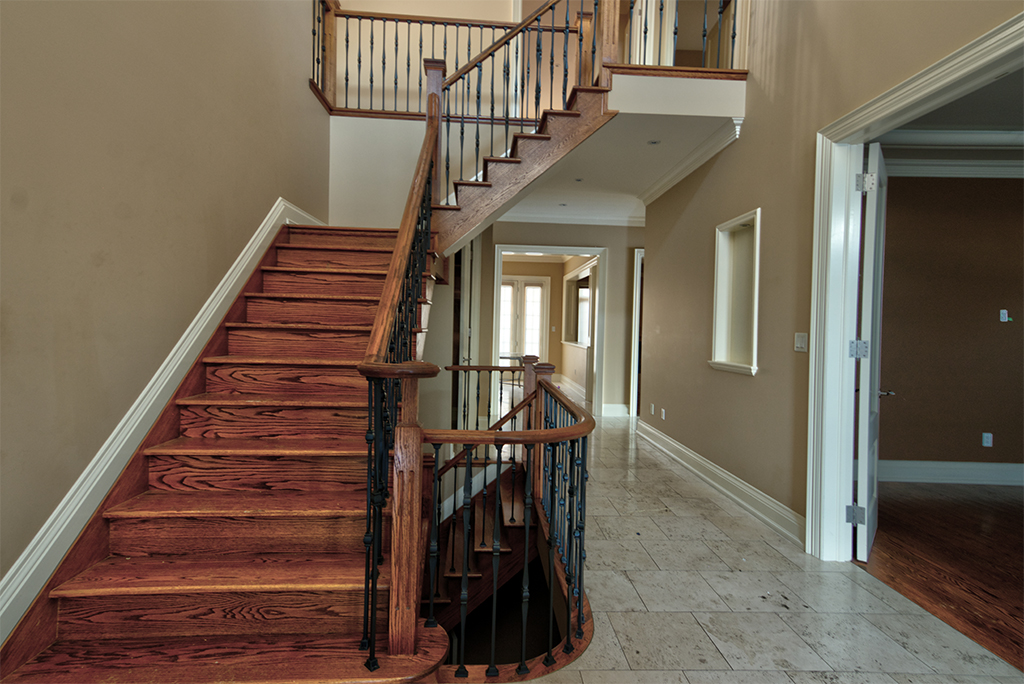
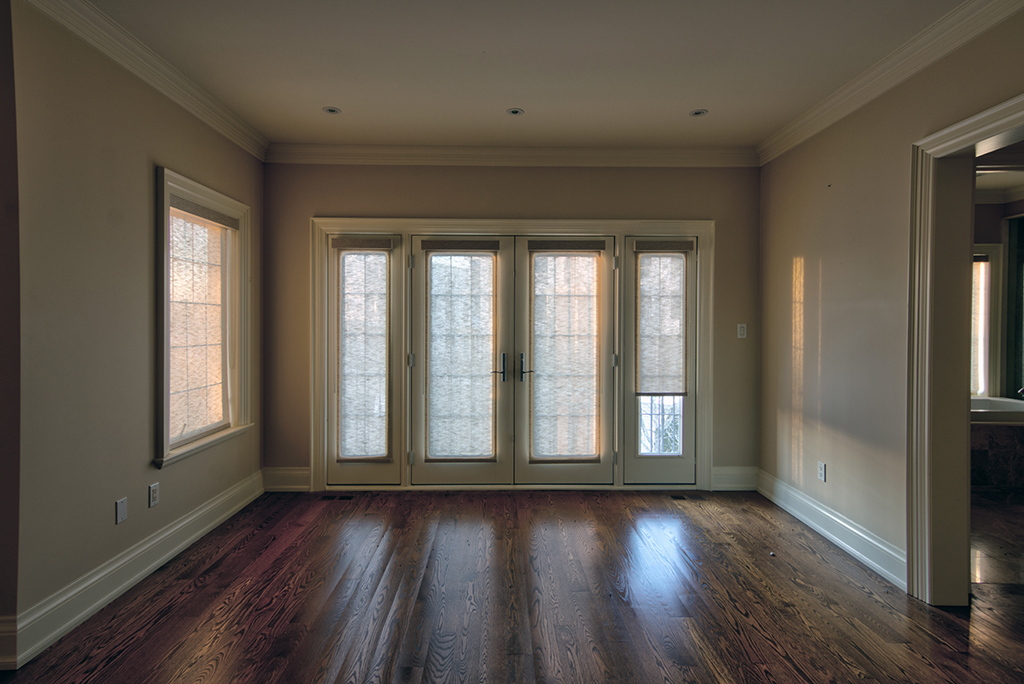
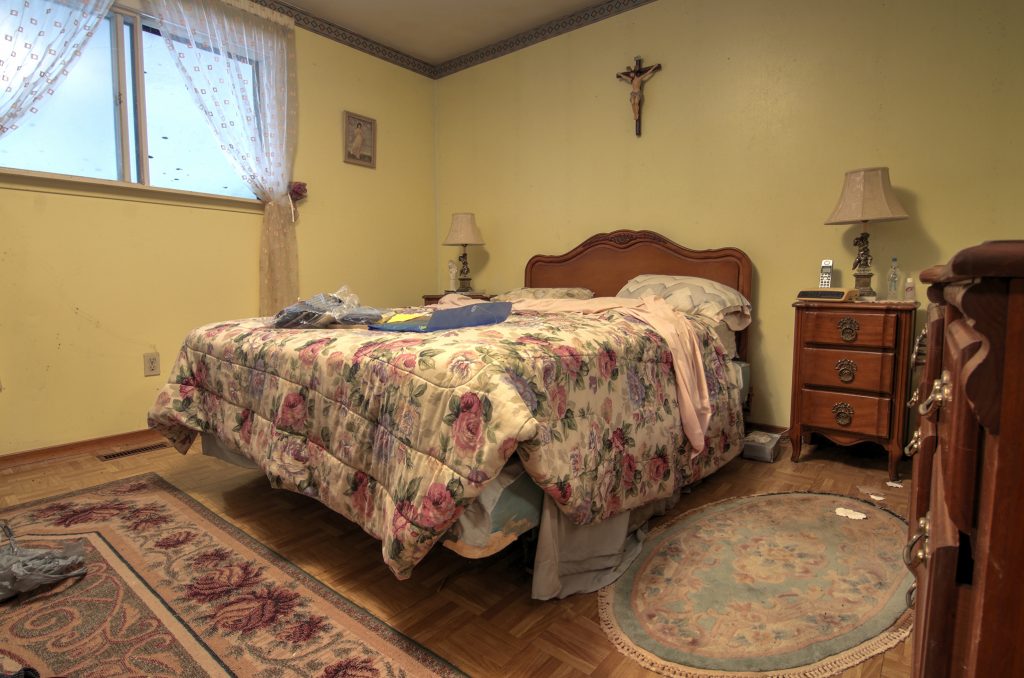
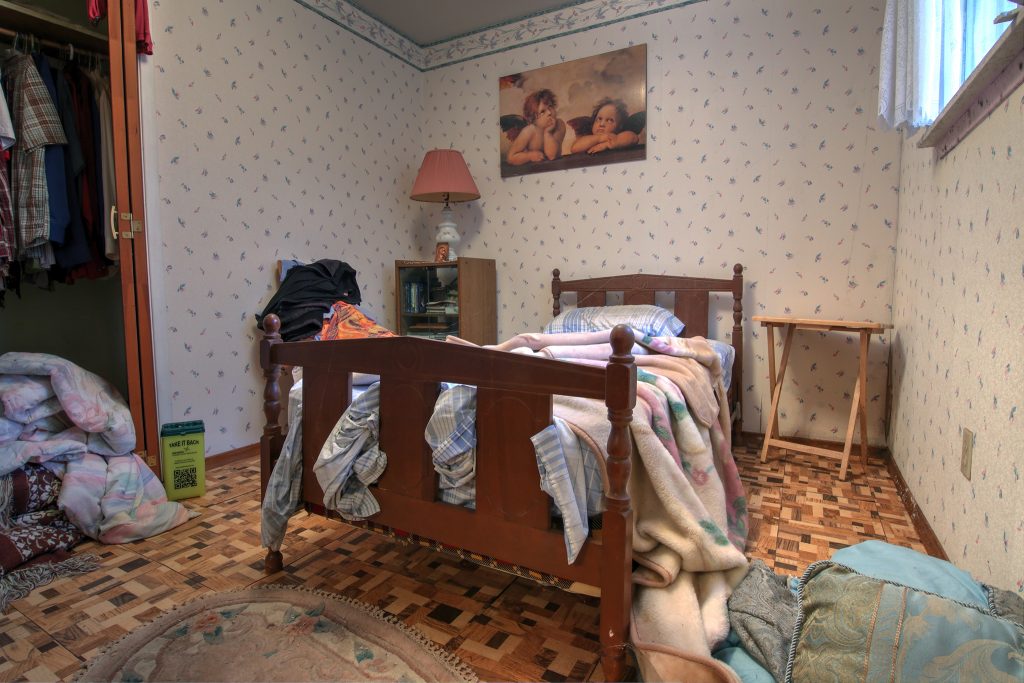
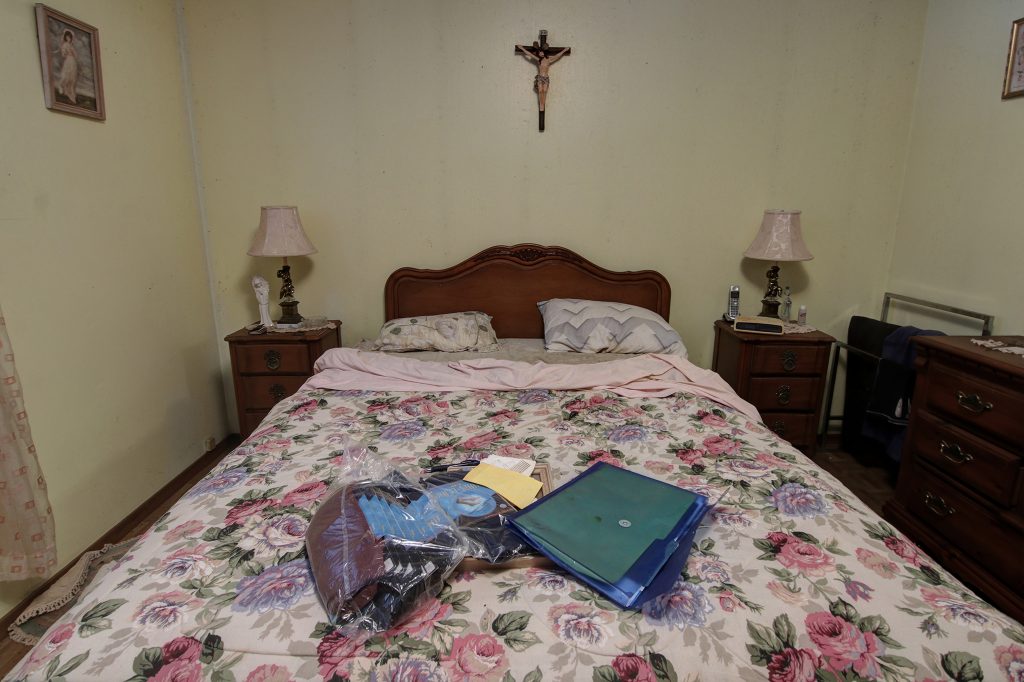
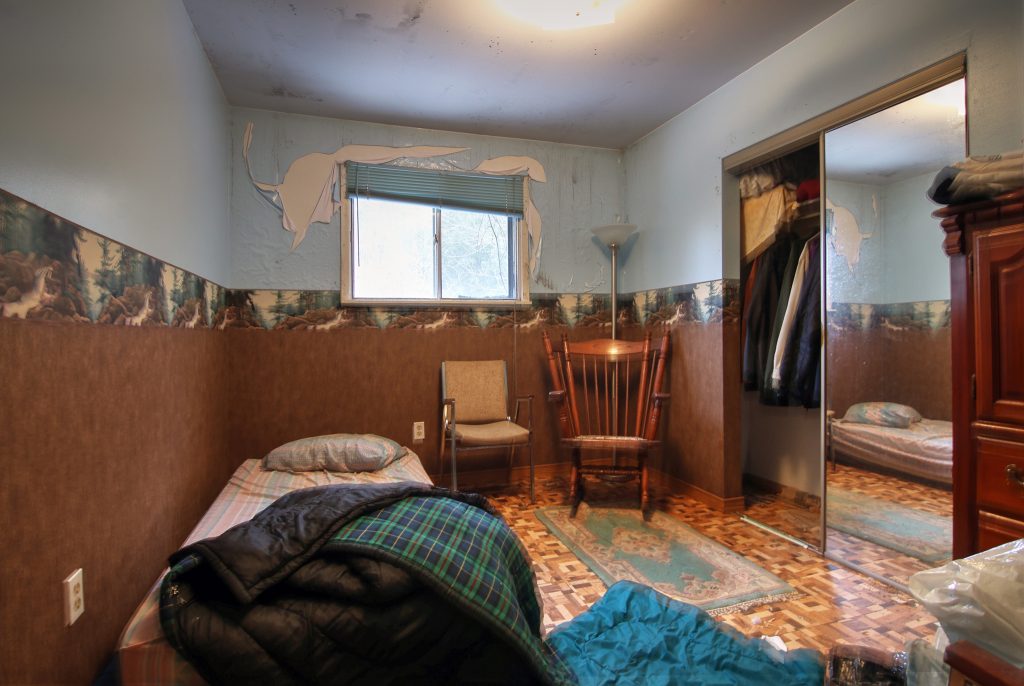
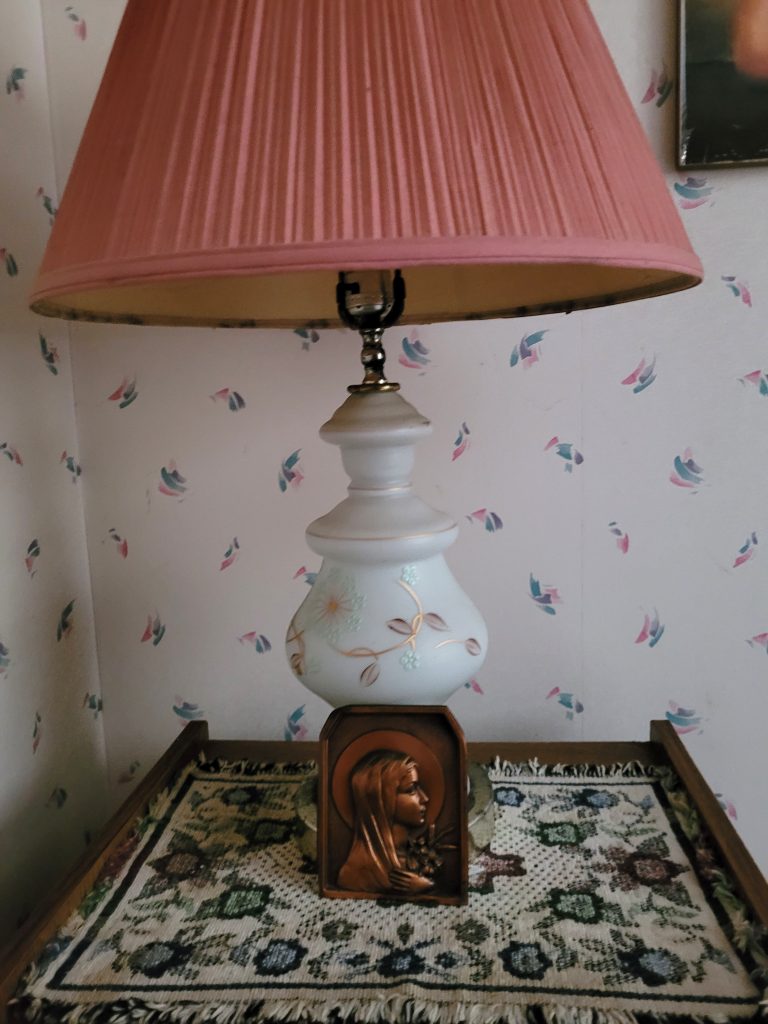
Given its close proximity to a main road, the house has been ransacked. Clothing has been thrown onto the beds. Dresser drawers have been taken out and the contents dumped on the floor. Audrey’s sewing room, where she’d create her crafts, has been ransacked. Her sewing magazines have been taken out of the cabinet and hutch and tossed about.

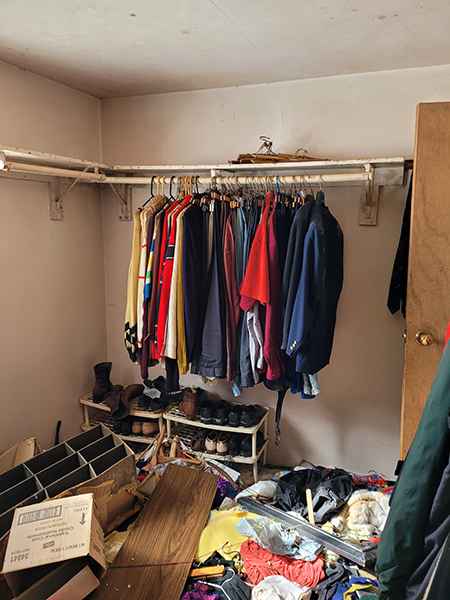
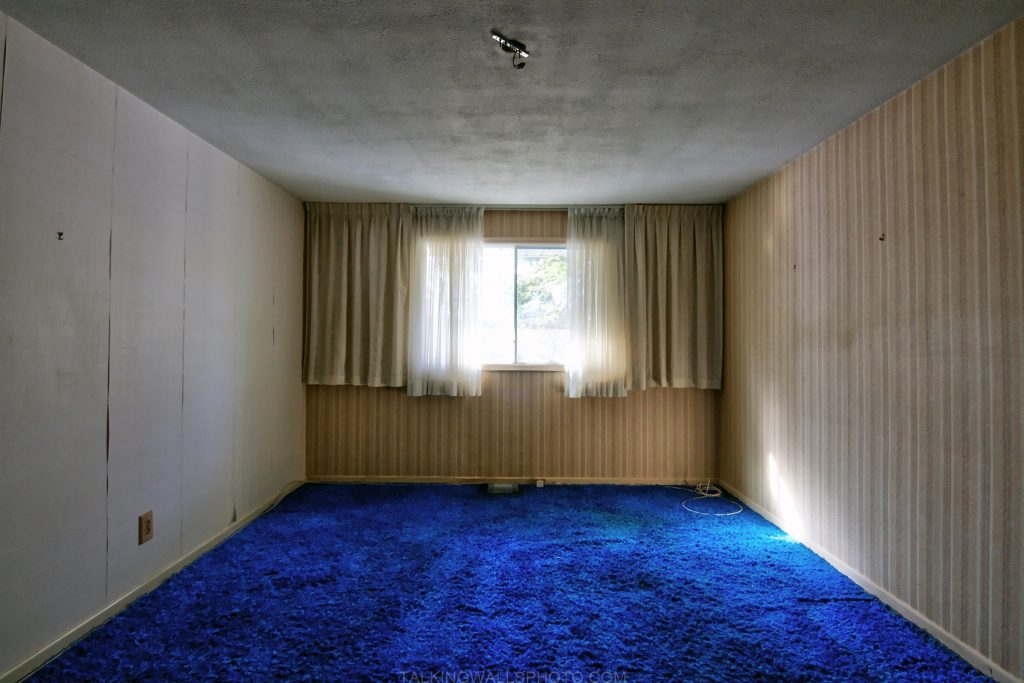
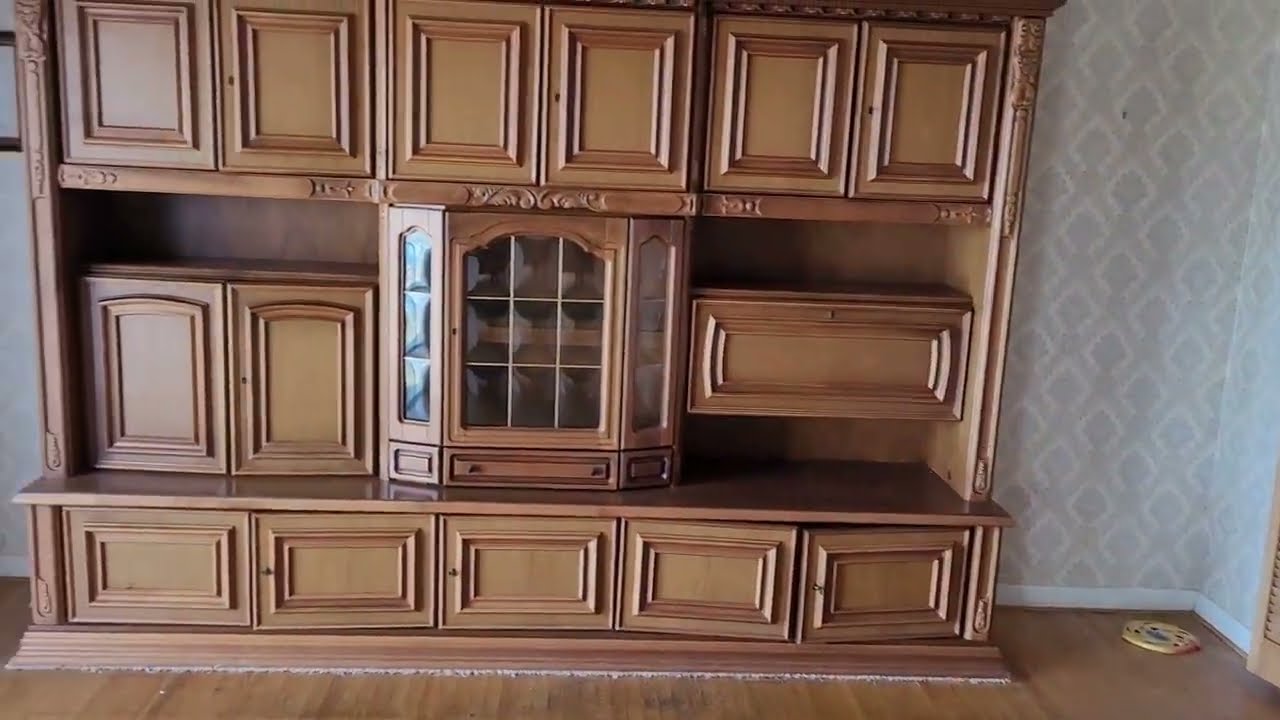
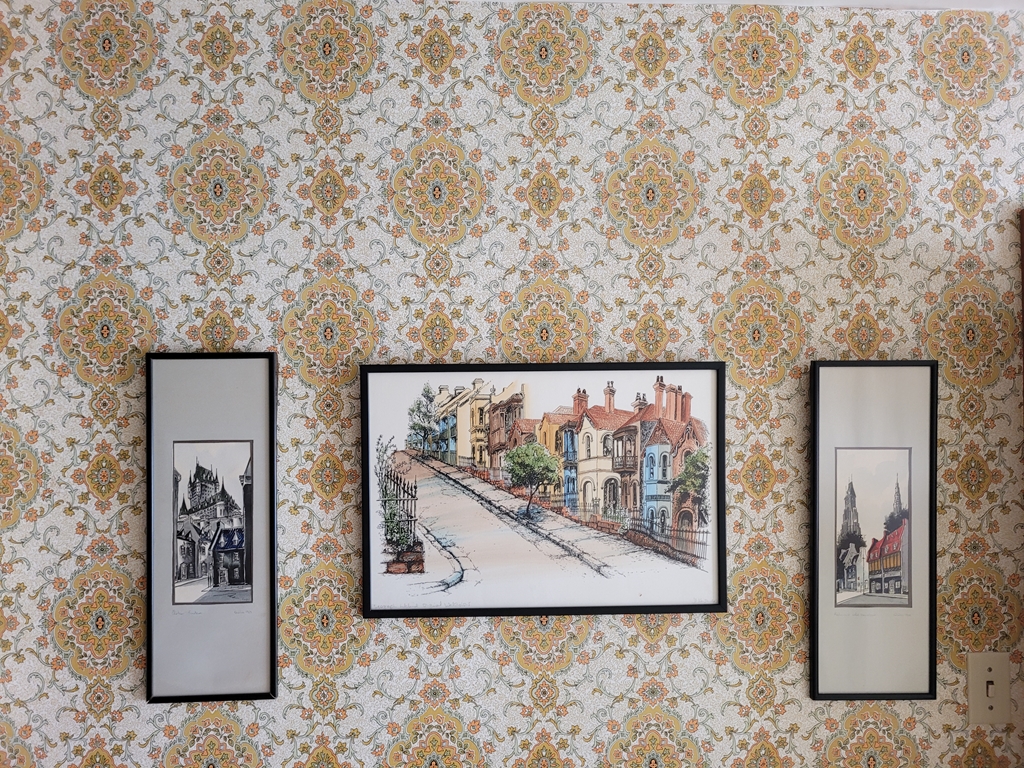
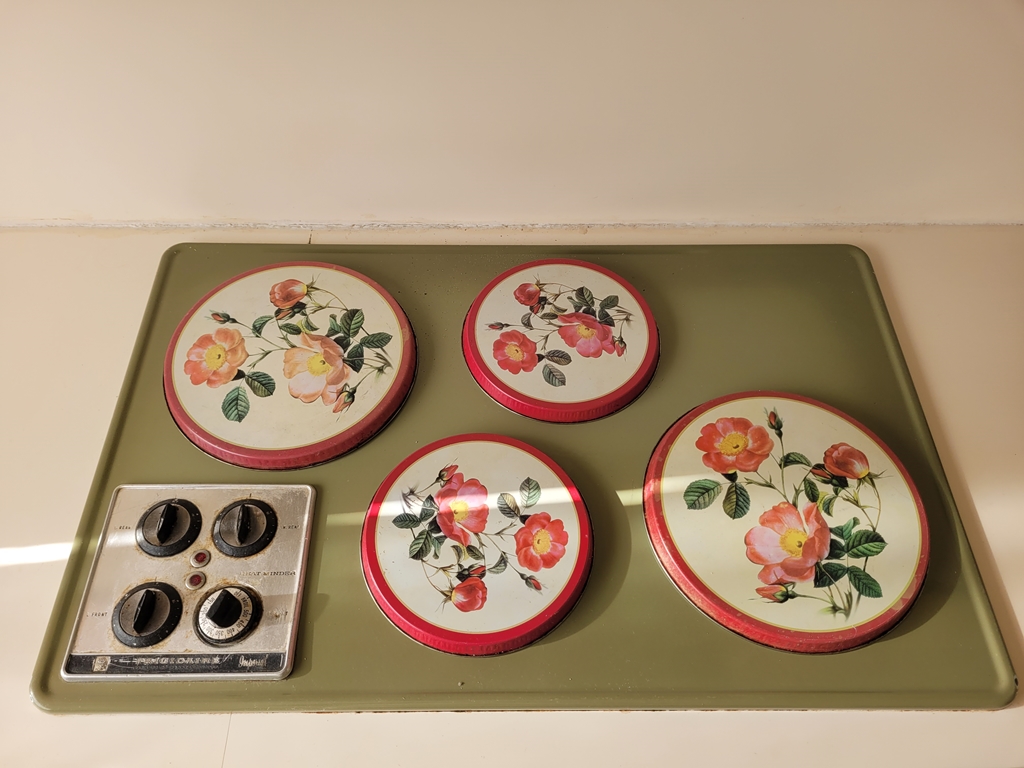
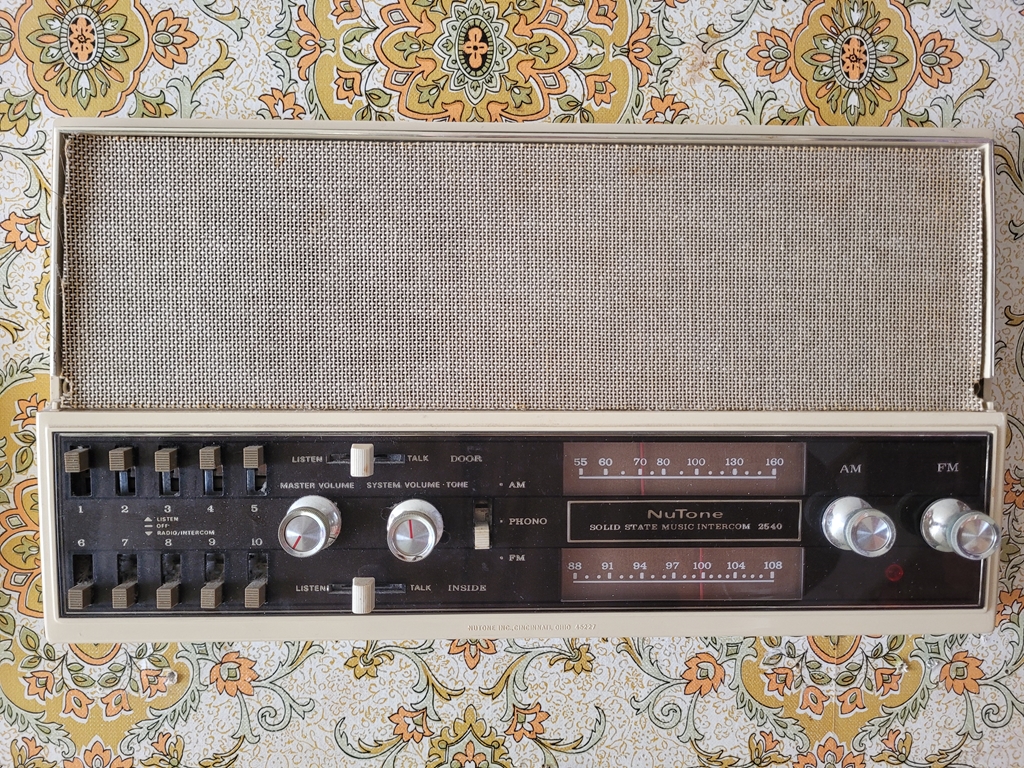
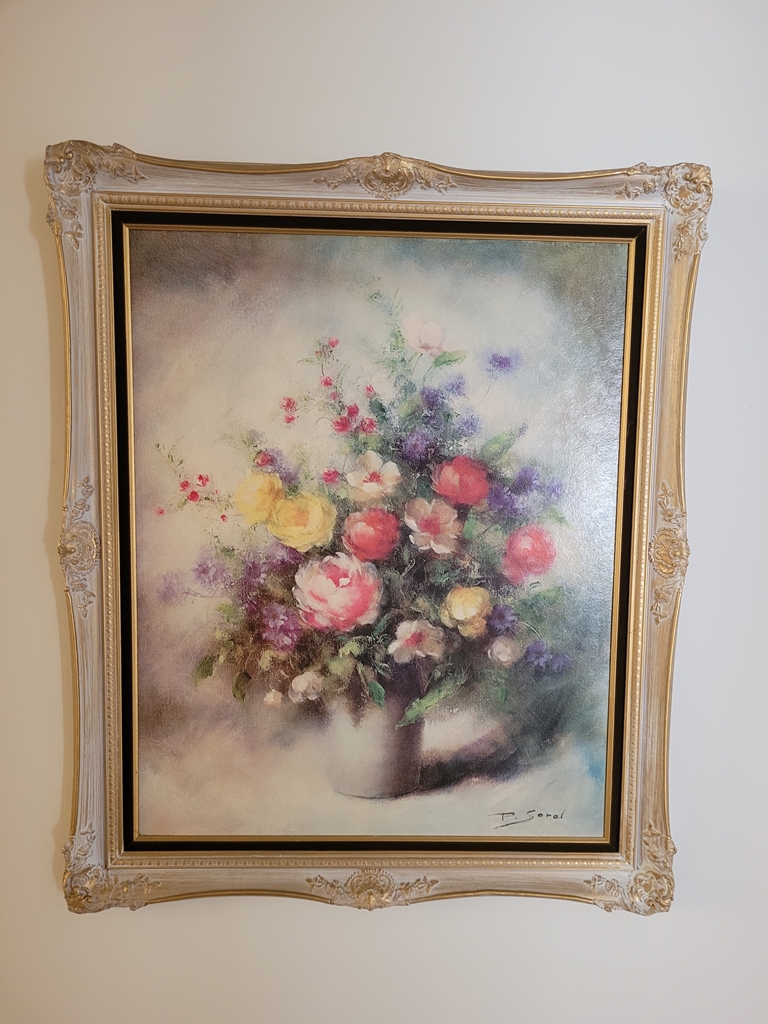
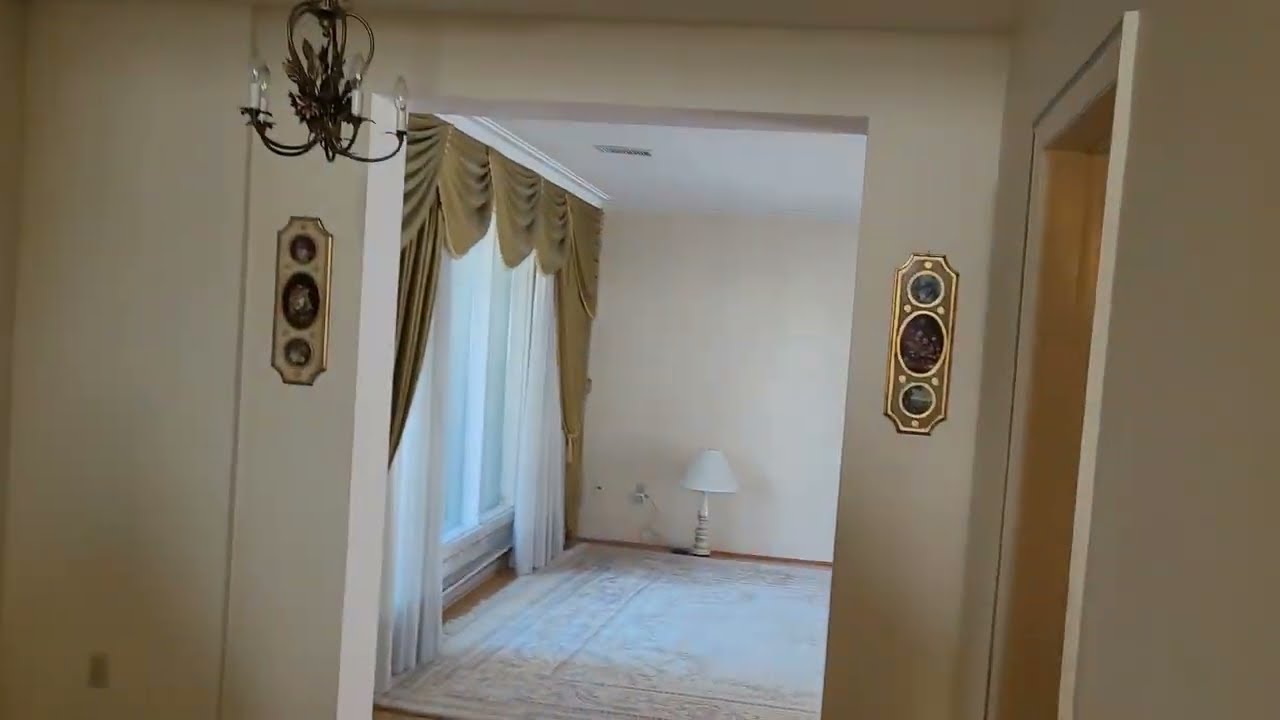
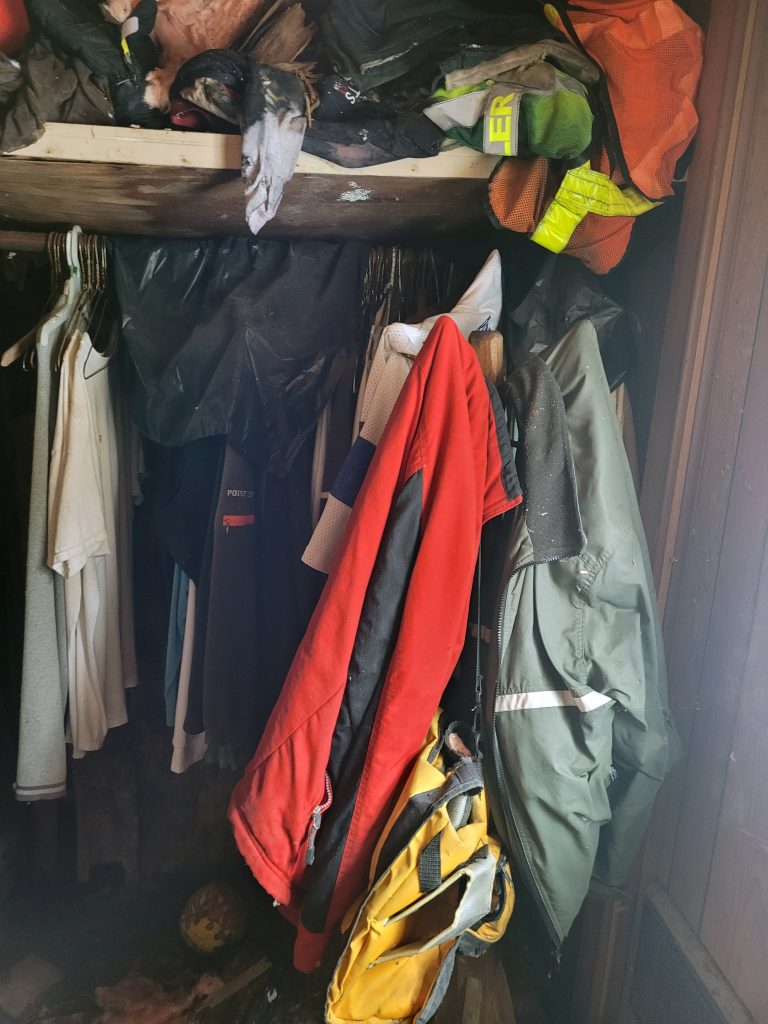
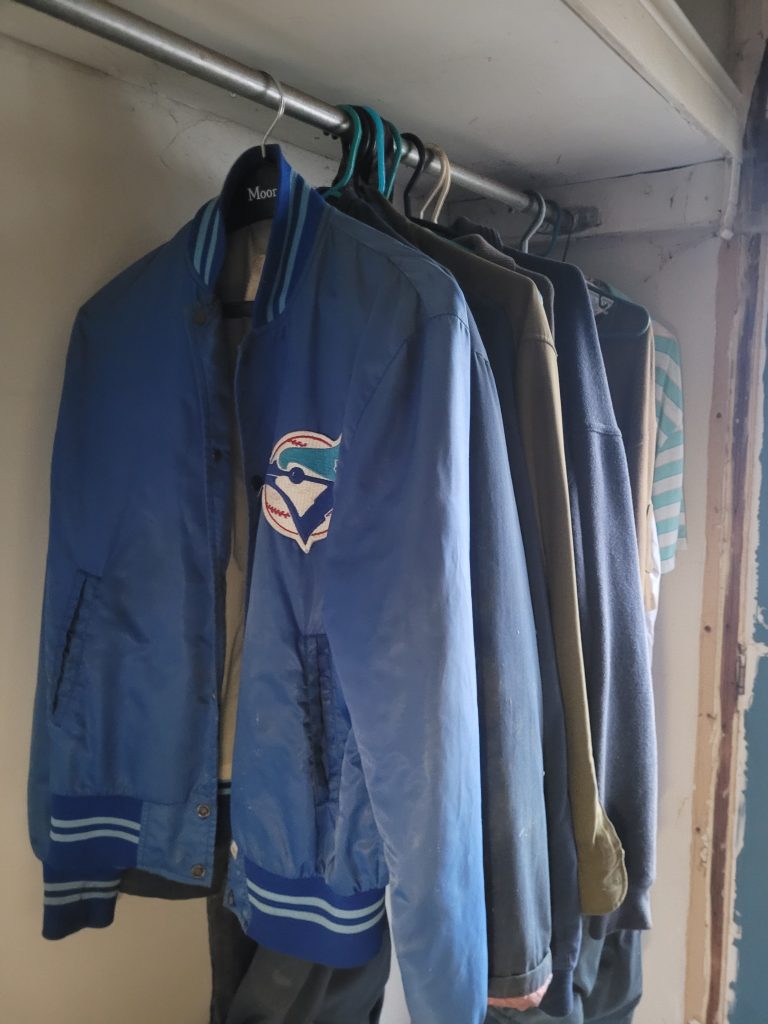
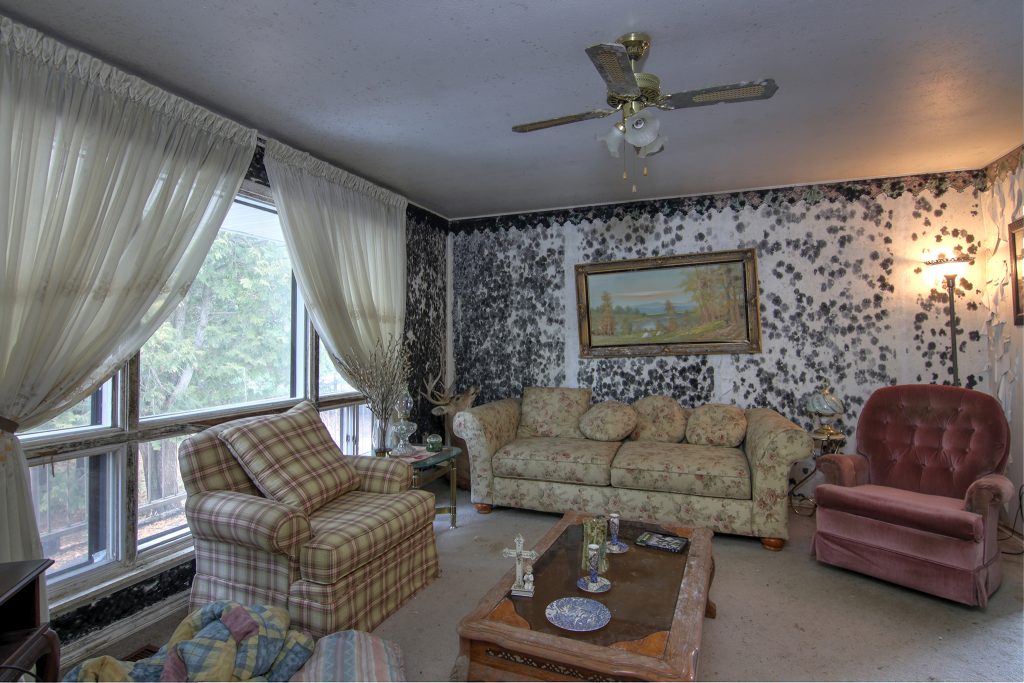
In a back room, there’s a shoe rack and hanging clothes that have been spared from being tossed. They are about the only things left intact. The condition of the house is what I’d call a ‘time crapsule”—a well-preserved house with many original contents left inside, but in such dismal condition that it’s difficult to take photographs and to find research content.

I found utility bills in Ronald’s name and hotel reservations made by Audrey, which I believe were for her craft shows.

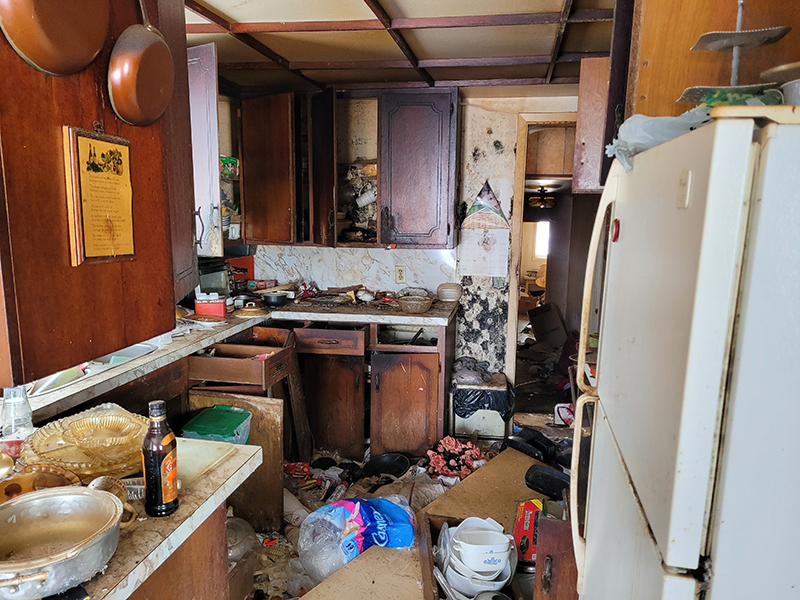
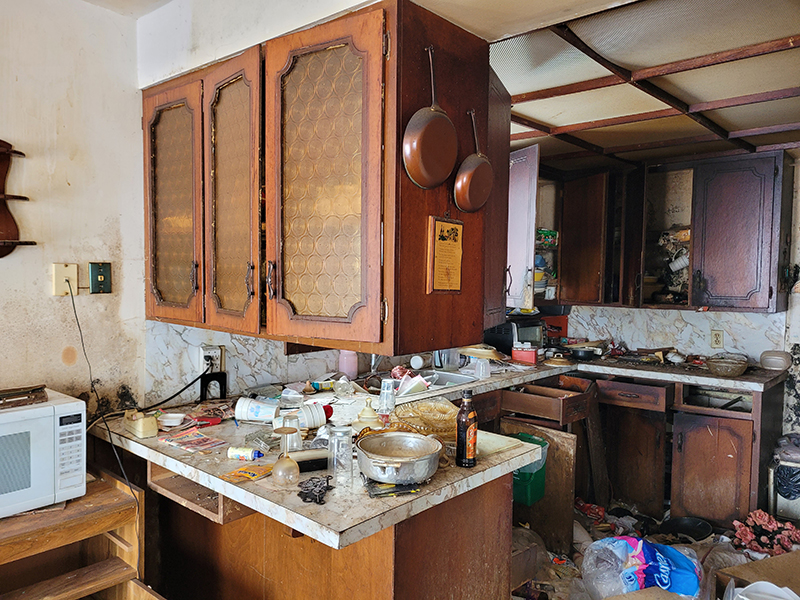
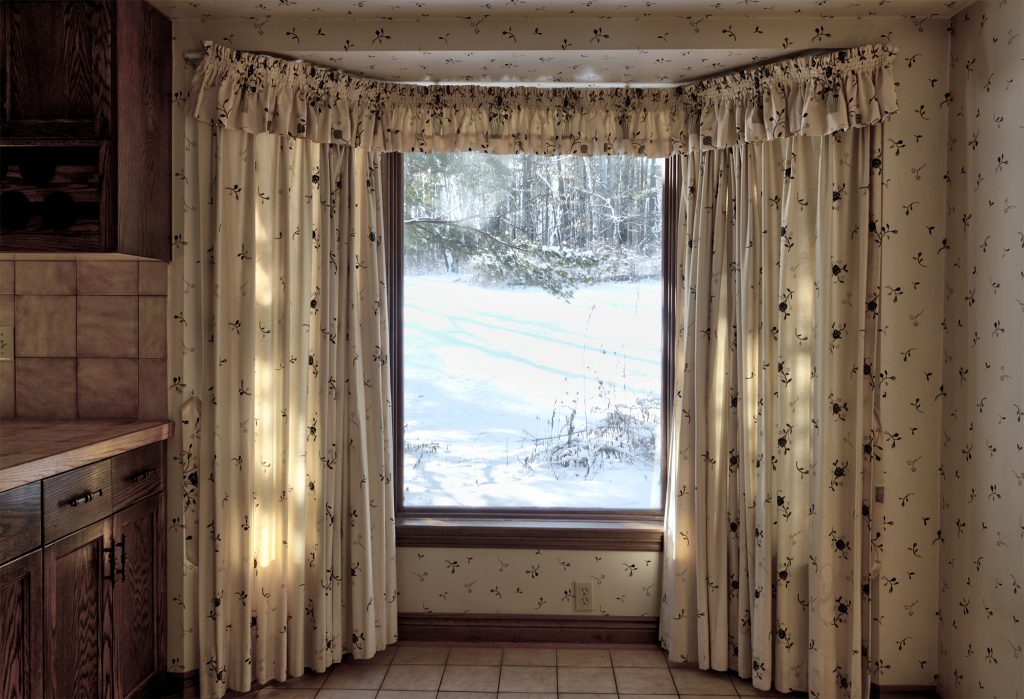
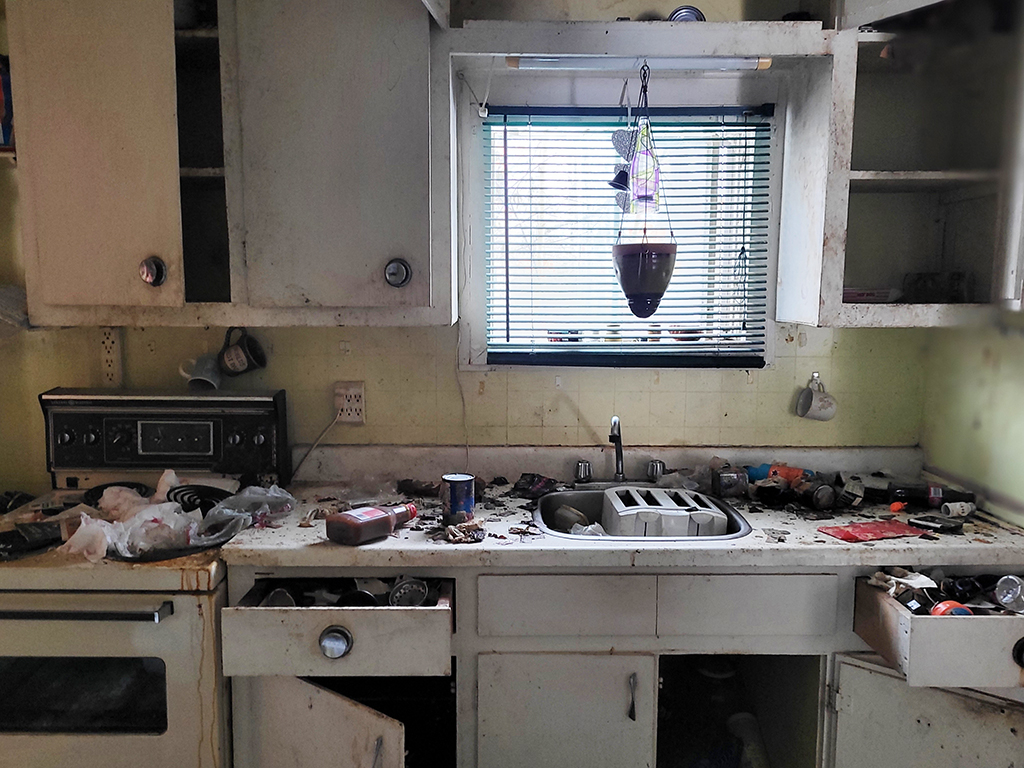
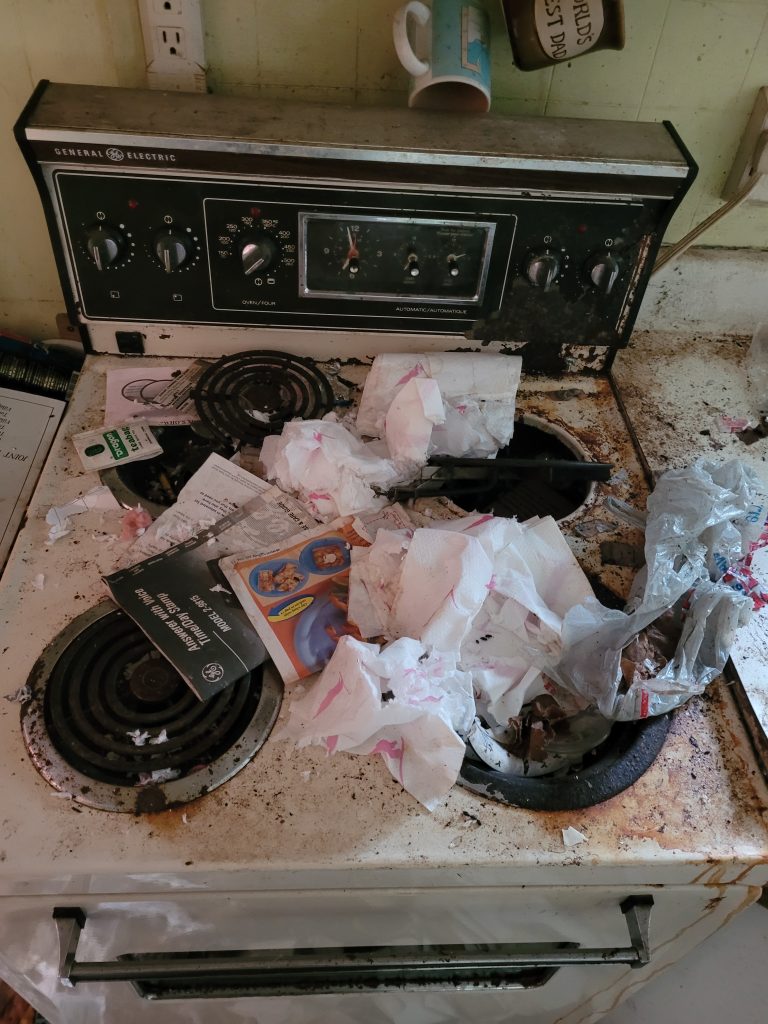
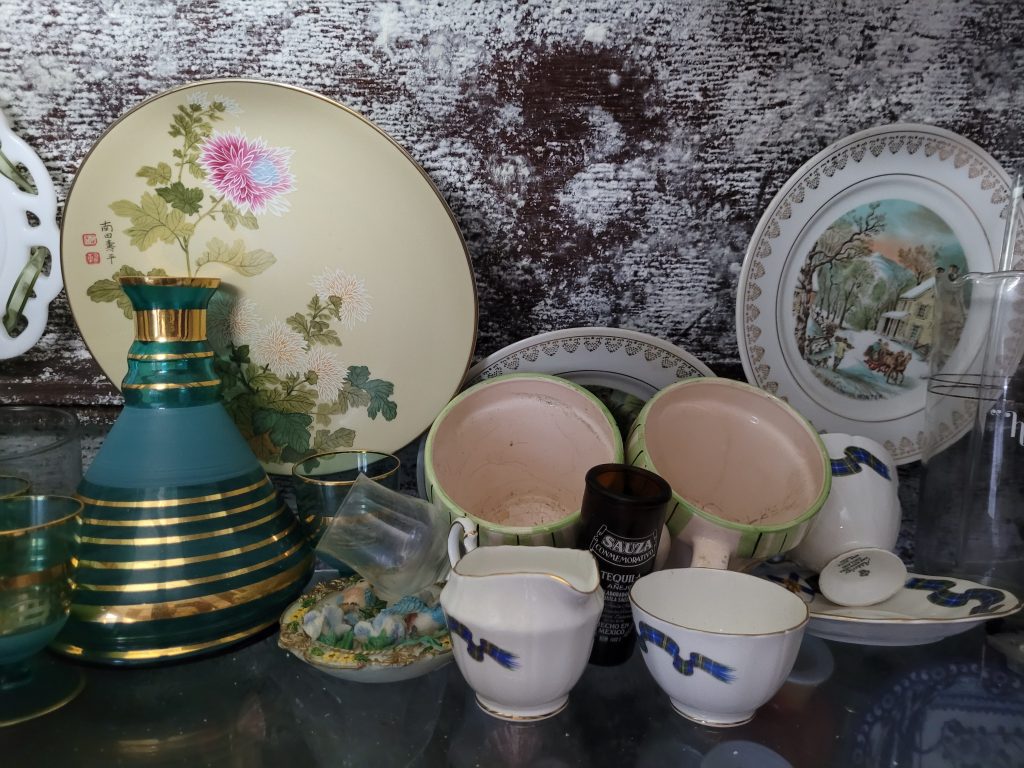
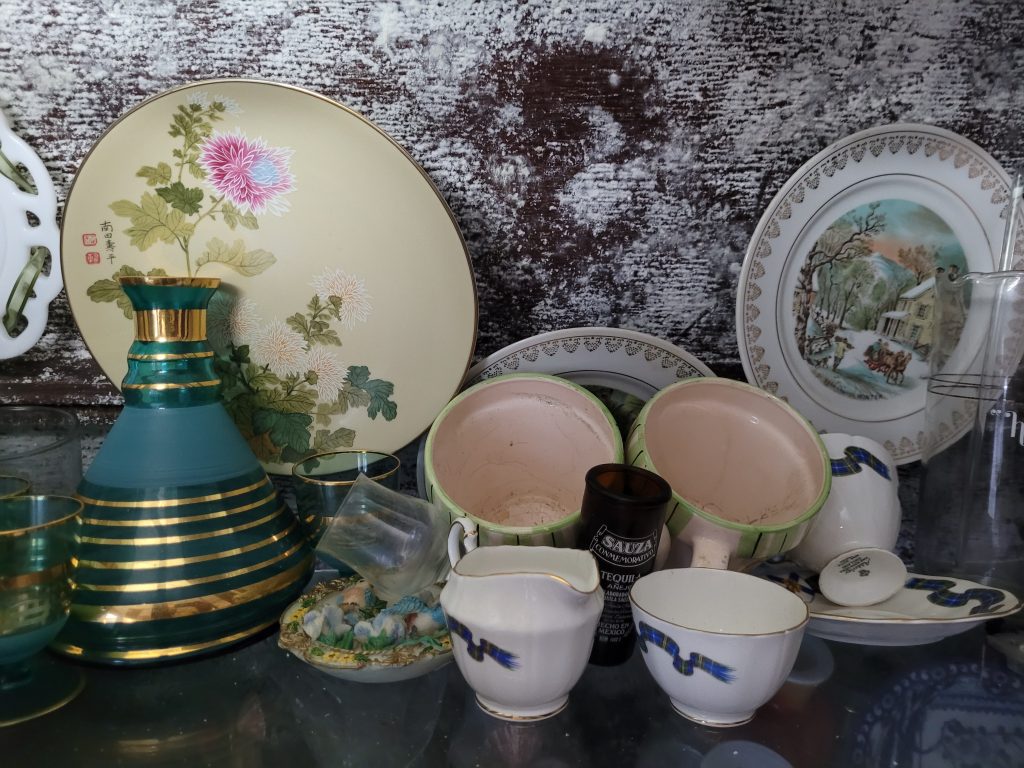
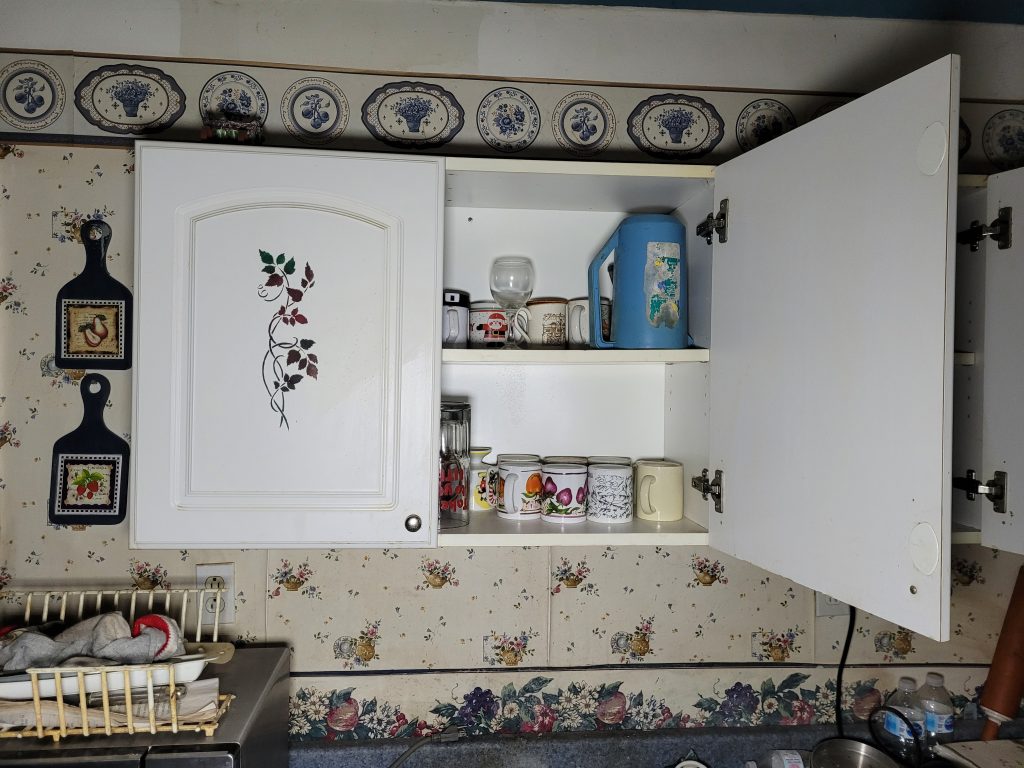
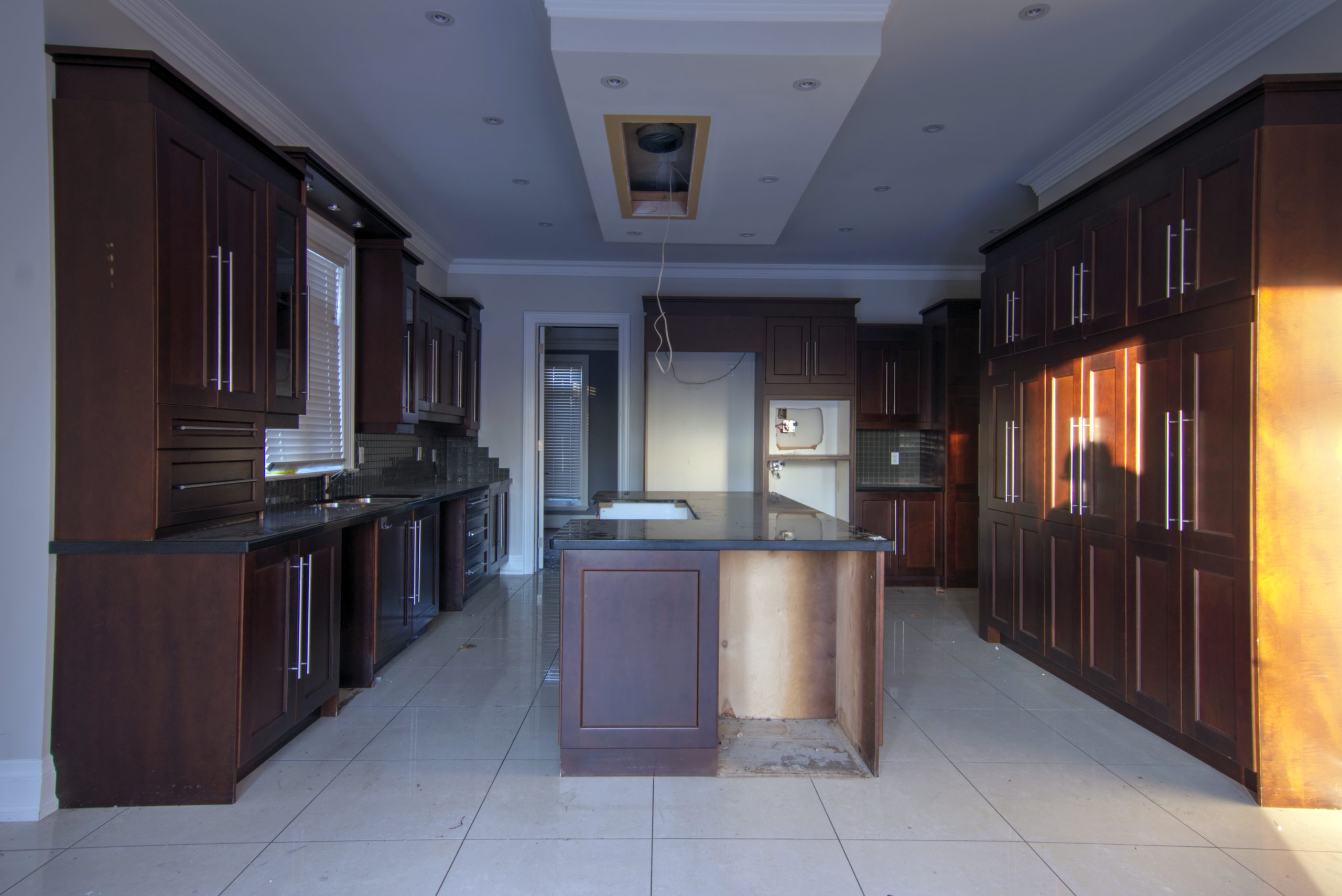
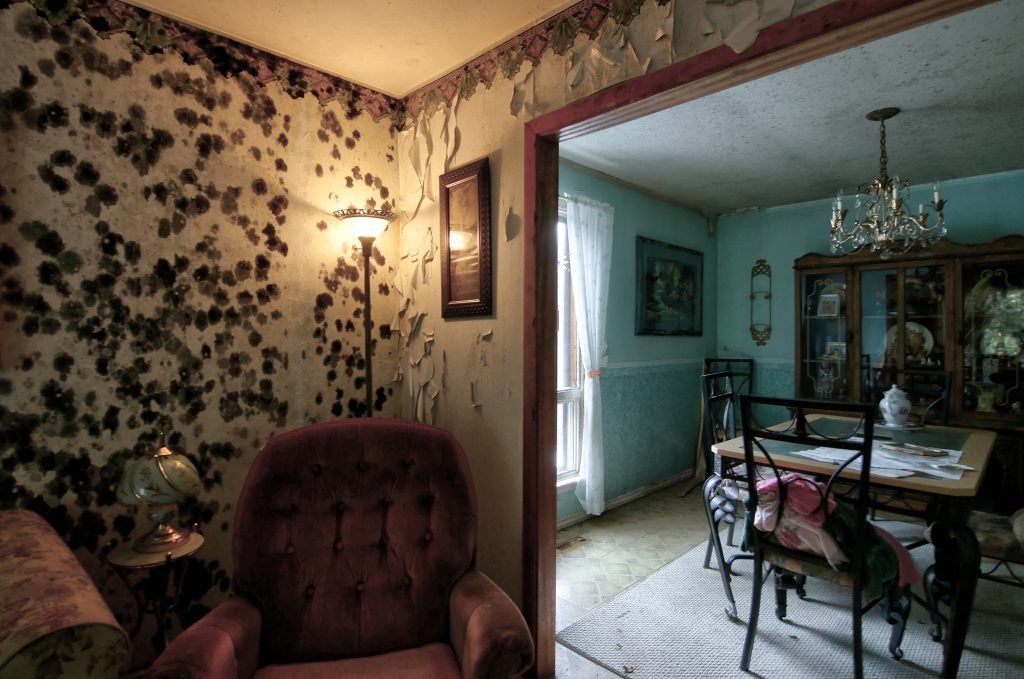
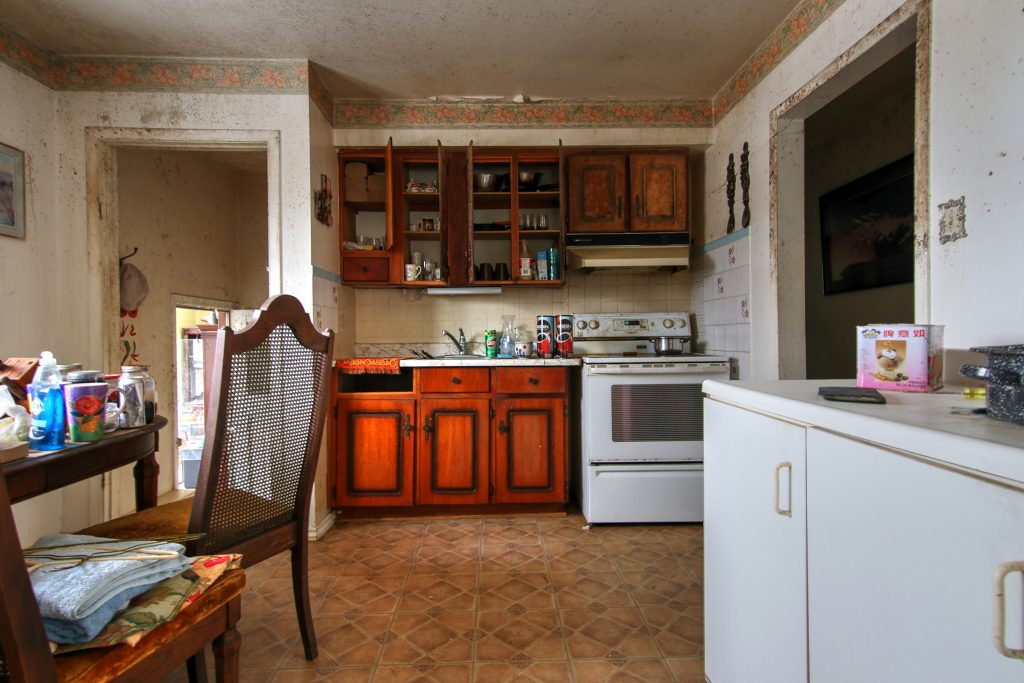
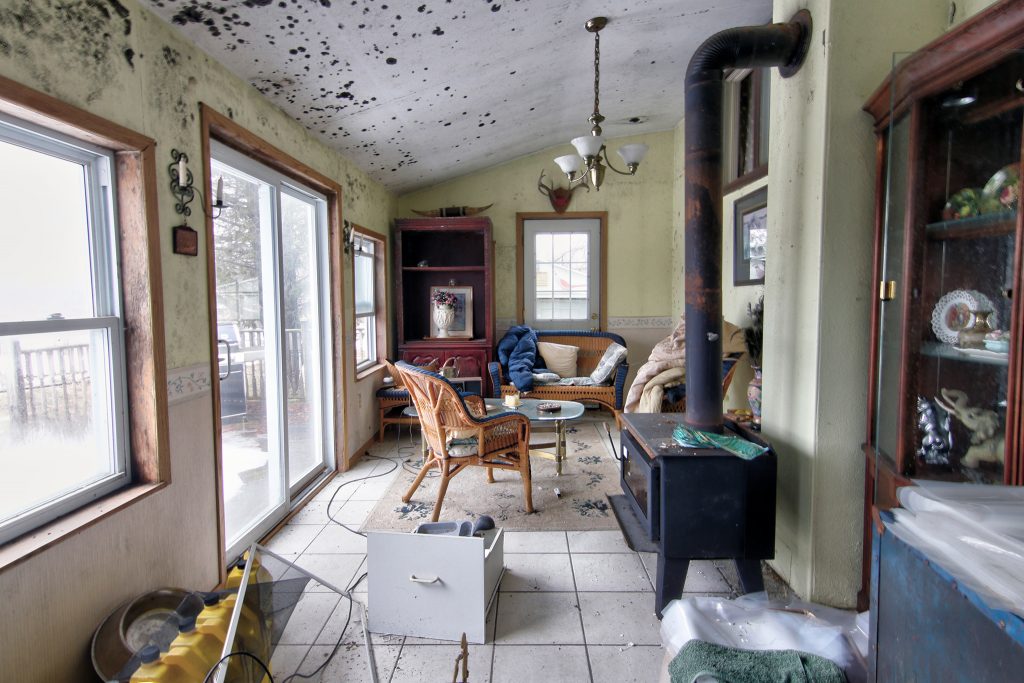
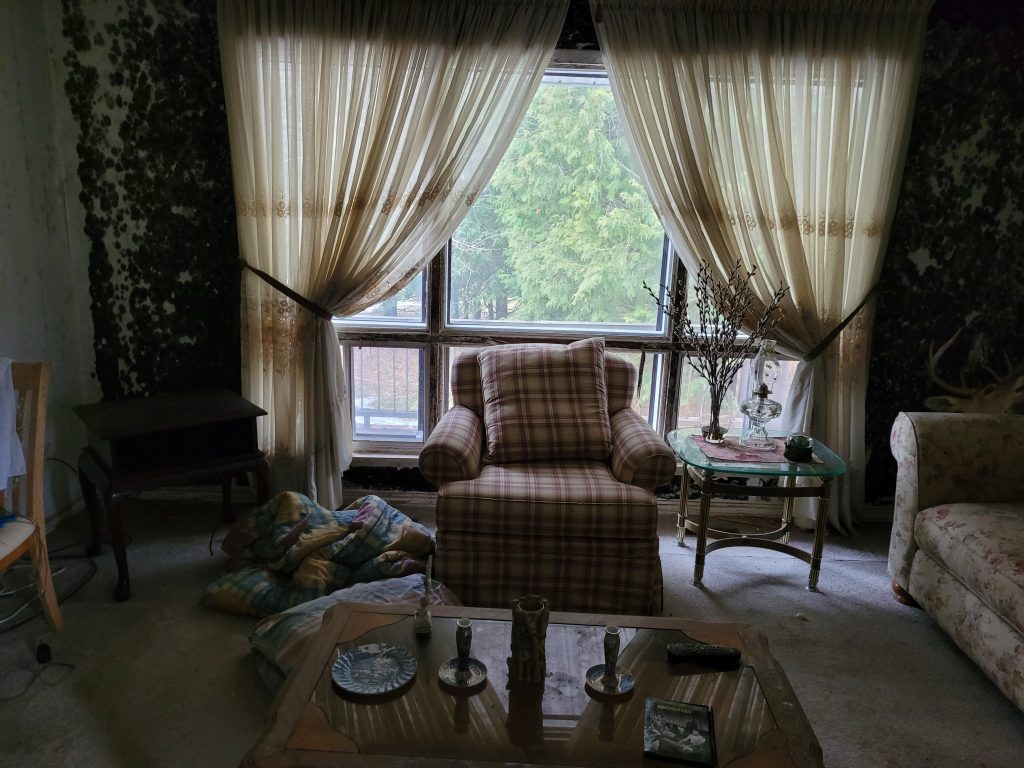
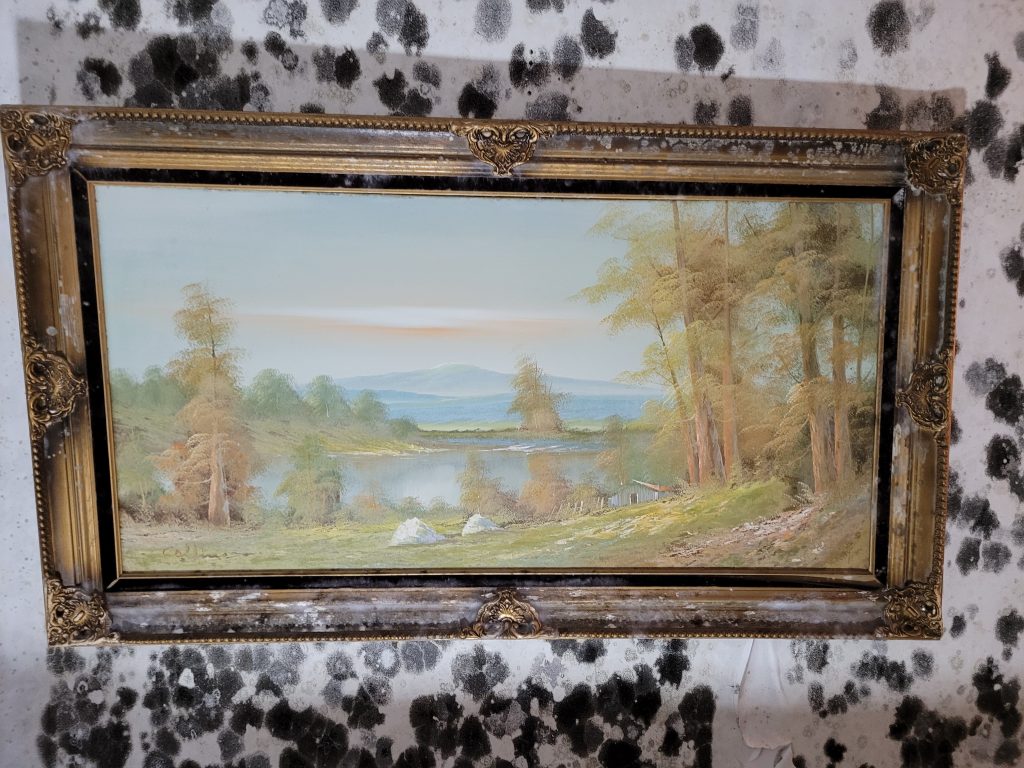
In the kitchen, it’s almost ironic that the garbage can still holds a garbage bag. The kitchen drawers have been tossed out, and the floor is filled with junk. The cupboards contain dishes, cups, and spices. A layer of black mold coats the walls. On the kitchen counter sits a bottle of Kahlua.

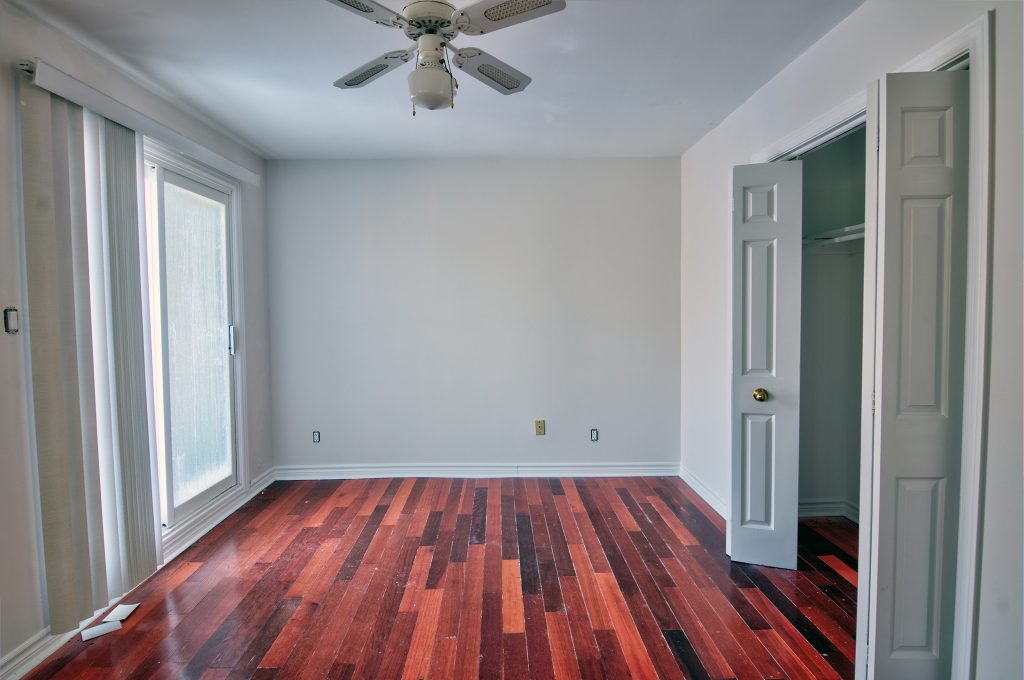
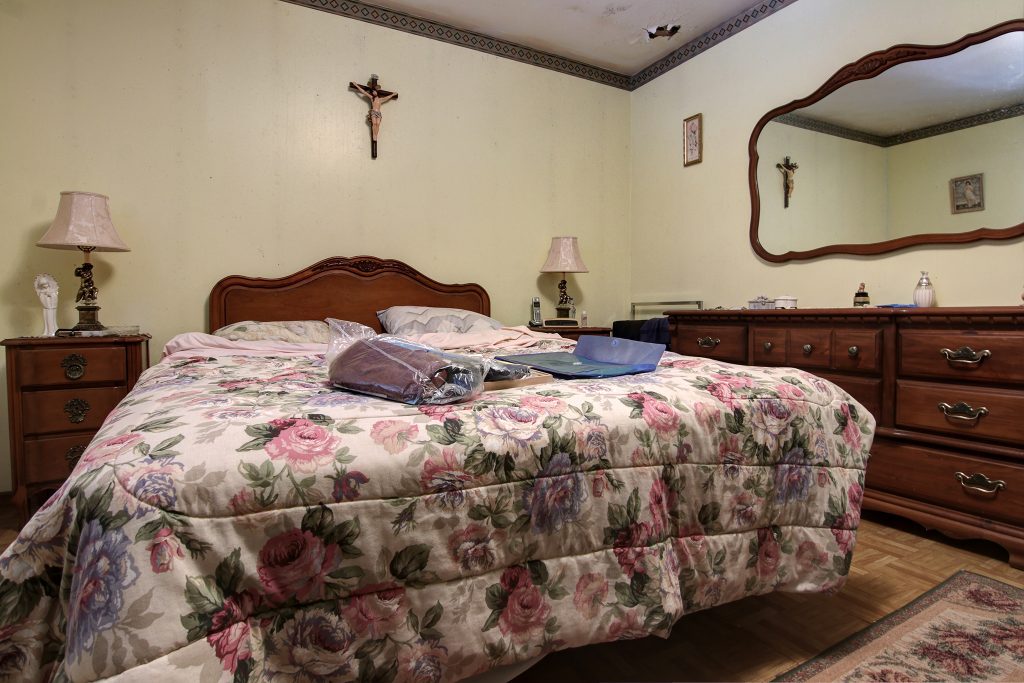
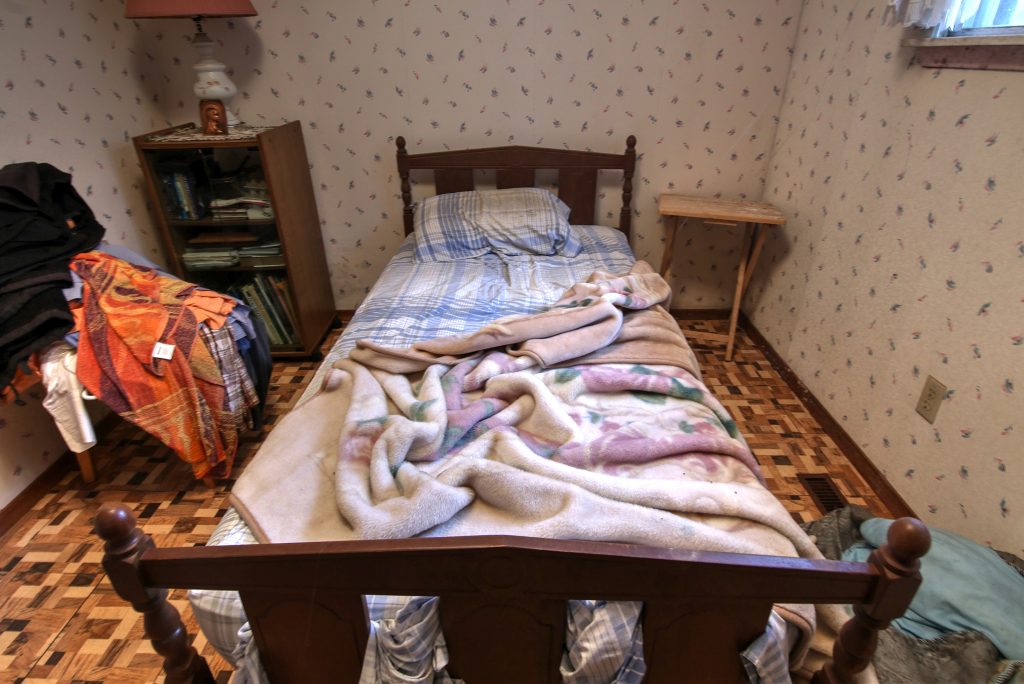
In one of the bedrooms, the mattress has been uprooted as if someone was expecting to find jewels under the bed. Clothing has been tossed throughout the room. Many of the rooms are so messy that you can’t see the floor.

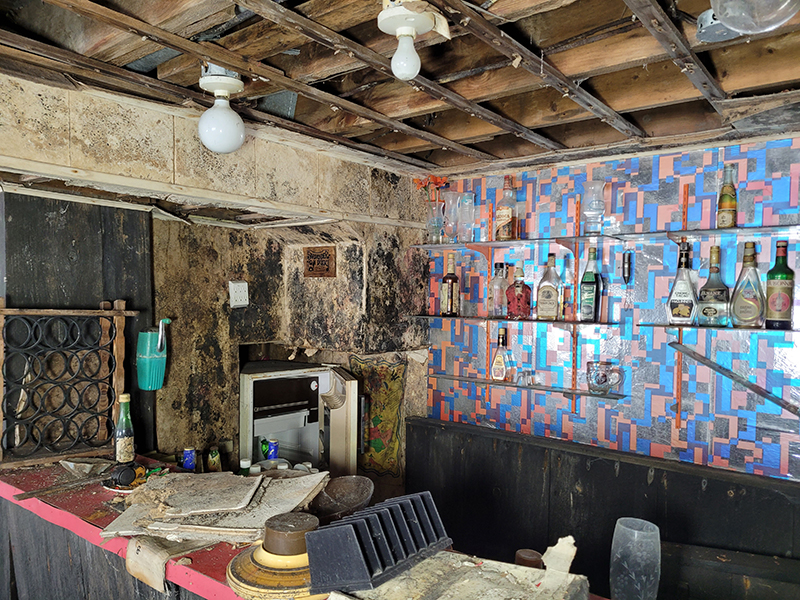
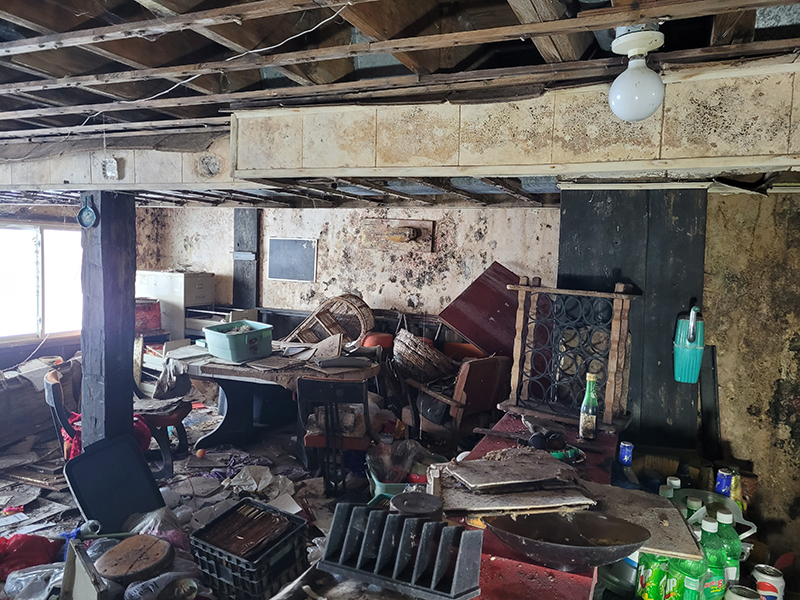
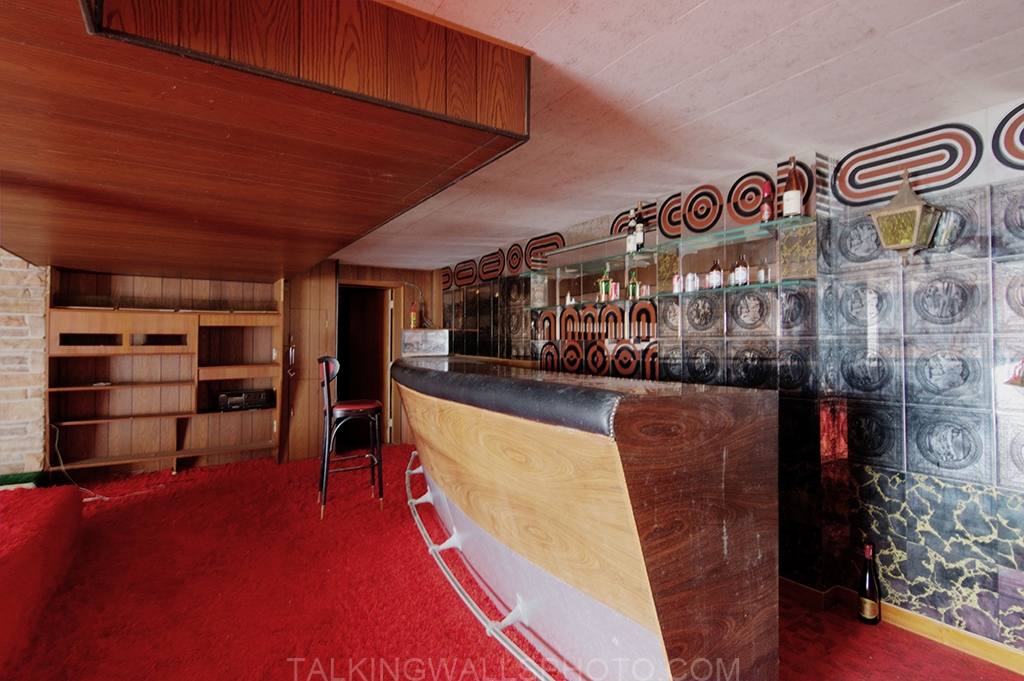
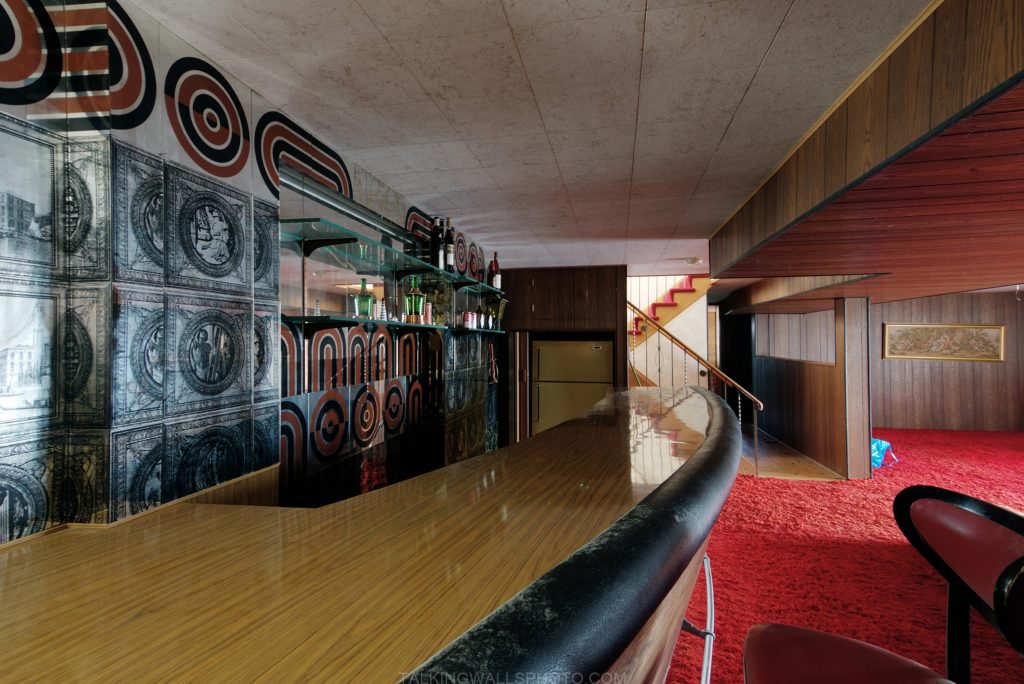
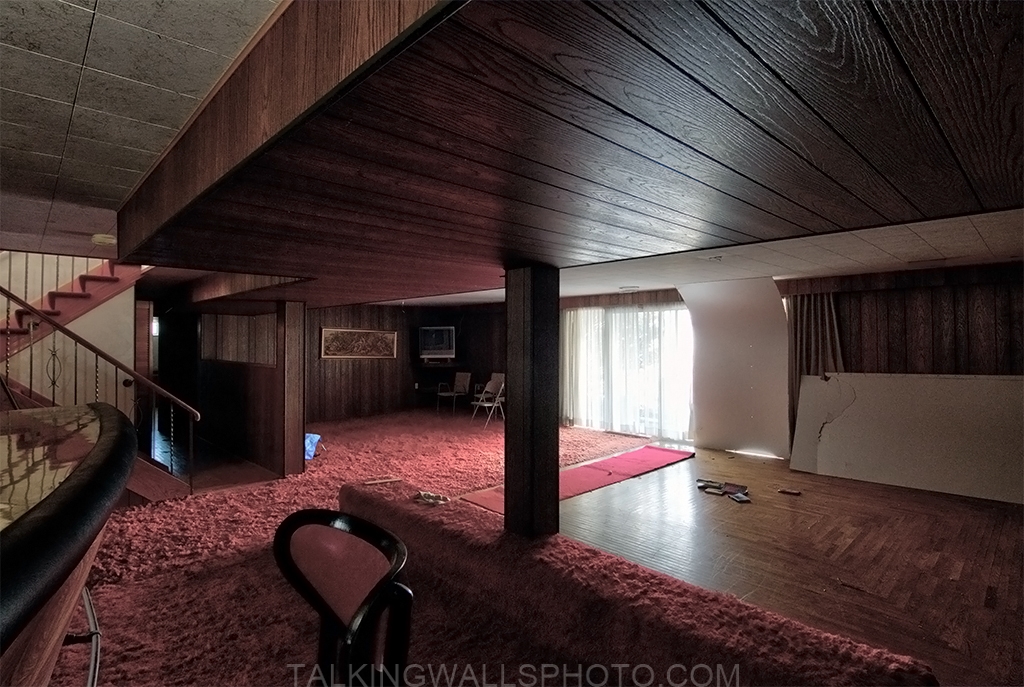
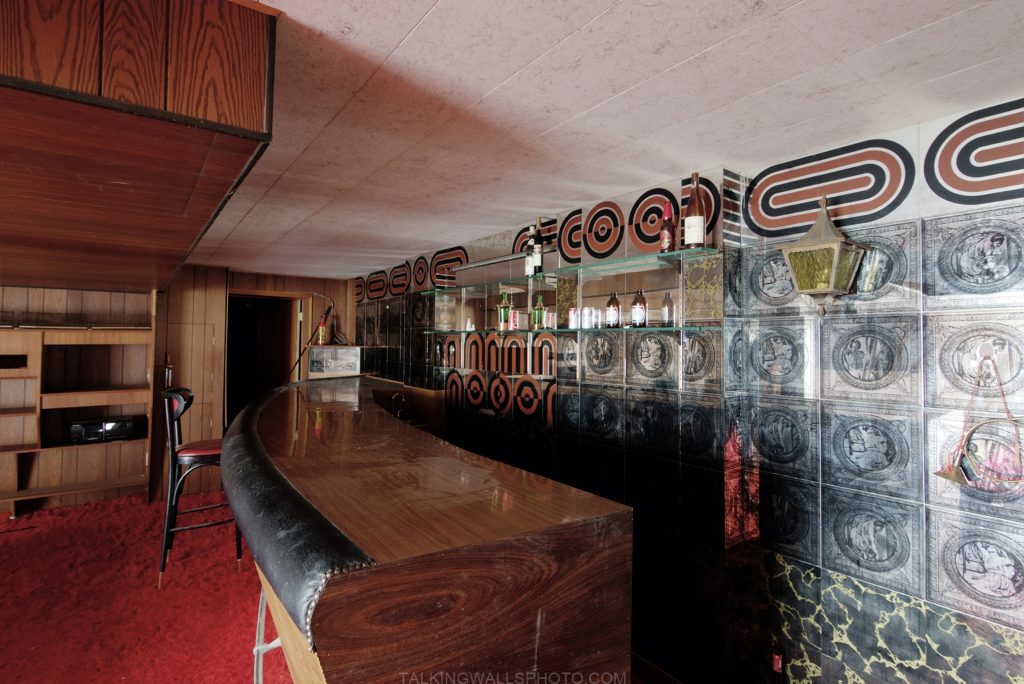
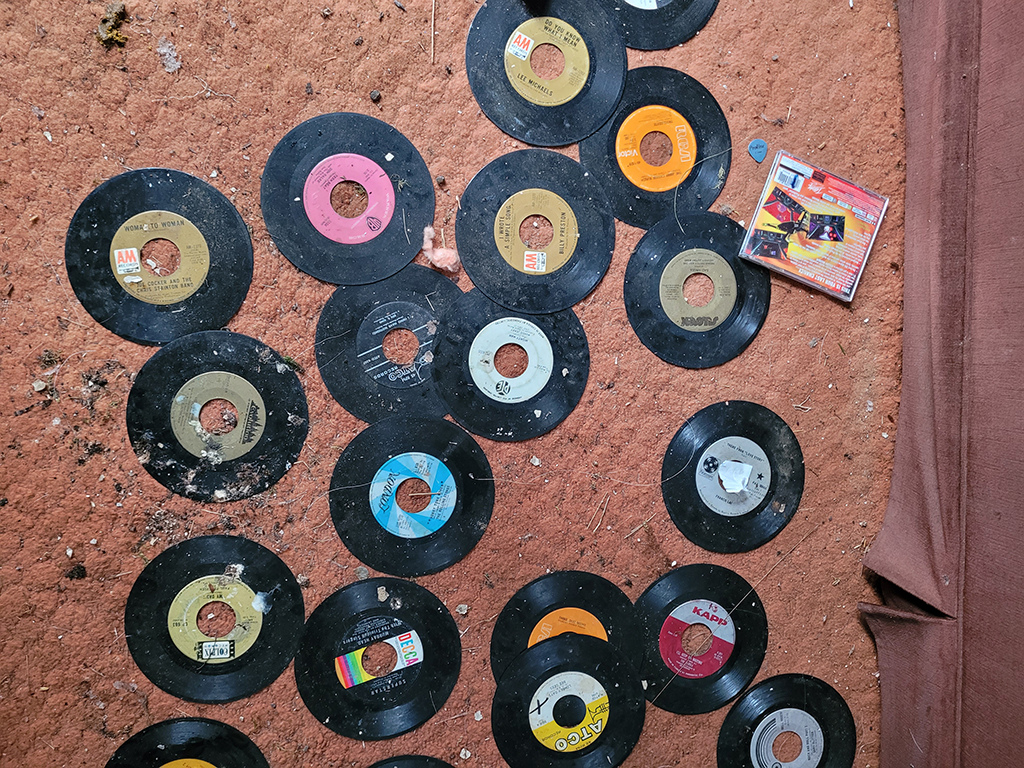
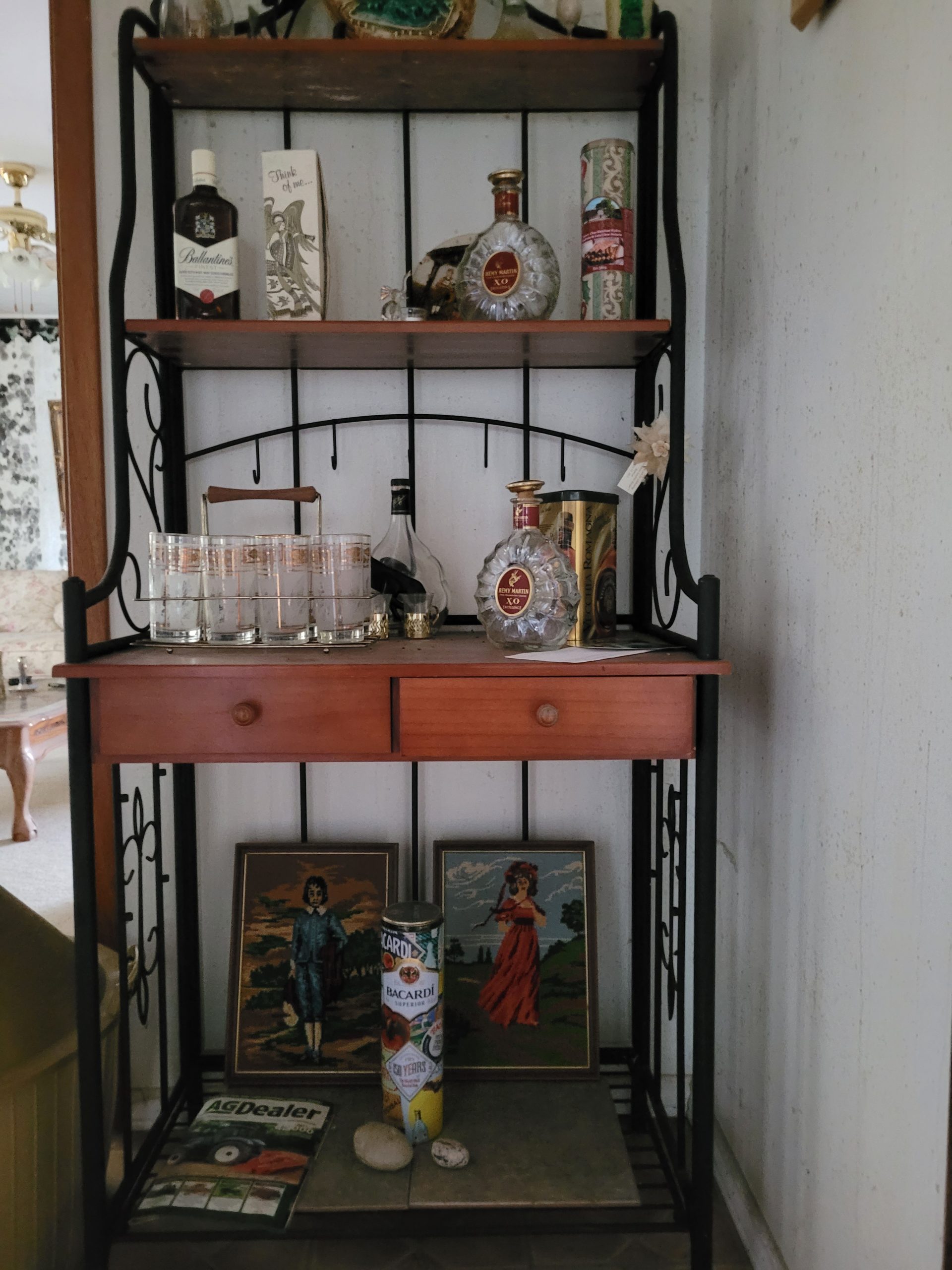
In the basement, there’s a retro bar, which likely dates back to the 1970s. Several bottles of alcohol sit on shelves behind the bar. This area has considerable black mold as well. Behind the bar, I found dozens of vinyl records still in their plastic wraps. I didn’t inspect them because of the concern for mold.

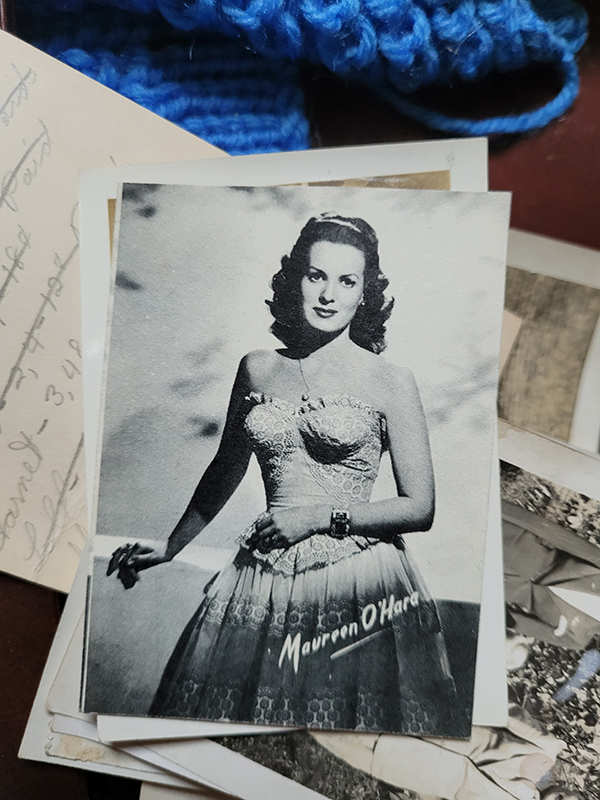
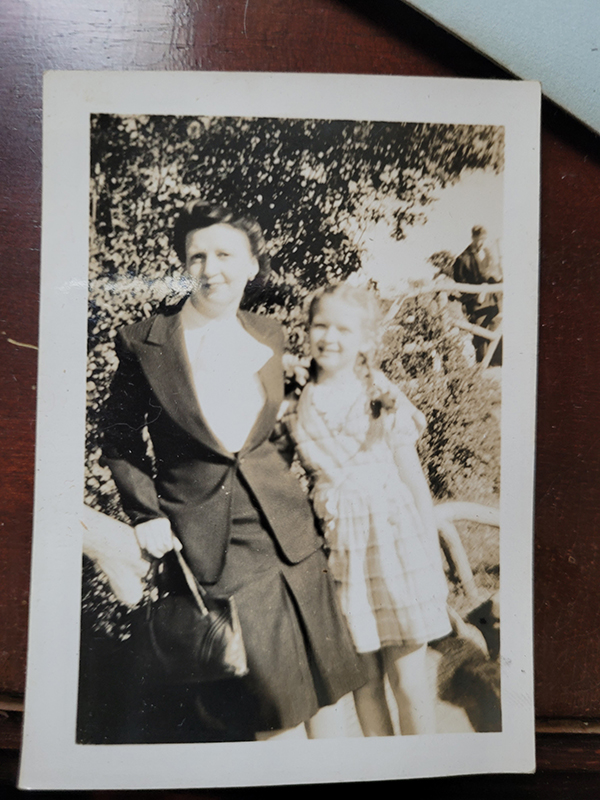
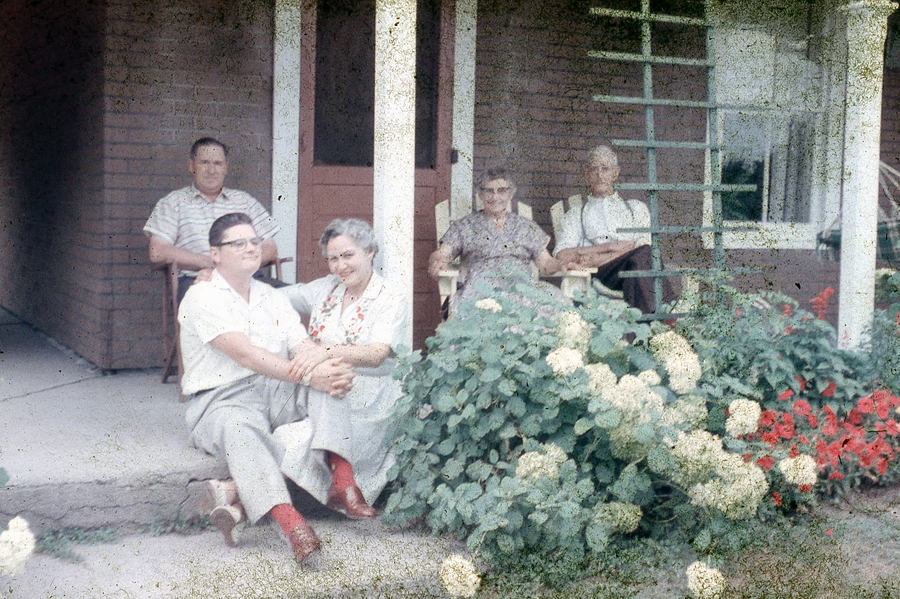
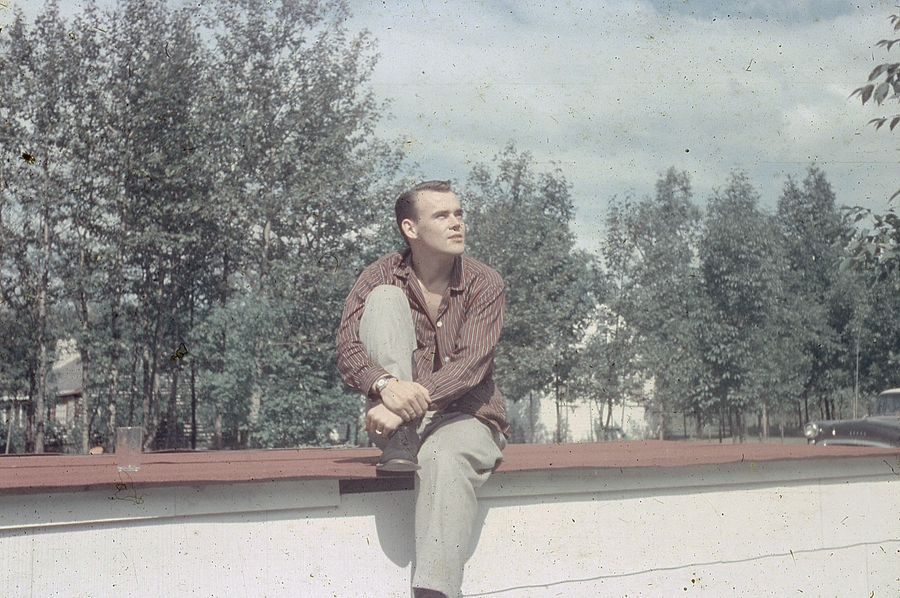
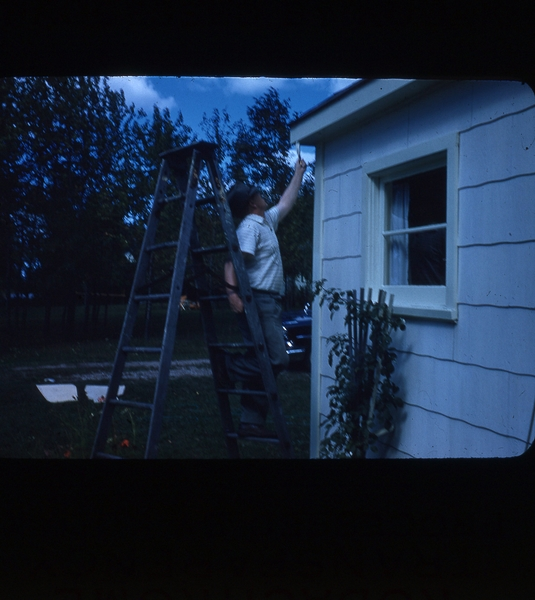
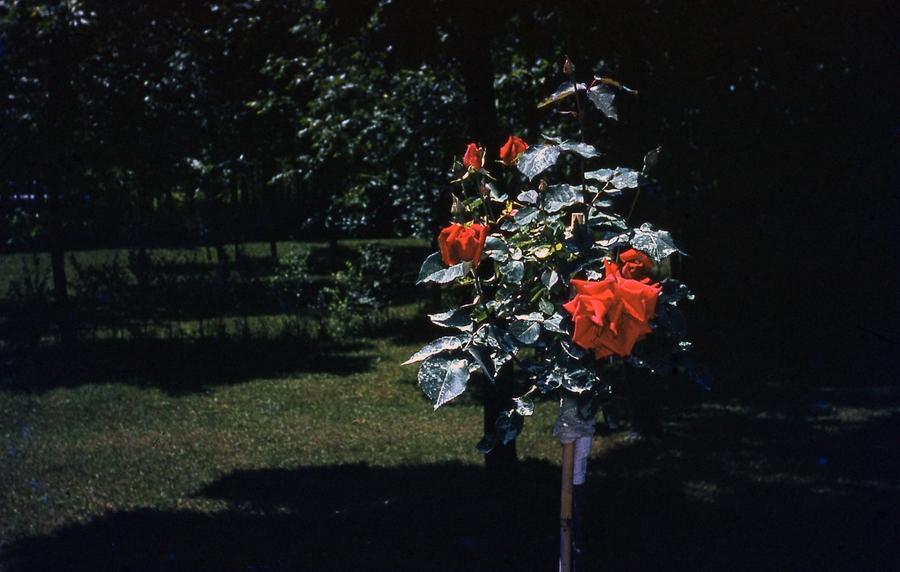
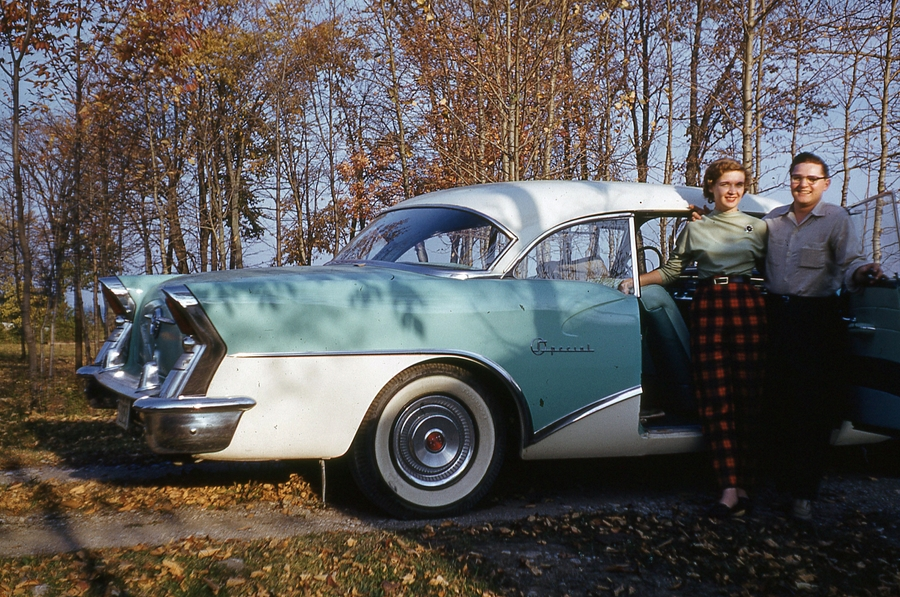
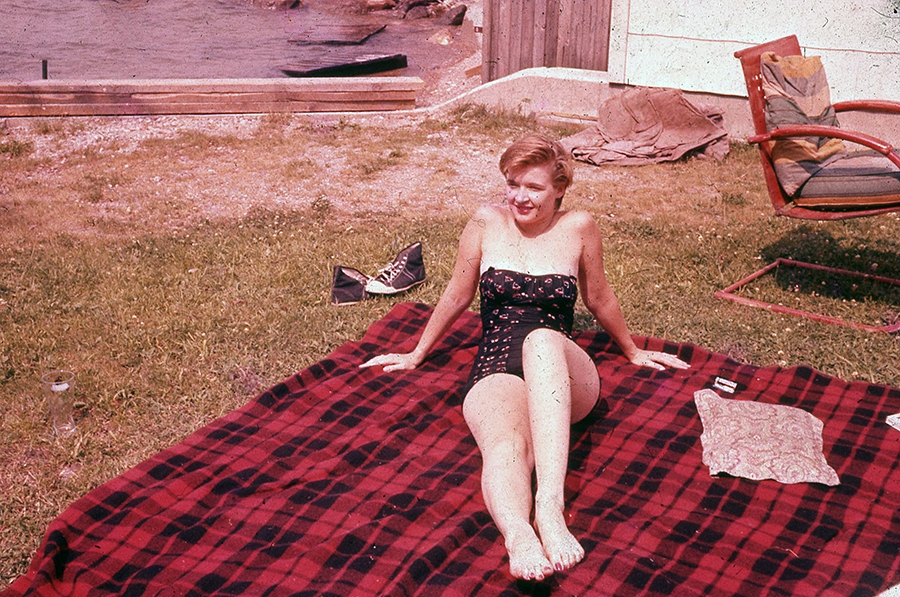
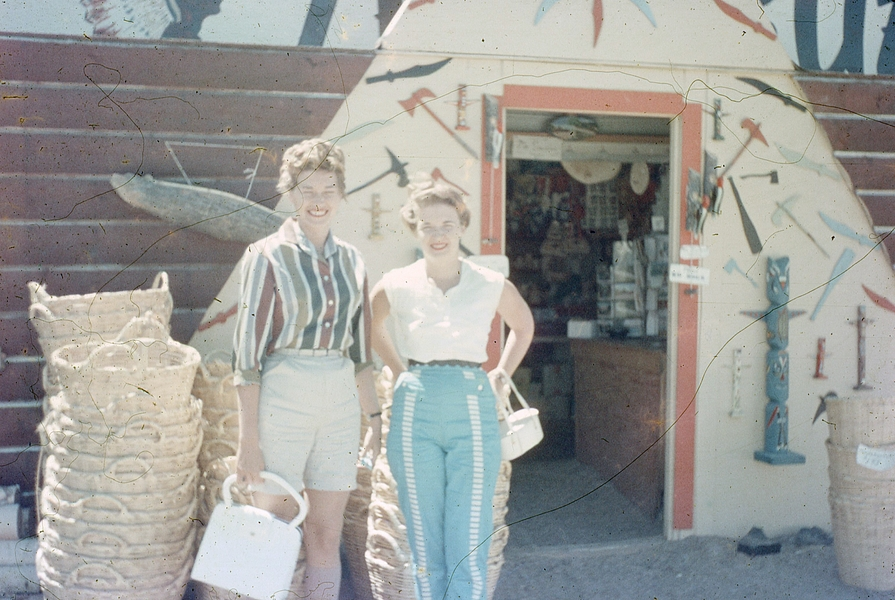
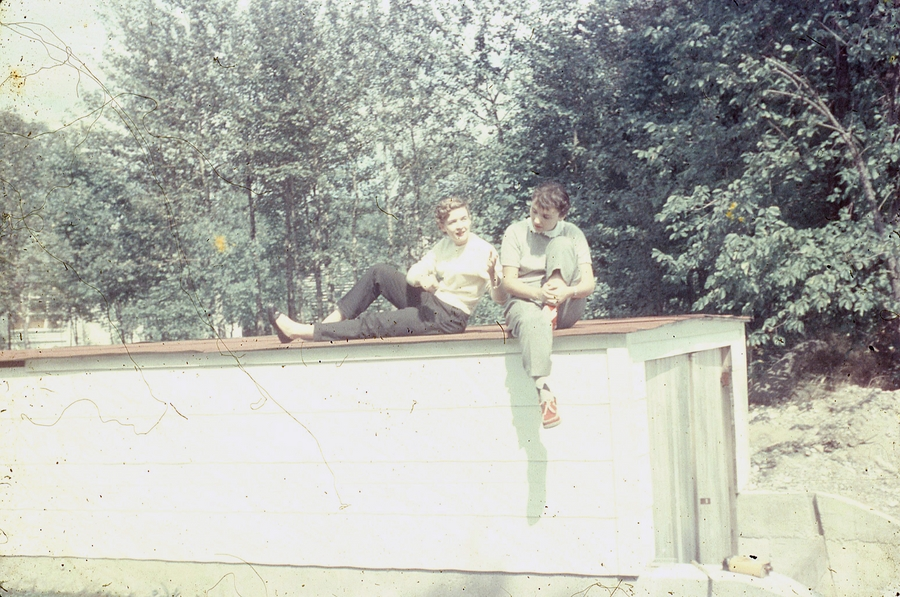
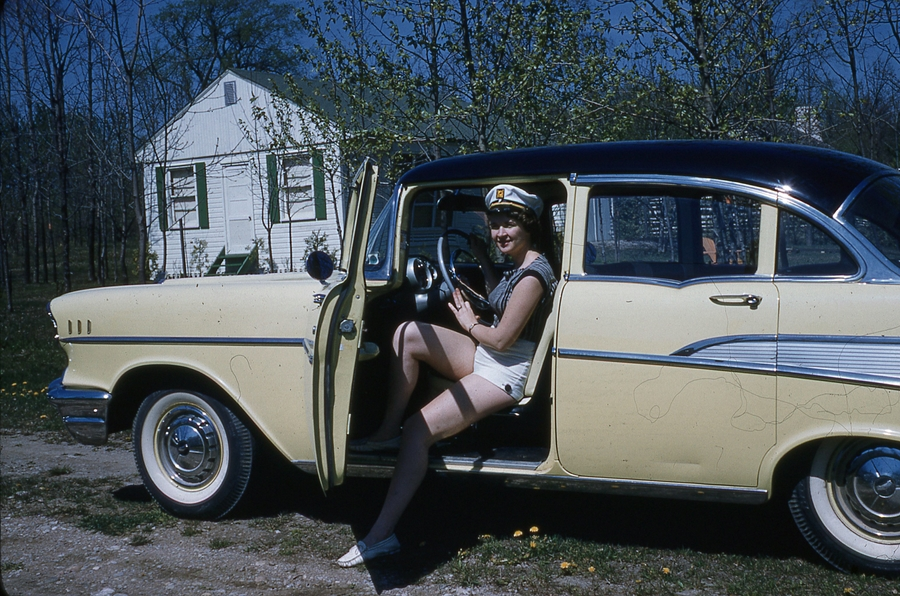
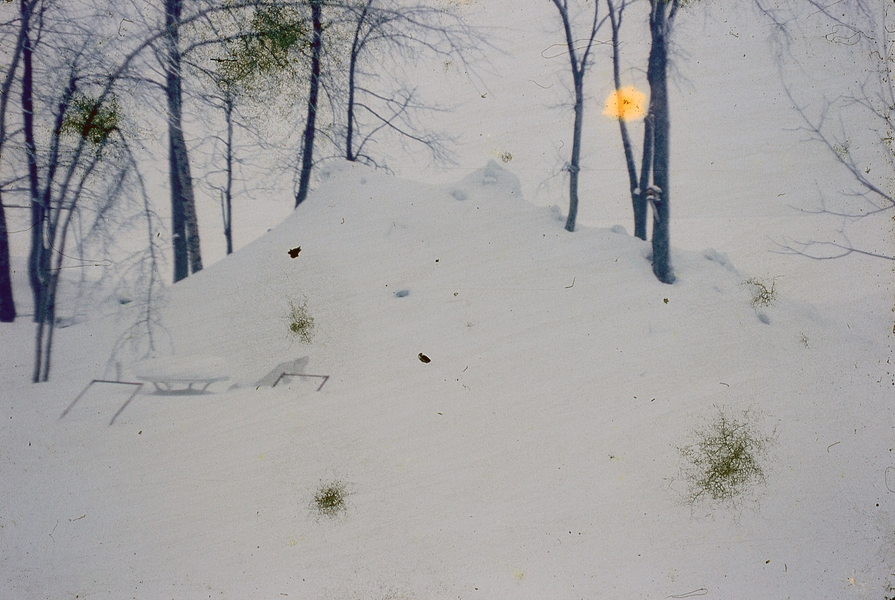
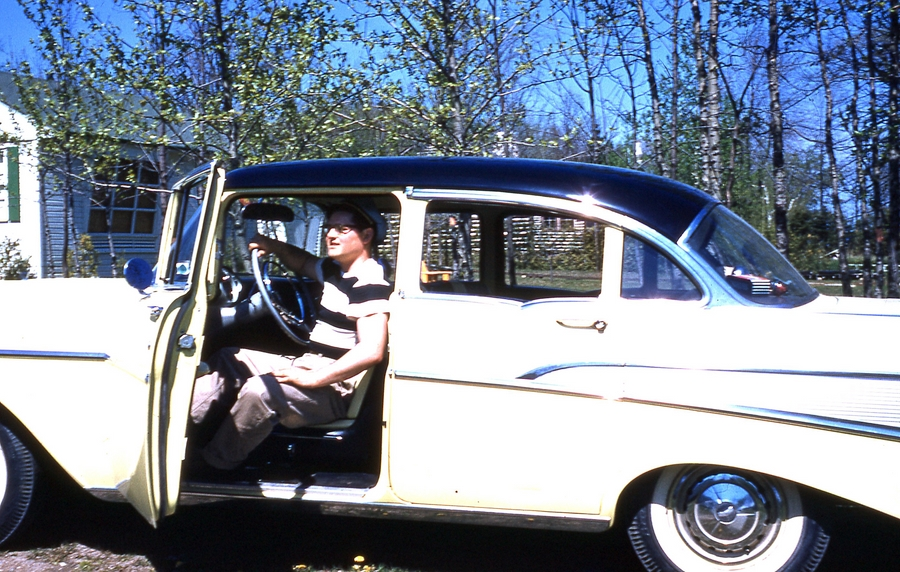
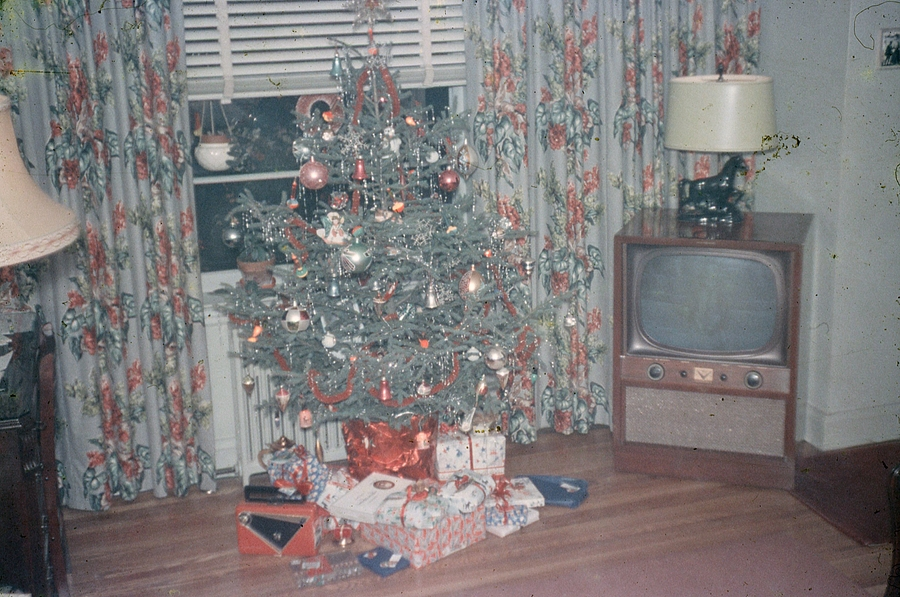
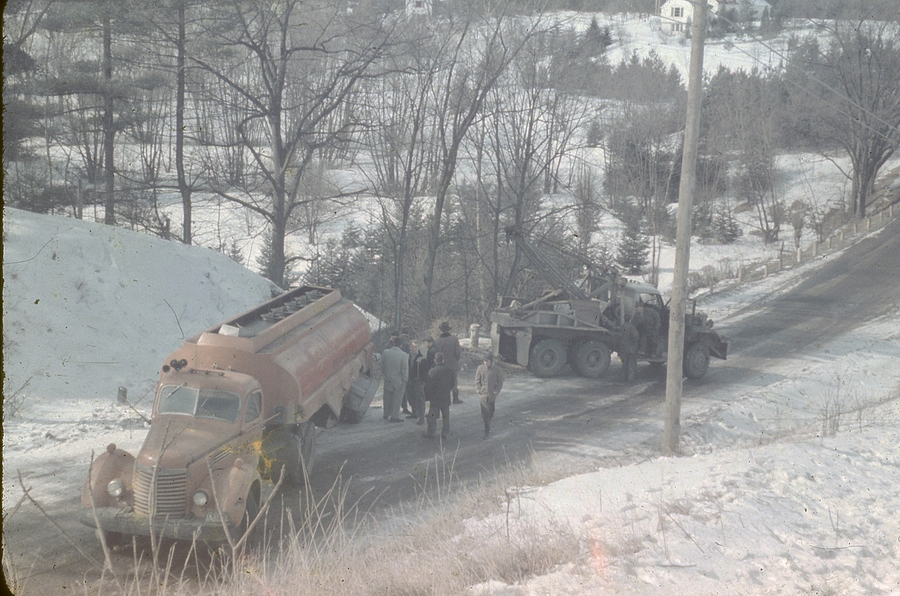
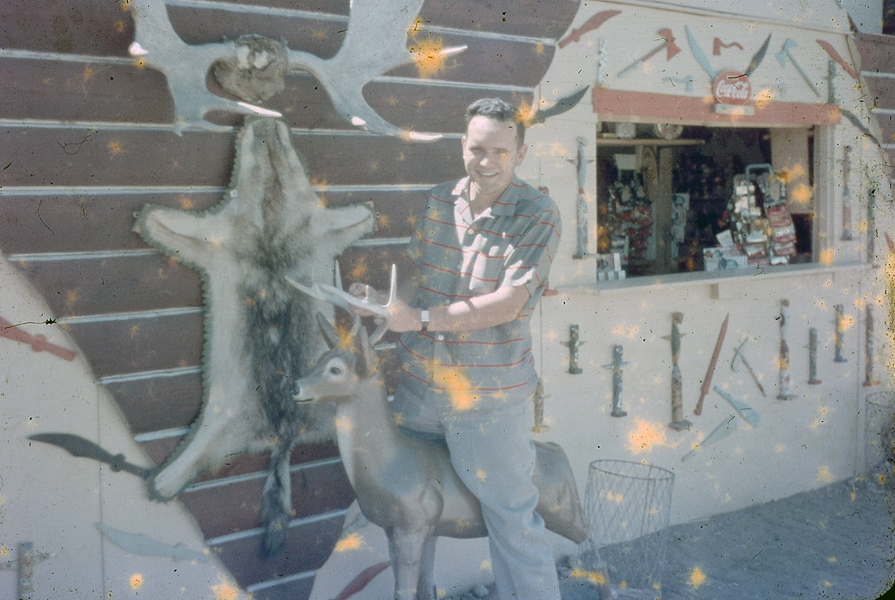
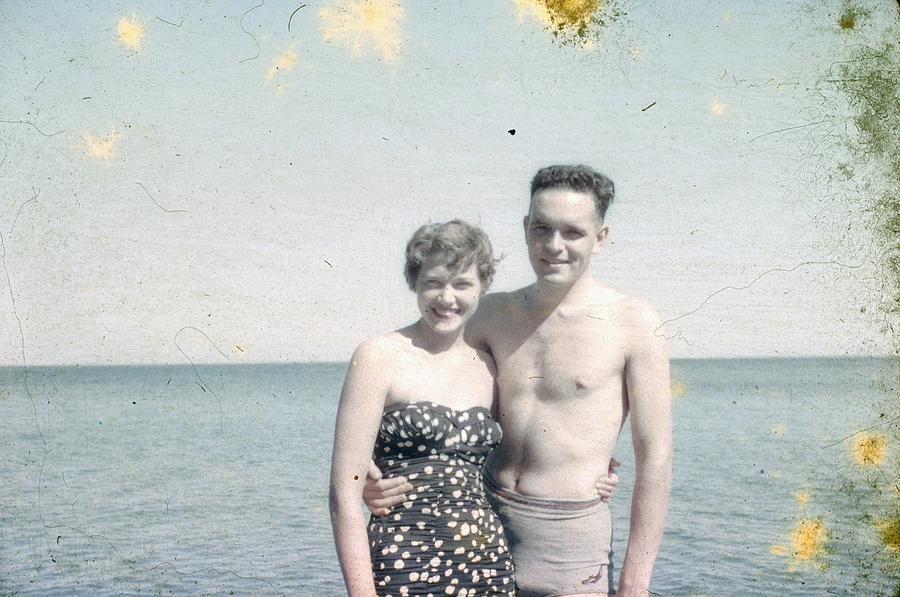
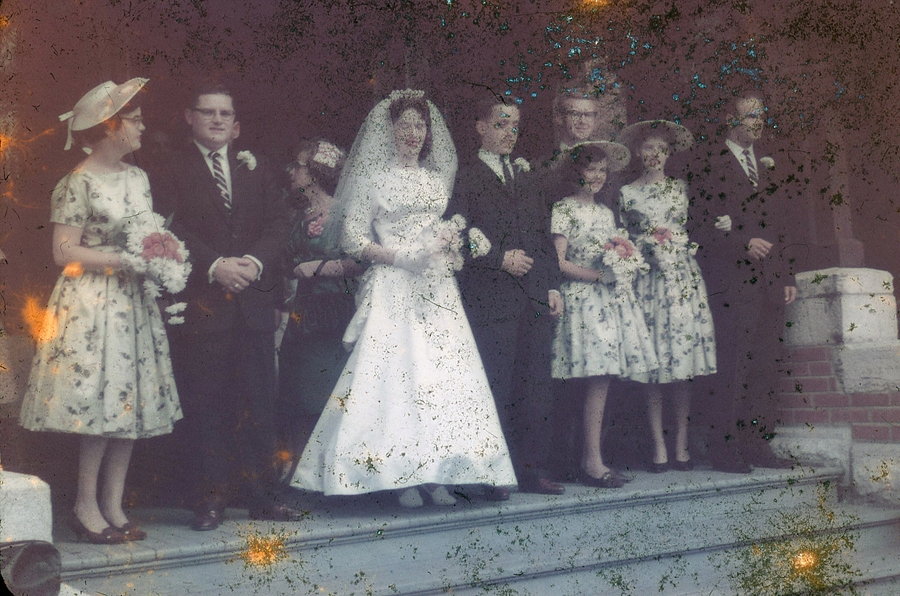
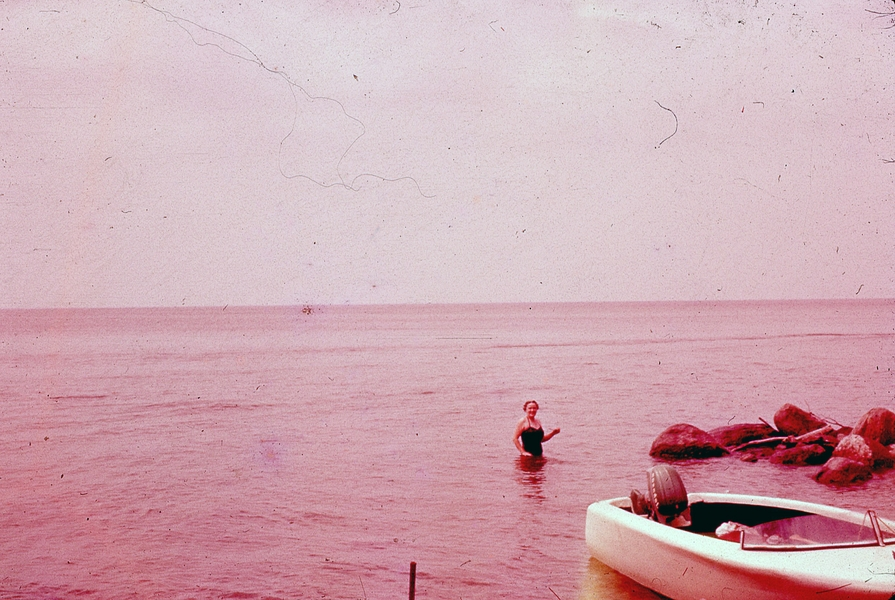
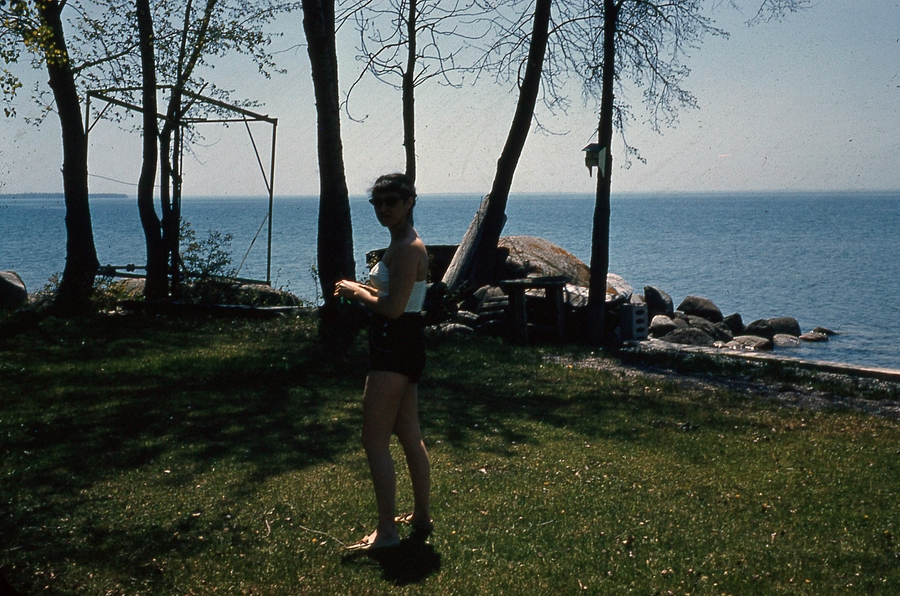
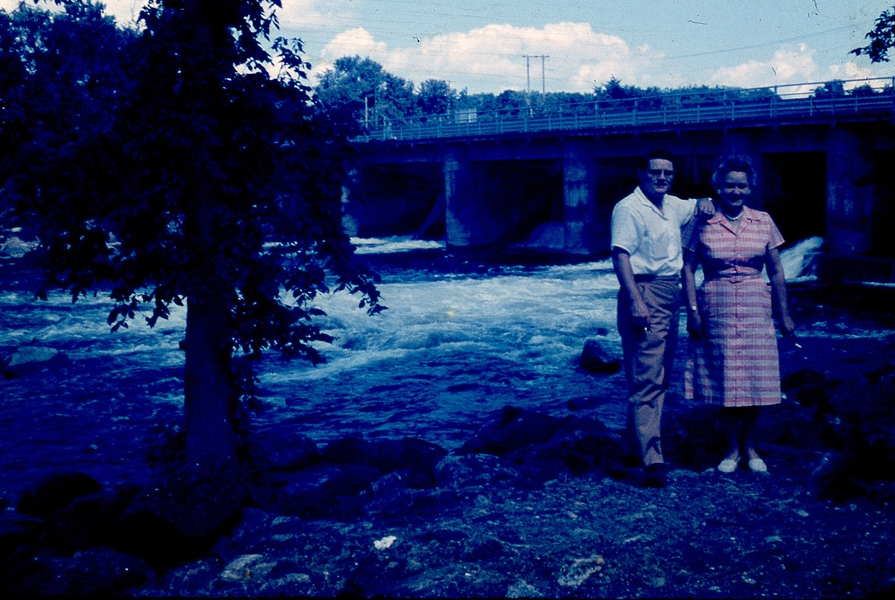
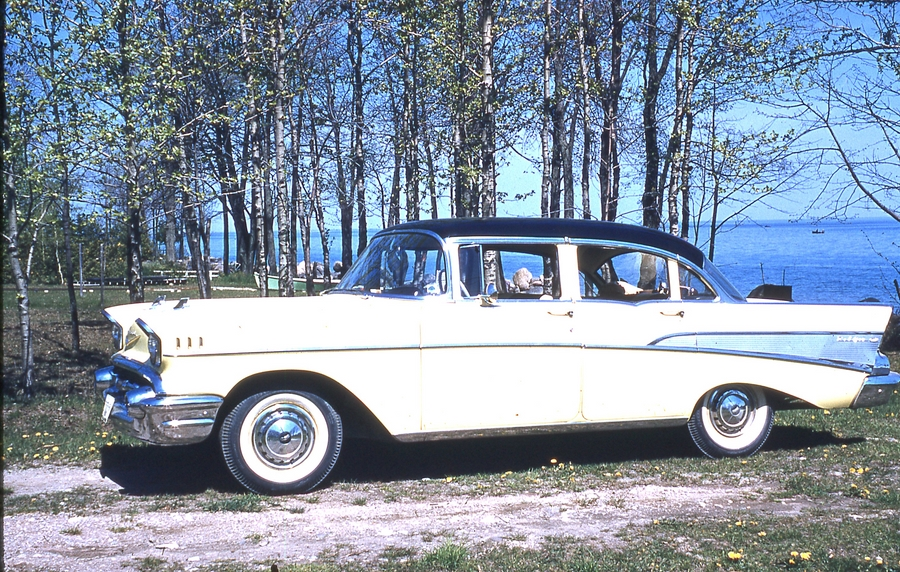
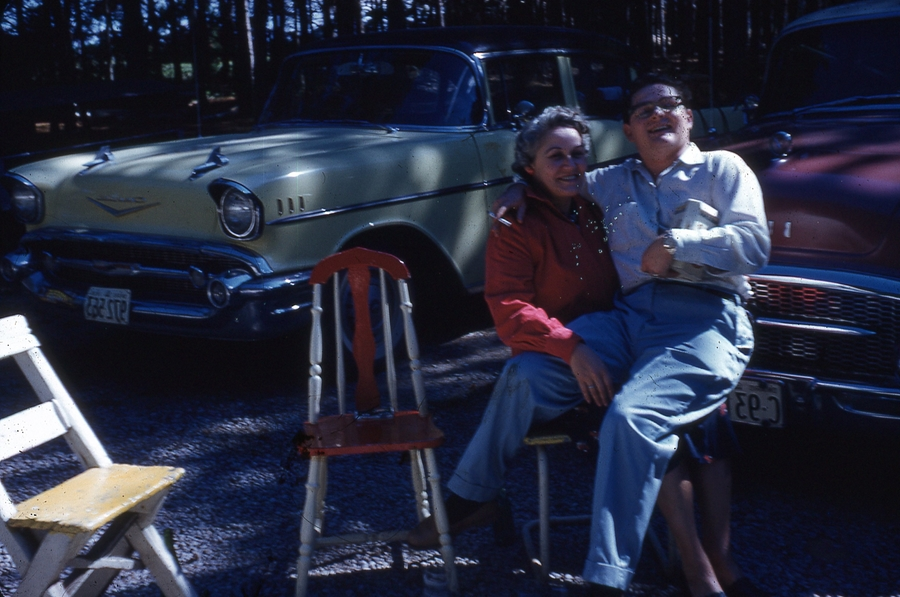
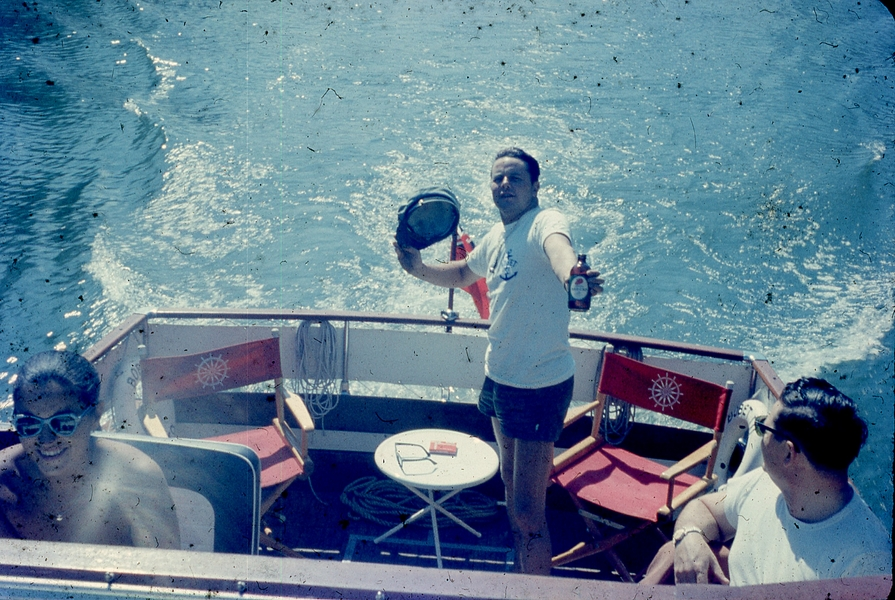
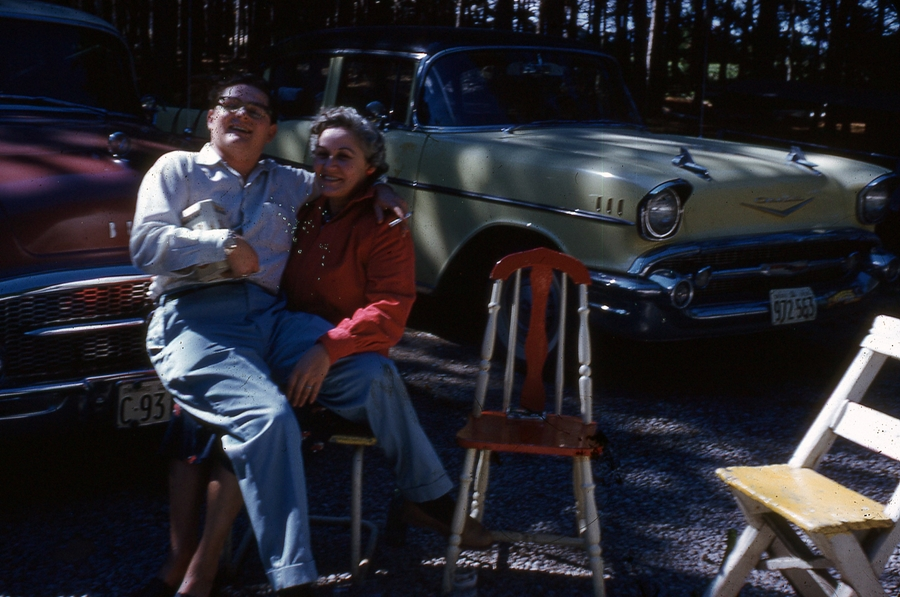
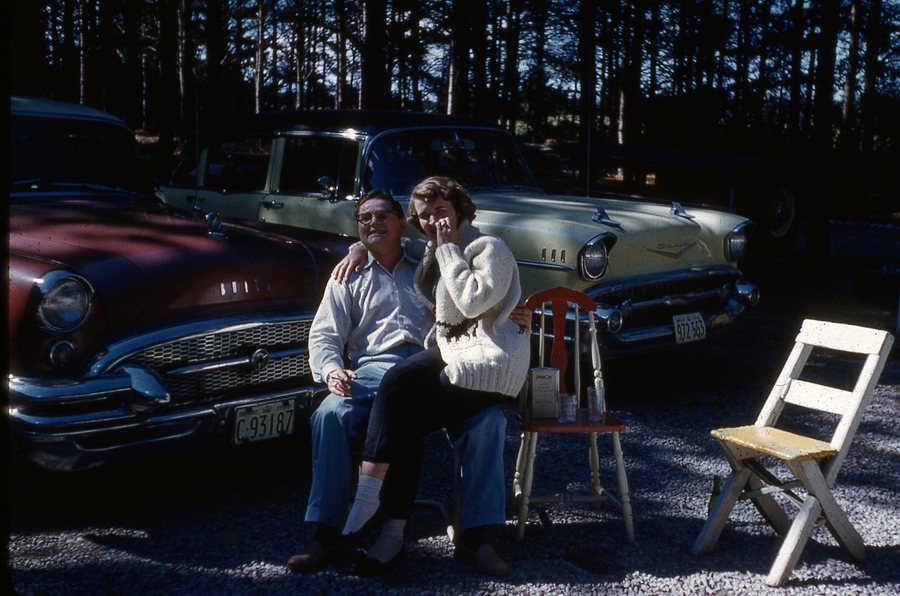
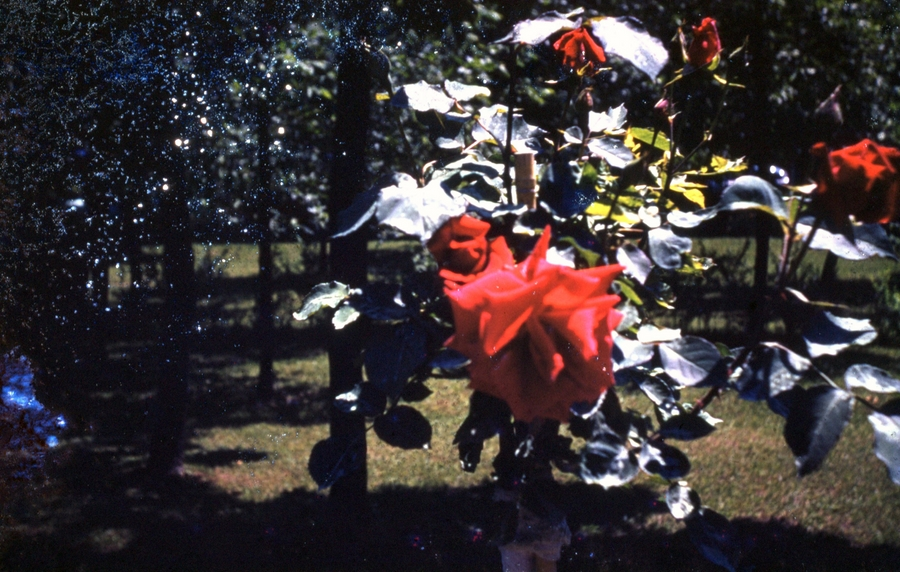
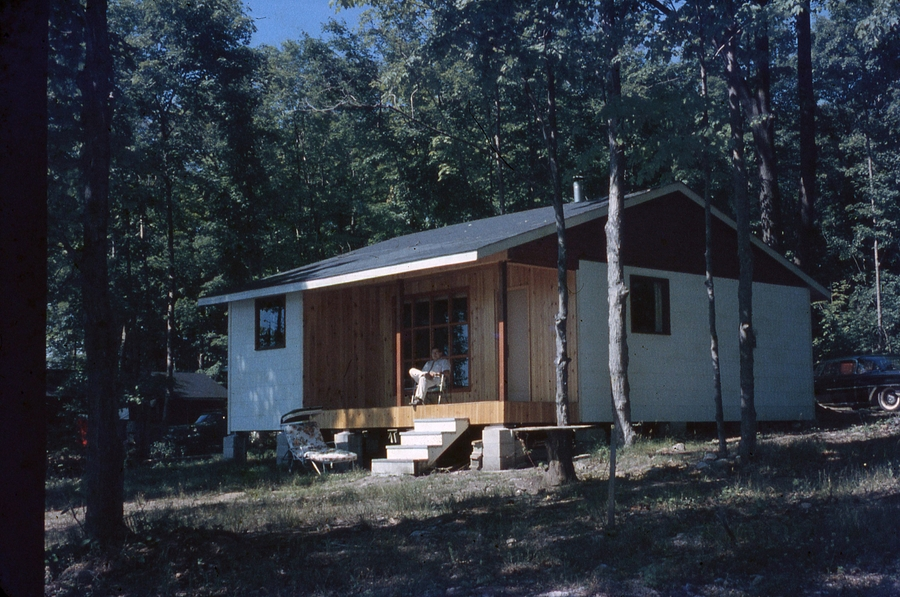
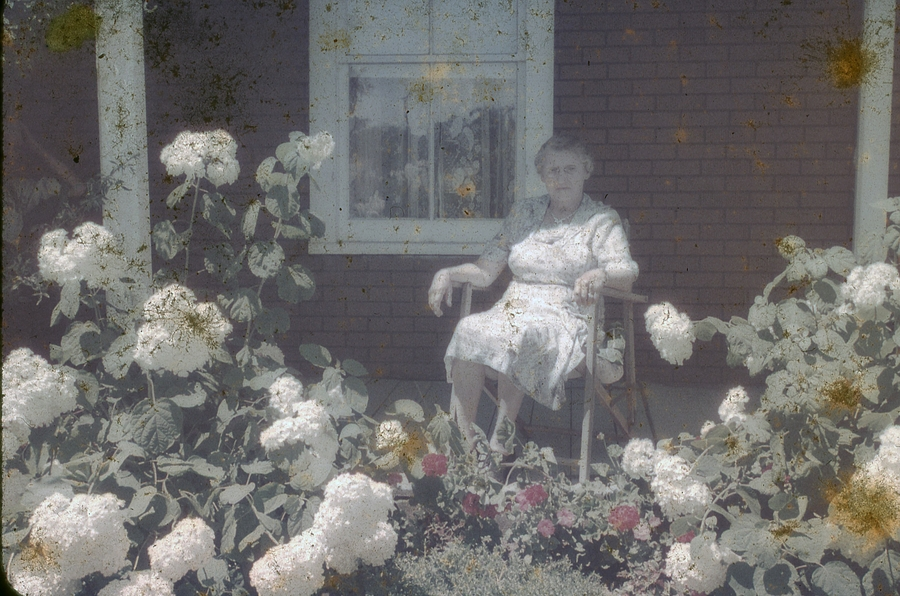
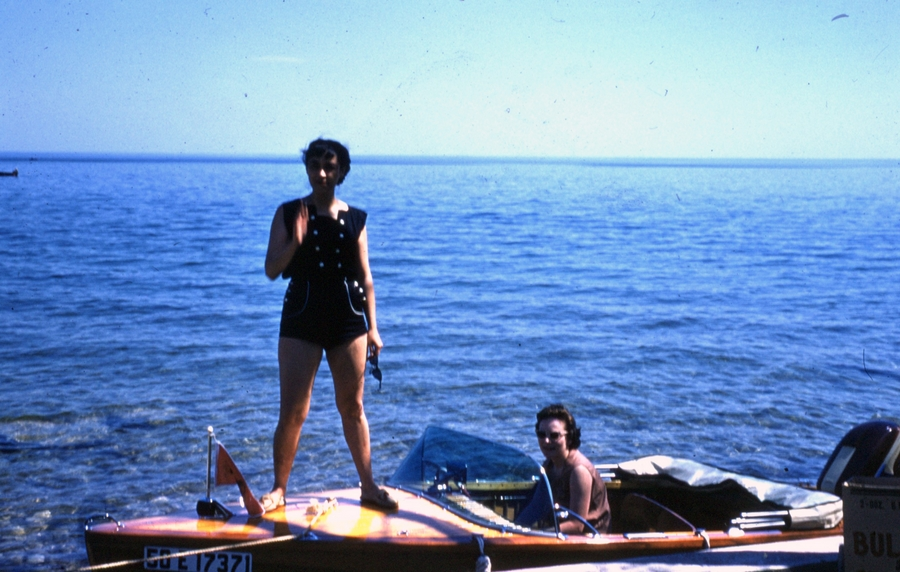
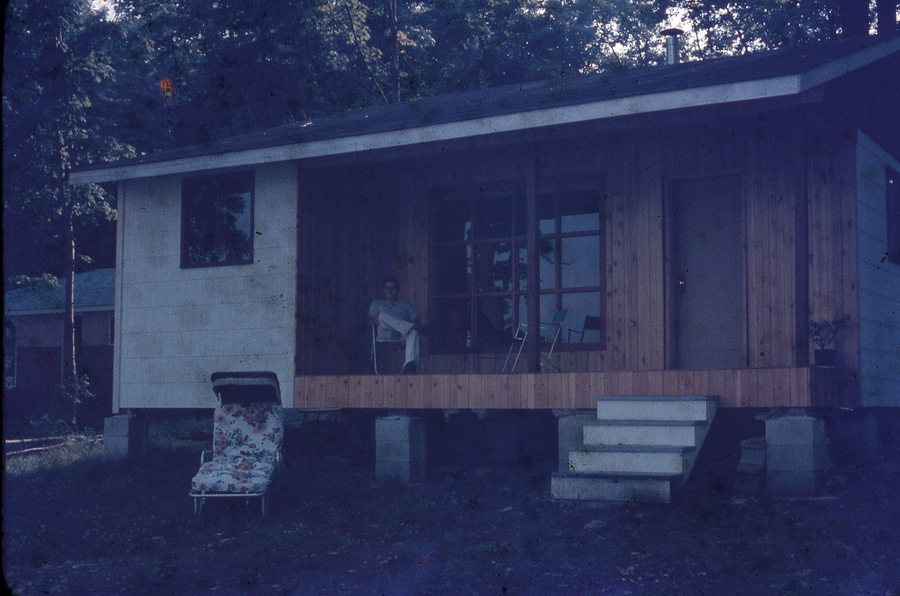
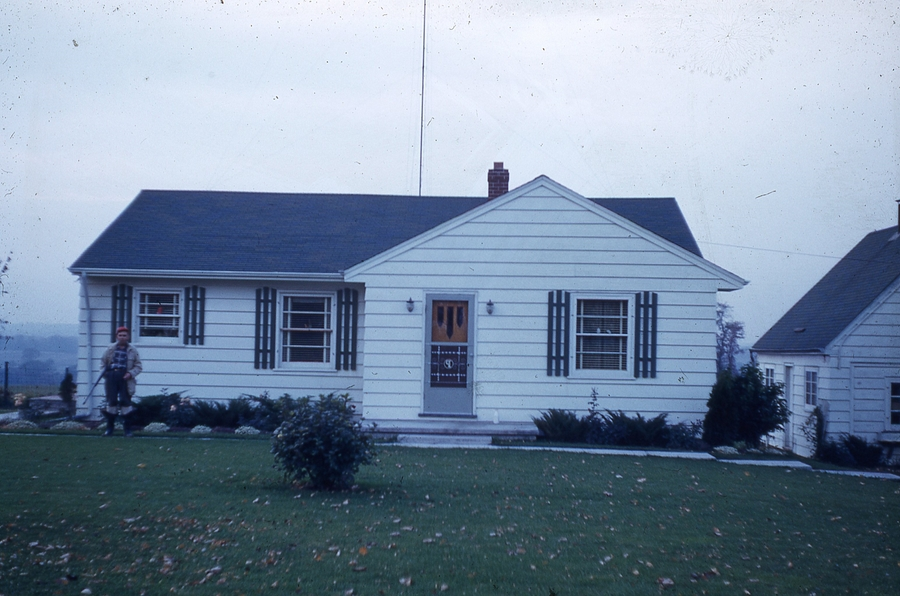
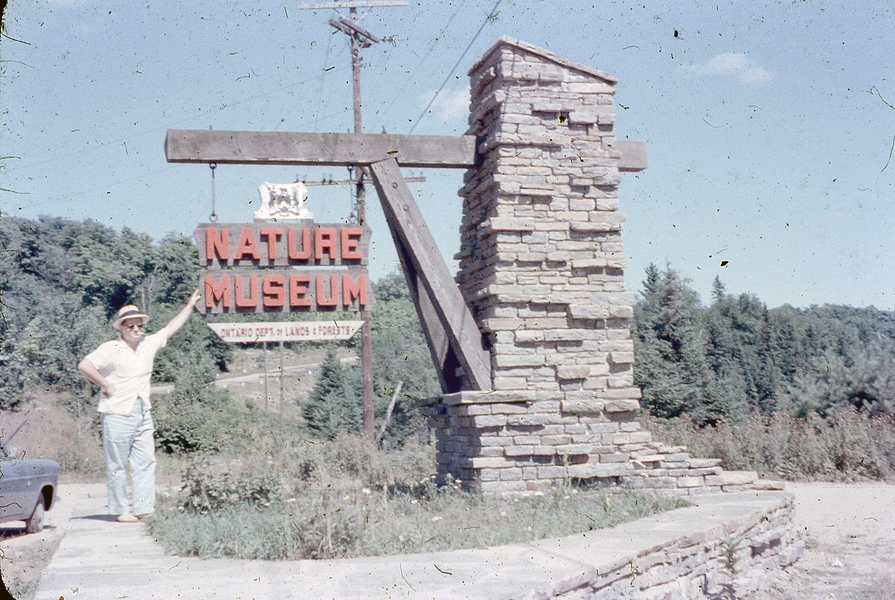
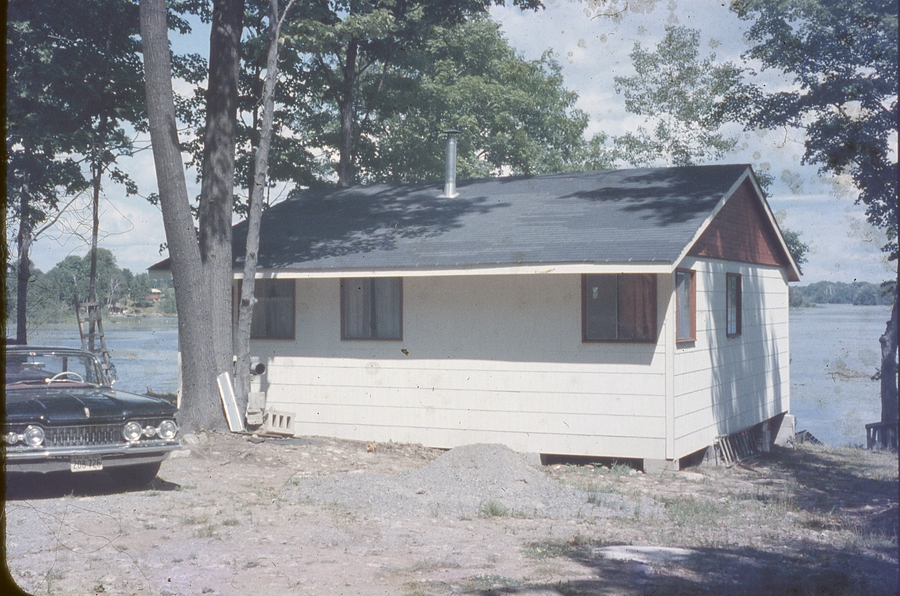
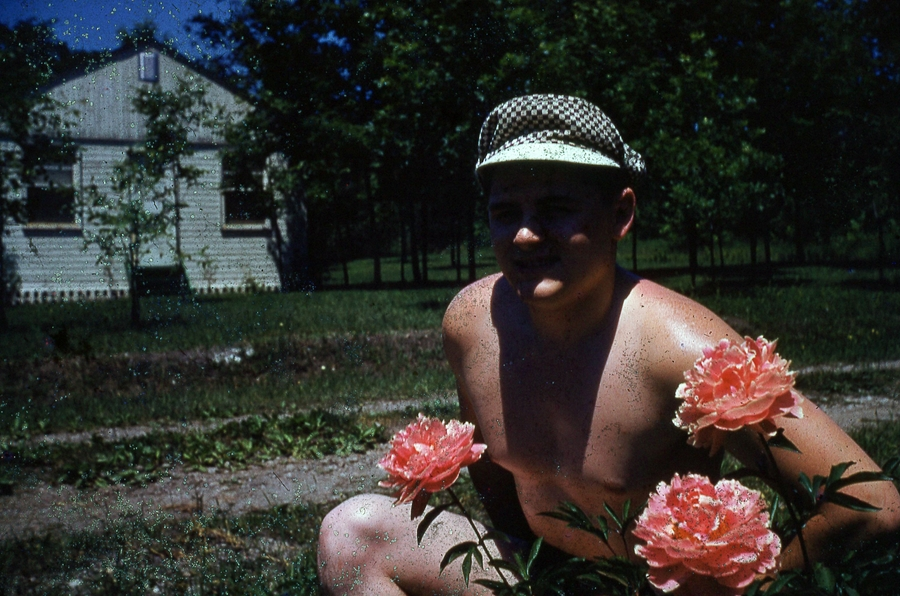
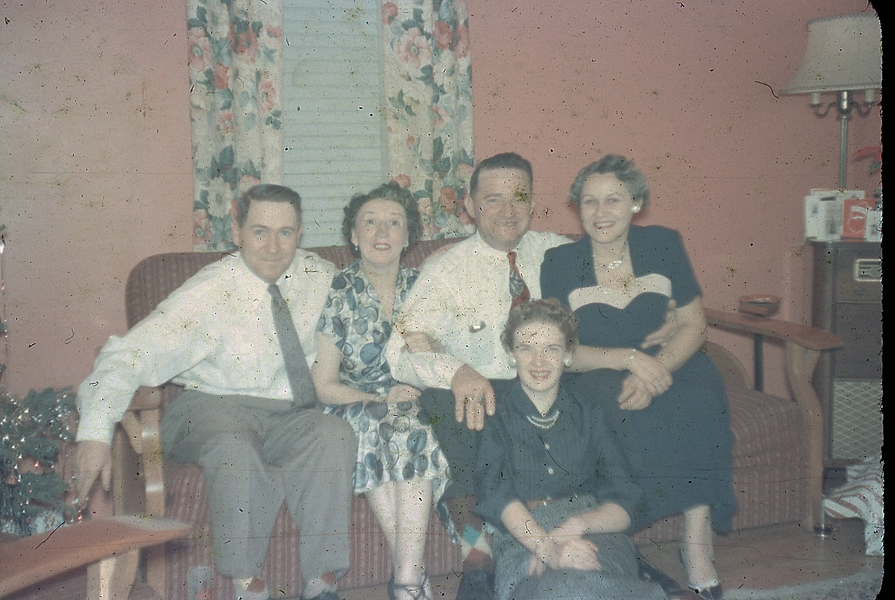
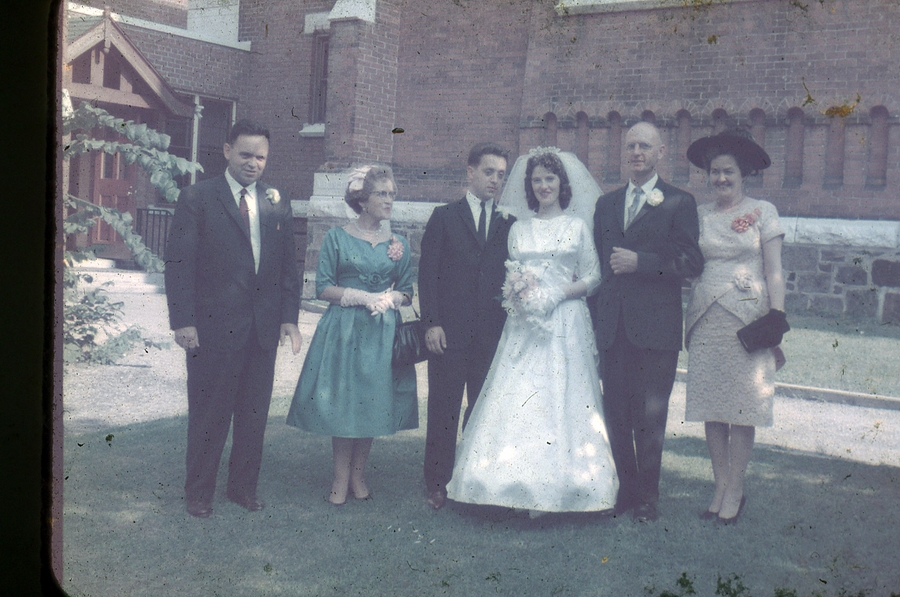
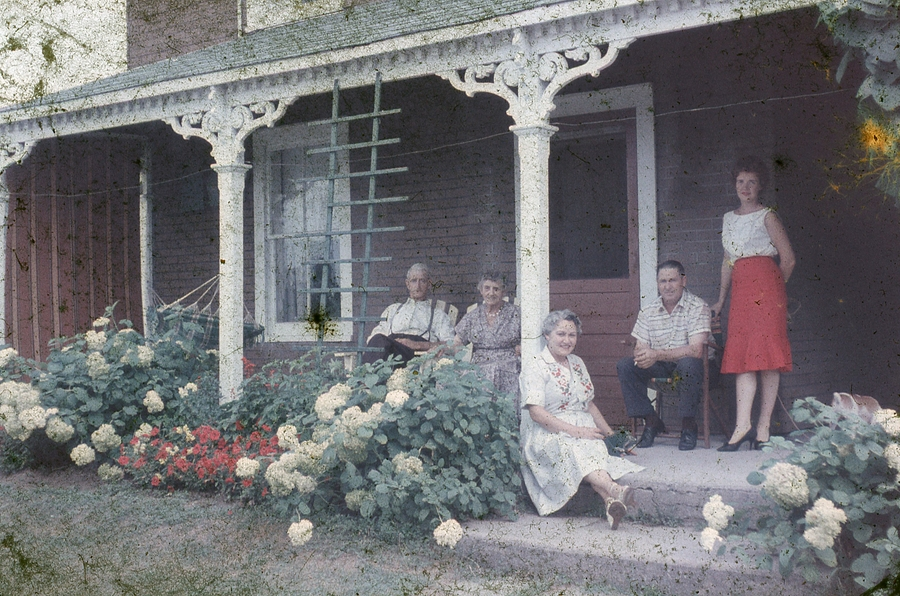
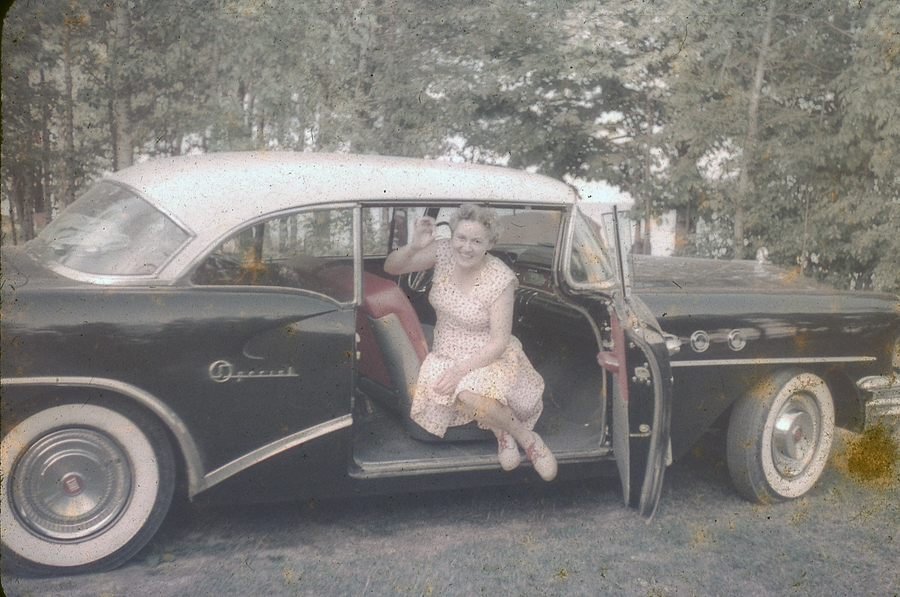
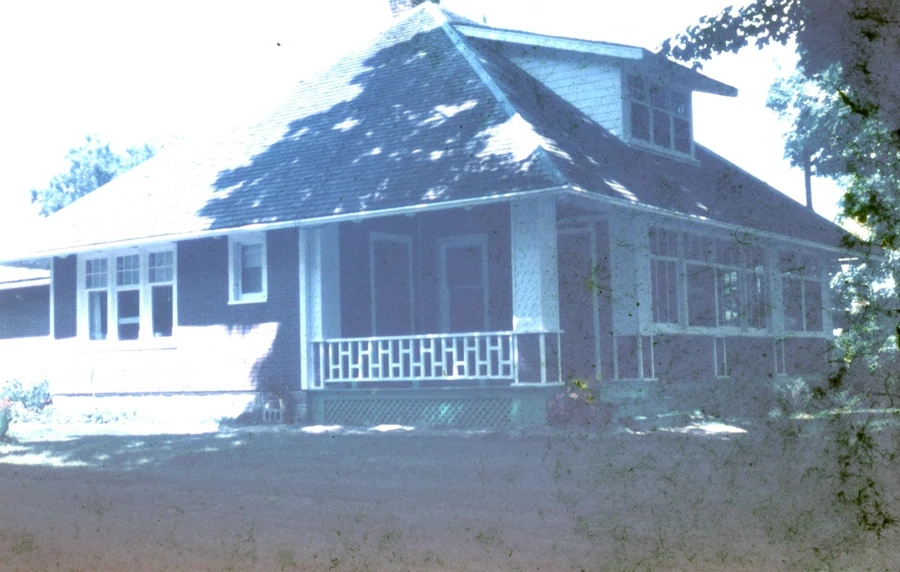
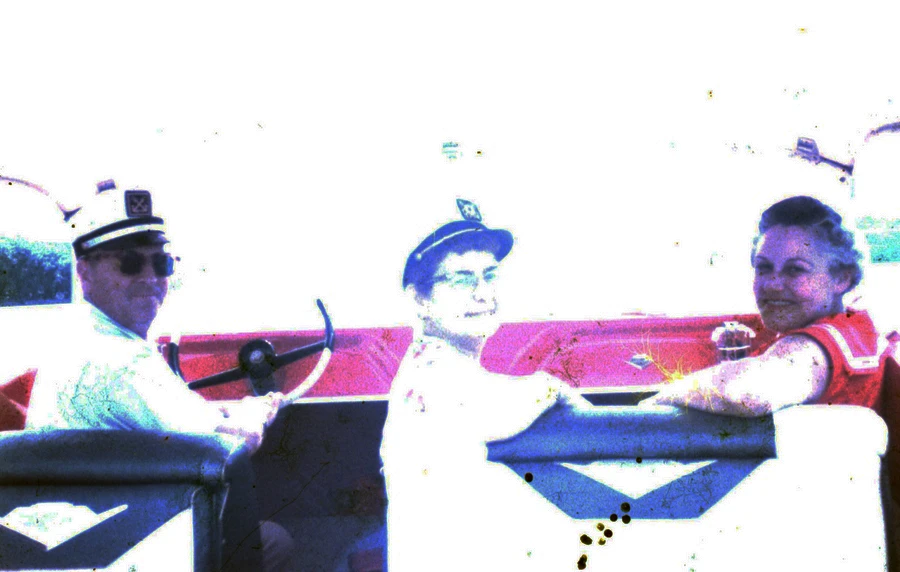
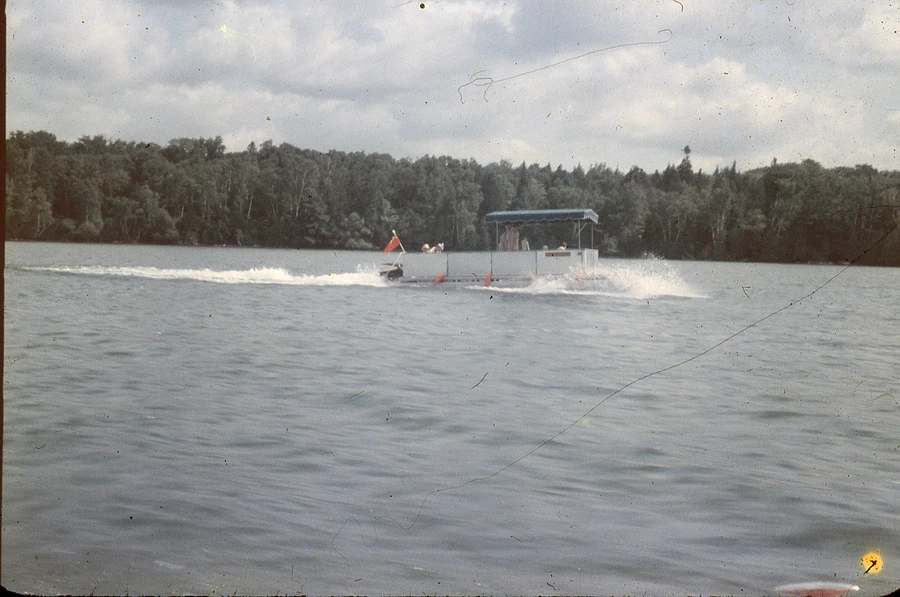
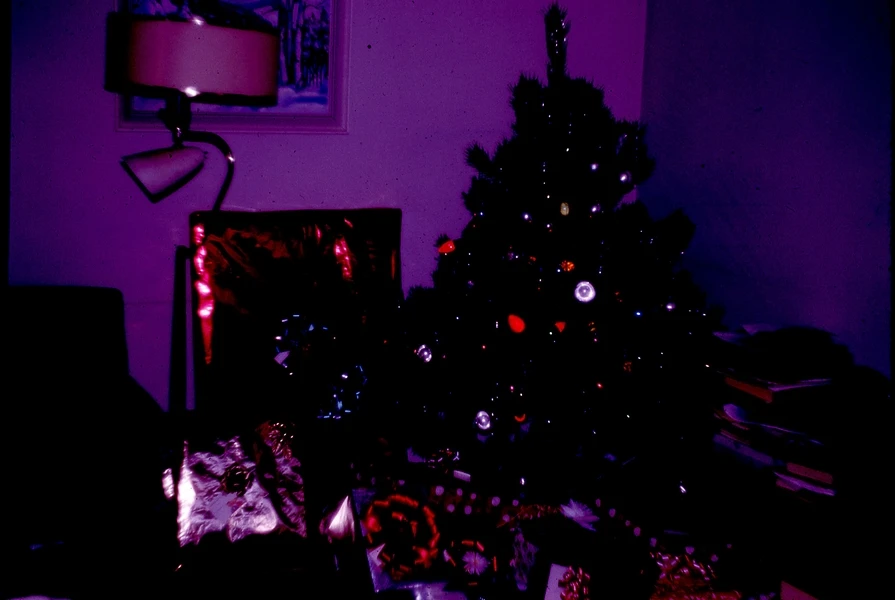
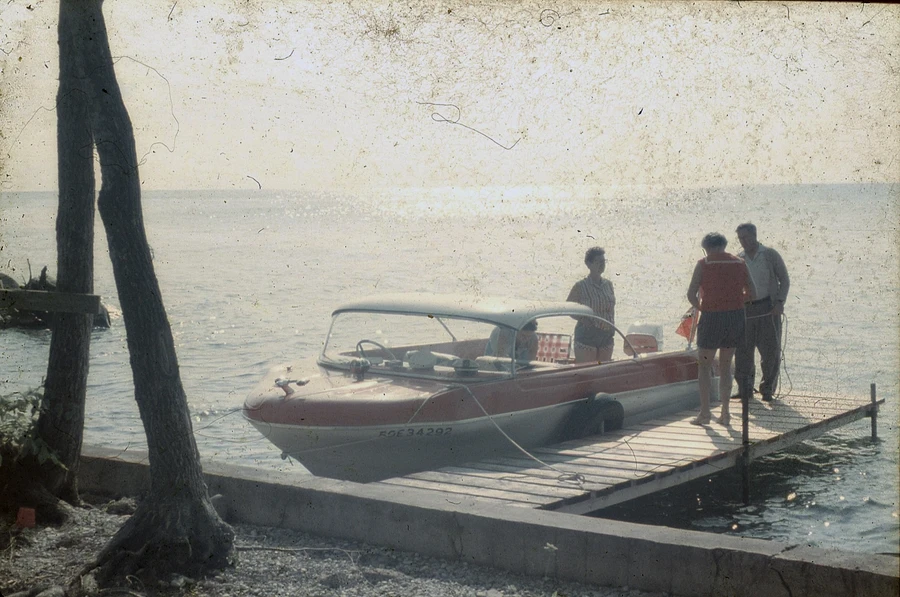
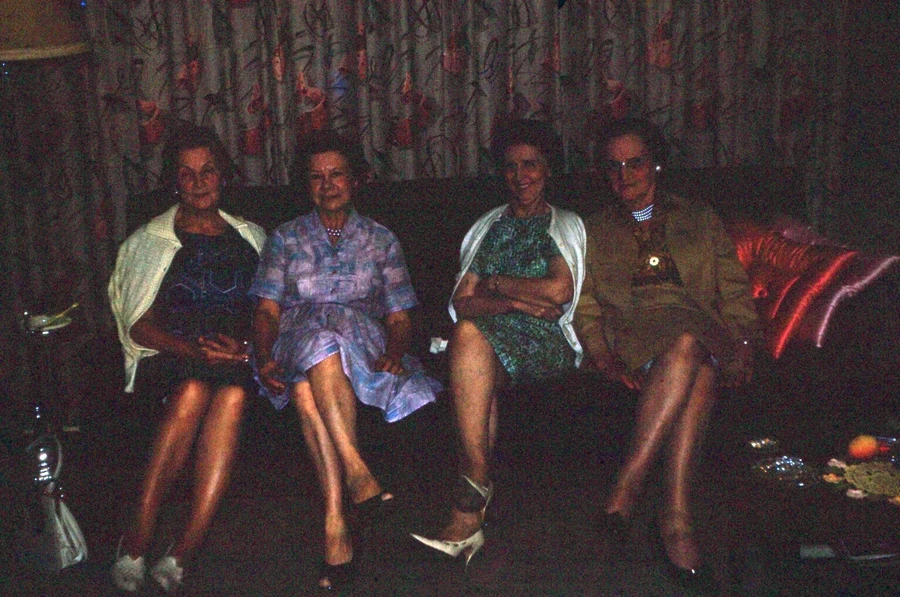
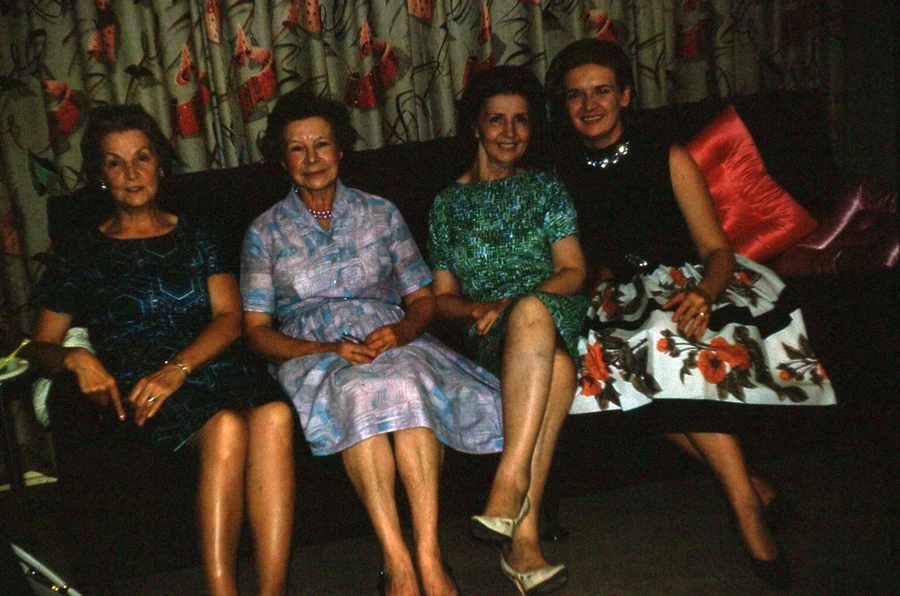
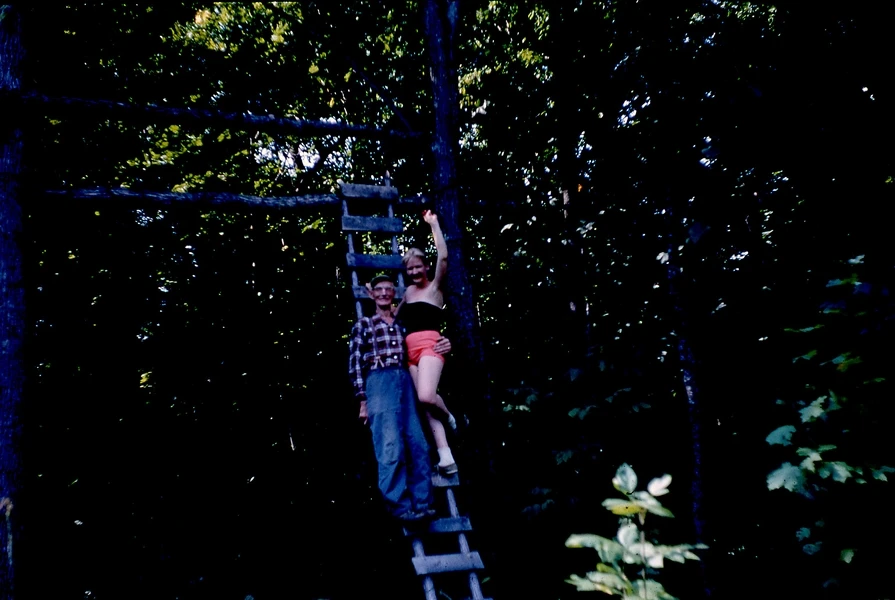
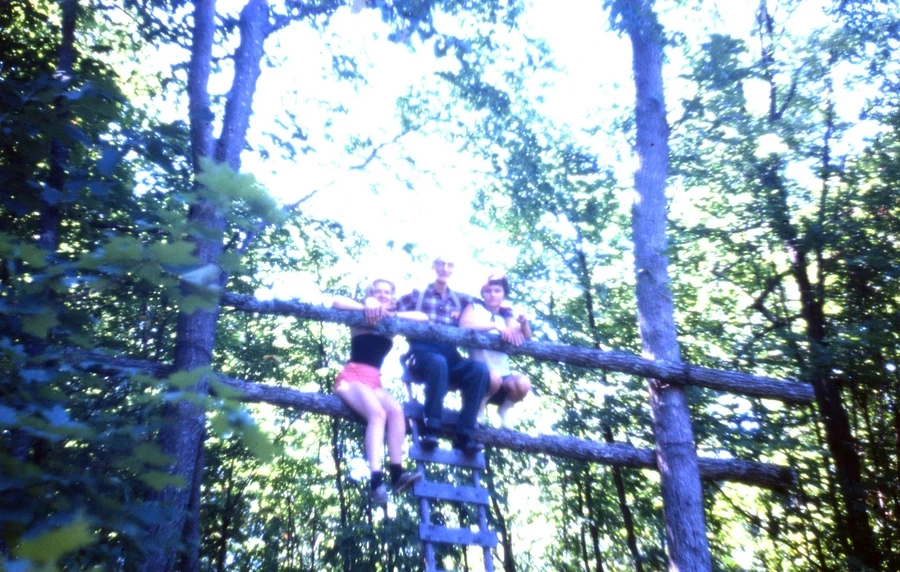
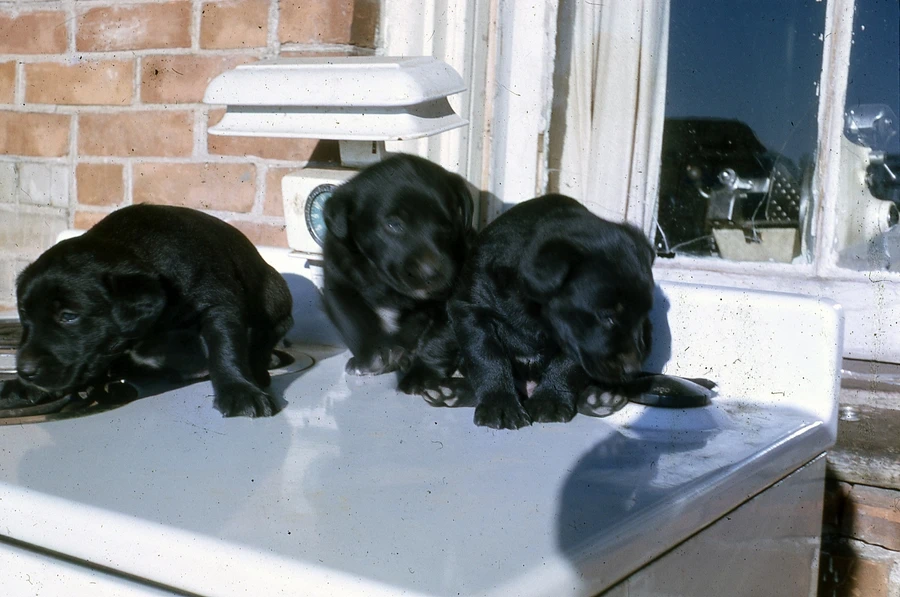
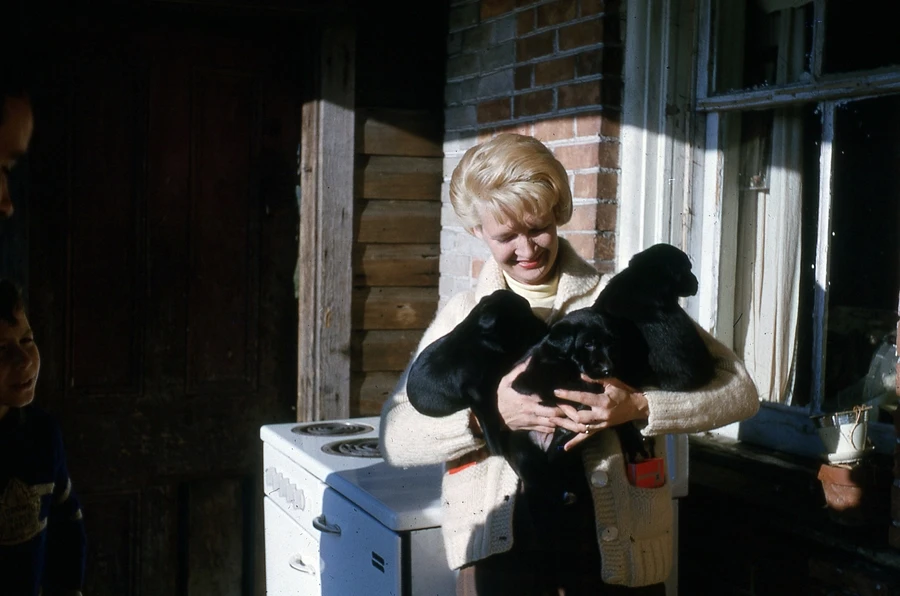
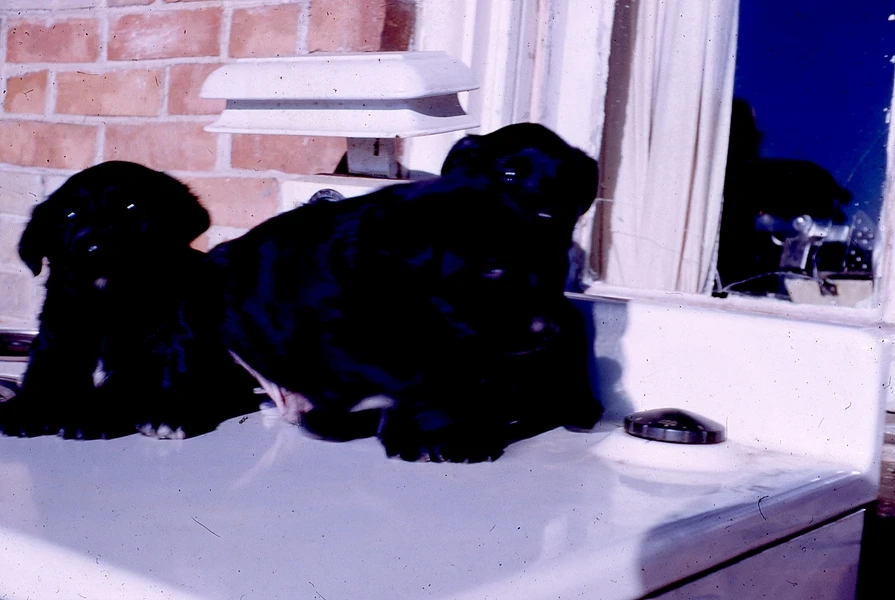
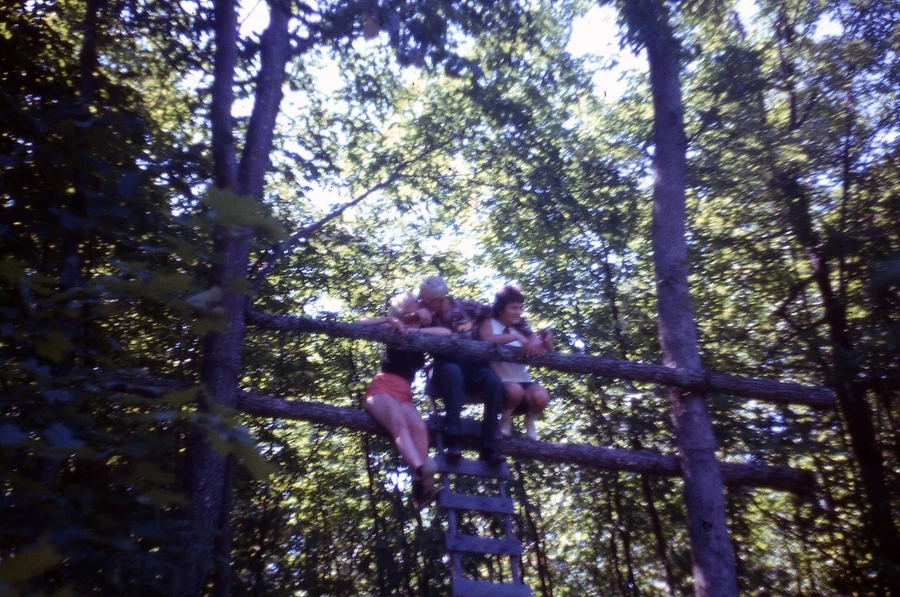
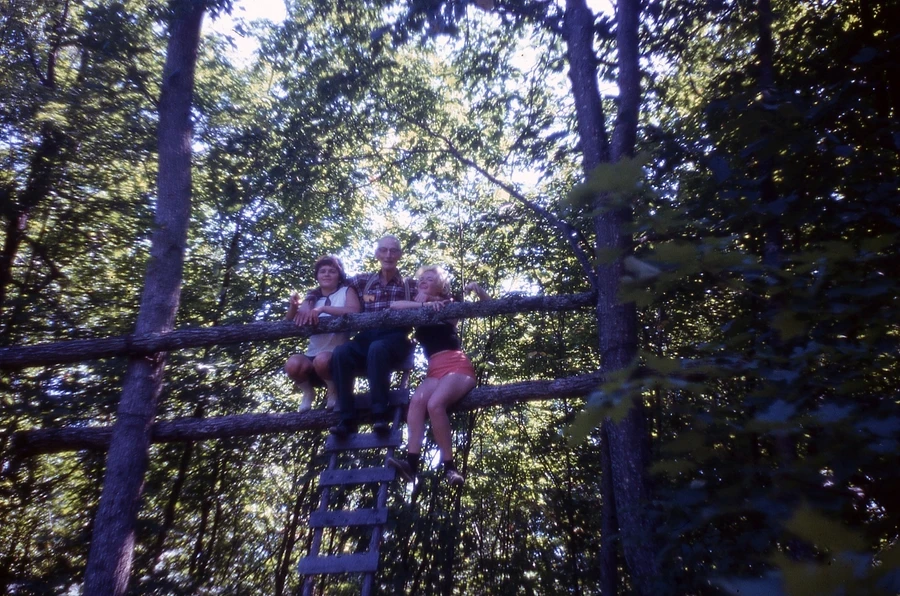
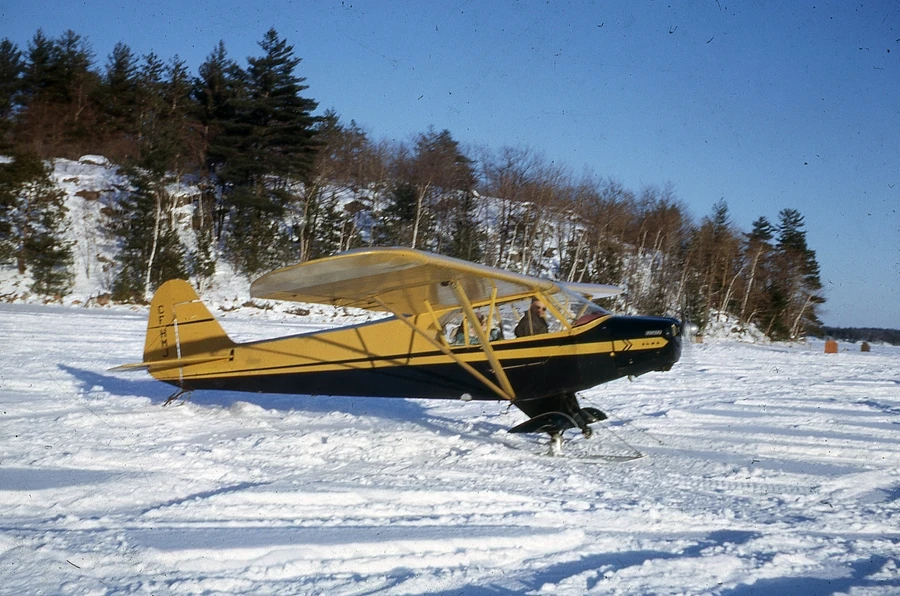
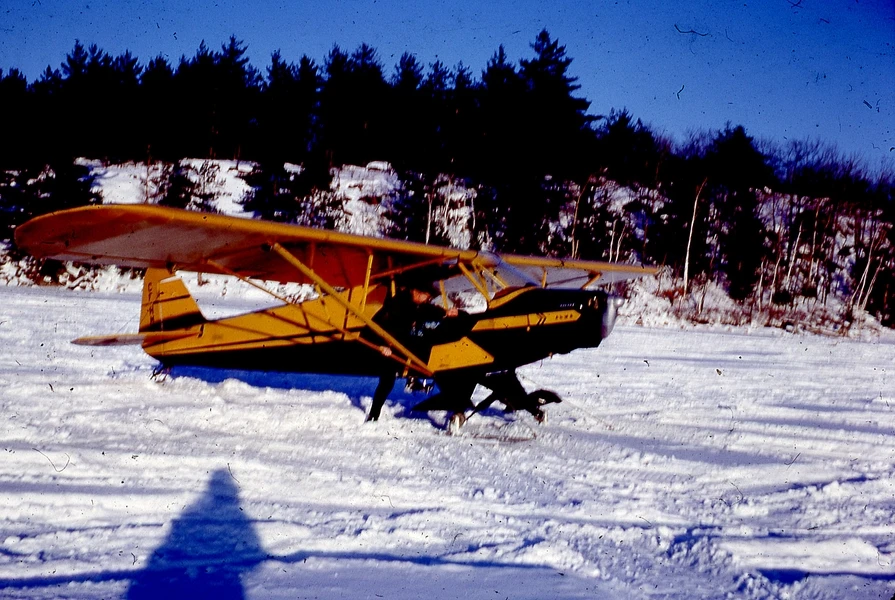
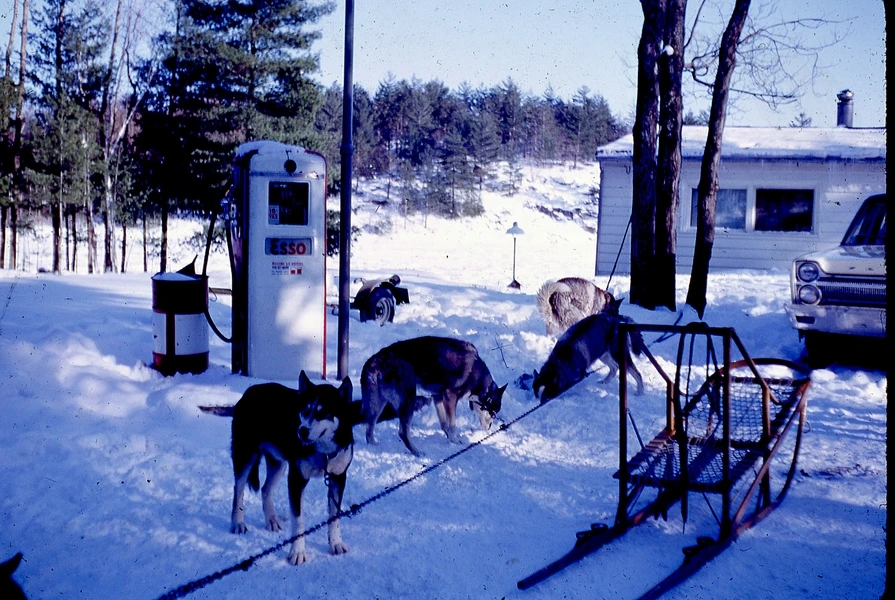
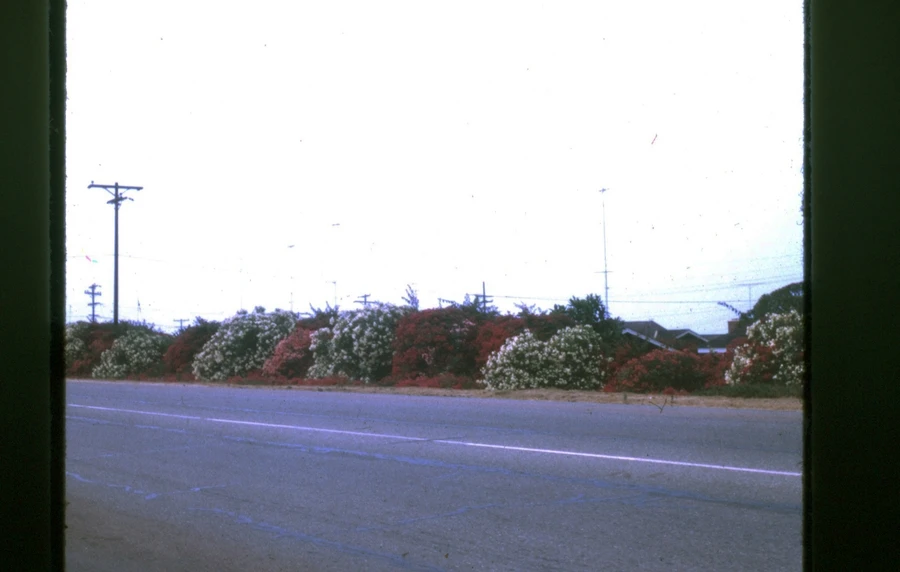
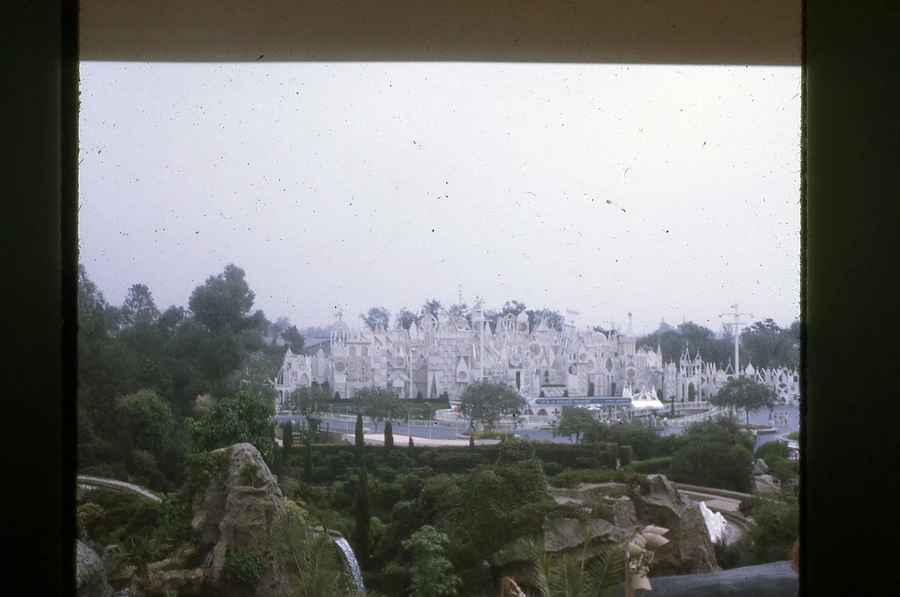
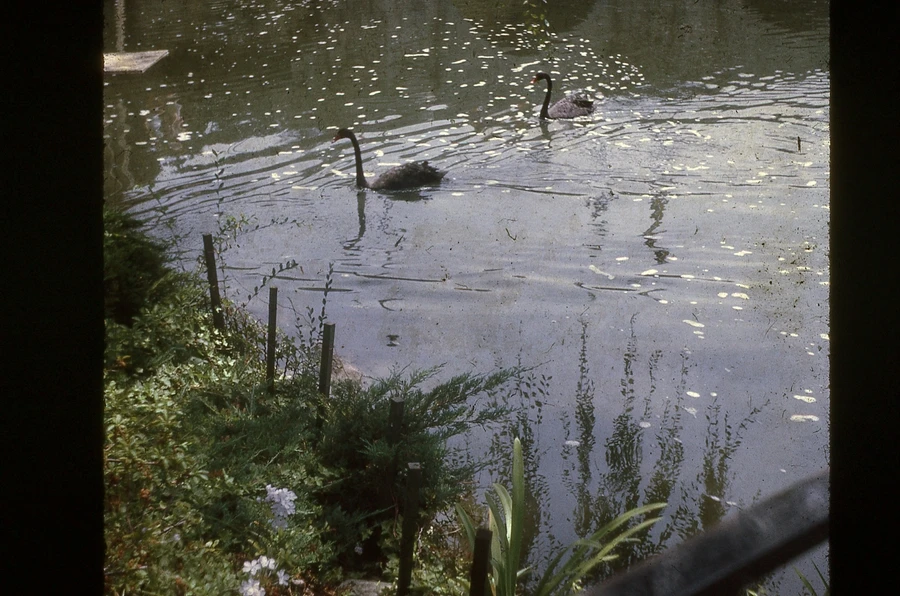
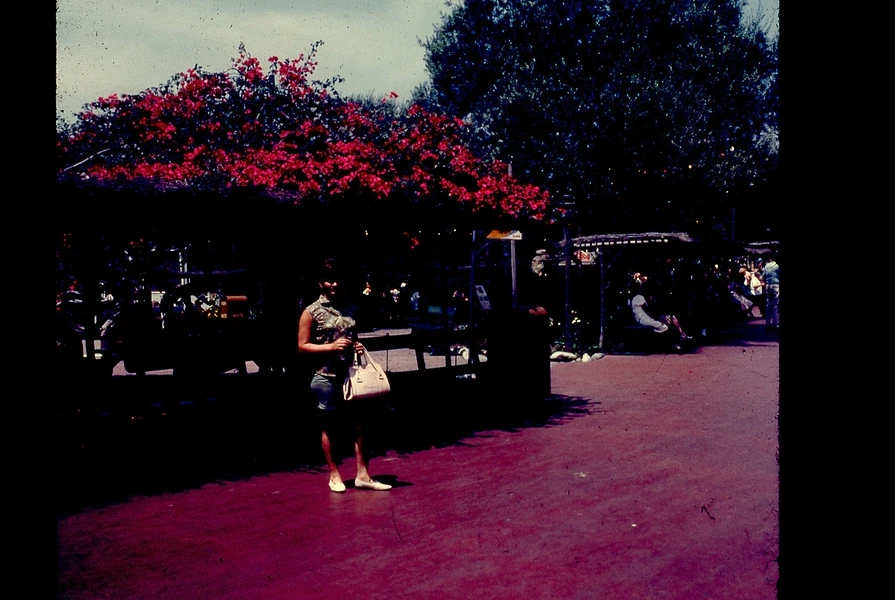
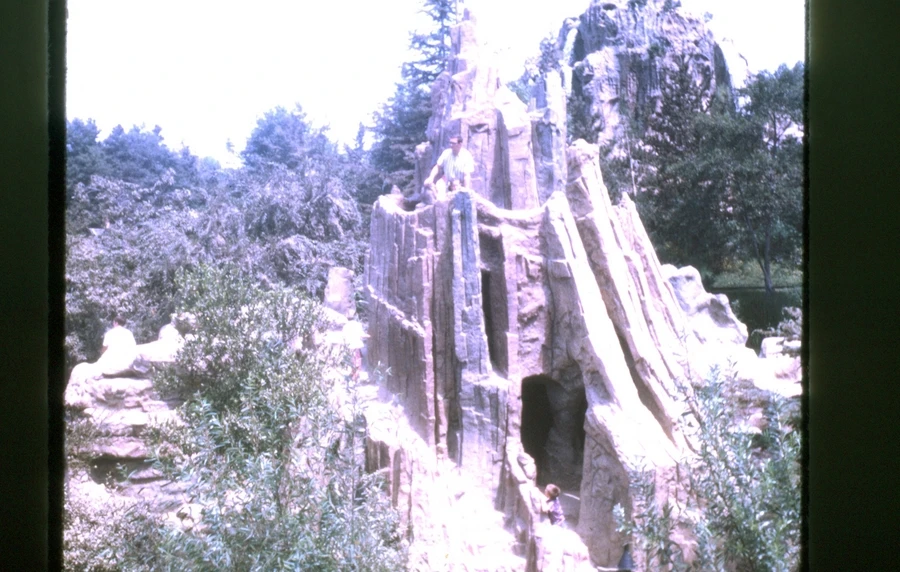
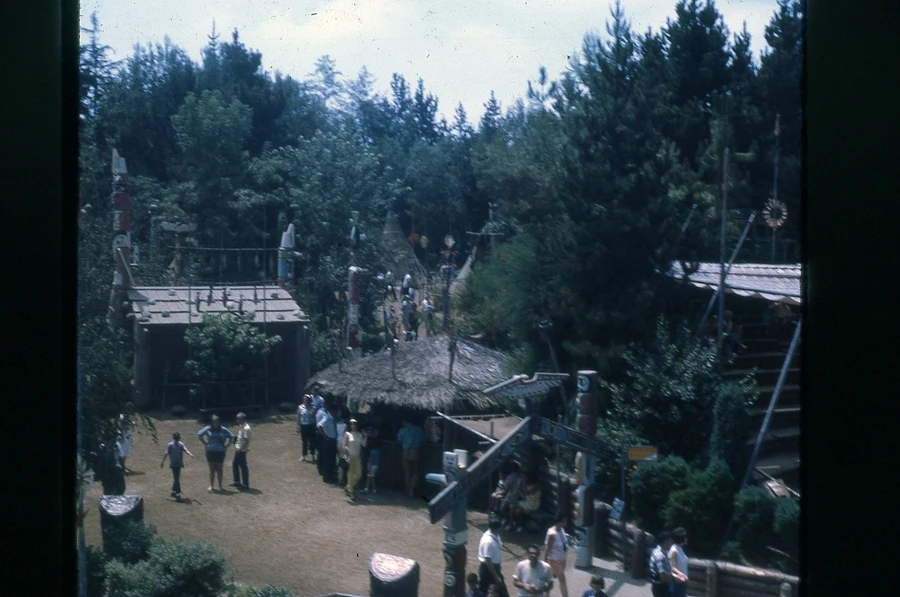
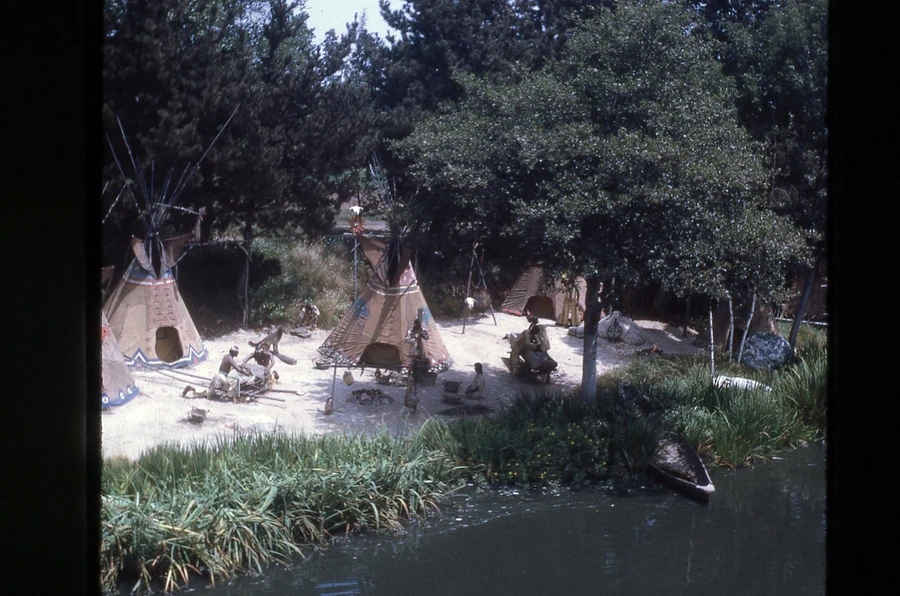
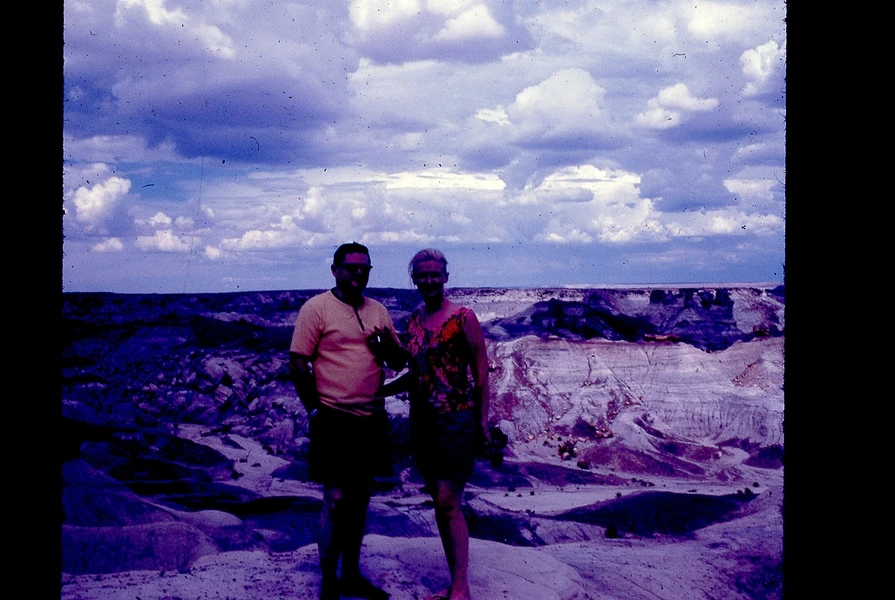
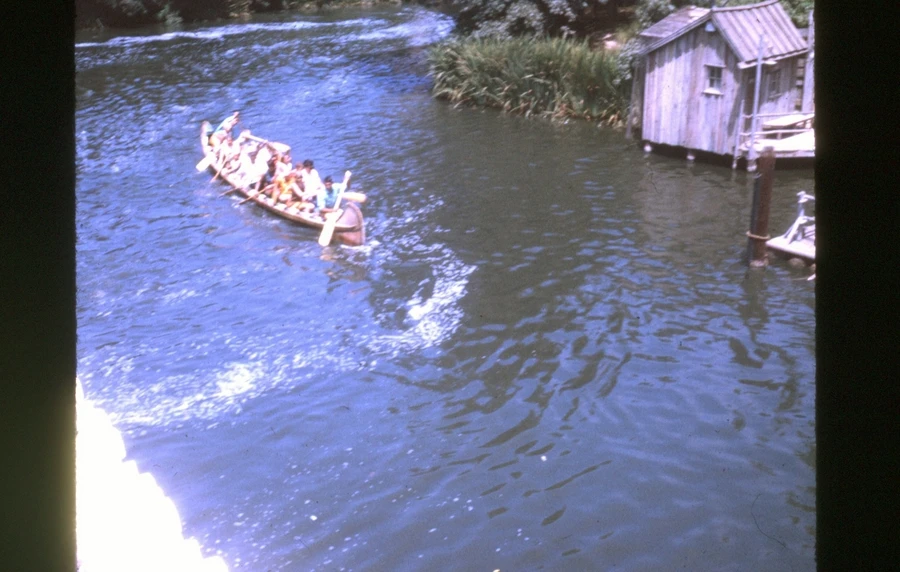
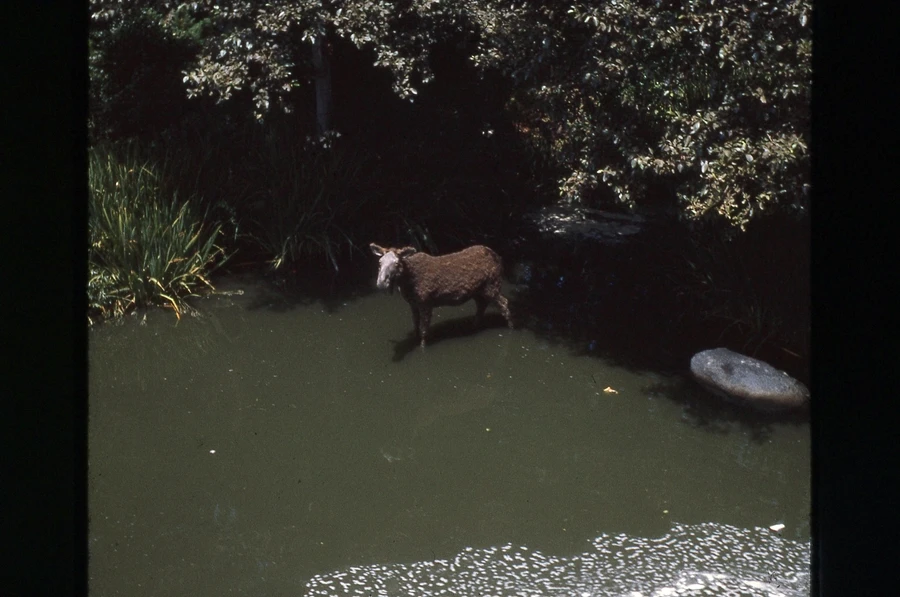
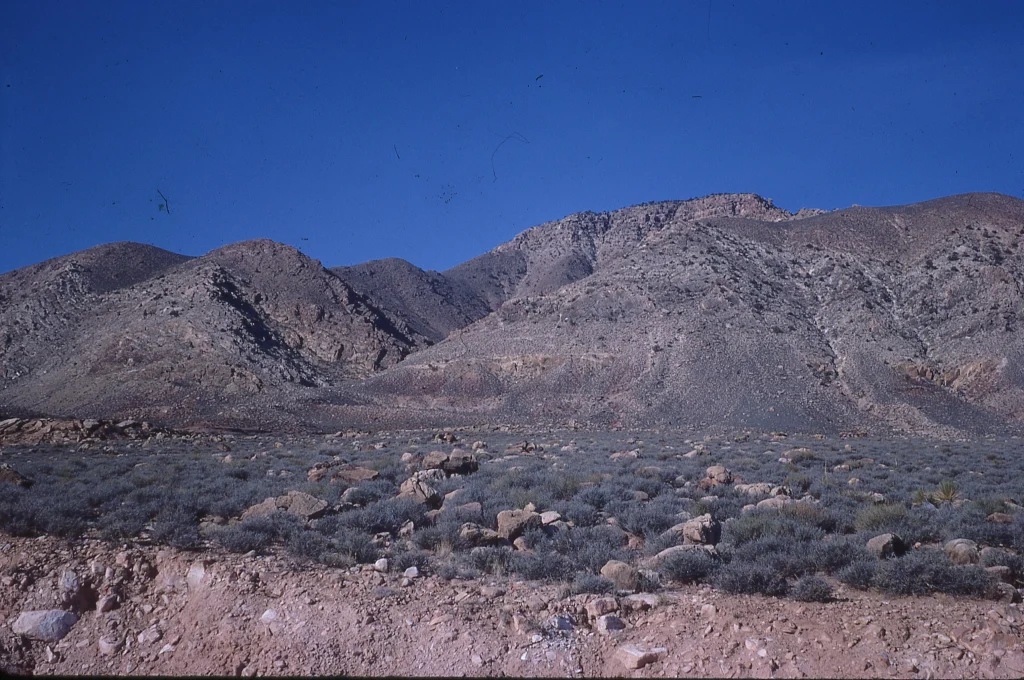
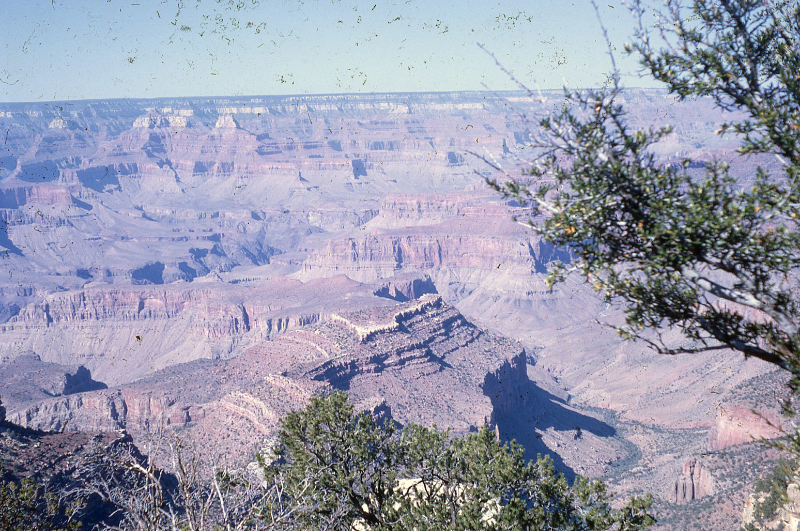
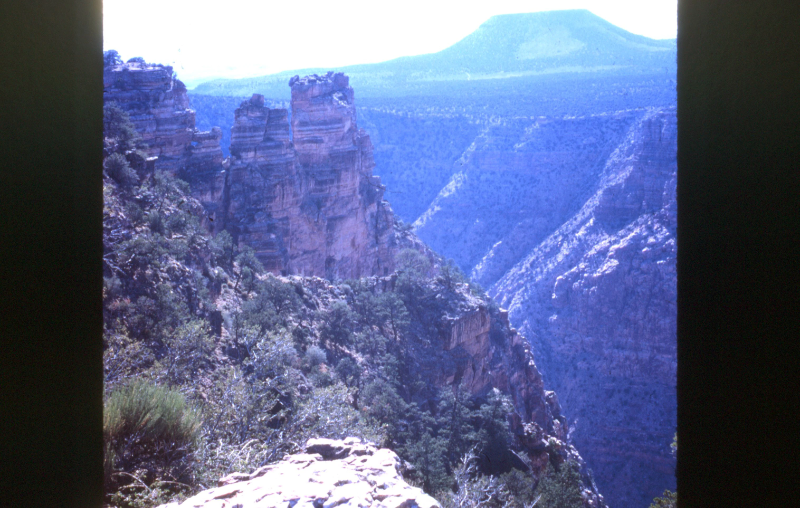
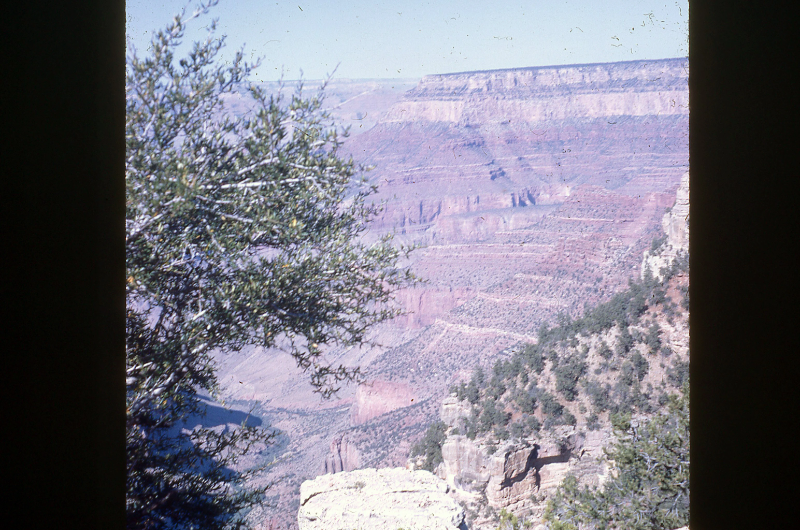
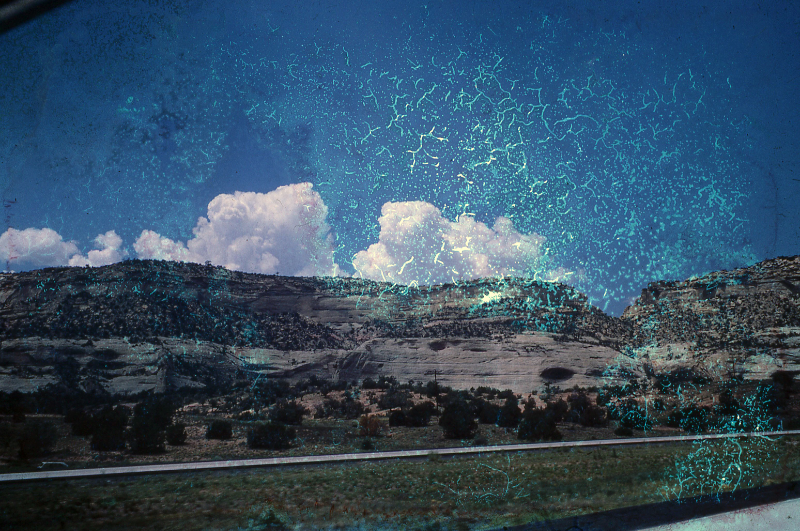
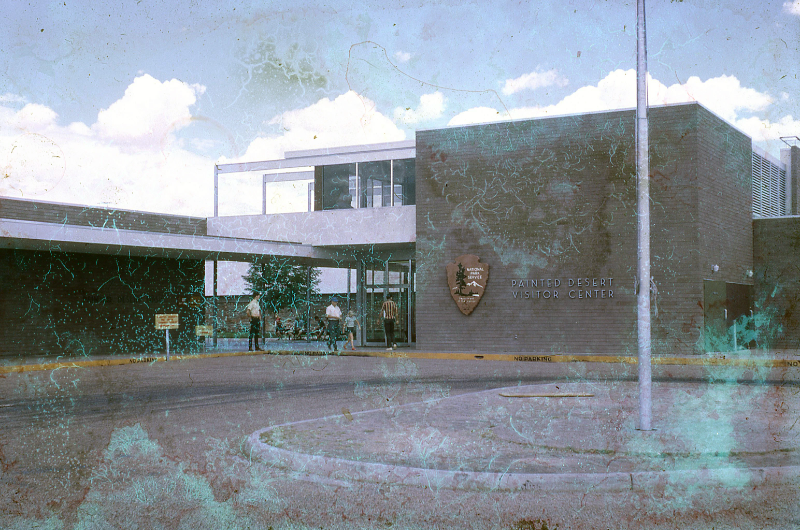
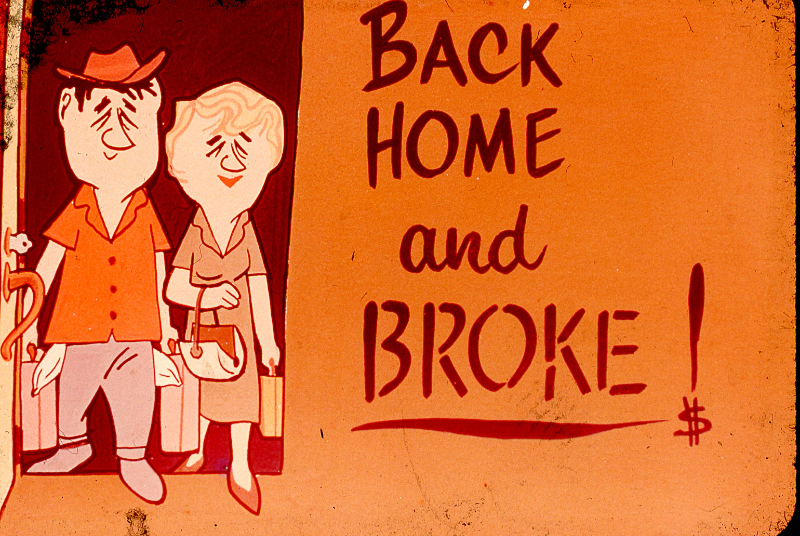
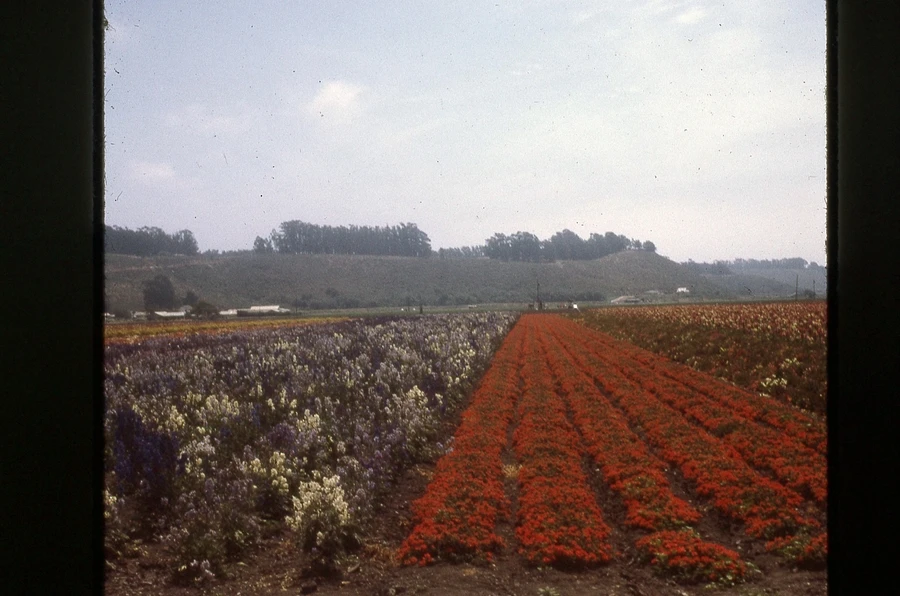
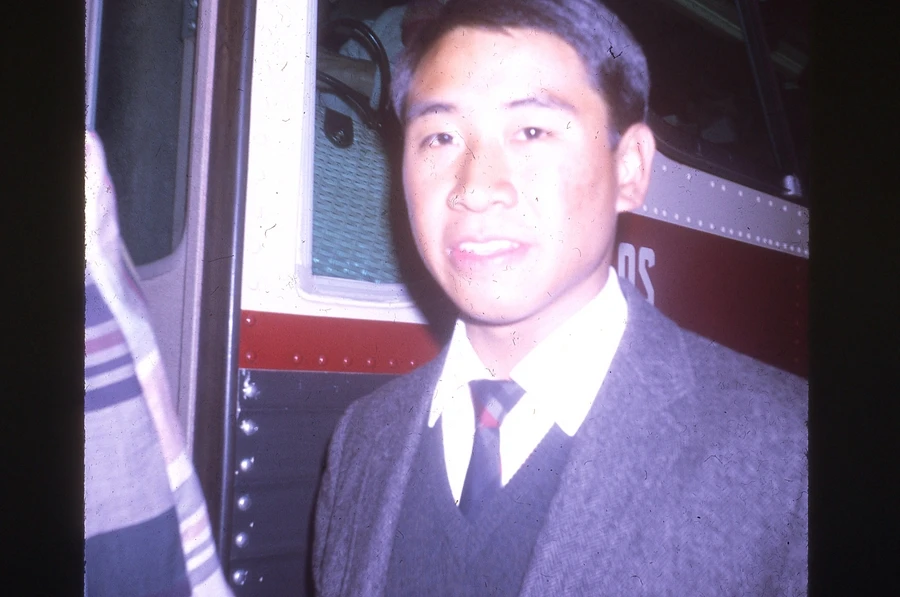
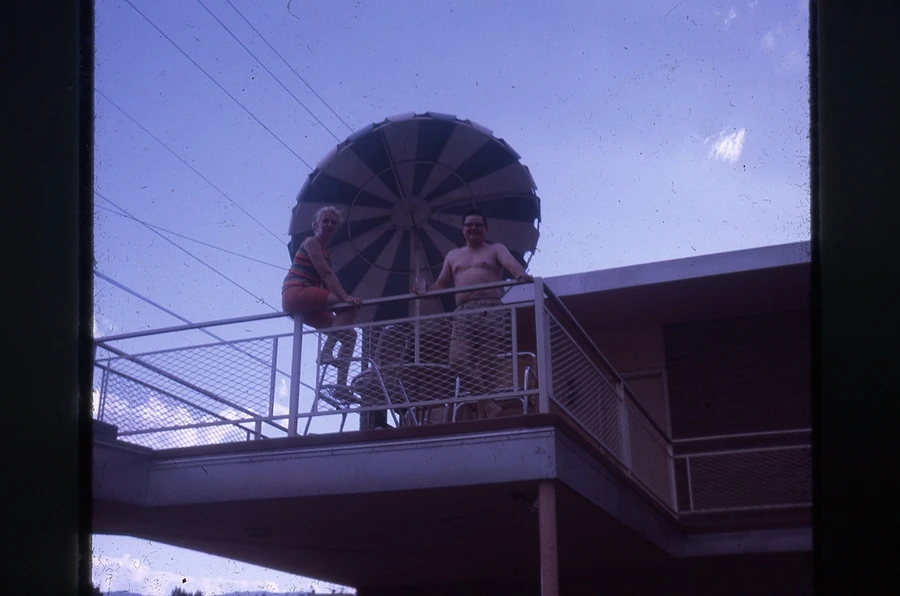
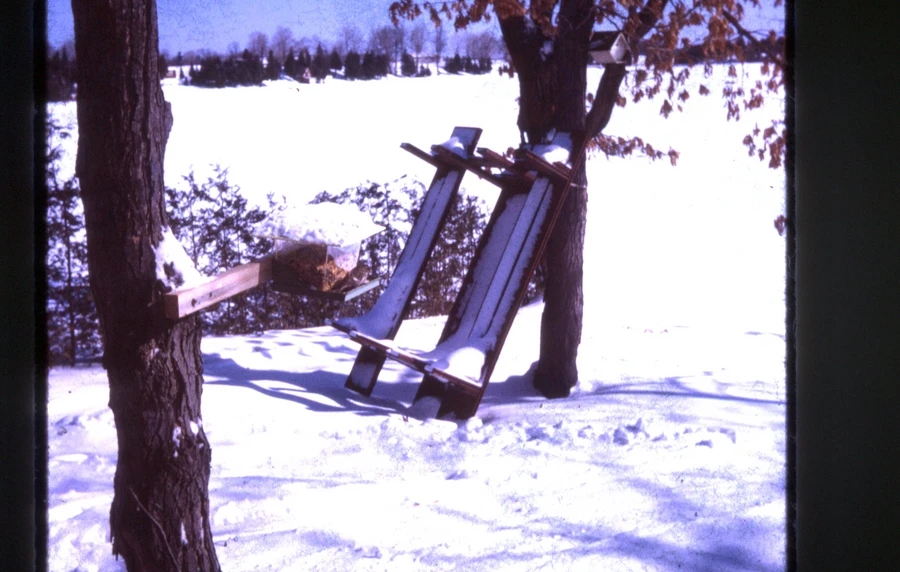
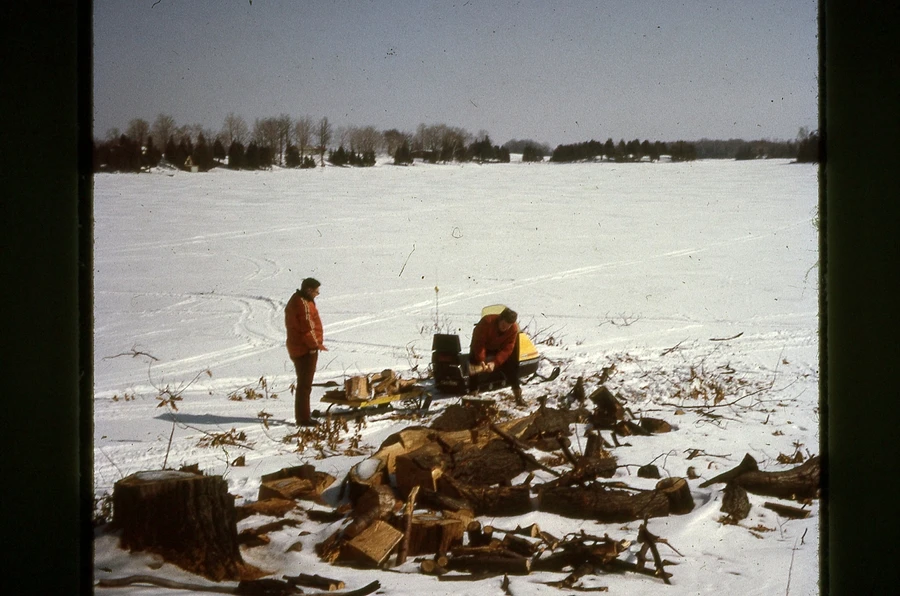
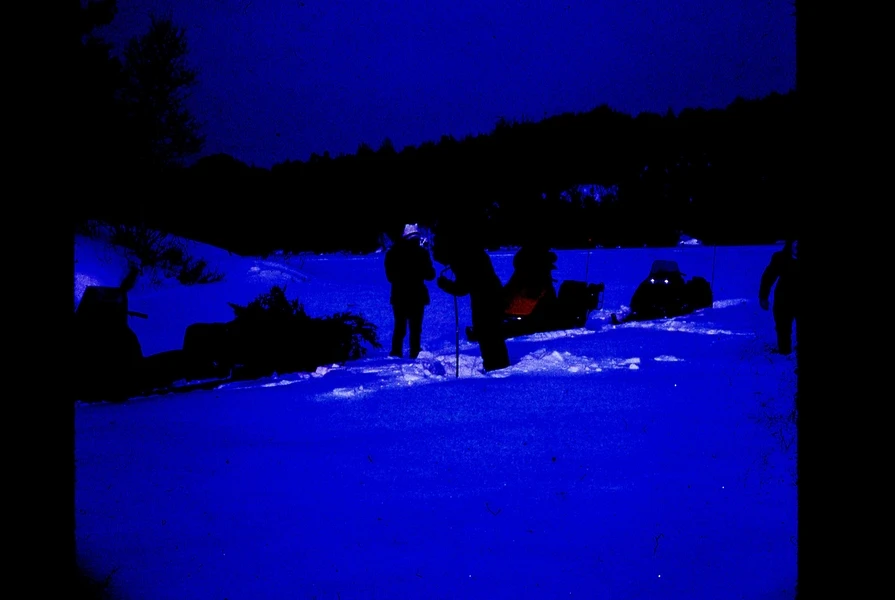
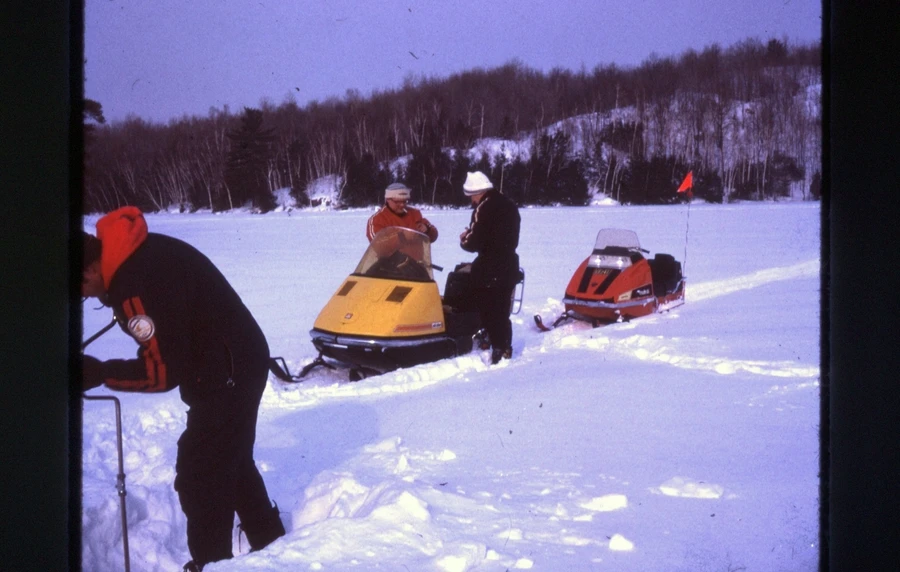
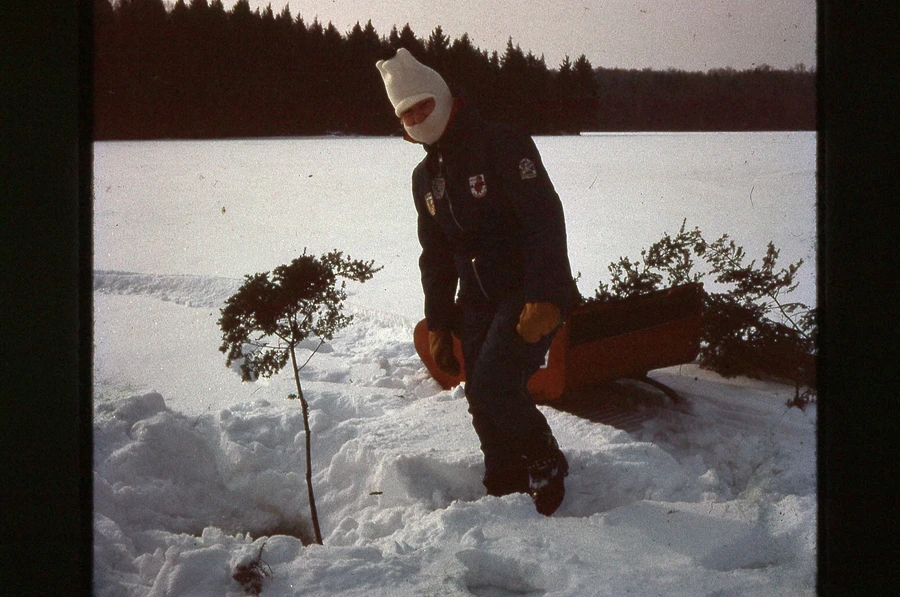
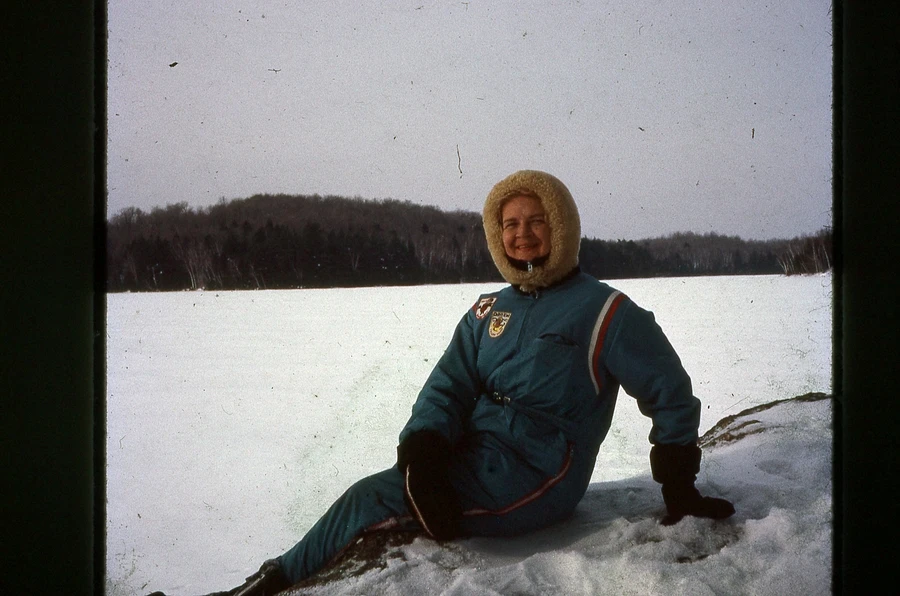
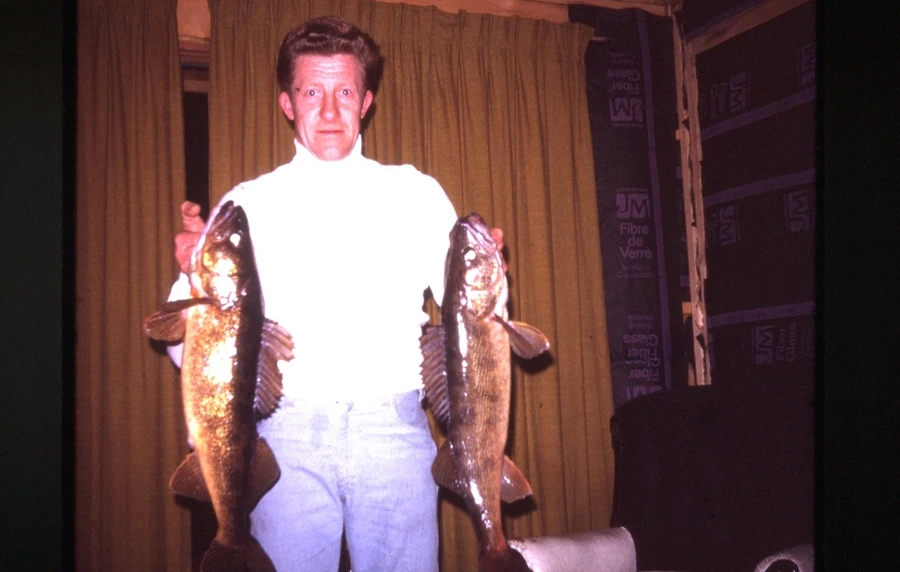
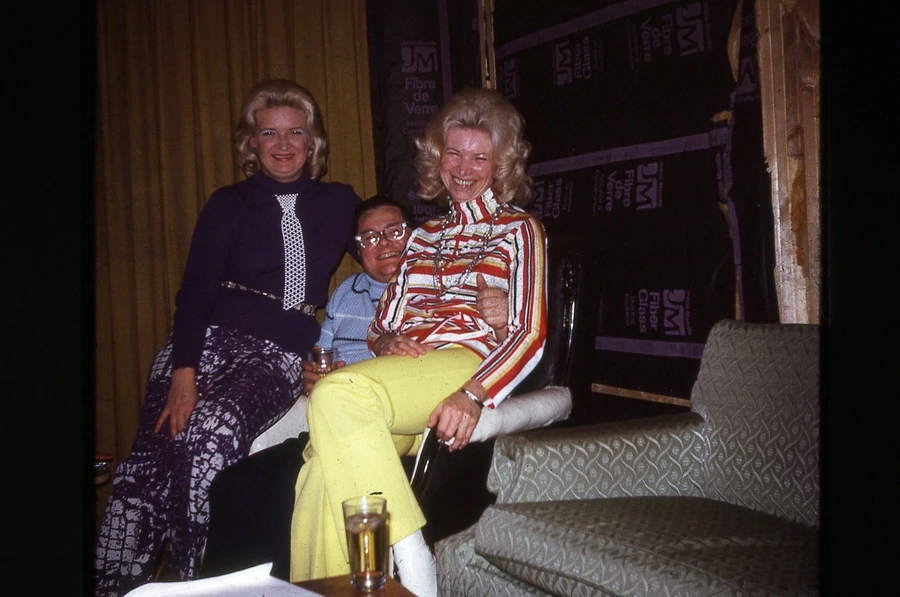
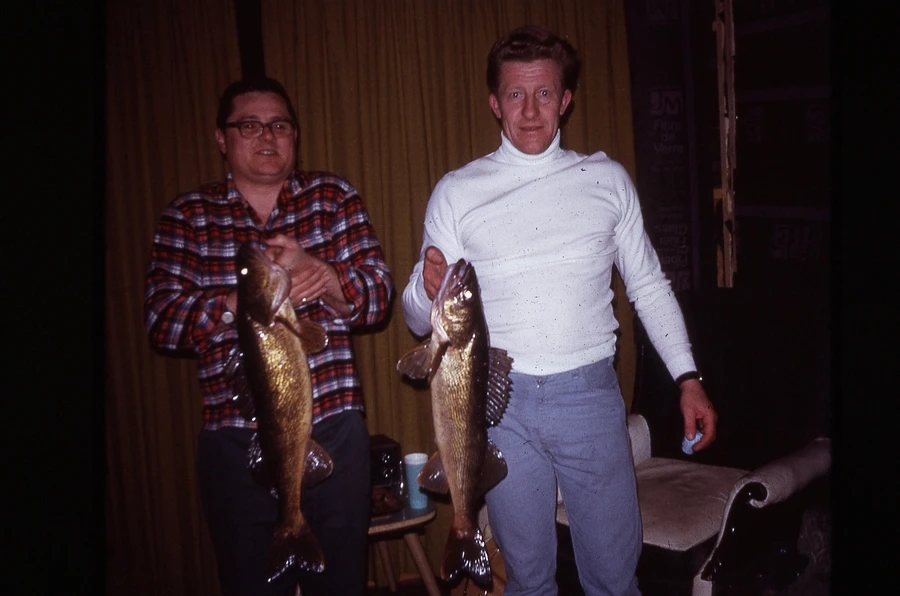
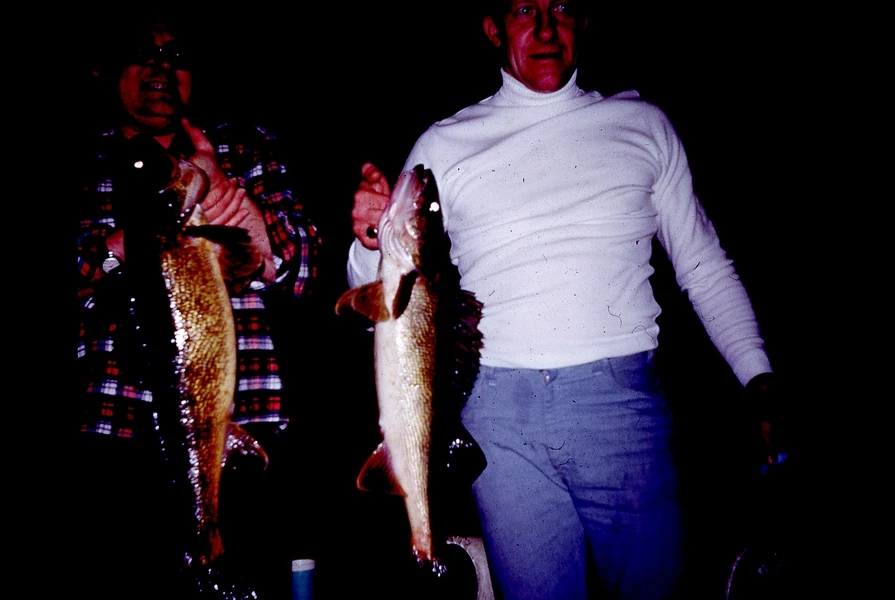
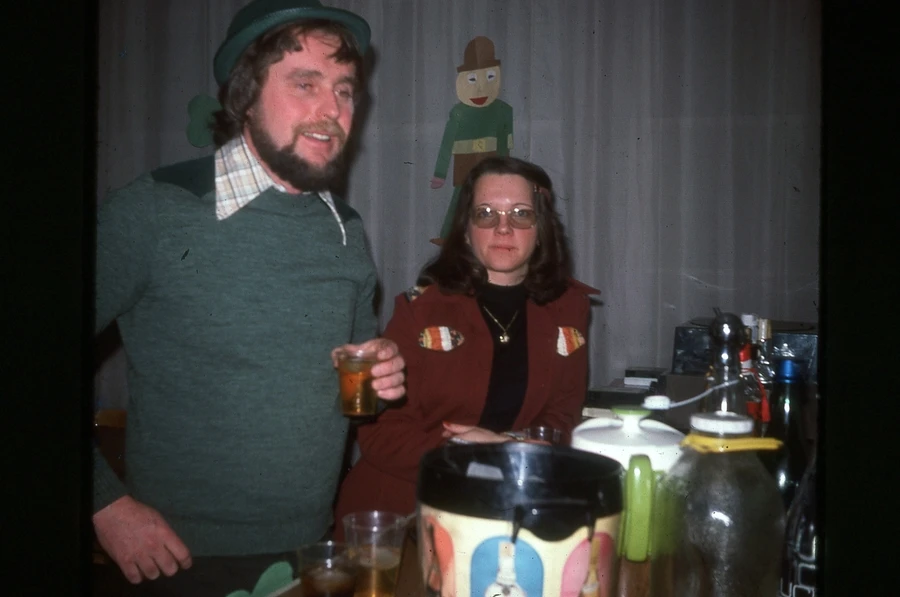
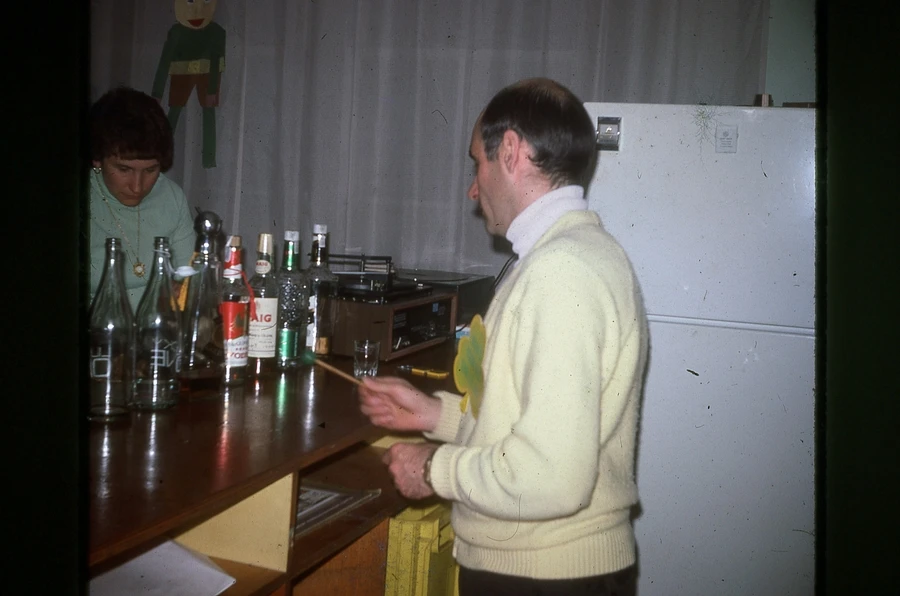
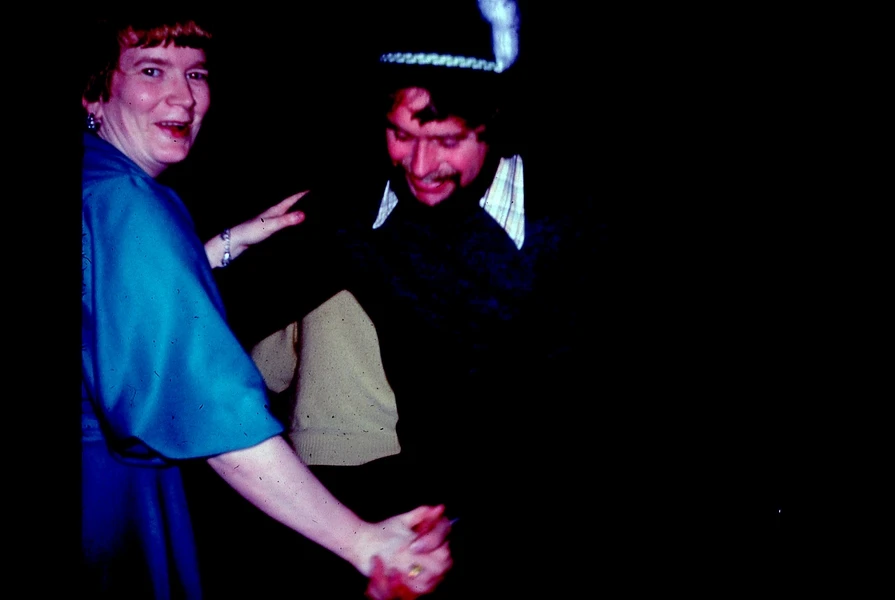
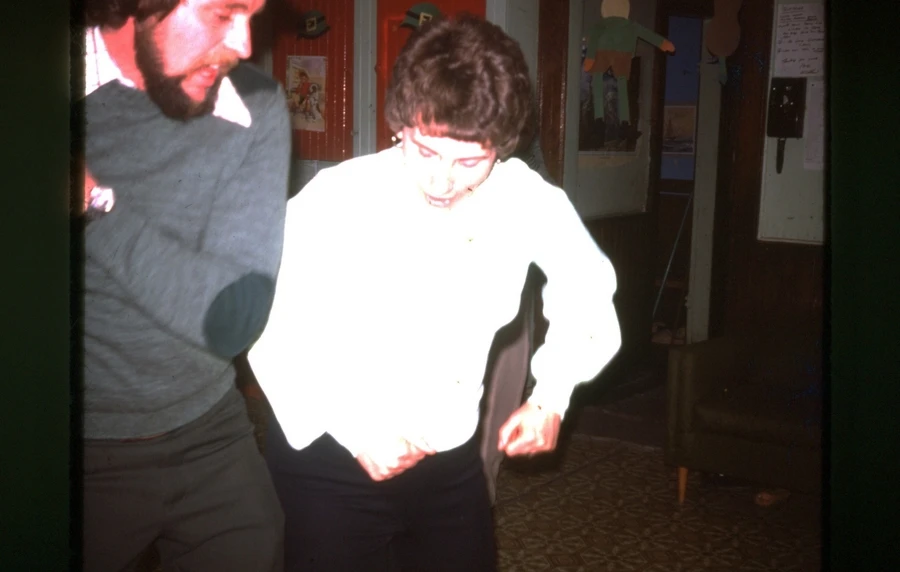
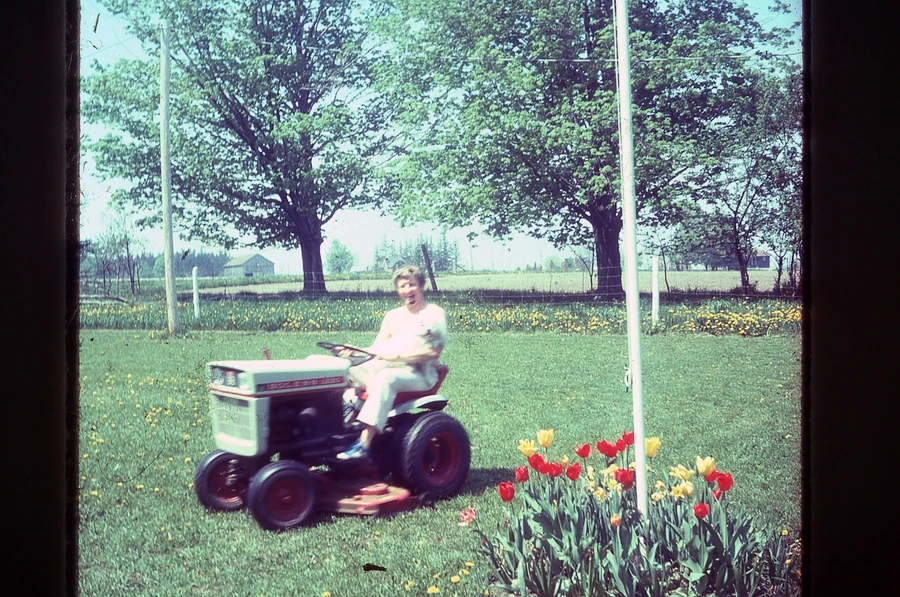
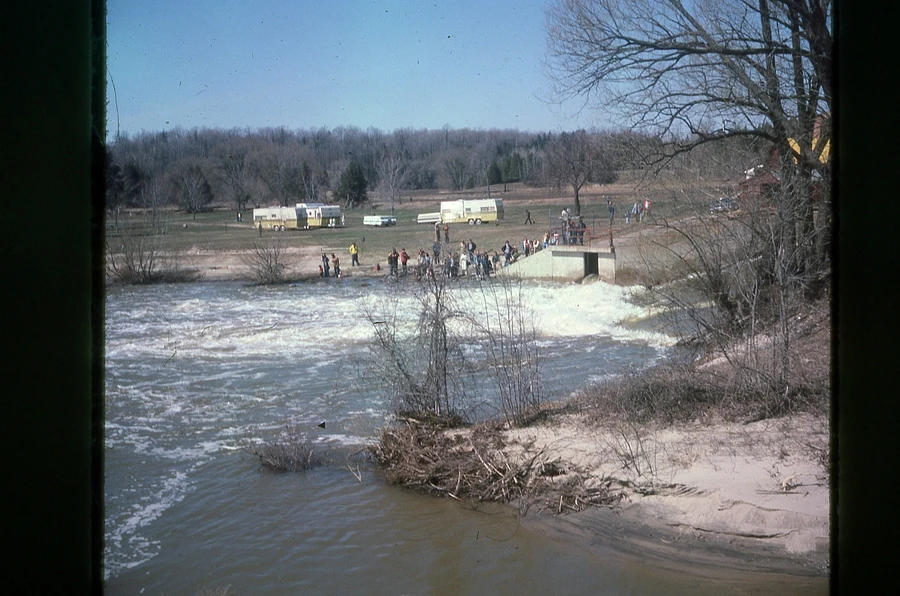
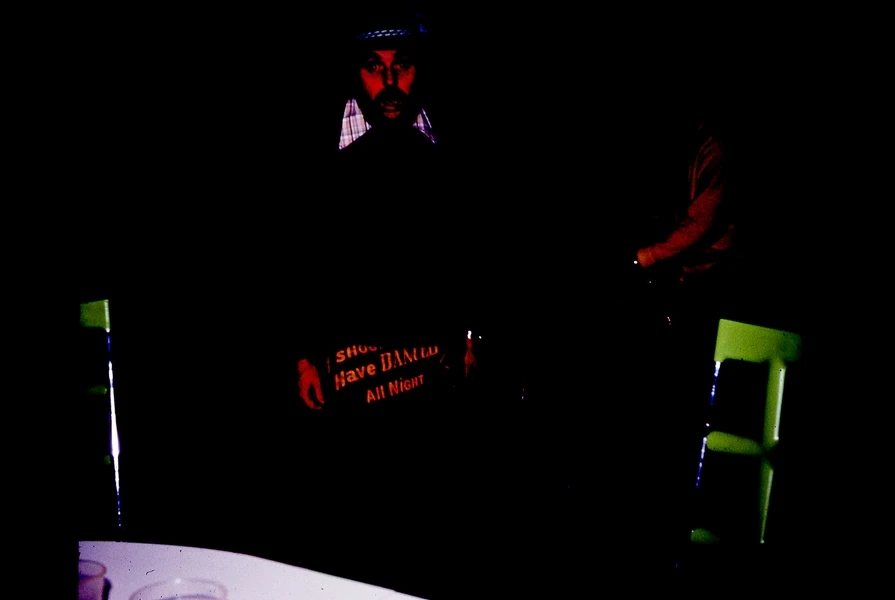
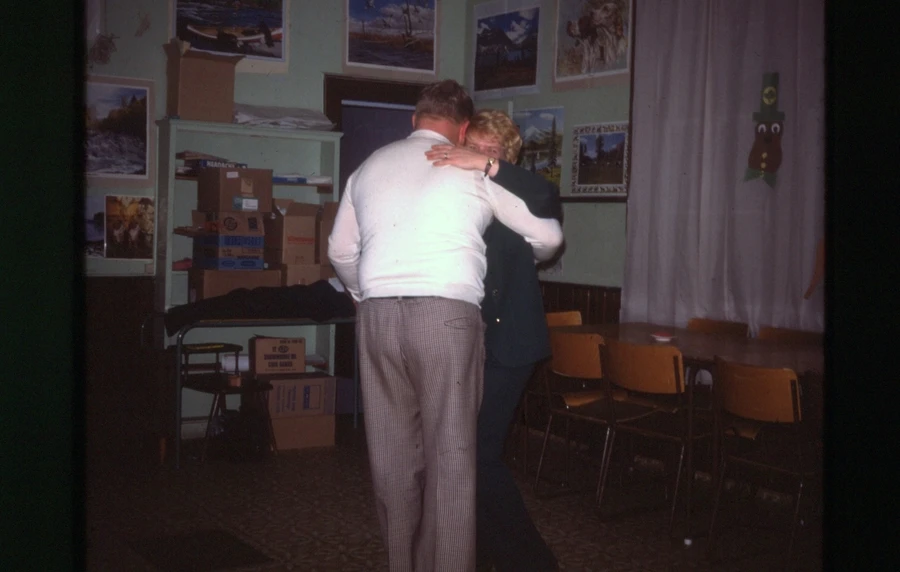
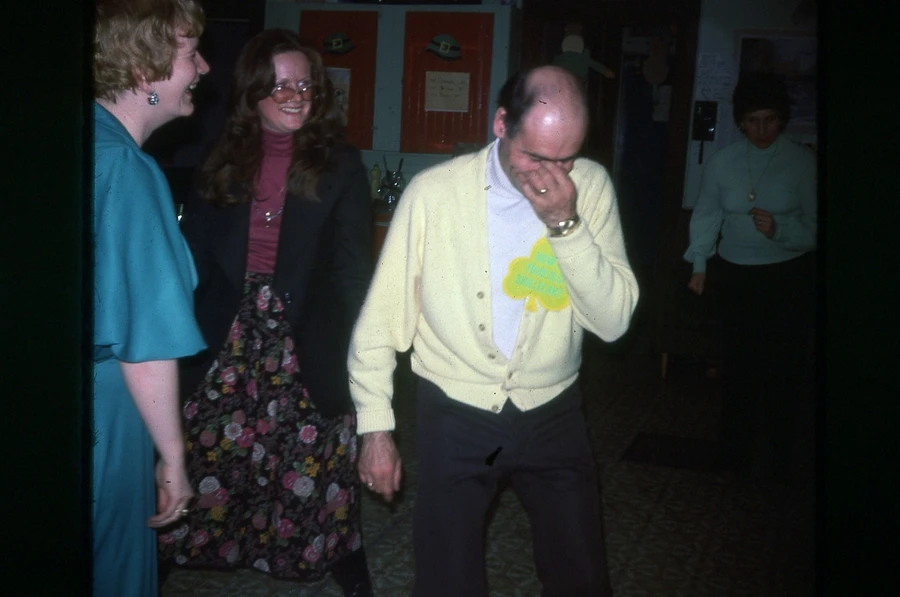
In another room, I found plastic containers filled with 35mm slides. The slides were from assorted years, including 1965, 1967, and 1972. It was at this point that I had an idea. These slides had probably not been seen since the 1980s. For at least 40 years, these slides may have sat forgotten on a shelf in the house. Their most likely destination would be a landfill at the time the house was demolished.

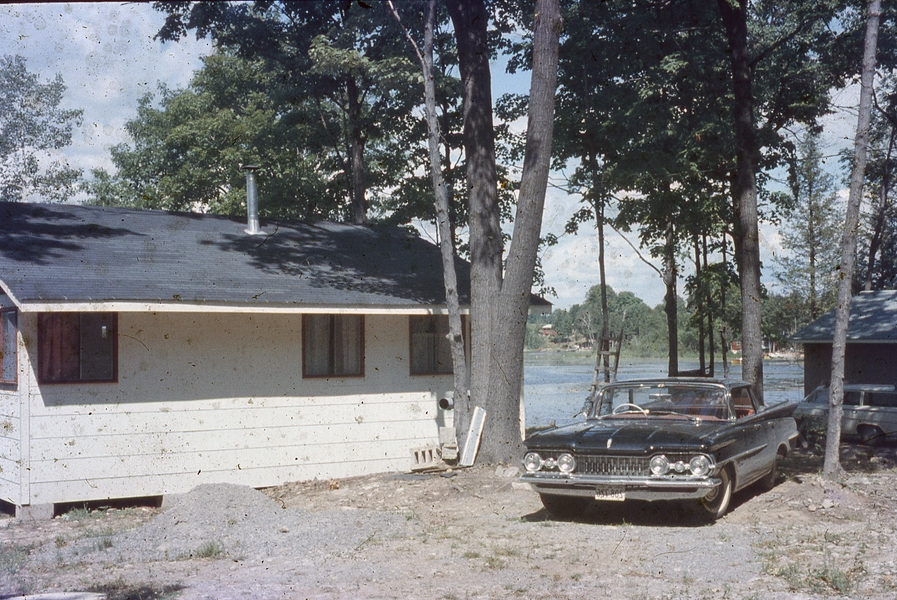
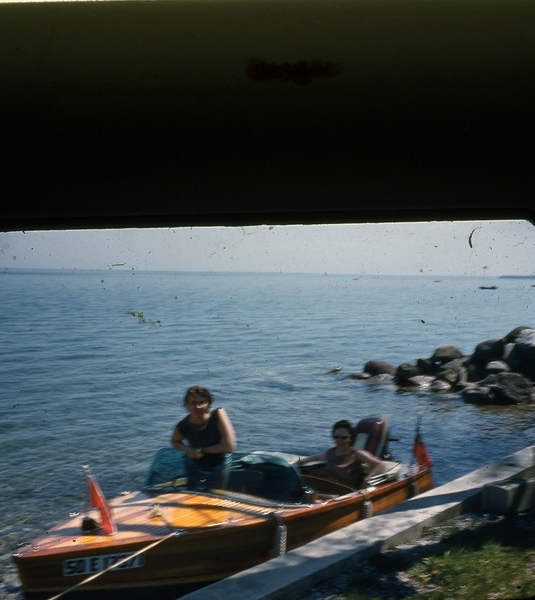
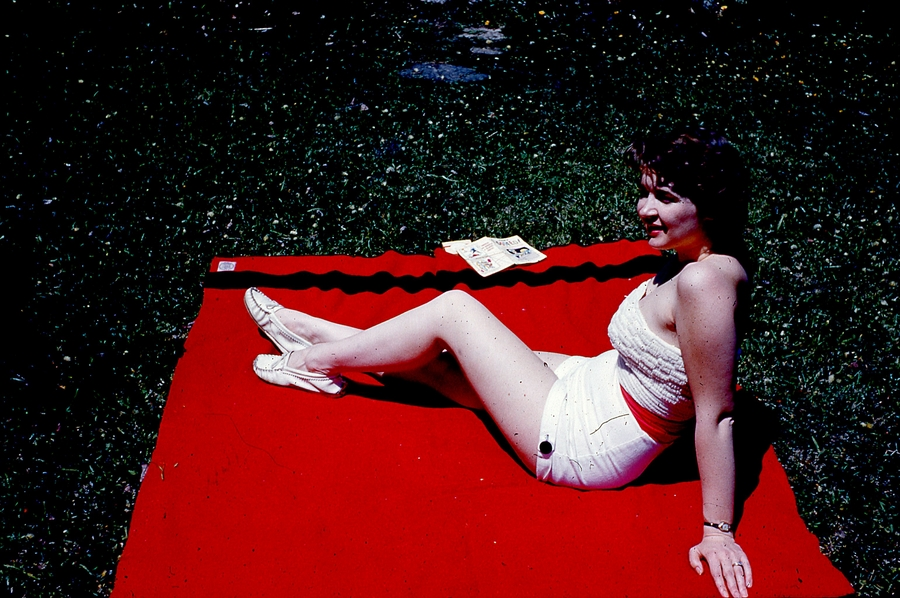
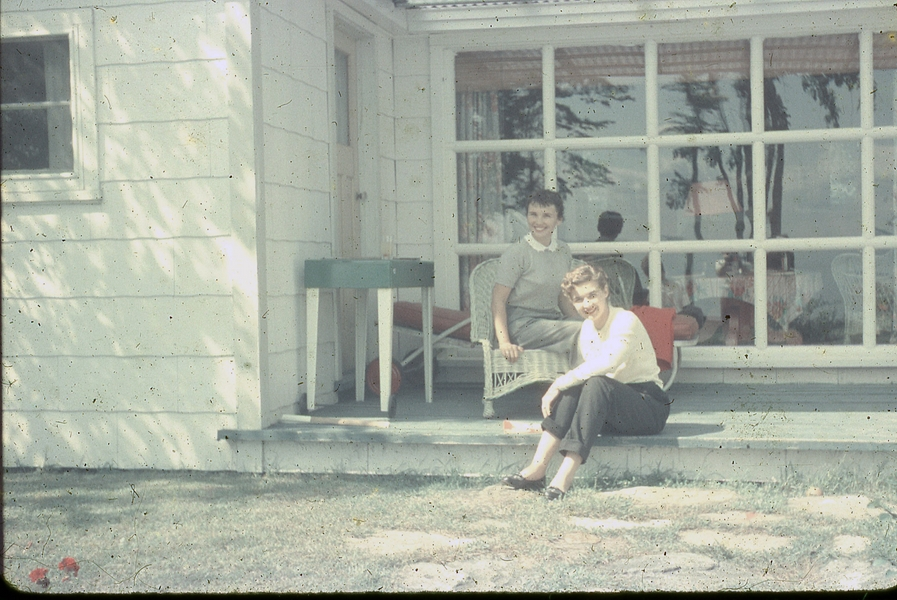
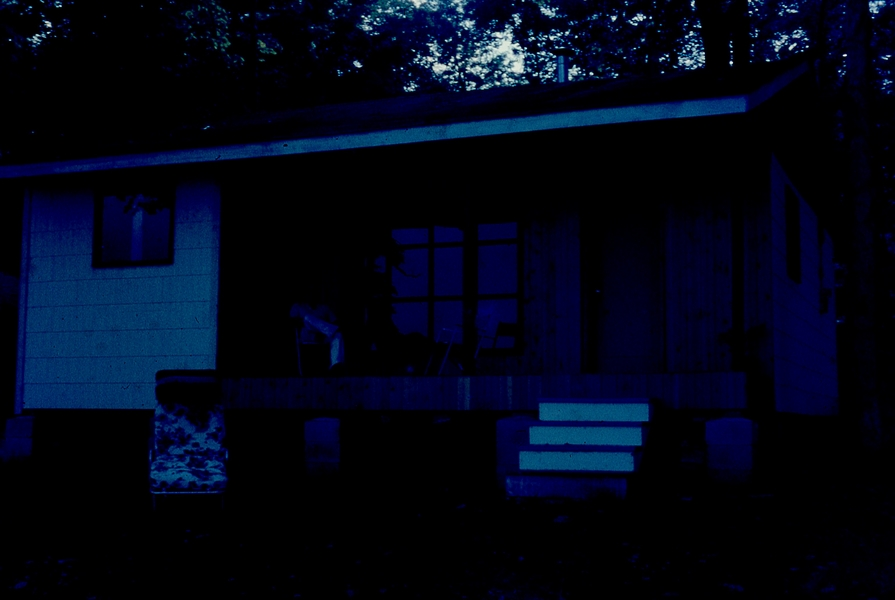
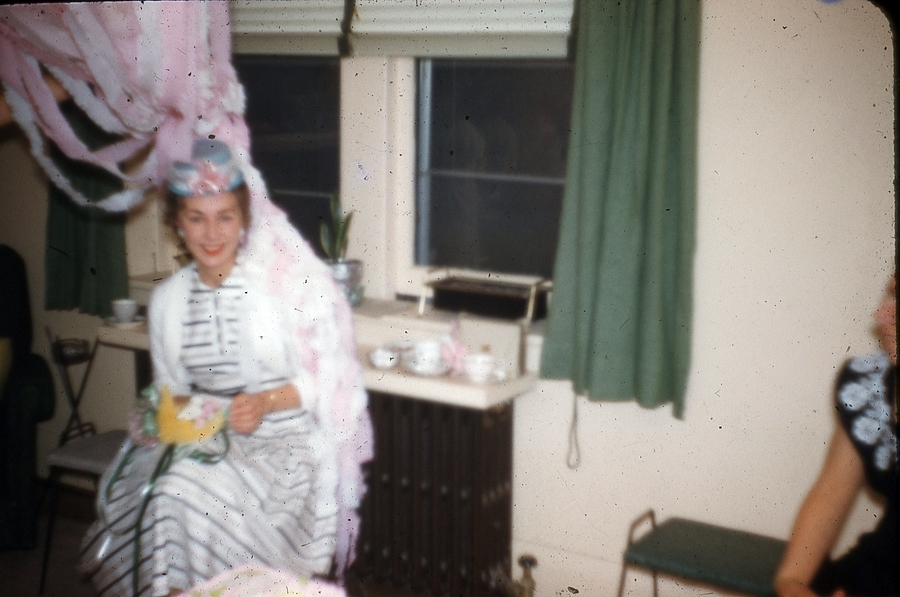
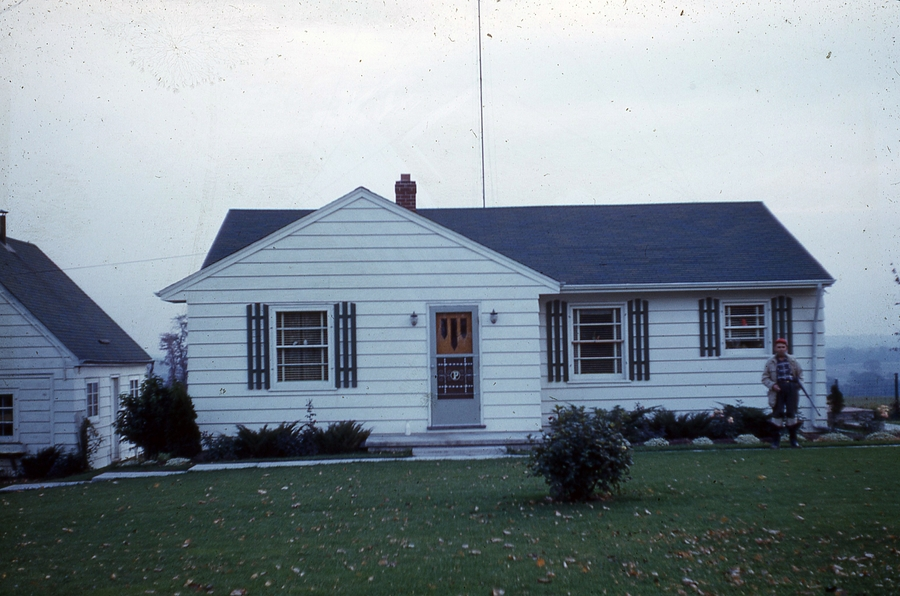
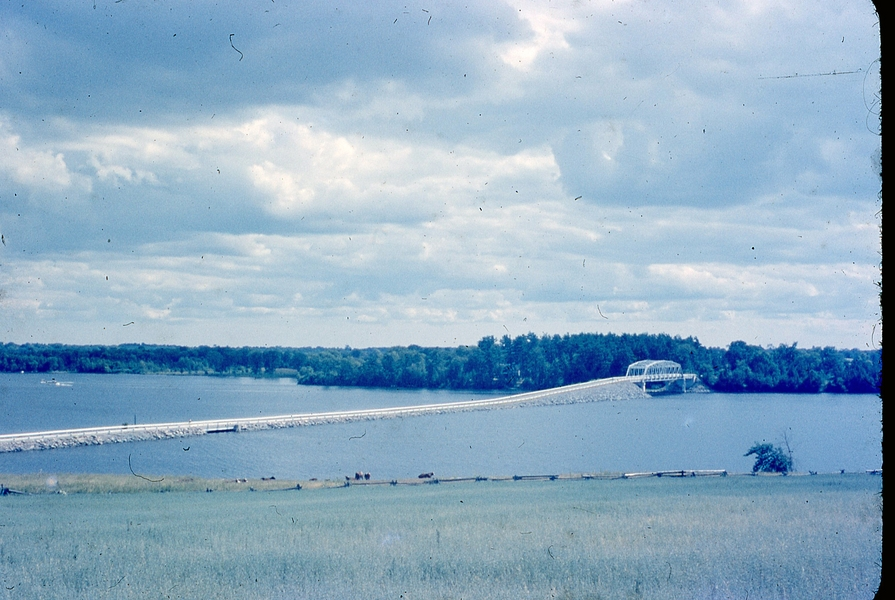
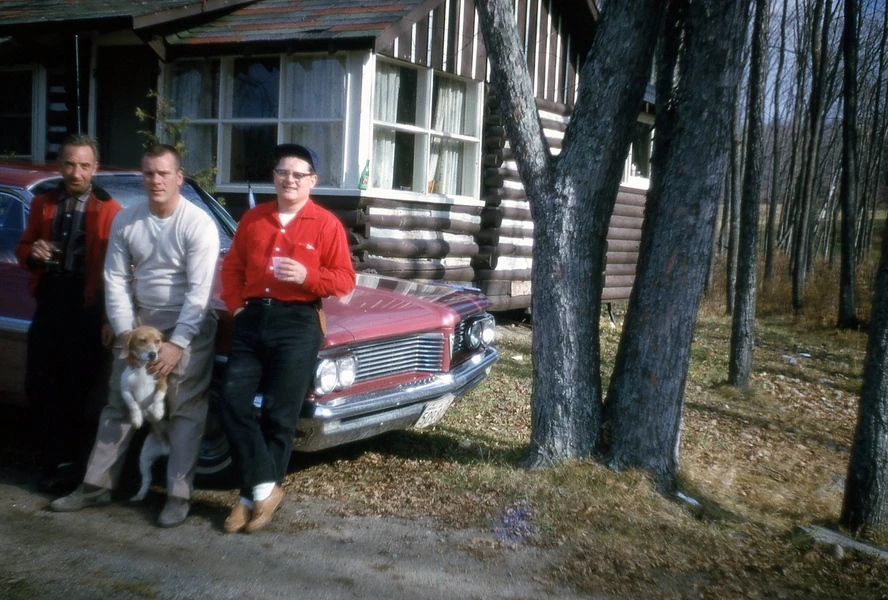
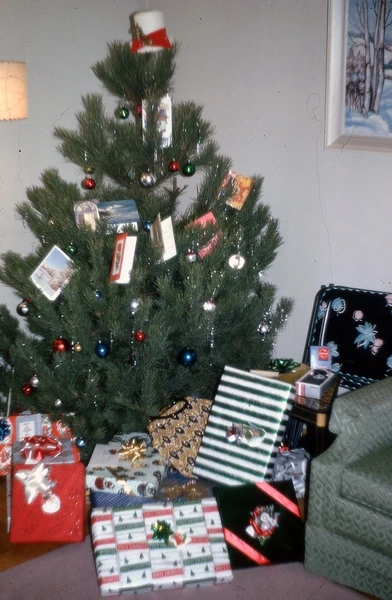
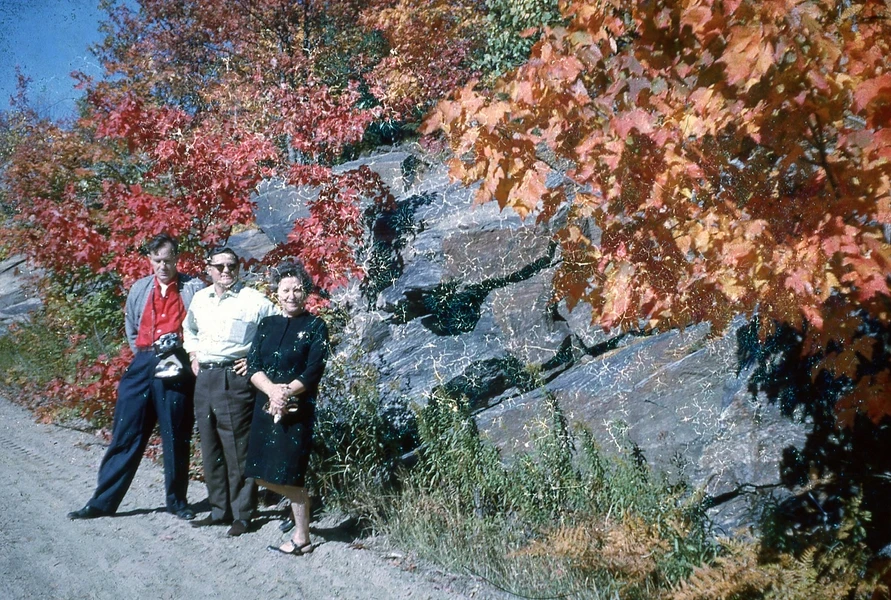
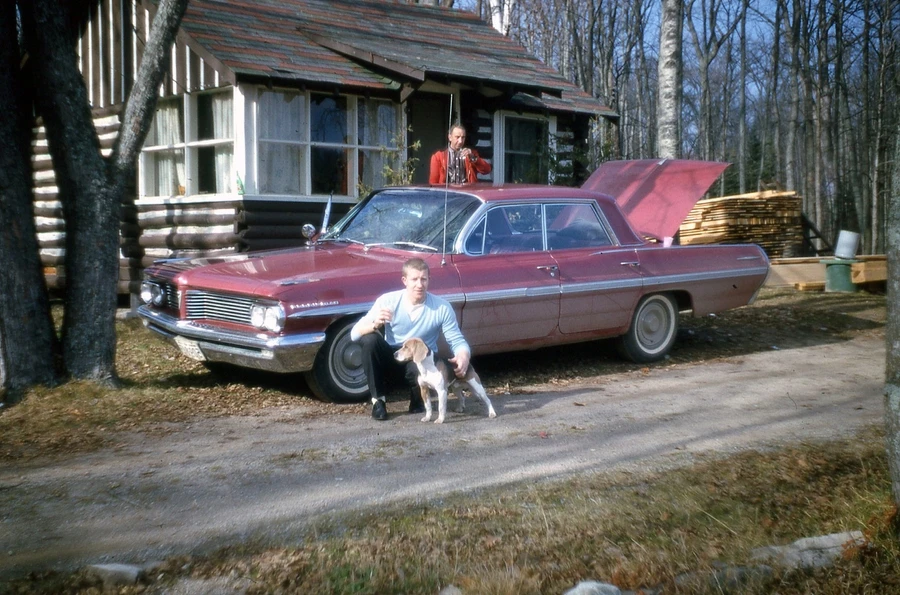
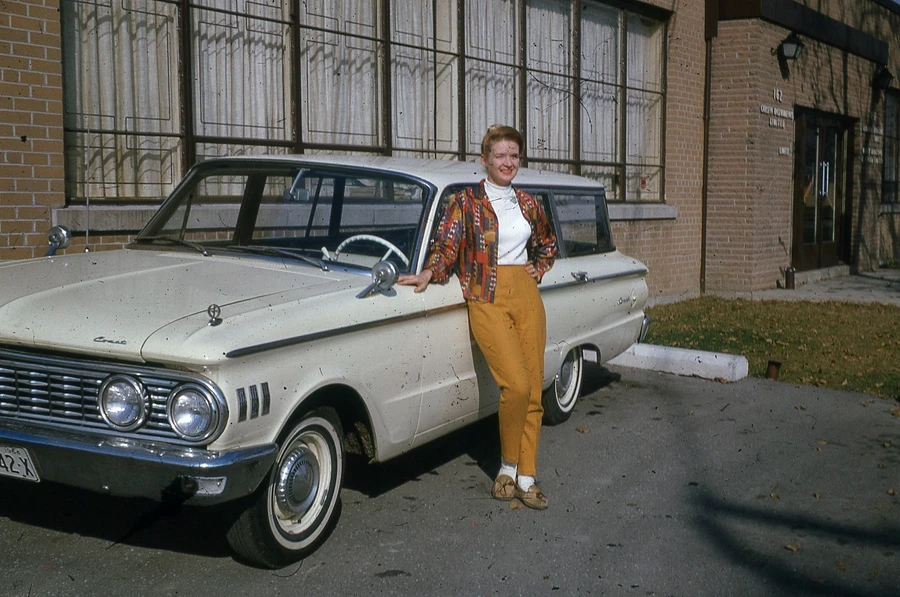
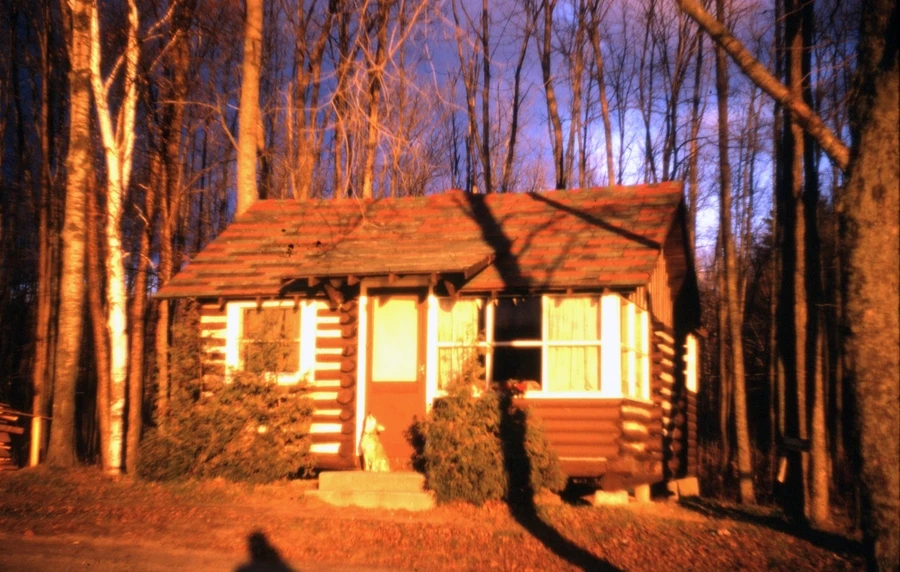
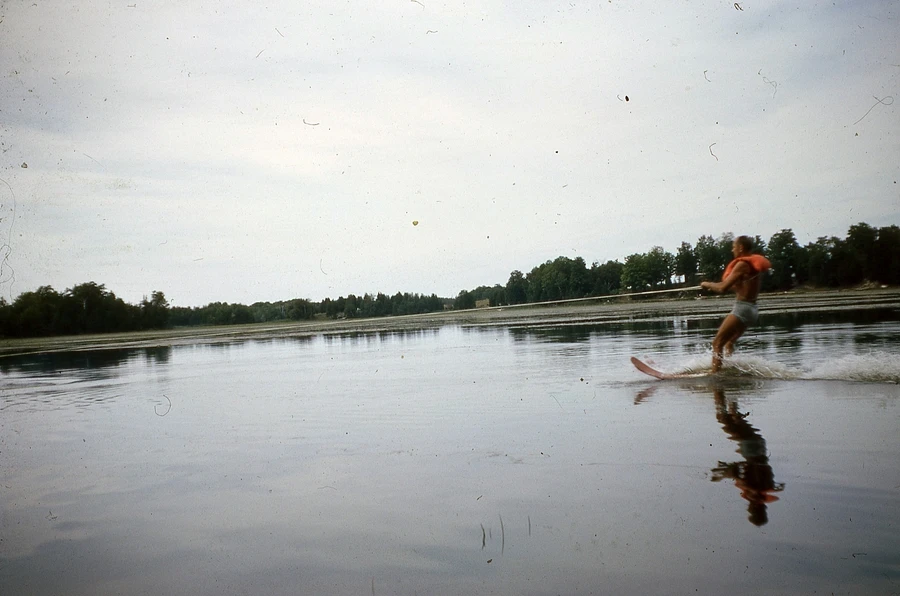
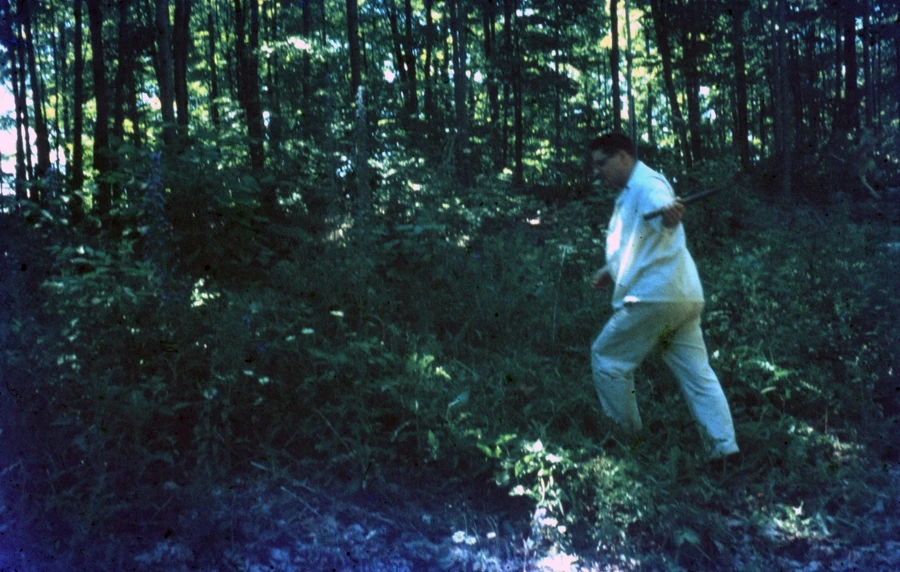
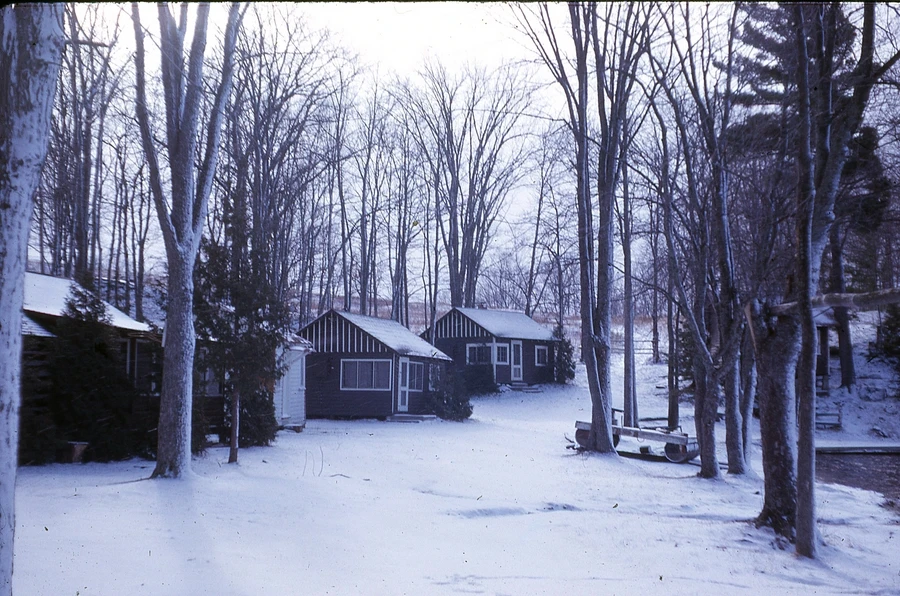
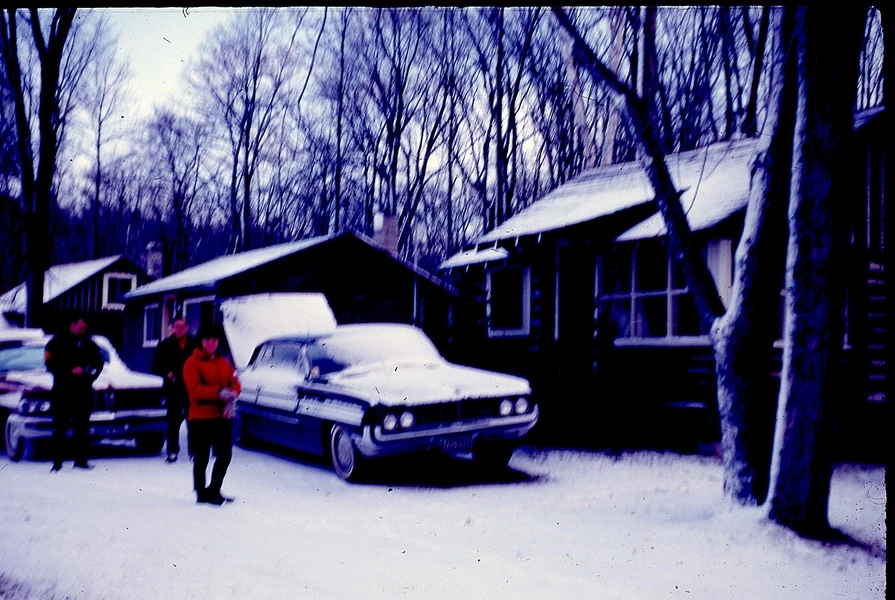
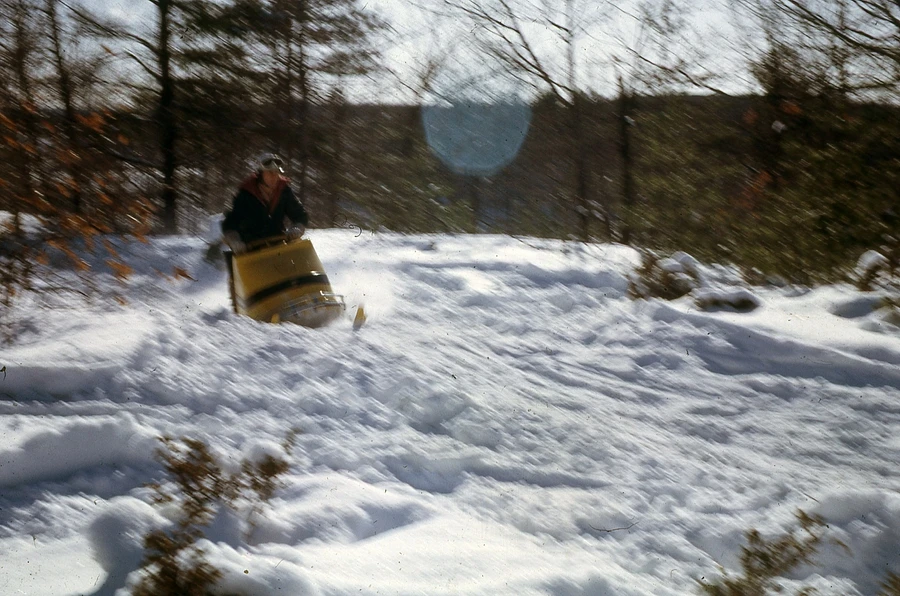
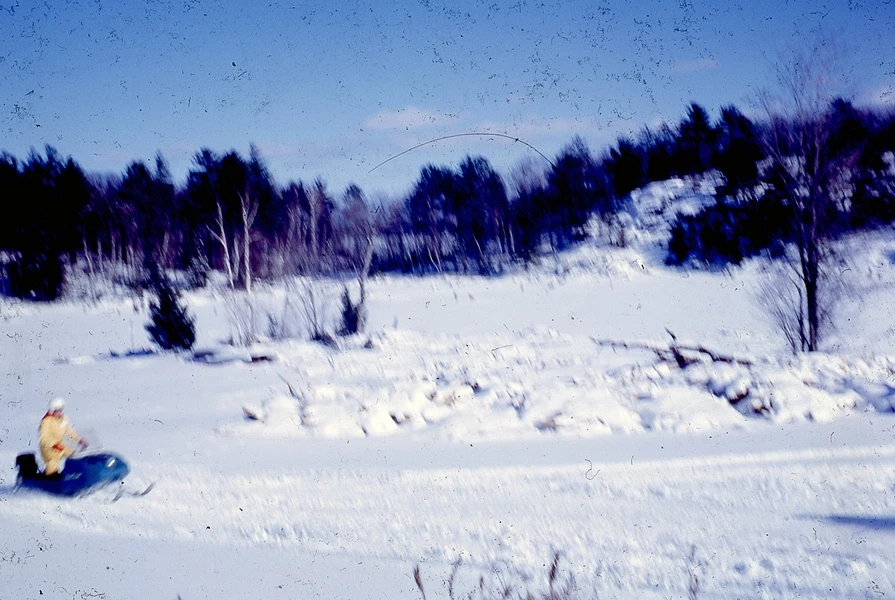
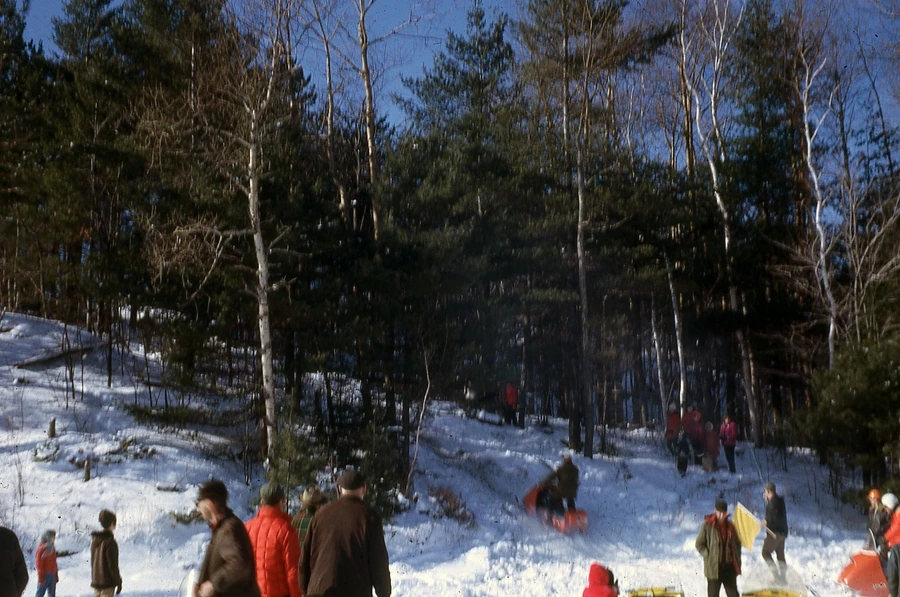
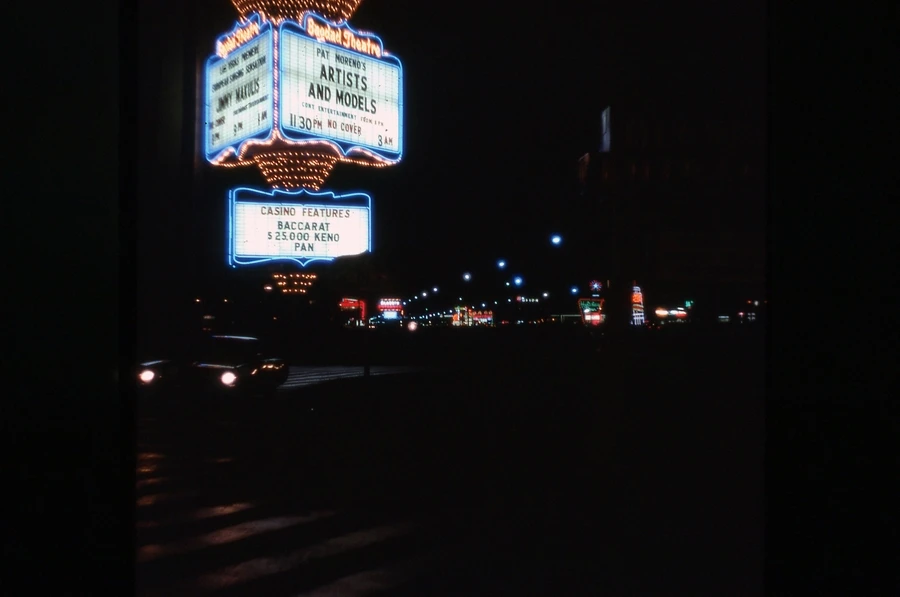
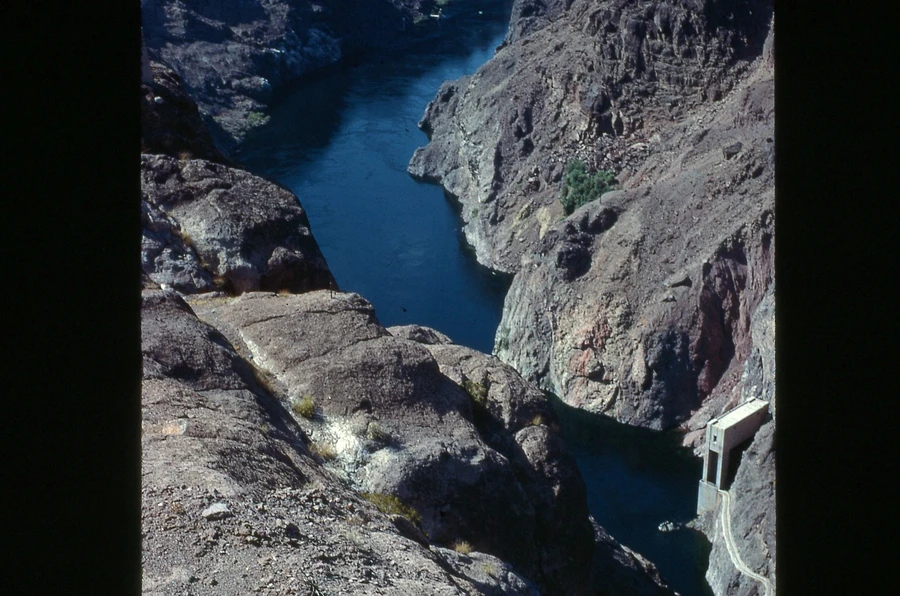
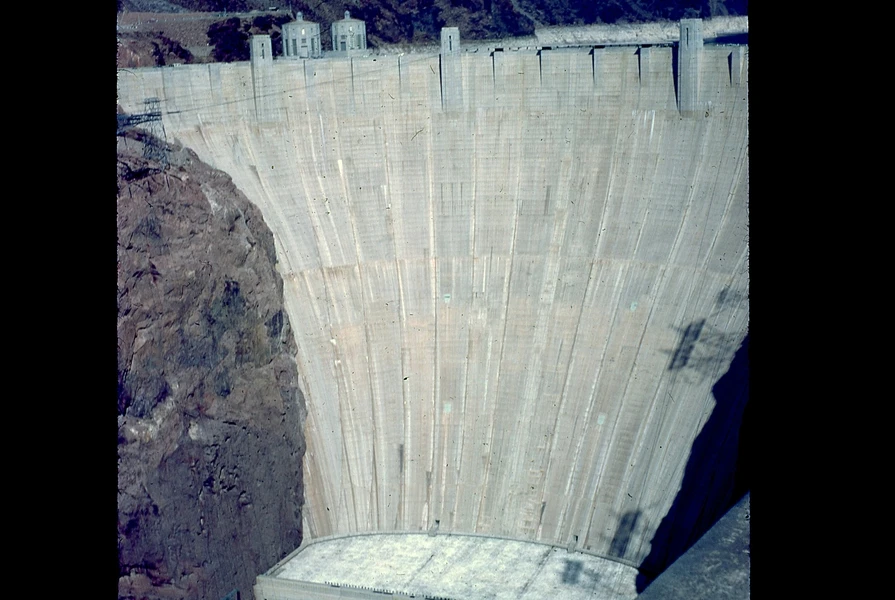
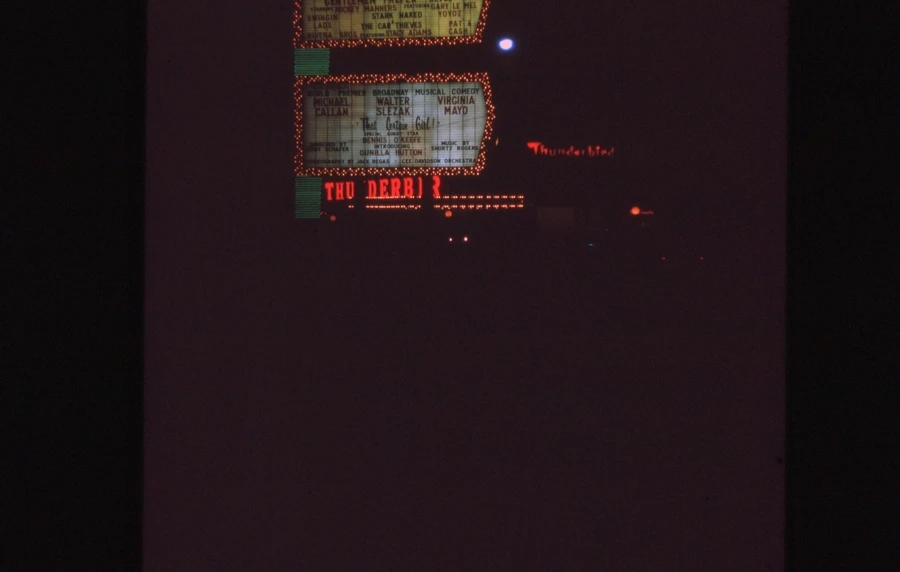
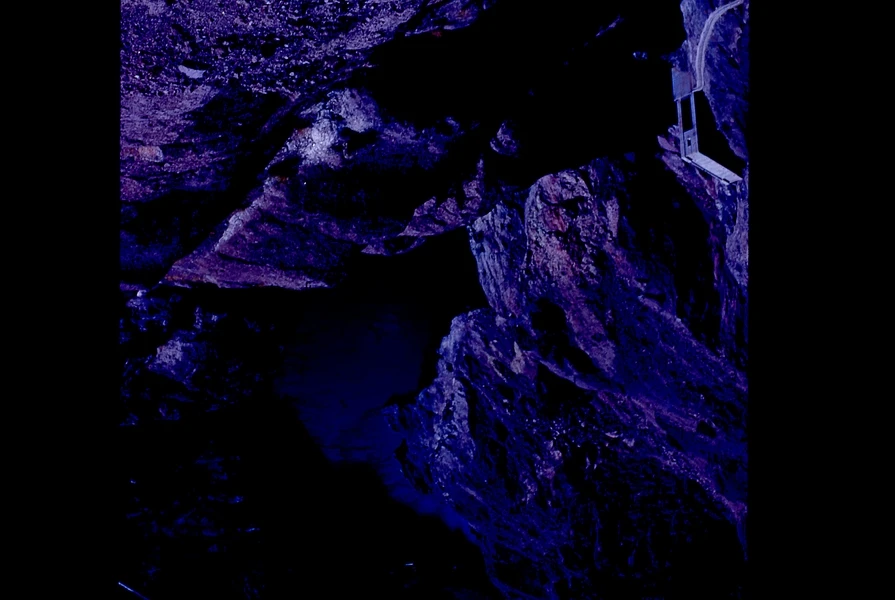
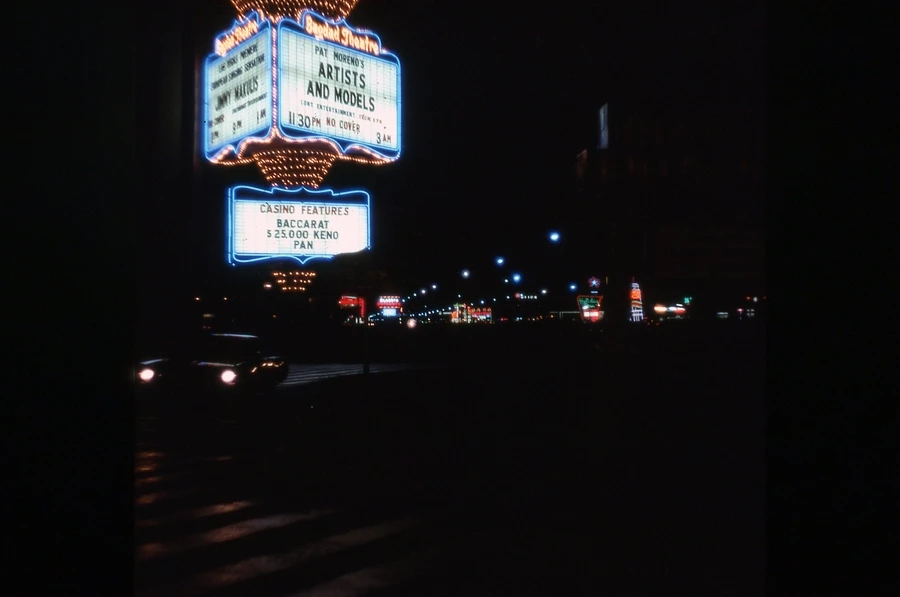
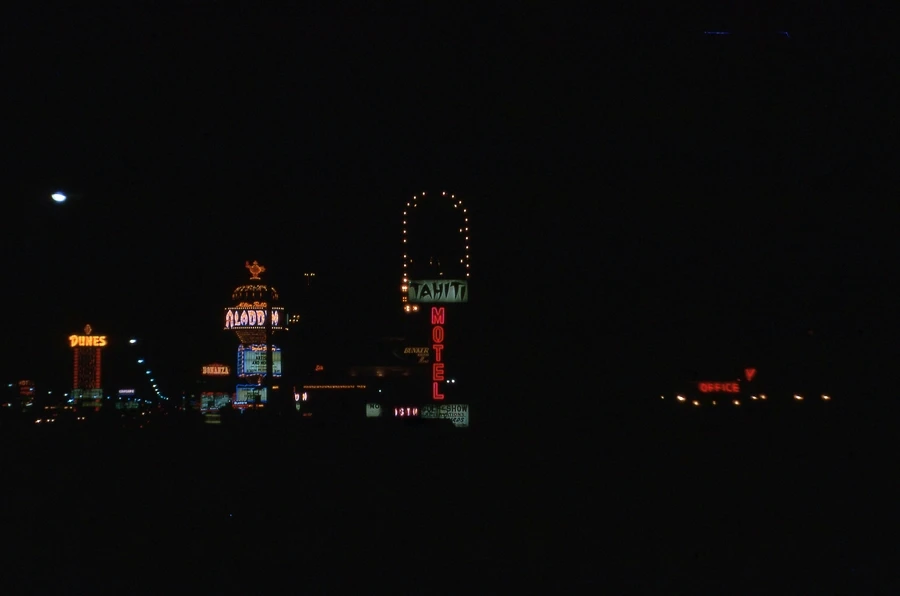
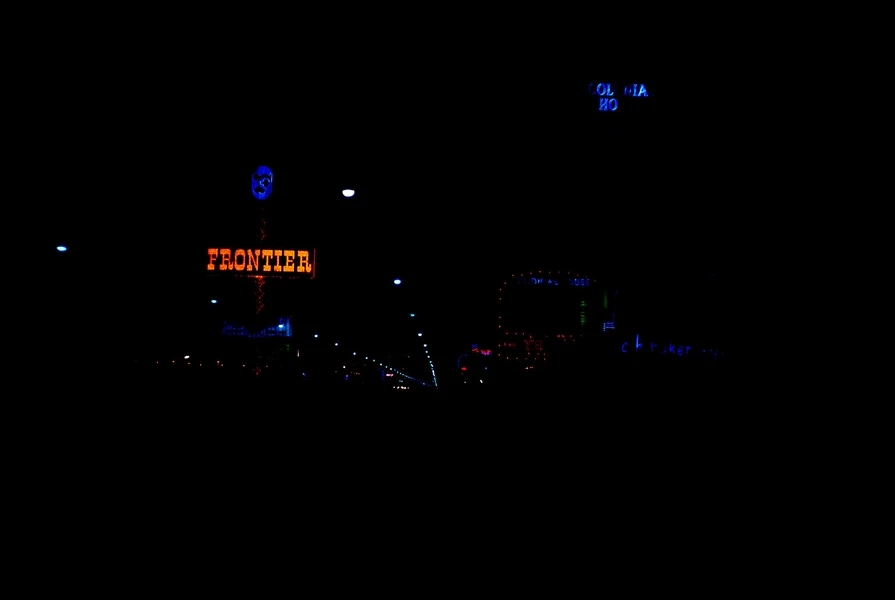
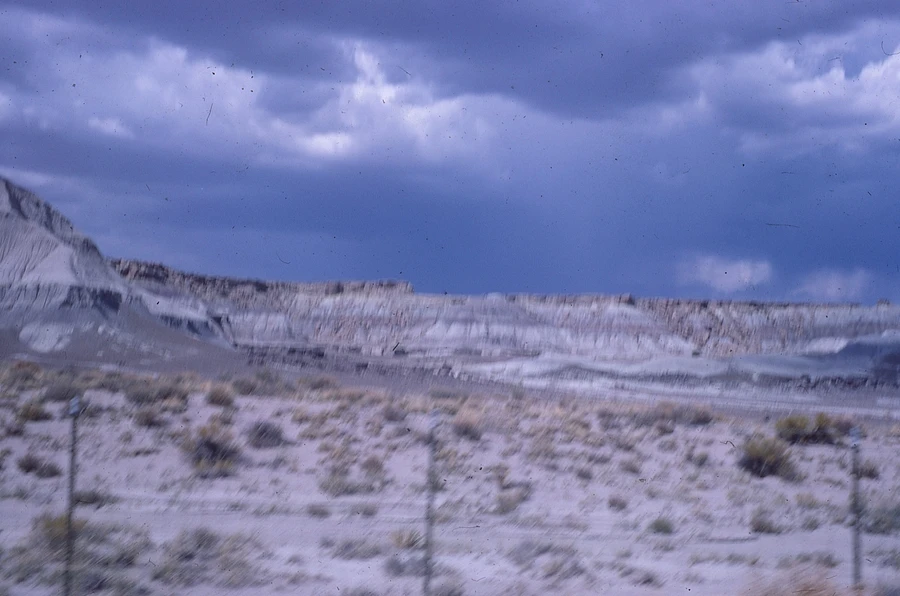
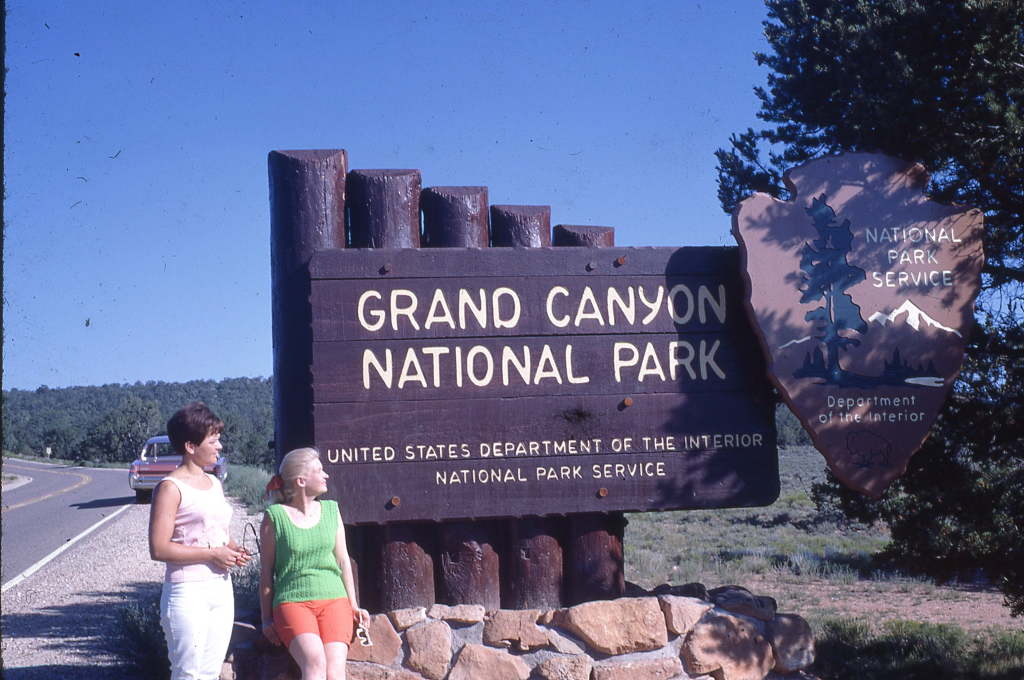
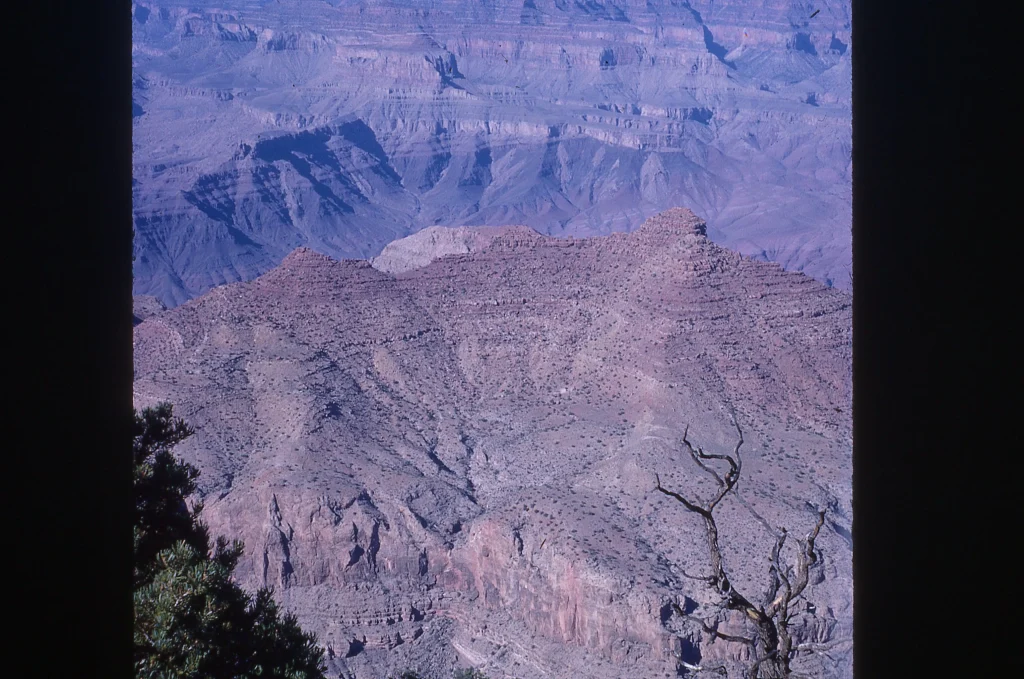
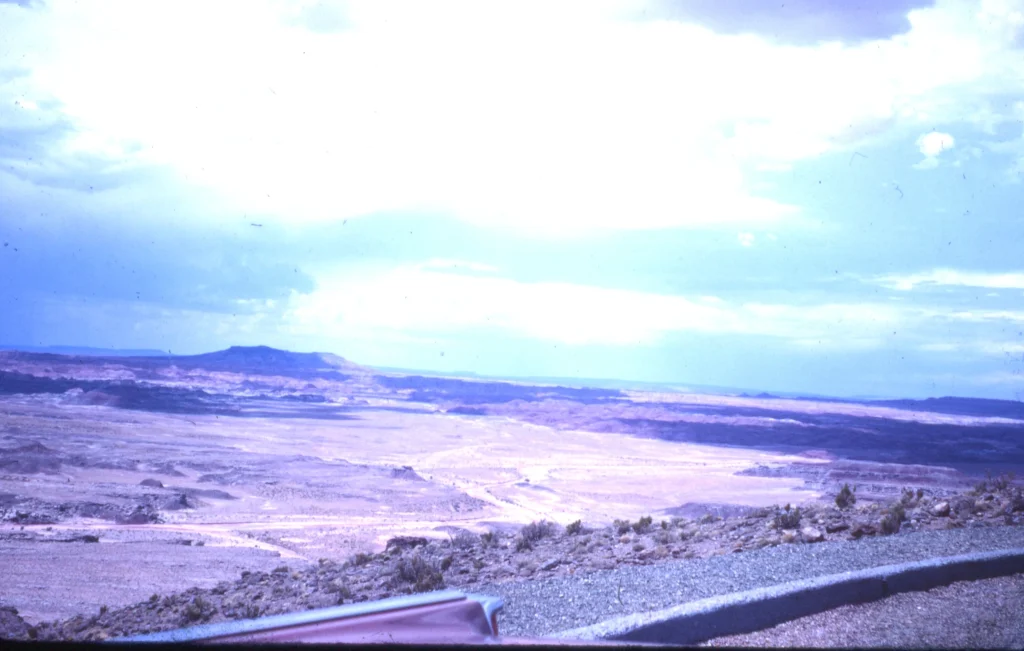
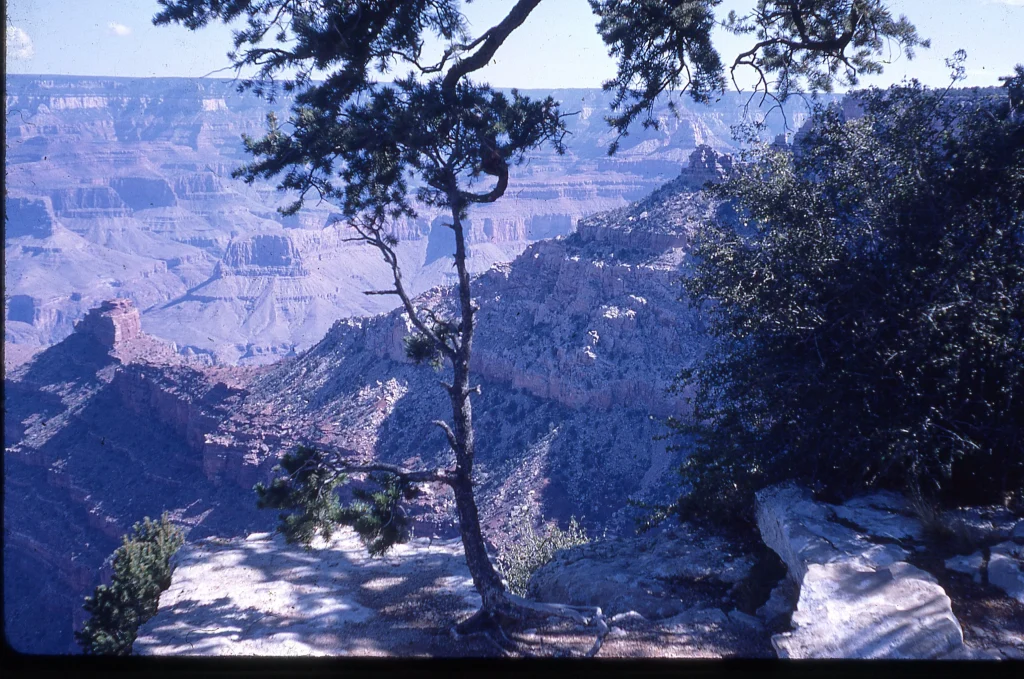
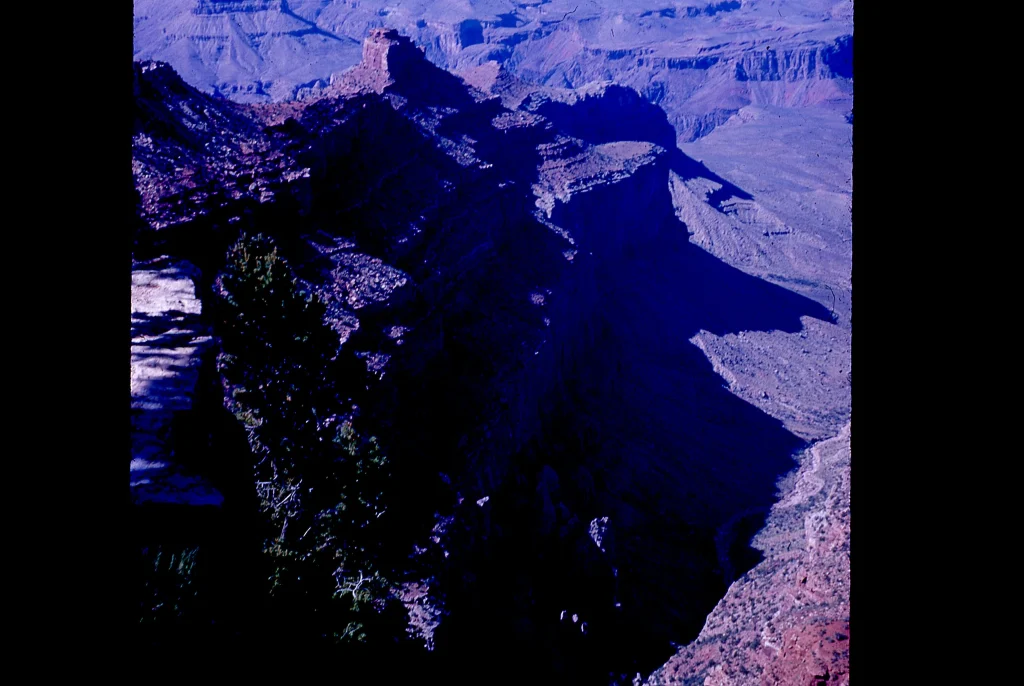
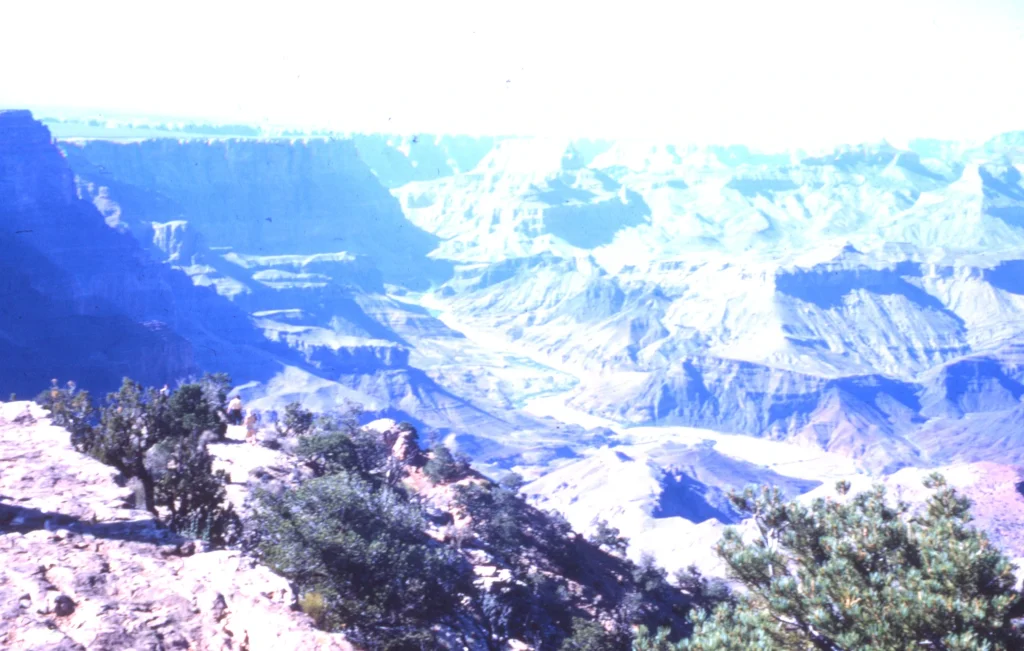
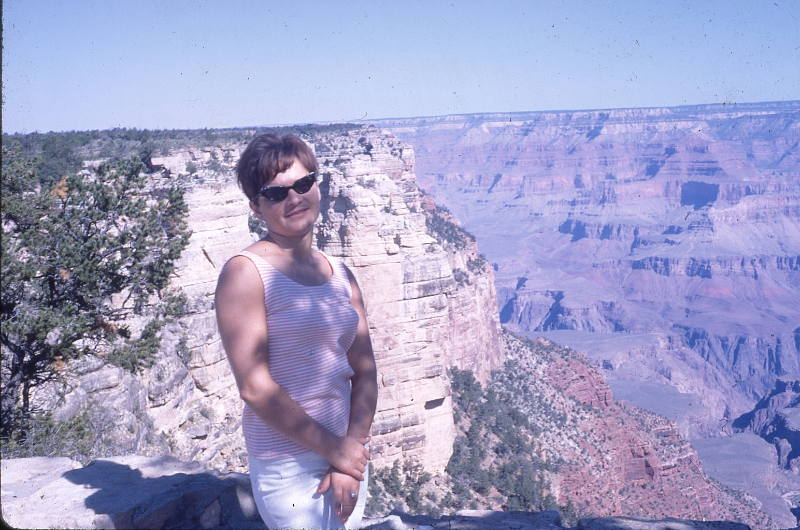
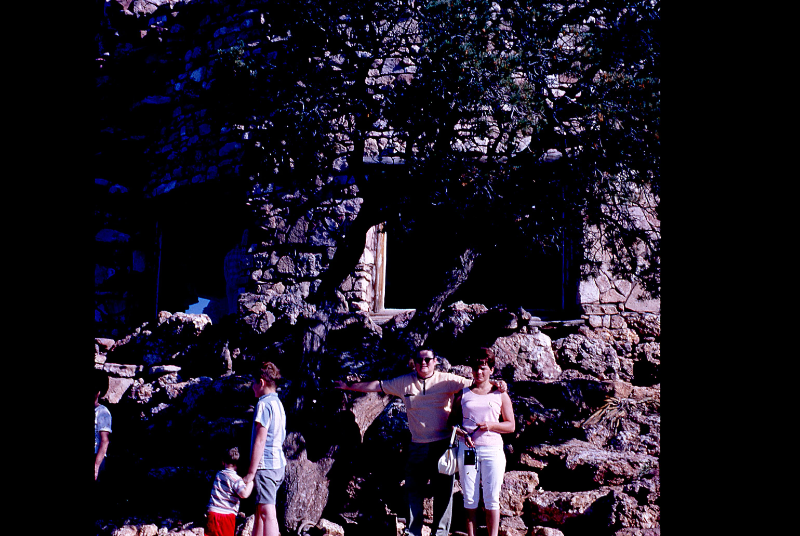
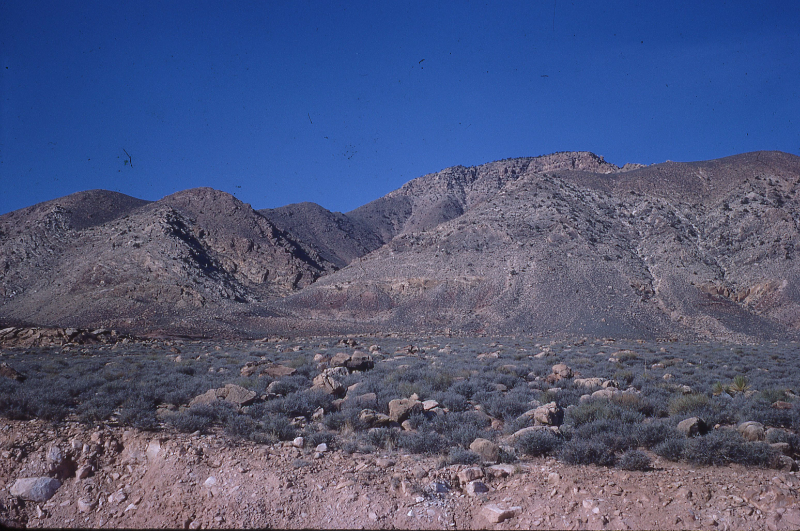
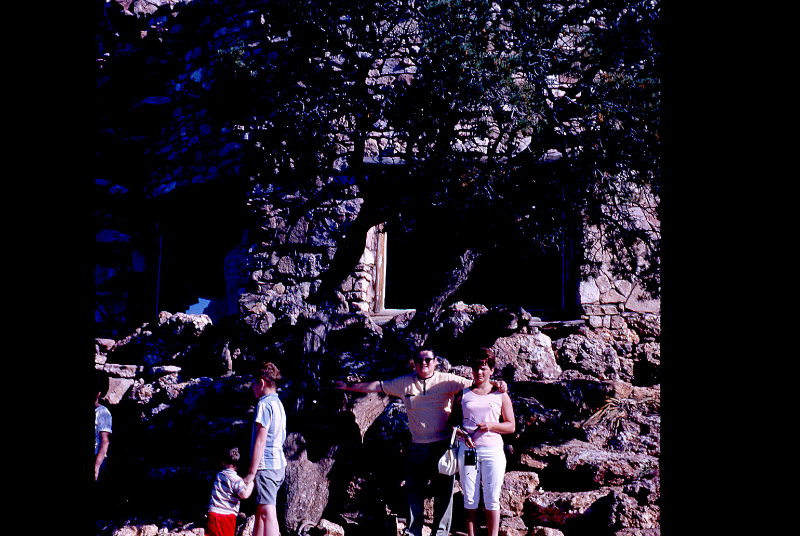
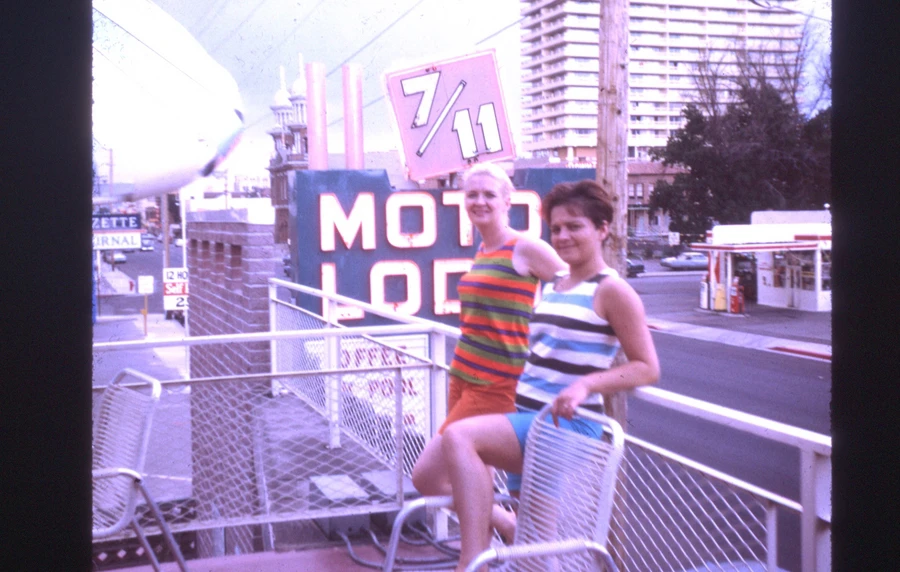
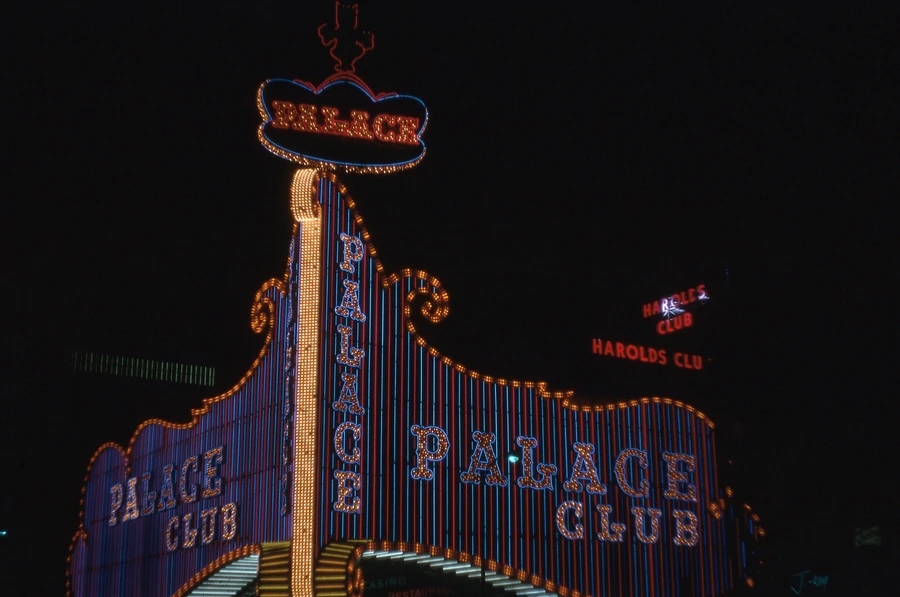
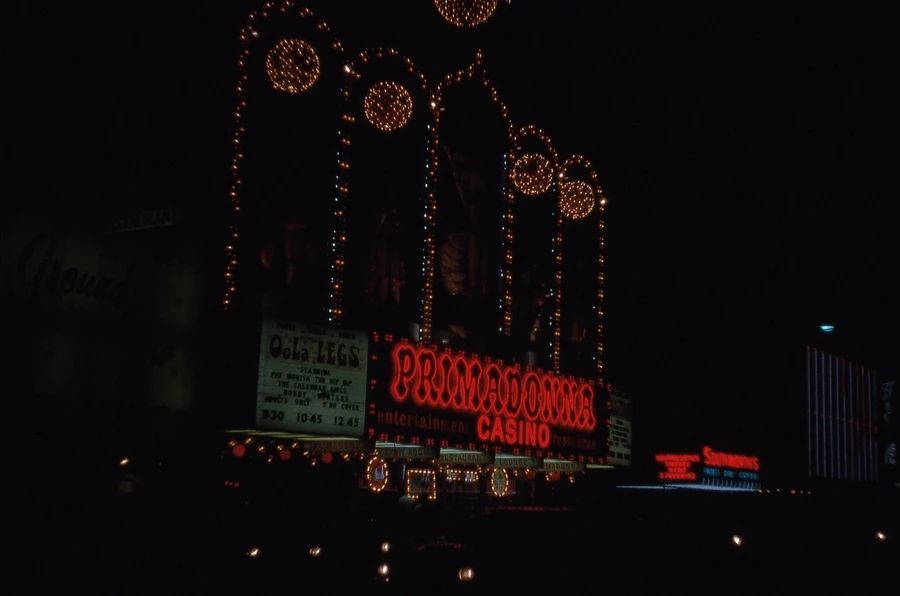
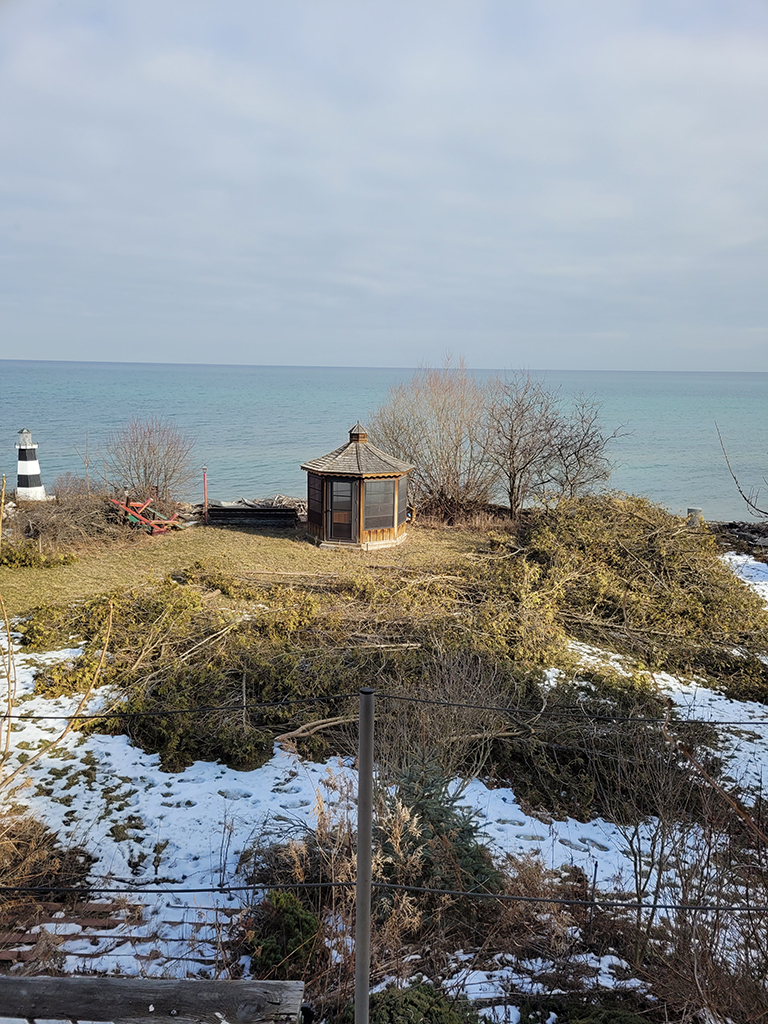
I decided to show the content of the slides. My reasoning was that they depicted life in the 1960s and 1970s, which I find fascinating. Another reason was that I felt it would be a great accompaniment to this story. There are photos of northern Ontario snowmobiling, a trip to Las Vegas, photos taken at their cottage, Christmas, and a trip to the Grand Canyon. Perhaps someone will recognise the cottage?

Now there will be at least one person who’ll say, “You’re against posting photos of a body stain, but you’re fine with posting their memories”.

If I could summarise this exploration in one word, it would be “disgust”, I found myself disgusted with people and the way they toss places around looking for valuables. That comes across in my video. It’s at this point that you can retort that I’m also in a house where I don’t belong and that I’m being hypocritical.

This house is yet another example of why I started this hobby. I wanted to document the lives that were lived and the things that were left behind after they passed.

June 2023 – The house has sold for tax arrears.
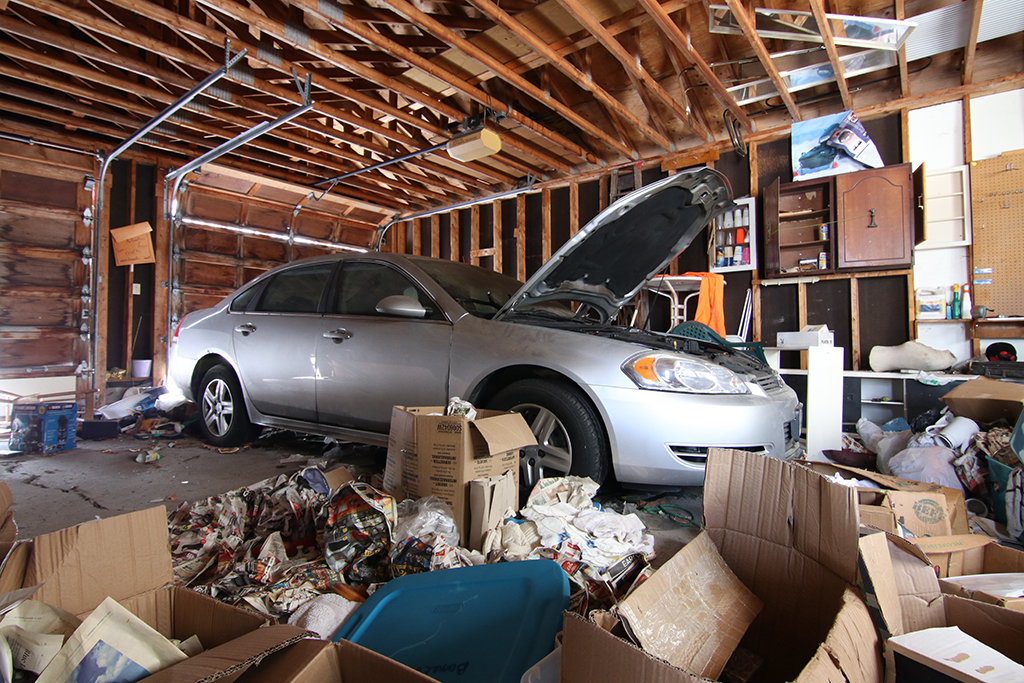


35mm Projector Slides


August 1961


August 1964


January 1965


August & October 1965


January 1966


February 1966


August 1967


October 1967


December 1967


April 1972


July 1978


Video Walk Through


More Questions Than Answers - Exploring the Dead Body Stain House in Ontario, Canada

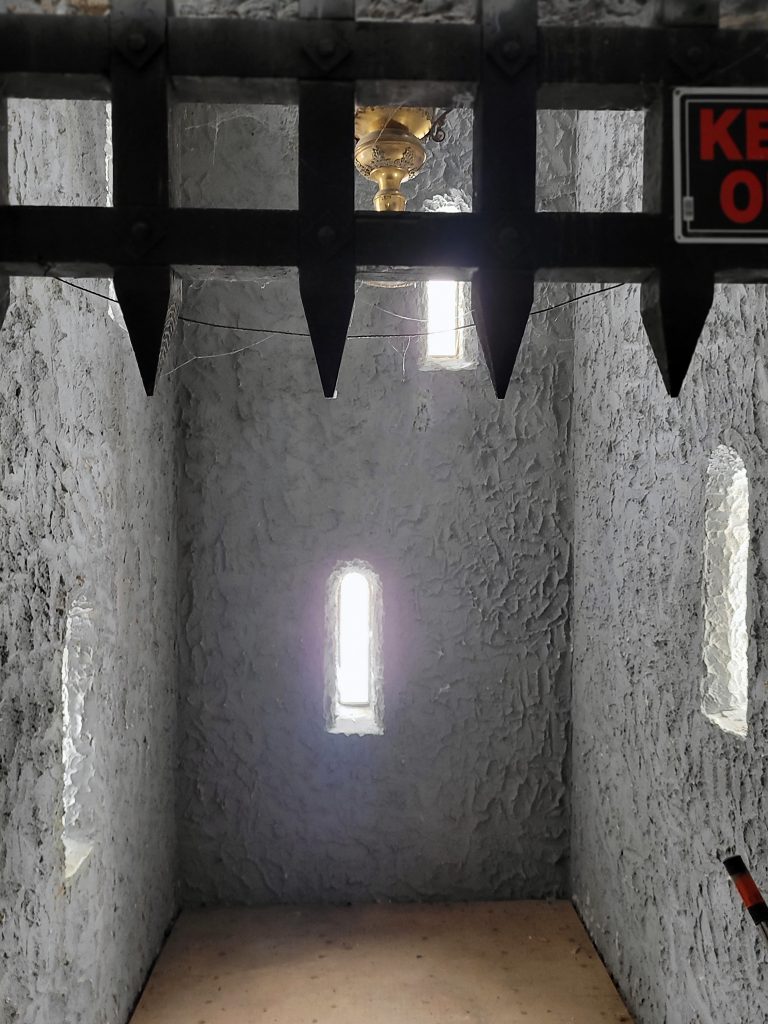
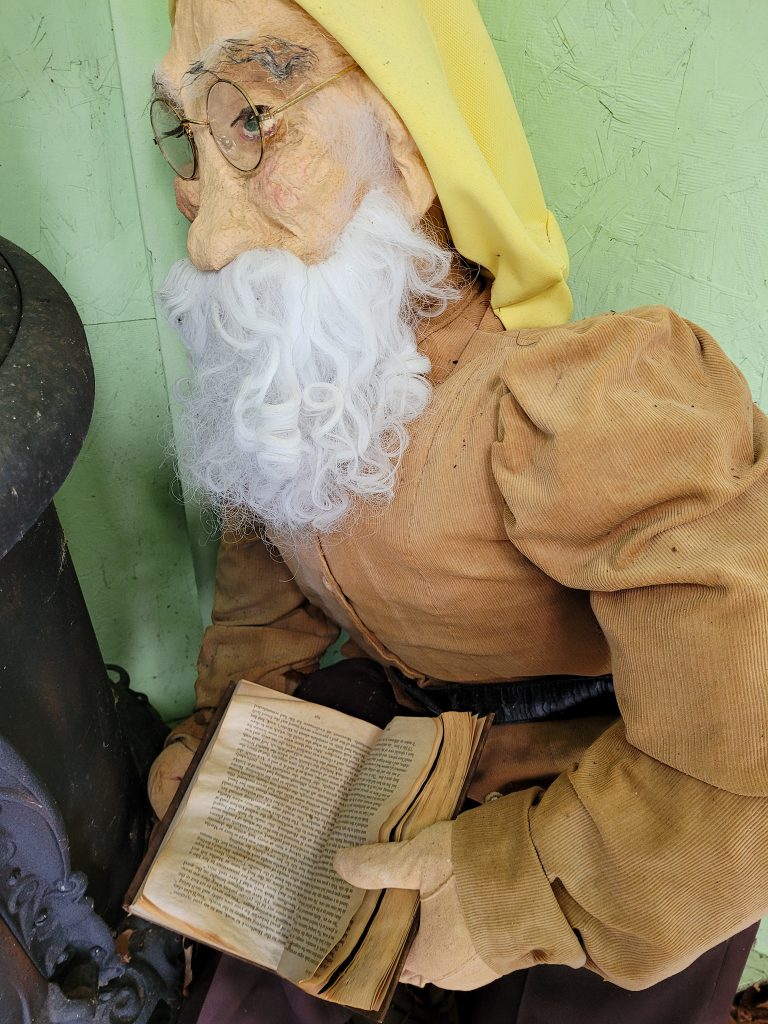
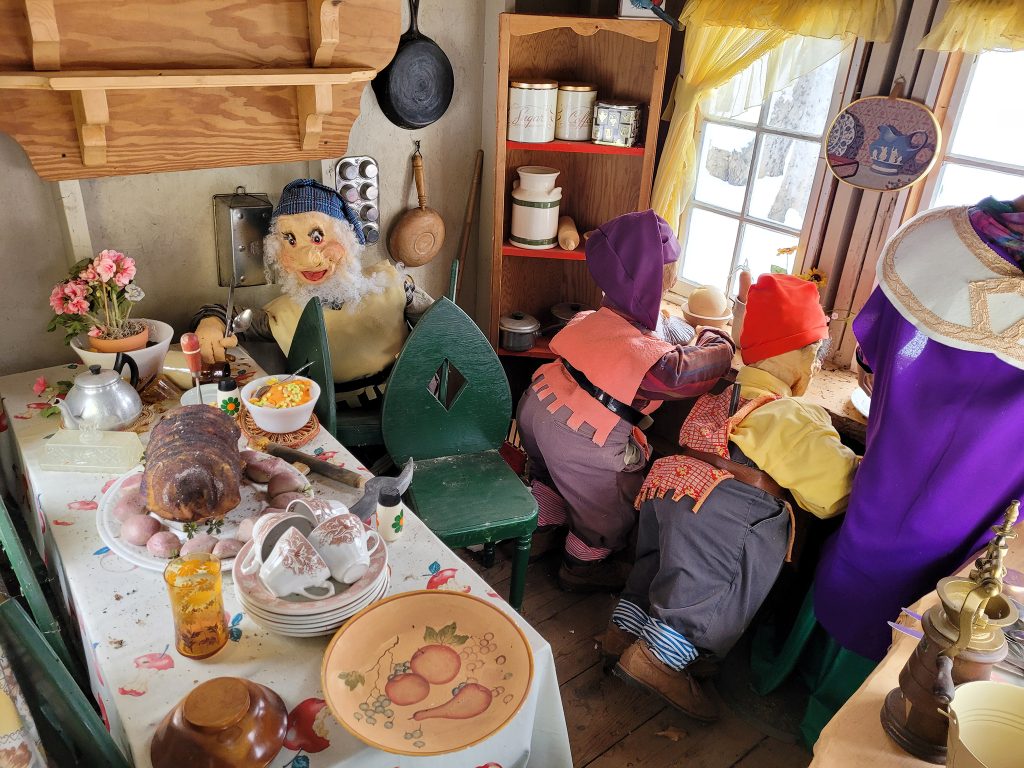
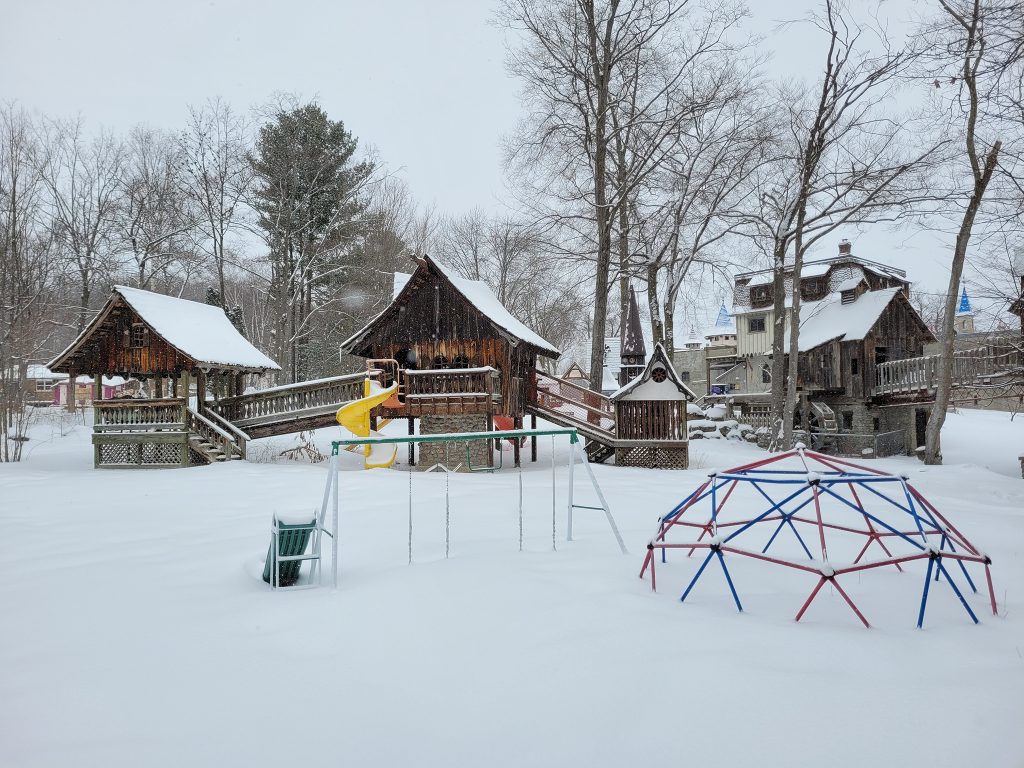
Castle Village And Enchanted Kingdom in Midland Ontario

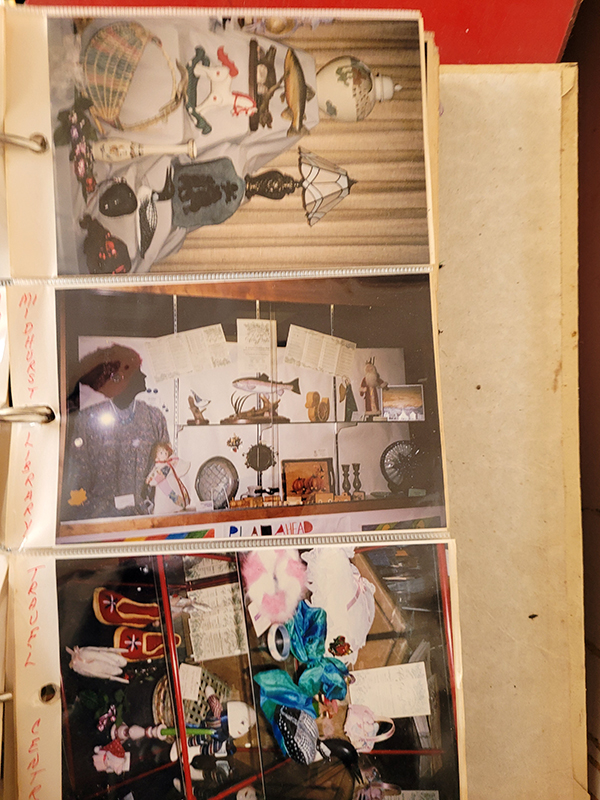
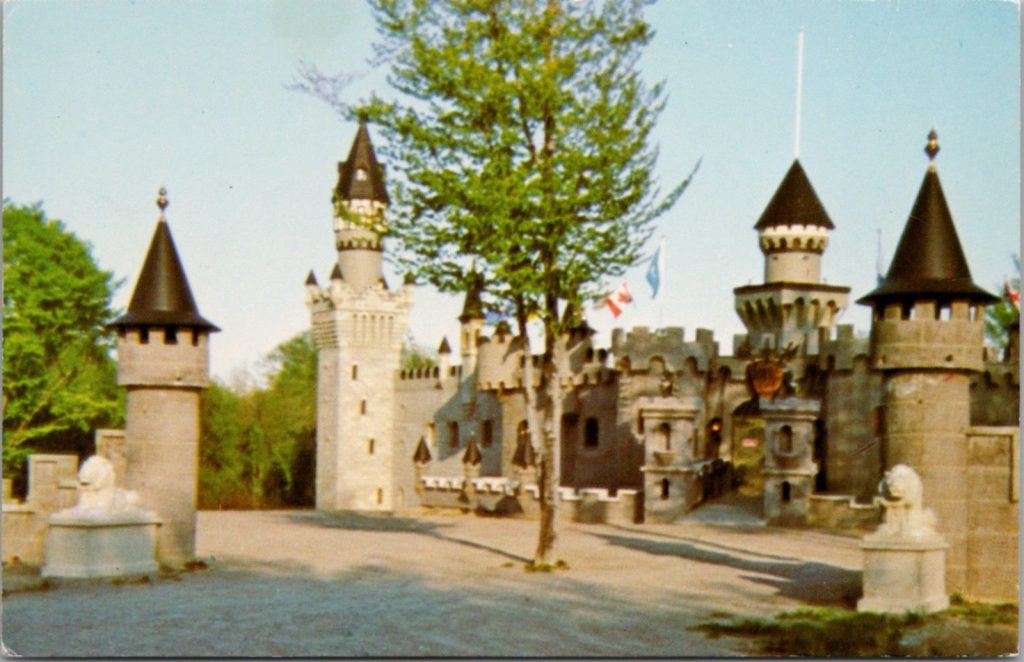
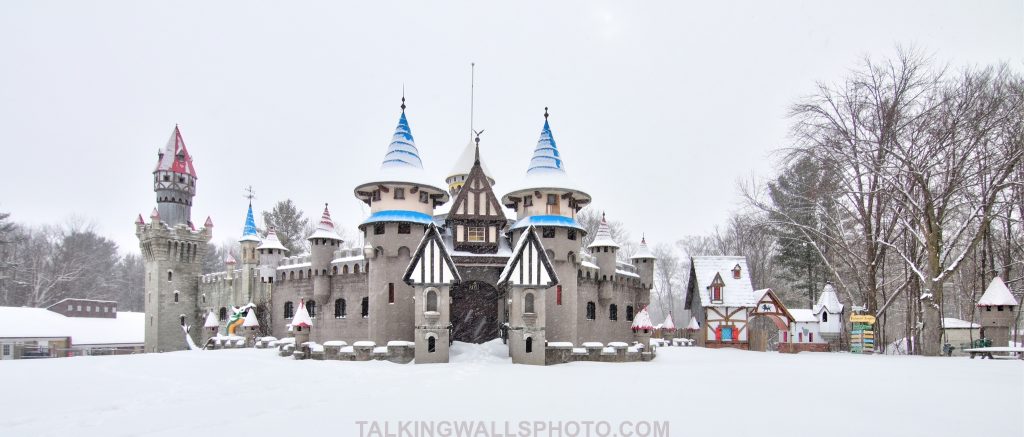
This amusement park was built in 1972. It began as a single castle built by Mr. Paul Des Roches. Mr. Des Roches built the castle intending to sell his handmade crafts and woodworking. He produced birdhouses, candlesticks, and other wooden products on his lathe. The business was so successful that he was selling his products as fast as he was producing them.

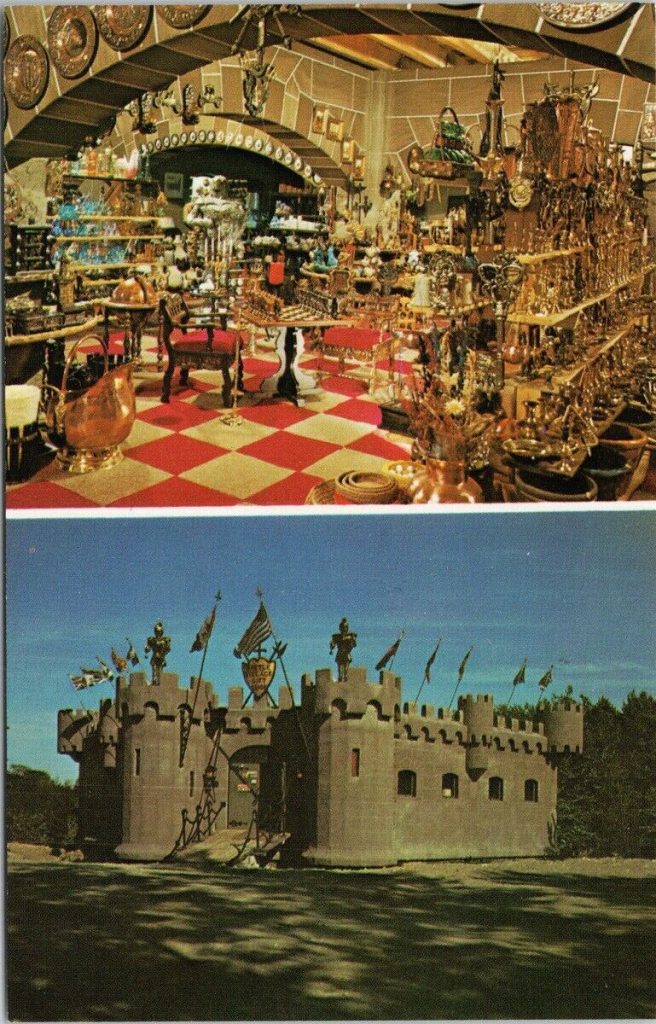
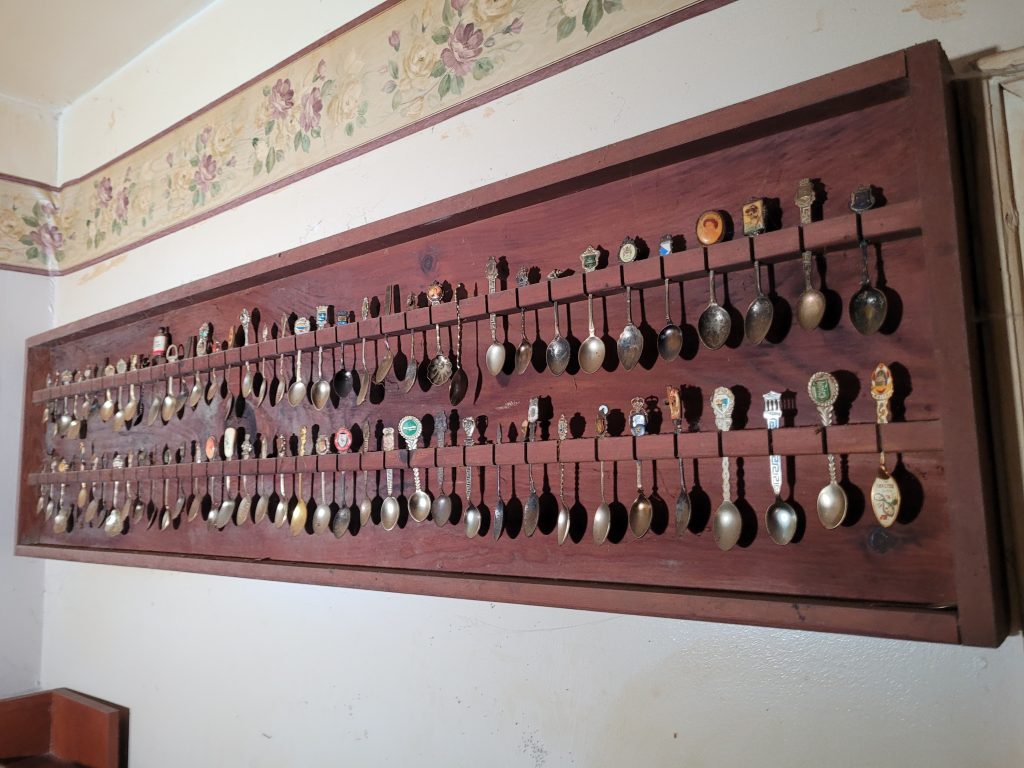
His gift shop offered nearly 10,000 items such as souvenir spoons.

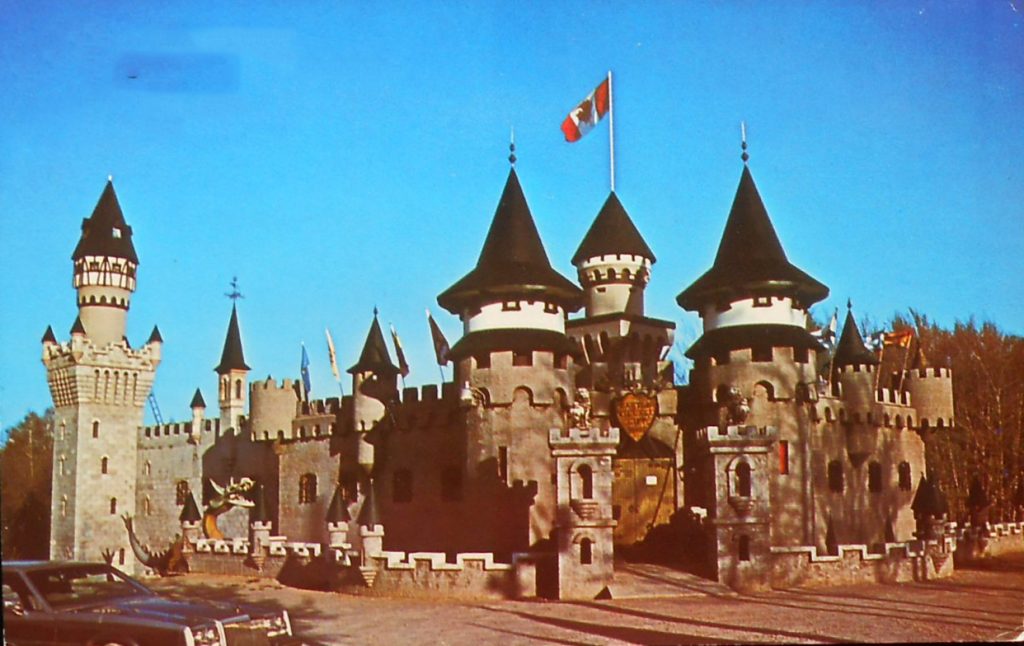
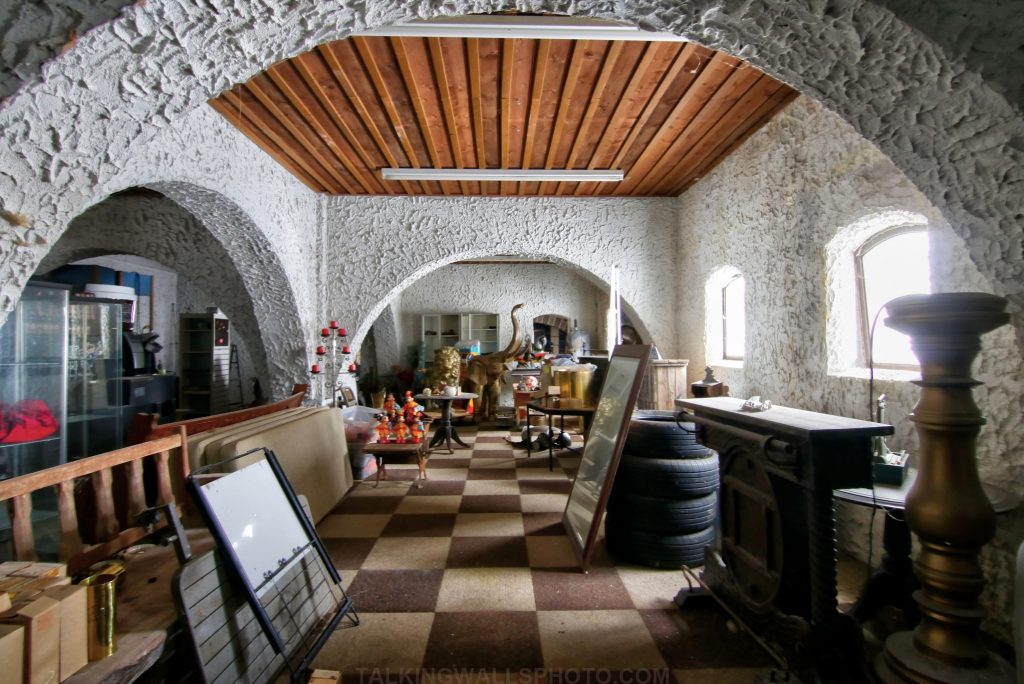
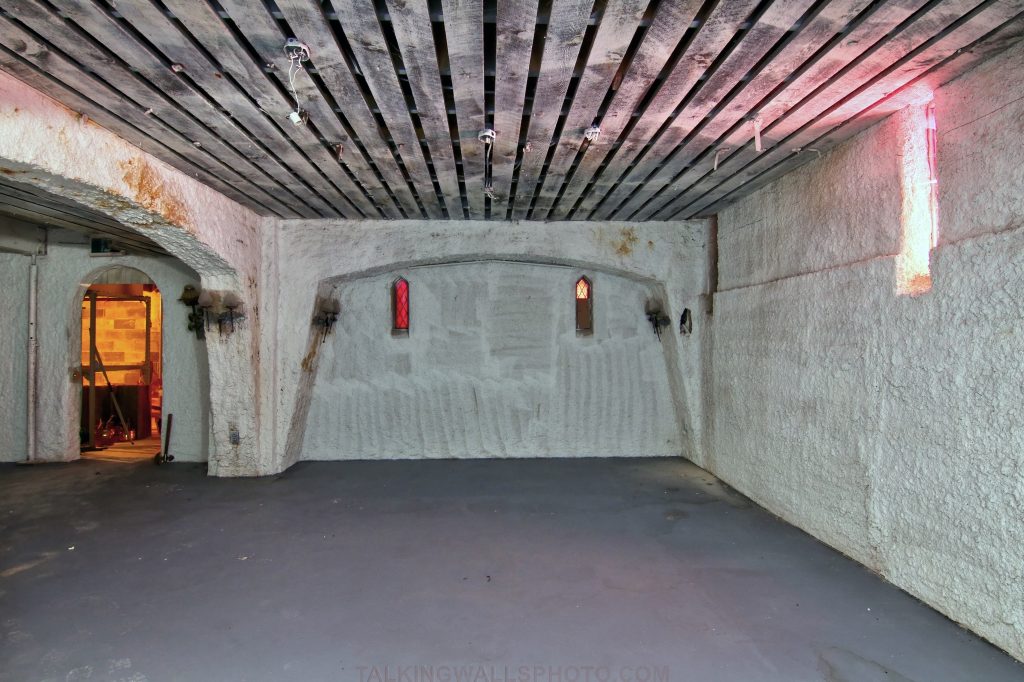
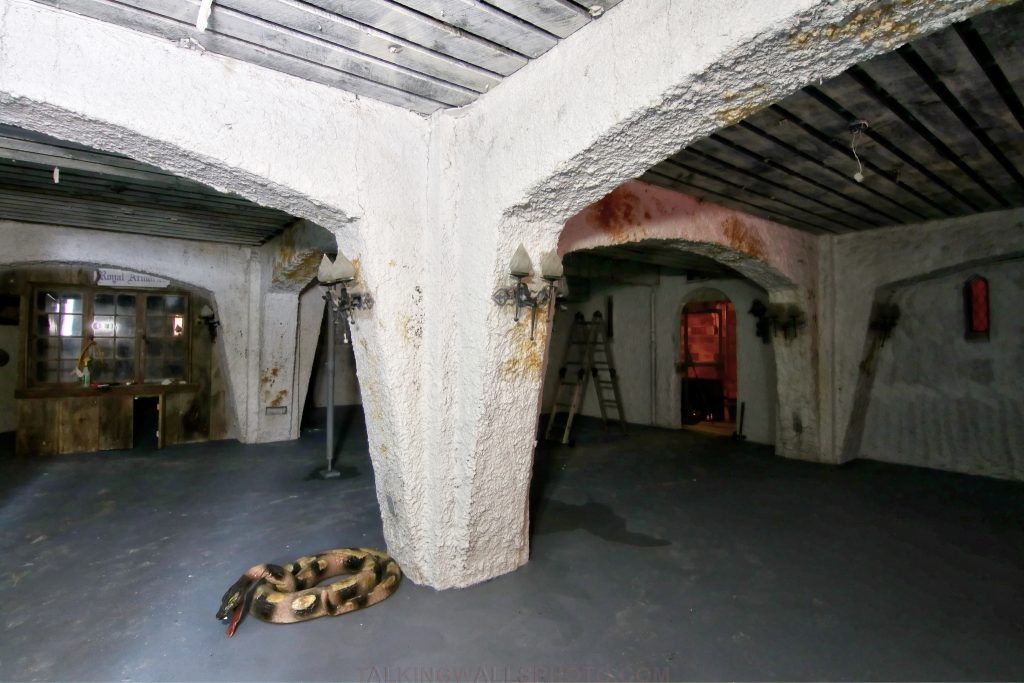
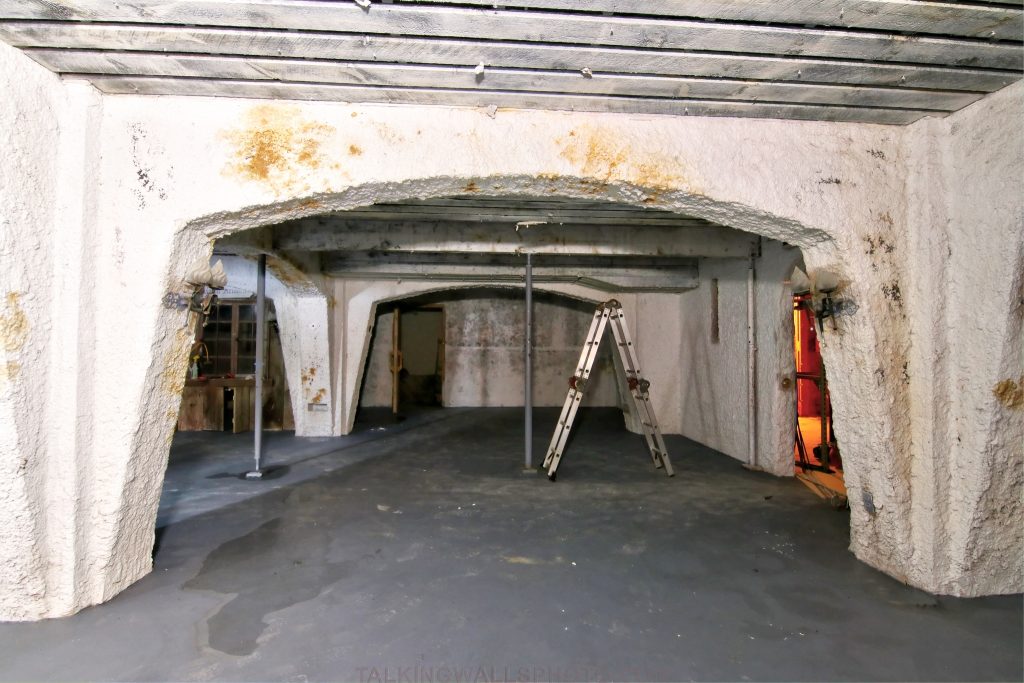
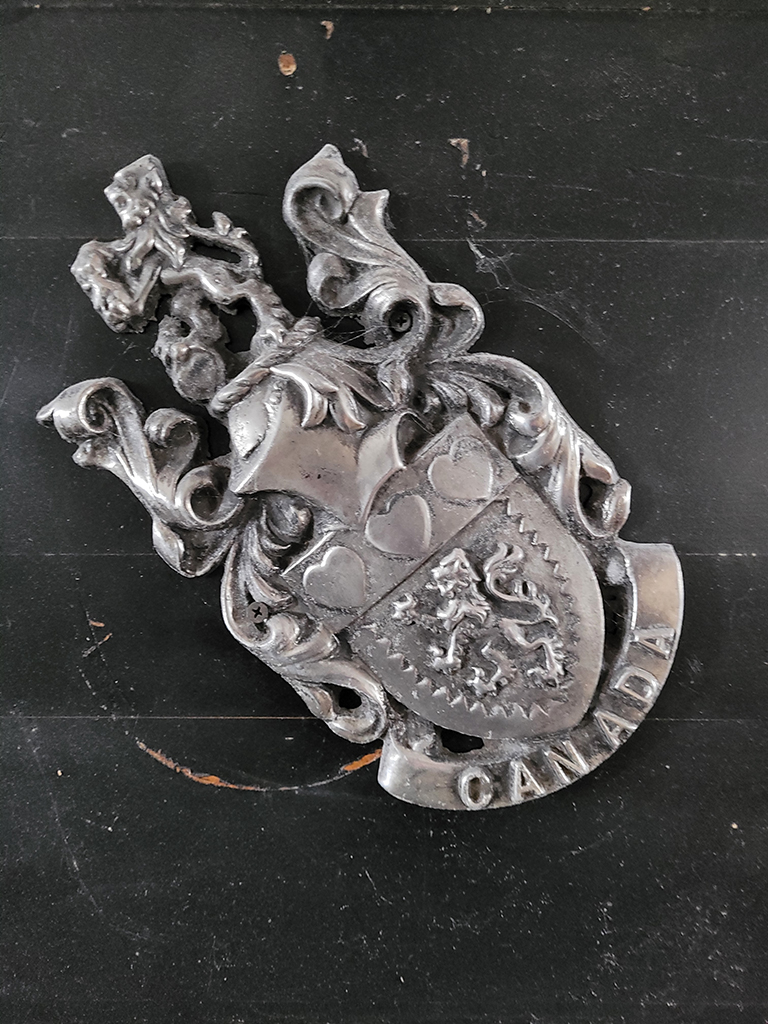
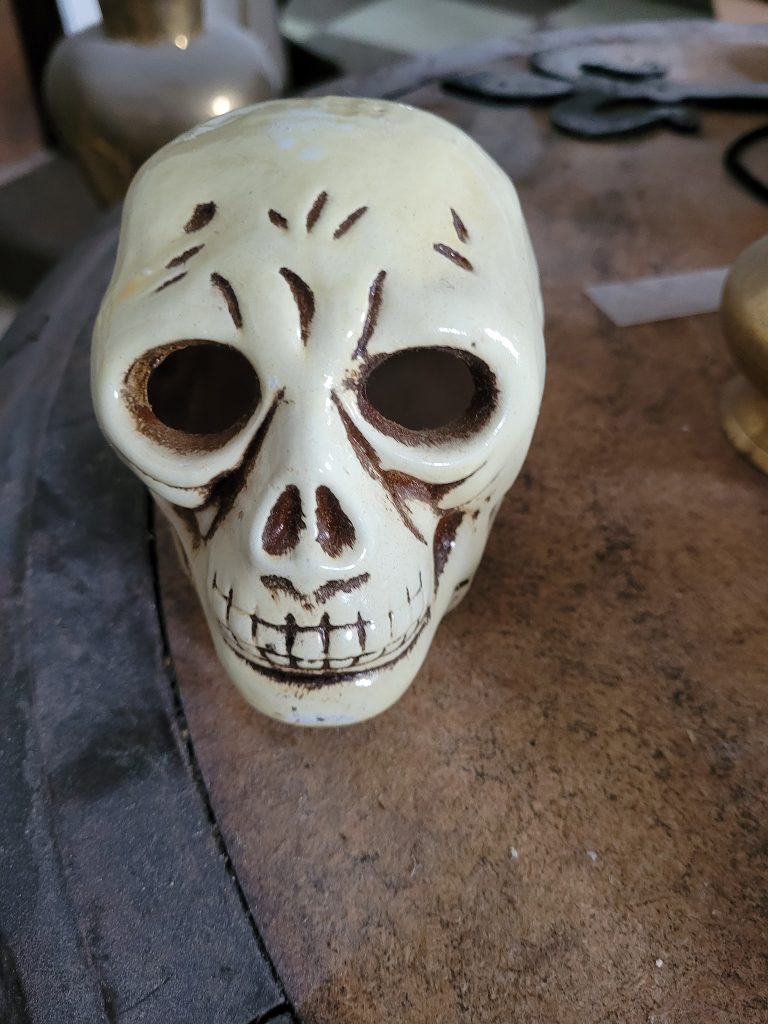
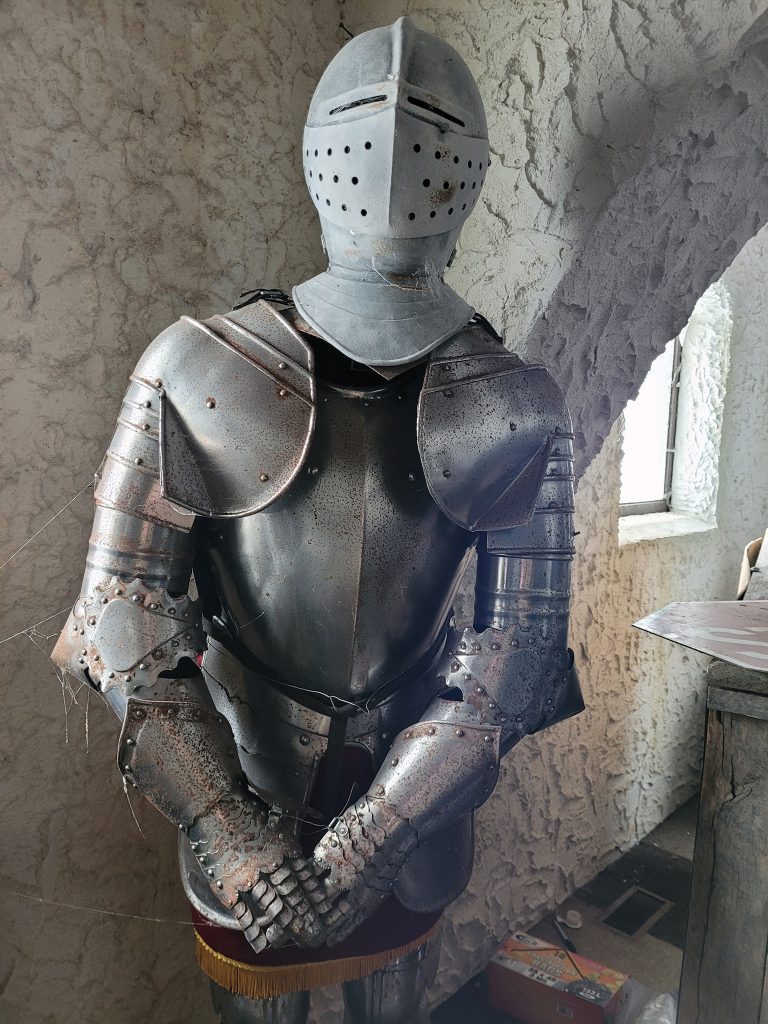
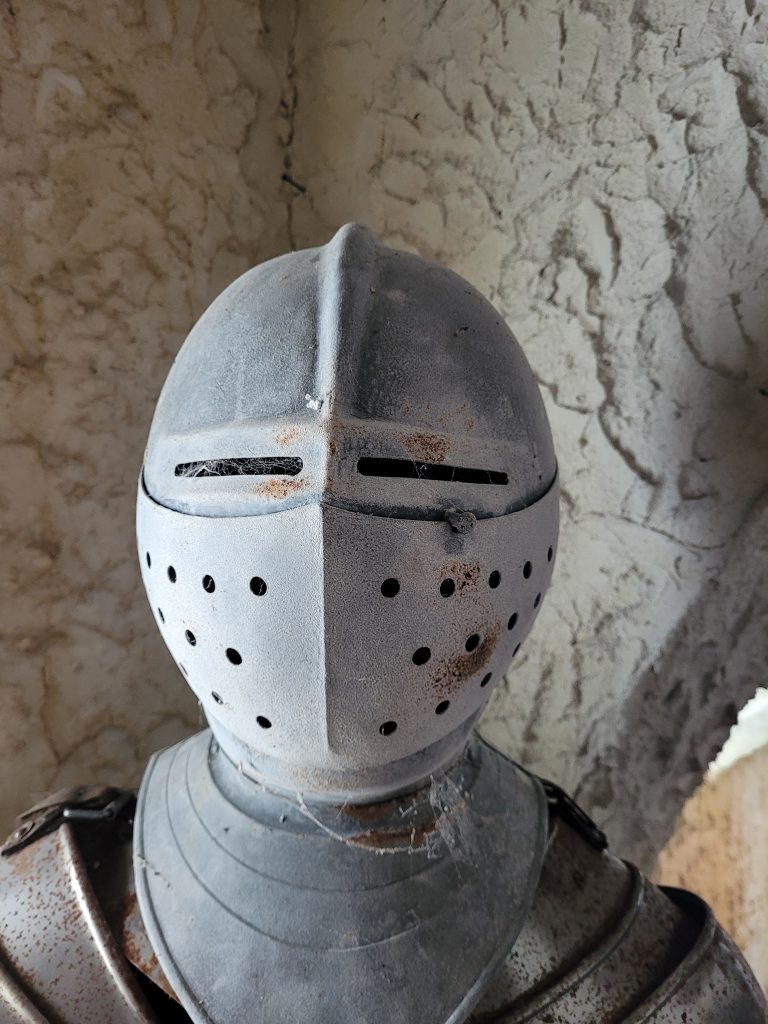
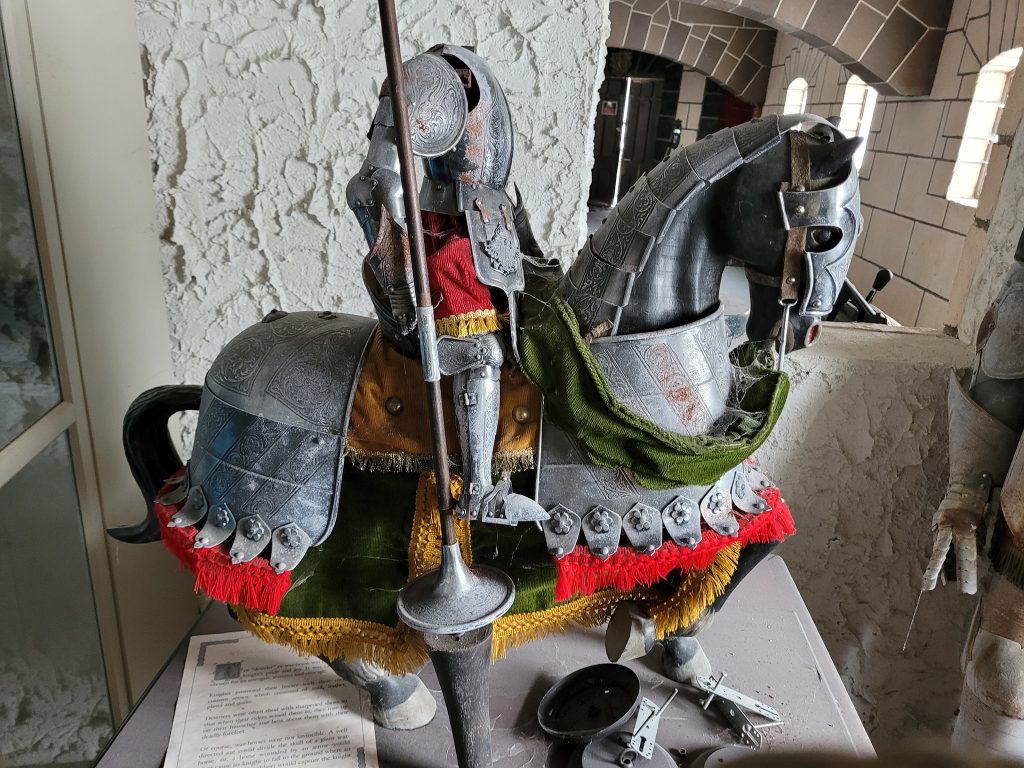
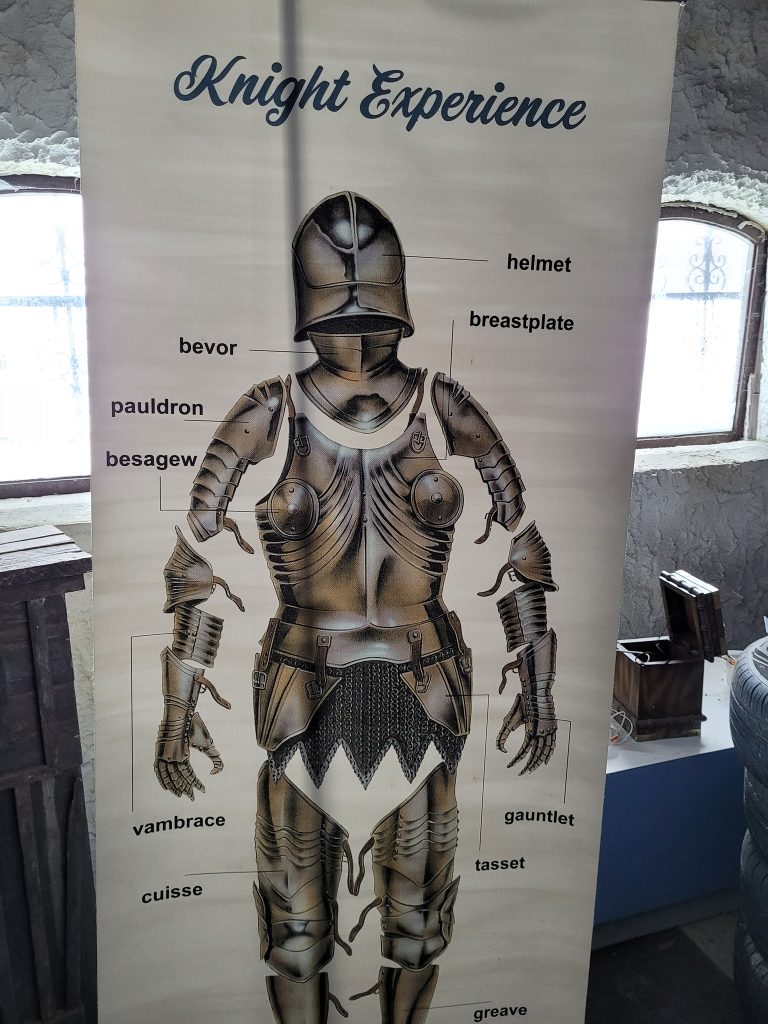
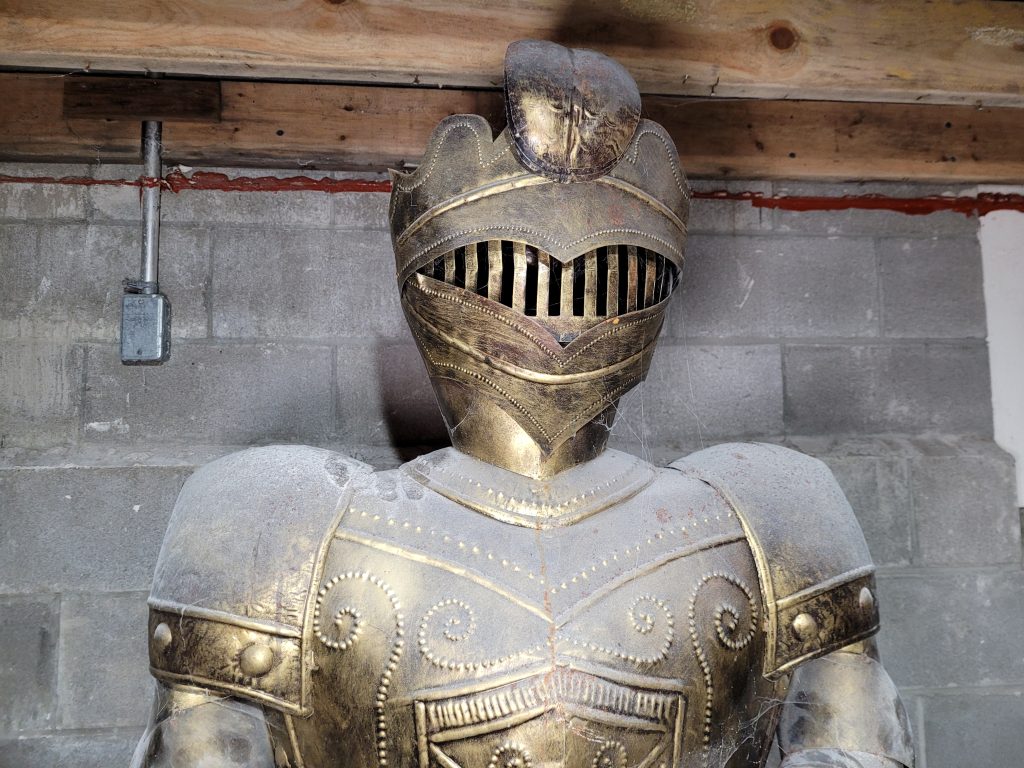
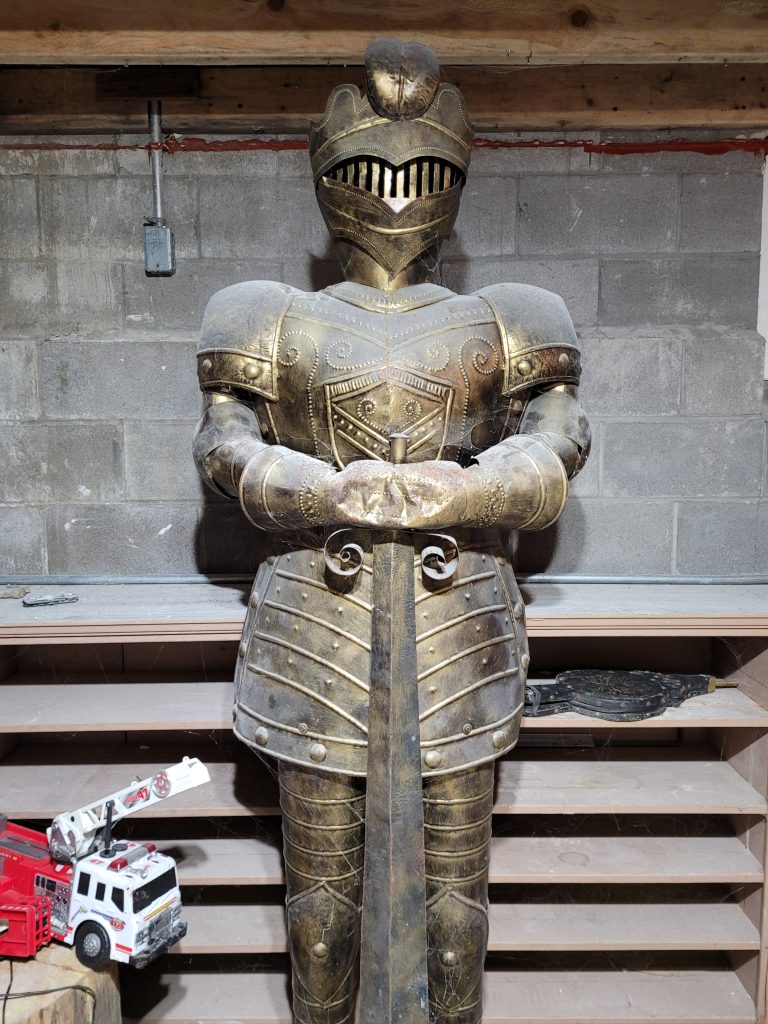
The castle was designed with thirty towers, a water spewing dragon, and a moat guarded by creatures of the underworld. In the castle’s basement, a showroom was added to house early Canadian and American furniture. It was later turned into the Museum of Medieval Arms, Armour and Heraldry. Here, visitors could learn about medieval weaponry and see life-sized suits of armor. For $2.00 you could visit the Medieval Armament where you’d learn about heraldry and armour throughout the Middle Ages. Visitors could try on chain-mail suits. Over the years, Des Roches accumulated a large collection of medieval arms and heraldry.


In 1982, another museum was added as the Museum of Horror, Dracula’s Dungeons. Entry was down a spiral staircase complete with cobwebs. It cost $1.00 at the time. In the museum, you’d find early era prisons with well-known horror characters inside the cells.

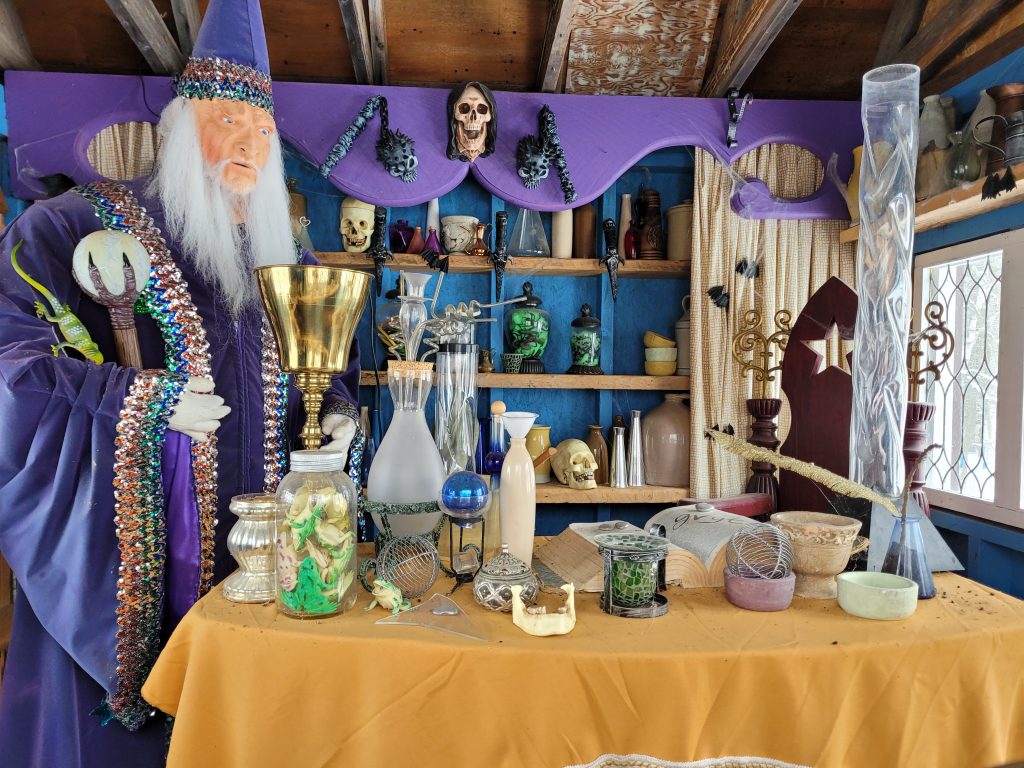
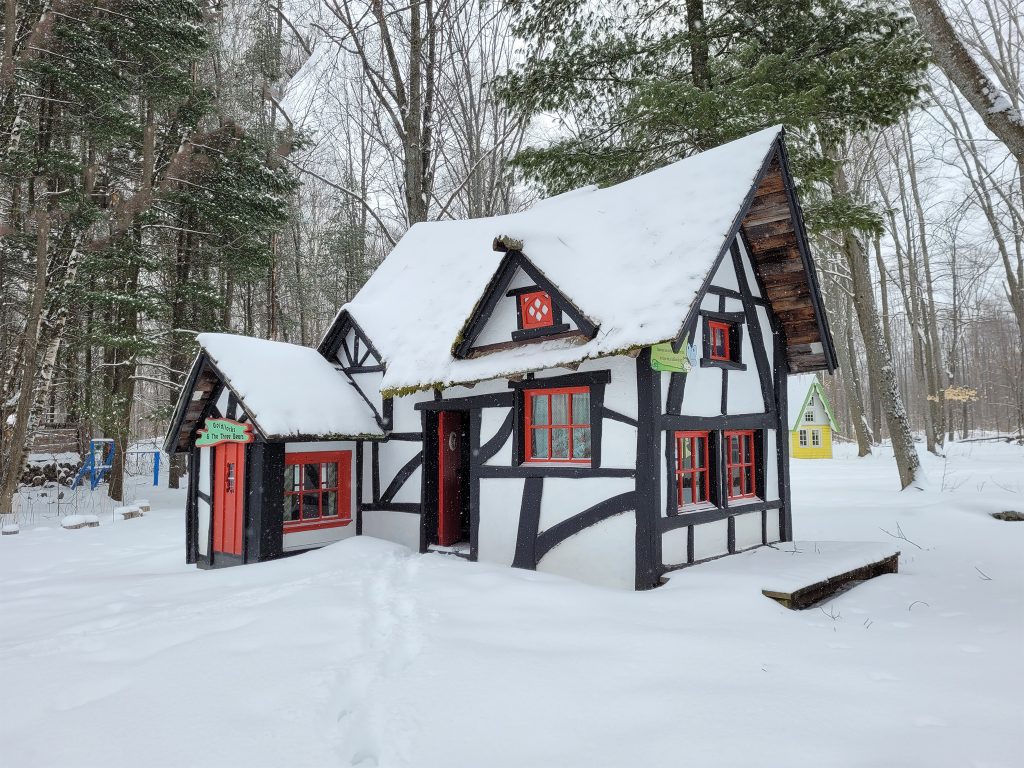
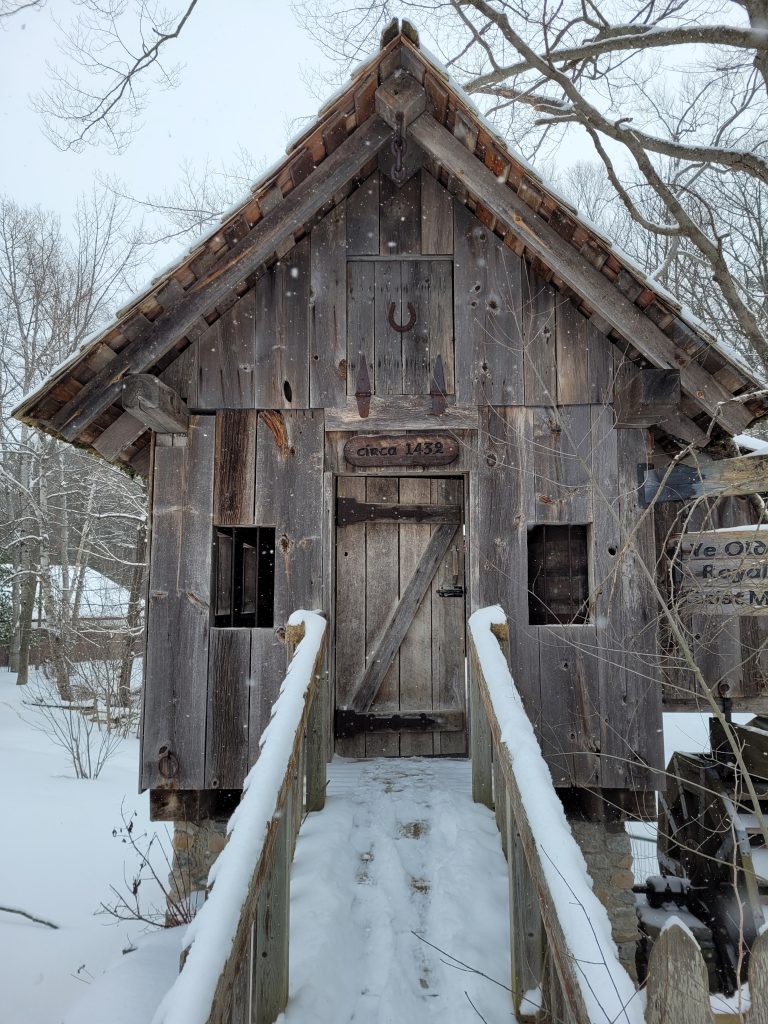
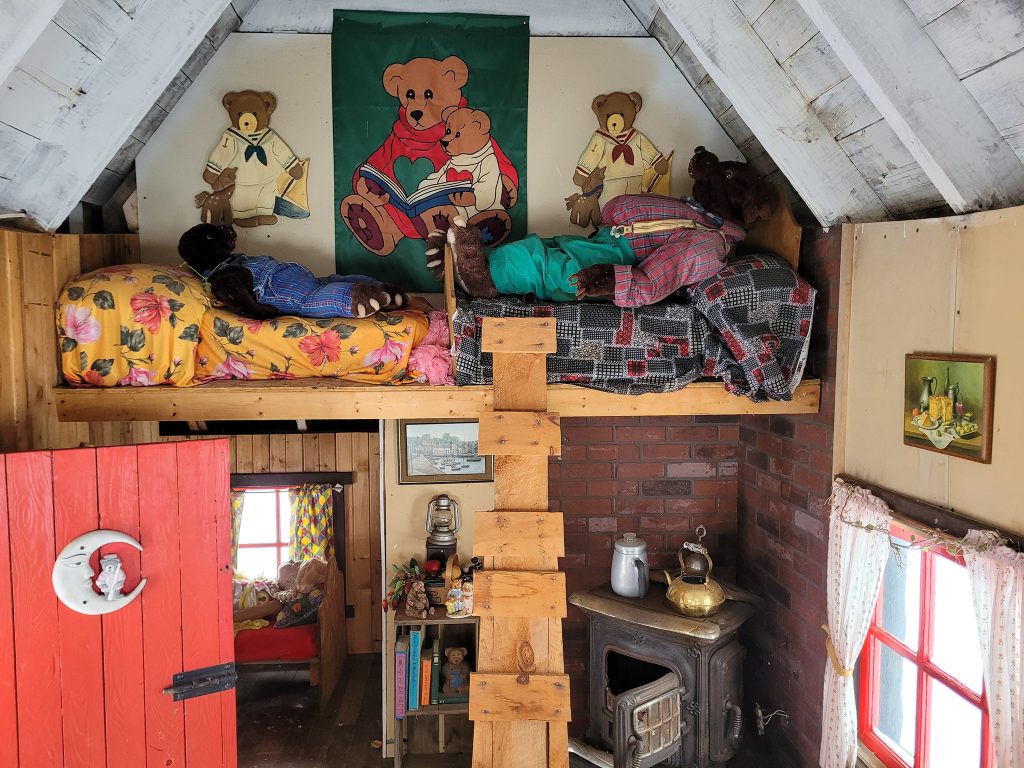
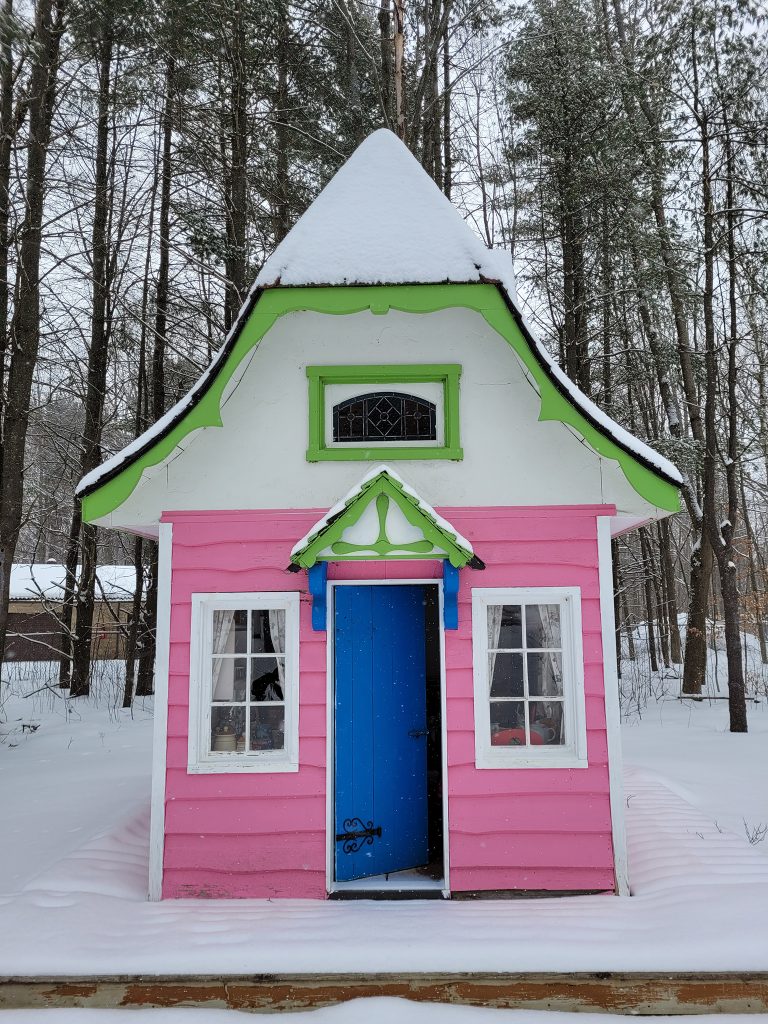
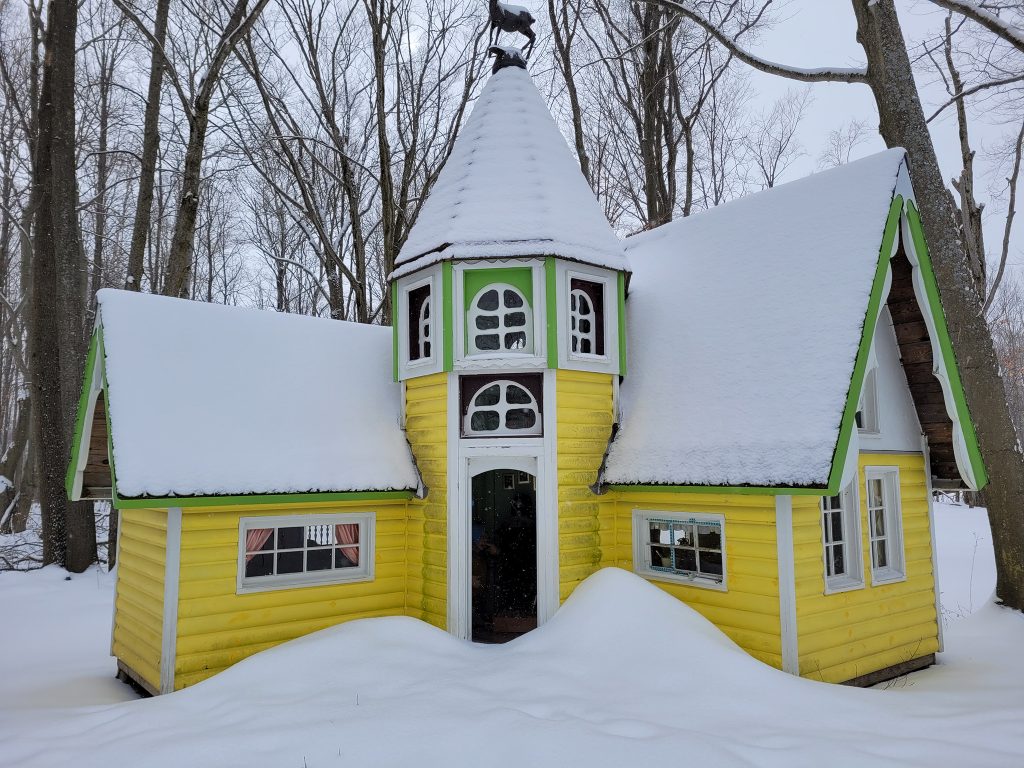
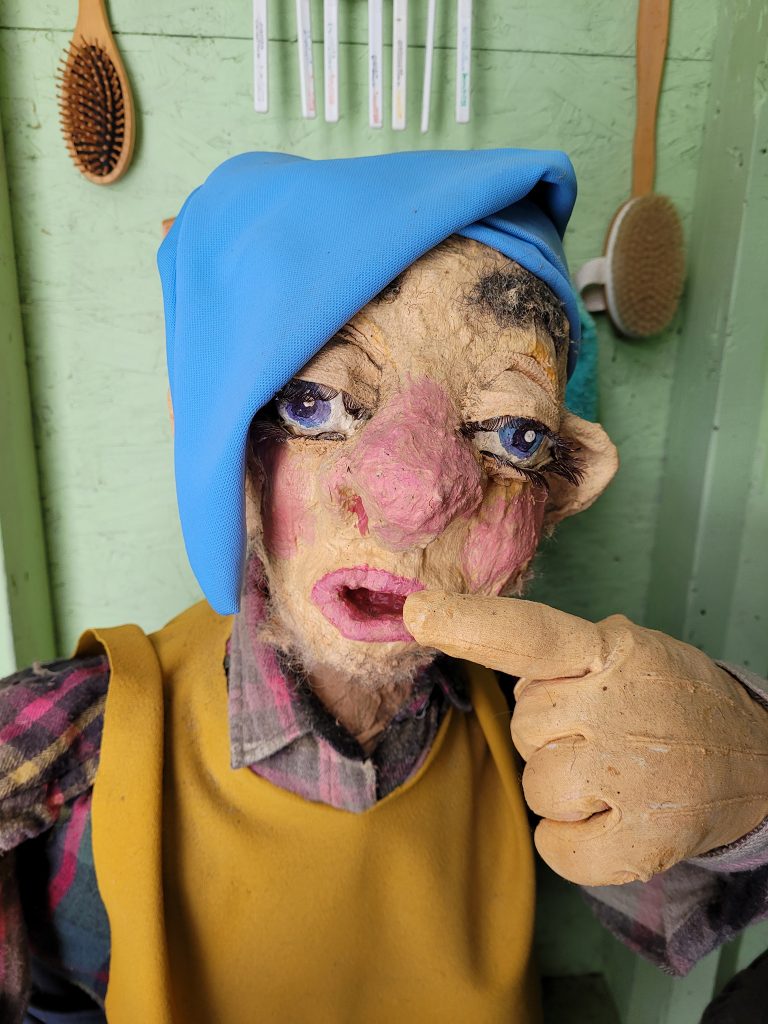
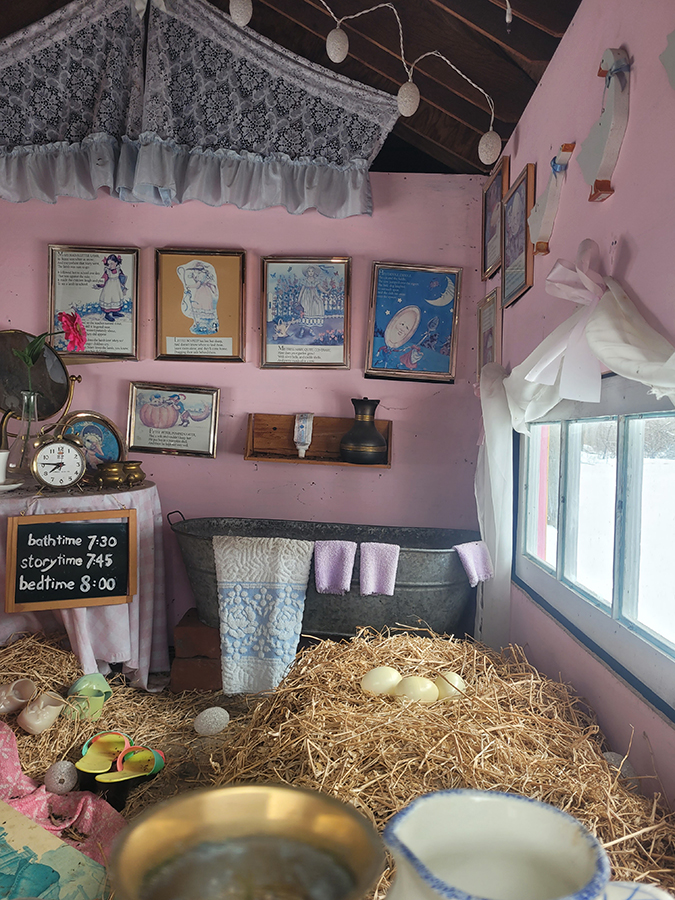
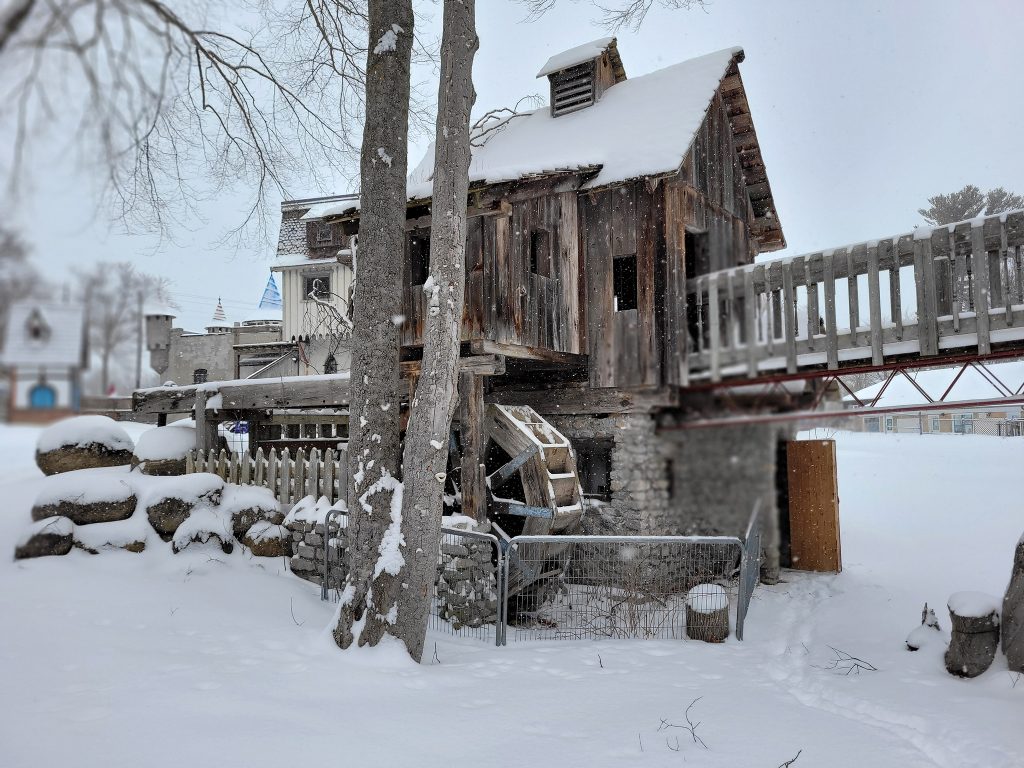
The original seven-acre property was later expanded to 45 acres. Paul worked with his daughter to design new additions. This included the addition of an Enchanted Kingdom Park. Entry was $3.00 and would allow guests to walk along an educational nature trail lined with fantasy cottages based on fairytales. Some of the houses included Snow White’s wishing well, Hansel and Gretel’s candy house, Mother Goose and Family, Teddy Bear’s Tea Party, Giant Fountain, Little Red Riding Hood & Grandma’s house, and Three Little Pig’s House. A Grist Mill and Merlin the Magician’s Tower was added, and an 80-foot suspension bridge across a pond with a giant fountain.

In 2005, the site was awarded the Provincial Tourism Award from RDEE, a francophone economic development organization (the castle operated as a bilingual attraction). The Castle was operating seven days a week and seeing thousands of visitors each year.

The family eventually decided to pursue their own interests in 2008, and put the property up for sale. By now Des Roches was 74 years old and has health issues. The property remained for sale until 2010, and I believe it remained on the market until 2016.

In 2016, the business was sold to businessman Deo Moreno who added new attractions. Moreno immediately applied for a permit to allow for a campground with 10 camping spots in the rear of the park.

The grand re-opening was held on August 6, 2016. The new attractions included an escape-room adventure called “Escape the Dungeon” in which participants must work together to solve puzzles. There were three escape rooms to choose from: Dracula’s Dungeon, Secret of Delicious, and Sleuths.

There were also life-size role-playing games and a wedding room to host thematic weddings from medieval times.

Archery target shooting and human foosball were also introduced. Reviews for this attraction indicate that since the new ownership took over, care of the grounds were beginning to suffer. Problems included inaccessible attractions and garbage that was not being picked up.

In 2019, the owners applied for a change in use permit. When the COVID pandemic occurred, the business closed and has never reopened. Today it’s listed as ‘Permanently Closed’ on Google.

The visionary behind the castle, Paul des Roches, passed away in December of 2022.

If you visit this location, I hope that you treat it with the respect and courtesy that it deserves.
Research by TWP

Assorted Postcards (fair use):


Camera Photos of The Castle


Mobile Phone Photos


Enchanted Kingdom Park


Video

I Explore an Abandoned Castle & Enchanted Kingdom Amusement Park in Ontario, Canada

Take Me to the Kaptin

This was the home of Arnold and Edith Wollschlaeger.

Edith Schulz was born in Hamburg, Germany. After the war, she married Arnold Wollschlaeger. Together they established an auto repair shop. They soon had a son named Thomas.

In 1955 the family emigrated to Canada. Arnold formed Ontario Truck and Bus Industries as a subsidiary of his vehicle repair company. He received an assembly contract from the Ontario government’s Urban Transportation Development Corporation to assemble and retrofit a Rek-Vee fibreglass-bodied diesel-powered vehicle for use in the government’s experimental Dial-a-Bus service. The Dial-a-Bus service was a service where passengers could call a number to be picked up and the bus driver would change their route to pick the passengers up at their front door.

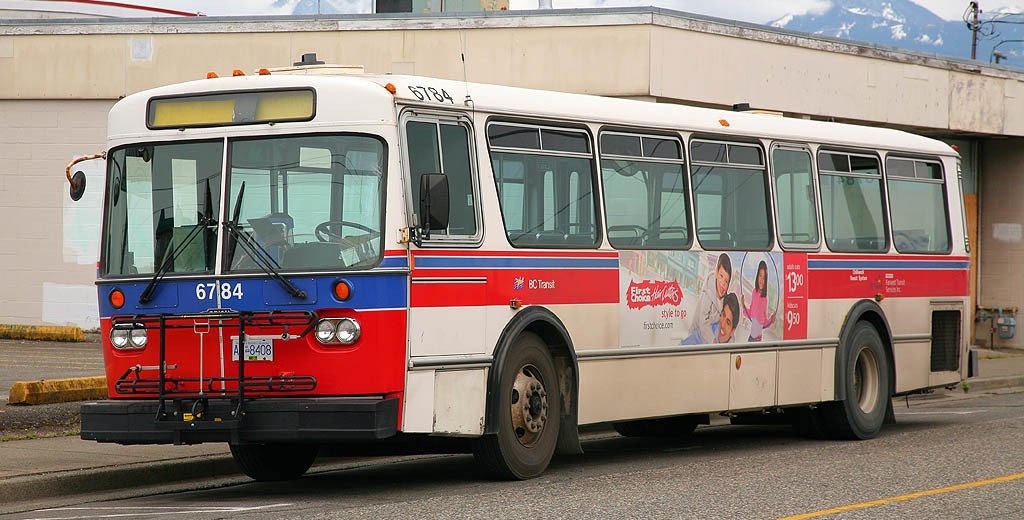
The Rek-Vee vehicles were designed to be camper vans and proved unreliable in Ontario’s tough transit conditions. In 1975, Arnold gathered a team of seasoned tradespeople to design and construct a 30-foot-long bus.

The bus was first introduced in 1976 and was given the name of the Orion I. The bus was easier to service and was built with parts that were interchangeable with 35 and 40 foot long buses. The Orion I featured a swing door in the front, thermo windows, tubular construction and features for easier maintenance including an outside electrical access panel. It was powered by a Detroit Diesel v6 engine.

With a working prototype, Arnold renamed his company to Ontario Bus Industries. His business sold over 100 Orion I’s within the first two years. The company lacked the financial backing necessary and sold manufacturing rights to Greyhound Bus Lines (TMC Manufacturing) in 1978. TMC renamed the Orion to ‘T-30 City Cruiser’ for their American market.
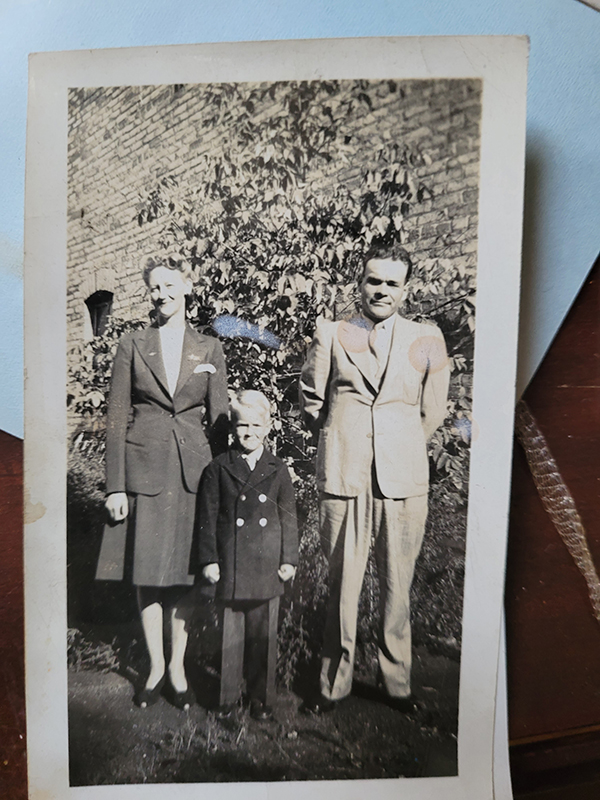
Orion I bus

Despite the completion of the protype in 1976, it wasn’t until 1978 that serial production began.

Their son Thomas worked at Ontario Bus Industries from 1977 to 1980.

Arnold passed away in 1979. The business was sold to a man named Don Sheardown. Sheardown expanded operations into the United States, forming Bus Industries of America in 1981. A plant was built in Oriskany, New York the following year which would allow for government funding to produce buses.

The sale of Arnold’s company provided Edith with a comfortable life. In 1981 she met a man named Rudy Payerl. Together they traveled the world, 55 countries in total.

Given that Arnold passed away early in his life, there’s limited information about him to be found. Edith passed away in June of 2020.

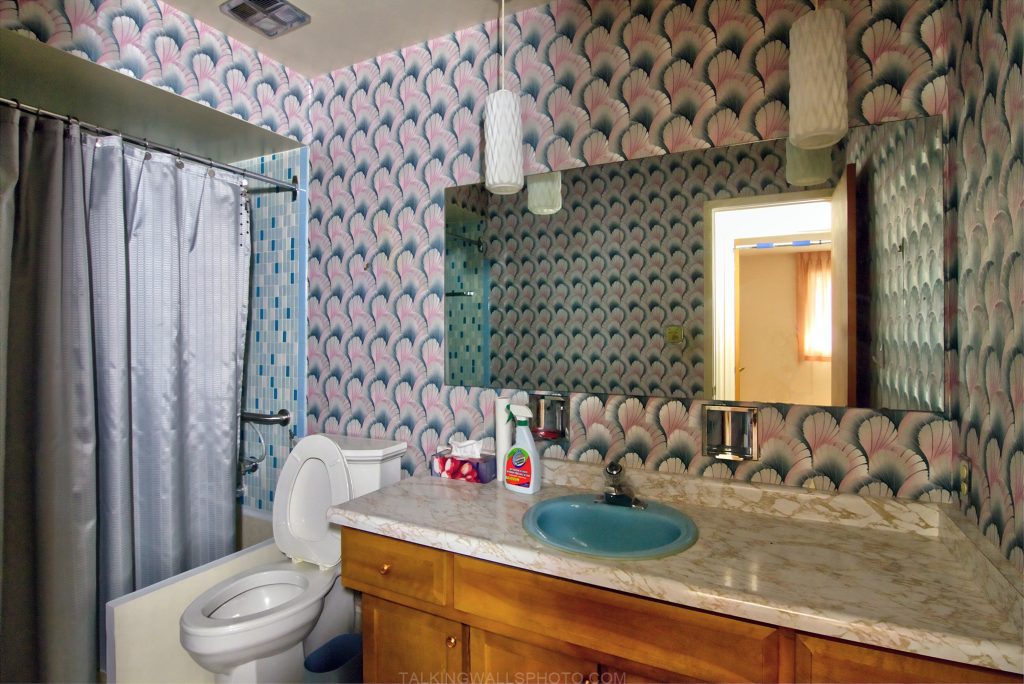
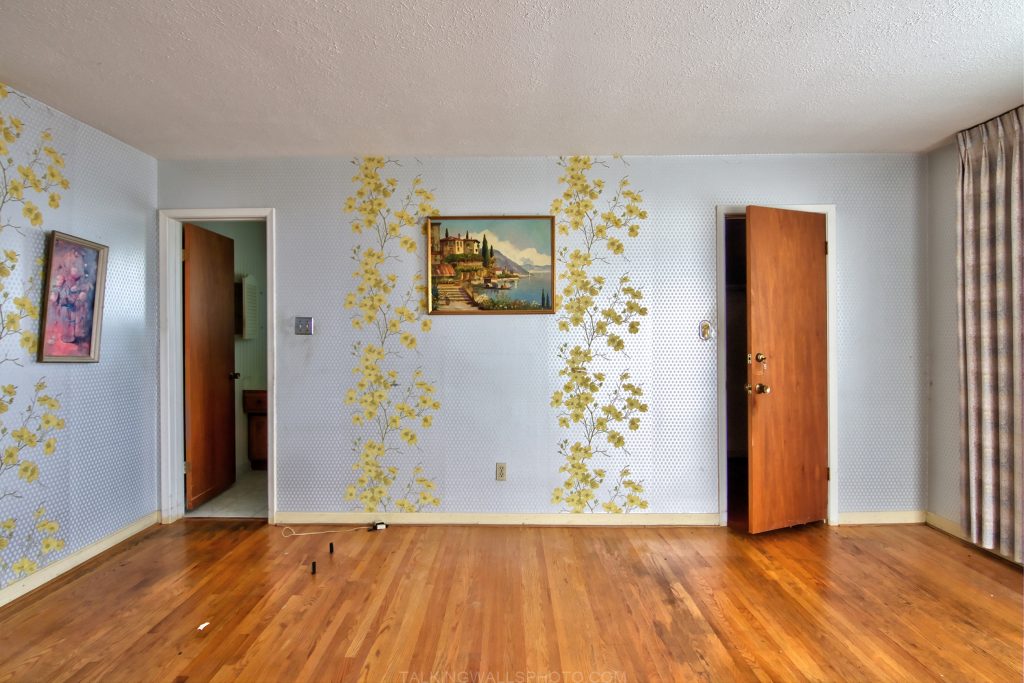
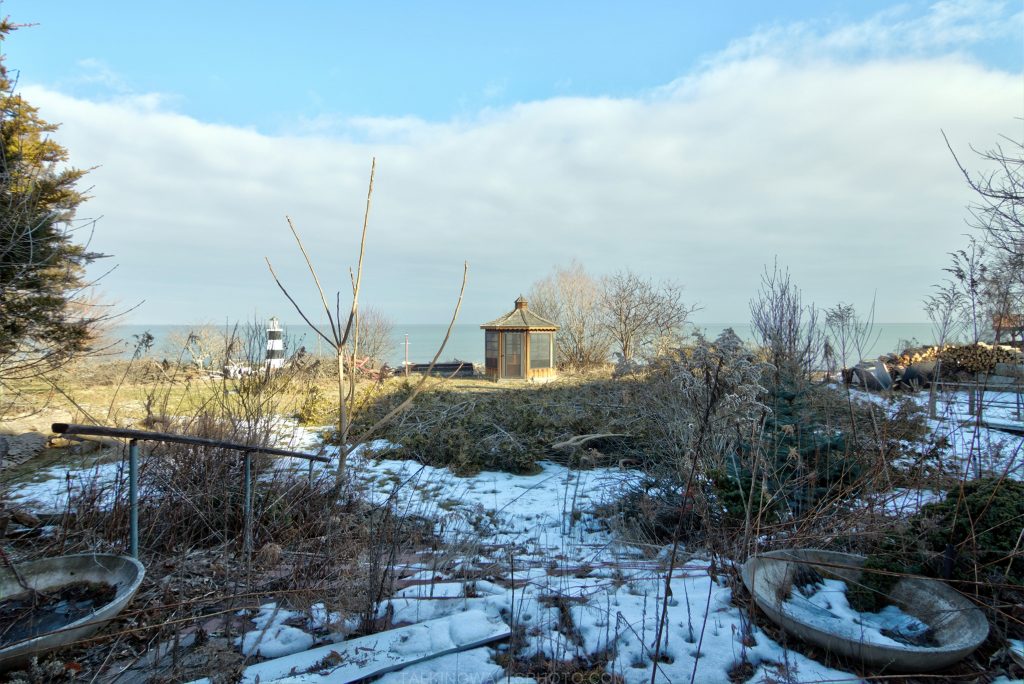
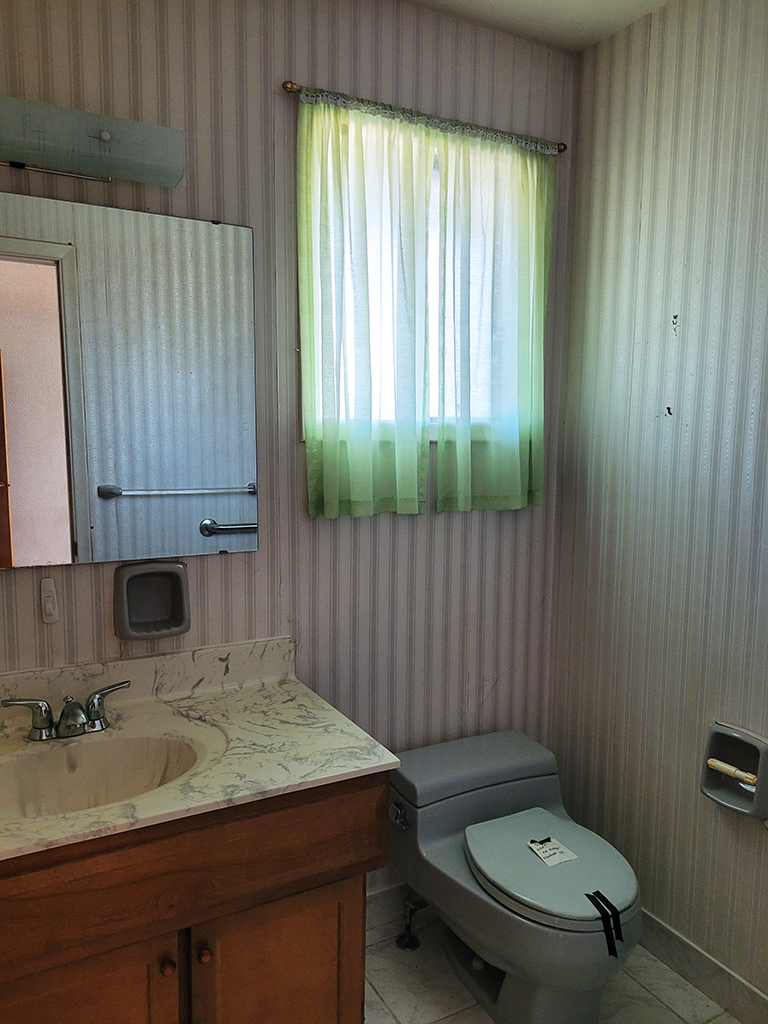
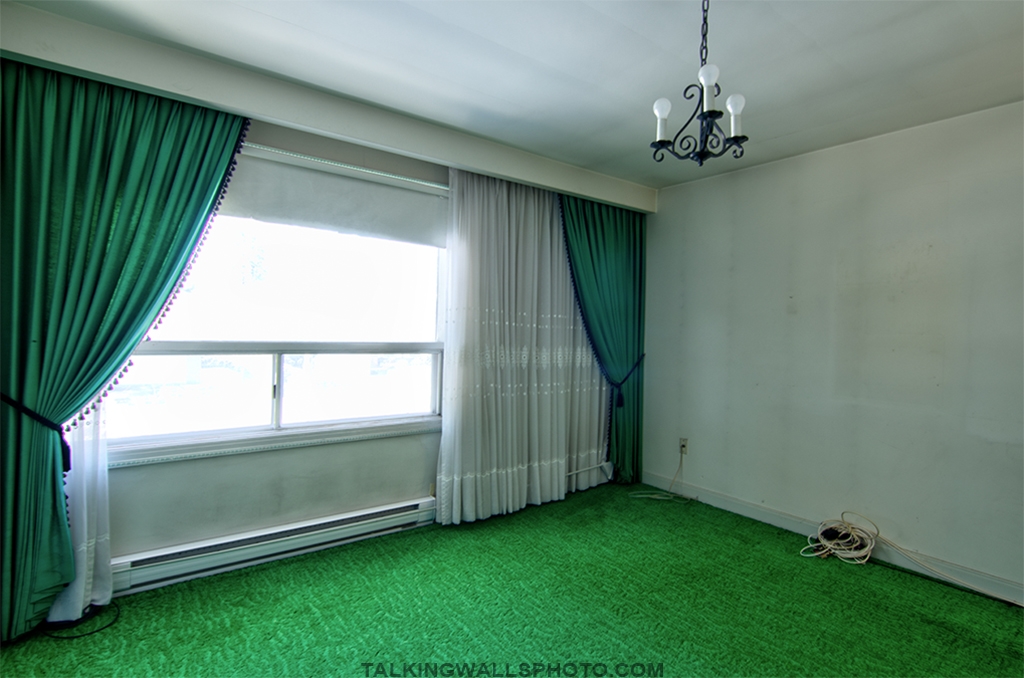
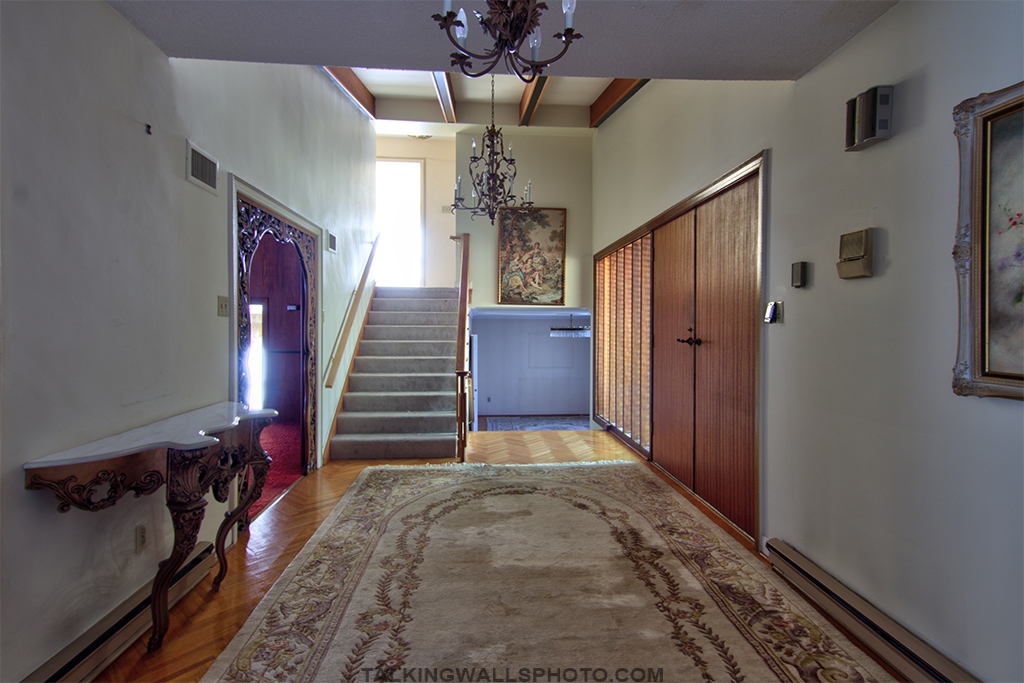
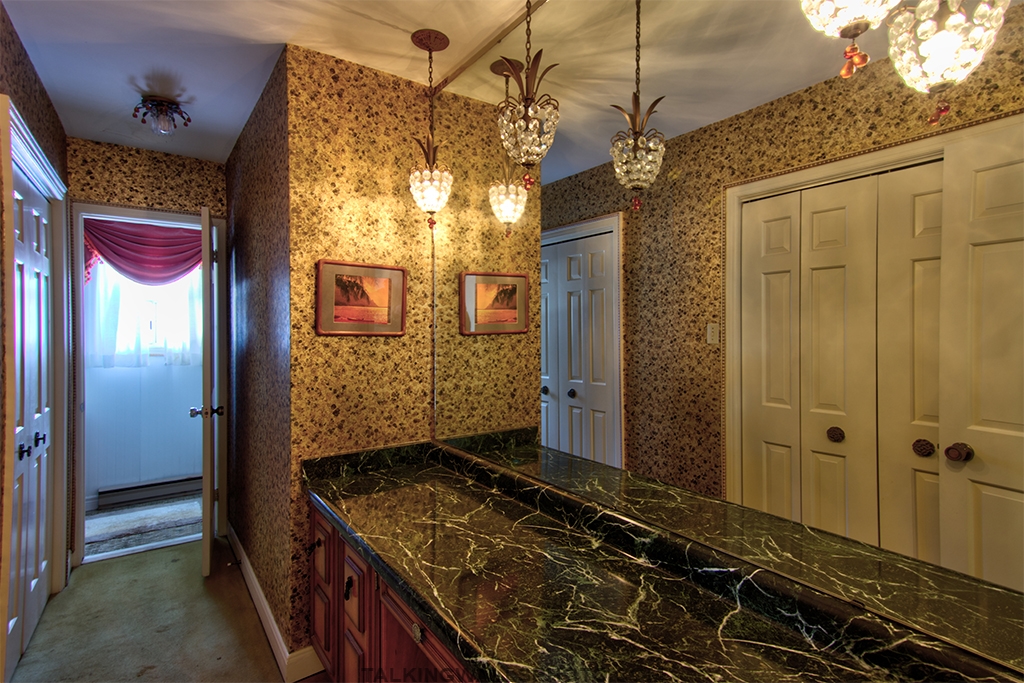
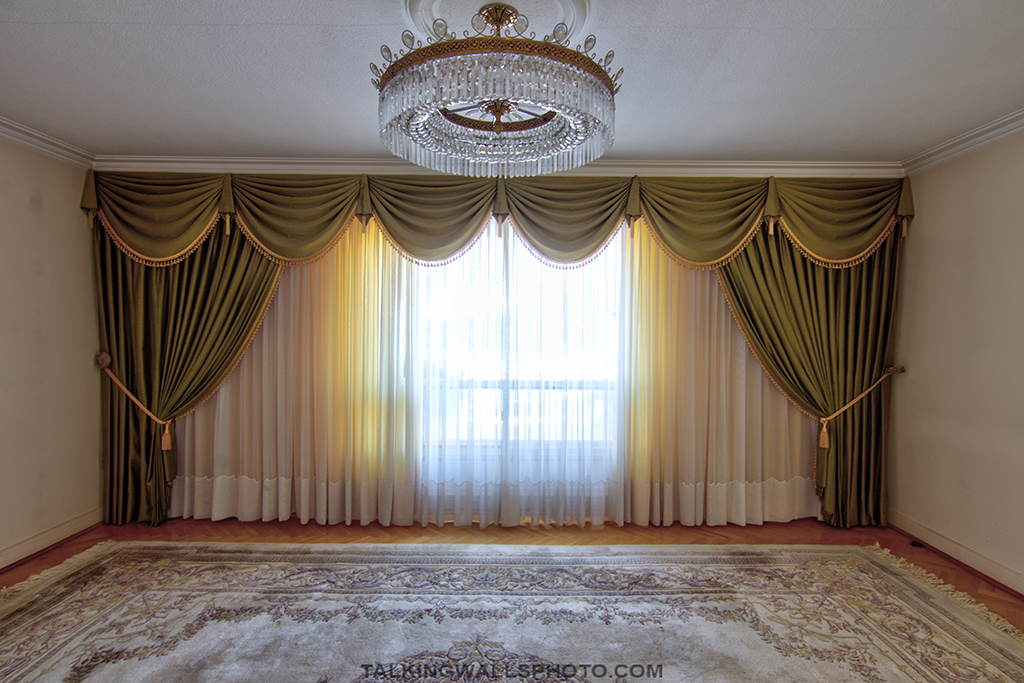
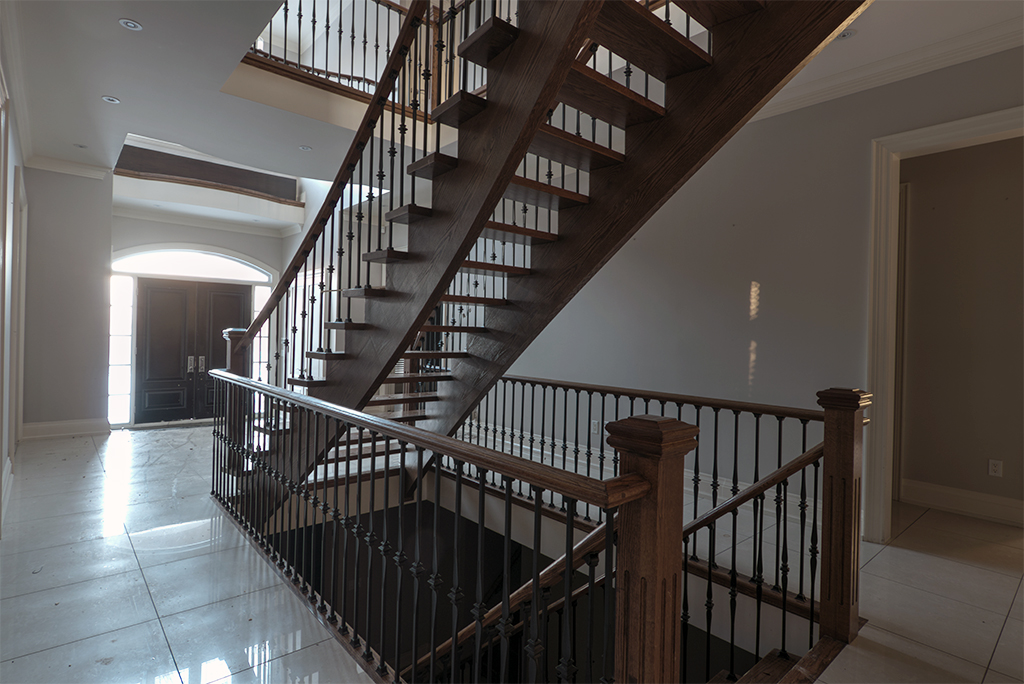
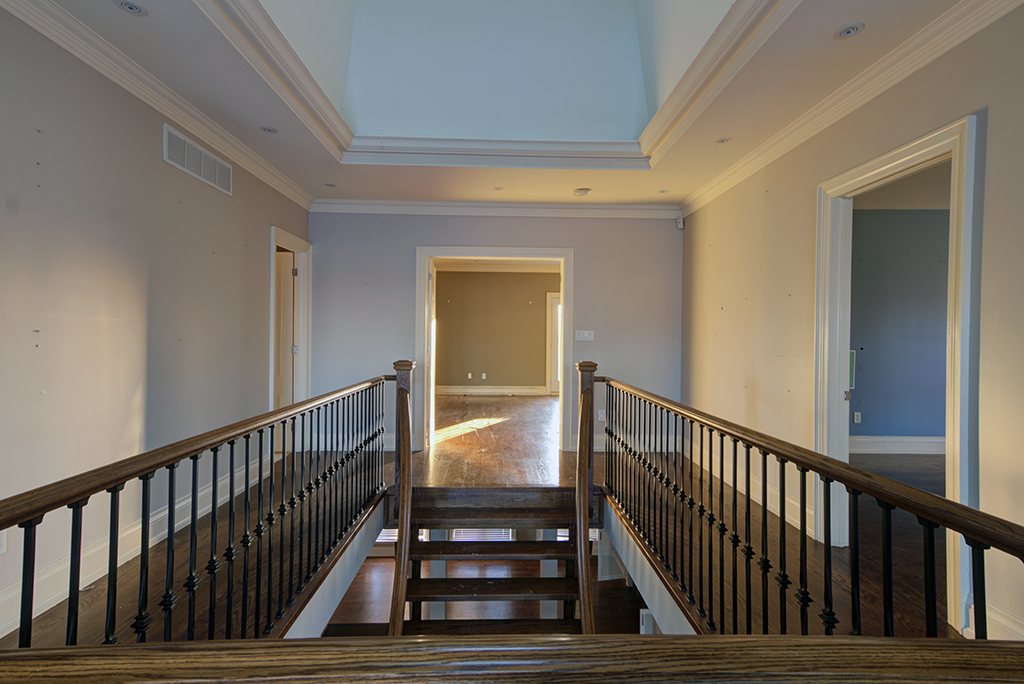
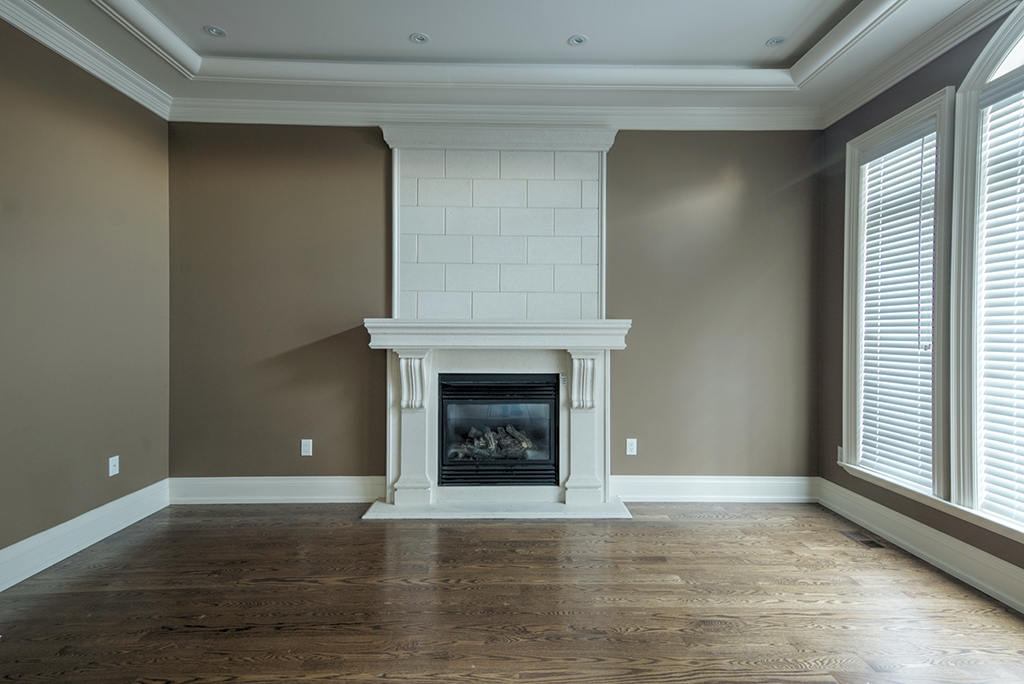
Their house was built in 1968, which makes it quite likely that it was occupied by the Wollschlaeger family until Edith’s death in 2020. While the house is lacking most of it’s contents, it retains most of the original decorum since it’s build.

The house was sold in 2020 for $6,500,000. It is scheduled to be demolished.

Sources:
https://www.skinnerandmiddlebrook.com/memorials/edith-wollschlaeger/4241842/obituary.php
https://transittoronto.ca/bus/8509.shtml
https://cptdb.ca/wiki/index.php?title=Orion_International
https://www.flickr.com/photos/36423017@N07/


Cell Photos


Video

Exploring an abandoned house along Lake Ontario in Ontario, Canada

Never Again Holocaust Story

Note: This story contains disturbing details. I’m reminded of a meme that goes something like this… “History isn’t yours to be offended over. It is precisely that, history. If you find yourself offended, that’s a good thing. It means that you’re very unlikely to repeat that history.”

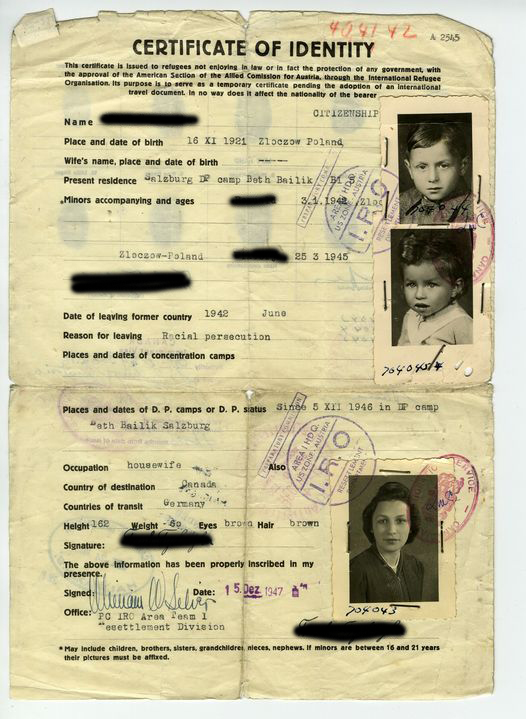
Names have been changed and the memoir details have been paraphrased to keep the house’s address from all the wrong people.

Eliana and Asher

This was the home of Eliana and her husband Asher. Asher was born in Krakow, Poland in 1909. Eliana was born in Złoczów in 1921. Eliana lost her mother at the age of 16 and from that point on she became the primary household cook and cleaner. One year later a man showed up at her father’s house seeking a place to stay for the night. That man turned out to be Asher. She made him a bowl of chicken soup and that was the beginning of their future.

Poland was invaded on September 1, 1939 marking the start of the Second World War. During the war, Eliana’s older brother was taken away to a camp in Russia and was never seen again.

By 1941, the couple were married and expecting their first child. Eliana felt that despite the tumultuous times they were living in, that it was the will of God that she was going to have this child. Their house had suffered damage from bombing but to repair the house meant being seen. To make matters worse, some of their friends and neighbours had already tried robbing items from the house.
 
One day the family was sitting in their house, cold and hungry when they heard a knock on the door. They opened it expecting to find Nazi soldiers but instead found two young boys with sticks. The boys demanded that the men of the house follow them. Eliana’s younger brother was allowed to remain at home to care for her.

Asher was led by the two boys to a location where he was to be executed. While on the way, a German soldier unaware that he was a Jew, stopped him to ask if he knew where he could get his radio repaired. The town had two people who were radio technicians. Asher got into the car with the German soldier and took him to where he could have his radio repaired. It happened that both technicians had already been taken from their homes and were going to be killed.

Asher persuaded the soldier to take him to the execution spot so that the two technicians could be found. The German soldier urgently wanted his radio repaired and so he did just that. As a result of this intervention, two young men were saved, the radio repaired and Asher was brought home afterwards. While this took place over the course of two hours, to Eliana it felt like a lifetime.

Eliana’s husband had been saved from execution but her father had also been taken away by the Germans. Her father had been pushed into a grave and was waiting for his turn to be shot. He prayed to God for a miracle and a miracle did happen. A big rainstorm suddenly appeared and the German soldiers left. A neighbour touched his arm and told him that the killers had fled. Asher made his way back home.

Eliana’s husband and father survived but the family lost their uncles and cousins,

There was a mass grave at the top of a nearby hill. The town’s people were unsure if or when they’d be murdered. Some of them formed a special organization to help the Germans in hopes that their lives would be spared. They turned on their fellow neighbours. The Germans would try to get what they needed from the group, and if goods weren’t delivered on time or in full, the next morning trucks would arrive to take away as many Jewish people as could be found.

Asher worked as a dentist and fortunately still had many friends in the community. In return for his dentistry services, food would be smuggled into the house.

Eliana’s son was born in 1942 but it wasn’t a joyful occasion. Instead, people asked her what was the point in being born if you were only going to die. One week later a man arrived early in the morning under the cover of darkness to perform the circumcision. The family hoped that perhaps their lives might be spared because of having a baby.

Six months went by. One evening there was a mass killing in the town. The entire town was surrounded. Eliana dressed up like a country girl and fled with her husband. They walked through the eerily quiet night hoping that nobody would stop to question them. They walked to where a Ukrainian woman lived, hoping that they might be able to stay in the barn for the night. Suddenly they found themselves under searchlights. At the same time the searchlights found the family, the family fell into a ditch that was in front of them. The Germans lost sight of the family.

They returned to their home the next day and found that many more innocent people had been killed.

For months the family sat by their radio listening for news hoping that freedom had arrived. Sadly, freedom was nowhere to found. The Germans were running low on bullets so they began using gas chambers. Another method used was electrocution.

One morning the family heard strange voices outside. Eliana’s father and brother went to hide in a secret spot they’d built and insisted that she also come in with the baby. What if the baby began crying though, the lives of the entire family were at risk?

She decided to take a chance and escape to a nearby Christian neighbour. The Germans didn’t search a Christian house as frequently as a Jewish house. Asher was sent to the next-door house to ask for permission for them to stay there. The neighbours were willing to risk certain death than to turn the family in. As soon as the family was inside the neighbour’s house, they looked out the window to see Germans were in the backyard where the couple had been just moments ago.

The neighbour hid Eliana and the baby behind a dresser and put Asher in a closet. There was a knock on the door. Their lives were now in the hands of God. While the Germans searched the house, Eliana hid shaking and trembling. She made faces at her baby who responded by smiling. Their lives depended on the child remaining quiet. Those that were found inside Eliana’s house were taken away, while Eliana, Asher, her father and brother were safely hidden next door.

By the time Eliana’s baby was one year old, the Germans gathered up all of the Jews and put confined them to a section of the town enclosed with barbed wire. This allowed the Germans to finish off the Jews whenever they wanted as well as force them to work in slave camps.

Asher began looking for someone who would take the family into their house and hide them there until the end of the war. He found one woman offered to take the family in, where she was living with her elderly father. The woman was reluctant to take the entire family (father, brother), only Eliana, Asher and the child.

(Note: I’m not certain if this was in the barbed wire confined part of town. This part confused me.)

The elderly man liked the family, but seemed to be fearful of his own daughter. He allowed Eliana’s father and brother to stay in the house provided that they remain hidden from his daughter. Things seemed quite peaceful in the new house.

A few weeks later they noticed people cutting down trees from the nearby forest. There was a knock at the door and two German soldiers informed the man that there was going to be some shooting and that it wasn’t safe for him to remain in the house.

The man fled taking only his jacket and dog. In the barn was a hiding spot in the ground, large enough for five people to hide in. The family hid out in the grave-like shelter and tried to hear what was going on.

Finally, Asher couldn’t take it anymore. He crawled out to peer through the cracks in the barn. A half mile away the Germans had dug out a mass grave site. The remaining townspeople were brought in on trucks, undressed and then lined up beside the grave. One by one they were shot in the back of the head, falling on top of one another.

This went on for several days, day and night. The family prayed that they’d be spared from the terror outside. Unbeknownst to them, the daughter of the old man had already hatched a plan. She informed the German soldiers of the hidden Jewish family.

German soldiers were on their way through the village. They stopped to ask a farm boy how to get to the home. The boy offered to take the solders to the home. There happened to be another farmer in the village with the same last name so when the soldiers arrived, they searched the wrong house.

Asher and Eliana decided to go return to their house back in the town. They walked through the night and arrived at their former home. They knocked lightly at the window and woke up the man who was now living there. Early next morning his wife came down to ask where they’d come from and why. The woman was afraid for her life but seemed to take pity on the family with young child.

(Edit: I’m not certain who was living in their former home or why. Perhaps non-Jewish occupants from the now barbed wire enclosed housing)

The man went to the market to try to sell his coat in exchange for some bread. When he returned, unsuccessful, Eliana and Asher offered him their possessions in exchange for allowing them to stay.

Twenty-two months passed. The Russians were bombing the area and the people were fleeing to the country rather than stay in the dangerous town. Asher and Eliana remained in the dark cellar of their former house. They heard the Germans upstairs, who were now using the house to treat wounded soldiers. They were so close to being free, if the baby would just remain quiet.

They were five people in total living on one piece of bread and water in the dark cellar. They didn’t know whether it was day or night.

After three years they were able to walk out to freedom. The family was quite fortunate as there were no other families in town. Men were without wives, vice-versa and children were without parents. The town of 15,000 people was reduced to approximately 100.

Their child whispered for a long period of time because he’d never learned how to speak out loud.

In 1945 the family welcomed their second child, a girl. In 1947 the family arrived at a refugee camp in Austria. They chose to start a new life in Canada where they had some relatives. They arrived in Canada on July 28, 1948.


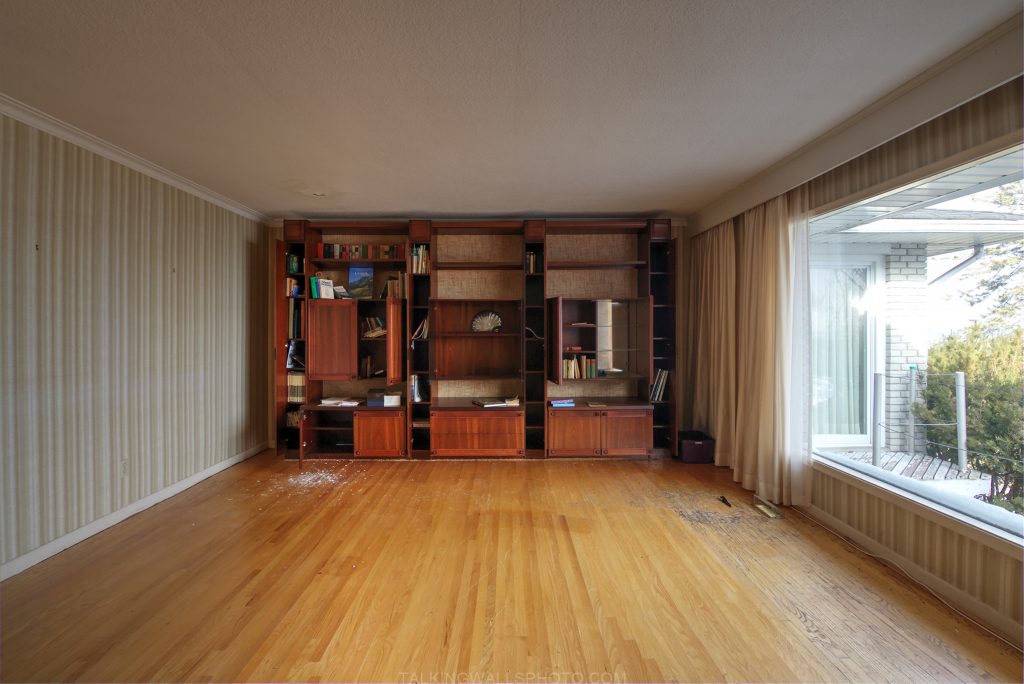
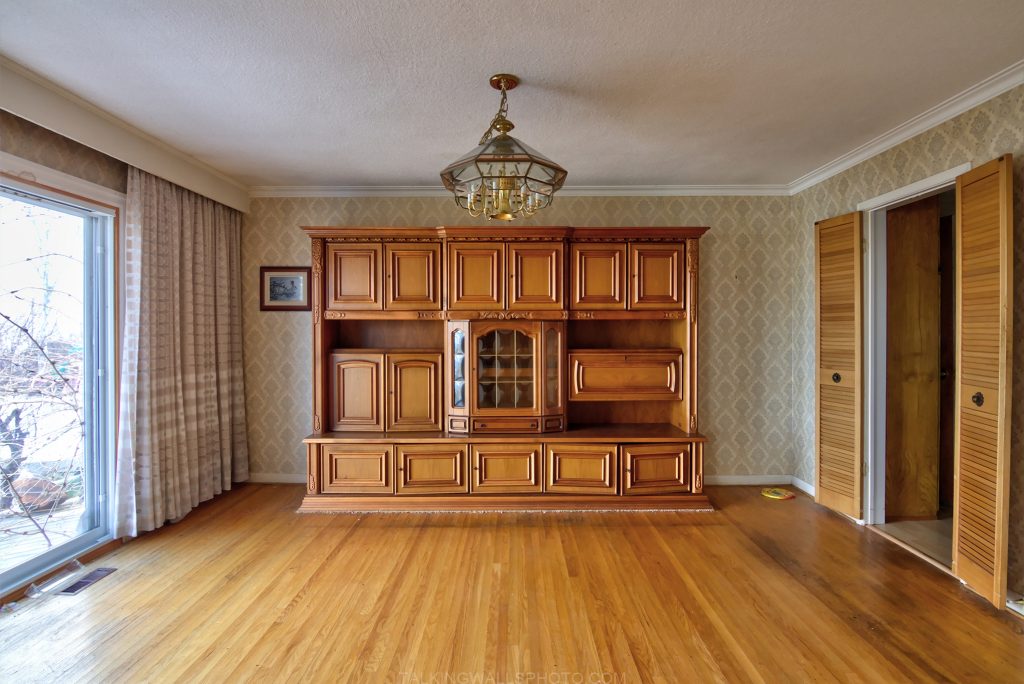
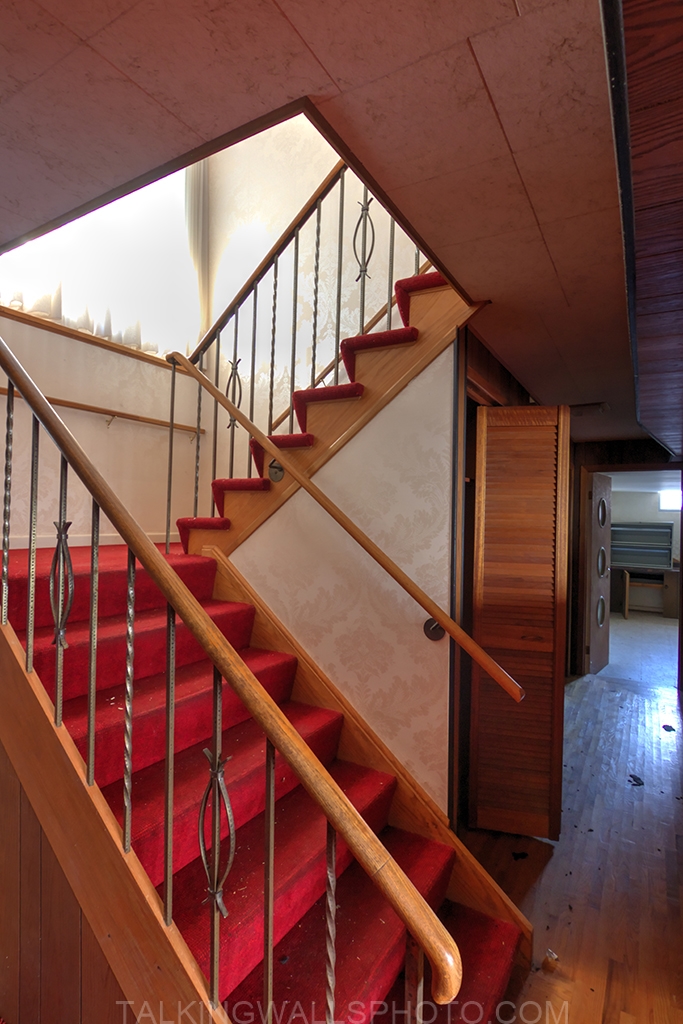
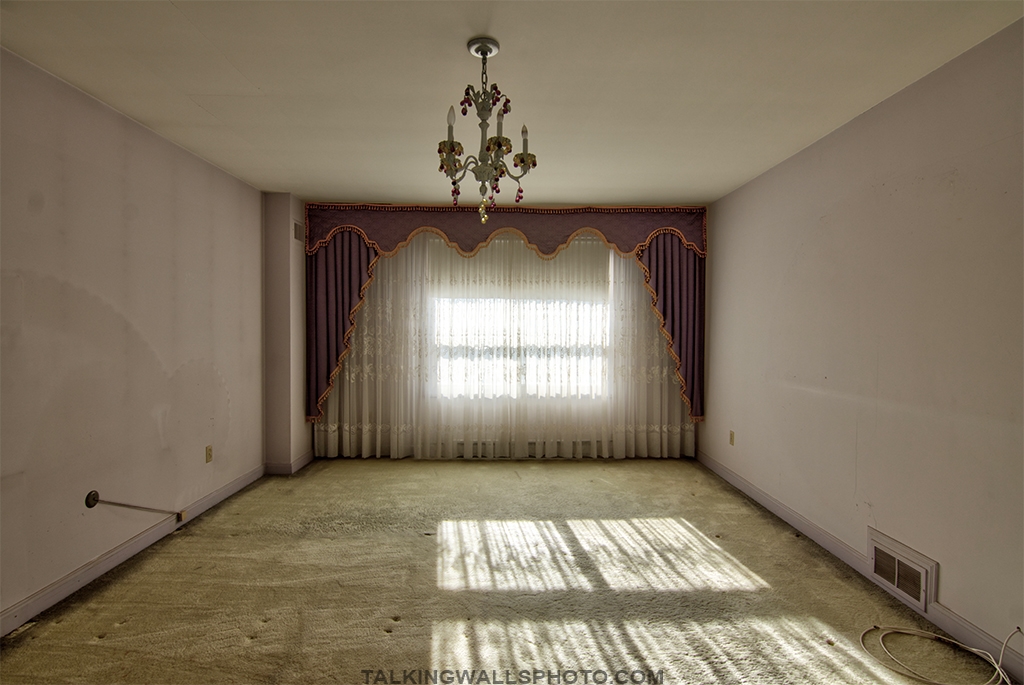
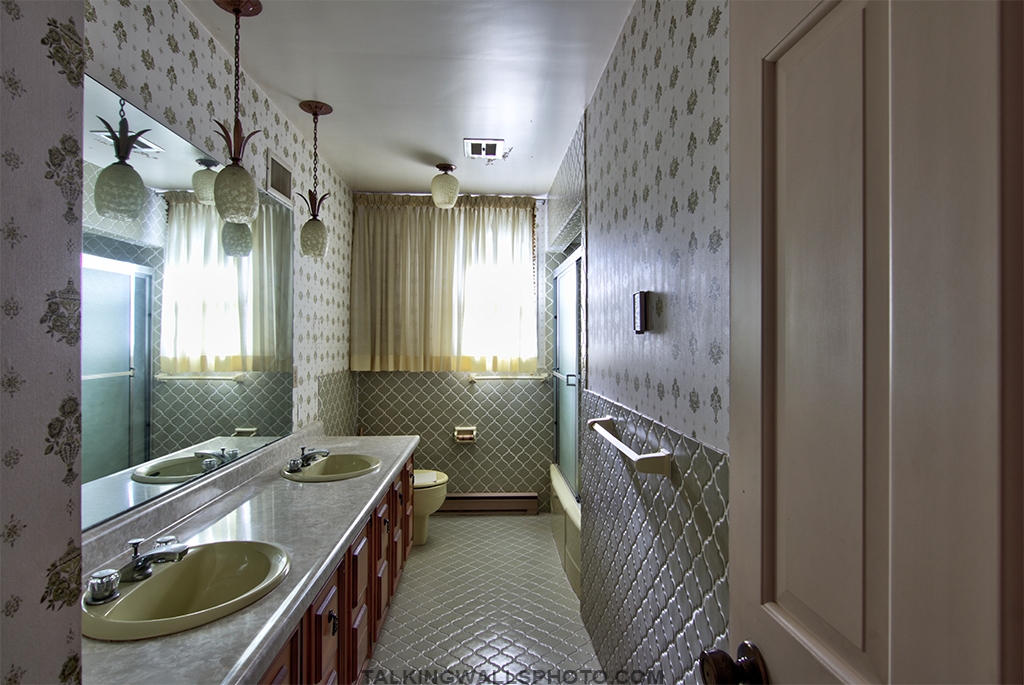
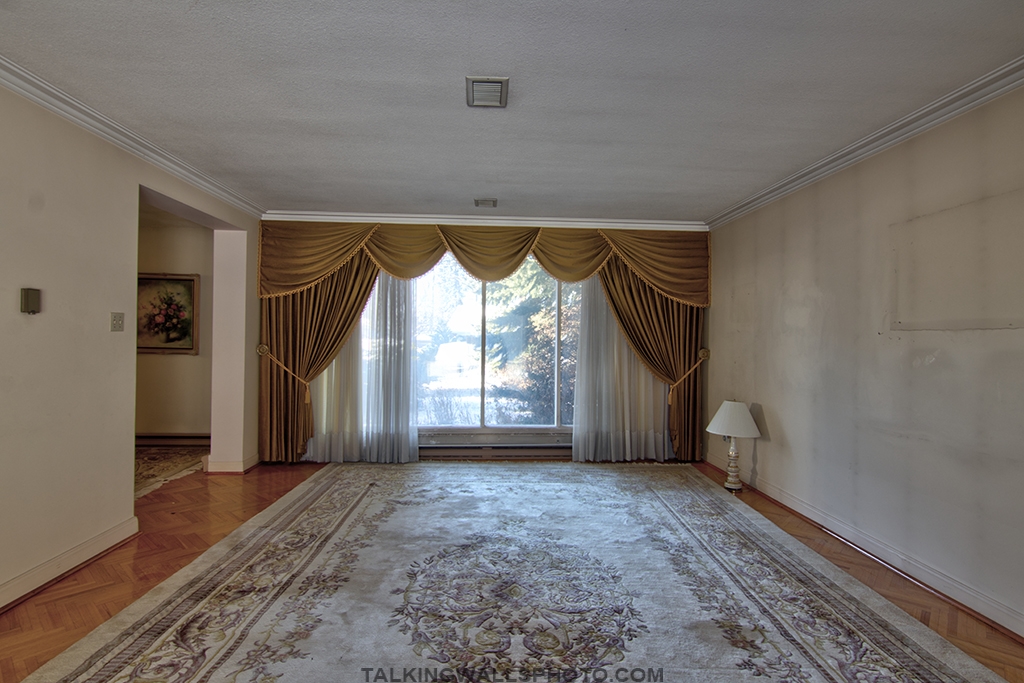
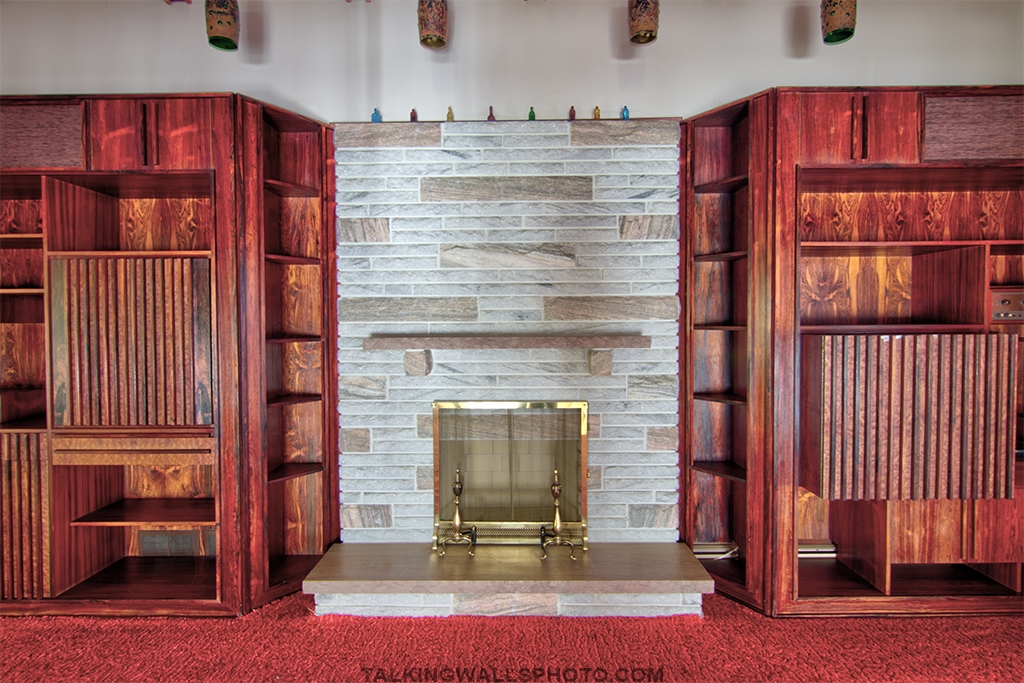
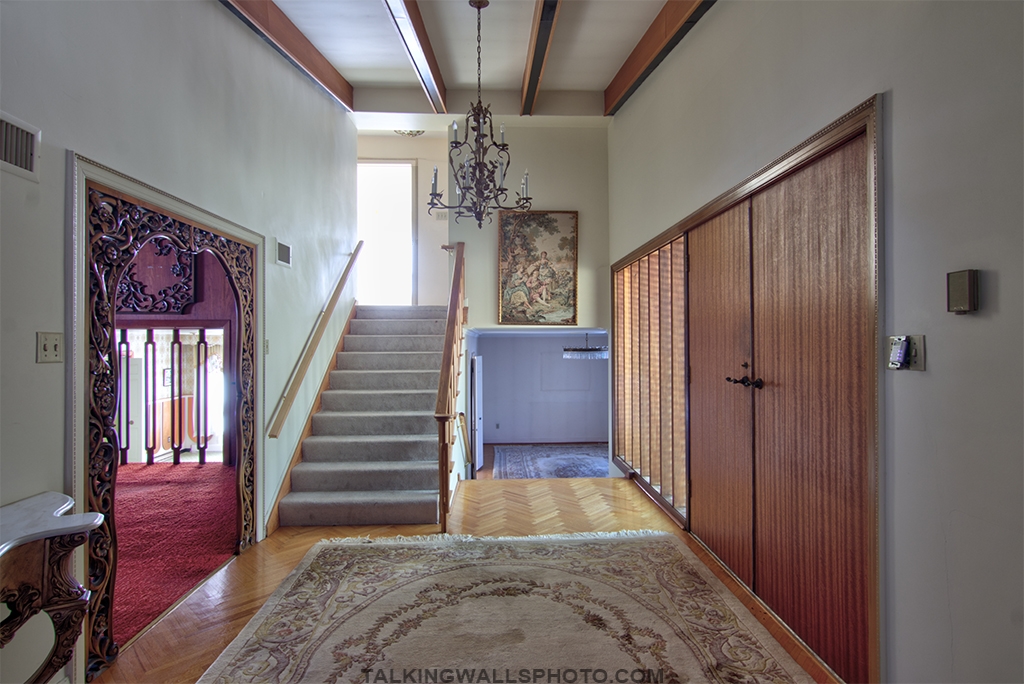
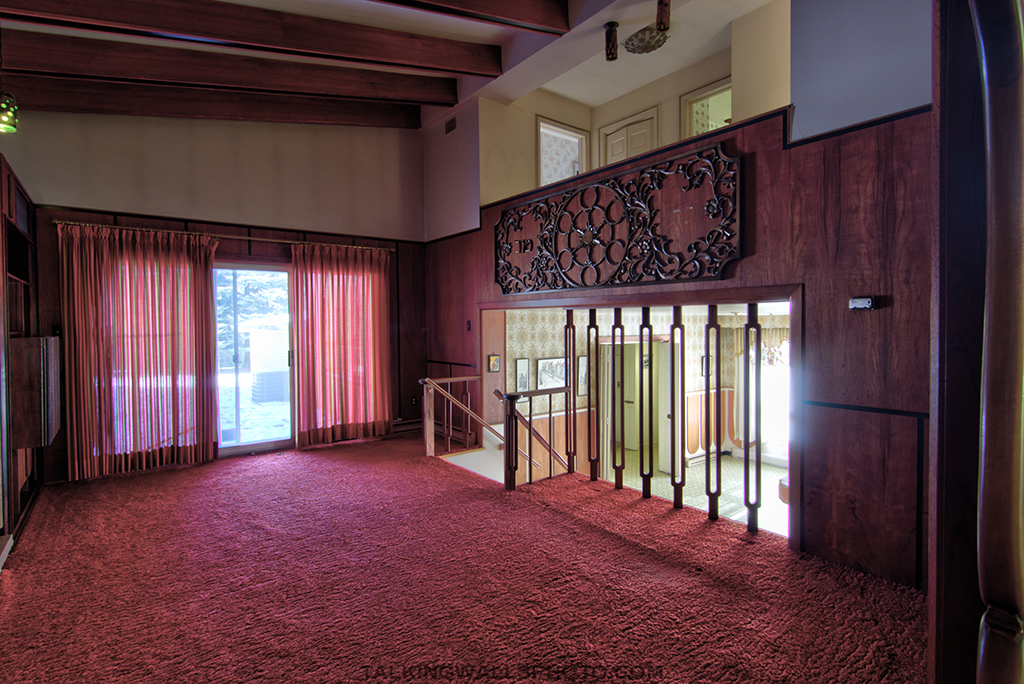
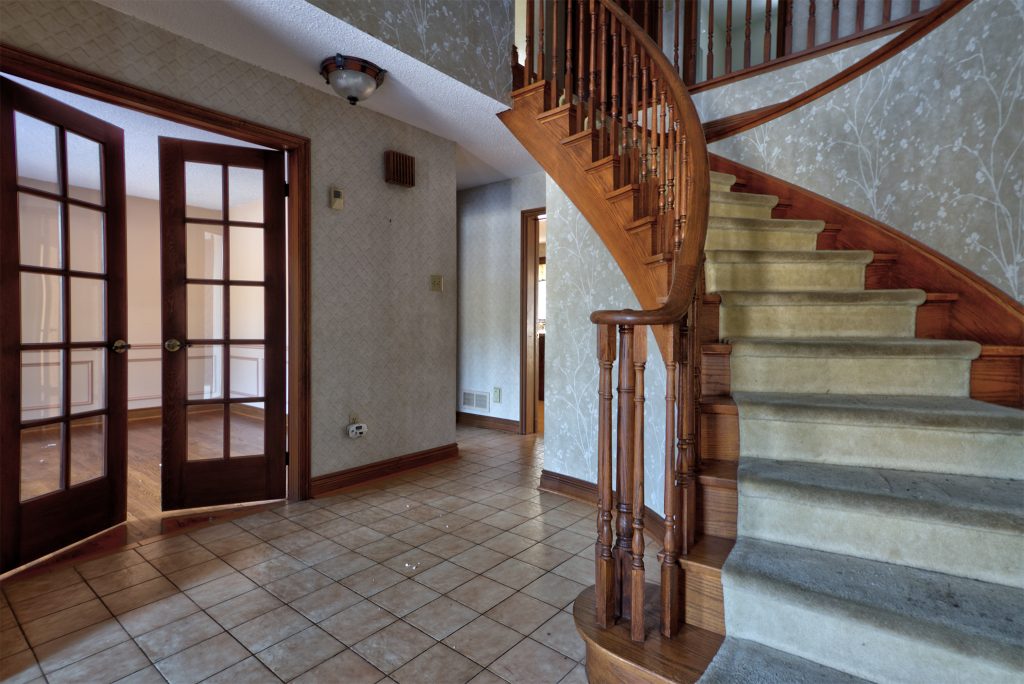
In 1968 Asher built the family home, a home which remained in the family to this day. It has three bedrooms and five bathrooms. The most striking feature of the house of course is it’s unaltered interior retro look.

Asher passed away in 2006. Since that time, Eliana lived with the assistance of personal support workers. I have no information on what their occupations were once they were living in Canada. I believe Eliana was a stay-at-home mother. She passed away in 2022.

Between 6 million and 11 million people were killed during World War II.

Personal note: We attempted to explore this house once, it was locked and so we walked away. Another explorer wanted in so badly, he pried the door. Information for this story was taken from Eliana’s memoirs and a video memorial. All research by TWP.

This page is not monetized.


Cell Phone Photos


Video

Never Again Holocaust Story

Cranky Dog Walker House


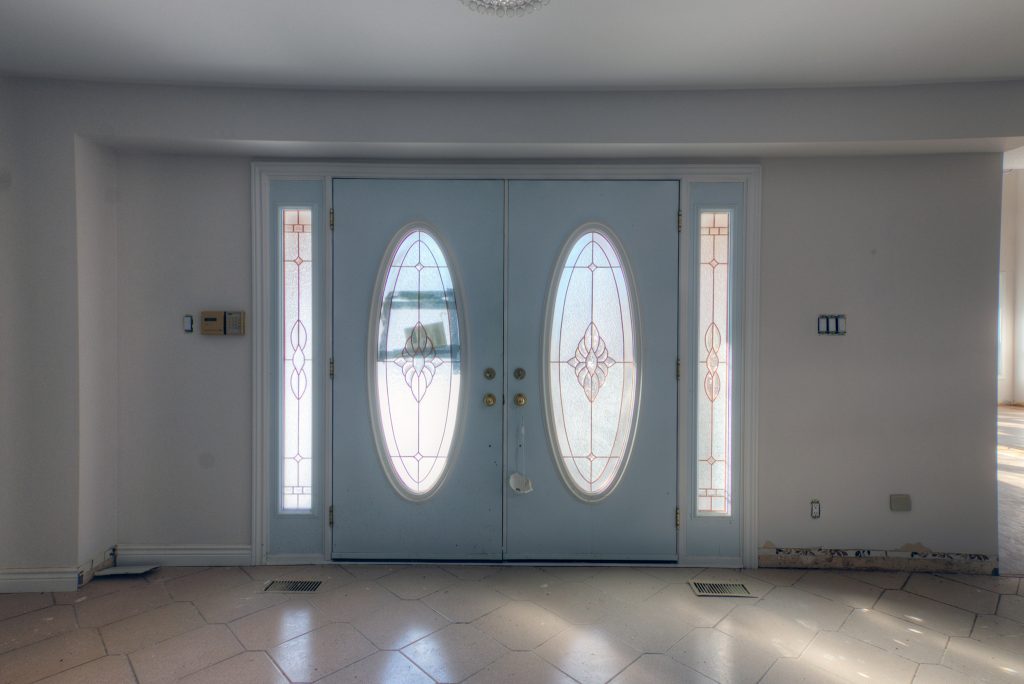
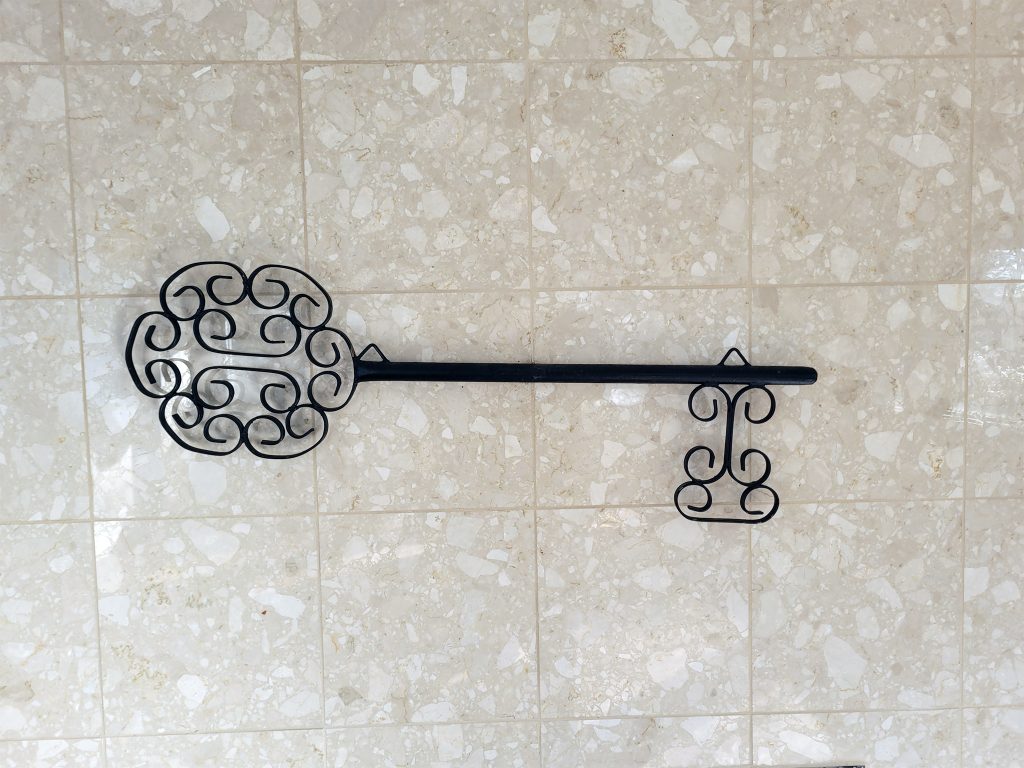
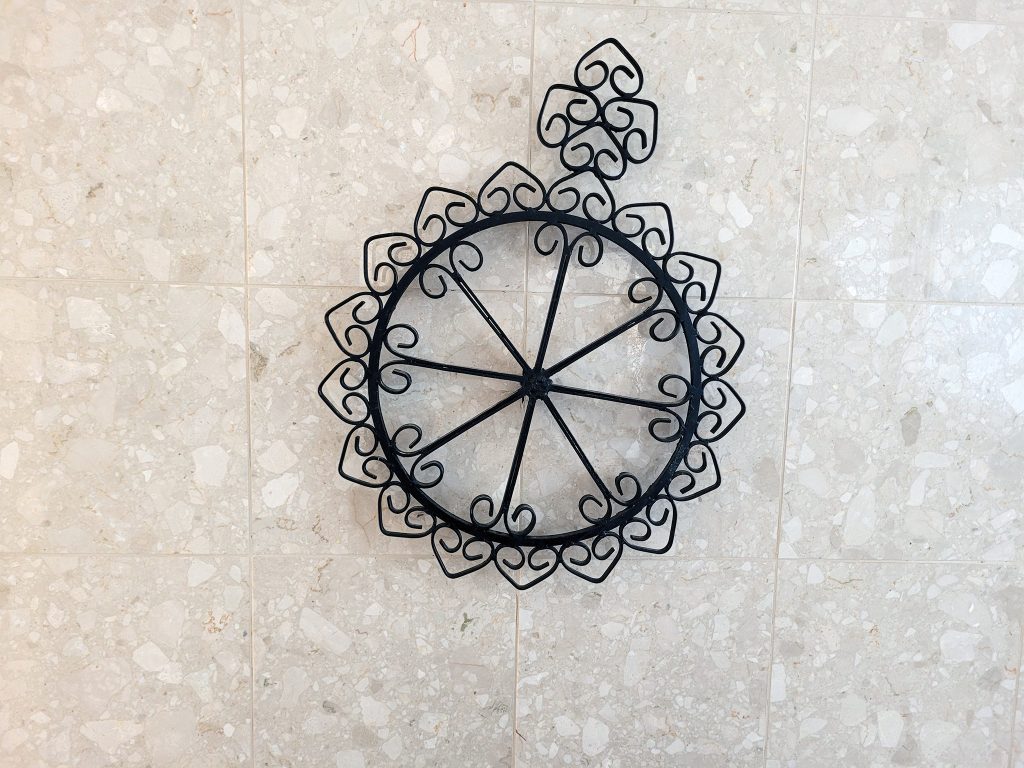
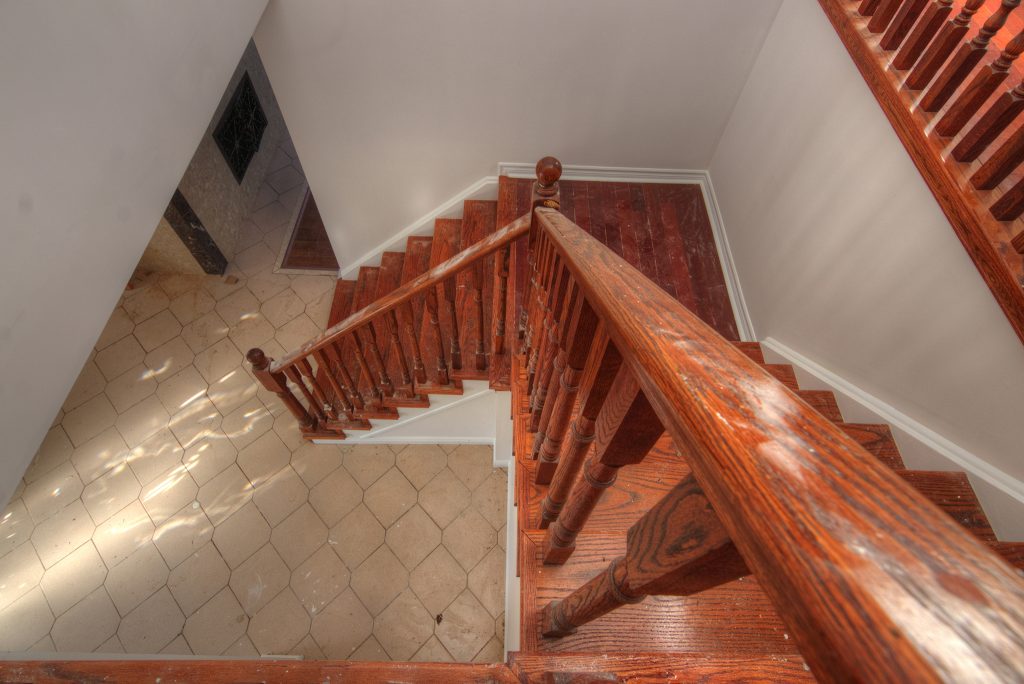
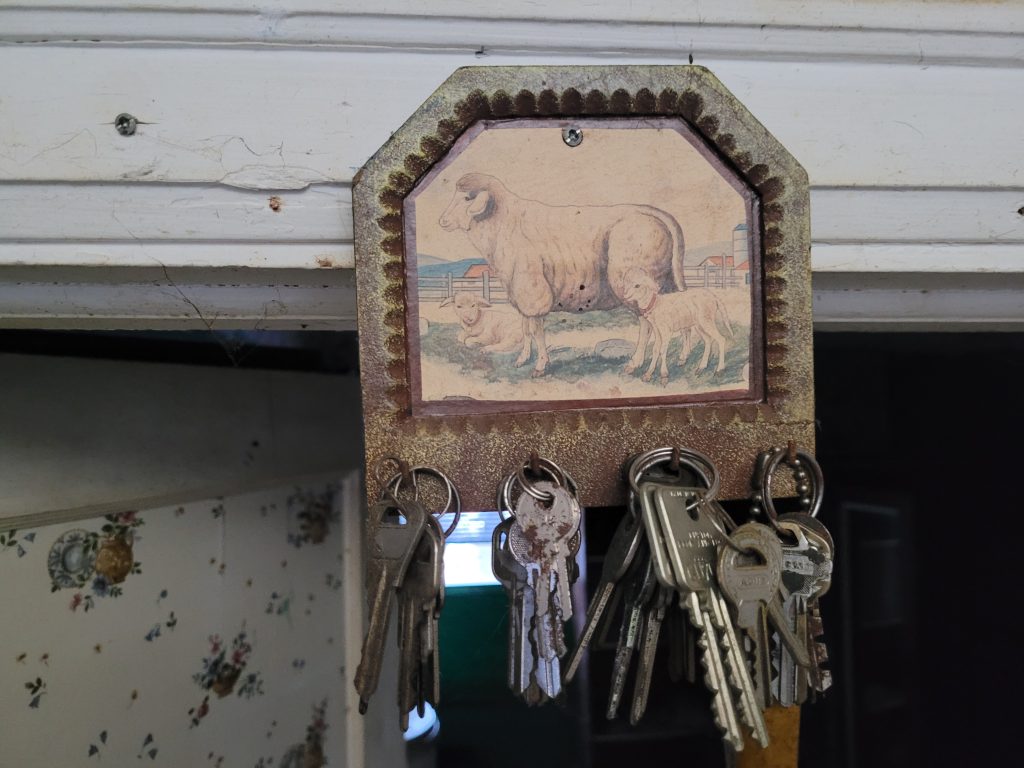
The Key House (Toronto)

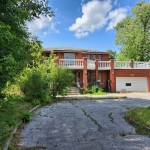
This property has five bedrooms and six bathrooms. It was on the market back in 2016 for $2.7 million dollars. Today it sits vacant. There are no signs of renovations nor demolition in progress.
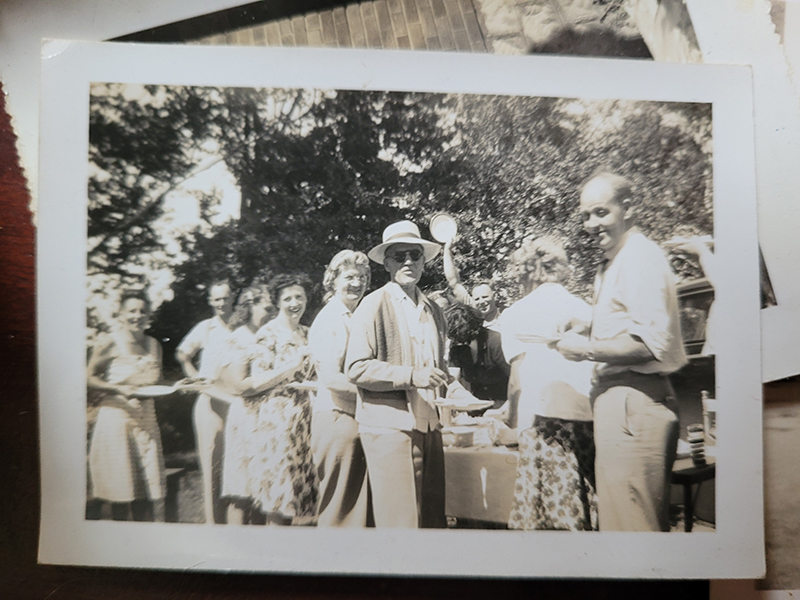

The Time Crapsule

I don’t have a lot of information on this particular location. The man who lived here apparently had some legal issues and his lawyer had been unsuccessful in receiving payment. This isn’t a time capsule as it’s quite messy and has been picked through. There’s still quite a bit of original possessions however, so I consider this place to be a ‘time crapsule’.

Inside the front entrance were many assorted 45 RPM records. Out in a shed I found dozens of 33 RPM albums. Based on some of the items found, I believe the man worked for a company named Fowler Construction.


Video

Exploring a Time Crapsule House in Ontario... Messy but many possessions left behind.

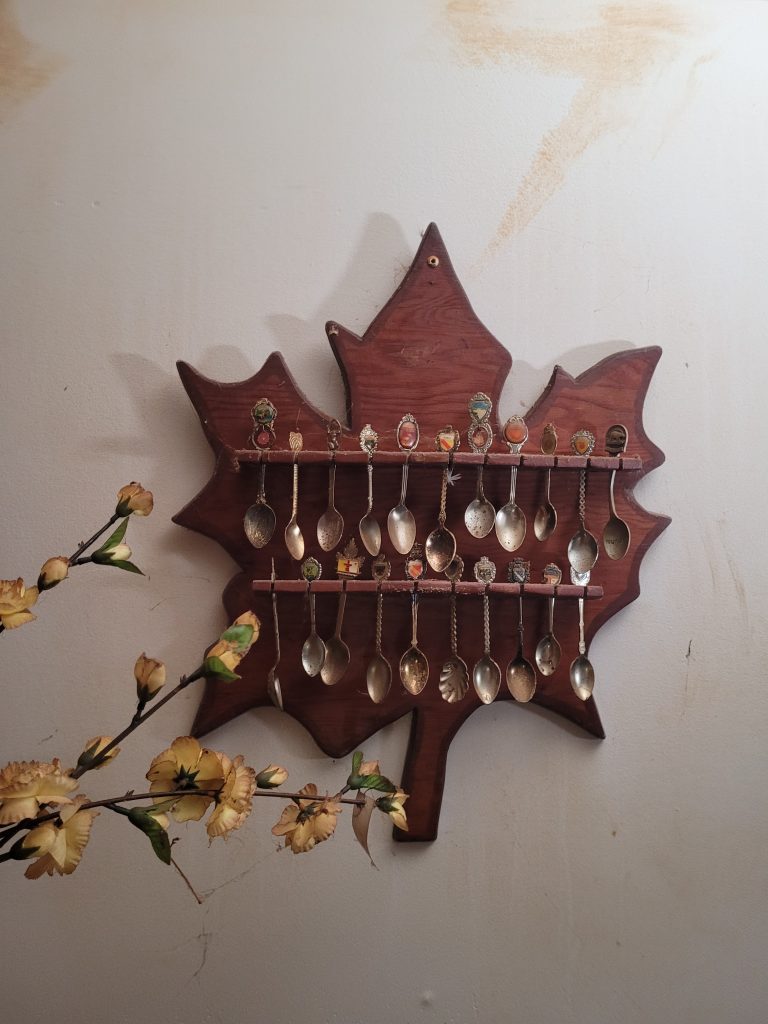
The Spoon Lady’s Time Capsule House

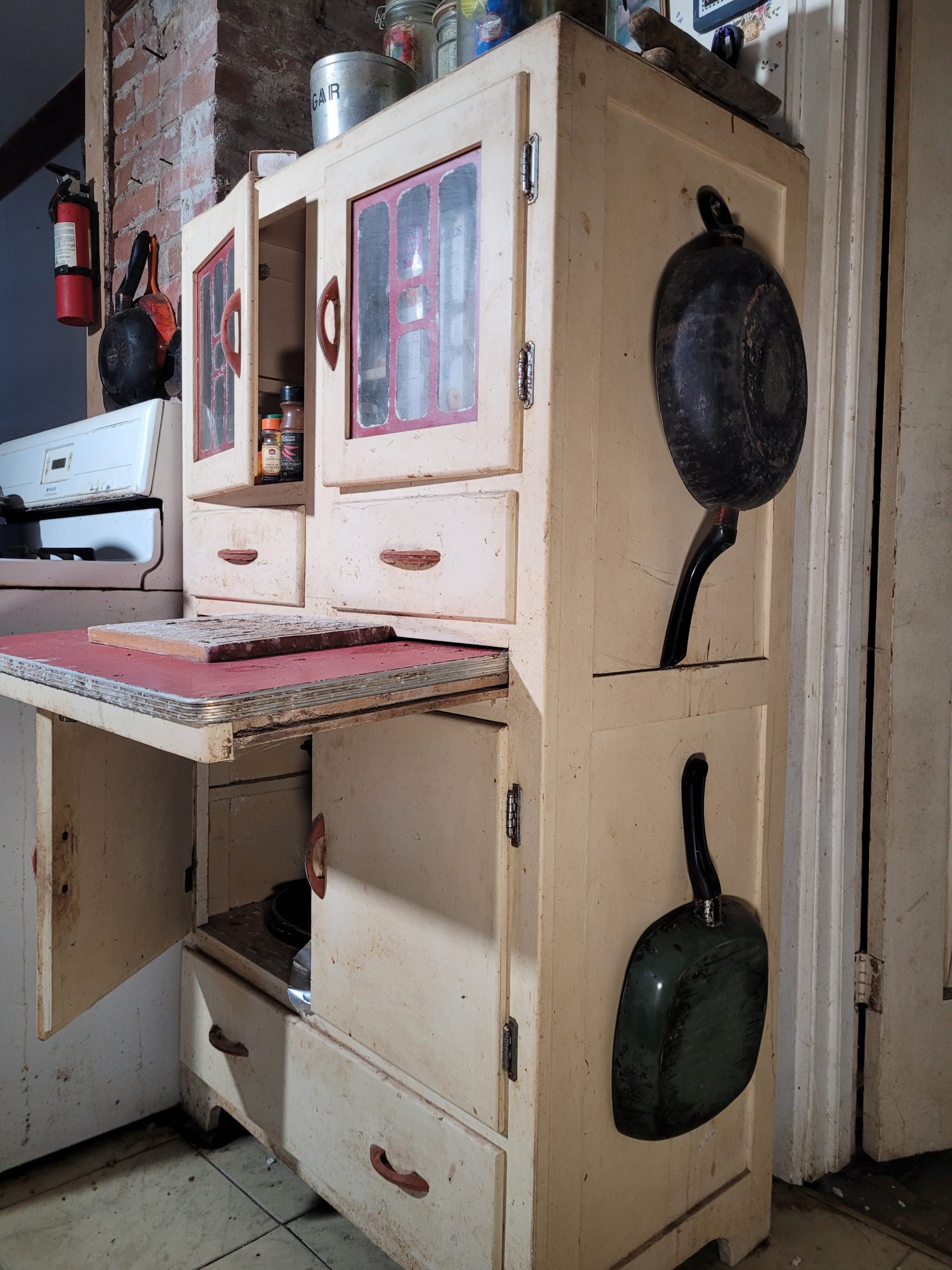
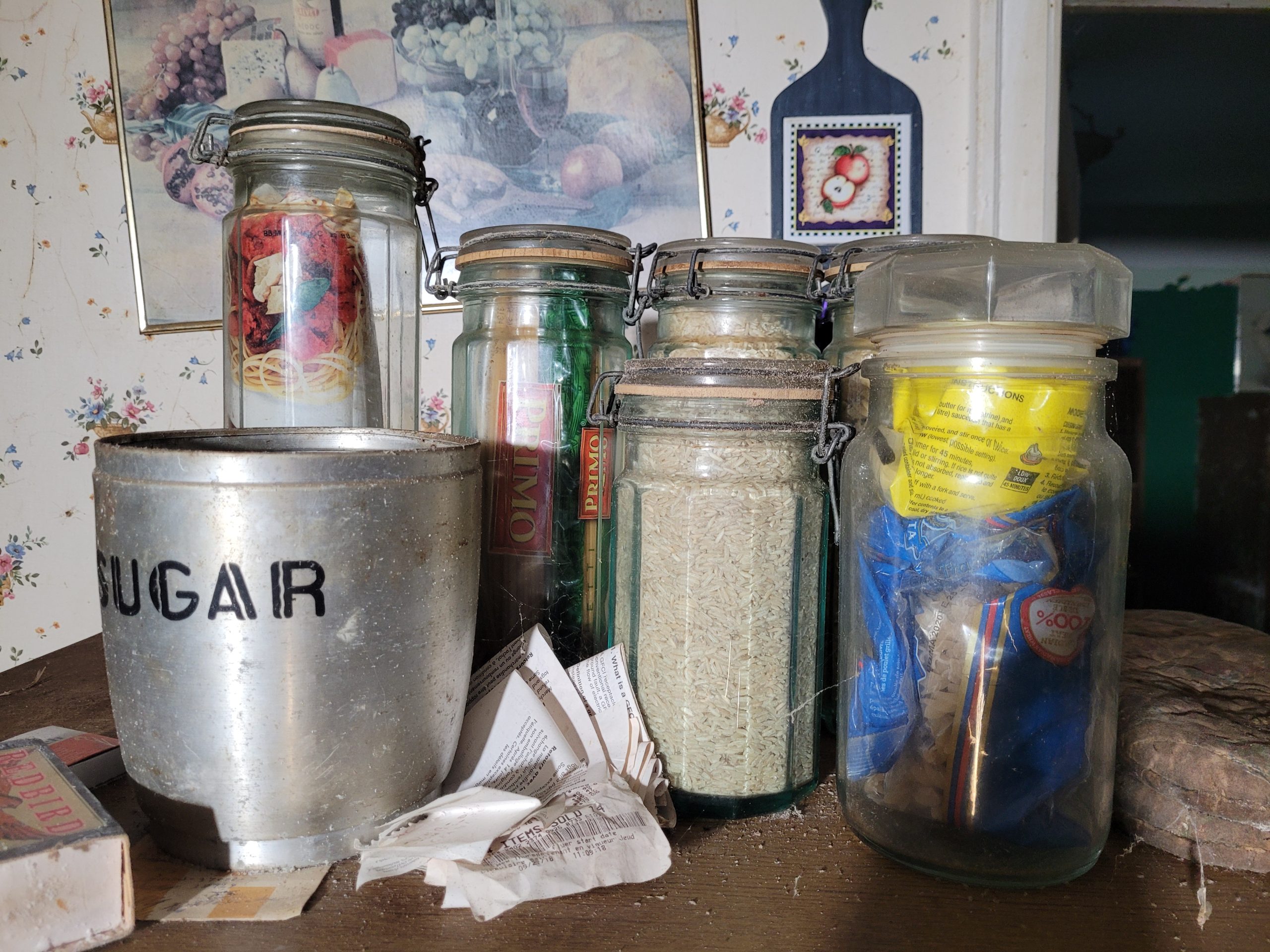
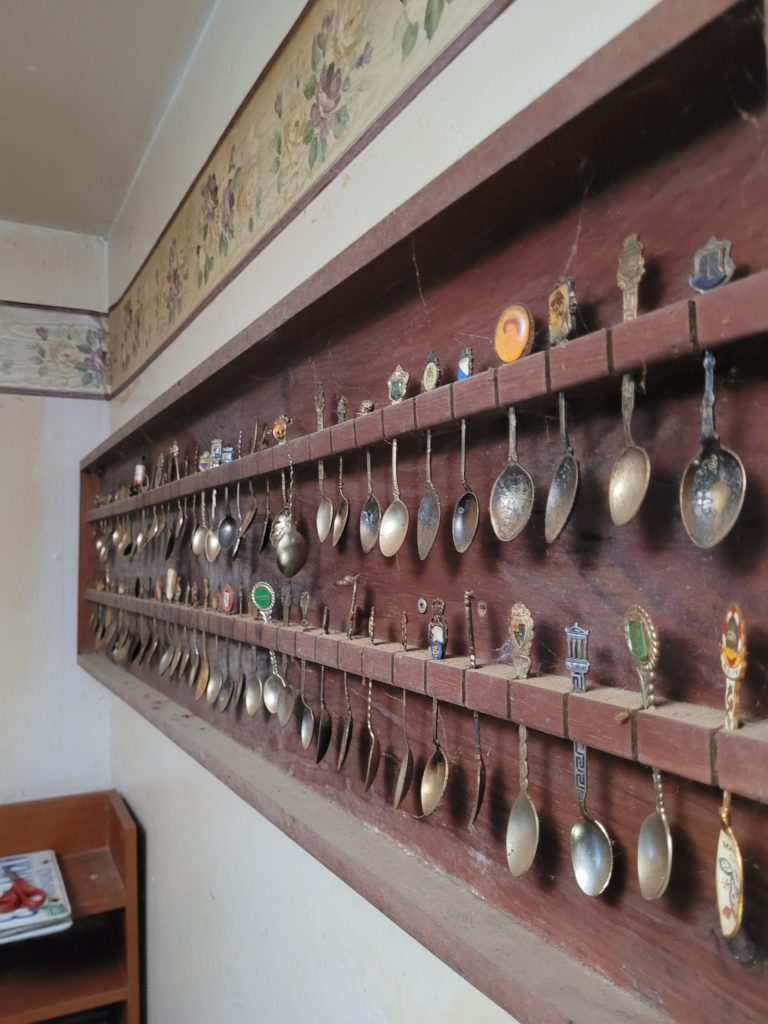
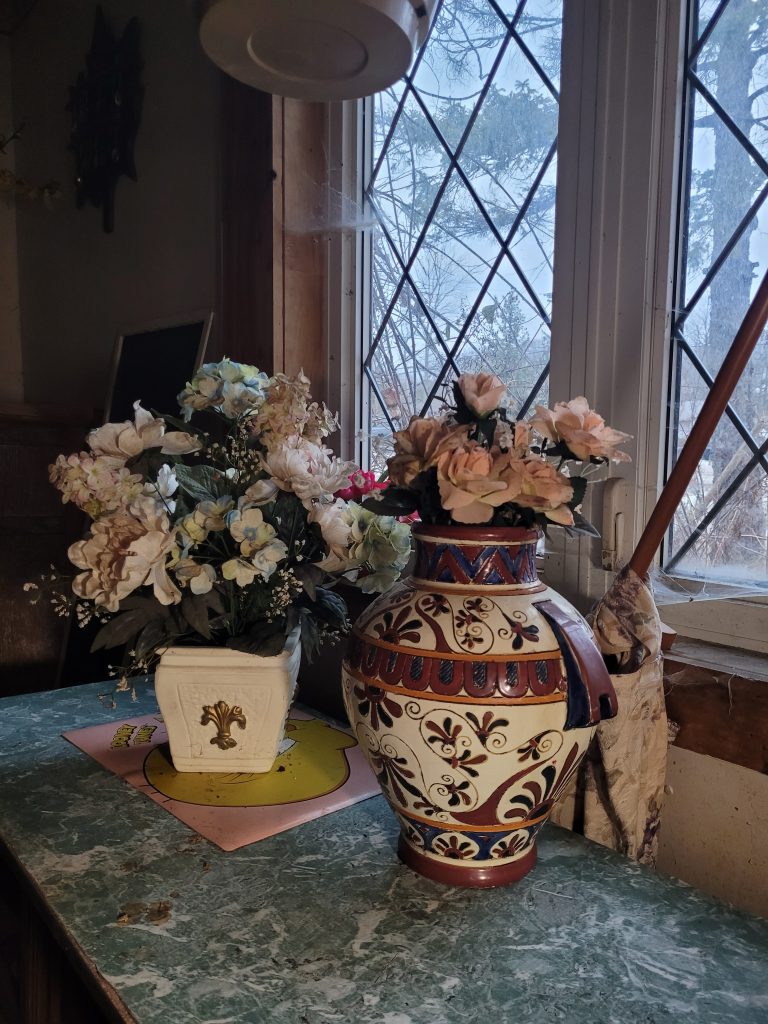
I know very little about the background of this house except that it was lived in by an elderly couple. Most of the contents are still inside and there’s no vandalism. The kitchen still contains dishes and jars of cooking spices. The living room is quite simplistic as is the bedroom.

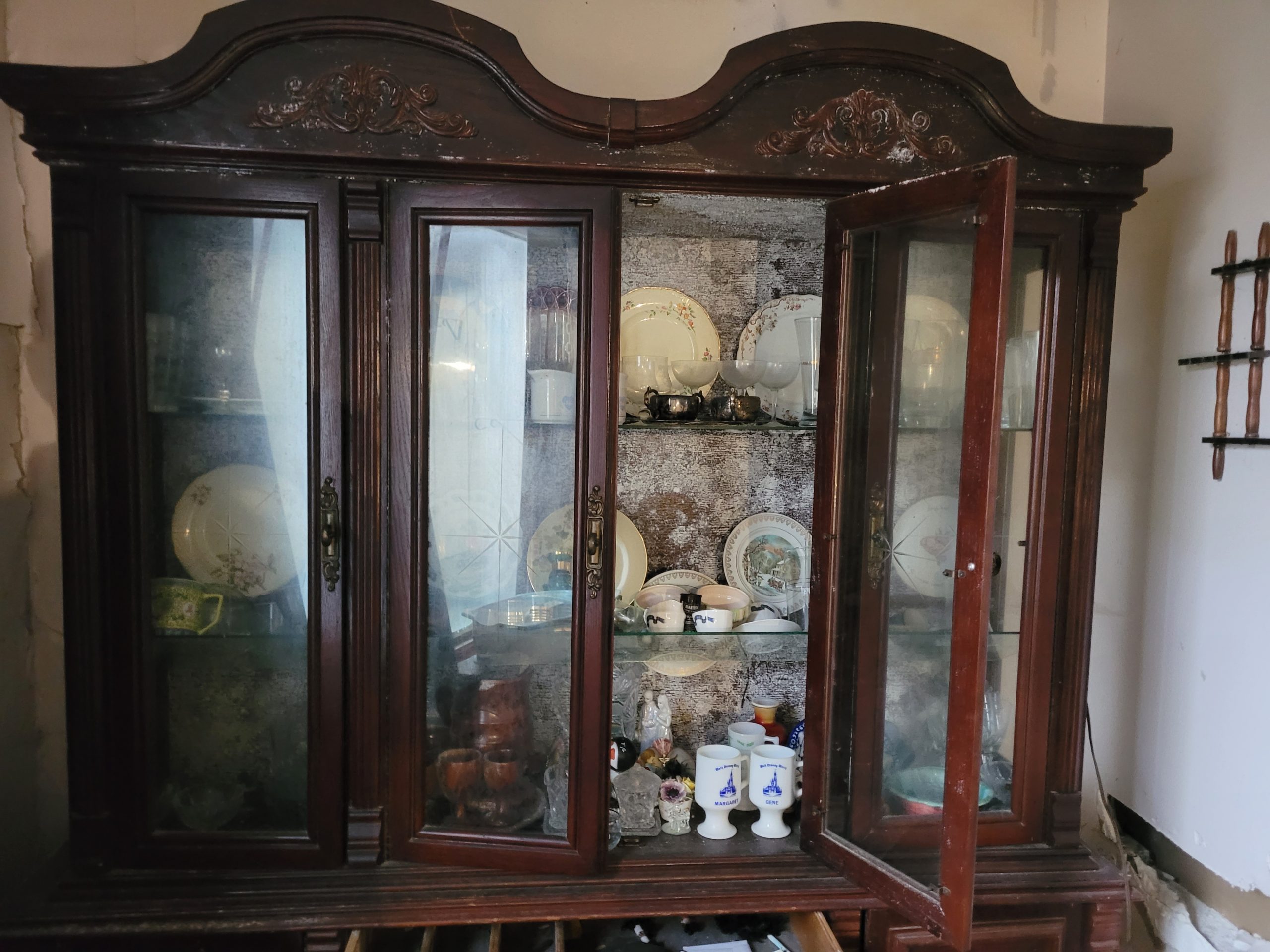
The bed appeared like someone woke up, pulled the covers aside and started their day only to never return. You might think this is a seasonal home, perhaps it is… there’s mold growing all over the inside of the hutch however. Someone has attempted to strip the copper from inside the walls.

While I know the woman’s name, I can’t find any mention of her, or any obituary on the internet. For now, the mystery remains…

Cell phone photos


Di Benedetto Mansions

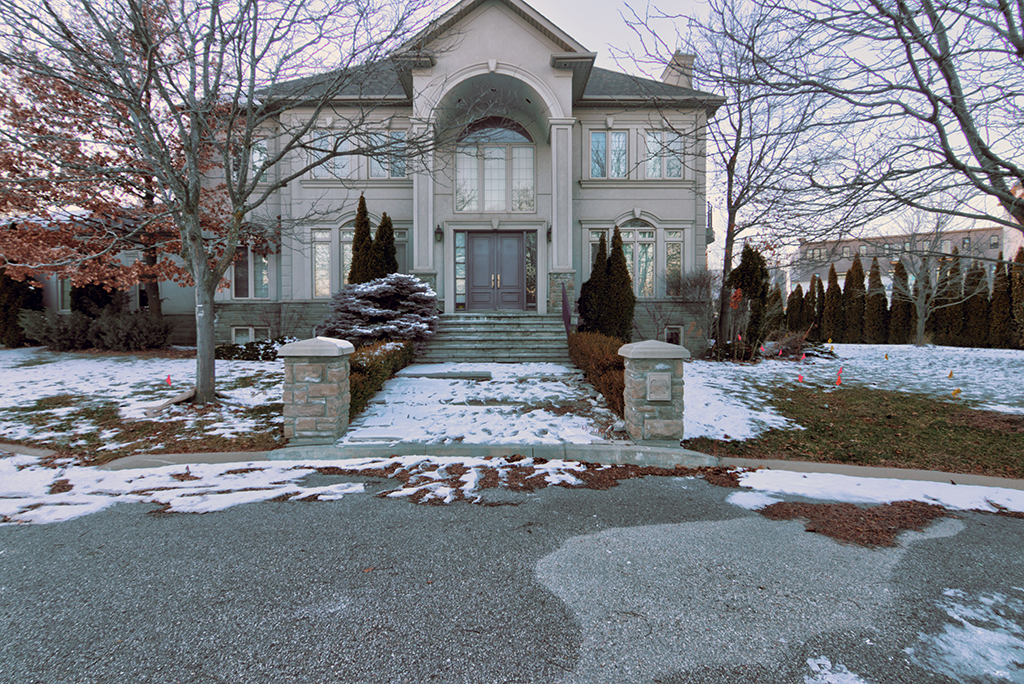
I’d been doing some research on abandoned properties and happened across an address for a vacant house in the Toronto area. I added the house to our exploration itinerary but what I didn’t realize was that right around the corner from it, were three large vacant properties. To find one of these luxurious properties is a great addition to your photography day, but three in a row is unheard of.

It would take a return visit to explore the three large homes that we missed that day… or try to.

As it would turn out, after we exiting the first house, we found the CEO of the development company was on the property. The man explained that due to liability reasons, we couldn’t explore inside the houses. He said that he’d wait though for us to take exterior photos.

For this reason, only one house is documented. When we returned, we’d found that the man had locked all three of the houses. To make matters worse, one of the people in my group had forgotten his camera lenses inside the now locked house.

The area is going to become close to 80 townhouses. The developer says the houses will be renovated. As for the lenses, the explorer had written them off. I contacted the developer and after some back and forth communication, they were returned to the explorer.

Edit: We managed to tackle the two outstanding houses on a return visit in 2023.


House #2

Three Luxury Houses in a Row (#2)

3 Vacant Mansions on the same street (Ontario, Canada)

Albert’s Time Capsule House

If you take a drive in rural Northern Ontario, you just might happen across this house. A vehicle in the driveway with Farming plates has collected a layer of dead leaves. Perhaps the vehicle has fooled people into thinking someone lives here, which in turn has held off the vandals.

Stepping inside this house, I was amazed. This was one of those places that makes the entire day trip worth it regardless of how you make out exploring the remainder of the day.

Everything has been left behind. The living room is immaculate, couch and chairs are in place and a coffee table with plate where someone may have eaten their last meal. Around the corner is a shelf with bottles of alcohol and drinking glasses. In the kitchen you’ll find the cupboard stocked with dishes and cups. There are coffee containers on the counter top.

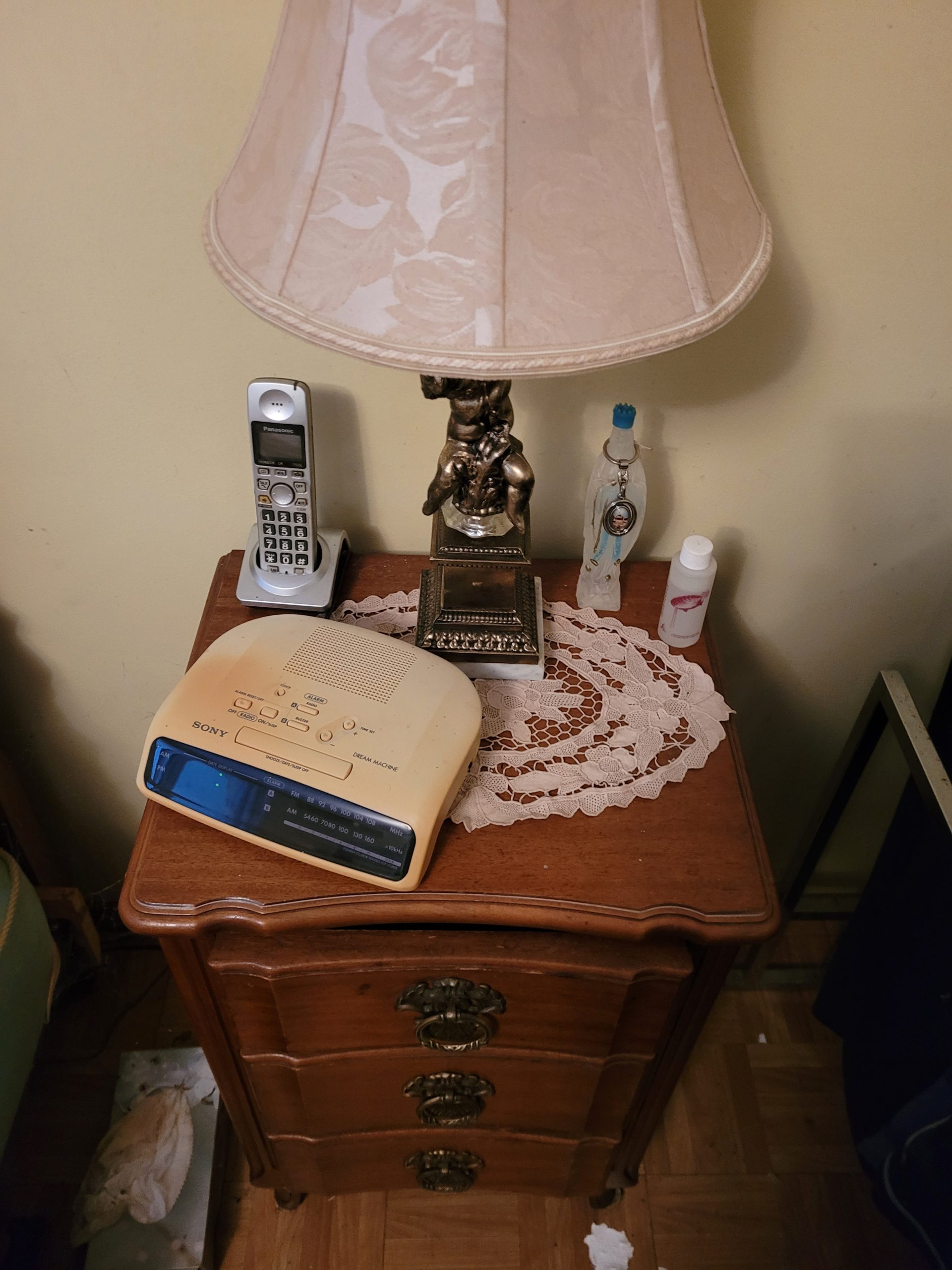
The bedrooms are also untouched. The closets are filled with clothes and jackets, the beds covered in comforters. The dresser drawers are filled with personal items. A clock radio sits on a nightstand, beside a bottle of water. In one room is a disposal container for syringes, suggesting perhaps someone was ill.
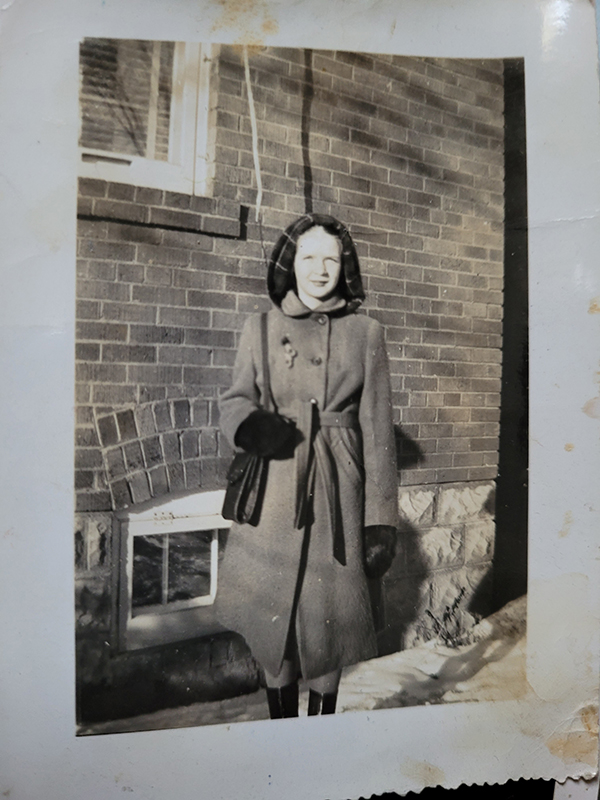
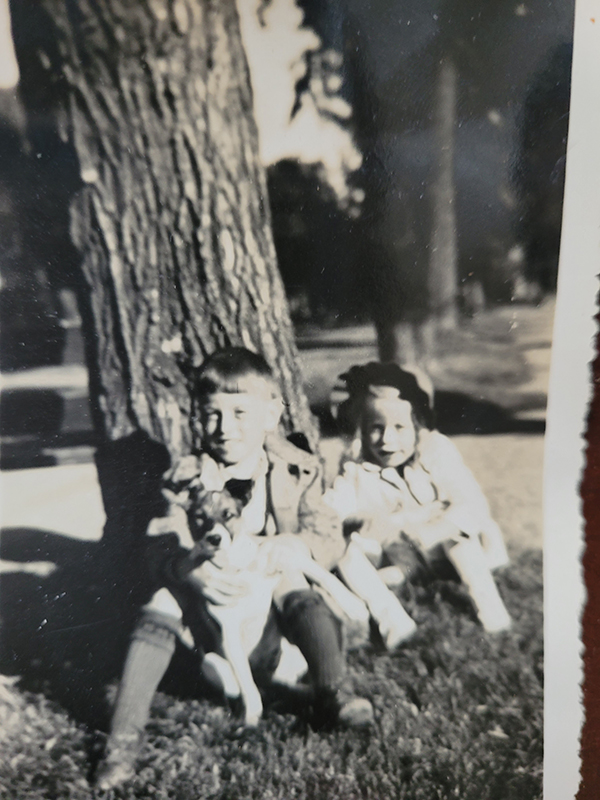
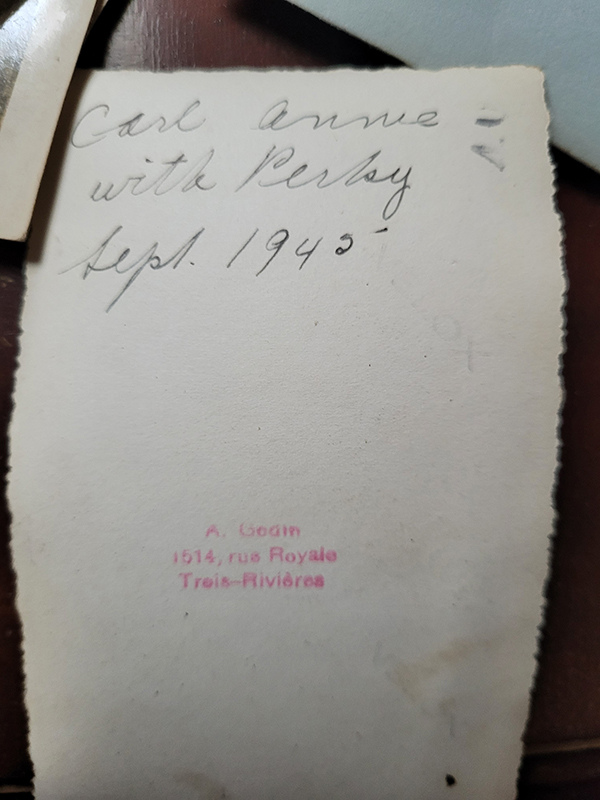
I was able to learn very little about the person who lived here. I know his name, and that he farmed on his land. He’d go over to his neighbours for eggs and to chat.

The owner of this house passed away in 2015 at the age of 65. For eight years his house has sat untouched, the hydro never having been disconnected. Nothing has been disturbed, and fortunately people haven’t found the house to rummage through it. There’s no graffiti, no holes in the wall, it’s perfect… almost.
Without HVAC, there’s now a thick layer of black mold on the living room walls. Despite wearing a mask, I could taste the filth in my throat as we drove to the next location. The mold hasn’t always been there, previous explorers have been here before.
I believe the man was in the Knights of Columbus and worked for the City of Toronto.

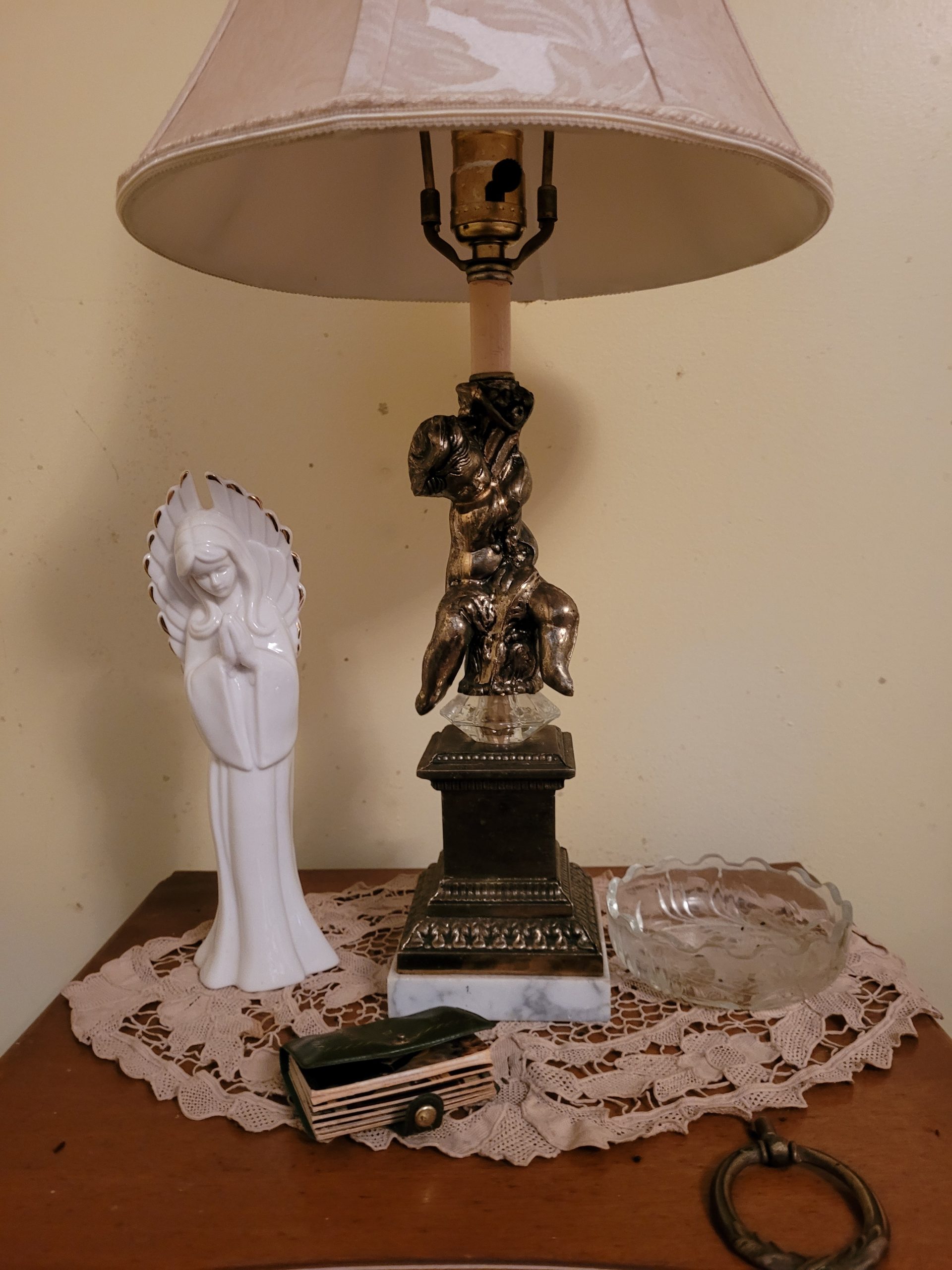
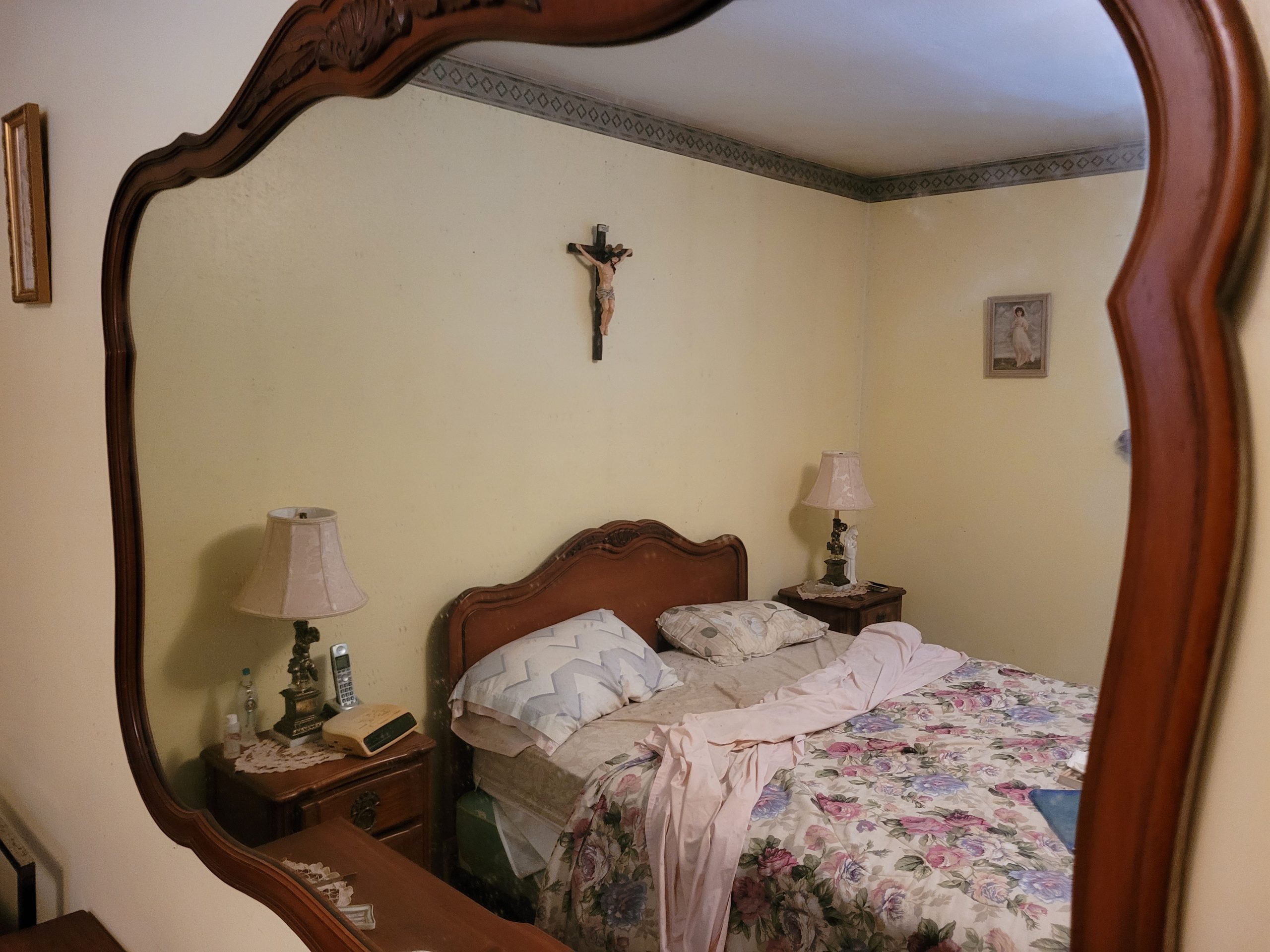
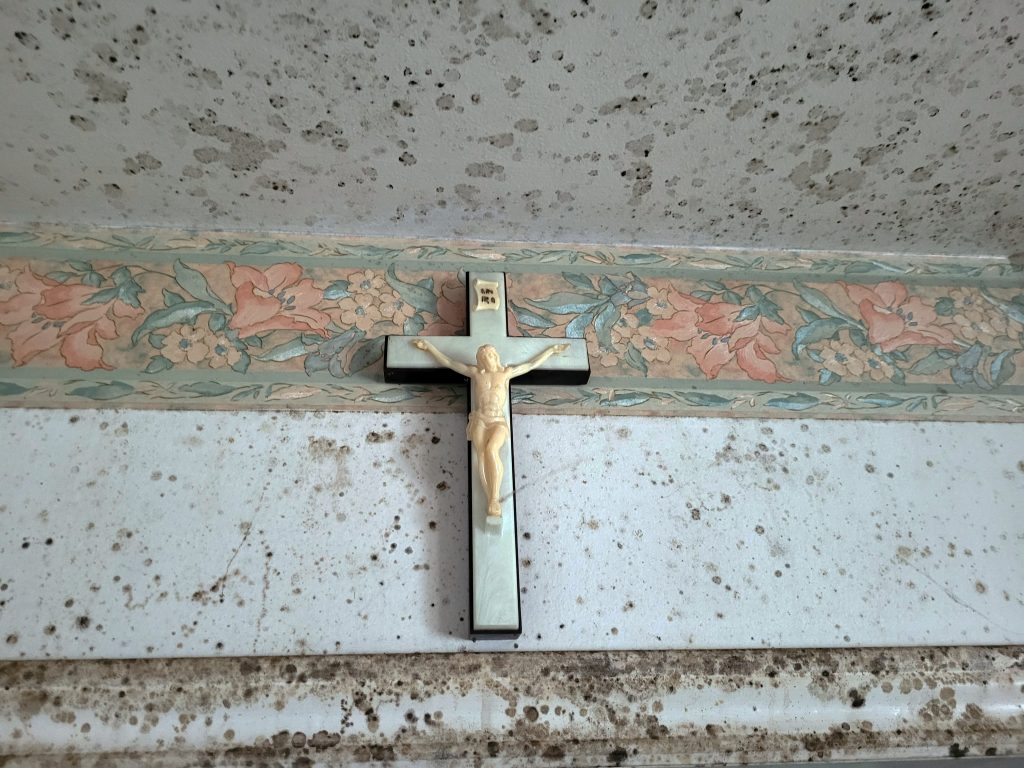
I did see some photos of the man taken in earlier years. There were no photos of a spouse or family members. In one of the bedrooms however is a purse and ladies clothing. The man was clearly Catholic as there were crosses with Jesus hung above the beds and other religious items throughout the house.
Perhaps the saddest part, is that the obituary contained no history on the man. It didn’t have his life story and the only condolences were from his neighbours. There’s no mention of a wife – there’s nothing at all.

This is why I started in this hobby. Not to sell merch, not to go paranormal hunting, not to make money posting daily… but to tell the stories of people who’ve passed on.

For now, this is all I have to the story. I’ve reached out to the man’s former neighbours and perhaps they’ll respond.


Cell Phone Photography


Video

https://www.youtube.com/watch?v=uumMaaNuhWg