Category: Correctional

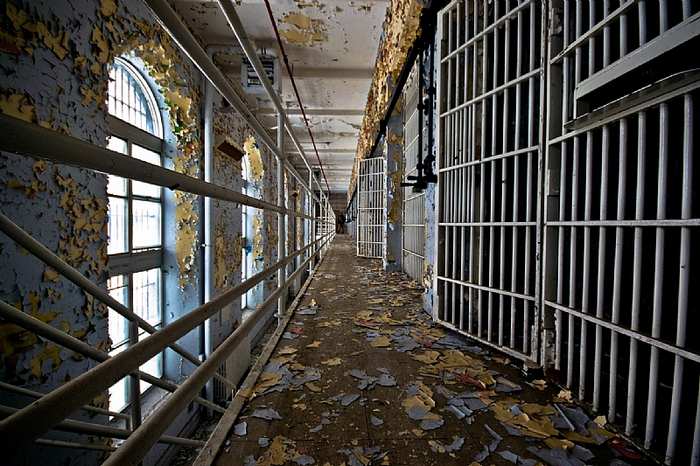
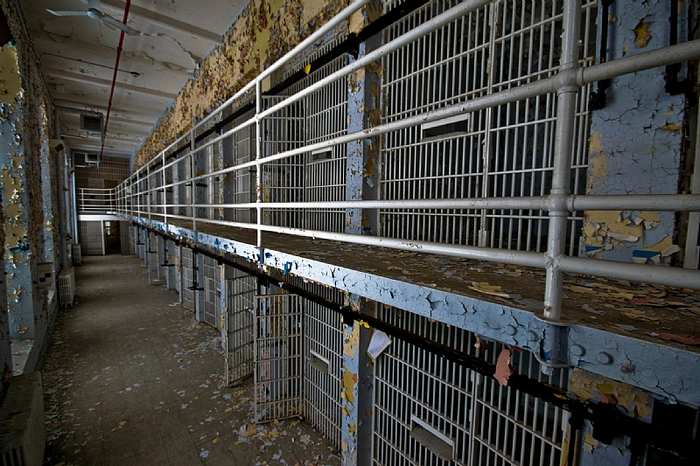
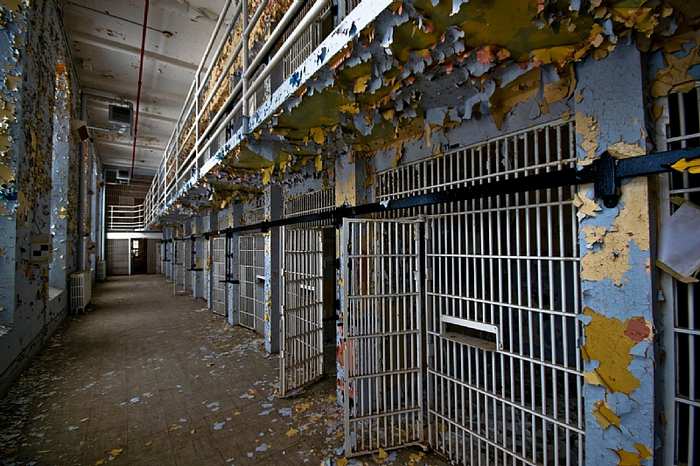
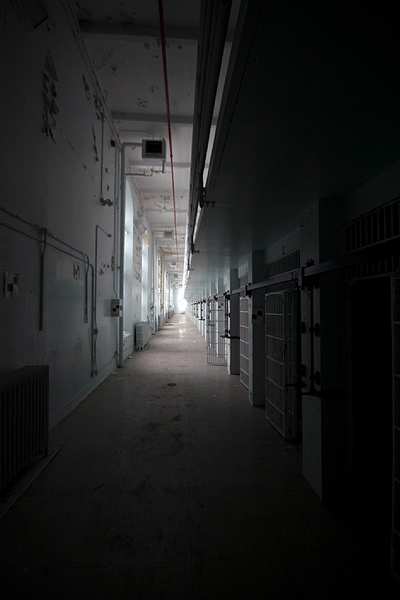
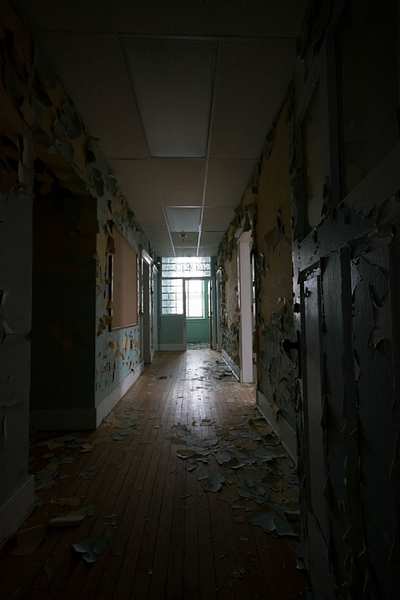
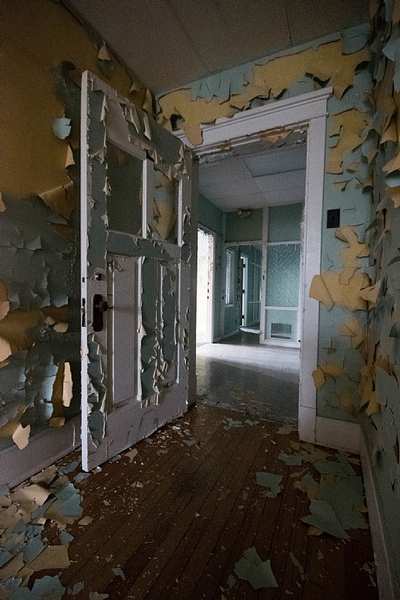
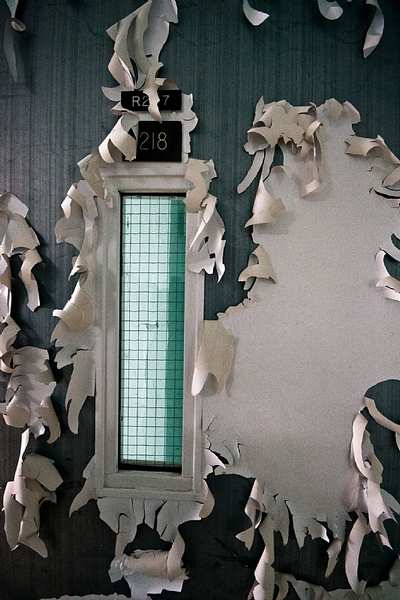
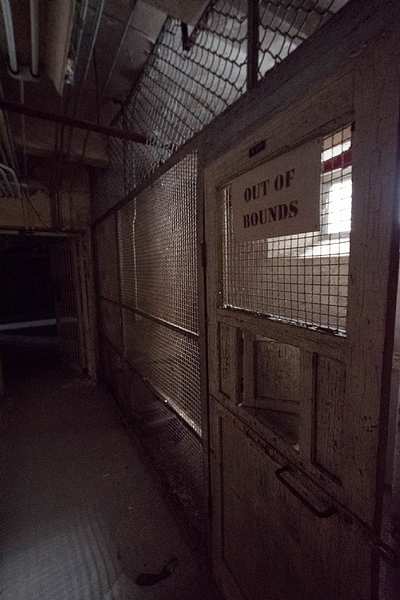
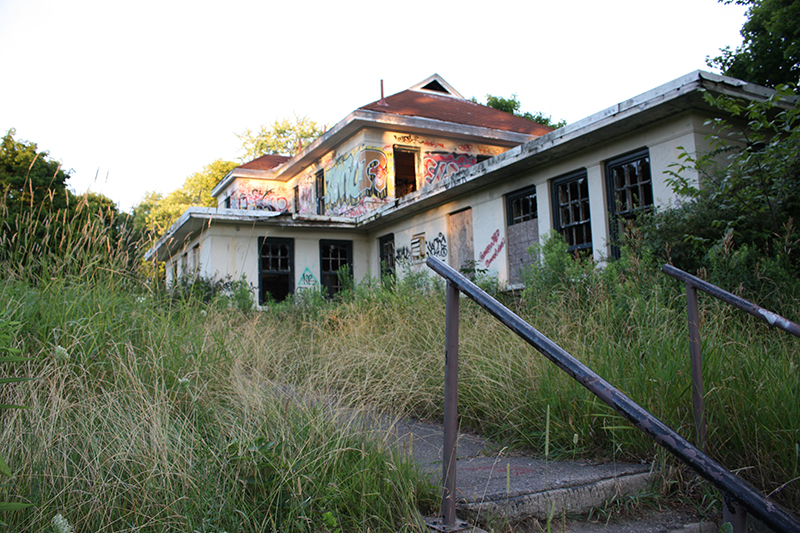
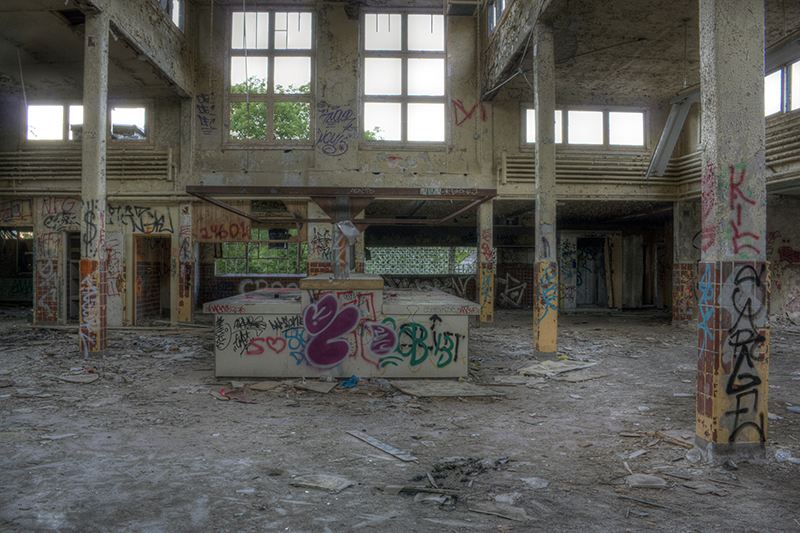
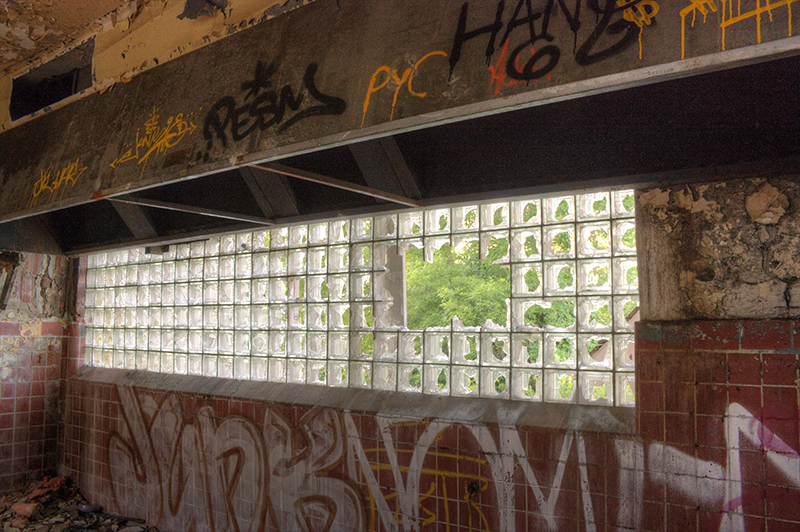
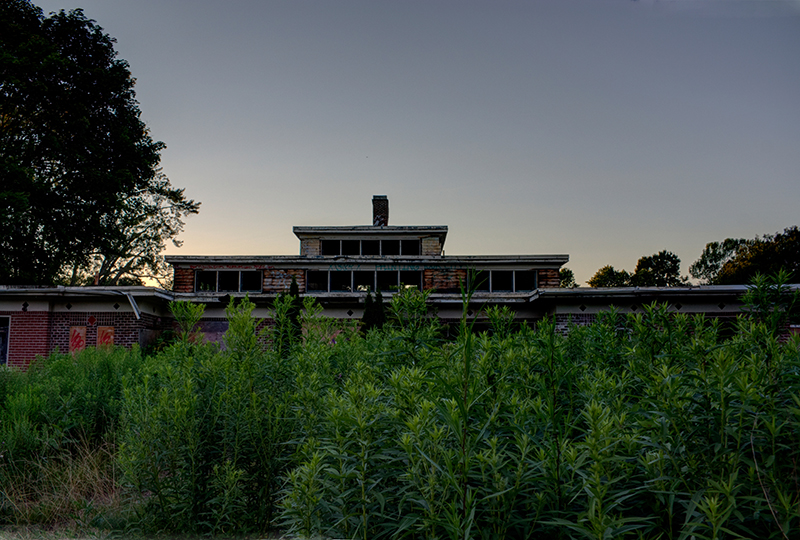
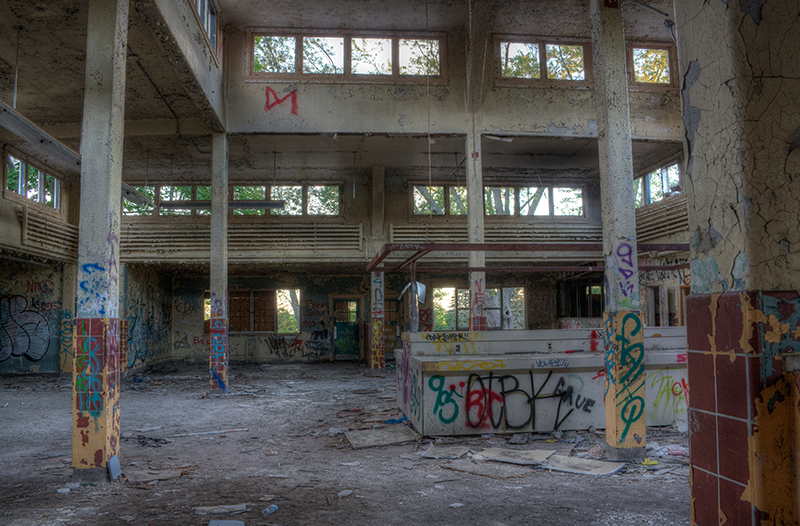
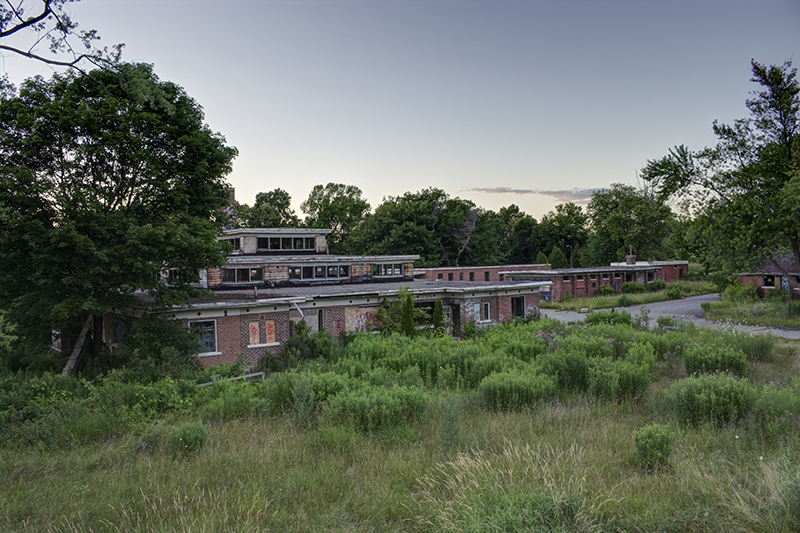
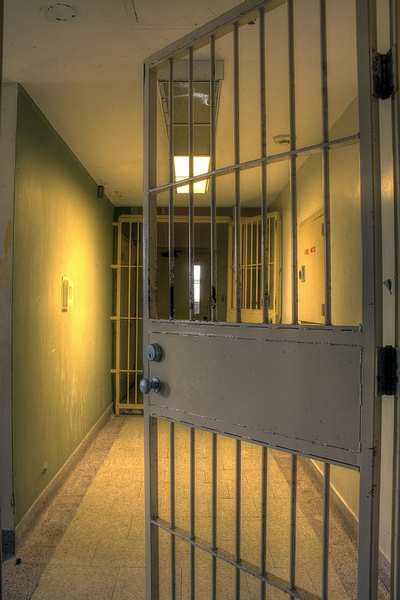
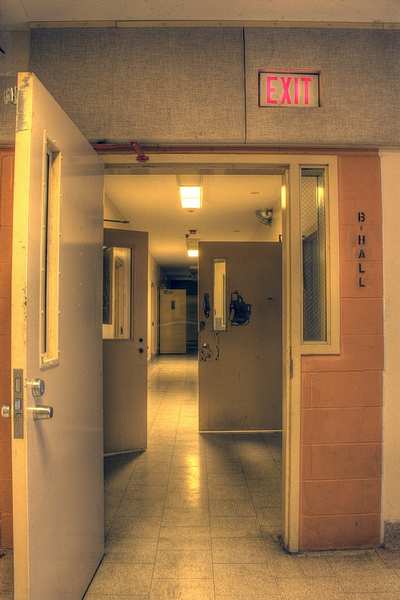
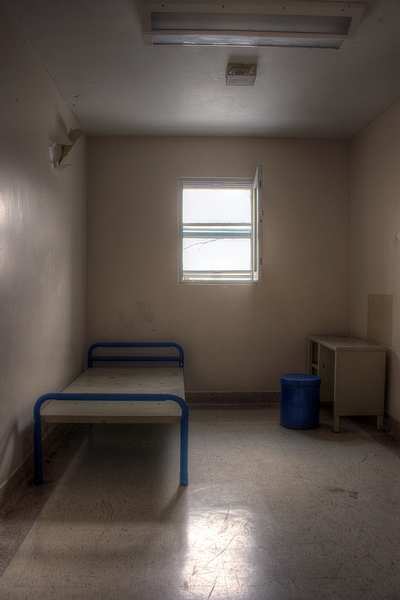
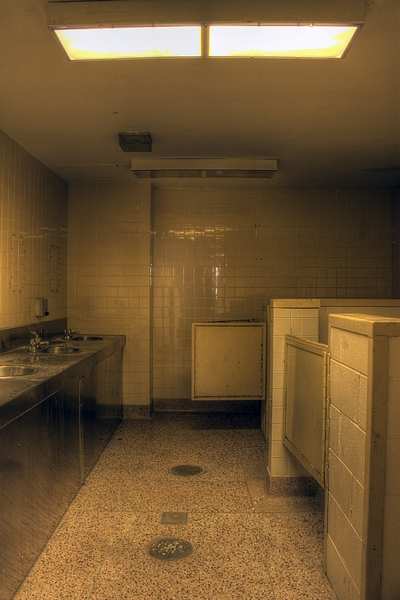
Abandoned Kingston Prison for Women P4W

In the early 20th century it was decided that a separate prison for women should be built in Kingston. Until this time female inmates were housed in a separate section of the men’s Kingston Penitentiary (in operation since June 1, 1835).

What did women do in the early 20th century to be imprisoned?

The answer may shock you. The Province of Ontario’s Female Refuges Act stated that “any parent or guardian may bring before a judge any female under the age of 21 years who proves unmanageable or incorrigible.” This meant that young women between the ages of 16 and 35 who had children out of wedlock or sex with non-white men could be incarcerated without a trial.
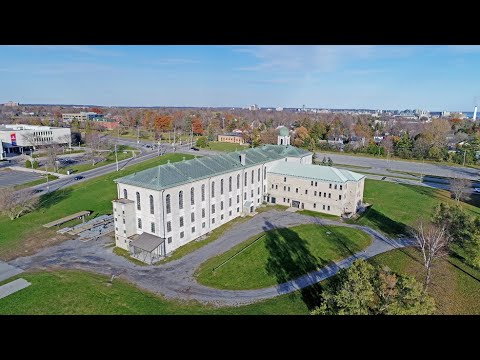
Exploring the Abandoned Kingston Prison for Women (P4W)

Construction of the P4W

Construction began in 1925 on a new prison to house female inmates. Labour was provided by inmates from the Kingston Penitentiary.

The new prison was necessary as by 1927 the number of female inmates in the Kingston Pen had risen to 40, exceeding capacity. The overflow prisoners had to sleep out in the corridors.

Most of the initial construction of the Prison for Women was completed by 1929 and stone was then cut for construction of the Administration Building. Two years later construction began on the recreation room, and 108 additional cells.

A sixteen foot limestone wall and barb-wire surrounded the facility to deter anyone intent on escaping. The fencing was approximately 23% of the total budget to build the prison. The total cost of construction of the prison was approximately $374,000.

The Prison for Women was a maximum security prison where women were sent for federal time (2 years or more).
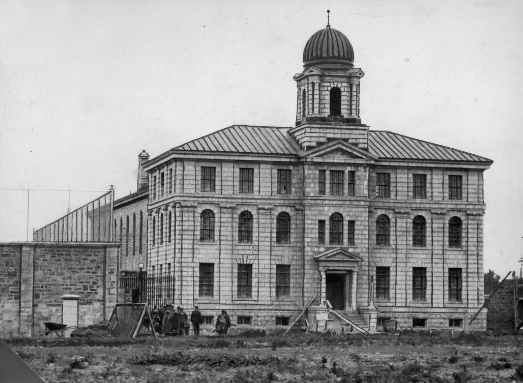
Prison for Women in 1934

The Warden of the Kingston Prison also served as Warden of the P4W until 1966 when the P4W appointed it’s own Warden.


Compassionate Based Approach

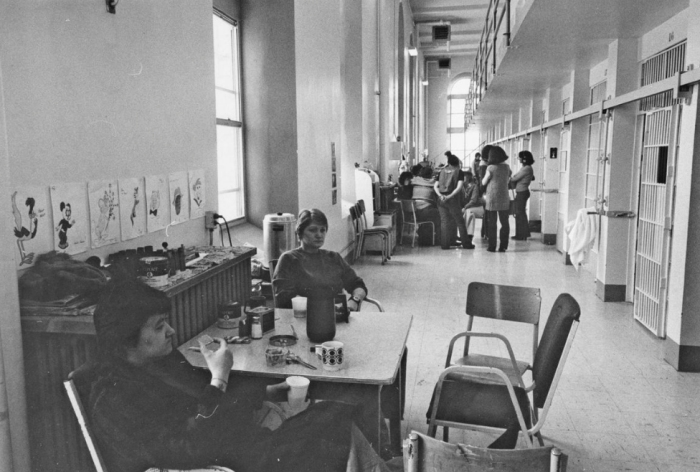
In 1947 Ralph B. Gibson, Superintendent of Penitentiaries, chose to focus on the education of female inmates. This meant that P4W now had an Educational Matron, a person to teach programming at the prison.

Inmates were taught skills including sewing, cleaning, cooking and child rearing. Some staff even brought their children to the prison while they worked, allowing the inmates to care for the children.

In November 1949 a typewriter was purchased for inmates to learn how to type on. Months later additional typewriters were purchased. Inmates could enroll for an hourly session to learn.

Between 1950 to 1952 prisoner’s recreational activities were improved including Christmas and Easter concerns and creating a women’s softball team. Tennis and volleyball became popular recreational activities. Inmates were also able to watch motion pictures at the prison, paid out of the Inmate’s Welfare Fund or by supporters outside of the prison.

The library was expanded, typing classes and stenography classes were offered. In January 1952, a beauty parlor was established with the purchase of second-hand wash basins, dryers and chairs.
prison for women, abandoned prison for women, prison for women urban exploring, inside the prison for women, p4w, karla, abandoned photography, abandoned prison, abandoned Kingston
Kingston Prison for Women


Weekly programs included ballroom dancing, belt making, square dancing, and jewelry and wire designing.

In 1956-57, a “pre-release program” was carried offered. The program allowed an inmate to be picked up at 1 PM and escorted to stores, grocery shop or for a drive. The inmate would then be returned to the prison by 4 PM.

In 1962 a “Housekeeping Cottage” was added to the property. This was where women could enroll in a six week course on home economics including budgeting, cooking, etiquette and cleaning. New recipes were tried and the women would eat the meals together at the table. Appliances and furniture were provided, just as you’d find in your home. The course was so popular that there was a waiting list.
/Prison-for-Women-abandoned-Ontario_loc1672.html


Controversial Treatment

Despite the programming for women, the P4W had a lengthy record of complaints and controversy.

In fact between 1938 and 1978 eleven out of twelve Government-appointed groups recommended that the P4W be closed and the inmates sent elsewhere.

1) In 1938, only four years after opening, the Archambault Commission was shocked at the appalling conditions of the Prison for Women and concluded that P4W should be closed and the offenders returned to their home provinces.

2) In 1977 the MacGuigan Report described the prison as “unfit for bears, much less women.”

3) During the 1960’s the prison administered LSD and electroshock therapy in an effort to “alter the criminal disposition of inmates”. A lawsuit was filed in 1998 on behalf of the women involved.

4) Between 1989 and 1991 five Aboriginal women died by suicide. Families often lived too far away to visit inmates. In 1990 a Federal task force recommended the closure of the Prison for Women.

The Elizabeth Fry Society had long lobbied vigorously for change, believing that the prisoners were too far away from family and unable to benefit from morale boosting visits.

CBC Video

On April 22 of 1994 there was a brief violent confrontation involving six prisoners and guards. The women were segregated and criminal charges filed. Two days later a hostage taking took place, a slashing and an attempted suicide.
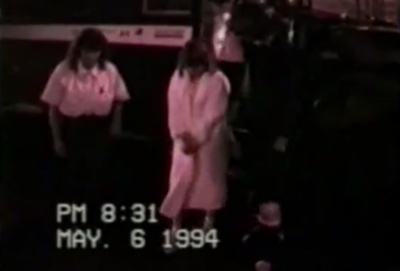
Video footage Prison for Women
Video capture of the 1994 incident

The morning of April 26th guards protested outside the prison demanding that the six women be transferred out of the prison.

The same evening the Warden ordered an all-male task force from the Kingston Pen to extract eight segregated women from their cells and to strip search them. The men forcibly removed the women’s. One women’s glasses were crushed under the boots of one of the ERT members.

Some of the inmates were slammed to the floor. The CBC obtained a copy of the videotape showing the ERT team in action. The videotape didn’t show the vaginal searches that took place afterwards. The inmates were denied telephone calls or visits for several weeks afterwards.


On May 8, 2000 the last prisoner was transferred out of the P4W and it was closed. The property was purchased by Queen’s University in 2008 but decided to sell it in 2017 after not being able to find any use for it. ABNA Investments Ltd. has purchased the property.

The Prison for Women once houses Karla Homolka whose crimes I won’t give publicity to here.
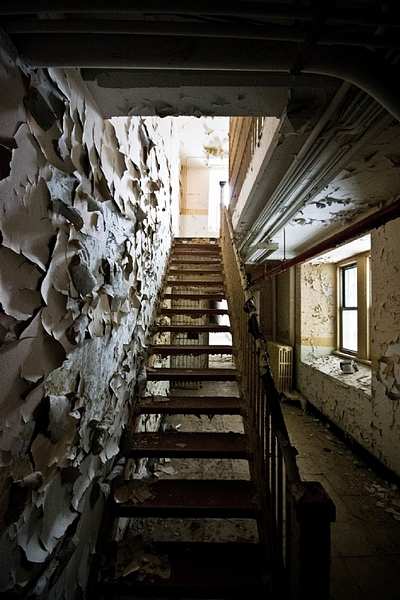
prison for women, abandoned prison for women, prison for women urban exploring, inside the prison for women, p4w, p4w kingston, abandoned p4w, karla, abandoned photography, abandoned prison, abandoned Kingston
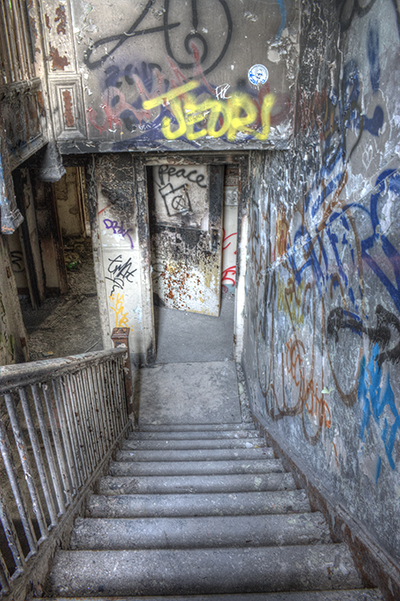
abandoned prison stairs

prison for women, abandoned prison for women, prison for women urban exploring, inside the prison for women, p4w, p4w kingston, abandoned p4w, karla, abandoned photography, abandoned prison, abandoned Kingston
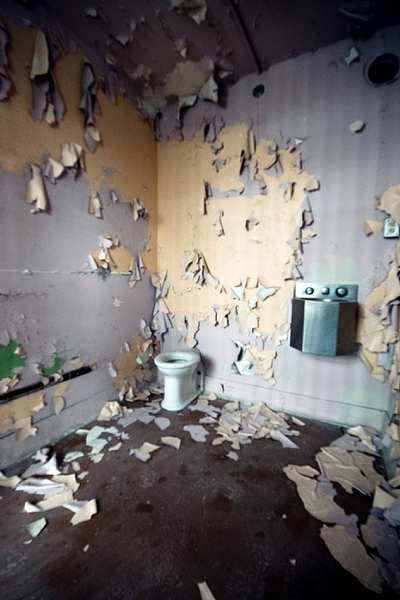
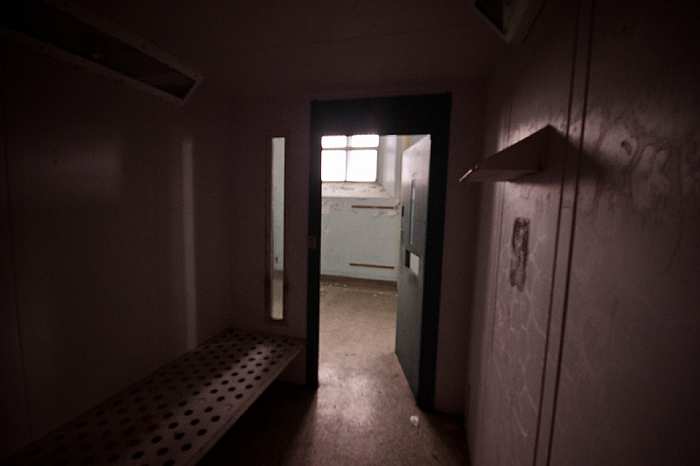
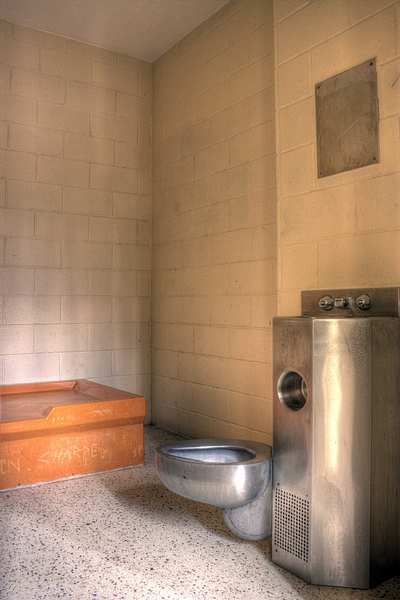
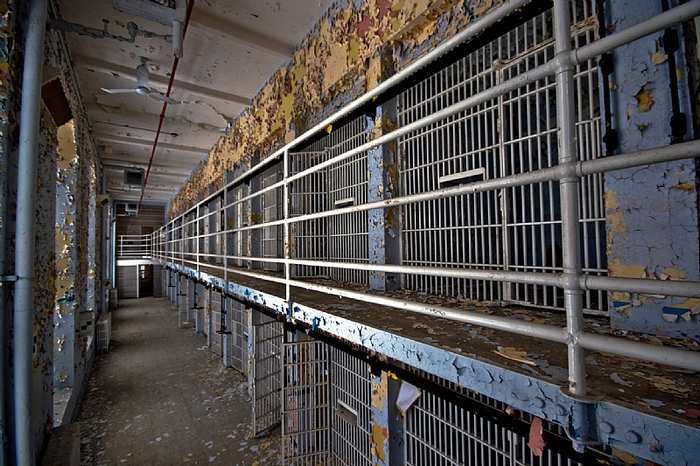
Interior view of a cell and an uninviting toilet

prison for women, abandoned prison for women, prison for women urban exploring, inside the prison for women, p4w, p4w kingston, abandoned p4w, karla, abandoned photography, abandoned prison, abandoned Kingston
Abandoned Prison for Women – Kingston

prison for women, abandoned prison for women, prison for women urban exploring, inside the prison for women, p4w, p4w kingston, abandoned p4w, karla, abandoned photography, abandoned prison, abandoned Kingston
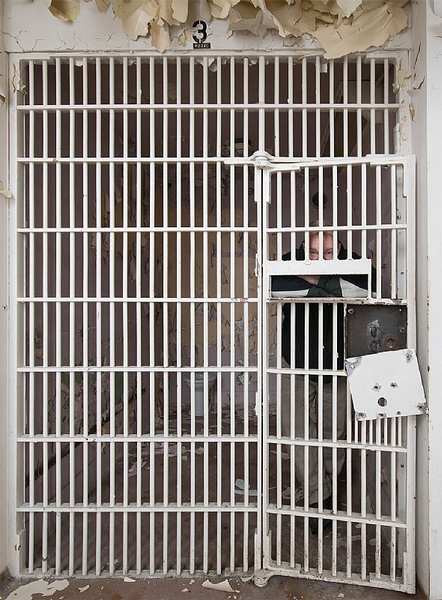
Meee

prison for women, abandoned prison for women, prison for women urban exploring, inside the prison for women, p4w, p4w kingston, abandoned p4w, karla, abandoned photography, abandoned prison, abandoned Kingston

prison for women, abandoned prison for women, prison for women urban exploring, inside the prison for women, p4w, p4w kingston, abandoned p4w, karla, abandoned photography, abandoned prison, abandoned Kingston
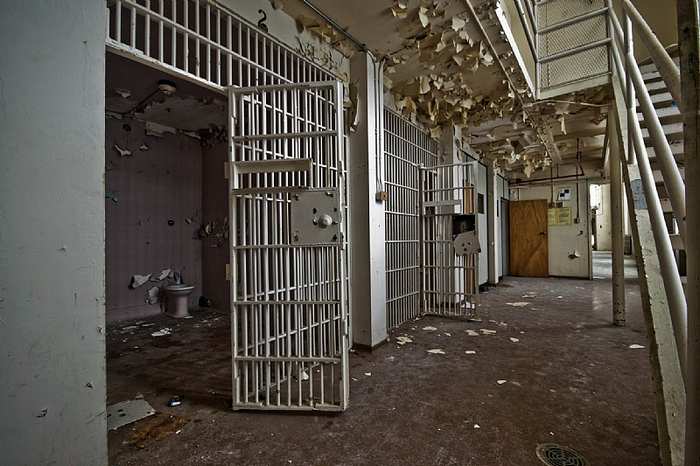
Second level of Prison for Women in Kingston

prison for women, abandoned prison for women, prison for women urban exploring, inside the prison for women, p4w, p4w kingston, abandoned p4w, karla, abandoned photography, abandoned prison, abandoned Kingston

prison for women, abandoned prison for women, prison for women urban exploring, inside the prison for women, p4w, p4w kingston, abandoned p4w, karla, abandoned photography, abandoned prison, abandoned Kingston
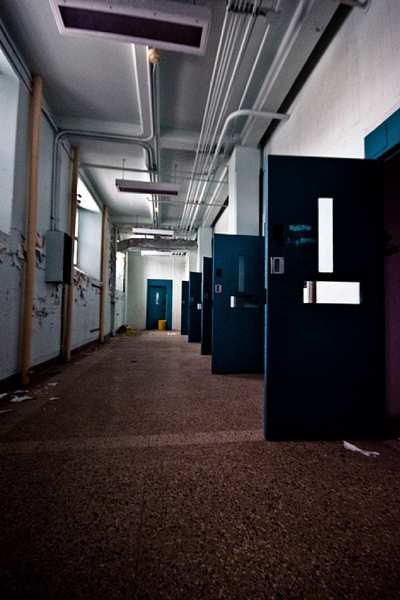
First and second level cells in Prison for Women (P4W)

prison for women, abandoned prison for women, prison for women urban exploring, inside the prison for women, p4w, p4w kingston, abandoned p4w, karla, abandoned photography, abandoned prison, abandoned Kingston

prison for women, abandoned prison for women, prison for women urban exploring, inside the prison for women, p4w, p4w kingston, abandoned p4w, karla, abandoned photography, abandoned prison, abandoned Kingston

prison for women, abandoned prison for women, prison for women urban exploring, inside the prison for women, p4w, p4w kingston, abandoned p4w, karla, abandoned photography, abandoned prison, abandoned Kingston

prison for women, abandoned prison for women, prison for women urban exploring, inside the prison for women, p4w, p4w kingston, abandoned p4w, karla, abandoned photography, abandoned prison, abandoned Kingston

prison for women, abandoned prison for women, prison for women urban exploring, inside the prison for women, p4w, p4w kingston, abandoned p4w, karla, abandoned photography, abandoned prison, abandoned Kingston

prison for women, abandoned prison for women, prison for women urban exploring, inside the prison for women, p4w, p4w kingston, abandoned p4w, karla, abandoned photography, abandoned prison, abandoned Kingston

prison for women, abandoned prison for women, prison for women urban exploring, inside the prison for women, p4w, p4w kingston, abandoned p4w, karla, abandoned photography, abandoned prison, abandoned Kingston

prison for women, abandoned prison for women, prison for women urban exploring, inside the prison for women, p4w, p4w kingston, abandoned p4w, karla, abandoned photography, abandoned prison, abandoned Kingston

prison for women, abandoned prison for women, prison for women urban exploring, inside the prison for women, p4w, p4w kingston, abandoned p4w, karla, abandoned photography, abandoned prison, abandoned Kingston

prison for women, abandoned prison for women, prison for women urban exploring, inside the prison for women, p4w, p4w kingston, abandoned p4w, karla, abandoned photography, abandoned prison, abandoned Kingston

Thank you for looking 🙂
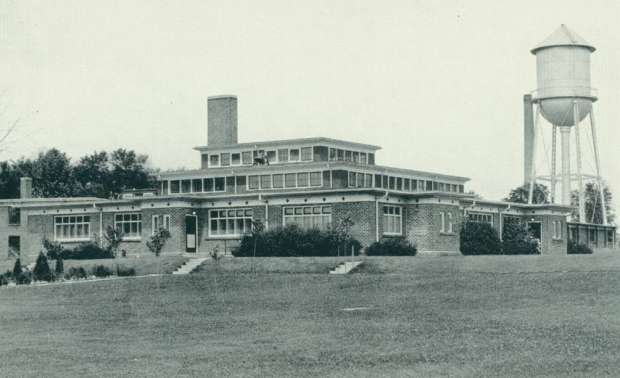

Abandoned Camp 30 Bowmanville POW Camp – Kittens Found

Camp 30 is located in Bowmanville, Ontario. It’s the site of a former prisoner of war camp used during the Second World War. The prisoners were from Nazi Germany. This is the story of that POW camp – and some kittens.

After the war, the property was returned to the boy’s school.

Camp 30 has been caught in a tug of war between the Kaitlin Corporation who owns the property and would like to build a subdivision on the property, and the Jury Lands Foundation who is attempting to preserve the site.

In 2013 the property made Heritage Canada’s top 10 “List of endangered places of 2013” due to the developer’s intention to demolish the property. The buildings were named a National Historic Site which resulted in halting the demolition plan. The developer has expressed an interest in donating the buildings to the municipality however the cost to restore the buildings could reach as high as $15,000,000.

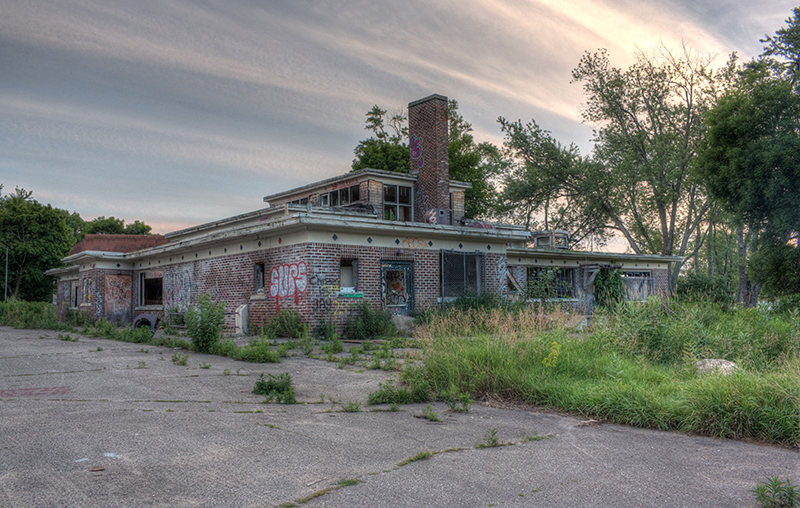
Some citizens would like to see a museum built on the site of Camp 30 which is Canada’s only remaining P.O.W. camp, others would like to see it become a community center or coffee shop. For now, the property is abandoned and sits unattended, unprotected and badly vandalized.

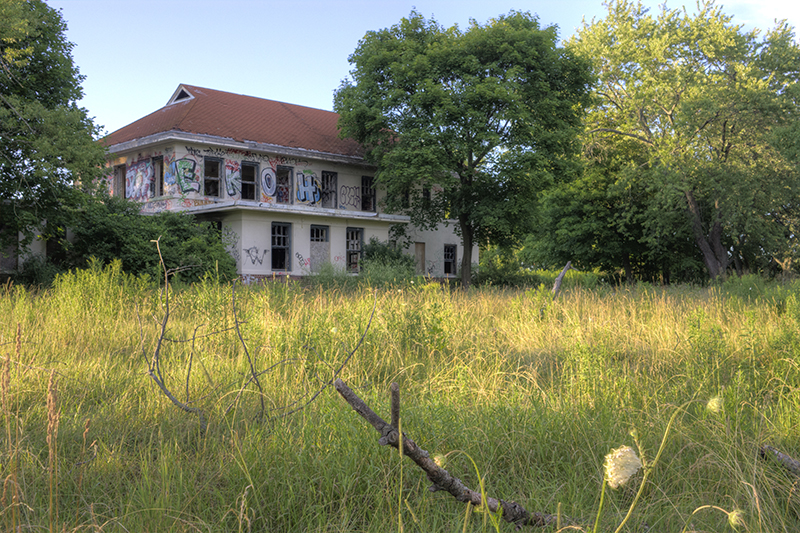
Bowmanville Boys School

My Visit

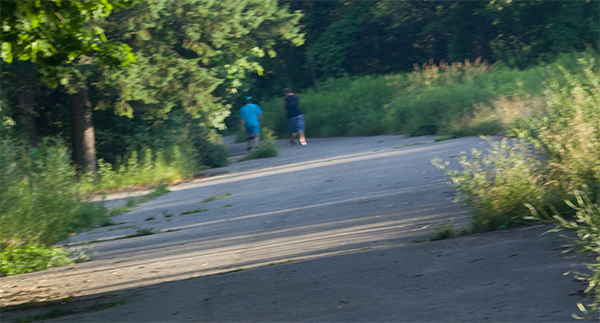
After a day spent exploring the Toronto area, I drove as quickly as I could to reach Camp 30 before sunset. We arrived at Camp 30 by 8 PM and upon exiting the car we could see (and smell) that something was wrong. Smoke could be seen billowing the upper windows of one building. We walked around to the rear of the building and observed two teenage boys walking away from the building.

youths walking away from fire at Camp 30, urban exploration photography, urban explorer, urban exploring, creepy, decay, abandoned, abandoned Ontario, abandoned exploring, abandoned houses, time capsule, abandoned photography, abandoned places

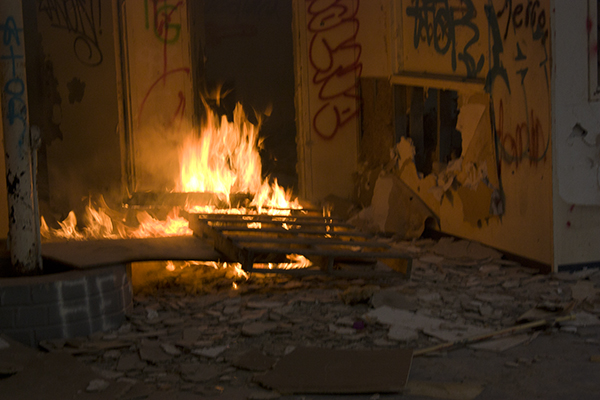
I went inside the building to find that a bonfire had been lit using part of a wooden pallet. Arson is nothing new when it comes to abandoned buildings but this was my first time encountering one.

Camp 30 arson

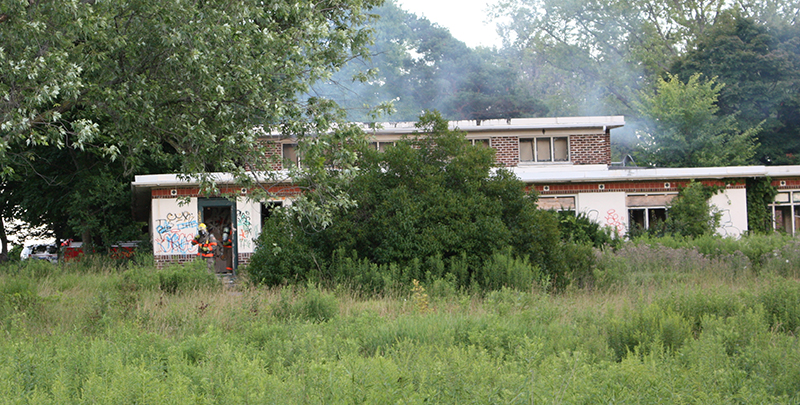
Given the potential for the fire to spread to the walls, my friend notified the fire department and provided a description of the two males we had seen leaving the area. The response time of the fire department was less than five minutes. The police arrived and took a statement. We hadn’t seen the youths lighting the fire so it could be they weren’t involved.

Camp 30 Firemen

Had I not arrived 20 minutes late, had we not stopped for gas, had we not walked through a cornfield earlier only to discover a shed we would have arrived before this fire was set. As the fire department and police were taking care of the situation I remarked to my friend, “This is going to bring us good karma”.

The police indicated that these calls occur almost every day. A suspicious fire already destroyed one building in 2009 and the cycle of inevitable destruction is ongoing.

Once a building is abandoned, attempts are normally made to try to preserve it from vandalism and mischief. Boards will be put up, doors will be locked and security will make the occasional patrol. Graffiti will begin to appear on the outside of the buildings and glass will be broken. Unless something is done to continually monitor these buildings, someone with enough patience will find a way inside.

When interior access becomes available at an abandoned location, the graffiti spreads like a plague and almost every pane of glass becomes broken. We’ve seen it happen in abandoned hospitals, houses, and schools. Unless the property owner continually maintains security of their property it can easily be destroyed completely in a month along with it much of the resale value.

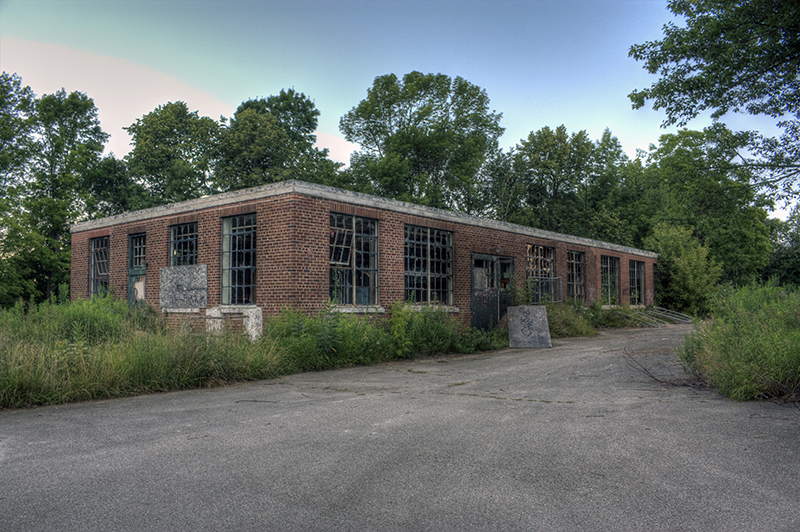
At Camp 30, attempts had been made to place large boulders in front of the doors and to place fencing in front of windows. Now makeshift ladders have been erected leading to the now smashed windows. Doors that once were blocked with boulders are now open. Security used to check up on the property regularly but the patrols are sporadic now. The fencing placed in front of the windows has somehow been bent down to ground level.

With an absence in security and the remote location of this property, the vandalism has left the buildings completely trashed.

Camp is located at 2020 Lambs Rd. in Bowmanville.

Accessibility is come and go. The property is wide open and people regularly walk their pets there. Other times cameras catch people and police attend asking the people to leave. I’ve never had difficulty while expolring the property.

The Bowmanville Boys Training School opened in August of 1925. The school closed in 1979.

Following that the property was used as a school for Malaysian students and later the campus of St. Stephen’s Catholic School.

In 1941 the school was used as the prisoner of war camp for the duration of the war.

My partner in karma and I continued to explore while the fire department and police finished their work. By 9:20 PM the sun had set and it was time to leave. My friend decided to have a quick cigarette before we left.

As we were standing outside the car, I saw a small dark animal moving through the grass next to the road. I asked, “Is that a squirrel or chipmunk in the grass?”

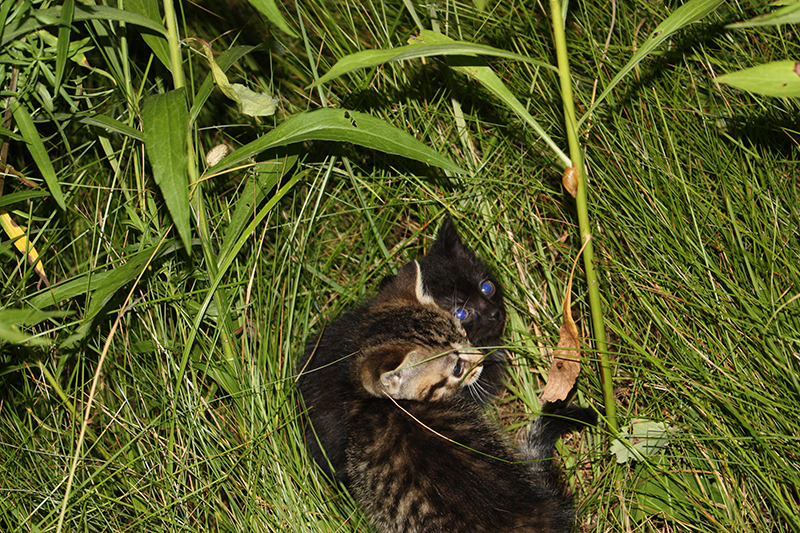
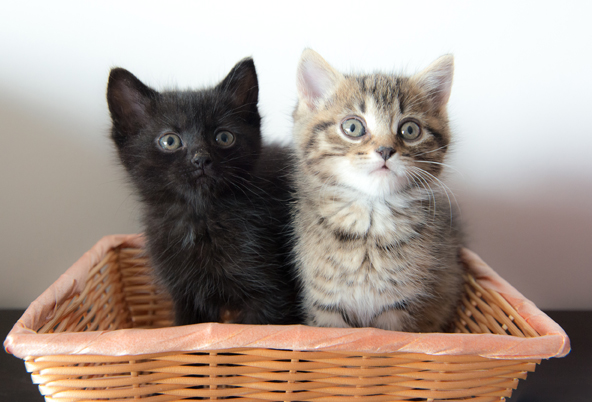
We didn’t pay much attention to it however it continued to rustle about in the grass just a few feet from us. As we moved closer to the grass we realized that these were two small kittens.

found kittens

My next reaction was exclaiming, “Oh shit! A wonderful day spent exploring now ends badly.” along with a few other expletives. My mood soured because I knew we couldn’t drive away at this point – it was out of the question and I didn’t like being faced with this situation. I’d have to ensure these little kittens were safe before I could leave here.

We picked them up, one was a small tabby cat and the other a black cat. The kittens appeared to be no more than eight weeks old. We waited for a bit to see if a mother or other kittens would show up, but none appeared. Not sure what to do we decided to approach another group of people who were exploring Camp 30, to see if they might want the kittens. Just as we neared their car they drove off unaware of our wanting to speak to them.

The decision was then made to put them in my car and take them somewhere – we just weren’t sure where. I thought about looking up the local animal shelter and dropping them off but it was 9:30 PM and I didn’t have internet.

Fortunately my explore friend, who was not necessarily fond of cats, offered to take them to his place. We began to drive back home which took approximately 90 minutes due to construction along the highway. I was concerned that they might urinate or defecate inside the car, cat urine having a strong scent that’s difficult to remove.

It was painful to listen to their tiny meows from the back seat. After approximately 10 minutes my friend picked up the tabby cat (“Bowman”) which he proclaimed was his own, while the black one (“Blackie”) which was proclaimed to be mine, cowered in the back seat.

My exploring partner indicated that his girlfriend was more of a dog lover but I knew that he wouldn’t be able to resist these lovable little things. At one point along the journey I turned on the interior light and glanced over. There was this tiny cat (Bowman) curled up with her eyes almost closed, ready to go to sleep. She was looking up with her small eyes at this large tattooed exploring man who had plucked her from the grass not more than 30 minutes earlier.

At this point it dawned on me just how dependant these little things were upon us now. They had no food, no shelter and no mother to feed them. They were in good health, certainly not afraid of us, well groomed and not feral. The human and feline bond was already being established.

We stopped at a drug store and I picked up some litter and cat food. I gave my new adoptee the three minute guide to caring for cats and dropped the three of them off at his home. In an hour or so his girlfriend, the dog lover, would meet these little kittens.

Three things were certain on this day:

One was that every event of the day led to us finding these kittens. Had there not been a smoke break, a gas stop, or any of the other interactions that took place this day, it is quite possible we wouldn’t have been standing at the side of the road when these two kittens made their appearance. Perhaps they would have been there regardless when they heard us.

The second certainty is that this day saw two acts of karma.

The final certainty is that I knew my explore partner and his girlfriend would warm up to these kittens. As I was driving home I received a text message from my explore partner which simply read: “My girlfriend wants to sleep with them now. I will get you for this.”

We are all interconnected.

Epilogue

I worried that perhaps we’d taken these kitten from a mother who would be distraught and searching for her offspring.

It did not sit well with me. I sought the help of numerous people from Facebook who lived in the area by asking if they would visit the area and try to locate either more kittens or the mother. There were negative results. I also placed an online ad indicating that two kittens had been found in Bowmanville, again with negative results. There are no houses in the immediate area, although there is housing further to the north. I am satisfied that we did the right thing and saved these two little gals from a poor future. Were these kittens dropped off or did they stray too far from home? The online ad remains up just in case.

As for Blackie and Bowman, Blackie was quite small and we were initially concerned that she might not make it. I am pleased to inform you that as of tonight they have been adopted by a couple who own two older female cats. My friend felt that the kittens would receive the mother-like guidance that they might require. Where Blackie was initially shy and would hide, by the time she left for her new home she would come running every time my friend walked in the door.

I’ll close with the final words from the other half of this story who wishes to remain nameless: “A part of me is sad to see them go, but way better in the long run for them to be with cat people.”

Peace. Love. Unity. Respect.


Abandoned Bluewater Youth Detention Centre in Goderich, Ontario

Bluewater Youth Detention Centre

The abandoned Bluewater Youth Detention Centre is a 300 acre property located along the Lake Huron Shoreline in Goderich. Bluewater Detention Centre was built in 1961 by the province of Ontario to serve as a mental health facility known as the Ontario Hospital (Goderich Psychiatric Hospital) with 204 beds.

In 1976, it became the Bluewater Centre for the Developmentally Handicapped. The Bluewater Centre was closed around 1985. The facility received a $10 million upgrade and re-opened as a youth-only secure custody and detention centre.

There are 90 beds which include isolation cells.

At the time of my first visit in 2016 the power was working and it was fully intact. There was no vandalism. We were able to open the main gate by turning on the power in the guard booth.

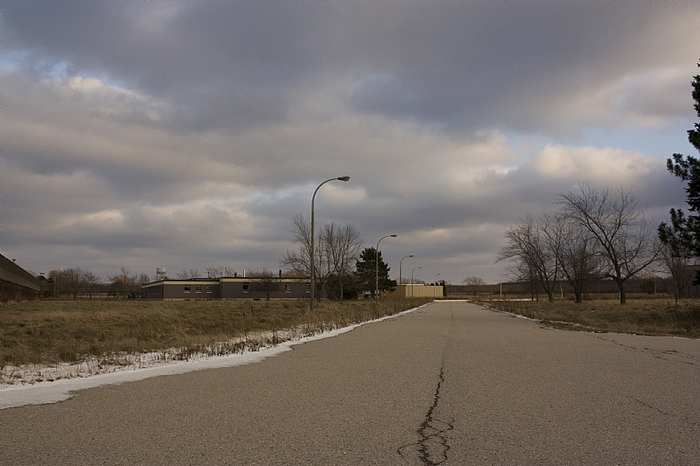
It’s a long walk down the road to get to the Bluewater guard entrance.

Bluewater Youth Detention Centre in Goderich
The main operations building of the Bluewater Youth Centre in Goderich

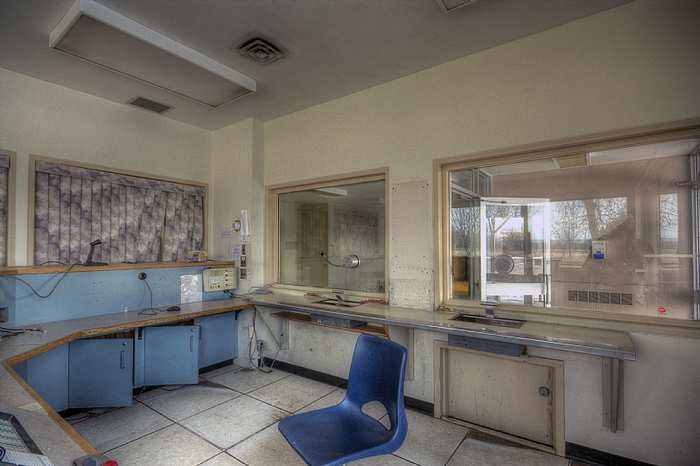
Master Control Room

This is the master control room where access to the building was managed. Visitors would sign in here and be escorted to their destination. A separate security booth outside controlled access to the sliding entrance gate. The height of the fence ensures it couldn’t be climbed by any youth looking to escape.

master control room of the abandoned Bluewater Detention Centre, Goderich. Abandoned ontario
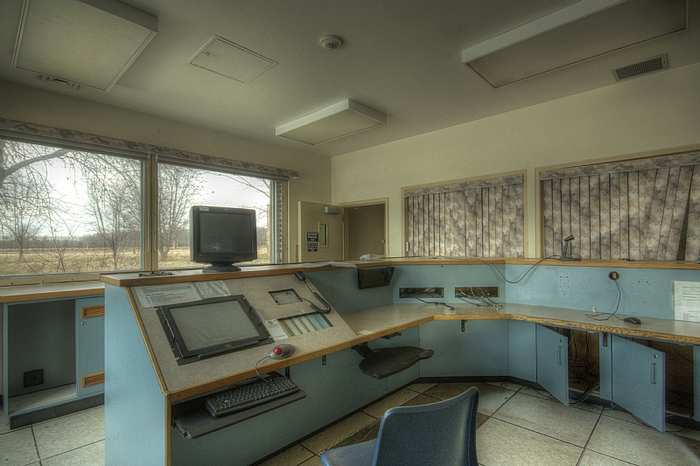
Control room


Control room at Bluewater Youth Detention Centre, Goderich. Abandoned ontario
Another view of the master control room


Bluewater Youth Centre, Goderich. Abandoned ontario
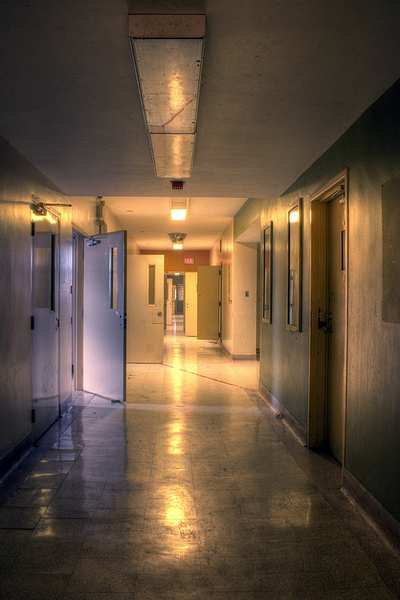
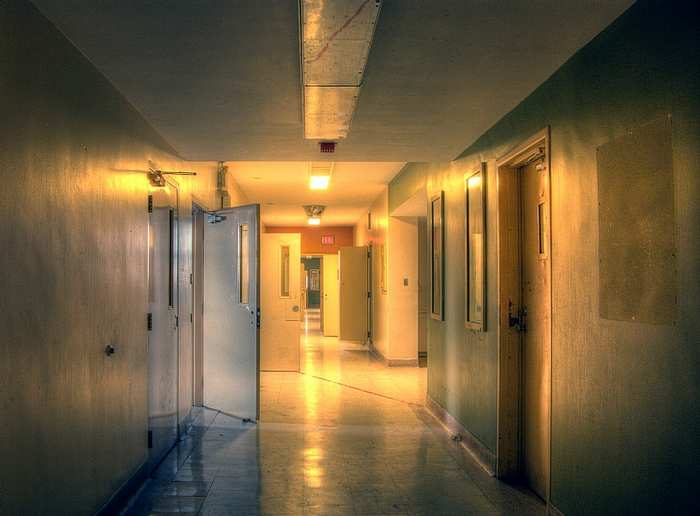
A view of one of the hallways


Bluewater Youth Detention Centre, Goderich. Abandoned ontario


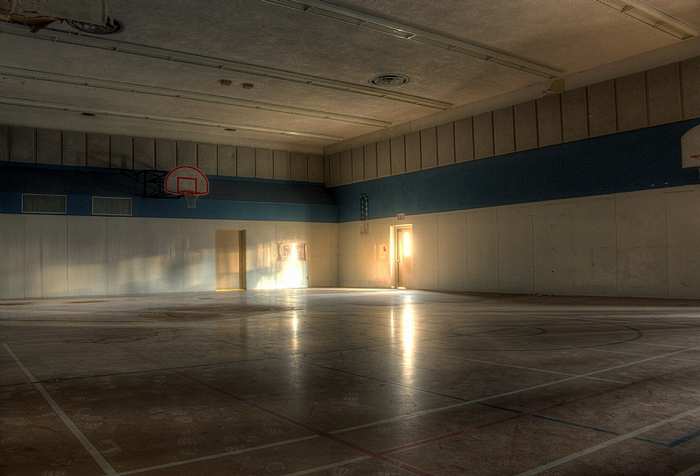
the gymnasium at Bluewater Youth Detention Centre, Goderich. Abandoned ontario
Inside the gymnasium at Bluewater Youth Centre. We found a set of keys allowing us inside here.
shower area at Bluewater Youth Detention Centre

Bluewater Riot

In 1996 OPSEU workers began a strike against the Harris Government. On February 29, 1996 it’s alleged that unionized guards at Bluewater incited the youths to riot as a way of supporting the strike action.

It was alleged that guards may have “planted” matches and barbecue lighter fluid.(1)

The inmates caused $175,000 in damage. Some of the youths were transferred to the Elgin-Middlesex Detention Centre in London, Ont. Managers at the EMDC took the place of striking guards during the strike.

The youths alleged they were humiliated, kicked and tossed naked into their cells.The youths later won a lawsuit filed against the Ontario government for injuries as a result of their treatment by managers.

(1) Applied Social Psychology – Jamie A. Gruman, Frank W. Schneider, Larry M. Coutts

cell doors at Bluewater Detention Centre
I could not imagine the mental anguish living behind concrete and bars

Decline in Custodial Youth

Changes to Ontario’s youth justice system focused on more community-based programs seeking to reduce the number of youths put into jail. As a result there was a decrease in the number of youths in Bluewater Youth Centre.

By March of 2012 there were only 17 youths at Bluewater.  Children and Youth Services Ontario released a statement that same month indicating, “we can’t afford to operate facilities with so many empty beds”.

The facility closed on March 6, 2012 putting almost 200 workers out of a job.

Employees held a rally in an effort to persuade the province to reopen the facility. It was not successful.

Bluewater Detention  Centre - B-Hall
B-Hall


Bluewater Youth Detention Centre - youth's room
youth’s room
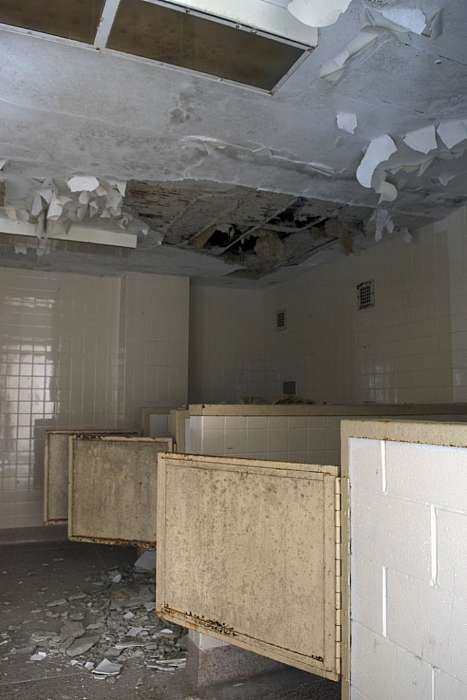
shower area in Bluewater Youth Centre

Military Training

The property sat idle for several years. In October of 2017 and September of 2018 the Canadian Armed Forces used the property for military training. Local residents were cautioned that they might hear the sound of explosives being detonated.

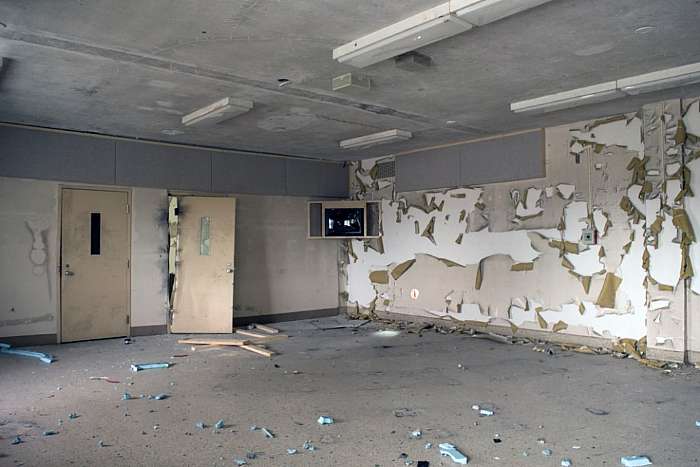
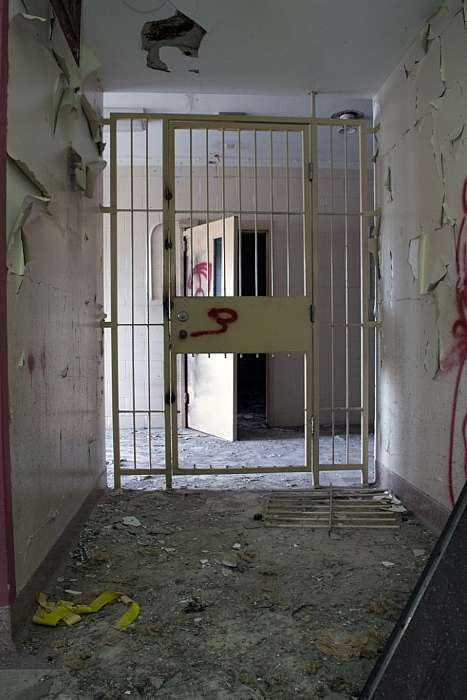
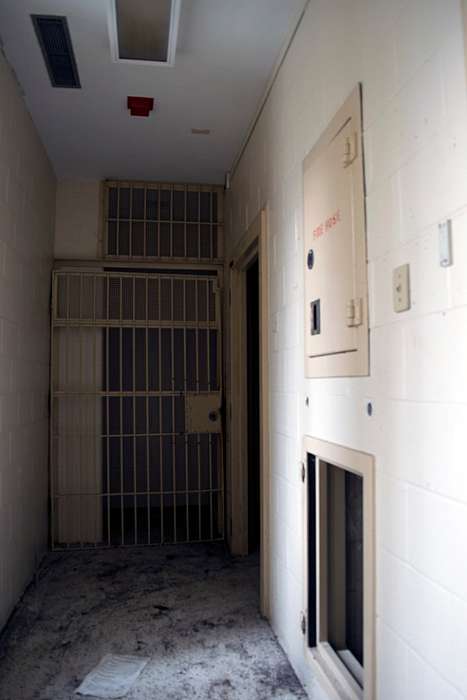
Many cell doors have been blown apart and walls have been breached with explosive charges. 

The property is currently owned by Infrastructure Ontario (IO).

Bluewater Youth Detention Centre


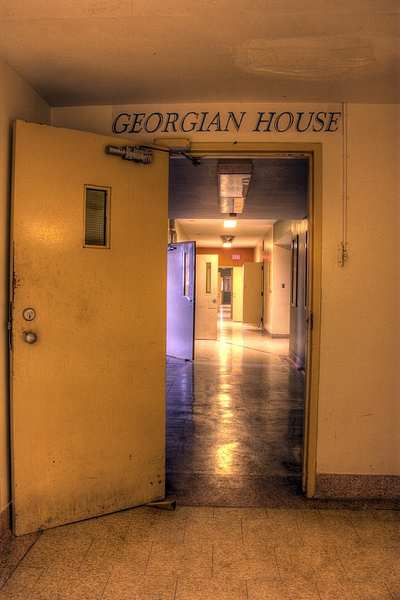
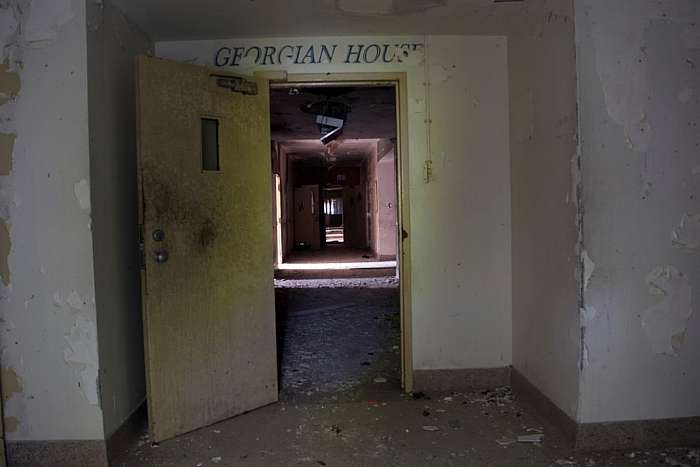
Georgian House
Georgian House section of Bluewater


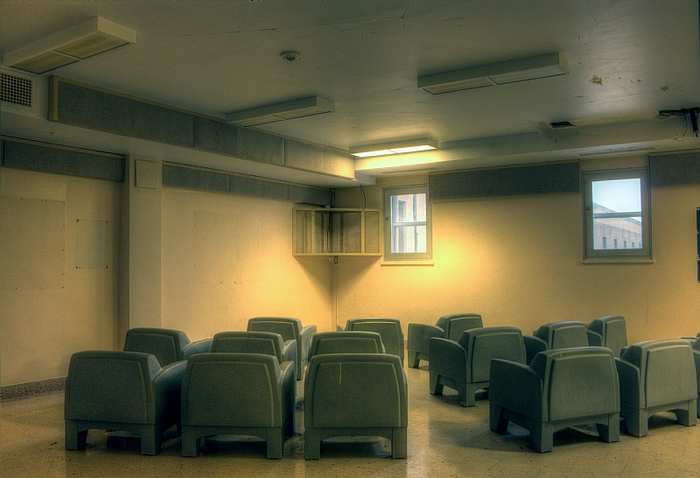
television room at Bluewater Youth Correctional
television room

The television room with plastic chairs that if thrown, are less likely to cause injury.


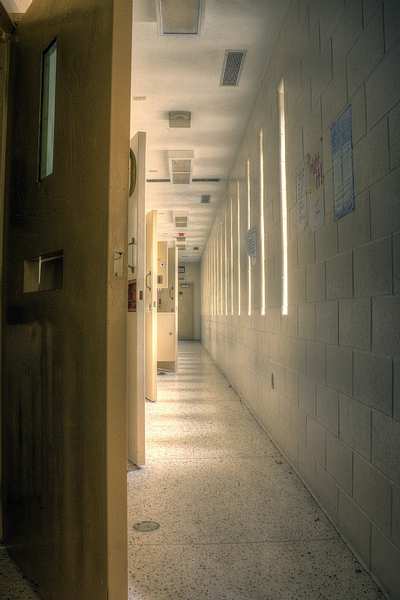
segregation cells
segregation cells – emotionally draining just to look at
youth cell at Bluewater

cells


Bluewater cafeteria
cafeteria

On our first visit here we were able to enter the guard’s shack. There we found a circuit breaker which when turned on, allowed us to open the main gate. With the turn of a key, it was like a scene out of a movie… the loud “Brrrr” tone and the gate slowly opening. 

Post-Military Training Photos (2018)

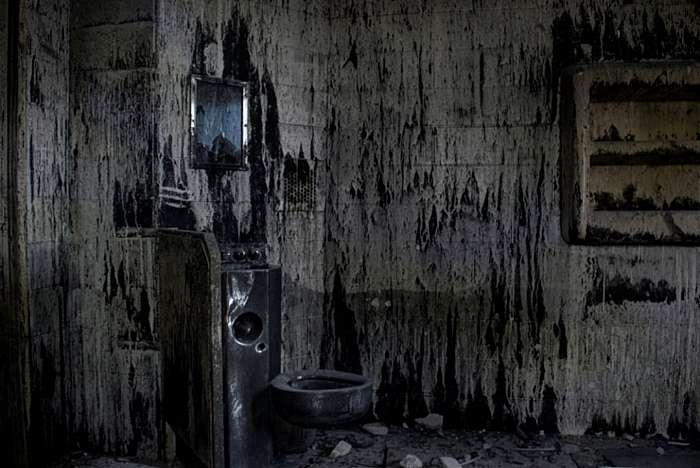
These photos are from 2018 after decay had begun and the military had set off explosives.

Bluewater hallway photo

television room

Photo of Bluewater Youth Centre

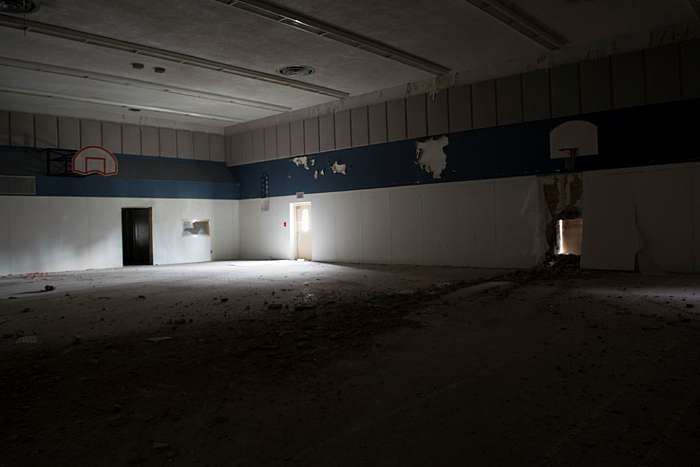
Bluewater Youth Centre gym area now

Bluewater Youth Centre

Georgian House as it appears today

The damaged shower area

A decayed and sooty youth cell at Bluewater